Dorothy Fields was an extremely successful lyricist and librettist in a very male-dominated entertainment industry.
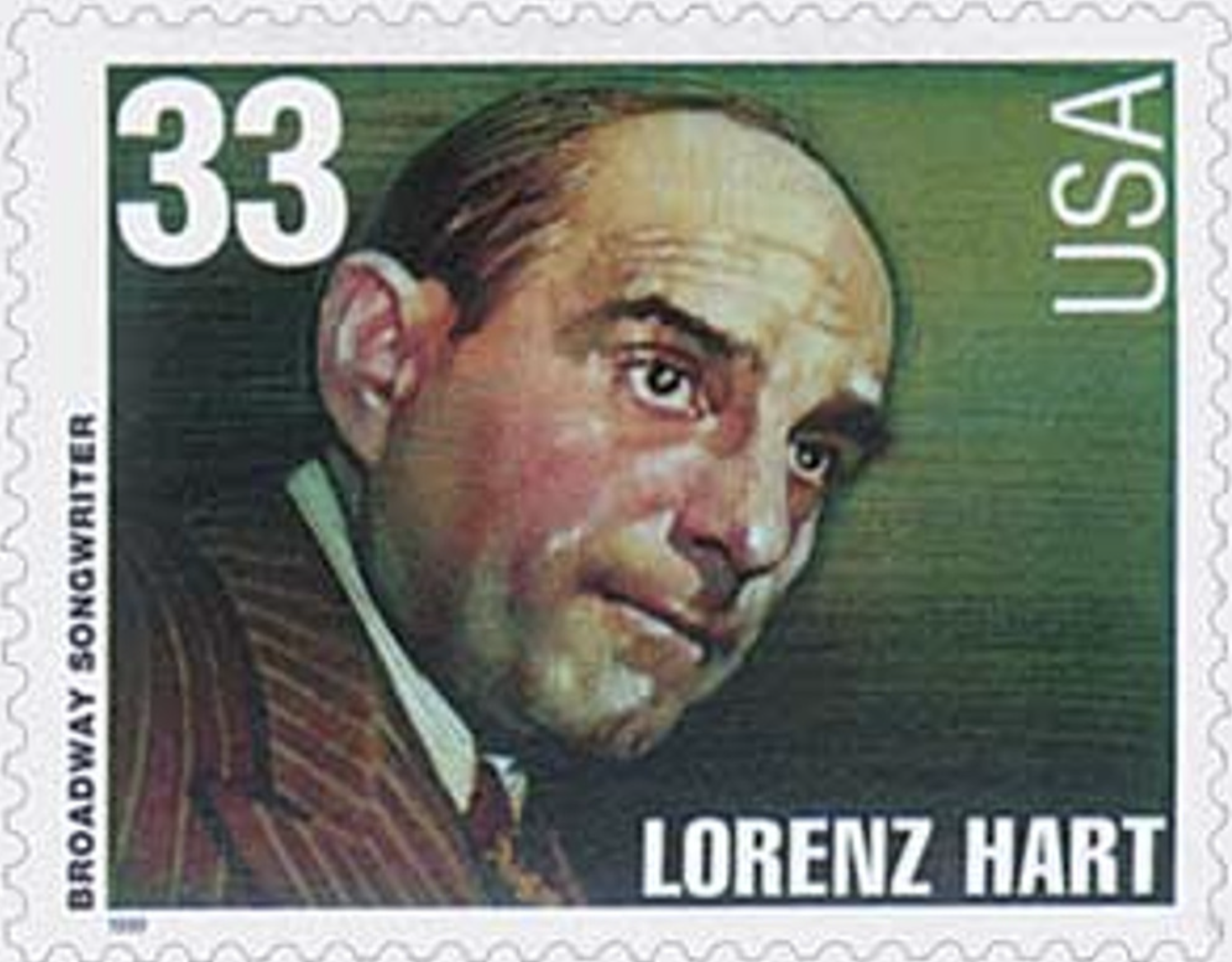
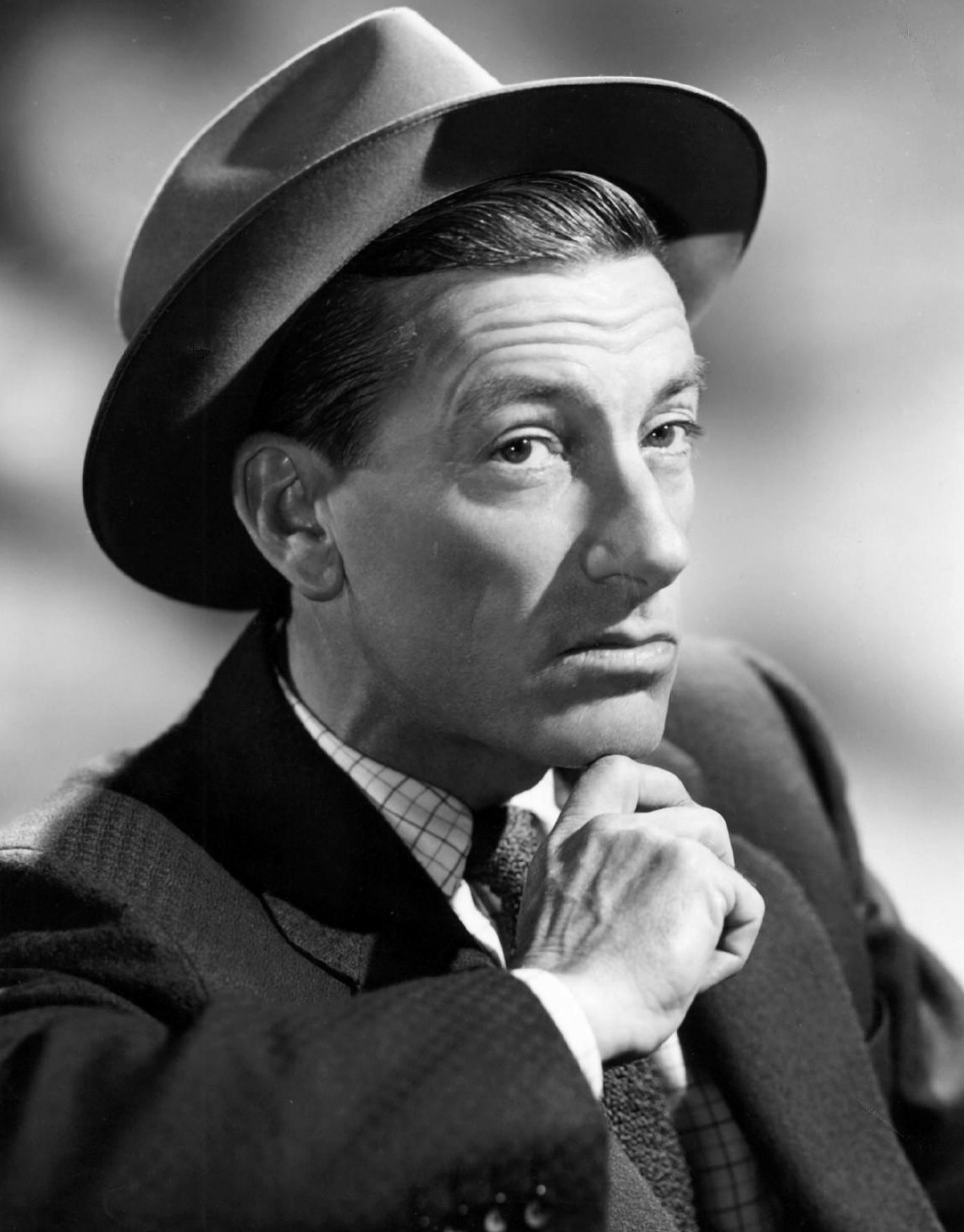
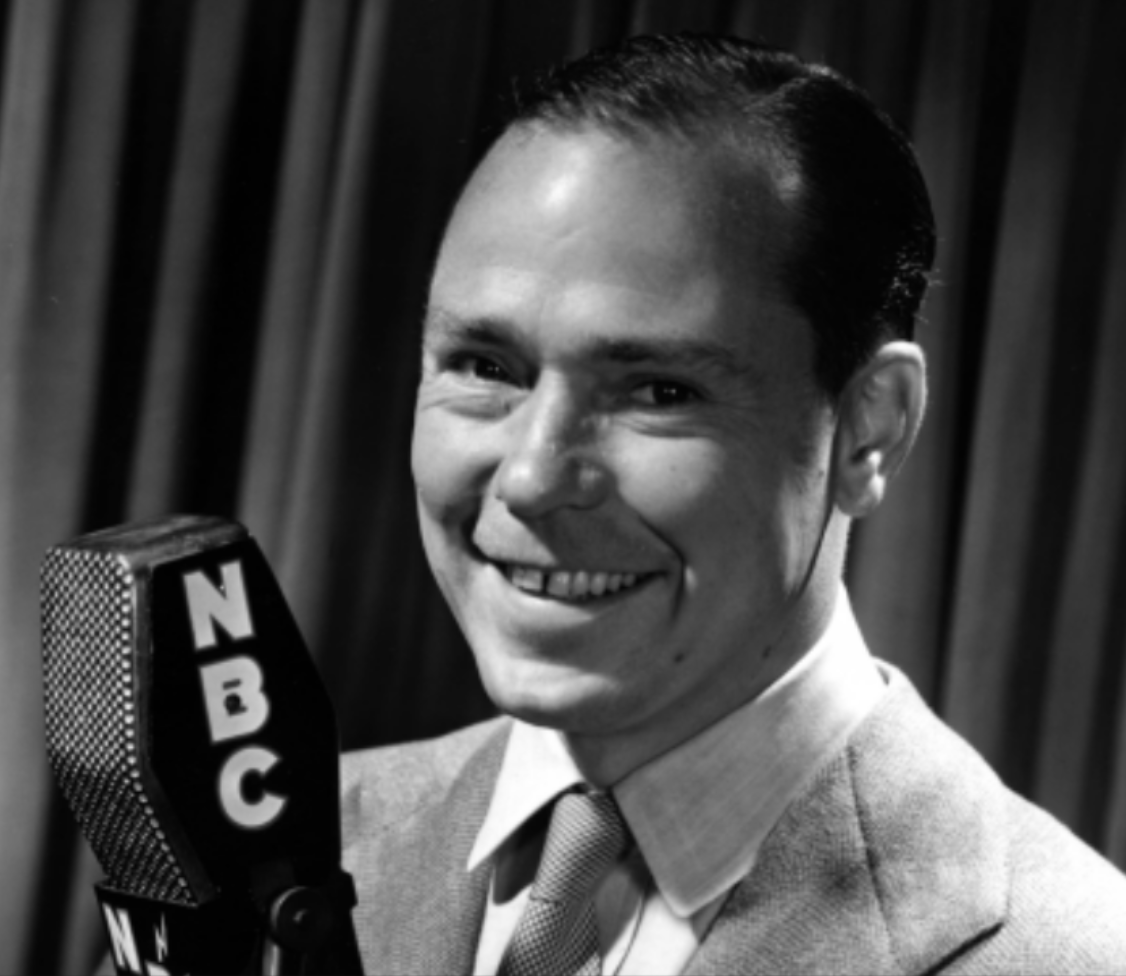
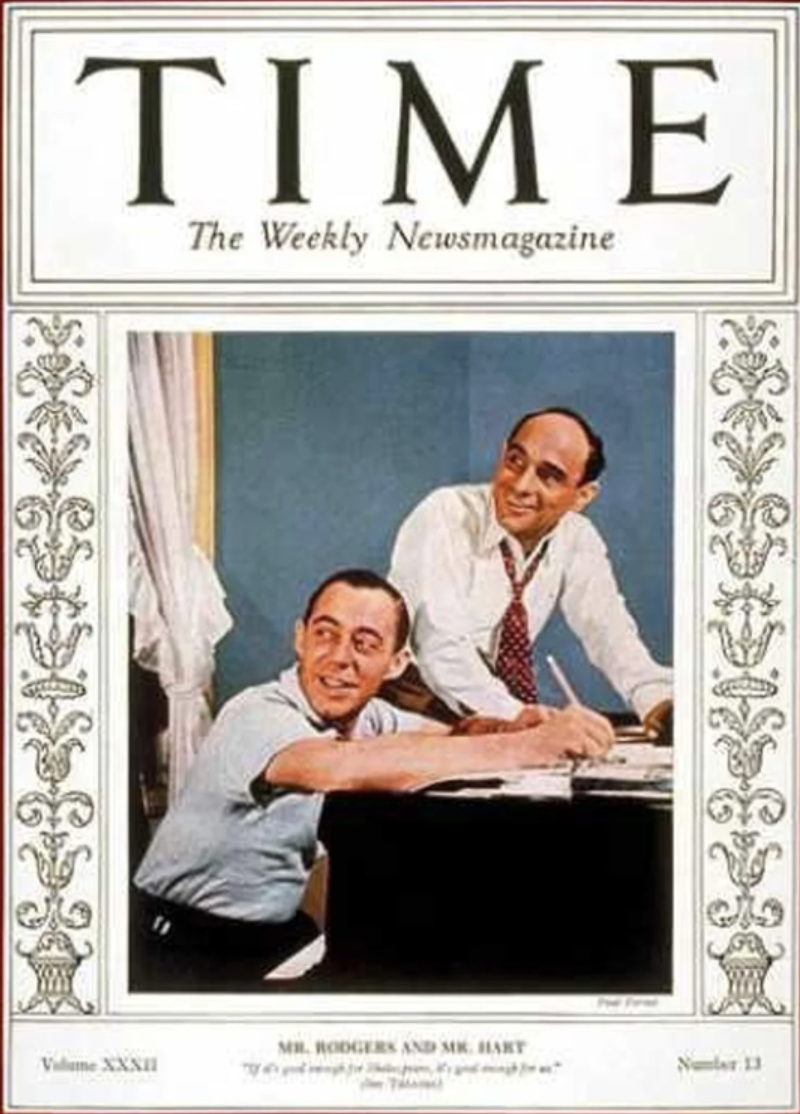
She was friends with — and sometimes collaborated with — all of the songwriters in the Golden Era of Popular Song including Richard Rodgers, Larry Hart, Oscar Hammerstein, Jerome Kern, Cole Porter, Irving Berlin, and the list (of male songwriters) goes on and on…
She had hits from the 1920s to the 1970s — and did not get discouraged (as many of her male colleagues did) when rock-n-roll began to displace her songs from the hit parade.
Instead she started working with a much younger composer, Cy Coleman, and had one of her biggest hits — the musical Sweet Charity — when she was 62 years old.
I, as a late-blooming songwriter, find her to be very inspirational.
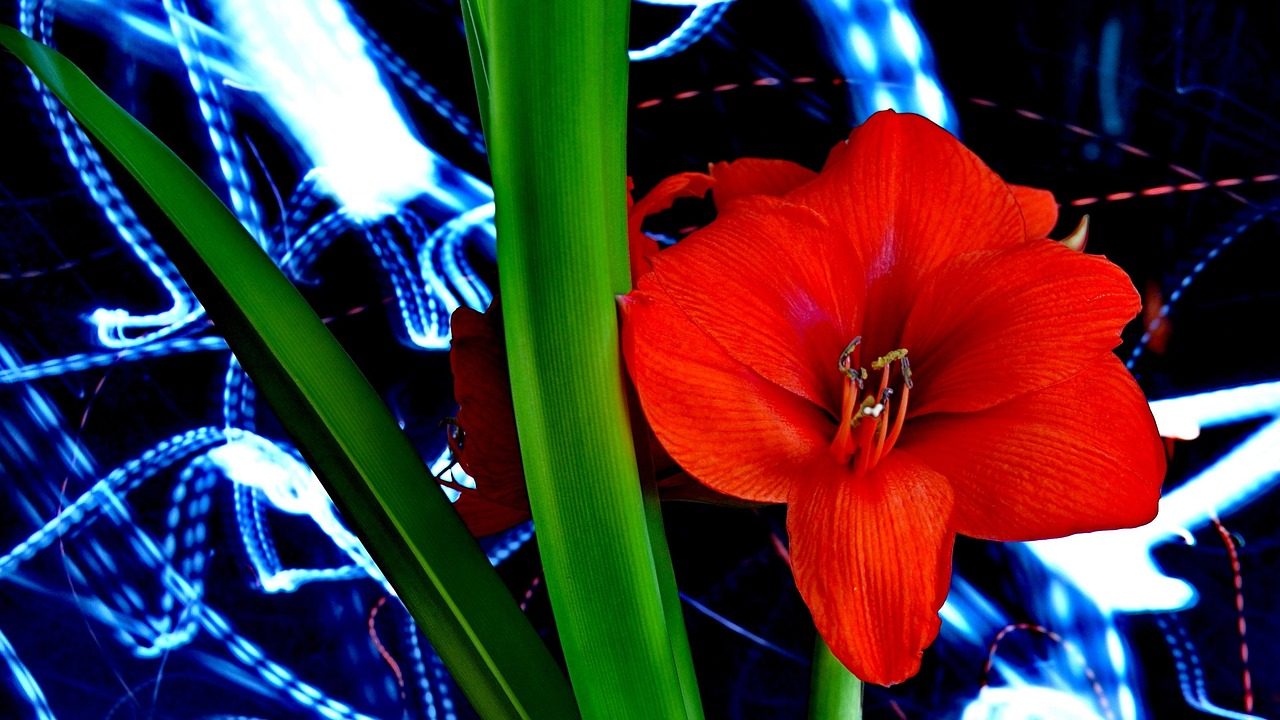
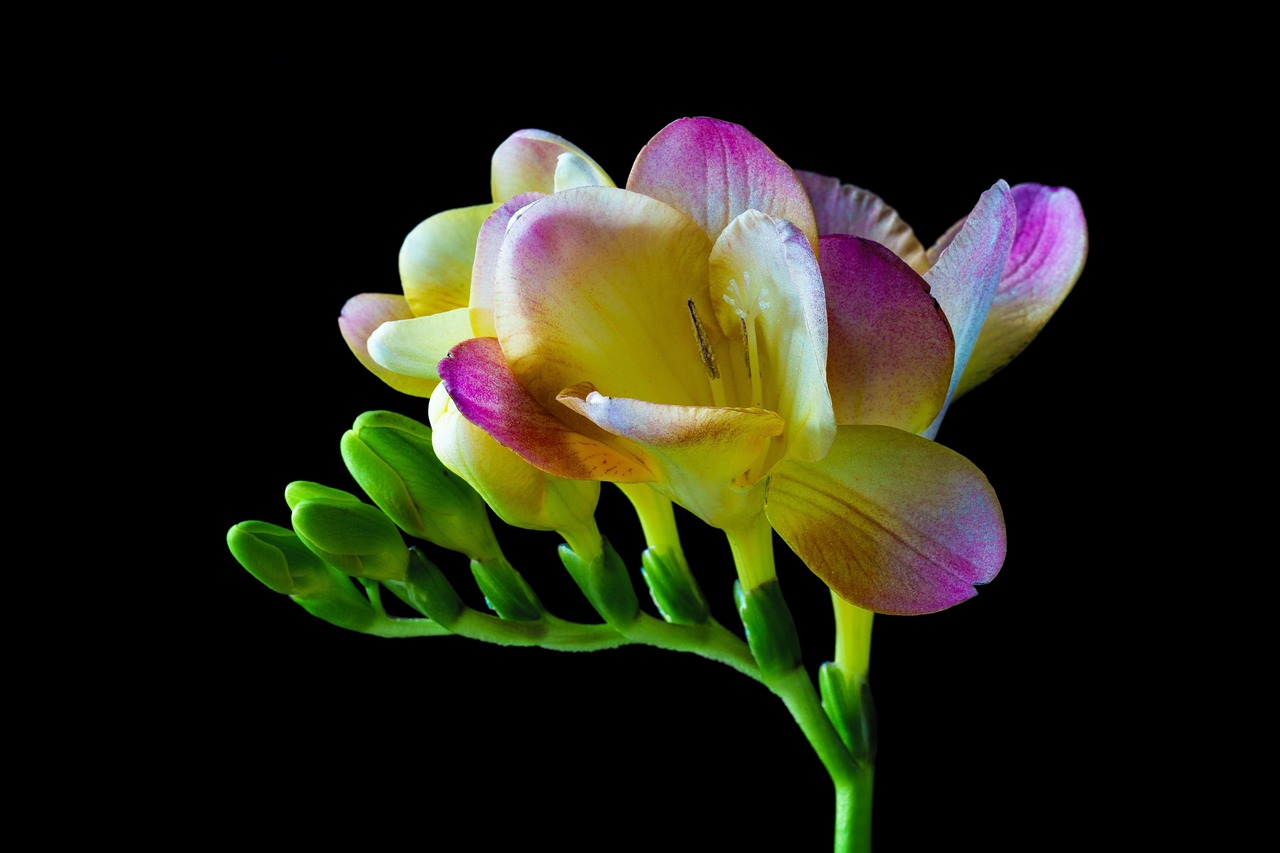
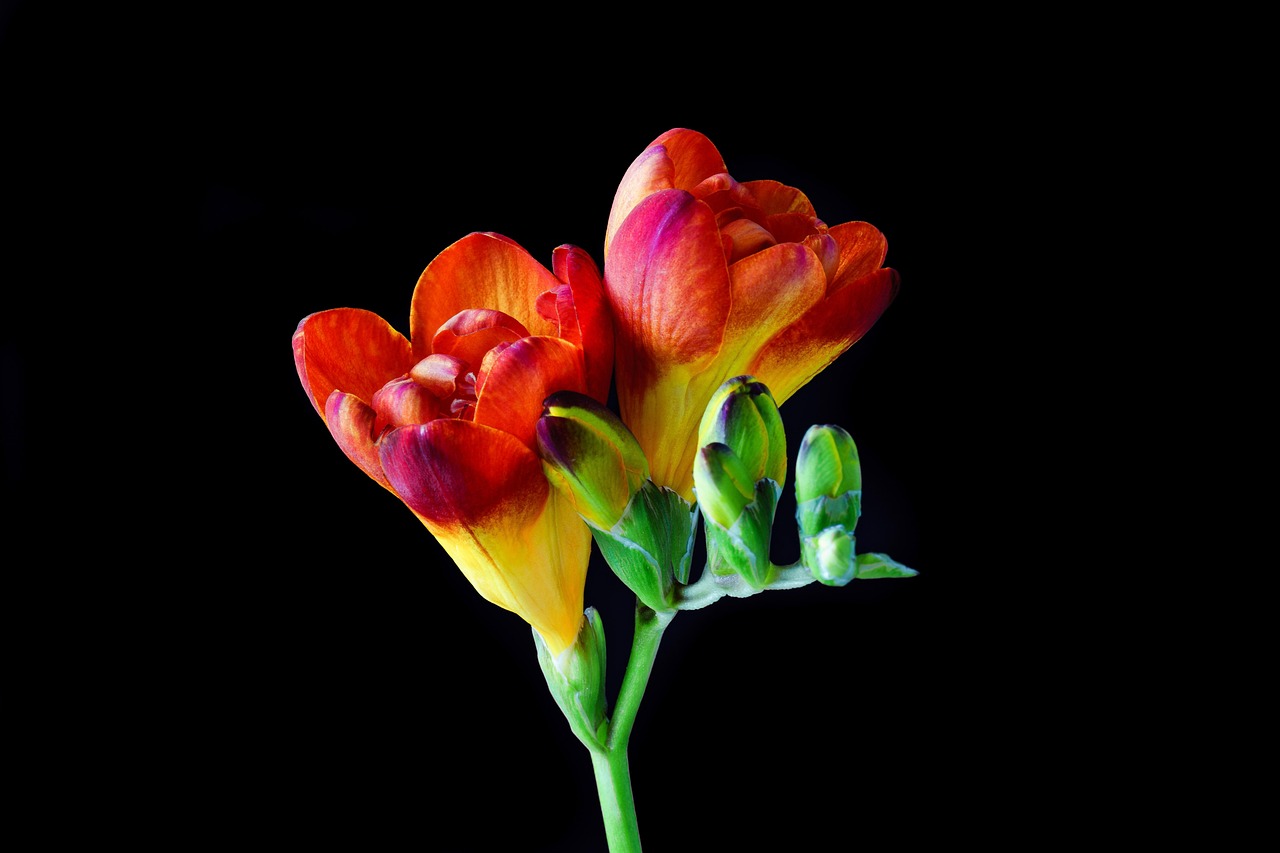
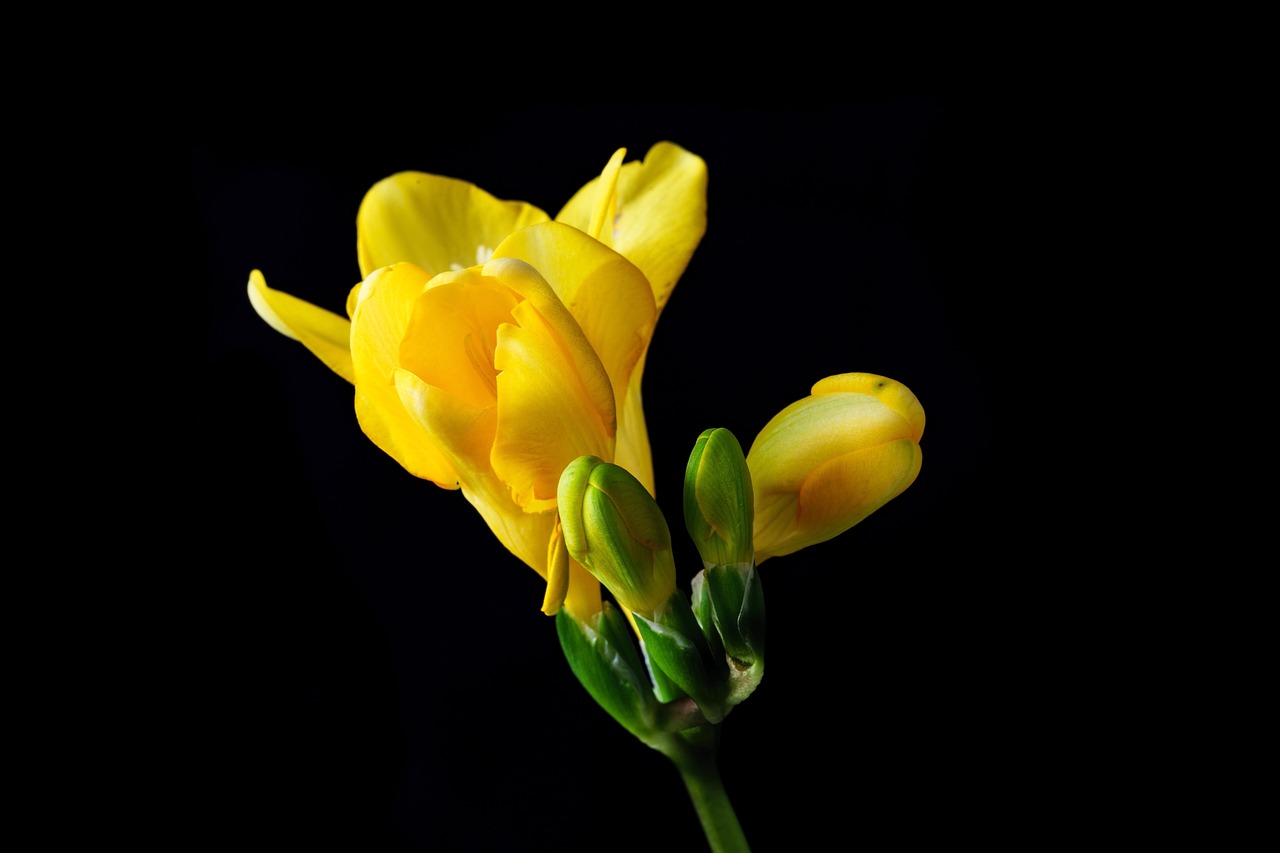
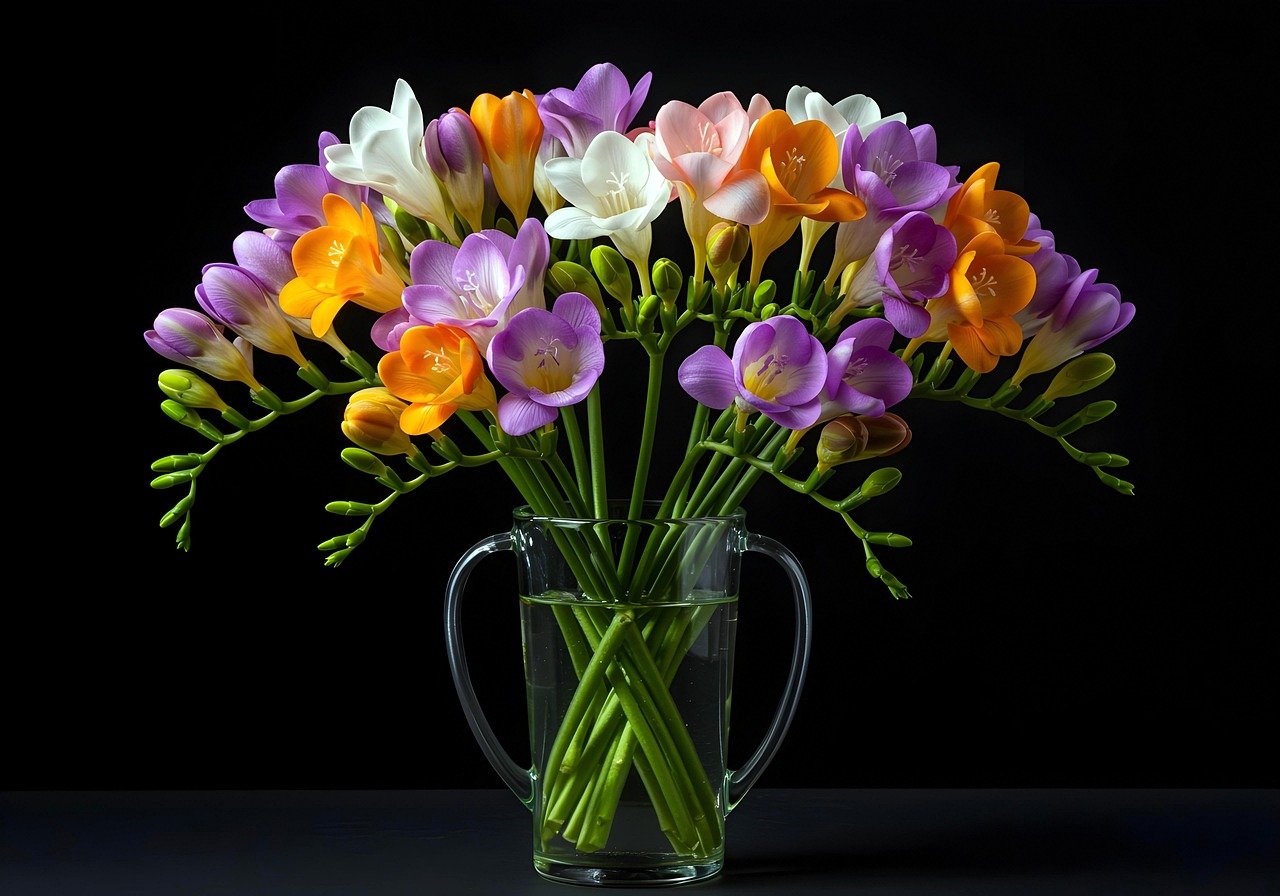
I have chosen freesia for this post because I imagine she would have enjoyed their delicious fragrance ‚ and because they always seem very elegant to me.
According to her biographers, she was always very well-dressed (one grandparent was a tailor…) with separate closets for hats, shoes, active wear, evening wear, etc.
I first attempted to release this song several years ago, but complications at CD Baby — the company I use to distribute recordings to digital streaming platforms — led me to cancel that initial piano/vocal rendition.
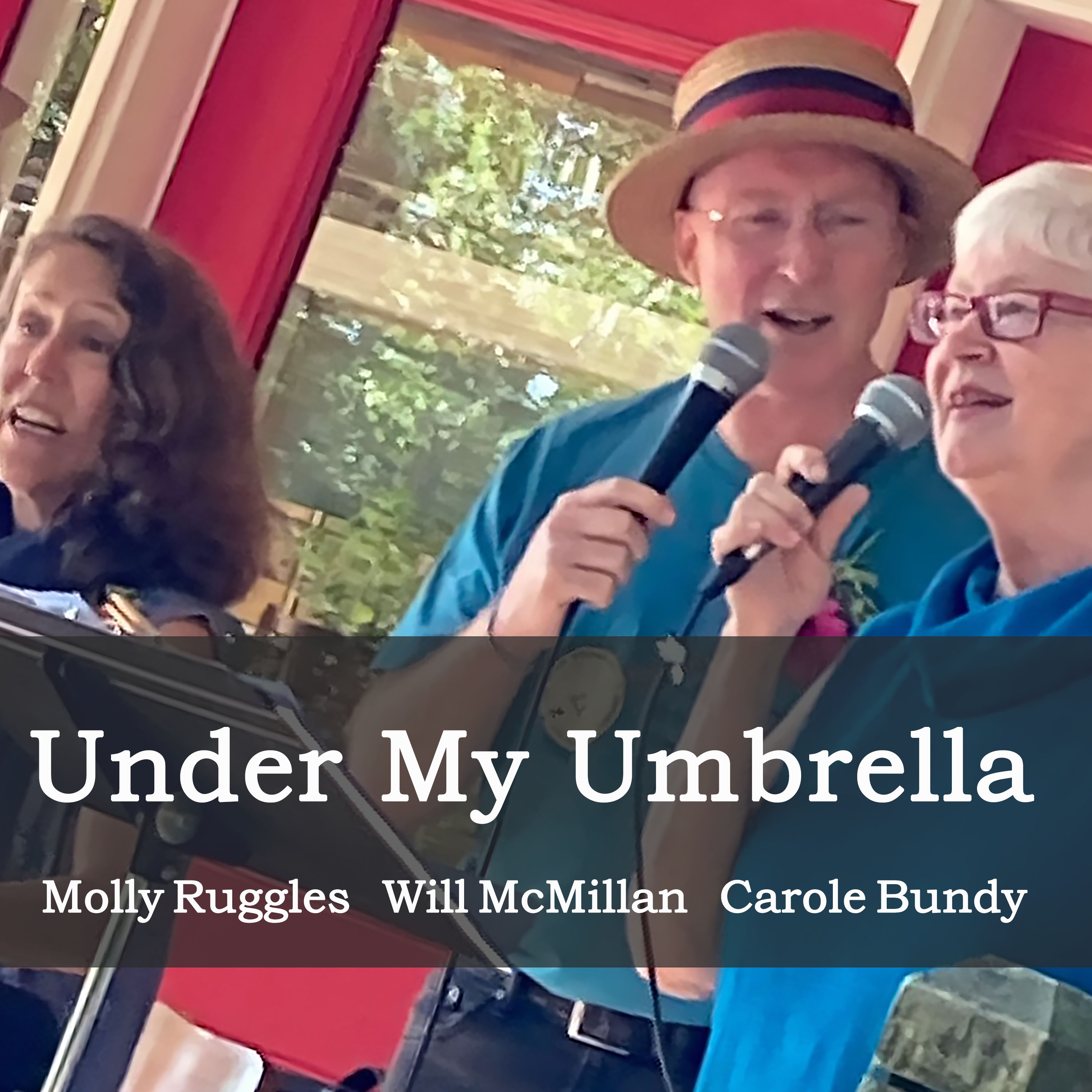
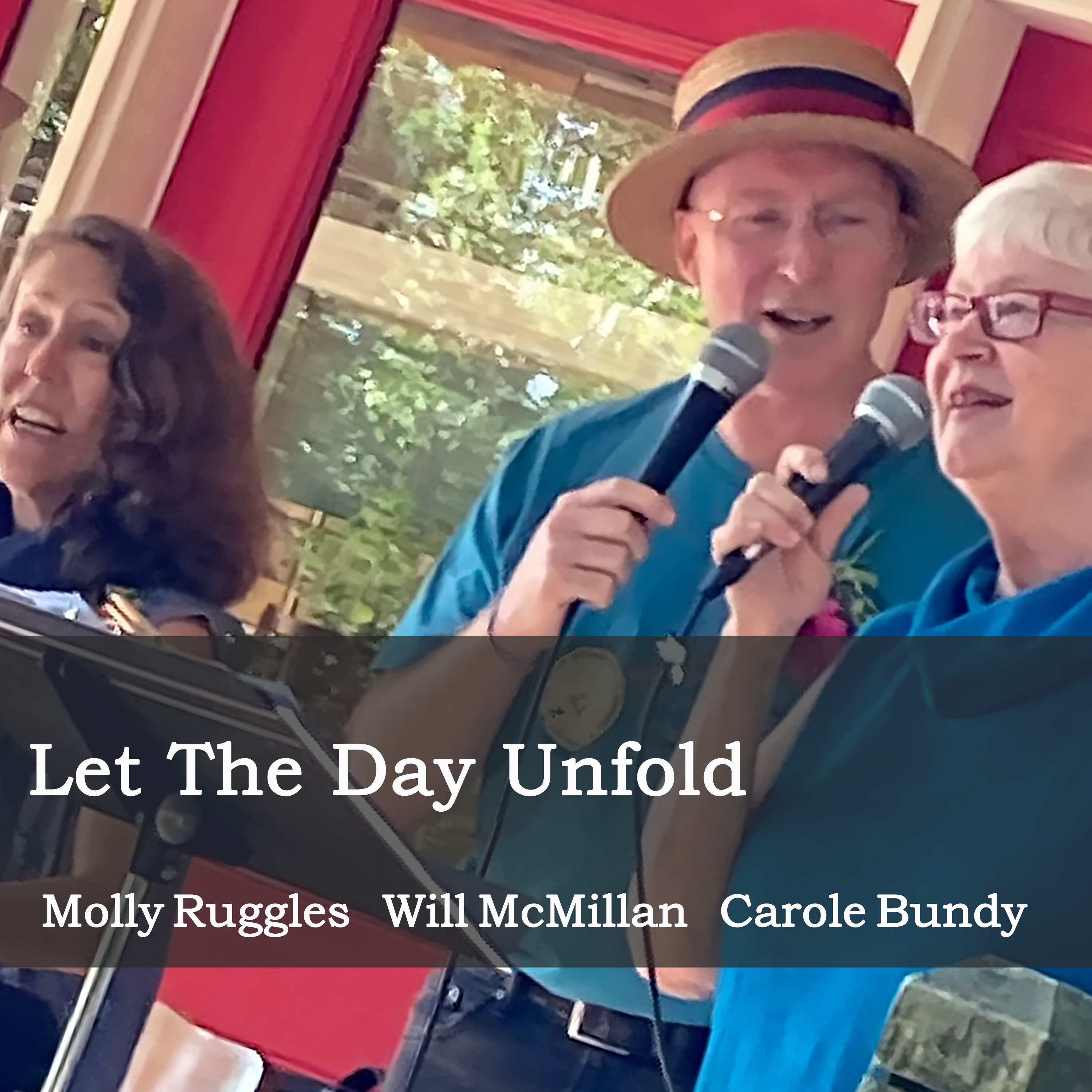
Fast forward three years, and I am releasing a new version — this time recorded with my friends Molly Ruggles (playing piano and singing) and Carole Bundy (singing).
Molly also crafted our harmonies.
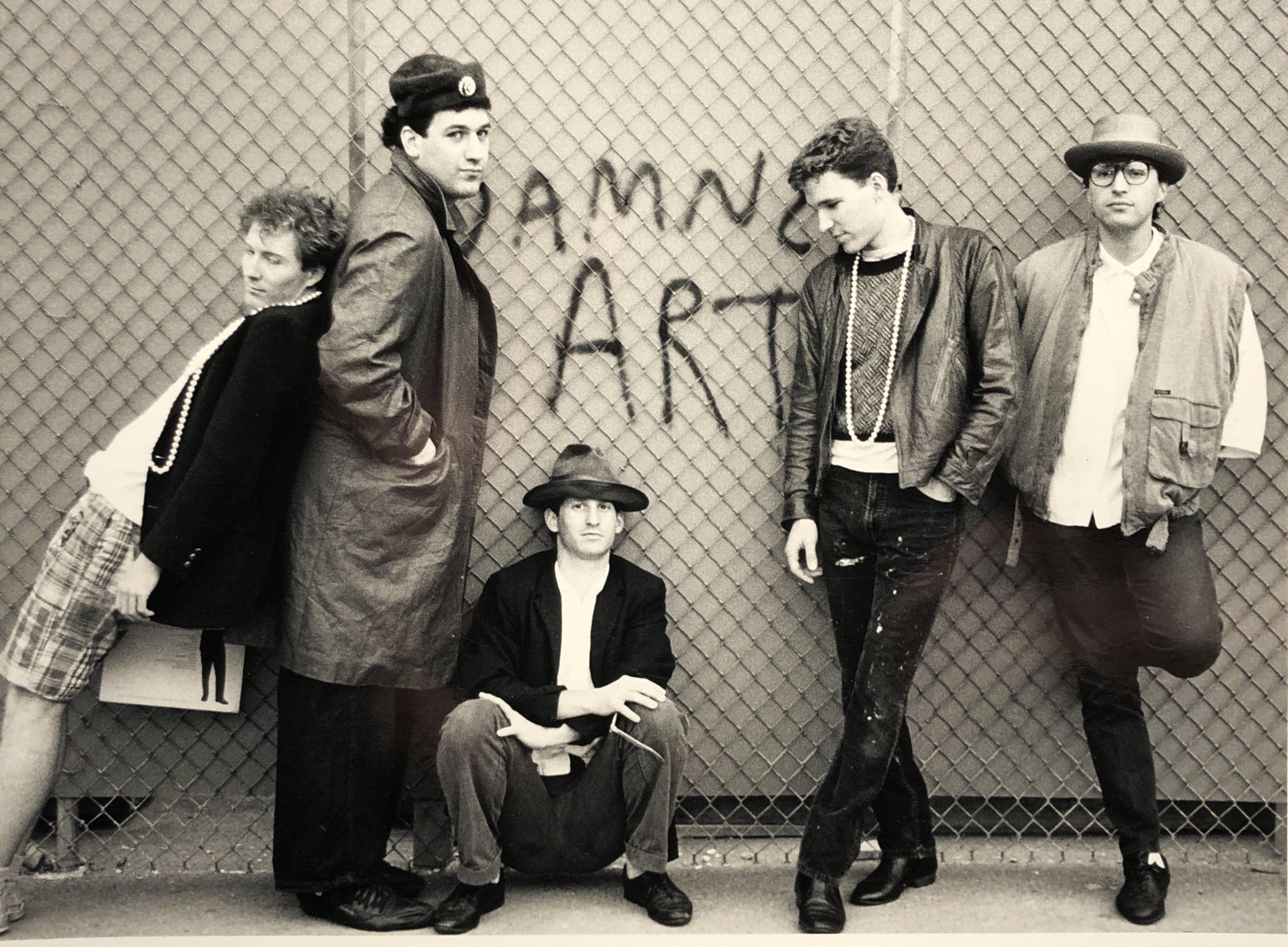
I co-write this song with two former bandmates, Scott Kowalik and Javier Pico, with whom I was in a pop-rock band a long time ago.
Here is a photo of us way back when…
Photo by Kymbob
Scott and Javier are on the right side, and I am leaning on Alan.
Robert sits in the middle.
That is when I still had a fair amount of hair.
I think Scott’s girlfriend at the time snapped this photo near the Museum of Fine Arts in Boston.
I am saddened to realize that some of the lyrics in this song (“and so we set off to fight another war…”) areeven more compelling today than when Scott (mostly the chorus) and I (mostly the verses) wrote them.
G-d only knows what will continue to unfold in the Middle East… and Ukraine… and so many other active human war zones…
I do not want my blog posts to be too discouraging, overwhelming or unhappy.
There’s already plenty of that energy in circulation here on planet earth!
That’s partly why I started sharing shorter, flower-filled Thursday Throwback blog posts this year.
And “Let The Day Unfold” offers a bit of hope and maybe even a smidge of wisdom.
I DO feel that many of us are caught in a losing battle — armored “with the righteous power of the either/or” — about all sorts of very important topics.
For example, I can easily find myself hunkering down in a judgemental, self-righteous, bike-riding, public transportation-using stance regarding our over-consumption of fossil fuels (leading to the increasingly erratic and dangerous weather here on planet earth).
But life is always — or almost always — more complicated and nuanced than a purely either/or position.
That’s why I love the yin/yang symbol — it so beautifully illustrates the concept of “both/and.”
And it reminds me that compromise is not necessarily a horrible option.
Thank you to the generous photographers and graphic designers at Pixabay.
Thank you to Javier and Scott and Molly and Carole and Doug Hammer(who recorded us and then patiently helped to mix and master this new version of “Let the Day Unfold.”)
And thank YOU for reading and listening to yet another one of my blog posts and songs!
Many songs from the 20s, 30s and 40s include references to specific people, places, products and events — thus functioning as historic 20th century time capsules for 21st century listeners.
A) Mulligan Stew, I learned from Wikipedia, is an Irish-inspired recipe for a soup or stew made from whatever food items one can round up.
It was also known as “Hobo Stew” during the early part of the 20th century in the USA.
I feel a special affinity for Mulligan Stew, because it appears to be very similar to the endless soup I like to make during the winter months.
I start with cut up carrots, potatoes, sweet potatoes, and onions — plus a frozen chicken thigh — and boil all the ingredients until the chicken is cooked and the carrots are starting to lose their crunch.
Then I add some cut-up garlic, fresh ginger, salt, pepper and whatever additional spices — curry powder? thyme? turmeric? one of Trader Joe’s multi-spice blends? — call out to me from the shelf.
Then I eat it for about a week — refrigerating it each night and adding more water plus additional ingredients — leeks? parsnips? kale? mushrooms? squash? rice? tomatoes? okra? tofu? canned beans? frozen artichoke hearts? leftover Chinese food? — on a daily basis before cooking it some more.
Yum!
B) Noël Coward, as you may already know, was a multi-hyphenate powerhouse — an actor-playwright-composer-director-singer from England who died in 1973 after a long and very successful career.
I have only learned and performed one of his songs — “If Love Were All” — which was part of Judy Garland’s repertoire.
But I have a Noël Coward songbook in my basement music library which probably deserves more attention in the future.
C) Wikipedia tells us that “The Beaux-Arts Ball… is the annual costume ball traditionally given by the students of the École nationale supérieure des Beaux-Arts in Paris in the spring…on the rue Bonaparte overlooking the Seine… Its reputation for high style, nudity, wild antics, and cross-dressing encouraged imitators in American cities. In 1931, in New York, famous architects dressed up as their buildings and today, many American architecture schools hold similar costume balls.”
I am guessing that the one in New York in 1931 is the Beaux Arts Ball to which Larry Hart is referring in his lyrics.
They sound like very creative and somewhat outrageous events!
I am happy to share that my streaming numbers have been rising on Spotify and on Pandora (which are the only two music streaming platforms I currently monitor) — so a BIG THANK YOU to anyone and everyone who have given one of my songs a listen!
I have become more and more of a Pandora fan in recent months, even though their music is only accessible in the USA (and not globally like Spotify).
I use their free option, which means that I have to listen to ads every few songs — which I often mute.
And I use a similar free option on Spotify and YouTube Music.
Even though Pandora’s parent company, SiriusXM, has been laying off large numbers of staff in recent months, the core group of people at Pandora who offer customer service and training to independent musicians like me has — so far — remained intact.
What I particularly love about Pandora is that they do not use chatbots to communicate with independent musicians like me.
Real live Pandora staff offer free training sessions via Zoom each month to encourage musicians to take advantage of their free promotional strategies which can help songs find new listeners.
I tried one strategy — creating a featured track — and the song I featured received hundreds more streams as a result.
Of course, you probably remember that all of the music streaming companies pay only fractions of a cent per stream to recording artists and songwriters like me…
But I have released 58 songs during the past 4 years, and many of these songs have each been streamed over 1000 times on Spotify and Pandora — although less often on YouTube, Apple, Amazon, and other digital music platforms…
And all of those fractions of cents DO have the potential to add up to something substantial.
So I remain hopeful that my persistence will pay off as the months and years go by — as long as we have a functioning internet, a functioning economy and a functioning democracy…
Deep breath in.
Deep breath out.
Thank you to Doug Hammer for playing his beautiful Schimmel piano on this recording and for being very patient while we mixed and mastered it.
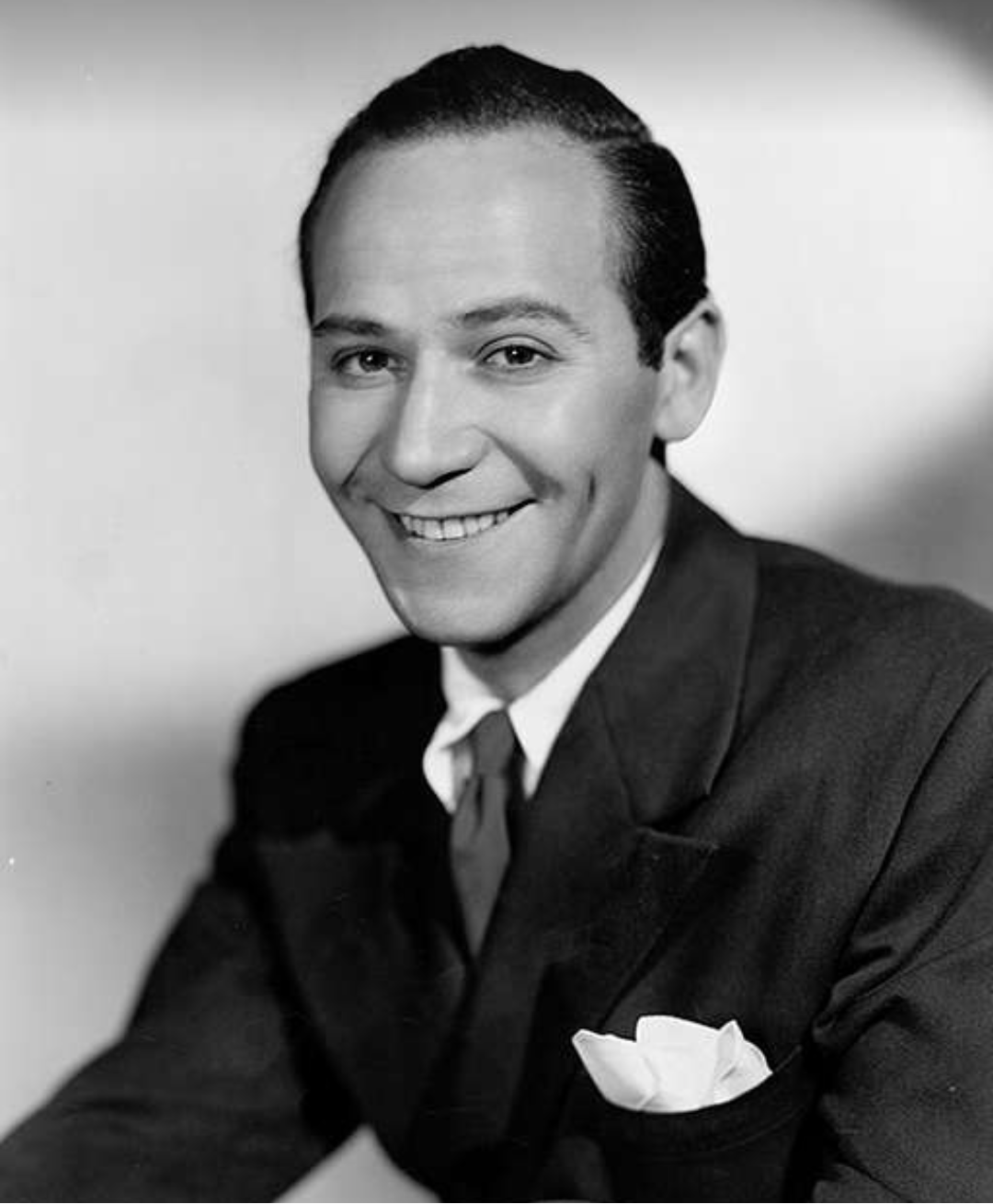
I have chosen to honor it with a sweet song by Frank Loesser which was nominated for an Academy Award in 1952.
Mr. Loesser wrote it for Danny Kaye to perform in a movie about the Danish writer Hans Christian Anderson.
According to Mr. Loesser’s daughter, he did not think highly of this song, and sometimes even used it as an example of songwriting to avoid.
But I love it.
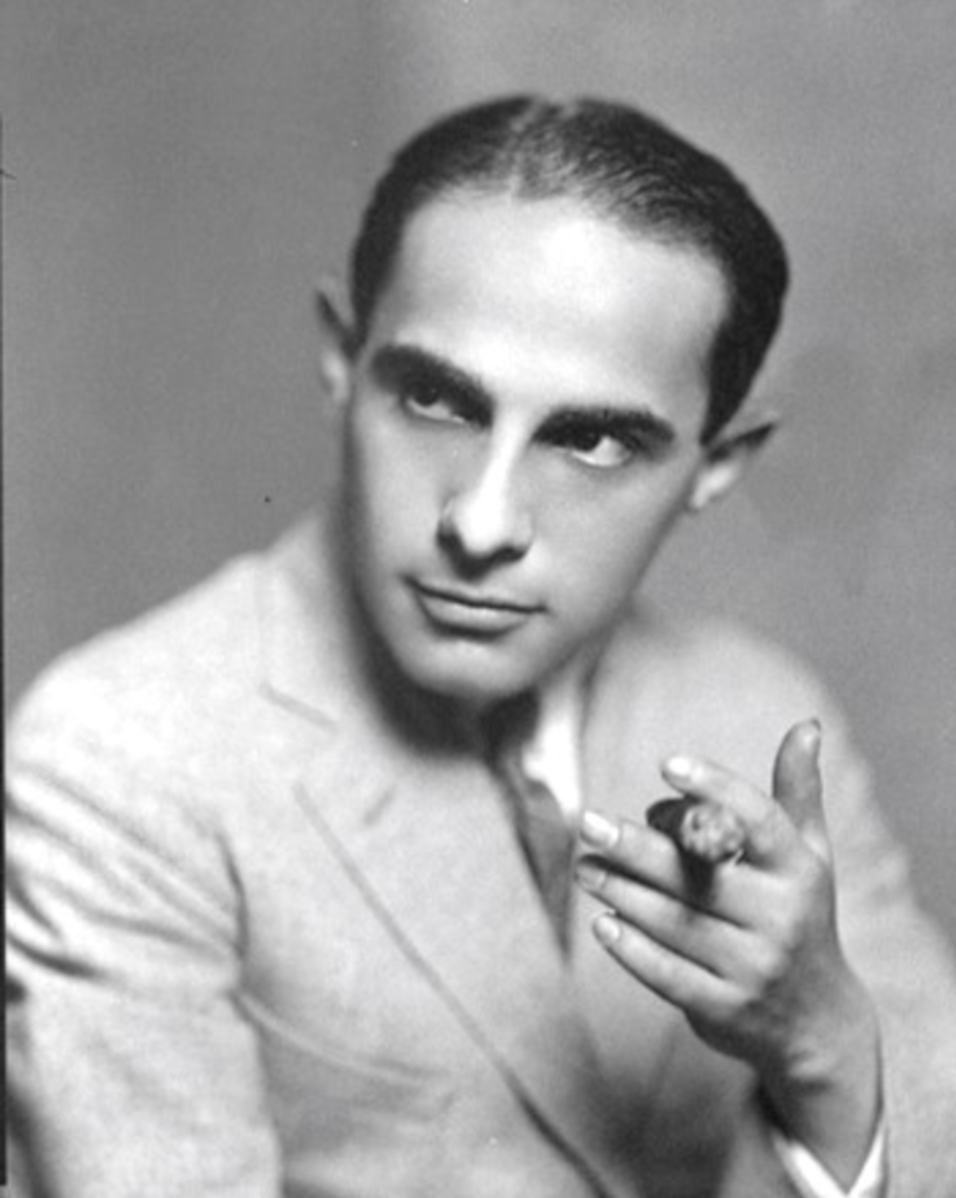
Frank Loesser
Mr. Loesser began his songwriting career as a lyricist and co-wrote a bunch of great songs in the 1930s and 1940s including “Heart and Soul” and “Two Sleepy People” (both with Hoagy Carmichael), “I Don’t Want To Walk Without You” (with Jule Styne) and “See What The Boys In The Back Room Will Have” (with Friedrich Hollaender).
The first hit song for which he wrote both words and music was “Praise The Lord And Pass The Ammunition” during WWII.
Loesser ended up writing words and music for the songs in WHERE’S CHARLEY, GUYS AND DOLLS, THE MOST HAPPY FELLA, and HOW TO SUCCEED IN BUSINESS WITHOUT REALLY TRYING (along with a few less successful undertakings).
Some hits from those shows include “Once In Love With Amy,” “Luck Be A Lady,” “I Love You A Bushel and A Peck,” “If I Were A Bell,” “I’ve Never Been In Love Before,” “Somebody, Somewhere,” “Standing On The Corner,” “Joey, Joey, Joey,” “I Believe In You,” and “Brotherhood of Man.”
Mr. Loesser also continued writing songs which were used in movies such as “Baby, It’s Cold Outside,” “Let’s Get Lost,” “Inchworm,” and “Spring Will Be A Little Late This Year.”
And he wrote a few songs which became pop hits without any connection to Broadway or Hollywood, including “What Are You Doing New Year’s Eve?” and “I’d Like To Get You On A Slow Boat To China.”
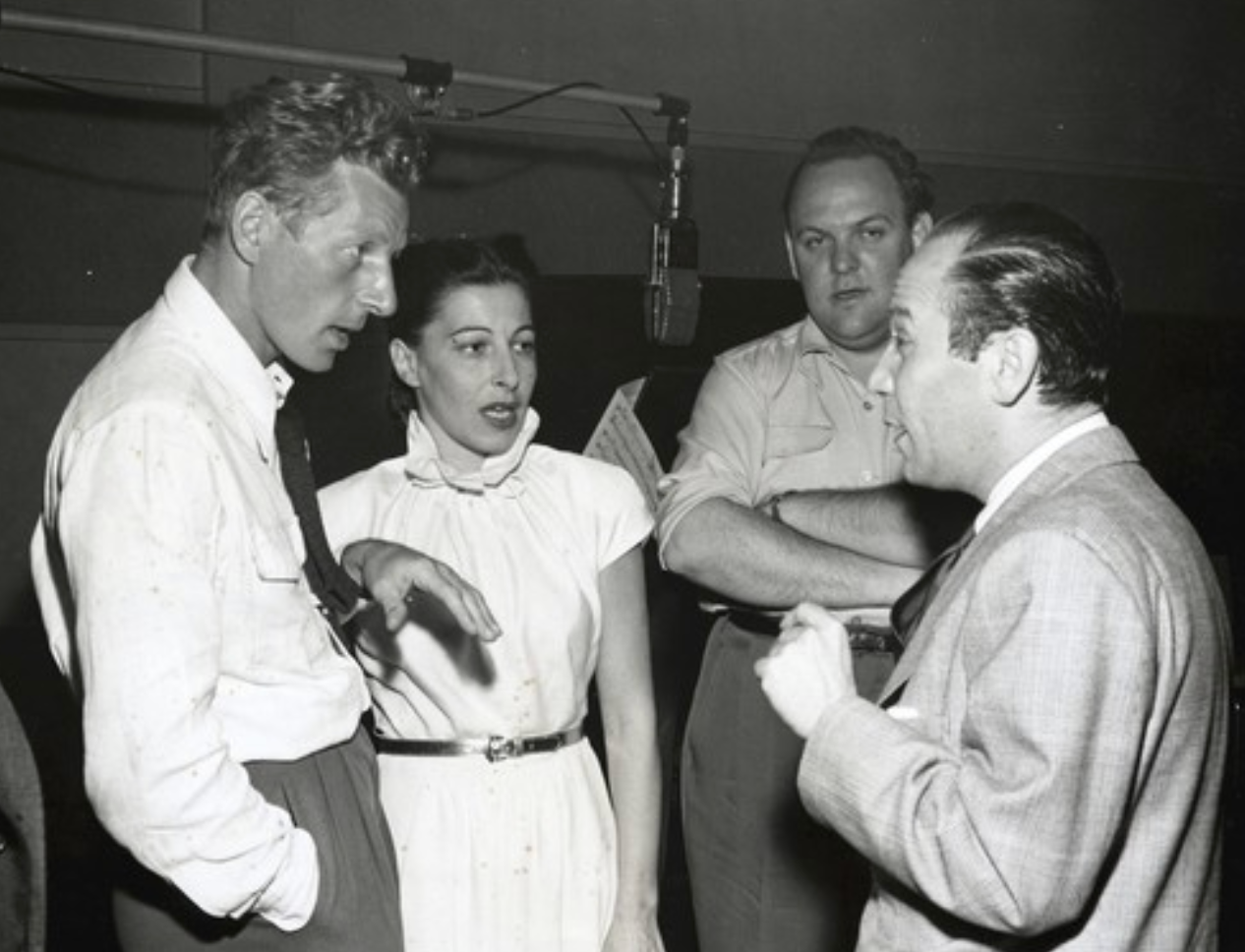
Danny Kaye, his wife Sylvia Fine, arranger Billy May and Frank Loesser
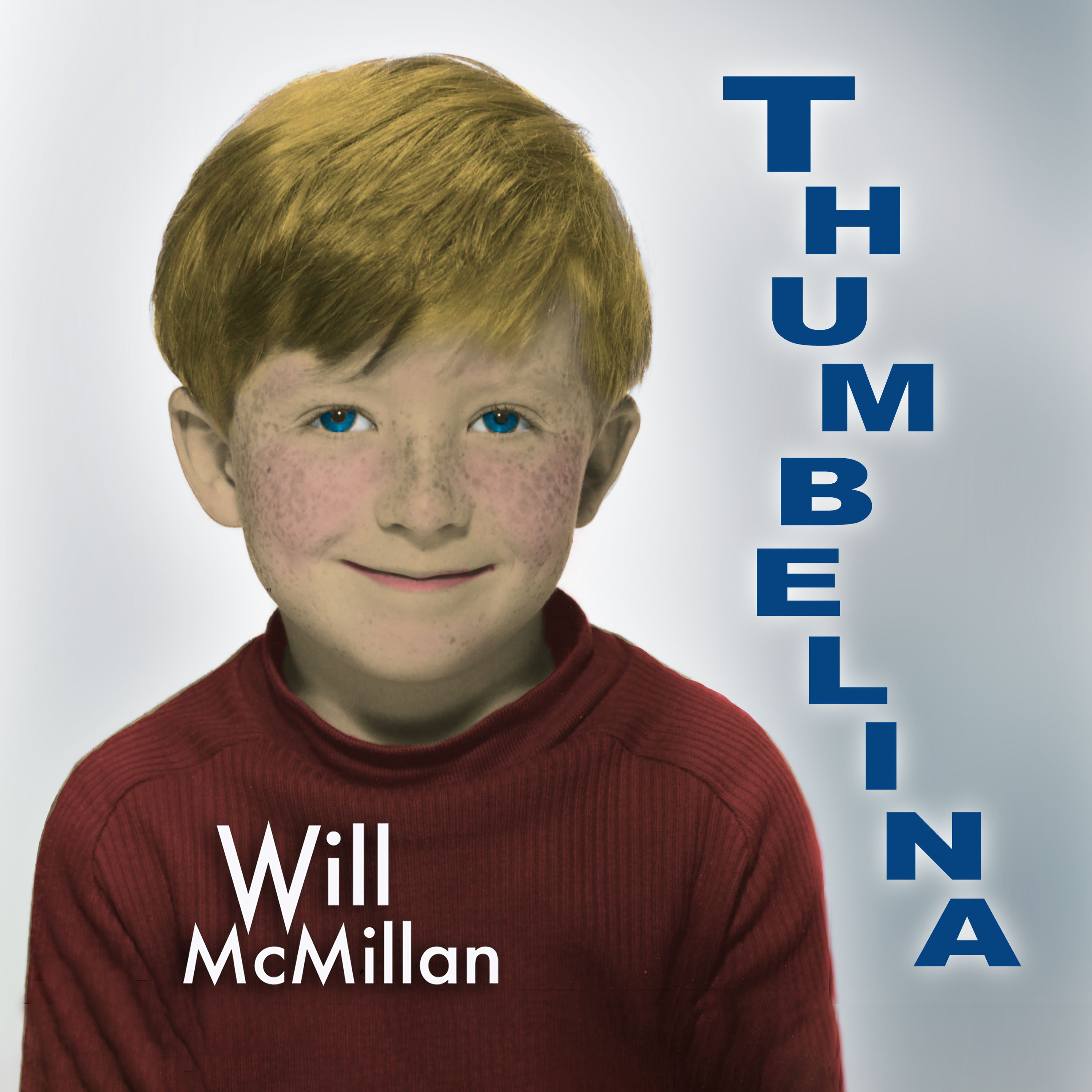
I have long loved his song “Thumbelina” — and am very happy with this peppy version which Doug Hammer and I recorded quite spontaneously a few years ago when I was putting together an hour-long program of songs written or co-written by Frank Loesser.
I had been thinking I might use it in a Valentine’s-Day-inspired blog post, and then fellow blogger Jennie F. left the following comment regarding my blog post last month:
“Nature is as wondrous as music. Your (hyacinth) bulb flower(ing) says it all… Stay warm, and remember the words of Hans Christian Andersen, “Where words fail, music speaks.”
I had forgotten the exact plot synopsis of THUMBELINA (which I first read as a child), but Wikipedia refreshed my memory:
“Thumbelina is about a tiny girl and her adventures with marriage-minded toads, moles, and cockchafers. She successfully avoids their intentions before falling in love with a flower-fairy prince just her size.”
I had also forgotten that Thumbelina comes into being as a result of the actions of a woman who — longing for a child — plants a barleycorn seed.
Thumbelina then emerges from a barleycorn flower… and the adventure of her life begins.
As a Music Together teacher, I particularly resonate with Mr. Loesser’s lyrical admonition that Thumbelina dance and sing — since that is exactly what I do three mornings per week with a delightful crew of small children + the grown ups (parents, grandparents, and nannies) who love them.
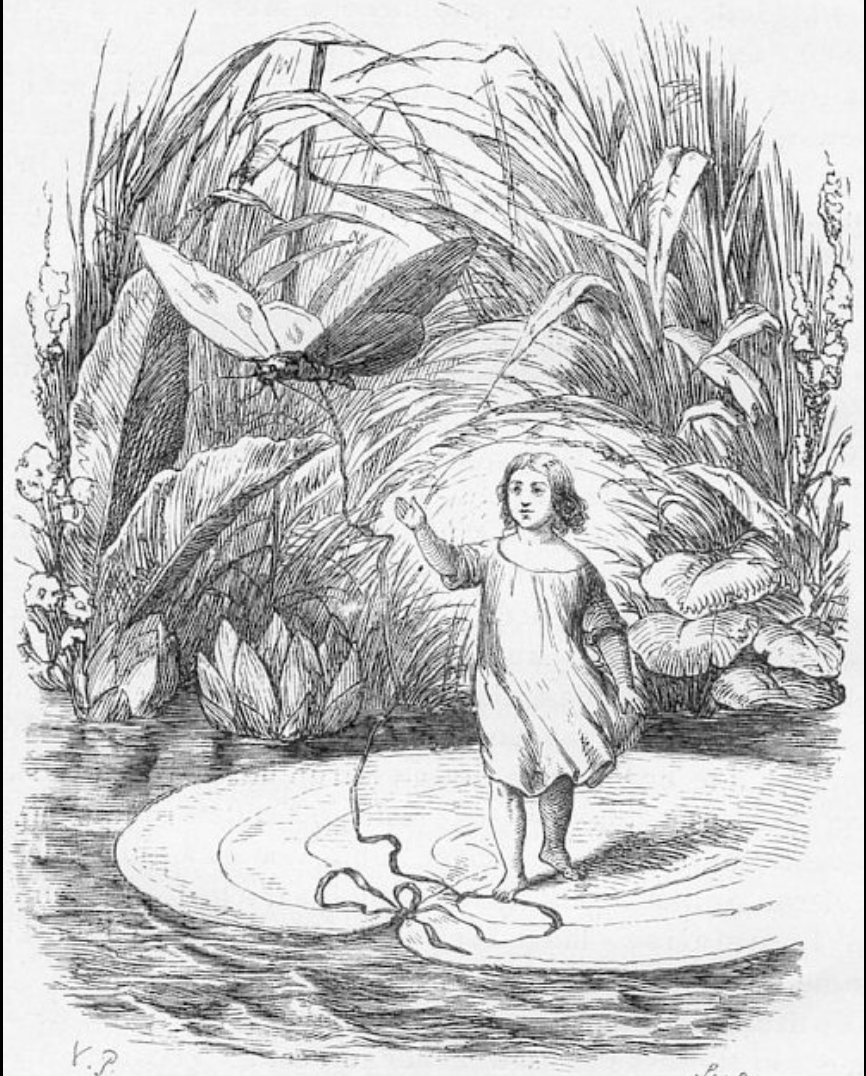
Illustration by Thomas Vilhelm Pederson from original publication of THUMBELINA in 1835
By the time I bike (or take the bus) to class, vacuum the karate studio (the floor of which accumulates a surprising.amount of hair, clipped toenails, cookie fragments, dust etc. plus sand and salt during the winter months), hide the punching bags and karate trophies behind a wall of rolling screens, set up a boombox and instruments, change into my teaching — rather than biking/cleaning/snow shoveling — clothes, welcome families, lead a 45-50 minute class, chat with families after class, and then put away all the stuff I set up an hour earlier, I do not earn very much money per hour.
But the sweetness, playfulness, joy, humor, love and sense of connectedness I experience with my families each week is always a balm for my soul.
And there’s no way to put a price on that!
Leading Music Together classes helps me get out of bed in the morning AND reassures me that the human world is not an irredeemably f–ked up mess about which I can do nothing to help.
And sometimes one of the small humans in my class is inspired to give me a hug at the end of class.
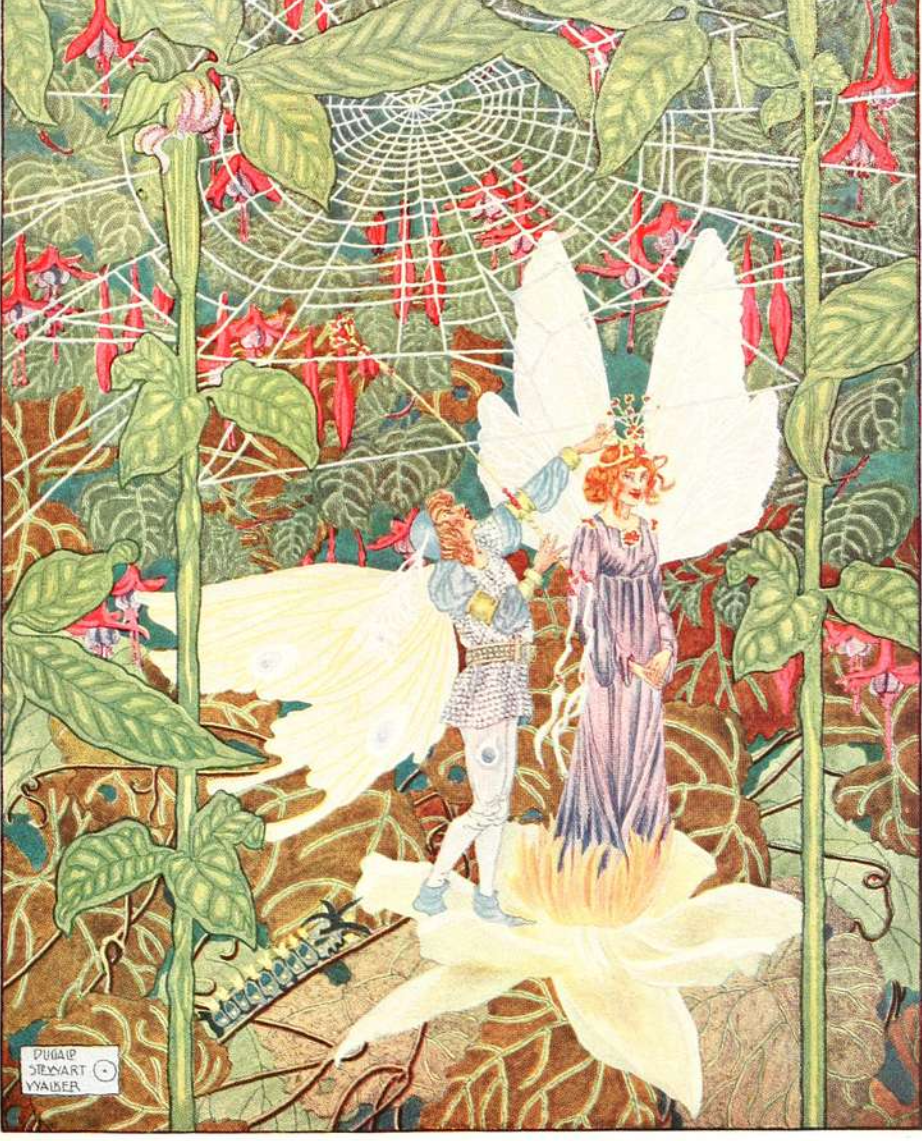
Illustration from a 1914 edition of Han Christian Anderson’s Fairy Tales
When this happens, I feel like I am being visited be an angelic being who is offering me unadulterated love, comfort and gratitude.
It is such an honor to receive one of their hugs.
And sometimes I am offered a hug by one of the grownups in class, too — which I also appreciate and savor.
Another deep breath in.
And deep breath out.
These little children are a big reason why I ride my old and raggedy-looking bike rather than drive a car, why I rarely buy new clothes, and why I never travel (especially via airplanes) simply for the sake of going someplace new or warm or trendy.
I live a downwardly mobile life so that the children in my classes might be able to live an ever-so-slightly less chaotic and terrifying life due to the myriad ways that climate change is affecting all of us here on planet earth.
Yet another deep breath in.
And deep breath out.
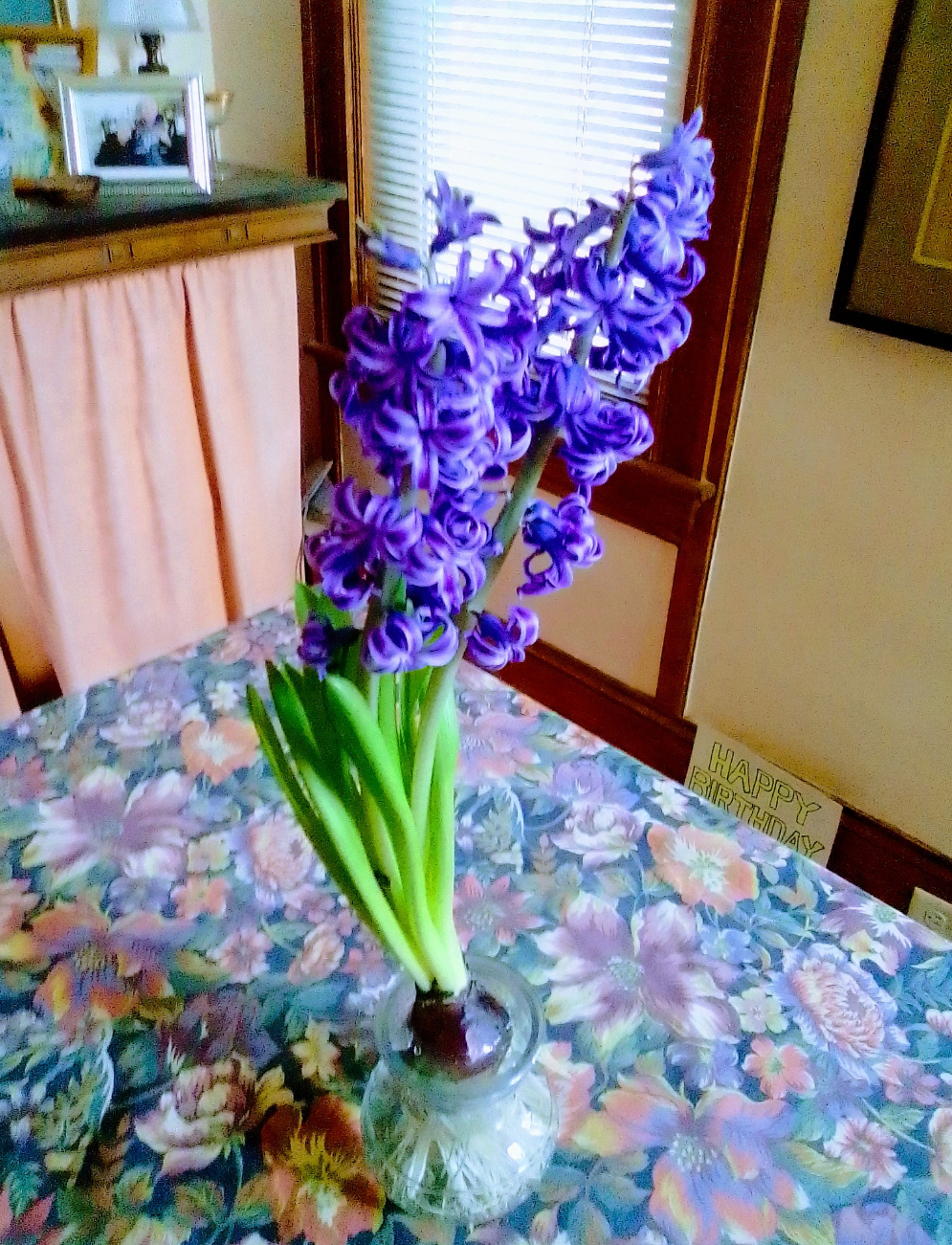
Another radiant hyacinth bulb from Trader Joe’s
I end this blog post with some of my favorite quotations by the Dalai Lama.
“Our prime purpose in life is to help others. And if you can’t help them, at least don’t hurt them.”
“In our present circumstances, no on can afford to assume that someone else will solve their problems. Every individual has a responsibility to help guide our global family in the right direction. Good wishes are not sufficient; we must become actively engaged.”
“When you are discontent, you always want more, more, more. Your desire can never be satisfied. But when you practice contentment, you can say to yourself, “Oh, yes — I already have everything that I really need.”
“We can live without religion and meditation, but we cannot survive without affection.”
“The problems we face today — violent conflicts, destruction of nature, poverty, hunger and so on — are human-created problems which can be resolved through human effort, understanding and the development of a sense of sisterhood and brotherhood. We need to cultivate a universal responsibility for one another and for the planet we share.”

“As people alive today, we must consider future generations. A clean environment is a human right like any other. It is therefore part of our responsibility towards others to ensure that the world we pass on is as healthy, if not healthier, than we found it.”
“This generation has a responsibility to re-shape the world. Start the task even if it will not be fulfilled in your lifetime. Even if it seems hopeless now, never give up. Offer a positive vision, with enthusiasm and joy, and an optimistic outlook.”
“Happiness is not something ready made. It comes from your own actions.”
“Be kind whenever possible. It is always possible.”
THANK YOU for making it to the end of another one of my blog posts.
Thank you to Doug Hammer for his spritely piano accompaniment and his expert musical production skills.
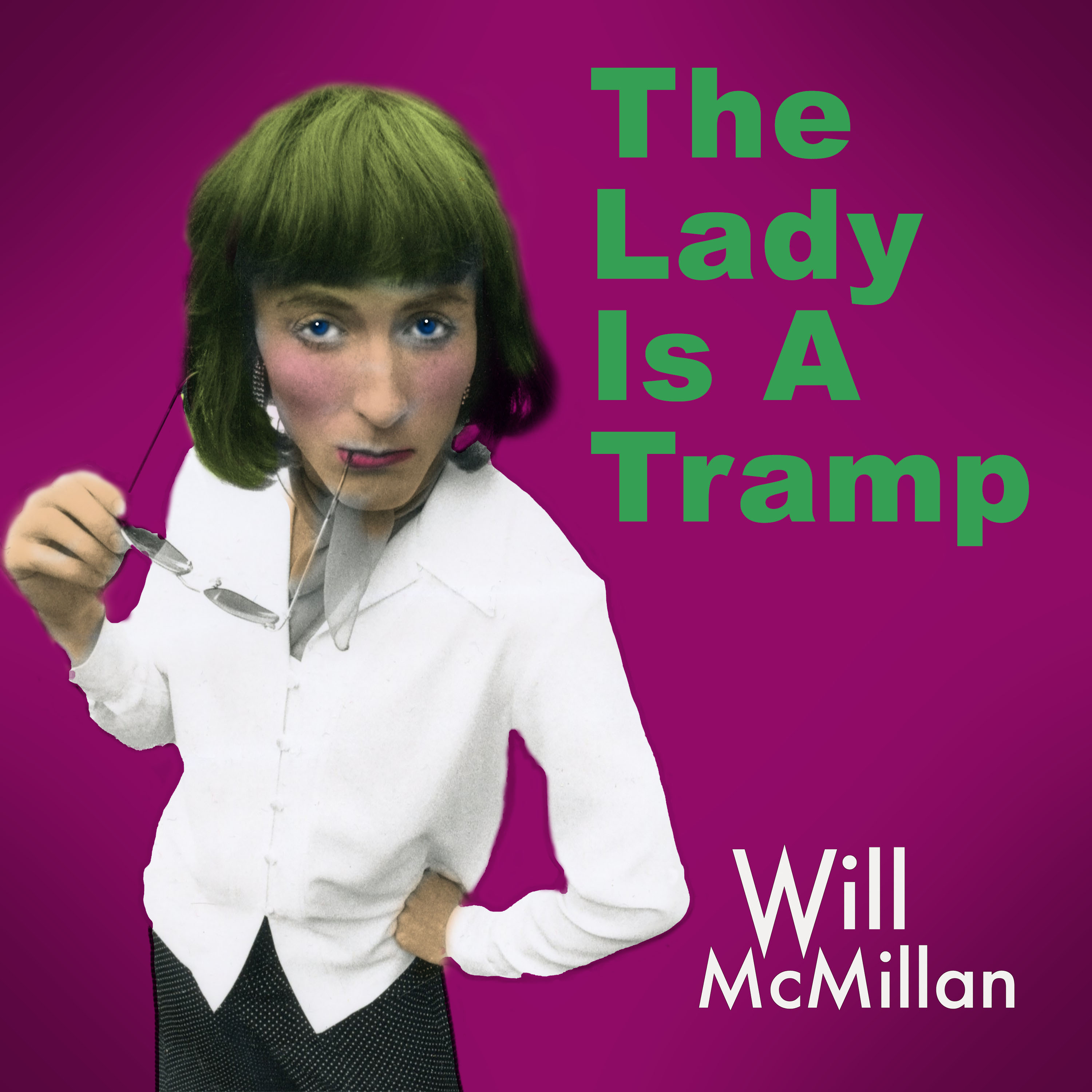
Thank you to Stephen C. Fischer for his graphic design (and to the professional photographer in NYC who took this photo of me many decades ago…)
Thank you to Hans Christian Anderson for creating the story of Thumbelina and to Frank Loesser for creating his song “Thumbelina.”
Thank you to the wonderful photographers at Pixabay.
Thank you to the Dalai Lama for his wisdom and inspiration.
And thank you to everyone who has streamed my music on Youtube, Pandora, Spotify, Apple Music, Tidal, Deezer, etc.
Every stream — and especially every thumbs up and/or inclusion in a playlist — helps to improve the likelihood that the clever algorithms of these streaming services will share my music with new listeners.
Thank you to all the folks who continue to visit my blog despite the long gaps between new posts.
I just re-read my last one (written right after our most recent national elections).
It’s pretty grim.
Now we all bear witness to how the campaign promises — and threats — do or don’t become reality in the upcoming days, weeks, months and years.
Deep breath in.
Deep breath out.
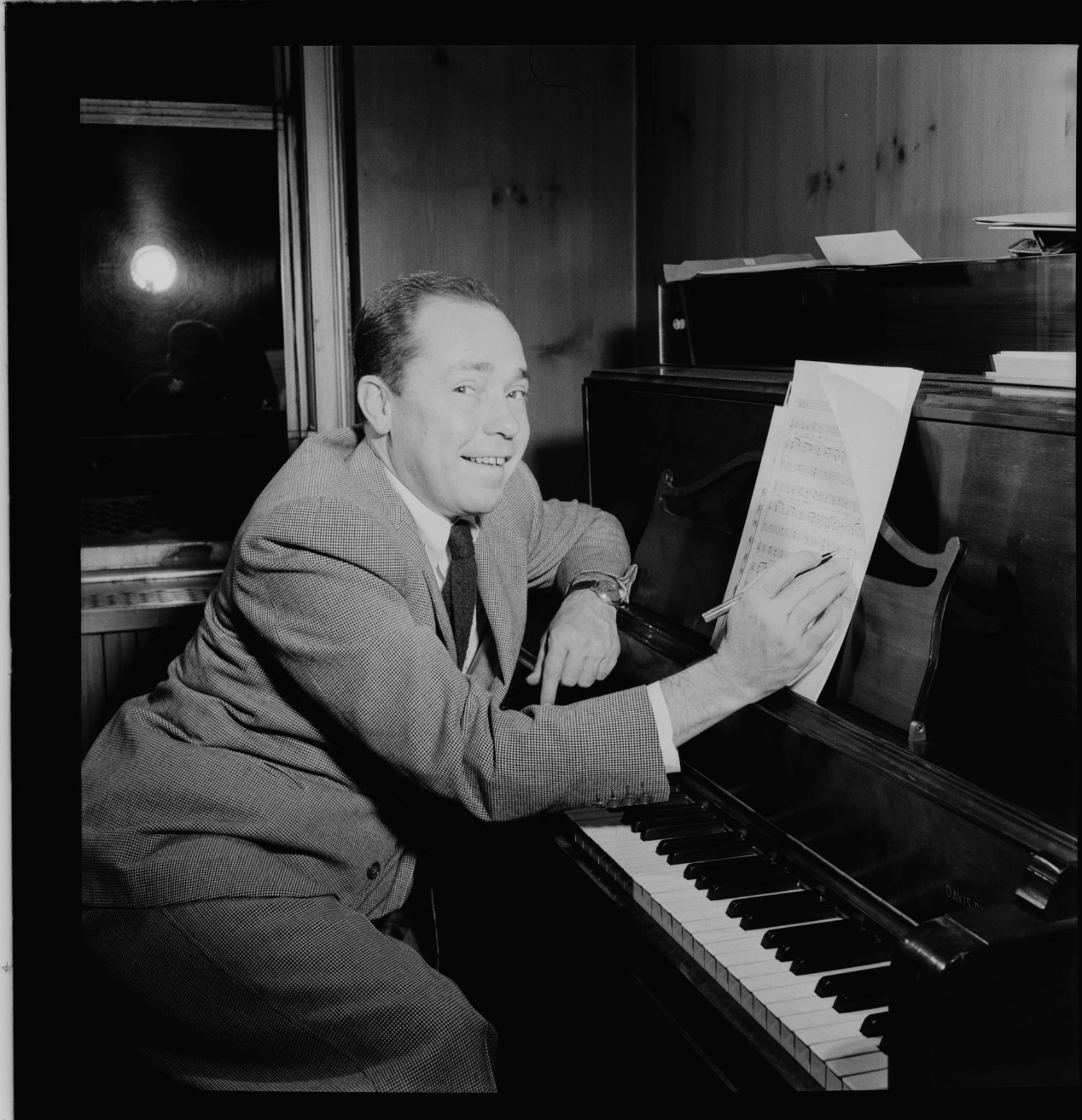
Johnny Mercer by William Gottlieb (late 1940s…)
Today’s blog post aims to be a little lighter in tone and features a song for which Johnny Mercer wrote both the melody and lyrics.
Most of the time, Mr. Mercer wrote the lyrics to other people’s melodies.
For example, he co-created “Skylark” with Hoagy Carmichael, “Come Rain or Come Shine” with Harold Arlen, “Hooray For Hollywood” with Richard Whiting, “Jeepers Creepers” with Harry Warren, and “Moon River” with Henry Mancini.
Other songs he co-wrote include “You Must Have Been A Beautiful Baby,” “In The Cool, Cool, Cool Of The Evening,” “Anyplace I Hang My Hat Is Home,” “One For My Baby (And One More For The Road),” “That Old Black Magic,” “On The Atchison, Topeka And The Santa Fe,” “Too Marvelous For Words,” “Autumn Leaves,” “Blues In The Night,” and “I’m Old Fashioned.”
Mr. Mercer was a Southerner, born on November 18, 1909 in Savannah, Georgia. From the 1930s to the 1960s he co-wrote over a thousand songs — for movies and for Broadway shows — and was nominated for 19 Academy Awards, winning four Oscars for best original song.
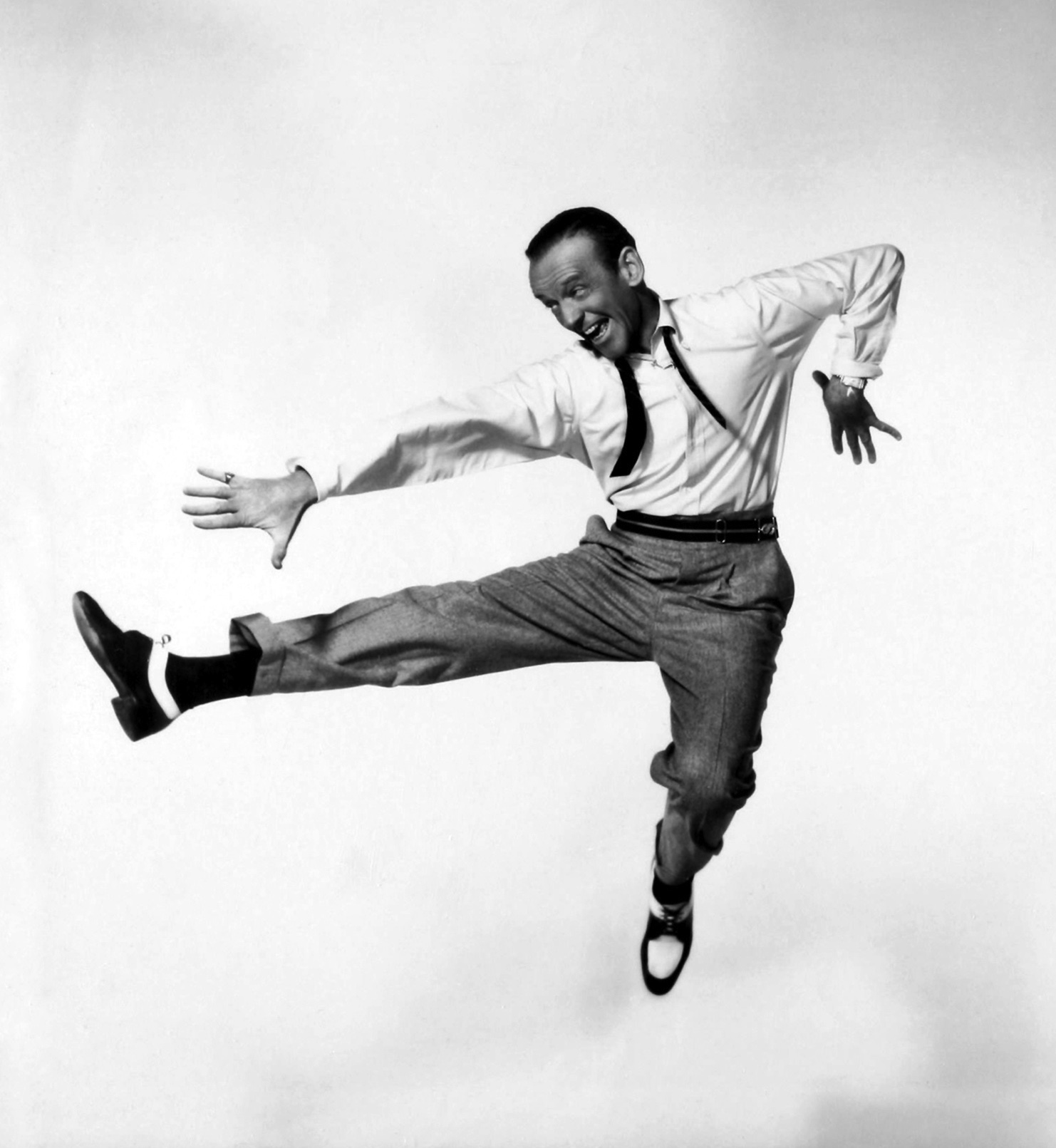
Fred Astaire (Publicity Photo for DADDY LONG LEGS)
And if it wasn’t enough to write or co-write so many great songs, Johnny also had a successful career as a recording artist himself.
And he co-founded Capital Records.
Yowza!
According to some biographers, he could also be a very mean drunk who developed a reputation for sending beautiful — and apologetic — flower arrangements to people whom he’d insulted at parties the previous night.
He wrote “Something’s Gotta Give” in the 1950s for Fred Astaire to sing in a movie called DADDY LONG LEGS which co-starred a very young Leslie Caron as his eventual love interest.
I am not a fan of 50+ year-old leading men romancing much younger women in movies (or in real life for that matter), but this stereotypical, male chauvinist theme shows no sign of being banished from popular culture.
However, DADDY LONG LEGS did give us a very upbeat song with a few lovely turns of phrase — such as “some heavenly star-spangled night…”
And I realized — after I recorded it — that this song also reminds me of the likelihood that many somethings are gonna give in the upcoming days and weeks and months and years here on planet earth.
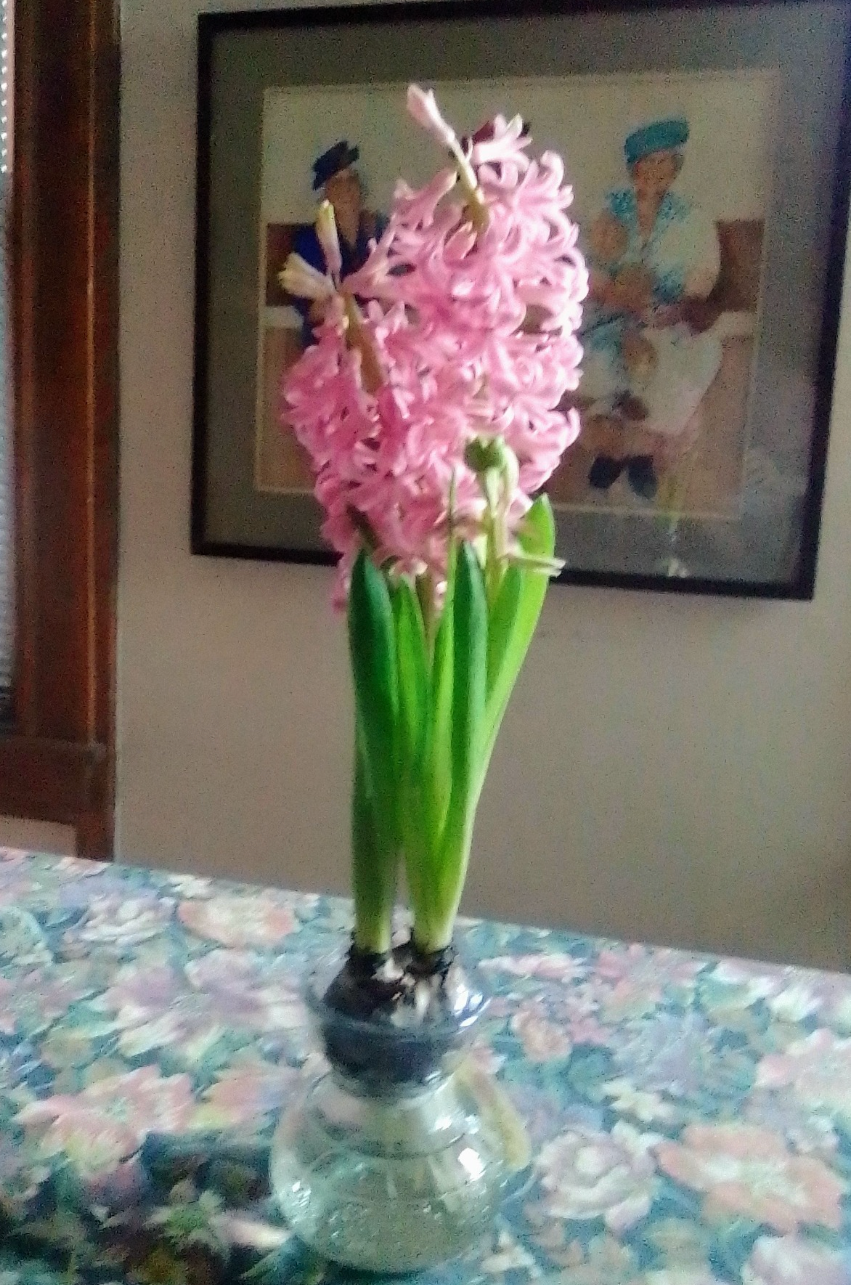
Blooming Hyacinth
Another deep breath in.
And deep breath out.
I am planning to release a new recording — some originals and some covers — on a monthly basis for the rest of 2025.
And I am hoping to keep my blog posts shorter — and somewhat sweeter — than in previous years.
Here’s a lovely hyacinth bulb, which I bought at our local Trader Joe’s, blooming in my dining room.
I continue to be amazed at how an unpretentious, brownish bulb can — given some water and sunlight — differentiate itself into a vivid green stalk and lavish pink blossoms.
How is it possible?!
It is miraculous — and currently very aromatic!
Yet another deep breath in.
And deep breath out.
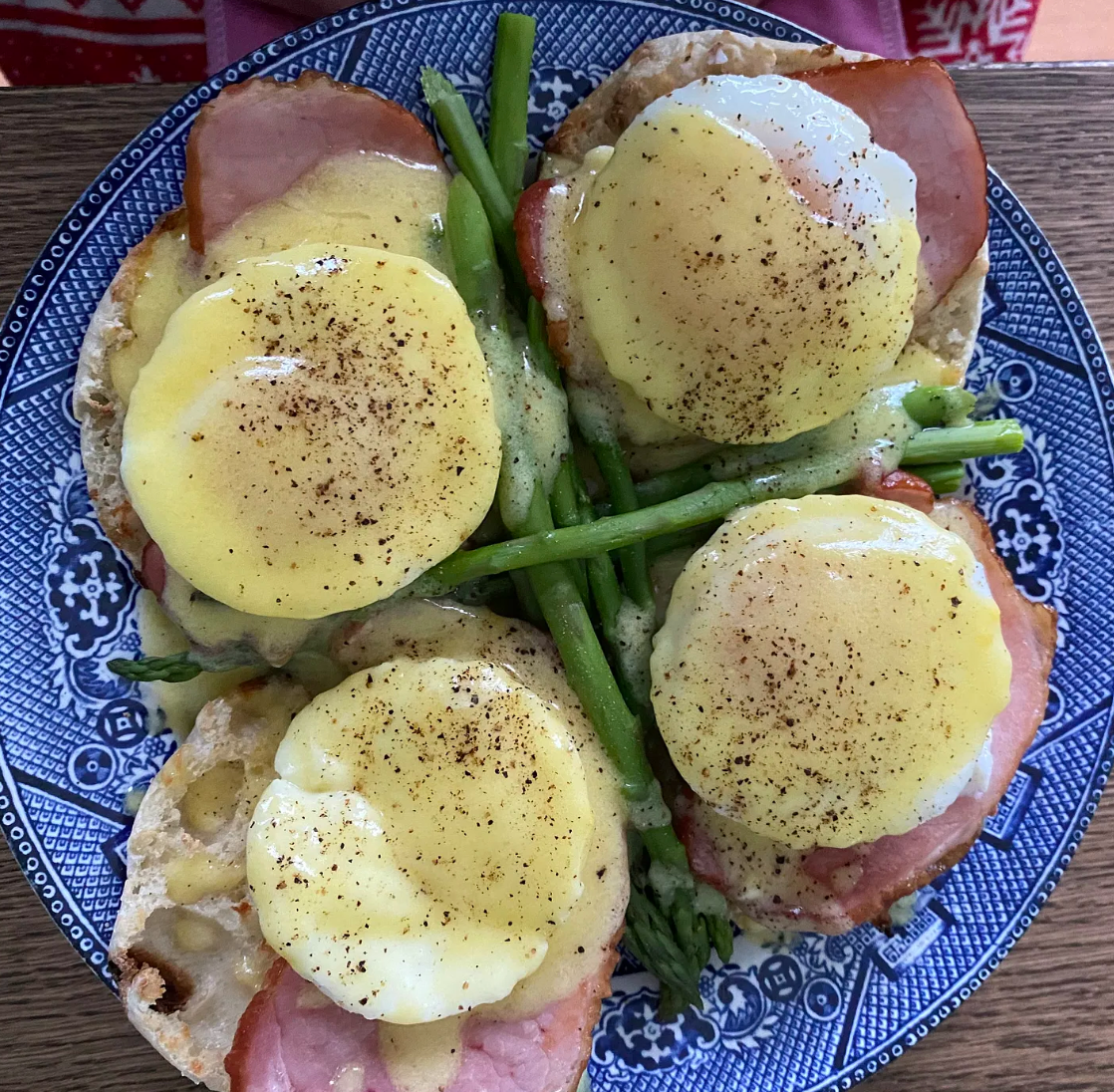
I will end with one more recent photograph — this one taken by my older sister of our younger sister’s culinary handiwork at a family gathering earlier this month.
Yum!!!
Eggs Benedict with new asparagus
The eggs were provided by a flock of black Australorp hens whom my sisters take care of on their farm (along with Icelandic sheep, a dog and several cats).
It turns out that chickens are astoundingly attuned to daylight.
As soon as the winter solstice happens each year, egg production by my sisters’ flock begins to rise (having tapered off during the autumn…)
And as soon as the sun starts to go down each day, all of my sisters’ chickens troop back inside their coop and start to roost for the night.
You will probably not be surprised to learn that commercial egg-producing companies (if I am remembering correctly) take advantage of this sensitivity and manipulate the light their hens experience each day to maximize egg production.
One more deep breath in.
And deep breath out.
Thank you for reading and listening to another one of my blog posts.
Thank you to Doug Hammer for his splendid piano accompaniment — on his glorious Schimmel grand piano — and for his expert musical production skills.
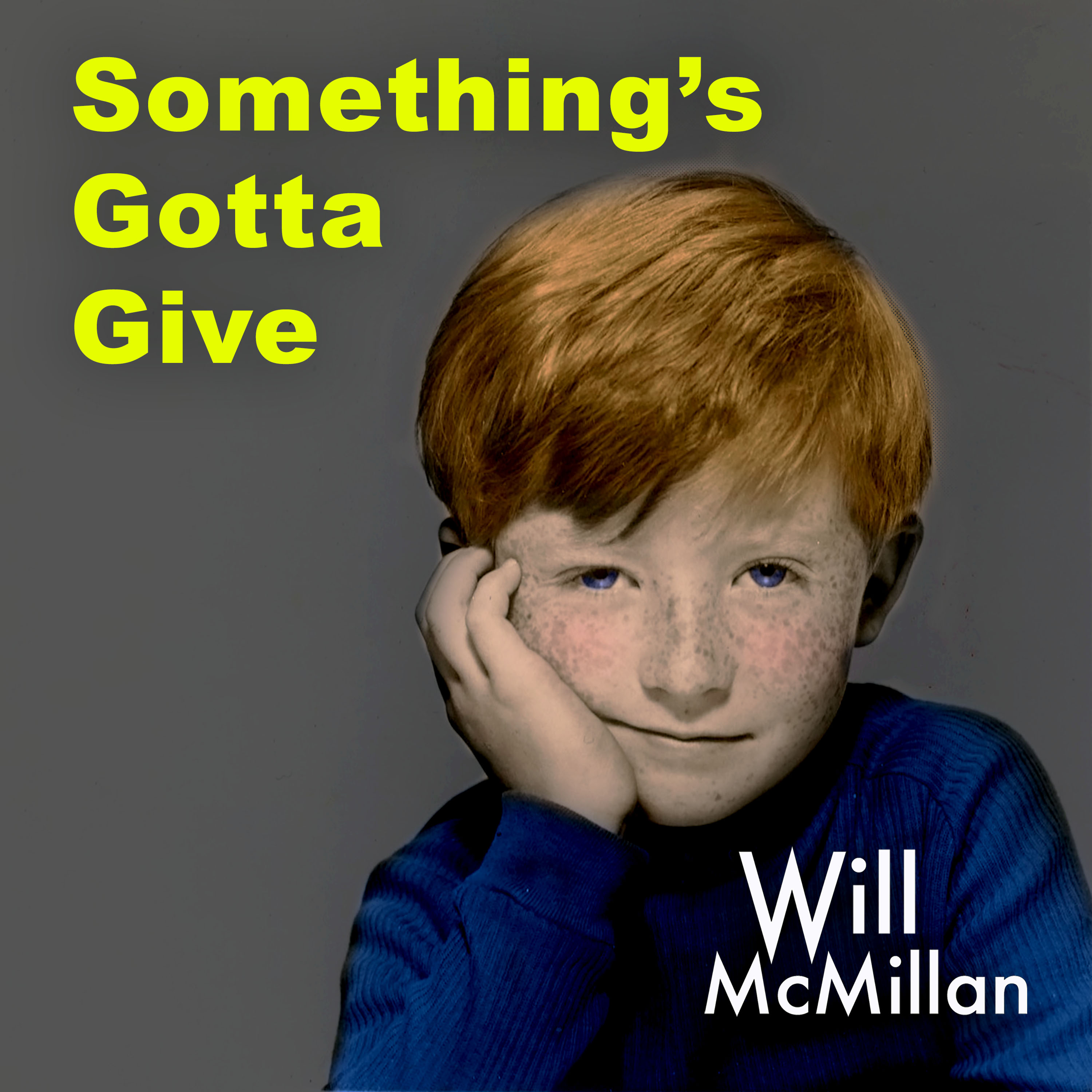
Thank you to Stephen C. Fischer for his graphic design (and to the professional photographer in NYC who took this photo of me many decades ago…)
Thank you to Johnny Mercer for writing this song — and to Fred Astaire for inspiring him to write it.
And thank you to anyone who is moved to stream my recording of “Something’s Gotta Give” on Youtube, Pandora, Spotify, Apple Music, Tidal, Deezer, etc. by clicking here.
Every stream — and especially every thumbs up — helps to improve the likelihood that the mysterious algorithms of these various streaming services will share my music with new listeners!
As you may remember — or perhaps you have blocked it out of your memory in order to be able to move on with your life — three years ago things were not going well in the USA.
Many hospitals were overwhelmed by COVID — with dead bodies being stored in refrigerated trailer trucks until funeral homes and crematoria could catch up with the demand for their services.
And 2023 has brought new challenges — and tragedies — into our lives here on planet earth.
Deep breath in.
Deep breath out.
Wars continue to grind along, destroying human lives along with the lives of countless other beings caught in the cross fire. Pollution continues to seep into every ecosystem here on planet earth. Climate change continues to increase with catastrophic consequences.
My heart goes out to anyone who is feeling hopeless, who is feeling distraught, who is feeling alone, or who is feeling unloved during this holiday season.
And although I am fortunate to have a life partner + family + friends with whom I can gather during the holidays, I can vividly remember how heart-broken and grief-stricken I felt when the first big love of my life chose to end our relationship many decades ago…
Image by Scott Wynn
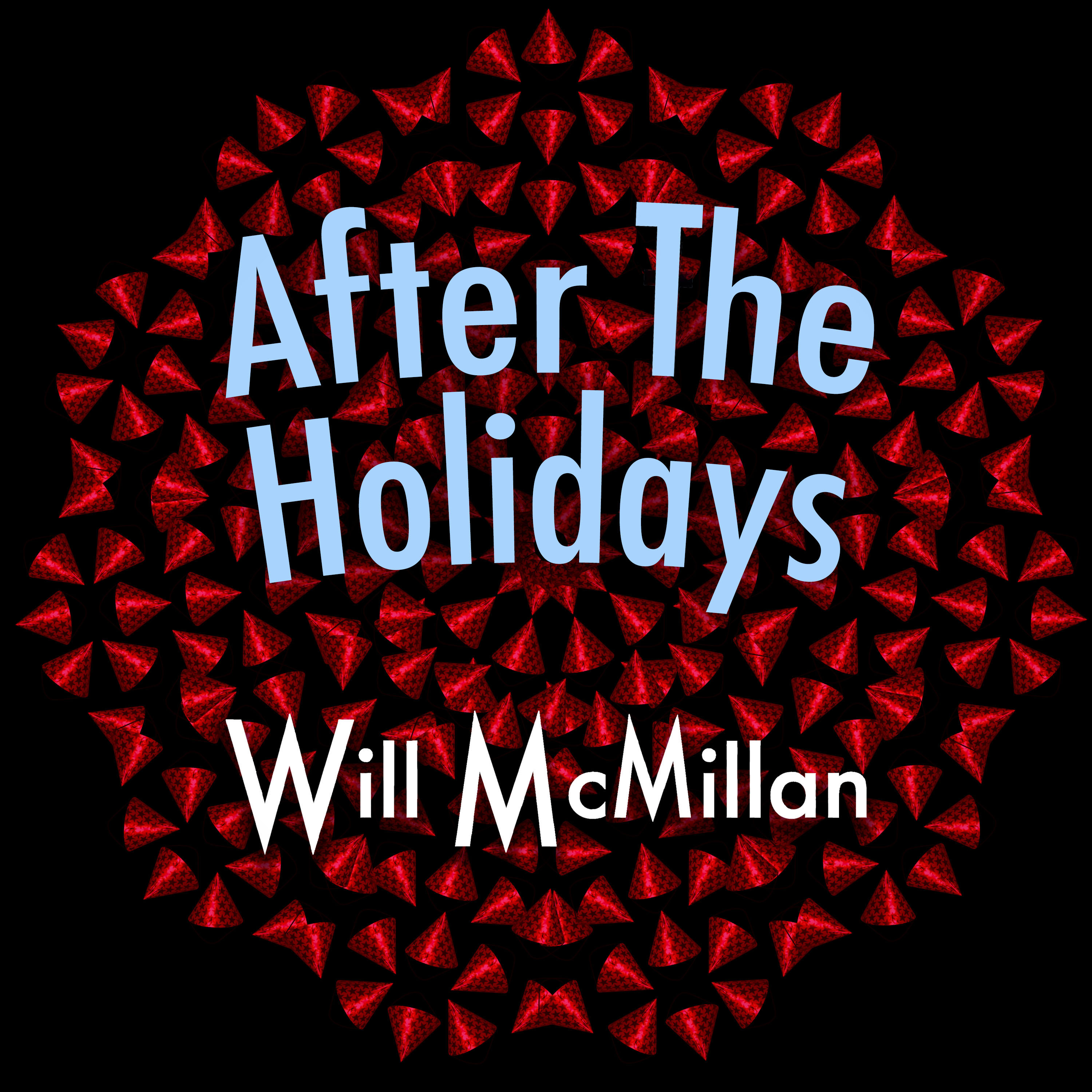
“After The Holidays” taps into those feelings of raw desperation.
Here is a link to my version “After The Holidays“ in case you might like to stream it.
And as I have explained before, if you “like” one of my songs or add it to one of your playlists, that will improve the algorithmic sharing of my music.
Thank you to the John Meyer for writing such a moving song.
Thank you to Doug Hammer for playing so sensitively on my version of John’s song AND for being such a diligent engineer/producer.
BACA is a humble and surprisingly resilient non-profit group which a bunch of us helped to start over 25 years ago.
And it is still going strong — an ongoing labor of love — due to the efforts of a generous and ever-evolving group of singers, musicians, songwriters and music fans who serve on its board, bless them.
Eventually we started performing together as “The Will & Lil Show” — co-creating two different shows of music and ideas before she moved from the Boston area back to her homeland of Philadelphia.
Our first show focused on the subject of water — in rivers, clouds, oceans, harbors, showers, wading pools, and even our own metabolisms.
We followed that with a show called We Are What We Eat — A Potluck Cabaret which featured songs about eating, serving and preparing food such as Cole Porter’s “The Tale of the Oyster,” Bernstein, Comden and Green’s “I Can Cook, Too,” Stephen Sondheim’s “The Ladies Who Lunch,” the Sherman Brothers’ “Feed The Birds,” and Stephen Schwartz’s “It’s An Art.”
The show began with Lillian and me on stage chopping and slicing and preparing various finger-foods while audience members were finding their seats.
Once everyone had arrived, we began singing a song (in the player at the start of the blog post) from William Finn’s musical “March Of The Falsettos” while serving the audience what we had been preparing onstage.
It was a lot of fun.
The original lyrics for “Making A Home” included some references to food — to which we added a few more.
Recently I was happy to find a computer disk which contained some of our original PR photos as well as a script for our food show.
Here’s a list of food-related items that we used during the show:
As you can probably extrapolate from this list of props, we covered a lot of ground in this show — from the processed food industry (for which Lillian’s mother had once consulted) to food norms in different cultures (Lillian has traveled a lot) to my past as a child actor doing commercials for various food products (such as Ring Ding Juniors, Lifesavers, Imperial margarine, and Oreo cookies).
Here’s an excerpt from what we said after we sang “Making A Home” while serving appetizers to the audience.
Lil: “Will and I love to cook.”
Will: “And we love to feed other people what we have cooked.”
Lil: “And we love to eat; so this show was a no-brainer.
Will: “Eating is something that is easy to take for granted.
Photo by Stephen C. Fischer
Lil: “We do it several times a day, often out of habit or while we are focused on something else.”
Will: “But eating is really a magical process. Think about it… radiation from a nearby star is captured by plants who transform it into something that we can absorb into our bodies, which becomes… us.”
Deep breath in.
Deep breath out.
Over twenty years later I am still amazed by how life works here on planet earth!
Near the end of the show Lillian tied me to a chair while singing “Have An Eggroll Mr. Goldstein” from Gypsy and stuffing all sorts of delicious, cut-up fruit into my mouth.
Then we sang “You’re The Cream In My Coffee” while throwing pie plates full of non-dairy whipped topping in each other’s faces.
Our encore was “Life Is Just A Bowl Of Cherries.”
This delightful anthem was written by Lew Brown (lyrics) and Ray Henderson (music) for Ethel Merman to sing in George White’s Scandals of 1931 after she had rejected another song they had wanted her to perform.
I am very thankful that Ms. Merman knew — when she was still in the early years of her extraordinary career the entertainment industry — what kind of song she could and couldn’t deliver to an audience.
Otherwise Ray and Lew might not have written this musical gem.
Thank you for reading and listening to this somewhat light-hearted blog post.
I will undoubtedly return to more serious topics in the future.
Today I have been inspired by a statement currently circulating (I hope accurately) on FaceBook from a Hopi Indian Chief named White Eagle.
“This moment humanity is experiencing can be seen as a door or a hole. The decision to fall in the hole or walk through the door is up to you.
“If you consume the news 24 hours a day, with negative energy, constantly nervous, with pessimism, you will fall into this hole. But if you take the opportunity to look at yourself, to rethink life and death, to take care of yourself and others, then you will walk through the portal…
“Don’t feel guilty for feeling blessed in these troubled times. Being sad or angry doesn’t help at all…
Lillian with her beloved dog Albee!
“Show resistance through art, joy, trust and love.”
Another deep breath in.
And deep breath out.
Thank you to Lillian Rozin for being one of my favorite collaborators… and one of my favorite chefs, too!
Thank you to Doug Hammer for playing piano AND recording the rehearsal from which we recently selected and mixed these songs.
Thank you to Ray Brown and Lew Henderson for writing “LIfe Is Just A Bowl Of Cherries” — and to Ethel Merman for inspiring them to do so.
Thank you to William Finn for writing “Making A Home.”
You are always welcome to visit my website — where you can find more songs from The Will & Lil Show celebrating food.
Or you can find me singing — with Doug Hammer playing his Schimmel grand piano — on Spotify, Pandora, Apple Musicand other digital music platforms.
As we in Massachusetts enter the second week of staying at home due to COVID-19, I have been happy to connect with family and friends and acquaintances via their WordPress blog posts and Facebook updates.
THANK YOU to everyone for your words and images and information!
Since it’s been almost a month since my last blog post, I am finally putting my fingers to the laptop keyboard in order to share another great song by composer Harold Arlen and lyricist Yip Harburg (in photo below…)
Yip lived a full and passionate and creative and principled life — and wrote the lyrics for a bunch of great songs, including “Springtime in Paris,” “Old Devil Moon,” “How Are Things In Glocca Morra?” “Down With Love,” “It’s Only A Paper Moon,” “Happiness Is A Thing Called Joe,” “Lydia The Tattooed Lady, and “Brother, Can You Spare A Dime?”
And then there are the songs he and Harold Arlen wrote for a movie inspired by the work of author L. Frank Baum and illustrator William Wallace Denslow.
These include “We’re Off To See The Wizard,” “If I Only Had A Brain,” and “Over The Rainbow” — which won the Academy award for best song in a motion picture in 1939.
I learned from reading a biography about Yip — co-written by his son Ernie Harburg — that in addition to writing the lyrics for the songs in The Wizard Of Oz, Yip also wrote all the dialogue that sets up the songs — and he even wrote the dialogue for one of my favorite scenes near the end, when the Wizard gives medals to the Scarecrow, Tin Woodman, and Cowardly Lion in honor of their heart, brains and nerve.
I also learned that, in classic Hollywood fashion, eleven different screenwriters were involved with the script — with Yip serving as the final script editor, pulling the whole thing together and giving it coherence and unity. But he didn’t get any official screen credit for all of that work on the script.
Yip is also the person responsible for including the powerful metaphor of a rainbow in the movie — which was produced partly to showcase MGM’s Technicolor prowess.
In the original book The Wonderful Wizard of Oz, there is no mention of a rainbow.
Yip’s son Ernie describes in an interview I found on YouTube how “Over The Rainbow” came to be written:
Yip and Harold Arlen’s contract at MGM had run out, and they still didn’t have a key song for Dorothy written.
Frank Baum writes in The Wonderful Wizard Of Oz that where Dorothy lived, “not a tree nor a house broke the broad sweep of flat country that reached the edge of the sky in all directions. The sun had baked the plowed land into a gray mass. Even the grass was not green, for the sun had burned the tops of the long blades.”
Yip and Harold discussed this description, and how Dorothy’s neighbor Miss Gulch had threatened to take away her beloved companion, Toto, and how Dorothy was looking for a way to escape…
At this time in their lives, both Yip and Harold were living in Beverly Hills, with lush green lawns — plus elaborate sprinkler systems to keep them green!
One day when his gardener turned on the sprinklers, Yip was struck by the little rainbows that appeared in the air. When he next saw Harold he said, “Dorothy wants to escape — to be on the other side of the rainbow,” and Harold went away and came back with a beautiful melody which Yip then worked on for three weeks to find words with exactly the right syllables to fit Harold’s melody.
And, thanks to Judy Garland’s beautifully poignant rendition of their song, the rest is cinema history.
“If I Only Had A Brain” (a version of which is included in the player at the beginning of this blog post) is based on a melody for a song called “I’m Hanging On To You” which Yip and Harold had written for — and then cut from — a 1937 anti-war musical called Hooray For What!
Apparently another song that Yip and Harold wrote for Hooray For What! — called “In the Shade of the New Apple Tree” — so impressed the powers-that-be at Metro Goldwyn Mayer in California that they chose Harold and Yip to write the songs for what became The Wizard of Oz.
When they were working on a song to be sung by the Scarecrow, Tin Woodman, and Cowardly Lion, Yip recalled the melody from “I’m Hanging On To You,” and fashioned an entirely new set of lyrics — including short verses (one of which I have included in my recording with pianist Doug Hammer) which were not used in the final cut of the movie.
Rainbows continued to be an important metaphor for Yip throughout his life — popping up in quite a few of his songs.
Yip once explained, “I belong to a tribe of what used to be called troubadors. Sometimes they were called minstrels. Now we’re called songwriters…we worked for, in our songs, a better world, a rainbow world… Now my generation, unfortunately, never succeeded in creating that rainbow world; so we can’t hand it down to you. But we could hand down our songs, which still hang on to hope and laughter.”
For that I am immensely grateful — to Yip and to Harold and to all of the other hard-working songwriters from the 20th century who have left us such a treasure trove of music.
Yip differed from many of his contemporaries in that he was eager to wrestle with social and political issues in his creative projects.
I already mentioned the anti-war musical Hooray For What! in 1937 (two years before the start of WWII) and the Depression-era classic “Brother, Can You Spare A Dime?” which Yip wrote with one of his first collaborators, the composer Jay Gorney, for a revue in 1932 called Americana.
With composer Harold Arlen he wrote the songs for 1944’s Bloomer Girl, which was set in upstate NY and explored the women’s suffrage and abolitionist movements in the years leading up to the Civil War while featuring an integrated cast on stage.
Three years later Yip helped create another musical classic, Finian’s Rainbow — set in a fictional region of the American South called Missitucky. Yip not only wrote lyrics, he also co-authored the script — and the integrated cast featured characters such as a leader of a union of black and white share-croppers, a leprechaun, two recent Irish immigrants, and a white racist Southern Senator who is transformed into an African-American citizen for several days as an opportunity for growth and education.
Finian’s Rainbow gave us a wide variety of songs, including “When The Idle Poor Become The Idle Rich, “Old Devil Moon,” “Look To The Rainbow,” and “How Are Things In Glocca Morra?”
It may seem a bit odd that a song like “How Are Things In Glocca Morra” was written by two Jewish songwriters (Burton Lane was the composer of Finian’s Rainbow).
But Yip was himself the child of immigrants — Orthodox Yiddish-speaking Russian Jews — and he grew up very poor on the lower east side of Manhattan.
His official name when he was born in 1896 — the youngest of four surviving children out of ten total — was Isidore Hochberg, and he was nicknamed “Yip” (from Yipsele, a Yiddish term of endearment referring to a squirrel) because he was so active as a child.
Yip was very successful in grammar school — winning prizes for his ability to recite poems and performing in many musical productions. He earned a spot at Townsend Harris — a prestigious public high school associated with City College of New York where you could earn both a high school and bachelor’s degree in seven years.
He found himself seated alphabetically next to a young fellow named Israel Gershovitz — also known as Ira Gershwin. Yip and Ira became life-long friends — sharing a deep admiration for Gilbert & Sullivan and later co-writing a humor column for the newspaper at City College.
I could go on and on about Yip.
Although he was not a Communist, he was blacklisted from working in the movies, TV and radio for 12 years during the 50s and early 60s.
He kept working on Broadway, however, and even co-wrote a song which was recorded by the folk/pop trio Peter, Paul & Mary.
If you are curious to learn more about this creative and inspirational human being, you can click here to read his Wikipedia entry and/or track down the biography co-written by his son, Ernie Harburg.
Perhaps some of his songs like “Brother, Can You Spare A Dime?” and “It’s Only A Paper Moon,” will take on a new resonance in the days and weeks ahead…
For the time being, I remain grateful that we in Massachusetts are still allowed to leave our homes and go for walks in our neighborhoods — as long as we maintain a healthy physical distance from other human beings we encounter along the way — so that I can continue to “while away the hours, conferring with the flowers (and) consulting with the rain.”
While COVID-19 buffets our human societies, the natural world continues — blessedly — to create a new buds, new leaves, new flowers!
Part of the reason for the gap between my last blog post and this one is that I have begun leading half-hour singalongs at 8:00 pm each night via Facebook Live.
If you are feeling hungry for some musical camaraderie and fun, please consider joining us any night starting at 8:00 pm (Eastern Standard Time in the USA).
Previous sing-alongs also remain on my Facebook home page in case you are curious to visit at any time of the day or night.
As longtime readers of my blog probably recall, when I was laid off from my day job as assistant director of the Cambridge Center for Adult Education seven years ago, I decided to devote my life to making music.
A few months after my lay-off, a Boston-area jazz pianist named Joe Reid reached out to see if I might like to do a gig at the retirement community where his dad lives.
I had met Joe several years earlier — when HE was in the midst of a life transition from working full-time as a lawyer to working full-time as a musician — and promptly said, “Yes!”
We needed to prepare an hour of music, and I mentioned that I had long loved many songs co-written by composer Harold Arlen — a list which includes “My Shining Hour,” “I’ve Got The World On A String,” “Accentuate The Positive,” “Anyplace I Hang My Hat Is Home,” “Come Rain Or Come Shine,” “Blues In The Night,” “That Old Black Magic,” “If I Only Had A Brain,” “Over The Rainbow,” “Happiness is Just A Thing Called Joe,” “Let’s Fall In Love,” “Get Happy,” and “It’s Only A Paper Moon.”
I had sung a few of these songs in a program of music featuring the lyrics of Johnny Mercer with singer Bobbi Carrey and pianist Doug Hammer — because one of Mr. Arlen’s many collaborators was Mr. Mercer.
And I was familiar with others due to the movie version of The Wizard Of Oz, for which Mr. Arlen composed the music and Yip Harburg wrote lyrics (and a lot of uncredited dialogue — a topic I will explore in a future blog post dedicated to Yip).
I biked over to Joe’s house — in the town next to mine — with a bunch of sheet music.
We spent about 90 minutes running through thirteen songs — picking comfortable keys and exploring tempos/feels for each of them.
And that was it for rehearsing with Joe.
Joe (on the left) is very much a “let’s-trust-in-the-moment” kind of musician who welcomes improvisation and spontaneity.
I, too, value spontaneity — and I also appreciate structure.
So I booked time with pianist Doug Hammer at his studio north of Boston.
We recorded all of the Arlen songs once or twice so that I could have a set of piano-only tracks to play on my iPod as I walked around Arlington memorizing lyrics.
And some of the versions we recorded — such as the version of “It’s Only A Paper Moon” included in the player at the beginning of this blog post — came out surprisingly well.
“It’s Only A Paper Moon” was written for a 1932 play (not a musical) called The Great Magoo set in Coney Island which was not a big success.
It is credited to Arlen, Harburg, and impresario Billy Rose — who was somewhat infamous for adding his name to the songwriting credits of other people’s work after having contributed an idea or two during the creative process.
You may recognize Rose’s name because he was married for many years to the great performer Fanny Brice, and his character appears in the movie Funny Lady starring Barbra Streisand as Brice.
Somehow this Coney Island hot dog made me think of him…
Luckily the song was rescued from The Great Magoo and included in a movie called Take A Chance the next year — which led to successful recordings by a wide range of musicians over the past 70+ years.
I love the metaphors and imagery used in the song — all things one might encounter at an amusement park like Coney Island.
I also love the sentiment of the song — that if someone believes in and loves another person, their belief and love can be transformative.
And looking at these photos, I am struck by the way an amusement park transforms from day to night…
Valentine’s Day is just around the corner, and I would like to dedicate Doug’s and my version of “It’s Only A Paper Moon” to all of the folks who have at one time or another believed in me — including friends and acquaintances in the WordPress blog-o-sphere.
Your positive feedback regarding my music and my blog continues to touch and inspire me every day.
Thank you to Pixabay for the great color photographs of Coney Island and other amusement parks around the world.
Thank you to Harold Arlen and Yip Harburg and Billy Rose for writing this wonderful song.
And to Joe Reid for asking me to do a gig with him seven years ago.
Since then Joe and I have done hundreds of gigs together and created twenty five different one-hour musical programs.
Thank you to Doug Hammer for his engineering excellence and his playful virtuosity at the keyboard.
And THANK YOU for reading and listening — and even leaving a comment or two from time to time.
Although my spirits are flagging due to the shorter days and longer nights of autumn in New England, I want to keep a small flame of optimism alight.
So this post is dedicated to the political process unfolding here in these currently-not-very-united United States of America.
I have included a song I co-wrote several years ago called “Let The Day Unfold.”
It started life as a verse/chorus sketch which guitarist/songwriter Scott Kowalik shared with pianist/songwriter Javier Pico.
I, Scott, Javier, and two other people — Robert M. Brown and Alan Najarian — collaborated for three years in an original rock band called CUE when we were in our twenties.
Each of us moved on to different undertakings (including lawyer, real estate developer, and non-profit arts administrator) but all of us have kept music in our lives in one way or another.
And our musical paths continue to overlap every now and then — such as when I visited Javier, and he shared with me this song sketch which Scott had shared with him.
If my memory serves me Javier gave me chords + words for the chorus as well as some chords + some lyrics for a verse. I expanded the verse structure and wrote several more verse lyrics. I wish I had a copy of what Javier originally gave to me for comparison with my finished products…
The version at the beginning of this blog post is a GarageBand draft to which a long-time collaborator, Doug Hammer, added some string parts. He also helped me sample a recording of one of Franklin Delano Roosevelt’s most famous speeches which I included during an instrumental break.
I remain very discouraged that war continues to be such a huge part of life on planet earth.
Our country has been at war off and on for generations.
Many of us — who have not experienced war first-hand — live in a privileged bubble of ignorance and denial.
Yet every day brave women and men sign up to defend their country’s values, borders, and culture.
This child, however, did not sign up to be part of an armed conflict…
Who knows what he will choose to do with his life when he grows up…
Deep breath in.
Deep breath out.
And so our wars continue here on planet earth…
I often wonder how making music — which seems very modest and inconsequential compared with the bravery and sacrifice and horror and trauma and chaos of war — fits into the larger equations of life on planet earth.
In an ideal world, music brings people together.
Yet it can also — such as George M. Cohan’s song “Over There” during WWI and again during WWII — inspire people to enlist in order to wage war.
And I have read about soldiers in Afghanistan playing certain songs to lift their spirits and boost their resolve while they are deployed.
I know music lifts my spirits on a daily basis.
But it seems to pale in importance when I reflect upon things like genocide…
Another thing I often ponder is the difference between “either/or” and “both/and.”
Every day I find myself slipping into an either/or mindset — it’s us or them… I’m completely right and someone else is completely wrong… it’s my way or the highway, etc.
“Either/or” is a mindset which often leads to conflict… or worse.
“Both/and” is a mindset which can lead to listening.
To pausing.
To honoring the paradoxes and contradictions of life.
I watched another Democratic presidential debate this week — and attempted to remain open to as many different opinions and perspectives and visions and explanations as I could manage.
I do feel some optimism when I see the range of candidates.
I’ve been giving small amounts of money each month to several of them.
I’m excited that many women are running for president.
And people of color.
With some thought-provoking ideas.
I am also amazed that an un-closeted, married gay man is in the race.
Some candidates are dreaming bigger than others.
And I am grateful for that.
When our country collapsed into a huge economic depression ninety years ago, we elected a president with big dreams.
And he managed to convert many of those big dreams into action — despite having significant personal health challenges.
I love that he — a man living with paralysis due to polio (or perhaps undiagnosed Guillain-Barre syndrome – an autoimmune neuropathy) uses the word “paralyzes” in his famous speech about fear.
“Let me assert my firm belief that the only thing we have to fear is fear itself — nameless, unreasoning, unjustified terror which paralyzes needed efforts to convert retreat into advance.”
I find solace and take comfort in the conviction in FDR’s voice — ringing across the decades thanks to the magic of digital zeros and ones.
I also find solace and comfort and inspiration in many of the new voices speaking up here on planet earth.
I also love finding new voices and kindred spirits among my fellow bloggers on WordPress.