This Heart Of Mine…

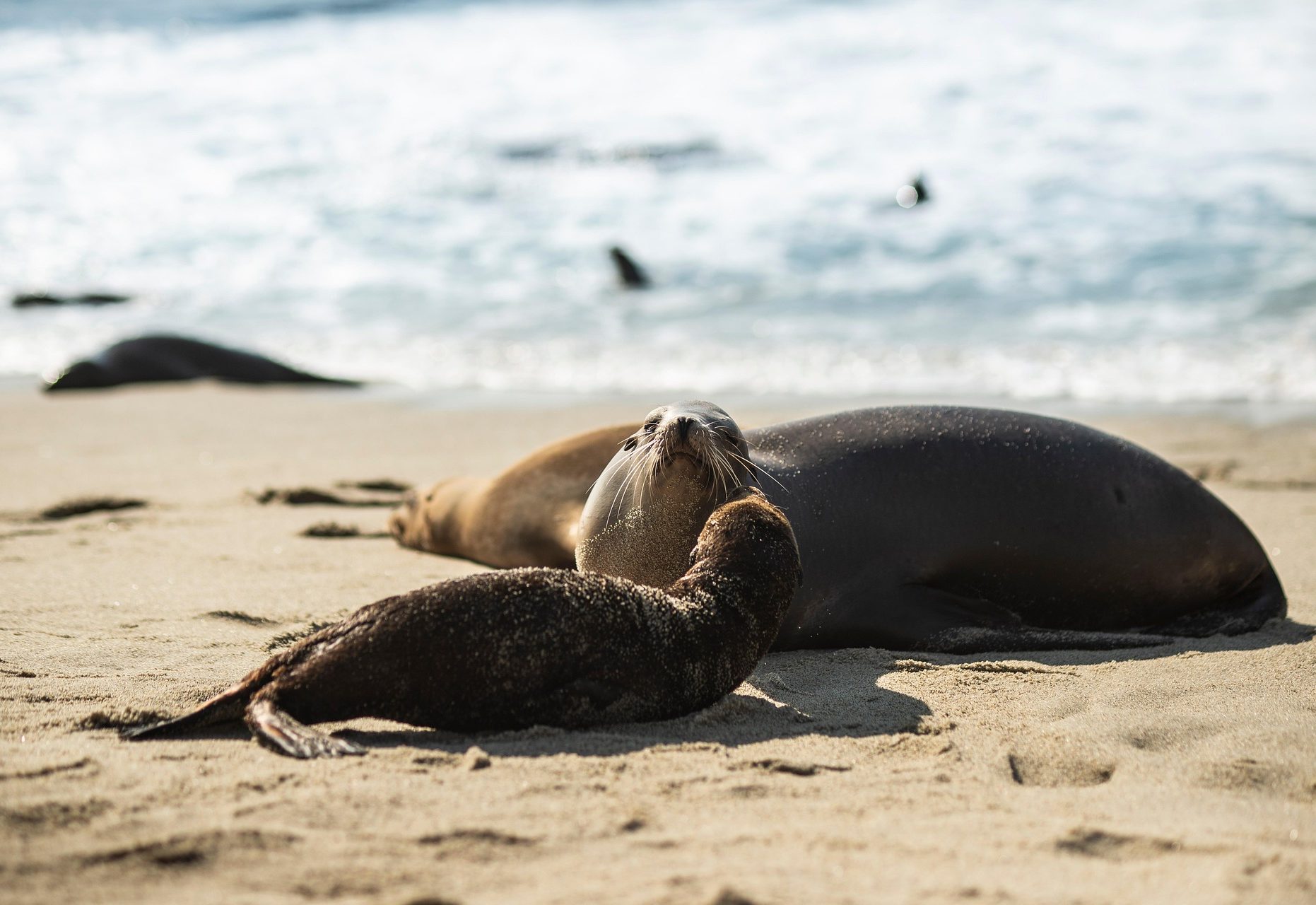
Image by xiSerge from Pixabay

Thank you to everyone who continues to explore my blog even though I have not been posting a lot lately.

It is very exciting — and satisfying — to check my stats and see the many different blog posts people have visited during the past week.

One blog post which gets a surprising (to me) amount of traffic is about the composer Harry Warren.

He wrote the music for the song in the player at the beginning of this blog post along with lyricist Arthur Freed.

You can click here if you are curious to learn more about Harry Warren by reading my extremely loooong blog post from eight years ago (which also includes recordings of several of his hit songs).

Mr. Warren and Mr. Freed wrote “This Heart Of Mine” for a 1944 Metro-Goldwyn-Mayer (MGM) musical called the ZIEGFELD FOLLIES which starred Fred Astaire.

I think I first heard it sung by Judy Garland, who recorded it the following year for Decca Records.

Arthur Freed also wrote the lyrics for a bunch of other hit songs — such as “Singing In The Rain,” “You Are My Lucky Star,” and “Make ‘Em Laugh.”

You can click here to check out his Wikipedia page if you are curious to learn more about him.

I haven’t read any biographies about him (yet) but according to Wikipedia, he lived a fascinating life.

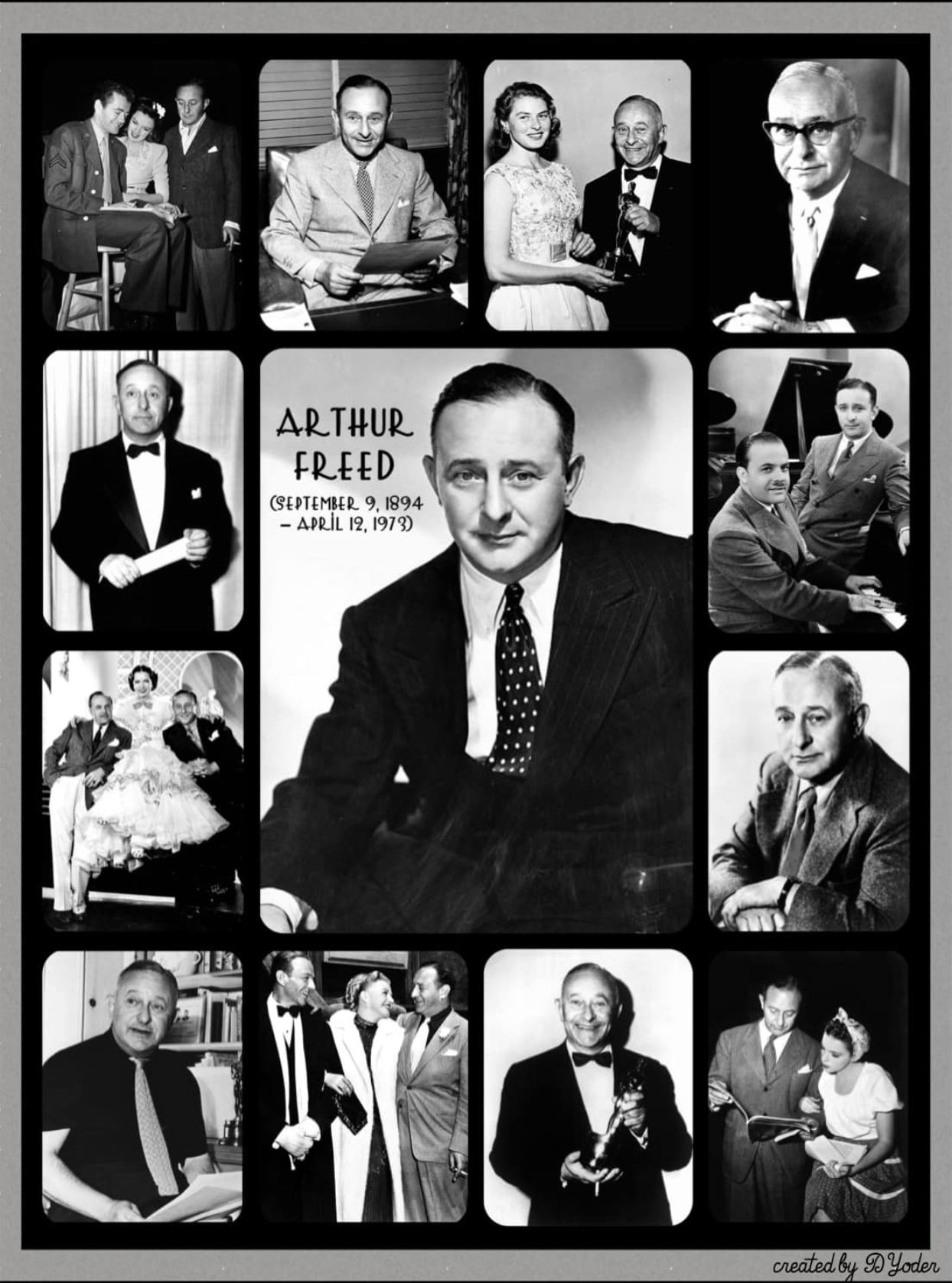
Composite Images of Arthur Freed by Diane Yoder

He was born in South Carolina in 1894, and ended up attending a very prestigious prep school in New Hampshire — Phillips Exeter Academy. I am guessing he was probably one of very few Jewish students on campus — and according to Wikipedia, he became interested in writing poetry there.

After prep school Mr. Freed ended up in Chicago and performed with early versions of the Marx Brothers act (!!!) in vaudeville.

He also wrote special material for them, which led to co-writing enough successful songs that Hollywood beckoned…and he was hired to write songs for early MGM musicals.

After many years at MGM, Freed transitioned from songwriter to producer, working (as an uncredited associate producer ) on THE WIZARD OF OZ and then officially producing his first movie, BABES IN ARMS.

Both of these films, as you probably know, starred Judy Garland.

Mr. Freed went on to produce many more of Garland’s movies including LITTLE NELLIE KELLY, FOR ME AND MY GAL, THE CLOCK, and MEET ME IN ST. LOUIS — which is where she met her second husband, the director Vincente Minnelli, whom Freed had brought from New York City to work at MGM.

According to Wikipedia, Freed hired great talent and then gave them free rein to do their thing — whether it was choreography, costumes, set design, songwriting, direction, etc.

He also gave himself free rein to do some very odd and abusive things, such as exposing his penis to a young Shirley Temple when she came for a visit to discuss doing a movie at MGM — and making sexual advances towards her mother as well.

Temple wrote about this incident in her autobiography — and apparently Mr. Freed experienced no censure as a result of his horrible behavior…

Deep breath in.

Image by Miroslav Kaclík from Pixabay

Deep breath out.

This reminds me of the ongoing conversations about Michael Jackson’s artistic and personal legacies…

Does one discard and avoid the music/art/products made by someone who does horrible things to other beings?

One of Mr. Freed’s most famous movies is SINGING IN THE RAIN, which re-used a bunch of his early hit songs.

Do we stop delighting in the the extraordinary dancing and singing of this movie because the producer was at times a perverse, abusive creep?

Perhaps this is something each one of us must decide for herself/himself…

I apologize for veering into this intense psychological and ethical territory.

I thought this blog post would be more light-hearted — to match the mood of the song.

However, human life is many-layered… full of contradictions, fallibility and mistakes.

Thank you to the (sometimes very flawed) songwriters who have given us wonderful music to lift our spirits year after year after year.

Graphic Design by Stephen C. Fischer

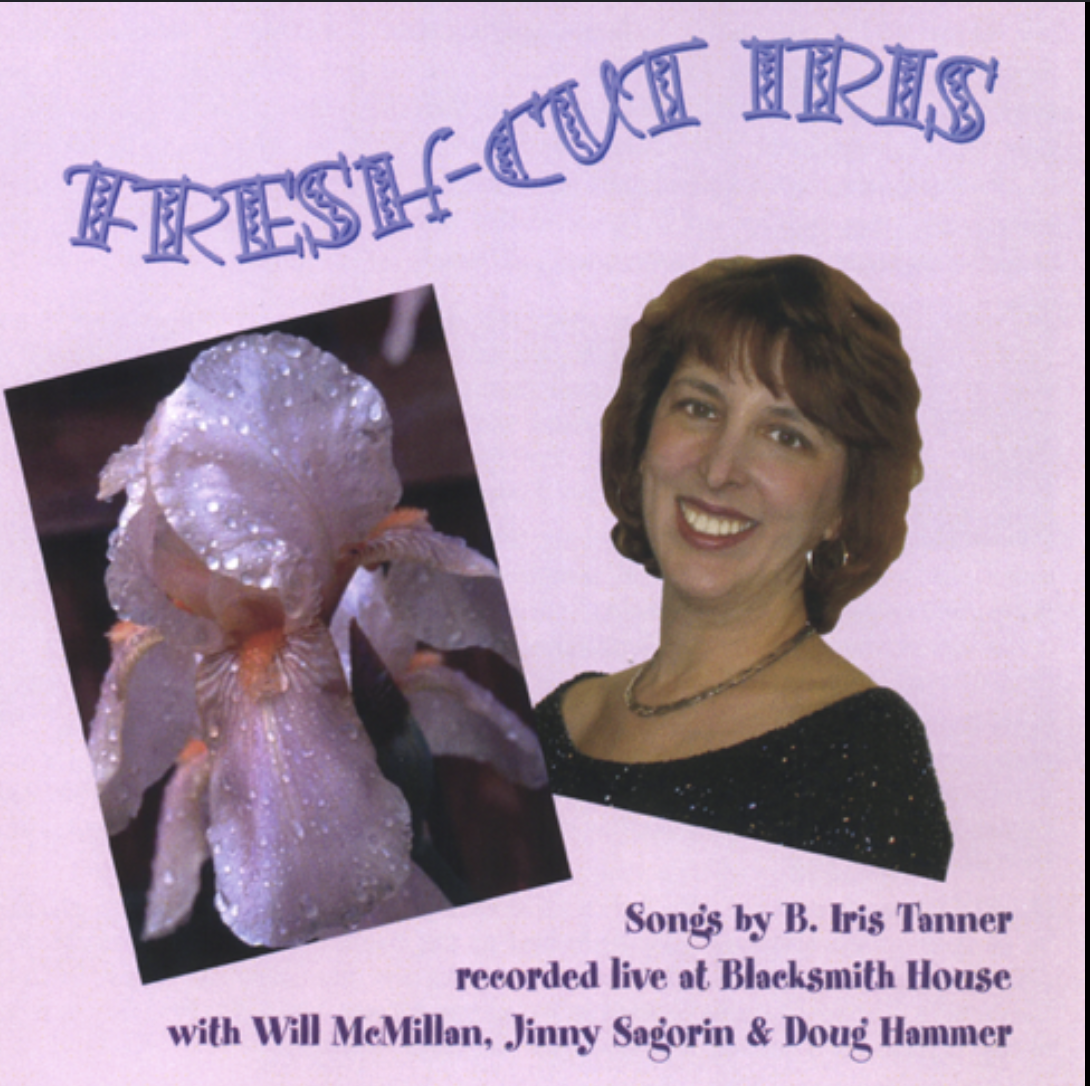
Thank you to pianist/producer Doug Hammer for his tremendous collaborative gifts.

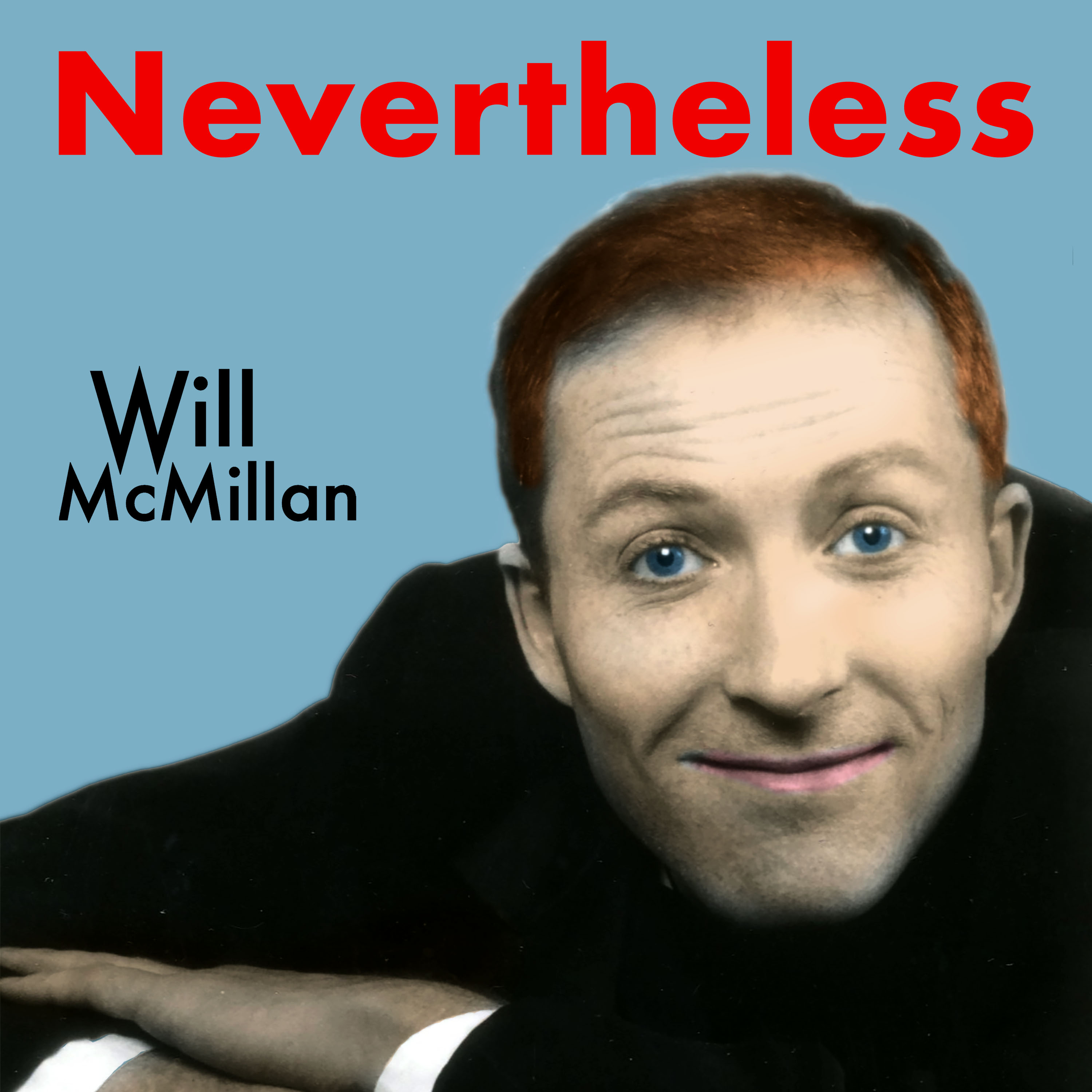
Thank you to graphic designer Stephen C. Fischer for his ongoing work on behalf of my music.

Thank you to the photographers at Pixabay and to Diane Yoder for her composite image of Arthur Freed.

And thank YOU for reading and listening to another one of my blog posts.

If you’d care to stream this song — and maybe even “like” it — on your favorite music streaming platform, you are welcome to click here.

And you are always welcome to visit my website — and sign up for my very sporadic and under-utilized emailing list — by clicking here.

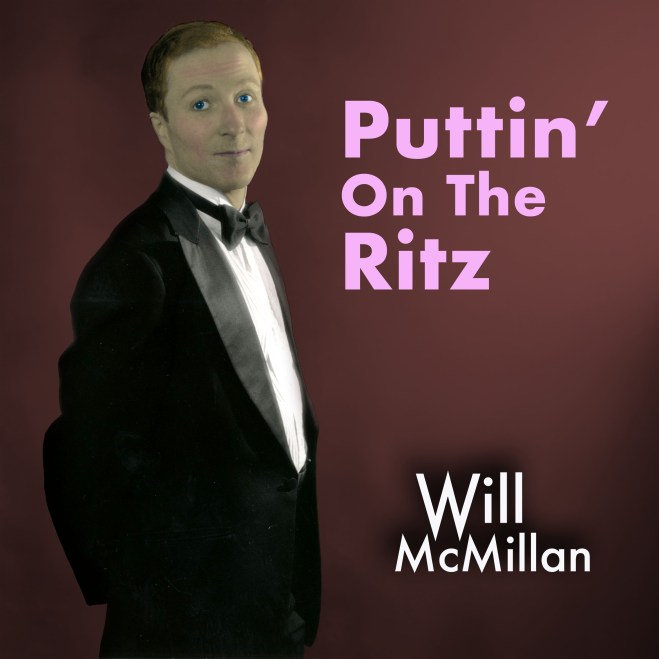
Puttin’ On The Ritz

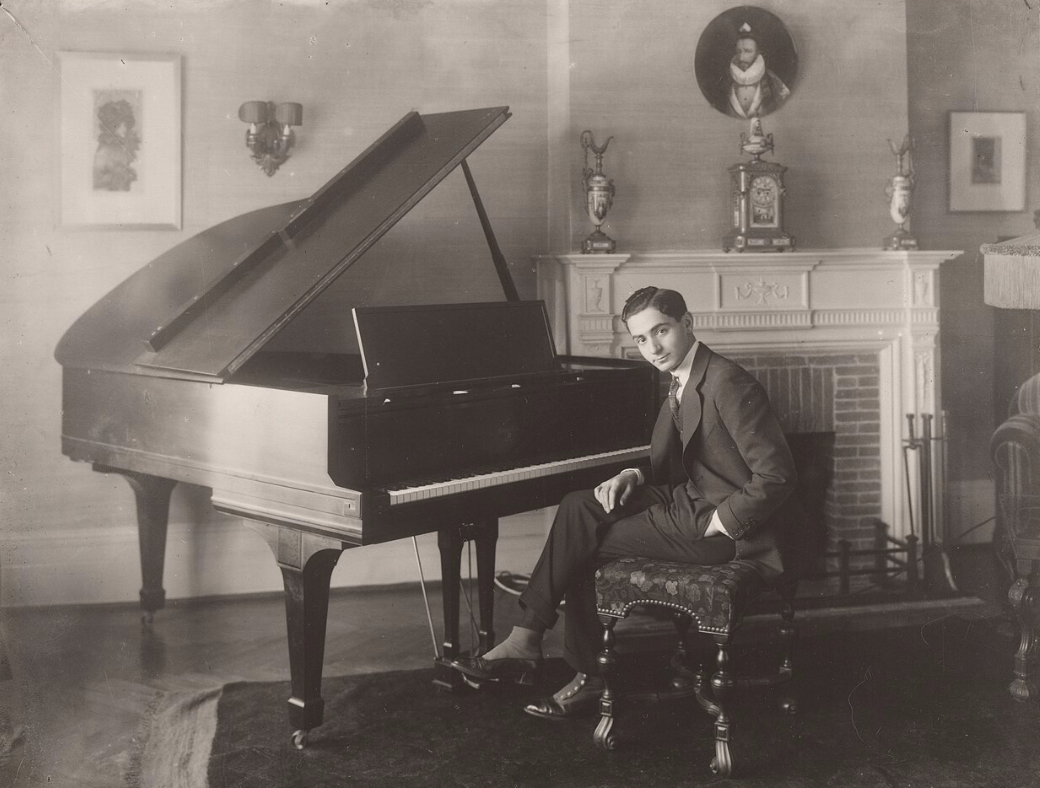
Irving Berlin (Wikimedia Commons)

If we scratch the surface of almost any cultural artifact — in this case a song written in the late 1920s by Irving Berlin — it is very likely that we will discover layers of herstory/history which have been buried, misplaced, overlooked or otherwise airbrushed out of the picture.

Wikipedia informs me that Irving Berlin wrote his original version of this song in May 1927, and it was first included in a 1930 movie — when “talkies” were an exciting new technology.

“The title derives from an (African-American) slang expression ‘to put on the Ritz’ — meaning to dress very fashionably — (which) was inspired by the opulent Ritz Hotel in London.”

And Mr. Berlin’s first set of lyrics do indeed describe very well-dressed African-Americans strolling on Lenox Avenue in Harlem…

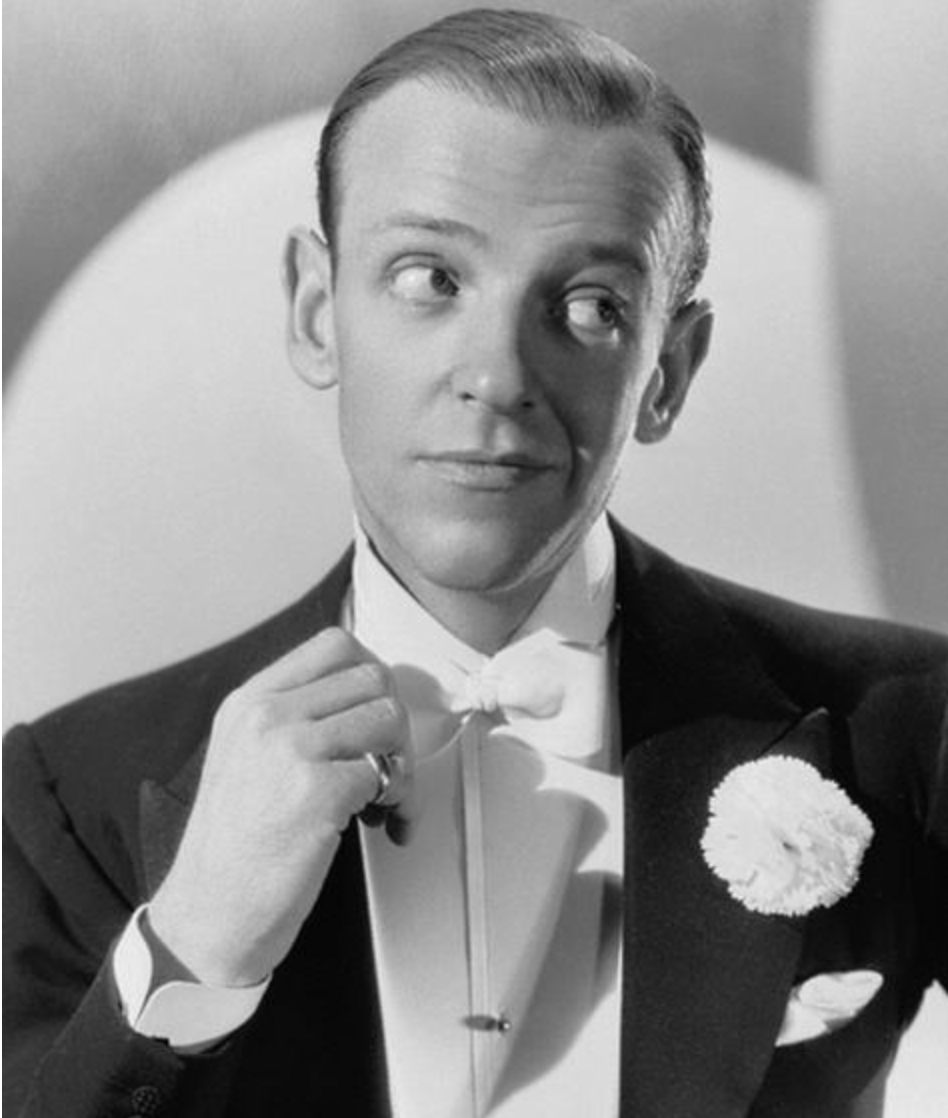
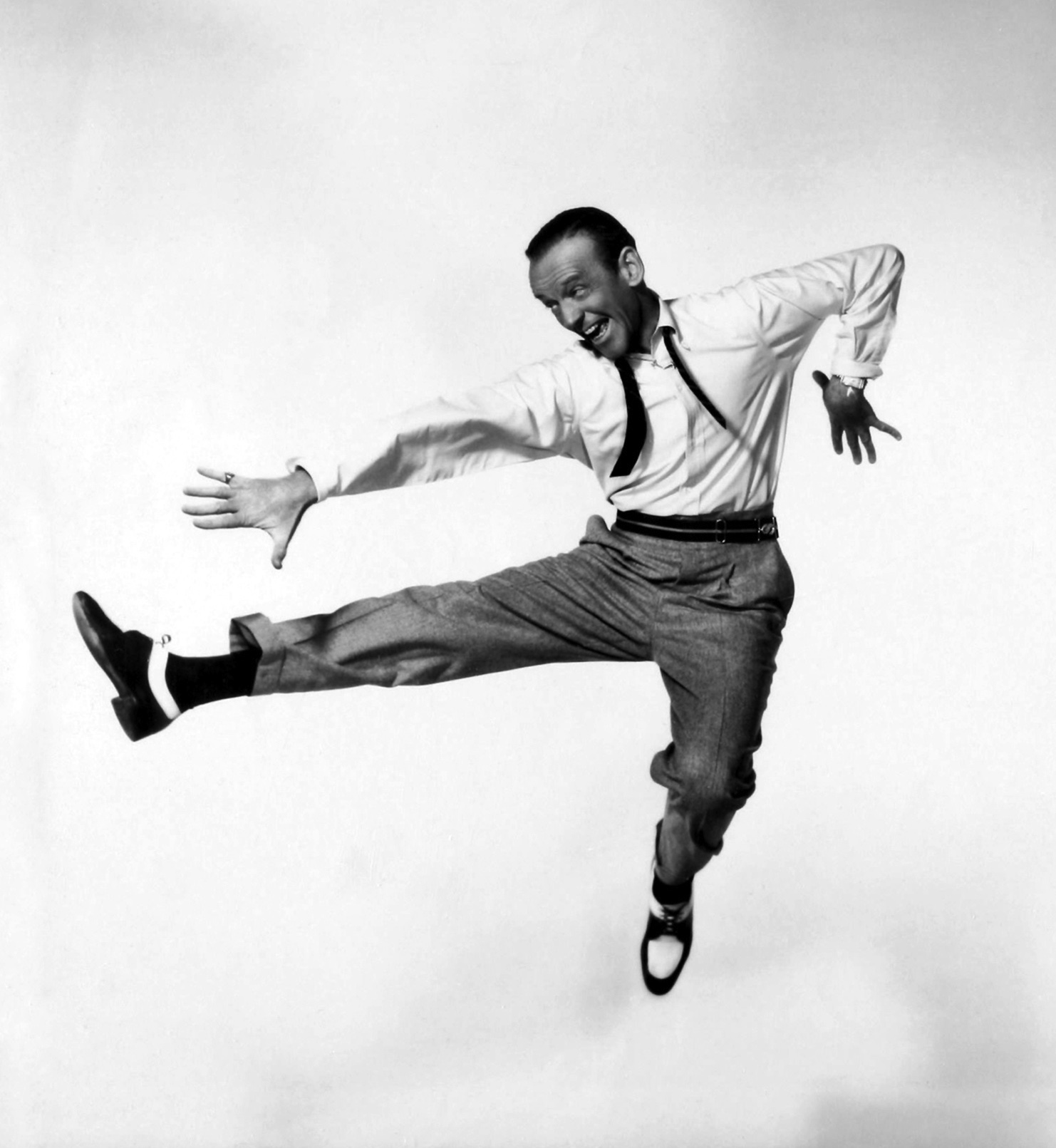
Fred Astaire (Wikimedia Commons)

However, when Fred Astaire performed “Puttin’ On The Ritz” in the 1946 movie BLUE SKIES, Mr. Berlin re-wrote the lyrics to become the version which I recorded with Doug Hammer playing his Schimmel grand piano.

“Lenox Avenue” became “Fifth Avenue,” and “Spangled gowns upon the bevy/Of high browns from down the levy — all misfits” become “Different types who wear a day coat/Pants with stripes and cutaway coat — perfect fits.”

This appears to be yet another example of how African-American culture inspires — and then gets appropriated and re-purposed to earn money for non-African-Americans.

Deep breath in.

Deep breath out.

And here I go, continuing this sad cultural practice, by recording my own version with Doug!

Another deep breath in.

Image by Gerd Altmann from Pixabay

And deep breath out.

We did this when I was creating an hour-long program of songs written for — or made famous by — Fred Astaire.

This version is the second or third take Doug and I recorded — and it’s a great example of how spontaneous and playful our creative process can be when we are both “in the zone” together.

Although there are a few more winter holiday favorites written by Jewish songwriters which I would like to record with Doug, we never got around to doing that in 2025… so I have released “Puttin’ On The Ritz” in December as a nod to upcoming New Year’s Eve festivities…

If you’d like to stream it via Pandora, Apple Music, YouTube, etc, you can click here.

Thank you to Pixabay and Wikimedia Commons for these photos.

Thank you to Doug Hammer for his piano-playing and his producing/engineering skills.

Thank you to Stephen Charles Fischer for his graphic design work.

Thank you to Irving Berlin for writing — and re-writing — this song.

Thank you to the African-American residents of Harlem who inspired Mr. Berlin to write this song in the first place.

And thank YOU for reading and listening to this blog post!

The Crazy Touch And Go Of Our Lives

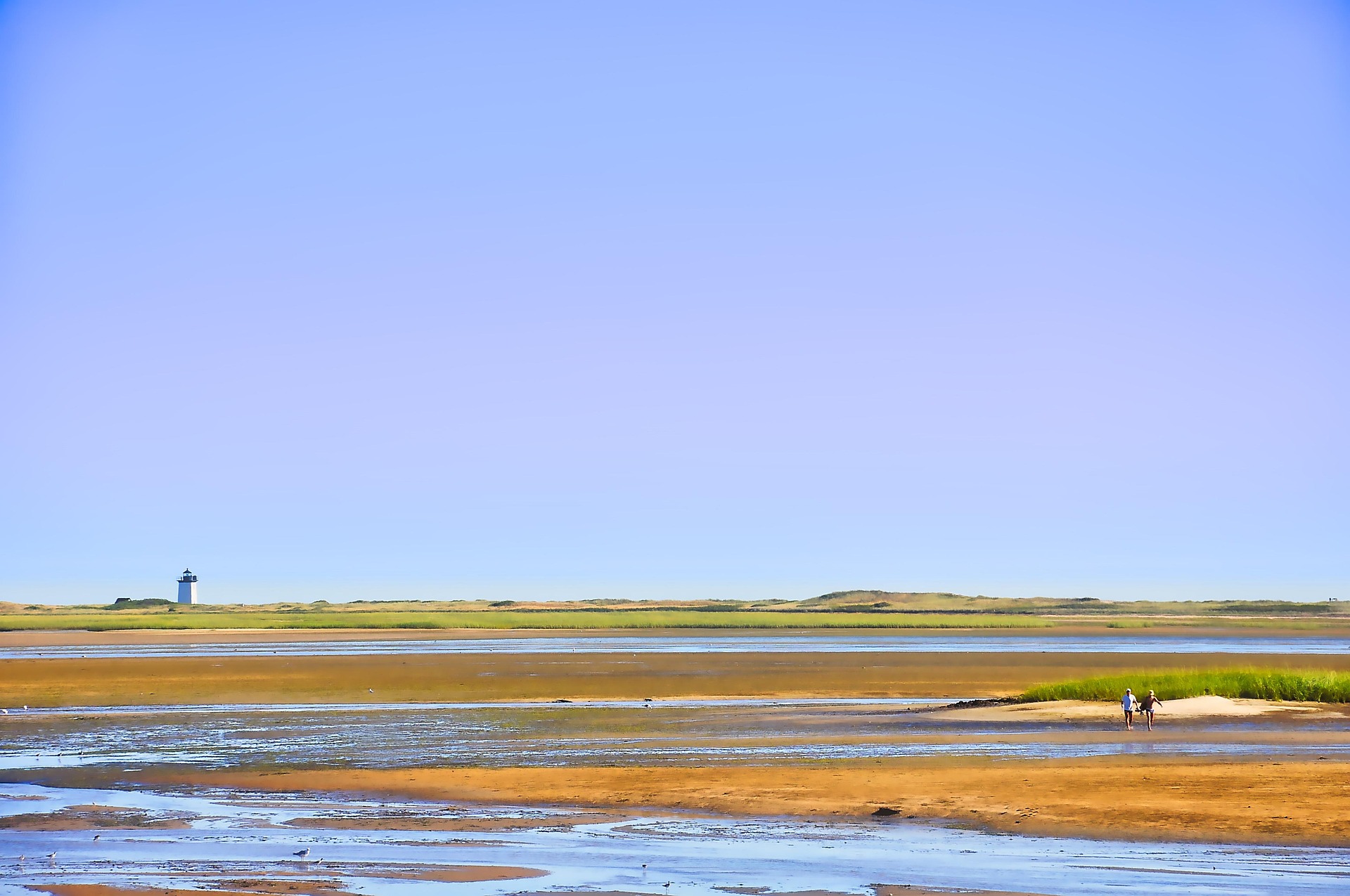
Image by Mark Martins from Pixabay

I hope you are well as you read this blog post.

Thank you for stopping by.

I wrote this song several years ago when I was camping at the North of Highland campground in North Truro, MA, on Cape Cod .

It is a heavenly place.

For over twenty five years I camped there every summer with my sweetheart and his extended family.

And then COVID — and a new baby — entered our lives, and we all decided to rent a house together at the opposite end of the state (in Pittsfield) with a big, fenced-in backyard instead.

Ahh, change…

Deep breath in.

Image by Radovan Zierik from Pixabay

Deep breath out.

When I look at photos on the campground’s website or re-read a blog post I once wrote about camping there, I am filled with a poignant sadness that we no longer gather in this idyllic spot.

And that is what this song is all about.

Life is an ebb and then a flow — and it just keeps on ebbing and flowing…

We can embrace that fact — at times sadly, at times gratefully, at times contentedly, at times joyfully.

Or we can fight it.

When I was looking at Dalai Lama quotations for my last blog post, I found one which fit this theme perfectly:

Image by Willfried Wende from Pixabay

“Old friends pass away, new friends appear.

It is just like the days.

An old day passes.

A new one arrives.

The important thing is to make it meaningful: a meaningful friend — or a meaningful day.”

Another deep breath in.

And deep breath out.

This song was inspired by a couple who rented a campsite at the other end of the little valley at North Of Highland campground where we had a perennial campsite.

Image by 🌼Christel🌼 from Pixabay

I don’t remember exactly how we reached out and introduced ourselves, but I am pretty sure I showed them the wild blueberry bushes which were bearing fruit all around our little valley.

And they invited us over for an informal cocktail hour one evening, which was very pleasant.

And then we discovered that the guy was a swimmer who, like me, loved to do laps along the ocean shoreline — although this was becoming more and more risky because the increasingly abundant population of seals in North Truro had been attracting more and more great white sharks…

So we hit it off with these two friendly people and became well-acquainted over the course of a few days.

Then, to my surprise (because I had assumed incorrectly that they had a week-long rental) they packed up their tent and — with warm goodbyes — drove away.

Image by Pexels from Pixabay

And I found myself feeling surprisingly sad.

Yet another deep breath in.

And deep breath out.

I have been very aware of — and sensitive to — the realities of love and loss ever since I was young.

In fact, I have been told that my parents used to sing “Good Night Irene” to me when I was a very small child just to see me well up with tears.

Deep sigh…

I have written in previous blog posts about the challenges of working professionally as a child and teenager. One of an actor’s most important skills is developing a sense of connectedness — first with the receptionist who checked you in at each audition, then with the casting agents, with the clients, and with any actors who were part of the initial audition and subsequent callbacks.

Image by Michelle Raponi from Pixabay

And if I got a job — whether for an hour doing a voiceover, for a day on the set of a TV commercial, for a couple of weeks filming a TV pilot, for a few months doing a movie, or for a year doing a musical — I needed to nurture ongoing, positive working relationships with my fellow cast and crew members.

I needed to show up on time.

I needed to know my lines.

I needed not to complain about anything.

I needed to behave as if I was a small, manipulable adult.

No fidgeting.

No fooling around.

Image by JamesDeMers from Pixabay

When a job was done, I remember how awkward and sad I felt as all of the camaraderie, friendship, affection and even love which had developed among members of the crew and cast would evaporate and disappear.

That was very confusing.

Was any of the camaraderie, friendship, affection and love I had experienced real?

Or was everyone just acting?

Another deep breath in.

And deep breath out.

On a vaguely related note, our planet’s relentlessly-marketed fossil fuels — along with the cars, trains, busses, ocean liners, planes, motorcycles, etc. which need them to run — have allowed most of us human beings to become much more mobile and much less rooted in one neighborhood, one town, one city, one state, one country.

The postal service and the internet have also given us extraordinary options for meeting and becoming acquainted with other humans.

Image by Yassine Noamani from Pixabay

How do we make sense of — and peace with — all of the beings who come and go in our lives?

Deep breath in.

Deep breath out.

I tried to make a little bit of sense out of the ebb and flow of relationships by strumming a ukulele in my tent and then jotting lyric and chord ideas in one of my songs-in-process notebooks.

Eventually “The Crazy Touch And Go Of Our Lives” emerged.

I performed it by myself — playing a ukulele — at some open mics.

Image by Pam Fitzgerald from Pixabay

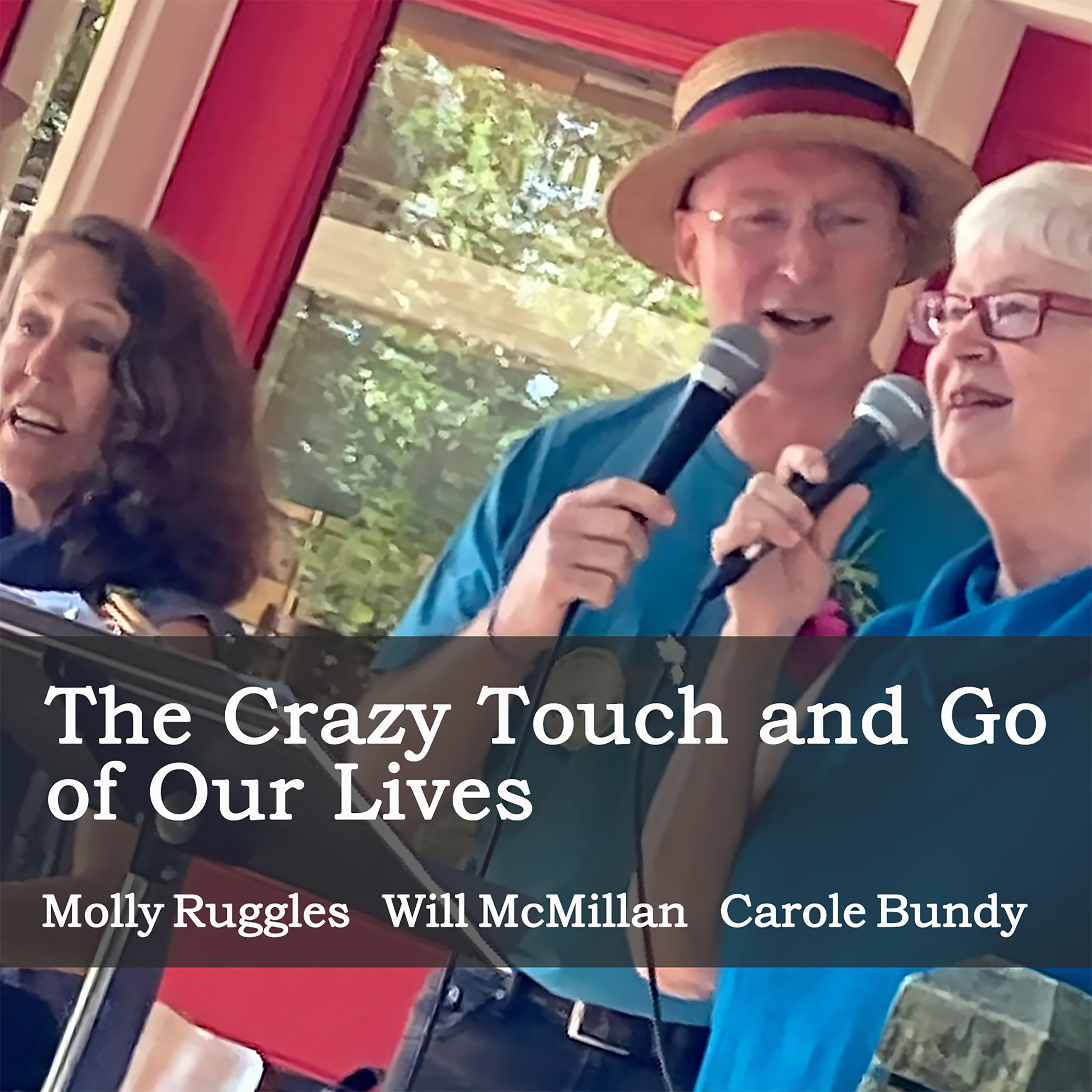
Then a few years ago my friend Molly Ruggles (who sings, plays piano and writes songs herself) created a lovely harmony part for her and our friend Carole Bundy to sing.

The three of us performed it at a bunch of porchfests and then recorded it with Molly playing piano last summer at Doug Hammer’s studio north of Boston.

Another deep breath in.

And deep breath out.

As I write this blog post, I am reminded of the Dalai Lama’s words about making each day — and, each friend — meaningful.

That is certainly what has happened with me and Carole and Molly.

We first collaborated when I was invited to sing during a service at the UU church in Medford where they were both members and where Molly was also the music director.

And this musical collaboration has deepened and widened over many years — and many delicious dinners — to become meaningful friendships.

We sing and harmonize and rehearse and perform and bear witness to the twists and turns of each other’s lives.

Deep breath of gratitude in.

Deep breath of gratitude out.

I will end this post with my customary thank yous plus a bunch of beautiful images from Pixabay that somehow reminded me of this song.

Image by Tom from Pixabay

Thank you to all of the folks who have kept North of Highland campground going for many decades. I miss being there each summer!!!

Thank you to the couple who camped for a few days across the little valley from us at North of Highland campground.

Thank you to the Dalai Lama for his wisdom.

Thank you to my sweetheart and his — now our — family for letting me sit in my tent at the campground all day long, working on new songs.

Thank you to my dear ukuleles, to my “tent of creativity,” and to the various pencils, pens, notebooks, rhyming dictionaries, and laptops which help me to write songs.

Image by hartono subagio from Pixabay

Thank you to Molly and Carole for our years of interactions.

Thank you to the UU church in Medford for bringing me and Carole and Molly together as a musical unit and as friends.

Thank you to Doug Hammer for engineering and then mixing/mastering our recordings with us.

Thank you to the grasses and bushes and seaweeds and crabs and sea birds and seals and sharks and fish who make the Head Of The Meadow beach — a short and beautiful walk from the North Of Highland campground — so interesting to visit.

Thank you to the ocean and the sun and the moon and the tides which sweep the beach clean twice a day.

Image by Anna from Pixabay

Thank you to everyone who has been listening to my songs via Pandora, YouTube, Spotify, Apple Music, and any/all of the other streaming platforms.

Each stream, each like, and each addition to a playlist is noted by that streaming service’s algorithms — and encourages it to share the song with other listeners.
You can click here to listen to “The Crazy Touch and Go of Our Lives” on many different streaming platforms.

And a final thank you to the wonderful photographers at Pixabay, whose beautiful images grace almost all of my blog posts

I will end with a few more of my favorites Cape Cod-related photos from Pixabay.

Image by Mark Martins from Pixabay

Together they capture some of the magical essence of the outer Cape.

What are YOUR experiences with the crazy touch and go oof our lives?

Image by Nathan Osman from Pixabay
Image by Mark Martins from Pixabay

Something’s Gotta Give

Thank you to all the folks who continue to visit my blog despite the long gaps between new posts.

I just re-read my last one (written right after our most recent national elections).

It’s pretty grim.

Now we all bear witness to how the campaign promises — and threats — do or don’t become reality in the upcoming days, weeks, months and years.

Deep breath in.

Deep breath out.

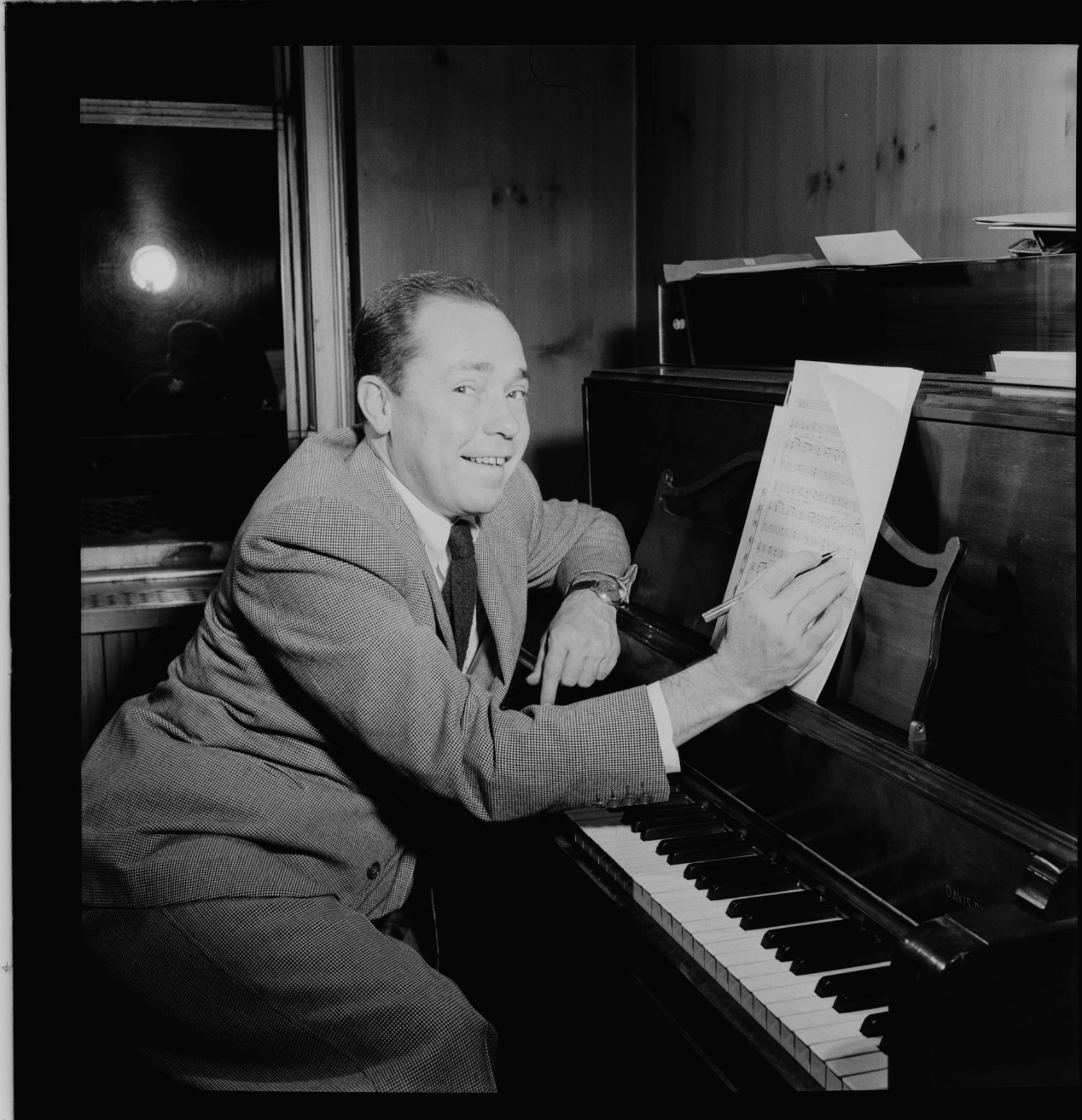
Johnny Mercer by William Gottlieb (late 1940s…)

Today’s blog post aims to be a little lighter in tone and features a song for which Johnny Mercer wrote both the melody and lyrics.

Most of the time, Mr. Mercer wrote the lyrics to other people’s melodies.

For example, he co-created “Skylark” with Hoagy Carmichael, “Come Rain or Come Shine” with Harold Arlen, “Hooray For Hollywood” with Richard Whiting, “Jeepers Creepers” with Harry Warren, and “Moon River” with Henry Mancini.

Other songs he co-wrote include “You Must Have Been A Beautiful Baby,” “In The Cool, Cool, Cool Of The Evening,” “Anyplace I Hang My Hat Is Home,” “One For My Baby (And One More For The Road),” “That Old Black Magic,” “On The Atchison, Topeka And The Santa Fe,” “Too Marvelous For Words,” “Autumn Leaves,” “Blues In The Night,” and “I’m Old Fashioned.”

And there are even more hits in his extraordinary catalog of songs — which you can skim by clicking here if you are curious.

Mr. Mercer was a Southerner, born on November 18, 1909 in Savannah, Georgia. From the 1930s to the 1960s he co-wrote over a thousand songs — for movies and for Broadway shows — and was nominated for 19 Academy Awards, winning four Oscars for best original song.

Fred Astaire (Publicity Photo for DADDY LONG LEGS)

And if it wasn’t enough to write or co-write so many great songs, Johnny also had a successful career as a recording artist himself.

And he co-founded Capital Records.

Yowza!

According to some biographers, he could also be a very mean drunk who developed a reputation for sending beautiful — and apologetic — flower arrangements to people whom he’d insulted at parties the previous night.

He wrote “Something’s Gotta Give” in the 1950s for Fred Astaire to sing in a movie called DADDY LONG LEGS which co-starred a very young Leslie Caron as his eventual love interest.

I am not a fan of 50+ year-old leading men romancing much younger women in movies (or in real life for that matter), but this stereotypical, male chauvinist theme shows no sign of being banished from popular culture.

However, DADDY LONG LEGS did give us a very upbeat song with a few lovely turns of phrase — such as “some heavenly star-spangled night…”

And I realized — after I recorded it — that this song also reminds me of the likelihood that many somethings are gonna give in the upcoming days and weeks and months and years here on planet earth.

Blooming Hyacinth

Another deep breath in.

And deep breath out.

I am planning to release a new recording — some originals and some covers — on a monthly basis for the rest of 2025.

And I am hoping to keep my blog posts shorter — and somewhat sweeter — than in previous years.

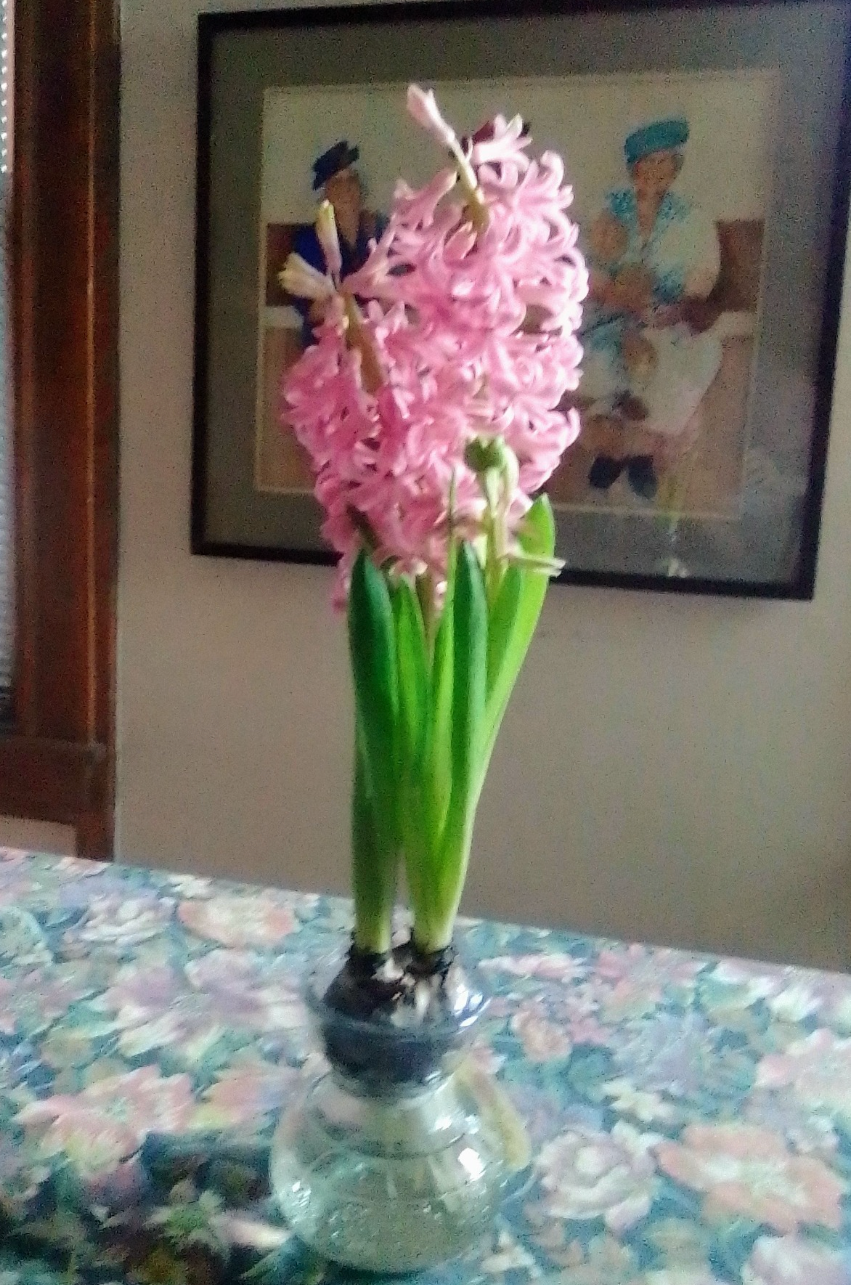
Here’s a lovely hyacinth bulb, which I bought at our local Trader Joe’s, blooming in my dining room.

I continue to be amazed at how an unpretentious, brownish bulb can — given some water and sunlight — differentiate itself into a vivid green stalk and lavish pink blossoms.

How is it possible?!

It is miraculous — and currently very aromatic!

Yet another deep breath in.

And deep breath out.

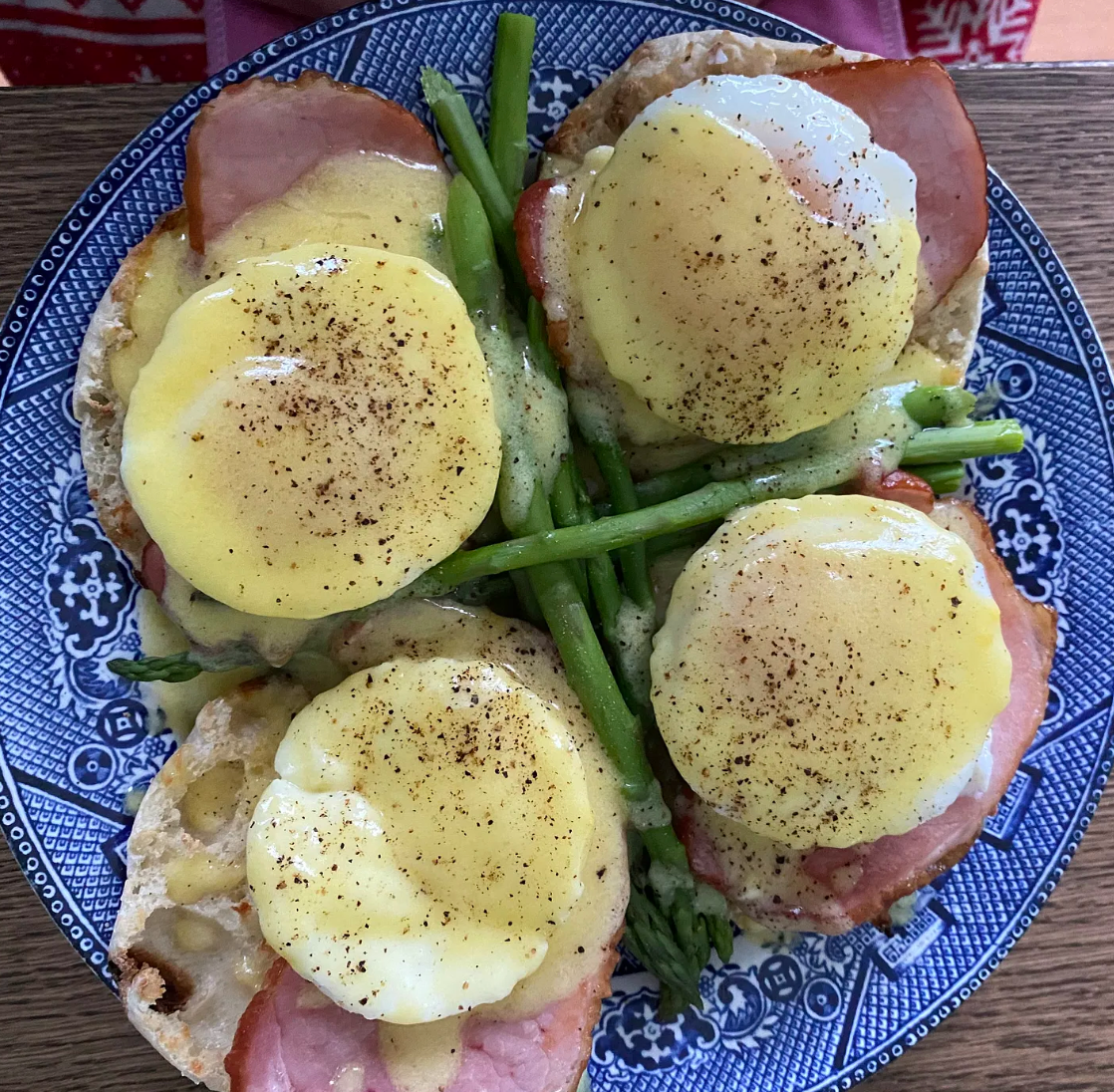
I will end with one more recent photograph — this one taken by my older sister of our younger sister’s culinary handiwork at a family gathering earlier this month.

Yum!!!

Eggs Benedict with new asparagus

The eggs were provided by a flock of black Australorp hens whom my sisters take care of on their farm (along with Icelandic sheep, a dog and several cats).

It turns out that chickens are astoundingly attuned to daylight.

As soon as the winter solstice happens each year, egg production by my sisters’ flock begins to rise (having tapered off during the autumn…)

And as soon as the sun starts to go down each day, all of my sisters’ chickens troop back inside their coop and start to roost for the night.

You will probably not be surprised to learn that commercial egg-producing companies (if I am remembering correctly) take advantage of this sensitivity and manipulate the light their hens experience each day to maximize egg production.

One more deep breath in.

And deep breath out.

Thank you for reading and listening to another one of my blog posts.

Thank you to Doug Hammer for his splendid piano accompaniment — on his glorious Schimmel grand piano — and for his expert musical production skills.

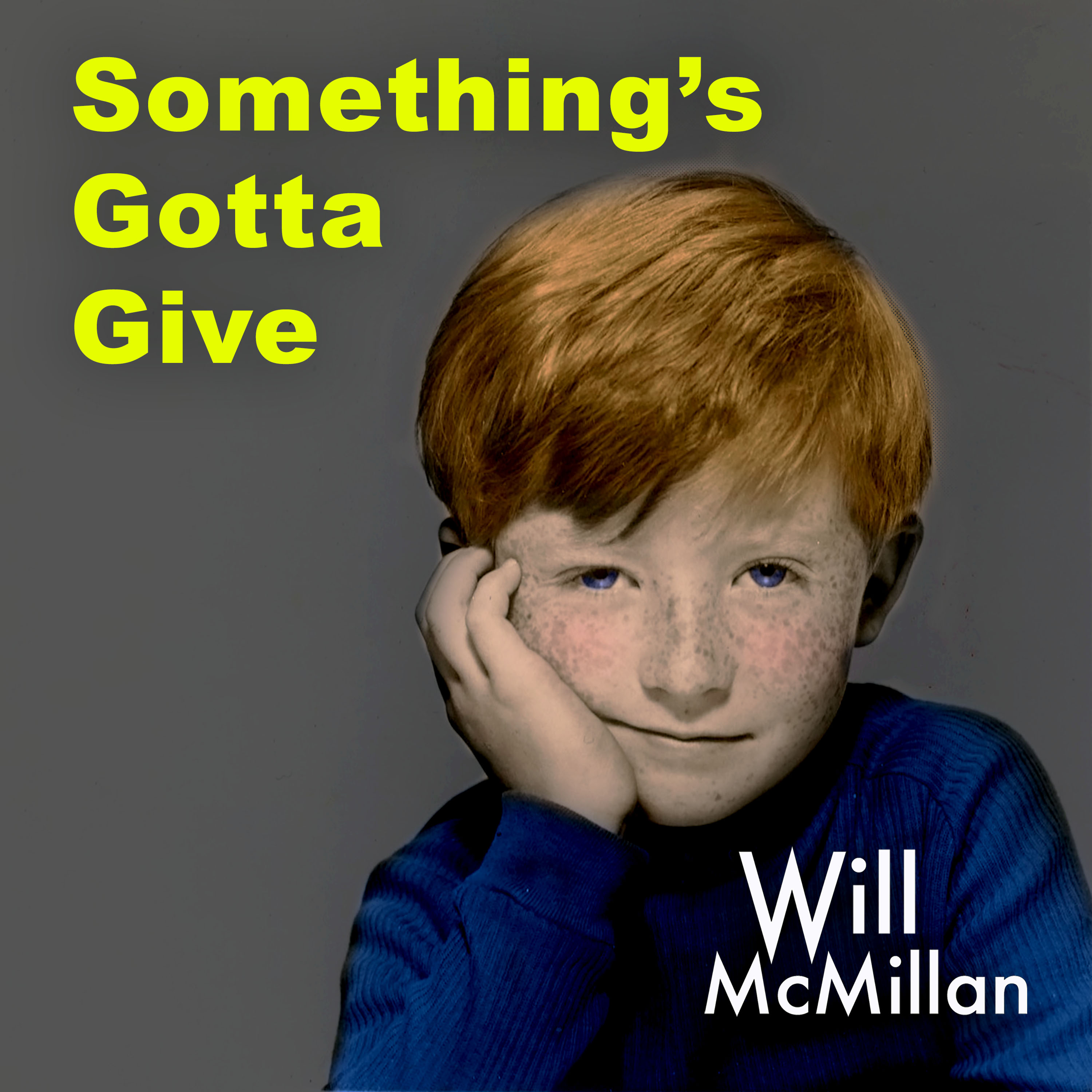
Thank you to Stephen C. Fischer for his graphic design (and to the professional photographer in NYC who took this photo of me many decades ago…)

Thank you to Johnny Mercer for writing this song — and to Fred Astaire for inspiring him to write it.

And thank you to anyone who is moved to stream my recording of “Something’s Gotta Give” on Youtube, Pandora, Spotify, Apple Music, Tidal, Deezer, etc. by clicking here.

Every stream — and especially every thumbs up — helps to improve the likelihood that the mysterious algorithms of these various streaming services will share my music with new listeners!

And as always, I welcome any comments below!

In Praise of Food…and Lillian Rozin!

I am well aware that all sorts of challenging — and often heart-breaking — situations continue to unfold here on planet earth.

However, I have decided in recent blog posts to accentuate the positive.

Part of the fun of re-vamping my website earlier this year was re-visiting my musical past.

When I first started working at the Cambridge Center For Adult Education in Harvard Square, we co-produced a lot of events — open mics, workshops, seminars, performances — with the Boston Association of Cabaret Artists (BACA).

BACA is a humble and surprisingly resilient non-profit group which a bunch of us helped to start over 25 years ago.

And it is still going strong — an ongoing labor of love — due to the efforts of a generous and ever-evolving group of singers, musicians, songwriters and music fans who serve on its board, bless them.

I do not remember exactly how I met singer/actor Lillian Rozin, who is now a psychotherapist, yoga instructor and author, too.

Maybe at a BACA open mic?

In any case, we hit it off and Lillian started creating lavish spreads of appetizers and desserts for our open mic nights.

I am not someone who follows recipes or considers himself to be much of a cook.

But Lillian is an inspired and inspiring goddess in the kitchen.

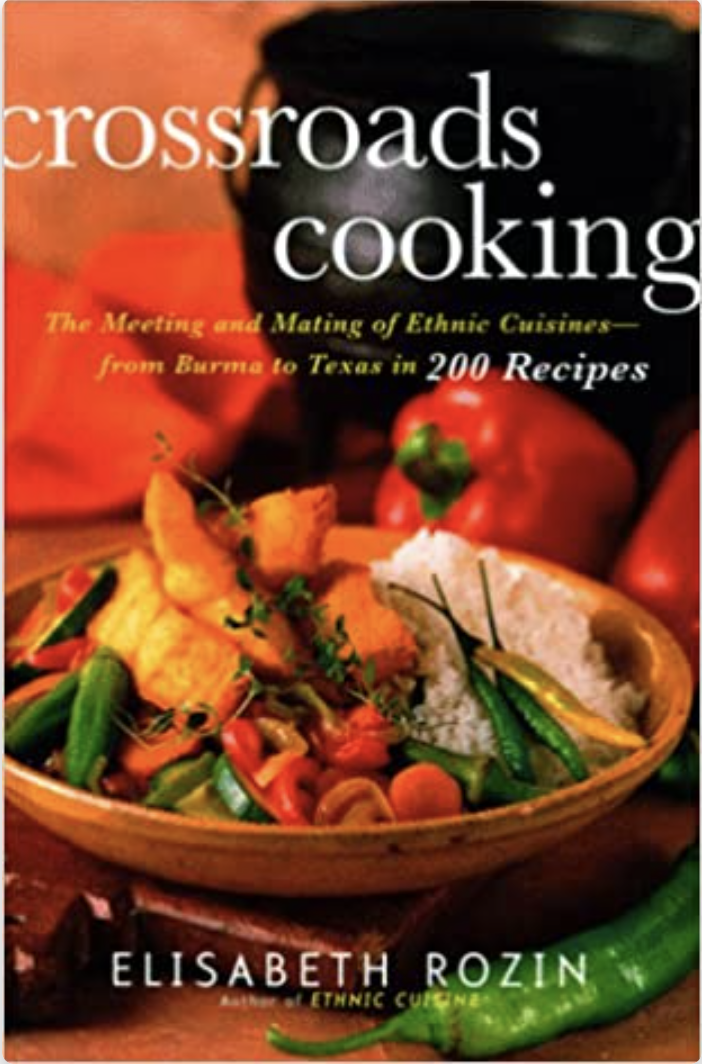
She learned to love food and cooking from — among other people — her mother, the much-published food writer, Elizabeth Rozin.

Eventually we started performing together as “The Will & Lil Show” — co-creating two different shows of music and ideas before she moved from the Boston area back to her homeland of Philadelphia.

Our first show focused on the subject of water — in rivers, clouds, oceans, harbors, showers, wading pools, and even our own metabolisms.

We followed that with a show called We Are What We Eat — A Potluck Cabaret which featured songs about eating, serving and preparing food such as Cole Porter’s “The Tale of the Oyster,” Bernstein, Comden and Green’s “I Can Cook, Too,” Stephen Sondheim’s “The Ladies Who Lunch,” the Sherman Brothers’ “Feed The Birds,” and Stephen Schwartz’s “It’s An Art.”

The show began with Lillian and me on stage chopping and slicing and preparing various finger-foods while audience members were finding their seats.

Once everyone had arrived, we began singing a song (in the player at the start of the blog post) from William Finn’s musical “March Of The Falsettos” while serving the audience what we had been preparing onstage.

It was a lot of fun.

The original lyrics for “Making A Home” included some references to food — to which we added a few more.

Recently I was happy to find a computer disk which contained some of our original PR photos as well as a script for our food show.

Here’s a list of food-related items that we used during the show:

Image by Bernadette Wurzinger from Pixabay

Microwave pre-set with popcorn.

Baguette. 

Hardboiled eggs.

Little pots of strawberry jam.

Toast.

English muffin.

Little jar of mustard.

Watercress or heavy duty parsley.

Hamsteak.

Bones/chew toys.

Root vegetables.

Image by Jordan Stimpson from Pixabay 

Brie, cheddar, harvarti dill, goat, and cream cheeses.

Grapes.

Olives.

Cornichon.

Pop tarts.

Pringles potato chips.

Spam.

Count Chocula/Cocoa Puffs/Lucky Charms cereal boxes.

Jello.

Bacon bits.

Strawberry Newtons.

One pound of smoked fish.

Horseradish.

Lots of crackers.

Cider.

Bag of salad.

Packets of Sweet & Lo.

Vinegar cruet.

Celery.

Peanut butter and peanuts.

Bologna.

Non-dairy whipped topping.

Bananas.

Image by S. Hermann & F. Richter from Pixabay 

Melon.

Bosco.

Two pie plates.

Marischino cherries.

Cutting boards.

And knives.

As you can probably extrapolate from this list of props, we covered a lot of ground in this show — from the processed food industry (for which Lillian’s mother had once consulted) to food norms in different cultures (Lillian has traveled a lot) to my past as a child actor doing commercials for various food products (such as Ring Ding Juniors, Lifesavers, Imperial margarine, and Oreo cookies).

Here’s an excerpt from what we said after we sang “Making A Home” while serving appetizers to the audience.

Lil: “Will and I love to cook.”

Will: “And we love to feed other people what we have cooked.”

Lil: “And we love to eat; so this show was a no-brainer.

Will: “Eating is something that is easy to take for granted. 

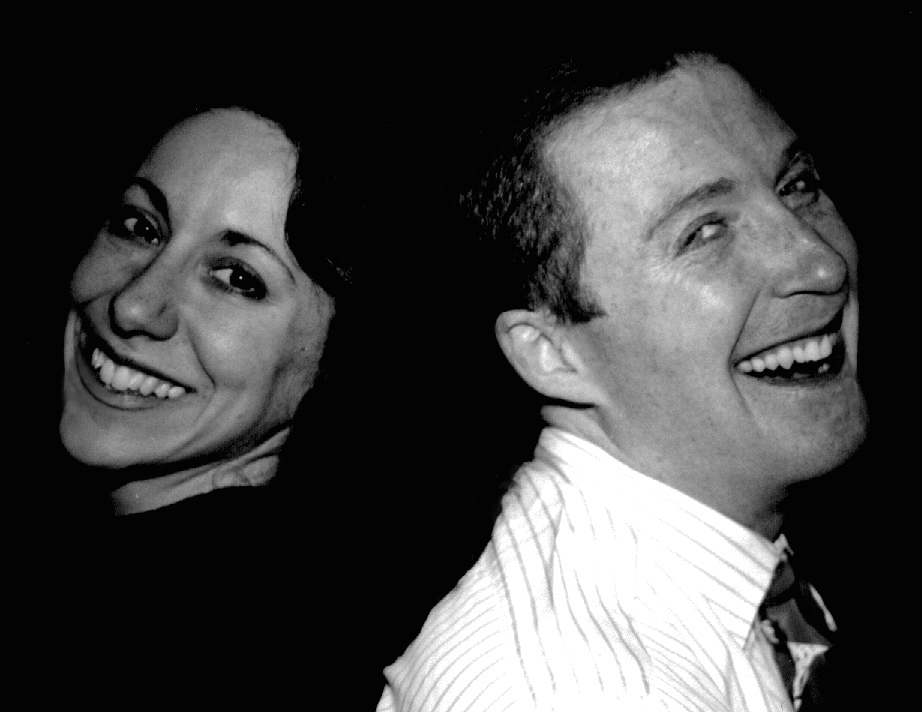
Lillian Rozin and Will McMillan standing back to back and smiling...
Photo by Stephen C. Fischer

Lil: “We do it several times a day, often out of habit or while we are focused on something else.”

Will: “But eating is really a magical process.  Think about it… radiation from a nearby star is captured by plants who transform it into something that we can absorb into our bodies, which becomes… us.”

Deep breath in.

Deep breath out.

Over twenty years later I am still amazed by how life works here on planet earth!

Near the end of the show Lillian tied me to a chair while singing “Have An Eggroll Mr. Goldstein” from Gypsy and stuffing all sorts of delicious, cut-up fruit into my mouth.

Then we sang “You’re The Cream In My Coffee” while throwing pie plates full of non-dairy whipped topping in each other’s faces.

Our encore was “Life Is Just A Bowl Of Cherries.”

This delightful anthem was written by Lew Brown (lyrics) and Ray Henderson (music) for Ethel Merman to sing in George White’s Scandals of 1931 after she had rejected another song they had wanted her to perform.

I am very thankful that Ms. Merman knew — when she was still in the early years of her extraordinary career the entertainment industry — what kind of song she could and couldn’t deliver to an audience.

Otherwise Ray and Lew might not have written this musical gem.

Image by StockSnap from Pixabay

Thank you for reading and listening to this somewhat light-hearted blog post.

I will undoubtedly return to more serious topics in the future.

Today I have been inspired by a statement currently circulating (I hope accurately) on FaceBook from a Hopi Indian Chief named White Eagle.

“This moment humanity is experiencing can be seen as a door or a hole. The decision to fall in the hole or walk through the door is up to you.

“If you consume the news 24 hours a day, with negative energy, constantly nervous, with pessimism, you will fall into this hole. But if you take the opportunity to look at yourself, to rethink life and death, to take care of yourself and others, then you will walk through the portal…

“Don’t feel guilty for feeling blessed in these troubled times. Being sad or angry doesn’t help at all…

Lillian with her beloved dog Albee!

“Show resistance through art, joy, trust and love.”

Another deep breath in.

And deep breath out.

Thank you to Lillian Rozin for being one of my favorite collaborators… and one of my favorite chefs, too!

Thank you to Doug Hammer for playing piano AND recording the rehearsal from which we recently selected and mixed these songs.

Thank you to Ray Brown and Lew Henderson for writing “LIfe Is Just A Bowl Of Cherries” — and to Ethel Merman for inspiring them to do so.

Thank you to William Finn for writing “Making A Home.”

You are always welcome to visit my website — where you can find more songs from The Will & Lil Show celebrating food.

Or you can find me singing — with Doug Hammer playing his Schimmel grand piano — on SpotifyPandoraApple Music and other digital music platforms.

And if you are hungry for more music, you are welcome to listen to my latest release, “The Carter Family” by Carly Simon and Jacob Brackman on a bunch of different digital music platforms.

I’ll Cover You…

Today’s blog post features a song from Jonathan Larson’s hit musical Rent.

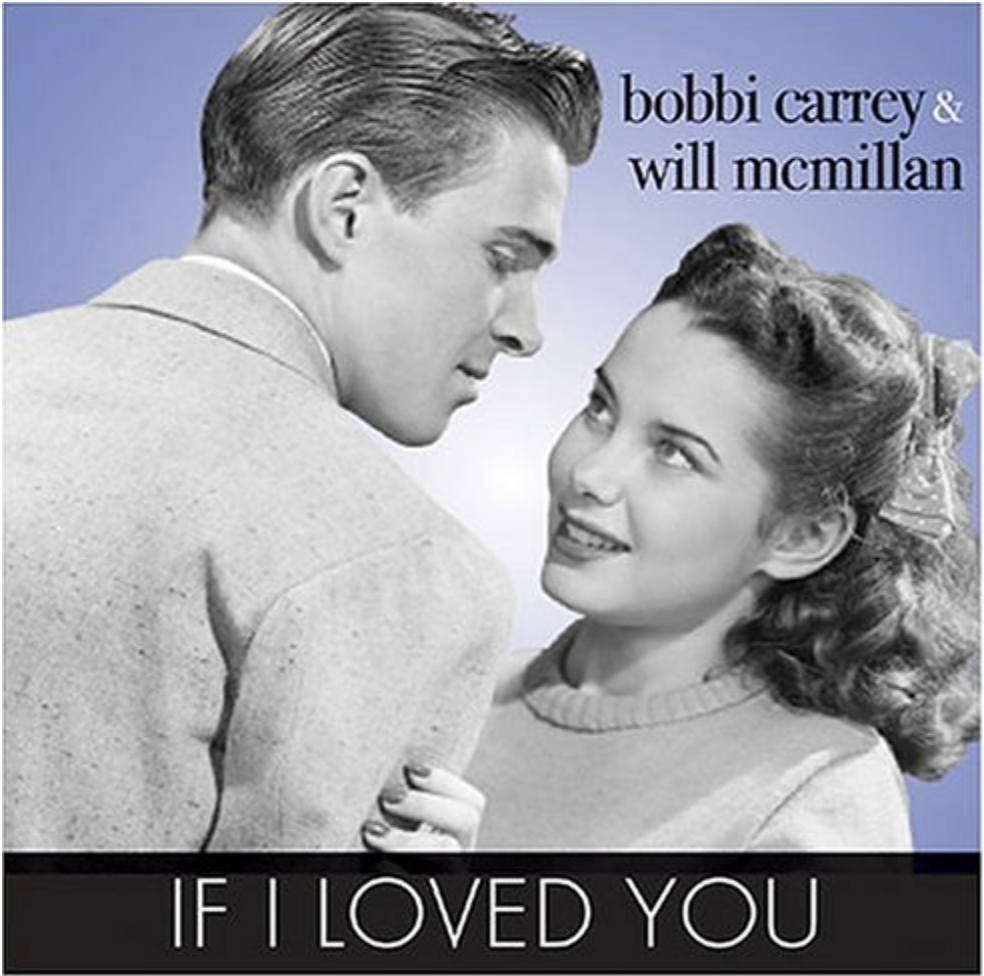
I recorded it several years ago with fellow singer Bobbi Carrey and pianist Doug Hammer for a CD called If I Loved You.

You can find it on Spotify if you are curious by clicking here.

It is an appropriate choice for today’s blog post because — in addition to learning how to release my original songs — I am learning how to release cover songs.

As you probably already know, a cover song is a new interpretation/recording of someone else’s song.

It was once a much more common phenomenon than it is today, with several versions of a new hit song – recorded by singers such as Bing Crosby, Rosemary Clooney, Frank Sinatra, Tony Bennett, Peggy Lee, Dean Martin, and Doris Day — climbing the charts at the same time.

Then came singer-songwriters, rock bands who write their own material, and producers who co-write hit songs with/for pop stars… so nowadays it is less common for major recording artists to release cover songs.

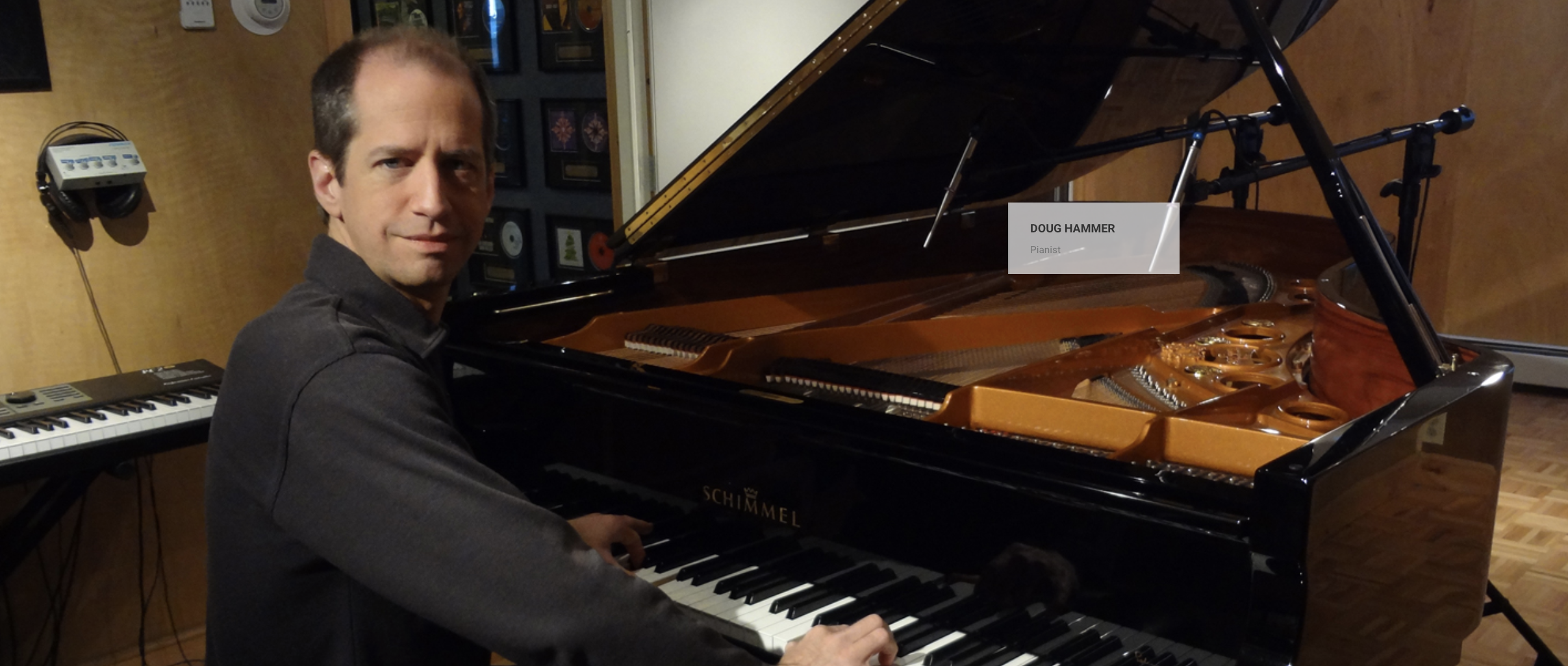
Pianist Doug Hammer has a wonderful recording studio in the lower level of his home, and I have been recording all of my rehearsals with him for over twenty years.

If you are curious to learn more about Doug and his studio, you can click here for a lovely interview with him.

Every now and then he and I come up with a particularly fun or moving interpretation of someone else’s song.

In recent years I’ve shared a bunch of these recordings via my blog…

Now, during this period of Covid-19 isolation, we are polishing/tweaking many of them — with me listening at home via Zoom and Doug in his studio — so that I can distribute them to anyone in the world who has access to Spotify, Apple Music, Amazon, and other digital platforms.

In order to distribute a cover song, one needs to pay for a mechanical license to the person who wrote the song.
This income is often split with the songwriter’s publishing company.

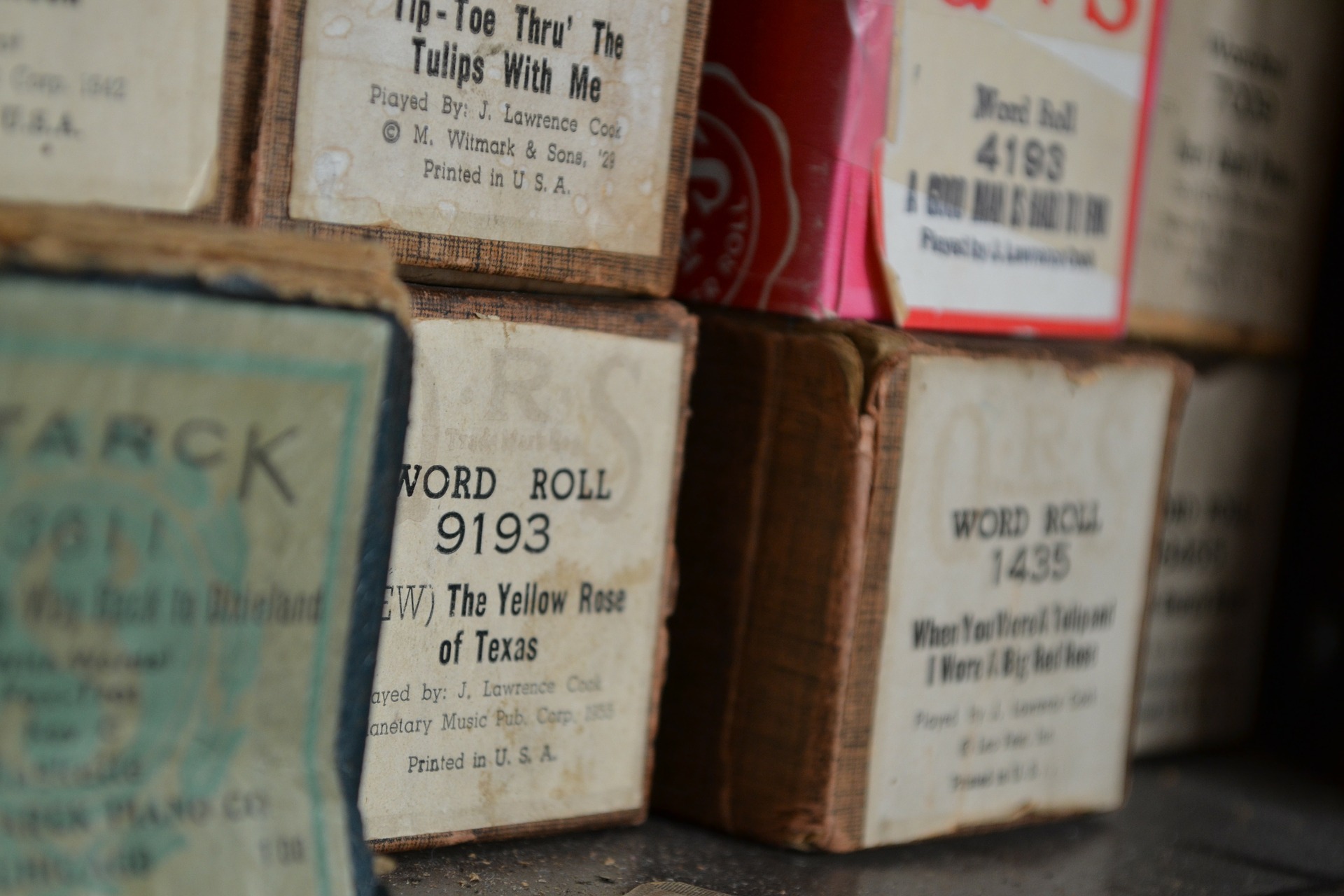
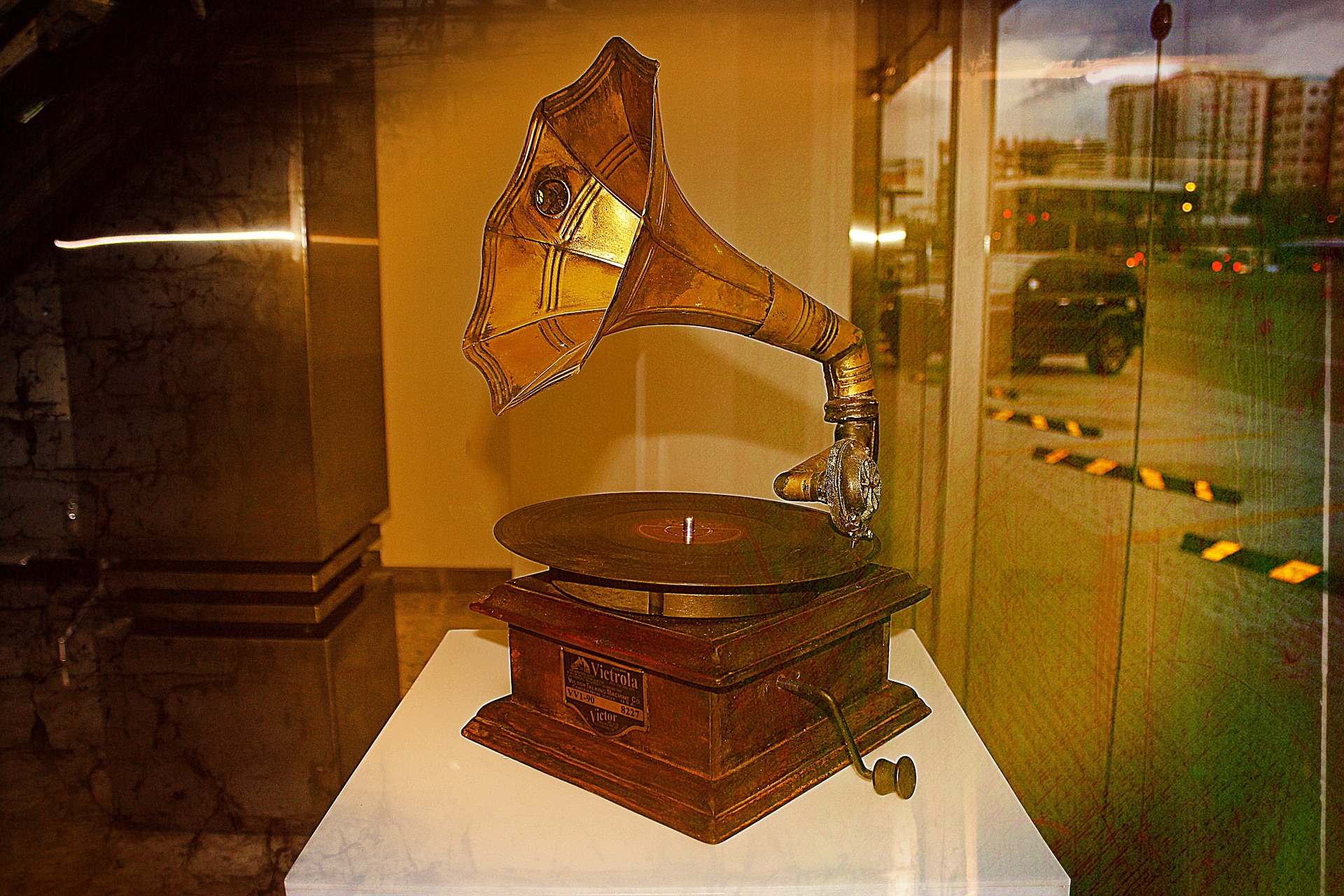
Originally a mechanical license allowed someone to reproduce a song in mechanical form — starting with player piano rolls, wax cylinders, and early phonographs.

Nowadays, even though it is still called a mechanical license, there is very little “mechanical” left in the process — since most of the music sold and listened to these days is distributed digitally in streams of zeros and ones.

You can read a terrific historical summary of how recording technology has evolved over the past 100+ years on Wikipedia by clicking here.

Money paid for a mechanical license goes to the songwriter and possibly their publisher.

There are at least three organizations in the USA where one can purchase mechanical licenses — the Harry Fox Agency (which has been around for a long time), Songfile (which I think is affiliated with the Harry Fox Agency) or Easy Song Licensing (which is the one I am using).

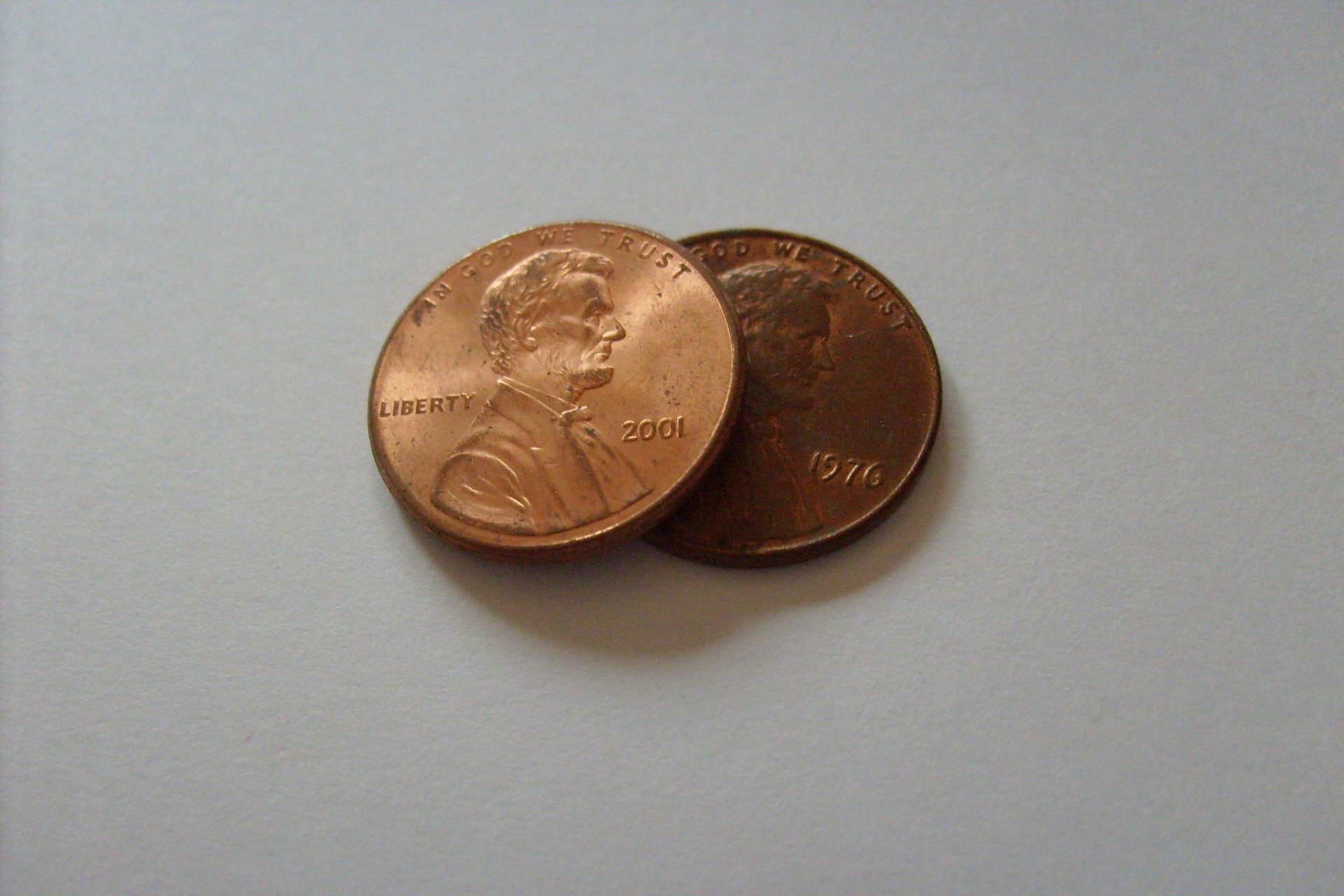
The US Government sets the rates for mechanical licenses, which started out in 1909 at two cents — meaning the songwriter and publisher each earned a penny — and remained unchanged for 67 years.

In 1976 Congress created a Copyright Royalty Tribunal, which decided that mechanical rates should be raised to 2.75 cents.

In 1987, the Music Publishers Association, the Songwriters Guild Of America and the Recording Industry Association of America successfully filed a joint proposal with the Copyright Royalty Tribunal to ask that mechanical royalty rates be increased every two years, based on U.S. inflation data.

Currently the statutory mechanical royalty rate is 9.1 cents per song per unit for recordings of compositions up to five minutes (5:00) in length. If your recording is longer than five minutes, you have to pay additional 1.75 cents per minute or fraction thereof.

The next song I am releasing was written by a fellow songwriter named Barbara Baig whom I met twenty years ago at open mics I used to host in Harvard Square.

My recording of her song is 5 minutes and 39 seconds long; so I paid her and her personal publishing company in advance for 100 digital downloads — (100 x 9.1 cents) + (100 x 1.75 cents) = $10.85.

If all goes well, my recording of her song will be available for streaming and downloading next month.

Once it is released, I will need to register my recording with a non-profit organization called SoundExchange — which was first created by the Recording Industry Association of America and then expanded by Congress — to collect and distribute digital performance royalties for sound recordings. 

And I think Barbara will need to register her song (and my recording of it) with an even newer nonprofit organization — the Mechanical Licensing Collective which will soon be issuing and administering blanket mechanical licenses for eligible streaming and download services in the United States. 

The Mechanical Licensing Collective will also collect royalties due under those licenses and pay them to songwriters, composers, lyricists, and music publishers.

I may write more about both of these organizations in future blog posts.

Basically they are attempts to keep up with the ever-changing technologies of how we purchase and listen to recorded music.

And they are a perfect example of how many important details there are to learn when one is beginning to share one’s music with the world…

Thank you to Bobbi and Doug for their contributions to our recording of “I’ll Cover You” — and to Jonathan Larson for writing it in the first place!

Thank you to Pixabay for the great images.

Thank you to everyone who has registered to vote — and may even have already voted! — in our upcoming election.

Thank you to all the folks who are engaged with our electoral process — writing postcards, donating money, making phone calls, sending texts, helping to get out the vote, and much, much more…

Thank you to everyone who is educating herself/himself/themself about the challenges facing all of us here on planet earth.

Thank you to our extraordinary health care workers, who are again in the midst of a pandemic hospital crisis due to rising cases of Covid-19 here in the USA.

Thank you to everyone who cares enough about their neighbors and neighborhood to wear a face mask in public.

And thank YOU for reading and listening to yet another blog post!

Now Streaming…


Greetings!

I hope you remain well during this odd and at times terrifying time in our planet’s history.

Today’s song was written by Canadian singer-songwriter Ron Sexsmith.

Ron Sexsmith

After my friends in Toronto exposed me to several of his beautiful, wise creations, I recorded “Gold In Them Hills” with the terrific pianist (and sound engineer) Doug Hammer.

I have ruminated in past blog posts about the value of music in our lives — how sometimes it seems quite disposable and unimportant, yet at other times it can feel quite meaningful and essential.

Here is some recent feedback about the value of music from folks on my e-mail list:

“Music is a great encouragement to people in hard times.”

“A song fixes memories of life events indelibly. “

“Music is a distraction from the troubles of the day.”

“Essential.”  

“Music is an easily accessible treat at a time when other treats are difficult to come by.”

“We all need it.”

“Music is a touching reminder that life is worth living.”

“Music is a balm during these stormy times.” 

“Music is part of what makes the world keep going.” 

Every time I read these ideas, I attempt to breathe them deeper into my soul.

Deep breath in.

Deep breath out.

Today I share news that my song Another Good Morning has finally been distributed to a bunch of digital music platforms — including Spotify, Apple Music, iTunes, Amazon Music, Deezer, Napster, Tidal, and Google Play.

I found — and played!— it on Spotify, which for better (and mostly for worse) is a key market for musicians these days.

I write “and mostly for worse” because the various streaming platforms pay a tiny fraction of what a performer/songwriter used to earn from the sale of actual records/tapes/CDs. 

As you may already know, the pay rate for listening to a song via streaming  — which varies over time based on a formula which I can’t even begin to explain involving each company’s most recent amount of earnings and profit — is very low.

Here are some recent rates — ranging from a high of $.019 (almost 2 cents) by Napster to a low of $.00402 (less than half a cent) by Amazon.

  • AMAZON: $0.00402 per play.
  • SPOTIFY: $0.00437 per play.
  • YOUTUBE MUSIC (GPM): $0.00676 per play.
  • APPLE MUSIC: $0.00783 per play.
  • TIDAL: $0.0125 per play.
  • NAPSTER: $0.019 per play.

Using the Spotify numbers for example, at $0.00437 per stream, a song would need to be streamed 22,883 times to earn around $100. 

One can still buy a digital download of an individual song at places like iTunes, from which the recording artist earns $.60 – $.70 per purchase.

So it would take 142 (at 60 cents per download) to 166 (at 70 cents per download) purchases to earn around $100 for the folks who recorded it.

But how many of us are still buying digital downloads of specific songs or albums?

The current name of the game appears to be Spotify playlists. 

If one can get one’s song onto a popular playlist, one can earn hundreds of thousands of streams — which theoretically translates into a decent amount of money. 

So… if you are someone who uses Spotify, please consider listening to “Another Good Morning” by clicking here.

And maybe adding it to one of your playlists.

I found a story on NPR from last year which explores the pros and cons of streaming from the perspective of a recording artist and/or songwriter.

Here is one interesting paragraph:

According to a 2017 study from Digital Media Finland, the current payment model for digital streaming services “tend(s) to benefit the services themselves, who keep about 30% of a subscriber’s fee. The rights holders of the recordings, which include record labels, producers, and performers, split about 55 to 60% of the fee. Meanwhile, the rights holders of the song itself (the composition) — which at once includes composers, arrangers, music publishing companies and lyricists — see about 10 to 15% of that pie.”

You can read the whole article by clicking here.

Another deep breath in.

And deep breath out.

If you are someone who still buys digital downloads, please consider buying a copy of “Another Good Morning” from iTunes or Amazon or another digital music marketplace.

But I am certainly aware that lots of us have very little cash flow in our lives nowadays!

Since my gigs with jazz pianist Joe Reid have all dried up (except for one outdoor performance last month) due to prudent concerns about possible COVID transmission, I have been working each week via Zoom with Doug Hammer.

We are re-visiting and polishing strong takes of songs we’ve recorded during the past 20+ years.

And I will be distributing them via CD Baby to all of these far-flung digital platforms in the upcoming weeks and months.

THANK YOU for reading and listening to another blog post!

Thank you to Ron Sexsmith for writing great songs.

Thank you to Doug Hammer for his inspired piano playing as well as his superb engineering skills.

Thank you to the photographers at Pixabay for these sublime images.

Let us all keep breathing in and out in the days ahead…

I will continue leading Music Together classes two days each week.

And riding my bike.

And walking.

And checking the latest polling data about our upcoming elections.

And donating small amounts of money to down-ballot races around the USA which could use a little help…

And wearing a blessed mask when I go outside.

Deep breath in.

Deep breath out.

As Mr. Sexsmith reminds us:

“Don’t lose heart… give the day a chance to start!”

Fever…

“Fever”

In my last two posts, I have started explaining a little of what I’ve been learning in recent months about the music business.

My musical selection for this post is from a CD I recorded with fellow singer Bobbi Carrey and pianist Doug Hammer — which was then enhanced by arranger Mike Callahan as well as other local musicians.

“Fevered” might be one way to describe my current mental state as I recover from our recent — deeply disrespectful and dangerous — presidential non-debate and THEN make sense out of the news that our president and his wife and many members of his staff have been diagnosed with COVID-19.

Deep breath in.

Deep breath out.

At the very least, this is a stark reminder of how a virus makes its presence felt in every niche of human society — from the folks with (allegedly) daily testing and access to the best (and in the case of our political ruling class, FREE) health care to the folks who have to go to work with very little (or no) protection and very little health coverage in places like meat packing plants.

Deep breath in.

Deep breath out.

Let us all continue — in this time of COVID-19 — to remain aware of our daily temperatures and to continue wearing our blessed face masks!

Now I will attempt to explain a little bit about performance rights organizations.

One thing a songwriter must do is affiliate with a performance rights organization (also known as a PRO).

In the USA, there are two entry-level ones — ASCAP and BMI — as well as two more — SESAC and GMR — which you can be invited to join when you are earning a fair amount of money from your songs and also a (new?) one called Pro Music Rights about which I know almost nothing.

Most other countries around the world only have one PRO.

This is just one example of how things are often done differently in the USA than in the rest of the world…

ASCAP was the first performing rights organization founded in the USA.

A group of composers, lyricists, and publishers (who were selling millions of copies of sheet music on behalf of the songwriters under contract to them) decided it was time for them to get paid for public performances of their songs — which I think was already the norm in many European countries.

It 1914 they formed a not-for-profit organization called the American Society of Composers, Authors and Publishers (ASCAP).

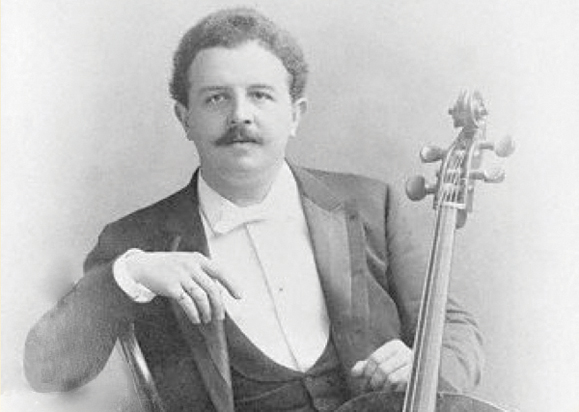
The founders included Victor Herbert — who according to an article in Irish America magazine wrote the music for “forty operettas, 23 musicals, two operas, and several Ziegfeld Follies; did musical scores for motion pictures; and composed for the Paul Whiteman Orchestra” from the 1890s through the 1920s.

Yowza!

Victor Herbert circa 1895

Herbert was himself a transplant from Europe, having been born (out of wedlock) on Guernsey island in the English Channel and raised in England and Germany.

His mother told, him, however, he had been born in Dublin, and he maintained a strong emotional connection to Ireland for his entire life (perhaps jumpstarted by his mother’s and his grandfather’s strong Irish nationalism).

Herbert was also a cellist, conductor AND long-time advocate for the rights of songwriters.

According to Wikipedia he testified before Congress and influenced the formation of the Copyright Act of 1909, which allowed composers to earn royalties from the sale of new-fangled sound recordings.

And then in 1914 he helped found ASCAP to collect money for public performances of musical works in cafes, hotel ballrooms, live-music clubs, and theaters.

Thank you, Victor Herbert, along with your fellow songwriters and political advocates!

As our technologies continued to evolve, public performances grew to include music broadcasts — live or pre-recorded — on radio and TV as well as in elevators, grocery stores, theme parks, and much more…

In 1940 there was a historical turning point.

During the 1930s ASCAP had been increasing the royalty rates they were charging to radio broadcasters for the use of their members’ songs.

So… for many months the radio broadcasters decided to STOP playing any songs affiliated with ASCAP — a period which is mentioned in the biographies of many famous songwriters such as Irving Berlin and Cole Porter as a time when many potential hit songs never got airplay and consequently languished…

In 1940 the radio broadcasters took another huge step and founded a competing PRO called Broadcast Music Incorporated (BMI).

BMI signed up a very different cohort of songwriters, including people from the R&B, gospel, jazz, country, folk and Latin music communities.

And some degree of competition — and diversity — was introduced into this particular segment/function of the music industry (the collection of money due to songwriters and publishers for the use of their songs…)

These days BMI remains a bit more accessible than ASCAP — because BMI is free to join while ASCAP charges $50 to join as a songwriter and another $50 to join as a publisher.

I went with ASCAP partly because my fellow songwriter Steve Sweeting had already joined BMI, and I thought it might be interesting to compare his experiences with mine over time…

There is also a man who has been at ASCAP for decades named Michael Kerker who loves the Great American Songbook and is an avid supporter of new songwriters.

I met him many years ago when I invited him to a Boston-area songwriter showcase I co-produced at the Cambridge Center for Adult Education (where I worked for 16 years).

Then one of my guardian angels, Amanda McBroom — a delightful and generous songwriter whose biggest hit (so far) has been “The Rose” — recommended I reach out to him.

So very shyly, I did.

And he got back to me almost immediately.

We ended up having a long conversation on the phone — and when I had a couple of follow-up questions, he was equally prompt in replying to me.

So I am now an ASCAP member.

And on October 10th, my first recording is scheduled to be released to Spotify, iTunes, Apple Music, and a bunch of other online musical platforms.

I’ll be blogging more about that soon!

Now that I think about it, songs are kind of like viruses — they are not alive and cannot reproduce themselves without the assistance of a living host.

Hmmm…

I’ll also be sharing how people who do NOT write their own music collect money for the use of their unique recordings of other people’s songs.

And I will continue to give tiny amounts of money to as many political candidates who are in close races as I can.

And I will continue wearing a face mask.

And I will continue walking and riding my bike.

And leading my Music Together classes — both outside in a local park and online via Zoom.

And I will continue to be very grateful that I have a roof over my head, and electricity, and a functioning laptop, and food to eat on a daily basis.

Thank you to Bobbi Carrey, Doug Hammer, Mike Callahan, and the other musicians involved with our recording of “Fever” — as well as the original songwriters Eddie Cooley and Otis Blackwell AND Peggy Lee, who added several sets of new lyrics when she recorded her classic version in 1958.

Thank you to Pixabay for wonderful images.

And thank YOU for reading and listening to another blog post!

Let us all remained engaged — and vigilant — during the upcoming days and weeks and months!

ps: Have you gotten a flu shot yet?

The Moon and Sand… and Seals!

The Moon and Sand… and Seals!

beach-2084555_1280

As regular readers of this blog are well aware, I love spending time on Cape Cod.

Seal4

And I am not alone in this sentiment.

In recent years the population of seals on Cape Cod has risen significantly.

cape cod administrative and political map, united states

According to the web site of the Center For Coastal Studies in Provincetown, two kinds of seals — harbor and gray — live on the Cape year-round.

seal-3439325_1280

Three other species — harp, hooded, and ring seals — can also be spotted on Cape Cod, although they give birth in Canada and Greenland.

Seal3

I am pretty sure it is gray seals who share the beach in North Truro with us human beings.

nature-photographer-2370739_1280

Head Of The Meadow beach, near where I camp with family members each summer, is home to hundreds of seals.

You can click here to read a recent story — with great photos — about this particular community of seals.

grey-seals-2230999_1280

It confirms what we have noticed — that within the past ten years, the number of seals sharing this beach has increased substantially!

At low tide they gather in large communities on the sandbars and soak up the sun.

grey-seal

Then at high tide everyone is back in the water, swimming up and down the shoreline in search of food.

gray-seal-3930790_1280

When I am learning new songs, I usually record them as accurately as possible with pianist Doug Hammer at his studio in Lynn, MA.

Then I load piano-vocal and just-piano versions onto my iPod — and walk and sing for hours, memorizing lyrics while musing about the story being told in the song…

And beaches are great places to walk and sing.

Seal1

Seals often will swim along the shore while I am walking — their heads popping up through the surface of the water at regular intervals.

Sometimes a bunch of them will gather and watch/listen if I stop and sing in one place for a while.

They are curious beings.

robbe-3080485_1280

On clear nights, I sometimes leave the campground and head back to the beach in order to walk and sing and revel in a truly starry sky.

milky-way-4451281_1280

Where I live — just outside of Boston — there’s a lot of light pollution.

But on the outer Cape — away from buildings and streetlights and cars — the skies remain awe-inspiring.

And song-inspiring!

heart-462873_1280

I wrote the song (in the player at the beginning of this blog post) a couple of summer ago… and recorded it with Doug a few weeks ago at his studio north of Boston.

It was an alternative pick for a Valentine’s-themed blog post.

But since February is not quite over, I have decided to share it in this seal-themed blog post instead.

race-point-beach-682934_1280

Since I burn easily, I almost never go to the beach during peak sun hours.

My routine is to stay at the campground during the day — when almost all of the humans have gone to the beach — and write songs.

I sit in a very large tent with my ukulele and a rhyming dictionary and a little digital recorder and a laptop computer and bags of song ideas which I have jotted down over the years.

I listen to the birds and the chipmunks and the crickets and the cicadas.

And write.

western-scrub-jay-677155_1280

Then in the late afternoon I walk down a long path through a wonderful pine forest to the beach.

cape-cod-1578502_1280

In addition to swimming in very shallow water along the shore — because the booming seal population has also encouraged a healthy population of great white sharks to visit the outer Cape — I sometimes stretch and do a little yoga.

yoga-stand-in-hands-silhouette-2149407_1280

As do the seals…

seals-2495244_1280

While we human beings dither about climate change — and carry viruses around the world due to our obsession with international travel — and vote for political candidates who may or may not care one iota for their constituents — I am strangely reassured to think about the seals.

boy-4814000_1280

And the moon.

night-photograph-2381229_1280

And the stars.

gold-978815_1280

And the sea.

Thank you to all of the photographers who share their great photos at Pixabay.

seal-314796_1280

And to the seals and other wildlife who share the Cape with us human beings.

cape-cod-2358737_1280

And to the North Of Highland Campground for staying in business year after year.

sky-3811643_1280

And to my family who choose to camp together for two weeks each summer.

silhouette-2149470_1280

And to you for reading and listening to this blog post!

ocean-421215_1280

Time To Pull Our Emergency Brake

Time To Pull Our Emergency Brake


I haven’t written a new blog post for over a year.

And I am amazed to discover — after visiting my stats page — that people have continued to visit my site.

THANK YOU to everyone who nosed around my blog while my creativity was lying fallow for the past thirteen months.

I’m sure exactly how or why I stopped writing new posts.

Partly — because we have created an economy which encourages us to replace and discard things as often as possible — I needed a newer computer, which a friend extraordinarily gave to me at the end of last year!

Partly I lost blogging momentum.

And partly I didn’t feel that I had much to share that would brighten anyone’s day.

ClimateChangeGraphicBut I HAVE continued to write new songs as well as create demos of my songs using Apple’s wonderful GarageBand program.

And I have continued to lead Music Together classes.

And I have continued to offer hour-long programs of music at retirement communities, assisted living homes, senior centers, and public libraries accompanied by pianist Joe Reid or pianist Molly Ruggles.

I started writing the song at the top of this blog post sitting on the porch with my dad and younger sister at a shared family cottage in upstate NY in the summer of 2015.

I was inspired to finish working on it by the youth-led climate march earlier this month.

Protest8

As I have mentioned in previous posts, I had a somewhat unusual childhood.

My mom, siblings, and I spent our summers at my grandmother’s home in Queens, NY (where my mom had grown up) while my dad stayed home in Washington, DC.

A few days each week we’d walk to the end of the block, get on a bus to Flushing, and then ride the #7 train into Manhattan so that we could go on interviews for TV commercials, voice-overs, modeling jobs, plays, and movies.

As I look back, I realize that it was rare for us ever to drive anywhere using a car during these summer months. We just used buses or trains.

Maybe this is why I still like to use public transportation.

When we started out, my older sister was five and I was an infant. Eventually my younger brother and sister were born and joined the process.

willa

This is what I looked like as a small child.

My family became very familiar with the lobbies, elevators, and waiting rooms of many advertising agencies (depicted in the TV series Mad Men) such as Young & Rubicam, Doyle, Dane & Bernbach, and Grey Advertising.

The ratio of interviews to actual jobs was very steep — and in my early years we considered ourselves a success if each one of us managed to film one commercial per summer.

However, the summer before fifth grade I was cast as a standby in a musical which was trying out at the newly-built Kennedy Center.

My parents allowed me to do this partly because we could live at home during the out-of-town preview period (although I would miss the start of fifth grade that fall), partly because most Broadway musicals flop, and partly because it would be exciting to watch Bob Fosse and the rest of his creative team build a new show,

The musical — Pippin — proved to be a hit, and we ended up moving to my grandmother’s house in Queens year round.

This is when my and my siblings’ careers gained a lot of momentum — since we were now able to audition for work year-round.

willc

This is what I looked like as my career gained momentum…

During the next three years I ended up doing many commercials, a couple of made-for-TV movies, another play, and a lot of voice-over work.

Then I entered prep school, and my life as a child performer came to an end.

willd

This is my last professional headshot.

With hindsight — and many years of psychotherapy — I have come to see how odd it was to learn to say “yes” to almost anything we were asked in an interview such as “Do you like to eat peanut butter on bananas?” or “Can you roller skate backwards?” or “Would you be comfortable singing and dancing on a tugboat in the harbor?”

People who said “no” (as one of my siblings did when asked if they liked to eat peanut butter on bananas…) didn’t get hired.

We were supposed to say “yes” and then — if we found out we had gotten a callback visit — we quickly learned how to do whatever we had claimed to be able to do during the initial interview.

Even more sobering is to realize that much of the time I was using my g-d given talents to encourage people to buy stuff that they didn’t need (more clothing, for example) or that was unhealthy to ingest (such as Ring Ding Juniors, Lifesavers, Oreos, and Dr. Pepper) as part of an economy built on our ongoing over-consumption of natural resources.

Protest6

The climate march this week and Greta Thunberg’s speech in Washington, DC a few days before it — in which she explains how necessary it is for all of us human beings to pull the emergency brake NOW on our fossil-fuel-driven lives — gave me a few minutes of much-needed hope.

But I continue to feel deeply discouraged by the stuckness/denial/apathy/fear regarding fossil-fuel consumption and climate change that I see all around me — in the media, in the advertising industry, in my neighborhood, in my friends’ lives.

Protest5

Almost everyone seems to be continuing to take lots of trips via airplanes and automobiles, continuing to eat lots of meat, continuing to use our air conditioners as much as we want, and continuing to behave as we have been behaving for the past many decades here in these not-so-united states.

And really, why should I expect anything different?

I know from psychotherapy how very difficult it can be to change one’s behavior.

Protest4

We in the USA have grown up in an era of hopes and dreams and habits and assumptions which are based on using way more than our fair share of fossil fuels.

Of course we can travel anywhere — and as often — as we want.

Flood1

Of course we can own as large a house as we want.

Cyclone

Of course everyone can own and drive a car, everyone can apply for jobs which require a car to commute, everyone can eat as much as we want in any season of the year — foods which may have traveled thousands of miles before ending up on our plates — and everyone can squander the amazing inheritance of fossil fuels from millions of years of photosynthesis by billions of plants that all of us here on planet earth have inherited.

CrackedEarthVersusMeadow

Deep sigh.

And if you can’t afford to do these things, you can pay for them using one or more credit cards and become ever more deeply in debt.

As you may know from having read previous blog posts, I am blessed to have cobbled together a very modest living during the past six years (after having been laid off from my day job helping run a non-profit in Harvard Square) which depends largely on bicycling and public transportation. GreenVersusDesertMindset

And I live quite happily without a cell phone.

But my sweetheart of 27 years DOES commute to work using a car.

And I gratefully use his cell phone when we drive to see friends and family around New England and New York.

Another deep sigh.

TiredPolarBear

What will it take for us to pull the emergency brake on our selfish, out of balance, unsustainable, fossil-fuel consuming, all-too-human habits?

Protest1

I think of the anecdotes I have read about conventional farmers who have converted to more sustainable, organic farming practices — but it’s often (very sadly) because they or someone in their family has developed some sort of disease as a result of exposure to toxic pesticides, herbicides, fertilizers, etc.

MeltingIceberg

I wish we human beings could choose to make deep changes in our life habits without having to experience health/climate crises in our personal lives.

But maybe that’s the path we are on…

DeadTreeInDesert

What do you think?

How have you changed your daily habits in response to climate change?

Where do you find hope in these challenging times?

Protest2

Thank you, as always, to the folks who share their photos and graphics at Pixabay which is a wonderful resource for imagery.

Protest7