As I may have mentioned in a previous blog post, my father and mother each told me (separately) that when I was an infant, I would always cry when they sang “Good Night, Irene” to me as a lullaby.
If that is true, I’m not sure why they kept singing it to me (maybe to see if — yet again — it would move me to tears?)
I recorded it with pianist Doug Hammer when we were working on a show called “Songs About Parents and Children.”
I used to think that it was written by Rodgers & Hammerstein, but it turns out — as you may already know — that it was written by Richard Rodgers after Oscar had died (from stomach cancer on August 23, 1950 at his beloved Bucks County farm in Pennsylvania).
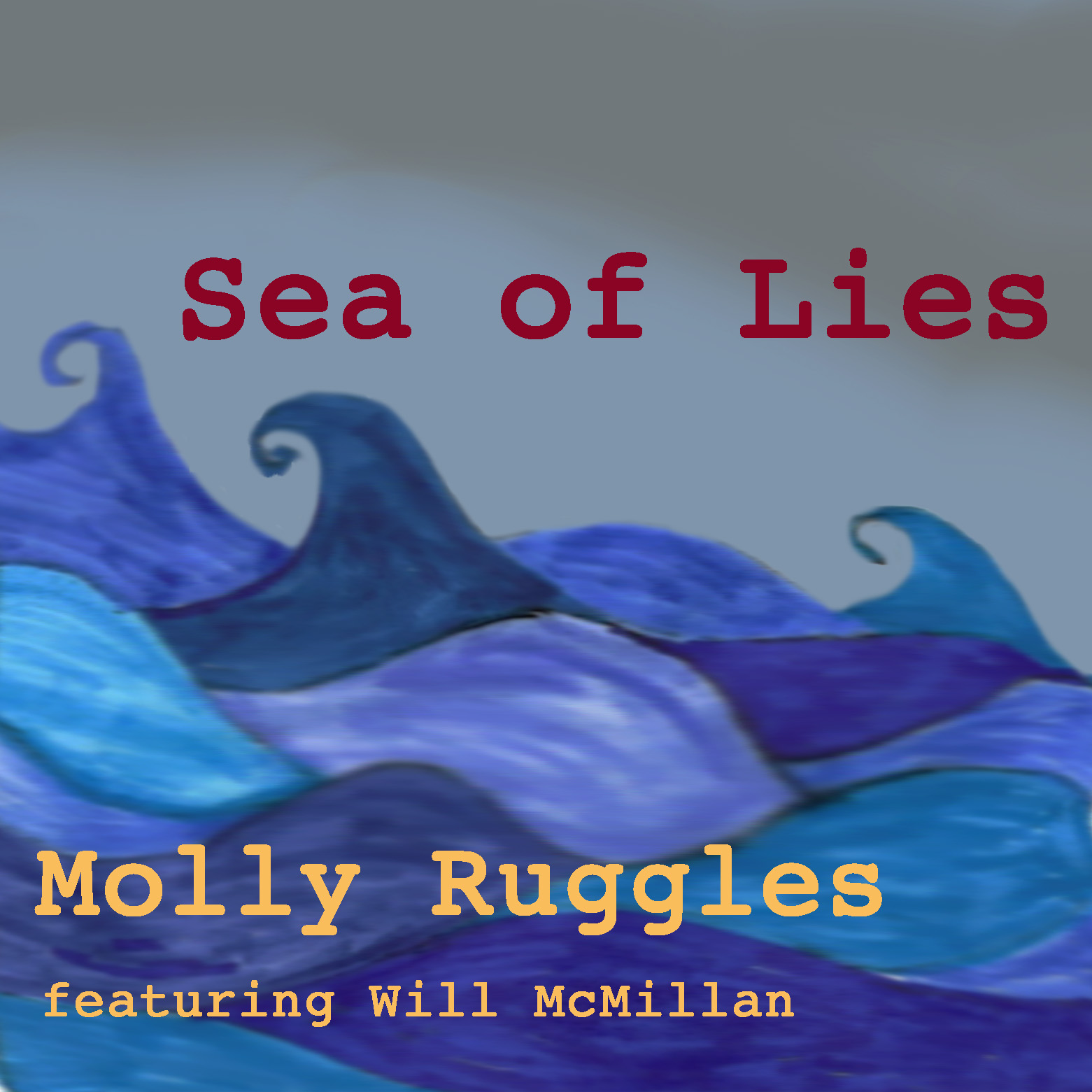
My friend Molly Ruggles recently released a new song called “Sea Of Lies.”
She was inspired to write it by the ongoing challenge of sorting through all the news and advertising and sound bites and spin and “blah blah blah” coming at us on an hourly/daily/weekly/monthly/yearly basis.
I originally learned a version she created for four voices (the same four who sang on “My Sweet Honeydew (A Cappella).”
But then she decided to re-write/re-arrange/re-focus it for two voices plus her piano accompaniment.
That’s the version she ended up releasing to various streaming platforms.
It is the sort of melody — and message — which easily gets stuck in my brain on auto-repeat.
“Need a little peace… just a hint of hope — with a hand to hold, maybe I can cope.”
Molly sings lead vocal plus some extra harmonies.
I sing a few harmonies.
I think my favorite moment of the song is when we both sing “Save me… please save me” in harmony.
Molly also designed the artwork to accompany her song.
She is a multi-talented human being.
I am curious to learn — or be reminded — about how other human beings deal with all of the (dis)information coming at us 24/7.
I know some wise people turn off their phones and computers for hours at a time.
And others make sure to exercise (walk, swim, bike, and more), do some gardening, sit in meditation, cook with friends, take a bath, read a book, lie in a hammock, do some yoga, and/or cuddle with their loved ones (human, feline, canine and otherwise).
Deep breath in.
Deep breath out.
What are YOUR coping strategies these days?
One of mine is — no surprise — making music and doing music-related activities such as this blog.
I also find a lot of hope and inspiration learning a few details about people who are brave enough to run for office — whether on the town, city, county, state or national level — all around our country.
And then there are the flowering plants of the world!
They always lift my spirits.
Thank you to Molly for writing this song and then asking me to sing harmony with her.
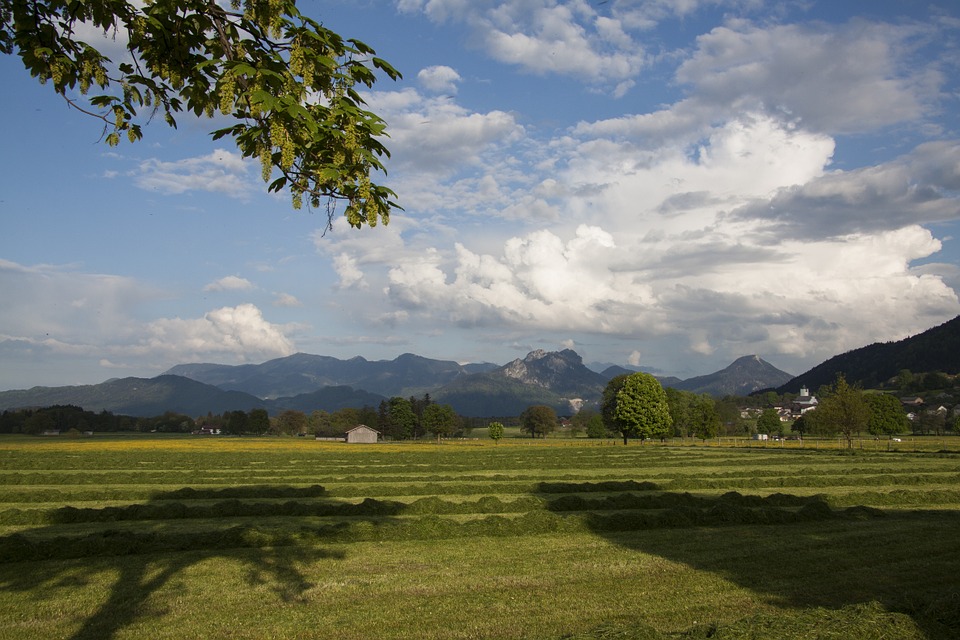
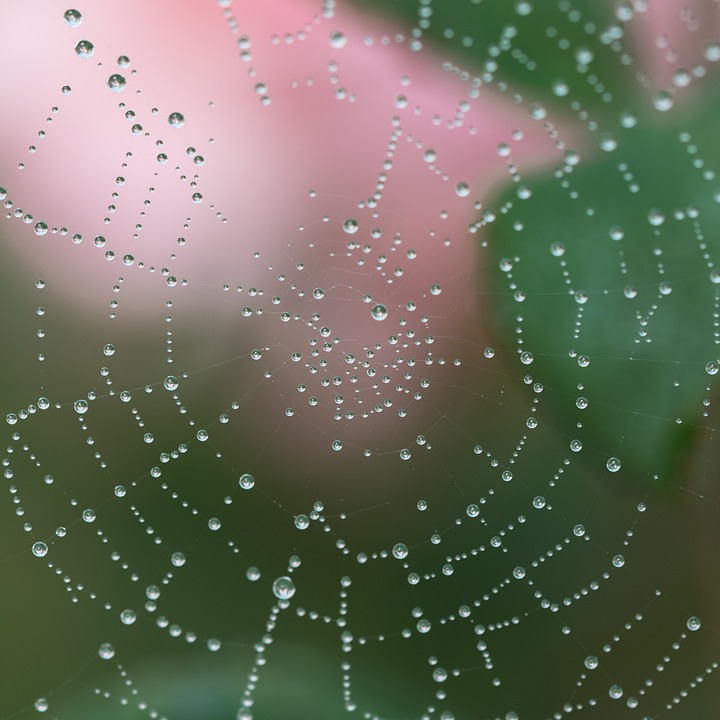
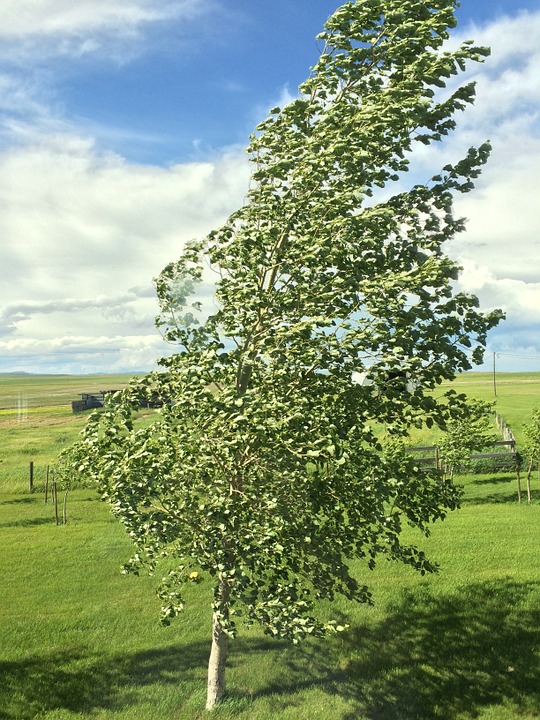
Thank you to the generous and talented photographers at Pixabay.
And thank YOU for reading — and listening to — yet another blog post from me…
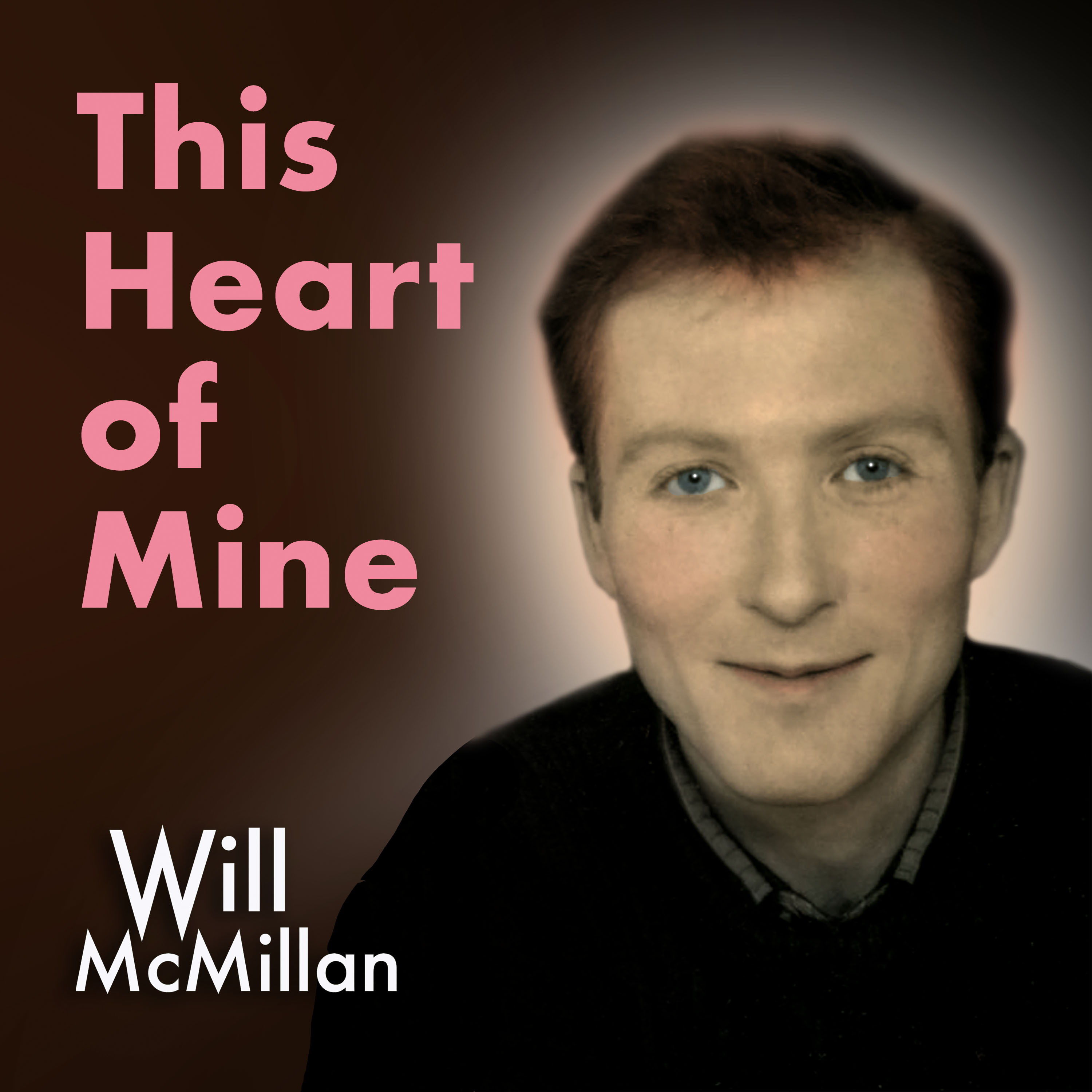
Mr. Warren and Mr. Freed wrote “This Heart Of Mine” for a 1944 Metro-Goldwyn-Mayer (MGM) musical called the ZIEGFELD FOLLIES which starred Fred Astaire.
I think I first heard it sung by Judy Garland, who recorded it the following year for Decca Records.
Arthur Freed also wrote the lyrics for a bunch of other hit songs — such as “Singing In The Rain,” “You Are My Lucky Star,” and “Make ‘Em Laugh.”
I haven’t read any biographies about him (yet) but according to Wikipedia, he lived a fascinating life.
Composite Images of Arthur Freed by Diane Yoder
He was born in South Carolina in 1894, and ended up attending a very prestigious prep school in New Hampshire — Phillips Exeter Academy. I am guessing he was probably one of very few Jewish students on campus — and according to Wikipedia, he became interested in writing poetry there.
After prep school Mr. Freed ended up in Chicago and performed with early versions of the Marx Brothers act (!!!) in vaudeville.
He also wrote special material for them, which led to co-writing enough successful songs that Hollywood beckoned…and he was hired to write songs for early MGM musicals.
After many years at MGM, Freed transitioned from songwriter to producer, working (as an uncredited associate producer ) on THE WIZARD OF OZ and then officially producing his first movie, BABES IN ARMS.
Both of these films, as you probably know, starred Judy Garland.
Mr. Freed went on to produce many more of Garland’s movies including LITTLE NELLIE KELLY, FOR ME AND MY GAL, THE CLOCK, and MEET ME IN ST. LOUIS — which is where she met her second husband, the director Vincente Minnelli, whom Freed had brought from New York City to work at MGM.
According to Wikipedia, Freed hired great talent and then gave them free rein to do their thing — whether it was choreography, costumes, set design, songwriting, direction, etc.
He also gave himself free rein to do some very odd and abusive things, such as exposing his penis to a young Shirley Temple when she came for a visit to discuss doing a movie at MGM — and making sexual advances towards her mother as well.
Temple wrote about this incident in her autobiography — and apparently Mr. Freed experienced no censure as a result of his horrible behavior…
Spring has finally arrived — in fits and starts — here in the northeast United States.
And we have two days of (much-needed) rain forecast to start later this morning!
I’ve been sitting on this blog post for weeks because I want my posts to be uplifting.
Yet so much of what is happening here on planet earth continues to be the opposite.
I find myself returning to recent elections in Hungary for hope.
If I understand correctly, Hungarians had a president/dictator for 16 years who did his best to hamstring/contaminate/eliminate their democratic institutions such as freedom of the press and judicial independence.
And yet, after MUCH courageous struggle, their president/dictator was defeated in April with a record 80% voter turnout.
Hurrah!
Deep breath in.
Deep breath out.
I wrote the song included at the beginning of this blog post several years ago.
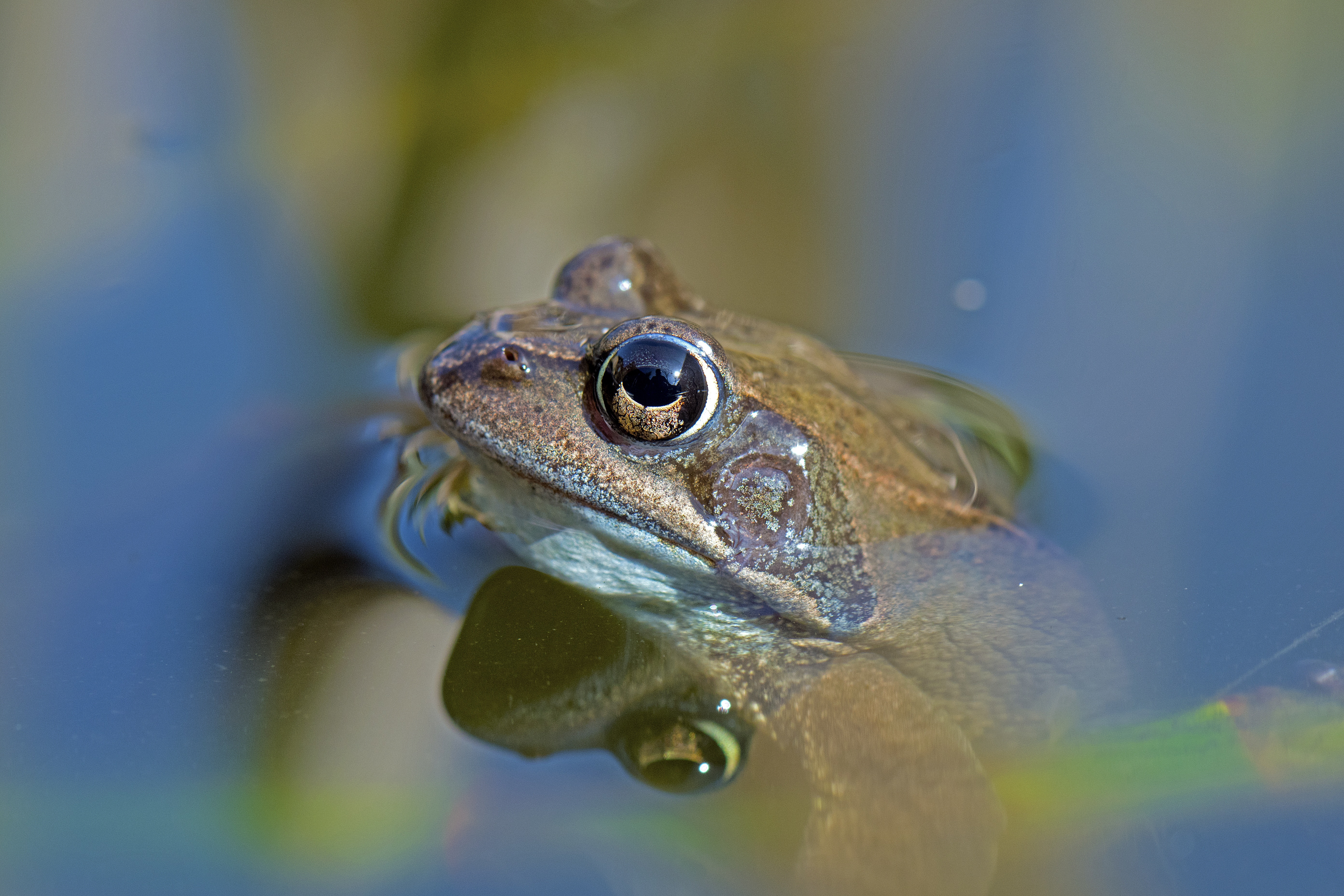
One of my favorite signs of spring is the hopeful sound of horny. peeper frogs who are looking for a mate and establishing their personal breeding territories.
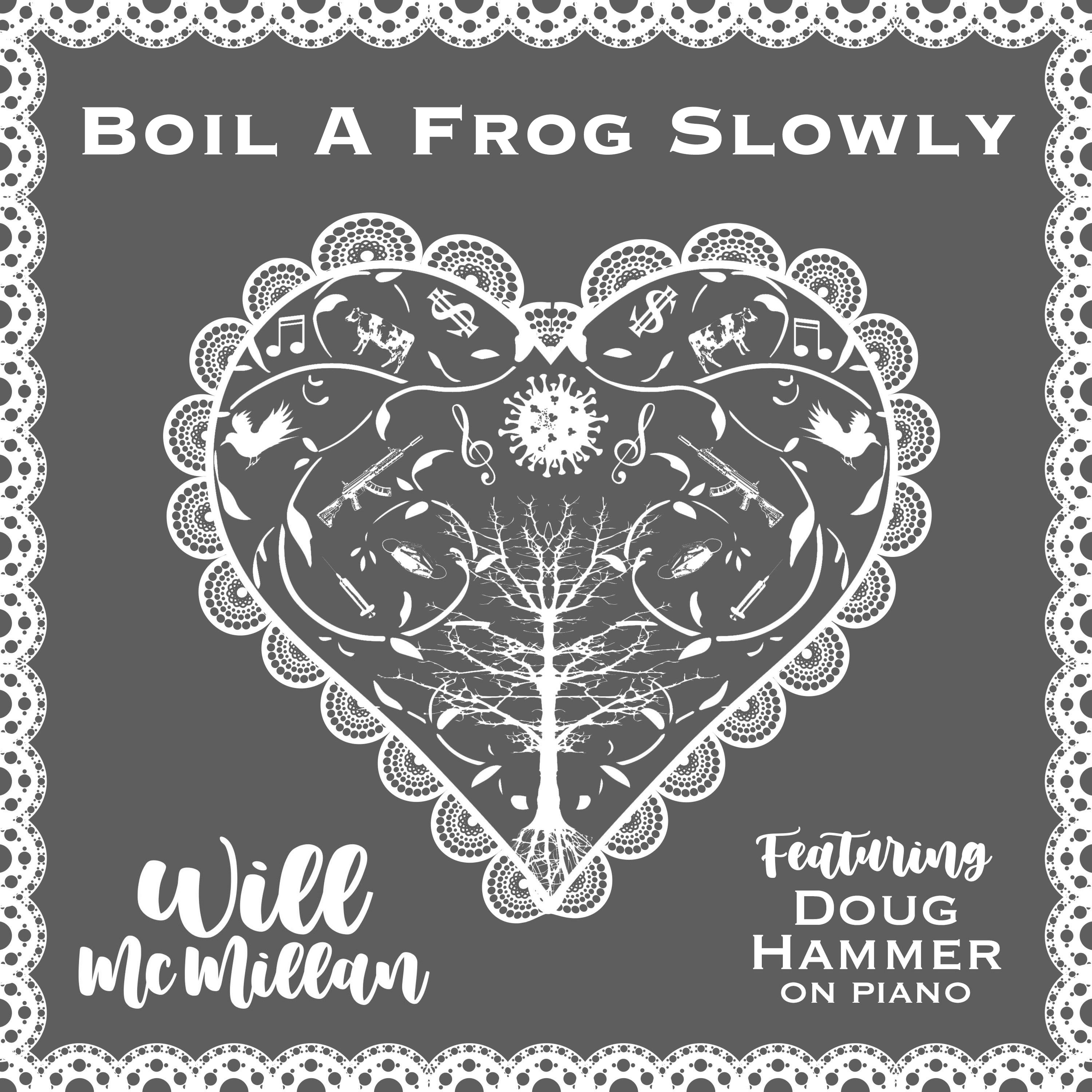
In fact, I like this sound so much that I included it at the beginning and ending of “Boil A Frog Slowly.”
As readers of my blog are well aware, one of my main musical allies is pianist/composer/producer Doug Hammer, who lives with his beautiful French artist/graphic designer wife in a ranch-style dwelling on a suburban street in a city north of Boston.
Hidden in his basement is a recording studio with an impeccably maintained Schimmel grand piano and all sorts of recording equipment which Doug is constantly upgrading and updating, bless him.
And hidden behind his house is a little wetland which still manages to exist even though is has been surrounded by houses over the past few decades.
In the spring, melting snow and falling rain fill up the wetlands so that geese, ducks — including two wood ducks this year! —and other water-loving animals can do their thing.
And at a certain point, the peepers emerge from the earth/mud and start peeping!
It is such a lively sound — kind of like the aural equivalent of fireflies blinking on a summer night…
I spent a week in upstate NY last month, and most evenings I went for a long walk on country roads wearing a safety vest with ever-changing, multi-colored lights on it.
Whenever I passed a damp area — a pond or a stream or a drainage ditch — the sound of peepers filled the night air!
Somehow they manage to survive a changing mix of sun, rain, snow and hail with temperatures fluctuating from the 20s (overnight) to the 60s (during the day).
Peepers “prefer permanent ponds due to (their) advantage in avoiding predation; however, (they are) very adaptable with respect to the habitat (they) can live in.”
I was happy to read that they are not currently considered to be an endangered species — perhaps due in part to their adaptable natures (mentioned above).
I also learned that “in northern regions, the frog is able to endure below freezing temperatures due to the capacity of its liver to exude and flush the bloodstream with a glucose cryoprotectant which acts both as an anti-freeze in its blood, and allows organs like the heart to enter into a state of protected dormancy.”
Wow!
That certainly helps to explain their resiliency during our weather/temperature swings.
Wikipedia continues: “The peeper earns its name from its chirping call, which marks the beginning of spring.”
And its formal name, Pseudacris crucifer, “is derived from the Latin root meaning “cross-bearing”— a reference to the cross-like pattern on the spring peeper’s (back).”
Their “chirping calls are significant for communication…as females choose their mates based on the frequency and volume associated with them.”
Yes, indeed… the passionate songs of spring.
Chirp, peepers, chirp!
I released “Boil A Frog Slowly” two springs ago, and I have been collecting information since then about how out of balance, out of touch, and out of control our billionaire class —what some are now calling “The Epstein Class”— has become.
For example, the Americans For Tax Fairness Action Fund recently reminded me that:
“The United States was founded on a rejection of monarchy ie: no tiny elite ruling over everyone else. However, our current president “has embraced a governing philosophy that rewards extreme wealth and concentrates power in the hands of the richest people in the country: America’s roughly 1,000 billionaires” — which includes himself as well as many of his friends and family members.
Deep breath in.
Deep breath out.
This statistic is particularly shocking to me: “During (our current president’s) first year back in office, U.S. billionaires increased their wealth by an astonishing $1.5 trillion, pushing their combined fortunes to more than $8.2 trillion.“
As I am sure most of us are well aware, billionaires and giant corporations hold enormous influence over our economy AND over our political system…
It was this emerging realization which inspired me to write this song.
But now as I listen to it, I am also reminded about our ongoing climate challenges which our current president plus all of the greedy and cowardly media/entertainment conglomerates (which continue to provide an awful ot of people with theira daily dose of “news”) are now downplaying and/or ignoring even more than in recent years.
Recently I watched a weather report on the CBS morning news/entertainment show.
As part of their reporting of record-breaking levels of heat in the west and southwest of the USA, there was NO mention of steps each and every one of us could take to decrease our carbon footprints.
Instead there were many segments on things to buy, places to fly (the most carbon-intensive way to travel) and ways to continue to consume more than our fair share of the natural resources on this amazing little planet which we all call home.
The message seemed to be “Keep living your consumerist lives exactly as you have been doing for the past few generations” — which, of course, is how we have ended up in our current terrifying environmental disaster situation.
Yet another deep breath in.
And deep breath out.
But back to the billionaires…
As I wrote above, I do not want my blog posts to increase anyone’s daily burden of hopelessness.
So I will end with two bits of positive news.
In 2022 Massachusetts voters — of which I was one — approved a “millionaire’s tax,” and since then it has added more than a billion dollars per year to our state budget.
Revenue from this surtax is mandated to go toward education and transportation initiatives — including more free lunch programs, implementing “clean energy” in schools, making community college free for students 25 and older, and increasing the number of child care slots for low-income families.
And rather than decreasing the number of millionaires and billionaires wanting to live in MA — as nay-sayers and their lobbyists had warned — that number continues to rise..
Adding an extra 4% tax on annual income exceeding one million dollars CAN be accomplished!
And in New York City, newly elected mayor Zohran Mamdani — along with governor Kathy Hochul — has recently proposed a pied-à-terre tax which would target luxury secondary homes worth over $5 million which are NOT primary residences.
This annual surcharge would raise $500 million annually to fund public services and bridge budget gaps.
And it would also begin to chip away at our much-lobbied tax code which currently allows super rich individuals and corporations to pay few — or no! — taxes while using all sorts of public services such as public education, drivable roads, tunnels and bridges.
Although “Boil A Frog Slowly” was written from a place of concern and despair, I do find ways to experience little patches of hope and optimism these days (such as the recent election in Hungary mentioned above).
The most recent “No Kings” day lifted my spirits and reminded me that there are millions of other human beings in the USA — and abroad — who are stepping up to help tip the balance of power/life back in a more healthy direction.
And the smaller political races around the country — in which Democratic candidates continue to over perform when compared with our most recent presidential election results — also give me hope.
People ARE daring to step up!
May each of us continue to find (and re-find) a healthy balance of active engagement — demonstrating in person, writing postcards/letters, giving money, volunteering on phone banks, etc. etc. etc. — with restful, rejuvenating, joyful activities.
And may the resiliency of the spring peepers give us hope and inspiration!
Thank you for reading this blog post.
We’ll see if I can increase the frequency — and upbeat tone — of them in the weeks/months to come.
Although I have not been very active as a writer, I DO continue to read many of my fellow bloggers’ posts.
And people continue to visit my site in increasing numbers — although my rising traffic statistics may be the result of bots having invaded WordPress?
If you have time/energy/willingness to play “Boil A Frog Slowly” on your favorite music platform — and then “like” it — that will help increase the likelihood of it being shared with new listeners by the mysterious algorithms which influence/control more and more of our online lives.
Partly this is because I do not like the shorter days.
And partly this is because I do not like being reminded that everything dies in the end.
I do however like being reminded of how amazing mother nature is — creating a system of fully recyclable and compostable solar collectors in the form of LEAVES!
I wrote the first version of “Under My Umbrella” while camping in North Truro on Cape Cod.
Then my friend Molly Ruggles wrote a new bridge section — which is the version she and I and our friend Carole Bundy recorded (in the player above).
You can click here to read — or re-read depending upon how long you’ve been following my blog — a short post from 9/10/24 which features the earlier (pre-Molly) version of this song.
And here is a link to the Molly, Will & Carole version in case you might be willing to play/like/share it on your favorite music streaming platform.
We recorded it with me, Carole and Molly singing plus Molly playing Doug Hammer’s Schimmel grand piano in his studio north of Boston, MA.
Thank you to Doug for his excellent engineering and music production skills.
Thank you to Molly for writing a new bridge and also a bunch of lovely harmonies for all of us to sing.
Photo by Rada Ruggles
Thank you to Molly for playing piano AND for designing our graphics.
Thank you to the gifted and generous photographers at Pixabay.
And thank YOU for reading and listening to another of my blog posts!
I remain very grateful for our wonderful WordPress community.
Dorothy Fields was an extremely successful lyricist and librettist in a very male-dominated entertainment industry.
She was friends with — and sometimes collaborated with — all of the songwriters in the Golden Era of Popular Song including Richard Rodgers, Larry Hart, Oscar Hammerstein, Jerome Kern, Cole Porter, Irving Berlin, and the list (of male songwriters) goes on and on…
She had hits from the 1920s to the 1970s — and did not get discouraged (as many of her male colleagues did) when rock-n-roll began to displace her songs from the hit parade.
Instead she started working with a much younger composer, Cy Coleman, and had one of her biggest hits — the musical Sweet Charity — when she was 62 years old.
I, as a late-blooming songwriter, find her to be very inspirational.
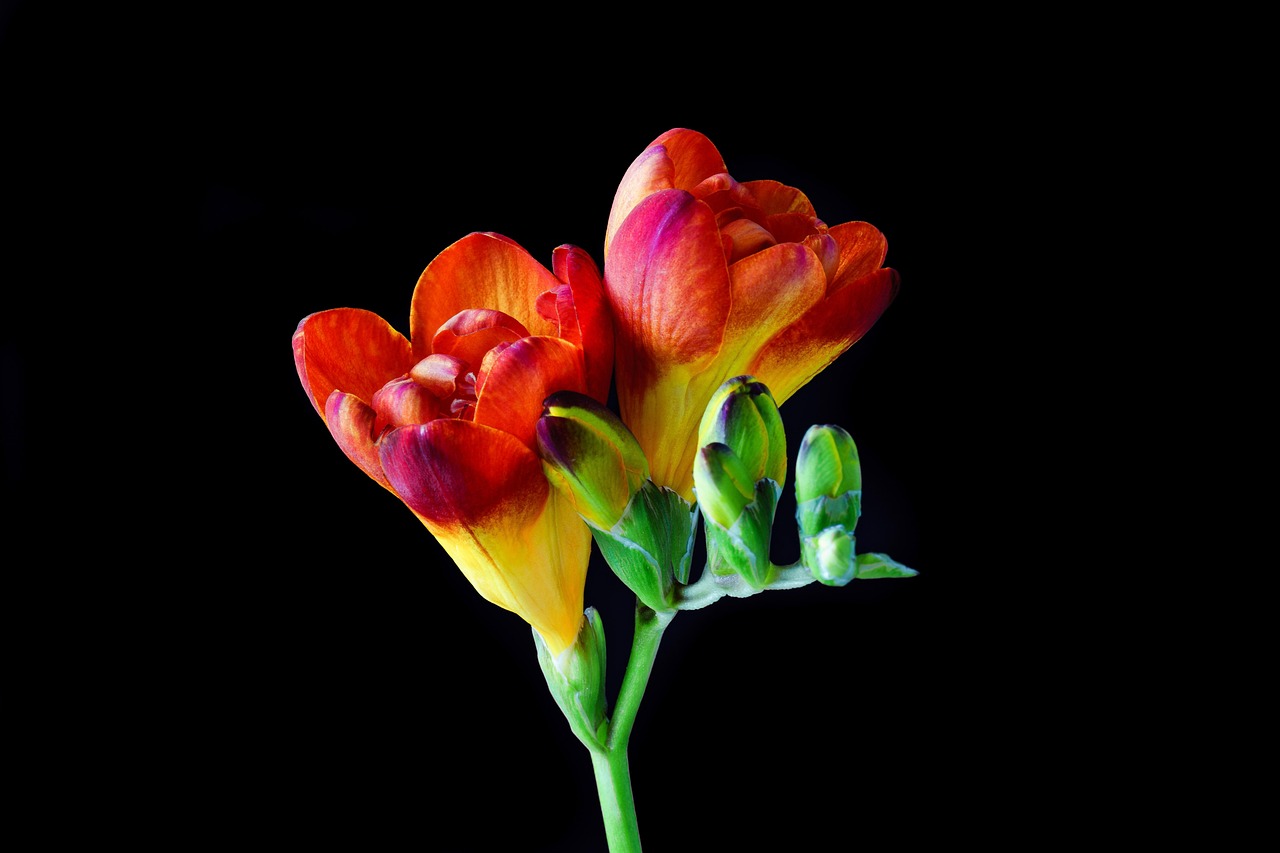
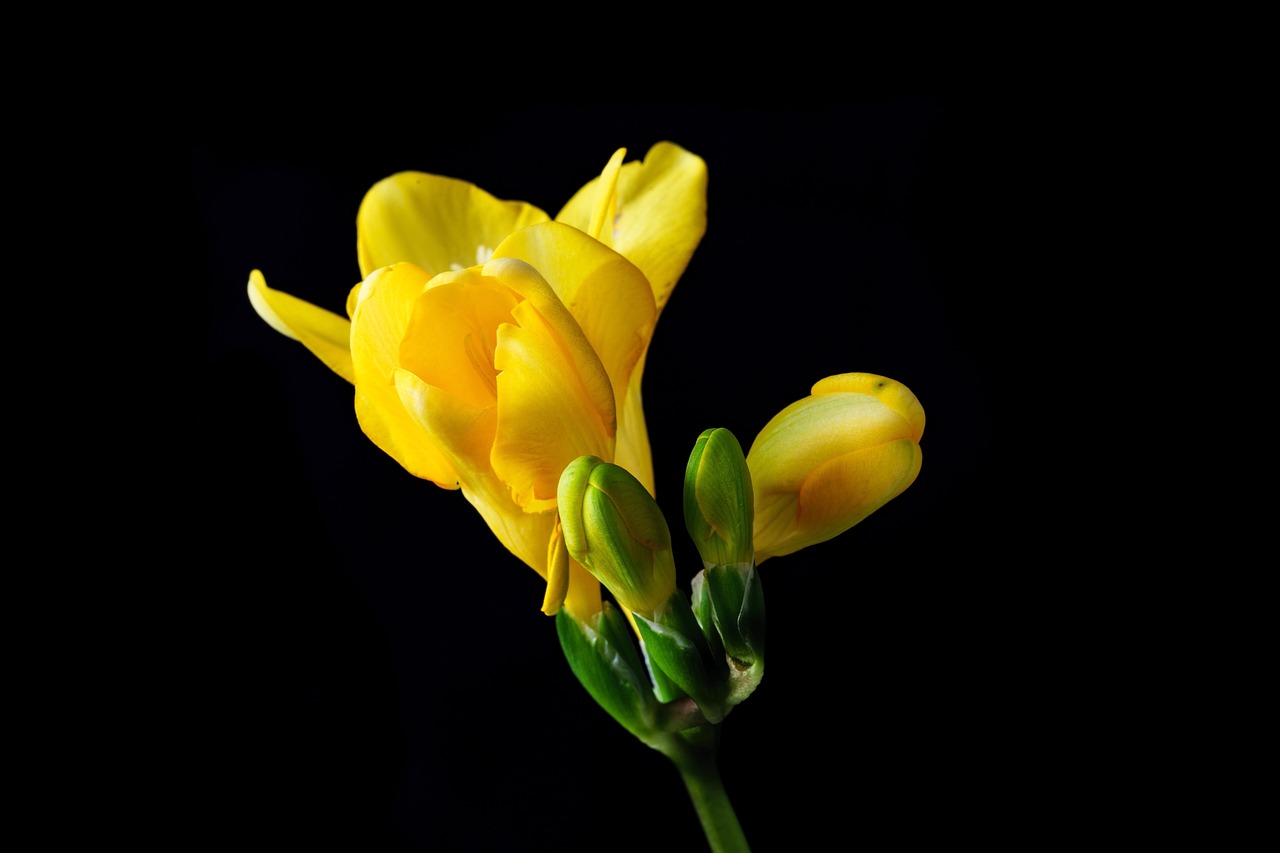
I have chosen freesia for this post because I imagine she would have enjoyed their delicious fragrance ‚ and because they always seem very elegant to me.
According to her biographers, she was always very well-dressed (one grandparent was a tailor…) with separate closets for hats, shoes, active wear, evening wear, etc.
However, if you are a reader who is feeling less excited and hopeful about the future as a result of last week’s election, my heart goes out to you.
Although I have decided not to read about politics and interact with the media for the time being, my brain — especially when I am lying awake in the middle of the night — keeps remembering things that are likely to be impacted in the next four years:
NATO — and the safety of all the countries bordering Russia…
The health of women I love — and the health of women I will never meet — due to new restrictions about what decisions they and their healthcare providers are allowed to make about their own bodies…
Social security — which I have paid into since I was three years old and which I was planning to start collecting in three years time…
Medicare/Medicaid and other health insurance options — for millions of Americans and for me.
The cost of anything we don’t make or grow in the USA — due to potential new tariffs.
The cost of anything we DO make or grow in the USA — due to the potential prosecution/expulsion of many people who currently harvest our produce, work in our slaughterhouses and meat-packing plants, labor in our restaurants, work on our construction sites, landscape our properties, mow our lawns, blow our leaves, etc. etc. etc.
My two nephews — one approaching draft-age and the other one still eligible to be drafted if we find ourselves in a situation where we need to expand our (already vast) military capabilities.
Long term — and potentially irreversible — environmental consequences due to potential deregulation of rules which currently protect the entire web of life here on planet earth.
Our access and ability to vote, our access to education, our access to public healthcare in the event of another epidemic…
The list goes on and on.
I don’t understand how love and respect factor into any of the above.
I don’t understand how love and respect can withstand — much less overcome — the forces which spread disinformation, which lie, which aim to divide us, which value power and money over honesty and decency.
I hesitate to call those forces evil, but I have been reminded more and more in recent months about a book I read a long time ago by M. Scott Peck called THE PEOPLE OF THE LIE.
is consistently self-deceiving, with the intent of avoiding guilt and maintaining a self-image of perfection
deceives others as a consequence of their own self-deception
projects his or her evils and sins onto very specific targets (scapegoats) while being apparently normal with everyone else
commonly hates with the pretense of love, for the purposes of self-deception as much as deception of others
abuses political (emotional) power (“the imposition of one’s will upon others by overt or covert coercion” (Peck, 1978/1992, p298[7]))
maintains a high level of respectability, and lies incessantly to do so
is consistent in his or her sins.
is unable to think from the viewpoint of their victim
has a covert intolerance to criticism and other forms of narcissistic injury
Most evil people realize the evil deep within themselves, but are unable to tolerate the pain of introspection, or admit to themselves that they are evil. Thus, they constantly run away from their evil by putting themselves in a position of moral superiority and putting the focus of evil on others. Evil is an extreme form of what Peck, in THE ROAD LESS TRAVELED, calls a character and personality disorder.”
The group mind of Wikipedia also describes Peck’s understanding of love in his previous book, THE ROAD LESS TRAVELED:
“Love is not a feeling, it is an activity and an investment — ‘The will to extend one’s self for the purpose of nurturing one’s own or another’s spiritual growth’ (Peck, 1978/1992, p85). Peck expands on the work of Thomas Aquinas over 700 years ago, that love is primarily actions towards nurturing the spiritual growth of another.”
I welcome any insights into the power of love and how it does — or doesn’t — impact our current political situation here in the USA (as well as how love and respect may impact other patterns unfolding here on planet earth).
It was written by Lynn Ahrens and Stephen Flaherty, a delicious songwriting team who helped to create the musicals RAGTIME, SEUSSICAL, ONCE ON THIS ISLAND and A MAN OF NO IMPORTANCE (which is where “Love Who You Love” comes from) among many other projects.
“Music is a great encouragement to people in hard times.”
Deep breath in.
And deep breath out.
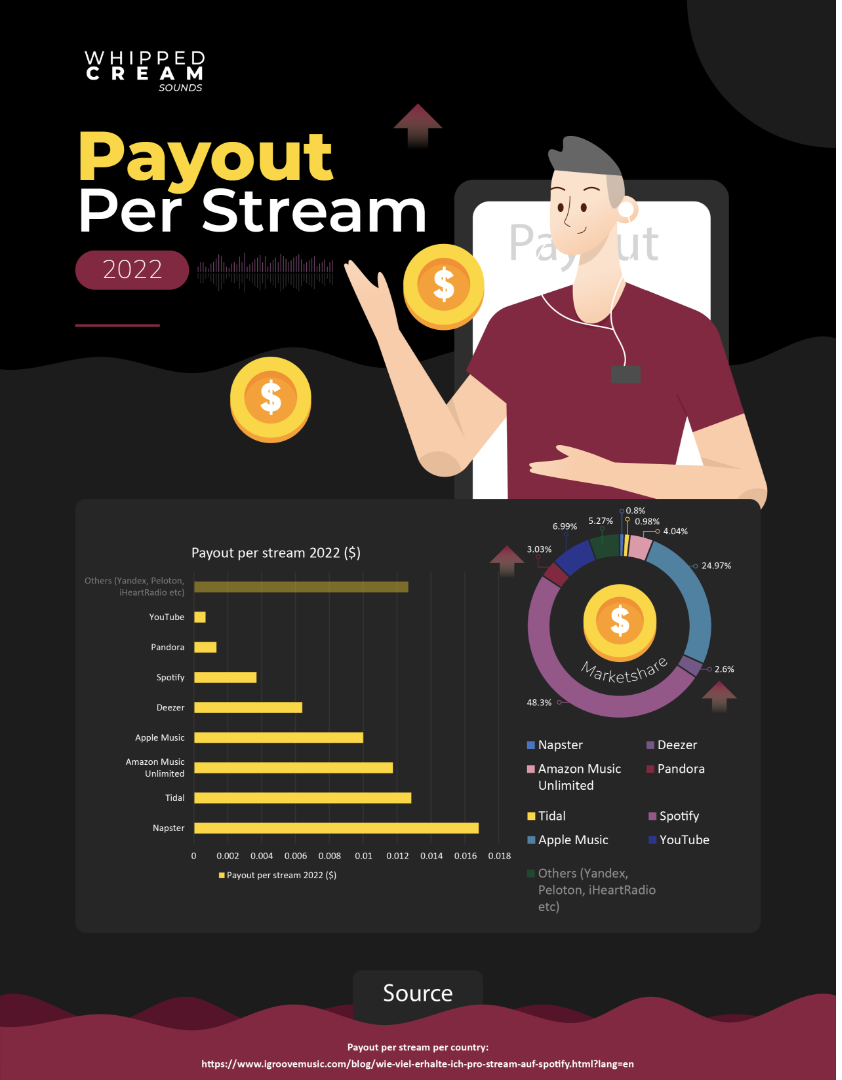
I also explain in this past blog post about how little money is earned by performers and songwriters from streaming platforms such as Spotify, Apple Music, Pandora, YouTube, etc.
Spotify, which last year had an almost 50% market share of music streaming worldwide, still pays less than half a cent per stream.
Apple Music was the next biggest player, with almost 25% market share of music streaming worldwide — but paid a penny per stream (almost triple what Spotify paid…)
All of the other music streaming companies share the remaining 25% of worldwide music streaming — and paid anywhere from .00069 cents per stream (YouTube Music) to .017 cents per stream (Napster).
Here’s a graphic representation from this article of all of these numbers.
Suffice to say that I have not been earning any significant money as a result of people streaming the 37 recordings I’ve released during the past 34 months.
Deep breath in.
And deep breath out.
But I DO have the satisfaction of knowing that my music is out there in the world, being listened to by folks in fifty different countries — including the USA, Finland, Canada, Taiwan, Great Britain, Kazakhstan, Australia, Indonesia, Turkey, Brazil and Chile!
“Music is part of what makes the world keep going.”
And in recent months my streaming statistics on Spotify have risen significantly (although my total numbers are still quite modest).
This rise in my stats helps me feel that what I am doing — releasing music — is not entirely futile, useless and/or egotistical.
And it gives me a small sense of hope, which is what Ron Sexsmith’s lovely song does, too.
Hope remains a blessed mystery to me.
I hope you feel at least a tiny kernel of hope in your life.
Recent regional elections here in the USA have renewed my sense of hope in our political process.
And small children — such as those who grace my Music Together classes — also give me a sense of hope as well as a reason to continue to work for a more balanced, sustainable, and respectful future here on planet earth.
I’d be happy to learn in the comments about what gives YOU a sense of hope these days.
Recently we experienced the warmest February day ever recorded in Boston according to a radio announcer on WBUR.
Hmm.
In the short run, I am very grateful for this lovely respite from wintry weather.
In the long run, however, I wonder what’s going on with the larger weather patterns and ocean temperatures on planet earth?
Our opposable thumbs — and seemingly insatiable desire for novelty and innovation — have helped us to create all sorts of stuff.
And much of what we have created needs power from fossil fuels (in the form of electricity, for example) to function or is actually made from fossil fuels outright in the case of plastic.
Plastic wrap. Plastic toothbrushes. Plastic containers to store leftovers. Plastic bags. Plastic bumpers on cars (one of which my sister’s dog was able to chew into pieces when he thought a small animal was hiding under it!)
Plastic plates. Plastic silverware. Plastic cups. Plastic shower curtains. Plastic bowls. Plastic bottles filled with water and laundry detergent and shampoo and apple cider.
Plastic dispensers for easy-gliding floss (which is itself made out of plastic). Plastic souvenir tchotchkes. Plastic electronic devices. Plastic credit cards.
The list goes on and on.
Today I listened to a news story about an area in Texas where we human beings have been extracting oil and gas for the past hundred years.
We’ve been blessed with an inheritance of solar energy accumulated by plants growing on planet earth for millions of years — and we are withdrawing it — and spending it — in the blink of a cosmic eye.
What an amazing inheritance!
Why are we squandering it to manufacture and then purchase stuff that doesn’t usually make us feel any better after the initial thrill of acquisition subsides?
Stuff that won’t decompose for hundreds of years — thus contaminating and altering all sorts of natural processes and feedback loops on land and in our lakes and rivers and streams and oceans.
Why have we not been taught to weigh the long-term consequences of our manufacturing and consumer choices?
I sometimes wonder what an economy would look and feel like which actually honored the long-term costs and consequences of fossil fuel-driven lives on the larger ecosystems which sustain the amazing, interconnected web of life on planet earth…
I am guessing it would be simpler and slower.
It was a growing awareness of all the stuff in my life which inspired me to write lyrics for a melody by Steve Sweeting many years ago which became the song “Stuff.”
I was visiting dear friends who had moved into a large new home on Bainbridge Island near Seattle — and reflecting upon the pros and cons of our very blessed — and privileged — lives.
She is a songwriter and singer and teacher whom I met when I participated in a week-long cabaret conference at Yale.
I — and many of my singing peers — love to perform her songs, the most famous of which is probably “The Rose,” which she wrote for the movie starring Bette Midler.
She has recently finished a new CD of her latest batch of songs called Voices.
I guessed that she might be sick of listening to herself (which one ends up doing over and over and over again when one is recording and mixing and mastering a CD) and open to the possibility of hearing something new.
And, bless her, I was right.
Here’s what she wrote back after listening to Steve’s CD:
“Thank you so much for sending the lovely CD! It was such joy to hear your voice again. AND to listen to something that wasn’t ME for a change!
The songs are terrific. Your performances are nuanced and touching and lovely.
My very favorite is STUFF.
I think I have to have it.
Feels like it would something perfect for me to put in my repertoire if your friend is willing to share.”
Needless to say I was astounded and excited and humbled that she had made time to listen to the CD, that she liked Steve’s songs, and that she liked one of the songs to which I had contributed lyrics well enough that she might end up adding it to her repertoire!
Deep breath in…
Deep breath out…
It’s funny how something as simple as someone asking for the sheet music for a song I have co-written gives me a renewed sense of validation and encouragement to continue on my (still extremely humble) path as a songwriter.
Maybe it’s another example of the power of feedback loops — in this case feedback that Amanda found the melody and chords and ideas and arrangement of “Stuff” compelling enough that she might want to learn it and then share it with others.
Another deep breath in…
And another deep breath out…
Despite all of the larger patterns of disrespect and dishonesty and disbelief which are rippling around our country and around the planet these days, I will continue to count my blessings, continue to reduce my ecological footprint, and continue to sing — and sometimes write — songs.
Thank you, as usual, to Pixabay for the lovely images in this post.
Thank you to Steve Sweeting for entrusting his melodies to me.
Thank you to Amanda McBroom, for making time in her complicated life to listen to Steve’s CD AND then to send such uplifting feedback to us.
And thank you to YOU for reading and listening to another one of my blog posts.
PS: I hope you noticed the irony of me ranting about all the plastic junk we human beings create and buy and sell on planet earth and then agreeing to make a CD recording of Steve’s songs — thus creating 250 shiny, round, flat pieces of plastic which will be obsolete junk within another decade or so…
I am writing this blog post, appropriately enough, in the middle of the night.
I just woke up from a nightmare in which I was attempting to rush a group of children away from a place full of dangerous people who wanted to hurt all of us.
The children — blessedly and also appropriately — did not understand why these people were dangerous, and I did not want to explain.
I just wanted them to keep moving as quickly as possible away from the old warehouse where I knew the dangerous people were hanging out.
Deep breath in.
Deep breath out.
I woke up with a burst of adrenaline coursing through my bloodstream and a mixed feeling of panic and relief.
Panic that maybe I hadn’t been able to rescue the children in my dream.
And relief that it was “only” a dream.
Deep breath in.
Deep breath out.
Except — obvious to anyone who reads the news or watches TV or listens to the radio — my blessed nightmare is the horrific reality for hundreds of thousands of human beings on planet earth.
And here in the USA we mostly don’t think about them.
And that’s just the human-to-human devastation…
There is also an extraordinary wave of extinction of other forms of life on planet earth unfolding right now… and most humans don’t want to think about that either.
We are ignorant — choosing to ignore the complicated and heart-breaking repercussions of our actions because it is too painful.
And because the challenges of how we might change some of these patterns seem too vast.
And because our media tends to give us a very limited glimpse of what is happening here on planet earth.
And because our media — which at its most basic level exists to entice human beings to BUY THINGS — has very little incentive to do anything other than reinforce the allure of fame and wealth and celebrity and insane over-consumption.
Over-consumption of cars and alcohol and clothing and accessories and medication and food products and music and fossil fuels and hair dye and eyeliner and TV shows and lipstick and sunblock and pesticides and movies and plastic bags and electronic devices and travel and “entertainment” and a myriad other things that most of us do not need.
Deep breath in.
Deep breath out.
“When I’m worried and I can’t sleep, I count my blessings instead of sheep,” the songwriter Irving Berlin once wrote and set to music.
According to Wikipedia (and a book edited by local musical expert Ben Sears called The Irving Berlin Reader) it was based on Berlin’s real life struggle with insomnia.
He wrote in a letter to Joseph Schenck:
“I’m enclosing a lyric of a song I finished here and which I am going to publish immediately… You have always said that I commercial my emotions and many times you were wrong, but this particular song is based on what really happened… The story is in its verse, which I don’t think I’ll publish. As I say in the lyrics, sometime ago, after the worst kind of a sleepless night, my doctor came to see me and after a lot of self-pity, belly-aching and complaining about my insomnia, he looked at me and said ‘speaking of doing something about insomnia, did you ever try counting your blessings?’”
Mr. Berlin certainly had experienced many things that might have hung heavily on his heart.
He emigrated to the US when he was a small child to escape the anti-semitic pogroms unfolding in Czarist Russia.
His father died when he was young, which catalyzed Irving (or Izzy as he was called by his family) into leaving school and earning money as a paper boy on the streets of lower Manhattan.
His own son died when he was less than a month old on Christmas Day.
Mr. Berlin served in both the first and second World Wars, producing (and performing in) theatrical revues to raise money, lift the spirits of a country at war, and comfort soldiers fighting all around the planet.
As a Jewish man, he must have been deeply affected by the unimaginable reality of the Holocaust… and atomic weapons… and so many other astoundingly destructive human creations of the 20th century.
Mr. Berlin used the song in the 1954 film White Christmas.
Bing Crosby’s character sings it to Rosemary Clooney’s character to comfort and (it being a Hollywood movie — perhaps to begin a romantic relationship with) her.
I join with millions of people who have sung this song in the past 62 years to restore a sense of peace and gratitude in their lives when they are tossing and turning in the middle of the night.
And as 2016 slouches towards 2017, I also count my blessings:
Clean water at the twist of a faucet…
A functioning furnace…
Fossil fuels to power the furnace and stove and water heater…
My sweetheart of almost 25 years…
One remaining parent + a wonderful step parent…
Siblings who love and communicate with each other…
Friends…
Employment that involves relatively modest consumption/destruction of natural resources (CDs of music to the families in Music Together classes, electricity to play them, fossil fuels to heat and sometimes cool the karate studio where we lead classes, gasoline to power the hybrid car in which jazz pianist Joe Reid and I drive to gigs, electricity to run the PA systems where we perform)…
Music…
The magic of digital recording…
My trusty iPods for learning songs…
My ukuleles and laptop computers for creating new songs…
My rhyming dictionaries for inspiration…
The amazing interlibrary book/CD/DVD loan system for more inspiration…
How our bodies can heal themselves…
White privilege…
Male privilege….
US citizen privilege….
Human privilege…
Curiosity….
Once one starts, the list of blessings goes on and on and on.
Thank you yet again to Pixabay photographers for the lovely images in this blog post.
Thank you to Irving Berlin for his musical and poetical genius.
Thank you to Doug Hammer for his reliable studio plus his exquisite rapport while playing the piano (and simultaneously engineering our sessions).
And thank you, brave and hardy soul, for reading — and listening to — this blog post.