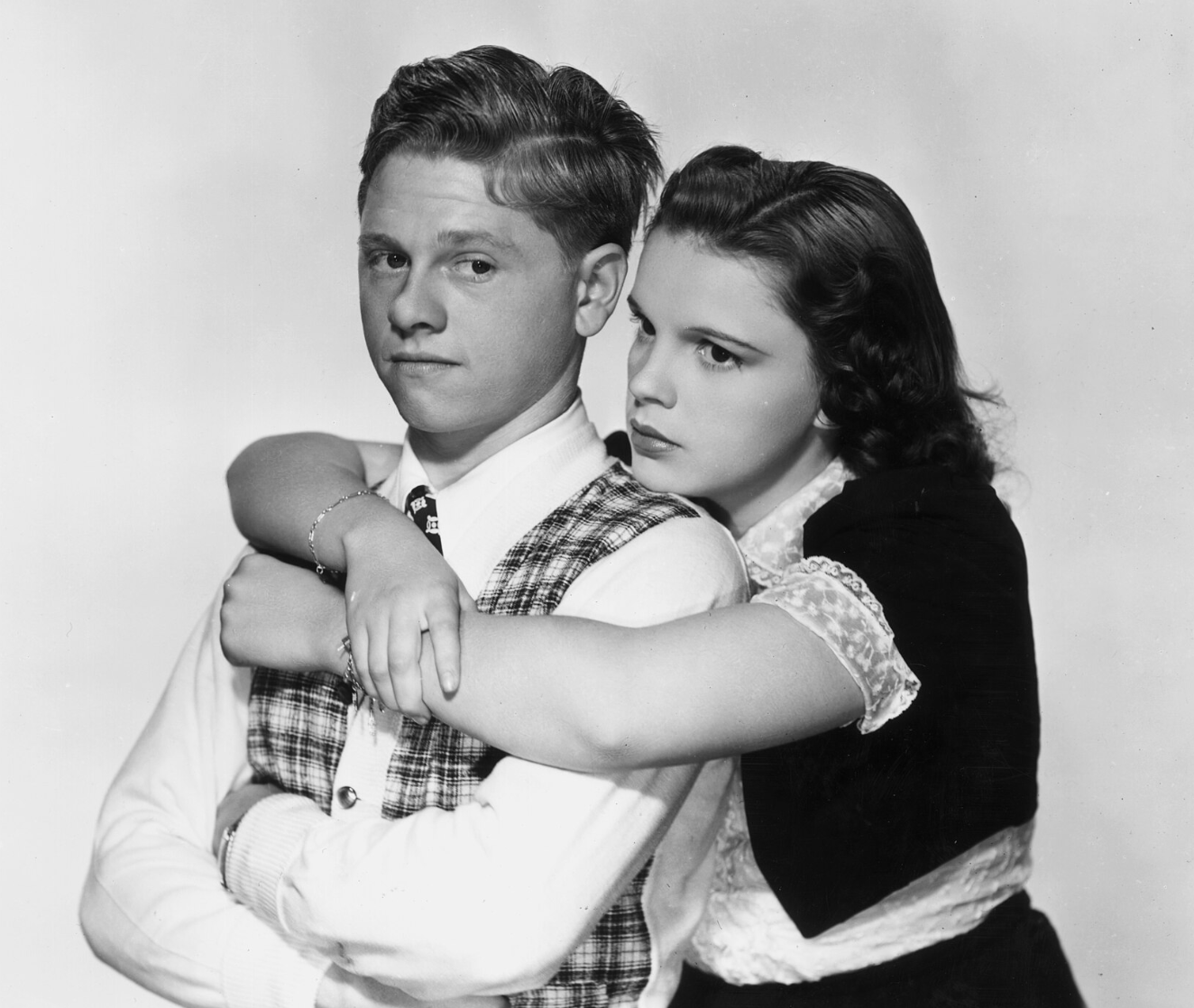
I recorded this sweet song as part on an hour-long program of music written for — or strongly identified with — Judy Garland.
It was written by Burton Lane and Ralph Freed for her and Mickey Rooney to perform in the 1941 MGM movie BABES ON BROADWAY.
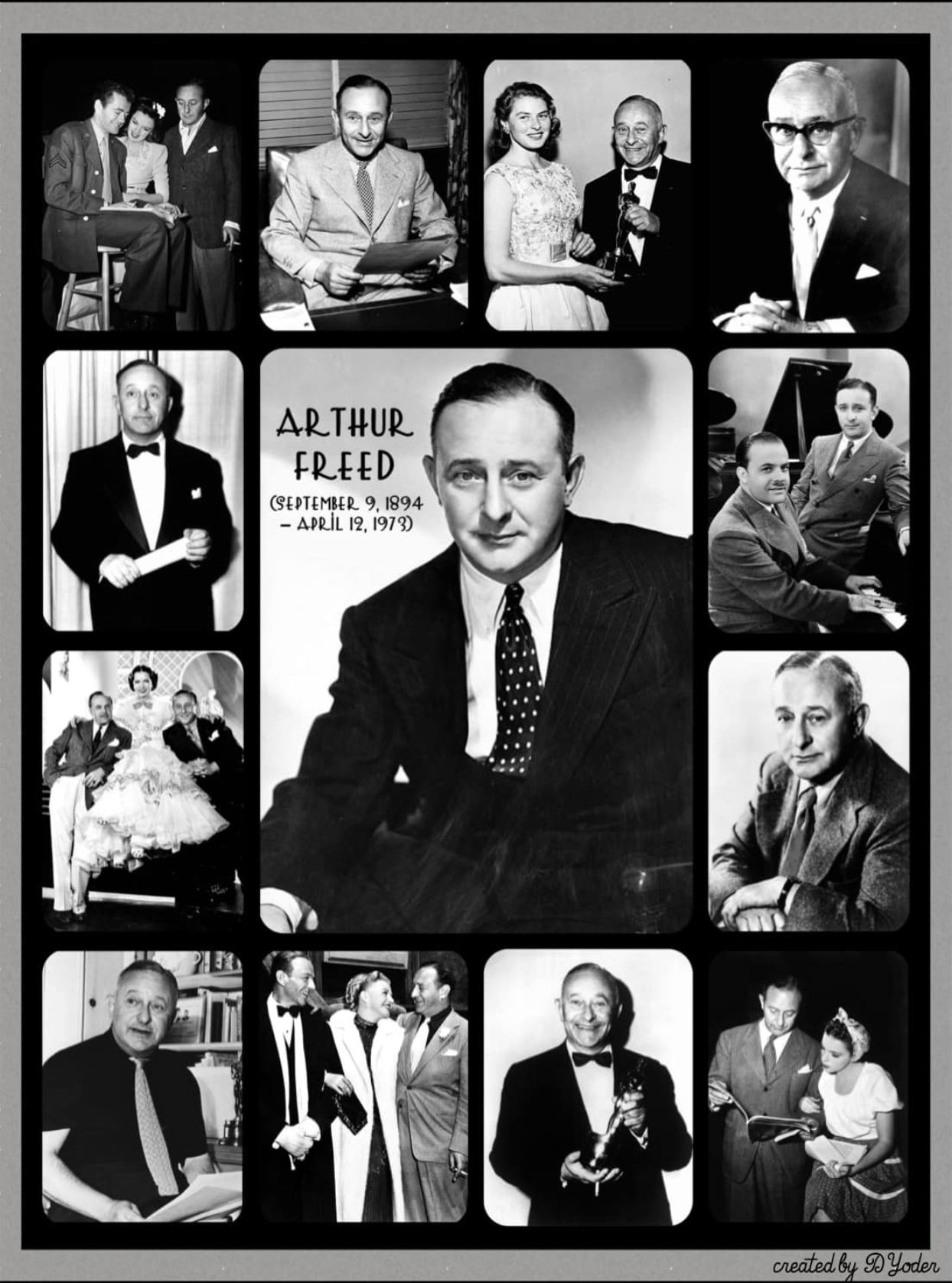
I learned from Wikipedia that the lyricist, Ralph Freed, was the baby brother of producer/lyricist Arthur Freed, who co-wrote the song “This Heart Of Mine” which I featured in a recent blog post,
Having spent a fair amount of time — especially during the summer — in Manhattan as a child and teenager, I savor all of the geographical references in the lyrics.
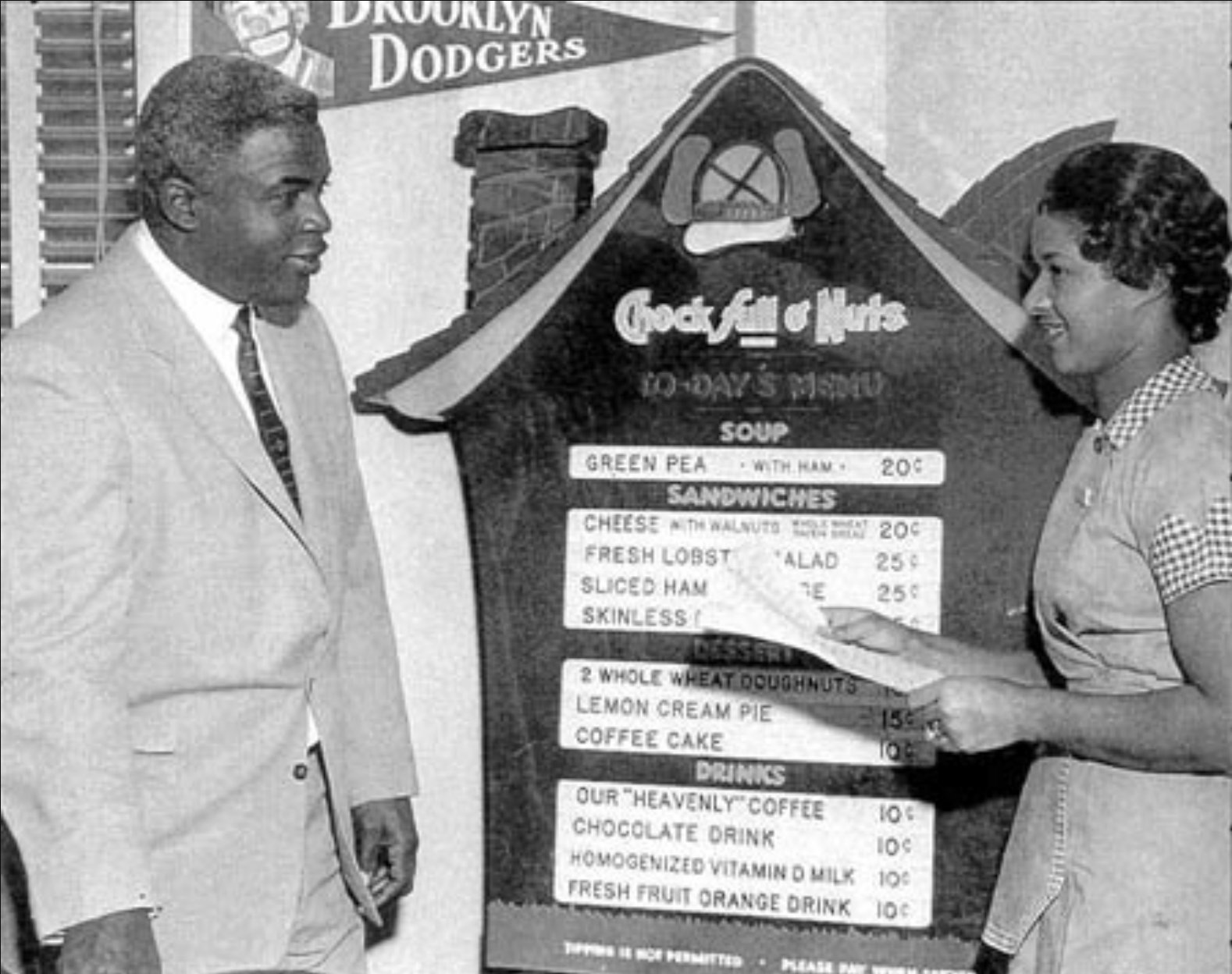
I only wish they had mentioned Chock Full o’ Nuts, my favorite place to get a burger (with ketchup, mustard and relish) plus a big orange drink — which was a mixture of orange juice, sugar and water, I think, churning endlessly in a big, glass dispenser until it was sold to thirsty customers.
Chock Full o’ Nuts started during the roaring ’20s as a chain of — no surprise — nut shops.
But when the Depression hit, the owner William Black pivoted and turned his stores into lunch counters where — according to Wikipedia — one could buy a cup of coffee and a cream-cheese-with-chopped-nuts sandwich for five cents.
Jackie Robinson with a fellow Chock Full o’ Nuts employee
And his coffee proved to be so popular that he started selling it for people to make at home or in their office.
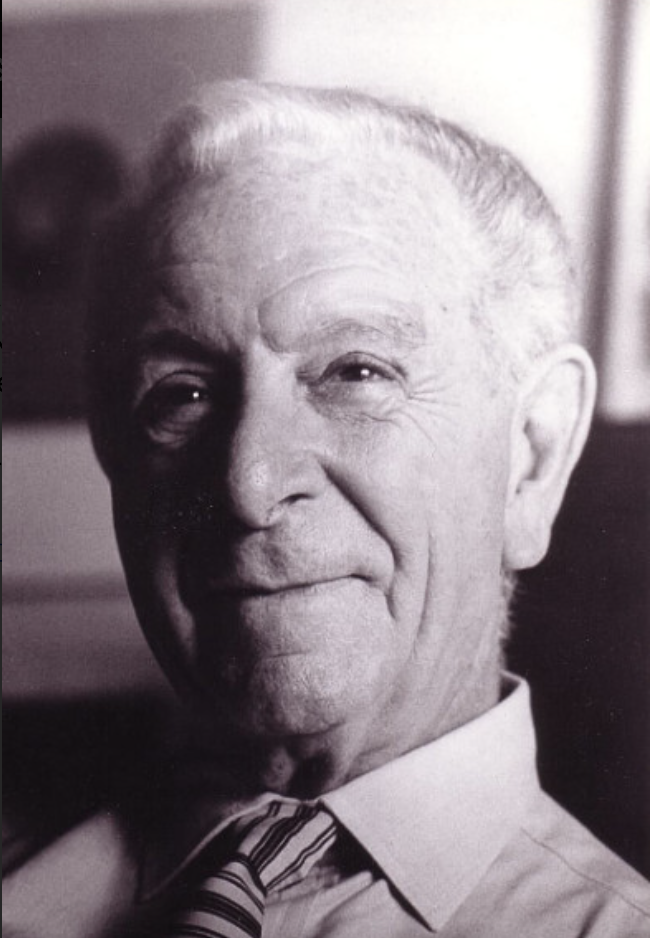
William Black — whose last name was originally Schwartz (which means black in Yiddish) — seems to have been a somewhat progressive employer.
Most of his company’s cooks and waitstaff were African-American, and when baseball superstar Jackie Robinson retired from playing, he became a vice president and director of personnel at Chock Full o’ Nuts.
Mr. Black was married to two female singers (not at the same time…) who performed his company’s radio and TV jingles. His second wife also became very involved with their family’s philanthropic efforts.
They gave millions of dollars to medical research and helped to start the Parkinson’s Disease Foundation.
And there is even a William Black medical research building at Columbia University’s medical center (Mr. Black was a Columbia alum…)
But back to “How About You?”.
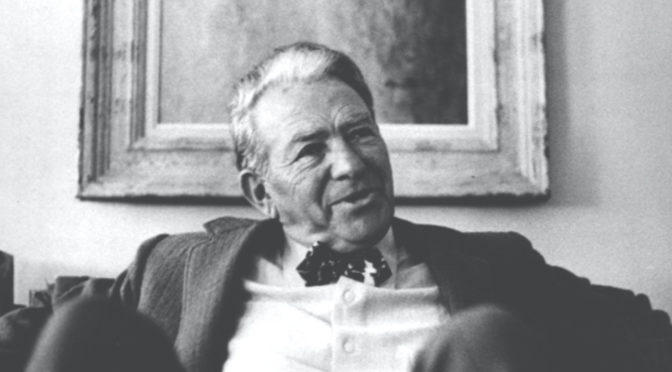
Burton Lane
Burton Lane was a very successful composer — originally from Manhattan — who worked at various movie studios in California.
Interspersed with his time in Hollywood, he co-wrote songs for Broadway shows including FINIAN’S RAINBOW (with Yip Harberg) and ON A CLEAR DAY YOU CAN SEE FOREVER (with Alan Jay Lerner).
He is also one of several people who claim credit for bringing Judy Garland to the attention of the powers-that-be at MGM after he saw her perform with her two older sisters at the Paramount Theatre in Los Angeles.
So not only do we have Mr. Lane to thank for the great songs he co-wrote, we also can (at least partially) thank him for helping to bring Judy Garland and her extraordinary gifts as a performer to a much wider audience.
I would also like to thank Doug Hammer for his playful piano impulses and painstaking production skills as well as Stephen C. Fischer for his patient and collaborative graphic design work.
If you’d like to stream our version of “How About You?” you can click here.
Every stream, every “like,” and every “save” encourages the mysterious algorithms of the digital music platforms to share a recording with other potential listeners.
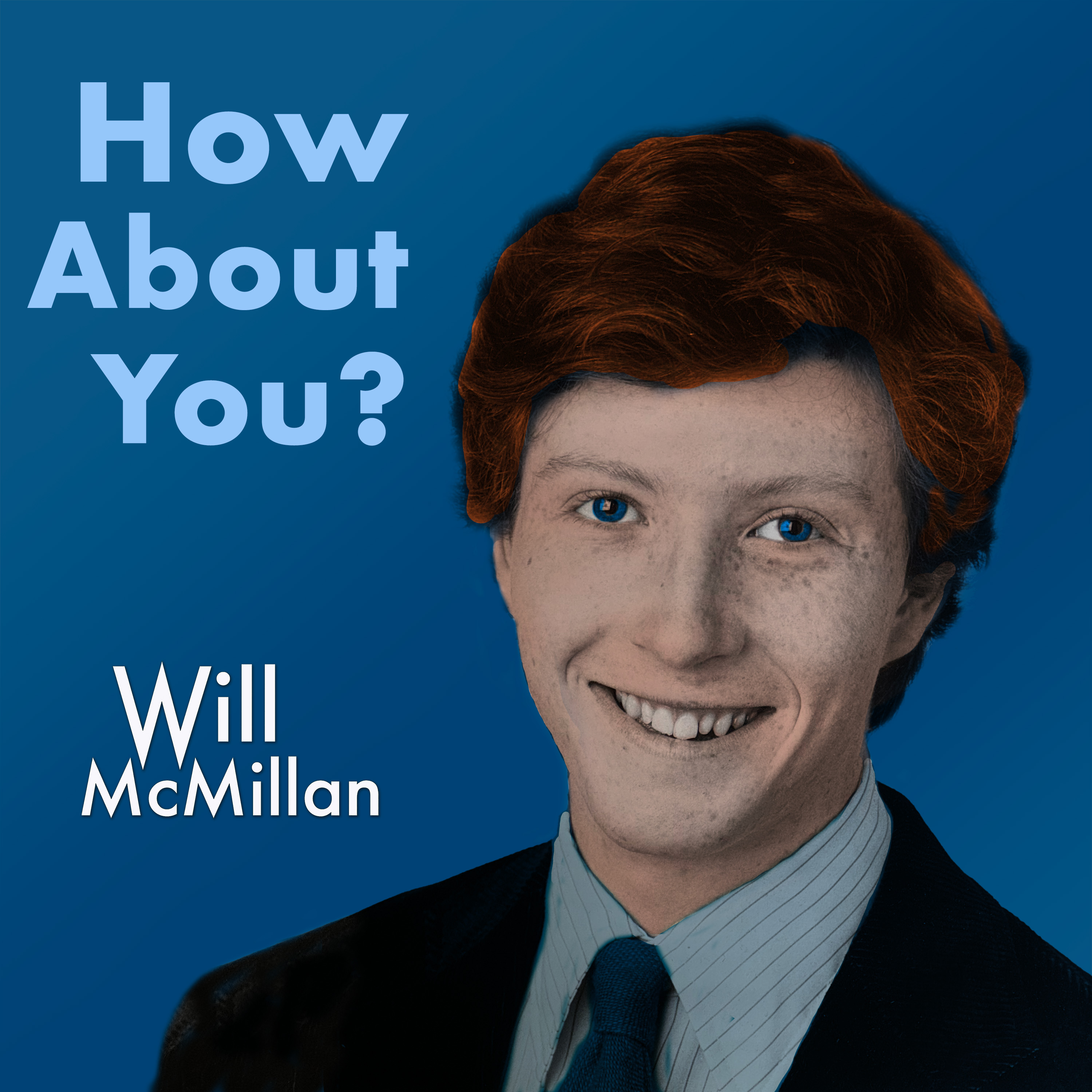
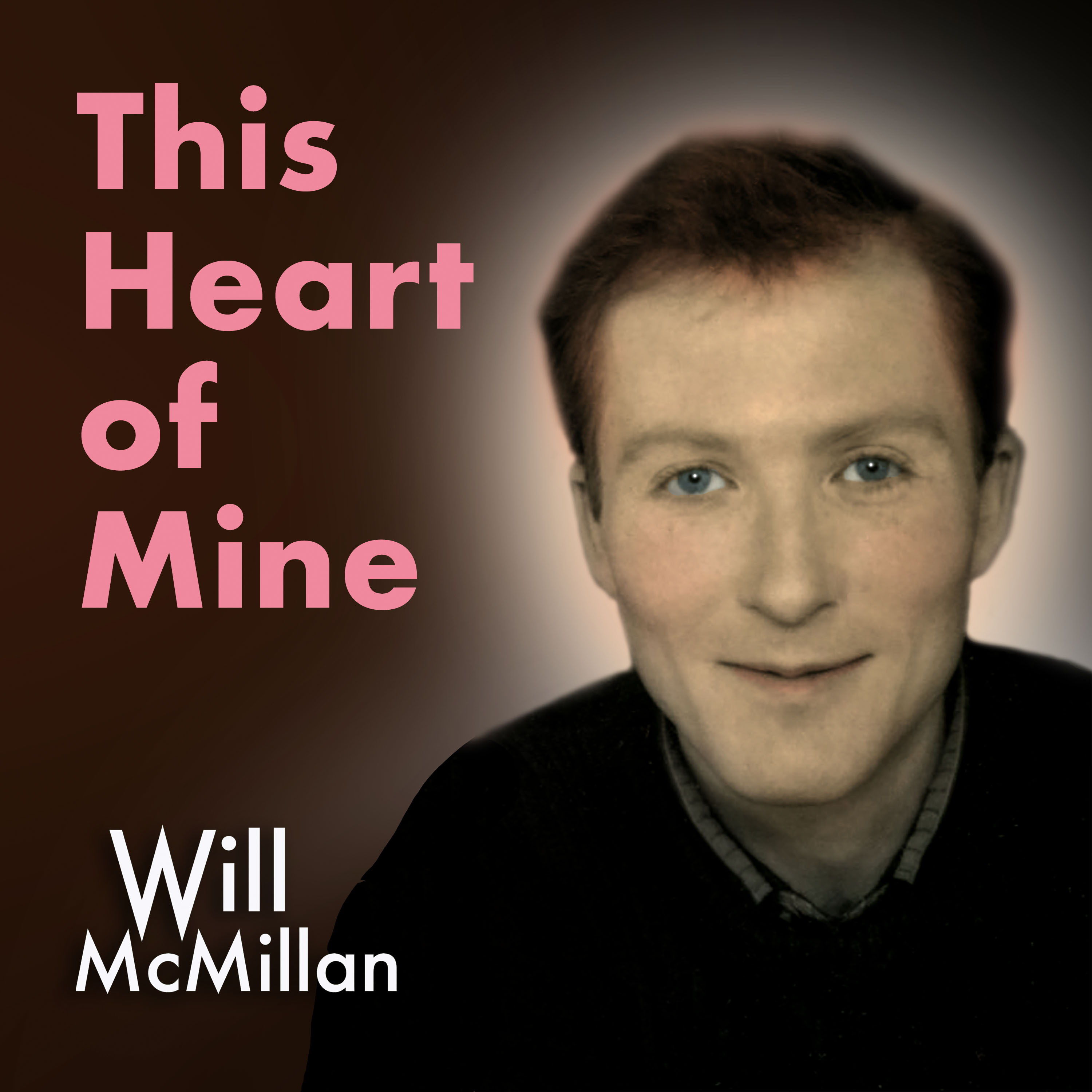
Here’s the graphic for “How About You?” which features what was probably my last professional headshot as a teen performer in NYC.
One final note…
As I was drafting this blog post, the New York Knicks were engaged in an extraordinary series of basketball games which culminated in them becoming NBA champions.
I especially like New York in June when the Knicks win the NBA playoffs after a 53 year drought!
How about you?
Although I am not a big basketball fan, I became swept up in the drama and virtuosity of the NBA playoffs.
Twice I went to bed early — thinking the Knicks had lost — and awoke to discover that they had triumphed.
Wow!
Oh, me of little faith…
Since their victory, I have been savoring the enthusiasm of the Knicks’ fans — in NYC and around the country.
Jalen Brunson
And I love what one of their star players Jalen Brunson said following their record-breaking comeback from 29 points down to win game four.
“You’re allowed to think about the worst possible scenario, but you gotta go out there and do something about it.”
Deep breath in.
Deep breath out.
Those are great words to live by…
Thank you, Knicks, for bringing millions of us — from many different political and cultural and ethnic backgrounds — together during this challenging time here on planet earth.
You gave — and continue to give — us hope and joy and inspiration.
And THANK YOU to everyone who is willing to read and listen to yet another one of my blog posts.
Mr. Warren and Mr. Freed wrote “This Heart Of Mine” for a 1944 Metro-Goldwyn-Mayer (MGM) musical called the ZIEGFELD FOLLIES which starred Fred Astaire.
I think I first heard it sung by Judy Garland, who recorded it the following year for Decca Records.
Arthur Freed also wrote the lyrics for a bunch of other hit songs — such as “Singing In The Rain,” “You Are My Lucky Star,” and “Make ‘Em Laugh.”
I haven’t read any biographies about him (yet) but according to Wikipedia, he lived a fascinating life.
Composite Images of Arthur Freed by Diane Yoder
He was born in South Carolina in 1894, and ended up attending a very prestigious prep school in New Hampshire — Phillips Exeter Academy. I am guessing he was probably one of very few Jewish students on campus — and according to Wikipedia, he became interested in writing poetry there.
After prep school Mr. Freed ended up in Chicago and performed with early versions of the Marx Brothers act (!!!) in vaudeville.
He also wrote special material for them, which led to co-writing enough successful songs that Hollywood beckoned…and he was hired to write songs for early MGM musicals.
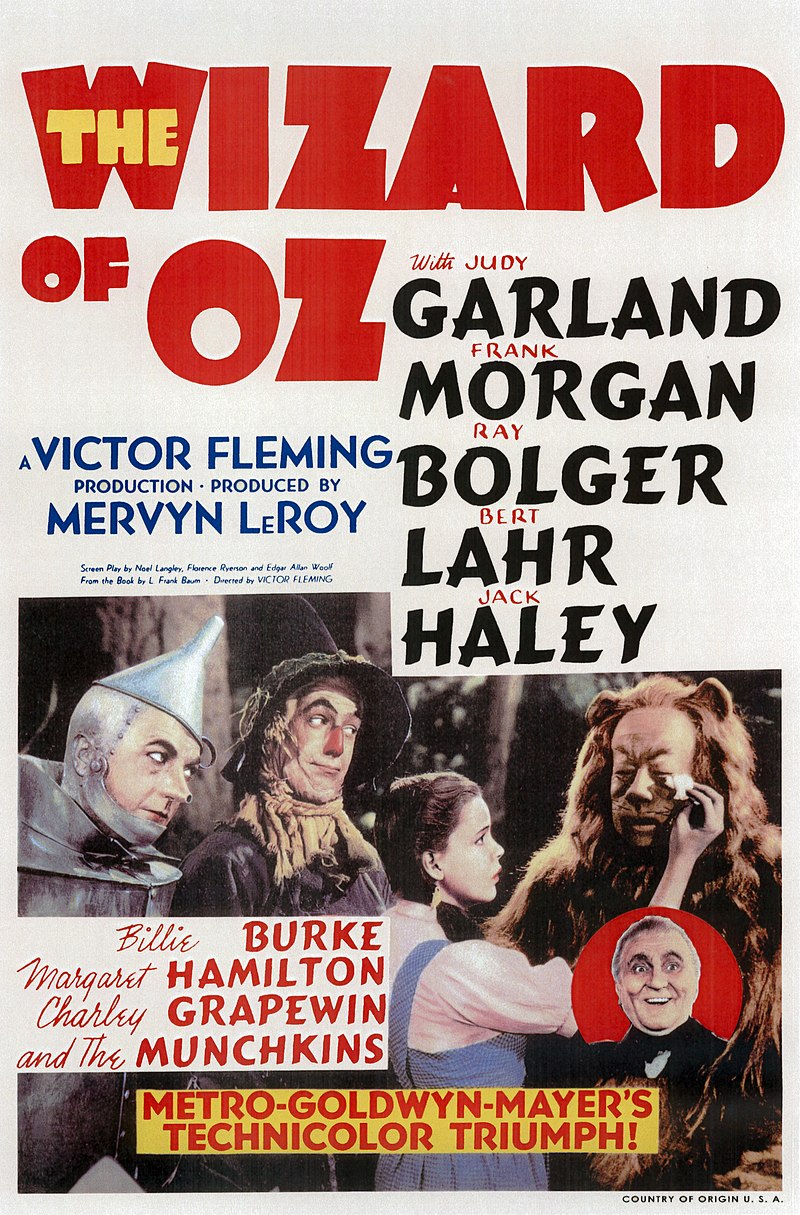
After many years at MGM, Freed transitioned from songwriter to producer, working (as an uncredited associate producer ) on THE WIZARD OF OZ and then officially producing his first movie, BABES IN ARMS.
Both of these films, as you probably know, starred Judy Garland.
Mr. Freed went on to produce many more of Garland’s movies including LITTLE NELLIE KELLY, FOR ME AND MY GAL, THE CLOCK, and MEET ME IN ST. LOUIS — which is where she met her second husband, the director Vincente Minnelli, whom Freed had brought from New York City to work at MGM.
According to Wikipedia, Freed hired great talent and then gave them free rein to do their thing — whether it was choreography, costumes, set design, songwriting, direction, etc.
He also gave himself free rein to do some very odd and abusive things, such as exposing his penis to a young Shirley Temple when she came for a visit to discuss doing a movie at MGM — and making sexual advances towards her mother as well.
Temple wrote about this incident in her autobiography — and apparently Mr. Freed experienced no censure as a result of his horrible behavior…
It was originally written for a 1931 revue called The Band Wagon — which was notable for being one of the last times that Fred Astaire and his sister Adele performed together on Broadway.
The lyrics feel like an existential poem to me.
Howard Dietz and Arthur Schwartz
They were written by Howard Dietz — who also co-wrote the script for The Band Wagon with George S. Kaufman — plus music by Arthur Schwartz.
Dietz went on to become the head of public relations at MGM movie studios.
He is reputed to have chosen their lion logo as well as their motto: Ars Gratia Artis (art for art’s sake).
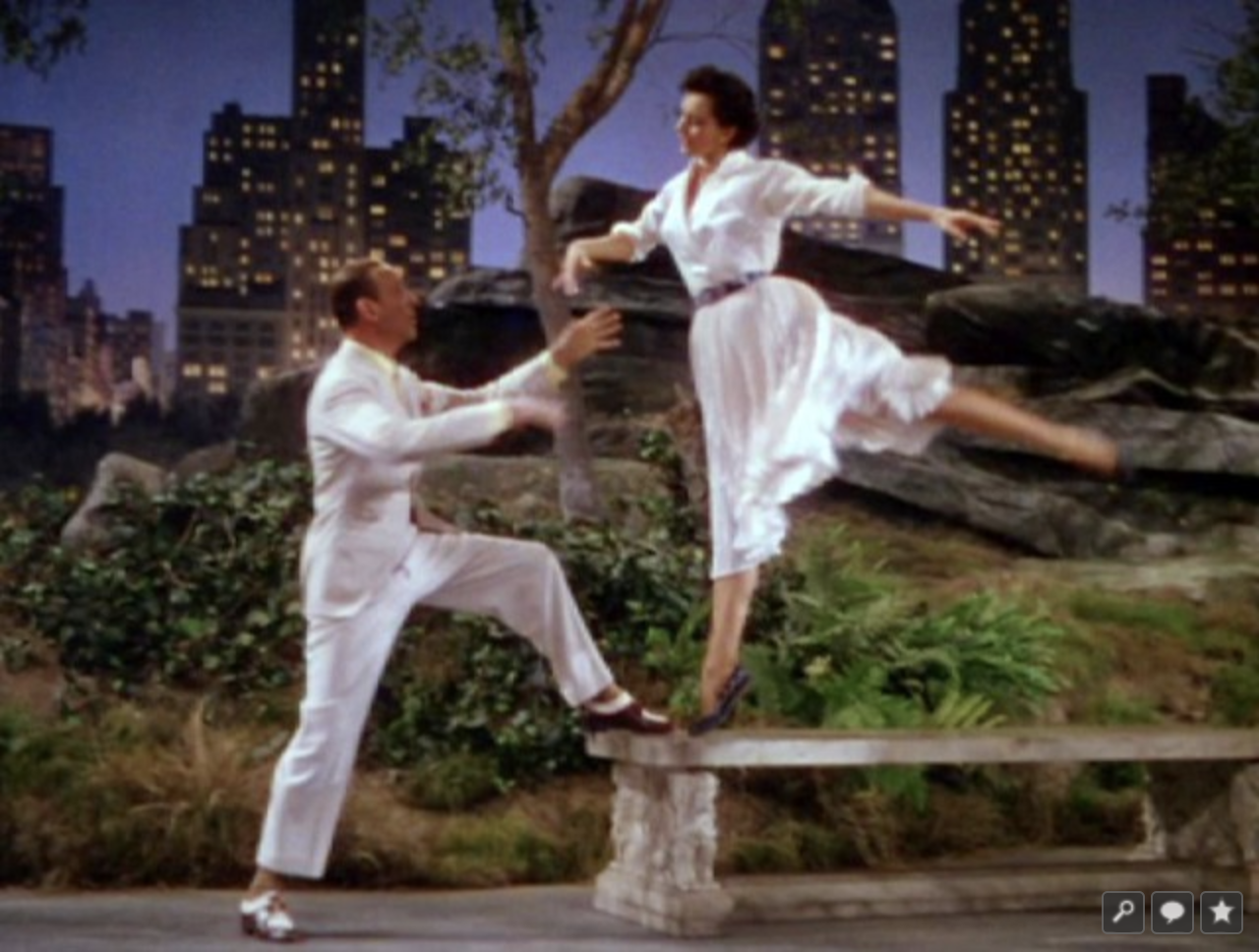
While based in MGM’s New York office, he wrote co-wrote songs for decades with Arthur Schwartz, including “That’s Entertainment” for MGM’s film version of The Band Wagon in 1953 — which again featured Fred Astaire, who performed with Cyd Charisse while…”Dancing In The Dark.”
Fred Astaire and Cyd Charisse
The message of the song seems particularly appropriate in the days leading up to a very important national election here in the USA.
I have been limiting my exposure to radio and TV because most of the news is simply very high-octane speculation.
However, I was happy to learn that early voter turnout is very high.
People are engaged with the political process!
But I am also concerned that gun/ammunition sales are very high (although I have been told this often happens when gun-using folks in the USA fear a Democratic victory which might lead to future firearm regulations…)
The state of our democracy can seem very dark these days — with our president repeatedly saying that he may not honor the results of our upcoming election while simultaneously casting seeds of doubt about the voting process itself.
And he continues to hold large public rallies during a health pandemic — after one of which his ally (and former presidential candidate) Herman Cain died from COVID-19.
All the while hospitals in cities around the United States fill up to capacity…
And nurses, EMTs, and doctors — who are working 12 hour shifts day in and day out to save the lives of their fellow citizens — continue to plead with us to wear our face masks, wash our hands, and maintain our social distancing…
I am truly amazed by our health care workers’ dedication, selflessness, and love for their fellow human beings.
I am amazed that they show up for work — day after day and night after night — while putting their own lives AND the lives of their loved ones at risk for catching this virus.
I am amazed that they treat the folks who deny the threat of Covid-19 and refuse to wear a mask with as much compassion as they treat the folks who wore a mask and still got sick.
What they are doing is astounding.
I don’t have adjectives to describe how I feel about the virus-deniers.
Or at least adjectives that I want to put into print.
I do sometimes wonder if the extreme dysfunction unfolding in our country is a symptom of mother nature getting serious about reducing the number of human beings who now live on (and some might say over-run and infest) planet earth…
Denying the science of how a virus spreads and multiplies — exponentially! — is a form of madness which has already killed hundreds of thousands of people here in the USA…
I see it as being very similar to denying the science of climate change.
One can deny it all one wants…
Yet the scientific processes — such as the fact that a virus can spread exponentially if unchecked and will swiftly overwhelm the staff of your local hospital — will continue to unfold whether one denies the scientific realities or not.
The fact that our earth’s atmosphere is changing due to our human (mis)use of fossil fuels since the start of the industrial era is also undeniable.
In fact I recently saw a reprint of an article from the early 20th century in which scientists described and predicted how our increasing use of fossil fuels would alter the earth’s atmosphere.
Some people have been aware of this challenge for generations!
The fact that climate change is increasing the severity of storms, increasing the frequency of forest fires, and changing the patterns of how ecosystems around the planet do (or don’t) stay in balance is undeniable.
It’s all over the news in the USA.
It’s what hundreds if not thousands of scientists have been warning about for decades.
Will we as a species continue to deny it is happening?
Will we continue to live our lives as if nothing huge and profound is changing?
Continue to drive our SUVs and pickup trucks as many miles as we (or our credit cards) can afford?
Continue to travel as much as our budgets (or credit cards) will allow?
Continue to refuse to put solar arrays on our roofs?
Continue to consume more resources than can be sustainably grown/harvested/produced here on planet earth?
Fundamental patterns and cycles here on planet earth will continue to tip out of balance regardless of what our leaders may or may not be saying.
There are scientific processes and realities at work which can’t be denied or spun or ignored until they go away.
Deep breath in.
Deep breath out.
It is indeed an extraordinary time to be alive…
I hope and trust that we will persevere.
That enough people will wake up to the realities of science.
That enough people will realize that wearing a mask and continuing to practice social distancing is in fact a very loving and respectful thing to do for one’s self, for one’s family, for one’s co-workers, for one’s neighborhood, and for all the folks who risk their lives working at one’s local hospital.
And that we can continue to dance through this period of darkness, keeping a sense of love and light and fairness and respect burning in our hearts as we cast our ballots.
Thank you to Howard Dietz and Arthur Schwartz for writing this song during another very challenging era in our country’s history…
Thank you to pianist Doug Hammer for making music and recording music with me for the past 20+ years AND then for fixing and mixing songs with me from his home studio via Zoom in recent months.
Thank you to all the photographers at Pixabay for these glorious images.
And thank YOU for reading and listening to another one of my blog posts!
I truly treasure our community of WordPress bloggers and readers and commenters…
As we in Massachusetts enter the second week of staying at home due to COVID-19, I have been happy to connect with family and friends and acquaintances via their WordPress blog posts and Facebook updates.
THANK YOU to everyone for your words and images and information!
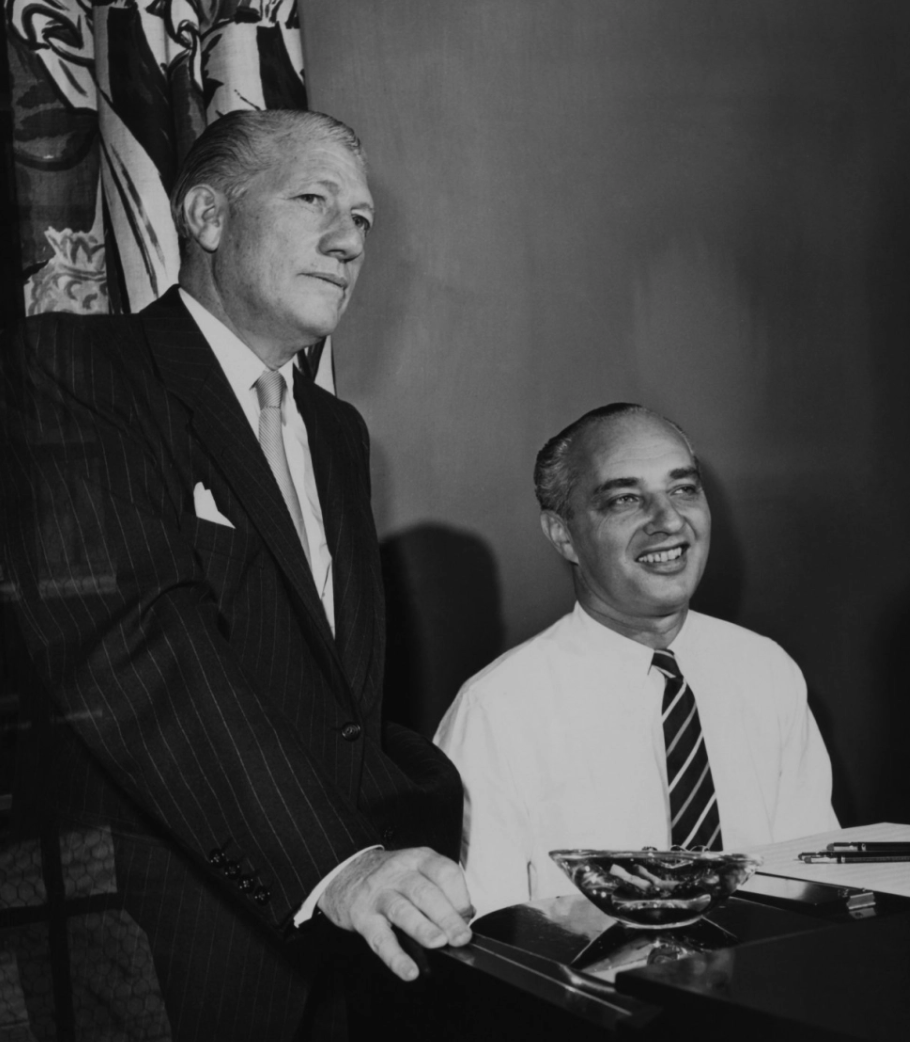
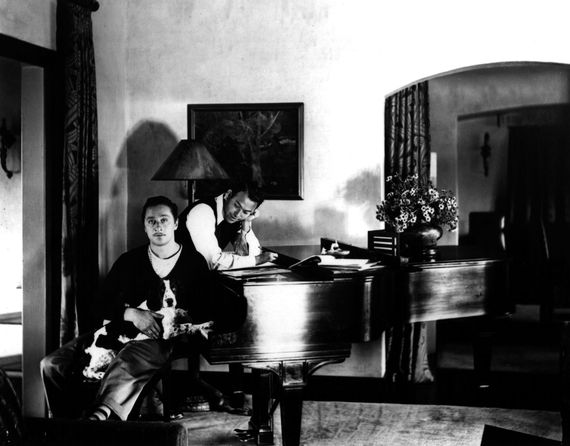
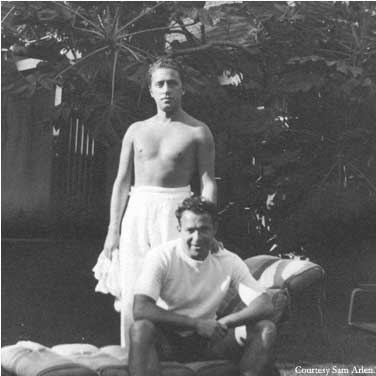
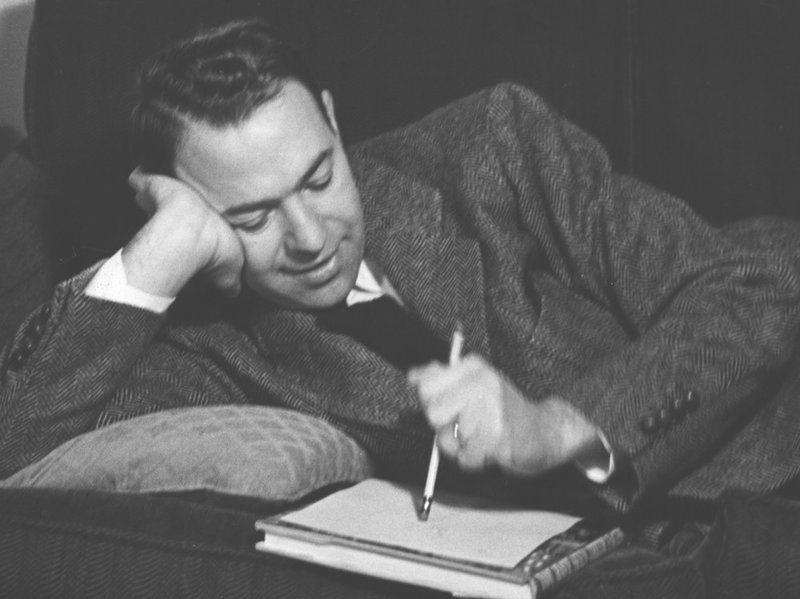
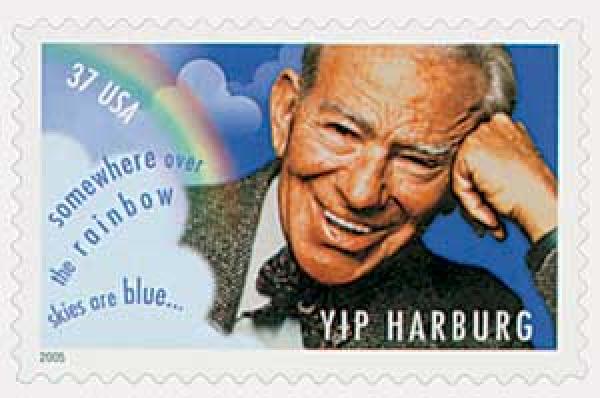
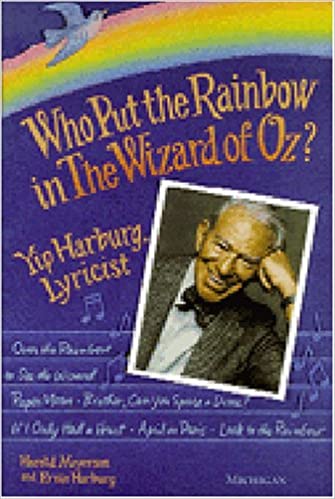
Since it’s been almost a month since my last blog post, I am finally putting my fingers to the laptop keyboard in order to share another great song by composer Harold Arlen and lyricist Yip Harburg (in photo below…)
Yip lived a full and passionate and creative and principled life — and wrote the lyrics for a bunch of great songs, including “Springtime in Paris,” “Old Devil Moon,” “How Are Things In Glocca Morra?” “Down With Love,” “It’s Only A Paper Moon,” “Happiness Is A Thing Called Joe,” “Lydia The Tattooed Lady, and “Brother, Can You Spare A Dime?”
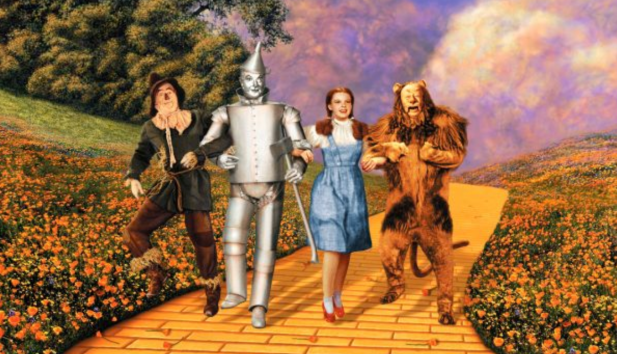
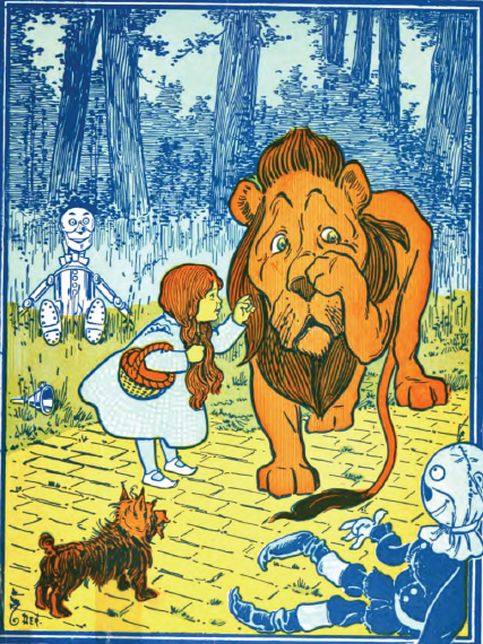
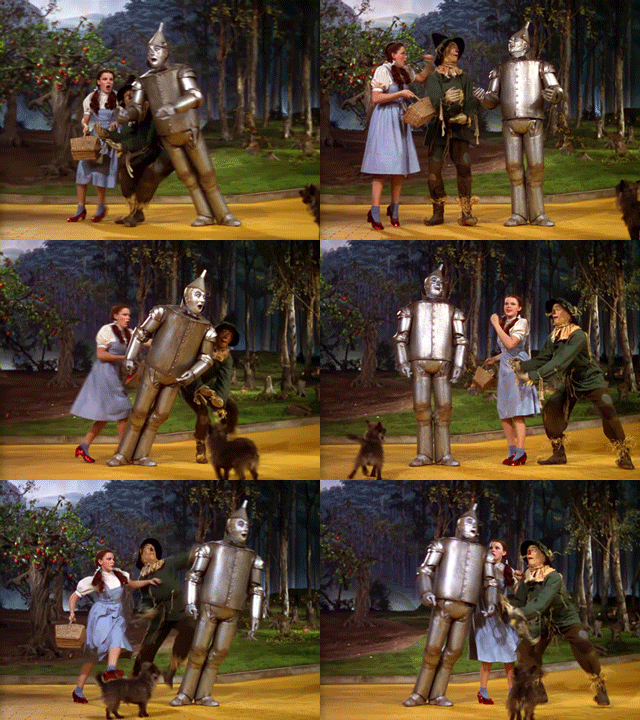
And then there are the songs he and Harold Arlen wrote for a movie inspired by the work of author L. Frank Baum and illustrator William Wallace Denslow.
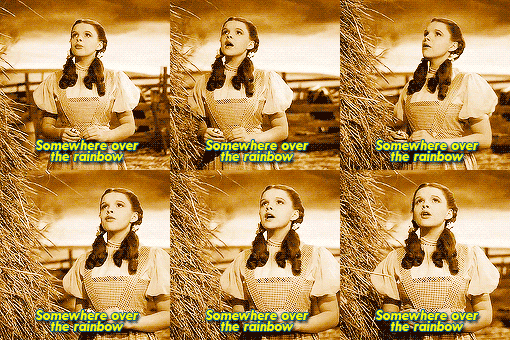
These include “We’re Off To See The Wizard,” “If I Only Had A Brain,” and “Over The Rainbow” — which won the Academy award for best song in a motion picture in 1939.
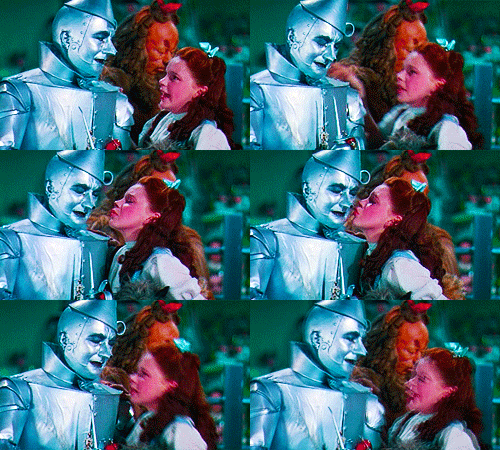
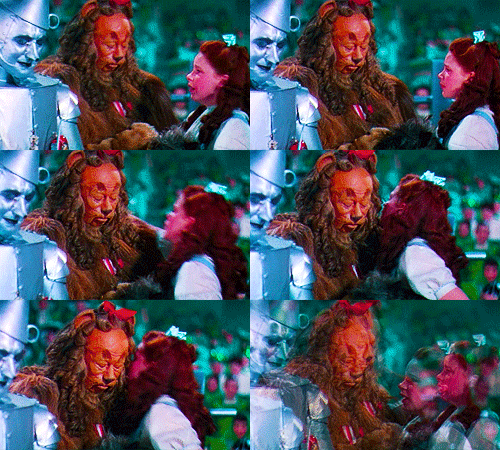
I learned from reading a biography about Yip — co-written by his son Ernie Harburg — that in addition to writing the lyrics for the songs in The Wizard Of Oz, Yip also wrote all the dialogue that sets up the songs — and he even wrote the dialogue for one of my favorite scenes near the end, when the Wizard gives medals to the Scarecrow, Tin Woodman, and Cowardly Lion in honor of their heart, brains and nerve.
I also learned that, in classic Hollywood fashion, eleven different screenwriters were involved with the script — with Yip serving as the final script editor, pulling the whole thing together and giving it coherence and unity. But he didn’t get any official screen credit for all of that work on the script.
Yip is also the person responsible for including the powerful metaphor of a rainbow in the movie — which was produced partly to showcase MGM’s Technicolor prowess.
In the original book The Wonderful Wizard of Oz, there is no mention of a rainbow.
Yip’s son Ernie describes in an interview I found on YouTube how “Over The Rainbow” came to be written:
Yip and Harold Arlen’s contract at MGM had run out, and they still didn’t have a key song for Dorothy written.
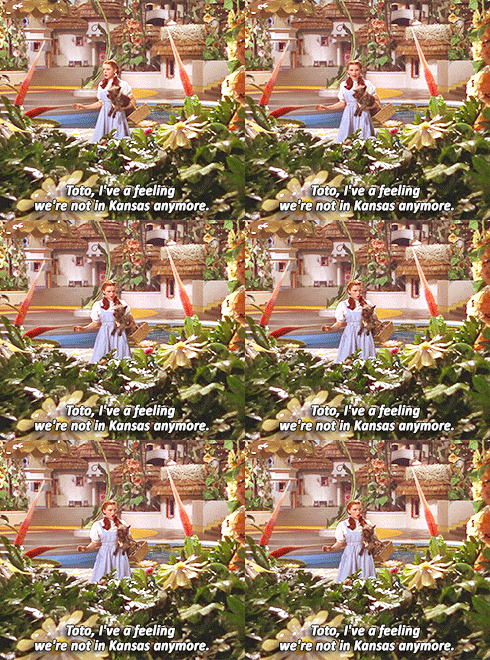
Frank Baum writes in The Wonderful Wizard Of Oz that where Dorothy lived, “not a tree nor a house broke the broad sweep of flat country that reached the edge of the sky in all directions. The sun had baked the plowed land into a gray mass. Even the grass was not green, for the sun had burned the tops of the long blades.”
Yip and Harold discussed this description, and how Dorothy’s neighbor Miss Gulch had threatened to take away her beloved companion, Toto, and how Dorothy was looking for a way to escape…
At this time in their lives, both Yip and Harold were living in Beverly Hills, with lush green lawns — plus elaborate sprinkler systems to keep them green!
One day when his gardener turned on the sprinklers, Yip was struck by the little rainbows that appeared in the air. When he next saw Harold he said, “Dorothy wants to escape — to be on the other side of the rainbow,” and Harold went away and came back with a beautiful melody which Yip then worked on for three weeks to find words with exactly the right syllables to fit Harold’s melody.
And, thanks to Judy Garland’s beautifully poignant rendition of their song, the rest is cinema history.
“If I Only Had A Brain” (a version of which is included in the player at the beginning of this blog post) is based on a melody for a song called “I’m Hanging On To You” which Yip and Harold had written for — and then cut from — a 1937 anti-war musical called Hooray For What!
Apparently another song that Yip and Harold wrote for Hooray For What! — called “In the Shade of the New Apple Tree” — so impressed the powers-that-be at Metro Goldwyn Mayer in California that they chose Harold and Yip to write the songs for what became The Wizard of Oz.
When they were working on a song to be sung by the Scarecrow, Tin Woodman, and Cowardly Lion, Yip recalled the melody from “I’m Hanging On To You,” and fashioned an entirely new set of lyrics — including short verses (one of which I have included in my recording with pianist Doug Hammer) which were not used in the final cut of the movie.
Rainbows continued to be an important metaphor for Yip throughout his life — popping up in quite a few of his songs.
Yip once explained, “I belong to a tribe of what used to be called troubadors. Sometimes they were called minstrels. Now we’re called songwriters…we worked for, in our songs, a better world, a rainbow world… Now my generation, unfortunately, never succeeded in creating that rainbow world; so we can’t hand it down to you. But we could hand down our songs, which still hang on to hope and laughter.”
For that I am immensely grateful — to Yip and to Harold and to all of the other hard-working songwriters from the 20th century who have left us such a treasure trove of music.
Yip differed from many of his contemporaries in that he was eager to wrestle with social and political issues in his creative projects.
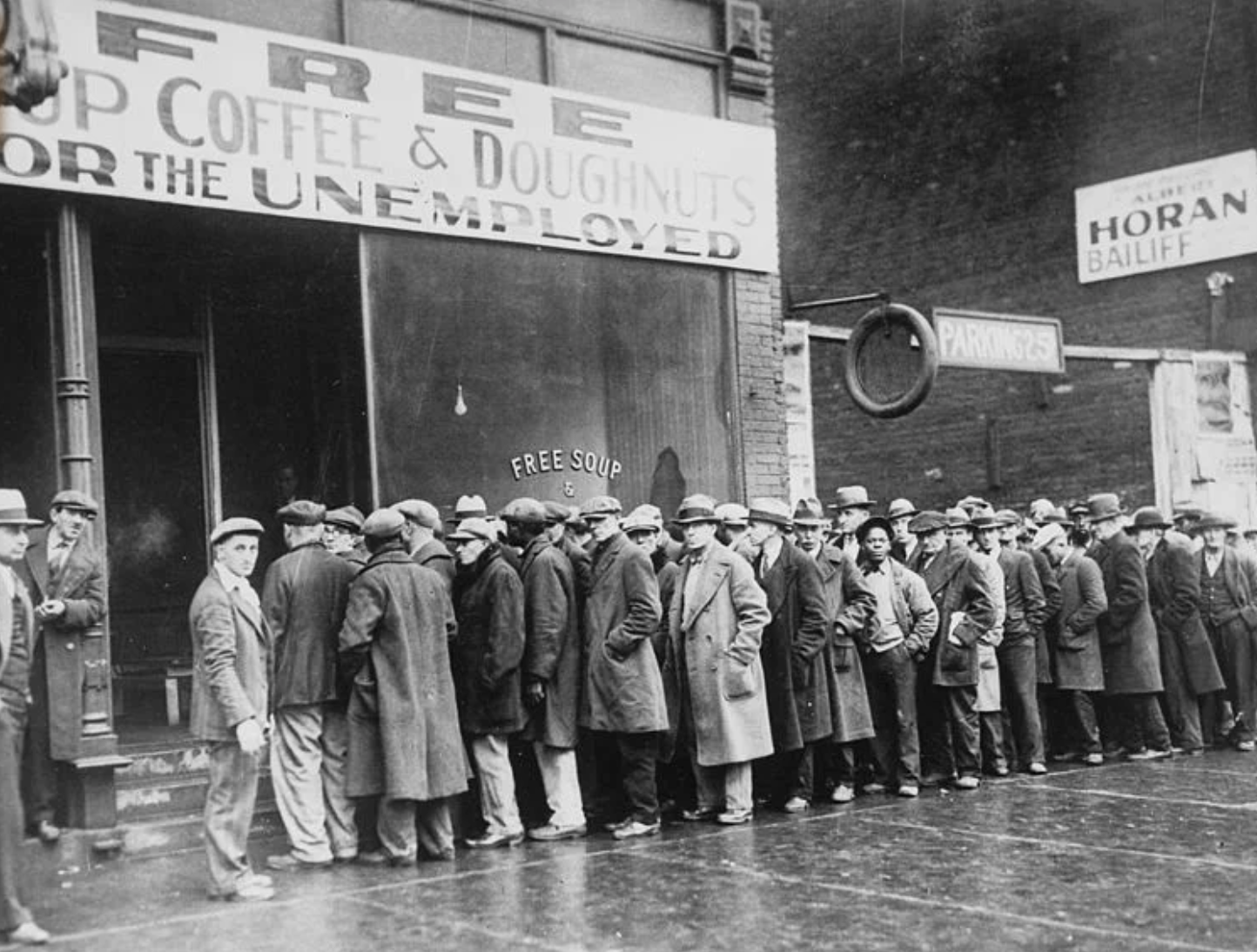
I already mentioned the anti-war musical Hooray For What! in 1937 (two years before the start of WWII) and the Depression-era classic “Brother, Can You Spare A Dime?” which Yip wrote with one of his first collaborators, the composer Jay Gorney, for a revue in 1932 called Americana.
With composer Harold Arlen he wrote the songs for 1944’s Bloomer Girl, which was set in upstate NY and explored the women’s suffrage and abolitionist movements in the years leading up to the Civil War while featuring an integrated cast on stage.
Three years later Yip helped create another musical classic, Finian’s Rainbow — set in a fictional region of the American South called Missitucky. Yip not only wrote lyrics, he also co-authored the script — and the integrated cast featured characters such as a leader of a union of black and white share-croppers, a leprechaun, two recent Irish immigrants, and a white racist Southern Senator who is transformed into an African-American citizen for several days as an opportunity for growth and education.
Finian’s Rainbow gave us a wide variety of songs, including “When The Idle Poor Become The Idle Rich, “Old Devil Moon,” “Look To The Rainbow,” and “How Are Things In Glocca Morra?”
It may seem a bit odd that a song like “How Are Things In Glocca Morra” was written by two Jewish songwriters (Burton Lane was the composer of Finian’s Rainbow).
But Yip was himself the child of immigrants — Orthodox Yiddish-speaking Russian Jews — and he grew up very poor on the lower east side of Manhattan.
His official name when he was born in 1896 — the youngest of four surviving children out of ten total — was Isidore Hochberg, and he was nicknamed “Yip” (from Yipsele, a Yiddish term of endearment referring to a squirrel) because he was so active as a child.
Yip was very successful in grammar school — winning prizes for his ability to recite poems and performing in many musical productions. He earned a spot at Townsend Harris — a prestigious public high school associated with City College of New York where you could earn both a high school and bachelor’s degree in seven years.
He found himself seated alphabetically next to a young fellow named Israel Gershovitz — also known as Ira Gershwin. Yip and Ira became life-long friends — sharing a deep admiration for Gilbert & Sullivan and later co-writing a humor column for the newspaper at City College.
I could go on and on about Yip.
Although he was not a Communist, he was blacklisted from working in the movies, TV and radio for 12 years during the 50s and early 60s.
He kept working on Broadway, however, and even co-wrote a song which was recorded by the folk/pop trio Peter, Paul & Mary.
If you are curious to learn more about this creative and inspirational human being, you can click here to read his Wikipedia entry and/or track down the biography co-written by his son, Ernie Harburg.
Perhaps some of his songs like “Brother, Can You Spare A Dime?” and “It’s Only A Paper Moon,” will take on a new resonance in the days and weeks ahead…
For the time being, I remain grateful that we in Massachusetts are still allowed to leave our homes and go for walks in our neighborhoods — as long as we maintain a healthy physical distance from other human beings we encounter along the way — so that I can continue to “while away the hours, conferring with the flowers (and) consulting with the rain.”
While COVID-19 buffets our human societies, the natural world continues — blessedly — to create a new buds, new leaves, new flowers!
Part of the reason for the gap between my last blog post and this one is that I have begun leading half-hour singalongs at 8:00 pm each night via Facebook Live.
If you are feeling hungry for some musical camaraderie and fun, please consider joining us any night starting at 8:00 pm (Eastern Standard Time in the USA).
Previous sing-alongs also remain on my Facebook home page in case you are curious to visit at any time of the day or night.
I shared this song by Barbara Baig a couple of years ago in a blog post.
Today I found myself thinking about it a lot.
Many people in the USA are very happy today.
I honor their sense of excitement and accomplishment.
Many people in the USA are very surprised and scared and shocked today, too.
I honor these feelings as well.
I don’t know what comes next, but I am pretty sure that the effects of yesterday’s election will ripple for weeks and months and years to come — not just here in the US but all over our planet.
Deep breath in.
Deep breath out.
I dearly hope that the horrible coincidence of learning the results of our election with the anniversary of Kristallnacht is just that…a horrible coincidence and not an uncanny foreshadowing of what may lie ahead in our not-very-united-states.
It is very sobering to read about Kristallnacht in Wikipedia.
As soon as we start viewing — and scapegoating — fellow human beings as “other,” we are heading down a very unhappy and slippery slope…
I was very glad that jazz pianist Joe Reid and I were booked to perform our hour-long program of songs co-written by Harold Arlen this afternoon at a retirement community in Newton.
We all needed to sing together — beautiful, timeless songs which touched our hearts and connected us with each other.
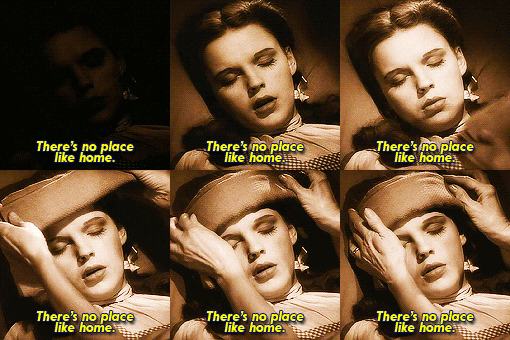
Not surprisingly, one song moved us to tears — “Over the Rainbow,” which Mr. Arlen wrote with Yip Harburg in 1938 for MGM’s masterpiece, The Wizard of Oz.
Filming for The Wizard Of Oz began on October 13 1938.
A month later Kristallnacht occurred in Germany, Austria and parts of Poland, Russia and the Czech Republic.
The emotional resonance of “Over The Rainbow” — written by two American-born, fully assimilated Jewish songwriters for a movie produced by a Jewish-owned film company — cannot have gone un-noticed at the time.
No wonder so many of us are still moved to tears by it, almost 80 years after it was written.
I love “Let Me Be Strong,” too.
Barbara Baig wrote it when she lived in Somerville, MA and was an active member of the Boston Association of Cabaret Artists (BACA).
I recorded it many years ago with Doug Hammer on piano at his wonderful Dreamworld studio in Lynn, MA, plus Gene Roma on drums and Chris Rathbun on bass.
Thank you, Barbara, for writing this song.
May all of our hearts remain open in the days and weeks to come… as we move through our joys and our fears here on planet earth.
Let us be strong.
Deep breath in.
Deep breath out.
Thank you to Pixabay for the photos.
And thank you to anyone who reads and listens to this blog post!