This Heart Of Mine…

Image by xiSerge from Pixabay

Thank you to everyone who continues to explore my blog even though I have not been posting a lot lately.

It is very exciting — and satisfying — to check my stats and see the many different blog posts people have visited during the past week.

One blog post which gets a surprising (to me) amount of traffic is about the composer Harry Warren.

He wrote the music for the song in the player at the beginning of this blog post along with lyricist Arthur Freed.

You can click here if you are curious to learn more about Harry Warren by reading my extremely loooong blog post from eight years ago (which also includes recordings of several of his hit songs).

Mr. Warren and Mr. Freed wrote “This Heart Of Mine” for a 1944 Metro-Goldwyn-Mayer (MGM) musical called the ZIEGFELD FOLLIES which starred Fred Astaire.

I think I first heard it sung by Judy Garland, who recorded it the following year for Decca Records.

Arthur Freed also wrote the lyrics for a bunch of other hit songs — such as “Singing In The Rain,” “You Are My Lucky Star,” and “Make ‘Em Laugh.”

You can click here to check out his Wikipedia page if you are curious to learn more about him.

I haven’t read any biographies about him (yet) but according to Wikipedia, he lived a fascinating life.
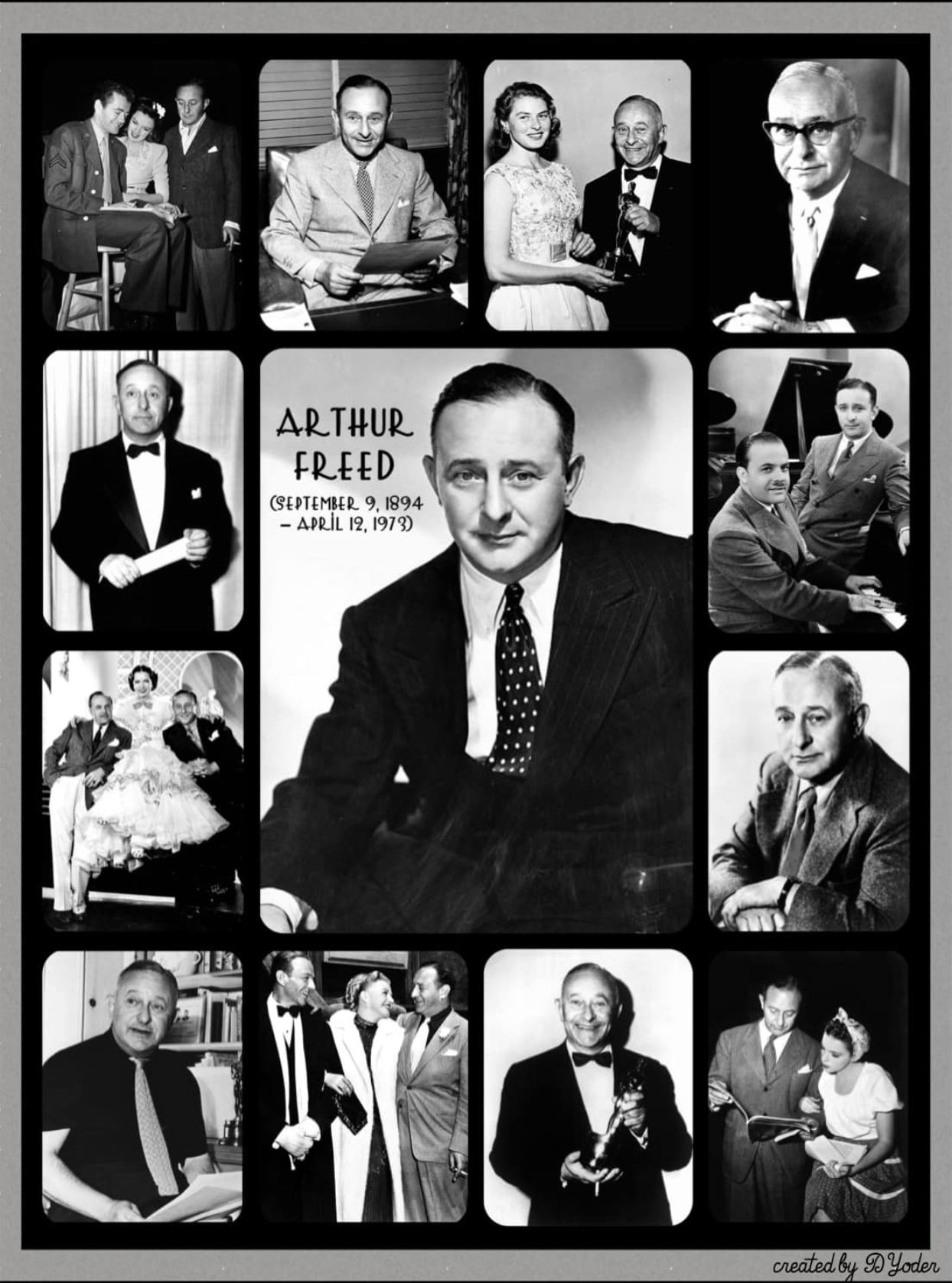
Composite Images of Arthur Freed by Diane Yoder

He was born in South Carolina in 1894, and ended up attending a very prestigious prep school in New Hampshire — Phillips Exeter Academy. I am guessing he was probably one of very few Jewish students on campus — and according to Wikipedia, he became interested in writing poetry there.

After prep school Mr. Freed ended up in Chicago and performed with early versions of the Marx Brothers act (!!!) in vaudeville.

He also wrote special material for them, which led to co-writing enough successful songs that Hollywood beckoned…and he was hired to write songs for early MGM musicals.

After many years at MGM, Freed transitioned from songwriter to producer, working (as an uncredited associate producer ) on THE WIZARD OF OZ and then officially producing his first movie, BABES IN ARMS.

Both of these films, as you probably know, starred Judy Garland.

Mr. Freed went on to produce many more of Garland’s movies including LITTLE NELLIE KELLY, FOR ME AND MY GAL, THE CLOCK, and MEET ME IN ST. LOUIS — which is where she met her second husband, the director Vincente Minnelli, whom Freed had brought from New York City to work at MGM.

According to Wikipedia, Freed hired great talent and then gave them free rein to do their thing — whether it was choreography, costumes, set design, songwriting, direction, etc.

He also gave himself free rein to do some very odd and abusive things, such as exposing his penis to a young Shirley Temple when she came for a visit to discuss doing a movie at MGM — and making sexual advances towards her mother as well.

Temple wrote about this incident in her autobiography — and apparently Mr. Freed experienced no censure as a result of his horrible behavior…

Deep breath in.

Image by Miroslav Kaclík from Pixabay

Deep breath out.

This reminds me of the ongoing conversations about Michael Jackson’s artistic and personal legacies…

Does one discard and avoid the music/art/products made by someone who does horrible things to other beings?

One of Mr. Freed’s most famous movies is SINGING IN THE RAIN, which re-used a bunch of his early hit songs.

Do we stop delighting in the the extraordinary dancing and singing of this movie because the producer was at times a perverse, abusive creep?

Perhaps this is something each one of us must decide for herself/himself…

I apologize for veering into this intense psychological and ethical territory.

I thought this blog post would be more light-hearted — to match the mood of the song.

However, human life is many-layered… full of contradictions, fallibility and mistakes.

Thank you to the (sometimes very flawed) songwriters who have given us wonderful music to lift our spirits year after year after year.
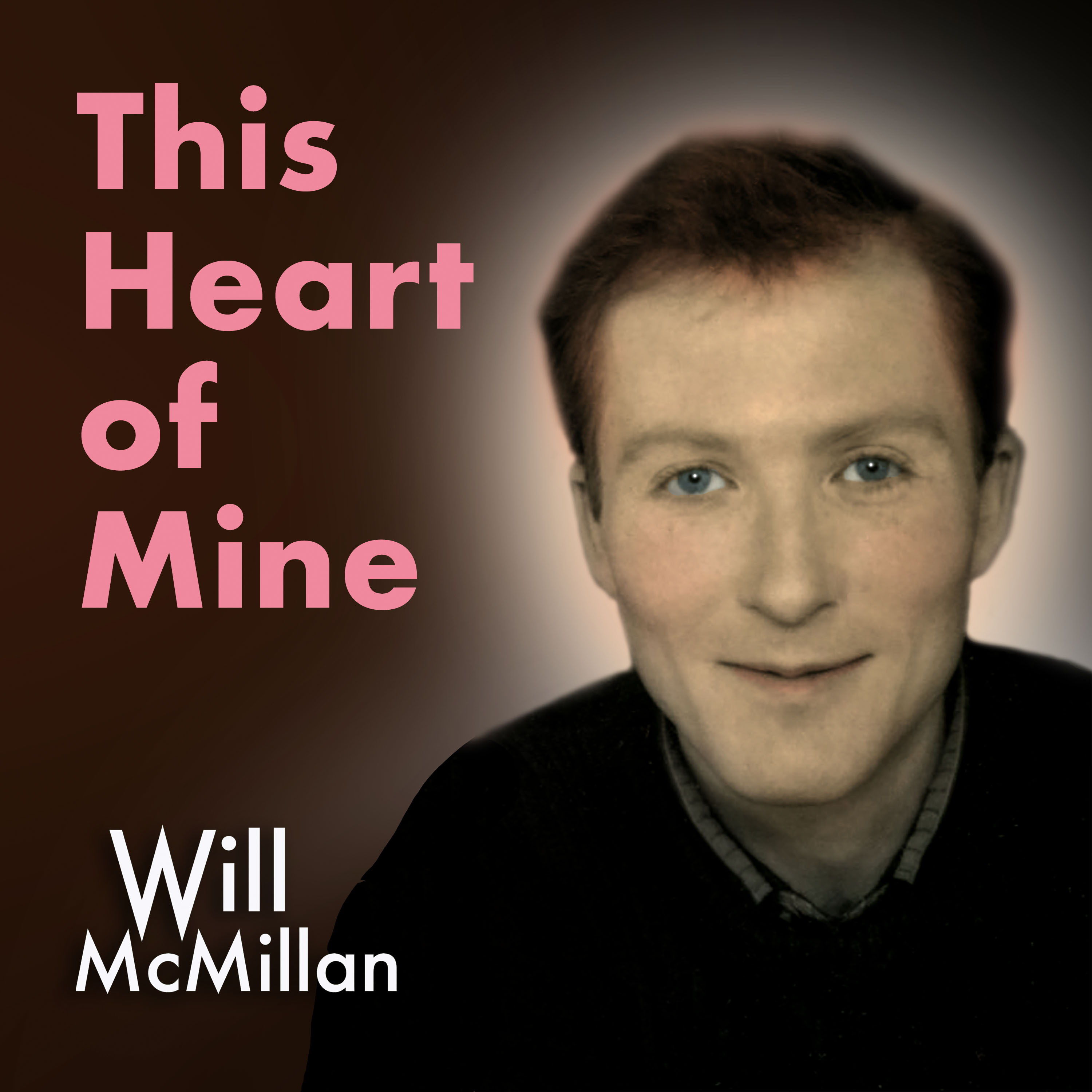
Graphic Design by Stephen C. Fischer

Thank you to pianist/producer Doug Hammer for his tremendous collaborative gifts.

Thank you to graphic designer Stephen C. Fischer for his ongoing work on behalf of my music.

Thank you to the photographers at Pixabay and to Diane Yoder for her composite image of Arthur Freed.

And thank YOU for reading and listening to another one of my blog posts.

If you’d care to stream this song — and maybe even “like” it — on your favorite music streaming platform, you are welcome to click here.

And you are always welcome to visit my website — and sign up for my very sporadic and under-utilized emailing list — by clicking here.
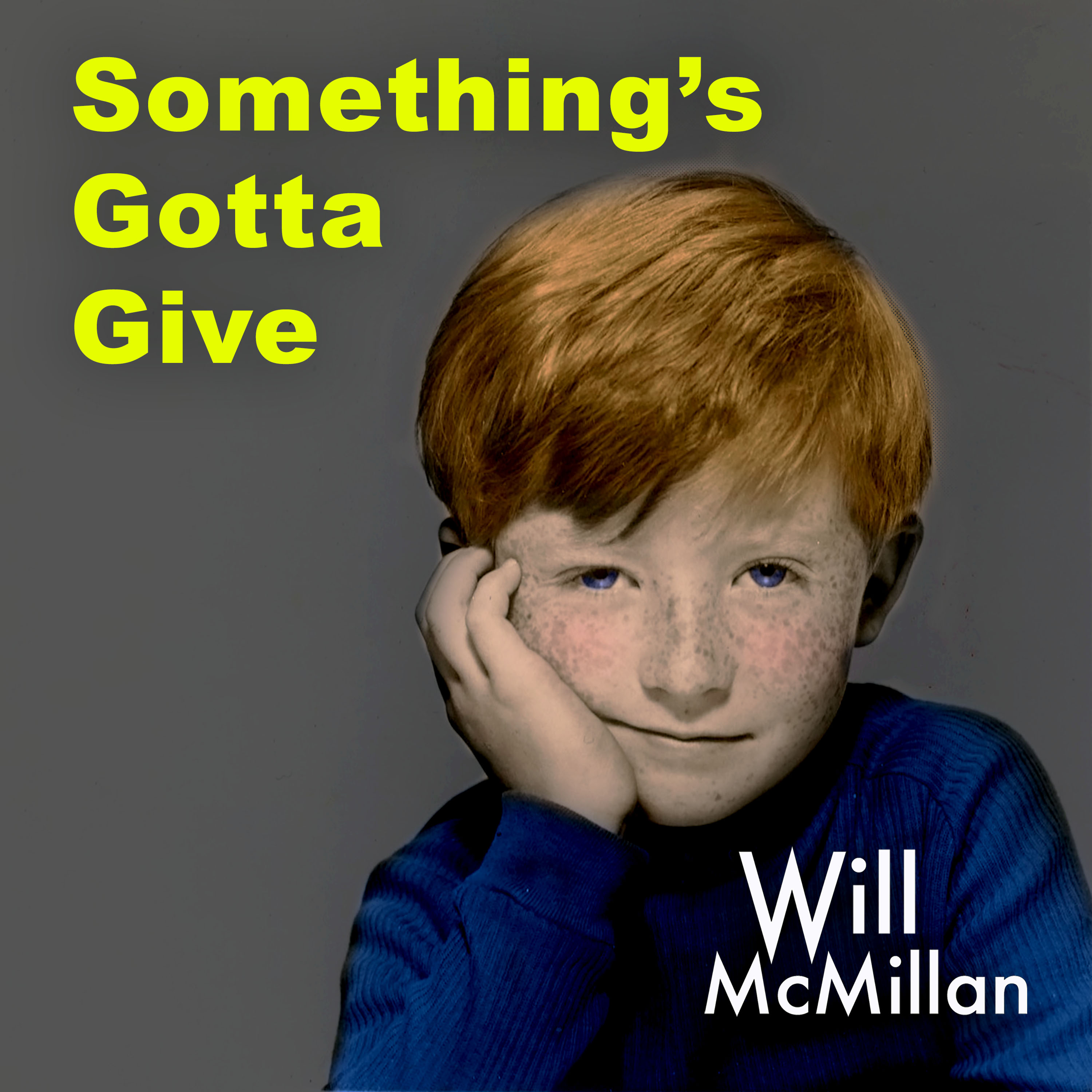
Something’s Gotta Give

Thank you to all the folks who continue to visit my blog despite the long gaps between new posts.

I just re-read my last one (written right after our most recent national elections).

It’s pretty grim.

Now we all bear witness to how the campaign promises — and threats — do or don’t become reality in the upcoming days, weeks, months and years.

Deep breath in.

Deep breath out.

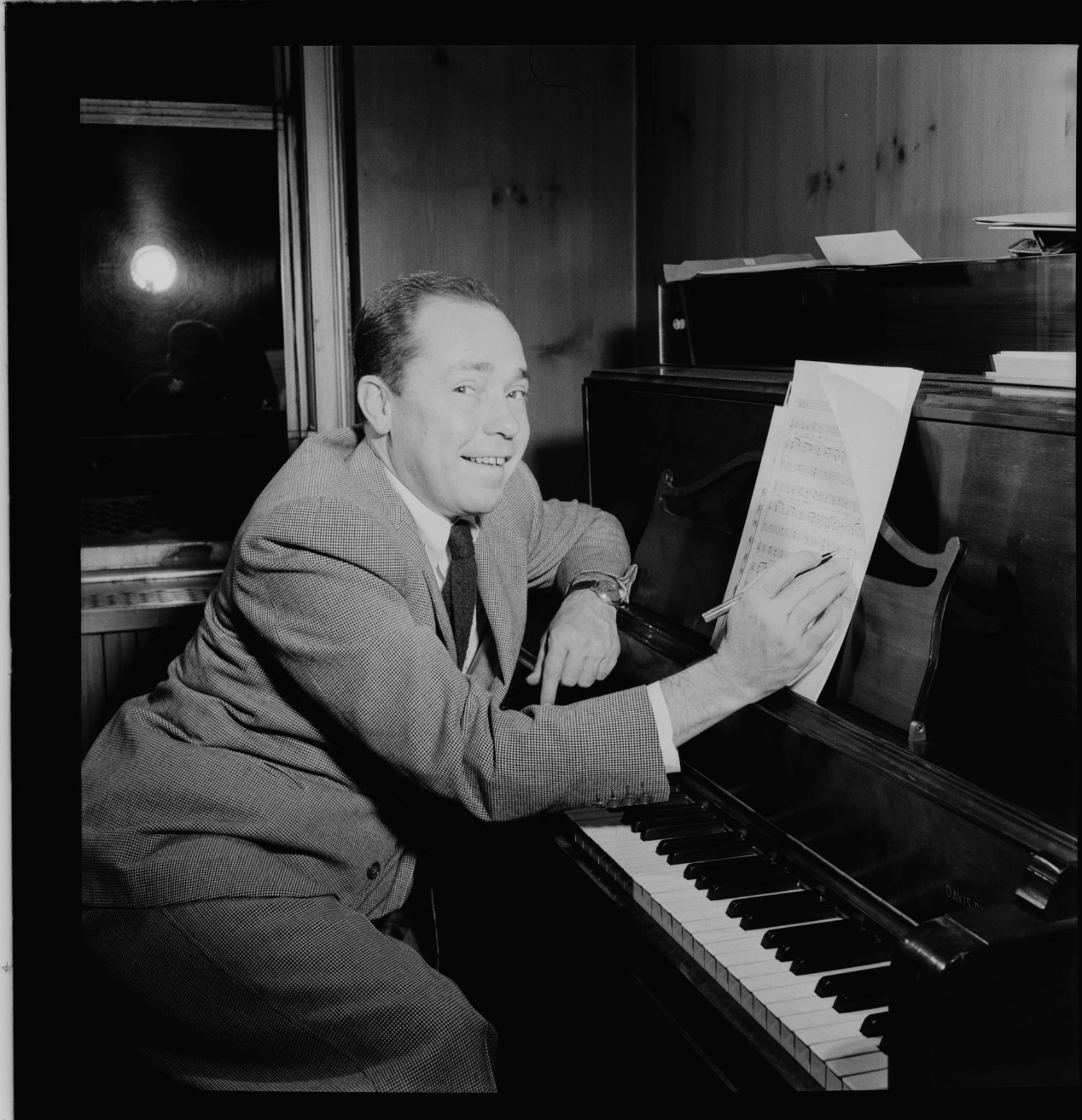
Johnny Mercer by William Gottlieb (late 1940s…)

Today’s blog post aims to be a little lighter in tone and features a song for which Johnny Mercer wrote both the melody and lyrics.

Most of the time, Mr. Mercer wrote the lyrics to other people’s melodies.

For example, he co-created “Skylark” with Hoagy Carmichael, “Come Rain or Come Shine” with Harold Arlen, “Hooray For Hollywood” with Richard Whiting, “Jeepers Creepers” with Harry Warren, and “Moon River” with Henry Mancini.

Other songs he co-wrote include “You Must Have Been A Beautiful Baby,” “In The Cool, Cool, Cool Of The Evening,” “Anyplace I Hang My Hat Is Home,” “One For My Baby (And One More For The Road),” “That Old Black Magic,” “On The Atchison, Topeka And The Santa Fe,” “Too Marvelous For Words,” “Autumn Leaves,” “Blues In The Night,” and “I’m Old Fashioned.”

And there are even more hits in his extraordinary catalog of songs — which you can skim by clicking here if you are curious.

Mr. Mercer was a Southerner, born on November 18, 1909 in Savannah, Georgia. From the 1930s to the 1960s he co-wrote over a thousand songs — for movies and for Broadway shows — and was nominated for 19 Academy Awards, winning four Oscars for best original song.

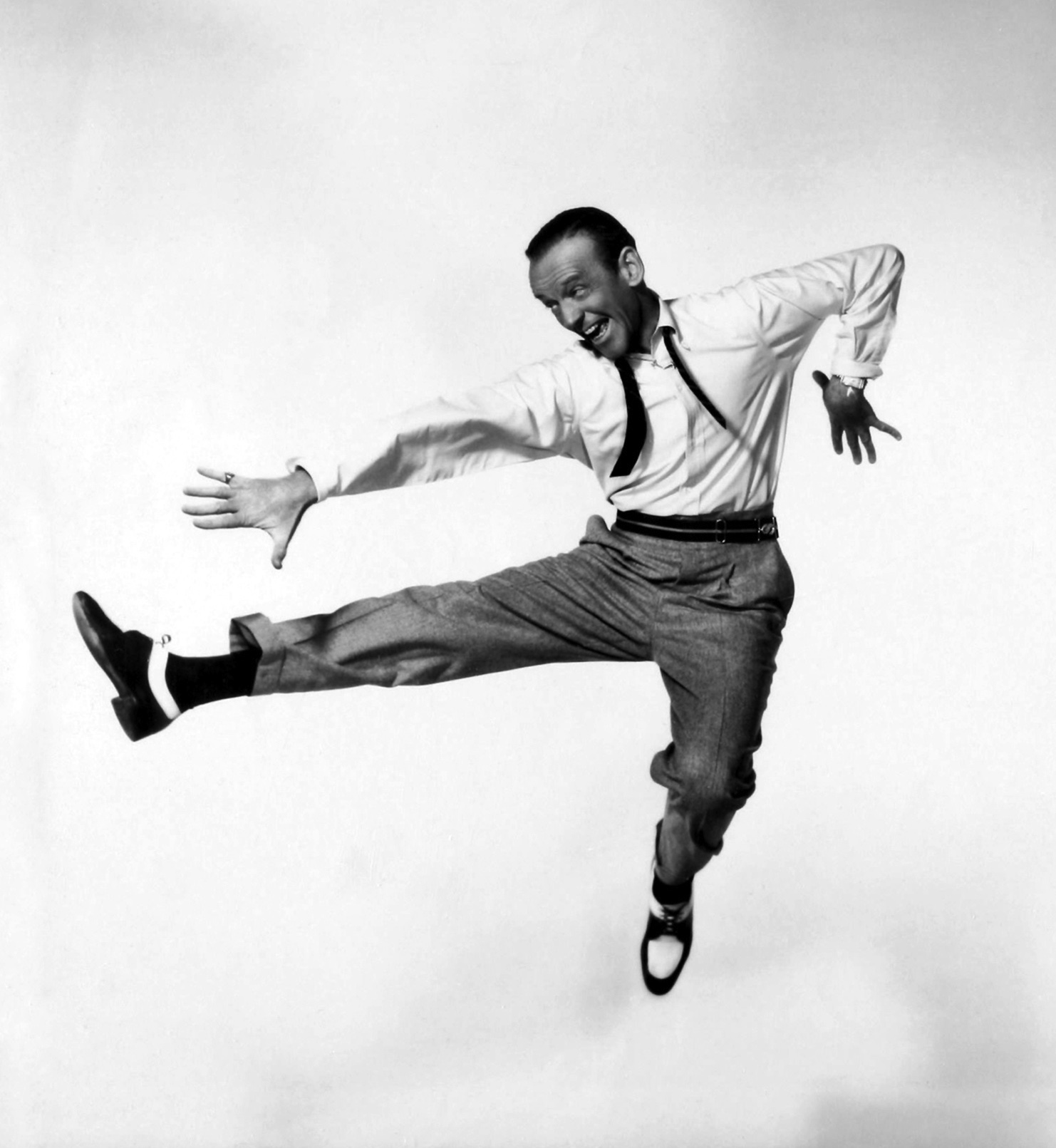
Fred Astaire (Publicity Photo for DADDY LONG LEGS)

And if it wasn’t enough to write or co-write so many great songs, Johnny also had a successful career as a recording artist himself.

And he co-founded Capital Records.

Yowza!

According to some biographers, he could also be a very mean drunk who developed a reputation for sending beautiful — and apologetic — flower arrangements to people whom he’d insulted at parties the previous night.

He wrote “Something’s Gotta Give” in the 1950s for Fred Astaire to sing in a movie called DADDY LONG LEGS which co-starred a very young Leslie Caron as his eventual love interest.

I am not a fan of 50+ year-old leading men romancing much younger women in movies (or in real life for that matter), but this stereotypical, male chauvinist theme shows no sign of being banished from popular culture.

However, DADDY LONG LEGS did give us a very upbeat song with a few lovely turns of phrase — such as “some heavenly star-spangled night…”

And I realized — after I recorded it — that this song also reminds me of the likelihood that many somethings are gonna give in the upcoming days and weeks and months and years here on planet earth.

Blooming Hyacinth

Another deep breath in.

And deep breath out.

I am planning to release a new recording — some originals and some covers — on a monthly basis for the rest of 2025.

And I am hoping to keep my blog posts shorter — and somewhat sweeter — than in previous years.

Here’s a lovely hyacinth bulb, which I bought at our local Trader Joe’s, blooming in my dining room.

I continue to be amazed at how an unpretentious, brownish bulb can — given some water and sunlight — differentiate itself into a vivid green stalk and lavish pink blossoms.

How is it possible?!

It is miraculous — and currently very aromatic!

Yet another deep breath in.

And deep breath out.

I will end with one more recent photograph — this one taken by my older sister of our younger sister’s culinary handiwork at a family gathering earlier this month.

Yum!!!

Eggs Benedict with new asparagus

The eggs were provided by a flock of black Australorp hens whom my sisters take care of on their farm (along with Icelandic sheep, a dog and several cats).

It turns out that chickens are astoundingly attuned to daylight.

As soon as the winter solstice happens each year, egg production by my sisters’ flock begins to rise (having tapered off during the autumn…)

And as soon as the sun starts to go down each day, all of my sisters’ chickens troop back inside their coop and start to roost for the night.

You will probably not be surprised to learn that commercial egg-producing companies (if I am remembering correctly) take advantage of this sensitivity and manipulate the light their hens experience each day to maximize egg production.

One more deep breath in.

And deep breath out.

Thank you for reading and listening to another one of my blog posts.

Thank you to Doug Hammer for his splendid piano accompaniment — on his glorious Schimmel grand piano — and for his expert musical production skills.

Thank you to Stephen C. Fischer for his graphic design (and to the professional photographer in NYC who took this photo of me many decades ago…)

Thank you to Johnny Mercer for writing this song — and to Fred Astaire for inspiring him to write it.

And thank you to anyone who is moved to stream my recording of “Something’s Gotta Give” on Youtube, Pandora, Spotify, Apple Music, Tidal, Deezer, etc. by clicking here.

Every stream — and especially every thumbs up — helps to improve the likelihood that the mysterious algorithms of these various streaming services will share my music with new listeners!

And as always, I welcome any comments below!

I Believe In Love, Alfie…

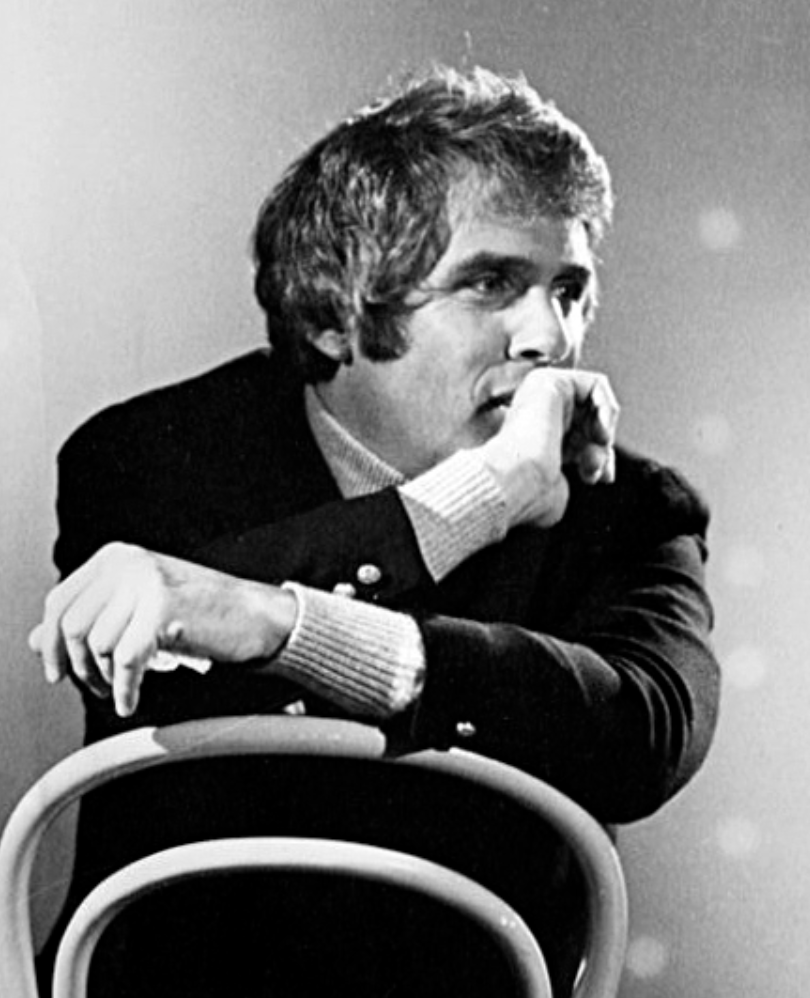
Burt Bacharach (courtesy of Wikimedia)

The songwriters Burt Bacharach (music) and Hal David (lyrics) wrote a bunch of great songs together starting in the late 1950s through the early 1970s.

Today I am focusing on their beautiful anthem, “Alfie” (in the player at the top of this blog post).

As I have mentioned in past blog posts, I perform one-hour programs of music which feature a particular lyricist or composer at retirement communities, libraries, synagogues, coffee houses, and memory cafes around the greater Boston area with the help of two different pianists, Joe Reid and Molly Ruggles.

And due to the aging Baby Boomer demographic bulge, a LOT of new retirement communities have been built in Massachusetts in the past 10-20 years.

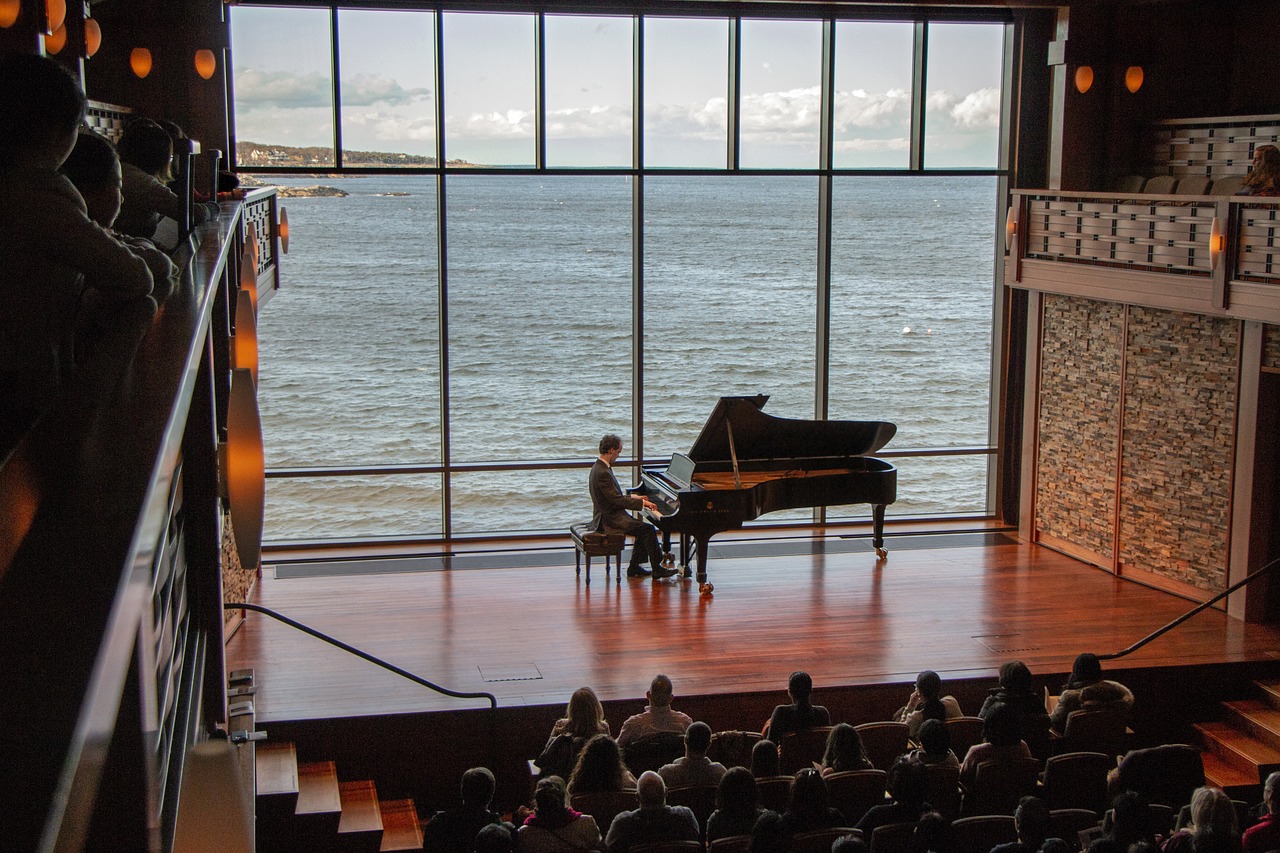
Most of them — hurrah! — still have real pianos in their community rooms (or auditoriums in the fancier places…)

And they book a significant amount of musical entertainment for their residents.

Some places we visit just once per year.

Image by Jewelia from Pixabay

Other places book us 4-7 times per year.

What’s lovely about doing more frequent musical visits is that we get to become better acquainted with the music-loving residents in their community.

And we have found (no surprise!) that music has an uncanny power to re-ignite memories — which, if we are lucky, the residents will share with us as we are packing up.

Some people’s memories are family-specific and often very poignant — a particular song was played at their parent’s wedding… or was the favorite song of a sister/brother/cousin… or is the song that always reminds them of a specific moment in high school.

One woman, the youngest child in a family of six, shared with us that her beloved older brother had recorded a version of “I’ll Be Home For Christmas” as a present to bring home with him right before he was killed serving in WWII.

That song had become a sacred — and heart-breaking — hymn for her and her family.

She was moved to tears telling us about it almost eighty years after her brother’s death.

And we were honored to listen to her tell us about the significance of this song in her life.

Deep breath in.

Deep breath out.

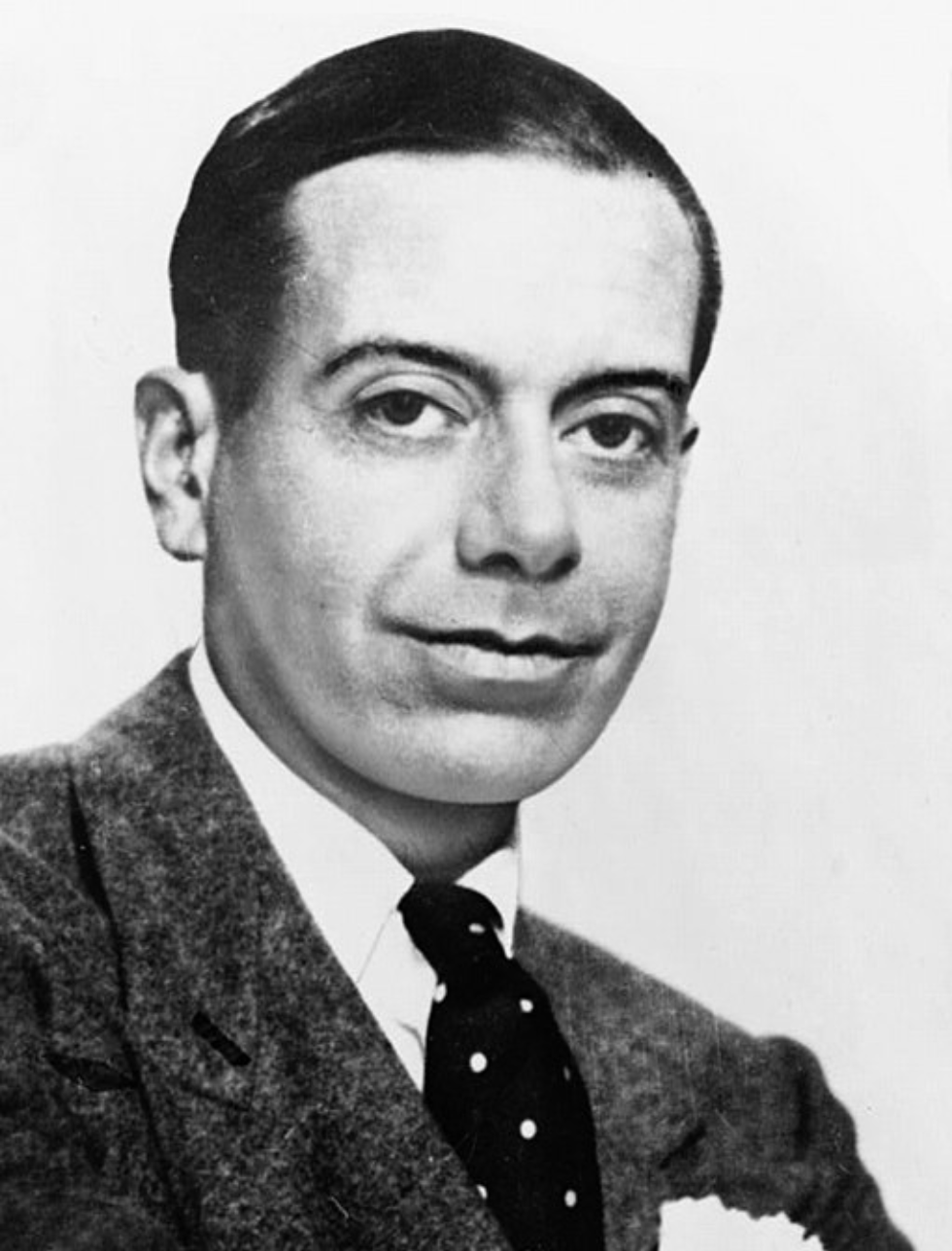
Cole Porter (courtesy of Wikimedia)

Joe Reid and I started ten years ago with a program of songs composed by Harold Arlen.

Then a resident at one of the places we performed that first show asked us to create a program of Cole Porter songs.

And then the Program Director at one retirement community lent us her favorite CD compilation of Hoagy Carmichael songs.

The work of one great lyricist/composer keeps leading us to another!

So far we’ve put together hour-long programs featuring the songs of Harold Arlen, Cole Porter, Hoagy Carmichael, the Gershwin Brothers, Jerome Kern, Dorothy Fields, Oscar Hammerstein, Lorenz Hart, Irving Berlin, Yip Harburg, Frank Loesser, Johnny Mercer, Sammy Cahn, Jule Styne, and Harry Warren.

We’ve also created programs of songs written for great performers including Fred Astaire, Ethel Merman, Bing Crosby and Judy Garland.

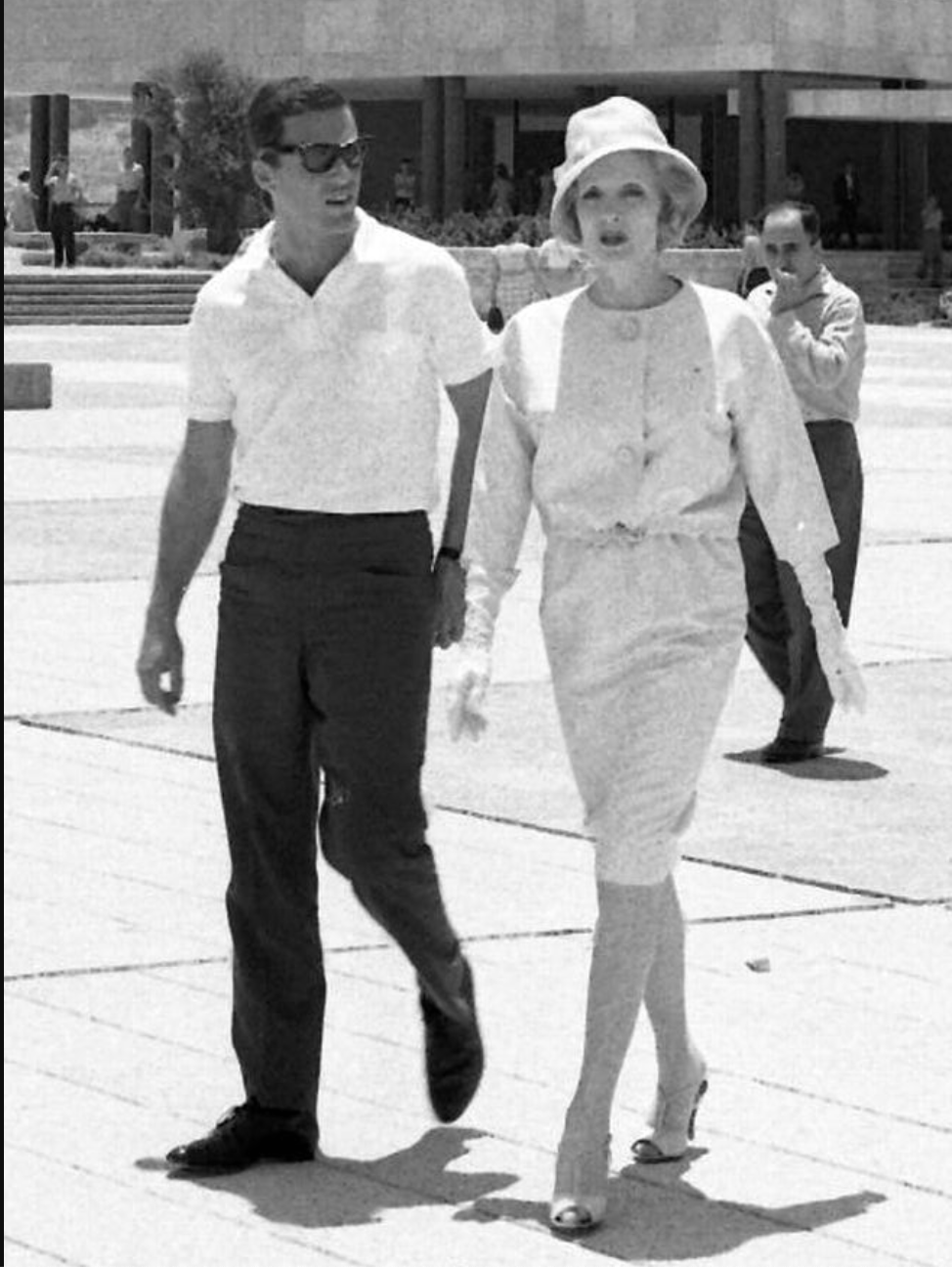
Burt and Marlene in Israel (photo by Fritz Shlezingel — courtesy of Wikimedia)

And now we are venturing beyond music written during the 1920s-1950s — which is what has led us to the songs of Burt Bacharach.

Mr. Bacharach had a long and fascinating life.

His public profile as a pianist, arranger and composer rose significantly after Marlene Dietrich asked him to become her accompanist/band leader — which he did off and on for many years in countries around the world.

I have read Mr. Bacharach’s memoir, and he respectfully insists that his relationship with Ms. Dietrich was never sexual — although it appears that she would have liked it to be.

She championed his music, however, and sometimes would take care of him by cleaning his apartment and then preparing him a home-cooked meal.

According to Burt, she also helped him to juggle ongoing trysts and affairs with a wide variety of women while they were on the road together.

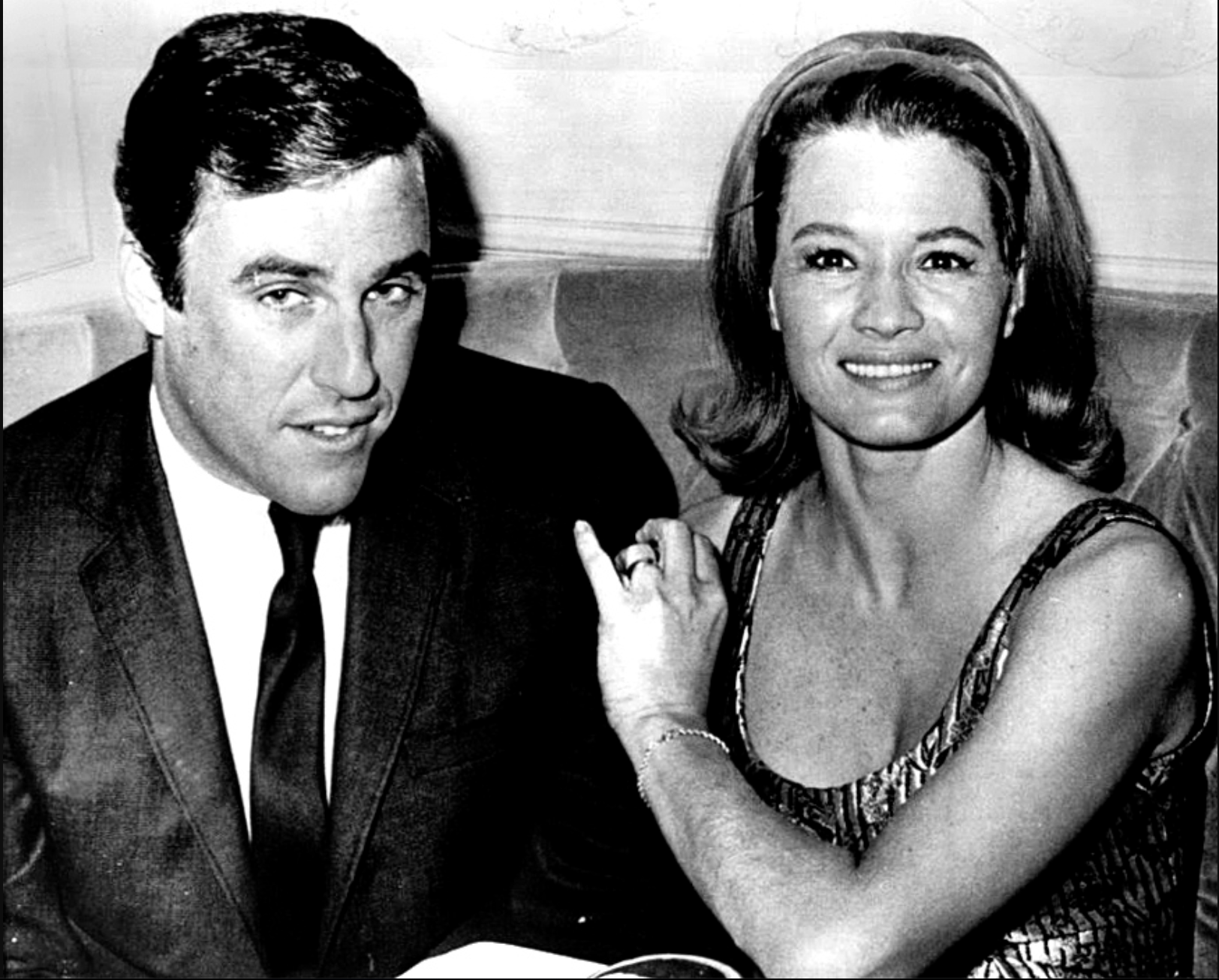
Another woman who played a significant role in Burt’s life was Angie Dickinson, who became his second wife and whose success and connections as a movie star are what led to Burt’s first film scoring opportunities.

Burt and Angie (courtesy of Wikimedia)

Some of Burt’s most beloved songs were created for the movies, including “The Look of Love” (for Casino Royale), “Raindrops Keep Falling On My Head” (for Butch Cassidy and the Sundance Kid), and “Arthur’s Theme — The Best That You Can Do” (for Arthur).

In 1966 Burt and Hal David were asked to write something to play over the closing credits of a British film starring Michael Caine.

Hal and Burt read the script, and then Hal wrote a lyric inspired by something that Michael Caine’s character says at the very end of the film which Burt then set to music.

Cilla Black recorded “Alfie” for the British release of the movie, and version by Cher — of all people — was used when the film was released in the USA.

Bacharach and David’s muse Dionne Warwick also recorded her own version which became a big hit — and since then it has been recorded by thousands of people, including me and the pianist Doug Hammer.

Just over ten years ago I wrote a blog post which featured our recording of this song. You can click here to read (or re-read) it if you are curious.

Although we human beings continue to do horrific, greedy, short-sighted, ignorant and evil deeds on a daily basis here on planet earth, I remain a fan of love and kindness — as does the narrator in this song.

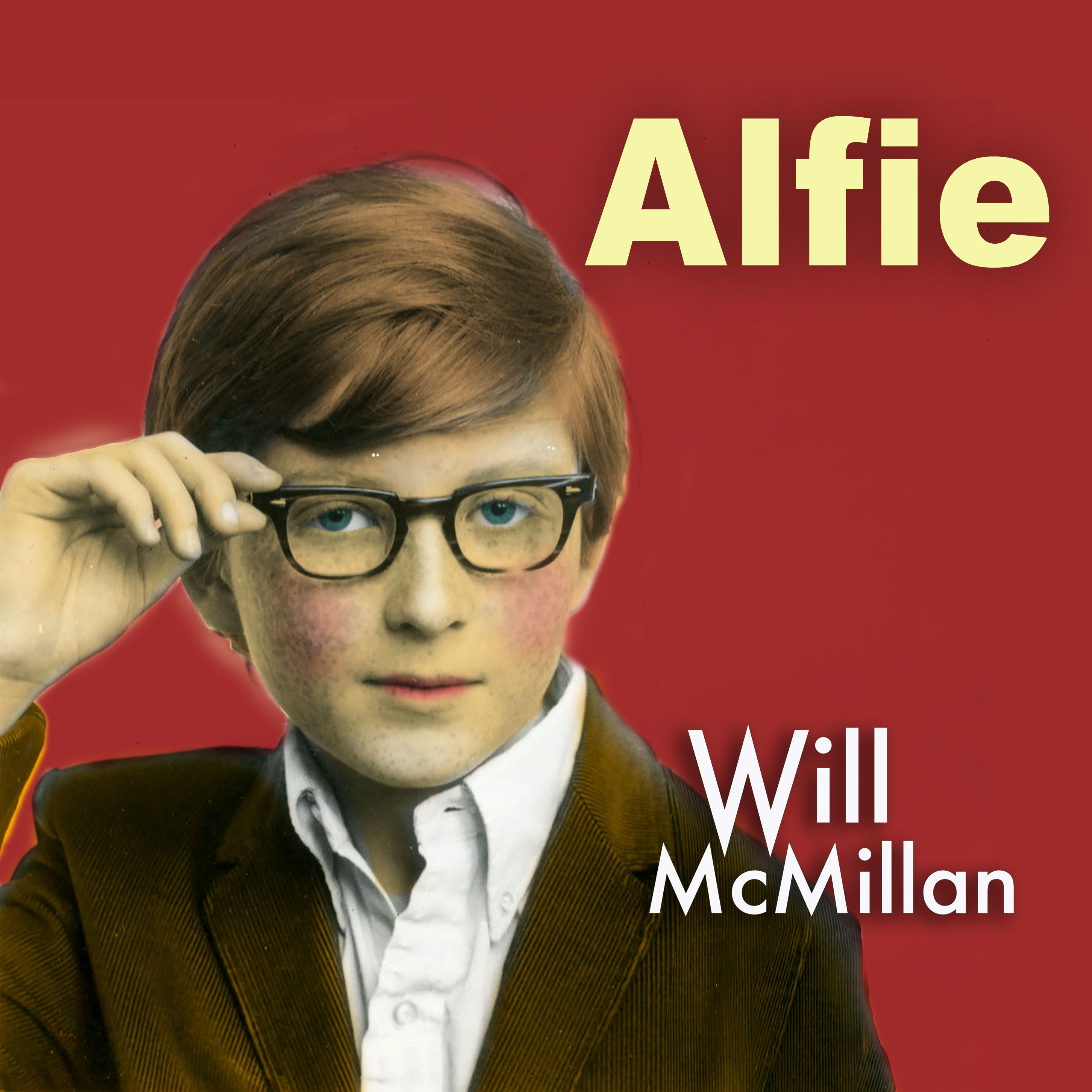
Thank you to the photographer who took this Michael Caine-esque photo of me in the late 1960s when I was working professionally as a child (doing commercials, modeling jobs, and voice-overs) in NYC.

Thank you to Stephen Fischer for incorporating it into a graphic design for this song release.

Image by Jm TD from Pixabay

Thank you to Doug Hammer for his beautiful piano playing and excellent engineering/producing chops.

Thank you to the photographers at Pixabay and Wikimedia for their beautiful images.

And thank YOU for reading and listening to another one of my blog posts.

If you like this song well enough to listen to it again, you are welcome to stream it by clicking here.

And you are always welcome to visit my non-blog, musical website by clicking here.