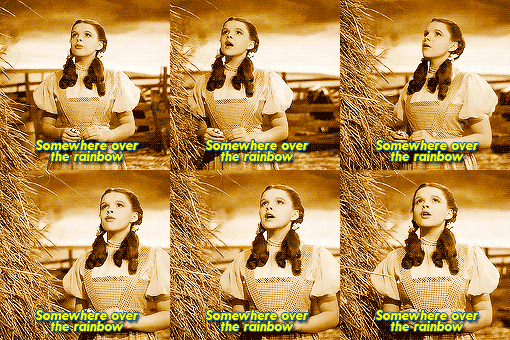
I recorded this sweet song as part on an hour-long program of music written for — or strongly identified with — Judy Garland.
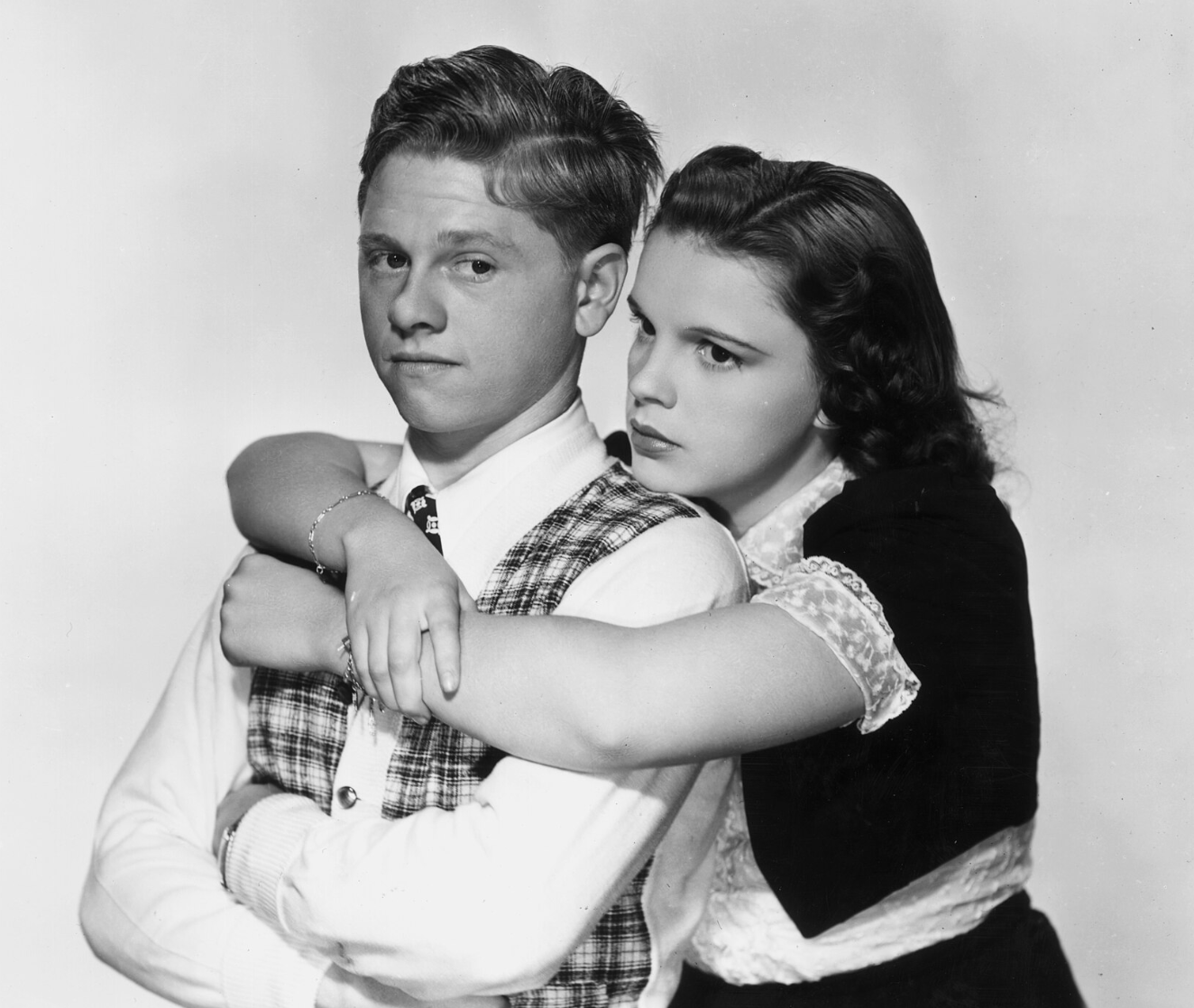
It was written by Burton Lane and Ralph Freed for her and Mickey Rooney to perform in the 1941 MGM movie BABES ON BROADWAY.
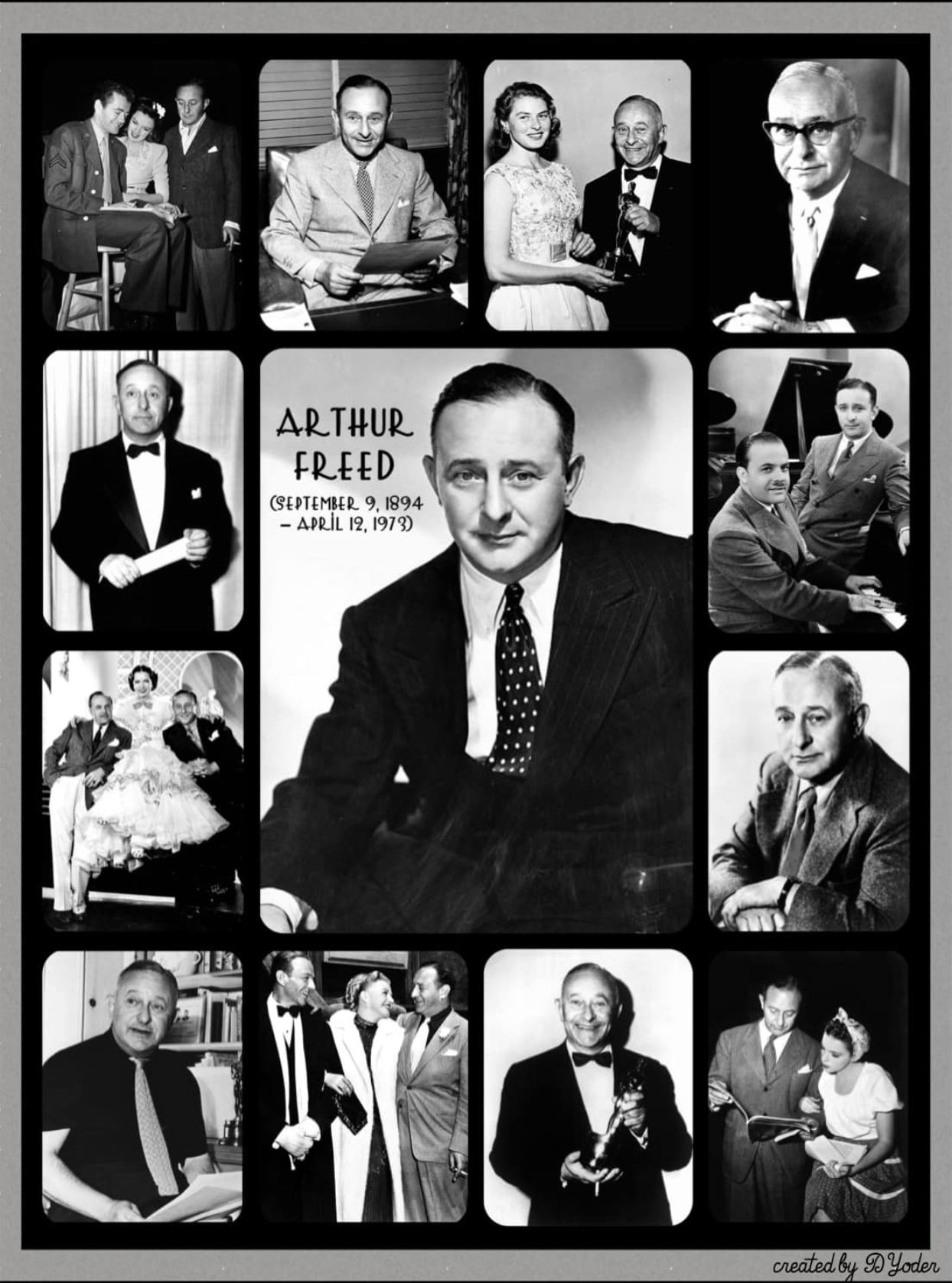
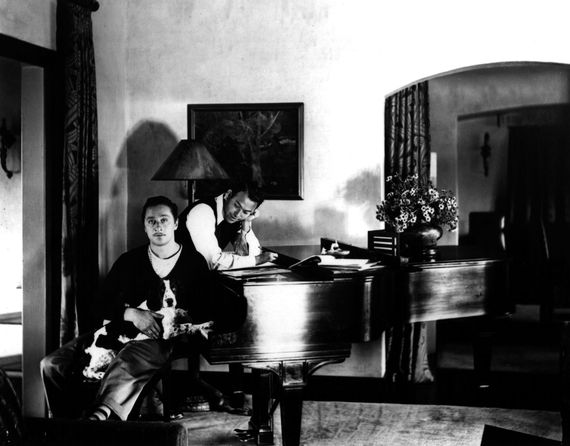
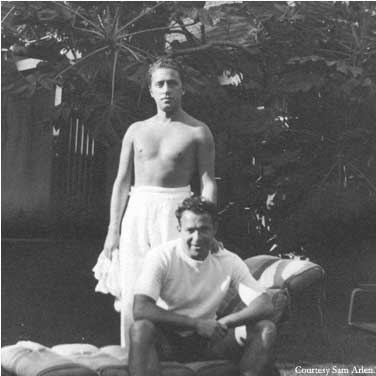
I learned from Wikipedia that the lyricist, Ralph Freed, was the baby brother of producer/lyricist Arthur Freed, who co-wrote the song “This Heart Of Mine” which I featured in a recent blog post,
Having spent a fair amount of time — especially during the summer — in Manhattan as a child and teenager, I savor all of the geographical references in the lyrics.
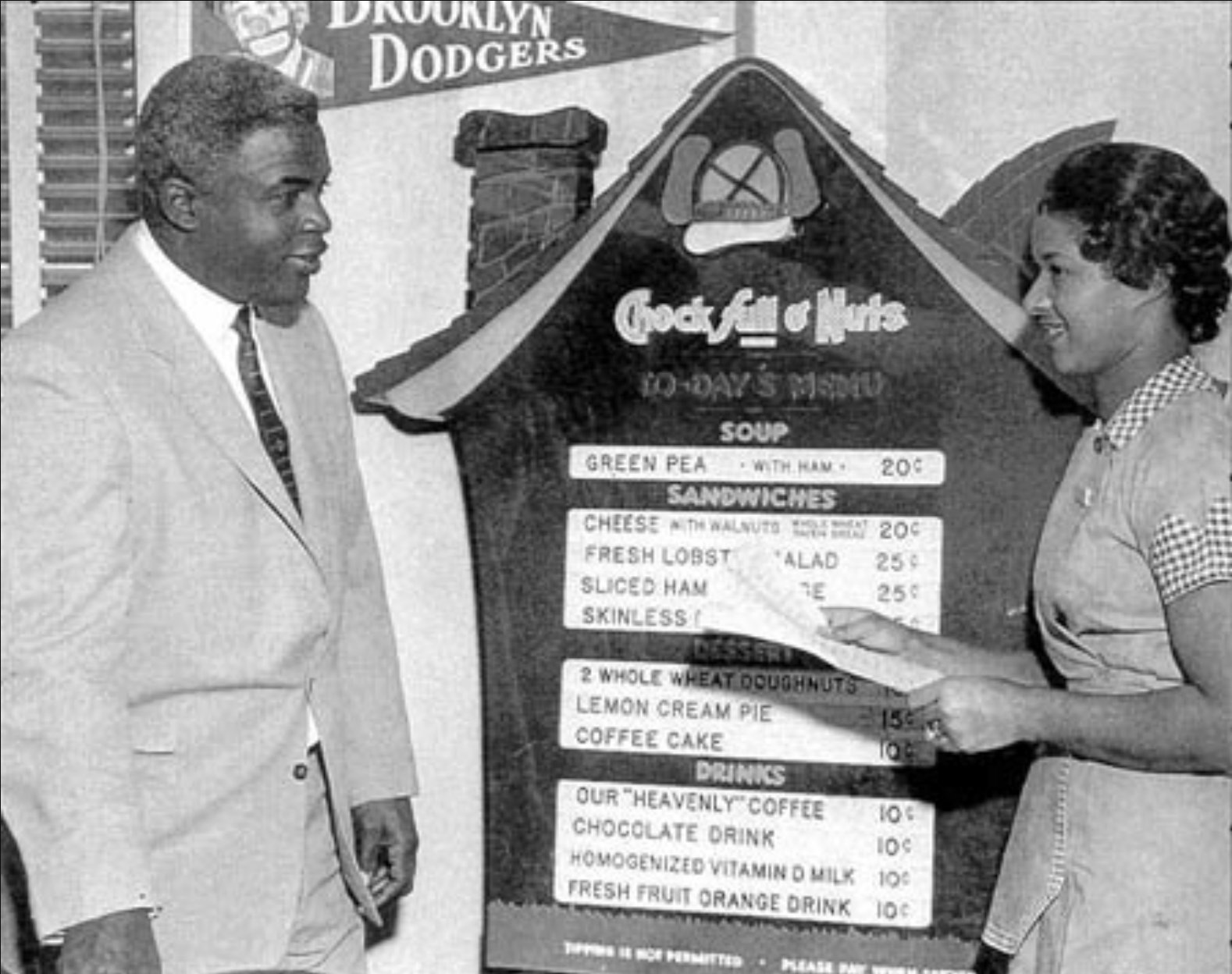
I only wish they had mentioned Chock Full o’ Nuts, my favorite place to get a burger (with ketchup, mustard and relish) plus a big orange drink — which was a mixture of orange juice, sugar and water, I think, churning endlessly in a big, glass dispenser until it was sold to thirsty customers.
Chock Full o’ Nuts started during the roaring ’20s as a chain of — no surprise — nut shops.
But when the Depression hit, the owner William Black pivoted and turned his stores into lunch counters where — according to Wikipedia — one could buy a cup of coffee and a cream-cheese-with-chopped-nuts sandwich for five cents.
Jackie Robinson with a fellow Chock Full o’ Nuts employee
And his coffee proved to be so popular that he started selling it for people to make at home or in their office.
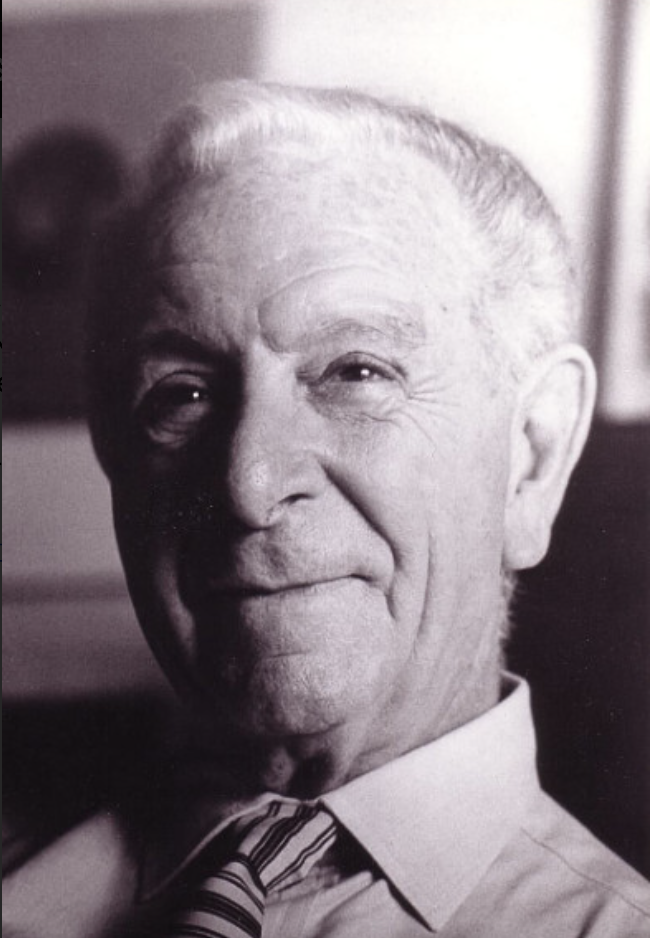
William Black — whose last name was originally Schwartz (which means black in Yiddish) — seems to have been a somewhat progressive employer.
Most of his company’s cooks and waitstaff were African-American, and when baseball superstar Jackie Robinson retired from playing, he became a vice president and director of personnel at Chock Full o’ Nuts.
Mr. Black was married to two female singers (not at the same time…) who performed his company’s radio and TV jingles. His second wife also became very involved with their family’s philanthropic efforts.
They gave millions of dollars to medical research and helped to start the Parkinson’s Disease Foundation.
And there is even a William Black medical research building at Columbia University’s medical center (Mr. Black was a Columbia alum…)
But back to “How About You?”.
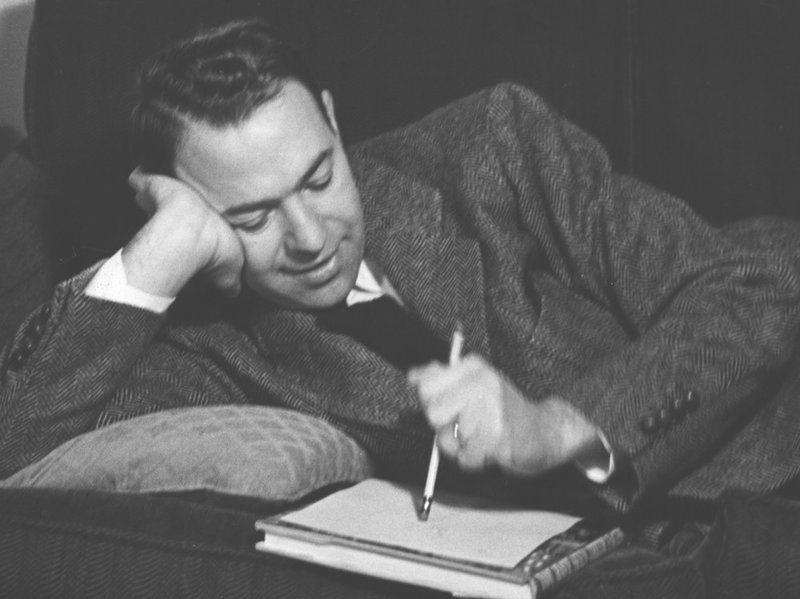
Burton Lane
Burton Lane was a very successful composer — originally from Manhattan — who worked at various movie studios in California.
Interspersed with his time in Hollywood, he co-wrote songs for Broadway shows including FINIAN’S RAINBOW (with Yip Harberg) and ON A CLEAR DAY YOU CAN SEE FOREVER (with Alan Jay Lerner).
He is also one of several people who claim credit for bringing Judy Garland to the attention of the powers-that-be at MGM after he saw her perform with her two older sisters at the Paramount Theatre in Los Angeles.
So not only do we have Mr. Lane to thank for the great songs he co-wrote, we also can (at least partially) thank him for helping to bring Judy Garland and her extraordinary gifts as a performer to a much wider audience.
I would also like to thank Doug Hammer for his playful piano impulses and painstaking production skills as well as Stephen C. Fischer for his patient and collaborative graphic design work.
If you’d like to stream our version of “How About You?” you can click here.
Every stream, every “like,” and every “save” encourages the mysterious algorithms of the digital music platforms to share a recording with other potential listeners.
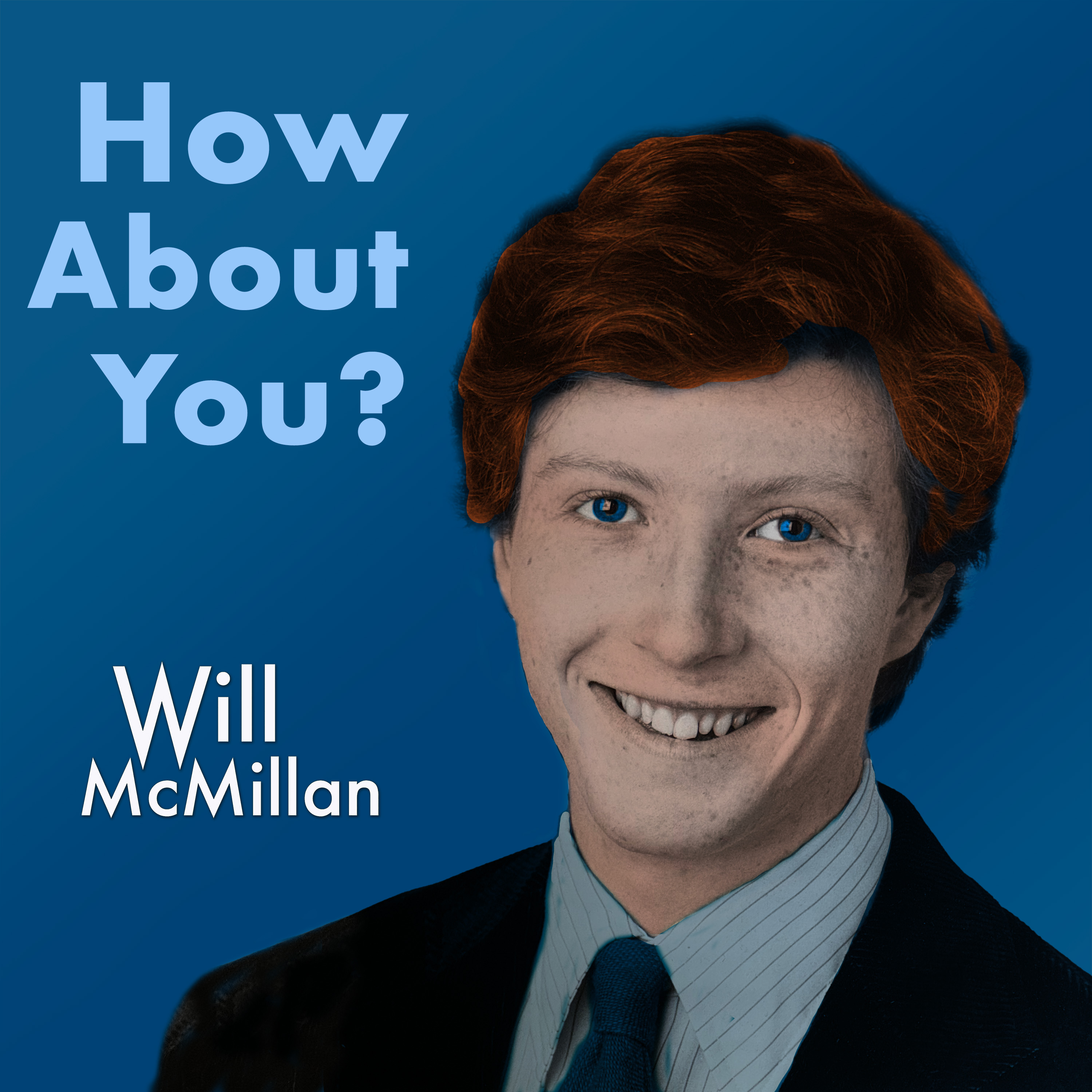
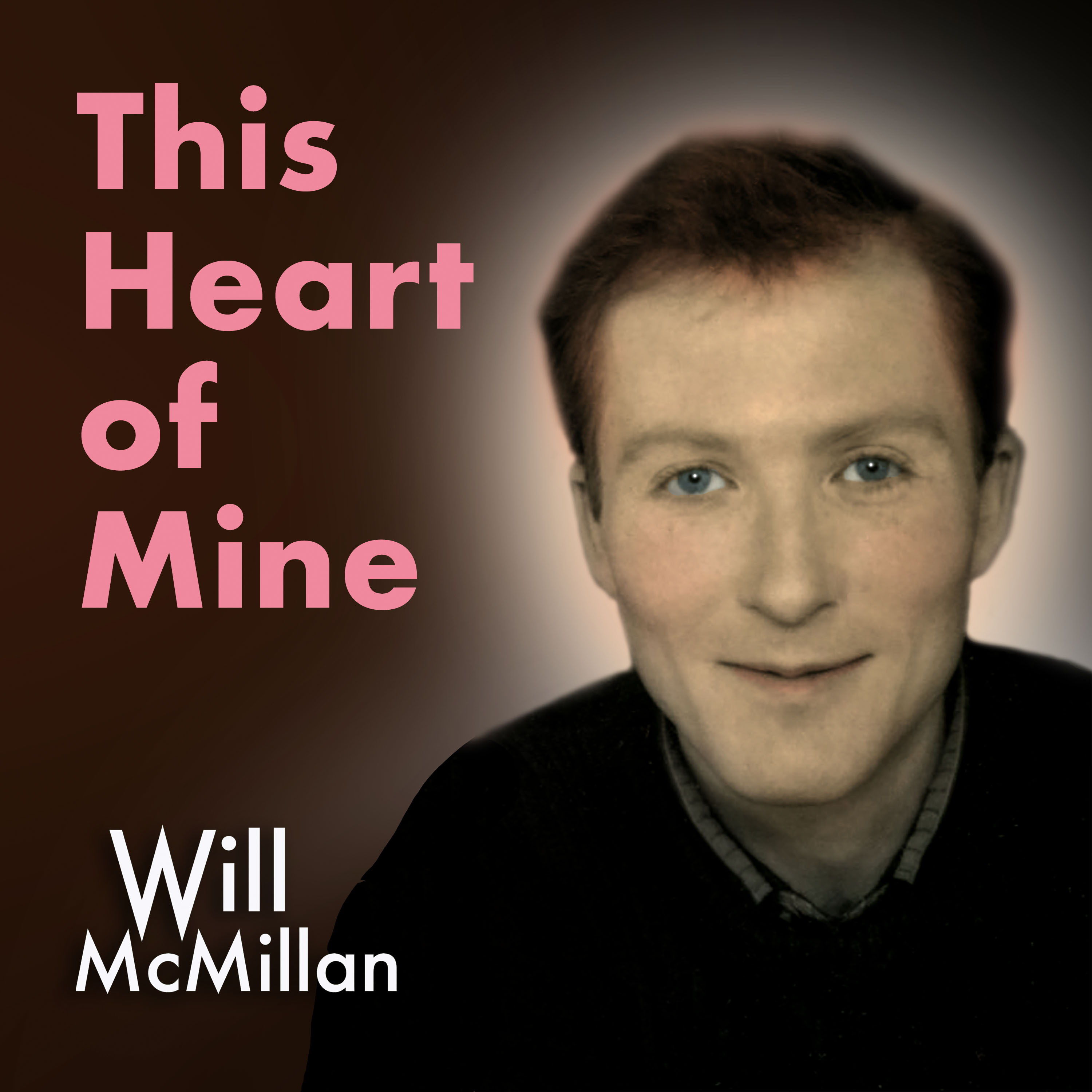
Here’s the graphic for “How About You?” which features what was probably my last professional headshot as a teen performer in NYC.
One final note…
As I was drafting this blog post, the New York Knicks were engaged in an extraordinary series of basketball games which culminated in them becoming NBA champions.
I especially like New York in June when the Knicks win the NBA playoffs after a 53 year drought!
How about you?
Although I am not a big basketball fan, I became swept up in the drama and virtuosity of the NBA playoffs.
Twice I went to bed early — thinking the Knicks had lost — and awoke to discover that they had triumphed.
Wow!
Oh, me of little faith…
Since their victory, I have been savoring the enthusiasm of the Knicks’ fans — in NYC and around the country.
Jalen Brunson
And I love what one of their star players Jalen Brunson said following their record-breaking comeback from 29 points down to win game four.
“You’re allowed to think about the worst possible scenario, but you gotta go out there and do something about it.”
Deep breath in.
Deep breath out.
Those are great words to live by…
Thank you, Knicks, for bringing millions of us — from many different political and cultural and ethnic backgrounds — together during this challenging time here on planet earth.
You gave — and continue to give — us hope and joy and inspiration.
And THANK YOU to everyone who is willing to read and listen to yet another one of my blog posts.
Mr. Warren and Mr. Freed wrote “This Heart Of Mine” for a 1944 Metro-Goldwyn-Mayer (MGM) musical called the ZIEGFELD FOLLIES which starred Fred Astaire.
I think I first heard it sung by Judy Garland, who recorded it the following year for Decca Records.
Arthur Freed also wrote the lyrics for a bunch of other hit songs — such as “Singing In The Rain,” “You Are My Lucky Star,” and “Make ‘Em Laugh.”
I haven’t read any biographies about him (yet) but according to Wikipedia, he lived a fascinating life.
Composite Images of Arthur Freed by Diane Yoder
He was born in South Carolina in 1894, and ended up attending a very prestigious prep school in New Hampshire — Phillips Exeter Academy. I am guessing he was probably one of very few Jewish students on campus — and according to Wikipedia, he became interested in writing poetry there.
After prep school Mr. Freed ended up in Chicago and performed with early versions of the Marx Brothers act (!!!) in vaudeville.
He also wrote special material for them, which led to co-writing enough successful songs that Hollywood beckoned…and he was hired to write songs for early MGM musicals.
After many years at MGM, Freed transitioned from songwriter to producer, working (as an uncredited associate producer ) on THE WIZARD OF OZ and then officially producing his first movie, BABES IN ARMS.
Both of these films, as you probably know, starred Judy Garland.
Mr. Freed went on to produce many more of Garland’s movies including LITTLE NELLIE KELLY, FOR ME AND MY GAL, THE CLOCK, and MEET ME IN ST. LOUIS — which is where she met her second husband, the director Vincente Minnelli, whom Freed had brought from New York City to work at MGM.
According to Wikipedia, Freed hired great talent and then gave them free rein to do their thing — whether it was choreography, costumes, set design, songwriting, direction, etc.
He also gave himself free rein to do some very odd and abusive things, such as exposing his penis to a young Shirley Temple when she came for a visit to discuss doing a movie at MGM — and making sexual advances towards her mother as well.
Temple wrote about this incident in her autobiography — and apparently Mr. Freed experienced no censure as a result of his horrible behavior…
As you may remember — or perhaps you have blocked it out of your memory in order to be able to move on with your life — three years ago things were not going well in the USA.
Many hospitals were overwhelmed by COVID — with dead bodies being stored in refrigerated trailer trucks until funeral homes and crematoria could catch up with the demand for their services.
And 2023 has brought new challenges — and tragedies — into our lives here on planet earth.
Deep breath in.
Deep breath out.
Wars continue to grind along, destroying human lives along with the lives of countless other beings caught in the cross fire. Pollution continues to seep into every ecosystem here on planet earth. Climate change continues to increase with catastrophic consequences.
My heart goes out to anyone who is feeling hopeless, who is feeling distraught, who is feeling alone, or who is feeling unloved during this holiday season.
And although I am fortunate to have a life partner + family + friends with whom I can gather during the holidays, I can vividly remember how heart-broken and grief-stricken I felt when the first big love of my life chose to end our relationship many decades ago…
Image by Scott Wynn
“After The Holidays” taps into those feelings of raw desperation.
Here is a link to my version “After The Holidays“ in case you might like to stream it.
And as I have explained before, if you “like” one of my songs or add it to one of your playlists, that will improve the algorithmic sharing of my music.
Thank you to the John Meyer for writing such a moving song.
Thank you to Doug Hammer for playing so sensitively on my version of John’s song AND for being such a diligent engineer/producer.
Rain is forecast for Christmas Day, which will probably melt the snow that fell last week.
Lot of folks are curtailing their holiday plans and modifying — or outright cancelling — long-standing family traditions in response to the fact that hospitals around the USA are again overloaded with Covid-19 cases.
And the infection numbers just keep rising…partly due to all the traveling that folks did a few weeks ago during Thanksgiving.
And the refrigerated trailer trucks parked outside of hospitals continue to fill up with the bodies of folks who have died — with no friends or family members at their side — as a result of this public health tragedy.
This is sad on so many levels.
Deep breath in.
Deep breath out.
Even in the best of years, winter holidays can be a very difficult time for some of us.
I read a couple of blog posts by my fellow bloggers this morning while I was avoiding other tasks on my “to do” list.
Clare from North Suffolk in England shared a bit about the challenges her family is facing this year, especially those who already experience high levels of anxiety about life here on planet earth.
She writes: “The damage all this isolation and lock-down is doing to so many people, physically, mentally and financially is unimaginably great…”
Another deep breath in.
And deep breath out.
Clare’s blog post reminded me of this song, written by John Meyer (in the audio player above).
I do not remember when I first heard “After The Holidays.”
Judy Garland performed it on The Tonight Show with Johnny Carson in 1968 — and many copies of that performance can be found on YouTube.
I am guessing that it was included on some sort of Judy Garland compilation CD — released long after her death in 1969 — which I ended up listening to…
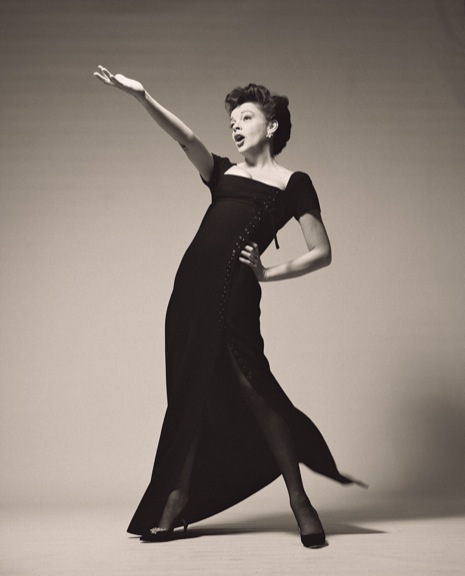
Here is Judy in 1963, photographed by Richard Avedon.
The man who wrote the song, John Meyer, had an intense, three-month-long relationship with Judy when he was starting his career as a writer.
He chronicles it in a very vivid book he wrote called Heartbreaker.
I think his relationship with Judy ended when she got serious about another man, Mickey Deans.
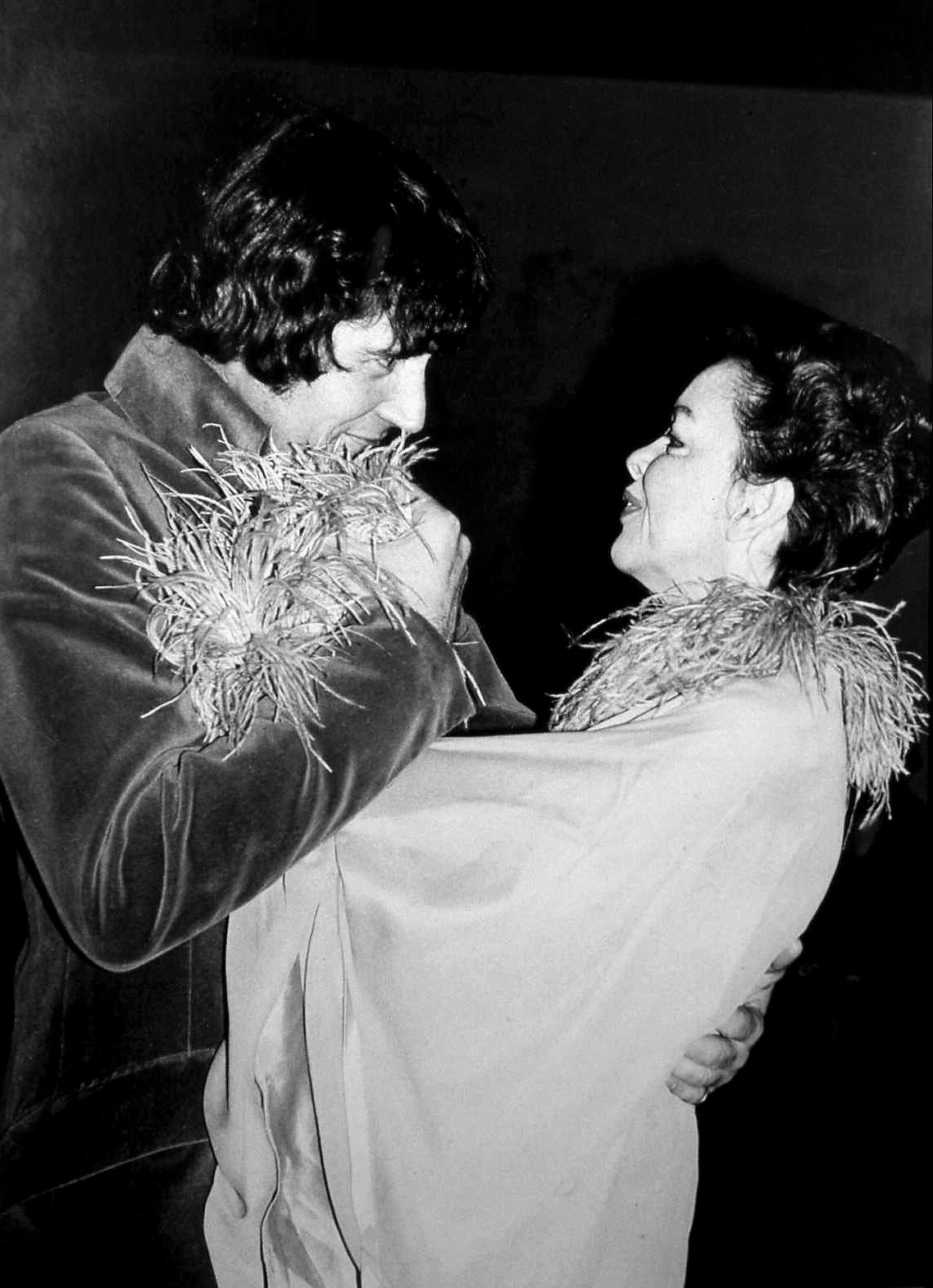
Here she is with Mickey in London during their wedding on March 15, 1969.
Judy was living with Mickey in London when she died on June 22, 1969.
It is my understanding, after reading many books about Judy Garland, that she often did not like to be left alone.
Mel Torme — a wonderful singer who also co-wrote “The Christmas Song” — wrote a book about his time working on Judy’s TV series.
In it he talks about becoming a member of “The Dawn Patrol” — a select group of staff members who would take turns spending the night with Judy and reassuring her that her show was going well.
Loneliness is certainly something that most of us have experienced at one time or another.
And loneliness during the holidays can be particularly excruciating.
By a sweet coincidence, while I was avoiding things on my “to do” list, I also found a video on YouTube about two dogs, Taco (a chihuahua) and Merrill (a pit bull mix), who were dropped off at a shelter together and did NOT want to be seperated.
In hopes of finding someone who would be willing to adopt both of them, the people who worked at their shelter started sharing posts via social media about their special bond.
They ended up being adopted by a family who starteda Facebook page about them, because so many other people wanted to know what had happened to them.
Hurrah for this one, small, canine happy ending!
I also would like for this blog post to have a happy musical ending.
So I am including links to several songs which pianist Doug Hammer and I have released this month to various musical platforms such as Spotify and Apple Music.
You canclick hereto listen to our version of “We Need A Little Christmas.”
You can click hereto listen to our version of “Winter Wonderland.” You can click here to listen to our version of “The Christmas Song.”
You canclick hereto listen to our version of “Silver Bells” (which was featured in a recent blog post).
And you canclick hereto listen to our version of “I Heard The Bells On Christmas Day.”
Thank you to Pixabayand Wikimedia Commons for the images in this blog post.
Thank you to Doug Hammer for his gifts as a pianist as well as a recording engineer.
Thank you to John Meyer for his beautiful song and to Judy Garland for being the first person to breath life into it.
And thank you to YOU for reading and listening to another one of my blog posts!
May your holiday season be filled with comforting music and light.
As we in Massachusetts enter the second week of staying at home due to COVID-19, I have been happy to connect with family and friends and acquaintances via their WordPress blog posts and Facebook updates.
THANK YOU to everyone for your words and images and information!
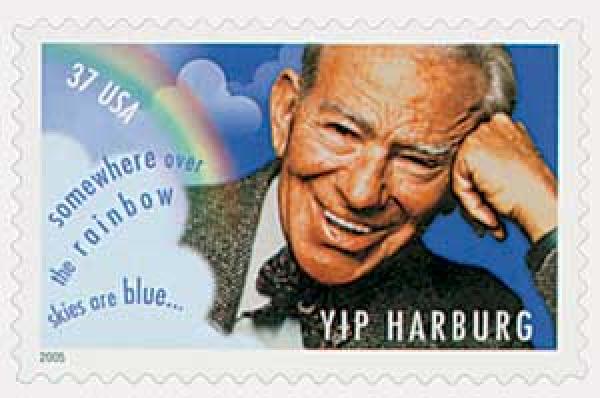
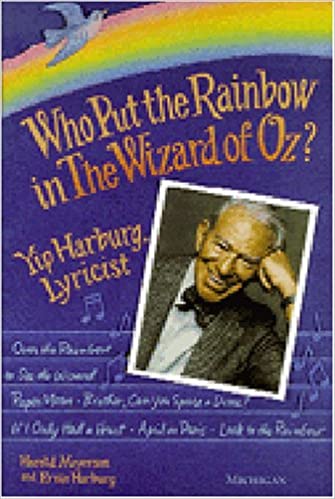
Since it’s been almost a month since my last blog post, I am finally putting my fingers to the laptop keyboard in order to share another great song by composer Harold Arlen and lyricist Yip Harburg (in photo below…)
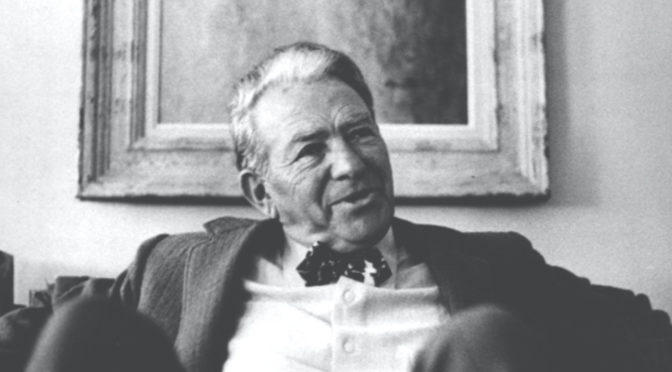
Yip lived a full and passionate and creative and principled life — and wrote the lyrics for a bunch of great songs, including “Springtime in Paris,” “Old Devil Moon,” “How Are Things In Glocca Morra?” “Down With Love,” “It’s Only A Paper Moon,” “Happiness Is A Thing Called Joe,” “Lydia The Tattooed Lady, and “Brother, Can You Spare A Dime?”
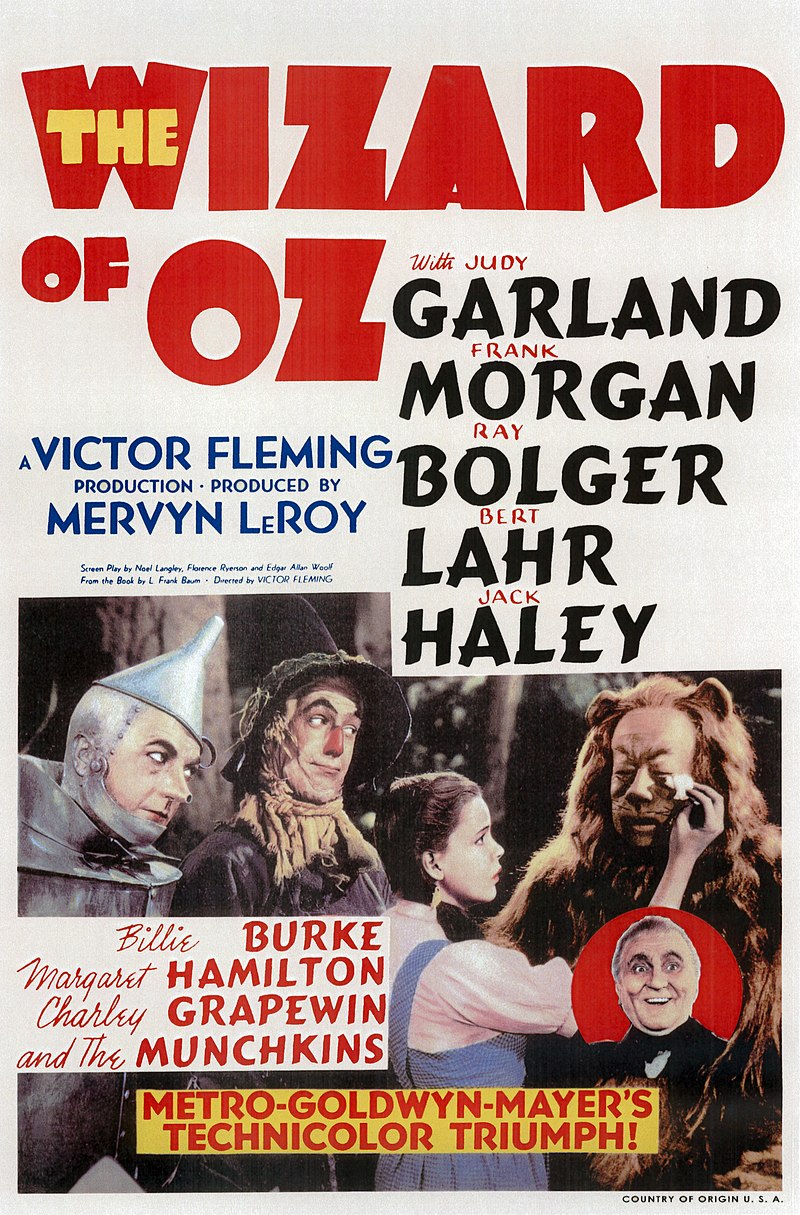
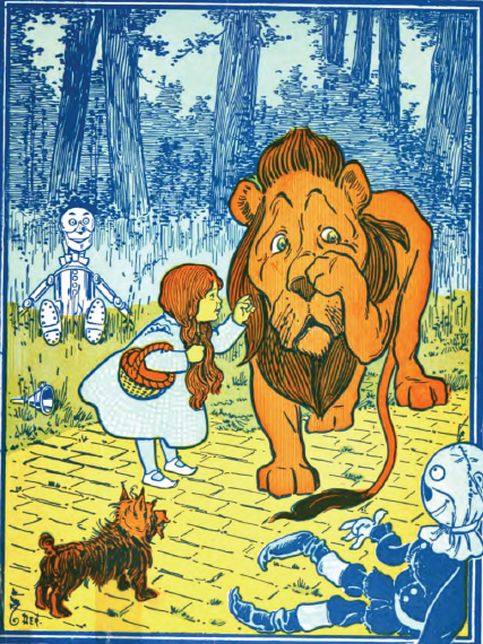
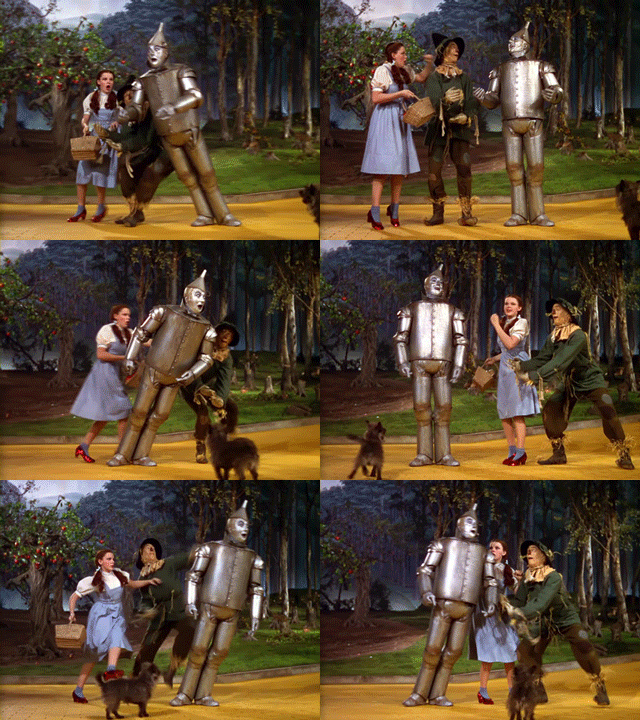
And then there are the songs he and Harold Arlen wrote for a movie inspired by the work of author L. Frank Baum and illustrator William Wallace Denslow.
These include “We’re Off To See The Wizard,” “If I Only Had A Brain,” and “Over The Rainbow” — which won the Academy award for best song in a motion picture in 1939.
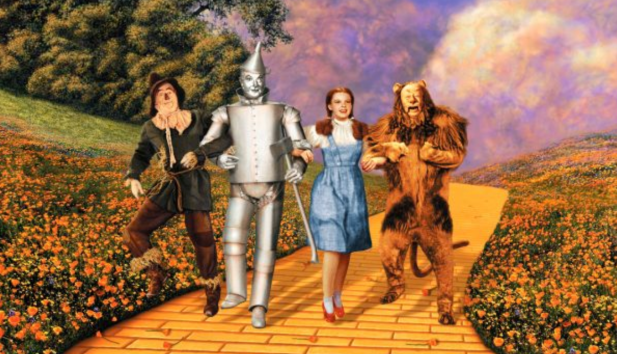
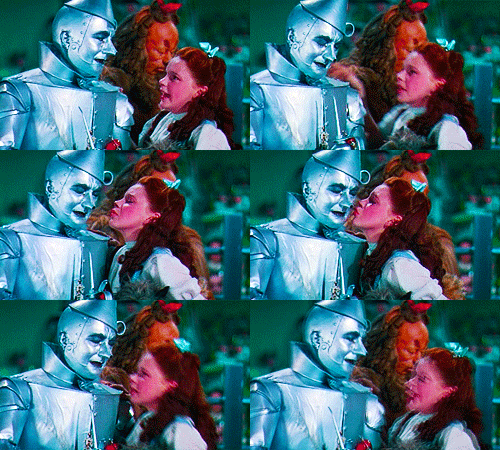
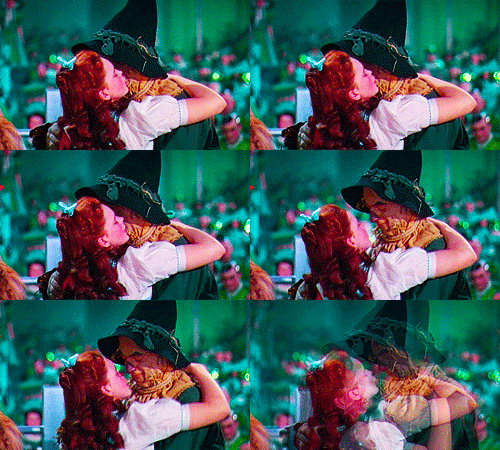
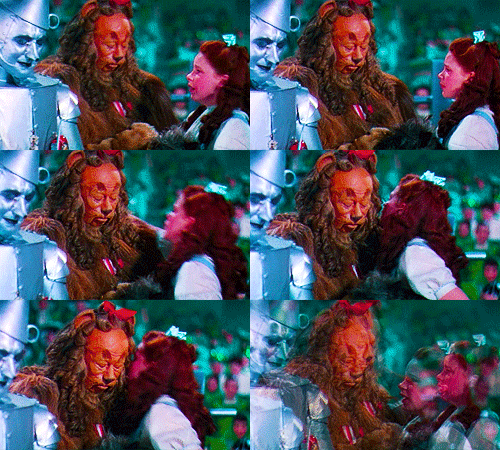
I learned from reading a biography about Yip — co-written by his son Ernie Harburg — that in addition to writing the lyrics for the songs in The Wizard Of Oz, Yip also wrote all the dialogue that sets up the songs — and he even wrote the dialogue for one of my favorite scenes near the end, when the Wizard gives medals to the Scarecrow, Tin Woodman, and Cowardly Lion in honor of their heart, brains and nerve.
I also learned that, in classic Hollywood fashion, eleven different screenwriters were involved with the script — with Yip serving as the final script editor, pulling the whole thing together and giving it coherence and unity. But he didn’t get any official screen credit for all of that work on the script.
Yip is also the person responsible for including the powerful metaphor of a rainbow in the movie — which was produced partly to showcase MGM’s Technicolor prowess.
In the original book The Wonderful Wizard of Oz, there is no mention of a rainbow.
Yip’s son Ernie describes in an interview I found on YouTube how “Over The Rainbow” came to be written:
Yip and Harold Arlen’s contract at MGM had run out, and they still didn’t have a key song for Dorothy written.
Frank Baum writes in The Wonderful Wizard Of Oz that where Dorothy lived, “not a tree nor a house broke the broad sweep of flat country that reached the edge of the sky in all directions. The sun had baked the plowed land into a gray mass. Even the grass was not green, for the sun had burned the tops of the long blades.”
Yip and Harold discussed this description, and how Dorothy’s neighbor Miss Gulch had threatened to take away her beloved companion, Toto, and how Dorothy was looking for a way to escape…
At this time in their lives, both Yip and Harold were living in Beverly Hills, with lush green lawns — plus elaborate sprinkler systems to keep them green!
One day when his gardener turned on the sprinklers, Yip was struck by the little rainbows that appeared in the air. When he next saw Harold he said, “Dorothy wants to escape — to be on the other side of the rainbow,” and Harold went away and came back with a beautiful melody which Yip then worked on for three weeks to find words with exactly the right syllables to fit Harold’s melody.
And, thanks to Judy Garland’s beautifully poignant rendition of their song, the rest is cinema history.
“If I Only Had A Brain” (a version of which is included in the player at the beginning of this blog post) is based on a melody for a song called “I’m Hanging On To You” which Yip and Harold had written for — and then cut from — a 1937 anti-war musical called Hooray For What!
Apparently another song that Yip and Harold wrote for Hooray For What! — called “In the Shade of the New Apple Tree” — so impressed the powers-that-be at Metro Goldwyn Mayer in California that they chose Harold and Yip to write the songs for what became The Wizard of Oz.
When they were working on a song to be sung by the Scarecrow, Tin Woodman, and Cowardly Lion, Yip recalled the melody from “I’m Hanging On To You,” and fashioned an entirely new set of lyrics — including short verses (one of which I have included in my recording with pianist Doug Hammer) which were not used in the final cut of the movie.
Rainbows continued to be an important metaphor for Yip throughout his life — popping up in quite a few of his songs.
Yip once explained, “I belong to a tribe of what used to be called troubadors. Sometimes they were called minstrels. Now we’re called songwriters…we worked for, in our songs, a better world, a rainbow world… Now my generation, unfortunately, never succeeded in creating that rainbow world; so we can’t hand it down to you. But we could hand down our songs, which still hang on to hope and laughter.”
For that I am immensely grateful — to Yip and to Harold and to all of the other hard-working songwriters from the 20th century who have left us such a treasure trove of music.
Yip differed from many of his contemporaries in that he was eager to wrestle with social and political issues in his creative projects.
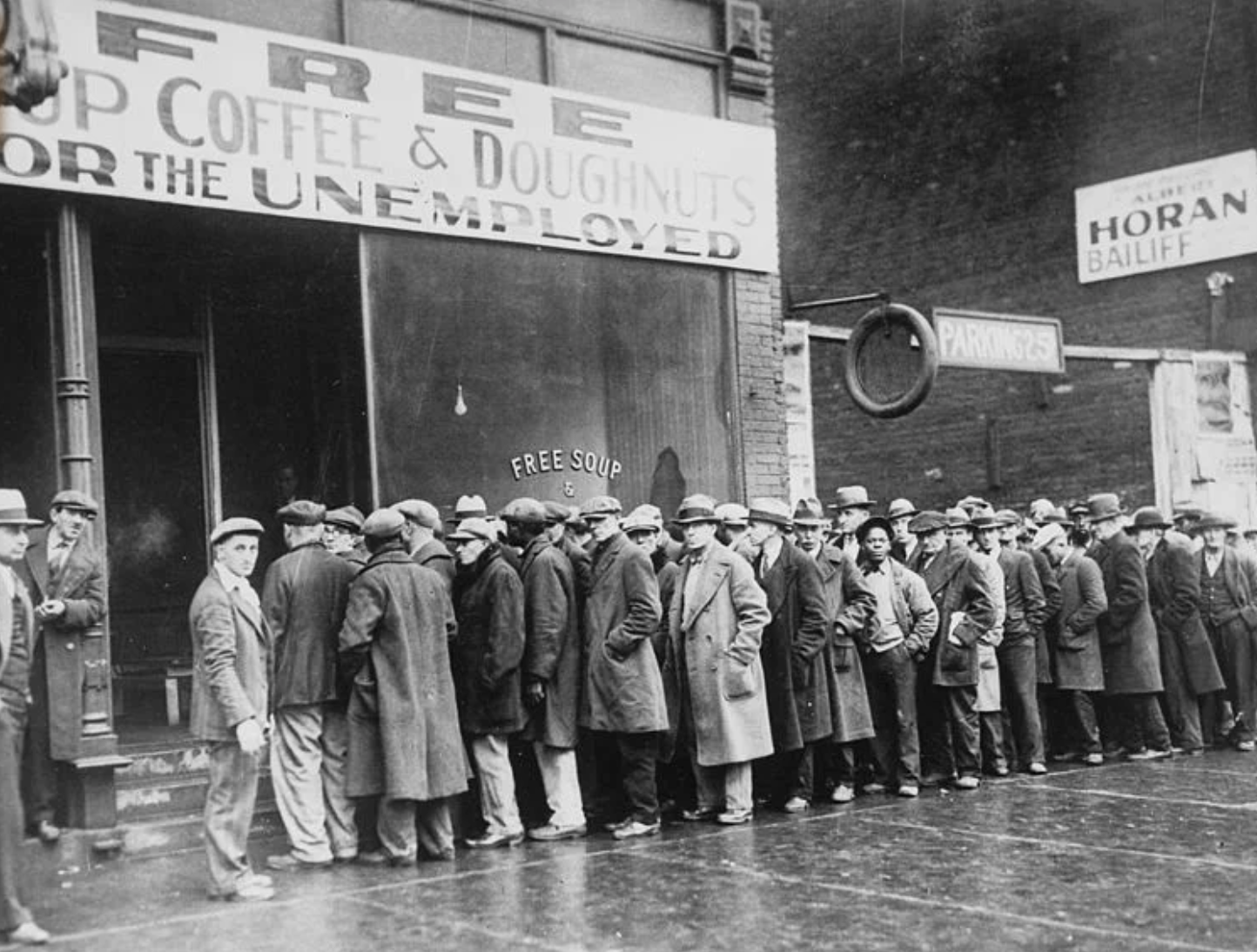
I already mentioned the anti-war musical Hooray For What! in 1937 (two years before the start of WWII) and the Depression-era classic “Brother, Can You Spare A Dime?” which Yip wrote with one of his first collaborators, the composer Jay Gorney, for a revue in 1932 called Americana.
With composer Harold Arlen he wrote the songs for 1944’s Bloomer Girl, which was set in upstate NY and explored the women’s suffrage and abolitionist movements in the years leading up to the Civil War while featuring an integrated cast on stage.
Three years later Yip helped create another musical classic, Finian’s Rainbow — set in a fictional region of the American South called Missitucky. Yip not only wrote lyrics, he also co-authored the script — and the integrated cast featured characters such as a leader of a union of black and white share-croppers, a leprechaun, two recent Irish immigrants, and a white racist Southern Senator who is transformed into an African-American citizen for several days as an opportunity for growth and education.
Finian’s Rainbow gave us a wide variety of songs, including “When The Idle Poor Become The Idle Rich, “Old Devil Moon,” “Look To The Rainbow,” and “How Are Things In Glocca Morra?”
It may seem a bit odd that a song like “How Are Things In Glocca Morra” was written by two Jewish songwriters (Burton Lane was the composer of Finian’s Rainbow).
But Yip was himself the child of immigrants — Orthodox Yiddish-speaking Russian Jews — and he grew up very poor on the lower east side of Manhattan.
His official name when he was born in 1896 — the youngest of four surviving children out of ten total — was Isidore Hochberg, and he was nicknamed “Yip” (from Yipsele, a Yiddish term of endearment referring to a squirrel) because he was so active as a child.
Yip was very successful in grammar school — winning prizes for his ability to recite poems and performing in many musical productions. He earned a spot at Townsend Harris — a prestigious public high school associated with City College of New York where you could earn both a high school and bachelor’s degree in seven years.
He found himself seated alphabetically next to a young fellow named Israel Gershovitz — also known as Ira Gershwin. Yip and Ira became life-long friends — sharing a deep admiration for Gilbert & Sullivan and later co-writing a humor column for the newspaper at City College.
I could go on and on about Yip.
Although he was not a Communist, he was blacklisted from working in the movies, TV and radio for 12 years during the 50s and early 60s.
He kept working on Broadway, however, and even co-wrote a song which was recorded by the folk/pop trio Peter, Paul & Mary.
If you are curious to learn more about this creative and inspirational human being, you can click here to read his Wikipedia entry and/or track down the biography co-written by his son, Ernie Harburg.
Perhaps some of his songs like “Brother, Can You Spare A Dime?” and “It’s Only A Paper Moon,” will take on a new resonance in the days and weeks ahead…
For the time being, I remain grateful that we in Massachusetts are still allowed to leave our homes and go for walks in our neighborhoods — as long as we maintain a healthy physical distance from other human beings we encounter along the way — so that I can continue to “while away the hours, conferring with the flowers (and) consulting with the rain.”
While COVID-19 buffets our human societies, the natural world continues — blessedly — to create a new buds, new leaves, new flowers!
Part of the reason for the gap between my last blog post and this one is that I have begun leading half-hour singalongs at 8:00 pm each night via Facebook Live.
If you are feeling hungry for some musical camaraderie and fun, please consider joining us any night starting at 8:00 pm (Eastern Standard Time in the USA).
Previous sing-alongs also remain on my Facebook home page in case you are curious to visit at any time of the day or night.
As our president speaks on the radio about his recent decision to kill an Iranian general (and others) in Iraq, I thought I might share a post about love and melody and music…
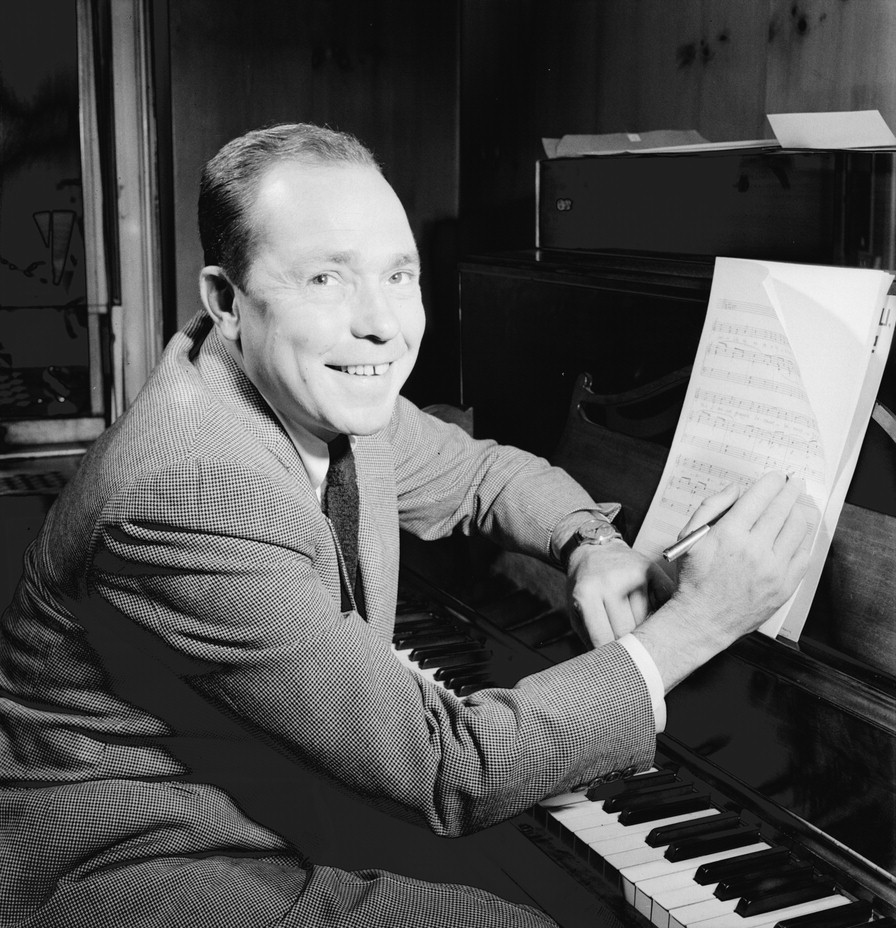
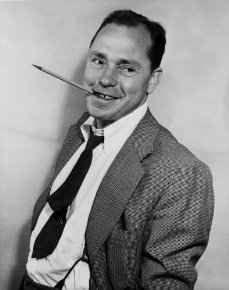
John Herndon Mercer was born on November 18, 1909 in Savannah, Georgia.
From the 1930s to the 1960s he co-wrote a slew of hit songs including “Jeepers Creepers,” “Hooray For Hollywood,” “You Must Have Been A Beautiful Baby,” “Come Rain or Come Shine,” “One For My Baby (And One More For The Road),” “Anyplace I Hang My Hat Is Home,” “I’m Old Fashioned,” “Moon River,” “On The Atchison, Topeka And The Santa Fe,” “Too Marvelous For Words,” “Accentuate The Positive,” “That Old Black Magic,” “Blues In The Night,” “In The Cool, Cool, Cool Of The Evening,” “Autumn Leaves,” and “Skylark.”
Mercer was nominated for 19 Academy Awards — winning four Oscars for best original song — and had two successful shows on Broadway.
He was also a popular recording artist AND co-founded Capitol Records!
“Skylark” was published in 1941 — when Europe was engulfed in WWII but the USA had not yet entered the fight…
The song had a long creative gestation.
According to Wikipedia, the composer Hoagy Carmichael was inspired to write the melody for what became “Skylark” by an improvisation which his old friend Bix Beiderbecke — a jazz cornet player — had once played.
Bix’s music and too-short life had already inspired a novel called YOUNG MAN WITH A HORN which Hoagy was hoping to adapt into a Broadway show (and which a decade later provided the source material for a movie of the same name starring Kirk Douglas, Lauren Bacall, Doris Day and Hoagy Carmichael…)
Apparently the Broadway production never gelled, and after that Hoagy shared the melody with Johnny in hopes that he might write lyrics for it.
Different books report different versions of how long it took Johnny to write the lyrics for “Skylark.”
Most agree, however, that it was a long period of time — several months to a year — and that Hoagy had kind of forgotten that Johnny was working on lyrics for it (or at least Hoagy had stopped checking in with Johnny to ask him if he had made any progress…)
Around this time Johnny had started an on-again, off-again love affair with Judy Garland.
He was 31 years old (and married…and upset because his father had recently died) and she — fresh off her success as Dorothy in THE WIZARD OF OZ — was 19 years old.
Many writers have speculated about which of Mercer’s lyrics were inspired by his love for Judy — and “Skylark” is one of the contenders.
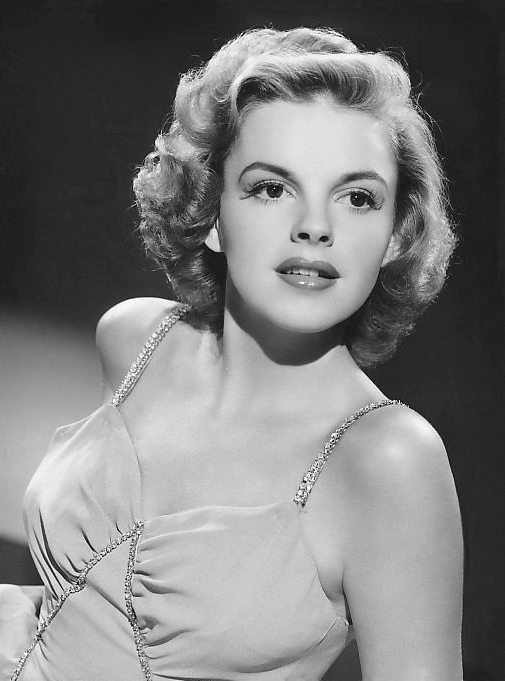
Here is Judy in an MGM publicity photo from 1943 — when she was 21 years old.
Beautiful and funny and gifted and smart and hard-working and … inspirational.
Another thing which inspired Johnny was the natural world.
His family had a summer home outside Savannah on a hill overlooking an estuary — and he spent his summers as a child fishing, swimming, sailing, picking berries, and lying very still.
He wrote in an unpublished autobiography, “The roads were still unpaved, made of crushed oyster shell, and…they wound their way under the trees covered with Spanish moss…”
“It was a sweet indolent background for a boy to grow up in…and as we drove out to our place in the country there (were) vistas of marsh grass and long stretches of salt water.”
“It was 12 miles from Savannah, but it might as well have been 100…”
“Out on (our) starlit veranda, I would lie on a hammock and — lulled by the night sounds, the cricket sounds… my eyelids would grow heavy (and I would fall sleep) — safe in the buzz of grown up talk and laughter (and) the sounds of far-off singing…”
I started reading about Johnny Mercer when fellow singer Bobbi Carrey and pianist Doug Hammer and I put together a program of his songs that we performed at Scullers Jazz Club here in Boston.
We also were fortunate enough to perform this program of songs on Spring Island — one of the multitude of barrier islands which run along the Georgia and Carolina coast.
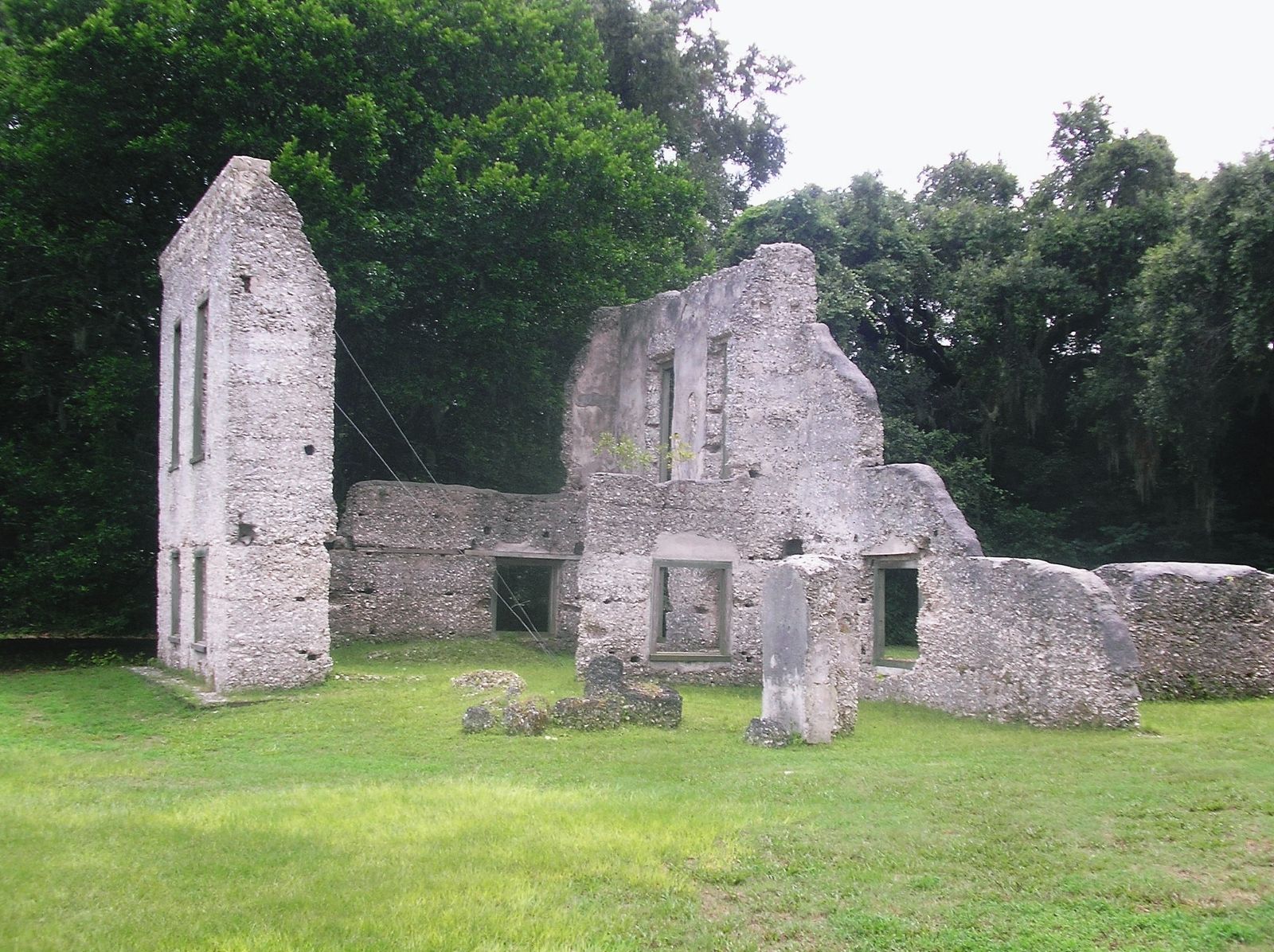
Spring Island was once one of the largest cotton plantations in the southern United States.
And echoes of plantation life remain on the island…
Spring Island is now half wildlife sanctuary and half retirement community for folks who are very wealthy — some of whom love music enough that they would fly me and Bobbi and Doug down to perform in their lovely club house.
Although he enjoyed living in New York and California, Johnny returned home to Georgia on a regular basis — usually via a long train trip since he did not like to fly.
He savored the slower pace of life in his hometown as well as the beauty all around.
Having traveled to Spring Island, I have a much more vivid sense of Johnny Mercer’s roots…
A song like “Skylark” or “Moon River” makes sense in a different way now that I have seen and smelled and tasted and heard the environment where he grew up.
Full of streams…
And birds…
And mist…
And blossoms…
And swamps…
And big old trees…
And ocean…
And flowers…
And light…
And sky…
Thank you to Bix Beiderbecke and Hoagy Carmichael and Johnny Mercer for creating such a lovely song.
And to Doug Hammer for his spectacular piano playing as well as his super-competent engineering skills.
And to Pixabay and Wikimedia Commons for most of the images in this post.
And to YOU for reading and listening to this blog post!