They are a well-known songwriting team based in New York City, and they have crafted a bunch of stand-alone songs — along with entire musicals — which are beloved by performers.
A few of their NYC-area hits include “I Like Them (Bald),” “Alto’s Lament,” and “Taylor, The Latte Boy.”
Jinny Sagorin and I recorded their song “There’s Nothing I Wouldn’t Do” with pianist Doug Hammer a few years ago.
Originally from South Africa, Jinny has lived in the Boston area for the past two decades.
In recent years Jinny has expanded beyond musical theater and cabaret to becoming a cantor.
We both share a sense that music can be very sacred (as well as silly, sexy, heartfelt, and open-minded).
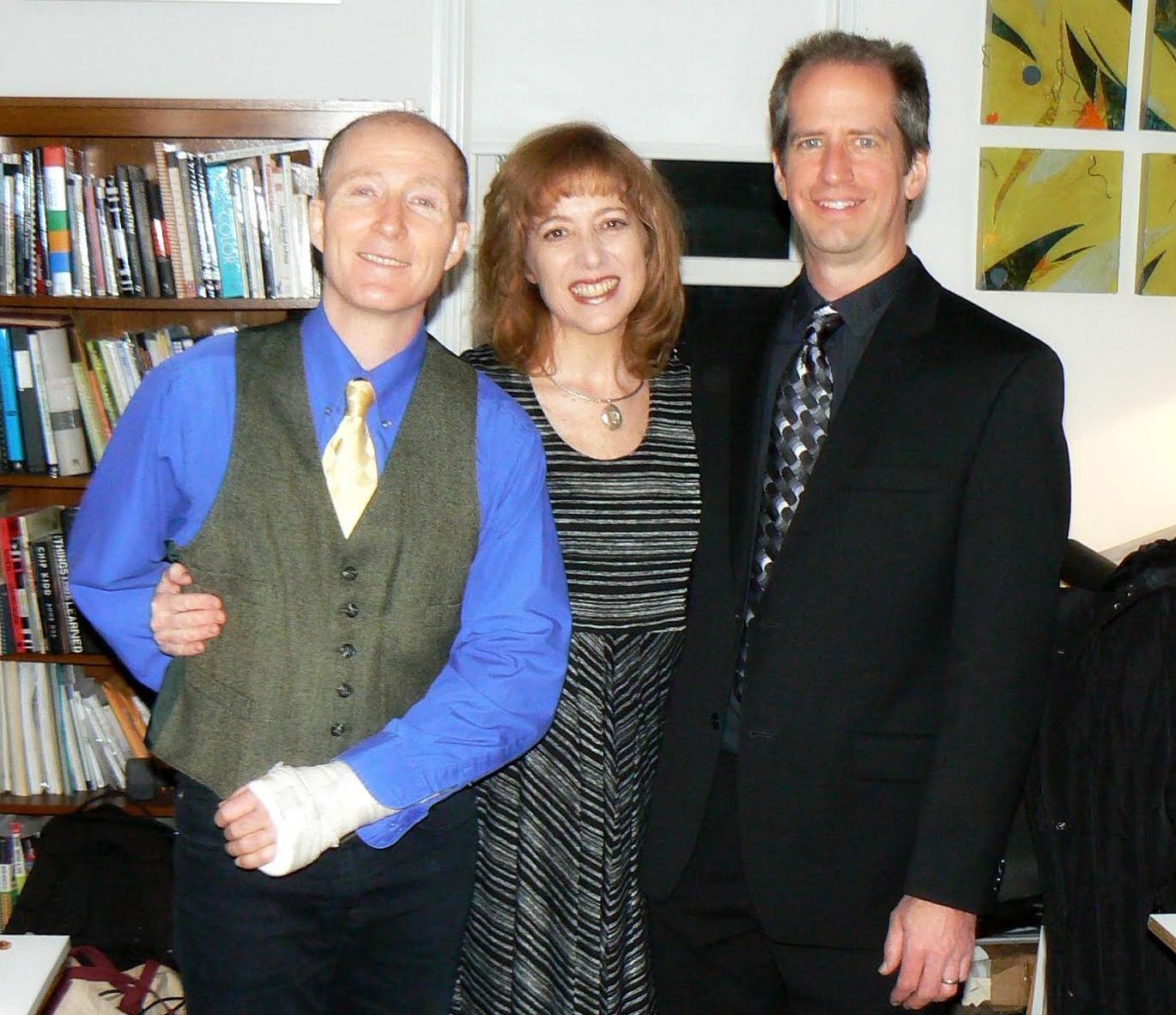
Will (with broken elbow), Jinny and Doug — Photo by Jeremy Schmahmann
And performing in a synagogue, library, church or retirement community can be just as satisfying as performing in a bar or club — although we have both done plenty of that, too!
I first met Jinny when I was co-hosting an open mic at The Cambridge Center For Adult Education in Harvard Square (where I also was employed as an events manager and PR person).
Eventually we put together an entire program of songs called LIFE MATTERS.
Jinny also invited me to perform as a special guest when she debuted her solo CD, IT’S FOR YOU, to a sold-out crowd at Scullers Jazz Club in Boston.
And she has performed many of my original songs when I have done showcases of my own work.
In addition to being a performing artist, Jinny is also a visual artist.
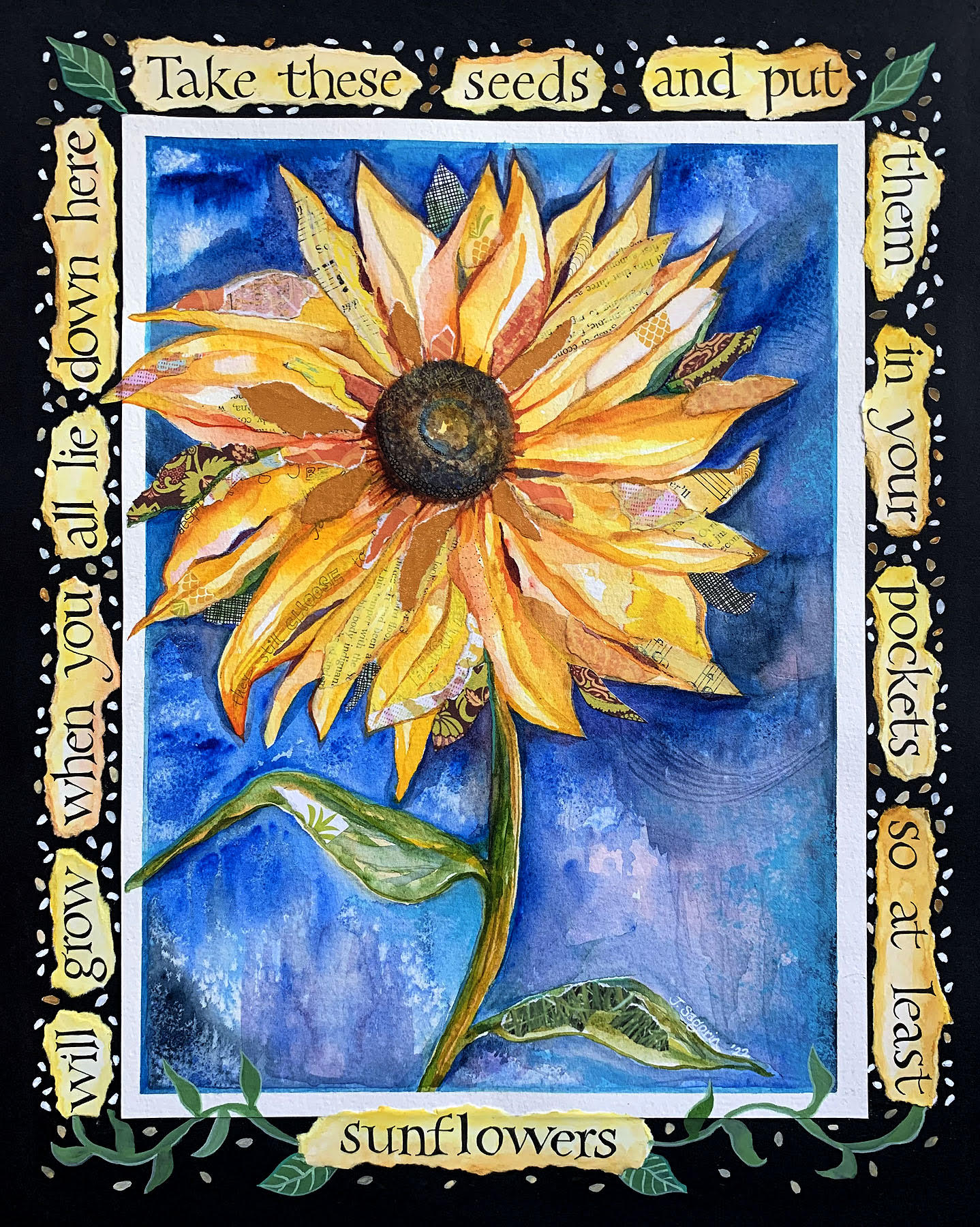
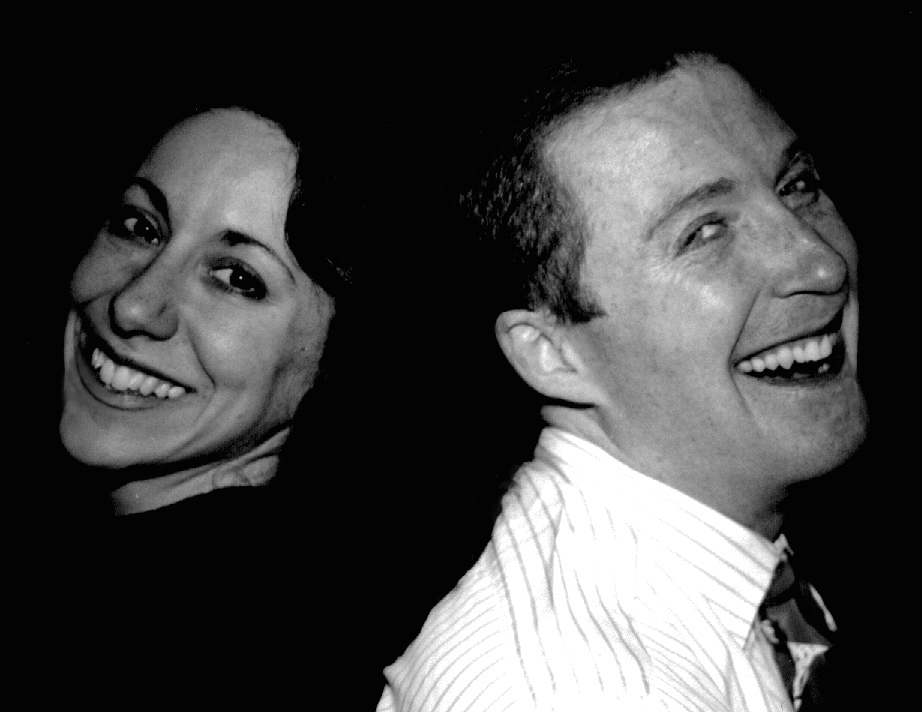
Here’s an example of a work of art she created for an annual show called ART/Word in which she is a regular participant.
Thank you to Marcy and Zina for writing this song.
Thank you to Jinny and Doug for recording it with me.
PS: If you feel like streaming this song on your favorite digital music platform, please click here for links.
PPS: I haven’t mentioned the current challenges here on planet earth (wars, heat waves, forest fires, floods, spreading diseases, rising costs, lack of food/fertilizer/fuel, political upheaval, etc.) in recent blog posts.
But I remain vividly aware of them.
And I continue to find inspiration and hope from the courageous candidates and hard-working GOTV (get out the vote) organizations at work around the USA.
As you are probably well aware, there are a bunch of very inspiring human beings stepping up at the local, state and national levels these days.
Let’s support them — with tiny donations of time and/or money— as much as we are able.
Today I have been inspired by the aphorism “Insanity is doing the same thing over and over again and expecting different results.”
You may have seen it on posters, coffee mugs, etc. — attributed to Albert Einstein.
But according to an online search, there is little evidence that Einstein ever said it.
Instead I learned that a writer — Rita Mae Brown — created this quotation and attributed it to a fictional character in her 1983 book Sudden Death.
Thank you, Ms. Brown!
I think about this aphorism when I am reminded that one is supposed to budget an equal amount of money to market/promote/advertise one’s product as one has spent creating it in the first place.
Yikes!
I have never done this.
Other than maintaining my website, pitching a few songs to music bloggers, and writing this blog, I have spent very little money to promote my music.
However, this particular piece of marketing advice comes up fairly often when I am reading books/articles and watching videos about how to navigate the business of making music in the 21st century.
Now I must pause for a moment for a digression…
Over the past thirty years, I have observed that the music business — like life itself — is always changing and evolving.
So it is virtually impossible to do the same thing over and over again for more than a year or two.
And as a result of personal computers entering our daily lives, we have to keep endlessly learning the latest versions of many different programs/applications — as well as updating our hardware and software.
So as much as I would love to be able to do the same thing over and over again — while drafting new songs using Apple’s GarageBand or making videos using Apple’s iMovie, for example — I am forced to learn the latest updates (and alleged improvements) in order to continue making music.
Deep breath in.
Deep breath out.
This has always seemed to me to be a huge waste of time AND money in order to make a few tech company owners, tech company employees and tech company stockholders rich.
Graphic Design by Stephen C. Fischer
I keep hoping to find a research study which would document the billions of hours which we human beings have wasted in the process of learning — and re-learning…and learning yet again — how to use various computer programs.
I would also like to find studies which explore the cumulative toll on our mental health due to the Sisyphean frustration of having to update and re-learn so many basic tasks/skills on an ongoing basis.
Another deep breath in.
And deep breath out.
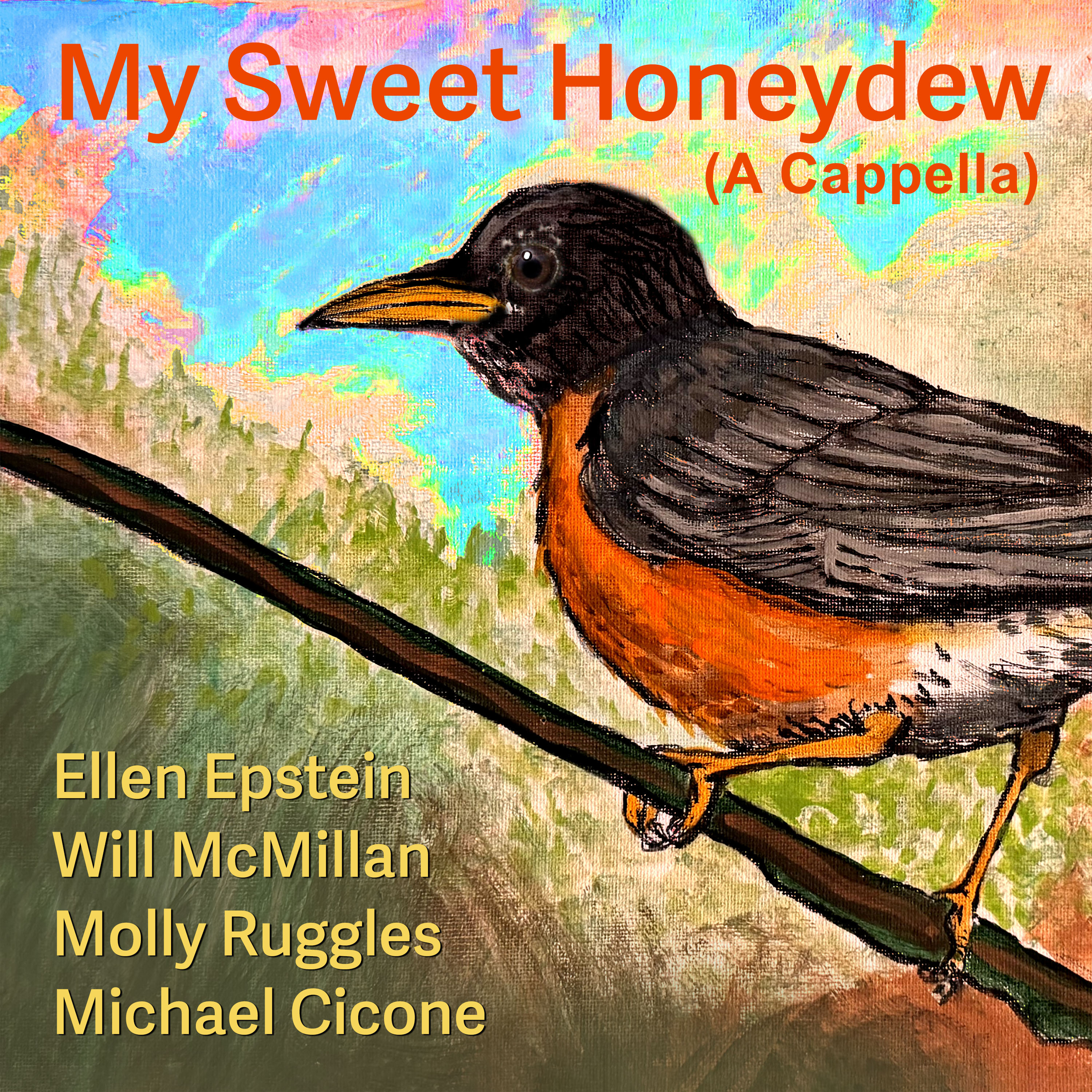
So I am happy to report that my friends Molly Ruggles, Ellen Epstein, Michael Cicone and I went in a pre-industrial — and some might even say late-Paleolithic — direction with our most recent song release which we recorded a cappella.
A couple of years ago singer/songwriter/pianist Molly Ruggles took my original version, added an entirely new section of music + lyrics, and then arranged it for four voices to perform a cappella.
Our new version is in the player at the beginning of this blog post.
You may recognize Molly as a vital part of my trio recordings with Carole Bundy.
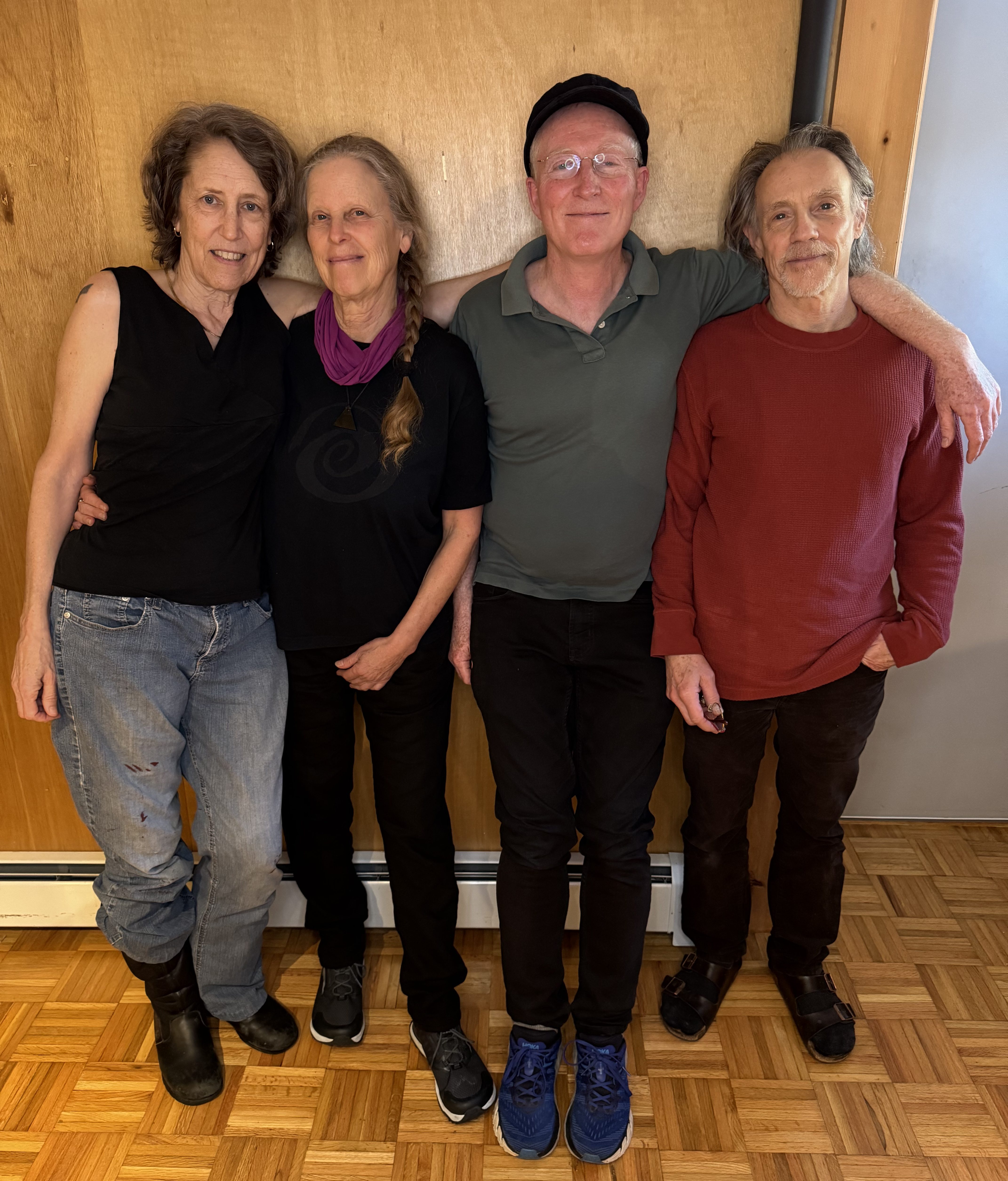
Molly, Ellen, Will & Michael (Photo by Doug Hammer)
I have known the other two singers on this recording — Ellen and Michael — for decades.
If you are a fan of contemporary folk music, you may be familiar with them as part of a musical trio with singer/songwriter/guitarist Cindy Kallet for forty-five years.
Ellen and Michael have released three beloved CDs of music with Cindy as well as appearing on many of her solo recording projects.
So I feel very honored and excited that they agreed to be part of this recording!
Now I will circle back to the aphorism that “Insanity is doing the same thing over and over again and expecting different results.”
Molly and I are doing something new with this recording.
We have hired a fellow singer-songwriter, Erik Balkey, to help us promote it to folk radio programs/stations around the USA.
Erik puts together compilation CDs of new recordings every two months and sends them to a couple hundred folk DJs and program directors.
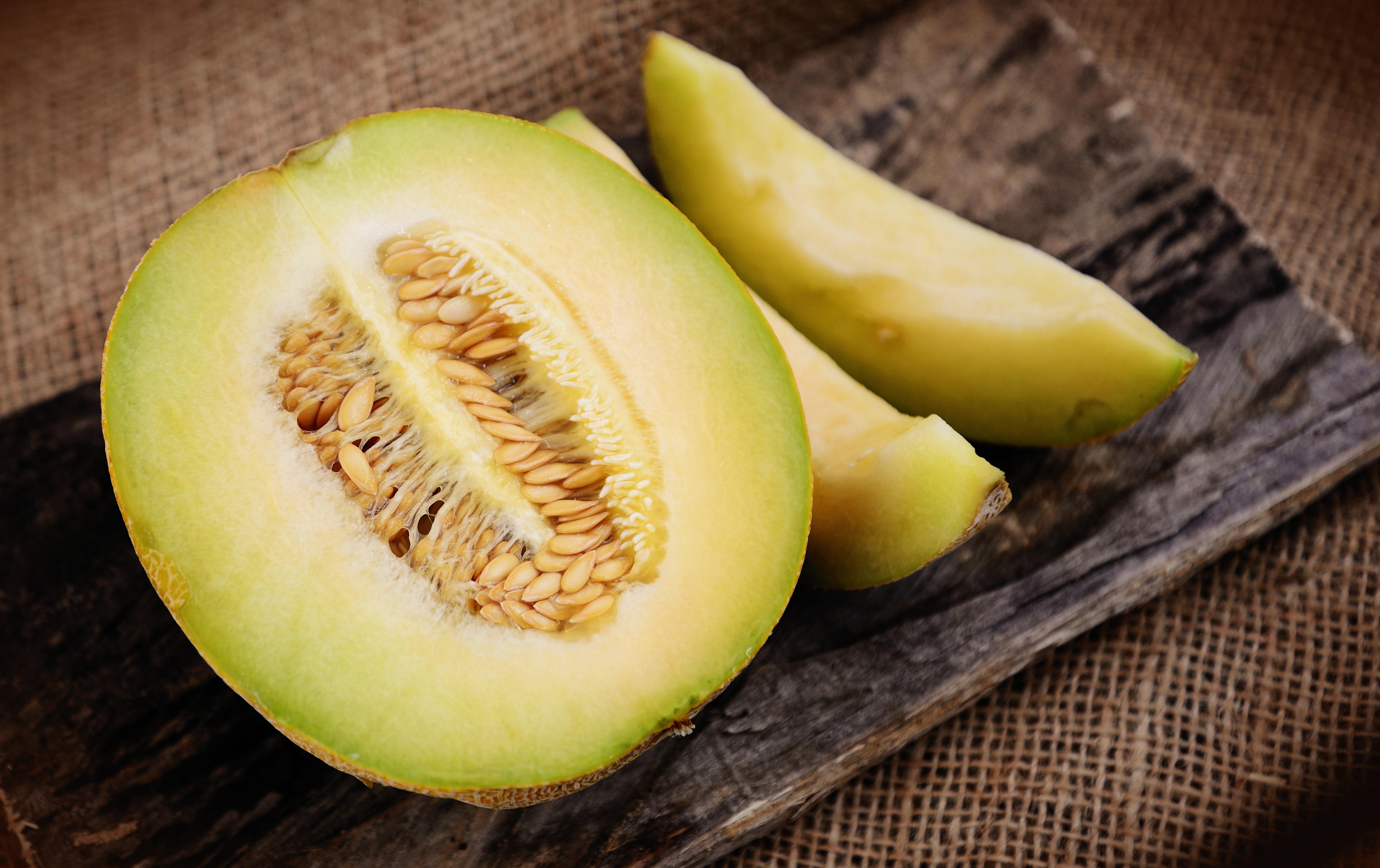
We were surprised — and pleased — to learn that he chose “My Sweet Honeydew (A Cappella)” to lead off the second CD in his July/August promotional compilation.
If you happen to listen to a folk program in your neighborhood — or maybe far away from your neighborhood via an internet radio station — please let me know.
Then I will check and see if Erik sent his July/August promotional CDs — including “My Sweet Honeydew (A Cappella)” — to your favorite station/program.
It will be interesting to see what does — or doesn’t — unfold regarding airplay for our song this summer…
Another deep breath in.
And deep breath out.
Thank you to Erik Balkey for his radio outreach.
Thank you to Doug Hammer for his collaborative production skills (and spontaneous photographic impulses).
I recorded this sweet song as part on an hour-long program of music written for — or strongly identified with — Judy Garland.
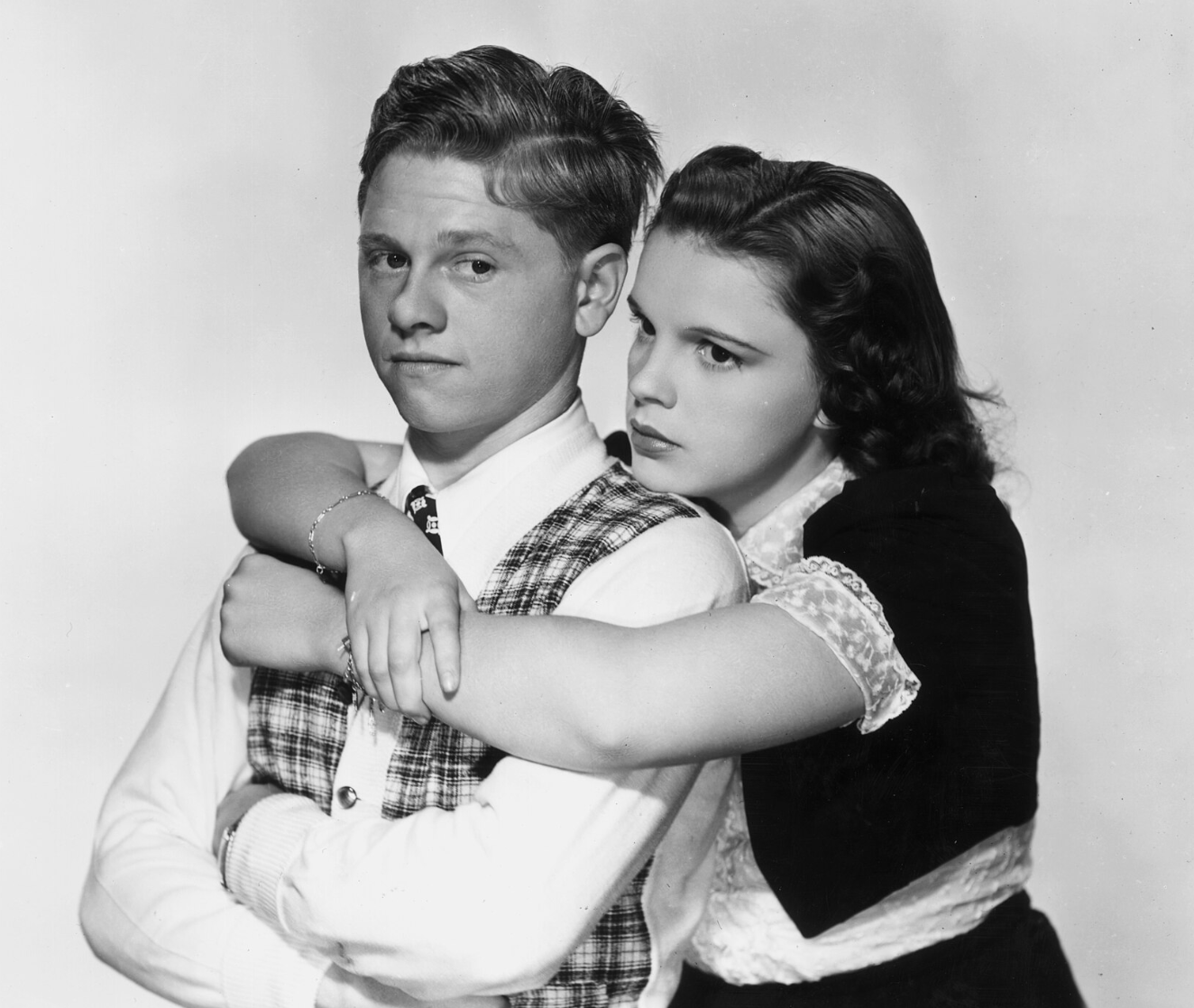
It was written by Burton Lane and Ralph Freed for her and Mickey Rooney to perform in the 1941 MGM movie BABES ON BROADWAY.
I learned from Wikipedia that the lyricist, Ralph Freed, was the baby brother of producer/lyricist Arthur Freed, who co-wrote the song “This Heart Of Mine” which I featured in a recent blog post,
Having spent a fair amount of time — especially during the summer — in Manhattan as a child and teenager, I savor all of the geographical references in the lyrics.
I only wish they had mentioned Chock Full o’ Nuts, my favorite place to get a burger (with ketchup, mustard and relish) plus a big orange drink — which was a mixture of orange juice, sugar and water, I think, churning endlessly in a big, glass dispenser until it was sold to thirsty customers.
Chock Full o’ Nuts started during the roaring ’20s as a chain of — no surprise — nut shops.
But when the Depression hit, the owner William Black pivoted and turned his stores into lunch counters where — according to Wikipedia — one could buy a cup of coffee and a cream-cheese-with-chopped-nuts sandwich for five cents.
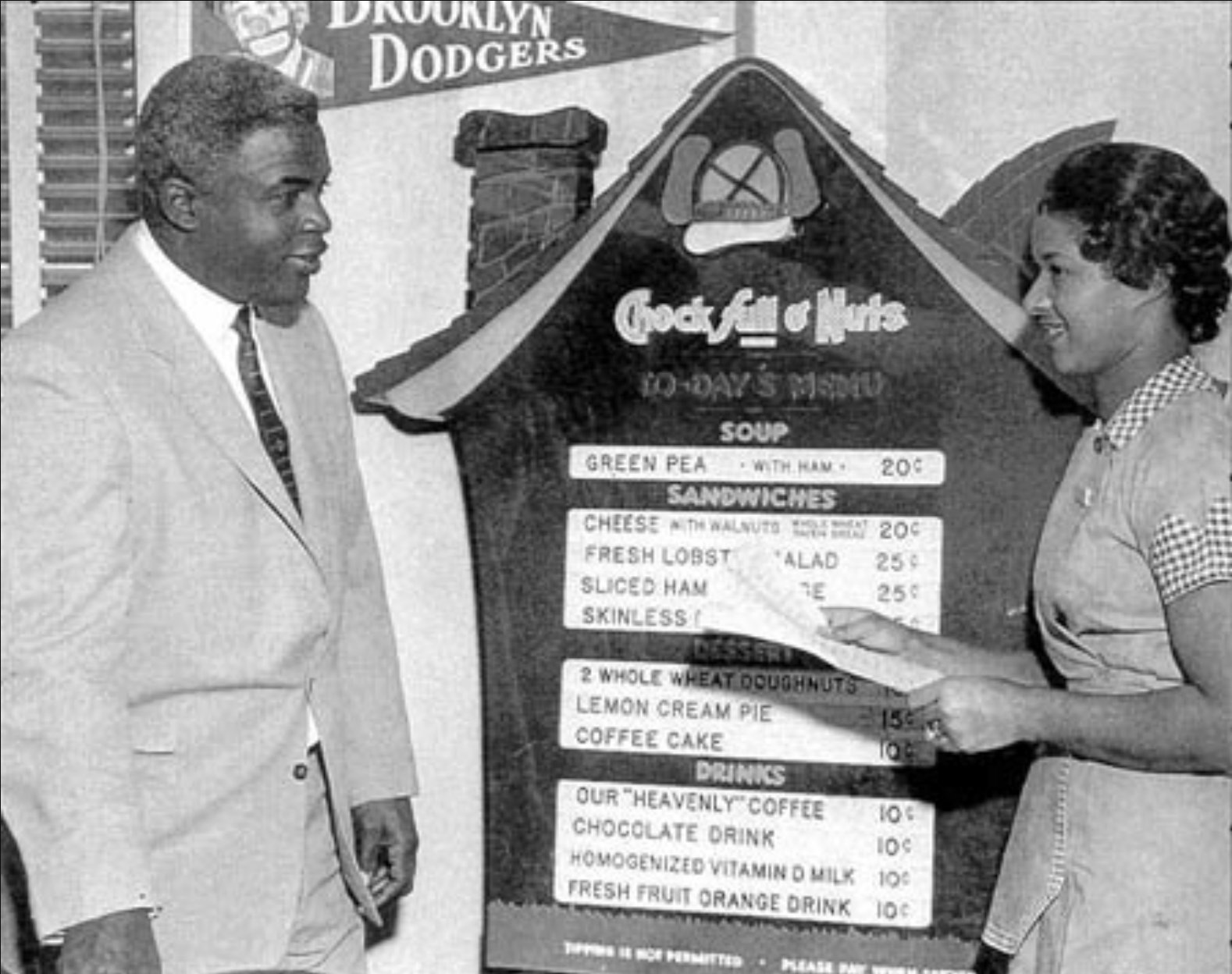
Jackie Robinson with a fellow Chock Full o’ Nuts employee
And his coffee proved to be so popular that he started selling it for people to make at home or in their office.
William Black — whose last name was originally Schwartz (which means black in Yiddish) — seems to have been a somewhat progressive employer.
Most of his company’s cooks and waitstaff were African-American, and when baseball superstar Jackie Robinson retired from playing, he became a vice president and director of personnel at Chock Full o’ Nuts.
Mr. Black was married to two female singers (not at the same time…) who performed his company’s radio and TV jingles. His second wife also became very involved with their family’s philanthropic efforts.
They gave millions of dollars to medical research and helped to start the Parkinson’s Disease Foundation.
And there is even a William Black medical research building at Columbia University’s medical center (Mr. Black was a Columbia alum…)
But back to “How About You?”.
Burton Lane
Burton Lane was a very successful composer — originally from Manhattan — who worked at various movie studios in California.
Interspersed with his time in Hollywood, he co-wrote songs for Broadway shows including FINIAN’S RAINBOW (with Yip Harberg) and ON A CLEAR DAY YOU CAN SEE FOREVER (with Alan Jay Lerner).
He is also one of several people who claim credit for bringing Judy Garland to the attention of the powers-that-be at MGM after he saw her perform with her two older sisters at the Paramount Theatre in Los Angeles.
So not only do we have Mr. Lane to thank for the great songs he co-wrote, we also can (at least partially) thank him for helping to bring Judy Garland and her extraordinary gifts as a performer to a much wider audience.
I would also like to thank Doug Hammer for his playful piano impulses and painstaking production skills as well as Stephen C. Fischer for his patient and collaborative graphic design work.
If you’d like to stream our version of “How About You?” you can click here.
Every stream, every “like,” and every “save” encourages the mysterious algorithms of the digital music platforms to share a recording with other potential listeners.
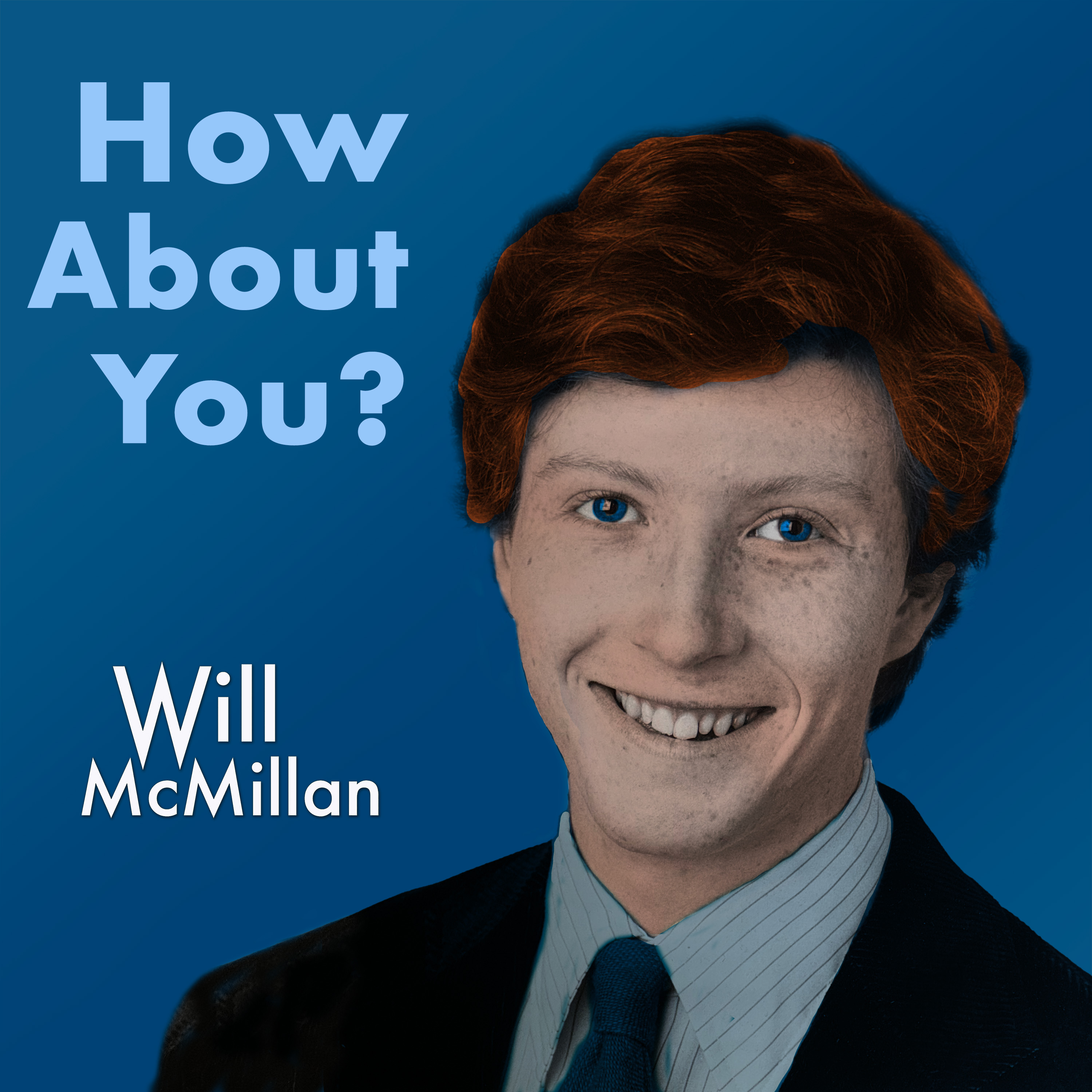
Here’s the graphic for “How About You?” which features what was probably my last professional headshot as a teen performer in NYC.
One final note…
As I was drafting this blog post, the New York Knicks were engaged in an extraordinary series of basketball games which culminated in them becoming NBA champions.
I especially like New York in June when the Knicks win the NBA playoffs after a 53 year drought!
How about you?
Although I am not a big basketball fan, I became swept up in the drama and virtuosity of the NBA playoffs.
Twice I went to bed early — thinking the Knicks had lost — and awoke to discover that they had triumphed.
Wow!
Oh, me of little faith…
Since their victory, I have been savoring the enthusiasm of the Knicks’ fans — in NYC and around the country.
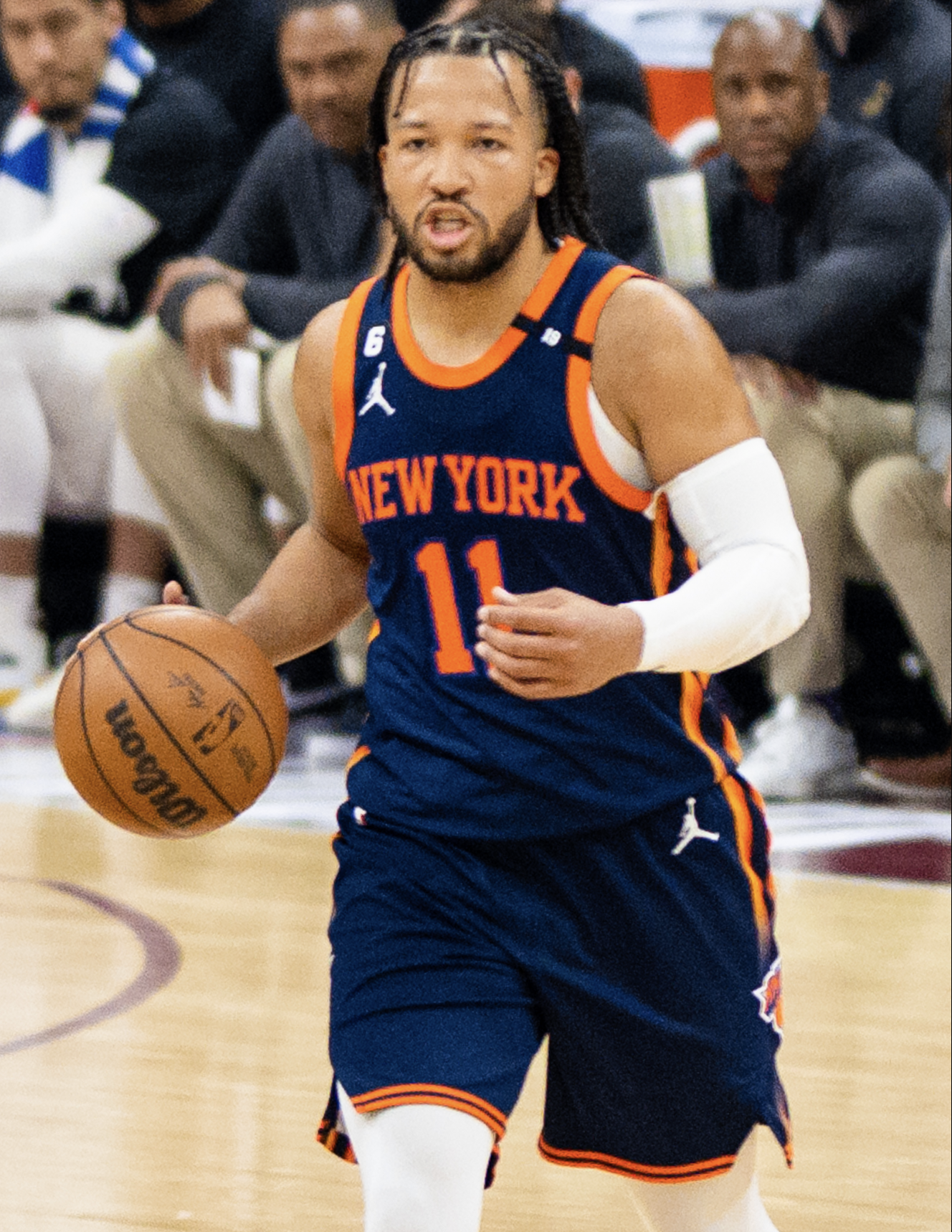
Jalen Brunson
And I love what one of their star players Jalen Brunson said following their record-breaking comeback from 29 points down to win game four.
“You’re allowed to think about the worst possible scenario, but you gotta go out there and do something about it.”
Deep breath in.
Deep breath out.
Those are great words to live by…
Thank you, Knicks, for bringing millions of us — from many different political and cultural and ethnic backgrounds — together during this challenging time here on planet earth.
You gave — and continue to give — us hope and joy and inspiration.
And THANK YOU to everyone who is willing to read and listen to yet another one of my blog posts.
I just looked up the history of Labor Day, and discovered — no surprise — that it has roots in labor unions.
You can click here to learn more if you are curious — and to see a great photo of an early Labor Day float being pulled by two horses during a celebration in 1916..
I have read that union activity is on an upswing in the USA.
With a current CEO-to-worker compensation ratio estimated to be 400 — meaning that chief executive officers are likely to earn 400 times the annual average salary of production and nonsupervisory workers in their industry — the time seems ripe to re-balance this extraordinarily greedy state of affairs.
I am an inactive member of two unions — SAG/AFTRA (for film and TV) and Equity (for stage) — as a result of working professionally as a child and teenager.
Me modeling as a child…
Go unions!
They are a vital part of our human socety’s interconnected systems of checks and balances.
Deep breath in.
And deep breath out.
I originally featured this recording with pianist Doug Hammer of a great Gershwin Brothers song a couple of years ago as part of a very long blog post in which I shared the pros and cons of a chatbot-assisted music marketing strategy as well as some show business history.
Today’s post will be shorter and sweeter.
THANK YOU to everyone who has been streaming my songs in recent months!
“Gold In Them Hills” — which I released a month ago — has just surpassed 1000 streams on Spotify. This translates into approximately $4 worth of income — which is split, I think, between the person who owns the rights to the song (Ron Sexsmith and/or his music publishing company) and the person who owns the rights to this particular recording of his song (which is me).
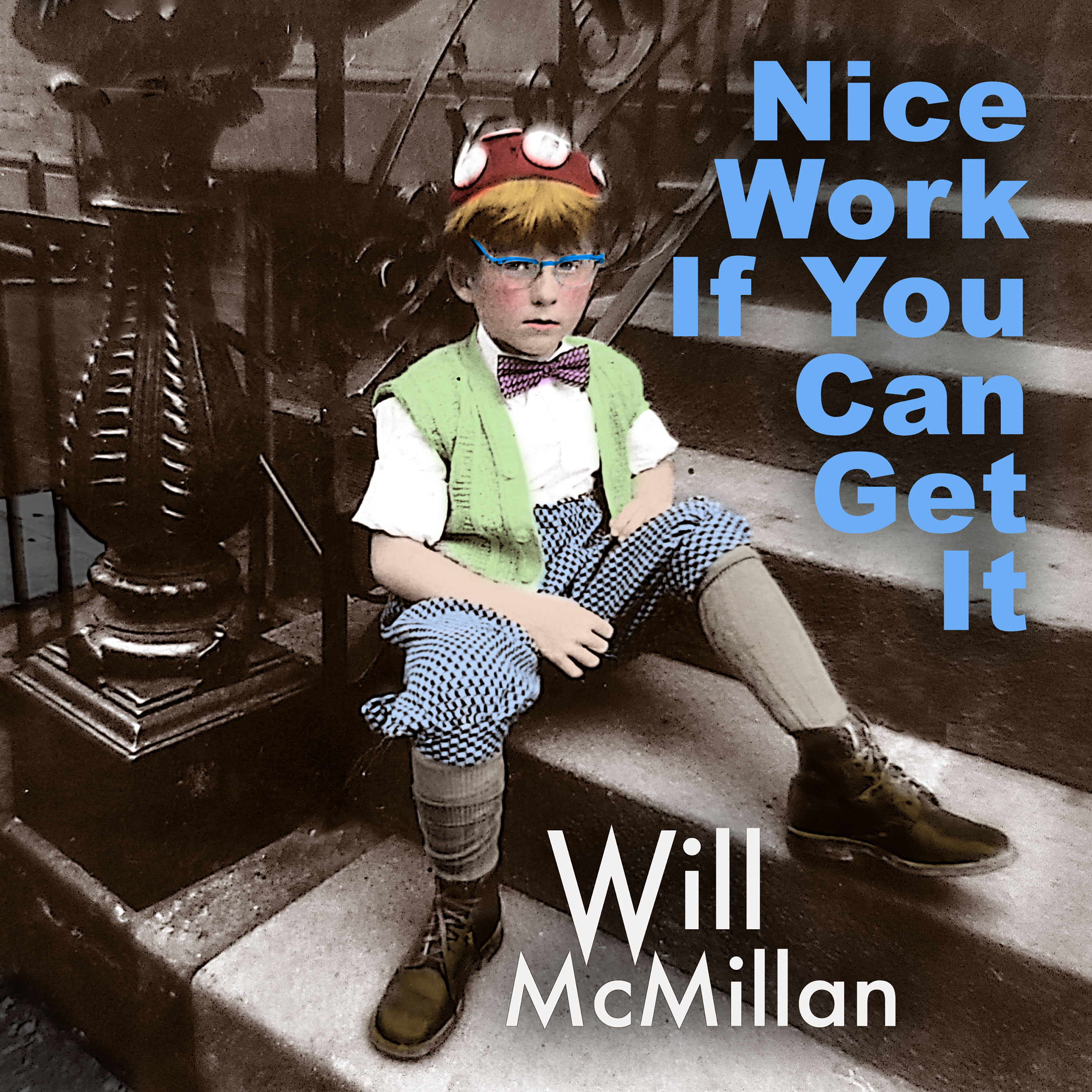
“Nice Work If You Can Get It” — which I released near the end of June — has been streamed 685 times on Spotify.
So that will earn me another dollar.
Luckily I am in this for the long haul…and I earn enough money from performing at retirement communities and leading Music Together classes to cover my very minimal expenses.
I also feel very fortunate to be making and sharing music as a way to make a (very modest) living.
Music really is “nice work if you can get it.”
A musician named Bree Noble — who also does a lot of teaching and coaching of other musicians — recently sent out an email which I found inspiring.
She wrote:
“Did you know that releasing music — i.e. seeing a beloved project through to completion — can improve your mental health?”
According to her, “studies show that most people desire purpose and connection in their work, and without that, their mental health can suffer.”
“We thrive when we experience ‘birthing’ an idea and seeing it through (to completion) — taking on a project that is our ‘baby’ and nurturing it to ‘adulthood.'”
Releasing music “can give (us) the emotional and spiritual benefits of project ownership — taking on a new challenge, providing a goal to work toward, and giving (us) a …fulfilling event to look forward to.”
Best of all, “not only can the…process (of releasing music) invigorate (our) emotional and spiritual (lives), it can help (our) music reach new people who need to hear it, enriching their lives as well.”
Deep breath in.
Deep breath out.
I think this wisdom/insight can apply to any creative undertaking — even writing a blog post.
It also reminds me of an article I read recently about folks who live to be over 100 years old.
Researchers have been studying these people’s lives, and many common themes have emerged.
They tend to be optimistic — while also acknowledging the reality of their challenges.
They tend to feel connected with others — as part of an extended family, a circle of friends, a spiritual community, a bowling league, a quilting circle, a fraternal lodge, a blogging community or some other subset of beings here in the interconnected web of life on planet earth.
Their diets tend to be plant-based — eating more vegetables, fruits, beans/legumes, and whole grains AND and more “cooked-from-scratch” meals (meaning less processed/junk food items…)
They tend to get out into nature on a regular basis — walking, biking, swimming, doing tai chi, painting, reading, playing games, etc. — rather than sitting at home and watching TV.
And they tend to have a sense of purpose — whether volunteering their time, sharing their wisdom, contributing to group causes, creating things, etc.
Apparently if we feel that we need to be here on planet earth — contributing in some positive way to our families, friends, children, grandchildren, community, watershed, ecosystem, political system, etc. — we are less likely to die.
Another deep breath in.
And deep breath out.
I am curious to learn in the comments about what gives YOU a sense of purpose these days.
Here is a link to “Nice Work If You Can Get It” in case you might like to listen to it on a streaming service.
As I have shared in past blog posts, if you “like” it or “heart” it or add it to a playlist, that improves the algorithmic sharing of my music on that particular streaming service.
Thank you to the Gershwin brothers — Ira (words) and George (music) — for writing such great songs.
Thank you to Doug Hammer for playing so exuberantly on my version of their song AND for being such. a terrific engineer/producer.
Thank you to Stephen Fischer for his skillful graphic design work.
Thank you to labor unions for helping to counter-balance the greed which seems to be an unavoidable part of our capitalistic system of economics.
Thank you to the photographers at Pixabay for their great images.
Thank you to whoever took my photo 50+ years ago on a front staircase somewhere in NYC.
And thank YOU for reading. and listening to another one of my blog posts!
“Music is a great encouragement to people in hard times.”
Deep breath in.
And deep breath out.
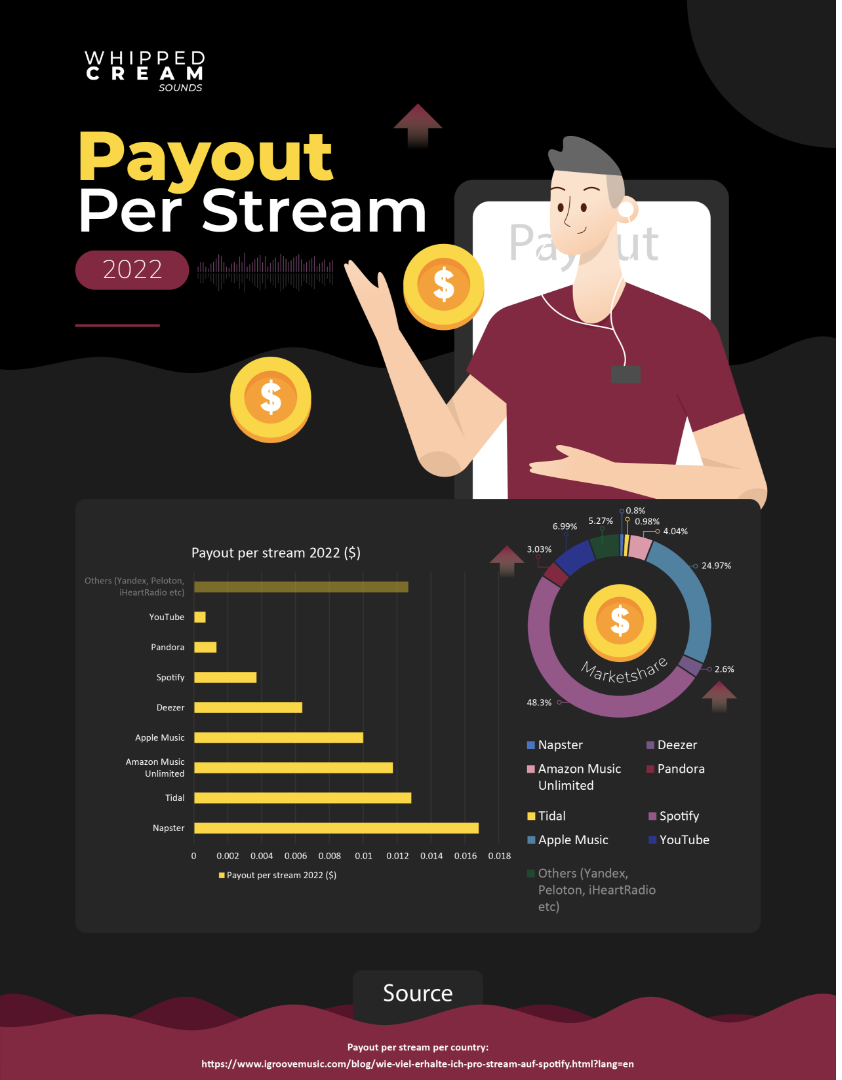
I also explain in this past blog post about how little money is earned by performers and songwriters from streaming platforms such as Spotify, Apple Music, Pandora, YouTube, etc.
Spotify, which last year had an almost 50% market share of music streaming worldwide, still pays less than half a cent per stream.
Apple Music was the next biggest player, with almost 25% market share of music streaming worldwide — but paid a penny per stream (almost triple what Spotify paid…)
All of the other music streaming companies share the remaining 25% of worldwide music streaming — and paid anywhere from .00069 cents per stream (YouTube Music) to .017 cents per stream (Napster).
Here’s a graphic representation from this article of all of these numbers.
Suffice to say that I have not been earning any significant money as a result of people streaming the 37 recordings I’ve released during the past 34 months.
Deep breath in.
And deep breath out.
But I DO have the satisfaction of knowing that my music is out there in the world, being listened to by folks in fifty different countries — including the USA, Finland, Canada, Taiwan, Great Britain, Kazakhstan, Australia, Indonesia, Turkey, Brazil and Chile!
“Music is part of what makes the world keep going.”
And in recent months my streaming statistics on Spotify have risen significantly (although my total numbers are still quite modest).
This rise in my stats helps me feel that what I am doing — releasing music — is not entirely futile, useless and/or egotistical.
And it gives me a small sense of hope, which is what Ron Sexsmith’s lovely song does, too.
Hope remains a blessed mystery to me.
I hope you feel at least a tiny kernel of hope in your life.
Recent regional elections here in the USA have renewed my sense of hope in our political process.
And small children — such as those who grace my Music Together classes — also give me a sense of hope as well as a reason to continue to work for a more balanced, sustainable, and respectful future here on planet earth.
I’d be happy to learn in the comments about what gives YOU a sense of hope these days.
Thank you to everyone who read and listened to and commented on my last blog post!
It has been lovely to re-connect with WordPress friends and acquaintances after my three-month hiatus from blogging (although I did continue to read a fair number of other people’s blog posts during that fallow time).
Last night I was unable to fall asleep.
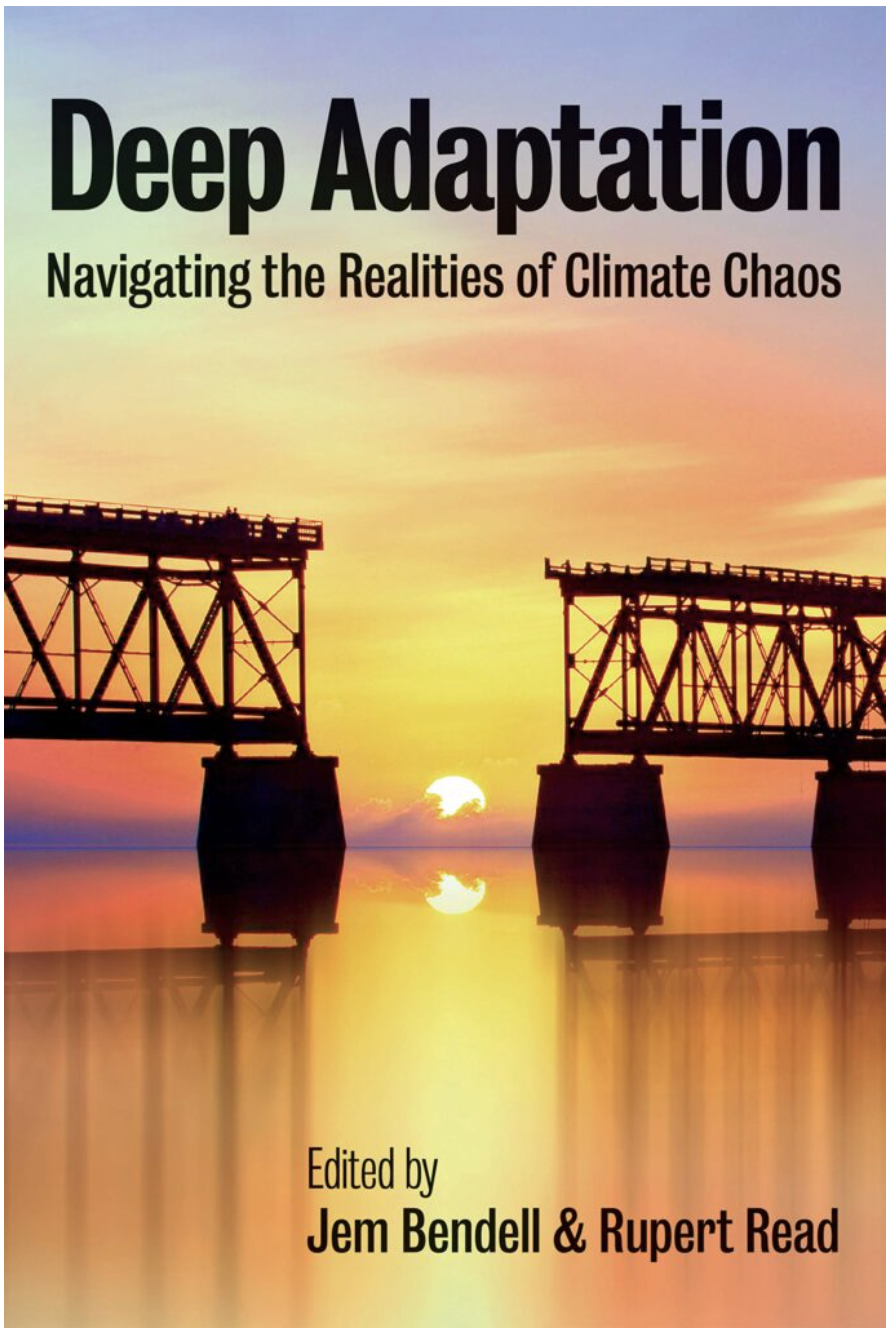
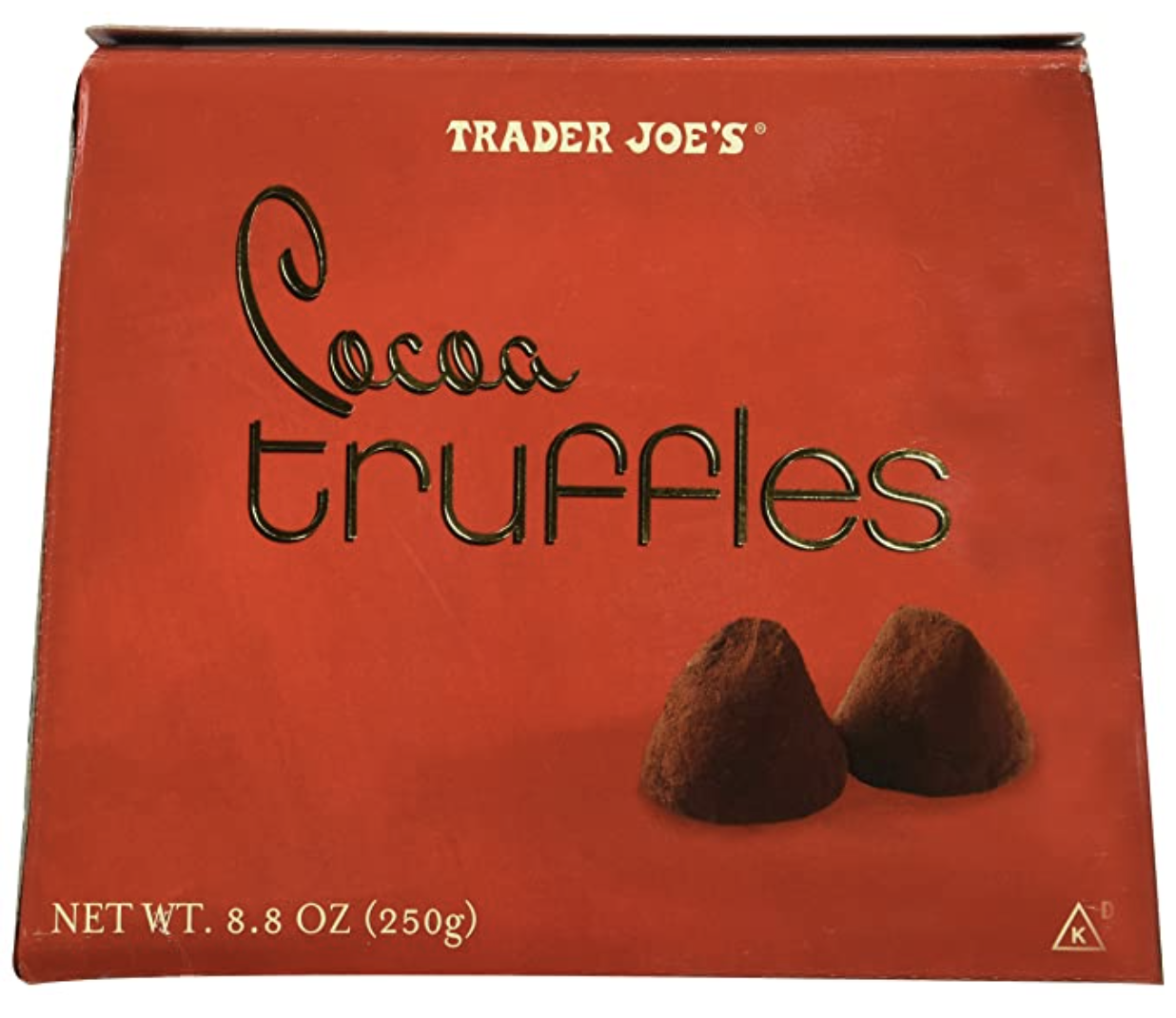
I am guessing it was a combination of reading two more chapters of Deep Adaptation (which can be profoundly terrifying and heart-breaking) combined with falling asleep for an hour during an unsatisfying football game earlier this evening (our New England Patriots fell ignominiously to the Buffalo Bills with a final score of 17 to 47) combined with the several chocolate truffles (made in Canada for Trader Joe’s) which I ate in the late afternoon before bundling up in many layers — t-shirt, hoodie, thin down jacket, thick down vest, thin black jacket, hat, gloves, and huge winter parka — and walking around a local lake in the very cold, refreshing winter air.
I have included another new song in the player at the beginning of this blog post.
I had intended to release it at the very beginning of 2022, but two things have delayed me.
One is some confusion about whether I should continue to use CD Baby (the company that has been distributing my recordings with pianist Doug Hammer to various digital music platforms) as my publishing administrator.
In case you do not know, when one records a song, there are two main copyrights for that recording.
One is a copyright for the actual recording.
That is usually owned or controlled by the recording artist (such as Lady Gaga or Tony Bennett or an independent musician like me) or by the recording artist’s record label (which may have advanced the money needed to make the recording…)
The other is a copyright for the song itself.
That is usually owned by the songwriter(s) and/or their publishing company.
So when I record a song written by someone else (Harold Arlen and Yip Harburg, for example), I own the copyright for my specific recording, and I pay a mechanical royalty in advance to the entity which owns the compositional copyright for that song.
When I record and release one of my original songs, I act as my own record label AND publishing company — and up until this point I’ve been using CD Baby as my publishing administrator.
A publishing administrator helps to track down earnings on behalf of the person who wrote the song.
I recently took an online class to learn more about how one might get one’s songs placed in TV shows and movies — and it turns out that one option is to find a sync rep to help me pitch my songs to music supervisors (who find songs for TV shows, movies, advertisements, and video games).
And some sync reps also like to act as one’s publisher — so having an agreement with CD Baby to be the publishing administrator for my original songs might be a detrimental to building a relationship with a sync rep…
So I’ve been stalled for the past month, wondering exactly what to do next regarding my publishing administration options.
And sadly, CD Baby — which once offered immediate phone assistance when it was a groovy, independent company — now only offers phone callbacks (during a window of time over a couple of days) or email responses (which also can take many days to get a response).
I assume this is because they were bought up by a larger company who decided that the immediate phone assistance option was too expensive and/or inefficient.
And it took two weeks for them to respond to my most recent questions about their publishing administration option — maybe because it was the holiday season and/or maybe because my question didn’t fit perfectly into one of their dropdown menu options for customer service assistance…
Deep breath in.
Deep breath out.
Another reason why I have been delayed in releasing my new songs is because a few of them are about challenging topics such as our climate change/disaster and our current Covid epidemic/disaster — which I am guessing might elicit strong feedback/pushback (the prospect of which I find scary…)
And of course there is probably good-old-fashioned denial at work, too.
Sharing songs such as “We’re Running A Big Experiment” with the rest of the world (or rather with the people who have electricity and smart phones/computers and access to digital music platforms such as Spotify and Pandora and Apple Music around the world) somehow makes the topics I am writing about more real.
I can no longer hide in my own little puddle of denial once I put them out there.
And denial is an extraordinarily wily and powerful psychological mechanism/phenomenon.
One of the things I’ve been observing — in a spirit of curiosity rather than judgement — is how much denial can be triggered when one begins reading Deep Adaptation.
As I mentioned in my previous blog post, a friend invited a group of us (seven total) to read it together and also to discuss it each month via Zoom.
Since we began this process, some of us have managed to write down the wrong time for our Zoom meetings, some have taken a nap and almost missed a Zoom meeting (until someone else called and woke them up), and some have gotten ill and missed a Zoom meeting.
And many of us — myself very much included — have struggled to read the recommended chapters before each monthly Zoom meeting.
What have been YOUR experiences with denial?
And with climate change?
Deep breath in.
Deep breath out.
I wrote in my last email that I was going to write shorter blog posts; so I’d better end this one now.
I am very grateful to you if you have managed to read this far and perhaps have also listened to “We’re Running A Big Experiment.”
Thank you!
I am also very grateful to Doug Hammer — for his wonderful piano playing AND his engineering skills AND his advice/input regarding the harmonies I sang on this song — as well as to the photographers and artists at Pixabay for their magnificent images.
And I remain truly grateful for all the blessings I currently have in my life — food, shelter, heat, warm clothing, electricity, a functional computer, access to the internet, a reliable bicycle, family, friends, and the WordPress community (to name just a few!)
One final deep breath in.
And deep breath out.
PS: You are always welcome to visit my website — where you can find many songs (and learn more about my musical life here on planet earth if you are curious).
You can also find me singing — with Doug Hammer playing his Schimmel grand piano — on Spotify, Pandora, Apple Musicand other digital music platforms.
And if you are hungry for a more uplifting song as an antidote to “We’re Running A Big Experiment,” you are welcome to click here and listen to a song I wrote a few years ago when visiting friends in Toronto called “Another Good Morning” (which I recorded with Doug Hammer and released on a bunch of different digital music platforms last year).
I earn only a fraction of a cent any time someone plays one of my recordings on a digital music service — but they all add up!
PPS: If I have mis-explained the basic copyright concepts regarding recorded songs, please correct me in the comments section!
6/13/22 I finally distributed “We’re Running A Big Experiment” via CD Baby to various digital music platforms! You can click here to listen on Pandora, Youtube, Apple Music, Spotify, and more…
BACA is a humble and surprisingly resilient non-profit group which a bunch of us helped to start over 25 years ago.
And it is still going strong — an ongoing labor of love — due to the efforts of a generous and ever-evolving group of singers, musicians, songwriters and music fans who serve on its board, bless them.
Eventually we started performing together as “The Will & Lil Show” — co-creating two different shows of music and ideas before she moved from the Boston area back to her homeland of Philadelphia.
Our first show focused on the subject of water — in rivers, clouds, oceans, harbors, showers, wading pools, and even our own metabolisms.
We followed that with a show called We Are What We Eat — A Potluck Cabaret which featured songs about eating, serving and preparing food such as Cole Porter’s “The Tale of the Oyster,” Bernstein, Comden and Green’s “I Can Cook, Too,” Stephen Sondheim’s “The Ladies Who Lunch,” the Sherman Brothers’ “Feed The Birds,” and Stephen Schwartz’s “It’s An Art.”
The show began with Lillian and me on stage chopping and slicing and preparing various finger-foods while audience members were finding their seats.
Once everyone had arrived, we began singing a song (in the player at the start of the blog post) from William Finn’s musical “March Of The Falsettos” while serving the audience what we had been preparing onstage.
It was a lot of fun.
The original lyrics for “Making A Home” included some references to food — to which we added a few more.
Recently I was happy to find a computer disk which contained some of our original PR photos as well as a script for our food show.
Here’s a list of food-related items that we used during the show:
As you can probably extrapolate from this list of props, we covered a lot of ground in this show — from the processed food industry (for which Lillian’s mother had once consulted) to food norms in different cultures (Lillian has traveled a lot) to my past as a child actor doing commercials for various food products (such as Ring Ding Juniors, Lifesavers, Imperial margarine, and Oreo cookies).
Here’s an excerpt from what we said after we sang “Making A Home” while serving appetizers to the audience.
Lil: “Will and I love to cook.”
Will: “And we love to feed other people what we have cooked.”
Lil: “And we love to eat; so this show was a no-brainer.
Will: “Eating is something that is easy to take for granted.
Photo by Stephen C. Fischer
Lil: “We do it several times a day, often out of habit or while we are focused on something else.”
Will: “But eating is really a magical process. Think about it… radiation from a nearby star is captured by plants who transform it into something that we can absorb into our bodies, which becomes… us.”
Deep breath in.
Deep breath out.
Over twenty years later I am still amazed by how life works here on planet earth!
Near the end of the show Lillian tied me to a chair while singing “Have An Eggroll Mr. Goldstein” from Gypsy and stuffing all sorts of delicious, cut-up fruit into my mouth.
Then we sang “You’re The Cream In My Coffee” while throwing pie plates full of non-dairy whipped topping in each other’s faces.
Our encore was “Life Is Just A Bowl Of Cherries.”
This delightful anthem was written by Lew Brown (lyrics) and Ray Henderson (music) for Ethel Merman to sing in George White’s Scandals of 1931 after she had rejected another song they had wanted her to perform.
I am very thankful that Ms. Merman knew — when she was still in the early years of her extraordinary career the entertainment industry — what kind of song she could and couldn’t deliver to an audience.
Otherwise Ray and Lew might not have written this musical gem.
Thank you for reading and listening to this somewhat light-hearted blog post.
I will undoubtedly return to more serious topics in the future.
Today I have been inspired by a statement currently circulating (I hope accurately) on FaceBook from a Hopi Indian Chief named White Eagle.
“This moment humanity is experiencing can be seen as a door or a hole. The decision to fall in the hole or walk through the door is up to you.
“If you consume the news 24 hours a day, with negative energy, constantly nervous, with pessimism, you will fall into this hole. But if you take the opportunity to look at yourself, to rethink life and death, to take care of yourself and others, then you will walk through the portal…
“Don’t feel guilty for feeling blessed in these troubled times. Being sad or angry doesn’t help at all…
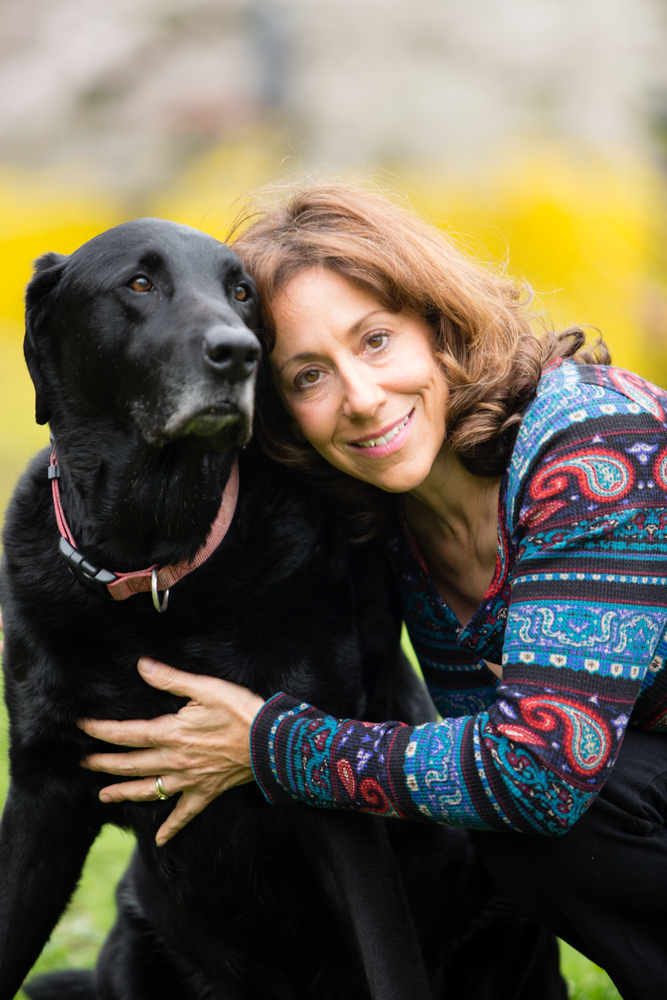
Lillian with her beloved dog Albee!
“Show resistance through art, joy, trust and love.”
Another deep breath in.
And deep breath out.
Thank you to Lillian Rozin for being one of my favorite collaborators… and one of my favorite chefs, too!
Thank you to Doug Hammer for playing piano AND recording the rehearsal from which we recently selected and mixed these songs.
Thank you to Ray Brown and Lew Henderson for writing “LIfe Is Just A Bowl Of Cherries” — and to Ethel Merman for inspiring them to do so.
Thank you to William Finn for writing “Making A Home.”
You are always welcome to visit my website — where you can find more songs from The Will & Lil Show celebrating food.
Or you can find me singing — with Doug Hammer playing his Schimmel grand piano — on Spotify, Pandora, Apple Musicand other digital music platforms.
I am using some of my recent favorites to illustrate this blog post.
I feel the postal service is one of the things that still connects all of us — and that we all continue to use on a regular basis — regardless of political ideology, religious affiliation, racial ancestry, and socio-economic status (although the rates going up and up and up certainly make it more expensive to use…)
I also like our postal carrier, Rob.
He has been assigned to our neighborhood for the past decade (at least), and his familiar face — and warm personality — weave all of us in this section of East Arlington together on a daily basis.
Mostly what I receive in the mail are bills, credit card statements, requests for money from organizations to which I may have given a tiny amount of money in the past (or from new organizations to whom someone has given or sold my name and address) and advertisements.
On very rare occasions, I get a handwritten — and sometimes even a handcrafted! — card.
And I savor it…
Deep breath in.
Deep breath out.
I am not sure exactly what makes a hand-written card/note/letter different from an email/text message.
There is the pleasure of seeing a person’s individual, idiosyncratic, and — in a few cases — beautiful handwriting.
I also like knowing that the person who wrote it has touched the same paper and the envelope and the stamp that I am now touching as I rip it open and read it.
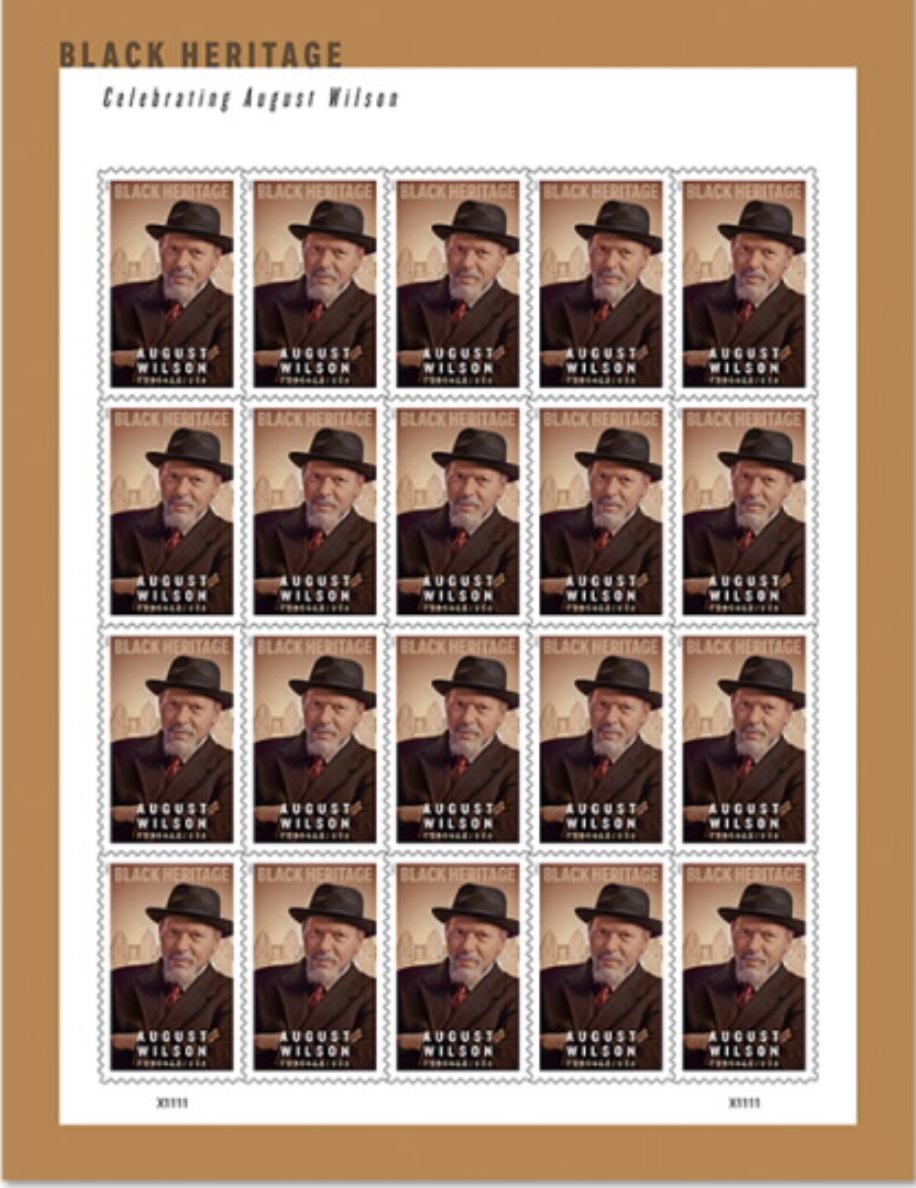
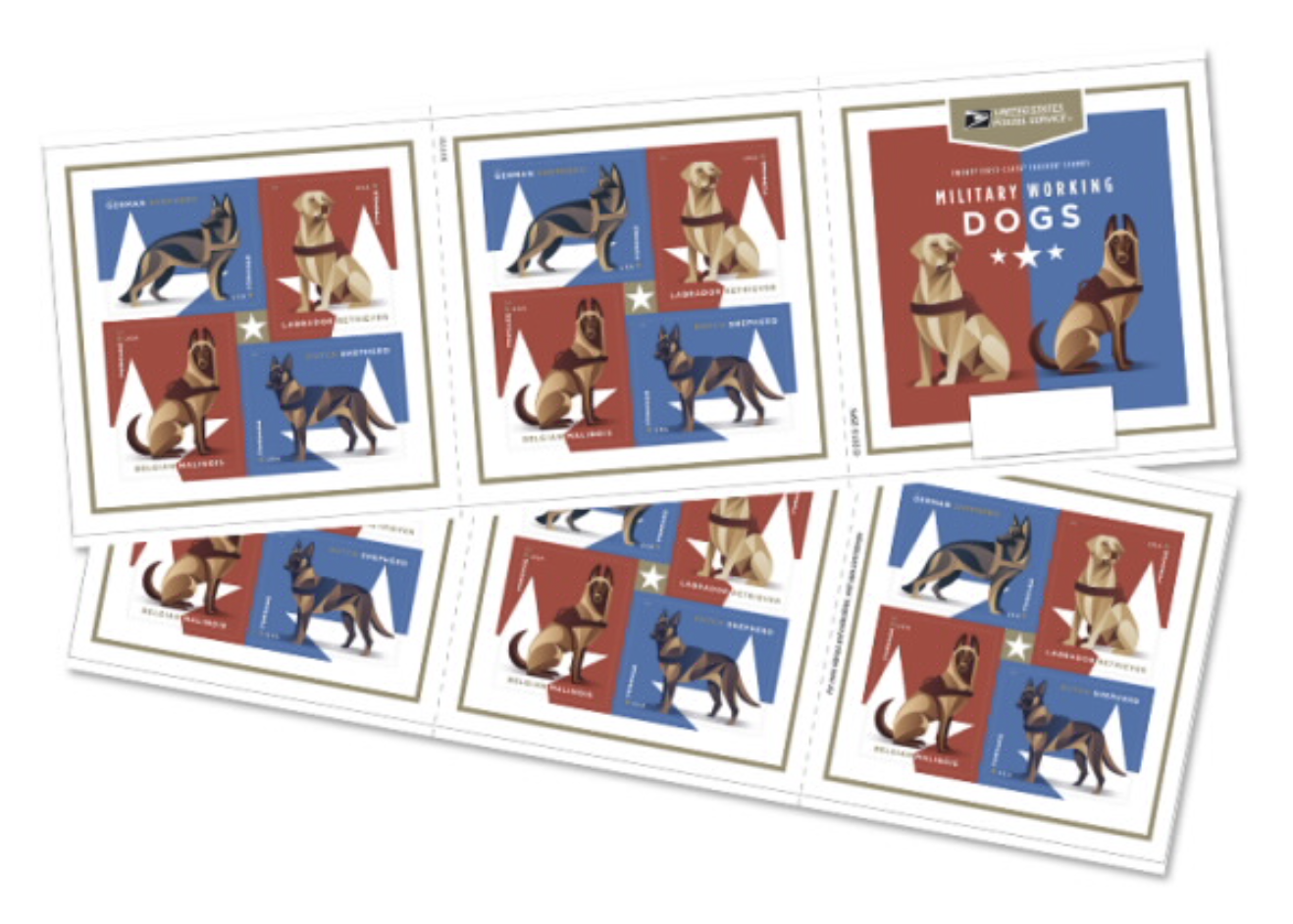
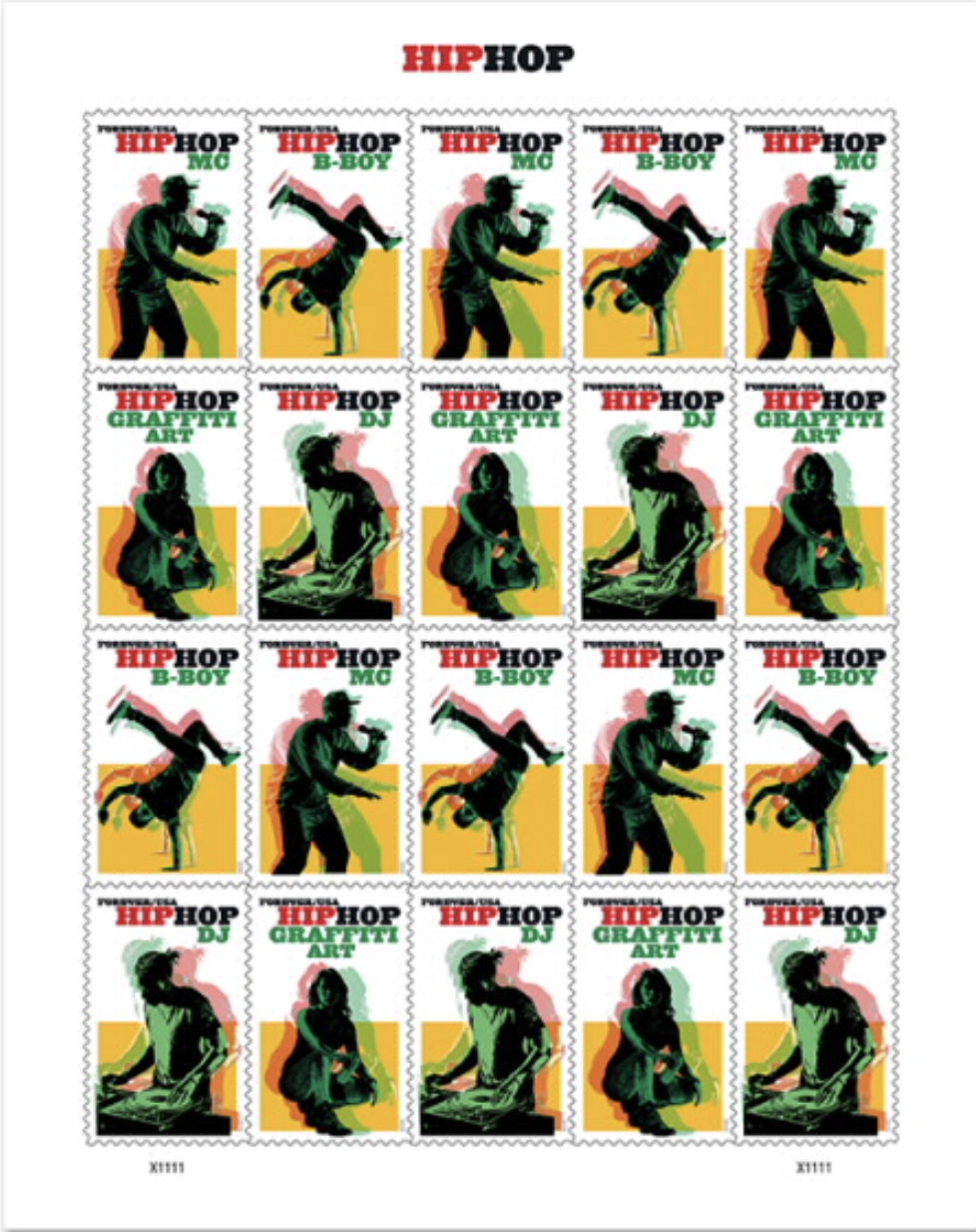
And I like seeing what stamp they have selected.
But there is also — for me at least — an element of respect that is somehow implied by the fact that they found the time to find a card (or piece of paper), write something on it, put it into an envelope, address it, stamp it, and get it into the mail.
And then, somewhat magically, it finds its way to me!
I have had jobs which included dropping off mail at both a local office and at a huge regional mail sorting center.
I have seen the people and conveyor belts and sorting machines and wheeled carts and trucks that are responsible for a card or letter or package getting from point A to point B.
It is quite a feat of logistics which most of us take for granted.
And I have never had a card or letter or bill payment (that I know of…) get lost.
On rare occasions I have received something which got a little chewed up en route.
But it was still legible.
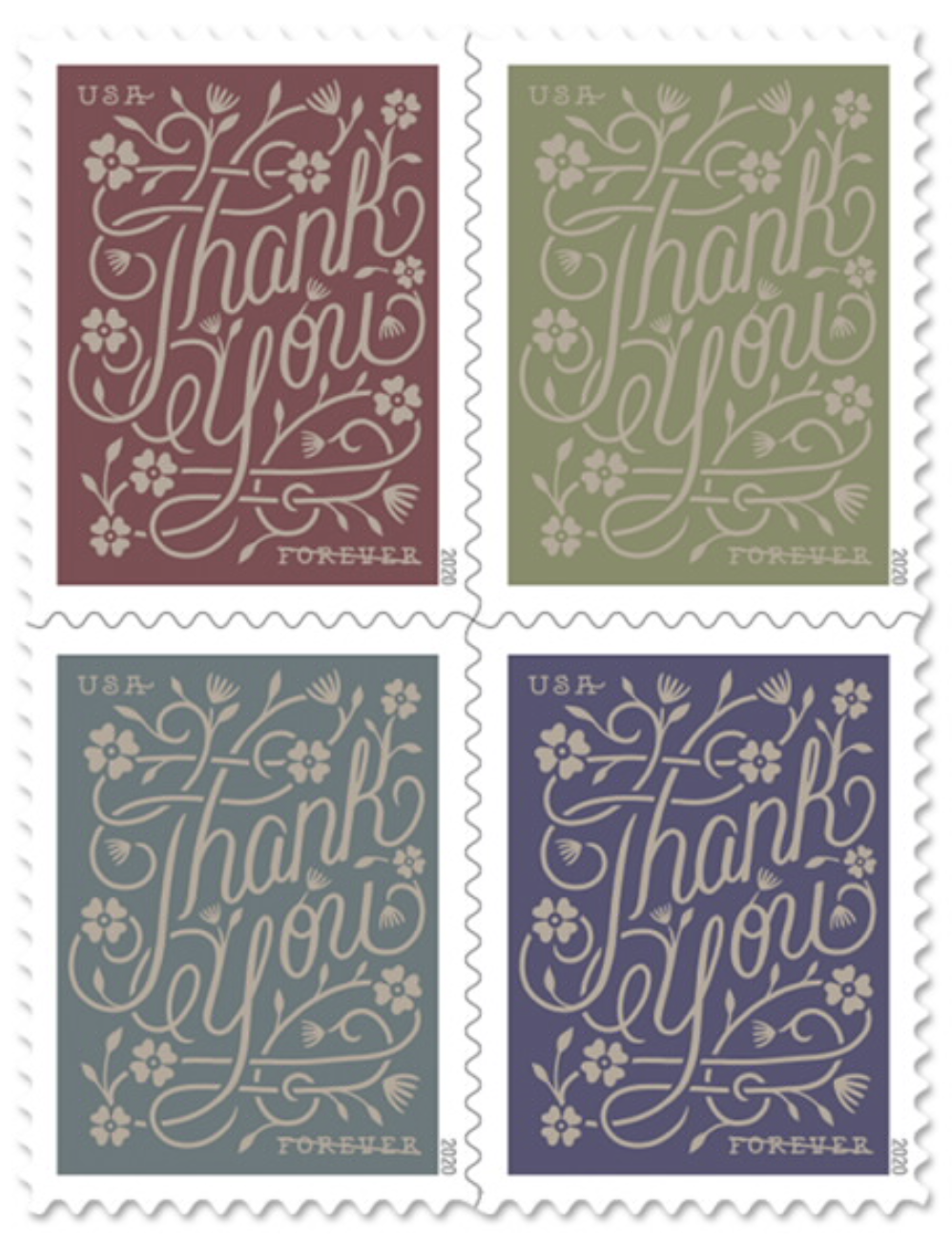
In particular I love to send “thank you” cards.
It became a habit when I was given a promotion from part-time events coordinator to full-time PR director (who still coordinated a lot of events) at the Cambridge Center For Adult Education over twenty years ago.
Email was just becoming a regular thing — and hand-written cards were becoming more of a rarity.
Any time a media person included one of our classes or events in a calendar listing, or mentioned us in an article, or interviewed one of our teachers, or mentioned us on the radio, or covered us in any way — I sent them a hand-written “thank you” card.
I wanted to thank them, AND I also wanted to jumpstart (and then nurture) a relationship with them so that when they were next on a deadline and needed some expert to interview for a story, they might be more inclined to think of us as a potential resource.
Or when they had to choose an event to feature in their weekly calendar, they might be a little more likely to select one of our offerings.
Or they might even come and take one of our classes — or attend one of our poetry readings or concerts or workshops.
I was happily surprised (and a little bit embarrassed) to learn, when I attended an annual conference of local black journalists one year, that I had even become slightly infamous when an editor from The Boston Globe referred to me as “the guy who sends all of those ‘thank you’ notes.”
I continue to send “thank you” cards after every one of my gigs to the person who booked us — and sometimes also to the person who welcomed us and made sure we were all set up, too.
And I send “thank you” notes for gifts I receive, to family or friends who feed me dinner or host me on trips, and to local media folks who write about me and my musical life here on planet earth.
I love the cards at Trader Joe’s (only a buck each) and have learned that if I see something I like, I need to buy a bunch of them because I may never see them again for sale.
And every six months or so I go to a local discount department store, TJ Maxx, in a strip mall located a 12-minute bike ride from home.
If I am lucky, they have a bunch of simple, elegant “thank you” cards (in boxes of 12 or 15 or even 20!) at a half or a third of their regular price.
This translates to anywhere from 25 to 50 cents per card.
Then I buy 5-10 boxes of whatever is nicest (because I’ll probably never see any of THEM for sale either) and ride home feeling very rich in ‘thank you” cards.
Same thing for stamps.
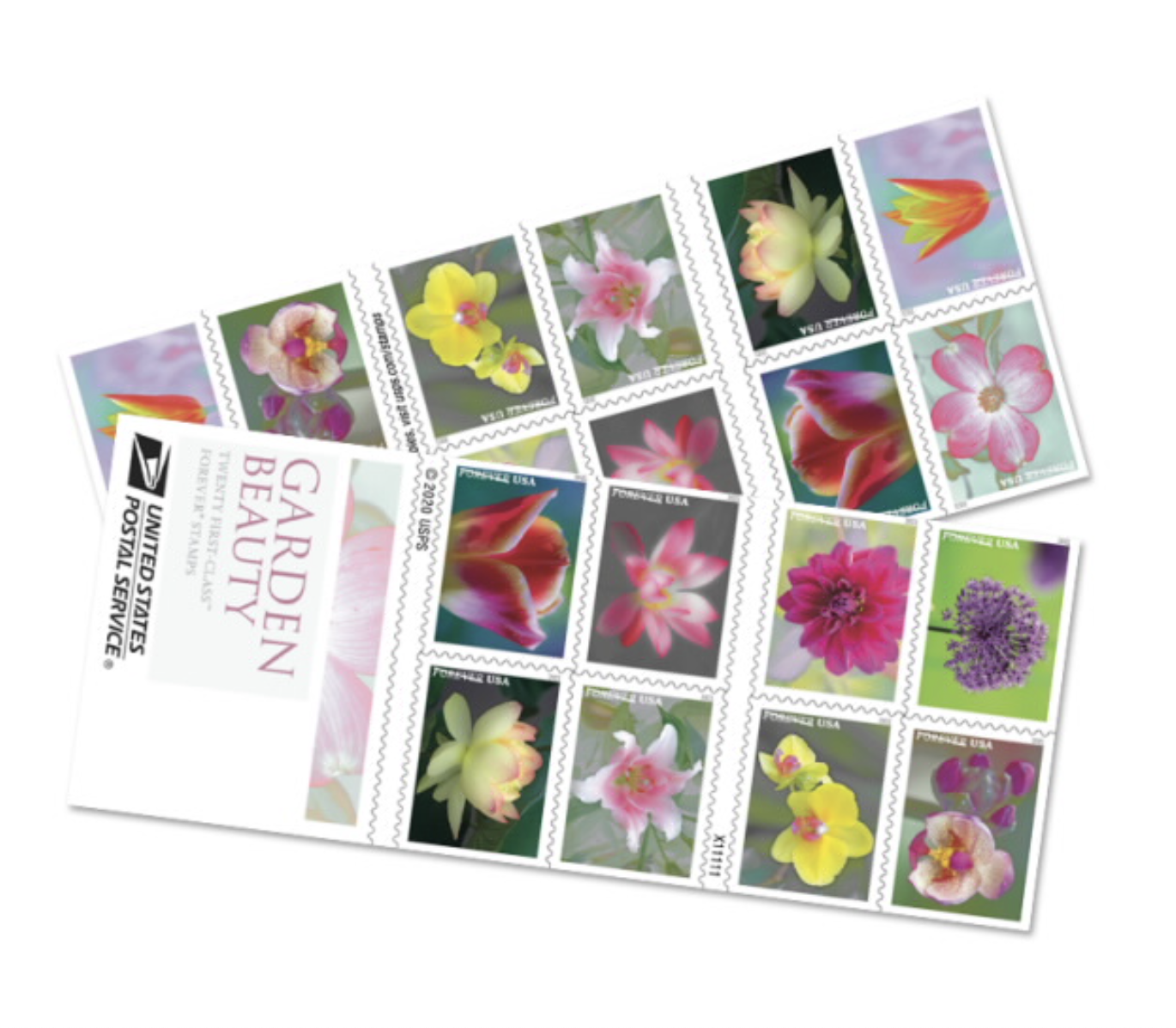
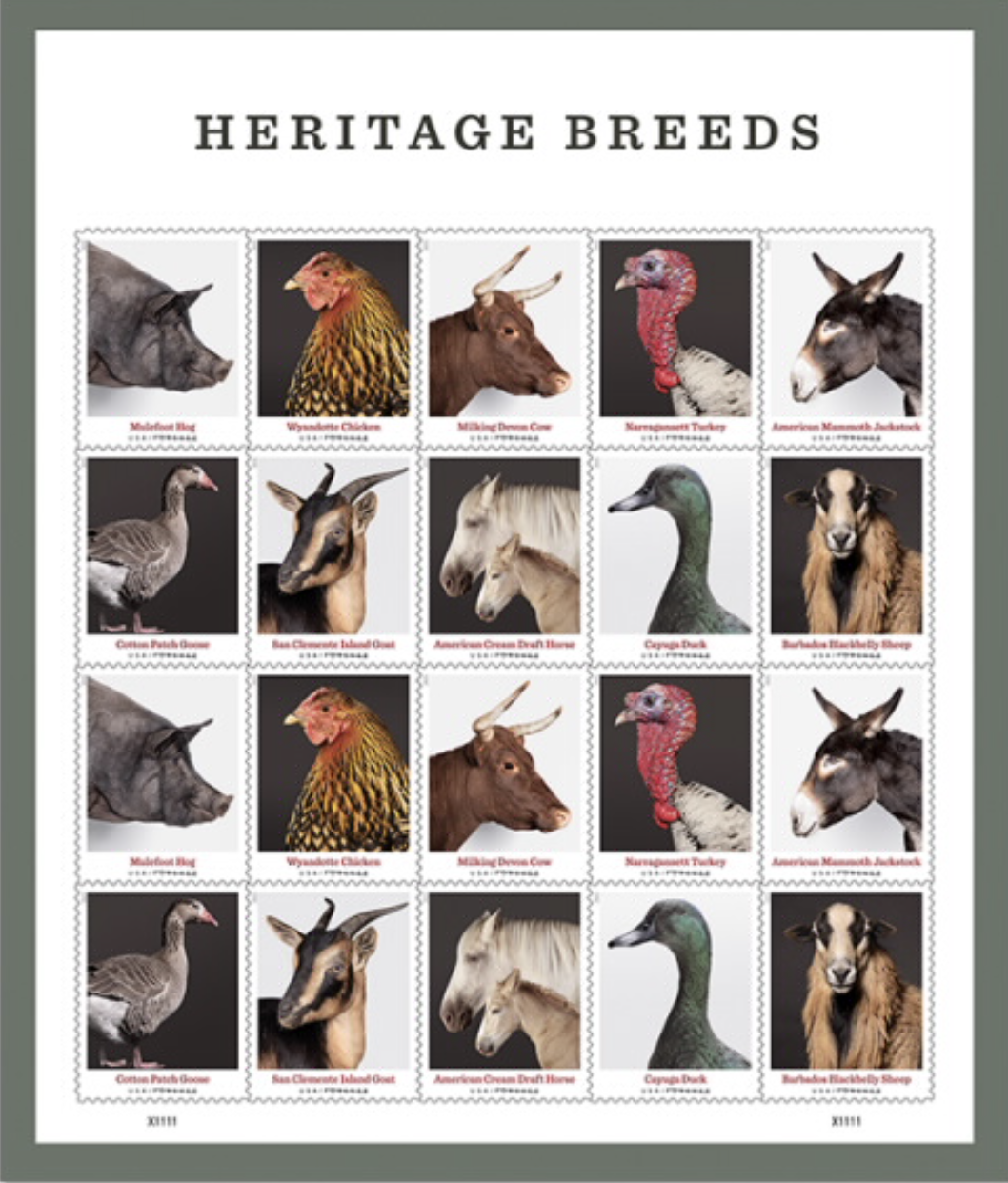
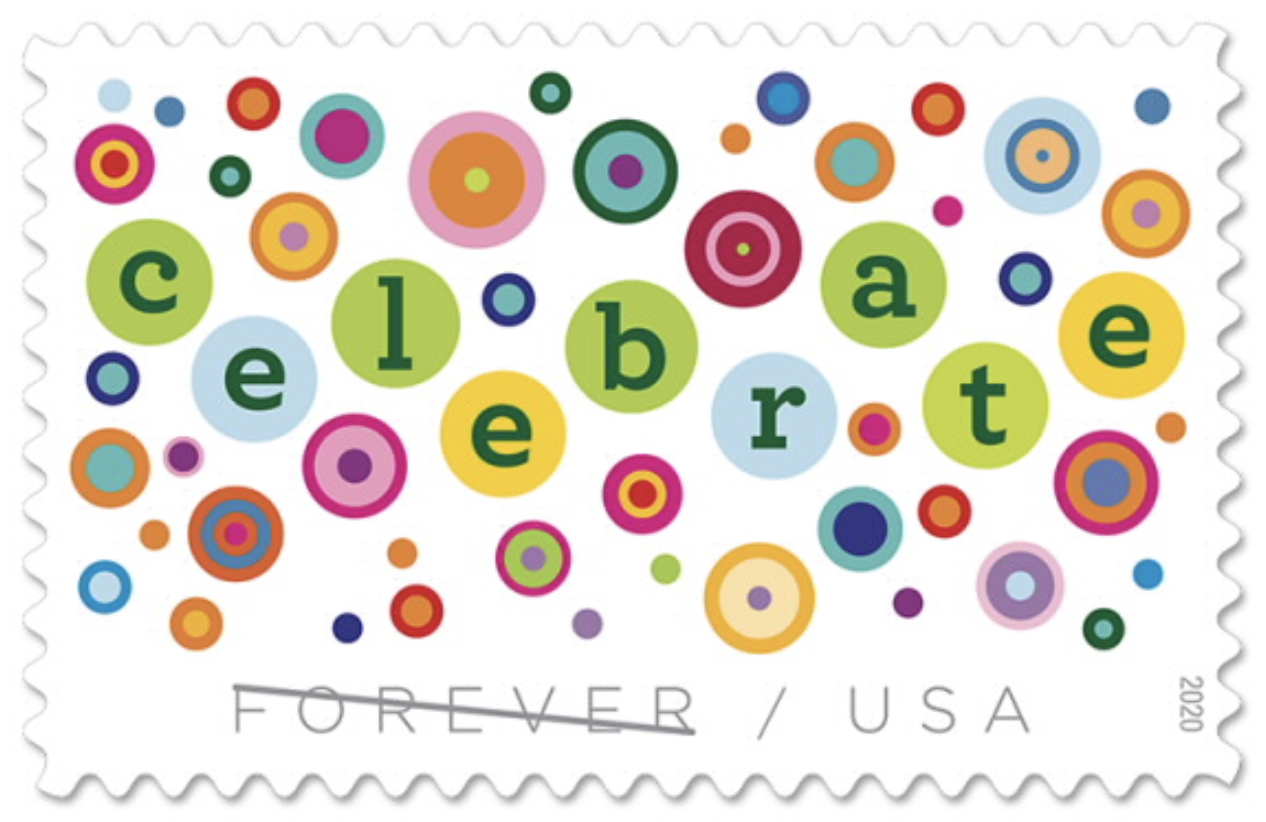
If I see some I like, I buy many sheets (or rolls) of that particular design because there is no telling when they will sell out at my local post office — located a four-minute walk from my home.
I guess I could order them online, but I love going to an actual post office and talking with an actual postal employee.
I don’t love putting on two face masks — a medical one and a fabric one — before I go inside, but the more infectious Delta mutation is on the rise even here in relatively well-vaccinated Massachusetts.
So I am using face masks again when I am inside a public space like a post office or grocery store.
Last week when I bought a bunch of stamps, I was the only customer in the post office — which made my visit short and sweet.
I purchased $800 worth of postcard stamps — with a selection of beautiful barns on them — to go along with the 10,000 postcards I ordered earlier this year.
Actually I only ordered 5,000 postcards, but the printer did not understand the four-card template I sent to them and misprinted the first 5,000 (with four small messages rather than one big message on each card).
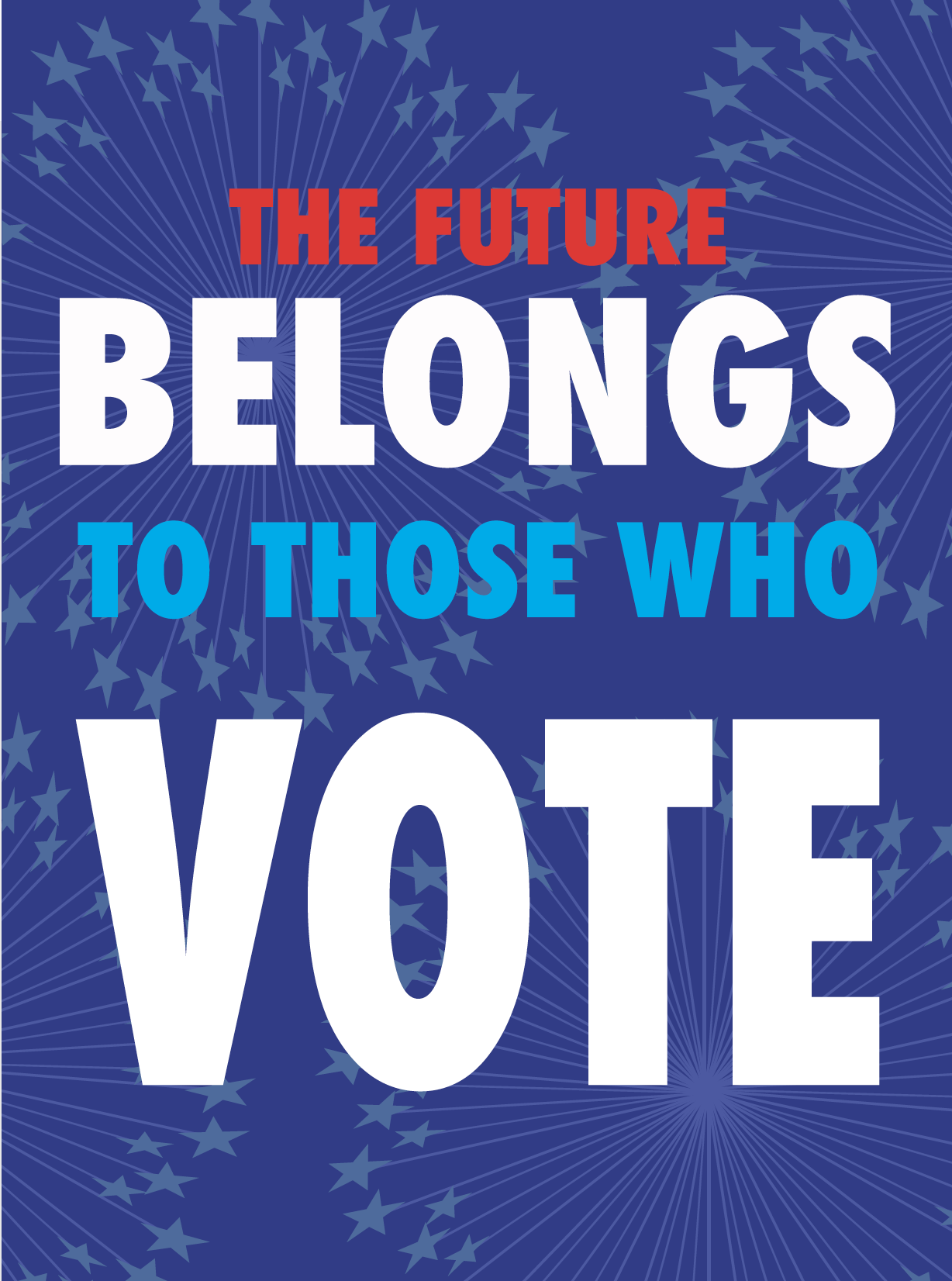
Then they very generously reprinted them correctly at no extra cost; so I ended up with 10,000 cards total — half of which say “The future belongs to those who vote,” and half of which say the same thing but four times and in much small type.
I mail them — along with a recommended hand-written message — to potential voters all over the USA who have a local election coming up (which they may or may not be aware of…)
It is one of the ways I attempt to ward off my profound disappointment — verging at times on terror — with how political events have been unfolding recently in these not-very-United States.
But this blog post is not intended to be a downer.
The recording I’ve included is a fun take of “Please Mr. Postman” written by Georgia Dobbins, William Garrett, Freddie Gorman, Brian Holland, and Robert Bateman.
Wikipedia reminded me that it was the debut single by a Motown/Tamla group called The Marvelettes — originally released sixty years ago in August 1961.
Apparently the songwriter credits have varied over time — but the current copyright, I am happy to see, includes Georgia Dobbins, who was the original lead singer for The Marvelettes.
She helped create the first version of the song (which she and her bandmates sang when they auditioned for Motown/Tamla) by adapting a blues written by her friend William Garrett.
Her version was then re-worked by several Motown/Tamla songwriter/producers, including Freddie Gorman — who was also an actual Detroit postman.
I am particularly glad that she is included as a co-songwriter, because Wikipedia reports that Ms. Dobbins left the group soon after they were signed by Berry Gordy and before they recorded “Please Mr. Postman.”
There must be more to THAT story…
The song she helped to write became a hit — crossing the Atlantic to the UK where The Beatles quickly added it into their repertoire and eventually recorded it two years later in 1963.
Another thing I learned is that Marvin Gaye played drums on The Marvelettes’ version!
The Carpenters made it a hit yet again in 1975, and their version was sampled and used in another song called “Oh Yes” by the rapper Juelz Santana in 2006.
It is fascinating to see how songs, like viruses, move from one human host to another and creatively mutate over time…
The version at the beginning of this blog post is from a rehearsal I did a few years ago with the wonderful pianist Doug Hammerand a wonderful singer named Lynn Fischer.
In addition to being a life-long performer, Lynn is also the the executive director and co-artistic director of the Mass Transit Theater company in New York City.
I love the playful and spontaneous spirit of this recording, which I think was take number three during our rehearsal for the opening of an art exhibit called ART/Word which my sweetheart produces each year with a different theme.
The artistic theme that year was “Letters.”
I will end by thanking Lynn Fischer for joining me in our fun rendition of this song.
And thanking Doug Hammer for his gifts as a pianist AND engineer/producer.
And thanking the US postal service for continuing to exist and function!
And thanking the artists who create such an extraordinary variety of artwork for our stamps.
And thanking YOU for reading and listening to yet another one of my blog posts.
Do you still send hand-written cards and letters to anyone?
And you are always welcome to visit my website — or you can find me singing (with Doug Hammer playing his Schimmel grand piano) on Spotify, Pandora, Apple Musicand other digital music platforms.
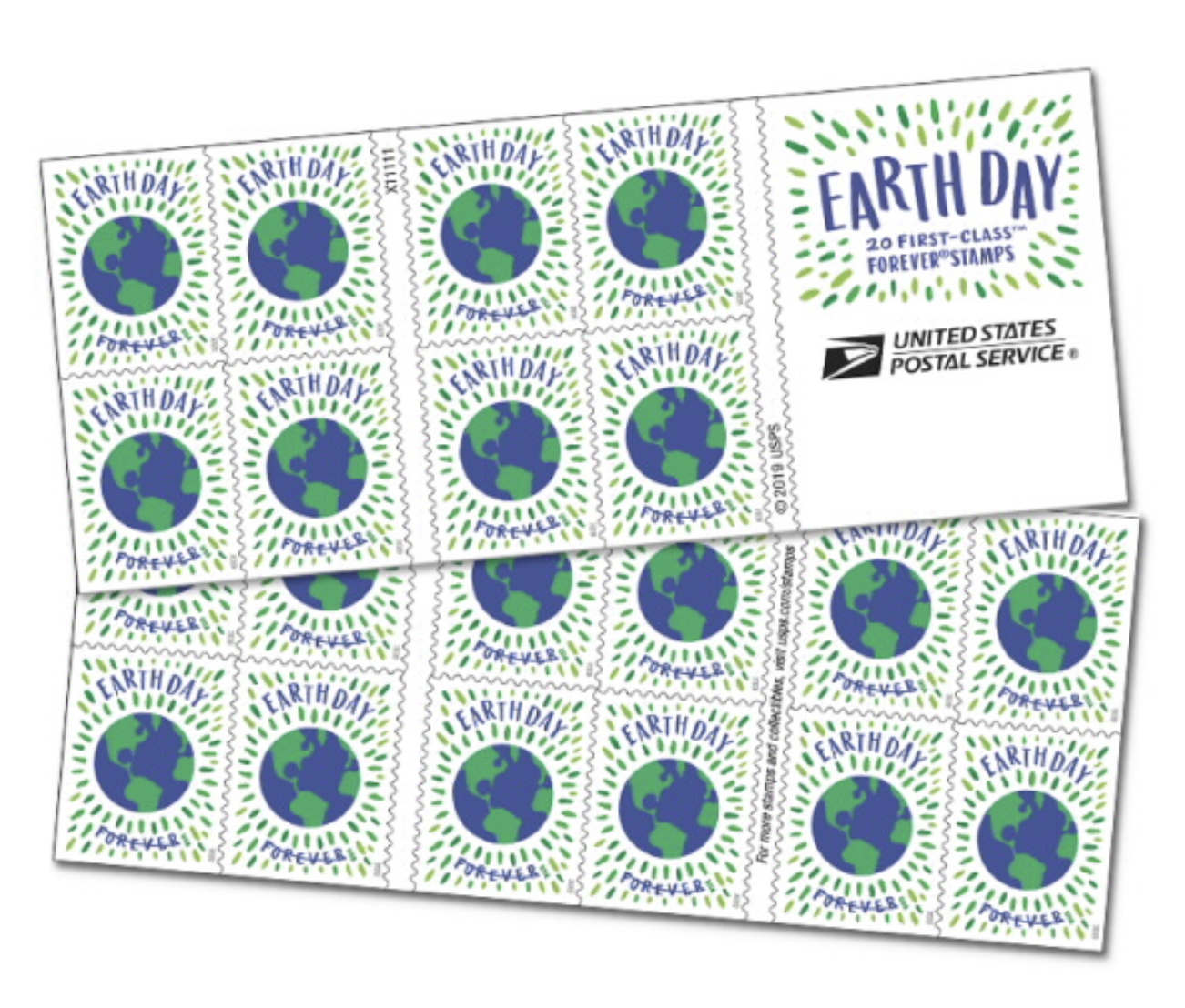
Let’s continue to find new ways to reduce our carbon footprint on this precious planet each and every day!
There are far too many forest fires and floods and mudslides happening these days…
Rain is forecast for Christmas Day, which will probably melt the snow that fell last week.
Lot of folks are curtailing their holiday plans and modifying — or outright cancelling — long-standing family traditions in response to the fact that hospitals around the USA are again overloaded with Covid-19 cases.
And the infection numbers just keep rising…partly due to all the traveling that folks did a few weeks ago during Thanksgiving.
And the refrigerated trailer trucks parked outside of hospitals continue to fill up with the bodies of folks who have died — with no friends or family members at their side — as a result of this public health tragedy.
This is sad on so many levels.
Deep breath in.
Deep breath out.
Even in the best of years, winter holidays can be a very difficult time for some of us.
I read a couple of blog posts by my fellow bloggers this morning while I was avoiding other tasks on my “to do” list.
Clare from North Suffolk in England shared a bit about the challenges her family is facing this year, especially those who already experience high levels of anxiety about life here on planet earth.
She writes: “The damage all this isolation and lock-down is doing to so many people, physically, mentally and financially is unimaginably great…”
Another deep breath in.
And deep breath out.
Clare’s blog post reminded me of this song, written by John Meyer (in the audio player above).
I do not remember when I first heard “After The Holidays.”
Judy Garland performed it on The Tonight Show with Johnny Carson in 1968 — and many copies of that performance can be found on YouTube.
I am guessing that it was included on some sort of Judy Garland compilation CD — released long after her death in 1969 — which I ended up listening to…
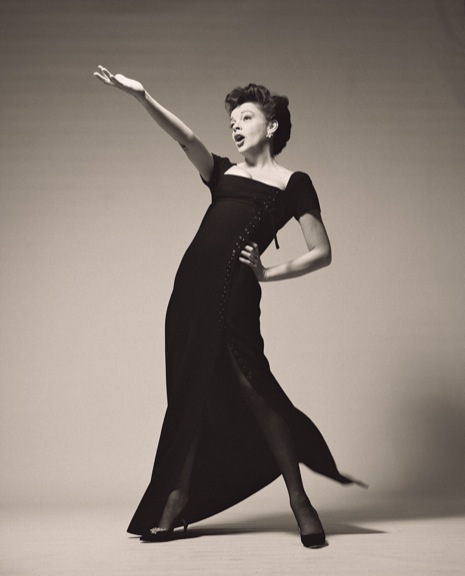
Here is Judy in 1963, photographed by Richard Avedon.
The man who wrote the song, John Meyer, had an intense, three-month-long relationship with Judy when he was starting his career as a writer.
He chronicles it in a very vivid book he wrote called Heartbreaker.
I think his relationship with Judy ended when she got serious about another man, Mickey Deans.
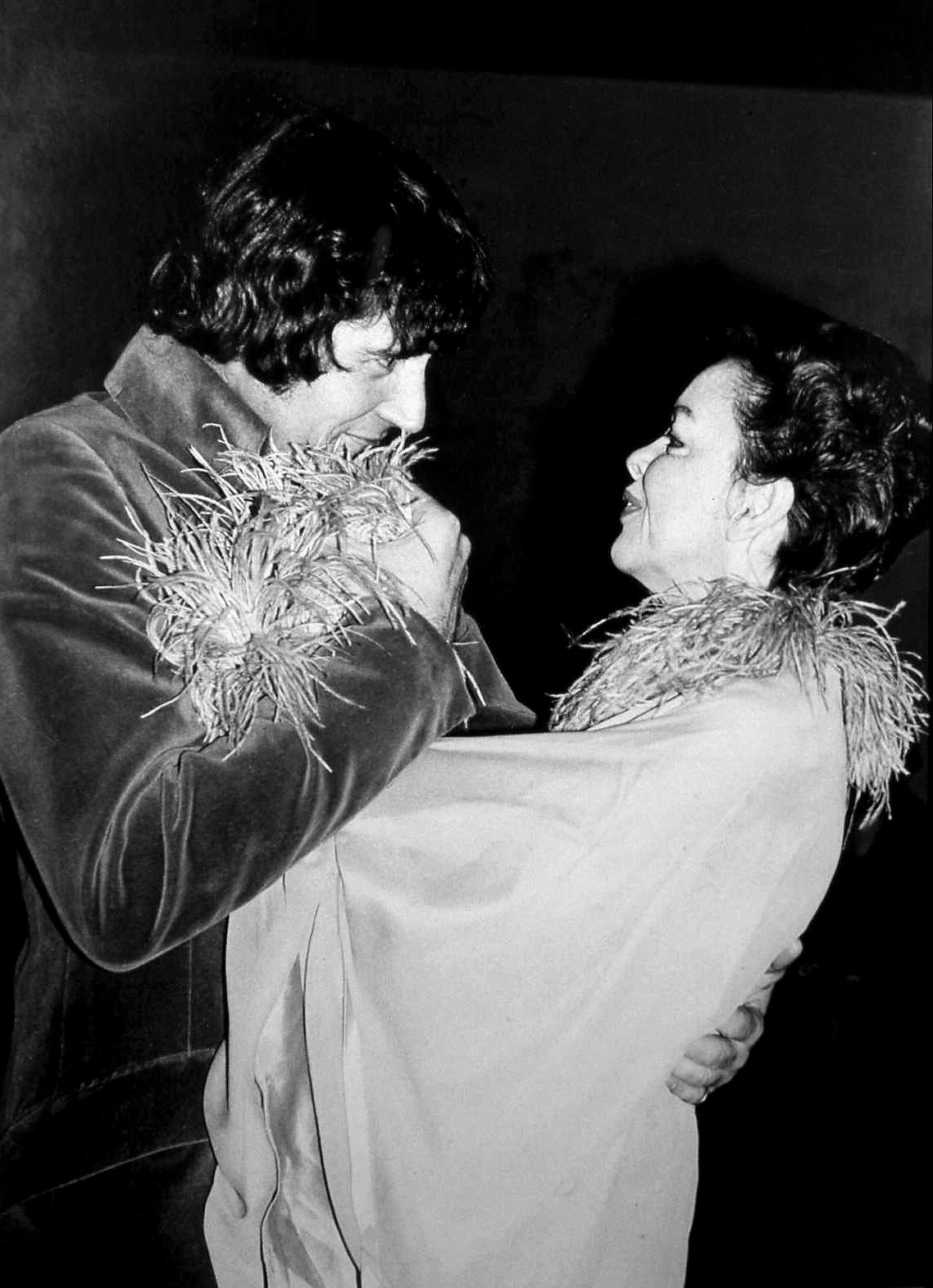
Here she is with Mickey in London during their wedding on March 15, 1969.
Judy was living with Mickey in London when she died on June 22, 1969.
It is my understanding, after reading many books about Judy Garland, that she often did not like to be left alone.
Mel Torme — a wonderful singer who also co-wrote “The Christmas Song” — wrote a book about his time working on Judy’s TV series.
In it he talks about becoming a member of “The Dawn Patrol” — a select group of staff members who would take turns spending the night with Judy and reassuring her that her show was going well.
Loneliness is certainly something that most of us have experienced at one time or another.
And loneliness during the holidays can be particularly excruciating.
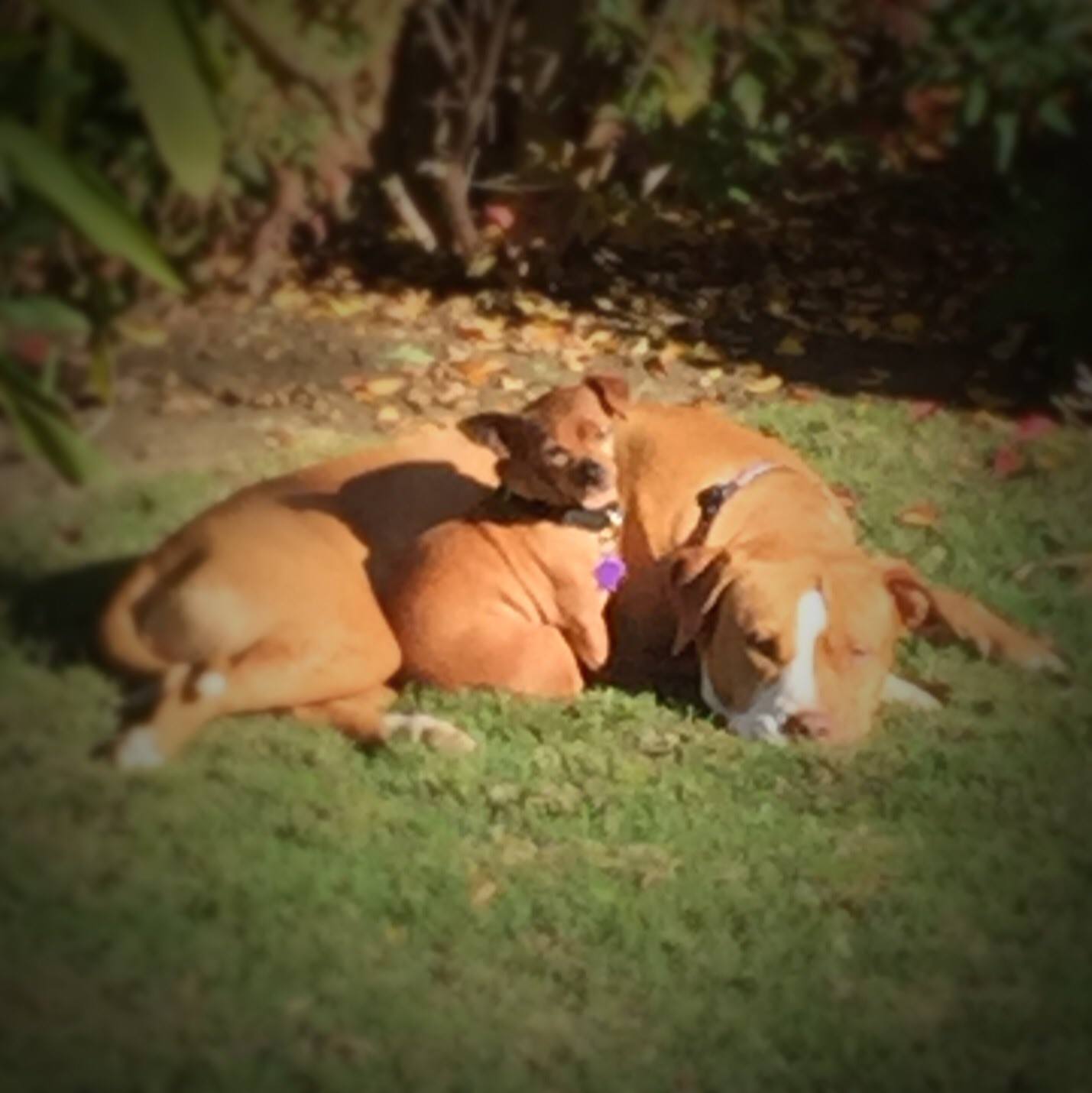
By a sweet coincidence, while I was avoiding things on my “to do” list, I also found a video on YouTube about two dogs, Taco (a chihuahua) and Merrill (a pit bull mix), who were dropped off at a shelter together and did NOT want to be seperated.
In hopes of finding someone who would be willing to adopt both of them, the people who worked at their shelter started sharing posts via social media about their special bond.
They ended up being adopted by a family who starteda Facebook page about them, because so many other people wanted to know what had happened to them.
Hurrah for this one, small, canine happy ending!
I also would like for this blog post to have a happy musical ending.
So I am including links to several songs which pianist Doug Hammer and I have released this month to various musical platforms such as Spotify and Apple Music.
You canclick hereto listen to our version of “We Need A Little Christmas.”
You can click hereto listen to our version of “Winter Wonderland.” You can click here to listen to our version of “The Christmas Song.”
You canclick hereto listen to our version of “Silver Bells” (which was featured in a recent blog post).
And you canclick hereto listen to our version of “I Heard The Bells On Christmas Day.”
Thank you to Pixabayand Wikimedia Commons for the images in this blog post.
Thank you to Doug Hammer for his gifts as a pianist as well as a recording engineer.
Thank you to John Meyer for his beautiful song and to Judy Garland for being the first person to breath life into it.
And thank you to YOU for reading and listening to another one of my blog posts!
May your holiday season be filled with comforting music and light.
This year December arrived in Boston with rain and wind.
I had to lead my final Music Together class of the fall term via Zoom rather than outside in a local park — which is where, wearing masks and sitting in a circle on blankets set 10 feet apart from each other, we have been meeting weekly for the past two and a half months.
We have a two-week session featuring winter holiday songs starting next week, and then a few weeks of downtime.
I never imagined I’d be leading music classes out of doors in December, but if the sun is shining — and we wear enough layers of clothing — most families have been quite enthusiastic about making music outside.
2020 is a year full of surprises, and we are doing our best to remain flexible — and safe!
As regular readers of my blog posts know, during this pandemic I’ve begun distributing songs to digital music services such as Spotify, Pandora and Apple Music.
During the month of December I hope to release one winter holiday song per week.
I’ll also be sharing a few holiday songs in blog posts.
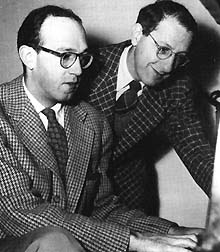
Jay Livingston and Ray Evans
Today’s song — “Silver Bells” — was written by Jay Livingston and Ray Evans for a 1950 movie, The Lemon Drop Kid, where it was sung by MarilynMaxwell and Bob Hope.
Jay (who wrote the music) and Ray (who wrote the lyrics) were a famous songwriting team with many hits to their credit including “Mona Lisa” and “Que Sera Sera.”
They were also both Jewish.
Jay was born Jacob Harold Levison in 1915 in a small industrial suburb of Pittsburgh, PA, and Ray was born Raymond Bernard Evans the same year in Salamanca (not far from Buffalo) N.Y.
They met at the University of Pennsylvania when they both joined the university dance band, and their songwriting partnership endured until Livingston’s death in 2001.
As I have noted in previous blog posts, many of my most favorite winter holiday songs were written by Jewish songwriters.
This fact is an example (to me, at least) of the pluralism that the USA has occasionally been able to embrace — and model for others — during our ever-evolving history.
I love that “White Christmas,” “Rudolph, The Red-Nosed Reindeer,” and “The Christmas Song” (among many others!) were written by Jewish songwriters — many of them immigrants or the children of immigrants.
I always associate “Silver Bells” with my mother’s mother — a hard-working private nurse who lived in the borough of Queens for most of her life and no doubt did a lot of her holiday shopping on “city sidewalks, busy sidewalks — decked in holiday style.”
In the movie The Lemon Drop Kid, Bob Hope’s character is involved with gambling and ends up owing $10,000 to a mobster.
His solution is to disguise himself as Santa Claus and raise money from holiday donations.
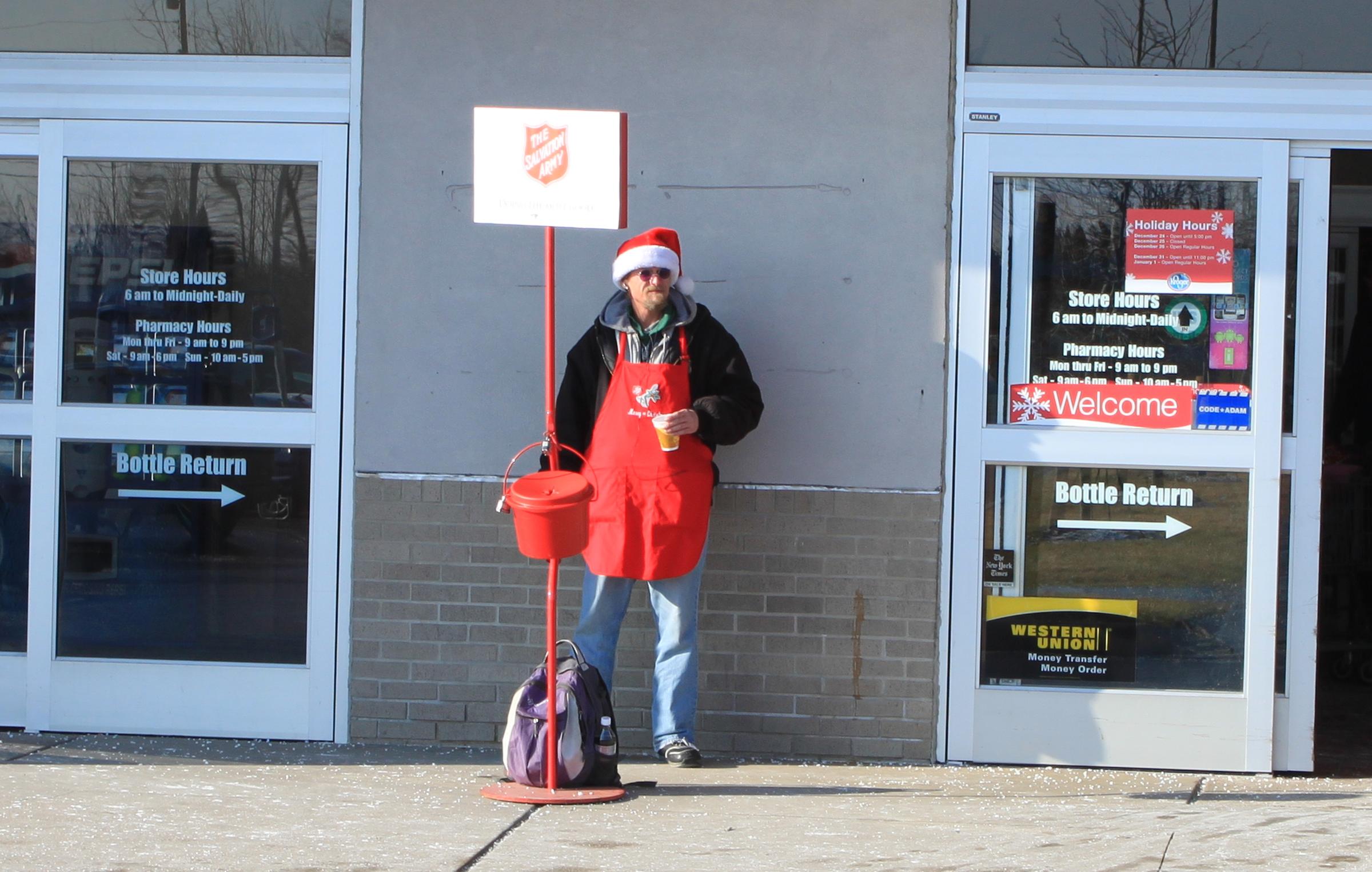
In some interviews Jay Livingston explained that the inspiration for the song came from the bells rung by Salvation Army volunteers during the holiday season.
However, in an interview on NPR after Livingston had died, Ray Evans said that they were inspired by an actual bell which one of them kept on his desk at Paramount Pictures, where they were under contract at the time.
Probably the song was inspired by both of these things…
Not every song has a great verse — which is often why they are not included in popular recordings.
But “Silver Bells” has a lovely verse:
“Christmas makes you feel emotional…
It may bring parties or thoughts devotional…
Whatever happens and what may be, here is what Christmas-time means to me.”
Deep breath in.
Deep breath out.
I hope we are able to consume fewer things this holiday season.
One of the reasons why I am excited about releasing songs via digital music platforms is that I no longer need to create a CD to share my music.
To manufacture a pound of plastic (30 CDs per pound), it requires 300 cubic feet of natural gas, 2 cups of crude oil and 24 gallons of water.
It is estimated that it will take over 1 million years for a CD to completely decompose in a landfill.
People throw away millions of music CDs each year!
Every month approximately 100,000 pounds of CDs become obsolete (outdated, useless, or unwanted).
Yikes!
A New Jersey company called Back Thru The Futuresays, however, that “CDs can be recycled for use in new products. Specialized electronic recycling companies clean, grind, blend, and compound the discs into a high-quality plastic for a variety of uses, including: automotive industry parts, raw materials to make plastics, office equipment, alarm boxes and panels, street lights, and electrical cable insulation, and even jewel cases.”
And they offer a free recycling service if one pays to send one’s old CDs, DVDs and hard drives to them:
“CDs and hard drives are made of high value recyclable material – polycarbonate plastic and aluminum respectively. The recycling of CDs and hard drives saves substantial amounts of energy and prevents significant amounts of both air and water pollution attributed to the manufacturing of these items from virgin material.”
Maybe THAT will be one of my holiday projects this year… recycling CDs and DVDs that I will never listen to again.
Another deep breath in.
And deep breath out.
The news here in the USA seems to become simultaneously more hopeful (with the Biden-Harris team starting to build their administrative teams) and terrifying (with supporters of our current president calling for violence and even martial law) each day that we move closer to a graceless and belligerent transition of power.
So I will end this blog post with a bunch of lovely images from Pixabay which the song “Silver Bells” reminded me of.
Thank you to Jay and Ray for writing this song.
Thank you to the executives at Paramount who kept renewing Jay and Ray’s songwriting contracts.
Thank you to Doug Hammer for being such a terrific collaborator.
Thank you for the sun continuing to shine on our blue-green planet.
Thank you for the new, more energy efficient windows in our basement — with blown insulation in our walls on the horizon…
Thank you for the natural gas (energy collected by plants long ago from the sun) now fueling our furnace and kitchen stove.
Thank you for vegetables — which capture energy from the sun and convert it into delicious things for us to eat, such as bell peppers.
Thank you for all the families who have chosen to make music together with me during the past few years. I am grateful for our musical sessions, which serve — for me at least — as a much-needed respite from the unsettling news swirling through our lives these days.
And thank YOU for reading and listening to this blog post!