In Praise Of Pandora

Image by Duc Tinh Ngo from Pixabay

I am a huge fan of Pandora.

Not the woman in Greek mythology whose wedding gift/jar/box released evil sprits upon the world — along with Elpis aka Hope (“a single blessing to ease mankind’s suffering” according to a Greek mythology website I found online).

And not the jewelry company.

I am a fan of the music streaming company named Pandora.

However, I am also aware that the mythology of Pandora IS quite resonant right now.

Some days it does indeed feel like a bunch of evil spirits are ravaging our neighborhoods, our country, other countries, and our planet.

Thank goodness for Elpis ie: hope!

I had completely forgotten this crucial part of the myth — that the gods give us hope as an antidote/counterbalance to all of the evil spirits released by Pandora.

Deep breath in.

Deep breath out.

According to the Greek mythology website mentioned above, Elpis/hope is often depicted as a young woman carrying flowers — hence the flower images in this post.

And music can inspire a sense of hopefulness in many of us — so maybe Pandora isn’t a horrible name for a music streaming company after all.
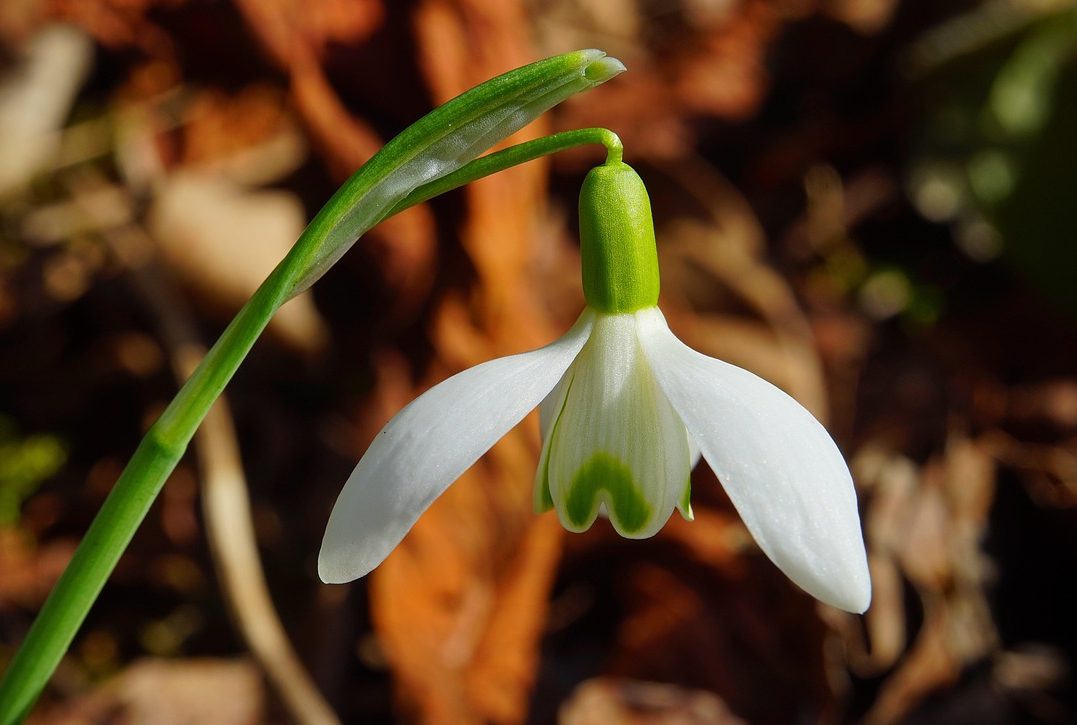
Image by Hans from Pixabay

Now you may be wondering why I am choosing in this blog post to praise the music streaming company named Pandora?

It is because they have been the most consistent beacon of helpfulness and humanity I have encountered during my five-year foray into the business of streaming music.

I wrote about them a little bit in a blog post last March.

Although they are currently part of a larger company, Sirius/XM, their cultural norms of accessibility and friendliness have not (yet) been contaminated/eliminated in a short-sighted quest for increased profit.

I love that all of the Pandora staff members with whom I have interacted are themselves musicians — and many of them use Pandora to share their own music with the world.

I have been told that Pandora listeners are located only in the USA.

But apparently some people around the world are clever enough to use a VPN — a virtual private network which, according to NordVPN “protects your internet connection and privacy online (by creating) an encrypted tunnel for your data.”

If you use a VPN, you can stream music via Pandora from anywhere there is internet service on planet earth (if I am understanding this VPN option correctly).

I think using a VPN also allows for some privacy regarding one’s internet history — which might be wise for more of us to consider using?

Anyways, back to Pandora…

The Pandora staff have created a bunch of free promotional tools which musicians like me can use — such as creating personalized audio messages to share with one’s listeners.

Image by Annette Meyer from Pixabay

One can also feature a particular song for up to two months at a stretch (six times per year…)

And every month Pandora offers two free training sessions via Zoom, which allow independent musicians to learn how to use their promotional tools and — more importantly — to build relationships with real human beings.

This is the crucial piece that so many companies seem to have completely devalued in recent years.

Many (if not most) of us human beings want to build relationships with the people in our daily lives — whether it’s our mail carrier, or a teller at our local bank, or the staff at our local grocery store, or the folks who run our favorite restaurant, or the doctors/nurses/staff at our local hospital, etc. etc. etc.

Chatbots may save money, but they do not help to build actual human relationships.

And it’s actual human relationships which tend to create a foundation of customer loyalty.

Another deep breath in.

And deep breath out.

As regular readers of my blog are well aware, there is a steep learning curve when one starts releasing music to be streamed via companies like Pandora, Apple Music, YouTube, Spotify, Tidal, Amazon Music, etc.

In addition to recording a song, mixing it and then mastering it, one also needs to get a graphic designed for it, select a company to distribute it (I use CD Baby), register it with the Copyright Office in Washington DC, and then enter it into one’s account at various organizations which collect money for the use of one’s song — including ASCAP, SoundExchange, Songtrust and the Mechanical Licensing Collective.

CD Baby used to have wonderful customer service until it was bought by another company which made a lot of changes…

And now the company which bought CD Baby — Downtown Music — is being sold to Universal Music Group (one of the three largest music conglomerates) after they were given permission from a European tribunal weighing the anti-trust implications of such a purchase.
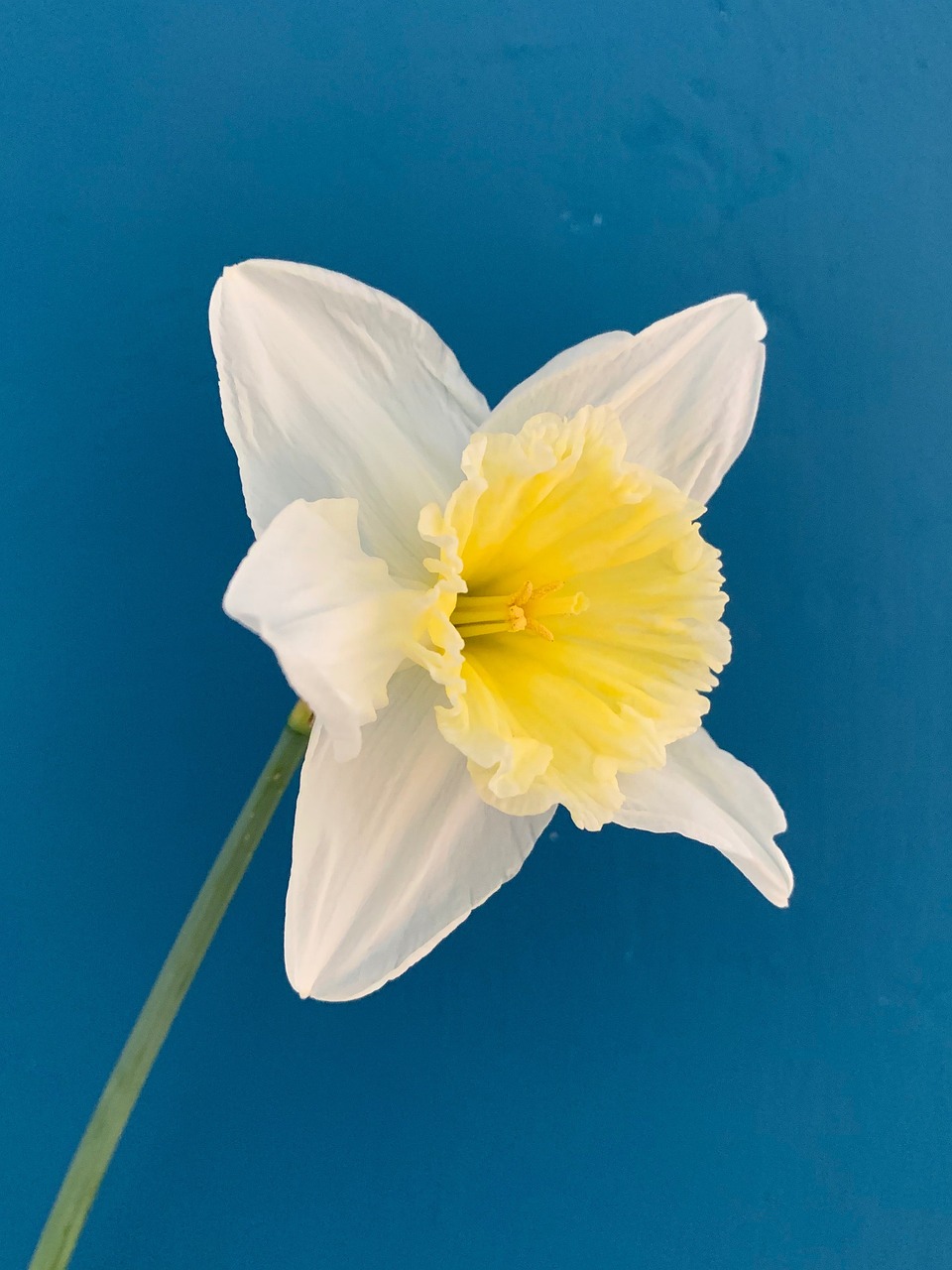
Image by David Underland from Pixabay

G-d only knows what changes this purchase will bring into the lives of tens of thousands of independent musicians like me who currently use CD Baby to distribute our music…

Maybe UMG will use some of their enormous clout on our behalf?

Maybe they will improve customer service at CD Baby?

Or maybe they will find new ways to cheat, fleece and otherwise take advantage of us?

Time will tell…

Yet another deep breath in.

And deep breath out.

I can attest to the effectiveness of Pandora’s promotional tools.

My total streams on Pandora recently surpassed 200,000.

So I will continue to use these promotional tools AND will continue to remain grateful for Pandora’s terrific staff.

The song I included at the beginning of this blog post was written for a show called FUNNY FACE which starred Fred Astaire and his older sister Adele in the1920s.

I attempted to release this version, which I recorded with pianist Doug Hammer, last year.

But CD Baby mysteriously messed up the metadata attached to the recording — listing Doug as a primary artist rather than a featured artist — and he asked me to remove it from distribution so that it wouldn’t confuse the fan base (much larger than mine) he has built for his solo piano compositions.

Sadly, I have been unable to get any definitive answer from the customer service staff at CD Baby about how this mistake happened in the first place and whether I’ll ever be able to re-release it with the correct designation (featured artist not primary artist) for Doug.
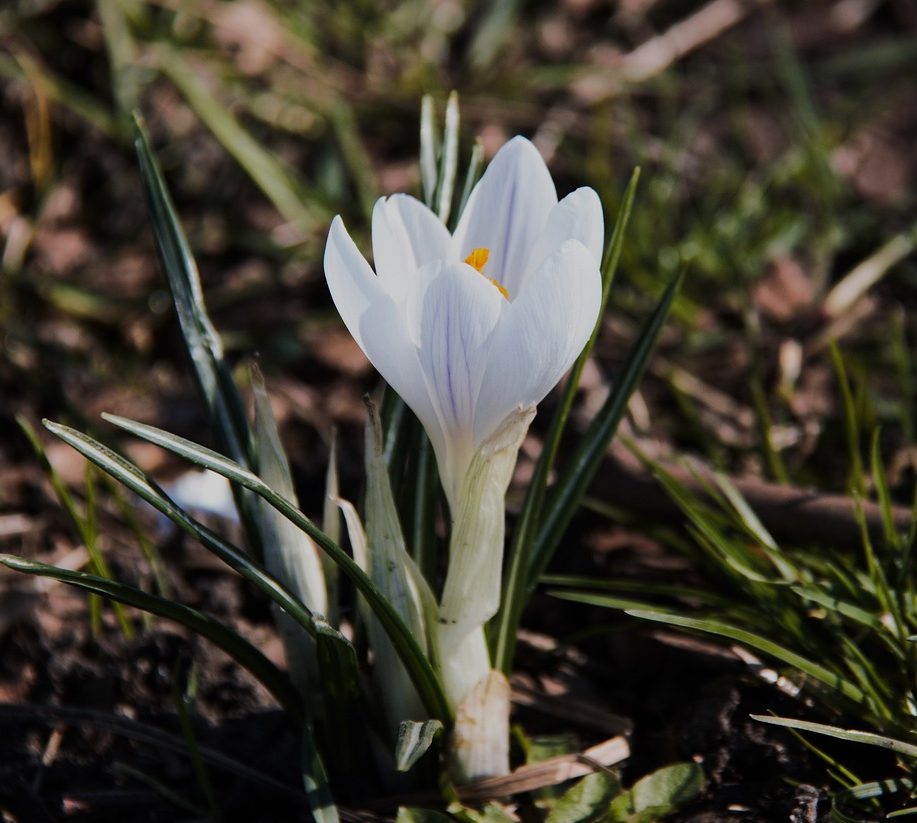
Image by Jan Van Bizar from Pixabay

Deep sigh.

Thank you to Doug for recording it with me.

Thank you to the Gershwin brothers for writing it in the first place.

Thank you to Pixabay for the lovely photos of spring flowers.

And thank YOU for reading and listening to another one of my blog posts.

You are always welcome to visit my website — willsings.com — if you are curious to learn more about my musical life here on planet earth.

I’ve begun a new postcard-writing campaign with a bunch of people in my neighborhood.

We are reminding Wisconsin voters that they have an important Supreme Court election coming up on April 7th.

It’s a small task.

But doing something — anything — to withstand/offset the chaotic cyclone of destruction being unleashed by our current political leadership helps me stay connected to a tiny sense of Elpis/Hope.

As does the melting snow outside…

And the promise of spring flowers!
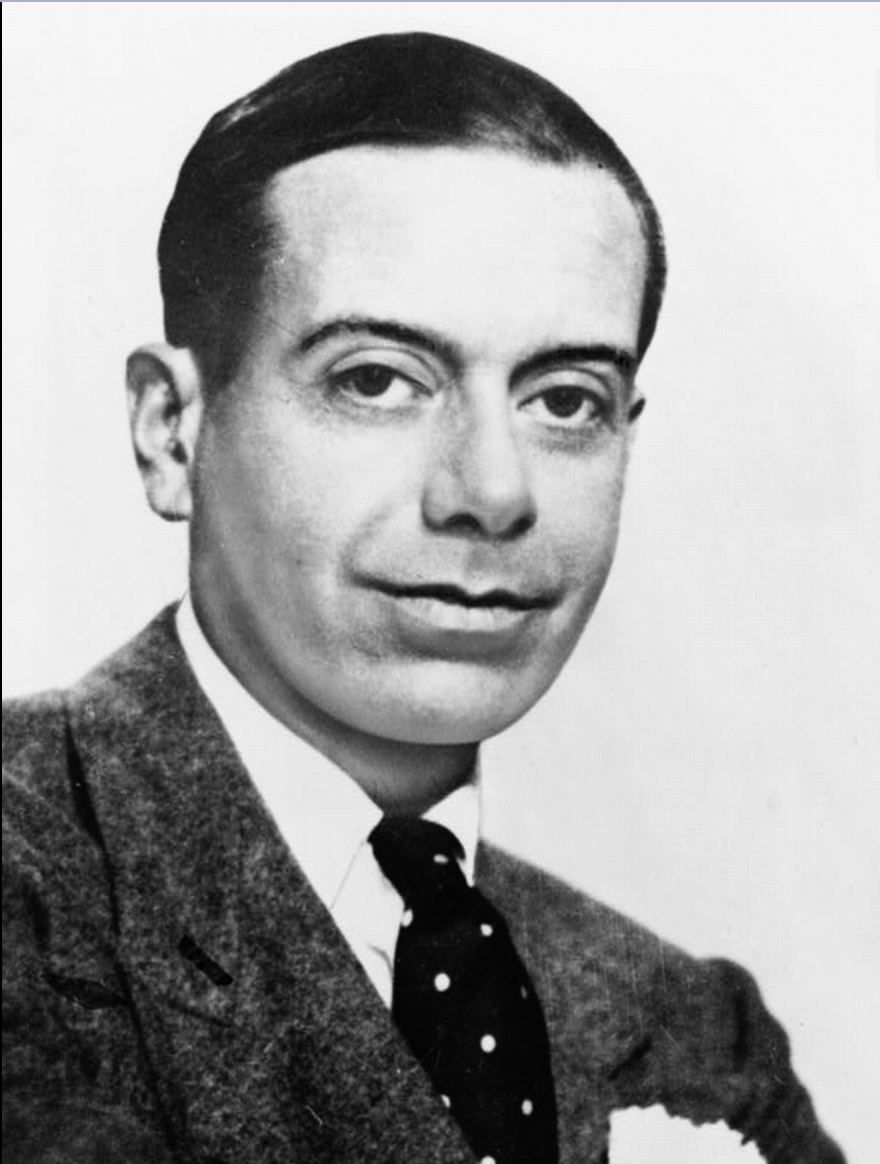
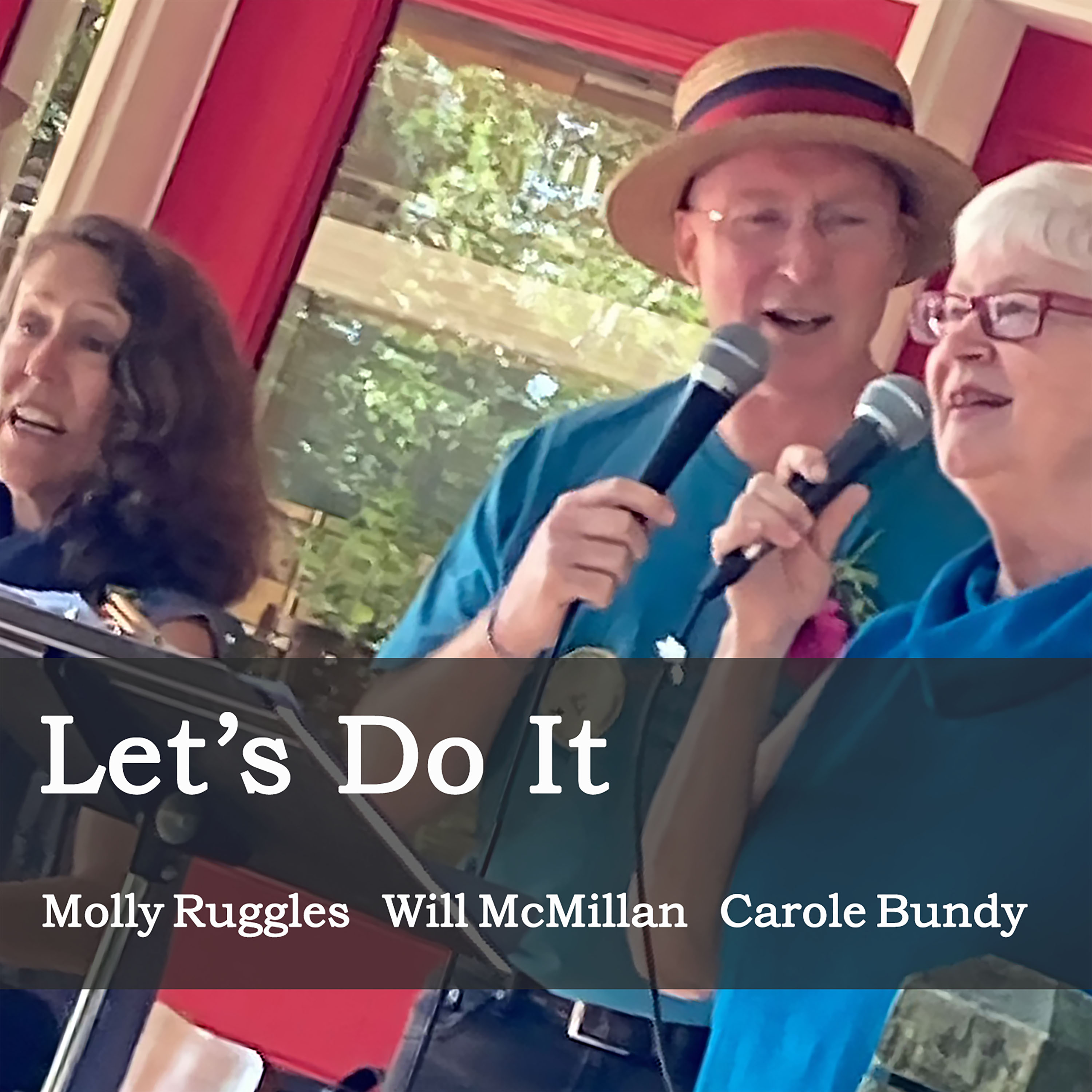
Let’s Do It

Cole Porter in the 1930s

Today’s blog post is made possible by our copyright laws.

Cole Porter’s terrific song “Let’s Do It” entered the public domain last year.

So my friends Carole Bundy, Molly Ruggles and I can now share a very fun version which includes some updated lyrics (by Molly and Carole) as well as an entirely new section of the song — written in the style of Cole Porter — by Molly.

Molly created the first draft of this song for a performance with her friend Kate Stringer at Club Cafe in Boston during which I sang some harmony.

Then — after Kate moved to London — the song evolved a bit when Molly, Carole and I added it to our repertoire.

Adding new sections to pre-existing songs is one of Molly’s many creative super powers.

But it can create copyright challenges — unless one is able to get permission from whomever owns the rights to the song.

But now, because “Let’s Do It” (which was first published in 1928) has entered the public domain, we are allowed to take creative liberties with it.

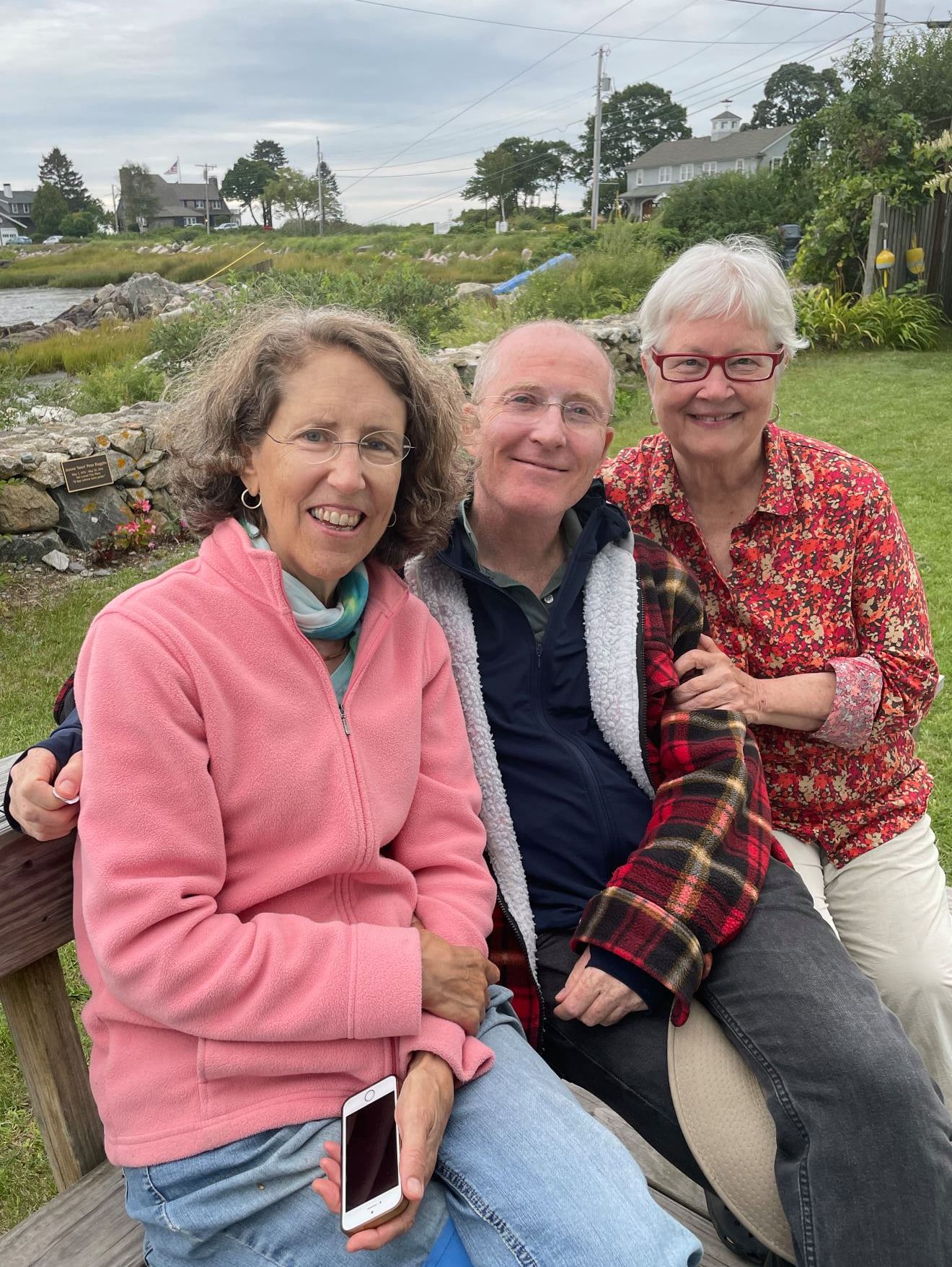
Molly, me and Carole in Maine

“Let’s Do It” was one of several hit songs from Cole Porter’s first big Broadway success — a show called PARIS.

He had been writing songs for a couple of decades — starting in Peru, Indiana (where he grew up the only surviving child in a very wealthy family) and continuing in Massachusetts (where he was valedictorian of his class at a prep school, Worcester Academy) and in Connecticut (where he attended Yale).

According to Wikipedia, he wrote hundreds of songs at Yale — two of which continue to be sung at football games.

He also wrote the songs for four entire musicals which were performed in New Haven and also on tour at college clubs during vacation breaks.

After he graduated from Yale, Mr.Porter pretended to study law at Harvard (to satisfy his very wealthy grandfather, who was paying for his education) while actually studying music and writing songs — and rooming with future a Secretary of State, Dean Acheson, who was then an avid law student.

Cambridge borders East Arlington (where I live), and I love walking through Harvard Law School — which happens to be next to Harvard’s music department — and thinking about Mr. Porter treading the same streets a hundred years ago.

Although he lived an extravagant life, the second half of it was filled with chronic pain due to a horseback riding accident on Long Island.

This accident (the horse he was riding fell and rolled on top of him) left him with multiple leg fractures which never healed well…

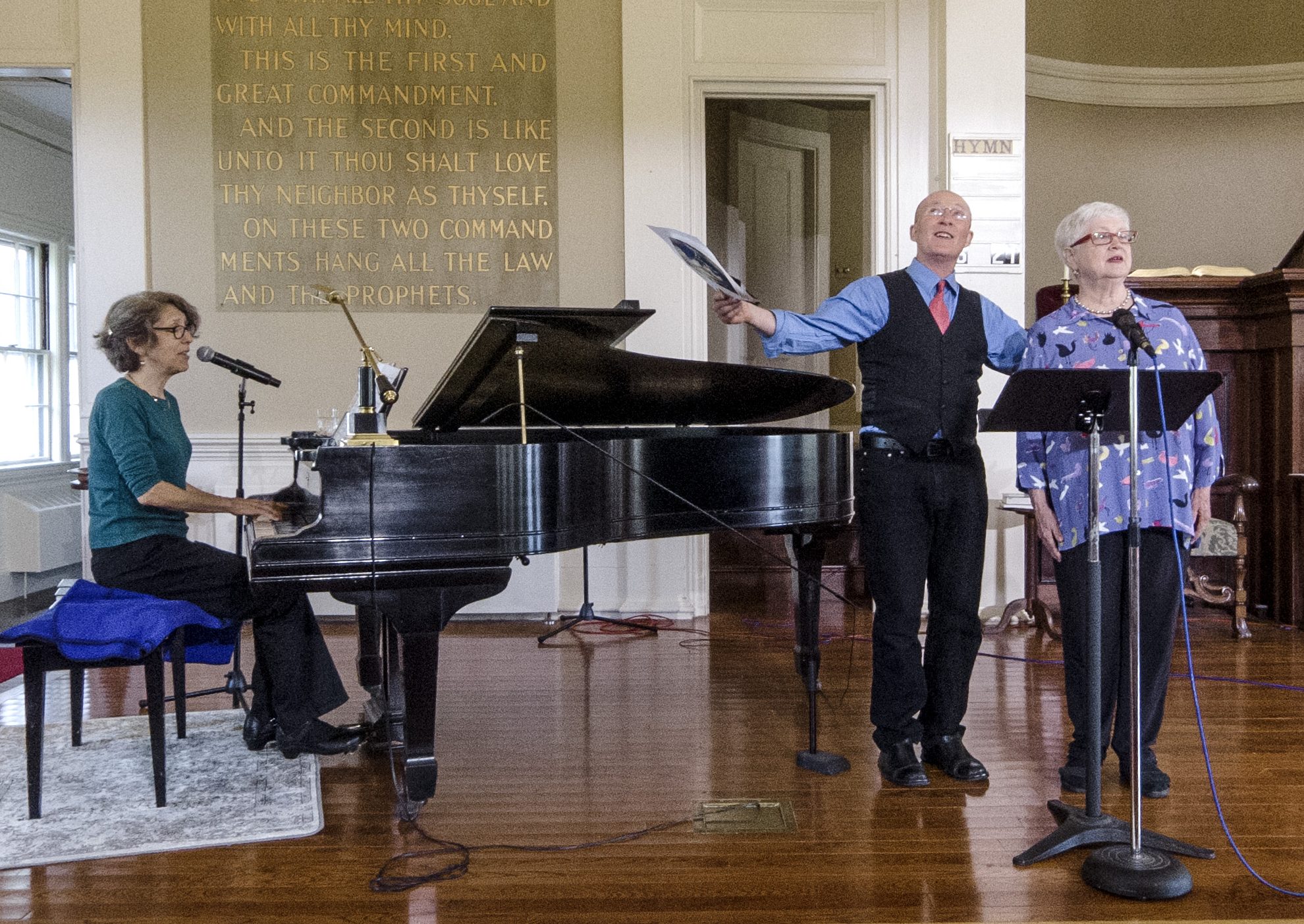
Molly, Carole and I leading a service at the UU Church in Milton, MA

He endured many corrective surgeries over the following decades and eventually had the lower part of one of his legs amputated.

Argh!

Deep breath in.

Deep breath out.

Although some of his earlier songs had been interpolated into other shows, Mr. Porter did not have his own hit show until he was 36 years old.

But — in the midst of much revelry and travel — he could be a very disciplined person.

He continued working on music during his 20s and early 30s while simultaneously leading a life of extraordinary luxury — renting historic palazzos in Venice during the summer and hiring entire ballet companies to entertain at his parties.

He even wrote a jazz-inflected music score for a ballet production in Paris which pre-dates George Gershwin’s much more famous Rhapsody In Blue.

You can click here to skim his WIkipedia bio — it is full of fascinating details about his personal and professional lives.

Carole, Molly and I are not living lives of extraordinary luxury, but we ARE acutely aware of how fortunate/privileged we are to be able to devote time and energy to making music during this very challenging — and at time horrifying — time on planet earth.

A deep breath of gratitude in.

And a deep breath of gratitude out.

Thank you to Cole Porter for writing “Let’s Do It.”

Thank you to our copyright laws for allowing creative material to go into the public domain after a certain number of years.

Thank you to Peter Kontrimas for recording us.

Thank you to Doug Hammer for helping us fix, mix and master this recording.

Thank you to Rada Ruggles and Owen Hartford for taking photos of us.

Thank you to Pixabay for their talented and generous photographers.

Thank you to CD Baby for releasing our music — and for paying us (very modest) royalties each month.

Image by Anrita from Pixabay

And a special THANK YOU to everyone who has been streaming, liking, and playlisting our “Molly, Will & Carole” music!

We’re up to 2500 total streams on Spotify and 6500 total streams on Pandora (which are the only two music-listening platforms I currently keep tabs on…)

I have recently learned that streaming activity on the very first day of a song’s release strongly influences the future algorithmic behavior of that song on that platform — ie: whether a song is recommended to other potential listeners.

So if you might be willing to click here to stream “Let’s Do It” on the platform of your choice — and maybe even “like” it and add it to a playlist — we would be very grateful.

I will end with one final THANK YOU to you for reading and listening to yet another one of my blog posts!

Deep breath in.

Deep breath out.

We’re Running A Big Experiment…

Thank you to everyone who read and listened to and commented on my last blog post!

It has been lovely to re-connect with WordPress friends and acquaintances after my three-month hiatus from blogging (although I did continue to read a fair number of other people’s blog posts during that fallow time).

Last night I was unable to fall asleep.

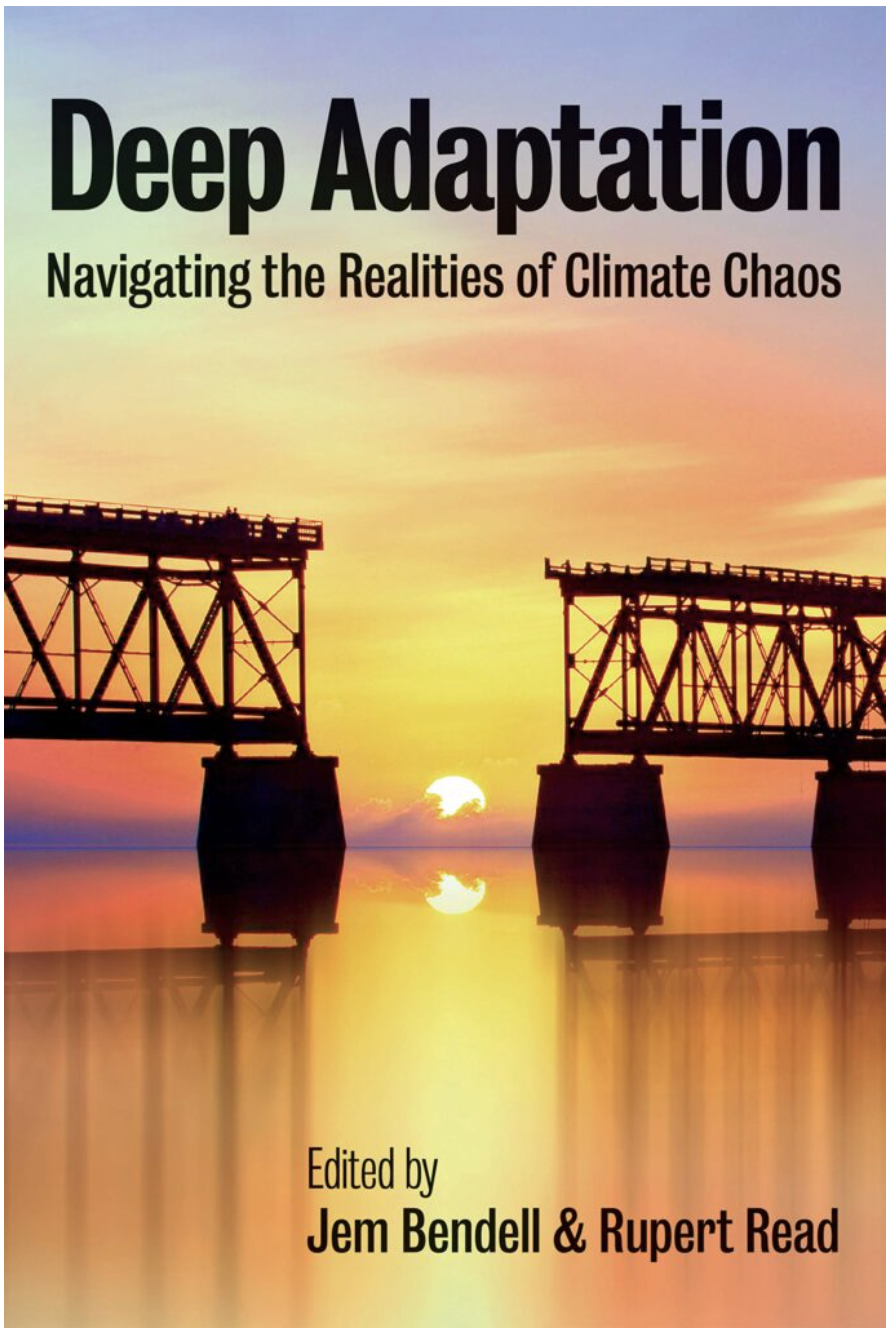
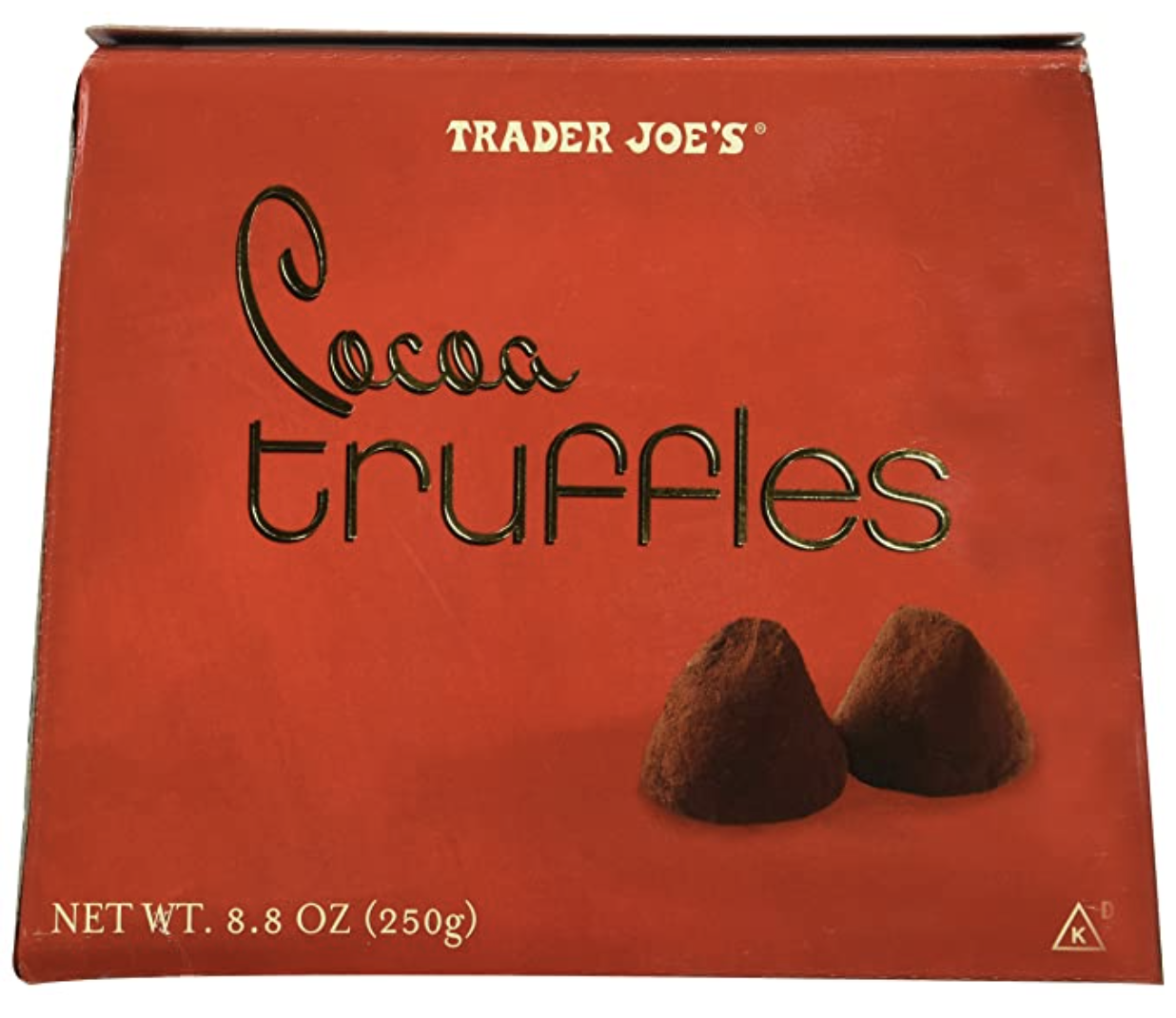
I am guessing it was a combination of reading two more chapters of Deep Adaptation (which can be profoundly terrifying and heart-breaking) combined with falling asleep for an hour during an unsatisfying football game earlier this evening (our New England Patriots fell ignominiously to the Buffalo Bills with a final score of 17 to 47) combined with the several chocolate truffles (made in Canada for Trader Joe’s) which I ate in the late afternoon before bundling up in many layers — t-shirt, hoodie, thin down jacket, thick down vest, thin black jacket, hat, gloves, and huge winter parka — and walking around a local lake in the very cold, refreshing winter air.

I have included another new song in the player at the beginning of this blog post.

I had intended to release it at the very beginning of 2022, but two things have delayed me.

One is some confusion about whether I should continue to use CD Baby (the company that has been distributing my recordings with pianist Doug Hammer to various digital music platforms) as my publishing administrator.

In case you do not know, when one records a song, there are two main copyrights for that recording.

One is a copyright for the actual recording.

That is usually owned or controlled by the recording artist (such as Lady Gaga or Tony Bennett or an independent musician like me) or by the recording artist’s record label (which may have advanced the money needed to make the recording…)

The other is a copyright for the song itself.

That is usually owned by the songwriter(s) and/or their publishing company.

So when I record a song written by someone else (Harold Arlen and Yip Harburg, for example), I own the copyright for my specific recording, and I pay a mechanical royalty in advance to the entity which owns the compositional copyright for that song.

When I record and release one of my original songs, I act as my own record label AND publishing company — and up until this point I’ve been using CD Baby as my publishing administrator.

A publishing administrator helps to track down earnings on behalf of the person who wrote the song.

I recently took an online class to learn more about how one might get one’s songs placed in TV shows and movies — and it turns out that one option is to find a sync rep to help me pitch my songs to music supervisors (who find songs for TV shows, movies, advertisements, and video games).

And some sync reps also like to act as one’s publisher — so having an agreement with CD Baby to be the publishing administrator for my original songs might be a detrimental to building a relationship with a sync rep…

So I’ve been stalled for the past month, wondering exactly what to do next regarding my publishing administration options.

And sadly, CD Baby — which once offered immediate phone assistance when it was a groovy, independent company — now only offers phone callbacks (during a window of time over a couple of days) or email responses (which also can take many days to get a response).

I assume this is because they were bought up by a larger company who decided that the immediate phone assistance option was too expensive and/or inefficient.

And it took two weeks for them to respond to my most recent questions about their publishing administration option — maybe because it was the holiday season and/or maybe because my question didn’t fit perfectly into one of their dropdown menu options for customer service assistance…

Deep breath in.

Deep breath out.

Another reason why I have been delayed in releasing my new songs is because a few of them are about challenging topics such as our climate change/disaster and our current Covid epidemic/disaster — which I am guessing might elicit strong feedback/pushback (the prospect of which I find scary…)

And of course there is probably good-old-fashioned denial at work, too.

Sharing songs such as “We’re Running A Big Experiment” with the rest of the world (or rather with the people who have electricity and smart phones/computers and access to digital music platforms such as Spotify and Pandora and Apple Music around the world) somehow makes the topics I am writing about more real.

I can no longer hide in my own little puddle of denial once I put them out there.

And denial is an extraordinarily wily and powerful psychological mechanism/phenomenon.

One of the things I’ve been observing — in a spirit of curiosity rather than judgement — is how much denial can be triggered when one begins reading Deep Adaptation.

As I mentioned in my previous blog post, a friend invited a group of us (seven total) to read it together and also to discuss it each month via Zoom.

Since we began this process, some of us have managed to write down the wrong time for our Zoom meetings, some have taken a nap and almost missed a Zoom meeting (until someone else called and woke them up), and some have gotten ill and missed a Zoom meeting.

And many of us — myself very much included — have struggled to read the recommended chapters before each monthly Zoom meeting.

What have been YOUR experiences with denial?

And with climate change?

Deep breath in.

Deep breath out.

I wrote in my last email that I was going to write shorter blog posts; so I’d better end this one now.

I am very grateful to you if you have managed to read this far and perhaps have also listened to “We’re Running A Big Experiment.”

Thank you!

I am also very grateful to Doug Hammer — for his wonderful piano playing AND his engineering skills AND his advice/input regarding the harmonies I sang on this song — as well as to the photographers and artists at Pixabay for their magnificent images.

And I remain truly grateful for all the blessings I currently have in my life — food, shelter, heat, warm clothing, electricity, a functional computer, access to the internet, a reliable bicycle, family, friends, and the WordPress community (to name just a few!)

One final deep breath in.

And deep breath out.

PS: You are always welcome to visit my website — where you can find many songs (and learn more about my musical life here on planet earth if you are curious).

You can also find me singing — with Doug Hammer playing his Schimmel grand piano — on SpotifyPandoraApple Music and other digital music platforms.

And if you are hungry for a more uplifting song as an antidote to “We’re Running A Big Experiment,” you are welcome to click here and listen to a song I wrote a few years ago when visiting friends in Toronto called “Another Good Morning” (which I recorded with Doug Hammer and released on a bunch of different digital music platforms last year).

I earn only a fraction of a cent any time someone plays one of my recordings on a digital music service — but they all add up!

PPS: If I have mis-explained the basic copyright concepts regarding recorded songs, please correct me in the comments section!

6/13/22 I finally distributed “We’re Running A Big Experiment” via CD Baby to various digital music platforms! You can click here to listen on Pandora, Youtube, Apple Music, Spotify, and more…