

I am a huge fan of Pandora.
Not the woman in Greek mythology whose wedding gift/jar/box released evil sprits upon the world — along with Elpis aka Hope (“a single blessing to ease mankind’s suffering” according to a Greek mythology website I found online).
And not the jewelry company.
I am a fan of the music streaming company named Pandora.
However, I am also aware that the mythology of Pandora IS quite resonant right now.
Some days it does indeed feel like a bunch of evil spirits are ravaging our neighborhoods, our country, other countries, and our planet.
Thank goodness for Elpis ie: hope!
I had completely forgotten this crucial part of the myth — that the gods give us hope as an antidote/counterbalance to all of the evil spirits released by Pandora.
Deep breath in.
Deep breath out.
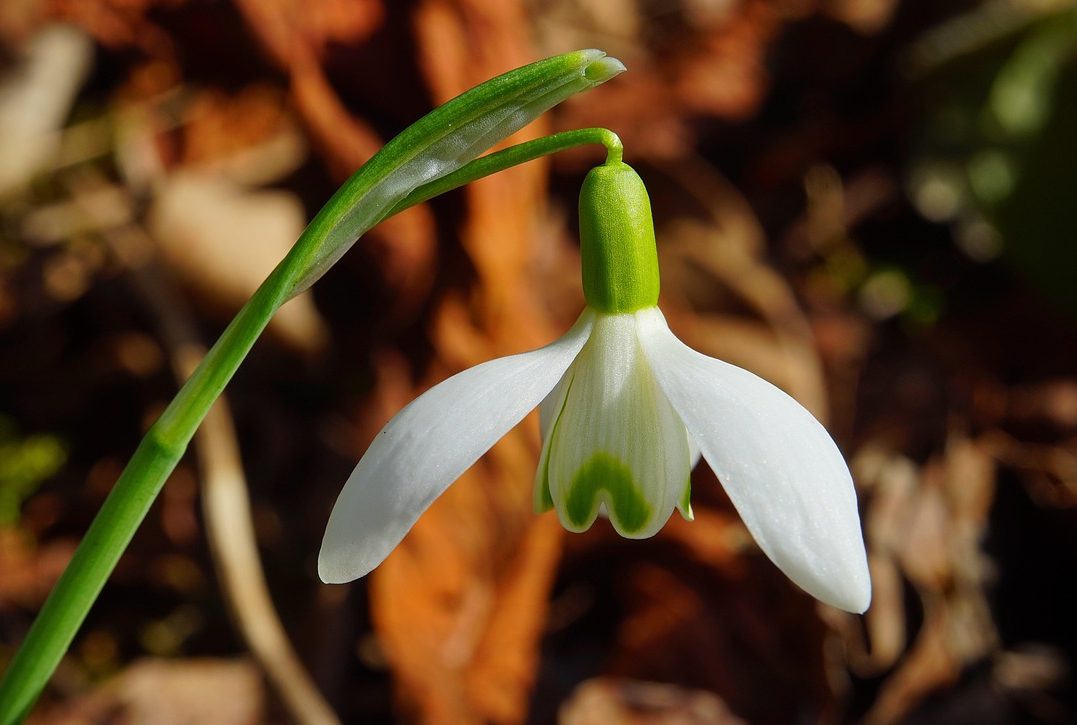
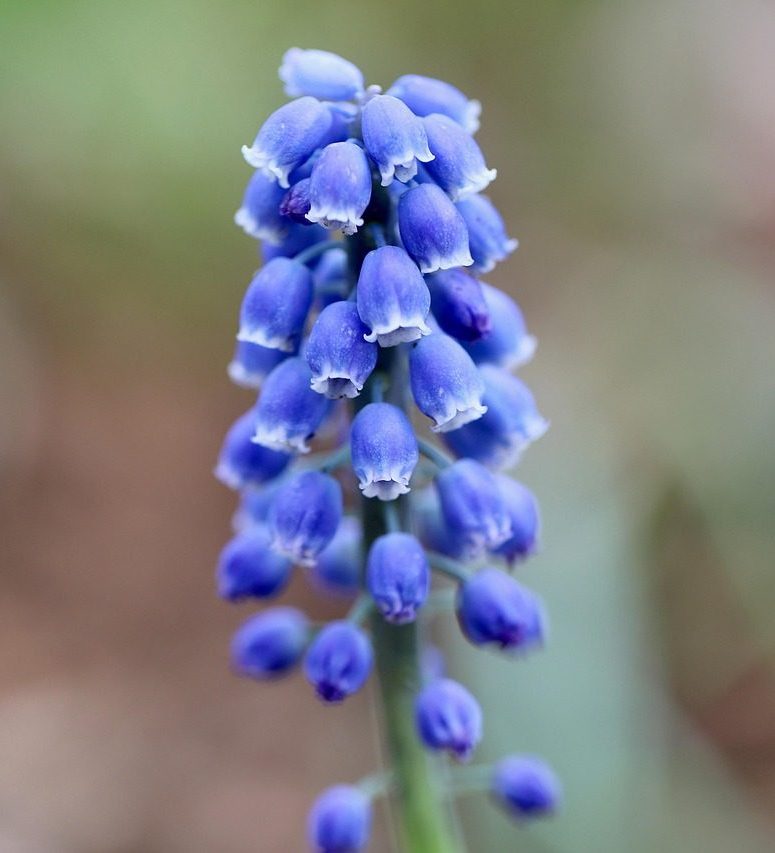
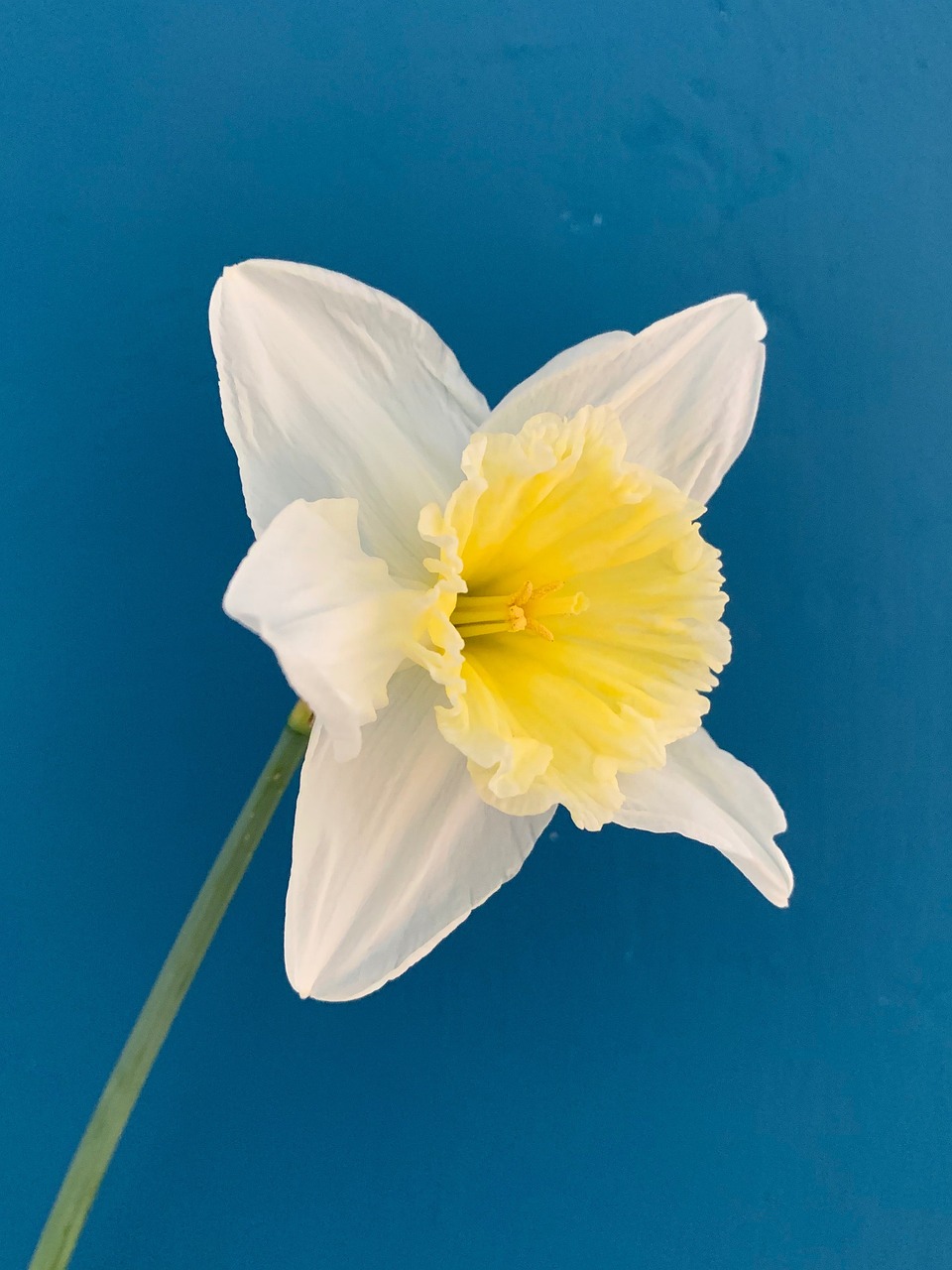
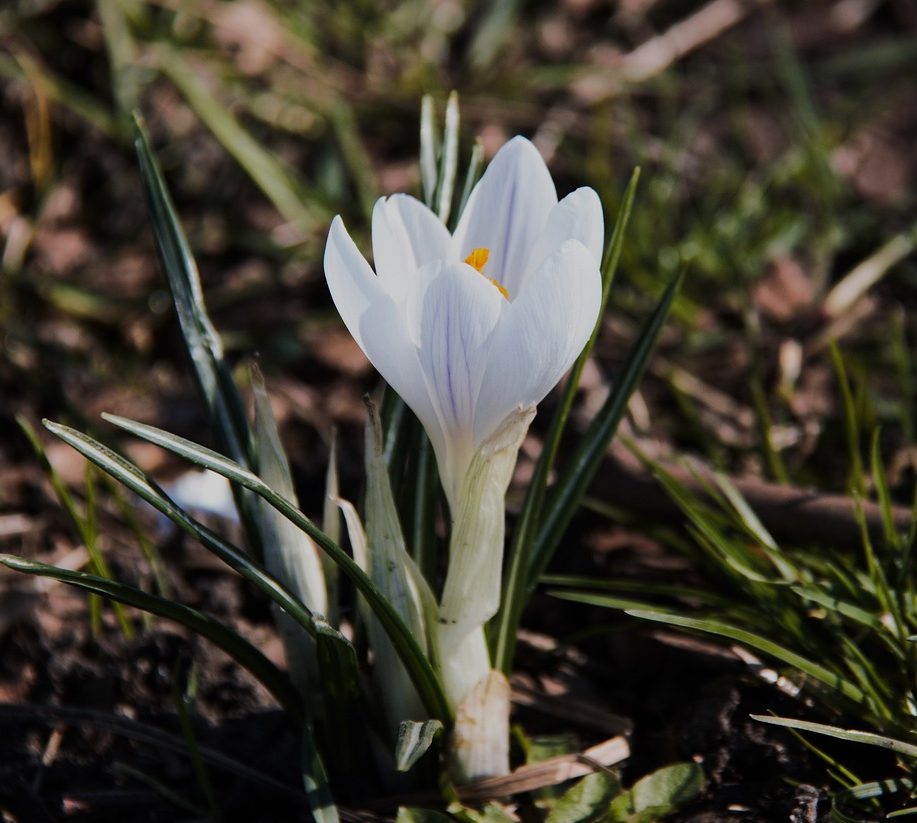
According to the Greek mythology website mentioned above, Elpis/hope is often depicted as a young woman carrying flowers — hence the flower images in this post.
And music can inspire a sense of hopefulness in many of us — so maybe Pandora isn’t a horrible name for a music streaming company after all.
Now you may be wondering why I am choosing in this blog post to praise the music streaming company named Pandora?
It is because they have been the most consistent beacon of helpfulness and humanity I have encountered during my five-year foray into the business of streaming music.
I wrote about them a little bit in a blog post last March.
Although they are currently part of a larger company, Sirius/XM, their cultural norms of accessibility and friendliness have not (yet) been contaminated/eliminated in a short-sighted quest for increased profit.
I love that all of the Pandora staff members with whom I have interacted are themselves musicians — and many of them use Pandora to share their own music with the world.
I have been told that Pandora listeners are located only in the USA.
But apparently some people around the world are clever enough to use a VPN — a virtual private network
which, according to NordVPN “protects your internet connection and privacy online (by creating) an encrypted tunnel for your data.”
If you use a VPN, you can stream music via Pandora from anywhere there is internet service on planet earth (if I am understanding this VPN option correctly).
I think using a VPN also allows for some privacy regarding one’s internet history — which might be wise for more of us to consider using?
Anyways, back to Pandora…
The Pandora staff have created a bunch of free promotional tools which musicians like me can use — such as creating personalized audio messages to share with one’s listeners.
One can also feature a particular song for up to two months at a stretch (six times per year…)
And every month Pandora offers two free training sessions via Zoom, which allow independent musicians to learn how to use their promotional tools and — more importantly — to build relationships with real human beings.
This is the crucial piece that so many companies seem to have completely devalued in recent years.
Many (if not most) of us human beings want to build relationships with the people in our daily lives — whether it’s our mail carrier, or a teller at our local bank, or the staff at our local grocery store, or the folks who run our favorite restaurant, or the doctors/nurses/staff at our local hospital, etc. etc. etc.
Chatbots may save money, but they do not help to build actual human relationships.
And it’s actual human relationships which tend to create a foundation of customer loyalty.
Another deep breath in.
And deep breath out.
As regular readers of my blog are well aware, there is a steep learning curve when one starts releasing music to be streamed via companies like Pandora, Apple Music, YouTube, Spotify, Tidal, Amazon Music, etc.
In addition to recording a song, mixing it and then mastering it, one also needs to get a graphic designed for it, select a company to distribute it (I use CD Baby), register it with the Copyright Office in Washington DC, and then enter it into one’s account at various organizations which collect money for the use of one’s song — including ASCAP, SoundExchange, Songtrust and the Mechanical Licensing Collective.
CD Baby used to have wonderful customer service until it was bought by another company which made a lot of changes…
And now the company which bought CD Baby — Downtown Music — is being sold to Universal Music Group (one of the three largest music conglomerates) after they were given permission from a European tribunal weighing the anti-trust implications of such a purchase.
G-d only knows what changes this purchase will bring into the lives of tens of thousands of independent musicians like me who currently use CD Baby to distribute our music…
Maybe UMG will use some of their enormous clout on our behalf?
Maybe they will improve customer service at CD Baby?
Or maybe they will find new ways to cheat, fleece and otherwise take advantage of us?
Time will tell…
Yet another deep breath in.
And deep breath out.
I can attest to the effectiveness of Pandora’s promotional tools.
My total streams on Pandora recently surpassed 200,000.
So I will continue to use these promotional tools AND will continue to remain grateful for Pandora’s terrific staff.
The song I included at the beginning of this blog post was written for a show called FUNNY FACE which starred Fred Astaire and his older sister Adele in the1920s.
I attempted to release this version, which I recorded with pianist Doug Hammer, last year.
But CD Baby mysteriously messed up the metadata attached to the recording — listing Doug as a primary artist rather than a featured artist — and he asked me to remove it from distribution so that it wouldn’t confuse the fan base (much larger than mine) he has built for his solo piano compositions.
Sadly, I have been unable to get any definitive answer from the customer service staff at CD Baby about how this mistake happened in the first place and whether I’ll ever be able to re-release it with the correct designation (featured artist not primary artist) for Doug.
Deep sigh.
Thank you to Doug for recording it with me.
Thank you to the Gershwin brothers for writing it in the first place.
Thank you to Pixabay for the lovely photos of spring flowers.
And thank YOU for reading and listening to another one of my blog posts.
You are always welcome to visit my website — willsings.com — if you are curious to learn more about my musical life here on planet earth.
I’ve begun a new postcard-writing campaign with a bunch of people in my neighborhood.
We are reminding Wisconsin voters that they have an important Supreme Court election coming up on April 7th.
It’s a small task.
But doing something — anything — to withstand/offset the chaotic cyclone of destruction being unleashed by our current political leadership helps me stay connected to a tiny sense of Elpis/Hope.
As does the melting snow outside…
And the promise of spring flowers!


We all need hope, helping hands, and relationships. It’s good to know that Pandora treats it’s artists better. 😊
Yes! So far they have been terrific, bless them (and their bosses…)
Very interesting to read this just after reading an article on Substack about the commoditization of music and foreshadowing the death of music streaming services. It’s based on a Founders podcast episode with Jimmy Iovine. If you can access it, it’s a good read. https://open.substack.com/pub/joelgouveia/p/the-death-of-spotify-why-streaming?r=5805a&utm_medium=ios
Thanks for the link to this article. Michelle. It didn’t mention Spotify’s greedy, unethical decision to stop paying ANY money to the master recording owners of songs which get fewer than 1000 streams per year — which apparently affected hundred of thousands of independent artists and saved/earned Spotify many millions of dollars. I, for example, have only a few songs which consistently get over 1000 streams per year on Spotify. But my recordings in aggregate receive tens of thousands of streams per year on Spotify (and on Pandora, as I mentioned in my blog post, my streams per song keep rising and rising…) Deep breath in. Deep breath out. I liked the reminder/explanation of how record companies no longer own/control the way we consume music. And I agree that the future for musicians is likely to be about developing authentic relationships with a relatively modest number of devoted fans (rather than chasing huge stream totals from a bunch of anonymous listeners). THANK YOU for weighing in!
Interesting info about Pandora. I remember listening to that years ago, sort of as a radio station with limited skips. I actually have a well stocked ipod in my car (how old school is that?) which I occasionally buy a song or two for. It will be fun to hear you on Pandora when I try it out soon. 😉 Makes a more moral change as I’m trying to get off Amazon, which is such a complicated task.
Good on ya for all your hard work!
Julie
I LOVE that you still use a “well-stocked iPod” and buy songs from time to time. I use my little red iPod all the time. My sisters use Amazon and have a speaker with screen in their kitchen which is very convenient and fun to use (“Alexa: what’s the weather?” “Alexa, please play such and such” etc.) But I hate the idea that these smart speakers (like our smart phones) are also spying on us and collecting all sorts of data about us if we are not savvy enough to order them to stop listening. Pandora has many different levels of service. Their original “radio” style format is what I use via my free account (which includes occasional commercial messages…) That is technically referred to as “non-interactive streaming” — and “non-interative” streaming revenue is collected by an organization called SoundExchange. I think, in order to compete with companies like Spotify, Pandora now also offers interactive streaming in some of their plans. And Spotify now allows you to make “radio stations” around a particular artist or particular song (like Pandora…) Thank you for reading and listening and leaving a comment!
I enjoy listening to Pandora. I didn’t know about all the tools for musicians, which is wonderful!
Hurrah that you enjoy Pandora! And hurrah for music (and great customer service) during these challenging times!
Yes, where would we be without music?!
It’s interesting that independently produced music seems to be heading in the same direction as indie-published writing, toward an audience/readership group with whom authors/performers have established some sort of relationship through blogging, social media, or other means.
Exactly! The way forward is based on authentic relationship(s)…
What would we do without hope?
I’m happy to hear Pandora seems to be working well for you and other artists.
It’s great you’re writing postcards!
One of my friends is part of a team that now distributes cards in about ten locations each weekend for various projects/campaigns. I now understand/believe/appreciate that one way to muster hope is to take tangible steps (donating tiny amounts of money to down-ballot races around the country, writing post cards, joining local vigils, etc.) even if they don’t seem particularly significant in the larger scheme of things (new wars, bombs dropping on civilians, ICE continuing to terrorize our neighborhoods).
I agree, Will. We’ve been protesting with a local anti-ICE group on Sunday mornings (they also collect at the same time for food pantries). When I do that and other protests, I feel like I’m at least doing “something.” If it makes even one person question what’s going on it’s worth it.
Yes, indeed. There is that gruesome image/metaphor of “death-by-a-thousand-cuts…” Maybe there is a parallel phenomenon of “life-by-a-thousand-acts-of-engagement/kindness/respect…”
💙
Hooray for Pandora, and hope with flowers is perfect!
I am seeing more and more snowdrops in my neighborhood, AND I saw my frist two (purple) crocii this afternoon!
Horray!
Wonderful song, Will. I totally forgot about Pandora. I always bought CDs at stores or through Columbia House, and then transitioned to iTunes and Apple Music.
Thank you! I used to be a big fan of iTunes until I was laid off from my job of 16 years and found myself unable to access my iTunes account anymore due to me (stupidly) having used my work email address to set up my account. Before that I was a big fan of CDs and cassettes, all of which I still have and very occasionally play. So many choices for how to listen to music these days!
You’re welcome. Yes, their system isn’t the best. I actually have two accounts because I couldn’t merge them when they switched from usernames to email. You would think they would create a way for users to change their account information so they don’t lose access to songs, movies, etc. There are definitely a lot of options now, including YouTube, which is awesome for karaoke.
A great job by both of you on this pretty song, Will. About the Greek word: If you ever wondered why hope would be included in a box of evils, I had a Greek teacher with a theory. Apparently, the Greek word can also mean “expectation,” a word that could be construed as causing trouble.
I love that you had a Greek teacher at one point in your life! Your comment reminds me that all translations run the risk of losing important cultural and linguistic nuances…