Our current political climate here in the USA continues to be extraordinarily challenging, but we did get some promising political news from our neighbor to the north recently…
Deep breath in.
Deep breath out.
I strive on a daily basis to find a balance between engagement — giving tiny amounts of money to political races around the country, sending postcards to potential voters in those races, writing to my elected officials, reading the news, etc. — and disengagement so that I can cultivate a little bit of optimism, hope, love and respect (which seem to be in short supply these days… at least in certain corridors of power.
Returning to my earliest blog posts has become part of the latter — soul nurturing — strategy.
I love being reminded of events which I have forgotten about — and also being reminded of how my life has unfolded/changed/evolved during the past decade.
Today’s blog post is made possible by our copyright laws.
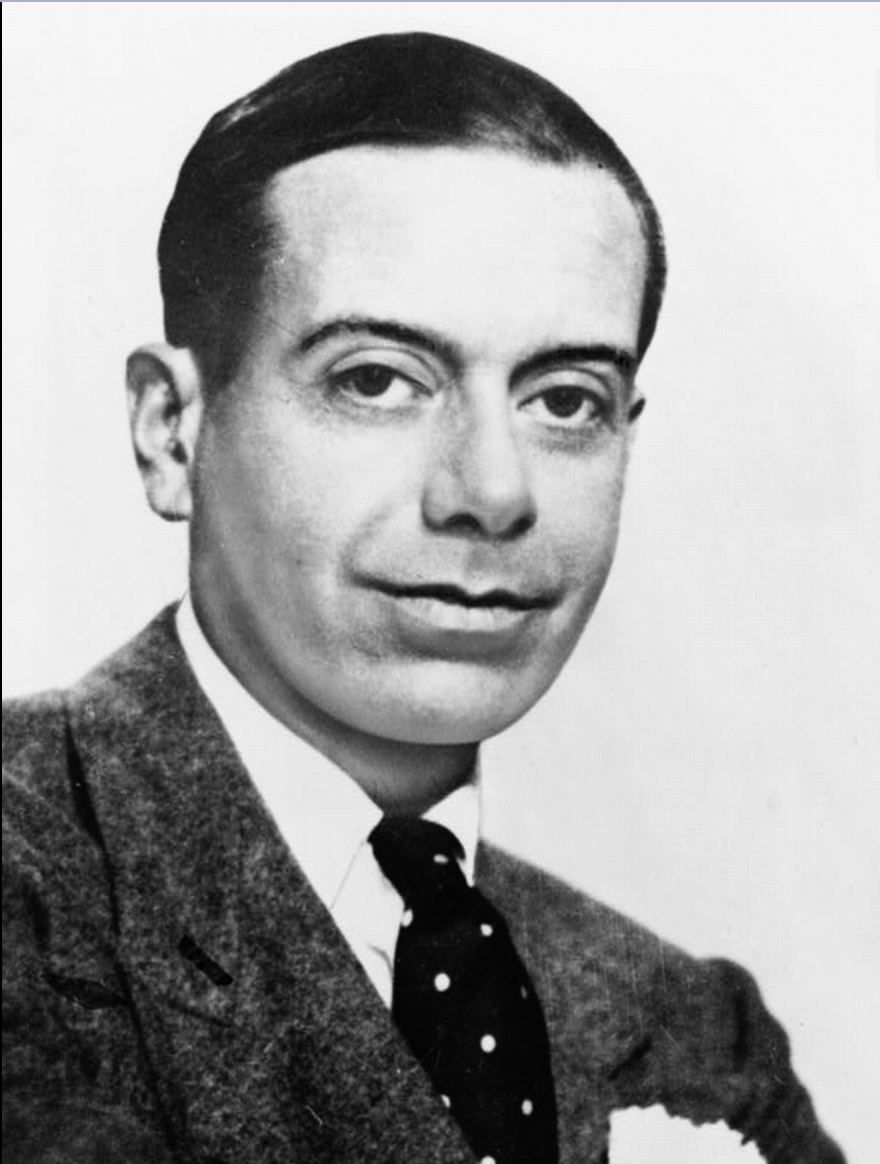
Cole Porter’s terrific song “Let’s Do It” entered the public domain last year.
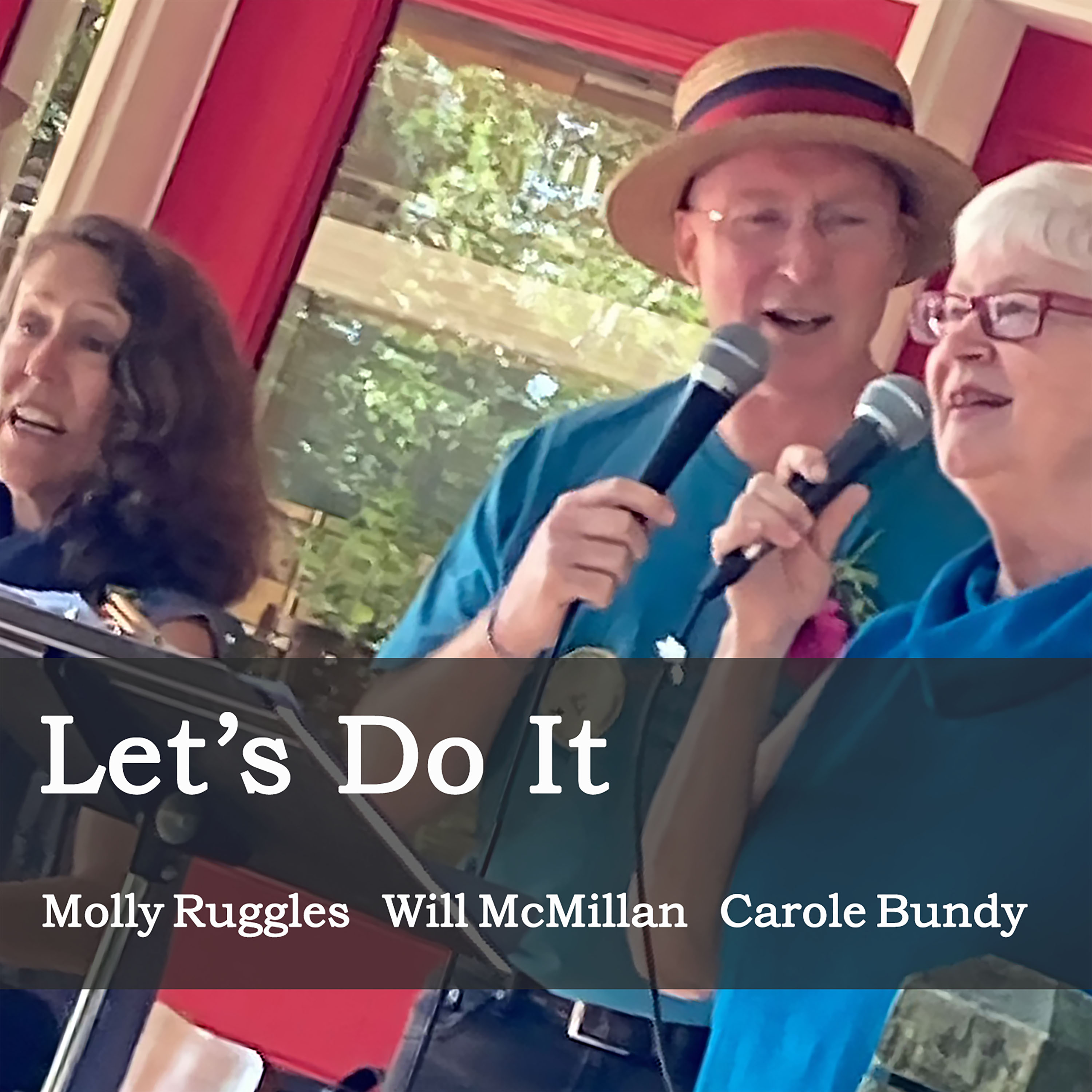
So my friends Carole Bundy, Molly Ruggles and I can now share a very fun version which includes some updated lyrics (by Molly and Carole) as well as an entirely new section of the song — written in the style of Cole Porter — by Molly.
Molly created the first draft of this song for a performance with her friend Kate Stringer at Club Cafe in Boston during which I sang some harmony.
Then — after Kate moved to London — the song evolved a bit when Molly, Carole and I added it to our repertoire.
Adding new sections to pre-existing songs is one of Molly’s many creative super powers.
But it can create copyright challenges — unless one is able to get permission from whomever owns the rights to the song.
But now, because “Let’s Do It” (which was first published in 1928) has entered the public domain, we are allowed to take creative liberties with it.
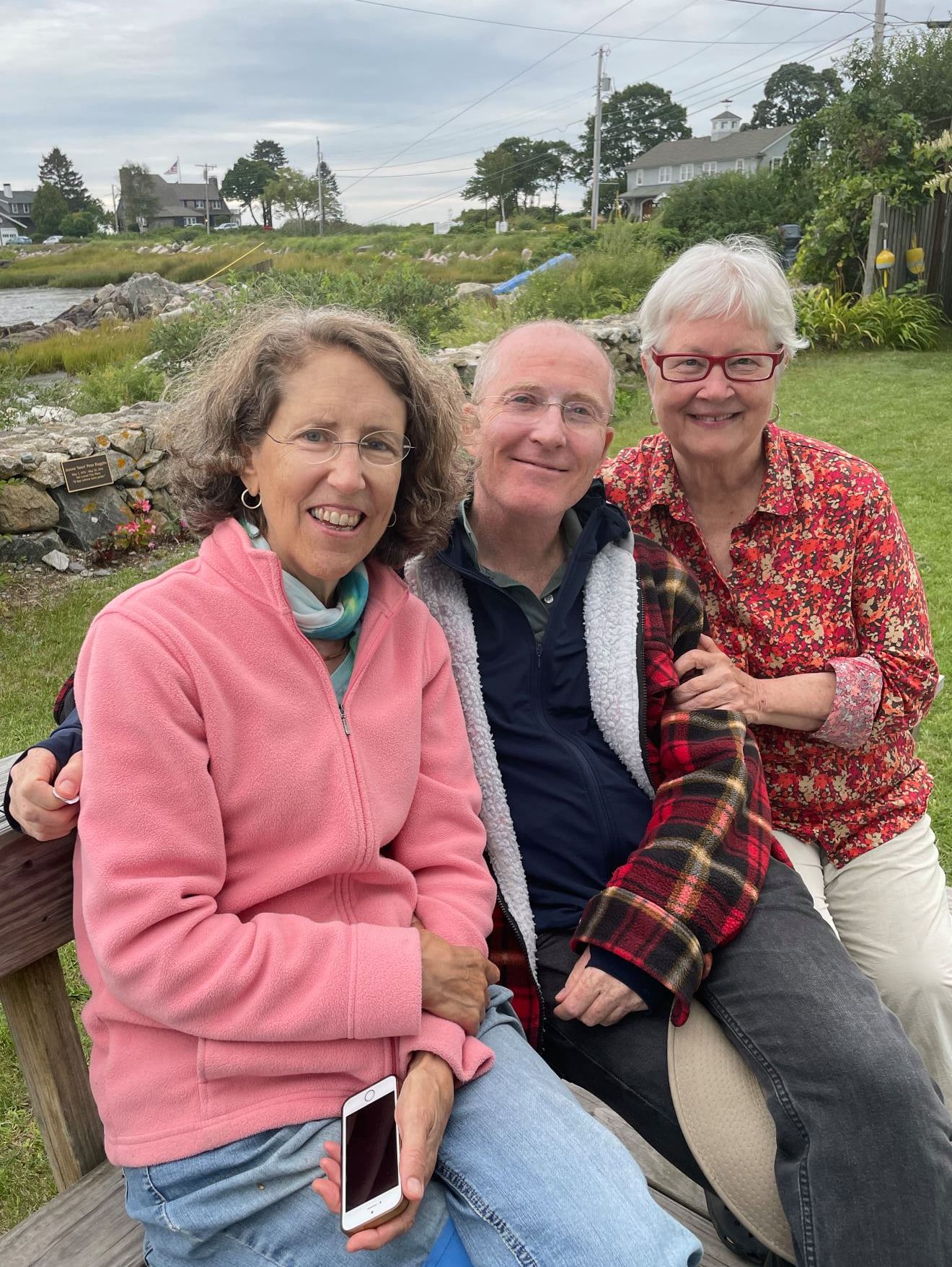
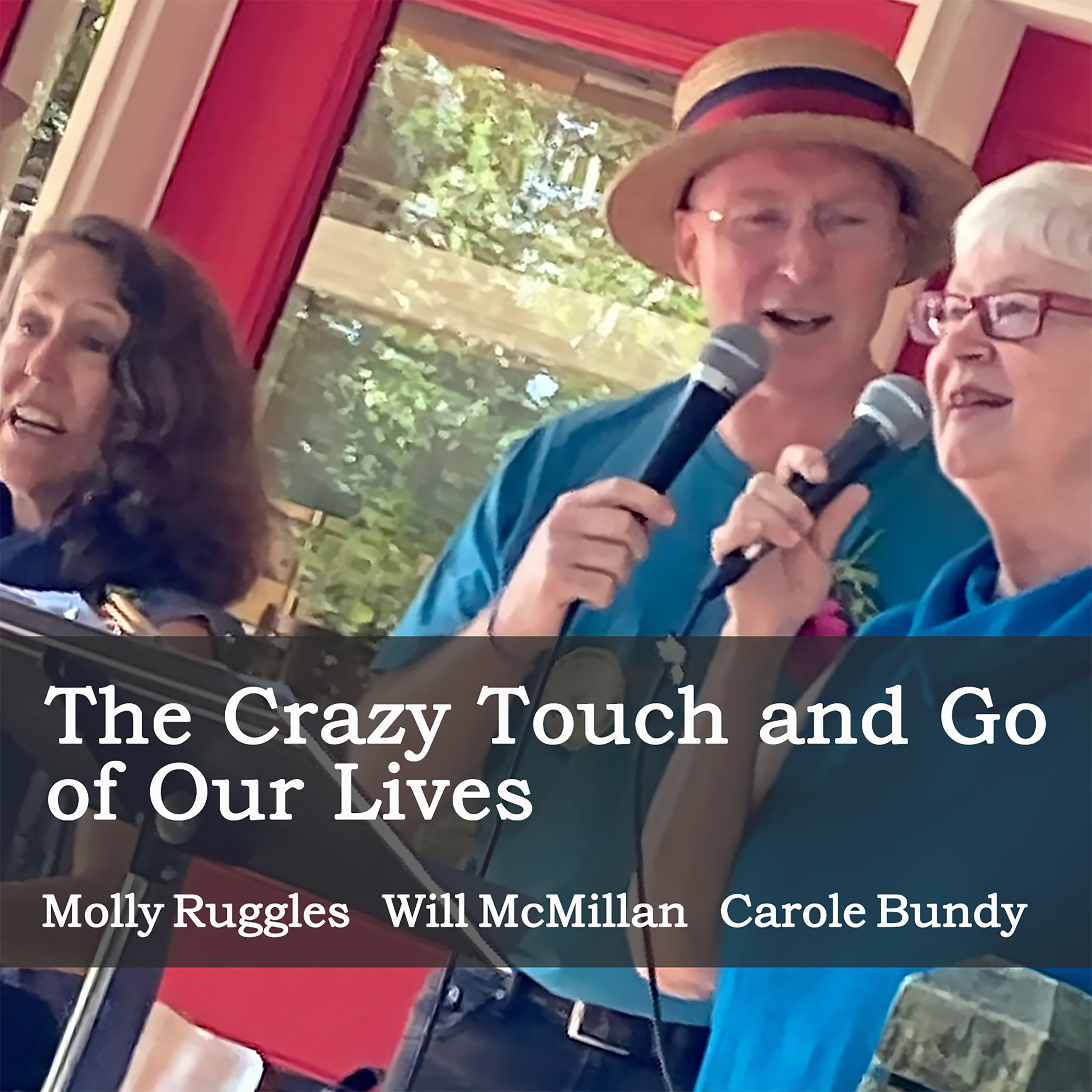
Molly, me and Carole in Maine
“Let’s Do It” was one of several hit songs from Cole Porter’s first big Broadway success — a show called PARIS.
He had been writing songs for a couple of decades — starting in Peru, Indiana (where he grew up the only surviving child in a very wealthy family) and continuing in Massachusetts (where he was valedictorian of his class at a prep school, Worcester Academy) and in Connecticut (where he attended Yale).
According to Wikipedia, he wrote hundreds of songs at Yale — two of which continue to be sung at football games.
He also wrote the songs for four entire musicals which were performed in New Haven and also on tour at college clubs during vacation breaks.
After he graduated from Yale, Mr.Porter pretended to study law at Harvard (to satisfy his very wealthy grandfather, who was paying for his education) while actually studying music and writing songs — and rooming with future a Secretary of State, Dean Acheson, who was then an avid law student.
Cambridge borders East Arlington (where I live), and I love walking through Harvard Law School — which happens to be next to Harvard’s music department — and thinking about Mr. Porter treading the same streets a hundred years ago.
Although he lived an extravagant life, the second half of it was filled with chronic pain due to a horseback riding accident on Long Island.
This accident (the horse he was riding fell and rolled on top of him) left him with multiple leg fractures which never healed well…
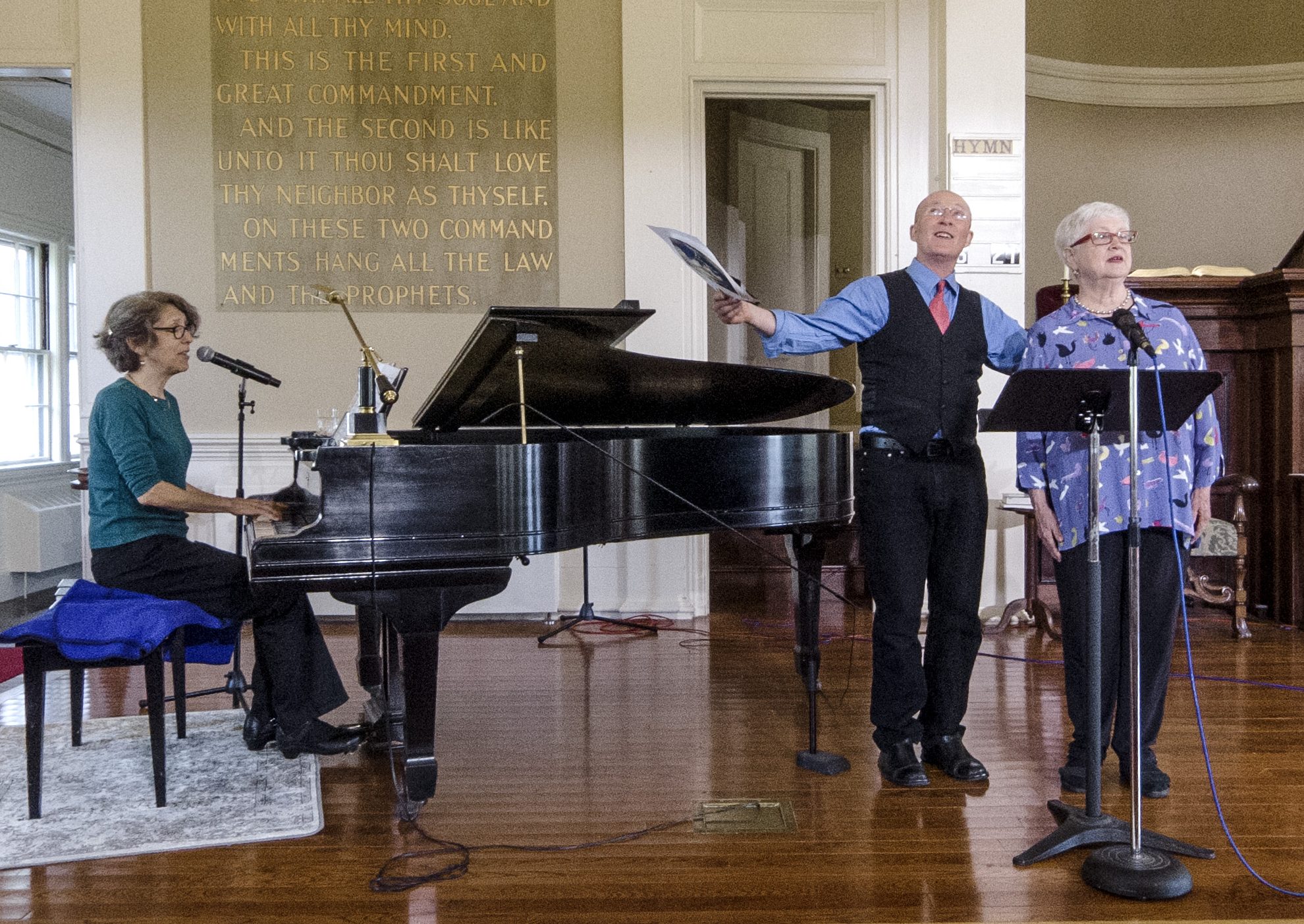
Molly, Carole and I leading a service at the UU Church in Milton, MA
He endured many corrective surgeries over the following decades and eventually had the lower part of one of his legs amputated.
Argh!
Deep breath in.
Deep breath out.
Although some of his earlier songs had been interpolated into other shows, Mr. Porter did not have his own hit show until he was 36 years old.
But — in the midst of much revelry and travel — he could be a very disciplined person.
He continued working on music during his 20s and early 30s while simultaneously leading a life of extraordinary luxury — renting historic palazzos in Venice during the summer and hiring entire ballet companies to entertain at his parties.
He even wrote a jazz-inflected music score for a ballet production in Paris which pre-dates George Gershwin’s much more famous Rhapsody In Blue.
Carole, Molly and I are not living lives of extraordinary luxury, but we ARE acutely aware of how fortunate/privileged we are to be able to devote time and energy to making music during this very challenging — and at time horrifying — time on planet earth.
A deep breath of gratitude in.
And a deep breath of gratitude out.
Thank you to Cole Porter for writing “Let’s Do It.”
Thank you to our copyright laws for allowing creative material to go into the public domain after a certain number of years.
And a special THANK YOU to everyone who has been streaming, liking, and playlisting our “Molly, Will & Carole” music!
We’re up to 2500 total streams on Spotify and 6500 total streams on Pandora (which are the only two music-listening platforms I currently keep tabs on…)
I have recently learned that streaming activity on the very first day of a song’s release strongly influences the future algorithmic behavior of that song on that platform — ie: whether a song is recommended to other potential listeners.
So if you might be willing to click here to stream “Let’s Do It” on the platform of your choice — and maybe even “like” it and add it to a playlist — we would be very grateful.
I will end with one final THANK YOU to you for reading and listening to yet another one of my blog posts!
For over twenty five years I camped there every summer with my sweetheart and his extended family.
And then COVID — and a new baby — entered our lives, and we all decided to rent a house together at the opposite end of the state (in Pittsfield) with a big, fenced-in backyard instead.
The important thing is to make it meaningful: a meaningful friend — or a meaningful day.”
Another deep breath in.
And deep breath out.
This song was inspired by a couple who rented a campsite at the other end of the little valley at North Of Highland campground where we had a perennial campsite.
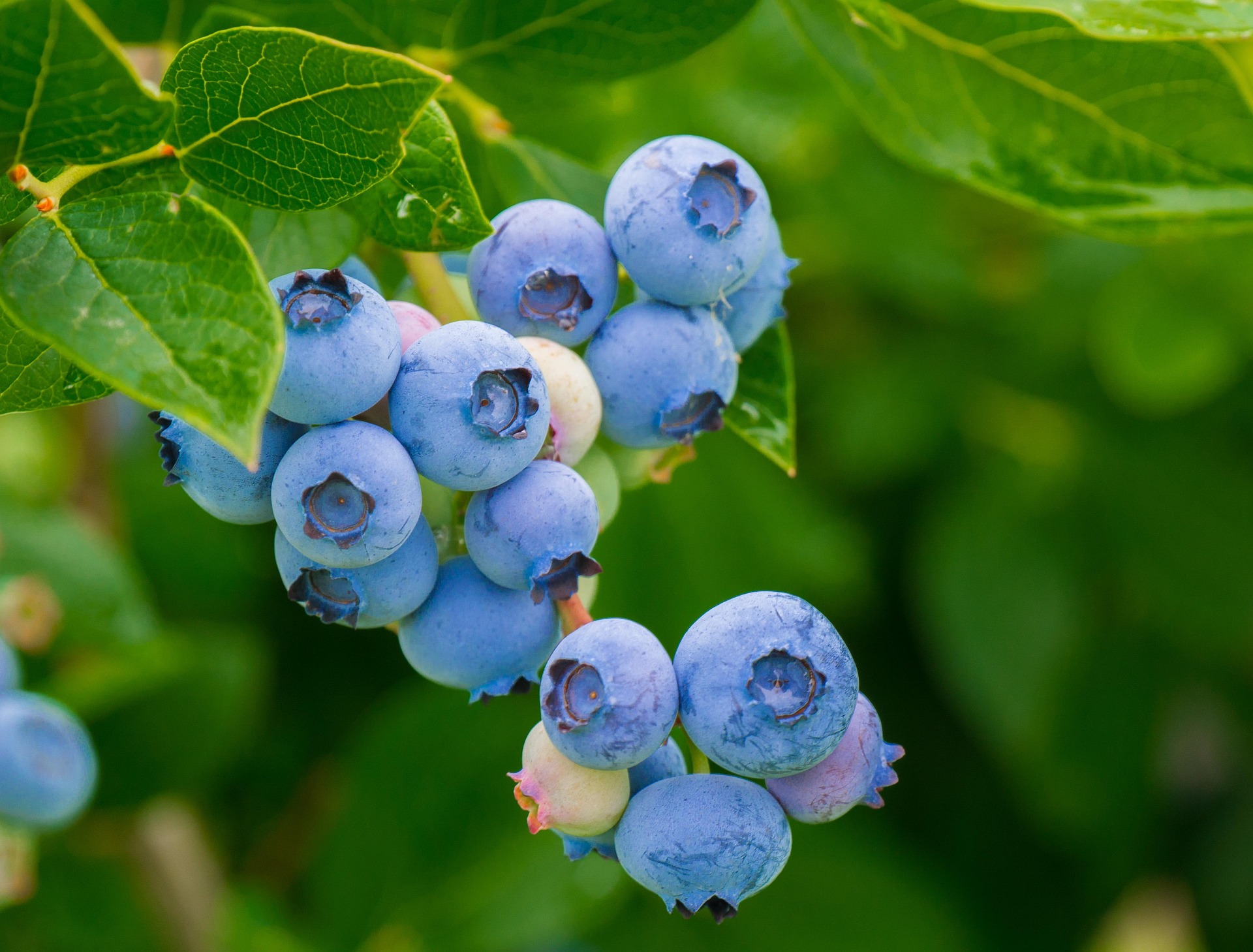
I don’t remember exactly how we reached out and introduced ourselves, but I am pretty sure I showed them the wild blueberry bushes which were bearing fruit all around our little valley.
And they invited us over for an informal cocktail hour one evening, which was very pleasant.
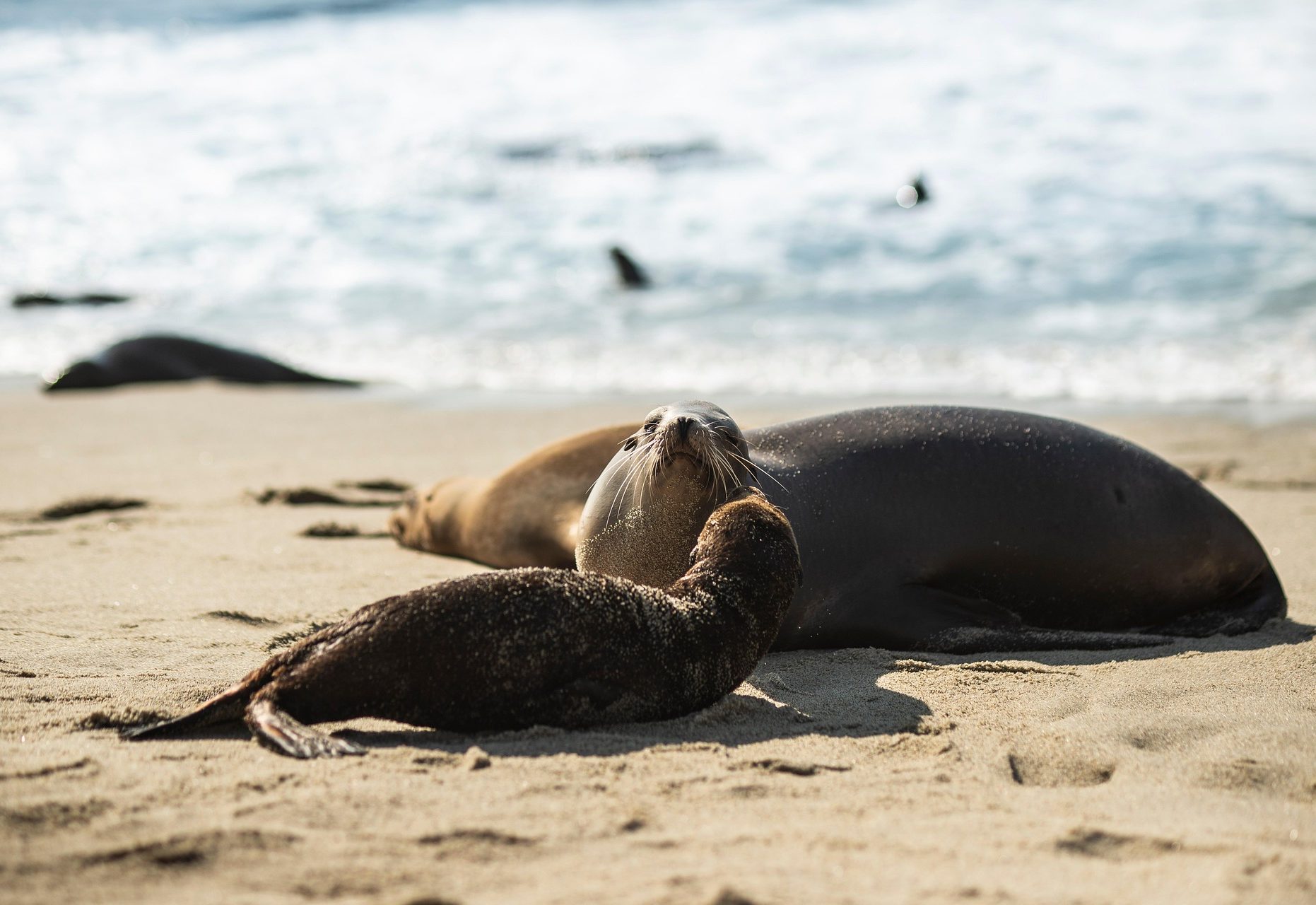
And then we discovered that the guy was a swimmer who, like me, loved to do laps along the ocean shoreline — although this was becoming more and more risky because the increasingly abundant population of seals in North Truro had been attracting more and more great white sharks…
So we hit it off with these two friendly people and became well-acquainted over the course of a few days.
Then, to my surprise (because I had assumed incorrectly that they had a week-long rental) they packed up their tent and — with warm goodbyes — drove away.
I have been very aware of — and sensitive to — the realities of love and loss ever since I was young.
In fact, I have been told that my parents used to sing “Good Night Irene” to me when I was a very small child just to see me well up with tears.
Deep sigh…
I have written in previous blog posts about the challenges of working professionally as a child and teenager. One of an actor’s most important skills is developing a sense of connectedness — first with the receptionist who checked you in at each audition, then with the casting agents, with the clients, and with any actors who were part of the initial audition and subsequent callbacks.
And if I got a job — whether for an hour doing a voiceover, for a day on the set of a TV commercial, for a couple of weeks filming a TV pilot, for a few months doing a movie, or for a year doing a musical — I needed to nurture ongoing, positive working relationships with my fellow cast and crew members.
I needed to show up on time.
I needed to know my lines.
I needed not to complain about anything.
I needed to behave as if I was a small, manipulable adult.
When a job was done, I remember how awkward and sad I felt as all of the camaraderie, friendship, affection and even love which had developed among members of the crew and cast would evaporate and disappear.
That was very confusing.
Was any of the camaraderie, friendship, affection and love I had experienced real?
Or was everyone just acting?
Another deep breath in.
And deep breath out.
On a vaguely related note, our planet’s relentlessly-marketed fossil fuels — along with the cars, trains, busses, ocean liners, planes, motorcycles, etc. which need them to run — have allowed most of us human beings to become much more mobile and much less rooted in one neighborhood, one town, one city, one state, one country.
The postal service and the internet have also given us extraordinary options for meeting and becoming acquainted with other humans.
How do we make sense of — and peace with — all of the beings who come and go in our lives?
Deep breath in.
Deep breath out.
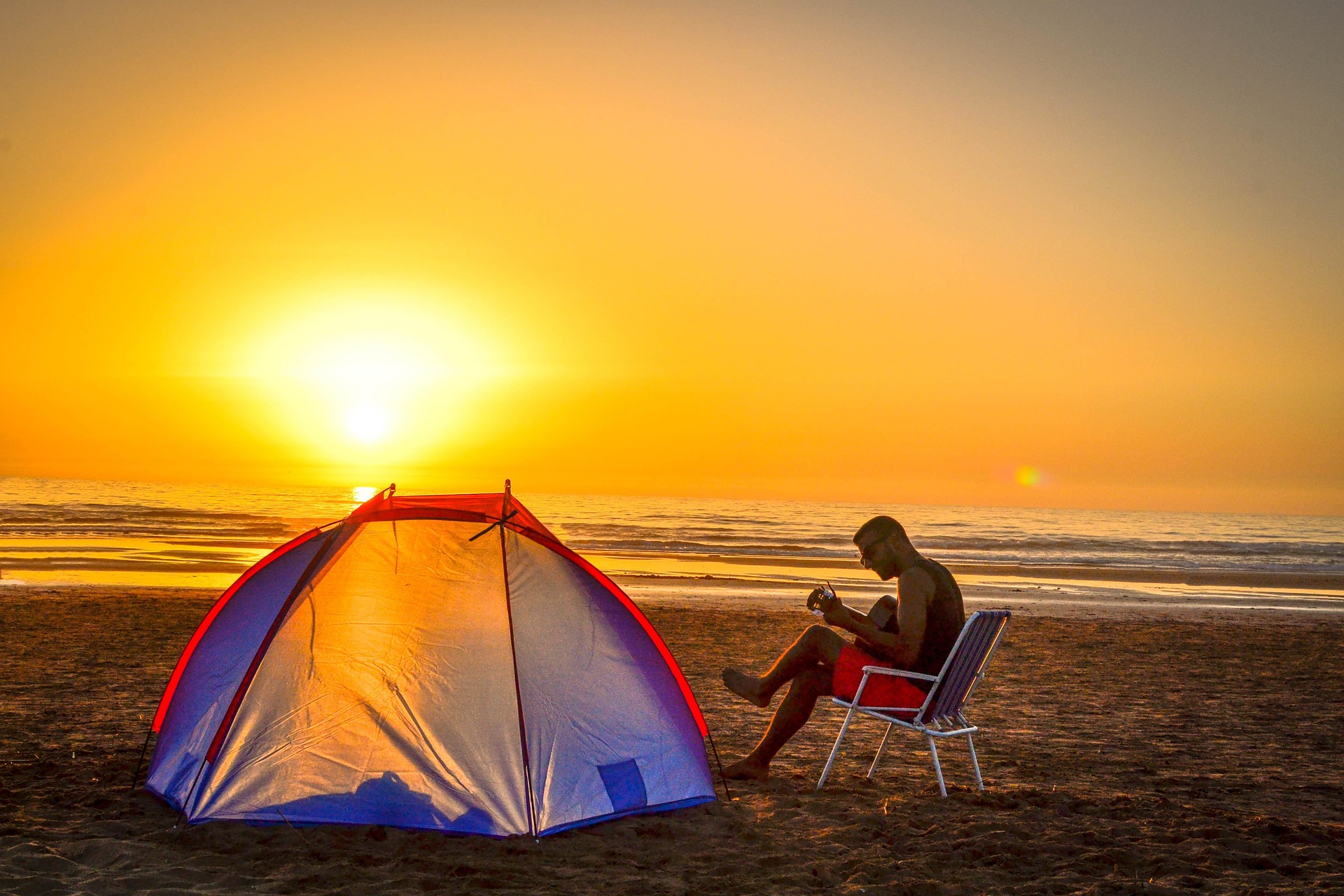
I tried to make a little bit of sense out of the ebb and flow of relationships by strumming a ukulele in my tent and then jotting lyric and chord ideas in one of my songs-in-process notebooks.
Eventually “The Crazy Touch And Go Of Our Lives” emerged.
I performed it by myself — playing a ukulele — at some open mics.
Then a few years ago my friend Molly Ruggles (who sings, plays piano and writes songs herself) created a lovely harmony part for her and our friend Carole Bundy to sing.
The three of us performed it at a bunch of porchfests and then recorded it with Molly playing piano last summer at Doug Hammer’s studio north of Boston.
Another deep breath in.
And deep breath out.
As I write this blog post, I am reminded of the Dalai Lama’s words about making each day — and, each friend — meaningful.
That is certainly what has happened with me and Carole and Molly.
We first collaborated when I was invited to sing during a service at the UU church in Medford where they were both members and where Molly was also the music director.
And this musical collaboration has deepened and widened over many years — and many delicious dinners — to become meaningful friendships.
We sing and harmonize and rehearse and perform and bear witness to the twists and turns of each other’s lives.
Deep breath of gratitude in.
Deep breath of gratitude out.
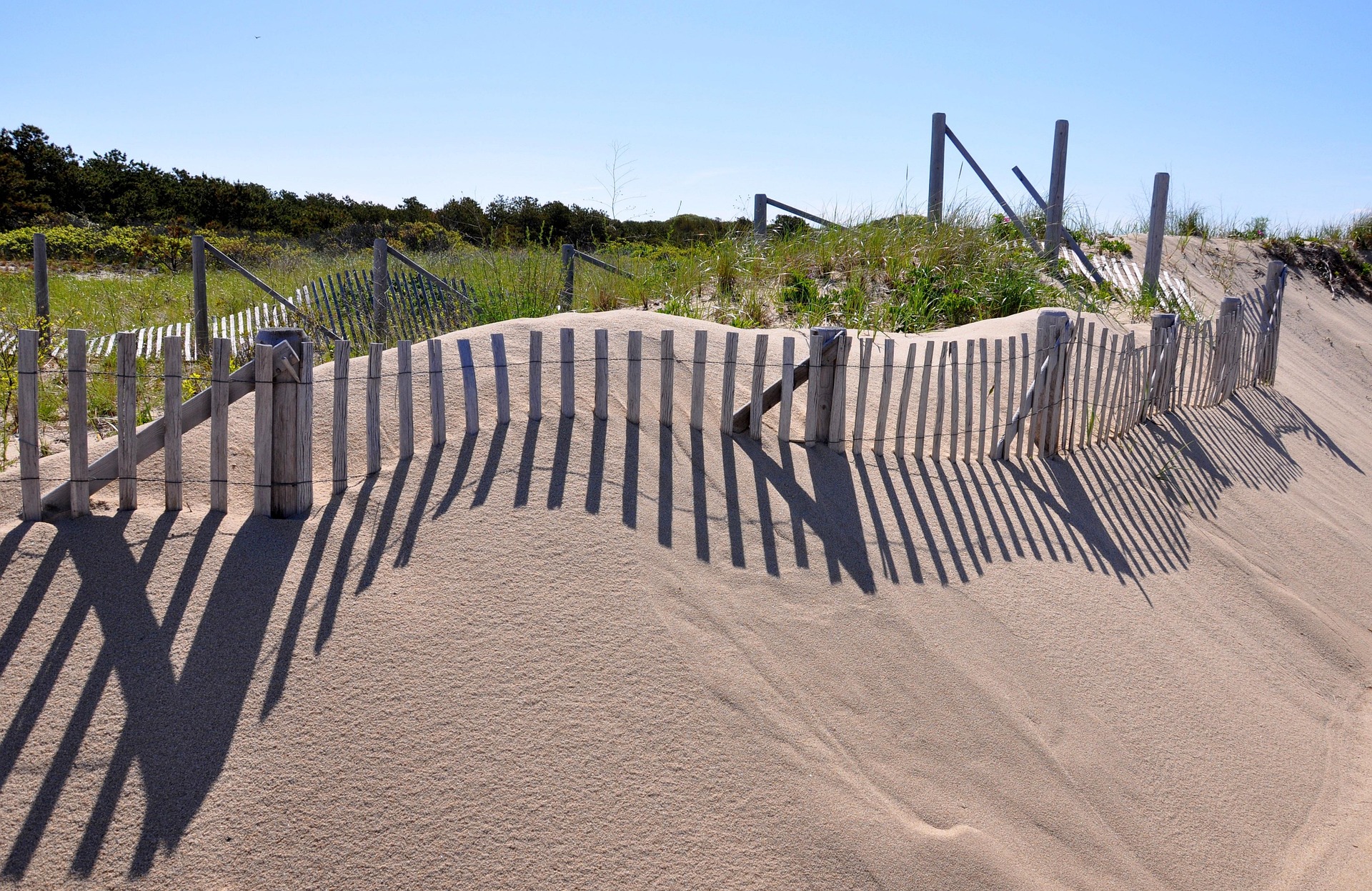
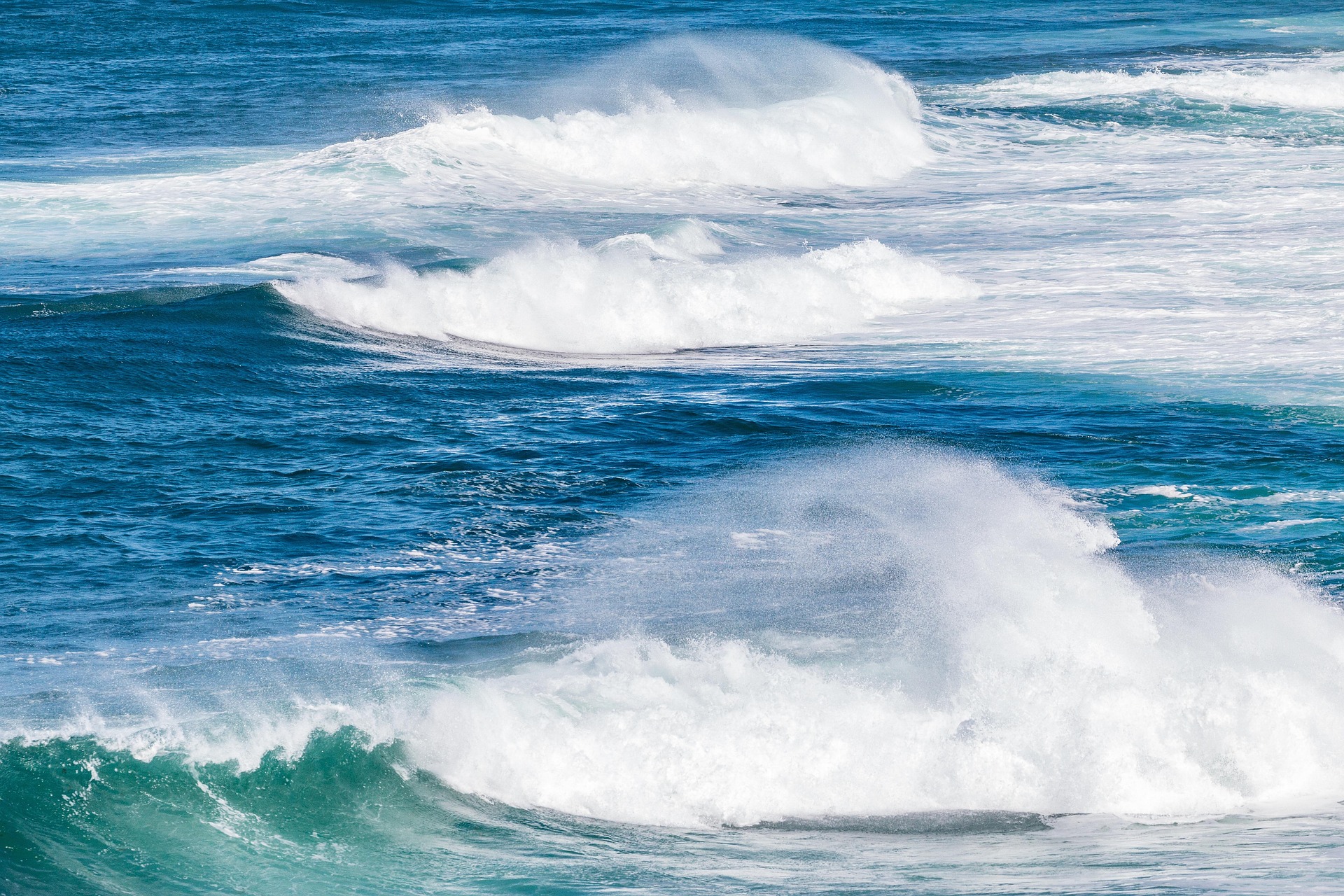
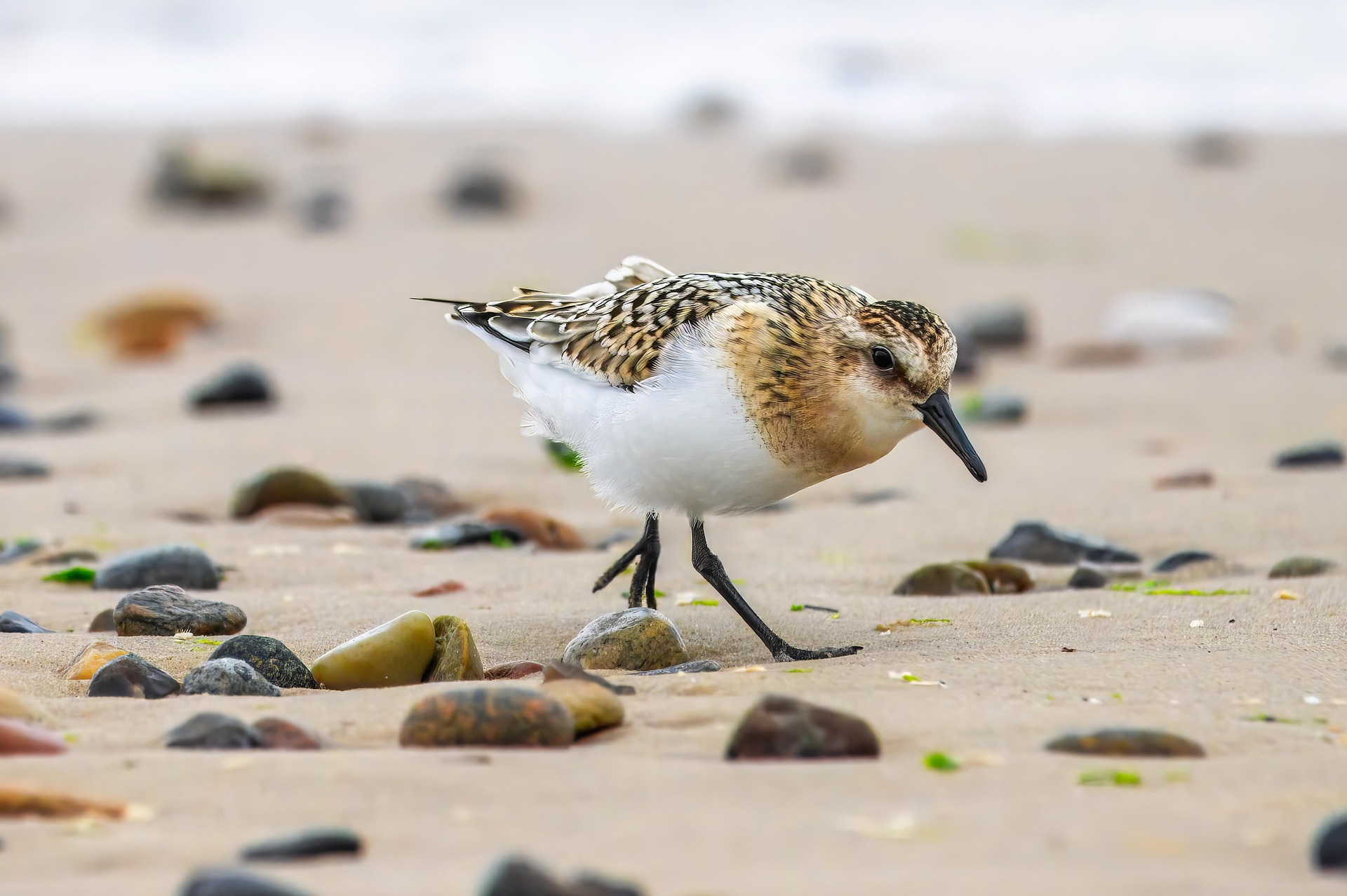
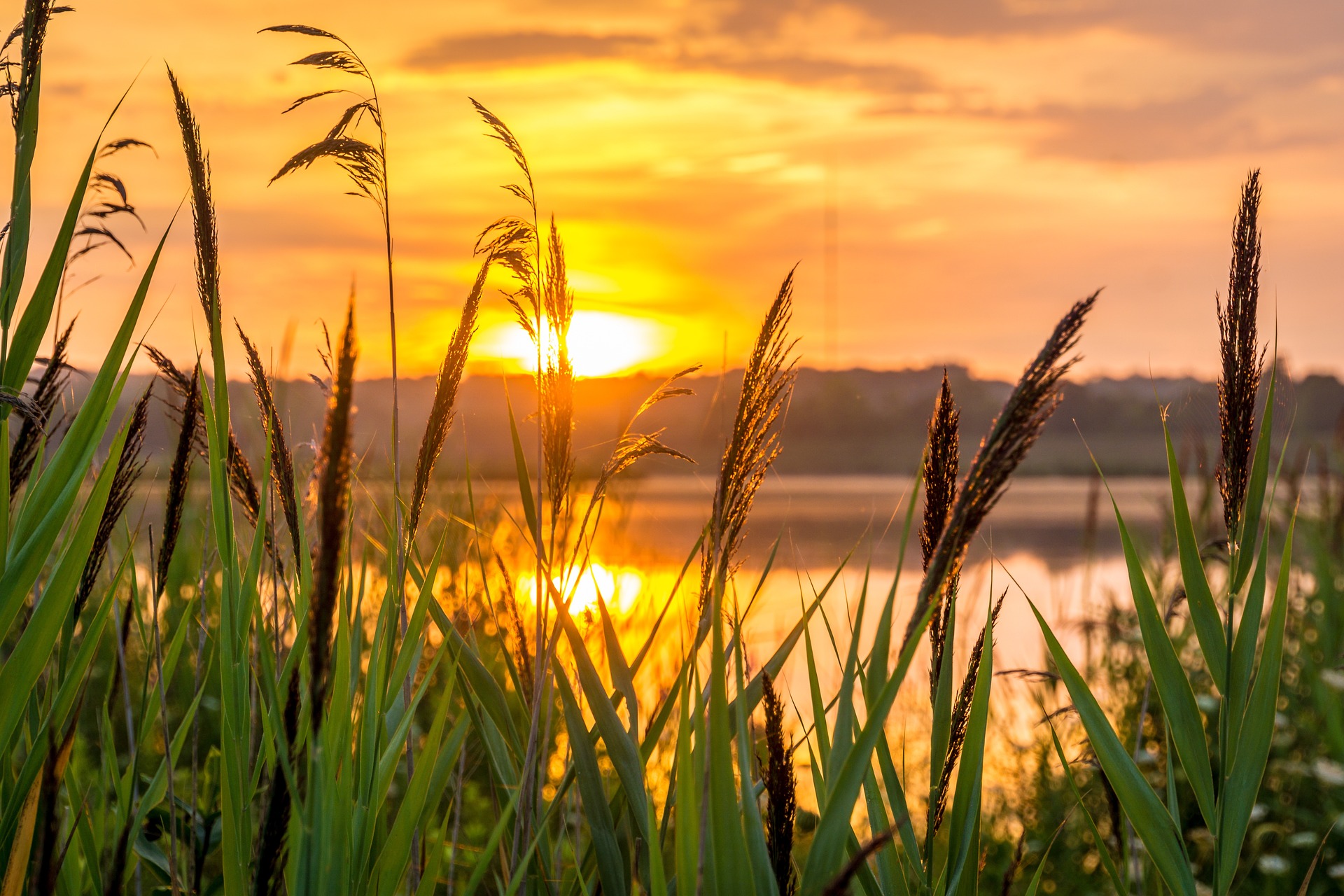
I will end this post with my customary thank yous plus a bunch of beautiful images from Pixabay that somehow reminded me of this song.
Thank you to all of the folks who have kept North of Highland campground going for many decades. I miss being there each summer!!!
Thank you to the couple who camped for a few days across the little valley from us at North of Highland campground.
Thank you to the Dalai Lama for his wisdom.
Thank you to my sweetheart and his — now our — family for letting me sit in my tent at the campground all day long, working on new songs.
Thank you to my dear ukuleles, to my “tent of creativity,” and to the various pencils, pens, notebooks, rhyming dictionaries, and laptops which help me to write songs.
Thank you to Molly and Carole for our years of interactions.
Thank you to the UU church in Medford for bringing me and Carole and Molly together as a musical unit and as friends.
Thank you to Doug Hammer for engineering and then mixing/mastering our recordings with us.
Thank you to the grasses and bushes and seaweeds and crabs and sea birds and seals and sharks and fish who make the Head Of The Meadow beach — a short and beautiful walk from the North Of Highland campground — so interesting to visit.
Thank you to the ocean and the sun and the moon and the tides which sweep the beach clean twice a day.
Thank you to everyone who has been listening to my songs via Pandora, YouTube, Spotify, Apple Music, and any/all of the other streaming platforms.
Each stream, each like, and each addition to a playlist is noted by that streaming service’s algorithms — and encourages it to share the song with other listeners.
As you may remember — or perhaps you have blocked it out of your memory in order to be able to move on with your life — three years ago things were not going well in the USA.
Many hospitals were overwhelmed by COVID — with dead bodies being stored in refrigerated trailer trucks until funeral homes and crematoria could catch up with the demand for their services.
And 2023 has brought new challenges — and tragedies — into our lives here on planet earth.
Deep breath in.
Deep breath out.
Wars continue to grind along, destroying human lives along with the lives of countless other beings caught in the cross fire. Pollution continues to seep into every ecosystem here on planet earth. Climate change continues to increase with catastrophic consequences.
My heart goes out to anyone who is feeling hopeless, who is feeling distraught, who is feeling alone, or who is feeling unloved during this holiday season.
And although I am fortunate to have a life partner + family + friends with whom I can gather during the holidays, I can vividly remember how heart-broken and grief-stricken I felt when the first big love of my life chose to end our relationship many decades ago…
Image by Scott Wynn
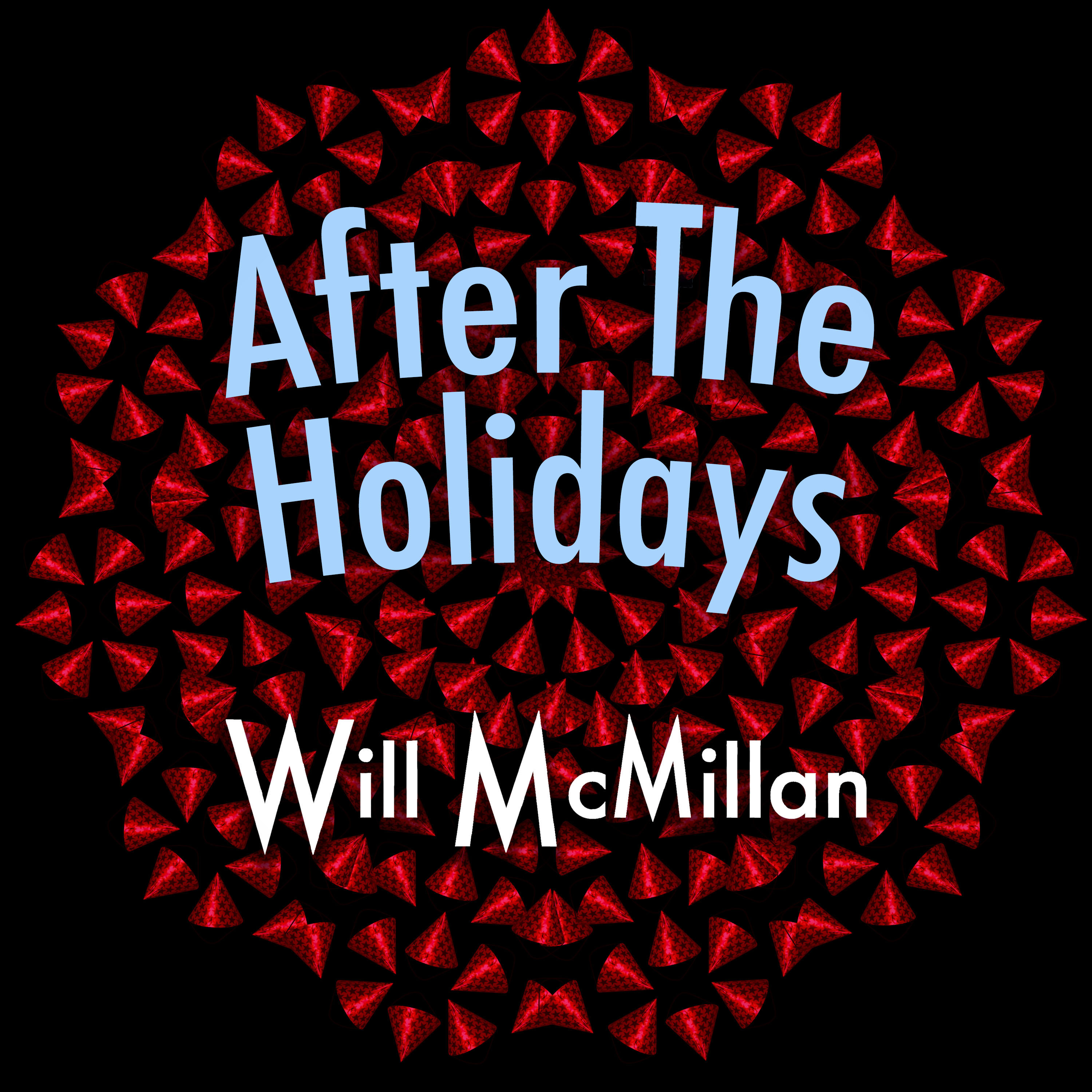
“After The Holidays” taps into those feelings of raw desperation.
Here is a link to my version “After The Holidays“ in case you might like to stream it.
And as I have explained before, if you “like” one of my songs or add it to one of your playlists, that will improve the algorithmic sharing of my music.
Thank you to the John Meyer for writing such a moving song.
Thank you to Doug Hammer for playing so sensitively on my version of John’s song AND for being such a diligent engineer/producer.
Since then — I am happy to note — more and more research has been done on the extraordinary community of beings who live in our guts AND the fascinating ways that they contribute to our mental and physical health.
All of this research underscores how profoundly our human lives are woven together with the lives of other beings here on planet earth — bacteria, viruses, plants (who provide us with oxygen to breathe, food to eat, and a bunch of medicinal options), fungi, and our fellow animals.
As you probably are well aware, medical science is discovering that it is indeed healthy to eat
A) High-fiber foods — such as whole grains, garlic, onions, leeks, and beans which are considered to be PREBIOTIC-rich foods,
B) Yogurt and kefir (without lots of added sugar) which are considered to be PROBIOTIC-rich sources of beneficial bacteria which can help to diversify and/or replenish our gut biome, and
C) Fermented foods — such as kimchi, kombucha, miso and sauerkraut — which also have lots of live, active, beneficial bacterial cultures.
There are TRILLIONS of bacteria in our guts, and the proportions of more-beneficial bacteria to less-beneficial bacteria are influenced by what we choose to eat.
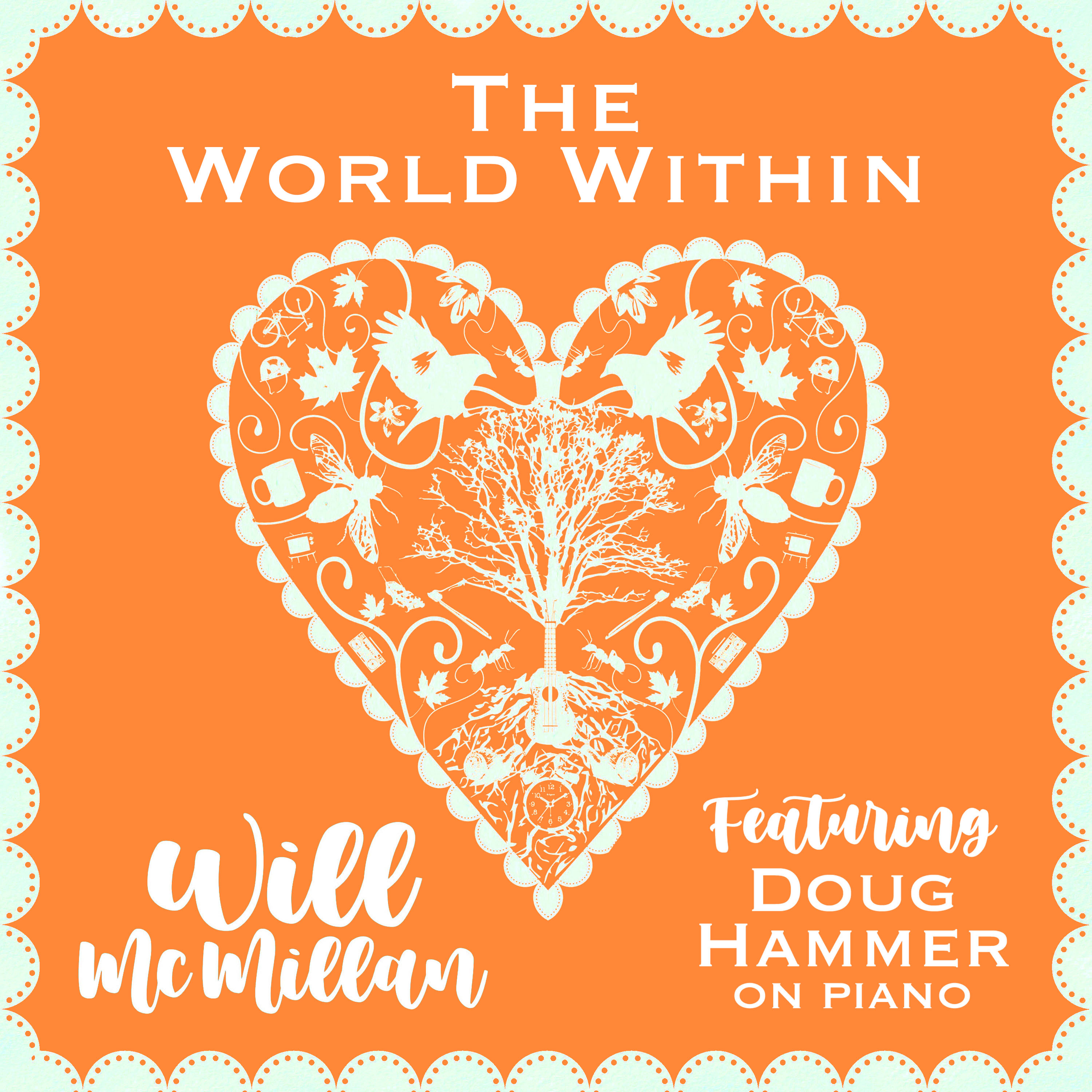
As I say in my song, “the world within is calling for attention.”
What sort of attention do YOU give to your gut microbiome?
Even though I have not shared a new post for two months, my stats tell me that lots of people continue to visit my blog (maybe because I have over 100 past blog posts to choose from…?)
Whatever the reason, THANK YOU to everyone who keeps finding and reading my blog!
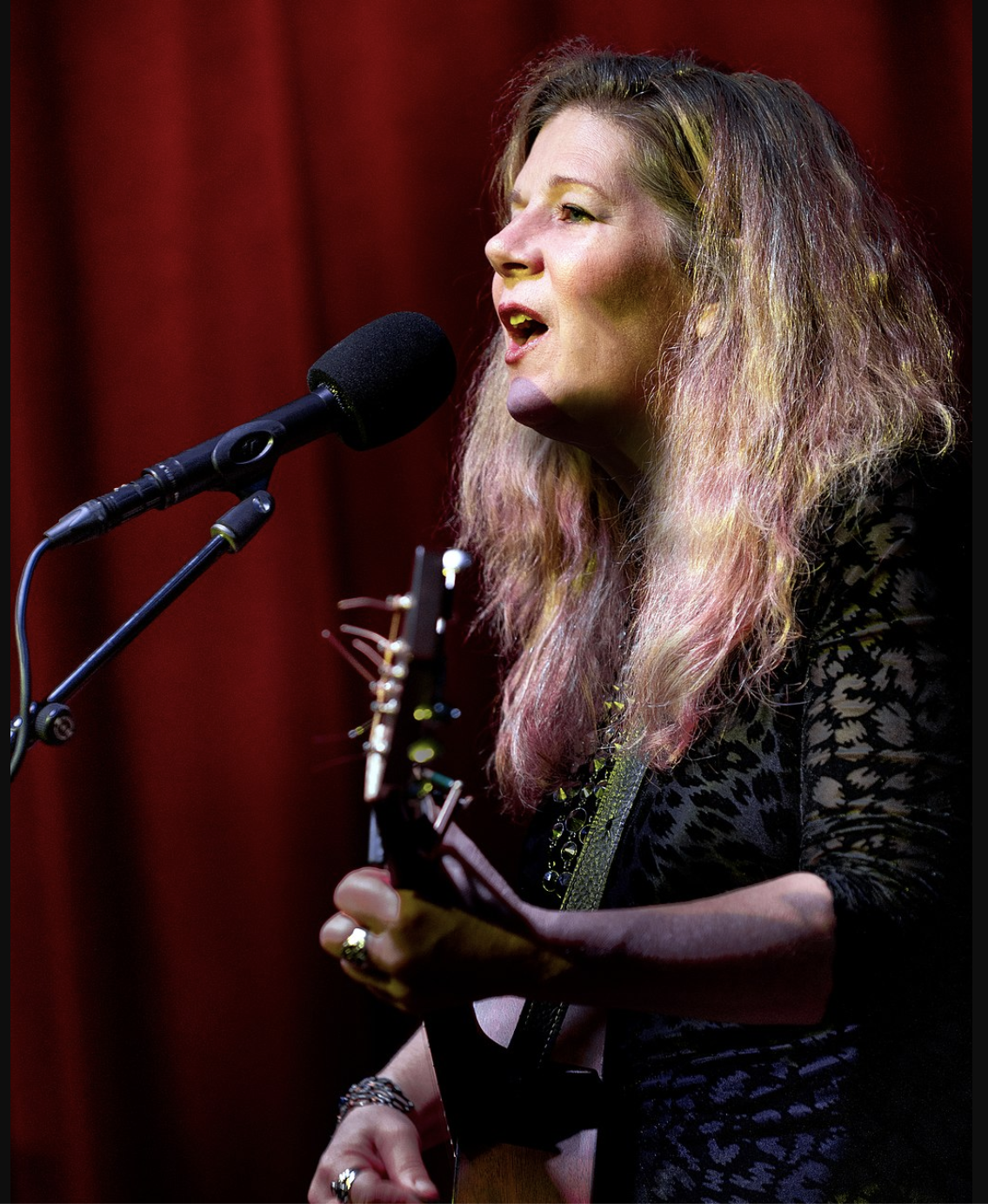
I have loved this song by Dar Williams ever since I first heard it a couple of decades ago.
Dar Williams
Ms. Williams weaves together several fundamental human themes — the value of role models, the heartbreakingly inevitable connection between love and loss, the challenge of female/male power dynamics, and the significance of being trusted — within the framework of a story told by a child about their beloved babysitter.
It is masterful songwriting.
I released it two weeks ago to coincide with the start of the school year here in Massachusetts.
I have several friends whose almost-grownup children are entering college — and they have shared with me that they are feeling simultaneously grateful/proud that their kids are becoming adults AND heart-broken/shocked that their kids are old enough to leave the family nest.
Deep breath in.
Deep breath out.
I do not remember having many babysitters when I was a child.
There was one, however — maybe a friend my mother met at a painting class? — who taught me and my siblings how to cook eggplant moussaka from scratch.
We happily prepared that meal again and again during our child and teen years following her recipe.
It was delicious!
The theme of trust and trustworthiness in Dar’s wonderful song very much reminds me of how respected I felt as a young adult when I was hired to help take care of three small children (one each from three families) who had all dropped out of the same pre-school together.
I myself had recently dropped out of college, and it was a very powerful — and healing — experience to be entrusted with these three little human beings.
Parents have to tap into a deep well of trust to let someone else take care of their children.
Without a lot of interviewing and no background checks, I and two other twenty-somethings were hired to have fun adventures with these three children in shifts during the day while their parents — who were architects, college professors and a child psychiatrist — worked.
We were given the keys to one of their cars (a Saab), three car seats, and a little spending money in case we needed to stop at a grocery store or bakery for treats during the day.
The parents also gave us a book on child development by Penelope Leach from which I learned that I could follow the children’s lead and let them to explore their curiosity/interests — which included (among other things) ants and dogs and pistachios and flowers.
One of my favorite memories is driving with them to a wonderful nature area — the Punkatasset Preserve in Concord, MA — and wandering very slowly up and down the trails so that we could pause whenever something caught the children’s attention.
Their interest in flowers led me to serve them food — such as apple slices, carrot sticks, chunks of cheese — in flower patterns on their plates.
How are they able to capture and transform energy — radiating from a nearby star! — into something delicious we can eat here on planet earth?
What a miraculous blessing…
Another deep breath in.
And deep breath out.
Last week I listened to a interview on YouTube in which an artist manager explained that Spotify’s algorithms seem to reward folks who release music on a monthly basis — and that if one is able to do this for 18-24 months, an exponential increase in streams sometimes kicks in…
This is what he has discerned from the streaming patterns of music released in recent years by a dozen independent musicians he is working with…
I have seen a significant (for me) increase in streams for the six songs which I have released (every three weeks) since the middle of April this year.
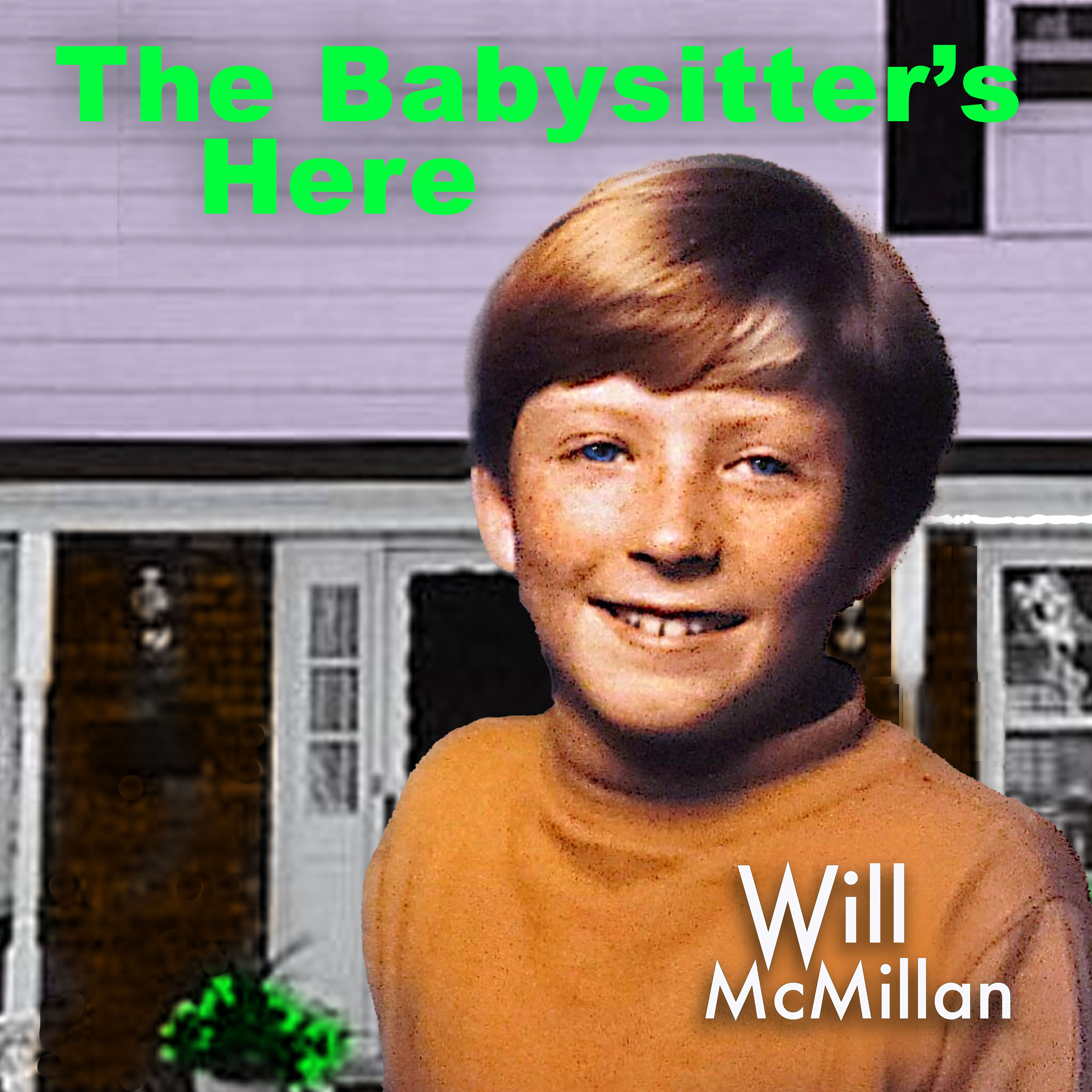
My recording of “The Babysitter’s Here,” for example, has gotten more streams (598) on Spotify in two weeks than many of the songs I first released have gotten in two years.
So I am going to stick with my plan to release a song every 3-4 weeks for the next 19 months and see if an exponential increase kicks in…
And any song you “like” or “heart” or add to a playlist will improve the algorithmic activity of my music there.
You are also welcome to visit my website — where you can learn more about my musical life (including upcoming gigs) here on planet earth if you are curious.
Thank you to Dar Williams for writing such a delightful song.
Thank you to the families who trusted me many years ago to take care of their precious children.
Thank you to Doug Hammer for his sublime piano playing AND his patient engineering expertise.
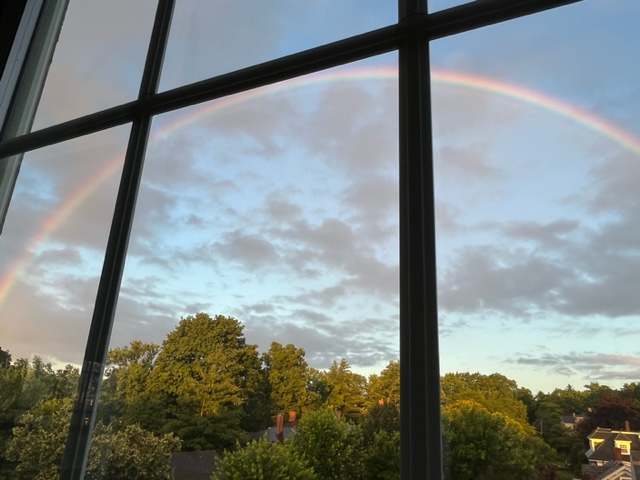
Thank you to the generous photographers and graphic designers at Pixabay — and to my friend Carolyn for the lovely photo she took of.a rainbow from her living room window.
Thank you to Stephen C. Fischer for transforming photos from earlier parts of my life into graphic designs for my current song releases.
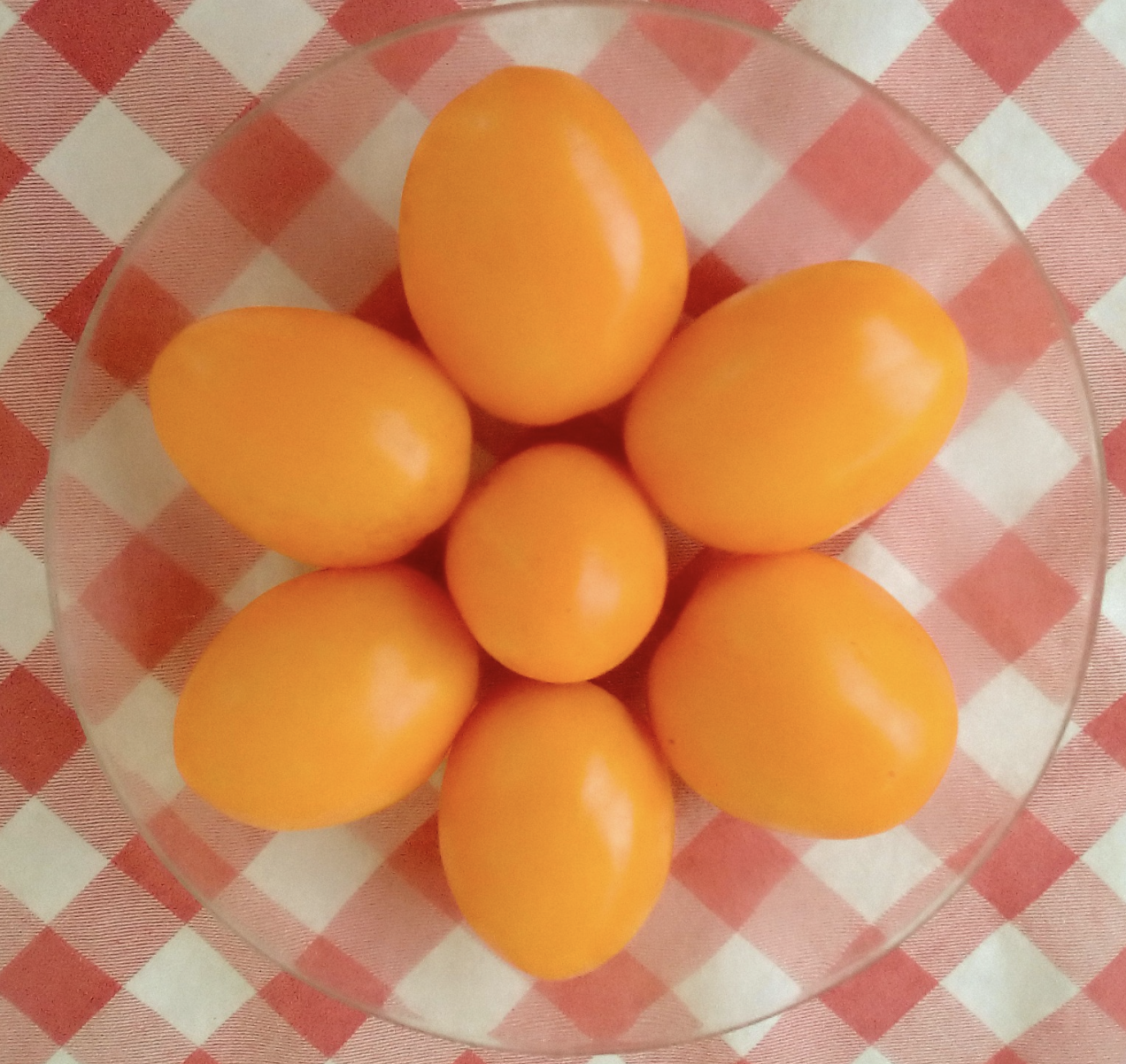
Thank you to my neighbors for sharing their beautiful vegetables with me.
And most of all, thank YOU for reading — and listening to — another one of my blog posts!
“Music is a great encouragement to people in hard times.”
Deep breath in.
And deep breath out.
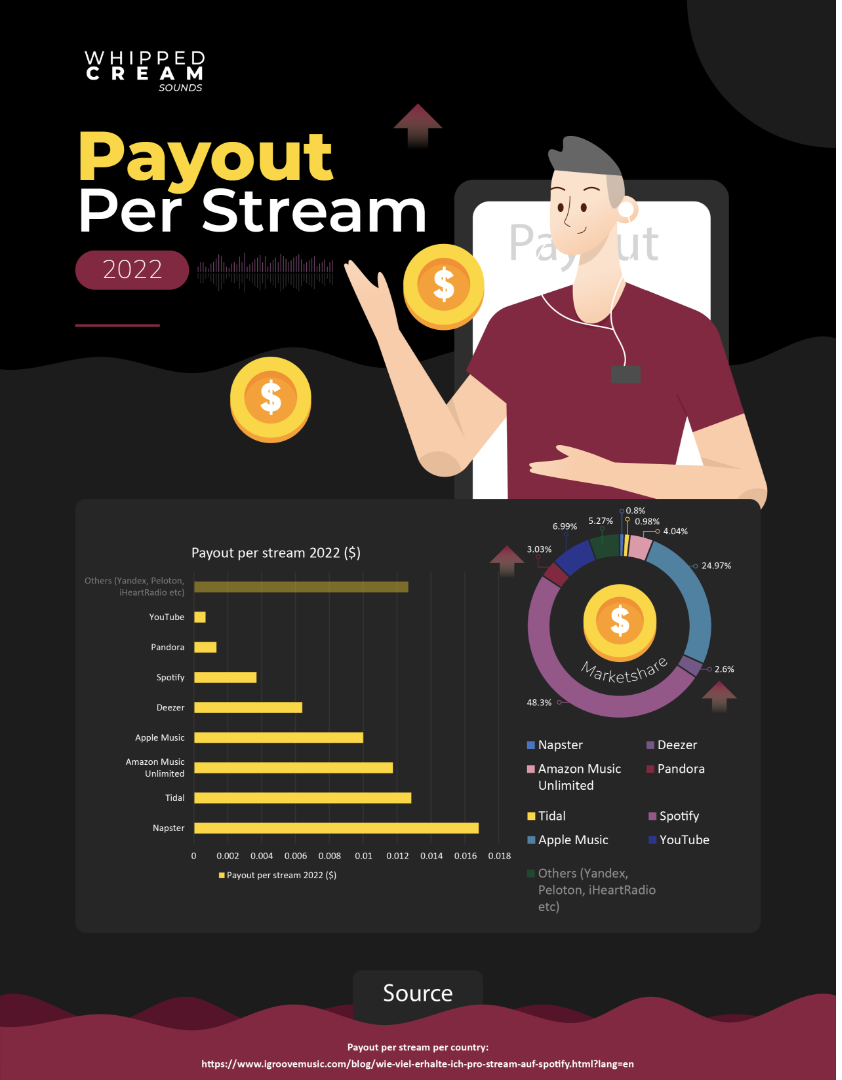
I also explain in this past blog post about how little money is earned by performers and songwriters from streaming platforms such as Spotify, Apple Music, Pandora, YouTube, etc.
Spotify, which last year had an almost 50% market share of music streaming worldwide, still pays less than half a cent per stream.
Apple Music was the next biggest player, with almost 25% market share of music streaming worldwide — but paid a penny per stream (almost triple what Spotify paid…)
All of the other music streaming companies share the remaining 25% of worldwide music streaming — and paid anywhere from .00069 cents per stream (YouTube Music) to .017 cents per stream (Napster).
Here’s a graphic representation from this article of all of these numbers.
Suffice to say that I have not been earning any significant money as a result of people streaming the 37 recordings I’ve released during the past 34 months.
Deep breath in.
And deep breath out.
But I DO have the satisfaction of knowing that my music is out there in the world, being listened to by folks in fifty different countries — including the USA, Finland, Canada, Taiwan, Great Britain, Kazakhstan, Australia, Indonesia, Turkey, Brazil and Chile!
“Music is part of what makes the world keep going.”
And in recent months my streaming statistics on Spotify have risen significantly (although my total numbers are still quite modest).
This rise in my stats helps me feel that what I am doing — releasing music — is not entirely futile, useless and/or egotistical.
And it gives me a small sense of hope, which is what Ron Sexsmith’s lovely song does, too.
Hope remains a blessed mystery to me.
I hope you feel at least a tiny kernel of hope in your life.
Recent regional elections here in the USA have renewed my sense of hope in our political process.
And small children — such as those who grace my Music Together classes — also give me a sense of hope as well as a reason to continue to work for a more balanced, sustainable, and respectful future here on planet earth.
I’d be happy to learn in the comments about what gives YOU a sense of hope these days.
Six weeks later, it grew into a pandemic — from which many of us are still recovering…
However, the WHO recently announced that COVID-19 no longer qualifies as a global emergency.
This is good news.
Deep breath in.
Deep breath out.
Apparently deaths from COVID are at their lowest point since the early days of the coronavirus outbreak.
This is also good news.
However, a lot of people are still continuing to die here in our Not-So-United States of America.
Last night I ordered a pizza and salad from a nearby restaurant, and after I picked it up, a woman waiting outside congratulated me on wearing a face mask.
She, too, was wearing a mask and told me in no uncertain terms that our COVID challenges are not over yet.
In fact, the 40-year-old son of one of her friends had just died from COVID.
Although this is a decline from a peak death toll of 2,500 human beings per day in early 2022, 150 per day still feels like a lot of people dying to me!
And all around the world, people continue to die — one every three minutes — “and that’s just the deaths we know about,” says WHO director general Dr. Tedros Adhanom Ghebreyesus. “COVID-19 is (not) over as a global health threat.”
Yet another deep breath in.
And deep breath out.
I wrote the song in the player at the beginning of this blog post during the first year of the pandemic.
I was inspired — in part — by the months-long hospitalization of a fellow singer who was on a ventilator for a very, very long time.
Amazingly enough he has managed to recover — and resume singing!
He was cared for by a team of truly courageous nurses, doctors, and support staff who came to work day-in and day-out while most of us were sheltering in place at home.
I bore witness to the dedication and patience of many nurses, doctors and support staff during this time because — exactly as COVID was entering our lives — I was diagnosed with an obscure medical condition called PGNMID.
As the COVID epidemic grew worse and worse, I met with specialists at several hospitals, underwent kidney and bone marrow biopsies. and ended up being given three rounds of six-month-long-treatments — chemotherapy+immunotherapy+steroids the first time, a new immunotherapy drug the second time, and an even newer experimental immunotherapy drug the third time.
I appear to be responding well to the latest round of treatments — and may write more about this experience in a future blog post.
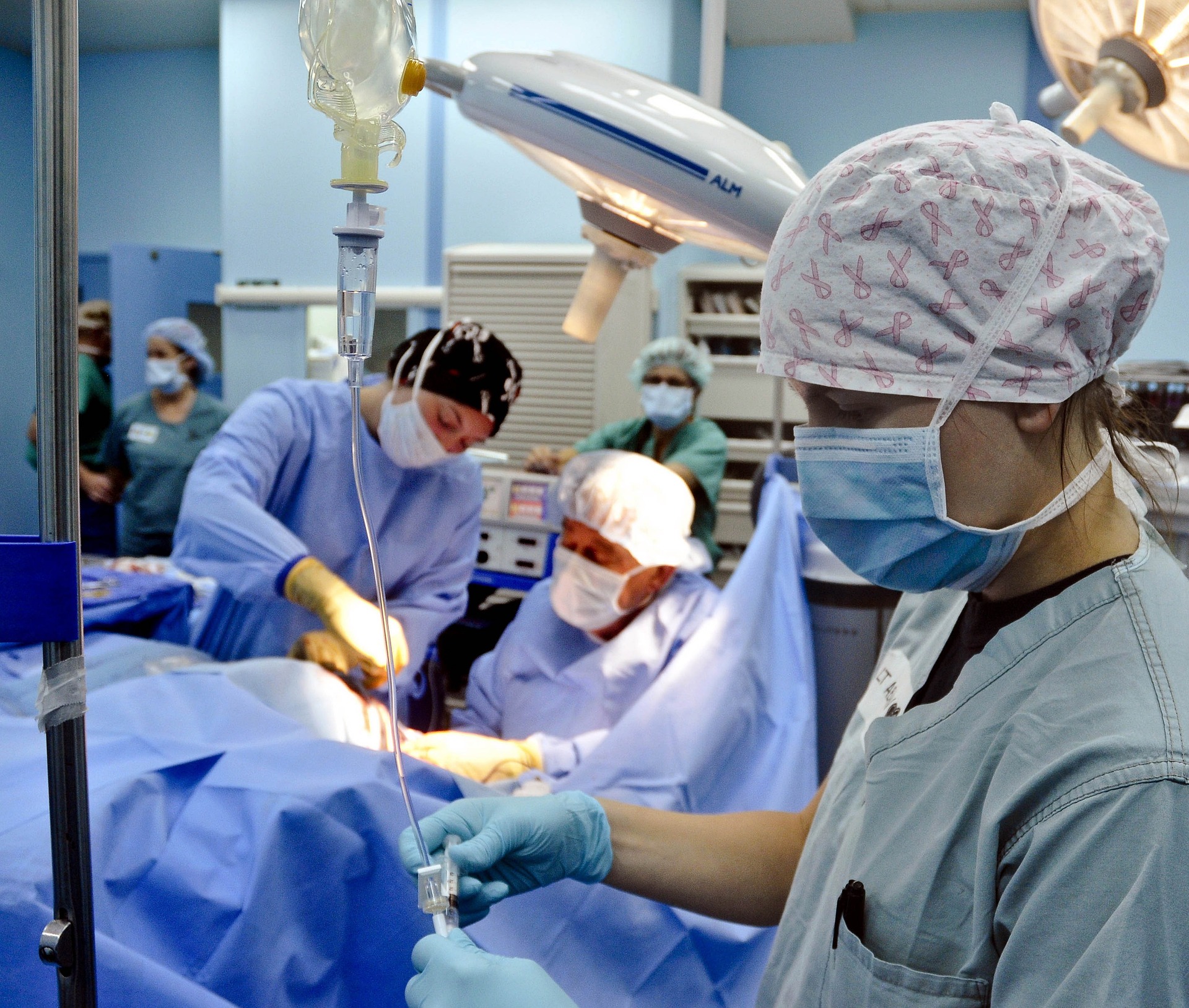
I mention it now because I saw firsthand — on a weekly basis — the brave and loving response of the medical community during that horrible time.
Recently another musical acquaintance shared with me that she stopped working as a nurse a year ago so that she could begin to recover from the stress and trauma of being a nurse during the COVID pandemic.
I know she is not alone…
Another deep breath in.
And deep breath out.
It’s easy to forget — or ignore — the reality that most of the people who have died due to COVID were connected to a web of caregivers, family and friends who are now grieving their loss.
Deep sigh…
Millions of human beings around our planet — myself included — are now struggling to regain their hopefulness, their sense of connectedness with others, their equilibrium, their sense of purpose, and their mental health after being in survival mode for the past few years.
And some folks are also struggling with mysterious, lingering health challenges after being infected with COVID.
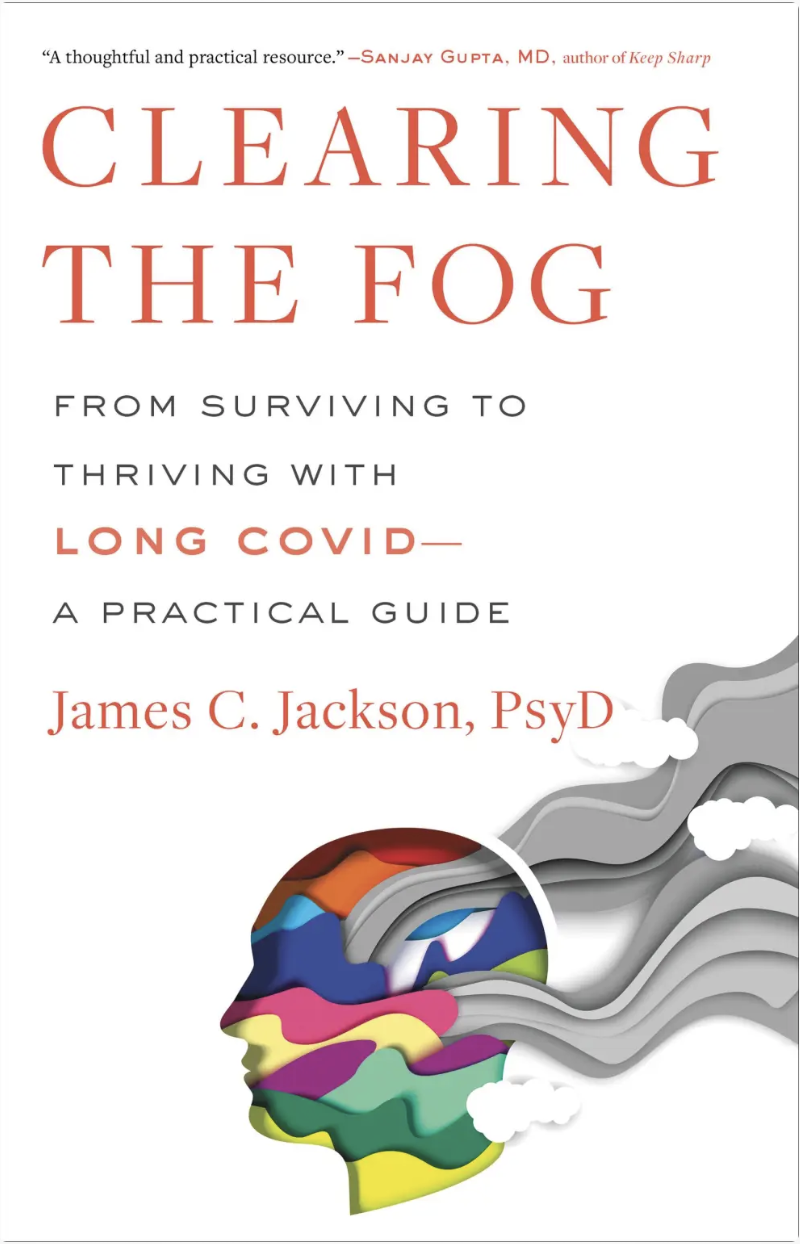
A recent interview on Fresh Air with a neuropsychologist named James Jackson reminded me that there are millions of people here on planet earth who continue to experience a wide variety of debilitating symptoms due to their COVID infection — the “long-haulers.”
As the Fresh Air webpage explains, these folks “struggle to remember things, perform basic tasks and solve problems” — which can lead “to a loss of employment, income, and important relationships.”
I have so many thoughts and feelings about COVID — as I am sure you do, too.
Maybe you will be moved to share a little of what you are feeling and thinking these days about the impact of COVID on our lives in a comment at the end of this blog post.
Part of me was tempted when writing this blog post to share a list of the high-profile folks — such as former presidential candidate Herman Cain — who downplayed or actively denied the significance of the COVID virus… and then ended up dying from it.
However, that seemed too disrespectful and schadenfreudey.
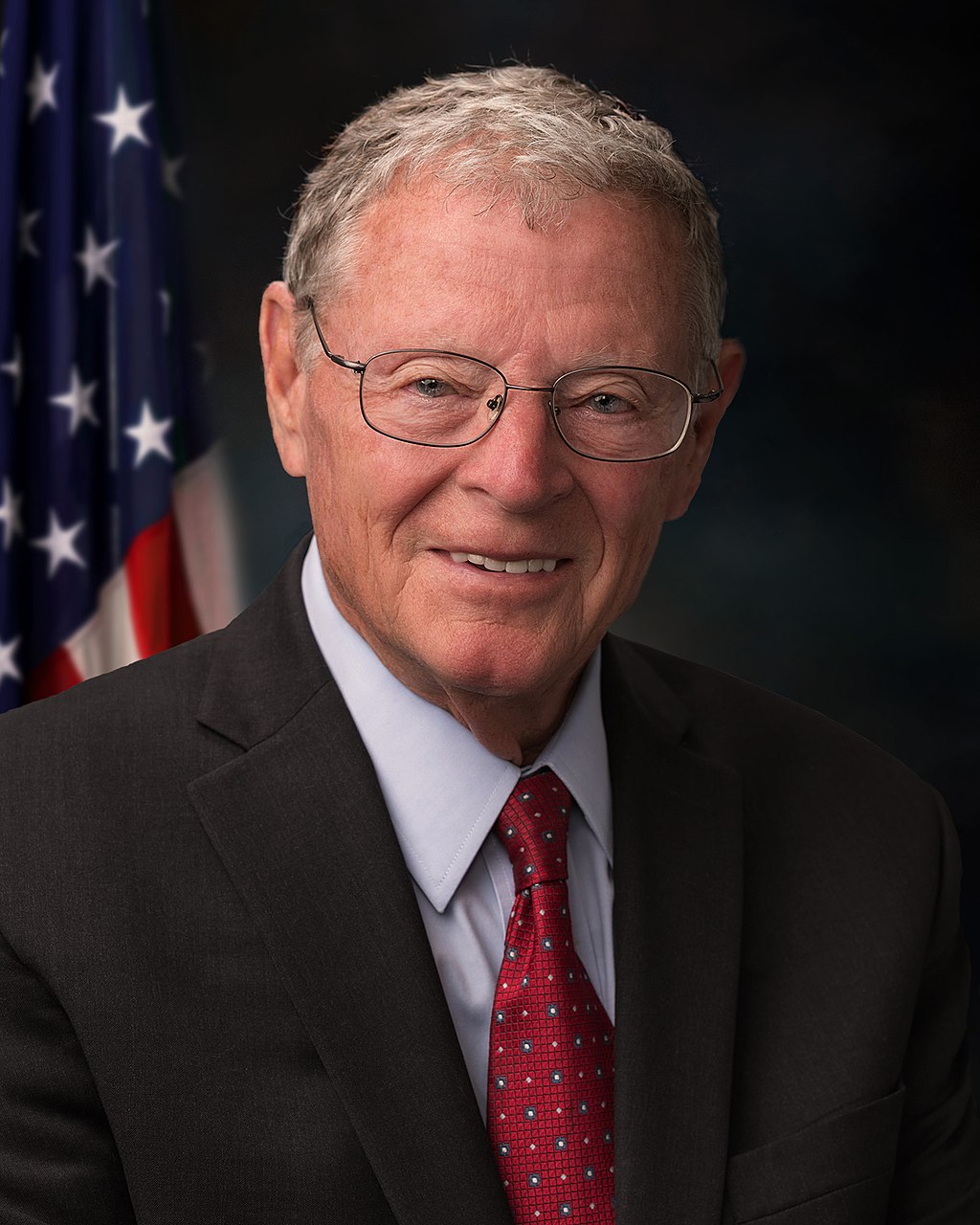
I did stumble across an interview earlier this year with a former Republican senator from Oklahoma — Jim Inhofe — in the Tulsa World, in which he explains that one of the reasons he retired was long-term COVID-19 complications.
At the time of his retirement, he said that he had tested positive for “a very mild case” of COVID-19.
But in this interview he admits that it has been much more serious.
I think he is referring to other US senators… but maybe he means members of Congress overall?
He also says: “I try to be careful, but I have to be reminded to do things like wash my hands. I have to do things I’m not used to and that’s difficult sometimes.”
I agree.
It can be VERY difficult for us to change our longtime habits and mindsets and patterns of behavior.
Apparently Inhofe has also been an outspoken climate science denier for decades — and we shall see how that ends up affecting him…and his family…and his former constituents…and all of the rest of the web of life here on planet earth in the upcoming days and weeks and months and years!
I think it’s been pretty hot in Oklahoma in recent weeks…
One final deep breath in.
And deep breath out.
Thank YOU for reading and listening to another one of my blog posts.
I am always surprised and heartened to check my WordPress stats and see that people continue to visit my blog even when I haven’t posted anything new in many weeks.
Thank you to all of my visitors!
And thank you to Pixabay for their wonderful and generous photographers.
Graphic design by Stephen C. Fischer.
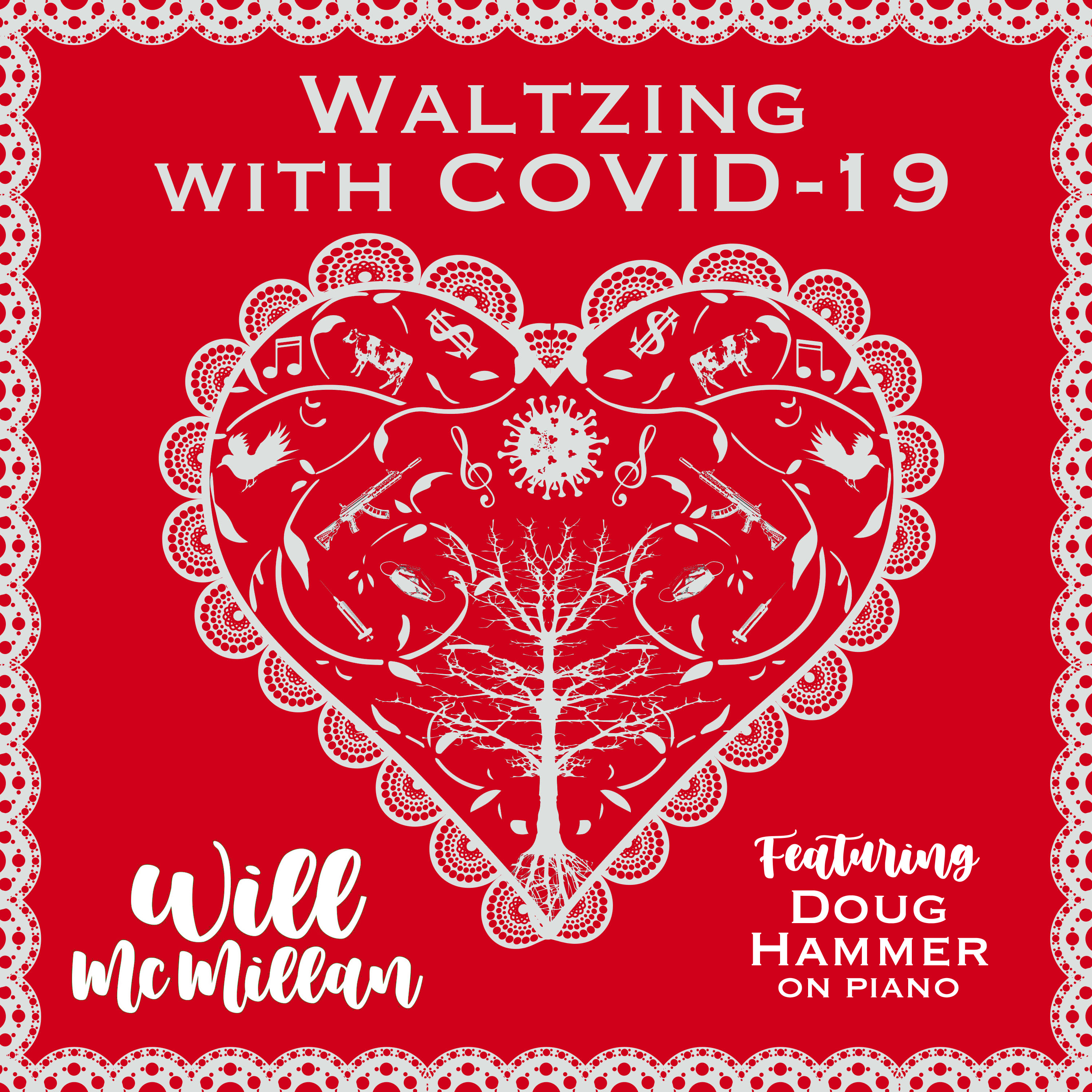
And thank you to Doug Hammer for playing his Schimmel grand piano so poignantly AND for helping me to mix/master “Waltzing With COVID-19” via many Zoom sessions during the past two years.
If you are curious to hear more music, you can find me singing — with Doug Hammer playing piano — on Spotify, Pandora, Apple Music, YouTube and other streaming platforms.
And you can listen to “Waltzing With COVID-19” on your favorite streaming platform by clicking here.
Any song you “like” or “heart” or add to a playlist will improve the algorithmic activity of my music there!
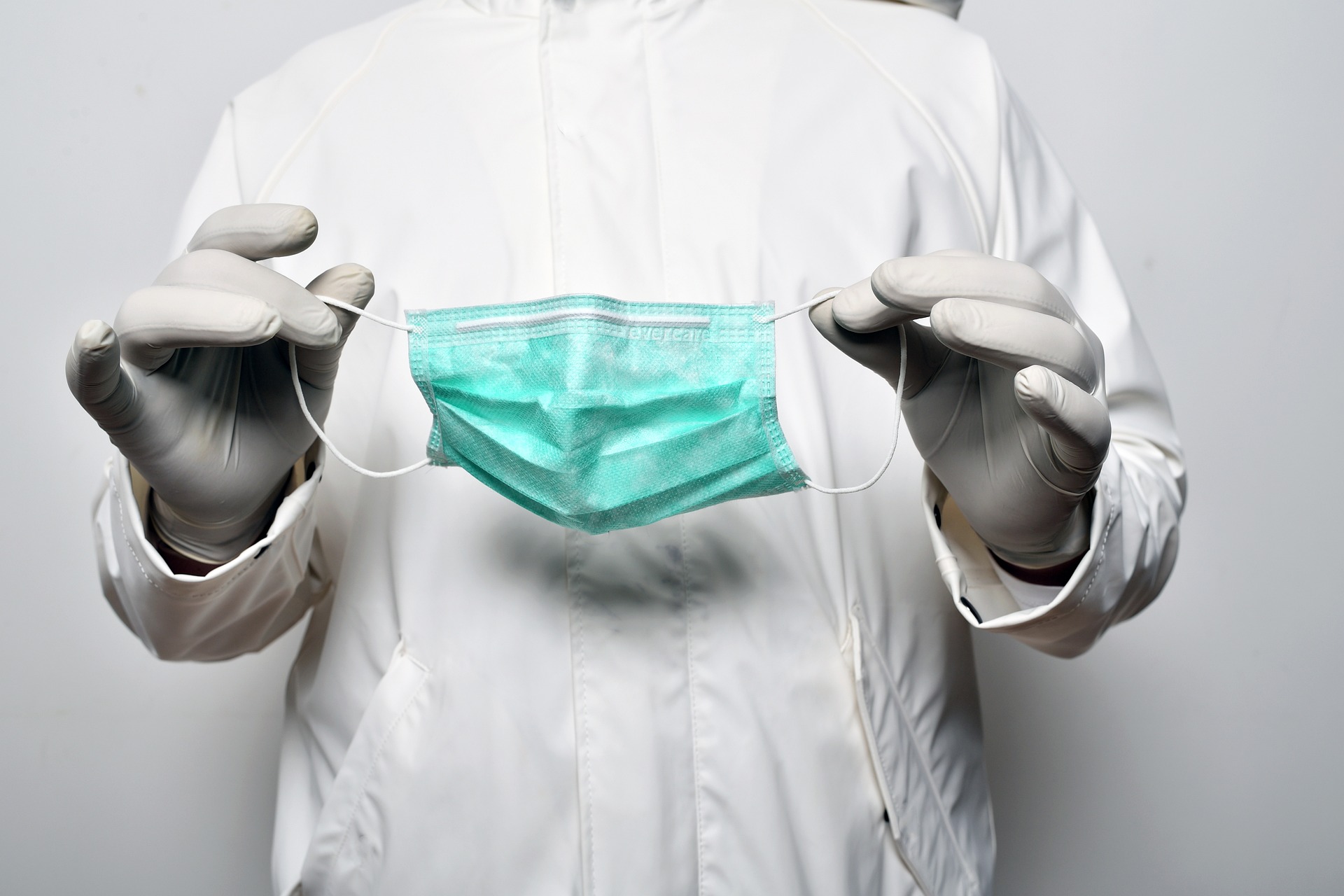
I am going to continue to wear a mask whenever I am inside a movie theater or a bus or a subway or a friend’s car (if the windows are rolled up) or a friend’s home or an office or a hospital or a retirement community.
This is a simple way we can continue to respect and care for each other.
While all sorts of extremely important events continue to unfold around the world on a daily basis, life — blessedly — goes on here in East Arlington, MA.
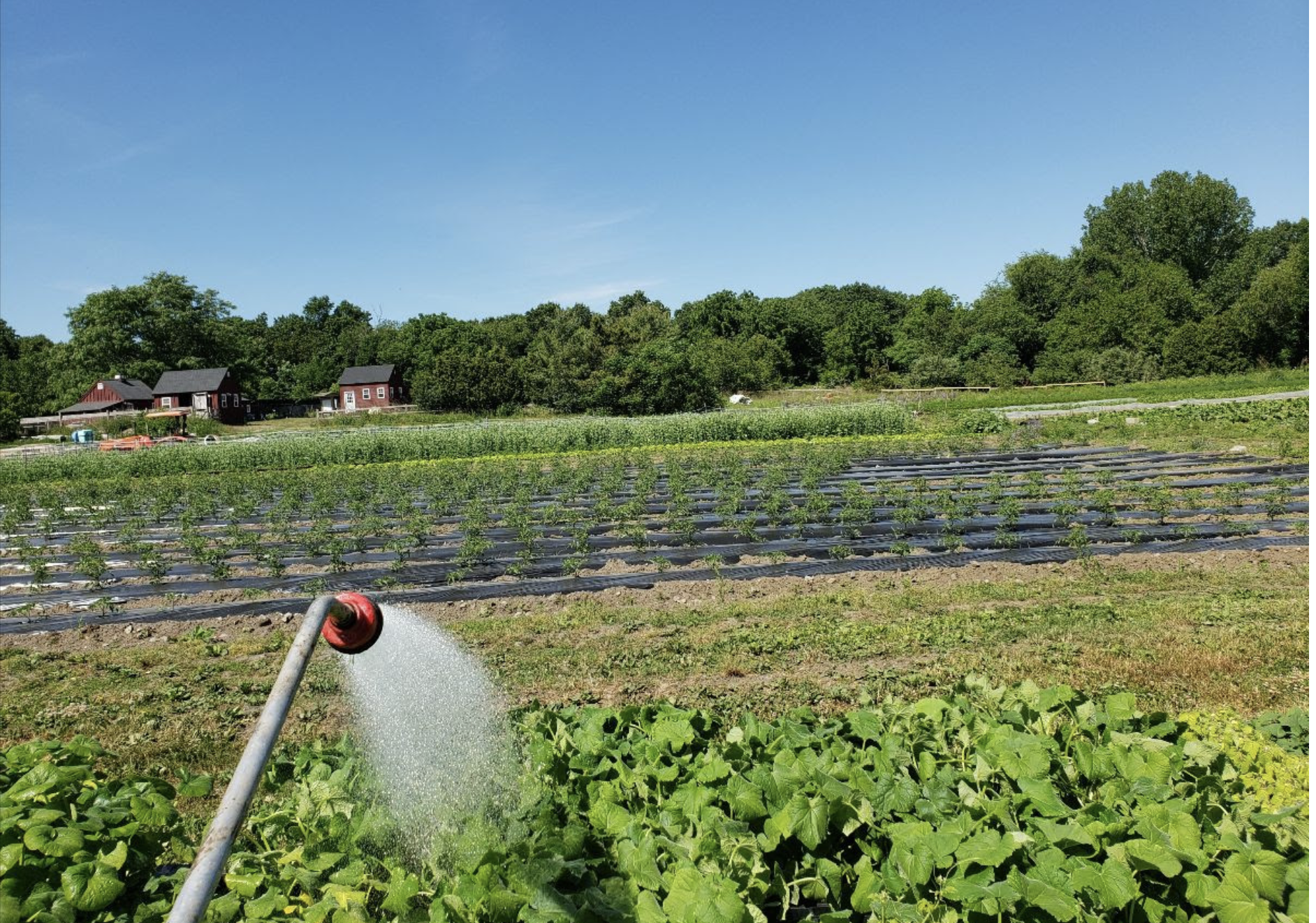
Last fall I discovered — and began happily patronizing — an organic farm within biking distance of my home.
It sits on the edge of an old reservoir which currently serves as a nature preserve.
The reservoir straddles the border of my town and the next town to the west — Lexington, where our Revolutionary War kicked off two hundred and forty eight years ago with a battle against the British.
I have known about this reservoir — which is no longer used for drinking water — for the past thirty years.
Yet I have rarely visited it because I live on the east side of town, and the reservoir is located on west side of town.
Biking there takes 25 minutes, and it’s mostly up hill — following a converted rail-to-trail bike path.
However, this past fall I resumed leading Music Together classes indoors at a karate studio which is located five blocks from the reservoir.
And not long after we had begun our fall term, someone (we still don’t know who) drove into one of the karate studio’s front walls.
This meant that we had to find alternative locations for our classes while repairs were being made.
A couple of my Music Together families offered to let us hold class in their backyards — and one of those families lives a block away from the reservoir.
So one morning after class in their backyard was done, I decided to explore the reservoir on my bike.
Photo courtesy of Lexington Community Farm website
It turns out there is a lovely path all the way around it — and when I reached the far side of the reservoir, I found myself gazing onto a field full of vegetables!
And then I saw a sign welcoming people to walk through the farm and — on Fridays and Saturdays — buy fresh vegetables at their farmstand.
Because I had been part of a summer/fall farmshare of fresh produce which was driven to Arlington each week from an organic farm in New Hampshire, I did not visit their farmstand right away.
But when my farmshare ended in November, I decided to check it out.
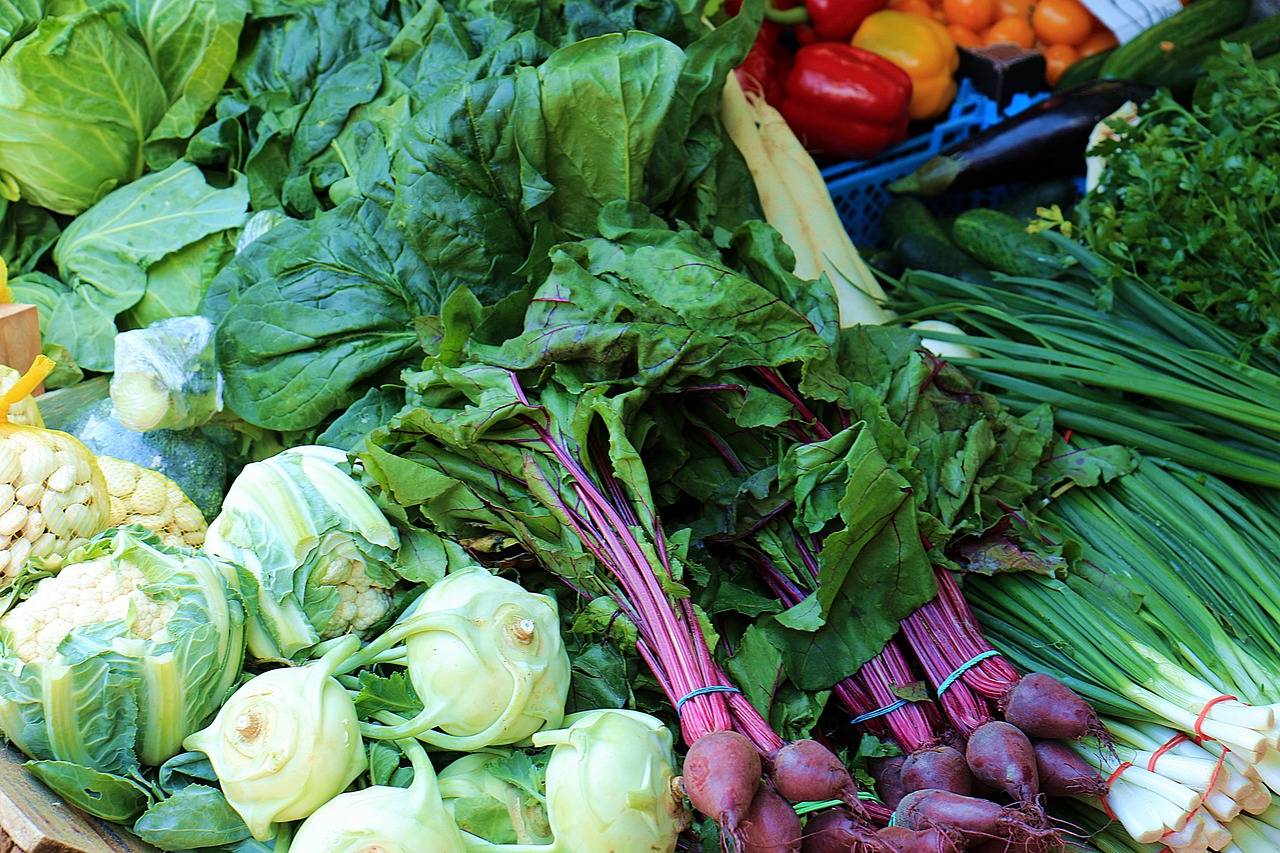
What a thrill to enter a room full of very locally grown — and vibrantly colored — organic carrots, potatoes, lettuces, sweet potatoes, scallions, leeks, collard greens, swiss chard, kale, turnips, beets.. and the list went on and on and on!
I bought a bunch of leeks, a bunch of kale and a bunch of collard greens.
And I rode home very happily on the bike path with all of them erupting in different shades of green out of a shopping bag in the front basket of my bike.
We are now experiencing a stretch of wintery weather in Arlington after a relatively mild December, January and February (during which I have been able to continue riding my bike!)
The first crocus and snowdrops appeared in our front yard two weeks ago, but they are now buried under an icy crust of snow.
This week we are experiencing snow and sleet and rain, but I trust that spring will return before too long — with more croci and snowdrops and mini-Siberian irises and grape hyacinths poking their way out of the soil and opening their flowers to the sun.
I also trust that activity will resume in the fields and greenhouses of Lexington Community Farm.
My longing for spring is what has inspired me to share a recording of “The Garden Song” by Dave Mallett which Carole Bundy, Molly Ruggles and I included on our first eight-song CD last summer.
As you probably already know, you can play it by clicking at the very beginning of this blog post.
You can also listen to it on various streaming platforms by clicking here.
Thank you to all of the people who make the Lexington Community Farm a reality — inch by inch and row by row!
Thank you to Carole Bundy and Molly Ruggles for learning this song with me.
And thank you to Mother Nature for bringing everything back to life here in the northern hemisphere of planet earth!
You are always welcome to visit my website — where you can find many songs and learn more about my musical life here on planet earth if you are curious.
You can find me and Carole and Molly singing on various streaming platforms by clicking here.
You can also find me singing — with Doug Hammer playing his Schimmel grand piano — on Spotify, Pandora, Apple Music, YouTube and other streaming platforms.
Any song you “like” or “heart” or add to a playlist will improve the algorithmic activity of our music there!
Deep breath in.
Deep breath out.
And most of all, thank YOU for reading another one of my blog posts!
They also both opened my eyes to how complicated, interconnected and corrupt our human-created world can be… especially when our wounded hearts lead us astray into greed, retribution, domination and revenge.
I watched several episodes before bedtime; so it is probably not a surprise that I woke up in the middle of the night and was unable to fall back asleep…
So I got out of bed and skimmed my inbox — which these days means that I deleted inumerable emails asking for money from all sorts of political candidates and organizations — until I found two uplifting pieces of information.
1) News that Catherine Cortez Masso is projected to win her senate race here in the USA.
As Michelle explains it on her Boomer Eco Crusader blog, ikigai is similar to the French idea of raison d’être — which means “reason or justification for existence.”
And one can explore ikigai by reflecting upon four ideas/concepts/topics:
You are always welcome to visit my website — where you can find many songs and learn more about my musical life here on planet earth if you are curious.
You can also find “A Beating Heart” on various digital music platforms by clicking here.
You can also find me singing — with Doug Hammer playing his Schimmel grand piano — on Spotify, Pandora, Apple Music, YouTube and other digital music platforms.
Any song you “like” or “heart” or add to one of your playlists will improve the algorithmic activity of my music there!