As I may have mentioned in a previous blog post, my father and mother each told me (separately) that when I was an infant, I would always cry when they sang “Good Night, Irene” to me as a lullaby.
If that is true, I’m not sure why they kept singing it to me (maybe to see if — yet again — it would move me to tears?)
I recorded it with pianist Doug Hammer when we were working on a show called “Songs About Parents and Children.”
I used to think that it was written by Rodgers & Hammerstein, but it turns out — as you may already know — that it was written by Richard Rodgers after Oscar had died (from stomach cancer on August 23, 1950 at his beloved Bucks County farm in Pennsylvania).
So far we’ve had some extreme heat, some drought, some wildfire smoke (drifting hundreds of miles from Canada), some drenching rain, some very windy weather, and some beautiful 70-degree days here in the northeast United States.
Deep breath in.
Deep breath out.
My heart goes out to the humans, deer, woodchucks, trees, foxes, turkeys, cardinals, bushes, bears, bees, woodpeckers and all of the other animal and plant species affected by these extreme weather events.
Another deep breath in.
And deep breath out.
Very few media people pause to honor the havoc wreaked on wildlife by a flood or a wildfire.
There was some footage from the recent floods in Texas which showed a deer up to its neck in swirling waters…
But that’s all I saw about our non-human fellow species here on planet earth.
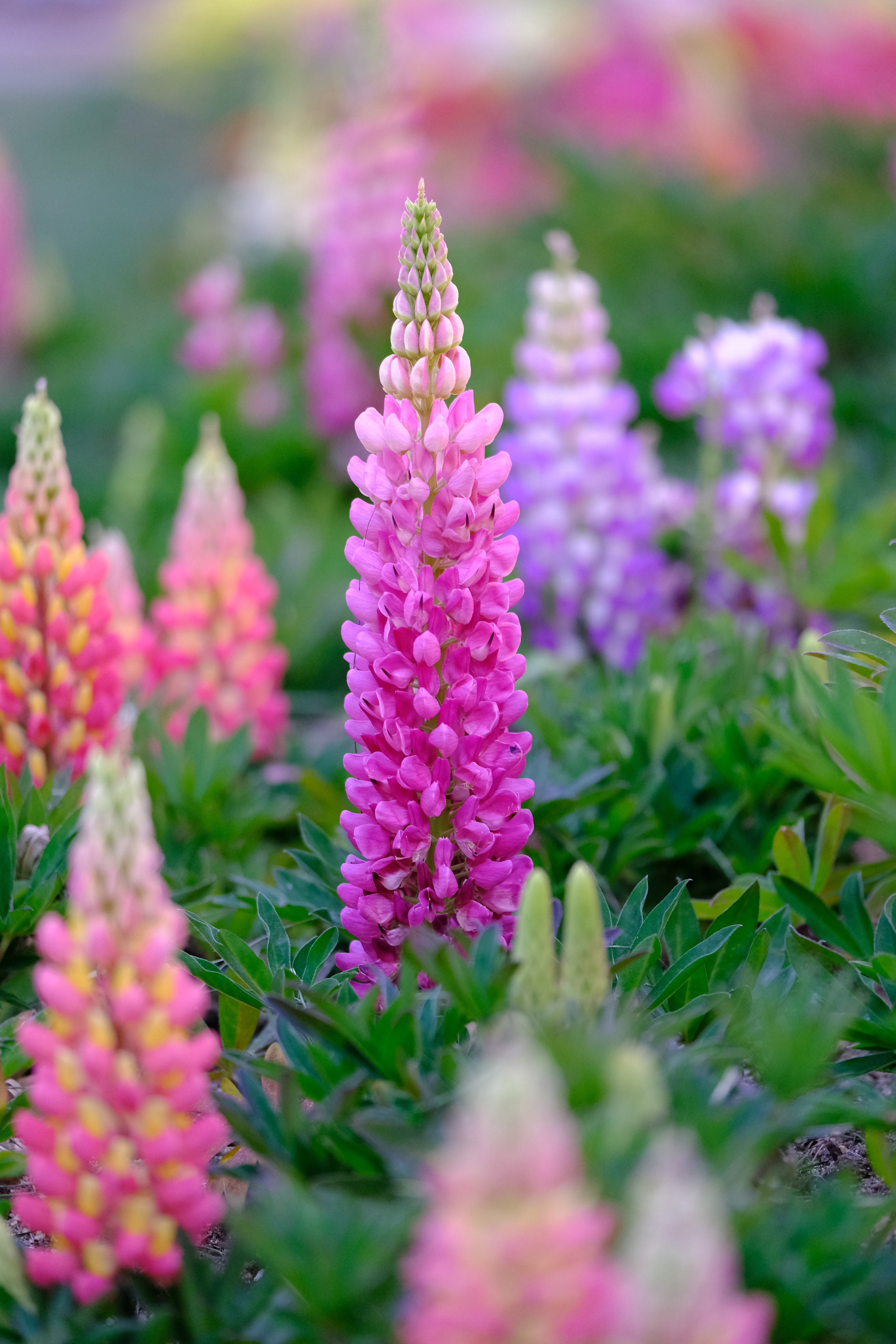
Thank you to the generous photographers at Pixabay for these gorgeous photos of blooming lupines.
I have planted lupines — along with iris, echinacea and columbines — in front of our house.
But someone keeps nibbling them…
None of the plants are dead, but many of them are hanging on with only a few functional leaves.
Hopefully — as the song “The Lord Of The Dance” proclaims — they will eventually leap up high after having been cut down by woodchucks or deer or rabbits!
Lupine (uncredited) from Pixabay
Until then I will keep watering (and weeding) them as needed.
Thank you to everyone who keeps showing up to read — and listen to — my blog posts.
I love how respectful the WordPress community continues to be with each other.
Even though we may not agree about many things, I have never seen any snarky, mean-spirited, or combative comments following one of my — or anyone else’s — blog posts.
One of the pleasures of doing a Throwback Thursday blog post — as you may well know — is rediscovering something one once wrote (which one may have completely forgotten!)
In the case of this Throwback Thursday, I also rediscovered a song by Stephen Sondheim called “Everybody Says Don’t” which I had forgotten I’d recorded.
A new biography of Mr. Sondheim came out earlier this year which my sister gave me for my birthday.
I just finished reading it and — not surprisingly — come away with renewed respect and gratitude for the wealth of songs and shows he helped to create over the course of a 50+ year career…
If you are not very familiar with his work, he wrote the lyrics for two blockbuster Broadway favorites — WEST SIDE STORY and GYPSY.
But what he really wanted to do is create both music and lyrics — which is what he finally got to do with A FUNNY THING HAPPENED ON THE WAY TO THE FORUM, A LITTLE NIGHT MUSIC, COMPANY, SWEENEY TODD, INTO THE WOODS, ASSASSINS, PASSION and other shows.
Mr. Sondheim experienced a few flops along the way, including ANYONE CAN WHISTLE and MERRILY WE ROLL ALONG.
But he continued to work on the latter show for decades until he (and various collaborators) finally arrived at a version which was one of the hottest tickets on Broadway — starring, among other talented human beings, Daniel Radcliffe (the original Harry Potter) — during 2023-2024.
A version of this production was filmed and can be watched via various streaming platforms.
And I learned from Wikipedia that Richard Linklater is filming his own version of it over many years (as he has done with other creative projects). Sounds like we may have to wait for a decade or more to see THAT version…
Mr. Sondheim did not have many of his songs become big pop hits, although Judy Collins recorded a lovely version of “Send In The Clowns” from A LITTLE NIGHT MUSIC.
He crafted his songs to advance the plot of each show and often wrote them for particular actors to perform.
This specificity may have made it more challenging for pop musicians like Frank Sinatra or Barbra Streisand to pluck one of this songs out of the context of a particular show to become a more generic pop hit — although Ms. Streisand DID include many of his compositions in her two albums devoted specifically to Broadway songs.
And Mr. Sondheim, bless him, did agree to write additional lyrics for Ms. Streisand’s version of “Send In The Clowns” so that it made more sense for her to sing it (out of the context of the original show).
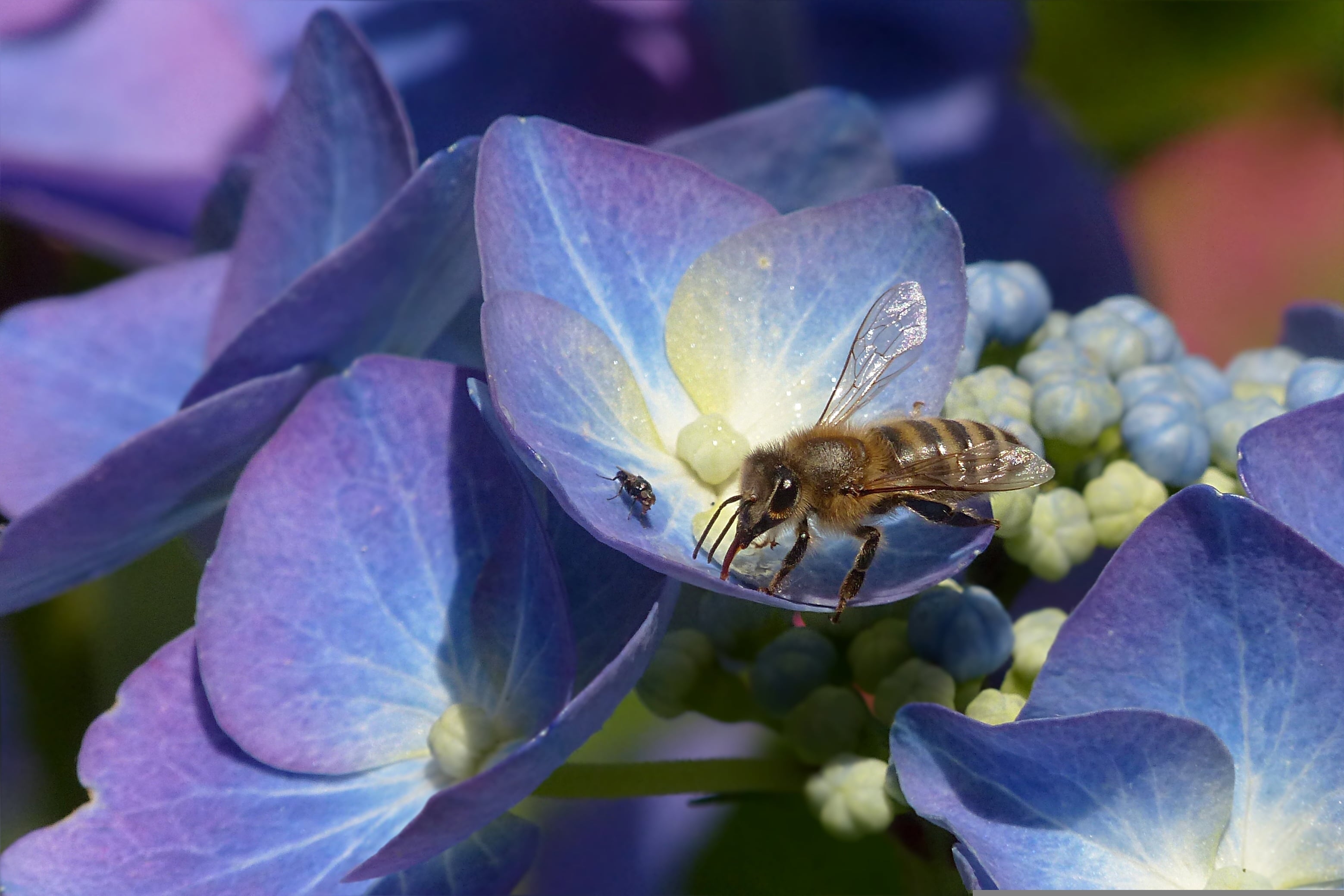
I think I may have featured photos of hydrangeas in a previous blog post, but they are what is blooming right now in my neighborhood as summer officially gets underway in the Greater Boston area…
And I LOVE them.
Happy summer to any and all readers in the northern hemisphere of planet earth!
For over twenty five years I camped there every summer with my sweetheart and his extended family.
And then COVID — and a new baby — entered our lives, and we all decided to rent a house together at the opposite end of the state (in Pittsfield) with a big, fenced-in backyard instead.
The important thing is to make it meaningful: a meaningful friend — or a meaningful day.”
Another deep breath in.
And deep breath out.
This song was inspired by a couple who rented a campsite at the other end of the little valley at North Of Highland campground where we had a perennial campsite.
I don’t remember exactly how we reached out and introduced ourselves, but I am pretty sure I showed them the wild blueberry bushes which were bearing fruit all around our little valley.
And they invited us over for an informal cocktail hour one evening, which was very pleasant.
And then we discovered that the guy was a swimmer who, like me, loved to do laps along the ocean shoreline — although this was becoming more and more risky because the increasingly abundant population of seals in North Truro had been attracting more and more great white sharks…
So we hit it off with these two friendly people and became well-acquainted over the course of a few days.
Then, to my surprise (because I had assumed incorrectly that they had a week-long rental) they packed up their tent and — with warm goodbyes — drove away.
I have been very aware of — and sensitive to — the realities of love and loss ever since I was young.
In fact, I have been told that my parents used to sing “Good Night Irene” to me when I was a very small child just to see me well up with tears.
Deep sigh…
I have written in previous blog posts about the challenges of working professionally as a child and teenager. One of an actor’s most important skills is developing a sense of connectedness — first with the receptionist who checked you in at each audition, then with the casting agents, with the clients, and with any actors who were part of the initial audition and subsequent callbacks.
And if I got a job — whether for an hour doing a voiceover, for a day on the set of a TV commercial, for a couple of weeks filming a TV pilot, for a few months doing a movie, or for a year doing a musical — I needed to nurture ongoing, positive working relationships with my fellow cast and crew members.
I needed to show up on time.
I needed to know my lines.
I needed not to complain about anything.
I needed to behave as if I was a small, manipulable adult.
When a job was done, I remember how awkward and sad I felt as all of the camaraderie, friendship, affection and even love which had developed among members of the crew and cast would evaporate and disappear.
That was very confusing.
Was any of the camaraderie, friendship, affection and love I had experienced real?
Or was everyone just acting?
Another deep breath in.
And deep breath out.
On a vaguely related note, our planet’s relentlessly-marketed fossil fuels — along with the cars, trains, busses, ocean liners, planes, motorcycles, etc. which need them to run — have allowed most of us human beings to become much more mobile and much less rooted in one neighborhood, one town, one city, one state, one country.
The postal service and the internet have also given us extraordinary options for meeting and becoming acquainted with other humans.
How do we make sense of — and peace with — all of the beings who come and go in our lives?
Deep breath in.
Deep breath out.
I tried to make a little bit of sense out of the ebb and flow of relationships by strumming a ukulele in my tent and then jotting lyric and chord ideas in one of my songs-in-process notebooks.
Eventually “The Crazy Touch And Go Of Our Lives” emerged.
I performed it by myself — playing a ukulele — at some open mics.
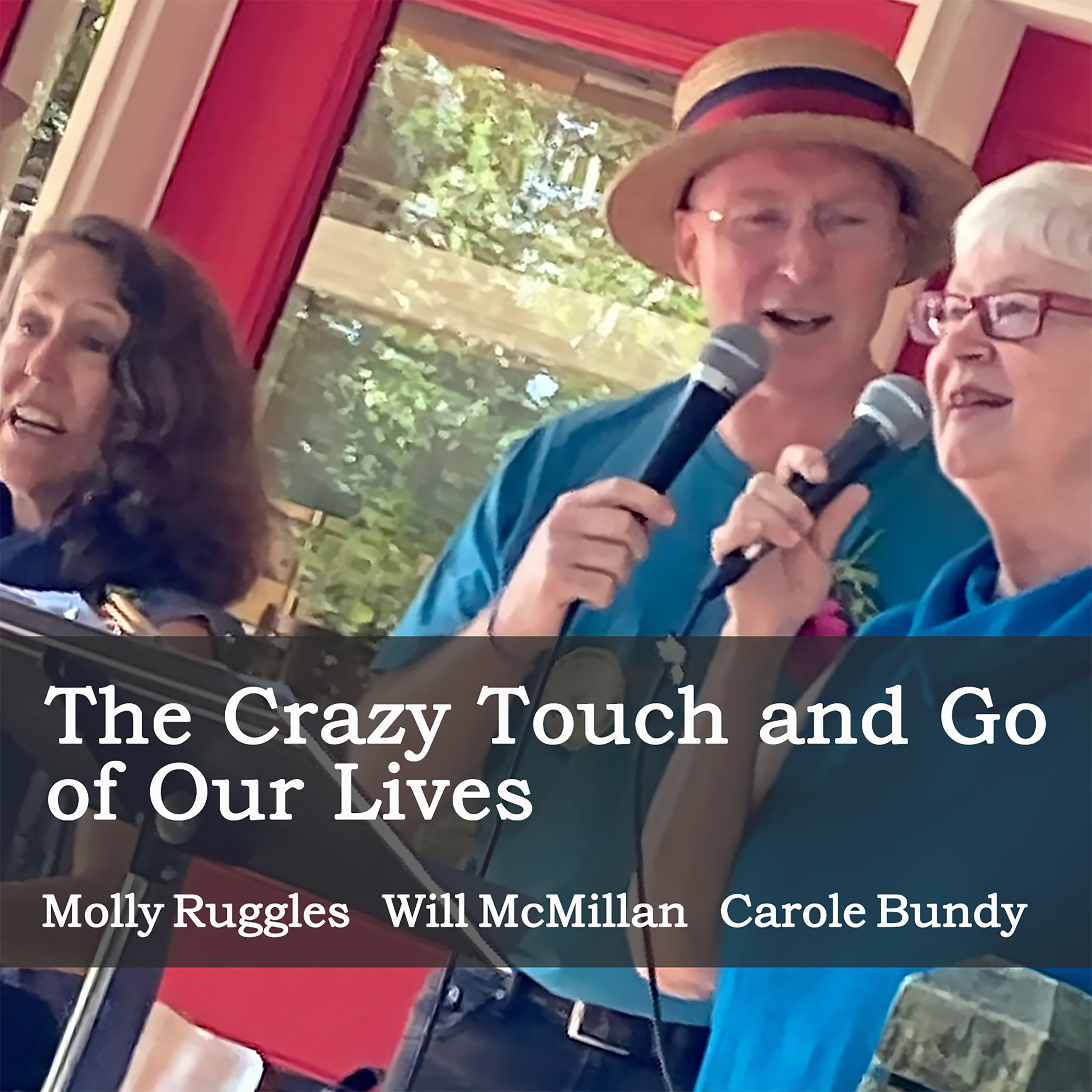
Then a few years ago my friend Molly Ruggles (who sings, plays piano and writes songs herself) created a lovely harmony part for her and our friend Carole Bundy to sing.
The three of us performed it at a bunch of porchfests and then recorded it with Molly playing piano last summer at Doug Hammer’s studio north of Boston.
Another deep breath in.
And deep breath out.
As I write this blog post, I am reminded of the Dalai Lama’s words about making each day — and, each friend — meaningful.
That is certainly what has happened with me and Carole and Molly.
We first collaborated when I was invited to sing during a service at the UU church in Medford where they were both members and where Molly was also the music director.
And this musical collaboration has deepened and widened over many years — and many delicious dinners — to become meaningful friendships.
We sing and harmonize and rehearse and perform and bear witness to the twists and turns of each other’s lives.
Deep breath of gratitude in.
Deep breath of gratitude out.
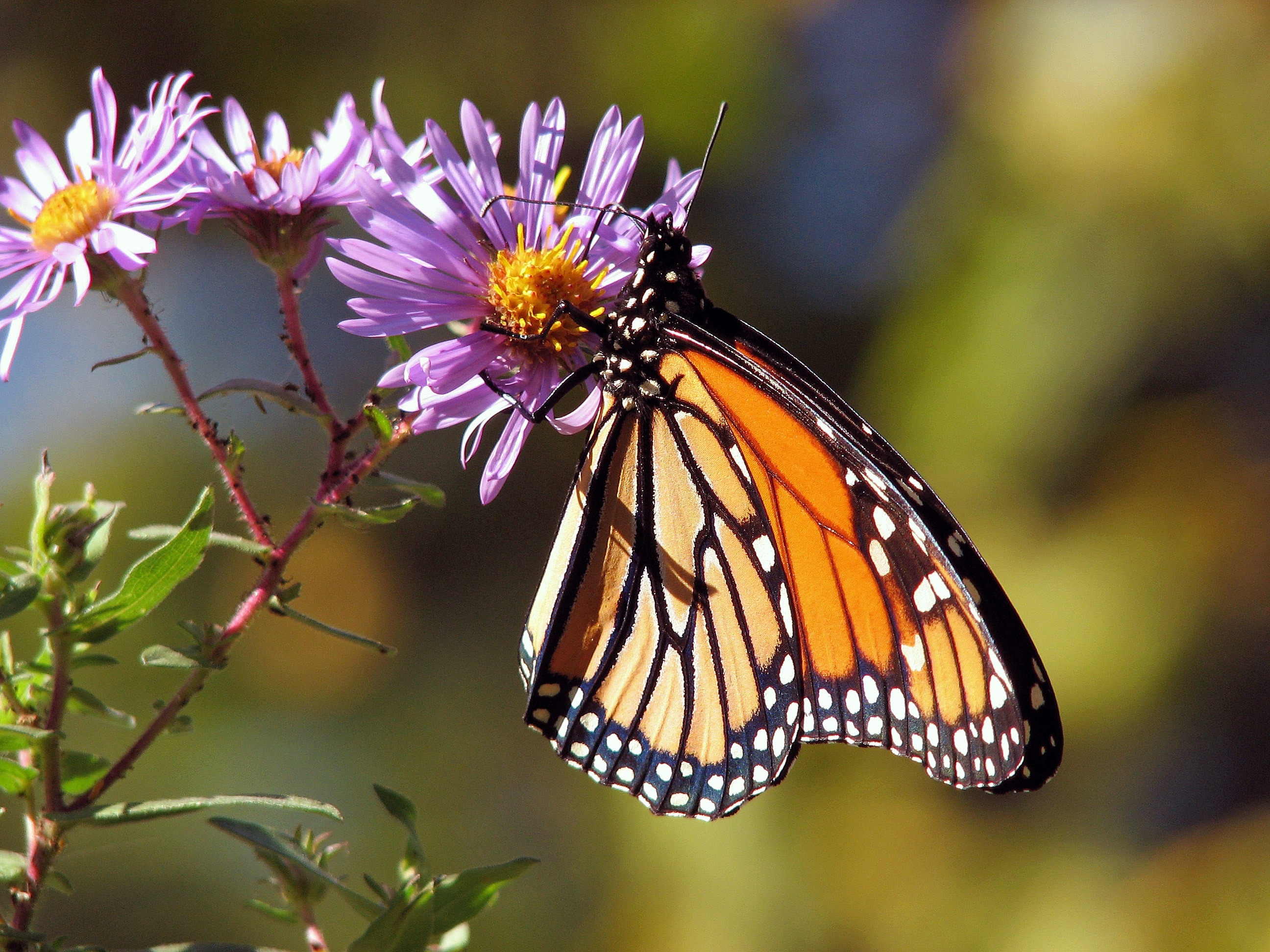
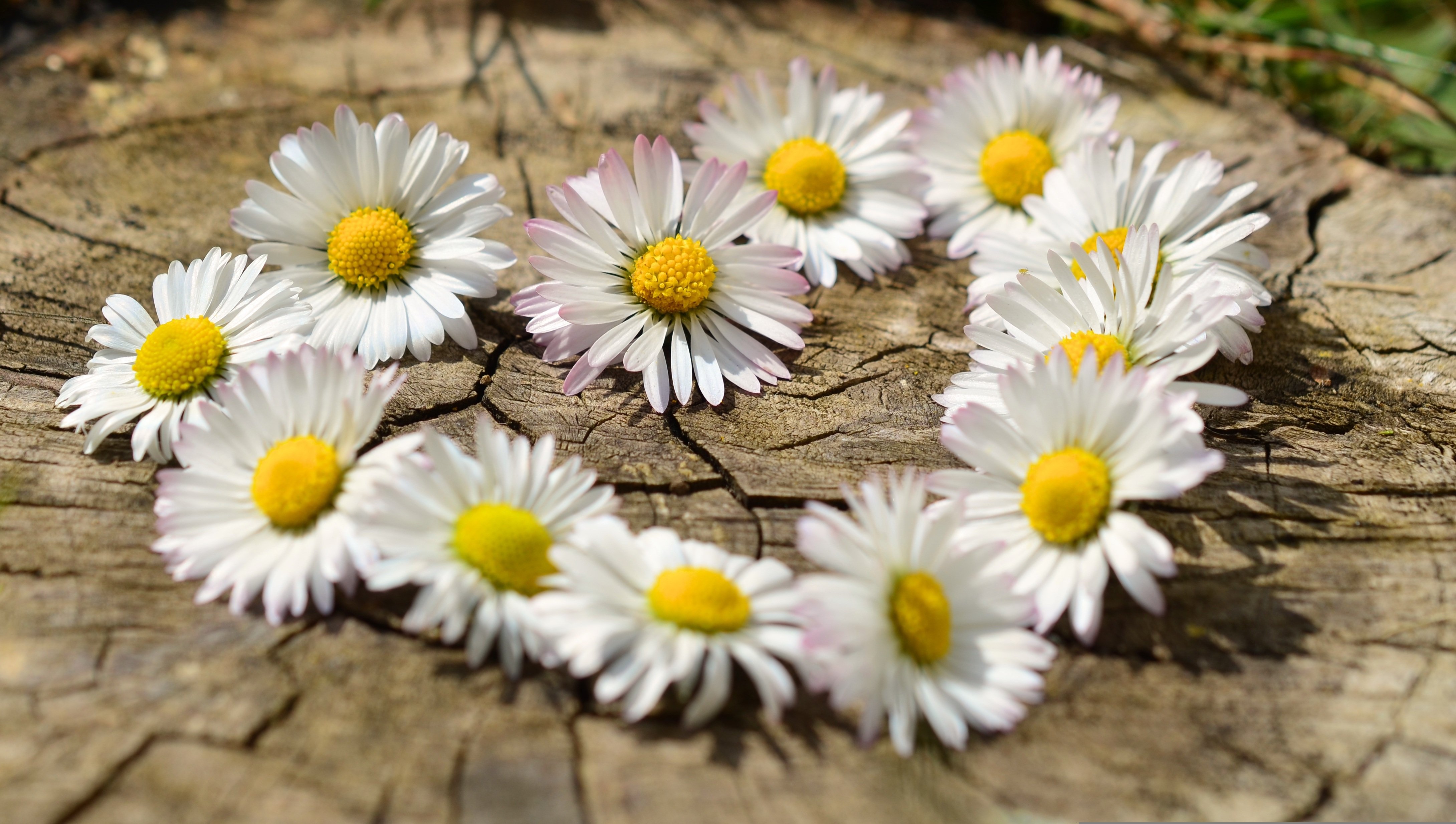
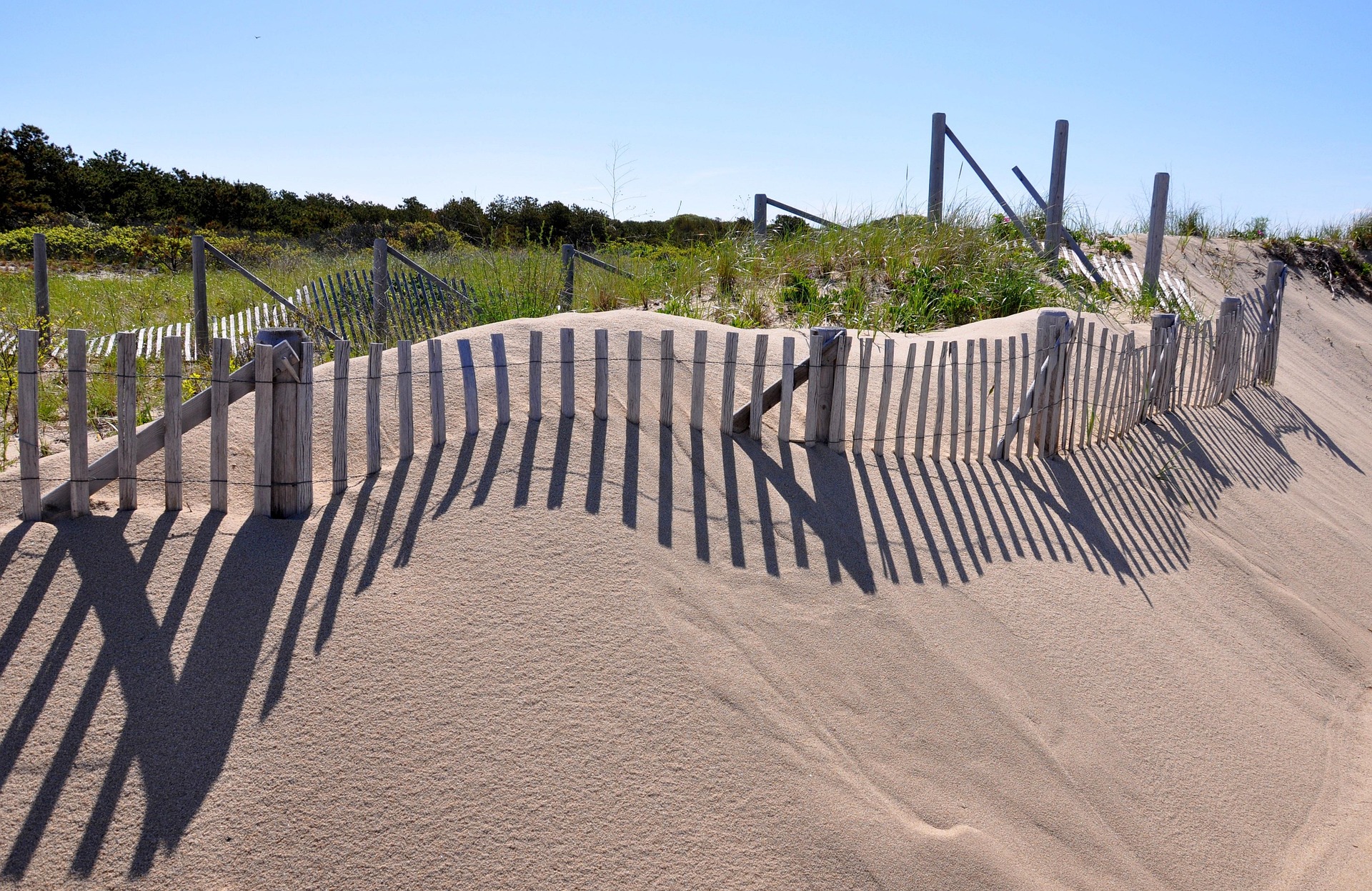
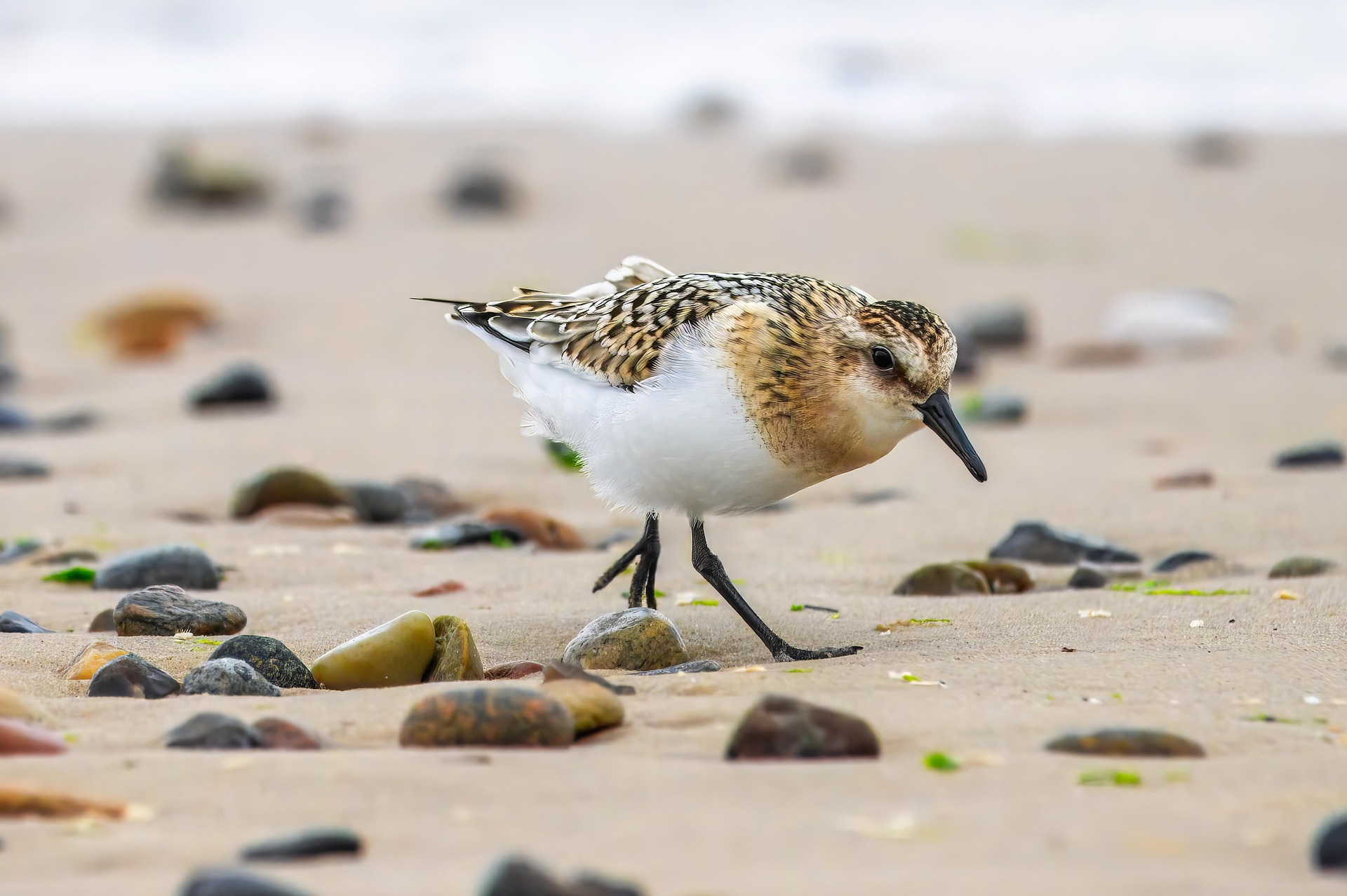
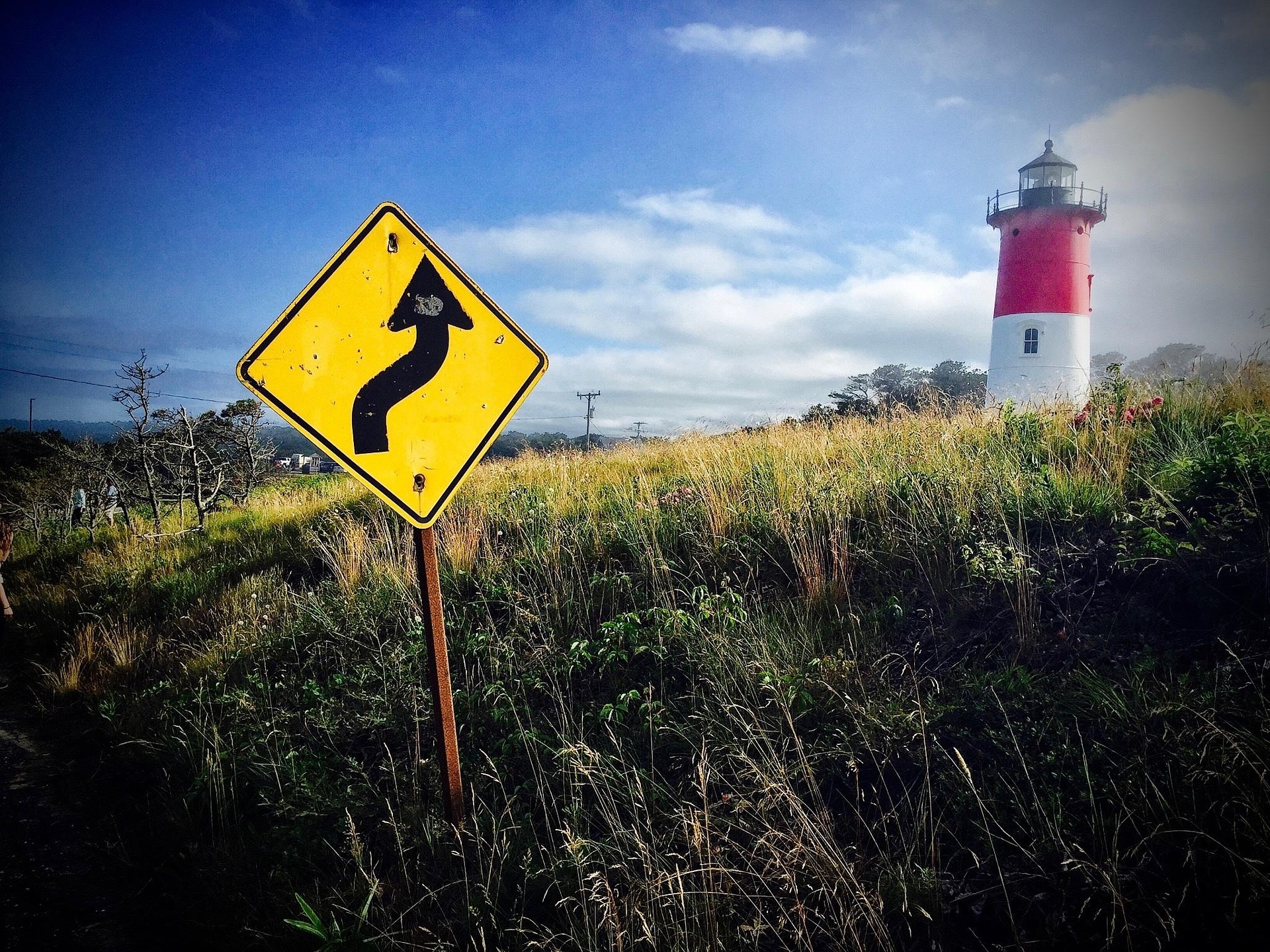
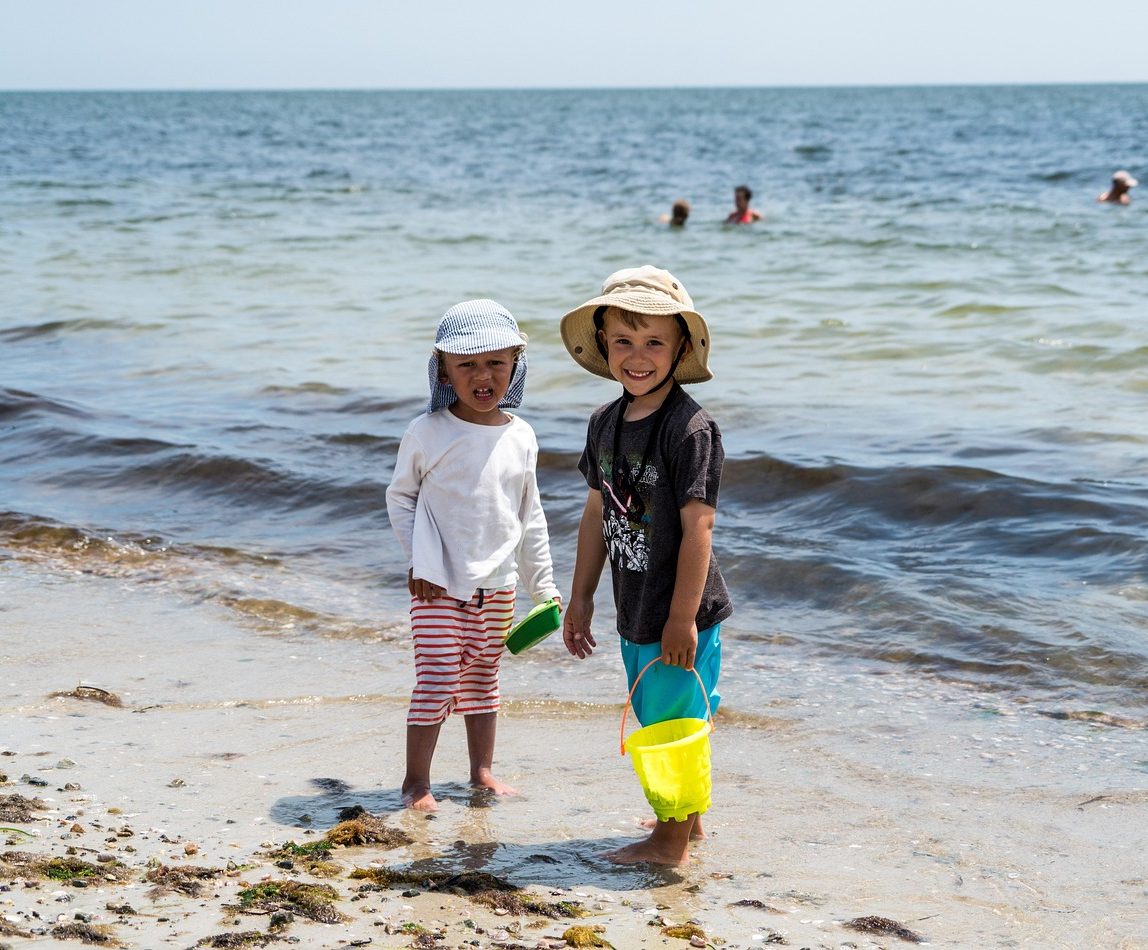
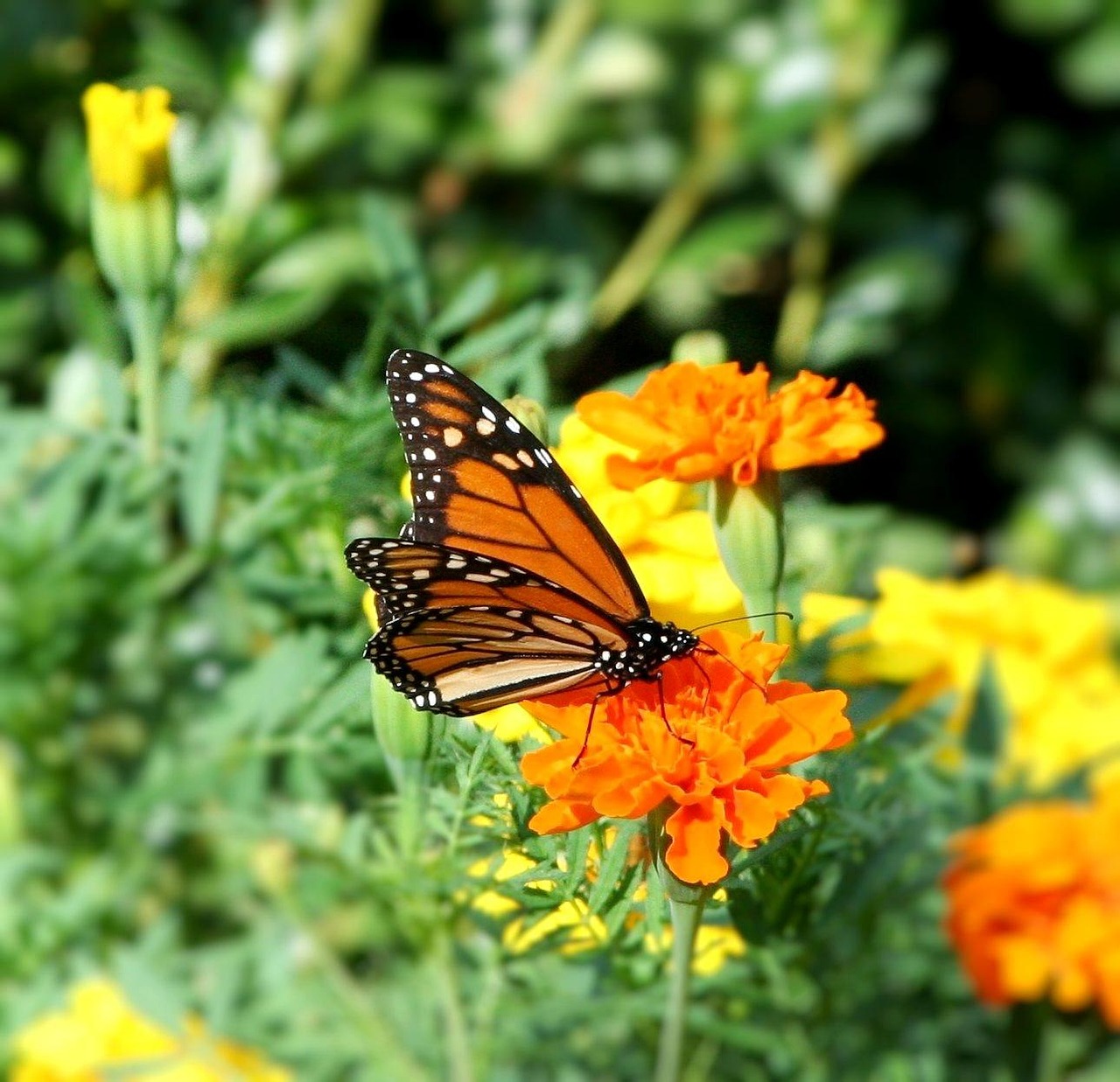
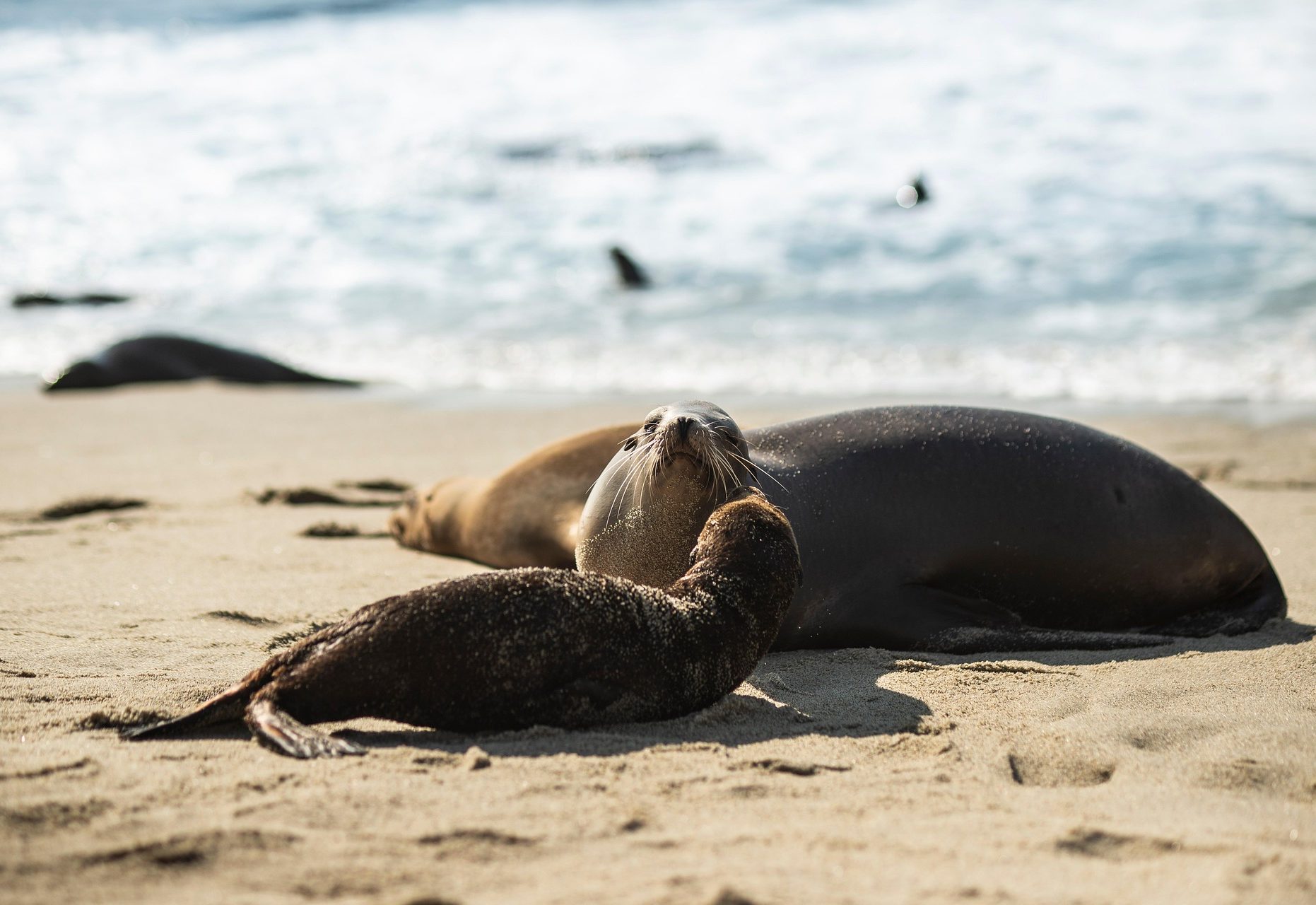
I will end this post with my customary thank yous plus a bunch of beautiful images from Pixabay that somehow reminded me of this song.
Thank you to all of the folks who have kept North of Highland campground going for many decades. I miss being there each summer!!!
Thank you to the couple who camped for a few days across the little valley from us at North of Highland campground.
Thank you to the Dalai Lama for his wisdom.
Thank you to my sweetheart and his — now our — family for letting me sit in my tent at the campground all day long, working on new songs.
Thank you to my dear ukuleles, to my “tent of creativity,” and to the various pencils, pens, notebooks, rhyming dictionaries, and laptops which help me to write songs.
Thank you to Molly and Carole for our years of interactions.
Thank you to the UU church in Medford for bringing me and Carole and Molly together as a musical unit and as friends.
Thank you to Doug Hammer for engineering and then mixing/mastering our recordings with us.
Thank you to the grasses and bushes and seaweeds and crabs and sea birds and seals and sharks and fish who make the Head Of The Meadow beach — a short and beautiful walk from the North Of Highland campground — so interesting to visit.
Thank you to the ocean and the sun and the moon and the tides which sweep the beach clean twice a day.
Thank you to everyone who has been listening to my songs via Pandora, YouTube, Spotify, Apple Music, and any/all of the other streaming platforms.
Each stream, each like, and each addition to a playlist is noted by that streaming service’s algorithms — and encourages it to share the song with other listeners.
1) I can again ride my bike to and from Music Together classes.
2) The mulberry trees in Arlington have been particularly generous with their berries this season, and there are many days that my tongue has been colored purple as a result…
3) My sweetheart and I recently visited family in upstate NY, where we were fed currants and bok choy and eggs — all of which were grown on my sister’s farm.
Yum.
4) And jazz pianist Joe Reid and I continue to perform our hour-long programs of songs written or co-written by Harold Arlen, the Gershwin Brothers, Jule Styne, Hoagy Carmichael and Cole Porter at retirement communities, coffee houses, and libraries around the greater Boston area.
After a recent show, I was speaking with one of the audience members about how — before the arrival of amplified sound in theaters — a song had to be crafted so that it could be sung by a performer and heard way up in the highest balcony seat.
Vowels and consonants and words and notes and melodies and ideas all had to travel from one person’s vocal tract to another person’s ear without the aid of electricity.
As far as I can tell from reading dozens of biographies about songwriters over the past couple of years, there were many factors which allowed this to happen.
a) Theaters were designed with great sensitivity to acoustics.
b) Songs were orchestrated to leave some sonic space for human voices to cut through the overall blend of musical vibrations and be heard.
c) The audience was accustomed to leaning forward and LISTENING carefully — compared with today, when I take earplugs with me in order comfortably to withstand the blast of amplified sound that is the norm in today’s pop music and even in today’s musical theater.
d) The singers — Ethel Merman being one of the most famous examples — knew how to generate potent streams of sound.
e) The songwriters knew how to craft songs with vowels and consonants and rhymes in all the right places while telling a story and advancing the plot.
One of my favorite examples of this craftsmanship is the song “Do I Love You, Do I?” which was written by Cole Porter for his musical DuBarry Was a Lady.
It is extremely fun to sing — especially near the end when the melody of the final “Do I love you, do I?” rises to a big, high note with total ease due to the extremely functional (from a singing point of view) vowel sequence of the two words “do” and “I.”
You can listen to this — and sing along if the spirit moves you — by clicking the song bar at the top of this blog entry. It is a recording I made a while back with the great pianist and songwriter Steve Sweeting when he lived in Brighton, MA.
Steve and I have recently finished recording a nine-sing CD of HIS extremely well-crafted original songs which I will very likely be writing about in future blog posts.
May there be lots of music in your life today and every day!
And thank you, as always, for reading and listening.