The only flowers remaining these days in my neighborhood are chrysanthemums and asters.
They are a hardy bunch, bless them.
We’ve had a few frosts; so most bees and butterflies are gone…
I’m already counting down the days to the winter solstice, when daylight in the Northern Hemisphere will again start to lengthen!
In recent weeks I’ve re-discovered the pleasures of tea — my current favorite being Celestial Seasonings’ Bengal Spice with some honey — and soup (today chicken, squash, carrot, potato, onion, garlic and ginger, are simmering together on the stove…)
I love combining the idea of a karmic wheel with the idea of us all (or many of us…) being asleep at the wheel — which is, of course, an extremely dangerous situation both for the person who is driving and also for all the other beings who are on or near the road on which this drowsy person is driving!
Because I have set up my daily life to be walkable, bikeable and/or busable (as dictated by the weather), I almost never drive a car.
Every time I am able to walk or bike from point A to point B (such as from home to Music Together classes or from home to Trader Joe’s), I am happy that I am not adding to the ever-more-precarious imbalance of greenhouse gasses in our planet’s atmosphere.
But I do ride to gigs at retirement communities in either a hybrid car or a regular gasoline-burning car — depending upon which accompanist I am working with on that day — which can leave me feeling like I am part of the problem rather than part of the solution.
Deep breath in.
Deep breath out.
I remain aware that advertising agencies, the companies who hire them to inspire/hypnotize us into buying lots of things, and our various media who feed those messages (hundreds per day!) to us have created a completely misleading narrative about how to find happiness and meaning in our lives.
And now we are living in a period of reckoning — both politically and environmentally — for all of the untruths and PSYOPs to which we have been exposed.
Here’s a fascinating example of how maddeningly f–ked up things have become here in the 21st century.
Apple, a company which prides — and markets — itself on protecting its users’ privacy recently settled a lawsuit which alleged that it, in fact, was recording its users’ conversations and sharing them with advertisers.
What???!!!
I do not have an iPhone or iWatch, but I do own several Apple laptops (going back twenty years), a couple of iPods (also going back many years), and I continue to love Apple’s GarageBand musical composition program.
What a disappointment…
Here’s an AP article/explanation from 1/2/25 by tech writer Michael Liedtke:
“Apple has agreed to pay $95 million to settle a lawsuit accusing the privacy-minded company of deploying its virtual assistant Siri to eavesdrop on people using its iPhone and other trendy devices.
The alleged recordings occurred even when people didn’t seek to activate the virtual assistant with the trigger words, ‘Hey, Siri.’ Some of the recorded conversations were then shared with advertisers in an attempt to sell their products to consumers more likely to be interested in the goods and services, the lawsuit asserted.
The allegations about a snoopy Siri contradicted Apple’s long-running commitment to protect the privacy of its customers — a crusade that CEO Tim Cook has often framed as a fight to preserve ‘a fundamental human right.’
The proposed settlement filed in an Oakland, California federal court would resolve a 5-year-old lawsuit revolving around allegations that Apple surreptitiously activated Siri to record conversations through iPhones and other devices equipped with the virtual assistant for more than a decade.
Apple isn’t acknowledging any wrongdoing in the settlement, which still must be approved by U.S. District Judge Jeffrey White. Lawyers in the case have proposed scheduling a Feb. 14 court hearing in Oakland to review the terms.”
I just checked online and learned from BloombergLaw.com that on 2/20/25, “A federal judge gave his preliminary approval to a $95 million settlement that would end a five-year class action over alleged privacy violations by Apple Inc.‘s Siri virtual assistant.”
It truly makes one wonder how one can trust any company whatsoever…
And it confirms what my brother-in-law Andrew had started noticing many summers ago when we were camping on Cape Cod — that conversations we were having within earshot of his iPhone were triggering uncannily specific ads (directly related to what we had been discussing) on his Facebook feed.
Another deep breath in.
And deep breath out.
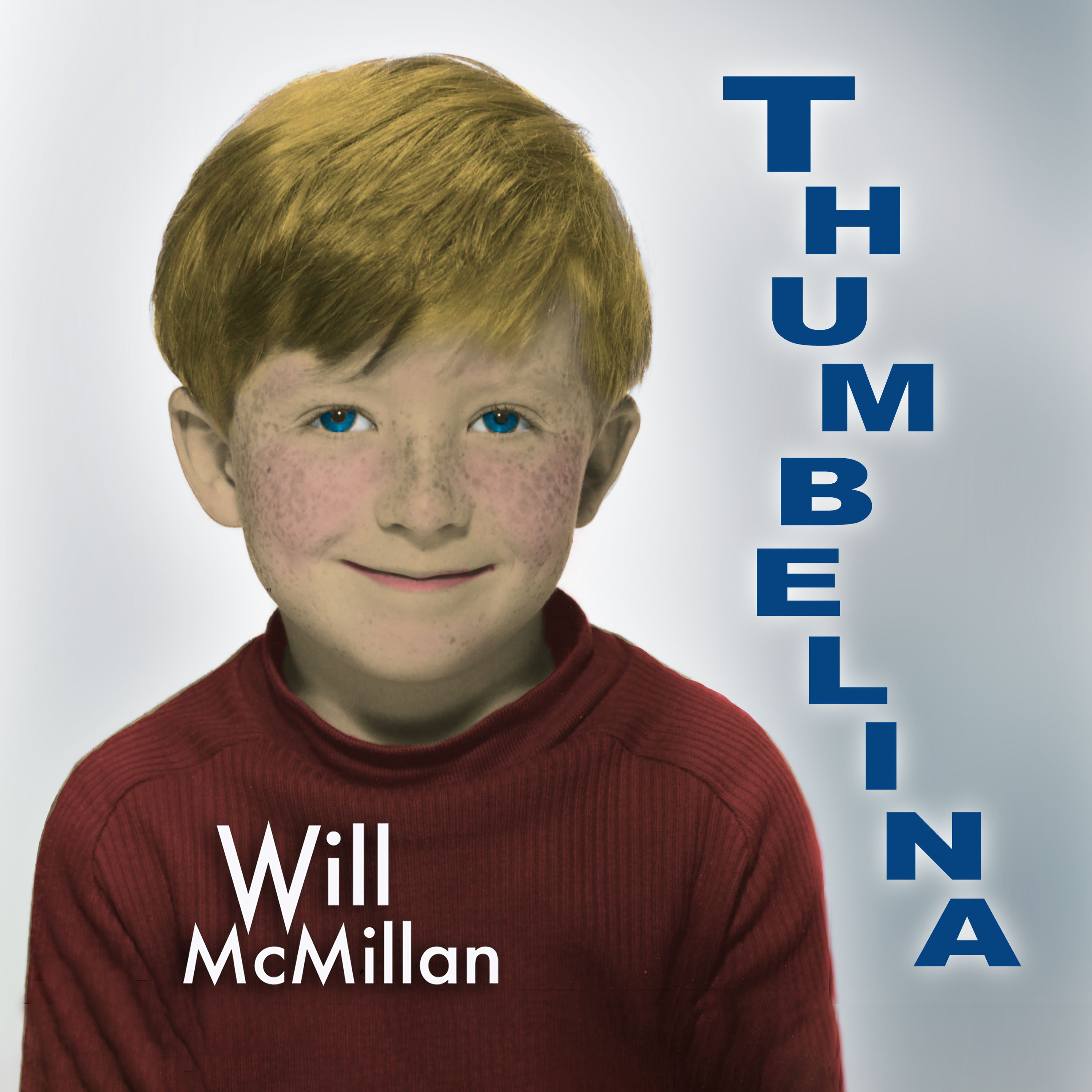
Graphic design by Stephen C. Fischer
G-d only knows what our individual — and shared — karmic reckonings will be in the hours, days, weeks, months and years ahead…
Thank you to Doug Hammer for playing so elegantly and engineering/mixing so patiently on this song.
I have chosen to honor it with a sweet song by Frank Loesser which was nominated for an Academy Award in 1952.
Mr. Loesser wrote it for Danny Kaye to perform in a movie about the Danish writer Hans Christian Anderson.
According to Mr. Loesser’s daughter, he did not think highly of this song, and sometimes even used it as an example of songwriting to avoid.
But I love it.
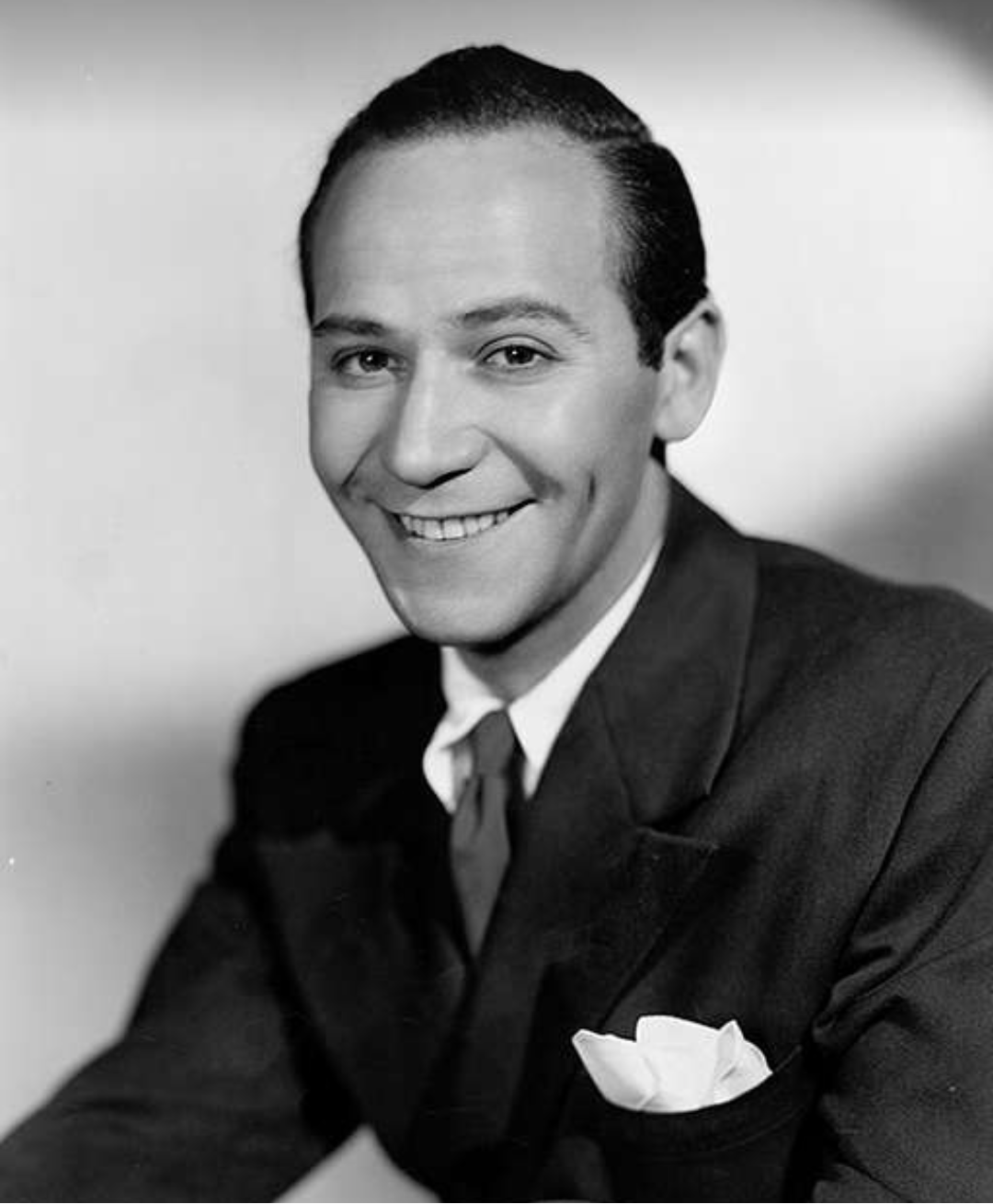
Frank Loesser
Mr. Loesser began his songwriting career as a lyricist and co-wrote a bunch of great songs in the 1930s and 1940s including “Heart and Soul” and “Two Sleepy People” (both with Hoagy Carmichael), “I Don’t Want To Walk Without You” (with Jule Styne) and “See What The Boys In The Back Room Will Have” (with Friedrich Hollaender).
The first hit song for which he wrote both words and music was “Praise The Lord And Pass The Ammunition” during WWII.
Loesser ended up writing words and music for the songs in WHERE’S CHARLEY, GUYS AND DOLLS, THE MOST HAPPY FELLA, and HOW TO SUCCEED IN BUSINESS WITHOUT REALLY TRYING (along with a few less successful undertakings).
Some hits from those shows include “Once In Love With Amy,” “Luck Be A Lady,” “I Love You A Bushel and A Peck,” “If I Were A Bell,” “I’ve Never Been In Love Before,” “Somebody, Somewhere,” “Standing On The Corner,” “Joey, Joey, Joey,” “I Believe In You,” and “Brotherhood of Man.”
Mr. Loesser also continued writing songs which were used in movies such as “Baby, It’s Cold Outside,” “Let’s Get Lost,” “Inchworm,” and “Spring Will Be A Little Late This Year.”
And he wrote a few songs which became pop hits without any connection to Broadway or Hollywood, including “What Are You Doing New Year’s Eve?” and “I’d Like To Get You On A Slow Boat To China.”
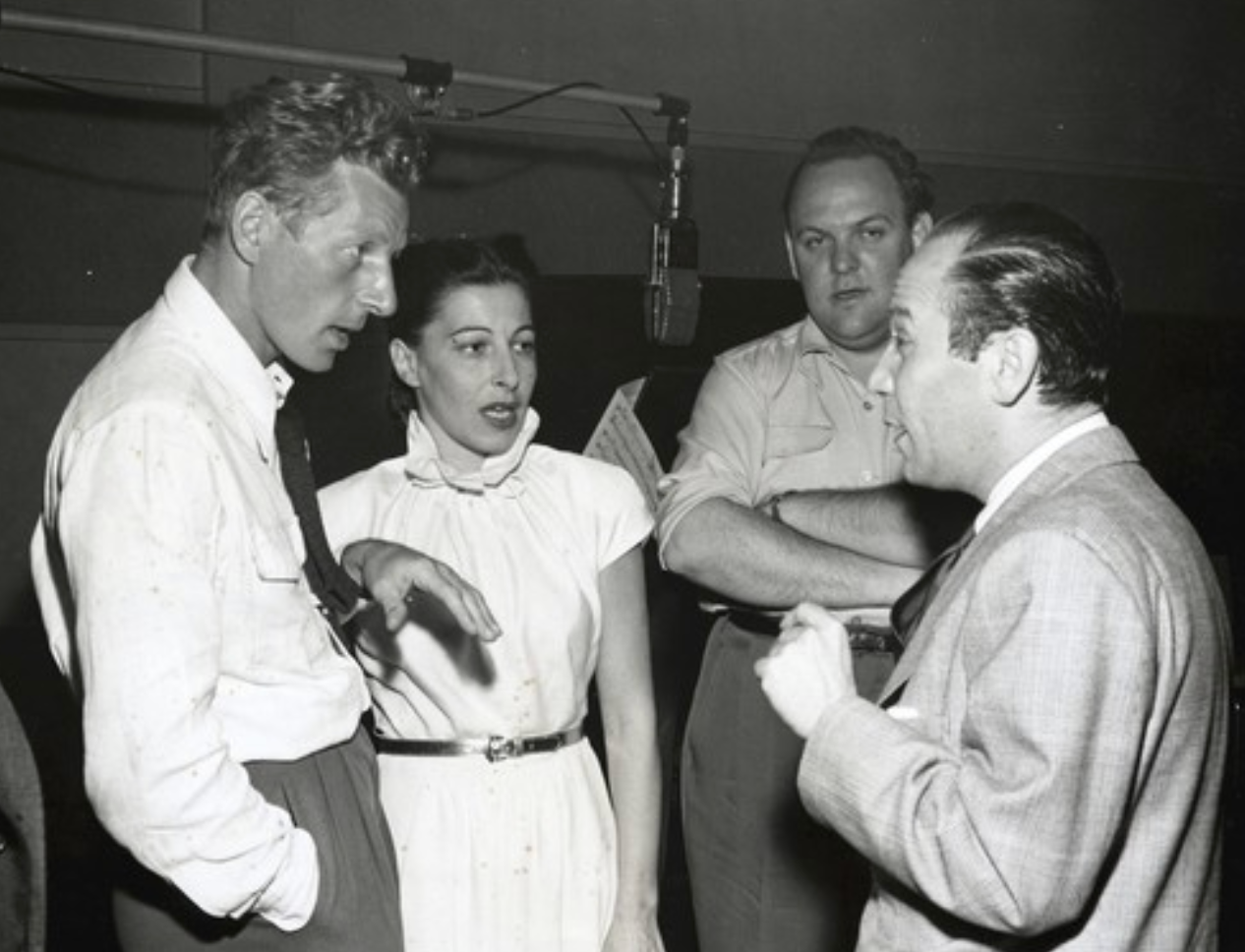
Danny Kaye, his wife Sylvia Fine, arranger Billy May and Frank Loesser
I have long loved his song “Thumbelina” — and am very happy with this peppy version which Doug Hammer and I recorded quite spontaneously a few years ago when I was putting together an hour-long program of songs written or co-written by Frank Loesser.
I had been thinking I might use it in a Valentine’s-Day-inspired blog post, and then fellow blogger Jennie F. left the following comment regarding my blog post last month:
“Nature is as wondrous as music. Your (hyacinth) bulb flower(ing) says it all… Stay warm, and remember the words of Hans Christian Andersen, “Where words fail, music speaks.”
I had forgotten the exact plot synopsis of THUMBELINA (which I first read as a child), but Wikipedia refreshed my memory:
“Thumbelina is about a tiny girl and her adventures with marriage-minded toads, moles, and cockchafers. She successfully avoids their intentions before falling in love with a flower-fairy prince just her size.”
I had also forgotten that Thumbelina comes into being as a result of the actions of a woman who — longing for a child — plants a barleycorn seed.
Thumbelina then emerges from a barleycorn flower… and the adventure of her life begins.
As a Music Together teacher, I particularly resonate with Mr. Loesser’s lyrical admonition that Thumbelina dance and sing — since that is exactly what I do three mornings per week with a delightful crew of small children + the grown ups (parents, grandparents, and nannies) who love them.
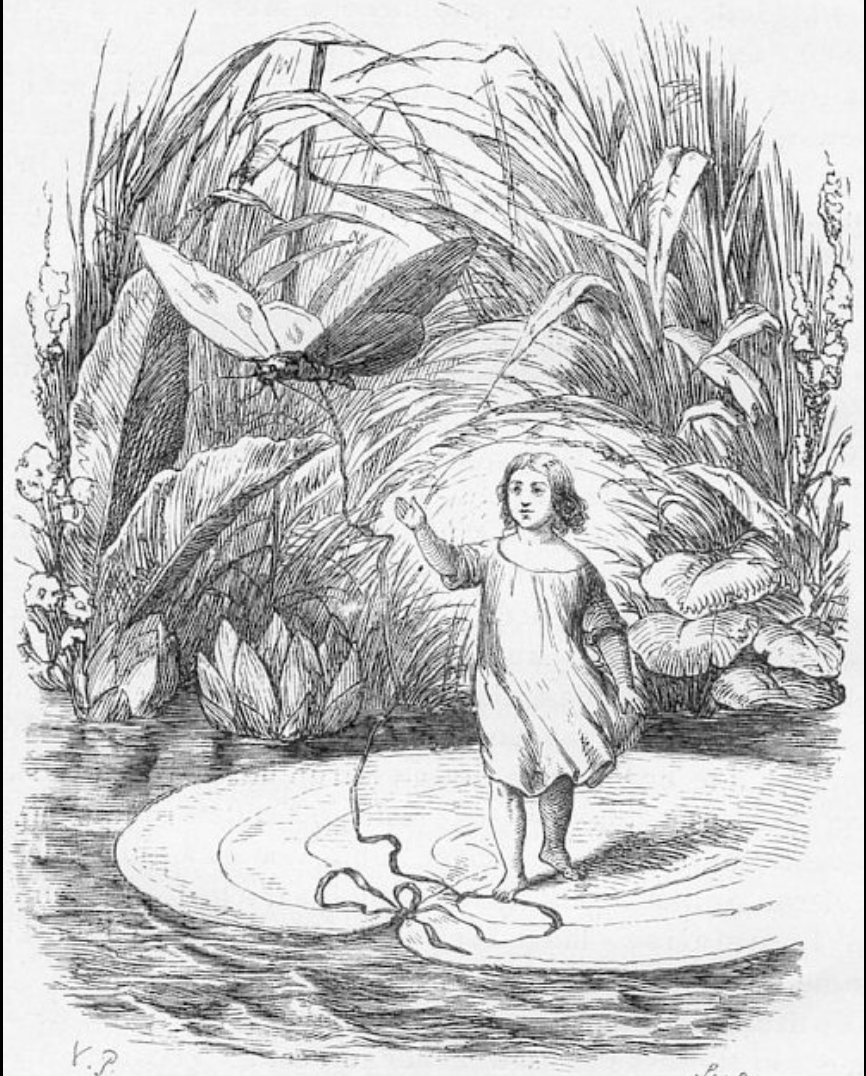
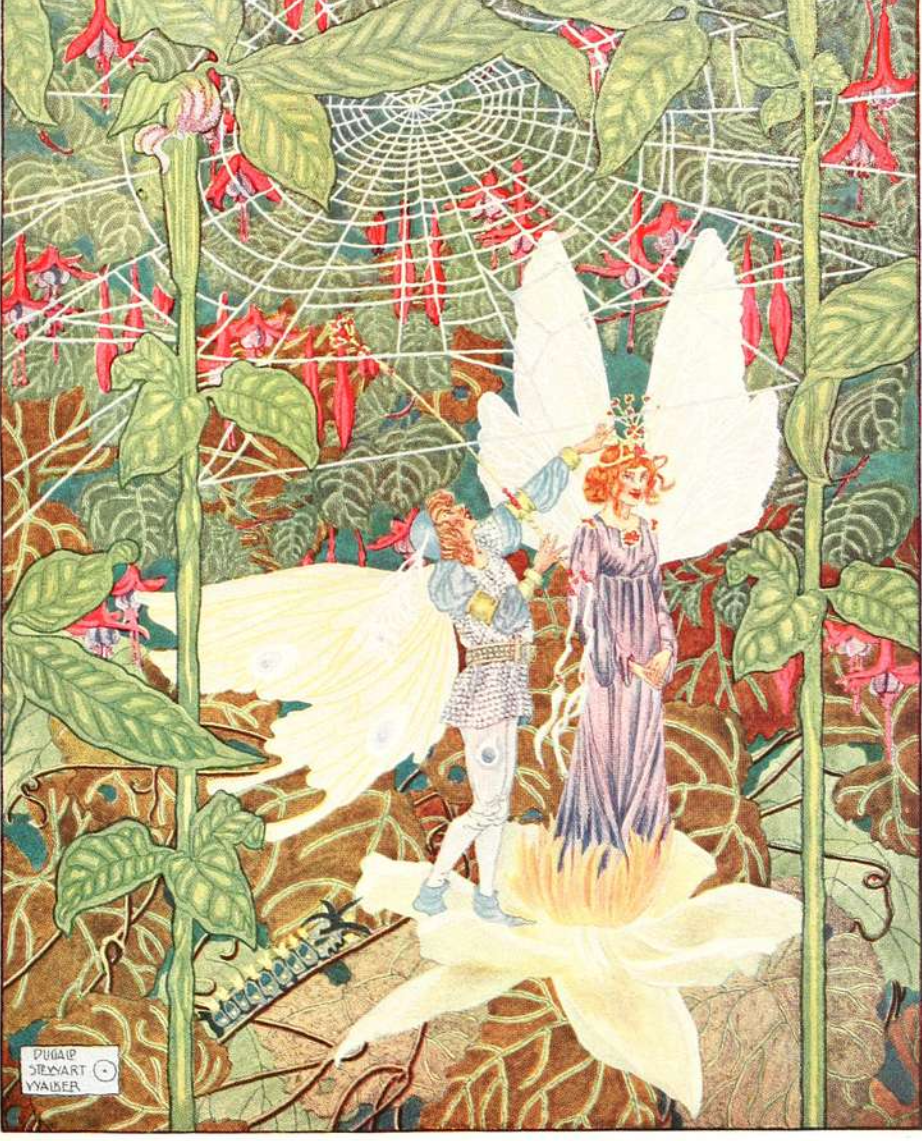
Illustration by Thomas Vilhelm Pederson from original publication of THUMBELINA in 1835
By the time I bike (or take the bus) to class, vacuum the karate studio (the floor of which accumulates a surprising.amount of hair, clipped toenails, cookie fragments, dust etc. plus sand and salt during the winter months), hide the punching bags and karate trophies behind a wall of rolling screens, set up a boombox and instruments, change into my teaching — rather than biking/cleaning/snow shoveling — clothes, welcome families, lead a 45-50 minute class, chat with families after class, and then put away all the stuff I set up an hour earlier, I do not earn very much money per hour.
But the sweetness, playfulness, joy, humor, love and sense of connectedness I experience with my families each week is always a balm for my soul.
And there’s no way to put a price on that!
Leading Music Together classes helps me get out of bed in the morning AND reassures me that the human world is not an irredeemably f–ked up mess about which I can do nothing to help.
And sometimes one of the small humans in my class is inspired to give me a hug at the end of class.
Illustration from a 1914 edition of Han Christian Anderson’s Fairy Tales
When this happens, I feel like I am being visited be an angelic being who is offering me unadulterated love, comfort and gratitude.
It is such an honor to receive one of their hugs.
And sometimes I am offered a hug by one of the grownups in class, too — which I also appreciate and savor.
Another deep breath in.
And deep breath out.
These little children are a big reason why I ride my old and raggedy-looking bike rather than drive a car, why I rarely buy new clothes, and why I never travel (especially via airplanes) simply for the sake of going someplace new or warm or trendy.
I live a downwardly mobile life so that the children in my classes might be able to live an ever-so-slightly less chaotic and terrifying life due to the myriad ways that climate change is affecting all of us here on planet earth.
Yet another deep breath in.
And deep breath out.
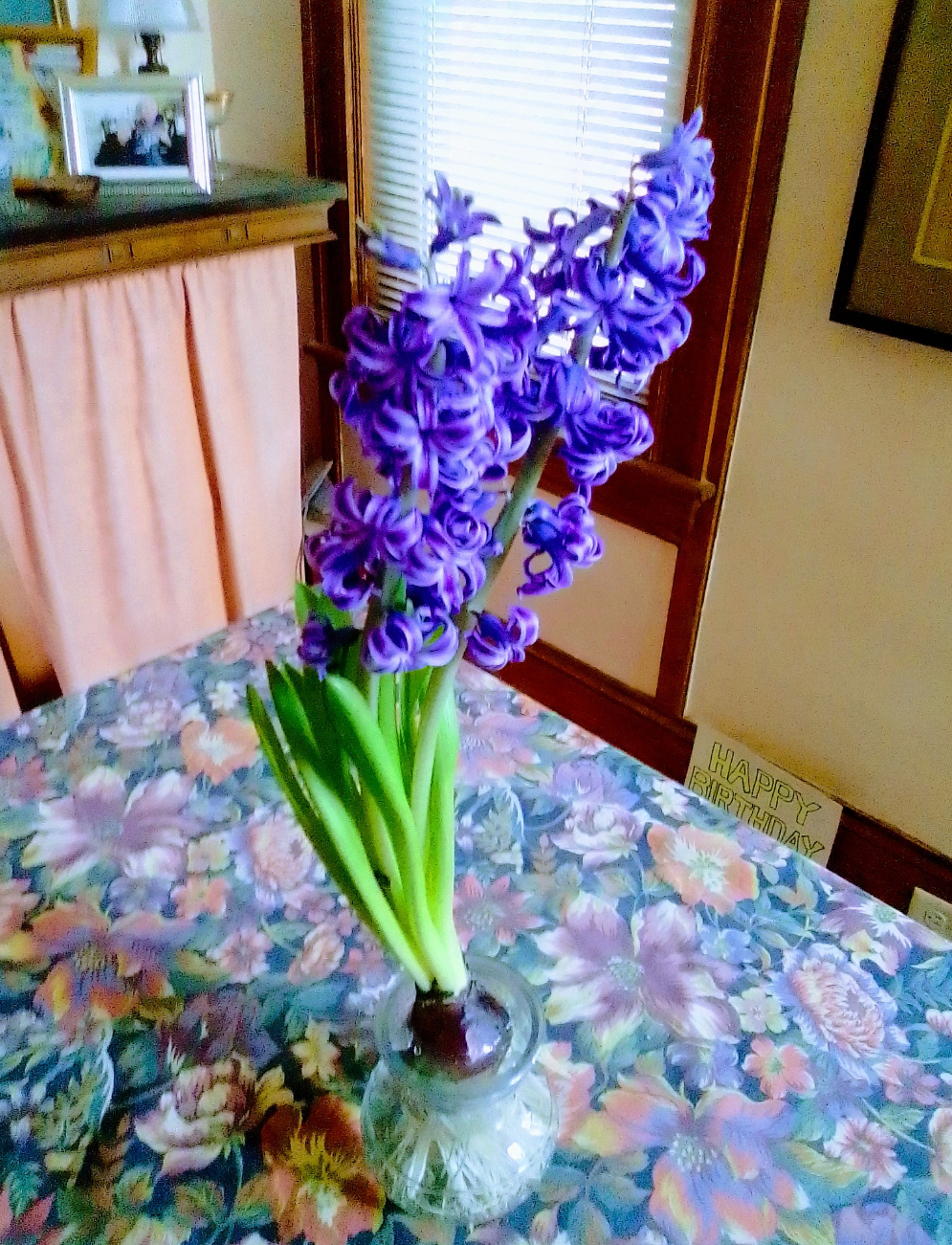
Another radiant hyacinth bulb from Trader Joe’s
I end this blog post with some of my favorite quotations by the Dalai Lama.
“Our prime purpose in life is to help others. And if you can’t help them, at least don’t hurt them.”
“In our present circumstances, no on can afford to assume that someone else will solve their problems. Every individual has a responsibility to help guide our global family in the right direction. Good wishes are not sufficient; we must become actively engaged.”
“When you are discontent, you always want more, more, more. Your desire can never be satisfied. But when you practice contentment, you can say to yourself, “Oh, yes — I already have everything that I really need.”
“We can live without religion and meditation, but we cannot survive without affection.”
“The problems we face today — violent conflicts, destruction of nature, poverty, hunger and so on — are human-created problems which can be resolved through human effort, understanding and the development of a sense of sisterhood and brotherhood. We need to cultivate a universal responsibility for one another and for the planet we share.”
“As people alive today, we must consider future generations. A clean environment is a human right like any other. It is therefore part of our responsibility towards others to ensure that the world we pass on is as healthy, if not healthier, than we found it.”
“This generation has a responsibility to re-shape the world. Start the task even if it will not be fulfilled in your lifetime. Even if it seems hopeless now, never give up. Offer a positive vision, with enthusiasm and joy, and an optimistic outlook.”
“Happiness is not something ready made. It comes from your own actions.”
“Be kind whenever possible. It is always possible.”
THANK YOU for making it to the end of another one of my blog posts.
Thank you to Doug Hammer for his spritely piano accompaniment and his expert musical production skills.
Thank you to Stephen C. Fischer for his graphic design (and to the professional photographer in NYC who took this photo of me many decades ago…)
Thank you to Hans Christian Anderson for creating the story of Thumbelina and to Frank Loesser for creating his song “Thumbelina.”
Thank you to the wonderful photographers at Pixabay.
Thank you to the Dalai Lama for his wisdom and inspiration.
And thank you to everyone who has streamed my music on Youtube, Pandora, Spotify, Apple Music, Tidal, Deezer, etc.
Every stream — and especially every thumbs up and/or inclusion in a playlist — helps to improve the likelihood that the clever algorithms of these streaming services will share my music with new listeners.
“Music is a great encouragement to people in hard times.”
Deep breath in.
And deep breath out.
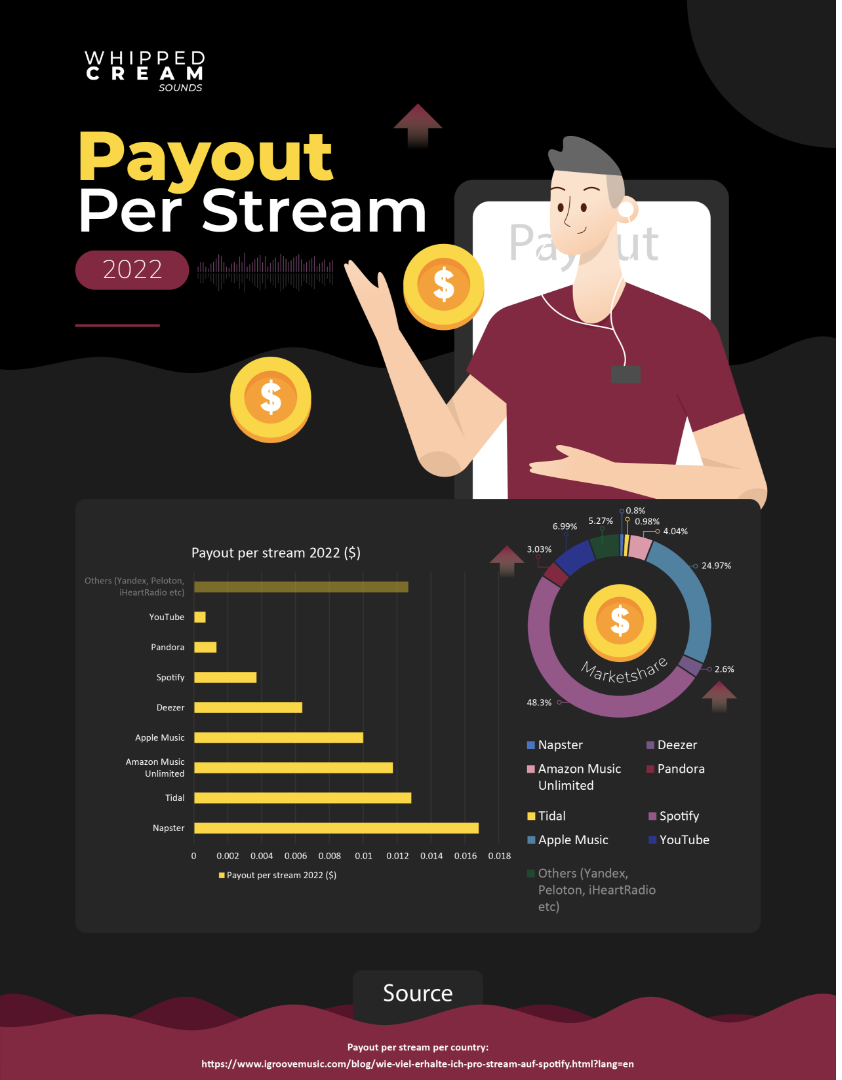
I also explain in this past blog post about how little money is earned by performers and songwriters from streaming platforms such as Spotify, Apple Music, Pandora, YouTube, etc.
Spotify, which last year had an almost 50% market share of music streaming worldwide, still pays less than half a cent per stream.
Apple Music was the next biggest player, with almost 25% market share of music streaming worldwide — but paid a penny per stream (almost triple what Spotify paid…)
All of the other music streaming companies share the remaining 25% of worldwide music streaming — and paid anywhere from .00069 cents per stream (YouTube Music) to .017 cents per stream (Napster).
Here’s a graphic representation from this article of all of these numbers.
Suffice to say that I have not been earning any significant money as a result of people streaming the 37 recordings I’ve released during the past 34 months.
Deep breath in.
And deep breath out.
But I DO have the satisfaction of knowing that my music is out there in the world, being listened to by folks in fifty different countries — including the USA, Finland, Canada, Taiwan, Great Britain, Kazakhstan, Australia, Indonesia, Turkey, Brazil and Chile!
“Music is part of what makes the world keep going.”
And in recent months my streaming statistics on Spotify have risen significantly (although my total numbers are still quite modest).
This rise in my stats helps me feel that what I am doing — releasing music — is not entirely futile, useless and/or egotistical.
And it gives me a small sense of hope, which is what Ron Sexsmith’s lovely song does, too.
Hope remains a blessed mystery to me.
I hope you feel at least a tiny kernel of hope in your life.
Recent regional elections here in the USA have renewed my sense of hope in our political process.
And small children — such as those who grace my Music Together classes — also give me a sense of hope as well as a reason to continue to work for a more balanced, sustainable, and respectful future here on planet earth.
I’d be happy to learn in the comments about what gives YOU a sense of hope these days.
This week I rode my bike from East Arlington (where I live) to Arlington Heights (where I lead Music Together classes three mornings per week) via a rail-to-trail bike path.
At one point there was a stretch of sugar maple trees with orange, red and yellow leaves silhouetted against a very blue sky.
And I had to acknowledge the beauty of autumn…
Another deep breath in.
And deep breath out.
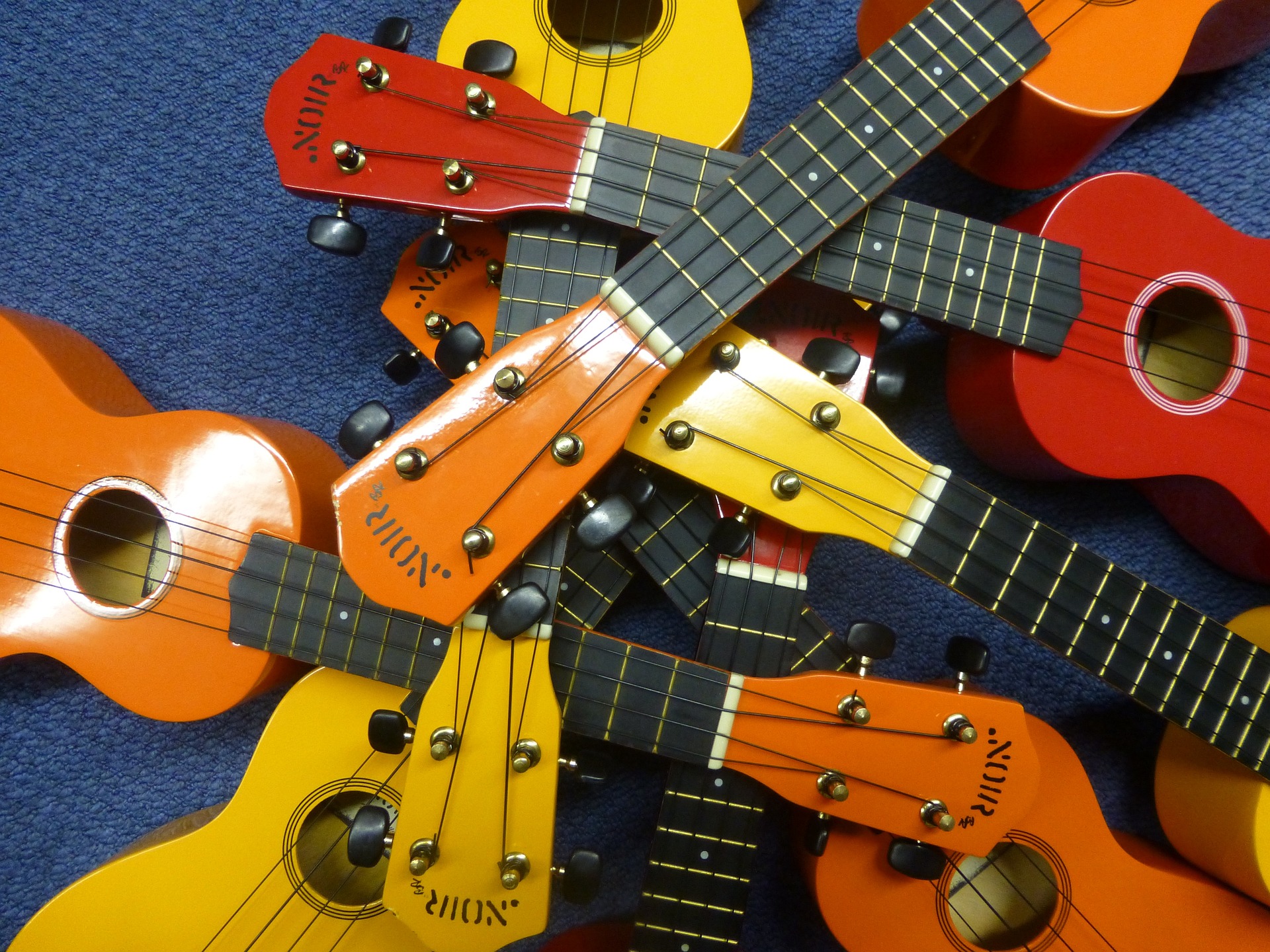
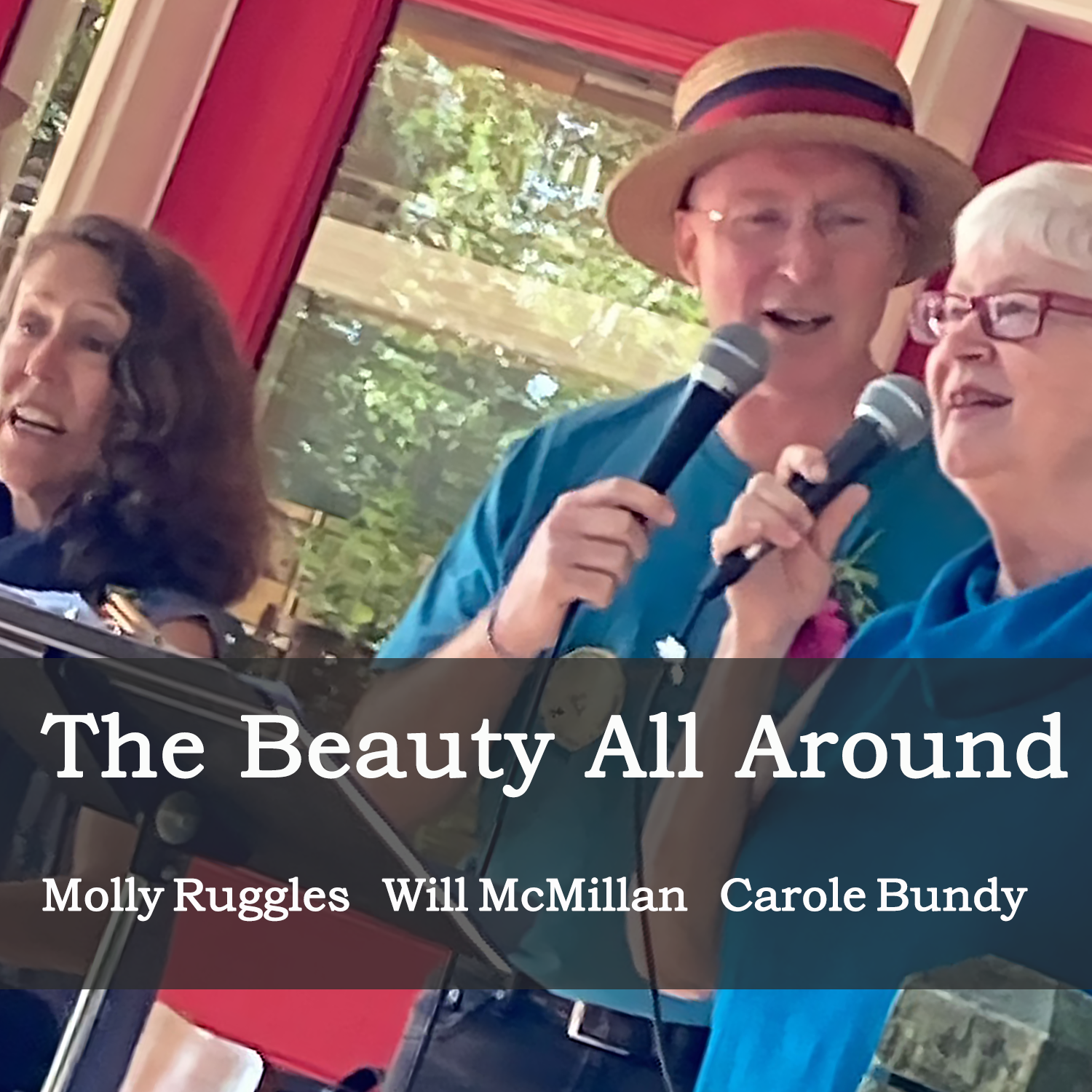
Dedicated readers of this blog may remember a song called “The Beauty All Around” which I wrote not long after taking a class called “Ukulele for the Almost Musical” led by a wonderful teacher, Danno Sullivan.
I recorded it using my ukulele and Apple’s wonderful GarageBand application, and then I recorded a new piano/vocal version a few years later with pianist/engineer Doug Hammerat his terrific home studio.
Among other things that church runs a much-needed food pantry and is currently hosting a family who managed to get out of Afghanistan earlier this year.
We’ve been rehearsing in the main sanctuary of the church, and it has been a great pleasure to experience the excellent acoustics of the space.
So much is happening right now in the USA — and all around this small, blue-green planet!
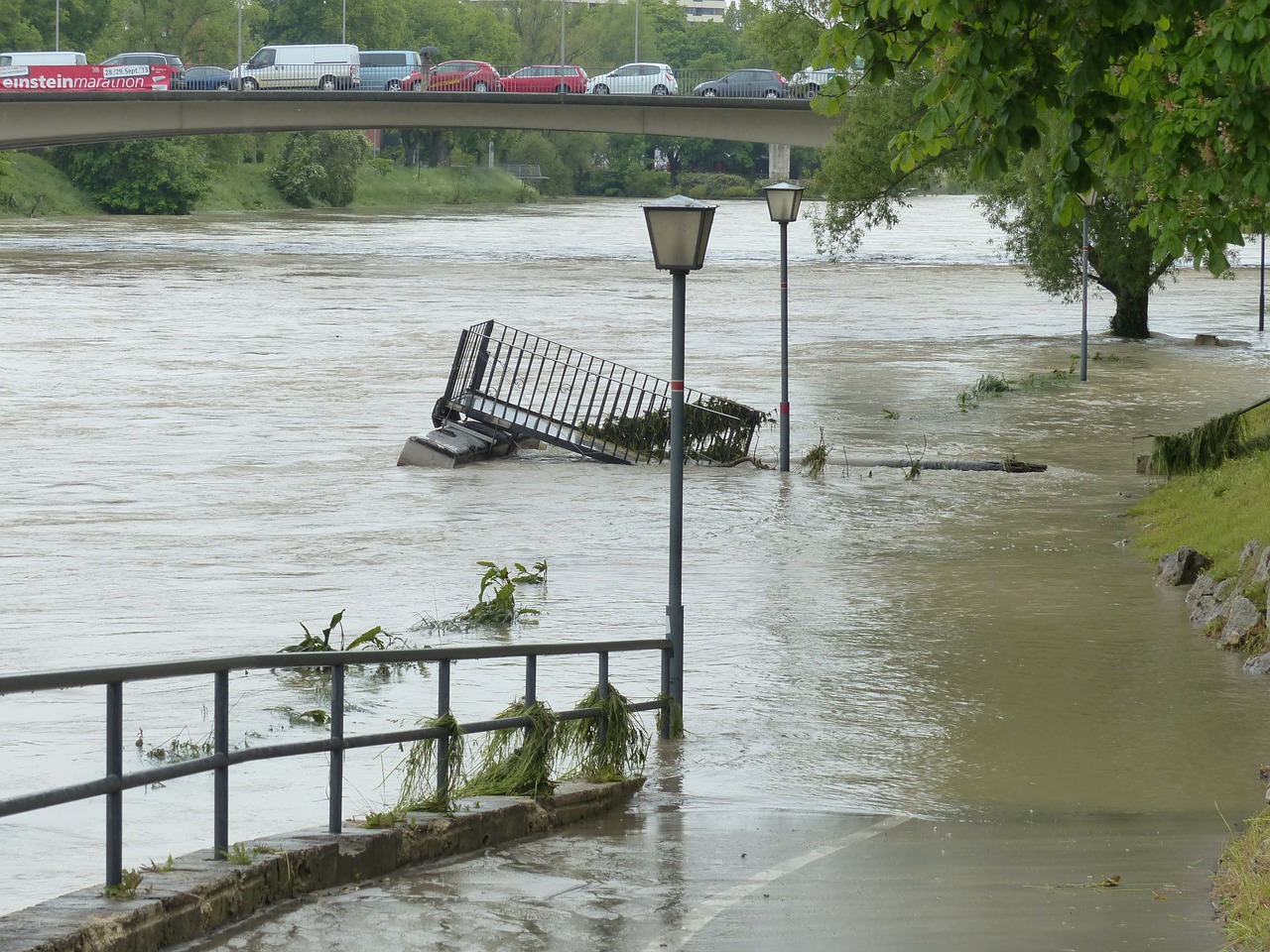
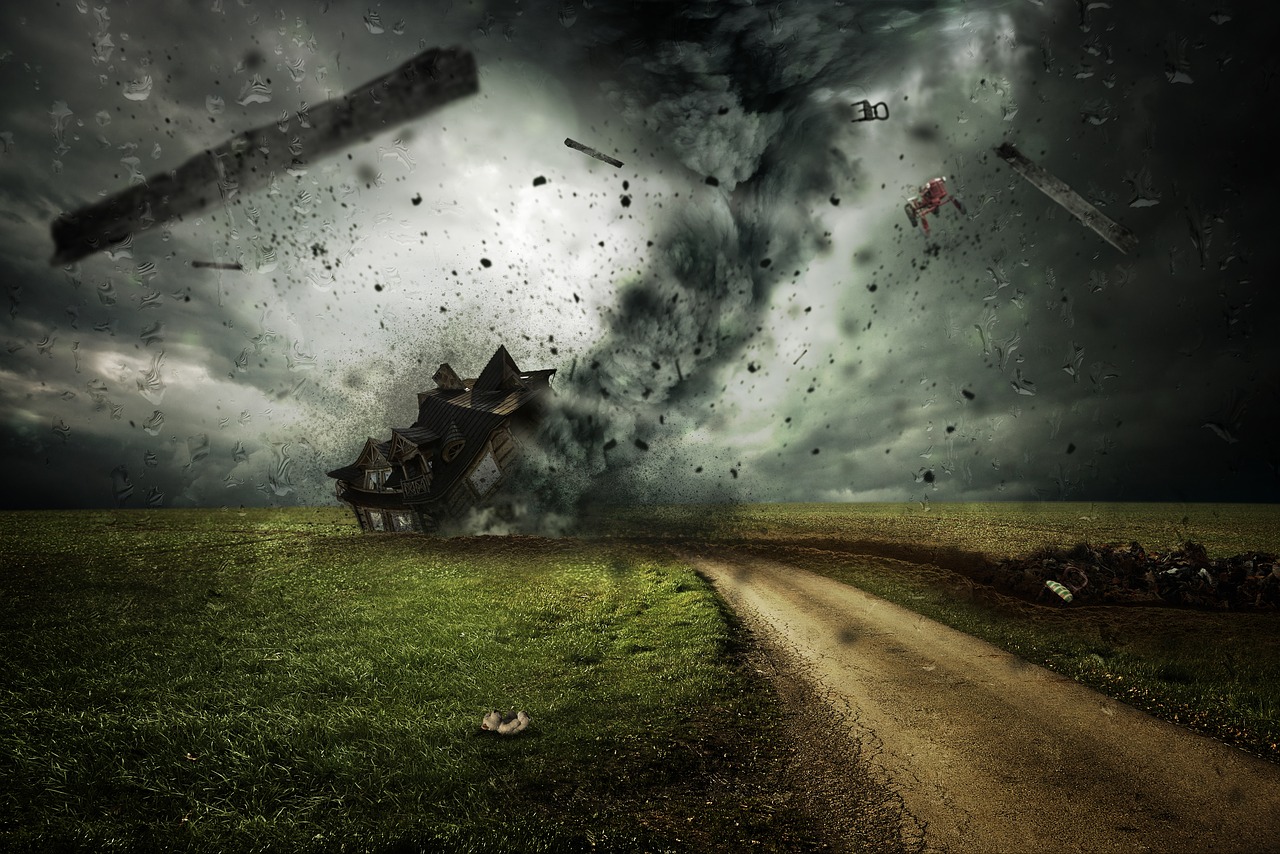
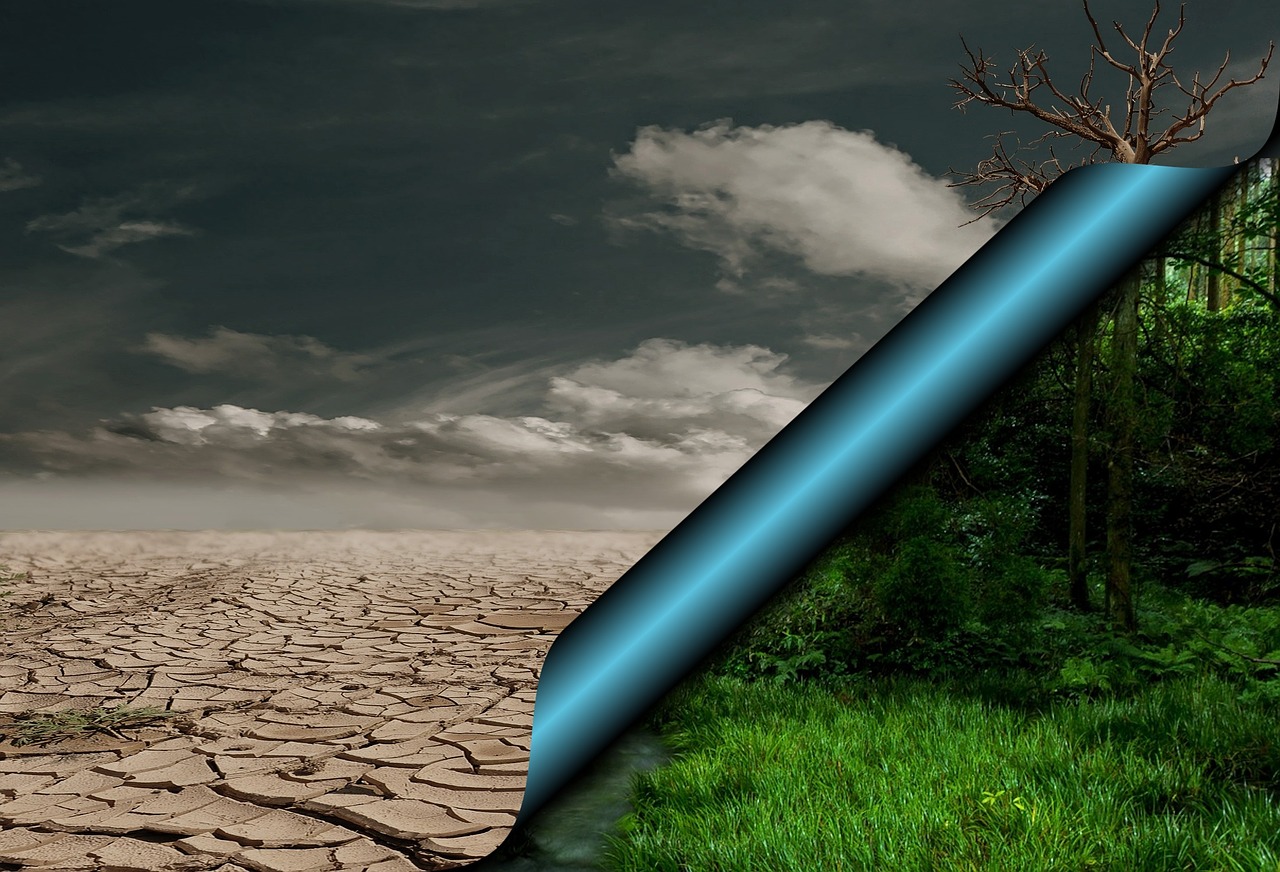
Accelerating climate catastrophes such as drought, forest fires, hurricanes, flooding, polar ice/ permafrost melting…
Ongoing health anxieties related to COVID, the flu, monkeypox, and whatever else may be coming down the pike…
The horrible war in Ukraine…
The rise of fascist political rhetoric and activity and actions here in the USA and in many other countries around the world…
And the list goes on and on…
Deep breath in.
Deep breath out.
My coping methods to deal with all of these challenges include:
1) Personalizing and sending lots of cards and letters to potential voters in swing states…
2) Riding my bike, walking, or taking public transportation…
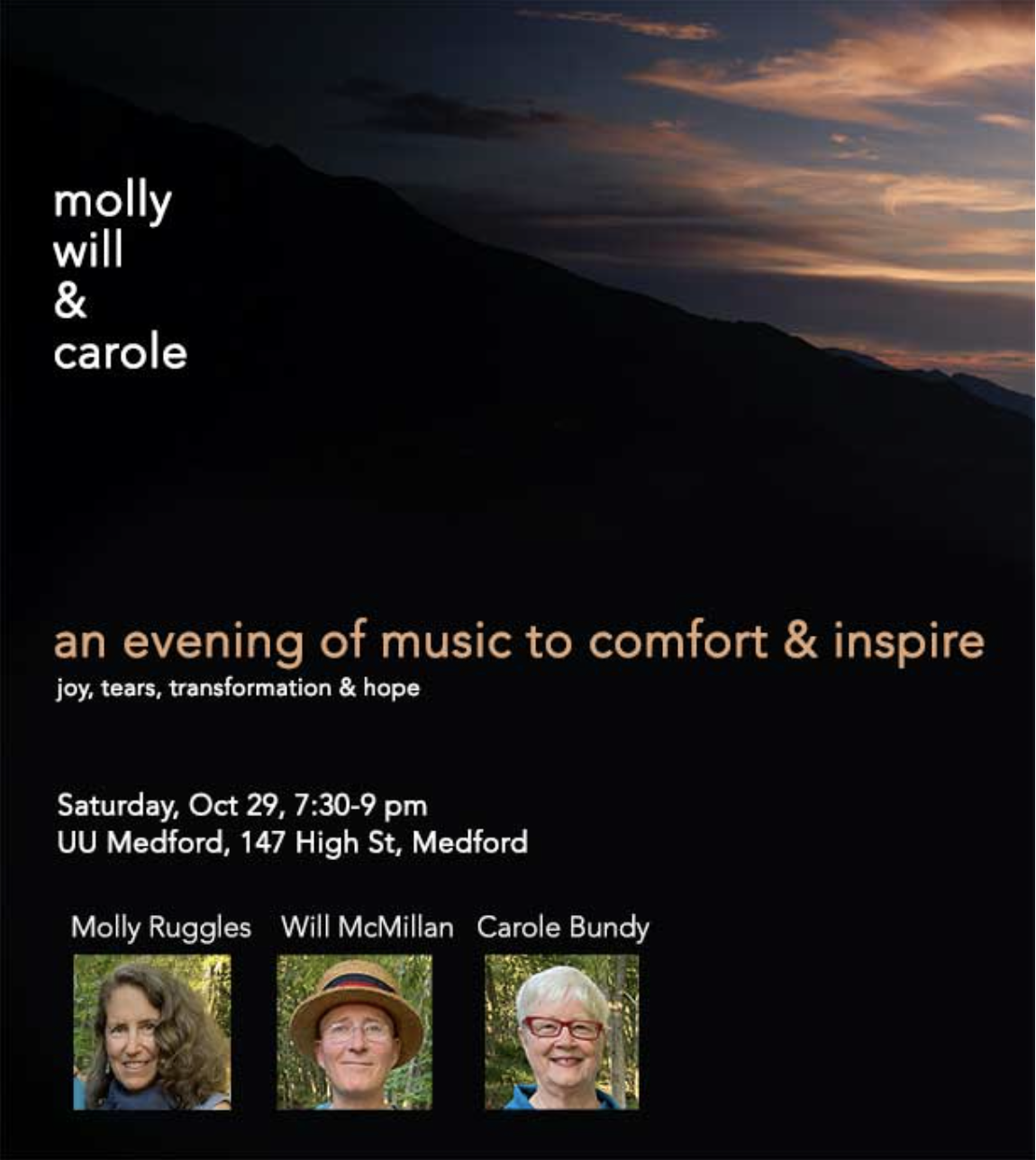
3) Singing with the families in my Music Together classes and also with Carole and Molly…
4) Donating tiny amounts of money to tight political races all around the country…
5) Savoring moments of beauty in the non-human world…
So far we have not yet had a frost; so the cosmos, zinnias, and daisies in my neighbors’ front yards are still blooming brilliantly.
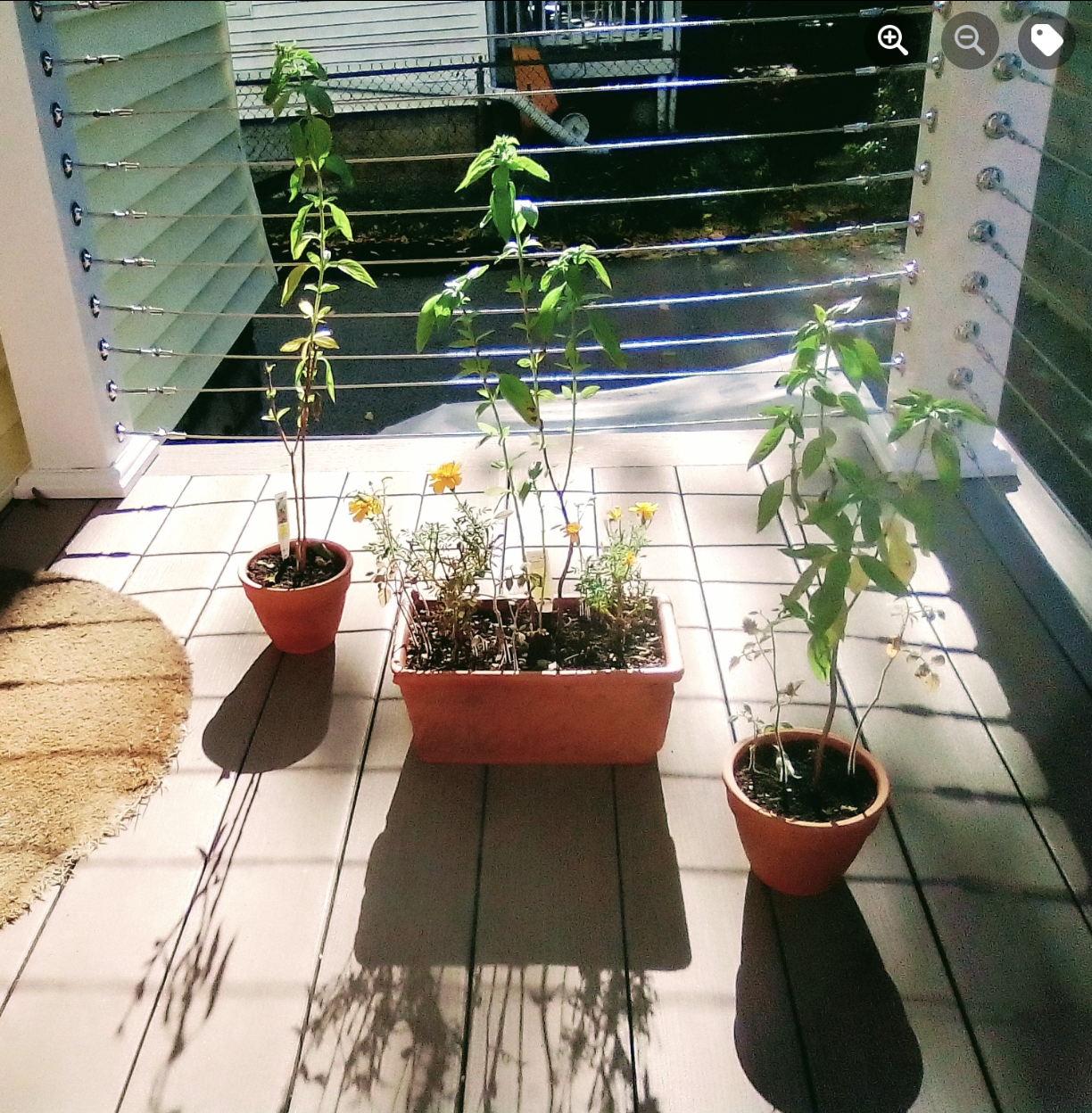
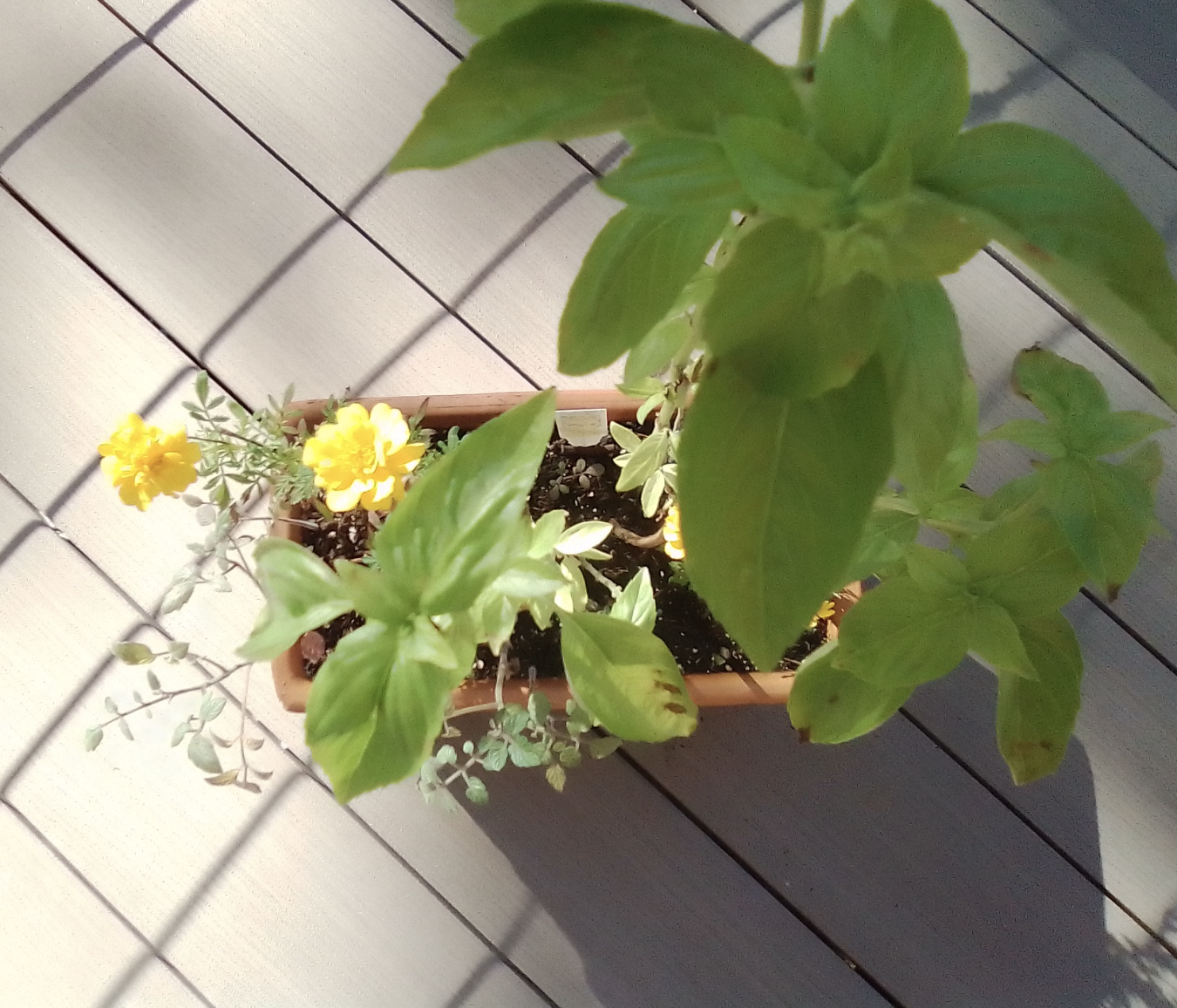
And the basil and marigolds on my back porch are still going strong, too!
Thank you to Carole and Molly for our ongoing musical journey.
Thank you to my Music Together families — past, present and future!
Thank you for a roof over my head, clean drinking water, food to eat (much of it from a local organic farmshare!), a steadfast and loving partner, and a still-beating heart.
Thank you to Peter Kontrimas, who did the initial recording of our eight songs, and to Doug Hammer, who helped us mix and master them via Zoom.
And thank YOU for reading and listening to another one of my (not-particularly-frequent) blog posts.
Deep breath in.
Deep breath out.
PS: You are always welcome to visit my website — where you can find many songs (and learn more about my musical life here on planet earth if you are curious).
You can also find me singing — with Doug Hammer playing his Schimmel grand piano — on Spotify, Pandora, Apple Music, YouTube and other digital music platforms.
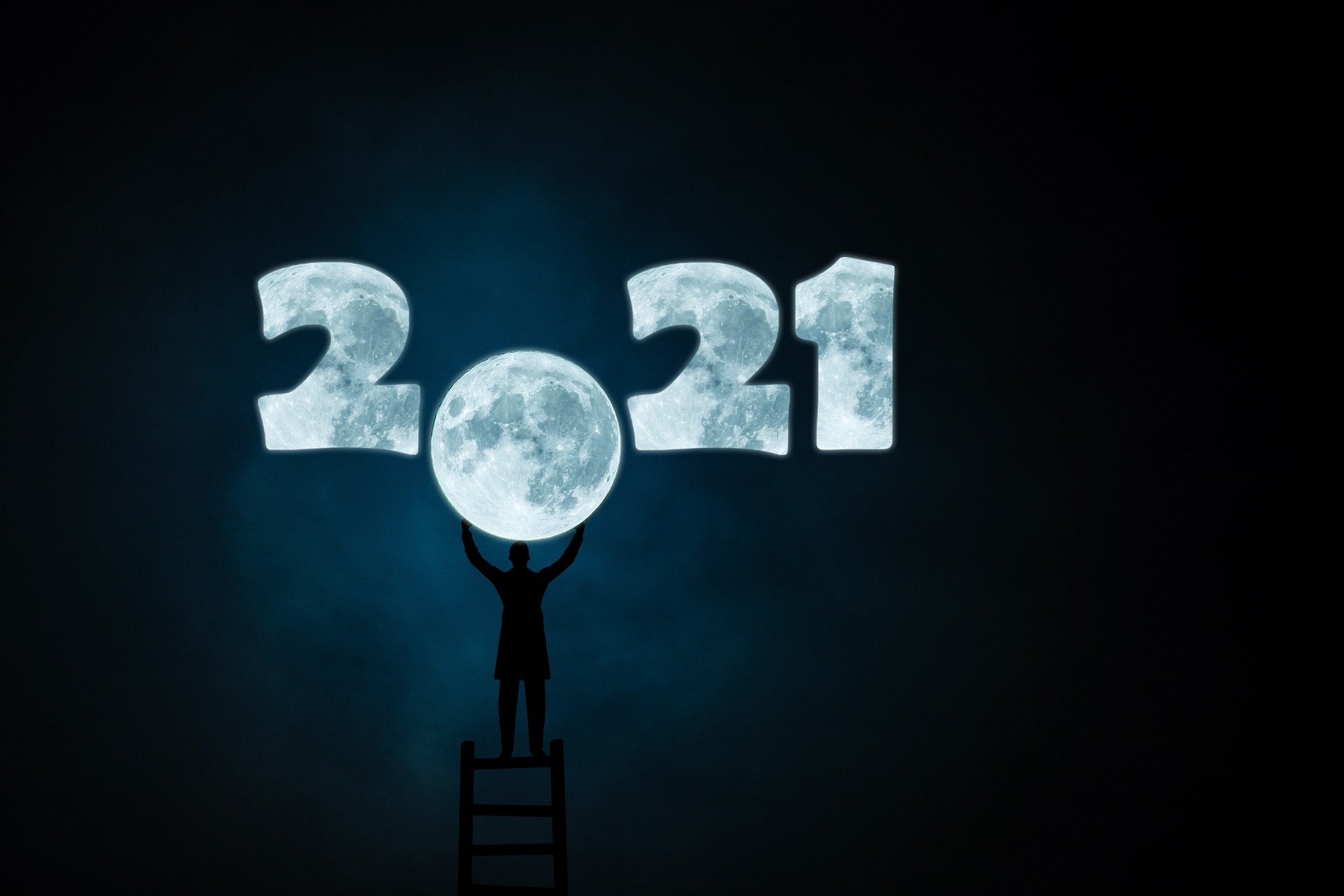
I am writing this blog post as I watch many inaugural events on TV.
So far everything has gone well.
For this I am deeply grateful.
Deep breath in.
Deep breath out.
The song for this blog post, “New Words,” was written by Maury Yeston — a professor at Yale who also created beautiful songs for the Broadway musicals NINE and TITANIC.
I first heard it sung by a woman named Andrea Marcovicci at Town Hall in New York City.
She also recorded it, along with a bunch of other great songs by contemporary songwriters, on a CD called NEW WORDS.
I performed it as part of an evening of SONGS ABOUT PARENTS AND CHILDREN, and again as part of a cycle of songs I shared at my 25th high school reunion.
Then last year this version gracefully jumped out of my archives of past rehearsals with pianist Doug Hammer— and I decided I would wait until after our new president was inaugurated to release it.
After four years of a certain kind of leadership, I have been hungry for a new tone…
A new sense of respect…
A new vision for the future…
And new words…
Another deep breath in.
And deep breath out.
Ahhhhh….
Yes.
New words!
I have been told — and sometimes have experienced with my own eyes and ears — that underneath anger and acting out and conspiracy theories and doomsday scenarios and threatening comments and violence and all sorts of drama is simply…
Fear.
And pain.
Pain from past hurts…
Past losses…
Past disrespects…
Past disappointments…
Past abandonments…
Past abuses of trust…
Past unhappiness of all different shapes and sizes and colors and tastes and smells and densities…
Yes.
Pain.
And fear.
I breathe them in.
And then I breathe them out.
Ahhhhh….
Like many of us, I’ve experienced new pains and new fears during this past year.
I don’t need to go into any of the details, which I have so far chosen to keep private.
Suffice to say that some of them involve rites of passage related to families and health and time and aging which all of us inevitably experience in one form or another.
And some of them involve things which have happened locally, nationally, and globally.
I have a sense that our new president — who has himself experienced some of the most profound losses a human being can experience — and our new vice-president — who has experienced life as a child of immigrants, as a woman, as a person of color, as an attorney general, and as a US senator — may be able to offer us some new words of consolation.
And comfort.
And acknowledgement.
And justice.
And inspiration.
And healing.
We shall see…
Yet another deep breath in.
And deep breath out.
As regular readers of my blog already know, in addition to writing postcards to potential voters in swing states and going for long walks in local cemeteries full of trees, I find refuge and inspiration in music.
The song “New Words” reminds me of the Music Together classes I lead each week — which give me much-needed infusions of joy and spontaneity and playfulness and creativity and connectedness and love.
We set aside the worries of the world for 45 precious minutes and are present with each other — having fun clapping and snapping and drumming and waving scarves and shaking rhythm eggs and singing and dancing together — even via Zoom.
Some families have stayed with me for many years — so I experience the happiness of bearing witness to their children’s new movements, new vocabulary, new ideas, new competencies, new stuffed animals, new Lego creations, and, yes, even new siblings!
Part of me is amazed that anyone would dare to bring a child into a world teetering on the brink of so many disasters.
Yet part of me also sees how these precious, blessed beings can awaken a profound sense of responsibility and interconnectedness in their parents.
I hear mothers who are breast-feeding begin to re-think what they are themselves eating — and start to become curious about how and where and by whom our food is grown and processed.
I bear enthusiastic witness to families’ participation in social justice marches, in political activism, in fighting for a more respectful and sustainable future here on planet earth.
And I feel hope.
I feel love.
I do not know if love really IS capable of overcoming systemic racism, economic inequality, environmental degradation, accelerating rates of extinction, ignorant non-mask-wearers, brain-washed insurrectionists, and the myriad other challenges facing us here in the USA.
A very brave man who was assassinated in Memphis, Tennessee over 50 years ago once said:
“We must meet the forces of hate with the power of love.” (1958)
“We must combine the toughness of the serpent and the softness of the dove, a tough mind and a tender heart.” (1963)
“Darkness cannot drive out darkness, only light can do that. Hate cannot drive out hate, only love can do that.” (1963)
“If I cannot do great things, I can do small things in a great way.” (1963)
And “I have decided to stick with love. Hate is too great a burden to bear.” (1967)
Yet ANOTHER deep breath in.
And deep breath out.
Ahhhhh….
This song inspires me to stick with love.
Thank you to Maury Yeston for writing it.
Thank you to Doug Hammer for playing such beautiful piano and then helping me to mix and master it via Zoom.
Thank you to the generous photographers at Pixabayfor these glorious images.
And thank YOU for reading and listening to another one of my blog posts.
ps: As I was doing my final proof-reading of this blog post, I received an email from one of my favorite former Music Together parents.
She wrote:
“We have been enjoying your music on Spotify! I started following you, and now new songs of yours come up on my new release playlist that Spotify sends out periodically.
Scarlet (her super-sensitive, fairy-like, delightful daughter) especially loves ‘New Words’ — she stopped what she was doing and came over and gave me a hug when it came up on my playlist. She found it so moving, and she didn’t even know it was yours.”
One more deep breath in.
And deep breath out.
Ahhhhh…
This is why I do what I do.
If you are curious to learn more about my musical life here on planet earth, you are welcome to visitmy website.
This year December arrived in Boston with rain and wind.
I had to lead my final Music Together class of the fall term via Zoom rather than outside in a local park — which is where, wearing masks and sitting in a circle on blankets set 10 feet apart from each other, we have been meeting weekly for the past two and a half months.
We have a two-week session featuring winter holiday songs starting next week, and then a few weeks of downtime.
I never imagined I’d be leading music classes out of doors in December, but if the sun is shining — and we wear enough layers of clothing — most families have been quite enthusiastic about making music outside.
2020 is a year full of surprises, and we are doing our best to remain flexible — and safe!
As regular readers of my blog posts know, during this pandemic I’ve begun distributing songs to digital music services such as Spotify, Pandora and Apple Music.
During the month of December I hope to release one winter holiday song per week.
I’ll also be sharing a few holiday songs in blog posts.
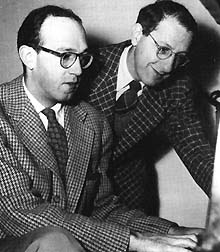
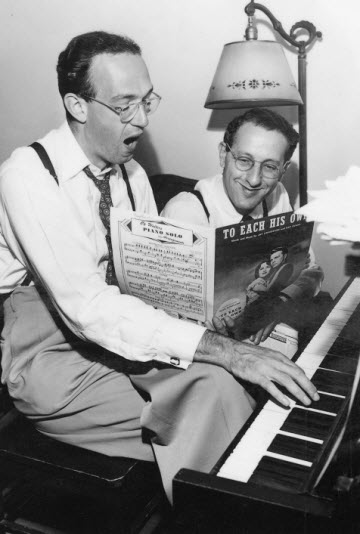
Jay Livingston and Ray Evans
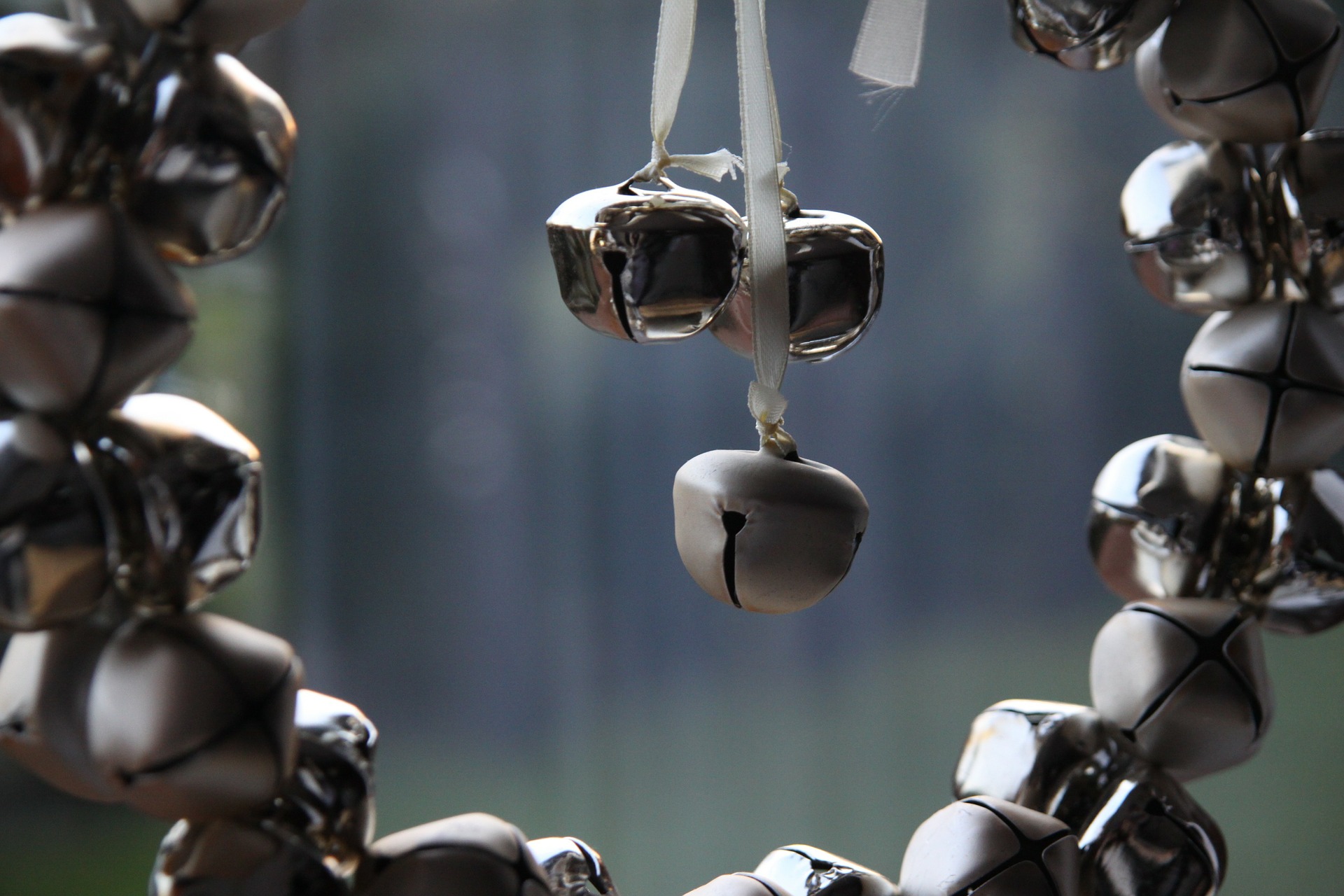
Today’s song — “Silver Bells” — was written by Jay Livingston and Ray Evans for a 1950 movie, The Lemon Drop Kid, where it was sung by MarilynMaxwell and Bob Hope.
Jay (who wrote the music) and Ray (who wrote the lyrics) were a famous songwriting team with many hits to their credit including “Mona Lisa” and “Que Sera Sera.”
They were also both Jewish.
Jay was born Jacob Harold Levison in 1915 in a small industrial suburb of Pittsburgh, PA, and Ray was born Raymond Bernard Evans the same year in Salamanca (not far from Buffalo) N.Y.
They met at the University of Pennsylvania when they both joined the university dance band, and their songwriting partnership endured until Livingston’s death in 2001.
As I have noted in previous blog posts, many of my most favorite winter holiday songs were written by Jewish songwriters.
This fact is an example (to me, at least) of the pluralism that the USA has occasionally been able to embrace — and model for others — during our ever-evolving history.
I love that “White Christmas,” “Rudolph, The Red-Nosed Reindeer,” and “The Christmas Song” (among many others!) were written by Jewish songwriters — many of them immigrants or the children of immigrants.
I always associate “Silver Bells” with my mother’s mother — a hard-working private nurse who lived in the borough of Queens for most of her life and no doubt did a lot of her holiday shopping on “city sidewalks, busy sidewalks — decked in holiday style.”
In the movie The Lemon Drop Kid, Bob Hope’s character is involved with gambling and ends up owing $10,000 to a mobster.
His solution is to disguise himself as Santa Claus and raise money from holiday donations.
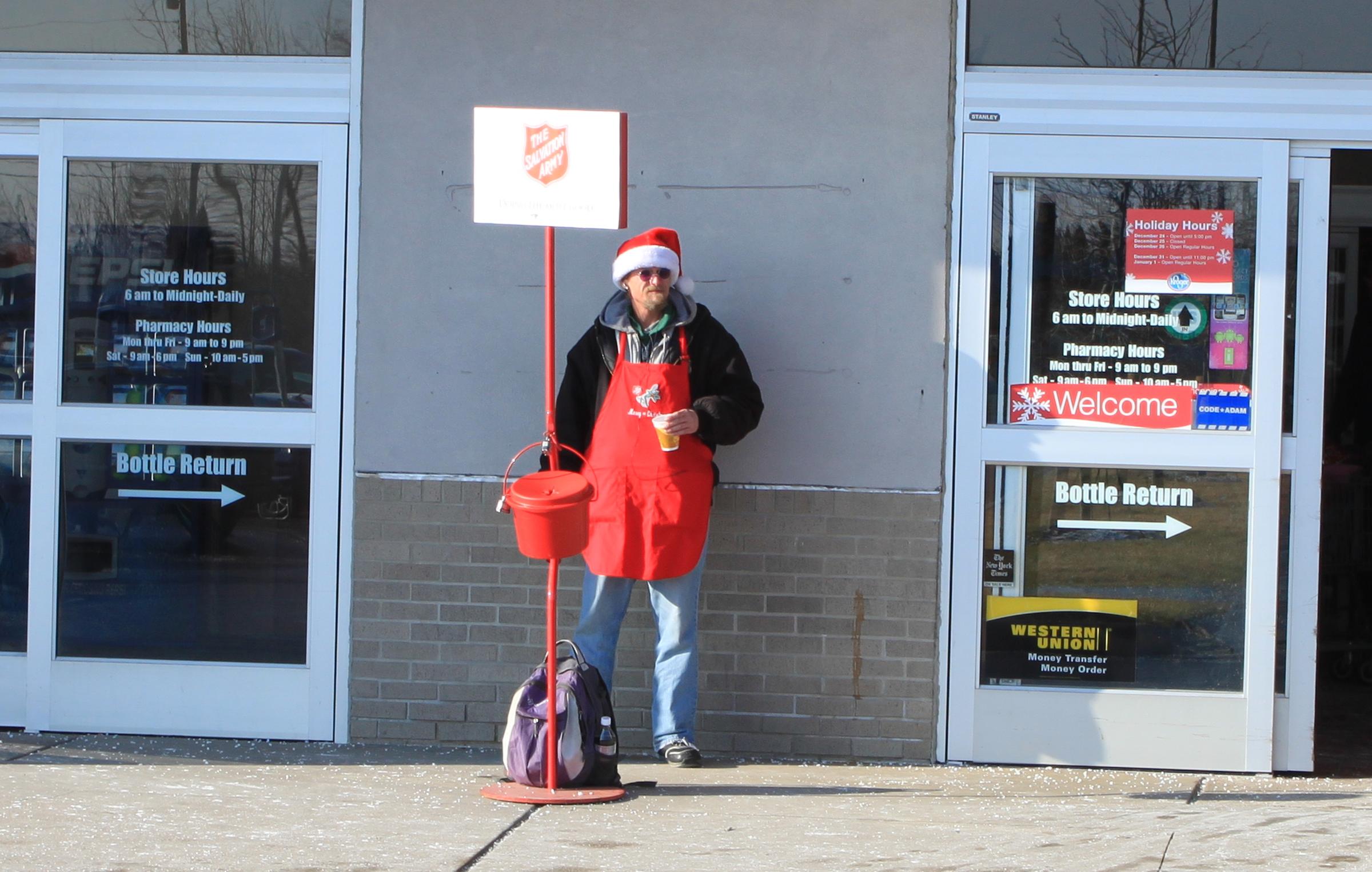
In some interviews Jay Livingston explained that the inspiration for the song came from the bells rung by Salvation Army volunteers during the holiday season.
However, in an interview on NPR after Livingston had died, Ray Evans said that they were inspired by an actual bell which one of them kept on his desk at Paramount Pictures, where they were under contract at the time.
Probably the song was inspired by both of these things…
Not every song has a great verse — which is often why they are not included in popular recordings.
But “Silver Bells” has a lovely verse:
“Christmas makes you feel emotional…
It may bring parties or thoughts devotional…
Whatever happens and what may be, here is what Christmas-time means to me.”
Deep breath in.
Deep breath out.
I hope we are able to consume fewer things this holiday season.
One of the reasons why I am excited about releasing songs via digital music platforms is that I no longer need to create a CD to share my music.
To manufacture a pound of plastic (30 CDs per pound), it requires 300 cubic feet of natural gas, 2 cups of crude oil and 24 gallons of water.
It is estimated that it will take over 1 million years for a CD to completely decompose in a landfill.
People throw away millions of music CDs each year!
Every month approximately 100,000 pounds of CDs become obsolete (outdated, useless, or unwanted).
Yikes!
A New Jersey company called Back Thru The Futuresays, however, that “CDs can be recycled for use in new products. Specialized electronic recycling companies clean, grind, blend, and compound the discs into a high-quality plastic for a variety of uses, including: automotive industry parts, raw materials to make plastics, office equipment, alarm boxes and panels, street lights, and electrical cable insulation, and even jewel cases.”
And they offer a free recycling service if one pays to send one’s old CDs, DVDs and hard drives to them:
“CDs and hard drives are made of high value recyclable material – polycarbonate plastic and aluminum respectively. The recycling of CDs and hard drives saves substantial amounts of energy and prevents significant amounts of both air and water pollution attributed to the manufacturing of these items from virgin material.”
Maybe THAT will be one of my holiday projects this year… recycling CDs and DVDs that I will never listen to again.
Another deep breath in.
And deep breath out.
The news here in the USA seems to become simultaneously more hopeful (with the Biden-Harris team starting to build their administrative teams) and terrifying (with supporters of our current president calling for violence and even martial law) each day that we move closer to a graceless and belligerent transition of power.
So I will end this blog post with a bunch of lovely images from Pixabay which the song “Silver Bells” reminded me of.
Thank you to Jay and Ray for writing this song.
Thank you to the executives at Paramount who kept renewing Jay and Ray’s songwriting contracts.
Thank you to Doug Hammer for being such a terrific collaborator.
Thank you for the sun continuing to shine on our blue-green planet.
Thank you for the new, more energy efficient windows in our basement — with blown insulation in our walls on the horizon…
Thank you for the natural gas (energy collected by plants long ago from the sun) now fueling our furnace and kitchen stove.
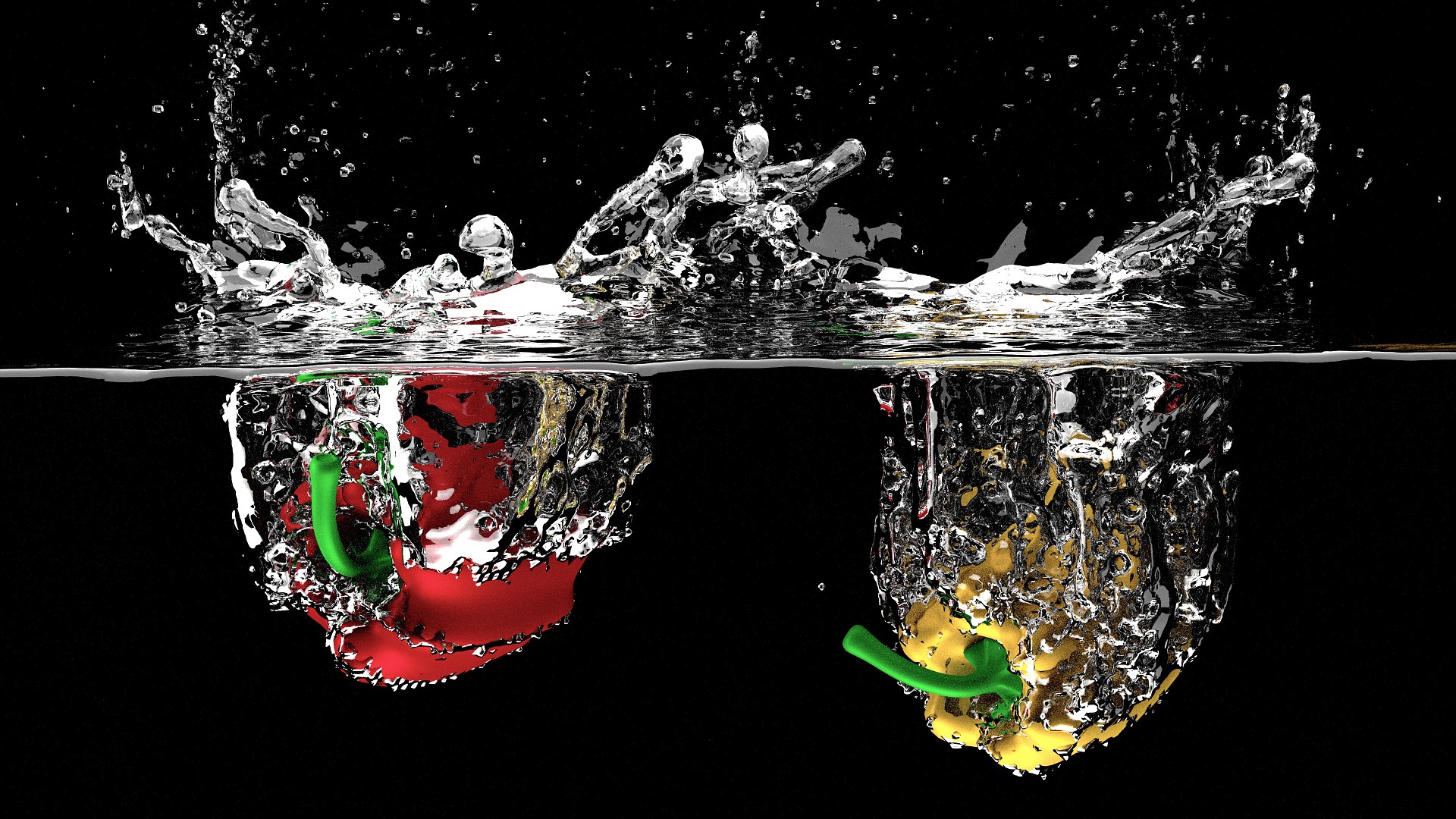
Thank you for vegetables — which capture energy from the sun and convert it into delicious things for us to eat, such as bell peppers.
Thank you for all the families who have chosen to make music together with me during the past few years. I am grateful for our musical sessions, which serve — for me at least — as a much-needed respite from the unsettling news swirling through our lives these days.
And thank YOU for reading and listening to this blog post!
I haven’t written a new blog post for over a year.
And I am amazed to discover — after visiting my stats page — that people have continued to visit my site.
THANK YOU to everyone who nosed around my blog while my creativity was lying fallow for the past thirteen months.
I’m sure exactly how or why I stopped writing new posts.
Partly — because we have created an economy which encourages us to replace and discard things as often as possible — I needed a newer computer, which a friend extraordinarily gave to me at the end of last year!
Partly I lost blogging momentum.
And partly I didn’t feel that I had much to share that would brighten anyone’s day.
But I HAVE continued to write new songs as well as create demos of my songs using Apple’s wonderful GarageBand program.
And I have continued to offer hour-long programs of music at retirement communities, assisted living homes, senior centers, and public libraries accompanied by pianist Joe Reid or pianist Molly Ruggles.
I started writing the song at the top of this blog post sitting on the porch with my dad and younger sister at a shared family cottage in upstate NY in the summer of 2015.
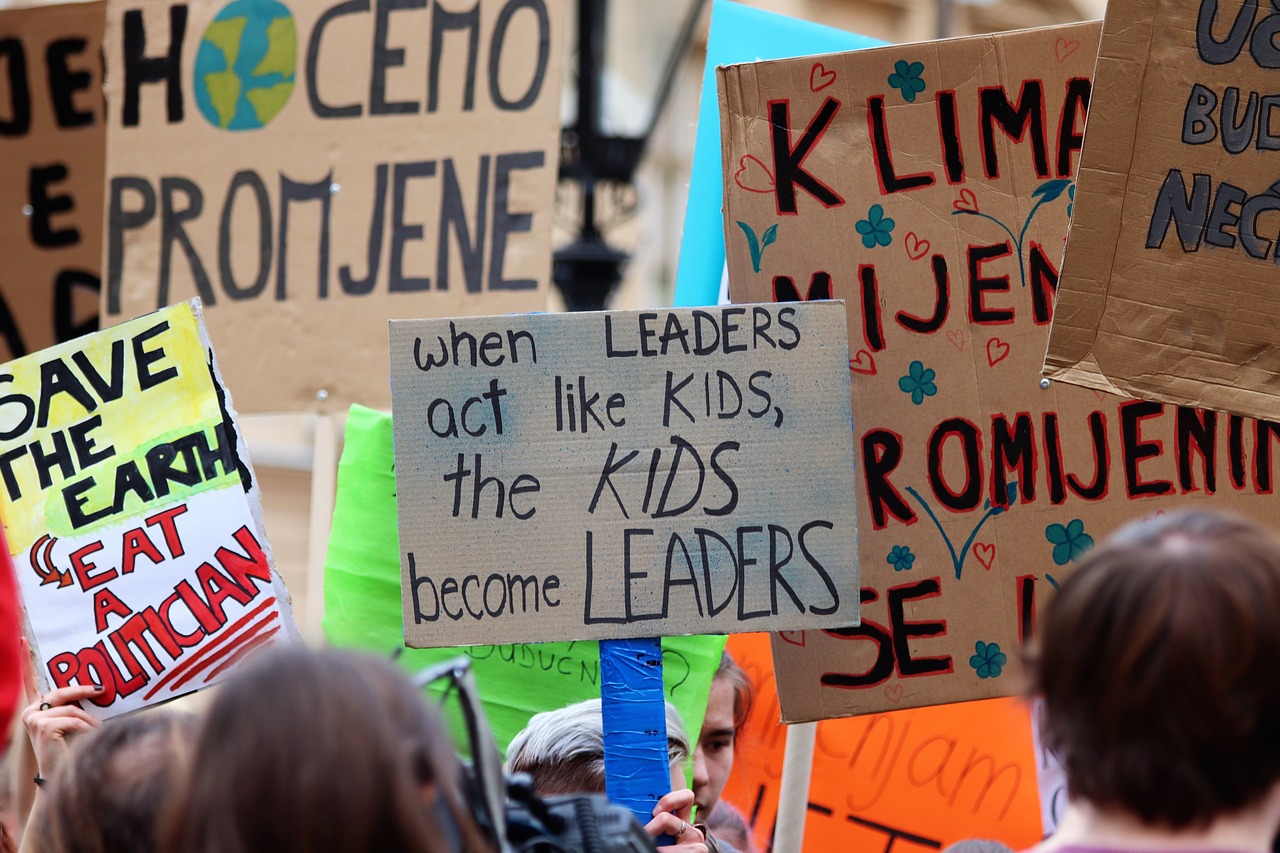
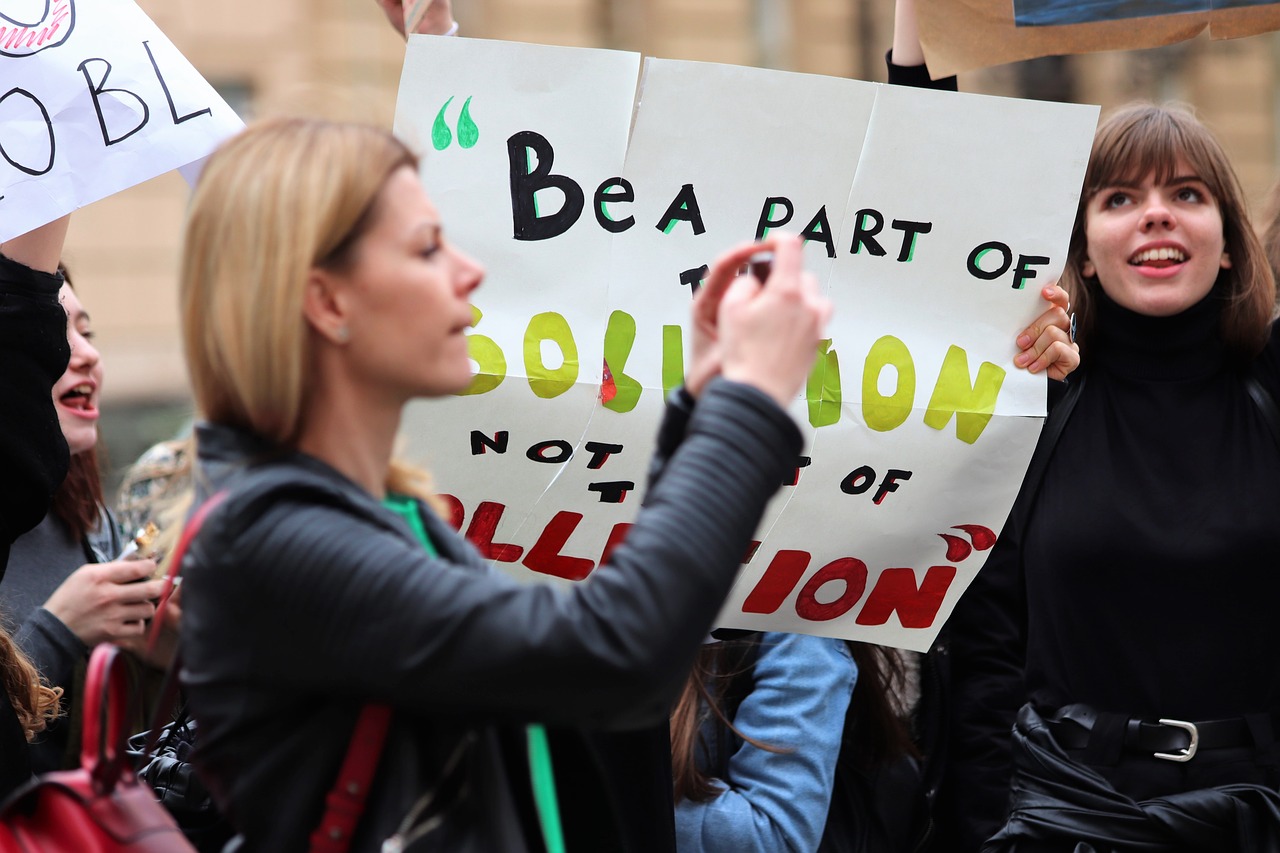
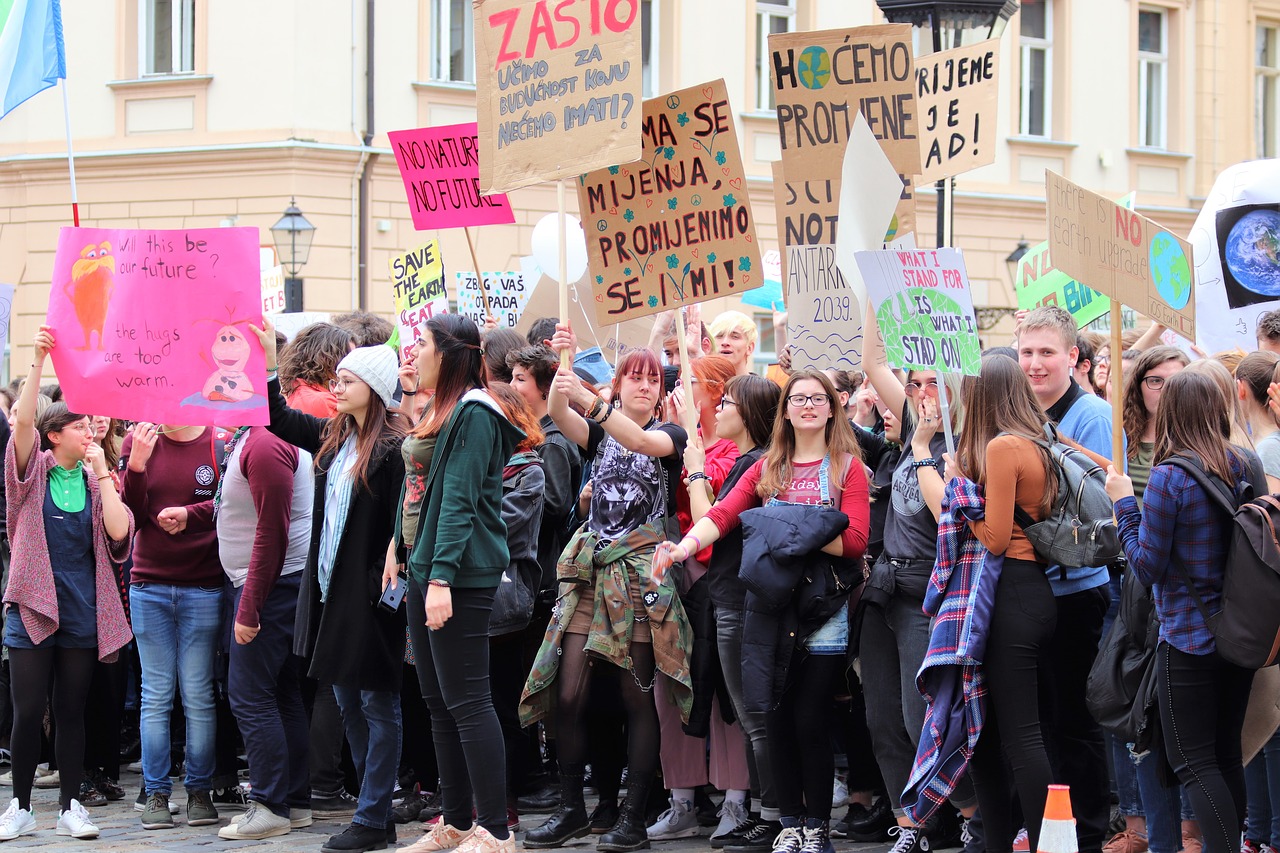
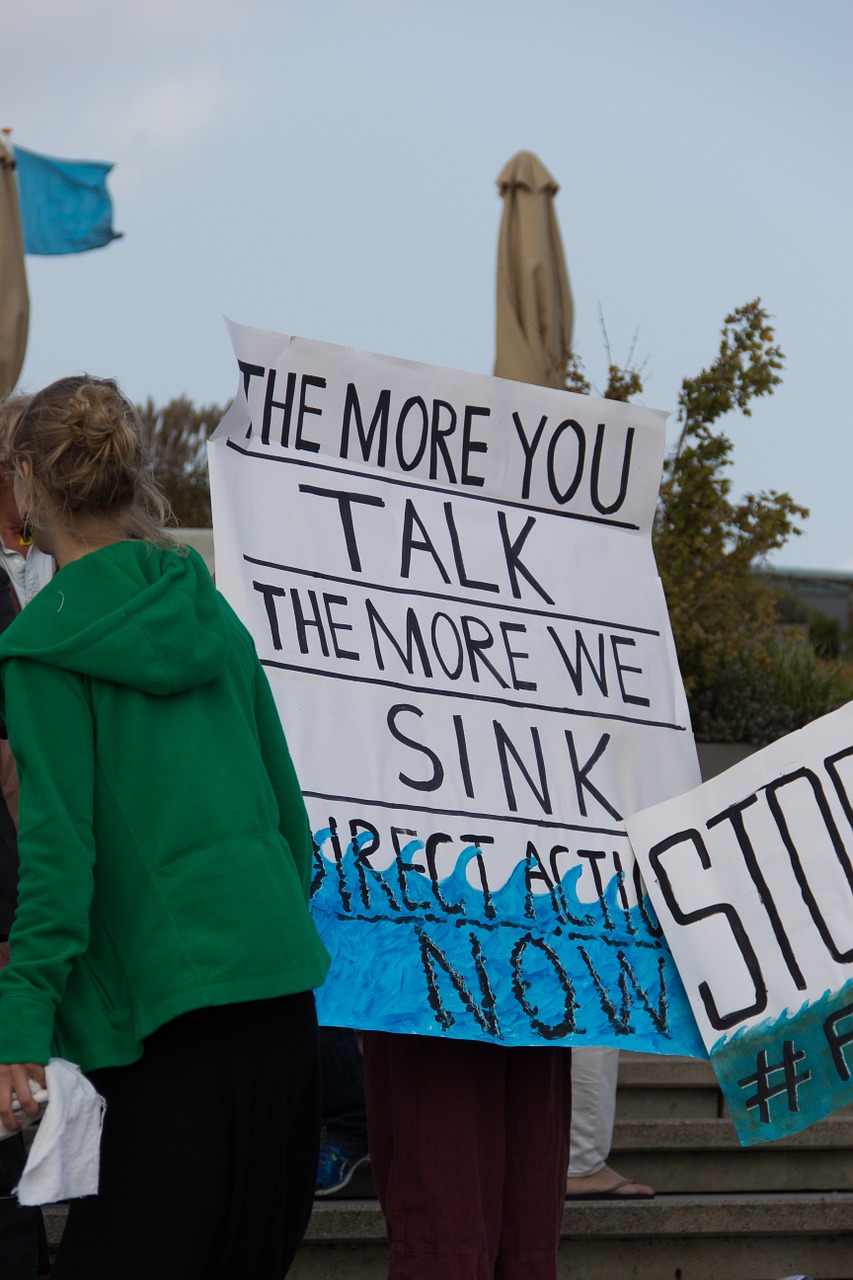
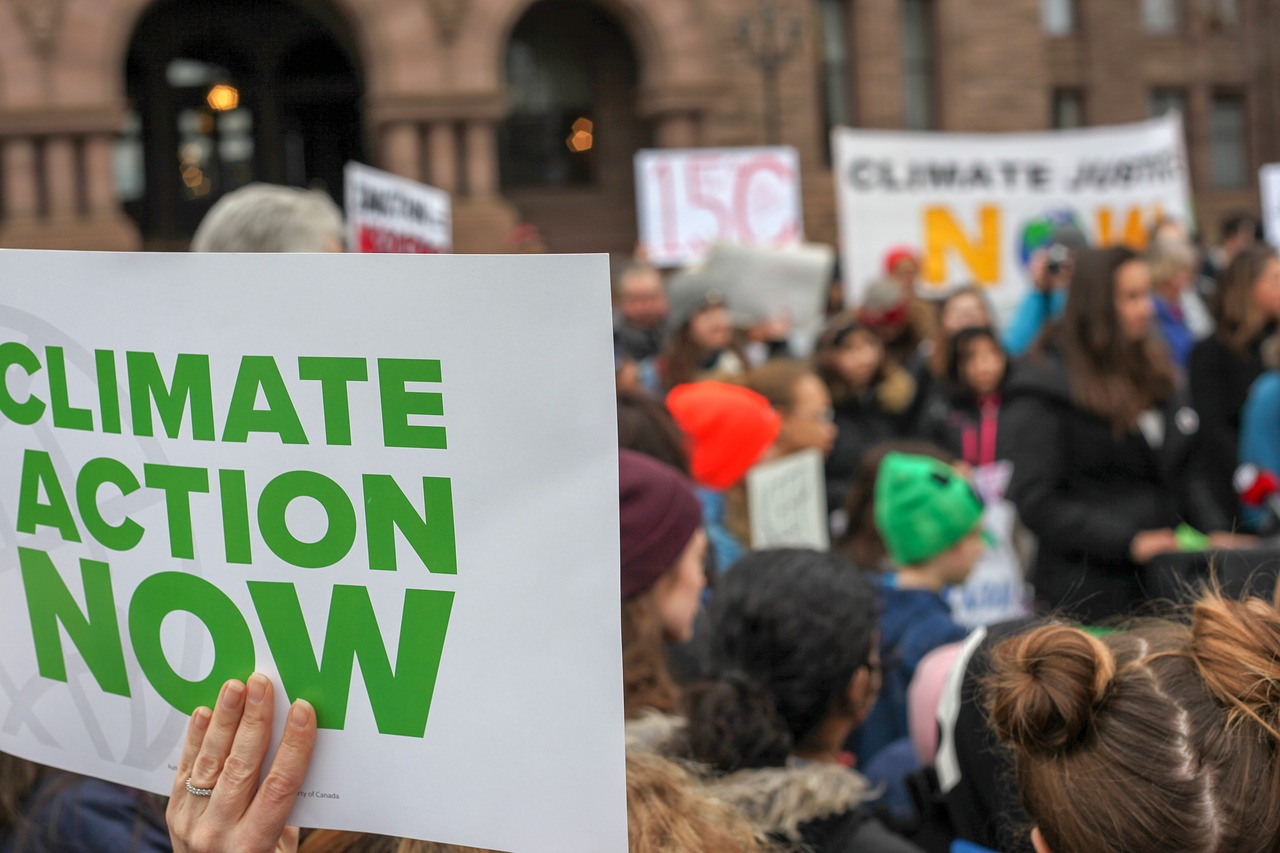
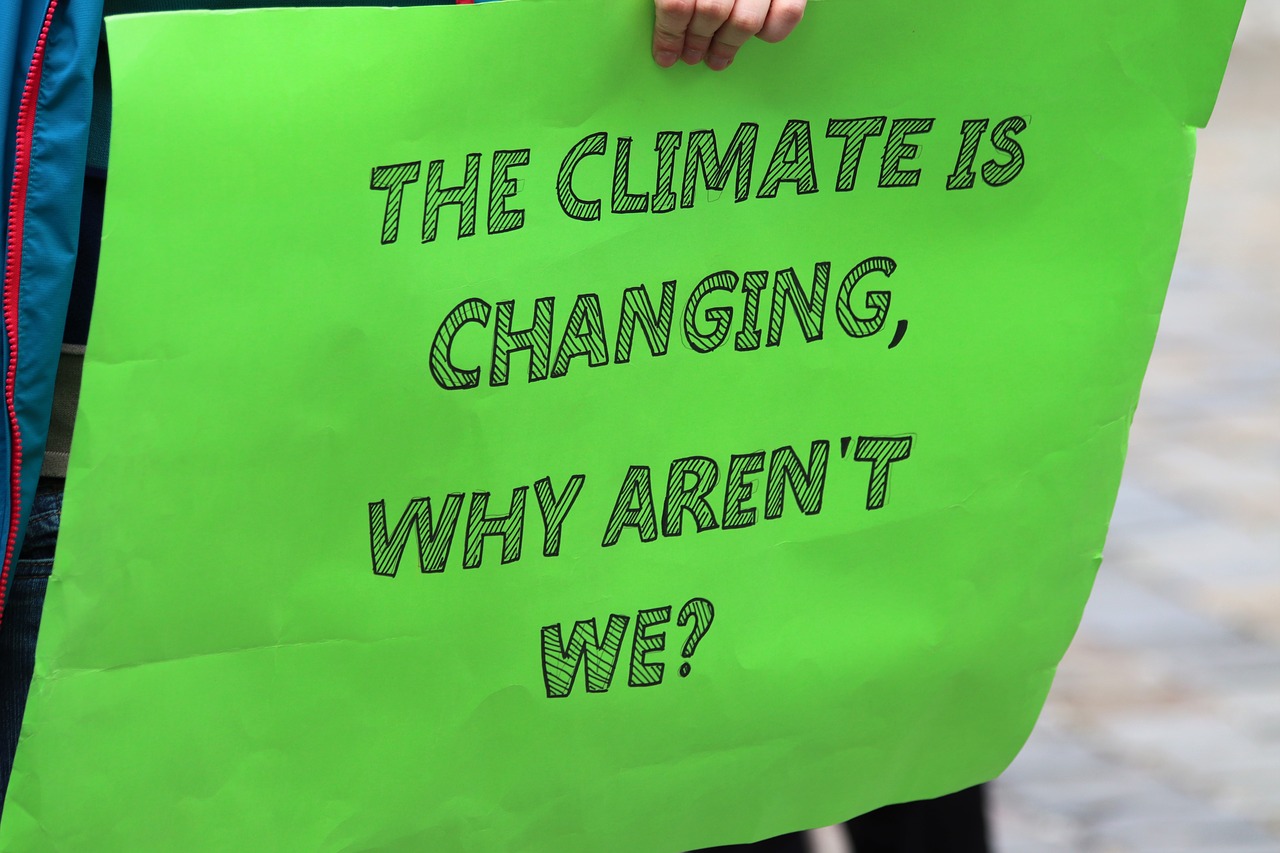
I was inspired to finish working on it by the youth-led climate march earlier this month.
As I have mentioned in previous posts, I had a somewhat unusual childhood.
My mom, siblings, and I spent our summers at my grandmother’s home in Queens, NY (where my mom had grown up) while my dad stayed home in Washington, DC.
A few days each week we’d walk to the end of the block, get on a bus to Flushing, and then ride the #7 train into Manhattan so that we could go on interviews for TV commercials, voice-overs, modeling jobs, plays, and movies.
As I look back, I realize that it was rare for us ever to drive anywhere using a car during these summer months. We just used buses or trains.
Maybe this is why I still like to use public transportation.
When we started out, my older sister was five and I was an infant. Eventually my younger brother and sister were born and joined the process.
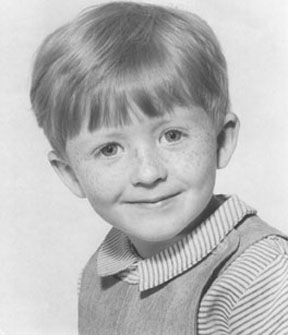
This is what I looked like as a small child.
My family became very familiar with the lobbies, elevators, and waiting rooms of many advertising agencies (depicted in the TV series Mad Men) such as Young & Rubicam, Doyle, Dane & Bernbach, and Grey Advertising.
The ratio of interviews to actual jobs was very steep — and in my early years we considered ourselves a success if each one of us managed to film one commercial per summer.
However, the summer before fifth grade I was cast as a standby in a musical which was trying out at the newly-built Kennedy Center.
My parents allowed me to do this partly because we could live at home during the out-of-town preview period (although I would miss the start of fifth grade that fall), partly because most Broadway musicals flop, and partly because it would be exciting to watch Bob Fosse and the rest of his creative team build a new show,
The musical — Pippin — proved to be a hit, and we ended up moving to my grandmother’s house in Queens year round.
This is when my and my siblings’ careers gained a lot of momentum — since we were now able to audition for work year-round.
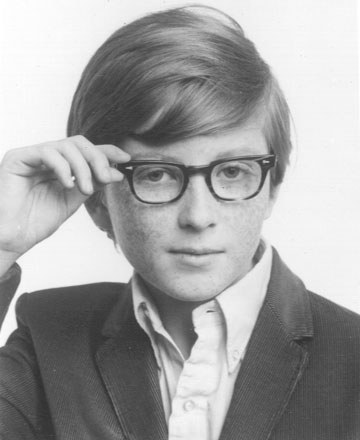
This is what I looked like as my career gained momentum…
During the next three years I ended up doing many commercials, a couple of made-for-TV movies, another play, and a lot of voice-over work.
Then I entered prep school, and my life as a child performer came to an end.
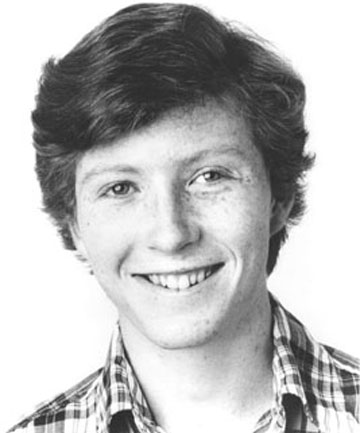
This is my last professional headshot.
With hindsight — and many years of psychotherapy — I have come to see how odd it was to learn to say “yes” to almost anything we were asked in an interview such as “Do you like to eat peanut butter on bananas?” or “Can you roller skate backwards?” or “Would you be comfortable singing and dancing on a tugboat in the harbor?”
People who said “no” (as one of my siblings did when asked if they liked to eat peanut butter on bananas…) didn’t get hired.
We were supposed to say “yes” and then — if we found out we had gotten a callback visit — we quickly learned how to do whatever we had claimed to be able to do during the initial interview.
Even more sobering is to realize that much of the time I was using my g-d given talents to encourage people to buy stuff that they didn’t need (more clothing, for example) or that was unhealthy to ingest (such as Ring Ding Juniors, Lifesavers, Oreos, and Dr. Pepper) as part of an economy built on our ongoing over-consumption of natural resources.
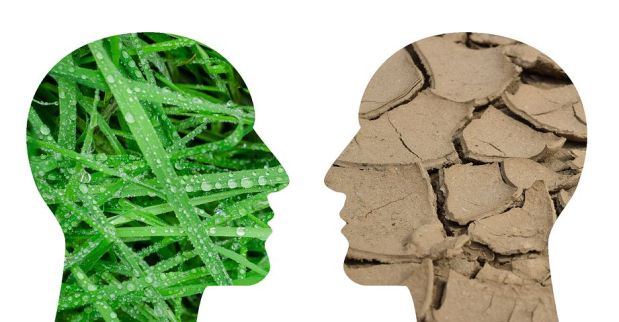
The climate march this week and Greta Thunberg’s speech in Washington, DC a few days before it — in which she explains how necessary it is for all of us human beings to pull the emergency brake NOW on our fossil-fuel-driven lives — gave me a few minutes of much-needed hope.
But I continue to feel deeply discouraged by the stuckness/denial/apathy/fear regarding fossil-fuel consumption and climate change that I see all around me — in the media, in the advertising industry, in my neighborhood, in my friends’ lives.
Almost everyone seems to be continuing to take lots of trips via airplanes and automobiles, continuing to eat lots of meat, continuing to use our air conditioners as much as we want, and continuing to behave as we have been behaving for the past many decades here in these not-so-united states.
And really, why should I expect anything different?
I know from psychotherapy how very difficult it can be to change one’s behavior.
We in the USA have grown up in an era of hopes and dreams and habits and assumptions which are based on using way more than our fair share of fossil fuels.
Of course we can travel anywhere — and as often — as we want.
Of course we can own as large a house as we want.
Of course everyone can own and drive a car, everyone can apply for jobs which require a car to commute, everyone can eat as much as we want in any season of the year — foods which may have traveled thousands of miles before ending up on our plates — and everyone can squander the amazing inheritance of fossil fuels from millions of years of photosynthesis by billions of plants that all of us here on planet earth have inherited.
Deep sigh.
And if you can’t afford to do these things, you can pay for them using one or more credit cards and become ever more deeply in debt.
As you may know from having read previous blog posts, I am blessed to have cobbled together a very modest living during the past six years (after having been laid off from my day job helping run a non-profit in Harvard Square) which depends largely on bicycling and public transportation.
And I live quite happily without a cell phone.
But my sweetheart of 27 years DOES commute to work using a car.
And I gratefully use his cell phone when we drive to see friends and family around New England and New York.
Another deep sigh.
What will it take for us to pull the emergency brake on our selfish, out of balance, unsustainable, fossil-fuel consuming, all-too-human habits?
I think of the anecdotes I have read about conventional farmers who have converted to more sustainable, organic farming practices — but it’s often (very sadly) because they or someone in their family has developed some sort of disease as a result of exposure to toxic pesticides, herbicides, fertilizers, etc.
I wish we human beings could choose to make deep changes in our life habits without having to experience health/climate crises in our personal lives.
But maybe that’s the path we are on…
What do you think?
How have you changed your daily habits in response to climate change?
Where do you find hope in these challenging times?
Thank you, as always, to the folks who share their photos and graphics at Pixabay which is a wonderful resource for imagery.
Last week jazz pianist Joe Reid and I shared our program of winter holiday songs written or co-written by Jewish lyricists and composers at a retirement community in Newton.
As I have probably noted in previous blog posts, a significant number of great winter holiday songs were written or co-written by Jewish lyricists and composers.
In 1942 Irving Berlin gave us “White Christmas.”
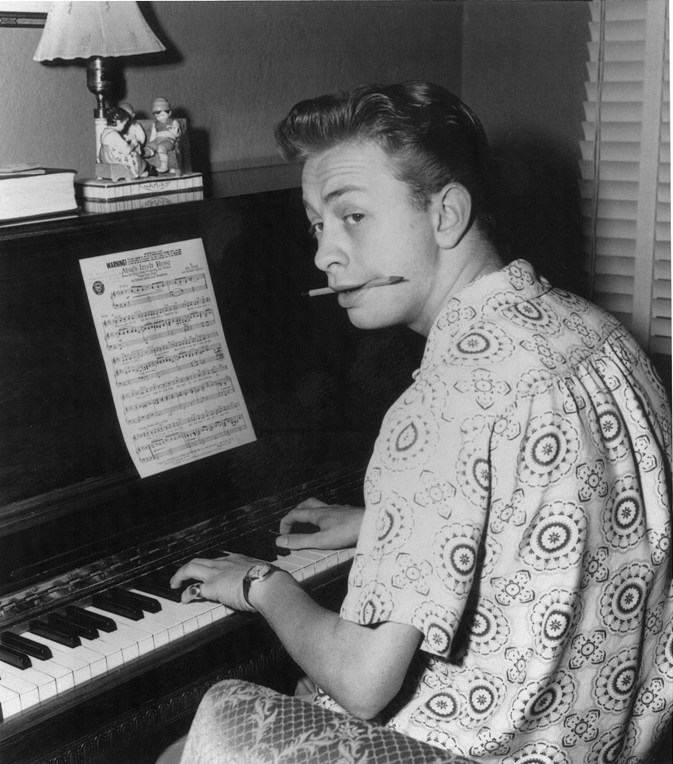
In 1945 Mel Tormé and Bob Wells gave us “The Christmas Song.”
In 1949 Johnny Marks gave us “Rudolph the Red-Nosed Reindeer.”
In 1950 Jay Livingston and Ray Evans gave us “Silver Bells.”
In 1959 Sammy Cahn and Jimmy Van Heusen gave us “The Secret of Christmas.”
In 1966 Jerry Herman gave us “We Need A Little Christmas.”
In 1995 Jason Robert Brown gave us “Christmas Lullaby,”
And the list goes on and on!
In this political moment here on planet earth — when many are working to arouse a righteous sense of “us” versus ‘them” in their followers — I am grateful to be reminded of the folks who bridge cultures/identities and bring people together.
Mel Tormé’s parents were Jewish immigrants who fled Russia for a new life in the United States. Although he is most famous as a jazz vocalist, he also co-wrote 250+ songs, many of them with Bob Wells (born Robert Levinson), who was also Jewish.
According to Tormé, the song was written during a blistering hot summer day in an effort to “stay cool by thinking cool.”
As Mel recalled, he “saw a spiral pad on Bob’s piano with four lines written in pencil: Chestnuts roasting… Jack Frost nipping… Yuletide carols… Folks dressed up like Eskimos. Bob didn’t think he was writing a song lyric. He said he thought if he could immerse himself in winter, he could cool off. Forty minutes later that song was written. I wrote all the music and some of the lyrics.”
The forty minutes that they devoted to creating that song certainly paid off extraordinarily well for Mr. Wells and Mr. Tormé!
Many songwriters aspire to create a holiday standard, which will then be recorded and performed year after year — generating an ongoing stream of revenue.
When I was first putting together a program of winter holiday songs written or co-written by Jewish composers and lyricists, I worked with the wonderful pianist Megan Henderson — who is now the musical director for the Revels organization, which creates the beloved Christmas Revels held at Sanders Theatre each December.
As we were musing about the different reasons that these winter holiday songs came to be written, we came up with the term, “Christmas ka-ching!” to describe the economic motivation that no doubt was driving some of the songwriters.
Several winter holiday songs were created to be performed in films.
One of my favorite holiday standards, “Silver Bells,” was written by Jay Livingston and Ray Evans for a 1950 movie, The Lemon Drop Kid, where it was sung by Marilyn Maxwell and Bob Hope.
I always associate it with my mother’s mother, a hard-working private nurse who lived in the borough of Queens for most of her life and no doubt did a lot of her holiday shopping on “city sidewalks, busy sidewalks — decked in holiday style.”
Jay Livingston, who wrote the music for “Silver Bells,” and Ray Evans, who wrote the lyrics for “Silver Bells,” were a famous Jewish songwriting team with many hits to their credit including “Mona Lisa” and “Que Sera Sera.”
Jay was born Jacob Harold Levison in 1915 in a small industrial suburb of Pittsburgh, PA, and Ray was born Raymond Bernard Evans — also in 1915 — in Salamanca, not far from Buffalo, N.Y.
They met at the University of Pennsylvania when they both joined the university dance band, and their songwriting partnership endured until Livingston’s death in 2001.
I love the verse — not always sung — they wrote for “Silver Bells.”
“Christmas make you feel emotional. It may bring parties or thoughts devotional. Whatever happens or what may be, here is what Christmastime means to me…”
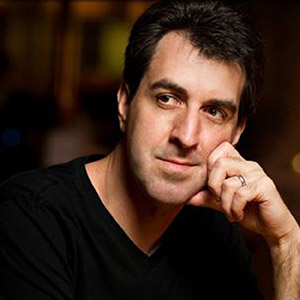
A contemporary Jewish songwriter, Jason Robert Brown, wrote another one of my favorite winter holiday songs — “Christmas Lullaby” — for his first musical revue called Songs for a New World.
Mr. Brown is an extremely gifted human being who sometimes works as music director, conductor, orchestrator, and pianist for his own productions — and has won Tony Awards for his work on the Broadway musicals Parade and The Bridges of Madison County.
“Christmas Lullaby” honors one of the deepest miracles of all — how a woman (with a little genetic input from a man — or, in the case of Jesus’ mother Mary, with the help of the Holy Spirit) can grow an entirely new human being inside her body.
I think about this miracle in my Music Together classes, because I have been teaching long enough for many mothers — who originally attended with their first child — to become pregnant and return for more music with their second (and even third) child.
Neil Postman wrote at the beginning of his book, The Disappearance of Childhood, that “Children are the living messages we send to a time we will not see.”
Although this sentence also appears in a book published the following year by John Whitehead called, The Stealing of America, it appears to have been coined by Postman.
And regardless of who gets credit for it, I LOVE this idea.
One of my sisters-in-law — who has parented two children and worked with hundreds of others in the public schools of Western, MA — incorporated this quotation into a work of art which I see hanging on her wall every time I visit.
Sometimes I remember during my Music Together classes that part of my modest legacy here on planet earth may be the spontaneous and affirmative musical fun I shared with these extraordinary little souls — who will grow up to face unimaginable challenges stemming in part from the ignorant (and at times utterly greedy) choices that we grownups have made during the past 100+ years.
Perhaps some seeds of improvisation and collaboration and harmony and community and inter-connectedness and playfulness and creativity and love and respect will have been sown during our musical time together — which will blossom to help solve/resolve future challenges in a time that I will not see.
And perhaps these wonderful holiday songs will also travel into the future, continuing to touch and guide people’s hearts and minds for generations to come…
Let’s keep singing and humming and whistling and playing them!
Thank you to all of the songwriters who have created such a great legacy of music for us to share.
Thank you to Joe Reid for performing 47 shows with me in 2017 at retirement communities, public libraries, community centers, memory cafes, and synagogues around New England.
If you are curious to see what’s on our calendar for 2018 you can click here.
Thank you to Doug Hammer for recording — while playing the roles of both pianist AND engineer — the songs in this blog post with me.
Thank you to Nate Bloom, a writer who has made it a personal quest to track down and figure out which winter holiday songs have been written or co-written by Jewish lyricists and songwriters.
And THANK YOU for reading and listening to another blog post!
I am writing this blog post, appropriately enough, in the middle of the night.
I just woke up from a nightmare in which I was attempting to rush a group of children away from a place full of dangerous people who wanted to hurt all of us.
The children — blessedly and also appropriately — did not understand why these people were dangerous, and I did not want to explain.
I just wanted them to keep moving as quickly as possible away from the old warehouse where I knew the dangerous people were hanging out.
Deep breath in.
Deep breath out.
I woke up with a burst of adrenaline coursing through my bloodstream and a mixed feeling of panic and relief.
Panic that maybe I hadn’t been able to rescue the children in my dream.
And relief that it was “only” a dream.
Deep breath in.
Deep breath out.
Except — obvious to anyone who reads the news or watches TV or listens to the radio — my blessed nightmare is the horrific reality for hundreds of thousands of human beings on planet earth.
And here in the USA we mostly don’t think about them.
And that’s just the human-to-human devastation…
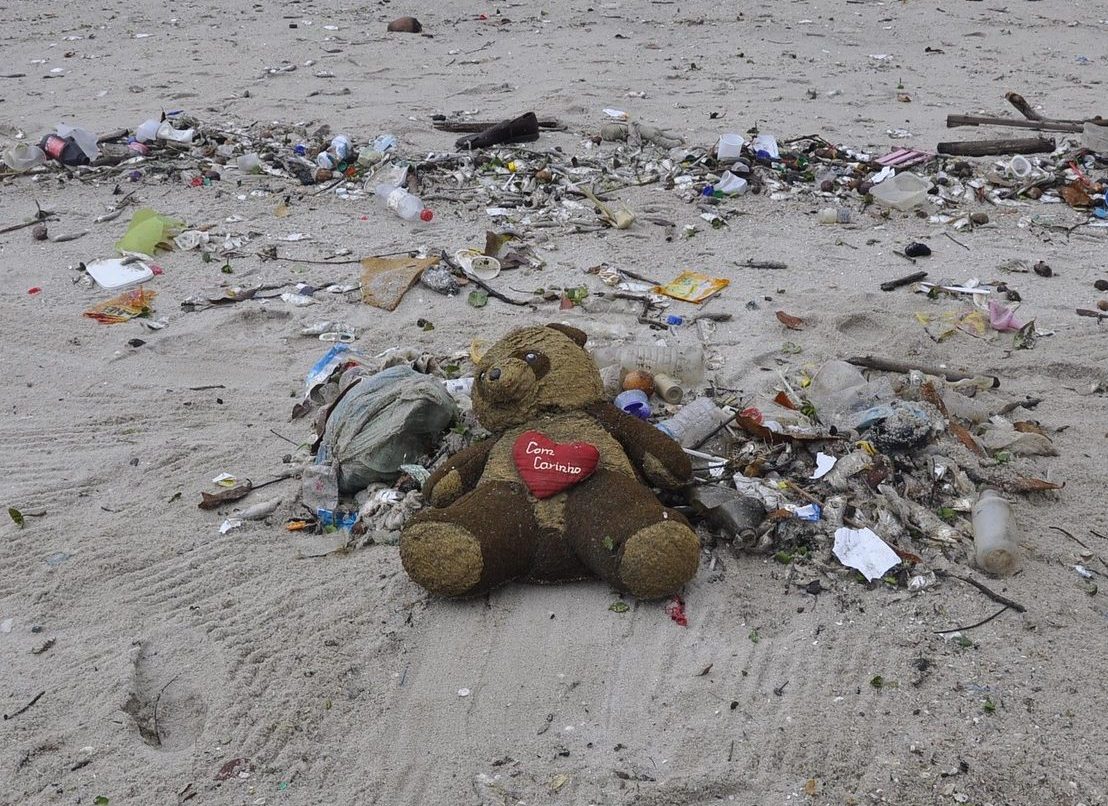
There is also an extraordinary wave of extinction of other forms of life on planet earth unfolding right now… and most humans don’t want to think about that either.
We are ignorant — choosing to ignore the complicated and heart-breaking repercussions of our actions because it is too painful.
And because the challenges of how we might change some of these patterns seem too vast.
And because our media tends to give us a very limited glimpse of what is happening here on planet earth.
And because our media — which at its most basic level exists to entice human beings to BUY THINGS — has very little incentive to do anything other than reinforce the allure of fame and wealth and celebrity and insane over-consumption.
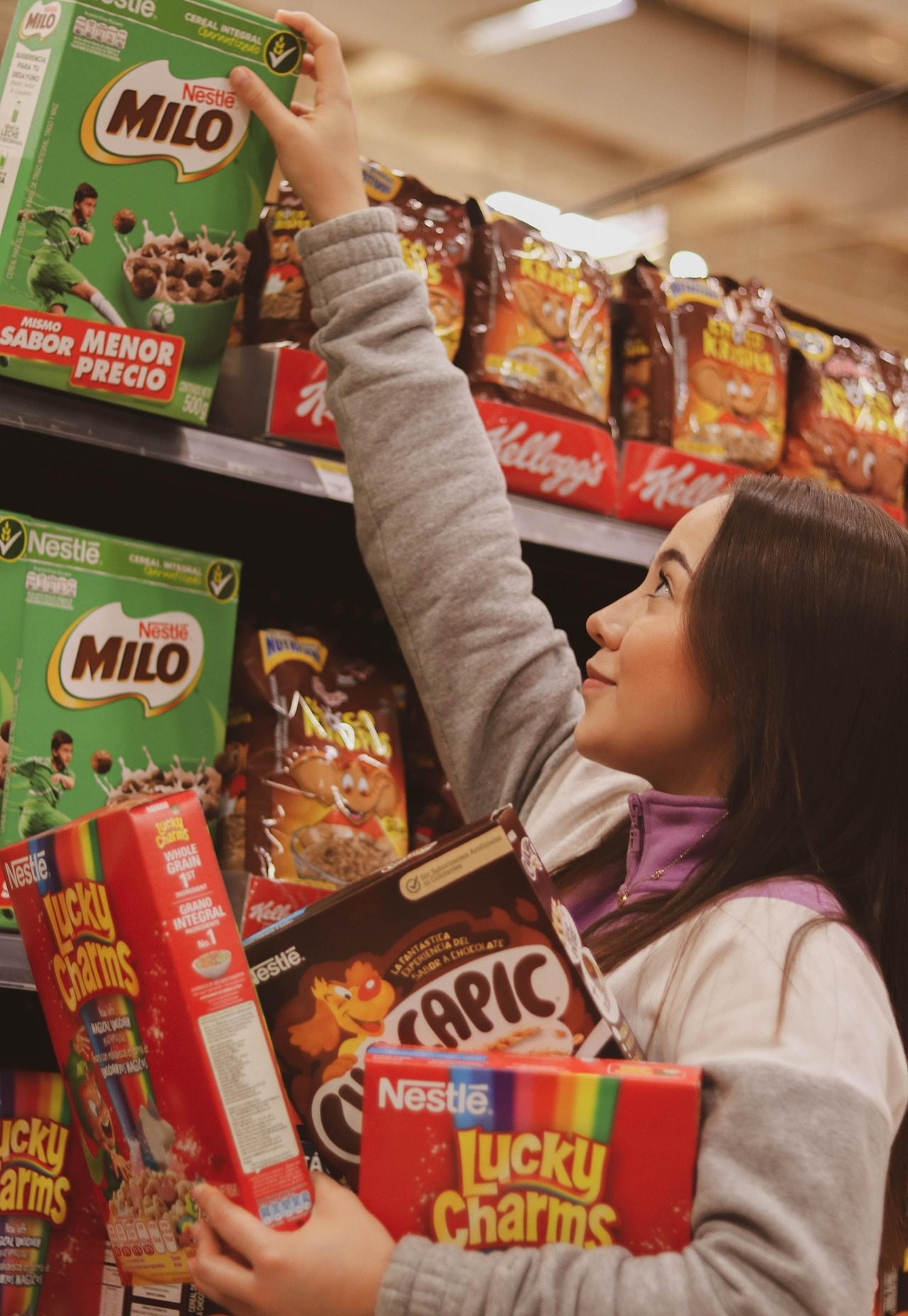
Over-consumption of cars and alcohol and clothing and accessories and medication and food products and music and fossil fuels and hair dye and eyeliner and TV shows and lipstick and sunblock and pesticides and movies and plastic bags and electronic devices and travel and “entertainment” and a myriad other things that most of us do not need.
Deep breath in.
Deep breath out.
“When I’m worried and I can’t sleep, I count my blessings instead of sheep,” the songwriter Irving Berlin once wrote and set to music.
According to Wikipedia (and a book edited by local musical expert Ben Sears called The Irving Berlin Reader) it was based on Berlin’s real life struggle with insomnia.
He wrote in a letter to Joseph Schenck:
“I’m enclosing a lyric of a song I finished here and which I am going to publish immediately… You have always said that I commercial my emotions and many times you were wrong, but this particular song is based on what really happened… The story is in its verse, which I don’t think I’ll publish. As I say in the lyrics, sometime ago, after the worst kind of a sleepless night, my doctor came to see me and after a lot of self-pity, belly-aching and complaining about my insomnia, he looked at me and said ‘speaking of doing something about insomnia, did you ever try counting your blessings?’”
Mr. Berlin certainly had experienced many things that might have hung heavily on his heart.
He emigrated to the US when he was a small child to escape the anti-semitic pogroms unfolding in Czarist Russia.
His father died when he was young, which catalyzed Irving (or Izzy as he was called by his family) into leaving school and earning money as a paper boy on the streets of lower Manhattan.
His own son died when he was less than a month old on Christmas Day.
Mr. Berlin served in both the first and second World Wars, producing (and performing in) theatrical revues to raise money, lift the spirits of a country at war, and comfort soldiers fighting all around the planet.
As a Jewish man, he must have been deeply affected by the unimaginable reality of the Holocaust… and atomic weapons… and so many other astoundingly destructive human creations of the 20th century.
Mr. Berlin used the song in the 1954 film White Christmas.
Bing Crosby’s character sings it to Rosemary Clooney’s character to comfort and (it being a Hollywood movie — perhaps to begin a romantic relationship with) her.
I join with millions of people who have sung this song in the past 62 years to restore a sense of peace and gratitude in their lives when they are tossing and turning in the middle of the night.
And as 2016 slouches towards 2017, I also count my blessings:
Clean water at the twist of a faucet…
A functioning furnace…
Fossil fuels to power the furnace and stove and water heater…
My sweetheart of almost 25 years…
One remaining parent + a wonderful step parent…
Siblings who love and communicate with each other…
Friends…
Employment that involves relatively modest consumption/destruction of natural resources (CDs of music to the families in Music Together classes, electricity to play them, fossil fuels to heat and sometimes cool the karate studio where we lead classes, gasoline to power the hybrid car in which jazz pianist Joe Reid and I drive to gigs, electricity to run the PA systems where we perform)…
Music…
The magic of digital recording…
My trusty iPods for learning songs…
My ukuleles and laptop computers for creating new songs…
My rhyming dictionaries for inspiration…
The amazing interlibrary book/CD/DVD loan system for more inspiration…
How our bodies can heal themselves…
White privilege…
Male privilege….
US citizen privilege….
Human privilege…
Curiosity….
Once one starts, the list of blessings goes on and on and on.
Thank you yet again to Pixabay photographers for the lovely images in this blog post.
Thank you to Irving Berlin for his musical and poetical genius.
Thank you to Doug Hammer for his reliable studio plus his exquisite rapport while playing the piano (and simultaneously engineering our sessions).
And thank you, brave and hardy soul, for reading — and listening to — this blog post.


























 But I HAVE continued to write new songs as well as create demos of my songs using Apple’s wonderful GarageBand program.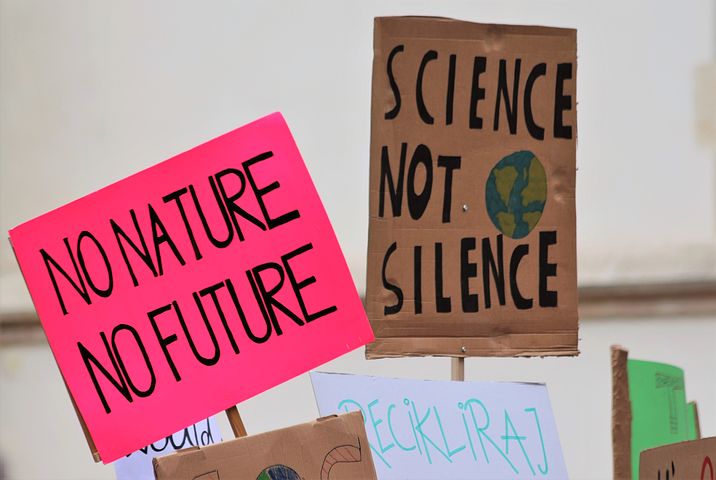










 amusicalifeonplanetearth