

Valentine’s Day is on the horizon.
I have chosen to honor it with a sweet song by Frank Loesser which was nominated for an Academy Award in 1952.
Mr. Loesser wrote it for Danny Kaye to perform in a movie about the Danish writer Hans Christian Anderson.
According to Mr. Loesser’s daughter, he did not think highly of this song, and sometimes even used it as an example of songwriting to avoid.
But I love it.
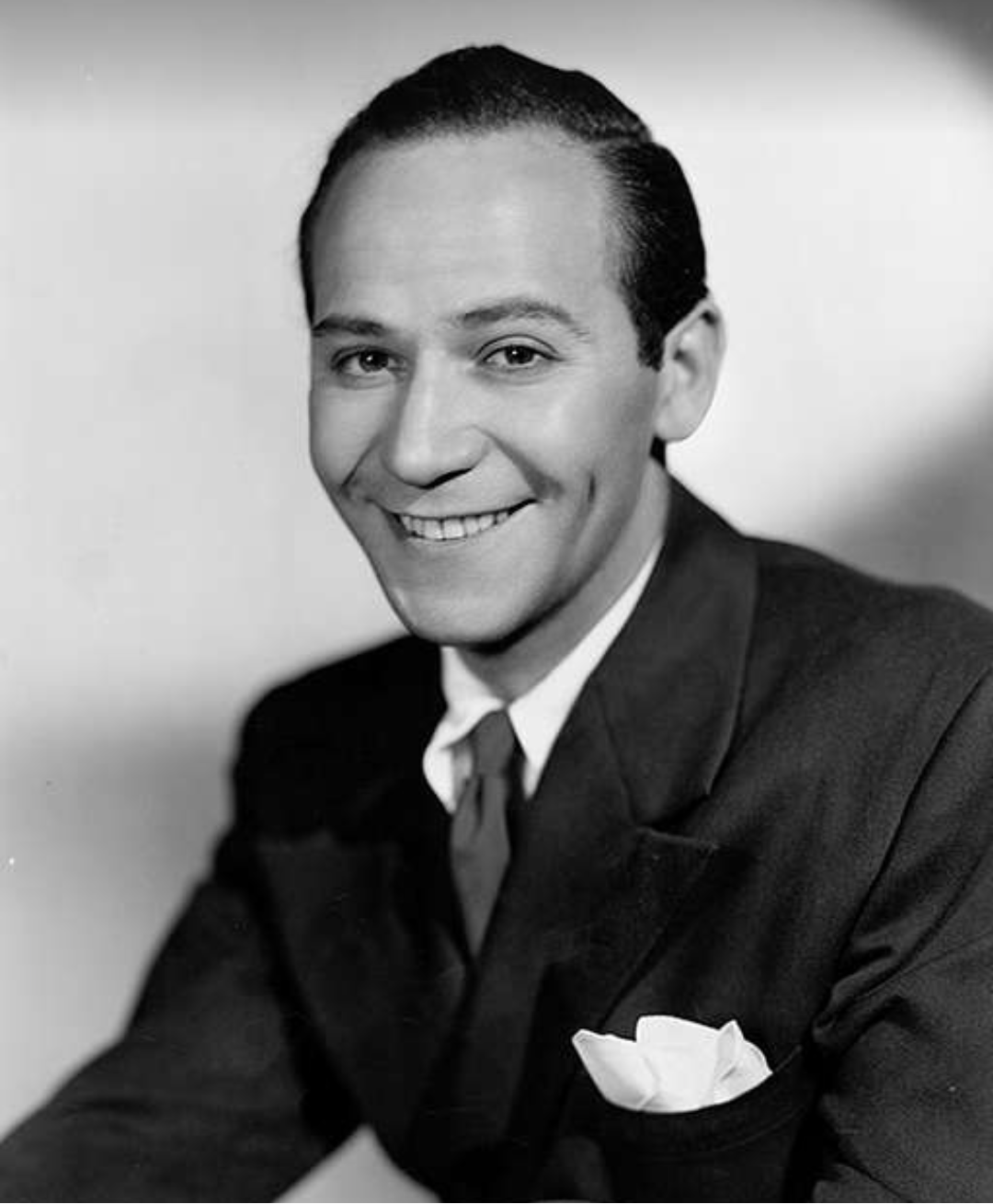
Mr. Loesser began his songwriting career as a lyricist and co-wrote a bunch of great songs in the 1930s and 1940s including “Heart and Soul” and “Two Sleepy People” (both with Hoagy Carmichael), “I Don’t Want To Walk Without You” (with Jule Styne) and “See What The Boys In The Back Room Will Have” (with Friedrich Hollaender).
The first hit song for which he wrote both words and music was “Praise The Lord And Pass The Ammunition” during WWII.
Loesser ended up writing words and music for the songs in WHERE’S CHARLEY, GUYS AND DOLLS, THE MOST HAPPY FELLA, and HOW TO SUCCEED IN BUSINESS WITHOUT REALLY TRYING (along with a few less successful undertakings).
Some hits from those shows include “Once In Love With Amy,” “Luck Be A Lady,” “I Love You A Bushel and A Peck,” “If I Were A Bell,” “I’ve Never Been In Love Before,” “Somebody, Somewhere,” “Standing On The Corner,” “Joey, Joey, Joey,” “I Believe In You,” and “Brotherhood of Man.”
Mr. Loesser also continued writing songs which were used in movies such as “Baby, It’s Cold Outside,” “Let’s Get Lost,” “Inchworm,” and “Spring Will Be A Little Late This Year.”
And he wrote a few songs which became pop hits without any connection to Broadway or Hollywood, including “What Are You Doing New Year’s Eve?” and “I’d Like To Get You On A Slow Boat To China.”
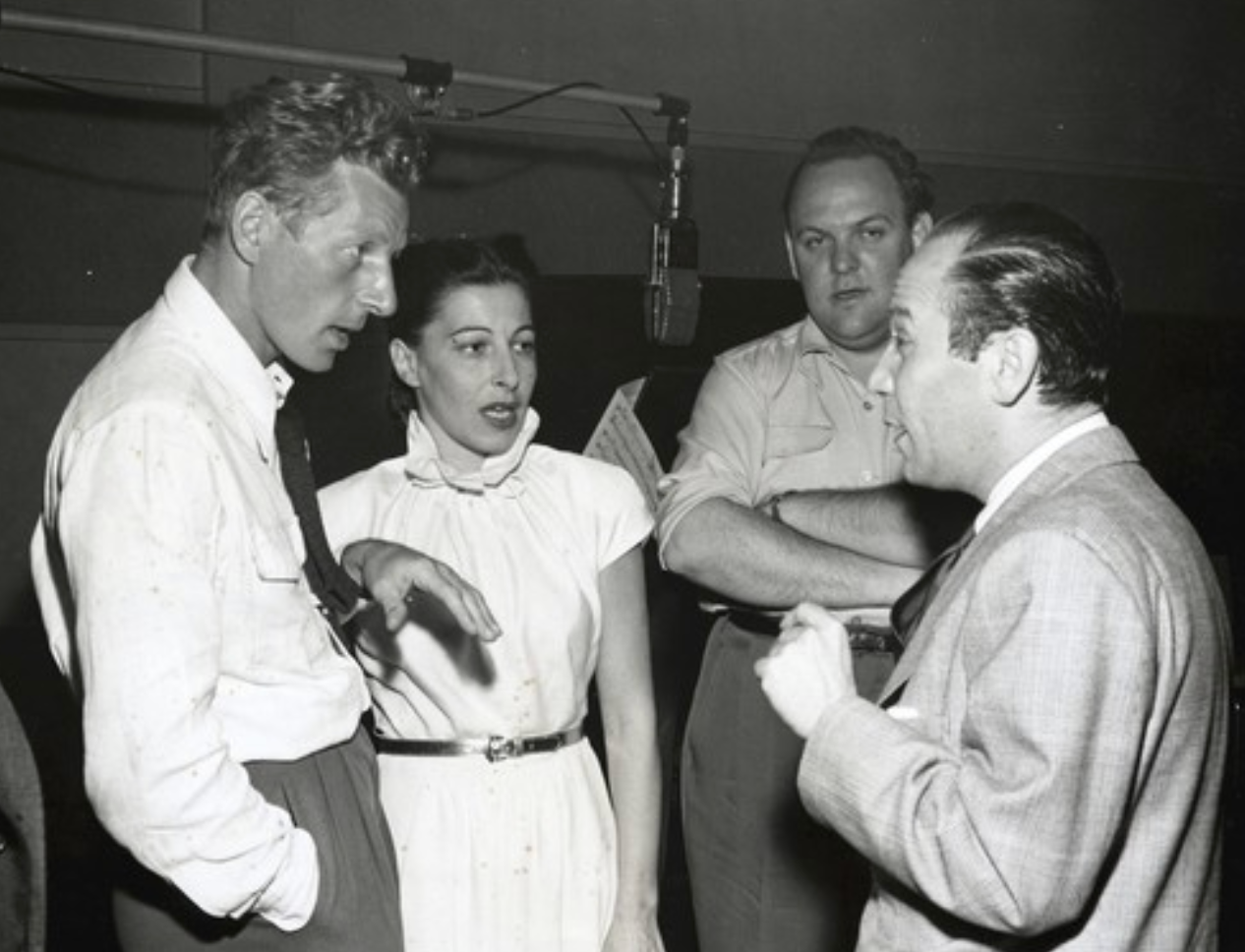
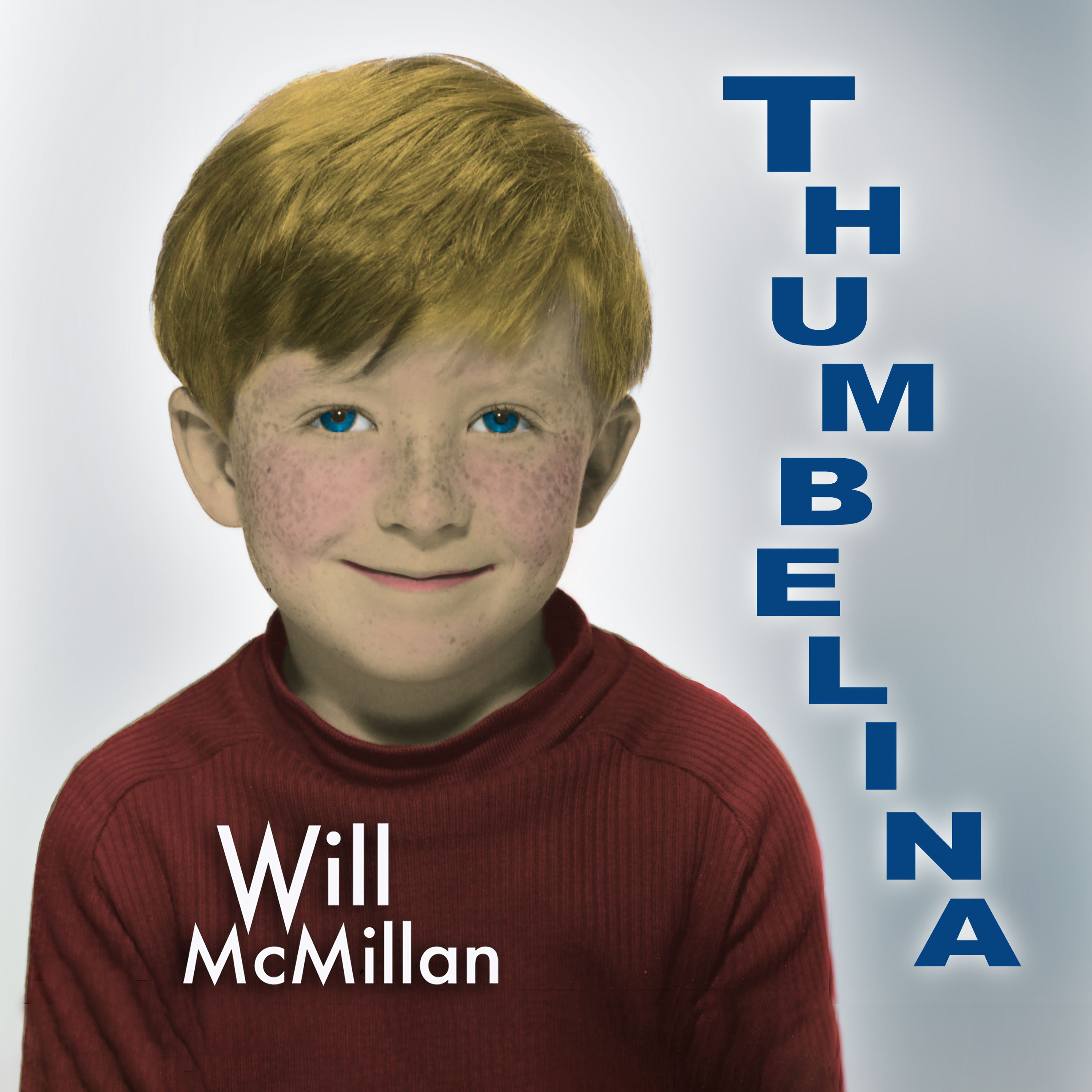
I have long loved his song “Thumbelina” — and am very happy with this peppy version which Doug Hammer and I recorded quite spontaneously a few years ago when I was putting together an hour-long program of songs written or co-written by Frank Loesser.
I had been thinking I might use it in a Valentine’s-Day-inspired blog post, and then fellow blogger Jennie F. left the following comment regarding my blog post last month:
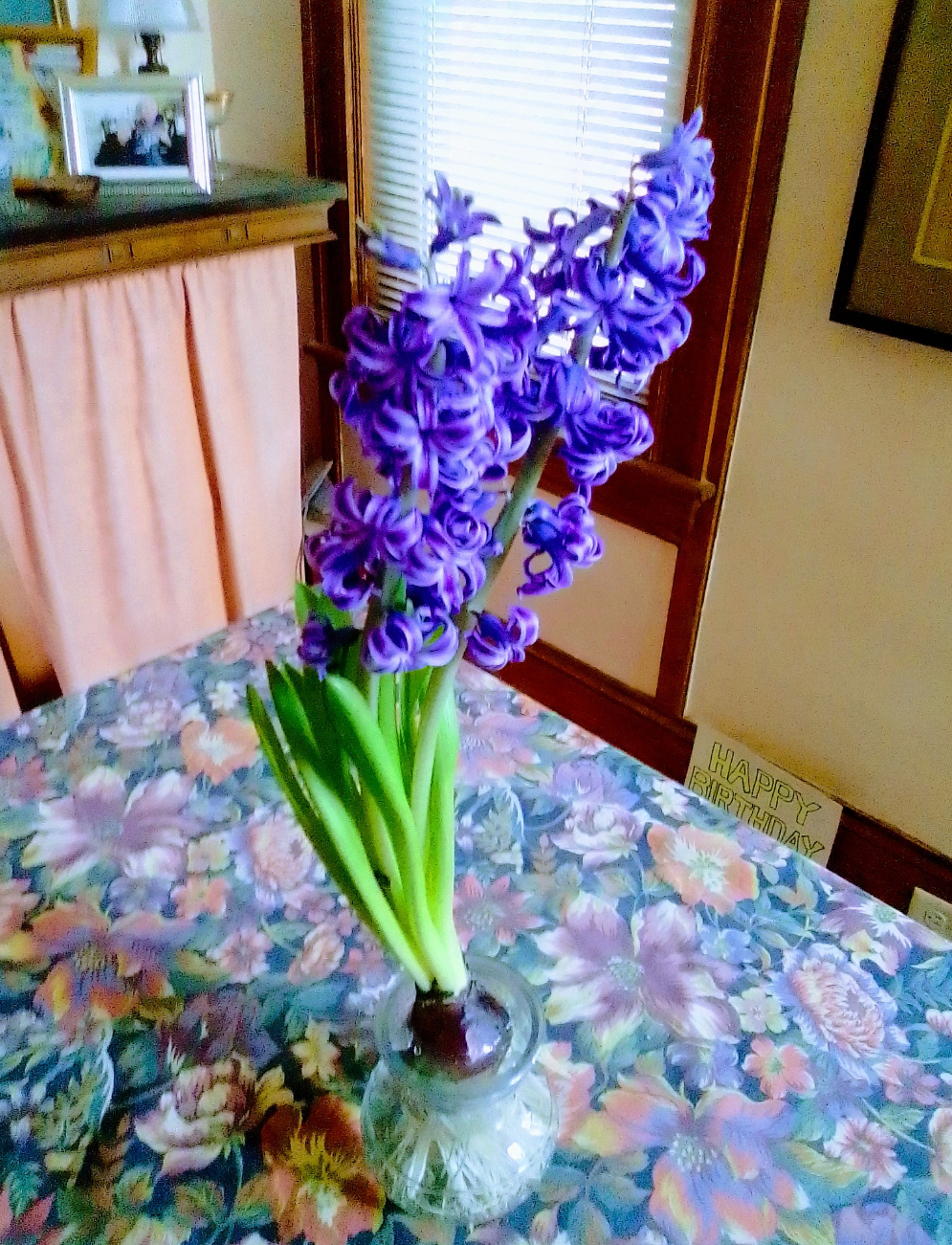
“Nature is as wondrous as music. Your (hyacinth) bulb flower(ing) says it all… Stay warm, and remember the words of Hans Christian Andersen, “Where words fail, music speaks.”
That coincidence/synchronicity sealed the deal.
Deep breath in.
Deep breath out.
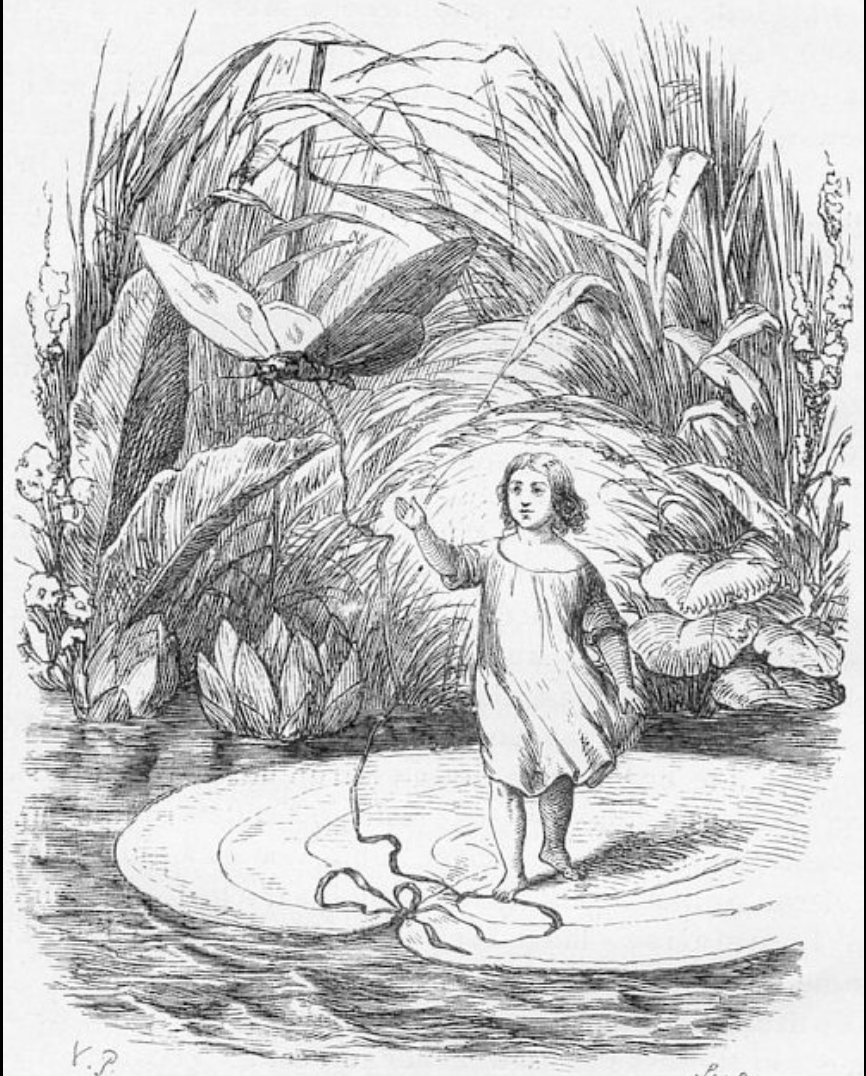
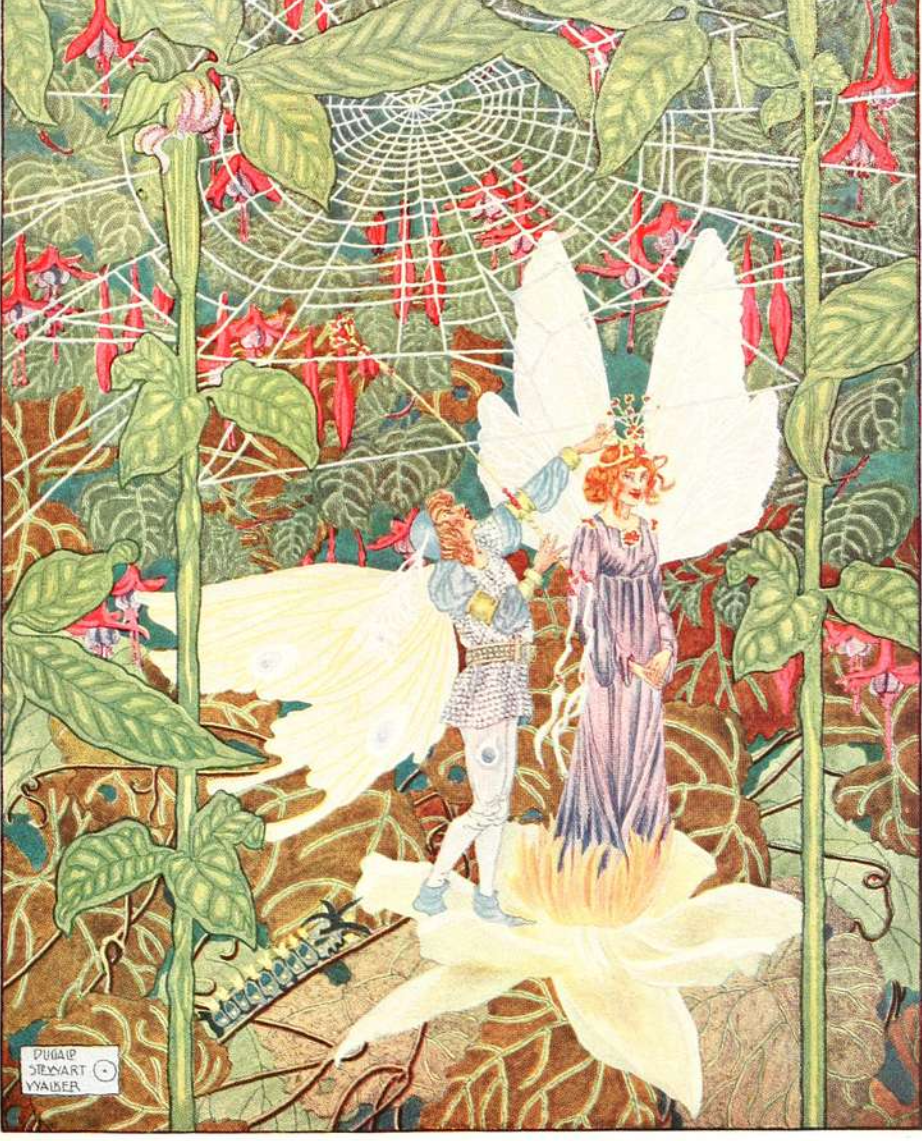
I had forgotten the exact plot synopsis of THUMBELINA (which I first read as a child), but Wikipedia refreshed my memory:
“Thumbelina is about a tiny girl and her adventures with marriage-minded toads, moles, and cockchafers. She successfully avoids their intentions before falling in love with a flower-fairy prince just her size.”
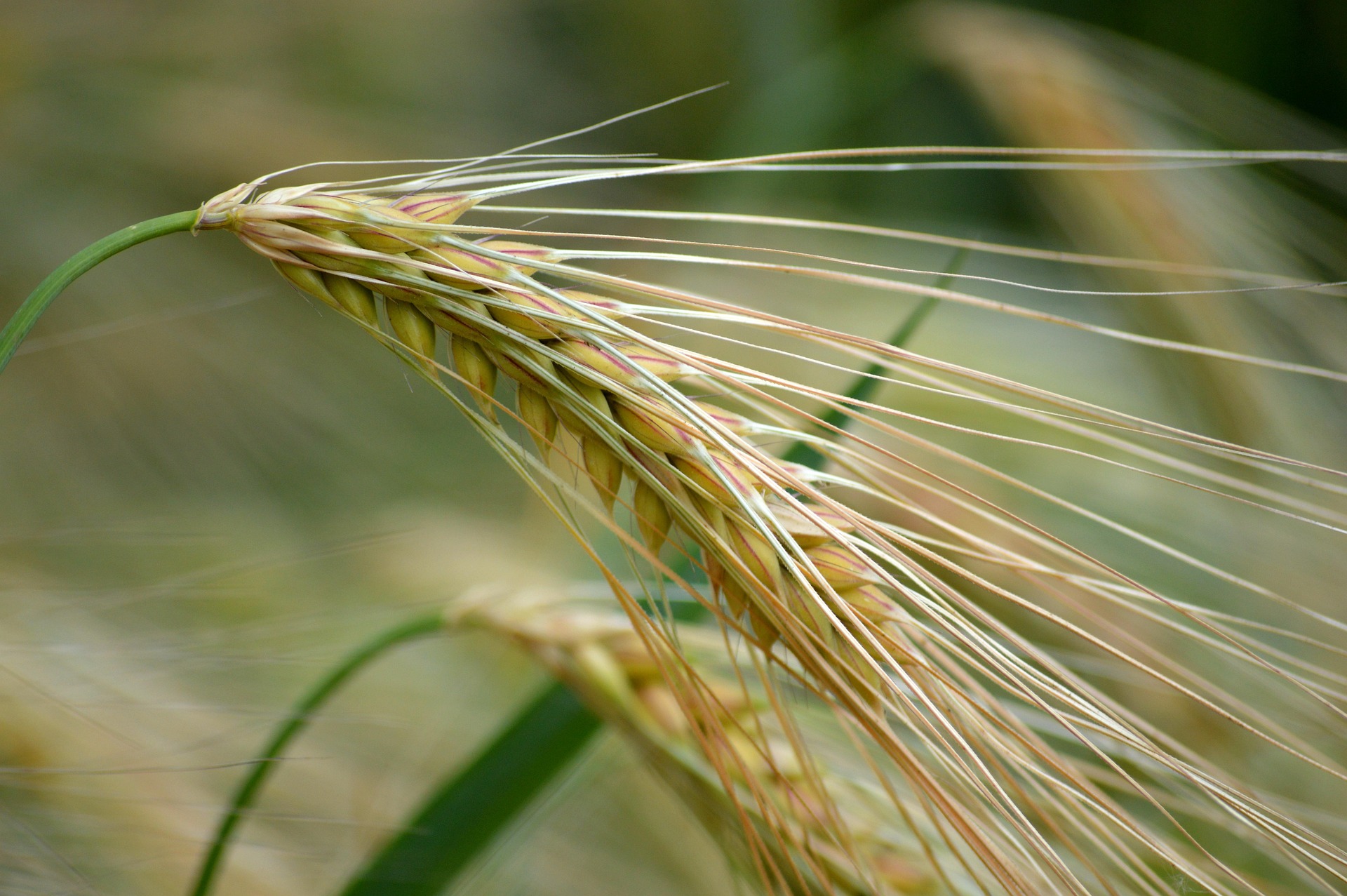
I had also forgotten that Thumbelina comes into being as a result of the actions of a woman who — longing for a child — plants a barleycorn seed.
Thumbelina then emerges from a barleycorn flower… and the adventure of her life begins.
As a Music Together teacher, I particularly resonate with Mr. Loesser’s lyrical admonition that Thumbelina dance and sing — since that is exactly what I do three mornings per week with a delightful crew of small children + the grown ups (parents, grandparents, and nannies) who love them.
By the time I bike (or take the bus) to class, vacuum the karate studio (the floor of which accumulates a surprising.amount of hair, clipped toenails, cookie fragments, dust etc. plus sand and salt during the winter months), hide the punching bags and karate trophies behind a wall of rolling screens, set up a boombox and instruments, change into my teaching — rather than biking/cleaning/snow shoveling — clothes, welcome families, lead a 45-50 minute class, chat with families after class, and then put away all the stuff I set up an hour earlier, I do not earn very much money per hour.
But the sweetness, playfulness, joy, humor, love and sense of connectedness I experience with my families each week is always a balm for my soul.
And there’s no way to put a price on that!
Leading Music Together classes helps me get out of bed in the morning AND reassures me that the human world is not an irredeemably f–ked up mess about which I can do nothing to help.
And sometimes one of the small humans in my class is inspired to give me a hug at the end of class.
When this happens, I feel like I am being visited be an angelic being who is offering me unadulterated love, comfort and gratitude.
It is such an honor to receive one of their hugs.
And sometimes I am offered a hug by one of the grownups in class, too — which I also appreciate and savor.
Another deep breath in.
And deep breath out.
These little children are a big reason why I ride my old and raggedy-looking bike rather than drive a car, why I rarely buy new clothes, and why I never travel (especially via airplanes) simply for the sake of going someplace new or warm or trendy.
I live a downwardly mobile life so that the children in my classes might be able to live an ever-so-slightly less chaotic and terrifying life due to the myriad ways that climate change is affecting all of us here on planet earth.
Yet another deep breath in.
And deep breath out.
I end this blog post with some of my favorite quotations by the Dalai Lama.
“Our prime purpose in life is to help others. And if you can’t help them, at least don’t hurt them.”
“In our present circumstances, no on can afford to assume that someone else will solve their problems. Every individual has a responsibility to help guide our global family in the right direction. Good wishes are not sufficient; we must become actively engaged.”
“When you are discontent, you always want more, more, more. Your desire can never be satisfied. But when you practice contentment, you can say to yourself, “Oh, yes — I already have everything that I really need.”
“We can live without religion and meditation, but we cannot survive without affection.”
“The problems we face today — violent conflicts, destruction of nature, poverty, hunger and so on — are human-created problems which can be resolved through human effort, understanding and the development of a sense of sisterhood and brotherhood. We need to cultivate a universal responsibility for one another and for the planet we share.”
“As people alive today, we must consider future generations. A clean environment is a human right like any other. It is therefore part of our responsibility towards others to ensure that the world we pass on is as healthy, if not healthier, than we found it.”
“This generation has a responsibility to re-shape the world. Start the task even if it will not be fulfilled in your lifetime. Even if it seems hopeless now, never give up. Offer a positive vision, with enthusiasm and joy, and an optimistic outlook.”
“Happiness is not something ready made. It comes from your own actions.”
“Be kind whenever possible. It is always possible.”
THANK YOU for making it to the end of another one of my blog posts.
Thank you to Doug Hammer for his spritely piano accompaniment and his expert musical production skills.
Thank you to Stephen C. Fischer for his graphic design (and to the professional photographer in NYC who took this photo of me many decades ago…)
Thank you to Hans Christian Anderson for creating the story of Thumbelina and to Frank Loesser for creating his song “Thumbelina.”
Thank you to the wonderful photographers at Pixabay.
Thank you to the Dalai Lama for his wisdom and inspiration.
And thank you to everyone who has streamed my music on Youtube, Pandora, Spotify, Apple Music, Tidal, Deezer, etc.
Every stream — and especially every thumbs up and/or inclusion in a playlist — helps to improve the likelihood that the clever algorithms of these streaming services will share my music with new listeners.
And you can click here to stream “Thumbelina” if the spirit moves you.
And as always, I welcome any comments below!

