When Your Heart Is Full Of Love…

Image by Jill Wellington from Pixabay

Valentine’s Day is on the horizon.

I have chosen to honor it with a sweet song by Frank Loesser which was nominated for an Academy Award in 1952.

Mr. Loesser wrote it for Danny Kaye to perform in a movie about the Danish writer Hans Christian Anderson.

According to Mr. Loesser’s daughter, he did not think highly of this song, and sometimes even used it as an example of songwriting to avoid.

But I love it.
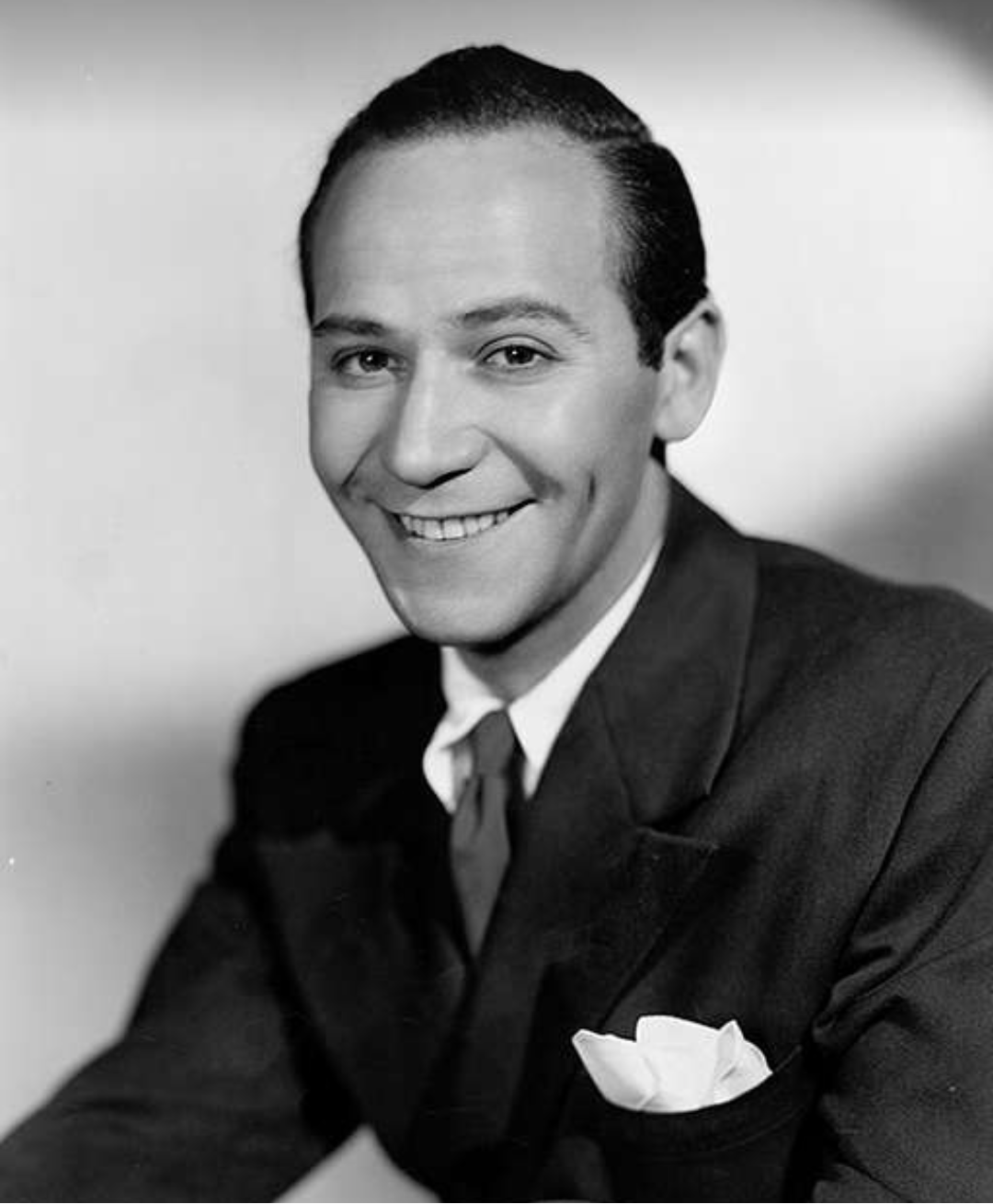
Frank Loesser

Mr. Loesser began his songwriting career as a lyricist and co-wrote a bunch of great songs in the 1930s and 1940s including “Heart and Soul” and “Two Sleepy People” (both with Hoagy Carmichael), “I Don’t Want To Walk Without You” (with Jule Styne) and “See What The Boys In The Back Room Will Have” (with Friedrich Hollaender).

The first hit song for which he wrote both words and music was “Praise The Lord And Pass The Ammunition” during WWII.

Loesser ended up writing words and music for the songs in WHERE’S CHARLEY, GUYS AND DOLLS, THE MOST HAPPY FELLA, and HOW TO SUCCEED IN BUSINESS WITHOUT REALLY TRYING (along with a few less successful undertakings).

Some hits from those shows include “Once In Love With Amy,” “Luck Be A Lady,” “I Love You A Bushel and A Peck,” “If I Were A Bell,” “I’ve Never Been In Love Before,” “Somebody, Somewhere,” “Standing On The Corner,” “Joey, Joey, Joey,” “I Believe In You,” and “Brotherhood of Man.”

Mr. Loesser also continued writing songs which were used in movies such as “Baby, It’s Cold Outside,” “Let’s Get Lost,” “Inchworm,” and “Spring Will Be A Little Late This Year.”

And he wrote a few songs which became pop hits without any connection to Broadway or Hollywood, including “What Are You Doing New Year’s Eve?” and “I’d Like To Get You On A Slow Boat To China.”
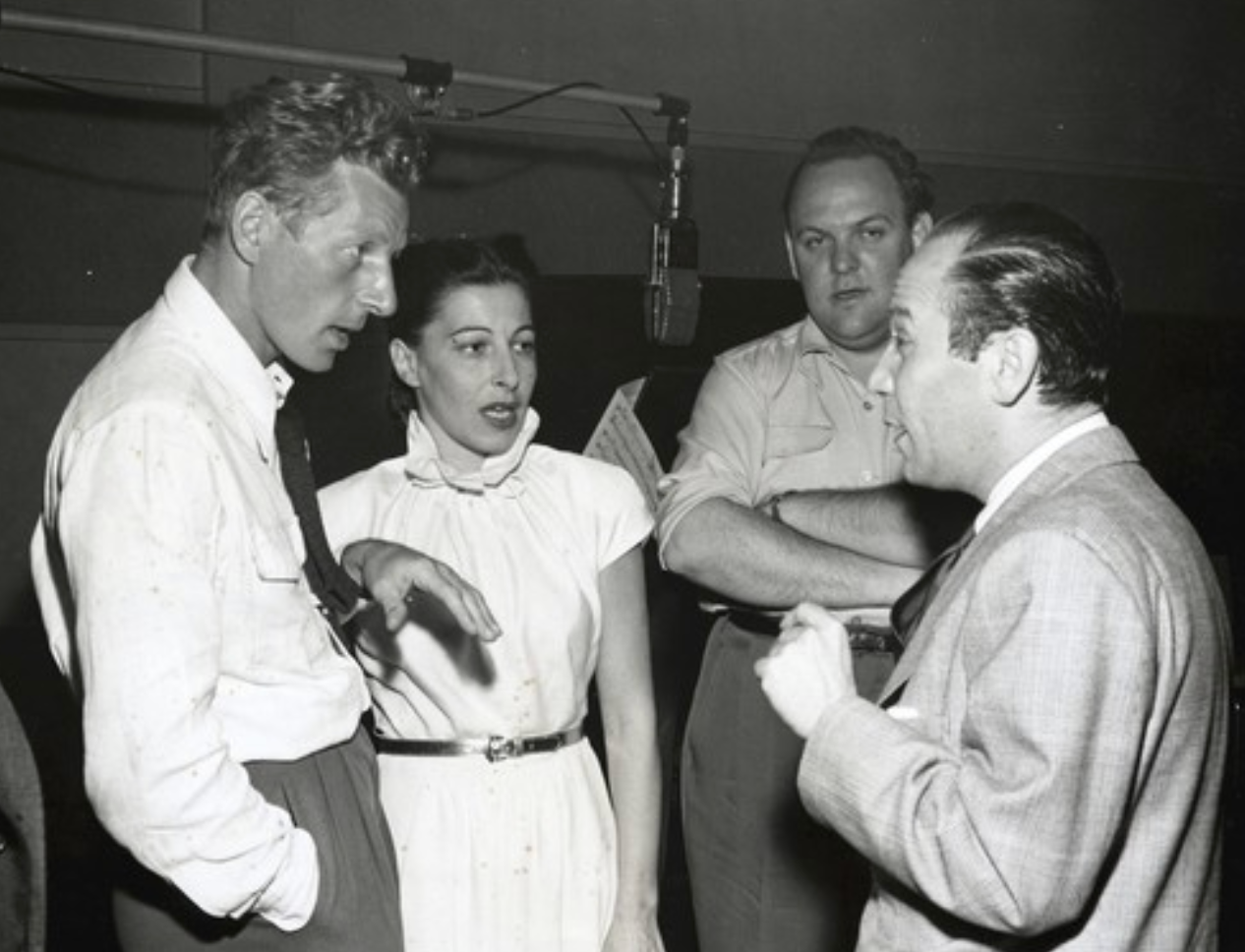
Danny Kaye, his wife Sylvia Fine, arranger Billy May and Frank Loesser

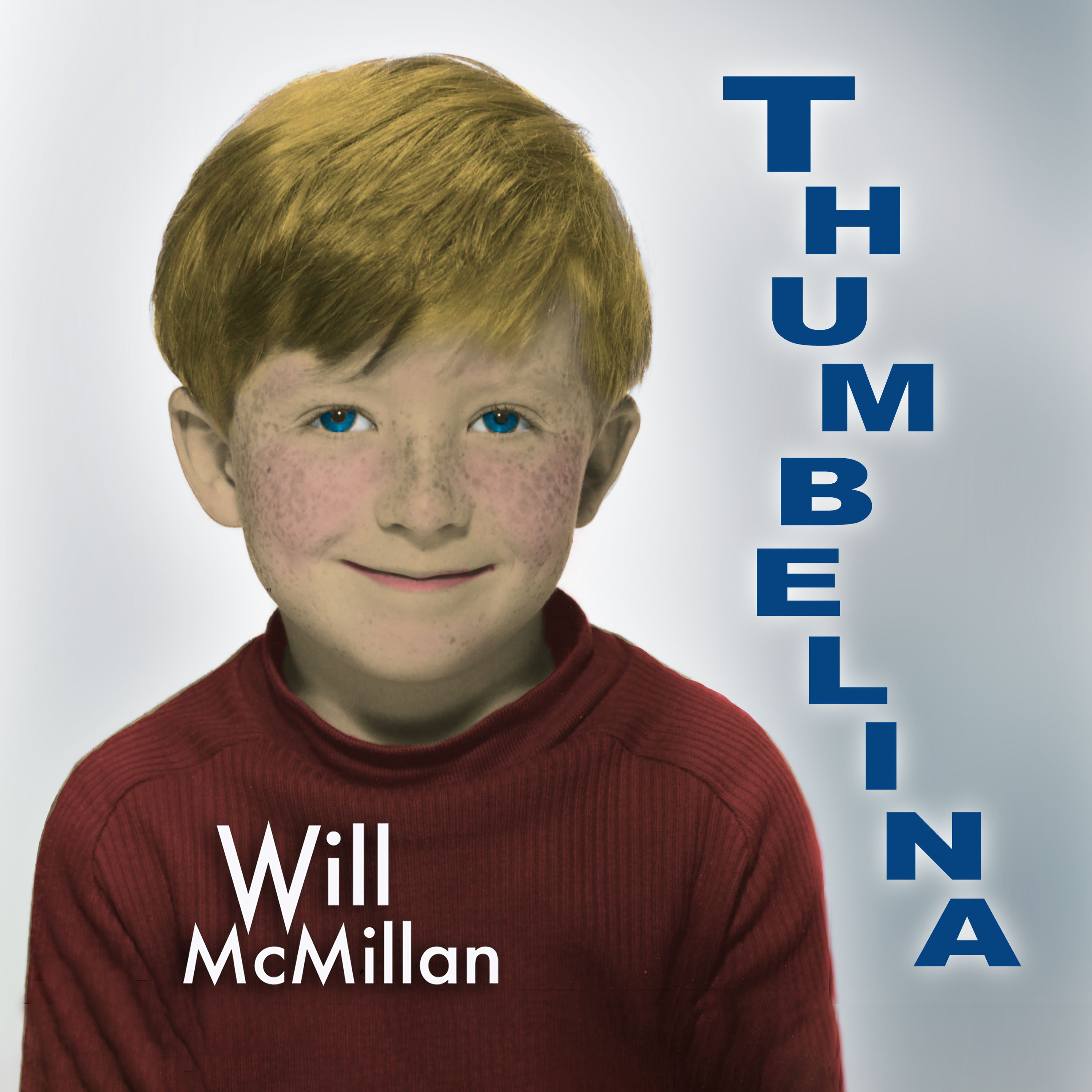
I have long loved his song “Thumbelina” — and am very happy with this peppy version which Doug Hammer and I recorded quite spontaneously a few years ago when I was putting together an hour-long program of songs written or co-written by Frank Loesser.

I had been thinking I might use it in a Valentine’s-Day-inspired blog post, and then fellow blogger Jennie F. left the following comment regarding my blog post last month:

“Nature is as wondrous as music. Your (hyacinth) bulb flower(ing) says it all… Stay warm, and remember the words of Hans Christian Andersen, “Where words fail, music speaks.”

That coincidence/synchronicity sealed the deal.

Deep breath in.

Deep breath out.

Barley (I think?) photo by Frauke Riether from Pixabay

I had forgotten the exact plot synopsis of THUMBELINA (which I first read as a child), but Wikipedia refreshed my memory:

“Thumbelina is about a tiny girl and her adventures with marriage-minded toads, moles, and cockchafers. She successfully avoids their intentions before falling in love with a flower-fairy prince just her size.”

I had also forgotten that Thumbelina comes into being as a result of the actions of a woman who — longing for a child — plants a barleycorn seed.

Thumbelina then emerges from a barleycorn flower… and the adventure of her life begins.

As a Music Together teacher, I particularly resonate with Mr. Loesser’s lyrical admonition that Thumbelina dance and sing — since that is exactly what I do three mornings per week with a delightful crew of small children + the grown ups (parents, grandparents, and nannies) who love them.
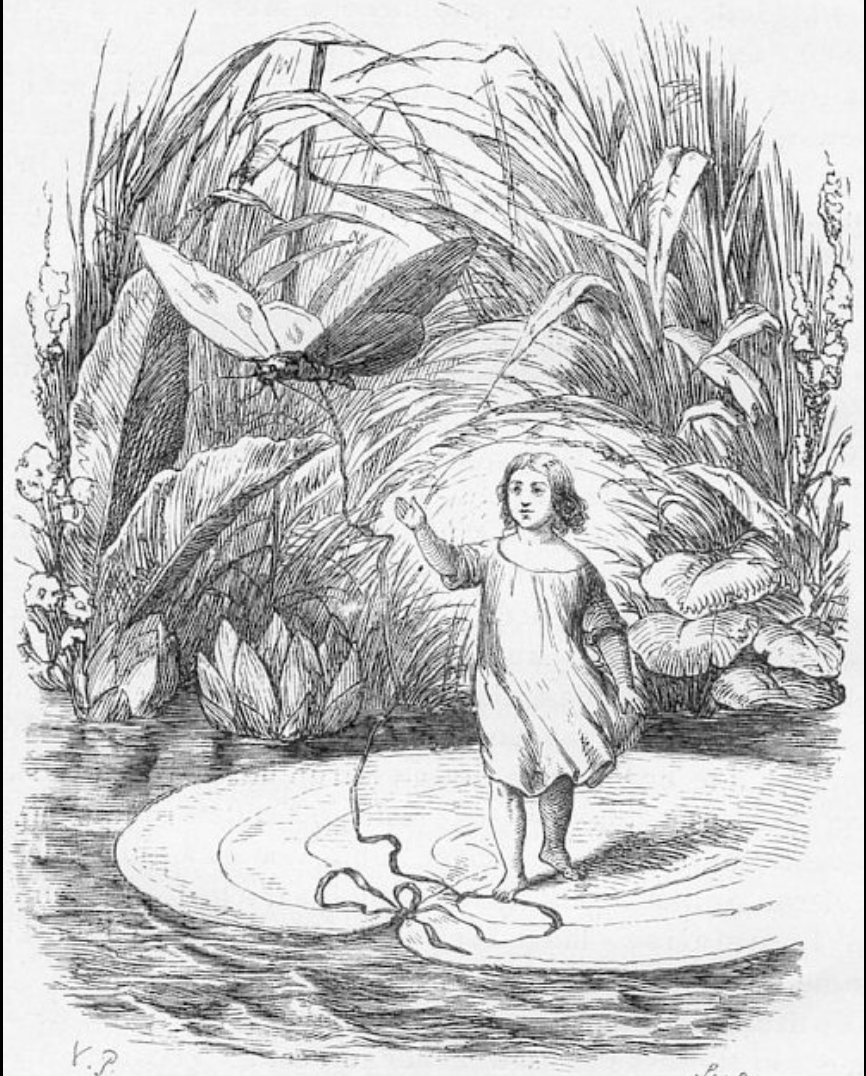
Illustration by Thomas Vilhelm Pederson from original publication of THUMBELINA in 1835

By the time I bike (or take the bus) to class, vacuum the karate studio (the floor of which accumulates a surprising.amount of hair, clipped toenails, cookie fragments, dust etc. plus sand and salt during the winter months), hide the punching bags and karate trophies behind a wall of rolling screens, set up a boombox and instruments, change into my teaching — rather than biking/cleaning/snow shoveling — clothes, welcome families, lead a 45-50 minute class, chat with families after class, and then put away all the stuff I set up an hour earlier, I do not earn very much money per hour.

But the sweetness, playfulness, joy, humor, love and sense of connectedness I experience with my families each week is always a balm for my soul.

And there’s no way to put a price on that!

Leading Music Together classes helps me get out of bed in the morning AND reassures me that the human world is not an irredeemably f–ked up mess about which I can do nothing to help.

And sometimes one of the small humans in my class is inspired to give me a hug at the end of class.
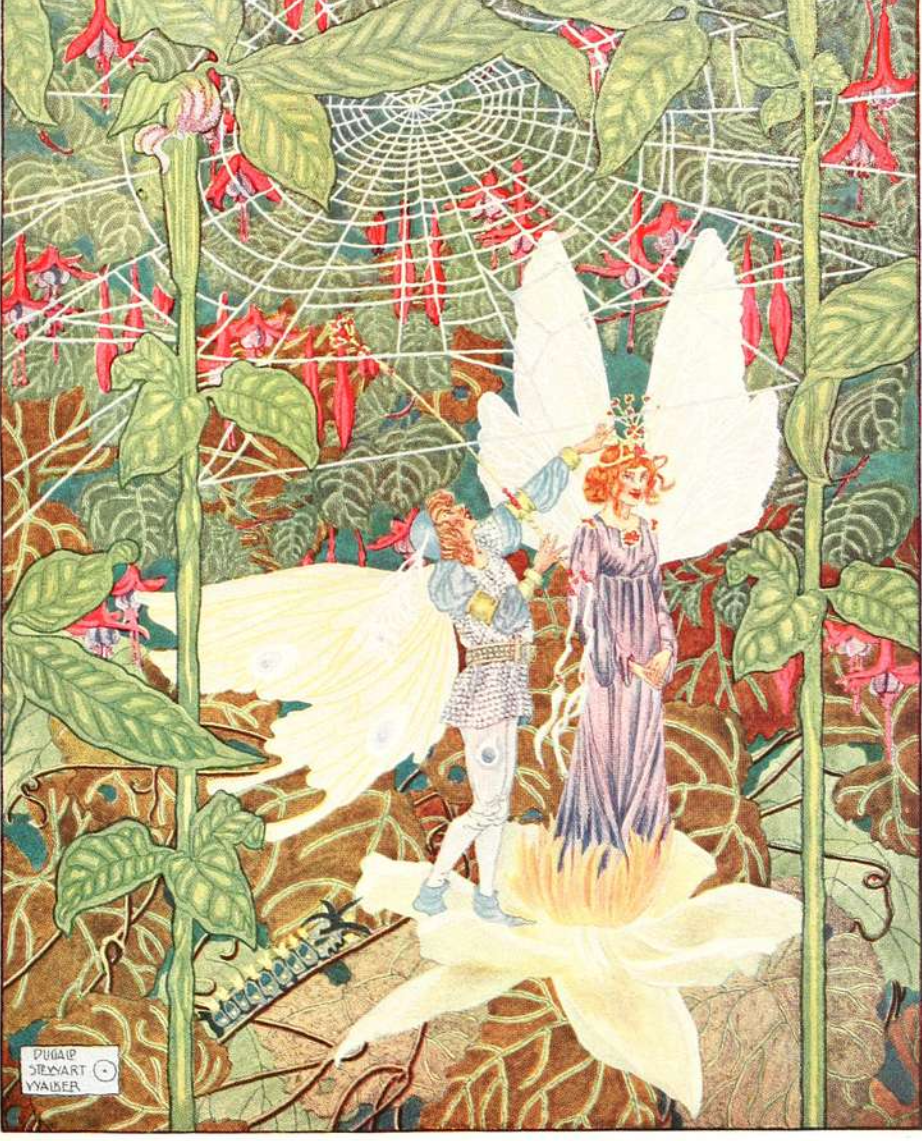
Illustration from a 1914 edition of Han Christian Anderson’s Fairy Tales

When this happens, I feel like I am being visited be an angelic being who is offering me unadulterated love, comfort and gratitude.

It is such an honor to receive one of their hugs.

And sometimes I am offered a hug by one of the grownups in class, too — which I also appreciate and savor.

Another deep breath in.

And deep breath out.

These little children are a big reason why I ride my old and raggedy-looking bike rather than drive a car, why I rarely buy new clothes, and why I never travel (especially via airplanes) simply for the sake of going someplace new or warm or trendy.

I live a downwardly mobile life so that the children in my classes might be able to live an ever-so-slightly less chaotic and terrifying life due to the myriad ways that climate change is affecting all of us here on planet earth.

Yet another deep breath in.

And deep breath out.
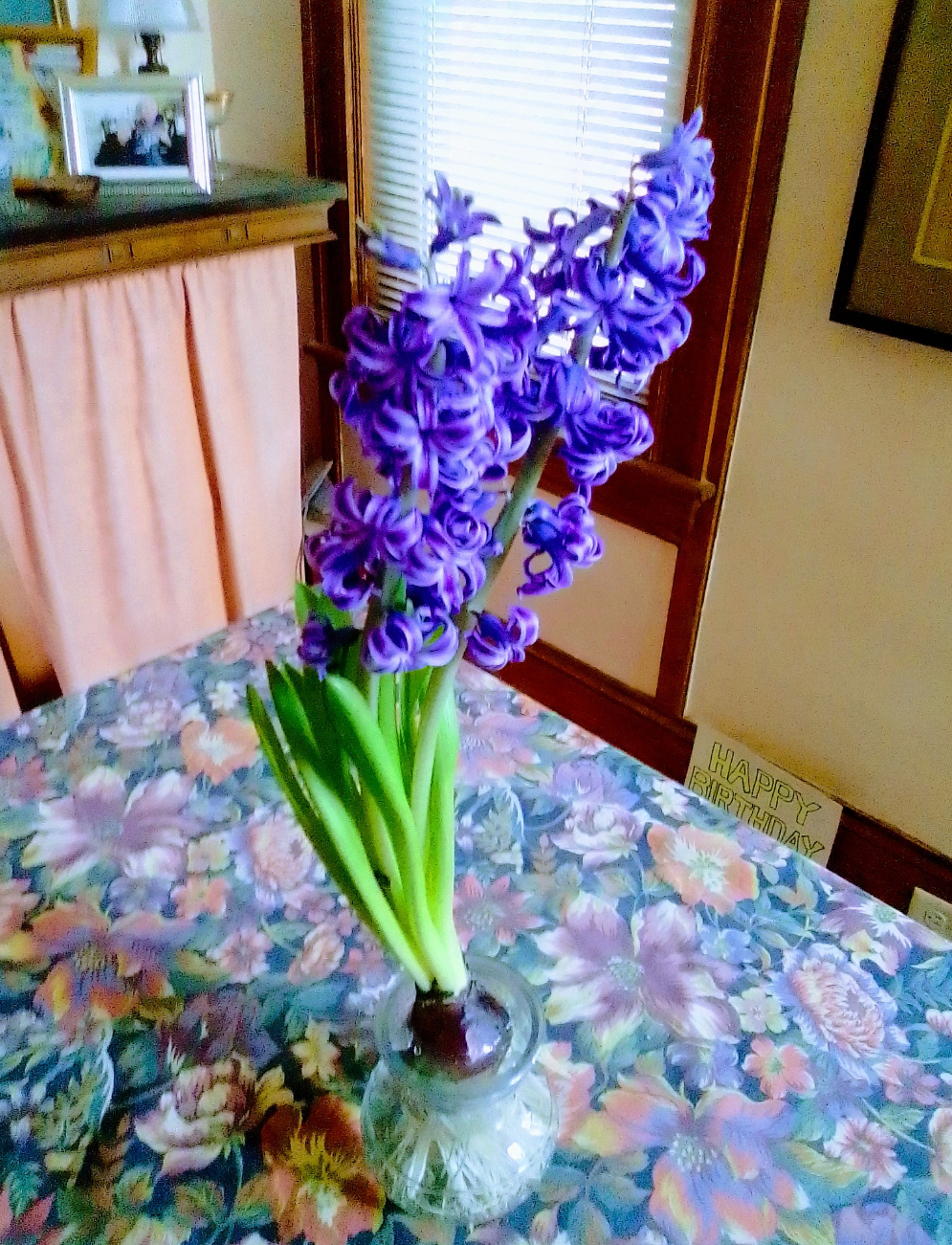
Another radiant hyacinth bulb from Trader Joe’s

I end this blog post with some of my favorite quotations by the Dalai Lama.

“Our prime purpose in life is to help others. And if you can’t help them, at least don’t hurt them.”

“In our present circumstances, no on can afford to assume that someone else will solve their problems. Every individual has a responsibility to help guide our global family in the right direction. Good wishes are not sufficient; we must become actively engaged.”

“When you are discontent, you always want more, more, more. Your desire can never be satisfied. But when you practice contentment, you can say to yourself, “Oh, yes — I already have everything that I really need.”

“We can live without religion and meditation, but we cannot survive without affection.”

“The problems we face today — violent conflicts, destruction of nature, poverty, hunger and so on — are human-created problems which can be resolved through human effort, understanding and the development of a sense of sisterhood and brotherhood. We need to cultivate a universal responsibility for one another and for the planet we share.”

“As people alive today, we must consider future generations. A clean environment is a human right like any other. It is therefore part of our responsibility towards others to ensure that the world we pass on is as healthy, if not healthier, than we found it.”
“This generation has a responsibility to re-shape the world. Start the task even if it will not be fulfilled in your lifetime. Even if it seems hopeless now, never give up. Offer a positive vision, with enthusiasm and joy, and an optimistic outlook.”

“Happiness is not something ready made. It comes from your own actions.”

“Be kind whenever possible. It is always possible.”

THANK YOU for making it to the end of another one of my blog posts.

Thank you to Doug Hammer for his spritely piano accompaniment and his expert musical production skills.

Thank you to Stephen C. Fischer for his graphic design (and to the professional photographer in NYC who took this photo of me many decades ago…)

Thank you to Hans Christian Anderson for creating the story of Thumbelina and to Frank Loesser for creating his song “Thumbelina.”

Thank you to the wonderful photographers at Pixabay.

Thank you to the Dalai Lama for his wisdom and inspiration.

Image by svklimkin from Pixabay

And thank you to everyone who has streamed my music on Youtube, Pandora, Spotify, Apple Music, Tidal, Deezer, etc.

Every stream — and especially every thumbs up and/or inclusion in a playlist — helps to improve the likelihood that the clever algorithms of these streaming services will share my music with new listeners.

And you can click here to stream “Thumbelina” if the spirit moves you.

And as always, I welcome any comments below!
I Believe In Love, Alfie…

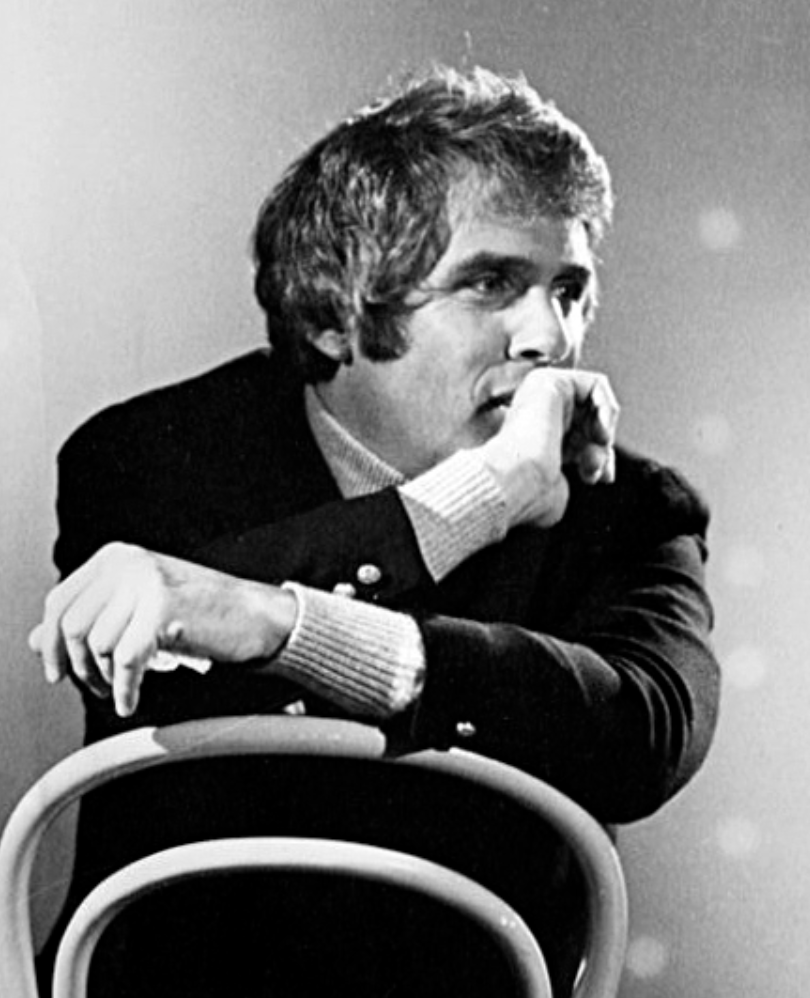
Burt Bacharach (courtesy of Wikimedia)

The songwriters Burt Bacharach (music) and Hal David (lyrics) wrote a bunch of great songs together starting in the late 1950s through the early 1970s.

Today I am focusing on their beautiful anthem, “Alfie” (in the player at the top of this blog post).

As I have mentioned in past blog posts, I perform one-hour programs of music which feature a particular lyricist or composer at retirement communities, libraries, synagogues, coffee houses, and memory cafes around the greater Boston area with the help of two different pianists, Joe Reid and Molly Ruggles.

And due to the aging Baby Boomer demographic bulge, a LOT of new retirement communities have been built in Massachusetts in the past 10-20 years.

Most of them — hurrah! — still have real pianos in their community rooms (or auditoriums in the fancier places…)

And they book a significant amount of musical entertainment for their residents.

Some places we visit just once per year.

Image by Jewelia from Pixabay

Other places book us 4-7 times per year.

What’s lovely about doing more frequent musical visits is that we get to become better acquainted with the music-loving residents in their community.

And we have found (no surprise!) that music has an uncanny power to re-ignite memories — which, if we are lucky, the residents will share with us as we are packing up.

Some people’s memories are family-specific and often very poignant — a particular song was played at their parent’s wedding… or was the favorite song of a sister/brother/cousin… or is the song that always reminds them of a specific moment in high school.

One woman, the youngest child in a family of six, shared with us that her beloved older brother had recorded a version of “I’ll Be Home For Christmas” as a present to bring home with him right before he was killed serving in WWII.

That song had become a sacred — and heart-breaking — hymn for her and her family.

She was moved to tears telling us about it almost eighty years after her brother’s death.

And we were honored to listen to her tell us about the significance of this song in her life.

Deep breath in.

Deep breath out.

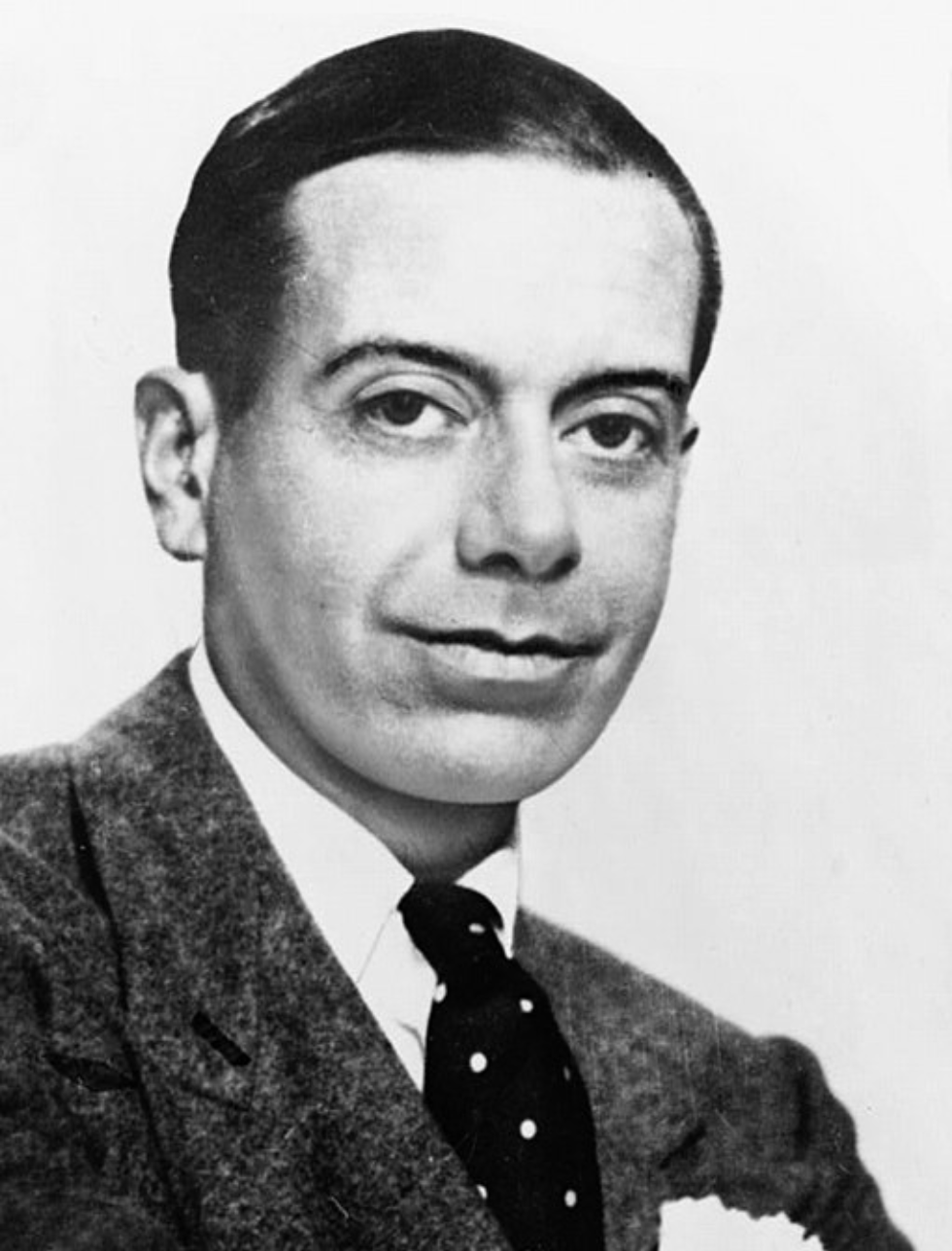
Cole Porter (courtesy of Wikimedia)

Joe Reid and I started ten years ago with a program of songs composed by Harold Arlen.

Then a resident at one of the places we performed that first show asked us to create a program of Cole Porter songs.

And then the Program Director at one retirement community lent us her favorite CD compilation of Hoagy Carmichael songs.

The work of one great lyricist/composer keeps leading us to another!

So far we’ve put together hour-long programs featuring the songs of Harold Arlen, Cole Porter, Hoagy Carmichael, the Gershwin Brothers, Jerome Kern, Dorothy Fields, Oscar Hammerstein, Lorenz Hart, Irving Berlin, Yip Harburg, Frank Loesser, Johnny Mercer, Sammy Cahn, Jule Styne, and Harry Warren.

We’ve also created programs of songs written for great performers including Fred Astaire, Ethel Merman, Bing Crosby and Judy Garland.

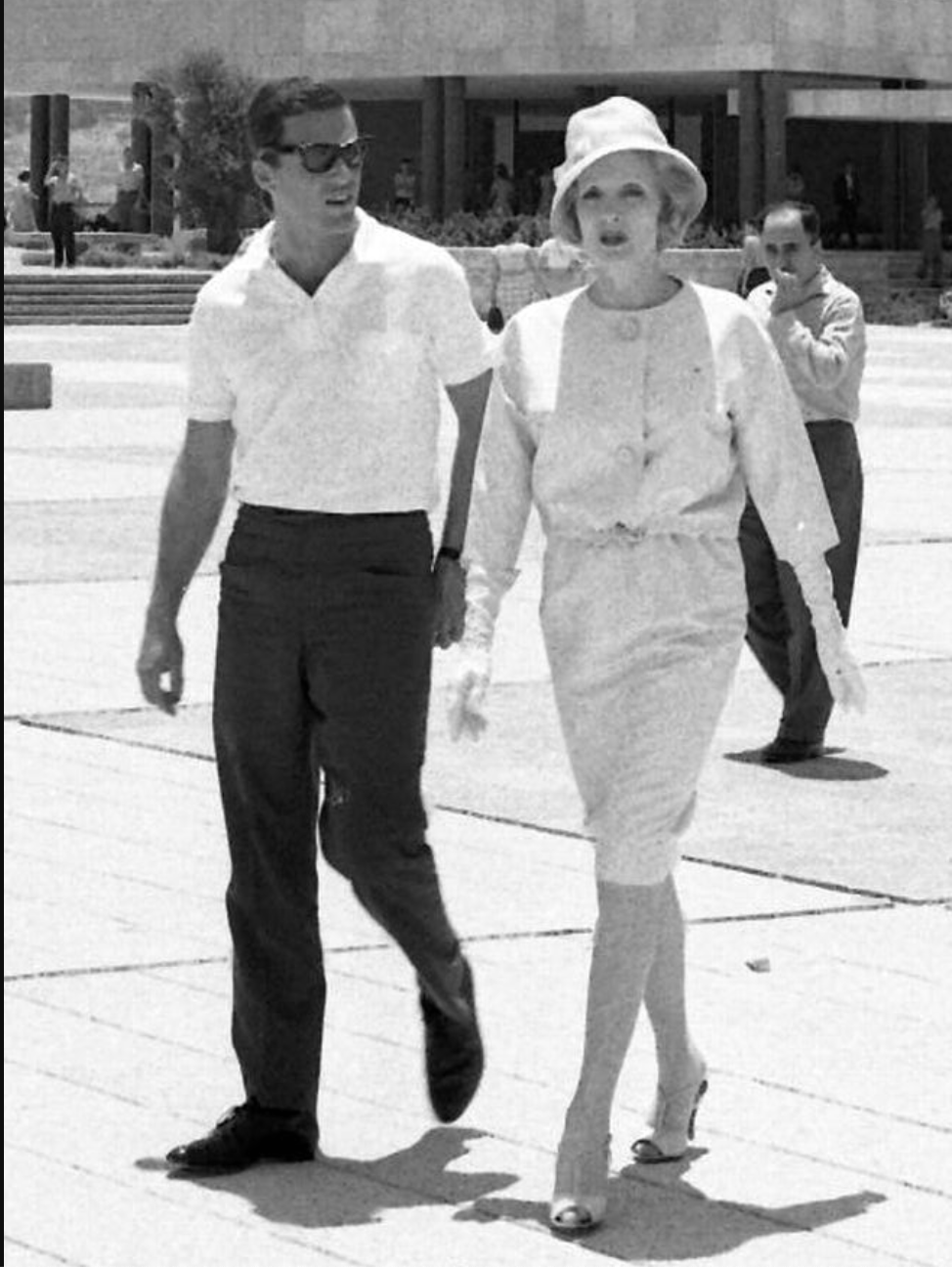
Burt and Marlene in Israel (photo by Fritz Shlezingel — courtesy of Wikimedia)

And now we are venturing beyond music written during the 1920s-1950s — which is what has led us to the songs of Burt Bacharach.

Mr. Bacharach had a long and fascinating life.

His public profile as a pianist, arranger and composer rose significantly after Marlene Dietrich asked him to become her accompanist/band leader — which he did off and on for many years in countries around the world.

I have read Mr. Bacharach’s memoir, and he respectfully insists that his relationship with Ms. Dietrich was never sexual — although it appears that she would have liked it to be.

She championed his music, however, and sometimes would take care of him by cleaning his apartment and then preparing him a home-cooked meal.

According to Burt, she also helped him to juggle ongoing trysts and affairs with a wide variety of women while they were on the road together.

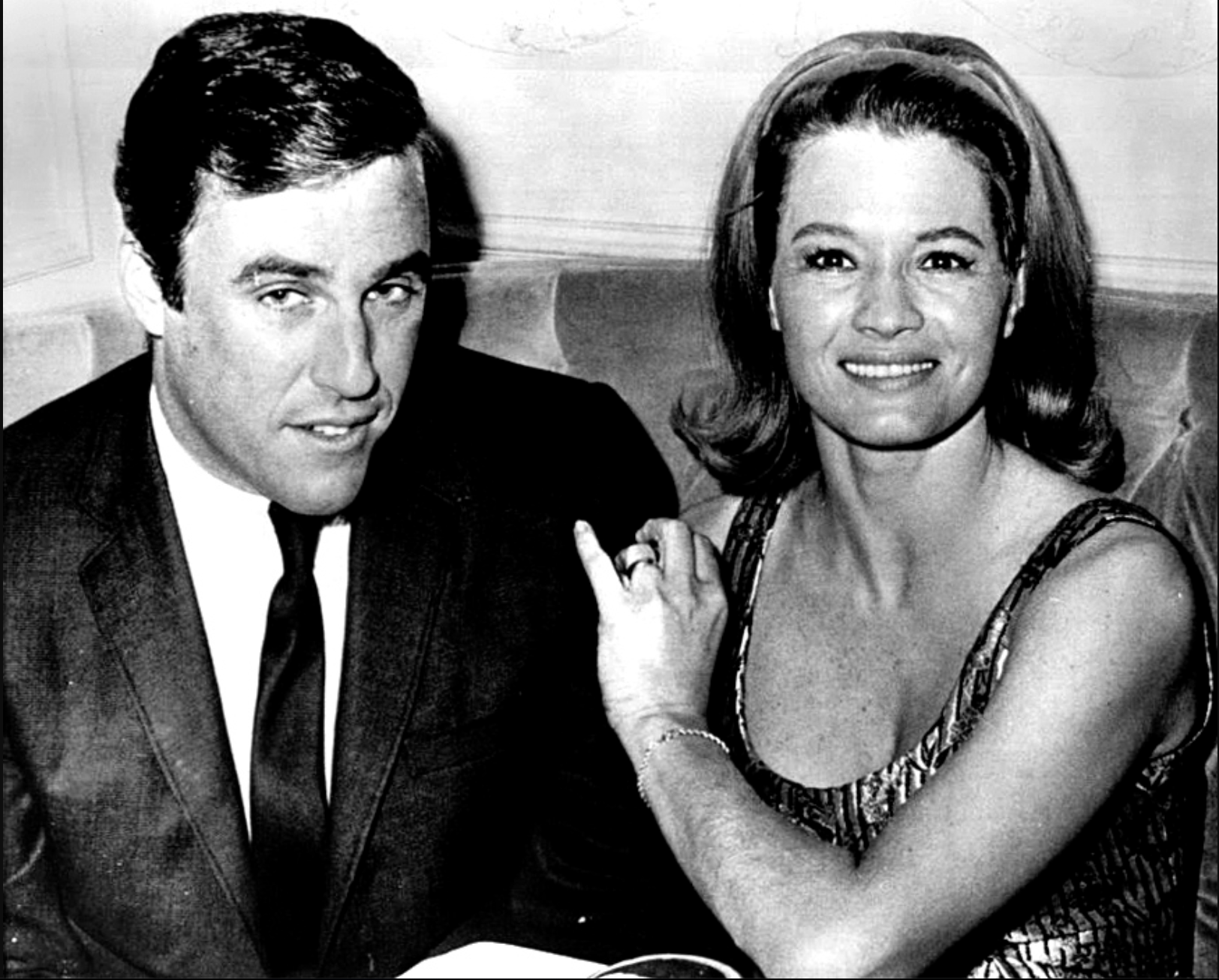
Another woman who played a significant role in Burt’s life was Angie Dickinson, who became his second wife and whose success and connections as a movie star are what led to Burt’s first film scoring opportunities.

Burt and Angie (courtesy of Wikimedia)

Some of Burt’s most beloved songs were created for the movies, including “The Look of Love” (for Casino Royale), “Raindrops Keep Falling On My Head” (for Butch Cassidy and the Sundance Kid), and “Arthur’s Theme — The Best That You Can Do” (for Arthur).

In 1966 Burt and Hal David were asked to write something to play over the closing credits of a British film starring Michael Caine.

Hal and Burt read the script, and then Hal wrote a lyric inspired by something that Michael Caine’s character says at the very end of the film which Burt then set to music.

Cilla Black recorded “Alfie” for the British release of the movie, and version by Cher — of all people — was used when the film was released in the USA.

Bacharach and David’s muse Dionne Warwick also recorded her own version which became a big hit — and since then it has been recorded by thousands of people, including me and the pianist Doug Hammer.

Just over ten years ago I wrote a blog post which featured our recording of this song. You can click here to read (or re-read) it if you are curious.

Although we human beings continue to do horrific, greedy, short-sighted, ignorant and evil deeds on a daily basis here on planet earth, I remain a fan of love and kindness — as does the narrator in this song.

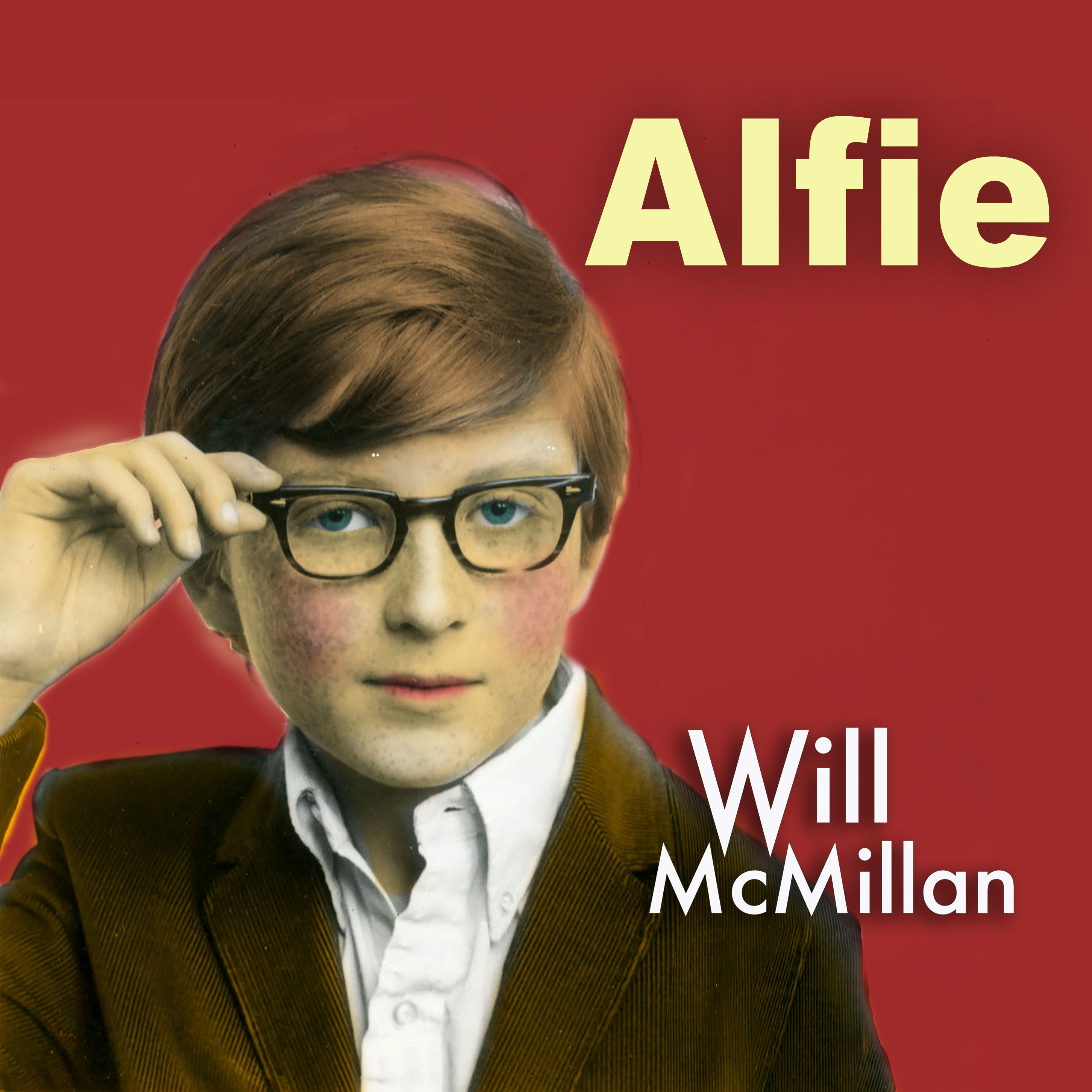
Thank you to the photographer who took this Michael Caine-esque photo of me in the late 1960s when I was working professionally as a child (doing commercials, modeling jobs, and voice-overs) in NYC.

Thank you to Stephen Fischer for incorporating it into a graphic design for this song release.

Image by Jm TD from Pixabay

Thank you to Doug Hammer for his beautiful piano playing and excellent engineering/producing chops.

Thank you to the photographers at Pixabay and Wikimedia for their beautiful images.

And thank YOU for reading and listening to another one of my blog posts.

If you like this song well enough to listen to it again, you are welcome to stream it by clicking here.

And you are always welcome to visit my non-blog, musical website by clicking here.

In Praise of David Friedman

In Praise of David Friedman

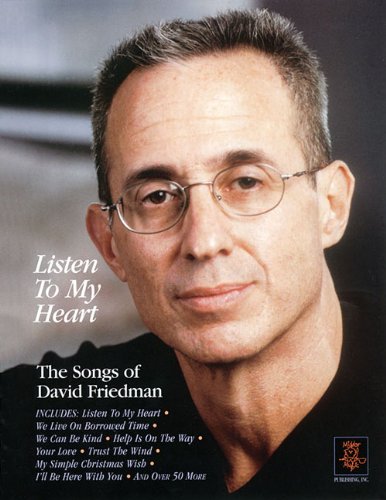
Friedman-Songbook


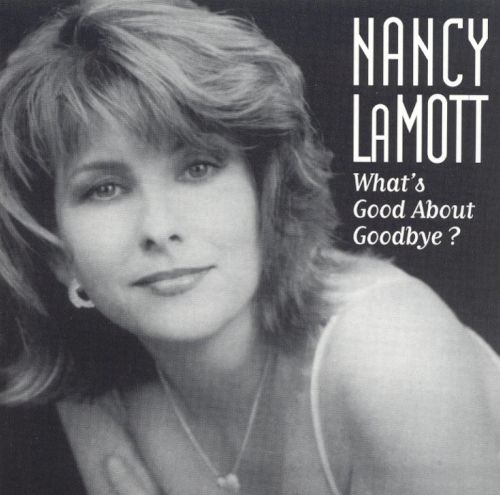
David Friedman is a composer, a songwriter, a conductor, an arranger, a producer, a philosopher, a teacher, AND a dedicated advocate for the singer Nancy LaMott, who died much too young in 1995.

I first became aware of him after hearing one of Nancy’s CDs — and eventually buying all of them because I was so touched by the heartfulness in her voice.

Nancy-LaMott

Nancy recorded many of David’s songs, and I fell in love with several of them.

So when David put together a songbook of his original works, I bought it and got to work!

Two of his songs ended up on a CD of songs about love which singer Bobbi Carrey and I recorded with pianist/engineer/producer Doug Hammer, arranger Mike Callahan, and a handful of Boston-area musicians called If I Loved You.

Baby feet + hands

“I’ll Be Here With You” (on the player at the beginning of this blog post) is one of Bobbi’s and my favorite songs with which to end a performance.

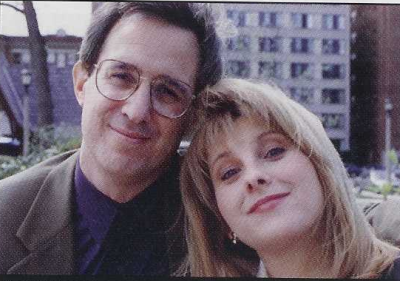
And, although I do not know the details of Nancy and David’s musical partnership, I have the sense that this song may have had a strong emotional resonance for them (and might even have been inspired by their friendship…)

David-and-Nancy

Perhaps people who know more about David and Nancy’s history can weigh in using the comments section at the end of this blog post.

I think of David whenever someone says something along the lines of, “They don’t write great standards like they used to…”

There are, in fact, many people who are alive and well on planet earth and who are writing beautiful, wise songs.

But the ways that those songs reach — and touch — the rest of the world have changed significantly since the days of sheet music and singing around pianos in living rooms.

polar-bears

No longer does a new song get recorded by many, many different performers — with different recordings of the same song vying for the top spot on a few national radio networks.

The rise of the singer-songwriter — along with self-contained bands who create their own original material — marked a significant shift in our popular musical culture.

David’s songs have been recorded by pop stars including Diana Ross, Barry Manilow, and Petula Clark — but these days Diana, Barry and Petula are not dominating the charts as they once did…

However, we now have many new ways to share music — such as YouTube, Pandora, Spotify… and even personal blogs like mine.

And there are many singers still devoted to both the Great American Songbook of standards from the 1920s-1960s AND to all of the great songs that have been written since then.

So ripples of music continue to wash around our culture and around our planet…

Water-Surface

Thank you to David Friedman for writing songs.

Thank you to Bobbi Carrey for her singing and for her musical collaboration over the past 15 years.

Thank you to Doug Hammer for his piano playing and his engineering and his production skills and his patience and his humor.

Thank you to Mike Callahan for his vocal arrangements.

Thank you to Pixabay for most of the images in this blog post (and to the world wide web for the ones of David and of Nancy).

And thank YOU for making time so that you could read and listen to another one of my blog posts!

mother-child-sunset