This summer and fall I’ve been riding the train (actually the train + bus due to ongoing track repairs in Massachusetts to fix a sinkhole situation) a lot from Boston to Ithaca, NY — where a bunch of my family members (sisters, niece, grandniece, nephews, mother, and cousins galore) live.
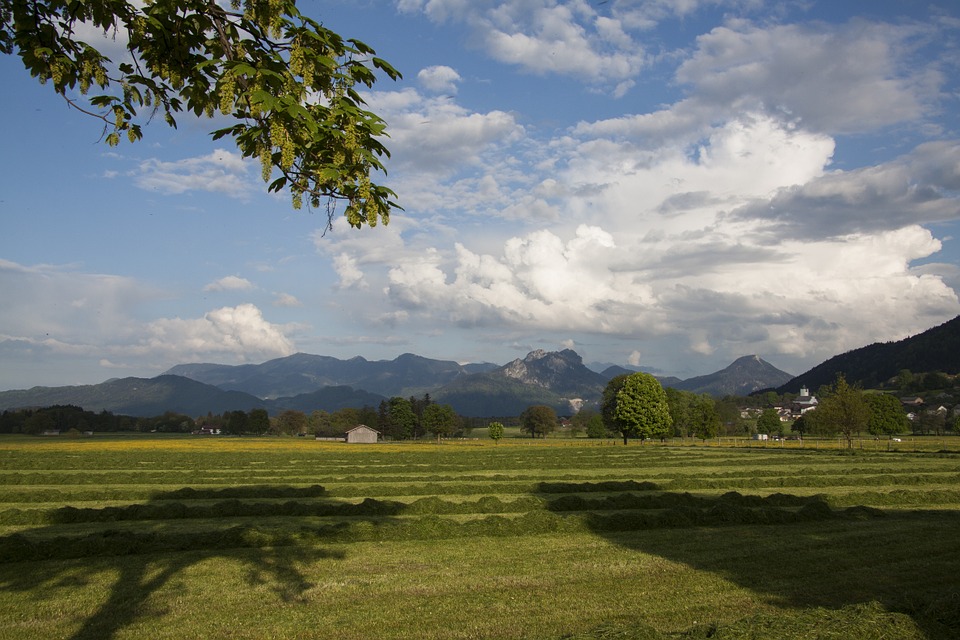
This has given me plenty of time to gaze at passing scenery, and I have seen some extraordinary cloud formations.
At dusk they are often illuminated by the last rays of sun coming over the horizon, which makes them even more magical.
I love that “Both Sides Now” leaves the listener with no concrete answers.
Ms. Mitchell writes, “I really don’t know clouds (or love… or life…) at all.”
And I also love Ms. Mitchell’s description of falling in love — “Moons and Junes and Ferris wheels — the dizzy dancing way you feel — when every fairy tale comes real — I’ve looked at love that way.”
It immediately reminds me of my own history with that feeling — and how intoxicating and exhilarating it was…
I have chosen to honor it with a sweet song by Frank Loesser which was nominated for an Academy Award in 1952.
Mr. Loesser wrote it for Danny Kaye to perform in a movie about the Danish writer Hans Christian Anderson.
According to Mr. Loesser’s daughter, he did not think highly of this song, and sometimes even used it as an example of songwriting to avoid.
But I love it.
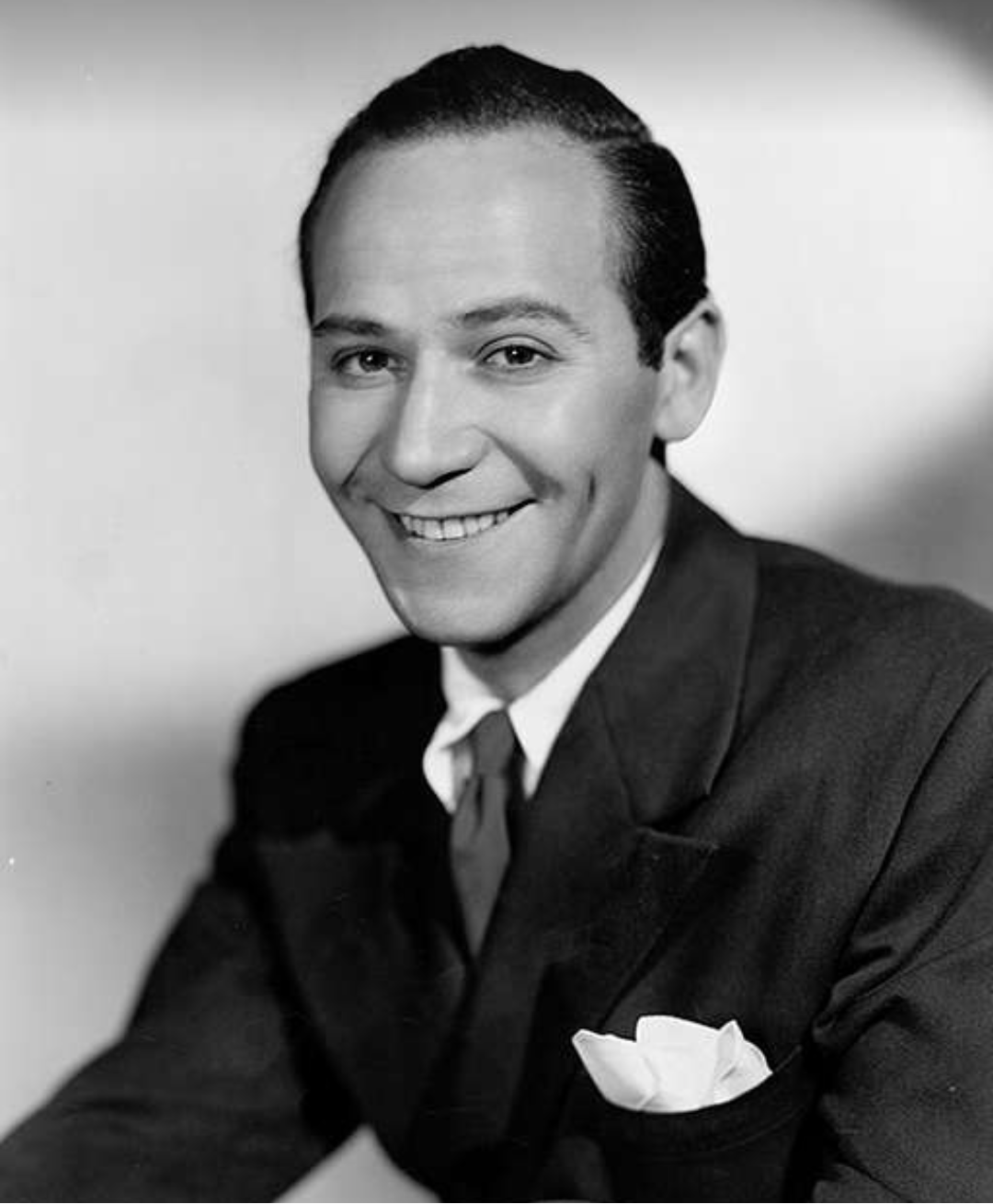
Frank Loesser
Mr. Loesser began his songwriting career as a lyricist and co-wrote a bunch of great songs in the 1930s and 1940s including “Heart and Soul” and “Two Sleepy People” (both with Hoagy Carmichael), “I Don’t Want To Walk Without You” (with Jule Styne) and “See What The Boys In The Back Room Will Have” (with Friedrich Hollaender).
The first hit song for which he wrote both words and music was “Praise The Lord And Pass The Ammunition” during WWII.
Loesser ended up writing words and music for the songs in WHERE’S CHARLEY, GUYS AND DOLLS, THE MOST HAPPY FELLA, and HOW TO SUCCEED IN BUSINESS WITHOUT REALLY TRYING (along with a few less successful undertakings).
Some hits from those shows include “Once In Love With Amy,” “Luck Be A Lady,” “I Love You A Bushel and A Peck,” “If I Were A Bell,” “I’ve Never Been In Love Before,” “Somebody, Somewhere,” “Standing On The Corner,” “Joey, Joey, Joey,” “I Believe In You,” and “Brotherhood of Man.”
Mr. Loesser also continued writing songs which were used in movies such as “Baby, It’s Cold Outside,” “Let’s Get Lost,” “Inchworm,” and “Spring Will Be A Little Late This Year.”
And he wrote a few songs which became pop hits without any connection to Broadway or Hollywood, including “What Are You Doing New Year’s Eve?” and “I’d Like To Get You On A Slow Boat To China.”
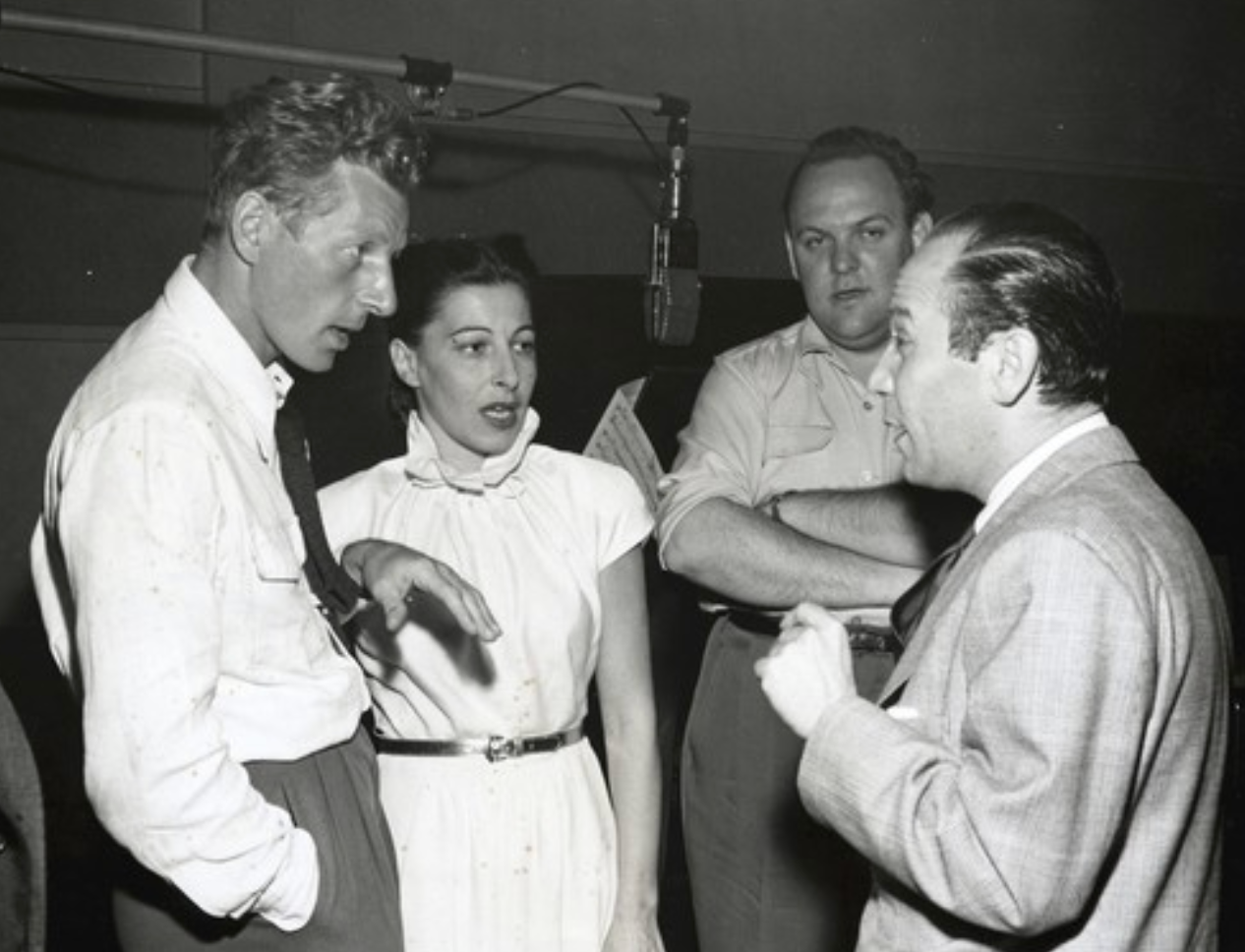
Danny Kaye, his wife Sylvia Fine, arranger Billy May and Frank Loesser
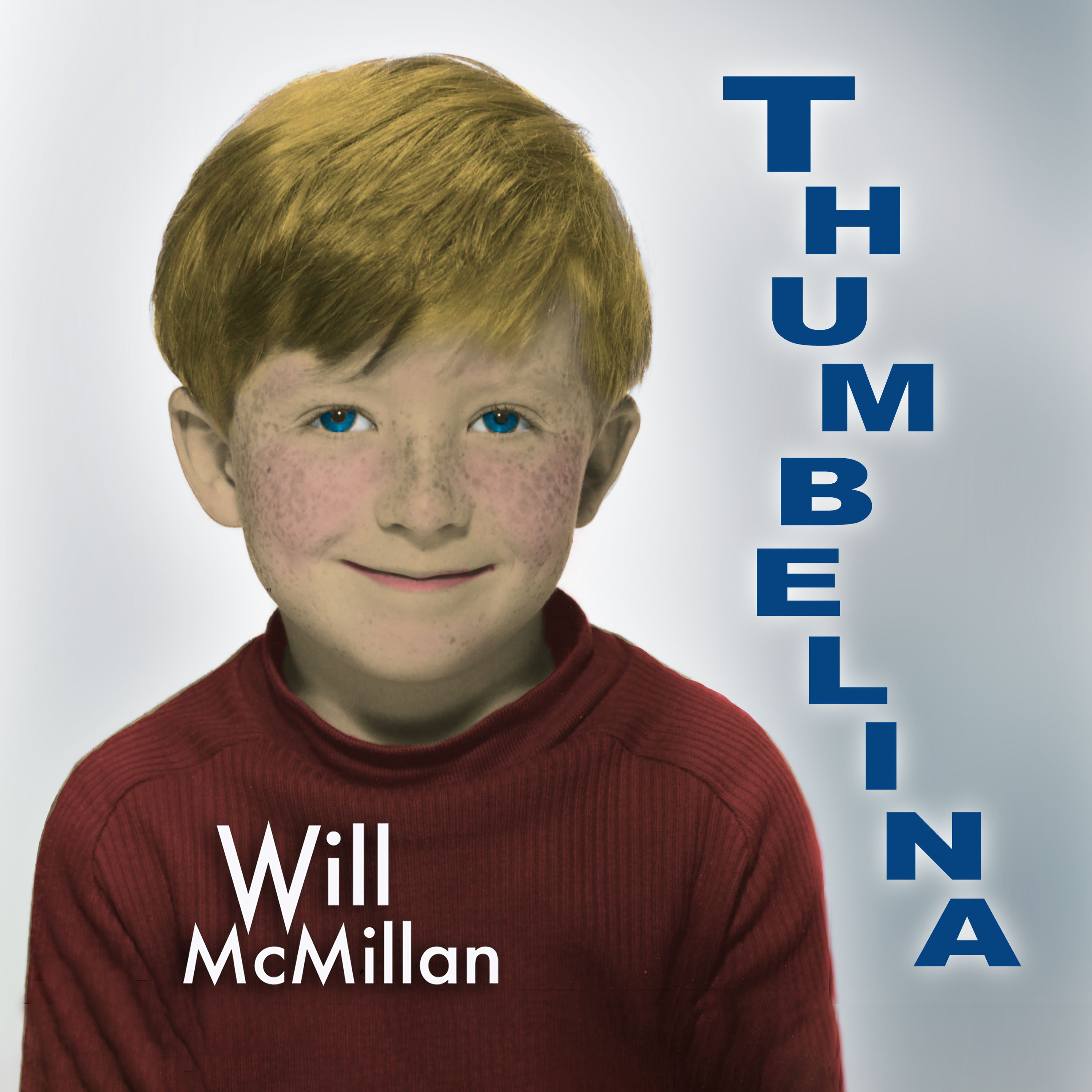
I have long loved his song “Thumbelina” — and am very happy with this peppy version which Doug Hammer and I recorded quite spontaneously a few years ago when I was putting together an hour-long program of songs written or co-written by Frank Loesser.
I had been thinking I might use it in a Valentine’s-Day-inspired blog post, and then fellow blogger Jennie F. left the following comment regarding my blog post last month:
“Nature is as wondrous as music. Your (hyacinth) bulb flower(ing) says it all… Stay warm, and remember the words of Hans Christian Andersen, “Where words fail, music speaks.”
I had forgotten the exact plot synopsis of THUMBELINA (which I first read as a child), but Wikipedia refreshed my memory:
“Thumbelina is about a tiny girl and her adventures with marriage-minded toads, moles, and cockchafers. She successfully avoids their intentions before falling in love with a flower-fairy prince just her size.”
I had also forgotten that Thumbelina comes into being as a result of the actions of a woman who — longing for a child — plants a barleycorn seed.
Thumbelina then emerges from a barleycorn flower… and the adventure of her life begins.
As a Music Together teacher, I particularly resonate with Mr. Loesser’s lyrical admonition that Thumbelina dance and sing — since that is exactly what I do three mornings per week with a delightful crew of small children + the grown ups (parents, grandparents, and nannies) who love them.
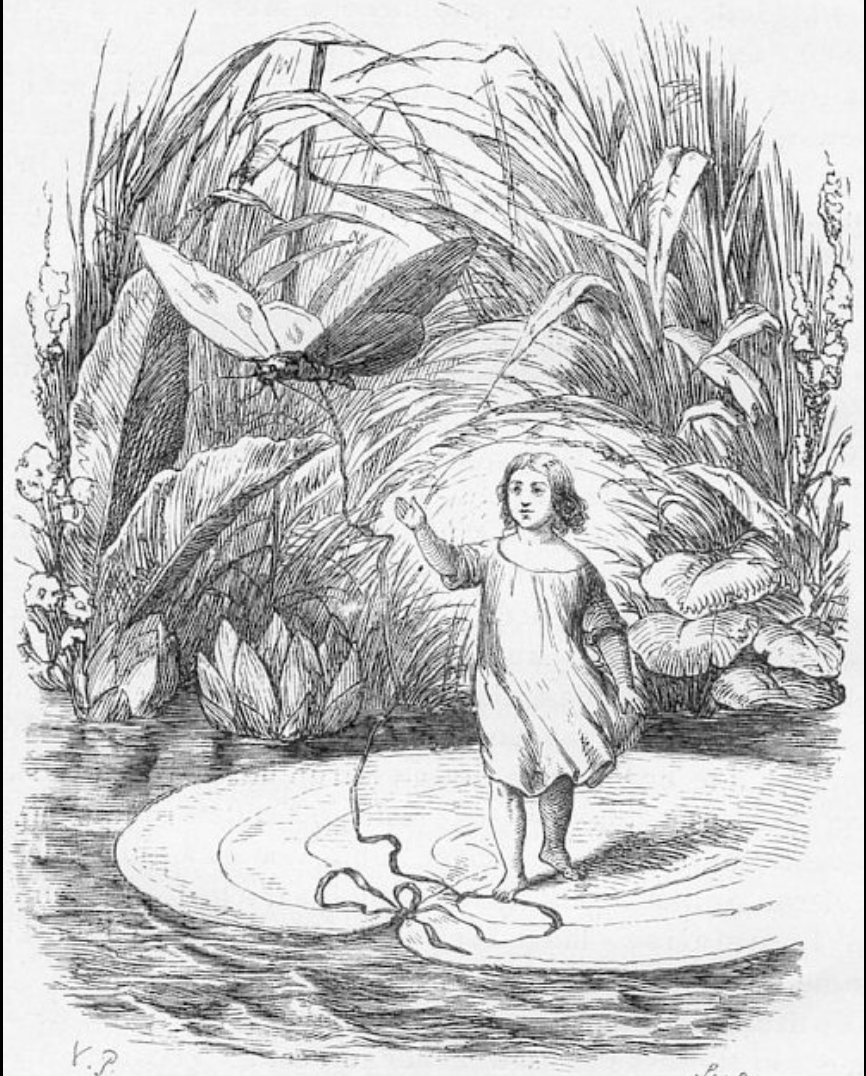
Illustration by Thomas Vilhelm Pederson from original publication of THUMBELINA in 1835
By the time I bike (or take the bus) to class, vacuum the karate studio (the floor of which accumulates a surprising.amount of hair, clipped toenails, cookie fragments, dust etc. plus sand and salt during the winter months), hide the punching bags and karate trophies behind a wall of rolling screens, set up a boombox and instruments, change into my teaching — rather than biking/cleaning/snow shoveling — clothes, welcome families, lead a 45-50 minute class, chat with families after class, and then put away all the stuff I set up an hour earlier, I do not earn very much money per hour.
But the sweetness, playfulness, joy, humor, love and sense of connectedness I experience with my families each week is always a balm for my soul.
And there’s no way to put a price on that!
Leading Music Together classes helps me get out of bed in the morning AND reassures me that the human world is not an irredeemably f–ked up mess about which I can do nothing to help.
And sometimes one of the small humans in my class is inspired to give me a hug at the end of class.
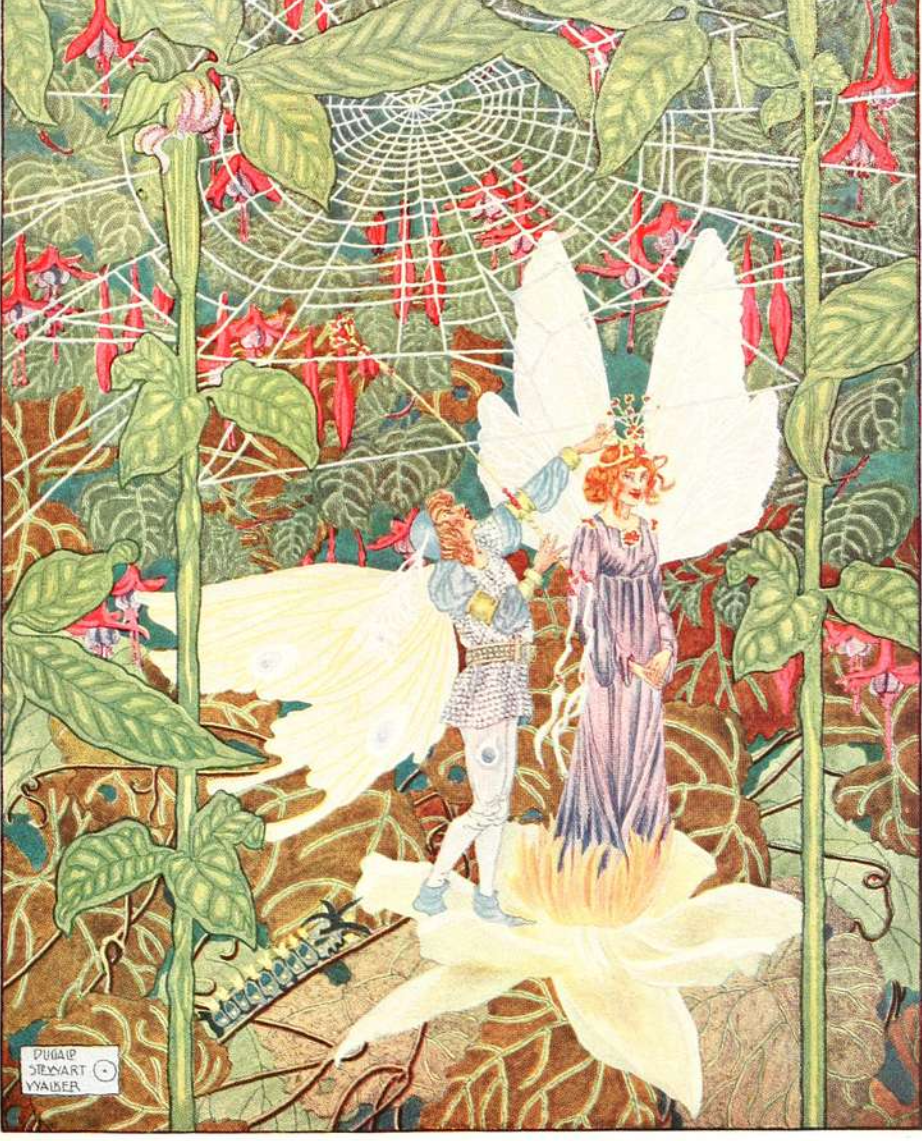
Illustration from a 1914 edition of Han Christian Anderson’s Fairy Tales
When this happens, I feel like I am being visited be an angelic being who is offering me unadulterated love, comfort and gratitude.
It is such an honor to receive one of their hugs.
And sometimes I am offered a hug by one of the grownups in class, too — which I also appreciate and savor.
Another deep breath in.
And deep breath out.
These little children are a big reason why I ride my old and raggedy-looking bike rather than drive a car, why I rarely buy new clothes, and why I never travel (especially via airplanes) simply for the sake of going someplace new or warm or trendy.
I live a downwardly mobile life so that the children in my classes might be able to live an ever-so-slightly less chaotic and terrifying life due to the myriad ways that climate change is affecting all of us here on planet earth.
Yet another deep breath in.
And deep breath out.
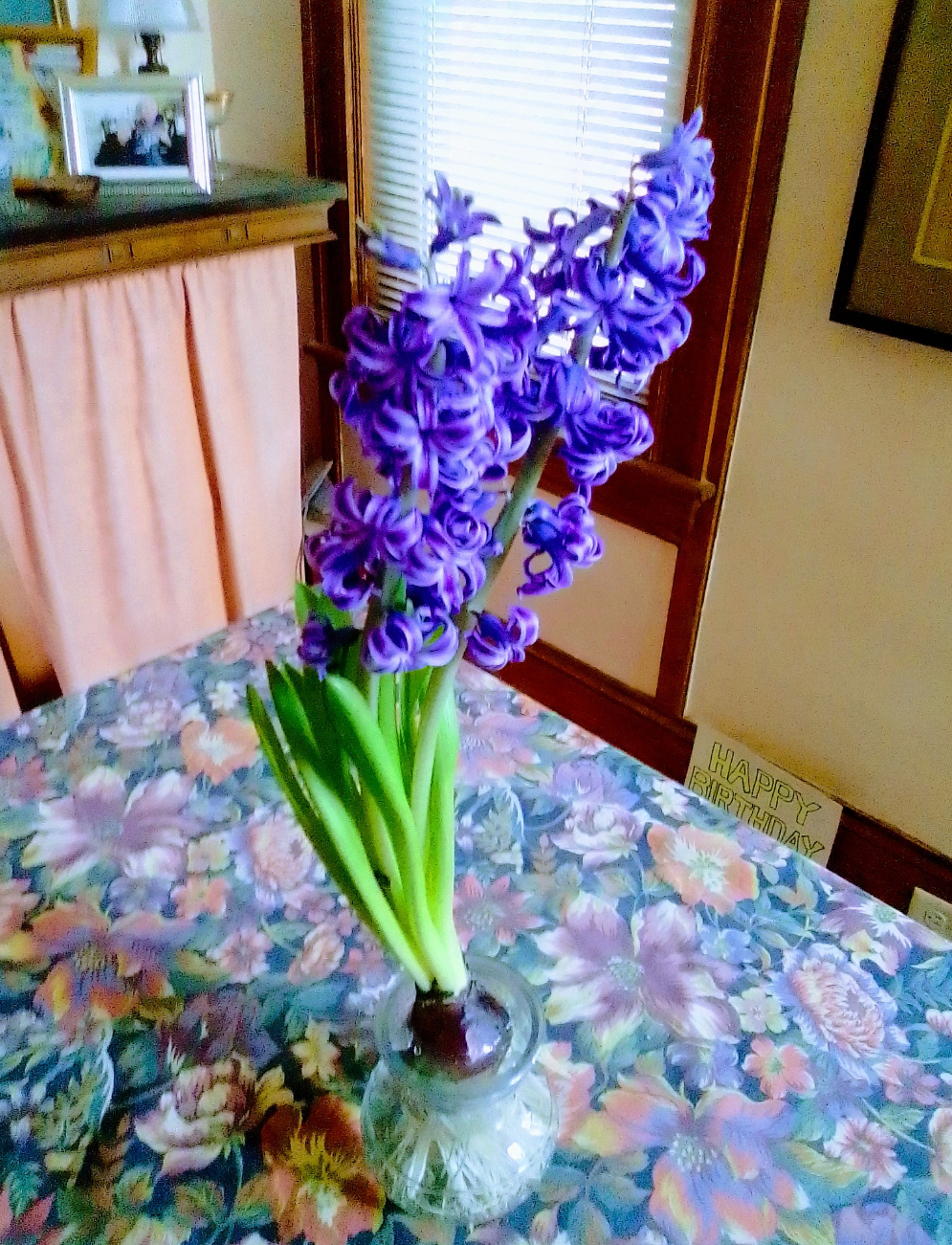
Another radiant hyacinth bulb from Trader Joe’s
I end this blog post with some of my favorite quotations by the Dalai Lama.
“Our prime purpose in life is to help others. And if you can’t help them, at least don’t hurt them.”
“In our present circumstances, no on can afford to assume that someone else will solve their problems. Every individual has a responsibility to help guide our global family in the right direction. Good wishes are not sufficient; we must become actively engaged.”
“When you are discontent, you always want more, more, more. Your desire can never be satisfied. But when you practice contentment, you can say to yourself, “Oh, yes — I already have everything that I really need.”
“We can live without religion and meditation, but we cannot survive without affection.”
“The problems we face today — violent conflicts, destruction of nature, poverty, hunger and so on — are human-created problems which can be resolved through human effort, understanding and the development of a sense of sisterhood and brotherhood. We need to cultivate a universal responsibility for one another and for the planet we share.”
“As people alive today, we must consider future generations. A clean environment is a human right like any other. It is therefore part of our responsibility towards others to ensure that the world we pass on is as healthy, if not healthier, than we found it.”
“This generation has a responsibility to re-shape the world. Start the task even if it will not be fulfilled in your lifetime. Even if it seems hopeless now, never give up. Offer a positive vision, with enthusiasm and joy, and an optimistic outlook.”
“Happiness is not something ready made. It comes from your own actions.”
“Be kind whenever possible. It is always possible.”
THANK YOU for making it to the end of another one of my blog posts.
Thank you to Doug Hammer for his spritely piano accompaniment and his expert musical production skills.
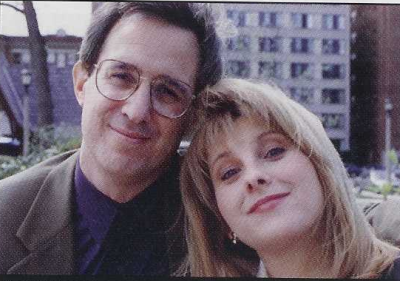
Thank you to Stephen C. Fischer for his graphic design (and to the professional photographer in NYC who took this photo of me many decades ago…)
Thank you to Hans Christian Anderson for creating the story of Thumbelina and to Frank Loesser for creating his song “Thumbelina.”
Thank you to the wonderful photographers at Pixabay.
Thank you to the Dalai Lama for his wisdom and inspiration.
And thank you to everyone who has streamed my music on Youtube, Pandora, Spotify, Apple Music, Tidal, Deezer, etc.
Every stream — and especially every thumbs up and/or inclusion in a playlist — helps to improve the likelihood that the clever algorithms of these streaming services will share my music with new listeners.
However, if you are a reader who is feeling less excited and hopeful about the future as a result of last week’s election, my heart goes out to you.
Although I have decided not to read about politics and interact with the media for the time being, my brain — especially when I am lying awake in the middle of the night — keeps remembering things that are likely to be impacted in the next four years:
NATO — and the safety of all the countries bordering Russia…
The health of women I love — and the health of women I will never meet — due to new restrictions about what decisions they and their healthcare providers are allowed to make about their own bodies…
Social security — which I have paid into since I was three years old and which I was planning to start collecting in three years time…
Medicare/Medicaid and other health insurance options — for millions of Americans and for me.
The cost of anything we don’t make or grow in the USA — due to potential new tariffs.
The cost of anything we DO make or grow in the USA — due to the potential prosecution/expulsion of many people who currently harvest our produce, work in our slaughterhouses and meat-packing plants, labor in our restaurants, work on our construction sites, landscape our properties, mow our lawns, blow our leaves, etc. etc. etc.
My two nephews — one approaching draft-age and the other one still eligible to be drafted if we find ourselves in a situation where we need to expand our (already vast) military capabilities.
Long term — and potentially irreversible — environmental consequences due to potential deregulation of rules which currently protect the entire web of life here on planet earth.
Our access and ability to vote, our access to education, our access to public healthcare in the event of another epidemic…
The list goes on and on.
I don’t understand how love and respect factor into any of the above.
I don’t understand how love and respect can withstand — much less overcome — the forces which spread disinformation, which lie, which aim to divide us, which value power and money over honesty and decency.
I hesitate to call those forces evil, but I have been reminded more and more in recent months about a book I read a long time ago by M. Scott Peck called THE PEOPLE OF THE LIE.
is consistently self-deceiving, with the intent of avoiding guilt and maintaining a self-image of perfection
deceives others as a consequence of their own self-deception
projects his or her evils and sins onto very specific targets (scapegoats) while being apparently normal with everyone else
commonly hates with the pretense of love, for the purposes of self-deception as much as deception of others
abuses political (emotional) power (“the imposition of one’s will upon others by overt or covert coercion” (Peck, 1978/1992, p298[7]))
maintains a high level of respectability, and lies incessantly to do so
is consistent in his or her sins.
is unable to think from the viewpoint of their victim
has a covert intolerance to criticism and other forms of narcissistic injury
Most evil people realize the evil deep within themselves, but are unable to tolerate the pain of introspection, or admit to themselves that they are evil. Thus, they constantly run away from their evil by putting themselves in a position of moral superiority and putting the focus of evil on others. Evil is an extreme form of what Peck, in THE ROAD LESS TRAVELED, calls a character and personality disorder.”
The group mind of Wikipedia also describes Peck’s understanding of love in his previous book, THE ROAD LESS TRAVELED:
“Love is not a feeling, it is an activity and an investment — ‘The will to extend one’s self for the purpose of nurturing one’s own or another’s spiritual growth’ (Peck, 1978/1992, p85). Peck expands on the work of Thomas Aquinas over 700 years ago, that love is primarily actions towards nurturing the spiritual growth of another.”
I welcome any insights into the power of love and how it does — or doesn’t — impact our current political situation here in the USA (as well as how love and respect may impact other patterns unfolding here on planet earth).
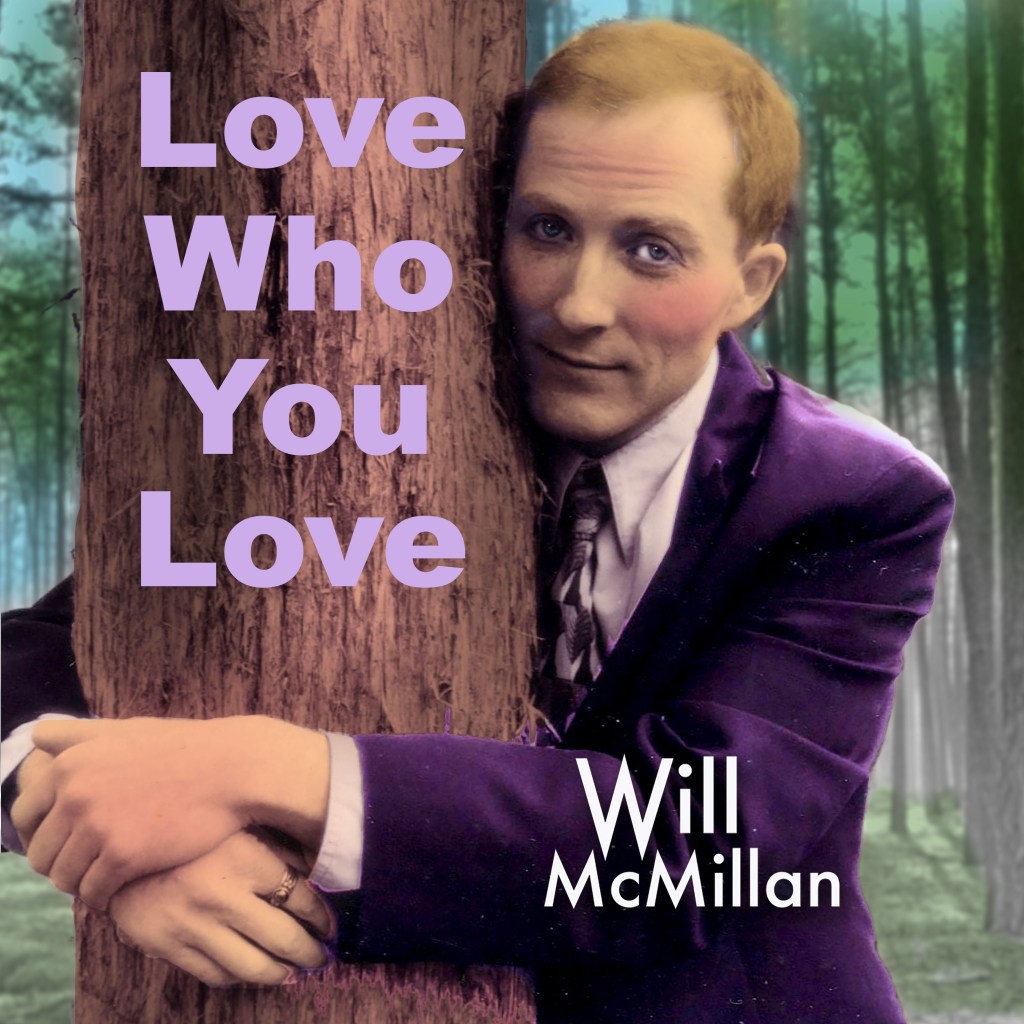
It was written by Lynn Ahrens and Stephen Flaherty, a delicious songwriting team who helped to create the musicals RAGTIME, SEUSSICAL, ONCE ON THIS ISLAND and A MAN OF NO IMPORTANCE (which is where “Love Who You Love” comes from) among many other projects.
The songwriters Burt Bacharach (music) and Hal David (lyrics) wrote a bunch of great songs together starting in the late 1950s through the early 1970s.
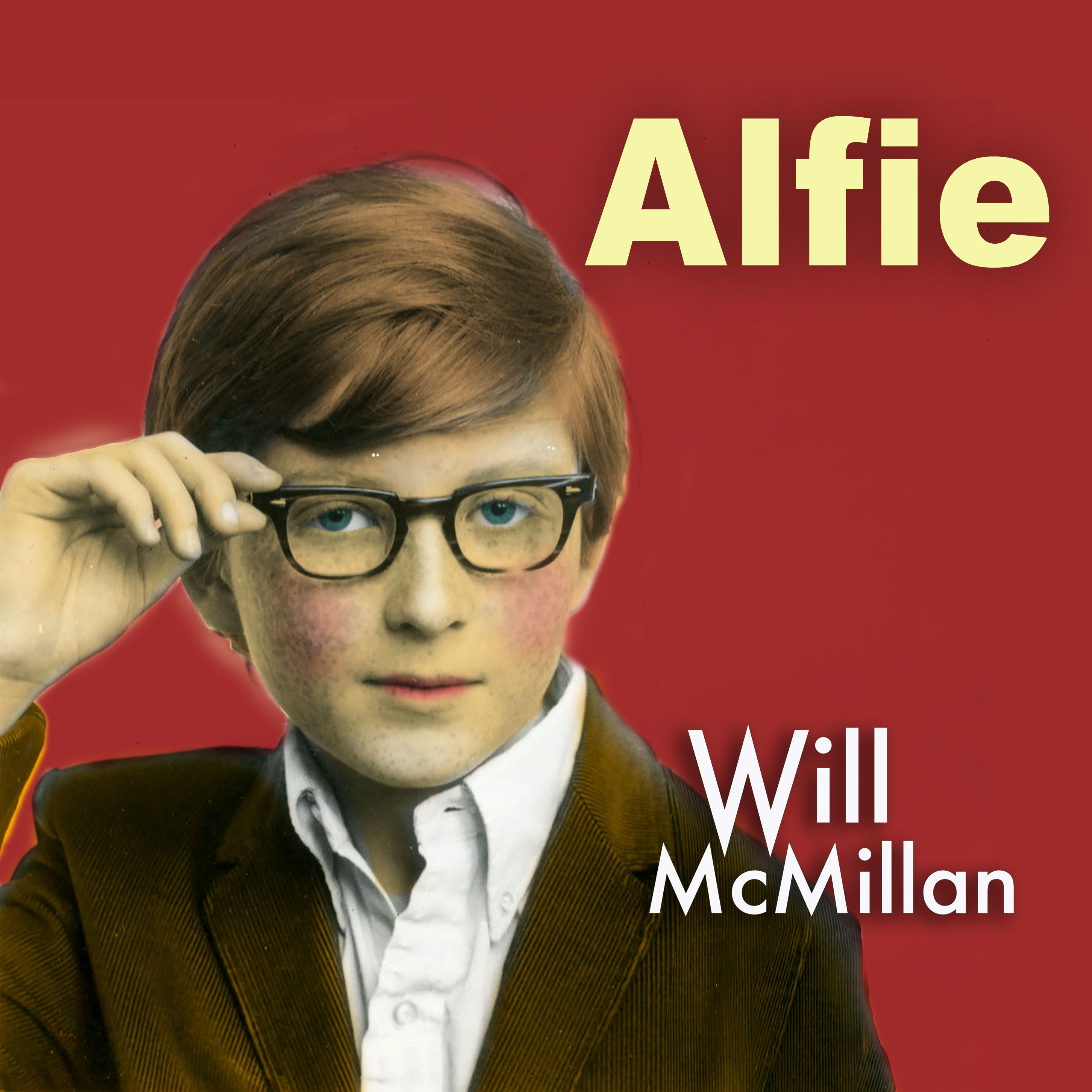
Today I am focusing on their beautiful anthem, “Alfie” (in the player at the top of this blog post).
As I have mentioned in past blog posts, I perform one-hour programs of music which feature a particular lyricist or composer at retirement communities, libraries, synagogues, coffee houses, and memory cafes around the greater Boston area with the help of two different pianists, Joe Reid and Molly Ruggles.
And due to the aging Baby Boomer demographic bulge, a LOT of new retirement communities have been built in Massachusetts in the past 10-20 years.
Most of them — hurrah! — still have real pianos in their community rooms (or auditoriums in the fancier places…)
And they book a significant amount of musical entertainment for their residents.
What’s lovely about doing more frequent musical visits is that we get to become better acquainted with the music-loving residents in their community.
And we have found (no surprise!) that music has an uncanny power to re-ignite memories — which, if we are lucky, the residents will share with us as we are packing up.
Some people’s memories are family-specific and often very poignant — a particular song was played at their parent’s wedding… or was the favorite song of a sister/brother/cousin… or is the song that always reminds them of a specific moment in high school.
One woman, the youngest child in a family of six, shared with us that her beloved older brother had recorded a version of “I’ll Be Home For Christmas” as a present to bring home with him right before he was killed serving in WWII.
That song had become a sacred — and heart-breaking — hymn for her and her family.
She was moved to tears telling us about it almost eighty years after her brother’s death.
And we were honored to listen to her tell us about the significance of this song in her life.
Deep breath in.
Deep breath out.
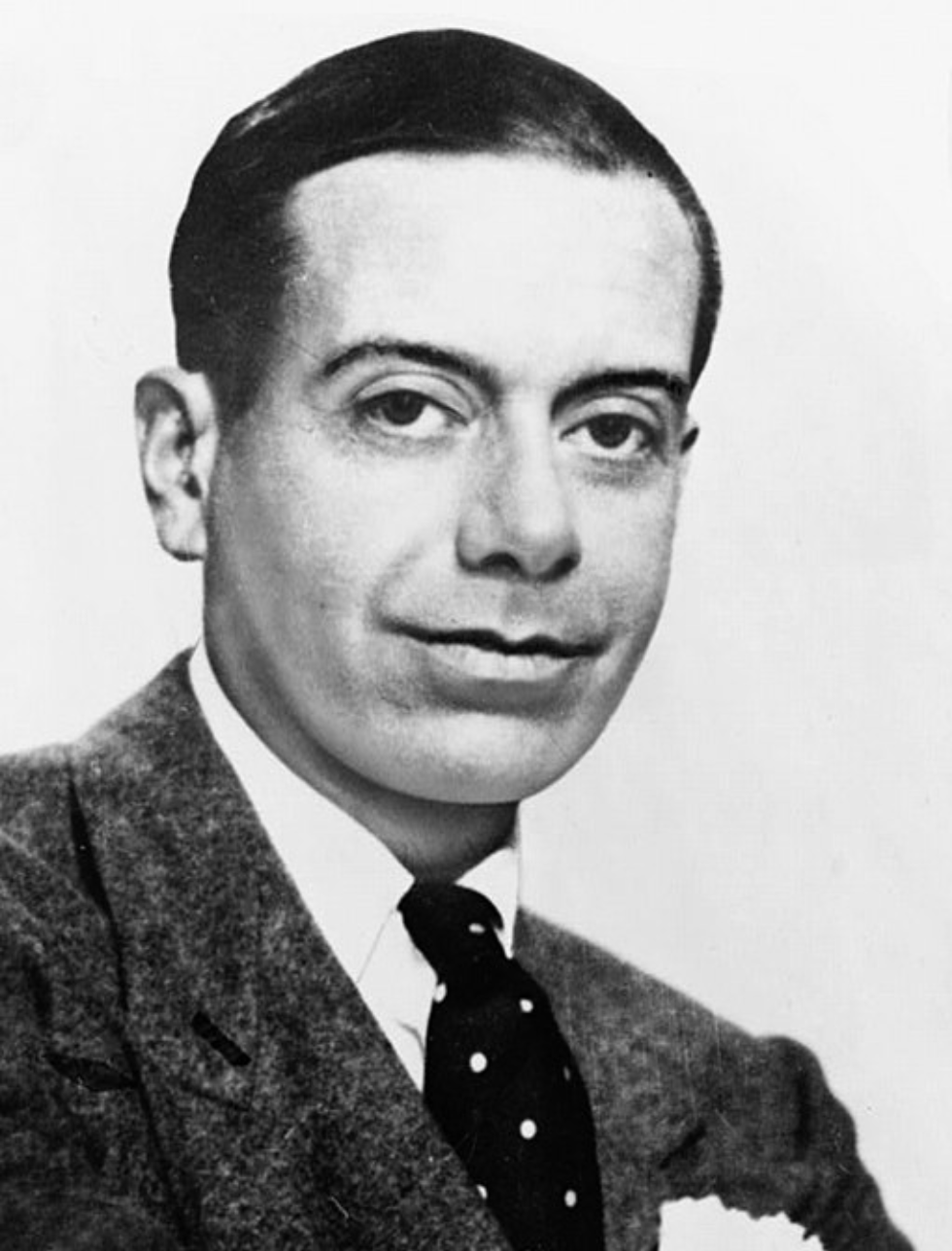
Cole Porter (courtesy of Wikimedia)
Joe Reid and I started ten years ago with a program of songs composed by Harold Arlen.
Then a resident at one of the places we performed that first show asked us to create a program of Cole Porter songs.
And then the Program Director at one retirement community lent us her favorite CD compilation of Hoagy Carmichael songs.
The work of one great lyricist/composer keeps leading us to another!
So far we’ve put together hour-long programs featuring the songs of Harold Arlen, Cole Porter, Hoagy Carmichael, the Gershwin Brothers, Jerome Kern, Dorothy Fields, Oscar Hammerstein, Lorenz Hart, Irving Berlin, Yip Harburg, Frank Loesser, Johnny Mercer, Sammy Cahn, Jule Styne, and Harry Warren.
We’ve also created programs of songs written for great performers including Fred Astaire, Ethel Merman, Bing Crosby and Judy Garland.
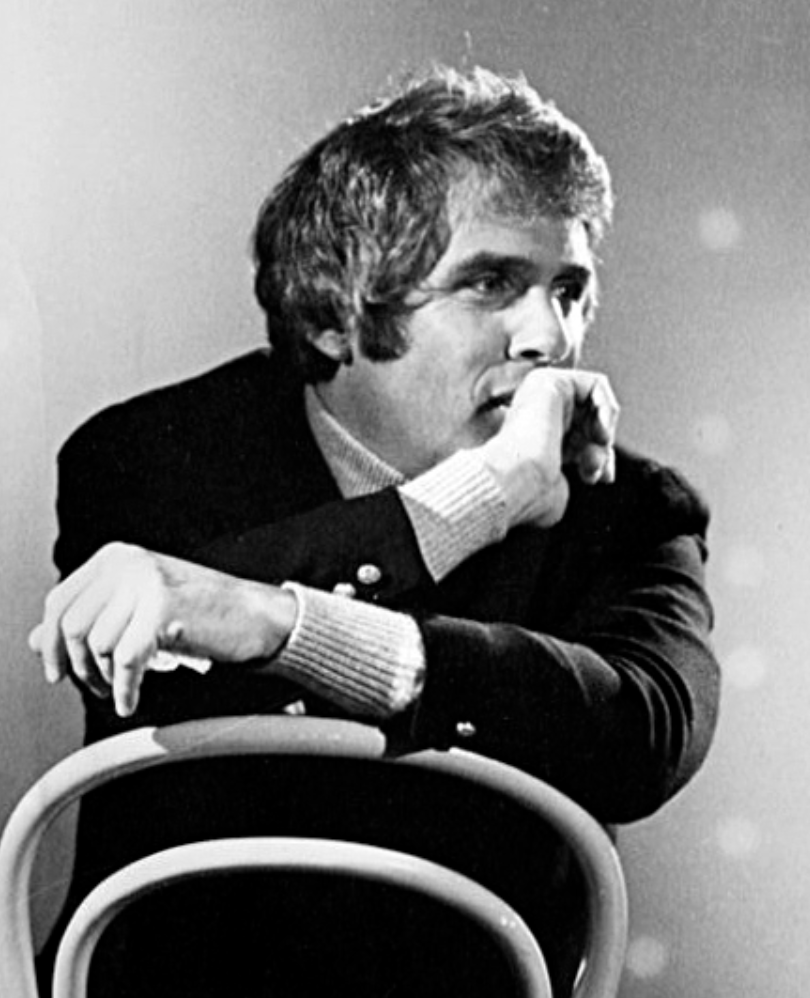
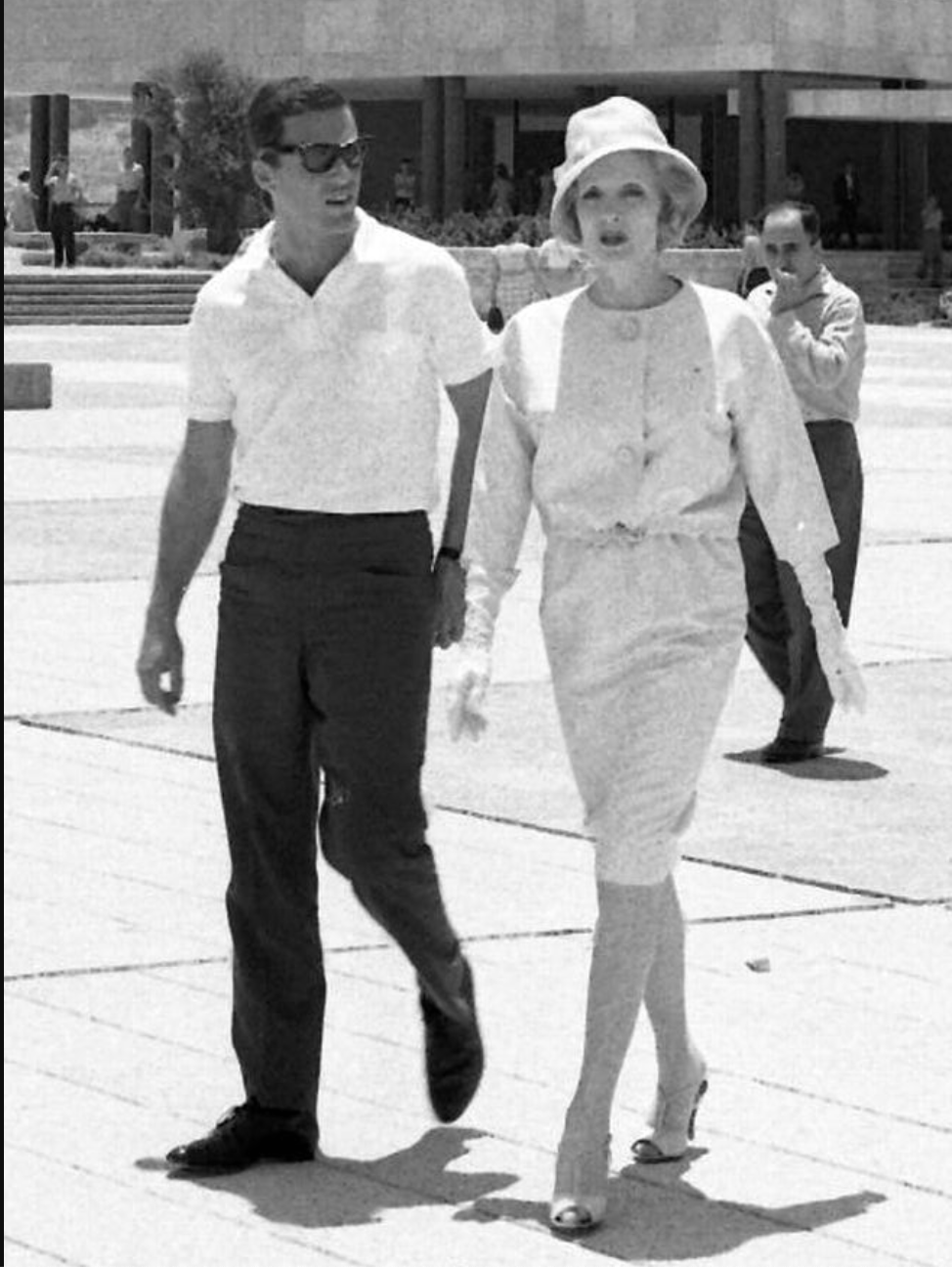
Burt and Marlene in Israel (photo by Fritz Shlezingel — courtesy of Wikimedia)
And now we are venturing beyond music written during the 1920s-1950s — which is what has led us to the songs of Burt Bacharach.
Mr. Bacharach had a long and fascinating life.
His public profile as a pianist, arranger and composer rose significantly after Marlene Dietrich asked him to become her accompanist/band leader — which he did off and on for many years in countries around the world.
I have read Mr. Bacharach’s memoir, and he respectfully insists that his relationship with Ms. Dietrich was never sexual — although it appears that she would have liked it to be.
She championed his music, however, and sometimes would take care of him by cleaning his apartment and then preparing him a home-cooked meal.
According to Burt, she also helped him to juggle ongoing trysts and affairs with a wide variety of women while they were on the road together.
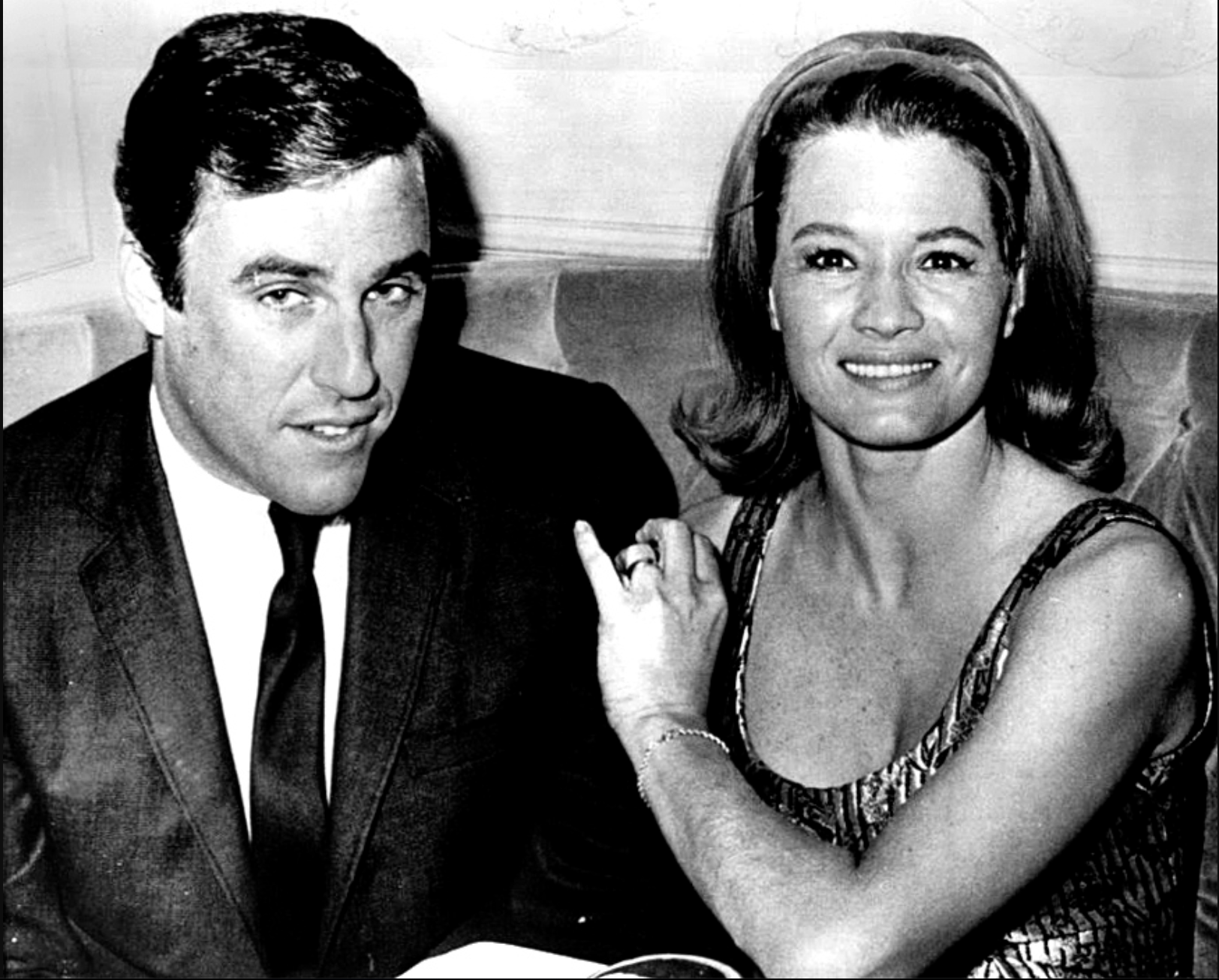
Another woman who played a significant role in Burt’s life was Angie Dickinson, who became his second wife and whose success and connections as a movie star are what led to Burt’s first film scoring opportunities.
Burt and Angie (courtesy of Wikimedia)
Some of Burt’s most beloved songs were created for the movies, including “The Look of Love” (for Casino Royale), “Raindrops Keep Falling On My Head” (for Butch Cassidy and the Sundance Kid), and “Arthur’s Theme — The Best That You Can Do” (for Arthur).
In 1966 Burt and Hal David were asked to write something to play over the closing credits of a British film starring Michael Caine.
Hal and Burt read the script, and then Hal wrote a lyric inspired by something that Michael Caine’s character says at the very end of the film which Burt then set to music.
Cilla Black recorded “Alfie” for the British release of the movie, and version by Cher — of all people — was used when the film was released in the USA.
Bacharach and David’s muse Dionne Warwick also recorded her own version which became a big hit — and since then it has been recorded by thousands of people, including me and the pianist Doug Hammer.
Although we human beings continue to do horrific, greedy, short-sighted, ignorant and evil deeds on a daily basis here on planet earth, I remain a fan of love and kindness — as does the narrator in this song.
Thank you to the photographer who took this Michael Caine-esque photo of me in the late 1960s when I was working professionally as a child (doing commercials, modeling jobs, and voice-overs) in NYC.
Thank you to Stephen Fischer for incorporating it into a graphic design for this song release.
I am writing this blog post as I watch many inaugural events on TV.
So far everything has gone well.
For this I am deeply grateful.
Deep breath in.
Deep breath out.
The song for this blog post, “New Words,” was written by Maury Yeston — a professor at Yale who also created beautiful songs for the Broadway musicals NINE and TITANIC.
I first heard it sung by a woman named Andrea Marcovicci at Town Hall in New York City.
She also recorded it, along with a bunch of other great songs by contemporary songwriters, on a CD called NEW WORDS.
I performed it as part of an evening of SONGS ABOUT PARENTS AND CHILDREN, and again as part of a cycle of songs I shared at my 25th high school reunion.
Then last year this version gracefully jumped out of my archives of past rehearsals with pianist Doug Hammer— and I decided I would wait until after our new president was inaugurated to release it.
After four years of a certain kind of leadership, I have been hungry for a new tone…
A new sense of respect…
A new vision for the future…
And new words…
Another deep breath in.
And deep breath out.
Ahhhhh….
Yes.
New words!
I have been told — and sometimes have experienced with my own eyes and ears — that underneath anger and acting out and conspiracy theories and doomsday scenarios and threatening comments and violence and all sorts of drama is simply…
Fear.
And pain.
Pain from past hurts…
Past losses…
Past disrespects…
Past disappointments…
Past abandonments…
Past abuses of trust…
Past unhappiness of all different shapes and sizes and colors and tastes and smells and densities…
Yes.
Pain.
And fear.
I breathe them in.
And then I breathe them out.
Ahhhhh….
Like many of us, I’ve experienced new pains and new fears during this past year.
I don’t need to go into any of the details, which I have so far chosen to keep private.
Suffice to say that some of them involve rites of passage related to families and health and time and aging which all of us inevitably experience in one form or another.
And some of them involve things which have happened locally, nationally, and globally.
I have a sense that our new president — who has himself experienced some of the most profound losses a human being can experience — and our new vice-president — who has experienced life as a child of immigrants, as a woman, as a person of color, as an attorney general, and as a US senator — may be able to offer us some new words of consolation.
And comfort.
And acknowledgement.
And justice.
And inspiration.
And healing.
We shall see…
Yet another deep breath in.
And deep breath out.
As regular readers of my blog already know, in addition to writing postcards to potential voters in swing states and going for long walks in local cemeteries full of trees, I find refuge and inspiration in music.
The song “New Words” reminds me of the Music Together classes I lead each week — which give me much-needed infusions of joy and spontaneity and playfulness and creativity and connectedness and love.
We set aside the worries of the world for 45 precious minutes and are present with each other — having fun clapping and snapping and drumming and waving scarves and shaking rhythm eggs and singing and dancing together — even via Zoom.
Some families have stayed with me for many years — so I experience the happiness of bearing witness to their children’s new movements, new vocabulary, new ideas, new competencies, new stuffed animals, new Lego creations, and, yes, even new siblings!
Part of me is amazed that anyone would dare to bring a child into a world teetering on the brink of so many disasters.
Yet part of me also sees how these precious, blessed beings can awaken a profound sense of responsibility and interconnectedness in their parents.
I hear mothers who are breast-feeding begin to re-think what they are themselves eating — and start to become curious about how and where and by whom our food is grown and processed.
I bear enthusiastic witness to families’ participation in social justice marches, in political activism, in fighting for a more respectful and sustainable future here on planet earth.
And I feel hope.
I feel love.
I do not know if love really IS capable of overcoming systemic racism, economic inequality, environmental degradation, accelerating rates of extinction, ignorant non-mask-wearers, brain-washed insurrectionists, and the myriad other challenges facing us here in the USA.
A very brave man who was assassinated in Memphis, Tennessee over 50 years ago once said:
“We must meet the forces of hate with the power of love.” (1958)
“We must combine the toughness of the serpent and the softness of the dove, a tough mind and a tender heart.” (1963)
“Darkness cannot drive out darkness, only light can do that. Hate cannot drive out hate, only love can do that.” (1963)
“If I cannot do great things, I can do small things in a great way.” (1963)
And “I have decided to stick with love. Hate is too great a burden to bear.” (1967)
Yet ANOTHER deep breath in.
And deep breath out.
Ahhhhh….
This song inspires me to stick with love.
Thank you to Maury Yeston for writing it.
Thank you to Doug Hammer for playing such beautiful piano and then helping me to mix and master it via Zoom.
Thank you to the generous photographers at Pixabayfor these glorious images.
And thank YOU for reading and listening to another one of my blog posts.
ps: As I was doing my final proof-reading of this blog post, I received an email from one of my favorite former Music Together parents.
She wrote:
“We have been enjoying your music on Spotify! I started following you, and now new songs of yours come up on my new release playlist that Spotify sends out periodically.
Scarlet (her super-sensitive, fairy-like, delightful daughter) especially loves ‘New Words’ — she stopped what she was doing and came over and gave me a hug when it came up on my playlist. She found it so moving, and she didn’t even know it was yours.”
One more deep breath in.
And deep breath out.
Ahhhhh…
This is why I do what I do.
If you are curious to learn more about my musical life here on planet earth, you are welcome to visitmy website.
As longtime readers of my blog probably recall, when I was laid off from my day job as assistant director of the Cambridge Center for Adult Education seven years ago, I decided to devote my life to making music.
A few months after my lay-off, a Boston-area jazz pianist named Joe Reid reached out to see if I might like to do a gig at the retirement community where his dad lives.
I had met Joe several years earlier — when HE was in the midst of a life transition from working full-time as a lawyer to working full-time as a musician — and promptly said, “Yes!”
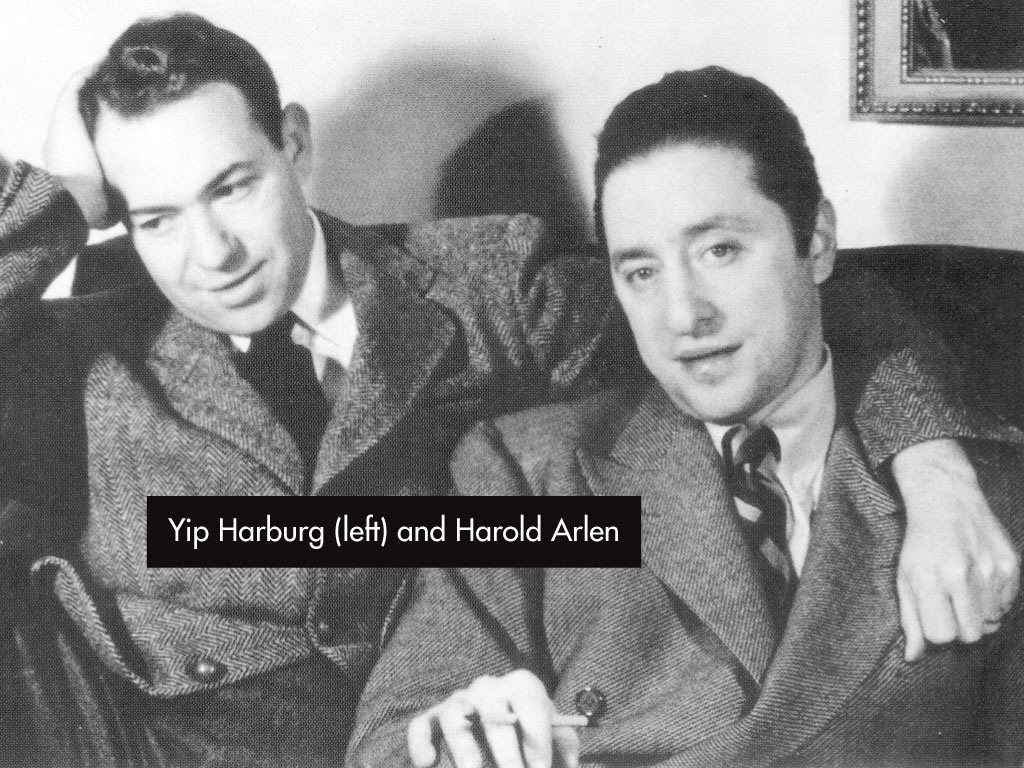
We needed to prepare an hour of music, and I mentioned that I had long loved many songs co-written by composer Harold Arlen — a list which includes “My Shining Hour,” “I’ve Got The World On A String,” “Accentuate The Positive,” “Anyplace I Hang My Hat Is Home,” “Come Rain Or Come Shine,” “Blues In The Night,” “That Old Black Magic,” “If I Only Had A Brain,” “Over The Rainbow,” “Happiness is Just A Thing Called Joe,” “Let’s Fall In Love,” “Get Happy,” and “It’s Only A Paper Moon.”
I had sung a few of these songs in a program of music featuring the lyrics of Johnny Mercer with singer Bobbi Carrey and pianist Doug Hammer — because one of Mr. Arlen’s many collaborators was Mr. Mercer.
And I was familiar with others due to the movie version of The Wizard Of Oz, for which Mr. Arlen composed the music and Yip Harburg wrote lyrics (and a lot of uncredited dialogue — a topic I will explore in a future blog post dedicated to Yip).
I biked over to Joe’s house — in the town next to mine — with a bunch of sheet music.
We spent about 90 minutes running through thirteen songs — picking comfortable keys and exploring tempos/feels for each of them.
And that was it for rehearsing with Joe.
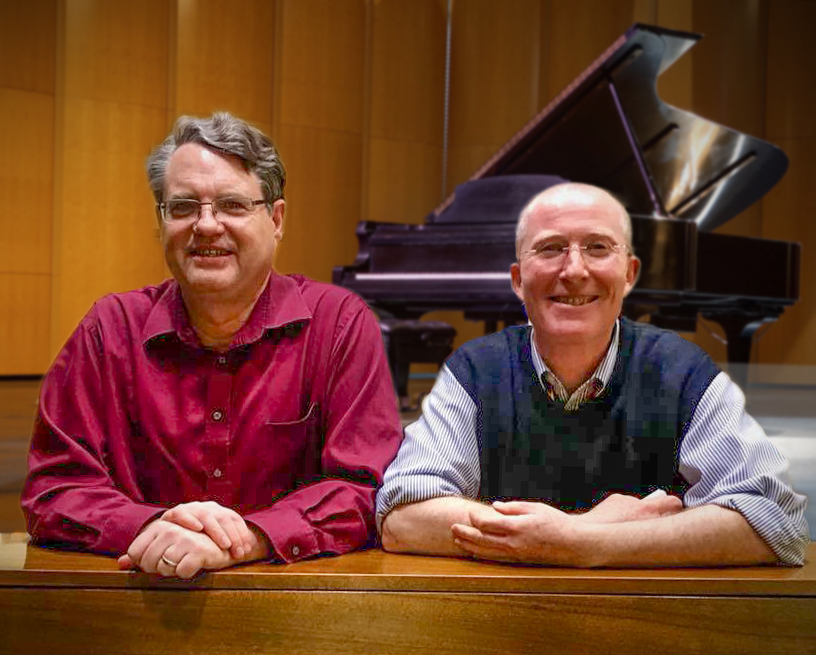
Joe (on the left) is very much a “let’s-trust-in-the-moment” kind of musician who welcomes improvisation and spontaneity.
I, too, value spontaneity — and I also appreciate structure.
So I booked time with pianist Doug Hammer at his studio north of Boston.
We recorded all of the Arlen songs once or twice so that I could have a set of piano-only tracks to play on my iPod as I walked around Arlington memorizing lyrics.
And some of the versions we recorded — such as the version of “It’s Only A Paper Moon” included in the player at the beginning of this blog post — came out surprisingly well.
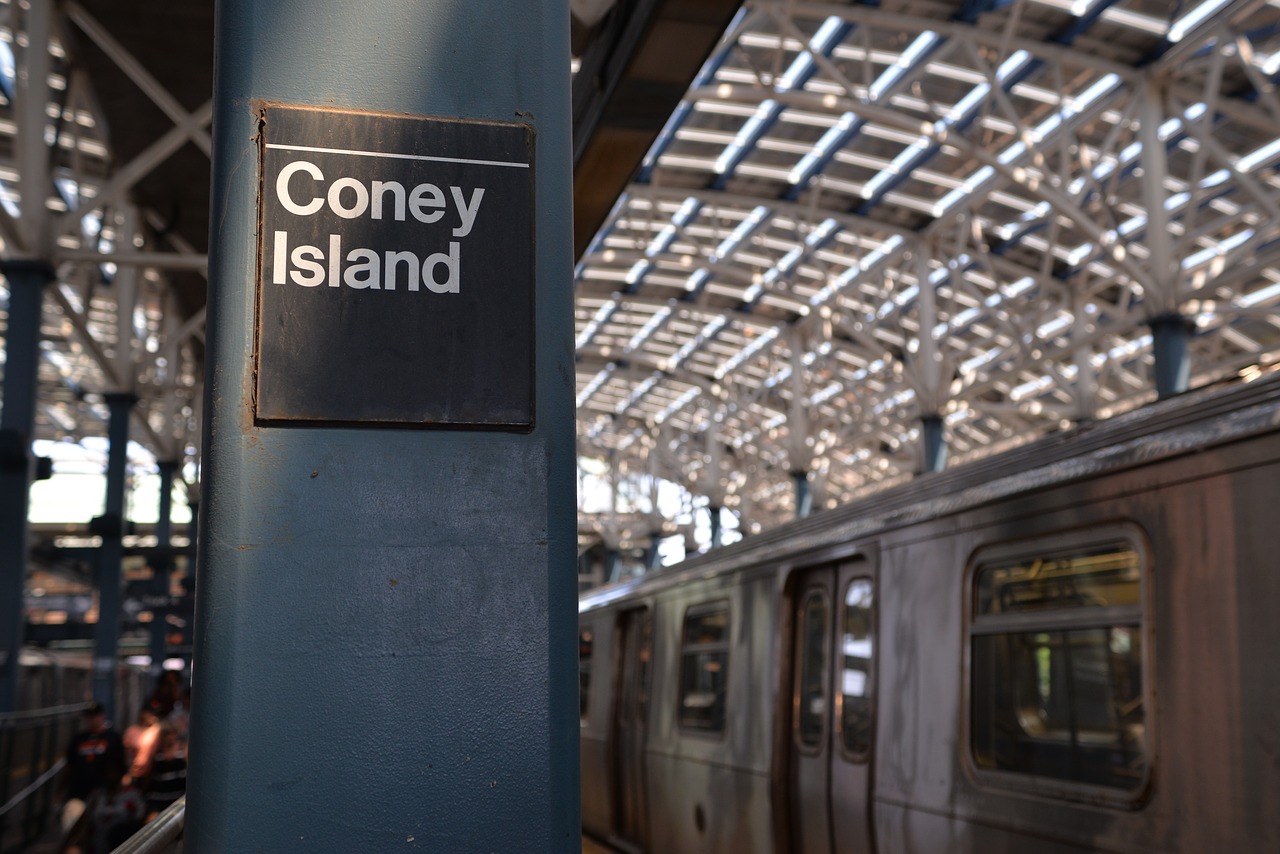
“It’s Only A Paper Moon” was written for a 1932 play (not a musical) called The Great Magoo set in Coney Island which was not a big success.
It is credited to Arlen, Harburg, and impresario Billy Rose — who was somewhat infamous for adding his name to the songwriting credits of other people’s work after having contributed an idea or two during the creative process.
You may recognize Rose’s name because he was married for many years to the great performer Fanny Brice, and his character appears in the movie Funny Lady starring Barbra Streisand as Brice.
Somehow this Coney Island hot dog made me think of him…
Luckily the song was rescued from The Great Magoo and included in a movie called Take A Chance the next year — which led to successful recordings by a wide range of musicians over the past 70+ years.
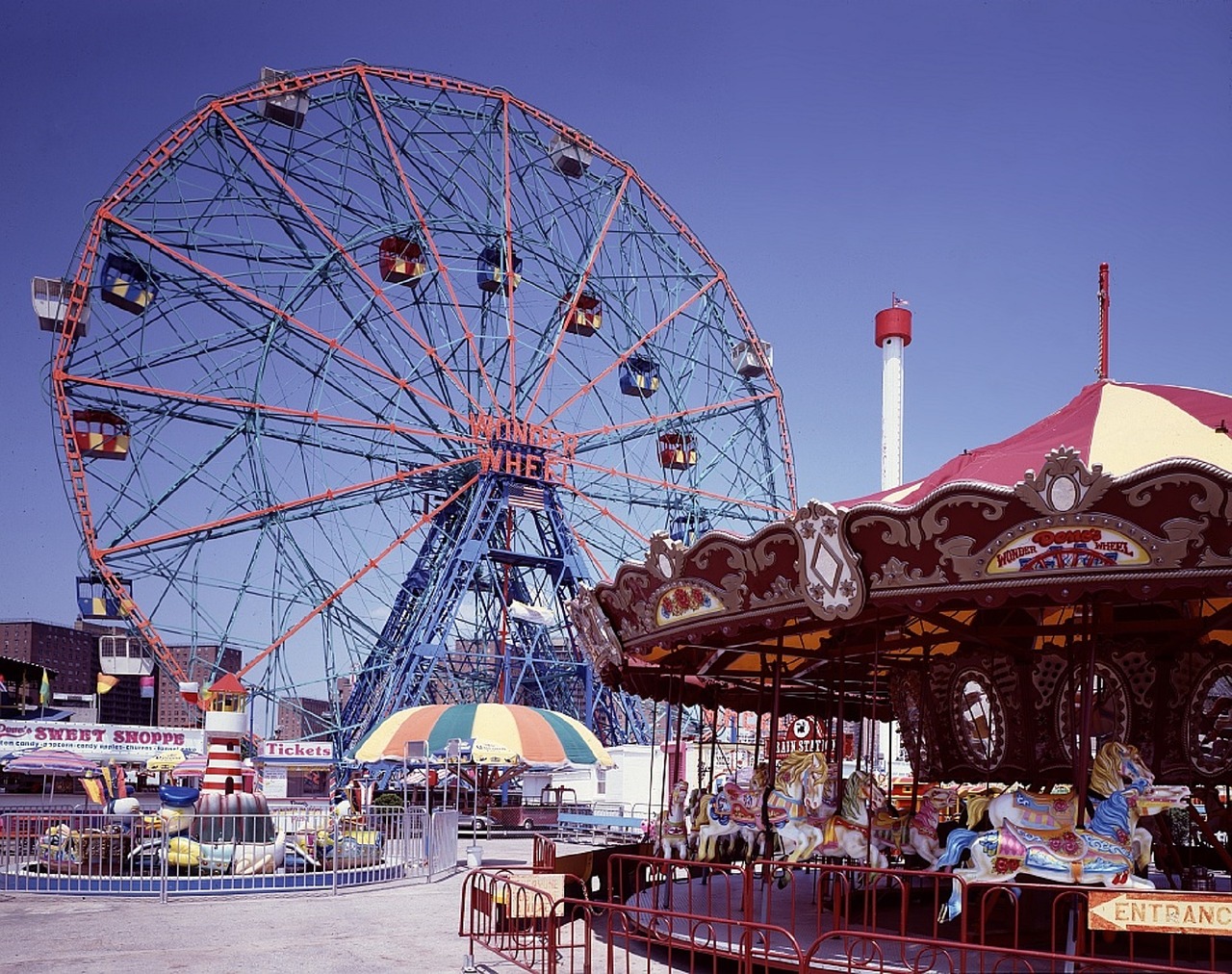
I love the metaphors and imagery used in the song — all things one might encounter at an amusement park like Coney Island.
I also love the sentiment of the song — that if someone believes in and loves another person, their belief and love can be transformative.
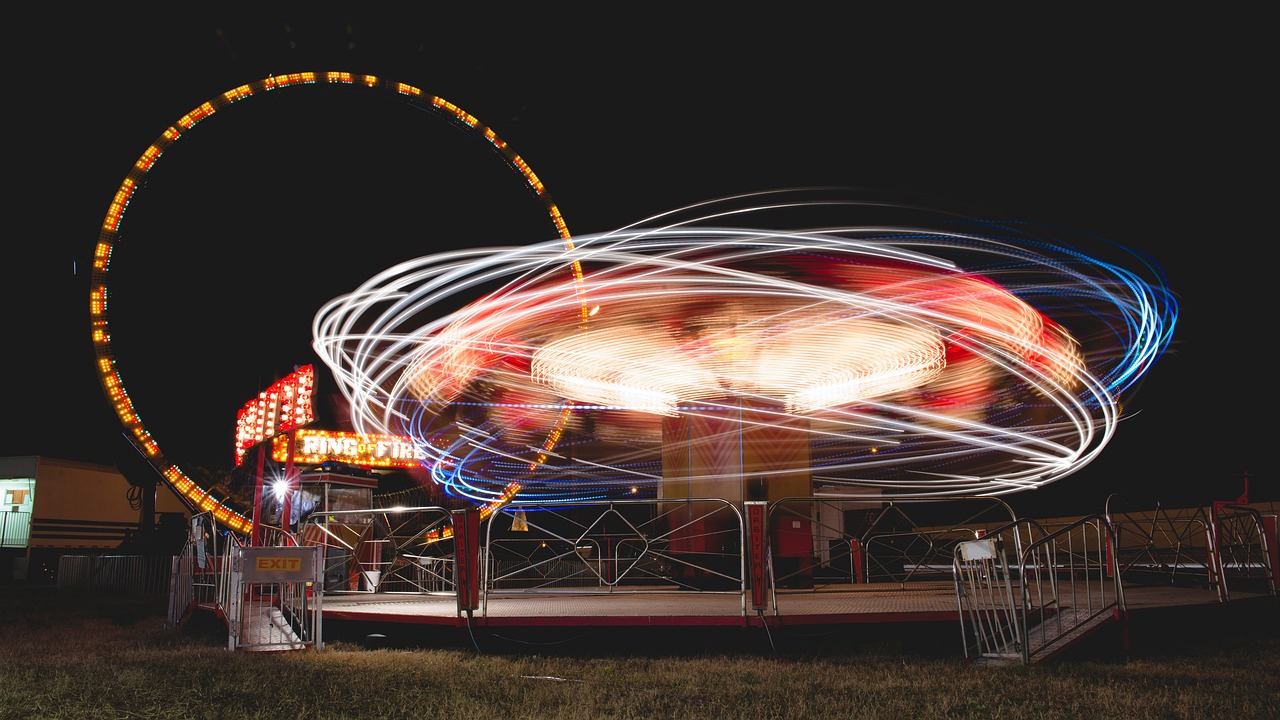
And looking at these photos, I am struck by the way an amusement park transforms from day to night…
Valentine’s Day is just around the corner, and I would like to dedicate Doug’s and my version of “It’s Only A Paper Moon” to all of the folks who have at one time or another believed in me — including friends and acquaintances in the WordPress blog-o-sphere.
Your positive feedback regarding my music and my blog continues to touch and inspire me every day.
Thank you to Pixabay for the great color photographs of Coney Island and other amusement parks around the world.
Thank you to Harold Arlen and Yip Harburg and Billy Rose for writing this wonderful song.
And to Joe Reid for asking me to do a gig with him seven years ago.
Since then Joe and I have done hundreds of gigs together and created twenty five different one-hour musical programs.
Thank you to Doug Hammer for his engineering excellence and his playful virtuosity at the keyboard.
And THANK YOU for reading and listening — and even leaving a comment or two from time to time.
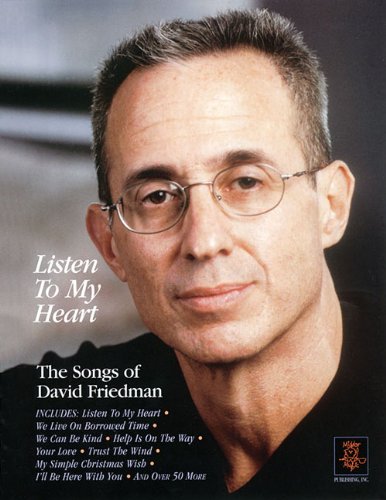
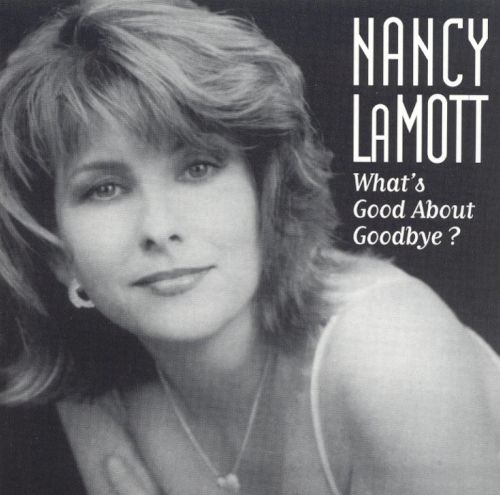
David Friedman is a composer, a songwriter, a conductor, an arranger, a producer, a philosopher, a teacher, AND a dedicated advocate for the singer Nancy LaMott, who died much too young in 1995.
I first became aware of him after hearing one of Nancy’s CDs — and eventually buying all of them because I was so touched by the heartfulness in her voice.
Nancy recorded many of David’s songs, and I fell in love with several of them.
So when David put together a songbook of his original works, I bought it and got to work!
Two of his songs ended up on a CD of songs about love which singer Bobbi Carrey and I recorded with pianist/engineer/producer Doug Hammer, arranger Mike Callahan, and a handful of Boston-area musicians called If I Loved You.
“I’ll Be Here With You” (on the player at the beginning of this blog post) is one of Bobbi’s and my favorite songs with which to end a performance.
And, although I do not know the details of Nancy and David’s musical partnership, I have the sense that this song may have had a strong emotional resonance for them (and might even have been inspired by their friendship…)
Perhaps people who know more about David and Nancy’s history can weigh in using the comments section at the end of this blog post.
I think of David whenever someone says something along the lines of, “They don’t write great standards like they used to…”
There are, in fact, many people who are alive and well on planet earth and who are writing beautiful, wise songs.
But the ways that those songs reach — and touch — the rest of the world have changed significantly since the days of sheet music and singing around pianos in living rooms.
No longer does a new song get recorded by many, many different performers — with different recordings of the same song vying for the top spot on a few national radio networks.
The rise of the singer-songwriter — along with self-contained bands who create their own original material — marked a significant shift in our popular musical culture.
David’s songs have been recorded by pop stars including Diana Ross, Barry Manilow, and Petula Clark — but these days Diana, Barry and Petula are not dominating the charts as they once did…
However, we now have many new ways to share music — such as YouTube, Pandora, Spotify… and even personal blogs like mine.
And there are many singers still devoted to both the Great American Songbook of standards from the 1920s-1960s AND to all of the great songs that have been written since then.
So ripples of music continue to wash around our culture and around our planet…
Thank you to David Friedman for writing songs.
Thank you to Bobbi Carrey for her singing and for her musical collaboration over the past 15 years.
Thank you to Doug Hammer for his piano playing and his engineering and his production skills and his patience and his humor.
Thank you to Mike Callahan for his vocal arrangements.
Thank you to Pixabay for most of the images in this blog post (and to the world wide web for the ones of David and of Nancy).
And thank YOU for making time so that you could read and listen to another one of my blog posts!
Recently we experienced the warmest February day ever recorded in Boston according to a radio announcer on WBUR.
Hmm.
In the short run, I am very grateful for this lovely respite from wintry weather.
In the long run, however, I wonder what’s going on with the larger weather patterns and ocean temperatures on planet earth?
Our opposable thumbs — and seemingly insatiable desire for novelty and innovation — have helped us to create all sorts of stuff.
And much of what we have created needs power from fossil fuels (in the form of electricity, for example) to function or is actually made from fossil fuels outright in the case of plastic.
Plastic wrap. Plastic toothbrushes. Plastic containers to store leftovers. Plastic bags. Plastic bumpers on cars (one of which my sister’s dog was able to chew into pieces when he thought a small animal was hiding under it!)
Plastic plates. Plastic silverware. Plastic cups. Plastic shower curtains. Plastic bowls. Plastic bottles filled with water and laundry detergent and shampoo and apple cider.
Plastic dispensers for easy-gliding floss (which is itself made out of plastic). Plastic souvenir tchotchkes. Plastic electronic devices. Plastic credit cards.
The list goes on and on.
Today I listened to a news story about an area in Texas where we human beings have been extracting oil and gas for the past hundred years.
We’ve been blessed with an inheritance of solar energy accumulated by plants growing on planet earth for millions of years — and we are withdrawing it — and spending it — in the blink of a cosmic eye.
What an amazing inheritance!
Why are we squandering it to manufacture and then purchase stuff that doesn’t usually make us feel any better after the initial thrill of acquisition subsides?
Stuff that won’t decompose for hundreds of years — thus contaminating and altering all sorts of natural processes and feedback loops on land and in our lakes and rivers and streams and oceans.
Why have we not been taught to weigh the long-term consequences of our manufacturing and consumer choices?
I sometimes wonder what an economy would look and feel like which actually honored the long-term costs and consequences of fossil fuel-driven lives on the larger ecosystems which sustain the amazing, interconnected web of life on planet earth…
I am guessing it would be simpler and slower.
It was a growing awareness of all the stuff in my life which inspired me to write lyrics for a melody by Steve Sweeting many years ago which became the song “Stuff.”
I was visiting dear friends who had moved into a large new home on Bainbridge Island near Seattle — and reflecting upon the pros and cons of our very blessed — and privileged — lives.
She is a songwriter and singer and teacher whom I met when I participated in a week-long cabaret conference at Yale.
I — and many of my singing peers — love to perform her songs, the most famous of which is probably “The Rose,” which she wrote for the movie starring Bette Midler.
She has recently finished a new CD of her latest batch of songs called Voices.
I guessed that she might be sick of listening to herself (which one ends up doing over and over and over again when one is recording and mixing and mastering a CD) and open to the possibility of hearing something new.
And, bless her, I was right.
Here’s what she wrote back after listening to Steve’s CD:
“Thank you so much for sending the lovely CD! It was such joy to hear your voice again. AND to listen to something that wasn’t ME for a change!
The songs are terrific. Your performances are nuanced and touching and lovely.
My very favorite is STUFF.
I think I have to have it.
Feels like it would something perfect for me to put in my repertoire if your friend is willing to share.”
Needless to say I was astounded and excited and humbled that she had made time to listen to the CD, that she liked Steve’s songs, and that she liked one of the songs to which I had contributed lyrics well enough that she might end up adding it to her repertoire!
Deep breath in…
Deep breath out…
It’s funny how something as simple as someone asking for the sheet music for a song I have co-written gives me a renewed sense of validation and encouragement to continue on my (still extremely humble) path as a songwriter.
Maybe it’s another example of the power of feedback loops — in this case feedback that Amanda found the melody and chords and ideas and arrangement of “Stuff” compelling enough that she might want to learn it and then share it with others.
Another deep breath in…
And another deep breath out…
Despite all of the larger patterns of disrespect and dishonesty and disbelief which are rippling around our country and around the planet these days, I will continue to count my blessings, continue to reduce my ecological footprint, and continue to sing — and sometimes write — songs.
Thank you, as usual, to Pixabay for the lovely images in this post.
Thank you to Steve Sweeting for entrusting his melodies to me.
Thank you to Amanda McBroom, for making time in her complicated life to listen to Steve’s CD AND then to send such uplifting feedback to us.
And thank you to YOU for reading and listening to another one of my blog posts.
PS: I hope you noticed the irony of me ranting about all the plastic junk we human beings create and buy and sell on planet earth and then agreeing to make a CD recording of Steve’s songs — thus creating 250 shiny, round, flat pieces of plastic which will be obsolete junk within another decade or so…
I am writing this blog post, appropriately enough, in the middle of the night.
I just woke up from a nightmare in which I was attempting to rush a group of children away from a place full of dangerous people who wanted to hurt all of us.
The children — blessedly and also appropriately — did not understand why these people were dangerous, and I did not want to explain.
I just wanted them to keep moving as quickly as possible away from the old warehouse where I knew the dangerous people were hanging out.
Deep breath in.
Deep breath out.
I woke up with a burst of adrenaline coursing through my bloodstream and a mixed feeling of panic and relief.
Panic that maybe I hadn’t been able to rescue the children in my dream.
And relief that it was “only” a dream.
Deep breath in.
Deep breath out.
Except — obvious to anyone who reads the news or watches TV or listens to the radio — my blessed nightmare is the horrific reality for hundreds of thousands of human beings on planet earth.
And here in the USA we mostly don’t think about them.
And that’s just the human-to-human devastation…
There is also an extraordinary wave of extinction of other forms of life on planet earth unfolding right now… and most humans don’t want to think about that either.
We are ignorant — choosing to ignore the complicated and heart-breaking repercussions of our actions because it is too painful.
And because the challenges of how we might change some of these patterns seem too vast.
And because our media tends to give us a very limited glimpse of what is happening here on planet earth.
And because our media — which at its most basic level exists to entice human beings to BUY THINGS — has very little incentive to do anything other than reinforce the allure of fame and wealth and celebrity and insane over-consumption.
Over-consumption of cars and alcohol and clothing and accessories and medication and food products and music and fossil fuels and hair dye and eyeliner and TV shows and lipstick and sunblock and pesticides and movies and plastic bags and electronic devices and travel and “entertainment” and a myriad other things that most of us do not need.
Deep breath in.
Deep breath out.
“When I’m worried and I can’t sleep, I count my blessings instead of sheep,” the songwriter Irving Berlin once wrote and set to music.
According to Wikipedia (and a book edited by local musical expert Ben Sears called The Irving Berlin Reader) it was based on Berlin’s real life struggle with insomnia.
He wrote in a letter to Joseph Schenck:
“I’m enclosing a lyric of a song I finished here and which I am going to publish immediately… You have always said that I commercial my emotions and many times you were wrong, but this particular song is based on what really happened… The story is in its verse, which I don’t think I’ll publish. As I say in the lyrics, sometime ago, after the worst kind of a sleepless night, my doctor came to see me and after a lot of self-pity, belly-aching and complaining about my insomnia, he looked at me and said ‘speaking of doing something about insomnia, did you ever try counting your blessings?’”
Mr. Berlin certainly had experienced many things that might have hung heavily on his heart.
He emigrated to the US when he was a small child to escape the anti-semitic pogroms unfolding in Czarist Russia.
His father died when he was young, which catalyzed Irving (or Izzy as he was called by his family) into leaving school and earning money as a paper boy on the streets of lower Manhattan.
His own son died when he was less than a month old on Christmas Day.
Mr. Berlin served in both the first and second World Wars, producing (and performing in) theatrical revues to raise money, lift the spirits of a country at war, and comfort soldiers fighting all around the planet.
As a Jewish man, he must have been deeply affected by the unimaginable reality of the Holocaust… and atomic weapons… and so many other astoundingly destructive human creations of the 20th century.
Mr. Berlin used the song in the 1954 film White Christmas.
Bing Crosby’s character sings it to Rosemary Clooney’s character to comfort and (it being a Hollywood movie — perhaps to begin a romantic relationship with) her.
I join with millions of people who have sung this song in the past 62 years to restore a sense of peace and gratitude in their lives when they are tossing and turning in the middle of the night.
And as 2016 slouches towards 2017, I also count my blessings:
Clean water at the twist of a faucet…
A functioning furnace…
Fossil fuels to power the furnace and stove and water heater…
My sweetheart of almost 25 years…
One remaining parent + a wonderful step parent…
Siblings who love and communicate with each other…
Friends…
Employment that involves relatively modest consumption/destruction of natural resources (CDs of music to the families in Music Together classes, electricity to play them, fossil fuels to heat and sometimes cool the karate studio where we lead classes, gasoline to power the hybrid car in which jazz pianist Joe Reid and I drive to gigs, electricity to run the PA systems where we perform)…
Music…
The magic of digital recording…
My trusty iPods for learning songs…
My ukuleles and laptop computers for creating new songs…
My rhyming dictionaries for inspiration…
The amazing interlibrary book/CD/DVD loan system for more inspiration…
How our bodies can heal themselves…
White privilege…
Male privilege….
US citizen privilege….
Human privilege…
Curiosity….
Once one starts, the list of blessings goes on and on and on.
Thank you yet again to Pixabay photographers for the lovely images in this blog post.
Thank you to Irving Berlin for his musical and poetical genius.
Thank you to Doug Hammer for his reliable studio plus his exquisite rapport while playing the piano (and simultaneously engineering our sessions).
And thank you, brave and hardy soul, for reading — and listening to — this blog post.
Like many people in the United States — and in many other countries around the planet — I have been experiencing a wide variety of feelings since our recent election.
And a lot of denial — for which I am both grateful and apprehensive…
One of the things that I have found the oddest is how most of us have continued to do the same things that we did before the election.
I have continued to buy groceries.
I have continued to take books out from the library.
I have continued to do laundry.
I have continued to get up and lead Music Together classes on Tuesday, Thursday and Friday mornings.
I have continued to do gigs at retirement communities with jazz pianist Joe Reid.
I have continued to learn song lyrics.
I have continued to clean the toilet and wash the kitchen floor.
I have continued to draft blog posts.
I have continued to watch TV.
And I have continued to love the song “Life Goes On” written by Stephen Schwartz (a version of which is in the player at the beginning of this post with Doug Hammer on piano and Mike Callahan on clarinet which we recorded during a rehearsal for my show called Will Loves Steve several years ago).
Photo by Ralf Rühmeier
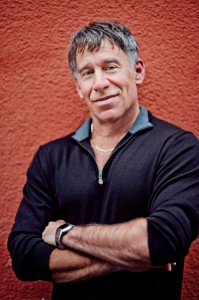
As you probably know, Stephen Schwartz is the composer and lyricist for Godspell, Pippin, The Magic Show, The Baker’s Wife, Wicked (and more) on Broadway as well as the lyricist for animated movies including Pocahontas, The Hunchback of Notre Dame and Enchanted.
“Life Goes On” is not from one of his shows or movies, however.
I found it on Mr. Schwartz’s first solo CD release, Reluctant Pilgrim, and have been gently haunted by it ever since.
According to Mr. Schwartz’s web site, “I originally began to write the songs that make up Reluctant Pilgrim in response to a ‘challenge’ from a songwriter friend, John Bucchino. I had been encouraging John (who had always written individual and highly personal songs) to write for the theatre, and John in turned asked why I never wrote individual songs based on my own life. He said it was time to stop ‘hiding behind Hunchbacks and Indian princesses.’ So I decided to try… The first song I wrote was ‘Life Goes On.’ This was an attempt to deal with my feelings after a close friend of mine died of AIDS. Writing the song turned out to be very therapeutic for me.”
Mr. Jones was involved with the AIDS crisis from the very beginning, and he (although he is beautifully soft-spoken and articulate during the interview) reminded me of how loudly and angrily and stubbornly AIDS activists had to demonstrate and organize in order to make progress on understanding and treating this virus when our president and many of our elected officials just wanted to ignore what was happening.
Have we re-entered a time in US history when we will need to act up — regularly, passionately, strategically — in response to our government’s actions and/or inactions regarding climate change, immigration, civil liberties, the rights of the media to investigate those who hold power in our society, etc. etc. etc.?
I do believe that grass roots action is a crucial part of how things — laws, attitudes, opinions, political leadership, prejudices — change.
What might be the most important issue(s) to which I might devote myself in upcoming days/weeks/months?
I have a sense that protecting and maintaining the amazing web of interconnections which make up our various ecosystems is a fundamental priority which underlies (and, dare I say, trumps) many of our specifically human challenges.
But maybe election and campaign finance reform are more crucial in the short run, as an antidote to the oligarchic voices which increasingly dominate (and frame) our political and cultural debate?
How do we address and respond to and heal the enormous reservoirs of fear and anger and disrespect which seem to be percolating in the hearts of so many fellow human beings on planet earth these days?
How do we plant seeds of hope and trust and respect and love while simultaneously standing up with great power so that we are not run over by ignorance and ego and power and greed and fear?
How do we nurture kindness and gentleness while also standing up for justice?
I am clueless.
I hope that music can somehow play a part in whatever activism and consciousness-raising and healing are on the horizon.
Until then, life goes on…
Thank you for reading and listening!
And thank you to Pixabay for the images in this blog post.
I welcome any thoughts, feelings, ideas, and recommended actions in the comments section.


























 As longtime readers of my blog probably recall, when I was laid off from my day job as assistant director of the