I Walk With Music

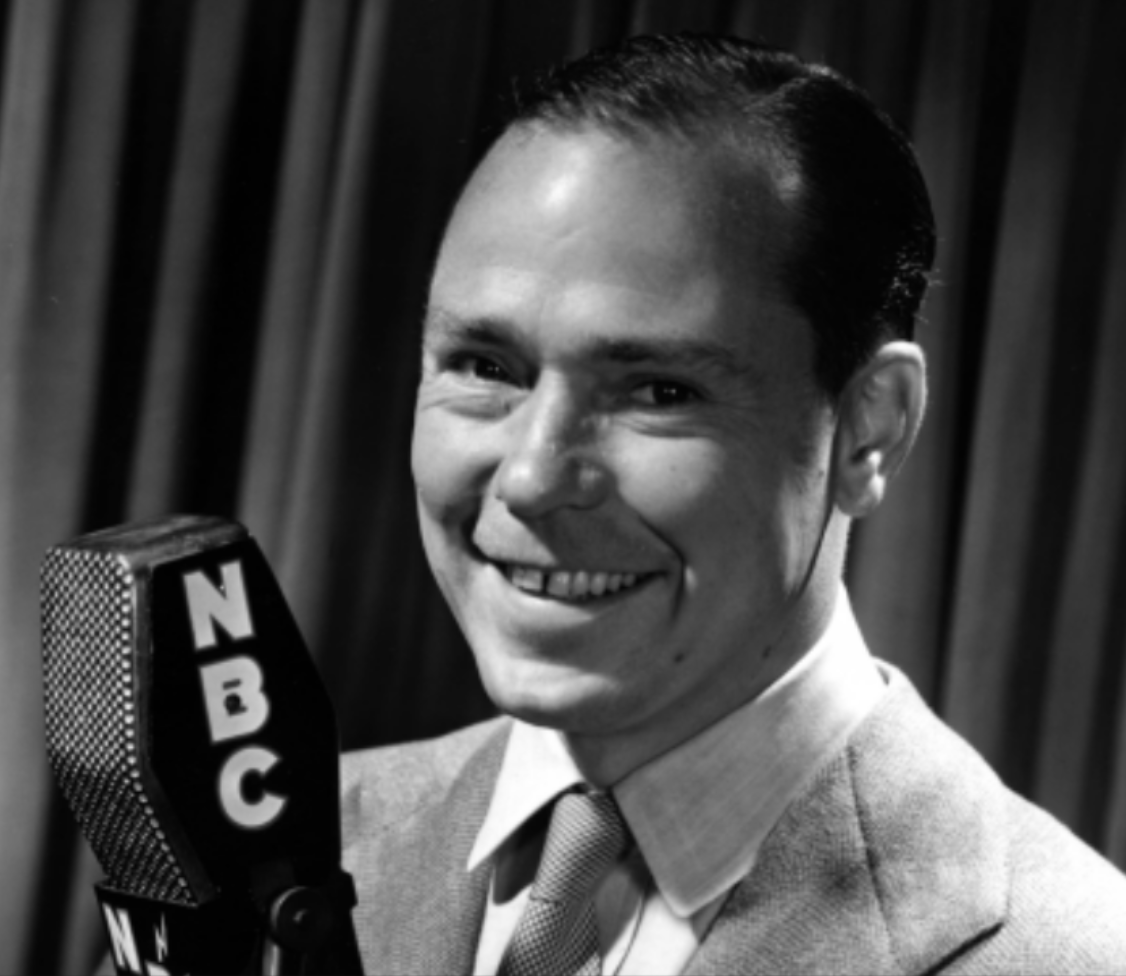
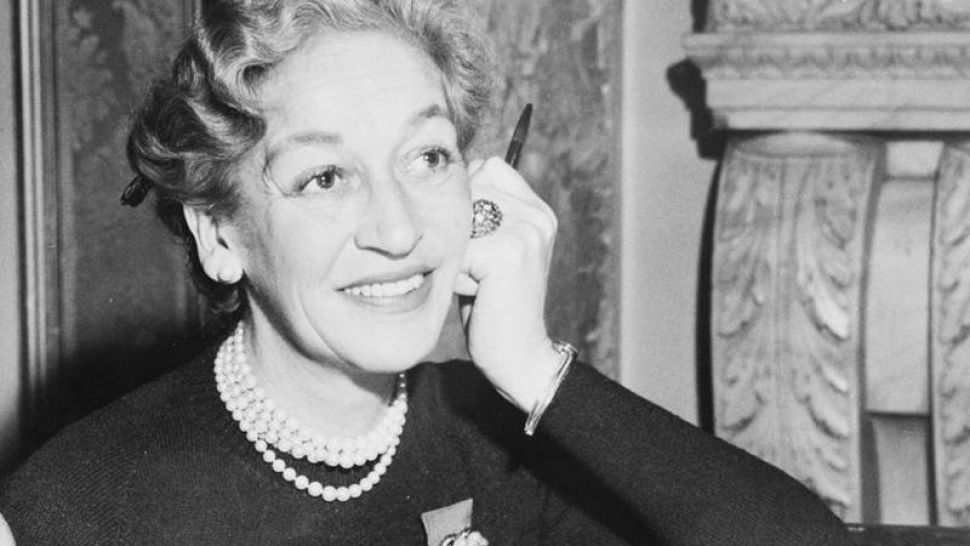
Hoagy Carmichael — NBC Television, Public domain, via Wikimedia Commons

This month’s song is a minor hit from what is sometimes called the Great American Songbook.

Composer Hoagy Carmichael and lyricist Johnny Mercer created it for a Broadway show — I WALK WITH MUSIC — which did not prove to be a success.

But it did give us this sweet song.

I discovered it when I was putting together an hour-long program of songs by Hoagy Carmichael — who also wrote the music for standards including “Georgia on My Mind,” “Stardust,” “The Nearness of You,” and “Skylark” (another song co-written with Johnny Mercer).

Pianist/producer Doug Hammer and I had a lot of fun recording it.

I just re-read the Wikipedia entries for Johnny Mercer and for Hoagy Carmichael.

I learned that — later in his life — Hoagy appeared as a songwriter character on THE FLINTSTONES animated TV show and also participated in a TV special with Fred (Mr.) Rogers.

And I was reminded that Johnny Mercer was a bit of a Jekyll/Hyde personality — beloved during the daytime and then drunk at parties saying mean things during the night — after which he would send flowers and an apology the next morning.

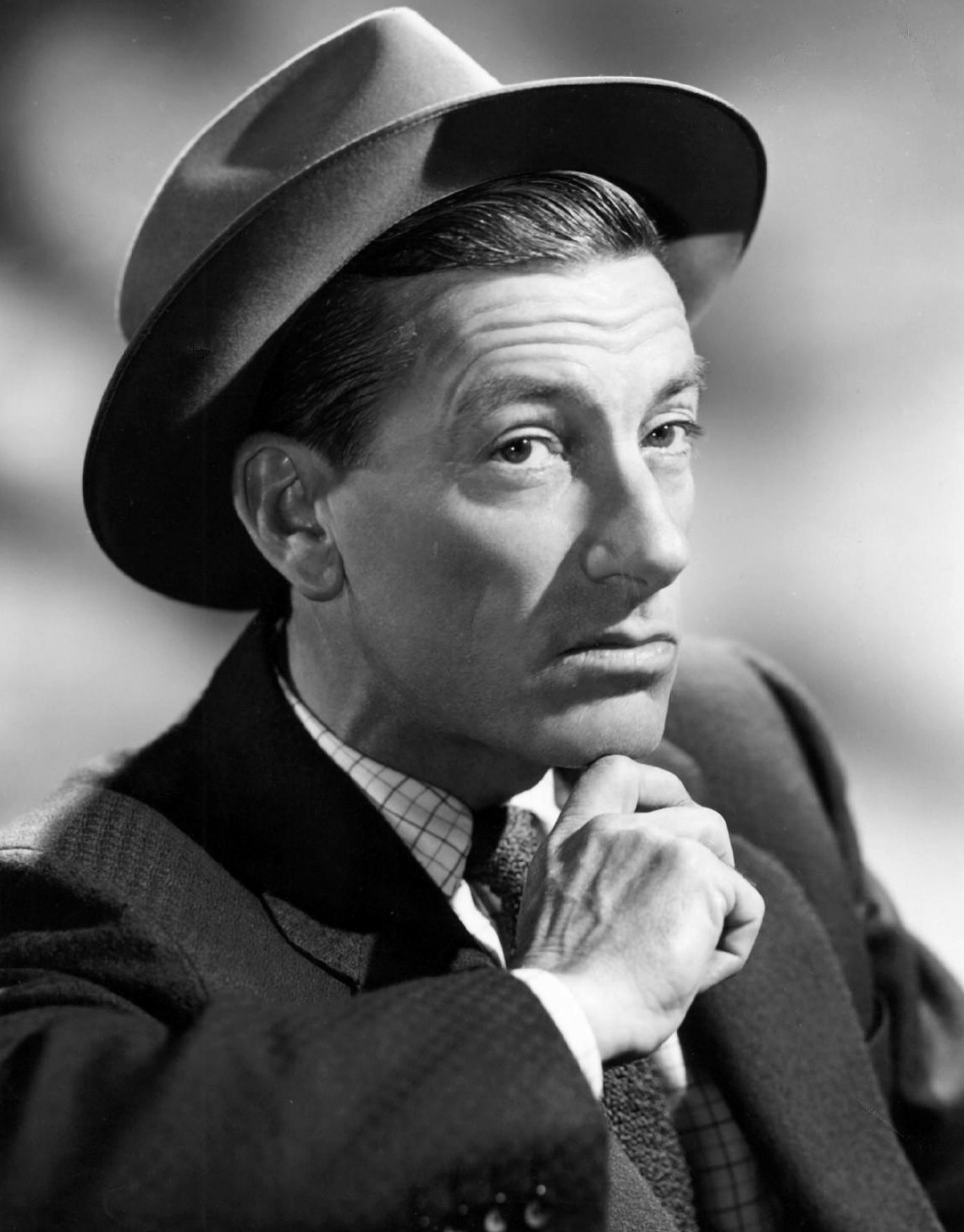
Johnny Mercer (from the Johnny Mercer Foundation website)

In addition to being successful songwriters, Hoagy and Johnny were also successful performers.

Later in his life, Hoagy worked as an actor in movies and TV shows, while Johnny recorded many hit singles over the years — of his own songs and as well as songs written by other people.

Johnny also was one of three men who founded and ran Capitol Records very successfully for many years.

He was mentored early in his career by Yip Harburg (the lyricist who co-wrote “Brother, Can You Spare A Dime?” “Over The Rainbow,” “How Are Things In Glocca Morra?” and “It’s Only A Paper Moon” among many other hits).

And near the end of his own life Mercer became a fan of singer-songwriter Barry Manilow.

In fact one of my favorite Johnny Mercer songs — “When October Goes” — was created after Mr. Mercer died with music by Barry Manilow and unpublished lyrics given to Mr. Manilow by Mercer’s widow, Ginger.

Both Mercer and Carmichael kept writing songs even after rock-n-roll had significantly altered the landscape of popular music — which meant that their work was less and less in demand…

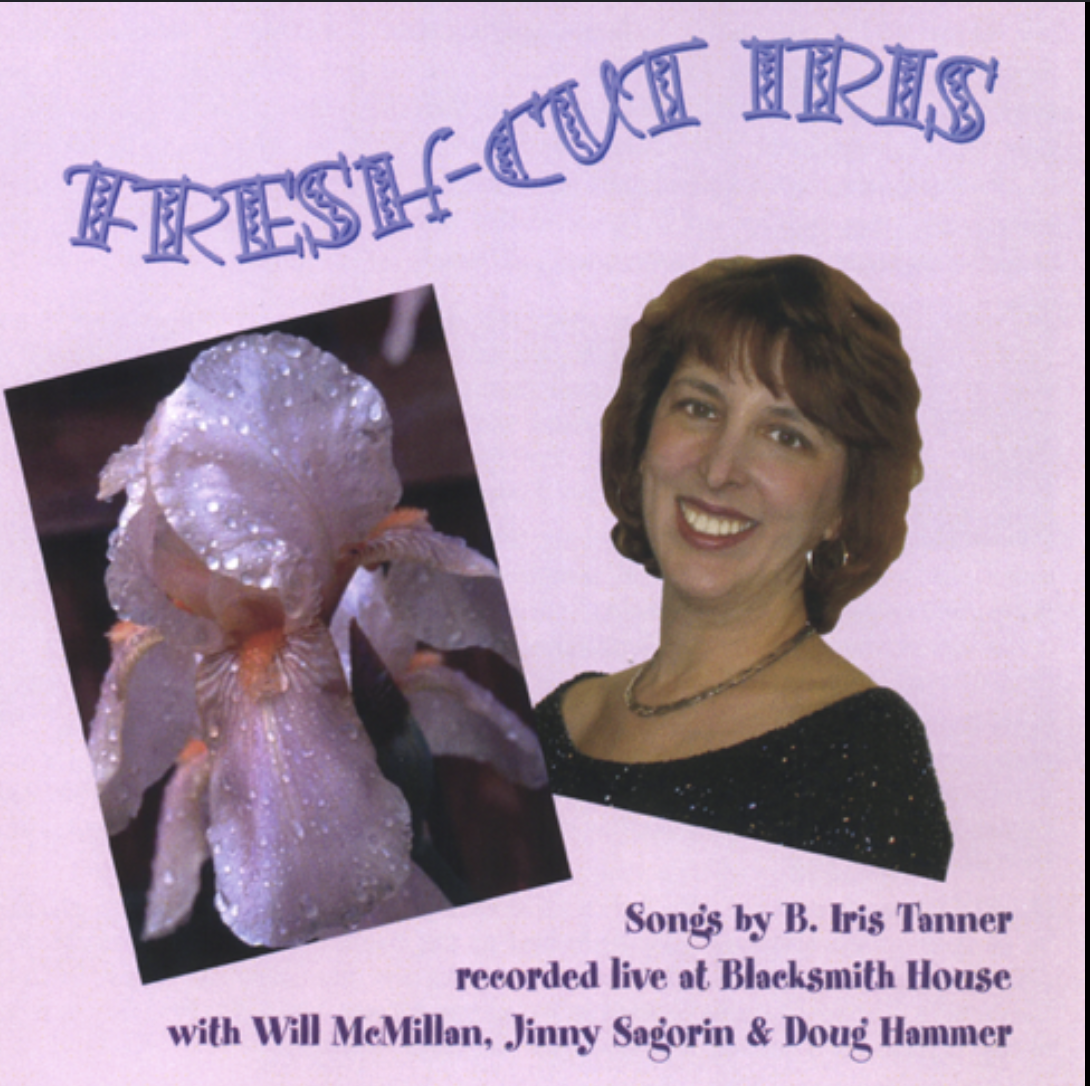
Me (photo by Stephen C. Fischer)

I take inspiration from their creative perseverance as well as from the rich legacy of hit songs they left for all of us to savor.

On a personal note, I have begun attending several open mics on a regular basis, sharing my original songs while accompanying myself on ukulele.

Performing like this has been a good workout for my brain because I now have to remember both lyrics AND chords.

It has also been interesting to see how other regular open mic attendees do (and don’t) welcome one into each musical micro-community.

The key, I think, is simply continuing to show up.

Gradually we reveal ourselves to each other through our song choices and through the things we say between songs (the open mics I attend allow a person to perform 2-3 songs per night).

And trust begins to form…

Graphic Design by Stephen C. Fischer

And curiosity begins to arise…

Deep breath in.

Deep breath out.

All of the venues are also registered with ASCAP, the performing rights organization I joined several years ago.

So after each open mic, I log onto my ASCAP account and enter which of my original songs I performed.

In theory this is supposed to generate a tiny stream of income for me, but I haven’t seen anything yet…

One final thing I have been appreciating about attending open mics is that they give me a chance to fine-tune the lyrics of songs I haven’t yet recorded (but plan to record with Doug Hammer later this year).

If you would like to stream “I Walk With Music,” you are welcome to click here for a link to many different digital music platforms.

Thank you to pianist/composer/producer Doug Hammer for our ongoing — and ofter very playful — musical collaboration.

Thank you to Stephen C. Fischer for his photo and design expertise.

Image by Jenő Szabó from Pixabay

Thank you to Wikipedia (to which I give a tiny financial contribution each month) for being such a useful source of information.

Thank you to all of the terrific songwriters, living and dead, whose work touches our souls and lifts our spirits on a daily basis.

Thank you to Jeno Szabo for his beautiful image from Pixabay.

And thank you, dear reader, for making it through another one of my (now mostly monthly) blog posts.

I Can’t Give You Anything But Love, Baby…

Image by YREA from Pixabay

My dad used to sing this song to me and my siblings at bedtime.

It’s another one co-written by Dorothy Fields with composer Jimmy McHugh.

This song recently entered the public domain, which means that we — Molly Ruggles, Carole Bundy and I — can now release our own version of this beloved standard.

Molly is a pianist, singer, songwriter and arranger who worked at Harvard and MIT for many years.

She kept her love for music alive during that period of her life by writing songs (including a complete musical) and working as the music director at a UU church.

Image by soufiane koraichi from Pixabay

During the past few years, I have discovered that Molly has a fascinating musical gift.

She likes to write entirely new sections for pre-existing songs!

Some people write new lyrics for songs, and she has been known to do that as well.

But I have never met anyone who can write an entirely new section which matches the musical style (melody, chords AND lyrics) of the original song in such a seamless way.

If you listen to our recording (in the player above and or via a music streaming service), the entirely new part written by Molly begins “I gotta tell you, I wish that I had a big bank account” and ends with “and I have one simple goal — giving my love to you!”

Image by Walter from Pixabay

It is brilliantly done.

She also wrote a new section for Cole Porter’s song “Let’s Do It” (which recently entered the public domain) and for a few others which are not yet in the public domain.

We perform those songs live but cannot release a recording of them (which would include Molly’s new section) without getting permission from the people who wrote them and/or their descendants and/or the music publishing companies which own them.

Going forward, I am hoping that Molly focuses her creativity on songs which are already in the public domain — of which there are MANY from the early years of what is now called “the Great American Songbook.”

Image by Jasminka Kovačević from Pixabay

For example, a bunch of Irving Berlin’s earliest hits are now in the public domain including “Alexander’s Ragtime Band.”

And one of my favorite songs of all time, Makin’ Whoopee is also in the public domain, I think.

Thank you to Molly for creating this great arrangement of “I Can’t Give You Anything But Love, Baby” as well as playing piano and singing on it.

Thank you to Carole for singing on it.

Thank you to Doug Hammer for engineering our recording session and then mixing our version with me via Zoom.

Thank you to the generous and talented photographers at Pixabay — who let me use their beautiful photos in my blog posts.

Image by Jürgen from Pixabay

And thank YOU for reading and listening to yet another blog post.

Deep breath in.

And deep breath out.

ps: If you are inspired to stream our version of this song, you can click here for links to various companies including Pandora, Apple Music and Spotify.

In Praise of David Friedman

In Praise of David Friedman

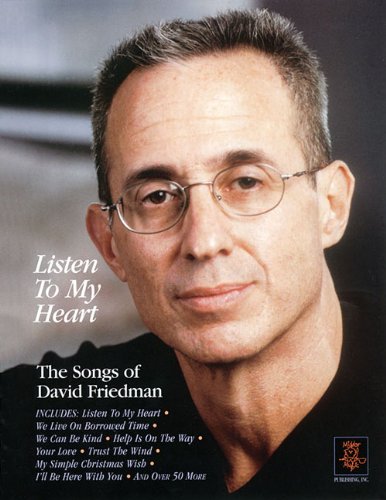
Friedman-Songbook


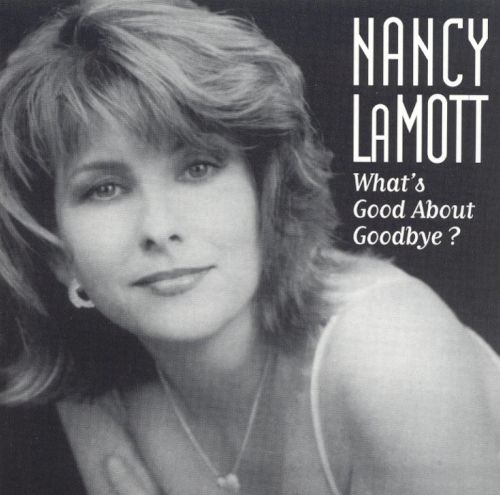
David Friedman is a composer, a songwriter, a conductor, an arranger, a producer, a philosopher, a teacher, AND a dedicated advocate for the singer Nancy LaMott, who died much too young in 1995.

I first became aware of him after hearing one of Nancy’s CDs — and eventually buying all of them because I was so touched by the heartfulness in her voice.

Nancy-LaMott

Nancy recorded many of David’s songs, and I fell in love with several of them.

So when David put together a songbook of his original works, I bought it and got to work!

Two of his songs ended up on a CD of songs about love which singer Bobbi Carrey and I recorded with pianist/engineer/producer Doug Hammer, arranger Mike Callahan, and a handful of Boston-area musicians called If I Loved You.

Baby feet + hands

“I’ll Be Here With You” (on the player at the beginning of this blog post) is one of Bobbi’s and my favorite songs with which to end a performance.

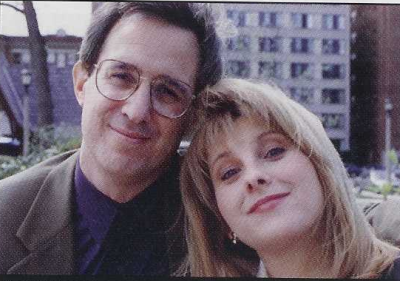
And, although I do not know the details of Nancy and David’s musical partnership, I have the sense that this song may have had a strong emotional resonance for them (and might even have been inspired by their friendship…)

David-and-Nancy

Perhaps people who know more about David and Nancy’s history can weigh in using the comments section at the end of this blog post.

I think of David whenever someone says something along the lines of, “They don’t write great standards like they used to…”

There are, in fact, many people who are alive and well on planet earth and who are writing beautiful, wise songs.

But the ways that those songs reach — and touch — the rest of the world have changed significantly since the days of sheet music and singing around pianos in living rooms.

polar-bears

No longer does a new song get recorded by many, many different performers — with different recordings of the same song vying for the top spot on a few national radio networks.

The rise of the singer-songwriter — along with self-contained bands who create their own original material — marked a significant shift in our popular musical culture.

David’s songs have been recorded by pop stars including Diana Ross, Barry Manilow, and Petula Clark — but these days Diana, Barry and Petula are not dominating the charts as they once did…

However, we now have many new ways to share music — such as YouTube, Pandora, Spotify… and even personal blogs like mine.

And there are many singers still devoted to both the Great American Songbook of standards from the 1920s-1960s AND to all of the great songs that have been written since then.

So ripples of music continue to wash around our culture and around our planet…

Water-Surface

Thank you to David Friedman for writing songs.

Thank you to Bobbi Carrey for her singing and for her musical collaboration over the past 15 years.

Thank you to Doug Hammer for his piano playing and his engineering and his production skills and his patience and his humor.

Thank you to Mike Callahan for his vocal arrangements.

Thank you to Pixabay for most of the images in this blog post (and to the world wide web for the ones of David and of Nancy).

And thank YOU for making time so that you could read and listen to another one of my blog posts!

mother-child-sunset

I Feel A Song Coming On

I Feel A Song Coming On

DorothyFieldsSunnySide

I am not sure why I love reading about the lives of songwriters.

And learning many of their songs.

And then sharing what I have learned in one-hour musical programs at retirement communities, public libraries, senior centers, memory cafes, and coffeehouses.

But I do!

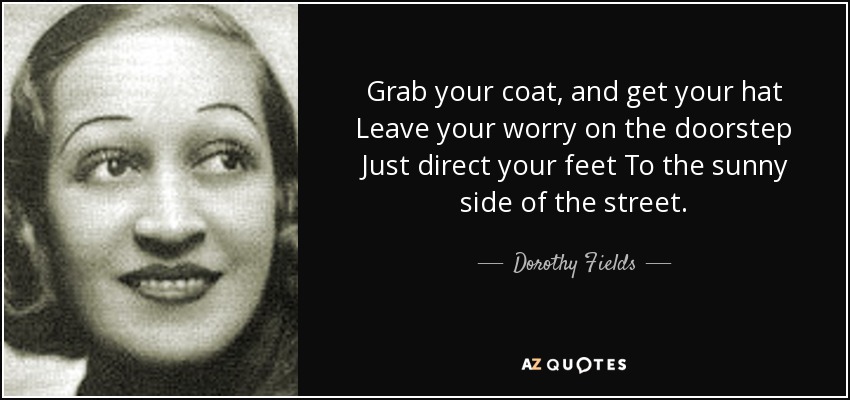
The most recent program I put together with jazz pianist Joe Reid features the life and music of Dorothy Fields.

She was a terrific lyricist who co-wrote hit songs from the late 1920s right through the early 1970s.

When many of her friends and contemporaries — such as Cole Porter, Irving Berlin, the Gershwin brothers, Oscar Hammerstein, Larry Hart  — were either dead, discouraged or stymied by evolving musical trends such as folk and rock, Dorothy Fields achieved one of her biggest hits on Broadway, the wonderful musical Sweet Charity.

She was 61 years old.

Go, Dorothy!

Dorothy Fields was born into a theatrical family and raised to be a wife and mother — NOT an actress or a songwriter (both of which occupations her parents strongly discouraged…)

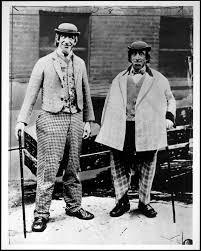
Her father was half of a very famous and successful vaudeville team called “Weber & Fields” who had started as childhood friends performing in the Bowery and had risen as adults to the top ranks of theatrical entertainment in the US .

Weber&Fields

Eventually her father tired of performing and touring, and began to produce shows by other people, including a young team of songwriters named Rodgers & Hart, who were friends with Dorothy’s older brother Herbert (having collaborated together on original theatrical productions while attending Columbia University).

Dorothy and her three siblings had been exposed to theater their entire lives, and Dorothy played lead (male!) roles in amateur theatrical productions at her high school, The Benjamin School for Girls at 144 Riverside Drive on the upper west side of Manhattan.

So it seems a bit surprising (to me, anyways) that her parents attempted to dissuade her from a life in the theater.

When she was growing up, the family had blank books into which everyone was encouraged to jot down ideas for jokes, skits, plots and routines — which served as inspiration when a new show was being created by her father.

And both of her brothers were very successful on Broadway and in Hollywood as writers.

In fact, later on in her life, Dorothy and her older brother Herbert co-wrote the librettos (aka scripts) for shows by Cole Porter and Irving Berlin — including the smash hit, Annie Get Your Gun — which had originally been HER idea as a starring vehicle for her friend Ethel Merman.

Dorothy was supposed to write the songs with one of her most beloved collaborators, Jerome Kern, until Kern unexpectedly died.


Among other hits, she and Jerry had co-written “The Way You Look Tonight,” which won an Academy award for best song in a motion picture in 1936.

After a period of mourning, she and her producers — Richard Rodgers & Oscar Hammerstein — asked Irving Berlin if he would consider joining the project.

And the rest is history…

But Dorothy was born in 1905, when middle and upperclass women were expected to become wives and mothers (not actresses or songwriters or librettists).

Women didn’t get the right to vote until 1920 — when Dorothy was 15 — and her life illuminates many of the social changes that unfolded in the US until her death in 1974.

Dorothy managed to finesse her parental/societal expectations by BOTH marrying young (to a doctor) AND pursuing a career as a lyricist.

Although she worked with a “who’s who” list of composers during her long career, three of them stand out as being particularly significant in her creative life: Jimmy McHugh, Jerome Kern, and Cy Coleman.

FIELDS MCHUGH

Jimmy McHugh was a Catholic pianist from Boston, where he had left a wife and son (whom he dutifully supported from afar) when he moved in his 20s to Manhattan to find work as both a composer and business manager for music publishing companies.

He crossed paths with Dorothy when her friend J. Fred Coots — whom she had met while golfing and who went on to write hits of his own such as “You Go To My Head” and “Santa Claus Is Coming To Town” — began introducing her to music publishing companies as a budding lyricist.

Dorothy and Jimmy hit it off creatively — and possibly romantically — although they were both extremely protective of their private lives and mindful about the potential for bad publicity.

During their ten-year collaboration they wrote hits including, “I Feel A Song Coming On,” “On The Sunny Side Of the Street,” and “I Can’t Give You Anything But Love.”

I love learning that “I Can’t Give You Anything But Love” was not an immediate hit (one critic called it “sickly” and “puerile”) and was cut from two different shows before it finally caught on as part of  the Blackbirds of 1928.

Persistence, persistence, persistence!

Her next significant collaborator was Jerome Kern. They wrote songs — including “Pick Yourself Up,” “I Won’t Dance,” and “A Fine Romance” — for Hollywood movies with stars such as Ginger Rogers and Fred Astaire.

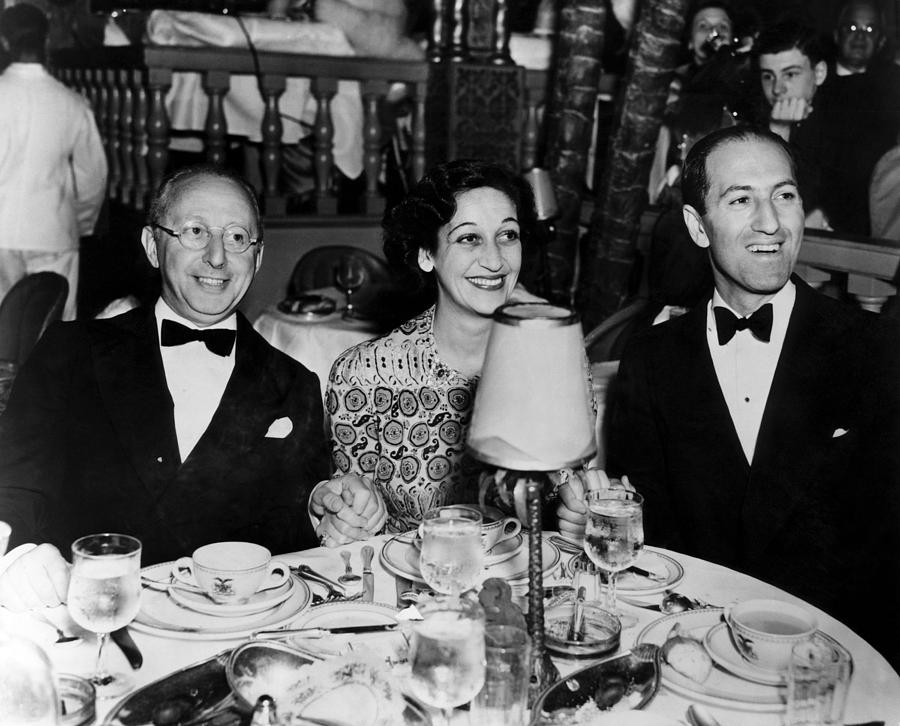
Here she is with Jerry Kern (on her left) and George Gershwin (on her right) at a nightclub in the 1930s.

Kern_Fields_Gershwin

Jerome Kern was older than many of his contemporary songwriters (Gershwin, Arlen, Youmans and others looked up to him when they were starting to write songs) and had a reputation for speaking his mind — and not suffering fools gladly. Some people in the entertainment industry were intimidated by him.

But not Dorothy. She loved him and even gave him a nickname which few others would have dared to choose: “Junior” (Dorothy was 5″ 5″ tall and towered over Kern, who was much shorter).

I have wondered whether the lyrics she wrote for their song “You Couldn’t Be Cuter” might have been something of an “in joke” between the two of them.

Here’s a version of that song — combined with an earlier hit she wrote with Jimmy McHugh, “Exactly Like You” — that I recorded with pianist Doug Hammer earlier this year.


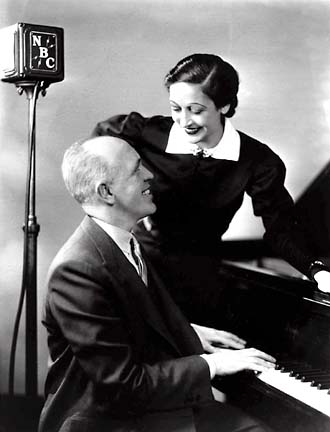
Her third significant collaborator was Cy Coleman, a composer who had already written hit songs with Carolyn Leigh (including “The Best Is Yet To Come,” “Hey, Look Me Over,” and “Witchcraft”) before he met Dorothy at a party.

She was 59 years old, and he was 35.

cyanddorothy

He asked her if she might be willing to explore working together, and she allegedly said something like, “Thank g-d someone asked me…yes!”

They ended up collaborating on a musical inspired by a Fellini film — “Le Notti Di Cabiria,” about a prostitute looking for love — which Bob Fosse and his wife Gwen Verdon had seen and which had immediately inspired Fosse to start working on a musical version for Verdon to star in.

With Neil Simon added to the creative team as librettist, Fosse, Verdon, Fields and Coleman created what became the hit musical Sweet Charity — which went on to become a movie starring Shirley MacLaine and John McMartin, and which gave us songs such as “Hey, Big Spender,” “I’m A Brass Band,” and “If My Friends Could See Me Now.”

Dorothy Fields achieved a remarkable level of success in a male-dominated industry —where women were expected to be on stage, not behind the scenes as part of the creative team.

She was not a glamour girl nor a prima donna — although she was always very well-dressed and had separate closets for her shoes, dresses, suits, sportswear, and evening gowns.

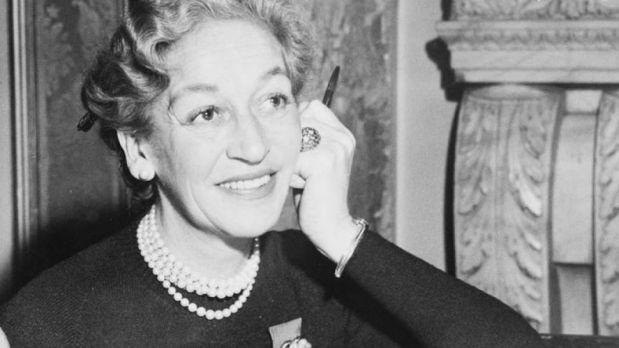
DorothyFields

She was reliable, respectful and professional.

And she was a hard-worker.

At one point she said, “I wrote the words to ‘I Feel a Song Coming On,’ but I don’t believe a word of it. A song just doesn’t ‘come on.’ I’ve always had to tease it out, squeeze it out. Ask anyone who writes — it’s tough labor and I love it.”

I’ll end with two more gems she wrote with Jimmy McHugh — “Don’t Blame Me” and “I’m In The Mood For Love” — which I recorded with pianist Doug Hammer at his terrific studio, Dreamworld, in Lynn, MA.


Thank you to Dorothy Fields and her many collaborators for writing such terrific songs.

Thank you to pianist Steve Sweeting for recording “I Feel a Song Coming On” and “The Way You Look Tonight” with me many years ago at his apartment in Brighton, MA.

And thank YOU for reading and listening to this blog post.