Greetings from East Arlington, MA — just outside of Boston in the USA!
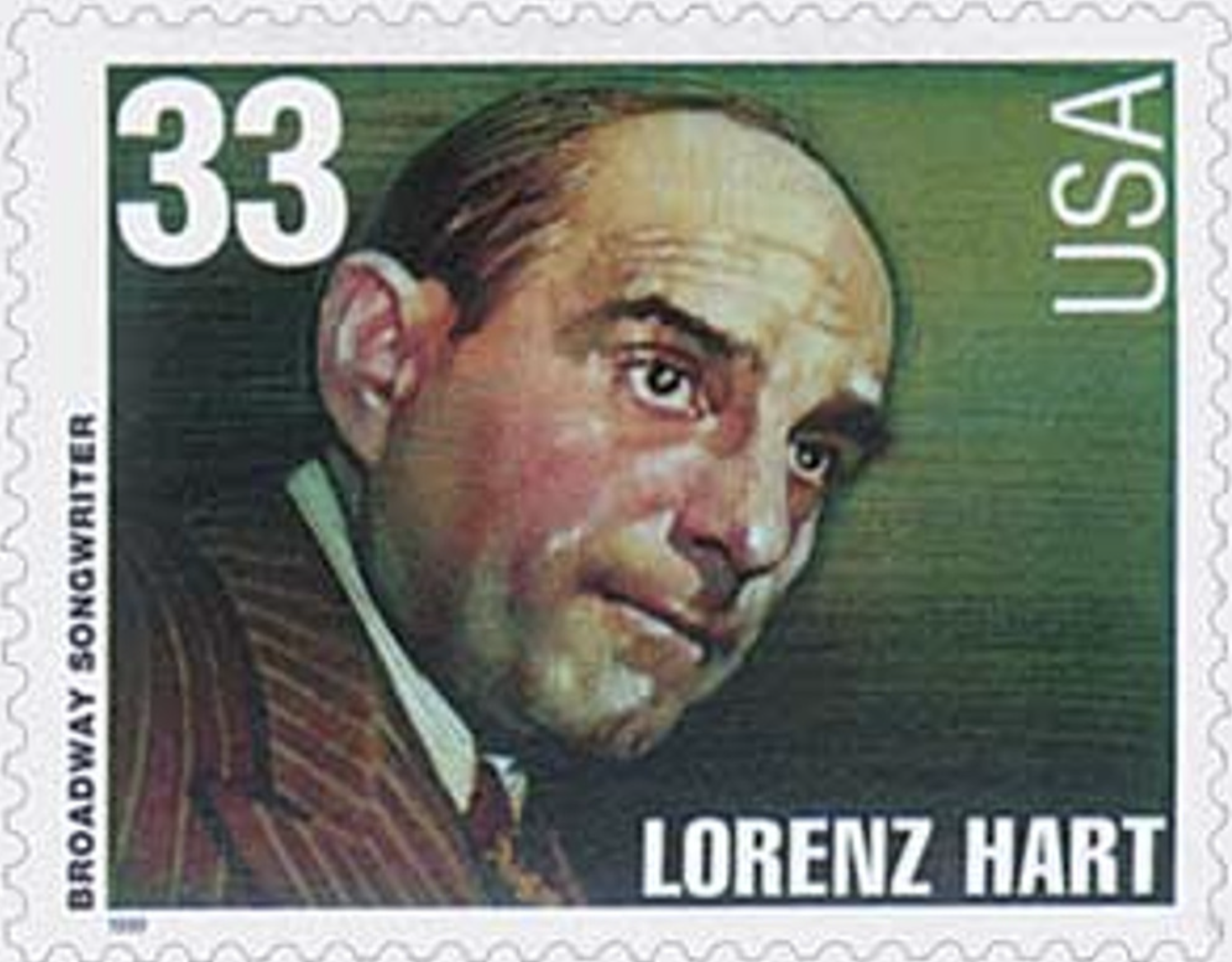
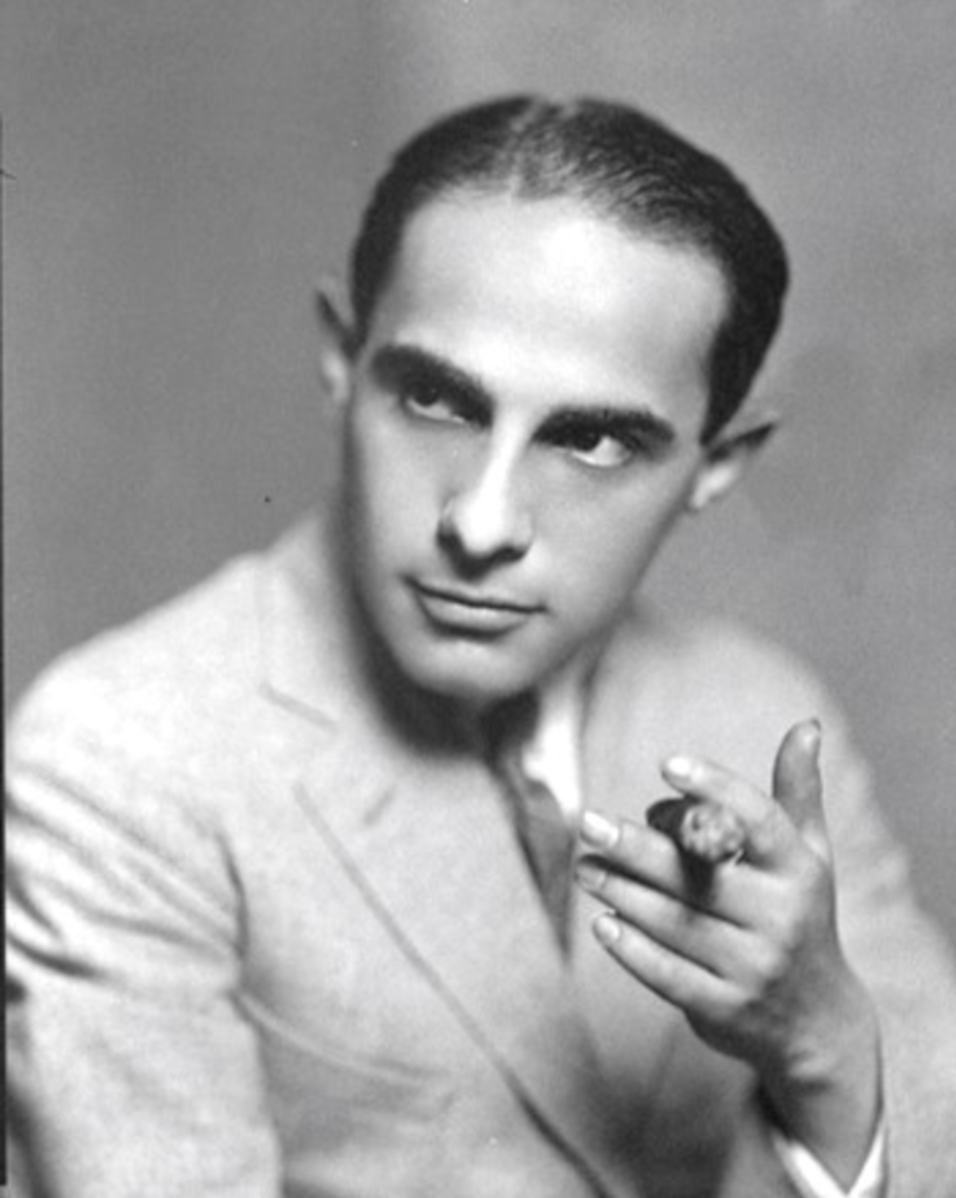
Today I am featuring a beautiful song with lyrics by Lorenz Hart and music by Richard Rodgers.
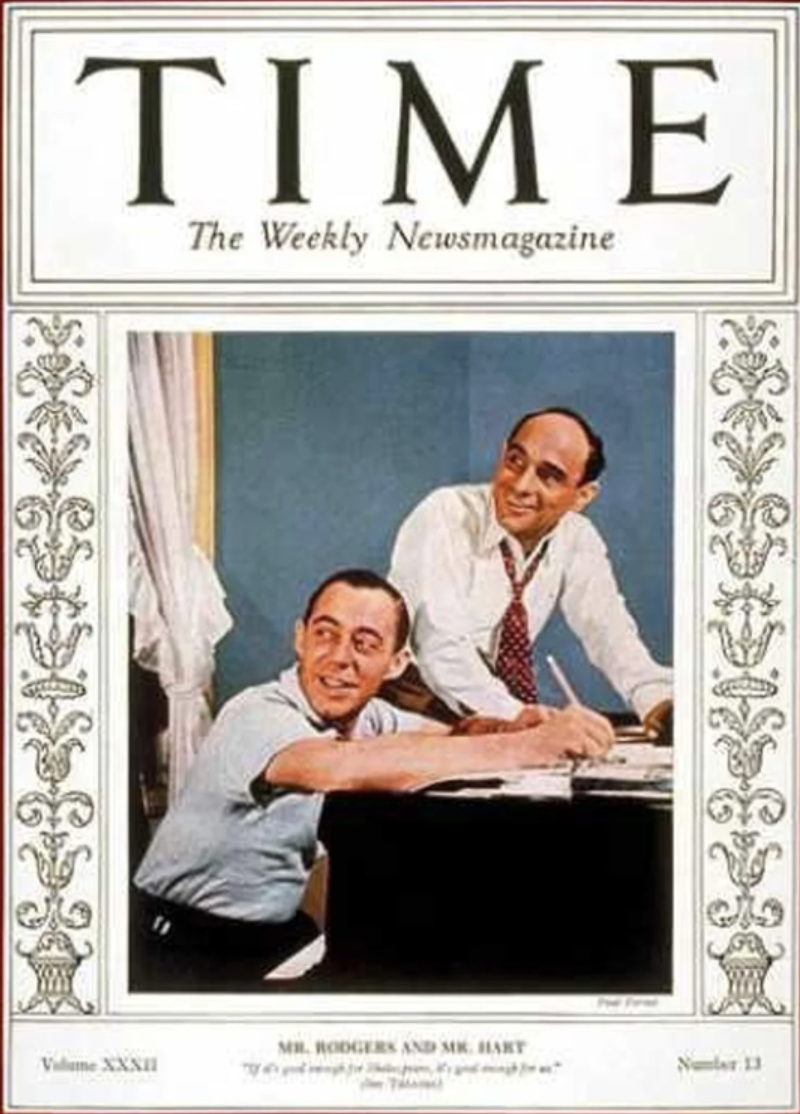
As this TIME Magazine cover attests, they were a very potent musical and cultural force in the early-middle 20th century.
And I am very happy that a recent movie — BLUE MOON (made by the wonderful director Richard Linklater and starring Ethan Hawke as Larry Hart) — has renewed interest in Hart’s life and musical legacy.
It turns out that BLUE MOON was a decade-long labor of love which was filmed on a beautifully re-created version of Sardi’s — a famous bar/restaurant in Manhattan’s theatre district.
And I once wrote a blog post about two of his and Rodgers’ hit songs — “You Took Advantage Of Me” and “I Could Write A Book” — which you can read by clicking here.
Not mentioned in the BLUE MOON movie is how devoted Hart was to his mother — with whom he lived his entire life.
Hart’s mother died around the same time that OKLAHOMA (the first musical his decades-long collaborator Rodgers created with another lyricist — their mutual friend Oscar Hammerstein II) opened on Broadway.
So he was grieving this huge familial loss simultaneously with the at-least-partial loss of his friendship AND professional relationship with Rodgers.
Deep breath in.
Deep breath out.
And I had forgotten (until I re-read my blog post from ten years ago) that Mr. Hart had also begun a collaboration about underground freedom fighters in France with a composer who had recently escaped from Nazi-occupied Europe.
So, as an American-born Jew whose parents had emigrated to NYC in the late 19th century from Germany, he also may have also been feeling a significant amount of grief, rage, despair, terror, and “there but for the grace of G-d” empathy for the millions of Jews still remaining in Europe.
And let’s not forget that American Nazis were holding huge rallies at places like Madison Square Garden during this time as well!
Yet another deep breath in.
And deep breath out.
I don’t know how much it was public knowledge that LGBTQ folks were being sent to Nazi death camps, but I am guessing that theater people — such as composer Kurt Weill, who had managed to escape from Berlin to Paris to Manhattan — had plenty of heart-breaking anecdotes to share about the fates of their previous artistic partners who happened to be LGBTQ and/or Jewish and/or Roma.
All of this was also not mentioned in BLUE MOON. although Mr. Hawke and Mr. Linklater and some of the other actors such as Andrew Scott apparently did a lot of research before they began filming the movie — so I am guessing that they had most/all of this information influencing the subtexts of their acting performances.
And another deep breath in.
And deep breath out.
There are certainly some powerful parallels with what was happening leading up to Larry’s death in 1943 and what is currently unfolding here in the USA.
One thing I wrote about in my blog post from ten years ago — and which BLUE MOON does explore — is the paradox of Larry Hart (a somewhat closeted gay man) falling in love with and proposing to women.
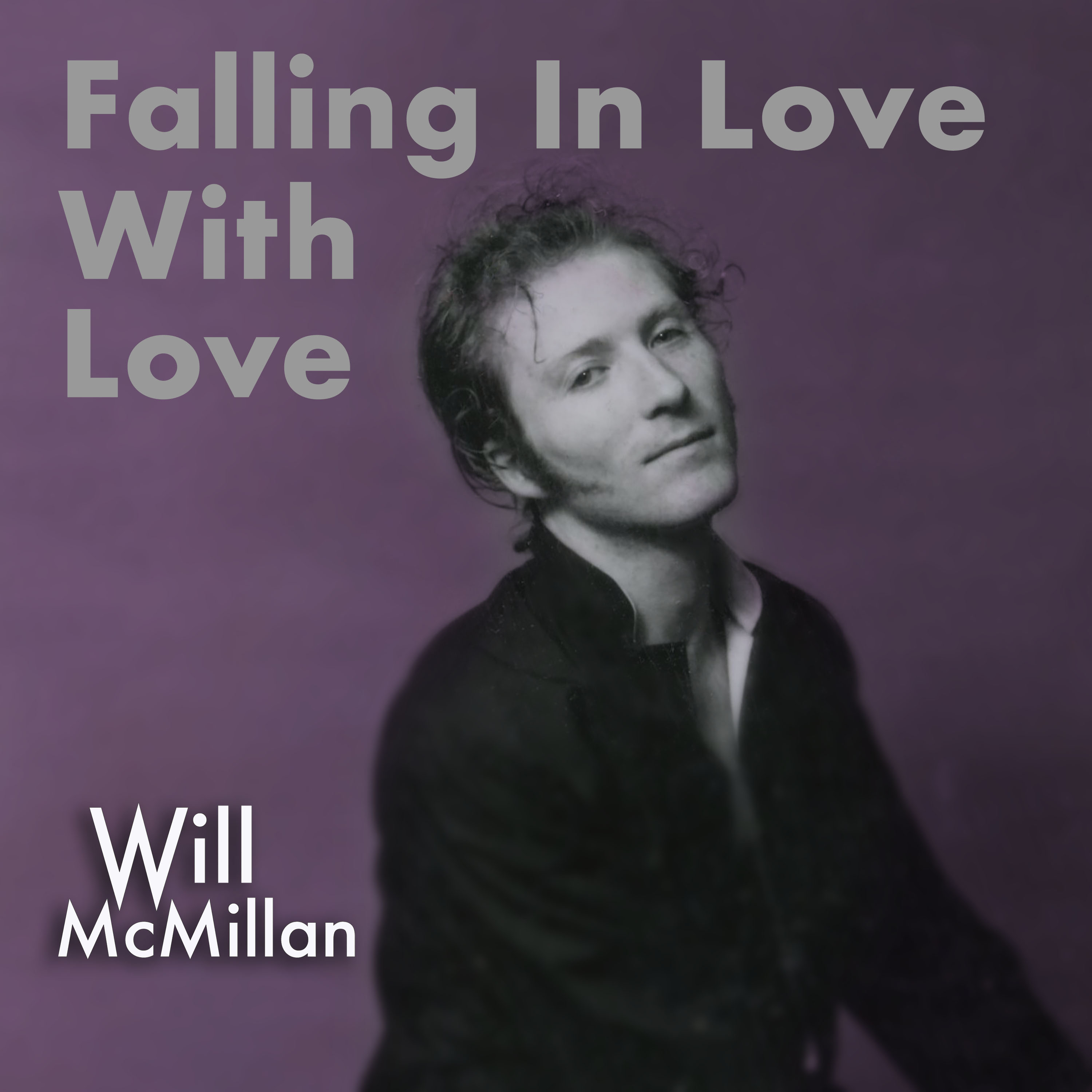
And the song “Falling In Love With Love” may illuminate some of Hart’s thoughts and feeling on this topic/phenomenon/tendency.
What do YOU think?
Thank you to Doug Hammer for his exquisite piano playing and comprehensive production skills.
Thank you to John Childress (and his collaborator at the time named Laurel, I think…) for taking this photo many years ago when I still had plenty of hair.
I am not sure why I love reading about the lives of songwriters.
And learning many of their songs.
And then sharing what I have learned in one-hour musical programs at retirement communities, public libraries, senior centers, memory cafes, and coffeehouses.
But I do!
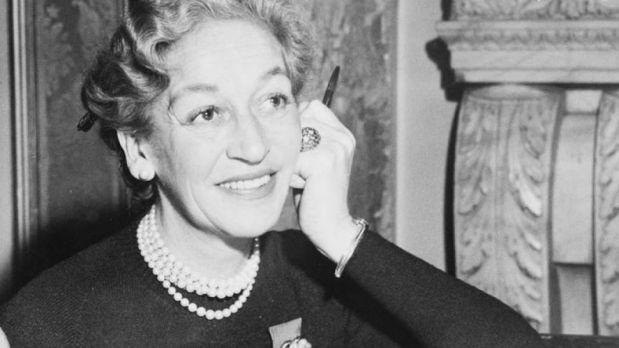
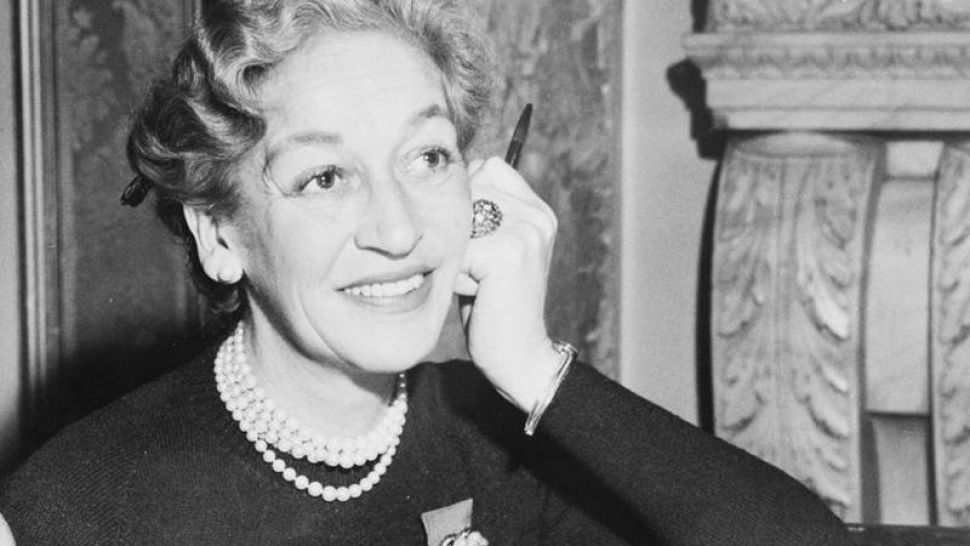
The most recent program I put together with jazz pianist Joe Reid features the life and music of Dorothy Fields.
She was a terrific lyricist who co-wrote hit songs from the late 1920s right through the early 1970s.
When many of her friends and contemporaries — such as Cole Porter, Irving Berlin, the Gershwin brothers, Oscar Hammerstein, Larry Hart — were either dead, discouraged or stymied by evolving musical trends such as folk and rock, Dorothy Fields achieved one of her biggest hits on Broadway, the wonderful musical Sweet Charity.
She was 61 years old.
Go, Dorothy!
Dorothy Fields was born into a theatrical family and raised to be a wife and mother — NOT an actress or a songwriter (both of which occupations her parents strongly discouraged…)
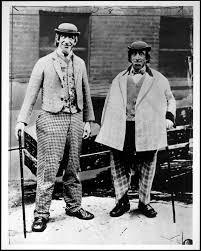
Her father was half of a very famous and successful vaudeville team called “Weber & Fields” who had started as childhood friends performing in the Bowery and had risen as adults to the top ranks of theatrical entertainment in the US .
Eventually her father tired of performing and touring, and began to produce shows by other people, including a young team of songwriters named Rodgers & Hart, who were friends with Dorothy’s older brother Herbert (having collaborated together on original theatrical productions while attending Columbia University).
Dorothy and her three siblings had been exposed to theater their entire lives, and Dorothy played lead (male!) roles in amateur theatrical productions at her high school, The Benjamin School for Girls at 144 Riverside Drive on the upper west side of Manhattan.
So it seems a bit surprising (to me, anyways) that her parents attempted to dissuade her from a life in the theater.
When she was growing up, the family had blank books into which everyone was encouraged to jot down ideas for jokes, skits, plots and routines — which served as inspiration when a new show was being created by her father.
And both of her brothers were very successful on Broadway and in Hollywood as writers.
In fact, later on in her life, Dorothy and her older brother Herbert co-wrote the librettos (aka scripts) for shows by Cole Porter and Irving Berlin — including the smash hit, Annie Get Your Gun — which had originally been HER idea as a starring vehicle for her friend Ethel Merman.
Dorothy was supposed to write the songs with one of her most beloved collaborators, Jerome Kern, until Kern unexpectedly died.
Among other hits, she and Jerry had co-written “The Way You Look Tonight,” which won an Academy award for best song in a motion picture in 1936.
After a period of mourning, she and her producers — Richard Rodgers & Oscar Hammerstein — asked Irving Berlin if he would consider joining the project.
And the rest is history…
But Dorothy was born in 1905, when middle and upperclass women were expected to become wives and mothers (not actresses or songwriters or librettists).
Women didn’t get the right to vote until 1920 — when Dorothy was 15 — and her life illuminates many of the social changes that unfolded in the US until her death in 1974.
Dorothy managed to finesse her parental/societal expectations by BOTH marrying young (to a doctor) AND pursuing a career as a lyricist.
Although she worked with a “who’s who” list of composers during her long career, three of them stand out as being particularly significant in her creative life: Jimmy McHugh, Jerome Kern, and Cy Coleman.
Jimmy McHugh was a Catholic pianist from Boston, where he had left a wife and son (whom he dutifully supported from afar) when he moved in his 20s to Manhattan to find work as both a composer and business manager for music publishing companies.
He crossed paths with Dorothy when her friend J. Fred Coots — whom she had met while golfing and who went on to write hits of his own such as “You Go To My Head” and “Santa Claus Is Coming To Town” — began introducing her to music publishing companies as a budding lyricist.
Dorothy and Jimmy hit it off creatively — and possibly romantically — although they were both extremely protective of their private lives and mindful about the potential for bad publicity.
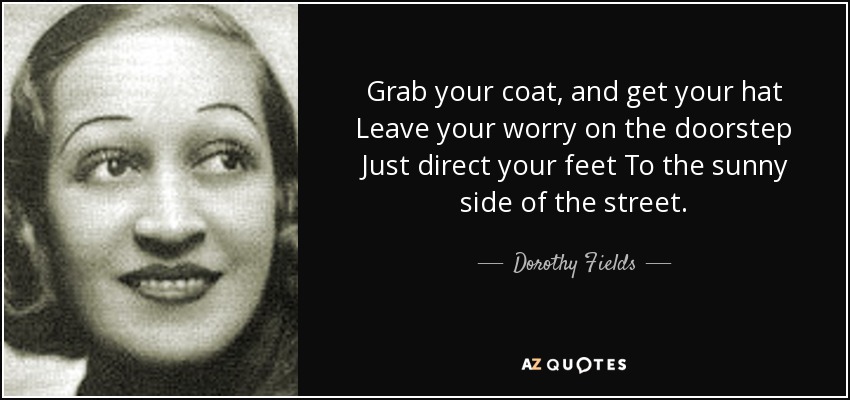
During their ten-year collaboration they wrote hits including, “I Feel A Song Coming On,” “On The Sunny Side Of the Street,” and “I Can’t Give You Anything But Love.”
I love learning that “I Can’t Give You Anything But Love” was not an immediate hit (one critic called it “sickly” and “puerile”) and was cut from two different shows before it finally caught on as part of the Blackbirds of 1928.
Persistence, persistence, persistence!
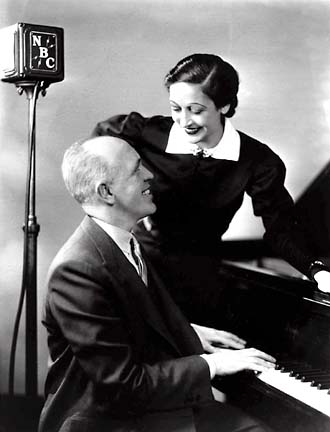
Her next significant collaborator was Jerome Kern. They wrote songs — including “Pick Yourself Up,” “I Won’t Dance,” and “A Fine Romance” — for Hollywood movies with stars such as Ginger Rogers and Fred Astaire.
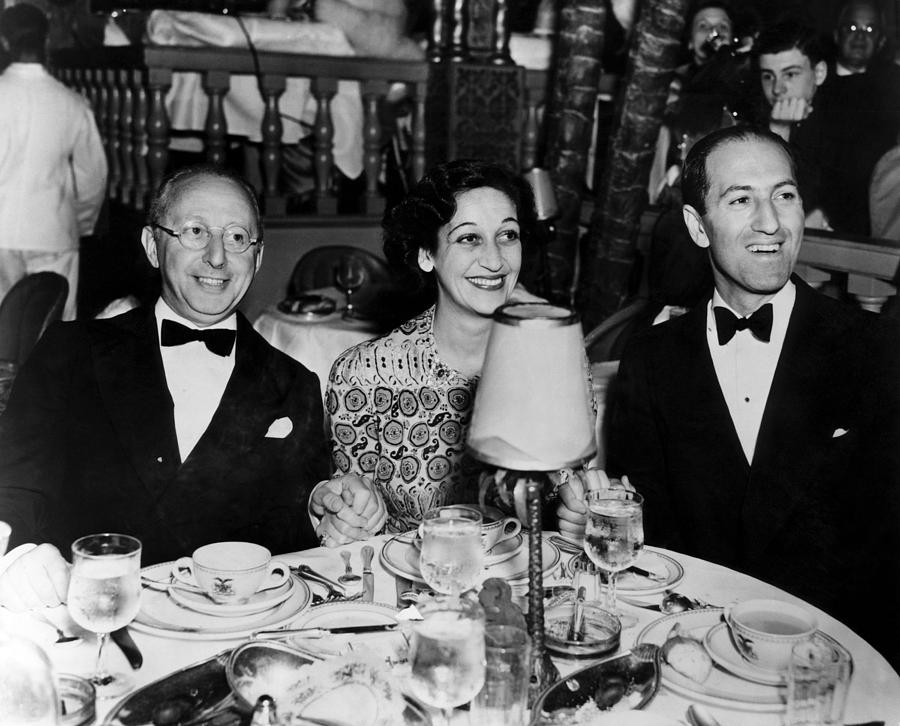
Here she is with Jerry Kern (on her left) and George Gershwin (on her right) at a nightclub in the 1930s.
Jerome Kern was older than many of his contemporary songwriters (Gershwin, Arlen, Youmans and others looked up to him when they were starting to write songs) and had a reputation for speaking his mind — and not suffering fools gladly. Some people in the entertainment industry were intimidated by him.
But not Dorothy. She loved him and even gave him a nickname which few others would have dared to choose: “Junior” (Dorothy was 5″ 5″ tall and towered over Kern, who was much shorter).
I have wondered whether the lyrics she wrote for their song “You Couldn’t Be Cuter” might have been something of an “in joke” between the two of them.
Here’s a version of that song — combined with an earlier hit she wrote with Jimmy McHugh, “Exactly Like You” — that I recorded with pianist Doug Hammer earlier this year.
Her third significant collaborator was Cy Coleman, a composer who had already written hit songs with Carolyn Leigh (including “The Best Is Yet To Come,” “Hey, Look Me Over,” and “Witchcraft”) before he met Dorothy at a party.
She was 59 years old, and he was 35.
He asked her if she might be willing to explore working together, and she allegedly said something like, “Thank g-d someone asked me…yes!”
They ended up collaborating on a musical inspired by a Fellini film — “Le Notti Di Cabiria,” about a prostitute looking for love — which Bob Fosse and his wife Gwen Verdon had seen and which had immediately inspired Fosse to start working on a musical version for Verdon to star in.
With Neil Simon added to the creative team as librettist, Fosse, Verdon, Fields and Coleman created what became the hit musical Sweet Charity — which went on to become a movie starring Shirley MacLaine and John McMartin, and which gave us songs such as “Hey, Big Spender,” “I’m A Brass Band,” and “If My Friends Could See Me Now.”
Dorothy Fields achieved a remarkable level of success in a male-dominated industry —where women were expected to be on stage, not behind the scenes as part of the creative team.
She was not a glamour girl nor a prima donna — although she was always very well-dressed and had separate closets for her shoes, dresses, suits, sportswear, and evening gowns.
She was reliable, respectful and professional.
And she was a hard-worker.
At one point she said, “I wrote the words to ‘I Feel a Song Coming On,’ but I don’t believe a word of it. A song just doesn’t ‘come on.’ I’ve always had to tease it out, squeeze it out. Ask anyone who writes — it’s tough labor and I love it.”
I’ll end with two more gems she wrote with Jimmy McHugh — “Don’t Blame Me” and “I’m In The Mood For Love” — which I recorded with pianist Doug Hammer at his terrific studio, Dreamworld, in Lynn, MA.
Thank you to Dorothy Fields and her many collaborators for writing such terrific songs.
Thank you to pianist Steve Sweeting for recording “I Feel a Song Coming On” and “The Way You Look Tonight” with me many years ago at his apartment in Brighton, MA.
And thank YOU for reading and listening to this blog post.
Earlier this year a fellow WordPress blogger directed me to new research from the University of Gothenburg in Sweden.
The study — named ‘Kroppens Partitur’ or ‘The Body’s Musical Score’ — monitored the pulses of fifteen choral singers as they made their way through three different exercises: humming, performing a hymn, and chanting a slow mantra.
The authors of the study reported:
“When you are singing, the heartbeat for the whole group is going up and down simultaneously…It gives you pretty much the same effect as yoga breathing. It helps you relax, and there are indications that it does provide a heart benefit.”
This synchronization is thought to be caused by the breathing patterns which the music inspires in the singers.
When they are singing the same melody, they tend to pause to breathe in the same place, and these breathing patterns then influence their heart rates.
I love learning about this research, because it corroborates what human beings have experienced for thousands of years — singing with other human beings is a special, healthy and often uplifting experience.
It also reminds me how important it is to include “sing-along” songs as part of a performance.
Who wouldn’t want an opportunity for a room full of people’s hearts to synchronize?
“Blue Moon” by Richard Rodgers and Lorenz Hart is a song which Bobbi Carrey and I included in our In Perfect Harmony show in hopes that people might sing (or hum or whistle) along with us.
I have included a version that we recorded with Doug Hammer on the piano at the very beginning of this blog post.
I have long been aware of how intimate singing with another person can be — whether in unison or in harmony — but I didn’t realize that Bobbi and I might actually be synchronizing our heartbeats when we perform together.



 amusicalifeonplanetearth