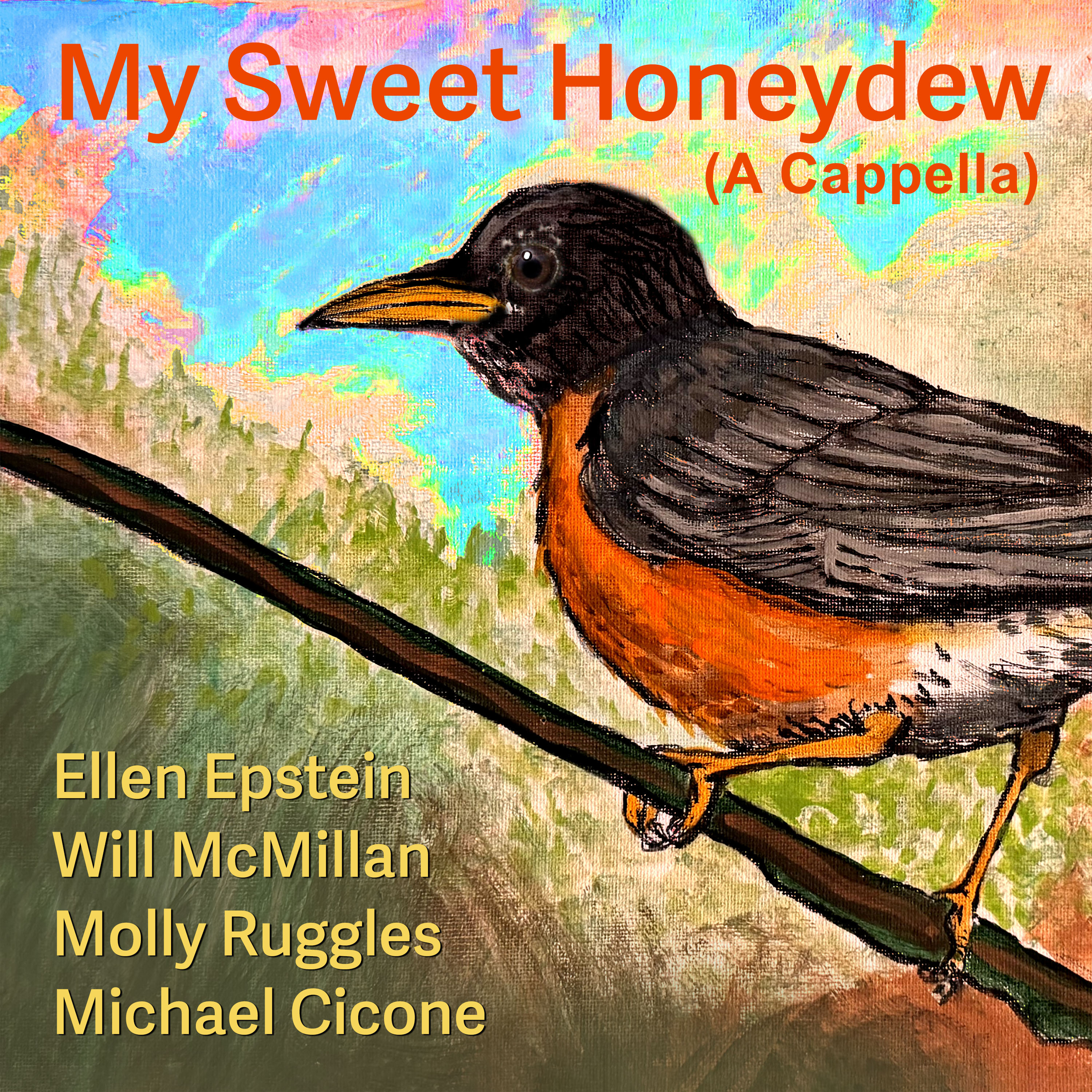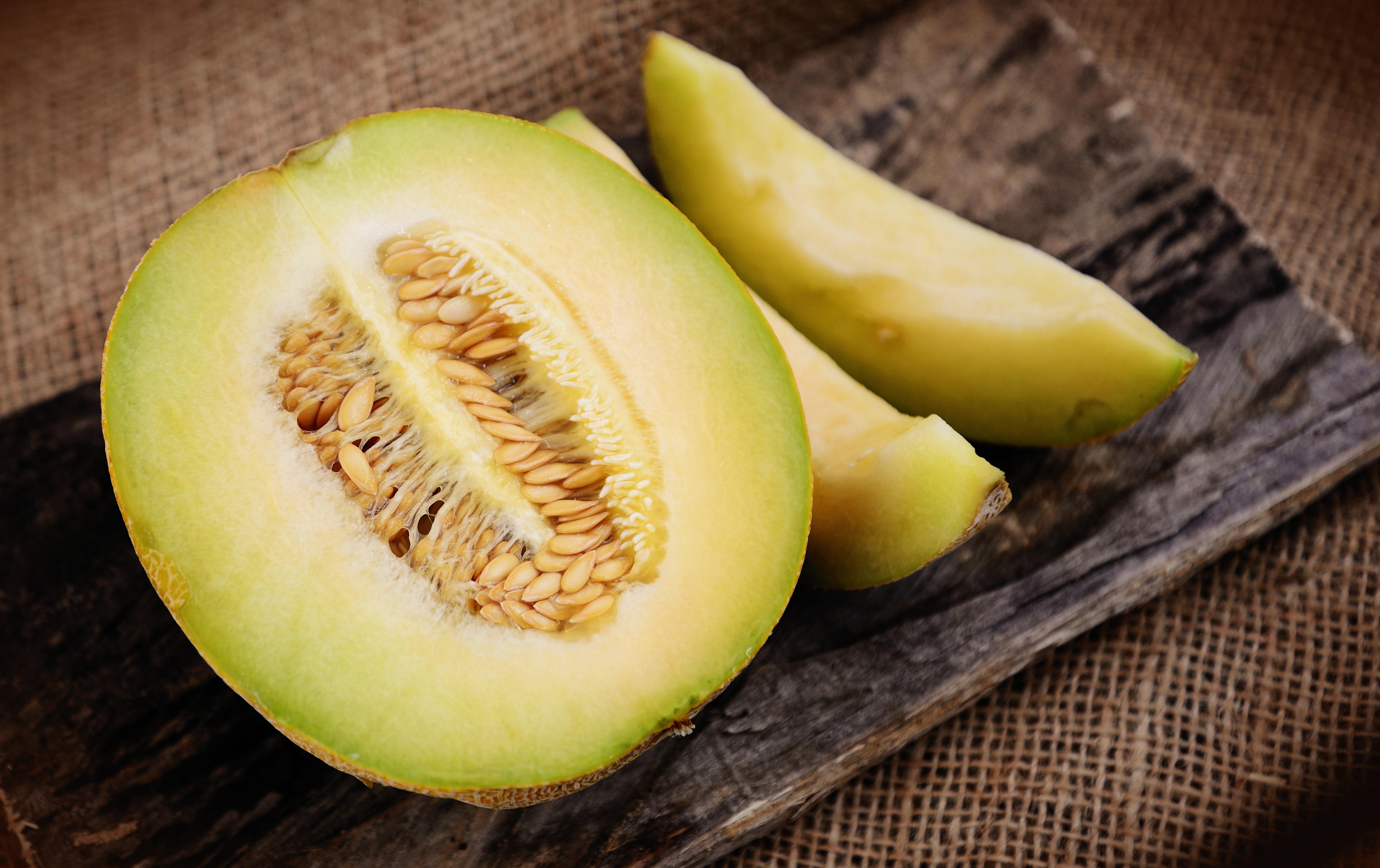
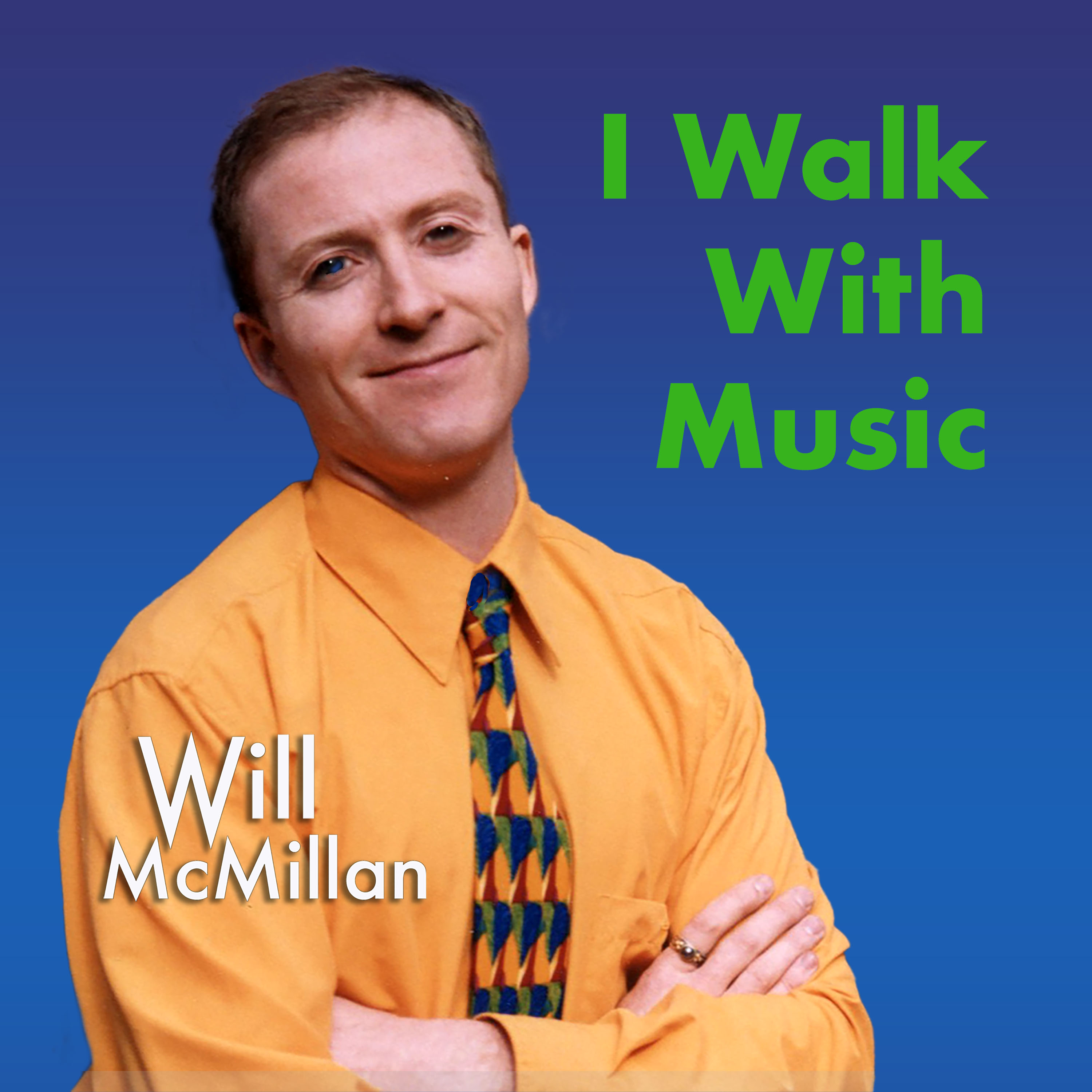
My Sweet Honeydew (A Cappella)

Graphic Design By Stephen C. Fischer

I hope you are well as you read this blog post!

Today I have been inspired by the aphorism “Insanity is doing the same thing over and over again and expecting different results.”

You may have seen it on posters, coffee mugs, etc. — attributed to Albert Einstein.

But according to an online search, there is little evidence that Einstein ever said it.

Instead I learned that a writer — Rita Mae Brown — created this quotation and attributed it to a fictional character in her 1983 book Sudden Death.

Thank you, Ms. Brown!

I think about this aphorism when I am reminded that one is supposed to budget an equal amount of money to market/promote/advertise one’s product as one has spent creating it in the first place.

Yikes!

I have never done this.

Other than maintaining my website, pitching a few songs to music bloggers, and writing this blog, I have spent very little money to promote my music.

However, this particular piece of marketing advice comes up fairly often when I am reading books/articles and watching videos about how to navigate the business of making music in the 21st century.

Now I must pause for a moment for a digression…

Over the past thirty years, I have observed that the music business — like life itself — is always changing and evolving.

So it is virtually impossible to do the same thing over and over again for more than a year or two.

And as a result of personal computers entering our daily lives, we have to keep endlessly learning the latest versions of many different programs/applications — as well as updating our hardware and software.

So as much as I would love to be able to do the same thing over and over again — while drafting new songs using Apple’s GarageBand or making videos using Apple’s iMovie, for example — I am forced to learn the latest updates (and alleged improvements) in order to continue making music.

Deep breath in.

Deep breath out.

This has always seemed to me to be a huge waste of time AND money in order to make a few tech company owners, tech company employees and tech company stockholders rich.

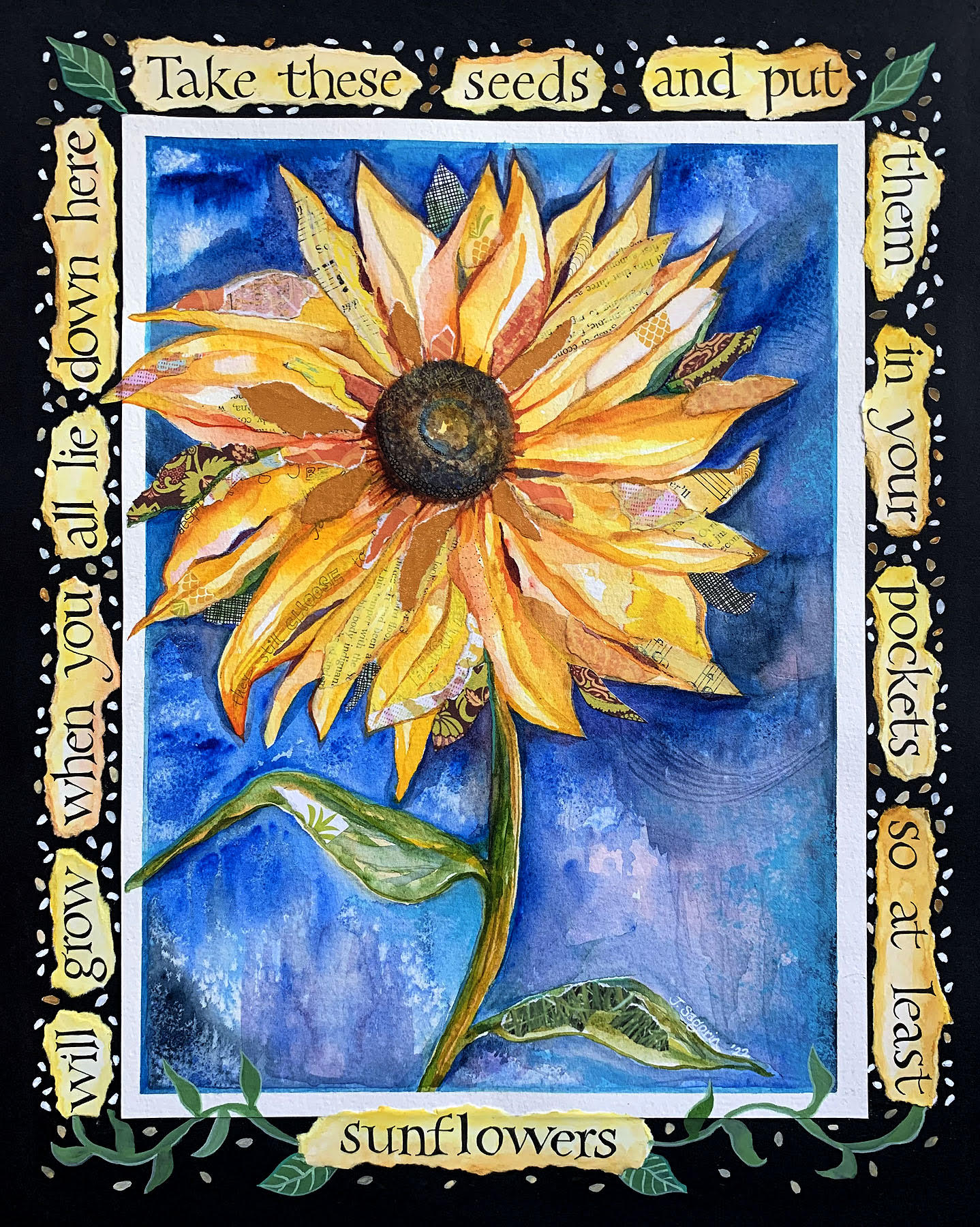
Graphic Design by Stephen C. Fischer

I keep hoping to find a research study which would document the billions of hours which we human beings have wasted in the process of learning — and re-learning…and learning yet again — how to use various computer programs.

I would also like to find studies which explore the cumulative toll on our mental health due to the Sisyphean frustration of having to update and re-learn so many basic tasks/skills on an ongoing basis.

Another deep breath in.

And deep breath out.

So I am happy to report that my friends Molly Ruggles, Ellen Epstein, Michael Cicone and I went in a pre-industrial — and some might even say late-Paleolithic — direction with our most recent song release which we recorded a cappella.

You may remember an earlier version of “My Sweet Honeydew” (recorded with pianist Doug Hammer) which I featured in a blog post from January 8, 2022.

You are welcome to click here and visit — or re-visit — that blog post if you are so inclined.

A couple of years ago singer/songwriter/pianist Molly Ruggles took my original version, added an entirely new section of music + lyrics, and then arranged it for four voices to perform a cappella.

Our new version is in the player at the beginning of this blog post.

You may recognize Molly as a vital part of my trio recordings with Carole Bundy.

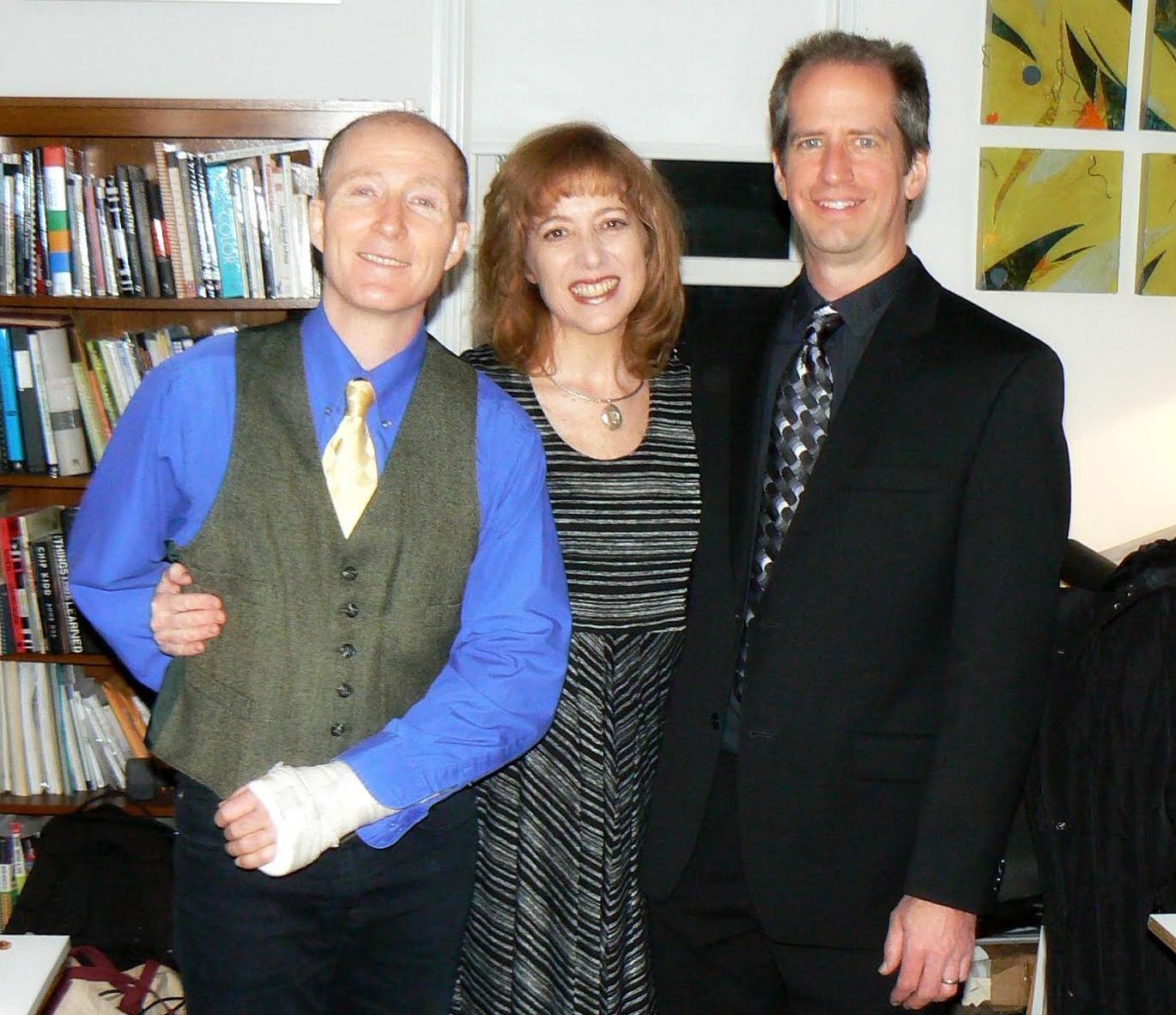
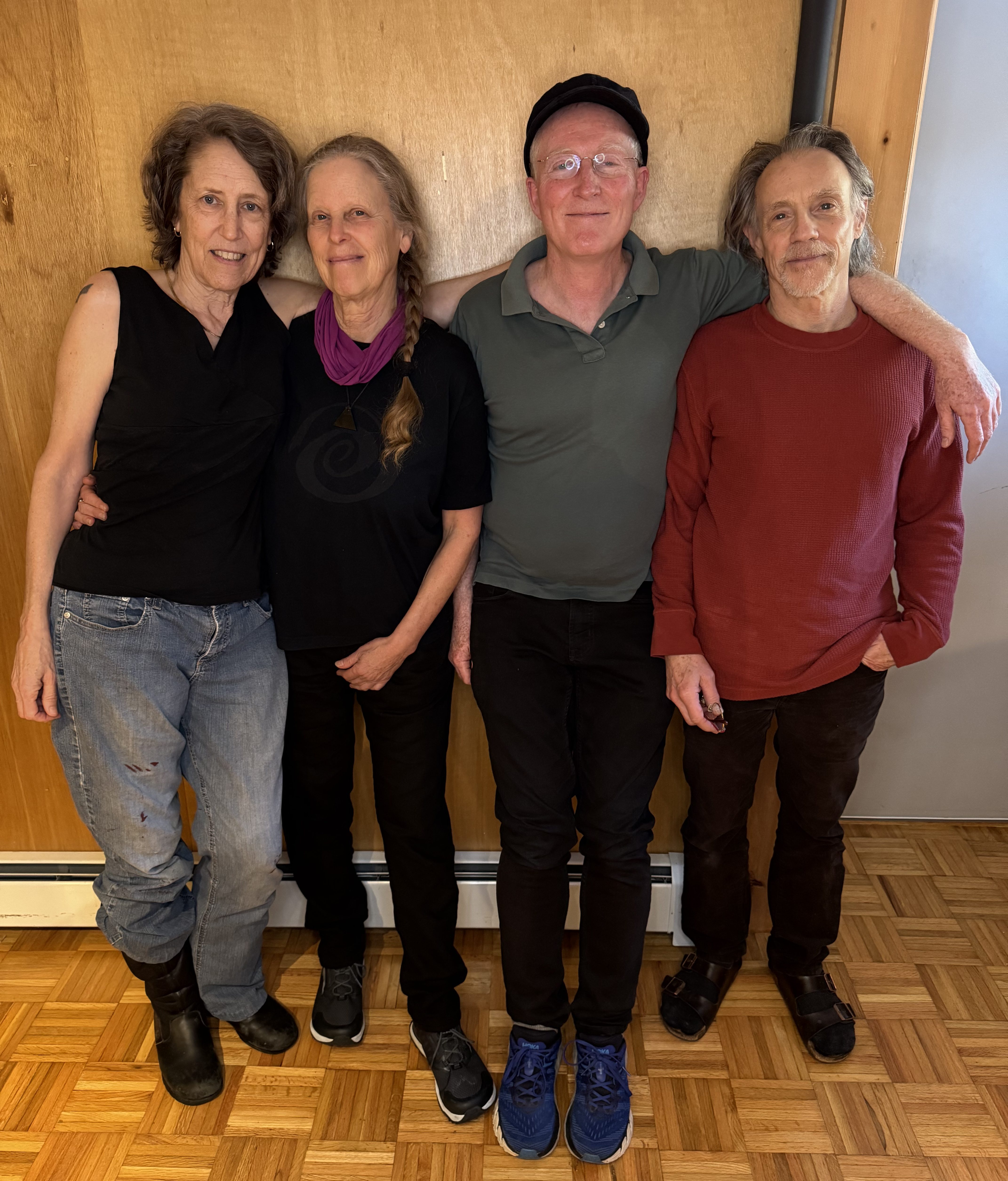
Molly, Ellen, Will & Michael (Photo by Doug Hammer)

I have known the other two singers on this recording — Ellen and Michael — for decades.

If you are a fan of contemporary folk music, you may be familiar with them as part of a musical trio with singer/songwriter/guitarist Cindy Kallet for forty-five years.

Ellen and Michael have released three beloved CDs of music with Cindy as well as appearing on many of her solo recording projects.

So I feel very honored and excited that they agreed to be part of this recording!

Now I will circle back to the aphorism that “Insanity is doing the same thing over and over again and expecting different results.”

Molly and I are doing something new with this recording.

We have hired a fellow singer-songwriter, Erik Balkey, to help us promote it to folk radio programs/stations around the USA.

Erik puts together compilation CDs of new recordings every two months and sends them to a couple hundred folk DJs and program directors.

We were surprised — and pleased — to learn that he chose “My Sweet Honeydew (A Cappella)” to lead off the second CD in his July/August promotional compilation.

If you happen to listen to a folk program in your neighborhood — or maybe far away from your neighborhood via an internet radio station — please let me know.

Then I will check and see if Erik sent his July/August promotional CDs — including “My Sweet Honeydew (A Cappella)” — to your favorite station/program.

It will be interesting to see what does — or doesn’t — unfold regarding airplay for our song this summer…

Another deep breath in.

And deep breath out.

Thank you to Erik Balkey for his radio outreach.

Thank you to Doug Hammer for his collaborative production skills (and spontaneous photographic impulses).

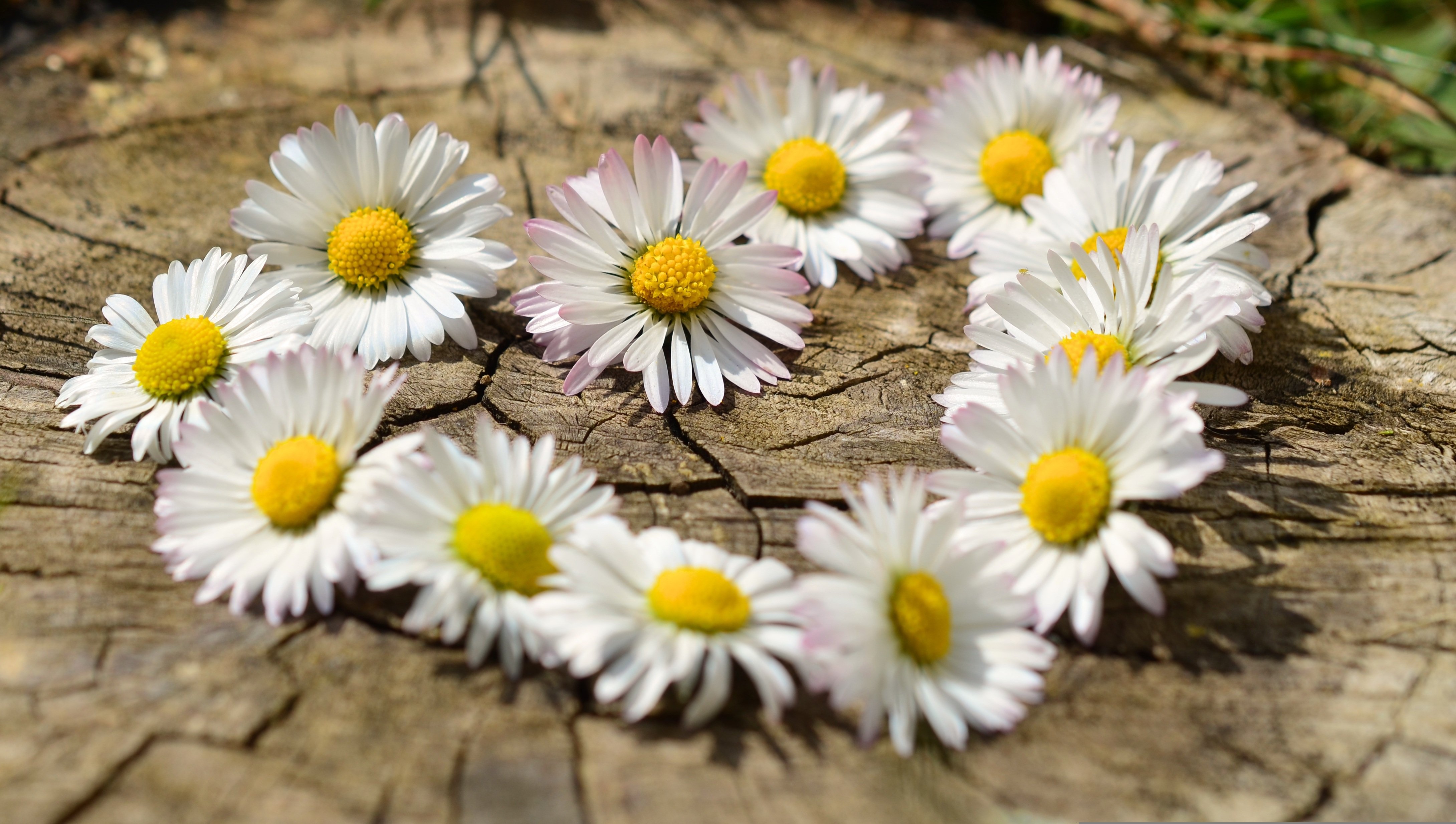
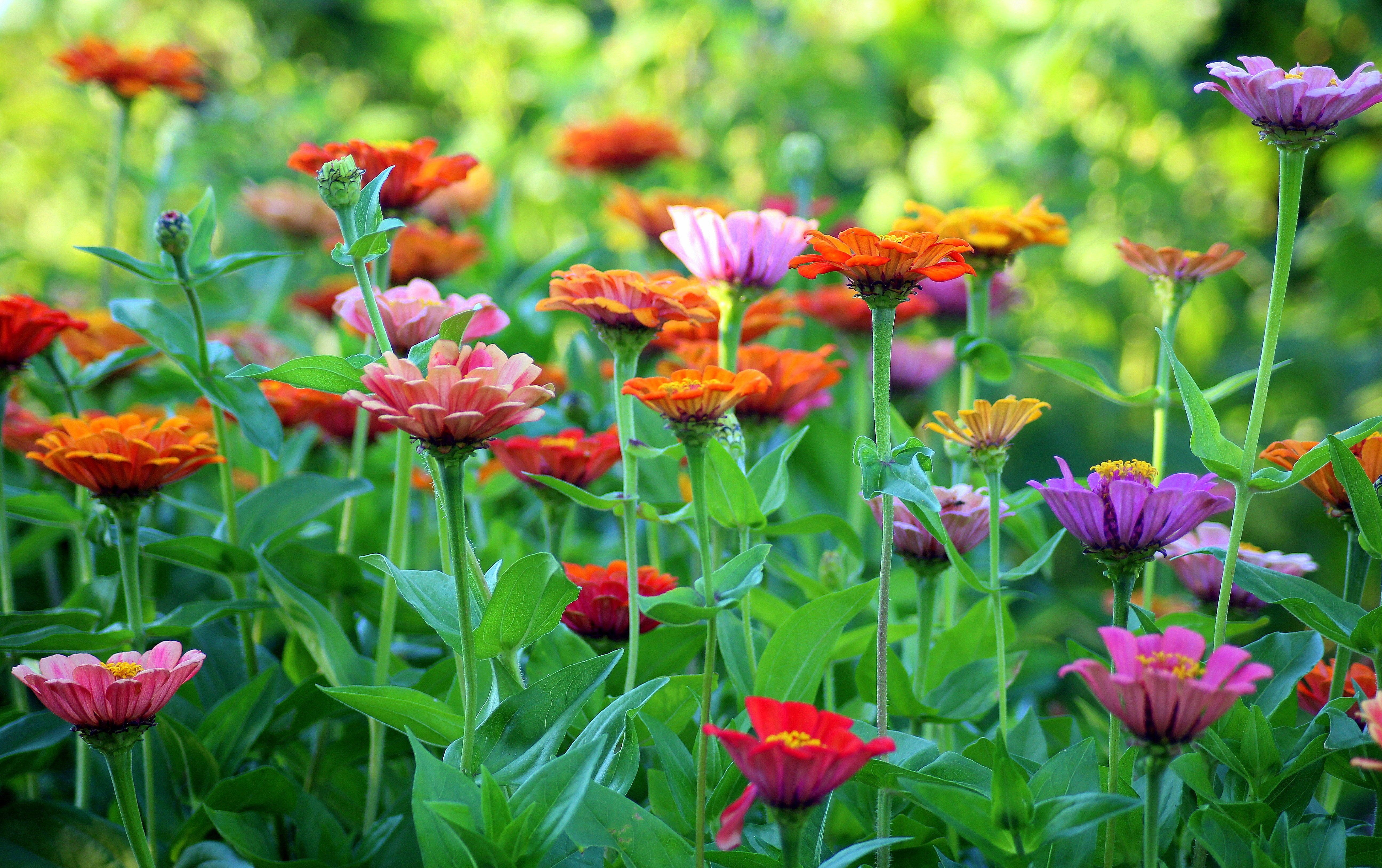
Image by congerdesign from Pixabay

Thank you to Stephen C. Fischer for his graphic design gifts.

Thank you to Molly Ruggles for creating this new version of my song.

Thank you to Molly and Michael and Ellen for learning, performing and then recording it.

And thank YOU for reading and listening to yet another blog post from/by me.

One final deep breath in.

And deep breath out.

P.S. You are welcome to stream “My Sweet Honeydew (A Cappella) on your favorite digital music platform by clicking here.

Throwback Thursday #11

Image by Hans from Pixabay

One of the pleasures of doing a Throwback Thursday blog post — as you may well know — is rediscovering something one once wrote (which one may have completely forgotten!)

In the case of this Throwback Thursday, I also rediscovered a song by Stephen Sondheim called “Everybody Says Don’t” which I had forgotten I’d recorded.

You can click here to check it out if you are curious.

A new biography of Mr. Sondheim came out earlier this year which my sister gave me for my birthday.

I just finished reading it and — not surprisingly — come away with renewed respect and gratitude for the wealth of songs and shows he helped to create over the course of a 50+ year career…

If you are not very familiar with his work, he wrote the lyrics for two blockbuster Broadway favorites — WEST SIDE STORY and GYPSY.

But what he really wanted to do is create both music and lyrics — which is what he finally got to do with A FUNNY THING HAPPENED ON THE WAY TO THE FORUM, A LITTLE NIGHT MUSIC, COMPANY, SWEENEY TODD, INTO THE WOODS, ASSASSINS, PASSION and other shows.

Image by Christiane from Pixabay

Mr. Sondheim experienced a few flops along the way, including ANYONE CAN WHISTLE and MERRILY WE ROLL ALONG.

But he continued to work on the latter show for decades until he (and various collaborators) finally arrived at a version which was one of the hottest tickets on Broadway — starring, among other talented human beings, Daniel Radcliffe (the original Harry Potter) — during 2023-2024.

A version of this production was filmed and can be watched via various streaming platforms.

And I learned from Wikipedia that Richard Linklater is filming his own version of it over many years (as he has done with other creative projects). Sounds like we may have to wait for a decade or more to see THAT version…

Mr. Sondheim did not have many of his songs become big pop hits, although Judy Collins recorded a lovely version of “Send In The Clowns” from A LITTLE NIGHT MUSIC.

He crafted his songs to advance the plot of each show and often wrote them for particular actors to perform.

This specificity may have made it more challenging for pop musicians like Frank Sinatra or Barbra Streisand to pluck one of this songs out of the context of a particular show to become a more generic pop hit — although Ms. Streisand DID include many of his compositions in her two albums devoted specifically to Broadway songs.

Image by Couleur from Pixabay

And Mr. Sondheim, bless him, did agree to write additional lyrics for Ms. Streisand’s version of “Send In The Clowns” so that it made more sense for her to sing it (out of the context of the original show).

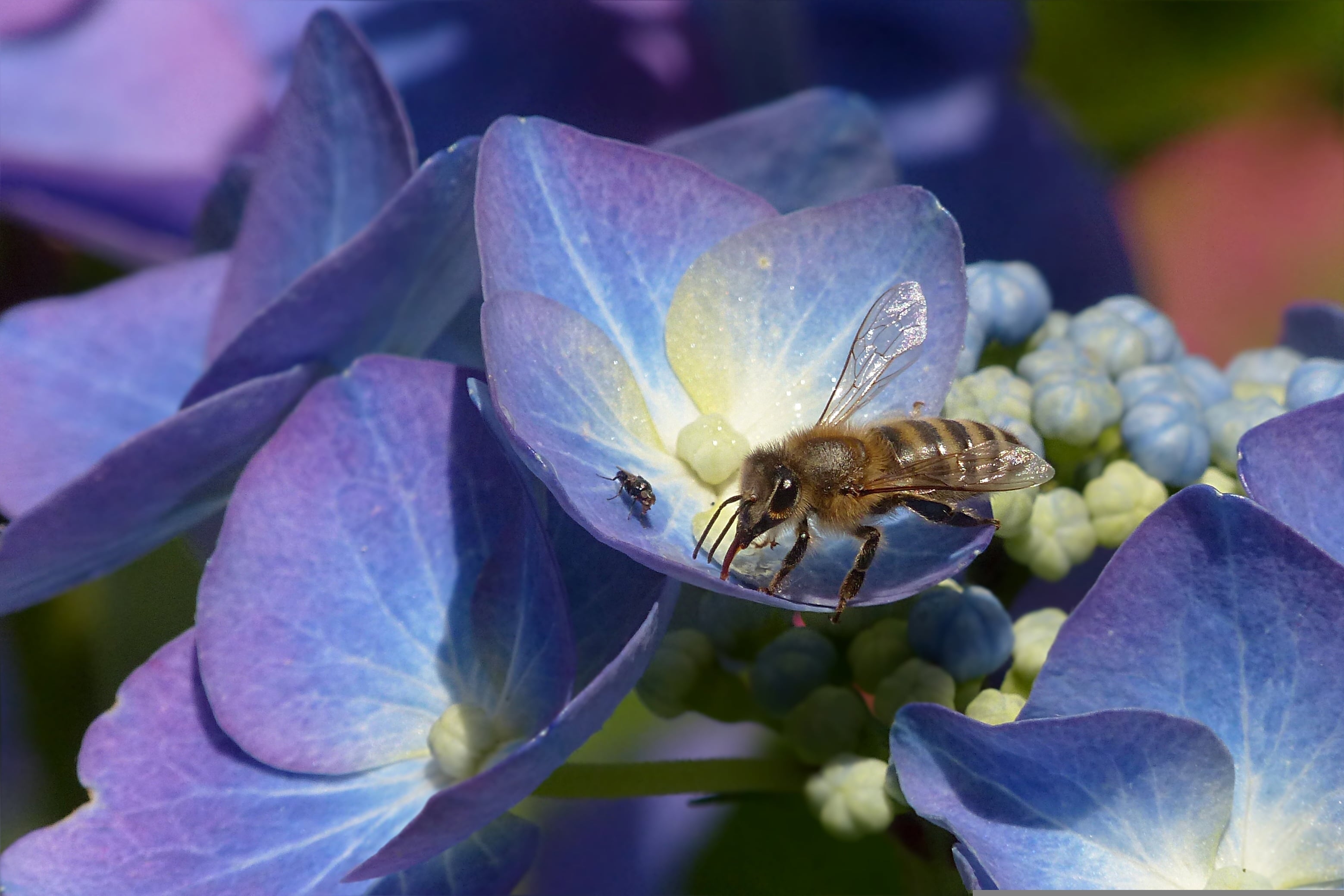
I think I may have featured photos of hydrangeas in a previous blog post, but they are what is blooming right now in my neighborhood as summer officially gets underway in the Greater Boston area…

And I LOVE them.

Happy summer to any and all readers in the northern hemisphere of planet earth!

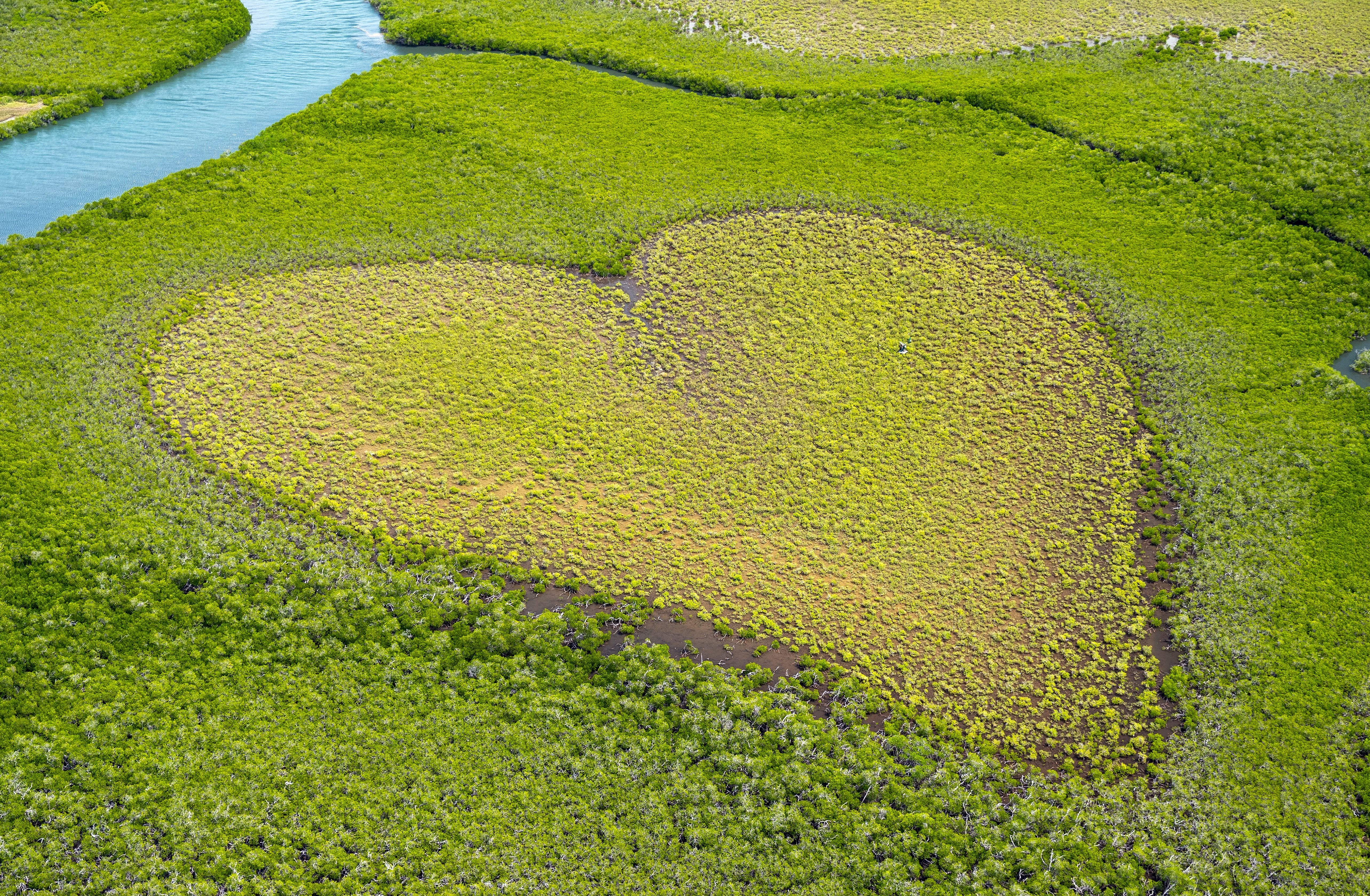
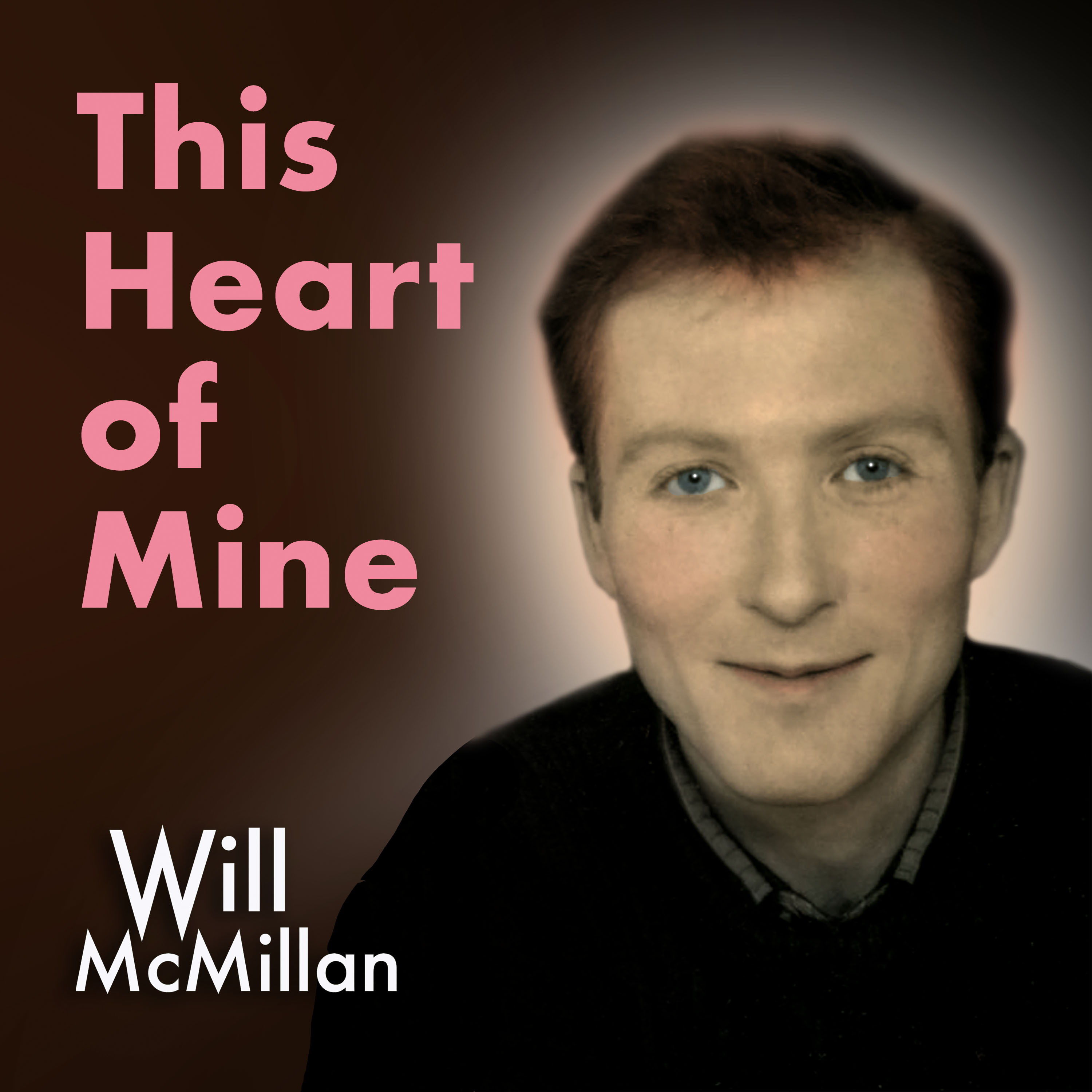
This Heart Of Mine…

Image by xiSerge from Pixabay

Thank you to everyone who continues to explore my blog even though I have not been posting a lot lately.

It is very exciting — and satisfying — to check my stats and see the many different blog posts people have visited during the past week.

One blog post which gets a surprising (to me) amount of traffic is about the composer Harry Warren.

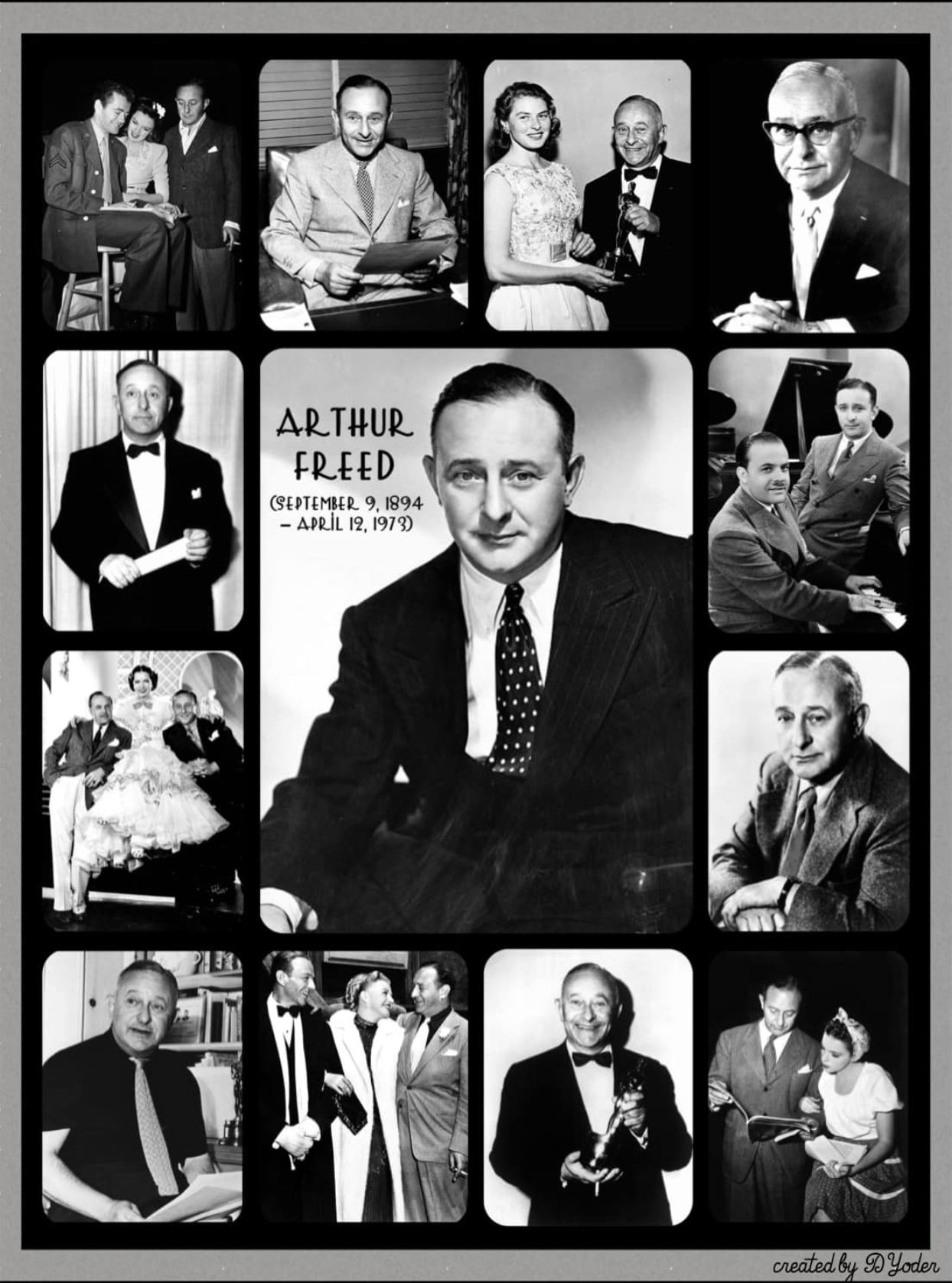
He wrote the music for the song in the player at the beginning of this blog post along with lyricist Arthur Freed.

You can click here if you are curious to learn more about Harry Warren by reading my extremely loooong blog post from eight years ago (which also includes recordings of several of his hit songs).

Mr. Warren and Mr. Freed wrote “This Heart Of Mine” for a 1944 Metro-Goldwyn-Mayer (MGM) musical called the ZIEGFELD FOLLIES which starred Fred Astaire.

I think I first heard it sung by Judy Garland, who recorded it the following year for Decca Records.

Arthur Freed also wrote the lyrics for a bunch of other hit songs — such as “Singing In The Rain,” “You Are My Lucky Star,” and “Make ‘Em Laugh.”

You can click here to check out his Wikipedia page if you are curious to learn more about him.

I haven’t read any biographies about him (yet) but according to Wikipedia, he lived a fascinating life.

Composite Images of Arthur Freed by Diane Yoder

He was born in South Carolina in 1894, and ended up attending a very prestigious prep school in New Hampshire — Phillips Exeter Academy. I am guessing he was probably one of very few Jewish students on campus — and according to Wikipedia, he became interested in writing poetry there.

After prep school Mr. Freed ended up in Chicago and performed with early versions of the Marx Brothers act (!!!) in vaudeville.

He also wrote special material for them, which led to co-writing enough successful songs that Hollywood beckoned…and he was hired to write songs for early MGM musicals.

After many years at MGM, Freed transitioned from songwriter to producer, working (as an uncredited associate producer ) on THE WIZARD OF OZ and then officially producing his first movie, BABES IN ARMS.

Both of these films, as you probably know, starred Judy Garland.

Mr. Freed went on to produce many more of Garland’s movies including LITTLE NELLIE KELLY, FOR ME AND MY GAL, THE CLOCK, and MEET ME IN ST. LOUIS — which is where she met her second husband, the director Vincente Minnelli, whom Freed had brought from New York City to work at MGM.

According to Wikipedia, Freed hired great talent and then gave them free rein to do their thing — whether it was choreography, costumes, set design, songwriting, direction, etc.

He also gave himself free rein to do some very odd and abusive things, such as exposing his penis to a young Shirley Temple when she came for a visit to discuss doing a movie at MGM — and making sexual advances towards her mother as well.

Temple wrote about this incident in her autobiography — and apparently Mr. Freed experienced no censure as a result of his horrible behavior…

Deep breath in.

Image by Miroslav Kaclík from Pixabay

Deep breath out.

This reminds me of the ongoing conversations about Michael Jackson’s artistic and personal legacies…

Does one discard and avoid the music/art/products made by someone who does horrible things to other beings?

One of Mr. Freed’s most famous movies is SINGING IN THE RAIN, which re-used a bunch of his early hit songs.

Do we stop delighting in the the extraordinary dancing and singing of this movie because the producer was at times a perverse, abusive creep?

Perhaps this is something each one of us must decide for herself/himself…

I apologize for veering into this intense psychological and ethical territory.

I thought this blog post would be more light-hearted — to match the mood of the song.

However, human life is many-layered… full of contradictions, fallibility and mistakes.

Thank you to the (sometimes very flawed) songwriters who have given us wonderful music to lift our spirits year after year after year.

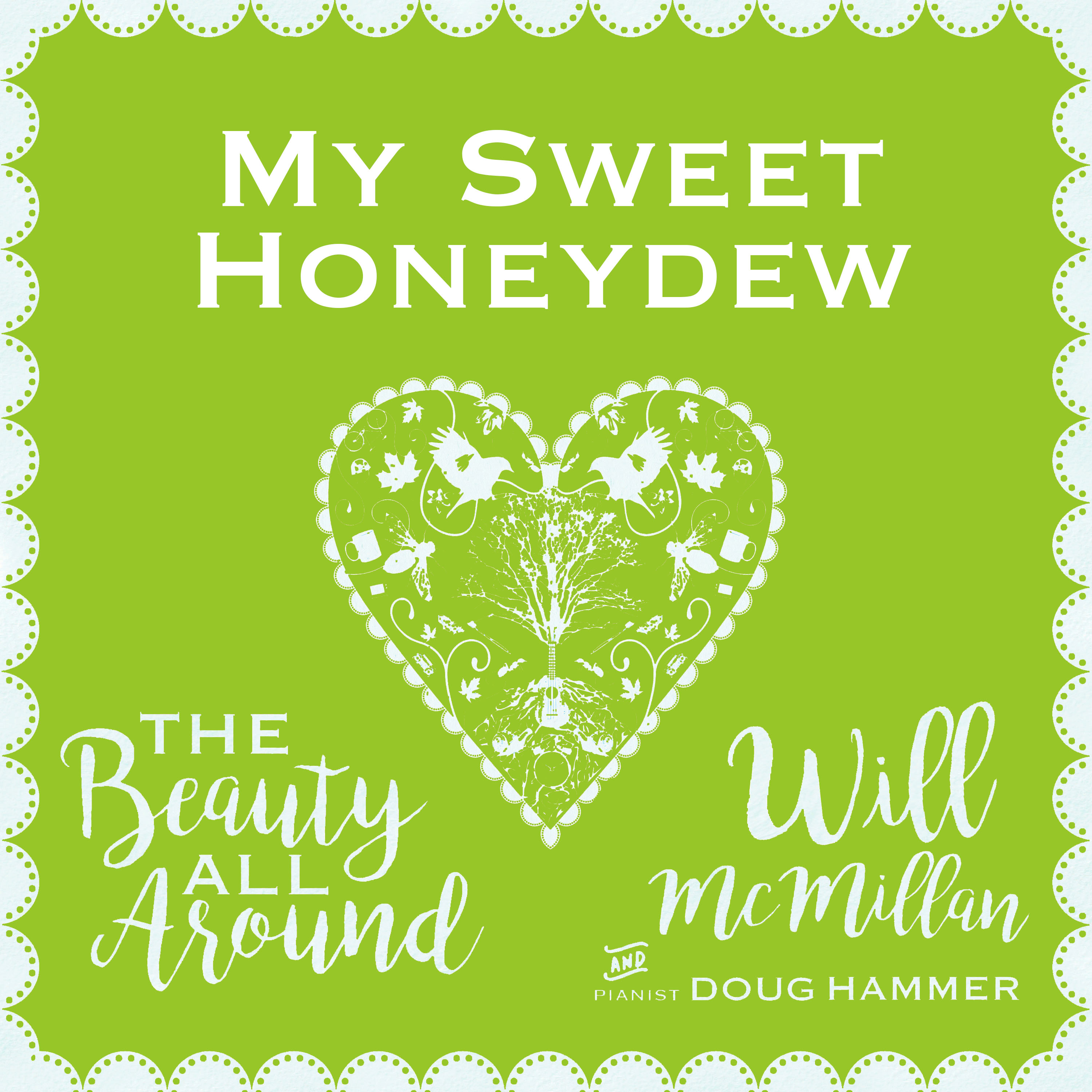
Graphic Design by Stephen C. Fischer

Thank you to pianist/producer Doug Hammer for his tremendous collaborative gifts.

Thank you to graphic designer Stephen C. Fischer for his ongoing work on behalf of my music.

Thank you to the photographers at Pixabay and to Diane Yoder for her composite image of Arthur Freed.

And thank YOU for reading and listening to another one of my blog posts.

If you’d care to stream this song — and maybe even “like” it — on your favorite music streaming platform, you are welcome to click here.

And you are always welcome to visit my website — and sign up for my very sporadic and under-utilized emailing list — by clicking here.

I Walk With Music

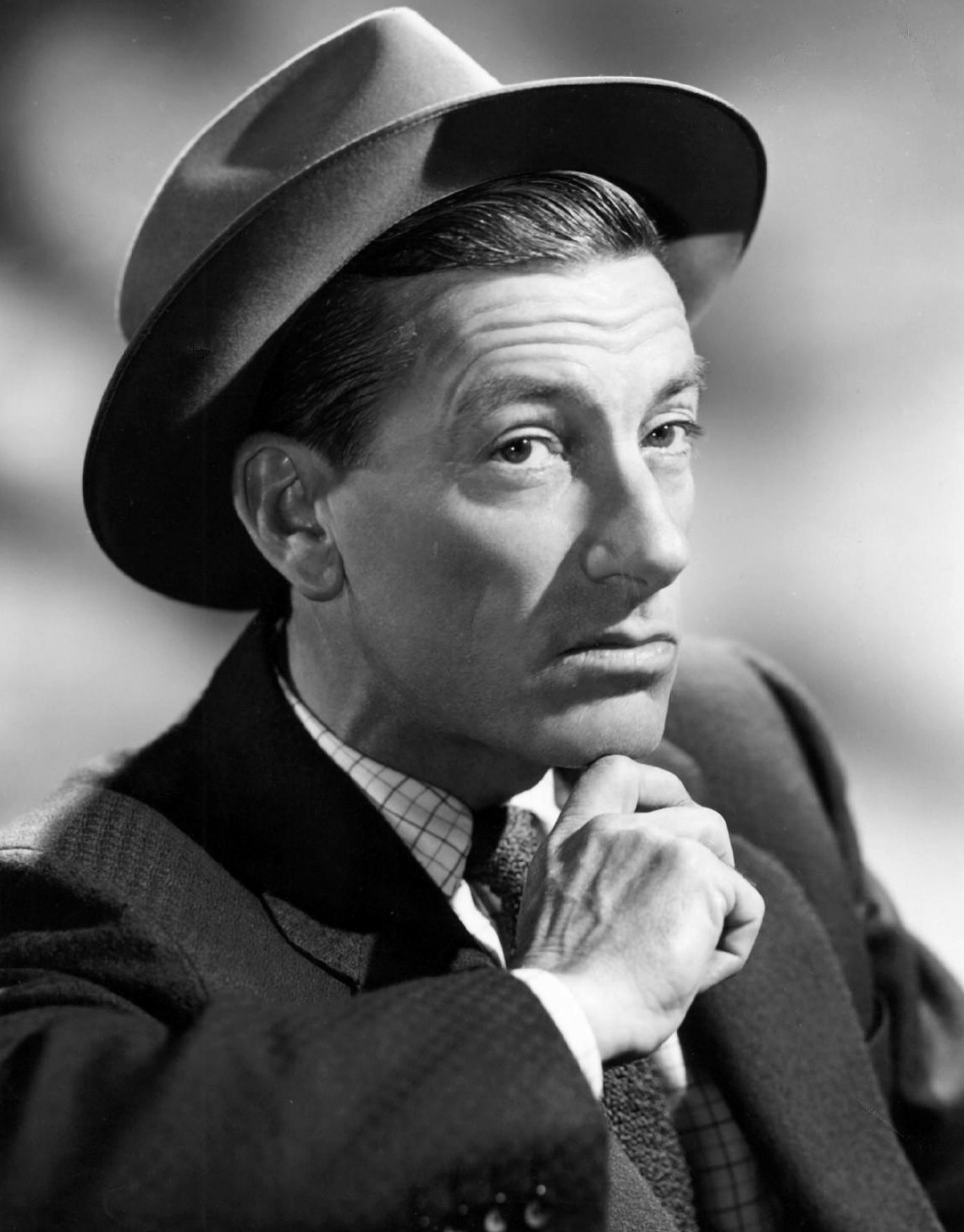
Hoagy Carmichael — NBC Television, Public domain, via Wikimedia Commons

This month’s song is a minor hit from what is sometimes called the Great American Songbook.

Composer Hoagy Carmichael and lyricist Johnny Mercer created it for a Broadway show — I WALK WITH MUSIC — which did not prove to be a success.

But it did give us this sweet song.

I discovered it when I was putting together an hour-long program of songs by Hoagy Carmichael — who also wrote the music for standards including “Georgia on My Mind,” “Stardust,” “The Nearness of You,” and “Skylark” (another song co-written with Johnny Mercer).

Pianist/producer Doug Hammer and I had a lot of fun recording it.

I just re-read the Wikipedia entries for Johnny Mercer and for Hoagy Carmichael.

I learned that — later in his life — Hoagy appeared as a songwriter character on THE FLINTSTONES animated TV show and also participated in a TV special with Fred (Mr.) Rogers.

And I was reminded that Johnny Mercer was a bit of a Jekyll/Hyde personality — beloved during the daytime and then drunk at parties saying mean things during the night — after which he would send flowers and an apology the next morning.

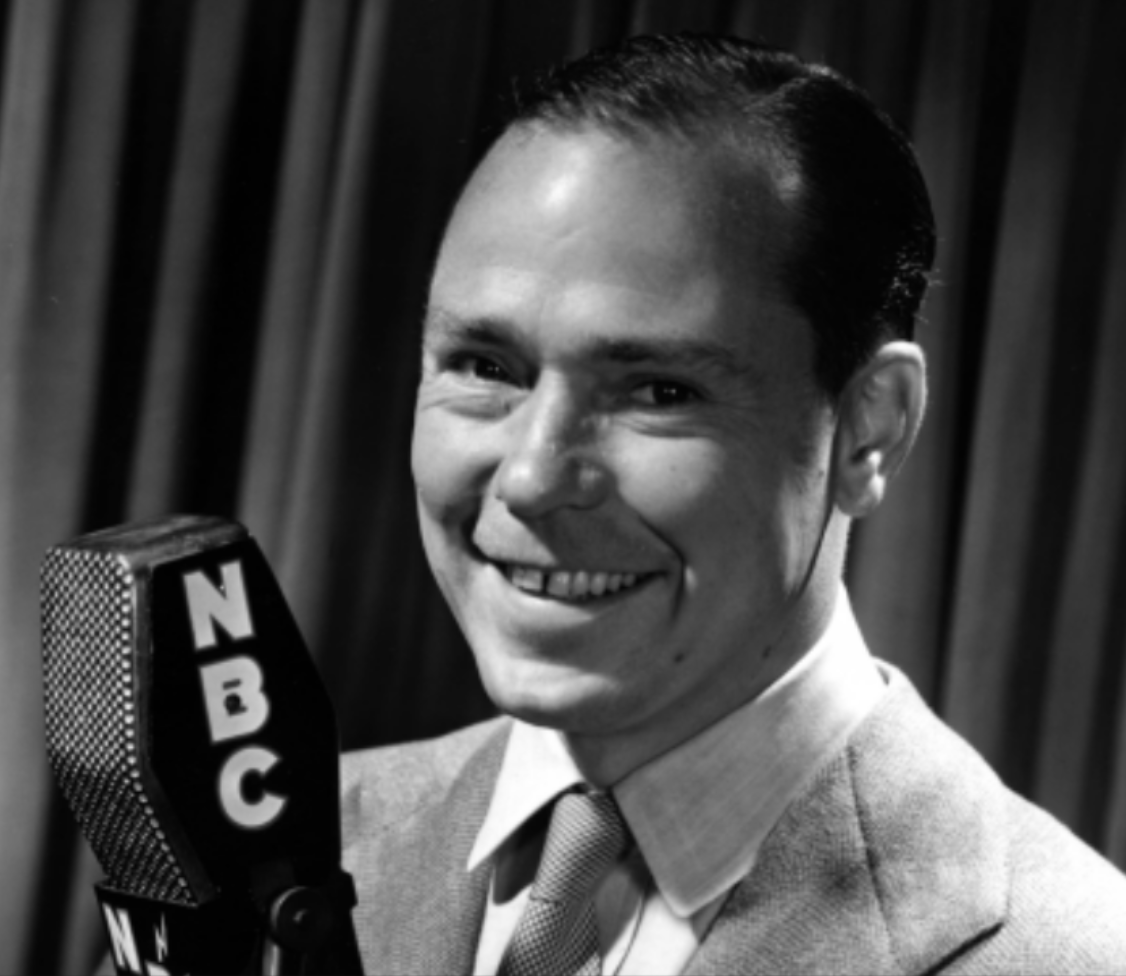
Johnny Mercer (from the Johnny Mercer Foundation website)

In addition to being successful songwriters, Hoagy and Johnny were also successful performers.

Later in his life, Hoagy worked as an actor in movies and TV shows, while Johnny recorded many hit singles over the years — of his own songs and as well as songs written by other people.

Johnny also was one of three men who founded and ran Capitol Records very successfully for many years.

He was mentored early in his career by Yip Harburg (the lyricist who co-wrote “Brother, Can You Spare A Dime?” “Over The Rainbow,” “How Are Things In Glocca Morra?” and “It’s Only A Paper Moon” among many other hits).

And near the end of his own life Mercer became a fan of singer-songwriter Barry Manilow.

In fact one of my favorite Johnny Mercer songs — “When October Goes” — was created after Mr. Mercer died with music by Barry Manilow and unpublished lyrics given to Mr. Manilow by Mercer’s widow, Ginger.

Both Mercer and Carmichael kept writing songs even after rock-n-roll had significantly altered the landscape of popular music — which meant that their work was less and less in demand…

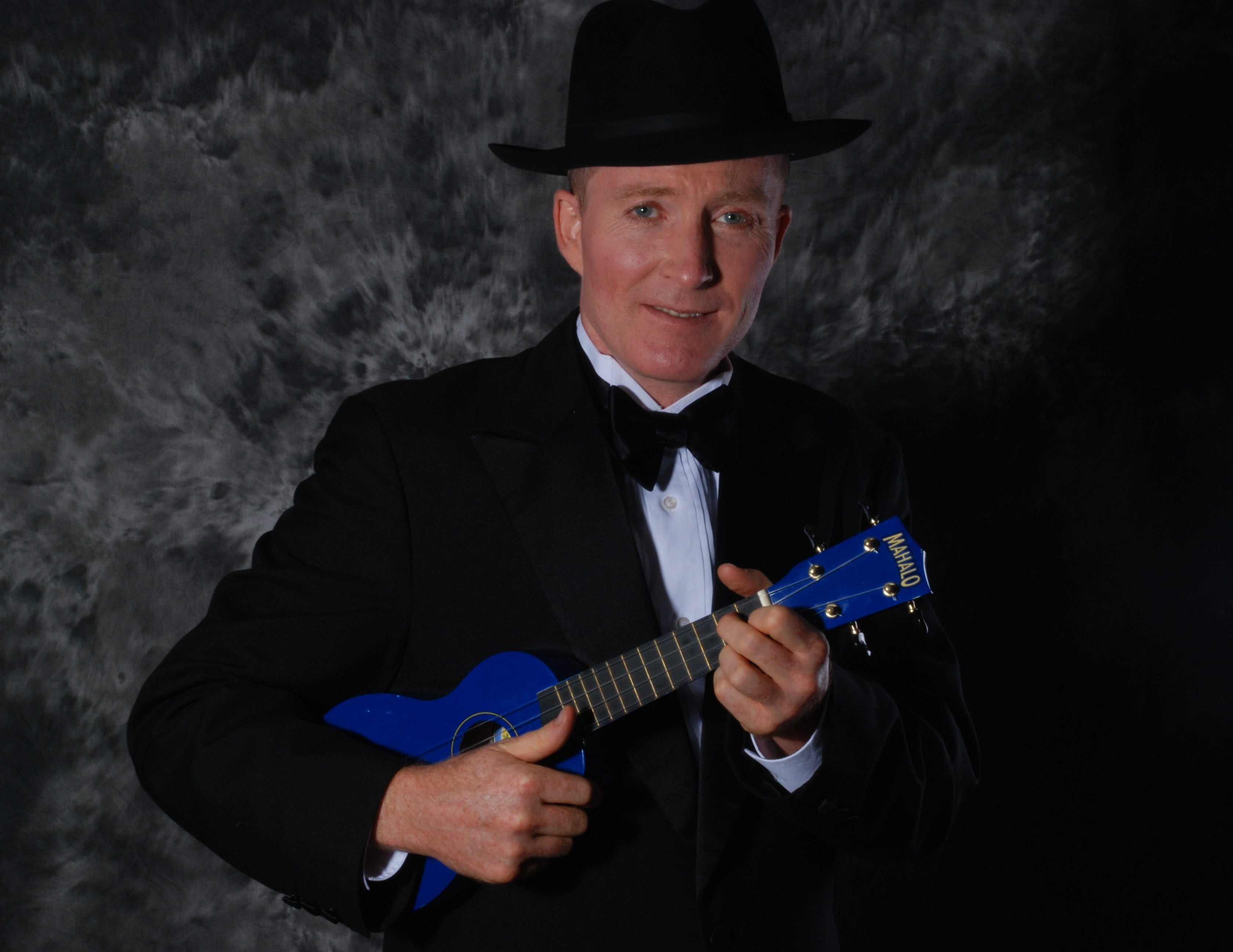
Me (photo by Stephen C. Fischer)

I take inspiration from their creative perseverance as well as from the rich legacy of hit songs they left for all of us to savor.

On a personal note, I have begun attending several open mics on a regular basis, sharing my original songs while accompanying myself on ukulele.

Performing like this has been a good workout for my brain because I now have to remember both lyrics AND chords.

It has also been interesting to see how other regular open mic attendees do (and don’t) welcome one into each musical micro-community.

The key, I think, is simply continuing to show up.

Gradually we reveal ourselves to each other through our song choices and through the things we say between songs (the open mics I attend allow a person to perform 2-3 songs per night).

And trust begins to form…

Graphic Design by Stephen C. Fischer

And curiosity begins to arise…

Deep breath in.

Deep breath out.

All of the venues are also registered with ASCAP, the performing rights organization I joined several years ago.

So after each open mic, I log onto my ASCAP account and enter which of my original songs I performed.

In theory this is supposed to generate a tiny stream of income for me, but I haven’t seen anything yet…

One final thing I have been appreciating about attending open mics is that they give me a chance to fine-tune the lyrics of songs I haven’t yet recorded (but plan to record with Doug Hammer later this year).

If you would like to stream “I Walk With Music,” you are welcome to click here for a link to many different digital music platforms.

Thank you to pianist/composer/producer Doug Hammer for our ongoing — and ofter very playful — musical collaboration.

Thank you to Stephen C. Fischer for his photo and design expertise.

Image by Jenő Szabó from Pixabay

Thank you to Wikipedia (to which I give a tiny financial contribution each month) for being such a useful source of information.

Thank you to all of the terrific songwriters, living and dead, whose work touches our souls and lifts our spirits on a daily basis.

Thank you to Jeno Szabo for his beautiful image from Pixabay.

And thank you, dear reader, for making it through another one of my (now mostly monthly) blog posts.

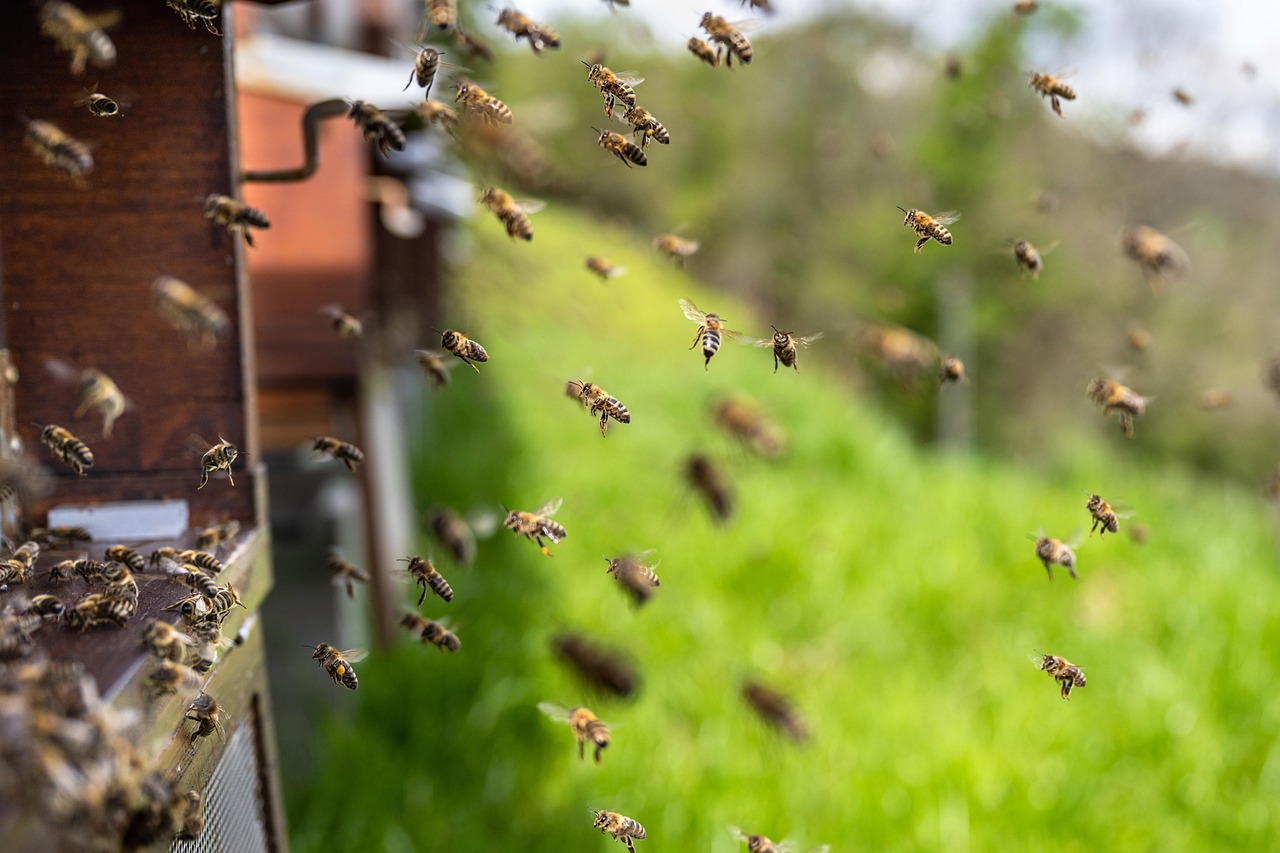
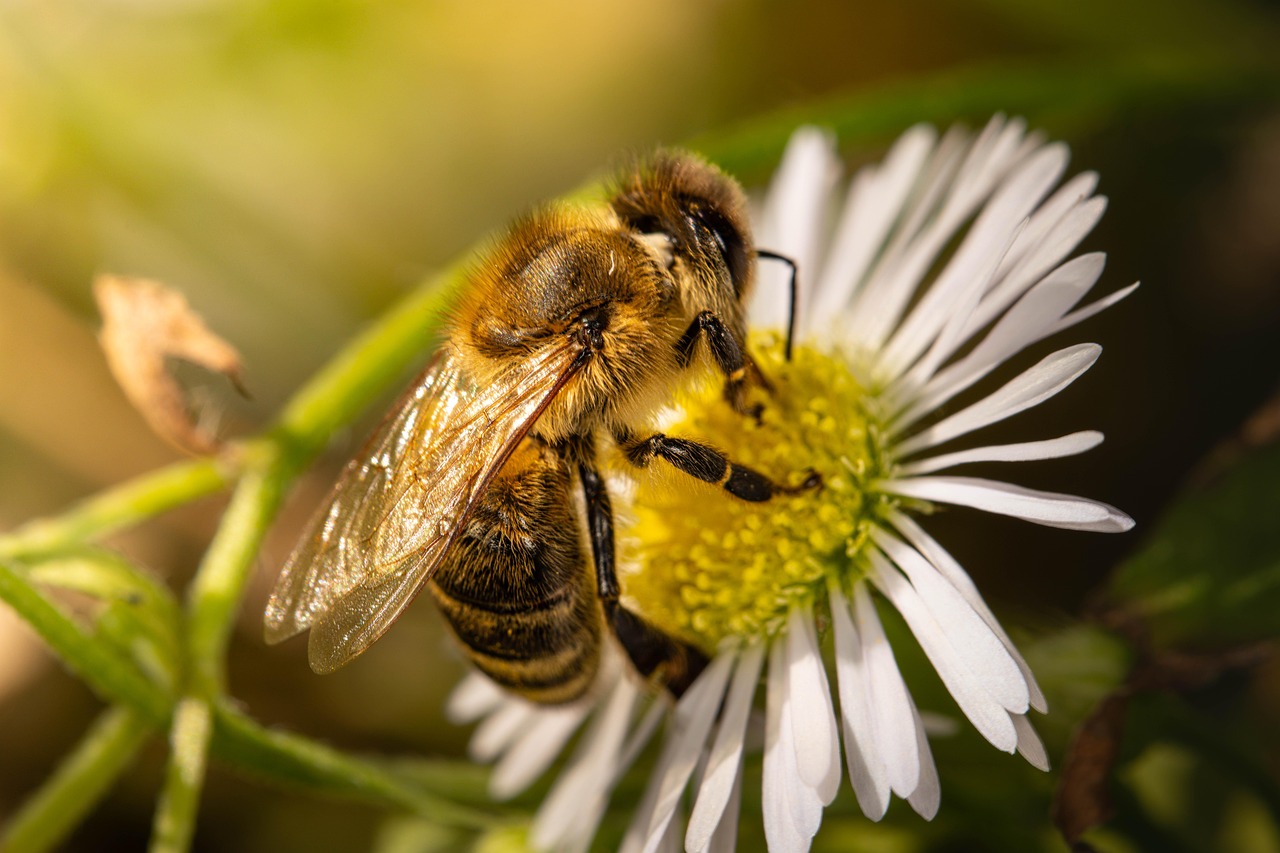
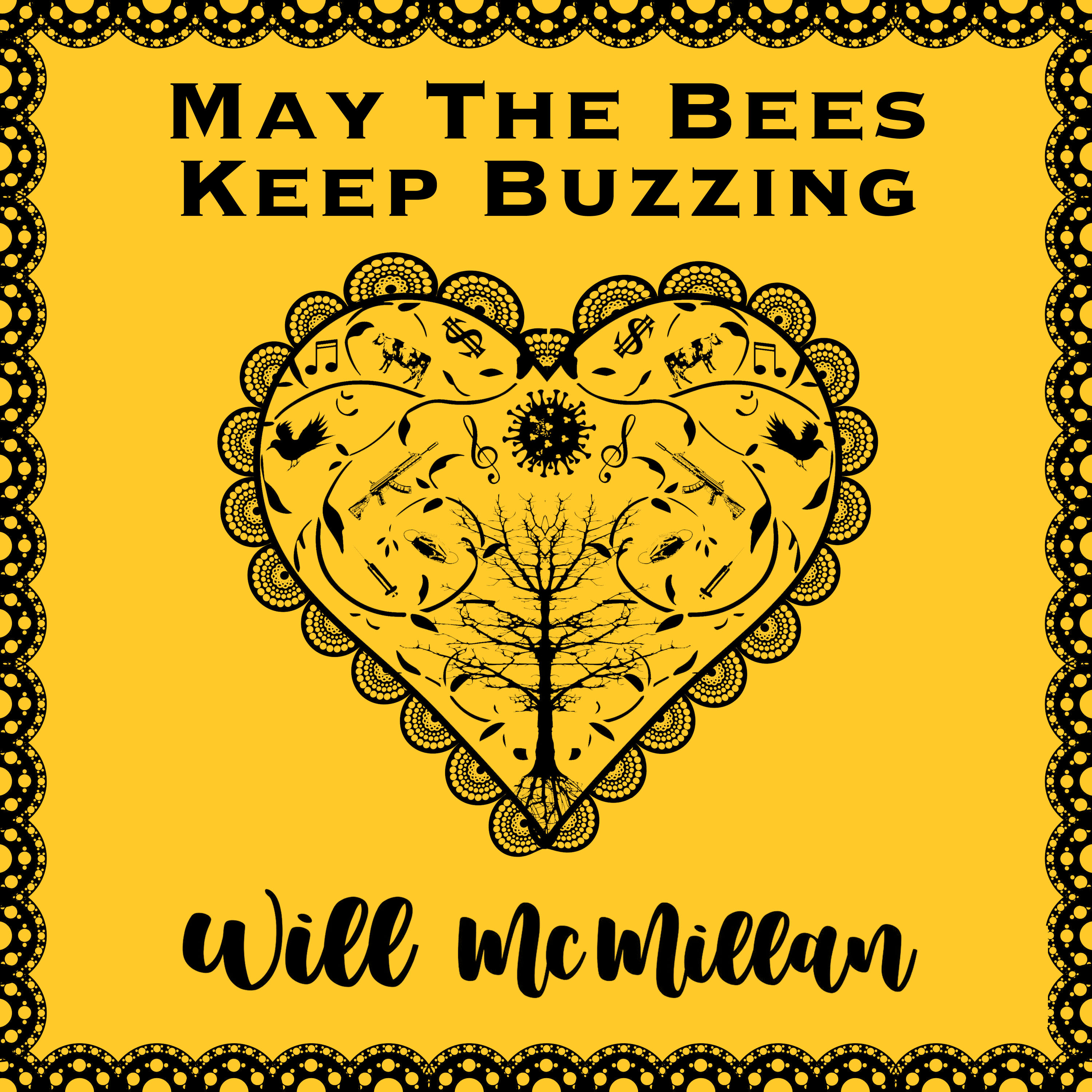
May The Bees Keep Buzzing

Image by xiSerge from Pixabay

One of my favorite bloggers is Dan Kennedy, who has worked at many different media organizations in the Boston area and is now a professor at Northeastern University.

He writes about what is happening in — and to — the media here in the USA.

I first became aware of our Boston media landscape when I worked as PR Director at the Cambridge Center for Adult Education in Harvard Square.

My boss Diane Wortis and I created (and then produced annually for five years) a day-long conference called “Arts & The Media” which allowed us to call everyone who had anything to do with arts coverage in the Greater Boston area and invite them to participate on a panel.

Image by sandid from Pixabay

This included folks from our big papers (including The Boston Globe, The Boston Herald, and The Boston Phoenix) — to folks at radio and TV stations, to folks who worked for smaller local papers and magazines.

Our conferences started happening as Mitt Romney’s private investment company Bain Capital was buying up a bunch of local daily and weekly newspapers in the greater Boston area and consolidating them into one company — which meant that the staff at all of these formerly independent papers was being slashed and lots of generic (non-town-specific) content was starting to be written which could be printed in many different papers within this new chain.

I bore witness firsthand to the degradation of media coverage as a result of large-scale, corporate consolidation.

And twenty five years later, that trend of media consolidation has only worsened.

Image by Manfred Richter from Pixabay

All of this is to explain why I write near the end of this song — “May our press remain vital, always truth pursuing…”

Reading our local papers and nurturing relationships (via hundreds of hand-written thank you cards) with local arts writers and arts editors for over a decade helped me to understand how crucial the Fourth Estate is to a functioning democracy with healthy checks and balances.

Dan writes in his blog about what is going poorly (media consolidation continues, ad revenues drop…) and also where there are glimmers of hope via new models of local journalism.

And sometimes he weighs in on journalistic best practices.

He steered me to a speech Marty Baron gave at Brandeis University a few years ago which touched upon the fascinating topic of objectivity.

Image by Simon Oberthaler from Pixabay

Mr. Baron used to be the editor of The Boston Globe and then became the editor of The Washington Post.  

Here’s the heart of what Marty had to say:

“Objectivity is not neutrality.

It is not on-the-one-hand, on-the-other-hand journalism.

It is not false balance or both-sidesism.

It is not giving equal weight to opposing arguments when the evidence points overwhelmingly in one direction.

It does not suggest that we as journalists should engage in meticulous, thorough research only to surrender to cowardice by failing to report the facts we’ve worked so hard to discover…

Image by Jan Temmel from Pixabay

The idea is to be open-minded when we begin our research and to do that work as conscientiously as possible.

It demands a willingness to listen, an eagerness to learn — and an awareness that there is much for us to know.

We don’t start with the answers.

We go seeking them, first with the already formidable challenge of asking the right questions and finally with the arduous task of verification.”

Deep breath in.

Deep breath out.

Graphic by Stephen C. Fischer

May our media in the USA stop kowtowing and collapsing… and realize that they are just as vulnerable as the rest of us to arrests in the middle of the night, arrests while we are walking from campus to our apartment, arrests while we are in a courthouse following all the rules about how to become a US citizen, arrests while we are picking vegetables, arrests while we are doing our laundry in the middle of the night.

Anothert deep breath in.

And another deep breath out.

You can click here for a link to “May The Bees Keep Buzzing” on Pandora, Apple Music, YouTube, Spotify, etc.

If you might be kind enough to stream it —and maybe even “like” it and add it to one of your playlists if you are so moved — that would be very helpful to feed positive data into the various algorithms which decide whose music gets played and how often…

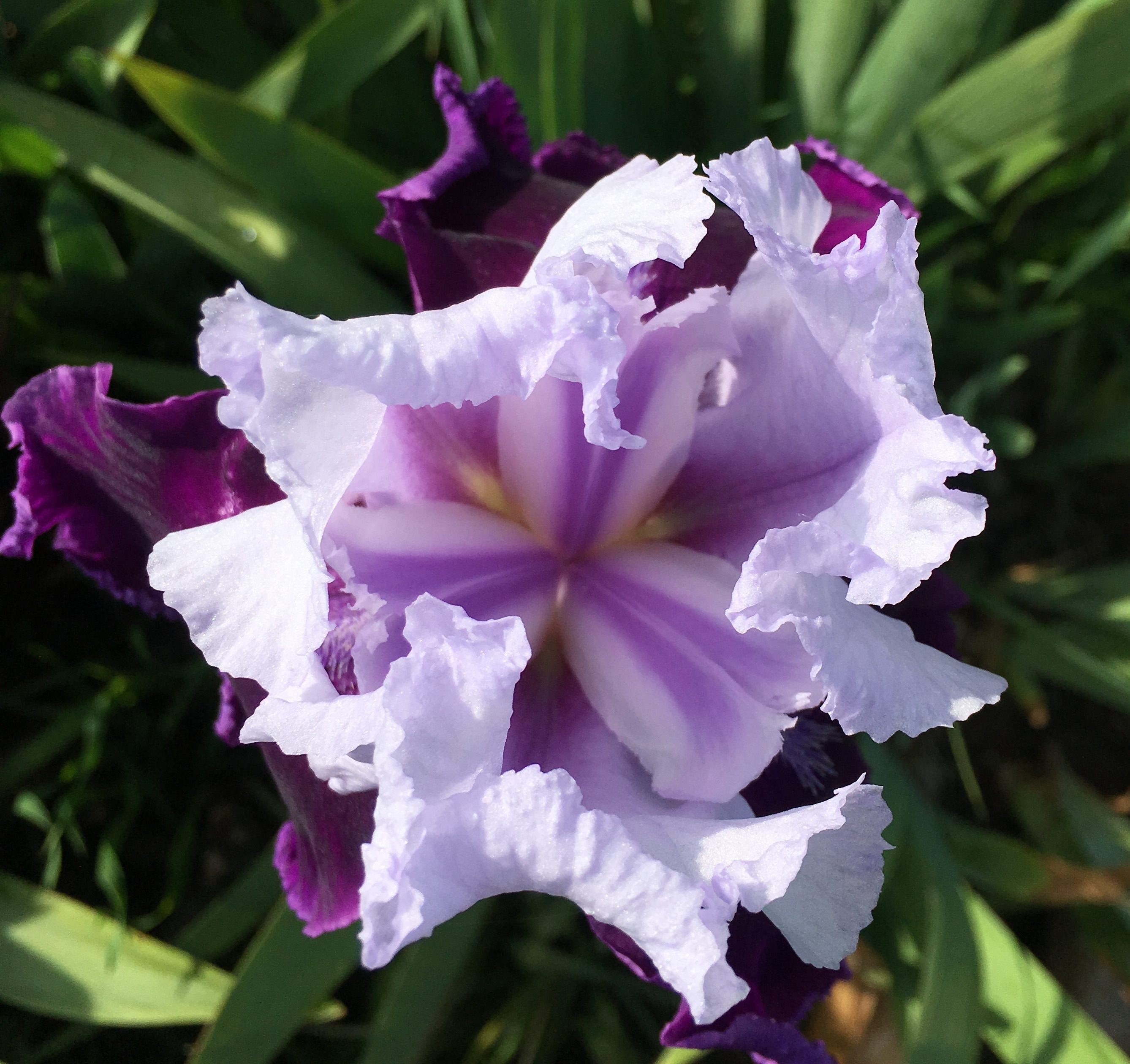
Image by Medgyesi Jenő from Pixabay

I have selected flower photos from the wonderful photographers at Pixabay which I hope will help to offset the serious tone of this blog post.

Thank you to them and their skill and their generosity.

Thank you to Doug Hammer for his sublime collaborative skills — both playing his Schimmel grand piano AND using his Apple computer like a 21st century wizard.

And thank YOU for listening to and reading yet another one of my blog posts!

Don’t Blame Me…

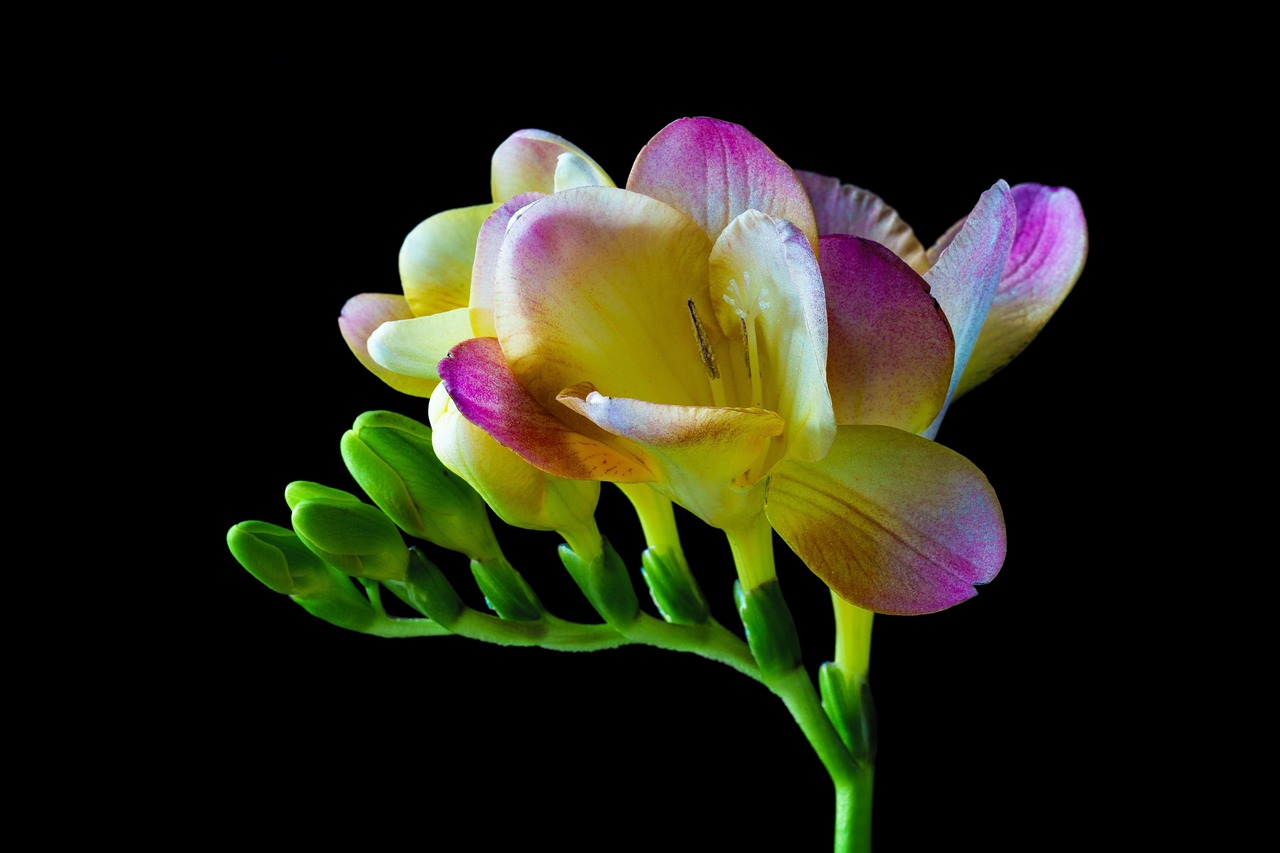
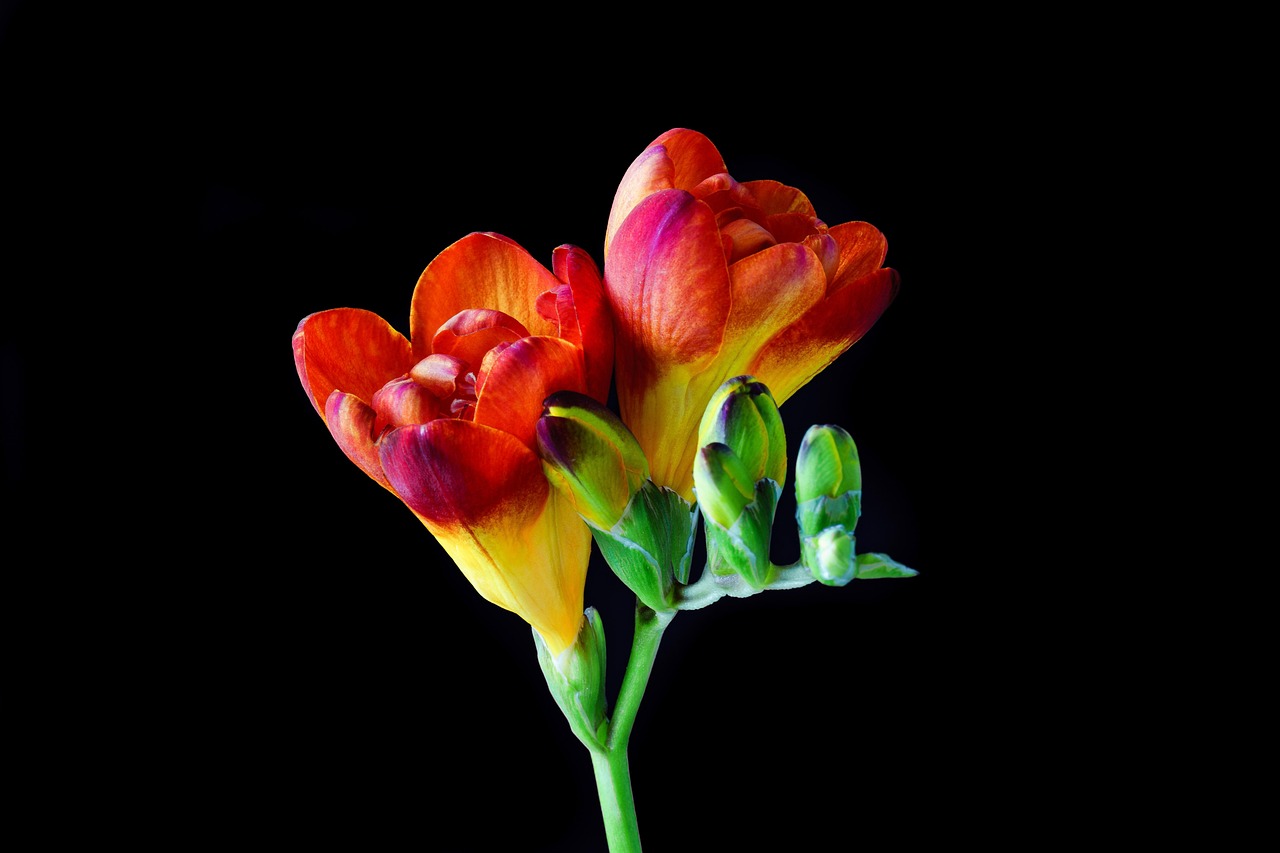
Image by Thomas Wolter from Pixabay

Greetings!

I hope this blog post finds you well.

My most recent song release — “Don’t Blame Me” — was co-written by Dorothy Fields and Jimmy McHugh.

I wrote a long blog post about Ms. Fields on October 1, 2017 which you can read (or re-read) by clicking here if you are curious.

The more I have learned about her, the more I admire her. 

And the more I perform her songs , the more I savor the ease, wit and humor in her lyrics.

Image by Thomas Wolter from Pixabay

Dorothy Fields was an extremely successful lyricist and librettist in a very male-dominated entertainment industry.

She was friends with — and sometimes collaborated with — all of the songwriters in the Golden Era of Popular Song including Richard Rodgers, Larry Hart, Oscar Hammerstein, Jerome Kern, Cole Porter, Irving Berlin, and the list (of male songwriters) goes on and on…

She had hits from the 1920s to the 1970s — and did not get discouraged (as many of her male colleagues did) when rock-n-roll began to displace her songs from the hit parade.

Image by Thomas Wolter from Pixabay

Instead she started working with a much younger composer, Cy Coleman, and had one of her biggest hits — the musical Sweet Charity — when she was 62 years old.

I, as a late-blooming songwriter, find her to be very inspirational.

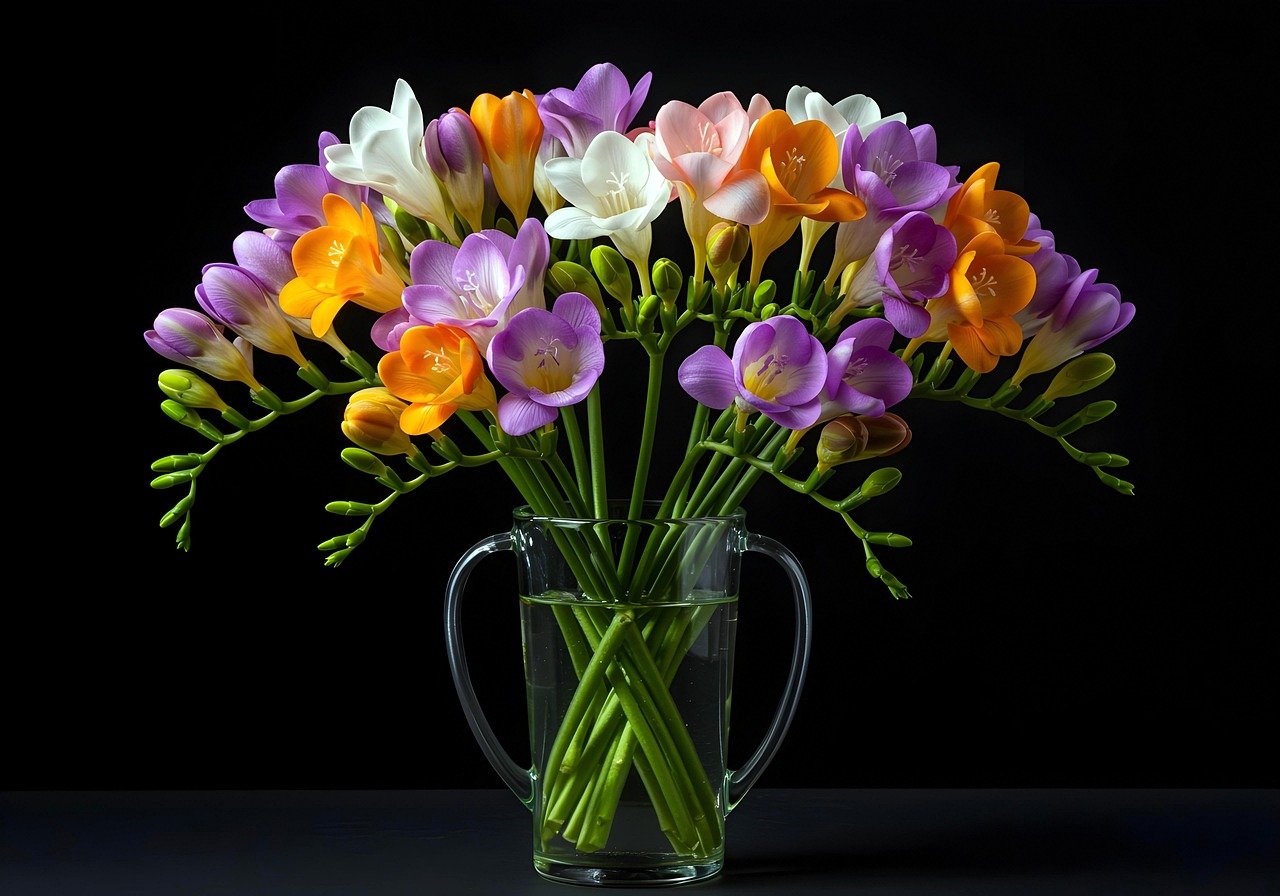
I have chosen freesia for this post because I imagine she would have enjoyed their delicious fragrance ‚ and because they always seem very elegant to me.

According to her biographers, she was always very well-dressed (one grandparent was a tailor…) with separate closets for hats, shoes, active wear, evening wear, etc.

Here’s a streaming link for “Don’t Blame Me.”

Thank you to the glorious photographers at Pixabay.

Image by Alicja from Pixabay

Thank you to Doug Hammer for playing piano while simultaneously recording him and me on “Don’t Blame Me.”

And thank YOU for reading another one of my blog posts.

Here is a bouquet of freesia for your efforts!

Deep breath in.

And deep breath out.

What a fragrance!

Mulligan Stew

Image by ivabalk from Pixabay

Today’s song is a sassy tour de force with lyrics by Lorenz Hart and music by Richard Rodgers.

I love the introductory verse, which mentions “Mulligan Stew,” the “Beaux Arts Ball,” and “Noël Cad” a.k.a. Noël Coward.

Many songs from the 20s, 30s and 40s include references to specific people, places, products and events — thus functioning as historic 20th century time capsules for 21st century listeners.

A) Mulligan Stew, I learned from Wikipedia, is an Irish-inspired recipe for a soup or stew made from whatever food items one can round up.

It was also known as “Hobo Stew” during the early part of the 20th century in the USA.

I feel a special affinity for Mulligan Stew, because it appears to be very similar to the endless soup I like to make during the winter months.

Image by u_0bpc2hin from Pixabay

I start with cut up carrots, potatoes, sweet potatoes, and onions — plus a frozen chicken thigh — and boil all the ingredients until the chicken is cooked and the carrots are starting to lose their crunch.

Then I add some cut-up garlic, fresh ginger, salt, pepper and whatever additional spices — curry powder? thyme? turmeric? one of Trader Joe’s multi-spice blends? — call out to me from the shelf.

Then I eat it for about a week — refrigerating it each night and adding more water plus additional ingredients — leeks? parsnips? kale? mushrooms? squash? rice? tomatoes? okra? tofu? canned beans? frozen artichoke hearts? leftover Chinese food? — on a daily basis before cooking it some more.

Yum!

B) Noël Coward, as you may already know, was a multi-hyphenate powerhouse — an actor-playwright-composer-director-singer from England who died in 1973 after a long and very successful career.

I have only learned and performed one of his songs — “If Love Were All” — which was part of Judy Garland’s repertoire.

But I have a Noël Coward songbook in my basement music library which probably deserves more attention in the future.

C) Wikipedia tells us that “The Beaux-Arts Ball… is the annual costume ball traditionally given by the students of the École nationale supérieure des Beaux-Arts in Paris in the spring…on the rue Bonaparte overlooking the Seine… Its reputation for high style, nudity, wild antics, and cross-dressing encouraged imitators in American cities. In 1931, in New York, famous architects dressed up as their buildings and today, many American architecture schools hold similar costume balls.”

I am guessing that the one in New York in 1931 is the Beaux Arts Ball to which Larry Hart is referring in his lyrics.

They sound like very creative and somewhat outrageous events!

Image by rautsonakshik0 from Pixabay

I am happy to share that my streaming numbers have been rising on Spotify and on Pandora (which are the only two music streaming platforms I currently monitor) — so a BIG THANK YOU to anyone and everyone who have given one of my songs a listen!

I have become more and more of a Pandora fan in recent months, even though their music is only accessible in the USA (and not globally like Spotify).

I use their free option, which means that I have to listen to ads every few songs — which I often mute.

And I use a similar free option on Spotify and YouTube Music.

Even though Pandora’s parent company, SiriusXM, has been laying off large numbers of staff in recent months, the core group of people at Pandora who offer customer service and training to independent musicians like me has — so far — remained intact.

What I particularly love about Pandora is that they do not use chatbots to communicate with independent musicians like me.

Image by jyleen21 from Pixabay

Real live Pandora staff offer free training sessions via Zoom each month to encourage musicians to take advantage of their free promotional strategies which can help songs find new listeners.
I tried one strategy — creating a featured track — and the song I featured received hundreds more streams as a result.

Of course, you probably remember that all of the music streaming companies pay only fractions of a cent per stream to recording artists and songwriters like me…

But I have released 58 songs during the past 4 years, and many of these songs have each been streamed over 1000 times on Spotify and Pandora — although less often on YouTube, Apple, Amazon, and other digital music platforms…

And all of those fractions of cents DO have the potential to add up to something substantial.

So I remain hopeful that my persistence will pay off as the months and years go by — as long as we have a functioning internet, a functioning economy and a functioning democracy…

Deep breath in.

Deep breath out.

Thank you to Doug Hammer for playing his beautiful Schimmel piano on this recording and for being very patient while we mixed and mastered it.

Thank you to Stephen C. Fischer for his elegant graphic design.

Thank you to Larry Hart and Dick Rodgers for their extraordinary songwriting partnership.

Thank you to the talented and generous photographers at Pixabay.

And a final thank you to YOU for making it to the end of another one of my blog posts!

You are always welcome to click here and listen to “The Lady Is A Tramp” on various streaming platforms.

The Power Of Love?

Image by Annette Meyer from Pixabay

I hope you are well as you read this blog post.

Outside where I live in Massachusetts, leaves are changing color and falling to the ground.

Inside I am sitting on our couch under a layer of blankets and writing in the middle of the night.

I woke up to go to the bathroom and now am unable to fall asleep,

All my brain wants to do is think about potentially catastrophic things which may start unfolding in 2025 as a result of our recent national election.

Before I continue this blog post, I am going to pause and acknowledge any readers who may be excited and happy about recent election results.

I do not want to rain on your parade, and I hope that you are savoring your victories.

Image by Anja from Pixabay

Deep breath in.

Deep breath out.

However, if you are a reader who is feeling less excited and hopeful about the future as a result of last week’s election, my heart goes out to you.

Although I have decided not to read about politics and interact with the media for the time being, my brain — especially when I am lying awake in the middle of the night — keeps remembering things that are likely to be impacted in the next four years:

NATO — and the safety of all the countries bordering Russia…

The health of women I love — and the health of women I will never meet — due to new restrictions about what decisions they and their healthcare providers are allowed to make about their own bodies…

Image by Joe from Pixabay

Social security — which I have paid into since I was three years old and which I was planning to start collecting in three years time…

Medicare/Medicaid and other health insurance options — for millions of Americans and for me.

The cost of anything we don’t make or grow in the USA — due to potential new tariffs.

The cost of anything we DO make or grow in the USA — due to the potential prosecution/expulsion of many people who currently harvest our produce, work in our slaughterhouses and meat-packing plants, labor in our restaurants, work on our construction sites, landscape our properties, mow our lawns, blow our leaves, etc. etc. etc.

My two nephews — one approaching draft-age and the other one still eligible to be drafted if we find ourselves in a situation where we need to expand our (already vast) military capabilities.

Image by Wolfgang_Hasselmann from Pixabay

Long term — and potentially irreversible — environmental consequences due to potential deregulation of rules which currently protect the entire web of life here on planet earth.

Our access and ability to vote, our access to education, our access to public healthcare in the event of another epidemic…

The list goes on and on.

I don’t understand how love and respect factor into any of the above.

I don’t understand how love and respect can withstand — much less overcome — the forces which spread disinformation, which lie, which aim to divide us, which value power and money over honesty and decency.

I hesitate to call those forces evil, but I have been reminded more and more in recent months about a book I read a long time ago by M. Scott Peck called THE PEOPLE OF THE LIE.

As the group mind at Wikipedia summarizes:

According to Peck, an evil person:

  • is consistently self-deceiving, with the intent of avoiding guilt and maintaining a self-image of perfection
  • deceives others as a consequence of their own self-deception
  • projects his or her evils and sins onto very specific targets (scapegoats) while being apparently normal with everyone else
  • commonly hates with the pretense of love, for the purposes of self-deception as much as deception of others
  • abuses political (emotional) power (“the imposition of one’s will upon others by overt or covert coercion” (Peck, 1978/1992, p298[7]))
  • maintains a high level of respectability, and lies incessantly to do so
  • is consistent in his or her sins.
  • is unable to think from the viewpoint of their victim
  • has a covert intolerance to criticism and other forms of narcissistic injury

Most evil people realize the evil deep within themselves, but are unable to tolerate the pain of introspection, or admit to themselves that they are evil. Thus, they constantly run away from their evil by putting themselves in a position of moral superiority and putting the focus of evil on others. Evil is an extreme form of what Peck, in THE ROAD LESS TRAVELED, calls a character and personality disorder.”
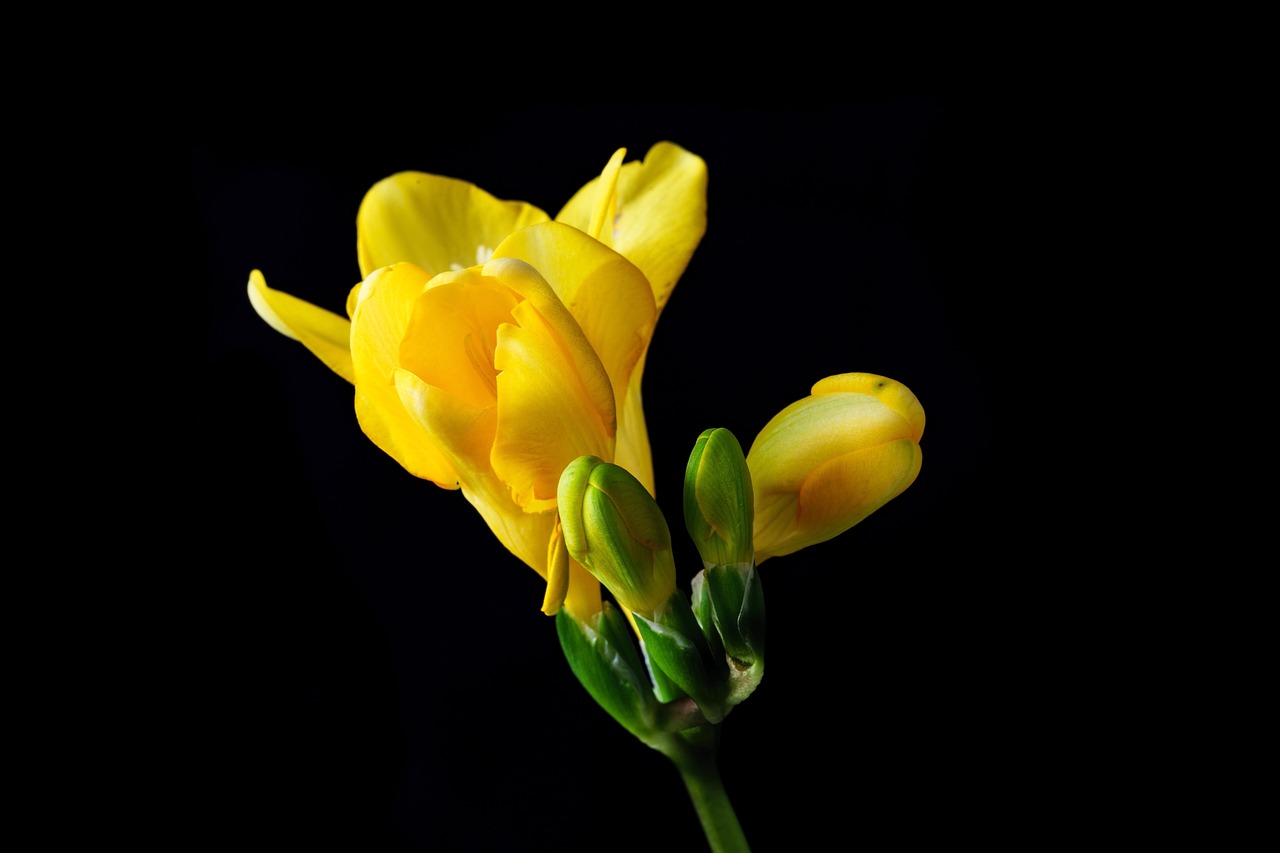
Image by Peter H from Pixabay

The group mind of Wikipedia also describes Peck’s understanding of love in his previous book, THE ROAD LESS TRAVELED:

“Love is not a feeling, it is an activity and an investment — ‘The will to extend one’s self for the purpose of nurturing one’s own or another’s spiritual growth’ (Peck, 1978/1992, p85). Peck expands on the work of Thomas Aquinas over 700 years ago, that love is primarily actions towards nurturing the spiritual growth of another.”

I welcome any insights into the power of love and how it does — or doesn’t — impact our current political situation here in the USA (as well as how love and respect may impact other patterns unfolding here on planet earth).

Please leave a comment if you are so inspired.

I end with a link to this heartful song at the beginning of this blog post in case you might like to listen to it on a streaming platform, add it to a playlist, or share it with a friend.

Image by StockSnap from Pixabay

It was written by Lynn Ahrens and Stephen Flaherty, a delicious songwriting team who helped to create the musicals RAGTIME, SEUSSICAL, ONCE ON THIS ISLAND and A MAN OF NO IMPORTANCE (which is where “Love Who You Love” comes from) among many other projects.

I initially featured this song in a blog post I wrote in August 2015 which you can read by clicking here if you are curious.

Thank you to Ahrens and Flaherty for writing “Love Who You Love.”

Thank you to Doug Hammer and Mike Callahan for playing so beautifully on this recording of it.

Thank you to Gretje Ferguson for taking this photo many years ago.

Photo by Gretje Ferguson + Graphic Design by Stephen C. Fischer @ DigitalFisch

Thank you to Stephen Fischer for creating this graphic design using Gretje’s photo.

Thank you to the wonderful and generous photographers at Pixabay.

Thank you to all of the folks who helped to create the internet and WordPress so that I can share my thoughts and music with you.

And thank YOU for reading and listening to another one of my blog posts.

I welcome any comments below.

The Babysitter’s Here!

I have loved this song by Dar Williams ever since I first heard it a couple of decades ago.

Dar Williams

Ms. Williams weaves together several fundamental human themes — the value of role models, the heartbreakingly inevitable connection between love and loss, the challenge of female/male power dynamics, and the significance of being trusted — within the framework of a story told by a child about their beloved babysitter.

It is masterful songwriting.

I released it two weeks ago to coincide with the start of the school year here in Massachusetts.

I have several friends whose almost-grownup children are entering college — and they have shared with me that they are feeling simultaneously grateful/proud that their kids are becoming adults AND heart-broken/shocked that their kids are old enough to leave the family nest.

Deep breath in.

Deep breath out.

I do not remember having many babysitters when I was a child.

There was one, however — maybe a friend my mother met at a painting class? — who taught me and my siblings how to cook eggplant moussaka from scratch.

We happily prepared that meal again and again during our child and teen years following her recipe.

It was delicious!

The theme of trust and trustworthiness in Dar’s wonderful song very much reminds me of how respected I felt as a young adult when I was hired to help take care of three small children (one each from three families) who had all dropped out of the same pre-school together.

I myself had recently dropped out of college, and it was a very powerful — and healing — experience to be entrusted with these three little human beings.

Parents have to tap into a deep well of trust to let someone else take care of their children.

Without a lot of interviewing and no background checks, I and two other twenty-somethings were hired to have fun adventures with these three children in shifts during the day while their parents — who were architects, college professors and a child psychiatrist — worked.

We were given the keys to one of their cars (a Saab), three car seats, and a little spending money in case we needed to stop at a grocery store or bakery for treats during the day.

The parents also gave us a book on child development by Penelope Leach from which I learned that I could follow the children’s lead and let them to explore their curiosity/interests — which included (among other things) ants and dogs and pistachios and flowers.
One of my favorite memories is driving with them to a wonderful nature area — the Punkatasset Preserve in Concord, MA — and wandering very slowly up and down the trails so that we could pause whenever something caught the children’s attention.

Their interest in flowers led me to serve them food — such as apple slices, carrot sticks, chunks of cheese — in flower patterns on their plates.

This is something I still love to do with food.

Here’s a tomato flower I made recently from produce given to me by a neighbor with a farm share from an organic farm just over the border in Lexington, MA (about which I have written in a previous blog post).

They are so beautiful…and nutritious!

Plants are truly amazing.

How are they able to capture and transform energy — radiating from a nearby star! — into something delicious we can eat here on planet earth?

What a miraculous blessing…

Another deep breath in.

And deep breath out.

Last week I listened to a interview on YouTube in which an artist manager explained that Spotify’s algorithms seem to reward folks who release music on a monthly basis — and that if one is able to do this for 18-24 months, an exponential increase in streams sometimes kicks in…

This is what he has discerned from the streaming patterns of music released in recent years by a dozen independent musicians he is working with…

I have seen a significant (for me) increase in streams for the six songs which I have released (every three weeks) since the middle of April this year.

My recording of “The Babysitter’s Here,” for example, has gotten more streams (598) on Spotify in two weeks than many of the songs I first released have gotten in two years.

So I am going to stick with my plan to release a song every 3-4 weeks for the next 19 months and see if an exponential increase kicks in…

Thank you to everyone who has been streaming my songs on SpotifyPandoraApple MusicYouTube and other streaming platforms.

You are welcome to click and listen to “The Babysitter’s Here” on many streaming platforms.

And any song you “like” or “heart” or add to a playlist will improve the algorithmic activity of my music there.

You are also welcome to visit my website — where you can learn more about my musical life (including upcoming gigs) here on planet earth if you are curious.

Thank you to Dar Williams for writing such a delightful song.

Thank you to the families who trusted me many years ago to take care of their precious children.

Thank you to Doug Hammer for his sublime piano playing AND his patient engineering expertise.

Thank you to the generous photographers and graphic designers at Pixabay — and to my friend Carolyn for the lovely photo she took of.a rainbow from her living room window.

Thank you to Stephen C. Fischer for transforming photos from earlier parts of my life into graphic designs for my current song releases.

Thank you to my neighbors for sharing their beautiful vegetables with me.

And most of all, thank YOU for reading — and listening to — another one of my blog posts!

Let My Heart Be Open…

These are challenging times.

I’ve been reading a lot of posts — as well as the comments they elicit — by my fellow bloggers.

One theme that often emerges is Covid-fatigue.

This is not the fatigue that one experiences when one contracts the Covid-19 virus (although I have been told that fatigue is often a symptom of Covid-19 infection and can last much longer than one would like…)

This is being tired of wearing a mask outside and sometimes even inside if one is quarantining at home with others.

This is being tired of not seeing people’s faces — and smiles — while going to work or buying groceries or walking one’s dog.

This is being tired of feeling scared that one might contract the virus.

This is being tired of feeling upset by the folks who have been listening to a different stream of news — one in which mask-wearing is not necessary and the virus is nothing to fear.

This is — in some very sad cases — being heart-broken that one is unable to visit and comfort a loved one who is fighting for her or his life in a hospital.

This is being tired of not seeing one’s extended web of family and friends at Thanksgiving — and probably not seeing them for the winter holidays either…

This is being tired of not being able to do many of the things that some of us formerly took for granted — like BBQ-ing with friends, or seeing a movie in a theater, or going on a date, or eating in a restaurant, or attending a concert or…. you fill in the blank.

The list goes on and on.

The news of surprisingly robust results from many different vaccine trials gives me a shred of hope — a possible light at the end of a long tunnel.

But this will take time — more time than most of us want to acknowledge.

And we will probably need to wear our masks even AFTER we have been vaccinated because there is very little data — yet — about how infectious those who have been vaccinated may be to others who have not yet been vaccinated.

And not everyone — for a spectrum of reasons both historical and personal and political — may agree to be vaccinated…

Deep breath in.

Deep breath out.

Then there is the fatigue — physical, emotional, spiritual — that our nurses and EMTs and doctors and others who help to take care of Covid-19 patients are experiencing.

In many cases it is beyond fatigue.

It is trauma.

We are going to emerge from this health crisis with a significant number of our caregivers having been traumatized and in need of all sorts of healing for THEIR bodies, minds and spirits.

Some of them may decide that they can no longer risk their lives taking care of others — especially others who minimize and/or deny the threat of Covid-19 (and thus help to worsen everyone’s collective health and the horrific burden being placed on our health care workers).

I learned recently that one of my friends — a former housemate with whom I lived after college (along with three other people) in a run-down but functional duplex apartment outside Central Square in Cambridge, MA — just spent five days in a hospital fighting to breathe with a Covid infection.

He posted on Facebook:

“I didn’t get the mild version. It was a grueling, terrifying experience. I would like to make a plea for any of you who doubt the danger of this bug to rethink that. If you are thinking, ‘I probably won’t get it’ or ‘it probably won’t kill me’ you’re in danger — and the people around you are as well. Please don’t let your guard down. You’ll never know what you’re missing.”

In another post he shared more details:

“When my COVID was at its worst I had a temperature of 103, and each breath only gave me a few teaspoons of air. I would get panicked, and I would cough and gasp, but there was no more room in my lungs. A nurse at the ER told me to try not to cough; so I started counting my breaths, trying to make it to 100 without coughing. I’d get to about 37 and involuntarily cough/gasp. And then came one of those moments when you realize you had something and never appreciated it and maybe it’s gone. I wanted a regular breath, nothing fancy, and if I could have it I wouldn’t take it for granted anymore. So today I am deeply thankful for my lungs. I’m sharing this hoping that, if you don’t already appreciate your lungs, you’ll take a nice deep breath and appreciate them right now…”

Deep breath in.

And out.

So how did my friend end up in the hospital?

“I got a flu shot the Wednesday of the week before Thanksgiving. Felt achy the next day. Not sure if it was the shot or COVID. By Saturday my chest was getting tight. On Monday and Tuesday and Wednesday. I was going to the ER every evening (it gets bad in the evening — no one can tell me how the virus knows what time it is), struggling to breath, doing this sort of gasping/cough thing that just excited my lungs and made them more desperate. Fever kept getting worse — 103 degrees by Wednesday, (when) I went to a new hospital.”

They admitted my friend and started him on a 5 day course of Remdesivir.

At this point I didn’t know where this was going. The thing about the coughing/gasping is that they really didn’t have anything to stop it. I asked a doctor how concerned he was that I might die, and he said, “Not at all.” That was reassuring. Up until then I was worried about A) being on a ventilator and B) dying. They tell me that they don’t put people on ventilators as much now that they know more about treatment. Gradually, my symptoms receded. Very grateful.”

He was treated in the hospital with Remdesivir, oxygen, cough syrup, nebulizer treatments, and tylenol to control his fever.

He’s pretty sure he got Covid from his 18-year-old daughter, who had a fever for a couple of days and then was fine.

His final comment on Facebook was:

“(Covid infection) varies greatly and it can turn on a dime.”

Another deep breath in.

And out.

Paul is the second person I know who has been hospitalized due to Covid.

The other — as regular readers of this blog may remember — is a fellow singer who ended up on a ventilator for many weeks and then spent time in rehab for weeks after that.

Both friends are now at home and gradually recovering their strength.

There but for the grace of g-d — along with a few face masks, a lot of physical/social distancing, and regular handwashing — go I…

And ANOTHER deep breath in.

And out.

Yesterday morning I picked up a bunch of postcards for me and two friends to personalize and then mail to potential voters in Georgia.

I loved riding my bike — and not burning any fossil fuels — while picking up and then delivering postcards to my friends.

Climate change is a WHOLE OTHER CRISIS which many of us — similar to the Covid-downplayers and non-mask-wearers during our current Covid crisis — are in denial about.

But that’s a topic for another blog post…

I definitely experienced — and was grateful for — my lungs as I pedaled up a bridge and over the commuter railroad tracks that separate Cambridge from Somerville.

I was also grateful that yesterday’s rain waited until I was home from my postcard pickup and deliveries to begin its gentle precipitation.

And I am grateful to share that a song I recorded many years ago — “Let Me Be Strong” by Barbara Baig — now has its own mini-website.

You can click here to check it out (and you may recognize the names of a few fellow bloggers on the feedback page, bless them…)

I met Barbara when I was organizing open mics at the Cambridge Center For Adult Education in Harvard Square, where I worked for 16 years,

As you may also remember from a recent blog post about how modestly streaming platforms currently pay recording artists and songwriters, it is unlikely that we will make much money from distributing “Let Me Be Strong.”

But we have gotten such positive feedback that we decided — as a kind of mitzvah — to create this mini-website and devote some energy to sharing her song with the rest of the world (or at least those people who have access to digital music platforms…)

The chorus of her song says:

“Let me be strong and moving through fear.

When the truth is blinding, let me see it clear.

And when love comes, let me not hide.

Let my heart be open, let love inside.”

Easier said (or sung) than done, I know — but potentially helpful words for the days and weeks and months ahead…

We have begun reaching out to radio DJs, nurses, doctors, yoga instructors, hospital chaplains, ministers, rabbis, and anyone else whom we think might appreciate hearing the song — and possibly sharing it with others.

We would be honored if YOU, too, are moved to share “Let Me Be Strong” with anyone in your web of family and friends.

You can use the share option by clicking on the upper right corner of this page of our mini-website if the spirit moves you.

We also welcome any ideas about other people, DJs, yoga instructors, nurses, doctors, rabbis, ministers, chaplains, etc. to whom we might reach out — one heart to another.

Clearly a lot of our hearts in the USA are quite frozen with fear (and rage) these days.

And music is one way that we can thaw out and begin to feel/heal…

Deep breath in.

And out.

Let’s all keep singing and dancing and listening to music whenever we can muster the time and energy and heart in the weeks ahead!

In addition to my lungs, I am grateful for pianist/producer Doug Hammer, with whom I recorded “Let Me Be Strong” along with Gene Roma (drums) and Chris Rathbun (bass).

I am grateful that my two friends are recovering from Covid-19.

I am grateful for Barbara Baig, who wrote this song.

I am grateful to Pixabay for their wonderful images.

And I am grateful to YOU for reading and listening to another one of my blog posts.

Thank you!

I hope you remain well — and well-masked AND well-rested — as viral and political turmoil continue to swirl through our lives.

May our Covid fatigue diminish…

Let us continue to hope for brighter, wiser, happier days ahead

Deep breath in.

Deep breath out.

And maybe a refreshing shake!

ps: You are always welcome to visit my website, and you can find me on Spotify, Pandora, Apple Music and other digital music platforms.