
One of my favorite bloggers is Dan Kennedy, who has worked at many different media organizations in the Boston area and is now a professor at Northeastern University.
He writes about what is happening in — and to — the media here in the USA.
I first became aware of our Boston media landscape when I worked as PR Director at the Cambridge Center for Adult Education in Harvard Square.
My boss Diane Wortis and I created (and then produced annually for five years) a day-long conference called “Arts & The Media” which allowed us to call everyone who had anything to do with arts coverage in the Greater Boston area and invite them to participate on a panel.

This included folks from our big papers (including The Boston Globe, The Boston Herald, and The Boston Phoenix) — to folks at radio and TV stations, to folks who worked for smaller local papers and magazines.
Our conferences started happening as Mitt Romney’s private investment company Bain Capital was buying up a bunch of local daily and weekly newspapers in the greater Boston area and consolidating them into one company — which meant that the staff at all of these formerly independent papers was being slashed and lots of generic (non-town-specific) content was starting to be written which could be printed in many different papers within this new chain.
I bore witness firsthand to the degradation of media coverage as a result of large-scale, corporate consolidation.
And twenty five years later, that trend of media consolidation has only worsened.
All of this is to explain why I write near the end of this song — “May our press remain vital, always truth pursuing…”
Reading our local papers and nurturing relationships (via hundreds of hand-written thank you cards) with local arts writers and arts editors for over a decade helped me to understand how crucial the Fourth Estate is to a functioning democracy with healthy checks and balances.
Dan writes in his blog about what is going poorly (media consolidation continues, ad revenues drop…) and also where there are glimmers of hope via new models of local journalism.
And sometimes he weighs in on journalistic best practices.
He steered me to a speech Marty Baron gave at Brandeis University a few years ago which touched upon the fascinating topic of objectivity.
Mr. Baron used to be the editor of The Boston Globe and then became the editor of The Washington Post.
Here’s the heart of what Marty had to say:
“Objectivity is not neutrality.
It is not on-the-one-hand, on-the-other-hand journalism.
It is not false balance or both-sidesism.
It is not giving equal weight to opposing arguments when the evidence points overwhelmingly in one direction.
It does not suggest that we as journalists should engage in meticulous, thorough research only to surrender to cowardice by failing to report the facts we’ve worked so hard to discover…
The idea is to be open-minded when we begin our research and to do that work as conscientiously as possible.
It demands a willingness to listen, an eagerness to learn — and an awareness that there is much for us to know.
We don’t start with the answers.
We go seeking them, first with the already formidable challenge of asking the right questions and finally with the arduous task of verification.”
Deep breath in.
Deep breath out.
May our media in the USA stop kowtowing and collapsing… and realize that they are just as vulnerable as the rest of us to arrests in the middle of the night, arrests while we are walking from campus to our apartment, arrests while we are in a courthouse following all the rules about how to become a US citizen, arrests while we are picking vegetables, arrests while we are doing our laundry in the middle of the night.
Anothert deep breath in.
And another deep breath out.
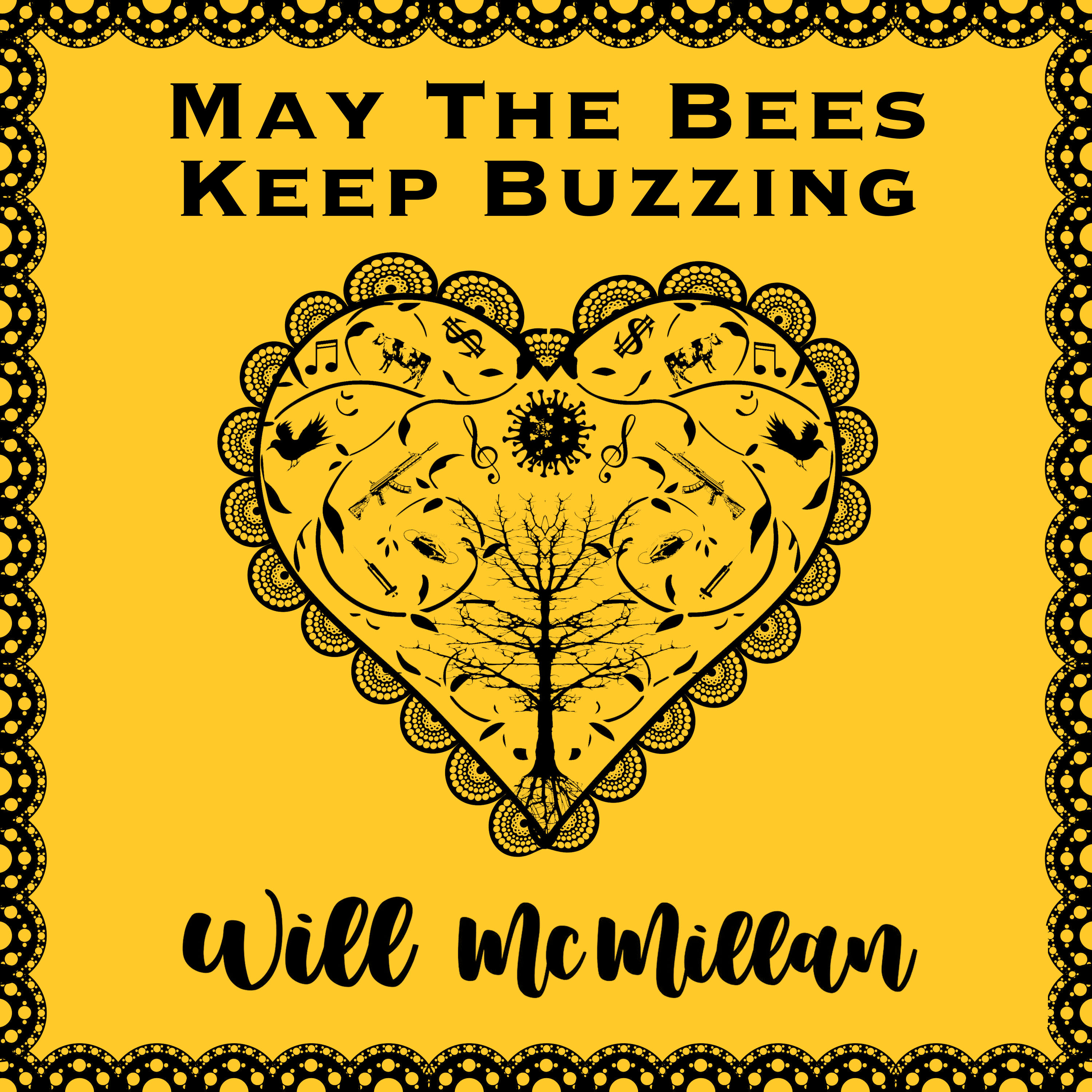
You can click here for a link to “May The Bees Keep Buzzing” on Pandora, Apple Music, YouTube, Spotify, etc.
If you might be kind enough to stream it —and maybe even “like” it and add it to one of your playlists if you are so moved — that would be very helpful to feed positive data into the various algorithms which decide whose music gets played and how often…

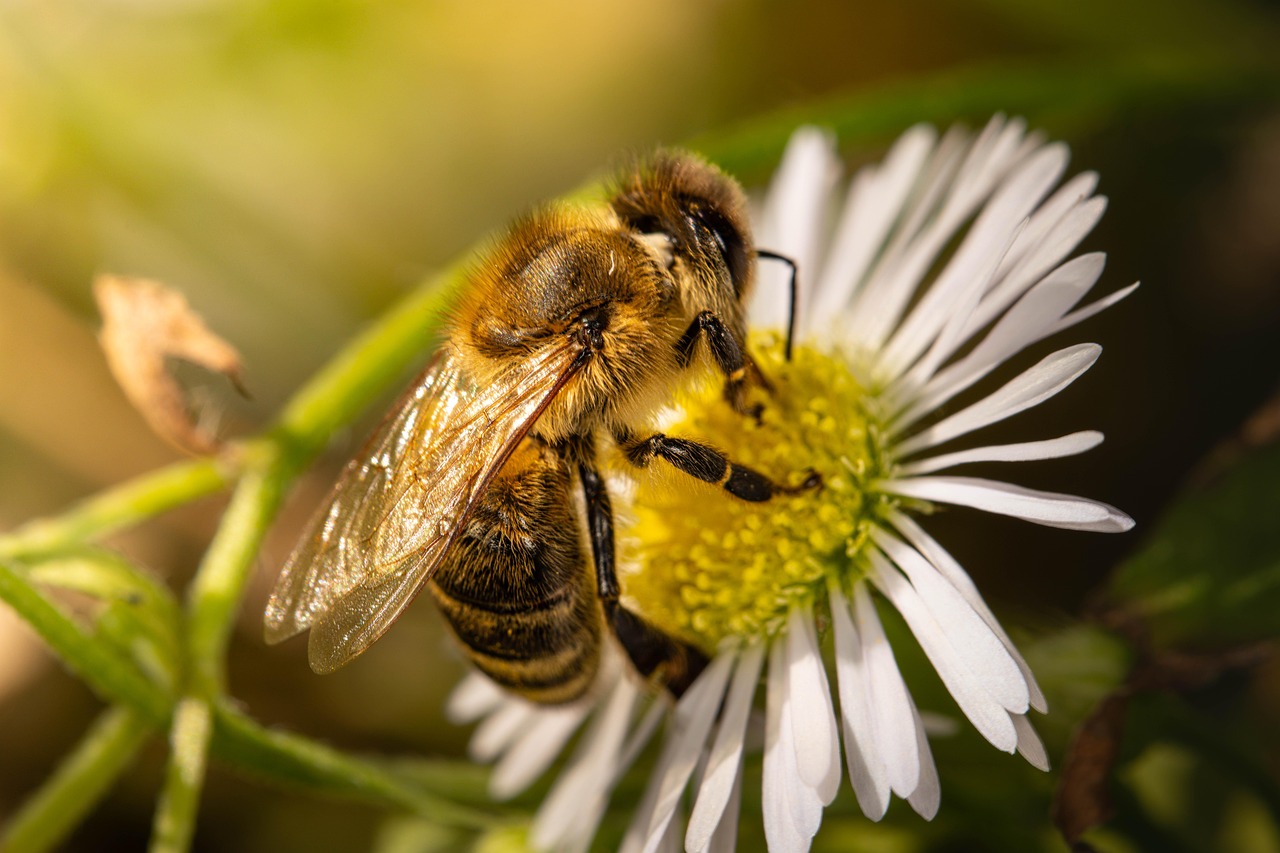
I have selected flower photos from the wonderful photographers at Pixabay which I hope will help to offset the serious tone of this blog post.
Thank you to them and their skill and their generosity.
Thank you to Doug Hammer for his sublime collaborative skills — both playing his Schimmel grand piano AND using his Apple computer like a 21st century wizard.
And thank YOU for listening to and reading yet another one of my blog posts!

