Waltzing With COVID-19

Three and a half years ago the World Health Organization (WHO) declared COVID had become a public health emergency.

Image by Miroslava Chrienova from Pixabay

Six weeks later, it grew into a pandemic — from which many of us are still recovering…

However, the WHO recently announced that COVID-19 no longer qualifies as a global emergency.

This is good news.

Deep breath in.

Deep breath out.

Apparently deaths from COVID are at their lowest point since the early days of the coronavirus outbreak.

This is also good news.

However, a lot of people are still continuing to die here in our Not-So-United States of America.

Last night I ordered a pizza and salad from a nearby restaurant, and after I picked it up, a woman waiting outside congratulated me on wearing a face mask.

She, too, was wearing a mask and told me in no uncertain terms that our COVID challenges are not over yet.

In fact, the 40-year-old son of one of her friends had just died from COVID.

Another deep breath in.

And deep breath out.
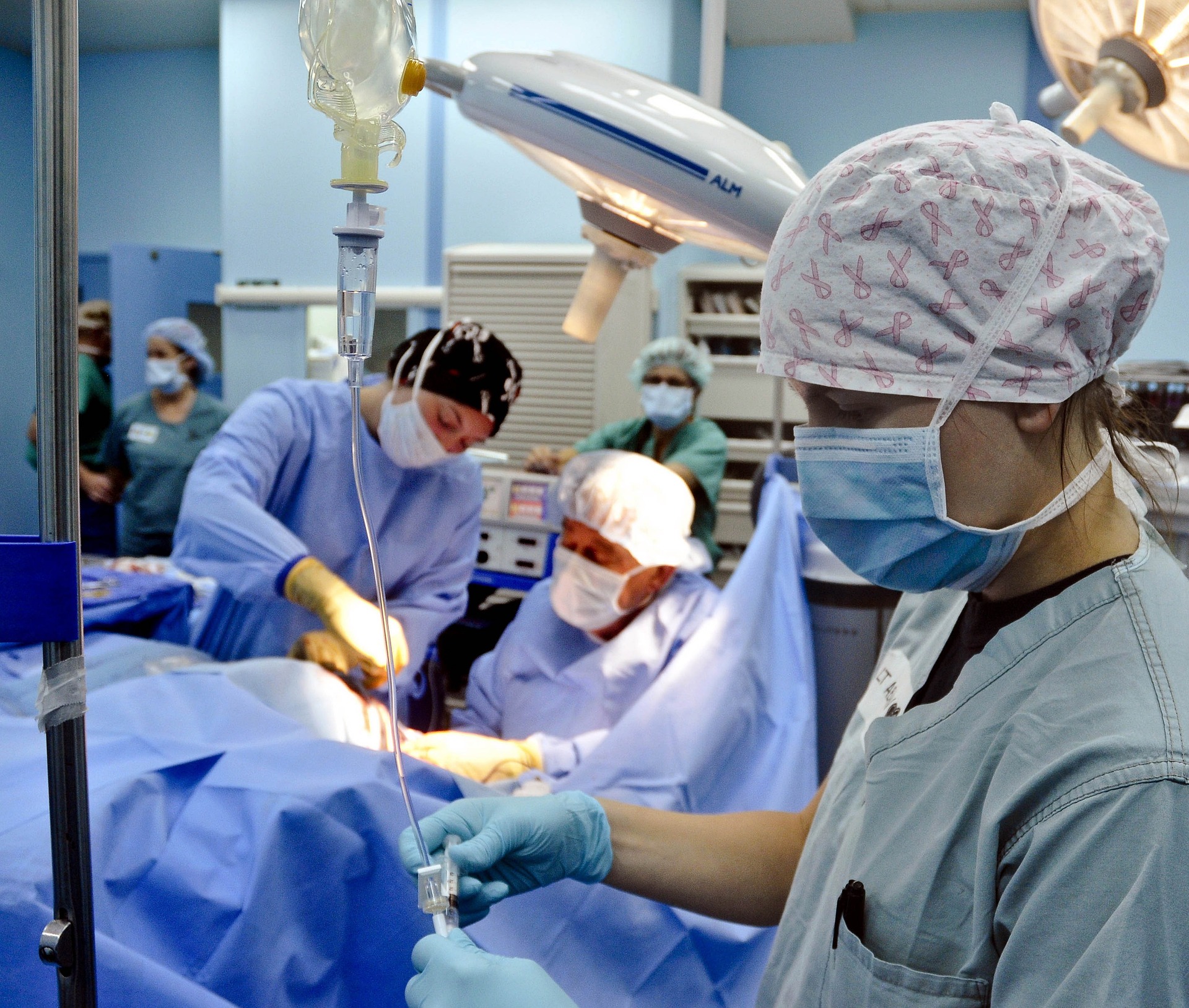
Image by David Mark from Pixabay. 

In 2023, the USA COVID death toll has averaged 150 people per day

Although this is a decline from a peak death toll of 2,500 human beings per day in early 2022, 150 per day still feels like a lot of people dying to me!

And all around the world, people continue to die — one every three minutes — “and that’s just the deaths we know about,” says WHO director general Dr. Tedros Adhanom Ghebreyesus. “COVID-19 is (not) over as a global health threat.”

Yet another deep breath in.

And deep breath out.

I wrote the song in the player at the beginning of this blog post during the first year of the pandemic.

I was inspired — in part — by the months-long hospitalization of a fellow singer who was on a ventilator for a very, very long time.

Amazingly enough he has managed to recover — and resume singing!

Image by Bruno /Germany from Pixabay.

He was cared for by a team of truly courageous nurses, doctors, and support staff who came to work day-in and day-out while most of us were sheltering in place at home.

I bore witness to the dedication and patience of many nurses, doctors and support staff during this time because — exactly as COVID was entering our lives — I was diagnosed with an obscure medical condition called PGNMID.

As the COVID epidemic grew worse and worse, I met with specialists at several hospitals, underwent kidney and bone marrow biopsies. and ended up being given three rounds of six-month-long-treatments — chemotherapy+immunotherapy+steroids the first time, a new immunotherapy drug the second time, and an even newer experimental immunotherapy drug the third time.

I appear to be responding well to the latest round of treatments — and may write more about this experience in a future blog post.

I mention it now because I saw firsthand — on a weekly basis — the brave and loving response of the medical community during that horrible time.

Image by Bianca from Pixabay.

Recently another musical acquaintance shared with me that she stopped working as a nurse a year ago so that she could begin to recover from the stress and trauma of being a nurse during the COVID pandemic.

I know she is not alone…

Another deep breath in.

And deep breath out.

It’s easy to forget — or ignore — the reality that most of the people who have died due to COVID were connected to a web of caregivers, family and friends who are now grieving their loss.

Deep sigh…

Millions of human beings around our planet — myself included — are now struggling to regain their hopefulness, their sense of connectedness with others, their equilibrium, their sense of purpose, and their mental health after being in survival mode for the past few years.

And some folks are also struggling with mysterious, lingering health challenges after being infected with COVID.
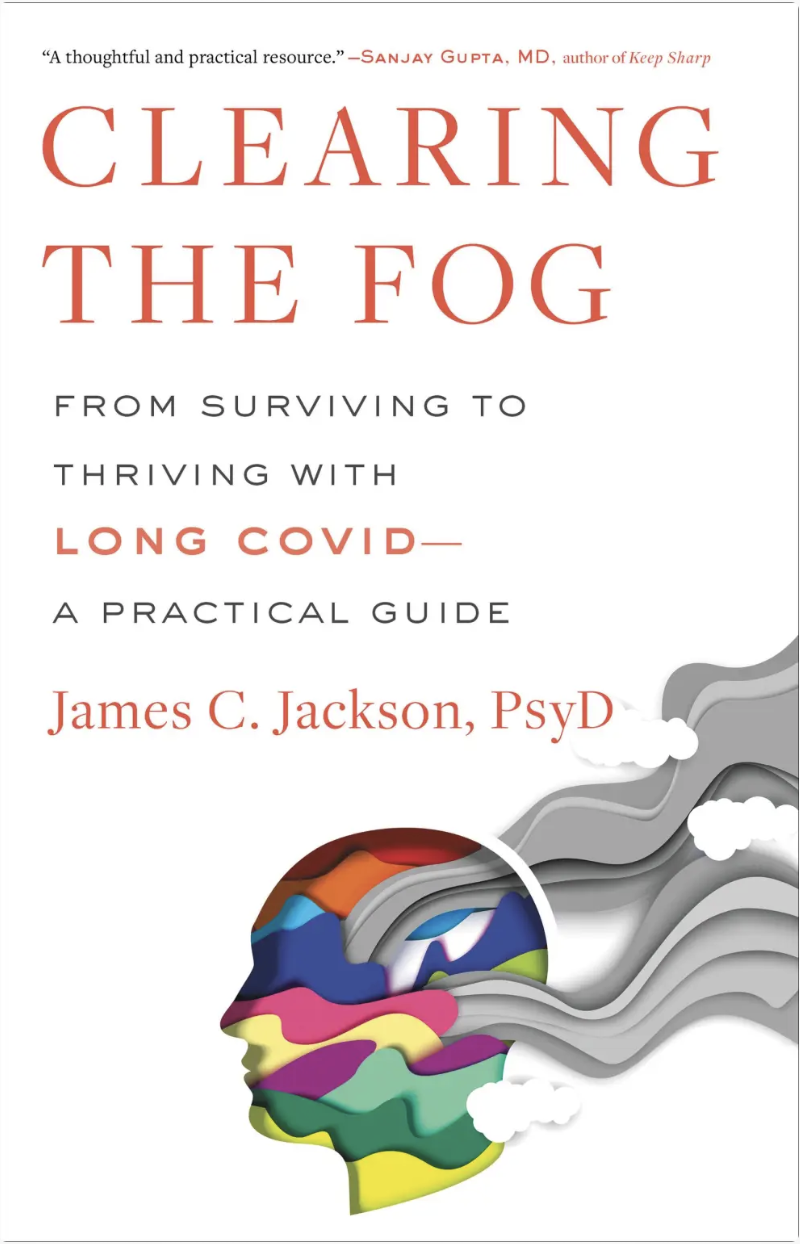
A recent interview on Fresh Air with a neuropsychologist named James Jackson reminded me that there are millions of people here on planet earth who continue to experience a wide variety of debilitating symptoms due to their COVID infection — the “long-haulers.”

As the Fresh Air webpage explains, these folks “struggle to remember things, perform basic tasks and solve problems” — which can lead “to a loss of employment, income, and important relationships.”

Yet another deep breath in.

And deep breath out.

Jackson has written a book called Clearing The Fog — From Surviving to Thriving with Long COVID.

I am rooting for all of the COVID long haulers!

I have so many thoughts and feelings about COVID — as I am sure you do, too.

Maybe you will be moved to share a little of what you are feeling and thinking these days about the impact of COVID on our lives in a comment at the end of this blog post.
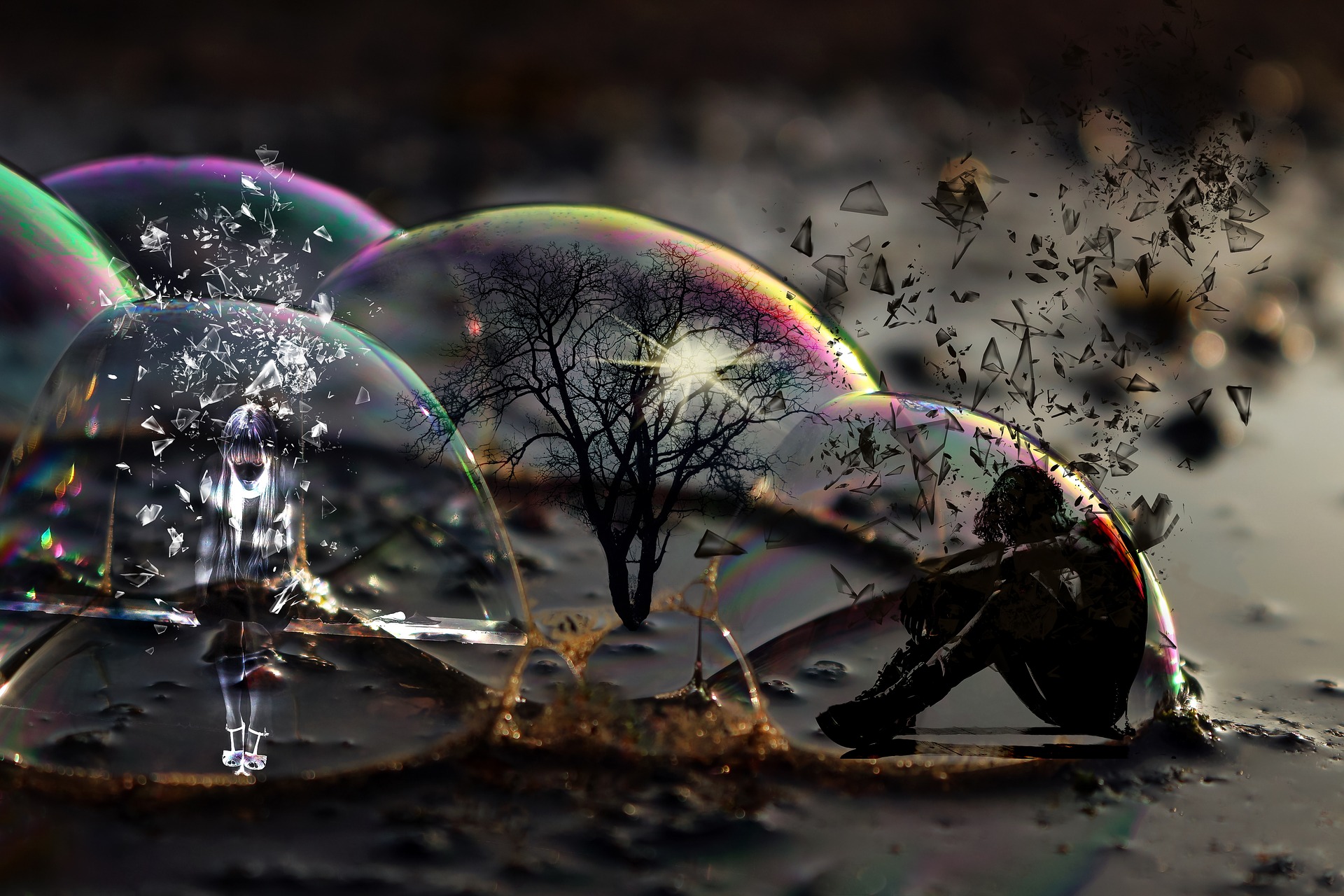
Image by Lars Nissen from Pixabay.

Part of me was tempted when writing this blog post to share a list of the high-profile folks — such as former presidential candidate Herman Cain — who downplayed or actively denied the significance of the COVID virus… and then ended up dying from it.

However, that seemed too disrespectful and schadenfreudey.

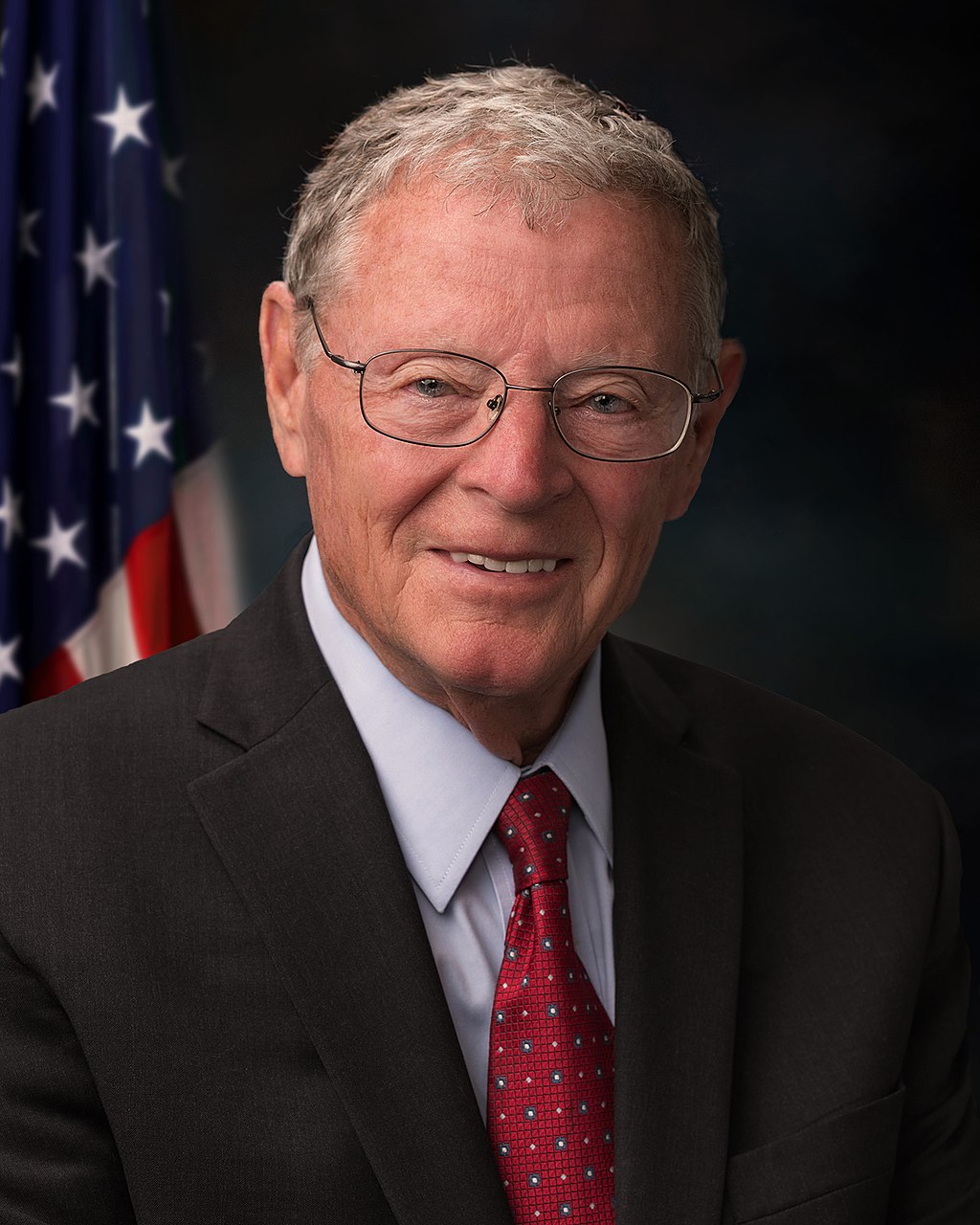
I did stumble across an interview earlier this year with a former Republican senator from Oklahoma — Jim Inhofe — in the Tulsa World, in which he explains that one of the reasons he retired was long-term COVID-19 complications.

At the time of his retirement, he said that he had tested positive for a very mild case of COVID-19.

But in this interview he admits that it has been much more serious.

And according to Inhofe, “Five or six others have (long COVID), but I’m the only one who admits it. 

Yikes!

I think he is referring to other US senators… but maybe he means members of Congress overall?

He also says: “I try to be careful, but I have to be reminded to do things like wash my hands. I have to do things I’m not used to and that’s difficult sometimes.”

I agree.

It can be VERY difficult for us to change our longtime habits and mindsets and patterns of behavior.

Apparently Inhofe has also been an outspoken climate science denier for decades — and we shall see how that ends up affecting him…and his family…and his former constituents…and all of the rest of the web of life here on planet earth in the upcoming days and weeks and months and years!

I think it’s been pretty hot in Oklahoma in recent weeks…

One final deep breath in.

And deep breath out.

Thank YOU for reading and listening to another one of my blog posts.

I am always surprised and heartened to check my WordPress stats and see that people continue to visit my blog even when I haven’t posted anything new in many weeks.

Thank you to all of my visitors!

And thank you to Pixabay for their wonderful and generous photographers.

Graphic design by Stephen C. Fischer.

And thank you to Doug Hammer for playing his Schimmel grand piano so poignantly AND for helping me to mix/master “Waltzing With COVID-19” via many Zoom sessions during the past two years.

If you are curious to hear more music, you can find me singing — with Doug Hammer playing piano — on SpotifyPandoraApple Music, YouTube and other streaming platforms.

And you can listen to “Waltzing With COVID-19” on your favorite streaming platform by clicking here.

Any song you “like” or “heart” or add to a playlist will improve the algorithmic activity of my music there!
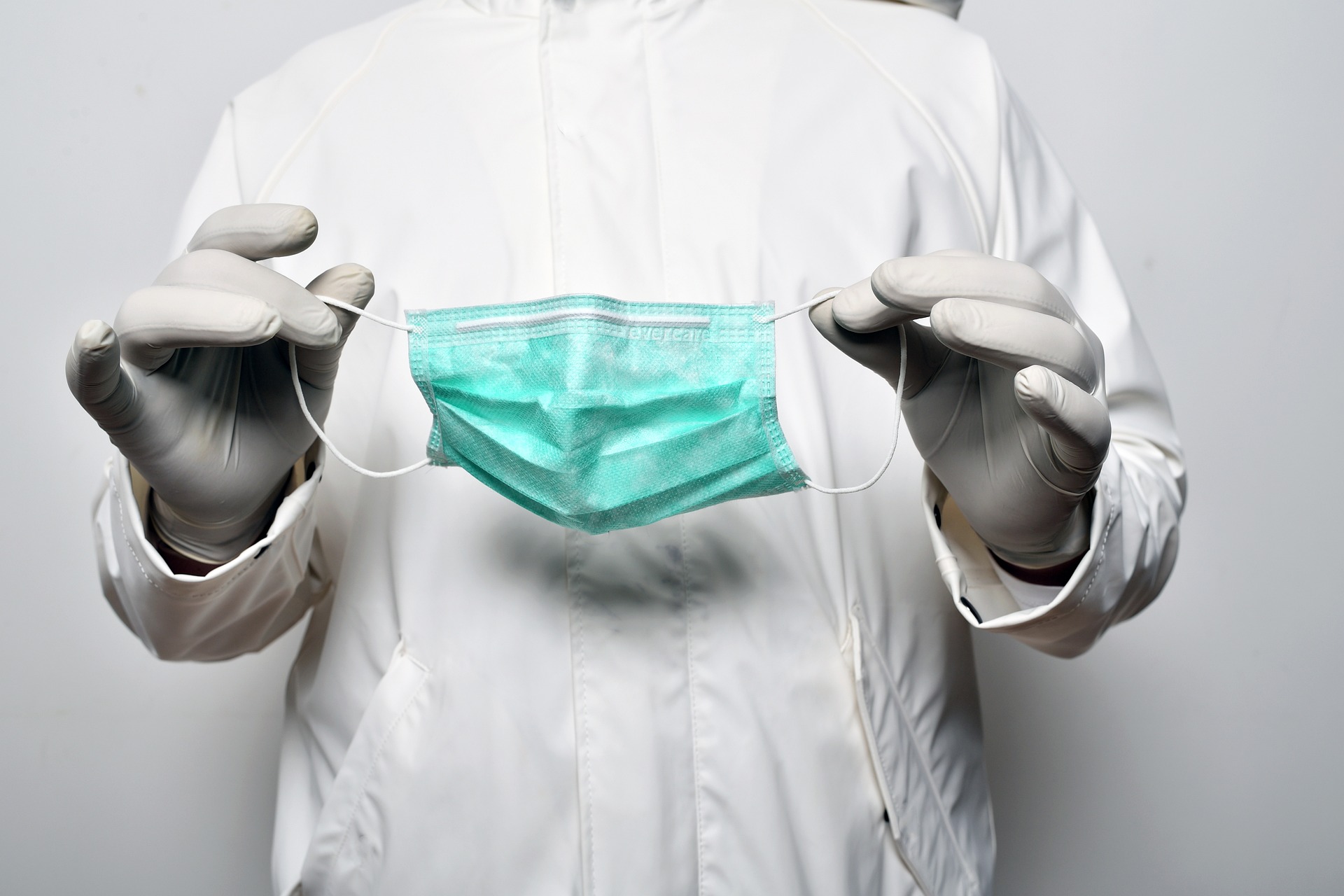
Image by Leo from Pixabay. 

I am going to continue to wear a mask whenever I am inside a movie theater or a bus or a subway or a friend’s car (if the windows are rolled up) or a friend’s home or an office or a hospital or a retirement community.

This is a simple way we can continue to respect and care for each other.

One more deep breath in.

And deep breath out.
Humpty Dumpty

Humpty Dumpty


This summer I was able to slow down and take a break from the daily avalanche of news for a couple of weeks.

I was even able to pause and wonder — with some empathy — about how one becomes a person like the current president of the USA.

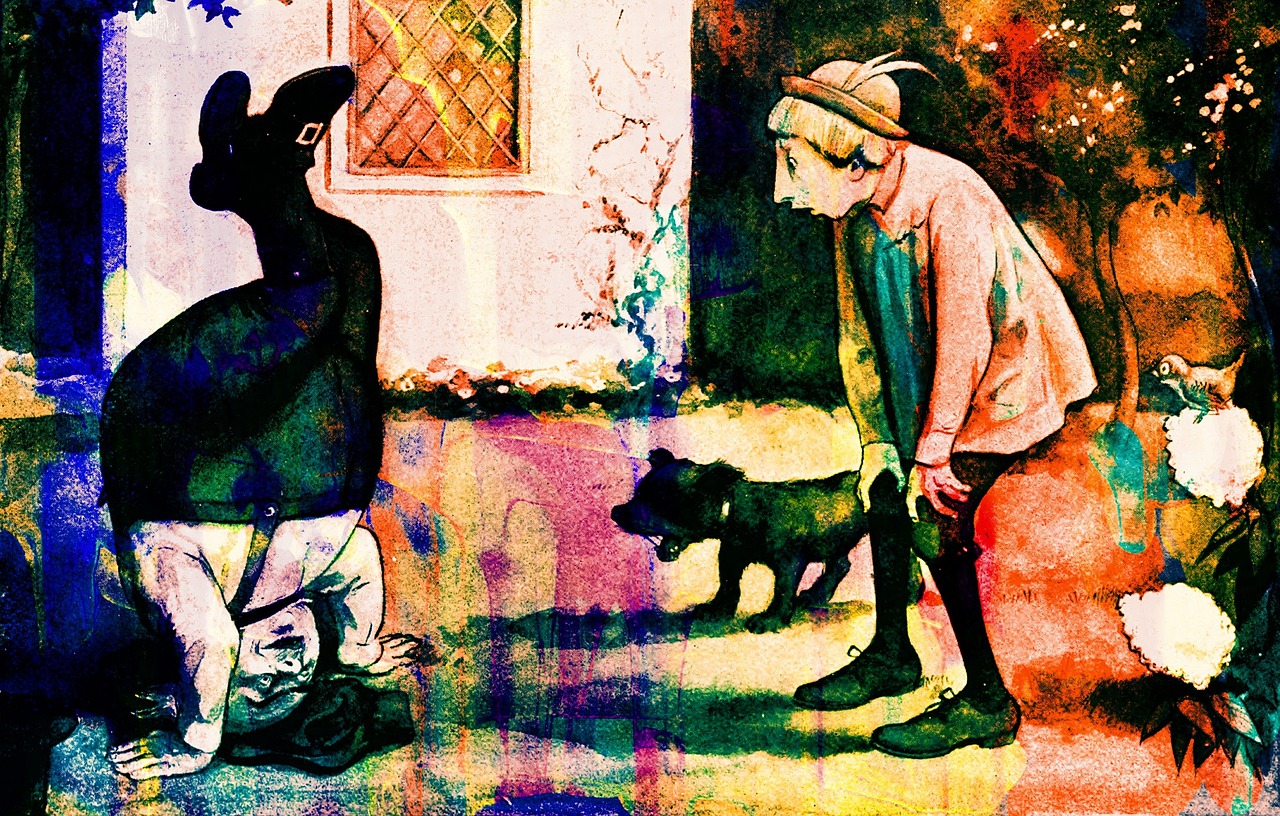
vintage-long-nose

And then I found myself writing a song called “Humpty Dumpty.”

humpty-dumpty-Concerned-Wall

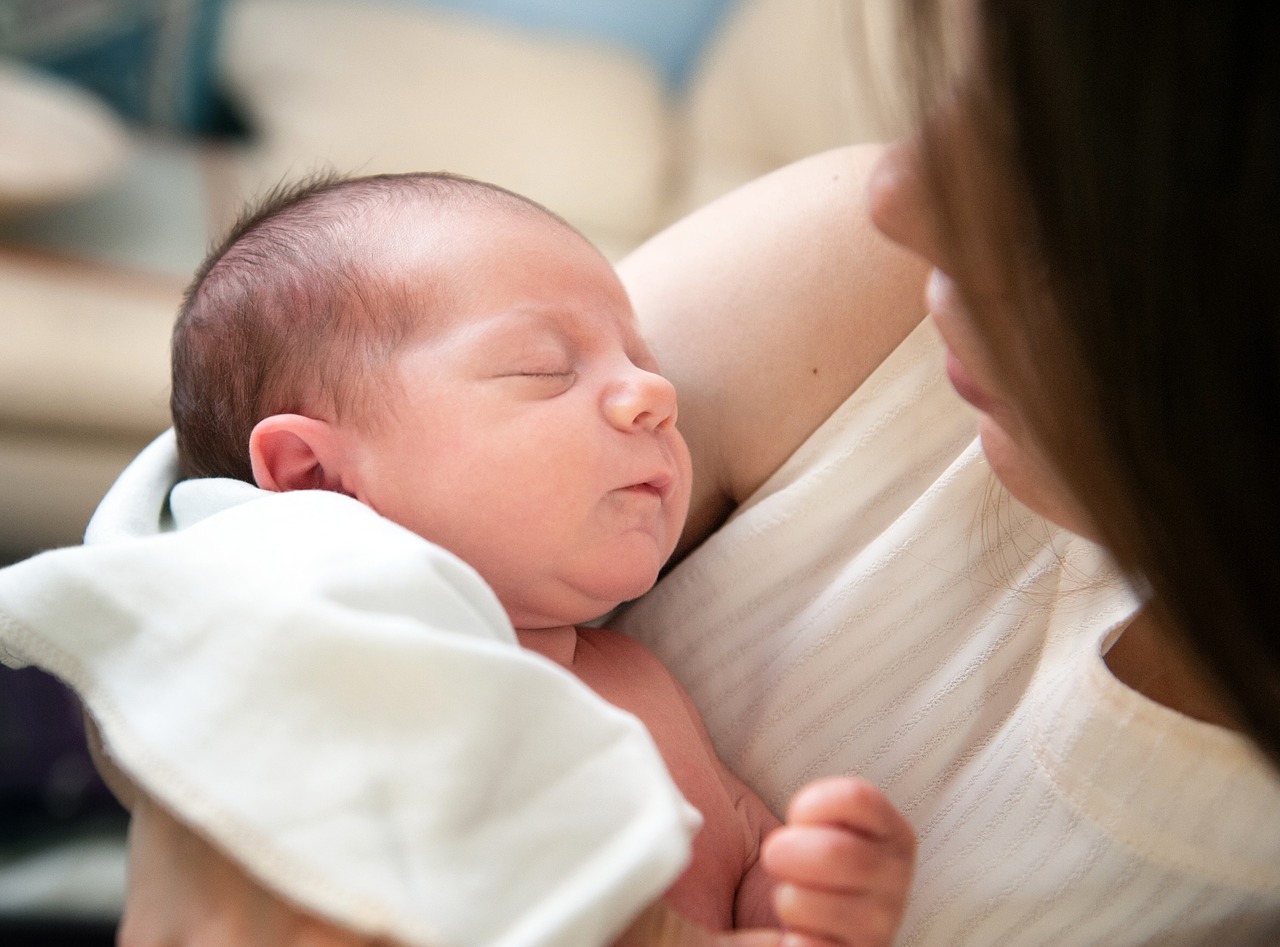
I reminded myself that our current president was once a newborn baby.

baby-4100420_1280

What happened to him?

vinatage-child-in-pan-fry

How did he learn so little about empathy?

girl-sad

How was he treated by his parents and other family members?

family-money

What was it like being sent to a military boarding school at age 13?

Lonely?

Painful?

Challenging?

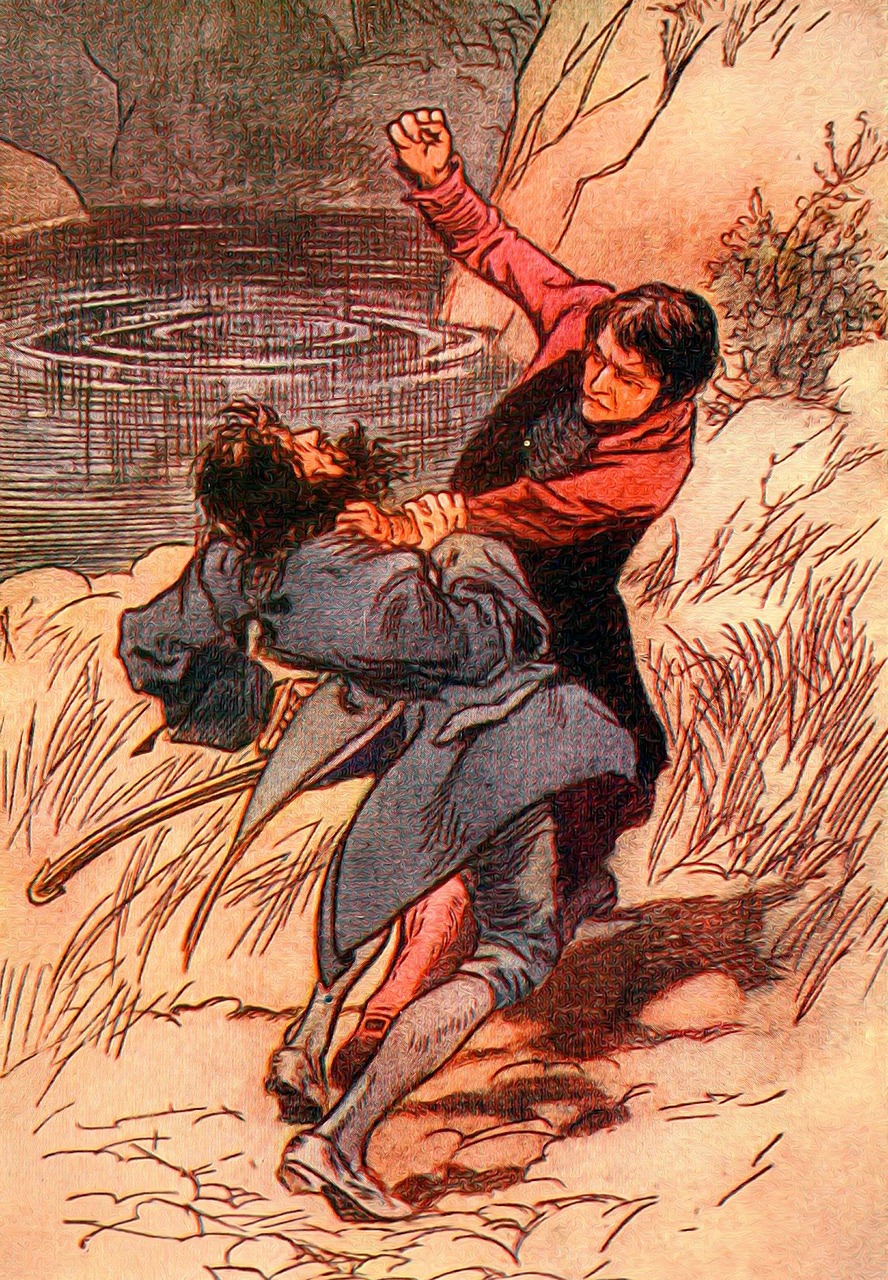
vintage-fighting

If one didn’t already know how to fight, then I suppose that would be
a place to learn how…

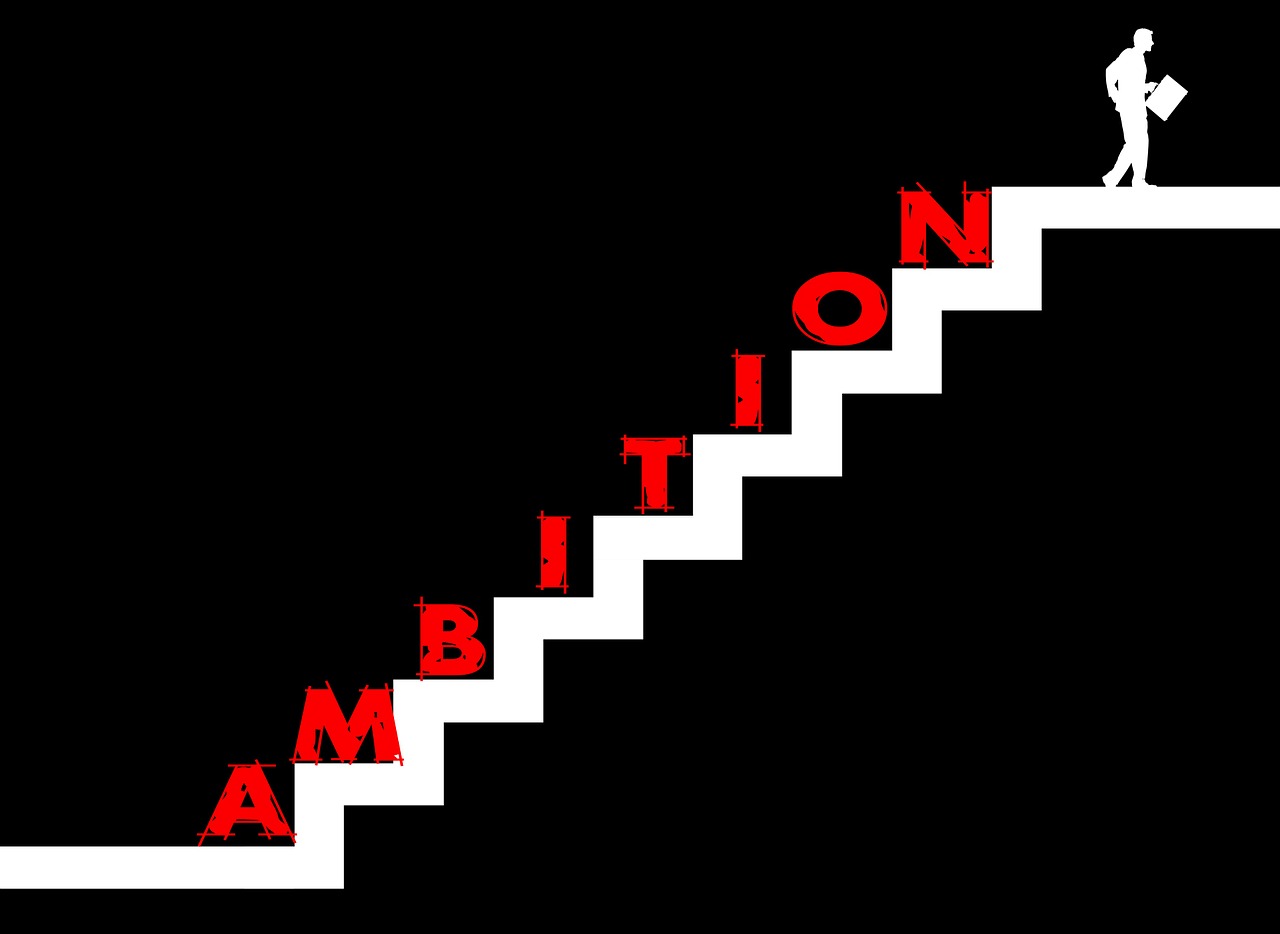
ambition-stairs

As an adult, his goals seem to have been to make money, become famous,
and acquire power.

donald-trump-warhol

And he certainly has succeeded.

hollywood-trump-star

He has become the center of attention in many different — and increasingly dangerous — ways.

humpty-meaningless

I deeply and truly hope that the democratic structures which still exist here in the USA are able to withstand the onslaught of his presidency.

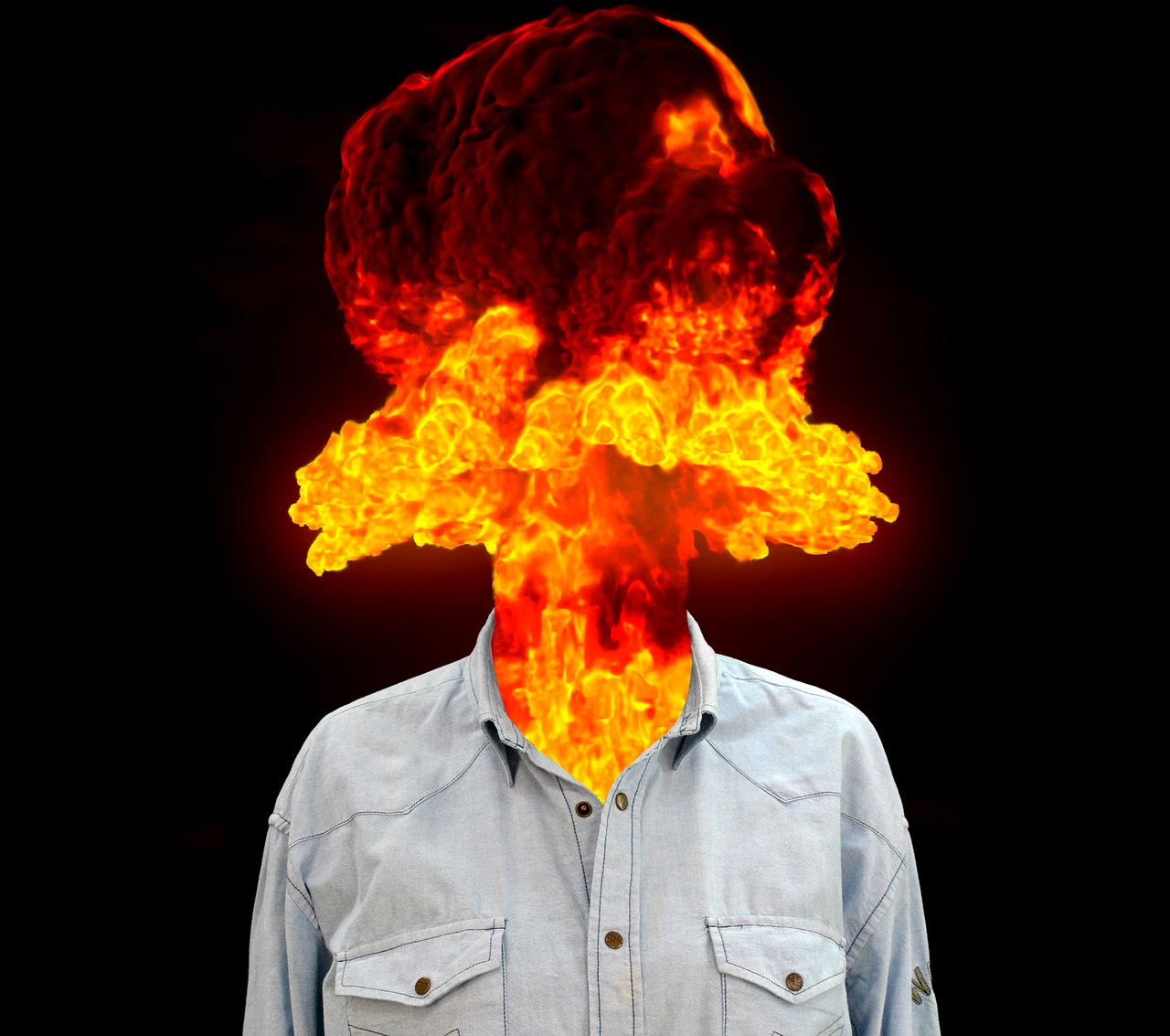
rage-head

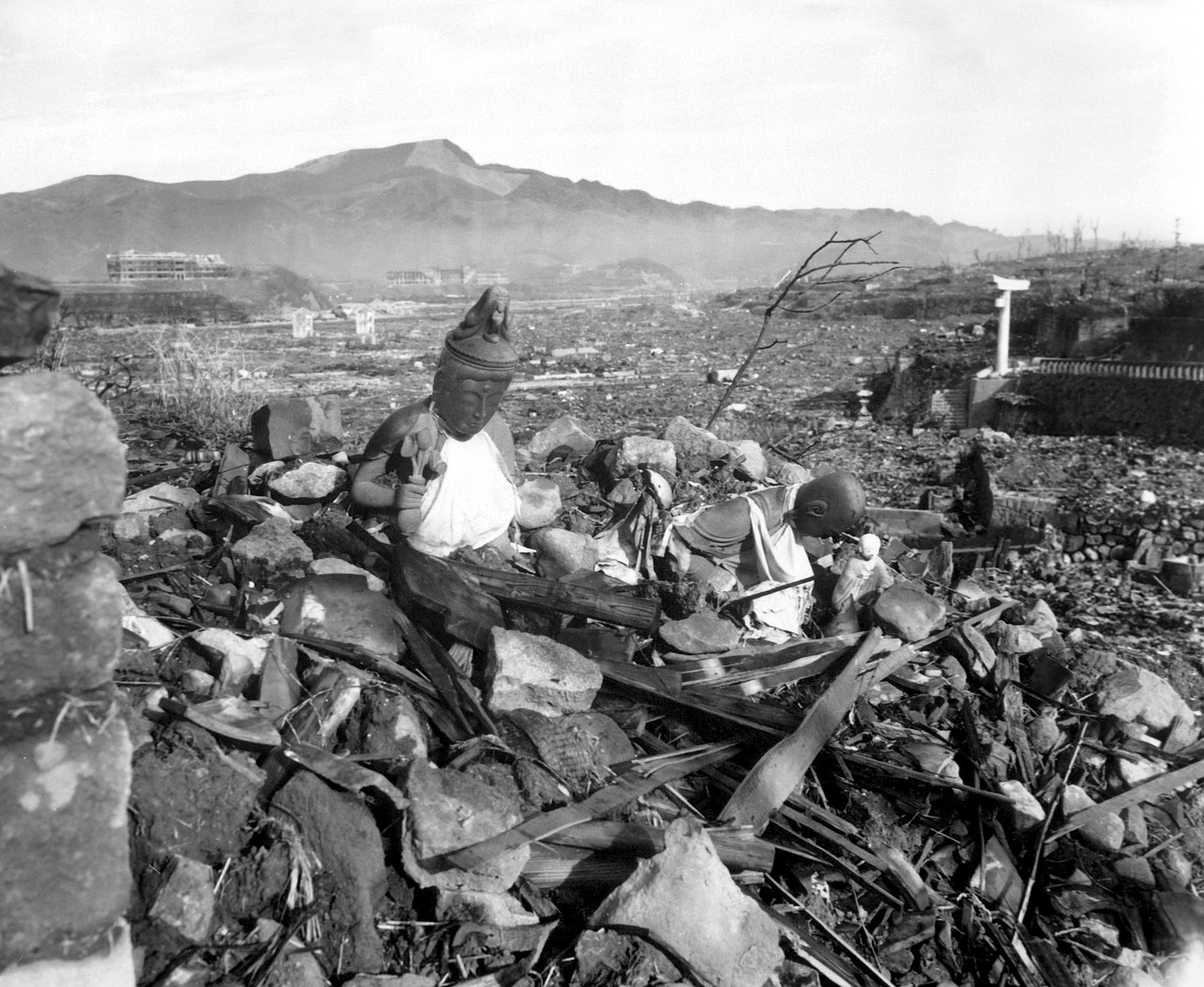
His latest decision to withdraw US troops from Syria — which left our Kurdish allies vulnerable to Turkish military forces — seems particularly misguided and heart-breaking.

atomic-bomb-67530_1280

All I can see is deadly ripples spreading from this decision for days and weeks and years to come…

Deep breath in.

Deep breath out.
An impeachment inquiry has begun in the US House of Representatives.

hour-glass

And last night 12 Democratic presidential candidates participated in a debate about the future of our country — and how our actions ripple around the planet.

Another deep breath in.

And out.

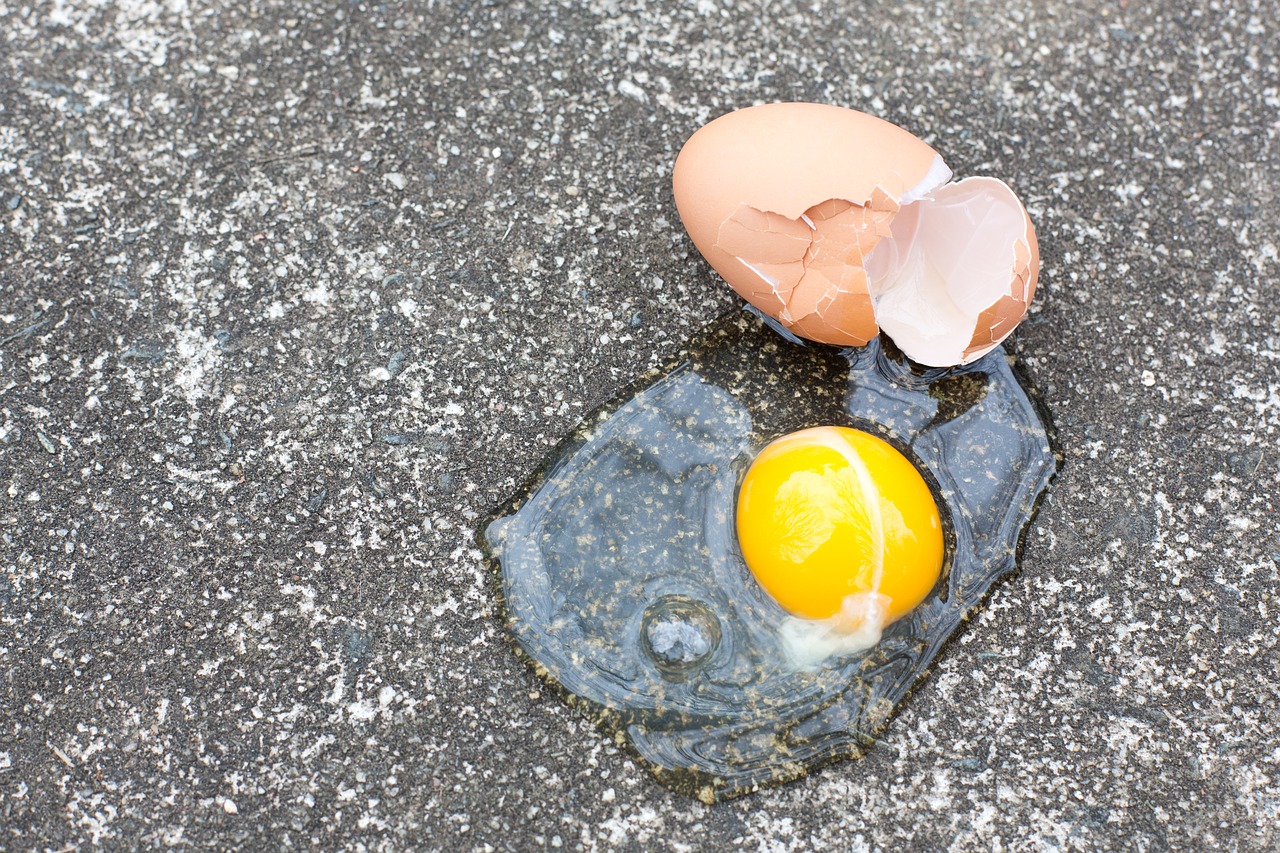
I do believe that folks who commit crimes and who abuse power eventually fall off their proverbial walls…

humpty-dumpty-fallen-and-cracked

This is often the result of tremendously courageous whistleblowers and journalists and editors and lawyers and media organizations.

Recently I heard an extraordinary interview with Ronan Farrow by Terry Gross on the NPR radio program Fresh Air about his most recent book, Catch and Kill.

Among other things, he explains how people — often men — with money and power work together to keep each other’s secrets hidden.

You can click here for a link to a review/explanation of the book if you are curious.

Farrow ends the interview by saying how he remains hopeful even though he has born witness to — and experienced himself directly — intense bullying, surveillance, and threats of retribution during the process of researching and writing his book.

broken-egg-asphalt

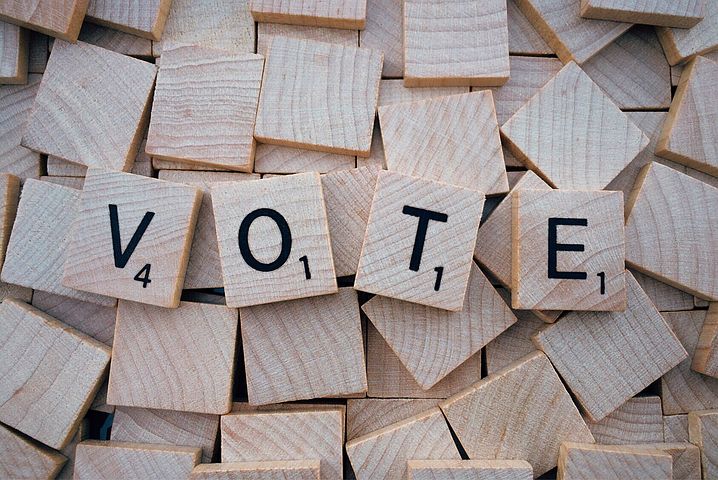
I end this blog post, as I ended my “Humpty Dumpty” song, with a hope that many of us will remain engaged with our country’s political process and vote in the upcoming election cycle.

vote-scrabble

And I remain grateful to the Pixabay website — where I found all of the images used in this blog post.

And to the folks in my ukulele meetup group who liked this song when I played it for them a couple of weeks ago and asked me to make a recording of it.

And to Apple for their wonderful program GarageBand, which is what I used to record it.

And to you for reading and listening to yet another blog post!

THANK YOU.

Life Goes On…

Life Goes On…

megaphone


Like many people in the United States — and in many other countries around the planet — I have been experiencing a wide variety of feelings since our recent election.

international-flags

And a lot of denial — for which I am both grateful and apprehensive…

One of the things that I have found the oddest is how most of us have continued to do the same things that we did before the election.

I have continued to buy groceries.

I have continued to take books out from the library.

I have continued to do laundry.

I have continued to get up and lead Music Together classes on Tuesday, Thursday and Friday mornings.

I have continued to do gigs at retirement communities with jazz pianist Joe Reid.

I have continued to learn song lyrics.

I have continued to clean the toilet and wash the kitchen floor.

I have continued to draft blog posts.

I have continued to watch TV.

And I have continued to love the song “Life Goes On” written by Stephen Schwartz (a version of which is in the player at the beginning of this post with Doug Hammer on piano and Mike Callahan on clarinet which we recorded during a rehearsal for my show called Will Loves Steve several years ago).

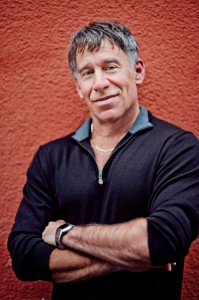
Photo by Ralf Rühmeier

Photo by Ralf Rühmeier

As you probably know, Stephen Schwartz is the composer and lyricist for Godspell, Pippin, The Magic Show, The Baker’s WifeWicked (and more) on Broadway as well as the lyricist for animated movies including Pocahontas, The Hunchback of Notre Dame and Enchanted.

“Life Goes On” is not from one of his shows or movies, however.

I found it on Mr. Schwartz’s first solo CD release, Reluctant Pilgrim, and have been gently haunted by it ever since.

According to Mr. Schwartz’s web site, “I originally began to write the songs that make up Reluctant Pilgrim in response to a ‘challenge’ from a songwriter friend, John Bucchino. I had been encouraging John (who had always written individual and highly personal songs) to write for the theatre, and John in turned asked why I never wrote individual songs based on my own life. He said it was time to stop ‘hiding behind Hunchbacks and Indian princesses.’ So I decided to try… The first song I wrote was ‘Life Goes On.’ This was an attempt to deal with my feelings after a close friend of mine died of AIDS. Writing the song turned out to be very therapeutic for me.”

I recently heard a great interview by Terry Gross with Cleve Jones on Fresh Air.

Mr. Jones was involved with the AIDS crisis from the very beginning, and he (although he is beautifully soft-spoken and articulate during the interview) reminded me of how loudly and angrily and stubbornly AIDS activists had to demonstrate and organize in order to make progress on understanding and treating this virus when our president and many of our elected officials just wanted to ignore what was happening.

Have we re-entered a time in US history when we will need to act up — regularly, passionately, strategically — in response to our government’s actions and/or inactions regarding climate change, immigration, civil liberties, the rights of the media to investigate those who hold power in our society, etc. etc. etc.?


london-protesters


I do believe that grass roots action is a crucial part of how things — laws, attitudes, opinions, political leadership, prejudices — change.

What might be the most important issue(s) to which I might devote myself in upcoming days/weeks/months?

I have a sense that protecting and maintaining the amazing web of interconnections which make up our various ecosystems is a fundamental priority which underlies (and, dare I say, trumps) many of our specifically human challenges.


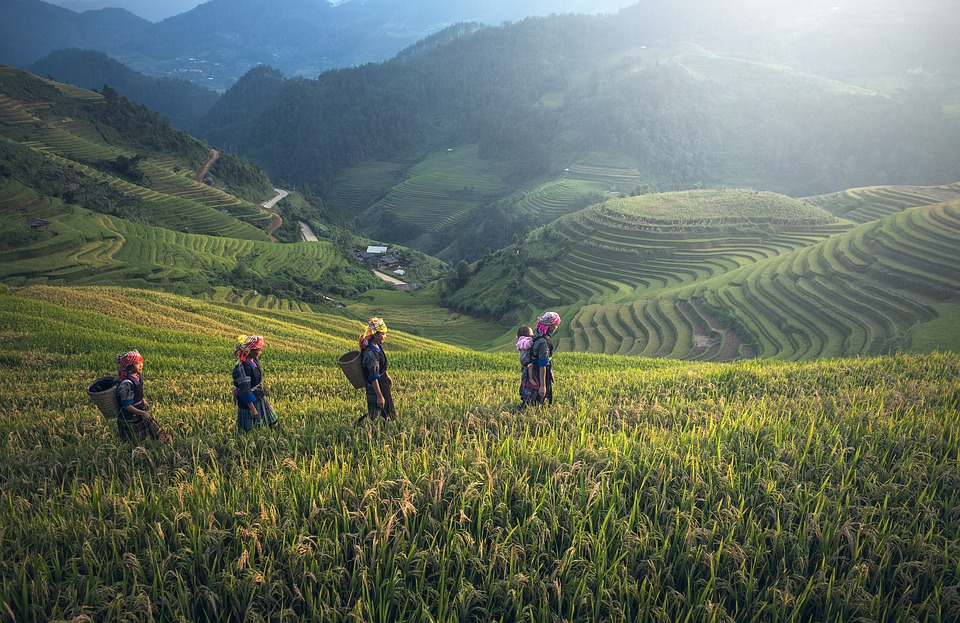
agriculture


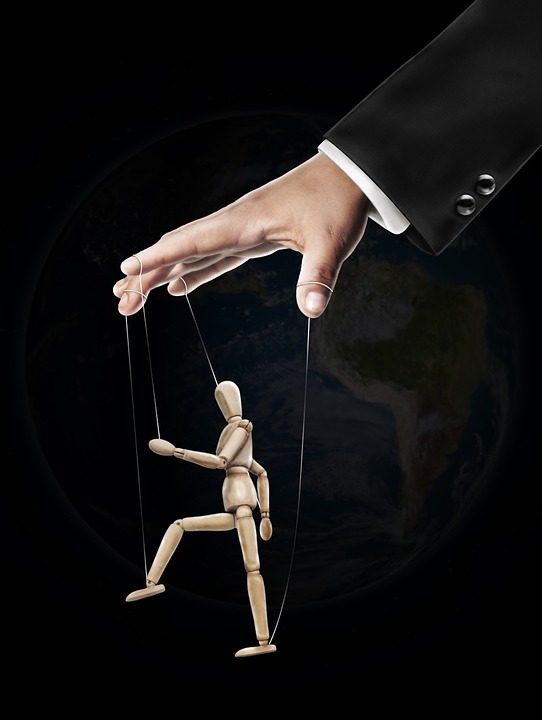
But maybe election and campaign finance reform are more crucial in the short run, as an antidote to the oligarchic voices which increasingly dominate (and frame) our political and cultural debate?


oligarchy-puppet


How do we address and respond to and heal the enormous reservoirs of fear and anger and disrespect which seem to be percolating in the hearts of so many fellow human beings on planet earth these days?


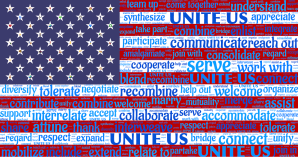
us-flag


How do we plant seeds of hope and trust and respect and love while simultaneously standing up with great power so that we are not run over by ignorance and ego and power and greed and fear?


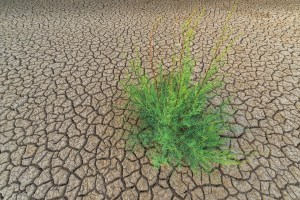
Parched-Earth-Plant


How do we nurture kindness and gentleness while also standing up for justice?

I am clueless.

I hope that music can somehow play a part in whatever activism and consciousness-raising and healing are on the horizon.

Until then, life goes on…

Thank you for reading and listening!

And thank you to Pixabay for the images in this blog post.

I welcome any thoughts, feelings, ideas, and recommended actions in the comments section.

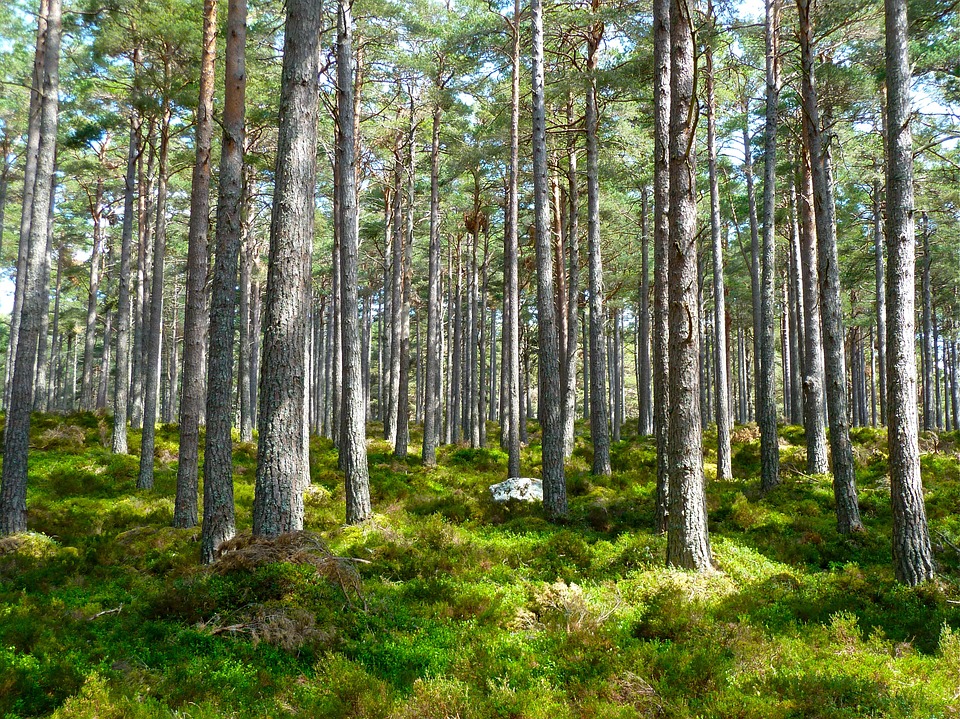
forest