Waltzing With COVID-19

Three and a half years ago the World Health Organization (WHO) declared COVID had become a public health emergency.

Image by Miroslava Chrienova from Pixabay

Six weeks later, it grew into a pandemic — from which many of us are still recovering…

However, the WHO recently announced that COVID-19 no longer qualifies as a global emergency.

This is good news.

Deep breath in.

Deep breath out.

Apparently deaths from COVID are at their lowest point since the early days of the coronavirus outbreak.

This is also good news.

However, a lot of people are still continuing to die here in our Not-So-United States of America.

Last night I ordered a pizza and salad from a nearby restaurant, and after I picked it up, a woman waiting outside congratulated me on wearing a face mask.

She, too, was wearing a mask and told me in no uncertain terms that our COVID challenges are not over yet.

In fact, the 40-year-old son of one of her friends had just died from COVID.

Another deep breath in.

And deep breath out.
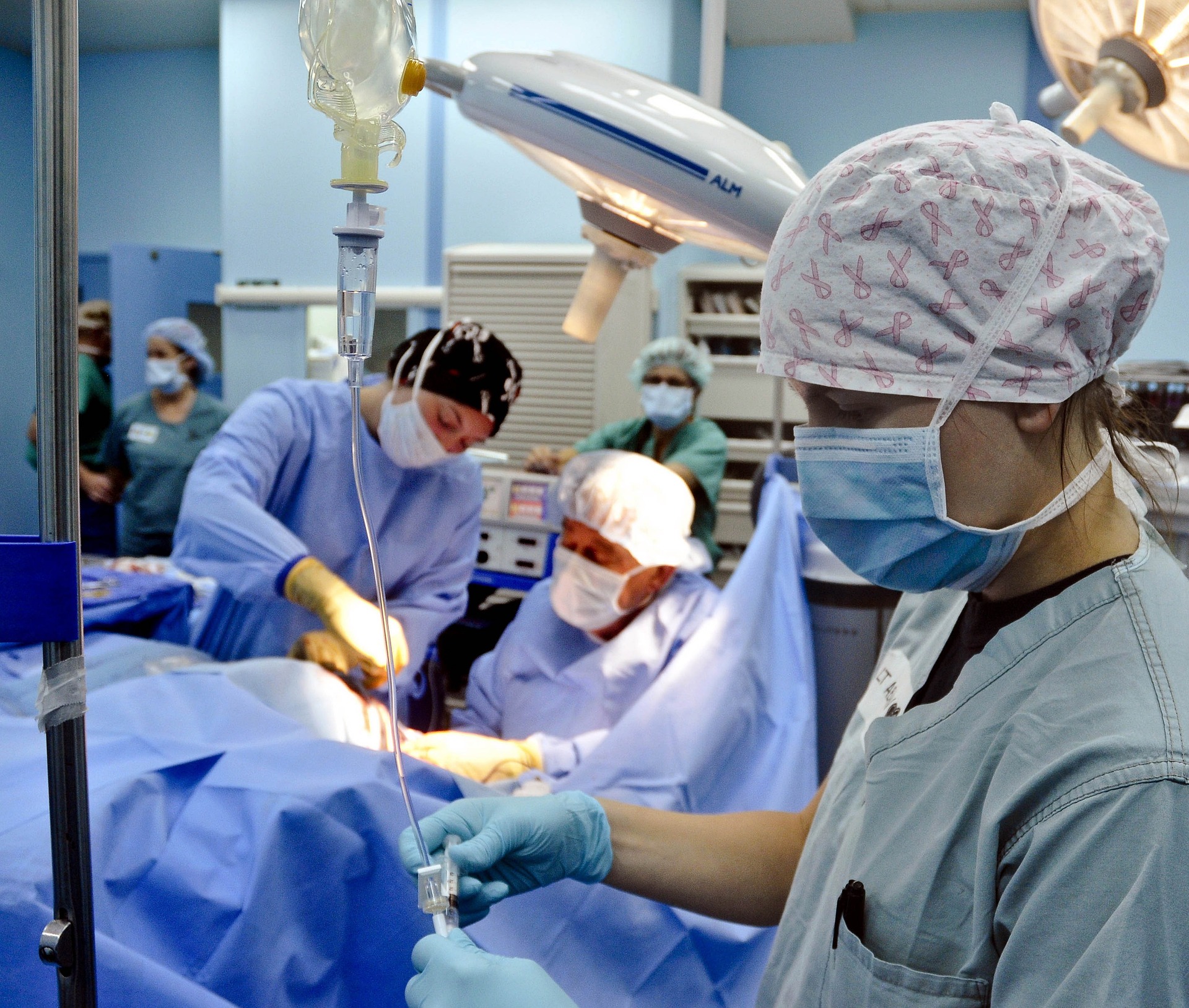
Image by David Mark from Pixabay. 

In 2023, the USA COVID death toll has averaged 150 people per day

Although this is a decline from a peak death toll of 2,500 human beings per day in early 2022, 150 per day still feels like a lot of people dying to me!

And all around the world, people continue to die — one every three minutes — “and that’s just the deaths we know about,” says WHO director general Dr. Tedros Adhanom Ghebreyesus. “COVID-19 is (not) over as a global health threat.”

Yet another deep breath in.

And deep breath out.

I wrote the song in the player at the beginning of this blog post during the first year of the pandemic.

I was inspired — in part — by the months-long hospitalization of a fellow singer who was on a ventilator for a very, very long time.

Amazingly enough he has managed to recover — and resume singing!

Image by Bruno /Germany from Pixabay.

He was cared for by a team of truly courageous nurses, doctors, and support staff who came to work day-in and day-out while most of us were sheltering in place at home.

I bore witness to the dedication and patience of many nurses, doctors and support staff during this time because — exactly as COVID was entering our lives — I was diagnosed with an obscure medical condition called PGNMID.

As the COVID epidemic grew worse and worse, I met with specialists at several hospitals, underwent kidney and bone marrow biopsies. and ended up being given three rounds of six-month-long-treatments — chemotherapy+immunotherapy+steroids the first time, a new immunotherapy drug the second time, and an even newer experimental immunotherapy drug the third time.

I appear to be responding well to the latest round of treatments — and may write more about this experience in a future blog post.

I mention it now because I saw firsthand — on a weekly basis — the brave and loving response of the medical community during that horrible time.

Image by Bianca from Pixabay.

Recently another musical acquaintance shared with me that she stopped working as a nurse a year ago so that she could begin to recover from the stress and trauma of being a nurse during the COVID pandemic.

I know she is not alone…

Another deep breath in.

And deep breath out.

It’s easy to forget — or ignore — the reality that most of the people who have died due to COVID were connected to a web of caregivers, family and friends who are now grieving their loss.

Deep sigh…

Millions of human beings around our planet — myself included — are now struggling to regain their hopefulness, their sense of connectedness with others, their equilibrium, their sense of purpose, and their mental health after being in survival mode for the past few years.

And some folks are also struggling with mysterious, lingering health challenges after being infected with COVID.
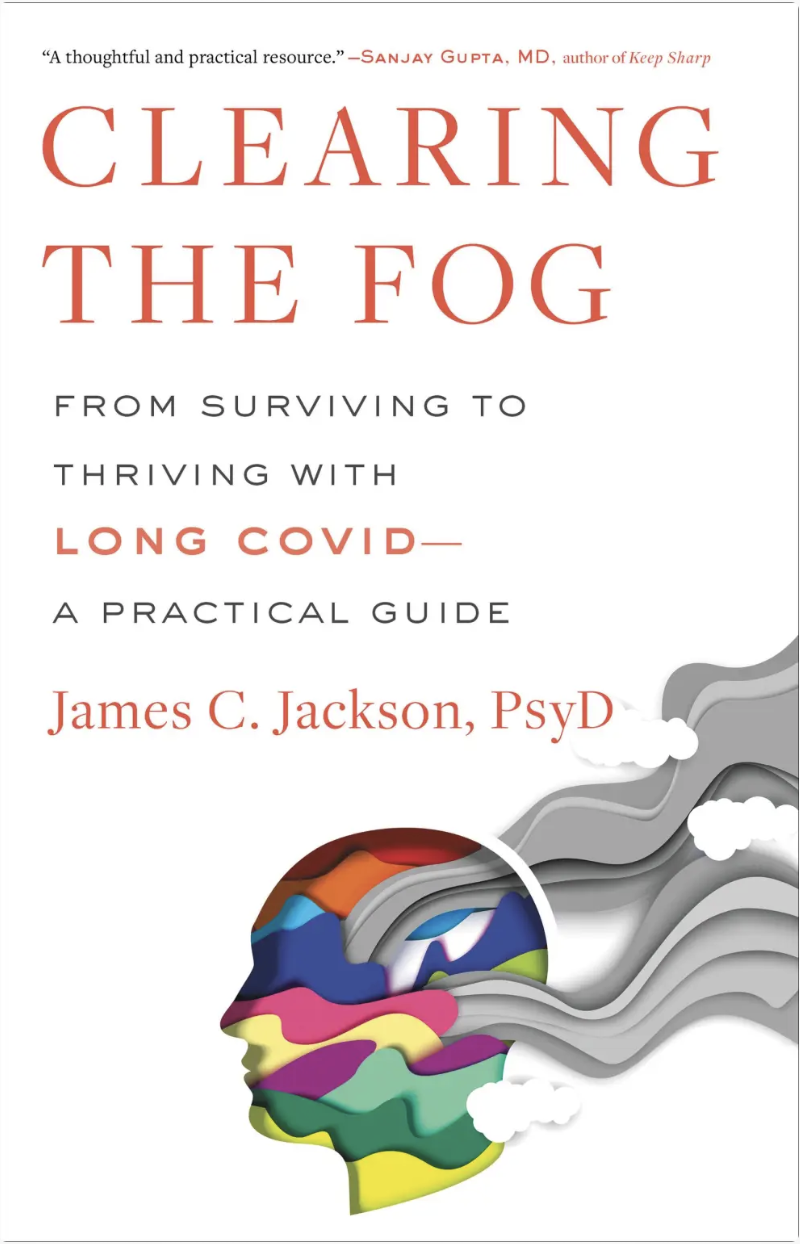
A recent interview on Fresh Air with a neuropsychologist named James Jackson reminded me that there are millions of people here on planet earth who continue to experience a wide variety of debilitating symptoms due to their COVID infection — the “long-haulers.”

As the Fresh Air webpage explains, these folks “struggle to remember things, perform basic tasks and solve problems” — which can lead “to a loss of employment, income, and important relationships.”

Yet another deep breath in.

And deep breath out.

Jackson has written a book called Clearing The Fog — From Surviving to Thriving with Long COVID.

I am rooting for all of the COVID long haulers!

I have so many thoughts and feelings about COVID — as I am sure you do, too.

Maybe you will be moved to share a little of what you are feeling and thinking these days about the impact of COVID on our lives in a comment at the end of this blog post.
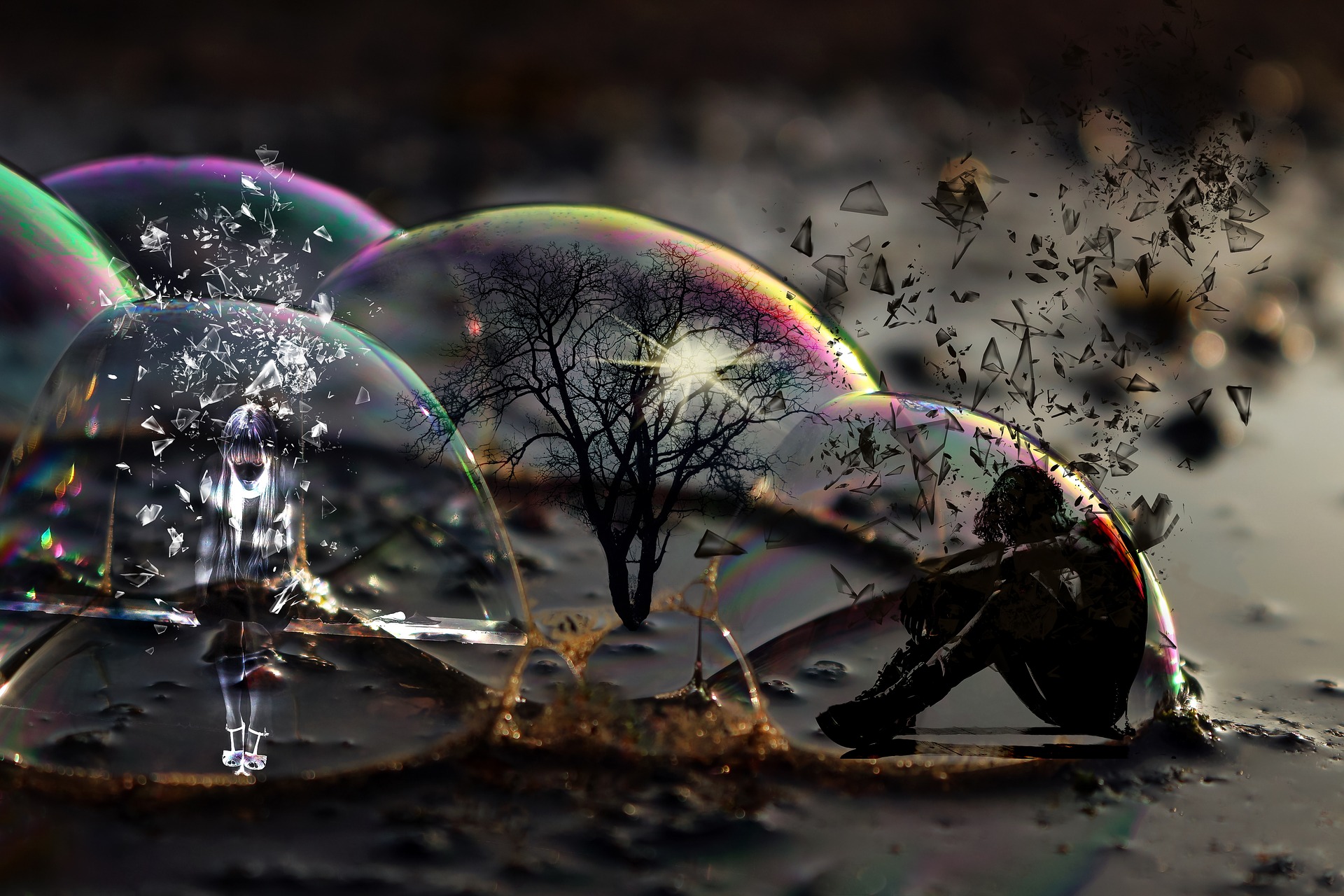
Image by Lars Nissen from Pixabay.

Part of me was tempted when writing this blog post to share a list of the high-profile folks — such as former presidential candidate Herman Cain — who downplayed or actively denied the significance of the COVID virus… and then ended up dying from it.

However, that seemed too disrespectful and schadenfreudey.

I did stumble across an interview earlier this year with a former Republican senator from Oklahoma — Jim Inhofe — in the Tulsa World, in which he explains that one of the reasons he retired was long-term COVID-19 complications.

At the time of his retirement, he said that he had tested positive for a very mild case of COVID-19.

But in this interview he admits that it has been much more serious.

And according to Inhofe, “Five or six others have (long COVID), but I’m the only one who admits it. 

Yikes!

I think he is referring to other US senators… but maybe he means members of Congress overall?

He also says: “I try to be careful, but I have to be reminded to do things like wash my hands. I have to do things I’m not used to and that’s difficult sometimes.”

I agree.

It can be VERY difficult for us to change our longtime habits and mindsets and patterns of behavior.

Apparently Inhofe has also been an outspoken climate science denier for decades — and we shall see how that ends up affecting him…and his family…and his former constituents…and all of the rest of the web of life here on planet earth in the upcoming days and weeks and months and years!

I think it’s been pretty hot in Oklahoma in recent weeks…

One final deep breath in.

And deep breath out.

Thank YOU for reading and listening to another one of my blog posts.

I am always surprised and heartened to check my WordPress stats and see that people continue to visit my blog even when I haven’t posted anything new in many weeks.

Thank you to all of my visitors!

And thank you to Pixabay for their wonderful and generous photographers.
Graphic design by Stephen C. Fischer.

And thank you to Doug Hammer for playing his Schimmel grand piano so poignantly AND for helping me to mix/master “Waltzing With COVID-19” via many Zoom sessions during the past two years.

If you are curious to hear more music, you can find me singing — with Doug Hammer playing piano — on SpotifyPandoraApple Music, YouTube and other streaming platforms.

And you can listen to “Waltzing With COVID-19” on your favorite streaming platform by clicking here.

Any song you “like” or “heart” or add to a playlist will improve the algorithmic activity of my music there!
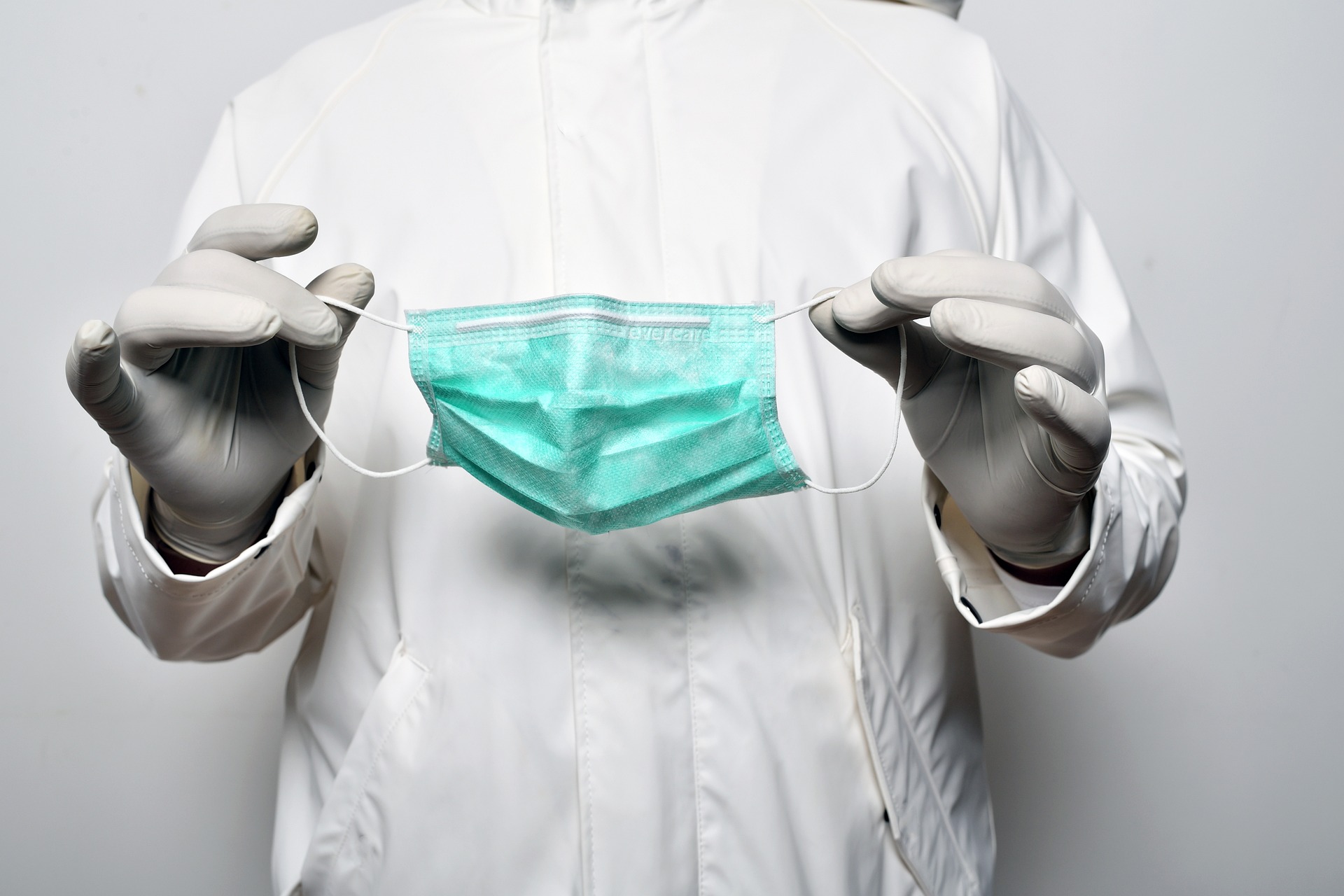
Image by Leo from Pixabay. 

I am going to continue to wear a mask whenever I am inside a movie theater or a bus or a subway or a friend’s car (if the windows are rolled up) or a friend’s home or an office or a hospital or a retirement community.

This is a simple way we can continue to respect and care for each other.

One more deep breath in.

And deep breath out.
Mo-o-o-ore (than I’d ever have guessed)

Mo-o-o-ore (than I’d ever have guessed)

I had a somewhat unusual childhood — as you may know if you have read some of my previous posts.

Most of it was “normal” (in a privileged, white, male, upper-middle-class way).

I grew up with a mother, a father, three siblings, and various animal friends.

I had chicken pox.

I listened to James Taylor, the Beatles, Buffy Saint Marie, Cat Stevens, Peter, Paul & Mary, and Carly Simon (among others) for hours on end.

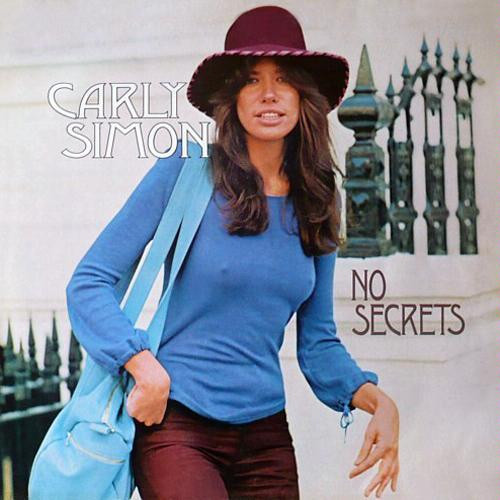
Carly SImon

One of my favorite Carly Simon/Jacob Brackman songs is “The Carter Family” — from her great album, No Secrets — which I recorded a few years ago with pianist Doug Hammer during a rehearsal for a show called Songs about Parents and Children.

You can listen to it using the player at the beginning of this post.

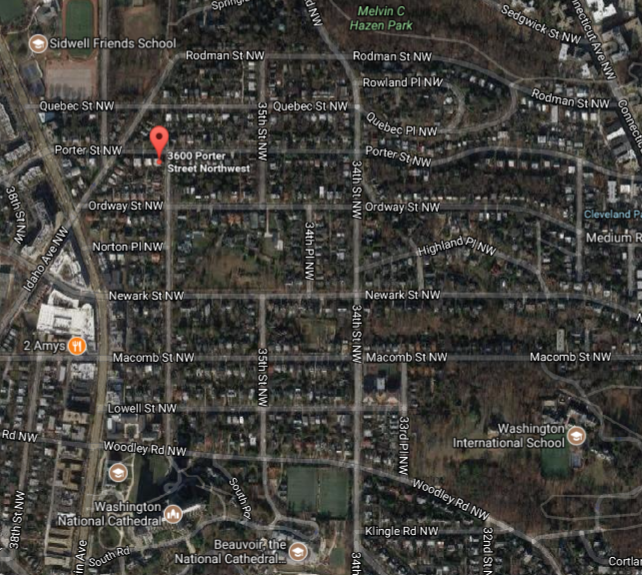
3600 Porter Street Aerial View

Up until the age of ten I liked to walk, run, bike and climb around our neighborhood in Washington, DC after school (which was Sidwell Friends, where the Obama daughters have been educated in recent years).

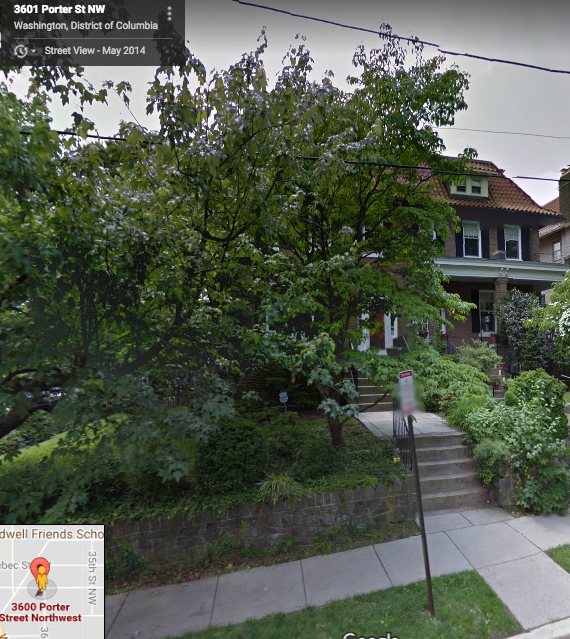
3600 Porter Street2

We lived in a semi-attached house on the corner of Porter and 36th Street.

One of my best friends was indeed a girl — named Eve — although (unlike the song) it was me who moved away from Eve…

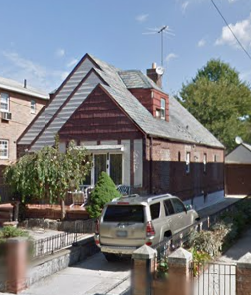
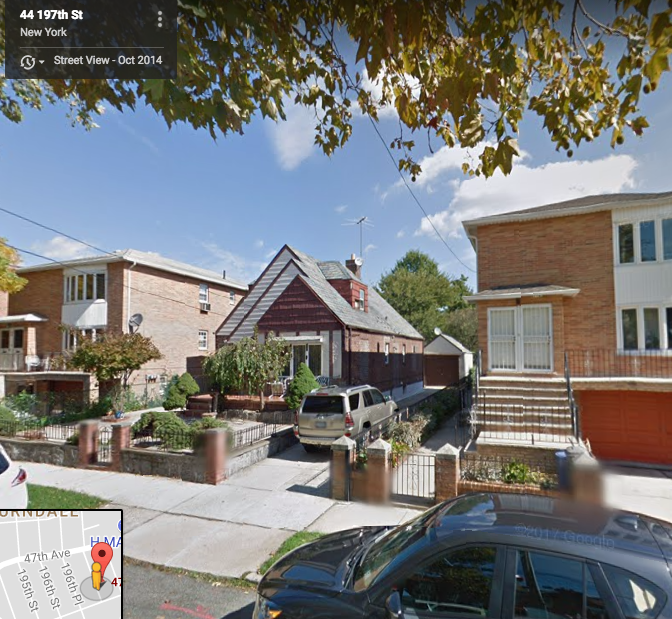
Next we lived for a year in Queens, NY (in my grandmother’s house where my mom had grown up) while I was a standby for the very small role of Theo in the original production of Pippin.

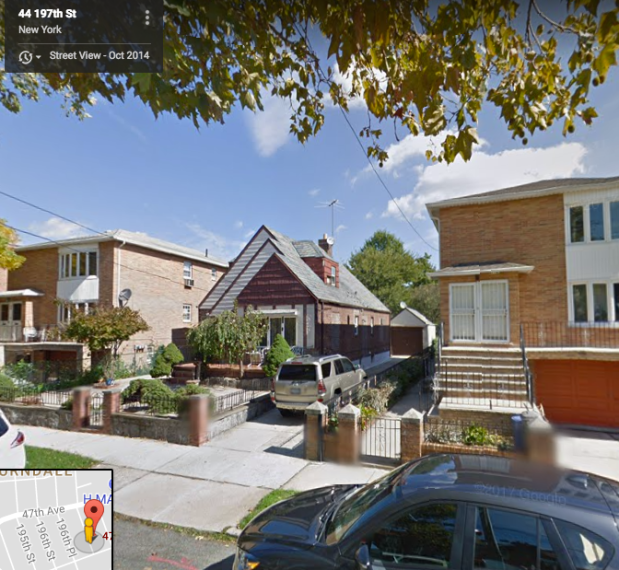
Grandma Jo's House 3

When my mom moved there as a child, it was the first house standing on the block — and by the time my siblings and I knew it in the 1960s and 70s, it was the only house on the block which still had open space on both sides of it.

My grandmother had an organic garden; blueberry, gooseberry and currant bushes; lots of trees (I remember scaling oaks, mimosas, hemlocks and locusts); and big lawns on which we could play with our neighborhood friends.

I don’t recall my grandmother ever “nagging at me to straighten up my spine” (as Carly Simon sings in “The Carter Family”), but I definitely miss this childhood eden.

When my grandmother died, my mother sold this house and a developer immediately built two big houses in what had been her side yards.

Grandma Jo's House1

I definitely miss this place “mo-o-o-ore  than I’d ever have guessed.”

In fact, I dream about it on a regular basis…

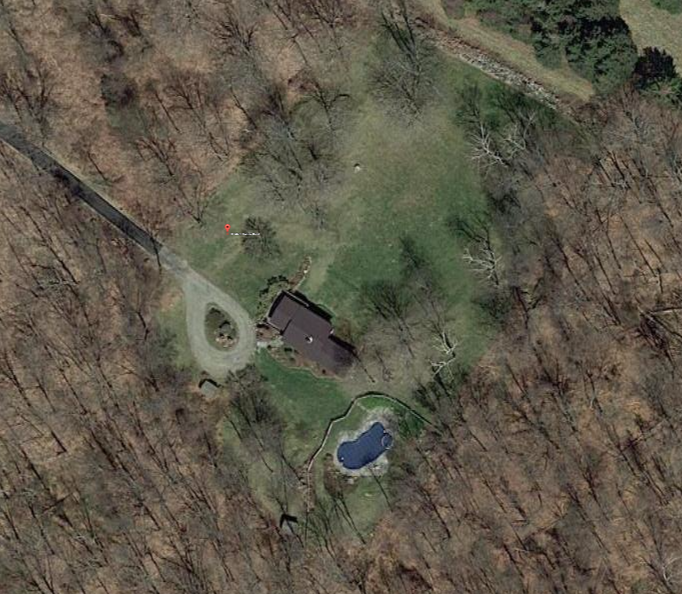
Then we moved to the northwest corner of Connecticut — where I attended our local public school and rode my bike up and down the hilly country roads, exploring the woods and fields around our house.

10 White Hollow Road Aerial View

We did not have a swimming pool. Someone else added that after we sold this small log-cabin-style house…

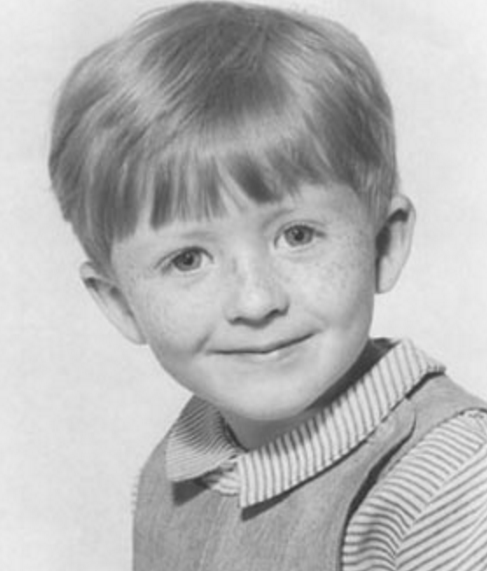
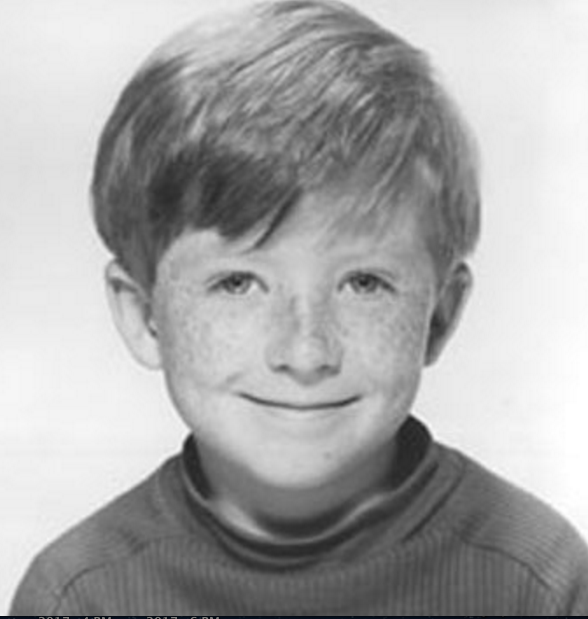
Interspersed within my relatively privileged and relatively normal childhood were days, weeks, and sometimes months when I worked professionally as an actor.

Will Toddler Head Shot

That was not normal.

That was walking into a room full of strangers and doing whatever one needed to do in order to be hired for the job.

That was a lot of anxiety and disappointment interspersed with a few moments of elation — when I learned from my agent that I had been hired to do a commercial or modeling job or voice-over or theatrical production or made-for-TV movie.

WIll Smiling Head Shot

The elation inevitably morphed into fear as the date for the actual gig approached.

And then — depending upon the kindness and patience and generosity and humor of the people in charge — the filming or recording or photo shoot or performance was more (or less) bearable.

I do NOT miss working as an actor mo-o-o-ore than I’d ever have guessed. It’s a very stressful life.

Since this was before the era of the VCR, most of the commercials, voice-overs, and TV movies I made were lost along the way — ephemeral bubbles in the incessant flow of popular (and to a large extent disposable) culture.

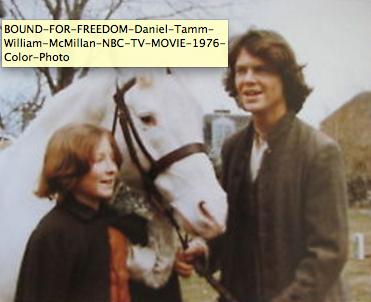
So I was happily shocked when two of my cousins looked up a TV movie I had made in 1975 called Bound For Freedom and discovered that it had recently been uploaded in four chunks onto YouTube!

If you are curious to check out the first chunk, you can click here.

That’s me being sold into indentured servitude by my father during the opening sequence.

I played a character named James Porter, and I had a lot of strawberry blond hair back then…

Will Bound For Freedom

This is a photo from that movie which I found for sale on Ebay.

If my memory serves me, Bound For Freedom was originally broadcast on NBC during the Sunday night time slot usually filled by a Disney movie.

However, the husband and wife team — Suzette and David Tapper — who produced and directed the movie also managed to incorporate it into the social studies/American history curriculum of a few elementary schools in the late 1970s.

I learned about this when a friend in high school, John Gallup, told me how he and some of his classmates at Salisbury Central School had sometimes quoted lines from the movie to each other in jest.

Today I am VERY grateful to a man named Ethan Hamilton (as well as his teacher who at some point loaned him her VHS copy of Bound For Freedom) for recently uploading it to YouTube.

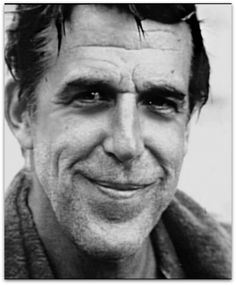
The main thing I remember from making Bound For Freedom is how kind and generous Fred Gwynne was as a fellow actor.

FredGwynne2

I may have written about this in a former blog post… but it made an impression many decades ago and bears repeating.

Often a non-actor on a movie’s staff will fill in for the star of the movie and read their lines off camera when other people’s closeups are being filmed. This gives the star a break.

fredgwynne4

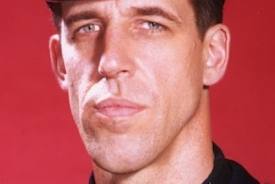
But Fred, although he was the recognizable star of this project — having been a main character in the hit TV series Car 54, Where Are You? as well as in The Munsters — willingly stood off camera and interacted with me when my closeups were being filmed.

FredGwynne5

And something in the kind and empathetic way he made eye contact pulled all sorts of emotions out of me which I doubt I would have been able to access otherwise.

If you have time or interest to watch any of Bound For Freedom, you will see that Fred shines in a gentle, understated way throughout the entire film.

And I AM surprised to find that I miss him mo-o-o-ore than I’d ever have guessed.

Thank you, Fred Gwynne, for your generous spirit.

Thank you, Carly Simon and Jacob Brackman, for writing such a wise and beautiful song.

Thank you, Doug Hammer, for our decades-long creative relationship.

Thank you for the astounding magic of the internet which allowed me to find the images for this post.

And thank YOU for reading and listening to another blog post.

Love Is Real


Love IS real.

It may not always be easy to feel, but it’s always there somewhere — or perhaps everywhere? — waiting to be tapped into.

In the two years since I was laid off from my day job, I have come to understand that music is one of our most accessible — and brilliant — technologies for re-connecting with love.

I experienced another love-filled gig with pianist Joe Reid last Saturday at a retirement community to the south of Boston.

It was the first time we had been there; so I didn’t know what to expect.

I was also feeling a bit concerned that our choice of “Make Someone Happy: The Songs of Jule Styne” — rather than a program of songs by the more familiar Cole Porter or Gershwin Brothers — might have been too risky for a first visit.

But we were warmly welcomed, ushered to a lovely performance space (not too big, not too small — a “just right” Goldilocks fit) with a small grand piano, a good PA system, and an audience of American Popular Songbook aficionados.

The size of the room — and the lighting in the room — made it possible for me to make eye contact with everyone.

Many audience members knew the words to the songs we were performing — and I, inspired by my Music Together classroom experiences, exhorted everyone to hum, tap, snap, or even dance if the spirit moved them.

There is something about the structure of a well-written song that allows — even encourages — one to put one’s heart into the singing of it.

And knowing that a song has a beginning, a middle, and an end somehow makes it safe for me as a singer to experience a wide range of feelings while I am singing it.

I think I have written in previous blog posts about how amazing subtext can be — how simply changing what or whom one is thinking about as one is singing can completely alter one’s interpretation of a particular song.

I have even begun to wonder — as I sing and make eye contact during performances with as many different audience members as are willing to connect in that surprisingly intimate way — whether I start connecting on an unconscious level with some of THEIR subtext, THEIR history, and THEIR associations with a particular song.

Whatever is transpiring energetically, it certainly opens MY heart — and re-connects me to feelings of joy and heart-ache and love and fear and desire and hope and pain.

Afterwards Joe and I listened to the stories that these songs evoked in the residents — tales of huge summer parties near Westport, CT in the 30s and 40s, or of seeing Barbra Streisand in the original production of Funny Girl, or of listening to these songs on the radio with loved ones in the living rooms of their past.

One woman said something like, “We have to have you and Joe back again right away — your singing reached inside and touched my soul.”

This is what I live for.

This is what music can do.

Two strangers can, in a safe and well-boundaried way, touch each other’s souls.

John Lennon knew that.

He wrote the song “Love Is Real” — which I recorded several years ago with Doug Hammer at his Dreamworld Studio. Then I monkeyed with those tracks using Garageband to create the version at the top of this page.

Thirty four years ago John Lennon was killed as he got out of his car and headed into his apartment in NYC.

According to Wikipedia, he had chosen to get out on 72nd Street (rather than the driving into the courtyard of his building) so that he could chat with any fans who might be waiting to say “hi” and ask for an autograph.

In fact, earlier in the day he had autographed a copy of Double Fantasy — the life-affirming album he had recently released with Yoko Ono — for the man who later shot and killed him.

After I heard the horrible news of John’s death, I remember walking along Massachusetts Avenue in Harvard Square, feeling very sad and upset that this could ever have happened.

One loss often awakens previous losses — like a metal chime rippling and echoing through the layers of one’s emotional body and memory.

So, with hindsight, it is very likely that I was also grieving other deaths, other losses, other assassinations — as I grieve tonight…listening to John’s music and reflecting on his inspiring life.

You can click here for a link to a comforting essay I found online which offers perspective about why so many of us continue to be so deeply moved by John’s murder.

I loved John Lennon.

I continue to love his music — as well as the music of all The Beatles.

And his songs live on.

Love IS real.