The Power Of Love?

Image by Annette Meyer from Pixabay

I hope you are well as you read this blog post.

Outside where I live in Massachusetts, leaves are changing color and falling to the ground.

Inside I am sitting on our couch under a layer of blankets and writing in the middle of the night.

I woke up to go to the bathroom and now am unable to fall asleep,

All my brain wants to do is think about potentially catastrophic things which may start unfolding in 2025 as a result of our recent national election.

Before I continue this blog post, I am going to pause and acknowledge any readers who may be excited and happy about recent election results.

I do not want to rain on your parade, and I hope that you are savoring your victories.
Image by Anja from Pixabay

Deep breath in.

Deep breath out.

However, if you are a reader who is feeling less excited and hopeful about the future as a result of last week’s election, my heart goes out to you.

Although I have decided not to read about politics and interact with the media for the time being, my brain — especially when I am lying awake in the middle of the night — keeps remembering things that are likely to be impacted in the next four years:

NATO — and the safety of all the countries bordering Russia…

The health of women I love — and the health of women I will never meet — due to new restrictions about what decisions they and their healthcare providers are allowed to make about their own bodies…
Image by Joe from Pixabay

Social security — which I have paid into since I was three years old and which I was planning to start collecting in three years time…

Medicare/Medicaid and other health insurance options — for millions of Americans and for me.

The cost of anything we don’t make or grow in the USA — due to potential new tariffs.

The cost of anything we DO make or grow in the USA — due to the potential prosecution/expulsion of many people who currently harvest our produce, work in our slaughterhouses and meat-packing plants, labor in our restaurants, work on our construction sites, landscape our properties, mow our lawns, blow our leaves, etc. etc. etc.

My two nephews — one approaching draft-age and the other one still eligible to be drafted if we find ourselves in a situation where we need to expand our (already vast) military capabilities.
Image by Wolfgang_Hasselmann from Pixabay

Long term — and potentially irreversible — environmental consequences due to potential deregulation of rules which currently protect the entire web of life here on planet earth.

Our access and ability to vote, our access to education, our access to public healthcare in the event of another epidemic…

The list goes on and on.

I don’t understand how love and respect factor into any of the above.

I don’t understand how love and respect can withstand — much less overcome — the forces which spread disinformation, which lie, which aim to divide us, which value power and money over honesty and decency.

I hesitate to call those forces evil, but I have been reminded more and more in recent months about a book I read a long time ago by M. Scott Peck called THE PEOPLE OF THE LIE.

As the group mind at Wikipedia summarizes:
According to Peck, an evil person:

  • is consistently self-deceiving, with the intent of avoiding guilt and maintaining a self-image of perfection
  • deceives others as a consequence of their own self-deception
  • projects his or her evils and sins onto very specific targets (scapegoats) while being apparently normal with everyone else
  • commonly hates with the pretense of love, for the purposes of self-deception as much as deception of others
  • abuses political (emotional) power (“the imposition of one’s will upon others by overt or covert coercion” (Peck, 1978/1992, p298[7]))
  • maintains a high level of respectability, and lies incessantly to do so
  • is consistent in his or her sins.
  • is unable to think from the viewpoint of their victim
  • has a covert intolerance to criticism and other forms of narcissistic injury

Most evil people realize the evil deep within themselves, but are unable to tolerate the pain of introspection, or admit to themselves that they are evil. Thus, they constantly run away from their evil by putting themselves in a position of moral superiority and putting the focus of evil on others. Evil is an extreme form of what Peck, in THE ROAD LESS TRAVELED, calls a character and personality disorder.”
Image by Peter H from Pixabay

The group mind of Wikipedia also describes Peck’s understanding of love in his previous book, THE ROAD LESS TRAVELED:

“Love is not a feeling, it is an activity and an investment — ‘The will to extend one’s self for the purpose of nurturing one’s own or another’s spiritual growth’ (Peck, 1978/1992, p85). Peck expands on the work of Thomas Aquinas over 700 years ago, that love is primarily actions towards nurturing the spiritual growth of another.”

I welcome any insights into the power of love and how it does — or doesn’t — impact our current political situation here in the USA (as well as how love and respect may impact other patterns unfolding here on planet earth).

Please leave a comment if you are so inspired.

I end with a link to this heartful song at the beginning of this blog post in case you might like to listen to it on a streaming platform, add it to a playlist, or share it with a friend.
Image by StockSnap from Pixabay

It was written by Lynn Ahrens and Stephen Flaherty, a delicious songwriting team who helped to create the musicals RAGTIME, SEUSSICAL, ONCE ON THIS ISLAND and A MAN OF NO IMPORTANCE (which is where “Love Who You Love” comes from) among many other projects.

I initially featured this song in a blog post I wrote in August 2015 which you can read by clicking here if you are curious.

Thank you to Ahrens and Flaherty for writing “Love Who You Love.”

Thank you to Doug Hammer and Mike Callahan for playing so beautifully on this recording of it.

Thank you to Gretje Ferguson for taking this photo many years ago.
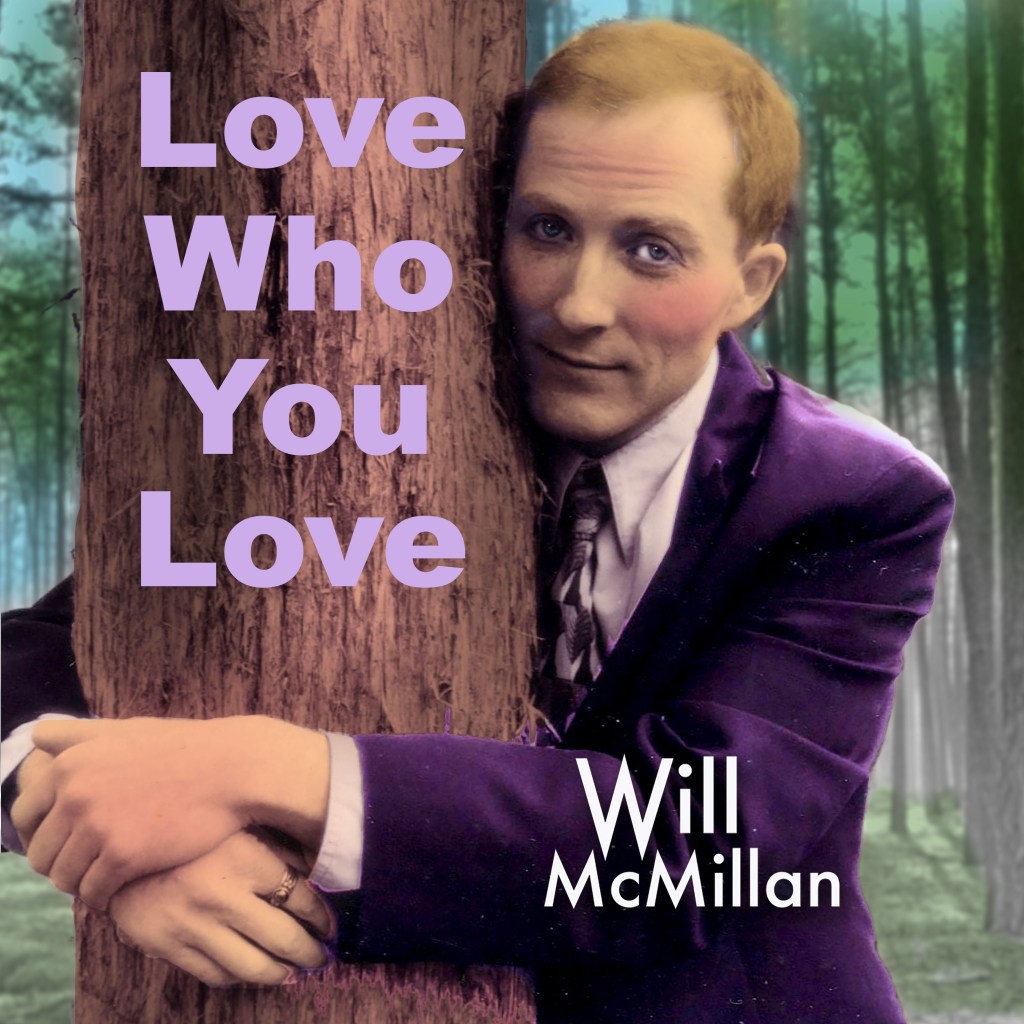
Photo by Gretje Ferguson + Graphic Design by Stephen C. Fischer @ DigitalFisch

Thank you to Stephen Fischer for creating this graphic design using Gretje’s photo.

Thank you to the wonderful and generous photographers at Pixabay.

Thank you to all of the folks who helped to create the internet and WordPress so that I can share my thoughts and music with you.

And thank YOU for reading and listening to another one of my blog posts.

I welcome any comments below.
This Moment

This Moment


I love this song by John Bucchino.

Butterfly8

I thought of it often as I was carrying boxes from my sister’s apartment in Laguna Niguel, CA to a 16′ Penske moving truck parked about 100 feet from her front door.

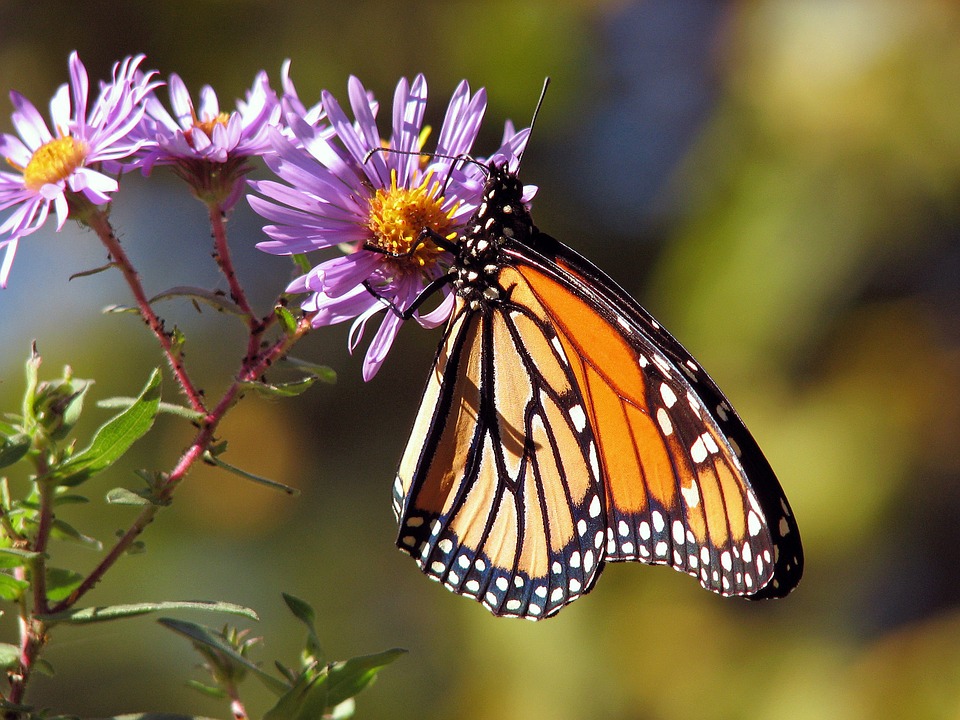
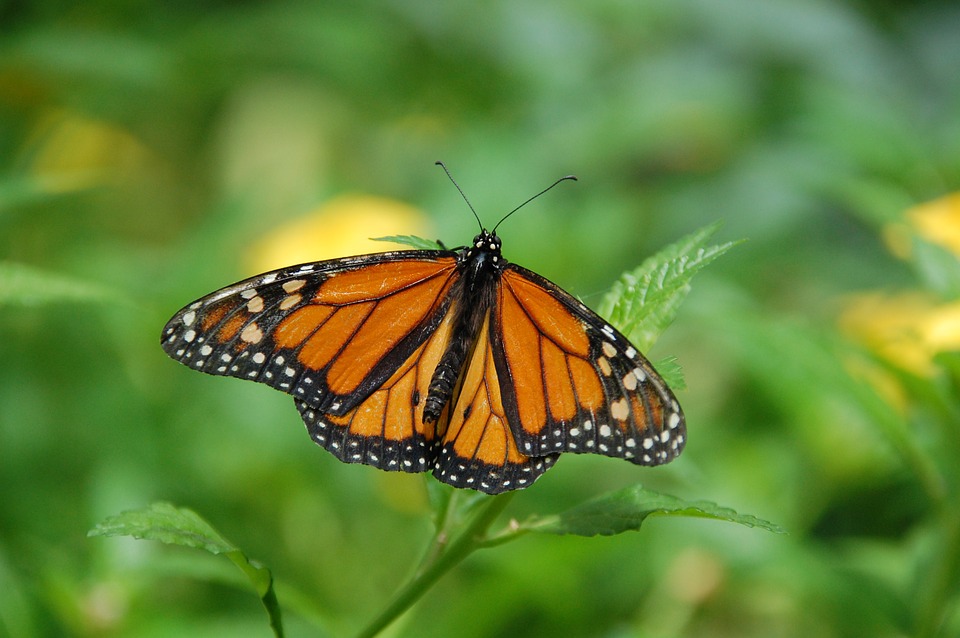
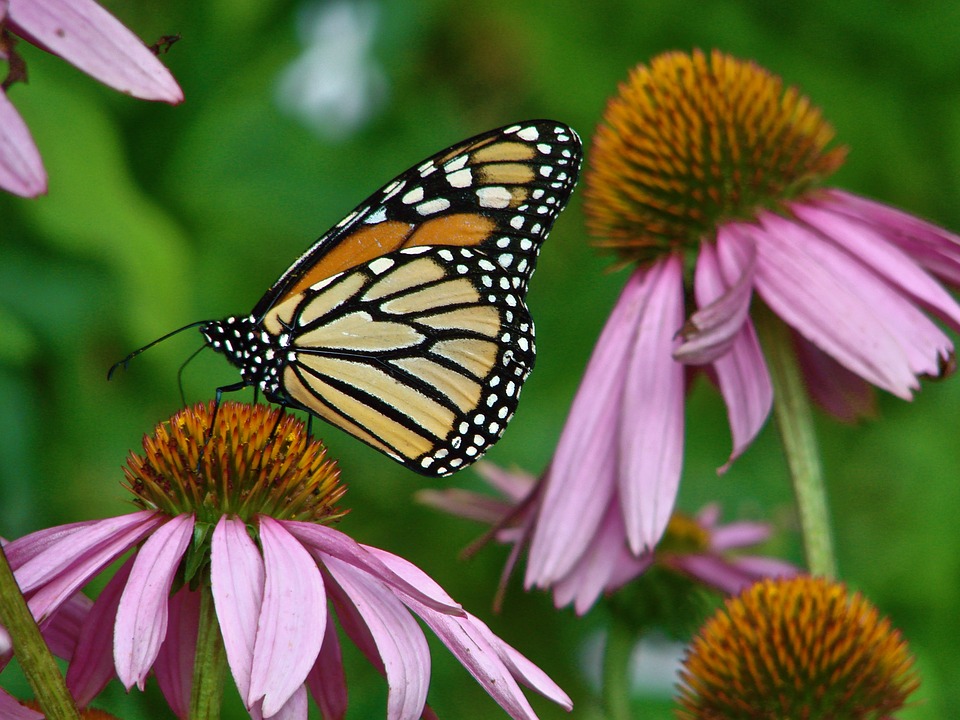
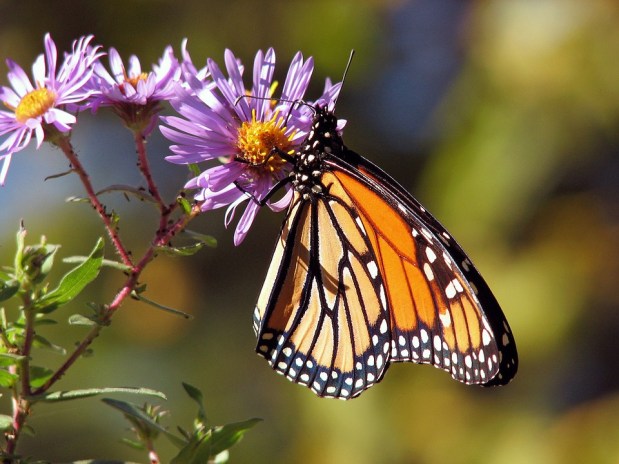
A monarch butterfly would appear every few hours — flapping from flower to flower before drifting away on a gentle breeze.

Monarch2

And I would find myself singing this song.

I don’t know what inspired John to write it, although I am guessing that he must have some sort of meditation practice.

Butterfly7

I first heard it sung at the Yale Cabaret Conference I participated in many years ago… and immediately wanted to learn it.

I practiced the lyrics over and over again one summer as I walked up and down a sandy path through a scrub pine forest en route to Head of the Meadow beach in North Truro, MA.

butterfly2

Pianist Doug Hammer and I have performed it several times since then (that’s Doug playing in the recording at the beginning of this blog post), and Mike Callahan did an arrangement which I got to perform with him as part of a Timberlane Pops Orchestra concert in New Hampshire.

It is a perfect example to me of a “wisdom song” — which helps me to re-align with my better, wiser self whenever I sing it.

Butterfly11

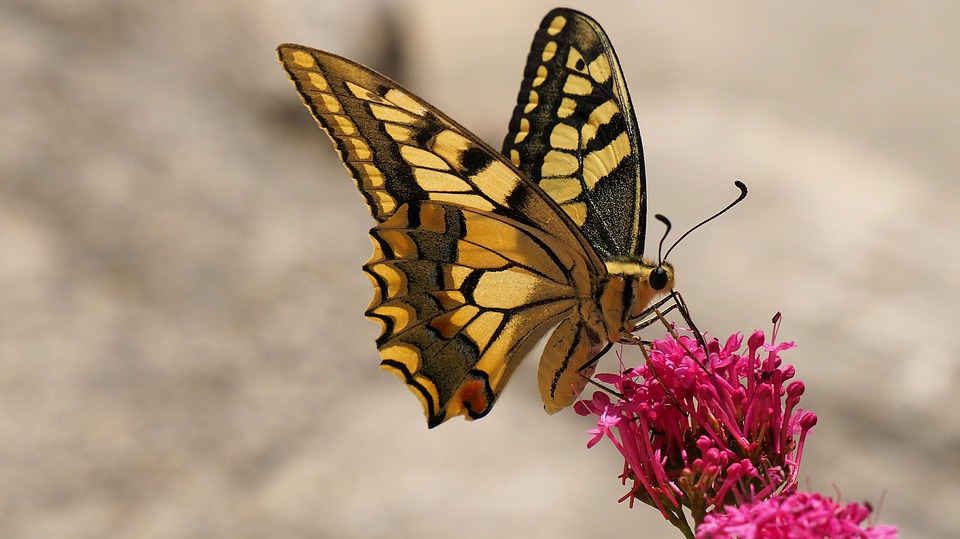
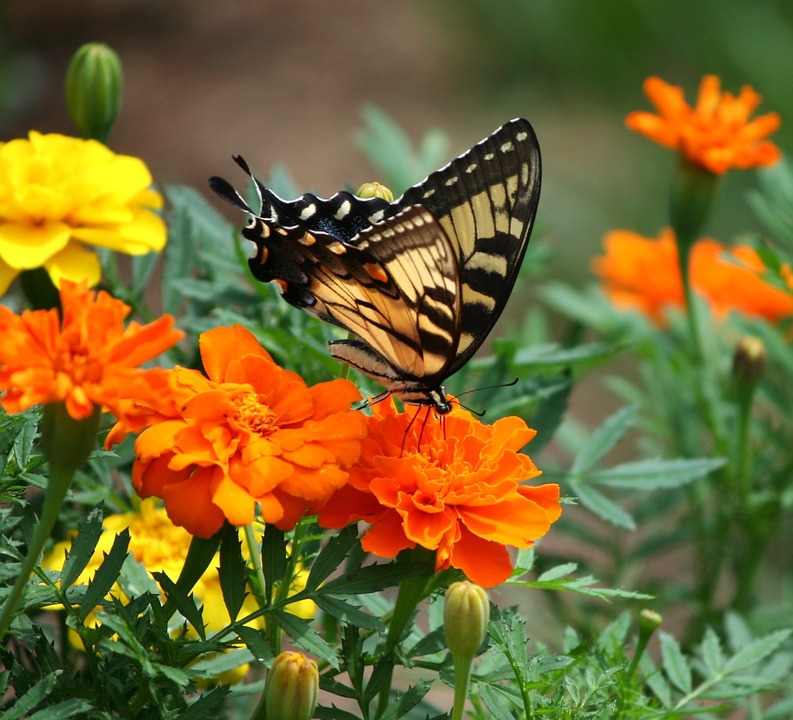
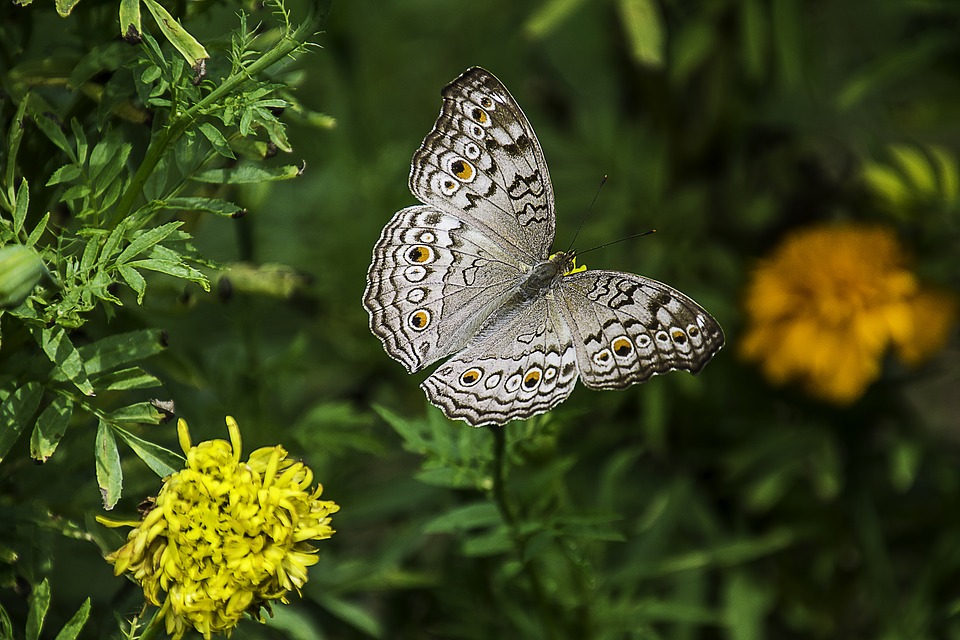
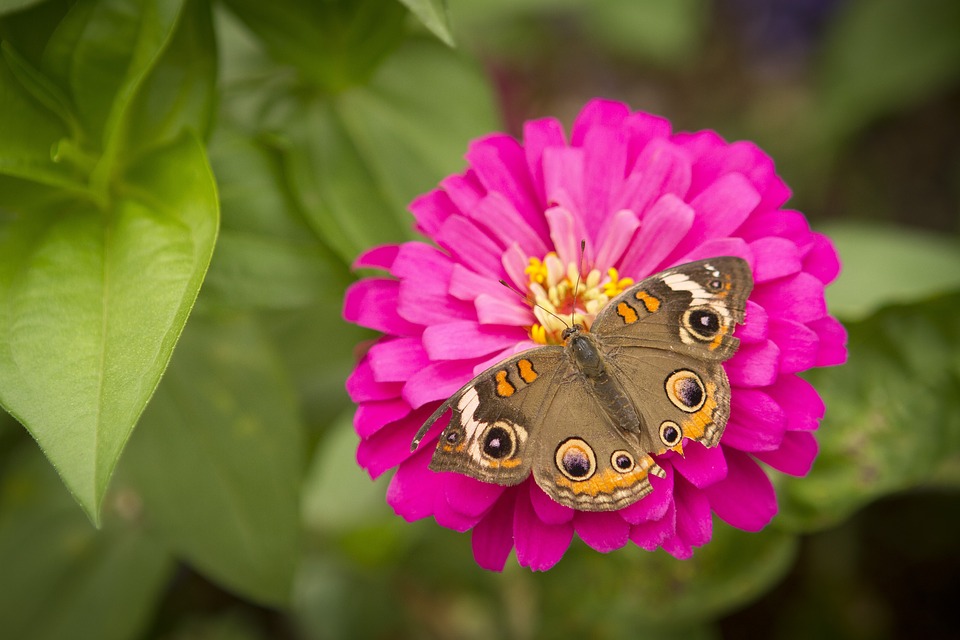
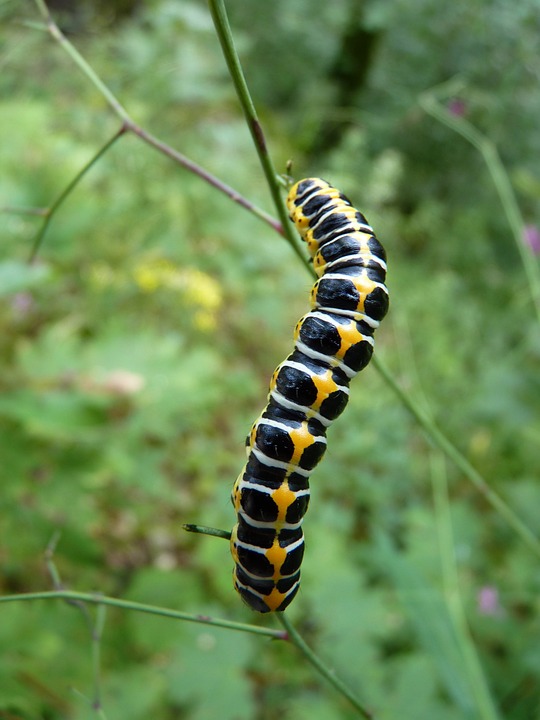
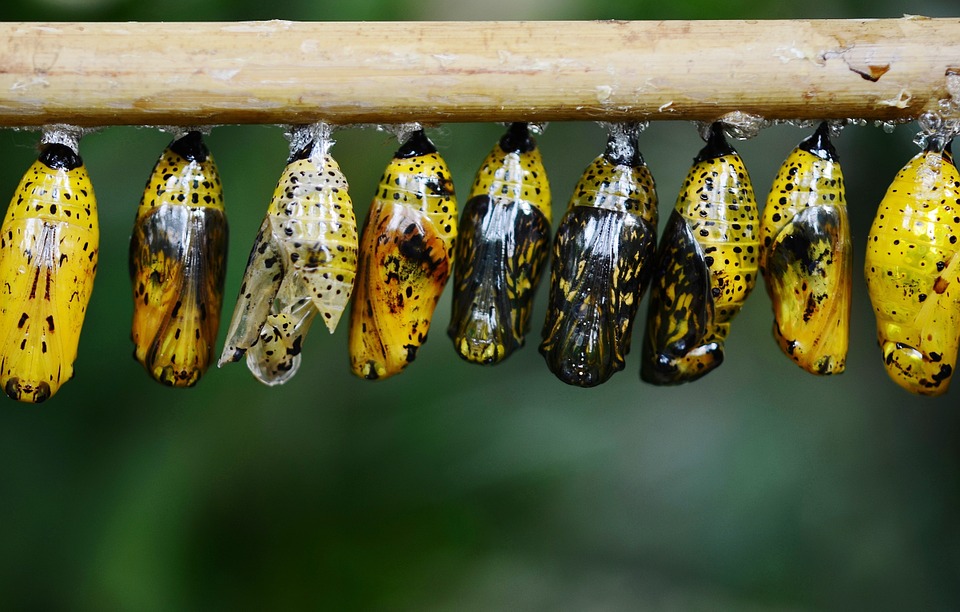
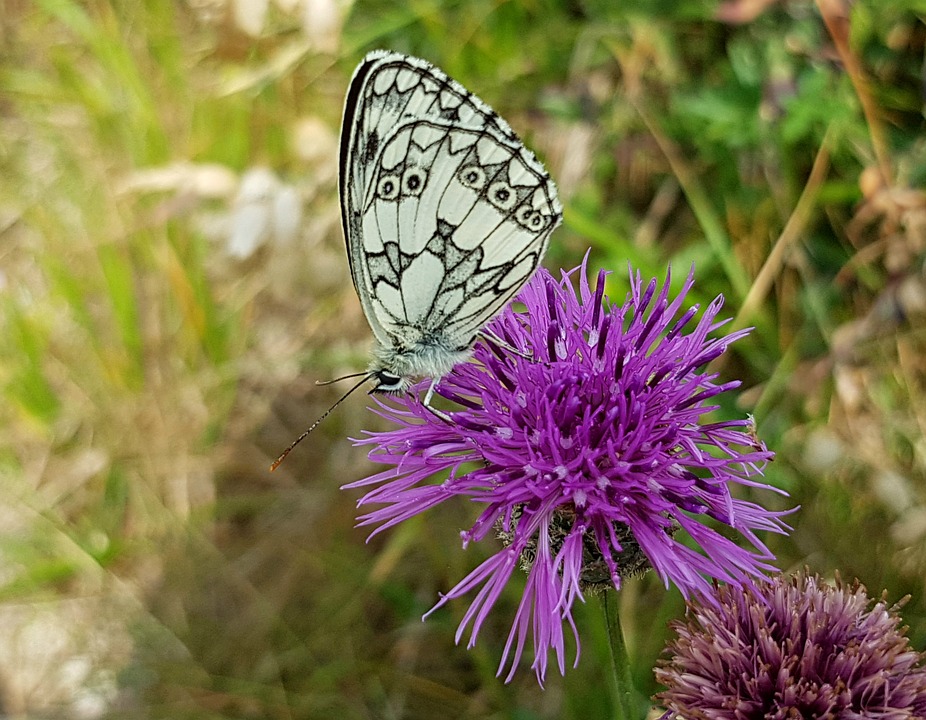
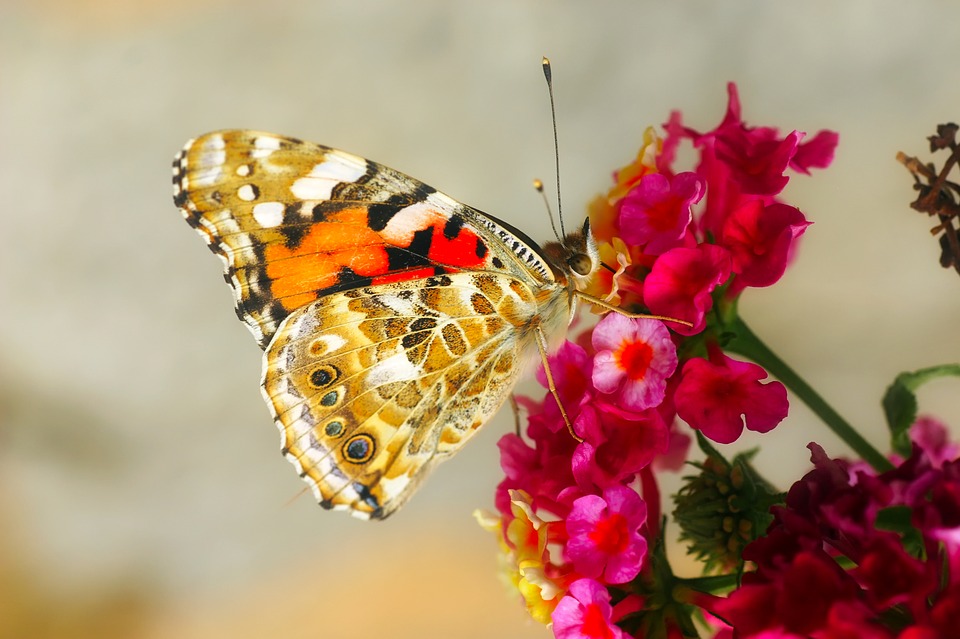
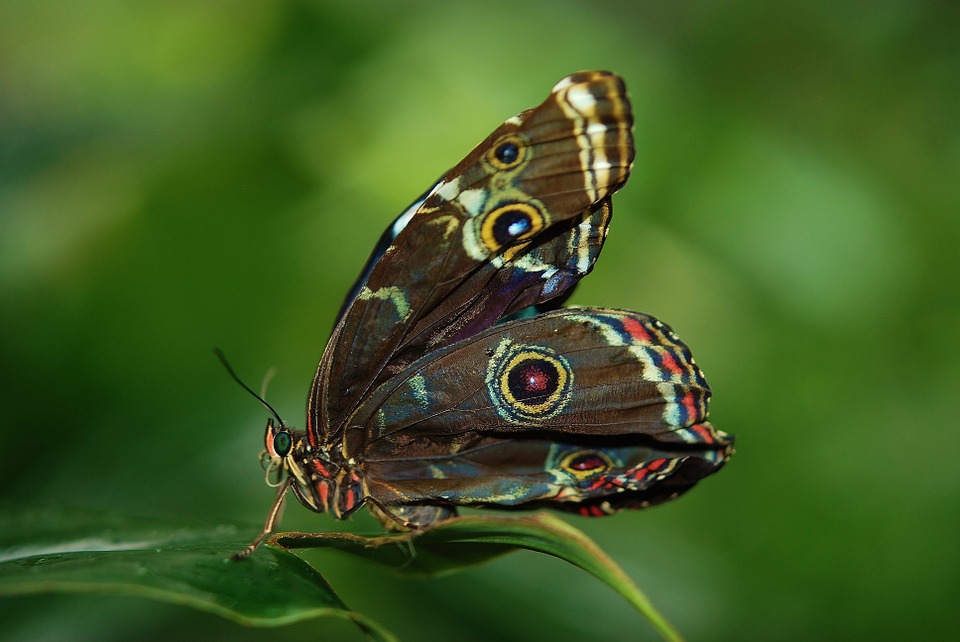
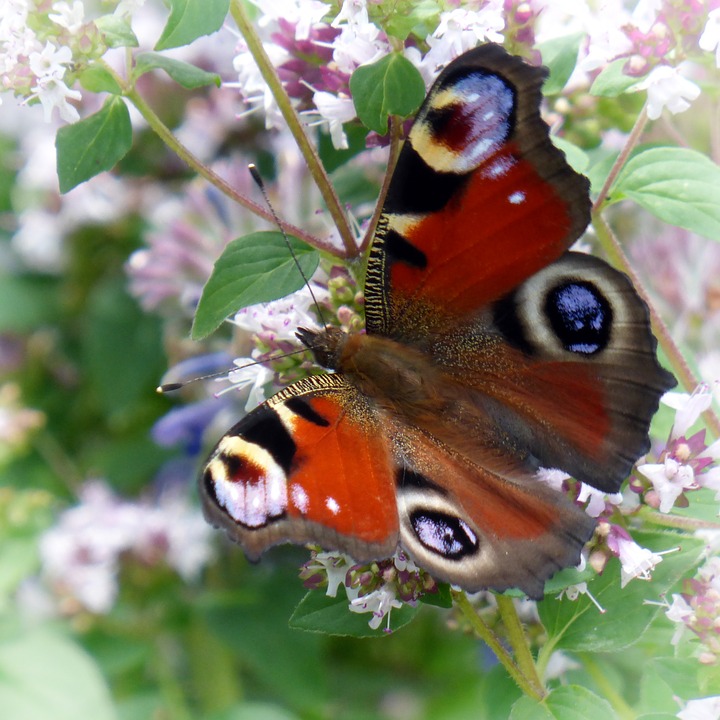
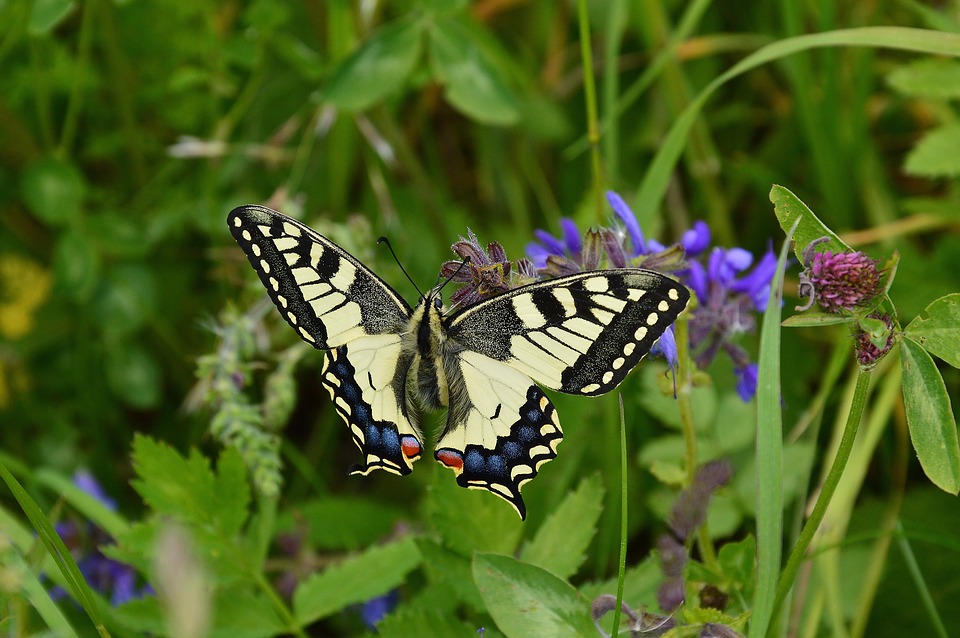
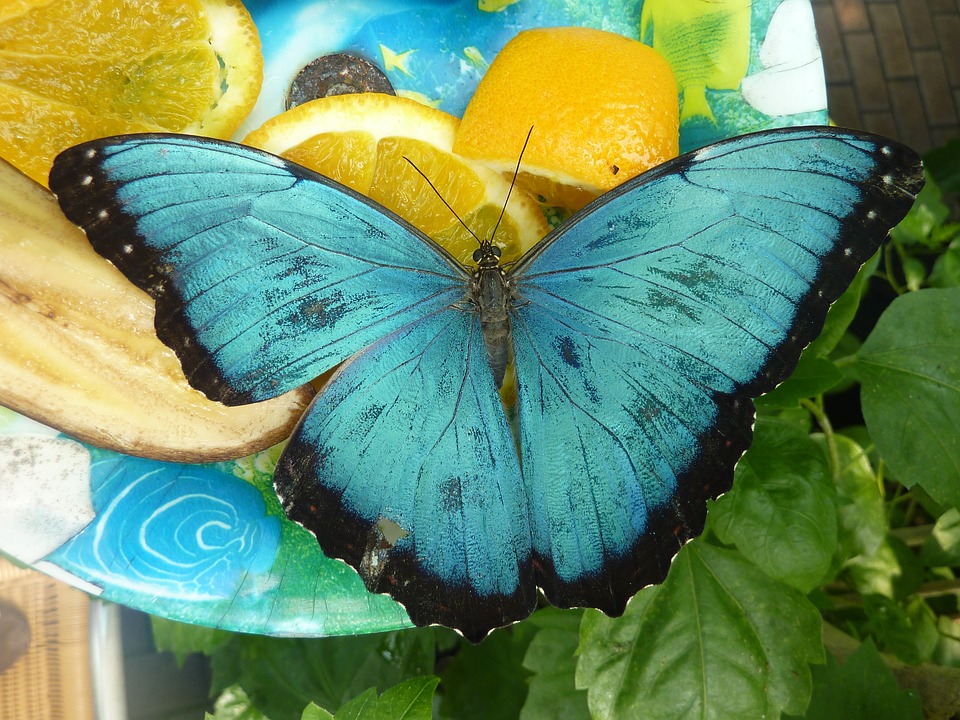
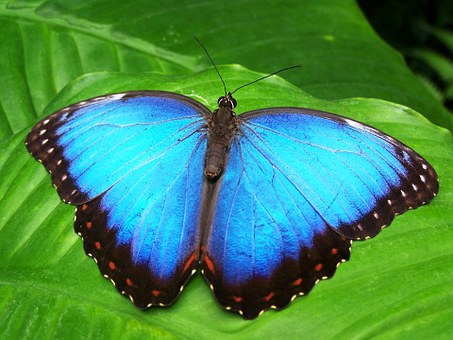
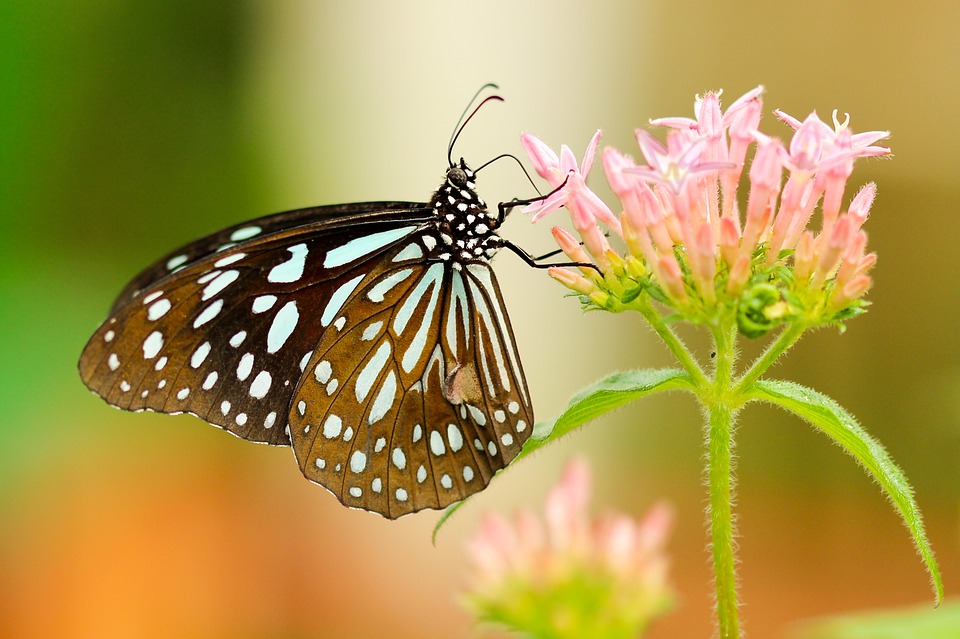
Writing this post inspired me to search on Pixabay for some butterfly images, and I was astounded by what I found.

Caterpillar

The idea that earthbound caterpillars can transform themselves into winged butterflies — that they can literally dissolve themselves and re-form their molecules into a new type of being — has fascinated and inspired us human beings for millennia.

Cocoons

I am also inspired by the paths they take — paths which do not travel in a straight line from point A to point B yet manage to cover vast amounts of mileage none-the-less.

Butterflies have a inner sense of where they are headed, but they also follow and respond to whatever flowers and breezes appear along their journey.

This seems to be how I, too, am moving through my musical life here on planet earth.

Monarch1

I looked online to learn more about the current health of our butterfly populations.

First I was directed to a relatively new company called “Butterfly Health” that seems to specialize in adult diapers…

Butterfly9

Then I found a lovely story about vineyards in eastern Washington which “stopped using harmful pesticides and created natural habitats with native shrub-steppe plants around the vineyards to keep out harmful insects (e.g., mealybugs) and attract beneficial insects (e.g., parasitic wasps) that feed on pests.”

These vineyard saw a significant increase in butterflies — from an average of five different species to more like twenty different species!

Butterfly13

The article noted that “butterflies don’t protect the vineyards or provide wine growers with economical benefits, (but) they are pollinators and an important element of the ecosystem. Furthermore, having butterflies flutter around a vineyard increases its aesthetic appeal and provides proof of earth-friendly pest control practices.”

Butterfly6

Amen.

I also found articles that were more discouraging, such as one in the great English newspaper, The Guardian.

Butterfly12

It reports that “more than three-quarters of Britain’s 59 butterfly species have declined over the last 40 years, with particularly dramatic declines for once common farmland species such as the Essex Skipper and Small Heath…

‘This is the final warning bell,’ said Chris Packham, Butterfly Conservation vice-president, calling for urgent research to identify the causes for the disappearance of butterflies from ordinary farmland. ‘If butterflies are going down like this, what’s happening to our grasshoppers, our beetles, our solitary bees? If butterflies are in trouble, rest assured everything else is.'”

Deep breath in.

Butterfly4

Deep breath out.

What, I continue to wonder, will it take for enough of us human beings to wake up and take significant actions so that the extraordinary species extinction we are now experiencing on planet earth can slow down…and maybe even stop?

Why are so many of us seemingly oblivious to what is happening to our ecosystems and unable/unwilling to make wiser choices?

Butterfly14

I recently visited a friend’s house (his/her second home, actually) and saw a small vat of RoundUp that I assume s/he is using to take care (??) of weeds in his/her lovely garden.

It was sitting alongside an aerosol can of pesticide to kill wasps.

Butterfly10

This is an extremely well-educated person who loves the views of nature from his/her home overlooking a beautiful river.

Yet s/he is completely oblivious to the increasingly well-documented scientific research linking herbicides and pesticides to all sorts of profound disruptions in the overall health of a wide variety of ecosystems. And disruptions to our own human metabolisms — since we human beings are deeply rooted in nature from an evolutionary perspective and share many of the same biological pathways/systems as our animal and plant cousins..

Butterfly5

I know that beautifully photographed and persuasively written advertising messages from the makers of herbicides and pesticides contribute to our human ignorance..

And lots of us think, “Oh it’s just a little bit of RoundUp or a little bit of wasp spray…”

But it all adds up and takes a cumulative toll on a wide variety of plants and animals and bacteria and fungae which we dearly need to be functioning in balance with each other.

Another deep breath in.

Butterfly15

And another deep breath out.

Thank you to Pixabay for these wonderful photographs of butterflies.

Thank you to Doug Hammer and John Bucchino for their tremendous musicality and songwriting expertise.

And thank YOU for reading and listening to another blog post.

What steps — small and/or not-so-small — have you taken in your life to help keep life in balance here on planet earth?

Stuff (and Amanda McBroom’s Blessing)

Stuff (and Amanda McBroom’s Blessing)


Recently we experienced the warmest February day ever recorded in Boston according to a radio announcer on WBUR.

Hmm.

In the short run, I am very grateful for this lovely respite from wintry weather.

In the long run, however, I wonder what’s going on with the larger weather patterns and ocean temperatures on planet earth?

Our opposable thumbs — and seemingly insatiable desire for novelty and innovation — have helped us to create all sorts of stuff.

And much of what we have created needs power from fossil fuels (in the form of electricity, for example) to function or is actually made from fossil fuels outright in the case of plastic.

Plastic wrap. Plastic toothbrushes. Plastic containers to store leftovers. Plastic bags. Plastic bumpers on cars (one of which my sister’s dog was able to chew into pieces when he thought a small animal was hiding under it!)

Plastic plates. Plastic silverware. Plastic cups. Plastic shower curtains. Plastic bowls. Plastic bottles filled with water and laundry detergent and shampoo and apple cider.

Plastic dispensers for easy-gliding floss (which is itself made out of plastic). Plastic souvenir tchotchkes. Plastic electronic devices. Plastic credit cards.

The list goes on and on.

Today I listened to a news story about an area in Texas where we human beings have been extracting oil and gas for the past hundred years.

We’ve been blessed with an inheritance of solar energy accumulated by plants growing on planet earth for millions of years — and we are withdrawing it — and spending it — in the blink of a cosmic eye.

What an amazing inheritance!

Why are we squandering it to manufacture and then purchase stuff that doesn’t usually make us feel any better after the initial thrill of acquisition subsides?

Stuff that won’t decompose for hundreds of years — thus contaminating and altering all sorts of natural processes and feedback loops on land and in our lakes and rivers and streams and oceans.

Why have we not been taught to weigh the long-term consequences of our manufacturing and consumer choices?

I sometimes wonder what an economy would look and feel like which actually honored the long-term costs and consequences of fossil fuel-driven lives on the larger ecosystems which sustain the amazing, interconnected web of life on planet earth…

I am guessing it would be simpler and slower.

It was a growing awareness of all the stuff in my life which inspired me to write lyrics for a melody by Steve Sweeting many years ago which became the song “Stuff.”

I was visiting dear friends who had moved into a large new home on Bainbridge Island near Seattle — and reflecting upon the pros and cons of our very blessed — and privileged — lives.

Two years ago Steve and I recorded “Stuff” for a CD of his songs called Blame Those Gershwins.

I recently sent a copy of it to Amanda McBroom.

She is a songwriter and singer and teacher whom I met when I participated in a week-long cabaret conference at Yale.

I  — and many of my singing peers — love to perform her songs, the most famous of which is probably “The Rose,” which she wrote for the movie starring Bette Midler.

She has recently finished a new CD of her latest batch of songs called Voices.

I guessed that she might be sick of listening to herself (which one ends up doing over and over and over again when one is recording and mixing and mastering a CD) and open to the possibility of hearing something new.

And, bless her, I was right.

Here’s what she wrote back after listening to Steve’s CD:

“Thank you so much for sending the lovely CD!  It was such joy to hear your voice again. AND to listen to something that wasn’t ME for a change!

The songs are terrific. Your performances are nuanced and touching and lovely.

My very favorite is STUFF.

I think I have to have it.

Feels like it would something perfect for me to put in my repertoire if your friend is willing to share.”

Needless to say I was astounded and excited and humbled that she had made time to listen to the CD, that she liked Steve’s songs, and that she liked one of the songs to which I had contributed lyrics well enough that she might end up adding it to her repertoire!

Deep breath in…

Deep breath out…

It’s funny how something as simple as someone asking for the sheet music for a song I have co-written gives me a renewed sense of validation and encouragement to continue on my (still extremely humble) path as a songwriter.

Maybe it’s another example of the power of feedback loops — in this case feedback that Amanda found the melody and chords and ideas and arrangement of “Stuff” compelling enough that she might want to learn it and then share it with others.

Another deep breath in…

And another deep breath out…

Despite all of the larger patterns of disrespect and dishonesty and disbelief which are rippling around our country and around the planet these days, I will continue to count my blessings, continue to reduce my ecological footprint, and continue to sing — and sometimes write — songs.

Thank you, as usual, to Pixabay for the lovely images in this post.

Thank you to Steve Sweeting for entrusting his melodies to me.

Thank you to Amanda McBroom, for making time in her complicated life to listen to Steve’s CD AND then to send such uplifting feedback to us.

And thank you to YOU for reading and listening to another one of my blog posts.

PS: I hope you noticed the irony of me ranting about all the plastic junk we human beings create and buy and sell on planet earth and then agreeing to make a CD recording of Steve’s songs — thus creating 250 shiny, round, flat pieces of plastic which will be obsolete junk within another decade or so…

Yet another deep breath in…

And deep breath out…

Let Me Be Strong


I was riding my bike home in the rain this week and remembered a song written by a New England author and songwriter named Barbara Baig.

“Rain beats at the window as I stare into the night…”

I recorded it a while ago with Doug Hammer playing piano — and, I think, Chris Rathbun on upright bass and Gene Roma on drums — at Doug’s Dreamworld Studios on the North Shore.

That was when I was hosting a performance series in Harvard Square called “Will & Company.”

Each show featured a local songwriter and a local singer about whom I was excited.

I recently learned that one of the songwriters, Ernie Lijoi, has written lyrics for two songs in a musical called It Shoulda Been You which is opening on Broadway at the Brooks Atkinson Theater in April of 2015 starring Tyne Daly and directed by David Hyde Pierce.

Go, Ernie!

“Let me be strong and moving through fear….”

One of our friends, Peter Watson, has used “Let Me Be Strong” in the Opening the Heart workshops he co-leads.

Although a lot — a blessed lot — of stuff is going well in my life these days (a devoted life partner, robust Music Together classes, more performances at retirement communities and libraries, basic health, no debt, a functional bike, a wonderful web of family and friends for whom I am very grateful, and the list goes on and on), I also find myself standing from time to time in deep puddles of fear.

And I berate myself for feeling scared — aware that billions of beings on planet earth are not as fortunate as I am.

What do I have to feel scared about?

Yet I am also aware — without reading the paper, listening to the radio, watching the news, or tapping into various social media — that our human population continues to climb, that more and more species of animals and plants are becoming extinct, that our economic models are based on an advertising-created desire to possess more and more things, etc. etc. etc.

Thinking about these global challenges leaves me feeling scared, or sad, or angry — or all of the above.

How do we not become mired in fear?

How do we keep our hearts open?

How do we change our lives to respect and honor and nurture the amazing web of life currently unraveling on planet earth?

And how does music fit into any/all of the above?