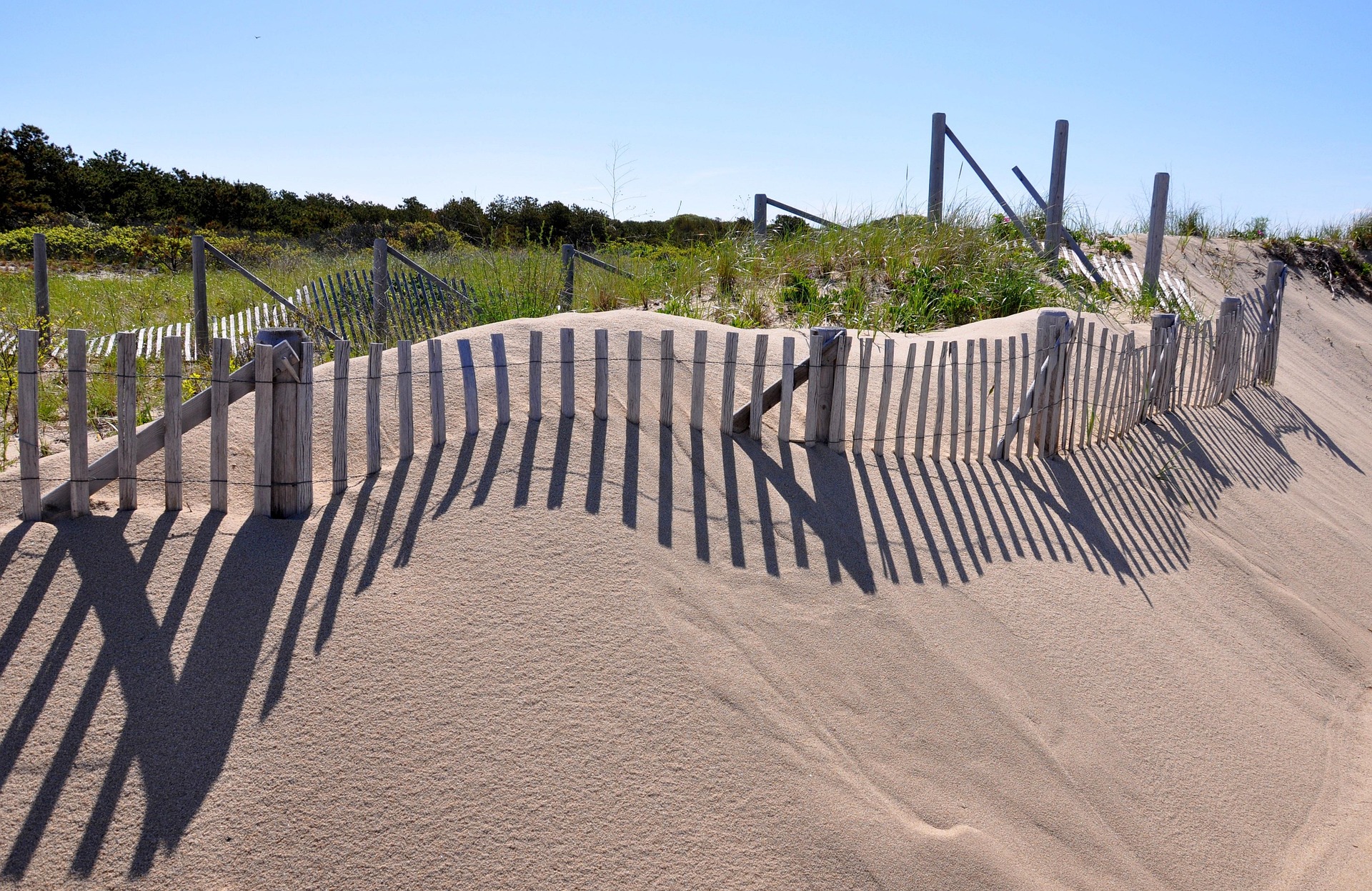
The Crazy Touch And Go Of Our Lives

Image by Mark Martins from Pixabay

I hope you are well as you read this blog post.

Thank you for stopping by.

I wrote this song several years ago when I was camping at the North of Highland campground in North Truro, MA, on Cape Cod .

It is a heavenly place.

For over twenty five years I camped there every summer with my sweetheart and his extended family.

And then COVID — and a new baby — entered our lives, and we all decided to rent a house together at the opposite end of the state (in Pittsfield) with a big, fenced-in backyard instead.

Ahh, change…

Deep breath in.
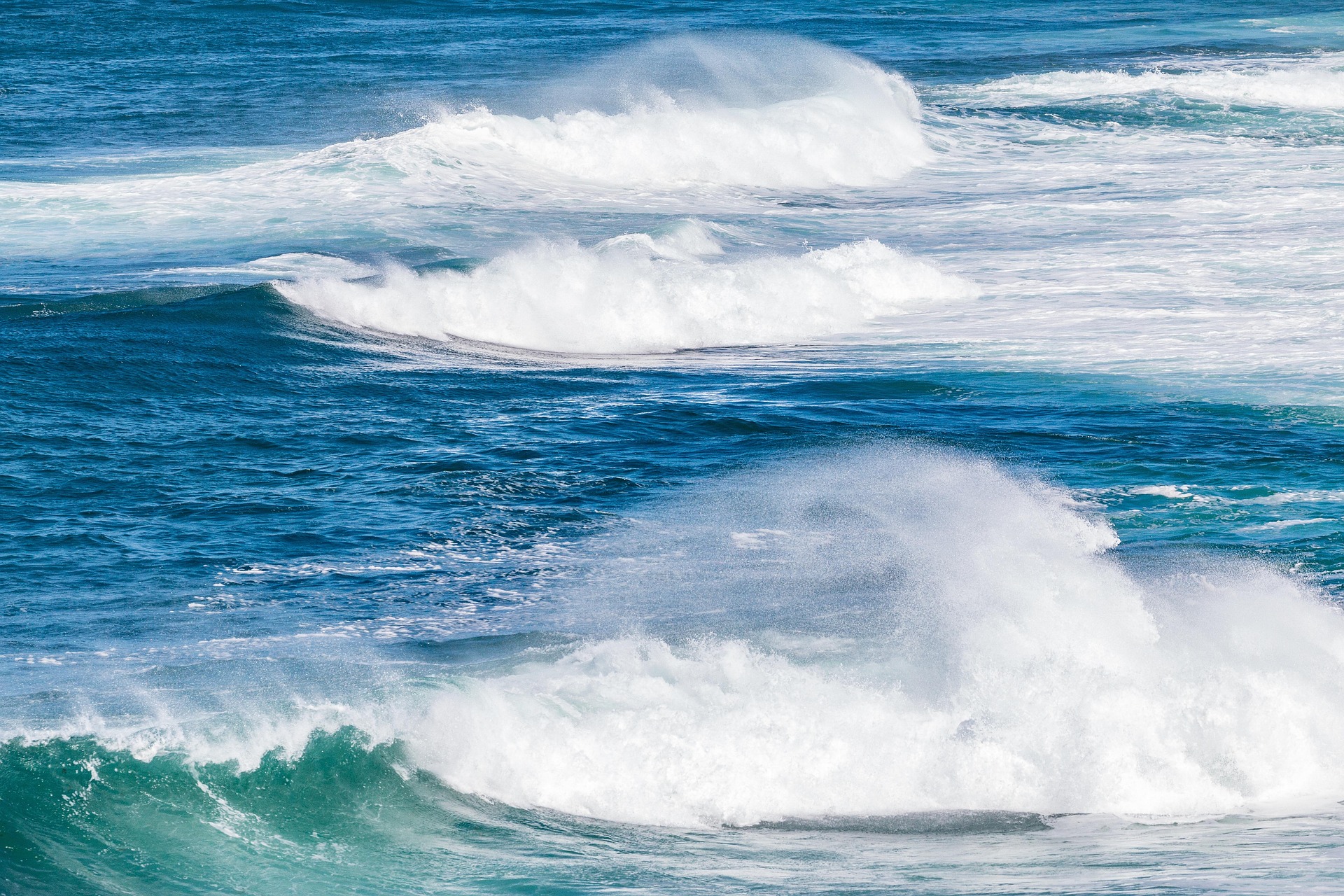
Image by Radovan Zierik from Pixabay

Deep breath out.

When I look at photos on the campground’s website or re-read a blog post I once wrote about camping there, I am filled with a poignant sadness that we no longer gather in this idyllic spot.

And that is what this song is all about.

Life is an ebb and then a flow — and it just keeps on ebbing and flowing…

We can embrace that fact — at times sadly, at times gratefully, at times contentedly, at times joyfully.

Or we can fight it.

When I was looking at Dalai Lama quotations for my last blog post, I found one which fit this theme perfectly:
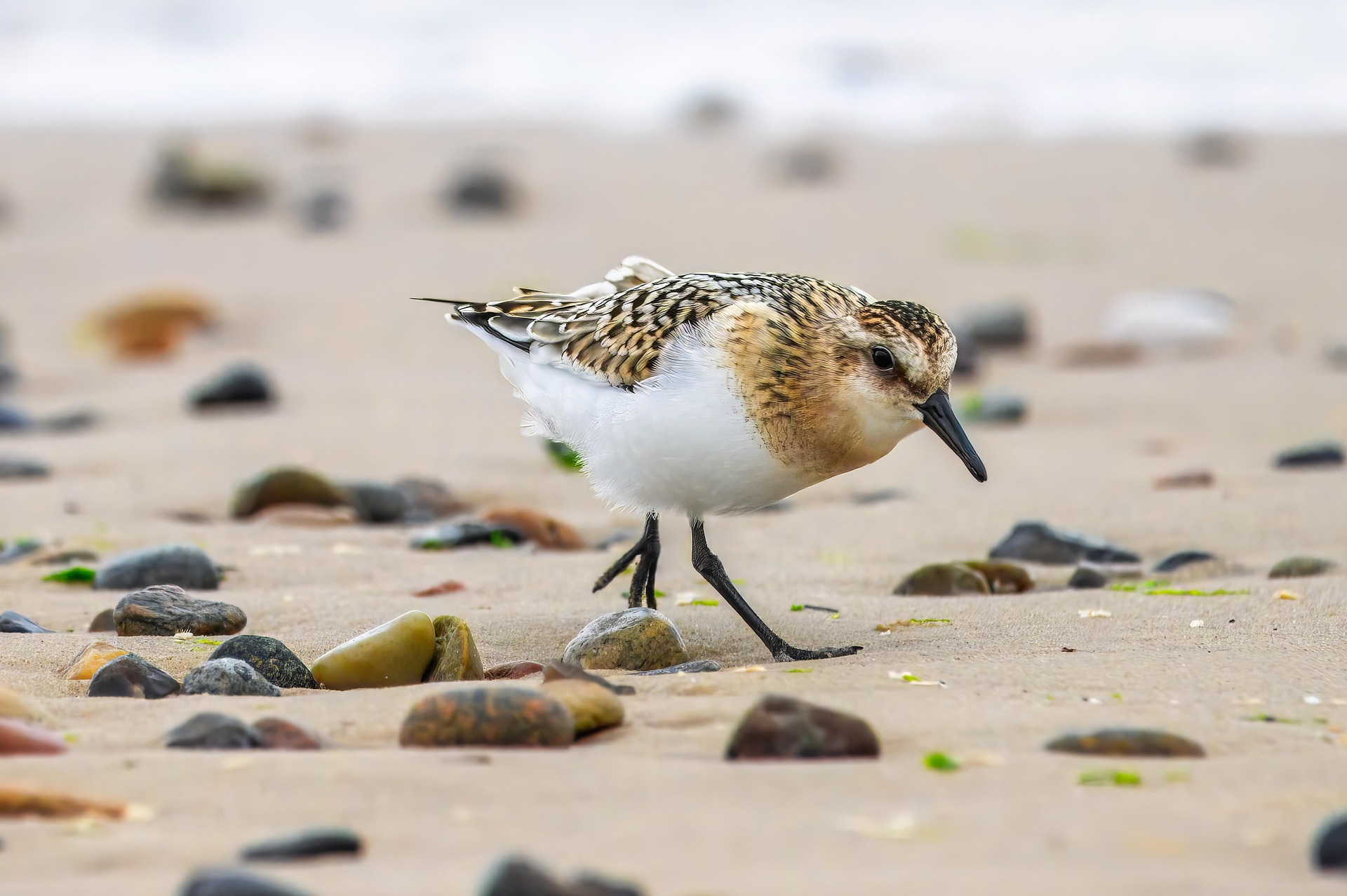
Image by Willfried Wende from Pixabay

“Old friends pass away, new friends appear.

It is just like the days.

An old day passes.

A new one arrives.

The important thing is to make it meaningful: a meaningful friend — or a meaningful day.”

Another deep breath in.

And deep breath out.

This song was inspired by a couple who rented a campsite at the other end of the little valley at North Of Highland campground where we had a perennial campsite.
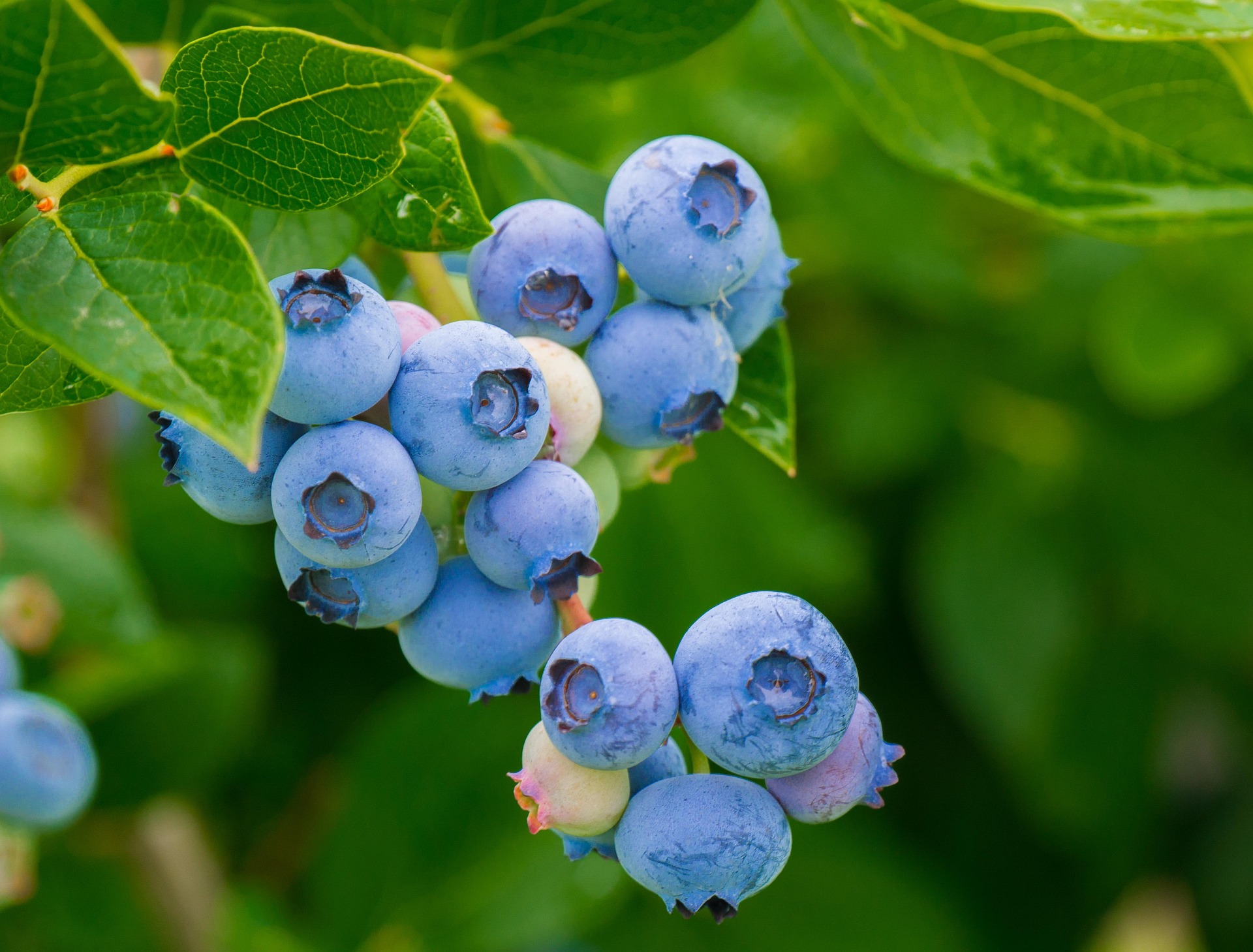
Image by 🌼Christel🌼 from Pixabay

I don’t remember exactly how we reached out and introduced ourselves, but I am pretty sure I showed them the wild blueberry bushes which were bearing fruit all around our little valley.

And they invited us over for an informal cocktail hour one evening, which was very pleasant.

And then we discovered that the guy was a swimmer who, like me, loved to do laps along the ocean shoreline — although this was becoming more and more risky because the increasingly abundant population of seals in North Truro had been attracting more and more great white sharks…

So we hit it off with these two friendly people and became well-acquainted over the course of a few days.

Then, to my surprise (because I had assumed incorrectly that they had a week-long rental) they packed up their tent and — with warm goodbyes — drove away.
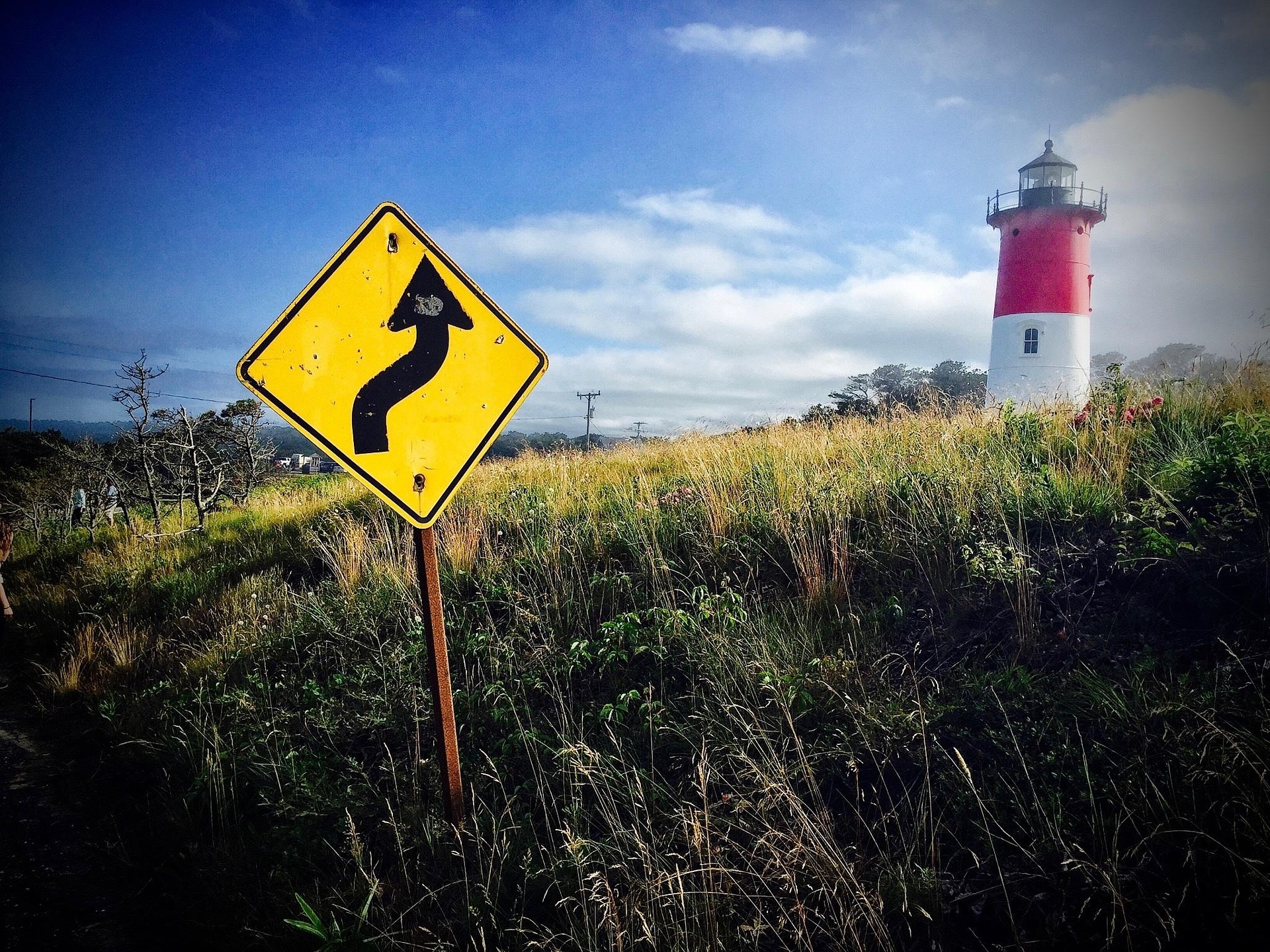
Image by Pexels from Pixabay

And I found myself feeling surprisingly sad.

Yet another deep breath in.

And deep breath out.

I have been very aware of — and sensitive to — the realities of love and loss ever since I was young.

In fact, I have been told that my parents used to sing “Good Night Irene” to me when I was a very small child just to see me well up with tears.

Deep sigh…

I have written in previous blog posts about the challenges of working professionally as a child and teenager. One of an actor’s most important skills is developing a sense of connectedness — first with the receptionist who checked you in at each audition, then with the casting agents, with the clients, and with any actors who were part of the initial audition and subsequent callbacks.
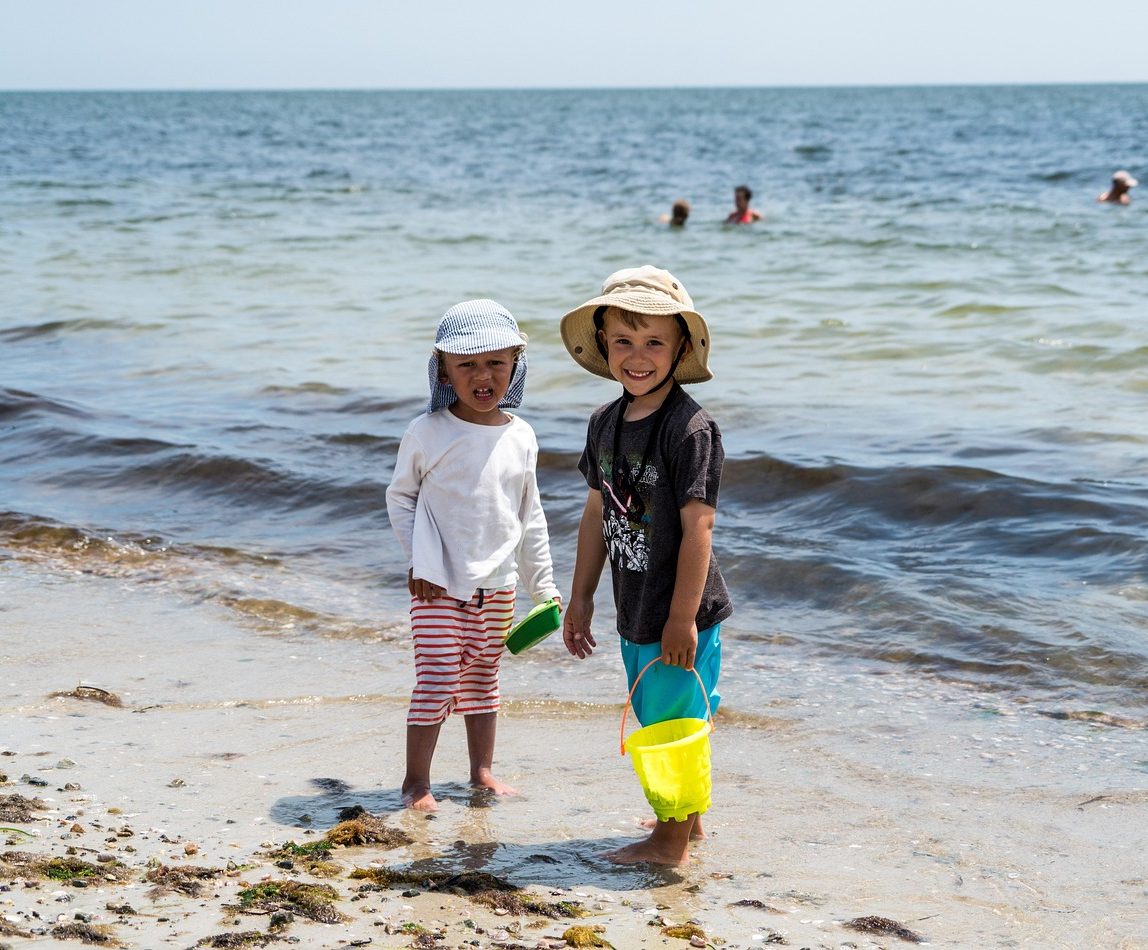
Image by Michelle Raponi from Pixabay

And if I got a job — whether for an hour doing a voiceover, for a day on the set of a TV commercial, for a couple of weeks filming a TV pilot, for a few months doing a movie, or for a year doing a musical — I needed to nurture ongoing, positive working relationships with my fellow cast and crew members.

I needed to show up on time.

I needed to know my lines.

I needed not to complain about anything.

I needed to behave as if I was a small, manipulable adult.

No fidgeting.

No fooling around.
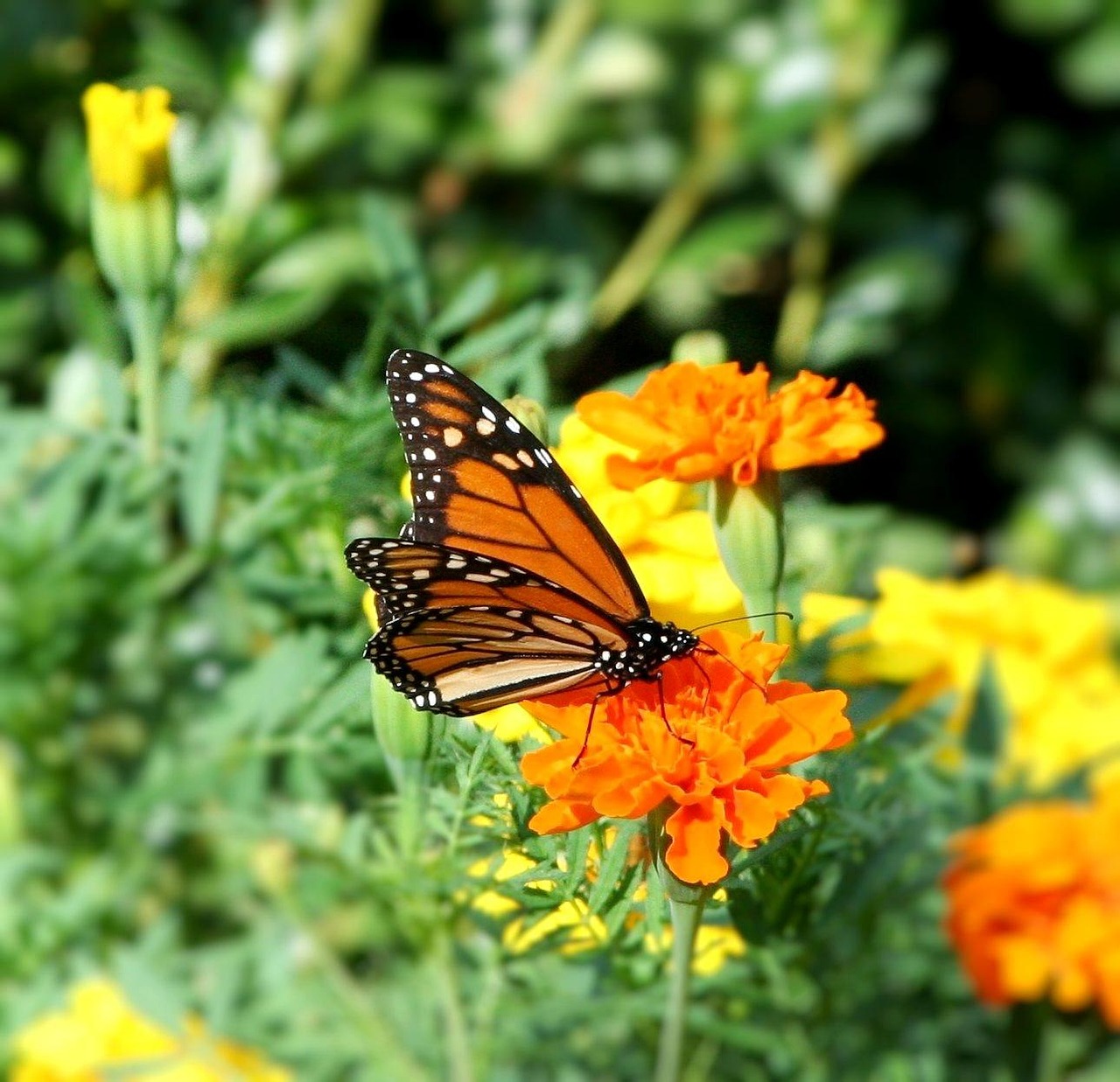
Image by JamesDeMers from Pixabay

When a job was done, I remember how awkward and sad I felt as all of the camaraderie, friendship, affection and even love which had developed among members of the crew and cast would evaporate and disappear.

That was very confusing.

Was any of the camaraderie, friendship, affection and love I had experienced real?

Or was everyone just acting?

Another deep breath in.

And deep breath out.

On a vaguely related note, our planet’s relentlessly-marketed fossil fuels — along with the cars, trains, busses, ocean liners, planes, motorcycles, etc. which need them to run — have allowed most of us human beings to become much more mobile and much less rooted in one neighborhood, one town, one city, one state, one country.

The postal service and the internet have also given us extraordinary options for meeting and becoming acquainted with other humans.

Image by Yassine Noamani from Pixabay

How do we make sense of — and peace with — all of the beings who come and go in our lives?

Deep breath in.

Deep breath out.

I tried to make a little bit of sense out of the ebb and flow of relationships by strumming a ukulele in my tent and then jotting lyric and chord ideas in one of my songs-in-process notebooks.

Eventually “The Crazy Touch And Go Of Our Lives” emerged.

I performed it by myself — playing a ukulele — at some open mics.
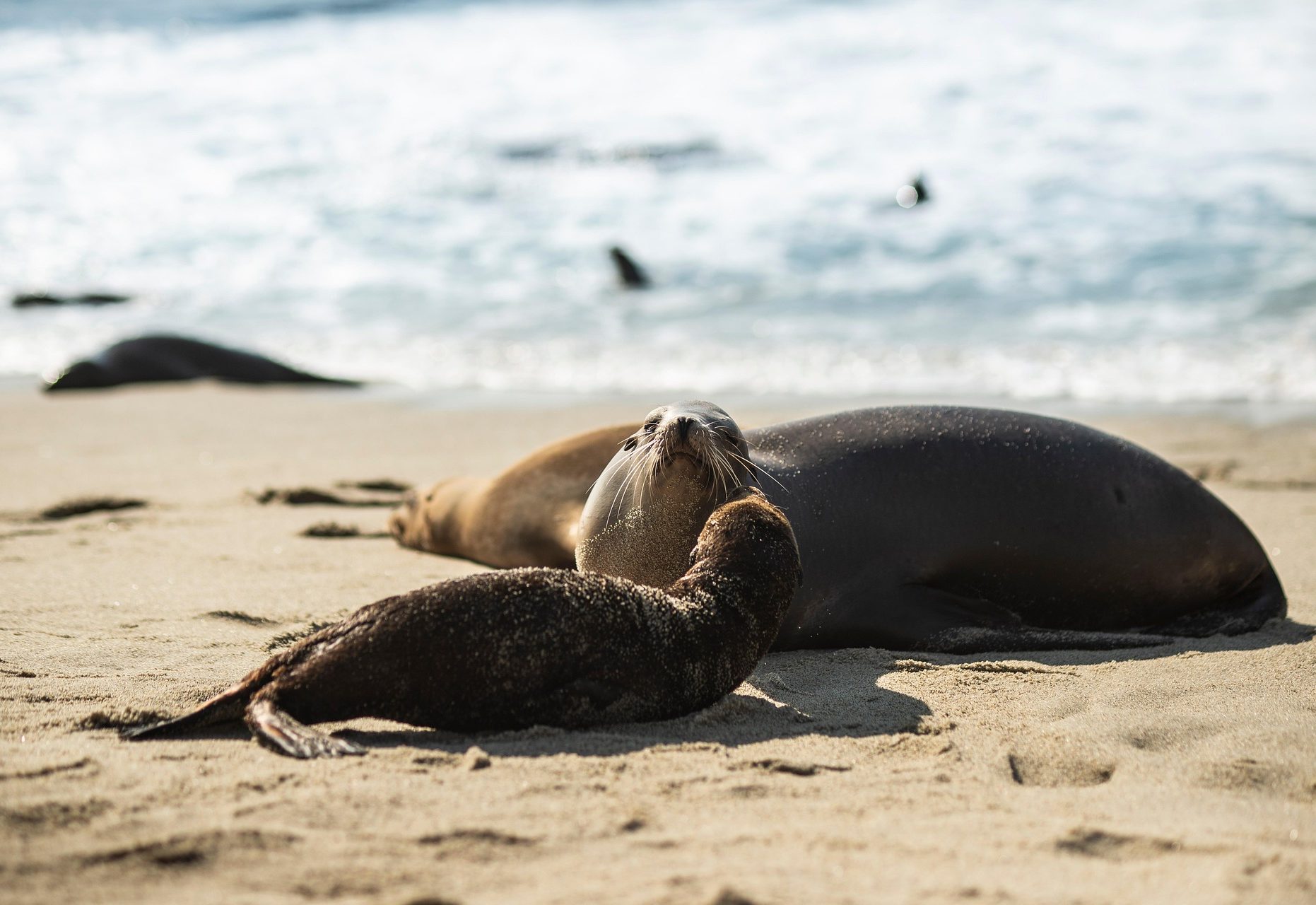
Image by Pam Fitzgerald from Pixabay

Then a few years ago my friend Molly Ruggles (who sings, plays piano and writes songs herself) created a lovely harmony part for her and our friend Carole Bundy to sing.

The three of us performed it at a bunch of porchfests and then recorded it with Molly playing piano last summer at Doug Hammer’s studio north of Boston.

Another deep breath in.

And deep breath out.

As I write this blog post, I am reminded of the Dalai Lama’s words about making each day — and, each friend — meaningful.

That is certainly what has happened with me and Carole and Molly.
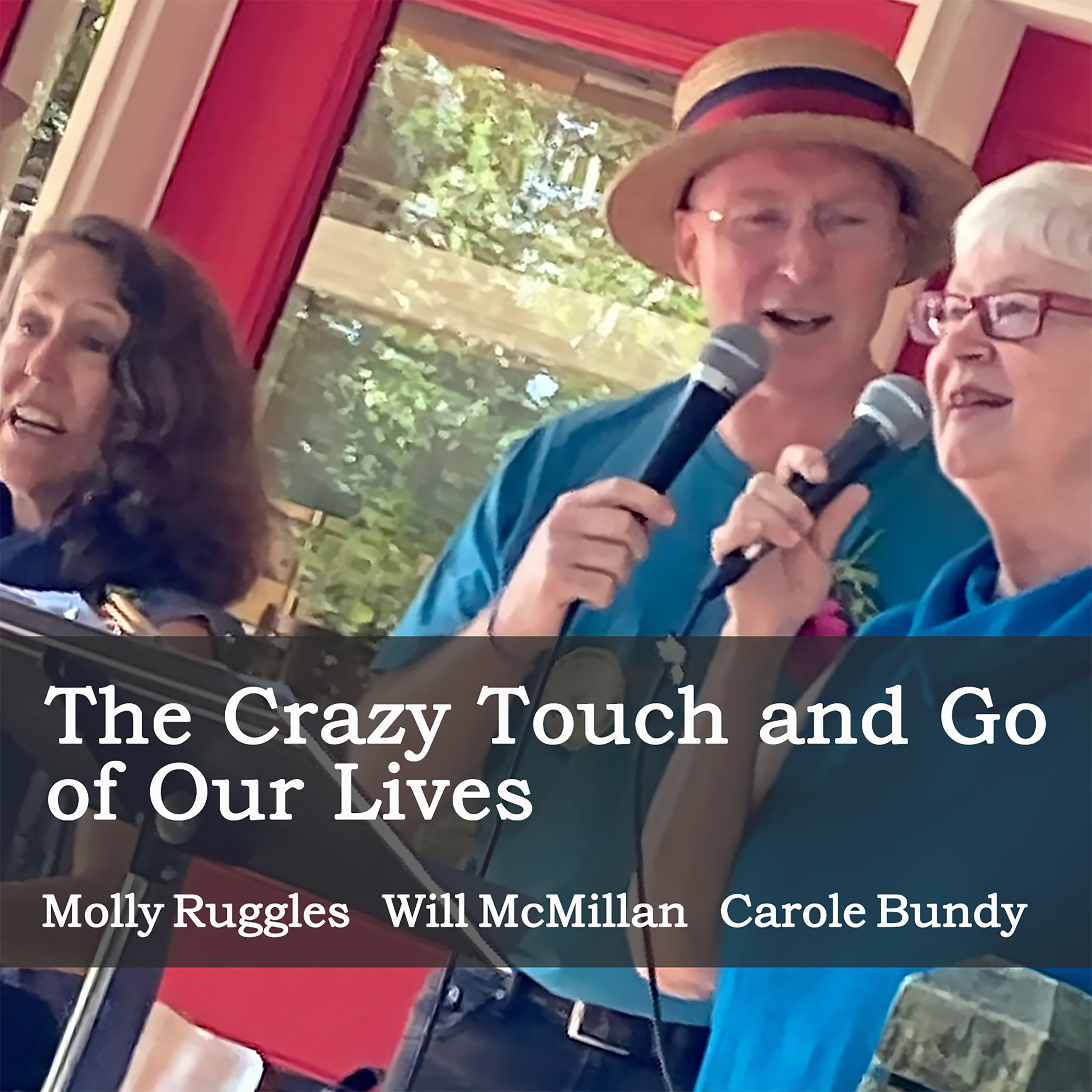
We first collaborated when I was invited to sing during a service at the UU church in Medford where they were both members and where Molly was also the music director.

And this musical collaboration has deepened and widened over many years — and many delicious dinners — to become meaningful friendships.

We sing and harmonize and rehearse and perform and bear witness to the twists and turns of each other’s lives.

Deep breath of gratitude in.

Deep breath of gratitude out.

I will end this post with my customary thank yous plus a bunch of beautiful images from Pixabay that somehow reminded me of this song.
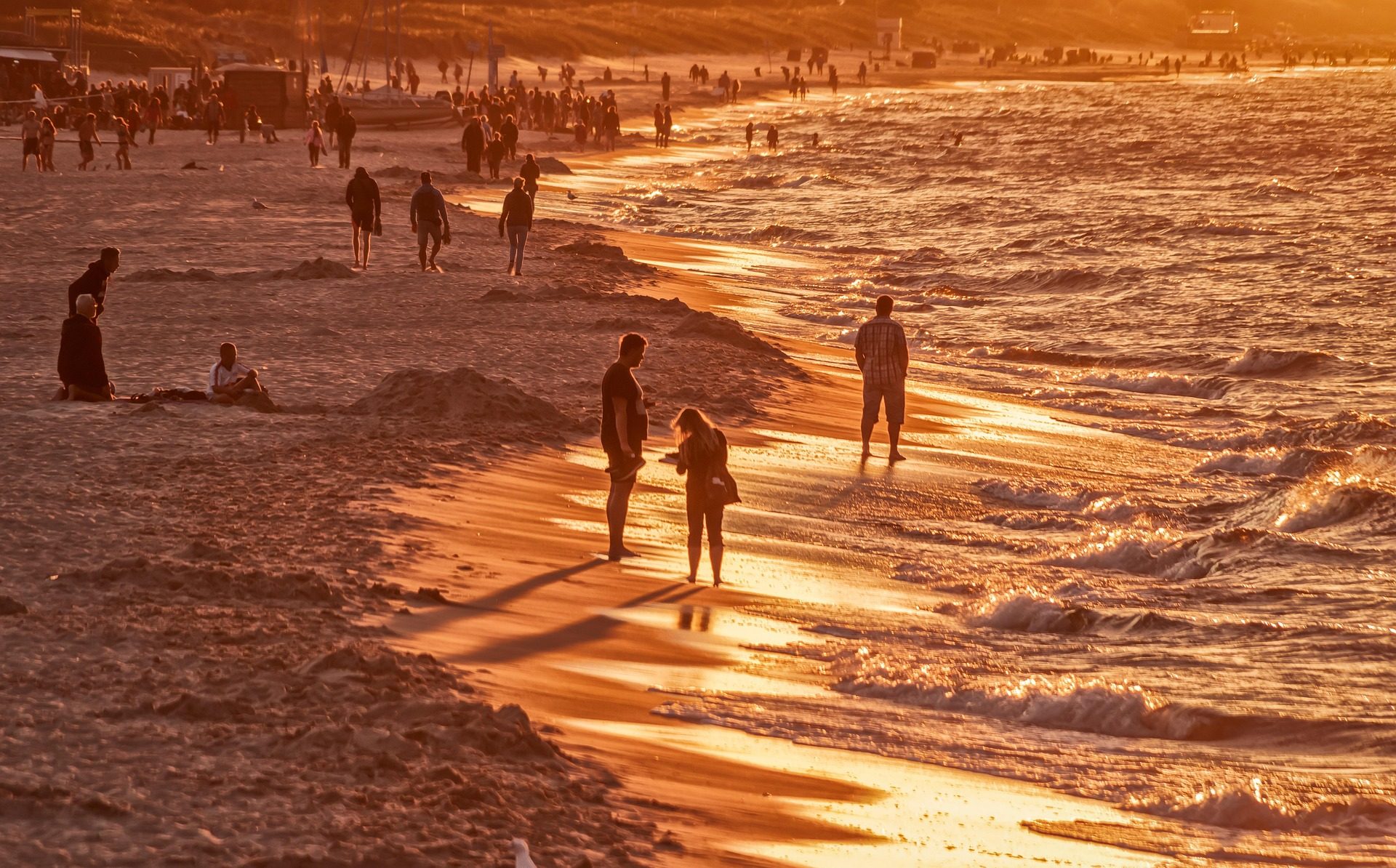
Image by Tom from Pixabay

Thank you to all of the folks who have kept North of Highland campground going for many decades. I miss being there each summer!!!

Thank you to the couple who camped for a few days across the little valley from us at North of Highland campground.

Thank you to the Dalai Lama for his wisdom.

Thank you to my sweetheart and his — now our — family for letting me sit in my tent at the campground all day long, working on new songs.

Thank you to my dear ukuleles, to my “tent of creativity,” and to the various pencils, pens, notebooks, rhyming dictionaries, and laptops which help me to write songs.
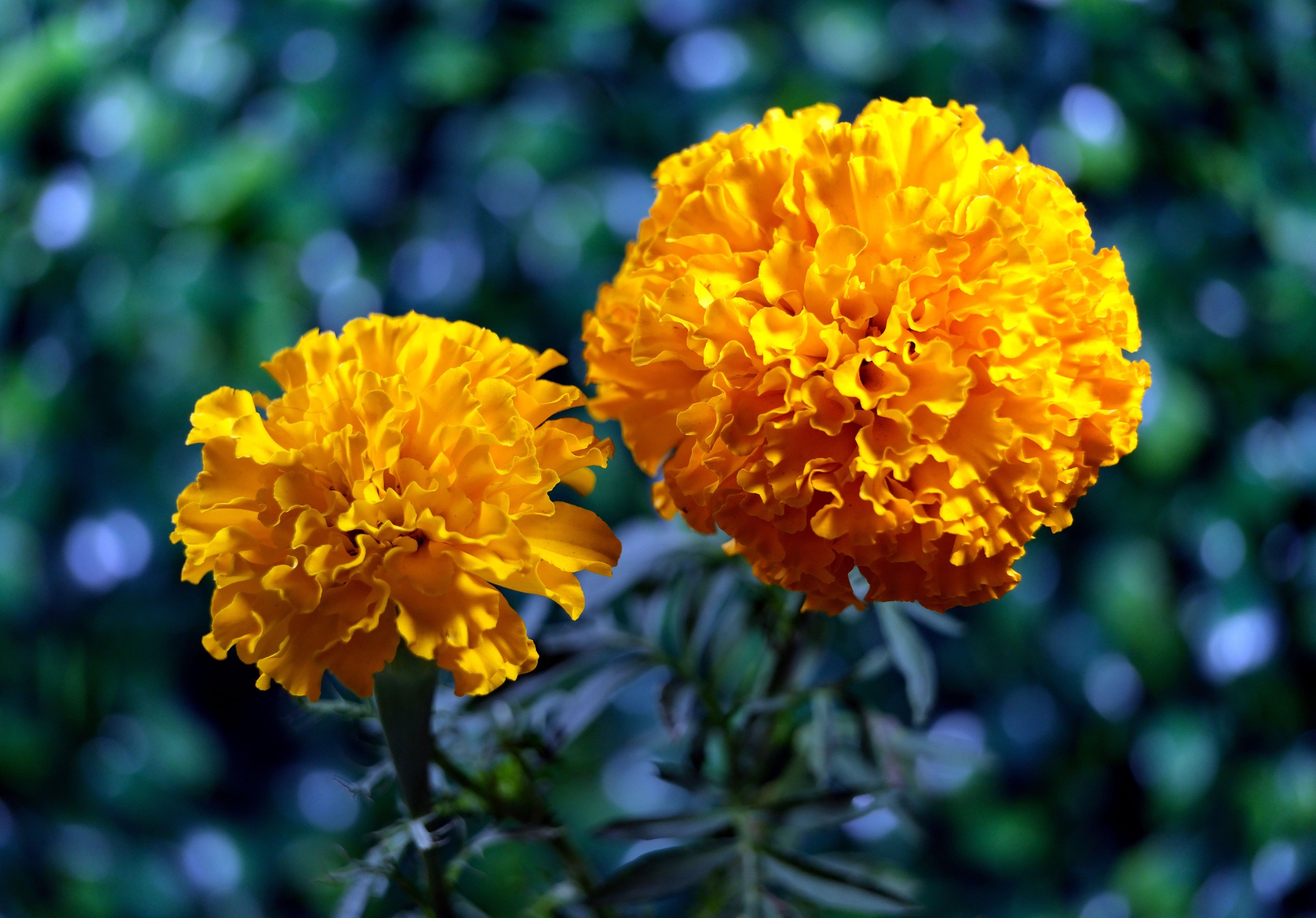
Image by hartono subagio from Pixabay

Thank you to Molly and Carole for our years of interactions.

Thank you to the UU church in Medford for bringing me and Carole and Molly together as a musical unit and as friends.

Thank you to Doug Hammer for engineering and then mixing/mastering our recordings with us.

Thank you to the grasses and bushes and seaweeds and crabs and sea birds and seals and sharks and fish who make the Head Of The Meadow beach — a short and beautiful walk from the North Of Highland campground — so interesting to visit.

Thank you to the ocean and the sun and the moon and the tides which sweep the beach clean twice a day.
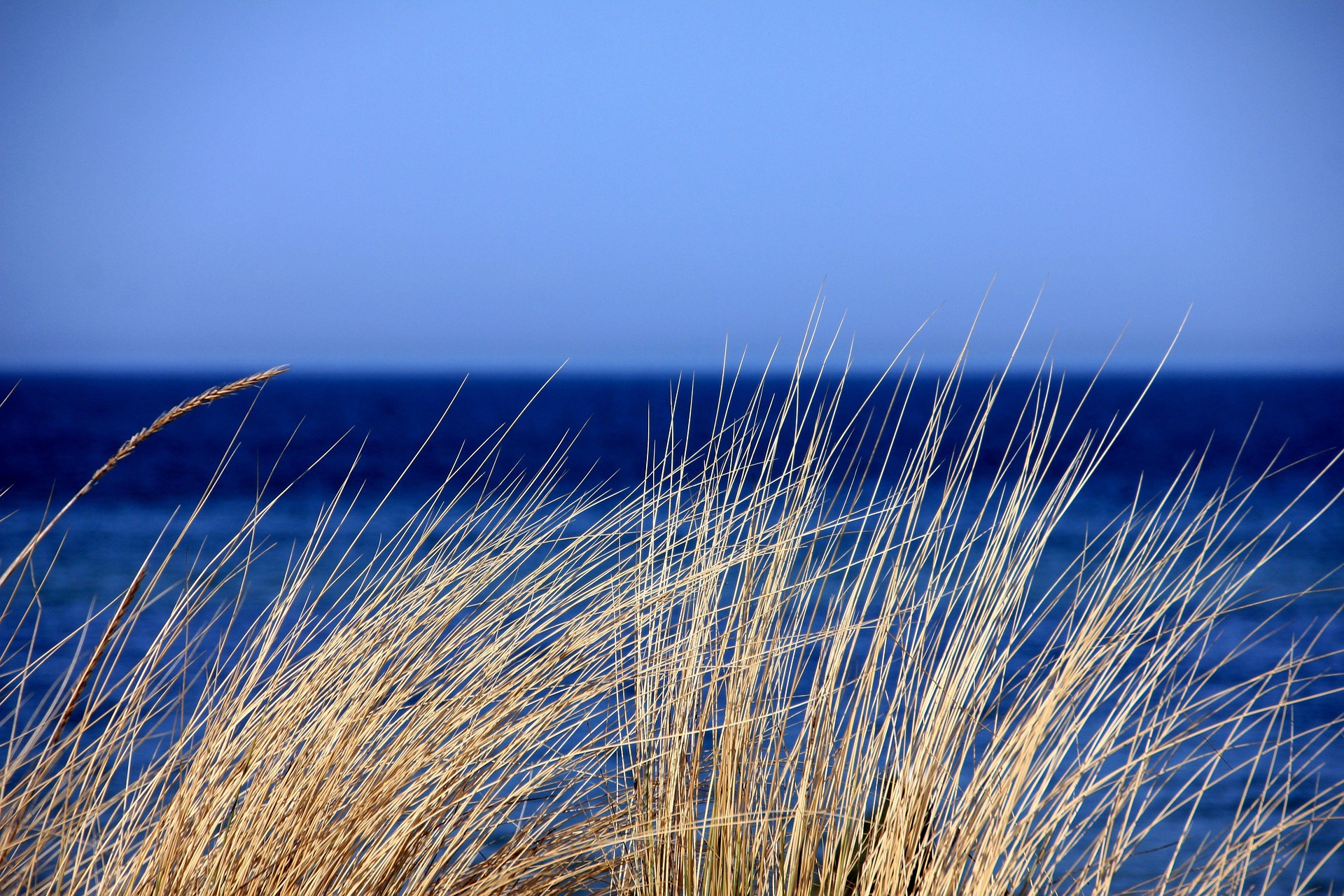
Image by Anna from Pixabay

Thank you to everyone who has been listening to my songs via Pandora, YouTube, Spotify, Apple Music, and any/all of the other streaming platforms.

Each stream, each like, and each addition to a playlist is noted by that streaming service’s algorithms — and encourages it to share the song with other listeners.

You can click here to listen to “The Crazy Touch and Go of Our Lives” on many different streaming platforms.

And a final thank you to the wonderful photographers at Pixabay, whose beautiful images grace almost all of my blog posts

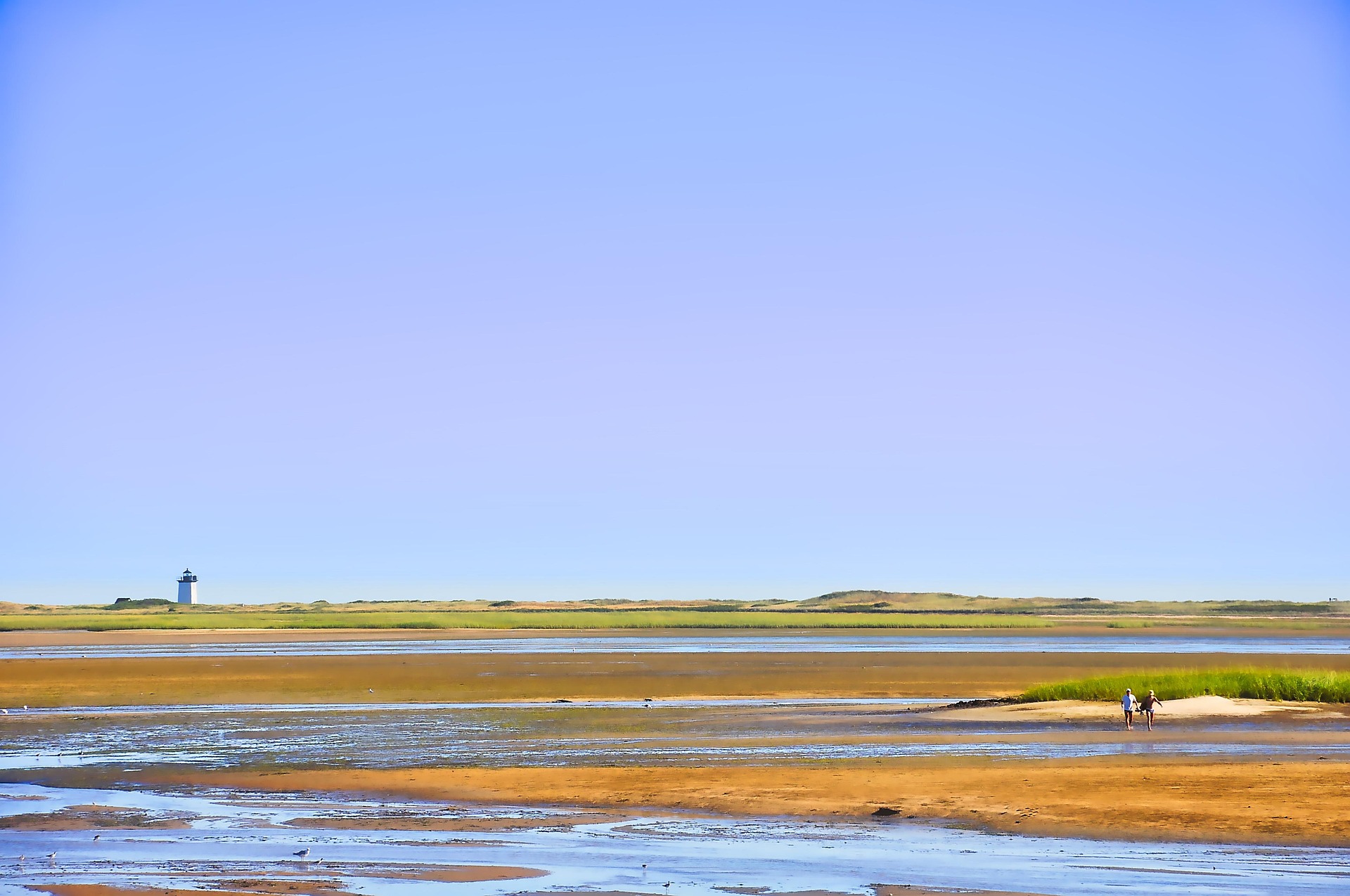
I will end with a few more of my favorites Cape Cod-related photos from Pixabay.
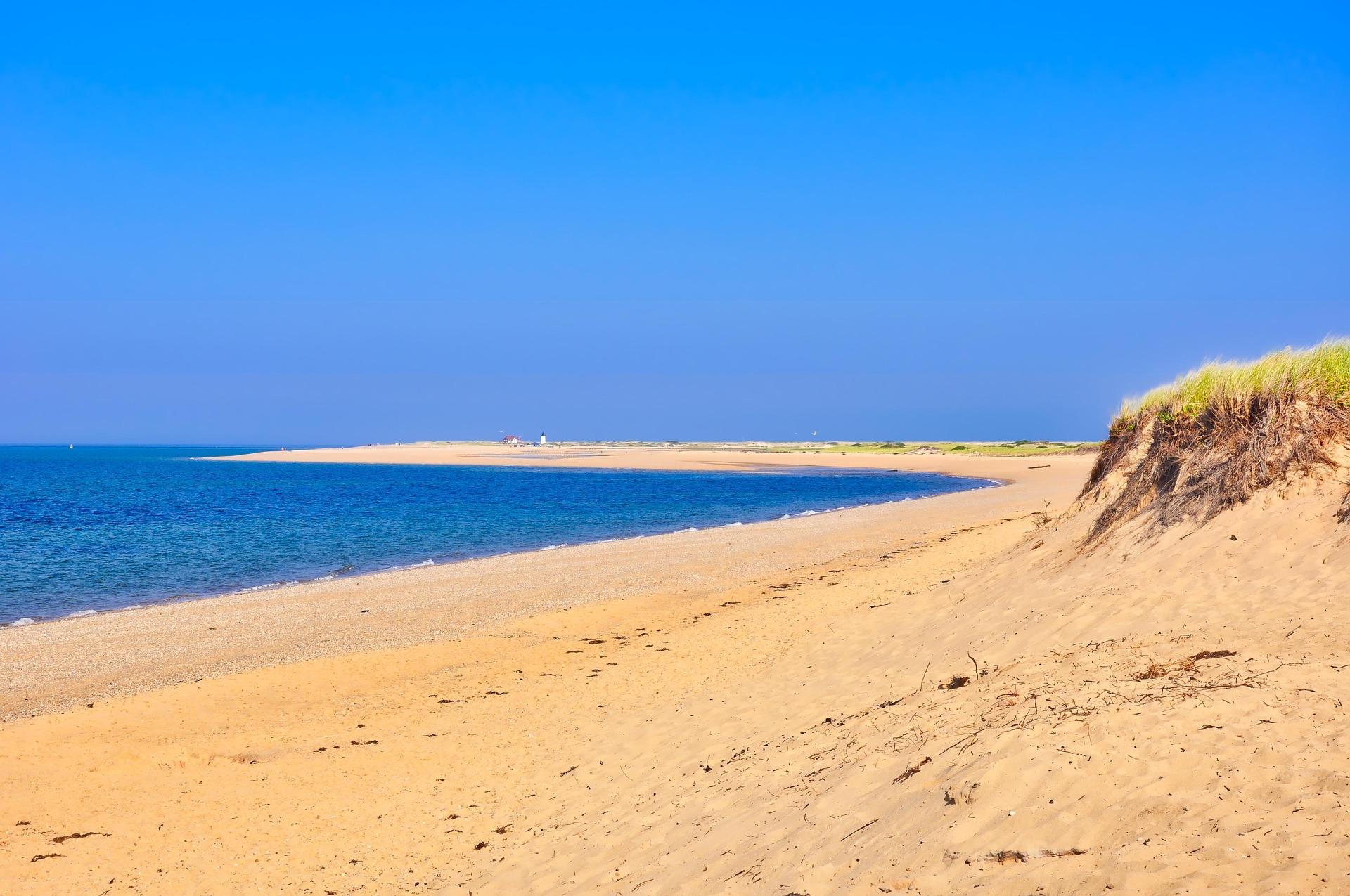
Image by Mark Martins from Pixabay

Together they capture some of the magical essence of the outer Cape.

What are YOUR experiences with the crazy touch and go oof our lives?
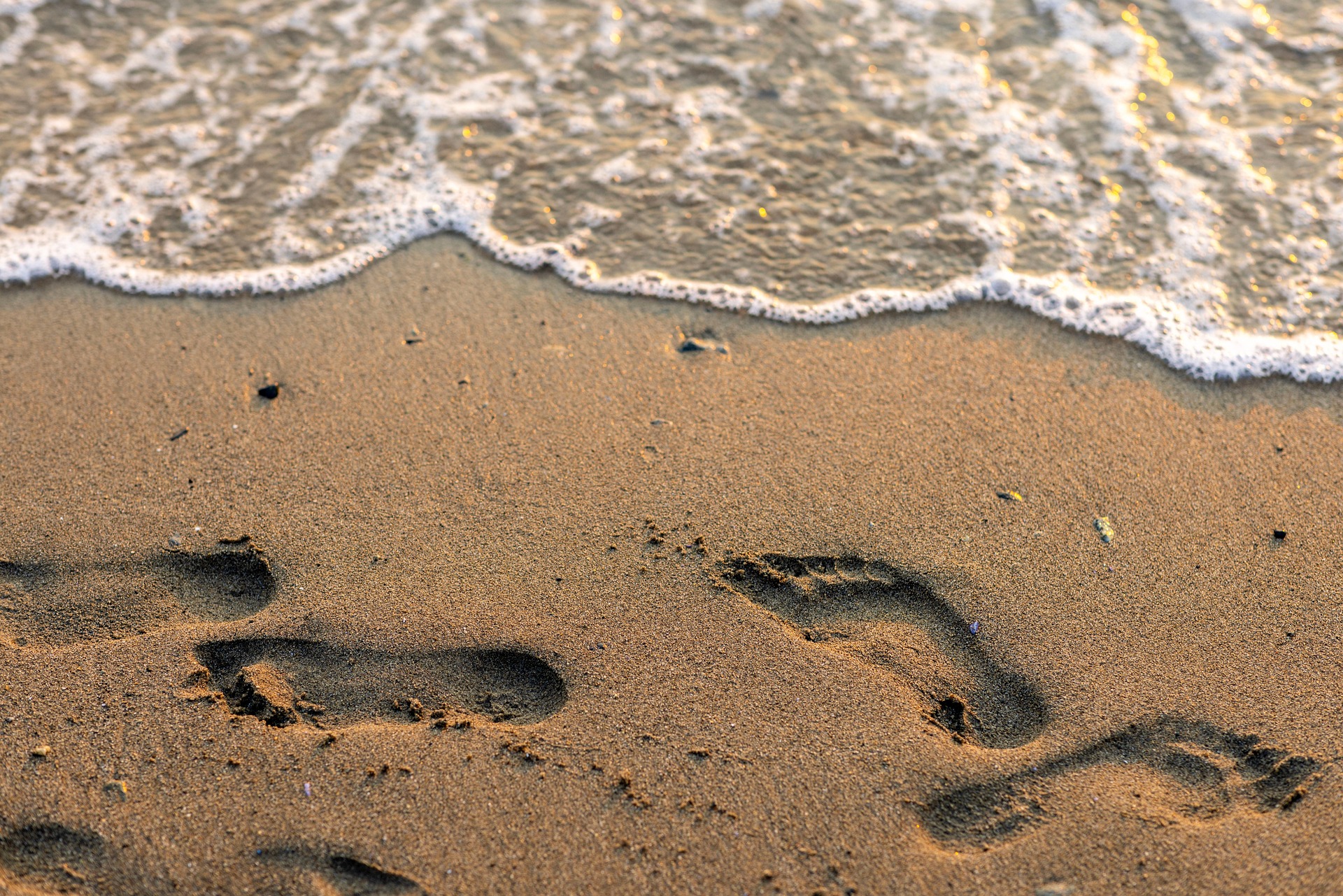
Image by Nathan Osman from Pixabay
Image by Mark Martins from Pixabay

When Your Heart Is Full Of Love…

Image by Jill Wellington from Pixabay

Valentine’s Day is on the horizon.

I have chosen to honor it with a sweet song by Frank Loesser which was nominated for an Academy Award in 1952.

Mr. Loesser wrote it for Danny Kaye to perform in a movie about the Danish writer Hans Christian Anderson.

According to Mr. Loesser’s daughter, he did not think highly of this song, and sometimes even used it as an example of songwriting to avoid.

But I love it.

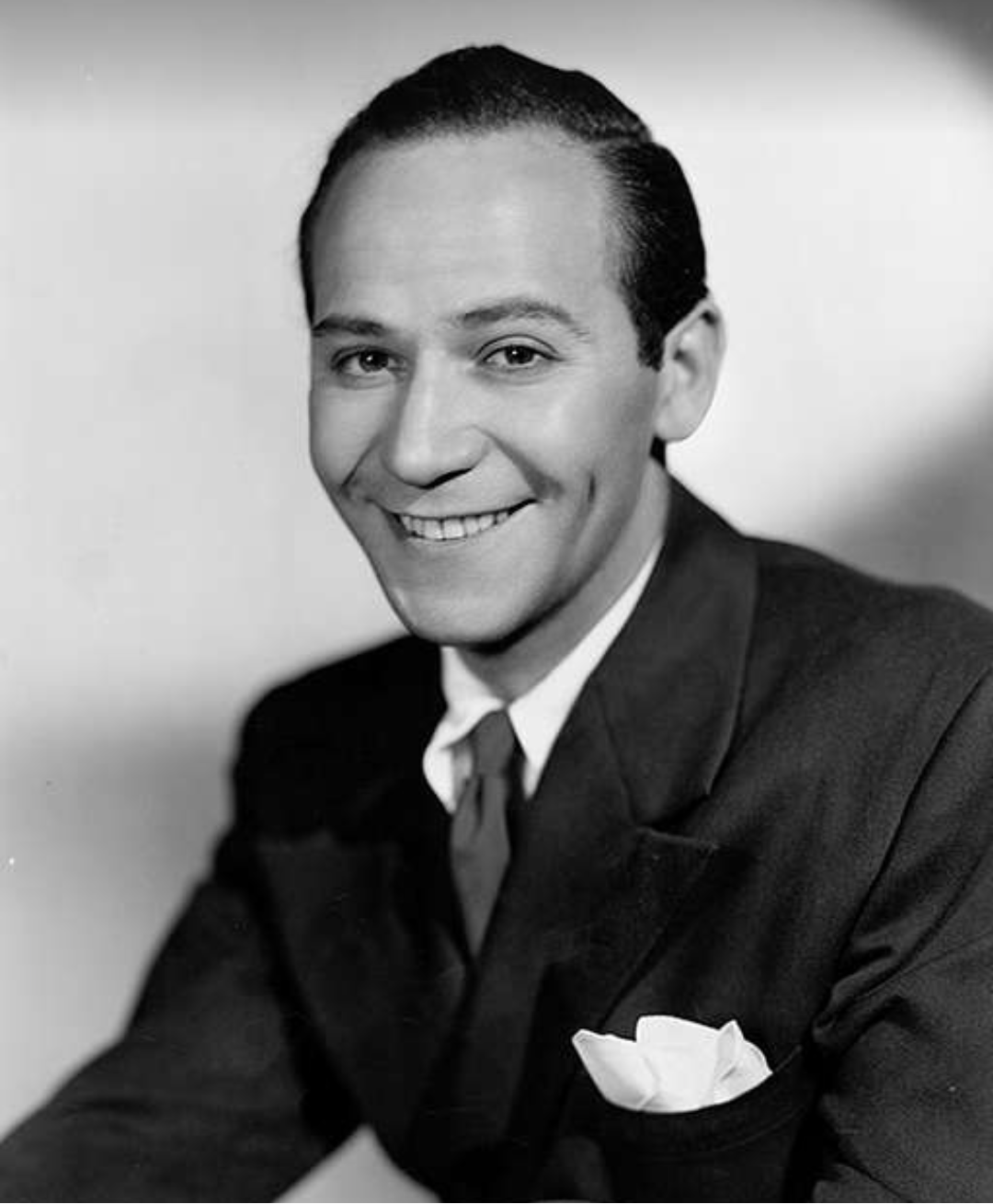
Frank Loesser

Mr. Loesser began his songwriting career as a lyricist and co-wrote a bunch of great songs in the 1930s and 1940s including “Heart and Soul” and “Two Sleepy People” (both with Hoagy Carmichael), “I Don’t Want To Walk Without You” (with Jule Styne) and “See What The Boys In The Back Room Will Have” (with Friedrich Hollaender).

The first hit song for which he wrote both words and music was “Praise The Lord And Pass The Ammunition” during WWII.

Loesser ended up writing words and music for the songs in WHERE’S CHARLEY, GUYS AND DOLLS, THE MOST HAPPY FELLA, and HOW TO SUCCEED IN BUSINESS WITHOUT REALLY TRYING (along with a few less successful undertakings).

Some hits from those shows include “Once In Love With Amy,” “Luck Be A Lady,” “I Love You A Bushel and A Peck,” “If I Were A Bell,” “I’ve Never Been In Love Before,” “Somebody, Somewhere,” “Standing On The Corner,” “Joey, Joey, Joey,” “I Believe In You,” and “Brotherhood of Man.”

Mr. Loesser also continued writing songs which were used in movies such as “Baby, It’s Cold Outside,” “Let’s Get Lost,” “Inchworm,” and “Spring Will Be A Little Late This Year.”

And he wrote a few songs which became pop hits without any connection to Broadway or Hollywood, including “What Are You Doing New Year’s Eve?” and “I’d Like To Get You On A Slow Boat To China.”

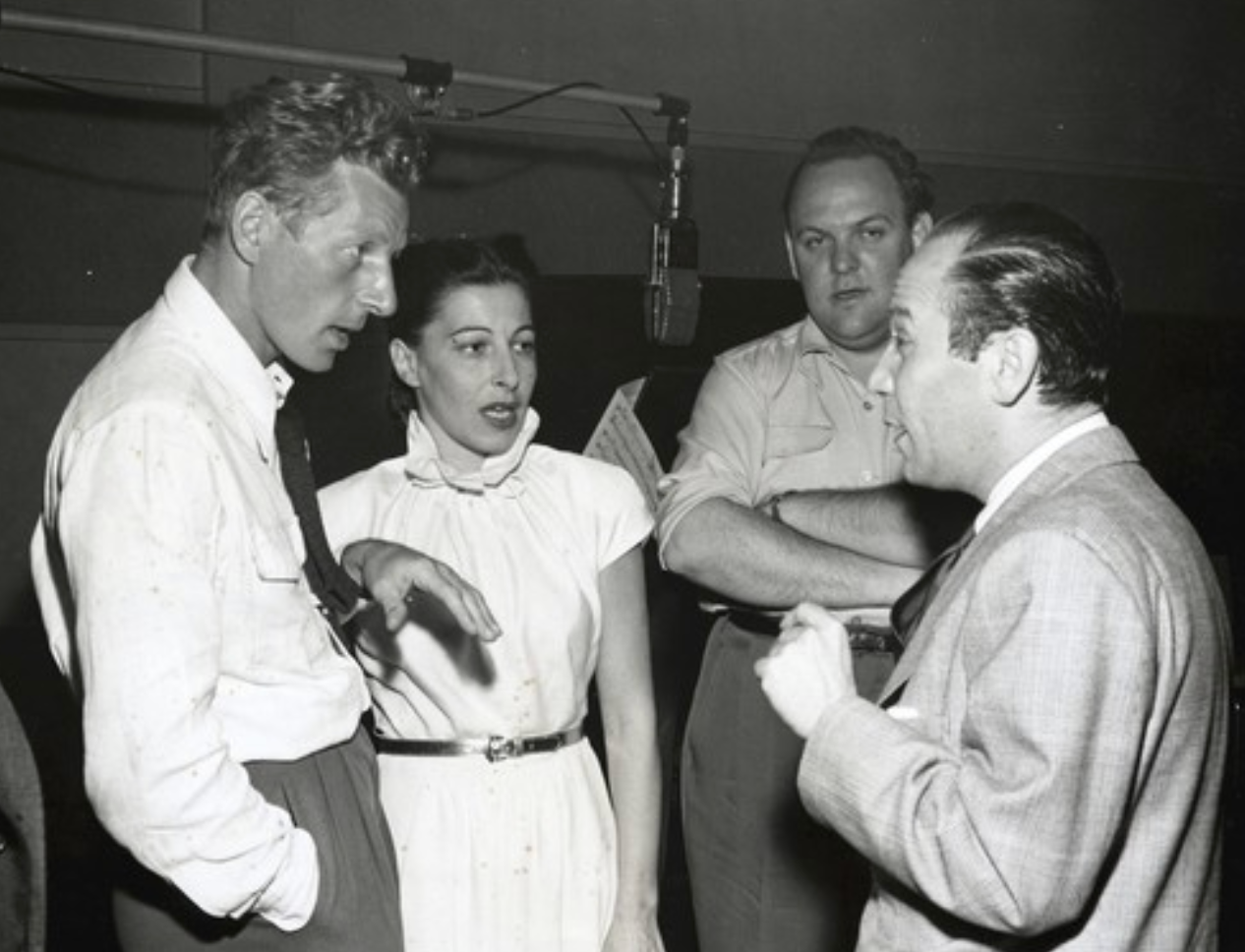
Danny Kaye, his wife Sylvia Fine, arranger Billy May and Frank Loesser

I have long loved his song “Thumbelina” — and am very happy with this peppy version which Doug Hammer and I recorded quite spontaneously a few years ago when I was putting together an hour-long program of songs written or co-written by Frank Loesser.

I had been thinking I might use it in a Valentine’s-Day-inspired blog post, and then fellow blogger Jennie F. left the following comment regarding my blog post last month:

“Nature is as wondrous as music. Your (hyacinth) bulb flower(ing) says it all… Stay warm, and remember the words of Hans Christian Andersen, “Where words fail, music speaks.”

That coincidence/synchronicity sealed the deal.

Deep breath in.

Deep breath out.

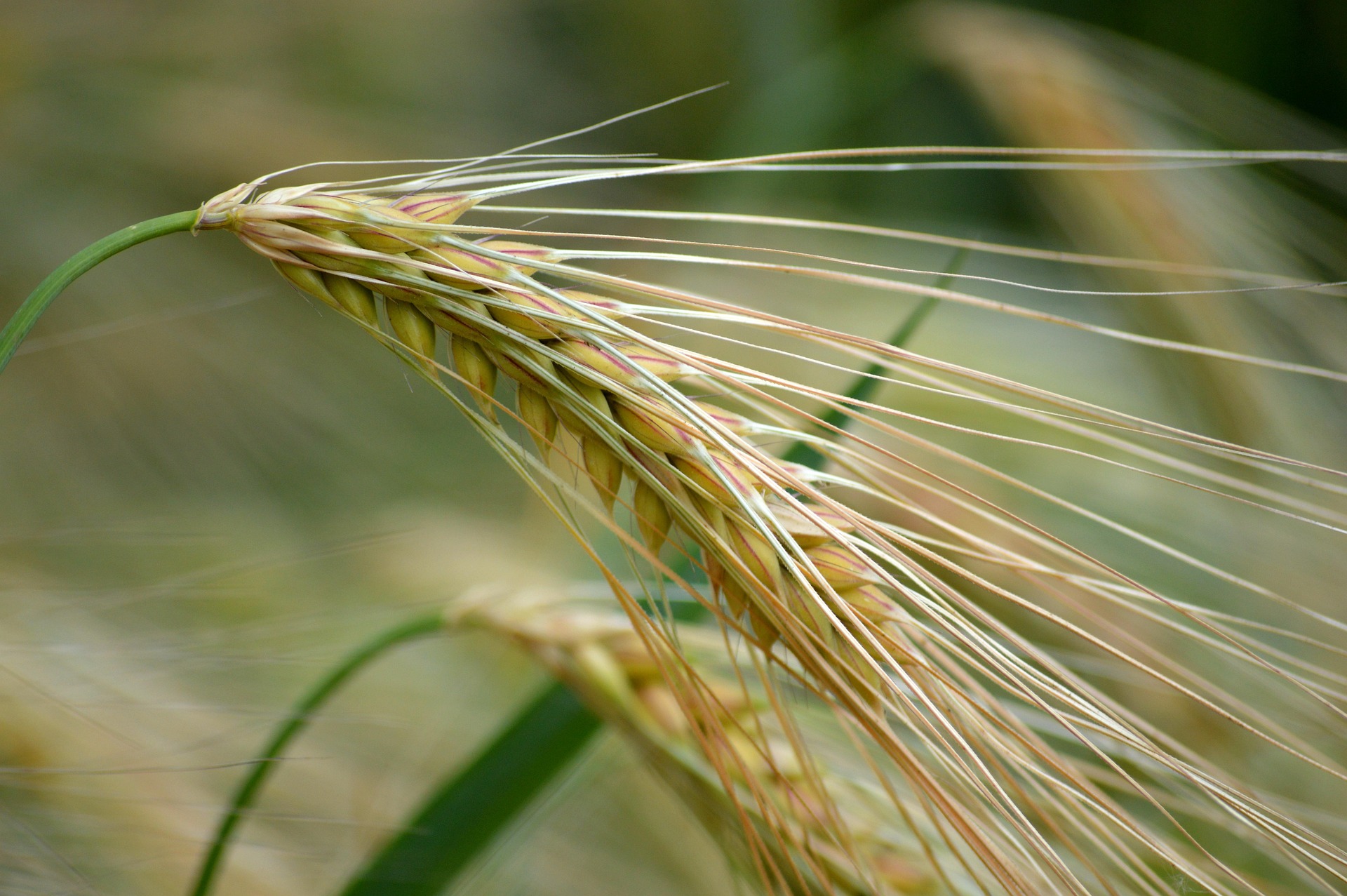
Barley (I think?) photo by Frauke Riether from Pixabay

I had forgotten the exact plot synopsis of THUMBELINA (which I first read as a child), but Wikipedia refreshed my memory:

“Thumbelina is about a tiny girl and her adventures with marriage-minded toads, moles, and cockchafers. She successfully avoids their intentions before falling in love with a flower-fairy prince just her size.”

I had also forgotten that Thumbelina comes into being as a result of the actions of a woman who — longing for a child — plants a barleycorn seed.

Thumbelina then emerges from a barleycorn flower… and the adventure of her life begins.

As a Music Together teacher, I particularly resonate with Mr. Loesser’s lyrical admonition that Thumbelina dance and sing — since that is exactly what I do three mornings per week with a delightful crew of small children + the grown ups (parents, grandparents, and nannies) who love them.

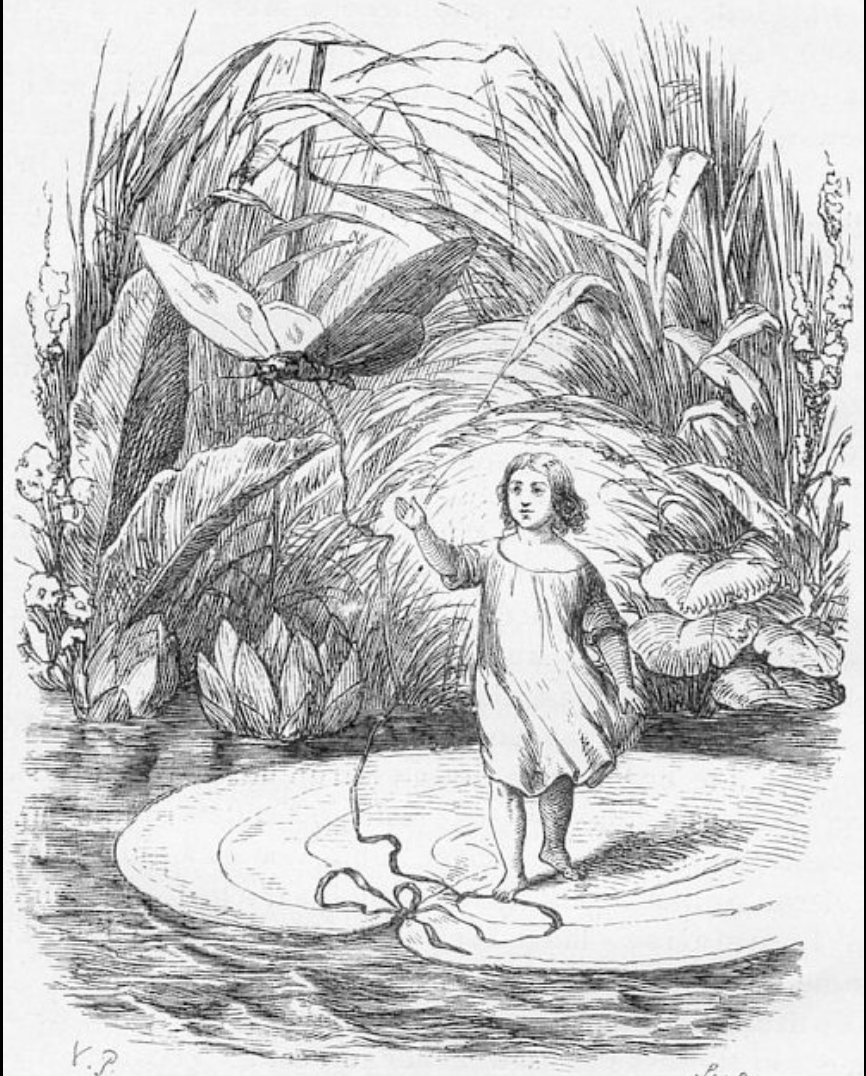
Illustration by Thomas Vilhelm Pederson from original publication of THUMBELINA in 1835

By the time I bike (or take the bus) to class, vacuum the karate studio (the floor of which accumulates a surprising.amount of hair, clipped toenails, cookie fragments, dust etc. plus sand and salt during the winter months), hide the punching bags and karate trophies behind a wall of rolling screens, set up a boombox and instruments, change into my teaching — rather than biking/cleaning/snow shoveling — clothes, welcome families, lead a 45-50 minute class, chat with families after class, and then put away all the stuff I set up an hour earlier, I do not earn very much money per hour.

But the sweetness, playfulness, joy, humor, love and sense of connectedness I experience with my families each week is always a balm for my soul.

And there’s no way to put a price on that!

Leading Music Together classes helps me get out of bed in the morning AND reassures me that the human world is not an irredeemably f–ked up mess about which I can do nothing to help.

And sometimes one of the small humans in my class is inspired to give me a hug at the end of class.

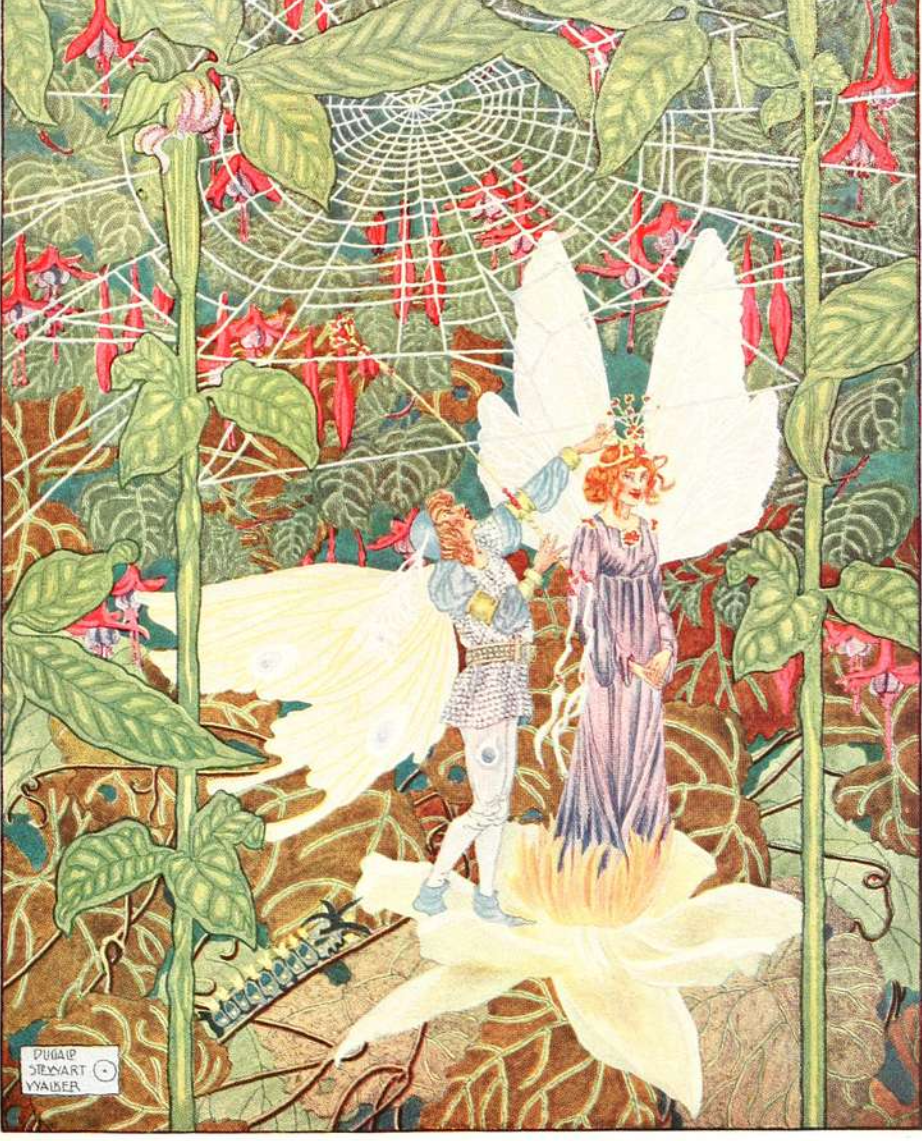
Illustration from a 1914 edition of Han Christian Anderson’s Fairy Tales

When this happens, I feel like I am being visited be an angelic being who is offering me unadulterated love, comfort and gratitude.

It is such an honor to receive one of their hugs.

And sometimes I am offered a hug by one of the grownups in class, too — which I also appreciate and savor.

Another deep breath in.

And deep breath out.

These little children are a big reason why I ride my old and raggedy-looking bike rather than drive a car, why I rarely buy new clothes, and why I never travel (especially via airplanes) simply for the sake of going someplace new or warm or trendy.

I live a downwardly mobile life so that the children in my classes might be able to live an ever-so-slightly less chaotic and terrifying life due to the myriad ways that climate change is affecting all of us here on planet earth.

Yet another deep breath in.

And deep breath out.

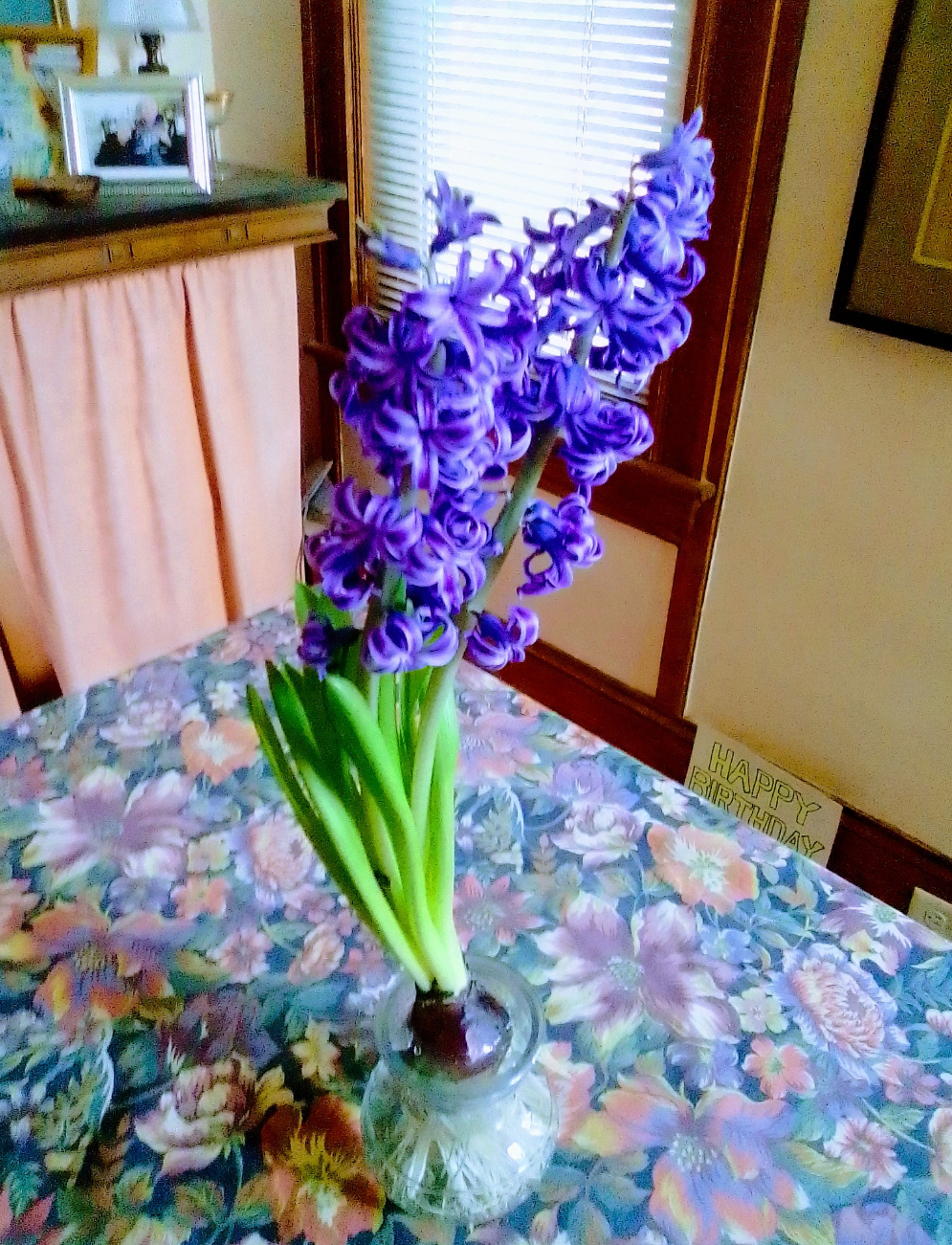
Another radiant hyacinth bulb from Trader Joe’s

I end this blog post with some of my favorite quotations by the Dalai Lama.

“Our prime purpose in life is to help others. And if you can’t help them, at least don’t hurt them.”

“In our present circumstances, no on can afford to assume that someone else will solve their problems. Every individual has a responsibility to help guide our global family in the right direction. Good wishes are not sufficient; we must become actively engaged.”

“When you are discontent, you always want more, more, more. Your desire can never be satisfied. But when you practice contentment, you can say to yourself, “Oh, yes — I already have everything that I really need.”

“We can live without religion and meditation, but we cannot survive without affection.”

“The problems we face today — violent conflicts, destruction of nature, poverty, hunger and so on — are human-created problems which can be resolved through human effort, understanding and the development of a sense of sisterhood and brotherhood. We need to cultivate a universal responsibility for one another and for the planet we share.”

“As people alive today, we must consider future generations. A clean environment is a human right like any other. It is therefore part of our responsibility towards others to ensure that the world we pass on is as healthy, if not healthier, than we found it.”

“This generation has a responsibility to re-shape the world. Start the task even if it will not be fulfilled in your lifetime. Even if it seems hopeless now, never give up. Offer a positive vision, with enthusiasm and joy, and an optimistic outlook.”

“Happiness is not something ready made. It comes from your own actions.”

“Be kind whenever possible. It is always possible.”

THANK YOU for making it to the end of another one of my blog posts.

Thank you to Doug Hammer for his spritely piano accompaniment and his expert musical production skills.

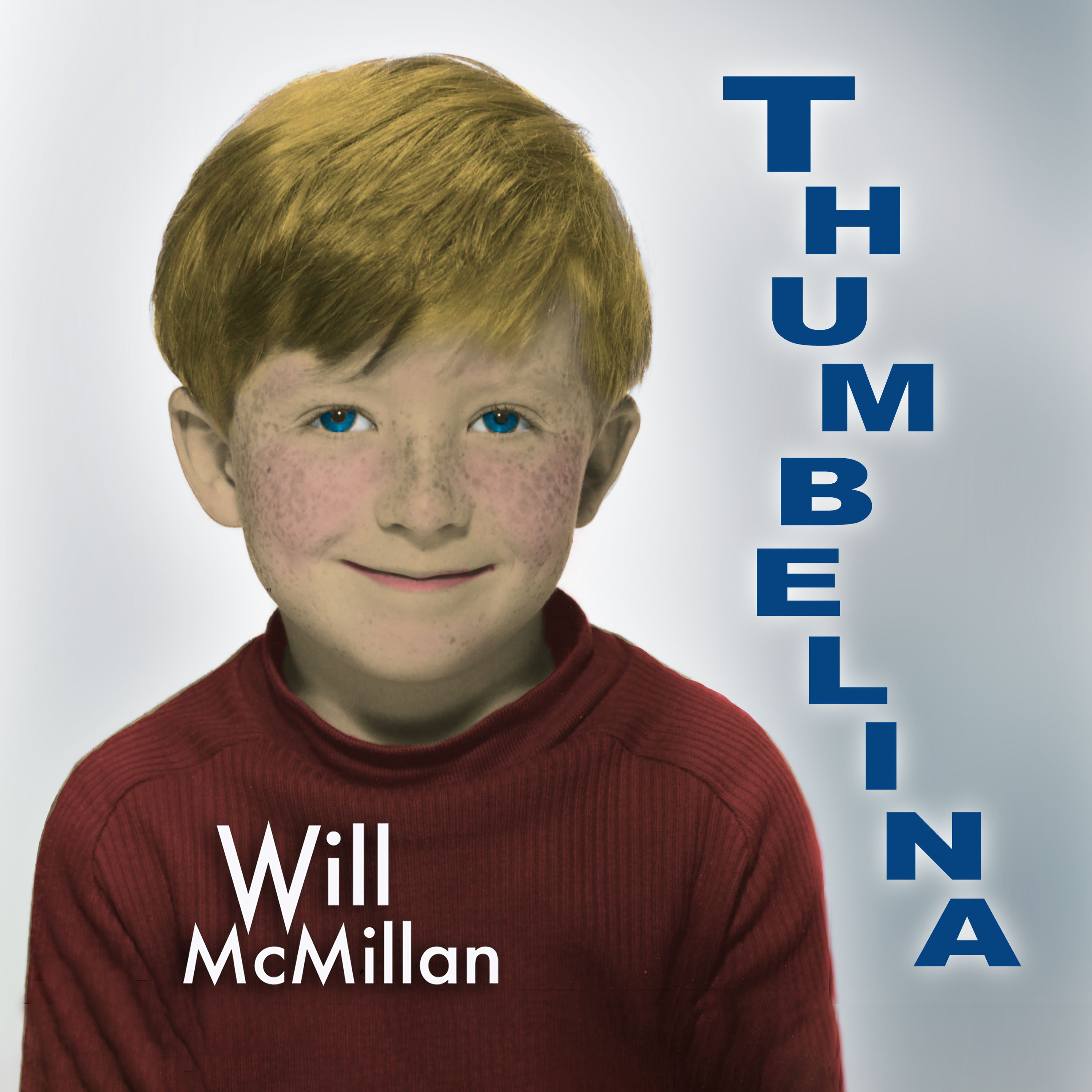
Thank you to Stephen C. Fischer for his graphic design (and to the professional photographer in NYC who took this photo of me many decades ago…)

Thank you to Hans Christian Anderson for creating the story of Thumbelina and to Frank Loesser for creating his song “Thumbelina.”

Thank you to the wonderful photographers at Pixabay.

Thank you to the Dalai Lama for his wisdom and inspiration.

Image by svklimkin from Pixabay

And thank you to everyone who has streamed my music on Youtube, Pandora, Spotify, Apple Music, Tidal, Deezer, etc.

Every stream — and especially every thumbs up and/or inclusion in a playlist — helps to improve the likelihood that the clever algorithms of these streaming services will share my music with new listeners.

And you can click here to stream “Thumbelina” if the spirit moves you.

And as always, I welcome any comments below!

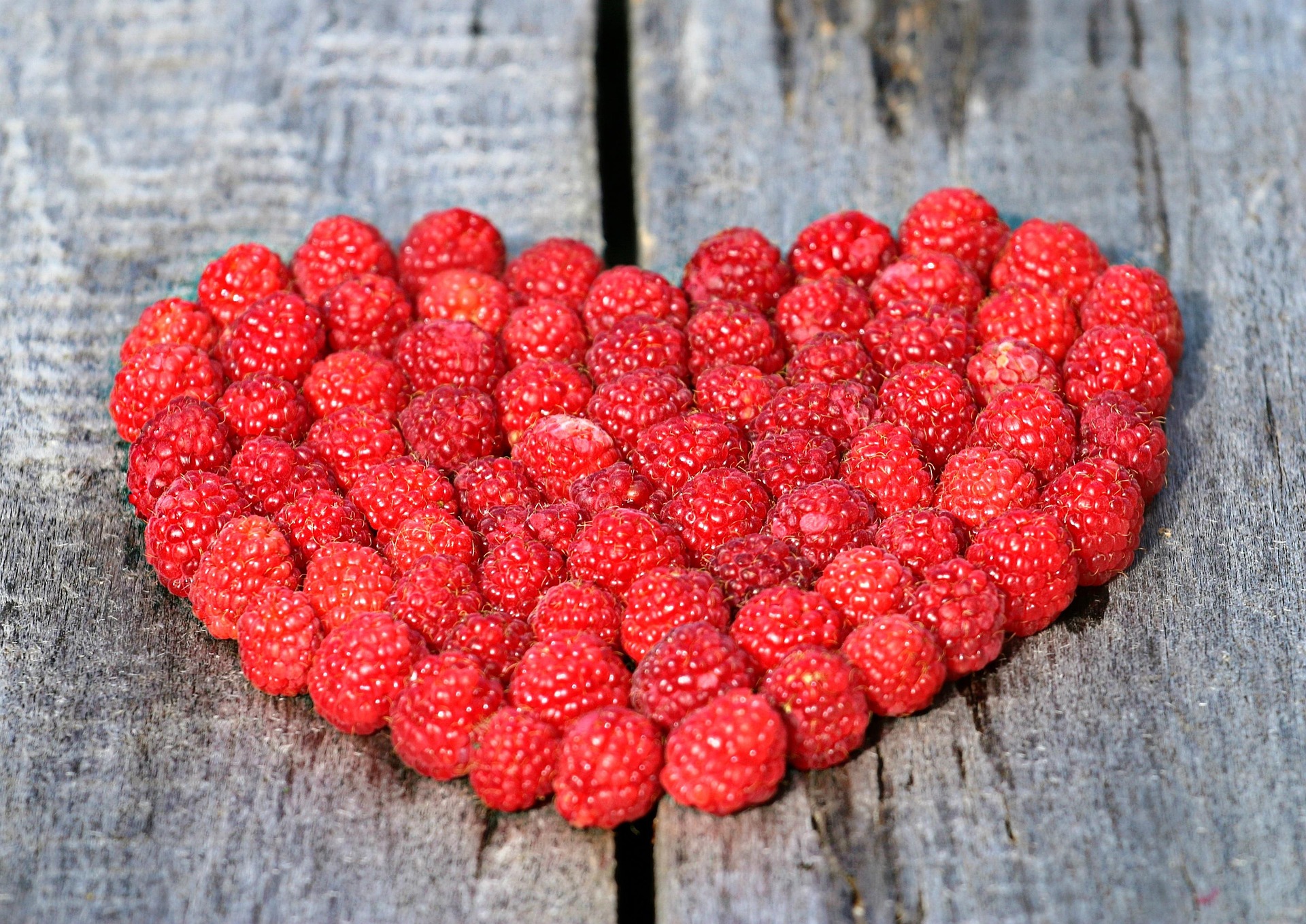
A Beating Heart

A Beating Heart

I recently spent an afternoon at Doug Hammer‘s studio, recording songs by Rodgers & Hart and then working on one of my original compositions, called “A Beating Heart,” which you can play by clicking on the left side of the bar below this paragraph.

A careful reader of this blog might recall that I included a Garageband version of this song in a post on April 9, 2014.

Since then Doug and I have begun creating piano/vocal versions of many of my songs so that we can perform them at places like Third Life Studio in Union Square, Somerville.

We got a lot of positive feedback after our debut performance there in December with guest vocalist Jinny Sagorin — and we’ll be returning at the end of April to reprise that show.

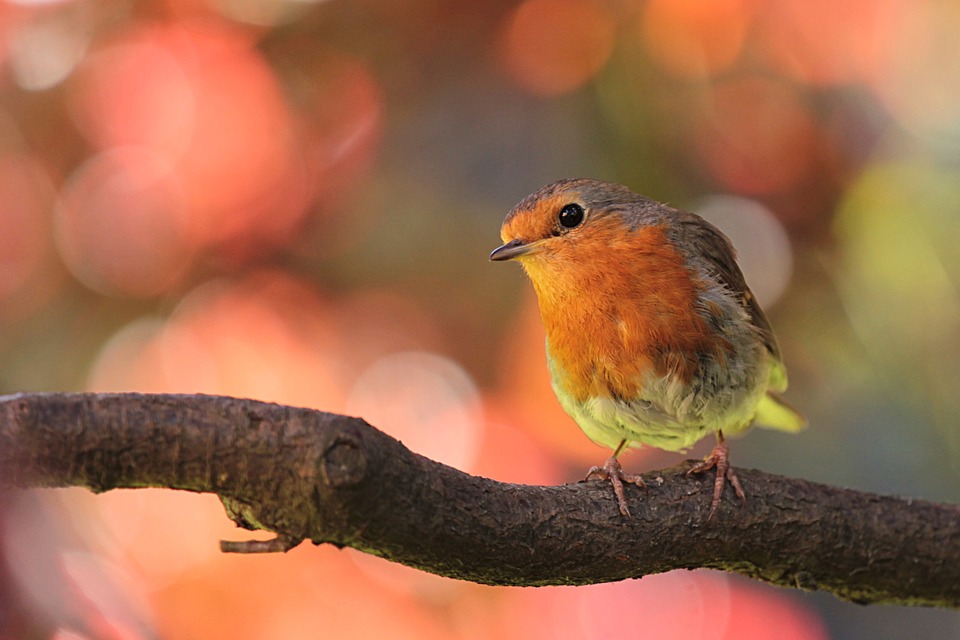
robin-818126_960_720

With so many huge and important things happening on planet earth right now — such as climate change, the loss of biodiversity, our human over-consumption of shared resources, and even the astoundingly unlikely presidential campaign here in the US — I often wonder how my original songs fit into the larger equations of life on planet earth.

Is my desire to share them with a wider audience (“Me, me, me, me! Look at me! Listen to me!”) simply another manifestation of the grossly self-oriented human trend in behavior which is currently tipping our larger ecological feedback loops further out of balance?

To re-center myself, I think of a poster in the bathroom where I get acupuncture which features some of the Dalai Lama’s wisdom:

“Ultimately, the decision to save the environment must come from the human heart. The key point is a call for a genuine sense of universal responsibility that is based on love, compassion and clear awareness.”

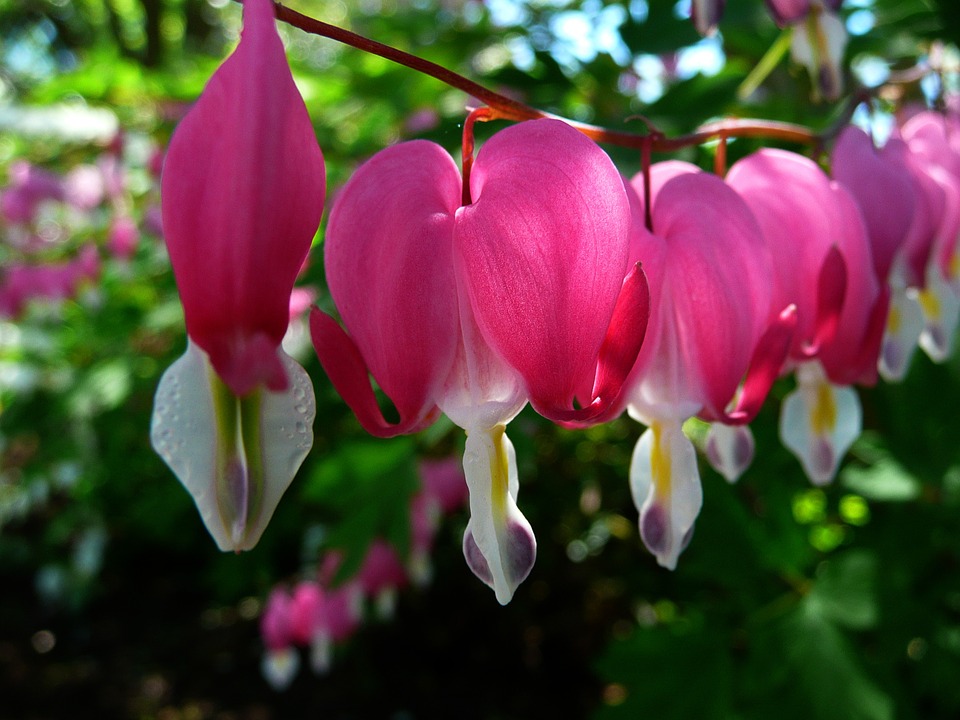
bleeding-hearts-55120_960_720
He has also written:

“Today more than ever before, life must be characterized by a sense of universal responsibility, not only nation to nation and human to human, but also human to all other forms of life.”

However, we human beings still tend to think and plan and speak and act with human ‘tunnel vision.’

I often listen to a radio program on Friday afternoons, and last week the host, Ira Flatow, was discussing asteroids and comets. He mentioned one which flattened 770 square miles of forest in Siberia on June 30, 1908 — adding that luckily no one was hurt.

Wikipedia uses similar language in its description of what is called the Tunguska event, saying that it “caused no known casualties.”

I would modify that to read, “no HUMAN casualties.”

770 square miles is roughly the size of the entire greater Boston area.

All sorts of living beings — trees, eagles, ants, berry bushes, wolves, beetles, moose, falcons, reindeer, elk, plants, bears, storks, robins, bees, nightingales, mushrooms, bacteria, etc. — must have been hurt and/or killed.

Why do we human beings so easily ignore or dismiss non-human death and suffering?

How can we be so deeply ignorant of the profound and crucial ways our human lives are interconnected with the lives of innumerable non-human beings here on planet earth?

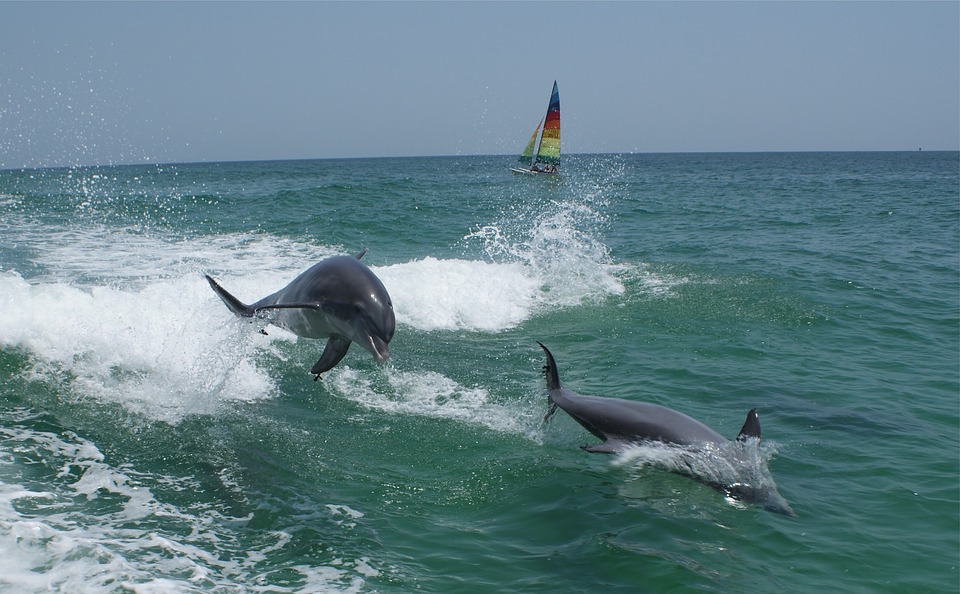
The most obvious example of this is the fact that we animals breathe out what plants breathe in. And vice versa. It’s an extraordinary bond between plants (trees, shrubs, phytoplankton, algae, grass, etc.) and animals (dolphins, ants, chickens, worms, orangutans, etc.)

dolphins-1069473_960_720

And us.

We human beings are also animals.

We depend upon the health of the plant world for our human health.

Healthy trees and healthy forests and healthy phytoplankton and healthy oceans are not optional.

They are vital to the health of all of us.

I agree with the Dalai Lama that we human beings need to experience and understand on an open-hearted, emotional level that our daily lives ARE deeply connected to the lives of all other beings on planet earth.

And the health of those other beings IS intricately connected with our own health and survival.

This is where I see music playing a part in the larger equations unfolding on planet earth.

I know that music — both making it and listening to it — helps me re-open my heart and get in touch with my feelings.

And I see each week in my Music Together classes how singing and dancing and playing as a group can create a community of joy and humor and respect in 45 minutes which continues to ripple — gently and positively — throughout the week in the lives of the families who attend class.

waves-circles-285359_960_720

So I will take a deep breath (like a whale!) and dive through my ambivalence about self-promotion into a starboard sea full of hope, love, respect, education, playfulness, creativity, compassion, song, and dance.

And occasional blog posts.

Deep breath in.

Deep breath out.

Thank you for reading and listening!

swimming-388910_960_720

I found the lovely photos in this post from a site called Pixabay.

And if you’d like to listen to “A Beating Heart” on a digital music platform such as Spotify, Apple Music or YouTube, you can click here.

You are always welcome to visit my website — where you can find many songs (and learn more about my musical life here on planet earth if you are curious).

You can also find me singing all sorts of songs on SpotifyPandoraApple Music, YouTube and other digital music platforms.