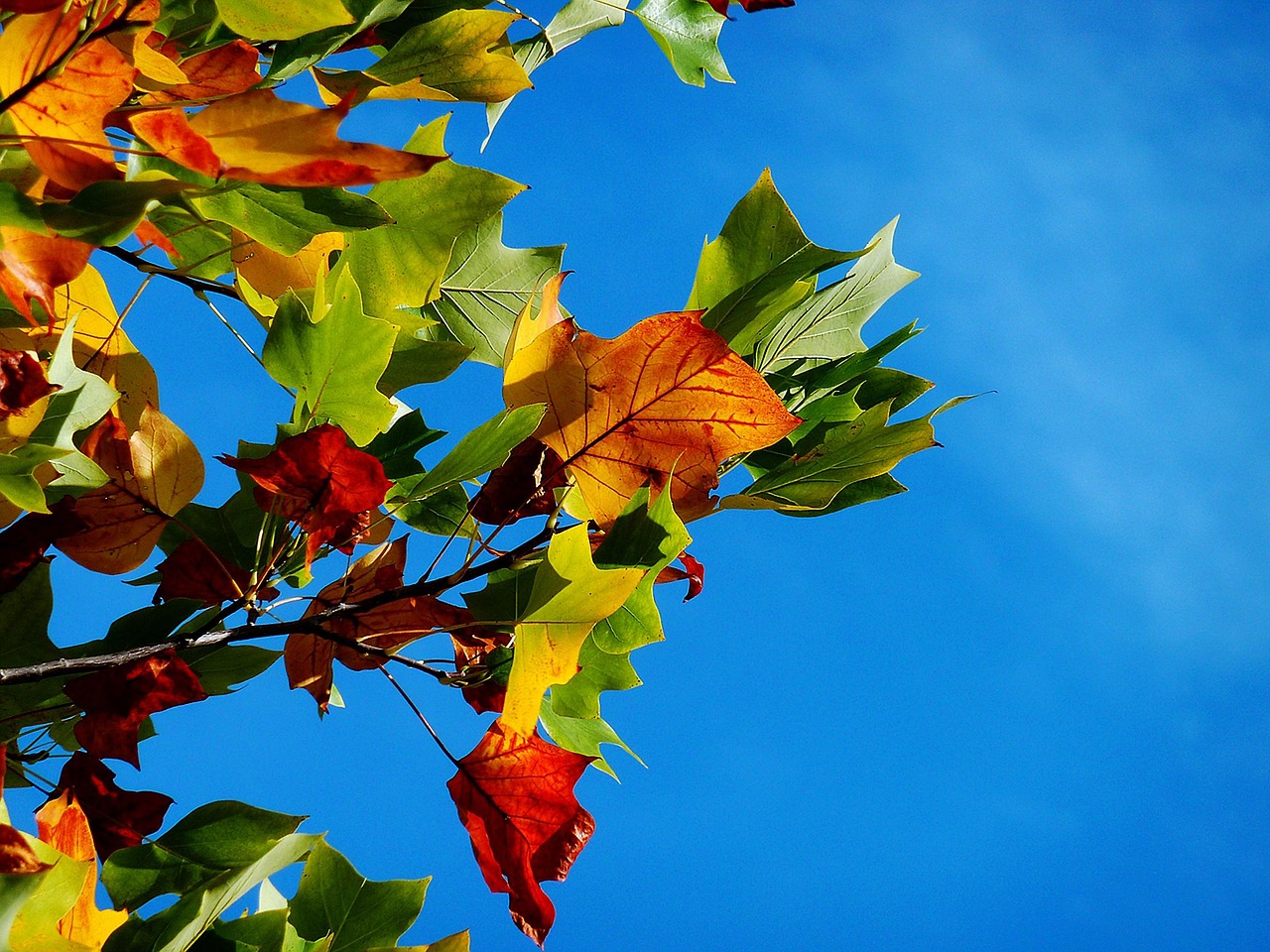
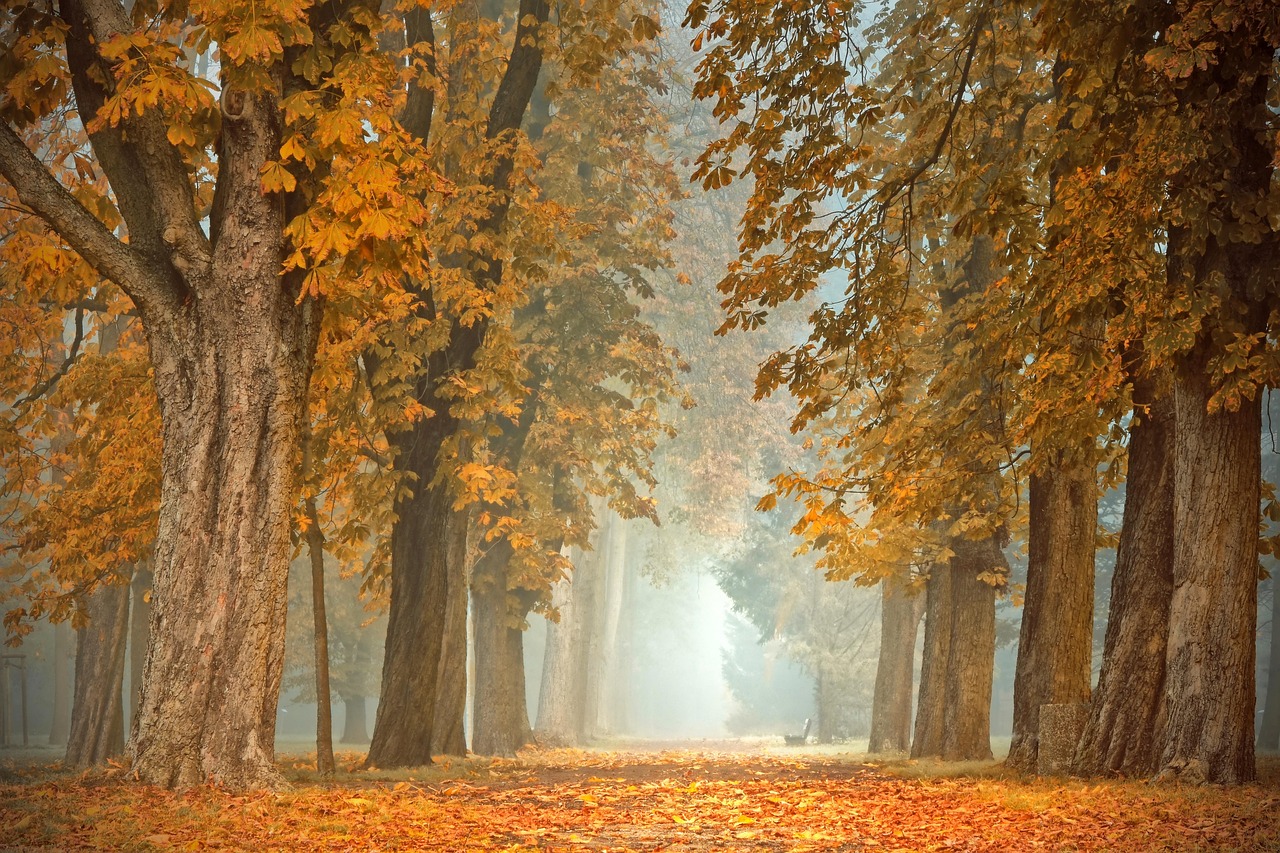
Partly this is because I do not like the shorter days.
And partly this is because I do not like being reminded that everything dies in the end.
I do however like being reminded of how amazing mother nature is — creating a system of fully recyclable and compostable solar collectors in the form of LEAVES!
I wrote the first version of “Under My Umbrella” while camping in North Truro on Cape Cod.
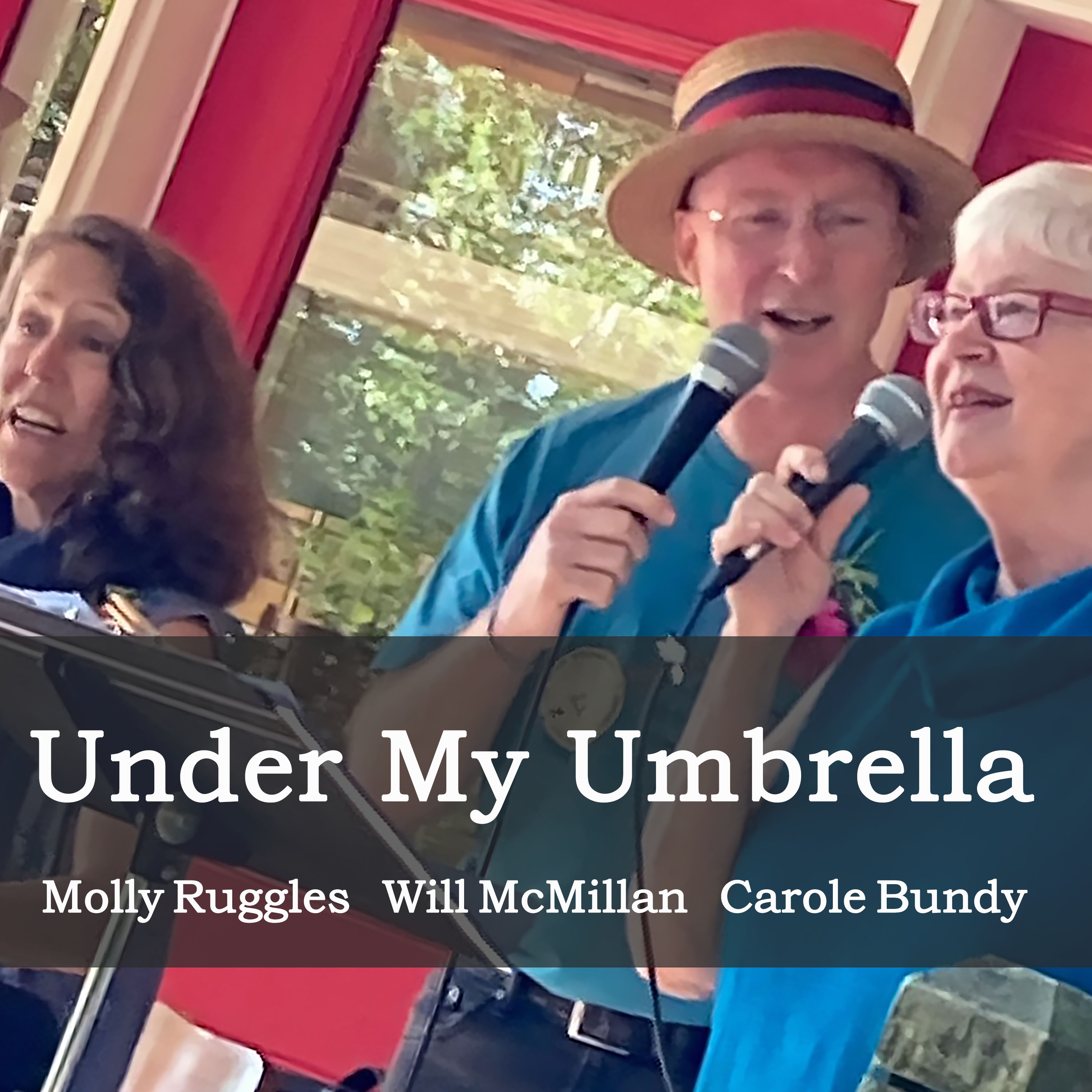
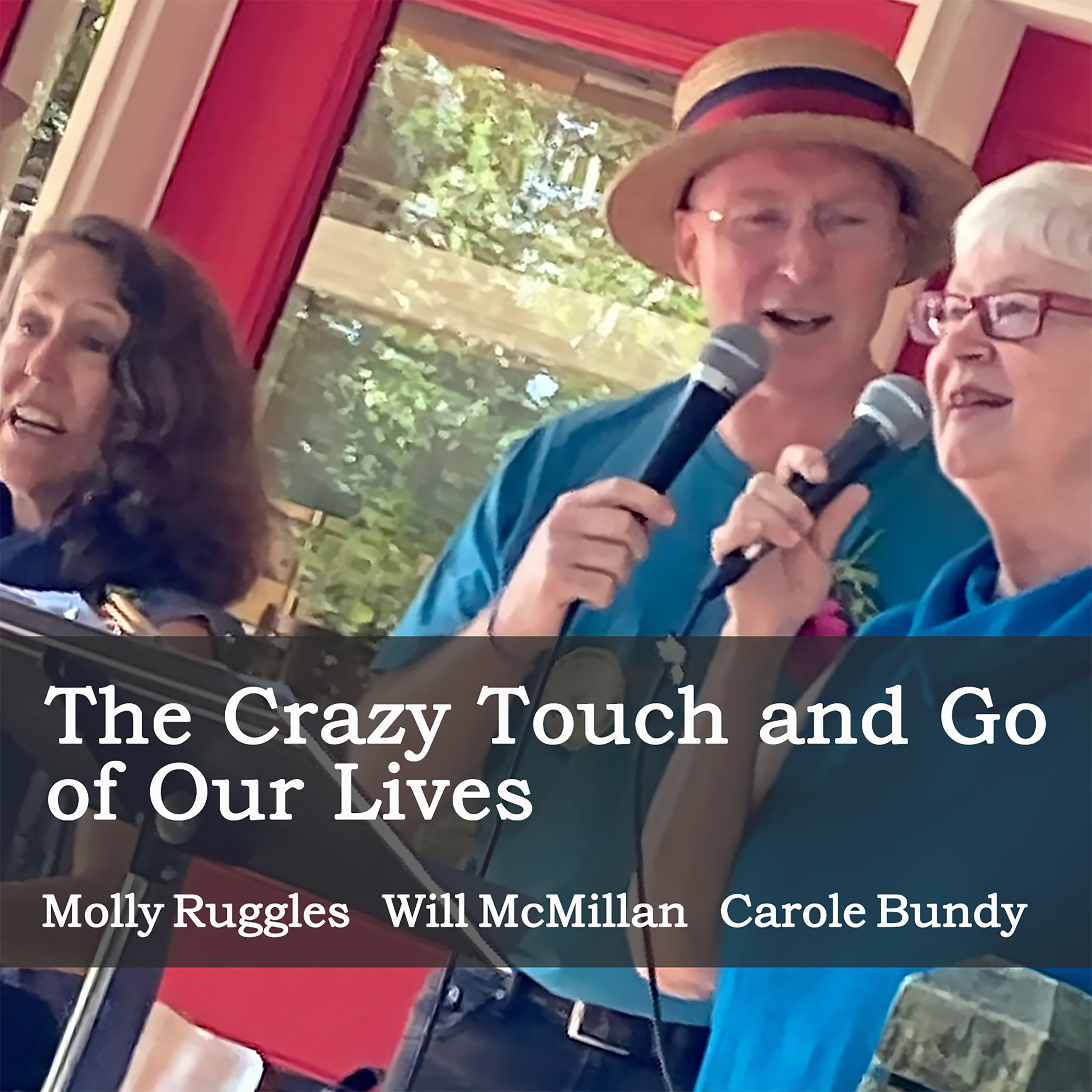
Then my friend Molly Ruggles wrote a new bridge section — which is the version she and I and our friend Carole Bundy recorded (in the player above).
You can click here to read — or re-read depending upon how long you’ve been following my blog — a short post from 9/10/24 which features the earlier (pre-Molly) version of this song.
And here is a link to the Molly, Will & Carole version in case you might be willing to play/like/share it on your favorite music streaming platform.
We recorded it with me, Carole and Molly singing plus Molly playing Doug Hammer’s Schimmel grand piano in his studio north of Boston, MA.
Thank you to Doug for his excellent engineering and music production skills.
Thank you to Molly for writing a new bridge and also a bunch of lovely harmonies for all of us to sing.
Photo by Rada Ruggles
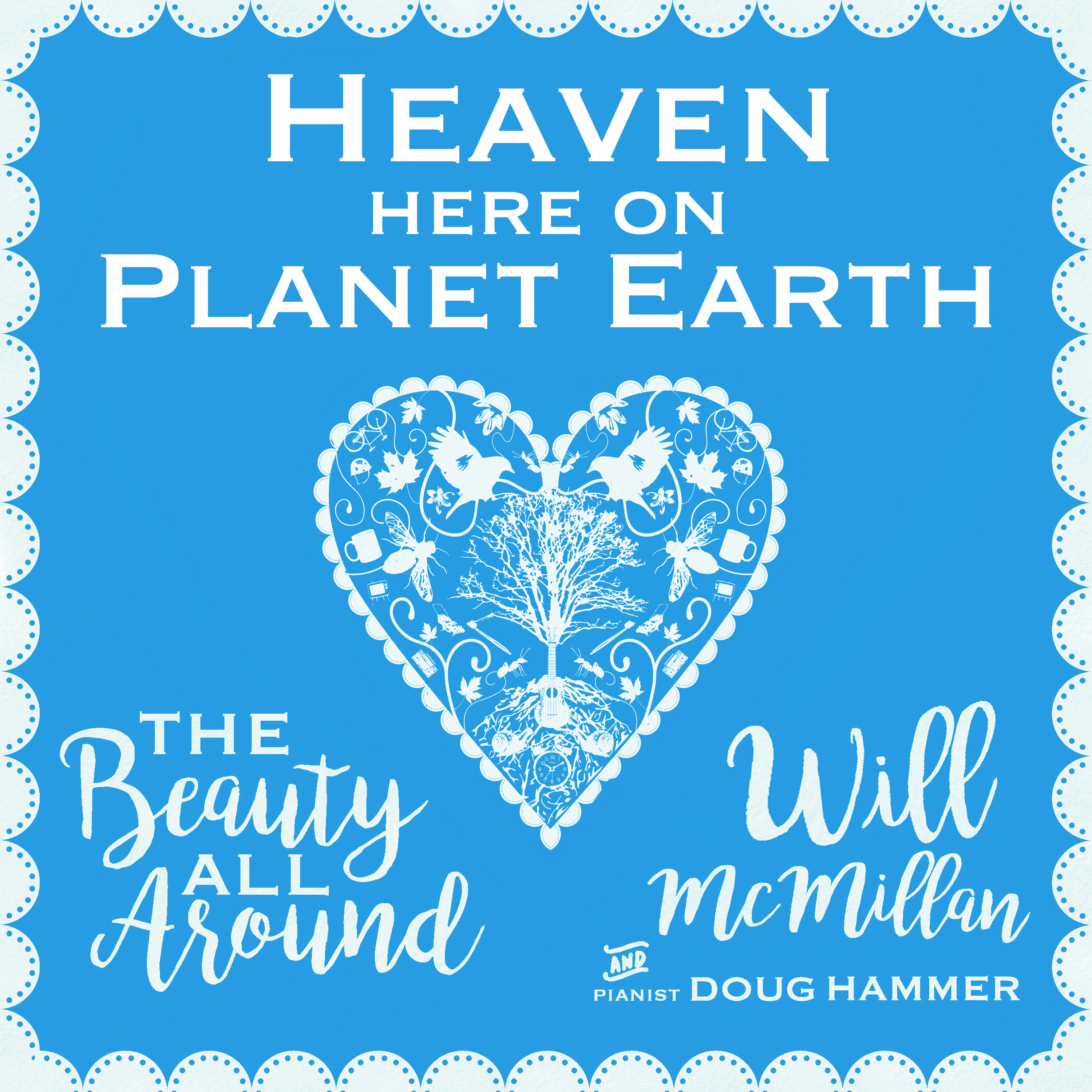
Thank you to Molly for playing piano AND for designing our graphics.
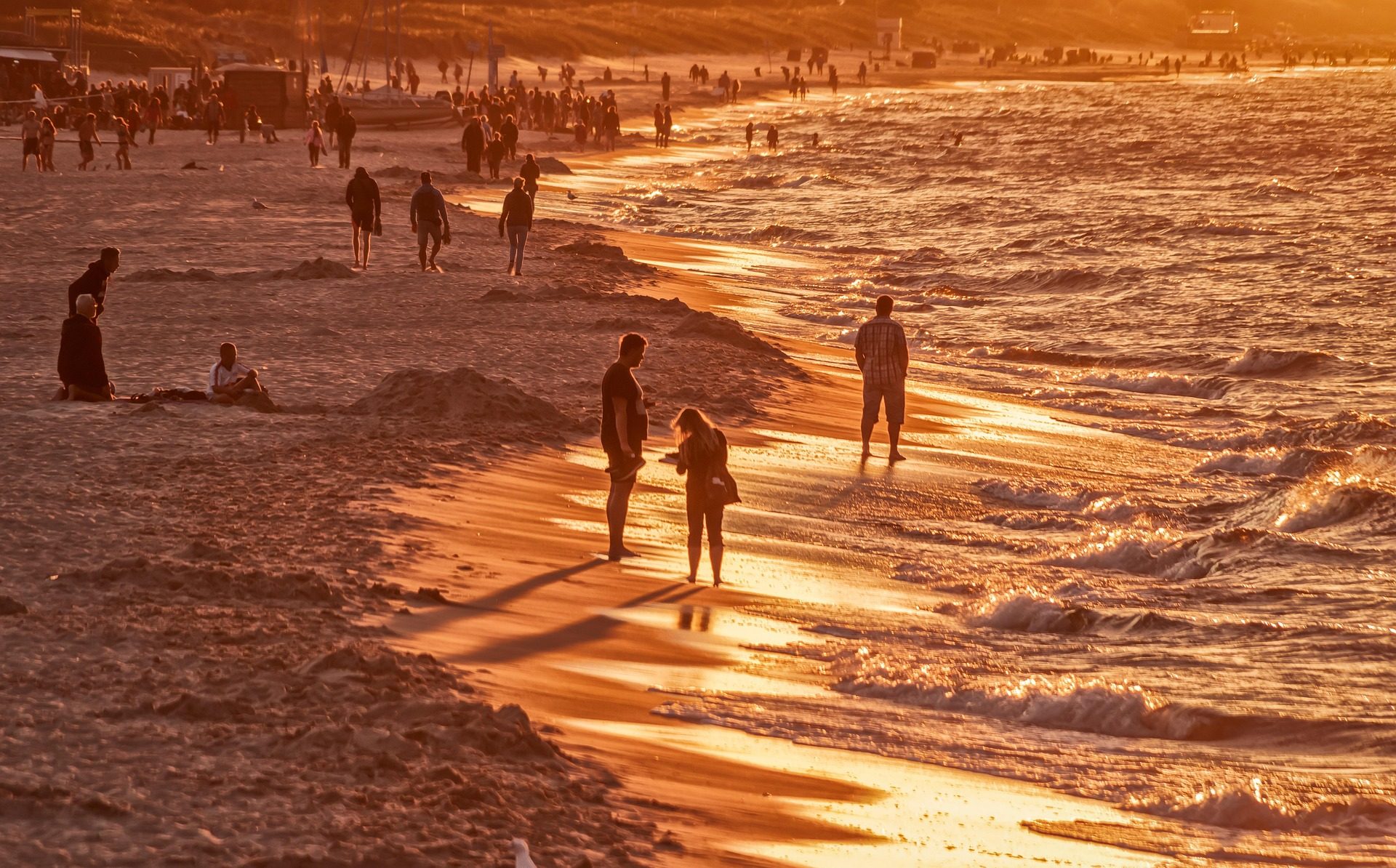
Thank you to the gifted and generous photographers at Pixabay.
And thank YOU for reading and listening to another of my blog posts!
I remain very grateful for our wonderful WordPress community.
For over twenty five years I camped there every summer with my sweetheart and his extended family.
And then COVID — and a new baby — entered our lives, and we all decided to rent a house together at the opposite end of the state (in Pittsfield) with a big, fenced-in backyard instead.
The important thing is to make it meaningful: a meaningful friend — or a meaningful day.”
Another deep breath in.
And deep breath out.
This song was inspired by a couple who rented a campsite at the other end of the little valley at North Of Highland campground where we had a perennial campsite.
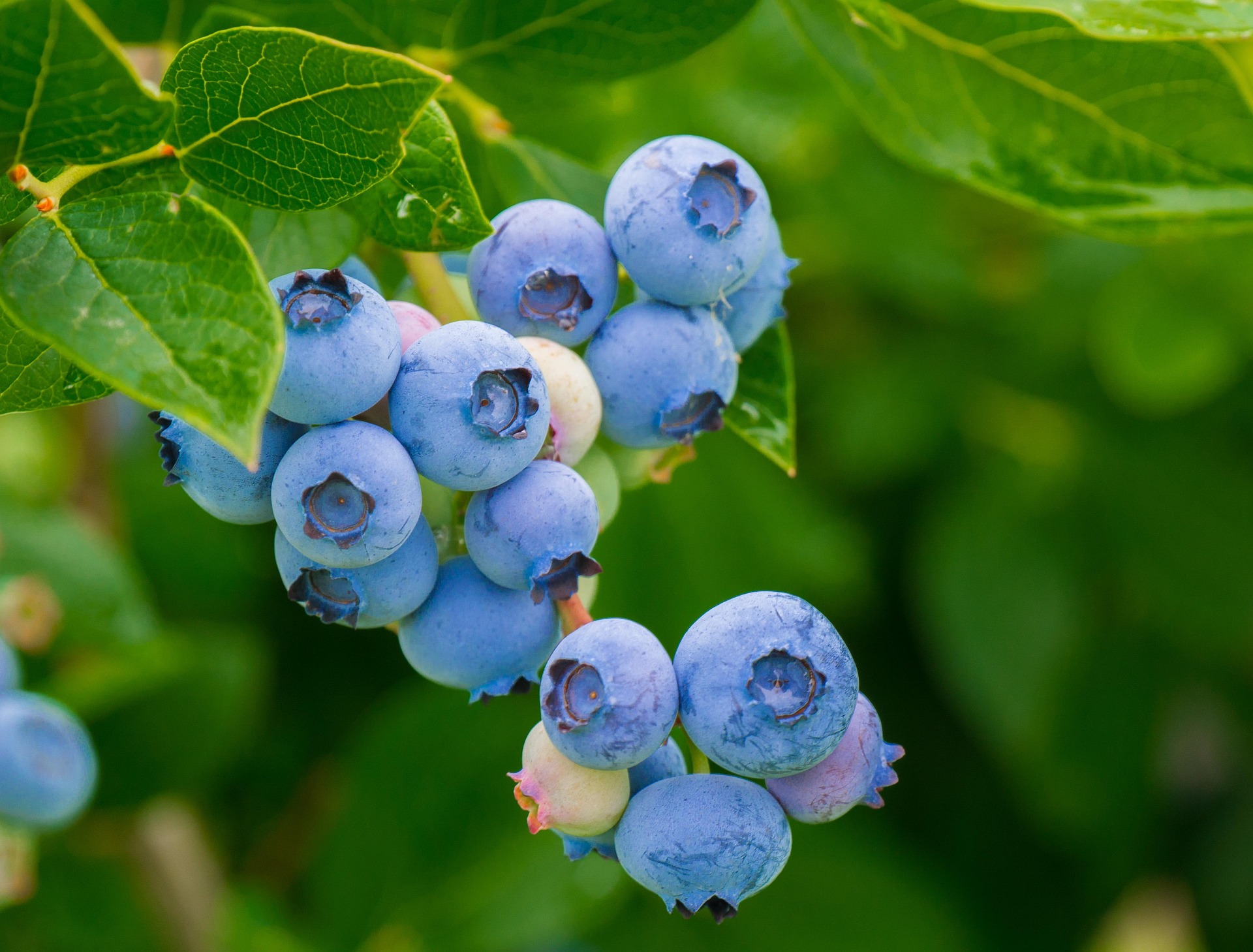
I don’t remember exactly how we reached out and introduced ourselves, but I am pretty sure I showed them the wild blueberry bushes which were bearing fruit all around our little valley.
And they invited us over for an informal cocktail hour one evening, which was very pleasant.
And then we discovered that the guy was a swimmer who, like me, loved to do laps along the ocean shoreline — although this was becoming more and more risky because the increasingly abundant population of seals in North Truro had been attracting more and more great white sharks…
So we hit it off with these two friendly people and became well-acquainted over the course of a few days.
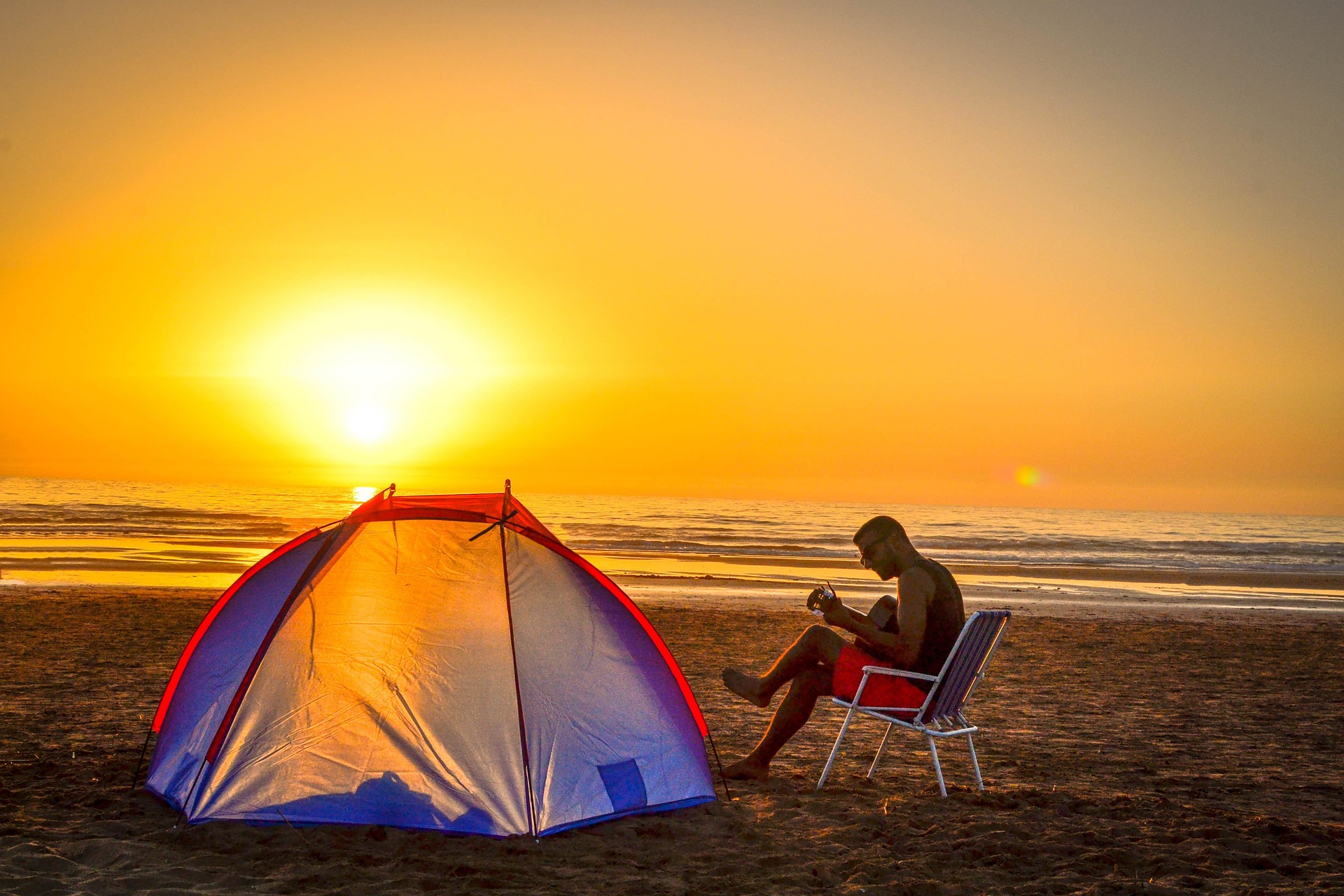
Then, to my surprise (because I had assumed incorrectly that they had a week-long rental) they packed up their tent and — with warm goodbyes — drove away.
I have been very aware of — and sensitive to — the realities of love and loss ever since I was young.
In fact, I have been told that my parents used to sing “Good Night Irene” to me when I was a very small child just to see me well up with tears.
Deep sigh…
I have written in previous blog posts about the challenges of working professionally as a child and teenager. One of an actor’s most important skills is developing a sense of connectedness — first with the receptionist who checked you in at each audition, then with the casting agents, with the clients, and with any actors who were part of the initial audition and subsequent callbacks.
And if I got a job — whether for an hour doing a voiceover, for a day on the set of a TV commercial, for a couple of weeks filming a TV pilot, for a few months doing a movie, or for a year doing a musical — I needed to nurture ongoing, positive working relationships with my fellow cast and crew members.
I needed to show up on time.
I needed to know my lines.
I needed not to complain about anything.
I needed to behave as if I was a small, manipulable adult.
When a job was done, I remember how awkward and sad I felt as all of the camaraderie, friendship, affection and even love which had developed among members of the crew and cast would evaporate and disappear.
That was very confusing.
Was any of the camaraderie, friendship, affection and love I had experienced real?
Or was everyone just acting?
Another deep breath in.
And deep breath out.
On a vaguely related note, our planet’s relentlessly-marketed fossil fuels — along with the cars, trains, busses, ocean liners, planes, motorcycles, etc. which need them to run — have allowed most of us human beings to become much more mobile and much less rooted in one neighborhood, one town, one city, one state, one country.
The postal service and the internet have also given us extraordinary options for meeting and becoming acquainted with other humans.
How do we make sense of — and peace with — all of the beings who come and go in our lives?
Deep breath in.
Deep breath out.
I tried to make a little bit of sense out of the ebb and flow of relationships by strumming a ukulele in my tent and then jotting lyric and chord ideas in one of my songs-in-process notebooks.
Eventually “The Crazy Touch And Go Of Our Lives” emerged.
I performed it by myself — playing a ukulele — at some open mics.
Then a few years ago my friend Molly Ruggles (who sings, plays piano and writes songs herself) created a lovely harmony part for her and our friend Carole Bundy to sing.
The three of us performed it at a bunch of porchfests and then recorded it with Molly playing piano last summer at Doug Hammer’s studio north of Boston.
Another deep breath in.
And deep breath out.
As I write this blog post, I am reminded of the Dalai Lama’s words about making each day — and, each friend — meaningful.
That is certainly what has happened with me and Carole and Molly.
We first collaborated when I was invited to sing during a service at the UU church in Medford where they were both members and where Molly was also the music director.
And this musical collaboration has deepened and widened over many years — and many delicious dinners — to become meaningful friendships.
We sing and harmonize and rehearse and perform and bear witness to the twists and turns of each other’s lives.
Deep breath of gratitude in.
Deep breath of gratitude out.
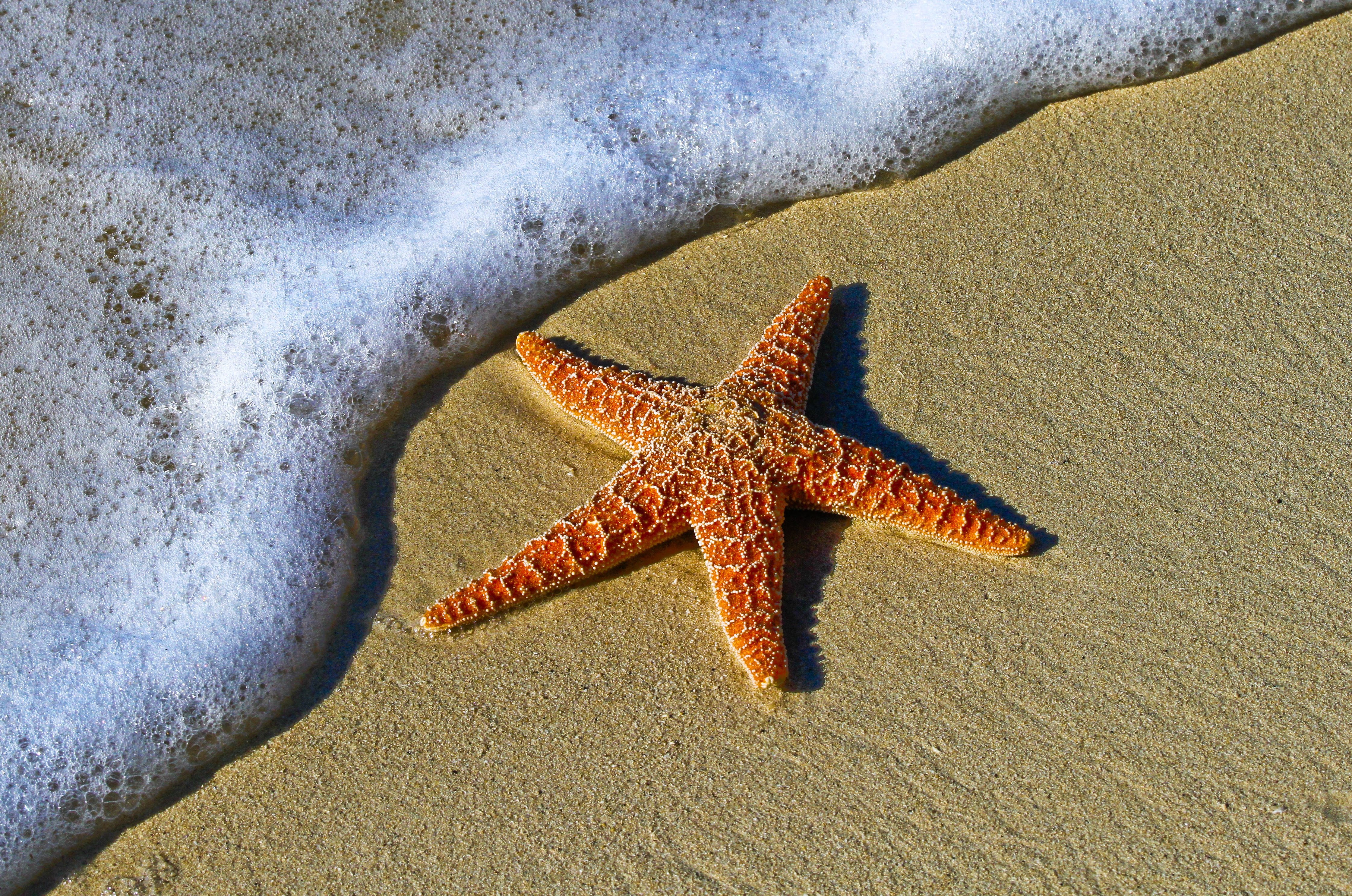
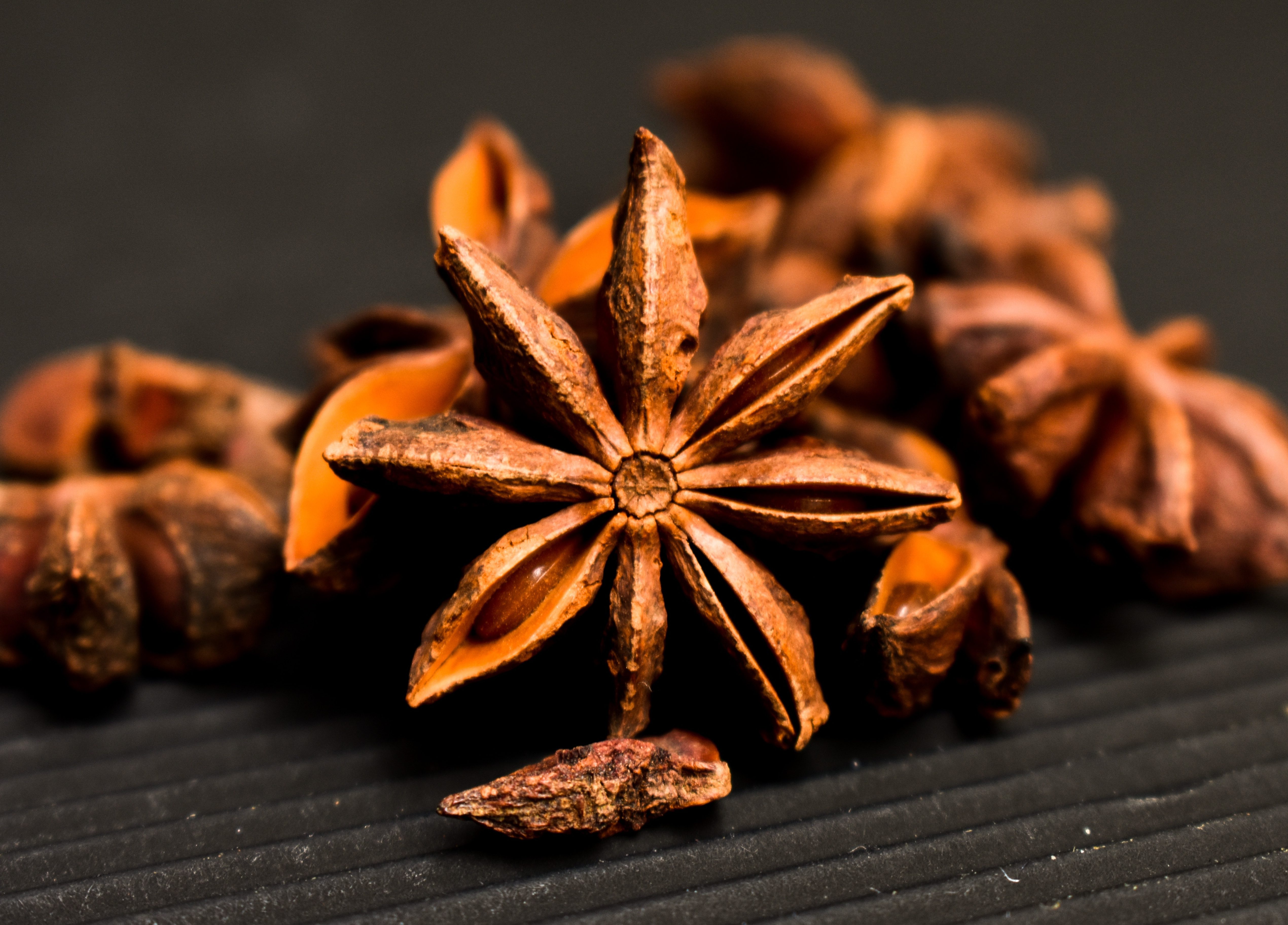
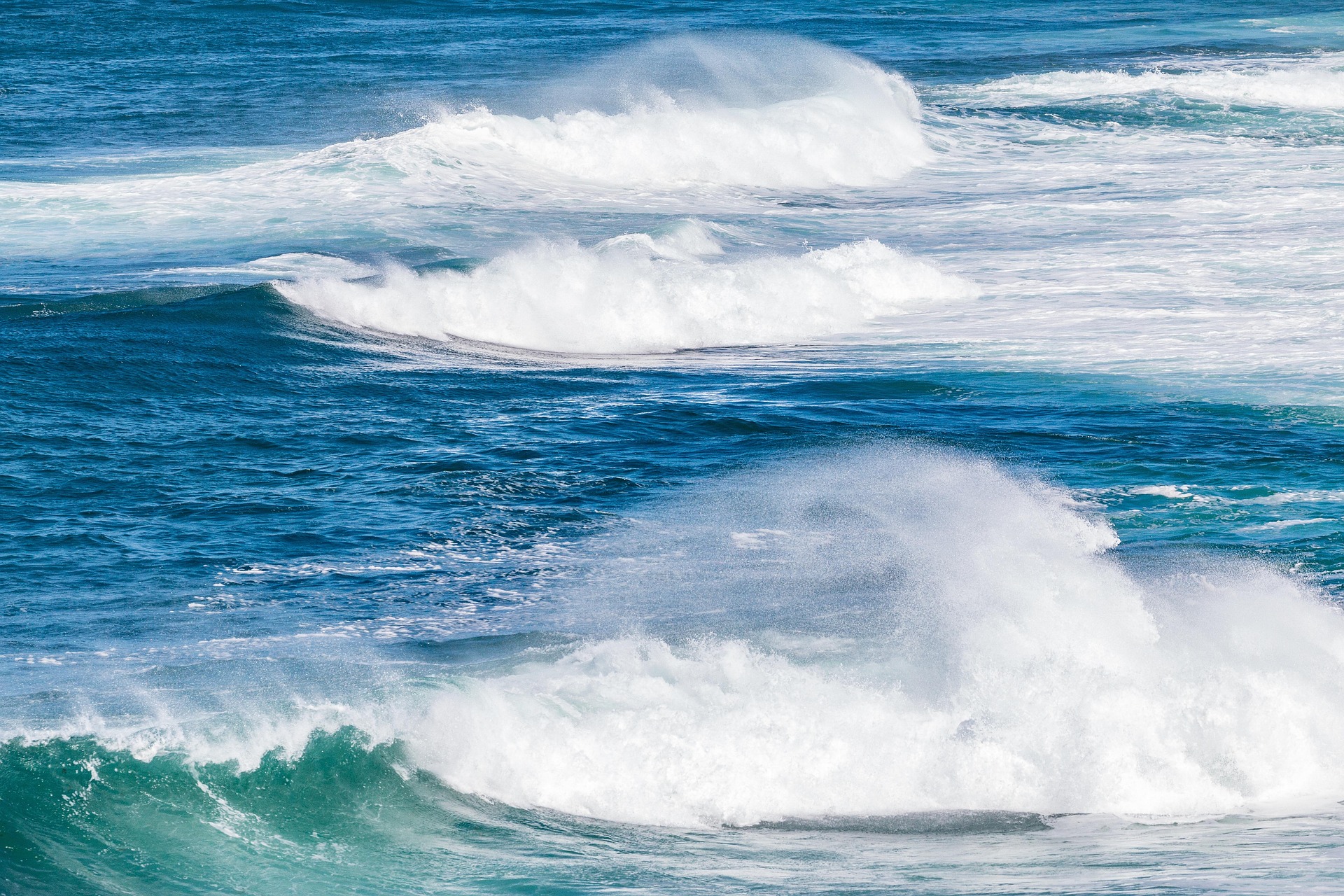
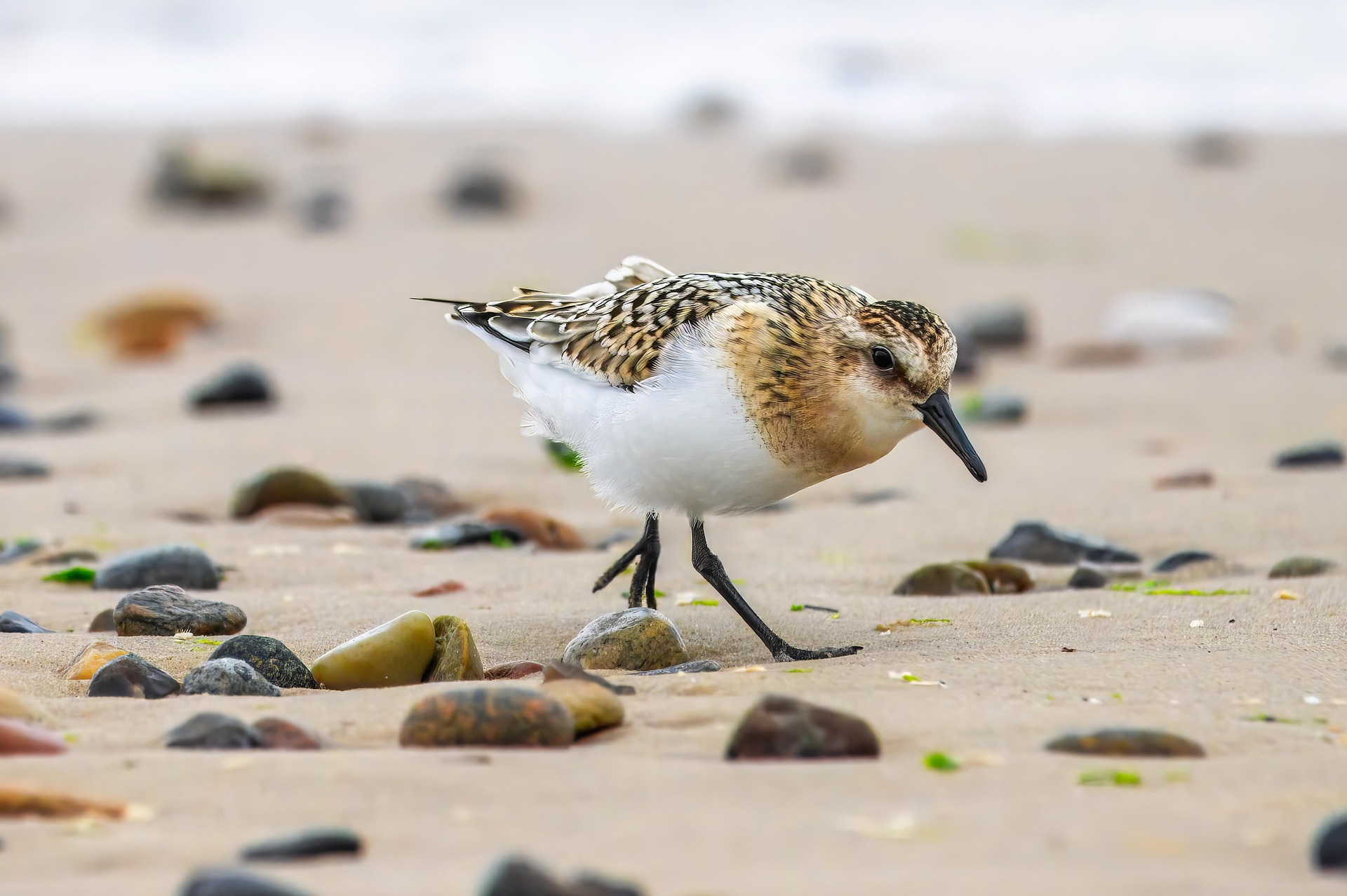
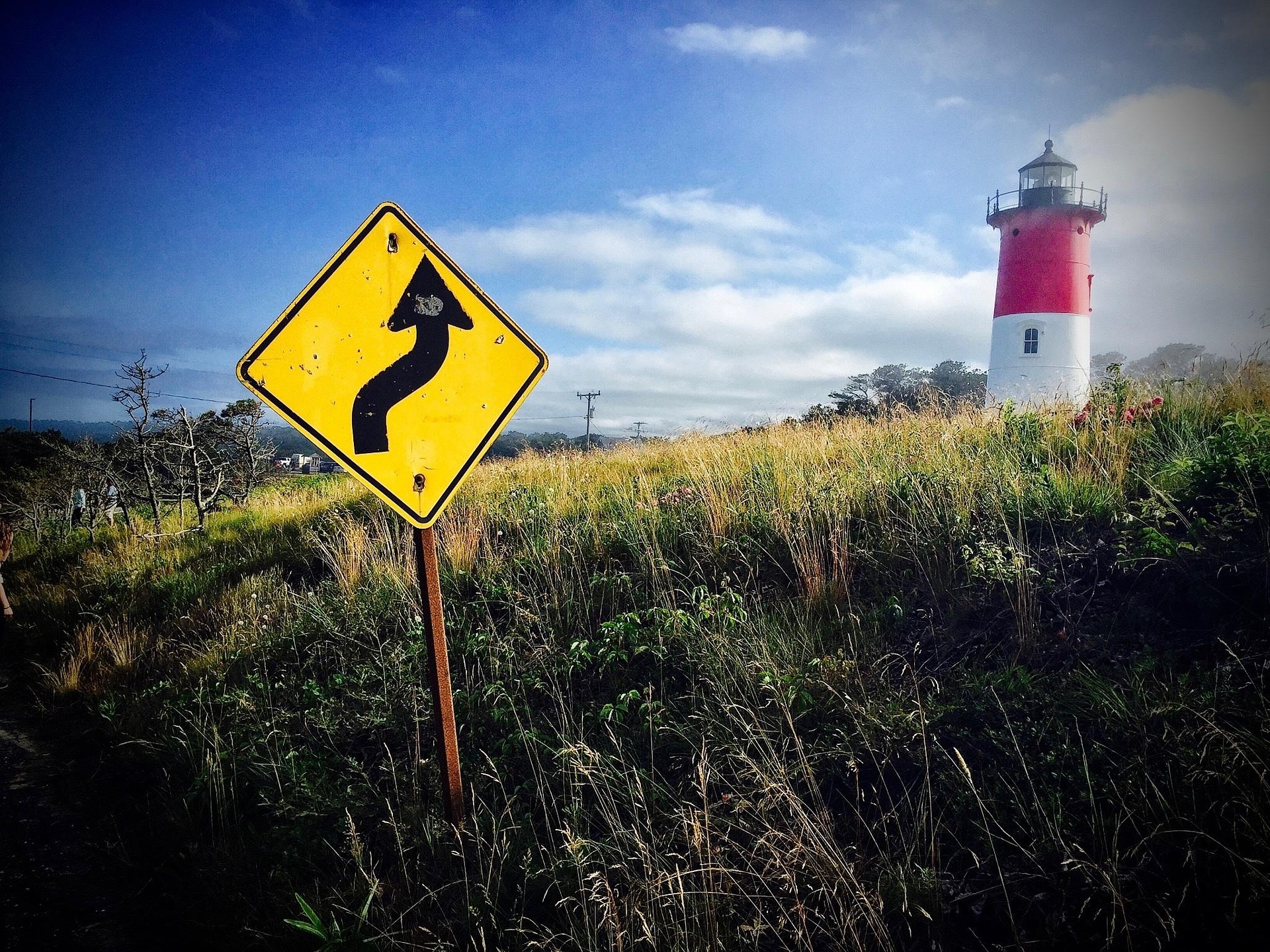
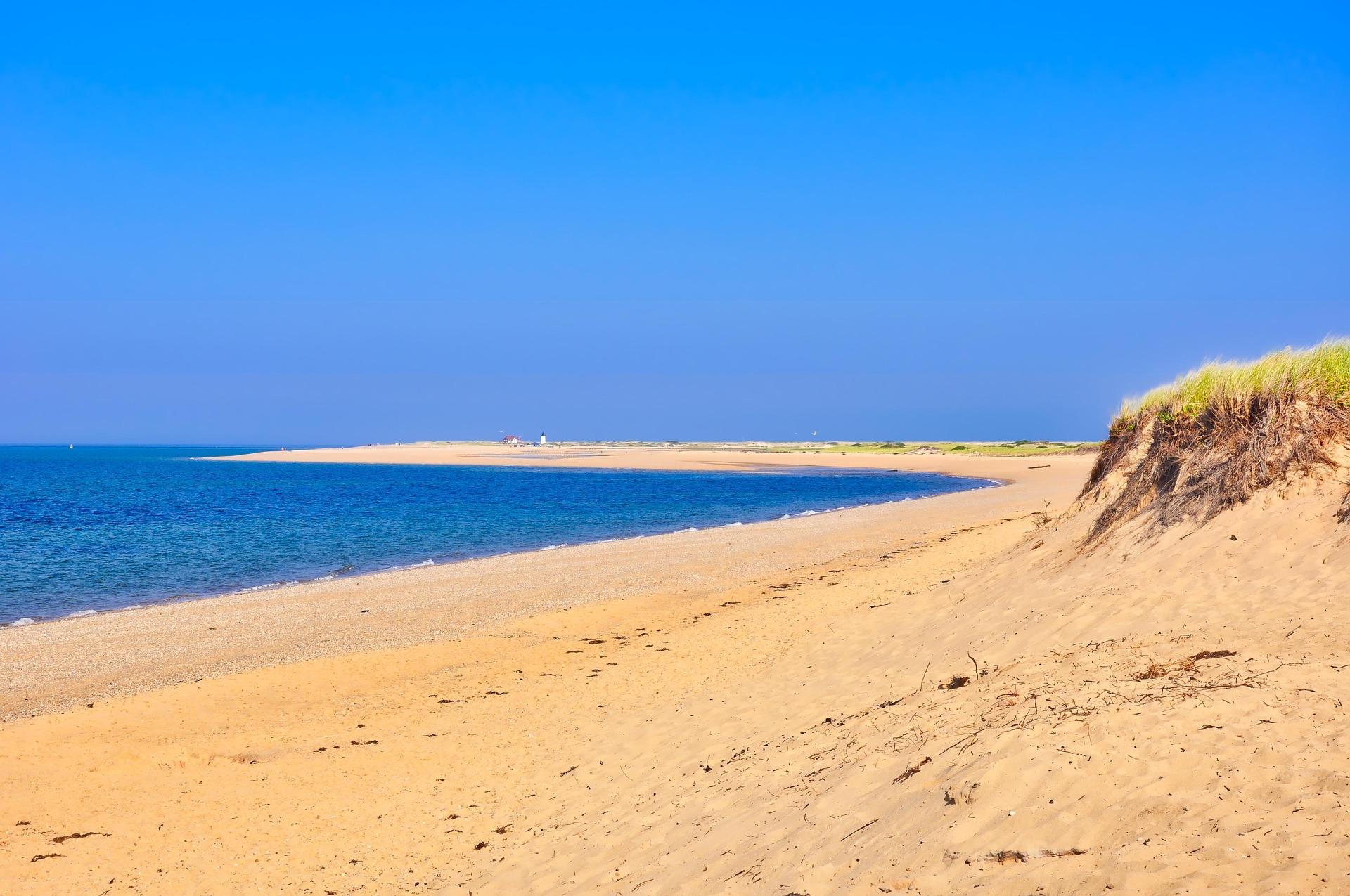
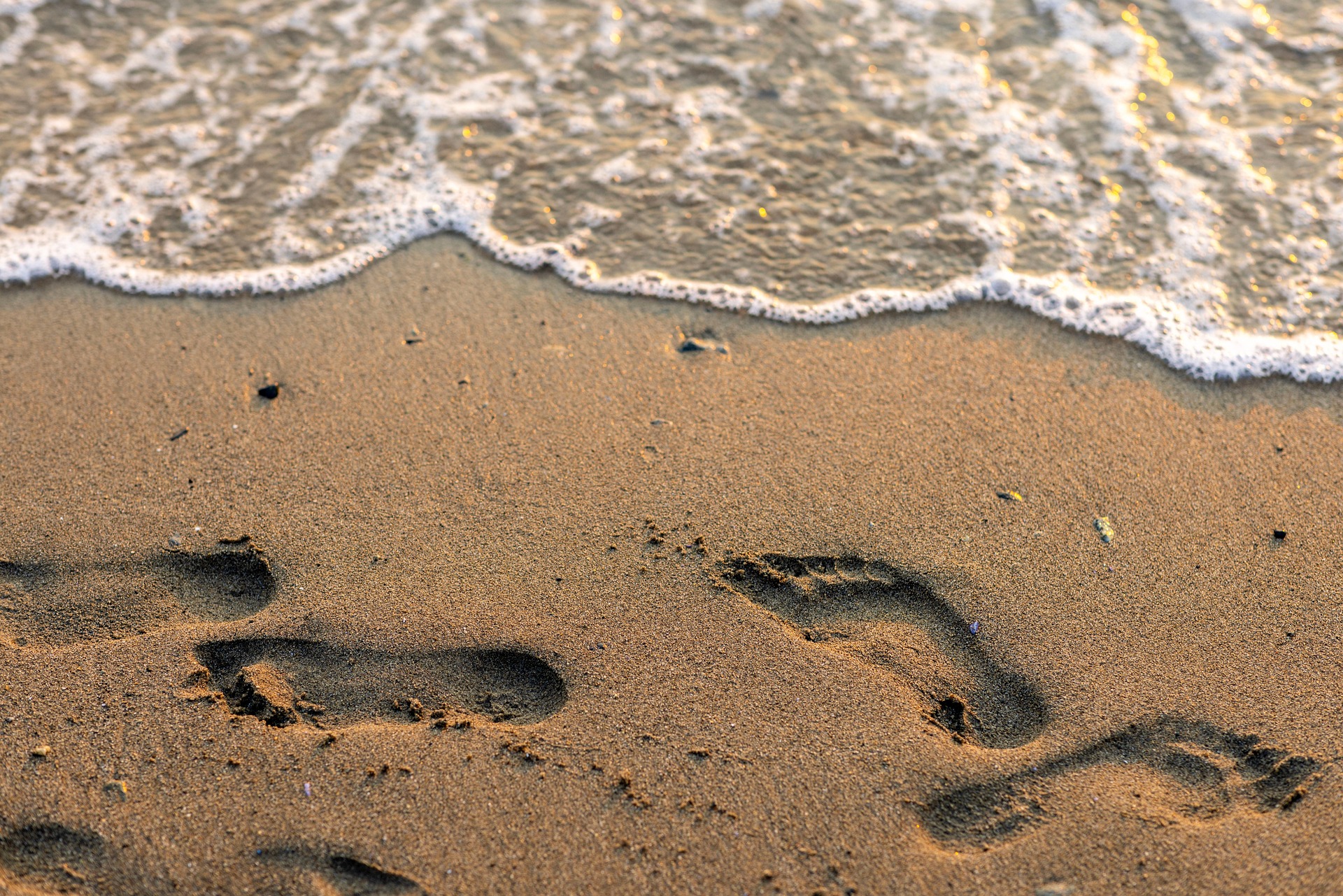
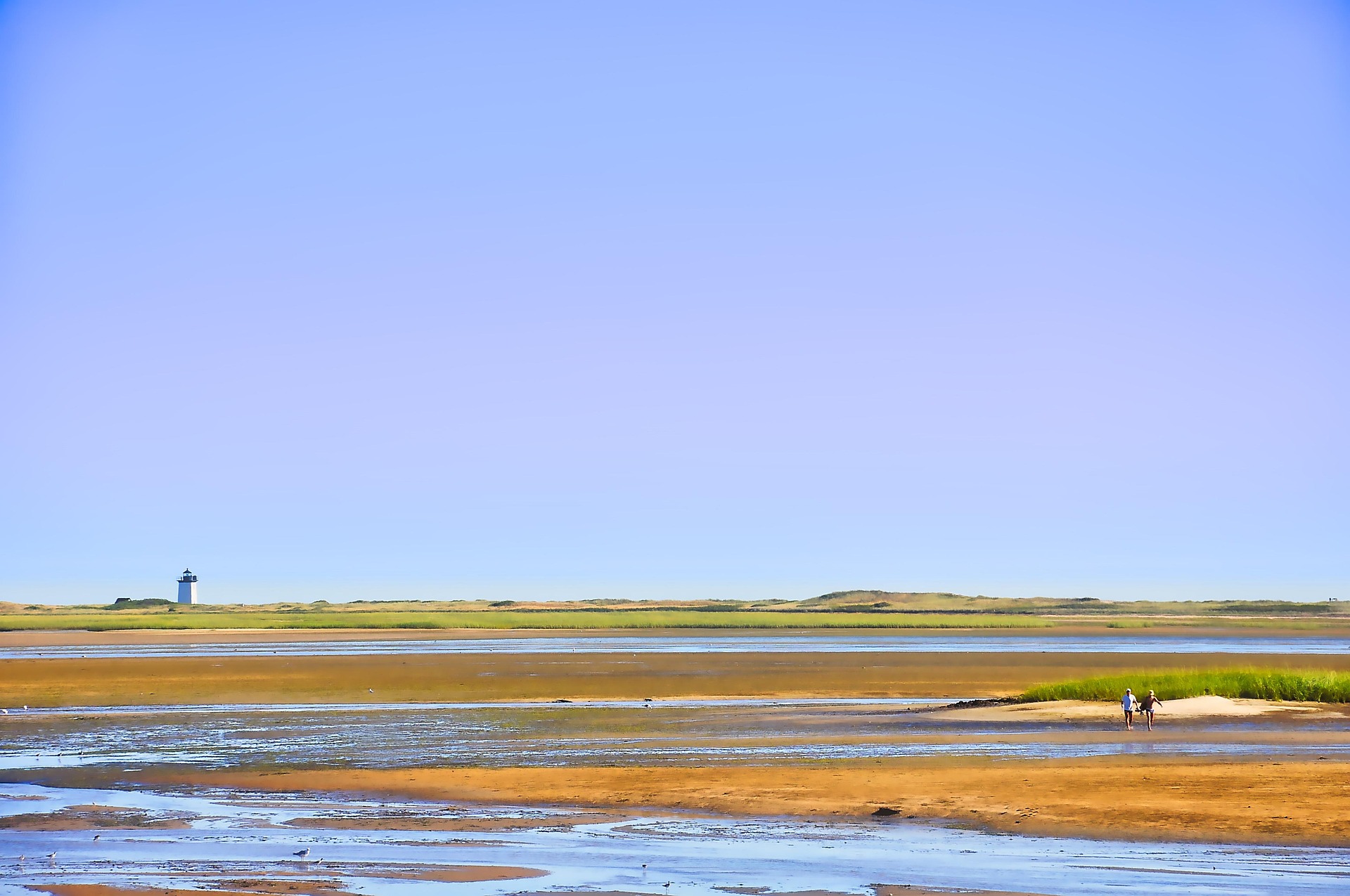
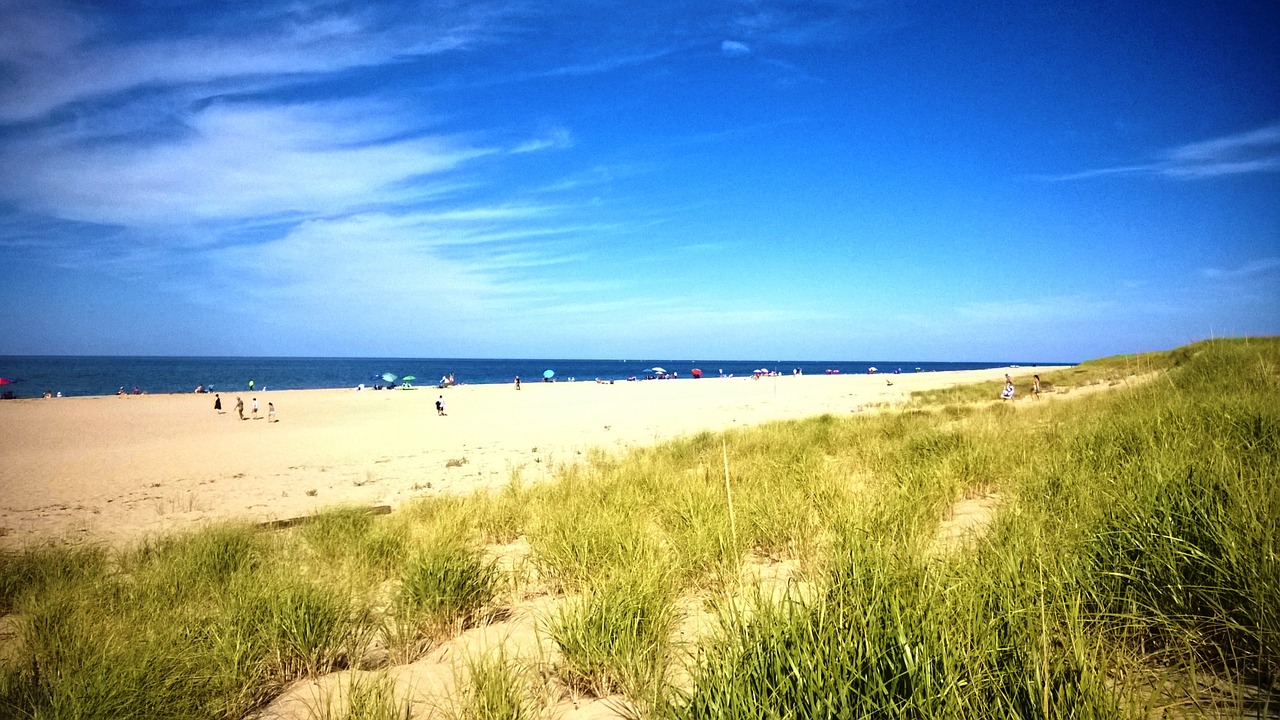
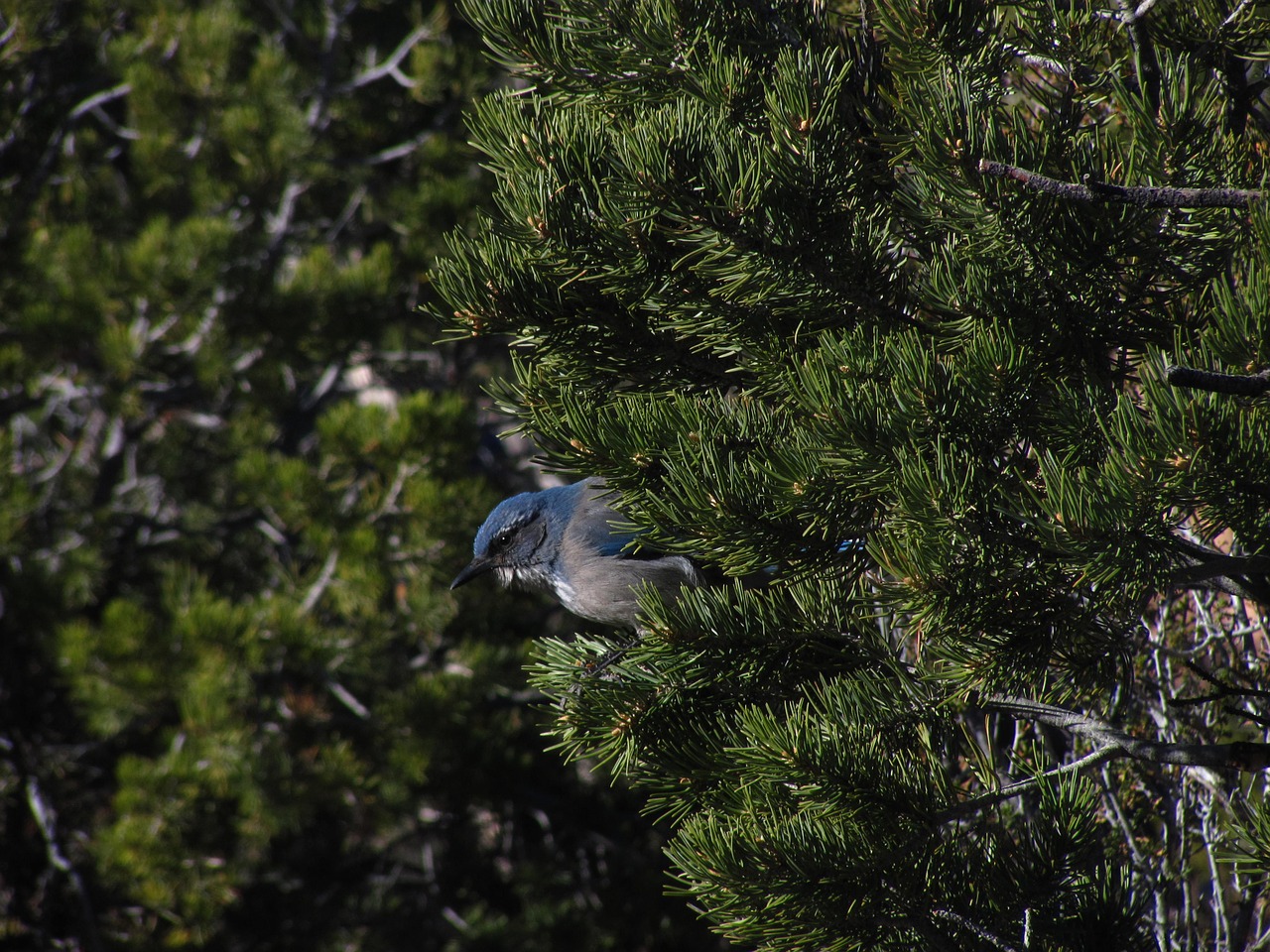
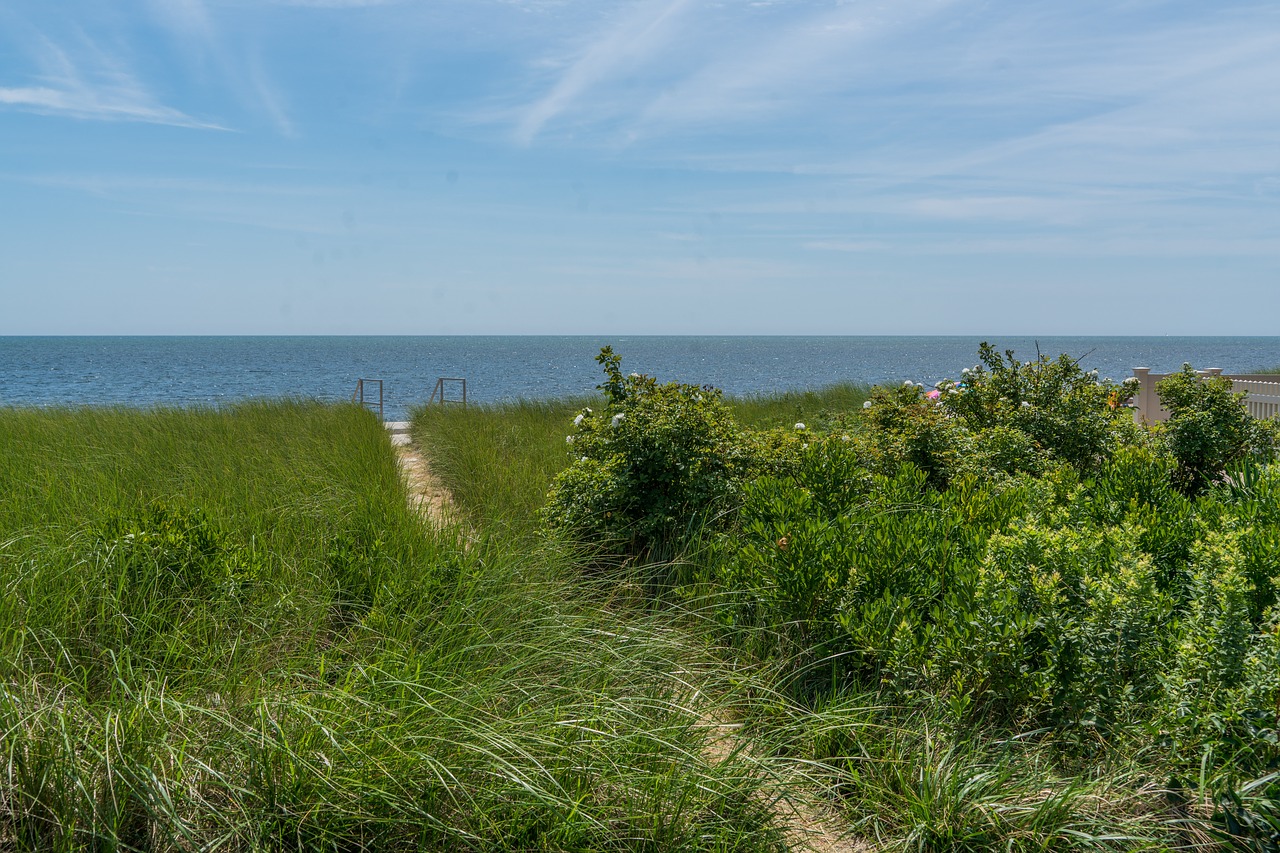
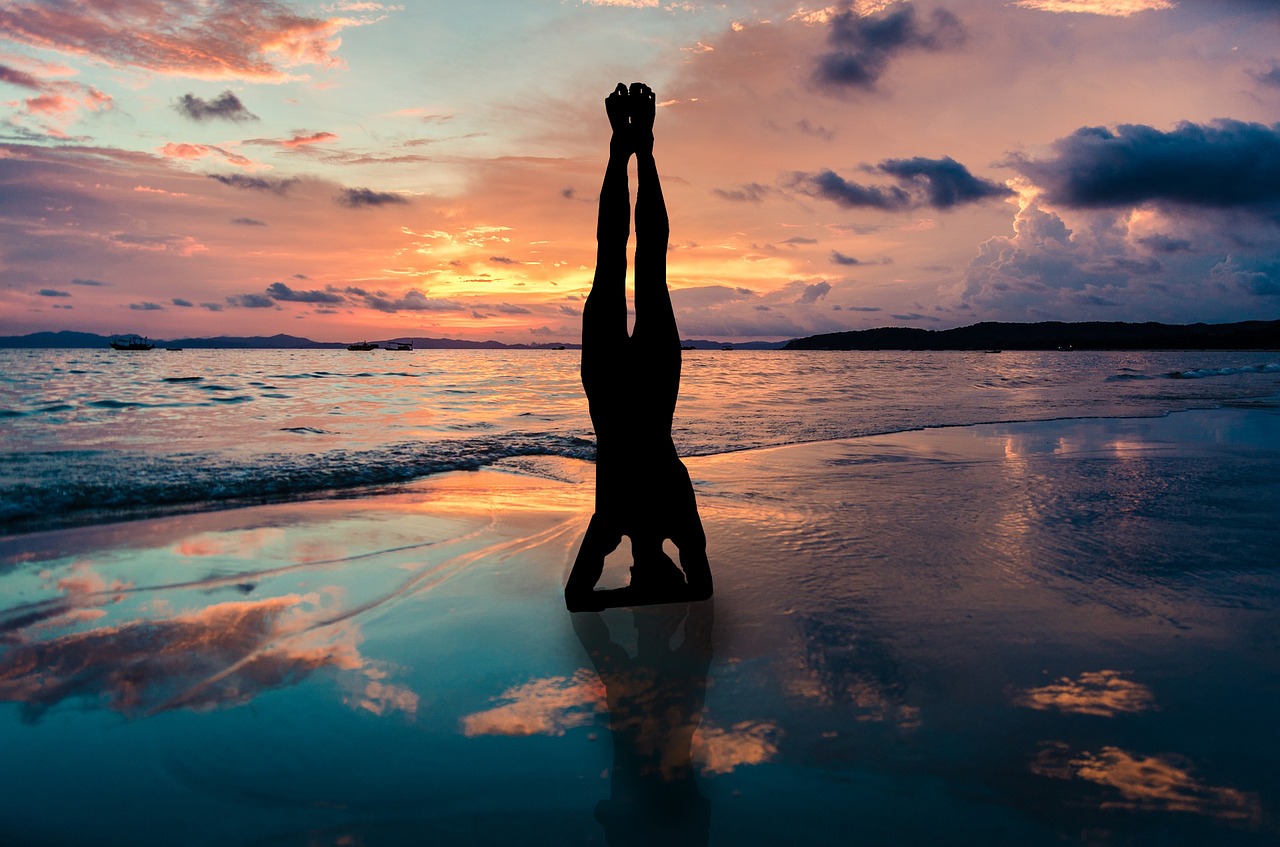
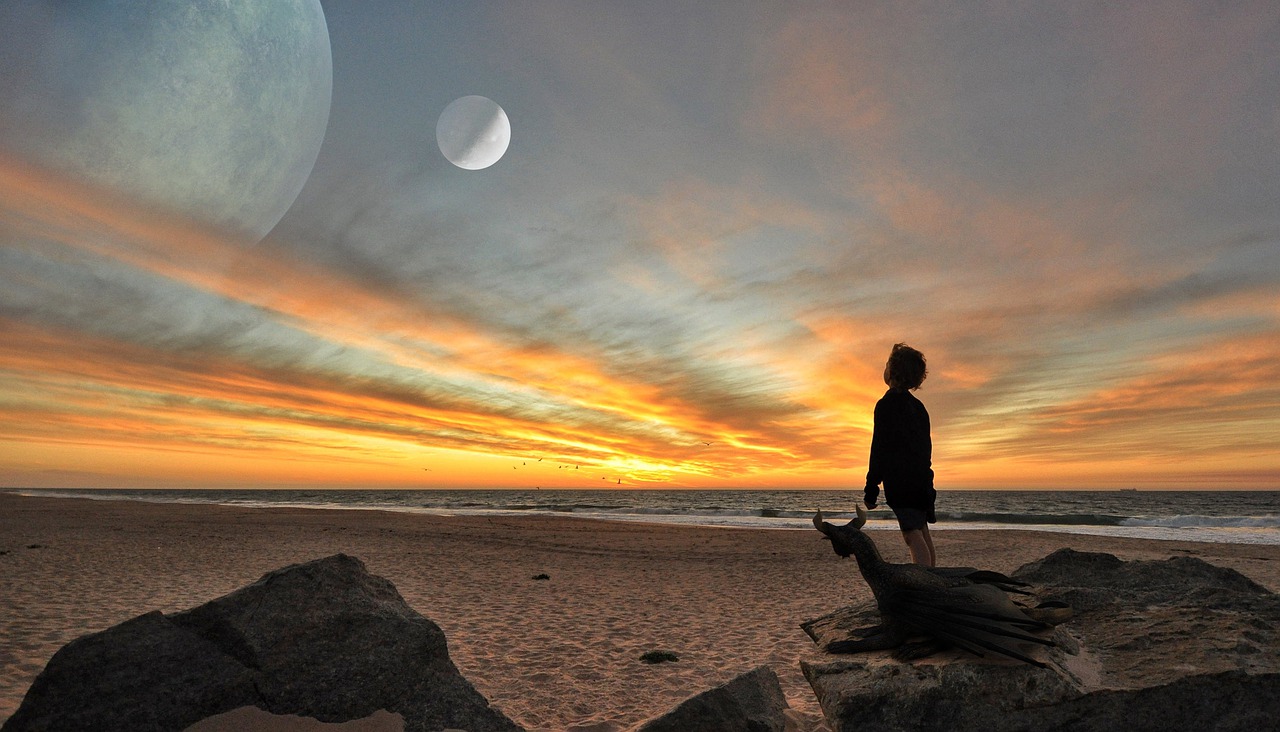
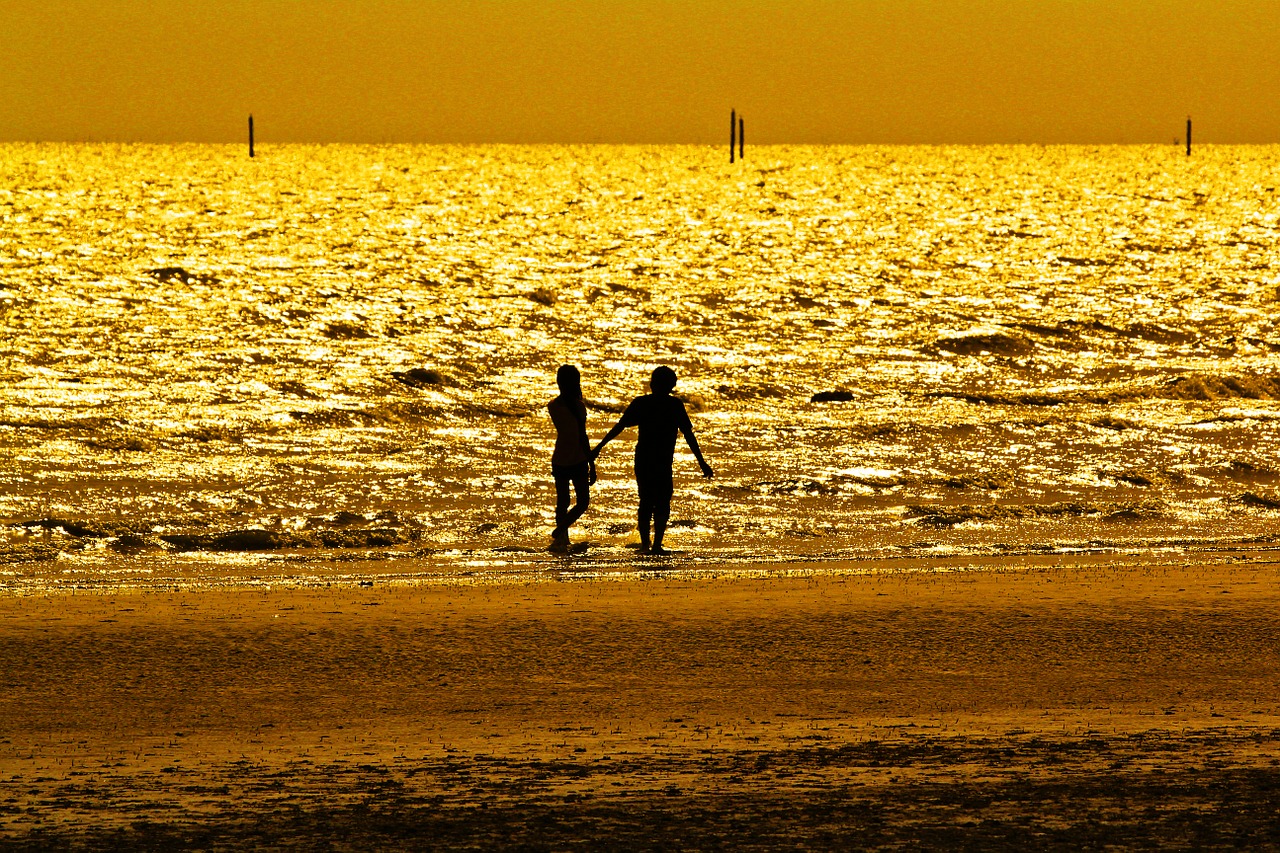
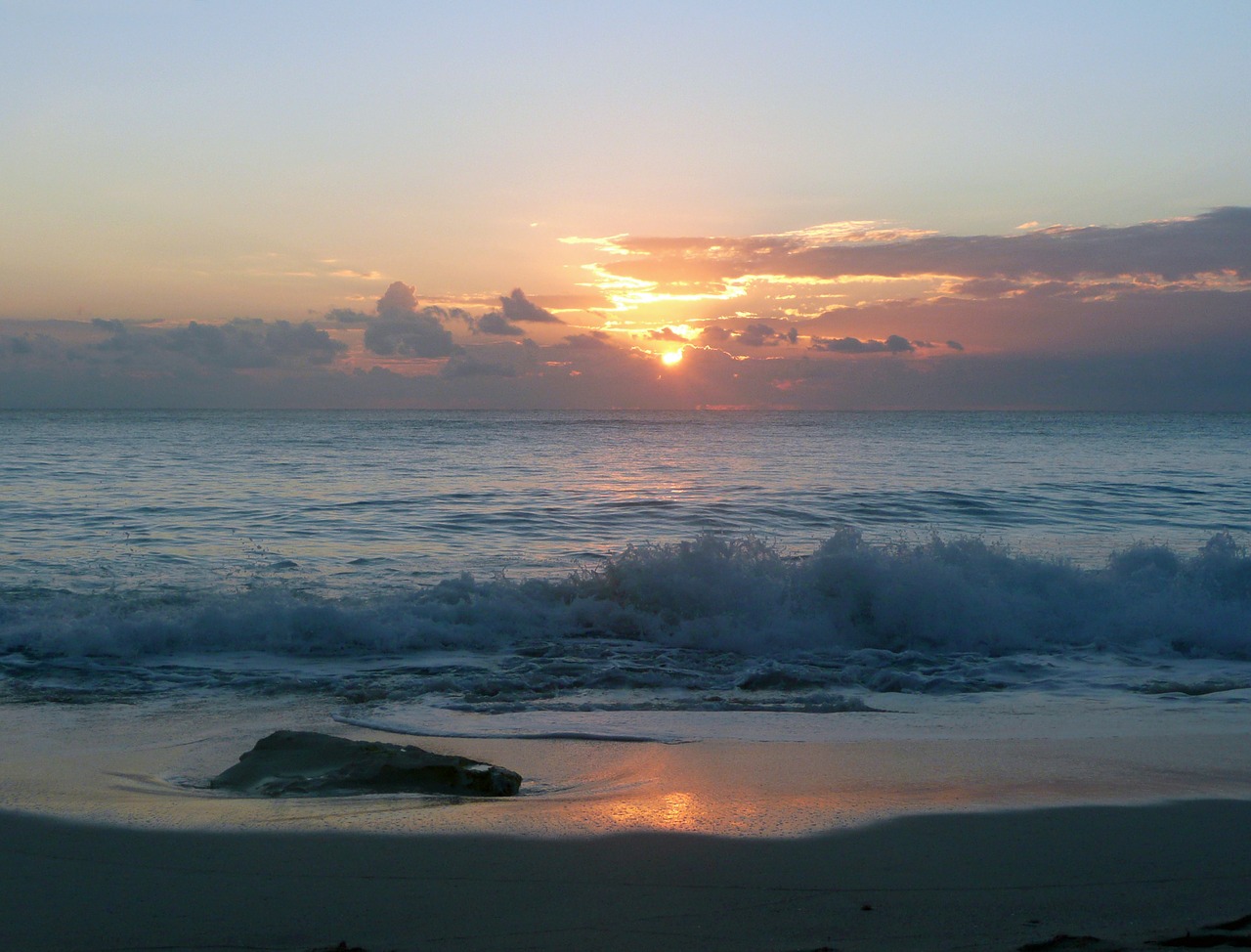
I will end this post with my customary thank yous plus a bunch of beautiful images from Pixabay that somehow reminded me of this song.
Thank you to all of the folks who have kept North of Highland campground going for many decades. I miss being there each summer!!!
Thank you to the couple who camped for a few days across the little valley from us at North of Highland campground.
Thank you to the Dalai Lama for his wisdom.
Thank you to my sweetheart and his — now our — family for letting me sit in my tent at the campground all day long, working on new songs.
Thank you to my dear ukuleles, to my “tent of creativity,” and to the various pencils, pens, notebooks, rhyming dictionaries, and laptops which help me to write songs.
Thank you to Molly and Carole for our years of interactions.
Thank you to the UU church in Medford for bringing me and Carole and Molly together as a musical unit and as friends.
Thank you to Doug Hammer for engineering and then mixing/mastering our recordings with us.
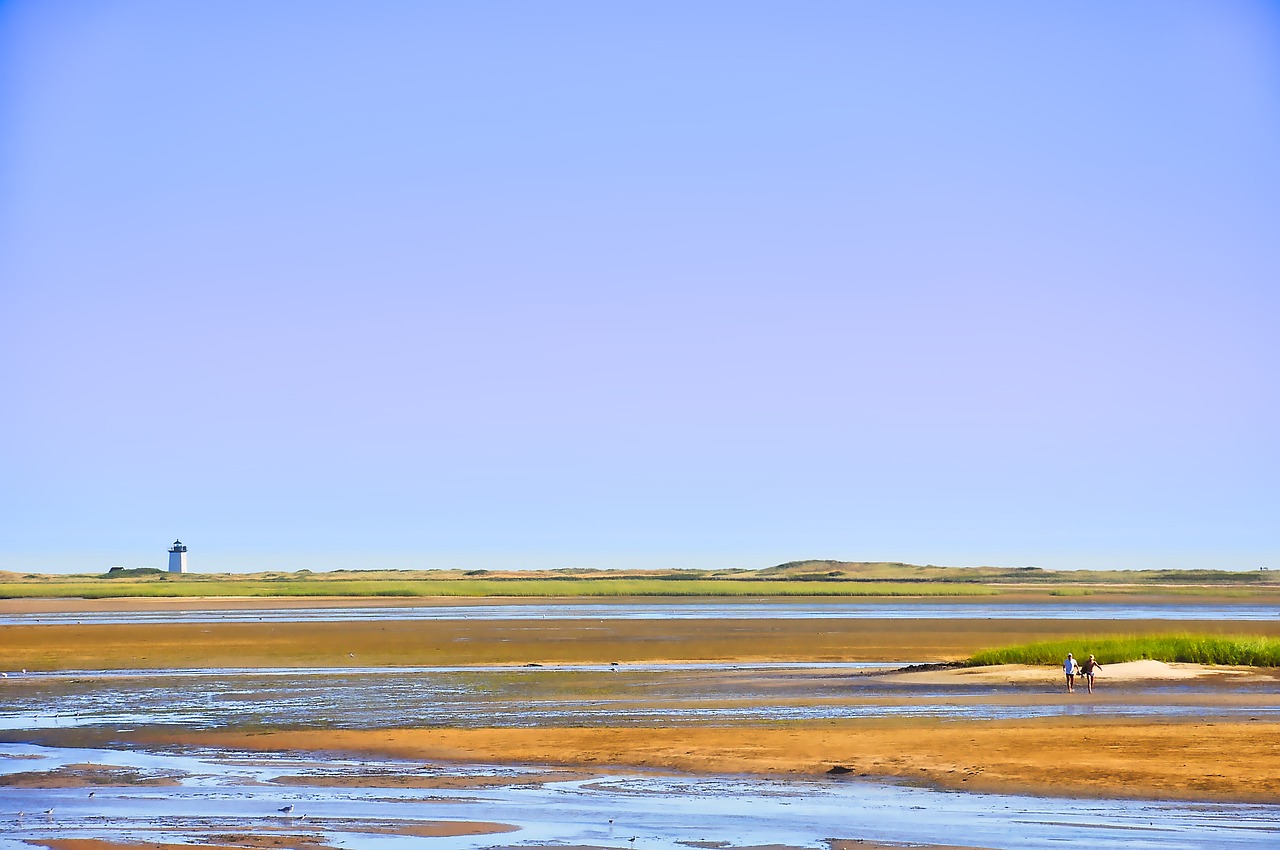
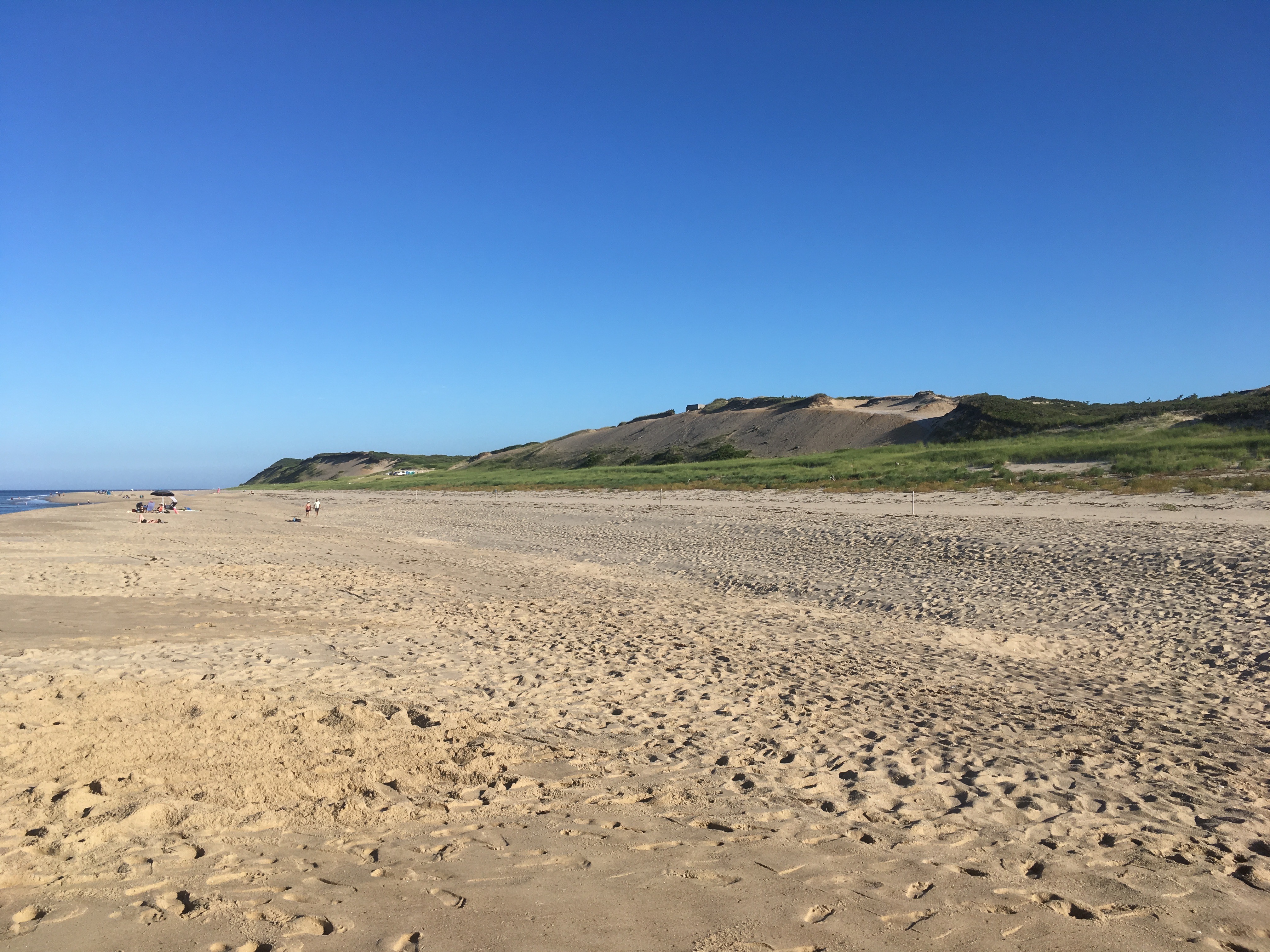
Thank you to the grasses and bushes and seaweeds and crabs and sea birds and seals and sharks and fish who make the Head Of The Meadow beach — a short and beautiful walk from the North Of Highland campground — so interesting to visit.
Thank you to the ocean and the sun and the moon and the tides which sweep the beach clean twice a day.
Thank you to everyone who has been listening to my songs via Pandora, YouTube, Spotify, Apple Music, and any/all of the other streaming platforms.
Each stream, each like, and each addition to a playlist is noted by that streaming service’s algorithms — and encourages it to share the song with other listeners.
As regular readers of this blog are well aware, I love spending time on Cape Cod.
And I am not alone in this sentiment.
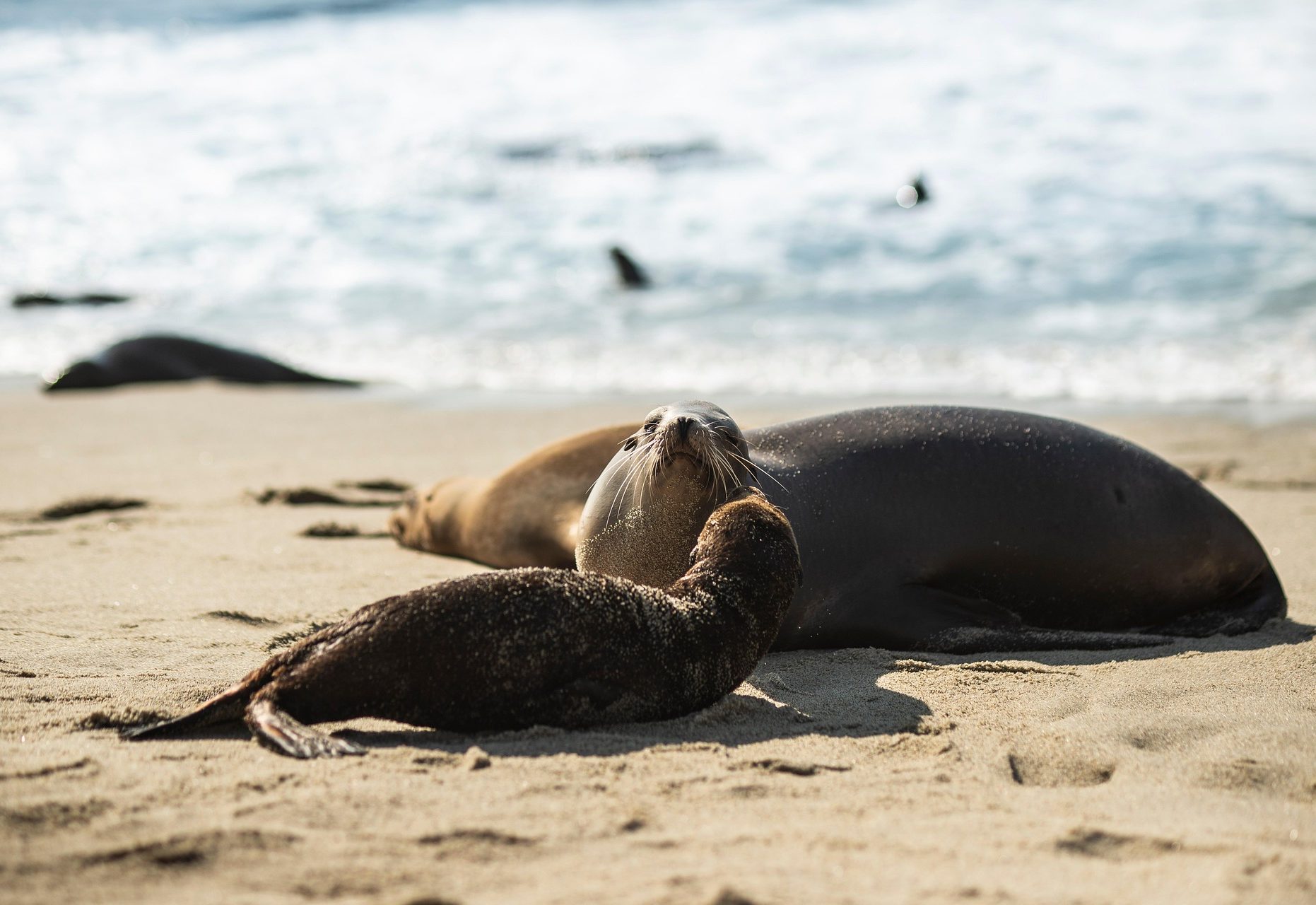
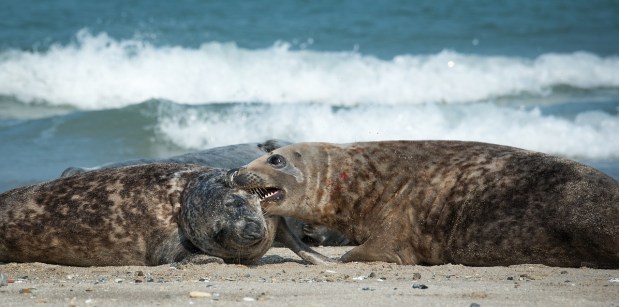
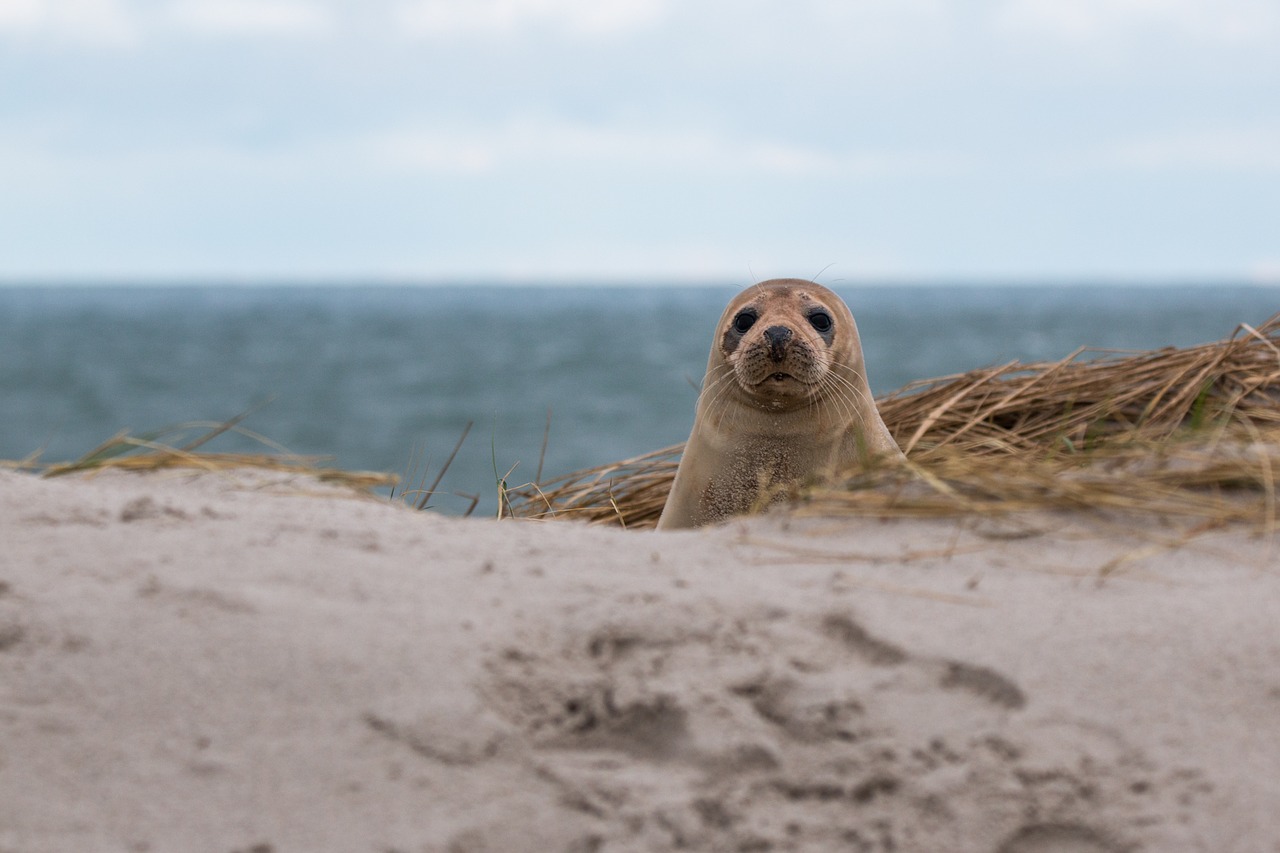
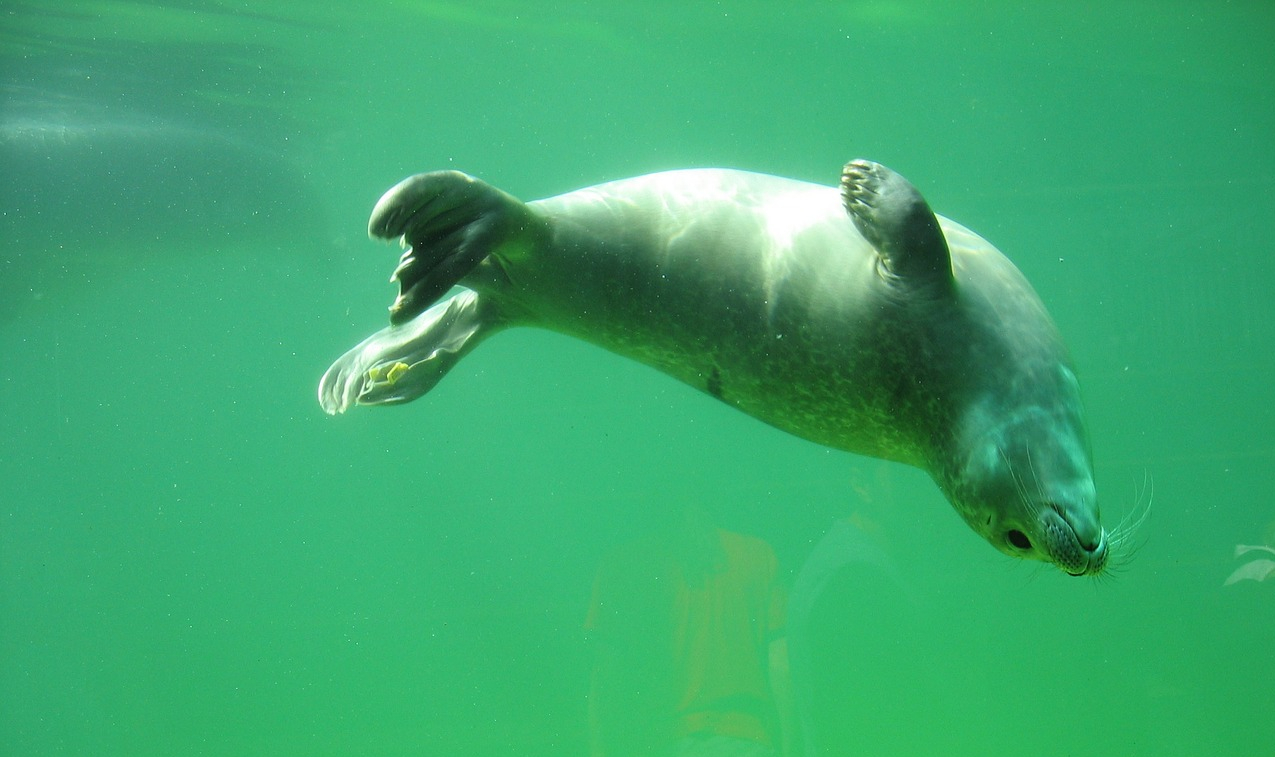
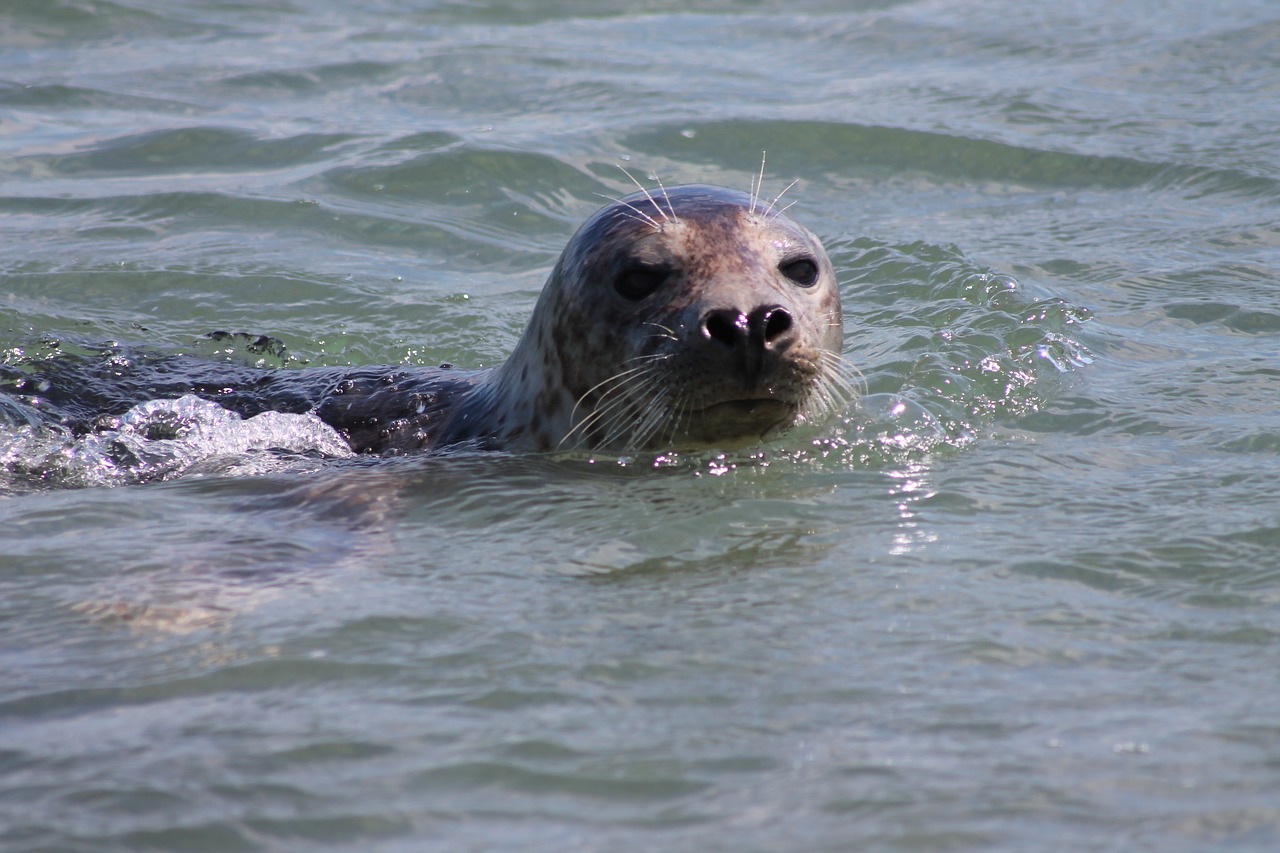
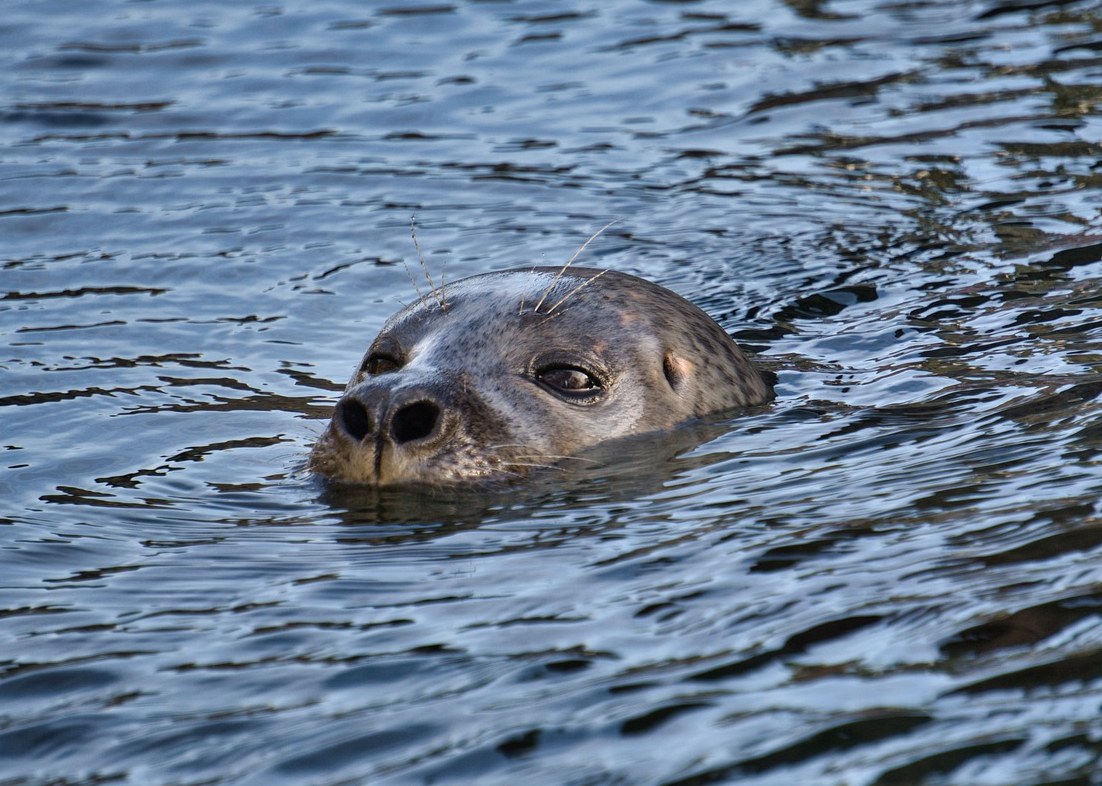
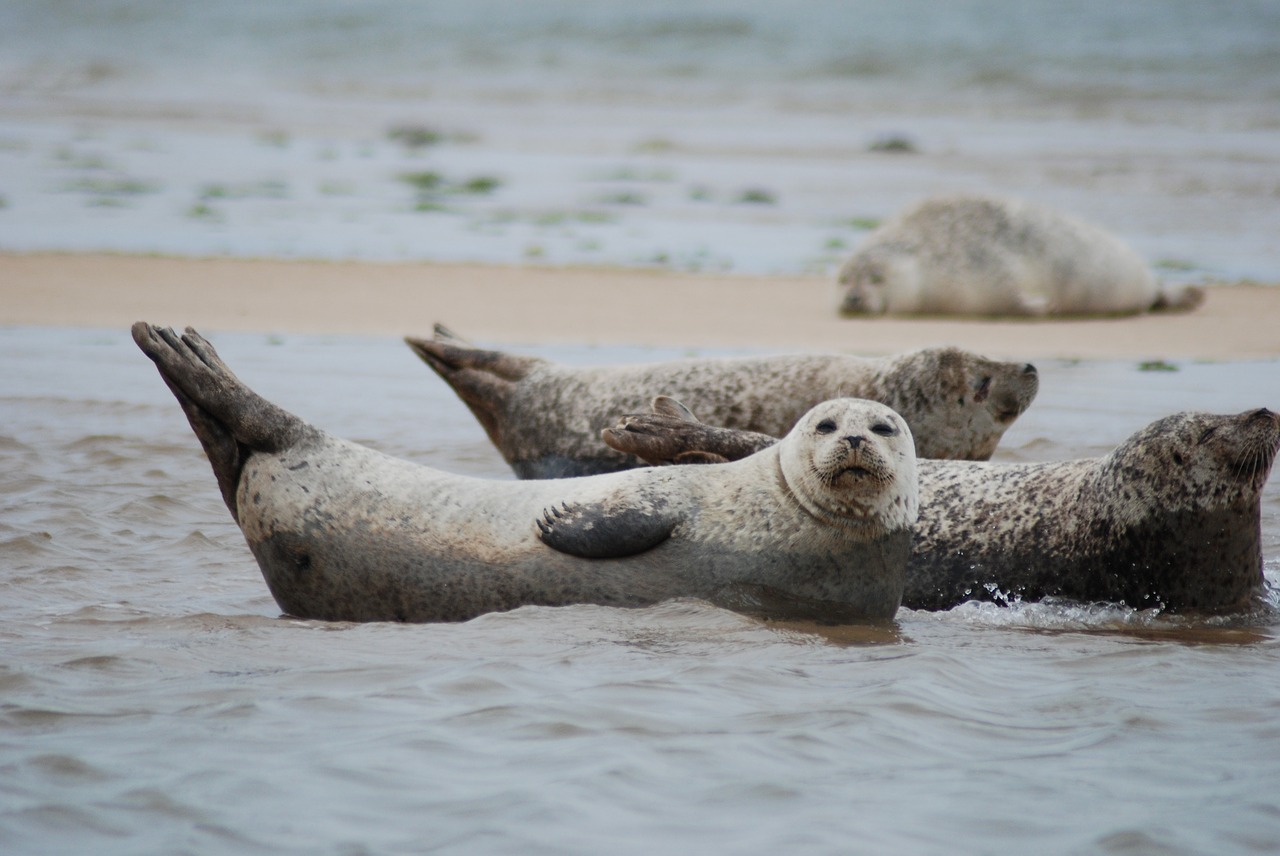
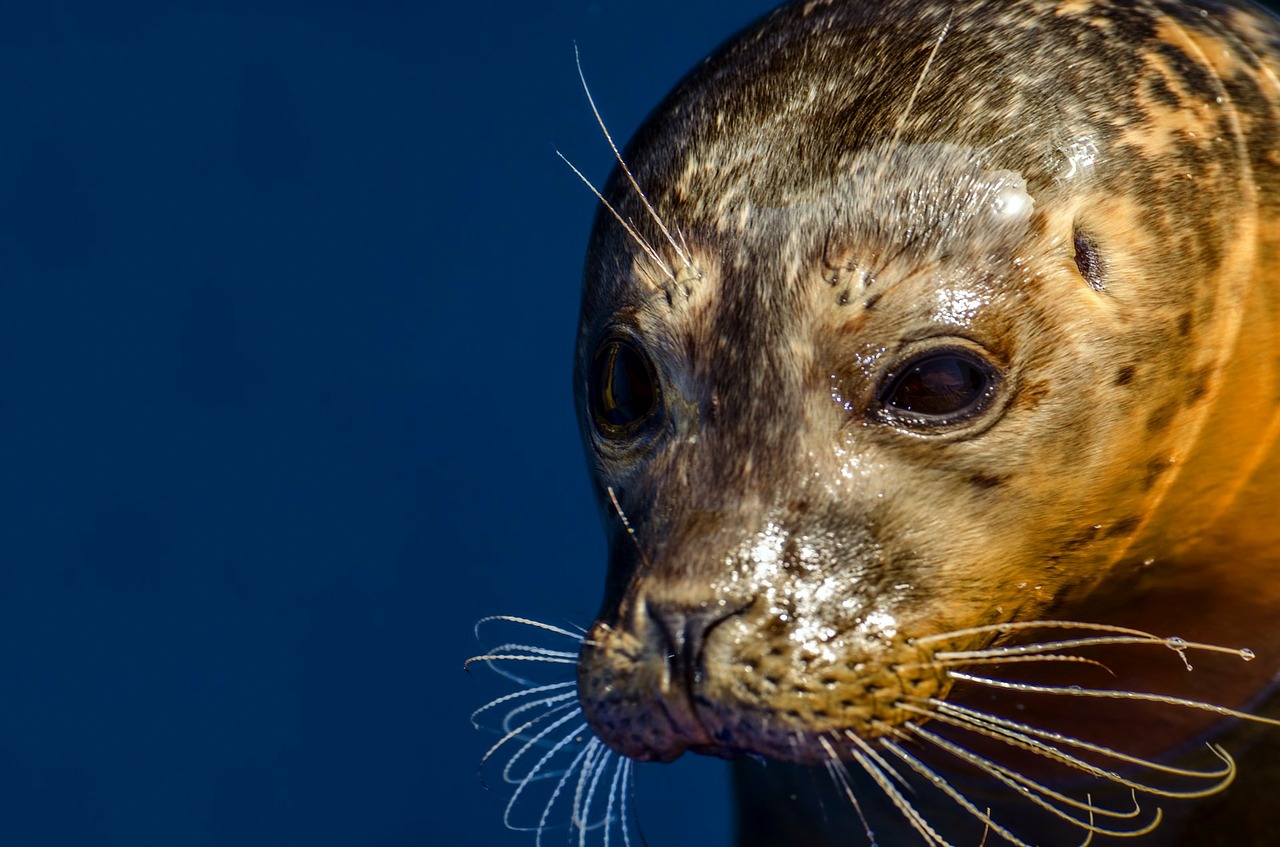
In recent years the population of seals on Cape Cod has risen significantly.
According to the web site of the Center For Coastal Studies in Provincetown, two kinds of seals — harbor and gray — live on the Cape year-round.
Three other species — harp, hooded, and ring seals — can also be spotted on Cape Cod, although they give birth in Canada and Greenland.
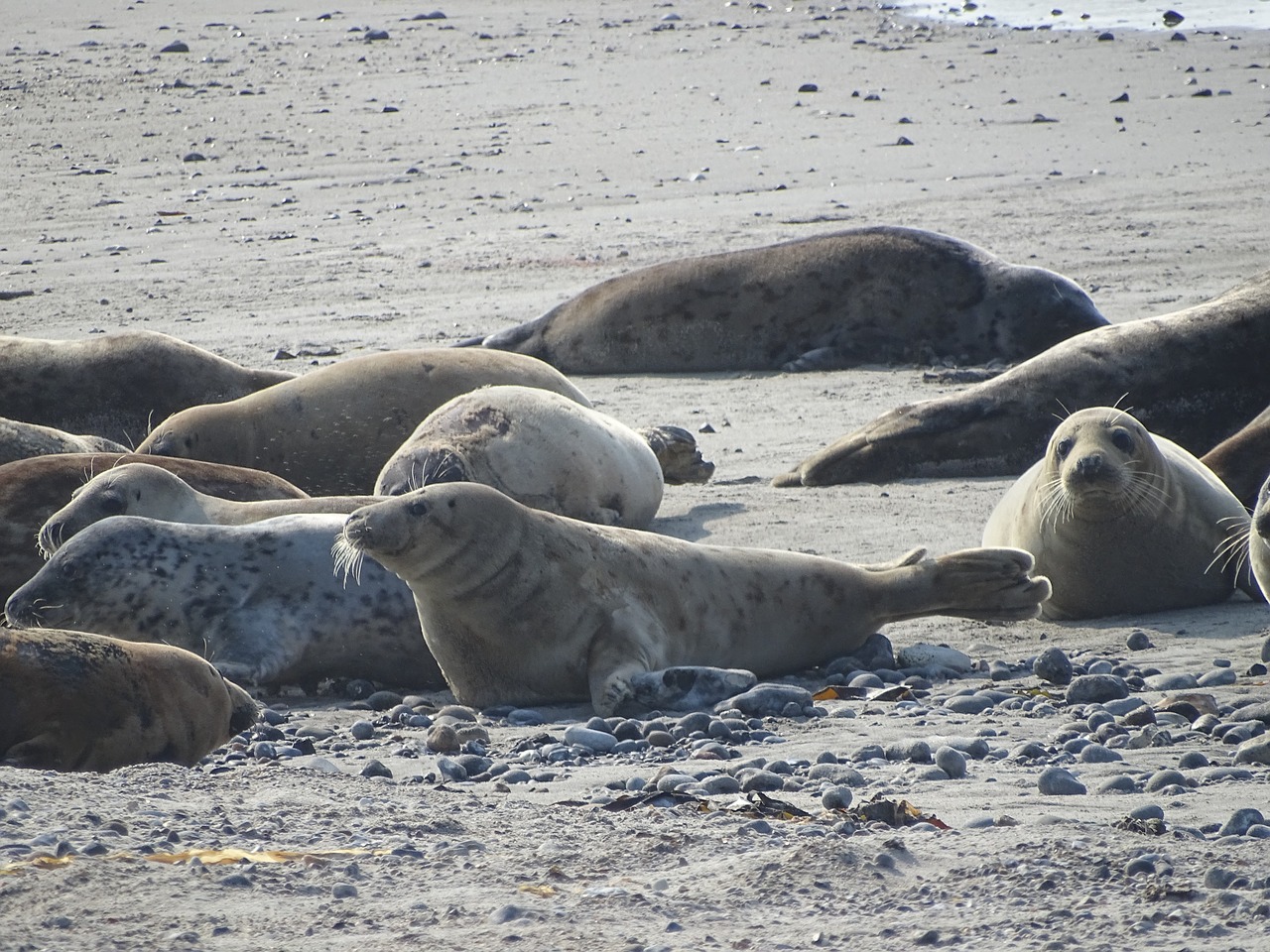
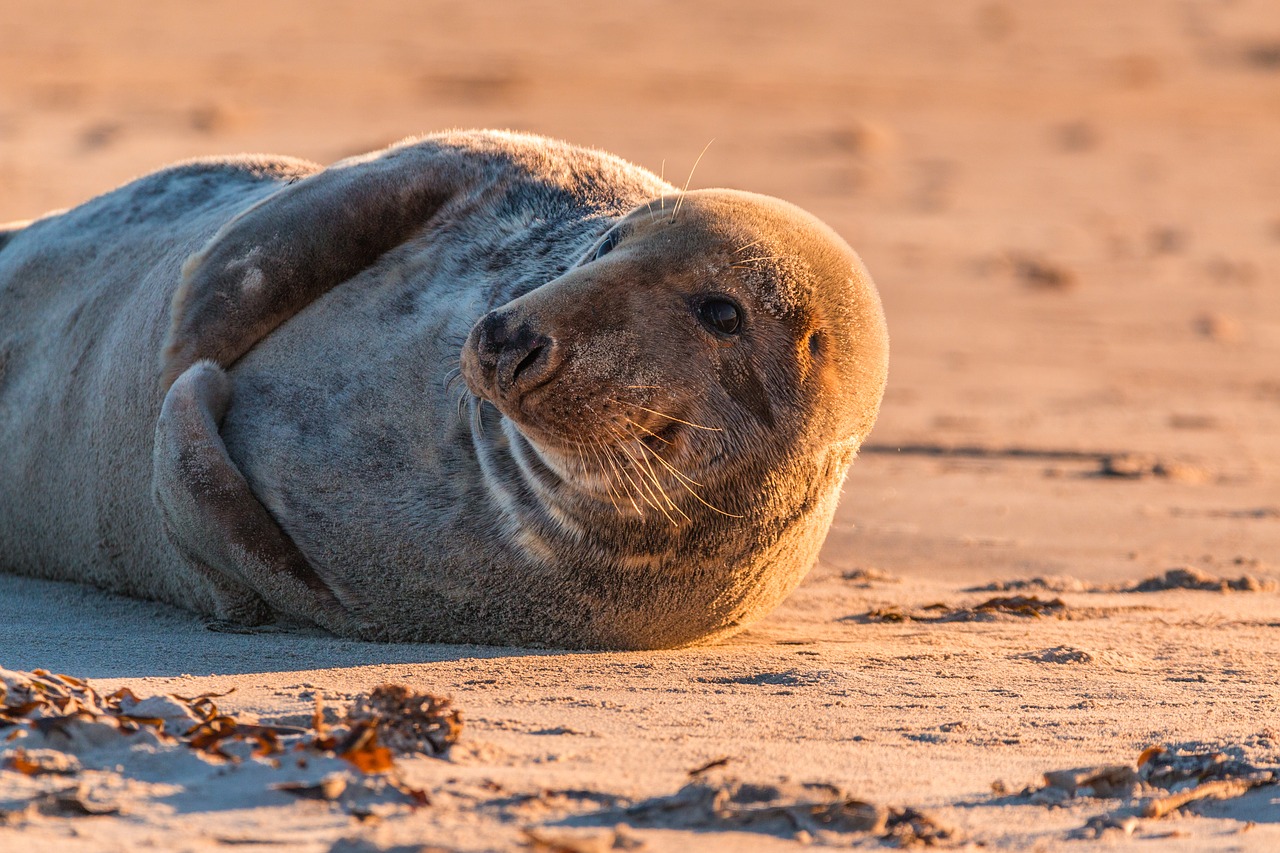
I am pretty sure it is gray seals who share the beach in North Truro with us human beings.
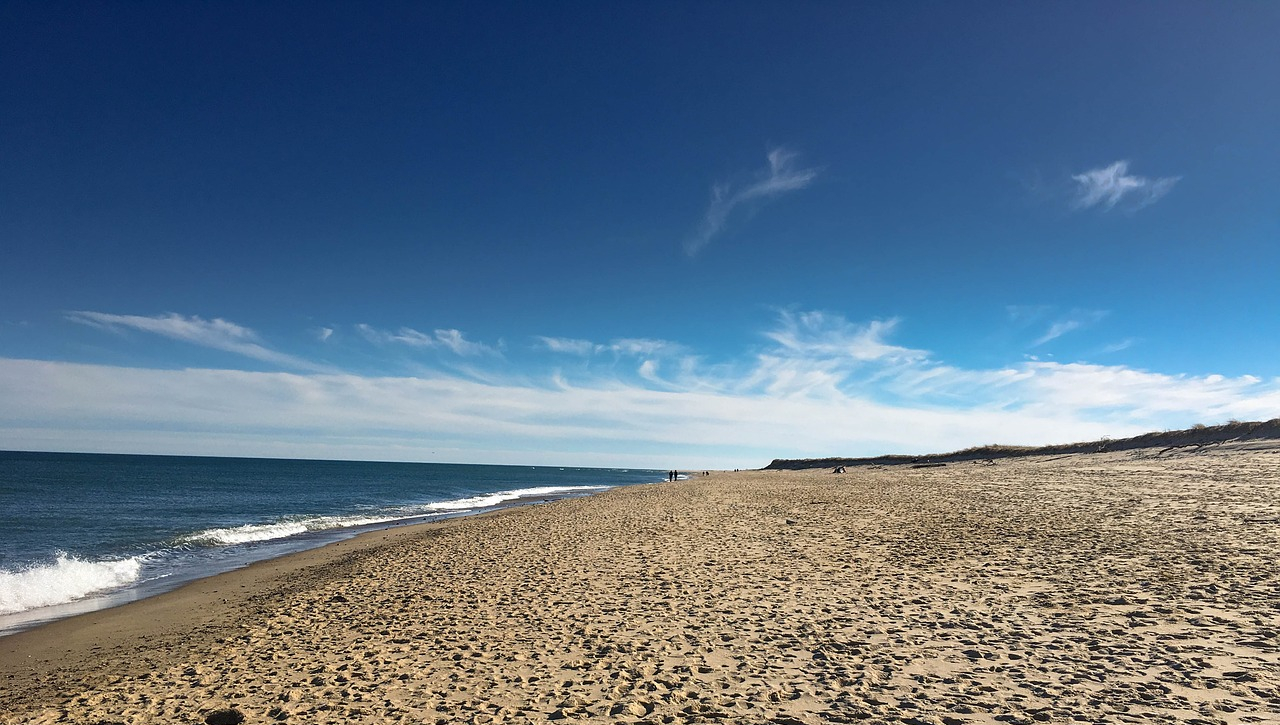
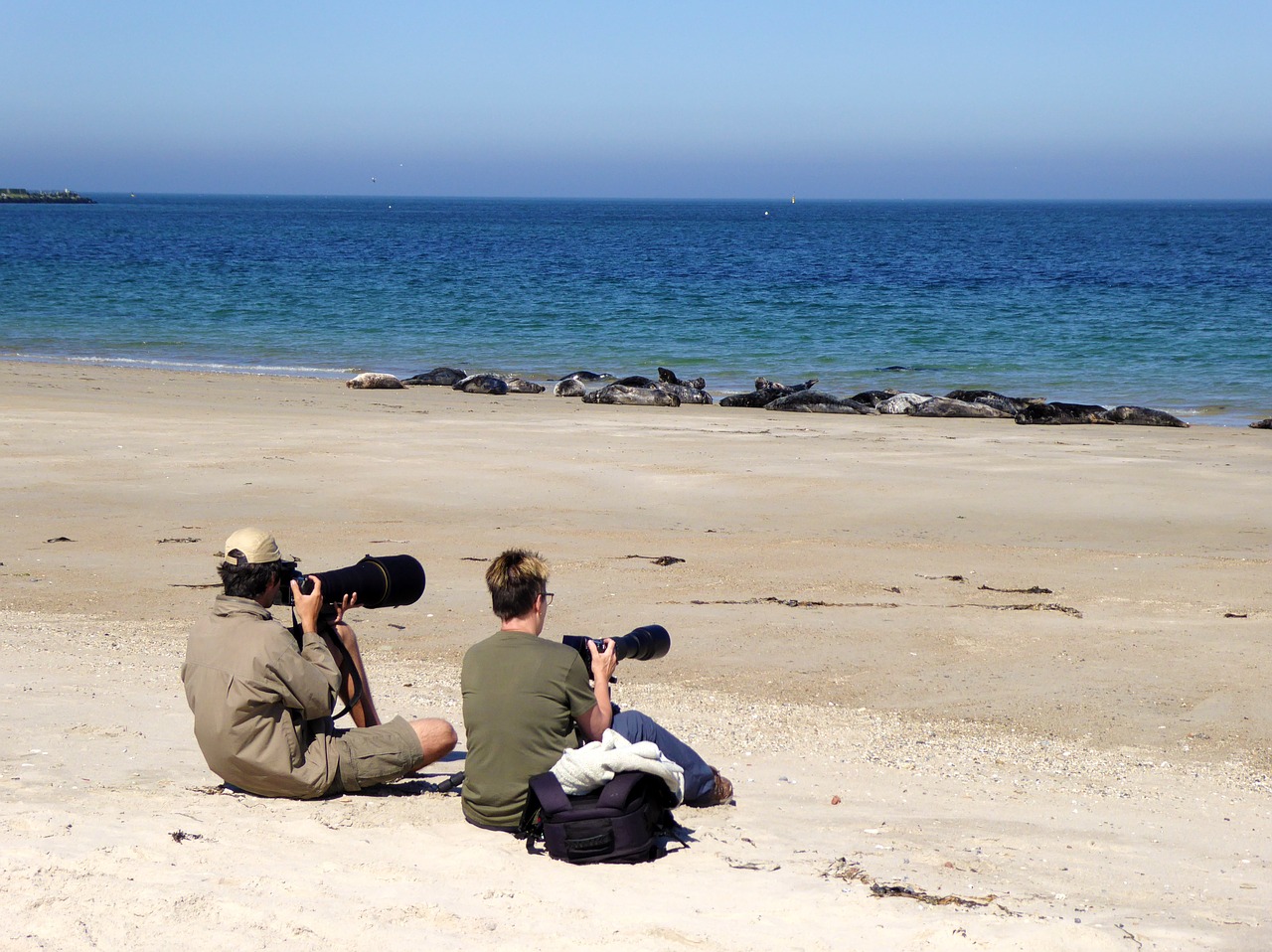
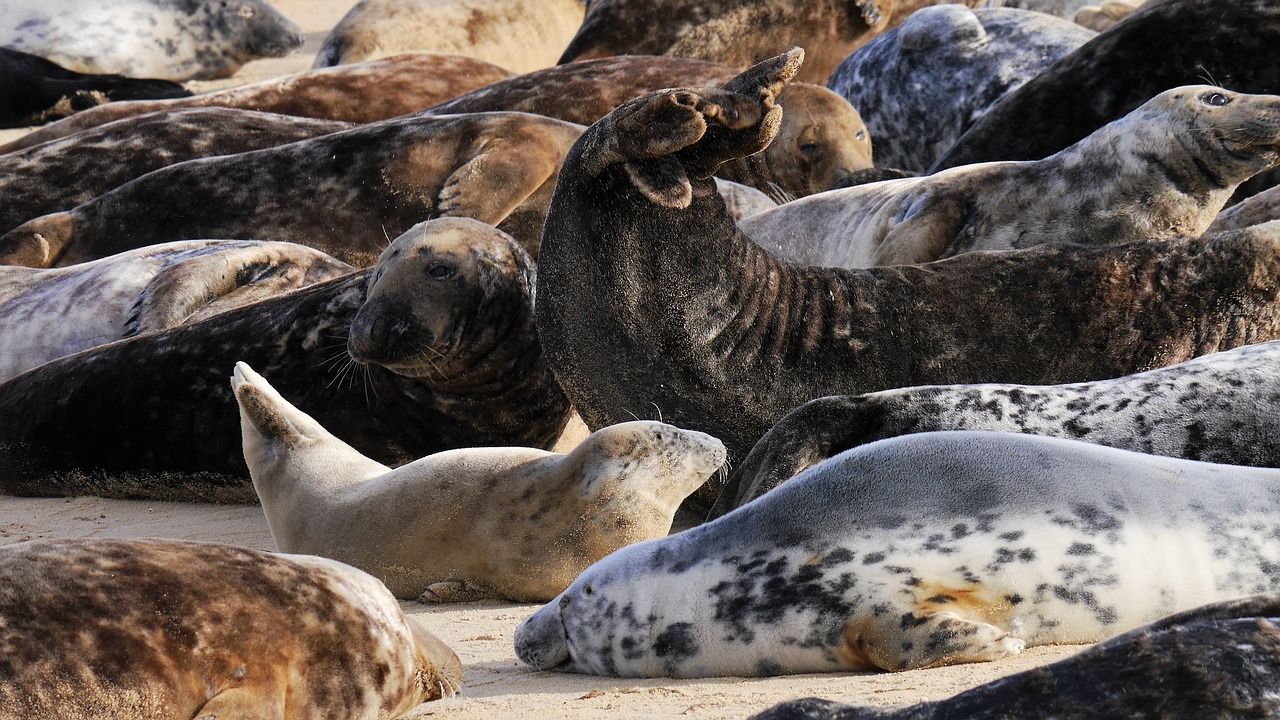
Head Of The Meadow beach, near where I camp with family members each summer, is home to hundreds of seals.
You can click here to read a recent story — with great photos — about this particular community of seals.
It confirms what we have noticed — that within the past ten years, the number of seals sharing this beach has increased substantially!
At low tide they gather in large communities on the sandbars and soak up the sun.
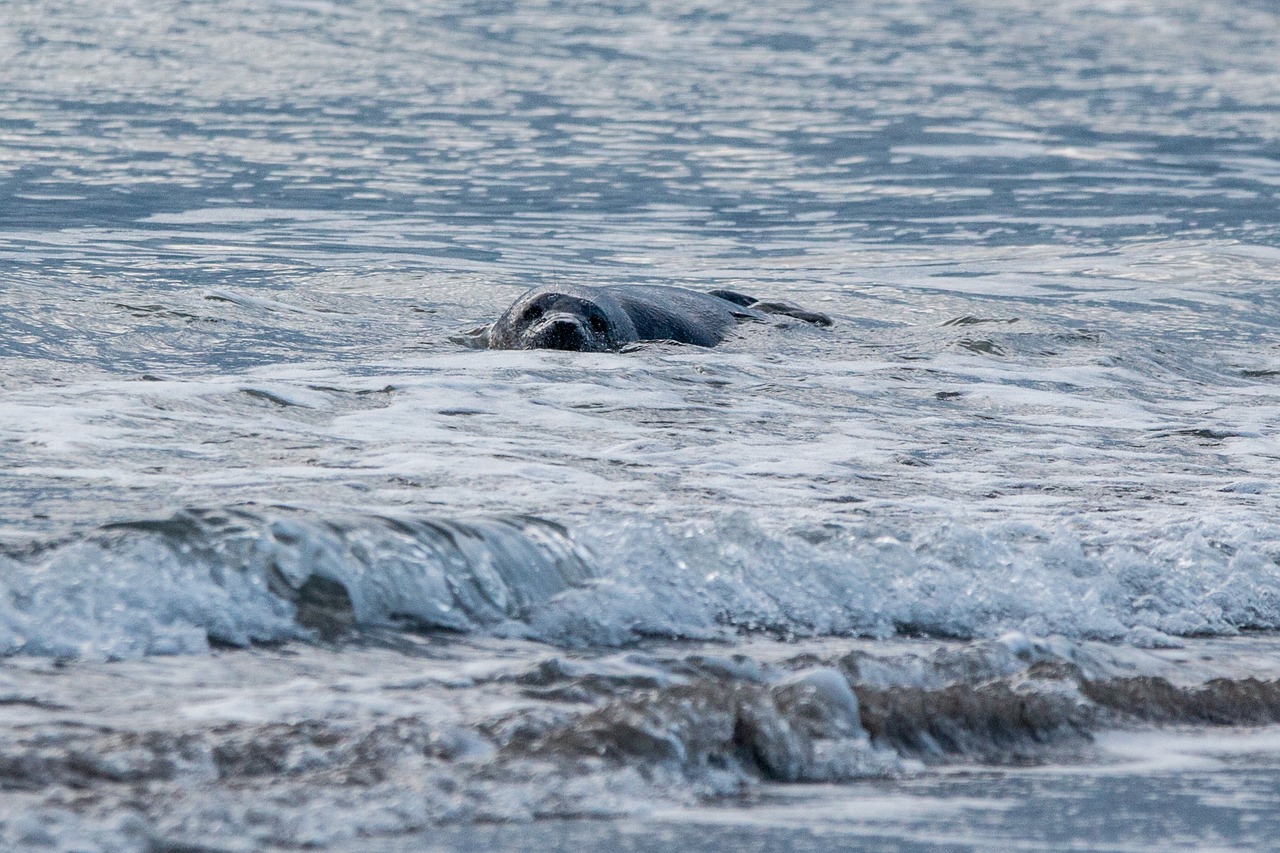
Then at high tide everyone is back in the water, swimming up and down the shoreline in search of food.
When I am learning new songs, I usually record them as accurately as possible with pianist Doug Hammer at his studio in Lynn, MA.
Then I load piano-vocal and just-piano versions onto my iPod — and walk and sing for hours, memorizing lyrics while musing about the story being told in the song…
And beaches are great places to walk and sing.
Seals often will swim along the shore while I am walking — their heads popping up through the surface of the water at regular intervals.
Sometimes a bunch of them will gather and watch/listen if I stop and sing in one place for a while.
They are curious beings.
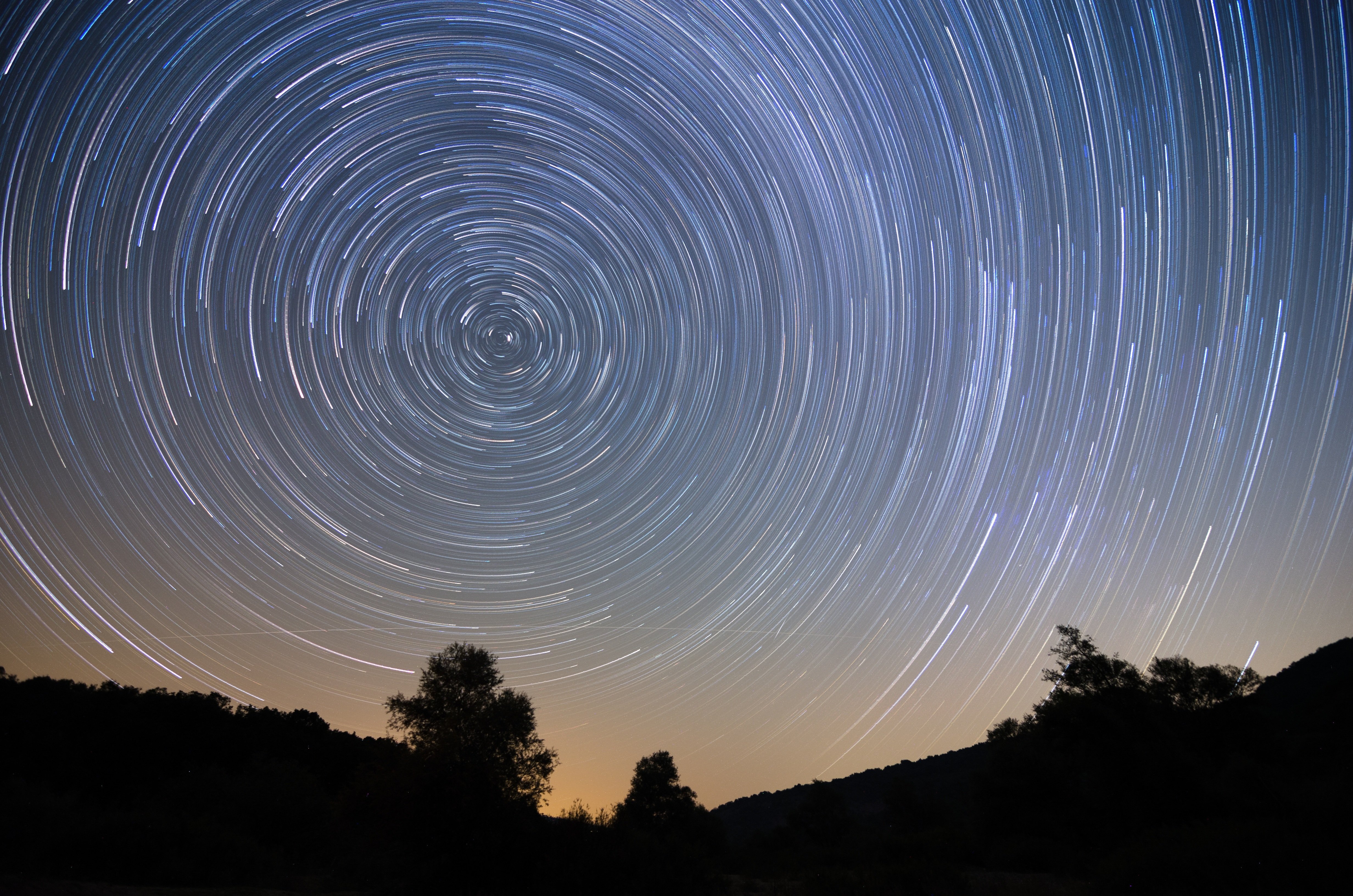
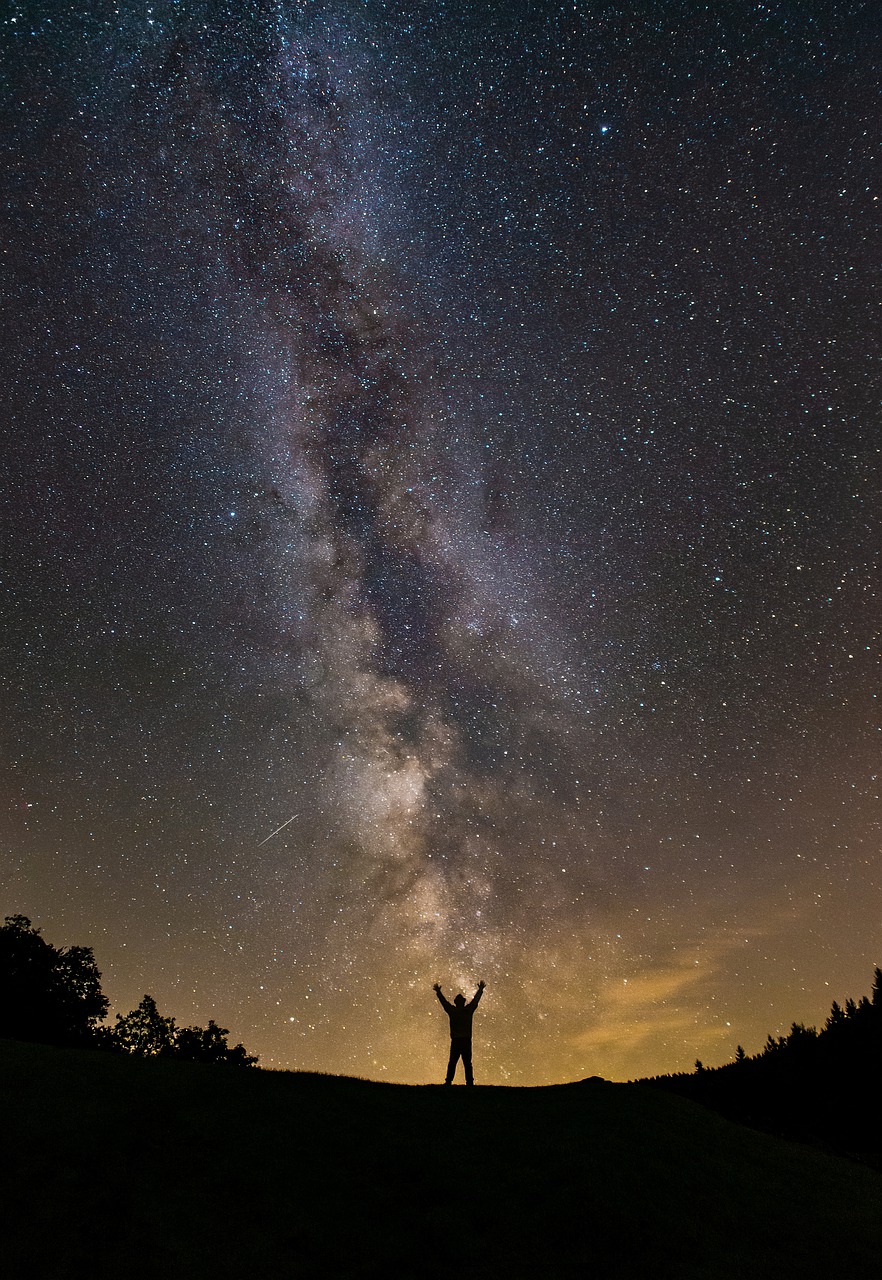
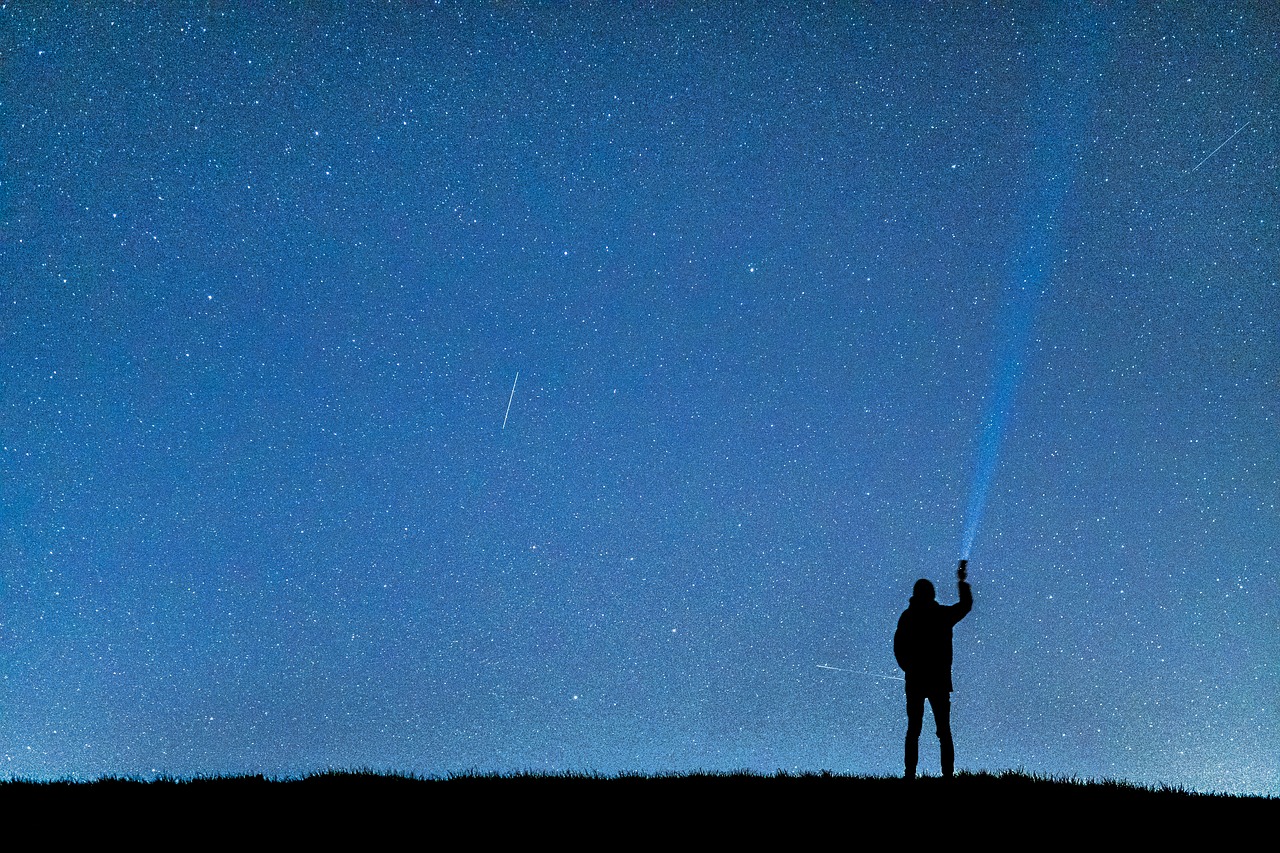
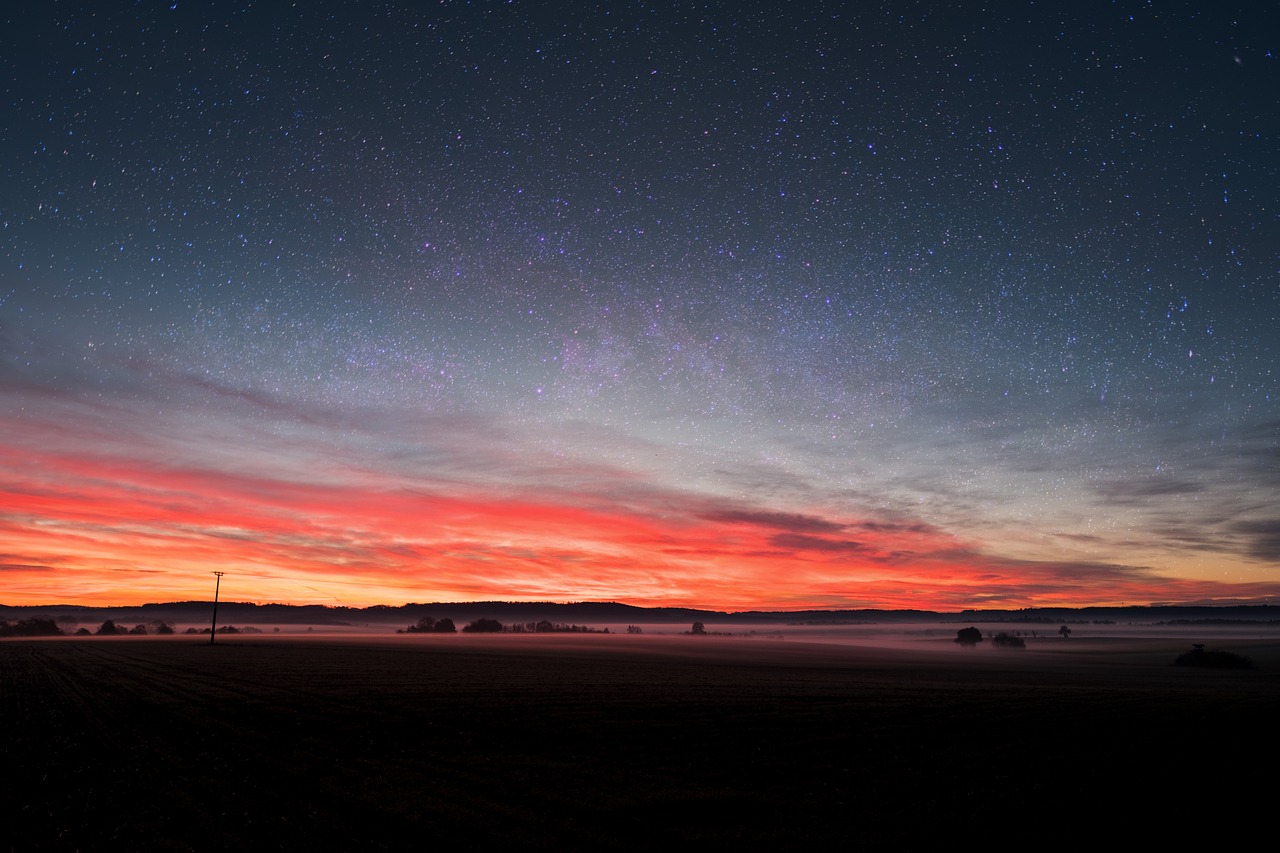
On clear nights, I sometimes leave the campground and head back to the beach in order to walk and sing and revel in a truly starry sky.
Where I live — just outside of Boston — there’s a lot of light pollution.
But on the outer Cape — away from buildings and streetlights and cars — the skies remain awe-inspiring.
And song-inspiring!
I wrote the song (in the player at the beginning of this blog post) a couple of summer ago… and recorded it with Doug a few weeks ago at his studio north of Boston.
It was an alternative pick for a Valentine’s-themed blog post.
But since February is not quite over, I have decided to share it in this seal-themed blog post instead.
Since I burn easily, I almost never go to the beach during peak sun hours.
My routine is to stay at the campground during the day — when almost all of the humans have gone to the beach — and write songs.
I sit in a very large tent with my ukulele and a rhyming dictionary and a little digital recorder and a laptop computer and bags of song ideas which I have jotted down over the years.
I listen to the birds and the chipmunks and the crickets and the cicadas.
And write.
Then in the late afternoon I walk down a long path through a wonderful pine forest to the beach.
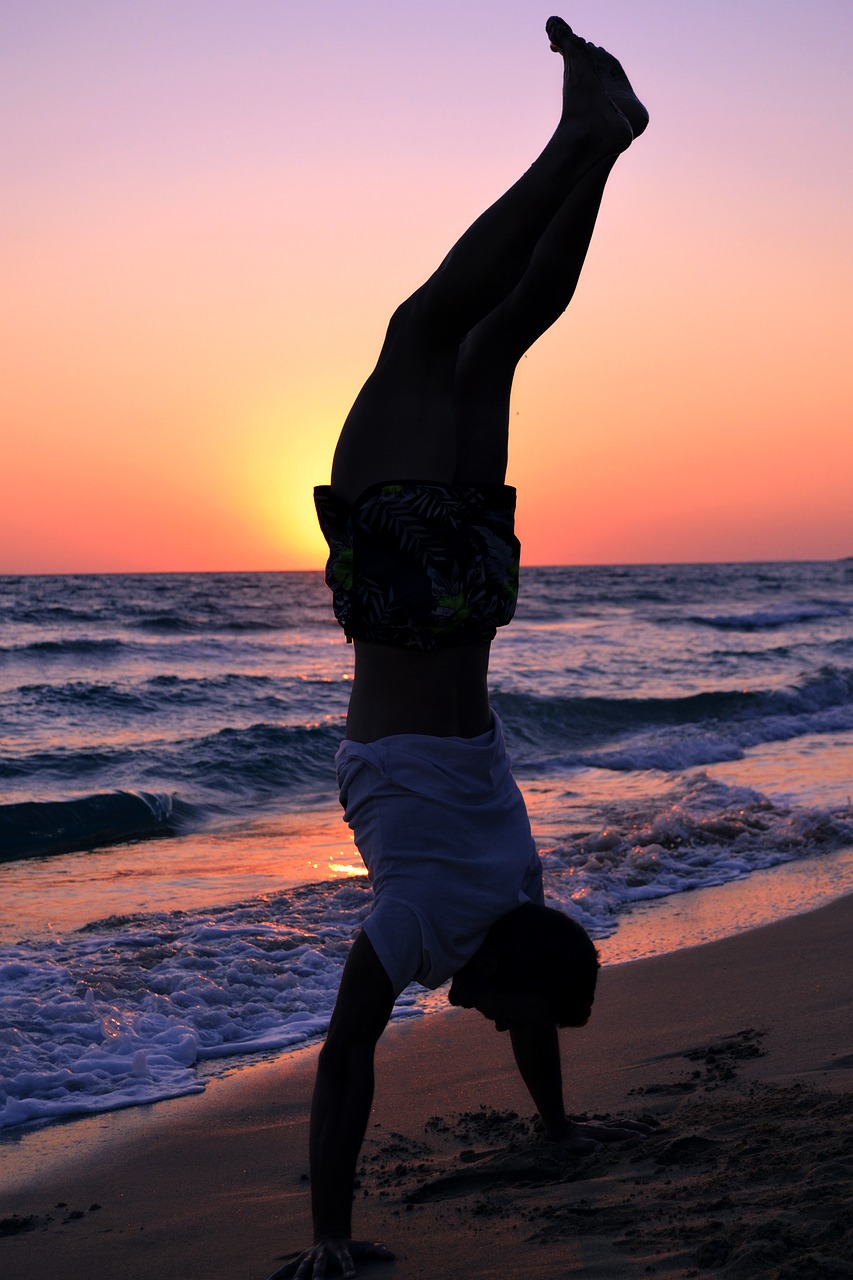
In addition to swimming in very shallow water along the shore — because the booming seal population has also encouraged a healthy population of great white sharks to visit the outer Cape — I sometimes stretch and do a little yoga.
As do the seals…
While we human beings dither about climate change — and carry viruses around the world due to our obsession with international travel — and vote for political candidates who may or may not care one iota for their constituents — I am strangely reassured to think about the seals.
And the moon.
And the stars.
And the sea.
Thank you to all of the photographers who share their great photos at Pixabay.
And to the seals and other wildlife who share the Cape with us human beings.
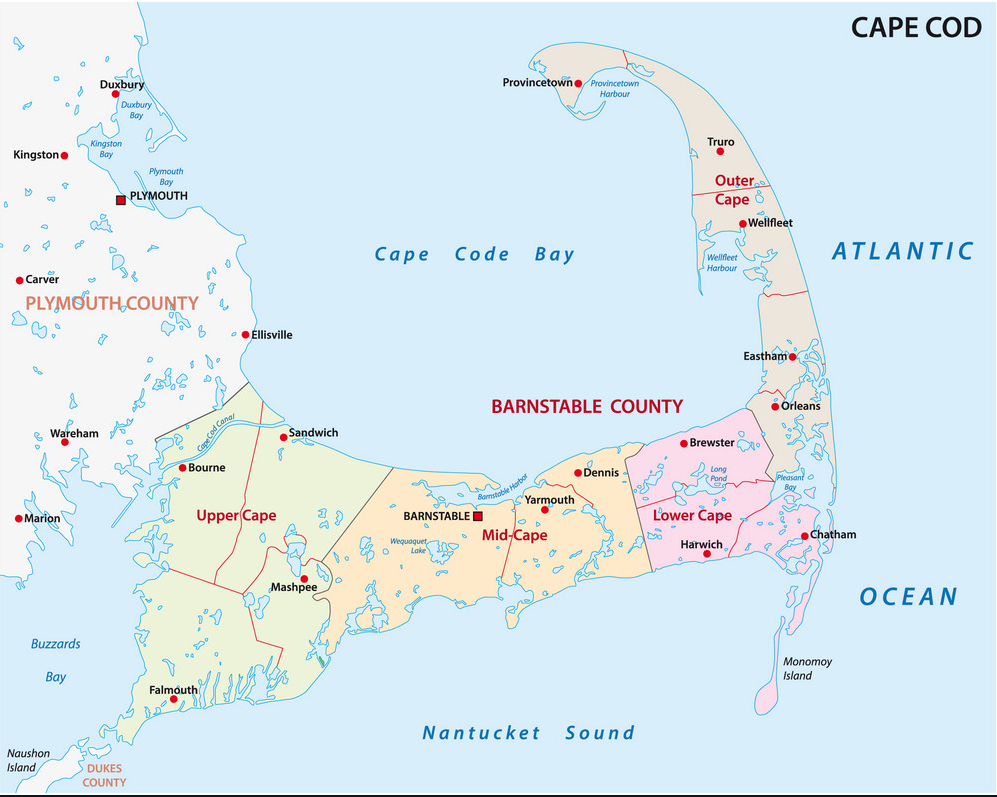
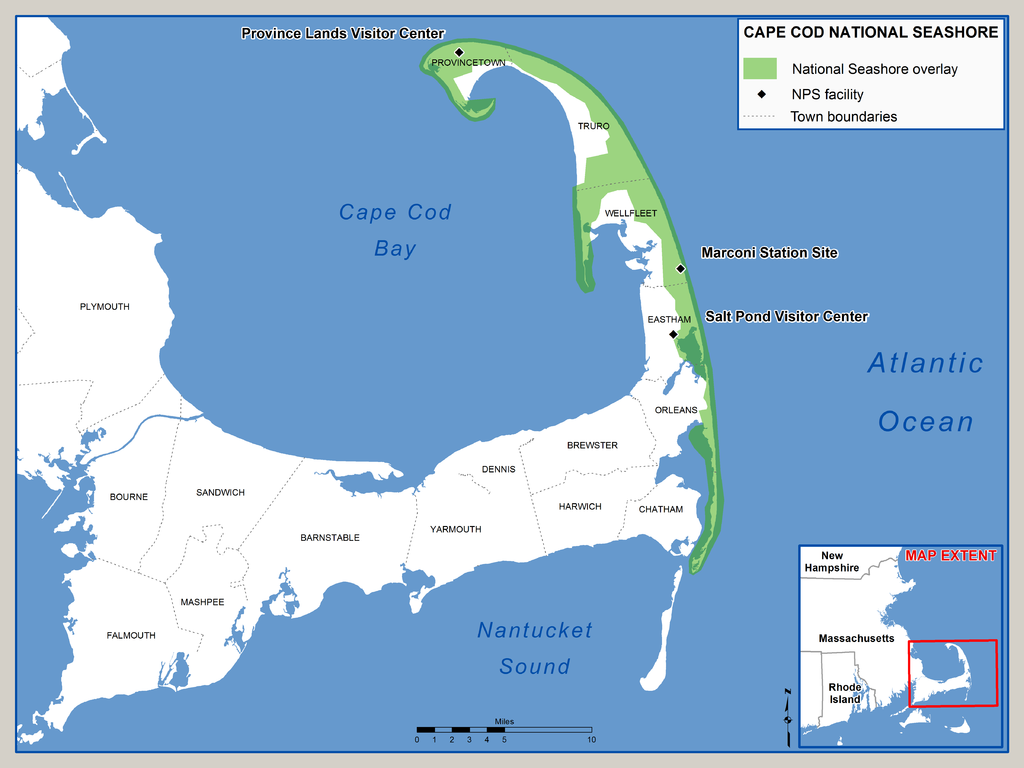
Anyone who has spent time on the outer arm of Cape Cod can be deeply grateful to John F. Kennedy due to the creation on August 7, 1961 of the Cape Cod National Seashore during his short presidency.
Image from Wikipedia
According to Wikipedia — which is where I borrowed this map — it includes over 68 square miles of “ponds, woods and beachfront (in) the Atlantic coastal pine barrens ecoregion.”
It’s also where I and my sweetheart and various family members are fortunate to camp each summer during the last week of July and the first week of August — in North Truro on the Atlantic side of the outer arm (or wrist, really…) of the Cape.
In 2010 the campground where we have stayed for over 25 years — called North of Highland — was protected with a conservation easement thanks to the hard work and generosity of many people and organizations — including JFK’s younger brother, Senator Ted Kennedy.
So hopefully it will remain in operation for generations to come!
For me camping in North Truro is heavenly…
This is a view of our site from a site which some of our family members rent above us.
We are in a bowl which is home to pine trees, grasses, chipmunks, red squirrels, all sorts of birds, lots of ants, a few oak trees, crickets, various fungi, and quite a few blueberry bushes.
There are also visiting dragonflies, bees, mosquitos, horseflies, June bugs — who appear in the evening, attracted by our lights — and on some nights we can hear coyotes howling in the distance.
Although I have never seen a raccoon or opossum or rabbit or turkey or deer at our campsite, on one night someone DID get into our niece’s trash can.
So I am guessing that larger animals are around — just wisely inconspicuous during the day.
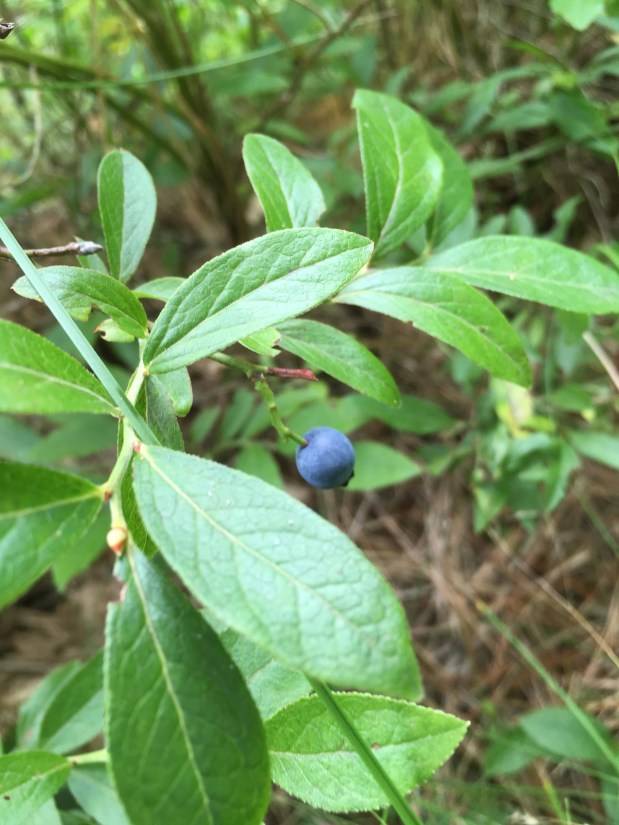
I love the way that sunlight dapples the trees and grass — and I love picking a few blueberries each morning.
There weren’t very many this summer, which may be because it has been somewhat dry.
We only experienced rain three times this summer while we were camping — a) on the day we drove down to set up camp, b) once overnight, and c) a substantial storm on the day that we were packing up to return home.
When it rains I imagine how good the moisture must feel on the roots of all of the trees and shrubs and grasses.
Each berry is such a jewel… and hopefully there are plenty more for the folks camping at this site right now as well as for any animals who like to eat them, too.
I spend most of the day in our tent — which is quite spacious — with a ukulele, a little handheld digital recorder, a rhyming dictionary, two lap top computers, and several bags worth of song ideas.
Each morning I stretch and listen to song ideas I’ve accumulated during the previous months — or in some cases years — until something catches my fancy.
Then I focus on that particular idea for the rest of the day — writing lyrics, coming up with chords for a missing bridge, etc.
The song in the player at the beginning of this blog post is one I wrote a few camping sessions ago and later recorded with the pianist Doug Hammer at his studio north of Boston.
This is a view of our (green) screen house — where we cook and eat — and our (orange) tent.If you look past our tents in the upper left corner of this photo, you can glimpse the tent site from which the first photo in this post was taken…
There are many, many things I love about camping.
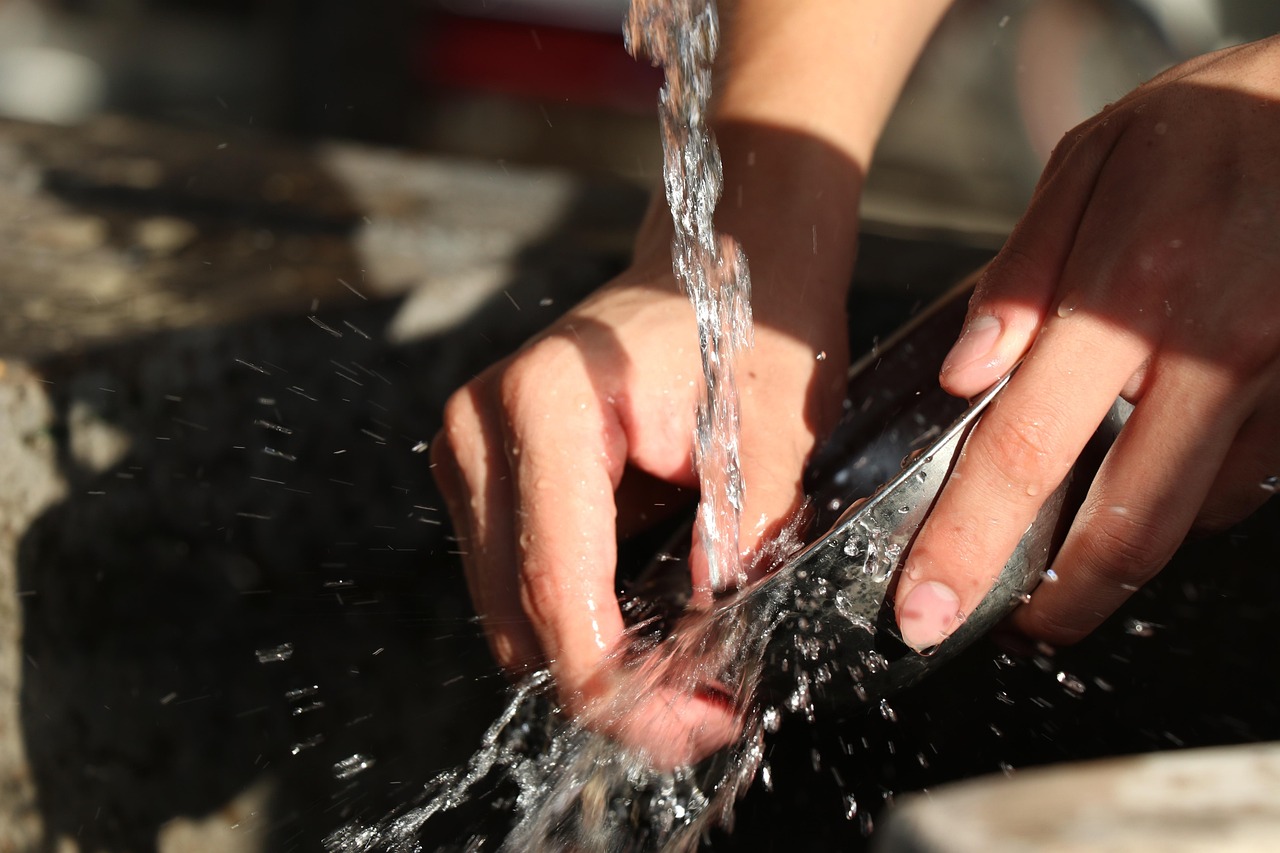
For example, when we are camping, we become much more aware of our relationship with water — since we are carrying it in big multi-gallon containers down to our campsite for drinking and cooking and cleaning dishes.
Also all of the sinks in the bathrooms at the campground have faucets that automatically shut off after a couple of seconds.
And hot showers cost 25 cents for three minutes of bathing time.
I also love that there are LOTS of stars visible at night.
I went for several long walks along the beach late at night when the sky was clear — and the moon so bright that I didn’t need to use a flashlight to see where I was going.
Being away from street lights and TV screens and radios — while spending hours and hours surrounded by birds and insects and trees and sky — helps me reconnect with what’s important.
Like time with family and friends.
And intact ecosystems.
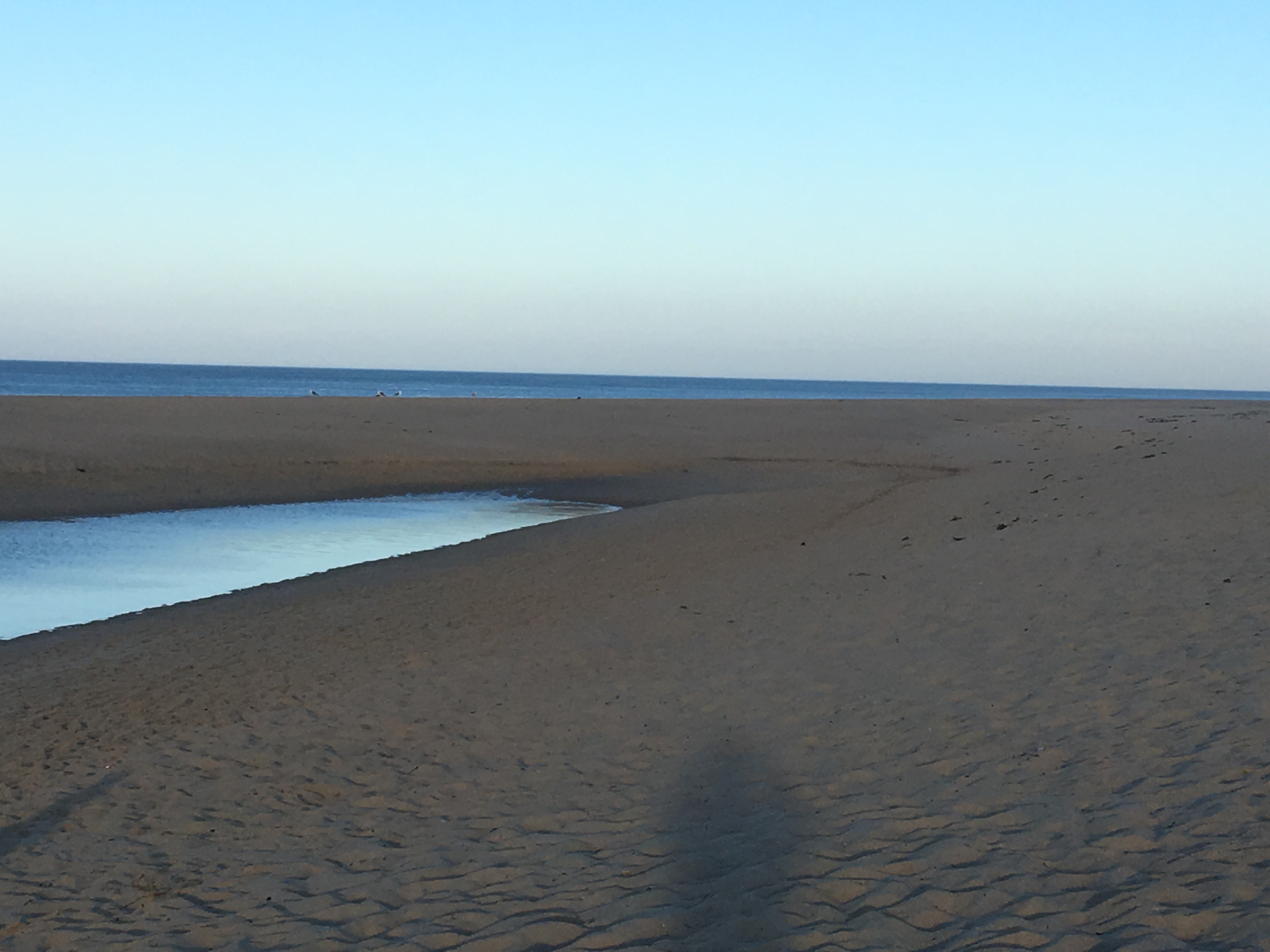
Before dinner — which is often something delicious cooked by my brother-in-law who bikes to the local fish store on an almost daily basis, bless him — I usually walk down a pine-needle-covered path to the Atlantic ocean and swim.
In recent years the tide and winter storms have created a gully along the beach which ranges in depth from one to five feet depending upon the time of day.
Since there is now a robust population of seals who swim up and down this section of the Atlantic ocean — as well as great white sharks who come to eat them — my family is much happier if I swim laps in the gully rather than in the ocean.
There were a couple of great white shark sightings during our two weeks at the camp ground, and also one day when a bunch of whales cavorted within sight of the beach.
But I did not see them because I was working on new songs in my tent…
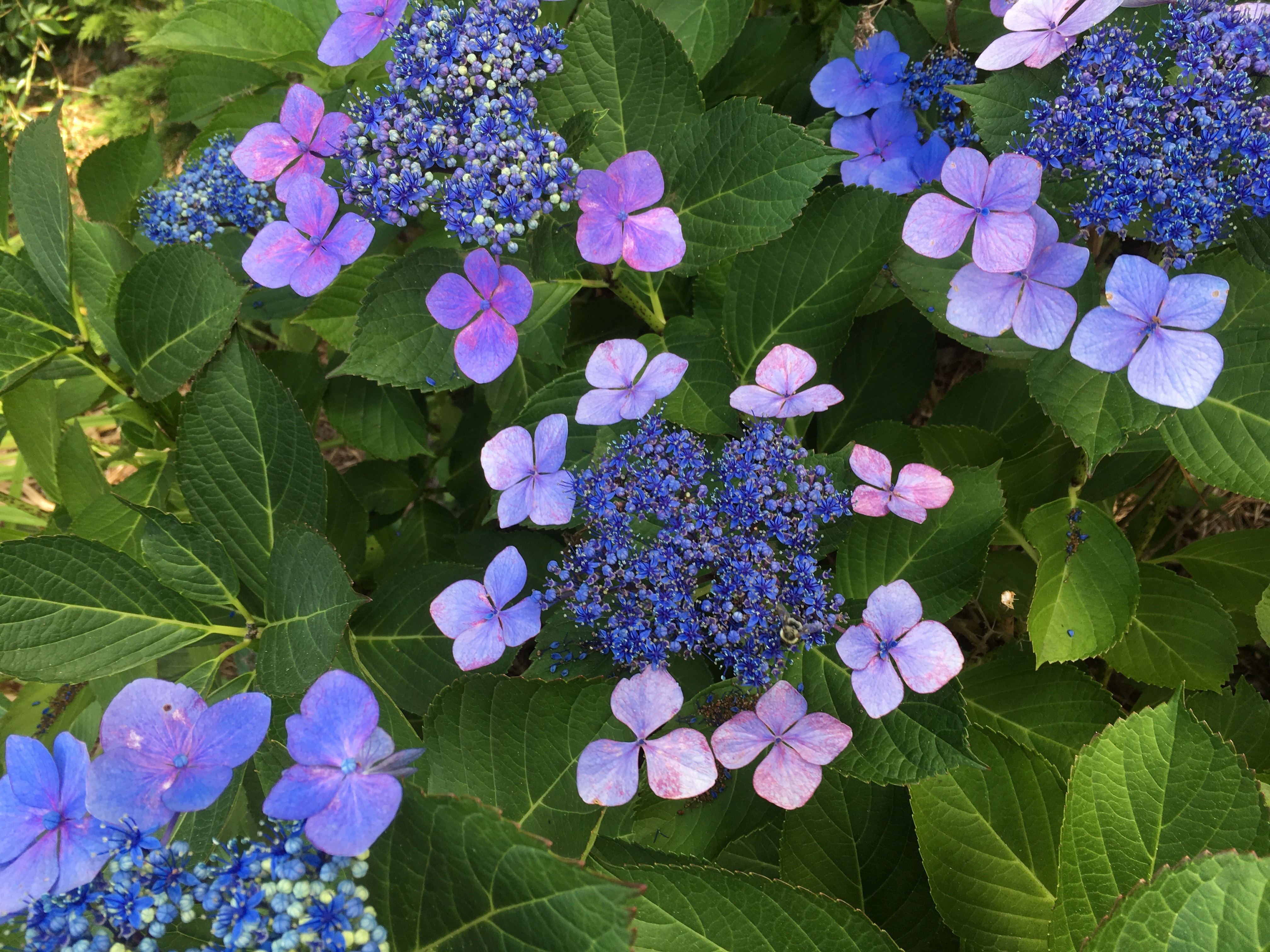
Everyday I checked in with a hydrangea plant which grows near the path to the bathrooms and showers.
There was so much happening on this plant — it was a world unto itself!
Every day flowers would unfold new petals.
And bees and wasps and even flies in many different shapes and sizes would gather pollen.
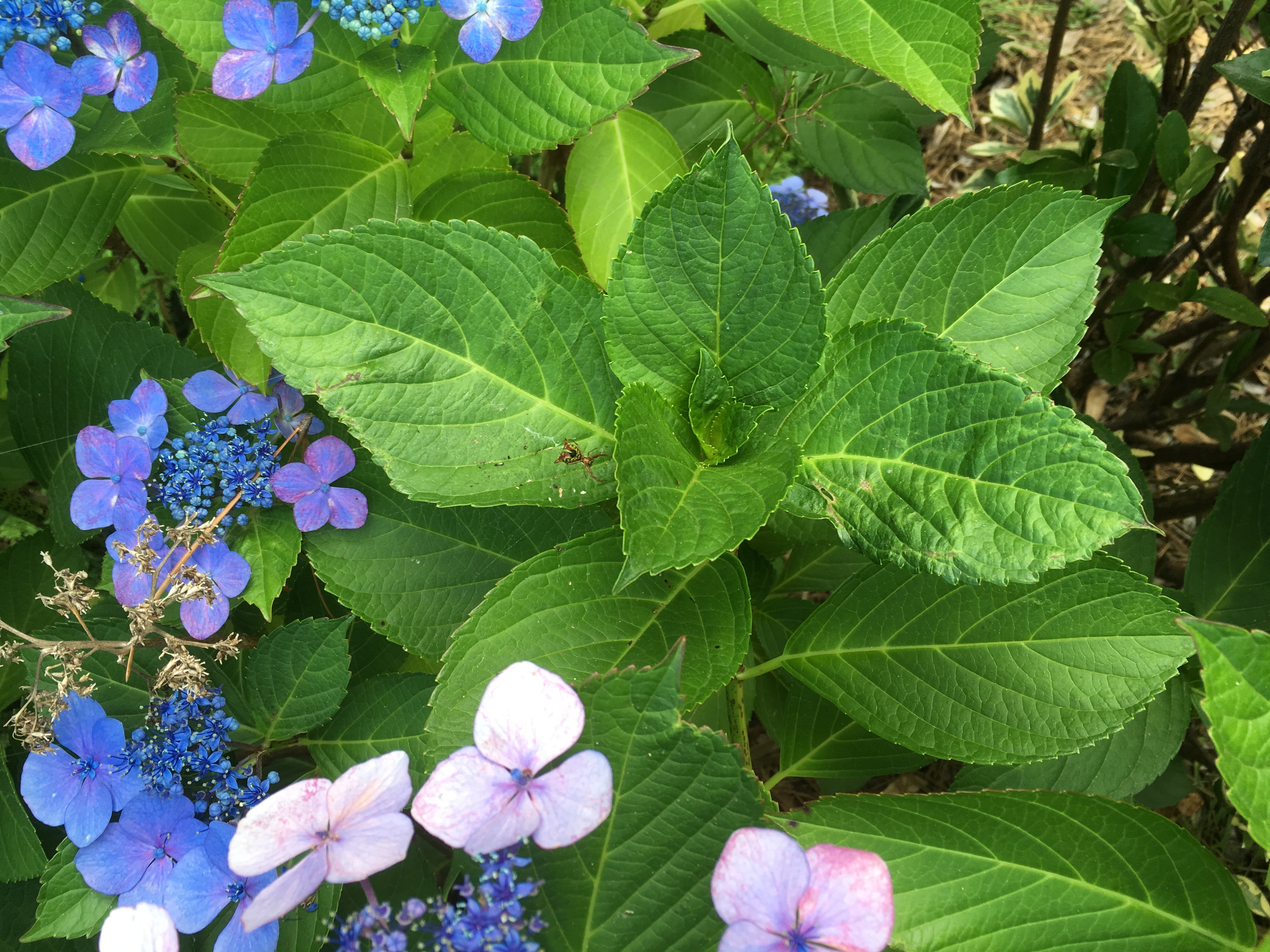
During the course of our time at the campground, several spiders wove webs — which in due time trapped a quite a few meals.
Here is a close up of one of the spiders against a green hydrangea leaf.
Eventually it was time to pack everything up and return home.
This is always a sad and somewhat stressful process for me.
But my sweetheart and family members are very patient, since they know it happens every summer on the last day of our camping adventure.
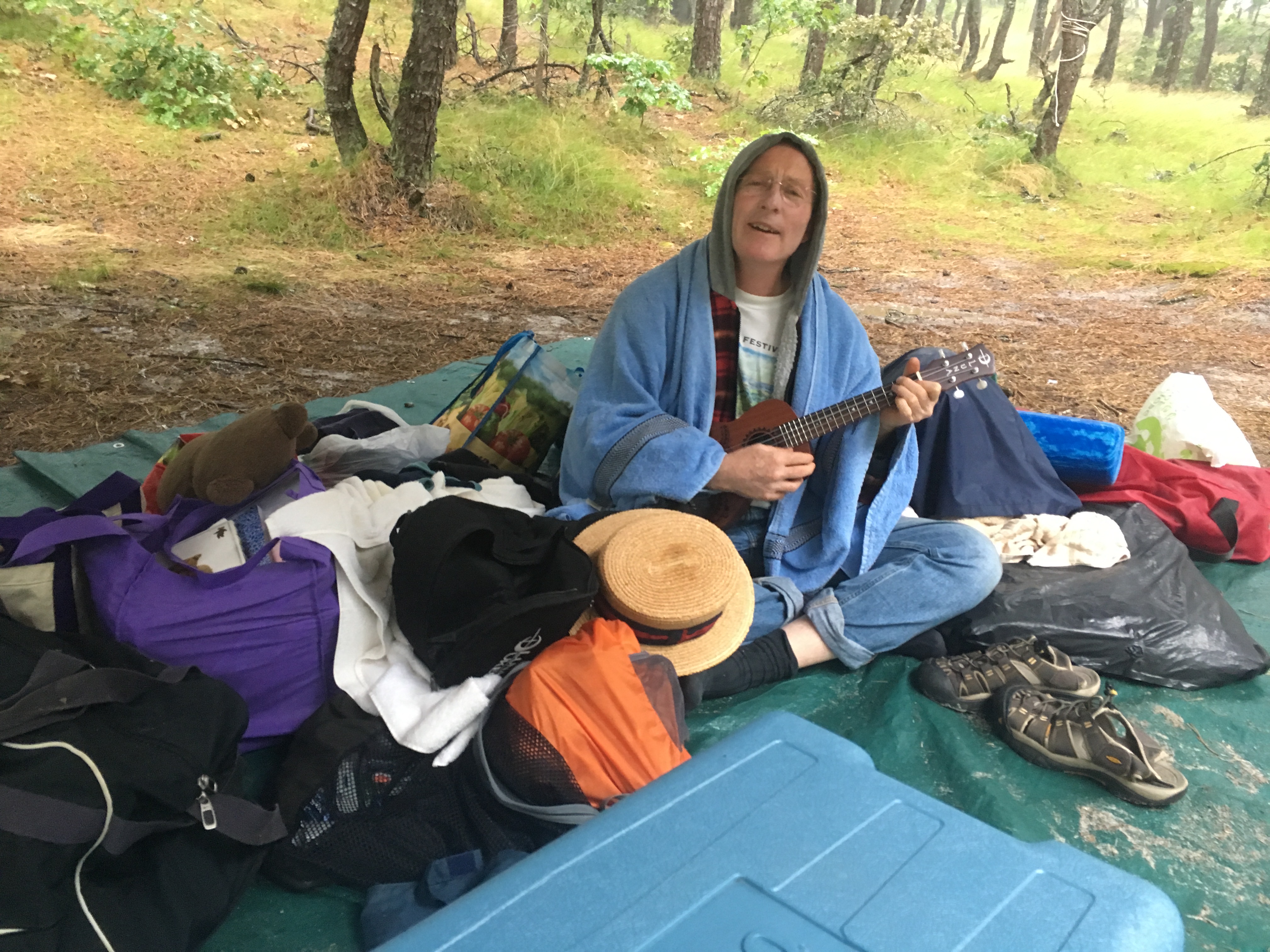
What doesn’t usually happen, however, is an hours-long rain storm on the day of our departure.
Strangely this lifted my spirits…
I even got to continue working on a new song after our tent was down — with our brown tarpaulin providing protection during a prolonged period of deluge…
Thank you to all of the folks who keep North Of Highland camping area going year after year. I highly recommend it if you are in need of some rejuvenation!
Thank you to Andrew for letting me use his photo looking down towards our camp site, and for making so many delicious meals.
Thank you to Doug Hammer for his wonderful skills as a pianist AND as a recording engineer.
Thank you to the Kennedy family, whose love for — and lobbying on behalf of — Cape Cod has impacted millions of people — and plants and animals — for many, many decades.
Thank you to my sweetheart for all of the beach photos and for letting me use his phone to take photos of the hydrangea and our camp site.
And thank YOU for reading and listening to this blog post.
“So Many Stars” is a song I have heard performed by many different singers, and I have always thought to myself, “I need to learn that song.”
This past summer I visited a pianist/songwriter friend, Steve Sweeting, and his family while attending a Music Together training session in Manhattan.
One evening we were brainstorming about possible future collaborations, and I mentioned that I have long wanted to do an evening of songs about stars — both the amazing energetic phenomena that we see at night and the human-created idea of “star” — as in “movie star” or “musical theatre star.”
To get us started, he gave me the sheet music for “So Many Stars,” which I promptly began learning.
Pianist Doug Hammer and I recorded the version I have included at the top of this post — and then I went camping for two weeks with family on Cape Cod.
One of the things I love about getting away from the city is gazing at the sky on a cloudless night.
A couple of times I walked down to the beach after dark and sang “So Many Stars” over and over again while the universe beamed light across unimaginably vast distances totrigger the rhodopsin in my eyeballs — and awaken a sense of wonder in my mind, body, and spirit.
The deceptively simple lyrics of “So Many Stars” were written by the wife-and-husband team of Marilyn and Alan Bergman for a wonderful melody by Sérgio Mendes, a Brazilian pianist and songwriter.
The Bergmans created lyrics for a bunch of great songs including “Nice and Easy” (for Frank Sinatra), “The Way We Were” (for Barbra Streisand), “What Are You Doing The Rest of Your Life?” and “You Must Believe In Spring.”
Sérgio Mendes was a founding member of the successful vocal jazz group Brazil ’66 and left behind a 35-album legacy of music when he died from complications of long-term COVID in 2024 (I updated this blog post in 2026…)
There are so many ironies about the lives that we “modern” human beings have created here at the beginning of the 21st century on planet earth.
One of them is how — in the interest of safety and security and advertising — we have erected vast numbers of exterior lights, which means that we are less and less able to experience the truly amazing sight of a starry, starry night — along with the humility and curiosity and mystery that it can evoke in us.
Deep breath in.
Deep breath out.
As someone who has (blessedly) never been mugged, I’d rather have more visible starlit nights and fewer streetlights in my life.
How about you?
Hurrah for rhodopsin, hurrah for music, and hurrah for the vast mysteries of the universe!
I can get so caught up in the human drama unfolding here on planet earth that I forget about the larger — and potentially un-knowable — universal patterns and cycles unfolding all around us at every moment of the night and day.
Another deep breath in.
And deep breath out.
Thank you to the Bergmans and Mr. Mendez for creating this beautiful song.
Thank you to Steve for giving me the sheet music for “So Many Stars” and to Doug for recording it with me.
Thank you to the generous and gifted photographers at Pixabay.
And thank YOU for reading and listening to yet another one of my blog posts.
The campground has communal cabins with sinks and toilets and showers, but the sinks have taps which automatically shut off after about three seconds — a simple and very effective reminder to use water more mindfully — and the showers are activated by quarters (25 cents for three minutes of hot water).
And in upstate New York I simply jumped — except for the times when my feisty nephew Ryder pushed me — into the lake each morning and then scrubbed with Dr. Bronner’s soap and a washcloth.
We awoke early — due to birds singing their morning calls — and went to bed early, too.
Sometimes we all sang together after dinner — songs written by the Beatles being the most popular…
I wrote new songs for most of each day — happily holed up on the boathouse or in a tent with my ukulele and laptop computer and rhyming dictionary — and then joined other family members for a swim in the late afternoon.
One of the most powerful part of camping for me is being reminded of the ebb and flow of life.
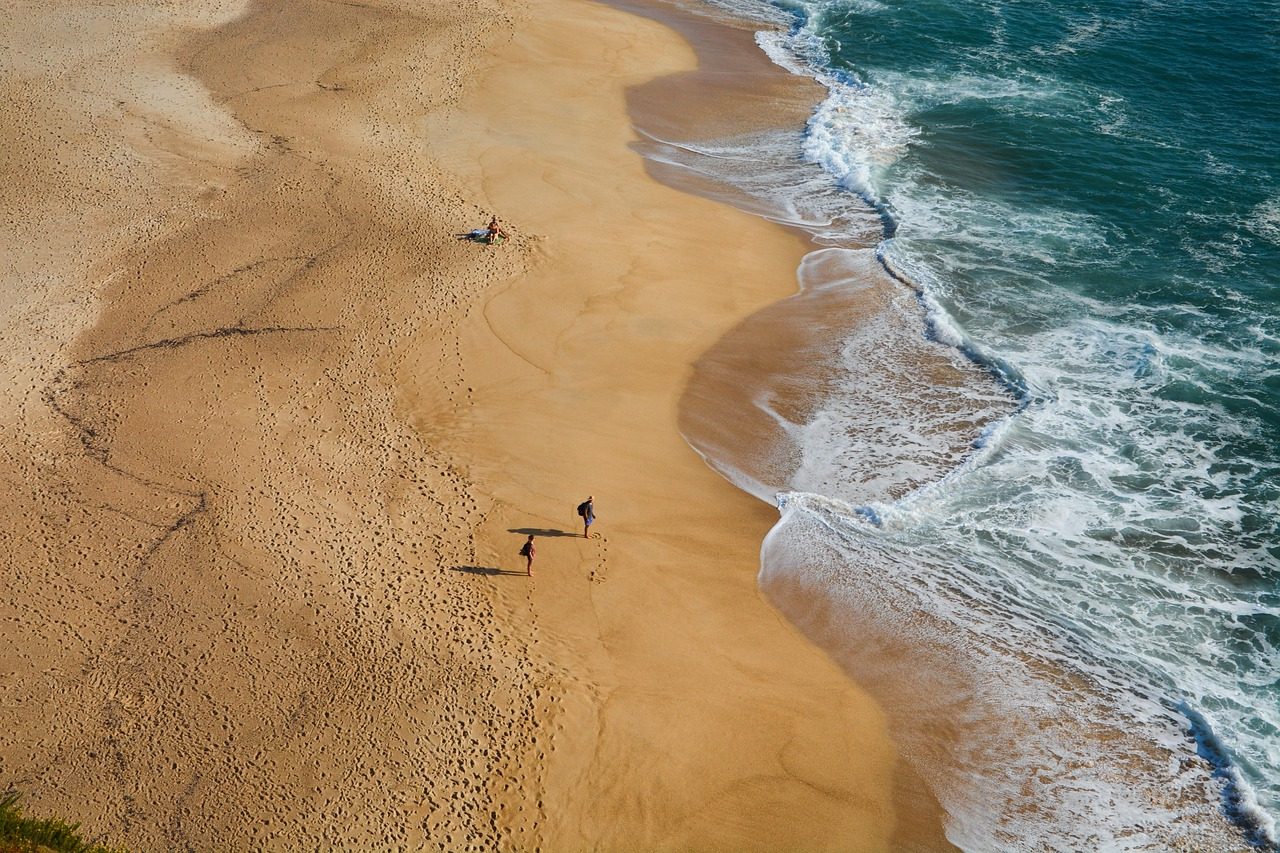
The tide rises and falls, sweeping the ocean shore clean of footprints twice a day — while revealing (and later concealing) sand bars, rocks, shells, crabs, sea weed, drift wood, and tiny jumping sand fleas.
Back at our campground, we see neighboring tent sites fill with new arrivals and then empty out at the end of each week.
What was once a colorful array of tents and campers and cars and coolers and towels and bikes returns to being a community of pine trees, squirrels, golden finches, blueberry bushes and open air.
I find it a very poignant reminder of mortality — my own as well as the mortality of all the people and places and animals and plants I love here on planet earth.



 In 2010 the campground where we have stayed for over 25 years — called
 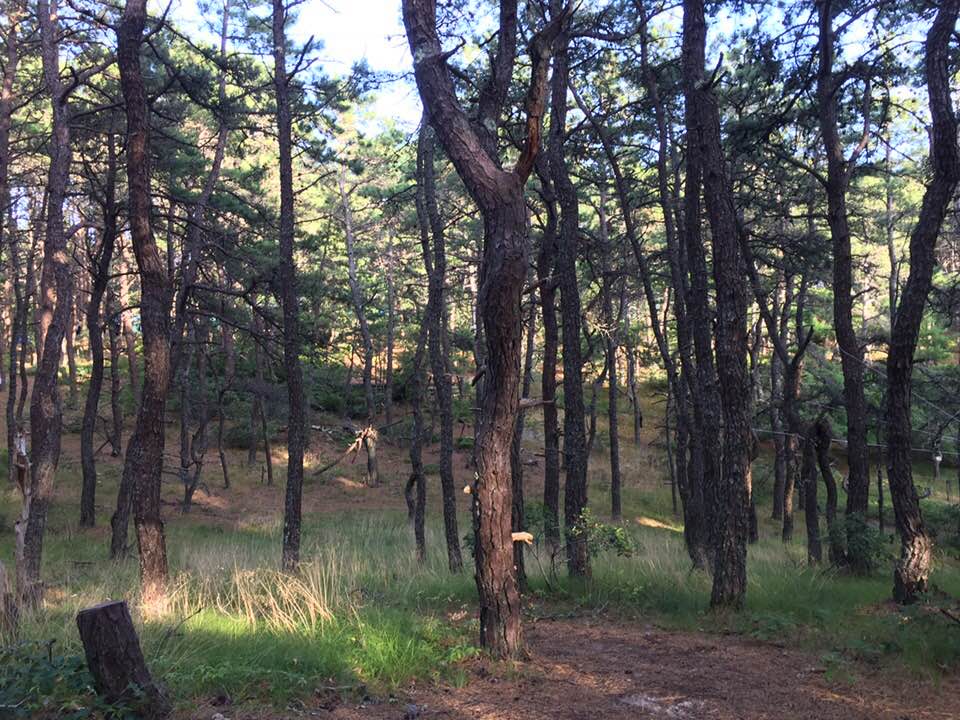 We are in a bowl which is home to pine trees, grasses, chipmunks, red squirrels, all sorts of birds, lots of ants, a few oak trees, crickets, various fungi, and quite a few blueberry bushes.
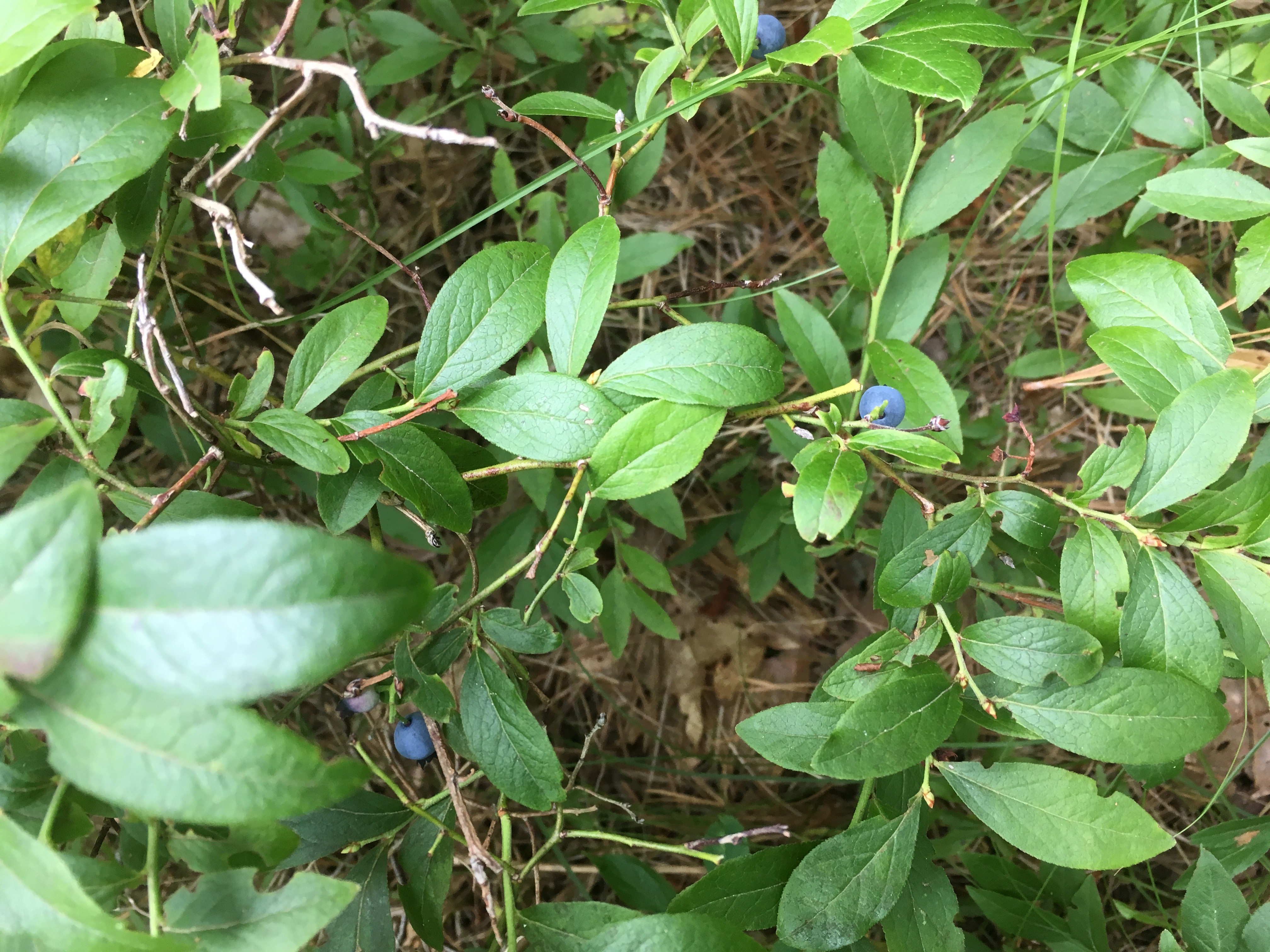 There weren’t very many this summer, which may be because it has been somewhat dry.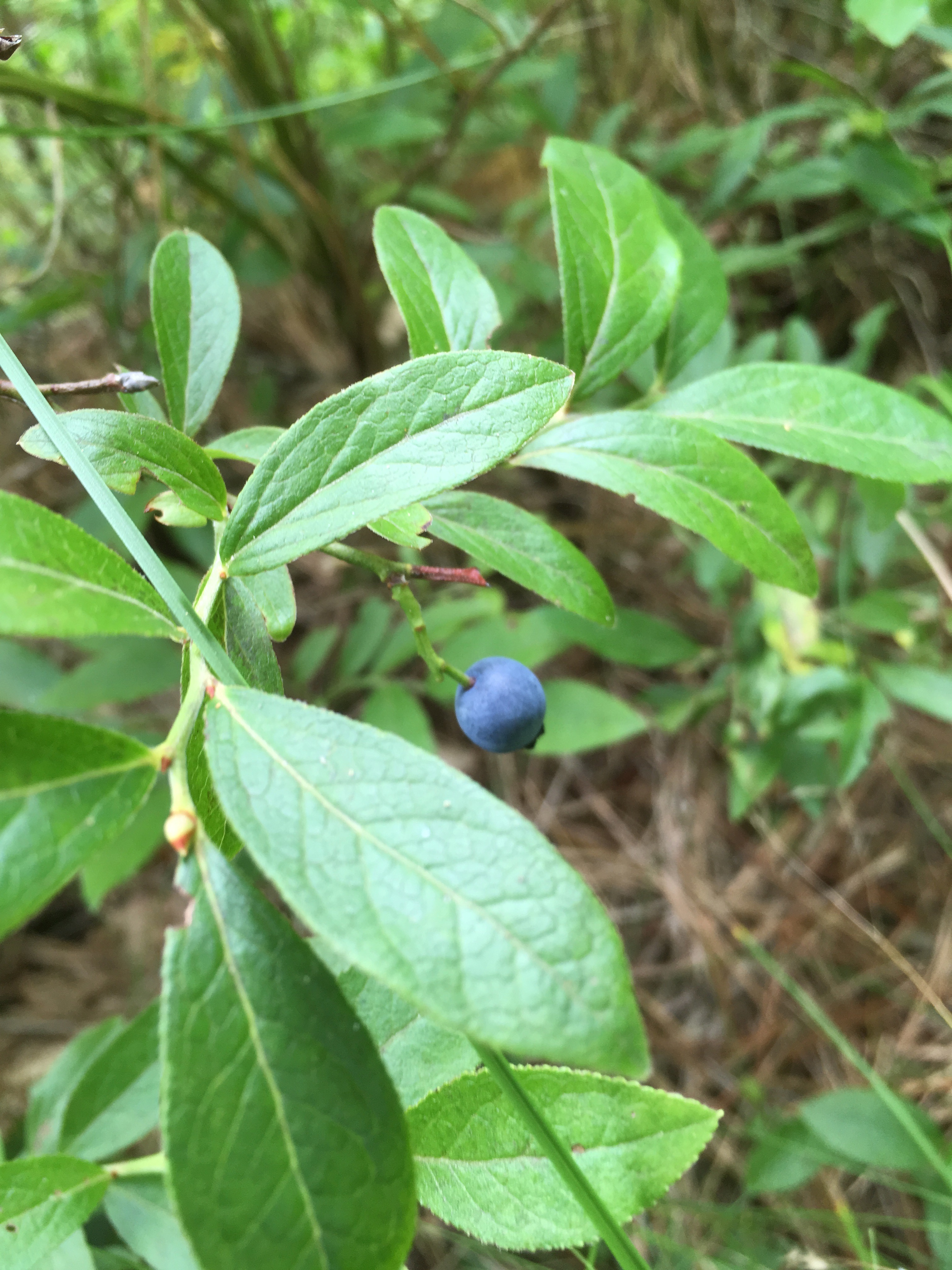
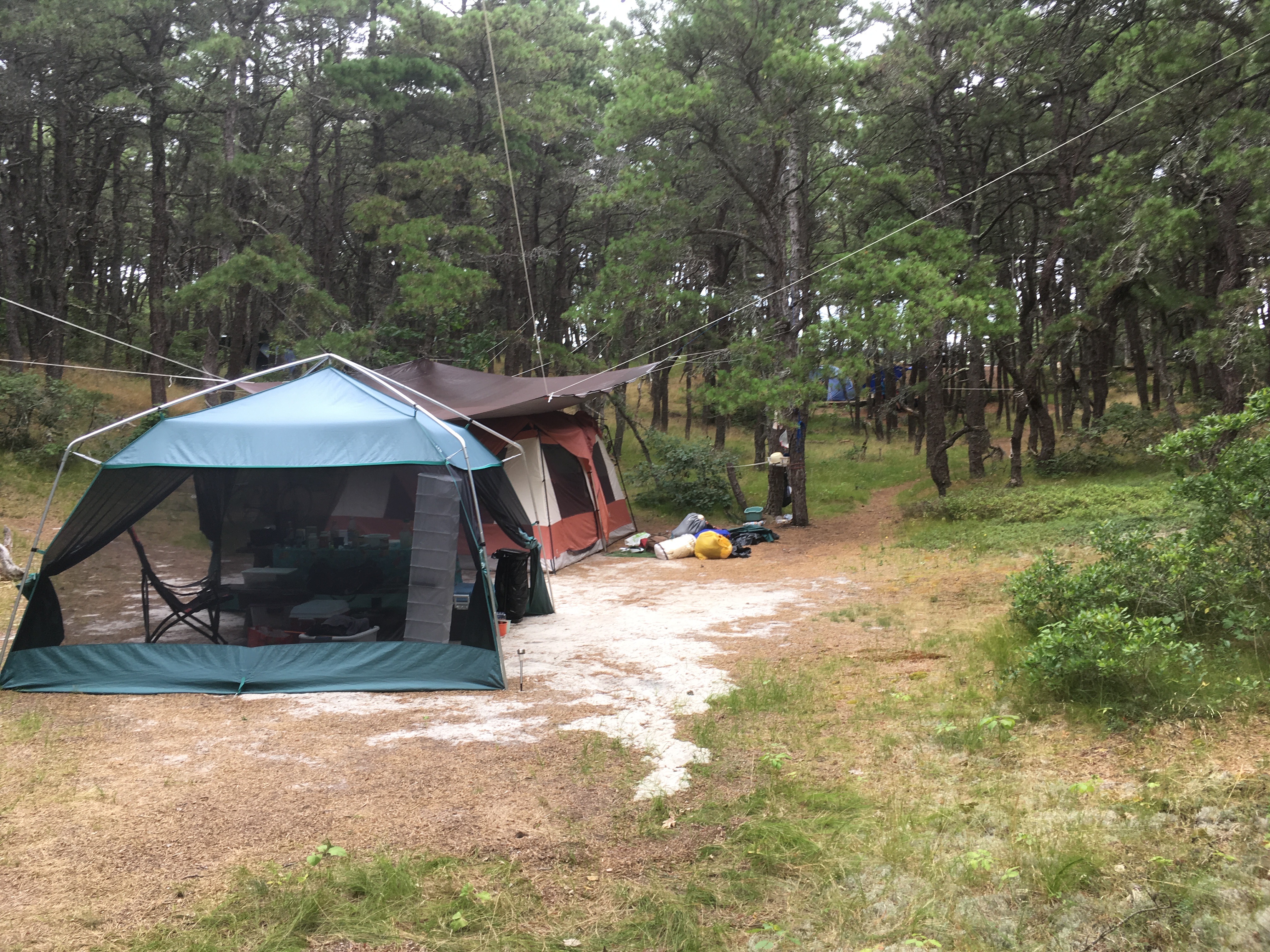 If you look past our tents in the upper left corner of this photo, you can glimpse the tent site from which the first photo in this post was taken…
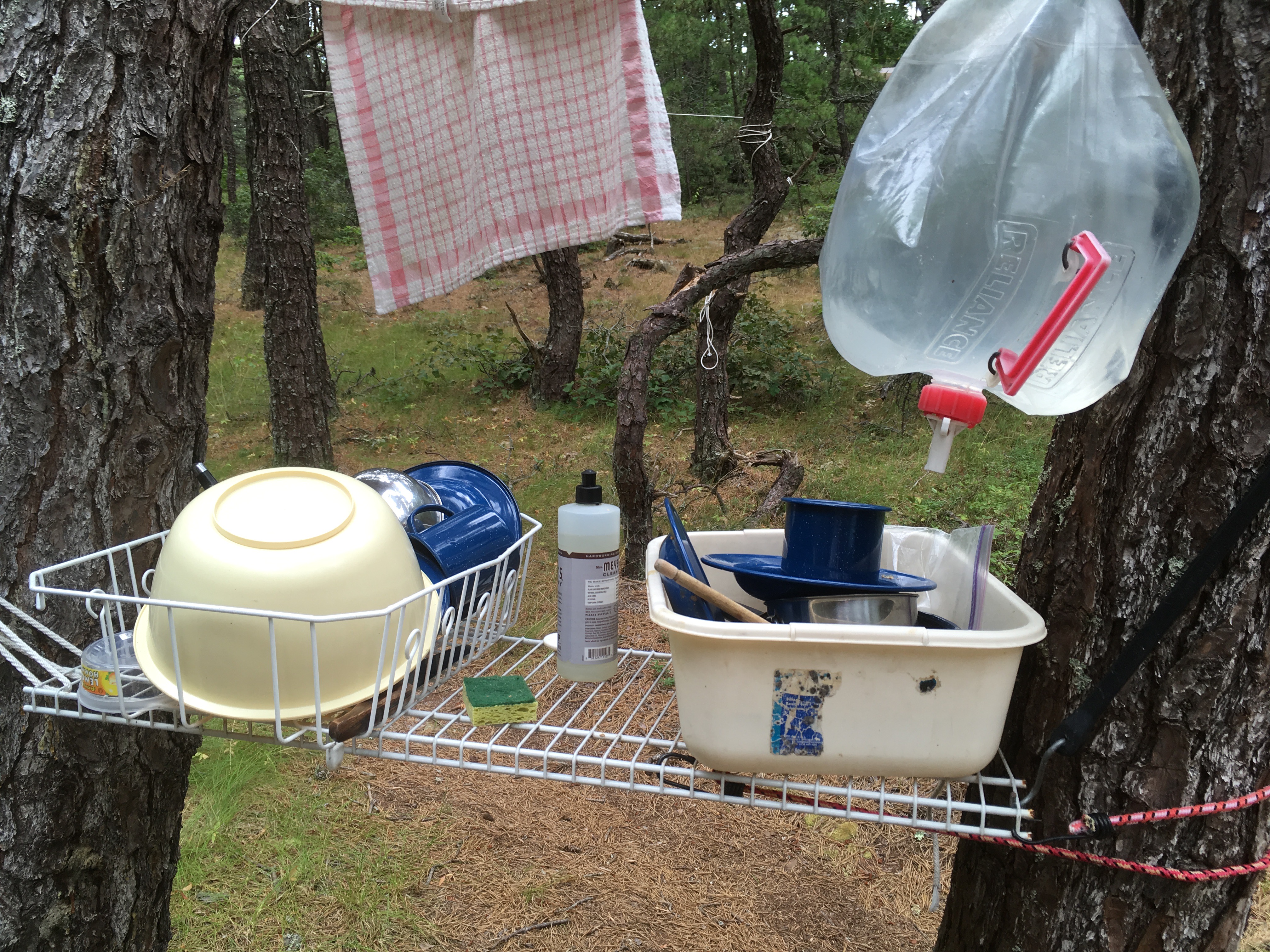 Also all of the sinks in the bathrooms at the campground have faucets that automatically shut off after a couple of seconds.
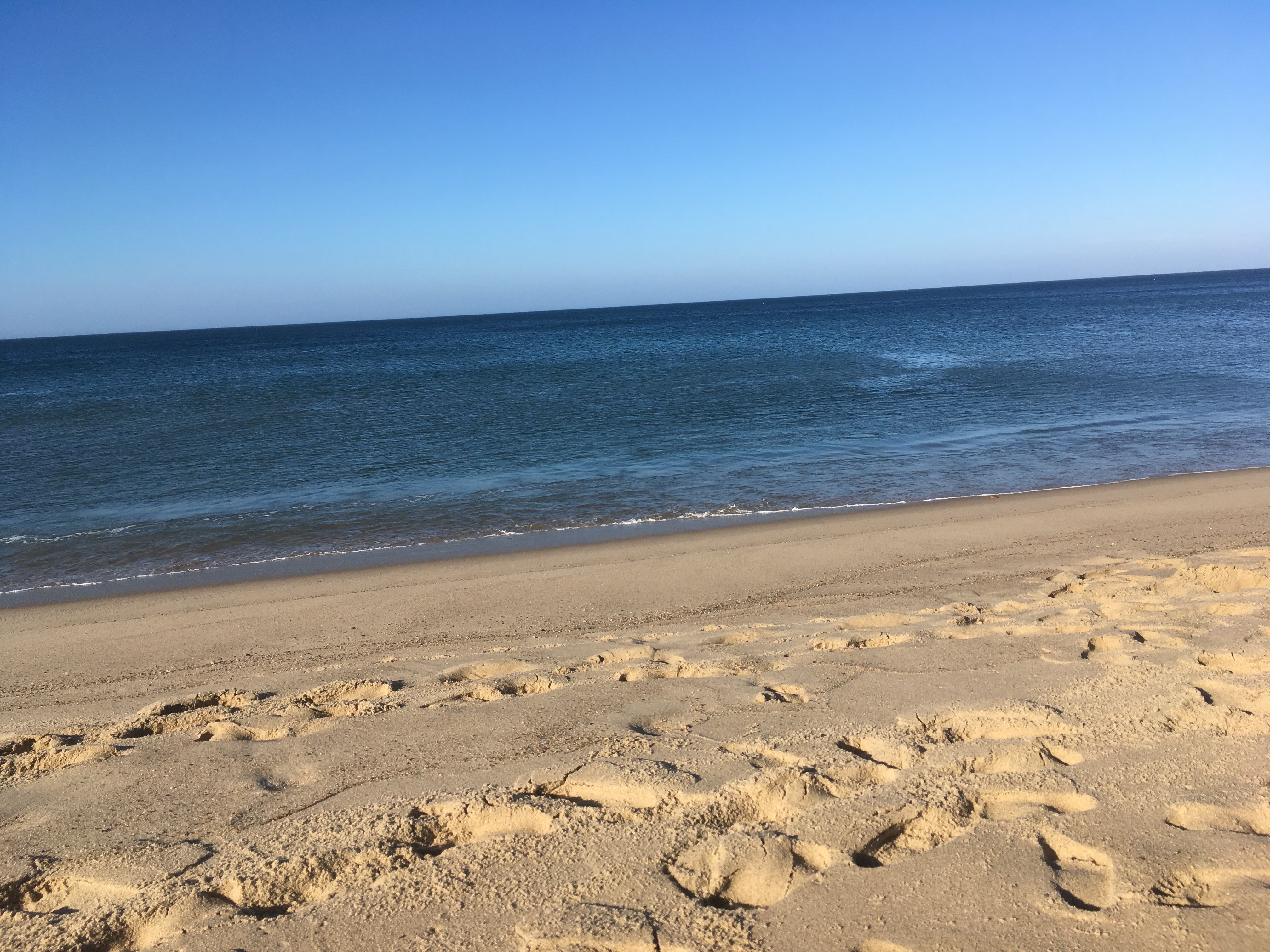 Before dinner — which is often something delicious cooked by my brother-in-law who bikes to the local fish store on an almost daily basis, bless him — I usually walk down a pine-needle-covered path to the Atlantic ocean and swim.
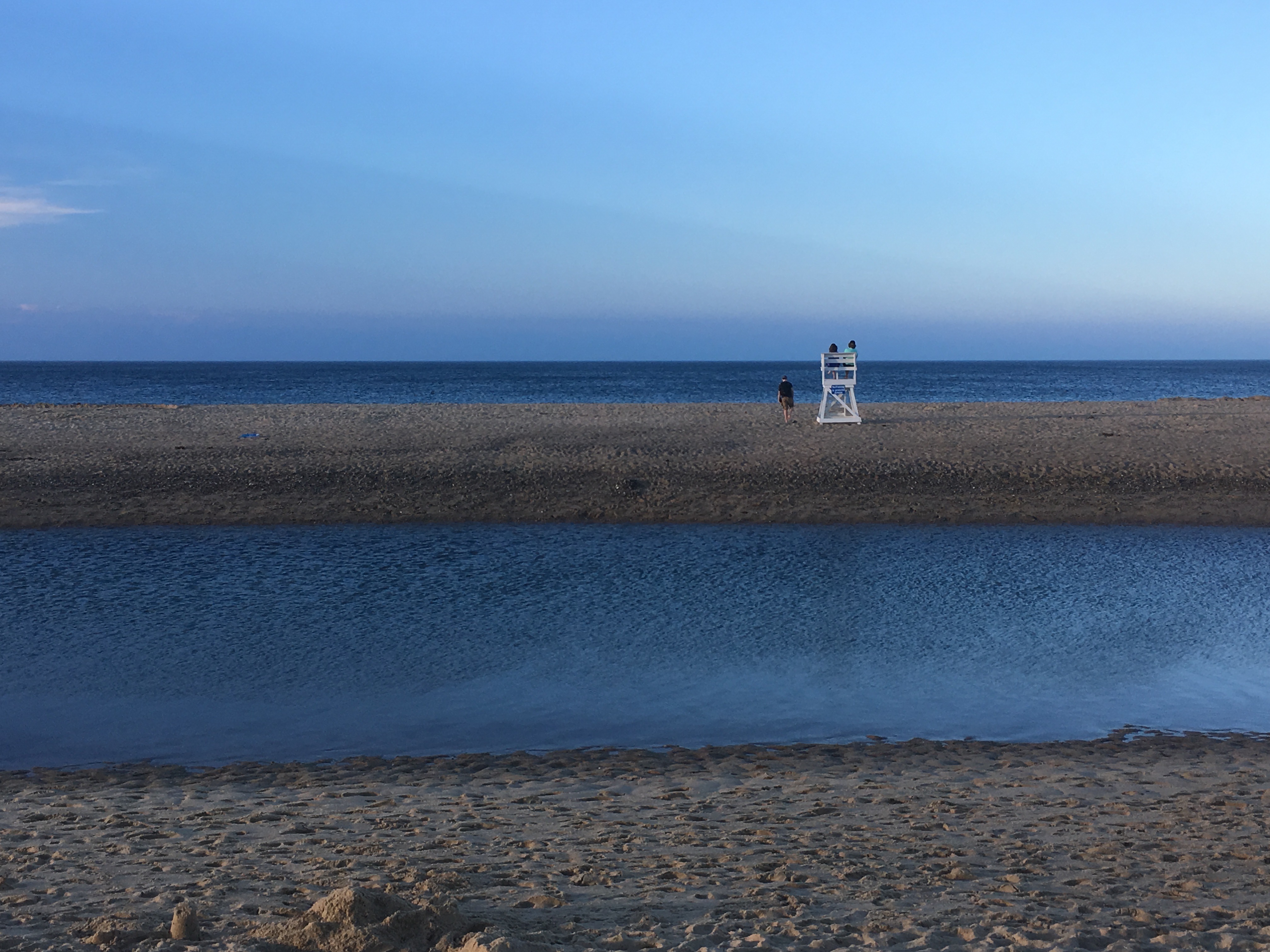 There were a couple of great white shark sightings during our two weeks at the camp ground, and also one day when a bunch of whales cavorted within sight of the beach.
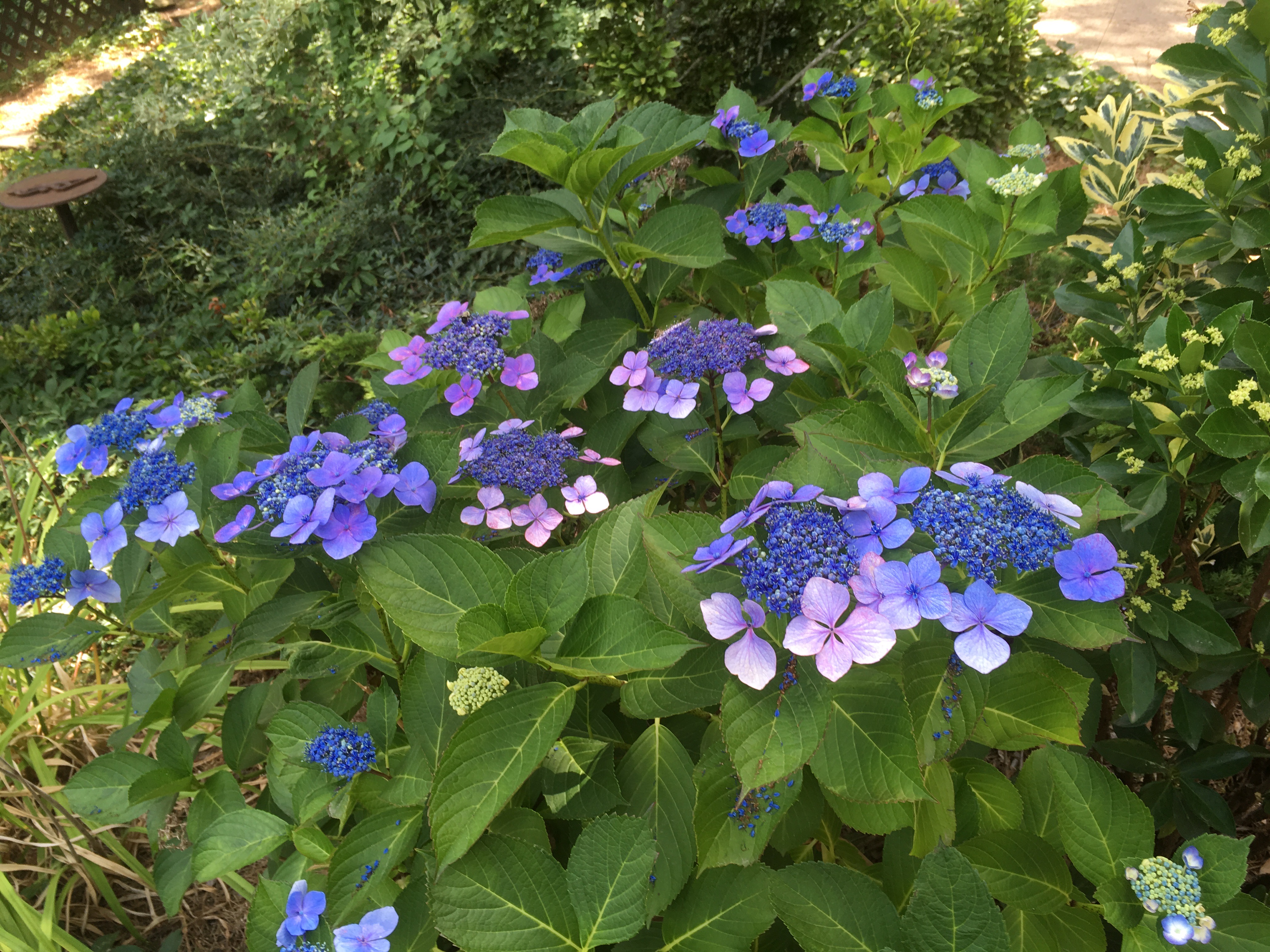 There was so much happening on this plant — it was a world unto itself!
 During the course of our time at the campground, several spiders wove webs — which in due time trapped a quite a few meals.
 Eventually it was time to pack everything up and return home.
 What doesn’t usually happen, however, is an hours-long rain storm on the day of our departure.
 Thank you to all of the folks who keep