Boil A Frog Slowly…

Image by Sean Foy from Pixabay

Spring has finally arrived — in fits and starts — here in the northeast United States.

And we have two days of (much-needed) rain forecast to start later this morning!

I’ve been sitting on this blog post for weeks because I want my posts to be uplifting.

Yet so much of what is happening here on planet earth continues to be the opposite.

I find myself returning to recent elections in Hungary for hope.

If I understand correctly, Hungarians had a president/dictator for 16 years who did his best to hamstring/contaminate/eliminate their democratic institutions such as freedom of the press and judicial independence.

And yet, after MUCH courageous struggle, their president/dictator was defeated in April with a record 80% voter turnout.

Hurrah!

Deep breath in.

Deep breath out.

I wrote the song included at the beginning of this blog post several years ago.
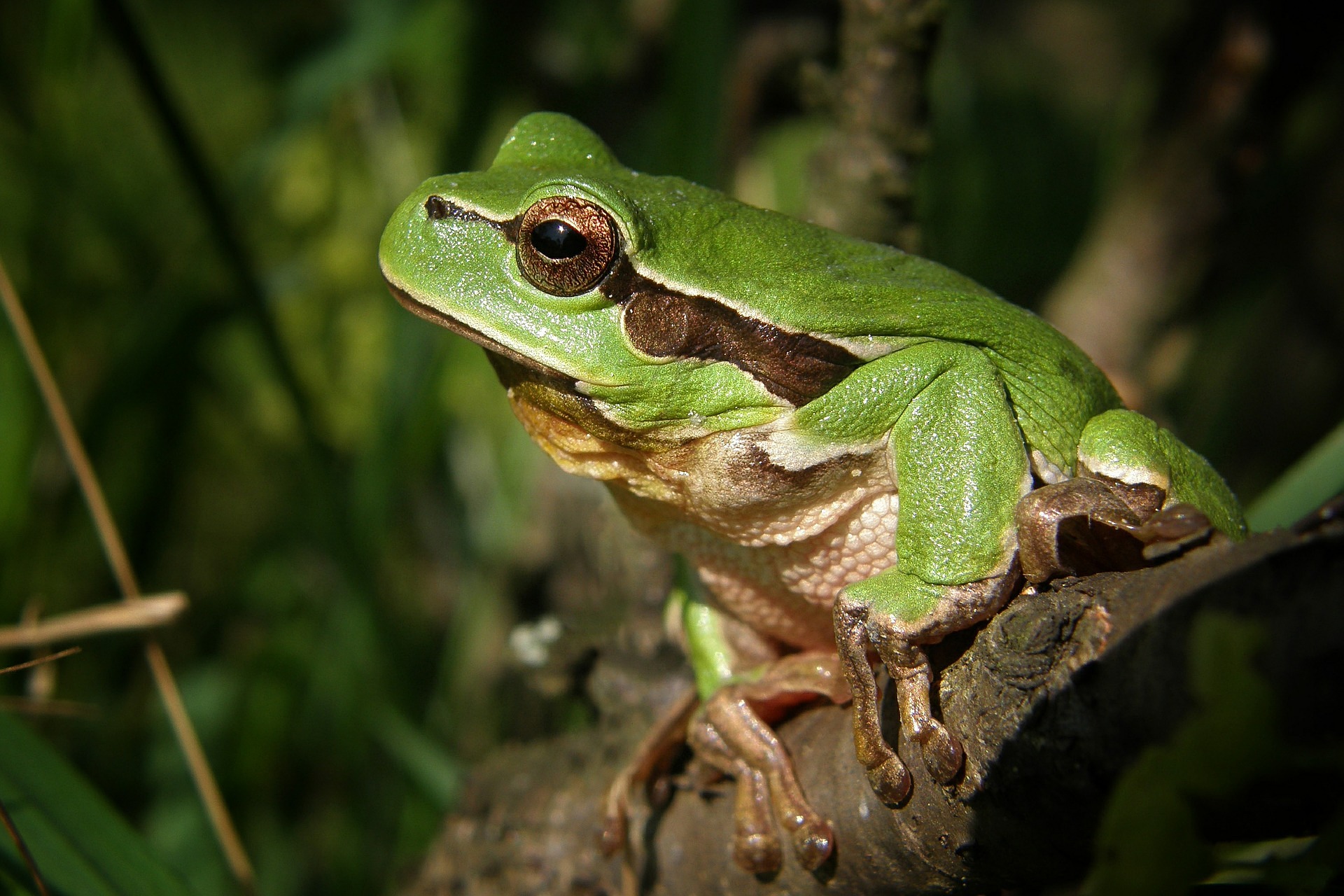
Image by saguari from Pixabay

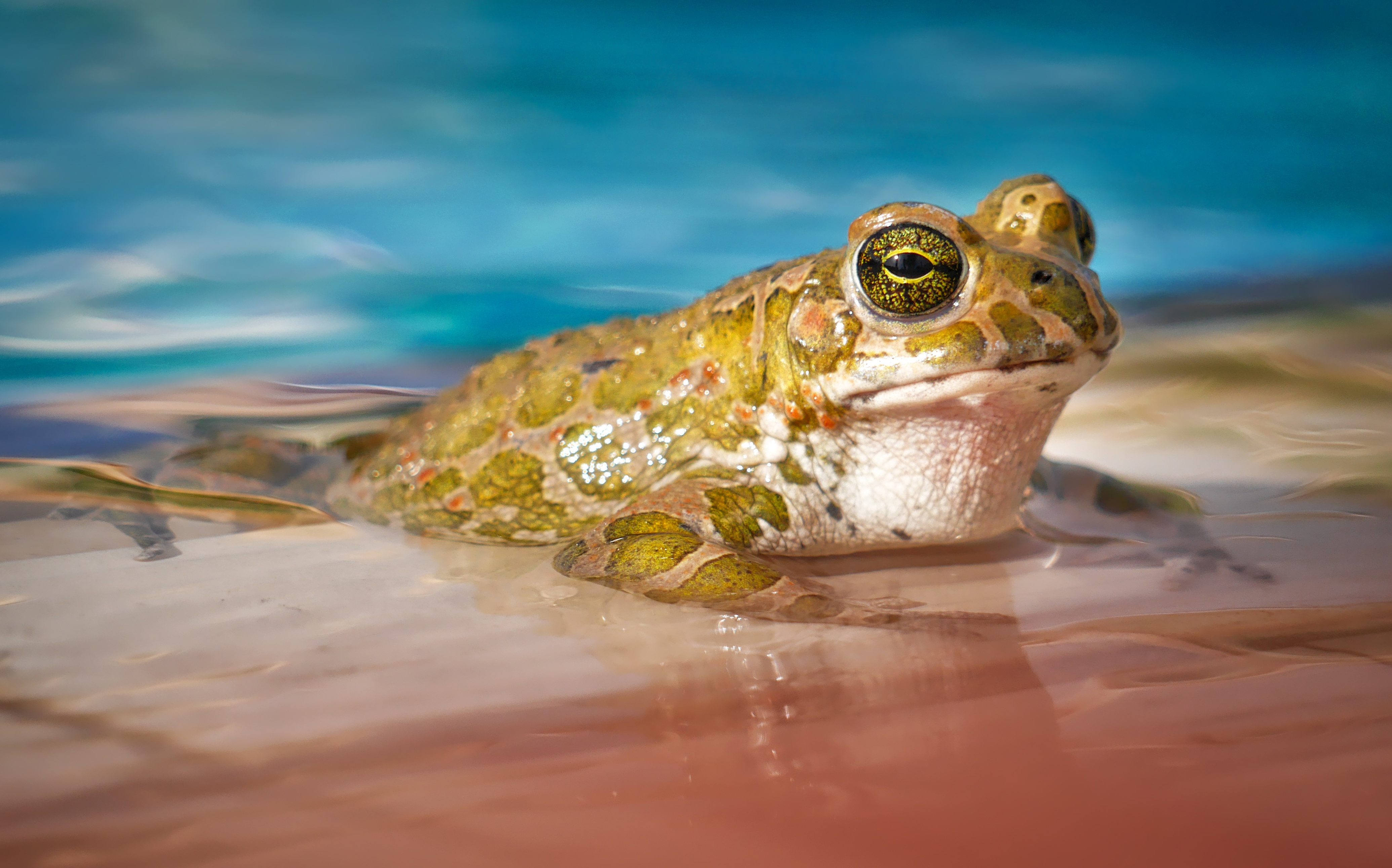
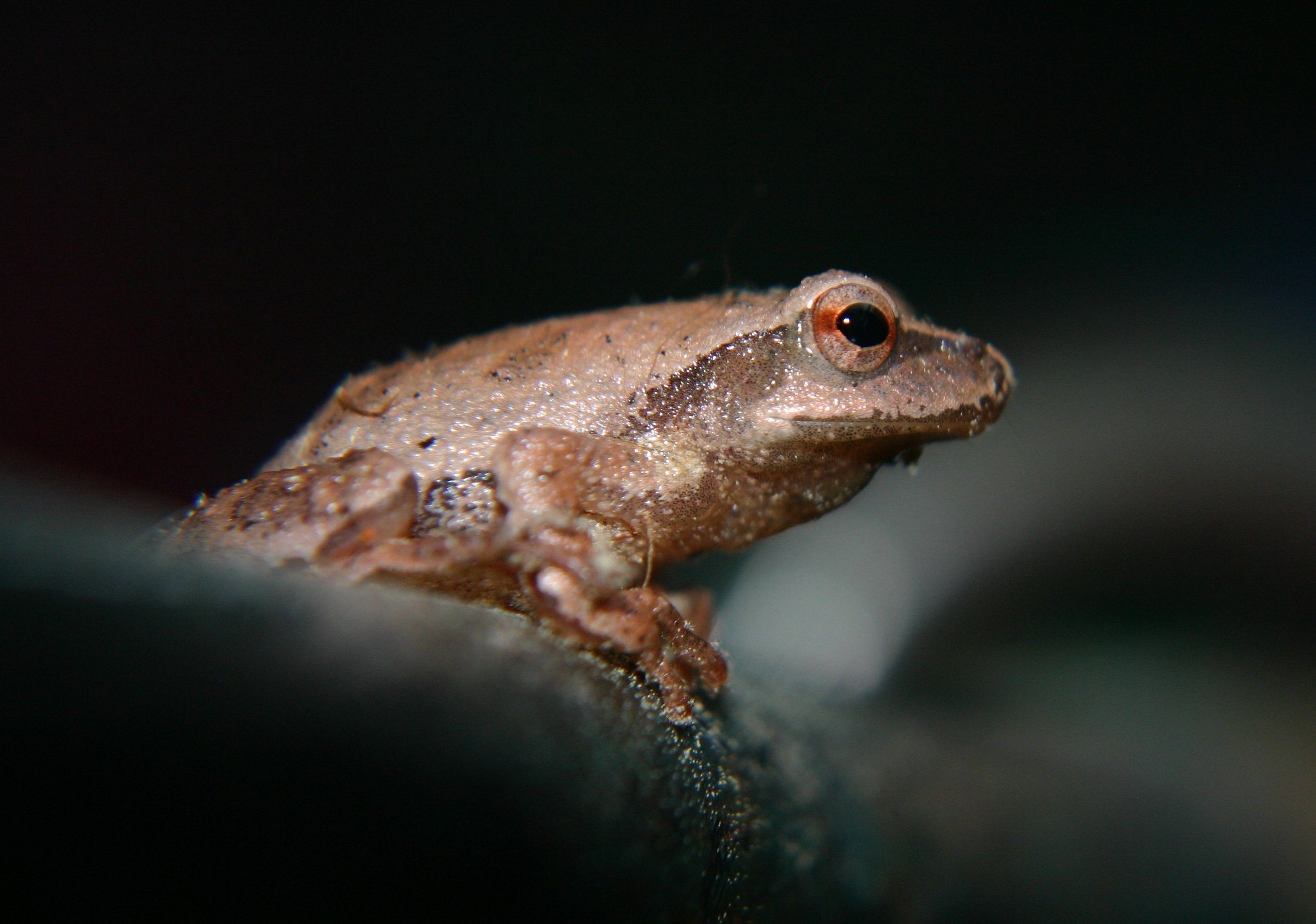
One of my favorite signs of spring is the hopeful sound of horny. peeper frogs who are looking for a mate and establishing their personal breeding territories.

In fact, I like this sound so much that I included it at the beginning and ending of “Boil A Frog Slowly.”

As readers of my blog are well aware, one of my main musical allies is pianist/composer/producer Doug Hammer, who lives with his beautiful French artist/graphic designer wife in a ranch-style dwelling on a suburban street in a city north of Boston.

Hidden in his basement is a recording studio with an impeccably maintained Schimmel grand piano and all sorts of recording equipment which Doug is constantly upgrading and updating, bless him.

And hidden behind his house is a little wetland which still manages to exist even though is has been surrounded by houses over the past few decades.

In the spring, melting snow and falling rain fill up the wetlands so that geese, ducks — including two wood ducks this year! —and other water-loving animals can do their thing.

And at a certain point, the peepers emerge from the earth/mud and start peeping!

It is such a lively sound — kind of like the aural equivalent of fireflies blinking on a summer night…

I spent a week in upstate NY last month, and most evenings I went for a long walk on country roads wearing a safety vest with ever-changing, multi-colored lights on it.
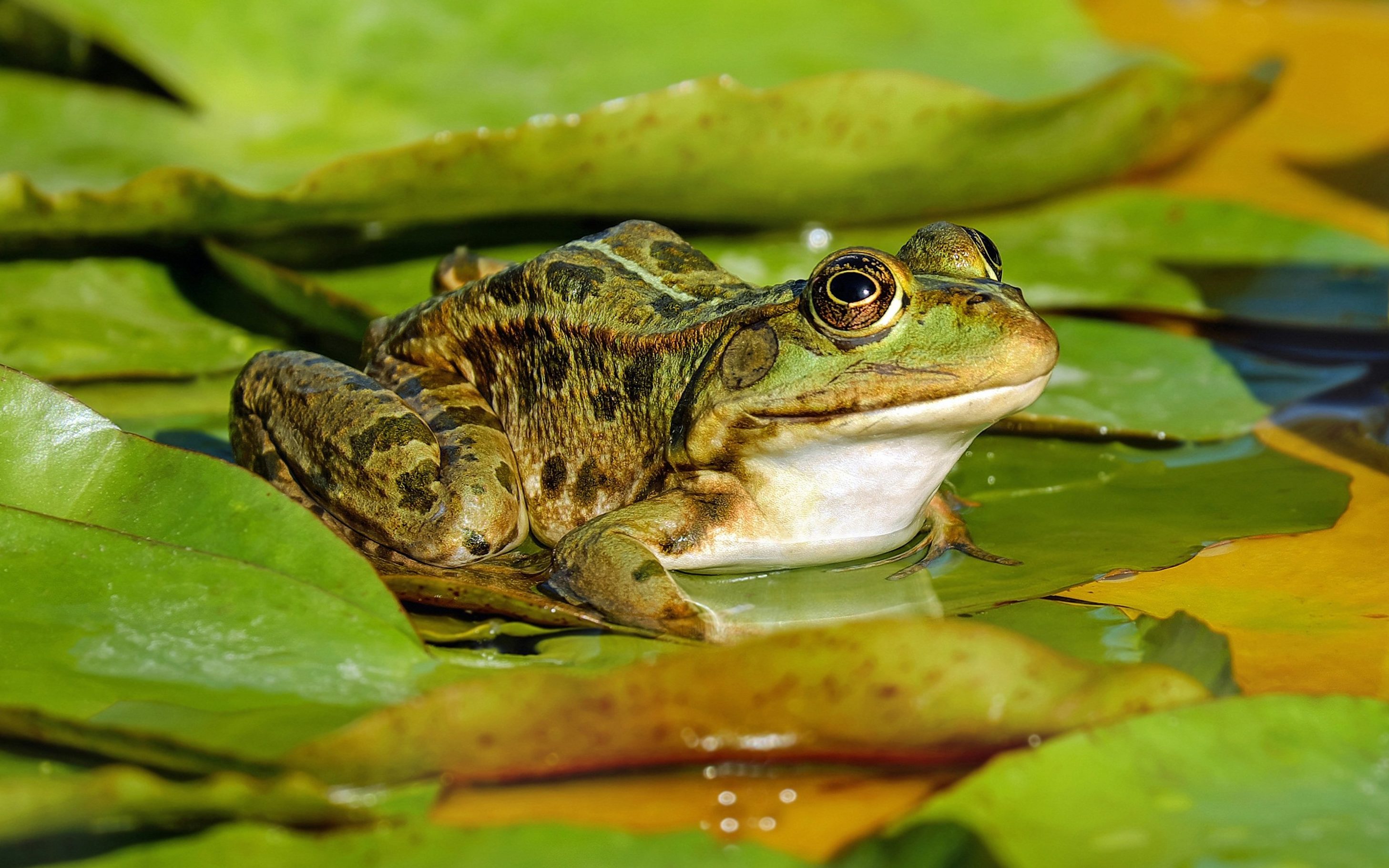
Image by Couleur from Pixabay

Whenever I passed a damp area — a pond or a stream or a drainage ditch — the sound of peepers filled the night air!

Somehow they manage to survive a changing mix of sun, rain, snow and hail with temperatures fluctuating from the 20s (overnight) to the 60s (during the day).

Astounding!

I learned from Wikipedia that “the spring peeper (Pseudacris crucifer) is a small chorus frog widespread throughout the eastern United States and Canada.”

Peepers “prefer permanent ponds due to (their) advantage in avoiding predation; however, (they are) very adaptable with respect to the habitat (they) can live in.”

I was happy to read that they are not currently considered to be an endangered species — perhaps due in part to their adaptable natures (mentioned above).

I also learned that “in northern regions, the frog is able to endure below freezing temperatures due to the capacity of its liver to exude and flush the bloodstream with a glucose cryoprotectant which acts both as an anti-freeze in its blood, and allows organs like the heart to enter into a state of protected dormancy.”

Wow!

That certainly helps to explain their resiliency during our weather/temperature swings.
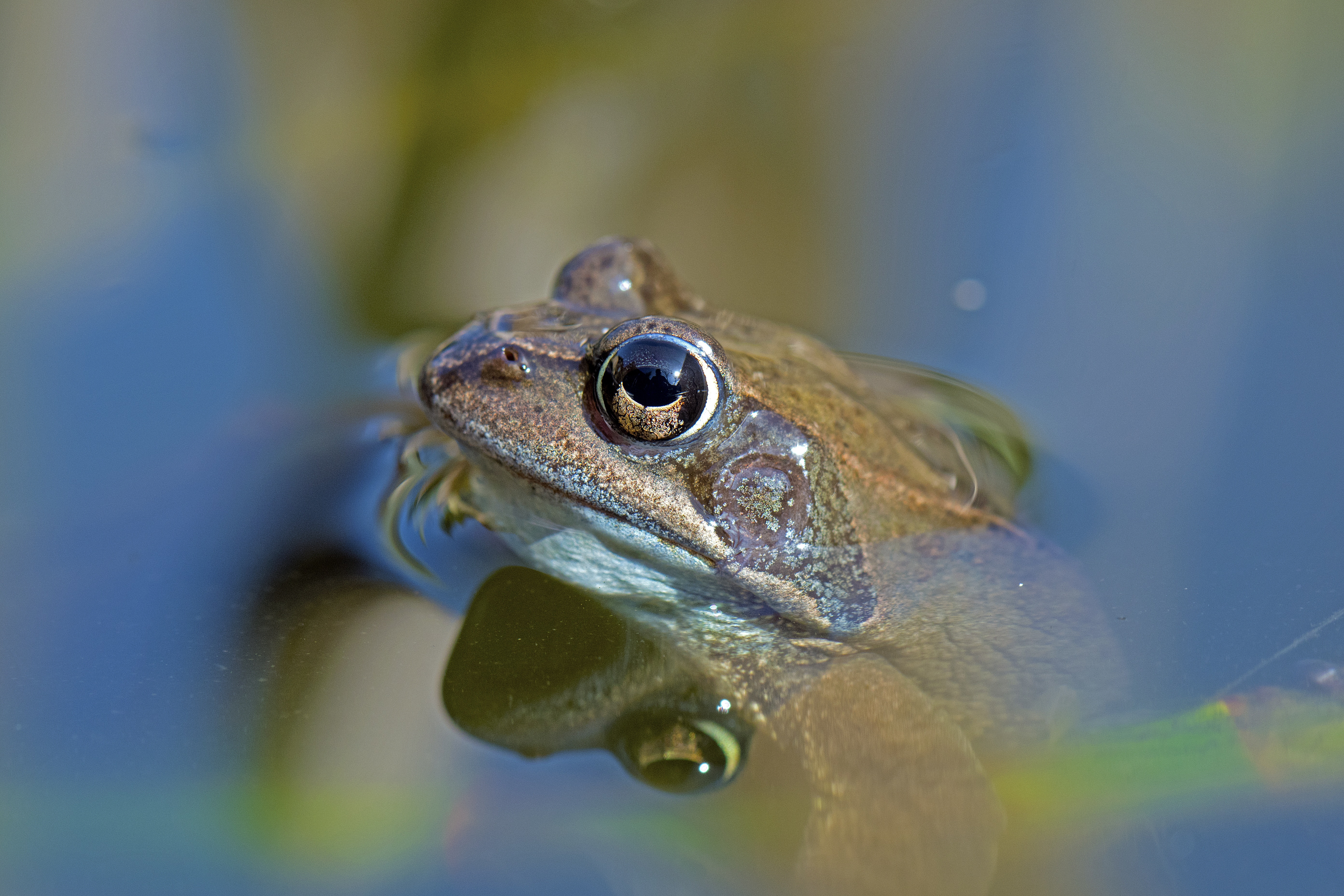
Image by Georg Wietschorke from Pixabay

Wikipedia continues: “The peeper earns its name from its chirping call, which marks the beginning of spring.”

And its formal name, Pseudacris crucifer, “is derived from the Latin root meaning “cross-bearing”— a reference to the cross-like pattern on the spring peeper’s (back).”

Their “chirping calls are significant for communication…as females choose their mates based on the frequency and volume associated with them.”

Yes, indeed… the passionate songs of spring.

Chirp, peepers, chirp!

I released “Boil A Frog Slowly” two springs ago, and I have been collecting information since then about how out of balance, out of touch, and out of control our billionaire class —what some are now calling “The Epstein Class”— has become.

For example, the Americans For Tax Fairness Action Fund recently reminded me that:

“The United States was founded on a rejection of monarchy ie: no tiny elite ruling over everyone else.  However, our current president “has embraced a governing philosophy that rewards extreme wealth and concentrates power in the hands of the richest people in the country: America’s roughly 1,000 billionaires” — which includes himself as well as many of his friends and family members.

Deep breath in.

Deep breath out.

This statistic is particularly shocking to me: “During (our current president’s) first year back in office, U.S. billionaires increased their wealth by an astonishing $1.5 trillion, pushing their combined fortunes to more than $8.2 trillion.

Yowza!

Image by Albrecht Fietz from Pixabay

As I am sure most of us are well aware, billionaires and giant corporations hold enormous influence over our economy AND over our political system…

It was this emerging realization which inspired me to write this song.

But now as I listen to it, I am also reminded about our ongoing climate challenges which our current president plus all of the greedy and cowardly media/entertainment conglomerates (which continue to provide an awful ot of people with theira daily dose of “news”) are now downplaying and/or ignoring even more than in recent years.

Recently I watched a weather report on the CBS morning news/entertainment show.

As part of their reporting of record-breaking levels of heat in the west and southwest of the USA, there was NO mention of steps each and every one of us could take to decrease our carbon footprints.

Instead there were many segments on things to buy, places to fly (the most carbon-intensive way to travel) and ways to continue to consume more than our fair share of the natural resources on this amazing little planet which we all call home.

The message seemed to be “Keep living your consumerist lives exactly as you have been doing for the past few generations” — which, of course, is how we have ended up in our current terrifying environmental disaster situation.

Yet another deep breath in.

And deep breath out.

But back to the billionaires…
As I wrote above, I do not want my blog posts to increase anyone’s daily burden of hopelessness.

So I will end with two bits of positive news.

In 2022 Massachusetts voters — of which I was one — approved a “millionaire’s tax,” and since then it has added more than a billion dollars per year to our state budget.

Revenue from this surtax is mandated to go toward education and transportation initiatives — including more free lunch programs, implementing “clean energy” in schools, making community college free for students 25 and older, and increasing the number of child care slots for low-income families.

And rather than decreasing the number of millionaires and billionaires wanting to live in MA — as nay-sayers and their lobbyists had warned — that number continues to rise..

Adding an extra 4% tax on annual income exceeding one million dollars CAN be accomplished!

And in New York City, newly elected mayor Zohran Mamdani — along with governor Kathy Hochul — has recently proposed a pied-à-terre tax which would target luxury secondary homes worth over $5 million which are NOT primary residences.

This annual surcharge would raise $500 million annually to fund public services and bridge budget gaps.

And it would also begin to chip away at our much-lobbied tax code which currently allows super rich individuals and corporations to pay few — or no! — taxes while using all sorts of public services such as public education, drivable roads, tunnels and bridges.

Although “Boil A Frog Slowly” was written from a place of concern and despair, I do find ways to experience little patches of hope and optimism these days (such as the recent election in Hungary mentioned above).
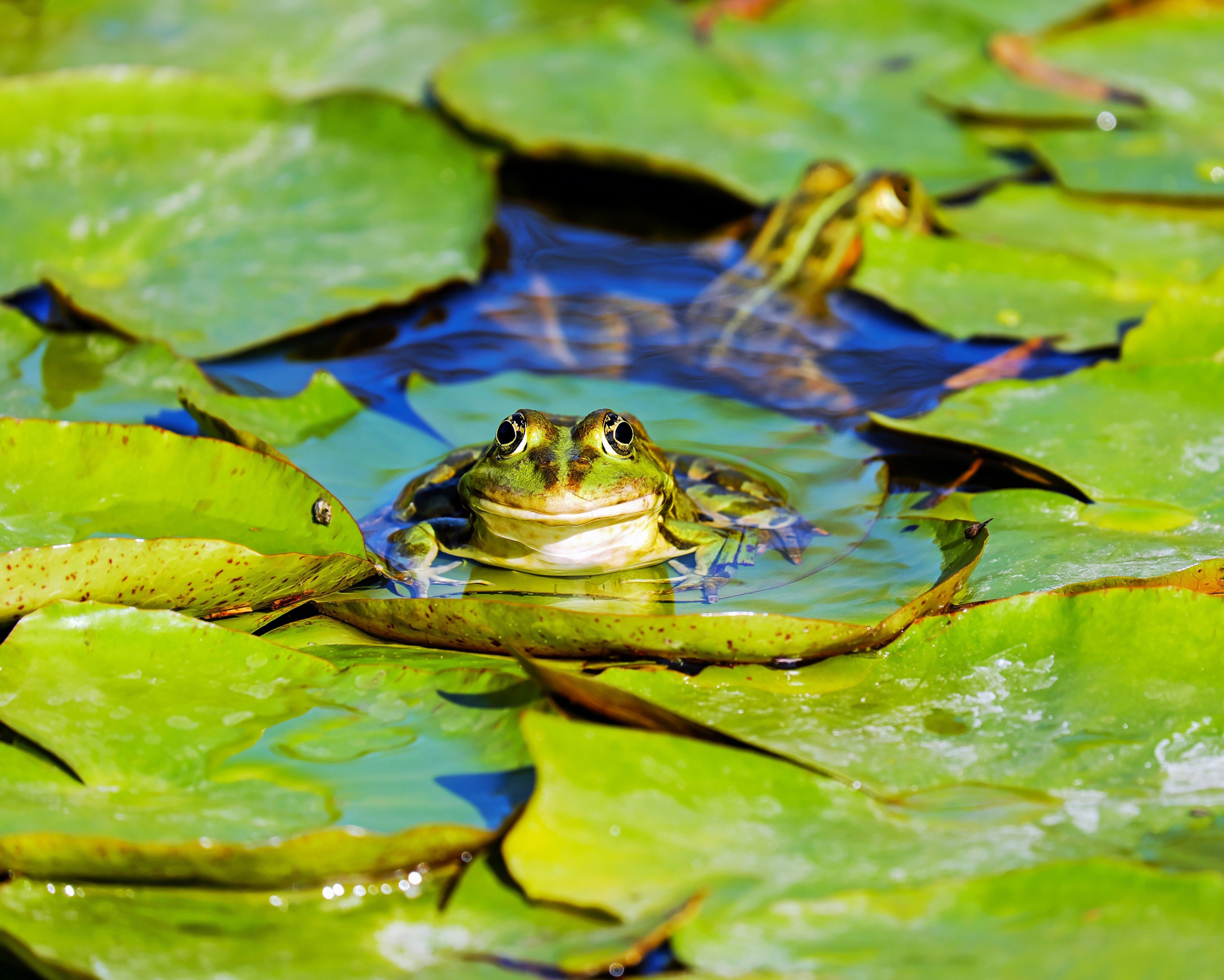
Image by Couleur from Pixabay

The most recent “No Kings” day lifted my spirits and reminded me that there are millions of other human beings in the USA — and abroad — who are stepping up to help tip the balance of power/life back in a more healthy direction.

And the smaller political races around the country — in which Democratic candidates continue to over perform when compared with our most recent presidential election results — also give me hope.

People ARE daring to step up!

May each of us continue to find (and re-find) a healthy balance of active engagement — demonstrating in person, writing postcards/letters, giving money, volunteering on phone banks, etc. etc. etc. — with restful, rejuvenating, joyful activities.

And may the resiliency of the spring peepers give us hope and inspiration!

Thank you for reading this blog post.

We’ll see if I can increase the frequency — and upbeat tone — of them in the weeks/months to come.

Although I have not been very active as a writer, I DO continue to read many of my fellow bloggers’ posts.

And people continue to visit my site in increasing numbers — although my rising traffic statistics may be the result of bots having invaded WordPress?

Who knows…
I also remain grateful to the wonderful and generous photographers at Pixabay for their beautiful images.

And to Doug Hammer for his musicianship, collaborative skills, careful archiving of past work, and technical savvy.

And to Stephen C. Fischer for his graphic design skills and patience.

If you have time/energy/willingness to play “Boil A Frog Slowly” on your favorite music platform — and then “like” it — that will help increase the likelihood of it being shared with new listeners by the mysterious algorithms which influence/control more and more of our online lives.

You can connect to a bunch of streaming links by clicking here.

And you are always welcome to visit my website, willsings.com.
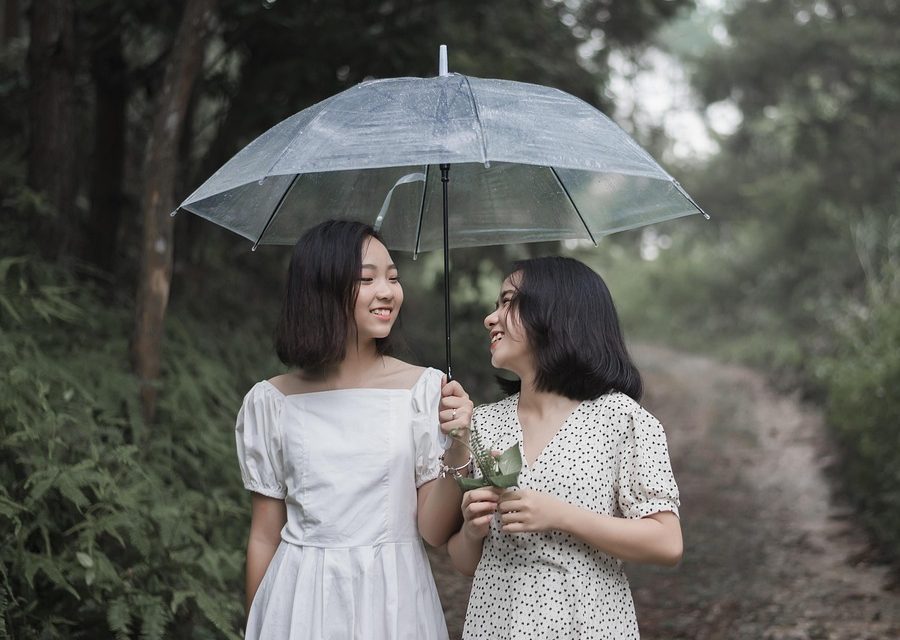
Under My Umbrella

Image by wal_172619 from Pixabay

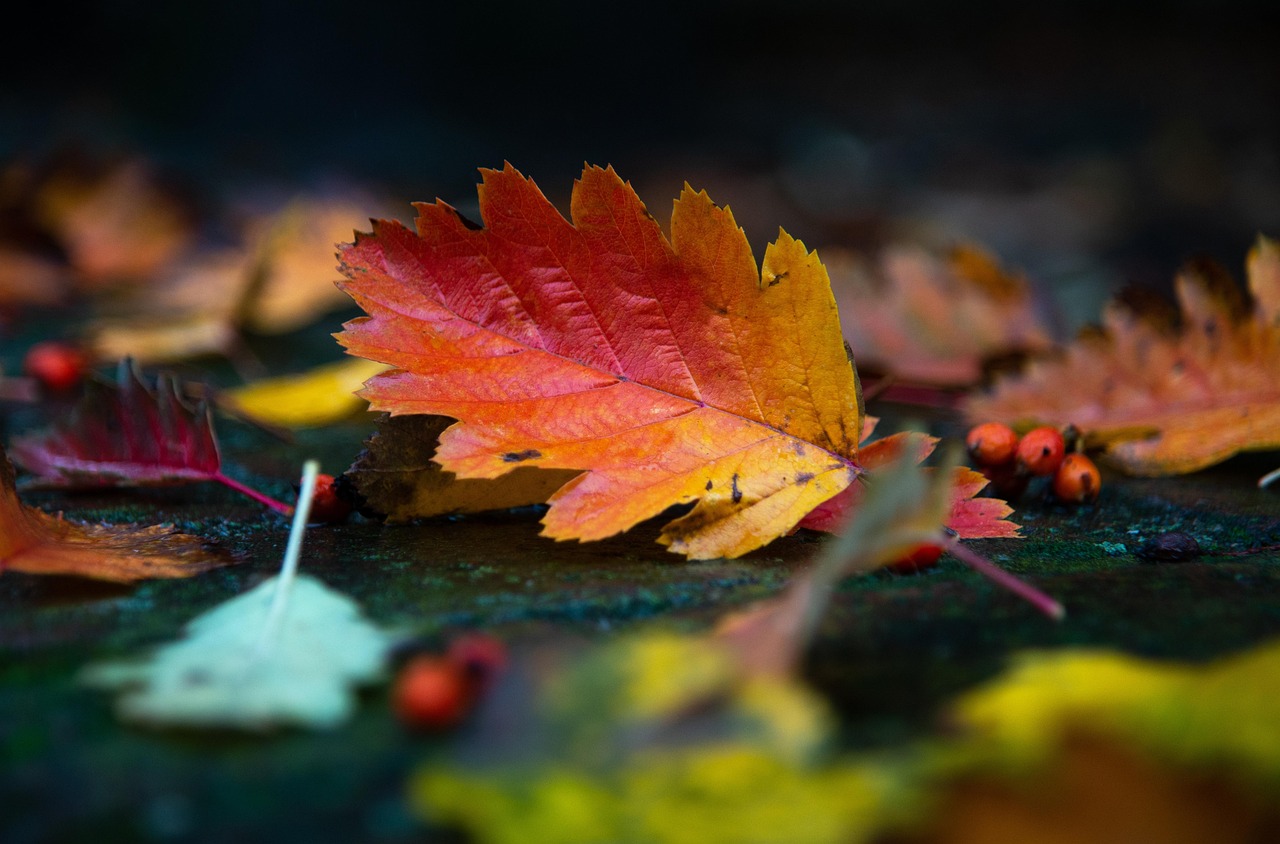
Autumn has arrived in New England.

Deep breath in.

Deep breath out.

Autumn is probably my least favorite season.

Partly this is because I do not like being cold.

Partly this is because I do not like the shorter days.

And partly this is because I do not like being reminded that everything dies in the end.

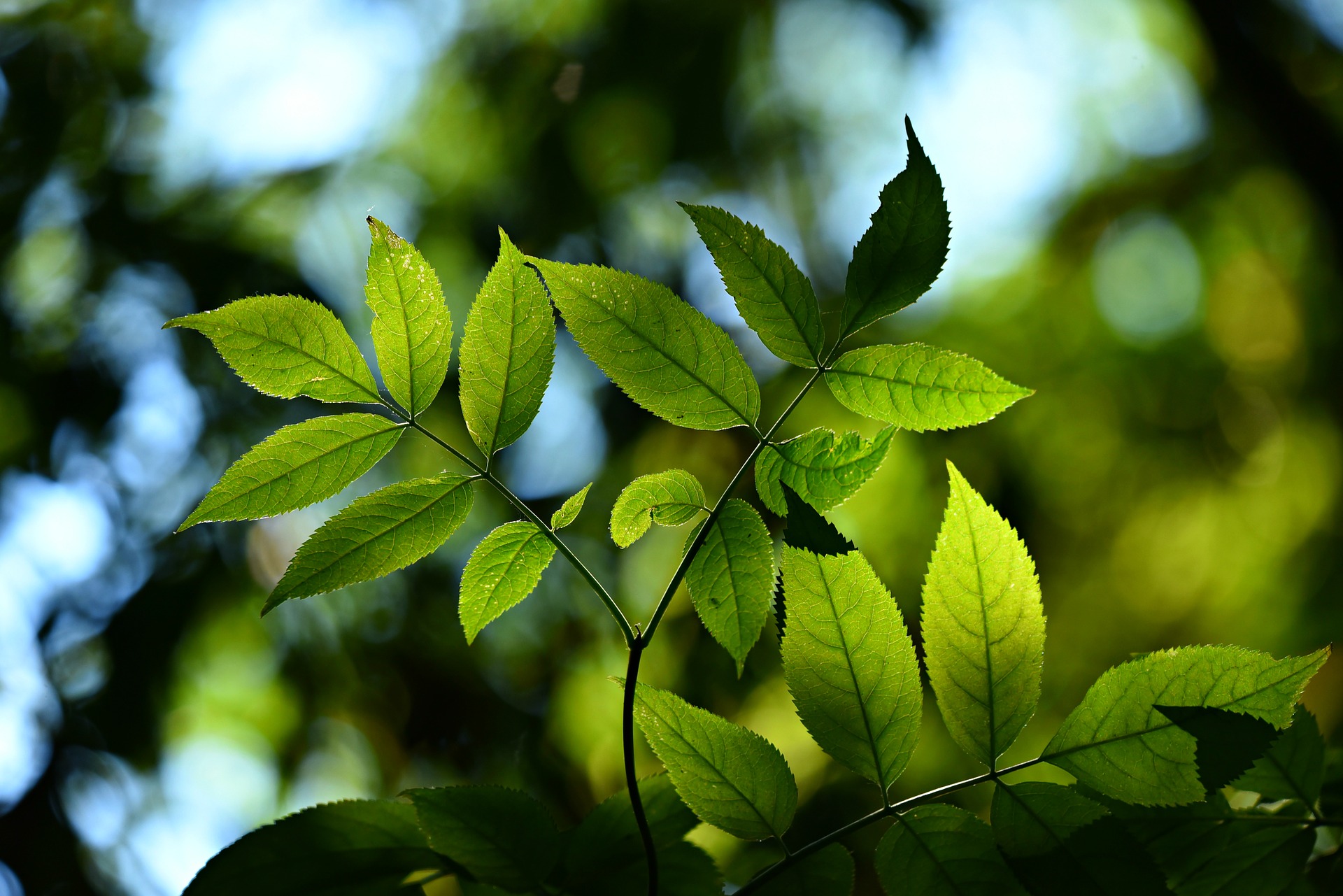
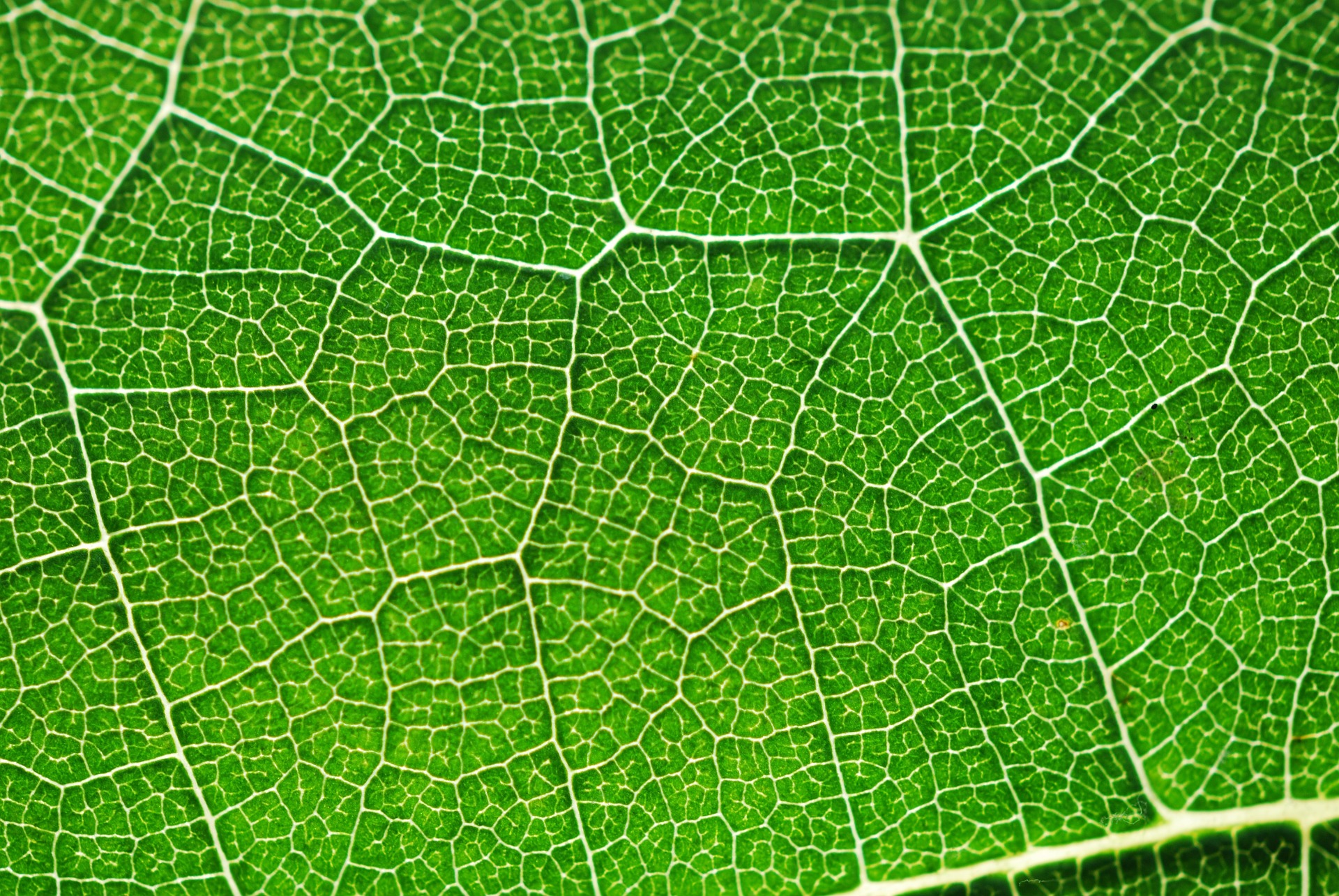
I do however like being reminded of how amazing mother nature is — creating a system of fully recyclable and compostable solar collectors in the form of LEAVES!

Hurrah for leaves and photosynthesis!

Image by Chu Viết Đôn from Pixabay

I wrote the first version of “Under My Umbrella” while camping in North Truro on Cape Cod.

Then my friend Molly Ruggles wrote a new bridge section — which is the version she and I and our friend Carole Bundy recorded (in the player above).

You can click here to read — or re-read depending upon how long you’ve been following my blog — a short post from 9/10/24 which features the earlier (pre-Molly) version of this song.

And here is a link to the Molly, Will & Carole version in case you might be willing to play/like/share it on your favorite music streaming platform.

We recorded it with me, Carole and Molly singing plus Molly playing Doug Hammer’s Schimmel grand piano in his studio north of Boston, MA.

Thank you to Doug for his excellent engineering and music production skills.

Thank you to Molly for writing a new bridge and also a bunch of lovely harmonies for all of us to sing.

Photo by Rada Ruggles

Thank you to Molly for playing piano AND for designing our graphics.

Thank you to the gifted and generous photographers at Pixabay.

And thank YOU for reading and listening to another of my blog posts!

I remain very grateful for our wonderful WordPress community.

Deep breath in.

And deep breath out.

Throwback Thursday (#3)

Image by Giovanni Edoardo Nogaro from Pixabay

Greetings from East Arlington, MA!

I continue to re-visit early blog posts in order to update them a bit and add photos.

I find myself asking, “How could I ever have written a blog post without photos?”

I guess I had not yet discovered Pixabay back then…

Deep breath in.

Deep breath out.

If you are curious/willing to visit today’s Throwback Thursday blog post from 11 years ago, you are welcome to click here.

It features a beloved Johnny Mercer/Henry Mancini song plus some thoughts about singing with other human beings.

Image by Gernot from Pixabay

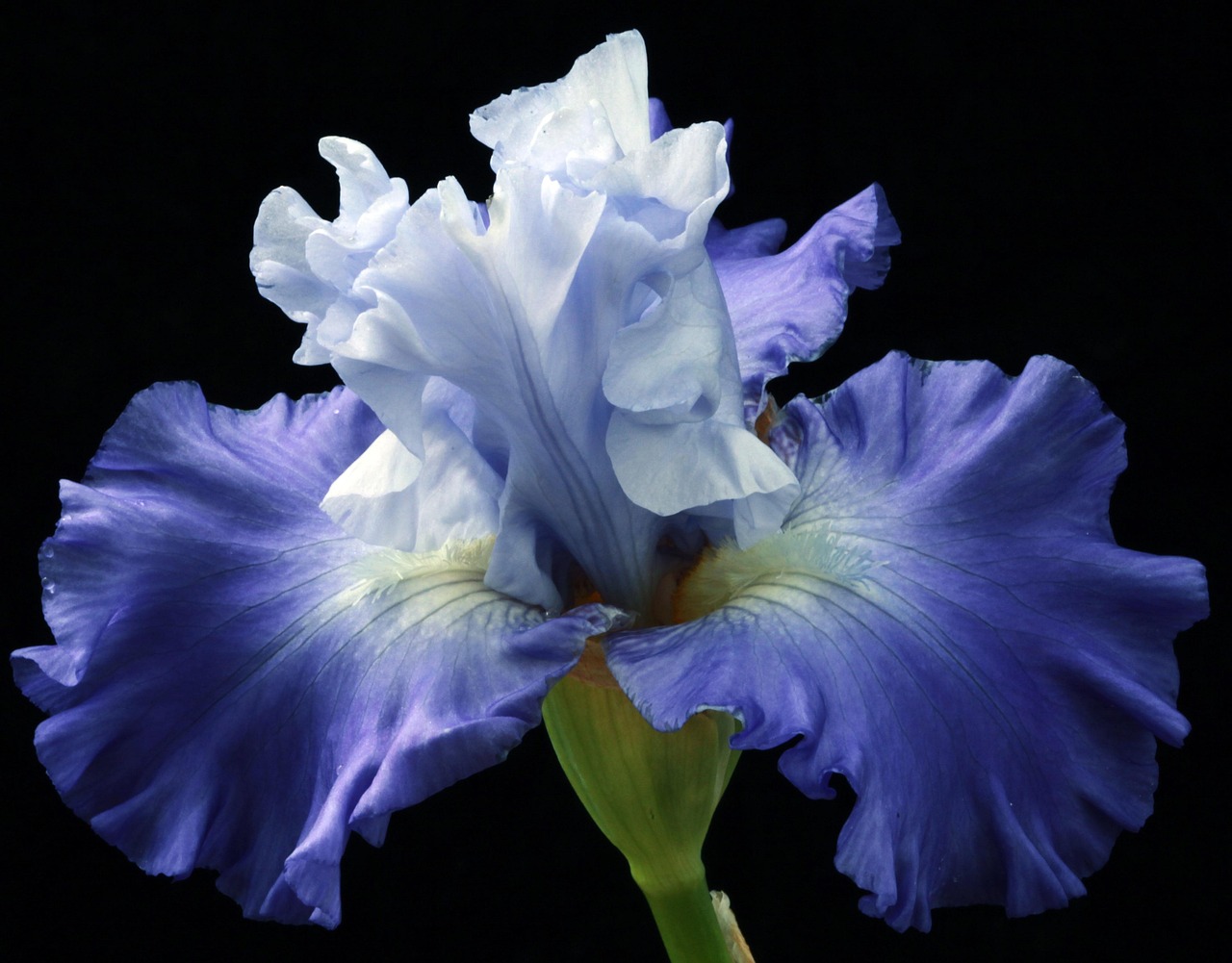
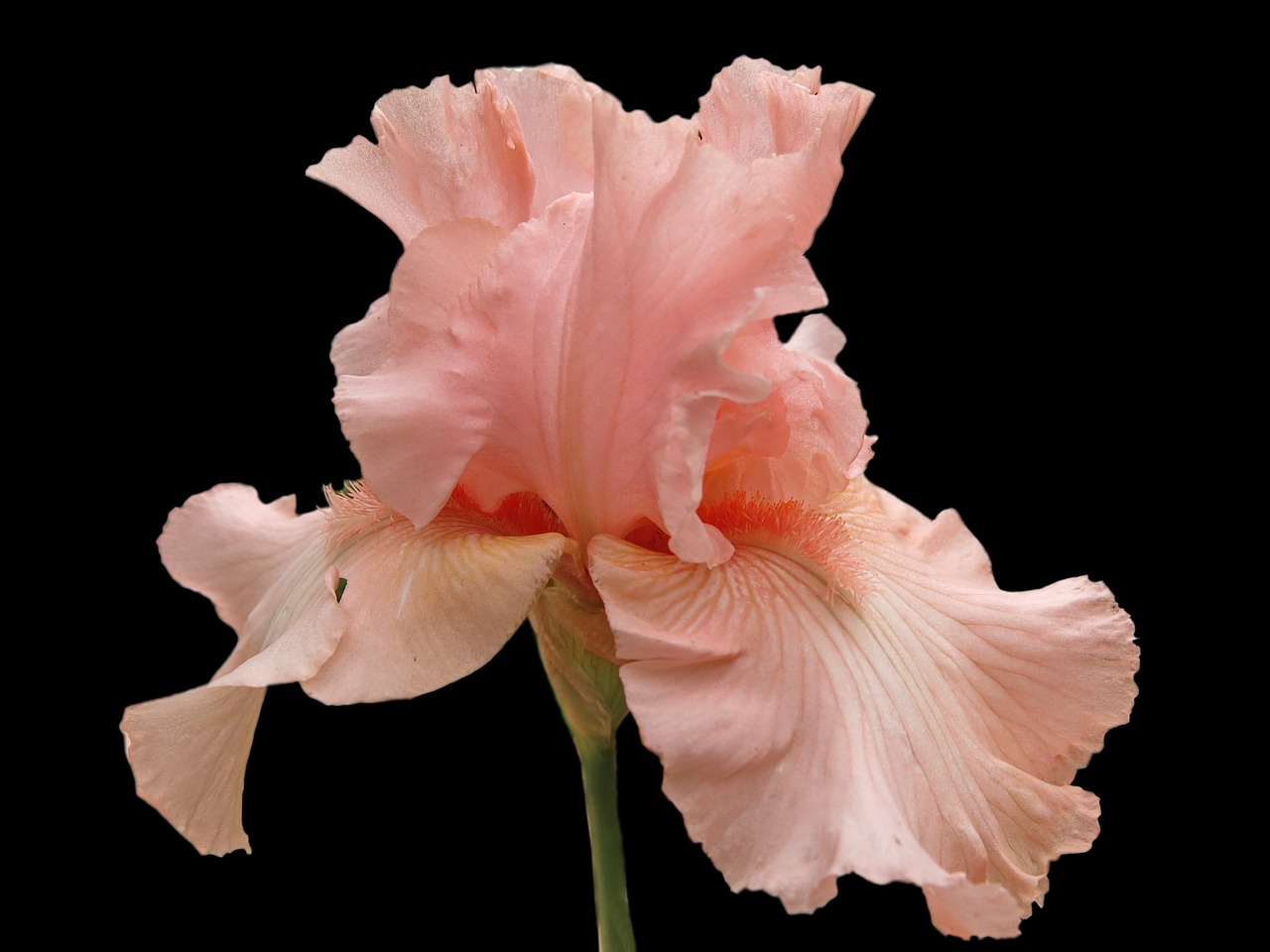
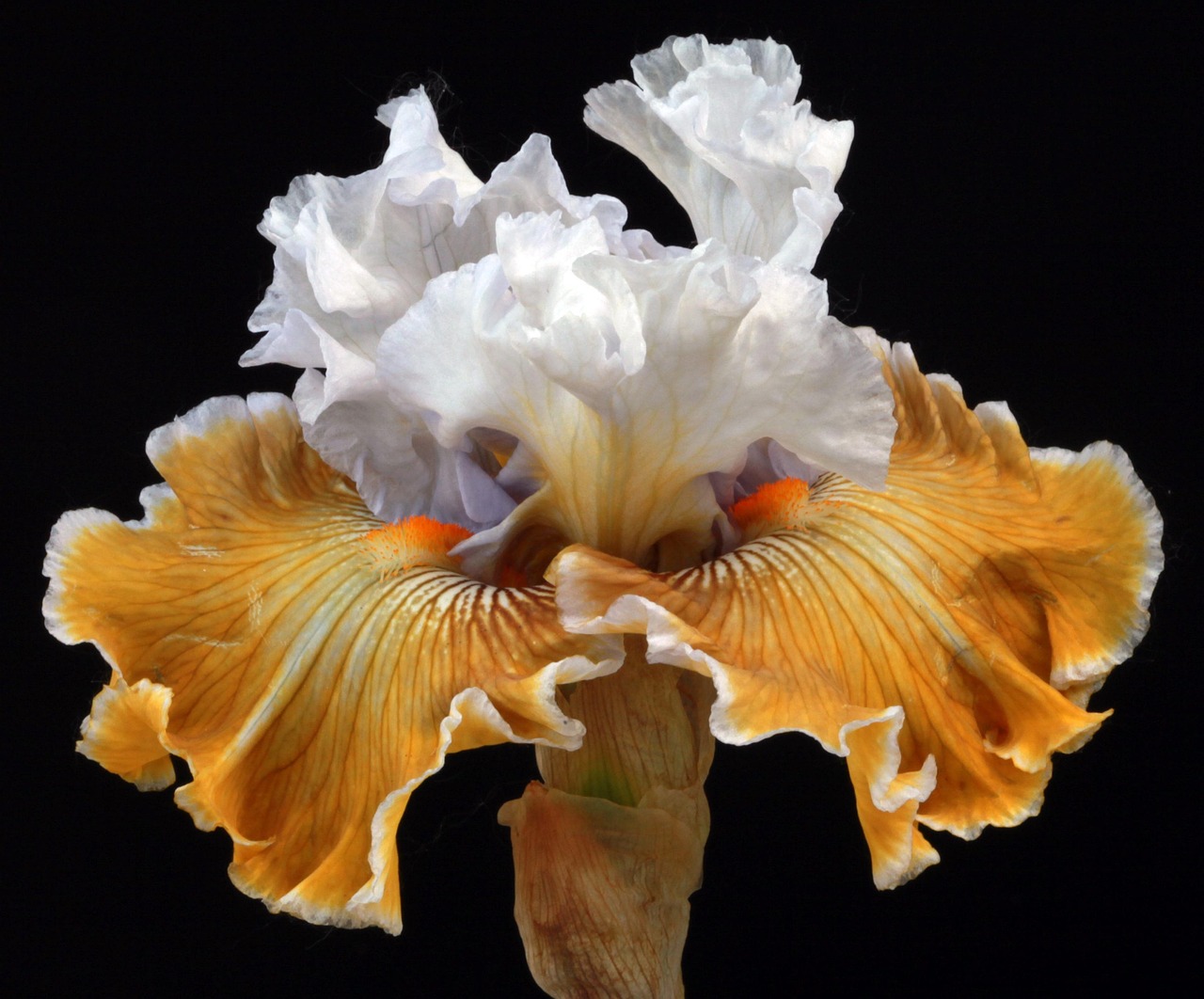
I have chosen today’s glorious photos of iris because they are another one of my favorite flowers — especially the old-fashioned varieties.

We have a bunch of iris which grow alongside our driveway.

The purple ones have an aroma which — to my nose — smells exactly like grape soda.

Yum!

I am guessing it will be another week or two before our iris start blooming here in the Boston area… and I am waiting patiently for their aromatic arrival.

Thank you for dropping by.

Image by Giovanni Edoardo Nogaro from Pixabay

And thank you to the gifted and generous photographers at Pixabay.

Deep breath in.

Deep breath out.

ps: I don’t think I’ve ever seen a white-and-coffee-colored iris like this final photo.

Have you?

Wow!

More Ode To Water

Greetings after a months-long pause in blogging!

I hope you remain healthy as winter inches towards spring (at least in New England…)

I also fervently hope that you have not experienced any climate-related catastrophes in recent weeks — or war-related catastrophes — or ANY catastrophic circumstances at all.

Each and every day I remain grateful for healthy food to eat, a warm place to sleep, a functional bicycle, gainful (if very modestly-paying) employment, and clean water.

Deep breath in.

Deep breath out.

I also remain very grateful for all the folks who visit my blog — anywhere from four to eighteen each day during the past ten weeks — even though I have not published a new post since the end of December.

THANK YOU!

Right at the end of 2023 — having relied upon showers for the past few decades to keep myself clean — I re-discovered the delicious experience of taking a bath (after a long and chilly day of travel to visit relatives in upstate New York).

Wow.

Soaking in even a few inches of hot water is such a different experience from taking a shower.

One can slow down and lose track of time…

I also feel as though the heat from the bath water soaks deeper into my body and stays with me longer than the heat from water in a shower.

Or maybe I am imagining that…

And one final bonus is that I have a compelling reason to scrub my bath tub on a regular basis (which, when I was just taking showers, I could easily overlook for weeks on end…)

Hurrah!

Another deep breath in.

And deep breath out.

My latest song release — an Ode To Water — celebrates all forms of water here on planet earth.

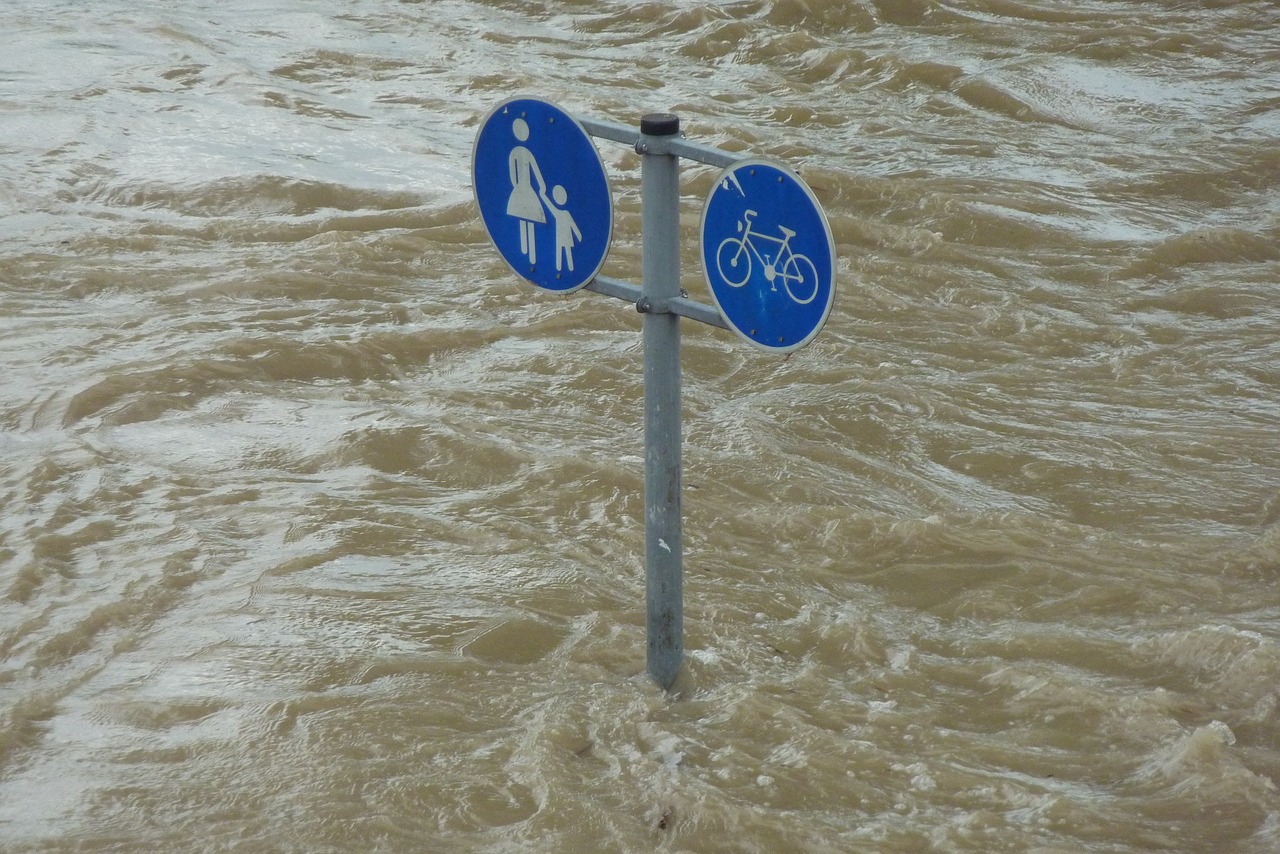
And its release coincides with another round of extreme rainfall and flooding here in the not-so-United States.

I continue to be flummoxed by how most of our political leaders — despite the increasingly destructive weather events occurring on a increasing basis all around our amazing planet — remain largely in denial about how closely we are inching towards some significant environmental tipping points — from which it will be very difficult if not impossible to recover.

Maybe it’s because they are human beings and — like most of us — tend to function in a state of denial until a catastrophe enters the inner circle of our lives.

To me, climate change/catastrophe underpins every other issue — huge imbalances of wealth/power, all sorts of civil rights challenges, the rising trend towards fascism in many countries including our own, women’s ability to make decisions about their own health/bodies, the industrial agri-chemical contamination of the web of life, etc. etc. etc. — which we are facing as human beings here on planet earth.

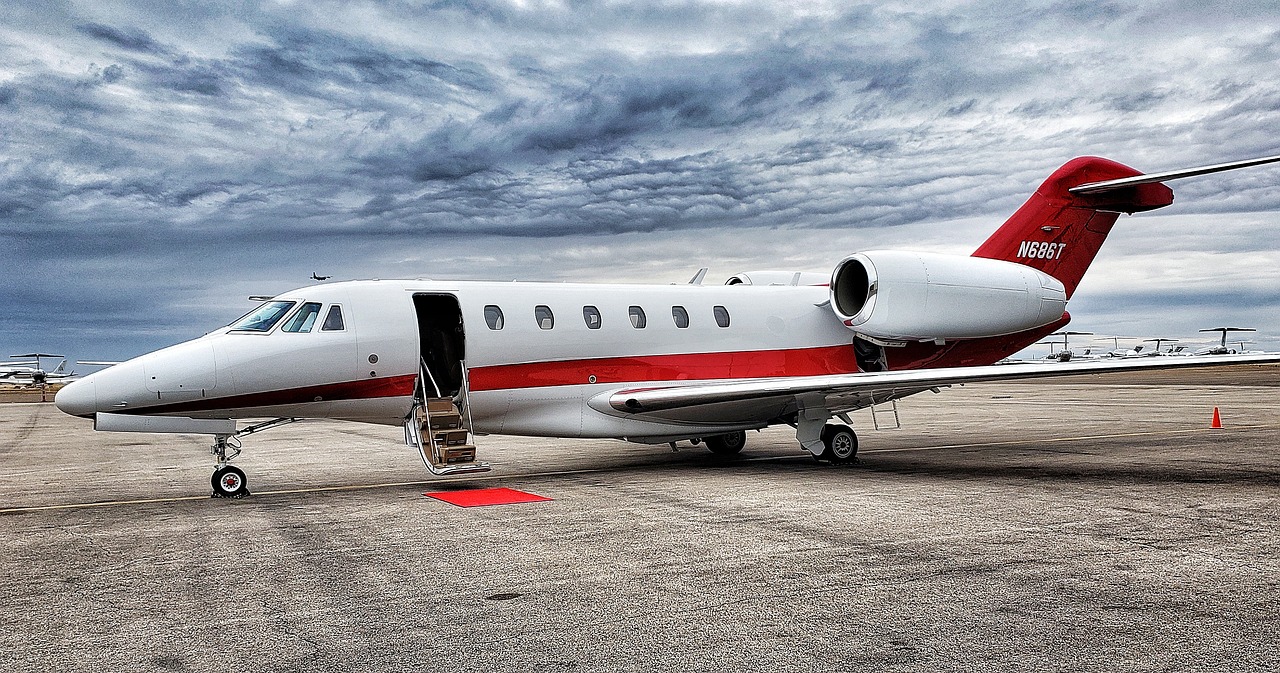
Here in Massachusetts our liberal Democratic governor is waffling about the proposed expansion of an airport used by private planes/jets called Hanscom Field, which is located eleven miles from where I live.

Making it easier for more rich people to fly in private jets is a perverse example of us NOT making the difficult changes in our human behavior/expectations that our climate change/catastrophe is calling for.

But I am guessing that Governor Healey is at least partially beholden/indebted to wealthy donors who have contributed to her successful political campaigns and may be inclined to help make their lives easier — even though it is well documented that air travel is one of the worst offenders regarding our fossil fuel over-consumption (and private jets are even worse than commercial flights!)

Yet another deep breath in.

And deep breath out.

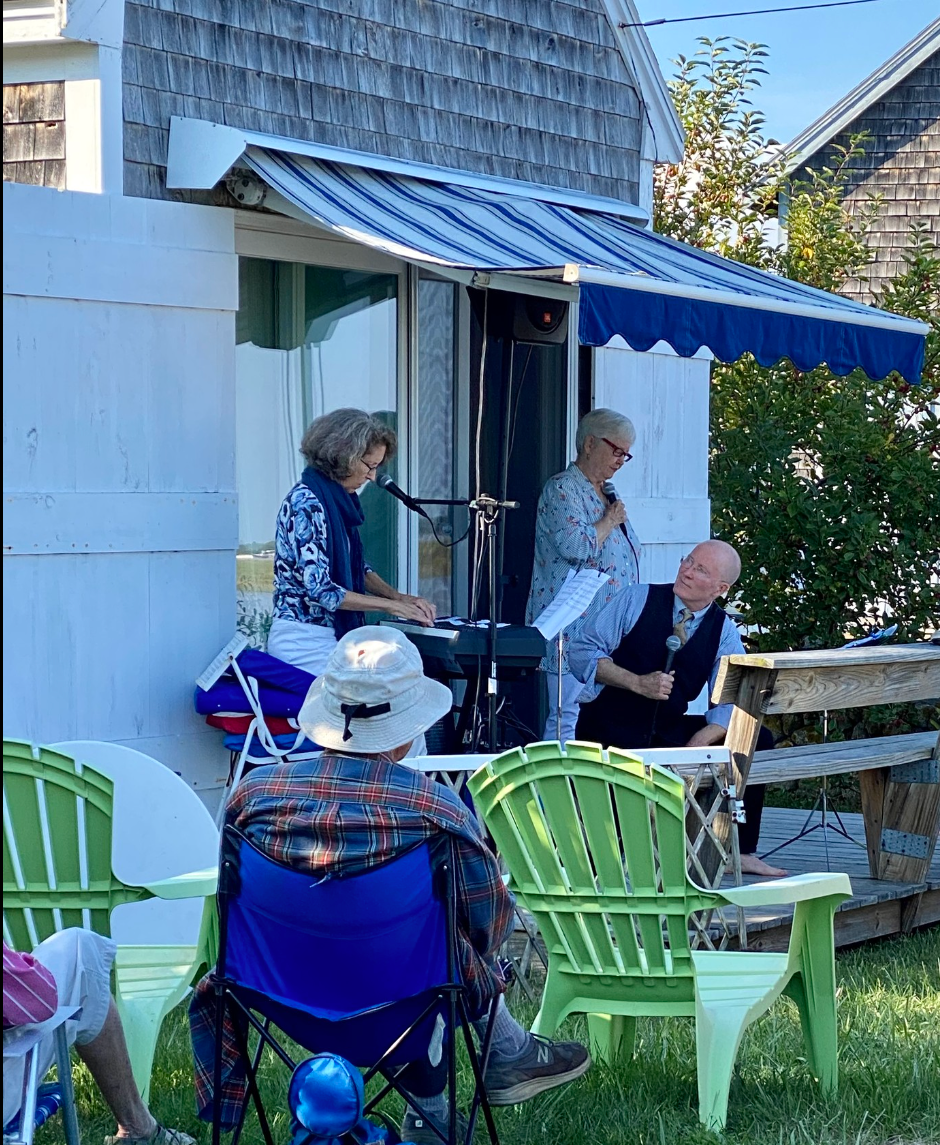
Two states away from me in Maine, a friend has co-owned a tiny, one-room (former) fishing shack for decades with her extended family near Kennebunkport which serves as a very humble summer refuge for a large web of siblings, cousins and friends.

I have felt very fortunate to visit (and even perform) there a few times!

During a recent storm, this tiny cottage (which is boarded up during the winter months) experienced higher flooding than anyone can ever remember happening… and lost its front porch.

Another, larger shack (on tall stilts) which had been damaged last year and thoroughly repaired was entirely WASHED AWAY. 

It had withstood nor’easters for over a hundred years… and now is gone!

The time to make difficult choices and change longstanding habits is NOW regarding how we human beings (especially those of us in developed countries) consume fossil fuels.

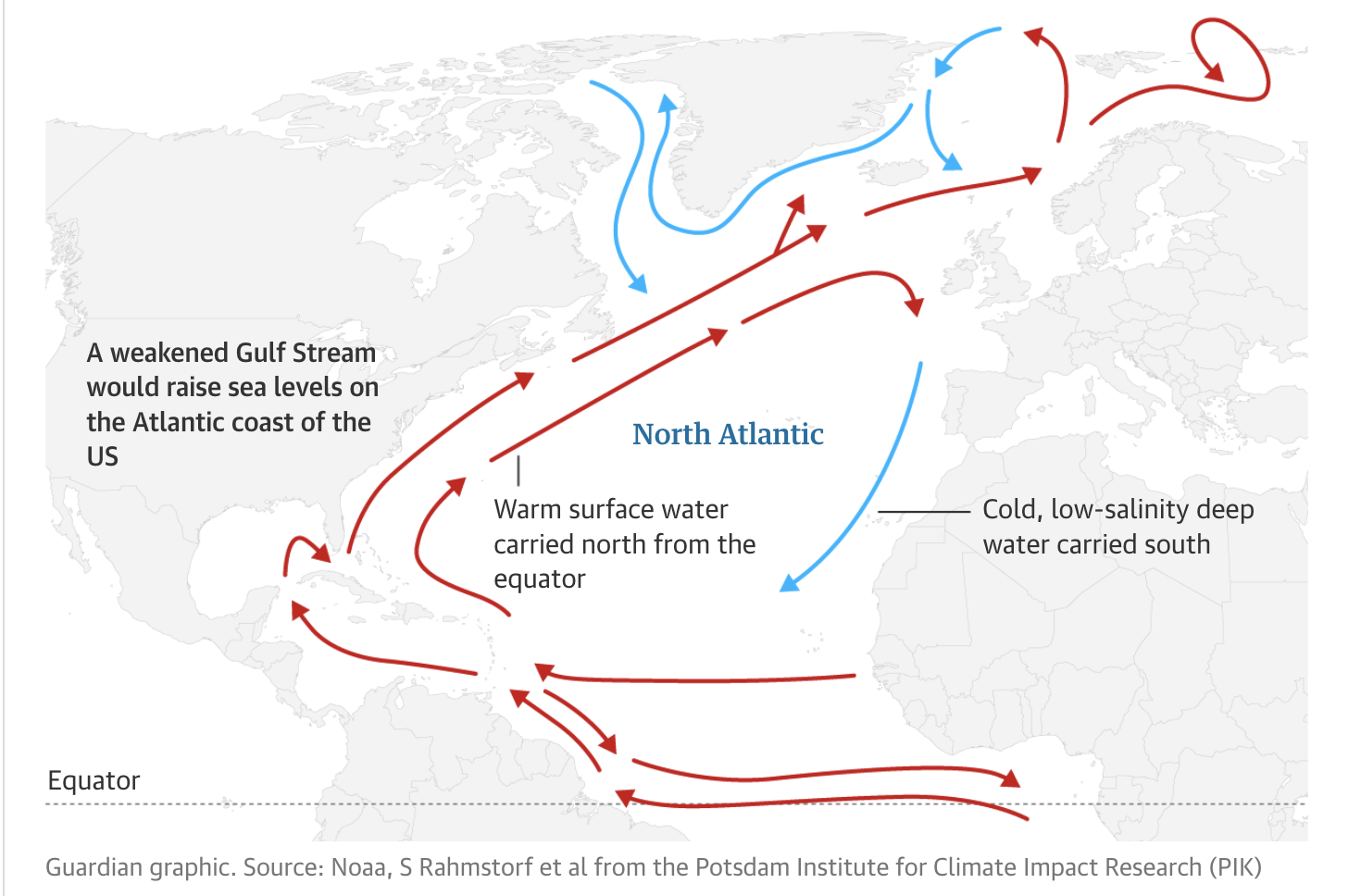
To top it all off, I recently read an article in The Guardian about how we human beings are very close to experiencing a major tipping point in how water circulates in the Atlantic ocean.

Yikes!

Due to my recent embrace of baths, I have a keen awareness about how water behaves in my tub.

Colder water sinks to the bottom, and warmer water stays near the surface.

In the Atlantic ocean there is something similar called the “Atlantic meridional overturning circulation (AMOC) — a vast system of ocean currents” that helps to regulate our planet’s climate.

“AMOC, which encompasses part of the Gulf Stream and other powerful currents, is a marine conveyer belt that carries heat, carbon and nutrients from the tropics towards the Arctic Circle, where it cools and sinks into the deep ocean. This churning helps to distribute energy around the Earth and modulates the impact of human-caused global heating.”

But AMOC “is being eroded by the faster-than-expected melt-off of Greenland’s glaciers and Arctic ice sheets, which pours (very cold) freshwater into the sea and obstructs the sinking of saltier, warmer water from the south.”

And new analysis by scientists has determined that “AMOC is…on track towards an abrupt shift, which has not happened for more than 10,000 years and would have dire implications for large parts of the world.”

Another huge YIKES!!!

Followed by one final deep breath in.

And deep breath out.

This is why I ride my bike and/or walk and/or take public transportation.

This is why I eat less meat.

This is why I choose not to fly in order to visit friends and/or family in faraway places.\

And this is why I remain deeply grateful for all of the miraculous basics in my current life — including clean, fresh water to drink and to cook with and to clean with and to bathe in plus a non-leaky roof over my head.

Here is a link to my “Ode To Water in case you might like to stream (music flows in bits of electronic data these days these days…) it.

And as I have explained before, if you “like” one of my songs or add it to one of your playlists, that will improve the algorithmic sharing of my music.

Furthermore, if you listen to it via Spotify, I would be particularly grateful because Spotify recently changed its business model.

Starting in 2024, they are no longer paying indie artists half of the royalties (which are already absurdly low) due to them for any song streamed fewer than 1000 times per year.

So I need to get another 337 streams in the next ten months (so far it has earned 663 streams from 476 listeners around the world in the two months since it was released!)

I will probably write about this discouraging “rob from the poor to pay the rich” business strategy in a future blog post…

But, returning to several of the “glass-more-than-half-full” blessings in my life, I would like to thank Doug Hammer for playing so expressively on this recording and for being such a terrific engineer/producer.

Thank you to Stephen Fischer for his elegant graphic design work.

Thank you to the photographers at Pixabay for their beautiful images.

Thank you to the amazing cycles of water which circulate — from oceans to clouds to earth to plants to us and back around again and again and again — on a daily basis here on planet earth.

And thank YOU for reading and listening to another one of my blog posts!

ps: If you are thirsty for more musings about water, you can click here and here to read blog posts from 2022 and 2020 which featured earlier versions of my “Ode To Water.”

Inch by Inch… Row by Row!

Photo courtesy of the Arlington Reservoir website

While all sorts of extremely important events continue to unfold around the world on a daily basis, life — blessedly — goes on here in East Arlington, MA.

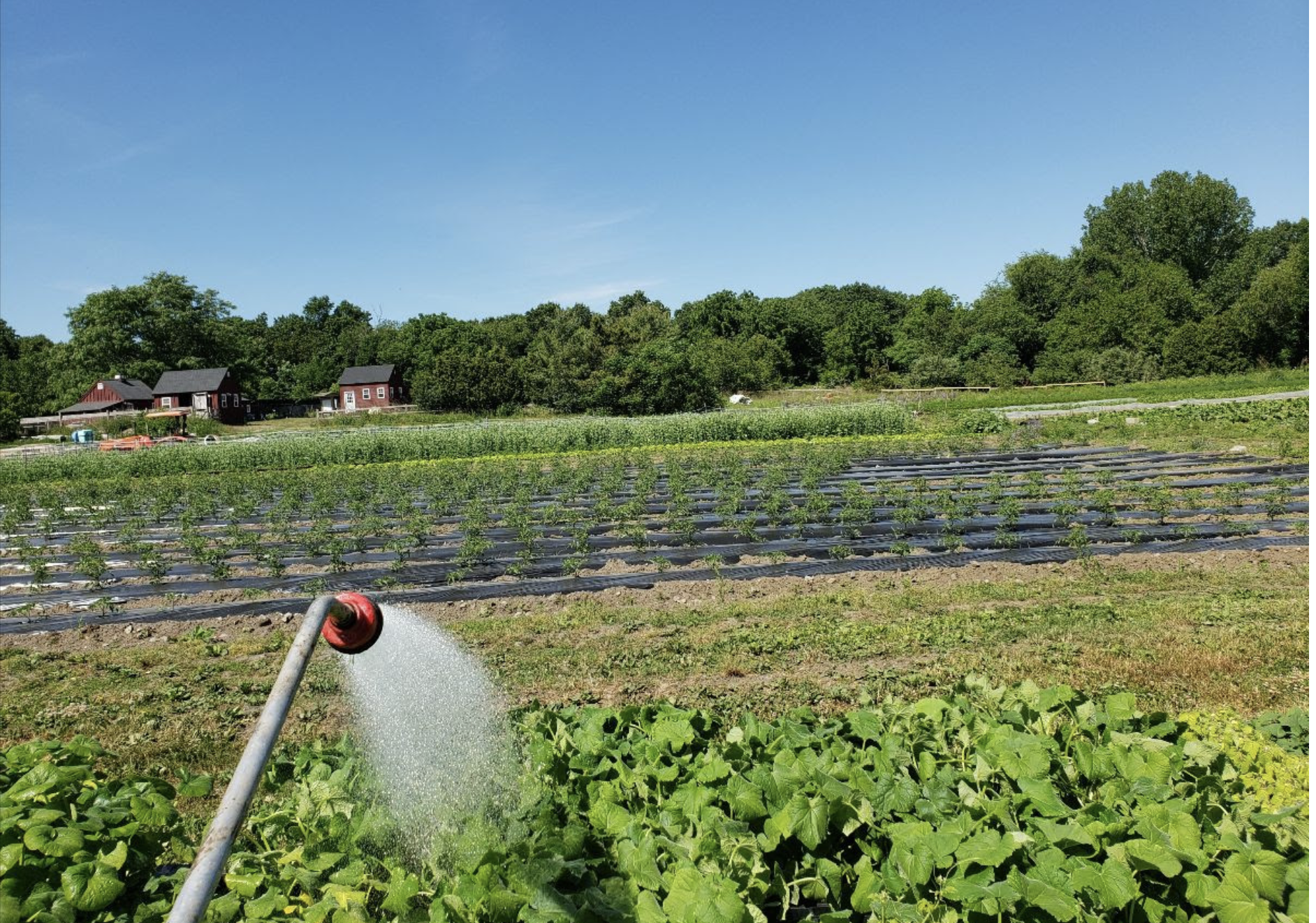
Last fall I discovered — and began happily patronizing — an organic farm within biking distance of my home.

It sits on the edge of an old reservoir which currently serves as a nature preserve.

The reservoir straddles the border of my town and the next town to the west — Lexington, where our Revolutionary War kicked off two hundred and forty eight years ago with a battle against the British.

I have known about this reservoir — which is no longer used for drinking water — for the past thirty years.

Yet I have rarely visited it because I live on the east side of town, and the reservoir is located on west side of town.

Biking there takes 25 minutes, and it’s mostly up hill — following a converted rail-to-trail bike path.

However, this past fall I resumed leading Music Together classes indoors at a karate studio which is located five blocks from the reservoir.

And not long after we had begun our fall term, someone (we still don’t know who) drove into one of the karate studio’s front walls.

This meant that we had to find alternative locations for our classes while repairs were being made.

A couple of my Music Together families offered to let us hold class in their backyards — and one of those families lives a block away from the reservoir.

So one morning after class in their backyard was done, I decided to explore the reservoir on my bike.

Photo courtesy of Lexington Community Farm website

It turns out there is a lovely path all the way around it — and when I reached the far side of the reservoir, I found myself gazing onto a field full of vegetables!

And then I saw a sign welcoming people to walk through the farm and — on Fridays and Saturdays — buy fresh vegetables at their farmstand.

Because I had been part of a summer/fall farmshare of fresh produce which was driven to Arlington each week from an organic farm in New Hampshire, I did not visit their farmstand right away.

But when my farmshare ended in November, I decided to check it out.

What a thrill to enter a room full of very locally grown — and vibrantly colored — organic carrots, potatoes, lettuces, sweet potatoes, scallions, leeks, collard greens, swiss chard, kale, turnips, beets.. and the list went on and on and on!

I bought a bunch of leeks, a bunch of kale and a bunch of collard greens.

And I rode home very happily on the bike path with all of them erupting in different shades of green out of a shopping bag in the front basket of my bike.

We are now experiencing a stretch of wintery weather in Arlington after a relatively mild December, January and February (during which I have been able to continue riding my bike!)

The first crocus and snowdrops appeared in our front yard two weeks ago, but they are now buried under an icy crust of snow.

This week we are experiencing snow and sleet and rain, but I trust that spring will return before too long — with more croci and snowdrops and mini-Siberian irises and grape hyacinths poking their way out of the soil and opening their flowers to the sun.

I also trust that activity will resume in the fields and greenhouses of Lexington Community Farm.

My longing for spring is what has inspired me to share a recording of “The Garden Song” by Dave Mallett which Carole Bundy, Molly Ruggles and I included on our first eight-song CD last summer.

As you probably already know, you can play it by clicking at the very beginning of this blog post.

You can also listen to it on various streaming platforms by clicking here.

Thank you to all of the people who make the Lexington Community Farm a reality — inch by inch and row by row!

Thank you to Carole Bundy and Molly Ruggles for learning this song with me.

Thank you to Dave Mallett for writing it.

Thank you to Peter Kontrimas for recording it and to Doug Hammer for mixing/mastering it.

And thank you to Mother Nature for bringing everything back to life here in the northern hemisphere of planet earth!

You are always welcome to visit my website — where you can find many songs and learn more about my musical life here on planet earth if you are curious.

You can find me and Carole and Molly singing on various streaming platforms by clicking here.

You can also find me singing — with Doug Hammer playing his Schimmel grand piano — on SpotifyPandoraApple Music, YouTube and other streaming platforms.

Any song you “like” or “heart” or add to a playlist will improve the algorithmic activity of our music there!

Deep breath in.

Deep breath out.

And most of all, thank YOU for reading another one of my blog posts!

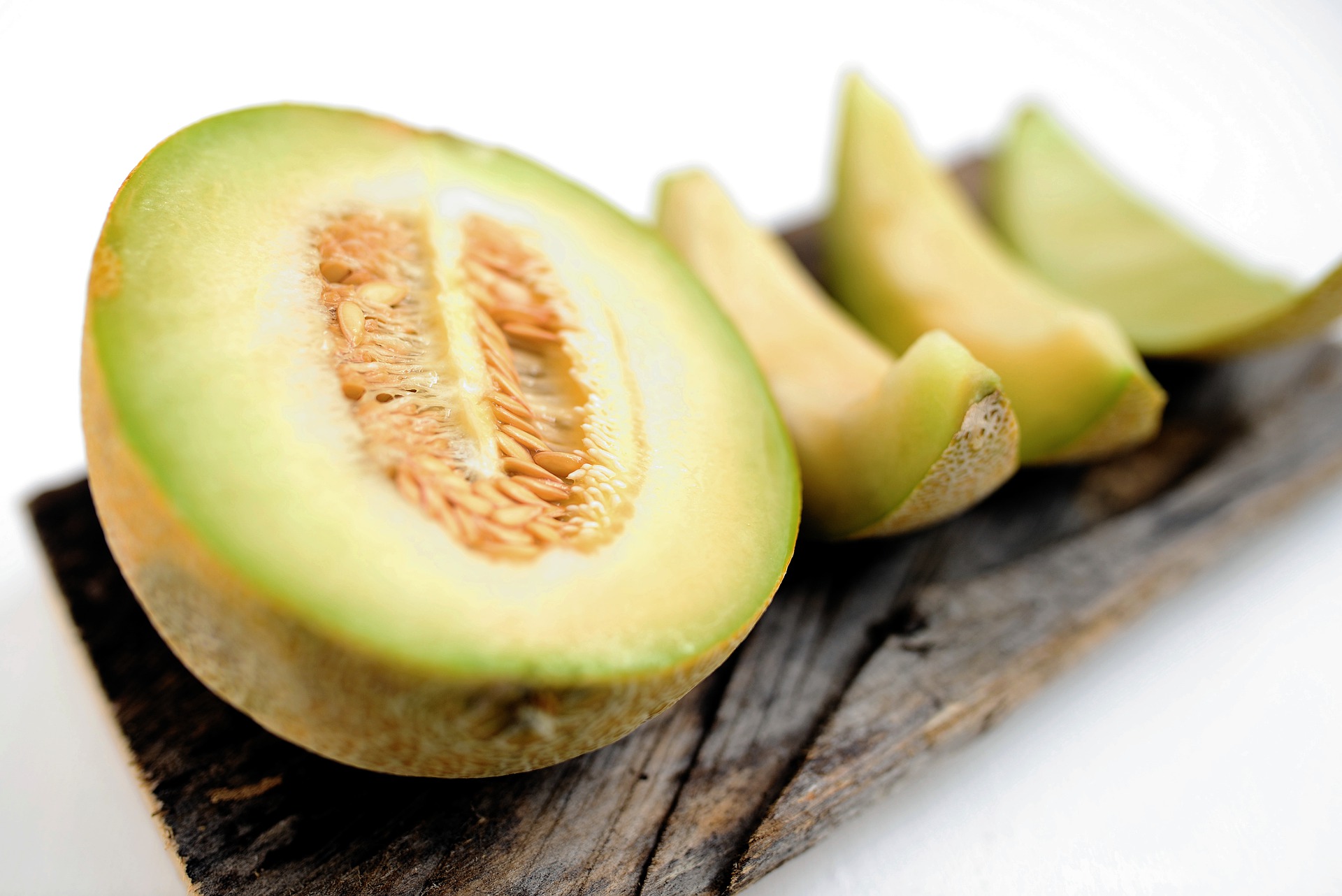
My Sweet Honeydew

Thank you to everyone who has continued to visit my blog even though I have written no fresh posts in the past three months.

After this fallow period of non-blogging, today I am happy to be writing a new post.

As faithful readers may remember, for the past year and a half I’ve been focused on recording, fixing, mixing, and releasing decent versions of songs with significant amounts of input, collaboration and expertise from pianist/engineer Doug Hammer.

“My Sweet Honeydew” — featured in the player at the top of this post — is part of a new crop of original songs I’ll be sharing in 2022.

Some of these songs attempt to make sense out of the tipping point which human civilization — along with the rest of the extraordinary web of life here on planet earth — is now experiencing due to our overconsumption of fossil fuels during the past 150 years or so.

“My Sweet Honeydew” highlights the gratitude I attempt to practice every day despite horrible news such as the accelerating extinction of plant and animal species; the increasing frequency and severity of fires, floods, hurricanes, and tornadoes; and the political unrest/discord which these events stir up!

I am very grateful to live in the United States of America and specifically in Massachusetts, which is currently led by a rare Republican governor who believes in science and who continues to respect the ever-evolving recommendations of public health experts during our ongoing Covid-19 crisis.

Image by Pexels from Pixabay 

Because of these two geographical blessings, I have so far been spared most of the anguish and shortages and panic and destruction that so many other beings on planet earth are already experiencing.

Deep breath in.

Deep breath out.

But I am aware that this could change — and possibly much faster than most of us who currently have access to food and clean water and shelter and electricity and computers and the internet would like to think is possible…

That’s because I’ve been reading a book called DEEP ADAPTATION with a small group of friends.

So far it’s been a very sobering experience — as you may know if you have already read it.

Another deep breath in.

And deep breath out.

I’ll probably write more about DEEP ADAPTATION in future blog posts.

Please let me know in the comments section if you have already read it — and what YOU make of it…

Image by Hajnalka Mahler from Pixabay

Yet another deep breath in.

And deep breath out.

I have a few resolutions for 2022.

One is to continue to decrease the impact of my life on all of the ecosystems which support our lives here on planet earth.

Another is to write shorter blog posts.

And a third is to remain curious — if that is possible — rather than terrified or furious or disheartened or disgusted about everything that continues to unfold here in these not-very-United-States.

One more deep breath in.

And deep breath out.

You are always welcome to visit my website — where you can find many songs (and learn more about my musical life here on planet earth if you are curious).

You can also find me singing — with Doug Hammer playing his Schimmel grand piano — on SpotifyPandoraApple Music and other digital music platforms.

And here’s a link to “My Sweet Honeydew” if you’d like to listen via your favorite streaming platform.

Image by congerdesign from Pixabay 

I earn only a fraction of a cent any time someone plays one of my recordings on a digital music service — but they all add up.

Thank you to the wonderful photographers and graphic artists at Pixabay.

And thank YOU for reading yet another one of my blog posts!

I welcome your comments below if you are moved to leave one.

Perhaps 2022 will be better than 2021.

We shall see…

One final deep breath in.

And deep breath out.

Heaven Here on Planet Earth

Heaven Here on Planet Earth

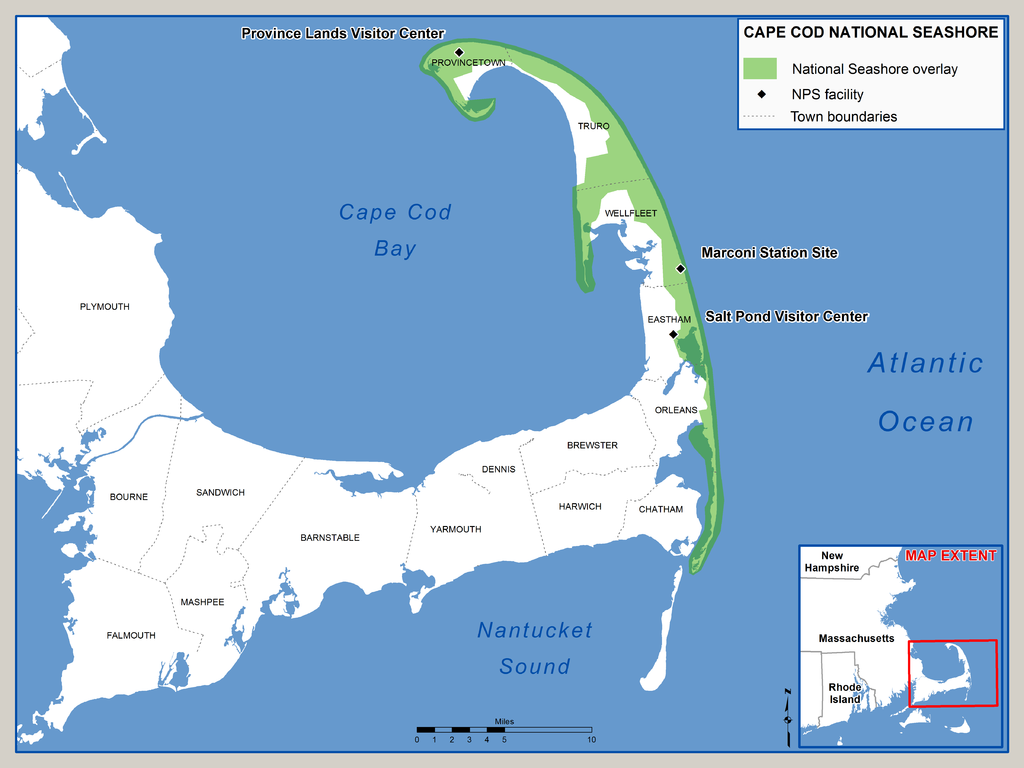
Anyone who has spent time on the outer arm of Cape Cod can be deeply grateful to John F. Kennedy due to the creation on August 7, 1961 of the Cape Cod National Seashore during his short presidency.

Cape_Cod_National_Seashore_Wikipedia
Image from Wikipedia

According to Wikipedia — which is where I borrowed this map — it includes over 68 square miles of “ponds, woods and beachfront (in) the Atlantic coastal pine barrens ecoregion.”

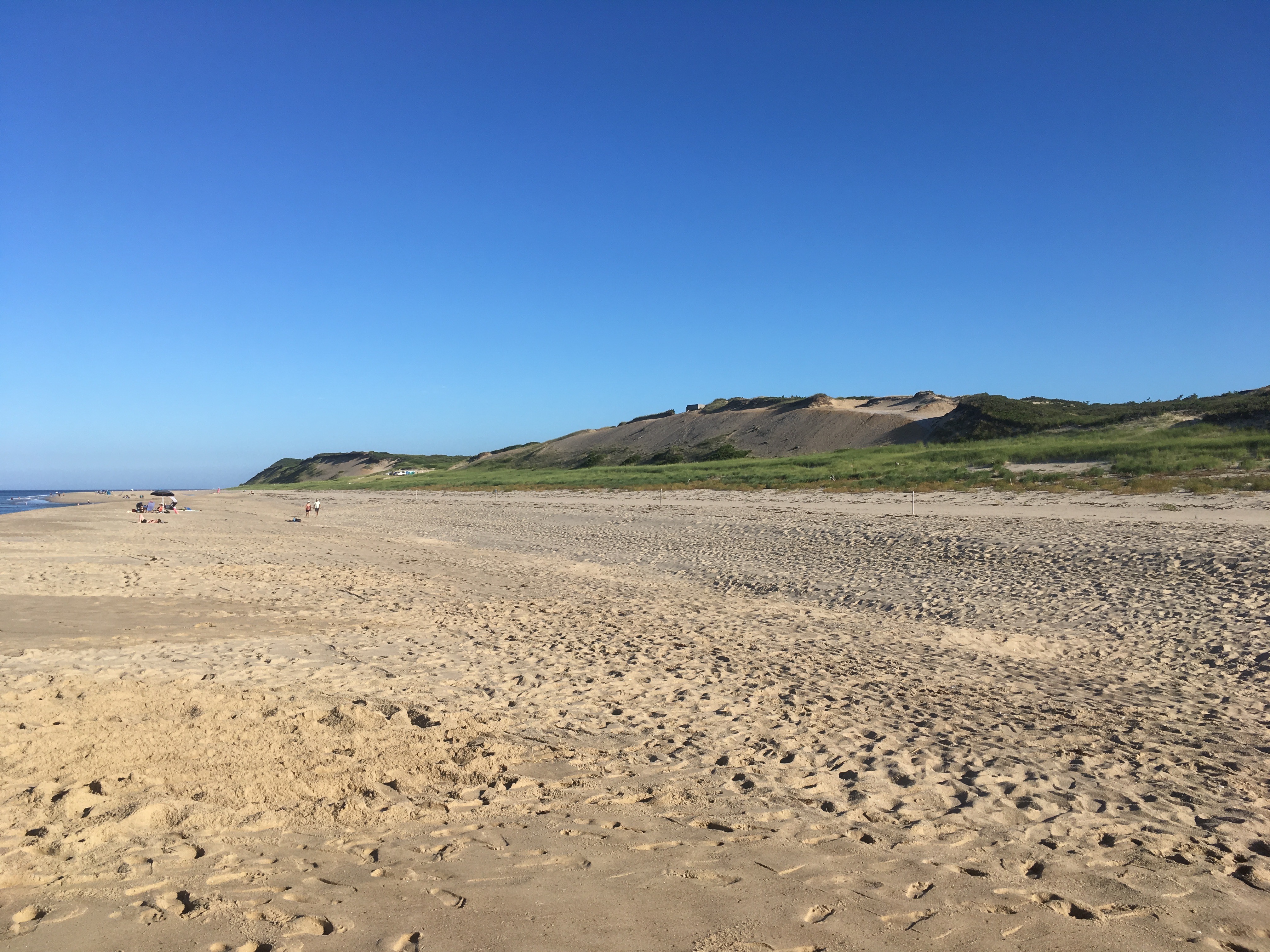
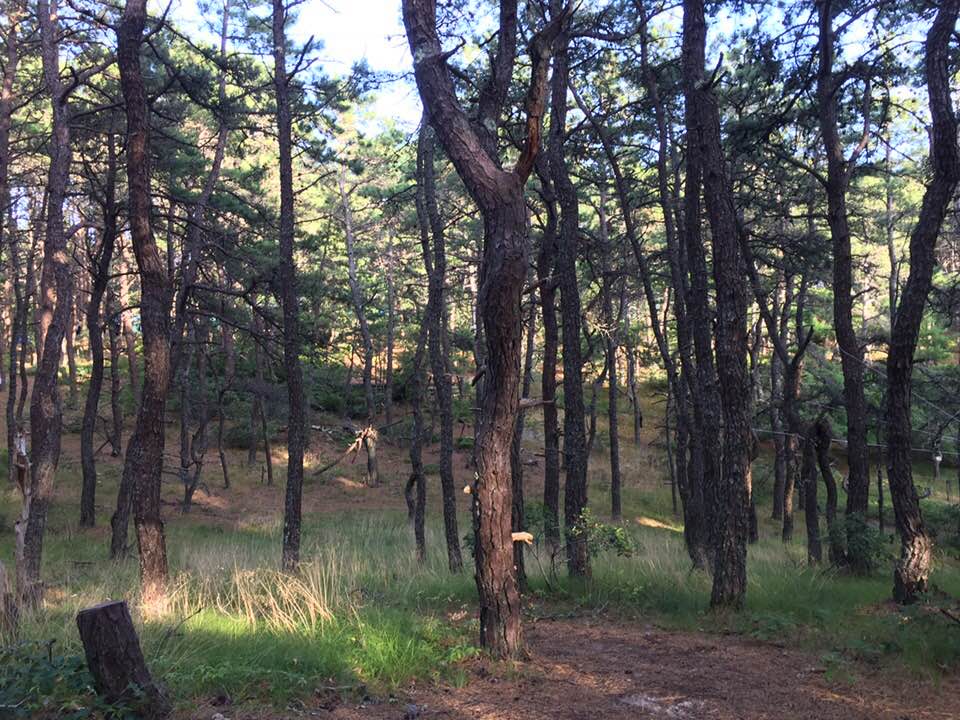
It’s also where I and my sweetheart and various family members are fortunate to camp each summer during the last week of July and the first week of August — in North Truro on the Atlantic side of the outer arm (or wrist, really…) of the Cape.

TruroBeachDunesSkyIn 2010 the campground where we have stayed for over 25 years — called North of Highland — was protected with a conservation easement thanks to the hard work and generosity of many people and organizations — including JFK’s younger brother, Senator Ted Kennedy.
So hopefully it will remain in operation for generations to come!

For me camping in North Truro is heavenly…

This is a view of our site from a site which some of our family members rent above us.

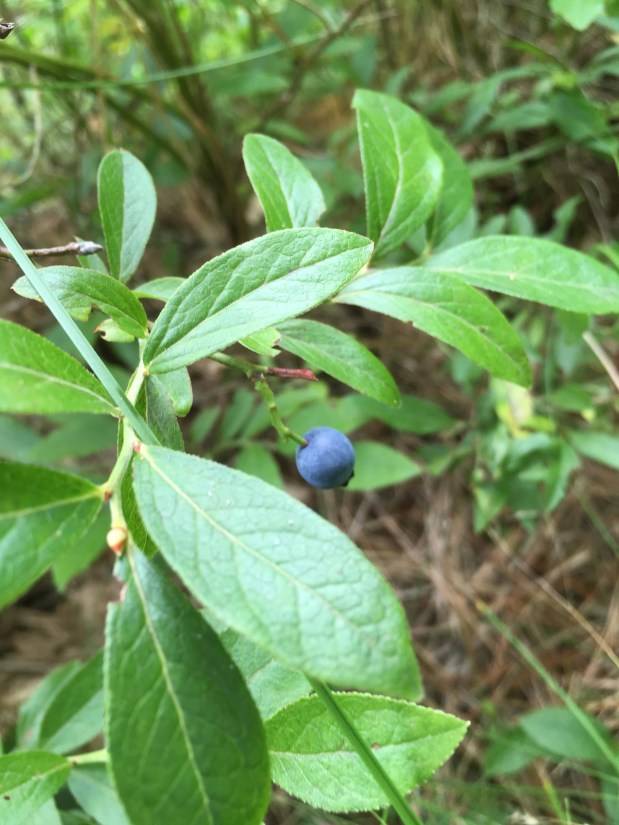
UpperViewofCampsitebyAndrewWe are in a bowl which is home to pine trees, grasses, chipmunks, red squirrels, all sorts of birds, lots of ants, a few oak trees, crickets, various fungi, and quite a few blueberry bushes.
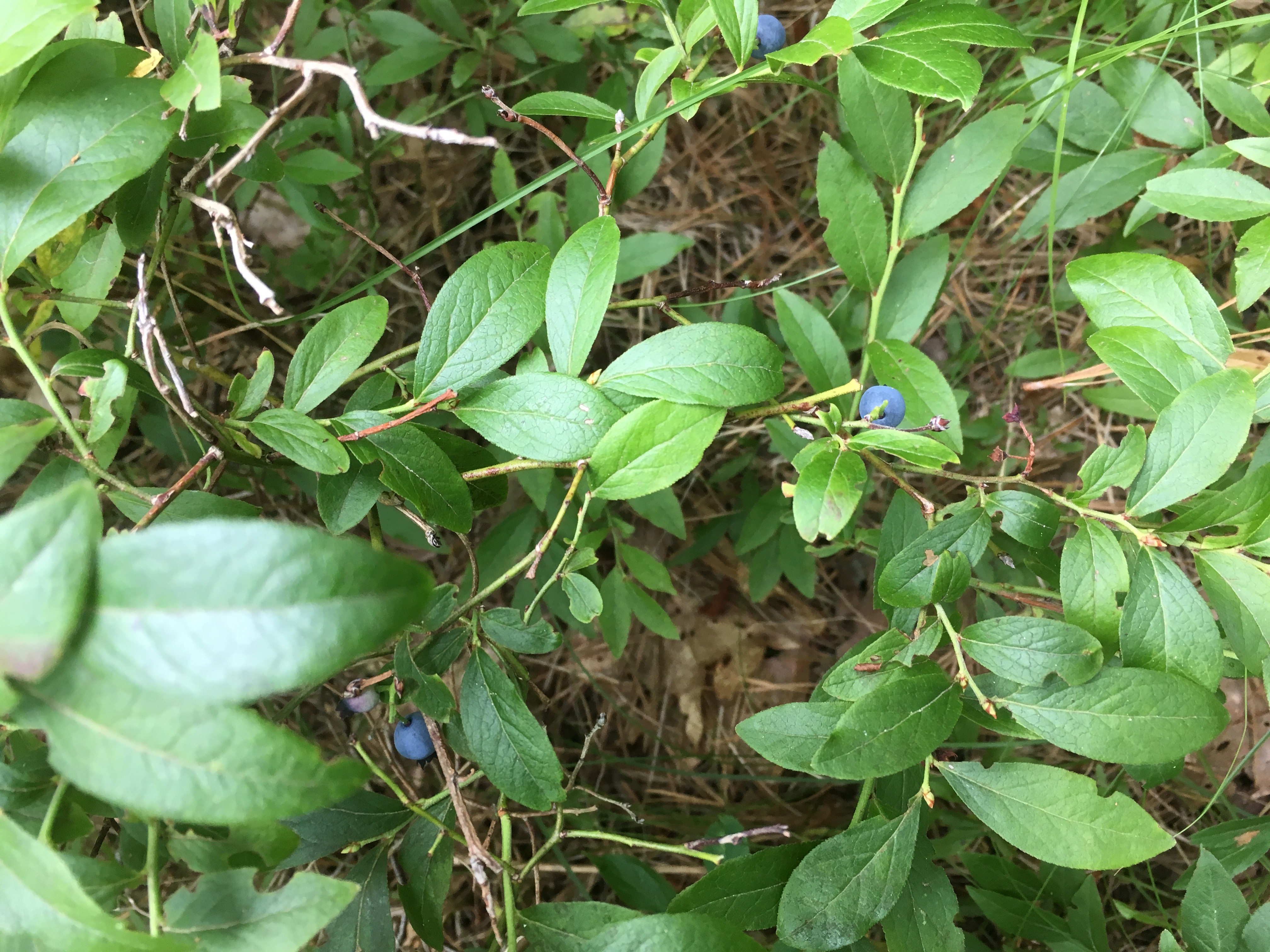
There are also visiting dragonflies, bees, mosquitos, horseflies, June bugs — who appear in the evening, attracted by our lights — and on some nights we can hear coyotes howling in the distance.

Although I have never seen a raccoon or opossum or rabbit or turkey or deer at our campsite, on one night someone DID get into our niece’s trash can.

So I am guessing that larger animals are around — just wisely inconspicuous during the day.

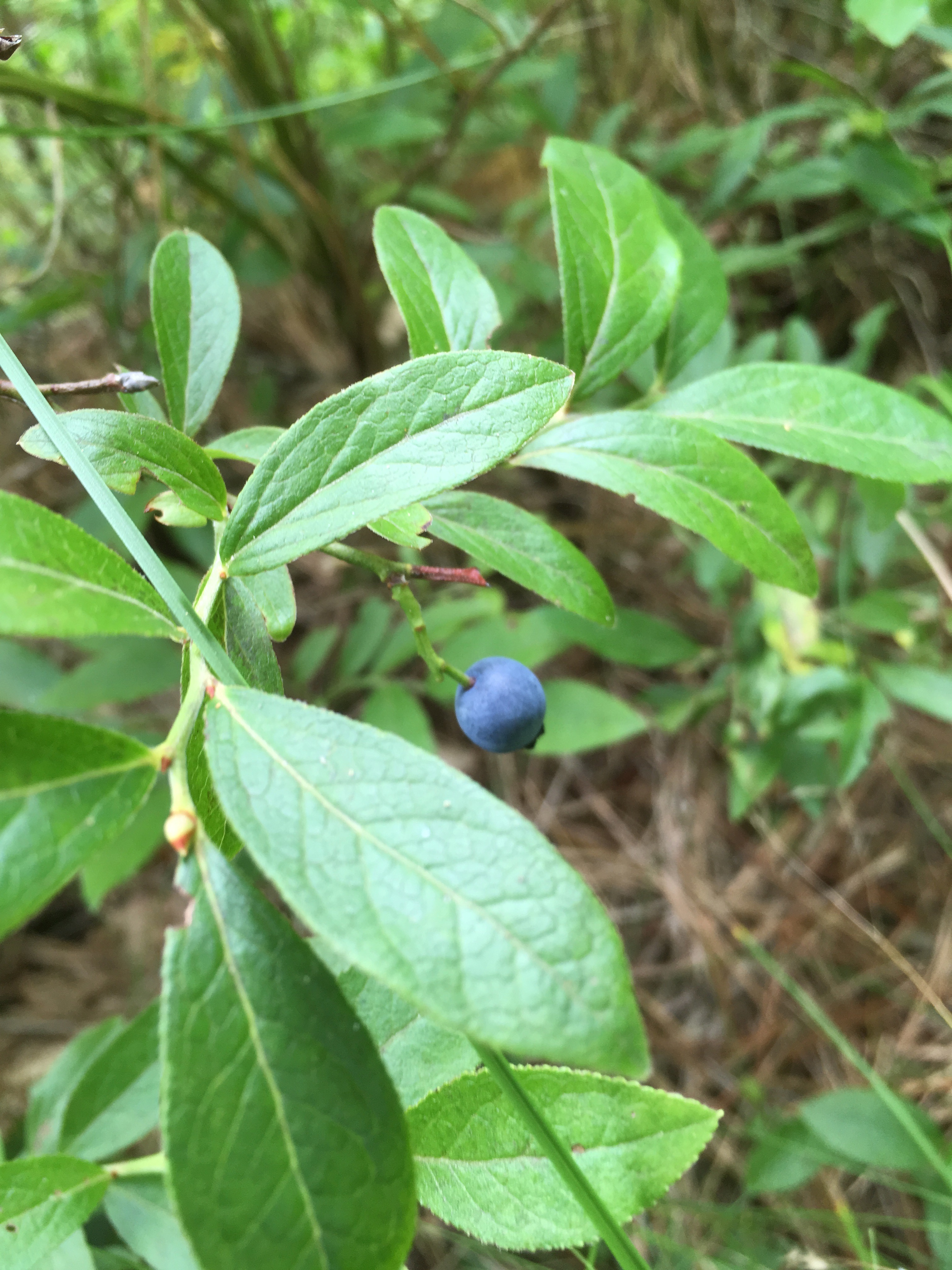
I love the way that sunlight dapples the trees and grass — and I love picking a few blueberries each morning.

BlueberryPlantThere weren’t very many this summer, which may be because it has been somewhat dry.
We only experienced rain three times this summer while we were camping — a) on the day we drove down to set up camp, b) once overnight, and c) a substantial storm on the day that we were packing up to return home.

When it rains I imagine how good the moisture must feel on the roots of all of the trees and shrubs and grasses.

Each berry is such a jewel… and hopefully there are plenty more for the folks camping at this site right now as well as for any animals who like to eat them, too.

BlueberryCloseup

I spend most of the day in our tent — which is quite spacious — with a ukulele, a little handheld digital recorder, a rhyming dictionary, two lap top computers, and several bags worth of song ideas.

Each morning I stretch and listen to song ideas I’ve accumulated during the previous months — or in some cases years — until something catches my fancy.

Then I focus on that particular idea for the rest of the day — writing lyrics, coming up with chords for a missing bridge, etc.

The song in the player at the beginning of this blog post is one I wrote a few camping sessions ago and later recorded with the pianist Doug Hammer at his studio north of Boston.

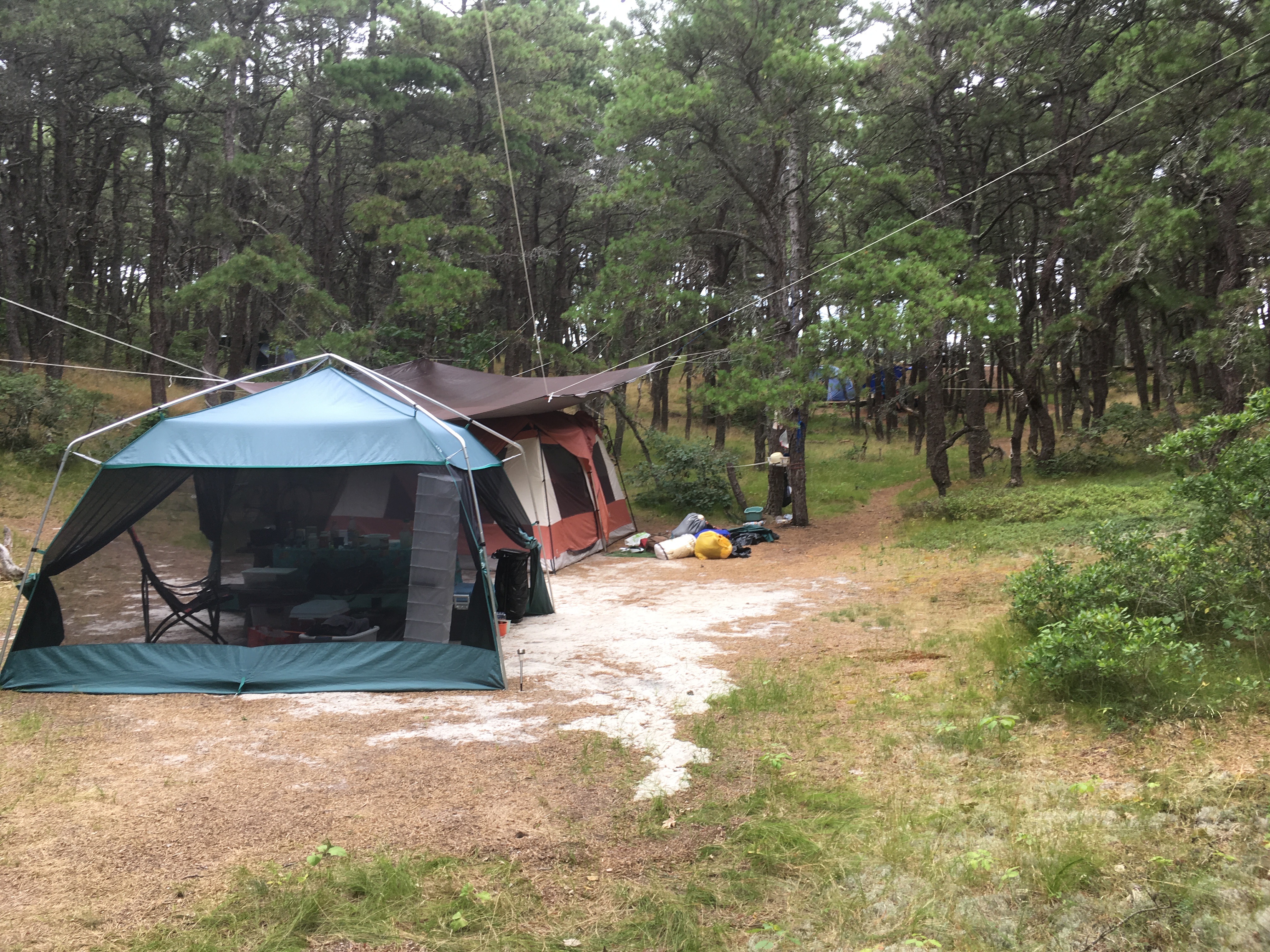
This is a view of our (green) screen house — where we cook and eat — and our (orange) tent.TwoTentsinBowlIf you look past our tents in the upper left corner of this photo, you can glimpse the tent site from which the first photo in this post was taken…
There are many, many things I love about camping.

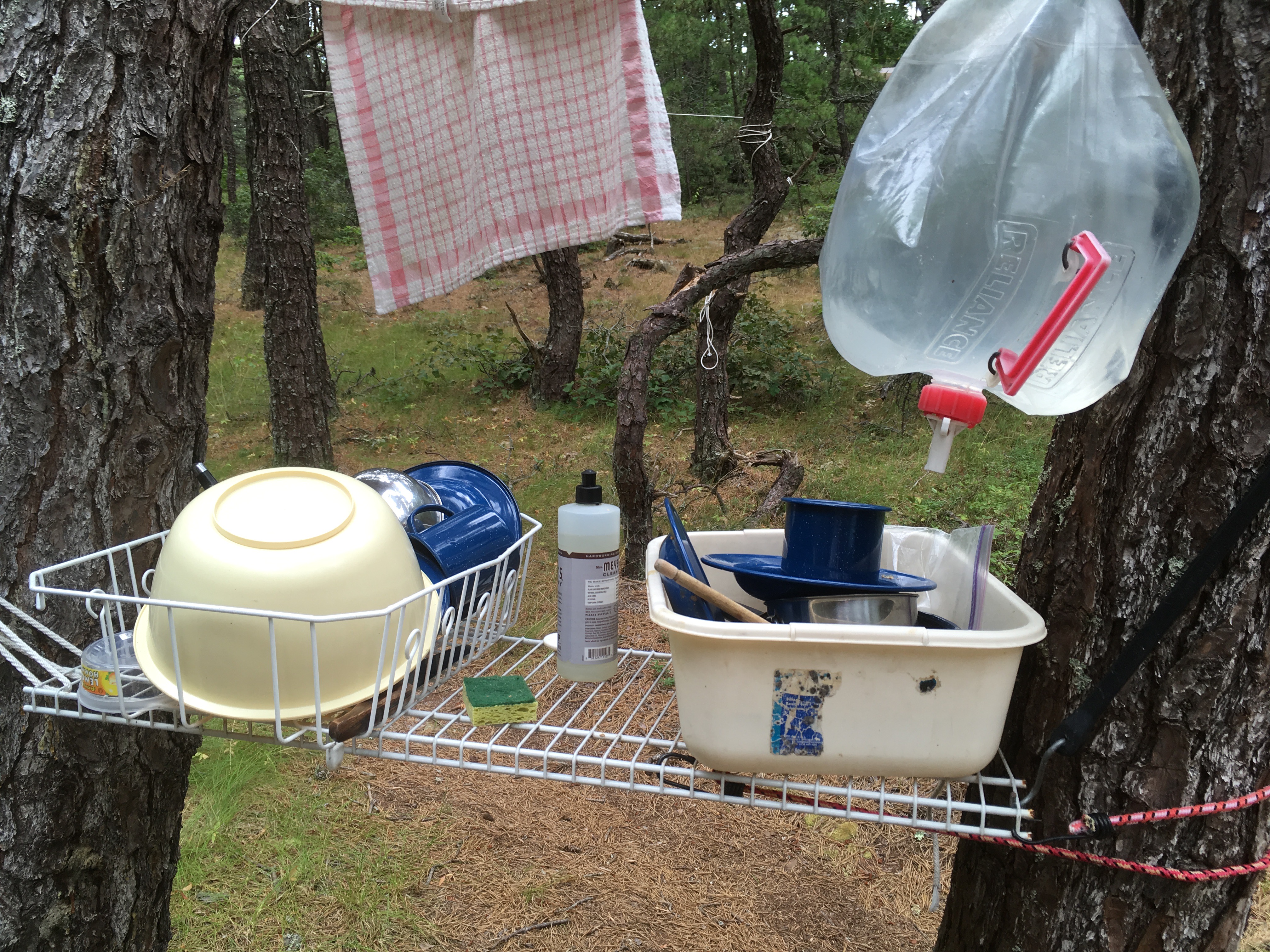
For example, when we are camping, we become much more aware of our relationship with water — since we are carrying it in big multi-gallon containers down to our campsite for drinking and cooking and cleaning dishes.

CampingSinkAreaAlso all of the sinks in the bathrooms at the campground have faucets that automatically shut off after a couple of seconds.
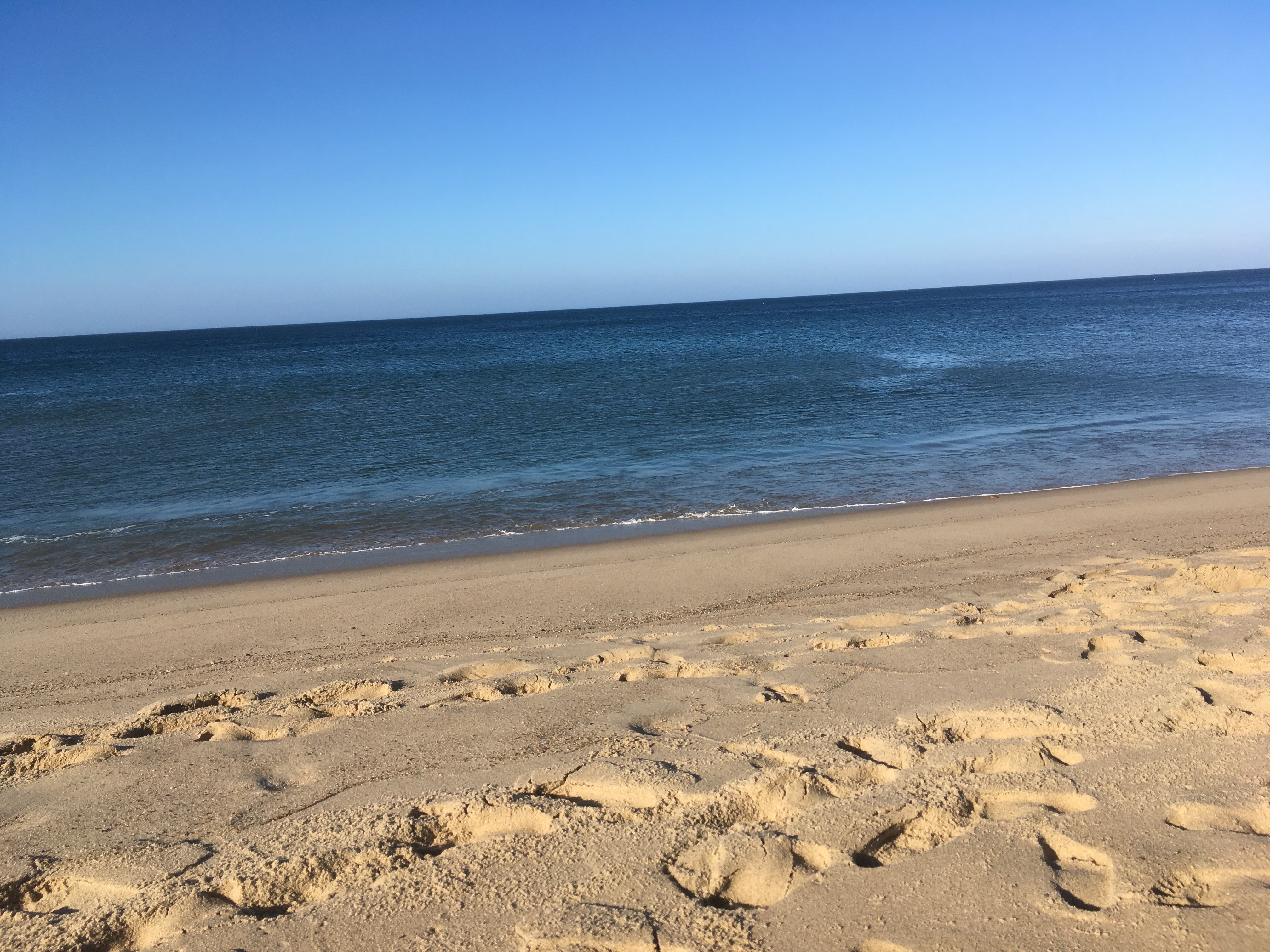
And hot showers cost 25 cents for three minutes of bathing time.

I also love that there are LOTS of stars visible at night.

I went for several long walks along the beach late at night when the sky was clear  — and the moon so bright that I didn’t need to use a flashlight to see where I was going.

Being away from street lights and TV screens and radios — while spending hours and hours surrounded by birds and insects and trees and sky — helps me reconnect with what’s important.

Like time with family and friends.

And intact ecosystems.

TruroSandWaterSkyBefore dinner — which is often something delicious cooked by my brother-in-law who bikes to the local fish store on an almost daily basis, bless him — I usually walk down a pine-needle-covered path to the Atlantic ocean and swim.
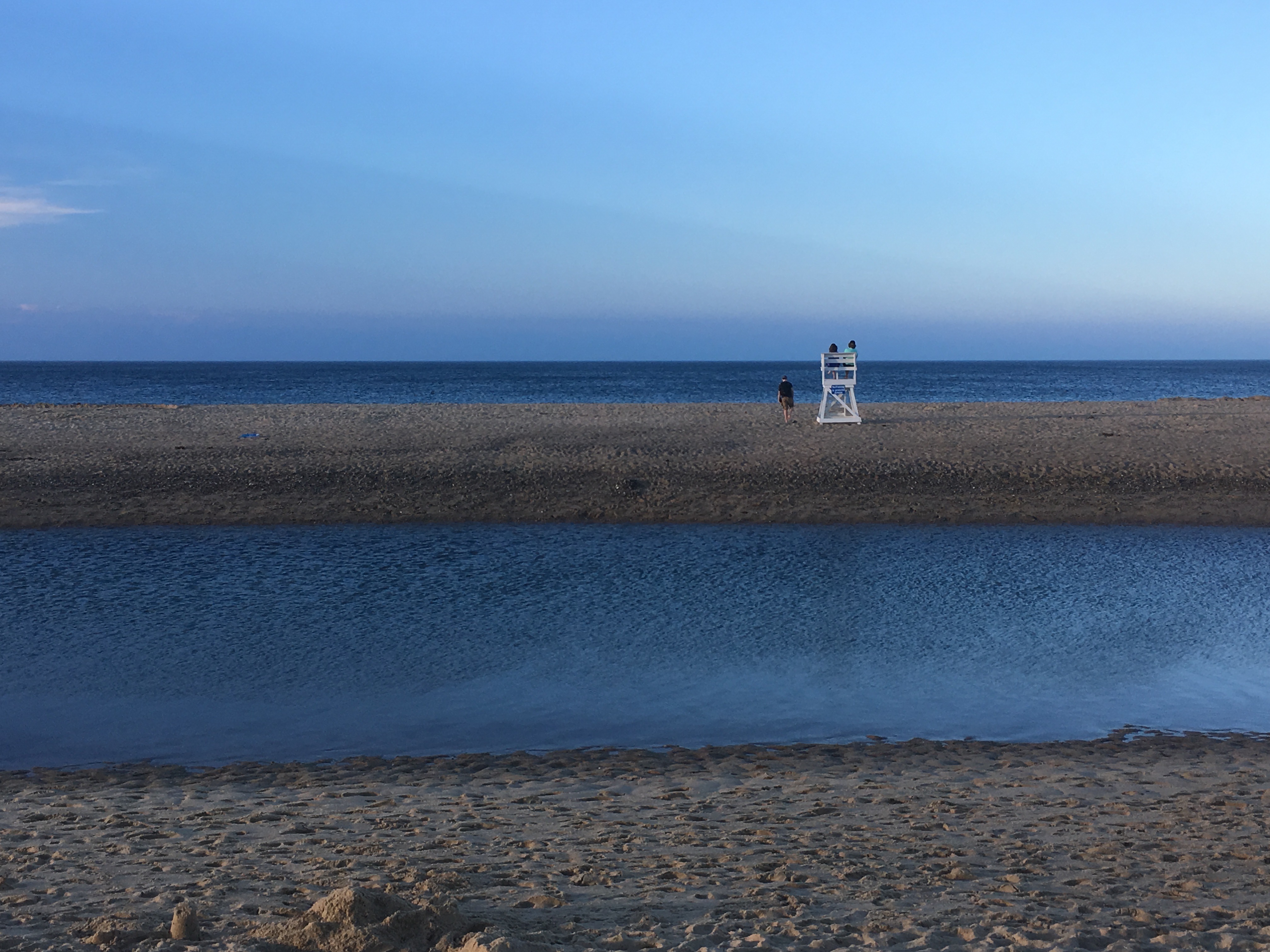
In recent years the tide and winter storms have created a gully along the beach which ranges in depth from one to five feet depending upon the time of day.

Since there is now a robust population of seals who swim up and down this section of the Atlantic ocean — as well as great white sharks who come to eat them — my family is much happier if I swim laps in the gully rather than in the ocean.

TruroTrenchLifeGuardChairThere were a couple of great white shark sightings during our two weeks at the camp ground, and also one day when a bunch of whales cavorted within sight of the beach.
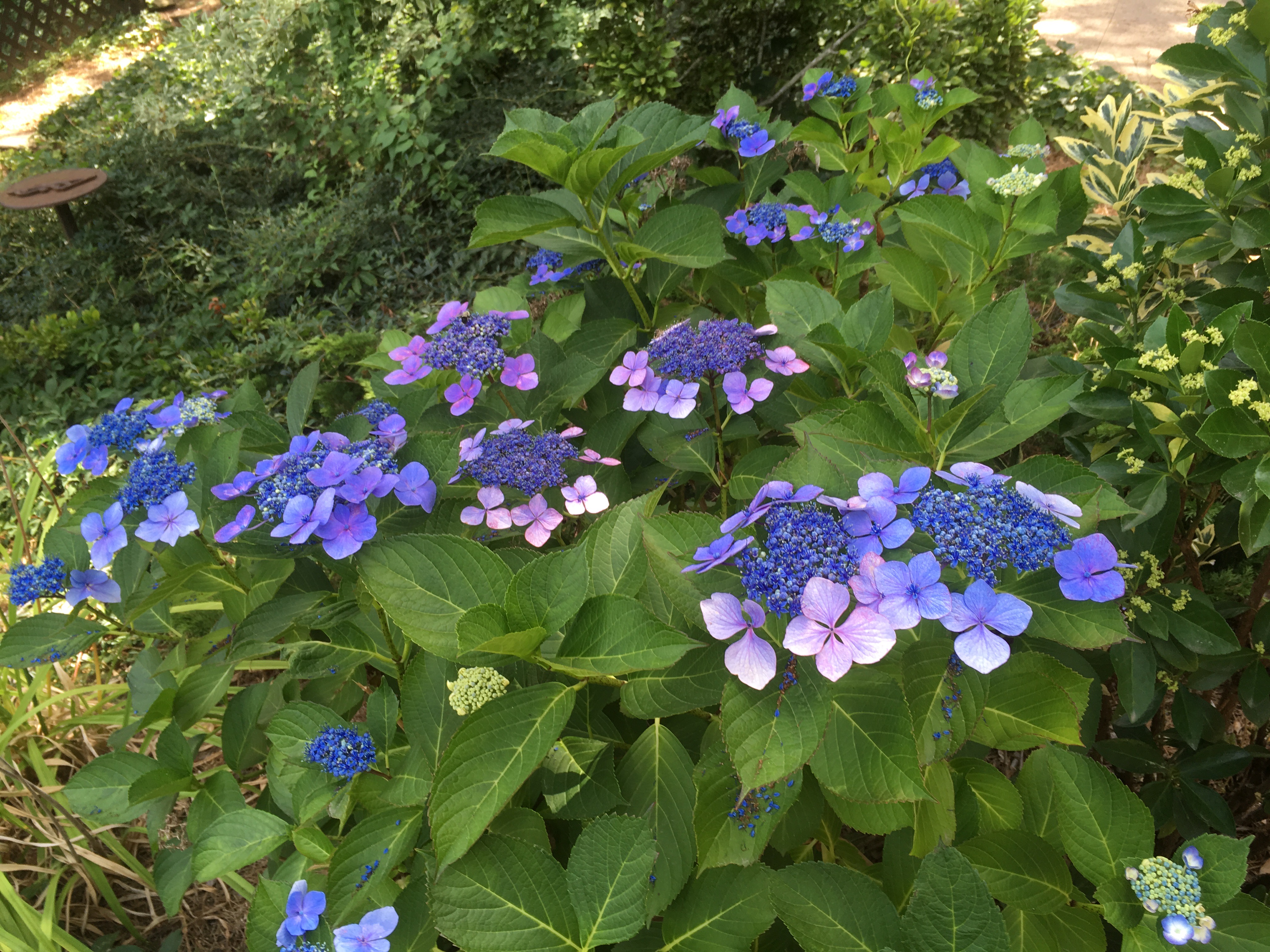
But I did not see them because I was working on new songs in my tent…

Everyday I checked in with a hydrangea plant which grows near the path to the bathrooms and showers.

HydrangeaPlantThere was so much happening on this plant — it was a world unto itself!
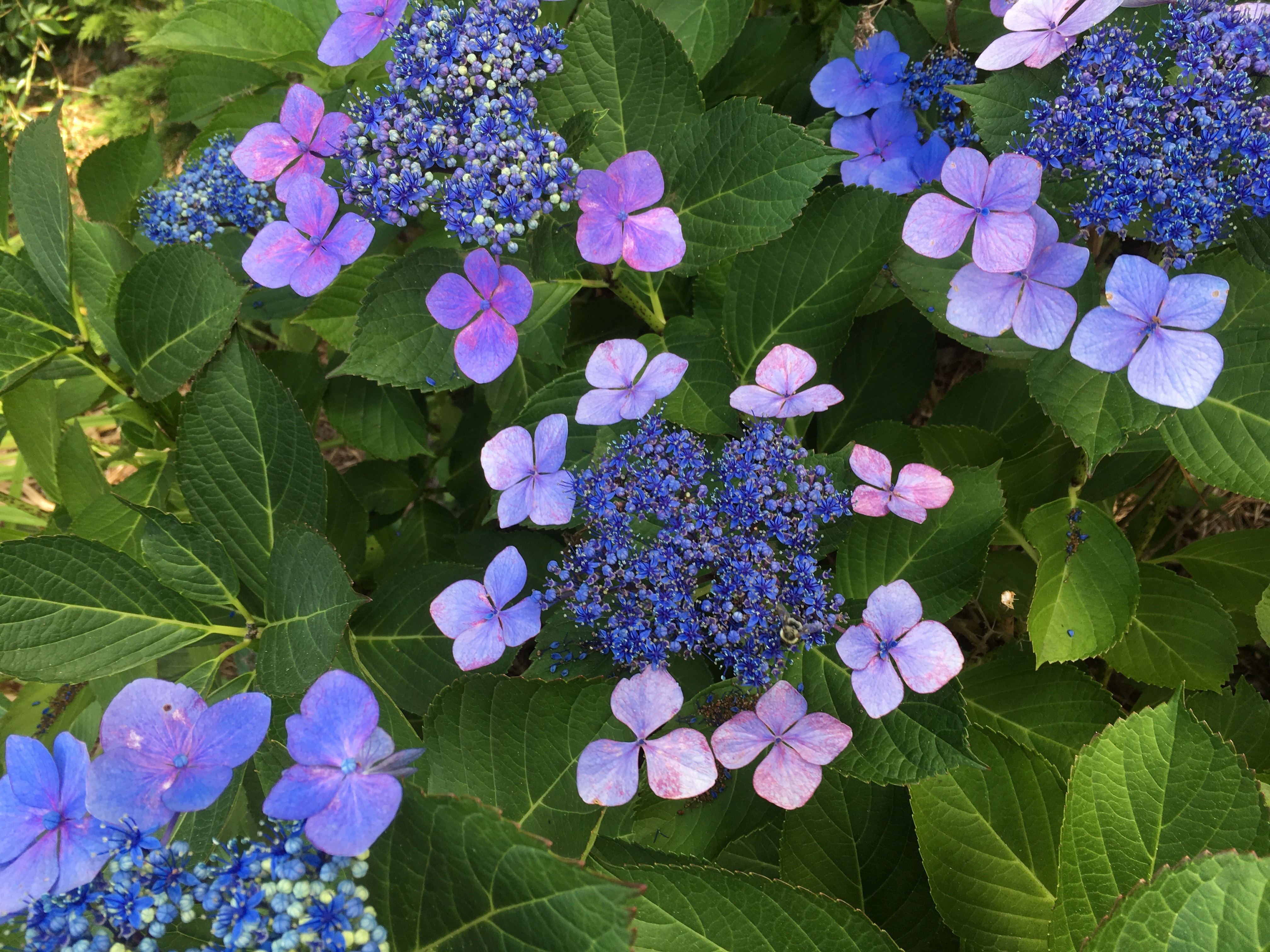
Every day flowers would unfold new petals.

And bees and wasps and even flies in many different shapes and sizes would gather pollen.

HydrangeaCloseupDuring the course of our time at the campground, several spiders wove webs — which in due time trapped a quite a few meals.
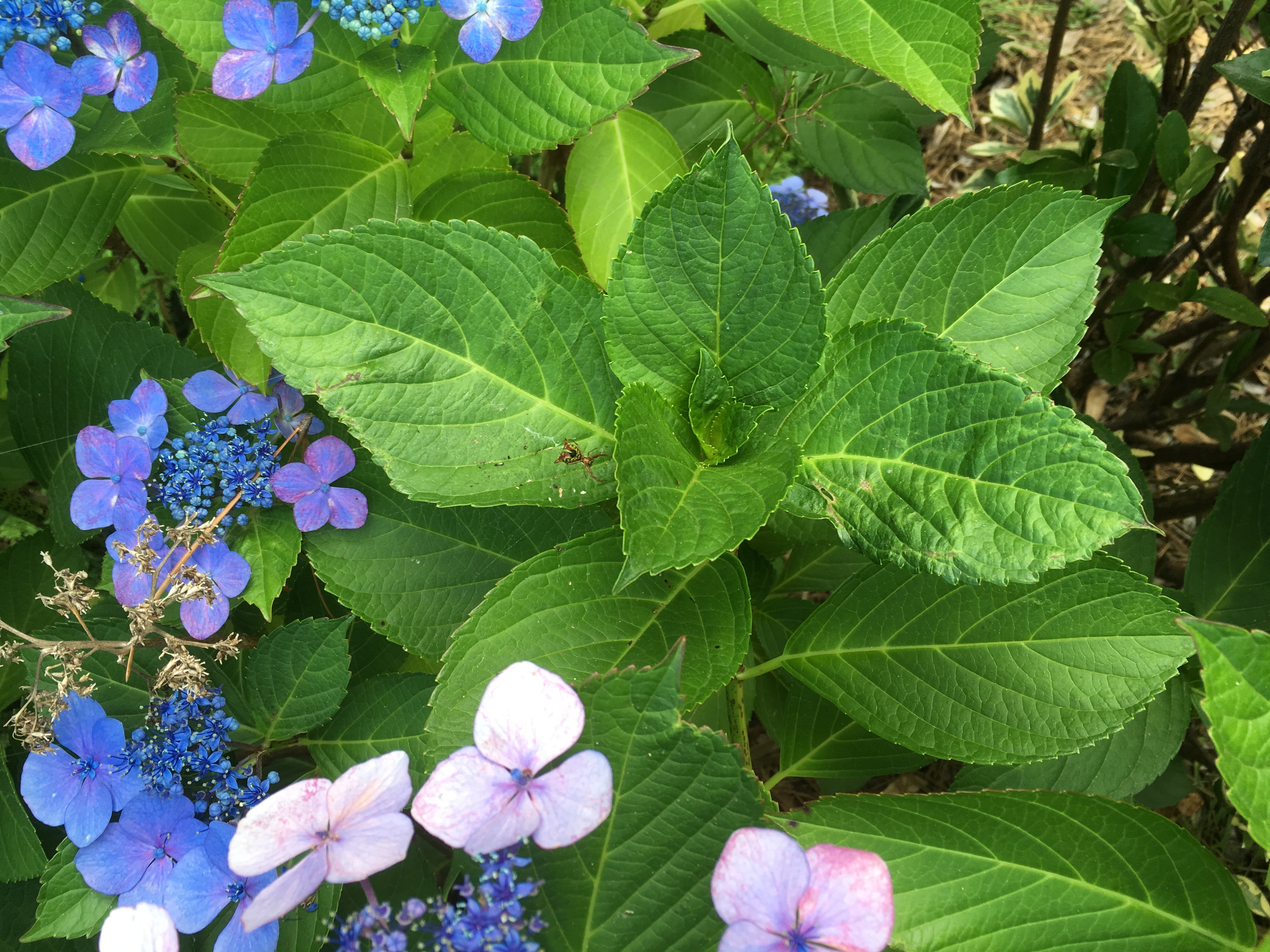
Here is a close up of one of the spiders against a green hydrangea leaf.

HydrangeaSpiderWebEventually it was time to pack everything up and return home.
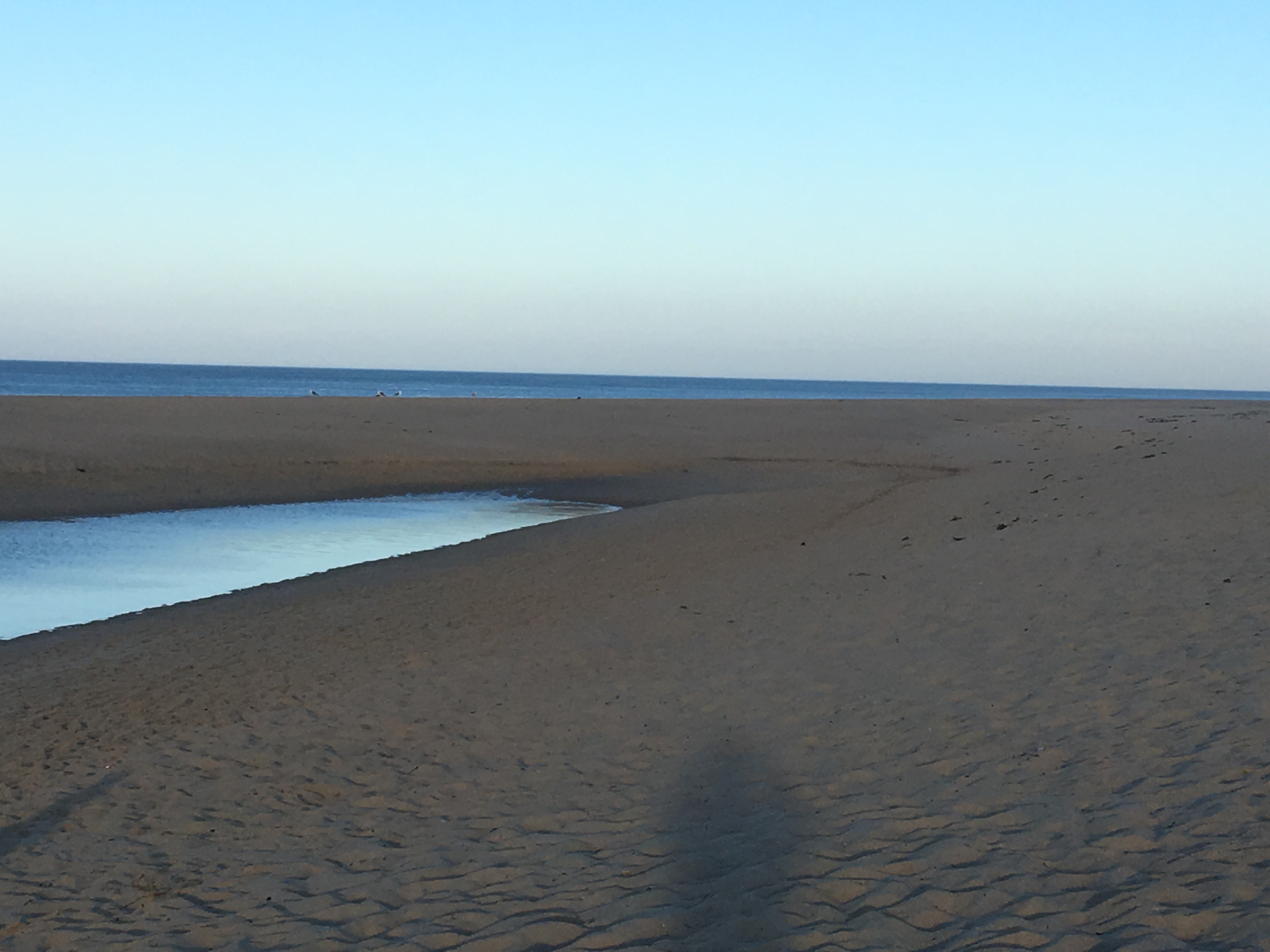
This is always a sad and somewhat stressful process for me.

But my sweetheart and family members are very patient, since they know it happens every summer on the last day of our camping adventure.

TruroBeachTwilightTrenchWhat doesn’t usually happen, however, is an hours-long rain storm on the day of our departure.
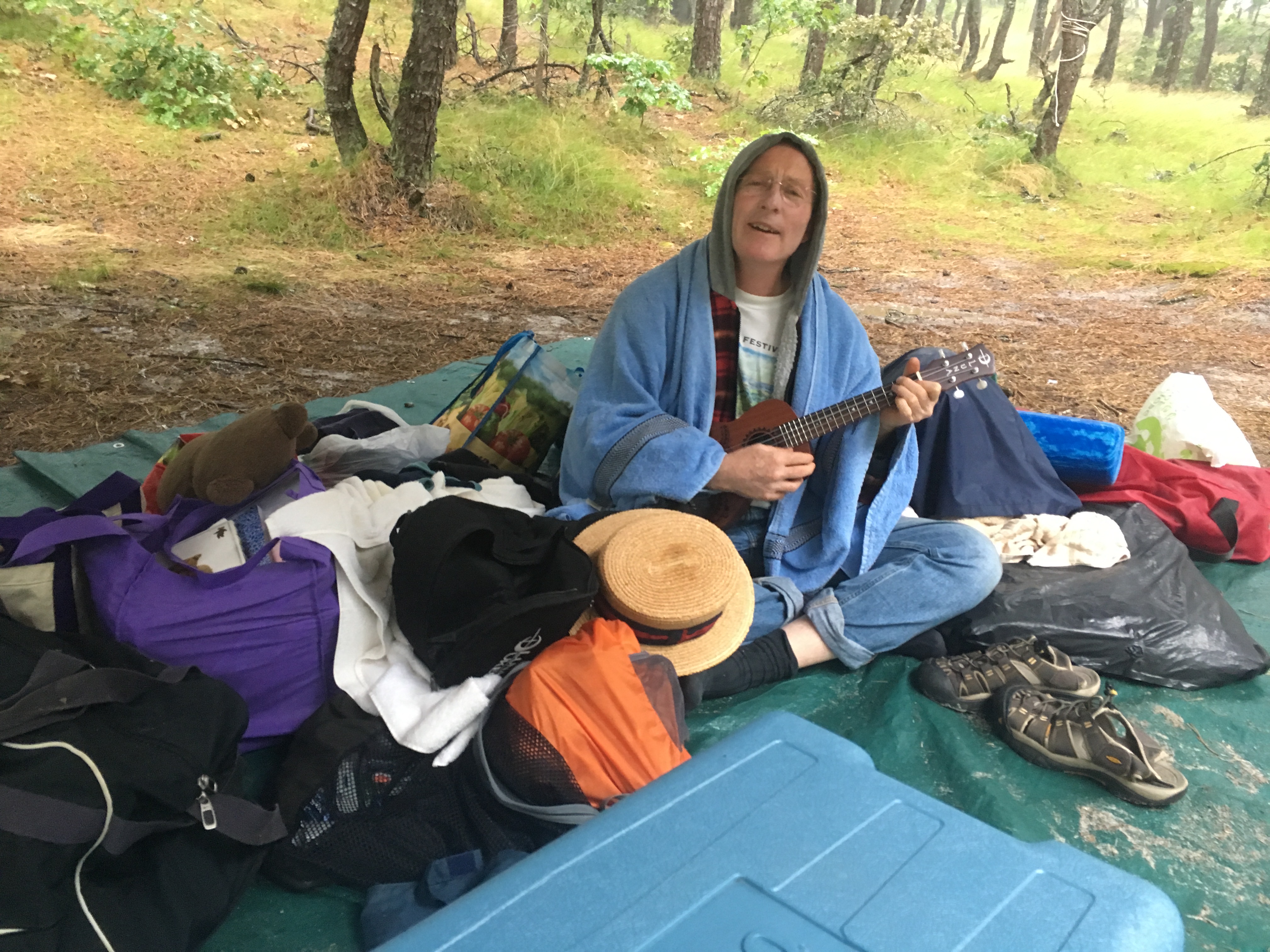
Strangely this lifted my spirits…

I even got to continue working on a new song after our tent was down — with our brown tarpaulin providing protection during a prolonged period of deluge…

WillUnderTarpWithUkeThank you to all of the folks who keep North Of Highland camping area going year after year. I highly recommend it if you are in need of some rejuvenation!

Thank you to Andrew for letting me use his photo looking down towards our camp site, and for making so many delicious meals.

Thank you to Doug Hammer for his wonderful skills as a pianist AND as a recording engineer.

Thank you to the Kennedy family, whose love for — and lobbying on behalf of — Cape Cod has impacted millions of people — and plants and animals — for many, many decades.

Thank you to my sweetheart for all of the beach photos and for letting me use his phone to take photos of the hydrangea and our camp site.

And thank YOU for reading and listening to this blog post.

If you are curious to stream this song, you can click here for a link to various streaming services including YouTube, Pandora and Spotify.

Where is your heaven on planet earth?

More Weight


Night arrives suddenly these days — the autumnal shock of daylight savings time.

I am also feeling shocked by the outcome of our recent national mid-term elections.

According to US News & World Report, only 36.6 percent of eligible voters showed up to cast our ballots. And only 13 percent of eligible voters under age 30 participated in this last election.

Yowza!

How do we educate and inspire our next generation of adults to do something as simple — yet profound — as vote?

The Center for Voting and Democracy’s web site says that countries such as Australia, Chile and Belgium, where voting is mandatory, experience almost 90% participation, while other countries — including Austria, Sweden, and Italy — have turnout rates near 80%.

In a presidential election year, our voter turnout rate rises to around 60%.

Food for thought and then perhaps some action…

I wrote the song in the player at the top of this post when I was in a rock band — Cue — with four other hard-working musical souls.

It reminds me of autumn — our shorter days and longer nights — as well as the billions of leaves which are letting go and falling to the earth… to decompose and then — we hope, we trust, we pray — give birth to new seedlings in the spring.

One of my bandmates, Alan Najarian, took my a cappella, four-track recording and added a bunch of great music to it — drums and keyboards and church bells and other atmospheric sounds.

I was inspired by the story of 80-year-old Giles Corey, an early emigrant from England who was crushed to death in 1692 as a result of accusations during the Salem witch trials.

He chose not to stand trial, which — according to Douglas Linder’s account on the University of Missouri-Kansas City web site — meant that his farm would be less likely to become the property of the state and his children might inherit it.

However, “the penalty for refusing to stand trial for death was pressing under heavy stones. It was a punishment never before seen in the colony of Massachusetts. On Monday, September 19, Corey was stripped naked, a board placed upon his chest, and then — while his neighbors watched — heavy stones and rocks were piled on the board. Corey pleaded to have more weight added, so that his death might come quickly.”

Deep sigh of sadness…and amazement.

How many of us would be so brave — and strategic — under similar circumstances?

Linder continues, “Corey is often seen as a martyr who gave back fortitude and courage rather than spite…His very public death may well have played (a part) in building public opposition to the witchcraft trials.”

And yet we know that this pattern of accusation and persecution and brutal punishment continues to thrive in human communities all over this planet.

And a damaging spirit of  “us versus them” seems to have hijacked much of our current political process — which certainly may be affecting our voter participation rates here in the US.

Eventually the Salem witch trials wound down.

“A period of atonement began in the colony following the release of the surviving accused witches. Samuel Sewall, one of the judges, issued a public confession of guilt and an apology. Several jurors came forward to say that they were ‘sadly deluded and mistaken” in their judgments.'”

“Governor Phips blamed the entire affair on Chief Justice William Stoughton, who refused to apologize or explain himself. He criticized Phips for interfering just when he was about to ‘clear the land’ of witches. Stoughton became the next governor of Massachusetts.”

“The Salem witches disappeared, but witchhunting in America did not,” concludes Linder.

“Each generation must learn the lessons of history or risk repeating its mistakes. (The Salem witch trials) warn us to think hard about how to best safeguard and improve our system of justice.”

And participatory democracy…