Microflora Can Amaze!

Seven years ago I wrote about the amazing world living in our intestinal tracts.

You can click here to read that blog post if you are curious.
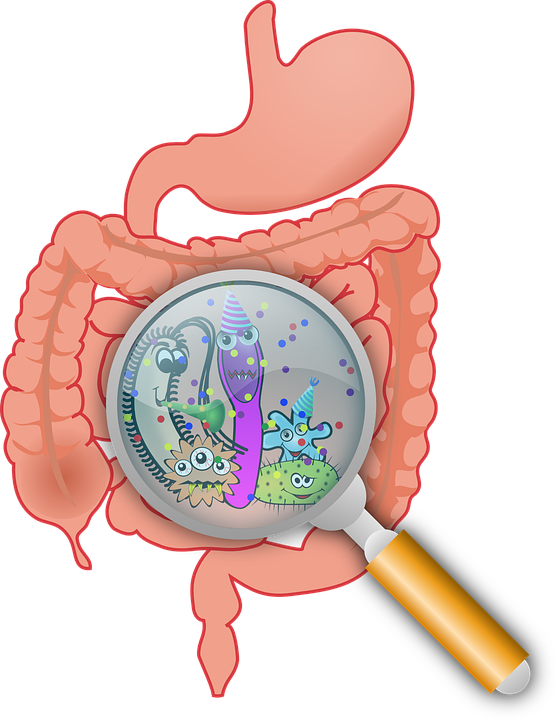
Image by Lutz Peter from Pixabay

Since then — I am happy to note — more and more research has been done on the extraordinary community of beings who live in our guts AND the fascinating ways that they contribute to our mental and physical health.

All of this research underscores how profoundly our human lives are woven together with the lives of other beings here on planet earth — bacteria, viruses, plants (who provide us with oxygen to breathe, food to eat, and a bunch of medicinal options), fungi, and our fellow animals.

As you probably are well aware, medical science is discovering that it is indeed healthy to eat
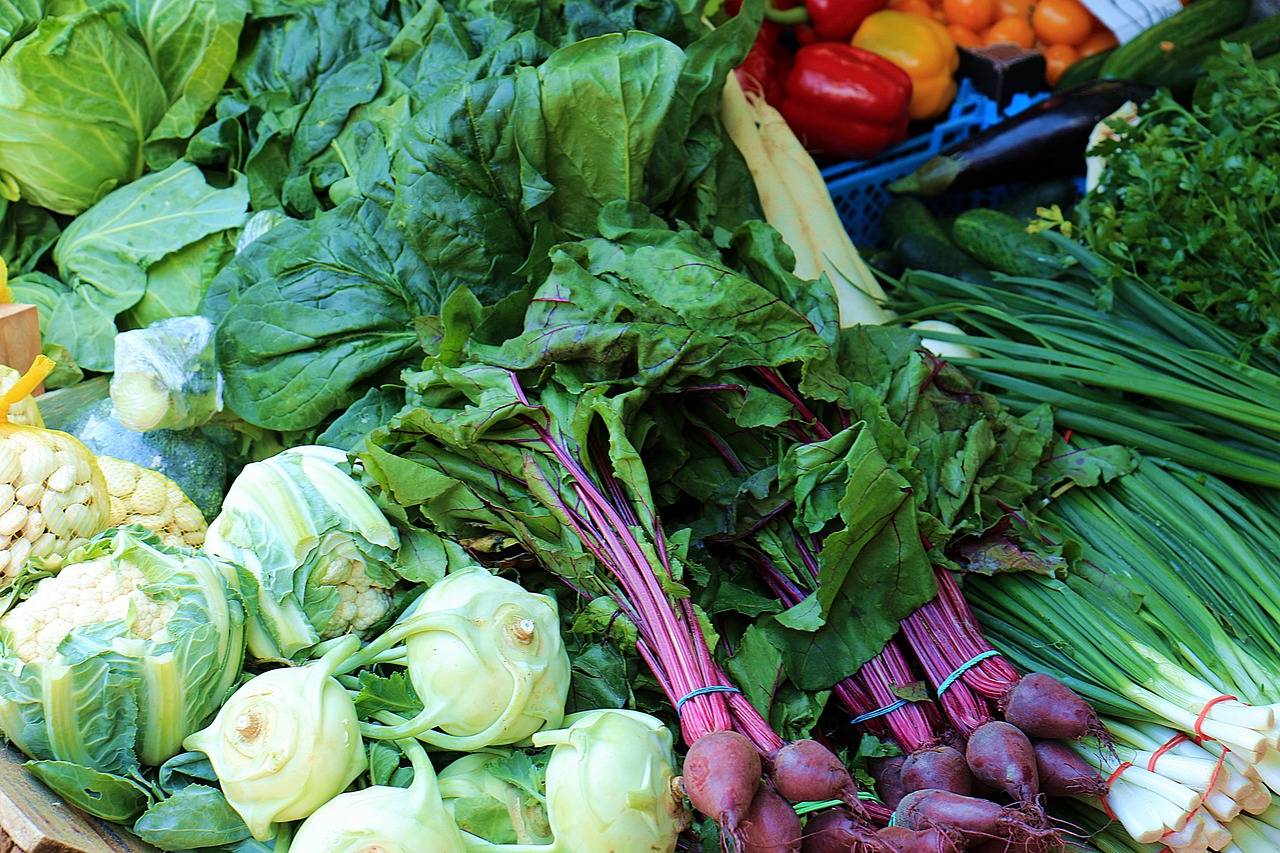
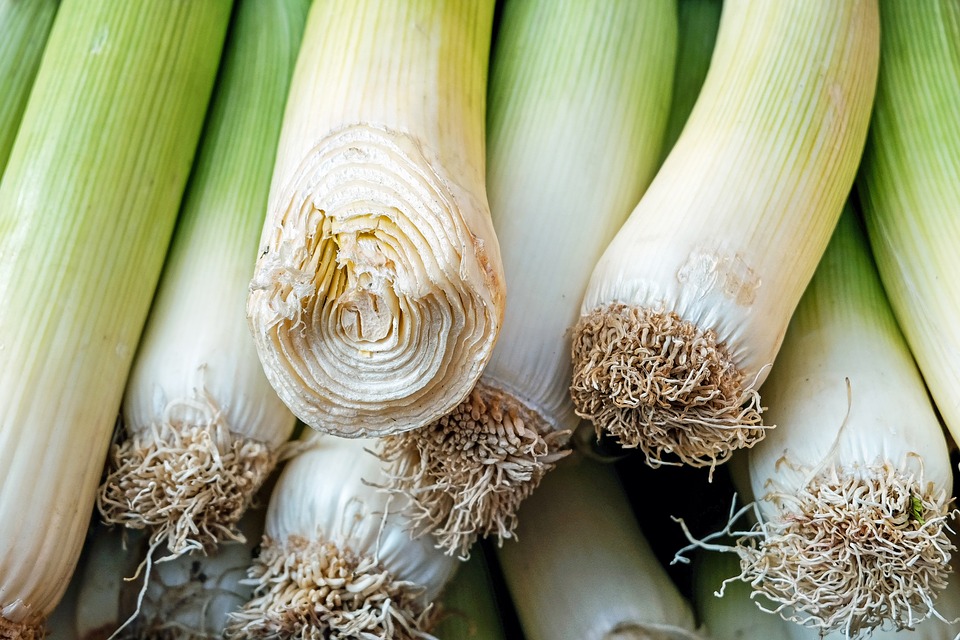
Image by Anna Sulencka from Pixabay

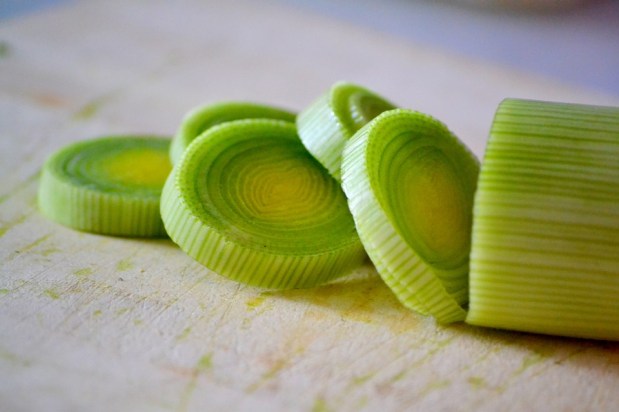
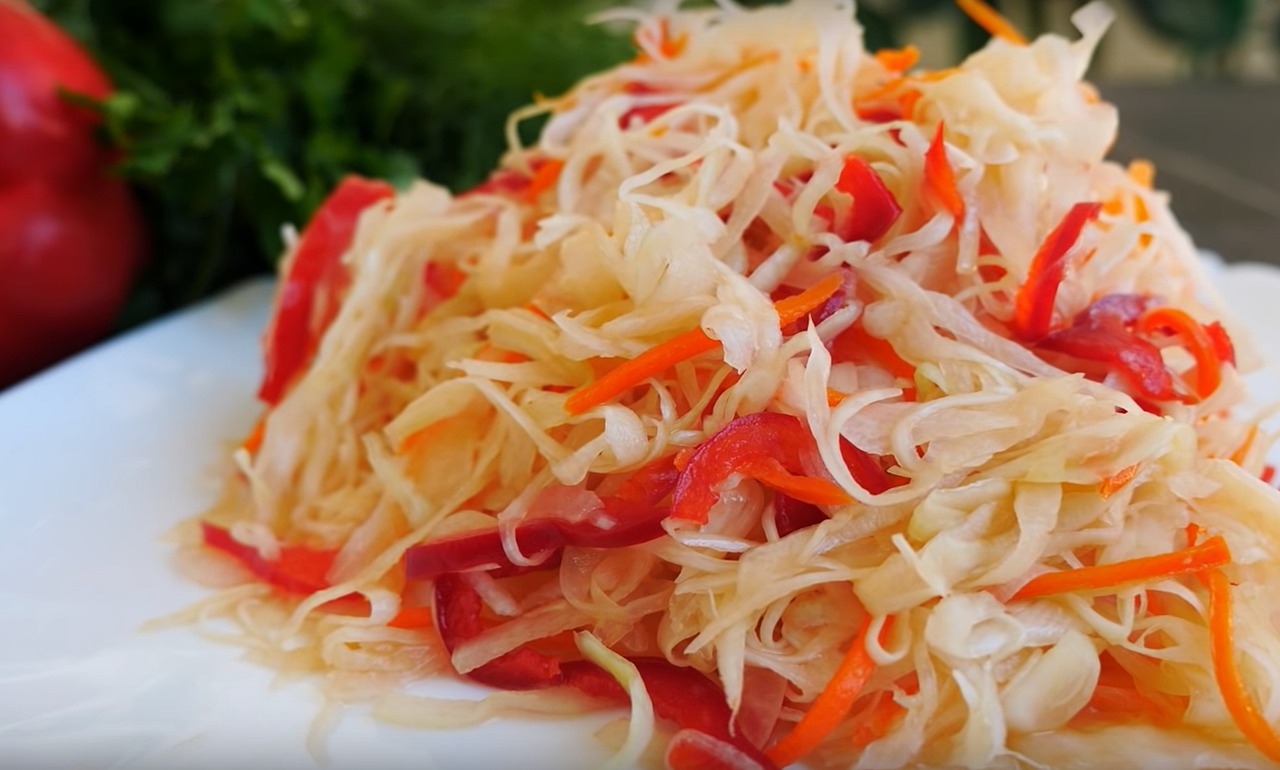
A) High-fiber foods — such as whole grains, garlic, onions, leeks, and beans which are considered to be PREBIOTIC-rich foods,

B) Yogurt and kefir (without lots of added sugar) which are considered to be PROBIOTIC-rich sources of beneficial bacteria which can help to diversify and/or replenish our gut biome, and

C) Fermented foods — such as kimchi, kombucha, miso and sauerkraut — which also have lots of live, active, beneficial bacterial cultures.

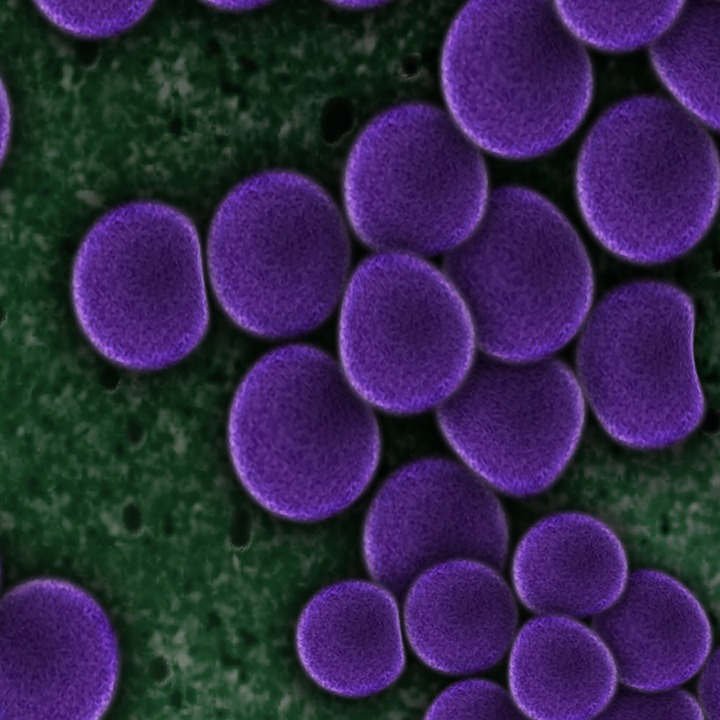
There are TRILLIONS of bacteria in our guts, and the proportions of more-beneficial bacteria to less-beneficial bacteria are influenced by what we choose to eat.
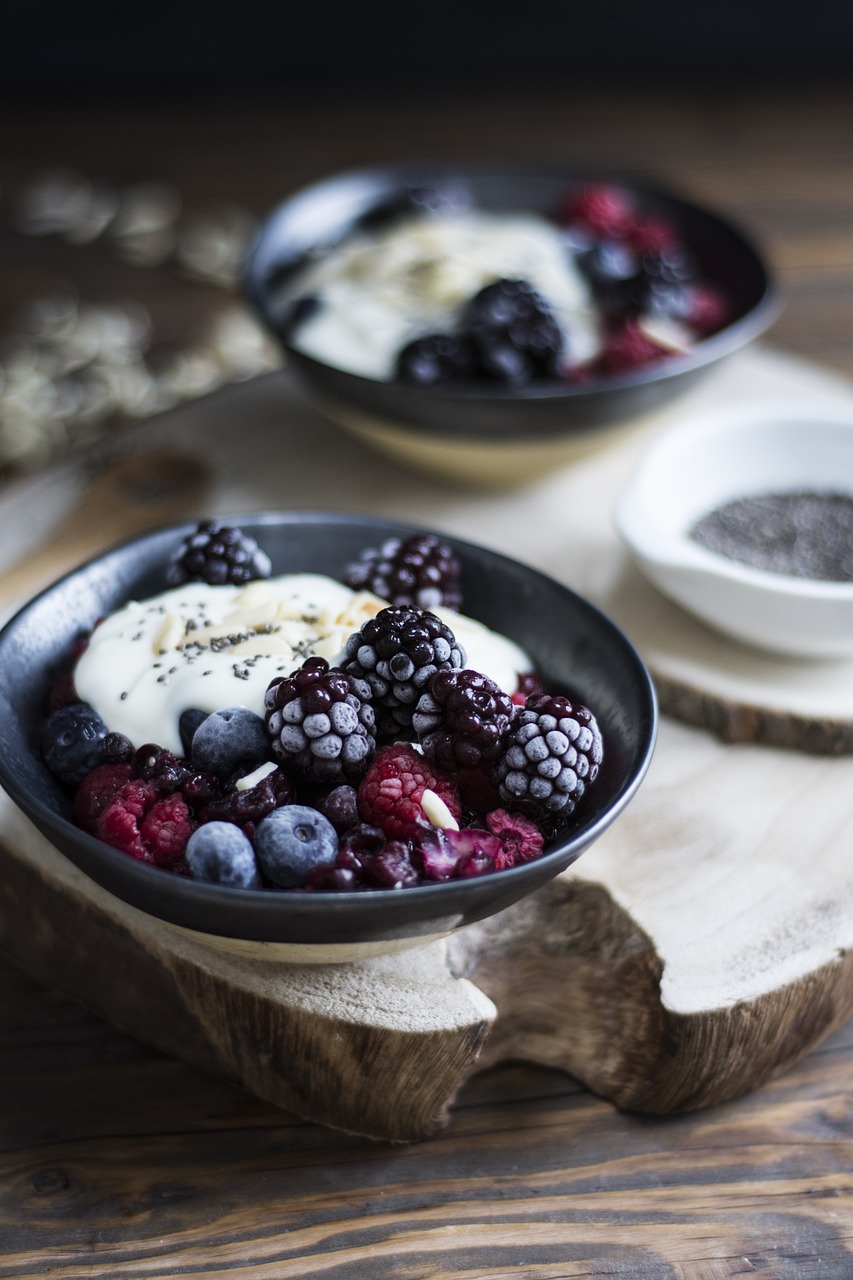
Image by Dagny Walter from Pixabay

Eating lots of prebiotic and probiotic foods encourages more of the healthier bacteria to thrive.

And eating lots of refined sugar apparently causes more of the not-so-healthy bacteria to thrive.

Not surprisingly, getting regular exercise and sleeping well also contribute to our gut health.

An internet search for “gut health” yields lots of inspiring explanations and recommendations.

You can click here for a link to one I liked from Healthline.

As I say in my song, “the world within is calling for attention.”

What sort of attention do YOU give to your gut microbiome?

Even though I have not shared a new post for two months, my stats tell me that lots of people continue to visit my blog (maybe because I have over 100 past blog posts to choose from…?)

Whatever the reason, THANK YOU to everyone who keeps finding and reading my blog!
And another thank you to everyone who has been streaming my songs on SpotifyPandoraApple MusicYouTube and other platforms.

Any song you “like” or “heart” or add to a playlist improves the algorithmic activity of my music there.

You are welcome to click here and listen to “The World Within” on many streaming platforms if the spirit moves you.

You are also welcome to visit my website — where you can learn more about my musical life (including upcoming gigs) if you are curious.

Thank you to Doug Hammer for his playful piano playing AND his collaborative engineering expertise.

Thank you to the generous photographers and graphic designers at Pixabay.

Thank you to Stephen C. Fischer for all of his graphic design work on behalf of my musical life here on planet earth.

Thank you to the trillions of bacteria with which each of us co-exists on a daily basis.

And most of all, thank YOU for reading — and listening to — another one of my blog posts!

Deep breath in.

Deep breath out.
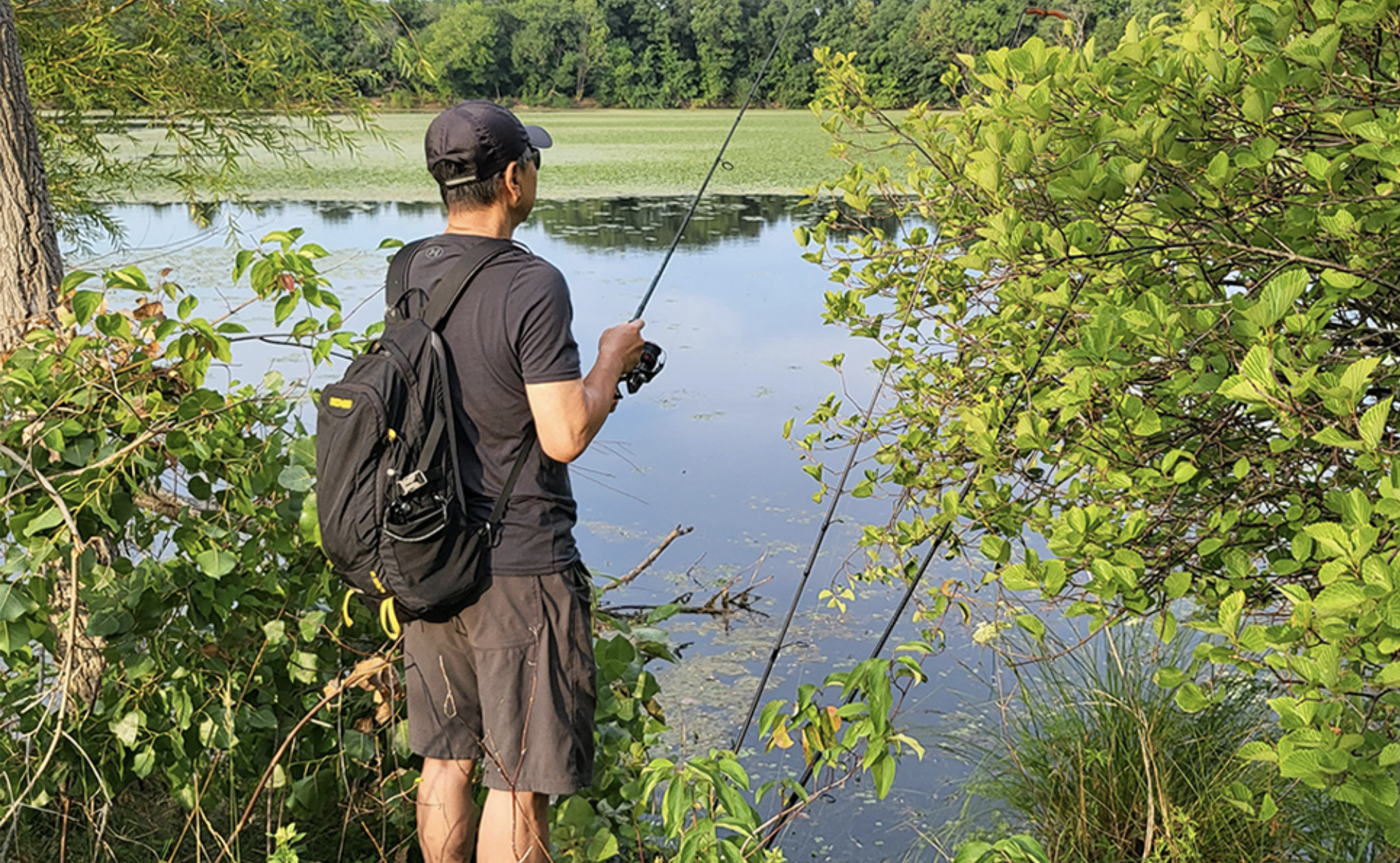
Inch by Inch… Row by Row!

Photo courtesy of the Arlington Reservoir website

While all sorts of extremely important events continue to unfold around the world on a daily basis, life — blessedly — goes on here in East Arlington, MA.

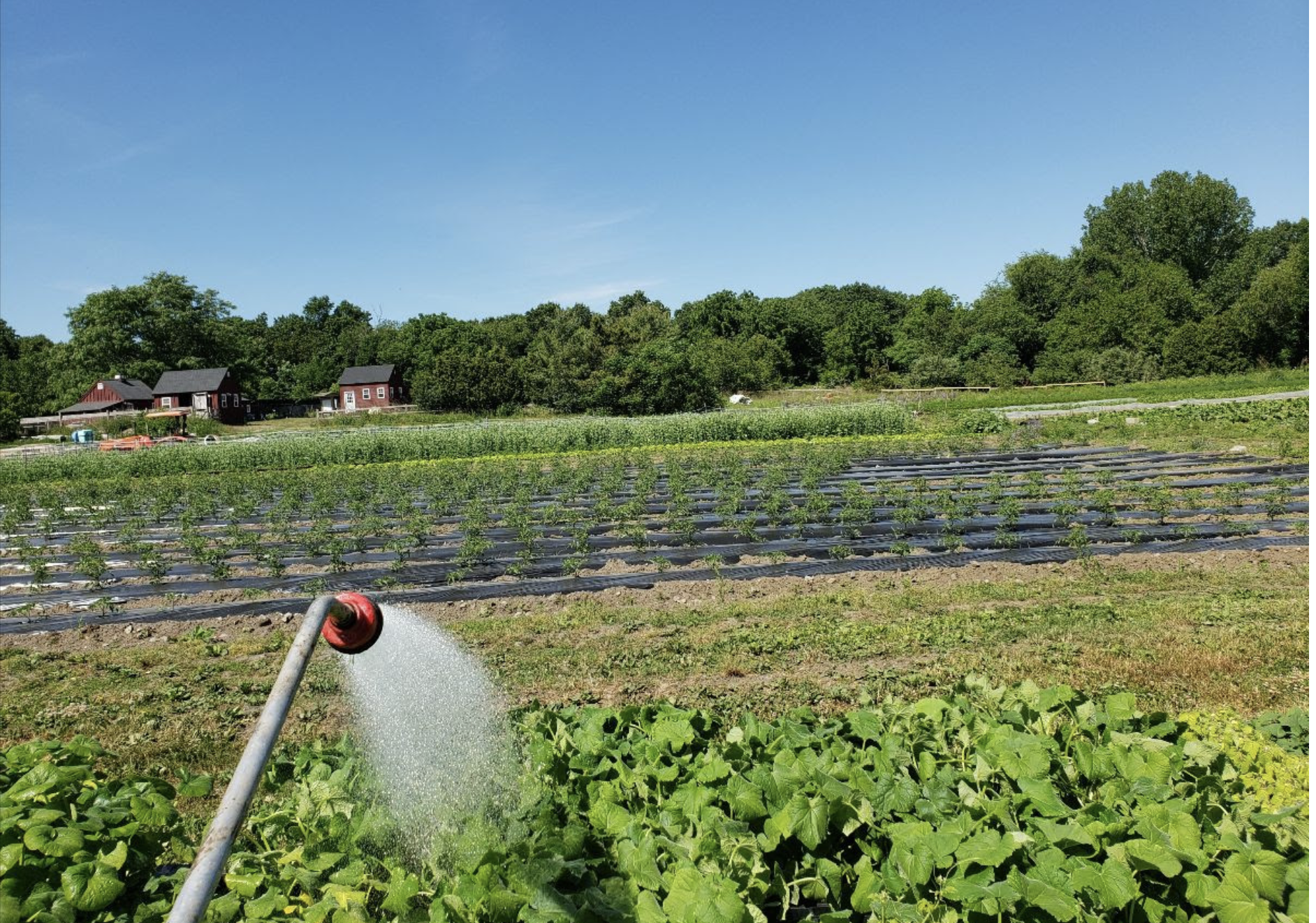
Last fall I discovered — and began happily patronizing — an organic farm within biking distance of my home.

It sits on the edge of an old reservoir which currently serves as a nature preserve.

The reservoir straddles the border of my town and the next town to the west — Lexington, where our Revolutionary War kicked off two hundred and forty eight years ago with a battle against the British.

I have known about this reservoir — which is no longer used for drinking water — for the past thirty years.

Yet I have rarely visited it because I live on the east side of town, and the reservoir is located on west side of town.

Biking there takes 25 minutes, and it’s mostly up hill — following a converted rail-to-trail bike path.

However, this past fall I resumed leading Music Together classes indoors at a karate studio which is located five blocks from the reservoir.

And not long after we had begun our fall term, someone (we still don’t know who) drove into one of the karate studio’s front walls.

This meant that we had to find alternative locations for our classes while repairs were being made.

A couple of my Music Together families offered to let us hold class in their backyards — and one of those families lives a block away from the reservoir.

So one morning after class in their backyard was done, I decided to explore the reservoir on my bike.

Photo courtesy of Lexington Community Farm website

It turns out there is a lovely path all the way around it — and when I reached the far side of the reservoir, I found myself gazing onto a field full of vegetables!

And then I saw a sign welcoming people to walk through the farm and — on Fridays and Saturdays — buy fresh vegetables at their farmstand.

Because I had been part of a summer/fall farmshare of fresh produce which was driven to Arlington each week from an organic farm in New Hampshire, I did not visit their farmstand right away.

But when my farmshare ended in November, I decided to check it out.

What a thrill to enter a room full of very locally grown — and vibrantly colored — organic carrots, potatoes, lettuces, sweet potatoes, scallions, leeks, collard greens, swiss chard, kale, turnips, beets.. and the list went on and on and on!

I bought a bunch of leeks, a bunch of kale and a bunch of collard greens.

And I rode home very happily on the bike path with all of them erupting in different shades of green out of a shopping bag in the front basket of my bike.

We are now experiencing a stretch of wintery weather in Arlington after a relatively mild December, January and February (during which I have been able to continue riding my bike!)

The first crocus and snowdrops appeared in our front yard two weeks ago, but they are now buried under an icy crust of snow.

This week we are experiencing snow and sleet and rain, but I trust that spring will return before too long — with more croci and snowdrops and mini-Siberian irises and grape hyacinths poking their way out of the soil and opening their flowers to the sun.

I also trust that activity will resume in the fields and greenhouses of Lexington Community Farm.

My longing for spring is what has inspired me to share a recording of “The Garden Song” by Dave Mallett which Carole Bundy, Molly Ruggles and I included on our first eight-song CD last summer.

As you probably already know, you can play it by clicking at the very beginning of this blog post.

You can also listen to it on various streaming platforms by clicking here.

Thank you to all of the people who make the Lexington Community Farm a reality — inch by inch and row by row!

Thank you to Carole Bundy and Molly Ruggles for learning this song with me.

Thank you to Dave Mallett for writing it.

Thank you to Peter Kontrimas for recording it and to Doug Hammer for mixing/mastering it.

And thank you to Mother Nature for bringing everything back to life here in the northern hemisphere of planet earth!

You are always welcome to visit my website — where you can find many songs and learn more about my musical life here on planet earth if you are curious.

You can find me and Carole and Molly singing on various streaming platforms by clicking here.

You can also find me singing — with Doug Hammer playing his Schimmel grand piano — on SpotifyPandoraApple Music, YouTube and other streaming platforms.

Any song you “like” or “heart” or add to a playlist will improve the algorithmic activity of our music there!

Deep breath in.

Deep breath out.
And most of all, thank YOU for reading another one of my blog posts!

The World Within

The World Within


When I was visiting friends on Toronto a couple of summer ago, I found a great article in Eating Well magazine profiling Jeff Leach, who is one of a growing number of human beings curious about the communities of bacteria which live in our digestive tract.

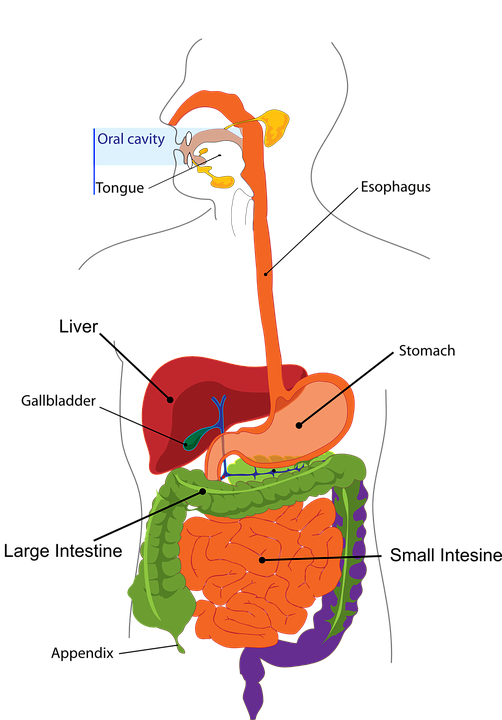
digestionchart

According to author Gretel H. Schueller, “most of our resident gut bacteria are real workhorses. Some aid in digestion and produce enzymes to break down foods. Others make vitamins, like B12 and K, and other vital compounds, such as the feel-good chemical serotonin. A few help keep the intestinal lining impenetrable. Some gut bacteria help regulate metabolism. And others boost immunity and fight pathogens.”

Yowza!!

bacteria-assortment

You can click here to read Gretel’s summaries of many medical studies exploring the astounding connections between the health of the bacteria in our digestive tract and the health of our other organ systems — including circulation, how we absorb nutrients, and our immune response.

I was amazed to learn that, according to Gretel, “gut bacteria produce HUNDREDS of different neurotransmitters, including up to 95 percent of the body’s supply of serotonin, a mood and sleep regulator.”

In fact many researchers have begun referring to our digestive tract as a ‘second brain’ partly because our “vagus nerve is a major communications highway which stretches from the brain to various points about the intestinal lining, and communication travels in BOTH directions.”

Intestines+bacteria

For example, one species of Lactobacillus bacteria “sends messages from the small intestine to the brain along this nerve. In a study led by John Cryan, Ph.D., a neuroscientist at University College Cork in Ireland, anxious mice were dosed with a proprietary strain of Lactobacillus rhamnosus.”

Gretel further explains that “these rodents then had lower stress hormone levels and an increase in brain receptors for a neurotransmitter that’s vital in curbing worry, anxiety and fear. THE EFFECTS WERE SIMILAR TO A DOSE OF VALIUM. According to a 2011 study, when mice had this bacteria in their gut, they showed less depressive behavior.”

Aside from my discomfort with human beings experimenting on other living beings, I find this an amazing idea.

Jeff Leach does a lot of HIS experimenting on himself — eating different types of foods (fats, proteins, and carbohydrates) for a 10-12 day period and then analyzing the proportions of bacteria which are stimulated to grow in his digestive tract as a result of what he has been eating.

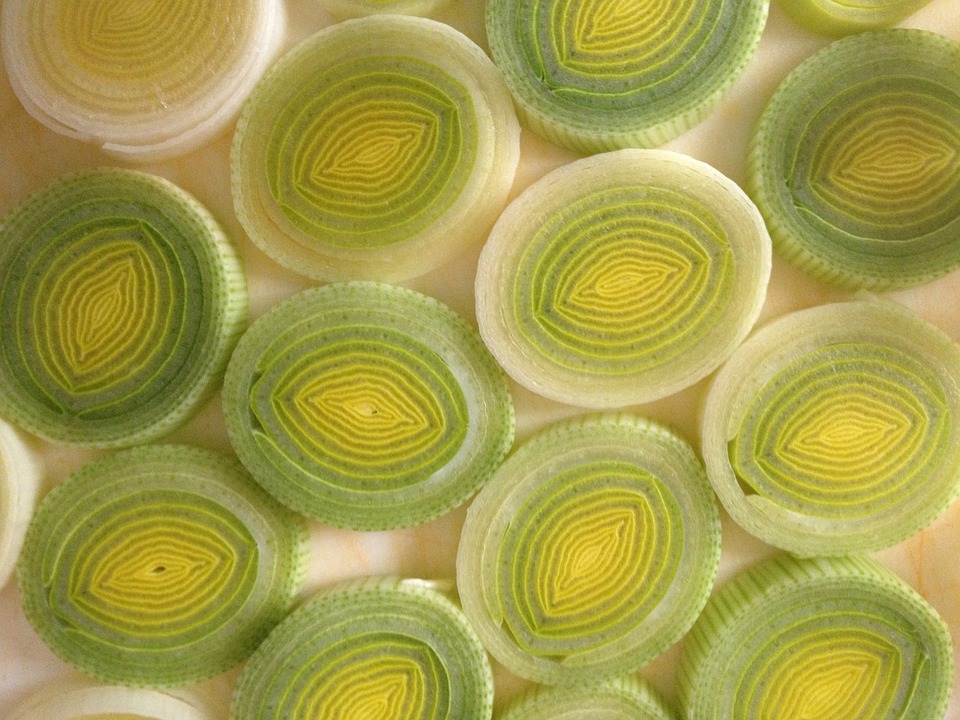
leeks

According to him, plant foods with complex chains of carbohydrate molecules  — which include Jerusalem artichokes, leeks, chicory root, beans and asparagus — are particularly healthy for us to eat.

I was so inspired by Jeff’s research and Gretel’s article that I ended up writing a song (and recording it with Doug Hammer on piano at his wonderful studio in Lynn, MA) which you can hear by clicking the play button on the top left of this post.

And I find myself right back at the heart of last month’s post — musing about how interconnected all the different forms of life on planet earth are.


Antibiotics can be a blessing which wipe out colonies of life-threatening bacteria in different parts of our body.

For example, we may take some to get rid of a lingering sinus infection.

bacteria-purple

However, we may also be unintentionally upsetting the healthy balance of bacterial colonies in our guts.

This idea reminds me of why I choose to support organic agriculture when I can.

It may be true that the nutritional value of an organically grown leek (not using pesticides and fungicides and petrochemically-derived fertilizers) is similar to a conventionally grown leek (using pesticides and fungicides and petrochemically-derived fertilizers).

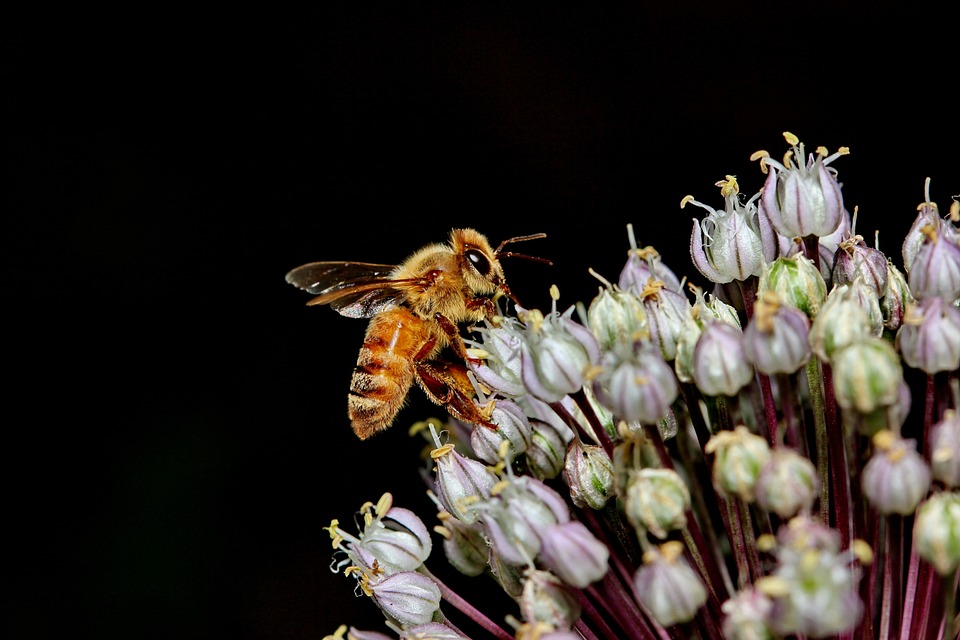
However, I am interested NOT ONLY in this leek’s value to my individual health BUT ALSO in the health of the honeybees and hummingbirds and earthworms and opossums and foxes and rabbits and butterflies and bats and insects which live in and/or pass through the fields in which this leek is grown.

beeon leekflower

And I am interested in the health of the fish and frogs and newts which live in the streams and rivers into which the rain (or irrigated water) will flow from these leek fields.

And I am interested in the health and balance of the astoundingly complicated communities of bacteria which live in the soil in which this leek grows.

And some of these soil bacteria will end up in my digestive tract along with the leek if I do not wash off too much of the dirt before I eat it.

leekslices

And that, it turns out, is a good thing.

We are all connected via many different, extraordinary, and still-to-be-discovered strands in the web of life.

And every day we can make choices — about what we buy to eat, about what we choose to wear, about how we move from point A to point B (walk? bike? public transportation? car?) that honor our precious inter-related connections with the rest of life on planet earth.

Thank you for reading, listening, and perhaps even humming along.

ps: I found the lovely photos in this post from a site called Pixabay.

LeekFlowerHands