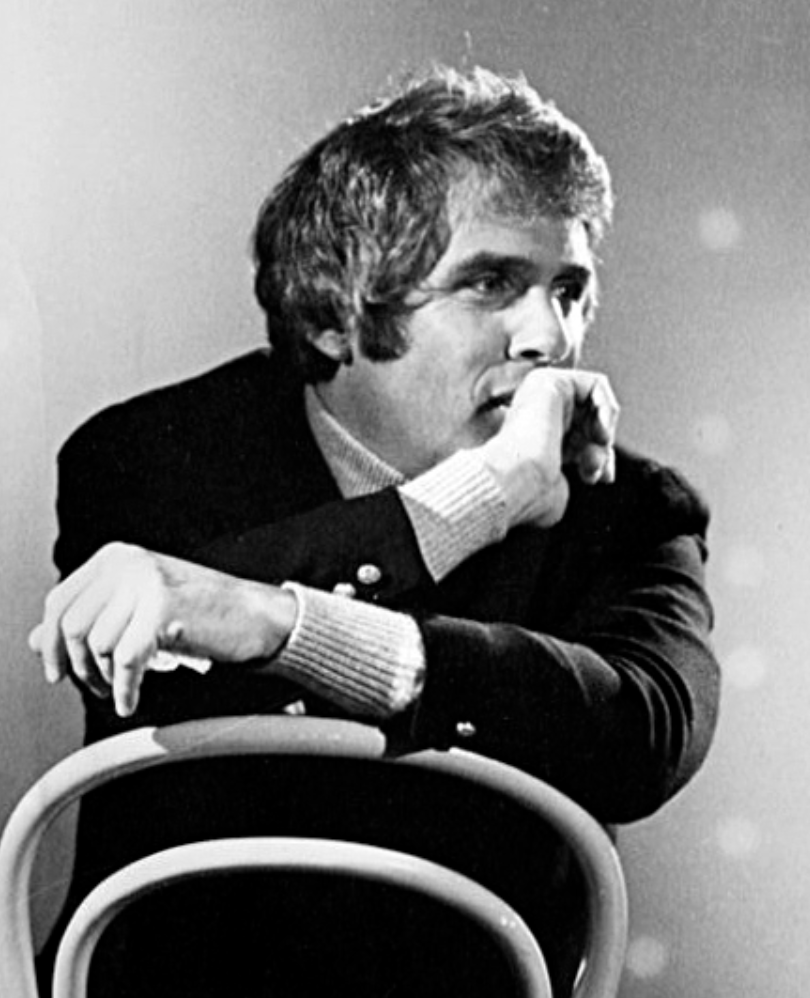
The songwriters Burt Bacharach (music) and Hal David (lyrics) wrote a bunch of great songs together starting in the late 1950s through the early 1970s.
Today I am focusing on their beautiful anthem, “Alfie” (in the player at the top of this blog post).
As I have mentioned in past blog posts, I perform one-hour programs of music which feature a particular lyricist or composer at retirement communities, libraries, synagogues, coffee houses, and memory cafes around the greater Boston area with the help of two different pianists, Joe Reid and Molly Ruggles.
And due to the aging Baby Boomer demographic bulge, a LOT of new retirement communities have been built in Massachusetts in the past 10-20 years.
Most of them — hurrah! — still have real pianos in their community rooms (or auditoriums in the fancier places…)
And they book a significant amount of musical entertainment for their residents.
Some places we visit just once per year.
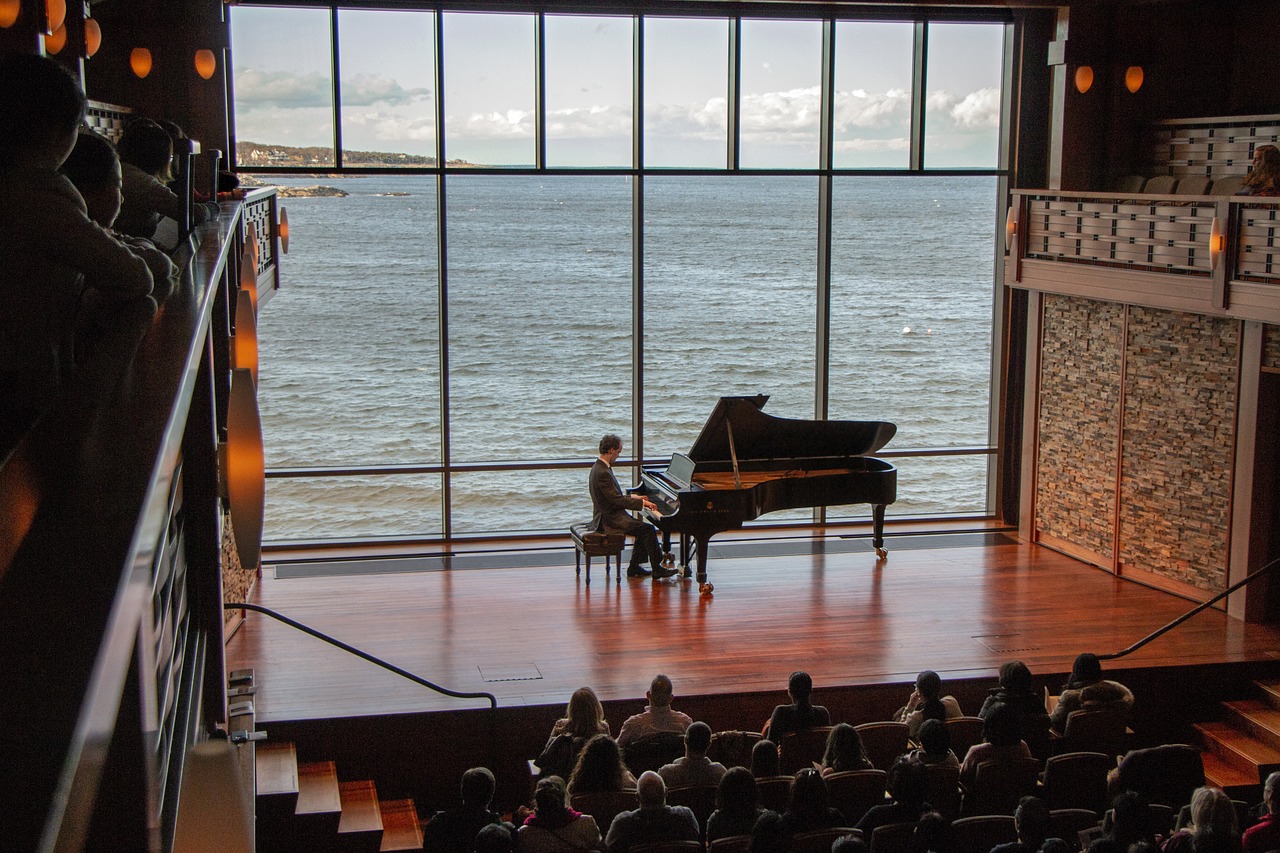
Other places book us 4-7 times per year.
What’s lovely about doing more frequent musical visits is that we get to become better acquainted with the music-loving residents in their community.
And we have found (no surprise!) that music has an uncanny power to re-ignite memories — which, if we are lucky, the residents will share with us as we are packing up.
Some people’s memories are family-specific and often very poignant — a particular song was played at their parent’s wedding… or was the favorite song of a sister/brother/cousin… or is the song that always reminds them of a specific moment in high school.
One woman, the youngest child in a family of six, shared with us that her beloved older brother had recorded a version of “I’ll Be Home For Christmas” as a present to bring home with him right before he was killed serving in WWII.
That song had become a sacred — and heart-breaking — hymn for her and her family.
She was moved to tears telling us about it almost eighty years after her brother’s death.
And we were honored to listen to her tell us about the significance of this song in her life.
Deep breath in.
Deep breath out.
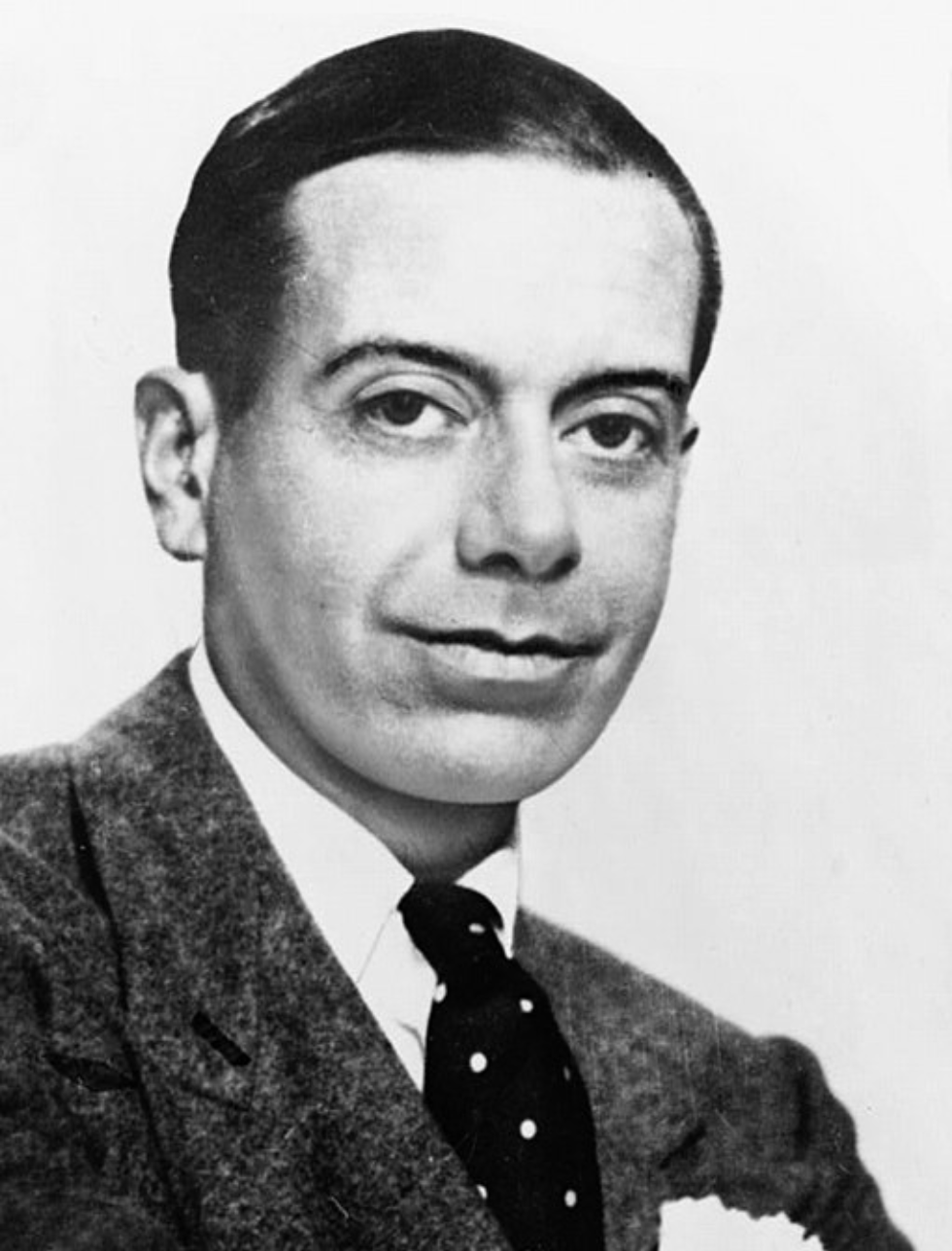
Joe Reid and I started ten years ago with a program of songs composed by Harold Arlen.
Then a resident at one of the places we performed that first show asked us to create a program of Cole Porter songs.
And then the Program Director at one retirement community lent us her favorite CD compilation of Hoagy Carmichael songs.
The work of one great lyricist/composer keeps leading us to another!
So far we’ve put together hour-long programs featuring the songs of Harold Arlen, Cole Porter, Hoagy Carmichael, the Gershwin Brothers, Jerome Kern, Dorothy Fields, Oscar Hammerstein, Lorenz Hart, Irving Berlin, Yip Harburg, Frank Loesser, Johnny Mercer, Sammy Cahn, Jule Styne, and Harry Warren.
We’ve also created programs of songs written for great performers including Fred Astaire, Ethel Merman, Bing Crosby and Judy Garland.
And now we are venturing beyond music written during the 1920s-1950s — which is what has led us to the songs of Burt Bacharach.
Mr. Bacharach had a long and fascinating life.
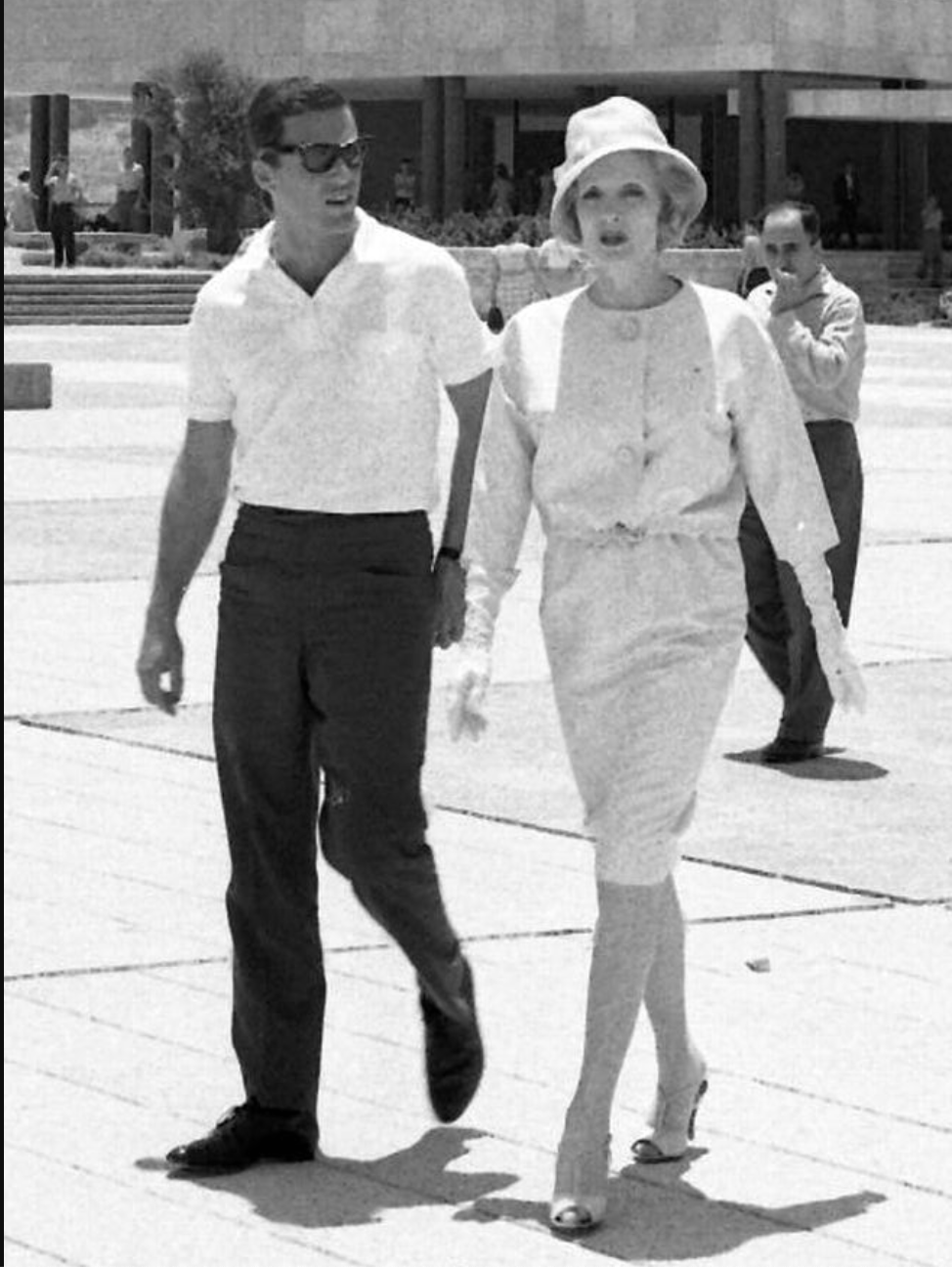
His public profile as a pianist, arranger and composer rose significantly after Marlene Dietrich asked him to become her accompanist/band leader — which he did off and on for many years in countries around the world.
I have read Mr. Bacharach’s memoir, and he respectfully insists that his relationship with Ms. Dietrich was never sexual — although it appears that she would have liked it to be.
She championed his music, however, and sometimes would take care of him by cleaning his apartment and then preparing him a home-cooked meal.
According to Burt, she also helped him to juggle ongoing trysts and affairs with a wide variety of women while they were on the road together.
Another woman who played a significant role in Burt’s life was Angie Dickinson, who became his second wife and whose success and connections as a movie star are what led to Burt’s first film scoring opportunities.
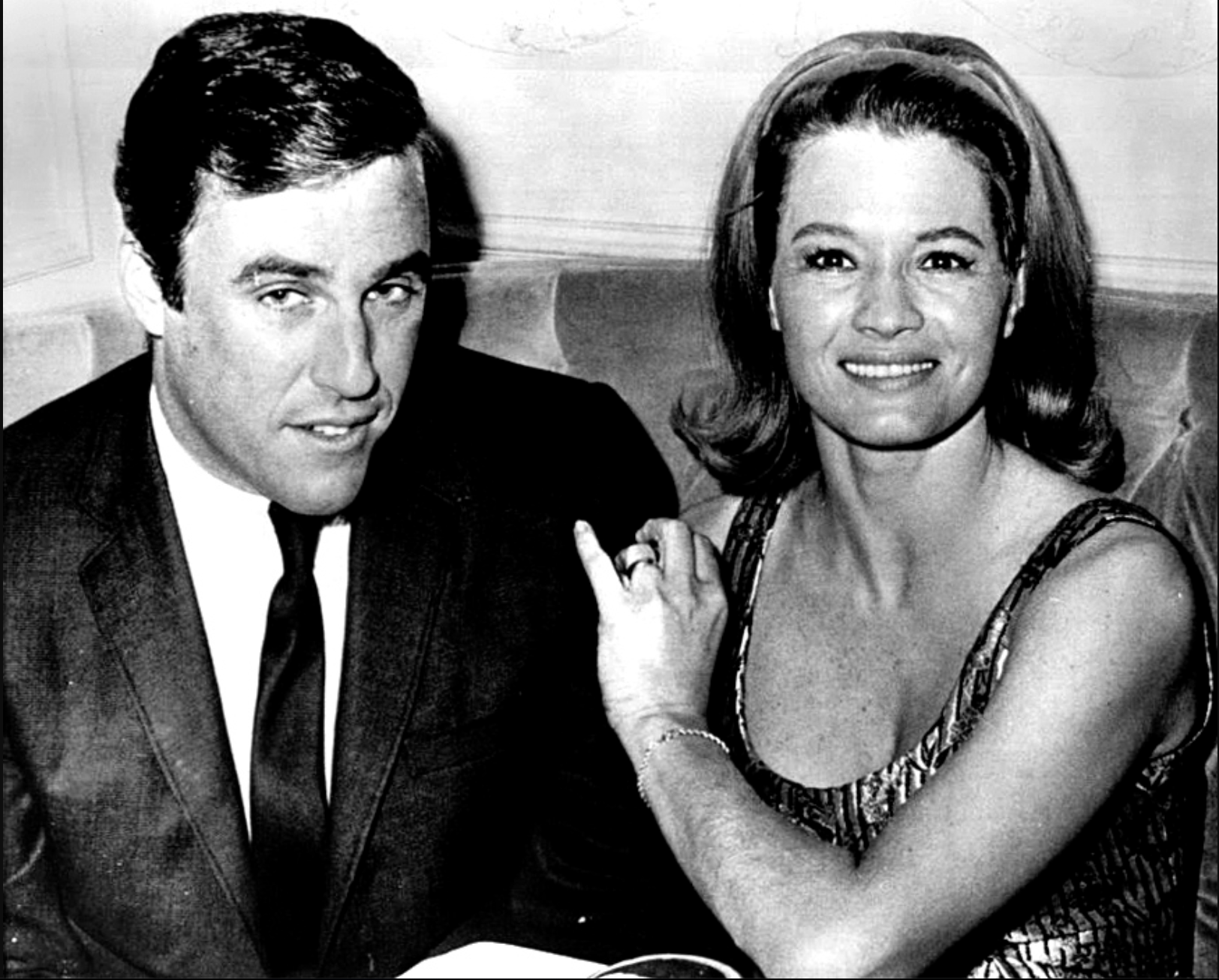
Some of Burt’s most beloved songs were created for the movies, including “The Look of Love” (for Casino Royale), “Raindrops Keep Falling On My Head” (for Butch Cassidy and the Sundance Kid), and “Arthur’s Theme — The Best That You Can Do” (for Arthur).
In 1966 Burt and Hal David were asked to write something to play over the closing credits of a British film starring Michael Caine.
Hal and Burt read the script, and then Hal wrote a lyric inspired by something that Michael Caine’s character says at the very end of the film which Burt then set to music.
Cilla Black recorded “Alfie” for the British release of the movie, and version by Cher — of all people — was used when the film was released in the USA.
Bacharach and David’s muse Dionne Warwick also recorded her own version which became a big hit — and since then it has been recorded by thousands of people, including me and the pianist Doug Hammer.
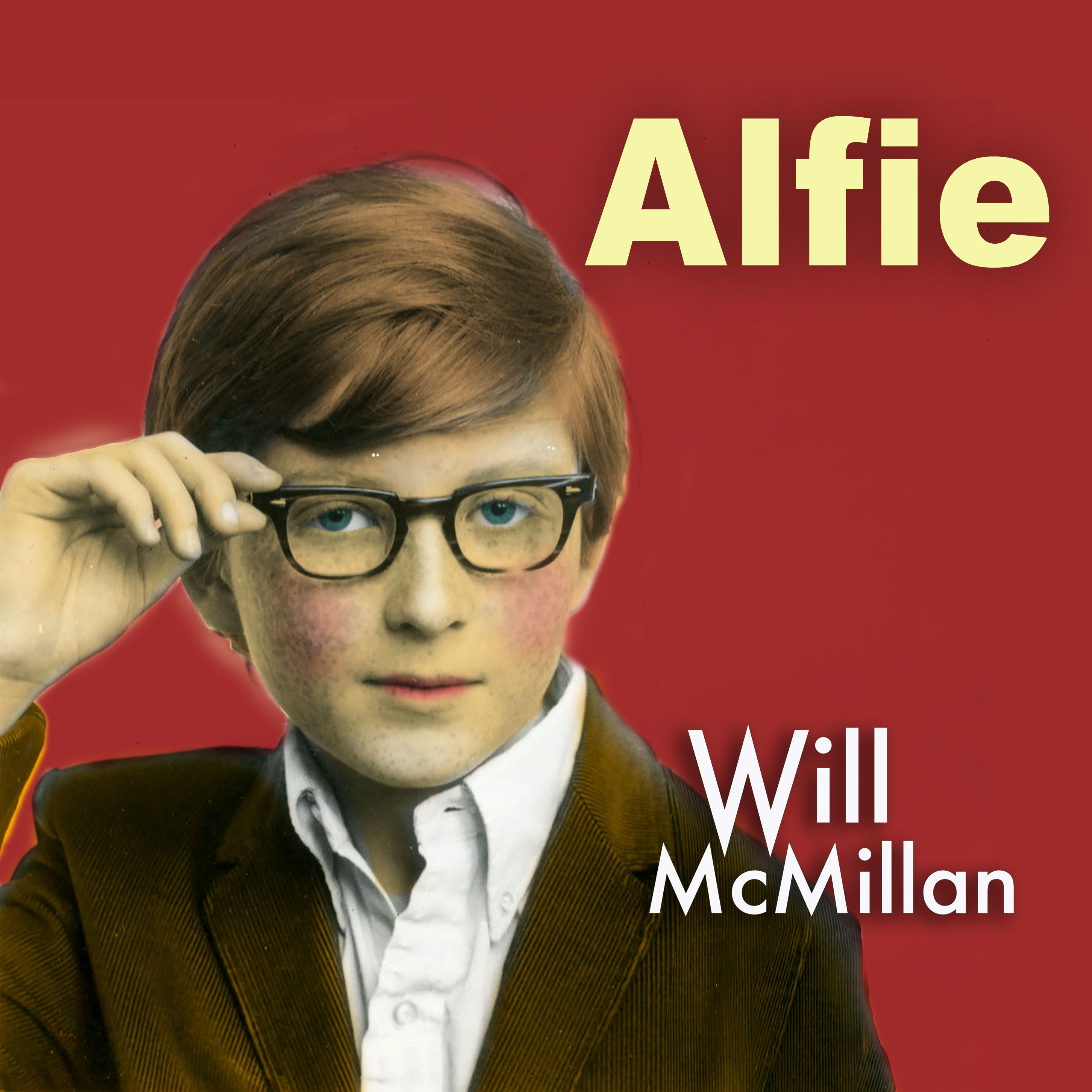
Just over ten years ago I wrote a blog post which featured our recording of this song. You can click here to read (or re-read) it if you are curious.
Although we human beings continue to do horrific, greedy, short-sighted, ignorant and evil deeds on a daily basis here on planet earth, I remain a fan of love and kindness — as does the narrator in this song.
Thank you to the photographer who took this Michael Caine-esque photo of me in the late 1960s when I was working professionally as a child (doing commercials, modeling jobs, and voice-overs) in NYC.
Thank you to Stephen Fischer for incorporating it into a graphic design for this song release.

Thank you to Doug Hammer for his beautiful piano playing and excellent engineering/producing chops.
Thank you to the photographers at Pixabay and Wikimedia for their beautiful images.
And thank YOU for reading and listening to another one of my blog posts.
If you like this song well enough to listen to it again, you are welcome to stream it by clicking here.
And you are always welcome to visit my non-blog, musical website by clicking here.

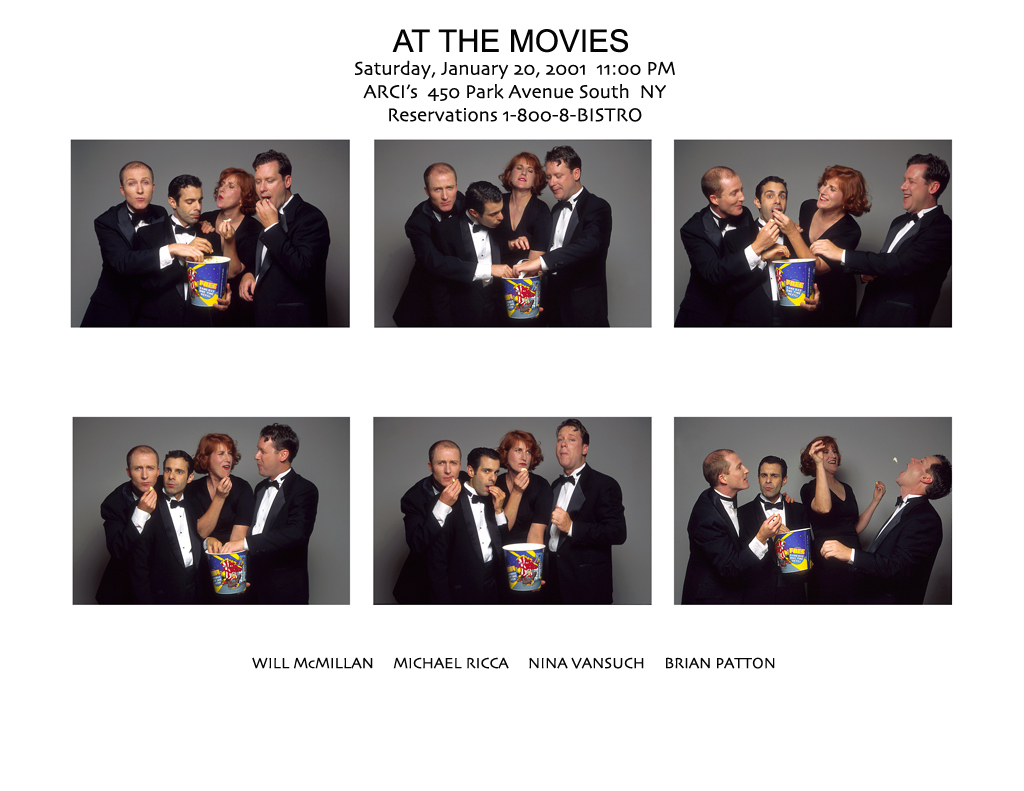 All the songs we performed were related in some way to the film industry.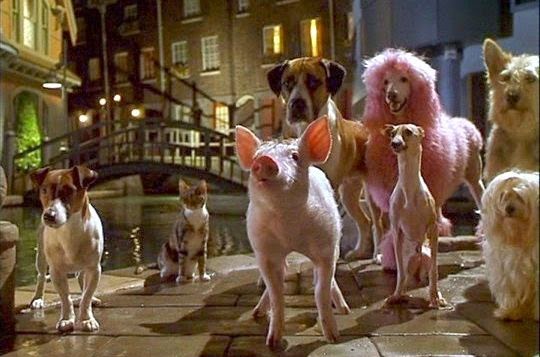




 I also appreciate that “That’ll Do” doesn’t espouse perfection as a goal.