Something’s Gotta Give

Thank you to all the folks who continue to visit my blog despite the long gaps between new posts.

I just re-read my last one (written right after our most recent national elections).

It’s pretty grim.

Now we all bear witness to how the campaign promises — and threats — do or don’t become reality in the upcoming days, weeks, months and years.

Deep breath in.

Deep breath out.
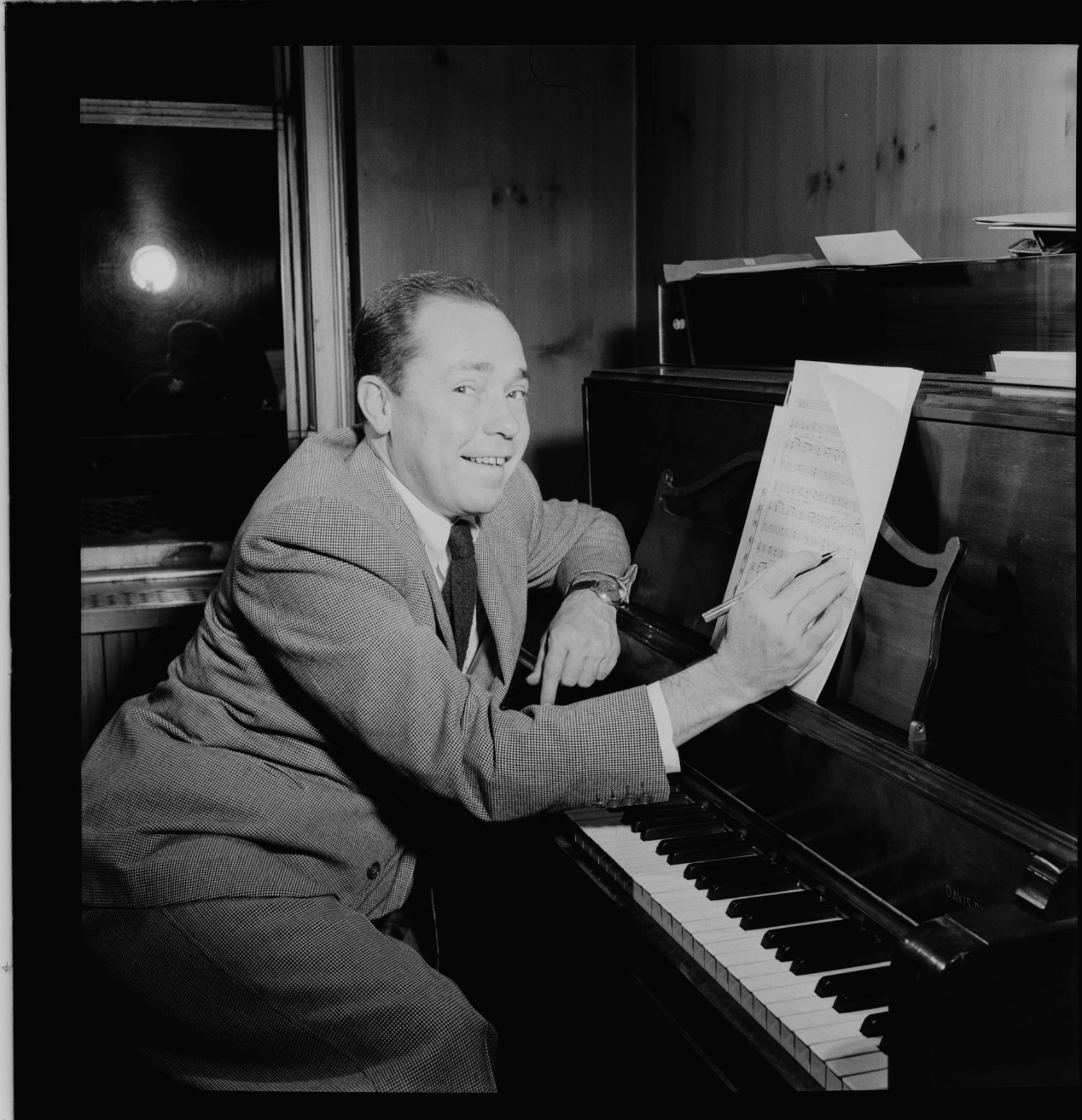
Johnny Mercer by William Gottlieb (late 1940s…)

Today’s blog post aims to be a little lighter in tone and features a song for which Johnny Mercer wrote both the melody and lyrics.

Most of the time, Mr. Mercer wrote the lyrics to other people’s melodies.

For example, he co-created “Skylark” with Hoagy Carmichael, “Come Rain or Come Shine” with Harold Arlen, “Hooray For Hollywood” with Richard Whiting, “Jeepers Creepers” with Harry Warren, and “Moon River” with Henry Mancini.

Other songs he co-wrote include “You Must Have Been A Beautiful Baby,” “In The Cool, Cool, Cool Of The Evening,” “Anyplace I Hang My Hat Is Home,” “One For My Baby (And One More For The Road),” “That Old Black Magic,” “On The Atchison, Topeka And The Santa Fe,” “Too Marvelous For Words,” “Autumn Leaves,” “Blues In The Night,” and “I’m Old Fashioned.”

And there are even more hits in his extraordinary catalog of songs — which you can skim by clicking here if you are curious.

Mr. Mercer was a Southerner, born on November 18, 1909 in Savannah, Georgia. From the 1930s to the 1960s he co-wrote over a thousand songs — for movies and for Broadway shows — and was nominated for 19 Academy Awards, winning four Oscars for best original song.
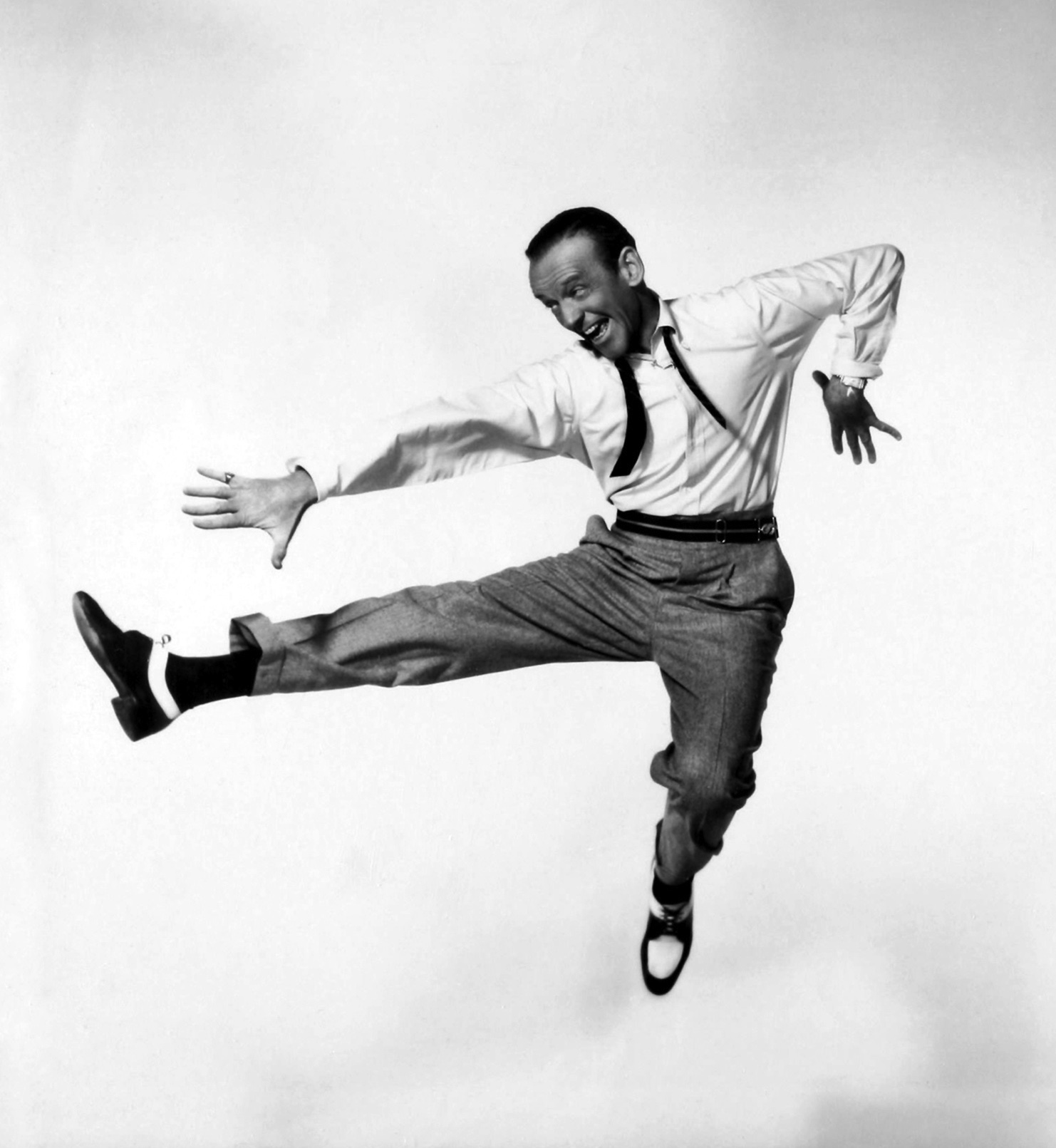
Fred Astaire (Publicity Photo for DADDY LONG LEGS)

And if it wasn’t enough to write or co-write so many great songs, Johnny also had a successful career as a recording artist himself.

And he co-founded Capital Records.

Yowza!

According to some biographers, he could also be a very mean drunk who developed a reputation for sending beautiful — and apologetic — flower arrangements to people whom he’d insulted at parties the previous night.

He wrote “Something’s Gotta Give” in the 1950s for Fred Astaire to sing in a movie called DADDY LONG LEGS which co-starred a very young Leslie Caron as his eventual love interest.

I am not a fan of 50+ year-old leading men romancing much younger women in movies (or in real life for that matter), but this stereotypical, male chauvinist theme shows no sign of being banished from popular culture.

However, DADDY LONG LEGS did give us a very upbeat song with a few lovely turns of phrase — such as “some heavenly star-spangled night…”

And I realized — after I recorded it — that this song also reminds me of the likelihood that many somethings are gonna give in the upcoming days and weeks and months and years here on planet earth.

Blooming Hyacinth

Another deep breath in.

And deep breath out.

I am planning to release a new recording — some originals and some covers — on a monthly basis for the rest of 2025.

And I am hoping to keep my blog posts shorter — and somewhat sweeter — than in previous years.

Here’s a lovely hyacinth bulb, which I bought at our local Trader Joe’s, blooming in my dining room.

I continue to be amazed at how an unpretentious, brownish bulb can — given some water and sunlight — differentiate itself into a vivid green stalk and lavish pink blossoms.

How is it possible?!

It is miraculous — and currently very aromatic!

Yet another deep breath in.

And deep breath out.

I will end with one more recent photograph — this one taken by my older sister of our younger sister’s culinary handiwork at a family gathering earlier this month.

Yum!!!
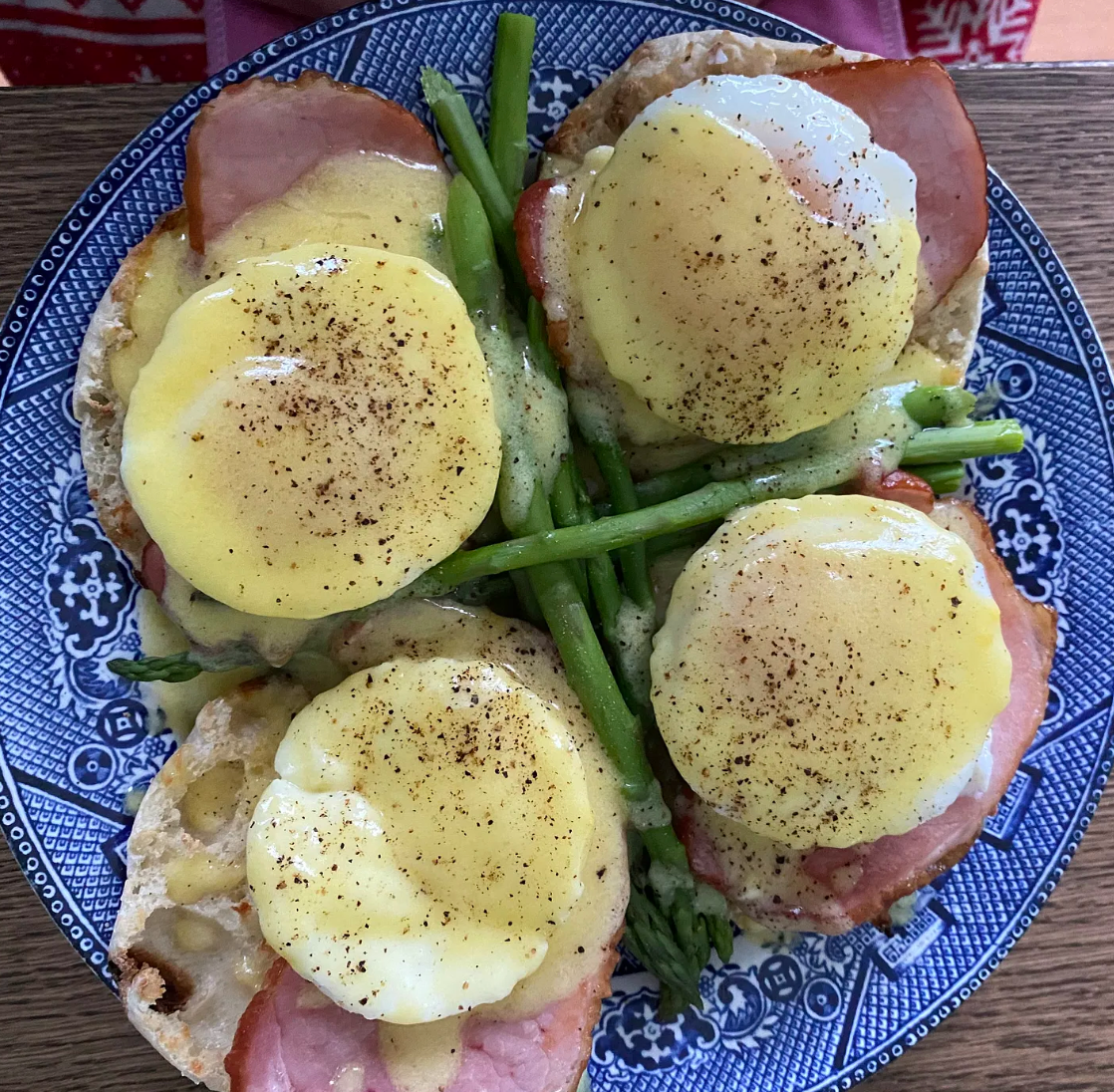
Eggs Benedict with new asparagus

The eggs were provided by a flock of black Australorp hens whom my sisters take care of on their farm (along with Icelandic sheep, a dog and several cats).

It turns out that chickens are astoundingly attuned to daylight.

As soon as the winter solstice happens each year, egg production by my sisters’ flock begins to rise (having tapered off during the autumn…)

And as soon as the sun starts to go down each day, all of my sisters’ chickens troop back inside their coop and start to roost for the night.

You will probably not be surprised to learn that commercial egg-producing companies (if I am remembering correctly) take advantage of this sensitivity and manipulate the light their hens experience each day to maximize egg production.

One more deep breath in.

And deep breath out.

Thank you for reading and listening to another one of my blog posts.

Thank you to Doug Hammer for his splendid piano accompaniment — on his glorious Schimmel grand piano — and for his expert musical production skills.
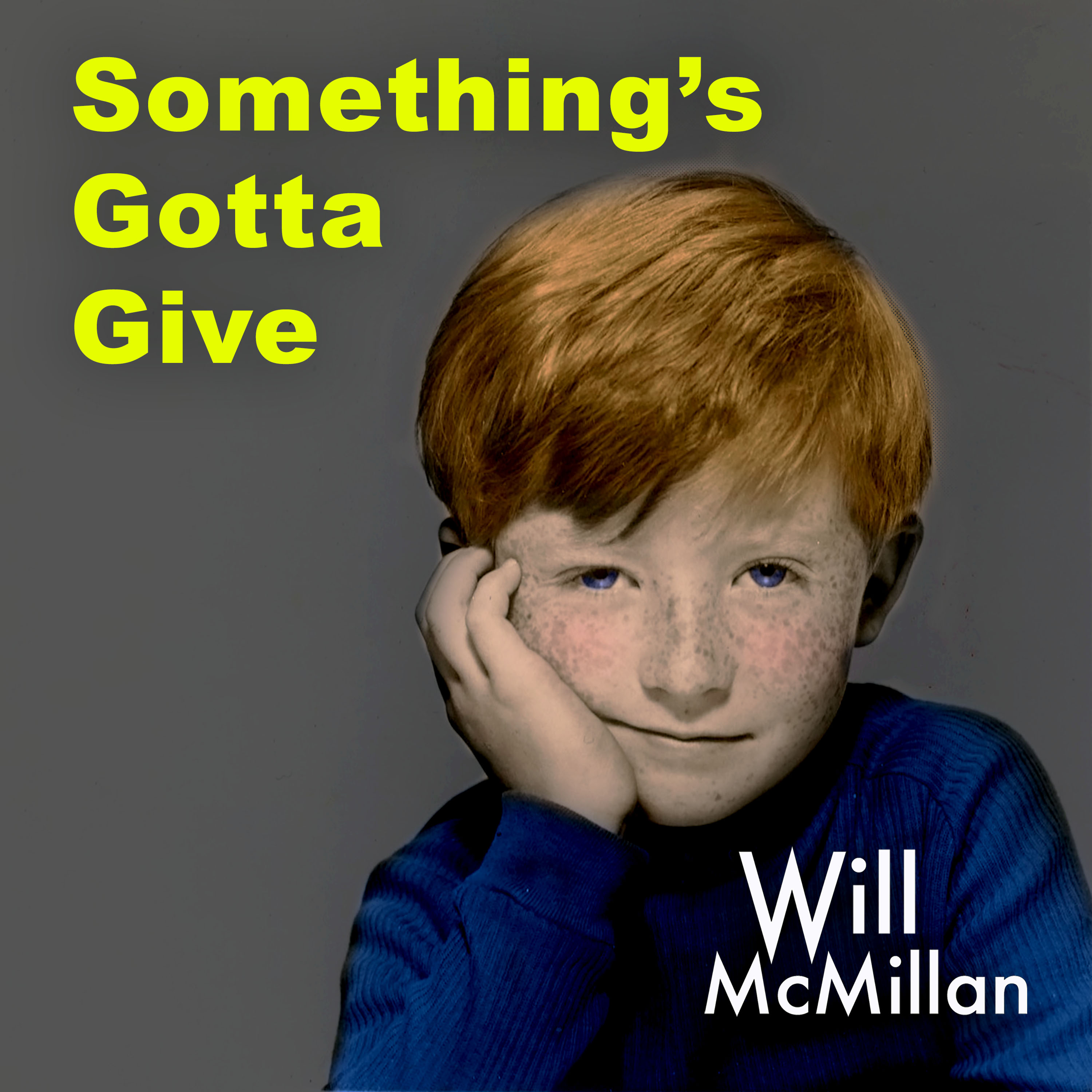
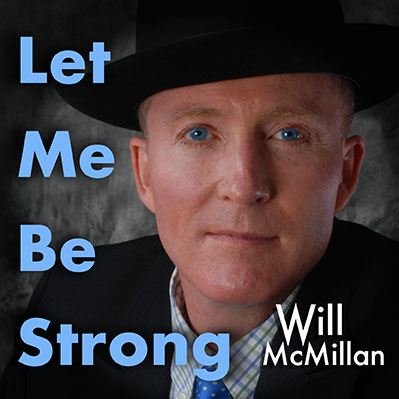
Thank you to Stephen C. Fischer for his graphic design (and to the professional photographer in NYC who took this photo of me many decades ago…)

Thank you to Johnny Mercer for writing this song — and to Fred Astaire for inspiring him to write it.

And thank you to anyone who is moved to stream my recording of “Something’s Gotta Give” on Youtube, Pandora, Spotify, Apple Music, Tidal, Deezer, etc. by clicking here.

Every stream — and especially every thumbs up — helps to improve the likelihood that the mysterious algorithms of these various streaming services will share my music with new listeners!

And as always, I welcome any comments below!
I’ll Cover You…

Today’s blog post features a song from Jonathan Larson’s hit musical Rent.

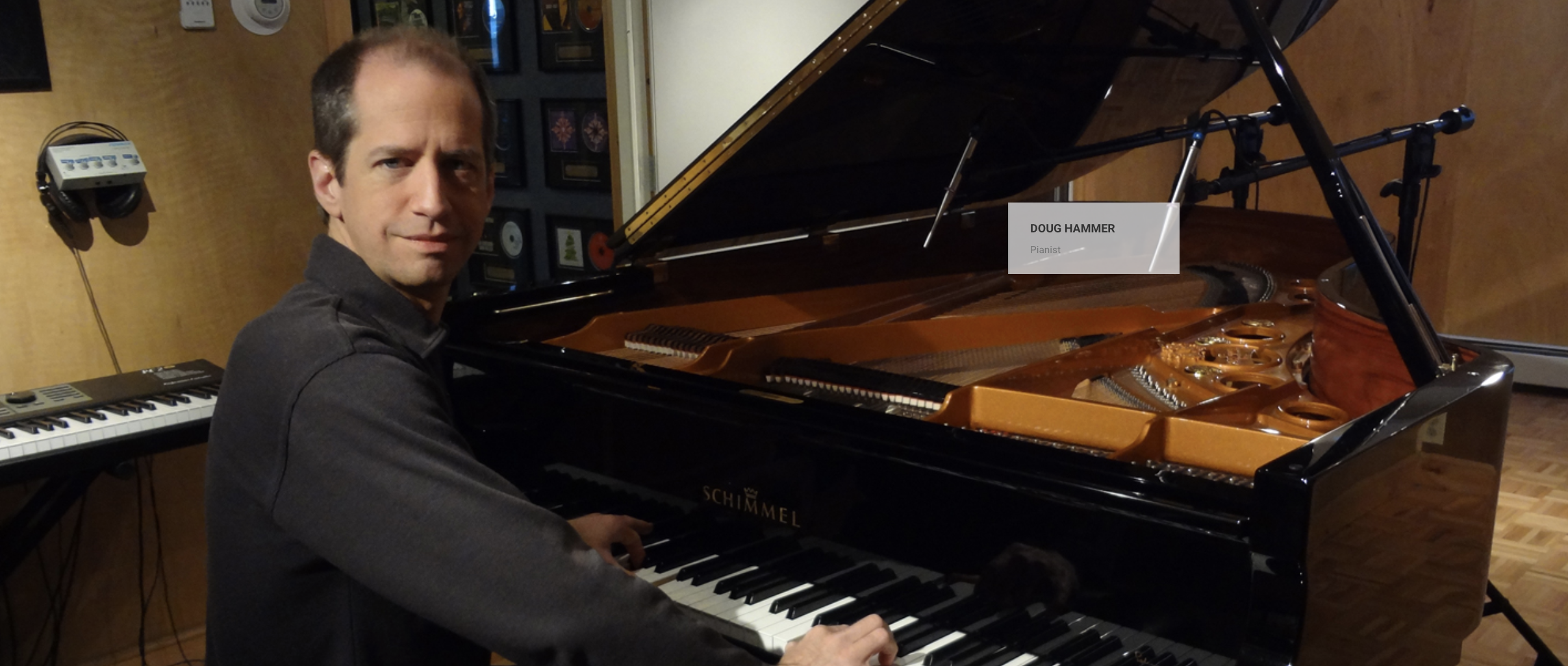
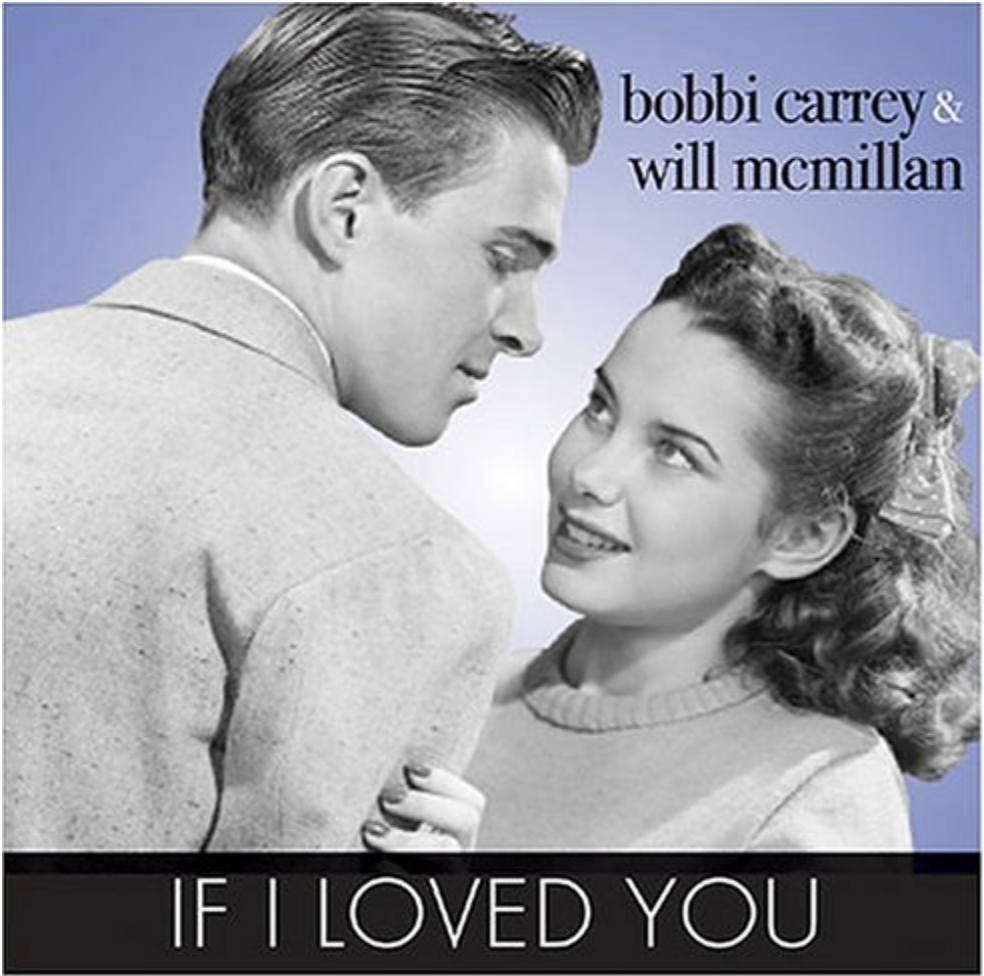
I recorded it several years ago with fellow singer Bobbi Carrey and pianist Doug Hammer for a CD called If I Loved You.

You can find it on Spotify if you are curious by clicking here.

It is an appropriate choice for today’s blog post because — in addition to learning how to release my original songs — I am learning how to release cover songs.

As you probably already know, a cover song is a new interpretation/recording of someone else’s song.

It was once a much more common phenomenon than it is today, with several versions of a new hit song – recorded by singers such as Bing Crosby, Rosemary Clooney, Frank Sinatra, Tony Bennett, Peggy Lee, Dean Martin, and Doris Day — climbing the charts at the same time.

Then came singer-songwriters, rock bands who write their own material, and producers who co-write hit songs with/for pop stars… so nowadays it is less common for major recording artists to release cover songs.

Pianist Doug Hammer has a wonderful recording studio in the lower level of his home, and I have been recording all of my rehearsals with him for over twenty years.

If you are curious to learn more about Doug and his studio, you can click here for a lovely interview with him.

Every now and then he and I come up with a particularly fun or moving interpretation of someone else’s song.

In recent years I’ve shared a bunch of these recordings via my blog…

Now, during this period of Covid-19 isolation, we are polishing/tweaking many of them — with me listening at home via Zoom and Doug in his studio — so that I can distribute them to anyone in the world who has access to Spotify, Apple Music, Amazon, and other digital platforms.

In order to distribute a cover song, one needs to pay for a mechanical license to the person who wrote the song.

This income is often split with the songwriter’s publishing company.

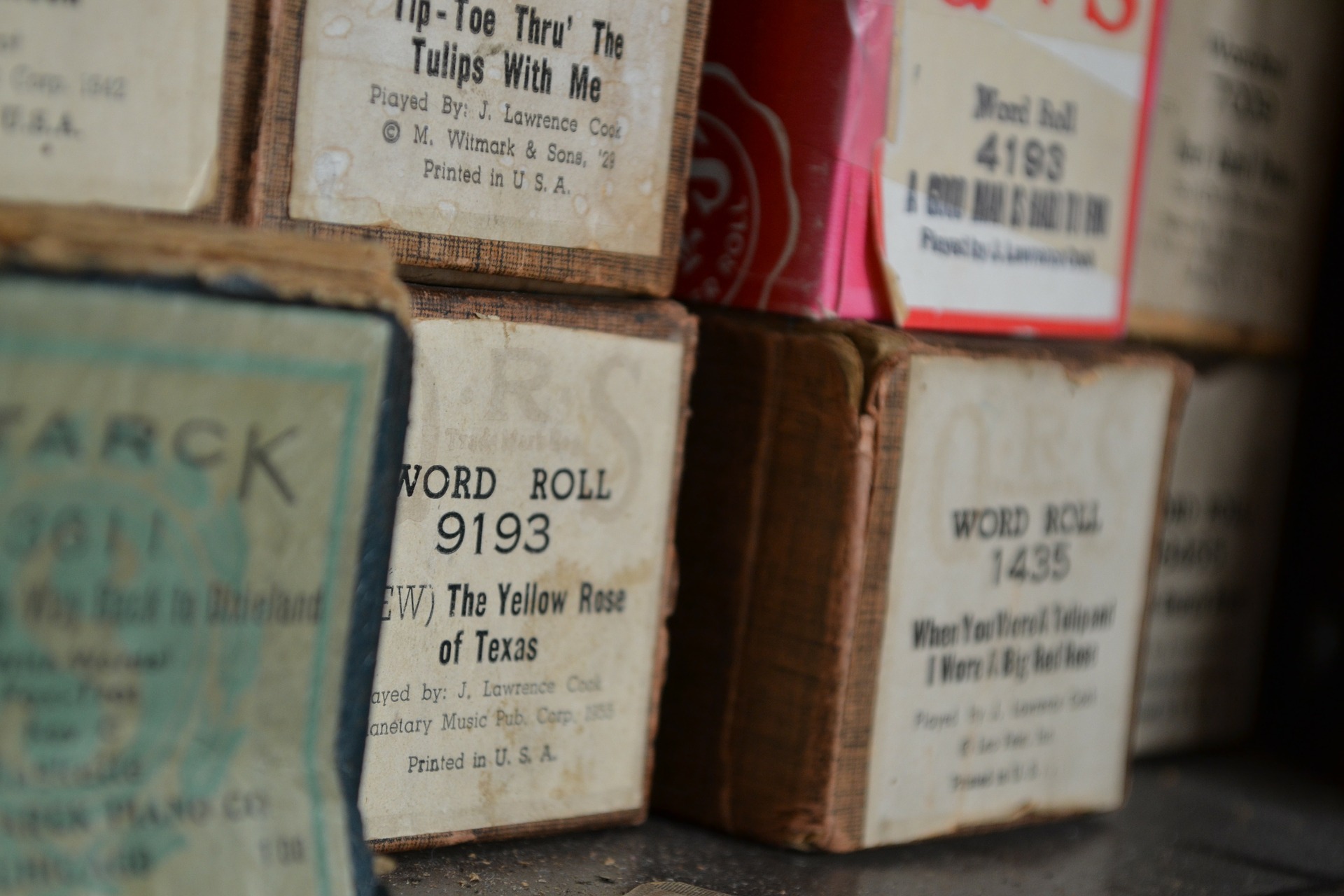
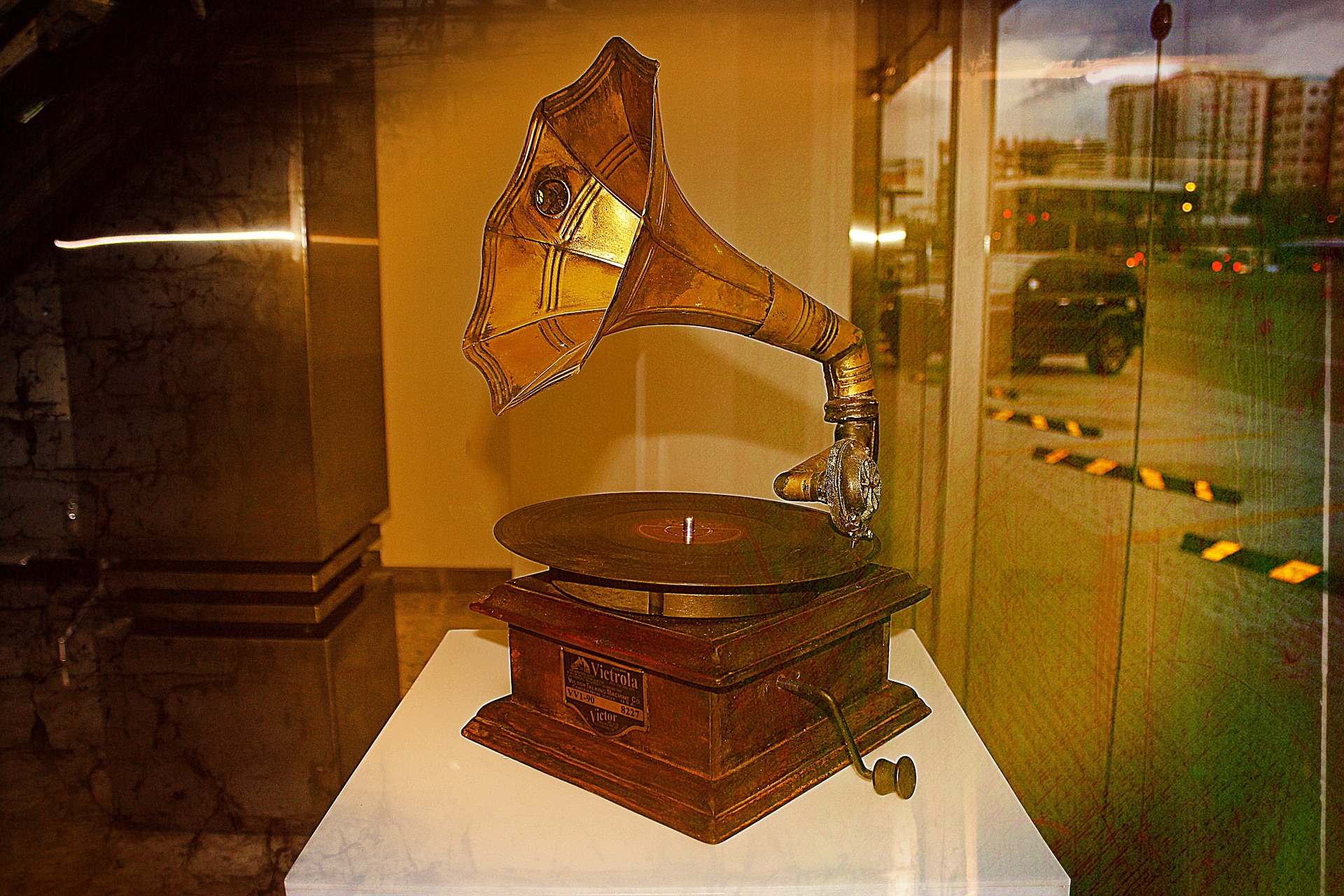
Originally a mechanical license allowed someone to reproduce a song in mechanical form — starting with player piano rolls, wax cylinders, and early phonographs.

Nowadays, even though it is still called a mechanical license, there is very little “mechanical” left in the process — since most of the music sold and listened to these days is distributed digitally in streams of zeros and ones.

You can read a terrific historical summary of how recording technology has evolved over the past 100+ years on Wikipedia by clicking here.

Money paid for a mechanical license goes to the songwriter and possibly their publisher.

There are at least three organizations in the USA where one can purchase mechanical licenses — the Harry Fox Agency (which has been around for a long time), Songfile (which I think is affiliated with the Harry Fox Agency) or Easy Song Licensing (which is the one I am using).

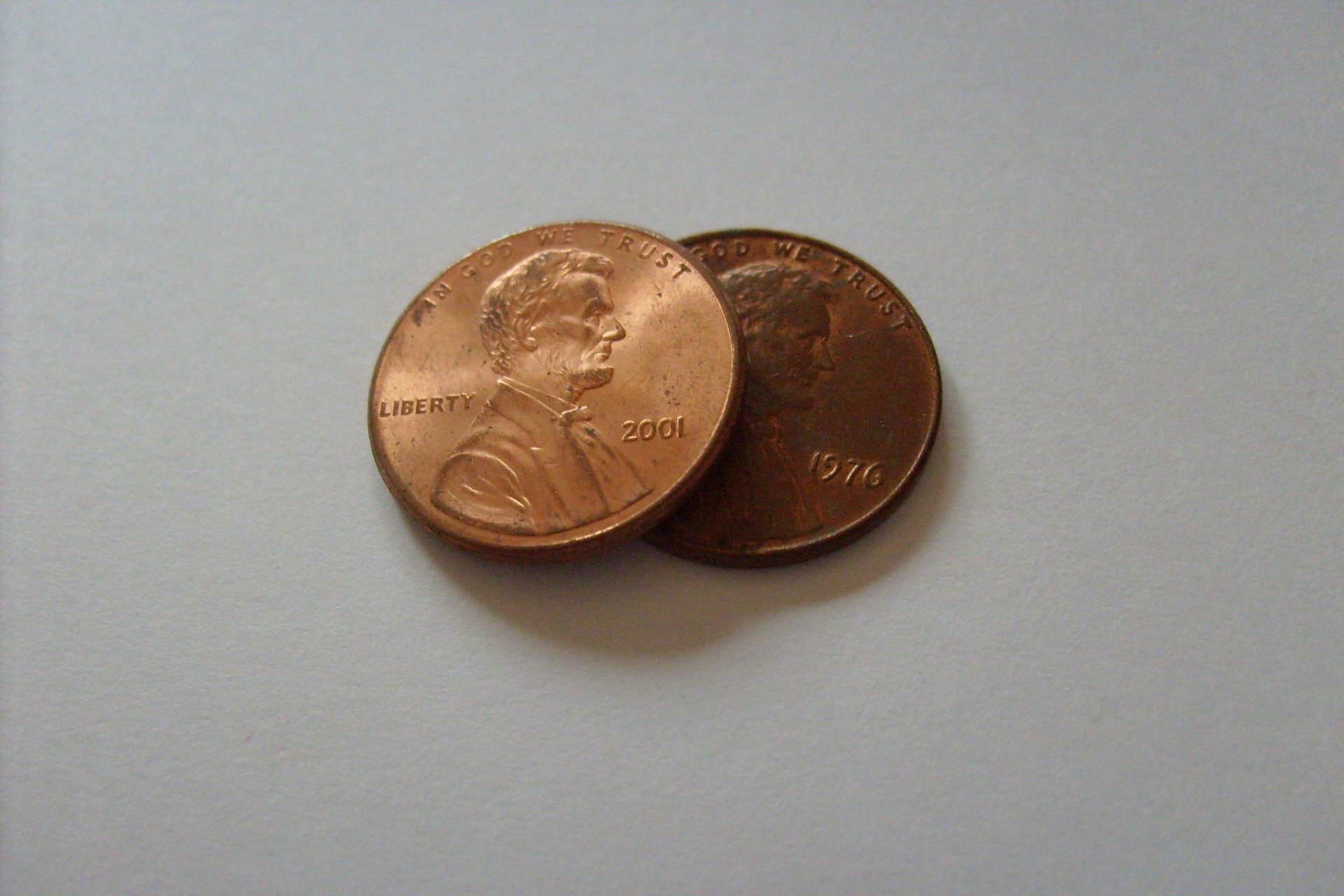
The US Government sets the rates for mechanical licenses, which started out in 1909 at two cents — meaning the songwriter and publisher each earned a penny — and remained unchanged for 67 years.

In 1976 Congress created a Copyright Royalty Tribunal, which decided that mechanical rates should be raised to 2.75 cents.

In 1987, the Music Publishers Association, the Songwriters Guild Of America and the Recording Industry Association of America successfully filed a joint proposal with the Copyright Royalty Tribunal to ask that mechanical royalty rates be increased every two years, based on U.S. inflation data.

Currently the statutory mechanical royalty rate is 9.1 cents per song per unit for recordings of compositions up to five minutes (5:00) in length. If your recording is longer than five minutes, you have to pay additional 1.75 cents per minute or fraction thereof.

The next song I am releasing was written by a fellow songwriter named Barbara Baig whom I met twenty years ago at open mics I used to host in Harvard Square.

My recording of her song is 5 minutes and 39 seconds long; so I paid her and her personal publishing company in advance for 100 digital downloads — (100 x 9.1 cents) + (100 x 1.75 cents) = $10.85.

If all goes well, my recording of her song will be available for streaming and downloading next month.

Once it is released, I will need to register my recording with a non-profit organization called SoundExchange — which was first created by the Recording Industry Association of America and then expanded by Congress — to collect and distribute digital performance royalties for sound recordings. 

And I think Barbara will need to register her song (and my recording of it) with an even newer nonprofit organization — the Mechanical Licensing Collective which will soon be issuing and administering blanket mechanical licenses for eligible streaming and download services in the United States. 

The Mechanical Licensing Collective will also collect royalties due under those licenses and pay them to songwriters, composers, lyricists, and music publishers.

I may write more about both of these organizations in future blog posts.

Basically they are attempts to keep up with the ever-changing technologies of how we purchase and listen to recorded music.

And they are a perfect example of how many important details there are to learn when one is beginning to share one’s music with the world…

Thank you to Bobbi and Doug for their contributions to our recording of “I’ll Cover You” — and to Jonathan Larson for writing it in the first place!

Thank you to Pixabay for the great images.

Thank you to everyone who has registered to vote — and may even have already voted! — in our upcoming election.

Thank you to all the folks who are engaged with our electoral process — writing postcards, donating money, making phone calls, sending texts, helping to get out the vote, and much, much more…

Thank you to everyone who is educating herself/himself/themself about the challenges facing all of us here on planet earth.

Thank you to our extraordinary health care workers, who are again in the midst of a pandemic hospital crisis due to rising cases of Covid-19 here in the USA.

Thank you to everyone who cares enough about their neighbors and neighborhood to wear a face mask in public.

And thank YOU for reading and listening to yet another blog post!