Like many people in the United States — and in many other countries around the planet — I have been experiencing a wide variety of feelings since our recent election.
And a lot of denial — for which I am both grateful and apprehensive…
One of the things that I have found the oddest is how most of us have continued to do the same things that we did before the election.
I have continued to buy groceries.
I have continued to take books out from the library.
I have continued to do laundry.
I have continued to get up and lead Music Together classes on Tuesday, Thursday and Friday mornings.
I have continued to do gigs at retirement communities with jazz pianist Joe Reid.
I have continued to learn song lyrics.
I have continued to clean the toilet and wash the kitchen floor.
I have continued to draft blog posts.
I have continued to watch TV.
And I have continued to love the song “Life Goes On” written by Stephen Schwartz (a version of which is in the player at the beginning of this post with Doug Hammer on piano and Mike Callahan on clarinet which we recorded during a rehearsal for my show called Will Loves Steve several years ago).
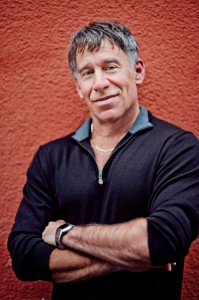
Photo by Ralf Rühmeier
As you probably know, Stephen Schwartz is the composer and lyricist for Godspell, Pippin, The Magic Show, The Baker’s Wife, Wicked (and more) on Broadway as well as the lyricist for animated movies including Pocahontas, The Hunchback of Notre Dame and Enchanted.
“Life Goes On” is not from one of his shows or movies, however.
I found it on Mr. Schwartz’s first solo CD release, Reluctant Pilgrim, and have been gently haunted by it ever since.
According to Mr. Schwartz’s web site, “I originally began to write the songs that make up Reluctant Pilgrim in response to a ‘challenge’ from a songwriter friend, John Bucchino. I had been encouraging John (who had always written individual and highly personal songs) to write for the theatre, and John in turned asked why I never wrote individual songs based on my own life. He said it was time to stop ‘hiding behind Hunchbacks and Indian princesses.’ So I decided to try… The first song I wrote was ‘Life Goes On.’ This was an attempt to deal with my feelings after a close friend of mine died of AIDS. Writing the song turned out to be very therapeutic for me.”
Mr. Jones was involved with the AIDS crisis from the very beginning, and he (although he is beautifully soft-spoken and articulate during the interview) reminded me of how loudly and angrily and stubbornly AIDS activists had to demonstrate and organize in order to make progress on understanding and treating this virus when our president and many of our elected officials just wanted to ignore what was happening.
Have we re-entered a time in US history when we will need to act up — regularly, passionately, strategically — in response to our government’s actions and/or inactions regarding climate change, immigration, civil liberties, the rights of the media to investigate those who hold power in our society, etc. etc. etc.?
I do believe that grass roots action is a crucial part of how things — laws, attitudes, opinions, political leadership, prejudices — change.
What might be the most important issue(s) to which I might devote myself in upcoming days/weeks/months?
I have a sense that protecting and maintaining the amazing web of interconnections which make up our various ecosystems is a fundamental priority which underlies (and, dare I say, trumps) many of our specifically human challenges.
But maybe election and campaign finance reform are more crucial in the short run, as an antidote to the oligarchic voices which increasingly dominate (and frame) our political and cultural debate?
How do we address and respond to and heal the enormous reservoirs of fear and anger and disrespect which seem to be percolating in the hearts of so many fellow human beings on planet earth these days?
How do we plant seeds of hope and trust and respect and love while simultaneously standing up with great power so that we are not run over by ignorance and ego and power and greed and fear?
How do we nurture kindness and gentleness while also standing up for justice?
I am clueless.
I hope that music can somehow play a part in whatever activism and consciousness-raising and healing are on the horizon.
Until then, life goes on…
Thank you for reading and listening!
And thank you to Pixabay for the images in this blog post.
I welcome any thoughts, feelings, ideas, and recommended actions in the comments section.
I shared this song by Barbara Baig a couple of years ago in a blog post.
Today I found myself thinking about it a lot.
Many people in the USA are very happy today.
I honor their sense of excitement and accomplishment.
Many people in the USA are very surprised and scared and shocked today, too.
I honor these feelings as well.
I don’t know what comes next, but I am pretty sure that the effects of yesterday’s election will ripple for weeks and months and years to come — not just here in the US but all over our planet.
Deep breath in.
Deep breath out.
I dearly hope that the horrible coincidence of learning the results of our election with the anniversary of Kristallnacht is just that…a horrible coincidence and not an uncanny foreshadowing of what may lie ahead in our not-very-united-states.
It is very sobering to read about Kristallnacht in Wikipedia.
As soon as we start viewing — and scapegoating — fellow human beings as “other,” we are heading down a very unhappy and slippery slope…
I was very glad that jazz pianist Joe Reid and I were booked to perform our hour-long program of songs co-written by Harold Arlen this afternoon at a retirement community in Newton.
We all needed to sing together — beautiful, timeless songs which touched our hearts and connected us with each other.
Not surprisingly, one song moved us to tears — “Over the Rainbow,” which Mr. Arlen wrote with Yip Harburg in 1938 for MGM’s masterpiece, The Wizard of Oz.
Filming for The Wizard Of Oz began on October 13 1938.
A month later Kristallnacht occurred in Germany, Austria and parts of Poland, Russia and the Czech Republic.
The emotional resonance of “Over The Rainbow” — written by two American-born, fully assimilated Jewish songwriters for a movie produced by a Jewish-owned film company — cannot have gone un-noticed at the time.
No wonder so many of us are still moved to tears by it, almost 80 years after it was written.
I love “Let Me Be Strong,” too.
Barbara Baig wrote it when she lived in Somerville, MA and was an active member of the Boston Association of Cabaret Artists (BACA).
I recorded it many years ago with Doug Hammer on piano at his wonderful Dreamworld studio in Lynn, MA, plus Gene Roma on drums and Chris Rathbun on bass.
Thank you, Barbara, for writing this song.
May all of our hearts remain open in the days and weeks to come… as we move through our joys and our fears here on planet earth.
Let us be strong.
Deep breath in.
Deep breath out.
Thank you to Pixabay for the photos.
And thank you to anyone who reads and listens to this blog post!
MMG has been happening — one weekend each spring and one weekend each fall — for 25+ years at various camps around Massachusetts.
When I first started attending it was held in Becket, MA, but now we gather in the woods near Worcester from Friday night until Sunday afternoon.
At the opening circle on Friday night, someone spoke about the recent death of a beloved canine companion.
I was reminded of a wonderful song by a writer named Babbie Green called “At The Pound” (in the player at the start of this post) which I recorded with the gifted pianist Doug Hammer for a CD I did with another singer, Bobbi Carrey, called “If I Loved You.”
Although I have not had a dog in my daily life since my teenage years — when my family had a very loving and patient Corgi named Bryn — I see how invaluable they can be in the lives of my friends and family.
I love “At The Pound” because of the details Babbie includes in the song — such as “now my car’s got a permanent blanket of dog hair.”
I also love how it ends…
“And they praise me for saving her life, saying, ‘oh what a lucky dog she…’ but when I think of all I have learned about loving, it is Molly in fact who saved me.”
Bette Midler — you with the wind beneath your wings who sometimes looks at our planet from a distance — you need to record this song!
Thank you for reading and listening to my blog.
And thank you — yet again — to Pixabay for the lovely photographs.
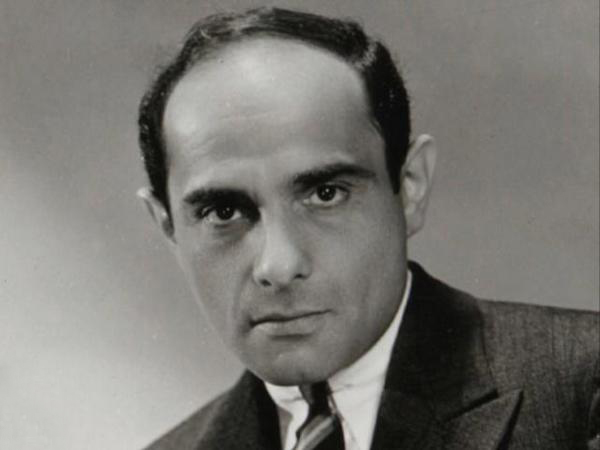
I am not sure if I would have loved him had I had the opportunity to meet him, but I am very grateful he co-wrote so many wonderful songs.
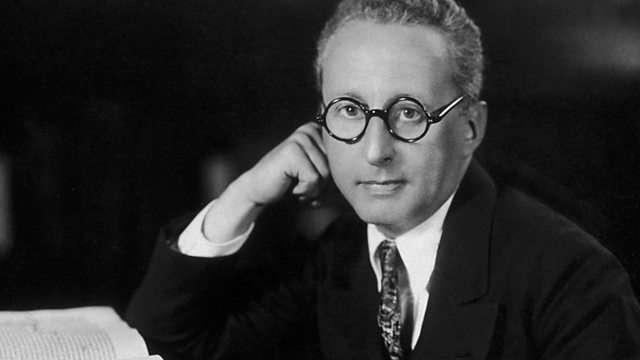
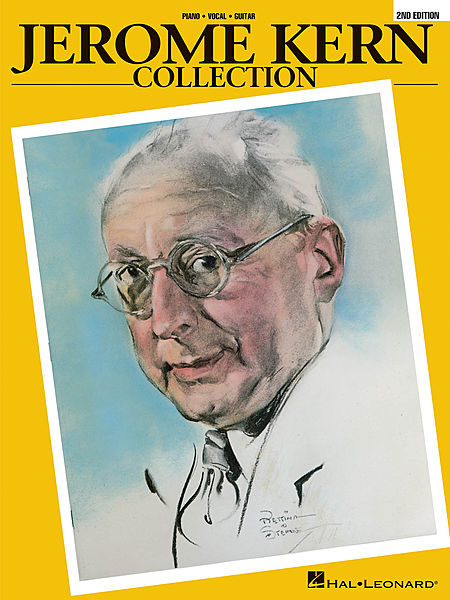
Jerome David Kern was short and a very snappy dresser.
He loved the color green — including wearing bright green, custom-tailored trousers.
He could be quite critical and bossy — and he did not suffer fools gladly.
He was also very funny with friends.
And he knew bird calls well — and was sometimes melodically inspired by them.
Kern was the composer whom George Gershwin and Harold Arlen — and many other composers of what we now call the Great American Songbook — looked up to and strived to emulate.
He was older than they were, having been born in New York City on January 27, 1885 — the youngest of seven children (four of whom died before the age of six…)
His family moved from apartment to apartment around Manhattan before settling into a house across the river in Newark, New Jersey, which is where Jerry went to high school and where he began writing songs for musical events.
His nickname in high school was “Romie.”
Kern’s first job in the music business was doing accounts payable and accounts receivable for a music publishing company run by the uncle of a friend.
He rose to become a song plugger, eventually earning a shift at Wanamaker’s, which was one of the first — and very grandest — department stores in New York City.
He proved to be a savvy businessman, investing money he received as an inheritance in his early 20s to become a shareholder in the second music publishing company he worked for, TB Harms.
Harms started getting Jerry’s songs interpolated into musical productions.
I learned from reading various Kern biographies that in the early days of musical theater, it was very common for individual songs to be added to a show by another composer.
These interpolated songs could freshen up a show during a long run — and also provided great opportunities for unknown and up-and-coming songwriters.
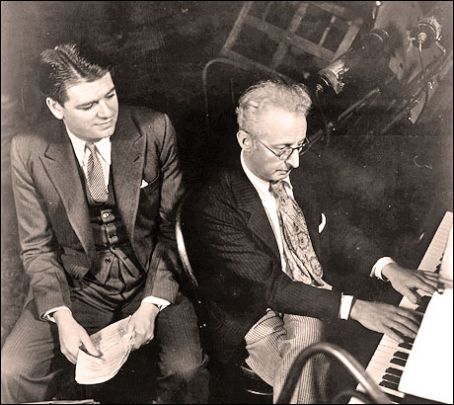
Harms let him work as a rehearsal pianist for Broadway reviews and shows, which he did on and off for ten years.
Being a rehearsal pianist meant that Kern became well-acquainted with the movers and shakers in the New York theater world — and it also meant he could be on hand to help create a new number if needed.
He also was allowed to accompany singers on short tours, which provided more opportunities to incorporate Harms and/or Kern tunes into their performances as needed.
I was surprised to learn that Kern was very well acquainted with the theater world in London.
Part of the reason Jerry went to London so many times as a young man was to check on TB Harms’ publishing partners in England.
He saw all of the latest shows and schmoozed as many London theater people as possible, pitching his songs for interpolation into London shows as well.
This is when he first met the author, humorist and lyricist P. G. “Plum” Wodehouse, with whom he began collaborating on songs in 1906.
Nine years later — when Wodehouse was living in New York — Kern introduced him to librettist Guy Bolton, who became one of Kern and Wodehouse’s lifelong friends.
Kern and Bolton had worked together on a musical called Nobody Home which was presented at the intimate, 300-seat Princess Theatre. Wodehouse contributed some lyrics to their next Princess musical, Very Good Eddie, and officially joined their creative team for Oh, Boy! — which ran for 463 performances (and according to Wikipedia was one of the first American musicals to have a successful London run).
The three men collaborated upon what became a very successful series of musical comedies — most of them presented at the Princess Theatre — during and after the First World War.
These shows were inspirational to many songwriters and librettists, partly because the songs and dances and script were well integrated to advance the storyline of the show.
And no songs by other writers were arbitrarily interpolated into the plot!
In an interview following the success of Oh, Boy, Kern explained, “It is my opinion that the musical numbers should carry on the action of the play, and should be representative of the personalities of the characters who sing them….Songs must be suited to the action and mood of the play.”
Kern collaborated with a wide variety of lyricists during his long career on Broadway and in Hollywood.
One of my favorite songs, “I’m Old Fashioned” was written with lyricist Johnny Mercer for a 1942 film called You Were Never Lovelier, which paired Fred Astaire with Rita Hayworth.
Partly as a result of a dear friend’s uncle giving me a Kern songbook when I left college, I became aware of Kern’s body of work early in my singing life.
I recorded three Kern songs with jazz pianist and composer Steve Sweeting when Steve lived above an ice cream store in Brighton, MA — “I’m Old Fashioned,” The Way You Look Tonight,” and “Smoke Gets In Your Eyes” — which I have included in this blog post.
Jerome Kern was very successful during the 1910’s and 20’s on Broadway and in London.
In fact one newspaper at the time estimated that he was earning as much as $5000 (which would be the equivalent of $63,000 in 2016) each WEEK from sheet music and ticket sales.
He created what is considered to be his masterwork, Show Boat, in 1927 in collaboration with lyricist/librettist Oscar Hammerstein II and producer Florenz Ziegfeld.
Ziegfeld had made his reputation with huge revues on Broadway filled with beautiful chorus girls, extravagant costumes, and colossal sets.
Thus many people were surprised that he agreed to produce Show Boat — which featured an integrated cast of black and white performers and dove deeply into painful human phenomena including prejudice, gambling and alcoholism (which were not the usual topics for a night’s entertainment on Broadway).
Ziegfeld, in fact, remained very doubtful about the success of Show Boat — postponing the start of production several times.
Although this was very frustrating to Jerry and Oscar, it also gave them extra time to fine-tune their songs and script before casting and rehearsals finally began.
Many of Kern’s Broadway musicals were adapted into movies, including Show Boat — which was filmed three different times — and his 1933 hit Roberta, with a book and lyrics by Otto Harbach.
The Broadway cast included many performers who went on to become stars including Fred MacMurray and Bob Hope — and Roberta also introduced the musical gem “Smoke Gets In Your Eyes.”
Along with many other Broadway songwriters, Kern moved with his family to California during the 1930s.
Although the Great Depression was in full swing, the movie industry was making lots of money.
Mr. Kern wrote “The Way You Look Tonight” with another favorite collaborator — lyricist/librettist Dorothy Fields — for the film Swing Time, where it was introduced by Fred Astaire and Ginger Rodgers, who in this movie was cast as a dance instructor.
“The Way You Look Tonight” won Best Song in a Motion Picture in 1936.
Dorothy Fields later remarked, “The first time Jerry played the melody for me I went out and started to cry. The release absolutely killed me. I couldn’t stop, it was so beautiful.”
In addition to being a composer, Kern was also a collector.
He started collecting books when he first visited London in his early 20s, and ten years later had amassed a collection which — when he auctioned it off in 1929 — earned him almost two million dollars (which would be worth more than $27 million dollars in 2016).
He also collected real estate, antique silver and furniture.
The home he built in Bronxville, NY (north of New York City) was decorated with beautiful paintings, Colonial, Jacobean and Italian furniture, rare vases, lamps with Buddha bases, and books which he had bought during his travels to Europe and around the USA.
And whatever he became curious about, he would soon become an expert in.
As a small example of this, when they were living in Bronxville, Kern and his wife Eva took a trip with their neighbors, Mr. and Mrs. Nathan Newman, to Canada to visit an asbestos plant that Mr. Newman owned.
Jerry asked lots of questions and was particularly concerned about the large amounts of asbestos waste.
After they got home, he did some independent research and wrote a 40-page report — detailing several possible uses for the wasted asbestos — which he gave to his neighbor.
After the huge success of Show Boat in 1927, Kern developed the habit of playing “Old Man River” the last thing before he left his house on a trip and the first thing upon arriving back home.
In fact, during his final trip to New York City from California in 1945 — when he was overseeing yet another revival of Show Boat with Hammerstein and beginning work on a new show with lyricist/librettist Dorothy Fields (produced by Hammerstein and Richard Rodgers) about a sharp-shooting phenomenon named Annie Oakley — he was apparently worried because he had forgotten to play this song before he left his home in California.
Much to everyone’s shock — since he was only 60 years old — Jerome Kern collapsed from a stroke while browsing on the east side of Manhattan.
He died a few days later with his wife and Hammerstein at his hospital bedside.
I would like to end this post with something president Harry Truman said upon hearing Kern had died:
“I am among the grateful millions who have played and listened to the music of Jerome Kern. His melodies will live in our voices and warm our hearts for many years to come.”
Thank you, Jerome Kern, for your wonderful songs — and thank YOU for reading and listening to yet another blog post.
Once upon a time I co-starred in a movie called Goldenrodwhich was filmed in and around Calgary, Alberta.
It had a theatrical release in Canada (I think), and was shown in the USA on CBS-TV.
I was 14 years old.
Because of Canadian rules about airing a certain percentage of shows which have been produced in Canada, it still can be seen from time to time on Canadian TV.
One of the producers had a daughter whom I met on the set when she visited from Toronto.
Although it seemed unlikely at the time — since I lived in New York and Connecticut while she lived in Canada — Sarah James and I have remained friends ever since.
She still lives in Toronto, and like her father (and mother) she works in film and TV production.
For the past few years she’s been helping to create Canada’s version of the TV show The Amazing Race.
She and her husband — who among other things is a wonderful musician who has taught himself how to build ukuleles! — and daughter live in a sweet house with a small garden out back which ends at a garage.
Above the garage is an office/guest bedroom where I love to sleep and read and write songs when I visit them.
I started writing “Another Good Morning” a couple of springs ago.
The sun was shining.
Birds were singing.
And Sarah was making breakfast for all of us.
It is what I call a “gets-me-out-of-bed-in-the-morning” song.
I have probably mentioned this type of song before in this blog, because — in the spirit of “teach what you most want to learn” — I end up writing a lot of songs with upbeat messages.
Because I need them….to muster a little bit of optimism before I head out into the day.
As you have probably already guessed, I continue to love the photo site Pixabay.
I send a huge thank you to all the folks who have shared their lovely images there!
I do not own a cell phone or carry a camera…
But I appreciate those who do.
THANK YOU for reading and listening.
PS: The pianist on this song is the multi-gifted Doug Hammer, and we recorded it at his studio in Lynn, MA earlier this year. It is one of many we will be performing on April 30, 2016 at Third Life Studio in Somerville, MA.
I recently spent an afternoon at Doug Hammer‘s studio, recording songs by Rodgers & Hart and then working on one of my original compositions, called “A Beating Heart,” which you can play by clicking on the left side of the bar below this paragraph.
A careful reader of this blog might recall that I included a Garageband version of this song in a post on April 9, 2014. Since then Doug and I have begun creating piano/vocal versions of many of my songs so that we can perform them at places like Third Life Studio in Union Square, Somerville.
We got a lot of positive feedback after our debut performance there in December with guest vocalist Jinny Sagorin — and we’ll be returning at the end of April to reprise that show.
With so many huge and important things happening on planet earth right now — such as climate change, the loss of biodiversity, our human over-consumption of shared resources, and even the astoundingly unlikely presidential campaign here in the US — I often wonder how my original songs fit into the larger equations of life on planet earth.
Is my desire to share them with a wider audience (“Me, me, me, me! Look at me! Listen to me!”) simply another manifestation of the grossly self-oriented human trend in behavior which is currently tipping our larger ecological feedback loops further out of balance?
To re-center myself, I think of a poster in the bathroom where I get acupuncture which features some of the Dalai Lama’s wisdom:
“Ultimately, the decision to save the environment must come from the human heart. The key point is a call for a genuine sense of universal responsibility that is based on love, compassion and clear awareness.”
He has also written:
“Today more than ever before, life must be characterized by a sense of universal responsibility, not only nation to nation and human to human, but also human to all other forms of life.”
However, we human beings still tend to think and plan and speak and act with human ‘tunnel vision.’
I often listen to a radio program on Friday afternoons, and last week the host, Ira Flatow, was discussing asteroids and comets. He mentioned one which flattened 770 square miles of forest in Siberia on June 30, 1908 — adding that luckily no one was hurt.
Wikipedia uses similar language in its description of what is called the Tunguska event, saying that it “caused no known casualties.”
I would modify that to read, “no HUMAN casualties.”
770 square miles is roughly the size of the entire greater Boston area.
All sorts of living beings — trees, eagles, ants, berry bushes, wolves, beetles, moose, falcons, reindeer, elk, plants, bears, storks, robins, bees, nightingales, mushrooms, bacteria, etc. — must have been hurt and/or killed.
Why do we human beings so easily ignore or dismiss non-human death and suffering?
How can we be so deeply ignorant of the profound and crucial ways our human lives are interconnected with the lives of innumerable non-human beings here on planet earth?
The most obvious example of this is the fact that we animals breathe out what plants breathe in. And vice versa. It’s an extraordinary bond between plants (trees, shrubs, phytoplankton, algae, grass, etc.) and animals (dolphins, ants, chickens, worms, orangutans, etc.)
And us.
We human beings are also animals.
We depend upon the health of the plant world for our human health.
Healthy trees and healthy forests and healthy phytoplankton and healthy oceans are not optional.
They are vital to the health of all of us.
I agree with the Dalai Lama that we human beings need to experience and understand on an open-hearted, emotional level that our daily lives ARE deeply connected to the lives of all other beings on planet earth.
And the health of those other beings IS intricately connected with our own health and survival.
This is where I see music playing a part in the larger equations unfolding on planet earth.
I know that music — both making it and listening to it — helps me re-open my heart and get in touch with my feelings.
And I see each week in my Music Together classes how singing and dancing and playing as a group can create a community of joy and humor and respect in 45 minutes which continues to ripple — gently and positively — throughout the week in the lives of the families who attend class.
So I will take a deep breath (like a whale!) and dive through my ambivalence about self-promotion into a starboard sea full of hope, love, respect, education, playfulness, creativity, compassion, song, and dance.
And occasional blog posts.
Deep breath in.
Deep breath out.
Thank you for reading and listening!
I found the lovely photos in this post from a site called Pixabay.
And if you’d like to listen to “A Beating Heart” on a digital music platform such as Spotify, Apple Music or YouTube, you can click here.
You are always welcome to visit my website — where you can find many songs (and learn more about my musical life here on planet earth if you are curious).
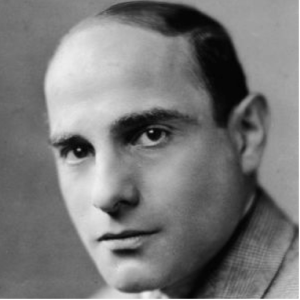
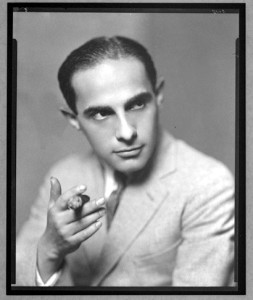
Having recently read many biographies about Lorenz “Larry” Hart and about Richard Rodgers, I’ve been wondering how Larry would have told his own story if he hadn’t died at age 48…
Richard Rodgers lived for 36 years after Hart’s heartbreakingly early death, and as a result he had many opportunities to share HIS memories of their often-times challenging creative collaboration.
Larry Hart
But we have no hindsight from Larry to balance their biographical narrative.
We do, however, have the lyrics he wrote for 26 Broadway shows and several Hollywood movies.
They range from the simple and sincere — “With a Song In My Heart” — to the playfully brutal — “I Wish I Were In Love Again.”
Here’s a version of “I Wish I Were In Love Again” that Bobbi Carrey and I recorded with Doug Hammer at his great studio north of Boston (with extra musical input from Mike Callahan).
It is tempting to imagine that some clues to his life experiences are encoded into his lyrics.
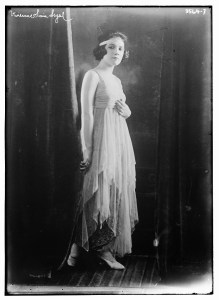
Vivienne Segal
For example, Larry writes at the end of “I Could Write a Book” from one of his later musicals, Pal Joey: “and the world discovers as my book ends how to make two lovers of friends.”
This lyric makes me wonder about his relationship with the actress and singer Vivienne Segal, one of the stars of Pal Joey who was also his friend and to whom he apparently proposed marriage more than once…
She respectfully declined each time — saying that she had had enough of marriage (she was divorced from a first husband). She was also well aware that Hart was an alcoholic and what we would now describe as a closeted gay man.
Yet Cole Porter, another closeted gay songwriter of the time, had a long, loving, committed marriage to divorcée and millionairess Linda Lee Thomas — while simultaneously carrying on a life-long stream of romantic and sexual liasons with other men.
Porter, like Hart, was also devoted to his mother — although Porter did not share a home with his family for almost his entire life as did Hart.
Lorenz Milton Hart was born on May 2, 1895 and grew up in a boisterous household in Harlem, NY (then a largely Jewish neighborhood) with a father who was well-connected within the Democratic Tammany Hall political establishment.
His father made a living doing a variety of business deals — for example, he was alleged to be an investor in a very popular brothel — and over the years the Hart’s family finances would ebb, when his mother’s jewelry would go to the local pawn shop, and flow, when her jewelry would come out of hock and Larry might be given a $100 bill so that he could take all of his friends out for a night on the town.
It was a tight-knit family.
Larry (or Lorry as he was called by his German-Jewish mother) shared a bedroom with his younger brother Teddy until they were both in their forties.
The Harts regularly hosted parties attended by friends, relatives, local politicians, and — as Larry’s fame mounted — an expanding cast of writers, composers, musicians, performers, stars, groupies and hangers-on.
Larry supported his family after his father died — and he was apparently hounded by people to whom his father owed money for many years afterwards.
Hart was acutely aware of his mother’s wish that he would get married like his brother Teddy, who was a performer and who finally got married in 1938.
But none of the women to whom Larry proposed said yes.
Deep sigh.
I am reminded of Hart’s lyric for the song “Glad To Be Unhappy” (which I once recorded with Doug on piano at his studio during a rehearsal).
“Fools rush in… so here I am, very glad to be unhappy. I can’t win… so here I am, more than glad to be unhappy. Unrequited love’s a bore, and I’ve got it pretty bad — but for someone you adore, it’s a pleasure to be sad.”
Hart seems to have buried or hidden much of his sadness behind a playful, generous, talkative, enthusiastic personality — as well as a thick haze of cigar smoke and LOTS of alcohol.
And Larry carried on his family’s tradition of hospitality and generosity — helping his father pay off debts and loans when he was still alive, lavishing gifts on friends, hosting endless parties, and picking up the tab when out on the town.
He was also generous with his time and creativity.
His sister-in-law Dorothy Hart claimed, “My brother-in-law wrote more lyrics without getting credit for more friends who were stumped or had songwriters’ block. He was very generous, not only with money, but also with his talents.”
About Larry’s death she says, “He was really, I think, a victim of burnout, and at the age of 48, the theater didn`t offer too much surprise for him, because he had done it all.”
I also wonder what effect the news from Europe during WWII had on his spirit.
Before his death — after Richard Rodgers had begun his new collaboration with their mutual lifelong friend Oscar Hammerstein — Larry had been working on a musical about the underground resistance movement in Paris with a composer who had recently escaped from Germany.
So he must have been very well-informed about recent developments in Germany — from which his parents had emigrated in the late 1800s and to which he had traveled as an adult — and Europe.
How did this excruciating information affect his mood? His spirit? His world view?
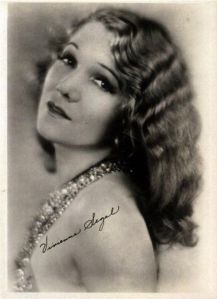
One of the last songs he wrote in partnership with Richard Rodgers was a witty tour de force for Vivienne Segal to sing in a 1943 revival — and updated version — of their 1927 hit show A Connecticut Yankee.
More Vivienne Segal
It is called “To Keep My Love Alive” and relates how the singer has remained faithful to a long list of husbands (“until death do us part”) by killing each of them in a different way.
One death occurs when the singer pushes her husband off a balcony.
Hart would surely have been aware that Richard Rodgers’ wife’s father had died a few years earlier as a result of a fall from the balcony of their NY penthouse apartment when Rodgers’ father-in-law was being treated for depression.
Might this have been a hidden — and ostensibly humorous — way for him to process some of his feelings about Rodgers having begun a new collaboration with their long-time mutual friend and colleague Oscar Hammerstein, II — the first fruits of which was the musical Oklahoma?
A way to needle Richard and his wife Dorothy under the cloak of music and rhyme?
A way for him to express how he might have felt about Vivienne’s declining to accept his marriage proposals?
Who knows…
I’ve been spending a lot of time with Mr Hart’s life story — and his lyrics — while I put together a program of songs and stories to perform with jazz pianist Joe Reid.
And my freely associative mind can’t help but see — or perhaps more accurately imagine — connections between Hart’s life and his work.
I am wildly grateful that he left such a rich and beautifully-crafted body of work for all of us to savor and sing for many years to come.
As 2015 comes to a close, I find myself singing John Bucchino’s wise song, “Grateful,” a lot.
I love the entire song from start to finish (and you are welcome to listen to a version I recorded during a rehearsal with Doug Hammer a few years ago by activating the player at the beginning of this post).
I think my favorite lyric may be, “It’s not that I don’t want a lot, or hope for more…or dream of more — but giving thanks for what I’ve got, makes me so much happier than keeping score.”
It is very easy to fall into the trap of “keeping score” and comparing one’s accomplishments to one’s peers, to people on TV, to celebrities, etc. etc. etc.
But that path tends to be a dead end — and a recipe for dissatisfaction, unhappiness, depression and discouragement.
So here is a list of things (in no particular order) for which I am grateful.
Health…and health insurance.
A devoted and supportive life partner.
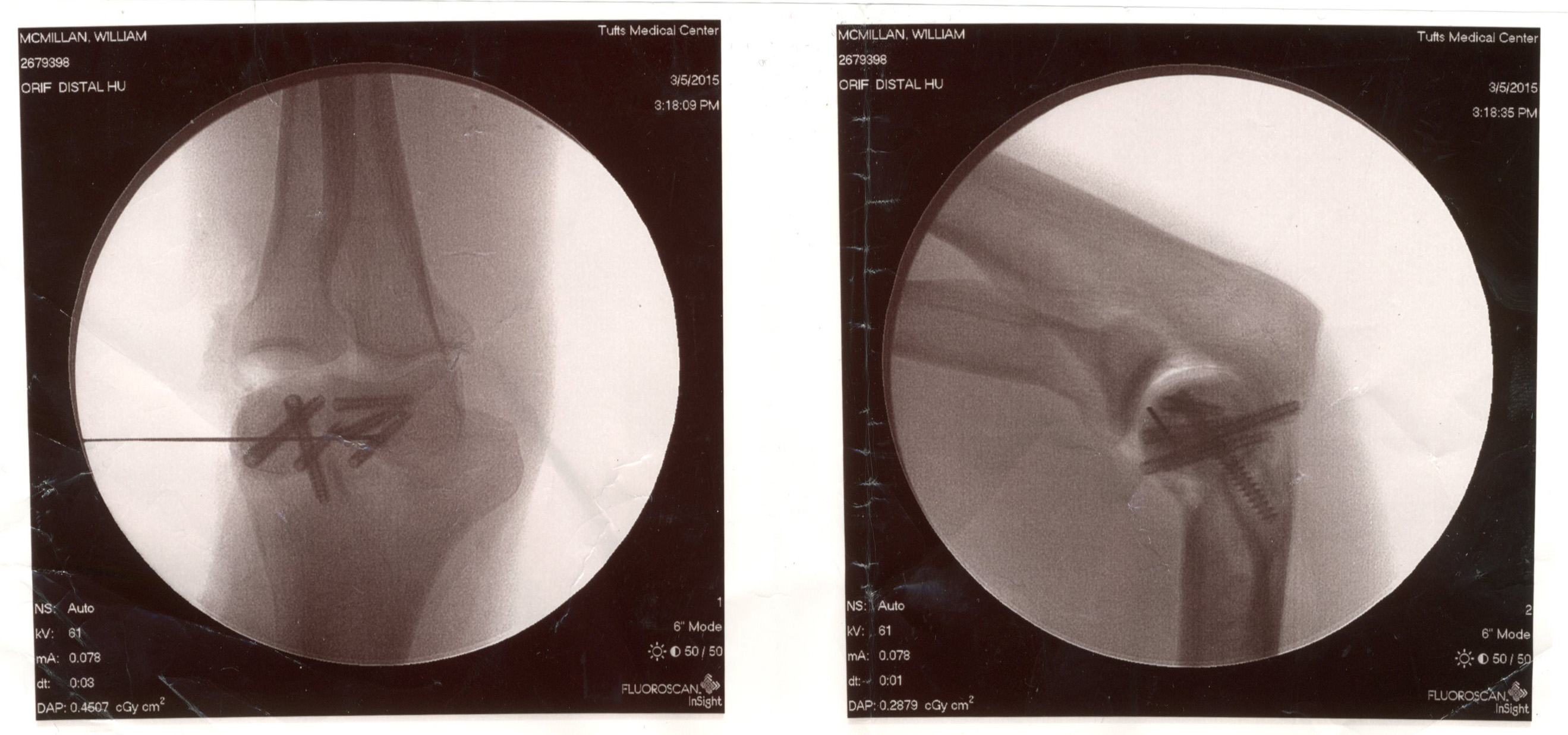
Dr. Charles Cassidy and his surgical team at Tufts Medical Center, who successfully pieced together the shattered bits of bone in my left elbow using several titanium screws of various sizes at the beginning of March.
Opiate drugs — which were a daily blessing during my elbow recovery.
Jazz pianist and composer Steve Sweeting, who invited me to record a CD of his tremendous original songs with him and then did two performances to celebrate “Blame Those Gershwins” in Manhattan and Somerville.
All of the families who have chosen to make Music Together with me in Belmont and Arlington — as well as my MT bosses.
Doug Hammer — for his engineering wizardry at Dreamworld Studio AND astoundingly collaborative spirit at the piano.
Jinny Sagorin for lending her voice and heart and diplomatic feedback to “The Beauty All Around” performance.
Jazz pianist Joe Reid, with whom I put together programs of music about Jule Styne, Hoagy Carmichael, and Jerome Kern — and with whom I also performed programs of music about Harold Arlen, Cole Porter, and the Gershwin brothers at retirement communities, libraries and synagogues around the greater Boston area.
Exceeding my (modest) financial goals for 2015 — thanks in part to two well-paid musical projects at the beginning of the year.
Kyra and Briony and Jill for a heartful musical adventure in honor of an old friend.
Bobbi Carrey, who is embracing new (although not very musical) challenges in Kuala Lumpur.
An ecstatic first performance of “The Beauty All Around” at Third Life Studio in Union Square.
Very supportive friends and family.
Very devoted and enthusiastic fans.
All the folks who have hired me and Joe to bring music to their retirement community, their library, their condo complex, their synagogue, etc.
Visits to Lime Rock, Connecticut; Ithaca, New York; Toronto, Ontario; and the upper west side of Manhattan.
Susan Robbins, who invited me to perform at Third Life Studio and maintains a very sweet Steinway grand piano there!
Photo by Anton Kuskin
All the people (most of whom I will never meet) who planted, cultivated, harvested, sorted, packaged, shipped, unpacked, displayed, sold (and sometimes cooked and served) me the food I ate in 2015.
That our planet orbits a modest star at the perfect distance for life to unfold in astounding cycles of expansion and contraction over the course of millions of years.
The Ukulele Union of Boston Meetup groups with a welcoming spirit and humble open mic section (during which I dare to share new songs…)
A new ukulele handmade — and given to me! — by Patrick Collins, a gifted musician, inspired woodworker, and dedicated teacher who lives in Toronto.
Megan Henderson, who has become my newest musical ally.
Rain and sun and dirt which create the conditions for plants to grow and flourish here on planet earth.
My trusty, slightly rusty, bicycle.
Electricity.
My two, increasingly aged, lap top computers which continue to function with grace and reliability.
Apple’s Garageband program.
The freshly paved, extremely smooth — with bike lanes! — stretch of Massachusetts Avenue from the Cambridge border to Arlington Center.
And, of course, music, music and more music — new songs or beloved standards, live or pre-recorded, spontaneous or well-rehearsed, solo or ensemble — it’s all a blessing.
Thank you for reading and listening to yet another blog post.
If I have forgotten to mention you in this list, please accept my heartfelt apologies…
A happy, healthy, and musical new year to you and yours!
It’s a perfect example of the kind of song I aspire to write — heartful and loving and wise and melodic.
In less than five minutes she inspires and comforts and counsels and softens the heart of the listener (and the singer) in a way that leaves me gently astounded.
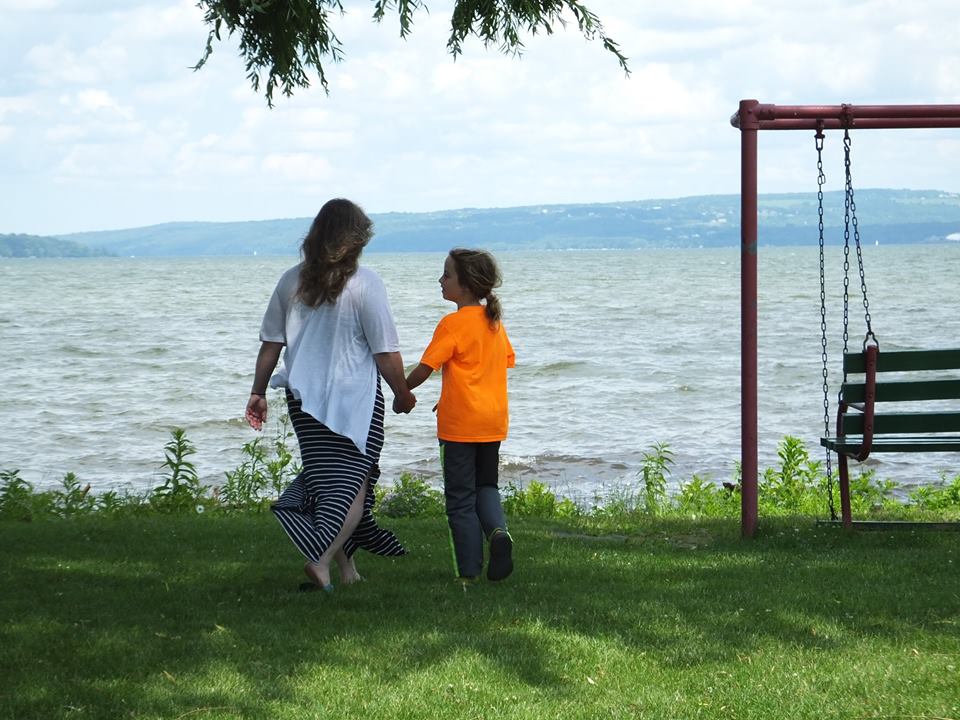
Mother and son by the lake…
I first heard “May I Suggest” when a musical friend dropped off a CD at my house with a note saying that she could imagine me singing it.
I am guessing that was in 2008, because this recording is from a rehearsal with pianist Doug Hammer in September of that year.
I’m pretty sure I sang it as a final song in a concert that year at the Cambridge Center for Adult Education, where I used to work.
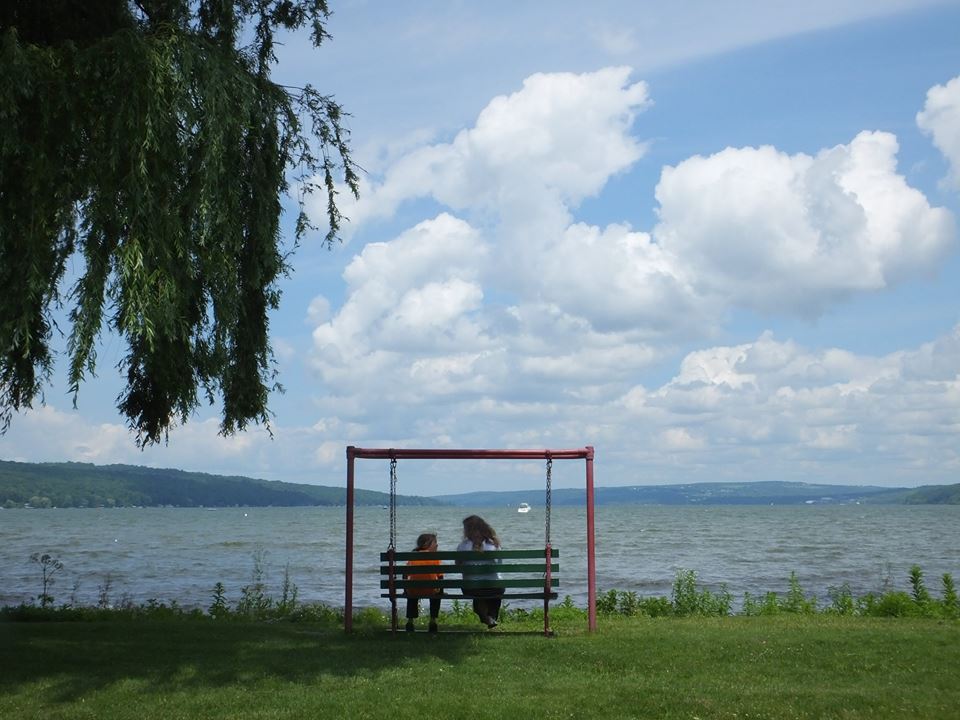
Mother and son and sky…
Recently another musical friend mentioned to me that she had fallen in love this song…and then the random function in my iTunes library popped this take into my headphones as I was updating my database and mailing list.
So I am adding it to my list of songs to sing to myself in order to buttress my resolve as I prepare for the first public performance of all songs I have written or co-written (coming up on December 4th…)
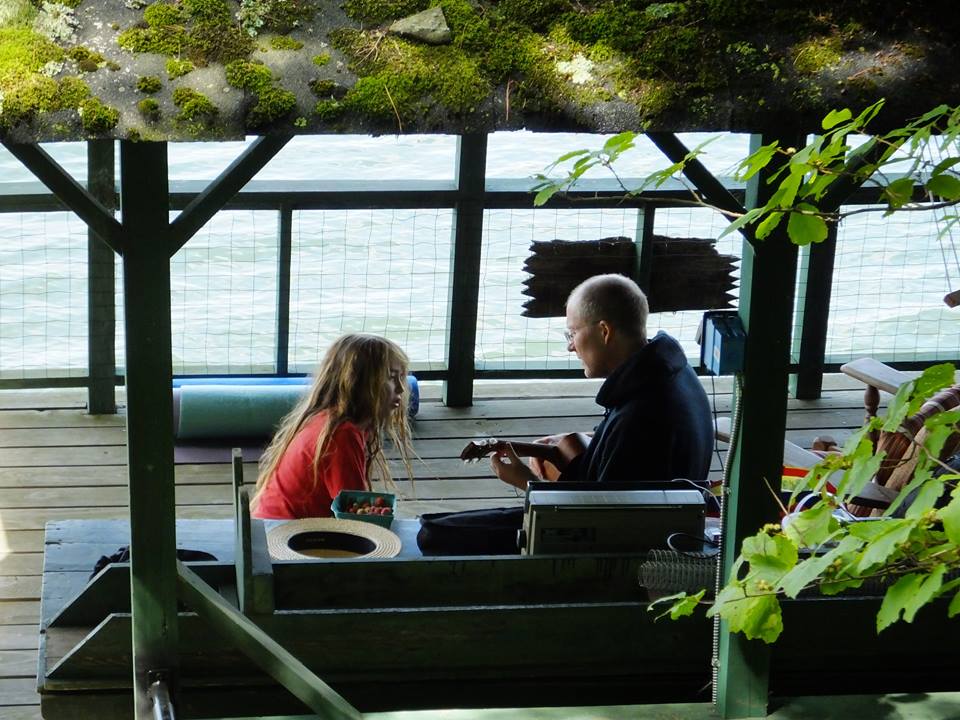
Boy and uncle on boathouse
After I listen to the news on public radio from Syria, from Iraq, from Turkey, from Libya — and from many, many other tragic situations near and far on planet earth — I often wonder why I am bothering to devote hours of my life to an undertaking as utterly self-oriented as a performance of songs I have, for better and for worse, written.
And yet music CAN touch people’s hearts.
Music CAN comfort and inspire.
And music IS an activity which tends to bring people together — sometimes harmoniously!
Salamander on boy’s hand
So I count my blessings (another great song…written by Irving Berlin), and send emails to my elected officials, and donate extremely modest amounts of money to hard-working non-profit organizations, and write songs, and snuggle with my sweetheart, and lead my Music Together classes, and ride my bike, and sing!
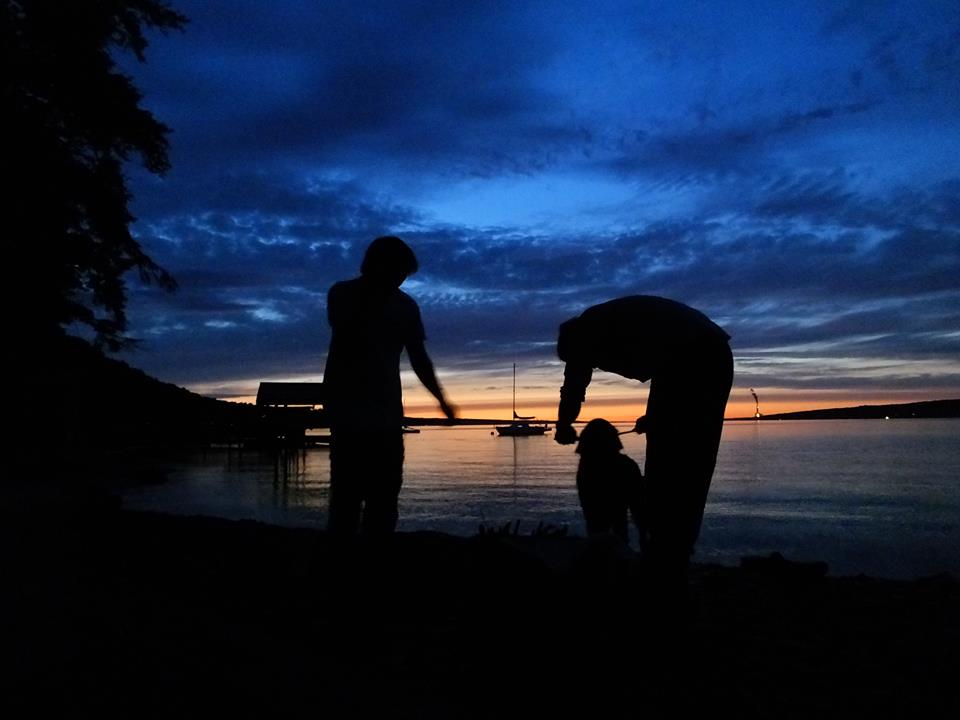
The photos in this blog post were taken my my sister, Christianne, who blessedly documents our lives together.
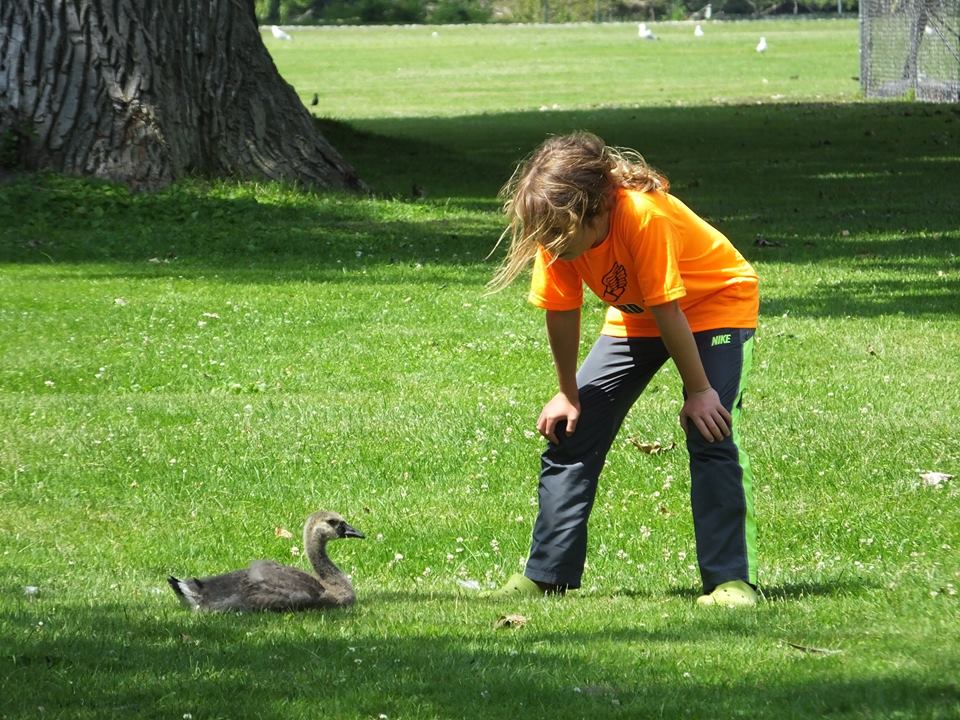
Gosling and boy
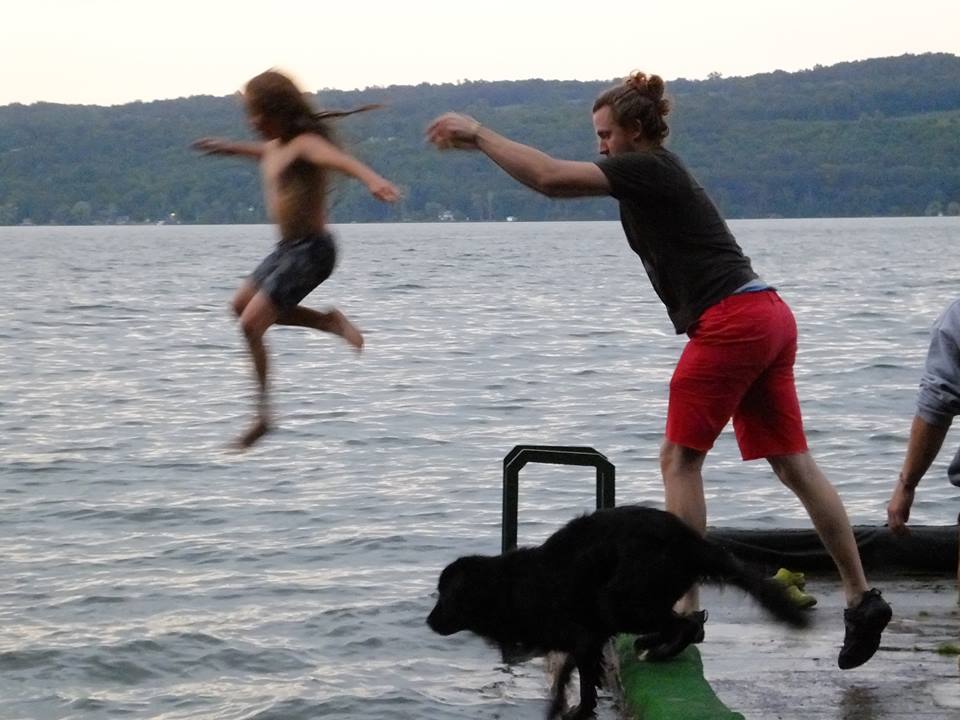
These are all from summer 2015 when we gathered at a cottage which is shared by 50+ cousins (although usually not at the same time…) on Cayuga Lake in upstate NYC.
Our great grandfather bought it and then gave it to his six children and their descendents.
I feel my sister’s images complement the lyrics and tone of Susan Werner’s great song.
Into the lake!
I almost never remember to take photographs of life as it is happening, but I am very grateful to those who DO take pictures and then share them with the rest of us.
Thank you for reading and listening to another blog post!!!
Doing whatever one wants to do as long as one is not hurting oneself or anyone else.
These are all daily occurrences in my Music Together classes.
They contrast vividly with my work as a child and teenager in NYC — modeling for catalogs, doing TV commercials and voice-overs, working in a dinner theater production of The King and I, and even co-starring in a few made-for-TV movies.
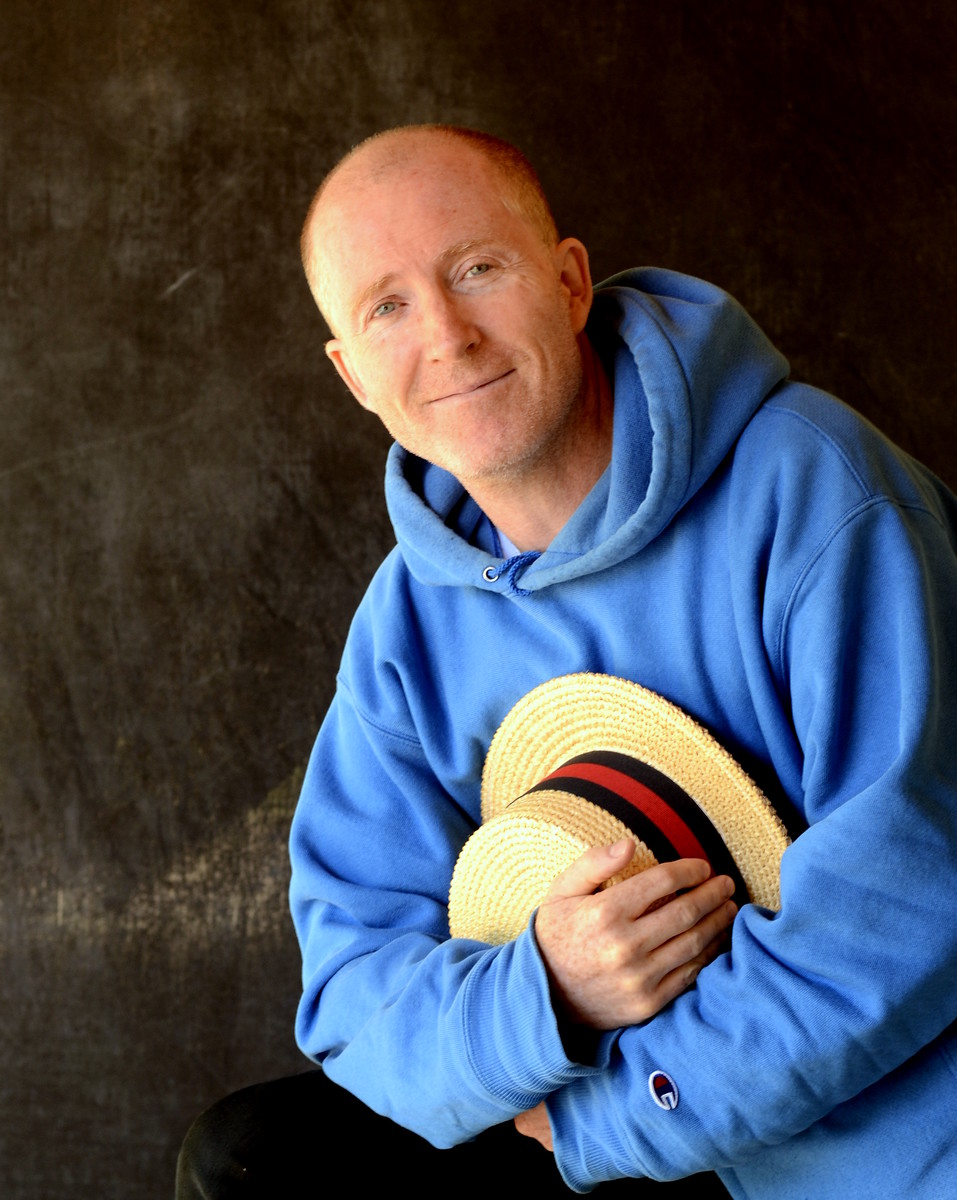
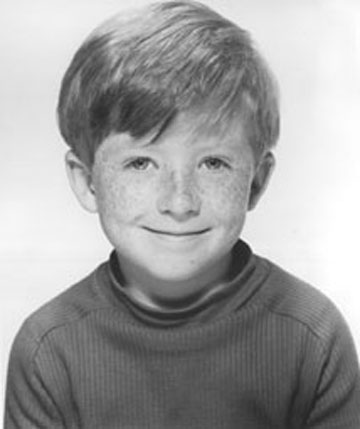
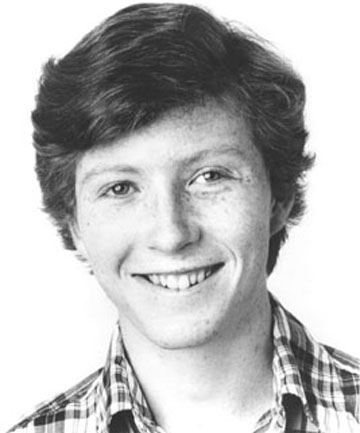
Here is what I looked like as a child.
As one of my childhood role models, Jack Wild, explained in an interview I found on Youtube, children who work in show business are not treated like children.
They are treated like small adults and are expected to behave as well as — and often better than — the grownups on the job.
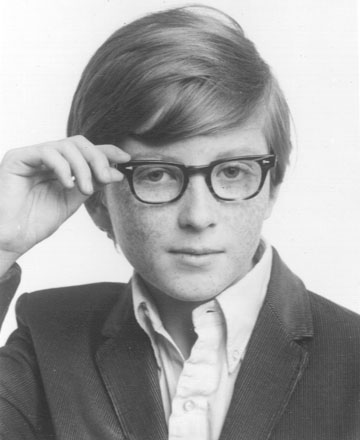
Here is another shot where I am behaving more like a small adult.
Jack Wild was The Artful Dodger in the movie version of the musical Oliver and also starred in an odd TV show which aired on Saturday mornings called H. R. Pufnstuf.
I realize now (after watching an old episode via Youtube) that it was very loosely inspired by the movie “The Wizard of Oz,” and that it was a pretty horrible show — relying all-too-heavily on a laugh track to seduce us into thinking that what we were watching was actually funny.
But each episode usually provided Jack with an opportunity to sing and dance, which is what I particularly admired.
One song —”I’m a mechanical boy” — had enough resonance to me as a child that I remember it with bittersweet fondness to this day.
You can watch it if you are curious by clicking here.
Jack may have also been aware of the painful ironies of this song…
From Wikipedia, I learned to my sadness that Jack died ten years ago from mouth cancer.
He had apparently been smoking ever since he was 12 years old and drank very heavily starting in his 20s when work in the entertainment industry dried up for him.
He was 53 years old — my current age.
Deep sigh.
There but for the grace of g-d…
My career as a child and teen actor happened before the era of VHS recording devices — so I have very few watchable artifacts from that period of my life.
I have a few head shot photos (which I have sprinkled into this entry), a resume which I think might have been typed using what was then a new technology (an IBM selectric machine owned by good friends), and a VHS copy of one of my last films, Goldenrod, which was made in Canada and was eventually purchasable in VHS format.
Every few years, however, I spend an hour searching on Youtube for possible remnants of my childhood career.
Recently I got lucky!
I found an audio file for a voiceover I made when I was 11 or 12 — promoting Oreo cookies — as well as a Dr. Pepper commercial I made as a teenager in which I sing in the background on a fishing boat.
At least I think it’s me…. I know I made a Dr. Pepper commercial which was filmed on a fishing boat, but I don’t remember much from the shoot except that I was grateful not to feel too nauseous while we did take after take in what must have been the Long Island Sound.
Here’s my teen-era head shot.
You can click on the links below if you are curious…
I am pretty sure I am the teenager wearing a baseball hat who dances behind David Naughton on the THIRD boat (a fishing boat) in the sequence and leaps onto a railing when everyone sings,”Only Dr. Pepper tastes that way.” If you look at the timing bar, I appear about 29 seconds into the clip…
I am the voice saying, “Then you get two crunchy chocolate outsides to eat last!” and also one of the voices singing, “‘Cause there’s not a better middle you can fiddle with” at the end of the spot.
I titled this post “Don’t You Worry ‘Bout A Thing” because I recently found a lovely take from a rehearsal (with Doug Hammer on piano and Mike Callahan on shaker) I did several years ago at Doug’s studio in Lynn when putting together a show called “Will Loves Steve” which featured all songs written by people named Steve or Stephen or Stevie.
Not only am I uplifted and reassured by Stevie’s melody and words, the rhythm instrument that Mike is playing reminds me of the plastic eggs which we use — with great delight — in my Music Together classes.
Right now I am putting together a show of all songs I have written or co-written called “The Beauty All Around.”
And I am discovering that it is a much more intimate and doubt-filled process than a show which features songs written by other people.
So Stevie Wonder’s great song is going to be my mantra for the next six weeks…
Thank you, yet again, for reading and listening to another blog post!!!