I Could Write A Book…

Today’s musical selection is a two-song medley of gems written by Lorenz Hart and Richard Rodgers.

I recorded it many years ago with pianist Doug Hammer when I was putting together an hour-long program of songs with lyrics by Larry (Lorenz’s nickname) Hart.

Not only is Doug’s piano accompaniment extremely playful and inventive, Mr. Hart’s lyrics sit on Mr. Rodger’s music so comfortably and eloquently!

I wrote a blog post a while back about Larry Hart which you can read by clicking here.

I won’t repeat what I shared in that post about Mr. Hart’s life — which was a very generous (and at times heart-breakingly sad) one.

Instead I will share a little bit about these two songs.
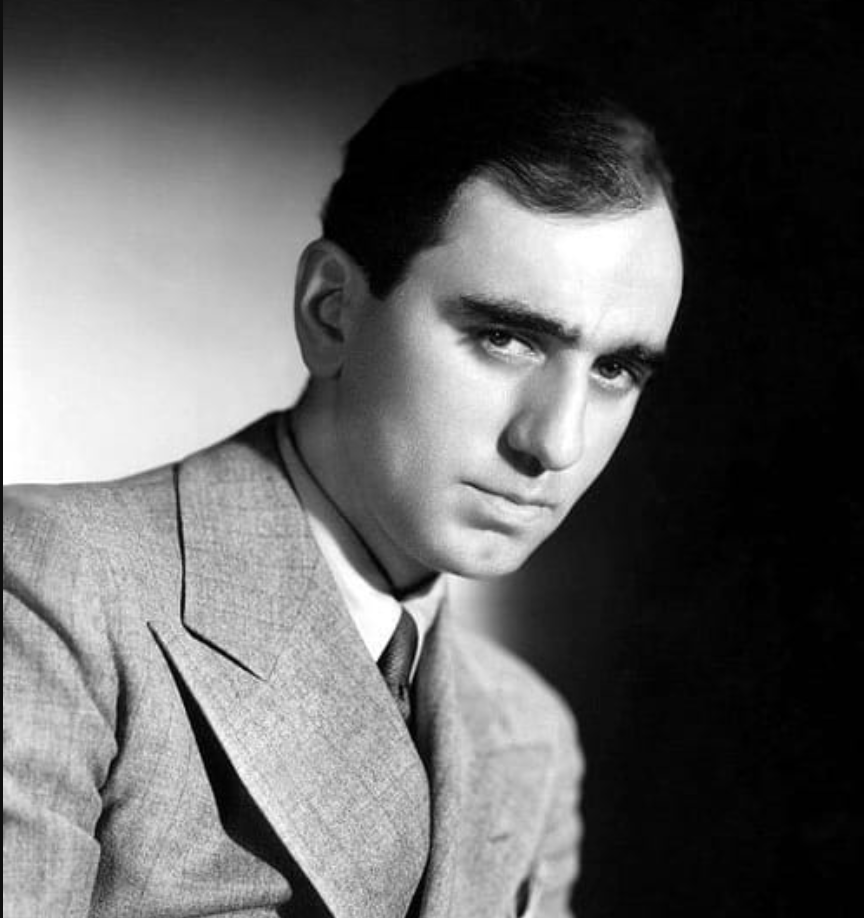
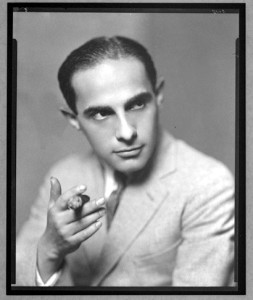
Busby Berkeley

“You Took Advantage Of Me” was first performed by a very tall guy nicknamed “Buzz” in the 1928 musical PRESENT ARMS.

Busby Berkeley (who had grown up in the world of theater) choreographed a bunch of musicals on Broadway — and then went on to choreograph and direct a bunch of movies in Hollywood.

Wikipedia tells us that on opening night Buzz forgot the lyrics to the second verse of “You Took Advantage of Me.”

Maybe he had been too focused on the choreography for the show?

Apparently he sang scat syllables during the second verse, and the audience thought it was funny, and Larry Hart eventually forgave him…

Deep breath in.

Deep breath out.
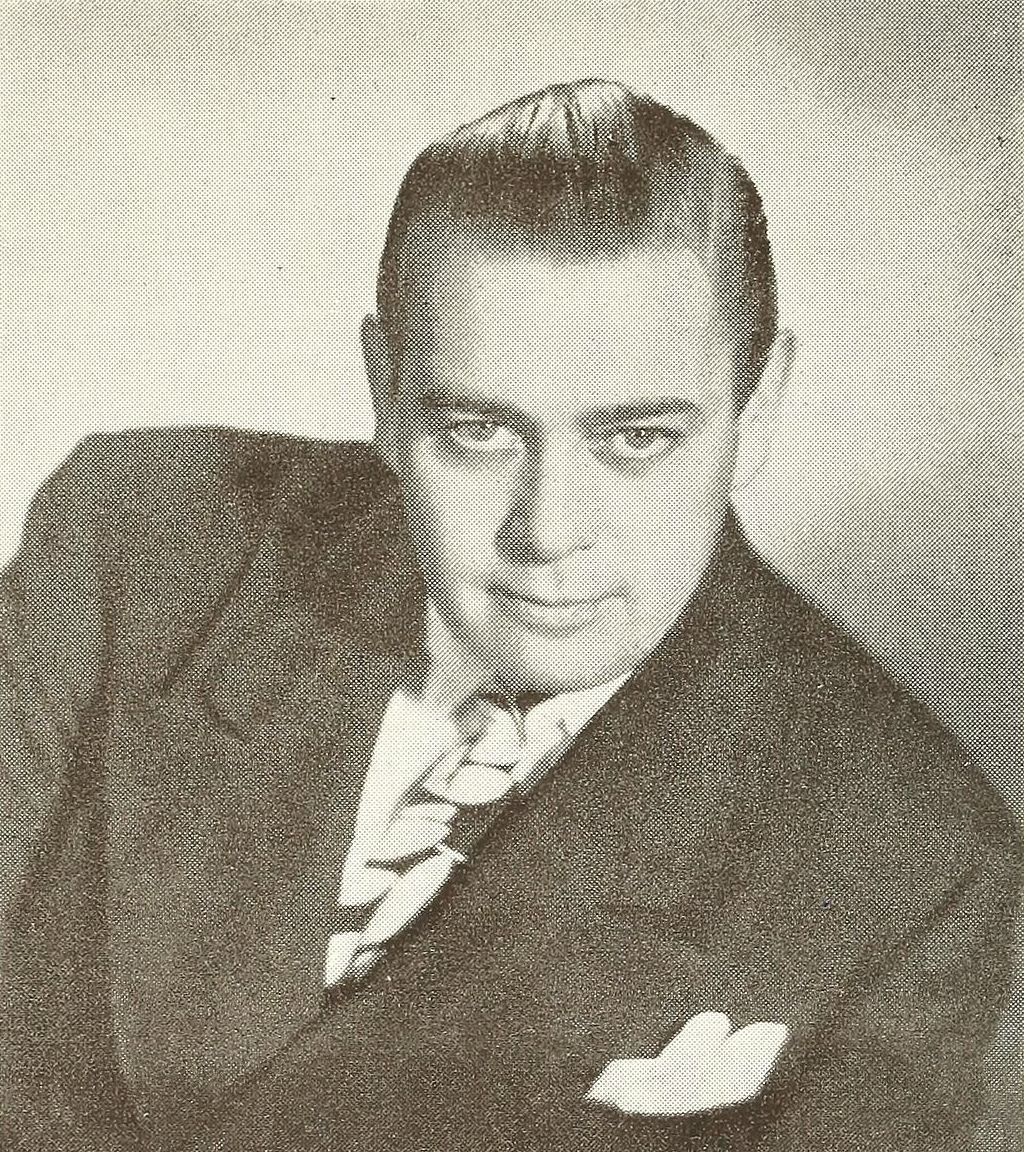
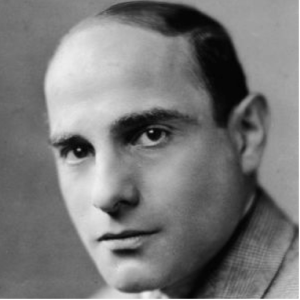
Morton Downey

WIkipedia also tells us that it was a favorite song of the Prince Of Wales (Edward VIII), who once requested that Morton Downey — a very popular Irish-American tenor — perform it eleven times at a cafe in London.

The somewhat abusive message of the lyrics reminds me of another uptempo Rodgers & Hart uptempo song in which Larry writes “the furtive sigh, the blackened eye, the self-deception that believes the lie… I wish I were in love again.”

Nowadays — in this era of date rape drugs, Harvey Weinstein, Bill Cosby, and more than one former president of the United States— our songs are much less likely to playfully jest about someone taking advantage of someone else.

Another deep breath in.

And out.
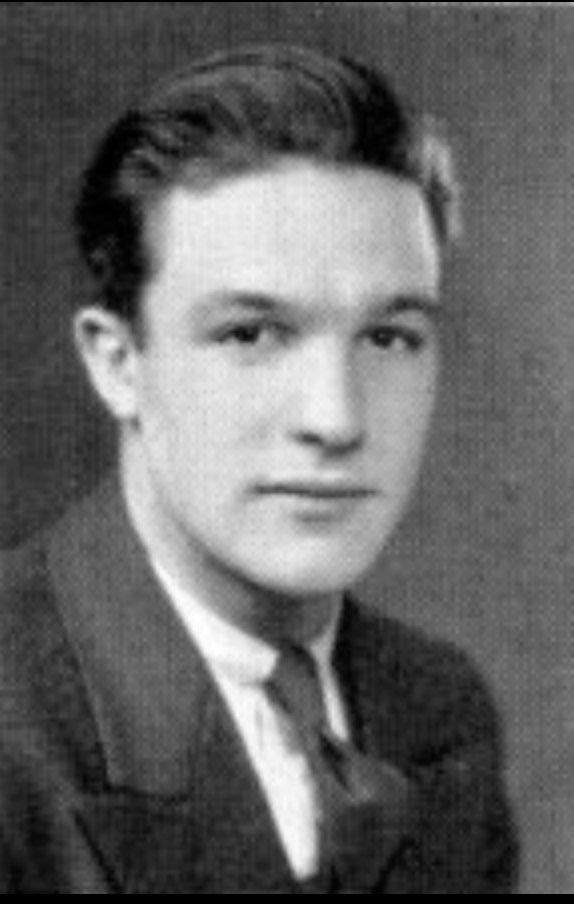
Gene Kelly

The second song, “I Could Write A Book,” was created for the 1940 musical PAL JOEY.

It was introduced by another dancer, Gene Kelly, who went from performing on Broadway to become a huge success — as a dancer, actor, singer, choreographer and director — in Hollywood.

The rhyming is quintessential Larry Hart, and I love the literate theme of the song.

Larry was very well educated and could speak English and German (and I am guessing Yiddish, too, since his Jewish parents had emigrated from Germany…)

He met future collaborators and friends such as lyricist/librettist/producer Oscar Hammerstein, composer/producer Richard Rodgers, and librettist brother Herbert Fields (along with his younger sister, the lyricist/librettist Dorothy Fields) while he was studying at Columbia University.

Image by Lubos Houska from Pixabay

And Larry was also (on his mother’s side) the great-grandnephew of Heinrich Heine, whose poetry had been set to music by both Schumann and Schubert.

Perhaps this lineage helped inspire/embolden him to become a lyricist!

He was employed early in his career by the Schubert brothers as a translator of German plays into English.

He went on to co-create 26 Broadway musicals with Richard Rodgers as well as songs for many several Hollywood musicals — although they were much less happy working in the movie business, because they had much less power regarding how (or even if) their songs were used in a particular film.

Some of Larry’s other hit songs with Richard Rodgers include “My Funny Valentine,” “Blue Moon,” “The Lady Is A Tramp,” “Isn’t It Romantic,” “My Romance,” and “Where or When.”

Image by StockSnap from Pixabay

Thank you for reading and listening to another one of my blog posts!

Thank you to the wonderful photographers at Pixabay (and the public domain images at Wikimedia).

And thank you to Doug Hammer for his terrific piano playing and patient engineering/producing chops.

If you like this two-song medley well enough to listen to it again, you are welcome to stream it by clicking here.

You may have read in a previous blog post about how Spotify abruptly changed its payment procedures at the beginning of this year.

They are no longer paying royalties to the owners of any recording which earns fewer than 1000 streams per year.

Image by congerdesign from Pixabay

My recording with Doug of “You Took Advantage of Me/I Could Write A Book” has been streamed 569 times on Spotify since it was released at on October 6, 2023.

So I have five months to (I hope) drum up another 431 streams and reach their 1000-stream payment threshold…

May you continue to read and write and sing and dance — AND engage with our country’s political progress — for many years to come!

And you are always welcome to visit my musical website by clicking here.
Musings on Larry Hart

Having recently read many biographies about Lorenz “Larry” Hart and about Richard Rodgers, I’ve been wondering how Larry would have told his own story if he hadn’t died at age 48…

Richard Rodgers lived for 36 years after Hart’s heartbreakingly early death, and as a result he had many opportunities to share HIS memories of their often-times challenging creative collaboration.

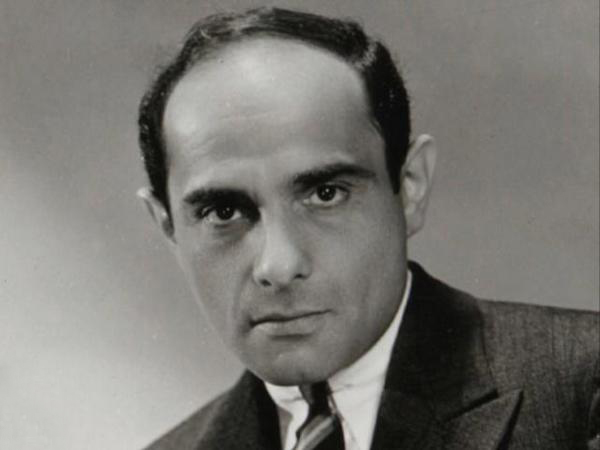
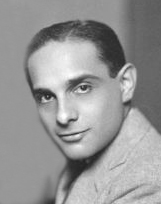
Larry Hart
Larry Hart

But we have no hindsight from Larry to balance their biographical narrative.

We do, however, have the lyrics he wrote for 26 Broadway shows and several Hollywood movies.

They range from the simple and sincere — “With a Song In My Heart” — to the playfully brutal — “I Wish I Were In Love Again.”

Here’s a version of “I Wish I Were In Love Again” that Bobbi Carrey and I recorded with Doug Hammer at his great studio north of Boston (with extra musical input from Mike Callahan).

 It is tempting to imagine that some clues to his life experiences are encoded into his lyrics.

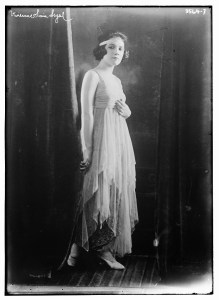
Vivienne_Sonia_Segal
Vivienne Segal

For example, Larry writes at the end of “I Could Write a Book” from one of his later musicals, Pal Joey: “and the world discovers as my book ends how to make two lovers of friends.”

This lyric makes me wonder about his relationship with the actress and singer Vivienne Segal, one of the stars of Pal Joey who was also his friend and to whom he apparently proposed marriage more than once…

She respectfully declined each time — saying that she had had enough of marriage (she was divorced from a first husband).  She was also well aware that Hart was an alcoholic and what we would now describe as a closeted gay man.

Yet Cole Porter, another closeted gay songwriter of the time, had a long, loving, committed marriage to divorcée and millionairess Linda Lee Thomas — while simultaneously carrying on a life-long stream of romantic and sexual liasons with other men.

Porter, like Hart, was also devoted to his mother — although Porter did not share a home with his family for almost his entire life as did Hart.

Lorenz Milton Hart was born on May 2, 1895 and grew up in a boisterous household in Harlem, NY (then a largely Jewish neighborhood) with a father who was well-connected within the Democratic Tammany Hall political establishment.

His father made a living doing a variety of business deals — for example, he was alleged to be an investor in a very popular brothel — and over the years the Hart’s family finances would ebb, when his mother’s jewelry would go to the local pawn shop, and flow, when her jewelry would come out of hock and Larry might be given a $100 bill so that he could take all of  his friends out for a night on the town.

Larry Hart

It was a tight-knit family.

Larry (or Lorry as he was called by his German-Jewish mother) shared a bedroom with his younger brother Teddy until they were both in their forties.

The Harts regularly hosted parties attended by friends, relatives, local politicians, and — as Larry’s fame mounted — an expanding cast of writers, composers, musicians, performers, stars, groupies and hangers-on.

Larry supported his family after his father died — and he was apparently hounded by people to whom his father owed money for many years afterwards.

Hart was acutely aware of his mother’s wish that he would get married like his brother Teddy, who was a performer and who finally got married in 1938.

But none of the women to whom Larry proposed said yes.

Deep sigh.

I am reminded of Hart’s lyric for the song “Glad To Be Unhappy” (which I once recorded with Doug on piano at his studio during a rehearsal).

“Fools rush in… so here I am, very glad to be unhappy. I can’t win… so here I am, more than glad to be unhappy. Unrequited love’s a bore, and I’ve got it pretty bad — but for someone you adore, it’s a pleasure to be sad.”

Hart seems to have buried or hidden much of his sadness behind a playful, generous, talkative, enthusiastic personality — as well as a thick haze of cigar smoke and LOTS of alcohol.

And Larry carried on his family’s tradition of hospitality and generosity — helping his father pay off debts and loans when he was still alive, lavishing gifts on friends, hosting endless parties, and picking up the tab when out on the town.  

Hart

He was also generous with his time and creativity.

His sister-in-law Dorothy Hart claimed, “My brother-in-law wrote more lyrics without getting credit for more friends who were stumped or had songwriters’ block. He was very generous, not only with money, but also with his talents.”

About Larry’s death she says, “He was really, I think, a victim of burnout, and at the age of 48, the theater didn`t offer too much surprise for him, because he had done it all.”

I also wonder what effect the news from Europe during WWII had on his spirit.

Before his death — after Richard Rodgers had begun his new collaboration with their mutual lifelong friend Oscar Hammerstein — Larry had been working on a musical about the underground resistance movement in Paris with a composer who had recently escaped from Germany.

So he must have been very well-informed about recent developments in Germany — from which his parents had emigrated in the late 1800s and to which he had traveled as an adult — and Europe.

How did this excruciating information affect his mood? His spirit? His world view?

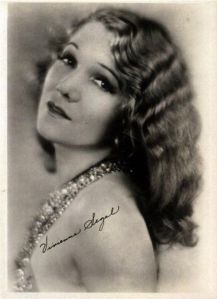
One of the last songs he wrote in partnership with Richard Rodgers was a witty tour de force for Vivienne Segal to sing in a 1943 revival — and updated version — of their 1927 hit show A Connecticut Yankee.

VivienneSegal
More Vivienne Segal

It is called “To Keep My Love Alive” and relates how the singer has remained faithful to a long list of husbands (“until death do us part”) by killing each of them in a different way.

One death occurs when the singer pushes her husband off a balcony.

Hart would surely have been aware that Richard Rodgers’ wife’s father had died a few years earlier as a result of a fall from the balcony of their NY penthouse apartment when Rodgers’ father-in-law was being treated for depression.

Might this have been a hidden — and ostensibly humorous — way for him to process some of his feelings about Rodgers having begun a new collaboration with their long-time mutual friend and colleague Oscar Hammerstein, II — the first fruits of which was the musical Oklahoma?

A way to needle Richard and his wife Dorothy under the cloak of music and rhyme?

A way for him to express how he might have felt about Vivienne’s declining to accept his marriage proposals?

Who knows…

I’ve been spending a lot of time with Mr Hart’s life story — and his lyrics — while I put together a program of songs and stories to perform with jazz pianist Joe Reid.

And my freely associative mind can’t help but see — or perhaps more accurately imagine — connections between Hart’s life and his work.

I am wildly grateful that he left such a rich and beautifully-crafted body of work for all of us to savor and sing for many years to come.

Rest in peace, dear Mr. Hart.

Deep breath in.

Deep breath out.