I hope you are feeling well and finding ways to savor the natural world as an antidote to all of the human-created drama which continues to unfold here on planet earth.
As I mentioned in my previous Throwback Thursday post, I am revisiting my earliest blog posts — from almost 12 years ago — and updating them a little bit.
When I was deleting files from my laptop computer earlier this month, I found a bunch of photos from when I visited friends living in Shanghai.
With my friends’ permission I have added a few of them to my second blog post, which was inspired by an interesting thing which unfolded at the bilingual school where one of my friends was teaching.
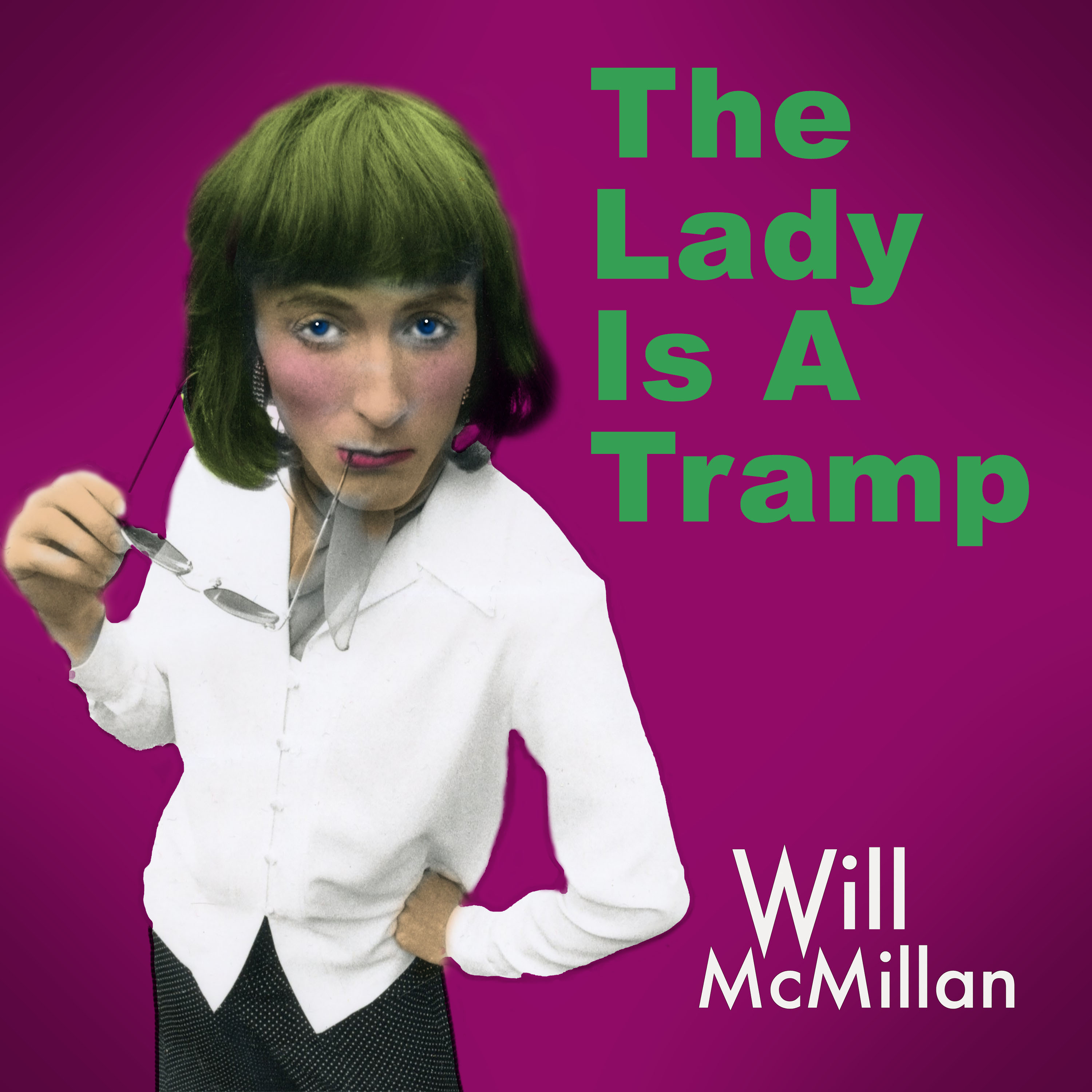
Many songs from the 20s, 30s and 40s include references to specific people, places, products and events — thus functioning as historic 20th century time capsules for 21st century listeners.
A) Mulligan Stew, I learned from Wikipedia, is an Irish-inspired recipe for a soup or stew made from whatever food items one can round up.
It was also known as “Hobo Stew” during the early part of the 20th century in the USA.
I feel a special affinity for Mulligan Stew, because it appears to be very similar to the endless soup I like to make during the winter months.
I start with cut up carrots, potatoes, sweet potatoes, and onions — plus a frozen chicken thigh — and boil all the ingredients until the chicken is cooked and the carrots are starting to lose their crunch.
Then I add some cut-up garlic, fresh ginger, salt, pepper and whatever additional spices — curry powder? thyme? turmeric? one of Trader Joe’s multi-spice blends? — call out to me from the shelf.
Then I eat it for about a week — refrigerating it each night and adding more water plus additional ingredients — leeks? parsnips? kale? mushrooms? squash? rice? tomatoes? okra? tofu? canned beans? frozen artichoke hearts? leftover Chinese food? — on a daily basis before cooking it some more.
Yum!
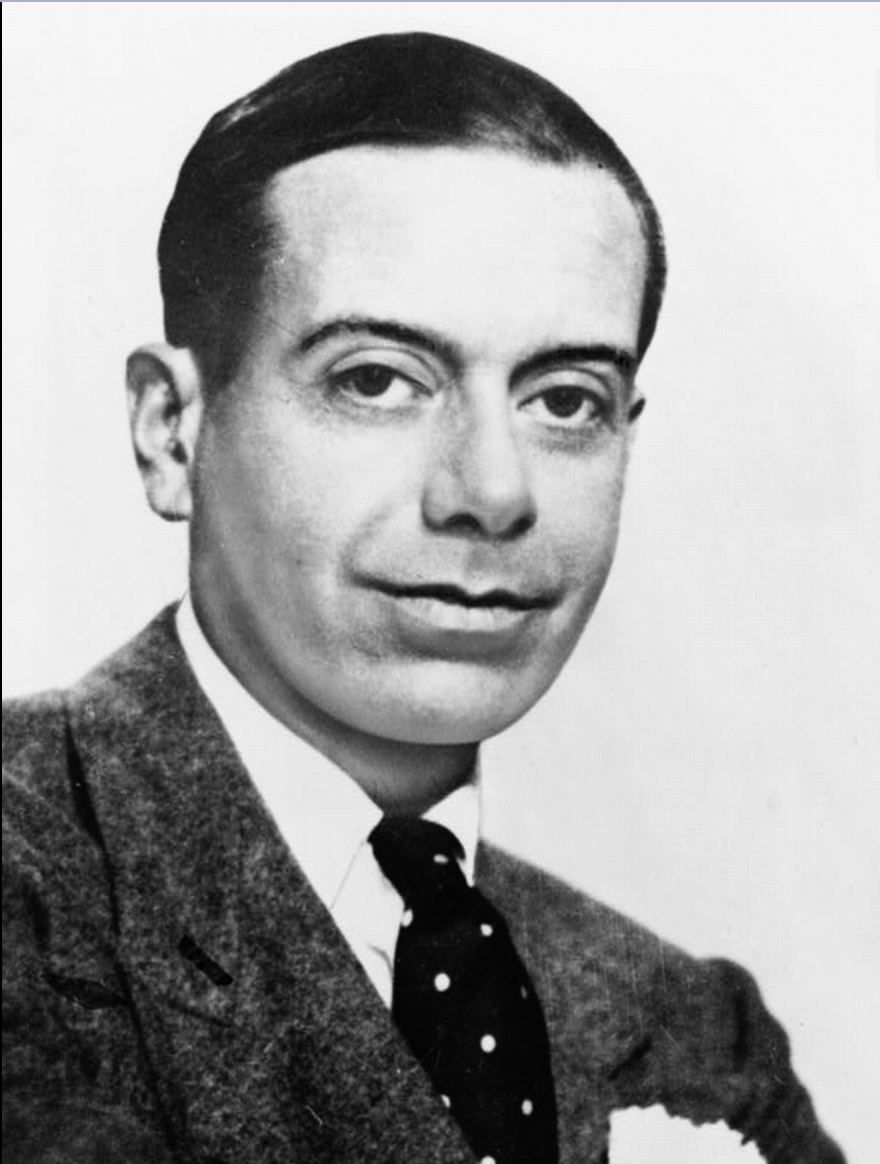
B) Noël Coward, as you may already know, was a multi-hyphenate powerhouse — an actor-playwright-composer-director-singer from England who died in 1973 after a long and very successful career.
I have only learned and performed one of his songs — “If Love Were All” — which was part of Judy Garland’s repertoire.
But I have a Noël Coward songbook in my basement music library which probably deserves more attention in the future.
C) Wikipedia tells us that “The Beaux-Arts Ball… is the annual costume ball traditionally given by the students of the École nationale supérieure des Beaux-Arts in Paris in the spring…on the rue Bonaparte overlooking the Seine… Its reputation for high style, nudity, wild antics, and cross-dressing encouraged imitators in American cities. In 1931, in New York, famous architects dressed up as their buildings and today, many American architecture schools hold similar costume balls.”
I am guessing that the one in New York in 1931 is the Beaux Arts Ball to which Larry Hart is referring in his lyrics.
They sound like very creative and somewhat outrageous events!
I am happy to share that my streaming numbers have been rising on Spotify and on Pandora (which are the only two music streaming platforms I currently monitor) — so a BIG THANK YOU to anyone and everyone who have given one of my songs a listen!
I have become more and more of a Pandora fan in recent months, even though their music is only accessible in the USA (and not globally like Spotify).
I use their free option, which means that I have to listen to ads every few songs — which I often mute.
And I use a similar free option on Spotify and YouTube Music.
Even though Pandora’s parent company, SiriusXM, has been laying off large numbers of staff in recent months, the core group of people at Pandora who offer customer service and training to independent musicians like me has — so far — remained intact.
What I particularly love about Pandora is that they do not use chatbots to communicate with independent musicians like me.
Real live Pandora staff offer free training sessions via Zoom each month to encourage musicians to take advantage of their free promotional strategies which can help songs find new listeners.
I tried one strategy — creating a featured track — and the song I featured received hundreds more streams as a result.
Of course, you probably remember that all of the music streaming companies pay only fractions of a cent per stream to recording artists and songwriters like me…
But I have released 58 songs during the past 4 years, and many of these songs have each been streamed over 1000 times on Spotify and Pandora — although less often on YouTube, Apple, Amazon, and other digital music platforms…
And all of those fractions of cents DO have the potential to add up to something substantial.
So I remain hopeful that my persistence will pay off as the months and years go by — as long as we have a functioning internet, a functioning economy and a functioning democracy…
Deep breath in.
Deep breath out.
Thank you to Doug Hammer for playing his beautiful Schimmel piano on this recording and for being very patient while we mixed and mastered it.
For over twenty five years I camped there every summer with my sweetheart and his extended family.
And then COVID — and a new baby — entered our lives, and we all decided to rent a house together at the opposite end of the state (in Pittsfield) with a big, fenced-in backyard instead.
The important thing is to make it meaningful: a meaningful friend — or a meaningful day.”
Another deep breath in.
And deep breath out.
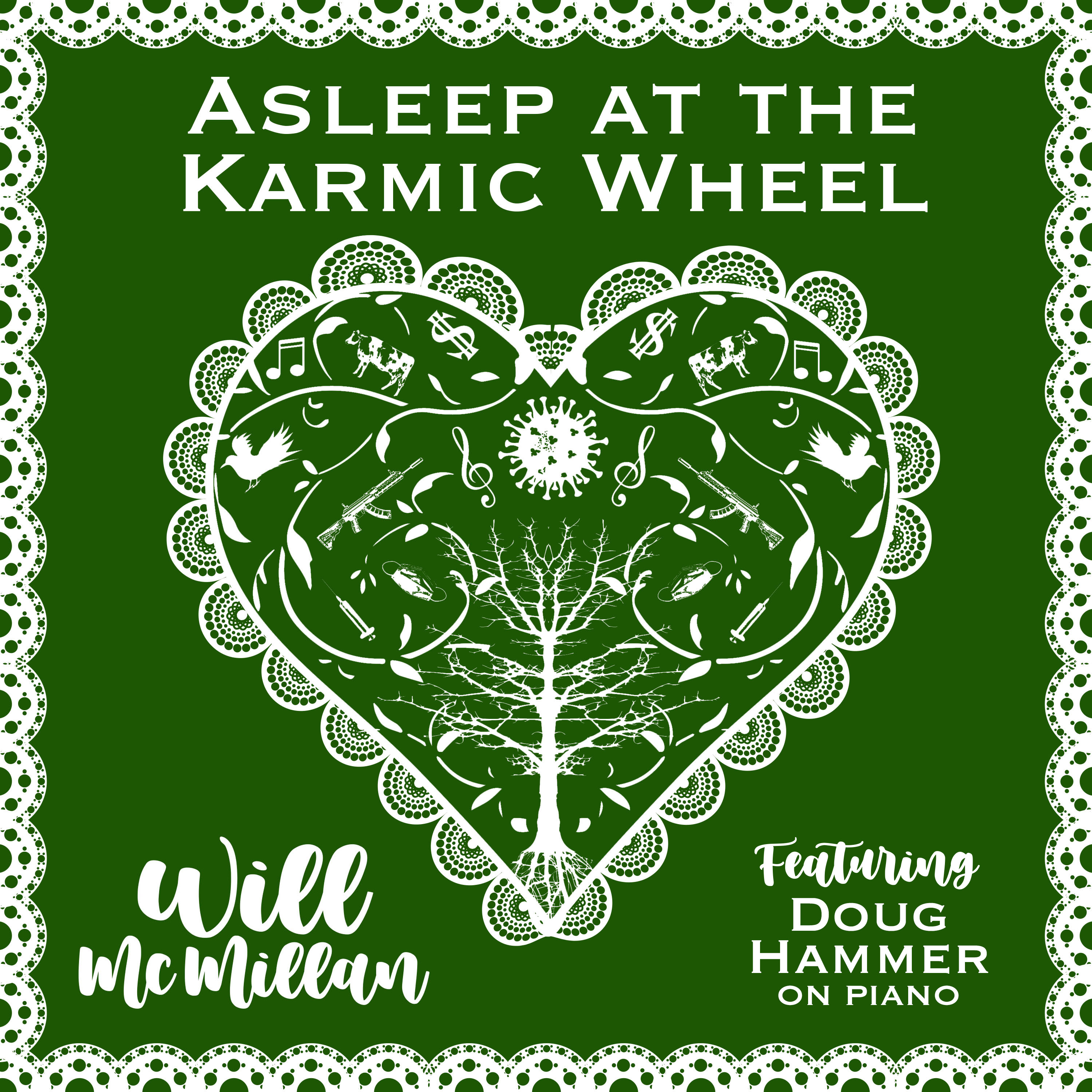
This song was inspired by a couple who rented a campsite at the other end of the little valley at North Of Highland campground where we had a perennial campsite.
I don’t remember exactly how we reached out and introduced ourselves, but I am pretty sure I showed them the wild blueberry bushes which were bearing fruit all around our little valley.
And they invited us over for an informal cocktail hour one evening, which was very pleasant.
And then we discovered that the guy was a swimmer who, like me, loved to do laps along the ocean shoreline — although this was becoming more and more risky because the increasingly abundant population of seals in North Truro had been attracting more and more great white sharks…
So we hit it off with these two friendly people and became well-acquainted over the course of a few days.
Then, to my surprise (because I had assumed incorrectly that they had a week-long rental) they packed up their tent and — with warm goodbyes — drove away.
I have been very aware of — and sensitive to — the realities of love and loss ever since I was young.
In fact, I have been told that my parents used to sing “Good Night Irene” to me when I was a very small child just to see me well up with tears.
Deep sigh…
I have written in previous blog posts about the challenges of working professionally as a child and teenager. One of an actor’s most important skills is developing a sense of connectedness — first with the receptionist who checked you in at each audition, then with the casting agents, with the clients, and with any actors who were part of the initial audition and subsequent callbacks.
And if I got a job — whether for an hour doing a voiceover, for a day on the set of a TV commercial, for a couple of weeks filming a TV pilot, for a few months doing a movie, or for a year doing a musical — I needed to nurture ongoing, positive working relationships with my fellow cast and crew members.
I needed to show up on time.
I needed to know my lines.
I needed not to complain about anything.
I needed to behave as if I was a small, manipulable adult.
When a job was done, I remember how awkward and sad I felt as all of the camaraderie, friendship, affection and even love which had developed among members of the crew and cast would evaporate and disappear.
That was very confusing.
Was any of the camaraderie, friendship, affection and love I had experienced real?
Or was everyone just acting?
Another deep breath in.
And deep breath out.
On a vaguely related note, our planet’s relentlessly-marketed fossil fuels — along with the cars, trains, busses, ocean liners, planes, motorcycles, etc. which need them to run — have allowed most of us human beings to become much more mobile and much less rooted in one neighborhood, one town, one city, one state, one country.
The postal service and the internet have also given us extraordinary options for meeting and becoming acquainted with other humans.
How do we make sense of — and peace with — all of the beings who come and go in our lives?
Deep breath in.
Deep breath out.
I tried to make a little bit of sense out of the ebb and flow of relationships by strumming a ukulele in my tent and then jotting lyric and chord ideas in one of my songs-in-process notebooks.
Eventually “The Crazy Touch And Go Of Our Lives” emerged.
I performed it by myself — playing a ukulele — at some open mics.
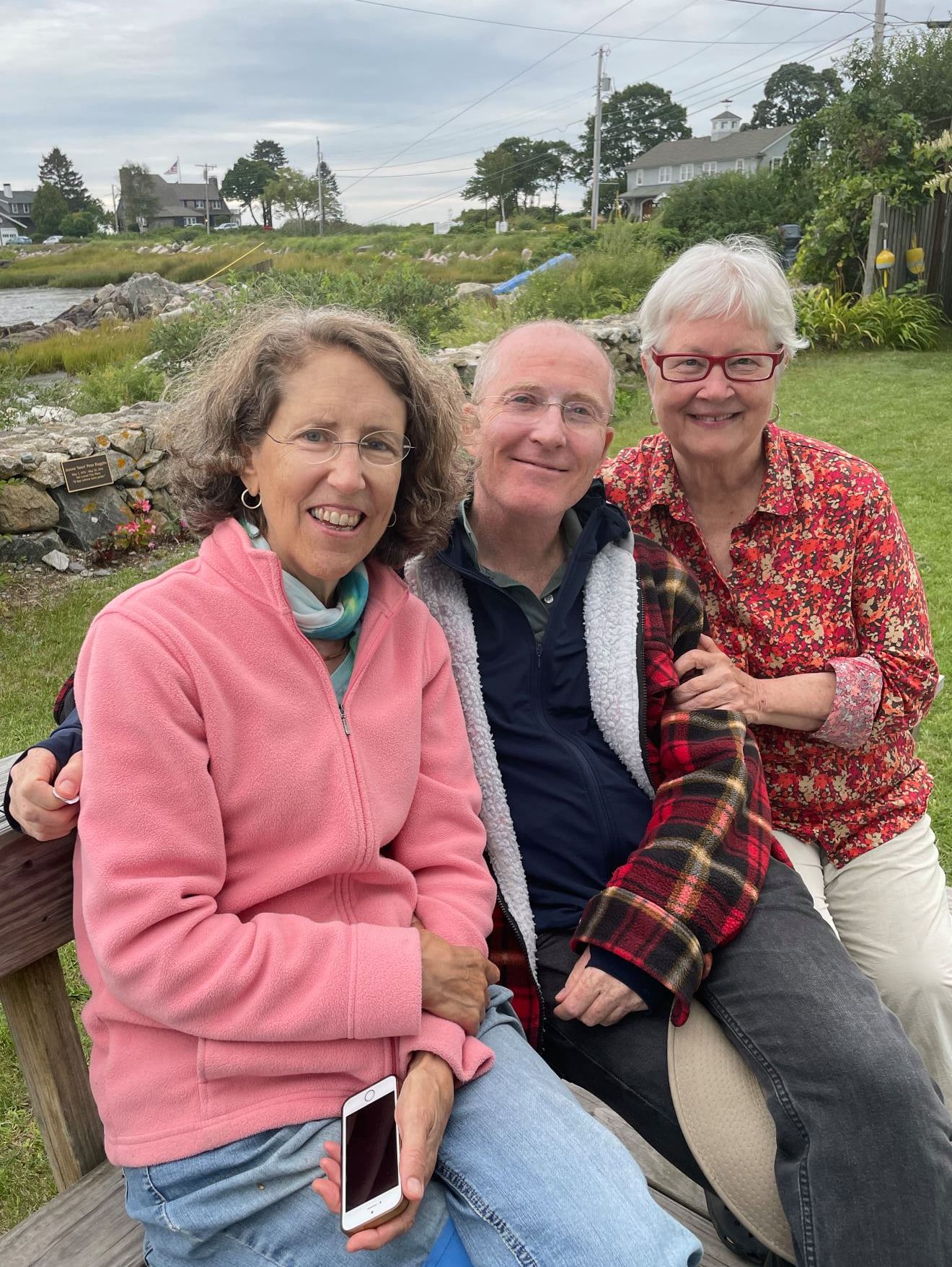
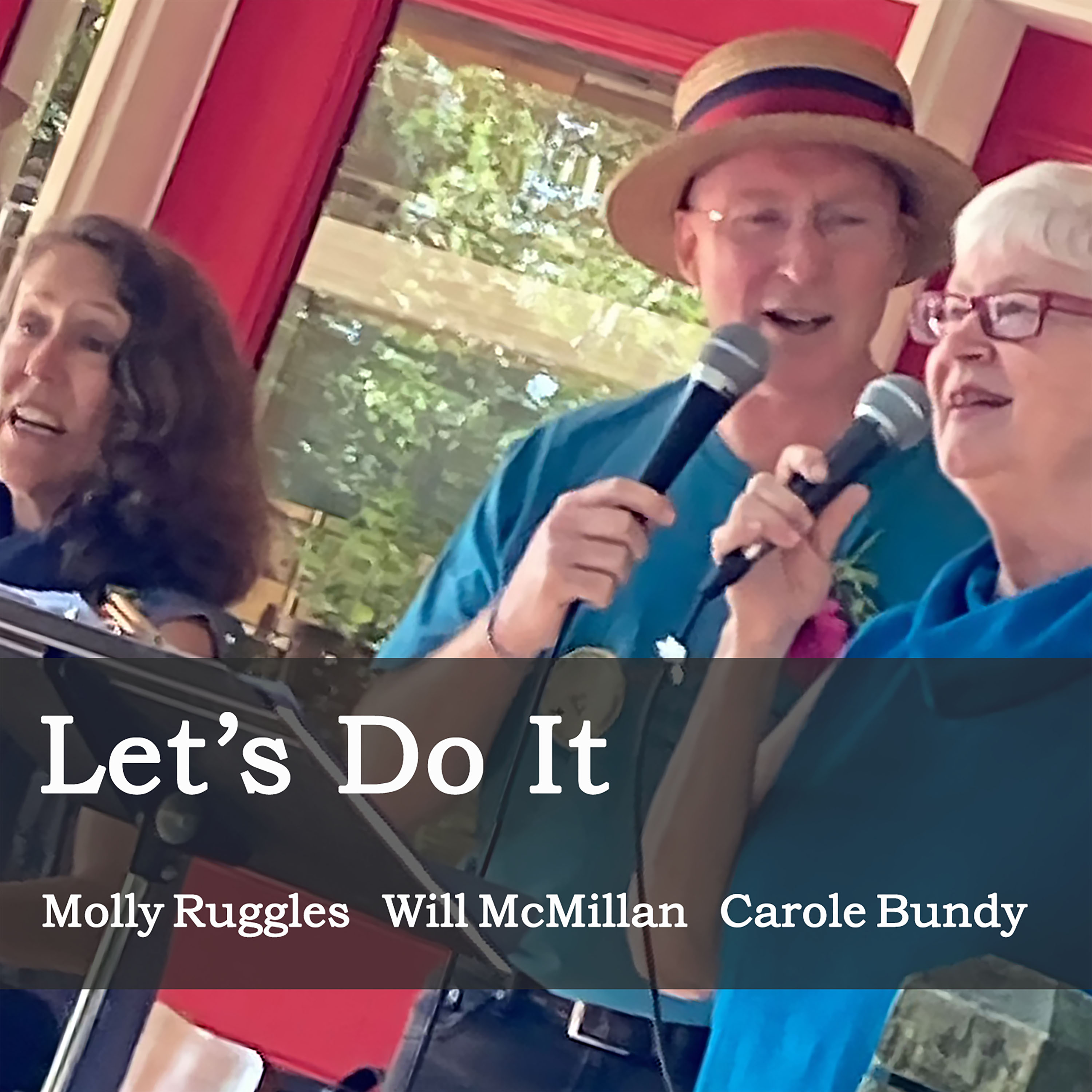
Then a few years ago my friend Molly Ruggles (who sings, plays piano and writes songs herself) created a lovely harmony part for her and our friend Carole Bundy to sing.
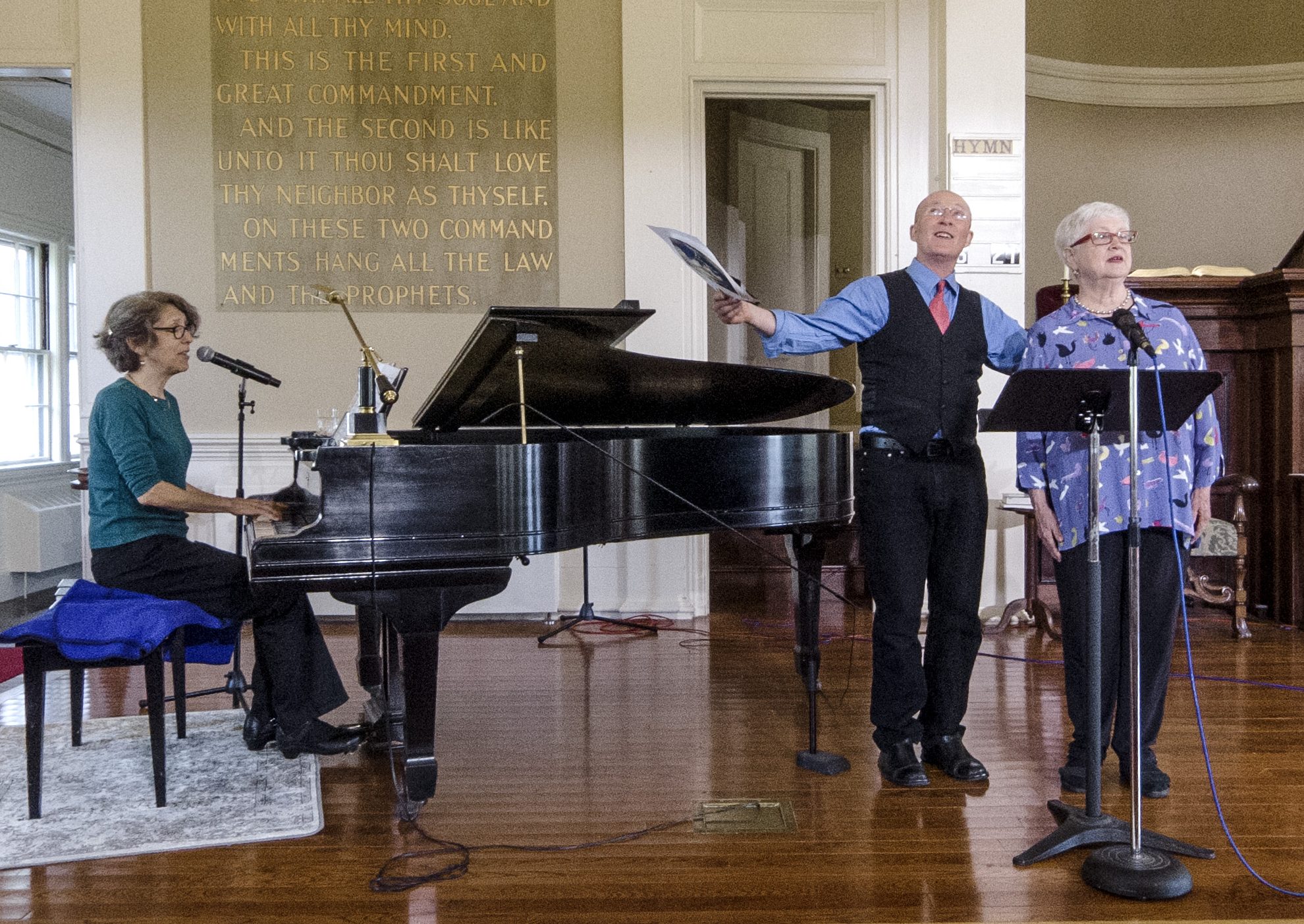
The three of us performed it at a bunch of porchfests and then recorded it with Molly playing piano last summer at Doug Hammer’s studio north of Boston.
Another deep breath in.
And deep breath out.
As I write this blog post, I am reminded of the Dalai Lama’s words about making each day — and, each friend — meaningful.
That is certainly what has happened with me and Carole and Molly.
We first collaborated when I was invited to sing during a service at the UU church in Medford where they were both members and where Molly was also the music director.
And this musical collaboration has deepened and widened over many years — and many delicious dinners — to become meaningful friendships.
We sing and harmonize and rehearse and perform and bear witness to the twists and turns of each other’s lives.
Deep breath of gratitude in.
Deep breath of gratitude out.
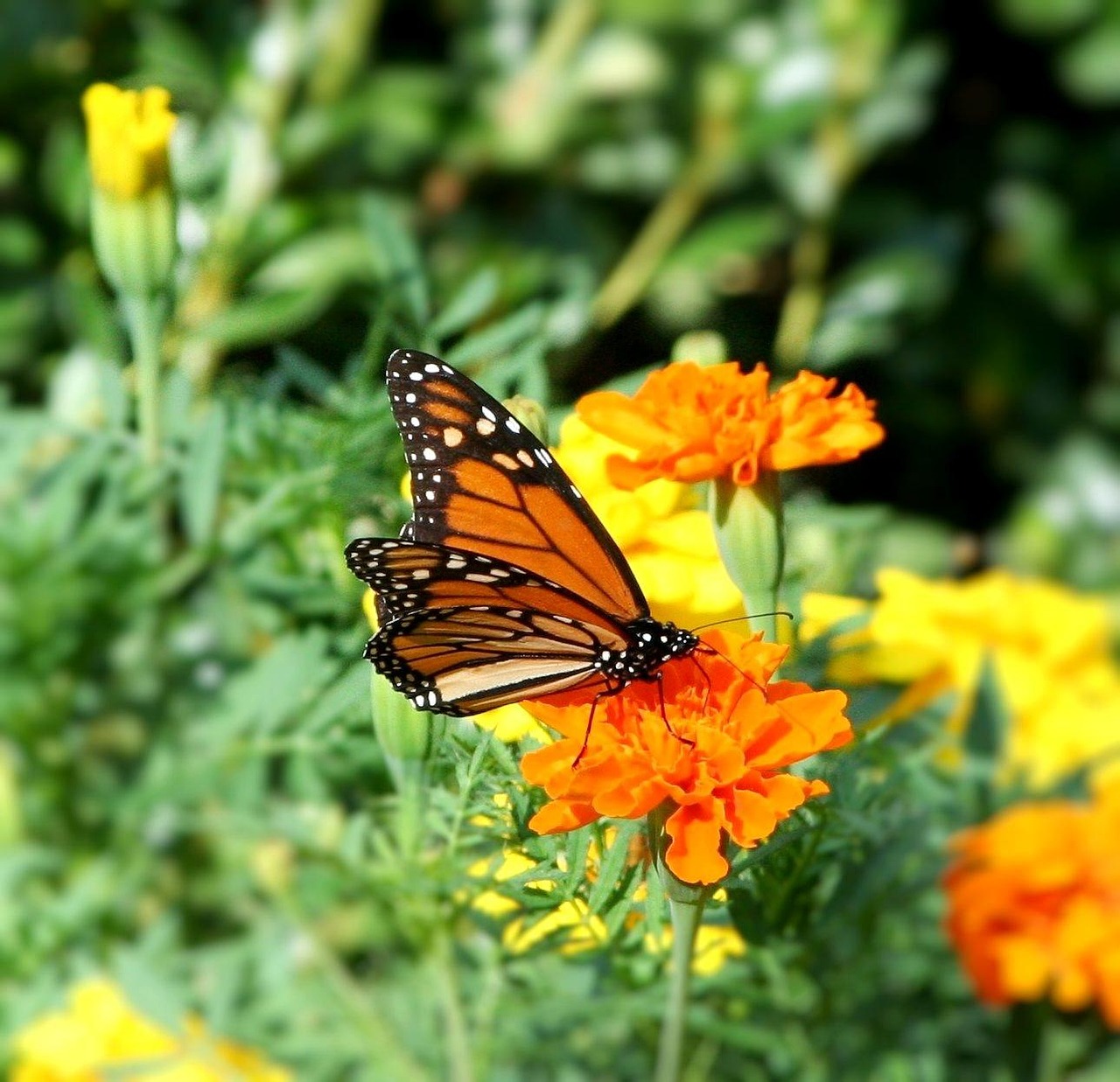
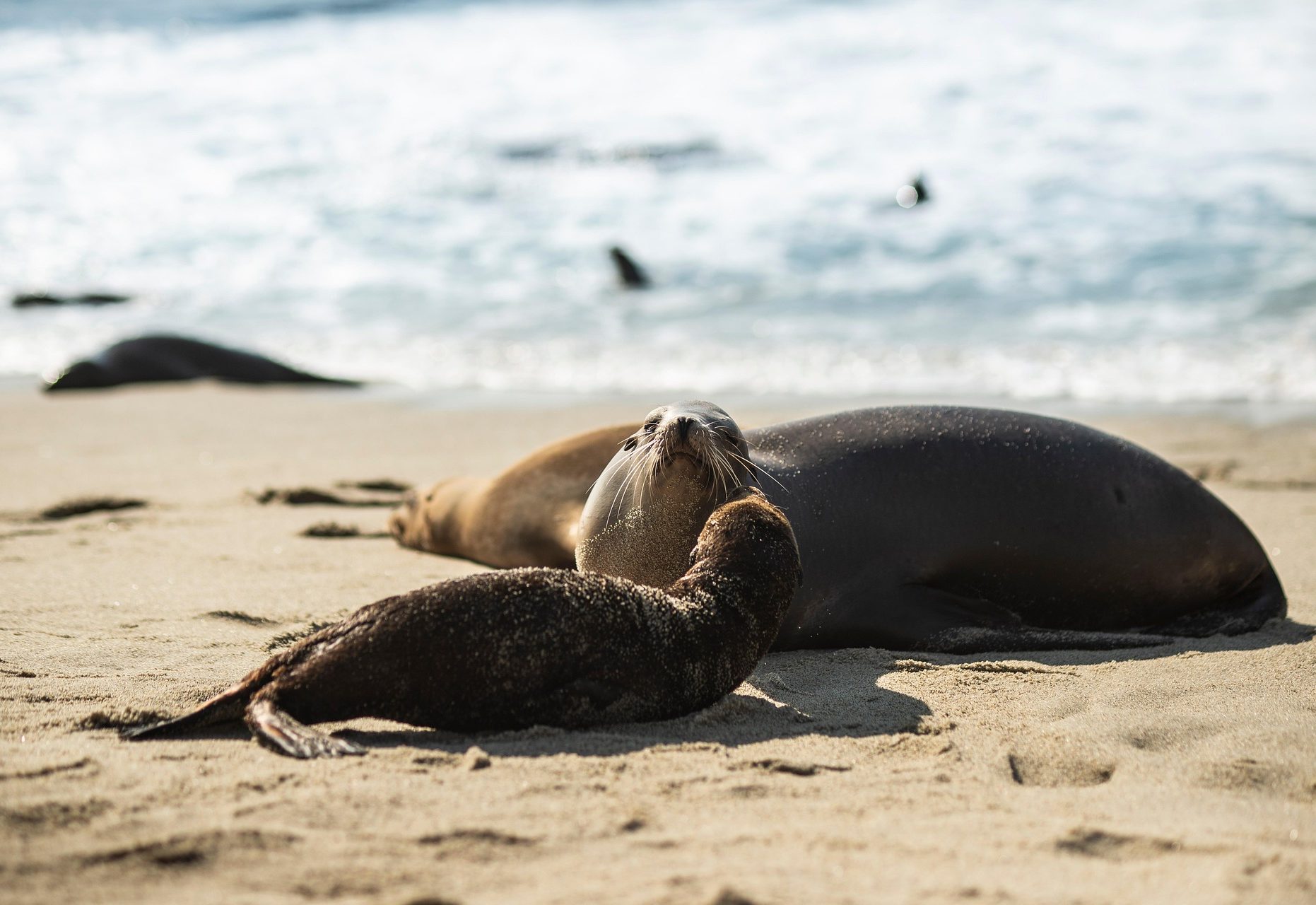
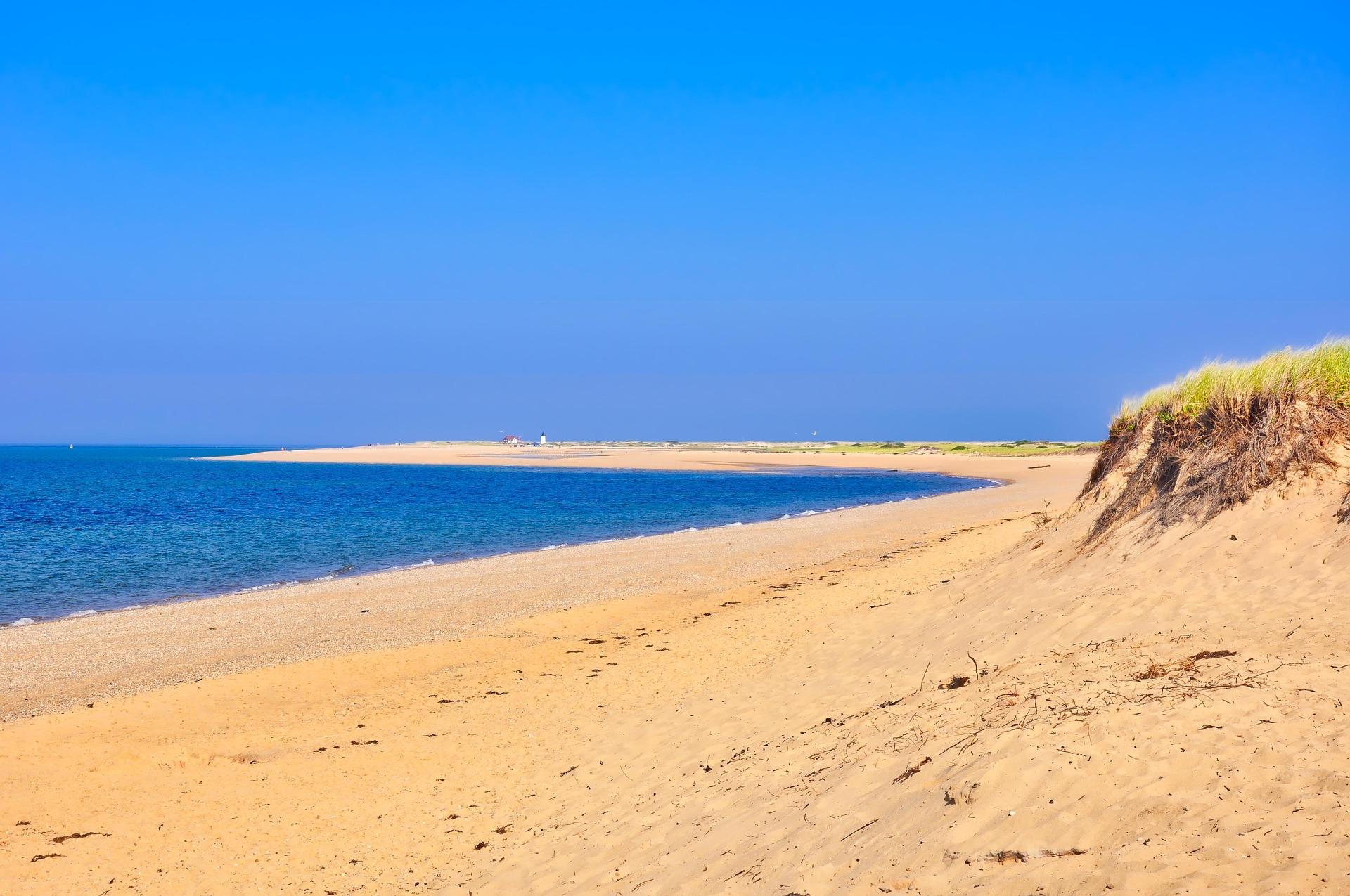
I will end this post with my customary thank yous plus a bunch of beautiful images from Pixabay that somehow reminded me of this song.
Thank you to all of the folks who have kept North of Highland campground going for many decades. I miss being there each summer!!!
Thank you to the couple who camped for a few days across the little valley from us at North of Highland campground.
Thank you to the Dalai Lama for his wisdom.
Thank you to my sweetheart and his — now our — family for letting me sit in my tent at the campground all day long, working on new songs.
Thank you to my dear ukuleles, to my “tent of creativity,” and to the various pencils, pens, notebooks, rhyming dictionaries, and laptops which help me to write songs.
Thank you to Molly and Carole for our years of interactions.
Thank you to the UU church in Medford for bringing me and Carole and Molly together as a musical unit and as friends.
Thank you to Doug Hammer for engineering and then mixing/mastering our recordings with us.
Thank you to the grasses and bushes and seaweeds and crabs and sea birds and seals and sharks and fish who make the Head Of The Meadow beach — a short and beautiful walk from the North Of Highland campground — so interesting to visit.
Thank you to the ocean and the sun and the moon and the tides which sweep the beach clean twice a day.
Thank you to everyone who has been listening to my songs via Pandora, YouTube, Spotify, Apple Music, and any/all of the other streaming platforms.
Each stream, each like, and each addition to a playlist is noted by that streaming service’s algorithms — and encourages it to share the song with other listeners.
I have chosen to honor it with a sweet song by Frank Loesser which was nominated for an Academy Award in 1952.
Mr. Loesser wrote it for Danny Kaye to perform in a movie about the Danish writer Hans Christian Anderson.
According to Mr. Loesser’s daughter, he did not think highly of this song, and sometimes even used it as an example of songwriting to avoid.
But I love it.
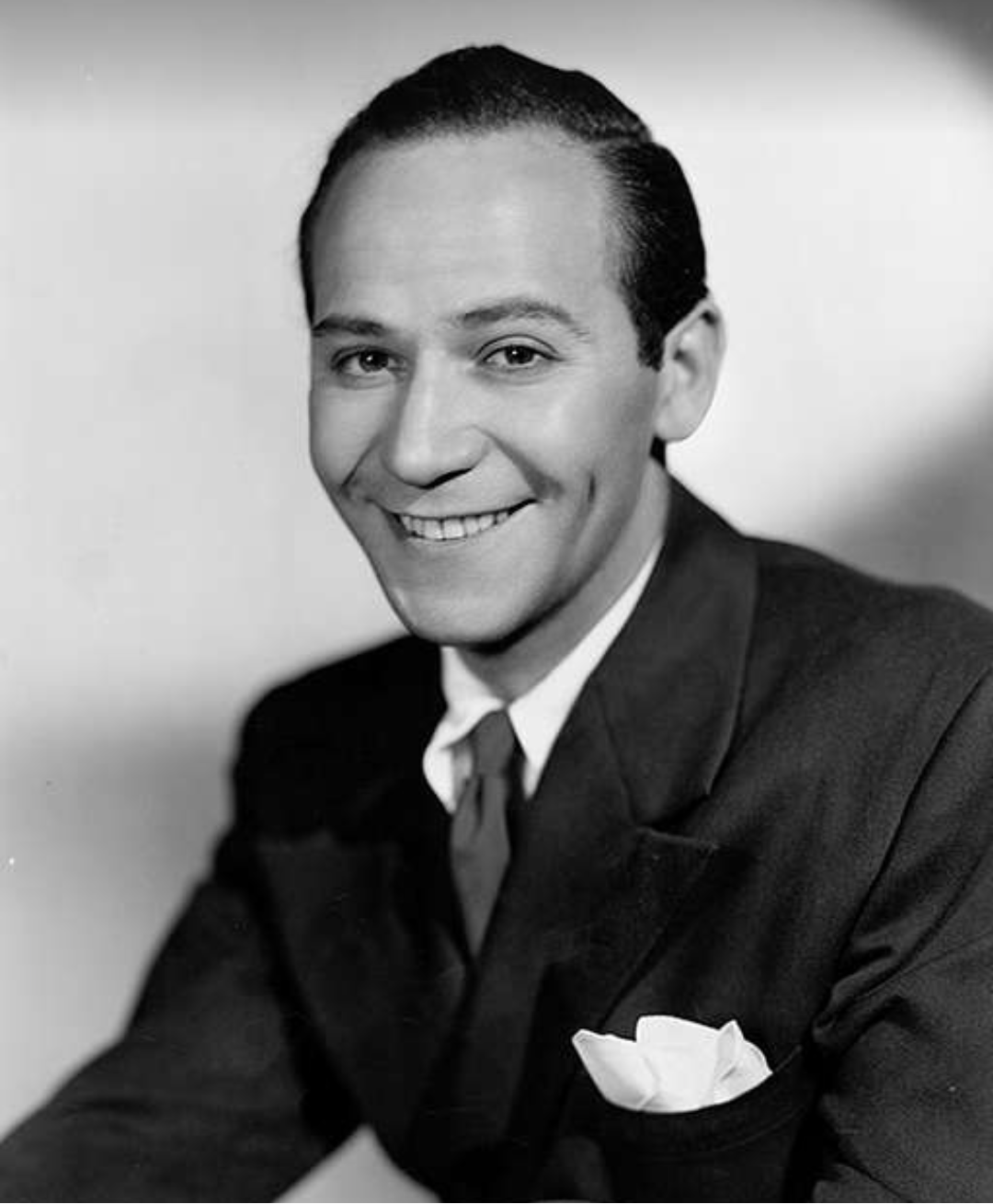
Frank Loesser
Mr. Loesser began his songwriting career as a lyricist and co-wrote a bunch of great songs in the 1930s and 1940s including “Heart and Soul” and “Two Sleepy People” (both with Hoagy Carmichael), “I Don’t Want To Walk Without You” (with Jule Styne) and “See What The Boys In The Back Room Will Have” (with Friedrich Hollaender).
The first hit song for which he wrote both words and music was “Praise The Lord And Pass The Ammunition” during WWII.
Loesser ended up writing words and music for the songs in WHERE’S CHARLEY, GUYS AND DOLLS, THE MOST HAPPY FELLA, and HOW TO SUCCEED IN BUSINESS WITHOUT REALLY TRYING (along with a few less successful undertakings).
Some hits from those shows include “Once In Love With Amy,” “Luck Be A Lady,” “I Love You A Bushel and A Peck,” “If I Were A Bell,” “I’ve Never Been In Love Before,” “Somebody, Somewhere,” “Standing On The Corner,” “Joey, Joey, Joey,” “I Believe In You,” and “Brotherhood of Man.”
Mr. Loesser also continued writing songs which were used in movies such as “Baby, It’s Cold Outside,” “Let’s Get Lost,” “Inchworm,” and “Spring Will Be A Little Late This Year.”
And he wrote a few songs which became pop hits without any connection to Broadway or Hollywood, including “What Are You Doing New Year’s Eve?” and “I’d Like To Get You On A Slow Boat To China.”
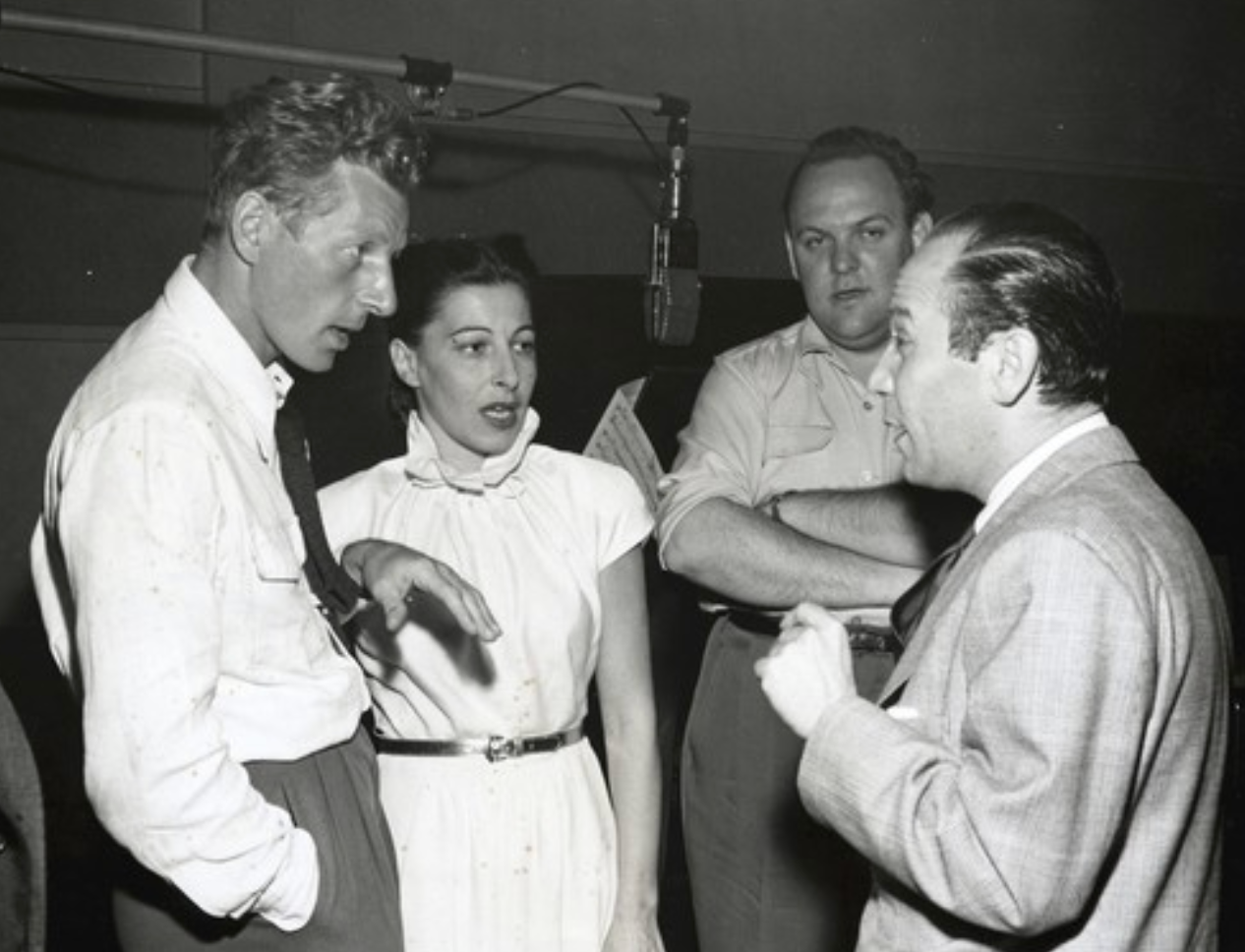
Danny Kaye, his wife Sylvia Fine, arranger Billy May and Frank Loesser
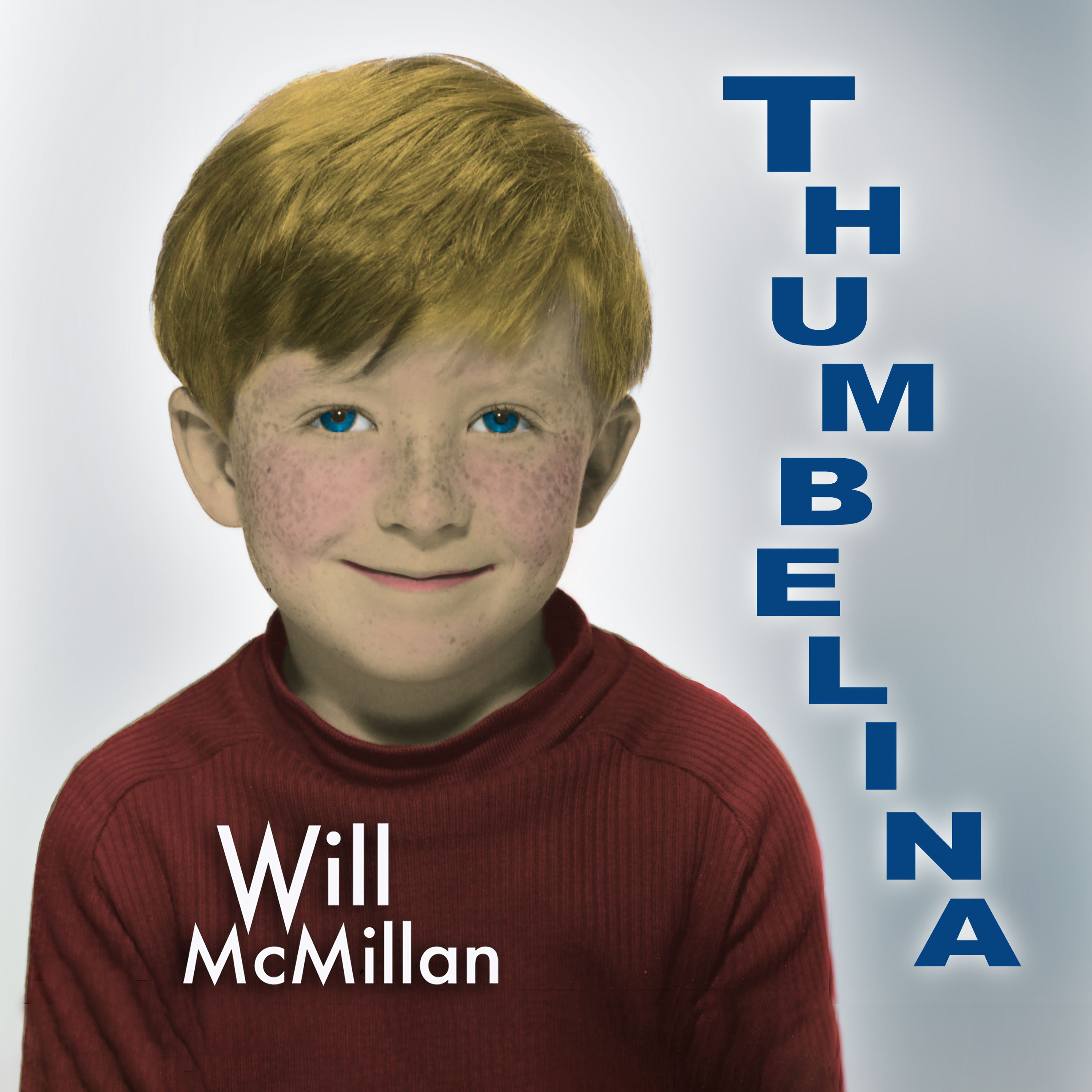
I have long loved his song “Thumbelina” — and am very happy with this peppy version which Doug Hammer and I recorded quite spontaneously a few years ago when I was putting together an hour-long program of songs written or co-written by Frank Loesser.
I had been thinking I might use it in a Valentine’s-Day-inspired blog post, and then fellow blogger Jennie F. left the following comment regarding my blog post last month:
“Nature is as wondrous as music. Your (hyacinth) bulb flower(ing) says it all… Stay warm, and remember the words of Hans Christian Andersen, “Where words fail, music speaks.”
I had forgotten the exact plot synopsis of THUMBELINA (which I first read as a child), but Wikipedia refreshed my memory:
“Thumbelina is about a tiny girl and her adventures with marriage-minded toads, moles, and cockchafers. She successfully avoids their intentions before falling in love with a flower-fairy prince just her size.”
I had also forgotten that Thumbelina comes into being as a result of the actions of a woman who — longing for a child — plants a barleycorn seed.
Thumbelina then emerges from a barleycorn flower… and the adventure of her life begins.
As a Music Together teacher, I particularly resonate with Mr. Loesser’s lyrical admonition that Thumbelina dance and sing — since that is exactly what I do three mornings per week with a delightful crew of small children + the grown ups (parents, grandparents, and nannies) who love them.
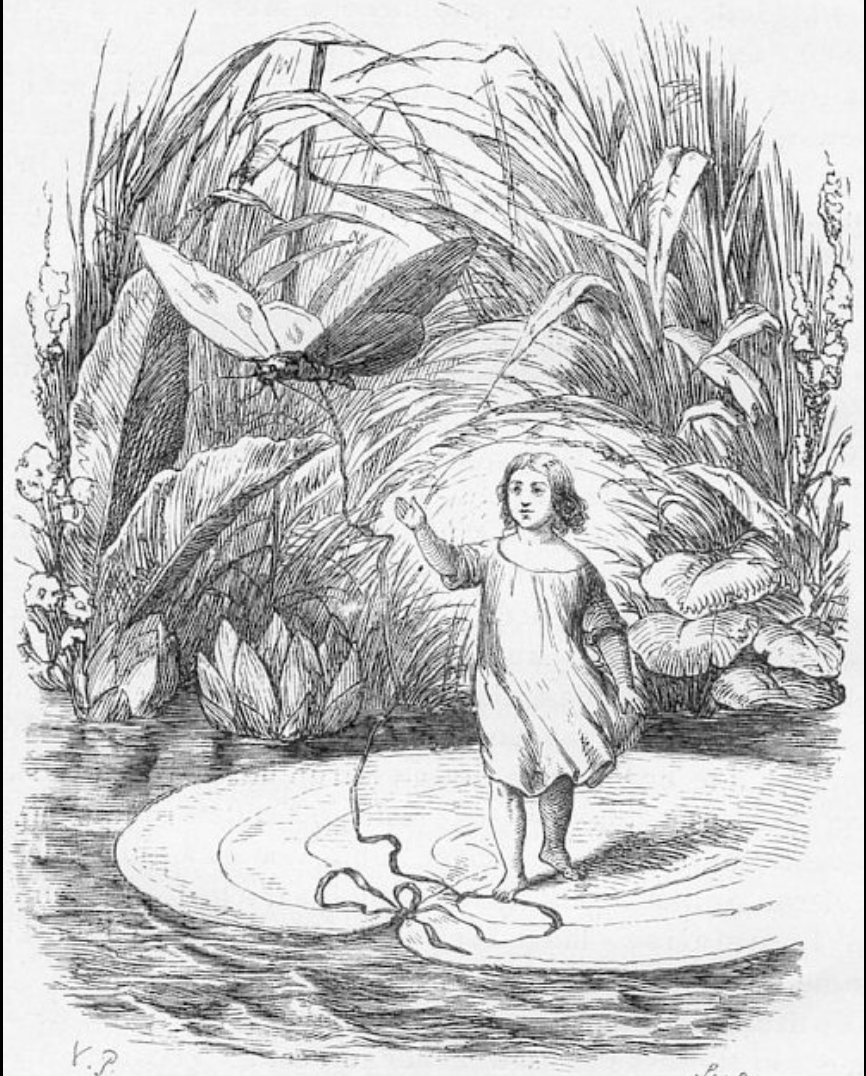
Illustration by Thomas Vilhelm Pederson from original publication of THUMBELINA in 1835
By the time I bike (or take the bus) to class, vacuum the karate studio (the floor of which accumulates a surprising.amount of hair, clipped toenails, cookie fragments, dust etc. plus sand and salt during the winter months), hide the punching bags and karate trophies behind a wall of rolling screens, set up a boombox and instruments, change into my teaching — rather than biking/cleaning/snow shoveling — clothes, welcome families, lead a 45-50 minute class, chat with families after class, and then put away all the stuff I set up an hour earlier, I do not earn very much money per hour.
But the sweetness, playfulness, joy, humor, love and sense of connectedness I experience with my families each week is always a balm for my soul.
And there’s no way to put a price on that!
Leading Music Together classes helps me get out of bed in the morning AND reassures me that the human world is not an irredeemably f–ked up mess about which I can do nothing to help.
And sometimes one of the small humans in my class is inspired to give me a hug at the end of class.
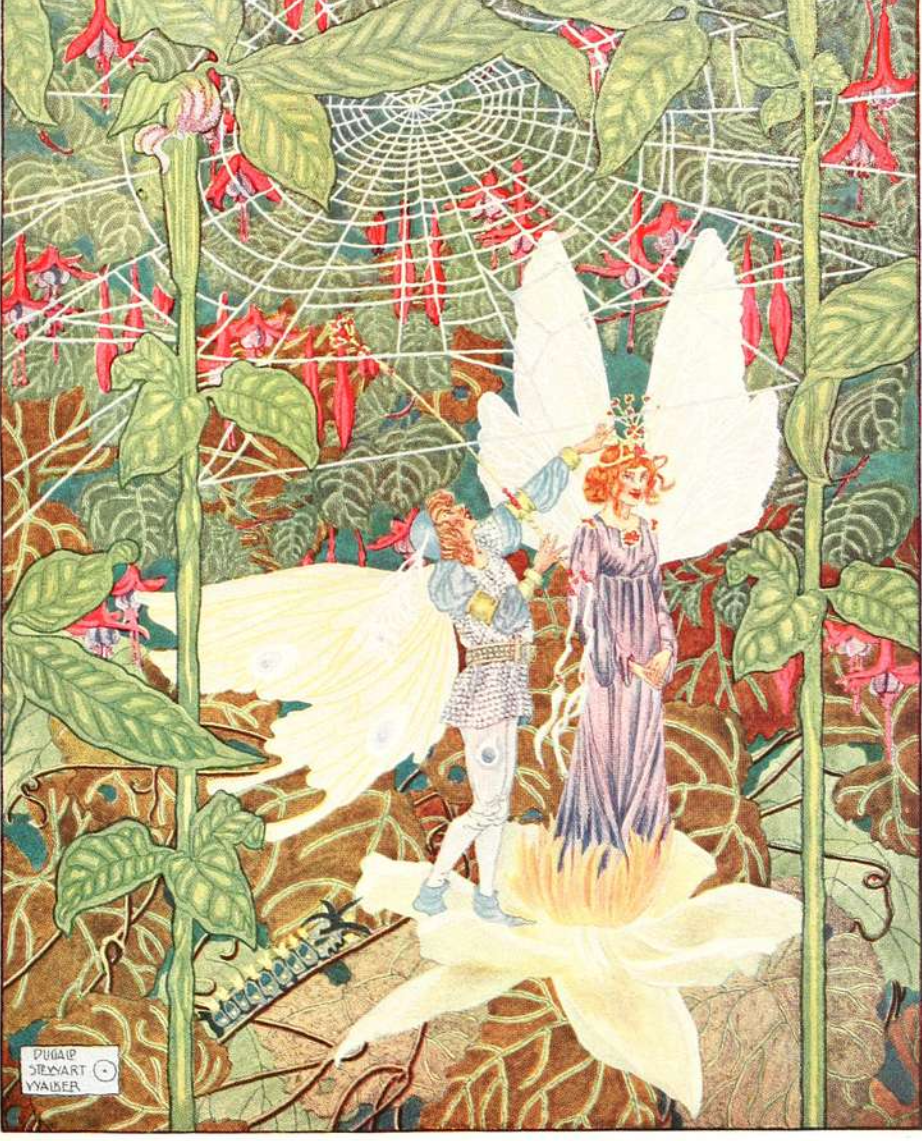
Illustration from a 1914 edition of Han Christian Anderson’s Fairy Tales
When this happens, I feel like I am being visited be an angelic being who is offering me unadulterated love, comfort and gratitude.
It is such an honor to receive one of their hugs.
And sometimes I am offered a hug by one of the grownups in class, too — which I also appreciate and savor.
Another deep breath in.
And deep breath out.
These little children are a big reason why I ride my old and raggedy-looking bike rather than drive a car, why I rarely buy new clothes, and why I never travel (especially via airplanes) simply for the sake of going someplace new or warm or trendy.
I live a downwardly mobile life so that the children in my classes might be able to live an ever-so-slightly less chaotic and terrifying life due to the myriad ways that climate change is affecting all of us here on planet earth.
Yet another deep breath in.
And deep breath out.
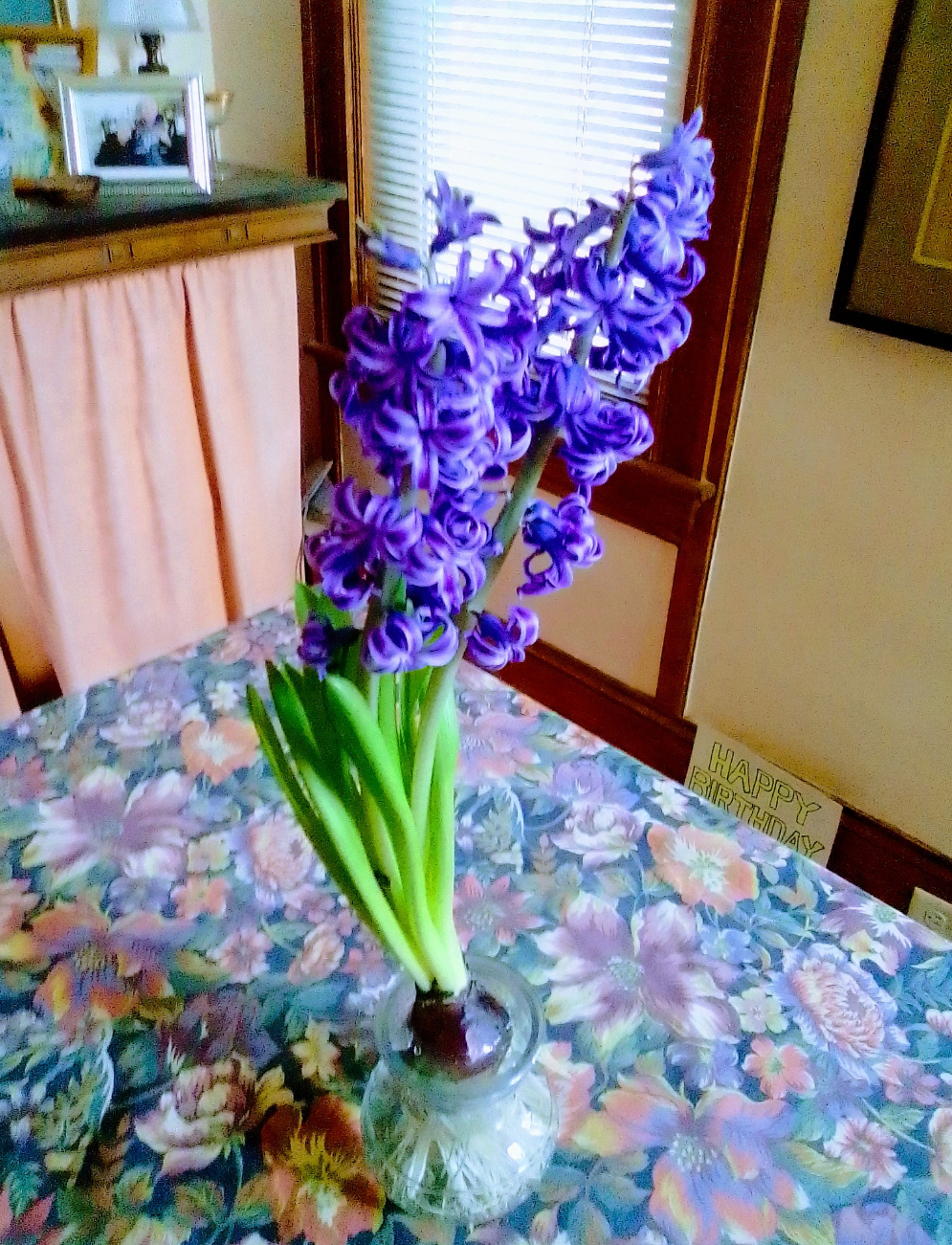
Another radiant hyacinth bulb from Trader Joe’s
I end this blog post with some of my favorite quotations by the Dalai Lama.
“Our prime purpose in life is to help others. And if you can’t help them, at least don’t hurt them.”
“In our present circumstances, no on can afford to assume that someone else will solve their problems. Every individual has a responsibility to help guide our global family in the right direction. Good wishes are not sufficient; we must become actively engaged.”
“When you are discontent, you always want more, more, more. Your desire can never be satisfied. But when you practice contentment, you can say to yourself, “Oh, yes — I already have everything that I really need.”
“We can live without religion and meditation, but we cannot survive without affection.”
“The problems we face today — violent conflicts, destruction of nature, poverty, hunger and so on — are human-created problems which can be resolved through human effort, understanding and the development of a sense of sisterhood and brotherhood. We need to cultivate a universal responsibility for one another and for the planet we share.”
“As people alive today, we must consider future generations. A clean environment is a human right like any other. It is therefore part of our responsibility towards others to ensure that the world we pass on is as healthy, if not healthier, than we found it.”
“This generation has a responsibility to re-shape the world. Start the task even if it will not be fulfilled in your lifetime. Even if it seems hopeless now, never give up. Offer a positive vision, with enthusiasm and joy, and an optimistic outlook.”
“Happiness is not something ready made. It comes from your own actions.”
“Be kind whenever possible. It is always possible.”
THANK YOU for making it to the end of another one of my blog posts.
Thank you to Doug Hammer for his spritely piano accompaniment and his expert musical production skills.
Thank you to Stephen C. Fischer for his graphic design (and to the professional photographer in NYC who took this photo of me many decades ago…)
Thank you to Hans Christian Anderson for creating the story of Thumbelina and to Frank Loesser for creating his song “Thumbelina.”
Thank you to the wonderful photographers at Pixabay.
Thank you to the Dalai Lama for his wisdom and inspiration.
And thank you to everyone who has streamed my music on Youtube, Pandora, Spotify, Apple Music, Tidal, Deezer, etc.
Every stream — and especially every thumbs up and/or inclusion in a playlist — helps to improve the likelihood that the clever algorithms of these streaming services will share my music with new listeners.
However, if you are a reader who is feeling less excited and hopeful about the future as a result of last week’s election, my heart goes out to you.
Although I have decided not to read about politics and interact with the media for the time being, my brain — especially when I am lying awake in the middle of the night — keeps remembering things that are likely to be impacted in the next four years:
NATO — and the safety of all the countries bordering Russia…
The health of women I love — and the health of women I will never meet — due to new restrictions about what decisions they and their healthcare providers are allowed to make about their own bodies…
Social security — which I have paid into since I was three years old and which I was planning to start collecting in three years time…
Medicare/Medicaid and other health insurance options — for millions of Americans and for me.
The cost of anything we don’t make or grow in the USA — due to potential new tariffs.
The cost of anything we DO make or grow in the USA — due to the potential prosecution/expulsion of many people who currently harvest our produce, work in our slaughterhouses and meat-packing plants, labor in our restaurants, work on our construction sites, landscape our properties, mow our lawns, blow our leaves, etc. etc. etc.
My two nephews — one approaching draft-age and the other one still eligible to be drafted if we find ourselves in a situation where we need to expand our (already vast) military capabilities.
Long term — and potentially irreversible — environmental consequences due to potential deregulation of rules which currently protect the entire web of life here on planet earth.
Our access and ability to vote, our access to education, our access to public healthcare in the event of another epidemic…
The list goes on and on.
I don’t understand how love and respect factor into any of the above.
I don’t understand how love and respect can withstand — much less overcome — the forces which spread disinformation, which lie, which aim to divide us, which value power and money over honesty and decency.
I hesitate to call those forces evil, but I have been reminded more and more in recent months about a book I read a long time ago by M. Scott Peck called THE PEOPLE OF THE LIE.
is consistently self-deceiving, with the intent of avoiding guilt and maintaining a self-image of perfection
deceives others as a consequence of their own self-deception
projects his or her evils and sins onto very specific targets (scapegoats) while being apparently normal with everyone else
commonly hates with the pretense of love, for the purposes of self-deception as much as deception of others
abuses political (emotional) power (“the imposition of one’s will upon others by overt or covert coercion” (Peck, 1978/1992, p298[7]))
maintains a high level of respectability, and lies incessantly to do so
is consistent in his or her sins.
is unable to think from the viewpoint of their victim
has a covert intolerance to criticism and other forms of narcissistic injury
Most evil people realize the evil deep within themselves, but are unable to tolerate the pain of introspection, or admit to themselves that they are evil. Thus, they constantly run away from their evil by putting themselves in a position of moral superiority and putting the focus of evil on others. Evil is an extreme form of what Peck, in THE ROAD LESS TRAVELED, calls a character and personality disorder.”
The group mind of Wikipedia also describes Peck’s understanding of love in his previous book, THE ROAD LESS TRAVELED:
“Love is not a feeling, it is an activity and an investment — ‘The will to extend one’s self for the purpose of nurturing one’s own or another’s spiritual growth’ (Peck, 1978/1992, p85). Peck expands on the work of Thomas Aquinas over 700 years ago, that love is primarily actions towards nurturing the spiritual growth of another.”
I welcome any insights into the power of love and how it does — or doesn’t — impact our current political situation here in the USA (as well as how love and respect may impact other patterns unfolding here on planet earth).
It was written by Lynn Ahrens and Stephen Flaherty, a delicious songwriting team who helped to create the musicals RAGTIME, SEUSSICAL, ONCE ON THIS ISLAND and A MAN OF NO IMPORTANCE (which is where “Love Who You Love” comes from) among many other projects.
As regular readers of my blog may remember, I have been away from home — and spending a minimum amount of time on my computer — during July and August.
But now it is September, and I am home and getting back into the swing of A) leading Music Together classes, B) doing gigs at retirement communities, and C) donating time + money to various political races + Get-Out-The-Vote undertakings.
Deep breath in.
Deep breath out.
I am writing this post in the middle of the night while drinking eight ounces of a somewhat vile-tasting liquid every fifteen minutes in preparation for a colonoscopy later this morning.
Yesterday I drank liquids (water, veggie broth and chicken broth) all day long — ending with the first round of vile-tasting-liquid drinking before bed.
The three days before that I ate the opposite of a healthy diet — including lots of refined white flour products (although I WAS allowed to potatoes and sweet potatoes as long as their skins were removed…)
It’s kind of funny that one is NOT supposed to ingest fiber before a colonoscopy when ingesting lots of dietary fiber is one of the best ways to promote colon health.
THANK YOU to everyone who has continued to visit my blog during the past two months.
It is very heartening to check my stats and find that 5-15 people have been dropping by on a daily basis even though I have shared no new content since the middle of June.
I first featured this song — written by Harold Arlen (music) and Yip Harburg (words) for Ethel Waters to sing in the MGM version of a musical called CABIN IN THE SKY — in a blog post on November 8, 2020. You can click here to skim it if you are curious.
The Biden-Harris ticket had recently won the presidential election, lots of people were dying due to COVID, and I was learning what it’s like to surrender to Western medicine as I began chemotherapy to treat a rare medical condition which first appeared to be multiple myeloma but was eventually diagnosed as PGNMID.
Almost four years later I am still very much alive and was even able to take a break from my two somewhat experimental drugs over the summer because they had worked so well during the preceding months.
Another deep breath in.
And deep breath out.
I will end this blog post by quoting Simon Rosenberg, a political strategist who has been offering a sense of hope and possibility to many of us in recent months.
“When the dust settles, and the Russian-backed MAGA movement fades, America will come to understand how lucky we were that Joe Biden won the 2020 Presidential election.
His Day 1 as President was among the most challenging in our history — pre-vaccine COVID, economic collapse, (the former president’s) disastrous management of the pandemic, an insurrection, the first time America failed to have a peaceful transfer of power… just unbelievable levels of chaos as far as the eye could see.
And today, almost four years later, America’s economy is ‘the envy of the world.’
Growth here has been far above the growth in other advanced economies. We’ve had the best job market in 60 years. The lowest uninsured rate in history. Record levels of new business formation. Wage growth has outpaced inflation. The stock market is setting records.
Joe Biden has made historic investments in our economy and workers that will be creating jobs and opportunity for the American people for decades to come.
We’ve dramatically accelerated the energy transition necessary to keep the planet from warming.
We’ve beaten inflation – a global phenomenon – and interest rate cuts are coming now.
We are more energy independent today than we’ve been in decades.
Crimes rates which had gone up under Donald Trump have come down under Joe Biden.
The deficit which skyrocketed under Donald Trump has come down under Joe Biden.
Despite reckless Republican obstruction, flows to the border are lower today than they were under Donald Trump.
Joe Biden passed the first major gun safety legislation in 30 years, retired hundreds of billions of dollars of student debt, reinvigorated the Western alliance and has now landed a serious and long overdue blow against Russian influence operations here in the United States.”
And — behaving in the exact opposite manner from a dictator — he has chosen to pass the political baton to Vice President Harris, whose candidacy has catalyzed a new wave of enthusiasm and political engagement here in the USA.
Thank you, President Biden, for your decades of leadership, public service and compassion!
Thank you to Doug Hammer for his grounded, creative piano playing and sublime engineering/producing chops.
Thank you to all of the pollinators who work tirelessly to help our ecosystems function AND to all the folks who are working like busy bees to help elect the candidates of their choice.
And thank YOU for reading another one of my blog posts.
I first heard this song performed twenty-plus years ago by my friend Erica Leopold.
It was written by a woman named Casey Scott, and I am guessing that Erica heard the song when it was recorded by a jazz singer named Holly Cole — although I read in Casey’s bio that she used to live in the Boston area in the 1980s…so maybe Erica heard Casey busking in Harvard Square!
I have found a lot of comfort over the years re-visiting Erica’s version of this song — which she recorded with pianist Doug Hammer and included on her debut CD.
Erica used to attend lots of music festivals and concerts in order to find great songs from all genres — folk, jazz, pop — that she could weave into her own musical performances.
Erica Leopold (source: Facebook)
I produced a couple of her performances when I oversaw events at the Cambridge Center for Adult Education in Harvard Square. I also performed with her several times in a winter holiday benefit series.
She was a generous collaborator, and she “cleaned up very nicely” when it came time to perform — wearing beautiful outfits with elegant hair and makeup.
Erica moved from the Boston area to western Massachusetts, and her singing activities slowed down as she focused on mothering a wonderful daughter who became very involved with horses.
Then (ARGH!!!!!) Erica discovered that she had brain cancer — which she fought with grace and humor for several years.
Erica with a friend (source: Facebook)
Deep breath in.
Deep breath out.
I biked to visit her when she was getting care in an excellent rehab facility in the Boston area after a big operation. I brought my ukulele and a songbook, thinking that she might like to make some music together.
But after a few songs, I realized that she just wanted to be quiet, make eye contact and hold hands.
So we did that for a while.
“Cry if you want to, I won’t tell you not to, I won’t try to cheer you up… I’ll just be here if you want me.”
Erica hung in there for a long time, with a dedicated network of friends and family visiting her on a regular basis.
A few years ago I learned “Cry (If You Want to)” so that I could perform it with pianist Molly Ruggles during a UU church service in Medford, MA.
And then I recorded it with pianist Doug Hammer last year — in honor of one of my nephews, whose father had recently died.
“It’s no use in keeping a stiff upper lip, you can weep, you can sleep, you can loosen your grip. You can frown, you can drown and go down with the ship… you can cry if you want to.”
The graphic design for my recording of this song juxtaposes a photo taken by my sister Christianne of this nephew walking in a stream on their farm in upstate New York with a professional photo of me when I was about the same age as this nephew (who is covered up by my head to preserve his privacy…)
He will probably be grieving the loss of his dad — in obvious and not-so-obvious ways — for the rest of his life.
“You can stare at the ceiling and tear at your hair, swallow your feelings and stammer and swear…”
At the suggestion of her mother I included a lot of songs which our family used to listen to and sing when we were children and teenagers.
Some of them — such as “Stewball” by Peter, Paul & Mary, “I’m Gonna Be A Country Girl Again” by Buffy Sainte-Marie, and “Our House” by Crosby, Still, Nash & Young — moved me to tears.
My Niece and Her Husband (Photo by A Couple of Dudes Photography)
Music can be a very powerful connection to past events, past loved ones, past memories.
One more deep breath in.
And deep breath out.
I wish more of us would set aside time to listen to music and have a good cry.
I have a belief that much of the dysfunctional — and at times horrifically destructive — choices that my fellow human beings make on a daily basis are due to past injuries, past humiliations and past losses which have never been properly acknowledged and grieved.
Does anyone ever offer him an empathetic shoulder to cry on?
I am guessing, “no.”
I have long been fascinated by the way that tears come out of our eyes, which are located near the front part of our brains.
And I often wonder if crying might be part of how our brain processes/grieves/heals itself following an injury, insult or loss…
What do YOU think?
I hope that this song — which offers such a comprehensive, open-hearted, and non-judgmental invitation to cry — might touch the hearts of a few of my fellow human beings who may be feeling a bit shut down and overwhelmed by all that is happening these days here on planet earth.
Image by Myriams-Fotos from Pixabay
One more deep breath in.
And deep breath out.
Thank you to Casey Scott for writing this song.
Thank you to the photographer who took the photo of me as a teenager — when I was still working a little bit professionally (doing voice-overs, commercials and subbing on the soap opera ANOTHER WORLD).
Thank you to my sister for taking the photo of my nephew in the glen and to Stephen Fischer for incorporating it into a graphic design for this song release.
Thank you to Doug Hammer for his sensitive piano playing and nuanced engineering/producing chops.
Thank you to the photographers at Pixabay for their beautiful images.
Image by Inke Raabe from Pixabay
And thank YOU for reading and listening to another one of my blog posts.
As you may remember — or perhaps you have blocked it out of your memory in order to be able to move on with your life — three years ago things were not going well in the USA.
Many hospitals were overwhelmed by COVID — with dead bodies being stored in refrigerated trailer trucks until funeral homes and crematoria could catch up with the demand for their services.
And 2023 has brought new challenges — and tragedies — into our lives here on planet earth.
Deep breath in.
Deep breath out.
Wars continue to grind along, destroying human lives along with the lives of countless other beings caught in the cross fire. Pollution continues to seep into every ecosystem here on planet earth. Climate change continues to increase with catastrophic consequences.
My heart goes out to anyone who is feeling hopeless, who is feeling distraught, who is feeling alone, or who is feeling unloved during this holiday season.
And although I am fortunate to have a life partner + family + friends with whom I can gather during the holidays, I can vividly remember how heart-broken and grief-stricken I felt when the first big love of my life chose to end our relationship many decades ago…
Image by Scott Wynn
“After The Holidays” taps into those feelings of raw desperation.
Here is a link to my version “After The Holidays“ in case you might like to stream it.
And as I have explained before, if you “like” one of my songs or add it to one of your playlists, that will improve the algorithmic sharing of my music.
Thank you to the John Meyer for writing such a moving song.
Thank you to Doug Hammer for playing so sensitively on my version of John’s song AND for being such a diligent engineer/producer.
“Music is a great encouragement to people in hard times.”
Deep breath in.
And deep breath out.
I also explain in this past blog post about how little money is earned by performers and songwriters from streaming platforms such as Spotify, Apple Music, Pandora, YouTube, etc.
Spotify, which last year had an almost 50% market share of music streaming worldwide, still pays less than half a cent per stream.
Apple Music was the next biggest player, with almost 25% market share of music streaming worldwide — but paid a penny per stream (almost triple what Spotify paid…)
All of the other music streaming companies share the remaining 25% of worldwide music streaming — and paid anywhere from .00069 cents per stream (YouTube Music) to .017 cents per stream (Napster).
Here’s a graphic representation from this article of all of these numbers.
Suffice to say that I have not been earning any significant money as a result of people streaming the 37 recordings I’ve released during the past 34 months.
Deep breath in.
And deep breath out.
But I DO have the satisfaction of knowing that my music is out there in the world, being listened to by folks in fifty different countries — including the USA, Finland, Canada, Taiwan, Great Britain, Kazakhstan, Australia, Indonesia, Turkey, Brazil and Chile!
“Music is part of what makes the world keep going.”
And in recent months my streaming statistics on Spotify have risen significantly (although my total numbers are still quite modest).
This rise in my stats helps me feel that what I am doing — releasing music — is not entirely futile, useless and/or egotistical.
And it gives me a small sense of hope, which is what Ron Sexsmith’s lovely song does, too.
Hope remains a blessed mystery to me.
I hope you feel at least a tiny kernel of hope in your life.
Recent regional elections here in the USA have renewed my sense of hope in our political process.
And small children — such as those who grace my Music Together classes — also give me a sense of hope as well as a reason to continue to work for a more balanced, sustainable, and respectful future here on planet earth.
I’d be happy to learn in the comments about what gives YOU a sense of hope these days.