As you may remember — or perhaps you have blocked it out of your memory in order to be able to move on with your life — three years ago things were not going well in the USA.
Many hospitals were overwhelmed by COVID — with dead bodies being stored in refrigerated trailer trucks until funeral homes and crematoria could catch up with the demand for their services.
And 2023 has brought new challenges — and tragedies — into our lives here on planet earth.
Deep breath in.
Deep breath out.
Wars continue to grind along, destroying human lives along with the lives of countless other beings caught in the cross fire. Pollution continues to seep into every ecosystem here on planet earth. Climate change continues to increase with catastrophic consequences.
My heart goes out to anyone who is feeling hopeless, who is feeling distraught, who is feeling alone, or who is feeling unloved during this holiday season.
And although I am fortunate to have a life partner + family + friends with whom I can gather during the holidays, I can vividly remember how heart-broken and grief-stricken I felt when the first big love of my life chose to end our relationship many decades ago…
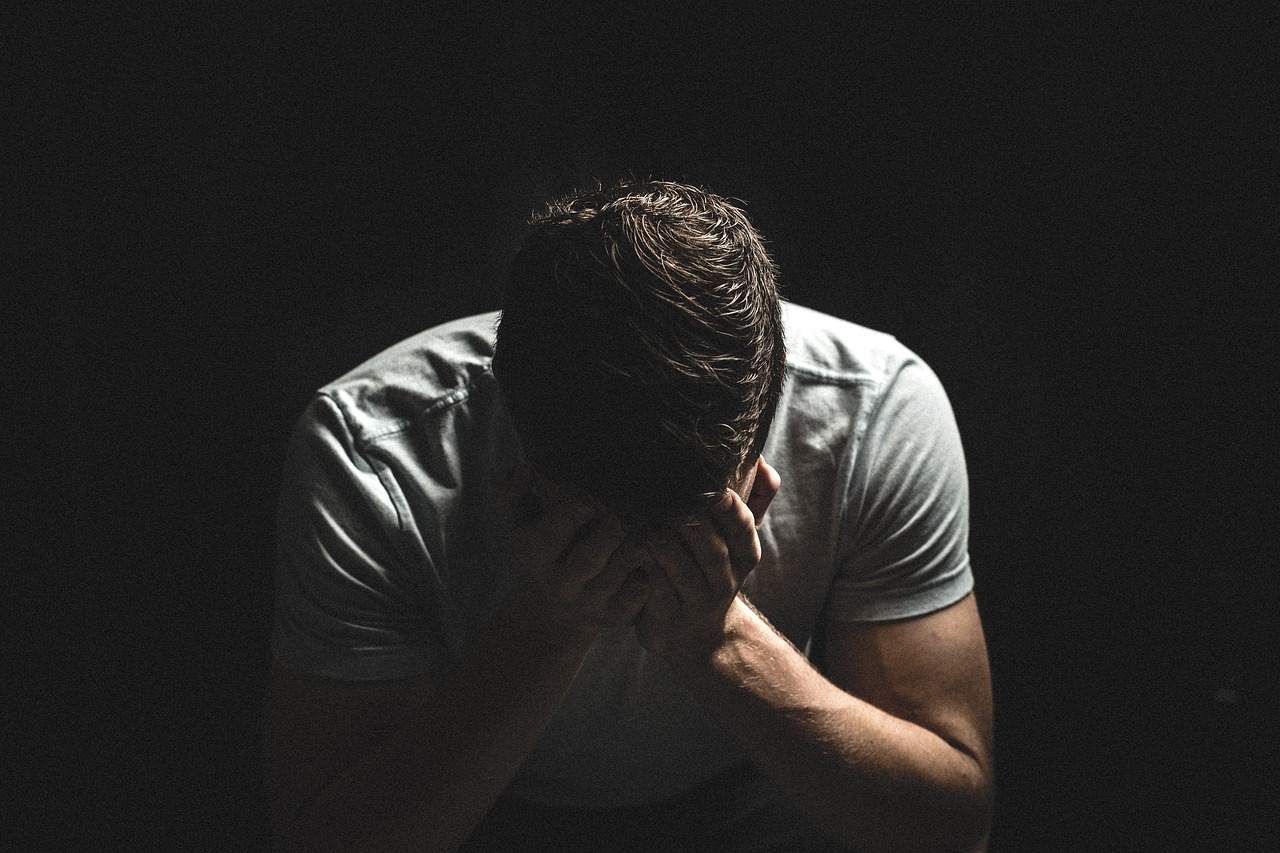
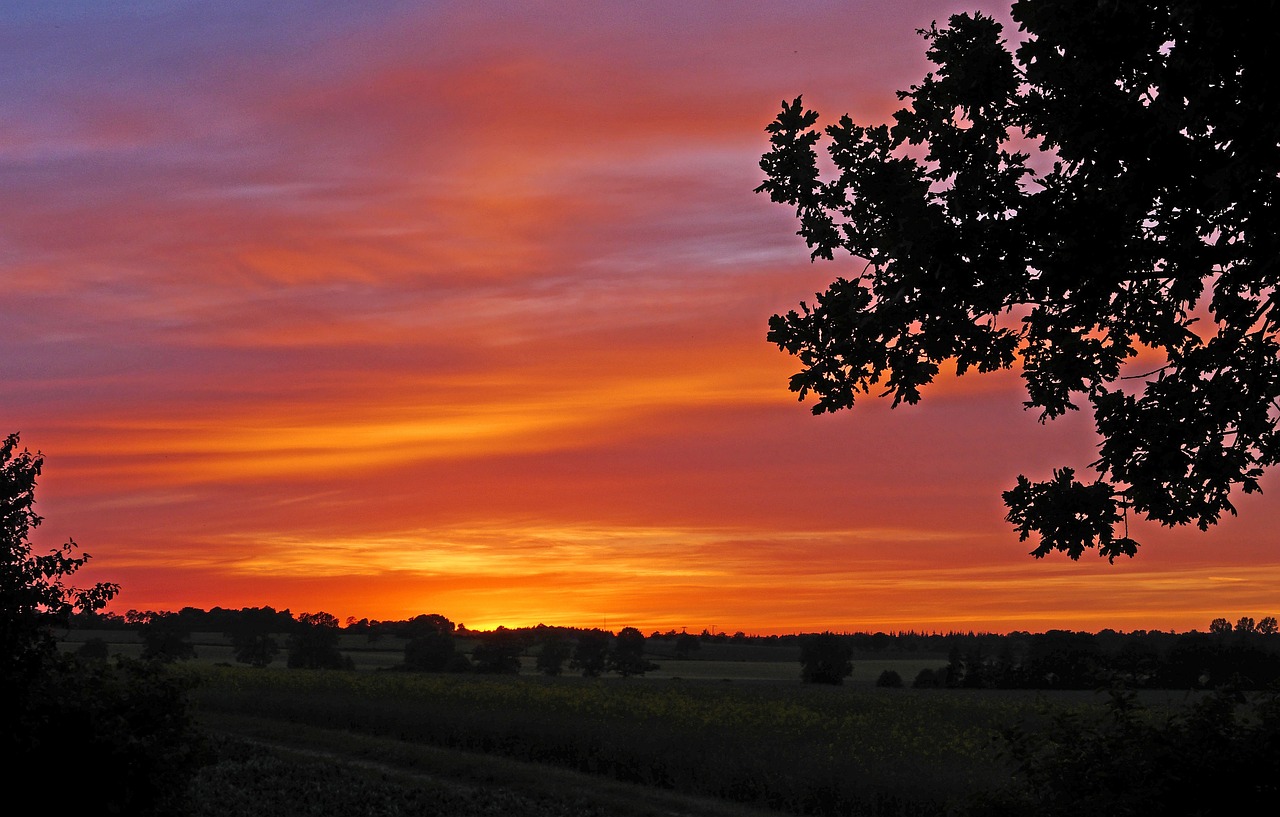
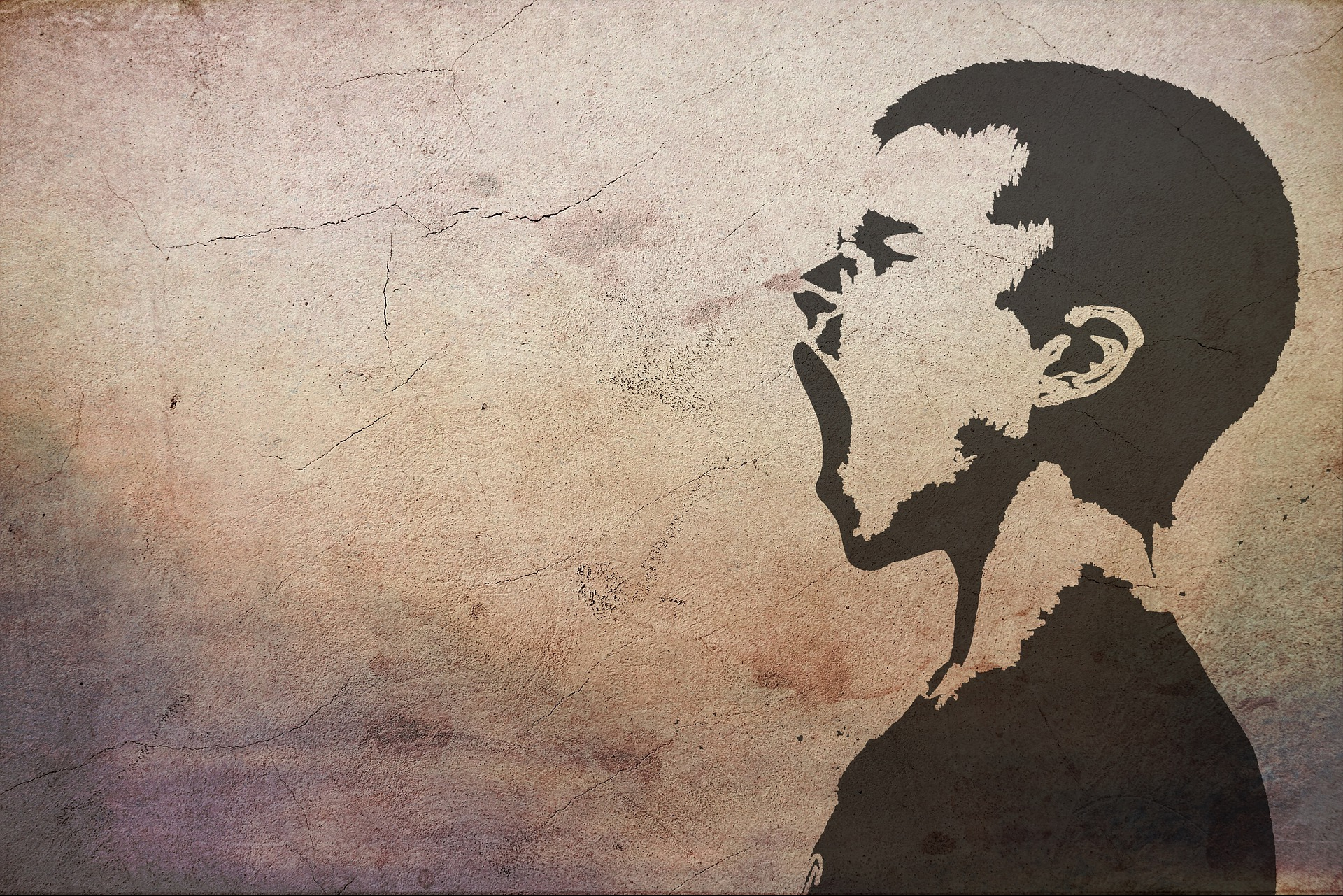
Image by Scott Wynn
“After The Holidays” taps into those feelings of raw desperation.
Here is a link to my version “After The Holidays“ in case you might like to stream it.
And as I have explained before, if you “like” one of my songs or add it to one of your playlists, that will improve the algorithmic sharing of my music.
Thank you to the John Meyer for writing such a moving song.
Thank you to Doug Hammer for playing so sensitively on my version of John’s song AND for being such a diligent engineer/producer.
“Music is a great encouragement to people in hard times.”
Deep breath in.
And deep breath out.
I also explain in this past blog post about how little money is earned by performers and songwriters from streaming platforms such as Spotify, Apple Music, Pandora, YouTube, etc.
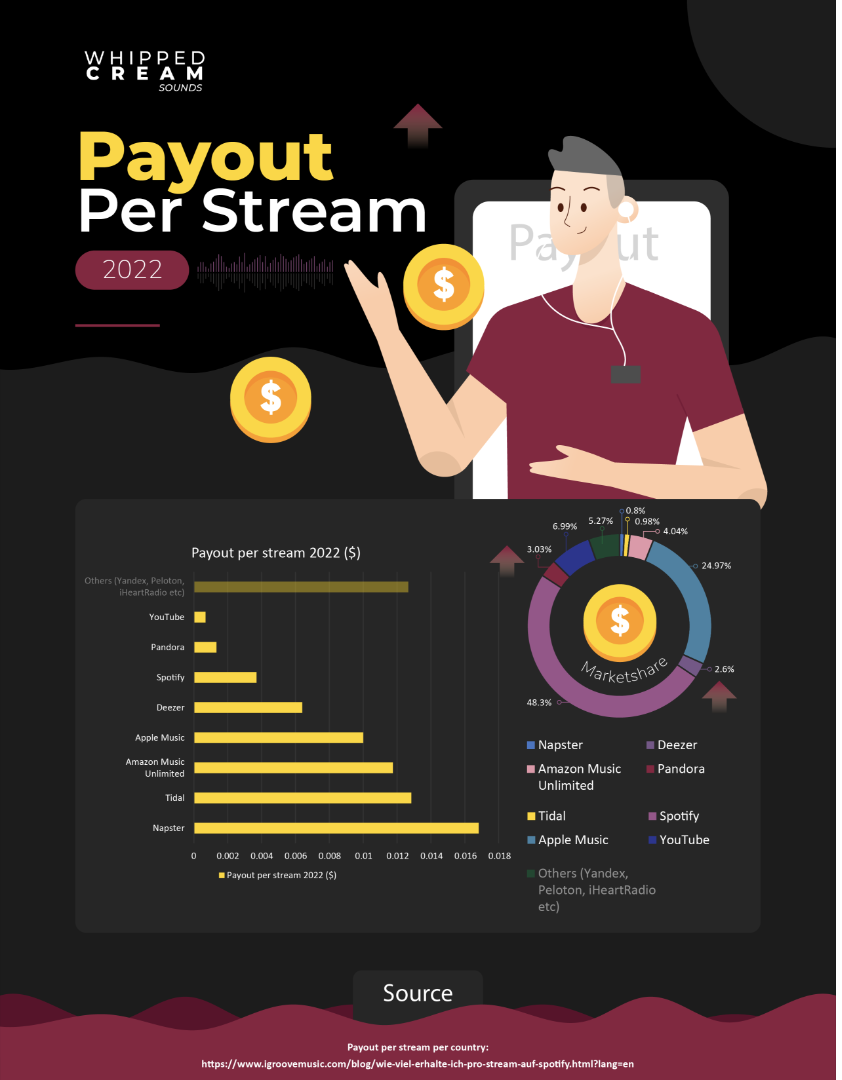
Spotify, which last year had an almost 50% market share of music streaming worldwide, still pays less than half a cent per stream.
Apple Music was the next biggest player, with almost 25% market share of music streaming worldwide — but paid a penny per stream (almost triple what Spotify paid…)
All of the other music streaming companies share the remaining 25% of worldwide music streaming — and paid anywhere from .00069 cents per stream (YouTube Music) to .017 cents per stream (Napster).
Here’s a graphic representation from this article of all of these numbers.
Suffice to say that I have not been earning any significant money as a result of people streaming the 37 recordings I’ve released during the past 34 months.
Deep breath in.
And deep breath out.
But I DO have the satisfaction of knowing that my music is out there in the world, being listened to by folks in fifty different countries — including the USA, Finland, Canada, Taiwan, Great Britain, Kazakhstan, Australia, Indonesia, Turkey, Brazil and Chile!
“Music is part of what makes the world keep going.”
And in recent months my streaming statistics on Spotify have risen significantly (although my total numbers are still quite modest).
This rise in my stats helps me feel that what I am doing — releasing music — is not entirely futile, useless and/or egotistical.
And it gives me a small sense of hope, which is what Ron Sexsmith’s lovely song does, too.
Hope remains a blessed mystery to me.
I hope you feel at least a tiny kernel of hope in your life.
Recent regional elections here in the USA have renewed my sense of hope in our political process.
And small children — such as those who grace my Music Together classes — also give me a sense of hope as well as a reason to continue to work for a more balanced, sustainable, and respectful future here on planet earth.
I’d be happy to learn in the comments about what gives YOU a sense of hope these days.
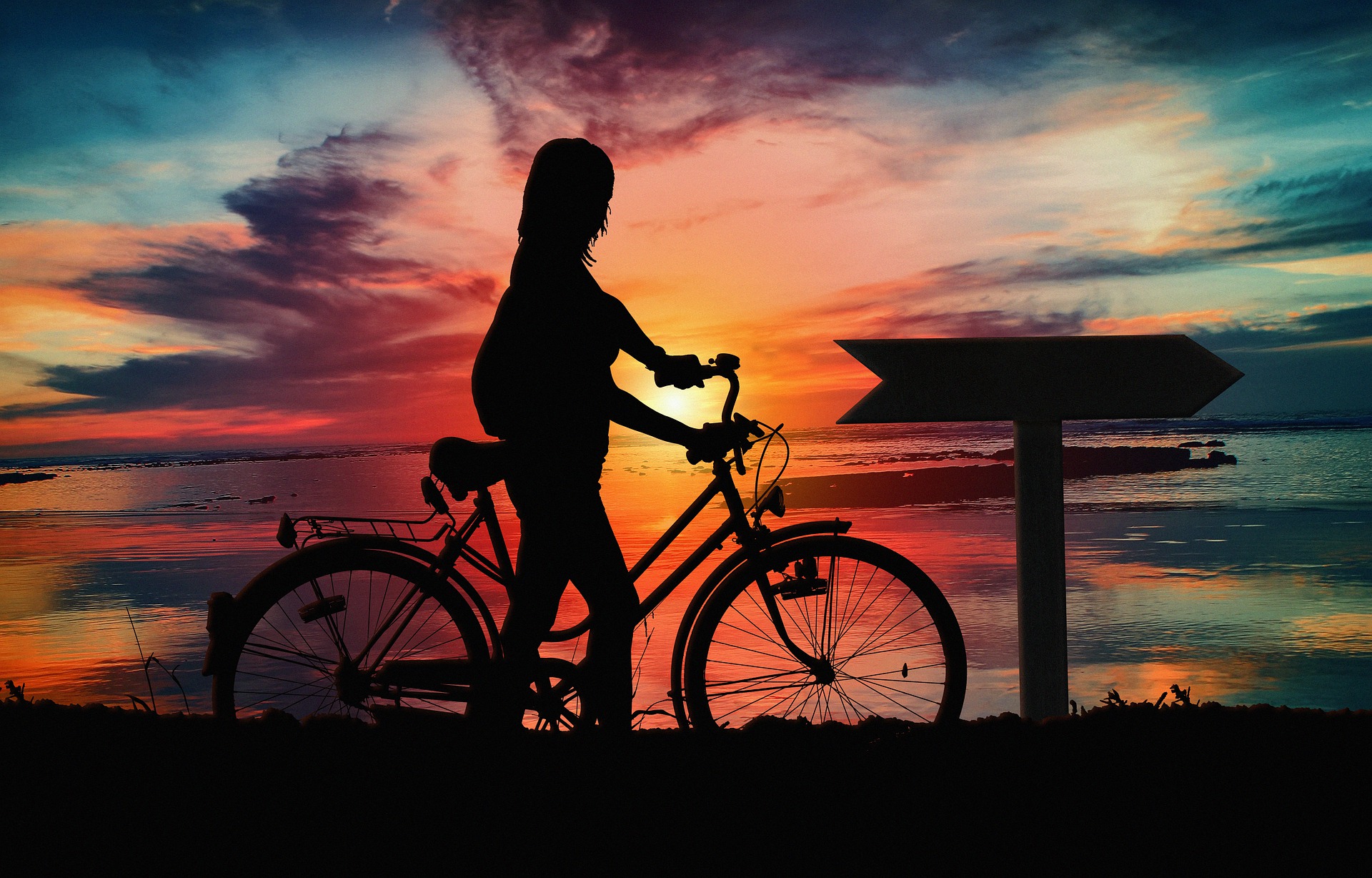
This week I rode my bike from East Arlington (where I live) to Arlington Heights (where I lead Music Together classes three mornings per week) via a rail-to-trail bike path.
At one point there was a stretch of sugar maple trees with orange, red and yellow leaves silhouetted against a very blue sky.
And I had to acknowledge the beauty of autumn…
Another deep breath in.
And deep breath out.
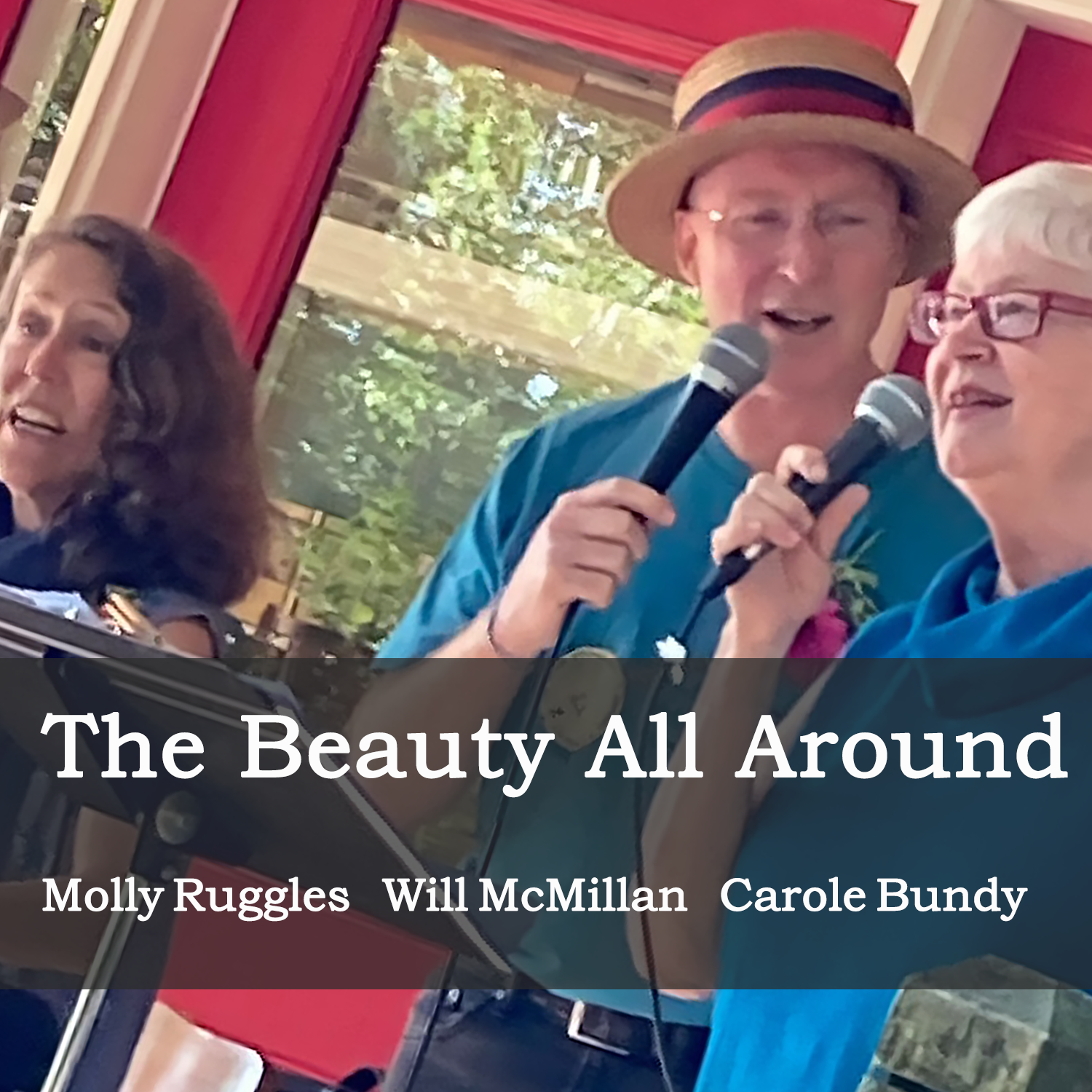
Dedicated readers of this blog may remember a song called “The Beauty All Around” which I wrote not long after taking a class called “Ukulele for the Almost Musical” led by a wonderful teacher, Danno Sullivan.
I recorded it using my ukulele and Apple’s wonderful GarageBand application, and then I recorded a new piano/vocal version a few years later with pianist/engineer Doug Hammerat his terrific home studio.
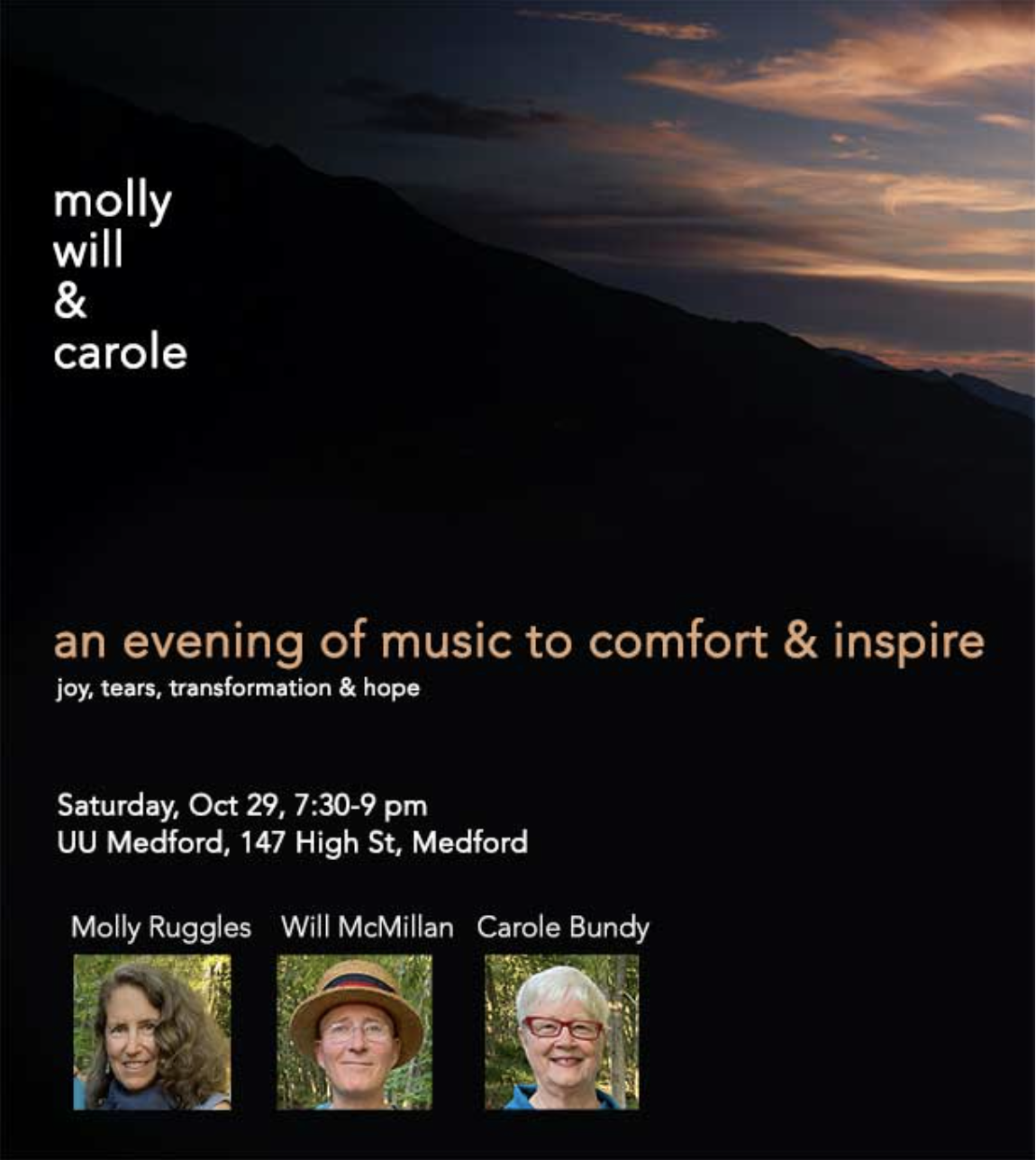
Among other things that church runs a much-needed food pantry and is currently hosting a family who managed to get out of Afghanistan earlier this year.
We’ve been rehearsing in the main sanctuary of the church, and it has been a great pleasure to experience the excellent acoustics of the space.
So much is happening right now in the USA — and all around this small, blue-green planet!
Accelerating climate catastrophes such as drought, forest fires, hurricanes, flooding, polar ice/ permafrost melting…
Ongoing health anxieties related to COVID, the flu, monkeypox, and whatever else may be coming down the pike…
The horrible war in Ukraine…
The rise of fascist political rhetoric and activity and actions here in the USA and in many other countries around the world…
And the list goes on and on…
Deep breath in.
Deep breath out.
My coping methods to deal with all of these challenges include:
1) Personalizing and sending lots of cards and letters to potential voters in swing states…
2) Riding my bike, walking, or taking public transportation…
3) Singing with the families in my Music Together classes and also with Carole and Molly…
4) Donating tiny amounts of money to tight political races all around the country…
5) Savoring moments of beauty in the non-human world…
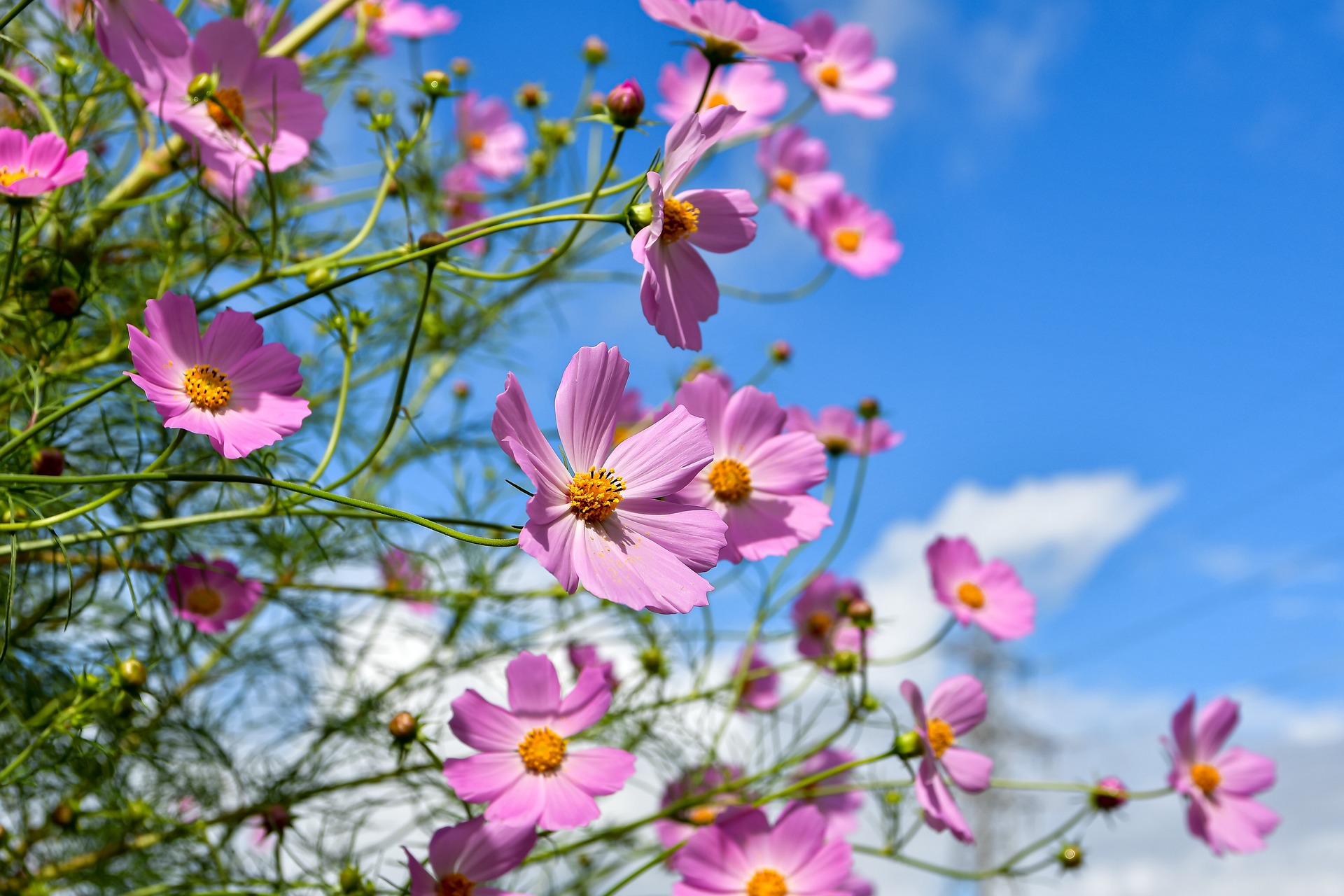
So far we have not yet had a frost; so the cosmos, zinnias, and daisies in my neighbors’ front yards are still blooming brilliantly.
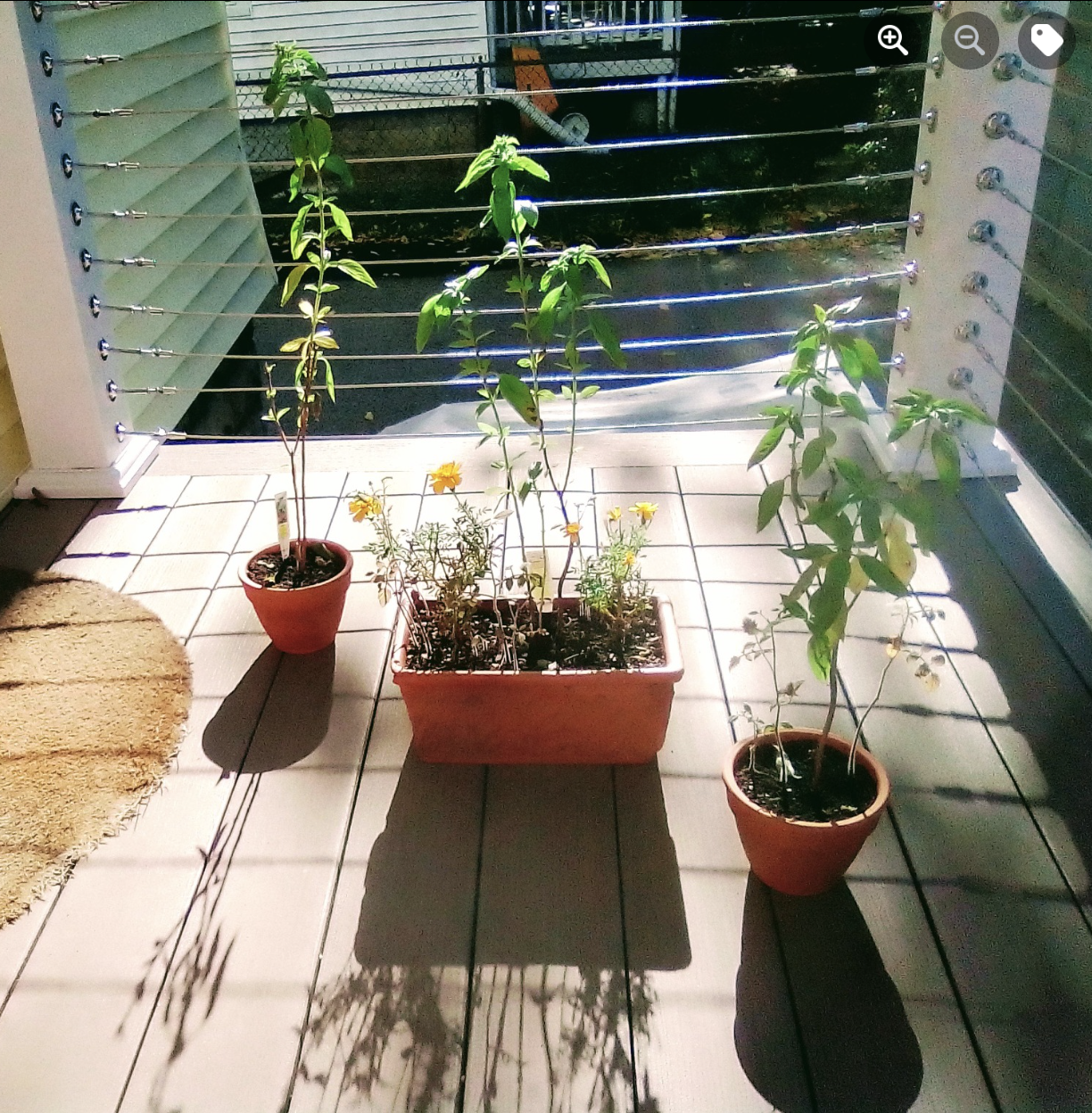
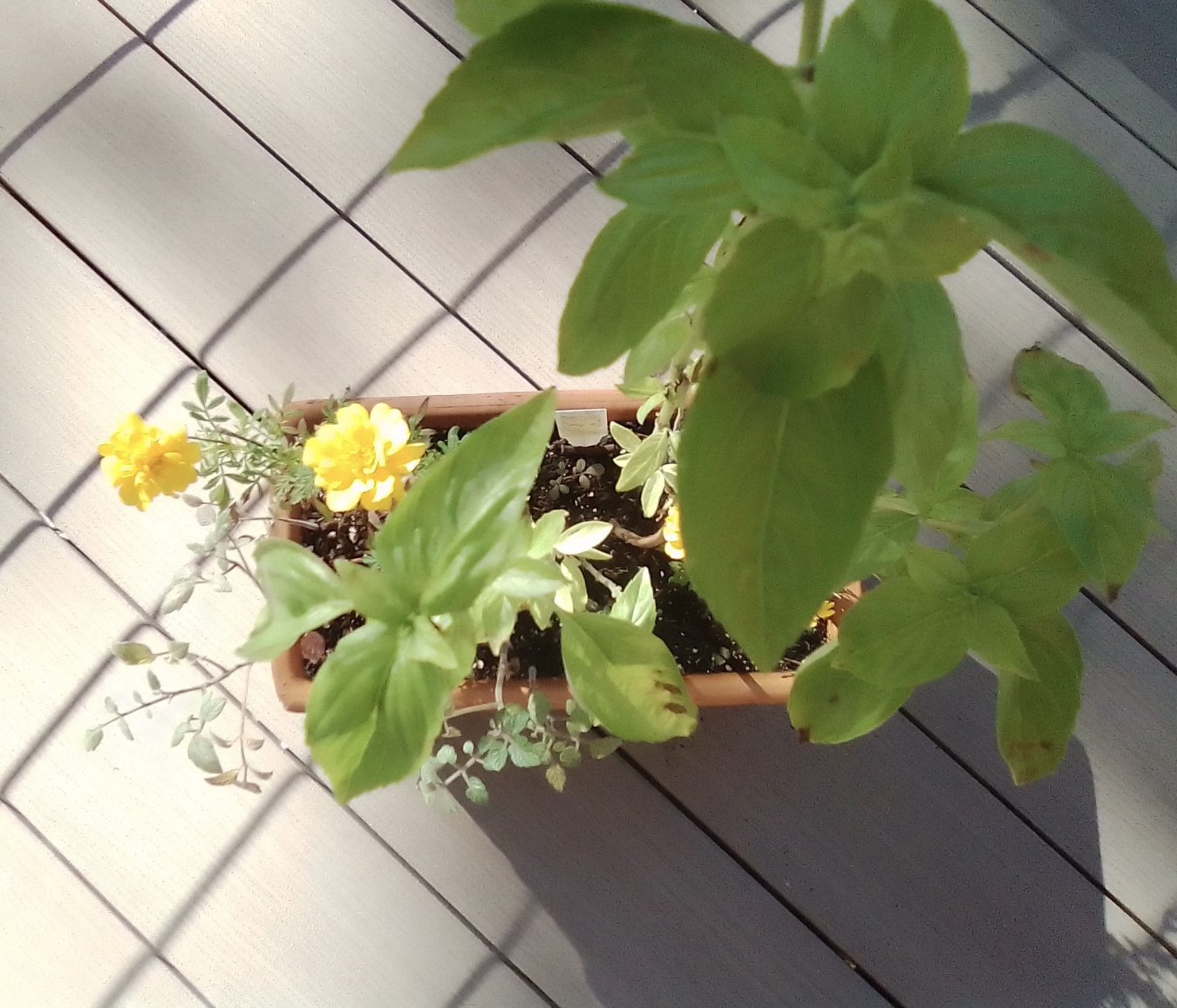
And the basil and marigolds on my back porch are still going strong, too!
Thank you to Carole and Molly for our ongoing musical journey.
Thank you to my Music Together families — past, present and future!
Thank you for a roof over my head, clean drinking water, food to eat (much of it from a local organic farmshare!), a steadfast and loving partner, and a still-beating heart.
Thank you to Peter Kontrimas, who did the initial recording of our eight songs, and to Doug Hammer, who helped us mix and master them via Zoom.
And thank YOU for reading and listening to another one of my (not-particularly-frequent) blog posts.
Deep breath in.
Deep breath out.
PS: You are always welcome to visit my website — where you can find many songs (and learn more about my musical life here on planet earth if you are curious).
You can also find me singing — with Doug Hammer playing his Schimmel grand piano — on Spotify, Pandora, Apple Music, YouTube and other digital music platforms.
Today we are experiencing unseasonably cool and windy weather in the Greater Boston area.
I sit on my back porch (wearing a winter coat for warmth) and listen to the cardinals, robins and mockingbirds who are all taking turns singing from the tops of nearby trees, roofs, and utility poles…
I also savor the marigolds, basil, kale, cilantro, and sunflowers sprouting in pots around me.
Sprouting seeds and growing plants fill my heart with hope.
It is such a weird and wonderful thing that a tiny speck of a seed can transform into a seedling!
To me it feels very similar to the mysterious miracle of how a caterpillar can transform into a butterfly…
Deep breath in.
Deep breath out.
I am deeply honored to learn that last Friday Michelle at Boomer Eco Crusader published an entire blog post featuring my song “We’re Running A Big Experiment.”
I have been reading her blog for a couple of years.
I always find inspiration about ways to improve my life right now — as well as ways to improve the future lives of our children, grandchildren, and all the other beings who will inherit the fossil-fuel-driven messes that we are leaving as our legacy here on planet earth.
If you are not already following her blog, I heartily recommend you check it out by clicking here.
THANK YOU to Michelle and to everyone else who has been listening to — and sharing! — this song after it was officially distributed to various digital platforms earlier this month.
Thank you to everyone who read and listened to and commented on my last blog post!
It has been lovely to re-connect with WordPress friends and acquaintances after my three-month hiatus from blogging (although I did continue to read a fair number of other people’s blog posts during that fallow time).
Last night I was unable to fall asleep.
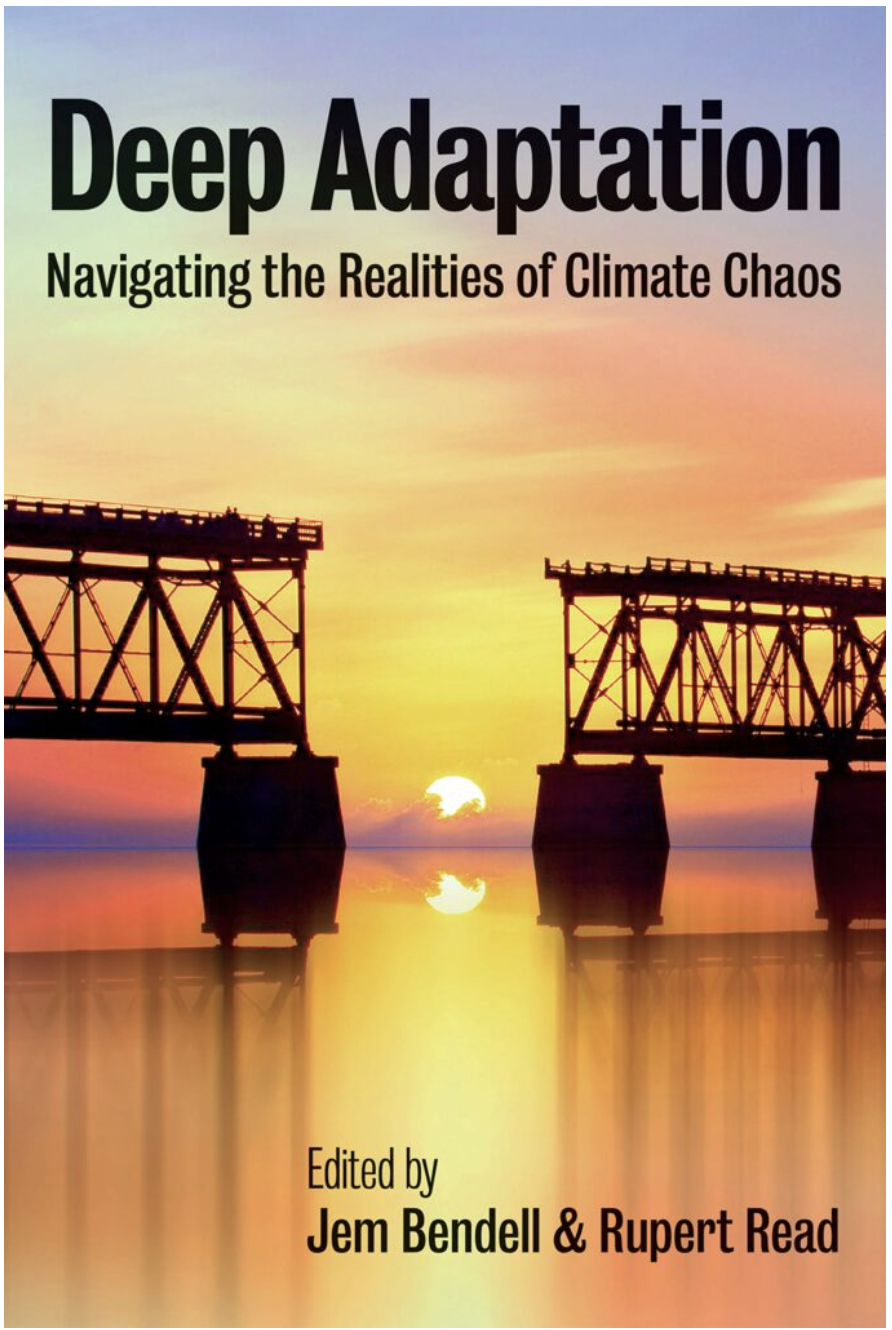
I am guessing it was a combination of reading two more chapters of Deep Adaptation (which can be profoundly terrifying and heart-breaking) combined with falling asleep for an hour during an unsatisfying football game earlier this evening (our New England Patriots fell ignominiously to the Buffalo Bills with a final score of 17 to 47) combined with the several chocolate truffles (made in Canada for Trader Joe’s) which I ate in the late afternoon before bundling up in many layers — t-shirt, hoodie, thin down jacket, thick down vest, thin black jacket, hat, gloves, and huge winter parka — and walking around a local lake in the very cold, refreshing winter air.
I have included another new song in the player at the beginning of this blog post.
I had intended to release it at the very beginning of 2022, but two things have delayed me.
One is some confusion about whether I should continue to use CD Baby (the company that has been distributing my recordings with pianist Doug Hammer to various digital music platforms) as my publishing administrator.
In case you do not know, when one records a song, there are two main copyrights for that recording.
One is a copyright for the actual recording.
That is usually owned or controlled by the recording artist (such as Lady Gaga or Tony Bennett or an independent musician like me) or by the recording artist’s record label (which may have advanced the money needed to make the recording…)
The other is a copyright for the song itself.
That is usually owned by the songwriter(s) and/or their publishing company.
So when I record a song written by someone else (Harold Arlen and Yip Harburg, for example), I own the copyright for my specific recording, and I pay a mechanical royalty in advance to the entity which owns the compositional copyright for that song.
When I record and release one of my original songs, I act as my own record label AND publishing company — and up until this point I’ve been using CD Baby as my publishing administrator.
A publishing administrator helps to track down earnings on behalf of the person who wrote the song.
I recently took an online class to learn more about how one might get one’s songs placed in TV shows and movies — and it turns out that one option is to find a sync rep to help me pitch my songs to music supervisors (who find songs for TV shows, movies, advertisements, and video games).
And some sync reps also like to act as one’s publisher — so having an agreement with CD Baby to be the publishing administrator for my original songs might be a detrimental to building a relationship with a sync rep…
So I’ve been stalled for the past month, wondering exactly what to do next regarding my publishing administration options.
And sadly, CD Baby — which once offered immediate phone assistance when it was a groovy, independent company — now only offers phone callbacks (during a window of time over a couple of days) or email responses (which also can take many days to get a response).
I assume this is because they were bought up by a larger company who decided that the immediate phone assistance option was too expensive and/or inefficient.
And it took two weeks for them to respond to my most recent questions about their publishing administration option — maybe because it was the holiday season and/or maybe because my question didn’t fit perfectly into one of their dropdown menu options for customer service assistance…
Deep breath in.
Deep breath out.
Another reason why I have been delayed in releasing my new songs is because a few of them are about challenging topics such as our climate change/disaster and our current Covid epidemic/disaster — which I am guessing might elicit strong feedback/pushback (the prospect of which I find scary…)
And of course there is probably good-old-fashioned denial at work, too.
Sharing songs such as “We’re Running A Big Experiment” with the rest of the world (or rather with the people who have electricity and smart phones/computers and access to digital music platforms such as Spotify and Pandora and Apple Music around the world) somehow makes the topics I am writing about more real.
I can no longer hide in my own little puddle of denial once I put them out there.
And denial is an extraordinarily wily and powerful psychological mechanism/phenomenon.
One of the things I’ve been observing — in a spirit of curiosity rather than judgement — is how much denial can be triggered when one begins reading Deep Adaptation.
As I mentioned in my previous blog post, a friend invited a group of us (seven total) to read it together and also to discuss it each month via Zoom.
Since we began this process, some of us have managed to write down the wrong time for our Zoom meetings, some have taken a nap and almost missed a Zoom meeting (until someone else called and woke them up), and some have gotten ill and missed a Zoom meeting.
And many of us — myself very much included — have struggled to read the recommended chapters before each monthly Zoom meeting.
What have been YOUR experiences with denial?
And with climate change?
Deep breath in.
Deep breath out.
I wrote in my last email that I was going to write shorter blog posts; so I’d better end this one now.
I am very grateful to you if you have managed to read this far and perhaps have also listened to “We’re Running A Big Experiment.”
Thank you!
I am also very grateful to Doug Hammer — for his wonderful piano playing AND his engineering skills AND his advice/input regarding the harmonies I sang on this song — as well as to the photographers and artists at Pixabay for their magnificent images.
And I remain truly grateful for all the blessings I currently have in my life — food, shelter, heat, warm clothing, electricity, a functional computer, access to the internet, a reliable bicycle, family, friends, and the WordPress community (to name just a few!)
One final deep breath in.
And deep breath out.
PS: You are always welcome to visit my website — where you can find many songs (and learn more about my musical life here on planet earth if you are curious).
You can also find me singing — with Doug Hammer playing his Schimmel grand piano — on Spotify, Pandora, Apple Musicand other digital music platforms.
And if you are hungry for a more uplifting song as an antidote to “We’re Running A Big Experiment,” you are welcome to click here and listen to a song I wrote a few years ago when visiting friends in Toronto called “Another Good Morning” (which I recorded with Doug Hammer and released on a bunch of different digital music platforms last year).
I earn only a fraction of a cent any time someone plays one of my recordings on a digital music service — but they all add up!
PPS: If I have mis-explained the basic copyright concepts regarding recorded songs, please correct me in the comments section!
6/13/22 I finally distributed “We’re Running A Big Experiment” via CD Baby to various digital music platforms! You can click here to listen on Pandora, Youtube, Apple Music, Spotify, and more…
Thank you to everyone who has continued to visit my blog even though I have written no fresh posts in the past three months.
After this fallow period of non-blogging, today I am happy to be writing a new post.
As faithful readers may remember, for the past year and a half I’ve been focused on recording, fixing, mixing, and releasing decent versions of songs with significant amounts of input, collaboration and expertise from pianist/engineer Doug Hammer.
“My Sweet Honeydew” — featured in the player at the top of this post — is part of a new crop of original songs I’ll be sharing in 2022.
Some of these songs attempt to make sense out of the tipping point which human civilization — along with the rest of the extraordinary web of life here on planet earth — is now experiencing due to our overconsumption of fossil fuels during the past 150 years or so.
“My Sweet Honeydew” highlights the gratitude I attempt to practice every day despite horrible news such as the accelerating extinction of plant and animal species; the increasing frequency and severity of fires, floods, hurricanes, and tornadoes; and the political unrest/discord which these events stir up!
I am very grateful to live in the United States of America and specifically in Massachusetts, which is currently led by a rare Republican governor who believes in science and who continues to respect the ever-evolving recommendations of public health experts during our ongoing Covid-19 crisis.
Because of these two geographical blessings, I have so far been spared most of the anguish and shortages and panic and destruction that so many other beings on planet earth are already experiencing.
Deep breath in.
Deep breath out.
But I am aware that this could change — and possibly much faster than most of us who currently have access to food and clean water and shelter and electricity and computers and the internet would like to think is possible…
That’s because I’ve been reading a book called DEEP ADAPTATION with a small group of friends.
So far it’s been a very sobering experience — as you may know if you have already read it.
Another deep breath in.
And deep breath out.
I’ll probably write more about DEEP ADAPTATION in future blog posts.
Please let me know in the comments section if you have already read it — and what YOU make of it…
One is to continue to decrease the impact of my life on all of the ecosystems which support our lives here on planet earth.
Another is to write shorter blog posts.
And a third is to remain curious — if that is possible — rather than terrified or furious or disheartened or disgusted about everything that continues to unfold here in these not-very-United-States.
One more deep breath in.
And deep breath out.
You are always welcome to visit my website — where you can find many songs (and learn more about my musical life here on planet earth if you are curious).
You can also find me singing — with Doug Hammer playing his Schimmel grand piano — on Spotify, Pandora, Apple Musicand other digital music platforms.
I mentioned in my last blog post that I’ve been doing a lot of reading and watching educational videos about how the music industry works.
Today’s song — which I wrote with pianist/composer/songwriter Steve Sweeting many years ago — is perfectly themed for my current state of understanding (and lack thereof…)
In case you are the least bit curious, here’s a little of what I’ve been learning.
As a singer and songwriter, I am supposed to file for two types of copyright: sound recording (also known as the “master recording”) and song composition (of the actual song).
Song compositions generate payments to songwriters and music publishers — and sound recordings generate payments to recording artists and record labels.
So it turns out I need to learn how to wear four business hats: recording artist, record label, songwriter, and publisher.
Actually I also need to learn how to wear a publicist hat, a business manager hat, a booking agent hat, a social media/advertising hat — and the list goes on and on…
I have learned that sound recordings are given a unique ISRC code so that they can be tracked around the planet as they are downloaded, streamed, enjoyed via satellite radio, played in elevators as Muzak, etc.
In theory this tracking leads to various payment streams for the artist who recorded the song, their record company, the person (or team) who wrote the song, and their publishing company.
Also each original song composition is given a unique ISWC code for tracking purposes.
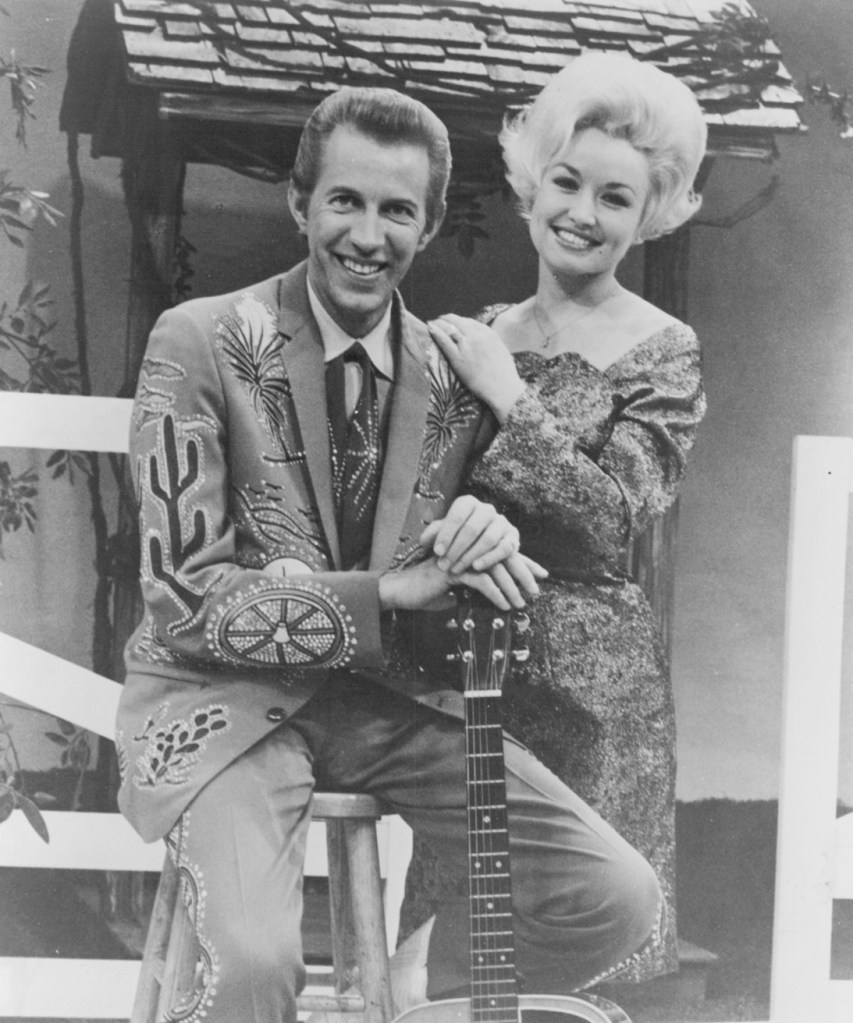
For example, Dolly Parton wrote and recorded “I Will Always Love You” when she made a very difficult decision to leave Porter Wagoner’s TV show.
This song has a unique ISWC code as a composition AND a unique ISRC code as her particular sound recording of it.
I loved reading in a 2012 interview about how Ms. Parton came to write this iconic song.
Porter and Dolly
“I was trying to get away on my own because I had promised to stay with Porter’s show for five years. I had been there for seven. And we fought a lot. We were very much alike. We were both stubborn. We both believed that we knew what was best for us. Well, he believed he knew what was best for me, too, and I believed that I knew more what was best for me at that time. So, needless to say, there was a lot of grief and heartache there, and he just wasn’t listening to my reasoning for my going.”
She continued, “I thought, ’He’s never going to listen. He’s just going to bitch every day that I go in to talk about this.’ So I thought, ’Well, why don’t you do what you do best? Why don’t you just write this song?’ Because I knew at that time I was going to go, no matter what. So I went home and out of a very emotional place in me at that time, I wrote the song, ’I Will Always Love You.'”
“It’s saying, ’Just because I’m going doesn’t mean I won’t love you. I appreciate you and I hope you do great and I appreciate everything you’ve done, but I’m out of here. And I took it in the next morning. I said, ’Sit down, Porter. I’ve written this song, and I want you to hear it.’ So I did sing it. And he was crying. He said, ’That’s the prettiest song I ever heard. And you can go, providing I get to produce that record.’ And he did, and the rest is history.”
Since then her song has been recorded by a lot of other singers — most famously by Whitney Houston.
And each recorded version has its own unique ISRC code as part of its metadata (plus Dolly’s ISWC code for writing the song) so that it can be monitored — and monetized — via unimaginably vast banks of computers keeping track of playlists, streams, downloads, broadcasts, Muzak services, etc.
Right now the music industry is in the middle of a paradigm shift which began when digital recording technology and CDs arrived in our lives.
When I was first making music as a young adult — performing with a jazz pianist, in a folk duo, and as part of an original five-person pop/rock band — I earned money from live gigs and from the sale of cassettes and CDs.
That era is over…
Music has gone from being sold on an analog object — such as a piano roll, wax cylinder, record, or cassette tape — to being sold as a long string of zeros and ones.
The zeros and ones which encoded music onto CDs allowed us to make copies of songs using our computers… and then share those copies with the rest of the world.
We could share them with our other devices (such as an iPod), with our friends and family, and eventually — via sites like Napster — with anyone else on the planet who also had a computer.
And no one got paid for any of this free file sharing!
Since then the music industry has continued to evolve — with streaming platforms such as Spotify entering our lives — but revenues for recorded music are still way down.
And now we also have COVID-19 reducing opportunities for musicians to earn money from live performances.
In fact many small music venues in the Boston area have already closed their doors…with more likely to succumb in upcoming months.
Deep breath in.
Deep breath out.
It’s hard to know what’s coming next!
My current plan, since the wonderful Doug Hammer is not yet welcoming customers back into his recording studio in person, is to work with him remotely (using Zoom) and polish some songs we’ve recorded in past years.
And write a few more blog posts explaining what I am learning about the music industry.
And continue to wear a face mask when I leave my house.
And ride my bike and walk whenever possible.
And lead Music Together classes — both outside (wearing a new face shield + wireless headset) and inside via Zoom.
And give as much money as I can afford to various political candidates and non-profit organizations who are doing their best to prevent our country from lurching into an autocracy.
I thought of it often as I was carrying boxes from my sister’s apartment in Laguna Niguel, CA to a 16′ Penske moving truck parked about 100 feet from her front door.
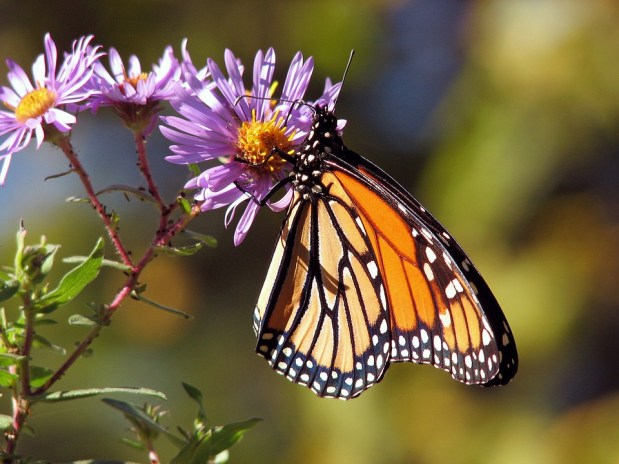
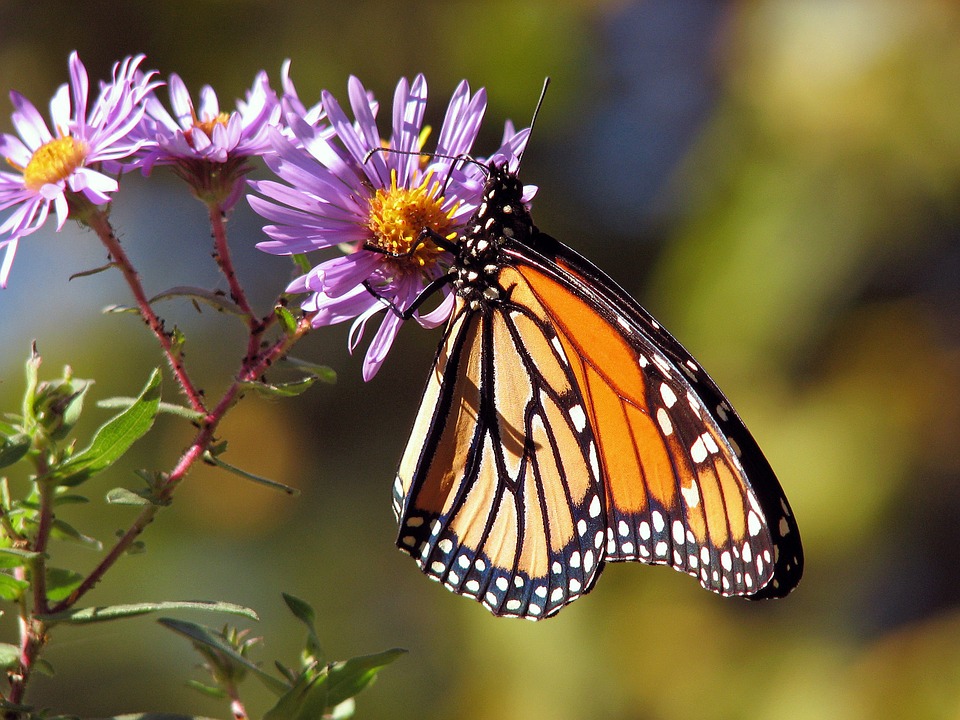
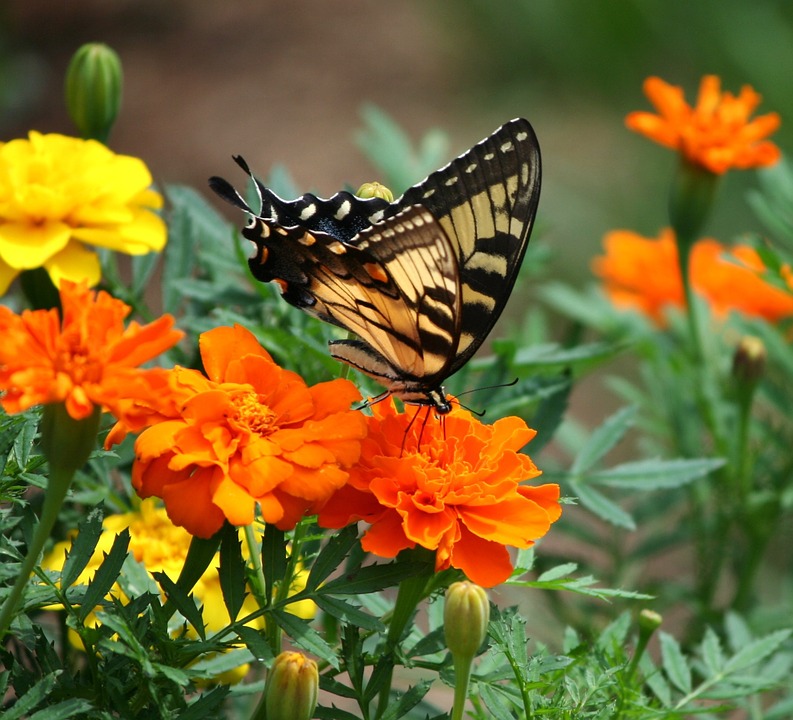
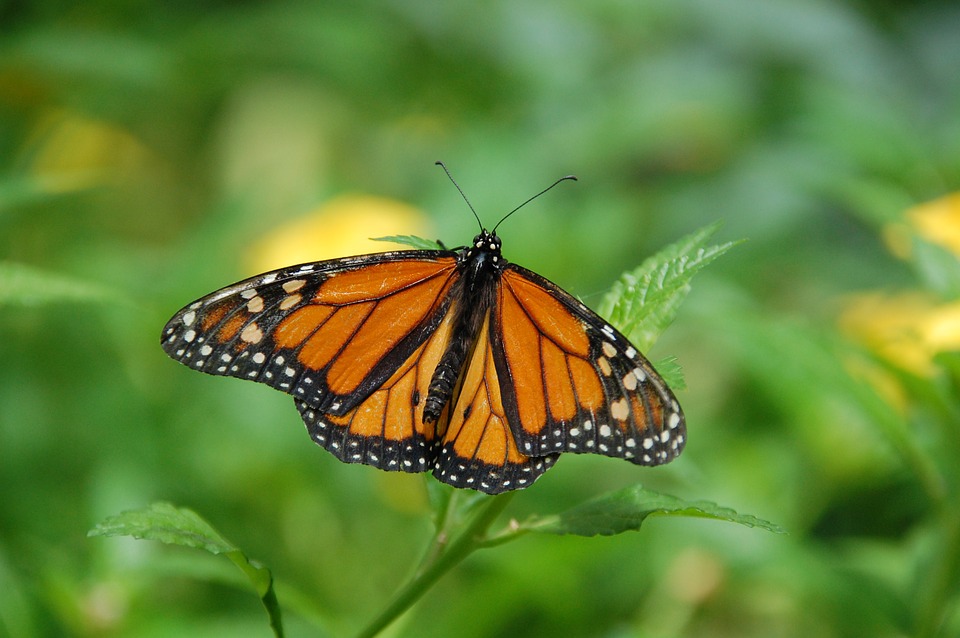
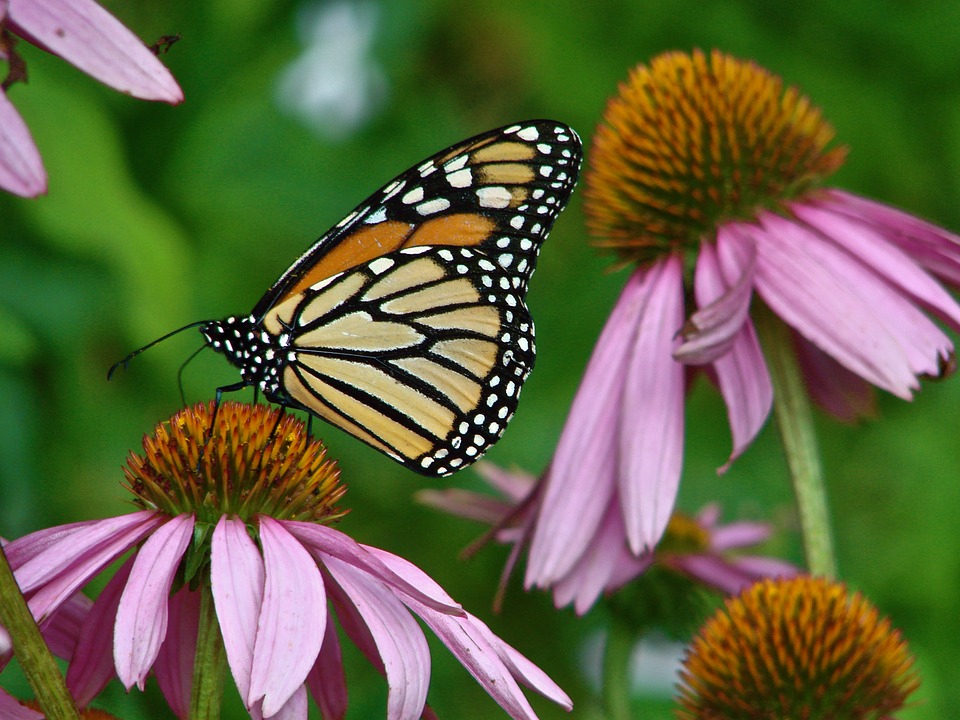
A monarch butterfly would appear every few hours — flapping from flower to flower before drifting away on a gentle breeze.
And I would find myself singing this song.
I don’t know what inspired John to write it, although I am guessing that he must have some sort of meditation practice.
I first heard it sung at the Yale Cabaret Conference I participated in many years ago… and immediately wanted to learn it.
I practiced the lyrics over and over again one summer as I walked up and down a sandy path through a scrub pine forest en route to Head of the Meadow beach in North Truro, MA.
It is a perfect example to me of a “wisdom song” — which helps me to re-align with my better, wiser self whenever I sing it.
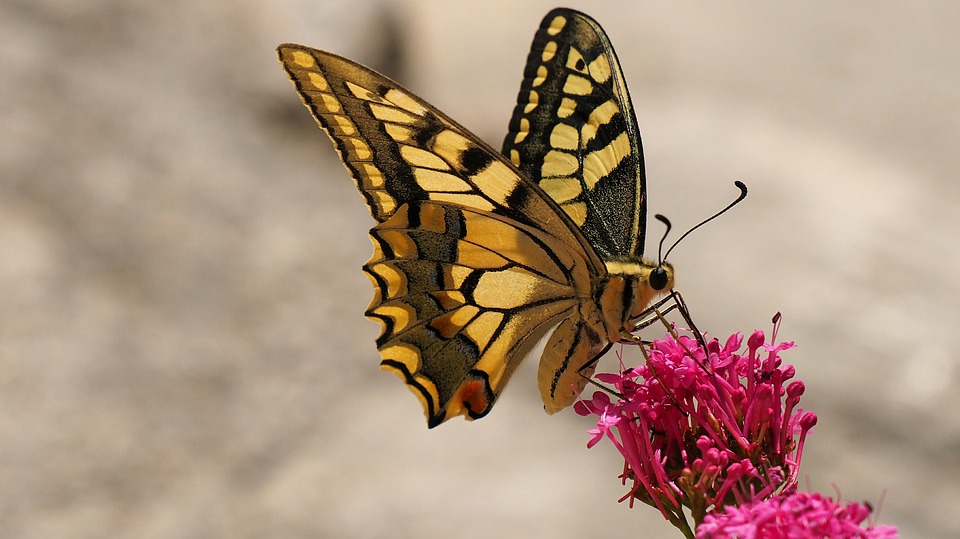
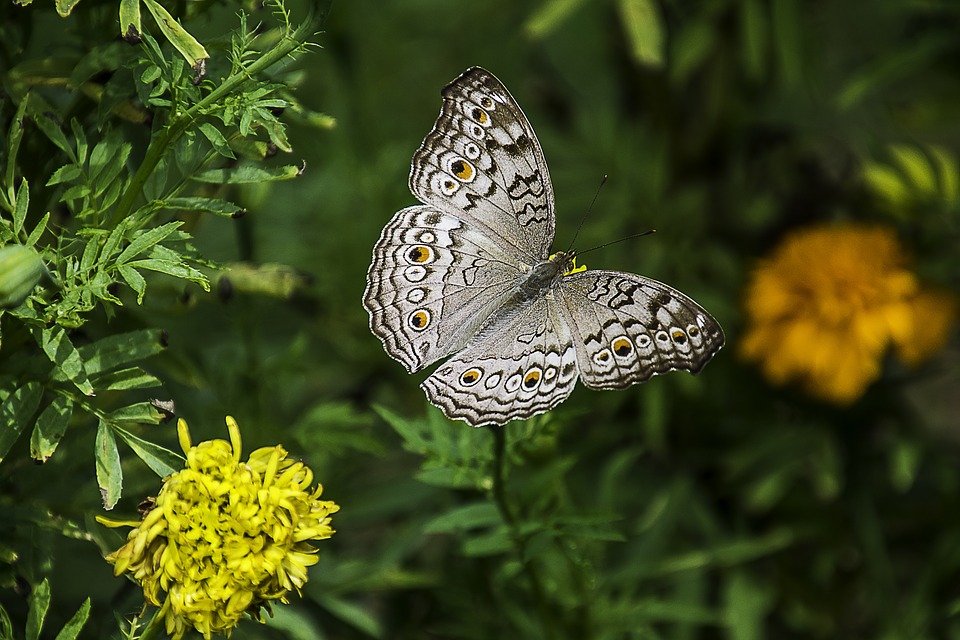
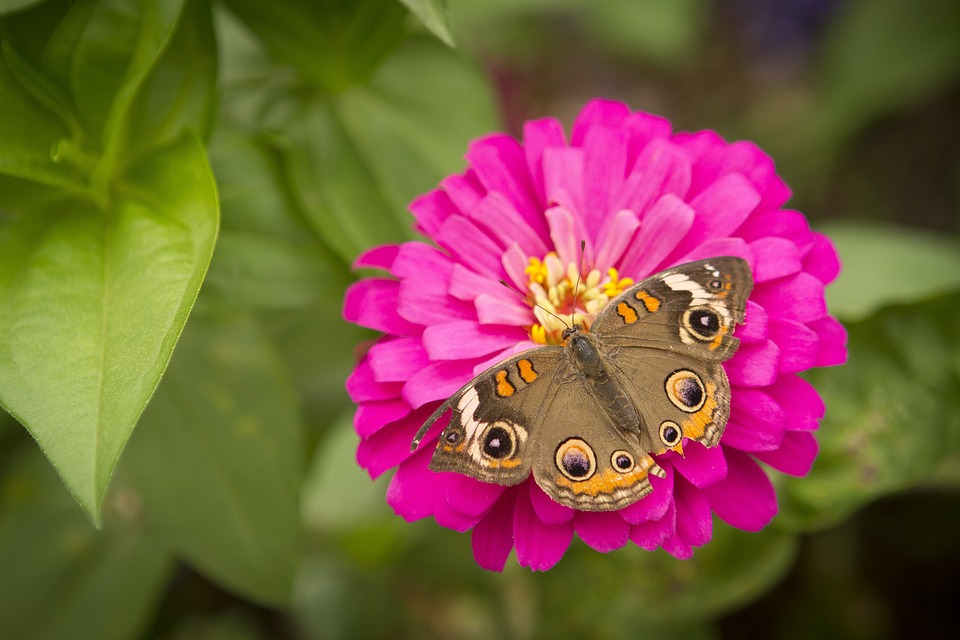
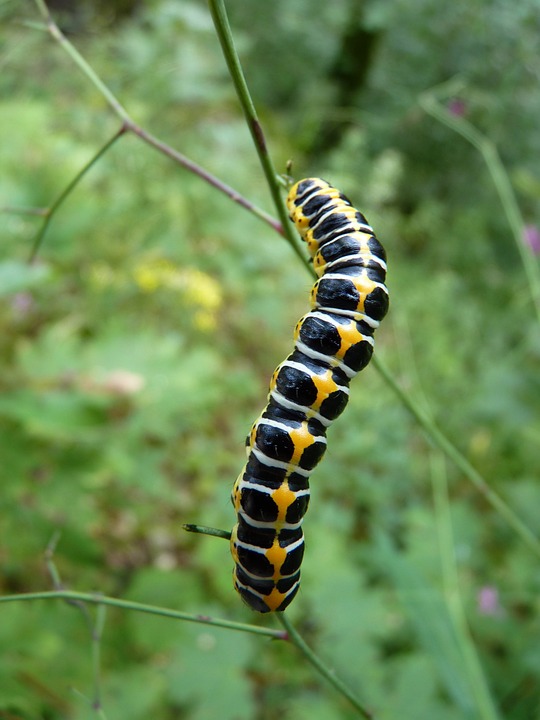
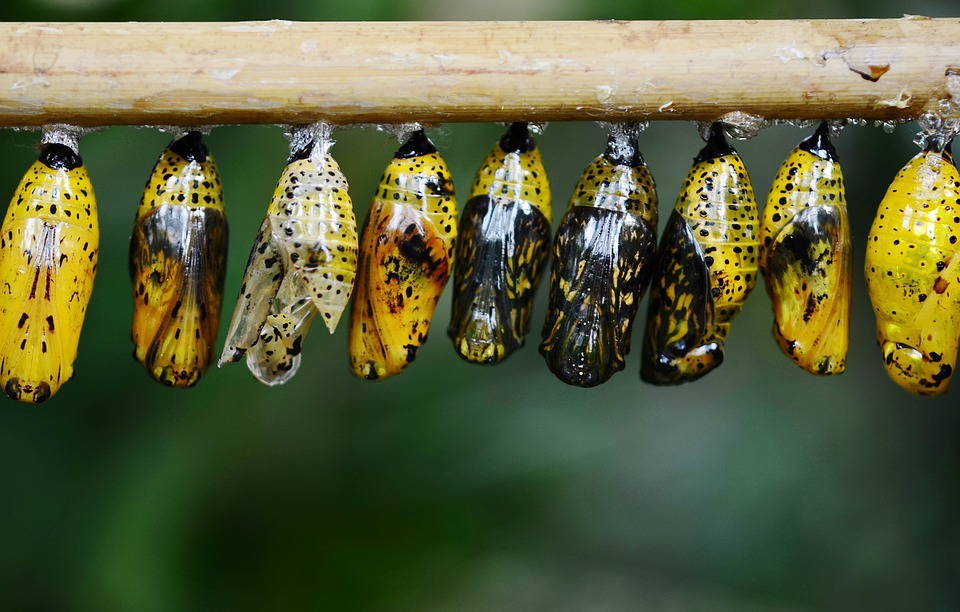
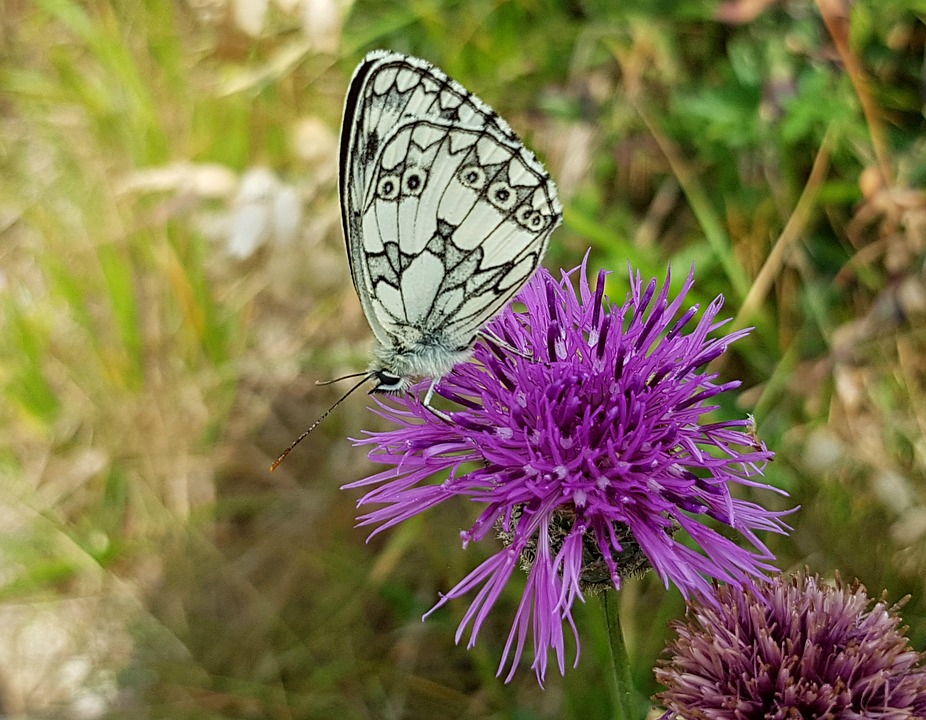
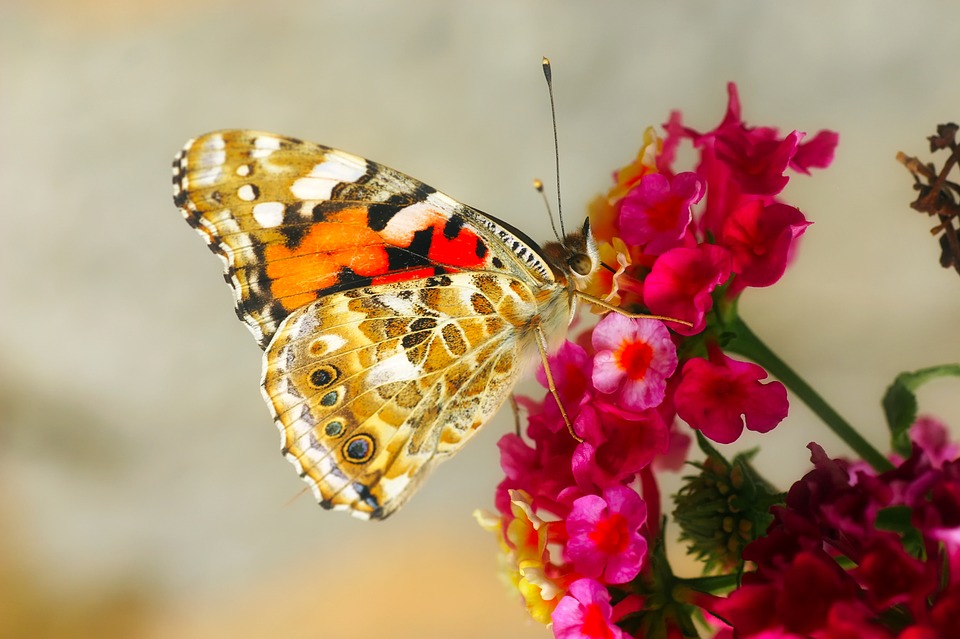
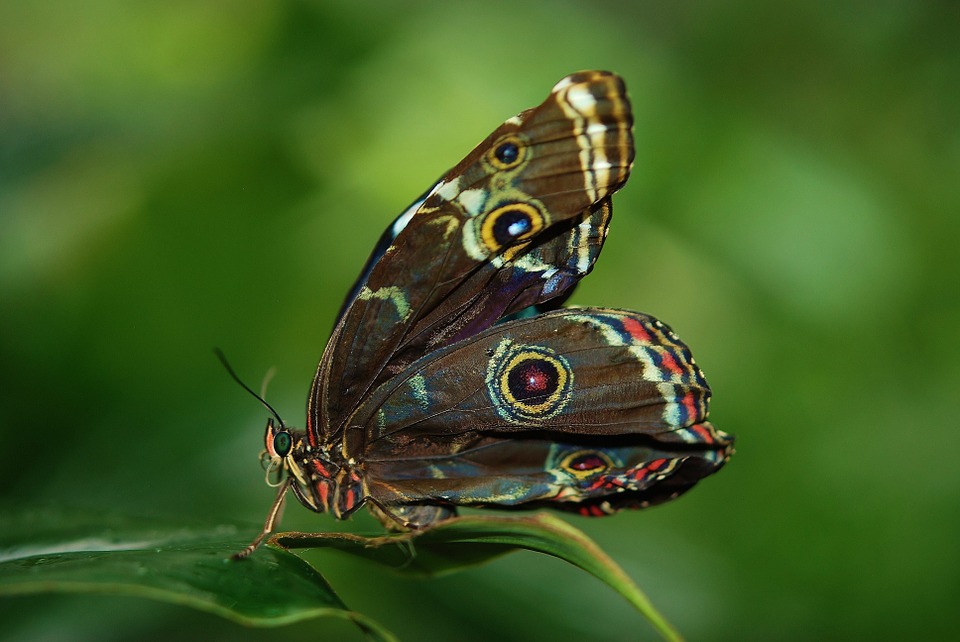
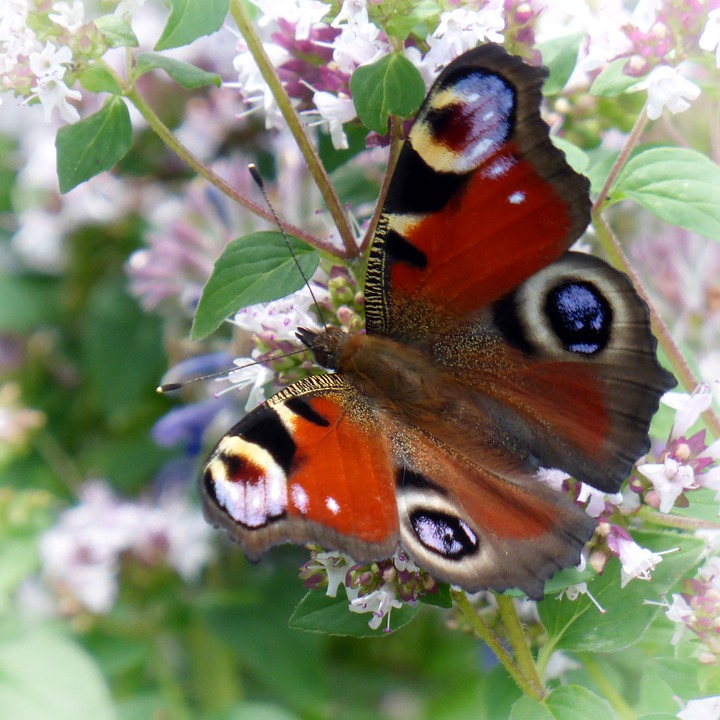
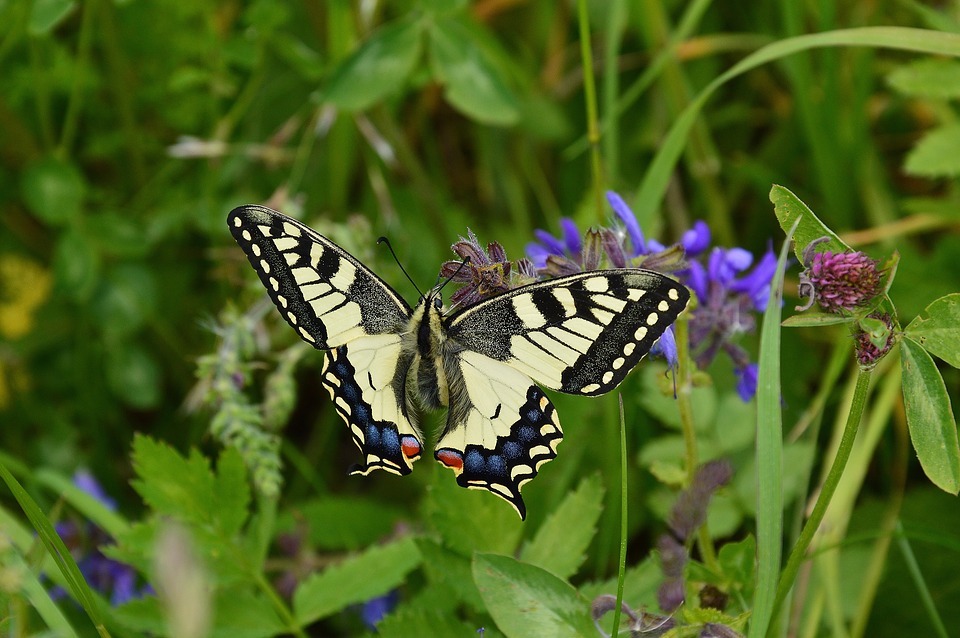
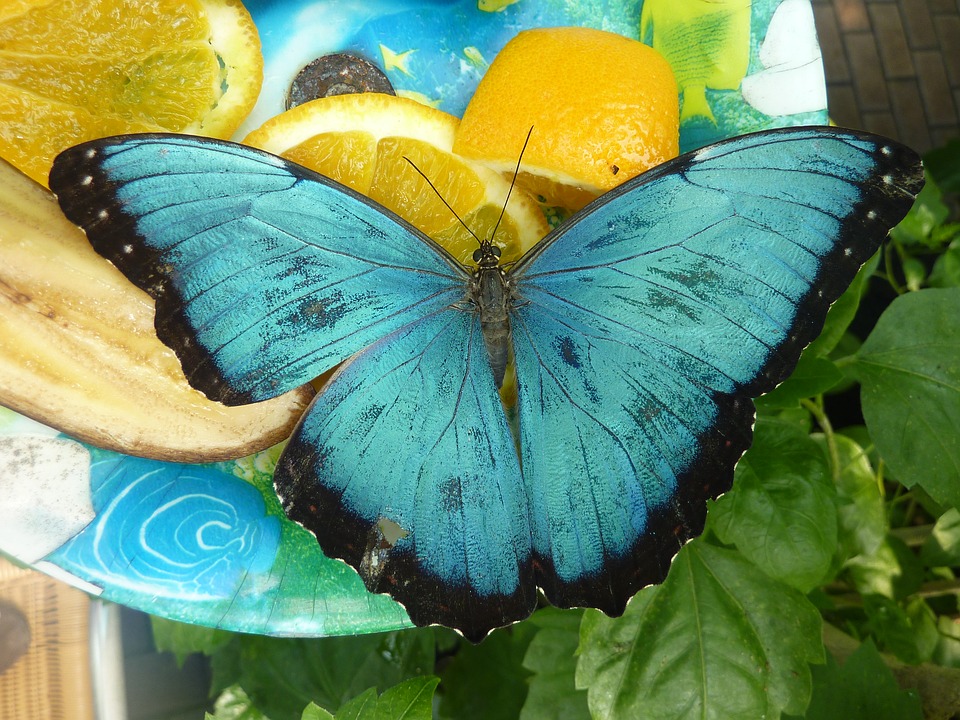
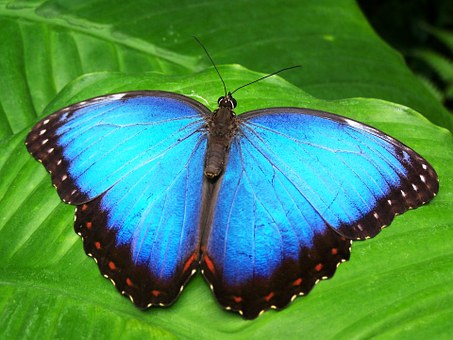
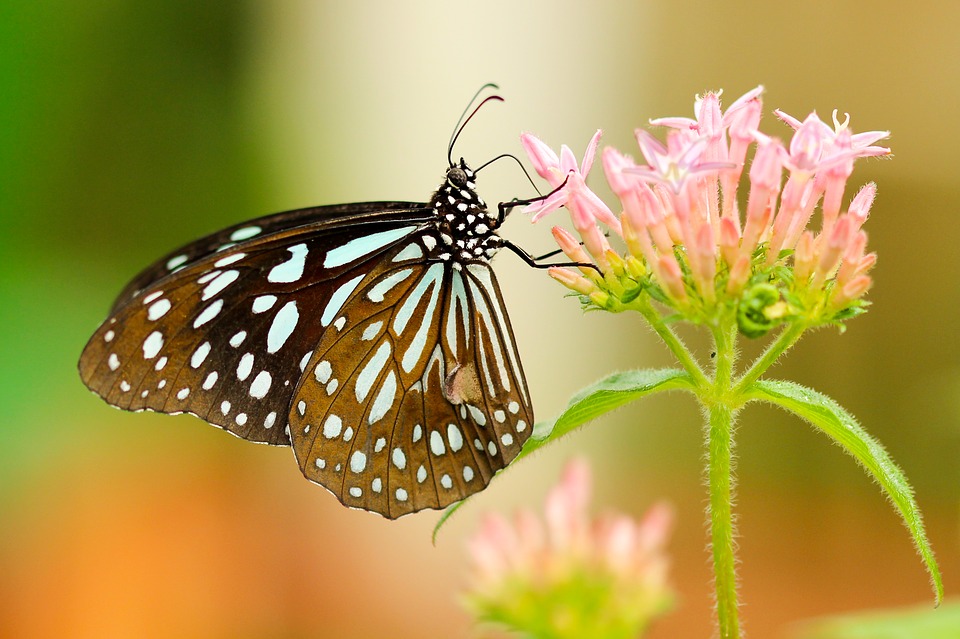
Writing this post inspired me to search on Pixabay for some butterfly images, and I was astounded by what I found.
The idea that earthbound caterpillars can transform themselves into winged butterflies — that they can literally dissolve themselves and re-form their molecules into a new type of being — has fascinated and inspired us human beings for millennia.
I am also inspired by the paths they take — paths which do not travel in a straight line from point A to point B yet manage to cover vast amounts of mileage none-the-less.
Butterflies have a inner sense of where they are headed, but they also follow and respond to whatever flowers and breezes appear along their journey.
This seems to be how I, too, am moving through my musical life here on planet earth.
I looked online to learn more about the current health of our butterfly populations.
First I was directed to a relatively new company called “Butterfly Health” that seems to specialize in adult diapers…
Then I found a lovely story about vineyards in eastern Washington which “stopped using harmful pesticides and created natural habitats with native shrub-steppe plants around the vineyards to keep out harmful insects (e.g., mealybugs) and attract beneficial insects (e.g., parasitic wasps) that feed on pests.”
These vineyard saw a significant increase in butterflies — from an average of five different species to more like twenty different species!
The article noted that “butterflies don’t protect the vineyards or provide wine growers with economical benefits, (but) they are pollinators and an important element of the ecosystem. Furthermore, having butterflies flutter around a vineyard increases its aesthetic appeal and provides proof of earth-friendly pest control practices.”
It reports that “more than three-quarters of Britain’s 59 butterfly species have declined over the last 40 years, with particularly dramatic declines for once common farmland species such as the Essex Skipper and Small Heath…
‘This is the final warning bell,’ said Chris Packham, Butterfly Conservation vice-president, calling for urgent research to identify the causes for the disappearance of butterflies from ordinary farmland. ‘If butterflies are going down like this, what’s happening to our grasshoppers, our beetles, our solitary bees? If butterflies are in trouble, rest assured everything else is.'”
Deep breath in.
Deep breath out.
What, I continue to wonder, will it take for enough of us human beings to wake up and take significant actions so that the extraordinary species extinction we are now experiencing on planet earth can slow down…and maybe even stop?
Why are so many of us seemingly oblivious to what is happening to our ecosystems and unable/unwilling to make wiser choices?
I recently visited a friend’s house (his/her second home, actually) and saw a small vat of RoundUp that I assume s/he is using to take care (??) of weeds in his/her lovely garden.
It was sitting alongside an aerosol can of pesticide to kill wasps.
This is an extremely well-educated person who loves the views of nature from his/her home overlooking a beautiful river.
Yet s/he is completely oblivious to the increasingly well-documented scientific research linking herbicides and pesticides to all sorts of profound disruptions in the overall health of a wide variety of ecosystems. And disruptions to our own human metabolisms — since we human beings are deeply rooted in nature from an evolutionary perspective and share many of the same biological pathways/systems as our animal and plant cousins..
I know that beautifully photographed and persuasively written advertising messages from the makers of herbicides and pesticides contribute to our human ignorance..
And lots of us think, “Oh it’s just a little bit of RoundUp or a little bit of wasp spray…”
But it all adds up and takes a cumulative toll on a wide variety of plants and animals and bacteria and fungae which we dearly need to be functioning in balance with each other.
Another deep breath in.
And another deep breath out.
Thank you to Pixabay for these wonderful photographs of butterflies.
Thank you to Doug Hammer and John Bucchino for their tremendous musicality and songwriting expertise.
And thank YOU for reading and listening to another blog post.
What steps — small and/or not-so-small — have you taken in your life to help keep life in balance here on planet earth?
Today I sit on our back porch, savoring a gentle breeze and warm, spring-like weather.
Ahhh….
A careful reader might notice that I haven’t posted anything since December.
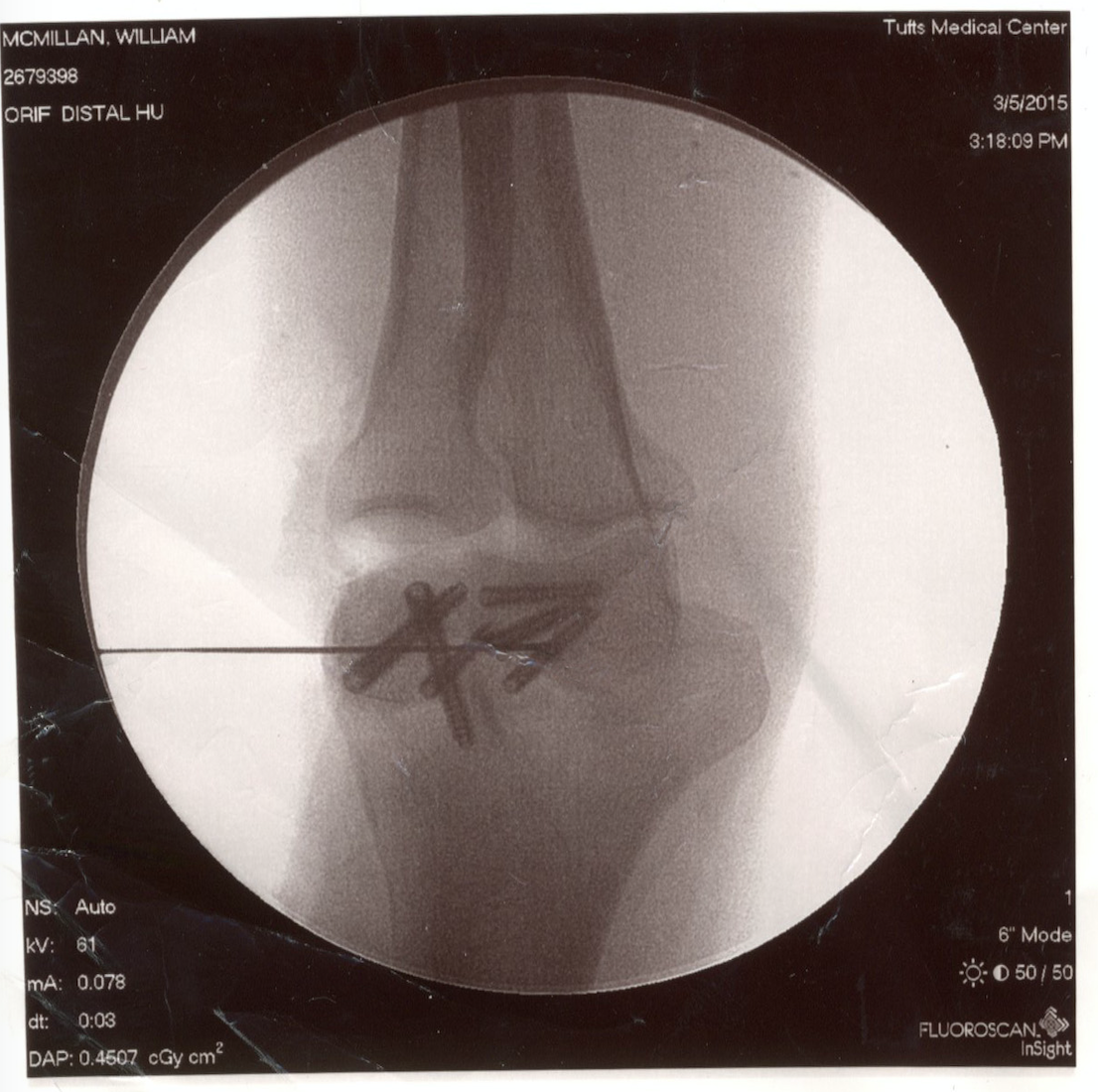
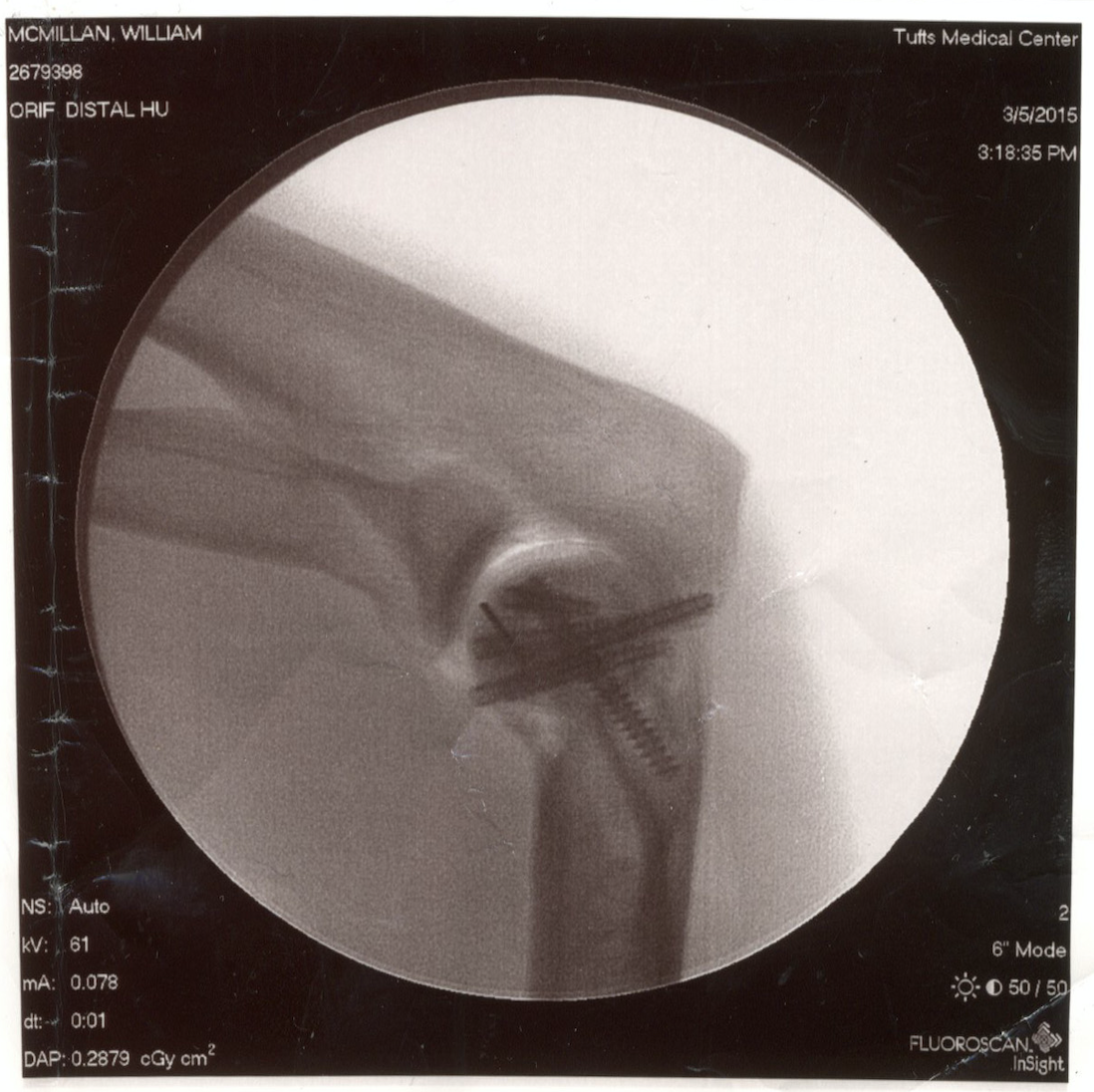
We had a long, snowy winter here in the Boston area — and at the end of February I managed to fracture the bottom surface of my left humerus (upper arm bone) by tripping over a very enthusiastic 18-month-old student who got behind me (without my realizing it) during one of my Music Together classes.
Six titanium screws later, my left elbow is mostly functional — and a few more months of painful therapy may, in frustratingly small increments, restore full functionality.
We shall see…
One of the blessings of my recent encounter with the world of Western medicine is that I found a great surgeon — the head of orthopedic medicine at Tufts Medical Center! — who was willing to screw the various chunks of my humerus back together again. He is also a terrific listener who makes unwavering eye contact during conversation.
And the anesthesiologists who took care of me during my surgery were also willing to listen to my request that they NOT intubate me. Instead they used an alternative device which didn’t poke through my larynx, bless them.
So I experienced no inadvertent bumps or scratches on my vocal cords while I was under anesthesia.
Now a very patient and sweet-tempered occupational therapist is helping me persist in my quest for a fully functional left elbow.
Through this entire process I have been blessed with music — healing tracks by Libana, Bobby McFerrin, Annie Bethancourt, and Bill Glassco (to name a few) — as well as a very soothing guided meditation by Peggy Huddleston to help prepare for and recover from surgery.
Although my left arm aches 24/7 — especially after I have done my stretching exercises — listening to music, practicing music, learning new songs, performing music, jotting down new musical ideas, and leading my Music Together classes all, thankfully, distract me from the sensations in my arm.
I have included a fun version of the Gershwin Brothers’ song “I Got Rhythm” (originally debuted by a very young Ethel Merman in her star-making performance as part of the Gershwin Brothers’ musical Girl Crazy) at the beginning of this blog post.
I recorded it with Doug Hammer on piano at his studio on the North Shore. You can hear him laughing at the end of the take because he didn’t know I was going to hold a particular note as long as I did in a spontaneous homage to Ms. Merman…
It sums up my outlook during this recovery period, and it certainly fits the mood of today, as birds swoop through our back yard, and bees of all sizes diligently gather pollen from the flowers blooming around town.
One of the things I love most about teaching Music Together is the concept that each person absorbs and processes music in their own way.
Some children — and some adults, too — like to sit still while they soak up the sights and sounds swirling around them.
Others like to move their bodies — swaying, clapping, tapping their toes, nodding their heads, or even jumping up to dance in the center of the circle.
Still others prefer to wander around the room, seemingly oblivious to the musical activity unfolding all around them.
And yet these same children will often start singing their own versions of the songs as soon as they leave class…
I love the respect for different learning styles that is baked into the Music Together pedagogy.
As long as no one is hurting themselves or distracting the rest of the class, whatever she or he wants to do in class is OK.
At times this can make for a somewhat chaotic classroom experience.
But if the teacher and a majority of the adults are able to keep participating — singing, moving, chanting, drumming, dancing, marching, and so forth — the class flows on.
The children copy their accompanying grown up, the teacher, the other grown ups, and the other children.
And I am always looking for movements and ideas from the children and grownups in the class which I can mirror, highlight, and somehow incorporate into the flow of my lesson plan.
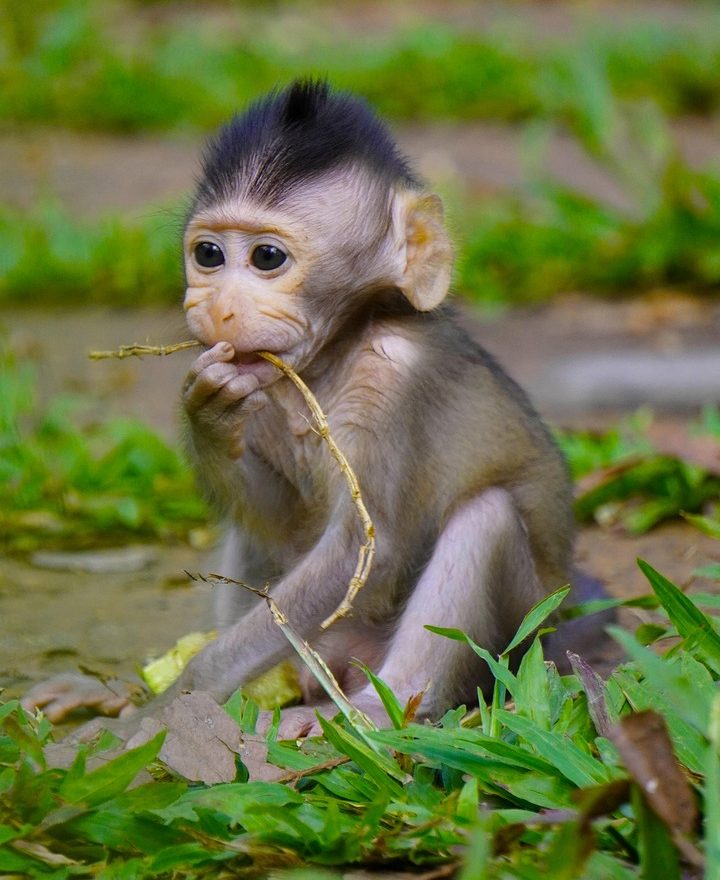
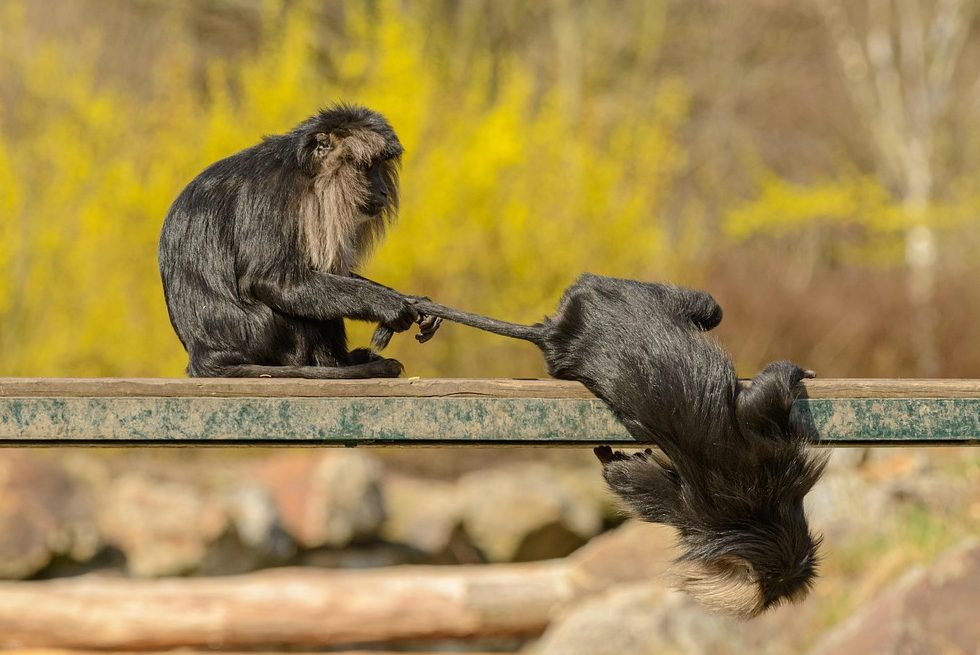
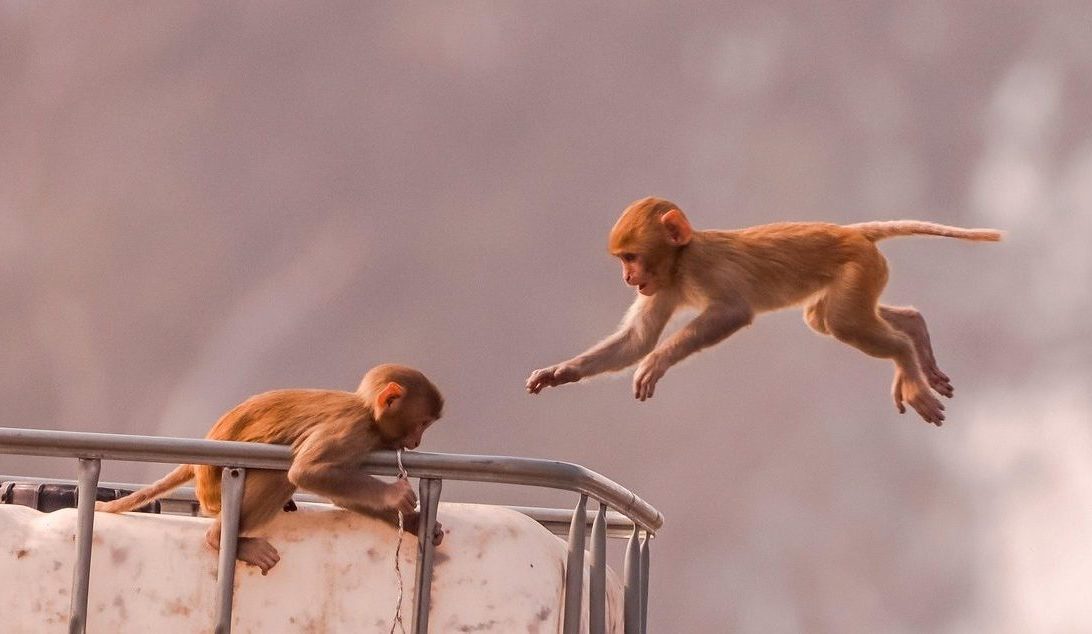
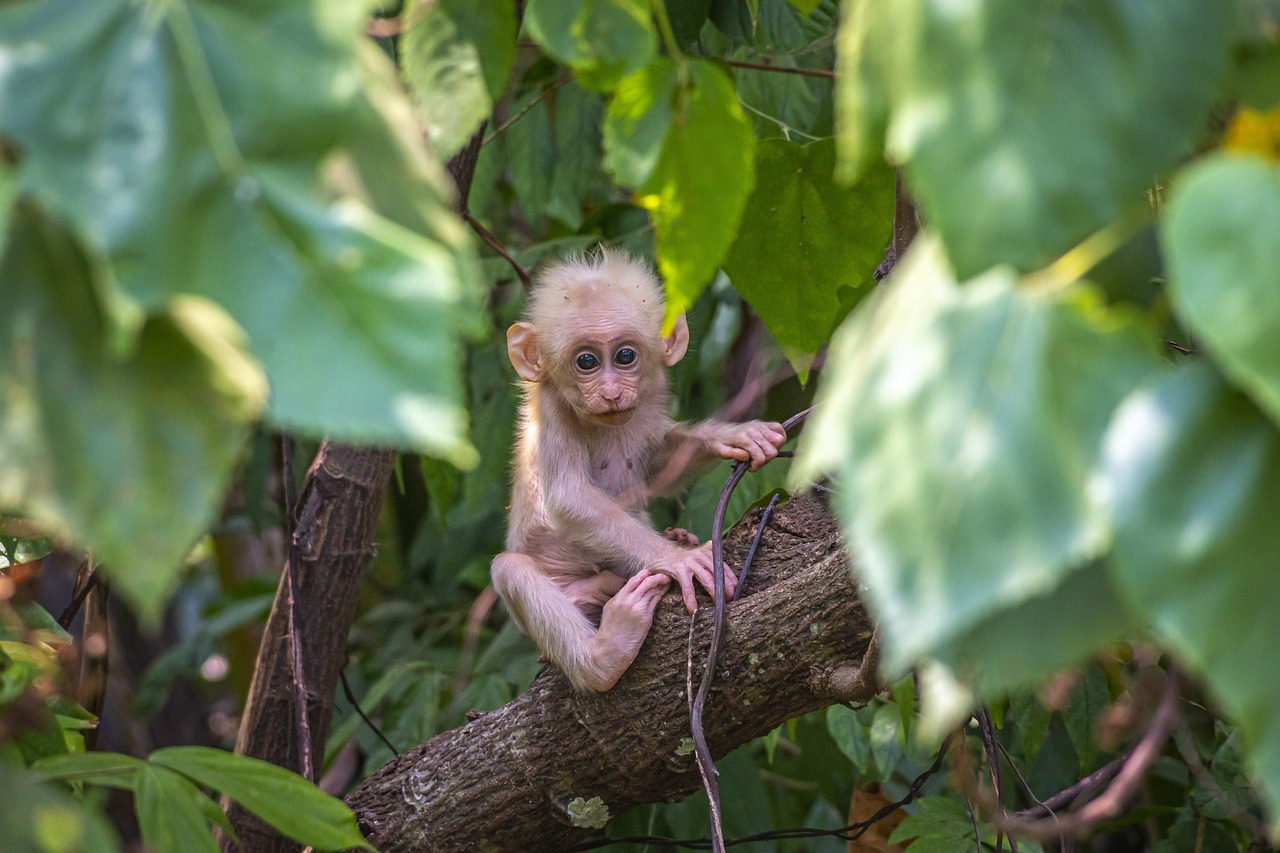
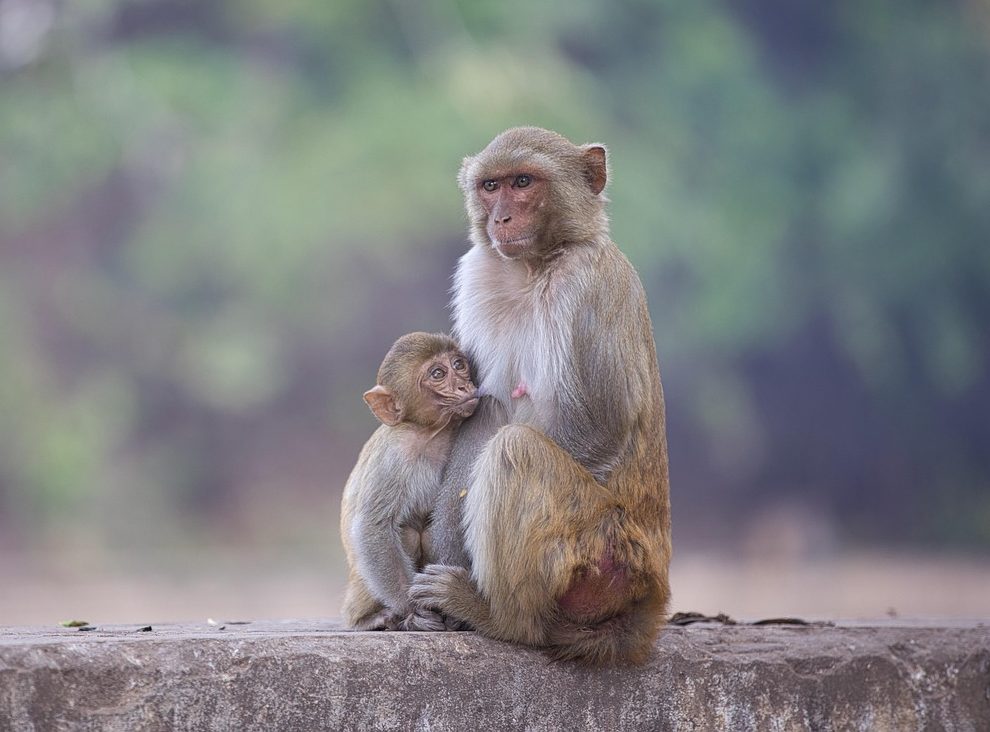
It can become a very rich — and fun — environment of “monkey see, monkey do” feedback loops.
I wrote the song at the top of this page, “I’m A Baby Monkey,” before I became a Music Together teacher.
















 amusicalifeonplanetearth
