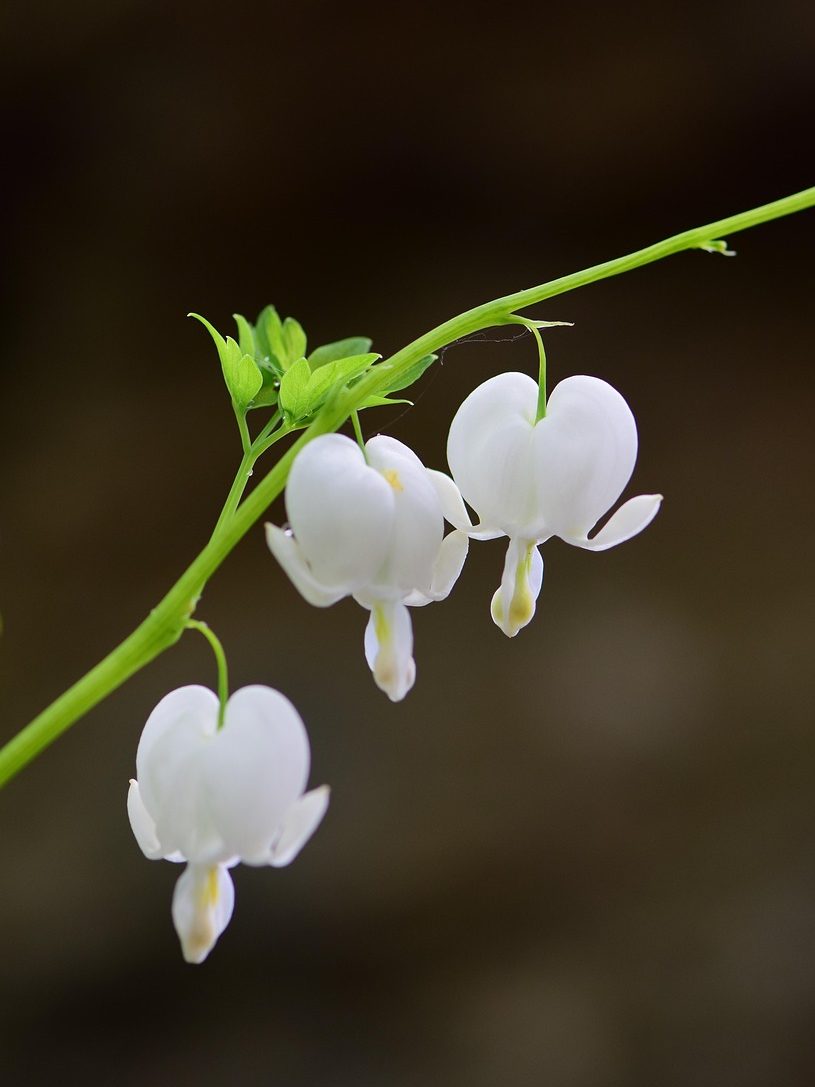
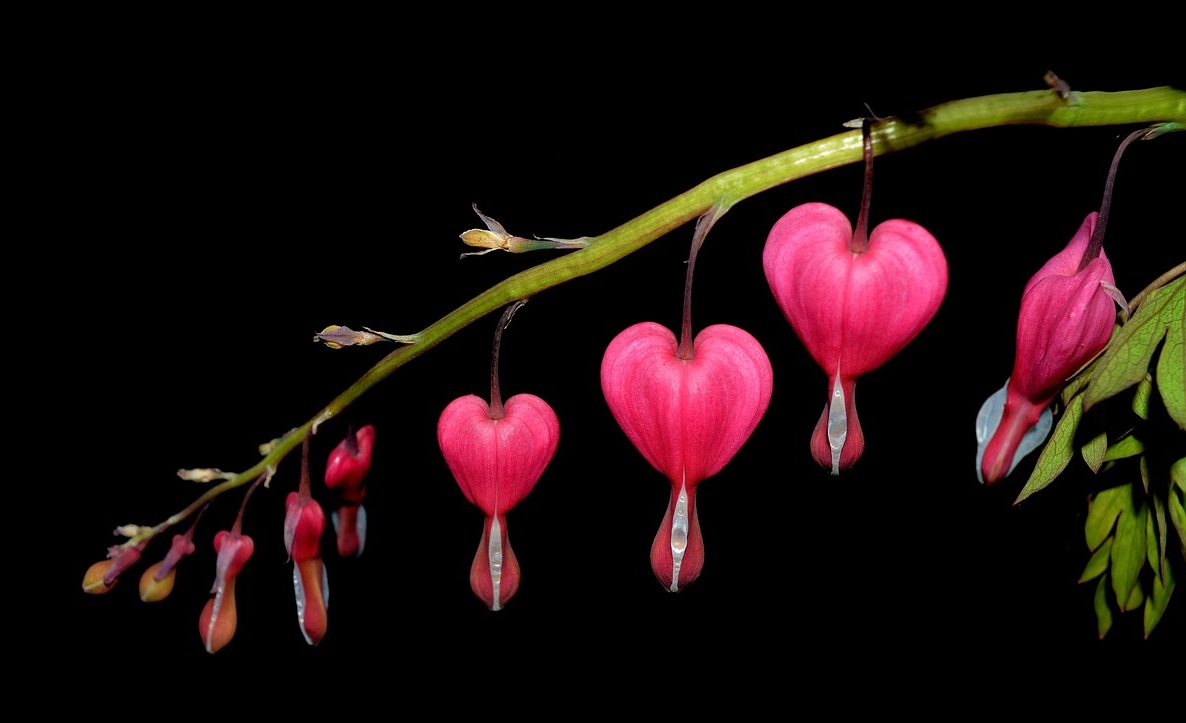
One of my favorite perennials is the Bleeding Heart.
Their flowers are like origami.
How does Mother Nature manage to create such an extraordinary variety of shapes and colors out of a such a limited selection of amino acids (adenine, guanine, cytosine, and thymine) in plant — as well as our own — DNA?
And how do the plant cells unfold in such complicated and exquisite patterns?
Today’s Throwback Thursday heads back to a November 9, 2013 blog post about how people who sing with other people — especially in choirs when they are encouraged to breath together during certain sections of the music — can end up aligning their heart beats.
Many songs from the 20s, 30s and 40s include references to specific people, places, products and events — thus functioning as historic 20th century time capsules for 21st century listeners.
A) Mulligan Stew, I learned from Wikipedia, is an Irish-inspired recipe for a soup or stew made from whatever food items one can round up.
It was also known as “Hobo Stew” during the early part of the 20th century in the USA.
I feel a special affinity for Mulligan Stew, because it appears to be very similar to the endless soup I like to make during the winter months.
I start with cut up carrots, potatoes, sweet potatoes, and onions — plus a frozen chicken thigh — and boil all the ingredients until the chicken is cooked and the carrots are starting to lose their crunch.
Then I add some cut-up garlic, fresh ginger, salt, pepper and whatever additional spices — curry powder? thyme? turmeric? one of Trader Joe’s multi-spice blends? — call out to me from the shelf.
Then I eat it for about a week — refrigerating it each night and adding more water plus additional ingredients — leeks? parsnips? kale? mushrooms? squash? rice? tomatoes? okra? tofu? canned beans? frozen artichoke hearts? leftover Chinese food? — on a daily basis before cooking it some more.
Yum!
B) Noël Coward, as you may already know, was a multi-hyphenate powerhouse — an actor-playwright-composer-director-singer from England who died in 1973 after a long and very successful career.
I have only learned and performed one of his songs — “If Love Were All” — which was part of Judy Garland’s repertoire.
But I have a Noël Coward songbook in my basement music library which probably deserves more attention in the future.
C) Wikipedia tells us that “The Beaux-Arts Ball… is the annual costume ball traditionally given by the students of the École nationale supérieure des Beaux-Arts in Paris in the spring…on the rue Bonaparte overlooking the Seine… Its reputation for high style, nudity, wild antics, and cross-dressing encouraged imitators in American cities. In 1931, in New York, famous architects dressed up as their buildings and today, many American architecture schools hold similar costume balls.”
I am guessing that the one in New York in 1931 is the Beaux Arts Ball to which Larry Hart is referring in his lyrics.
They sound like very creative and somewhat outrageous events!
I am happy to share that my streaming numbers have been rising on Spotify and on Pandora (which are the only two music streaming platforms I currently monitor) — so a BIG THANK YOU to anyone and everyone who have given one of my songs a listen!
I have become more and more of a Pandora fan in recent months, even though their music is only accessible in the USA (and not globally like Spotify).
I use their free option, which means that I have to listen to ads every few songs — which I often mute.
And I use a similar free option on Spotify and YouTube Music.
Even though Pandora’s parent company, SiriusXM, has been laying off large numbers of staff in recent months, the core group of people at Pandora who offer customer service and training to independent musicians like me has — so far — remained intact.
What I particularly love about Pandora is that they do not use chatbots to communicate with independent musicians like me.
Real live Pandora staff offer free training sessions via Zoom each month to encourage musicians to take advantage of their free promotional strategies which can help songs find new listeners.
I tried one strategy — creating a featured track — and the song I featured received hundreds more streams as a result.
Of course, you probably remember that all of the music streaming companies pay only fractions of a cent per stream to recording artists and songwriters like me…
But I have released 58 songs during the past 4 years, and many of these songs have each been streamed over 1000 times on Spotify and Pandora — although less often on YouTube, Apple, Amazon, and other digital music platforms…
And all of those fractions of cents DO have the potential to add up to something substantial.
So I remain hopeful that my persistence will pay off as the months and years go by — as long as we have a functioning internet, a functioning economy and a functioning democracy…
Deep breath in.
Deep breath out.
Thank you to Doug Hammer for playing his beautiful Schimmel piano on this recording and for being very patient while we mixed and mastered it.
I have chosen to honor it with a sweet song by Frank Loesser which was nominated for an Academy Award in 1952.
Mr. Loesser wrote it for Danny Kaye to perform in a movie about the Danish writer Hans Christian Anderson.
According to Mr. Loesser’s daughter, he did not think highly of this song, and sometimes even used it as an example of songwriting to avoid.
But I love it.
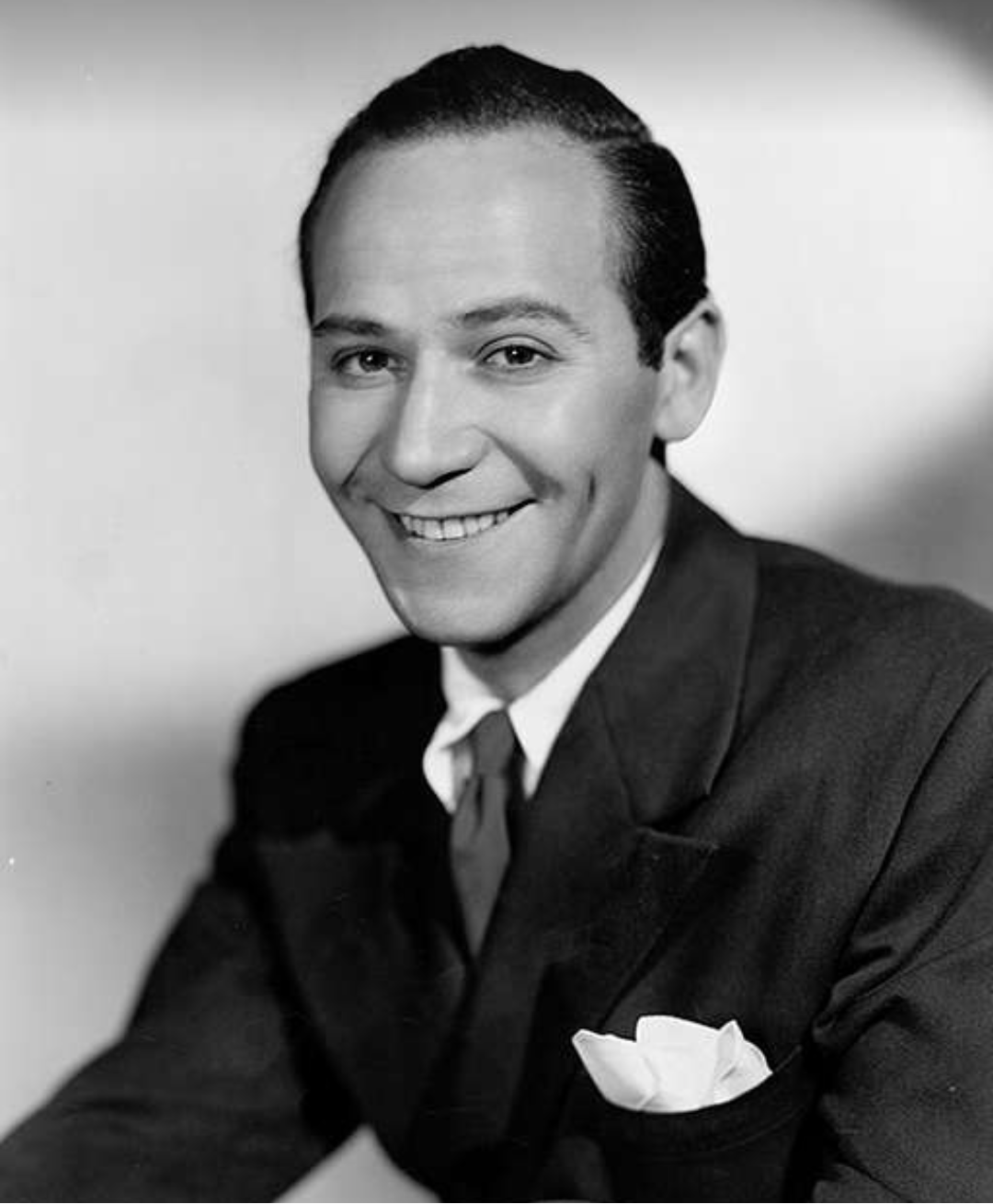
Frank Loesser
Mr. Loesser began his songwriting career as a lyricist and co-wrote a bunch of great songs in the 1930s and 1940s including “Heart and Soul” and “Two Sleepy People” (both with Hoagy Carmichael), “I Don’t Want To Walk Without You” (with Jule Styne) and “See What The Boys In The Back Room Will Have” (with Friedrich Hollaender).
The first hit song for which he wrote both words and music was “Praise The Lord And Pass The Ammunition” during WWII.
Loesser ended up writing words and music for the songs in WHERE’S CHARLEY, GUYS AND DOLLS, THE MOST HAPPY FELLA, and HOW TO SUCCEED IN BUSINESS WITHOUT REALLY TRYING (along with a few less successful undertakings).
Some hits from those shows include “Once In Love With Amy,” “Luck Be A Lady,” “I Love You A Bushel and A Peck,” “If I Were A Bell,” “I’ve Never Been In Love Before,” “Somebody, Somewhere,” “Standing On The Corner,” “Joey, Joey, Joey,” “I Believe In You,” and “Brotherhood of Man.”
Mr. Loesser also continued writing songs which were used in movies such as “Baby, It’s Cold Outside,” “Let’s Get Lost,” “Inchworm,” and “Spring Will Be A Little Late This Year.”
And he wrote a few songs which became pop hits without any connection to Broadway or Hollywood, including “What Are You Doing New Year’s Eve?” and “I’d Like To Get You On A Slow Boat To China.”
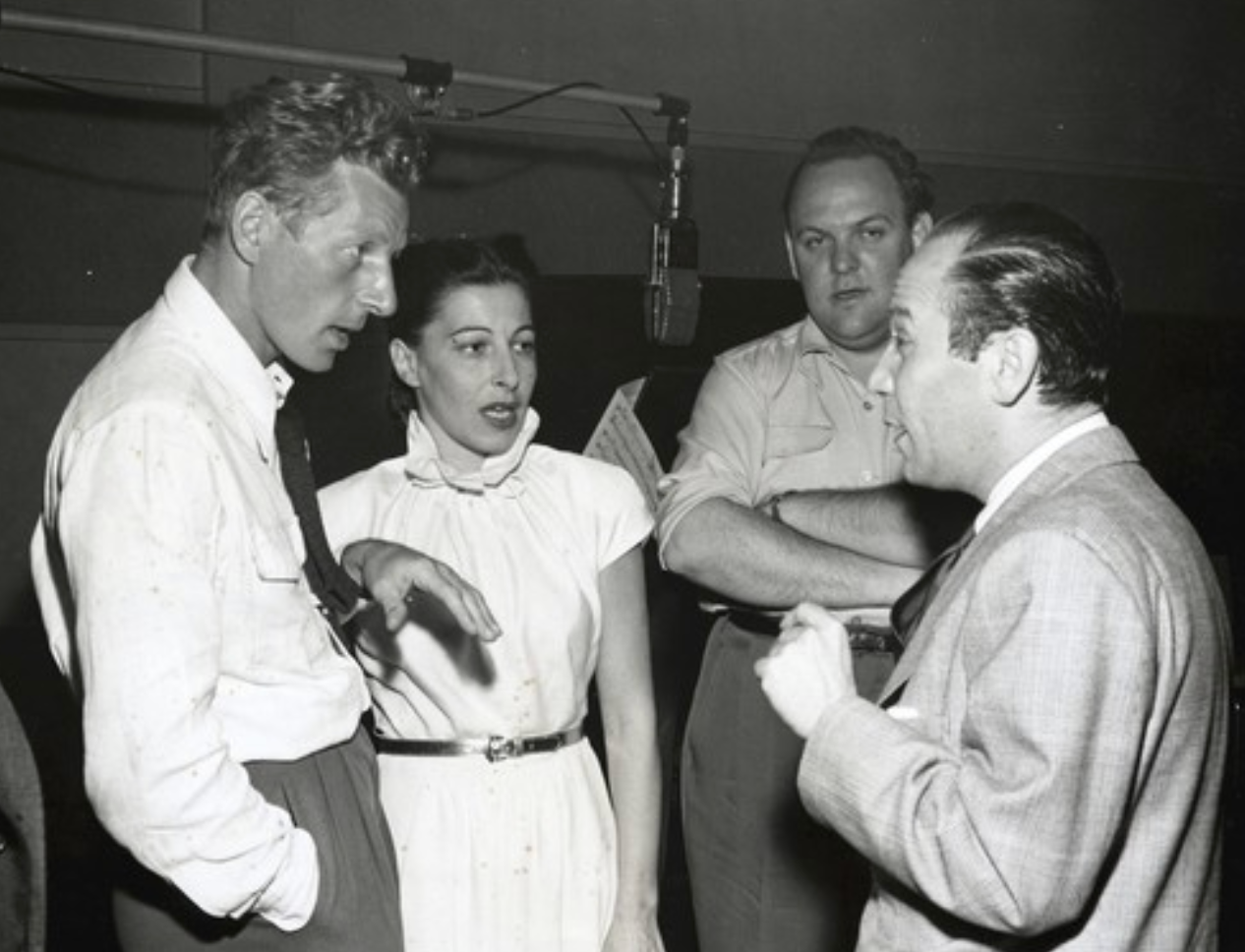
Danny Kaye, his wife Sylvia Fine, arranger Billy May and Frank Loesser
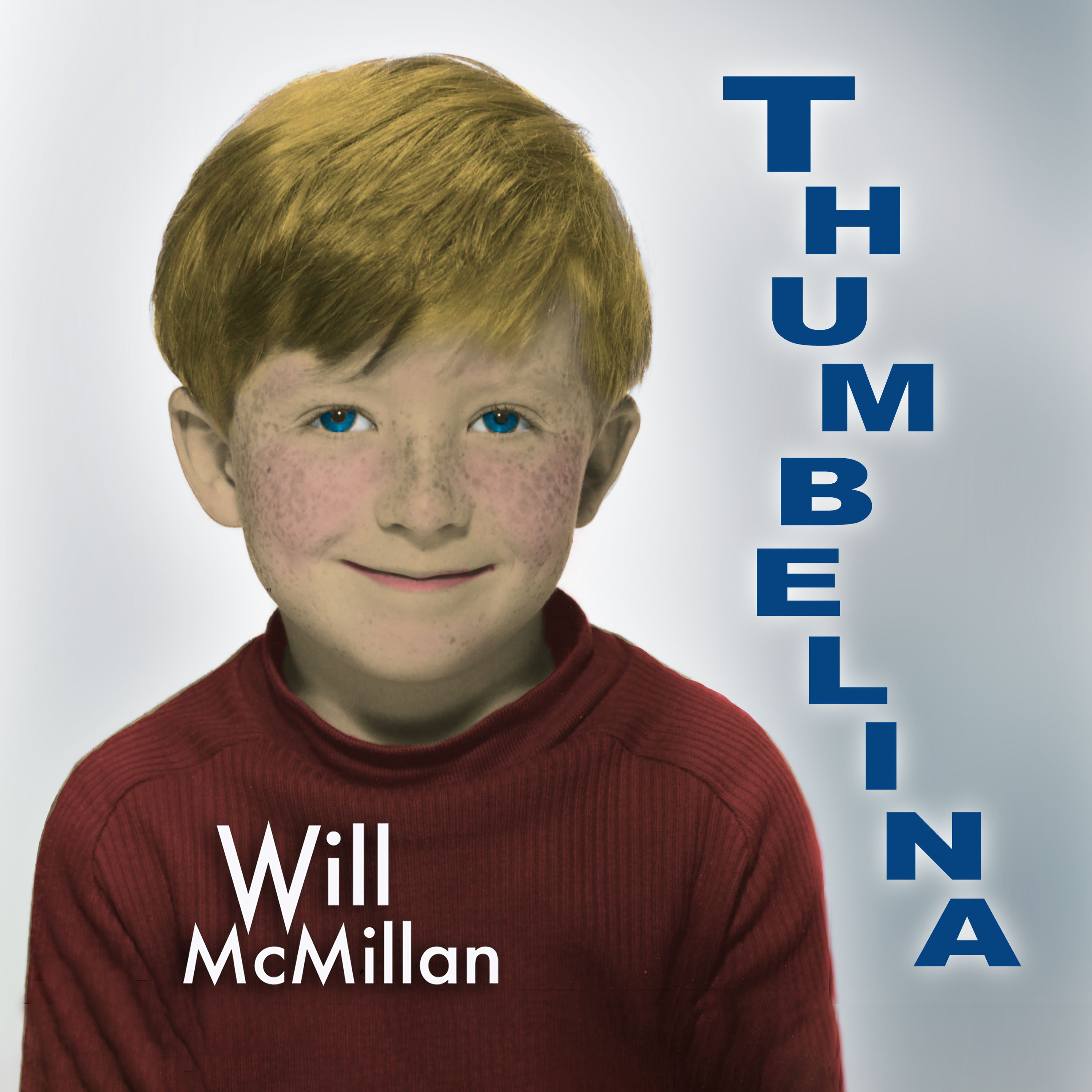
I have long loved his song “Thumbelina” — and am very happy with this peppy version which Doug Hammer and I recorded quite spontaneously a few years ago when I was putting together an hour-long program of songs written or co-written by Frank Loesser.
I had been thinking I might use it in a Valentine’s-Day-inspired blog post, and then fellow blogger Jennie F. left the following comment regarding my blog post last month:
“Nature is as wondrous as music. Your (hyacinth) bulb flower(ing) says it all… Stay warm, and remember the words of Hans Christian Andersen, “Where words fail, music speaks.”
I had forgotten the exact plot synopsis of THUMBELINA (which I first read as a child), but Wikipedia refreshed my memory:
“Thumbelina is about a tiny girl and her adventures with marriage-minded toads, moles, and cockchafers. She successfully avoids their intentions before falling in love with a flower-fairy prince just her size.”
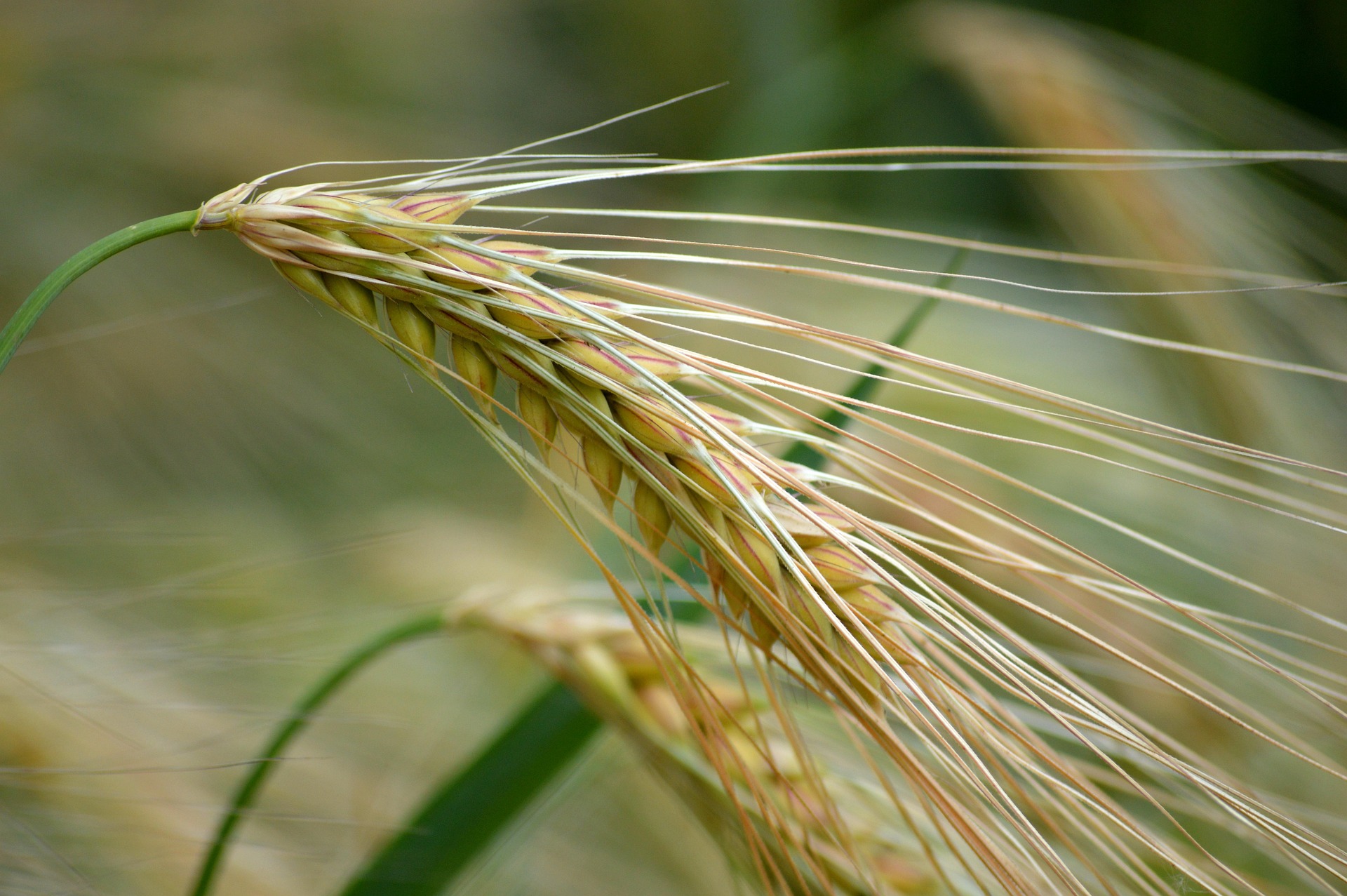
I had also forgotten that Thumbelina comes into being as a result of the actions of a woman who — longing for a child — plants a barleycorn seed.
Thumbelina then emerges from a barleycorn flower… and the adventure of her life begins.
As a Music Together teacher, I particularly resonate with Mr. Loesser’s lyrical admonition that Thumbelina dance and sing — since that is exactly what I do three mornings per week with a delightful crew of small children + the grown ups (parents, grandparents, and nannies) who love them.
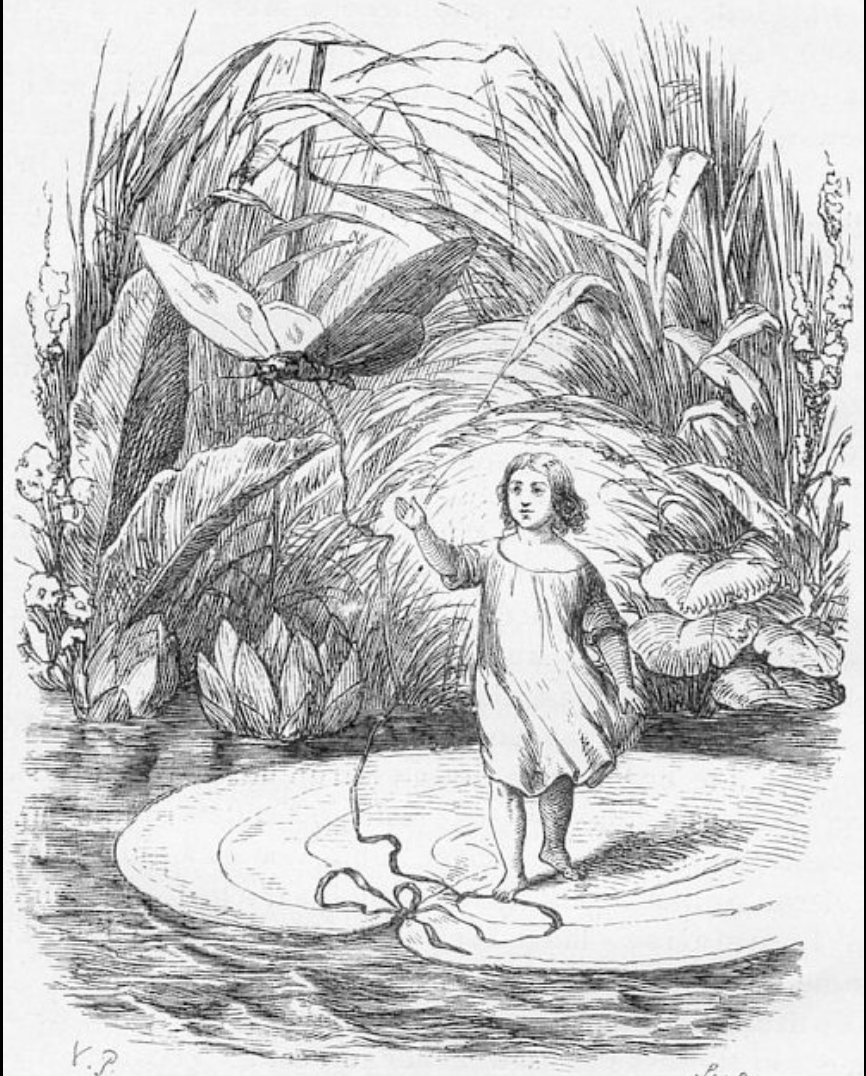
Illustration by Thomas Vilhelm Pederson from original publication of THUMBELINA in 1835
By the time I bike (or take the bus) to class, vacuum the karate studio (the floor of which accumulates a surprising.amount of hair, clipped toenails, cookie fragments, dust etc. plus sand and salt during the winter months), hide the punching bags and karate trophies behind a wall of rolling screens, set up a boombox and instruments, change into my teaching — rather than biking/cleaning/snow shoveling — clothes, welcome families, lead a 45-50 minute class, chat with families after class, and then put away all the stuff I set up an hour earlier, I do not earn very much money per hour.
But the sweetness, playfulness, joy, humor, love and sense of connectedness I experience with my families each week is always a balm for my soul.
And there’s no way to put a price on that!
Leading Music Together classes helps me get out of bed in the morning AND reassures me that the human world is not an irredeemably f–ked up mess about which I can do nothing to help.
And sometimes one of the small humans in my class is inspired to give me a hug at the end of class.
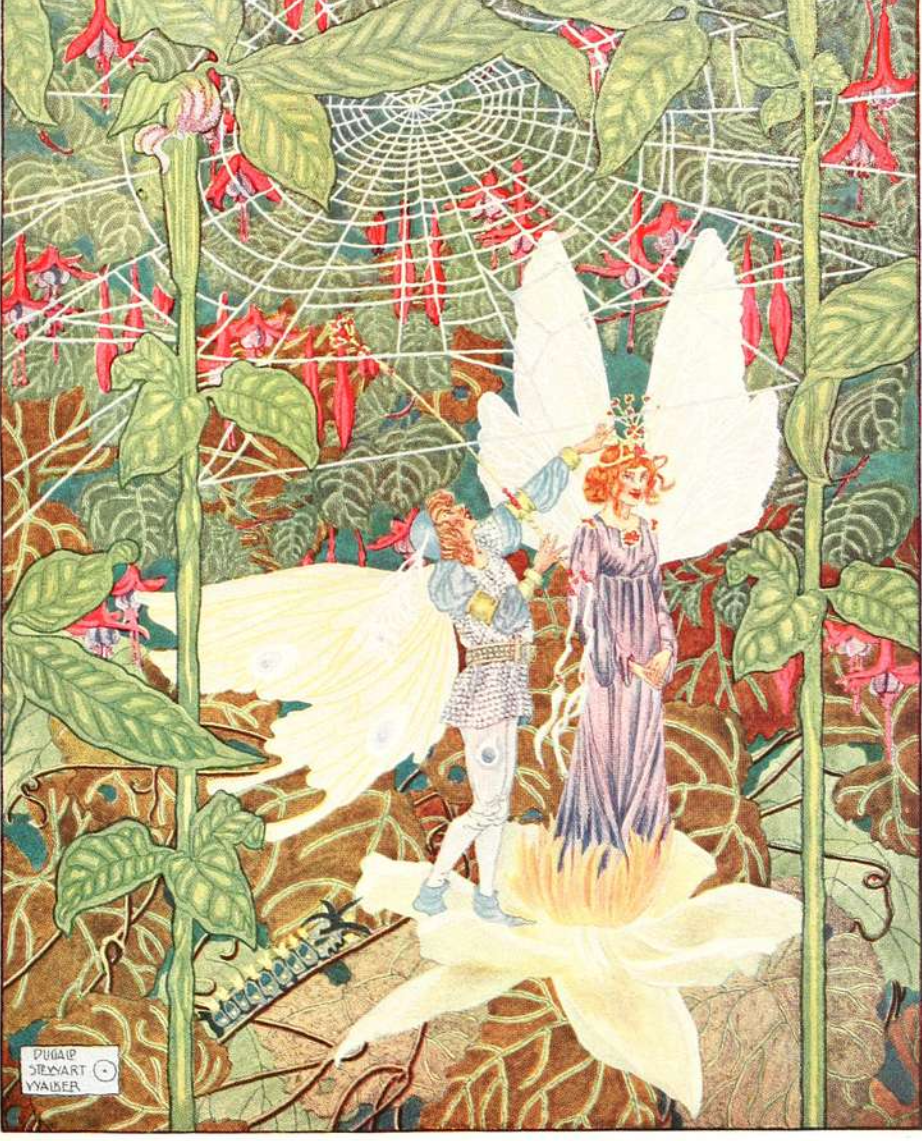
Illustration from a 1914 edition of Han Christian Anderson’s Fairy Tales
When this happens, I feel like I am being visited be an angelic being who is offering me unadulterated love, comfort and gratitude.
It is such an honor to receive one of their hugs.
And sometimes I am offered a hug by one of the grownups in class, too — which I also appreciate and savor.
Another deep breath in.
And deep breath out.
These little children are a big reason why I ride my old and raggedy-looking bike rather than drive a car, why I rarely buy new clothes, and why I never travel (especially via airplanes) simply for the sake of going someplace new or warm or trendy.
I live a downwardly mobile life so that the children in my classes might be able to live an ever-so-slightly less chaotic and terrifying life due to the myriad ways that climate change is affecting all of us here on planet earth.
Yet another deep breath in.
And deep breath out.
Another radiant hyacinth bulb from Trader Joe’s
I end this blog post with some of my favorite quotations by the Dalai Lama.
“Our prime purpose in life is to help others. And if you can’t help them, at least don’t hurt them.”
“In our present circumstances, no on can afford to assume that someone else will solve their problems. Every individual has a responsibility to help guide our global family in the right direction. Good wishes are not sufficient; we must become actively engaged.”
“When you are discontent, you always want more, more, more. Your desire can never be satisfied. But when you practice contentment, you can say to yourself, “Oh, yes — I already have everything that I really need.”
“We can live without religion and meditation, but we cannot survive without affection.”
“The problems we face today — violent conflicts, destruction of nature, poverty, hunger and so on — are human-created problems which can be resolved through human effort, understanding and the development of a sense of sisterhood and brotherhood. We need to cultivate a universal responsibility for one another and for the planet we share.”
“As people alive today, we must consider future generations. A clean environment is a human right like any other. It is therefore part of our responsibility towards others to ensure that the world we pass on is as healthy, if not healthier, than we found it.”
“This generation has a responsibility to re-shape the world. Start the task even if it will not be fulfilled in your lifetime. Even if it seems hopeless now, never give up. Offer a positive vision, with enthusiasm and joy, and an optimistic outlook.”
“Happiness is not something ready made. It comes from your own actions.”
“Be kind whenever possible. It is always possible.”
THANK YOU for making it to the end of another one of my blog posts.
Thank you to Doug Hammer for his spritely piano accompaniment and his expert musical production skills.
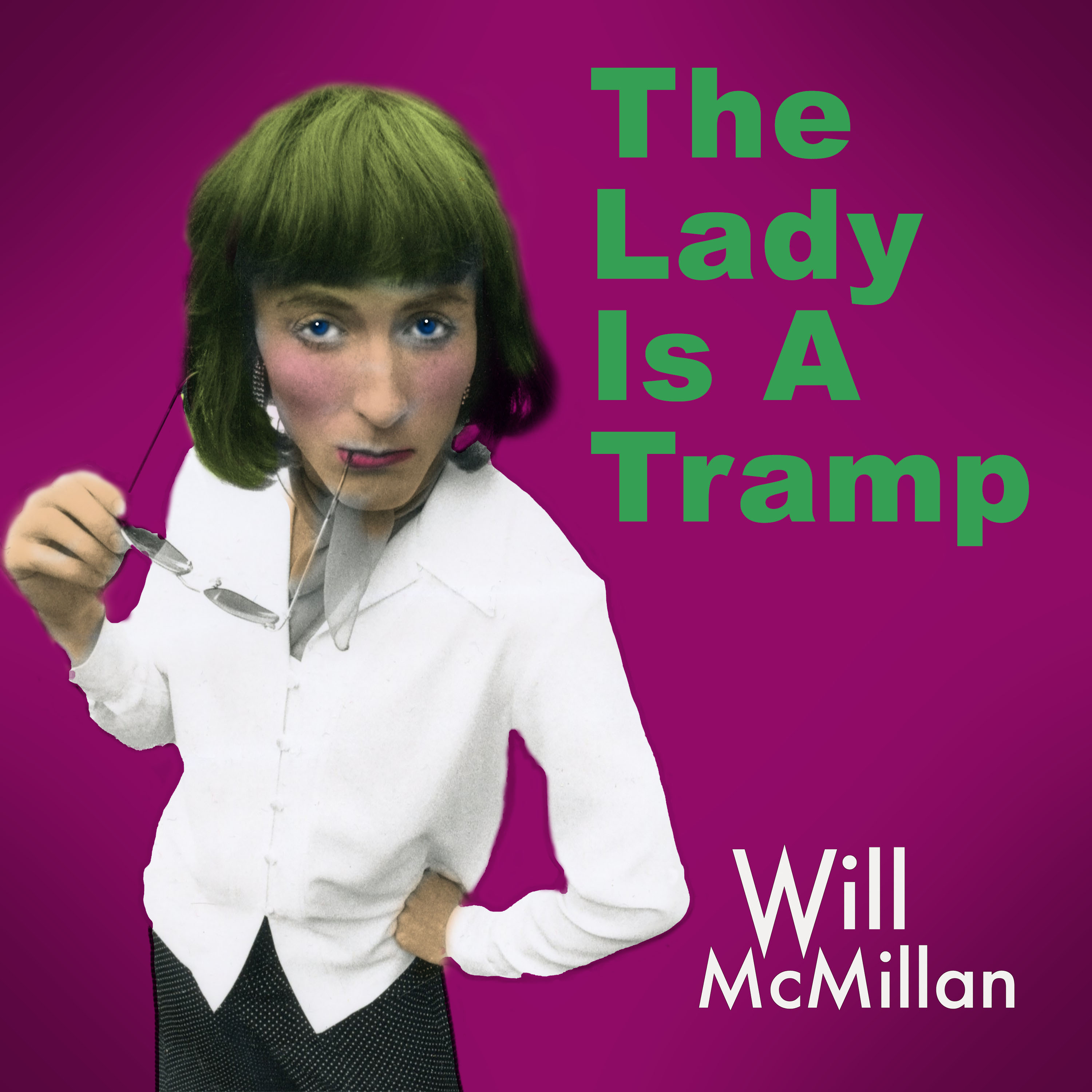
Thank you to Stephen C. Fischer for his graphic design (and to the professional photographer in NYC who took this photo of me many decades ago…)
Thank you to Hans Christian Anderson for creating the story of Thumbelina and to Frank Loesser for creating his song “Thumbelina.”
Thank you to the wonderful photographers at Pixabay.
Thank you to the Dalai Lama for his wisdom and inspiration.
And thank you to everyone who has streamed my music on Youtube, Pandora, Spotify, Apple Music, Tidal, Deezer, etc.
Every stream — and especially every thumbs up and/or inclusion in a playlist — helps to improve the likelihood that the clever algorithms of these streaming services will share my music with new listeners.
Thank you to all the folks who continue to visit my blog despite the long gaps between new posts.
I just re-read my last one (written right after our most recent national elections).
It’s pretty grim.
Now we all bear witness to how the campaign promises — and threats — do or don’t become reality in the upcoming days, weeks, months and years.
Deep breath in.
Deep breath out.
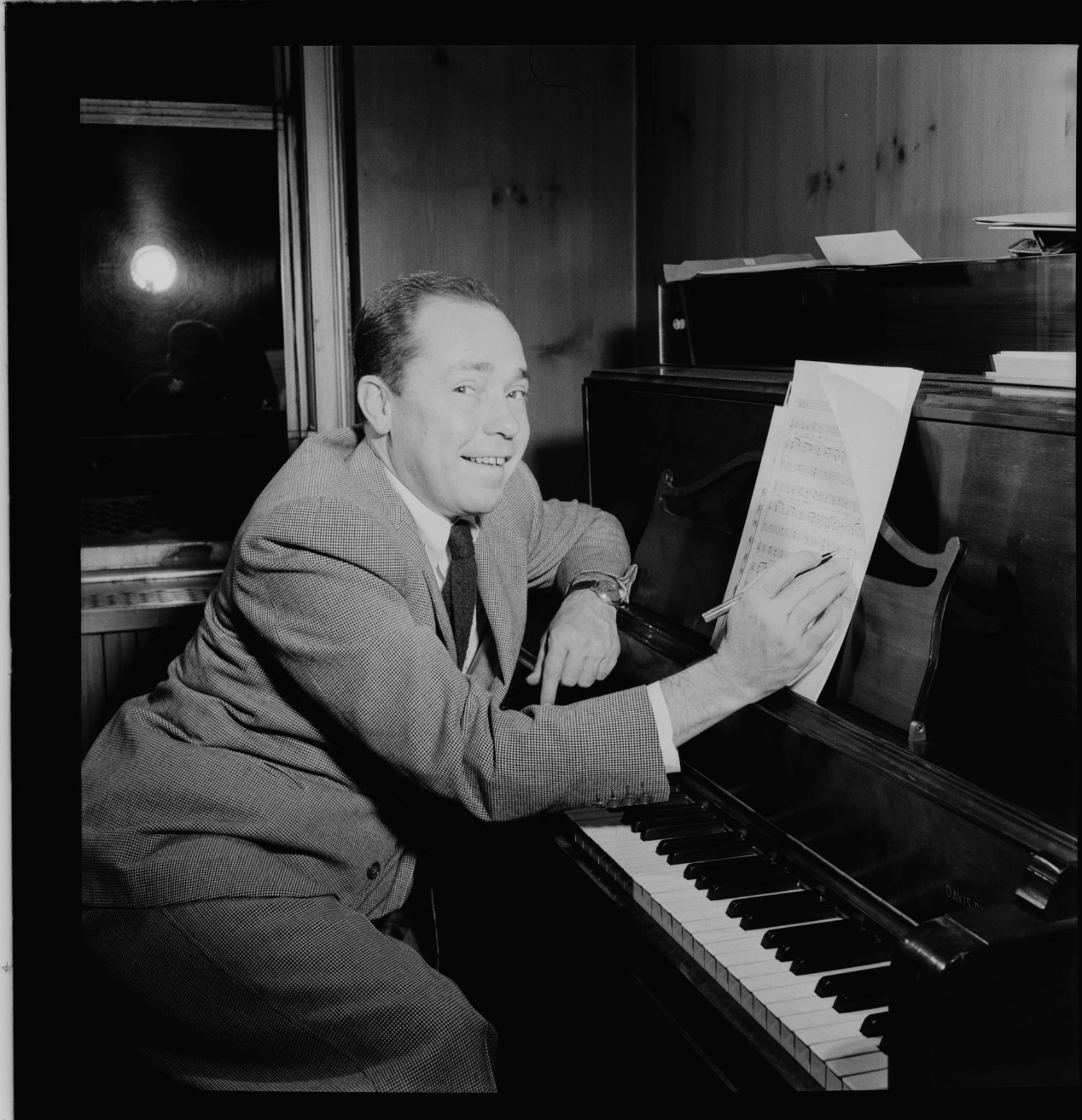
Johnny Mercer by William Gottlieb (late 1940s…)
Today’s blog post aims to be a little lighter in tone and features a song for which Johnny Mercer wrote both the melody and lyrics.
Most of the time, Mr. Mercer wrote the lyrics to other people’s melodies.
For example, he co-created “Skylark” with Hoagy Carmichael, “Come Rain or Come Shine” with Harold Arlen, “Hooray For Hollywood” with Richard Whiting, “Jeepers Creepers” with Harry Warren, and “Moon River” with Henry Mancini.
Other songs he co-wrote include “You Must Have Been A Beautiful Baby,” “In The Cool, Cool, Cool Of The Evening,” “Anyplace I Hang My Hat Is Home,” “One For My Baby (And One More For The Road),” “That Old Black Magic,” “On The Atchison, Topeka And The Santa Fe,” “Too Marvelous For Words,” “Autumn Leaves,” “Blues In The Night,” and “I’m Old Fashioned.”
Mr. Mercer was a Southerner, born on November 18, 1909 in Savannah, Georgia. From the 1930s to the 1960s he co-wrote over a thousand songs — for movies and for Broadway shows — and was nominated for 19 Academy Awards, winning four Oscars for best original song.
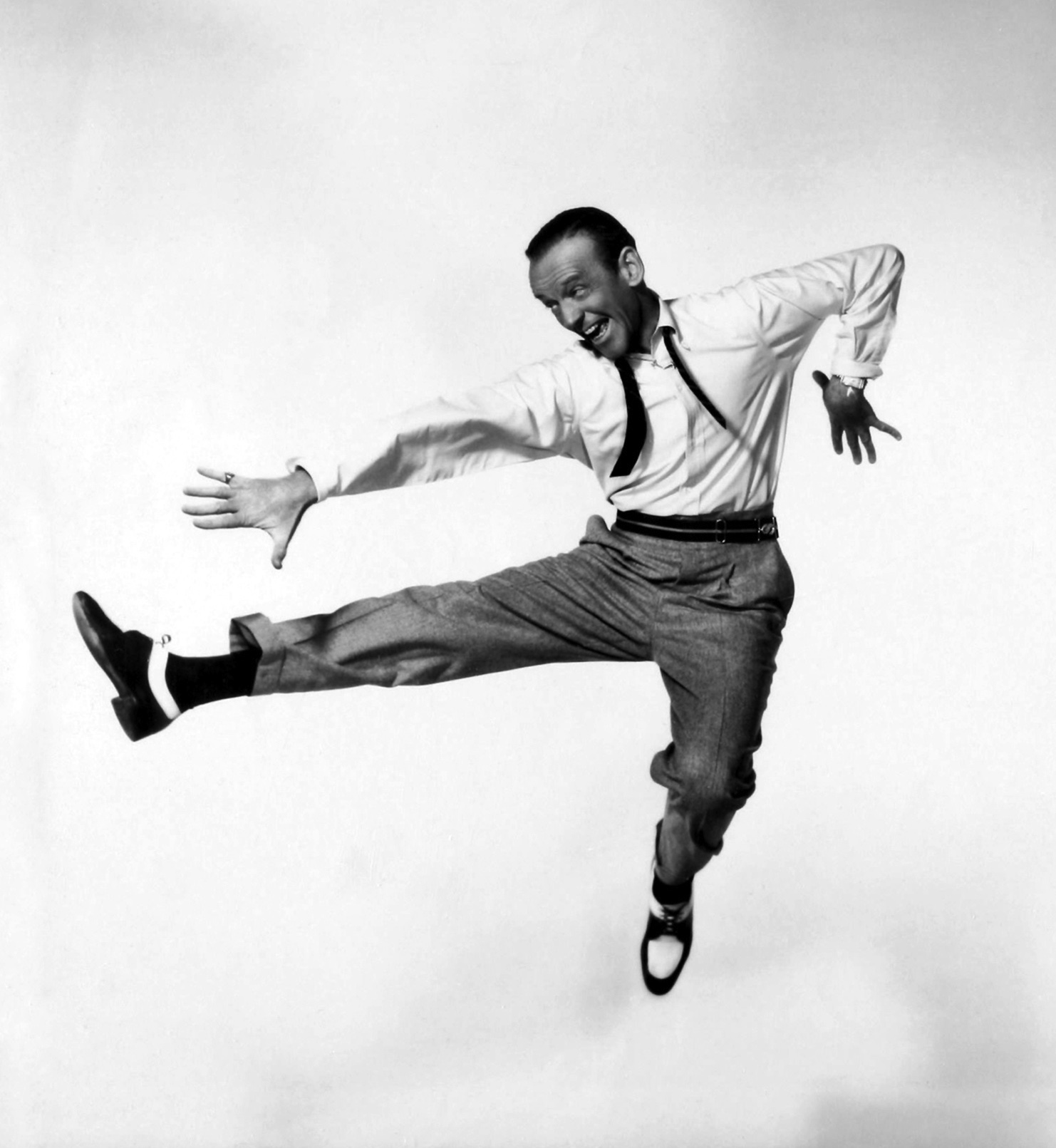
Fred Astaire (Publicity Photo for DADDY LONG LEGS)
And if it wasn’t enough to write or co-write so many great songs, Johnny also had a successful career as a recording artist himself.
And he co-founded Capital Records.
Yowza!
According to some biographers, he could also be a very mean drunk who developed a reputation for sending beautiful — and apologetic — flower arrangements to people whom he’d insulted at parties the previous night.
He wrote “Something’s Gotta Give” in the 1950s for Fred Astaire to sing in a movie called DADDY LONG LEGS which co-starred a very young Leslie Caron as his eventual love interest.
I am not a fan of 50+ year-old leading men romancing much younger women in movies (or in real life for that matter), but this stereotypical, male chauvinist theme shows no sign of being banished from popular culture.
However, DADDY LONG LEGS did give us a very upbeat song with a few lovely turns of phrase — such as “some heavenly star-spangled night…”
And I realized — after I recorded it — that this song also reminds me of the likelihood that many somethings are gonna give in the upcoming days and weeks and months and years here on planet earth.
Blooming Hyacinth
Another deep breath in.
And deep breath out.
I am planning to release a new recording — some originals and some covers — on a monthly basis for the rest of 2025.
And I am hoping to keep my blog posts shorter — and somewhat sweeter — than in previous years.
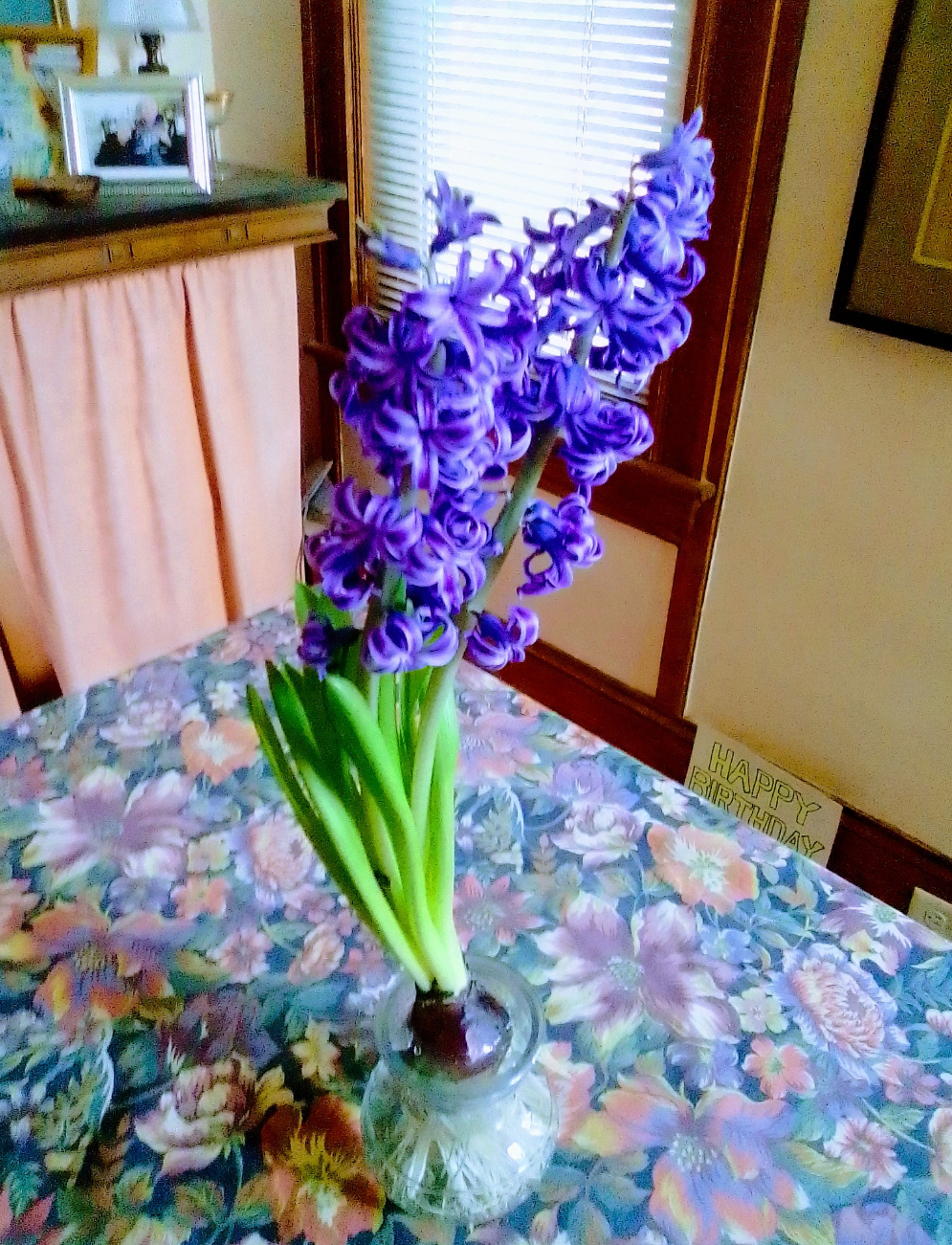
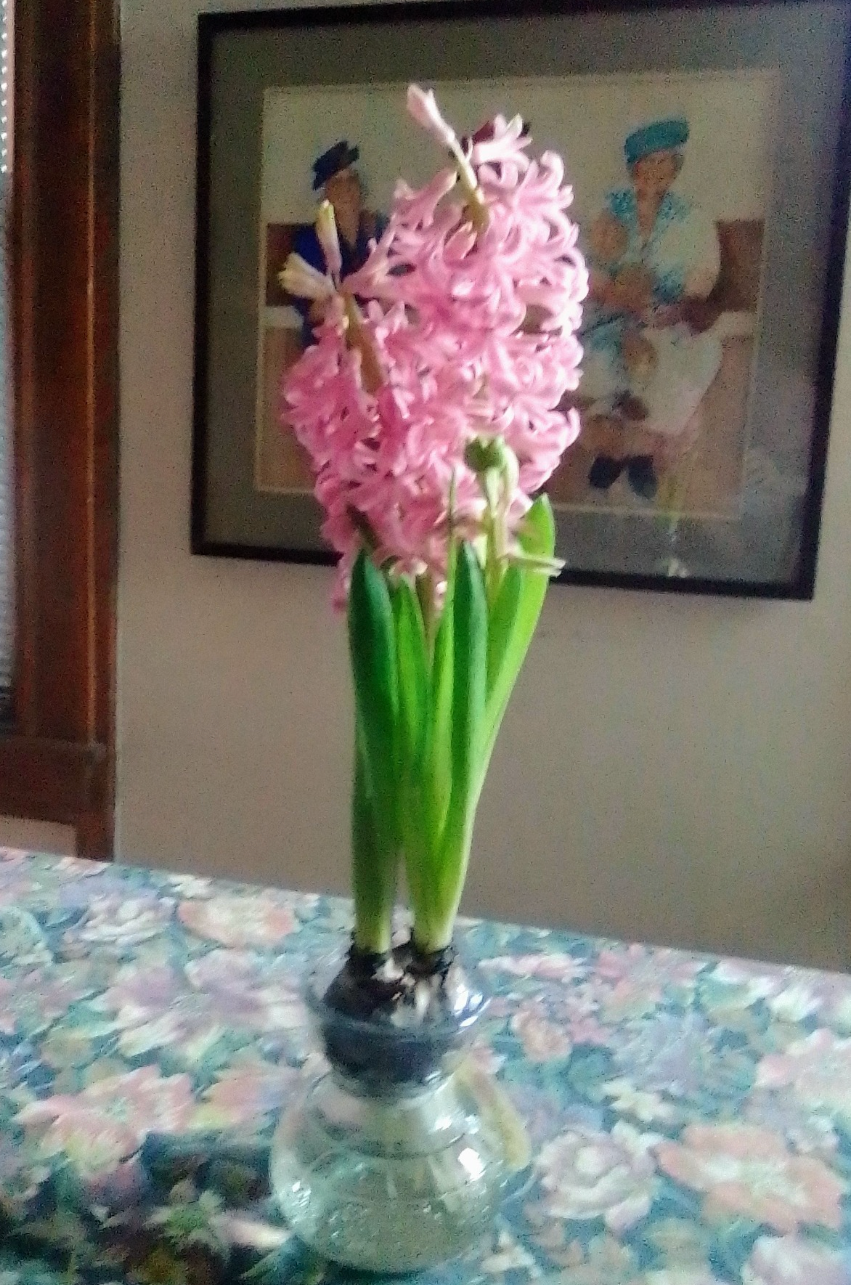
Here’s a lovely hyacinth bulb, which I bought at our local Trader Joe’s, blooming in my dining room.
I continue to be amazed at how an unpretentious, brownish bulb can — given some water and sunlight — differentiate itself into a vivid green stalk and lavish pink blossoms.
How is it possible?!
It is miraculous — and currently very aromatic!
Yet another deep breath in.
And deep breath out.
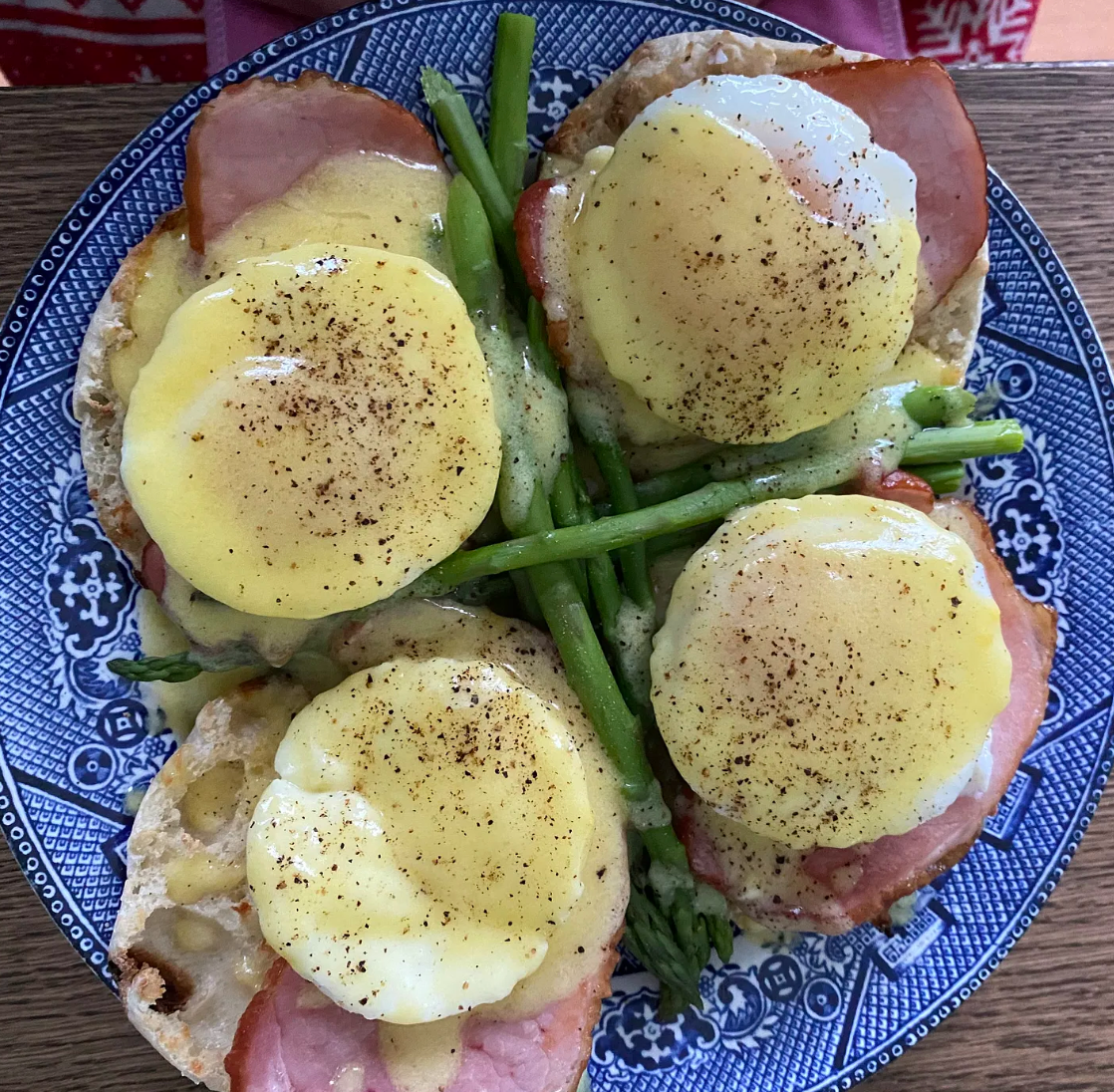
I will end with one more recent photograph — this one taken by my older sister of our younger sister’s culinary handiwork at a family gathering earlier this month.
Yum!!!
Eggs Benedict with new asparagus
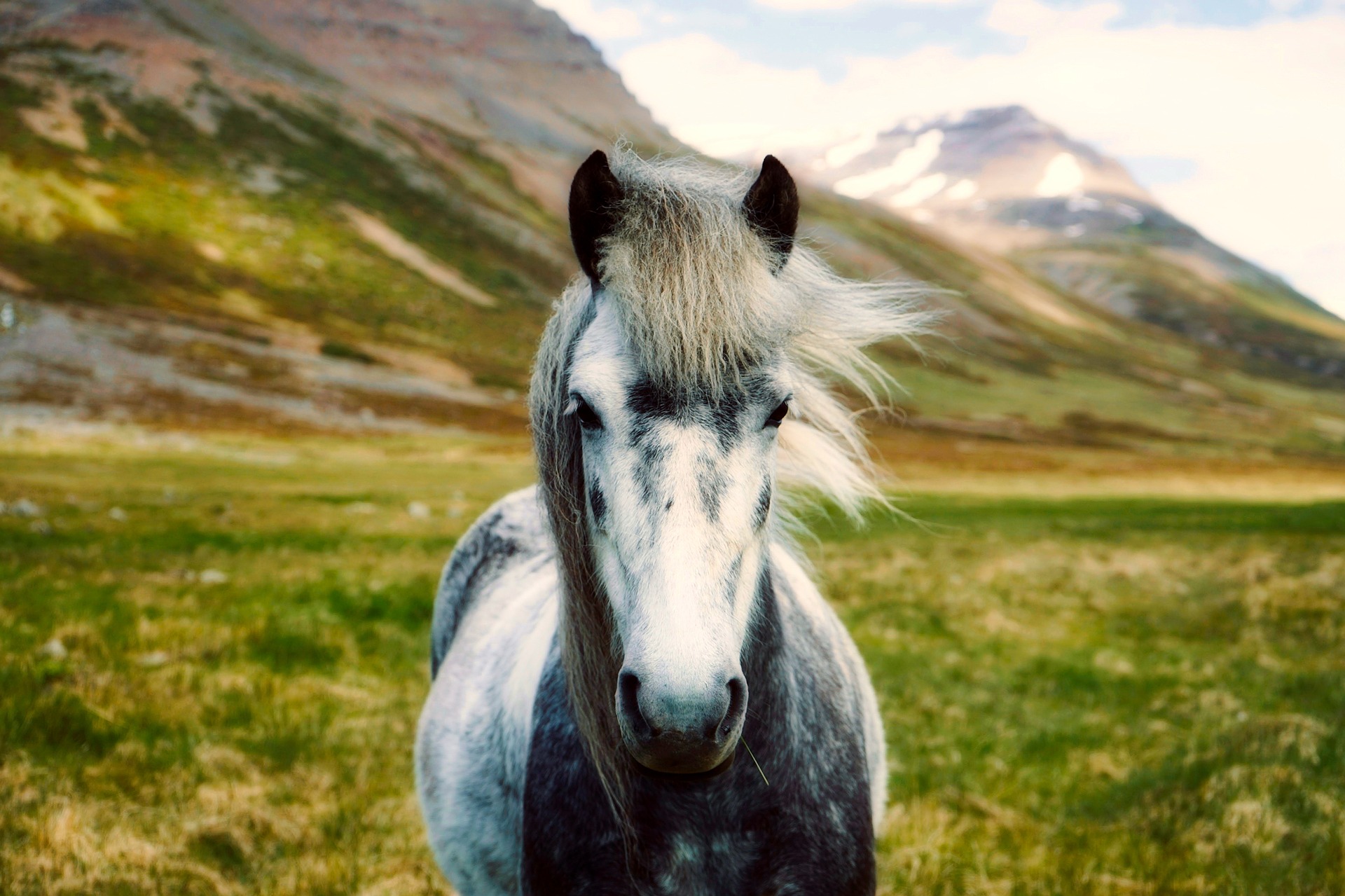
The eggs were provided by a flock of black Australorp hens whom my sisters take care of on their farm (along with Icelandic sheep, a dog and several cats).
It turns out that chickens are astoundingly attuned to daylight.
As soon as the winter solstice happens each year, egg production by my sisters’ flock begins to rise (having tapered off during the autumn…)
And as soon as the sun starts to go down each day, all of my sisters’ chickens troop back inside their coop and start to roost for the night.
You will probably not be surprised to learn that commercial egg-producing companies (if I am remembering correctly) take advantage of this sensitivity and manipulate the light their hens experience each day to maximize egg production.
One more deep breath in.
And deep breath out.
Thank you for reading and listening to another one of my blog posts.
Thank you to Doug Hammer for his splendid piano accompaniment — on his glorious Schimmel grand piano — and for his expert musical production skills.
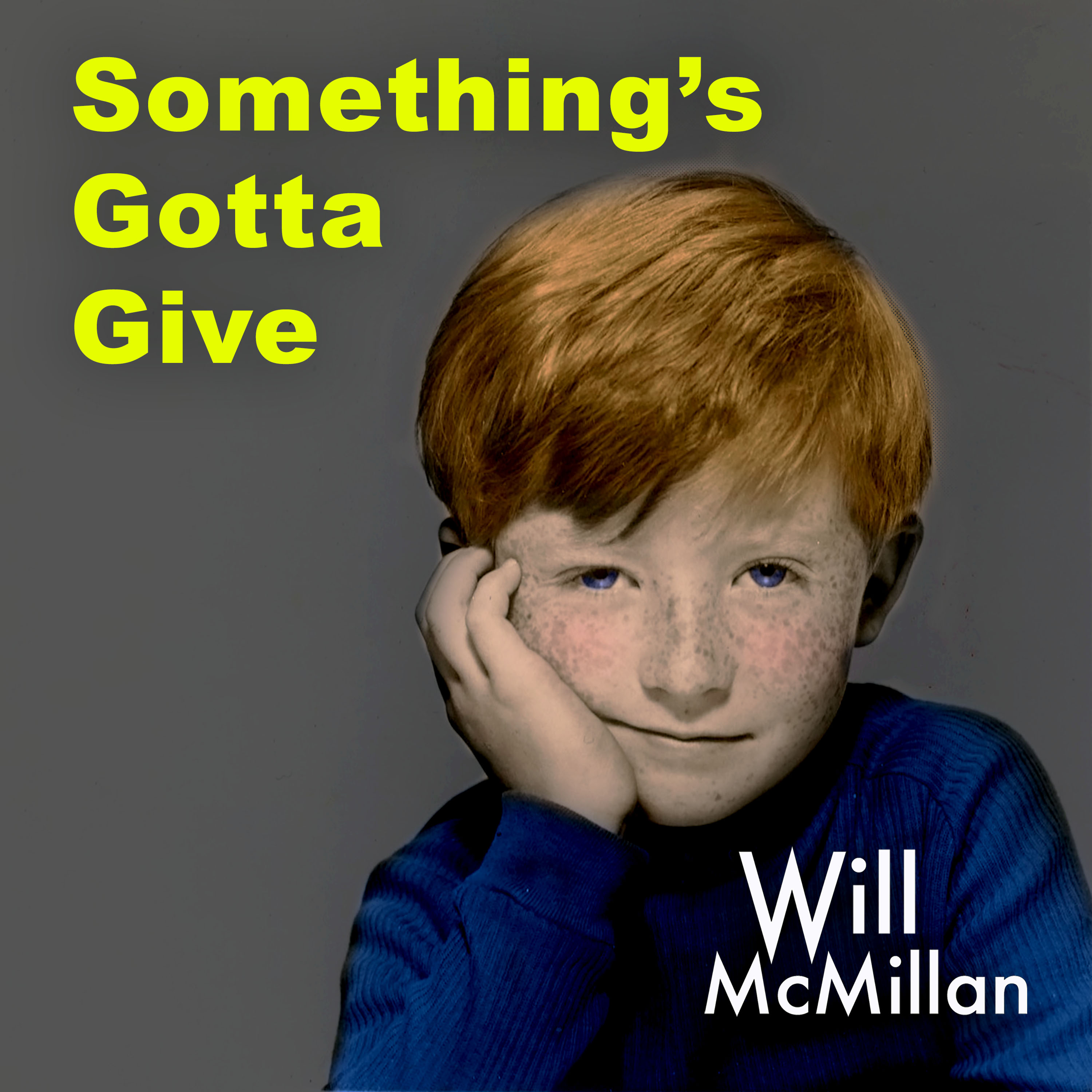
Thank you to Stephen C. Fischer for his graphic design (and to the professional photographer in NYC who took this photo of me many decades ago…)
Thank you to Johnny Mercer for writing this song — and to Fred Astaire for inspiring him to write it.
And thank you to anyone who is moved to stream my recording of “Something’s Gotta Give” on Youtube, Pandora, Spotify, Apple Music, Tidal, Deezer, etc. by clicking here.
Every stream — and especially every thumbs up — helps to improve the likelihood that the mysterious algorithms of these various streaming services will share my music with new listeners!
However, if you are a reader who is feeling less excited and hopeful about the future as a result of last week’s election, my heart goes out to you.
Although I have decided not to read about politics and interact with the media for the time being, my brain — especially when I am lying awake in the middle of the night — keeps remembering things that are likely to be impacted in the next four years:
NATO — and the safety of all the countries bordering Russia…
The health of women I love — and the health of women I will never meet — due to new restrictions about what decisions they and their healthcare providers are allowed to make about their own bodies…
Social security — which I have paid into since I was three years old and which I was planning to start collecting in three years time…
Medicare/Medicaid and other health insurance options — for millions of Americans and for me.
The cost of anything we don’t make or grow in the USA — due to potential new tariffs.
The cost of anything we DO make or grow in the USA — due to the potential prosecution/expulsion of many people who currently harvest our produce, work in our slaughterhouses and meat-packing plants, labor in our restaurants, work on our construction sites, landscape our properties, mow our lawns, blow our leaves, etc. etc. etc.
My two nephews — one approaching draft-age and the other one still eligible to be drafted if we find ourselves in a situation where we need to expand our (already vast) military capabilities.
Long term — and potentially irreversible — environmental consequences due to potential deregulation of rules which currently protect the entire web of life here on planet earth.
Our access and ability to vote, our access to education, our access to public healthcare in the event of another epidemic…
The list goes on and on.
I don’t understand how love and respect factor into any of the above.
I don’t understand how love and respect can withstand — much less overcome — the forces which spread disinformation, which lie, which aim to divide us, which value power and money over honesty and decency.
I hesitate to call those forces evil, but I have been reminded more and more in recent months about a book I read a long time ago by M. Scott Peck called THE PEOPLE OF THE LIE.
is consistently self-deceiving, with the intent of avoiding guilt and maintaining a self-image of perfection
deceives others as a consequence of their own self-deception
projects his or her evils and sins onto very specific targets (scapegoats) while being apparently normal with everyone else
commonly hates with the pretense of love, for the purposes of self-deception as much as deception of others
abuses political (emotional) power (“the imposition of one’s will upon others by overt or covert coercion” (Peck, 1978/1992, p298[7]))
maintains a high level of respectability, and lies incessantly to do so
is consistent in his or her sins.
is unable to think from the viewpoint of their victim
has a covert intolerance to criticism and other forms of narcissistic injury
Most evil people realize the evil deep within themselves, but are unable to tolerate the pain of introspection, or admit to themselves that they are evil. Thus, they constantly run away from their evil by putting themselves in a position of moral superiority and putting the focus of evil on others. Evil is an extreme form of what Peck, in THE ROAD LESS TRAVELED, calls a character and personality disorder.”
The group mind of Wikipedia also describes Peck’s understanding of love in his previous book, THE ROAD LESS TRAVELED:
“Love is not a feeling, it is an activity and an investment — ‘The will to extend one’s self for the purpose of nurturing one’s own or another’s spiritual growth’ (Peck, 1978/1992, p85). Peck expands on the work of Thomas Aquinas over 700 years ago, that love is primarily actions towards nurturing the spiritual growth of another.”
I welcome any insights into the power of love and how it does — or doesn’t — impact our current political situation here in the USA (as well as how love and respect may impact other patterns unfolding here on planet earth).
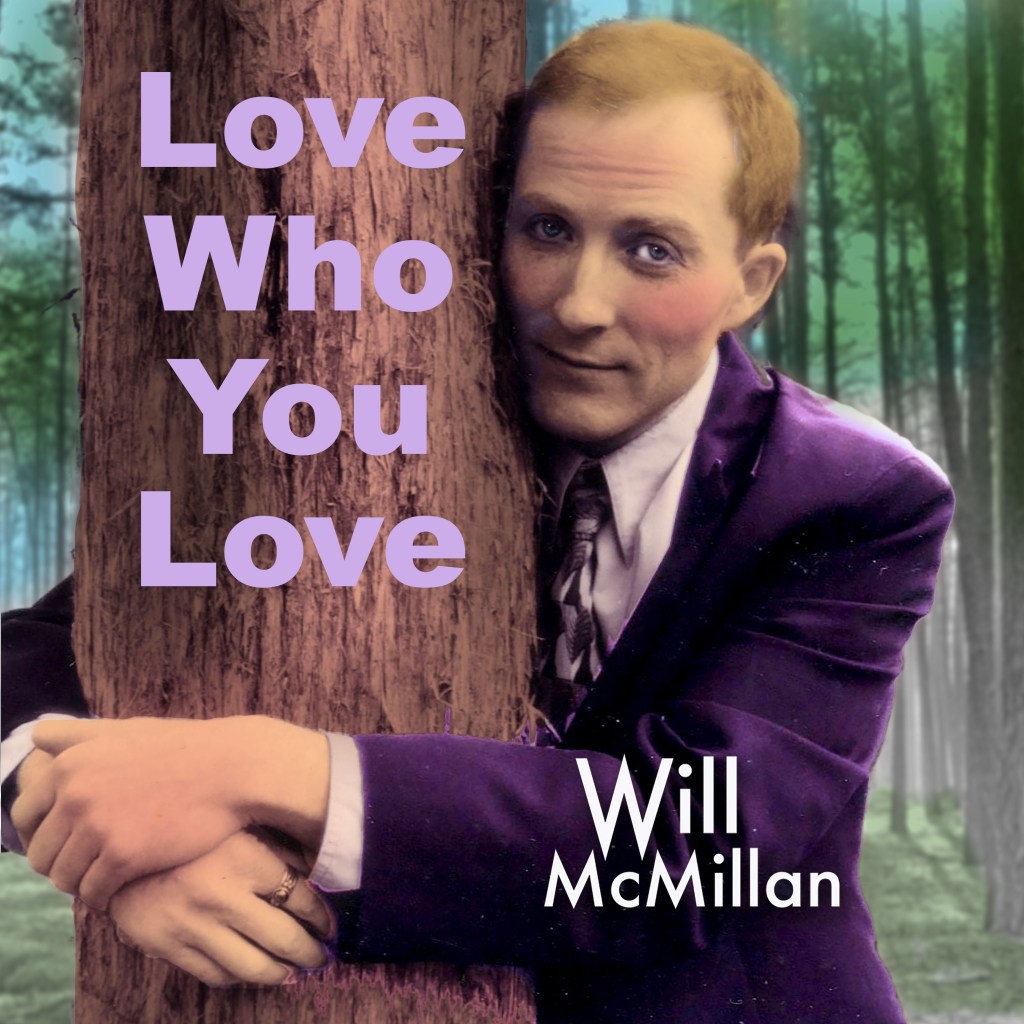
It was written by Lynn Ahrens and Stephen Flaherty, a delicious songwriting team who helped to create the musicals RAGTIME, SEUSSICAL, ONCE ON THIS ISLAND and A MAN OF NO IMPORTANCE (which is where “Love Who You Love” comes from) among many other projects.
We celebrated Patriots’ Day here in Massachusetts earlier this month.
As you probably know, Patriots’ Day commemorates the battles fought nearby in Lexington, Concord, and Menotomy (now part of Arlington) at the start of the American Revolutionary War between colonists and British forces.
All of these events happened quite near where I live — in fact, British soldiers marched past the end of my street (about three houses away) en route to these battles.
And there are historical markers up and down Massachusetts Avenue which document the skirmishes — and often the deaths — which unfolded two hundred and forty eight years ago in my neighborhood.
Deep breath in.
Deep breath out.
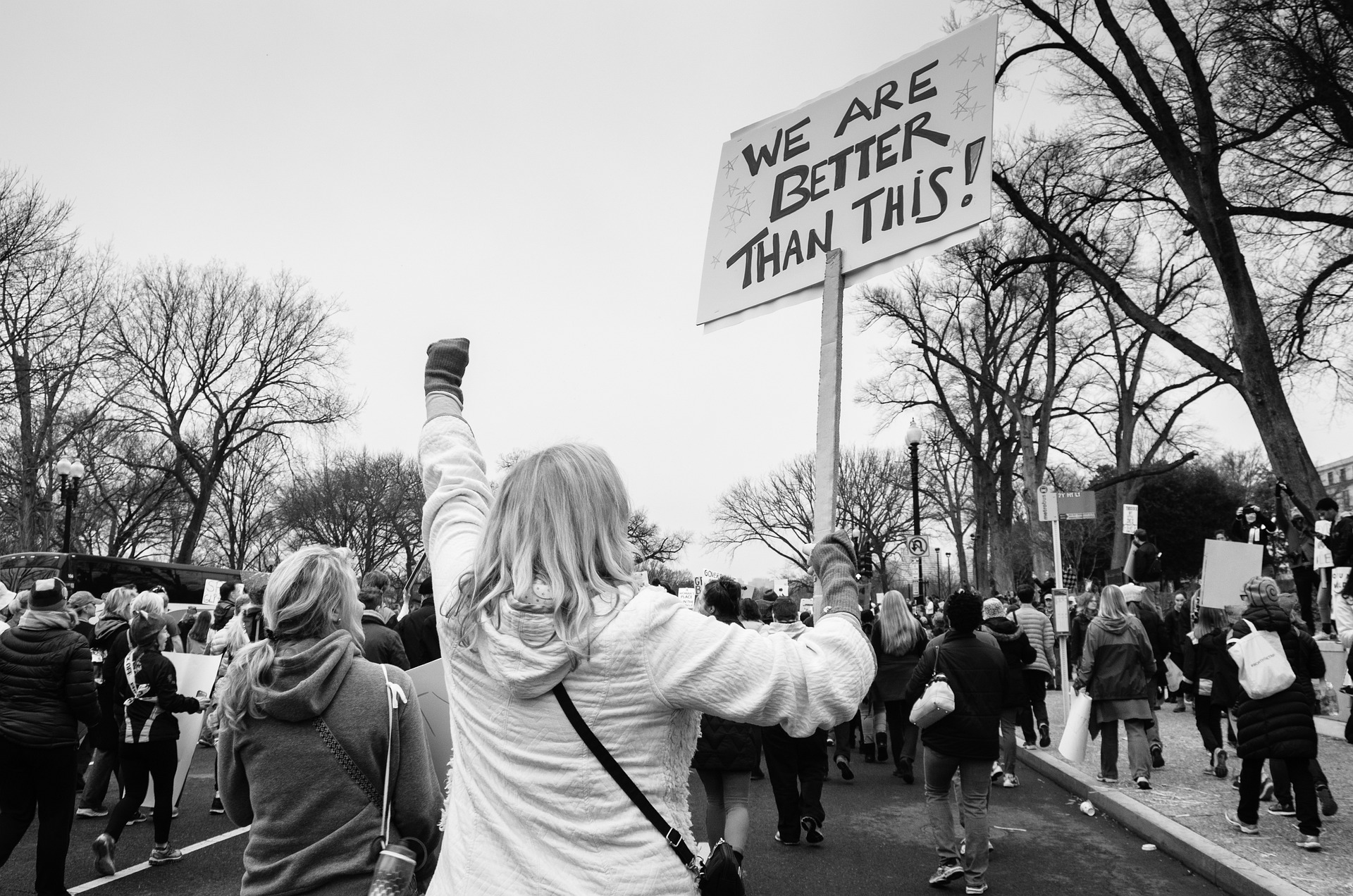
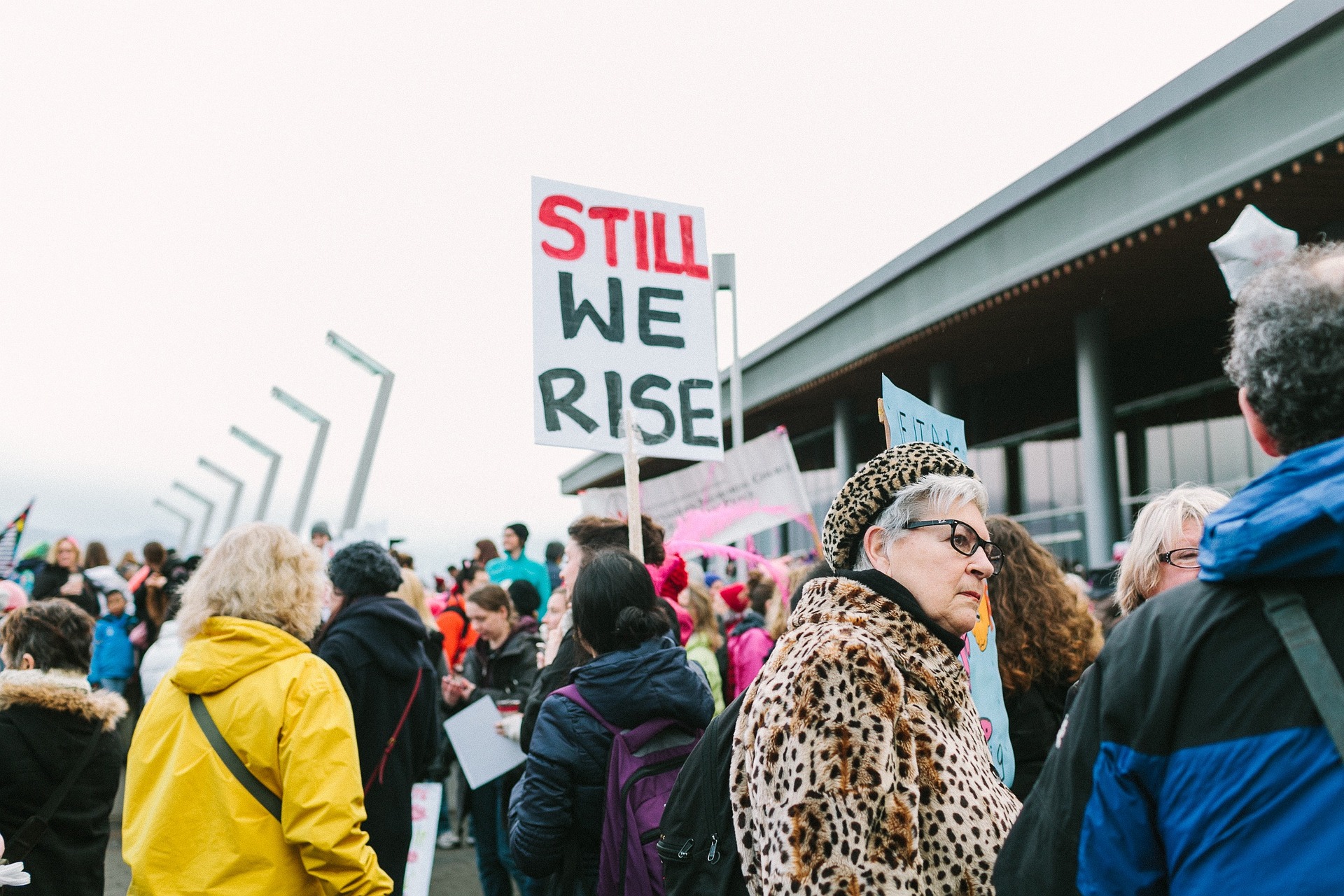
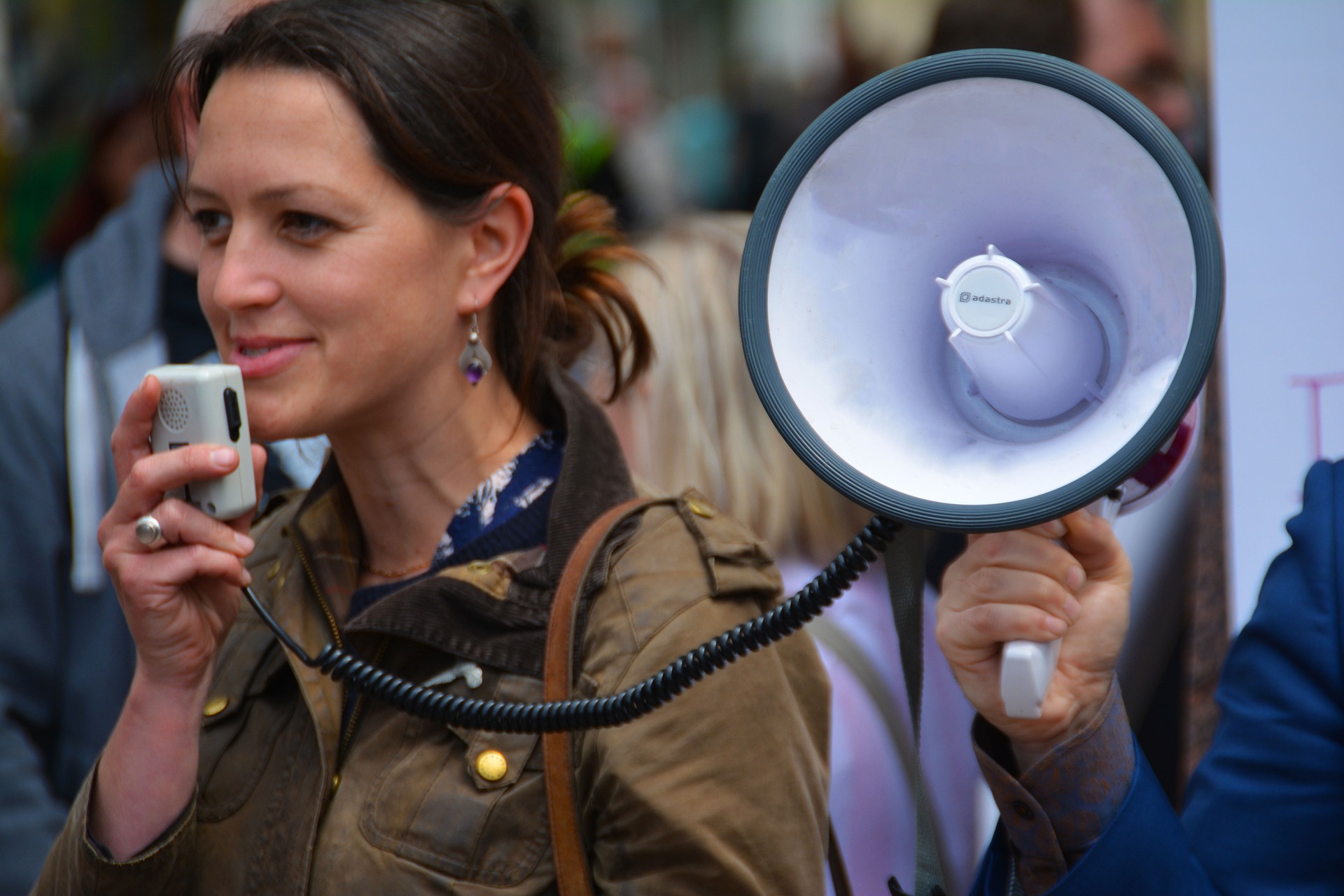
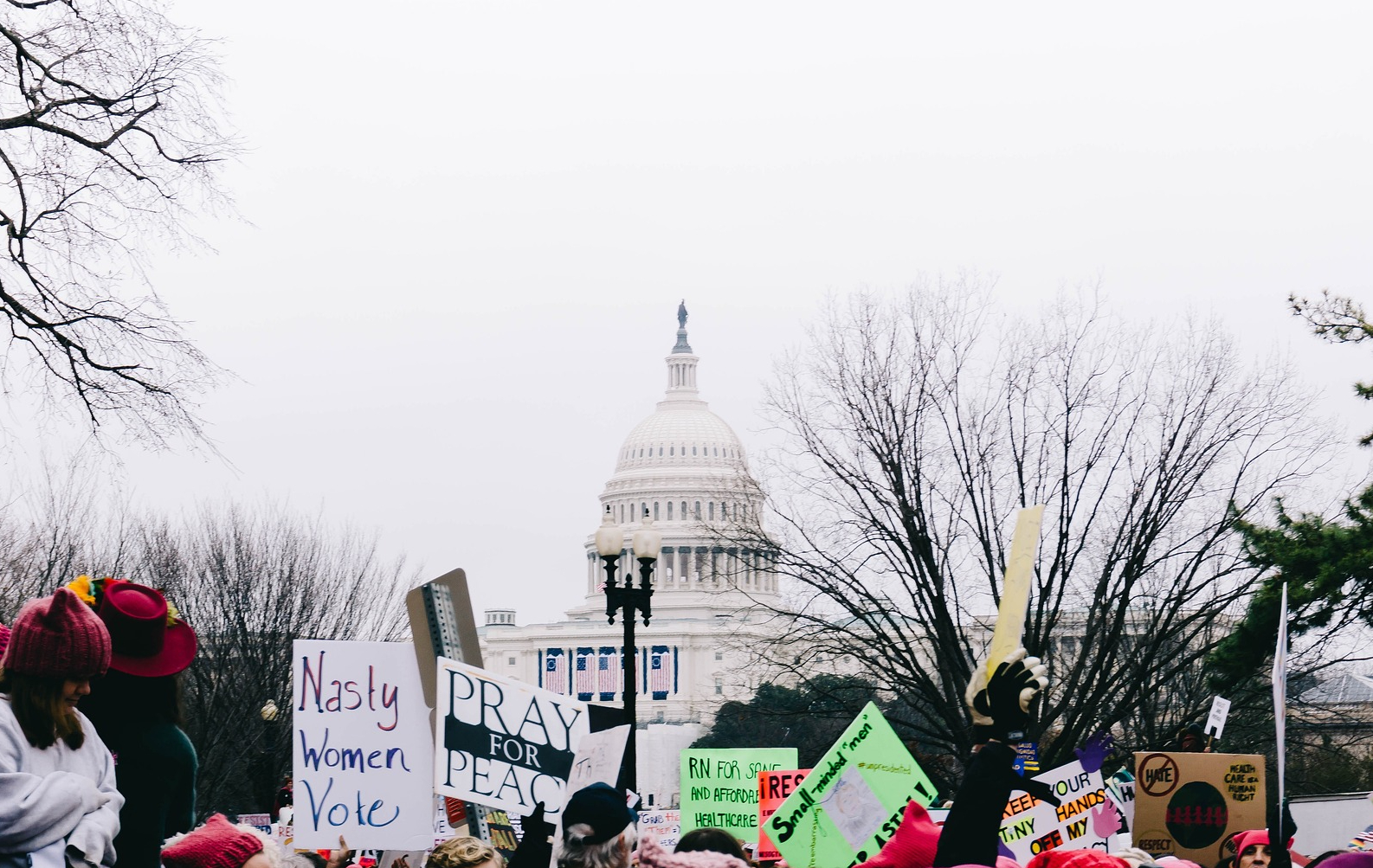
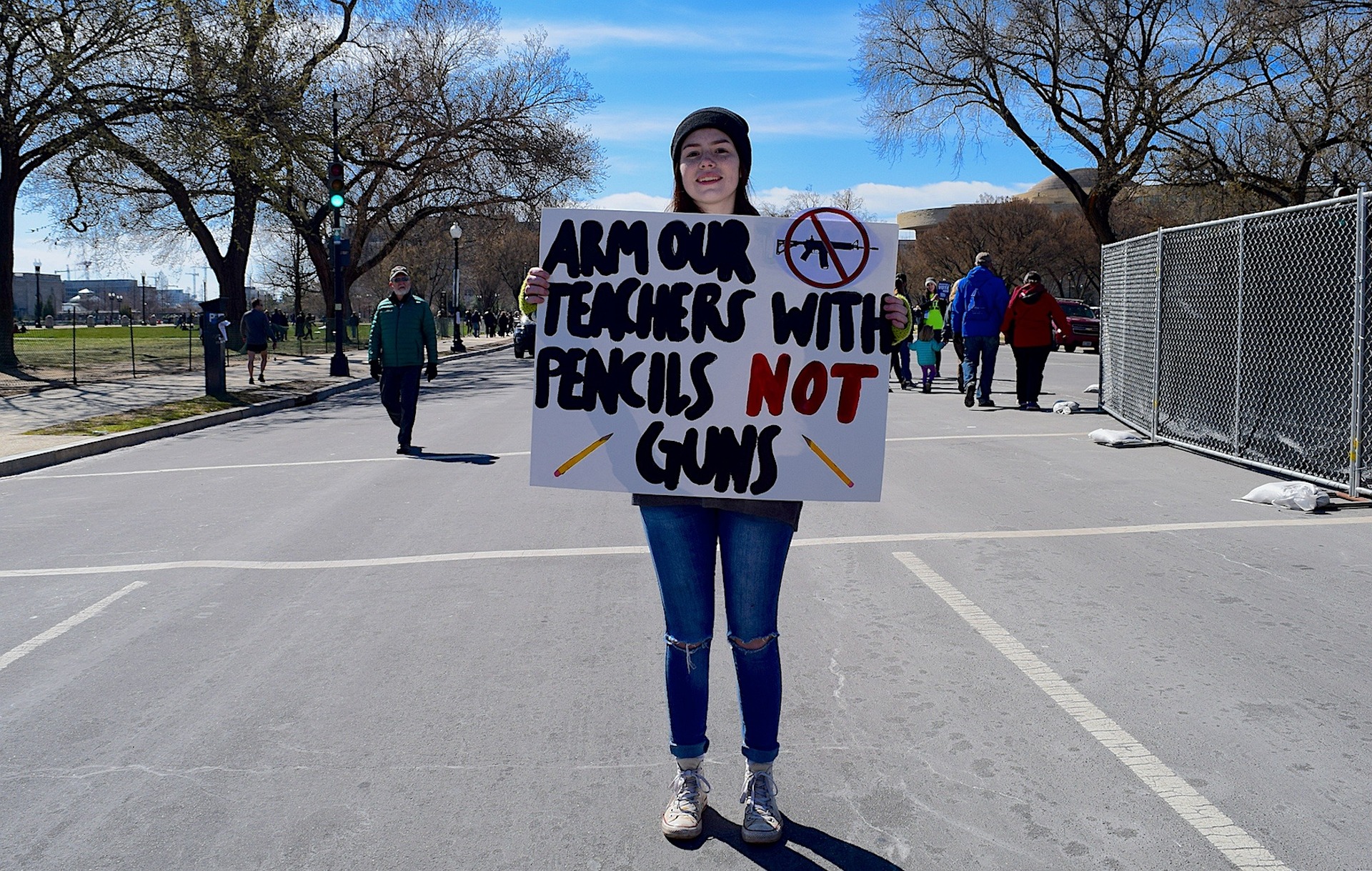
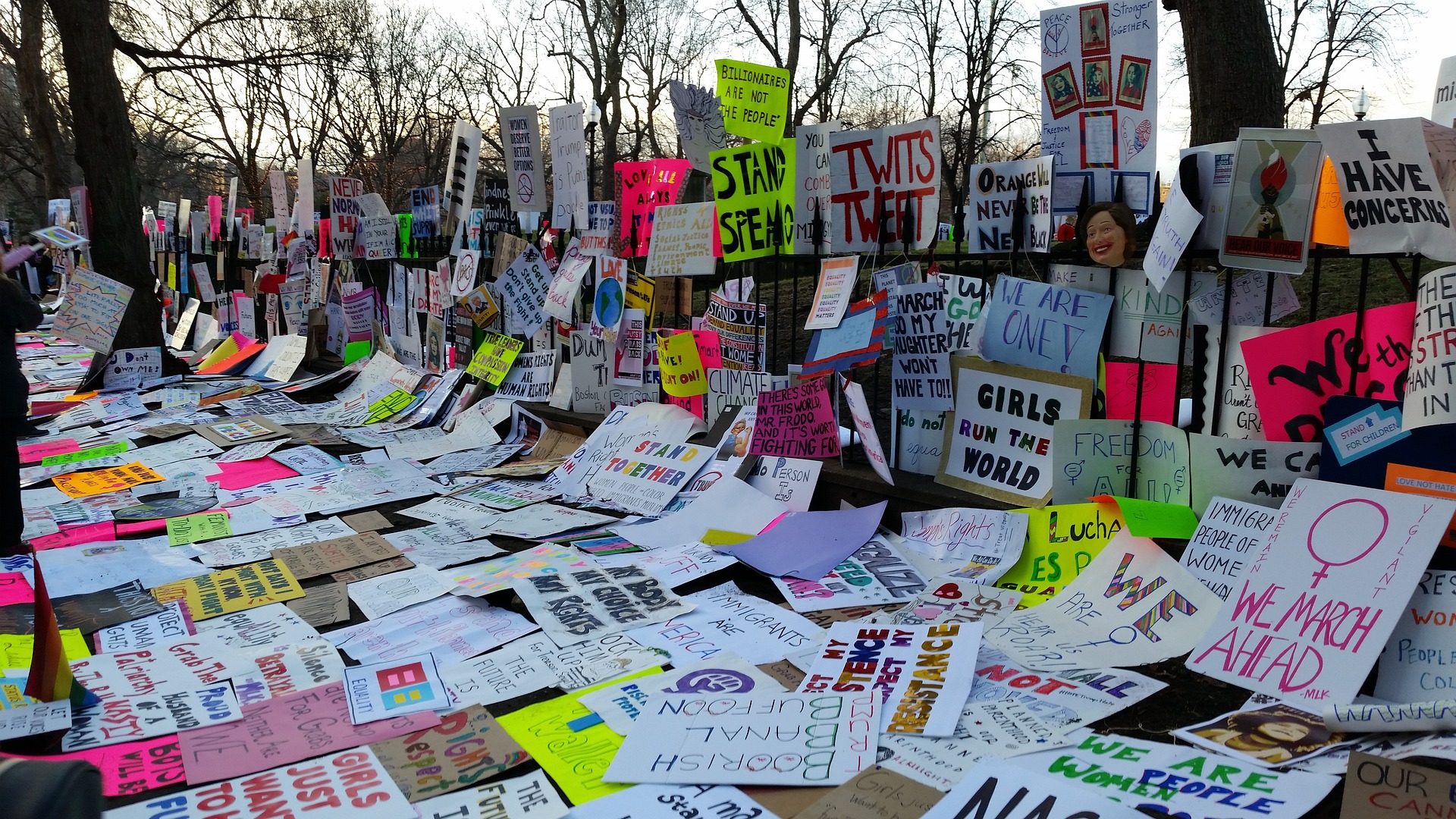
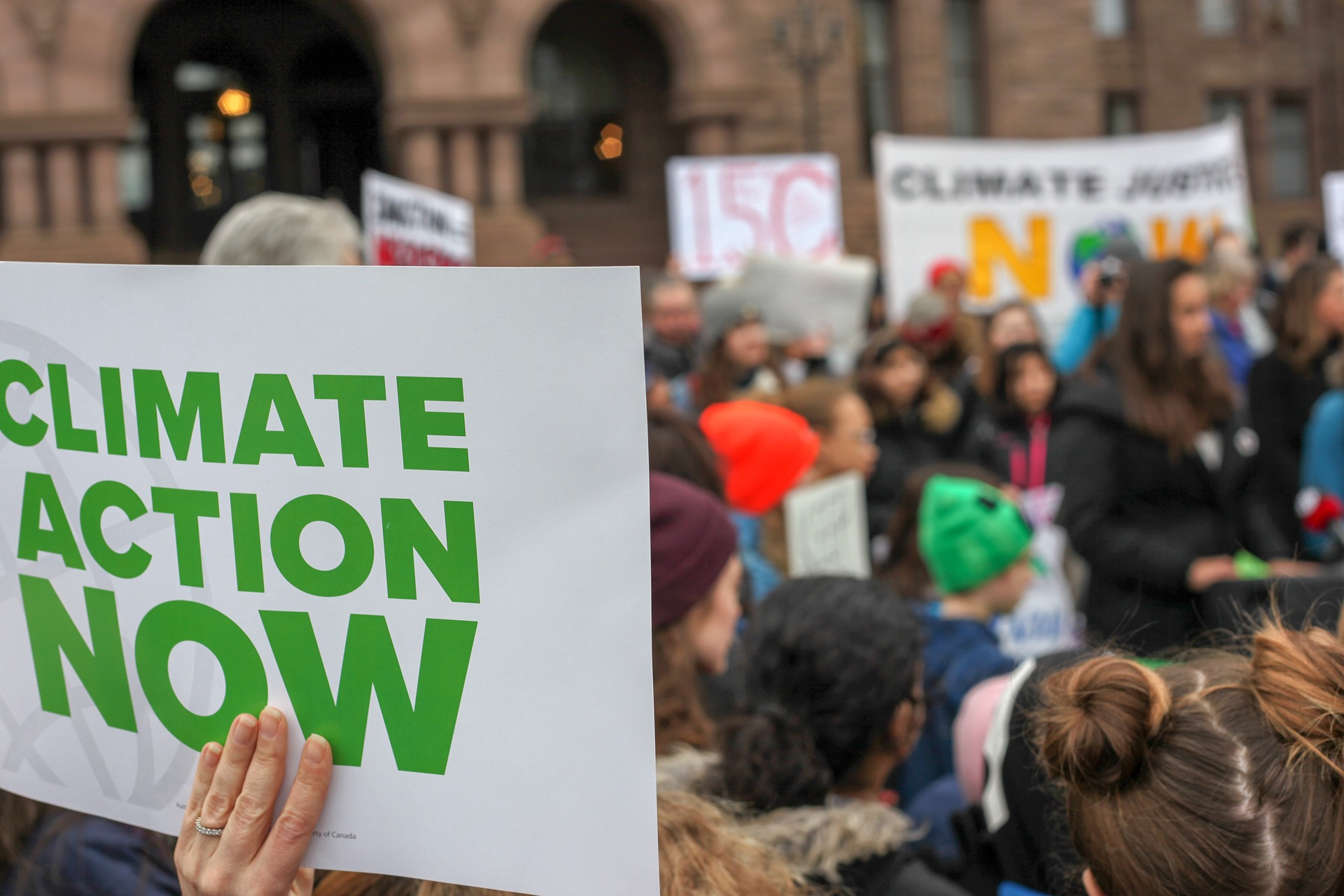
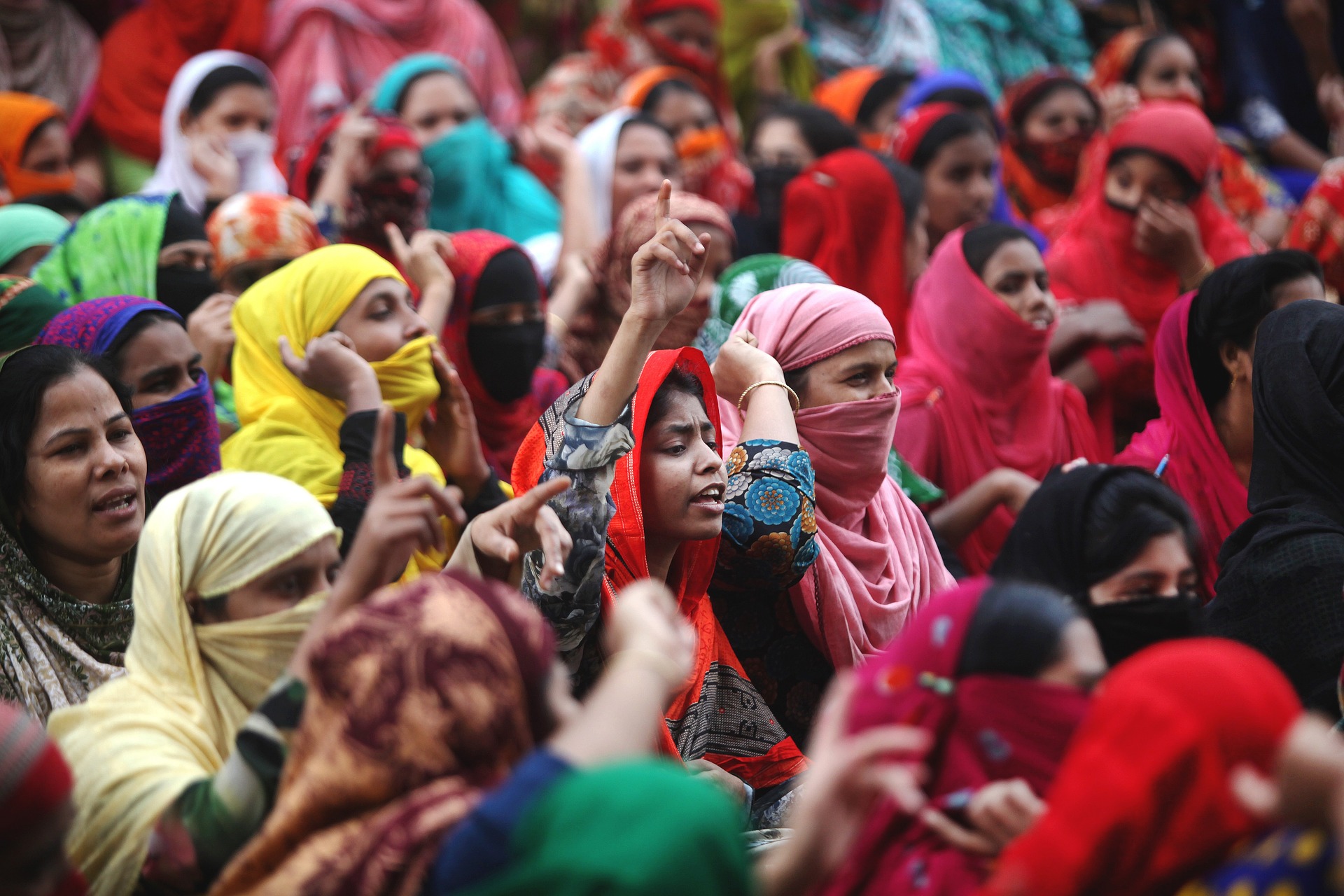
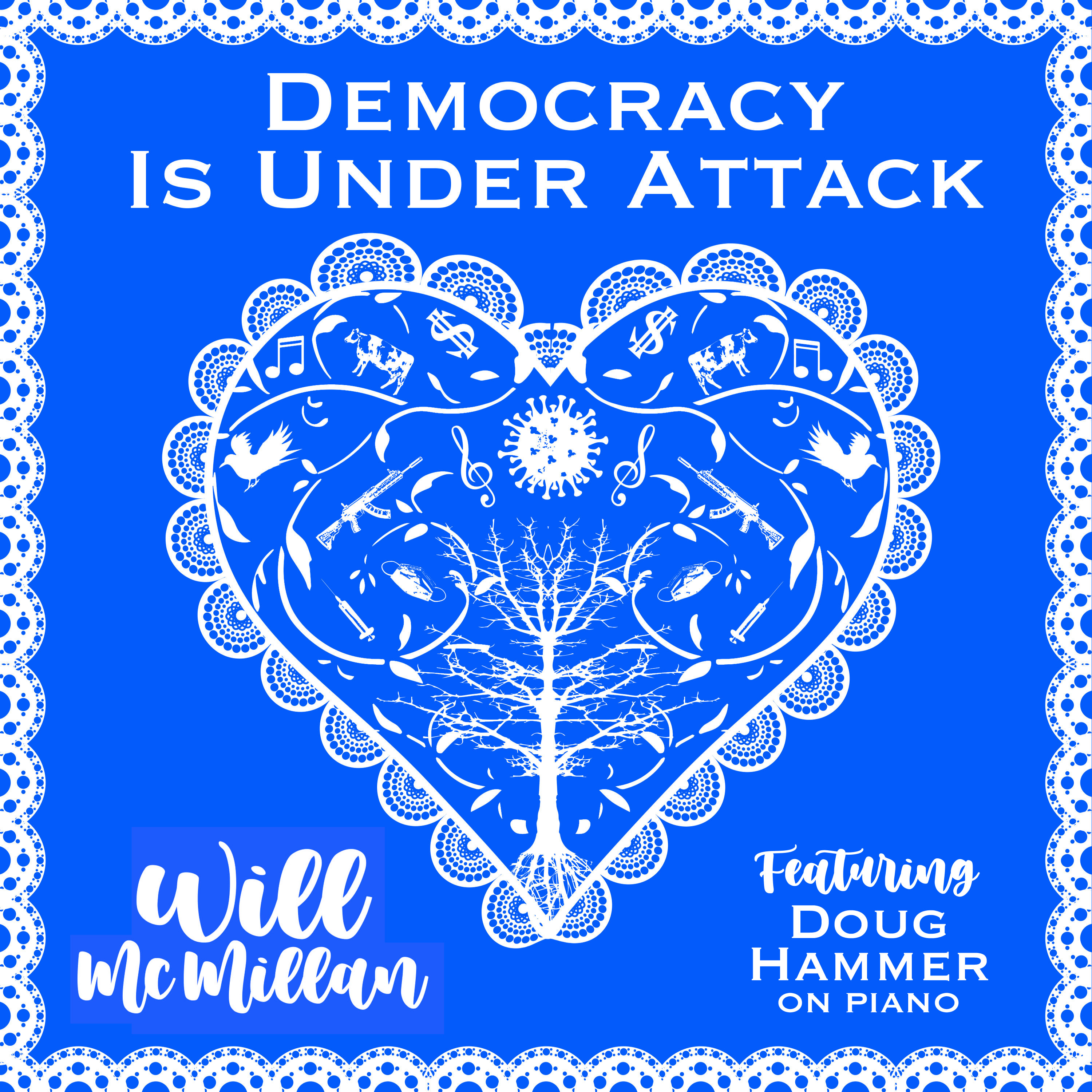
I wrote today’s song, “Democracy Is Under Attack,” a couple of years ago after participating in a big march in Boston.
I was inspired by some of the chants I heard during the course of the day.
I am guessing that most readers of my blog are well aware of the astounding political events unfolding these days in the USA.
I had compiled a long list of them to include in this blog post, but today I realize that I do not need to burden or discourage readers in this manner.
I can let my song speak for itself.
Another deep breath in.
And deep breath out.
The great lyricist Yip Harburg — who co-wrote classic songs such as “It’s Only A Paper Moon,” “Over the Rainbow,” and “Brother, Can You Spare a Dime? — once said the following:
“Words make you think thoughts. Music makes you feel a feeling. But a song makes you feel a thought.”
I love this idea.
He continues: “Songs have been the not-so-secret weapon behind every fight for freedom, every struggle against injustice and bigotry.”
“(Think of) ‘The Marseillaise’ (or) ‘The Battle Hymn Of The Republic’ or ‘We Shall Overcome’ and many more.”
“Songs are the pulse of a nation’s heart — a fever chart of its health.”
“Are we at peace? Are we in trouble? Are we floundering?”
“Do we feel beautiful? Do we feel ugly?”
“Listen to our songs.”
Thank you, Yip!
Another deep breath in.
And deep breath out.
When I am feeling overwhelmed by the news, I often turn to music for comfort, inspiration and balance.
I also turn to two writers: Heather Cox Richardson and Robert Hubbell.
Each of them shares a very thoughtful — and free — essay on an almost-daily basis which reflects upon what is happening in the USA as well as other parts of planet earth.
I am astounded at how many articles each of them is able to read and then synthesize into a cohesive and uplifting essay.
As I mentioned above, one doesn’t need to pay to read their work, but they DO accept financial contributions to support their work if one has the means to do that.
Here’s an example of Ms. Richardson’s writing from 3/23/23:
“In a democracy, the way parties are supposed to win elections is by making a better case for being in power than their opponents do. Losing elections is supposed to make leaders think deeply about how better to appeal to voters.”
“That system keeps all parties constantly honing their policies, thinking through problems, benefiting their constituents.”
“Our election laws are designed to try to hold the playing field level, and a party should want to keep the system fair in order to keep itself healthy.”
“But if a party is willing to cheat to win, it no longer has to work on policies that appeal to voters; it can simply game the system to dismantle the competition on which democracy depends and instead create a one-party state.”
Another deep breath in.
And deep breath out.
Here are some thoughts from Mr. Hubbell’s post on 4/17/23:
“Americans are fed up.”
“A recent survey by the Navigator Group finds a dramatic increase in the number of Americans who believe gun violence is a top national priority. For tragic reasons, concern over guns is now the third-ranking priority among Americans—behind only inflation and jobs.”
“Strong majorities of Democrats and Independents believe that gun laws should be strengthened — as do 38% of Republicans.”
“The numbers are turning against Republicans on the gun issue. Combined with reproductive liberty, the climate crisis, and attacks on LGBTQ rights, MAGA extremists have picked the wrong side of nearly every major social and political issue challenging America. Although they can control legislation through gerrymandered legislatures, that is a losing game over time.”
“Democrats can win at the statewide and national level—where they can block G.O.P. lawlessness and enact gun reform.”
“We have a path forward — through grass-roots politics. It will be long and arduous, but we have a path forward. Let’s take it.”
Their essays are a welcome antidote to the firehose of information —and seemingly endless speculation — blasted at us by our media
Yet another deep breath in.
And deep breath out.
So what to do?
I keep singing — with my Music Together families, with my friends Carole and Molly, with the residents of retirement communities and assisted living facilities, while I am washing dishes at home, and while I walk around my neighborhood.
And I keep giving tiny amounts of money to politicians — like the two young representatives in Tennessee who were recently kicked out and then reinstated — as well as organizations devoted to preserving/expanding our ability to vote.
And I keep reading my fellow bloggers posts.
And every now and then I write one myself.
I will end with a couple of quotations.
One is by President Joseph R. Biden (and/or one of his speechwriters):
“Our history has been a constant struggle between the American ideal that we are all created equal and the harsh reality that racism, nativism, fear, and demonization have long torn us apart. The battle is perennial, and victory is never assured.”
The other is by Mahatma Gandhi:
“Remember that all through history, there have been tyrants and murderers, and for a time, they seem invincible. But in the end, they always fall. Always.”
Thank you to the photographers at Pixabay for the images in this post.
Thank you to Doug Hammer for his tremendous piano playing and expert engineering skills.
Thank you to anyone and everyone who sings-along — with this blog post, in my Music Together classes, at my gigs, while listening on a streaming platform, etc.
Thank you to Heather Cox Richardson and Robert Hubbell for your ongoing analysis and insights.
And thank you to YOU for reading and listening to this blog post.
If you are curious to hear more music, you can also find me singing — with Doug Hammer playing his Schimmel grand piano — on Spotify, Pandora, Apple Music, YouTube and other streaming platforms.
And you can stream “Democracy Is Under Attack” by clicking here.
Any song you “like” or “heart” or add to a playlist will improve the algorithmic activity of our music there!
“Don’t give up the ship — even when you feel it sinking and you don’t know what to do…” writes David Friedman in his great song, “Help Is On The Way.”
I found myself thinking about this song when I heard Senate Majority Leader Chuck Schumer say “Help is on the way!” on TV after helping to pass the American Rescue Plan.
Although I have not been able to confirm this from searching the internet, I think David Friedman created this song during a previous plague — HIV/AIDS.
I wrote about David in a post three years ago which you can read if you are curious by clicking here.
Some were willing and able to ignore the threat of HIV/AIDS when it appeared — as some are still attempting to do with COVID-19.
However, HIV/AIDS left a vast trail of shock and grief for many human beings — as COVID-19 is now doing…
Deep breath in.
Deep breath out.
I thought of this song again when I was listening to yet another medical expert pleading with us to continue to wear masks, wash our hands, and practice physical dustancing.
“We have the football on the five-yard line,” he said, “and we’ve got to hang in there so that we don’t lose possession of the ball when we are so close to making a touchdown and winning the game.”
His football metaphor was inspired by the fact that many states in the USA are currently relaxing health measures even as new — more communicable and possibly more lethal —varieties of the COVID-19 virus are spreading exponentially around the country.
Apparently we are now in a contest to see if we can vaccinate enough people before we are overtaken by yet another tidal wave of infections due in part to these new genetic variations and in part to us human beings letting down our guard.
My heart goes out in particular to the health care workers who — amazingly — continue to care for people infected with Covid whether the infected people had chosen to take Covid seriously in the first place or not…
I’m not a healthcare worker or someone with a job that requires interaction with the public or a senior citizen.
So I’m wearing a mask when I go outside for my daily walks and waiting patiently — as I know many of us are — until I become eligible to get vaccinated.
Singer Bobbi Carrey, pianist Doug Hammer and I recorded this song many years ago as part of a musical program called IN GOOD COMPANY which explored working and business and capitalism using songs and stories.
I consider it to be a quintessential “helps me get out of bed in the morning” song.
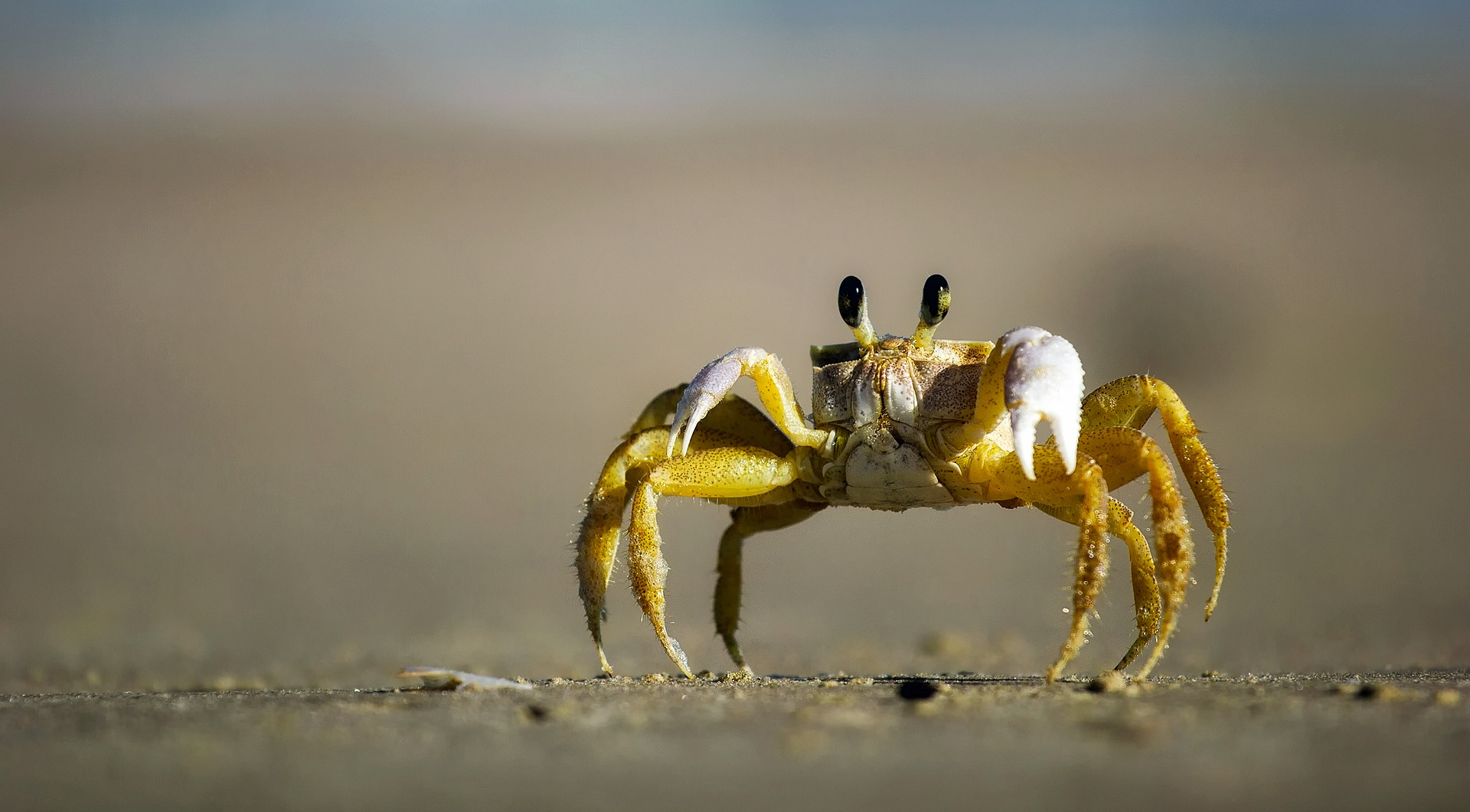
And I’ve been needing these sorts of songs in recent weeks — because I’ve been feeling rather crabby.
Maybe it’s the rising spring energy of the northern hemisphere as we struggle — like bulbs — to push our way through the thawing soil towards the sun.
Maybe it’s the fact that a pandemic which we all thought might last a month or two has now stretched past the one year mark…
Maybe it’s an at-times-overwhelming sense of empathy for all of the folks who have already died due to Covid-19 — AND for their grieving family + friends.
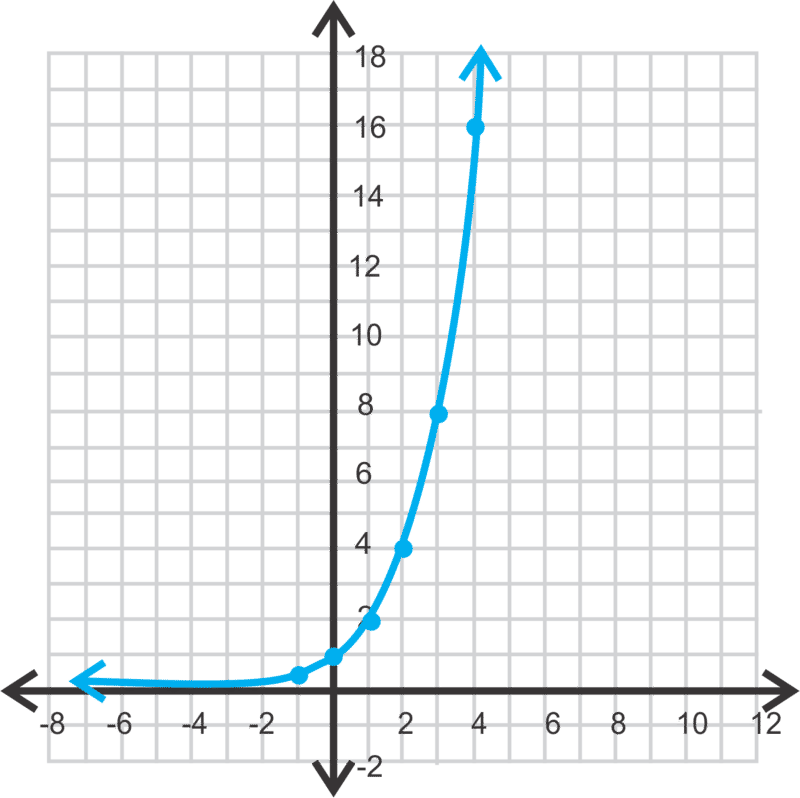
Maybe it’s a sense of frustration that we human beings seem to have done an extremely poor job of teaching one another about the formidable power of exponential growth.
One doubles and becomes two.
Two doubles and becomes four.
Four doubles and becomes eight.
Eight doubles and becomes sixteen.
Sixteen doubles and becomes thirty-two.
Thirty-two doubles and becomes sixty-four.
Sixty-four doubles and becomes one hundred-and-twenty eight.
And sooner than one might think possible, the total rises into the thousands, then millions, then billions…
Understanding exponential growth deepens one’s respect/humility/awe/terror for how a virus left un-checked spreads exponentially through a host population — and thus has vastly more opportunities to mutate into new varieties as a result…
This is why we need to be distributing COVID-19 vaccines to every country in the world — even countries such as Tanzania, led by a Covid-denying leader who recently died after an 18-day period of ill health…officially attributed to a heart condition and unofficially speculated to have been Covid-related.
Clearly it is a huge challenge to change anyone’s mind when they have very strong convictions about a particular topic.
Here in the USA the Covid-related death of a newly elected, incoming, 41-year-old congressman from Louisiana — Luke Letlow — has done little to change the mindset and behavior of some of his Republican colleagues regarding the severity of the risk of Covid infection.
I don’t entirely believe the message of this song — although I WANT to believe it because it gives me hope.
My favorite line is probably “from friends we may not have met yet.”
I feel that way about some of my fellow bloggers, and also about some of the photographers on Pixabay.
Now that I have started including their names underneath their beautiful photographs, I have begun noticing that certain photographers have taken a LOT of the photos I’ve used in past blog posts.
Thank you to Doug Hammer and to Bobbi Carrey for their heartful musicianship.
Thank you to all the “friends we may not have met yet” — who are growing our food, developing new vaccines, taking care of us in hospitals, working in grocery stores, delivering packages, etc. etc. etc.
Thank you to Pixabay and all of the photographers who generously share their images there — and allow me to travel far and wide around this extraordinary planet earth without leaving my living room.
Thank you to the cardinals who have been singing and singing and singing in my neighborhood in recent days.
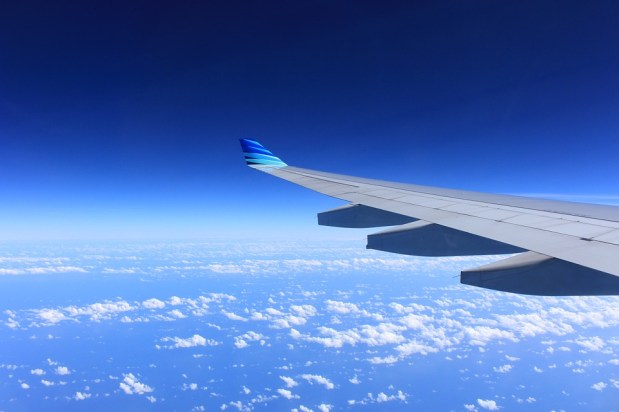
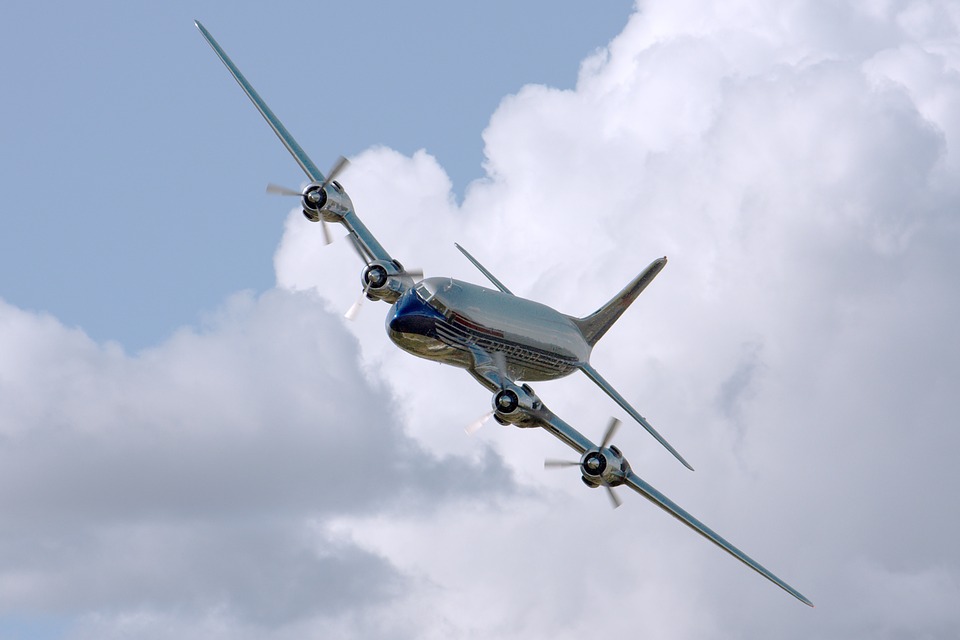
This afternoon I saw an airplane rising in the sky above Boston.
As usual, I was amazed that such a huge and complicated chunk of metal could become airborne.
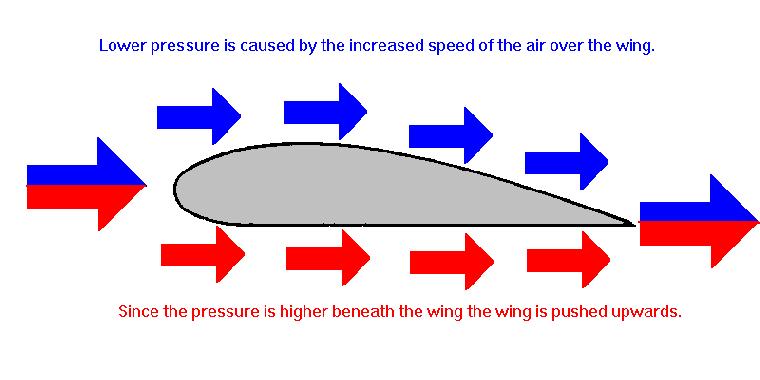
Apparently it has something to do with the Bernoulli Effect.
In online article by Matthew Reeve I learned that “Daniel Bernoulli was an eighteenth-century Swiss scientist who discovered that as the velocity of a fluid increases its pressure decreases.
This can be demonstrated when a constant flow of fluid or gas is passed through a tube, and a section of the tube is constricted.
At the point of constriction, the flow will speed up and there will be a drop in pressure against the walls of the tube.
This principle has become widely known as the Bernoulli Effect.”
The Bernoulli Effect explains why planes fly AND why we are able to produce sound with our vocal cords.
Matthew Reeve continues,
“The two results of the Bernoulli Effect can be explained with two examples.
Flow increase: When you place your thumb over the end of a running hose, the flow of water speeds up and travels further across the garden. At the point of constriction velocity increases.
Air pressure drop: An airplane’s wing is shaped so that the bottom is flat and the top is curved. When air flows across the top of a plane’s wing, it travels faster and the lower pressure creates lift.”
He was attempting to explain to me how our vocal cords — which are more accurately called vocal folds — vibrate to produce sound.
When we make a sound using our voice (also know as phonation), our vocal folds are pulled together by a team of small, strong, sophisticated muscles.
During phonation, the stream of air coming up from our lungs through our wind pipe/trachea is momentarily stopped by our vocal folds.
At this point pressure begins to build up below the vocal folds.
Back to Matthew Reeve’s article…
“When the pressure is high enough, the vocal folds are forced to separate and the airstream is allowed to flow through the vocal folds.
The airstream through the vocal folds then accelerates causing a drop in pressure.
This drop in pressure then sucks the vocal folds back together.
Air pressure under our vocal folds then builds up again and the process continues.”
This cycle of our vocal folds opening and closing — hundreds of times per second — creates the waves of air pressure that we recognize as sound.
Reading about the Bernoulli Effect reminded me of a recording of “The Wind Beneath My Wings” that pianist Doug Hammer and I made during a rehearsal for a memorial service a few years ago.
It combines the act of singing with the imagery of flying.
Thank you to Nicki Nichols Gamble for asking me and Bobbi Carrey to sing at her husband’s memorial service — and for requesting this particular song.
Thank you to Doug Hammer for his terrific piano playing and for his engineering expertise.
Thank you to David Gay, Eugene Rabine, Roland Seiler, Craig Wich, Mary Klimek, and all of the other human beings who have taught me about healthy vocal function.
Thank you to Pixabay for some lovely photographs and to the internet for some useful graphics
Thank YOU for reading and listening to another blog post — and thank you to everyone who continues to offer me positive feedback and enthusiastic support for my music-making.
You are indeed the wind beneath my wings.
And — echoing the final lyrics of the song — I also give thanks for the Bernoulli Effect, which allow planes to fly and human beings to sing!
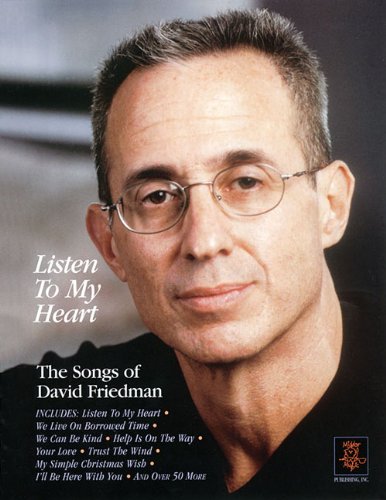
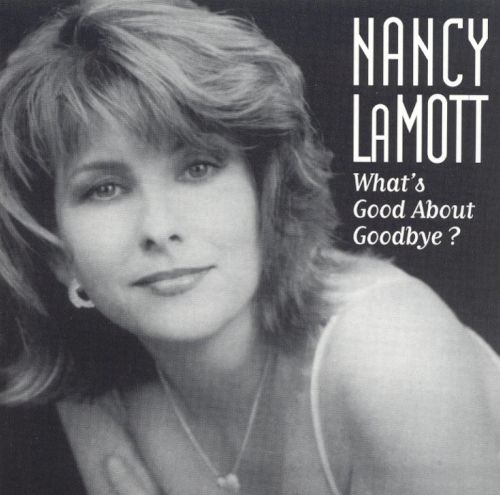
David Friedman is a composer, a songwriter, a conductor, an arranger, a producer, a philosopher, a teacher, AND a dedicated advocate for the singer Nancy LaMott, who died much too young in 1995.
I first became aware of him after hearing one of Nancy’s CDs — and eventually buying all of them because I was so touched by the heartfulness in her voice.
Nancy recorded many of David’s songs, and I fell in love with several of them.
So when David put together a songbook of his original works, I bought it and got to work!
Two of his songs ended up on a CD of songs about love which singer Bobbi Carrey and I recorded with pianist/engineer/producer Doug Hammer, arranger Mike Callahan, and a handful of Boston-area musicians called If I Loved You.
“I’ll Be Here With You” (on the player at the beginning of this blog post) is one of Bobbi’s and my favorite songs with which to end a performance.
And, although I do not know the details of Nancy and David’s musical partnership, I have the sense that this song may have had a strong emotional resonance for them (and might even have been inspired by their friendship…)
Perhaps people who know more about David and Nancy’s history can weigh in using the comments section at the end of this blog post.
I think of David whenever someone says something along the lines of, “They don’t write great standards like they used to…”
There are, in fact, many people who are alive and well on planet earth and who are writing beautiful, wise songs.
But the ways that those songs reach — and touch — the rest of the world have changed significantly since the days of sheet music and singing around pianos in living rooms.
No longer does a new song get recorded by many, many different performers — with different recordings of the same song vying for the top spot on a few national radio networks.
The rise of the singer-songwriter — along with self-contained bands who create their own original material — marked a significant shift in our popular musical culture.
David’s songs have been recorded by pop stars including Diana Ross, Barry Manilow, and Petula Clark — but these days Diana, Barry and Petula are not dominating the charts as they once did…
However, we now have many new ways to share music — such as YouTube, Pandora, Spotify… and even personal blogs like mine.
And there are many singers still devoted to both the Great American Songbook of standards from the 1920s-1960s AND to all of the great songs that have been written since then.
So ripples of music continue to wash around our culture and around our planet…
Thank you to David Friedman for writing songs.
Thank you to Bobbi Carrey for her singing and for her musical collaboration over the past 15 years.
Thank you to Doug Hammer for his piano playing and his engineering and his production skills and his patience and his humor.
Thank you to Mike Callahan for his vocal arrangements.
Thank you to Pixabay for most of the images in this blog post (and to the world wide web for the ones of David and of Nancy).
And thank YOU for making time so that you could read and listen to another one of my blog posts!
I thought of it often as I was carrying boxes from my sister’s apartment in Laguna Niguel, CA to a 16′ Penske moving truck parked about 100 feet from her front door.
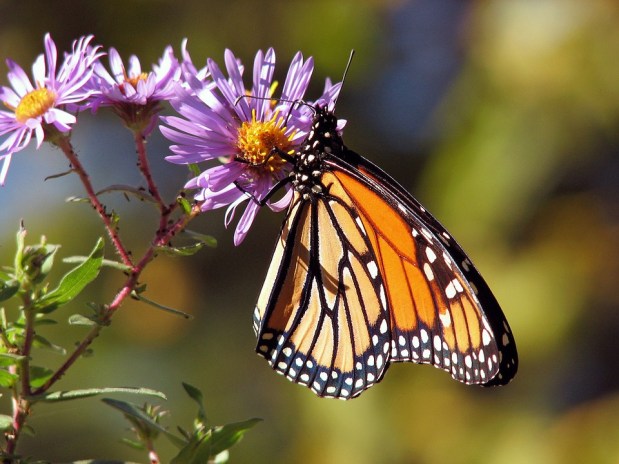
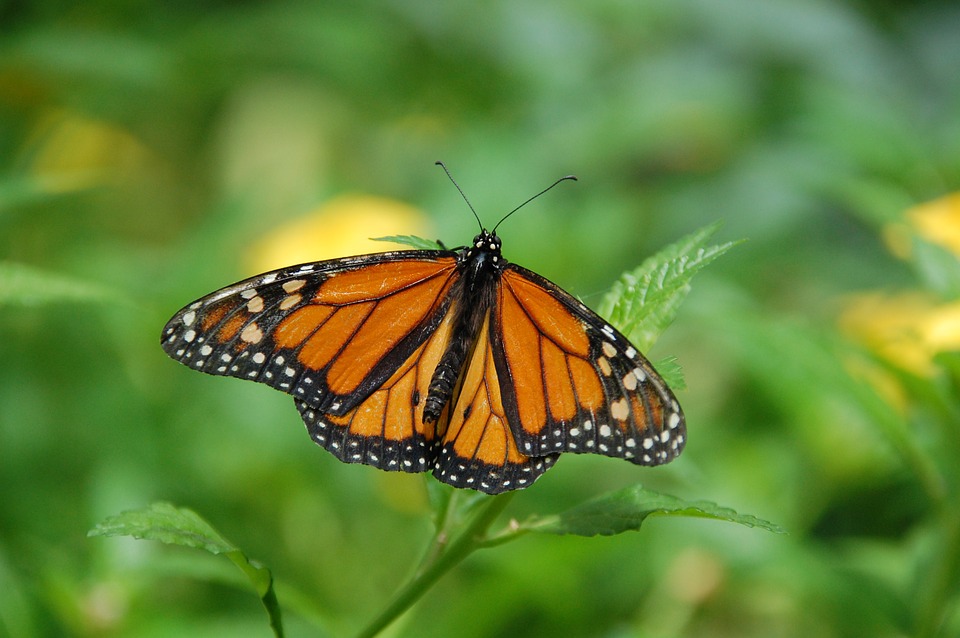
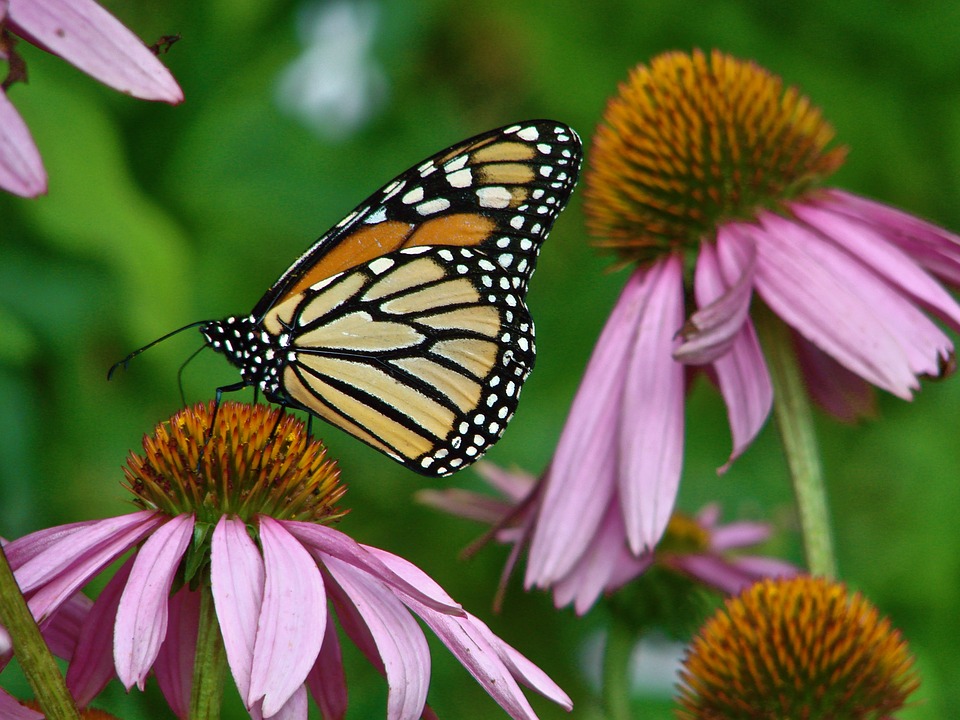
A monarch butterfly would appear every few hours — flapping from flower to flower before drifting away on a gentle breeze.
And I would find myself singing this song.
I don’t know what inspired John to write it, although I am guessing that he must have some sort of meditation practice.
I first heard it sung at the Yale Cabaret Conference I participated in many years ago… and immediately wanted to learn it.
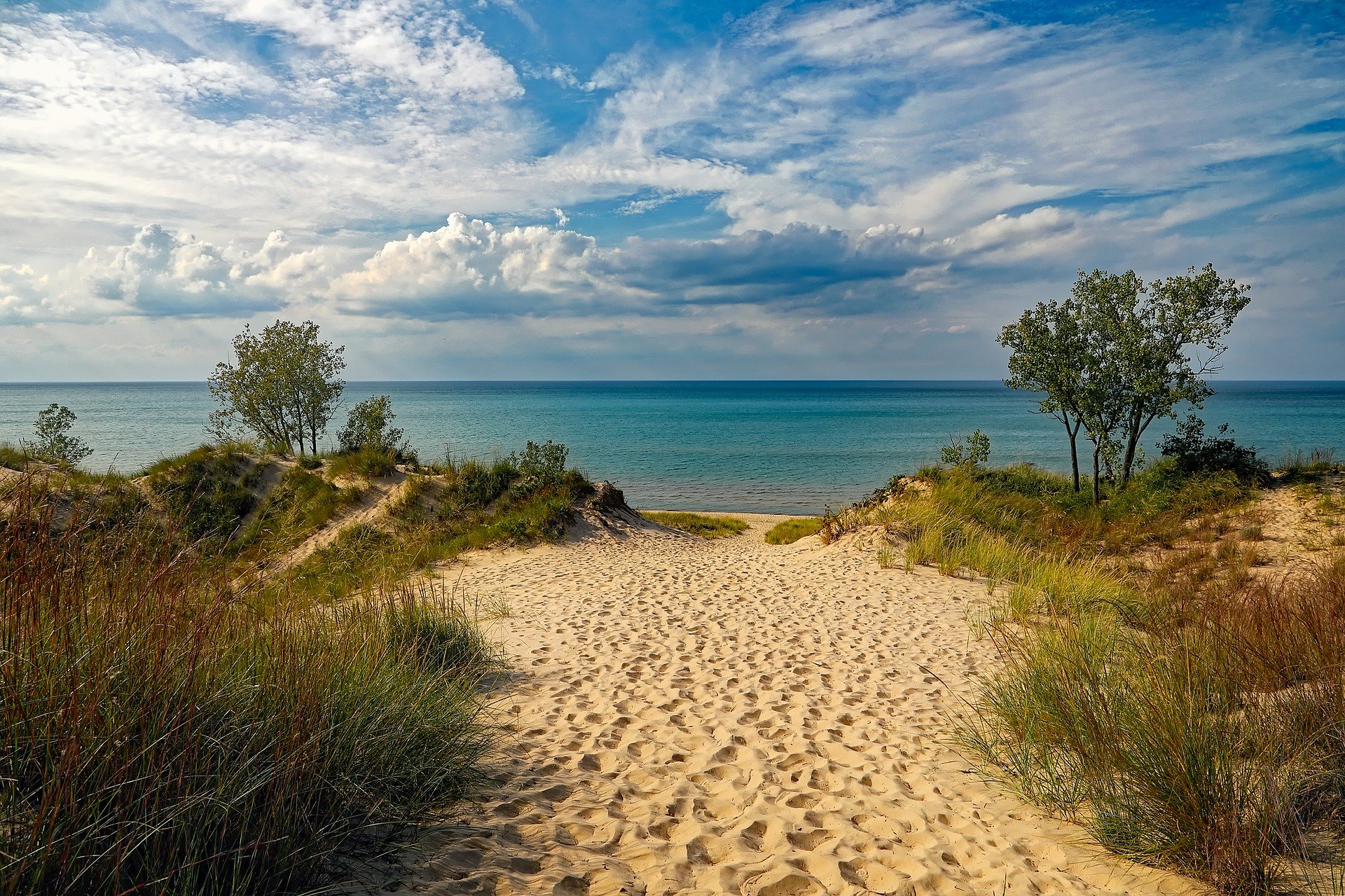
I practiced the lyrics over and over again one summer as I walked up and down a sandy path through a scrub pine forest en route to Head of the Meadow beach in North Truro, MA.
It is a perfect example to me of a “wisdom song” — which helps me to re-align with my better, wiser self whenever I sing it.
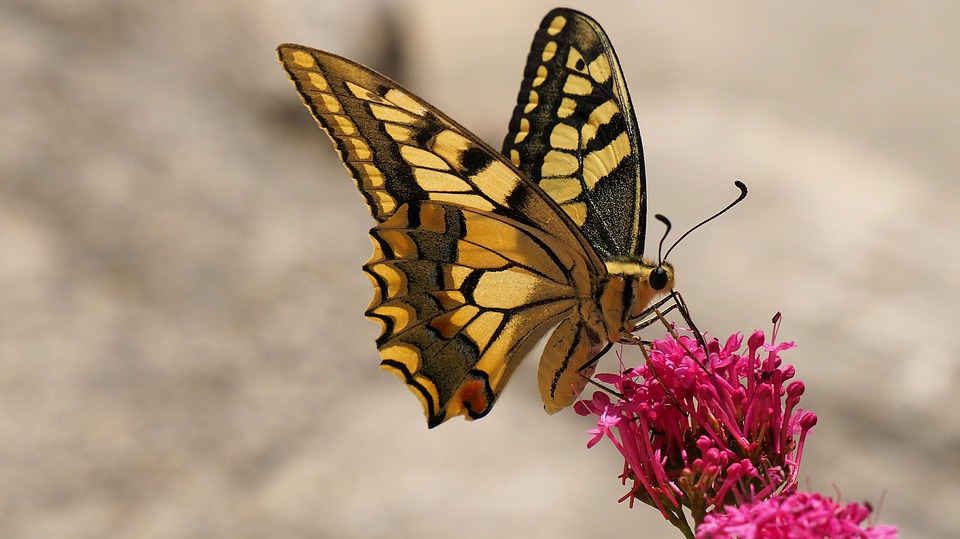
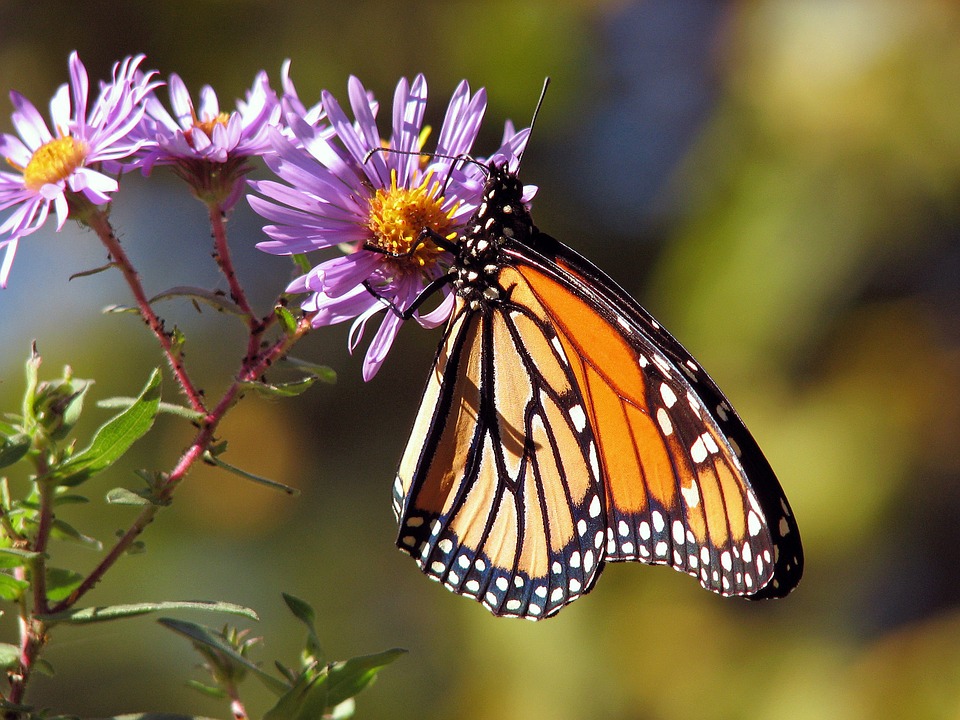
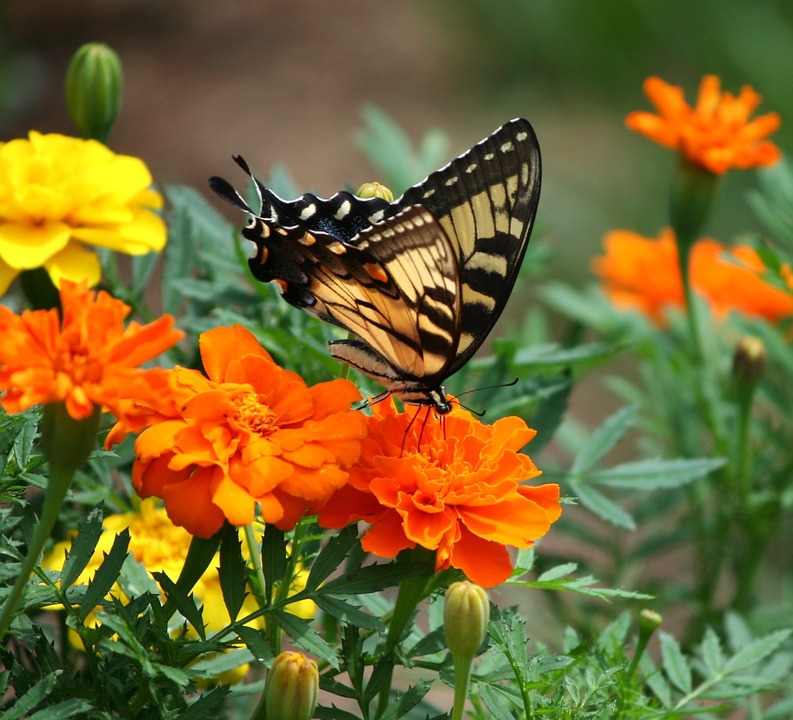
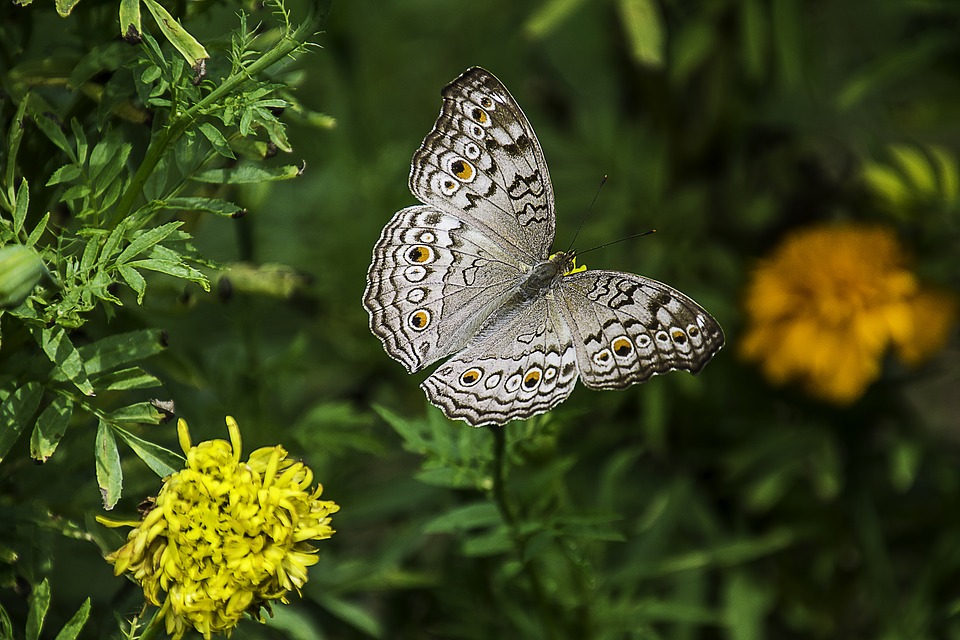
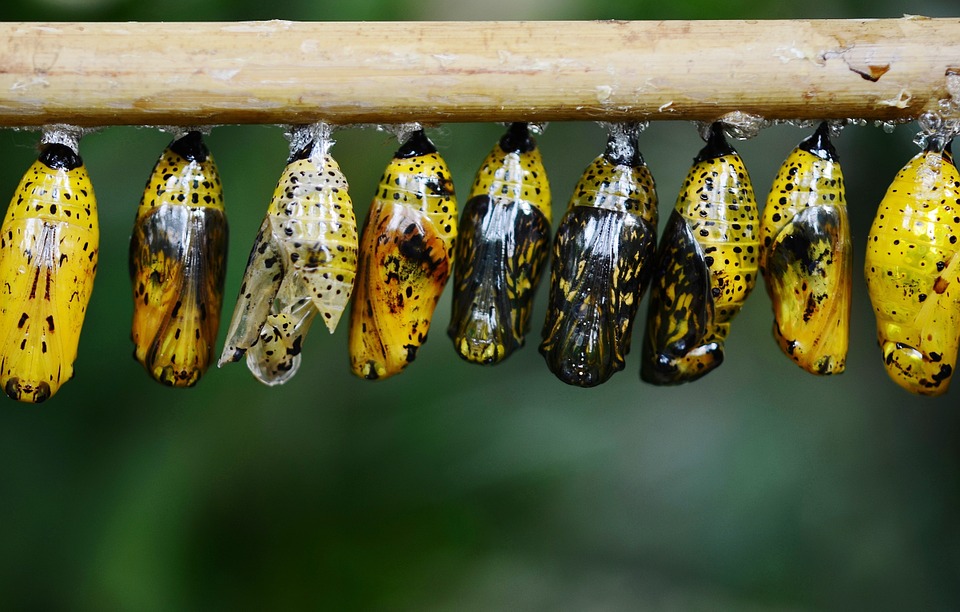
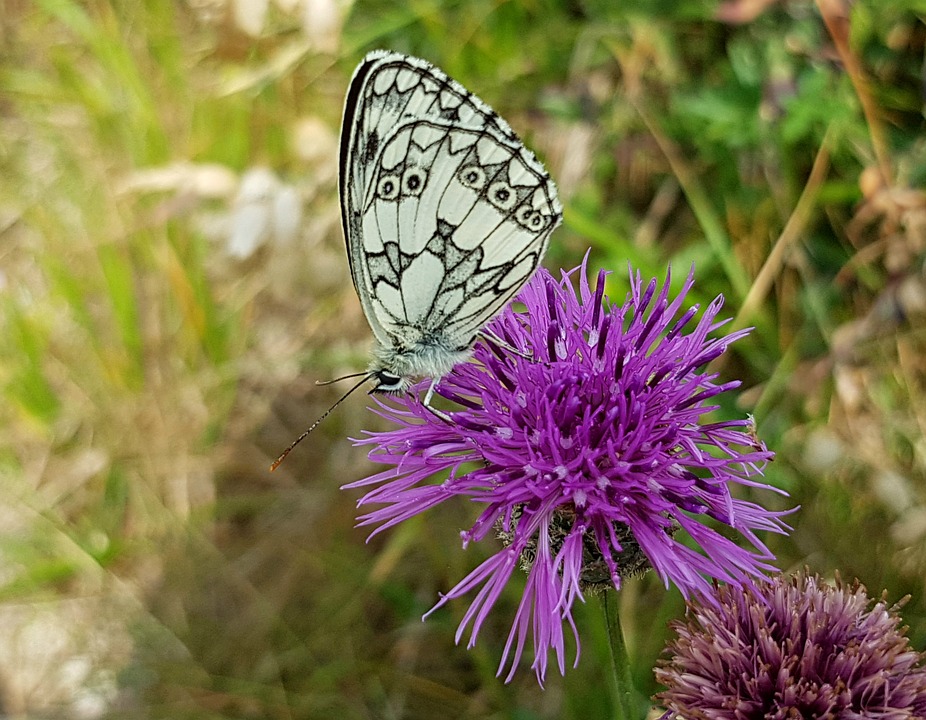
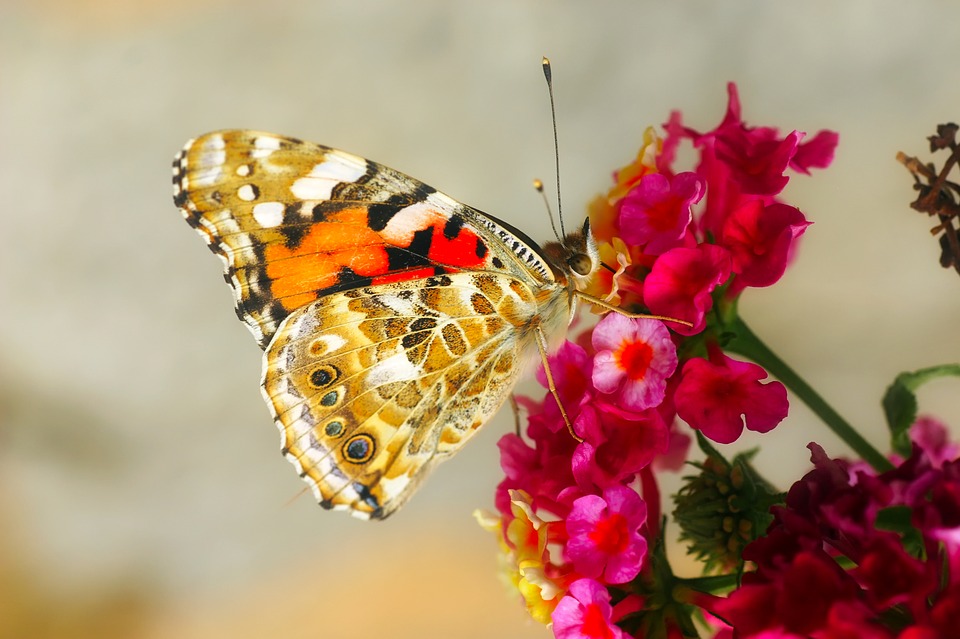
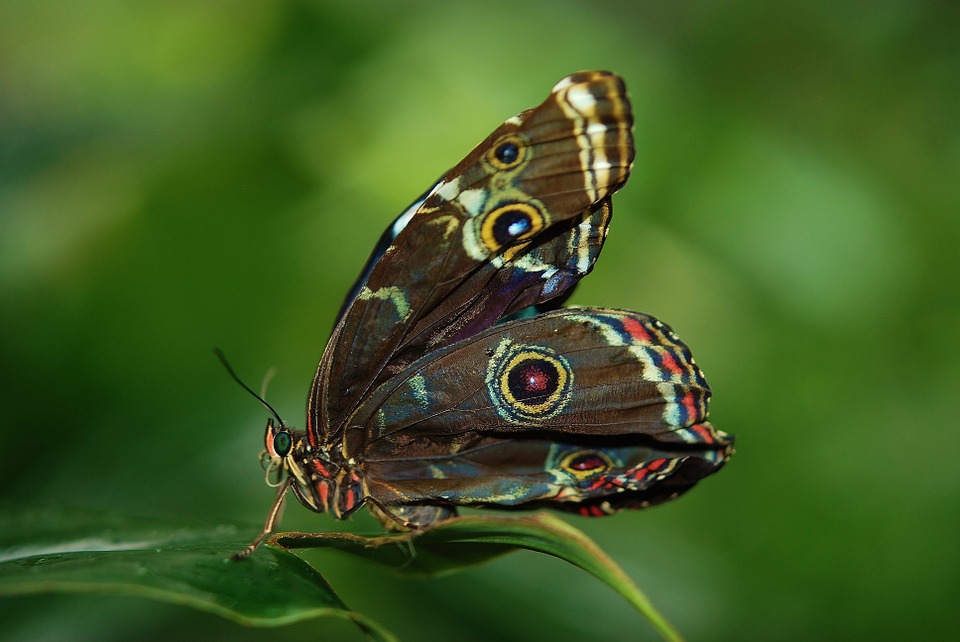
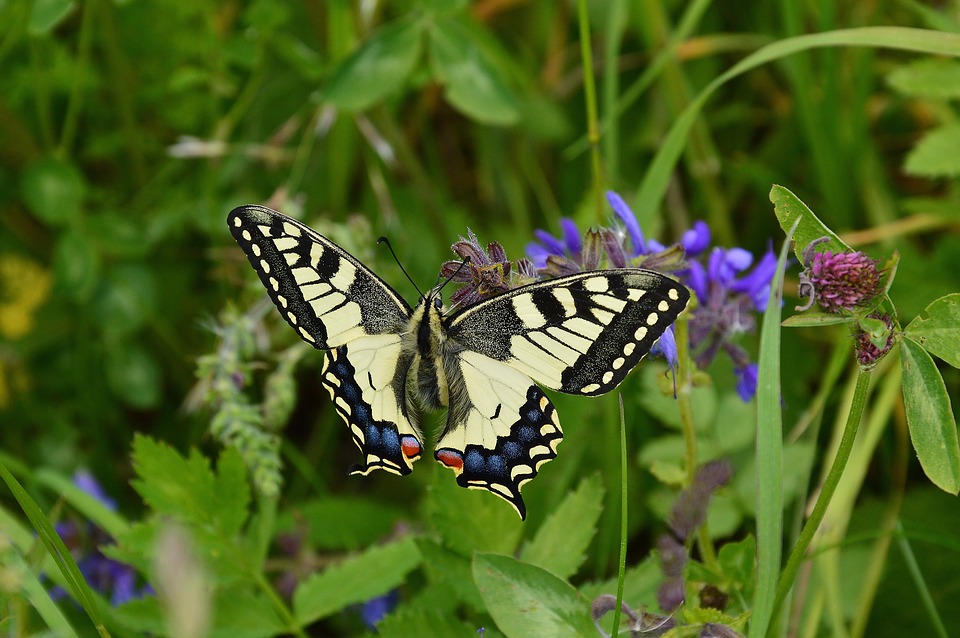
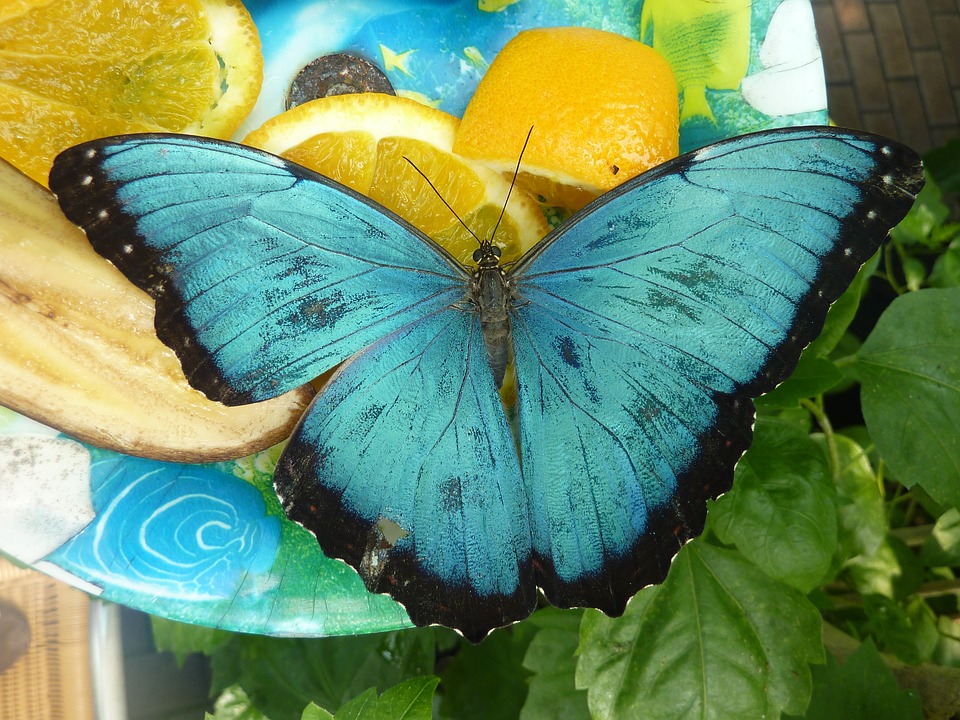
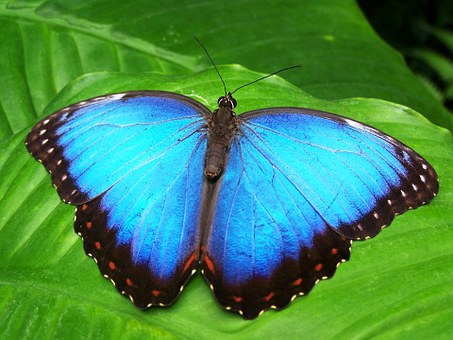
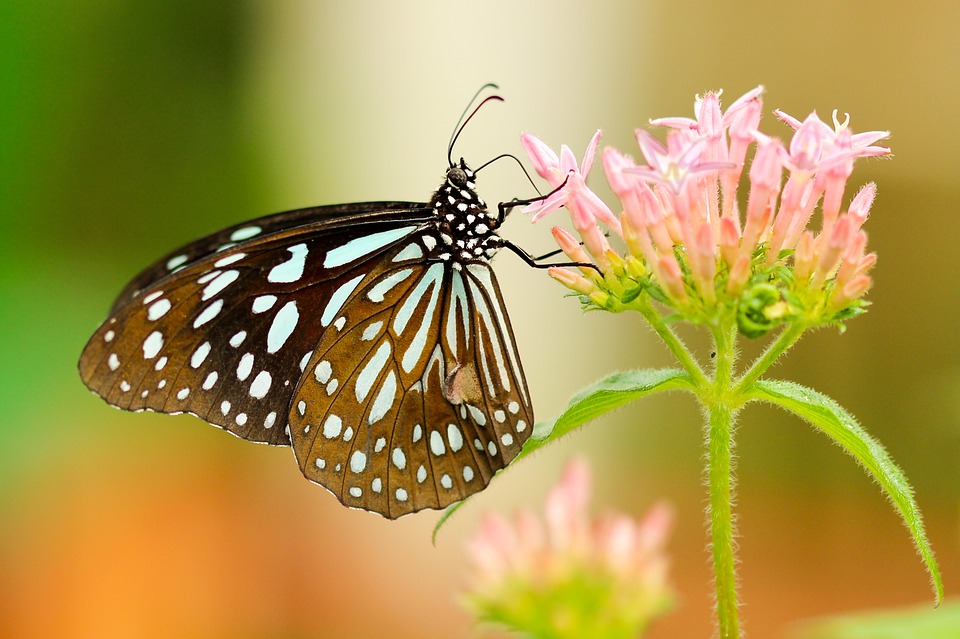
Writing this post inspired me to search on Pixabay for some butterfly images, and I was astounded by what I found.
The idea that earthbound caterpillars can transform themselves into winged butterflies — that they can literally dissolve themselves and re-form their molecules into a new type of being — has fascinated and inspired us human beings for millennia.
I am also inspired by the paths they take — paths which do not travel in a straight line from point A to point B yet manage to cover vast amounts of mileage none-the-less.
Butterflies have a inner sense of where they are headed, but they also follow and respond to whatever flowers and breezes appear along their journey.
This seems to be how I, too, am moving through my musical life here on planet earth.
I looked online to learn more about the current health of our butterfly populations.
First I was directed to a relatively new company called “Butterfly Health” that seems to specialize in adult diapers…
Then I found a lovely story about vineyards in eastern Washington which “stopped using harmful pesticides and created natural habitats with native shrub-steppe plants around the vineyards to keep out harmful insects (e.g., mealybugs) and attract beneficial insects (e.g., parasitic wasps) that feed on pests.”
These vineyard saw a significant increase in butterflies — from an average of five different species to more like twenty different species!
The article noted that “butterflies don’t protect the vineyards or provide wine growers with economical benefits, (but) they are pollinators and an important element of the ecosystem. Furthermore, having butterflies flutter around a vineyard increases its aesthetic appeal and provides proof of earth-friendly pest control practices.”
It reports that “more than three-quarters of Britain’s 59 butterfly species have declined over the last 40 years, with particularly dramatic declines for once common farmland species such as the Essex Skipper and Small Heath…
‘This is the final warning bell,’ said Chris Packham, Butterfly Conservation vice-president, calling for urgent research to identify the causes for the disappearance of butterflies from ordinary farmland. ‘If butterflies are going down like this, what’s happening to our grasshoppers, our beetles, our solitary bees? If butterflies are in trouble, rest assured everything else is.'”
Deep breath in.
Deep breath out.
What, I continue to wonder, will it take for enough of us human beings to wake up and take significant actions so that the extraordinary species extinction we are now experiencing on planet earth can slow down…and maybe even stop?
Why are so many of us seemingly oblivious to what is happening to our ecosystems and unable/unwilling to make wiser choices?
I recently visited a friend’s house (his/her second home, actually) and saw a small vat of RoundUp that I assume s/he is using to take care (??) of weeds in his/her lovely garden.
It was sitting alongside an aerosol can of pesticide to kill wasps.
This is an extremely well-educated person who loves the views of nature from his/her home overlooking a beautiful river.
Yet s/he is completely oblivious to the increasingly well-documented scientific research linking herbicides and pesticides to all sorts of profound disruptions in the overall health of a wide variety of ecosystems. And disruptions to our own human metabolisms — since we human beings are deeply rooted in nature from an evolutionary perspective and share many of the same biological pathways/systems as our animal and plant cousins..
I know that beautifully photographed and persuasively written advertising messages from the makers of herbicides and pesticides contribute to our human ignorance..
And lots of us think, “Oh it’s just a little bit of RoundUp or a little bit of wasp spray…”
But it all adds up and takes a cumulative toll on a wide variety of plants and animals and bacteria and fungae which we dearly need to be functioning in balance with each other.
Another deep breath in.
And another deep breath out.
Thank you to Pixabay for these wonderful photographs of butterflies.
Thank you to Doug Hammer and John Bucchino for their tremendous musicality and songwriting expertise.
And thank YOU for reading and listening to another blog post.
What steps — small and/or not-so-small — have you taken in your life to help keep life in balance here on planet earth?