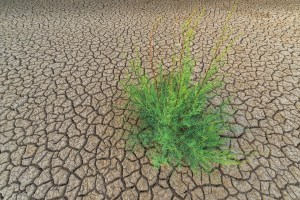
Partly this is because I do not like the shorter days.
And partly this is because I do not like being reminded that everything dies in the end.
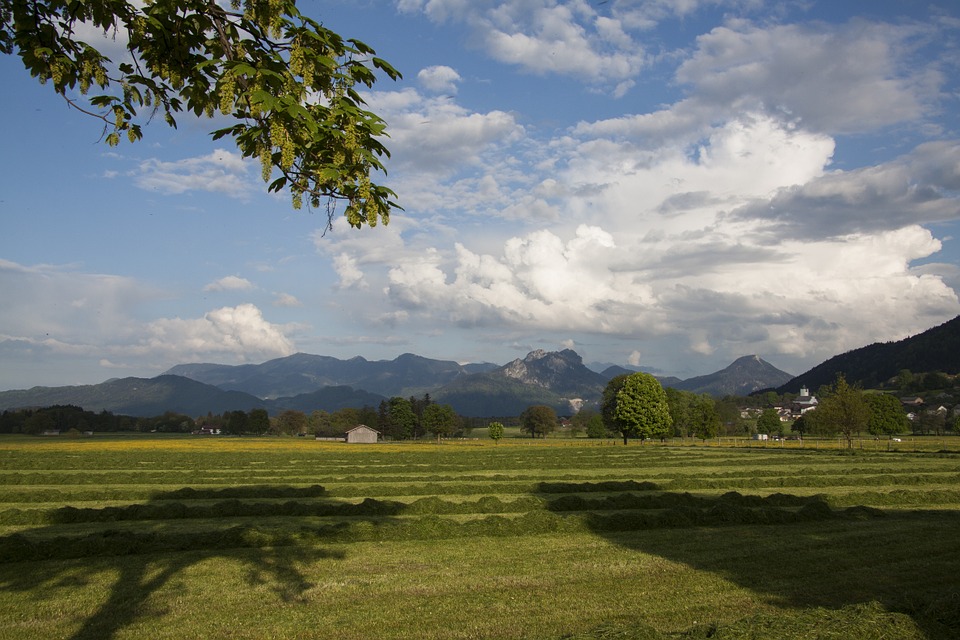
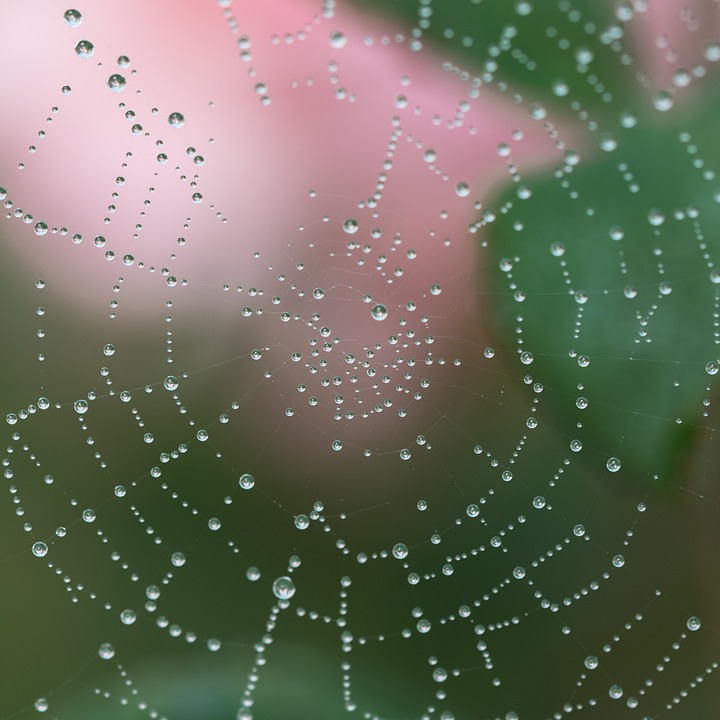
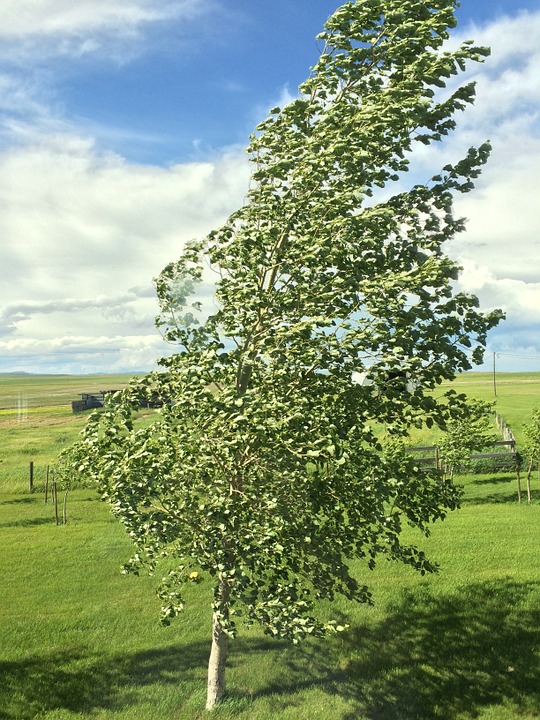
I do however like being reminded of how amazing mother nature is — creating a system of fully recyclable and compostable solar collectors in the form of LEAVES!
I wrote the first version of “Under My Umbrella” while camping in North Truro on Cape Cod.
Then my friend Molly Ruggles wrote a new bridge section — which is the version she and I and our friend Carole Bundy recorded (in the player above).
You can click here to read — or re-read depending upon how long you’ve been following my blog — a short post from 9/10/24 which features the earlier (pre-Molly) version of this song.
And here is a link to the Molly, Will & Carole version in case you might be willing to play/like/share it on your favorite music streaming platform.
We recorded it with me, Carole and Molly singing plus Molly playing Doug Hammer’s Schimmel grand piano in his studio north of Boston, MA.
Thank you to Doug for his excellent engineering and music production skills.
Thank you to Molly for writing a new bridge and also a bunch of lovely harmonies for all of us to sing.
Photo by Rada Ruggles
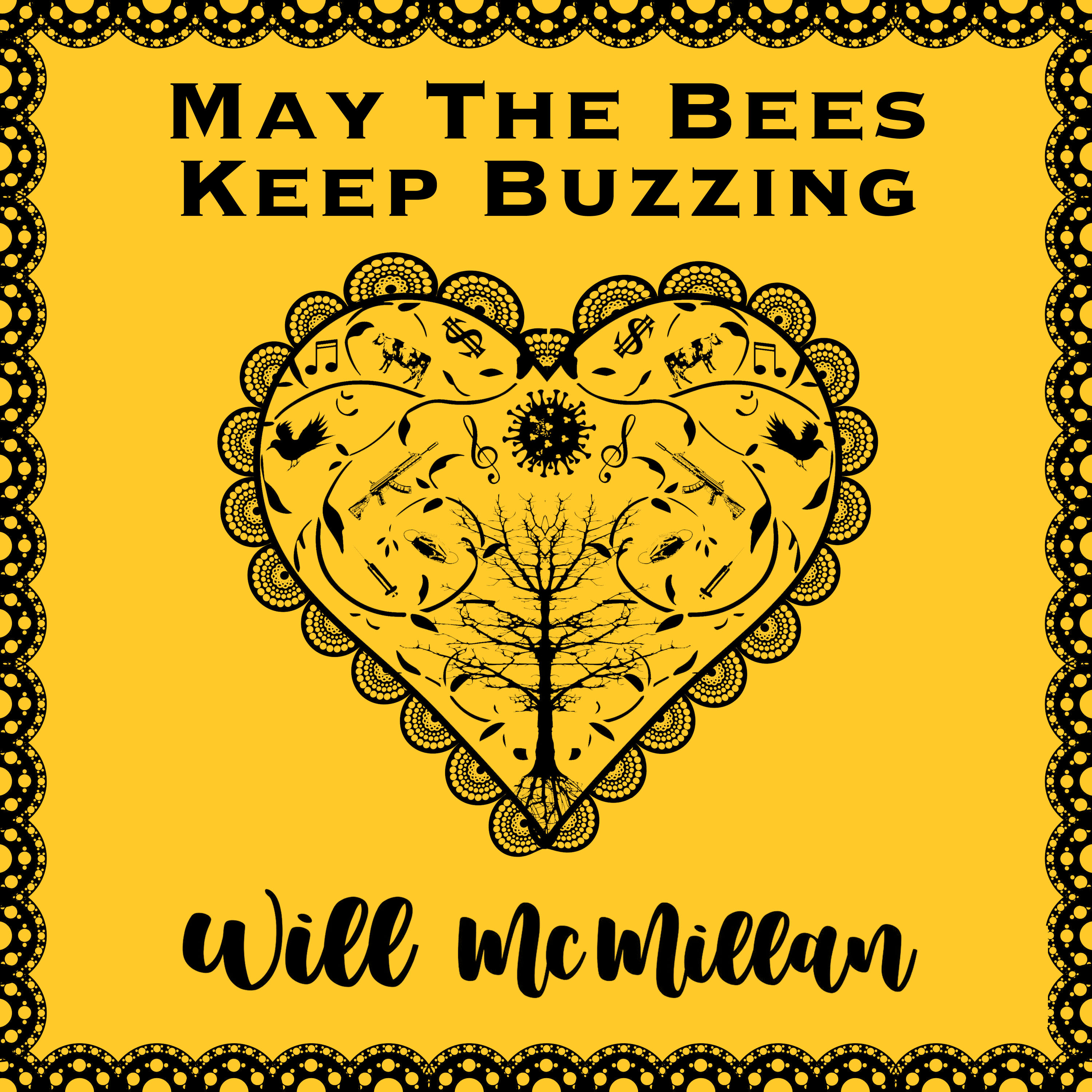
Thank you to Molly for playing piano AND for designing our graphics.
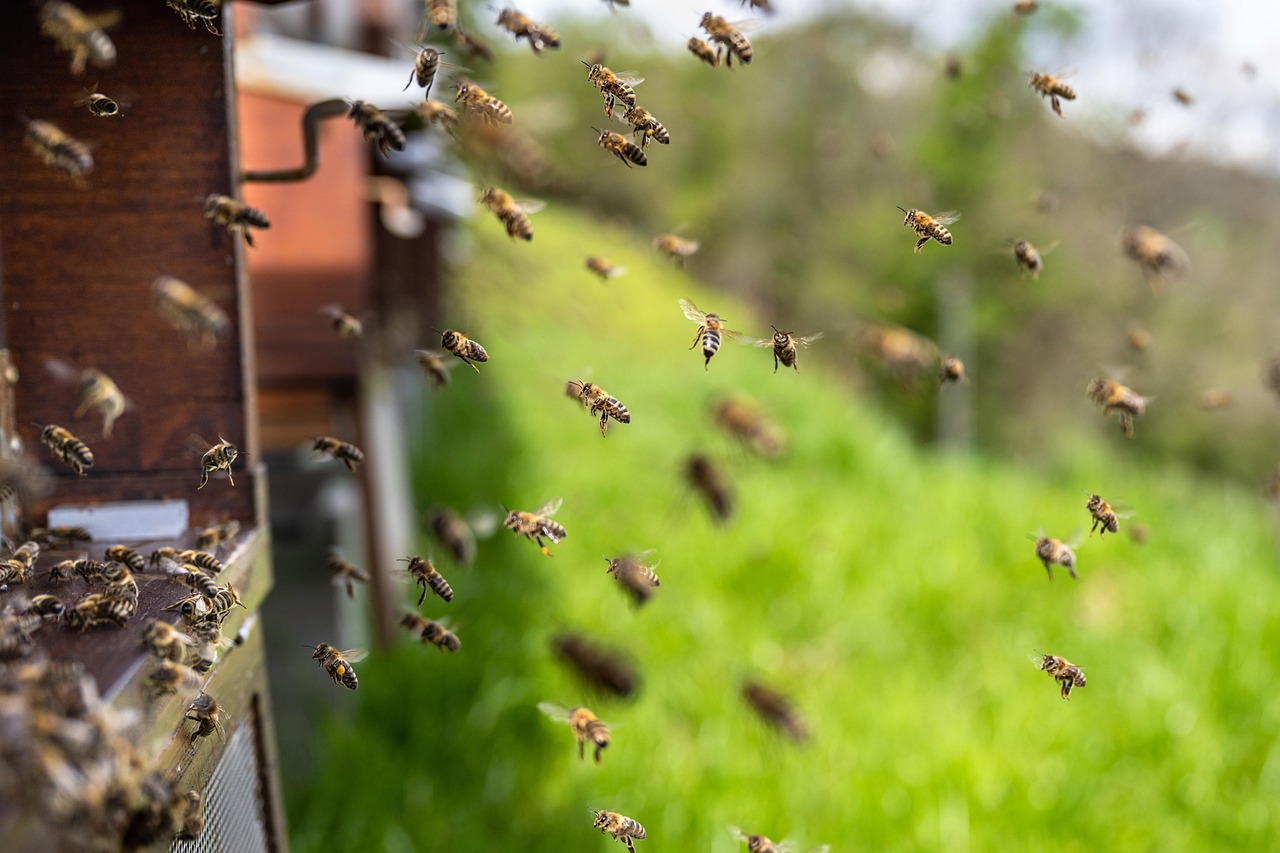
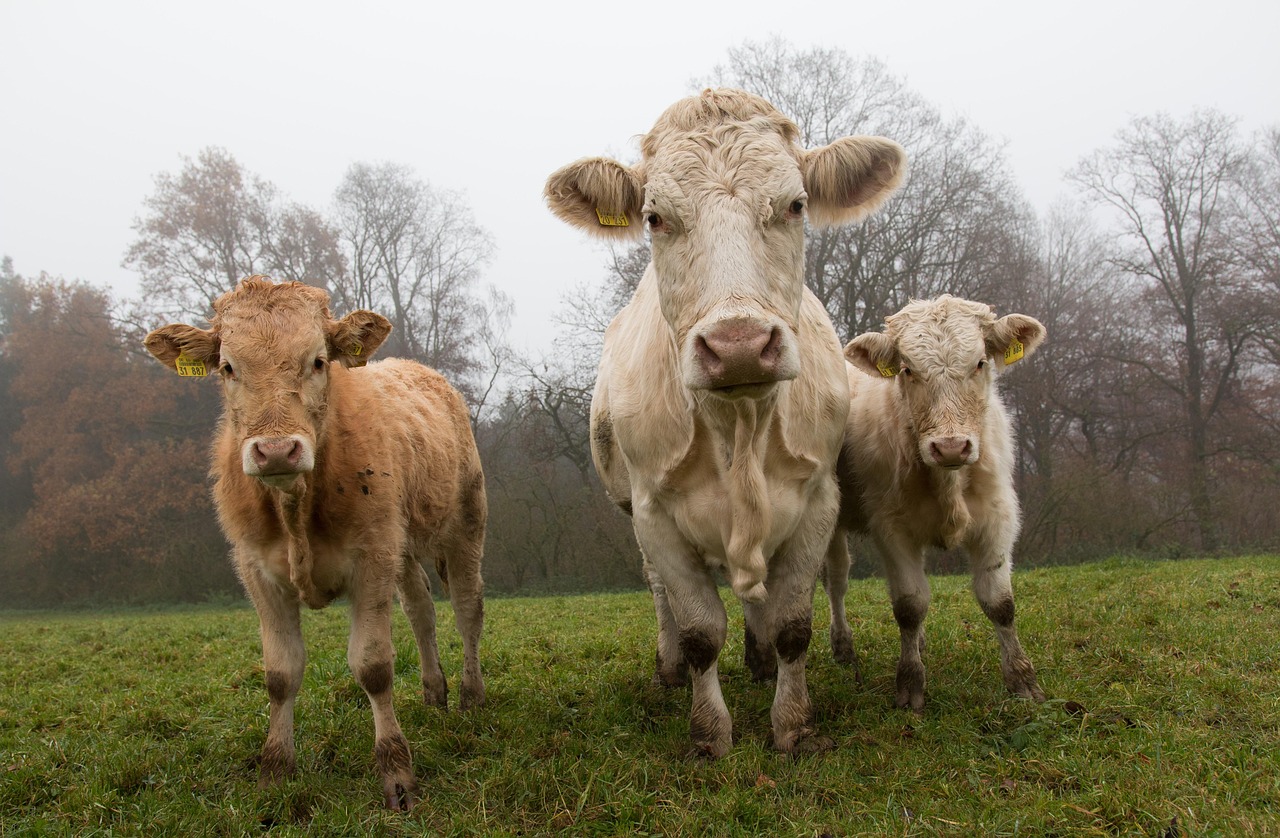
Thank you to the gifted and generous photographers at Pixabay.
And thank YOU for reading and listening to another of my blog posts!
I remain very grateful for our wonderful WordPress community.
One of my favorite bloggers is Dan Kennedy, who has worked at many different media organizations in the Boston area and is now a professor at Northeastern University.
He writes about what is happening in — and to — the media here in the USA.
My boss Diane Wortis and I created (and then produced annually for five years) a day-long conference called “Arts & The Media” which allowed us to call everyone who had anything to do with arts coverage in the Greater Boston area and invite them to participate on a panel.
This included folks from our big papers (including The Boston Globe, The Boston Herald, and The Boston Phoenix) — to folks at radio and TV stations, to folks who worked for smaller local papers and magazines.
Our conferences started happening as Mitt Romney’s private investment company Bain Capital was buying up a bunch of local daily and weekly newspapers in the greater Boston area and consolidating them into one company — which meant that the staff at all of these formerly independent papers was being slashed and lots of generic (non-town-specific) content was starting to be written which could be printed in many different papers within this new chain.
I bore witness firsthand to the degradation of media coverage as a result of large-scale, corporate consolidation.
And twenty five years later, that trend of media consolidation has only worsened.
All of this is to explain why I write near the end of this song — “May our press remain vital, always truth pursuing…”
Reading our local papers and nurturing relationships (via hundreds of hand-written thank you cards) with local arts writers and arts editors for over a decade helped me to understand how crucial the Fourth Estate is to a functioning democracy with healthy checks and balances.
Dan writes in his blog about what is going poorly (media consolidation continues, ad revenues drop…) and also where there are glimmers of hope via new models of local journalism.
And sometimes he weighs in on journalistic best practices.
He steered me to a speech Marty Baron gave at Brandeis University a few years ago which touched upon the fascinating topic of objectivity.
Mr. Baron used to be the editor of The Boston Globe and then became the editor of The Washington Post.
Here’s the heart of what Marty had to say:
“Objectivity is not neutrality.
It is not on-the-one-hand, on-the-other-hand journalism.
It is not false balance or both-sidesism.
It is not giving equal weight to opposing arguments when the evidence points overwhelmingly in one direction.
It does not suggest that we as journalists should engage in meticulous, thorough research only to surrender to cowardice by failing to report the facts we’ve worked so hard to discover…
The idea is to be open-minded when we begin our research and to do that work as conscientiously as possible.
It demands a willingness to listen, an eagerness to learn — and an awareness that there is much for us to know.
We don’t start with the answers.
We go seeking them, first with the already formidable challenge of asking the right questions and finally with the arduous task of verification.”
Deep breath in.
Deep breath out.
Graphic by Stephen C. Fischer
May our media in the USA stop kowtowing and collapsing… and realize that they are just as vulnerable as the rest of us to arrests in the middle of the night, arrests while we are walking from campus to our apartment, arrests while we are in a courthouse following all the rules about how to become a US citizen, arrests while we are picking vegetables, arrests while we are doing our laundry in the middle of the night.
If you might be kind enough to stream it —and maybe even “like” it and add it to one of your playlists if you are so moved — that would be very helpful to feed positive data into the various algorithms which decide whose music gets played and how often…
My dad used to sing this song to me and my siblings at bedtime.
It’s another one co-written by Dorothy Fields with composer Jimmy McHugh.
This song recently entered the public domain, which means that we — Molly Ruggles, Carole Bundy and I — can now release our own version of this beloved standard.
Molly is a pianist, singer, songwriter and arranger who worked at Harvard and MIT for many years.
She kept her love for music alive during that period of her life by writing songs (including a complete musical) and working as the music director at a UU church.
During the past few years, I have discovered that Molly has a fascinating musical gift.
She likes to write entirely new sections for pre-existing songs!
Some people write new lyrics for songs, and she has been known to do that as well.
But I have never met anyone who can write an entirely new section which matches the musical style (melody, chords AND lyrics) of the original song in such a seamless way.
If you listen to our recording (in the player above and or via a music streaming service), the entirely new part written by Molly begins “I gotta tell you, I wish that I had a big bank account” and ends with “and I have one simple goal — giving my love to you!”
She also wrote a new section for Cole Porter’s song “Let’s Do It” (which recently entered the public domain) and for a few others which are not yet in the public domain.
We perform those songs live but cannot release a recording of them (which would include Molly’s new section) without getting permission from the people who wrote them and/or their descendants and/or the music publishing companies which own them.
Going forward, I am hoping that Molly focuses her creativity on songs which are already in the public domain — of which there are MANY from the early years of what is now called “the Great American Songbook.”
Dorothy Fields was an extremely successful lyricist and librettist in a very male-dominated entertainment industry.
She was friends with — and sometimes collaborated with — all of the songwriters in the Golden Era of Popular Song including Richard Rodgers, Larry Hart, Oscar Hammerstein, Jerome Kern, Cole Porter, Irving Berlin, and the list (of male songwriters) goes on and on…
She had hits from the 1920s to the 1970s — and did not get discouraged (as many of her male colleagues did) when rock-n-roll began to displace her songs from the hit parade.
Instead she started working with a much younger composer, Cy Coleman, and had one of her biggest hits — the musical Sweet Charity — when she was 62 years old.
I, as a late-blooming songwriter, find her to be very inspirational.
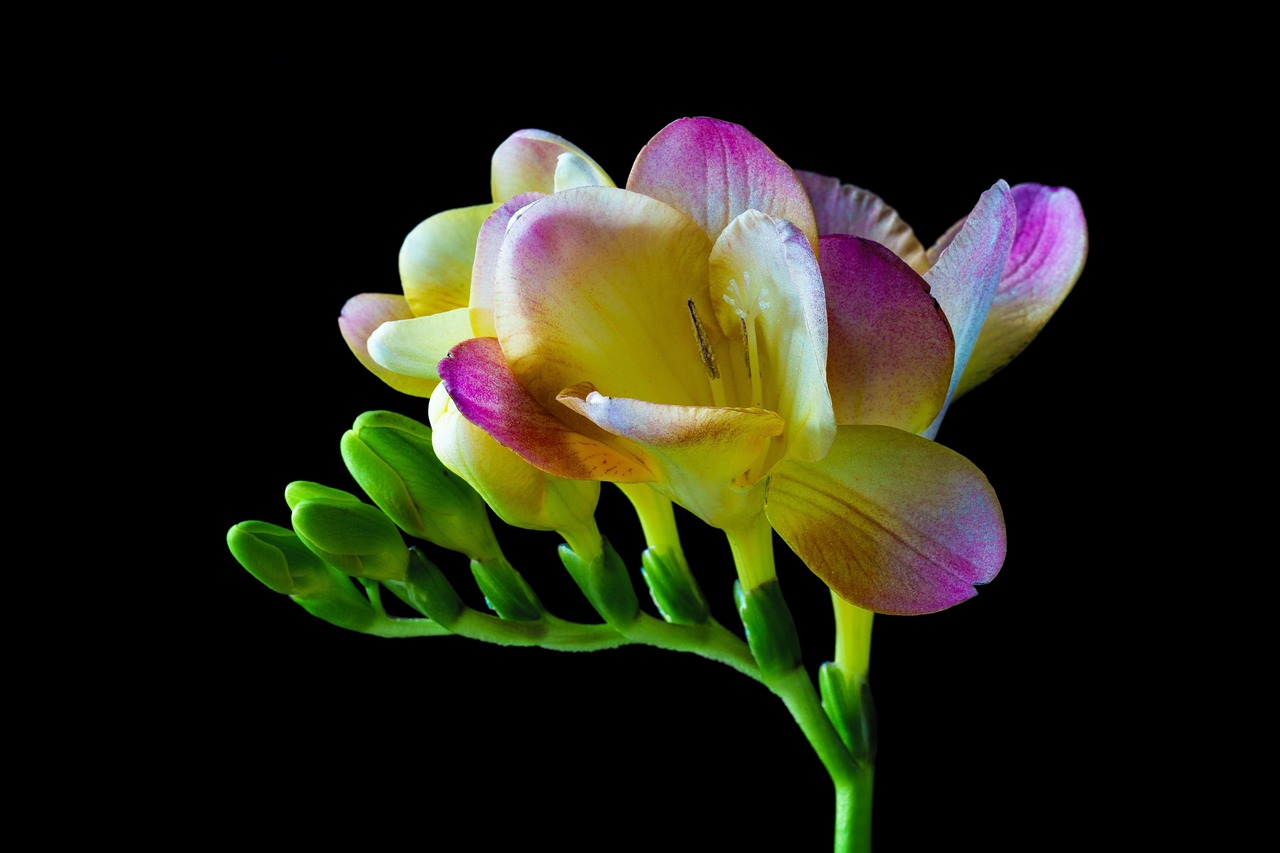
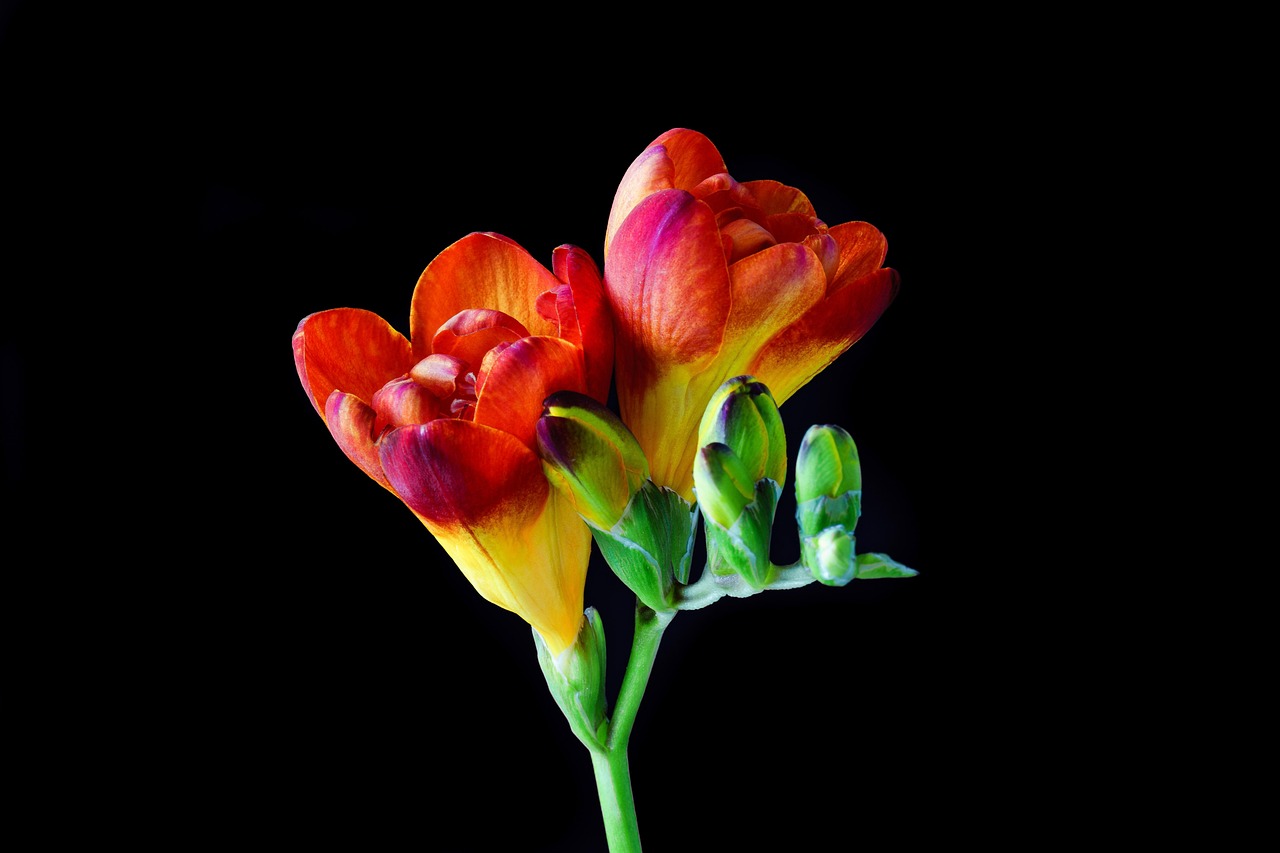
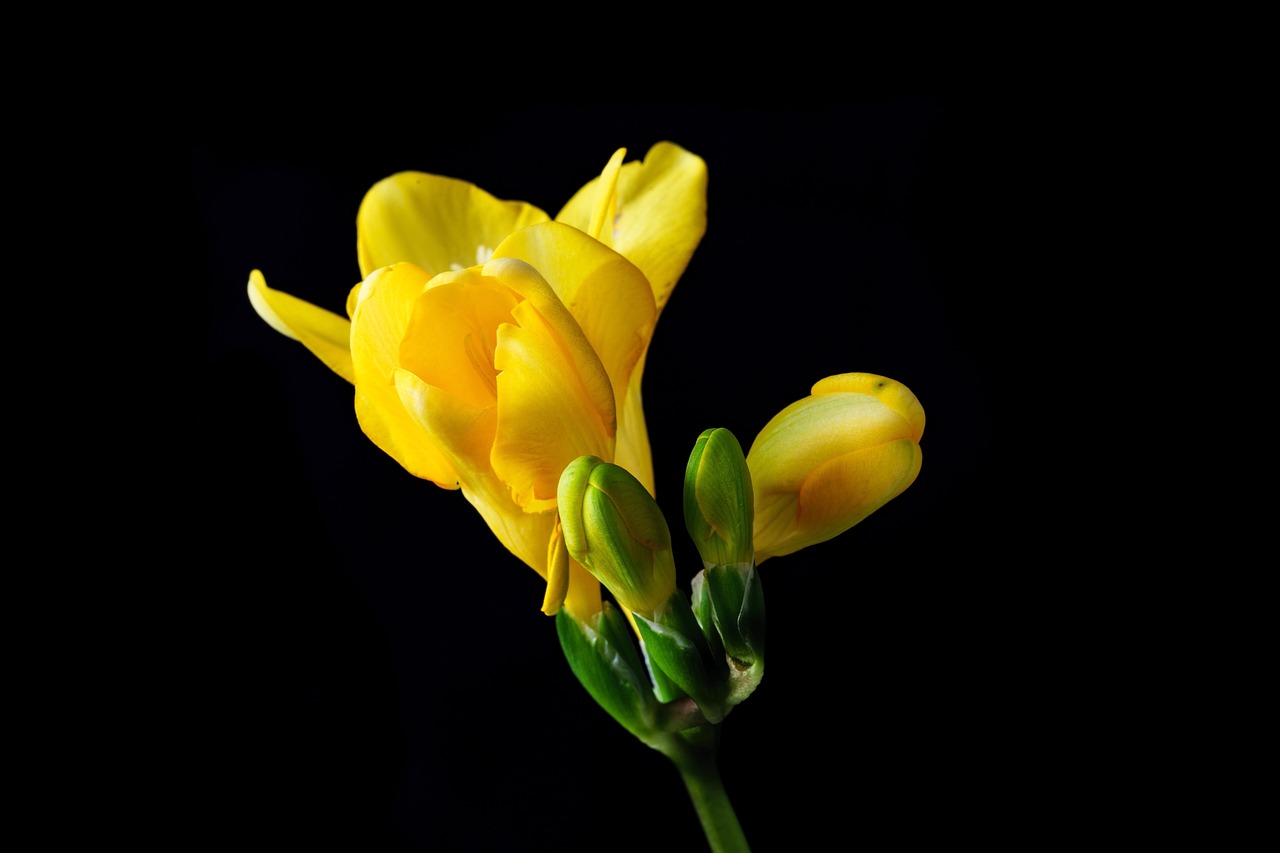
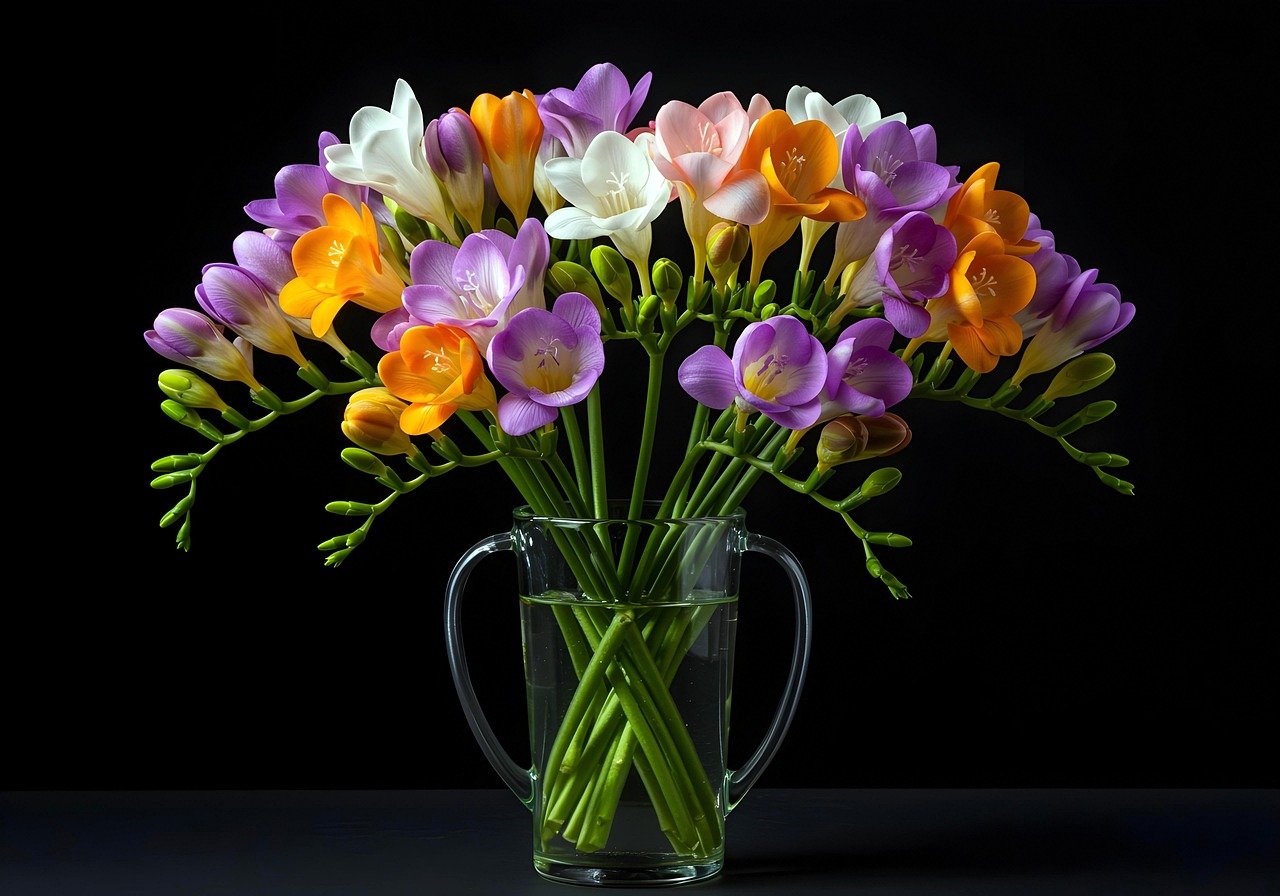
I have chosen freesia for this post because I imagine she would have enjoyed their delicious fragrance ‚ and because they always seem very elegant to me.
According to her biographers, she was always very well-dressed (one grandparent was a tailor…) with separate closets for hats, shoes, active wear, evening wear, etc.
Thank you to all the folks who continue to visit my blog despite the long gaps between new posts.
I just re-read my last one (written right after our most recent national elections).
It’s pretty grim.
Now we all bear witness to how the campaign promises — and threats — do or don’t become reality in the upcoming days, weeks, months and years.
Deep breath in.
Deep breath out.
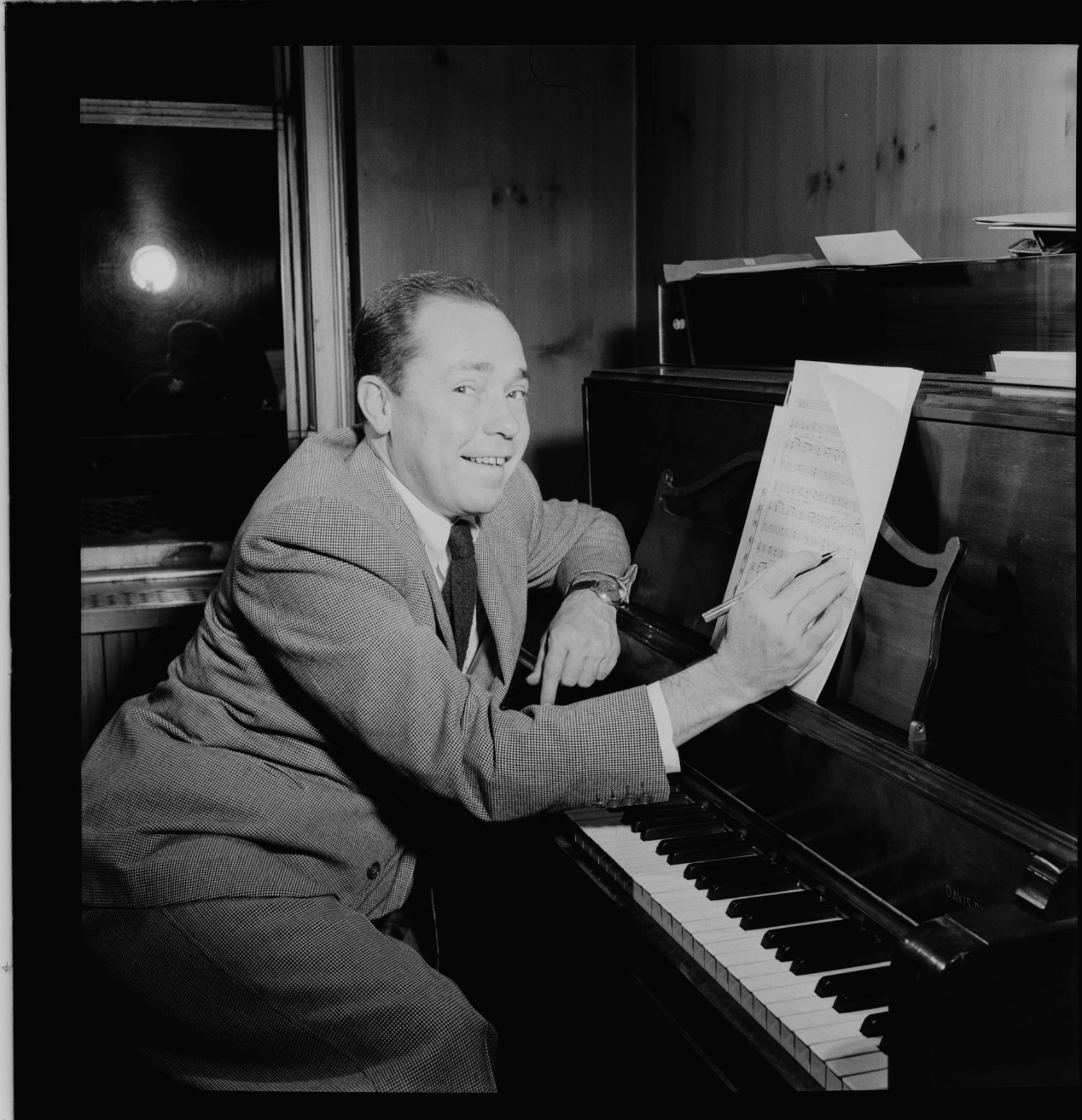
Johnny Mercer by William Gottlieb (late 1940s…)
Today’s blog post aims to be a little lighter in tone and features a song for which Johnny Mercer wrote both the melody and lyrics.
Most of the time, Mr. Mercer wrote the lyrics to other people’s melodies.
For example, he co-created “Skylark” with Hoagy Carmichael, “Come Rain or Come Shine” with Harold Arlen, “Hooray For Hollywood” with Richard Whiting, “Jeepers Creepers” with Harry Warren, and “Moon River” with Henry Mancini.
Other songs he co-wrote include “You Must Have Been A Beautiful Baby,” “In The Cool, Cool, Cool Of The Evening,” “Anyplace I Hang My Hat Is Home,” “One For My Baby (And One More For The Road),” “That Old Black Magic,” “On The Atchison, Topeka And The Santa Fe,” “Too Marvelous For Words,” “Autumn Leaves,” “Blues In The Night,” and “I’m Old Fashioned.”
Mr. Mercer was a Southerner, born on November 18, 1909 in Savannah, Georgia. From the 1930s to the 1960s he co-wrote over a thousand songs — for movies and for Broadway shows — and was nominated for 19 Academy Awards, winning four Oscars for best original song.
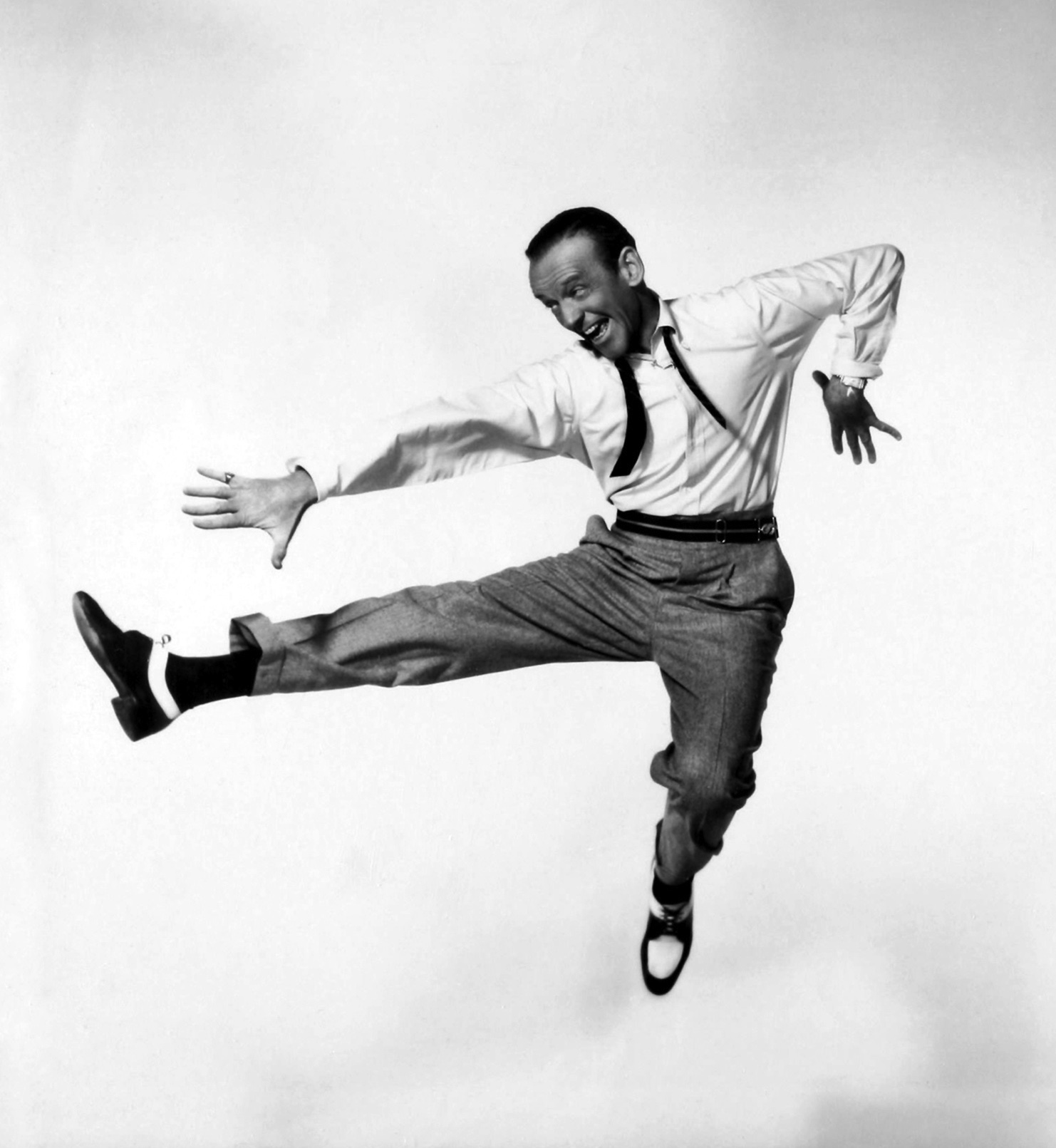
Fred Astaire (Publicity Photo for DADDY LONG LEGS)
And if it wasn’t enough to write or co-write so many great songs, Johnny also had a successful career as a recording artist himself.
And he co-founded Capital Records.
Yowza!
According to some biographers, he could also be a very mean drunk who developed a reputation for sending beautiful — and apologetic — flower arrangements to people whom he’d insulted at parties the previous night.
He wrote “Something’s Gotta Give” in the 1950s for Fred Astaire to sing in a movie called DADDY LONG LEGS which co-starred a very young Leslie Caron as his eventual love interest.
I am not a fan of 50+ year-old leading men romancing much younger women in movies (or in real life for that matter), but this stereotypical, male chauvinist theme shows no sign of being banished from popular culture.
However, DADDY LONG LEGS did give us a very upbeat song with a few lovely turns of phrase — such as “some heavenly star-spangled night…”
And I realized — after I recorded it — that this song also reminds me of the likelihood that many somethings are gonna give in the upcoming days and weeks and months and years here on planet earth.
Blooming Hyacinth
Another deep breath in.
And deep breath out.
I am planning to release a new recording — some originals and some covers — on a monthly basis for the rest of 2025.
And I am hoping to keep my blog posts shorter — and somewhat sweeter — than in previous years.
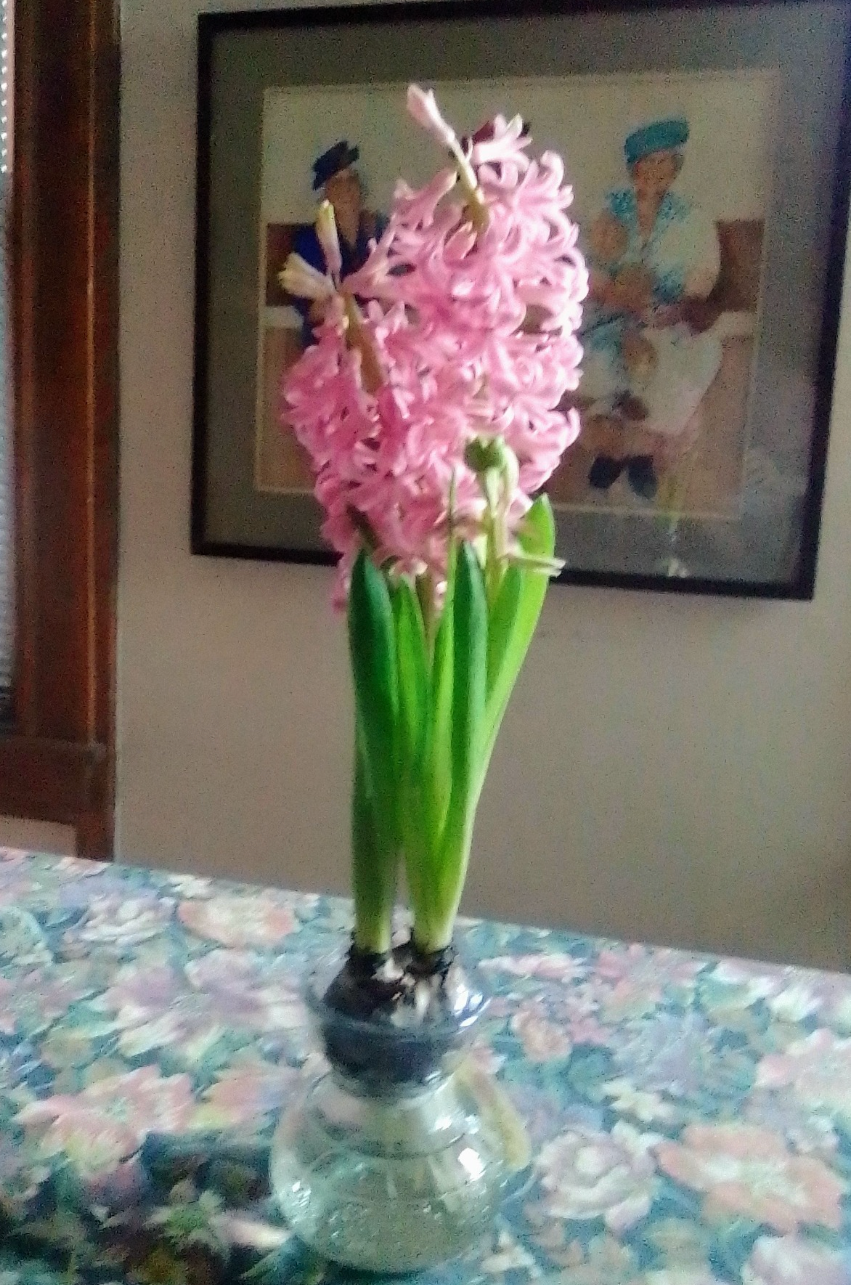
Here’s a lovely hyacinth bulb, which I bought at our local Trader Joe’s, blooming in my dining room.
I continue to be amazed at how an unpretentious, brownish bulb can — given some water and sunlight — differentiate itself into a vivid green stalk and lavish pink blossoms.
How is it possible?!
It is miraculous — and currently very aromatic!
Yet another deep breath in.
And deep breath out.
I will end with one more recent photograph — this one taken by my older sister of our younger sister’s culinary handiwork at a family gathering earlier this month.
Yum!!!
Eggs Benedict with new asparagus
The eggs were provided by a flock of black Australorp hens whom my sisters take care of on their farm (along with Icelandic sheep, a dog and several cats).
It turns out that chickens are astoundingly attuned to daylight.
As soon as the winter solstice happens each year, egg production by my sisters’ flock begins to rise (having tapered off during the autumn…)
And as soon as the sun starts to go down each day, all of my sisters’ chickens troop back inside their coop and start to roost for the night.
You will probably not be surprised to learn that commercial egg-producing companies (if I am remembering correctly) take advantage of this sensitivity and manipulate the light their hens experience each day to maximize egg production.
One more deep breath in.
And deep breath out.
Thank you for reading and listening to another one of my blog posts.
Thank you to Doug Hammer for his splendid piano accompaniment — on his glorious Schimmel grand piano — and for his expert musical production skills.
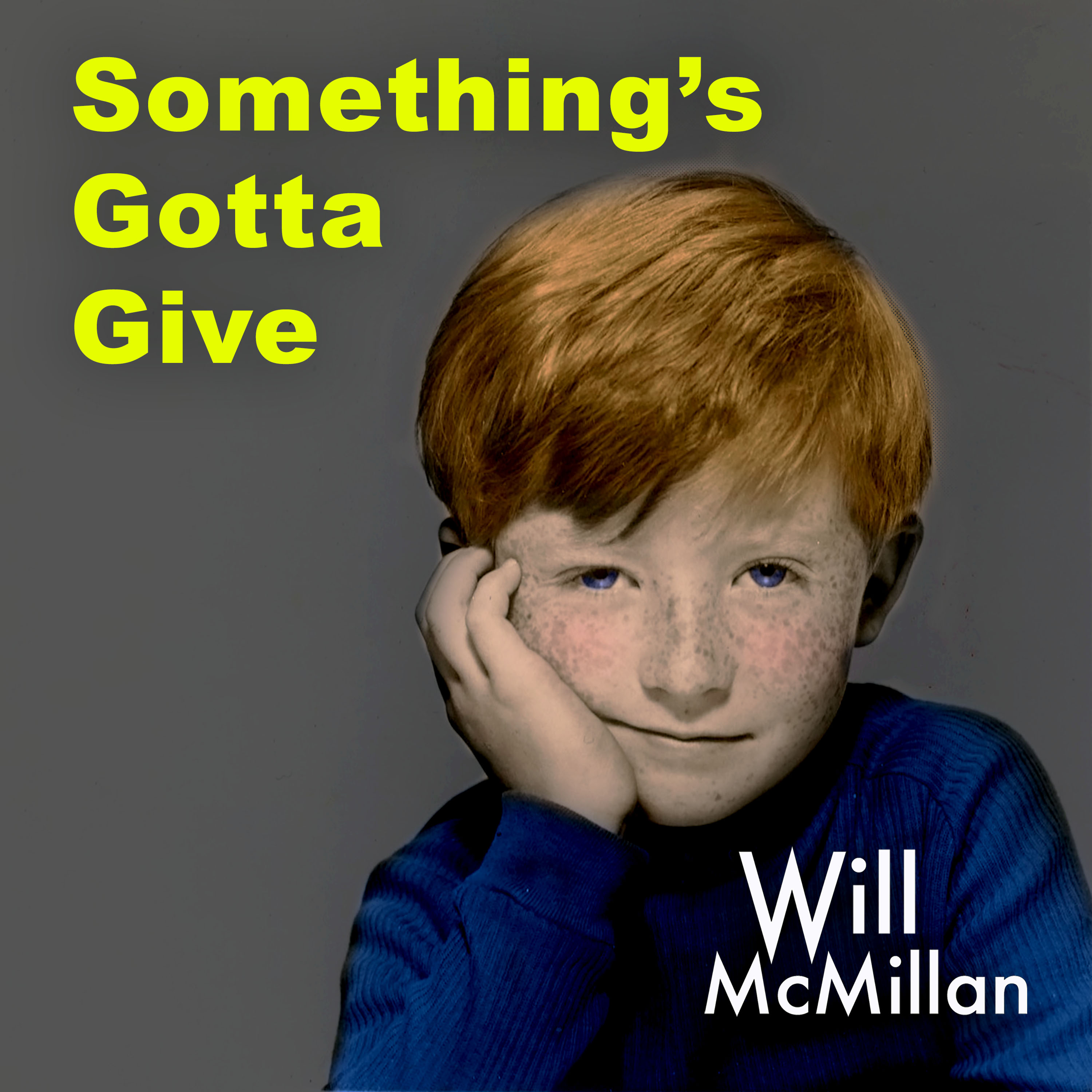
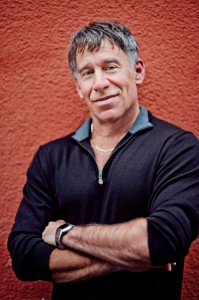
Thank you to Stephen C. Fischer for his graphic design (and to the professional photographer in NYC who took this photo of me many decades ago…)
Thank you to Johnny Mercer for writing this song — and to Fred Astaire for inspiring him to write it.
And thank you to anyone who is moved to stream my recording of “Something’s Gotta Give” on Youtube, Pandora, Spotify, Apple Music, Tidal, Deezer, etc. by clicking here.
Every stream — and especially every thumbs up — helps to improve the likelihood that the mysterious algorithms of these various streaming services will share my music with new listeners!
However, if you are a reader who is feeling less excited and hopeful about the future as a result of last week’s election, my heart goes out to you.
Although I have decided not to read about politics and interact with the media for the time being, my brain — especially when I am lying awake in the middle of the night — keeps remembering things that are likely to be impacted in the next four years:
NATO — and the safety of all the countries bordering Russia…
The health of women I love — and the health of women I will never meet — due to new restrictions about what decisions they and their healthcare providers are allowed to make about their own bodies…
Social security — which I have paid into since I was three years old and which I was planning to start collecting in three years time…
Medicare/Medicaid and other health insurance options — for millions of Americans and for me.
The cost of anything we don’t make or grow in the USA — due to potential new tariffs.
The cost of anything we DO make or grow in the USA — due to the potential prosecution/expulsion of many people who currently harvest our produce, work in our slaughterhouses and meat-packing plants, labor in our restaurants, work on our construction sites, landscape our properties, mow our lawns, blow our leaves, etc. etc. etc.
My two nephews — one approaching draft-age and the other one still eligible to be drafted if we find ourselves in a situation where we need to expand our (already vast) military capabilities.
Long term — and potentially irreversible — environmental consequences due to potential deregulation of rules which currently protect the entire web of life here on planet earth.
Our access and ability to vote, our access to education, our access to public healthcare in the event of another epidemic…
The list goes on and on.
I don’t understand how love and respect factor into any of the above.
I don’t understand how love and respect can withstand — much less overcome — the forces which spread disinformation, which lie, which aim to divide us, which value power and money over honesty and decency.
I hesitate to call those forces evil, but I have been reminded more and more in recent months about a book I read a long time ago by M. Scott Peck called THE PEOPLE OF THE LIE.
is consistently self-deceiving, with the intent of avoiding guilt and maintaining a self-image of perfection
deceives others as a consequence of their own self-deception
projects his or her evils and sins onto very specific targets (scapegoats) while being apparently normal with everyone else
commonly hates with the pretense of love, for the purposes of self-deception as much as deception of others
abuses political (emotional) power (“the imposition of one’s will upon others by overt or covert coercion” (Peck, 1978/1992, p298[7]))
maintains a high level of respectability, and lies incessantly to do so
is consistent in his or her sins.
is unable to think from the viewpoint of their victim
has a covert intolerance to criticism and other forms of narcissistic injury
Most evil people realize the evil deep within themselves, but are unable to tolerate the pain of introspection, or admit to themselves that they are evil. Thus, they constantly run away from their evil by putting themselves in a position of moral superiority and putting the focus of evil on others. Evil is an extreme form of what Peck, in THE ROAD LESS TRAVELED, calls a character and personality disorder.”
The group mind of Wikipedia also describes Peck’s understanding of love in his previous book, THE ROAD LESS TRAVELED:
“Love is not a feeling, it is an activity and an investment — ‘The will to extend one’s self for the purpose of nurturing one’s own or another’s spiritual growth’ (Peck, 1978/1992, p85). Peck expands on the work of Thomas Aquinas over 700 years ago, that love is primarily actions towards nurturing the spiritual growth of another.”
I welcome any insights into the power of love and how it does — or doesn’t — impact our current political situation here in the USA (as well as how love and respect may impact other patterns unfolding here on planet earth).
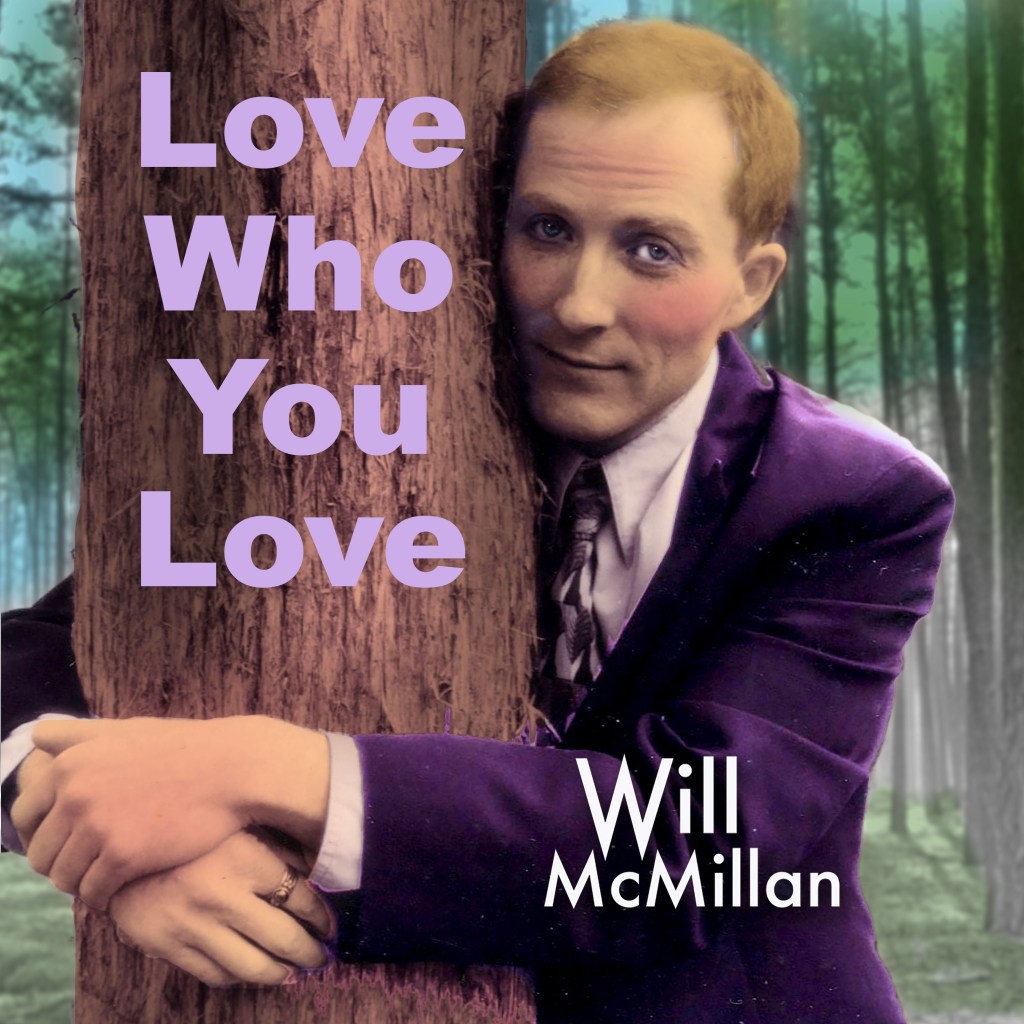
It was written by Lynn Ahrens and Stephen Flaherty, a delicious songwriting team who helped to create the musicals RAGTIME, SEUSSICAL, ONCE ON THIS ISLAND and A MAN OF NO IMPORTANCE (which is where “Love Who You Love” comes from) among many other projects.
“Music is a great encouragement to people in hard times.”
Deep breath in.
And deep breath out.
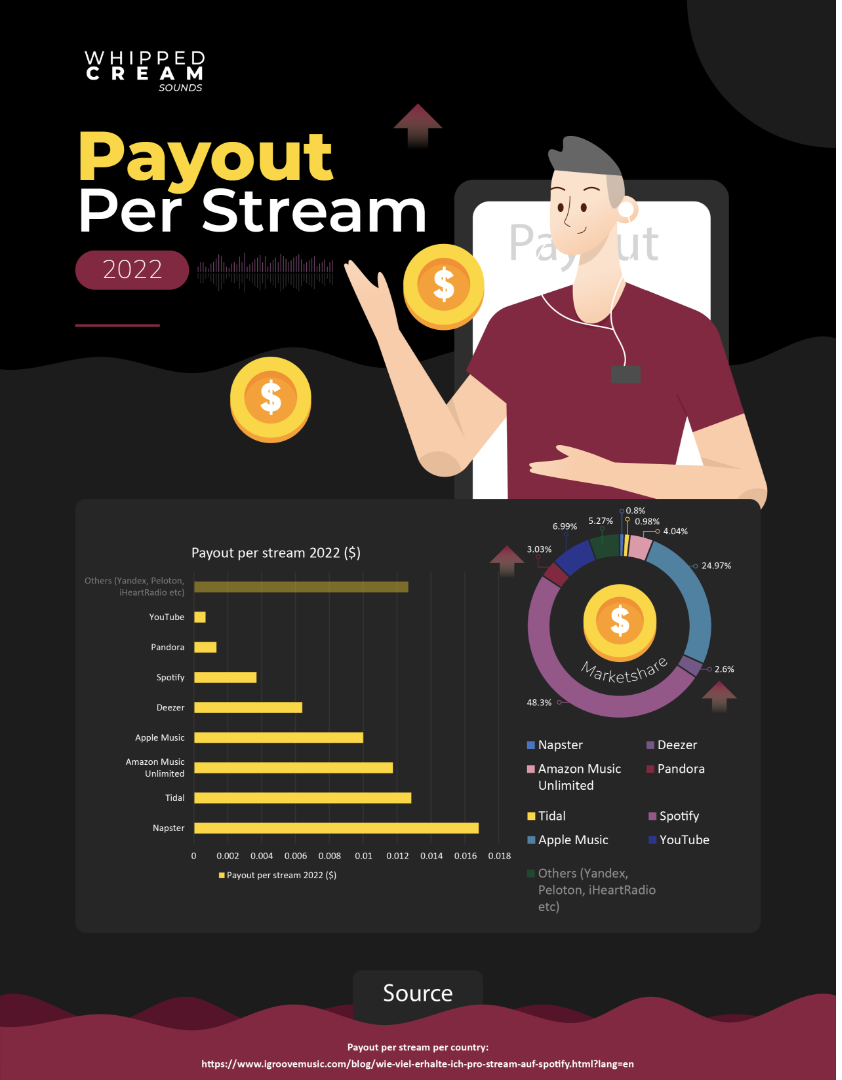
I also explain in this past blog post about how little money is earned by performers and songwriters from streaming platforms such as Spotify, Apple Music, Pandora, YouTube, etc.
Spotify, which last year had an almost 50% market share of music streaming worldwide, still pays less than half a cent per stream.
Apple Music was the next biggest player, with almost 25% market share of music streaming worldwide — but paid a penny per stream (almost triple what Spotify paid…)
All of the other music streaming companies share the remaining 25% of worldwide music streaming — and paid anywhere from .00069 cents per stream (YouTube Music) to .017 cents per stream (Napster).
Here’s a graphic representation from this article of all of these numbers.
Suffice to say that I have not been earning any significant money as a result of people streaming the 37 recordings I’ve released during the past 34 months.
Deep breath in.
And deep breath out.
But I DO have the satisfaction of knowing that my music is out there in the world, being listened to by folks in fifty different countries — including the USA, Finland, Canada, Taiwan, Great Britain, Kazakhstan, Australia, Indonesia, Turkey, Brazil and Chile!
“Music is part of what makes the world keep going.”
And in recent months my streaming statistics on Spotify have risen significantly (although my total numbers are still quite modest).
This rise in my stats helps me feel that what I am doing — releasing music — is not entirely futile, useless and/or egotistical.
And it gives me a small sense of hope, which is what Ron Sexsmith’s lovely song does, too.
Hope remains a blessed mystery to me.
I hope you feel at least a tiny kernel of hope in your life.
Recent regional elections here in the USA have renewed my sense of hope in our political process.
And small children — such as those who grace my Music Together classes — also give me a sense of hope as well as a reason to continue to work for a more balanced, sustainable, and respectful future here on planet earth.
I’d be happy to learn in the comments about what gives YOU a sense of hope these days.
Recently we experienced the warmest February day ever recorded in Boston according to a radio announcer on WBUR.
Hmm.
In the short run, I am very grateful for this lovely respite from wintry weather.
In the long run, however, I wonder what’s going on with the larger weather patterns and ocean temperatures on planet earth?
Our opposable thumbs — and seemingly insatiable desire for novelty and innovation — have helped us to create all sorts of stuff.
And much of what we have created needs power from fossil fuels (in the form of electricity, for example) to function or is actually made from fossil fuels outright in the case of plastic.
Plastic wrap. Plastic toothbrushes. Plastic containers to store leftovers. Plastic bags. Plastic bumpers on cars (one of which my sister’s dog was able to chew into pieces when he thought a small animal was hiding under it!)
Plastic plates. Plastic silverware. Plastic cups. Plastic shower curtains. Plastic bowls. Plastic bottles filled with water and laundry detergent and shampoo and apple cider.
Plastic dispensers for easy-gliding floss (which is itself made out of plastic). Plastic souvenir tchotchkes. Plastic electronic devices. Plastic credit cards.
The list goes on and on.
Today I listened to a news story about an area in Texas where we human beings have been extracting oil and gas for the past hundred years.
We’ve been blessed with an inheritance of solar energy accumulated by plants growing on planet earth for millions of years — and we are withdrawing it — and spending it — in the blink of a cosmic eye.
What an amazing inheritance!
Why are we squandering it to manufacture and then purchase stuff that doesn’t usually make us feel any better after the initial thrill of acquisition subsides?
Stuff that won’t decompose for hundreds of years — thus contaminating and altering all sorts of natural processes and feedback loops on land and in our lakes and rivers and streams and oceans.
Why have we not been taught to weigh the long-term consequences of our manufacturing and consumer choices?
I sometimes wonder what an economy would look and feel like which actually honored the long-term costs and consequences of fossil fuel-driven lives on the larger ecosystems which sustain the amazing, interconnected web of life on planet earth…
I am guessing it would be simpler and slower.
It was a growing awareness of all the stuff in my life which inspired me to write lyrics for a melody by Steve Sweeting many years ago which became the song “Stuff.”
I was visiting dear friends who had moved into a large new home on Bainbridge Island near Seattle — and reflecting upon the pros and cons of our very blessed — and privileged — lives.
She is a songwriter and singer and teacher whom I met when I participated in a week-long cabaret conference at Yale.
I — and many of my singing peers — love to perform her songs, the most famous of which is probably “The Rose,” which she wrote for the movie starring Bette Midler.
She has recently finished a new CD of her latest batch of songs called Voices.
I guessed that she might be sick of listening to herself (which one ends up doing over and over and over again when one is recording and mixing and mastering a CD) and open to the possibility of hearing something new.
And, bless her, I was right.
Here’s what she wrote back after listening to Steve’s CD:
“Thank you so much for sending the lovely CD! It was such joy to hear your voice again. AND to listen to something that wasn’t ME for a change!
The songs are terrific. Your performances are nuanced and touching and lovely.
My very favorite is STUFF.
I think I have to have it.
Feels like it would something perfect for me to put in my repertoire if your friend is willing to share.”
Needless to say I was astounded and excited and humbled that she had made time to listen to the CD, that she liked Steve’s songs, and that she liked one of the songs to which I had contributed lyrics well enough that she might end up adding it to her repertoire!
Deep breath in…
Deep breath out…
It’s funny how something as simple as someone asking for the sheet music for a song I have co-written gives me a renewed sense of validation and encouragement to continue on my (still extremely humble) path as a songwriter.
Maybe it’s another example of the power of feedback loops — in this case feedback that Amanda found the melody and chords and ideas and arrangement of “Stuff” compelling enough that she might want to learn it and then share it with others.
Another deep breath in…
And another deep breath out…
Despite all of the larger patterns of disrespect and dishonesty and disbelief which are rippling around our country and around the planet these days, I will continue to count my blessings, continue to reduce my ecological footprint, and continue to sing — and sometimes write — songs.
Thank you, as usual, to Pixabay for the lovely images in this post.
Thank you to Steve Sweeting for entrusting his melodies to me.
Thank you to Amanda McBroom, for making time in her complicated life to listen to Steve’s CD AND then to send such uplifting feedback to us.
And thank you to YOU for reading and listening to another one of my blog posts.
PS: I hope you noticed the irony of me ranting about all the plastic junk we human beings create and buy and sell on planet earth and then agreeing to make a CD recording of Steve’s songs — thus creating 250 shiny, round, flat pieces of plastic which will be obsolete junk within another decade or so…
I am writing this blog post, appropriately enough, in the middle of the night.
I just woke up from a nightmare in which I was attempting to rush a group of children away from a place full of dangerous people who wanted to hurt all of us.
The children — blessedly and also appropriately — did not understand why these people were dangerous, and I did not want to explain.
I just wanted them to keep moving as quickly as possible away from the old warehouse where I knew the dangerous people were hanging out.
Deep breath in.
Deep breath out.
I woke up with a burst of adrenaline coursing through my bloodstream and a mixed feeling of panic and relief.
Panic that maybe I hadn’t been able to rescue the children in my dream.
And relief that it was “only” a dream.
Deep breath in.
Deep breath out.
Except — obvious to anyone who reads the news or watches TV or listens to the radio — my blessed nightmare is the horrific reality for hundreds of thousands of human beings on planet earth.
And here in the USA we mostly don’t think about them.
And that’s just the human-to-human devastation…
There is also an extraordinary wave of extinction of other forms of life on planet earth unfolding right now… and most humans don’t want to think about that either.
We are ignorant — choosing to ignore the complicated and heart-breaking repercussions of our actions because it is too painful.
And because the challenges of how we might change some of these patterns seem too vast.
And because our media tends to give us a very limited glimpse of what is happening here on planet earth.
And because our media — which at its most basic level exists to entice human beings to BUY THINGS — has very little incentive to do anything other than reinforce the allure of fame and wealth and celebrity and insane over-consumption.
Over-consumption of cars and alcohol and clothing and accessories and medication and food products and music and fossil fuels and hair dye and eyeliner and TV shows and lipstick and sunblock and pesticides and movies and plastic bags and electronic devices and travel and “entertainment” and a myriad other things that most of us do not need.
Deep breath in.
Deep breath out.
“When I’m worried and I can’t sleep, I count my blessings instead of sheep,” the songwriter Irving Berlin once wrote and set to music.
According to Wikipedia (and a book edited by local musical expert Ben Sears called The Irving Berlin Reader) it was based on Berlin’s real life struggle with insomnia.
He wrote in a letter to Joseph Schenck:
“I’m enclosing a lyric of a song I finished here and which I am going to publish immediately… You have always said that I commercial my emotions and many times you were wrong, but this particular song is based on what really happened… The story is in its verse, which I don’t think I’ll publish. As I say in the lyrics, sometime ago, after the worst kind of a sleepless night, my doctor came to see me and after a lot of self-pity, belly-aching and complaining about my insomnia, he looked at me and said ‘speaking of doing something about insomnia, did you ever try counting your blessings?’”
Mr. Berlin certainly had experienced many things that might have hung heavily on his heart.
He emigrated to the US when he was a small child to escape the anti-semitic pogroms unfolding in Czarist Russia.
His father died when he was young, which catalyzed Irving (or Izzy as he was called by his family) into leaving school and earning money as a paper boy on the streets of lower Manhattan.
His own son died when he was less than a month old on Christmas Day.
Mr. Berlin served in both the first and second World Wars, producing (and performing in) theatrical revues to raise money, lift the spirits of a country at war, and comfort soldiers fighting all around the planet.
As a Jewish man, he must have been deeply affected by the unimaginable reality of the Holocaust… and atomic weapons… and so many other astoundingly destructive human creations of the 20th century.
Mr. Berlin used the song in the 1954 film White Christmas.
Bing Crosby’s character sings it to Rosemary Clooney’s character to comfort and (it being a Hollywood movie — perhaps to begin a romantic relationship with) her.
I join with millions of people who have sung this song in the past 62 years to restore a sense of peace and gratitude in their lives when they are tossing and turning in the middle of the night.
And as 2016 slouches towards 2017, I also count my blessings:
Clean water at the twist of a faucet…
A functioning furnace…
Fossil fuels to power the furnace and stove and water heater…
My sweetheart of almost 25 years…
One remaining parent + a wonderful step parent…
Siblings who love and communicate with each other…
Friends…
Employment that involves relatively modest consumption/destruction of natural resources (CDs of music to the families in Music Together classes, electricity to play them, fossil fuels to heat and sometimes cool the karate studio where we lead classes, gasoline to power the hybrid car in which jazz pianist Joe Reid and I drive to gigs, electricity to run the PA systems where we perform)…
Music…
The magic of digital recording…
My trusty iPods for learning songs…
My ukuleles and laptop computers for creating new songs…
My rhyming dictionaries for inspiration…
The amazing interlibrary book/CD/DVD loan system for more inspiration…
How our bodies can heal themselves…
White privilege…
Male privilege….
US citizen privilege….
Human privilege…
Curiosity….
Once one starts, the list of blessings goes on and on and on.
Thank you yet again to Pixabay photographers for the lovely images in this blog post.
Thank you to Irving Berlin for his musical and poetical genius.
Thank you to Doug Hammer for his reliable studio plus his exquisite rapport while playing the piano (and simultaneously engineering our sessions).
And thank you, brave and hardy soul, for reading — and listening to — this blog post.
Like many people in the United States — and in many other countries around the planet — I have been experiencing a wide variety of feelings since our recent election.
And a lot of denial — for which I am both grateful and apprehensive…
One of the things that I have found the oddest is how most of us have continued to do the same things that we did before the election.
I have continued to buy groceries.
I have continued to take books out from the library.
I have continued to do laundry.
I have continued to get up and lead Music Together classes on Tuesday, Thursday and Friday mornings.
I have continued to do gigs at retirement communities with jazz pianist Joe Reid.
I have continued to learn song lyrics.
I have continued to clean the toilet and wash the kitchen floor.
I have continued to draft blog posts.
I have continued to watch TV.
And I have continued to love the song “Life Goes On” written by Stephen Schwartz (a version of which is in the player at the beginning of this post with Doug Hammer on piano and Mike Callahan on clarinet which we recorded during a rehearsal for my show called Will Loves Steve several years ago).
Photo by Ralf Rühmeier
As you probably know, Stephen Schwartz is the composer and lyricist for Godspell, Pippin, The Magic Show, The Baker’s Wife, Wicked (and more) on Broadway as well as the lyricist for animated movies including Pocahontas, The Hunchback of Notre Dame and Enchanted.
“Life Goes On” is not from one of his shows or movies, however.
I found it on Mr. Schwartz’s first solo CD release, Reluctant Pilgrim, and have been gently haunted by it ever since.
According to Mr. Schwartz’s web site, “I originally began to write the songs that make up Reluctant Pilgrim in response to a ‘challenge’ from a songwriter friend, John Bucchino. I had been encouraging John (who had always written individual and highly personal songs) to write for the theatre, and John in turned asked why I never wrote individual songs based on my own life. He said it was time to stop ‘hiding behind Hunchbacks and Indian princesses.’ So I decided to try… The first song I wrote was ‘Life Goes On.’ This was an attempt to deal with my feelings after a close friend of mine died of AIDS. Writing the song turned out to be very therapeutic for me.”
Mr. Jones was involved with the AIDS crisis from the very beginning, and he (although he is beautifully soft-spoken and articulate during the interview) reminded me of how loudly and angrily and stubbornly AIDS activists had to demonstrate and organize in order to make progress on understanding and treating this virus when our president and many of our elected officials just wanted to ignore what was happening.
Have we re-entered a time in US history when we will need to act up — regularly, passionately, strategically — in response to our government’s actions and/or inactions regarding climate change, immigration, civil liberties, the rights of the media to investigate those who hold power in our society, etc. etc. etc.?
I do believe that grass roots action is a crucial part of how things — laws, attitudes, opinions, political leadership, prejudices — change.
What might be the most important issue(s) to which I might devote myself in upcoming days/weeks/months?
I have a sense that protecting and maintaining the amazing web of interconnections which make up our various ecosystems is a fundamental priority which underlies (and, dare I say, trumps) many of our specifically human challenges.
But maybe election and campaign finance reform are more crucial in the short run, as an antidote to the oligarchic voices which increasingly dominate (and frame) our political and cultural debate?
How do we address and respond to and heal the enormous reservoirs of fear and anger and disrespect which seem to be percolating in the hearts of so many fellow human beings on planet earth these days?
How do we plant seeds of hope and trust and respect and love while simultaneously standing up with great power so that we are not run over by ignorance and ego and power and greed and fear?
How do we nurture kindness and gentleness while also standing up for justice?
I am clueless.
I hope that music can somehow play a part in whatever activism and consciousness-raising and healing are on the horizon.
Until then, life goes on…
Thank you for reading and listening!
And thank you to Pixabay for the images in this blog post.
I welcome any thoughts, feelings, ideas, and recommended actions in the comments section.