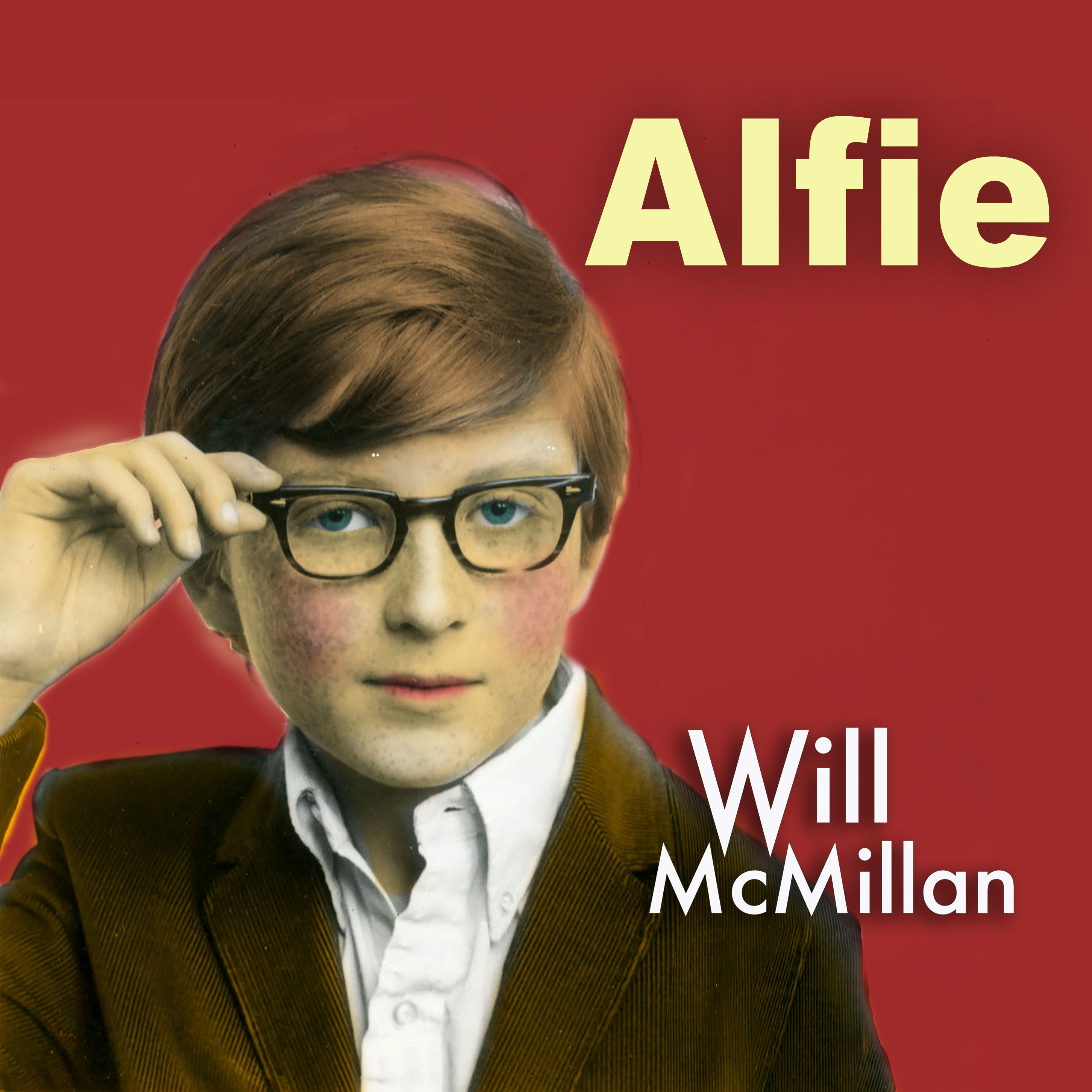
After The Holidays

Image by Robert Karkowski from Pixabay

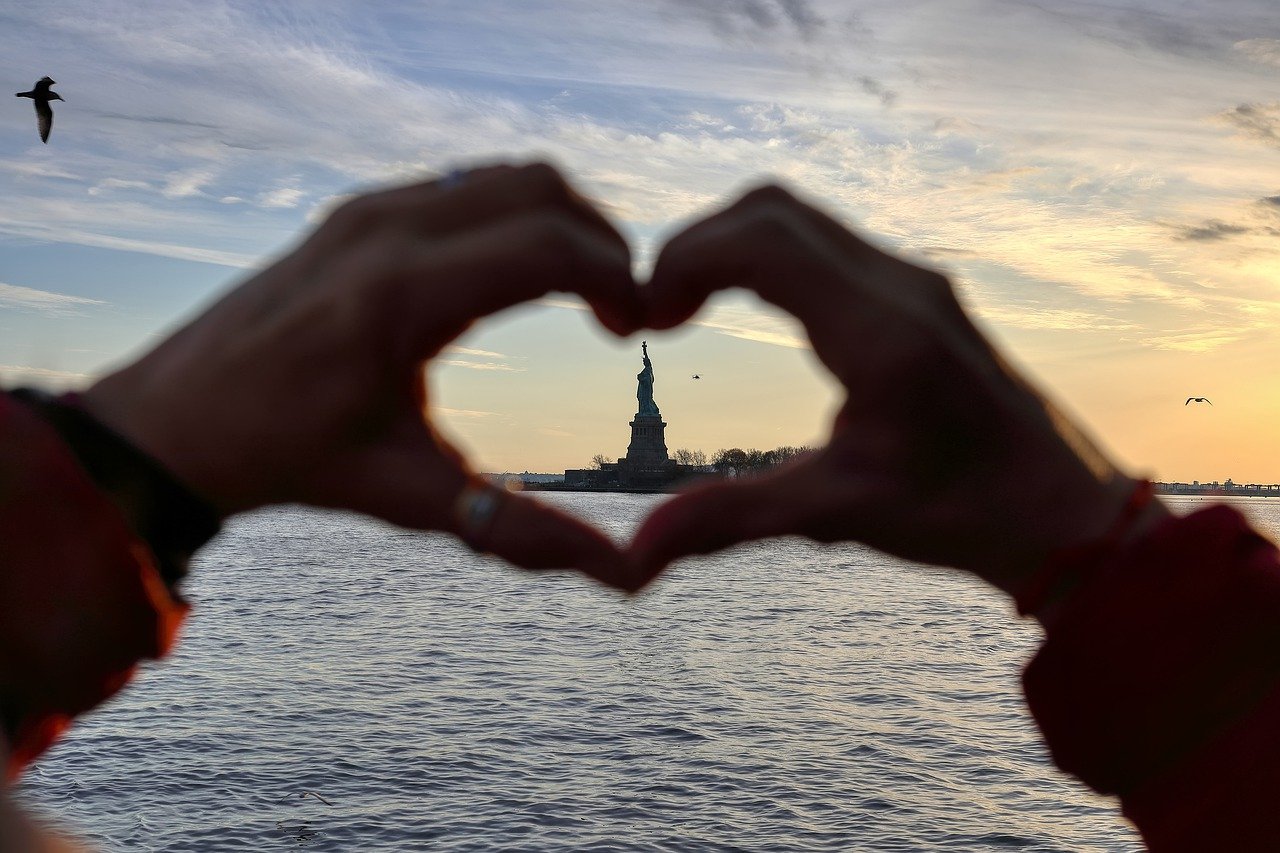
Greetings during this time of short days and long nights in the northern hemisphere.

I hope you are warm and well as you read this blog post.

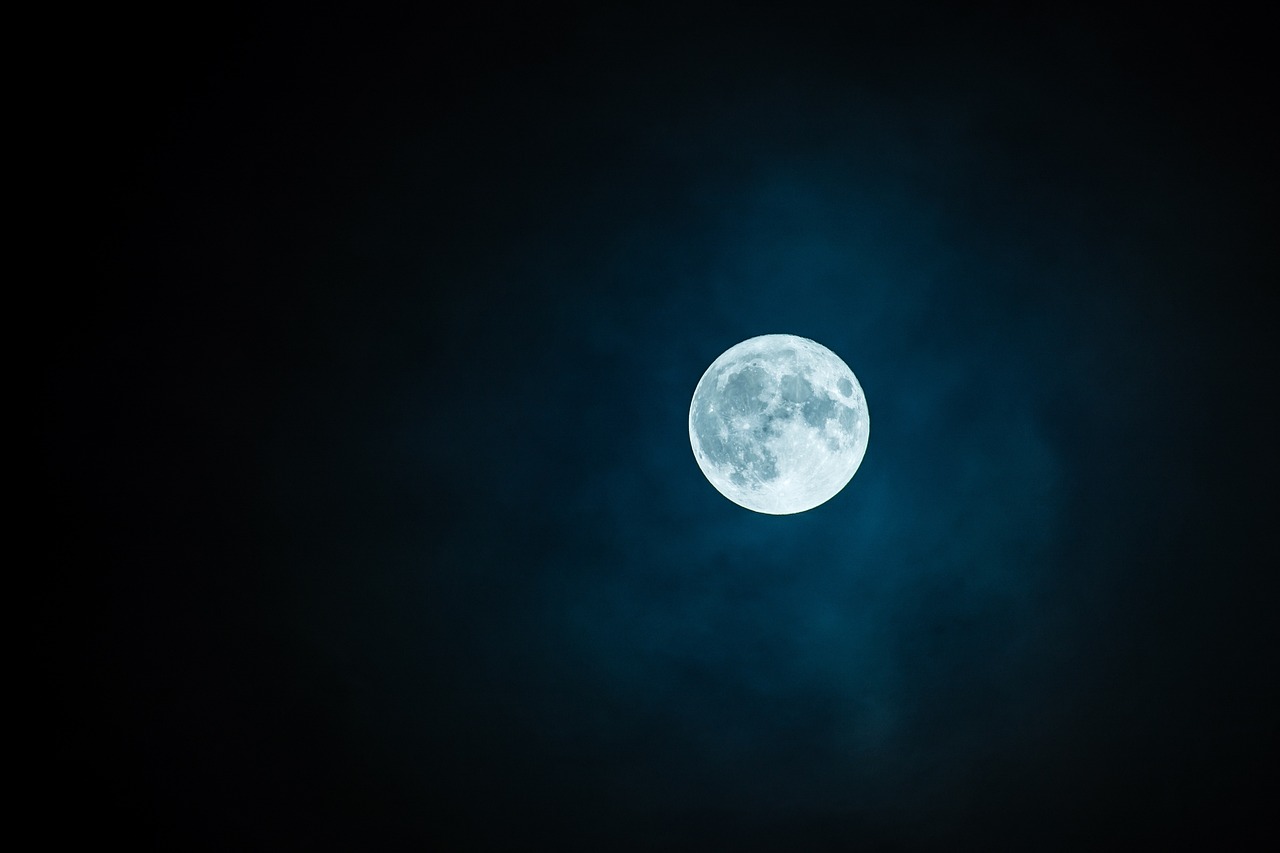
Right now in Massachusetts we are graced with a beautiful full moon shining down on our snow-less streets.

I first shared the song “After The Holidays” (in the player at the top of this page) three years ago in a blog post about the challenges of feeling lonely during the holiday season.

As you may remember — or perhaps you have blocked it out of your memory in order to be able to move on with your life — three years ago things were not going well in the USA.

Many hospitals were overwhelmed by COVID — with dead bodies being stored in refrigerated trailer trucks until funeral homes and crematoria could catch up with the demand for their services.

Image by StockSnap from Pixabay

It was a very challenging winter holiday season.

And 2023 has brought new challenges — and tragedies — into our lives here on planet earth.

Deep breath in.

Deep breath out.

Wars continue to grind along, destroying human lives along with the lives of countless other beings caught in the cross fire. Pollution continues to seep into every ecosystem here on planet earth. Climate change continues to increase with catastrophic consequences.

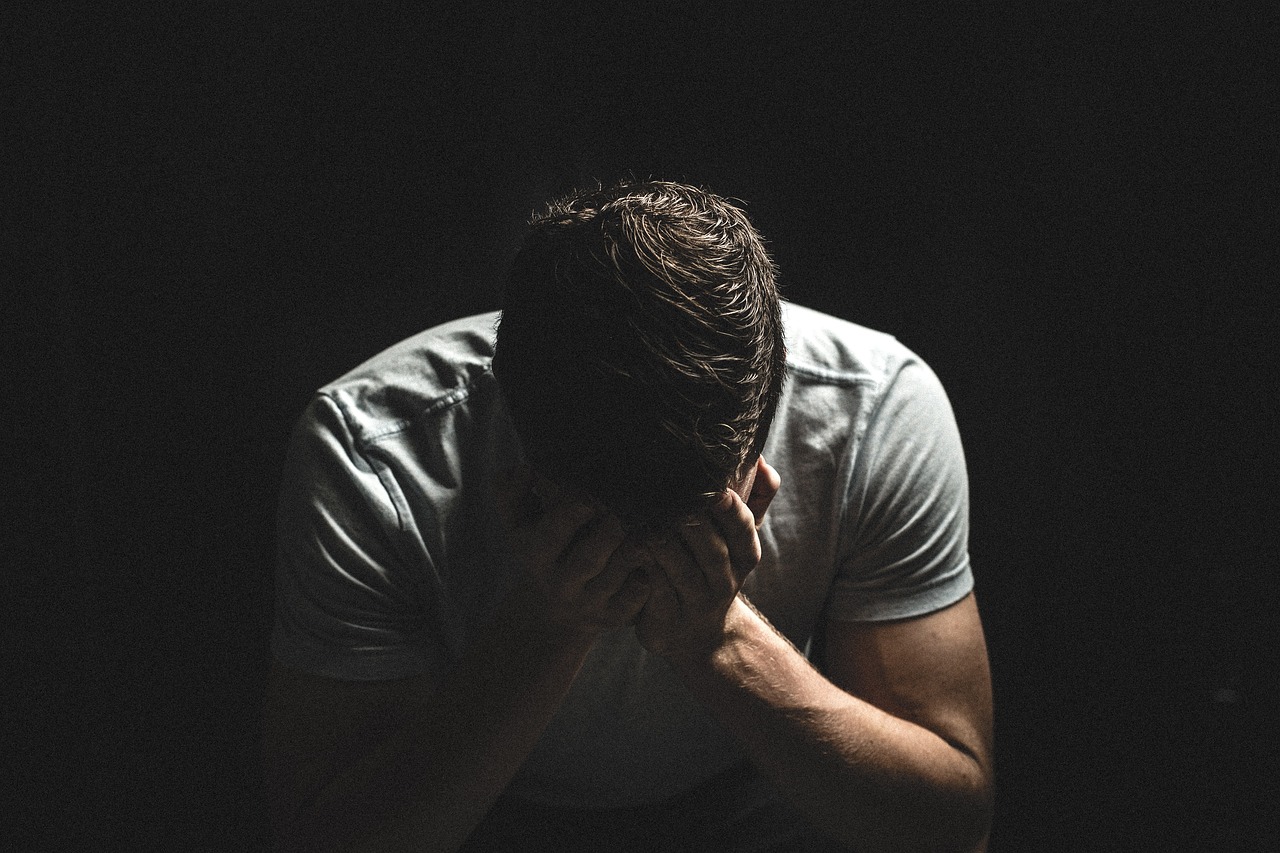
My heart goes out to anyone who is feeling hopeless, who is feeling distraught, who is feeling alone, or who is feeling unloved during this holiday season.

And although I am fortunate to have a life partner + family + friends with whom I can gather during the holidays, I can vividly remember how heart-broken and grief-stricken I felt when the first big love of my life chose to end our relationship many decades ago…

Image by Scott Wynn

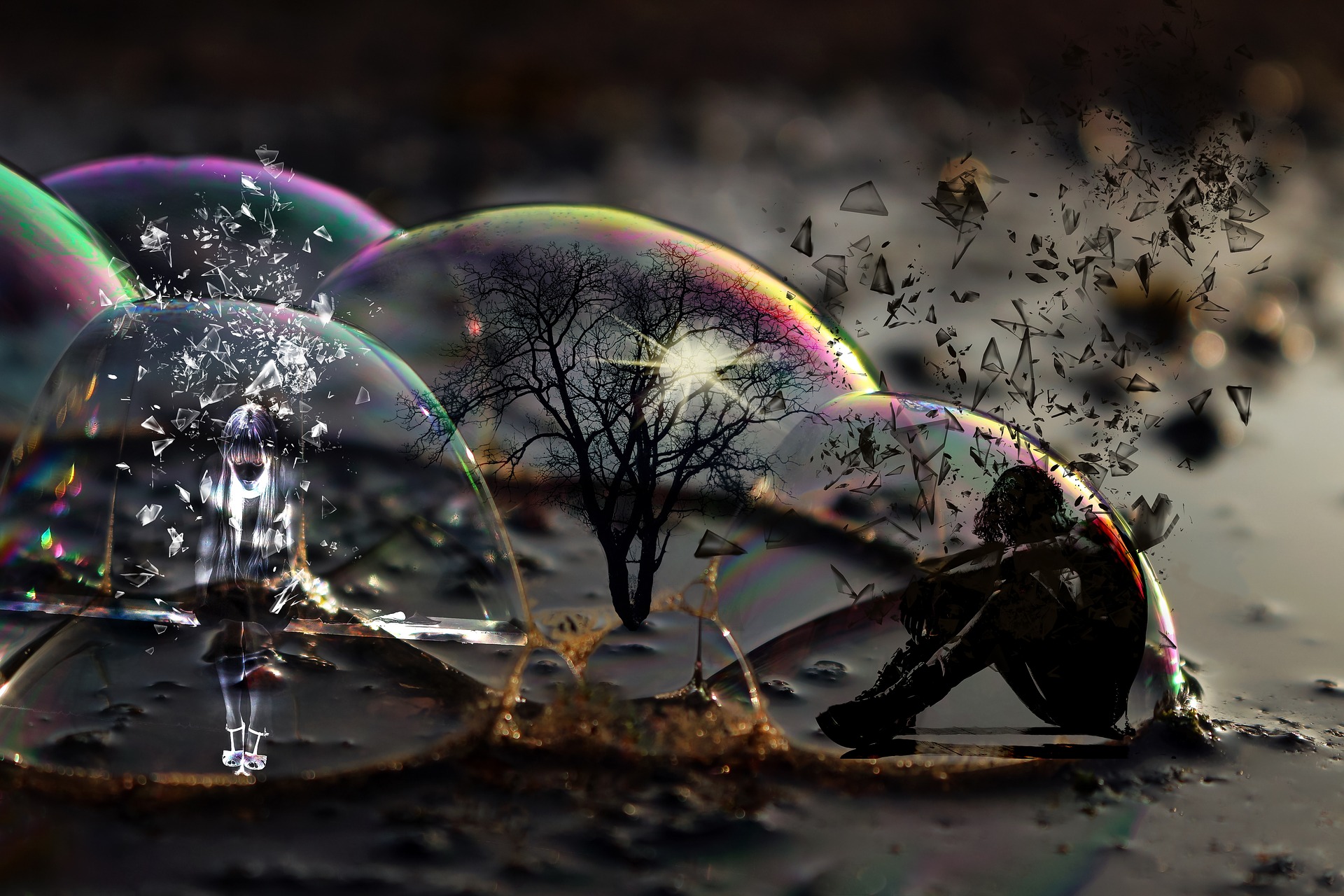
“After The Holidays” taps into those feelings of raw desperation.

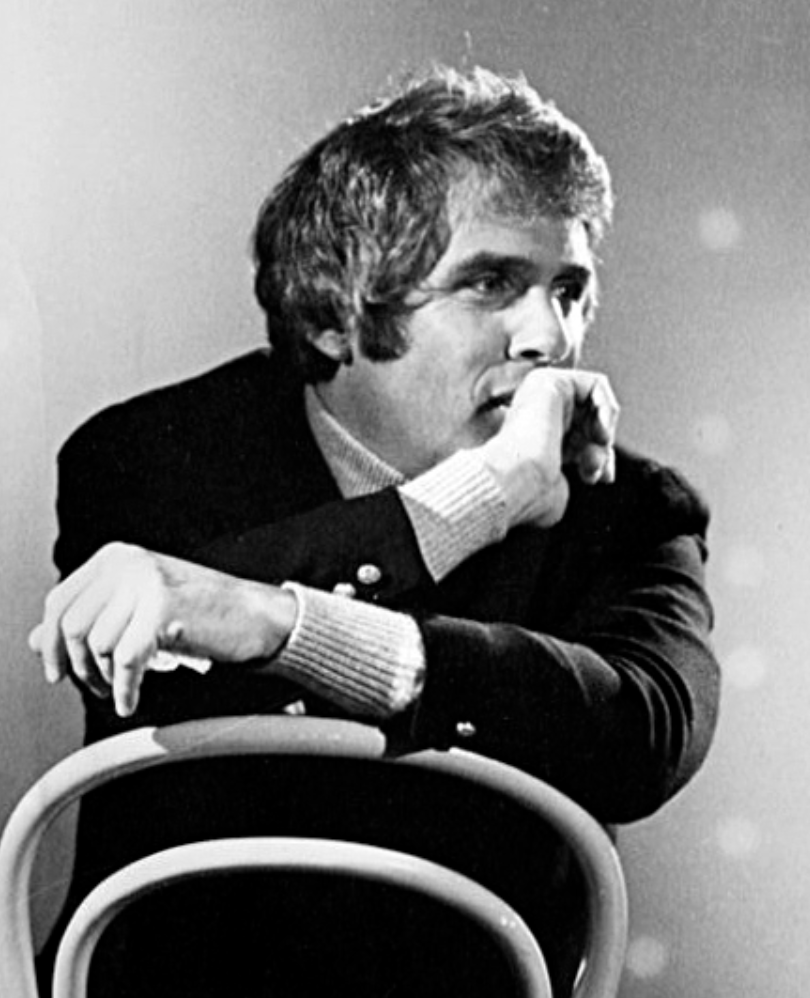
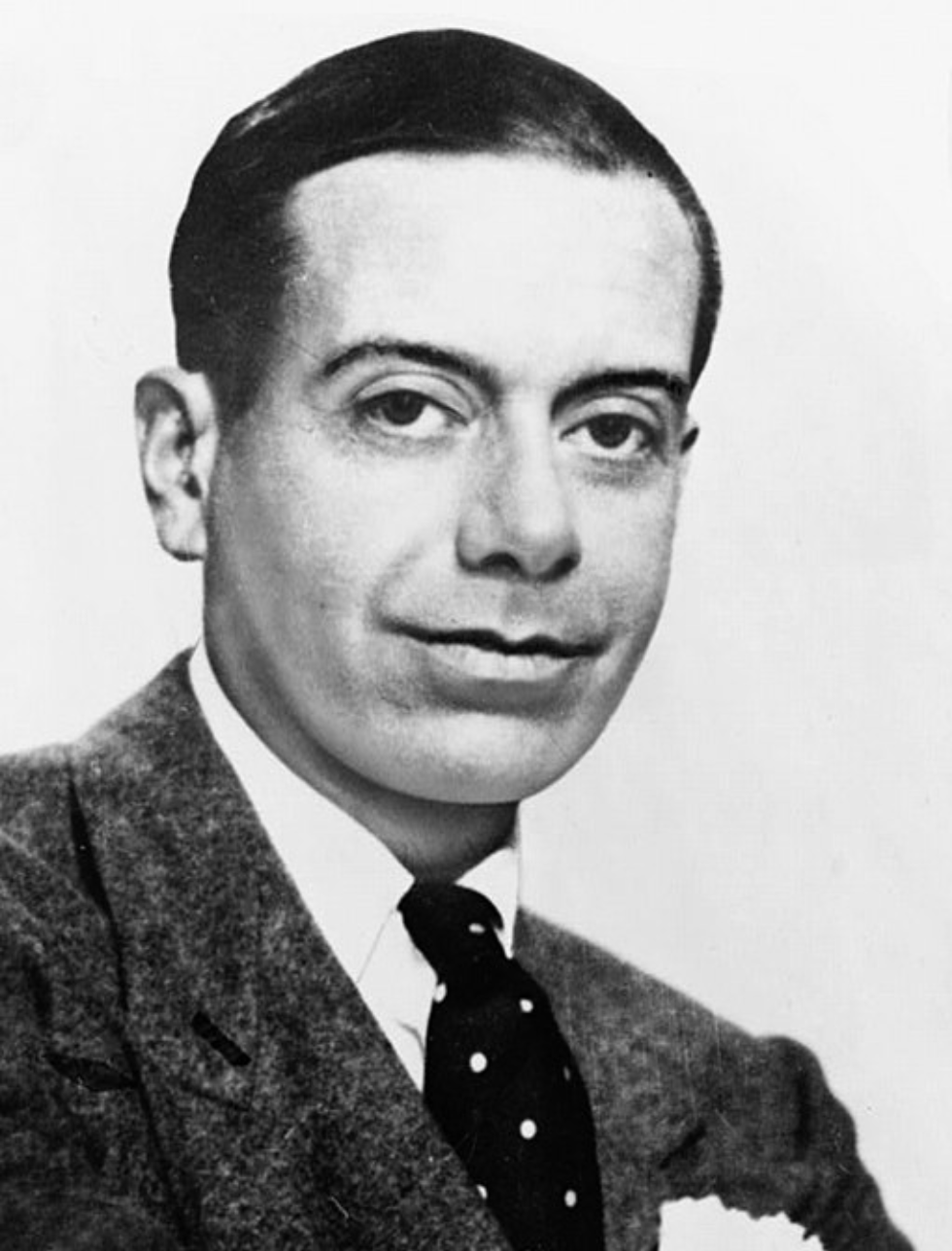
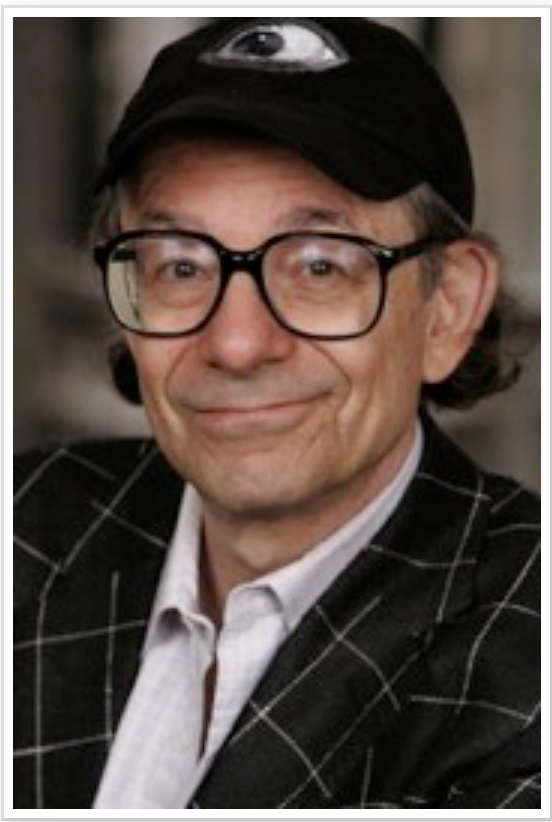
It was written by John Meyer.

His friend Judy Garland performed it on The Tonight Show with Johnny Carson in 1968.

Mr. Meyer is still alive and living in New York City.

Earlier this month I tracked down an email address for him so that I could let him know I had released a version of his song.

And much to my (happy) surprise, he was kind enough to give it a listen.

Here is how he responded:

Will, I’m impressed.

Image by Stephen C. Fischer

You’re note-perfect — good for you!

Others bend the melody to suit their often tasteless predilections.

And I like that you take your time with the song, investing it with real poignancy.

Thank you for sharing.

Merry Christmas!”

Needless to say, I am delighted (and relieved) that he responded so positively to how pianist Doug Hammer and I interpreted his song.

Deep breath in.

Deep breath out.

Image by Mariya from Pixabay

And I will gently point out that this is yet another winter holiday song written (or co-written) by Jewish composers/lyricists — joining a beloved list of favorites including “Rudolph The Red-Nosed Reindeer,” “Silver Bells,” “Winter Wonderland,” “Let It Snow,” and “I Heard The Bells On Christmas Day.”

Here is a link to my version “After The Holidays in case you might like to stream it.

And as I have explained before, if you “like” one of my songs or add it to one of your playlists, that will improve the algorithmic sharing of my music.

Thank you to the John Meyer for writing such a moving song.

Thank you to Doug Hammer for playing so sensitively on my version of John’s song AND for being such a diligent engineer/producer.

Image by Gerd Altmann from Pixabay

Thank you to Stephen Fischer for his terrific graphic design work.

Thank you to the photographers at Pixabay — and to Scott Wynn — for their great images.

And thank YOU for reading. and listening to another one of my blog posts!

May your 2024 be full of peace and hope and determination…

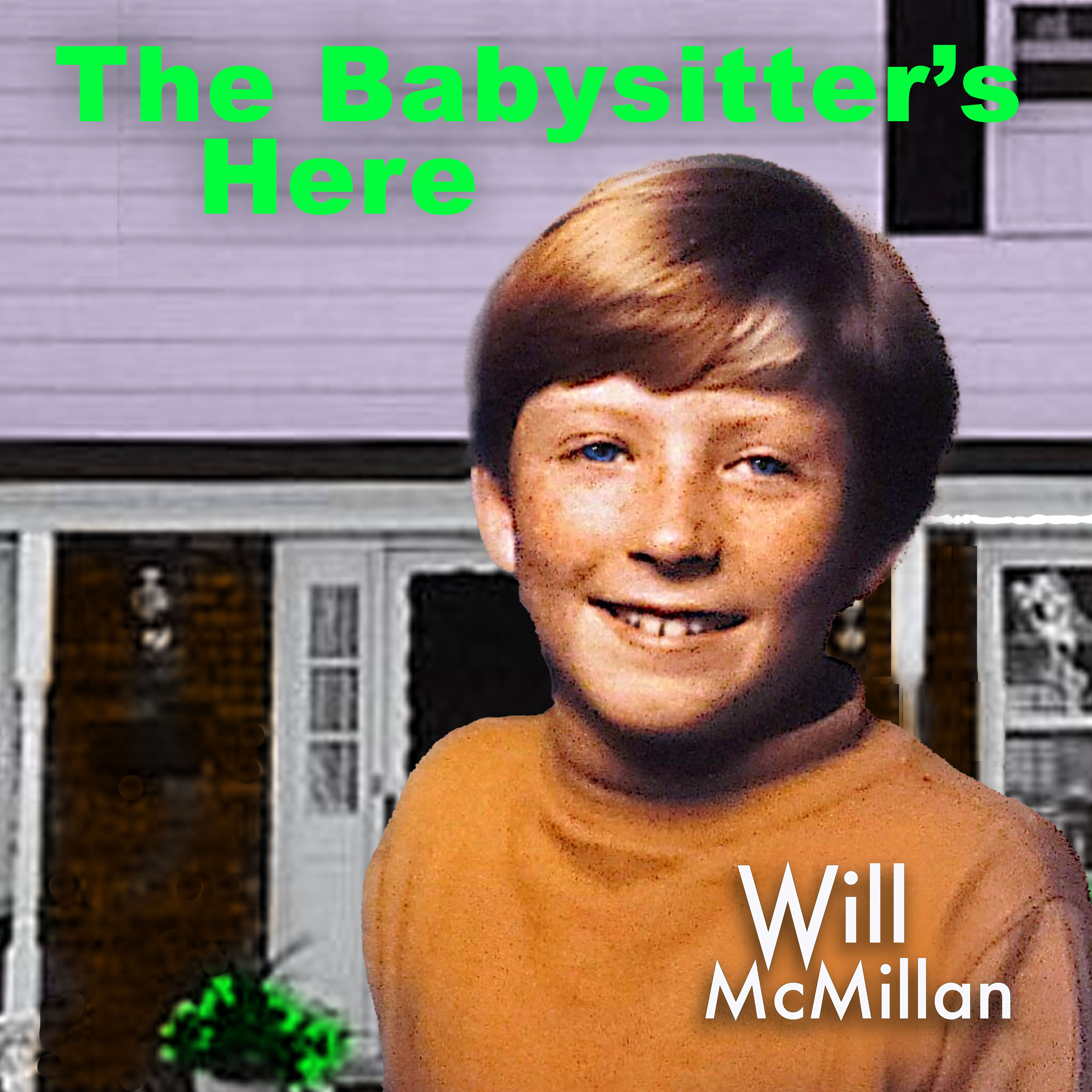
The Babysitter’s Here!

I have loved this song by Dar Williams ever since I first heard it a couple of decades ago.

Dar Williams

Ms. Williams weaves together several fundamental human themes — the value of role models, the heartbreakingly inevitable connection between love and loss, the challenge of female/male power dynamics, and the significance of being trusted — within the framework of a story told by a child about their beloved babysitter.

It is masterful songwriting.

I released it two weeks ago to coincide with the start of the school year here in Massachusetts.

I have several friends whose almost-grownup children are entering college — and they have shared with me that they are feeling simultaneously grateful/proud that their kids are becoming adults AND heart-broken/shocked that their kids are old enough to leave the family nest.

Deep breath in.

Deep breath out.

I do not remember having many babysitters when I was a child.

There was one, however — maybe a friend my mother met at a painting class? — who taught me and my siblings how to cook eggplant moussaka from scratch.

We happily prepared that meal again and again during our child and teen years following her recipe.

It was delicious!

The theme of trust and trustworthiness in Dar’s wonderful song very much reminds me of how respected I felt as a young adult when I was hired to help take care of three small children (one each from three families) who had all dropped out of the same pre-school together.

I myself had recently dropped out of college, and it was a very powerful — and healing — experience to be entrusted with these three little human beings.

Parents have to tap into a deep well of trust to let someone else take care of their children.

Without a lot of interviewing and no background checks, I and two other twenty-somethings were hired to have fun adventures with these three children in shifts during the day while their parents — who were architects, college professors and a child psychiatrist — worked.

We were given the keys to one of their cars (a Saab), three car seats, and a little spending money in case we needed to stop at a grocery store or bakery for treats during the day.

The parents also gave us a book on child development by Penelope Leach from which I learned that I could follow the children’s lead and let them to explore their curiosity/interests — which included (among other things) ants and dogs and pistachios and flowers.

One of my favorite memories is driving with them to a wonderful nature area — the Punkatasset Preserve in Concord, MA — and wandering very slowly up and down the trails so that we could pause whenever something caught the children’s attention.

Their interest in flowers led me to serve them food — such as apple slices, carrot sticks, chunks of cheese — in flower patterns on their plates.

This is something I still love to do with food.

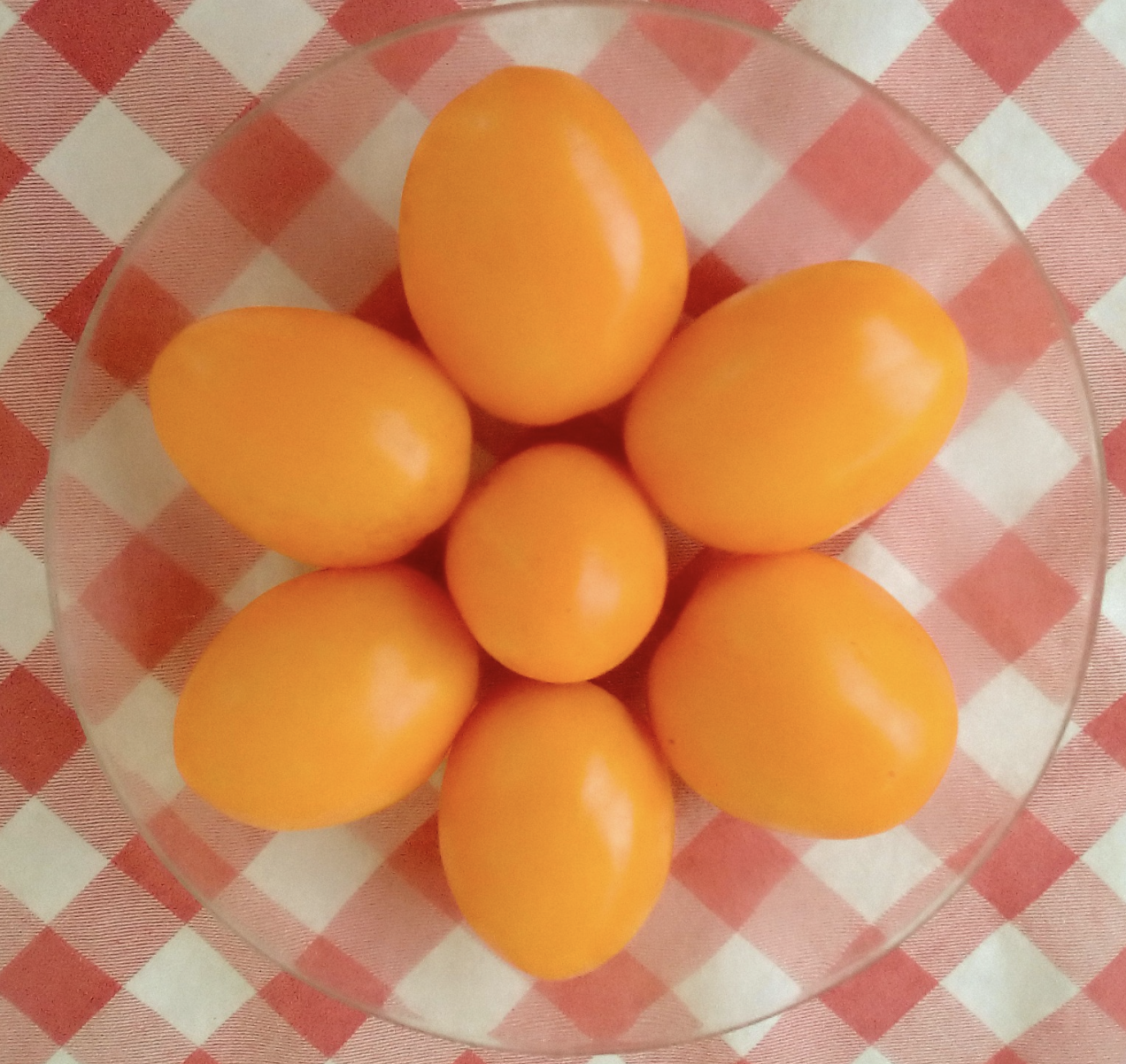
Here’s a tomato flower I made recently from produce given to me by a neighbor with a farm share from an organic farm just over the border in Lexington, MA (about which I have written in a previous blog post).

They are so beautiful…and nutritious!

Plants are truly amazing.

How are they able to capture and transform energy — radiating from a nearby star! — into something delicious we can eat here on planet earth?

What a miraculous blessing…

Another deep breath in.

And deep breath out.

Last week I listened to a interview on YouTube in which an artist manager explained that Spotify’s algorithms seem to reward folks who release music on a monthly basis — and that if one is able to do this for 18-24 months, an exponential increase in streams sometimes kicks in…

This is what he has discerned from the streaming patterns of music released in recent years by a dozen independent musicians he is working with…

I have seen a significant (for me) increase in streams for the six songs which I have released (every three weeks) since the middle of April this year.

My recording of “The Babysitter’s Here,” for example, has gotten more streams (598) on Spotify in two weeks than many of the songs I first released have gotten in two years.

So I am going to stick with my plan to release a song every 3-4 weeks for the next 19 months and see if an exponential increase kicks in…

Thank you to everyone who has been streaming my songs on SpotifyPandoraApple MusicYouTube and other streaming platforms.

You are welcome to click and listen to “The Babysitter’s Here” on many streaming platforms.

And any song you “like” or “heart” or add to a playlist will improve the algorithmic activity of my music there.

You are also welcome to visit my website — where you can learn more about my musical life (including upcoming gigs) here on planet earth if you are curious.

Thank you to Dar Williams for writing such a delightful song.

Thank you to the families who trusted me many years ago to take care of their precious children.

Thank you to Doug Hammer for his sublime piano playing AND his patient engineering expertise.

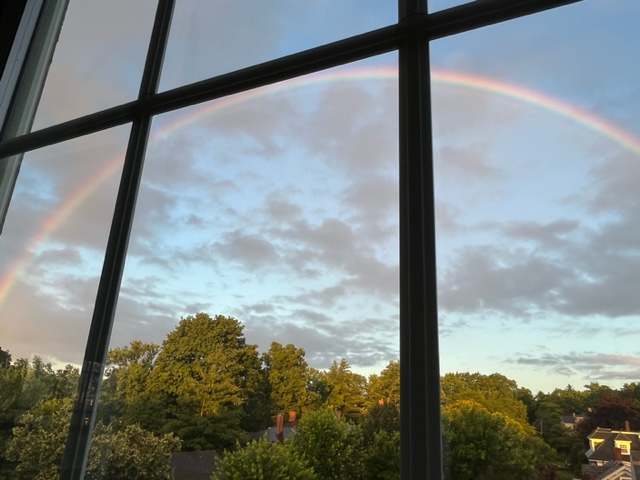
Thank you to the generous photographers and graphic designers at Pixabay — and to my friend Carolyn for the lovely photo she took of.a rainbow from her living room window.

Thank you to Stephen C. Fischer for transforming photos from earlier parts of my life into graphic designs for my current song releases.

Thank you to my neighbors for sharing their beautiful vegetables with me.

And most of all, thank YOU for reading — and listening to — another one of my blog posts!

Gold In Them Hills

Today’s wise and optimistic song was written by Ron Sexsmith, a Canadian singer-songwriter who currently lives in Stratford, Ontario.

I featured it almost three years ago in a blog post about distributing my first song to music streaming platforms.

One of the many pleasures of blogging (in my opinion) is rediscovering posts we have written in the past and then forgotten.

This one includes a lot of quotations — which I was very happy to re-encounter — from friends about the value of music in their lives.

I have sprinkled a few of them into this blog post, too.

You are welcome to click here to read (or re-read) this past blog post if you are curious.

“Music is a great encouragement to people in hard times.”

Deep breath in.

And deep breath out.

I also explain in this past blog post about how little money is earned by performers and songwriters from streaming platforms such as Spotify, Apple Music, Pandora, YouTube, etc.

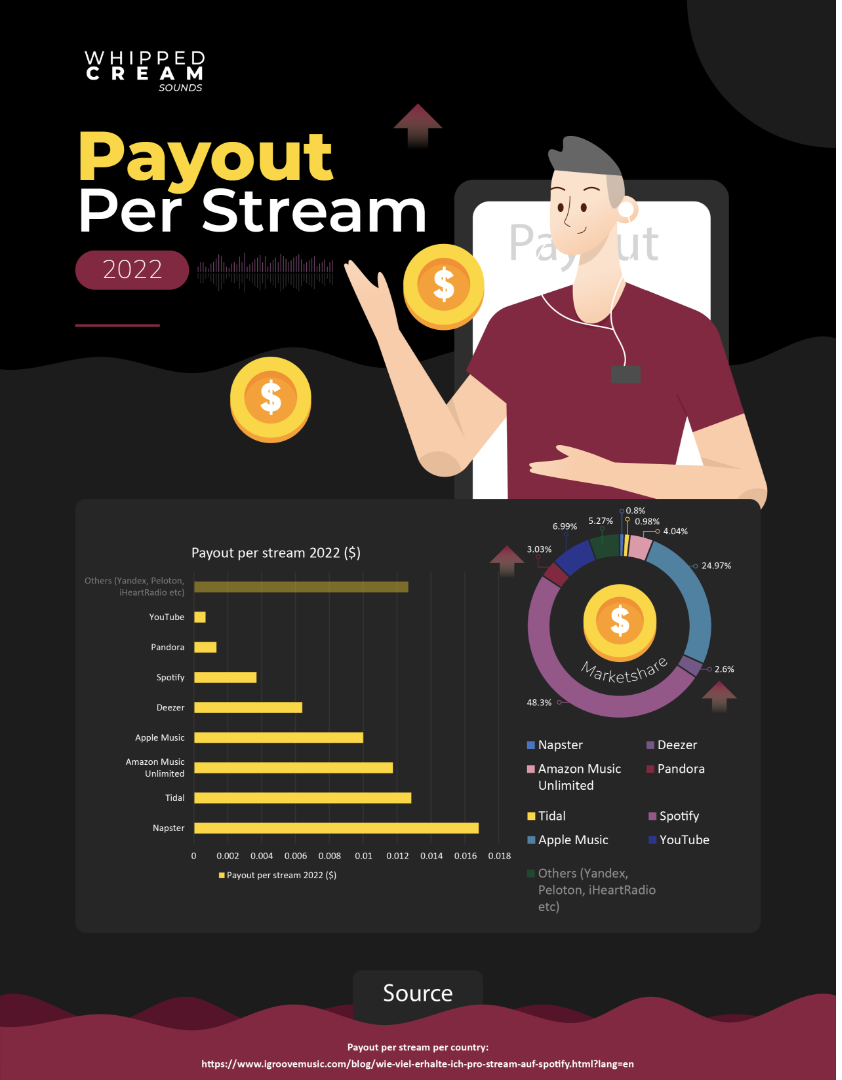
Not surprisingly, this is still true — as a 2022 article I found online demonstrates.

Spotify, which last year had an almost 50% market share of music streaming worldwide, still pays less than half a cent per stream.

Apple Music was the next biggest player, with almost 25% market share of music streaming worldwide — but paid a penny per stream (almost triple what Spotify paid…)

All of the other music streaming companies share the remaining 25% of worldwide music streaming — and paid anywhere from .00069 cents per stream (YouTube Music) to .017 cents per stream (Napster).

Here’s a graphic representation from this article of all of these numbers.

Suffice to say that I have not been earning any significant money as a result of people streaming the 37 recordings I’ve released during the past 34 months.

Deep breath in.

And deep breath out.

But I DO have the satisfaction of knowing that my music is out there in the world, being listened to by folks in fifty different countries — including the USA, Finland, Canada, Taiwan, Great Britain, Kazakhstan, Australia, Indonesia, Turkey, Brazil and Chile!

“Music is part of what makes the world keep going.”

And in recent months my streaming statistics on Spotify have risen significantly (although my total numbers are still quite modest).

This rise in my stats helps me feel that what I am doing — releasing music — is not entirely futile, useless and/or egotistical.

And it gives me a small sense of hope, which is what Ron Sexsmith’s lovely song does, too.

Hope remains a blessed mystery to me.

I hope you feel at least a tiny kernel of hope in your life.

Recent regional elections here in the USA have renewed my sense of hope in our political process.

And small children — such as those who grace my Music Together classes — also give me a sense of hope as well as a reason to continue to work for a more balanced, sustainable, and respectful future here on planet earth.

I’d be happy to learn in the comments about what gives YOU a sense of hope these days.

Here is a link for “Gold In Them Hills” in case you might like to listen to it on a streaming service.

If you “like” it or “heart” it or add it to a playlist, that apparently improves the algorithmic sharing of my music on that streaming service.

One more deep breath in.

And deep breath out.

Thank you to Ron Sexsmith for writing great songs.

Thank you to Doug Hammer for playing so beautifully on my version of Ron’s song AND for being such. a skillful engineer/producer.

Thank you to Stephen Fischer for his colorful graphic design work.

Thank you to Gretje Ferguson (I think?) for taking the photo which Stephen incorporated into his graphic design.

Thank you to Gloria O’Leary for making the coat I am wearing in this photo.

Thank you to the photographers at Pixabay for their great images.

And thank YOU for reading. and listening to yet another one of my blog posts!

“Music is a touching reminder that life is worth living.”

Waltzing With COVID-19

Three and a half years ago the World Health Organization (WHO) declared COVID had become a public health emergency.

Image by Miroslava Chrienova from Pixabay

Six weeks later, it grew into a pandemic — from which many of us are still recovering…

However, the WHO recently announced that COVID-19 no longer qualifies as a global emergency.

This is good news.

Deep breath in.

Deep breath out.

Apparently deaths from COVID are at their lowest point since the early days of the coronavirus outbreak.

This is also good news.

However, a lot of people are still continuing to die here in our Not-So-United States of America.

Last night I ordered a pizza and salad from a nearby restaurant, and after I picked it up, a woman waiting outside congratulated me on wearing a face mask.

She, too, was wearing a mask and told me in no uncertain terms that our COVID challenges are not over yet.

In fact, the 40-year-old son of one of her friends had just died from COVID.

Another deep breath in.

And deep breath out.

Image by David Mark from Pixabay. 

In 2023, the USA COVID death toll has averaged 150 people per day

Although this is a decline from a peak death toll of 2,500 human beings per day in early 2022, 150 per day still feels like a lot of people dying to me!

And all around the world, people continue to die — one every three minutes — “and that’s just the deaths we know about,” says WHO director general Dr. Tedros Adhanom Ghebreyesus. “COVID-19 is (not) over as a global health threat.”

Yet another deep breath in.

And deep breath out.

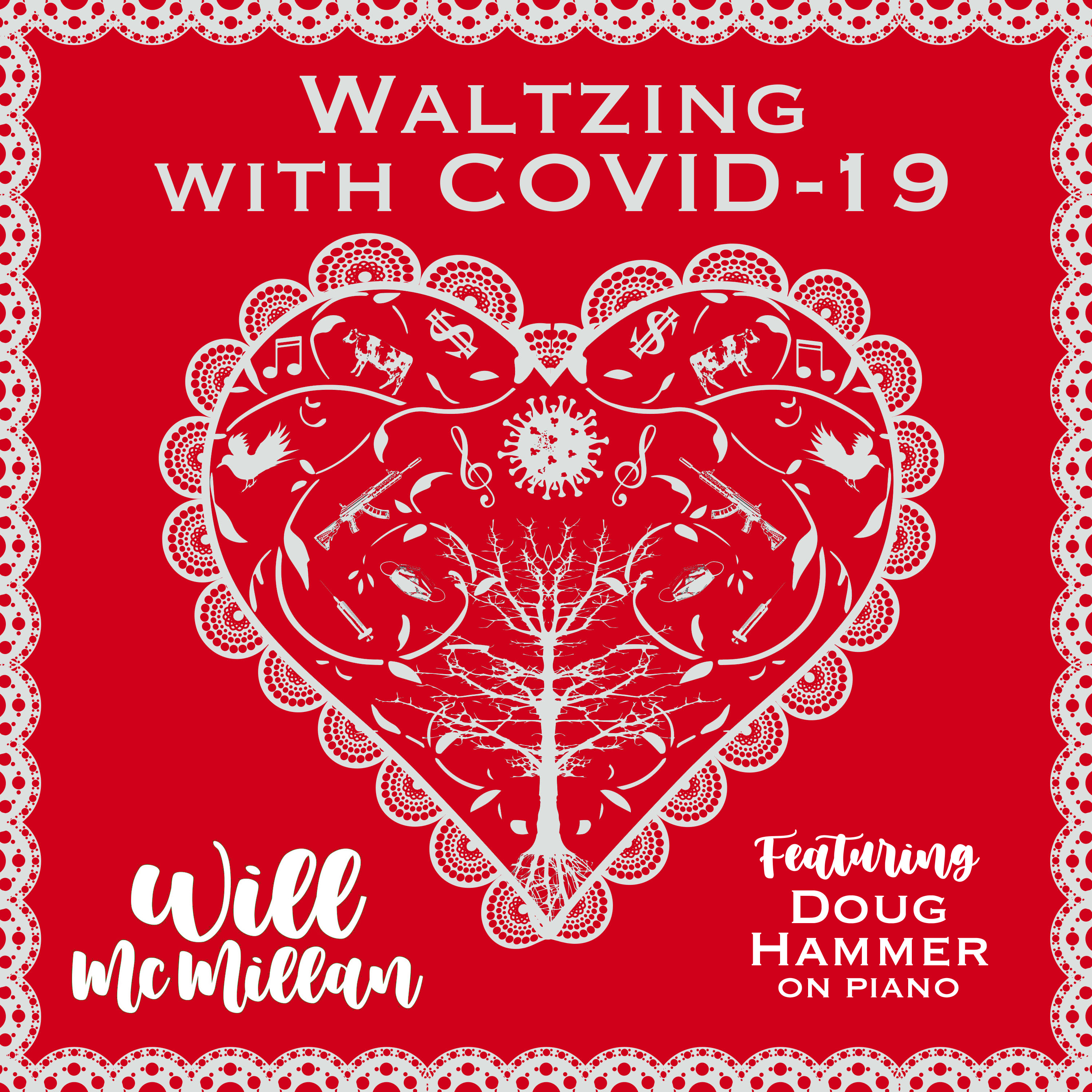
I wrote the song in the player at the beginning of this blog post during the first year of the pandemic.

I was inspired — in part — by the months-long hospitalization of a fellow singer who was on a ventilator for a very, very long time.

Amazingly enough he has managed to recover — and resume singing!

Image by Bruno /Germany from Pixabay.

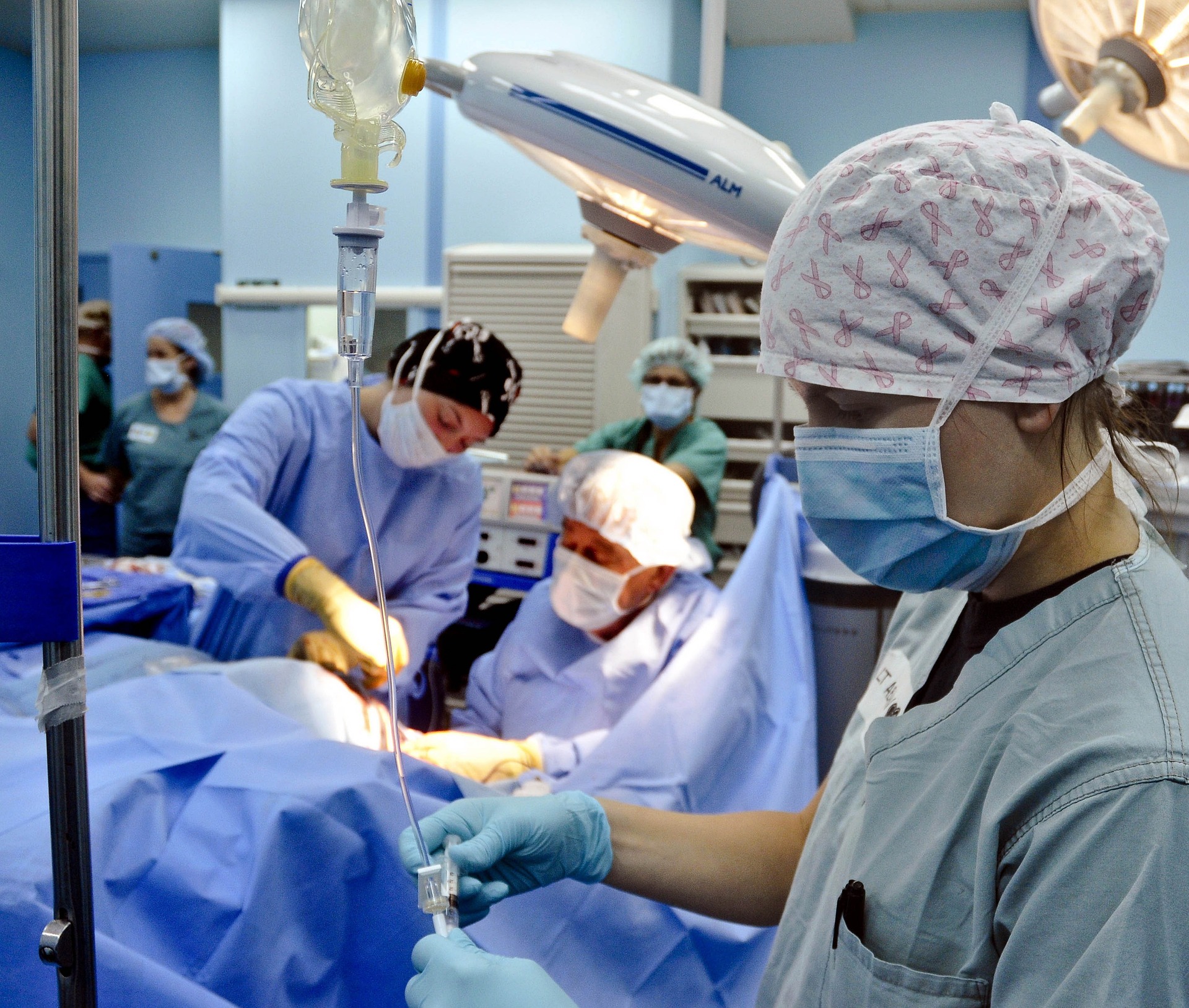
He was cared for by a team of truly courageous nurses, doctors, and support staff who came to work day-in and day-out while most of us were sheltering in place at home.

I bore witness to the dedication and patience of many nurses, doctors and support staff during this time because — exactly as COVID was entering our lives — I was diagnosed with an obscure medical condition called PGNMID.

As the COVID epidemic grew worse and worse, I met with specialists at several hospitals, underwent kidney and bone marrow biopsies. and ended up being given three rounds of six-month-long-treatments — chemotherapy+immunotherapy+steroids the first time, a new immunotherapy drug the second time, and an even newer experimental immunotherapy drug the third time.

I appear to be responding well to the latest round of treatments — and may write more about this experience in a future blog post.

I mention it now because I saw firsthand — on a weekly basis — the brave and loving response of the medical community during that horrible time.

Image by Bianca from Pixabay.

Recently another musical acquaintance shared with me that she stopped working as a nurse a year ago so that she could begin to recover from the stress and trauma of being a nurse during the COVID pandemic.

I know she is not alone…

Another deep breath in.

And deep breath out.

It’s easy to forget — or ignore — the reality that most of the people who have died due to COVID were connected to a web of caregivers, family and friends who are now grieving their loss.

Deep sigh…

Millions of human beings around our planet — myself included — are now struggling to regain their hopefulness, their sense of connectedness with others, their equilibrium, their sense of purpose, and their mental health after being in survival mode for the past few years.

And some folks are also struggling with mysterious, lingering health challenges after being infected with COVID.

A recent interview on Fresh Air with a neuropsychologist named James Jackson reminded me that there are millions of people here on planet earth who continue to experience a wide variety of debilitating symptoms due to their COVID infection — the “long-haulers.”

As the Fresh Air webpage explains, these folks “struggle to remember things, perform basic tasks and solve problems” — which can lead “to a loss of employment, income, and important relationships.”

Yet another deep breath in.

And deep breath out.

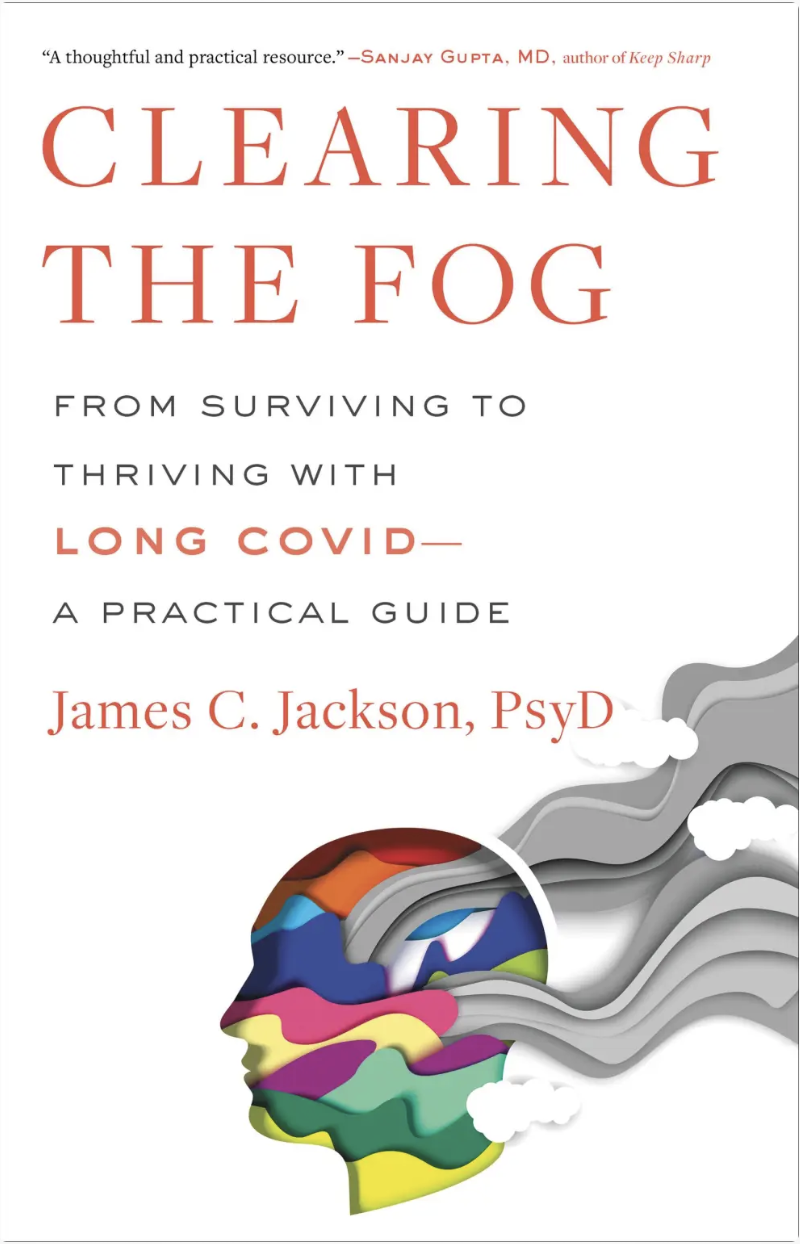
Jackson has written a book called Clearing The Fog — From Surviving to Thriving with Long COVID.

I am rooting for all of the COVID long haulers!

I have so many thoughts and feelings about COVID — as I am sure you do, too.

Maybe you will be moved to share a little of what you are feeling and thinking these days about the impact of COVID on our lives in a comment at the end of this blog post.

Image by Lars Nissen from Pixabay.

Part of me was tempted when writing this blog post to share a list of the high-profile folks — such as former presidential candidate Herman Cain — who downplayed or actively denied the significance of the COVID virus… and then ended up dying from it.

However, that seemed too disrespectful and schadenfreudey.

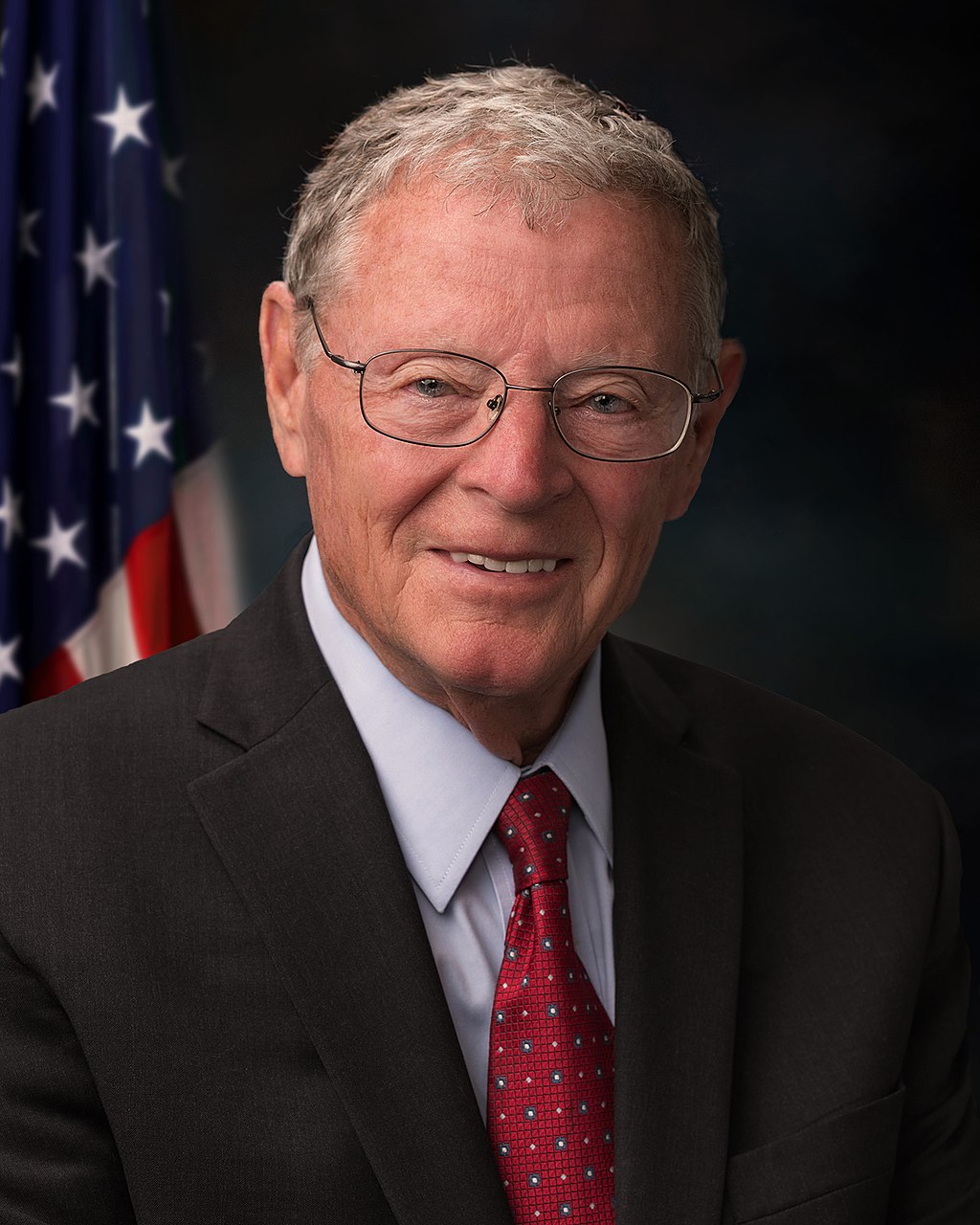
I did stumble across an interview earlier this year with a former Republican senator from Oklahoma — Jim Inhofe — in the Tulsa World, in which he explains that one of the reasons he retired was long-term COVID-19 complications.

At the time of his retirement, he said that he had tested positive for a very mild case of COVID-19.

But in this interview he admits that it has been much more serious.

And according to Inhofe, “Five or six others have (long COVID), but I’m the only one who admits it. 

Yikes!

I think he is referring to other US senators… but maybe he means members of Congress overall?

He also says: “I try to be careful, but I have to be reminded to do things like wash my hands. I have to do things I’m not used to and that’s difficult sometimes.”

I agree.

It can be VERY difficult for us to change our longtime habits and mindsets and patterns of behavior.

Apparently Inhofe has also been an outspoken climate science denier for decades — and we shall see how that ends up affecting him…and his family…and his former constituents…and all of the rest of the web of life here on planet earth in the upcoming days and weeks and months and years!

I think it’s been pretty hot in Oklahoma in recent weeks…

One final deep breath in.

And deep breath out.

Thank YOU for reading and listening to another one of my blog posts.

I am always surprised and heartened to check my WordPress stats and see that people continue to visit my blog even when I haven’t posted anything new in many weeks.

Thank you to all of my visitors!

And thank you to Pixabay for their wonderful and generous photographers.

Graphic design by Stephen C. Fischer.

And thank you to Doug Hammer for playing his Schimmel grand piano so poignantly AND for helping me to mix/master “Waltzing With COVID-19” via many Zoom sessions during the past two years.

If you are curious to hear more music, you can find me singing — with Doug Hammer playing piano — on SpotifyPandoraApple Music, YouTube and other streaming platforms.

And you can listen to “Waltzing With COVID-19” on your favorite streaming platform by clicking here.

Any song you “like” or “heart” or add to a playlist will improve the algorithmic activity of my music there!

Image by Leo from Pixabay. 

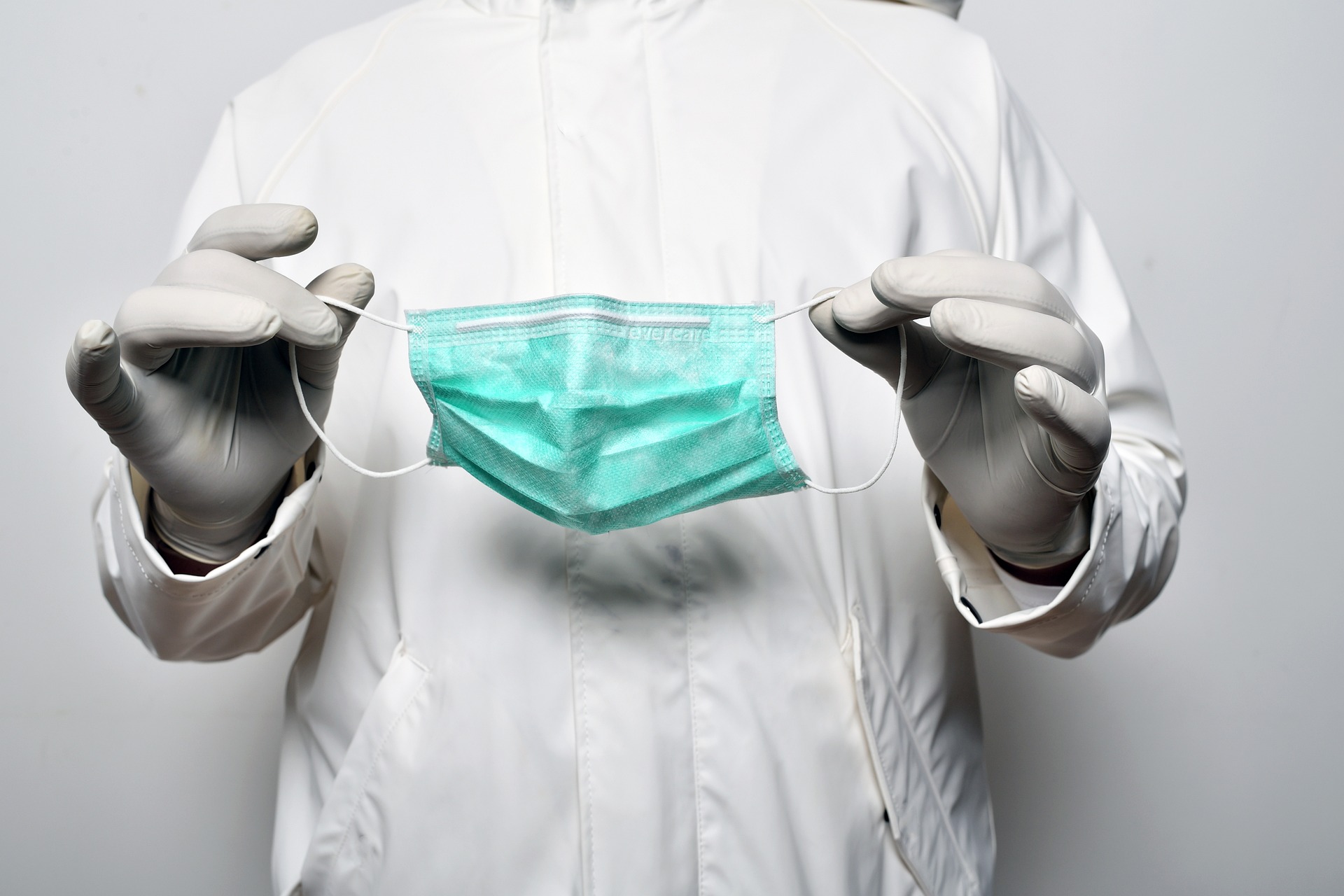
I am going to continue to wear a mask whenever I am inside a movie theater or a bus or a subway or a friend’s car (if the windows are rolled up) or a friend’s home or an office or a hospital or a retirement community.

This is a simple way we can continue to respect and care for each other.

One more deep breath in.

And deep breath out.

The Water Song

Image by urformat from Pixabay 

Thank you to everyone who continues to read my blog posts — old and new!

Today is a rainy and windy day in the greater Boston area.

Now that it’s December, part of me wishes that it were snow falling insead of rain.

The sentimental part of me, that is.

The practical part of me — who would be helping to shovel it from our sidewalk, porches, and driveway — is OK with rain.

I was very grateful to read recently that Massachusetts has mostly recovered from last summer’s drought due to the rain which has fallen in recent months.

Hurrah!

Image by Jose Antonio Alba from Pixabay

But as most of us know, the rest of the world is not as fortunate — with water levels falling to unprecedented levels in the western and southwestern parts of the USA, for example.

Deep breath in.

Deep breath out.

I wrote a blog post in January 2020 which featured an older version of today’s song.

You can click here to check it out if you are curious. I went wild with lots of water imagery from Pixabay…

However, in keeping with my current resolve to share shorter blog posts, I will include fewer photos today.

Image by Petra from Pixabay 

Another deep breath in.

And deep breath out.

I’ve been getting acupuncture on a regular basis for 30+ years.

My practitioners have been part of the five-element school of acupuncture, which is an extremely wise and beautiful branch of acupuncture.

Each patient, for example, is viewed as a garden to be tended to by the practitioner in order that all five elements/phases of our body/mind/spirit — water, wood, fire, earth, and metal —remain harmonious and in balance.

The water element corresponds — among many other things — with the season of winter, with the feeling of fear (and/or the lack of fear), with the taste of salt, with the sound of groaning, with slowing down/resting/sleeping, with meditating, and with the experience of not-knowing.

You can click here for a link to an acupuncturist’s webpage which describes more about the water element if you are curious.

Most of us are a blend of all five elements/phases.

Image by Susanne Jutzeler, Schweiz, from Pixabay 

I, for example, was diagnosed by J. R. Worsley as a Wood type — with Earth and Water within (ie: Mud as I like jokingly to say).

He recommended, among other things, that I do more swimming — and in the years since my diagnostic visit with him I have spent many hours in pools, lakes, ponds and oceans.

Recently, however, I have become less excited about swimming in the crowded chlorinated pool — which also hosts swimming classes for children of all ages — nearest my home.

So nowadays I swim in lakes and ponds (and occasionally the ocean) during the warmer months of the year — although a friend and I did have share a brisk, final swim in Walden Pond this past October.

Image by Arek Socha from Pixabay 

It is very easy for many of us to take fundamental blessings such as daily access to clean water for granted.

I continue to be a fan of counting one’s blessings as an antidote to the onslaught of news and commercial messages with which most of us are bombarded every day via social media, television, radio, ads on the sides of busses, etc.

One more deep breath in.

And deep breath out.

Image by Ngọc Hoàng from Pixabay 

May we all be mindful of ways that we can conserve and honor and re-use the water flowing through our faucets, our showers, our baths, our washing machines, our dishwashers, our veins, our arteries, our lymphatic vessels, our skin, our tear ducts, our plants, our forests, our systems of agriculture, etc.

I will end with a few more delightful images from Pixabay of different forms of water.

Thank you to all of the photographers who share their work there.

Thank you to Doug Hammer for contributing his artistry to my song as a pianist and as an engineer.

Image by Sasin Tipchai from Pixabay 

You are always welcome to visit my website — where you can find many songs and learn more about my musical life here on planet earth if you are curious.

You can also find me singing on SpotifyPandoraApple Music, YouTube and other digital music platforms.

Any song you “like” or “heart” or add to one of your playlists will improve the algorithmic activity of my music there!

I hope to release my “Ode to Water” to the non-WordPress musical world sometime in 2023…

Image by Sasin Tipchai from Pixabay 

Thank you again for reading and listening to one of my blog posts.

Very gratefully yours,

will

A Beating Heart (re-visited!)

I have been watching a TV series called “Peaky Blinders” recently.

It’s quite dark yet beautifully made — and reminds me of a similarly high-quality series called “House Of Cards” from several years ago.

Both of them explore power and how we human beings are often overtaken and damaged by it.

Image by Gloria Williams from Pixabay

They also both opened my eyes to how complicated, interconnected and corrupt our human-created world can be… especially when our wounded hearts lead us astray into greed, retribution, domination and revenge.

I watched several episodes before bedtime; so it is probably not a surprise that I woke up in the middle of the night and was unable to fall back asleep…

So I got out of bed and skimmed my inbox — which these days means that I deleted inumerable emails asking for money from all sorts of political candidates and organizations — until I found two uplifting pieces of information.

1) News that Catherine Cortez Masso is projected to win her senate race here in the USA.

2) A wonderful blog post from Canada about the Japanese concept of IKIGAI which you can read by clicking here.

As Michelle explains it on her Boomer Eco Crusader blog, ikigai is similar to the French idea of raison d’être — which means “reason or justification for existence.”

And one can explore ikigai by reflecting upon four ideas/concepts/topics:

A) one’s own skills

B) the things one loves to do,

C) the things that the world needs,

and

D) activities one can be paid for.

Image by Angela C from Pixabay

Where all of these ideas/concepts/topics overlap is where one’s ikigai may be found.

And finding one’s ikigai can give one a reason to get up out of bed each morning…

Reading her blog post made me think immediately of a song I wrote called “A Beating Heart” — which I first shared in a blog post on April 29, 2014.

“A beating heart means you’re not dead.

A brand new start — get out of bed.

Your mission calls, and we all hope that you’ll succeed!

The time is here; the time is now.

So persevere; embrace the Tao.

Dear Lao Tse once decreed: only change is guaranteed…”

Image by Bohdan Chreptak from Pixabay

Deep breath in (like a whale…)

Deep breath out (like a whale…)

I have previously voiced a personal goal — which is to write shorter blog posts.

So I will end this blog post with a sincere hope that you, dear reader, are well on your way to finding your own ikigai!

And with thanks to Michelle for her inspiring blog.

And with thanks to the wonderful photographers and graphic artists at Pixabay.

And with thanks to Doug Hammer, for playing his Schimmel grand piano while also recording us at his terrific home studio.

And with thanks to Ashley Lieberman, who recently performed “A Beating Heart” here in the Boston area.

And with thanks to YOU for reading and listening to yet another one of my blog posts!

Image by Gordon Johnson from Pixabay

You are always welcome to visit my website — where you can find many songs and learn more about my musical life here on planet earth if you are curious.

You can also find “A Beating Heart” on various digital music platforms by clicking here.

You can also find me singing — with Doug Hammer playing his Schimmel grand piano — on SpotifyPandoraApple Music, YouTube and other digital music platforms.

Any song you “like” or “heart” or add to one of your playlists will improve the algorithmic activity of my music there!

Image by congerdesign from Pixabay

Another deep breath in.

And deep breath out.

Very gratefully yours,

— will

In Praise of Food…and Lillian Rozin!

I am well aware that all sorts of challenging — and often heart-breaking — situations continue to unfold here on planet earth.

However, I have decided in recent blog posts to accentuate the positive.

Part of the fun of re-vamping my website earlier this year was re-visiting my musical past.

When I first started working at the Cambridge Center For Adult Education in Harvard Square, we co-produced a lot of events — open mics, workshops, seminars, performances — with the Boston Association of Cabaret Artists (BACA).

BACA is a humble and surprisingly resilient non-profit group which a bunch of us helped to start over 25 years ago.

And it is still going strong — an ongoing labor of love — due to the efforts of a generous and ever-evolving group of singers, musicians, songwriters and music fans who serve on its board, bless them.

I do not remember exactly how I met singer/actor Lillian Rozin, who is now a psychotherapist, yoga instructor and author, too.

Maybe at a BACA open mic?

In any case, we hit it off and Lillian started creating lavish spreads of appetizers and desserts for our open mic nights.

I am not someone who follows recipes or considers himself to be much of a cook.

But Lillian is an inspired and inspiring goddess in the kitchen.

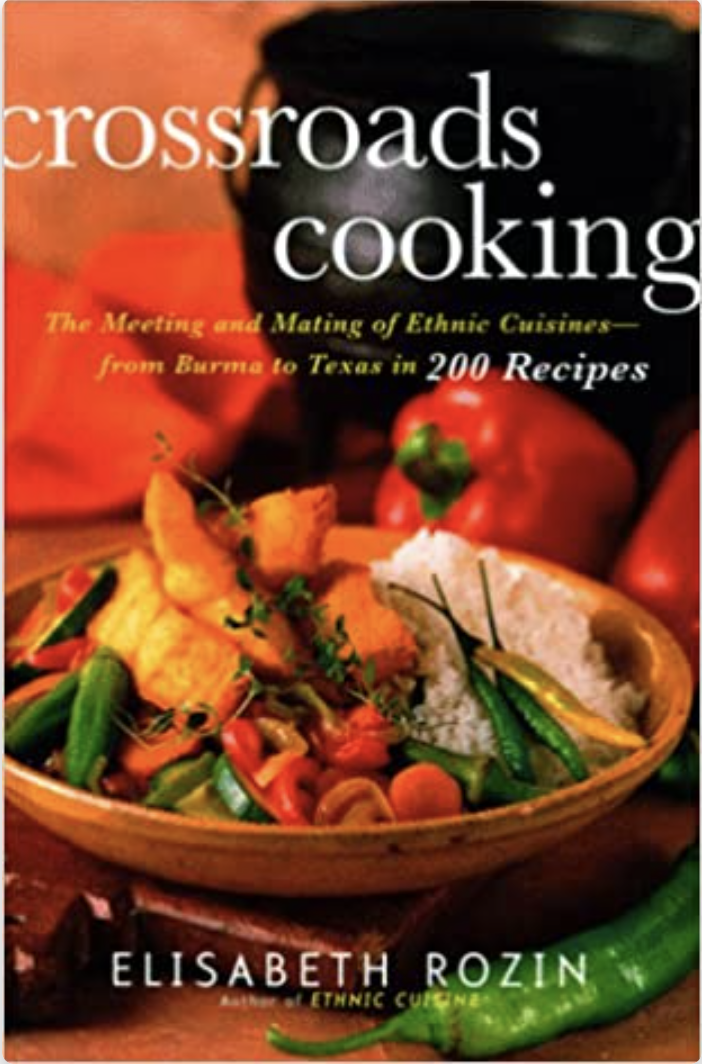
She learned to love food and cooking from — among other people — her mother, the much-published food writer, Elizabeth Rozin.

Eventually we started performing together as “The Will & Lil Show” — co-creating two different shows of music and ideas before she moved from the Boston area back to her homeland of Philadelphia.

Our first show focused on the subject of water — in rivers, clouds, oceans, harbors, showers, wading pools, and even our own metabolisms.

We followed that with a show called We Are What We Eat — A Potluck Cabaret which featured songs about eating, serving and preparing food such as Cole Porter’s “The Tale of the Oyster,” Bernstein, Comden and Green’s “I Can Cook, Too,” Stephen Sondheim’s “The Ladies Who Lunch,” the Sherman Brothers’ “Feed The Birds,” and Stephen Schwartz’s “It’s An Art.”

The show began with Lillian and me on stage chopping and slicing and preparing various finger-foods while audience members were finding their seats.

Once everyone had arrived, we began singing a song (in the player at the start of the blog post) from William Finn’s musical “March Of The Falsettos” while serving the audience what we had been preparing onstage.

It was a lot of fun.

The original lyrics for “Making A Home” included some references to food — to which we added a few more.

Recently I was happy to find a computer disk which contained some of our original PR photos as well as a script for our food show.

Here’s a list of food-related items that we used during the show:

Image by Bernadette Wurzinger from Pixabay

Microwave pre-set with popcorn.

Baguette. 

Hardboiled eggs.

Little pots of strawberry jam.

Toast.

English muffin.

Little jar of mustard.

Watercress or heavy duty parsley.

Hamsteak.

Bones/chew toys.

Root vegetables.

Image by Jordan Stimpson from Pixabay 

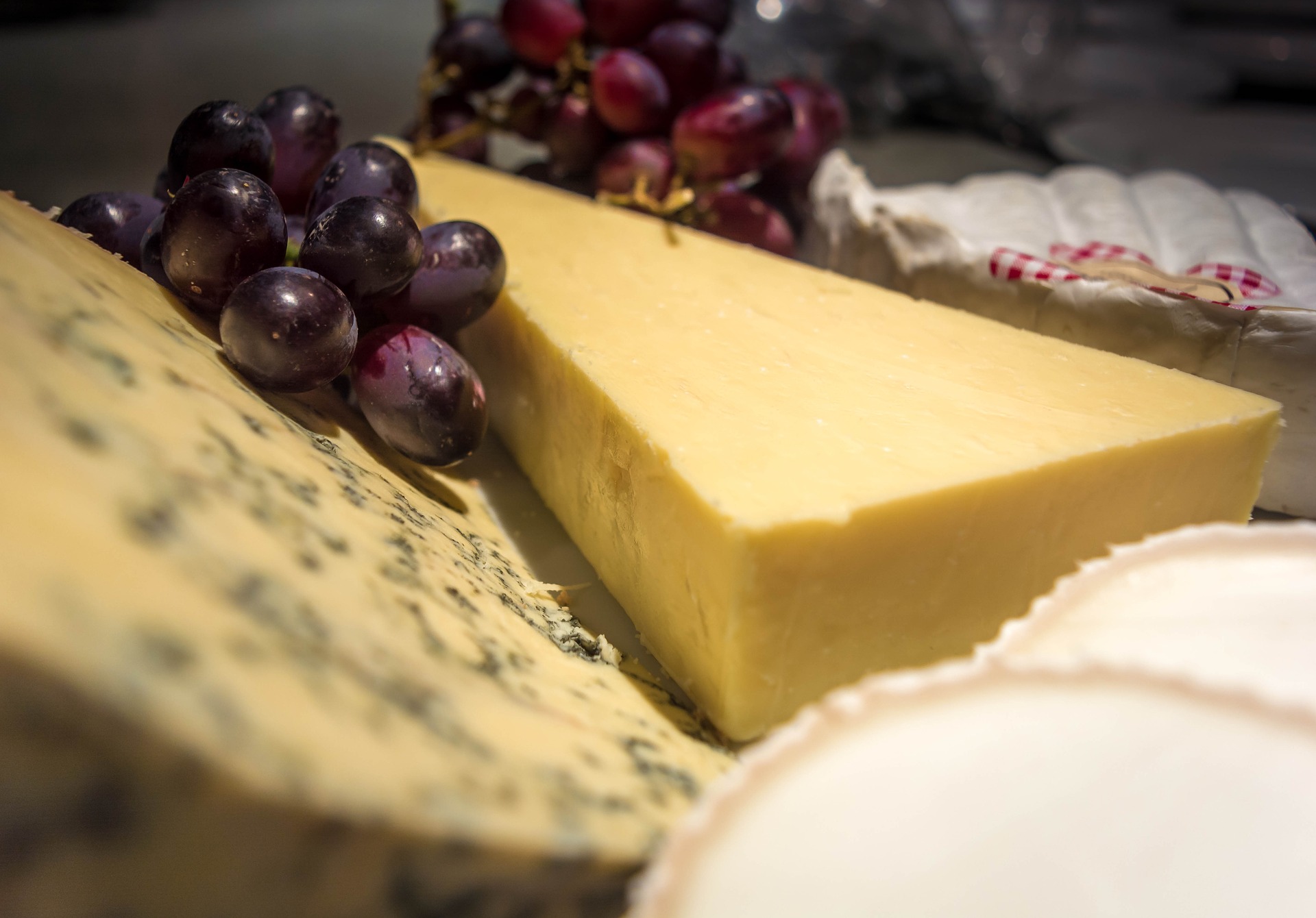
Brie, cheddar, harvarti dill, goat, and cream cheeses.

Grapes.

Olives.

Cornichon.

Pop tarts.

Pringles potato chips.

Spam.

Count Chocula/Cocoa Puffs/Lucky Charms cereal boxes.

Jello.

Bacon bits.

Strawberry Newtons.

One pound of smoked fish.

Horseradish.

Lots of crackers.

Cider.

Bag of salad.

Packets of Sweet & Lo.

Vinegar cruet.

Celery.

Peanut butter and peanuts.

Bologna.

Non-dairy whipped topping.

Bananas.

Image by S. Hermann & F. Richter from Pixabay 

Melon.

Bosco.

Two pie plates.

Marischino cherries.

Cutting boards.

And knives.

As you can probably extrapolate from this list of props, we covered a lot of ground in this show — from the processed food industry (for which Lillian’s mother had once consulted) to food norms in different cultures (Lillian has traveled a lot) to my past as a child actor doing commercials for various food products (such as Ring Ding Juniors, Lifesavers, Imperial margarine, and Oreo cookies).

Here’s an excerpt from what we said after we sang “Making A Home” while serving appetizers to the audience.

Lil: “Will and I love to cook.”

Will: “And we love to feed other people what we have cooked.”

Lil: “And we love to eat; so this show was a no-brainer.

Will: “Eating is something that is easy to take for granted. 

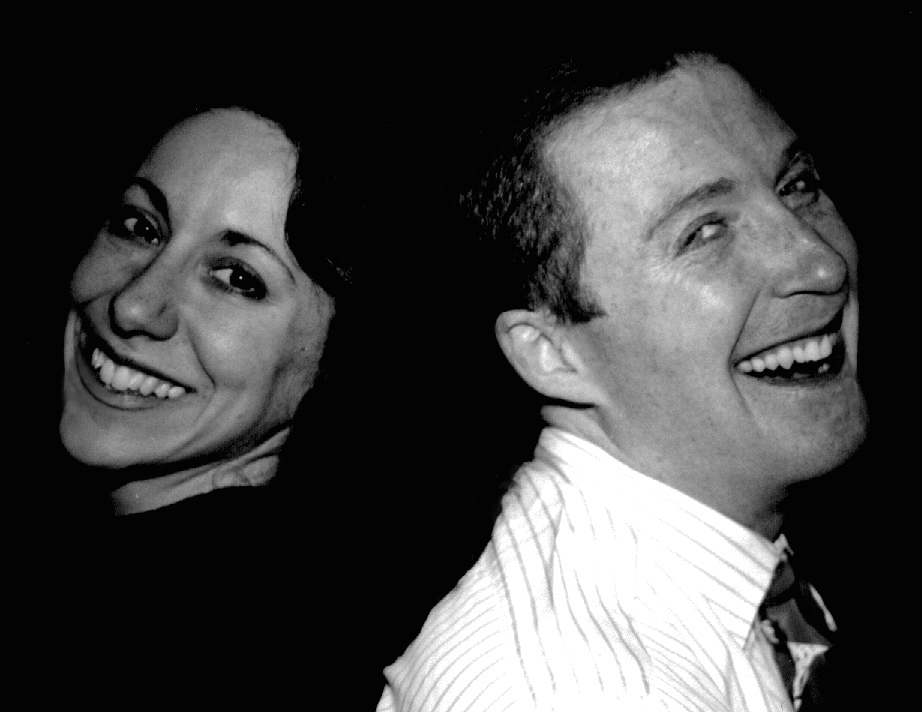
Lillian Rozin and Will McMillan standing back to back and smiling...
Photo by Stephen C. Fischer

Lil: “We do it several times a day, often out of habit or while we are focused on something else.”

Will: “But eating is really a magical process.  Think about it… radiation from a nearby star is captured by plants who transform it into something that we can absorb into our bodies, which becomes… us.”

Deep breath in.

Deep breath out.

Over twenty years later I am still amazed by how life works here on planet earth!

Near the end of the show Lillian tied me to a chair while singing “Have An Eggroll Mr. Goldstein” from Gypsy and stuffing all sorts of delicious, cut-up fruit into my mouth.

Then we sang “You’re The Cream In My Coffee” while throwing pie plates full of non-dairy whipped topping in each other’s faces.

Our encore was “Life Is Just A Bowl Of Cherries.”

This delightful anthem was written by Lew Brown (lyrics) and Ray Henderson (music) for Ethel Merman to sing in George White’s Scandals of 1931 after she had rejected another song they had wanted her to perform.

I am very thankful that Ms. Merman knew — when she was still in the early years of her extraordinary career the entertainment industry — what kind of song she could and couldn’t deliver to an audience.

Otherwise Ray and Lew might not have written this musical gem.

Image by StockSnap from Pixabay

Thank you for reading and listening to this somewhat light-hearted blog post.

I will undoubtedly return to more serious topics in the future.

Today I have been inspired by a statement currently circulating (I hope accurately) on FaceBook from a Hopi Indian Chief named White Eagle.

“This moment humanity is experiencing can be seen as a door or a hole. The decision to fall in the hole or walk through the door is up to you.

“If you consume the news 24 hours a day, with negative energy, constantly nervous, with pessimism, you will fall into this hole. But if you take the opportunity to look at yourself, to rethink life and death, to take care of yourself and others, then you will walk through the portal…

“Don’t feel guilty for feeling blessed in these troubled times. Being sad or angry doesn’t help at all…

Lillian with her beloved dog Albee!

“Show resistance through art, joy, trust and love.”

Another deep breath in.

And deep breath out.

Thank you to Lillian Rozin for being one of my favorite collaborators… and one of my favorite chefs, too!

Thank you to Doug Hammer for playing piano AND recording the rehearsal from which we recently selected and mixed these songs.

Thank you to Ray Brown and Lew Henderson for writing “LIfe Is Just A Bowl Of Cherries” — and to Ethel Merman for inspiring them to do so.

Thank you to William Finn for writing “Making A Home.”

You are always welcome to visit my website — where you can find more songs from The Will & Lil Show celebrating food.

Or you can find me singing — with Doug Hammer playing his Schimmel grand piano — on SpotifyPandoraApple Music and other digital music platforms.

And if you are hungry for more music, you are welcome to listen to my latest release, “The Carter Family” by Carly Simon and Jacob Brackman on a bunch of different digital music platforms.

A Love Letter to the Postal Service…

As some of you may know, postal rates are going up at the end of the month — August 29th.

A regular stamp will cost 58 cents, and postcard stamps will go up to 40 cents.

If you are a fan of sending and receiving cards and letters (or you still pay some of your bills by mail…) now is the time to stock up on stamps!

I am a huge fan of stamps AND of the US postal service.

You can click here to see all the stamps currently for sale by the US Post Office online.

I am using some of my recent favorites to illustrate this blog post.

I feel the postal service is one of the things that still connects all of us — and that we all continue to use on a regular basis — regardless of political ideology, religious affiliation, racial ancestry, and socio-economic status (although the rates going up and up and up certainly make it more expensive to use…)

I also like our postal carrier, Rob.

He has been assigned to our neighborhood for the past decade (at least), and his familiar face — and warm personality — weave all of us in this section of East Arlington together on a daily basis.

Mostly what I receive in the mail are bills, credit card statements, requests for money from organizations to which I may have given a tiny amount of money in the past (or from new organizations to whom someone has given or sold my name and address) and advertisements.

On very rare occasions, I get a handwritten — and sometimes even a handcrafted! — card.

And I savor it…

Deep breath in.

Deep breath out.

I am not sure exactly what makes a hand-written card/note/letter different from an email/text message.

There is the pleasure of seeing a person’s individual, idiosyncratic, and — in a few cases — beautiful handwriting.

I also like knowing that the person who wrote it has touched the same paper and the envelope and the stamp that I am now touching as I rip it open and read it.

And I like seeing what stamp they have selected.

But there is also — for me at least — an element of respect that is somehow implied by the fact that they found the time to find a card (or piece of paper), write something on it, put it into an envelope, address it, stamp it, and get it into the mail.

And then, somewhat magically, it finds its way to me!

I have had jobs which included dropping off mail at both a local office and at a huge regional mail sorting center.

I have seen the people and conveyor belts and sorting machines and wheeled carts and trucks that are responsible for a card or letter or package getting from point A to point B.

It is quite a feat of logistics which most of us take for granted.

And I have never had a card or letter or bill payment (that I know of…) get lost.

On rare occasions I have received something which got a little chewed up en route.

But it was still legible.

In particular I love to send “thank you” cards.

It became a habit when I was given a promotion from part-time events coordinator to full-time PR director (who still coordinated a lot of events) at the Cambridge Center For Adult Education over twenty years ago.

Email was just becoming a regular thing — and hand-written cards were becoming more of a rarity.

Any time a media person included one of our classes or events in a calendar listing, or mentioned us in an article, or interviewed one of our teachers, or mentioned us on the radio, or covered us in any way — I sent them a hand-written “thank you” card.

I wanted to thank them, AND I also wanted to jumpstart (and then nurture) a relationship with them so that when they were next on a deadline and needed some expert to interview for a story, they might be more inclined to think of us as a potential resource.

Or when they had to choose an event to feature in their weekly calendar, they might be a little more likely to select one of our offerings.

Or they might even come and take one of our classes — or attend one of our poetry readings or concerts or workshops.

I was happily surprised (and a little bit embarrassed) to learn, when I attended an annual conference of local black journalists one year, that I had even become slightly infamous when an editor from The Boston Globe referred to me as “the guy who sends all of those ‘thank you’ notes.”

I continue to send “thank you” cards after every one of my gigs to the person who booked us — and sometimes also to the person who welcomed us and made sure we were all set up, too.

And I send “thank you” notes for gifts I receive, to family or friends who feed me dinner or host me on trips, and to local media folks who write about me and my musical life here on planet earth.

I love the cards at Trader Joe’s (only a buck each) and have learned that if I see something I like, I need to buy a bunch of them because I may never see them again for sale.

And every six months or so I go to a local discount department store, TJ Maxx, in a strip mall located a 12-minute bike ride from home.

If I am lucky, they have a bunch of simple, elegant “thank you” cards (in boxes of 12 or 15 or even 20!) at a half or a third of their regular price.

This translates to anywhere from 25 to 50 cents per card.

Then I buy 5-10 boxes of whatever is nicest (because I’ll probably never see any of THEM for sale either) and ride home feeling very rich in ‘thank you” cards.

Same thing for stamps.

If I see some I like, I buy many sheets (or rolls) of that particular design because there is no telling when they will sell out at my local post office — located a four-minute walk from my home.

I guess I could order them online, but I love going to an actual post office and talking with an actual postal employee.

I don’t love putting on two face masks — a medical one and a fabric one — before I go inside, but the more infectious Delta mutation is on the rise even here in relatively well-vaccinated Massachusetts.

So I am using face masks again when I am inside a public space like a post office or grocery store.

Last week when I bought a bunch of stamps, I was the only customer in the post office — which made my visit short and sweet.

I purchased $800 worth of postcard stamps — with a selection of beautiful barns on them — to go along with the 10,000 postcards I ordered earlier this year.

Actually I only ordered 5,000 postcards, but the printer did not understand the four-card template I sent to them and misprinted the first 5,000 (with four small messages rather than one big message on each card).

Then they very generously reprinted them correctly at no extra cost; so I ended up with 10,000 cards total — half of which say “The future belongs to those who vote,” and half of which say the same thing but four times and in much small type.

I mail them — along with a recommended hand-written message — to potential voters all over the USA who have a local election coming up (which they may or may not be aware of…)

It is one of the ways I attempt to ward off my profound disappointment — verging at times on terror — with how political events have been unfolding recently in these not-very-United States.

But this blog post is not intended to be a downer.

The recording I’ve included is a fun take of “Please Mr. Postman” written by Georgia Dobbins, William Garrett, Freddie Gorman, Brian Holland, and Robert Bateman. 

Wikipedia reminded me that it was the debut single by a Motown/Tamla group called The Marvelettes — originally released sixty years ago in August 1961.

Apparently the songwriter credits have varied over time — but the current copyright, I am happy to see, includes Georgia Dobbins, who was the original lead singer for The Marvelettes.

She helped create the first version of the song (which she and her bandmates sang when they auditioned for Motown/Tamla) by adapting a blues written by her friend William Garrett.

Her version was then re-worked by several Motown/Tamla songwriter/producers, including Freddie Gorman — who was also an actual Detroit postman.

I am particularly glad that she is included as a co-songwriter, because Wikipedia reports that Ms. Dobbins left the group soon after they were signed by Berry Gordy and before they recorded “Please Mr. Postman.”

There must be more to THAT story…

The song she helped to write became a hit — crossing the Atlantic to the UK where The Beatles quickly added it into their repertoire and eventually recorded it two years later in 1963.

Another thing I learned is that Marvin Gaye played drums on The Marvelettes’ version!

The Carpenters made it a hit yet again in 1975, and their version was sampled and used in another song called “Oh Yes” by the rapper Juelz Santana in 2006.

It is fascinating to see how songs, like viruses, move from one human host to another and creatively mutate over time…

The version at the beginning of this blog post is from a rehearsal I did a few years ago with the wonderful pianist Doug Hammer and a wonderful singer named Lynn Fischer.

In addition to being a life-long performer, Lynn is also the the executive director and co-artistic director of the Mass Transit Theater company in New York City.

I love the playful and spontaneous spirit of this recording, which I think was take number three during our rehearsal for the opening of an art exhibit called ART/Word which my sweetheart produces each year with a different theme.

The artistic theme that year was “Letters.”

I will end by thanking Lynn Fischer for joining me in our fun rendition of this song.

And thanking Doug Hammer for his gifts as a pianist AND engineer/producer.

And thanking the US postal service for continuing to exist and function!

And thanking the artists who create such an extraordinary variety of artwork for our stamps.

And thanking YOU for reading and listening to yet another one of my blog posts.

Do you still send hand-written cards and letters to anyone?

If you are hungry for more music, you are welcome to listen to my latest release, “The Carter Family” by Carly Simon and Jacob Brackman on a bunch of different digital music platforms.

And you are always welcome to visit my website — or you can find me singing (with Doug Hammer playing his Schimmel grand piano) on SpotifyPandoraApple Music and other digital music platforms.

Let’s continue to find new ways to reduce our carbon footprint on this precious planet each and every day!

There are far too many forest fires and floods and mudslides happening these days…

Deep breath in.

Deep breath out!

Now Streaming…


Greetings!

I hope you remain well during this odd and at times terrifying time in our planet’s history.

Today’s song was written by Canadian singer-songwriter Ron Sexsmith.

Ron Sexsmith

After my friends in Toronto exposed me to several of his beautiful, wise creations, I recorded “Gold In Them Hills” with the terrific pianist (and sound engineer) Doug Hammer.

I have ruminated in past blog posts about the value of music in our lives — how sometimes it seems quite disposable and unimportant, yet at other times it can feel quite meaningful and essential.

Here is some recent feedback about the value of music from folks on my e-mail list:

“Music is a great encouragement to people in hard times.”

“A song fixes memories of life events indelibly. “

“Music is a distraction from the troubles of the day.”

“Essential.”  

“Music is an easily accessible treat at a time when other treats are difficult to come by.”

“We all need it.”

“Music is a touching reminder that life is worth living.”

“Music is a balm during these stormy times.” 

“Music is part of what makes the world keep going.” 

Every time I read these ideas, I attempt to breathe them deeper into my soul.

Deep breath in.

Deep breath out.

Today I share news that my song Another Good Morning has finally been distributed to a bunch of digital music platforms — including Spotify, Apple Music, iTunes, Amazon Music, Deezer, Napster, Tidal, and Google Play.

I found — and played!— it on Spotify, which for better (and mostly for worse) is a key market for musicians these days.

I write “and mostly for worse” because the various streaming platforms pay a tiny fraction of what a performer/songwriter used to earn from the sale of actual records/tapes/CDs. 

As you may already know, the pay rate for listening to a song via streaming  — which varies over time based on a formula which I can’t even begin to explain involving each company’s most recent amount of earnings and profit — is very low.

Here are some recent rates — ranging from a high of $.019 (almost 2 cents) by Napster to a low of $.00402 (less than half a cent) by Amazon.

  • AMAZON: $0.00402 per play.
  • SPOTIFY: $0.00437 per play.
  • YOUTUBE MUSIC (GPM): $0.00676 per play.
  • APPLE MUSIC: $0.00783 per play.
  • TIDAL: $0.0125 per play.
  • NAPSTER: $0.019 per play.

Using the Spotify numbers for example, at $0.00437 per stream, a song would need to be streamed 22,883 times to earn around $100. 

One can still buy a digital download of an individual song at places like iTunes, from which the recording artist earns $.60 – $.70 per purchase.

So it would take 142 (at 60 cents per download) to 166 (at 70 cents per download) purchases to earn around $100 for the folks who recorded it.

But how many of us are still buying digital downloads of specific songs or albums?

The current name of the game appears to be Spotify playlists. 

If one can get one’s song onto a popular playlist, one can earn hundreds of thousands of streams — which theoretically translates into a decent amount of money. 

So… if you are someone who uses Spotify, please consider listening to “Another Good Morning” by clicking here.

And maybe adding it to one of your playlists.

I found a story on NPR from last year which explores the pros and cons of streaming from the perspective of a recording artist and/or songwriter.

Here is one interesting paragraph:

According to a 2017 study from Digital Media Finland, the current payment model for digital streaming services “tend(s) to benefit the services themselves, who keep about 30% of a subscriber’s fee. The rights holders of the recordings, which include record labels, producers, and performers, split about 55 to 60% of the fee. Meanwhile, the rights holders of the song itself (the composition) — which at once includes composers, arrangers, music publishing companies and lyricists — see about 10 to 15% of that pie.”

You can read the whole article by clicking here.
Another deep breath in.

And deep breath out.

If you are someone who still buys digital downloads, please consider buying a copy of “Another Good Morning” from iTunes or Amazon or another digital music marketplace.

But I am certainly aware that lots of us have very little cash flow in our lives nowadays!

Since my gigs with jazz pianist Joe Reid have all dried up (except for one outdoor performance last month) due to prudent concerns about possible COVID transmission, I have been working each week via Zoom with Doug Hammer.

We are re-visiting and polishing strong takes of songs we’ve recorded during the past 20+ years.

And I will be distributing them via CD Baby to all of these far-flung digital platforms in the upcoming weeks and months.

THANK YOU for reading and listening to another blog post!

Thank you to Ron Sexsmith for writing great songs.

Thank you to Doug Hammer for his inspired piano playing as well as his superb engineering skills.

Thank you to the photographers at Pixabay for these sublime images.

Let us all keep breathing in and out in the days ahead…

I will continue leading Music Together classes two days each week.

And riding my bike.

And walking.

And checking the latest polling data about our upcoming elections.

And donating small amounts of money to down-ballot races around the USA which could use a little help…

And wearing a blessed mask when I go outside.

Deep breath in.

Deep breath out.

As Mr. Sexsmith reminds us:

“Don’t lose heart… give the day a chance to start!”

Questions…

Questions…

“Questions” by Steve Sweeting and Will McMillan

I mentioned in my last blog post that I’ve been doing a lot of reading and watching educational videos about how the music industry works.

Today’s song — which I wrote with pianist/composer/songwriter Steve Sweeting many years ago — is perfectly themed for my current state of understanding (and lack thereof…)

In case you are the least bit curious, here’s a little of what I’ve been learning.

As a singer and songwriter, I am supposed to file for two types of copyright: sound recording (also known as the “master recording”) and song composition (of the actual song).

Song compositions generate payments to songwriters and music publishers — and sound recordings generate payments to recording artists and record labels.

So it turns out I need to learn how to wear four business hats: recording artist, record label, songwriter, and publisher.

Actually I also need to learn how to wear a publicist hat, a business manager hat, a booking agent hat, a social media/advertising hat — and the list goes on and on…

I have learned that sound recordings are given a unique ISRC code so that they can be tracked around the planet as they are downloaded, streamed, enjoyed via satellite radio, played in elevators as Muzak, etc.

In theory this tracking leads to various payment streams for the artist who recorded the song, their record company, the person (or team) who wrote the song, and their publishing company.

Also each original song composition is given a unique ISWC code for tracking purposes.

For example, Dolly Parton wrote and recorded “I Will Always Love You” when she made a very difficult decision to leave Porter Wagoner’s TV show.

This song has a unique ISWC code as a composition AND a unique ISRC code as her particular sound recording of it.

I loved reading in a 2012 interview about how Ms. Parton came to write this iconic song.

Porter and Dolly

“I was trying to get away on my own because I had promised to stay with Porter’s show for five years. I had been there for seven. And we fought a lot. We were very much alike. We were both stubborn. We both believed that we knew what was best for us. Well, he believed he knew what was best for me, too, and I believed that I knew more what was best for me at that time. So, needless to say, there was a lot of grief and heartache there, and he just wasn’t listening to my reasoning for my going.”

She continued, “I thought, ’He’s never going to listen. He’s just going to bitch every day that I go in to talk about this.’ So I thought, ’Well, why don’t you do what you do best? Why don’t you just write this song?’ Because I knew at that time I was going to go, no matter what. So I went home and out of a very emotional place in me at that time, I wrote the song, ’I Will Always Love You.'”

“It’s saying, ’Just because I’m going doesn’t mean I won’t love you. I appreciate you and I hope you do great and I appreciate everything you’ve done, but I’m out of here. And I took it in the next morning. I said, ’Sit down, Porter. I’ve written this song, and I want you to hear it.’ So I did sing it. And he was crying. He said, ’That’s the prettiest song I ever heard. And you can go, providing I get to produce that record.’ And he did, and the rest is history.”
Since then her song has been recorded by a lot of other singers — most famously by Whitney Houston.

And each recorded version has its own unique ISRC code as part of its metadata (plus Dolly’s ISWC code for writing the song) so that it can be monitored — and monetized — via unimaginably vast banks of computers keeping track of playlists, streams, downloads, broadcasts, Muzak services, etc.

Right now the music industry is in the middle of a paradigm shift which began when digital recording technology and CDs arrived in our lives.

When I was first making music as a young adult — performing with a jazz pianist, in a folk duo, and as part of an original five-person pop/rock band — I earned money from live gigs and from the sale of cassettes and CDs.

That era is over…

Music has gone from being sold on an analog object — such as a piano roll, wax cylinder, record, or cassette tape — to being sold as a long string of zeros and ones.

The zeros and ones which encoded music onto CDs allowed us to make copies of songs using our computers… and then share those copies with the rest of the world.

We could share them with our other devices (such as an iPod), with our friends and family, and eventually — via sites like Napster — with anyone else on the planet who also had a computer.

And no one got paid for any of this free file sharing!

Since then the music industry has continued to evolve — with streaming platforms such as Spotify entering our lives — but revenues for recorded music are still way down.

And now we also have COVID-19 reducing opportunities for musicians to earn money from live performances.

In fact many small music venues in the Boston area have already closed their doors…with more likely to succumb in upcoming months.

Deep breath in.

Deep breath out.

It’s hard to know what’s coming next!

My current plan, since the wonderful Doug Hammer is not yet welcoming customers back into his recording studio in person, is to work with him remotely (using Zoom) and polish some songs we’ve recorded in past years.

And write a few more blog posts explaining what I am learning about the music industry.

And continue to wear a face mask when I leave my house.
And ride my bike and walk whenever possible.
And lead Music Together classes — both outside (wearing a new face shield + wireless headset) and inside via Zoom.

And give as much money as I can afford to various political candidates and non-profit organizations who are doing their best to prevent our country from lurching into an autocracy.

Another deep breath in.

And out.

Thank you to Pixabay for their lovely images.

Thank you to Steve Sweeting for writing songs with me and to Doug Hammer for helping us record a bunch of them.

And thank YOU for reading another blog post!