Greetings from East Arlington, MA — just outside of Boston in the USA!
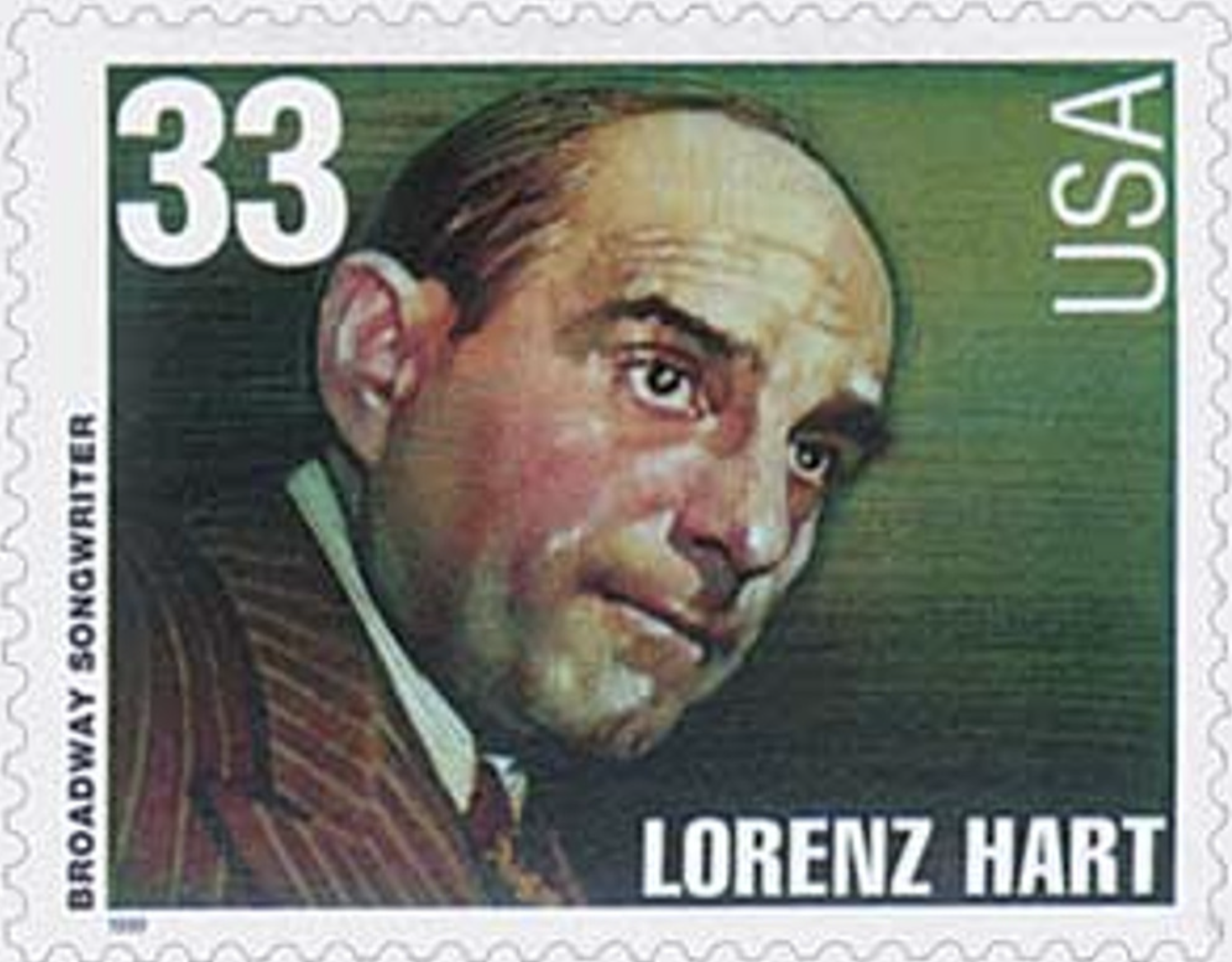
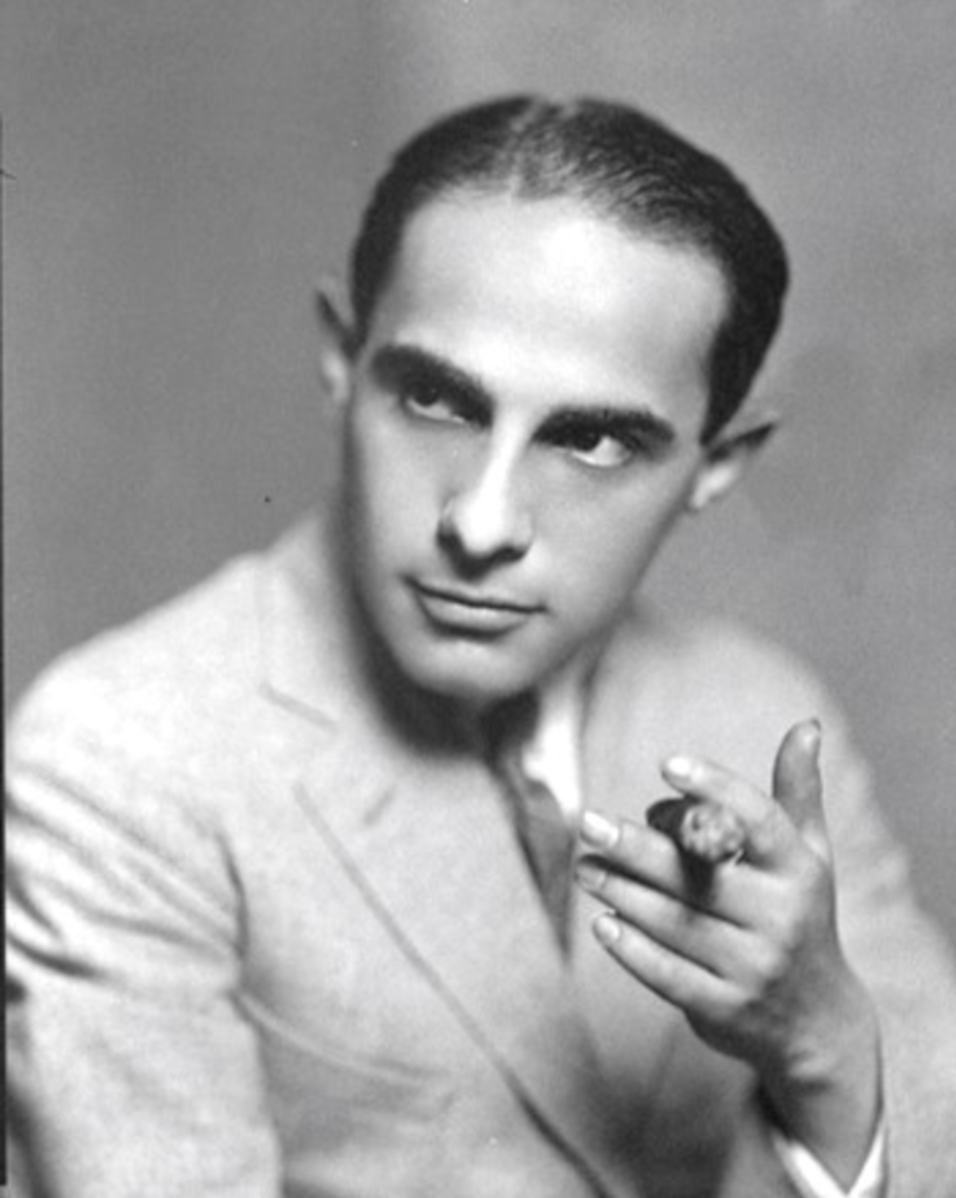
Today I am featuring a beautiful song with lyrics by Lorenz Hart and music by Richard Rodgers.
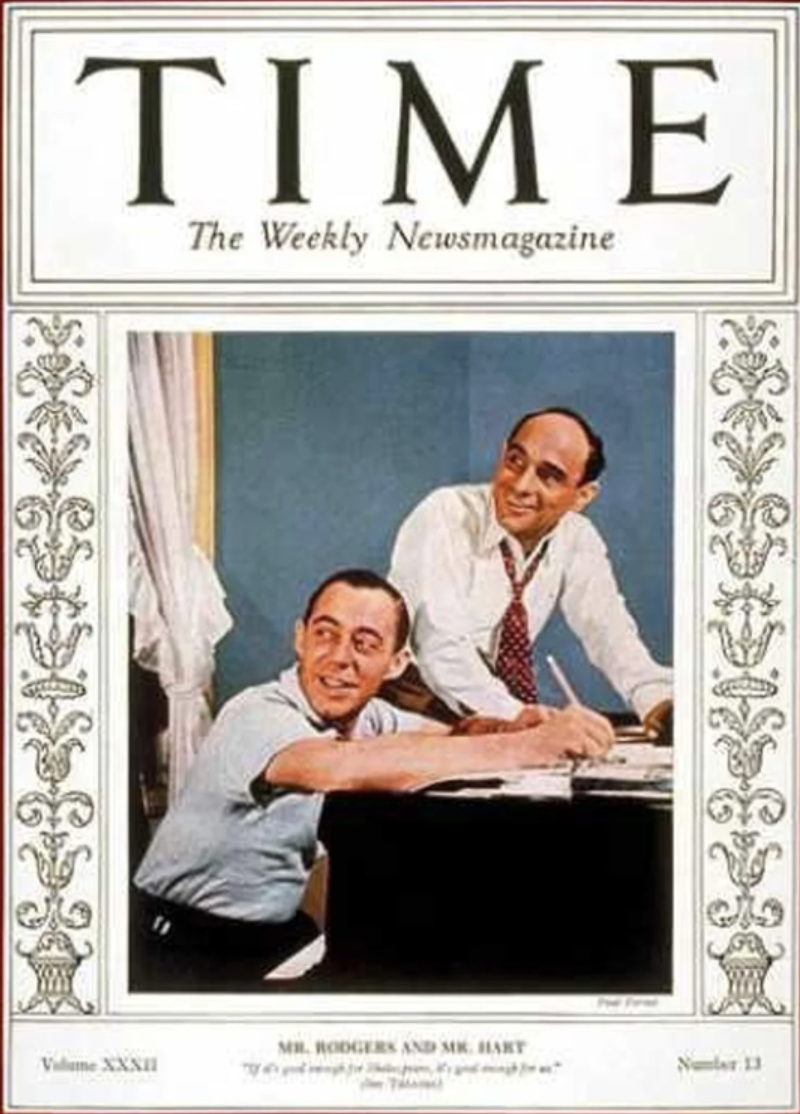
As this TIME Magazine cover attests, they were a very potent musical and cultural force in the early-middle 20th century.
And I am very happy that a recent movie — BLUE MOON (made by the wonderful director Richard Linklater and starring Ethan Hawke as Larry Hart) — has renewed interest in Hart’s life and musical legacy.
It turns out that BLUE MOON was a decade-long labor of love which was filmed on a beautifully re-created version of Sardi’s — a famous bar/restaurant in Manhattan’s theatre district.
And I once wrote a blog post about two of his and Rodgers’ hit songs — “You Took Advantage Of Me” and “I Could Write A Book” — which you can read by clicking here.
Not mentioned in the BLUE MOON movie is how devoted Hart was to his mother — with whom he lived his entire life.
Hart’s mother died around the same time that OKLAHOMA (the first musical his decades-long collaborator Rodgers created with another lyricist — their mutual friend Oscar Hammerstein II) opened on Broadway.
So he was grieving this huge familial loss simultaneously with the at-least-partial loss of his friendship AND professional relationship with Rodgers.
Deep breath in.
Deep breath out.
And I had forgotten (until I re-read my blog post from ten years ago) that Mr. Hart had also begun a collaboration about underground freedom fighters in France with a composer who had recently escaped from Nazi-occupied Europe.
So, as an American-born Jew whose parents had emigrated to NYC in the late 19th century from Germany, he also may have also been feeling a significant amount of grief, rage, despair, terror, and “there but for the grace of G-d” empathy for the millions of Jews still remaining in Europe.
And let’s not forget that American Nazis were holding huge rallies at places like Madison Square Garden during this time as well!
Yet another deep breath in.
And deep breath out.
I don’t know how much it was public knowledge that LGBTQ folks were being sent to Nazi death camps, but I am guessing that theater people — such as composer Kurt Weill, who had managed to escape from Berlin to Paris to Manhattan — had plenty of heart-breaking anecdotes to share about the fates of their previous artistic partners who happened to be LGBTQ and/or Jewish and/or Roma.
All of this was also not mentioned in BLUE MOON. although Mr. Hawke and Mr. Linklater and some of the other actors such as Andrew Scott apparently did a lot of research before they began filming the movie — so I am guessing that they had most/all of this information influencing the subtexts of their acting performances.
And another deep breath in.
And deep breath out.
There are certainly some powerful parallels with what was happening leading up to Larry’s death in 1943 and what is currently unfolding here in the USA.
One thing I wrote about in my blog post from ten years ago — and which BLUE MOON does explore — is the paradox of Larry Hart (a somewhat closeted gay man) falling in love with and proposing to women.
And the song “Falling In Love With Love” may illuminate some of Hart’s thoughts and feeling on this topic/phenomenon/tendency.
What do YOU think?
Thank you to Doug Hammer for his exquisite piano playing and comprehensive production skills.
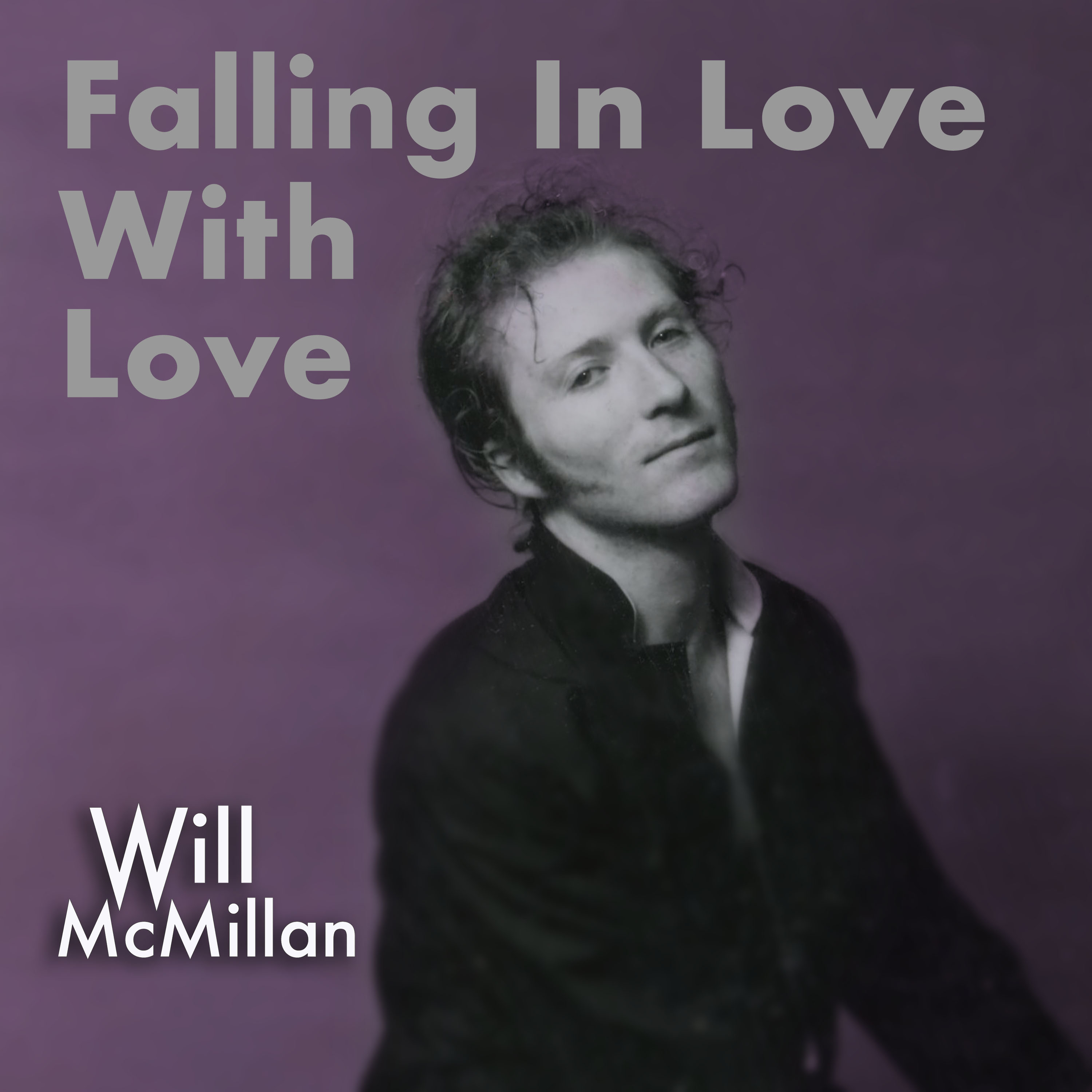
Thank you to John Childress (and his collaborator at the time named Laurel, I think…) for taking this photo many years ago when I still had plenty of hair.
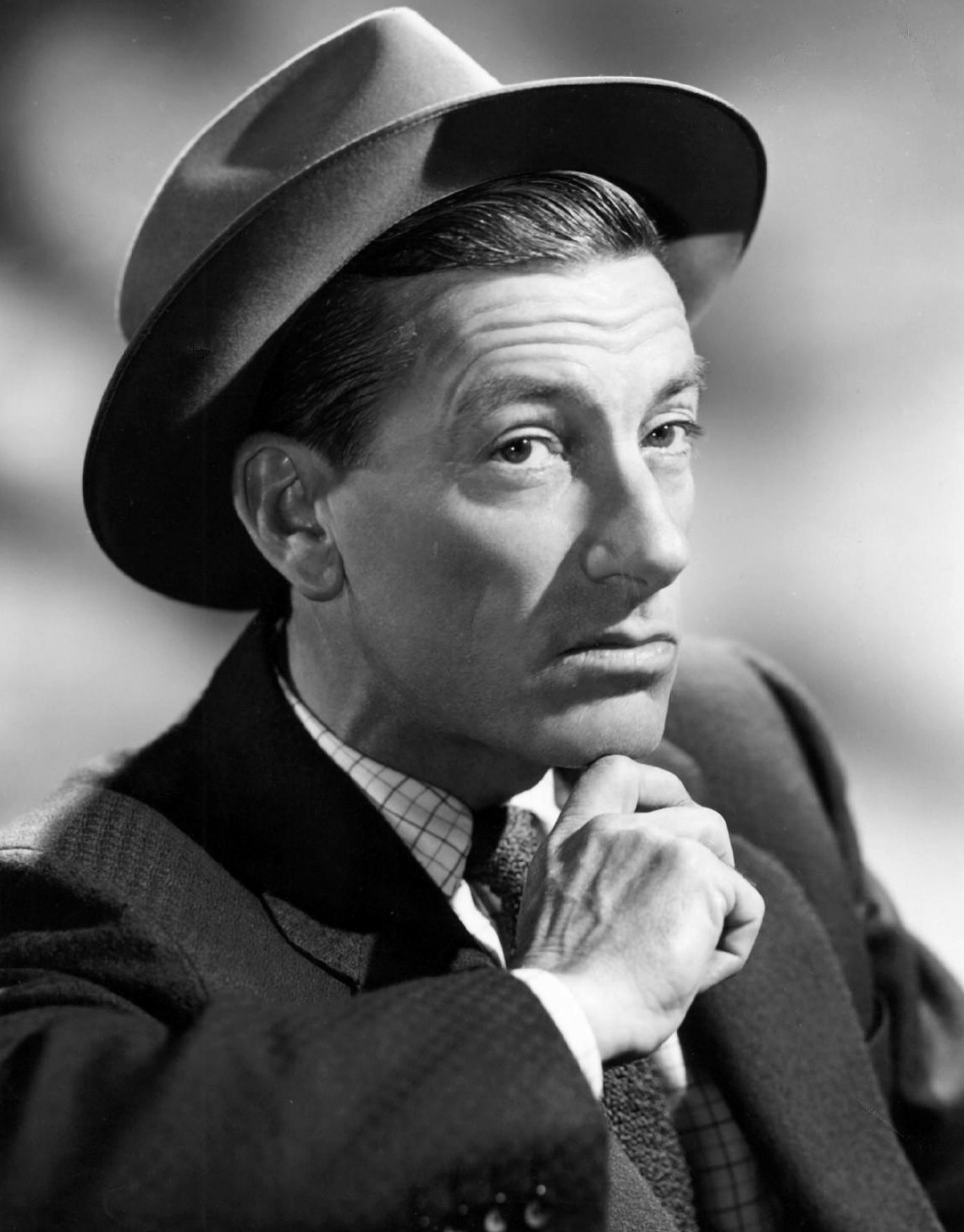
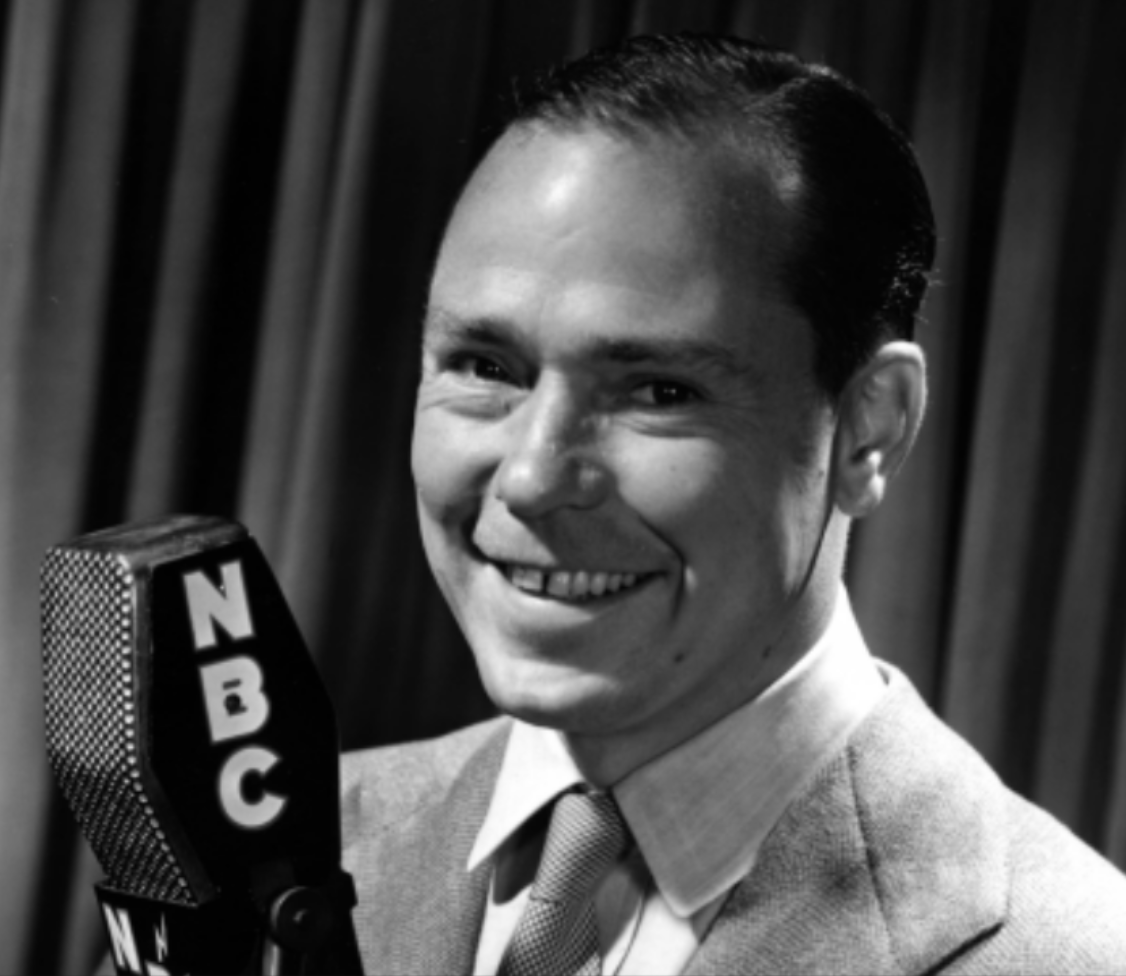
Hoagy Carmichael — NBC Television, Public domain, via Wikimedia Commons
This month’s song is a minor hit from what is sometimes called the Great American Songbook.
Composer Hoagy Carmichael and lyricist Johnny Mercer created it for a Broadway show — I WALK WITH MUSIC — which did not prove to be a success.
But it did give us this sweet song.
I discovered it when I was putting together an hour-long program of songs by Hoagy Carmichael — who also wrote the music for standards including “Georgia on My Mind,” “Stardust,” “The Nearness of You,” and “Skylark” (another song co-written with Johnny Mercer).
Pianist/producer Doug Hammer and I had a lot of fun recording it.
I learned that — later in his life — Hoagy appeared as a songwriter character on THE FLINTSTONES animated TV show and also participated in a TV special with Fred (Mr.) Rogers.
And I was reminded that Johnny Mercer was a bit of a Jekyll/Hyde personality — beloved during the daytime and then drunk at parties saying mean things during the night — after which he would send flowers and an apology the next morning.
Johnny Mercer (from the Johnny Mercer Foundation website)
In addition to being successful songwriters, Hoagy and Johnny were also successful performers.
Later in his life, Hoagy worked as an actor in movies and TV shows, while Johnny recorded many hit singles over the years — of his own songs and as well as songs written by other people.
Johnny also was one of three men who founded and ran Capitol Records very successfully for many years.
He was mentored early in his career by Yip Harburg (the lyricist who co-wrote “Brother, Can You Spare A Dime?” “Over The Rainbow,” “How Are Things In Glocca Morra?” and “It’s Only A Paper Moon” among many other hits).
And near the end of his own life Mercer became a fan of singer-songwriter Barry Manilow.
In fact one of my favorite Johnny Mercer songs — “When October Goes” — was created after Mr. Mercer died with music by Barry Manilow and unpublished lyrics given to Mr. Manilow by Mercer’s widow, Ginger.
Both Mercer and Carmichael kept writing songs even after rock-n-roll had significantly altered the landscape of popular music — which meant that their work was less and less in demand…
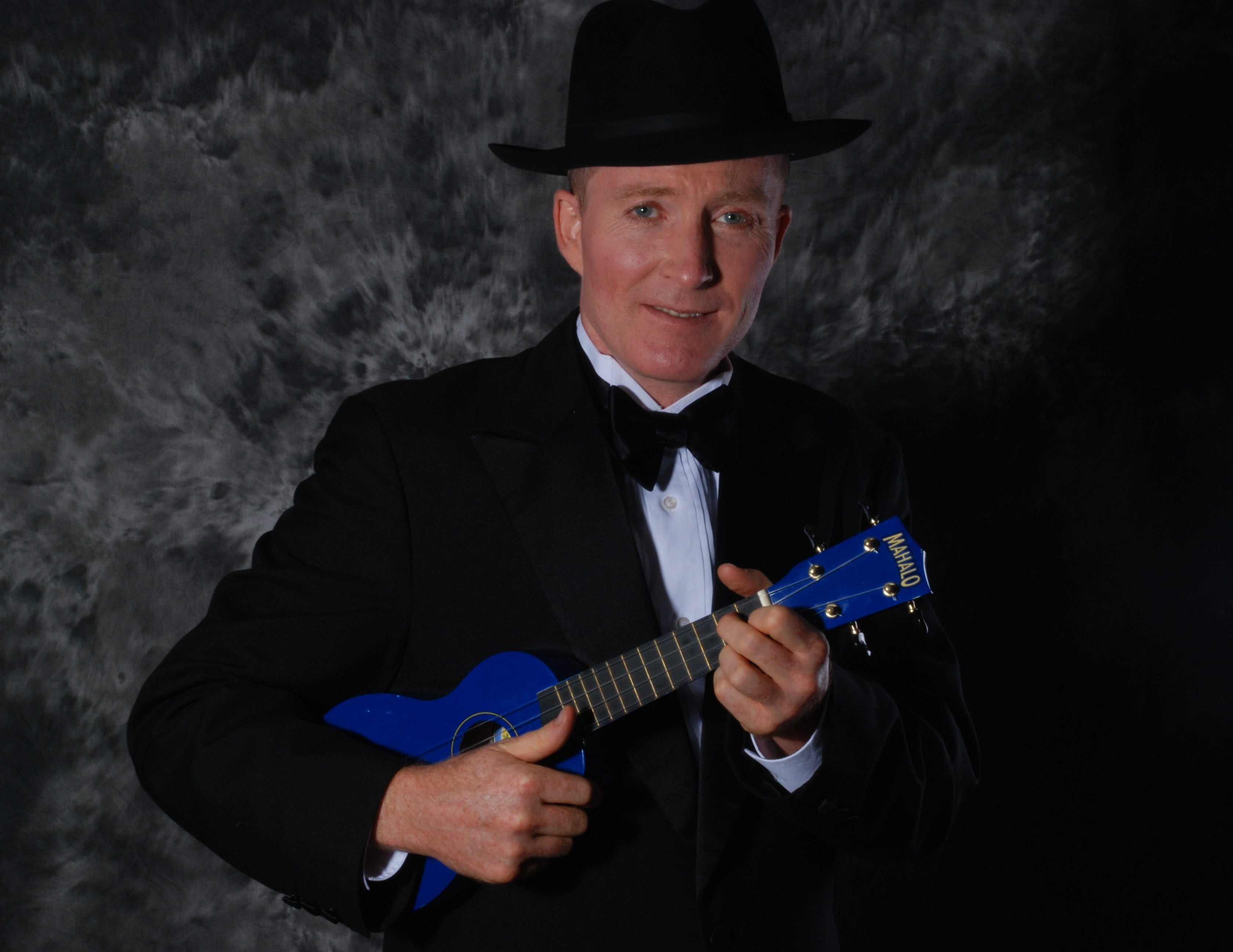
Me (photo by Stephen C. Fischer)
I take inspiration from their creative perseverance as well as from the rich legacy of hit songs they left for all of us to savor.
On a personal note, I have begun attending several open mics on a regular basis, sharing my original songs while accompanying myself on ukulele.
Performing like this has been a good workout for my brain because I now have to remember both lyrics AND chords.
It has also been interesting to see how other regular open mic attendees do (and don’t) welcome one into each musical micro-community.
The key, I think, is simply continuing to show up.
Gradually we reveal ourselves to each other through our song choices and through the things we say between songs (the open mics I attend allow a person to perform 2-3 songs per night).
And trust begins to form…
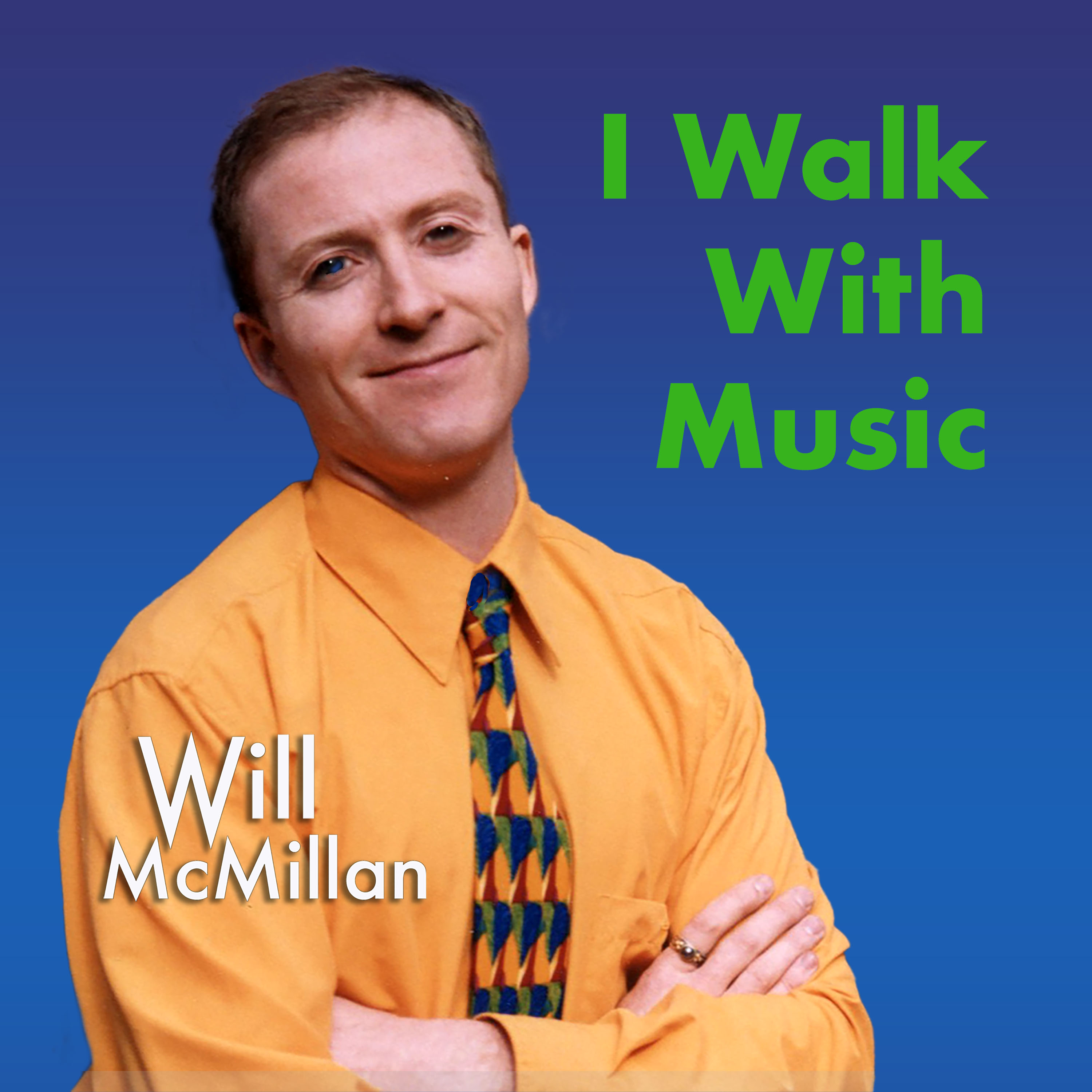
Graphic Design by Stephen C. Fischer
And curiosity begins to arise…
Deep breath in.
Deep breath out.
All of the venues are also registered with ASCAP, the performing rights organization I joined several years ago.
So after each open mic, I log onto my ASCAP account and enter which of my original songs I performed.
In theory this is supposed to generate a tiny stream of income for me, but I haven’t seen anything yet…
One final thing I have been appreciating about attending open mics is that they give me a chance to fine-tune the lyrics of songs I haven’t yet recorded (but plan to record with Doug Hammer later this year).
If we scratch the surface of almost any cultural artifact — in this case a song written in the late 1920s by Irving Berlin — it is very likely that we will discover layers of herstory/history which have been buried, misplaced, overlooked or otherwise airbrushed out of the picture.
Wikipedia informs me that Irving Berlin wrote his original version of this song in May 1927, and it was first included in a 1930 movie — when “talkies” were an exciting new technology.
“The title derives from an (African-American) slang expression ‘to put on the Ritz’ — meaning to dress very fashionably — (which) was inspired by the opulent Ritz Hotel in London.”
And Mr. Berlin’s first set of lyrics do indeed describe very well-dressed African-Americans strolling on Lenox Avenue in Harlem…
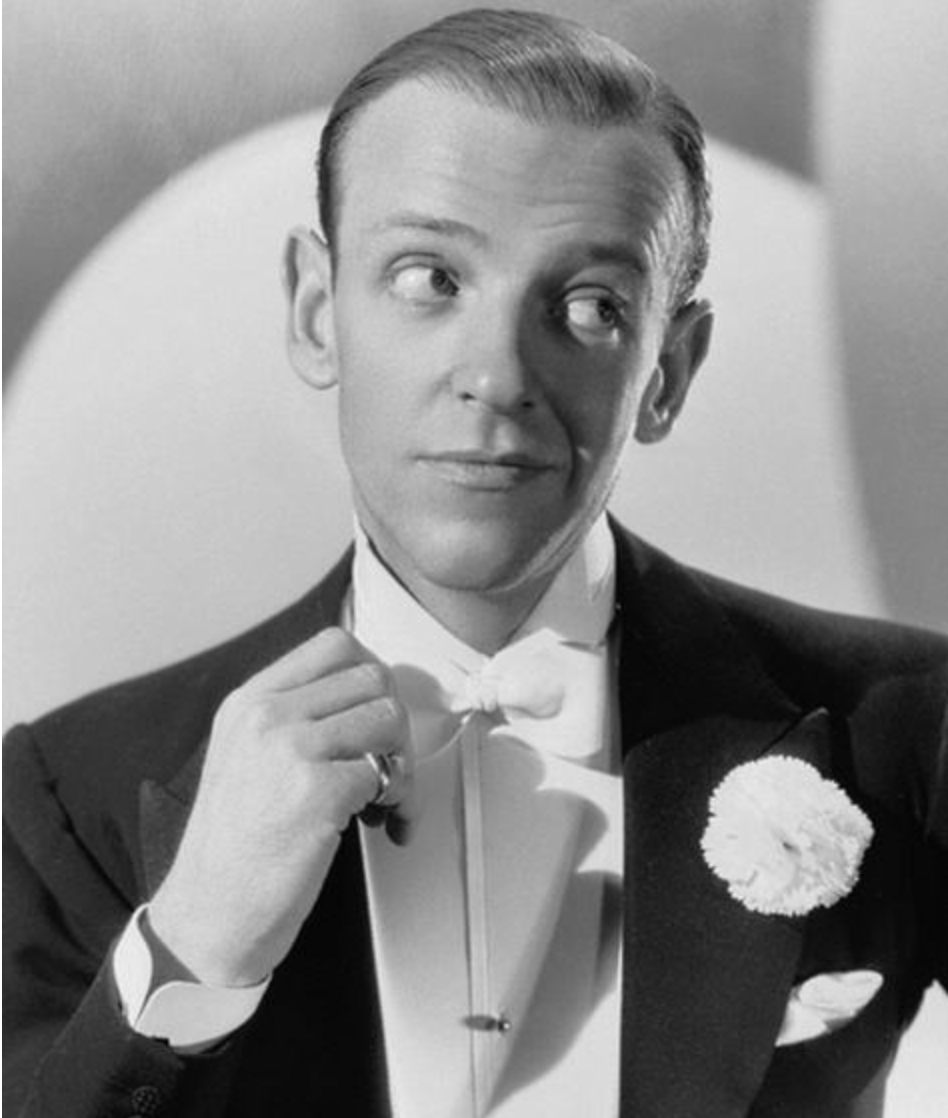
Fred Astaire (Wikimedia Commons)
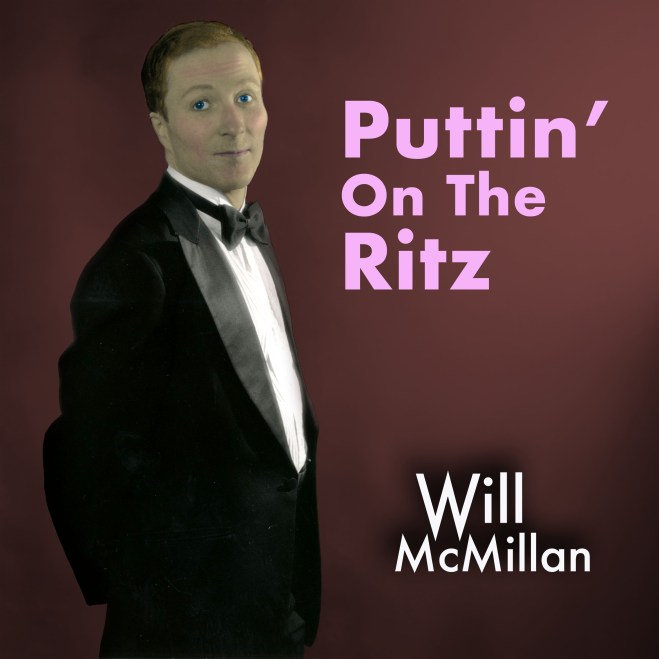
However, when Fred Astaire performed “Puttin’ On The Ritz” in the 1946 movie BLUE SKIES, Mr. Berlin re-wrote the lyrics to become the version which I recorded with Doug Hammer playing his Schimmel grand piano.
“Lenox Avenue” became “Fifth Avenue,” and “Spangled gowns upon the bevy/Of high browns from down the levy — all misfits” become “Different types who wear a day coat/Pants with stripes and cutaway coat — perfect fits.”
This appears to be yet another example of how African-American culture inspires — and then gets appropriated and re-purposed to earn money for non-African-Americans.
Deep breath in.
Deep breath out.
And here I go, continuing this sad cultural practice, by recording my own version with Doug!
We did this when I was creating an hour-long program of songs written for — or made famous by — Fred Astaire.
This version is the second or third take Doug and I recorded — and it’s a great example of how spontaneous and playful our creative process can be when we are both “in the zone” together.
Although there are a few more winter holiday favorites written by Jewish songwriters which I would like to record with Doug, we never got around to doing that in 2025… so I have released “Puttin’ On The Ritz” in December as a nod to upcoming New Year’s Eve festivities…
If you’d like to stream it via Pandora, Apple Music, YouTube, etc, you can click here.
Partly this is because I do not like the shorter days.
And partly this is because I do not like being reminded that everything dies in the end.
I do however like being reminded of how amazing mother nature is — creating a system of fully recyclable and compostable solar collectors in the form of LEAVES!
I wrote the first version of “Under My Umbrella” while camping in North Truro on Cape Cod.
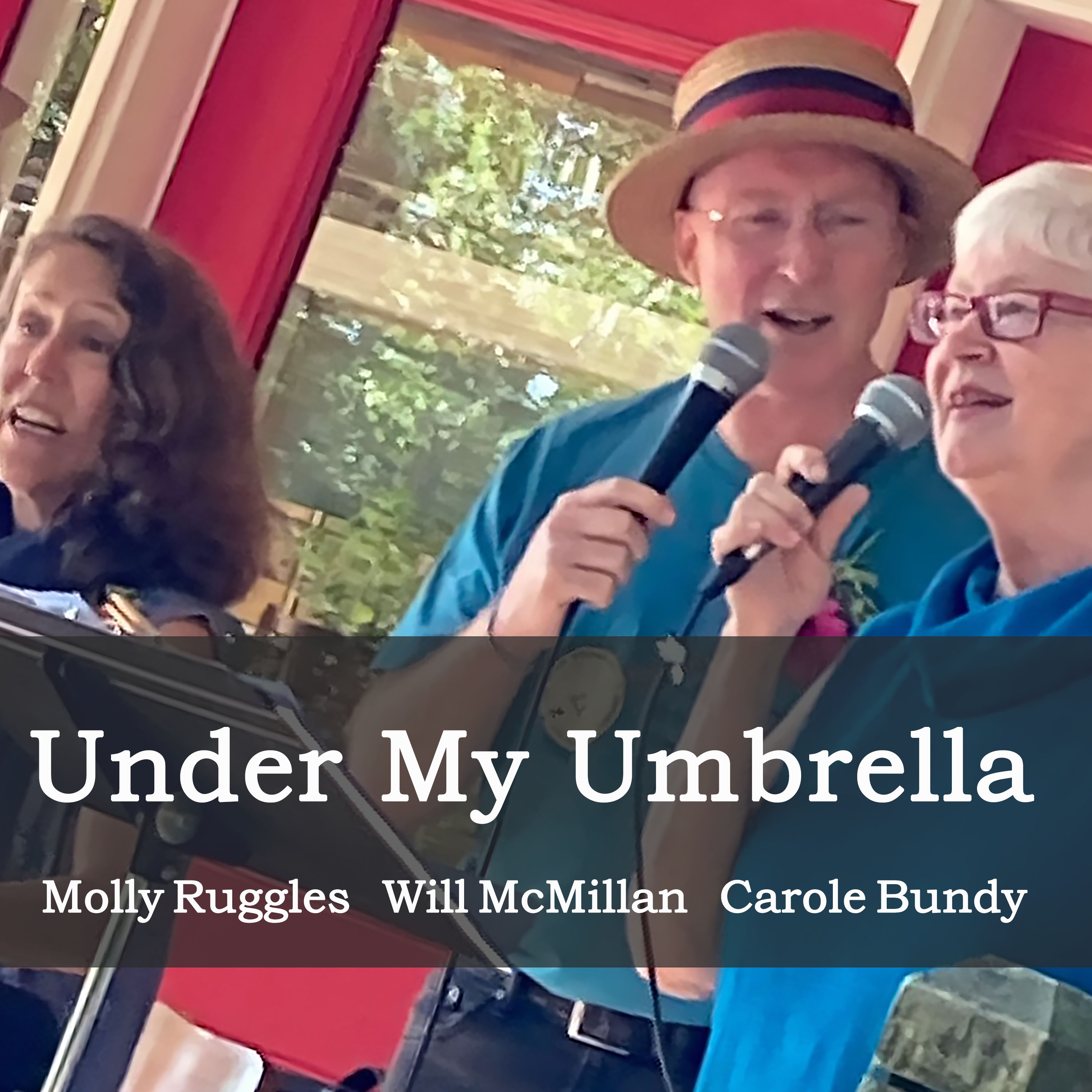
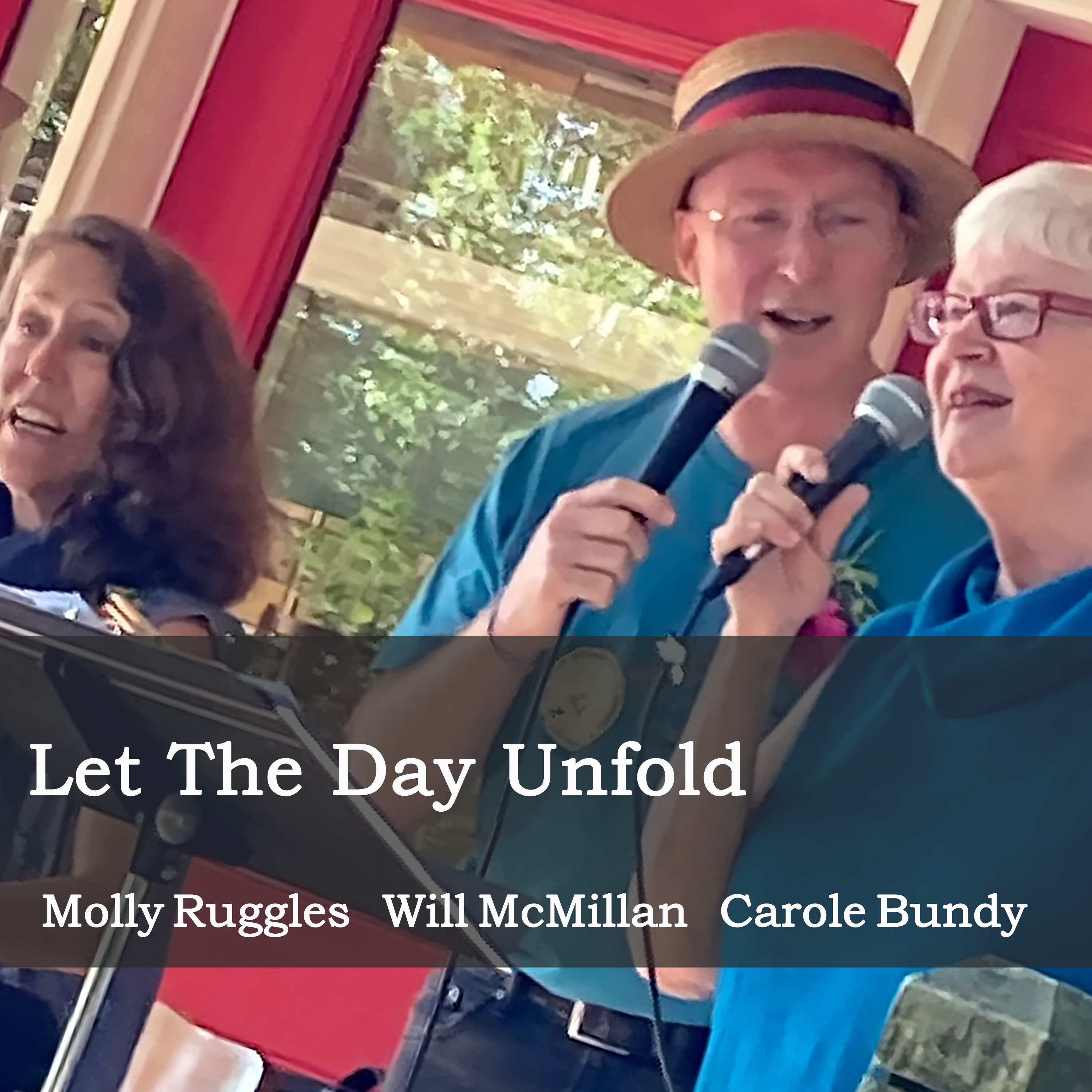
Then my friend Molly Ruggles wrote a new bridge section — which is the version she and I and our friend Carole Bundy recorded (in the player above).
You can click here to read — or re-read depending upon how long you’ve been following my blog — a short post from 9/10/24 which features the earlier (pre-Molly) version of this song.
And here is a link to the Molly, Will & Carole version in case you might be willing to play/like/share it on your favorite music streaming platform.
We recorded it with me, Carole and Molly singing plus Molly playing Doug Hammer’s Schimmel grand piano in his studio north of Boston, MA.
Thank you to Doug for his excellent engineering and music production skills.
Thank you to Molly for writing a new bridge and also a bunch of lovely harmonies for all of us to sing.
Photo by Rada Ruggles
Thank you to Molly for playing piano AND for designing our graphics.
Thank you to the gifted and generous photographers at Pixabay.
And thank YOU for reading and listening to another of my blog posts!
I remain very grateful for our wonderful WordPress community.
This summer and fall I’ve been riding the train (actually the train + bus due to ongoing track repairs in Massachusetts to fix a sinkhole situation) a lot from Boston to Ithaca, NY — where a bunch of my family members (sisters, niece, grandniece, nephews, mother, and cousins galore) live.
This has given me plenty of time to gaze at passing scenery, and I have seen some extraordinary cloud formations.
At dusk they are often illuminated by the last rays of sun coming over the horizon, which makes them even more magical.
I love that “Both Sides Now” leaves the listener with no concrete answers.
Ms. Mitchell writes, “I really don’t know clouds (or love… or life…) at all.”
And I also love Ms. Mitchell’s description of falling in love — “Moons and Junes and Ferris wheels — the dizzy dancing way you feel — when every fairy tale comes real — I’ve looked at love that way.”
It immediately reminds me of my own history with that feeling — and how intoxicating and exhilarating it was…
One of my favorite bloggers is Dan Kennedy, who has worked at many different media organizations in the Boston area and is now a professor at Northeastern University.
He writes about what is happening in — and to — the media here in the USA.
My boss Diane Wortis and I created (and then produced annually for five years) a day-long conference called “Arts & The Media” which allowed us to call everyone who had anything to do with arts coverage in the Greater Boston area and invite them to participate on a panel.
This included folks from our big papers (including The Boston Globe, The Boston Herald, and The Boston Phoenix) — to folks at radio and TV stations, to folks who worked for smaller local papers and magazines.
Our conferences started happening as Mitt Romney’s private investment company Bain Capital was buying up a bunch of local daily and weekly newspapers in the greater Boston area and consolidating them into one company — which meant that the staff at all of these formerly independent papers was being slashed and lots of generic (non-town-specific) content was starting to be written which could be printed in many different papers within this new chain.
I bore witness firsthand to the degradation of media coverage as a result of large-scale, corporate consolidation.
And twenty five years later, that trend of media consolidation has only worsened.
All of this is to explain why I write near the end of this song — “May our press remain vital, always truth pursuing…”
Reading our local papers and nurturing relationships (via hundreds of hand-written thank you cards) with local arts writers and arts editors for over a decade helped me to understand how crucial the Fourth Estate is to a functioning democracy with healthy checks and balances.
Dan writes in his blog about what is going poorly (media consolidation continues, ad revenues drop…) and also where there are glimmers of hope via new models of local journalism.
And sometimes he weighs in on journalistic best practices.
He steered me to a speech Marty Baron gave at Brandeis University a few years ago which touched upon the fascinating topic of objectivity.
Mr. Baron used to be the editor of The Boston Globe and then became the editor of The Washington Post.
Here’s the heart of what Marty had to say:
“Objectivity is not neutrality.
It is not on-the-one-hand, on-the-other-hand journalism.
It is not false balance or both-sidesism.
It is not giving equal weight to opposing arguments when the evidence points overwhelmingly in one direction.
It does not suggest that we as journalists should engage in meticulous, thorough research only to surrender to cowardice by failing to report the facts we’ve worked so hard to discover…
The idea is to be open-minded when we begin our research and to do that work as conscientiously as possible.
It demands a willingness to listen, an eagerness to learn — and an awareness that there is much for us to know.
We don’t start with the answers.
We go seeking them, first with the already formidable challenge of asking the right questions and finally with the arduous task of verification.”
Deep breath in.
Deep breath out.
Graphic by Stephen C. Fischer
May our media in the USA stop kowtowing and collapsing… and realize that they are just as vulnerable as the rest of us to arrests in the middle of the night, arrests while we are walking from campus to our apartment, arrests while we are in a courthouse following all the rules about how to become a US citizen, arrests while we are picking vegetables, arrests while we are doing our laundry in the middle of the night.
If you might be kind enough to stream it —and maybe even “like” it and add it to one of your playlists if you are so moved — that would be very helpful to feed positive data into the various algorithms which decide whose music gets played and how often…
My dad used to sing this song to me and my siblings at bedtime.
It’s another one co-written by Dorothy Fields with composer Jimmy McHugh.
This song recently entered the public domain, which means that we — Molly Ruggles, Carole Bundy and I — can now release our own version of this beloved standard.
Molly is a pianist, singer, songwriter and arranger who worked at Harvard and MIT for many years.
She kept her love for music alive during that period of her life by writing songs (including a complete musical) and working as the music director at a UU church.
During the past few years, I have discovered that Molly has a fascinating musical gift.
She likes to write entirely new sections for pre-existing songs!
Some people write new lyrics for songs, and she has been known to do that as well.
But I have never met anyone who can write an entirely new section which matches the musical style (melody, chords AND lyrics) of the original song in such a seamless way.
If you listen to our recording (in the player above and or via a music streaming service), the entirely new part written by Molly begins “I gotta tell you, I wish that I had a big bank account” and ends with “and I have one simple goal — giving my love to you!”
She also wrote a new section for Cole Porter’s song “Let’s Do It” (which recently entered the public domain) and for a few others which are not yet in the public domain.
We perform those songs live but cannot release a recording of them (which would include Molly’s new section) without getting permission from the people who wrote them and/or their descendants and/or the music publishing companies which own them.
Going forward, I am hoping that Molly focuses her creativity on songs which are already in the public domain — of which there are MANY from the early years of what is now called “the Great American Songbook.”
Dorothy Fields was an extremely successful lyricist and librettist in a very male-dominated entertainment industry.
She was friends with — and sometimes collaborated with — all of the songwriters in the Golden Era of Popular Song including Richard Rodgers, Larry Hart, Oscar Hammerstein, Jerome Kern, Cole Porter, Irving Berlin, and the list (of male songwriters) goes on and on…
She had hits from the 1920s to the 1970s — and did not get discouraged (as many of her male colleagues did) when rock-n-roll began to displace her songs from the hit parade.
Instead she started working with a much younger composer, Cy Coleman, and had one of her biggest hits — the musical Sweet Charity — when she was 62 years old.
I, as a late-blooming songwriter, find her to be very inspirational.
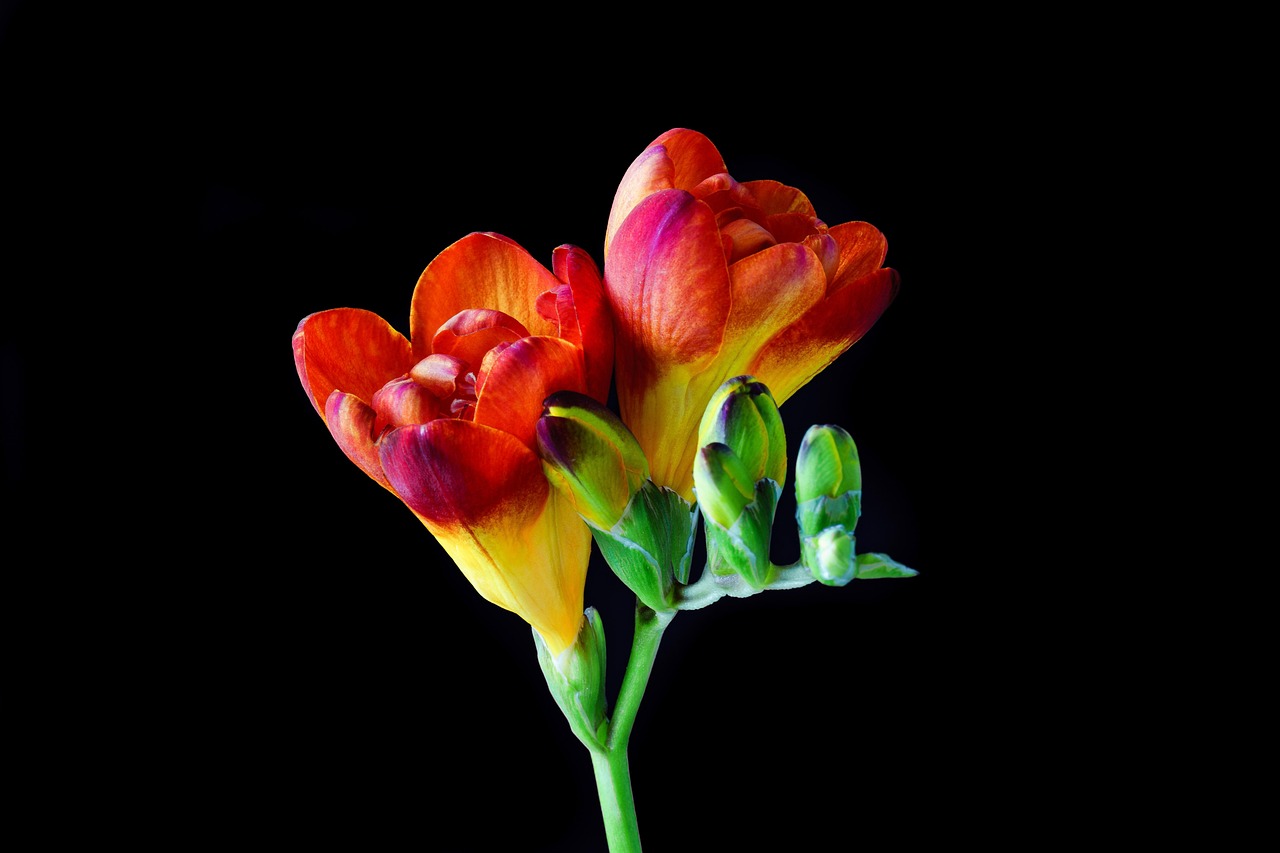
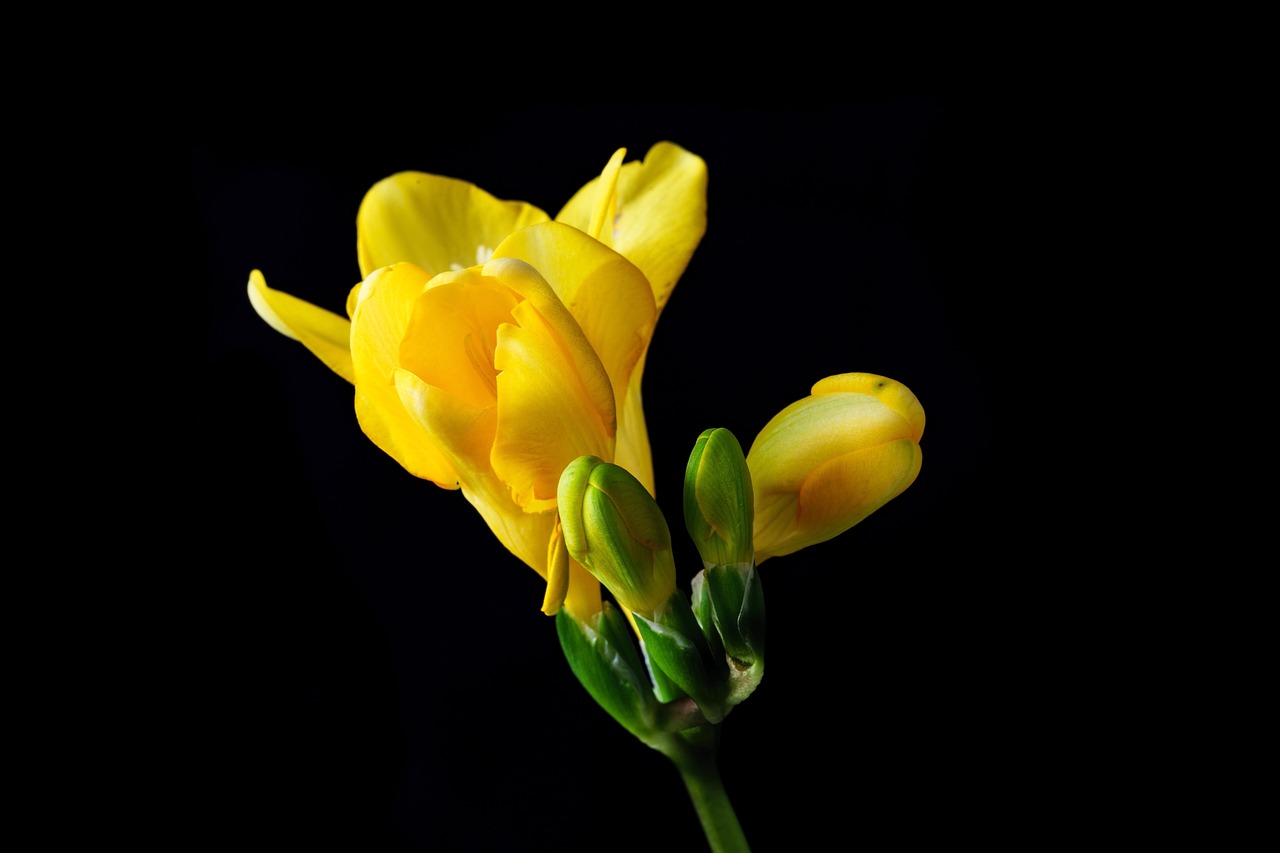
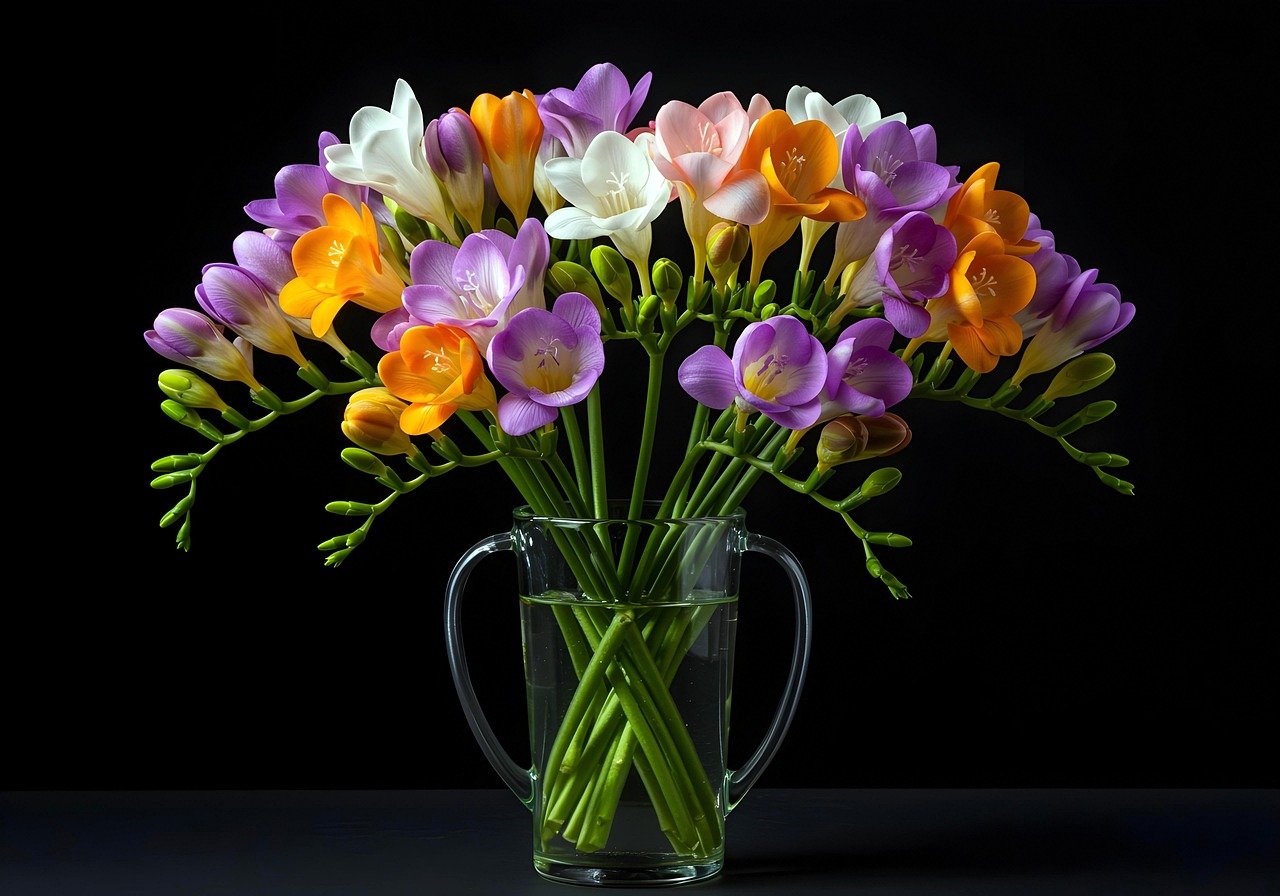
I have chosen freesia for this post because I imagine she would have enjoyed their delicious fragrance ‚ and because they always seem very elegant to me.
According to her biographers, she was always very well-dressed (one grandparent was a tailor…) with separate closets for hats, shoes, active wear, evening wear, etc.
I first attempted to release this song several years ago, but complications at CD Baby — the company I use to distribute recordings to digital streaming platforms — led me to cancel that initial piano/vocal rendition.
Fast forward three years, and I am releasing a new version — this time recorded with my friends Molly Ruggles (playing piano and singing) and Carole Bundy (singing).
Molly also crafted our harmonies.
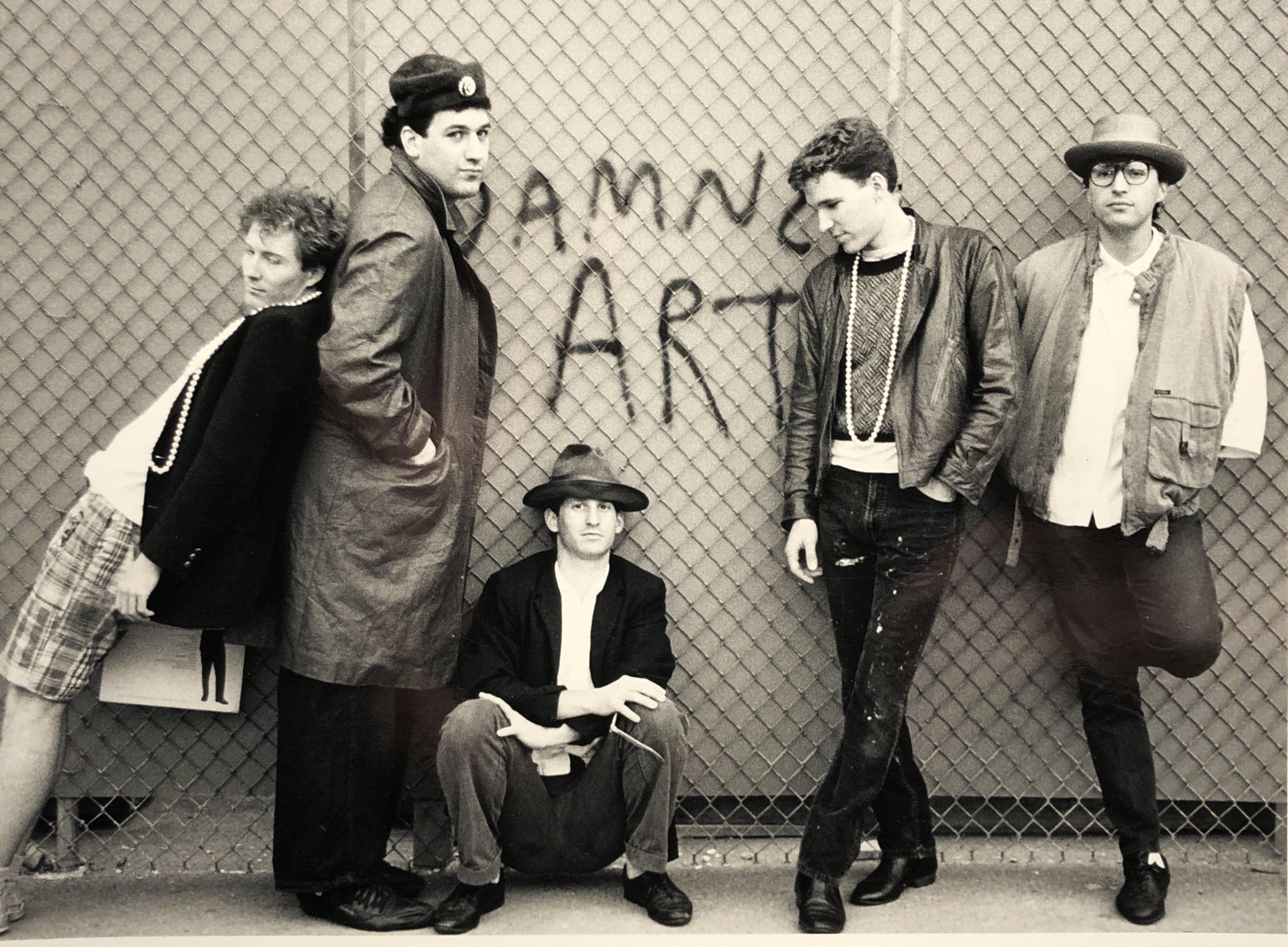
I co-write this song with two former bandmates, Scott Kowalik and Javier Pico, with whom I was in a pop-rock band a long time ago.
Here is a photo of us way back when…
Photo by Kymbob
Scott and Javier are on the right side, and I am leaning on Alan.
Robert sits in the middle.
That is when I still had a fair amount of hair.
I think Scott’s girlfriend at the time snapped this photo near the Museum of Fine Arts in Boston.
I am saddened to realize that some of the lyrics in this song (“and so we set off to fight another war…”) areeven more compelling today than when Scott (mostly the chorus) and I (mostly the verses) wrote them.
G-d only knows what will continue to unfold in the Middle East… and Ukraine… and so many other active human war zones…
I do not want my blog posts to be too discouraging, overwhelming or unhappy.
There’s already plenty of that energy in circulation here on planet earth!
That’s partly why I started sharing shorter, flower-filled Thursday Throwback blog posts this year.
And “Let The Day Unfold” offers a bit of hope and maybe even a smidge of wisdom.
I DO feel that many of us are caught in a losing battle — armored “with the righteous power of the either/or” — about all sorts of very important topics.
For example, I can easily find myself hunkering down in a judgemental, self-righteous, bike-riding, public transportation-using stance regarding our over-consumption of fossil fuels (leading to the increasingly erratic and dangerous weather here on planet earth).
But life is always — or almost always — more complicated and nuanced than a purely either/or position.
That’s why I love the yin/yang symbol — it so beautifully illustrates the concept of “both/and.”
And it reminds me that compromise is not necessarily a horrible option.
Thank you to the generous photographers and graphic designers at Pixabay.
Thank you to Javier and Scott and Molly and Carole and Doug Hammer(who recorded us and then patiently helped to mix and master this new version of “Let the Day Unfold.”)
And thank YOU for reading and listening to yet another one of my blog posts and songs!