I just opened up WordPress and was happy to find a post about gratitude from The Snail of Happiness in my daily feed.
There are a seemingly-ever-increasing number of energies and actions on planet earth that we can be aware of — due in large part to the magic of electricity and our wide-ranging embrace of modern media — yet which we can do very little to influence directly.
And I am easily overwhelmed by this onslaught of information.
However, we CAN re-align our own energy/perspective by doing something as simple as writing down three things for which we are grateful.
And then — from a more grateful, grounded emotional space — we can send a card to an elected official, give a little money to a compelling cause, or volunteer our time at a local non-profit.
Or make some art.
Or write a song.
Or simply sit and breath.
Today I am grateful that a friend’s husband is alive in New Orleans.
I don’t see this friend very often (our paths used to cross because of work) and have never met his husband.
I learned about his husband’s recent assault and robbery — while he was attending the Unitarian-Universalist annual general assembly being held at the end of June in New Orleans! — when I checked my Facebook page.
Apparently it is all over the Boston and New Orleans news — since our media have (sadly) functioned for decades with a mindset of “if it bleeds, it leads…”
But I have been out of town and away from the local news.
So today I am grateful that my friend’s husband is finally out of the hospital in New Orleans and back at home in Boston.
And I am grateful that the other person who was (less severely) attacked is also recovering well.
And that two of the four young men who perpetrated this crime (some of whom had been staying at a Covenant House shelter for homeless/troubled youth) have turned themselves in.
I hope they — as well as the two people whom they attacked and robbed — are being treated with compassion and respect by the judicial system so that some unexpected healing might take place as a result of this sad and brutal event.
And I am grateful for the basics: health and patience and delicious food — more and more of it organic — and a roof over my head.
I am grateful for people who visit my blog even though I haven’t posted anything new for four months.
I am grateful for progress (sometimes very sloooow) and persistence (sometimes almost imperceptible) on larger tasks such as letting go of un-needed possessions, processing complicated emotional situations, and crafting a CD of original songs.
Which leads me to the song at the beginning of this post.
I wrote it last summer while I was camping with family in heaven a.k.a. North Truro, MA.
Some of the words came from a little piece of paper I picked up after one of my cousins was married a few summers ago on a hill overlooking Cayuga Lake in upstate New York.
The little piece of paper turned out to be a crib sheet that the mother of the bride had used when she spoke during the ceremony.
I expanded her words a bit, consulted my trusty ukulele to find chords and a melody, and eventually brought it to pianist Doug Hammer’s studio on the North Shore of Boston to record.
Thank you to anyone and everyone who reads this blog post.
I am grateful for your interest.
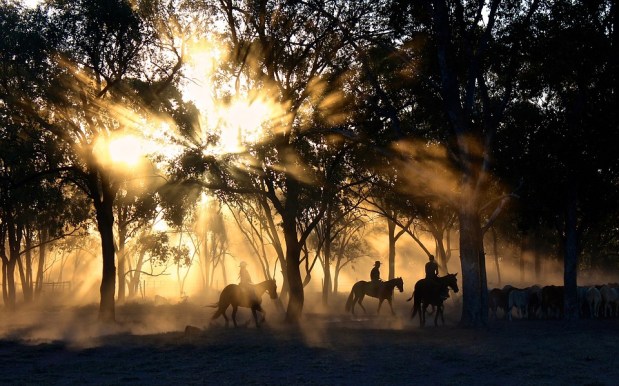
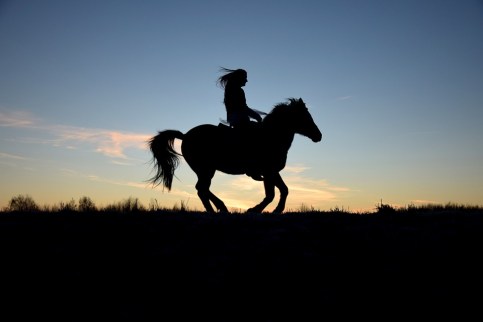
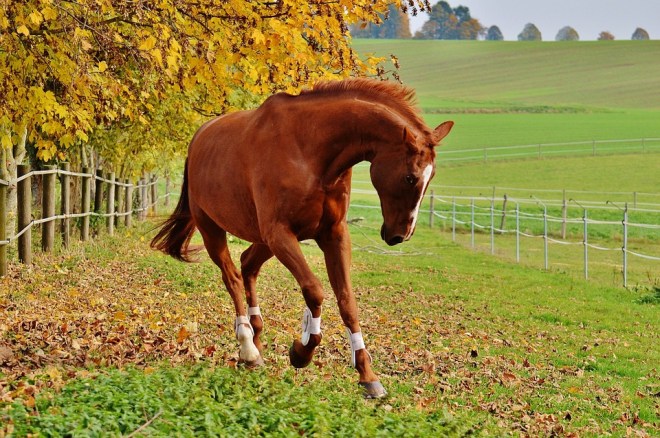
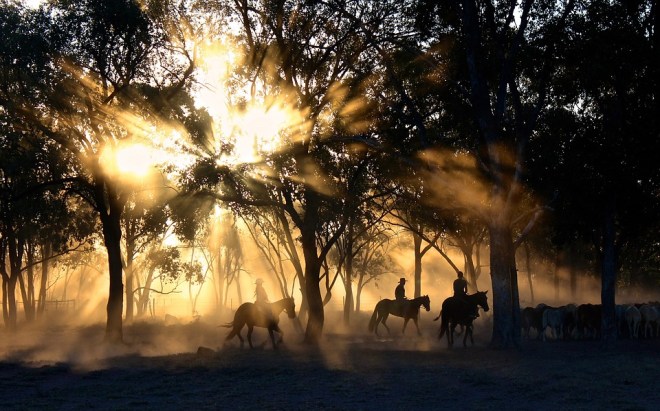
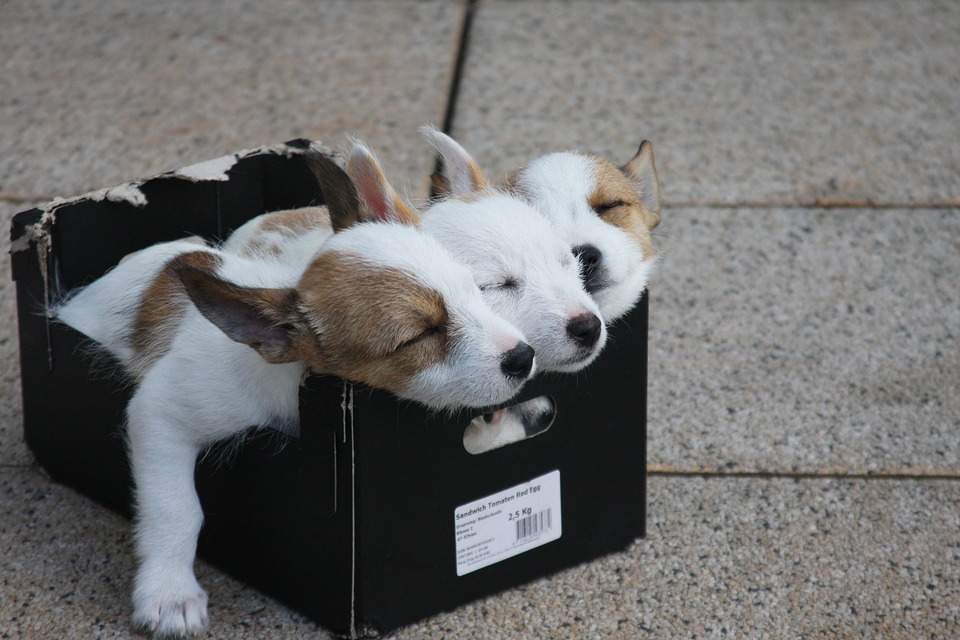
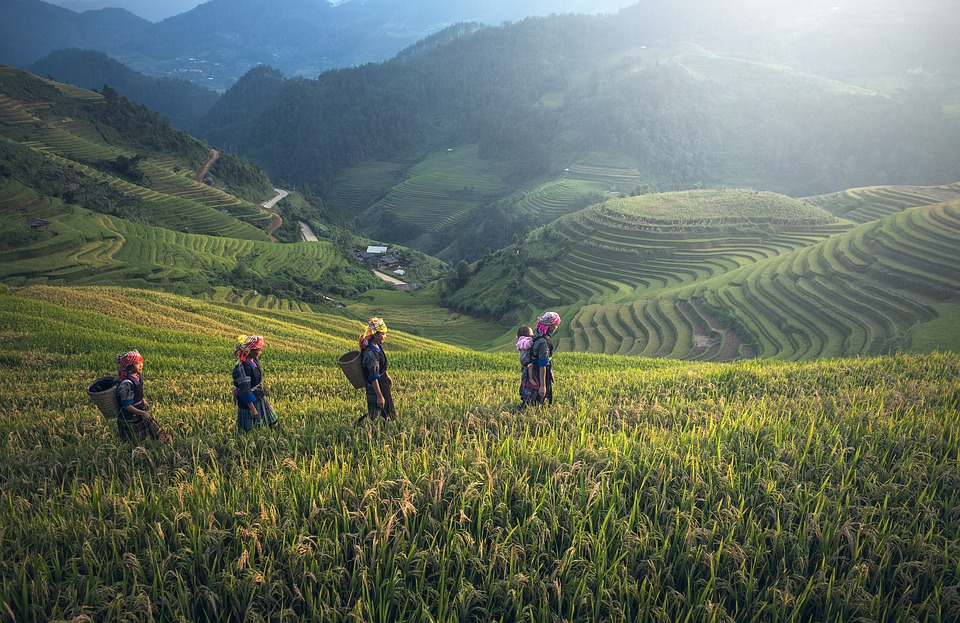
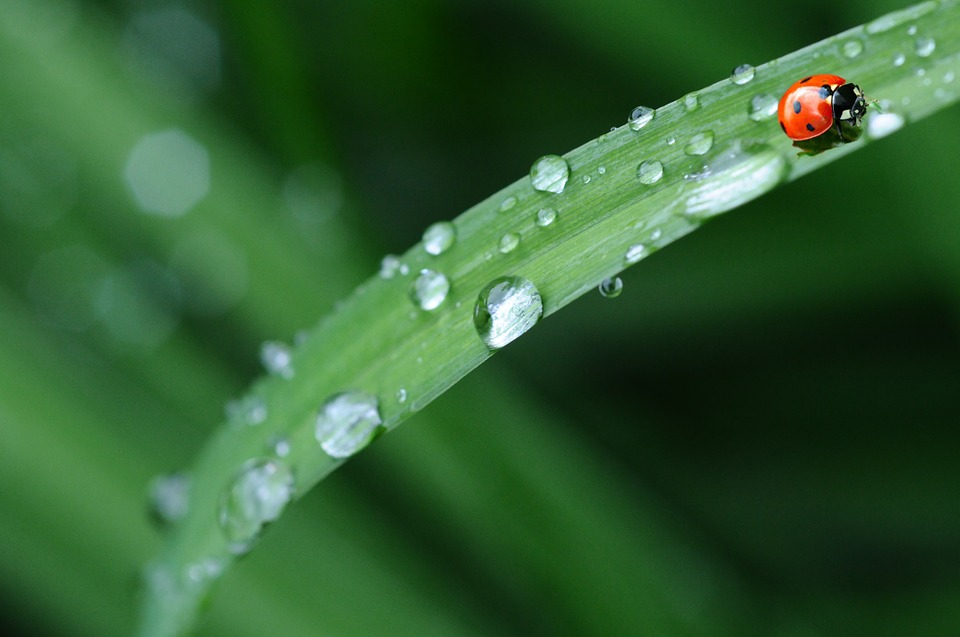
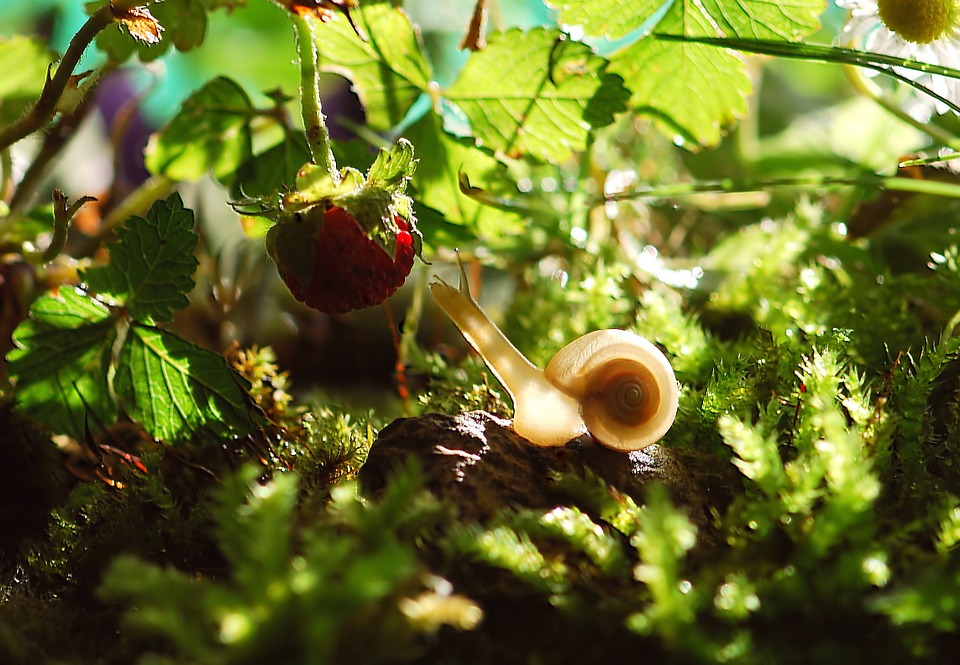
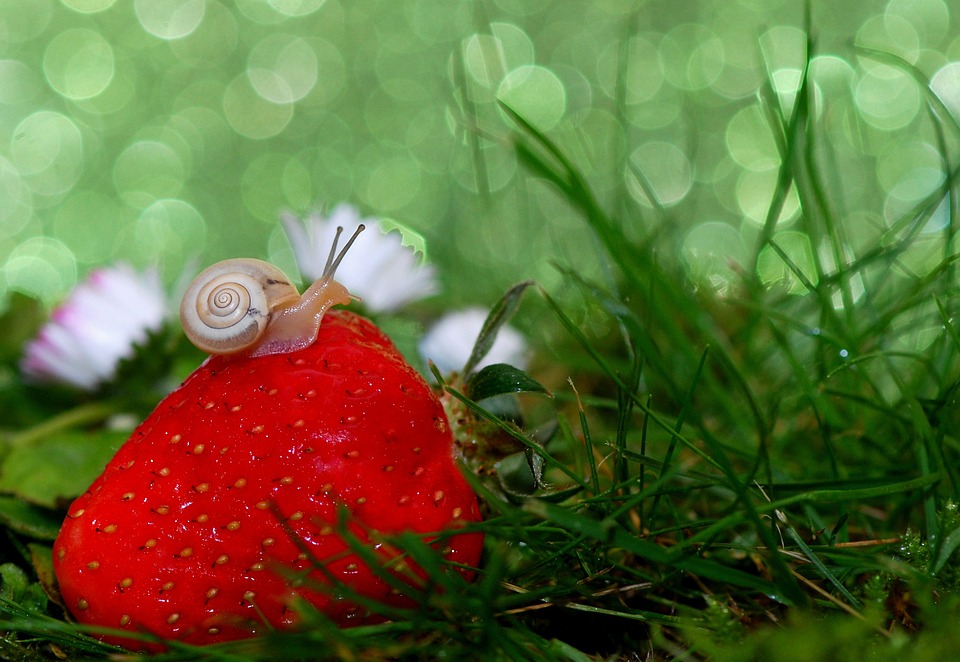
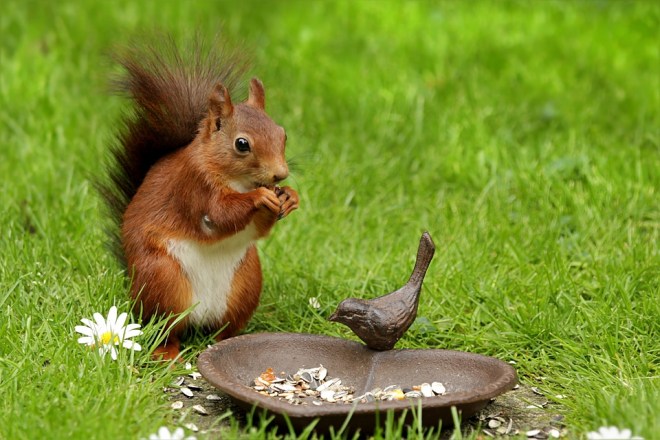
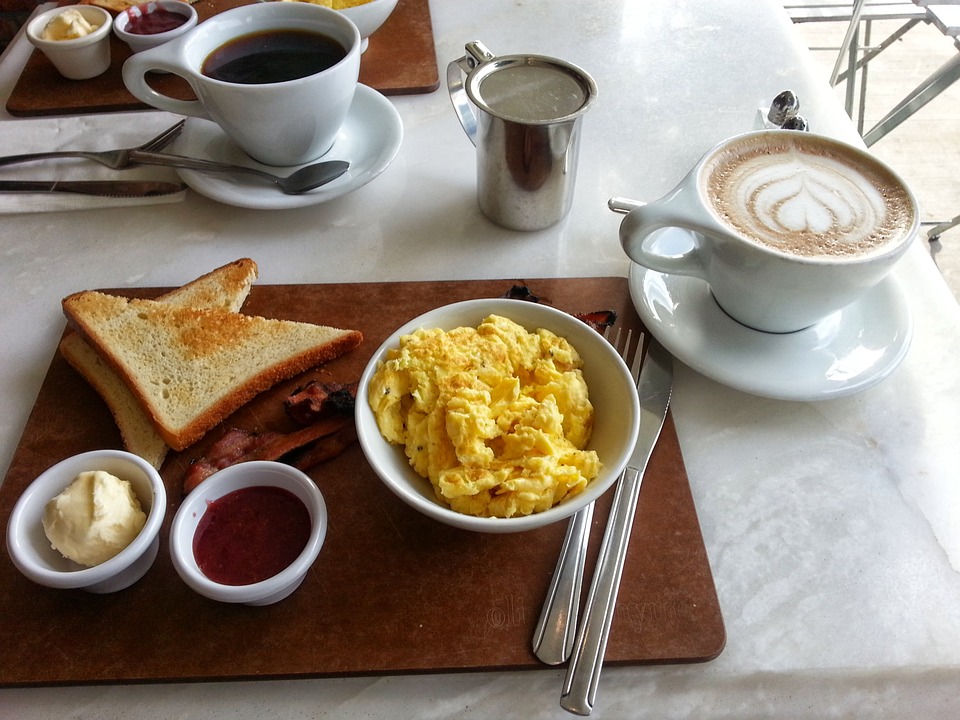
I am also grateful for the beautiful images from Pixabay that I have used in this post.
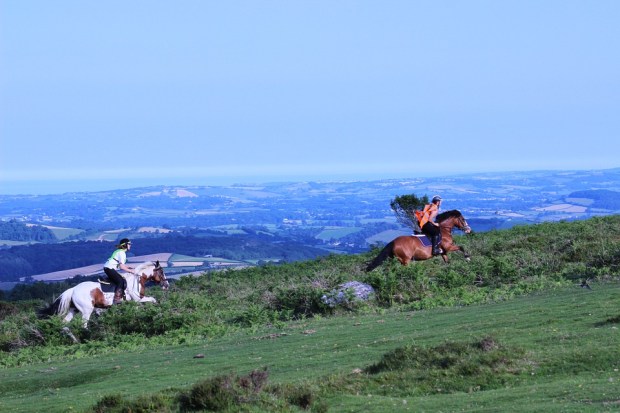
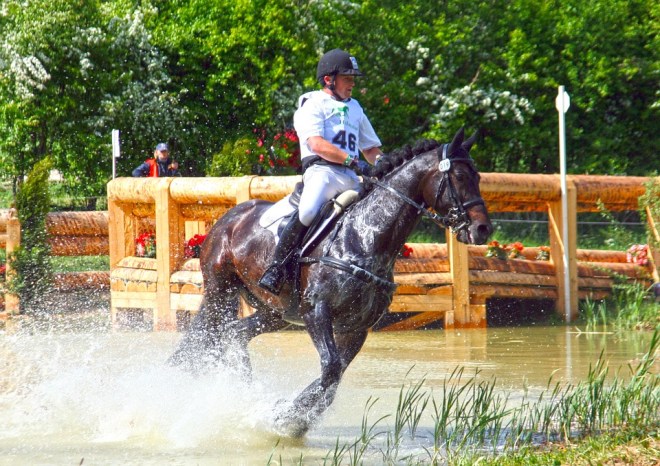
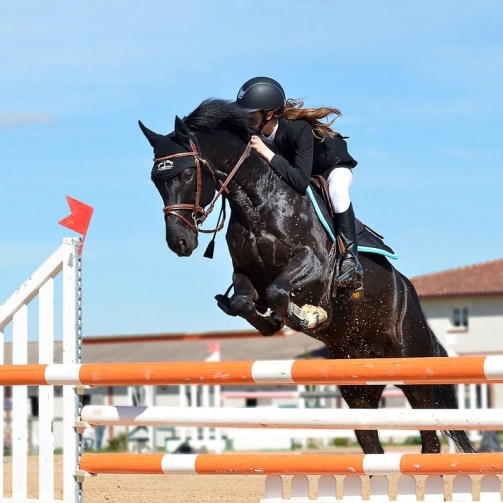
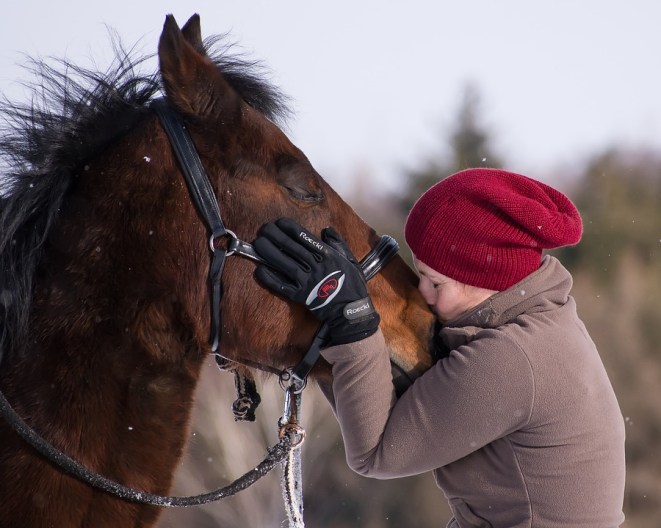
My cousin who got married loves horses and is an excellent — and very hard-working —equestrian.
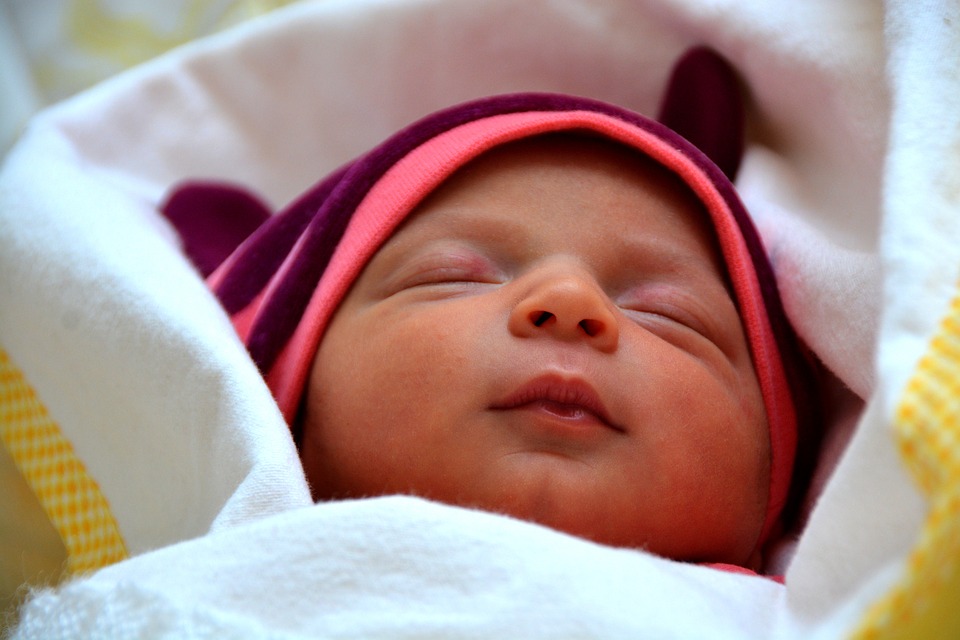
She and her husband also just had their first child.
I am writing this blog post, appropriately enough, in the middle of the night.
I just woke up from a nightmare in which I was attempting to rush a group of children away from a place full of dangerous people who wanted to hurt all of us.
The children — blessedly and also appropriately — did not understand why these people were dangerous, and I did not want to explain.
I just wanted them to keep moving as quickly as possible away from the old warehouse where I knew the dangerous people were hanging out.
Deep breath in.
Deep breath out.
I woke up with a burst of adrenaline coursing through my bloodstream and a mixed feeling of panic and relief.
Panic that maybe I hadn’t been able to rescue the children in my dream.
And relief that it was “only” a dream.
Deep breath in.
Deep breath out.
Except — obvious to anyone who reads the news or watches TV or listens to the radio — my blessed nightmare is the horrific reality for hundreds of thousands of human beings on planet earth.
And here in the USA we mostly don’t think about them.
And that’s just the human-to-human devastation…
There is also an extraordinary wave of extinction of other forms of life on planet earth unfolding right now… and most humans don’t want to think about that either.
We are ignorant — choosing to ignore the complicated and heart-breaking repercussions of our actions because it is too painful.
And because the challenges of how we might change some of these patterns seem too vast.
And because our media tends to give us a very limited glimpse of what is happening here on planet earth.
And because our media — which at its most basic level exists to entice human beings to BUY THINGS — has very little incentive to do anything other than reinforce the allure of fame and wealth and celebrity and insane over-consumption.
Over-consumption of cars and alcohol and clothing and accessories and medication and food products and music and fossil fuels and hair dye and eyeliner and TV shows and lipstick and sunblock and pesticides and movies and plastic bags and electronic devices and travel and “entertainment” and a myriad other things that most of us do not need.
Deep breath in.
Deep breath out.
“When I’m worried and I can’t sleep, I count my blessings instead of sheep,” the songwriter Irving Berlin once wrote and set to music.
According to Wikipedia (and a book edited by local musical expert Ben Sears called The Irving Berlin Reader) it was based on Berlin’s real life struggle with insomnia.
He wrote in a letter to Joseph Schenck:
“I’m enclosing a lyric of a song I finished here and which I am going to publish immediately… You have always said that I commercial my emotions and many times you were wrong, but this particular song is based on what really happened… The story is in its verse, which I don’t think I’ll publish. As I say in the lyrics, sometime ago, after the worst kind of a sleepless night, my doctor came to see me and after a lot of self-pity, belly-aching and complaining about my insomnia, he looked at me and said ‘speaking of doing something about insomnia, did you ever try counting your blessings?’”
Mr. Berlin certainly had experienced many things that might have hung heavily on his heart.
He emigrated to the US when he was a small child to escape the anti-semitic pogroms unfolding in Czarist Russia.
His father died when he was young, which catalyzed Irving (or Izzy as he was called by his family) into leaving school and earning money as a paper boy on the streets of lower Manhattan.
His own son died when he was less than a month old on Christmas Day.
Mr. Berlin served in both the first and second World Wars, producing (and performing in) theatrical revues to raise money, lift the spirits of a country at war, and comfort soldiers fighting all around the planet.
As a Jewish man, he must have been deeply affected by the unimaginable reality of the Holocaust… and atomic weapons… and so many other astoundingly destructive human creations of the 20th century.
Mr. Berlin used the song in the 1954 film White Christmas.
Bing Crosby’s character sings it to Rosemary Clooney’s character to comfort and (it being a Hollywood movie — perhaps to begin a romantic relationship with) her.
I join with millions of people who have sung this song in the past 62 years to restore a sense of peace and gratitude in their lives when they are tossing and turning in the middle of the night.
And as 2016 slouches towards 2017, I also count my blessings:
Clean water at the twist of a faucet…
A functioning furnace…
Fossil fuels to power the furnace and stove and water heater…
My sweetheart of almost 25 years…
One remaining parent + a wonderful step parent…
Siblings who love and communicate with each other…
Friends…
Employment that involves relatively modest consumption/destruction of natural resources (CDs of music to the families in Music Together classes, electricity to play them, fossil fuels to heat and sometimes cool the karate studio where we lead classes, gasoline to power the hybrid car in which jazz pianist Joe Reid and I drive to gigs, electricity to run the PA systems where we perform)…
Music…
The magic of digital recording…
My trusty iPods for learning songs…
My ukuleles and laptop computers for creating new songs…
My rhyming dictionaries for inspiration…
The amazing interlibrary book/CD/DVD loan system for more inspiration…
How our bodies can heal themselves…
White privilege…
Male privilege….
US citizen privilege….
Human privilege…
Curiosity….
Once one starts, the list of blessings goes on and on and on.
Thank you yet again to Pixabay photographers for the lovely images in this blog post.
Thank you to Irving Berlin for his musical and poetical genius.
Thank you to Doug Hammer for his reliable studio plus his exquisite rapport while playing the piano (and simultaneously engineering our sessions).
And thank you, brave and hardy soul, for reading — and listening to — this blog post.
Like many people in the United States — and in many other countries around the planet — I have been experiencing a wide variety of feelings since our recent election.
And a lot of denial — for which I am both grateful and apprehensive…
One of the things that I have found the oddest is how most of us have continued to do the same things that we did before the election.
I have continued to buy groceries.
I have continued to take books out from the library.
I have continued to do laundry.
I have continued to get up and lead Music Together classes on Tuesday, Thursday and Friday mornings.
I have continued to do gigs at retirement communities with jazz pianist Joe Reid.
I have continued to learn song lyrics.
I have continued to clean the toilet and wash the kitchen floor.
I have continued to draft blog posts.
I have continued to watch TV.
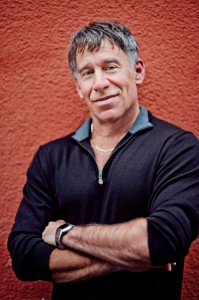
And I have continued to love the song “Life Goes On” written by Stephen Schwartz (a version of which is in the player at the beginning of this post with Doug Hammer on piano and Mike Callahan on clarinet which we recorded during a rehearsal for my show called Will Loves Steve several years ago).
Photo by Ralf Rühmeier
As you probably know, Stephen Schwartz is the composer and lyricist for Godspell, Pippin, The Magic Show, The Baker’s Wife, Wicked (and more) on Broadway as well as the lyricist for animated movies including Pocahontas, The Hunchback of Notre Dame and Enchanted.
“Life Goes On” is not from one of his shows or movies, however.
I found it on Mr. Schwartz’s first solo CD release, Reluctant Pilgrim, and have been gently haunted by it ever since.
According to Mr. Schwartz’s web site, “I originally began to write the songs that make up Reluctant Pilgrim in response to a ‘challenge’ from a songwriter friend, John Bucchino. I had been encouraging John (who had always written individual and highly personal songs) to write for the theatre, and John in turned asked why I never wrote individual songs based on my own life. He said it was time to stop ‘hiding behind Hunchbacks and Indian princesses.’ So I decided to try… The first song I wrote was ‘Life Goes On.’ This was an attempt to deal with my feelings after a close friend of mine died of AIDS. Writing the song turned out to be very therapeutic for me.”
Mr. Jones was involved with the AIDS crisis from the very beginning, and he (although he is beautifully soft-spoken and articulate during the interview) reminded me of how loudly and angrily and stubbornly AIDS activists had to demonstrate and organize in order to make progress on understanding and treating this virus when our president and many of our elected officials just wanted to ignore what was happening.
Have we re-entered a time in US history when we will need to act up — regularly, passionately, strategically — in response to our government’s actions and/or inactions regarding climate change, immigration, civil liberties, the rights of the media to investigate those who hold power in our society, etc. etc. etc.?
I do believe that grass roots action is a crucial part of how things — laws, attitudes, opinions, political leadership, prejudices — change.
What might be the most important issue(s) to which I might devote myself in upcoming days/weeks/months?
I have a sense that protecting and maintaining the amazing web of interconnections which make up our various ecosystems is a fundamental priority which underlies (and, dare I say, trumps) many of our specifically human challenges.
But maybe election and campaign finance reform are more crucial in the short run, as an antidote to the oligarchic voices which increasingly dominate (and frame) our political and cultural debate?
How do we address and respond to and heal the enormous reservoirs of fear and anger and disrespect which seem to be percolating in the hearts of so many fellow human beings on planet earth these days?
How do we plant seeds of hope and trust and respect and love while simultaneously standing up with great power so that we are not run over by ignorance and ego and power and greed and fear?
How do we nurture kindness and gentleness while also standing up for justice?
I am clueless.
I hope that music can somehow play a part in whatever activism and consciousness-raising and healing are on the horizon.
Until then, life goes on…
Thank you for reading and listening!
And thank you to Pixabay for the images in this blog post.
I welcome any thoughts, feelings, ideas, and recommended actions in the comments section.
I shared this song by Barbara Baig a couple of years ago in a blog post.
Today I found myself thinking about it a lot.
Many people in the USA are very happy today.
I honor their sense of excitement and accomplishment.
Many people in the USA are very surprised and scared and shocked today, too.
I honor these feelings as well.
I don’t know what comes next, but I am pretty sure that the effects of yesterday’s election will ripple for weeks and months and years to come — not just here in the US but all over our planet.
Deep breath in.
Deep breath out.
I dearly hope that the horrible coincidence of learning the results of our election with the anniversary of Kristallnacht is just that…a horrible coincidence and not an uncanny foreshadowing of what may lie ahead in our not-very-united-states.
It is very sobering to read about Kristallnacht in Wikipedia.
As soon as we start viewing — and scapegoating — fellow human beings as “other,” we are heading down a very unhappy and slippery slope…
I was very glad that jazz pianist Joe Reid and I were booked to perform our hour-long program of songs co-written by Harold Arlen this afternoon at a retirement community in Newton.
We all needed to sing together — beautiful, timeless songs which touched our hearts and connected us with each other.
Not surprisingly, one song moved us to tears — “Over the Rainbow,” which Mr. Arlen wrote with Yip Harburg in 1938 for MGM’s masterpiece, The Wizard of Oz.
Filming for The Wizard Of Oz began on October 13 1938.
A month later Kristallnacht occurred in Germany, Austria and parts of Poland, Russia and the Czech Republic.
The emotional resonance of “Over The Rainbow” — written by two American-born, fully assimilated Jewish songwriters for a movie produced by a Jewish-owned film company — cannot have gone un-noticed at the time.
No wonder so many of us are still moved to tears by it, almost 80 years after it was written.
I love “Let Me Be Strong,” too.
Barbara Baig wrote it when she lived in Somerville, MA and was an active member of the Boston Association of Cabaret Artists (BACA).
I recorded it many years ago with Doug Hammer on piano at his wonderful Dreamworld studio in Lynn, MA, plus Gene Roma on drums and Chris Rathbun on bass.
Thank you, Barbara, for writing this song.
May all of our hearts remain open in the days and weeks to come… as we move through our joys and our fears here on planet earth.
Let us be strong.
Deep breath in.
Deep breath out.
Thank you to Pixabay for the photos.
And thank you to anyone who reads and listens to this blog post!
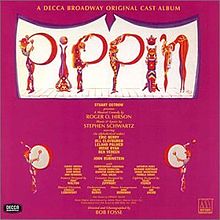
I have loved Stephen Schwartz’s music ever since I heard the cast album of Godspell in 1971.
I don’t remember how I came to own it, but I played that record over and over again.
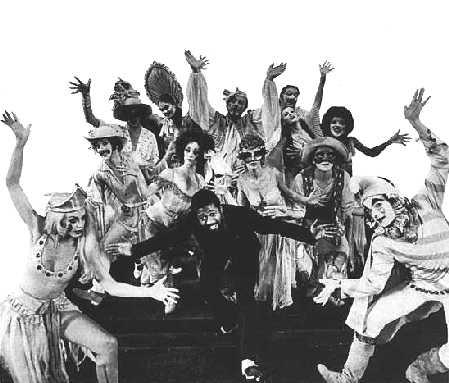
So I was wildly excited and nervous when — at age ten — I auditioned for a new musical being directed by Bob Fosse with songs written by Mr. Schwartz.
I performed Cat Stevens’ song “Father and Son” at the audition. (My aunt had given me and my siblings many of Cat Stevens’ albums, which I also loved.)
I vaguely remember standing on a stage, singing to a few people in a darkened theater.
At one point during the audition — or maybe during a callback? — the pianist played a particular section of “Father and Son” in different keys in order to get a sense of my vocal range.
I gamely sang higher and higher until my voice finally cracked.
I must also have read from some sort of script, but I don’t remember doing any dancing during the audition.
Much to my delight and terror, I ended up being cast as the standby for the role of Theo. I did not attend the first few weeks of rehearsals, but joined the cast midway through the creative process in NYC.
I remember that Ben Vereen was very friendly and welcoming, even though he was one of the stars.
Mostly I watched from the sidelines and kept a low profile.
I moved with the cast and crew to the Kennedy Center in Washington, DC, where Pippin previewed.
The Kennedy Center had only recently been built and was enormous. I spent a lot of time exploring the backstage areas — as well as the snack room where I sometimes heated up a slice of pizza using an amazing new (to me at least) technology called the microwave oven.
I also spent a lot of time hanging out unobtrusively in the back of the theater, watching rehearsals and mimicking all of the dance routines to the best of my ability (which grew over time… during my stint in Pippin I studied tap and jazz at the Phil Black dance studios on the corner of Broadway and 50th street).
The role of Theo — Catherine’s son — was never large and grew smaller as the show was tightened up and re-written out of town.
And then, much to my parents’ surprise — since so many Broadway shows close out of town or last only a few weeks once they open in New York — Pippin proved to be a big hit.
I and the standby for Irene Ryan had to be backstage for every performance, but I never played the role of Theo on stage.
If I am remembering correctly, the various standbys — me, the standby for Irene Ryan, the standby for John Rubinstein, and the standby for Ben Vereen — along with the understudies for the other main roles would rehearse our parts with the stage manager on matinee days between the afternoon and evening performances.
Ben’s standby was a lovely man named Northern Calloway, whose day job was playing the role of “David” on Sesame Street, which was filmed in a converted theater on the upper west side of Manhattan (which I visited once or twice).
Jill Clayburgh’s understudy was Ann Reinking, who was a member of the chorus and went on to all sorts of success afterwards as a performer and as a choreographer.
A boy named Shane Nickerson played the role of Theo each night.
He and I became friends.
Shane’s sister Denise had played the role of Lolita in an unsuccessful musical version of the Nabokov novel and then was cast as Violet Beauregarde in the original movie of Willy Wonka & The Chocolate Factory.
His family had a Yorkshire terrier named Tiffany, and on matinee days we would sometimes go and eat together at a steakhouse — with Tiffany getting to eat some of the leftovers when we returned to Shane’s dressing room at the Imperial Theatre afterwards.
Other than an ever-present anxiety that I might have to perform the role if Shane were to become ill, I had a lot of fun backstage.
I fetched hot beverages for some of the dancers before the show began at the coffee shop across 46th street (where the stage door was located).
I learned how to play chess with one of the younger stage hands.
I watched endless poker games conducted by dressers, musicians and stage hands at a big table (if I am remembering correctly) behind the orchestra pit while the show was running.
I became friends with one of the hairdressers and helped brush out the different wigs which the chorus members wore during the show.
And I hung out with the wonderful animal handlers, Jack and Mary, who took care of the duck and the sheep who appeared nightly in the show.
Among other duties they had to walk the sheep up and down 46th street and along 8th avenue in order to encourage it to poop before it went on stage.
The sheep liked to eat cigarette butts, which was not conducive to its health; so I would keep an eye out for them when we strolled around the theater district, chatting with surprised passersby.
I remained as a standby in the original cast until I grew too large for the role. (Theo enters in the second being carried on the Leading Player’s shoulders, and this was a very direct way to gauge my growth month by month…)
I was not the first to leave the company — that was probably Jill Clayburgh, who was replaced by Betty Buckley early in the run, and also dear Irene Ryan, who became ill and then passed away in California — but it was a very sad and awkward experience for me.
Show business can be very confusing regarding matters of the heart.
A cast and crew come together to create a show or a movie — or even just a TV commercial — and everyone strives (at least while on stage or when the cameras are rolling…) to be friendly and part of a team/family while they are attempting to make some magic together.
And then, when the shoot of the movie or the run of the play is over, everyone becomes a free agent again.
And one may never see any of them again!
Were any of those people my friends? Did any of them think about me when I was no longer part of the cast?
I certainly thought about them for years afterwards…
Deep breath in.
Deep breath out.
It is humbling to learn on Wikipedia how the lives of various Pippin cast members unfolded before and after their time on stage at the Imperial Theater in the early 70s.
Some are still involved with show business as performers or choreographers or teachers.
Some are dead.
And composer/lyricist Stephen Schwartz, bless him, has continued to write wonderful songs for Broadway and Hollywood.
I recorded his song “Magic To Do” (the opening number in Pippin) several years ago during rehearsals for a show I put together called Will Loves Steve, which featured songs written by Stephen Schwartz, Stephen Sondheim, Stephen Foster, Steve Sweeting, Stevie Wonder and Steven Georgiou — a.k.a. Cat Stevens a.k.a. Yousuf Islam.
Doug Hammer played piano — while simultaneously engineering the track — and Mike Callahan played clarinet.
For many years after Pippin I carried within me a sense that success meant starring on Broadway, or in the movies, or on TV.
Now, as an adult who makes a living as a musician in the Boston area, I am glad I did not end up starring on Broadway.
The life of a star — with folks asking to take selfies with them wherever they go in public, and having to repeat the same stories over and over again during media junkets while maintaining their youthfulness and beauty and fitness and marketability year after year — seems less and less appealing.
I am also amazed that anyone is able to perform — as a star or as a member of the chorus — eight shows per week, month after month, repeating the same songs and dances and dialogue and emotions with as much authenticity and enthusiasm as they can muster on any given day.
What a life!
I guess I have learned the same lesson as the title character in Pippin does: that a normal life without a lot of fanfare and razzle dazzle is AOK.
Thank you to Doug Hammer and Mike Callahan for their terrific musicianship and camaraderie (as well as Doug’s engineering/mixing/mastering expertise).
Thank you to Stephen Schwartz for writing such splendid songs — decade after decade!
And thank YOU for reading and listening to this blog post.
ps: Since I wrote this blog post six years ago, I have been delighted to re-connect via email and Facebook with a few members of the original cast of Pippin.
I have been very touched to learn that, even though I was just ten years old and a standby for the role of Theo, I have been remembered by some of them.
And in honor of the 50th anniversary of Pippin opening on Broadway, the original standby for the role of Pippin, Walter Willison, has organized reunion performances at 54 Below in Manhattan on Monday, February 6, 2023 at 7:00 and 9:30 pm (both of which sold out after only three days!)
If you’d like to listen to my version of “Magic To Do” on a digital musical platform such as Spotify, Apple Music or Tidal, you can click here.
And if you’d like to hear more music, you can find me singing — with Doug Hammer playing his marvelous Schimmel grand piano — on Spotify, Pandora, YouTube and other digital music platforms.
MMG has been happening — one weekend each spring and one weekend each fall — for 25+ years at various camps around Massachusetts.
When I first started attending it was held in Becket, MA, but now we gather in the woods near Worcester from Friday night until Sunday afternoon.
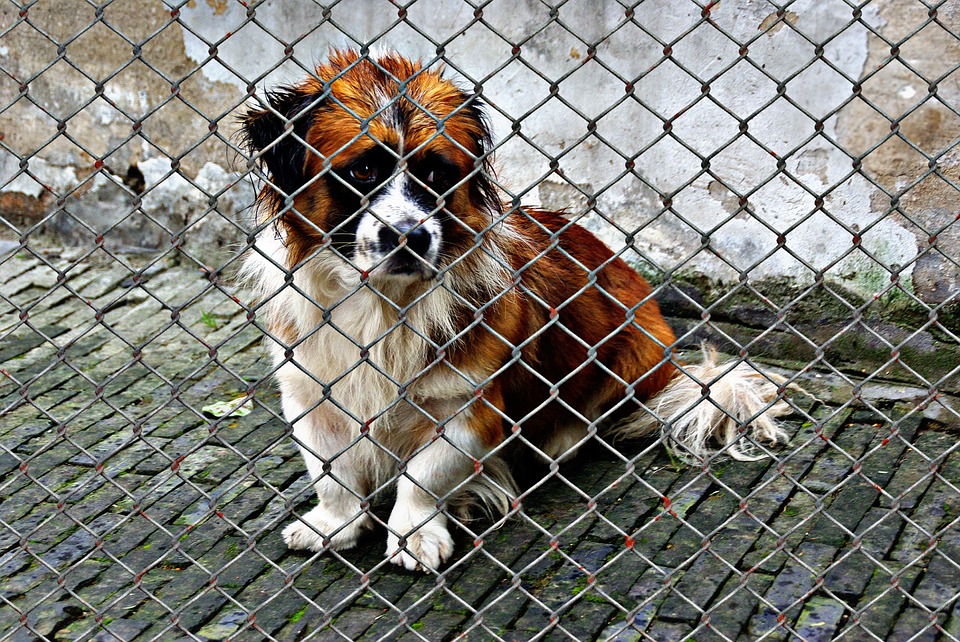
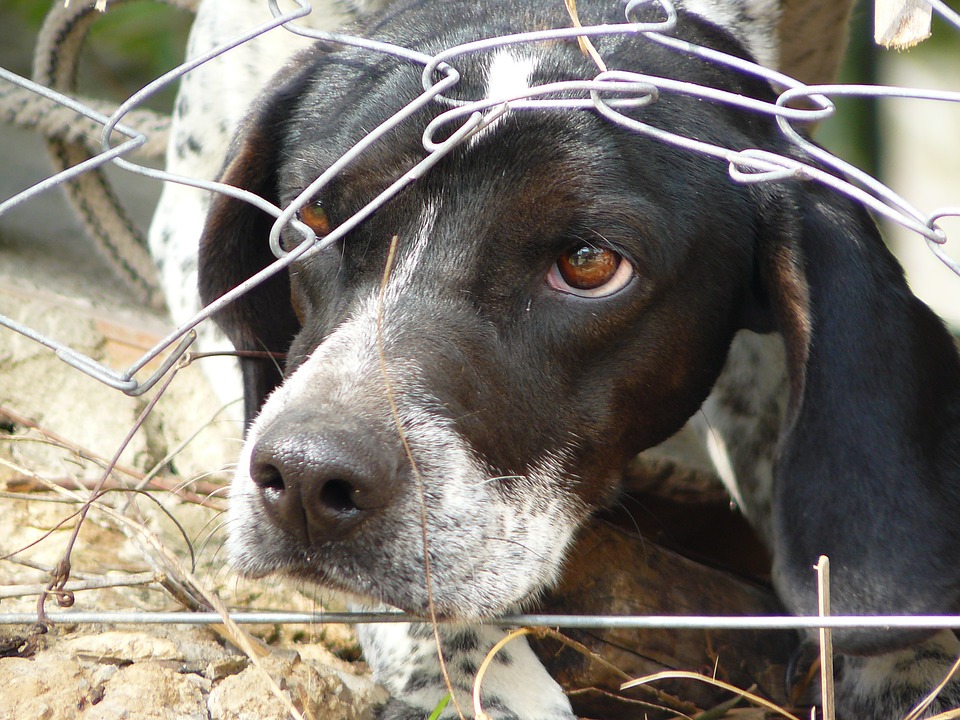
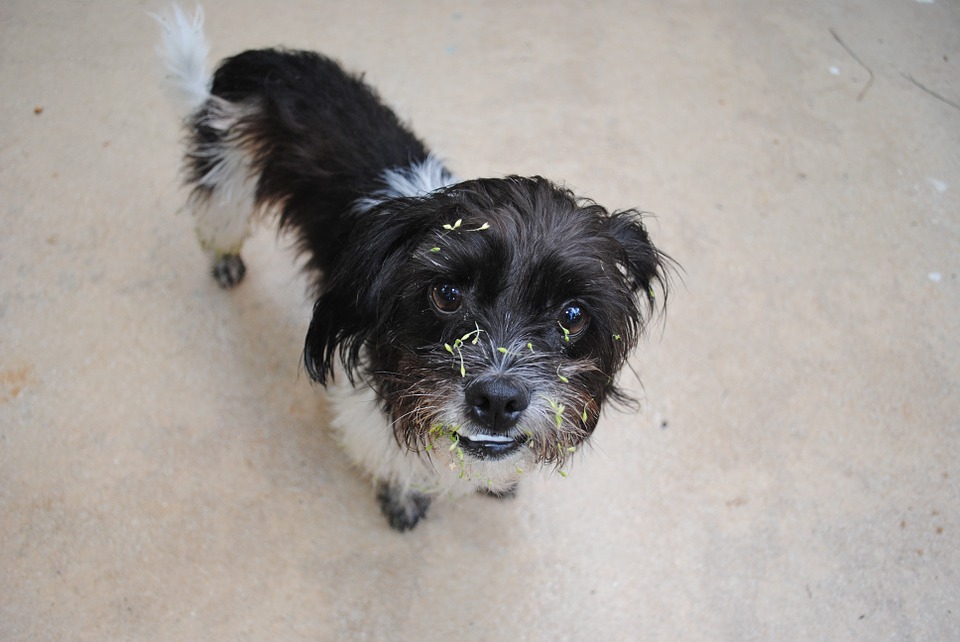
At the opening circle on Friday night, someone spoke about the recent death of a beloved canine companion.
I was reminded of a wonderful song by a writer named Babbie Green called “At The Pound” (in the player at the start of this post) which I recorded with the gifted pianist Doug Hammer for a CD I did with another singer, Bobbi Carrey, called “If I Loved You.”
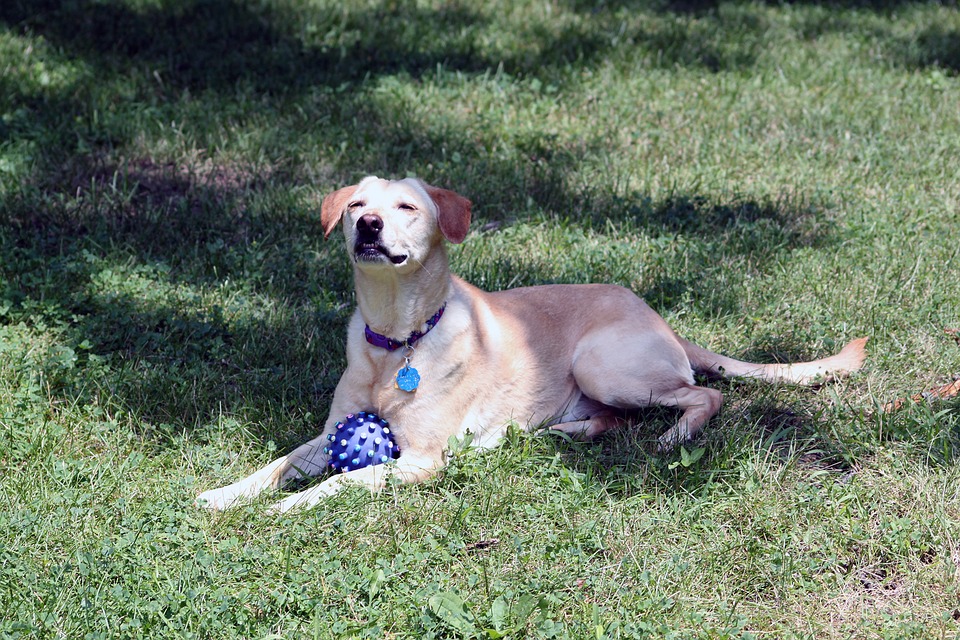
Although I have not had a dog in my daily life since my teenage years — when my family had a very loving and patient Corgi named Bryn — I see how invaluable they can be in the lives of my friends and family.
I love “At The Pound” because of the details Babbie includes in the song — such as “now my car’s got a permanent blanket of dog hair.”
I also love how it ends…
“And they praise me for saving her life, saying, ‘oh what a lucky dog she…’ but when I think of all I have learned about loving, it is Molly in fact who saved me.”
Bette Midler — you with the wind beneath your wings who sometimes looks at our planet from a distance — you need to record this song!
Thank you for reading and listening to my blog.
And thank you — yet again — to Pixabay for the lovely photographs.
Once upon a time I co-starred in a movie called Goldenrodwhich was filmed in and around Calgary, Alberta.
It had a theatrical release in Canada (I think), and was shown in the USA on CBS-TV.
I was 14 years old.
Because of Canadian rules about airing a certain percentage of shows which have been produced in Canada, it still can be seen from time to time on Canadian TV.
One of the producers had a daughter whom I met on the set when she visited from Toronto.
Although it seemed unlikely at the time — since I lived in New York and Connecticut while she lived in Canada — Sarah James and I have remained friends ever since.
She still lives in Toronto, and like her father (and mother) she works in film and TV production.
For the past few years she’s been helping to create Canada’s version of the TV show The Amazing Race.
She and her husband — who among other things is a wonderful musician who has taught himself how to build ukuleles! — and daughter live in a sweet house with a small garden out back which ends at a garage.
Above the garage is an office/guest bedroom where I love to sleep and read and write songs when I visit them.
I started writing “Another Good Morning” a couple of springs ago.
The sun was shining.
Birds were singing.
And Sarah was making breakfast for all of us.
It is what I call a “gets-me-out-of-bed-in-the-morning” song.
I have probably mentioned this type of song before in this blog, because — in the spirit of “teach what you most want to learn” — I end up writing a lot of songs with upbeat messages.
Because I need them….to muster a little bit of optimism before I head out into the day.
As you have probably already guessed, I continue to love the photo site Pixabay.
I send a huge thank you to all the folks who have shared their lovely images there!
I do not own a cell phone or carry a camera…
But I appreciate those who do.
THANK YOU for reading and listening.
PS: The pianist on this song is the multi-gifted Doug Hammer, and we recorded it at his studio in Lynn, MA earlier this year. It is one of many we will be performing on April 30, 2016 at Third Life Studio in Somerville, MA.
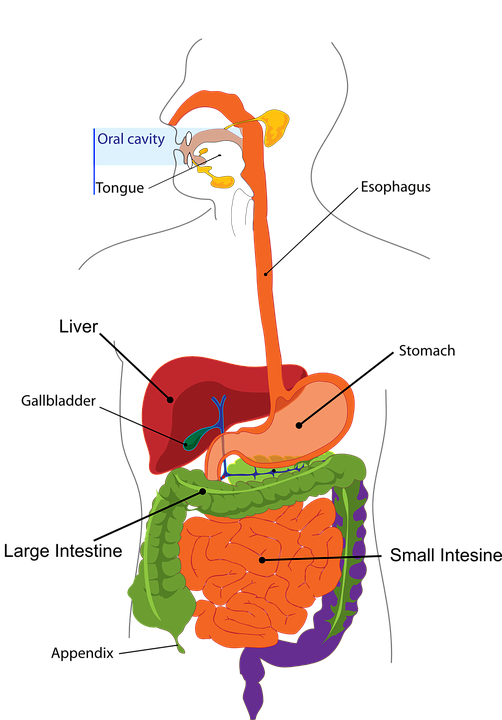
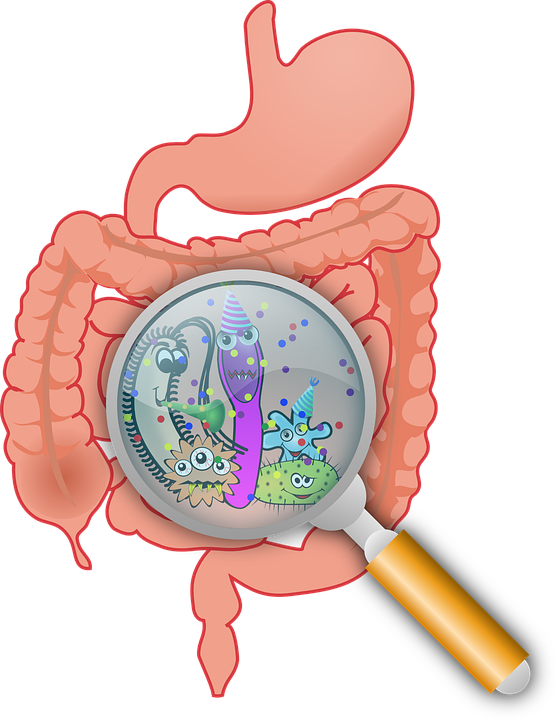
When I was visiting friends on Toronto a couple of summer ago, I found a great article in Eating Well magazine profiling Jeff Leach, who is one of a growing number of human beings curious about the communities of bacteria which live in our digestive tract.
According to author Gretel H. Schueller, “most of our resident gut bacteria are real workhorses. Some aid in digestion and produce enzymes to break down foods. Others make vitamins, like B12 and K, and other vital compounds, such as the feel-good chemical serotonin. A few help keep the intestinal lining impenetrable. Some gut bacteria help regulate metabolism. And others boost immunity and fight pathogens.”
Yowza!!
You can click here to read Gretel’s summaries of many medical studies exploring the astounding connections between the health of the bacteria in our digestive tract and the health of our other organ systems — including circulation, how we absorb nutrients, and our immune response.
I was amazed to learn that, according to Gretel, “gut bacteria produce HUNDREDS of different neurotransmitters, including up to 95 percent of the body’s supply of serotonin, a mood and sleep regulator.”
In fact many researchers have begun referring to our digestive tract as a ‘second brain’ partly because our “vagus nerve is a major communications highway which stretches from the brain to various points about the intestinal lining, and communication travels in BOTH directions.”
For example, one species of Lactobacillus bacteria “sends messages from the small intestine to the brain along this nerve. In a study led by John Cryan, Ph.D., a neuroscientist at University College Cork in Ireland, anxious mice were dosed with a proprietary strain of Lactobacillus rhamnosus.”
Gretel further explains that “these rodents then had lower stress hormone levels and an increase in brain receptors for a neurotransmitter that’s vital in curbing worry, anxiety and fear. THE EFFECTS WERE SIMILAR TO A DOSE OF VALIUM. According to a 2011 study, when mice had this bacteria in their gut, they showed less depressive behavior.”
Aside from my discomfort with human beings experimenting on other living beings, I find this an amazing idea.
Jeff Leach does a lot of HIS experimenting on himself — eating different types of foods (fats, proteins, and carbohydrates) for a 10-12 day period and then analyzing the proportions of bacteria which are stimulated to grow in his digestive tract as a result of what he has been eating.
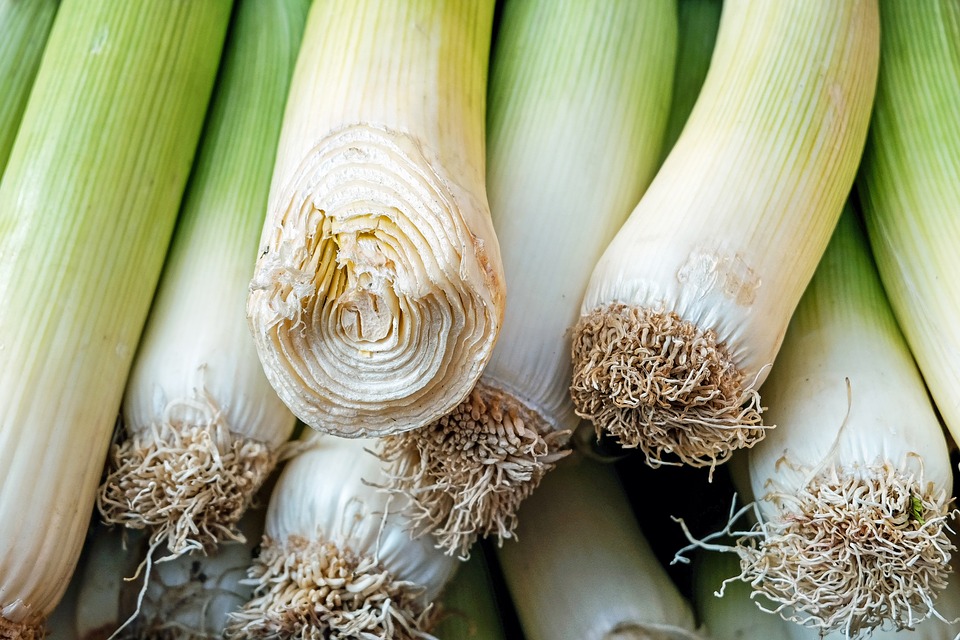
According to him, plant foods with complex chains of carbohydrate molecules — which include Jerusalem artichokes, leeks, chicory root, beans and asparagus — are particularly healthy for us to eat.
I was so inspired by Jeff’s research and Gretel’s article that I ended up writing a song (and recording it with Doug Hammer on piano at his wonderful studio in Lynn, MA) which you can hear by clicking the play button on the top left of this post.
And I find myself right back at the heart of last month’s post — musing about how interconnected all the different forms of life on planet earth are.
Antibiotics can be a blessing which wipe out colonies of life-threatening bacteria in different parts of our body.
For example, we may take some to get rid of a lingering sinus infection.
However, we may also be unintentionally upsetting the healthy balance of bacterial colonies in our guts.
This idea reminds me of why I choose to support organic agriculture when I can.
It may be true that the nutritional value of an organically grown leek (not using pesticides and fungicides and petrochemically-derived fertilizers) is similar to a conventionally grown leek (using pesticides and fungicides and petrochemically-derived fertilizers).
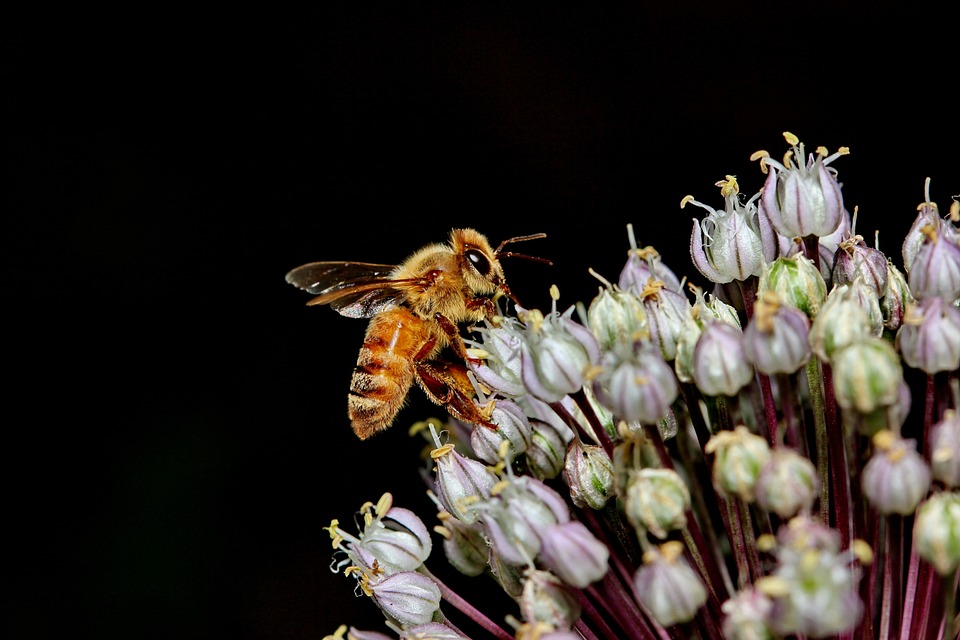
However, I am interested NOT ONLY in this leek’s value to my individual health BUT ALSO in the health of the honeybees and hummingbirds and earthworms and opossums and foxes and rabbits and butterflies and bats and insects which live in and/or pass through the fields in which this leek is grown.
And I am interested in the health of the fish and frogs and newts which live in the streams and rivers into which the rain (or irrigated water) will flow from these leek fields.
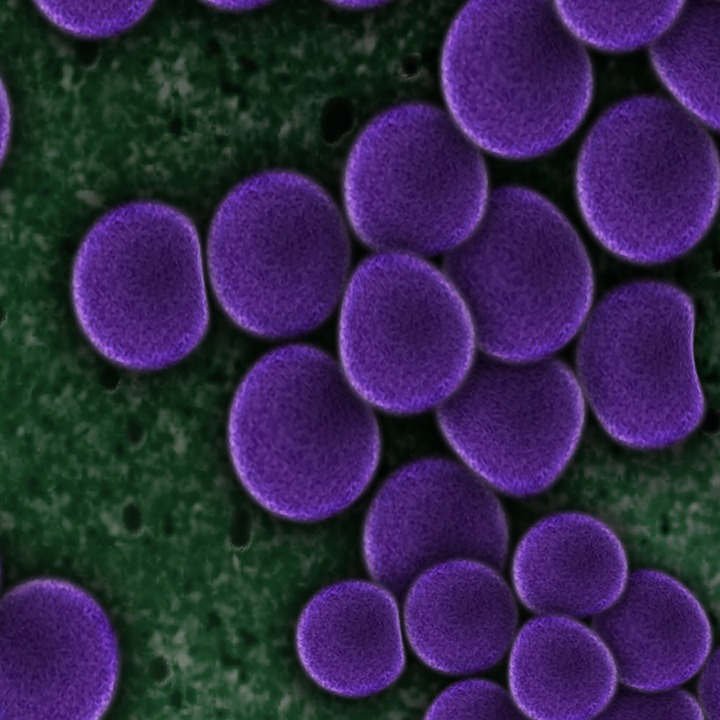
And I am interested in the health and balance of the astoundingly complicated communities of bacteria which live in the soil in which this leek grows.
And some of these soil bacteria will end up in my digestive tract along with the leek if I do not wash off too much of the dirt before I eat it.
And that, it turns out, is a good thing.
We are all connected via many different, extraordinary, and still-to-be-discovered strands in the web of life.
And every day we can make choices — about what we buy to eat, about what we choose to wear, about how we move from point A to point B (walk? bike? public transportation? car?) that honor our precious inter-related connections with the rest of life on planet earth.
Thank you for reading, listening, and perhaps even humming along.
ps: I found the lovely photos in this post from a site called Pixabay.
I recently spent an afternoon at Doug Hammer‘s studio, recording songs by Rodgers & Hart and then working on one of my original compositions, called “A Beating Heart,” which you can play by clicking on the left side of the bar below this paragraph.
A careful reader of this blog might recall that I included a Garageband version of this song in a post on April 9, 2014. Since then Doug and I have begun creating piano/vocal versions of many of my songs so that we can perform them at places like Third Life Studio in Union Square, Somerville.
We got a lot of positive feedback after our debut performance there in December with guest vocalist Jinny Sagorin — and we’ll be returning at the end of April to reprise that show.
With so many huge and important things happening on planet earth right now — such as climate change, the loss of biodiversity, our human over-consumption of shared resources, and even the astoundingly unlikely presidential campaign here in the US — I often wonder how my original songs fit into the larger equations of life on planet earth.
Is my desire to share them with a wider audience (“Me, me, me, me! Look at me! Listen to me!”) simply another manifestation of the grossly self-oriented human trend in behavior which is currently tipping our larger ecological feedback loops further out of balance?
To re-center myself, I think of a poster in the bathroom where I get acupuncture which features some of the Dalai Lama’s wisdom:
“Ultimately, the decision to save the environment must come from the human heart. The key point is a call for a genuine sense of universal responsibility that is based on love, compassion and clear awareness.”
He has also written:
“Today more than ever before, life must be characterized by a sense of universal responsibility, not only nation to nation and human to human, but also human to all other forms of life.”
However, we human beings still tend to think and plan and speak and act with human ‘tunnel vision.’
I often listen to a radio program on Friday afternoons, and last week the host, Ira Flatow, was discussing asteroids and comets. He mentioned one which flattened 770 square miles of forest in Siberia on June 30, 1908 — adding that luckily no one was hurt.
Wikipedia uses similar language in its description of what is called the Tunguska event, saying that it “caused no known casualties.”
I would modify that to read, “no HUMAN casualties.”
770 square miles is roughly the size of the entire greater Boston area.
All sorts of living beings — trees, eagles, ants, berry bushes, wolves, beetles, moose, falcons, reindeer, elk, plants, bears, storks, robins, bees, nightingales, mushrooms, bacteria, etc. — must have been hurt and/or killed.
Why do we human beings so easily ignore or dismiss non-human death and suffering?
How can we be so deeply ignorant of the profound and crucial ways our human lives are interconnected with the lives of innumerable non-human beings here on planet earth?
The most obvious example of this is the fact that we animals breathe out what plants breathe in. And vice versa. It’s an extraordinary bond between plants (trees, shrubs, phytoplankton, algae, grass, etc.) and animals (dolphins, ants, chickens, worms, orangutans, etc.)
And us.
We human beings are also animals.
We depend upon the health of the plant world for our human health.
Healthy trees and healthy forests and healthy phytoplankton and healthy oceans are not optional.
They are vital to the health of all of us.
I agree with the Dalai Lama that we human beings need to experience and understand on an open-hearted, emotional level that our daily lives ARE deeply connected to the lives of all other beings on planet earth.
And the health of those other beings IS intricately connected with our own health and survival.
This is where I see music playing a part in the larger equations unfolding on planet earth.
I know that music — both making it and listening to it — helps me re-open my heart and get in touch with my feelings.
And I see each week in my Music Together classes how singing and dancing and playing as a group can create a community of joy and humor and respect in 45 minutes which continues to ripple — gently and positively — throughout the week in the lives of the families who attend class.
So I will take a deep breath (like a whale!) and dive through my ambivalence about self-promotion into a starboard sea full of hope, love, respect, education, playfulness, creativity, compassion, song, and dance.
And occasional blog posts.
Deep breath in.
Deep breath out.
Thank you for reading and listening!
I found the lovely photos in this post from a site called Pixabay.
And if you’d like to listen to “A Beating Heart” on a digital music platform such as Spotify, Apple Music or YouTube, you can click here.
You are always welcome to visit my website — where you can find many songs (and learn more about my musical life here on planet earth if you are curious).
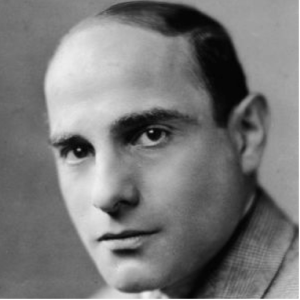
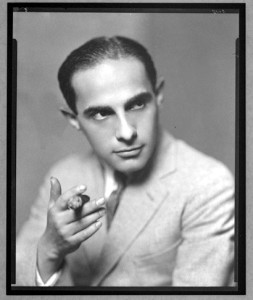
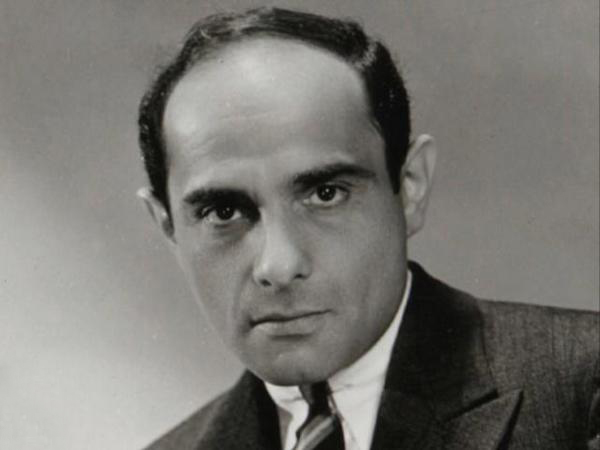
Having recently read many biographies about Lorenz “Larry” Hart and about Richard Rodgers, I’ve been wondering how Larry would have told his own story if he hadn’t died at age 48…
Richard Rodgers lived for 36 years after Hart’s heartbreakingly early death, and as a result he had many opportunities to share HIS memories of their often-times challenging creative collaboration.
Larry Hart
But we have no hindsight from Larry to balance their biographical narrative.
We do, however, have the lyrics he wrote for 26 Broadway shows and several Hollywood movies.
They range from the simple and sincere — “With a Song In My Heart” — to the playfully brutal — “I Wish I Were In Love Again.”
Here’s a version of “I Wish I Were In Love Again” that Bobbi Carrey and I recorded with Doug Hammer at his great studio north of Boston (with extra musical input from Mike Callahan).
It is tempting to imagine that some clues to his life experiences are encoded into his lyrics.
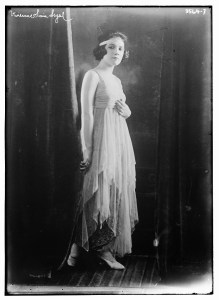
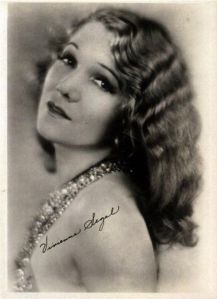
Vivienne Segal
For example, Larry writes at the end of “I Could Write a Book” from one of his later musicals, Pal Joey: “and the world discovers as my book ends how to make two lovers of friends.”
This lyric makes me wonder about his relationship with the actress and singer Vivienne Segal, one of the stars of Pal Joey who was also his friend and to whom he apparently proposed marriage more than once…
She respectfully declined each time — saying that she had had enough of marriage (she was divorced from a first husband). She was also well aware that Hart was an alcoholic and what we would now describe as a closeted gay man.
Yet Cole Porter, another closeted gay songwriter of the time, had a long, loving, committed marriage to divorcée and millionairess Linda Lee Thomas — while simultaneously carrying on a life-long stream of romantic and sexual liasons with other men.
Porter, like Hart, was also devoted to his mother — although Porter did not share a home with his family for almost his entire life as did Hart.
Lorenz Milton Hart was born on May 2, 1895 and grew up in a boisterous household in Harlem, NY (then a largely Jewish neighborhood) with a father who was well-connected within the Democratic Tammany Hall political establishment.
His father made a living doing a variety of business deals — for example, he was alleged to be an investor in a very popular brothel — and over the years the Hart’s family finances would ebb, when his mother’s jewelry would go to the local pawn shop, and flow, when her jewelry would come out of hock and Larry might be given a $100 bill so that he could take all of his friends out for a night on the town.
It was a tight-knit family.
Larry (or Lorry as he was called by his German-Jewish mother) shared a bedroom with his younger brother Teddy until they were both in their forties.
The Harts regularly hosted parties attended by friends, relatives, local politicians, and — as Larry’s fame mounted — an expanding cast of writers, composers, musicians, performers, stars, groupies and hangers-on.
Larry supported his family after his father died — and he was apparently hounded by people to whom his father owed money for many years afterwards.
Hart was acutely aware of his mother’s wish that he would get married like his brother Teddy, who was a performer and who finally got married in 1938.
But none of the women to whom Larry proposed said yes.
Deep sigh.
I am reminded of Hart’s lyric for the song “Glad To Be Unhappy” (which I once recorded with Doug on piano at his studio during a rehearsal).
“Fools rush in… so here I am, very glad to be unhappy. I can’t win… so here I am, more than glad to be unhappy. Unrequited love’s a bore, and I’ve got it pretty bad — but for someone you adore, it’s a pleasure to be sad.”
Hart seems to have buried or hidden much of his sadness behind a playful, generous, talkative, enthusiastic personality — as well as a thick haze of cigar smoke and LOTS of alcohol.
And Larry carried on his family’s tradition of hospitality and generosity — helping his father pay off debts and loans when he was still alive, lavishing gifts on friends, hosting endless parties, and picking up the tab when out on the town.
He was also generous with his time and creativity.
His sister-in-law Dorothy Hart claimed, “My brother-in-law wrote more lyrics without getting credit for more friends who were stumped or had songwriters’ block. He was very generous, not only with money, but also with his talents.”
About Larry’s death she says, “He was really, I think, a victim of burnout, and at the age of 48, the theater didn`t offer too much surprise for him, because he had done it all.”
I also wonder what effect the news from Europe during WWII had on his spirit.
Before his death — after Richard Rodgers had begun his new collaboration with their mutual lifelong friend Oscar Hammerstein — Larry had been working on a musical about the underground resistance movement in Paris with a composer who had recently escaped from Germany.
So he must have been very well-informed about recent developments in Germany — from which his parents had emigrated in the late 1800s and to which he had traveled as an adult — and Europe.
How did this excruciating information affect his mood? His spirit? His world view?
One of the last songs he wrote in partnership with Richard Rodgers was a witty tour de force for Vivienne Segal to sing in a 1943 revival — and updated version — of their 1927 hit show A Connecticut Yankee.
More Vivienne Segal
It is called “To Keep My Love Alive” and relates how the singer has remained faithful to a long list of husbands (“until death do us part”) by killing each of them in a different way.
One death occurs when the singer pushes her husband off a balcony.
Hart would surely have been aware that Richard Rodgers’ wife’s father had died a few years earlier as a result of a fall from the balcony of their NY penthouse apartment when Rodgers’ father-in-law was being treated for depression.
Might this have been a hidden — and ostensibly humorous — way for him to process some of his feelings about Rodgers having begun a new collaboration with their long-time mutual friend and colleague Oscar Hammerstein, II — the first fruits of which was the musical Oklahoma?
A way to needle Richard and his wife Dorothy under the cloak of music and rhyme?
A way for him to express how he might have felt about Vivienne’s declining to accept his marriage proposals?
Who knows…
I’ve been spending a lot of time with Mr Hart’s life story — and his lyrics — while I put together a program of songs and stories to perform with jazz pianist Joe Reid.
And my freely associative mind can’t help but see — or perhaps more accurately imagine — connections between Hart’s life and his work.
I am wildly grateful that he left such a rich and beautifully-crafted body of work for all of us to savor and sing for many years to come.

 Today I am grateful that a friend’s husband is alive in New Orleans.
 And that two of the four young men who perpetrated this crime (some of whom had been staying at a Covenant House shelter for homeless/troubled youth) have turned themselves in.
 I hope they — as well as the two people whom they attacked and robbed — are being treated with compassion and respect by the judicial system so that some unexpected healing might take place as a result of this sad and brutal event.
 I am grateful for progress (sometimes very sloooow) and persistence (sometimes almost imperceptible) on larger tasks such as letting go of un-needed possessions, processing complicated emotional situations, and crafting a CD of original songs.
 Some of the words came from a little piece of paper I picked up after one of my cousins was married a few summers ago on a hill overlooking Cayuga Lake in upstate New York.
 Thank you to anyone and everyone who reads this blog post.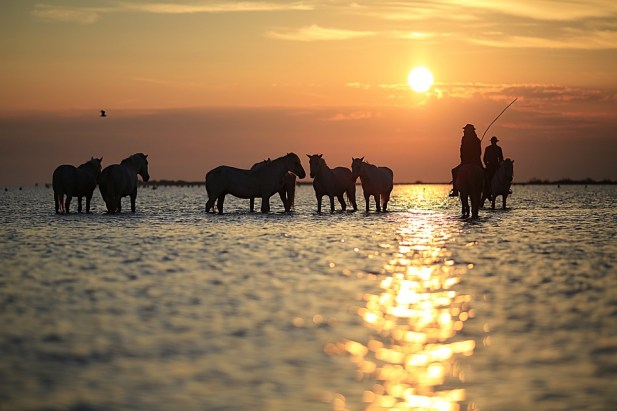
 She and her husband also just had their first child.


























 amusicalifeonplanetearth