I shared this song by Barbara Baig a couple of years ago in a blog post.
Today I found myself thinking about it a lot.
Many people in the USA are very happy today.
I honor their sense of excitement and accomplishment.
Many people in the USA are very surprised and scared and shocked today, too.
I honor these feelings as well.
I don’t know what comes next, but I am pretty sure that the effects of yesterday’s election will ripple for weeks and months and years to come — not just here in the US but all over our planet.
Deep breath in.
Deep breath out.
I dearly hope that the horrible coincidence of learning the results of our election with the anniversary of Kristallnacht is just that…a horrible coincidence and not an uncanny foreshadowing of what may lie ahead in our not-very-united-states.
It is very sobering to read about Kristallnacht in Wikipedia.
As soon as we start viewing — and scapegoating — fellow human beings as “other,” we are heading down a very unhappy and slippery slope…
I was very glad that jazz pianist Joe Reid and I were booked to perform our hour-long program of songs co-written by Harold Arlen this afternoon at a retirement community in Newton.
We all needed to sing together — beautiful, timeless songs which touched our hearts and connected us with each other.
Not surprisingly, one song moved us to tears — “Over the Rainbow,” which Mr. Arlen wrote with Yip Harburg in 1938 for MGM’s masterpiece, The Wizard of Oz.
Filming for The Wizard Of Oz began on October 13 1938.
A month later Kristallnacht occurred in Germany, Austria and parts of Poland, Russia and the Czech Republic.
The emotional resonance of “Over The Rainbow” — written by two American-born, fully assimilated Jewish songwriters for a movie produced by a Jewish-owned film company — cannot have gone un-noticed at the time.
No wonder so many of us are still moved to tears by it, almost 80 years after it was written.
I love “Let Me Be Strong,” too.
Barbara Baig wrote it when she lived in Somerville, MA and was an active member of the Boston Association of Cabaret Artists (BACA).
I recorded it many years ago with Doug Hammer on piano at his wonderful Dreamworld studio in Lynn, MA, plus Gene Roma on drums and Chris Rathbun on bass.
Thank you, Barbara, for writing this song.
May all of our hearts remain open in the days and weeks to come… as we move through our joys and our fears here on planet earth.
Let us be strong.
Deep breath in.
Deep breath out.
Thank you to Pixabay for the photos.
And thank you to anyone who reads and listens to this blog post!
I have loved Stephen Schwartz’s music ever since I heard the cast album of Godspell in 1971.
I don’t remember how I came to own it, but I played that record over and over again.
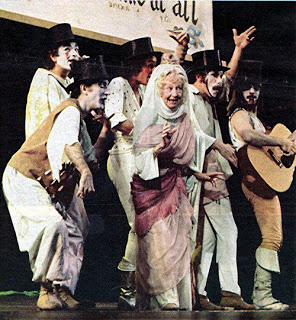
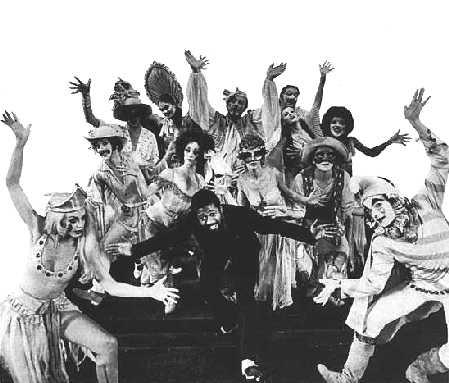
So I was wildly excited and nervous when — at age ten — I auditioned for a new musical being directed by Bob Fosse with songs written by Mr. Schwartz.
I performed Cat Stevens’ song “Father and Son” at the audition. (My aunt had given me and my siblings many of Cat Stevens’ albums, which I also loved.)
I vaguely remember standing on a stage, singing to a few people in a darkened theater.
At one point during the audition — or maybe during a callback? — the pianist played a particular section of “Father and Son” in different keys in order to get a sense of my vocal range.
I gamely sang higher and higher until my voice finally cracked.
I must also have read from some sort of script, but I don’t remember doing any dancing during the audition.
Much to my delight and terror, I ended up being cast as the standby for the role of Theo. I did not attend the first few weeks of rehearsals, but joined the cast midway through the creative process in NYC.
I remember that Ben Vereen was very friendly and welcoming, even though he was one of the stars.
Mostly I watched from the sidelines and kept a low profile.
I moved with the cast and crew to the Kennedy Center in Washington, DC, where Pippin previewed.
The Kennedy Center had only recently been built and was enormous. I spent a lot of time exploring the backstage areas — as well as the snack room where I sometimes heated up a slice of pizza using an amazing new (to me at least) technology called the microwave oven.
I also spent a lot of time hanging out unobtrusively in the back of the theater, watching rehearsals and mimicking all of the dance routines to the best of my ability (which grew over time… during my stint in Pippin I studied tap and jazz at the Phil Black dance studios on the corner of Broadway and 50th street).
The role of Theo — Catherine’s son — was never large and grew smaller as the show was tightened up and re-written out of town.
And then, much to my parents’ surprise — since so many Broadway shows close out of town or last only a few weeks once they open in New York — Pippin proved to be a big hit.
I and the standby for Irene Ryan had to be backstage for every performance, but I never played the role of Theo on stage.
If I am remembering correctly, the various standbys — me, the standby for Irene Ryan, the standby for John Rubinstein, and the standby for Ben Vereen — along with the understudies for the other main roles would rehearse our parts with the stage manager on matinee days between the afternoon and evening performances.
Ben’s standby was a lovely man named Northern Calloway, whose day job was playing the role of “David” on Sesame Street, which was filmed in a converted theater on the upper west side of Manhattan (which I visited once or twice).
Jill Clayburgh’s understudy was Ann Reinking, who was a member of the chorus and went on to all sorts of success afterwards as a performer and as a choreographer.
A boy named Shane Nickerson played the role of Theo each night.
He and I became friends.
Shane’s sister Denise had played the role of Lolita in an unsuccessful musical version of the Nabokov novel and then was cast as Violet Beauregarde in the original movie of Willy Wonka & The Chocolate Factory.
His family had a Yorkshire terrier named Tiffany, and on matinee days we would sometimes go and eat together at a steakhouse — with Tiffany getting to eat some of the leftovers when we returned to Shane’s dressing room at the Imperial Theatre afterwards.
Other than an ever-present anxiety that I might have to perform the role if Shane were to become ill, I had a lot of fun backstage.
I fetched hot beverages for some of the dancers before the show began at the coffee shop across 46th street (where the stage door was located).
I learned how to play chess with one of the younger stage hands.
I watched endless poker games conducted by dressers, musicians and stage hands at a big table (if I am remembering correctly) behind the orchestra pit while the show was running.
I became friends with one of the hairdressers and helped brush out the different wigs which the chorus members wore during the show.
And I hung out with the wonderful animal handlers, Jack and Mary, who took care of the duck and the sheep who appeared nightly in the show.
Among other duties they had to walk the sheep up and down 46th street and along 8th avenue in order to encourage it to poop before it went on stage.
The sheep liked to eat cigarette butts, which was not conducive to its health; so I would keep an eye out for them when we strolled around the theater district, chatting with surprised passersby.
I remained as a standby in the original cast until I grew too large for the role. (Theo enters in the second being carried on the Leading Player’s shoulders, and this was a very direct way to gauge my growth month by month…)
I was not the first to leave the company — that was probably Jill Clayburgh, who was replaced by Betty Buckley early in the run, and also dear Irene Ryan, who became ill and then passed away in California — but it was a very sad and awkward experience for me.
Show business can be very confusing regarding matters of the heart.
A cast and crew come together to create a show or a movie — or even just a TV commercial — and everyone strives (at least while on stage or when the cameras are rolling…) to be friendly and part of a team/family while they are attempting to make some magic together.
And then, when the shoot of the movie or the run of the play is over, everyone becomes a free agent again.
And one may never see any of them again!
Were any of those people my friends? Did any of them think about me when I was no longer part of the cast?
I certainly thought about them for years afterwards…
Deep breath in.
Deep breath out.
It is humbling to learn on Wikipedia how the lives of various Pippin cast members unfolded before and after their time on stage at the Imperial Theater in the early 70s.
Some are still involved with show business as performers or choreographers or teachers.
Some are dead.
And composer/lyricist Stephen Schwartz, bless him, has continued to write wonderful songs for Broadway and Hollywood.
I recorded his song “Magic To Do” (the opening number in Pippin) several years ago during rehearsals for a show I put together called Will Loves Steve, which featured songs written by Stephen Schwartz, Stephen Sondheim, Stephen Foster, Steve Sweeting, Stevie Wonder and Steven Georgiou — a.k.a. Cat Stevens a.k.a. Yousuf Islam.
Doug Hammer played piano — while simultaneously engineering the track — and Mike Callahan played clarinet.
For many years after Pippin I carried within me a sense that success meant starring on Broadway, or in the movies, or on TV.
Now, as an adult who makes a living as a musician in the Boston area, I am glad I did not end up starring on Broadway.
The life of a star — with folks asking to take selfies with them wherever they go in public, and having to repeat the same stories over and over again during media junkets while maintaining their youthfulness and beauty and fitness and marketability year after year — seems less and less appealing.
I am also amazed that anyone is able to perform — as a star or as a member of the chorus — eight shows per week, month after month, repeating the same songs and dances and dialogue and emotions with as much authenticity and enthusiasm as they can muster on any given day.
What a life!
I guess I have learned the same lesson as the title character in Pippin does: that a normal life without a lot of fanfare and razzle dazzle is AOK.
Thank you to Doug Hammer and Mike Callahan for their terrific musicianship and camaraderie (as well as Doug’s engineering/mixing/mastering expertise).
Thank you to Stephen Schwartz for writing such splendid songs — decade after decade!
And thank YOU for reading and listening to this blog post.
ps: Since I wrote this blog post six years ago, I have been delighted to re-connect via email and Facebook with a few members of the original cast of Pippin.
I have been very touched to learn that, even though I was just ten years old and a standby for the role of Theo, I have been remembered by some of them.
And in honor of the 50th anniversary of Pippin opening on Broadway, the original standby for the role of Pippin, Walter Willison, has organized reunion performances at 54 Below in Manhattan on Monday, February 6, 2023 at 7:00 and 9:30 pm (both of which sold out after only three days!)
If you’d like to listen to my version of “Magic To Do” on a digital musical platform such as Spotify, Apple Music or Tidal, you can click here.
And if you’d like to hear more music, you can find me singing — with Doug Hammer playing his marvelous Schimmel grand piano — on Spotify, Pandora, YouTube and other digital music platforms.
I recently spent an afternoon at Doug Hammer‘s studio, recording songs by Rodgers & Hart and then working on one of my original compositions, called “A Beating Heart,” which you can play by clicking on the left side of the bar below this paragraph.
A careful reader of this blog might recall that I included a Garageband version of this song in a post on April 9, 2014. Since then Doug and I have begun creating piano/vocal versions of many of my songs so that we can perform them at places like Third Life Studio in Union Square, Somerville.
We got a lot of positive feedback after our debut performance there in December with guest vocalist Jinny Sagorin — and we’ll be returning at the end of April to reprise that show.
With so many huge and important things happening on planet earth right now — such as climate change, the loss of biodiversity, our human over-consumption of shared resources, and even the astoundingly unlikely presidential campaign here in the US — I often wonder how my original songs fit into the larger equations of life on planet earth.
Is my desire to share them with a wider audience (“Me, me, me, me! Look at me! Listen to me!”) simply another manifestation of the grossly self-oriented human trend in behavior which is currently tipping our larger ecological feedback loops further out of balance?
To re-center myself, I think of a poster in the bathroom where I get acupuncture which features some of the Dalai Lama’s wisdom:
“Ultimately, the decision to save the environment must come from the human heart. The key point is a call for a genuine sense of universal responsibility that is based on love, compassion and clear awareness.”
He has also written:
“Today more than ever before, life must be characterized by a sense of universal responsibility, not only nation to nation and human to human, but also human to all other forms of life.”
However, we human beings still tend to think and plan and speak and act with human ‘tunnel vision.’
I often listen to a radio program on Friday afternoons, and last week the host, Ira Flatow, was discussing asteroids and comets. He mentioned one which flattened 770 square miles of forest in Siberia on June 30, 1908 — adding that luckily no one was hurt.
Wikipedia uses similar language in its description of what is called the Tunguska event, saying that it “caused no known casualties.”
I would modify that to read, “no HUMAN casualties.”
770 square miles is roughly the size of the entire greater Boston area.
All sorts of living beings — trees, eagles, ants, berry bushes, wolves, beetles, moose, falcons, reindeer, elk, plants, bears, storks, robins, bees, nightingales, mushrooms, bacteria, etc. — must have been hurt and/or killed.
Why do we human beings so easily ignore or dismiss non-human death and suffering?
How can we be so deeply ignorant of the profound and crucial ways our human lives are interconnected with the lives of innumerable non-human beings here on planet earth?
The most obvious example of this is the fact that we animals breathe out what plants breathe in. And vice versa. It’s an extraordinary bond between plants (trees, shrubs, phytoplankton, algae, grass, etc.) and animals (dolphins, ants, chickens, worms, orangutans, etc.)
And us.
We human beings are also animals.
We depend upon the health of the plant world for our human health.
Healthy trees and healthy forests and healthy phytoplankton and healthy oceans are not optional.
They are vital to the health of all of us.
I agree with the Dalai Lama that we human beings need to experience and understand on an open-hearted, emotional level that our daily lives ARE deeply connected to the lives of all other beings on planet earth.
And the health of those other beings IS intricately connected with our own health and survival.
This is where I see music playing a part in the larger equations unfolding on planet earth.
I know that music — both making it and listening to it — helps me re-open my heart and get in touch with my feelings.
And I see each week in my Music Together classes how singing and dancing and playing as a group can create a community of joy and humor and respect in 45 minutes which continues to ripple — gently and positively — throughout the week in the lives of the families who attend class.
So I will take a deep breath (like a whale!) and dive through my ambivalence about self-promotion into a starboard sea full of hope, love, respect, education, playfulness, creativity, compassion, song, and dance.
And occasional blog posts.
Deep breath in.
Deep breath out.
Thank you for reading and listening!
I found the lovely photos in this post from a site called Pixabay.
And if you’d like to listen to “A Beating Heart” on a digital music platform such as Spotify, Apple Music or YouTube, you can click here.
You are always welcome to visit my website — where you can find many songs (and learn more about my musical life here on planet earth if you are curious).
As 2015 comes to a close, I find myself singing John Bucchino’s wise song, “Grateful,” a lot.
I love the entire song from start to finish (and you are welcome to listen to a version I recorded during a rehearsal with Doug Hammer a few years ago by activating the player at the beginning of this post).
I think my favorite lyric may be, “It’s not that I don’t want a lot, or hope for more…or dream of more — but giving thanks for what I’ve got, makes me so much happier than keeping score.”
It is very easy to fall into the trap of “keeping score” and comparing one’s accomplishments to one’s peers, to people on TV, to celebrities, etc. etc. etc.
But that path tends to be a dead end — and a recipe for dissatisfaction, unhappiness, depression and discouragement.
So here is a list of things (in no particular order) for which I am grateful.
Health…and health insurance.
A devoted and supportive life partner.
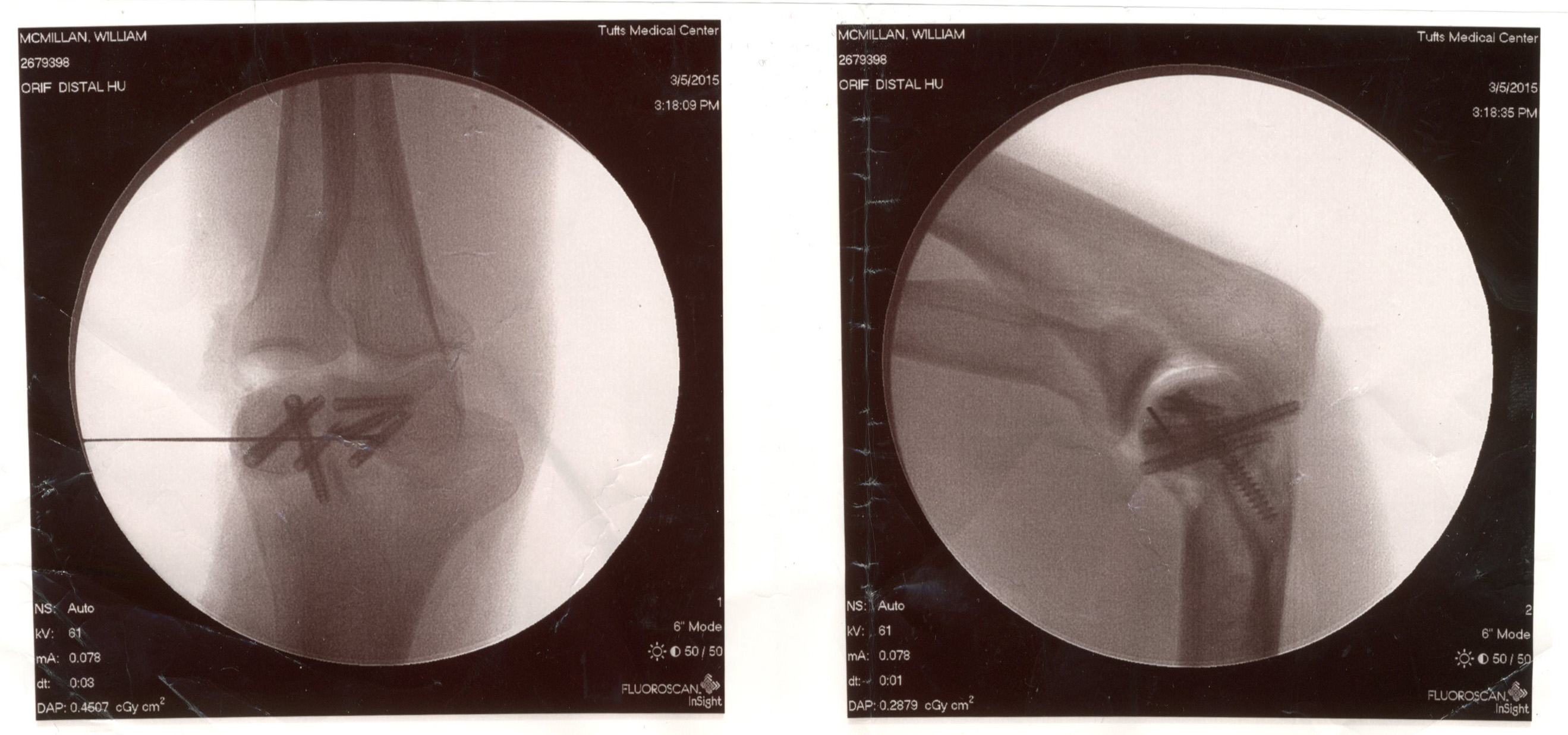
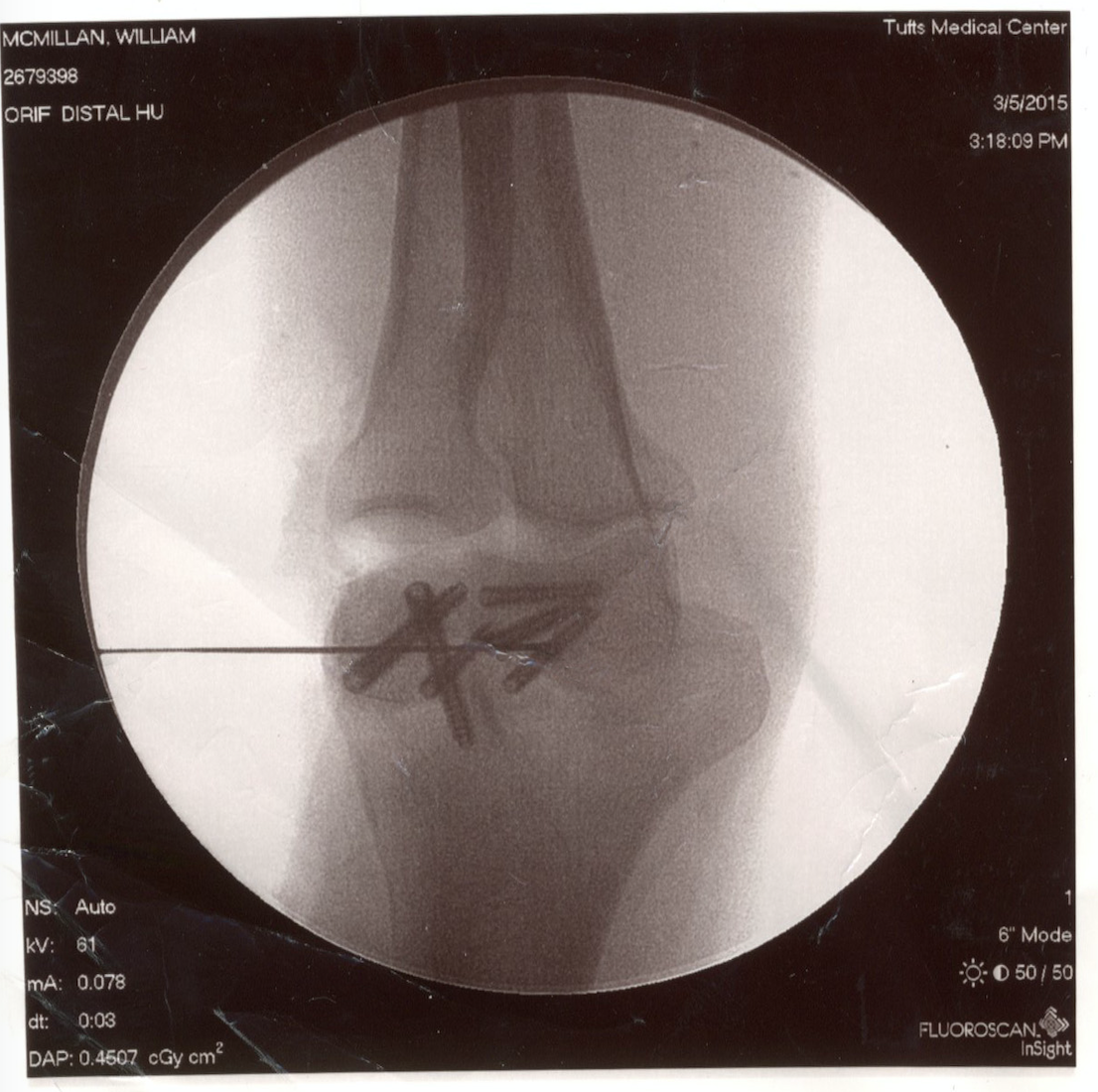
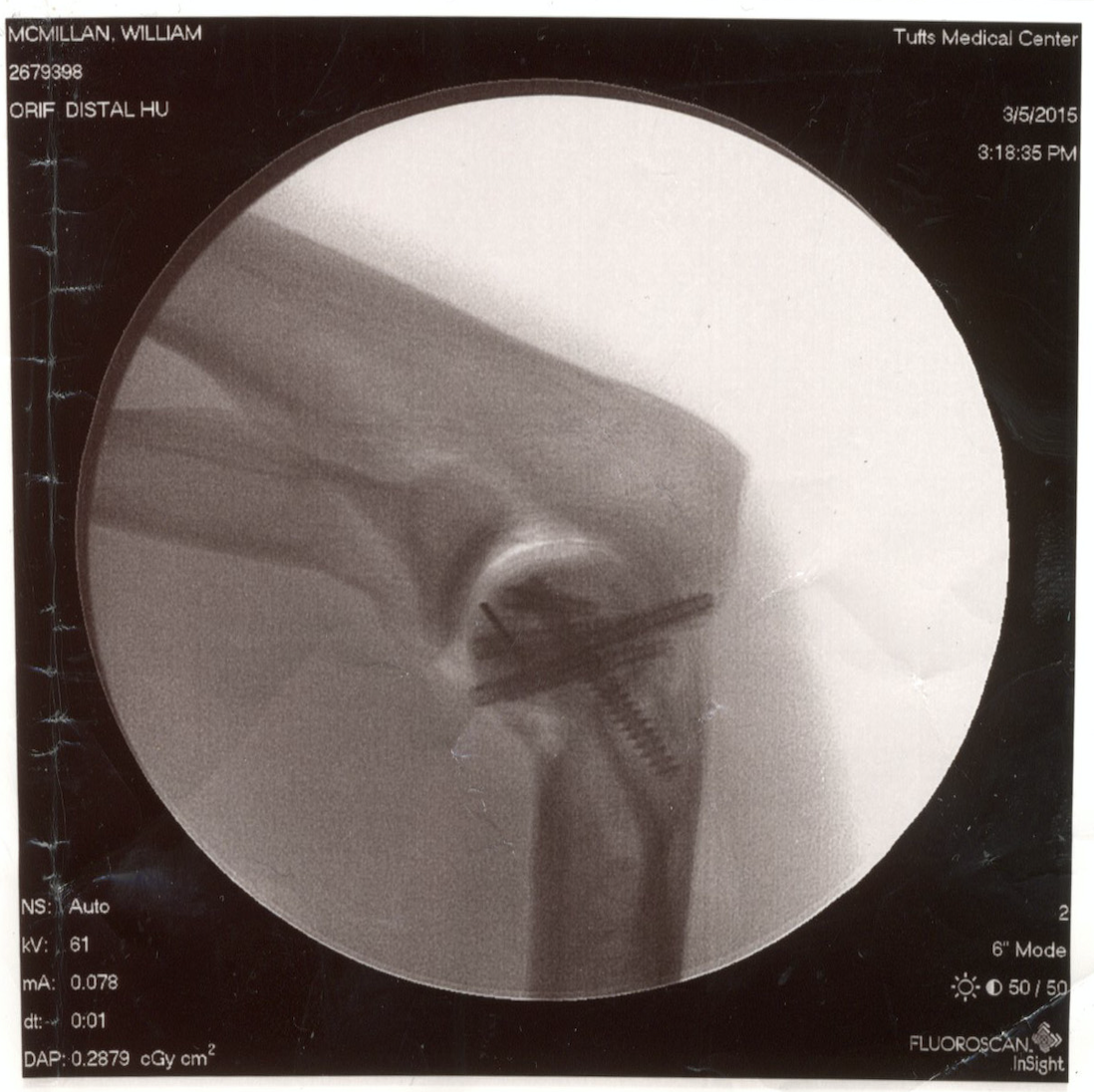
Dr. Charles Cassidy and his surgical team at Tufts Medical Center, who successfully pieced together the shattered bits of bone in my left elbow using several titanium screws of various sizes at the beginning of March.
Opiate drugs — which were a daily blessing during my elbow recovery.
Jazz pianist and composer Steve Sweeting, who invited me to record a CD of his tremendous original songs with him and then did two performances to celebrate “Blame Those Gershwins” in Manhattan and Somerville.
All of the families who have chosen to make Music Together with me in Belmont and Arlington — as well as my MT bosses.
Doug Hammer — for his engineering wizardry at Dreamworld Studio AND astoundingly collaborative spirit at the piano.
Jinny Sagorin for lending her voice and heart and diplomatic feedback to “The Beauty All Around” performance.
Jazz pianist Joe Reid, with whom I put together programs of music about Jule Styne, Hoagy Carmichael, and Jerome Kern — and with whom I also performed programs of music about Harold Arlen, Cole Porter, and the Gershwin brothers at retirement communities, libraries and synagogues around the greater Boston area.
Exceeding my (modest) financial goals for 2015 — thanks in part to two well-paid musical projects at the beginning of the year.
Kyra and Briony and Jill for a heartful musical adventure in honor of an old friend.
Bobbi Carrey, who is embracing new (although not very musical) challenges in Kuala Lumpur.
An ecstatic first performance of “The Beauty All Around” at Third Life Studio in Union Square.
Very supportive friends and family.
Very devoted and enthusiastic fans.
All the folks who have hired me and Joe to bring music to their retirement community, their library, their condo complex, their synagogue, etc.
Visits to Lime Rock, Connecticut; Ithaca, New York; Toronto, Ontario; and the upper west side of Manhattan.
Susan Robbins, who invited me to perform at Third Life Studio and maintains a very sweet Steinway grand piano there!
Photo by Anton Kuskin
All the people (most of whom I will never meet) who planted, cultivated, harvested, sorted, packaged, shipped, unpacked, displayed, sold (and sometimes cooked and served) me the food I ate in 2015.
That our planet orbits a modest star at the perfect distance for life to unfold in astounding cycles of expansion and contraction over the course of millions of years.
The Ukulele Union of Boston Meetup groups with a welcoming spirit and humble open mic section (during which I dare to share new songs…)
A new ukulele handmade — and given to me! — by Patrick Collins, a gifted musician, inspired woodworker, and dedicated teacher who lives in Toronto.
Megan Henderson, who has become my newest musical ally.
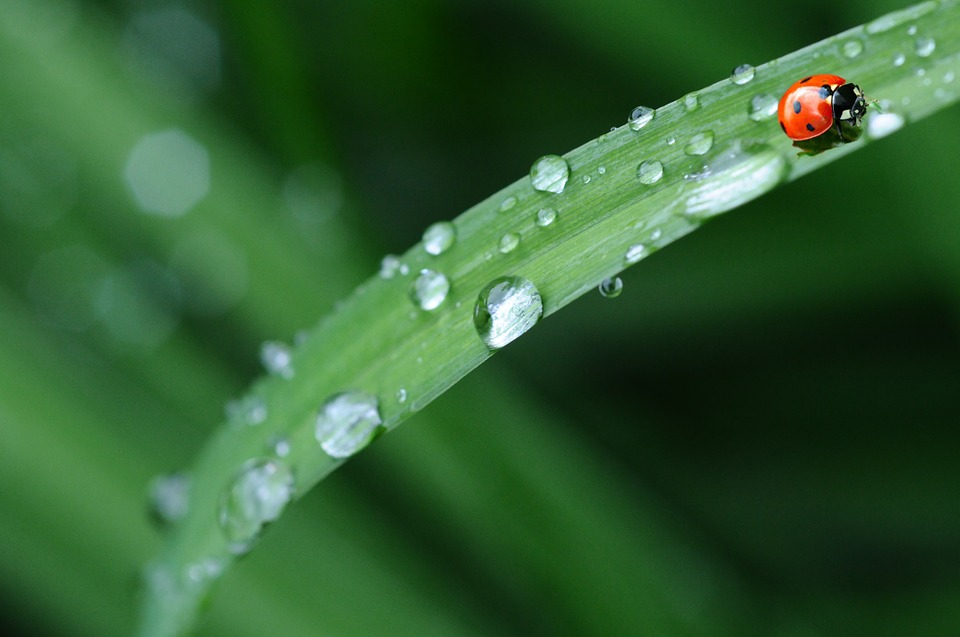
Rain and sun and dirt which create the conditions for plants to grow and flourish here on planet earth.
My trusty, slightly rusty, bicycle.
Electricity.
My two, increasingly aged, lap top computers which continue to function with grace and reliability.
Apple’s Garageband program.
The freshly paved, extremely smooth — with bike lanes! — stretch of Massachusetts Avenue from the Cambridge border to Arlington Center.
And, of course, music, music and more music — new songs or beloved standards, live or pre-recorded, spontaneous or well-rehearsed, solo or ensemble — it’s all a blessing.
Thank you for reading and listening to yet another blog post.
If I have forgotten to mention you in this list, please accept my heartfelt apologies…
A happy, healthy, and musical new year to you and yours!
It’s a perfect example of the kind of song I aspire to write — heartful and loving and wise and melodic.
In less than five minutes she inspires and comforts and counsels and softens the heart of the listener (and the singer) in a way that leaves me gently astounded.
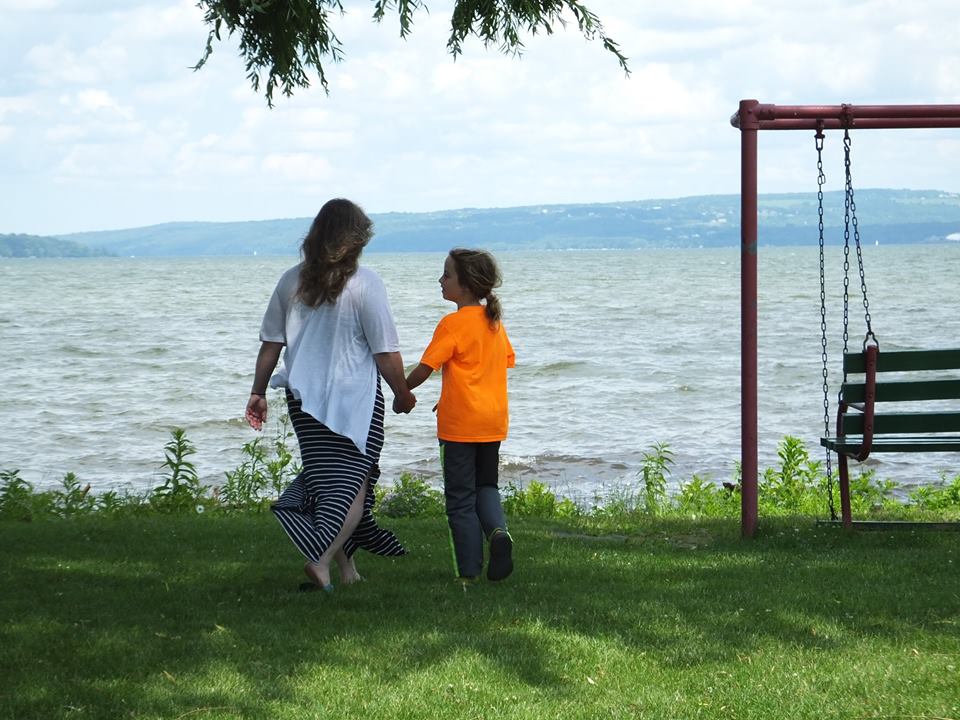
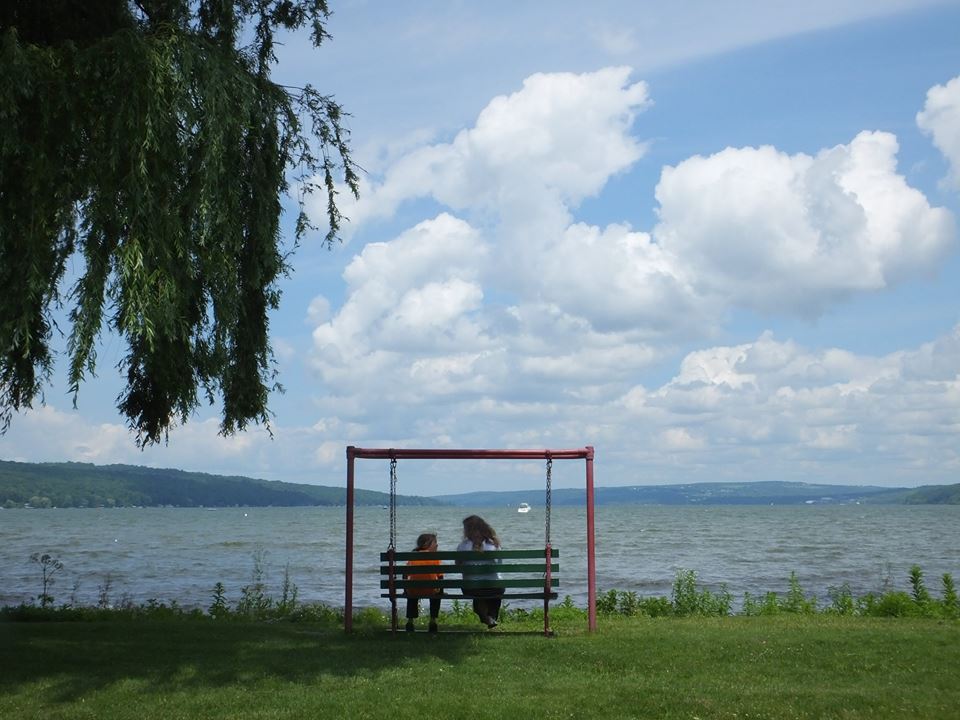
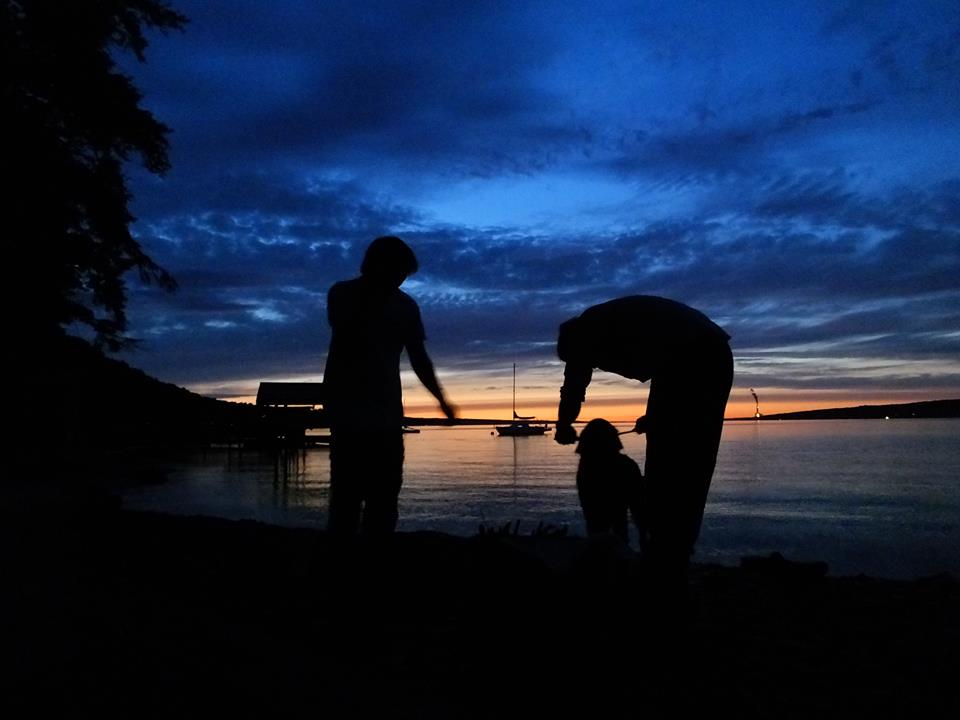
Mother and son by the lake…
I first heard “May I Suggest” when a musical friend dropped off a CD at my house with a note saying that she could imagine me singing it.
I am guessing that was in 2008, because this recording is from a rehearsal with pianist Doug Hammer in September of that year.
I’m pretty sure I sang it as a final song in a concert that year at the Cambridge Center for Adult Education, where I used to work.
Mother and son and sky…
Recently another musical friend mentioned to me that she had fallen in love this song…and then the random function in my iTunes library popped this take into my headphones as I was updating my database and mailing list.
So I am adding it to my list of songs to sing to myself in order to buttress my resolve as I prepare for the first public performance of all songs I have written or co-written (coming up on December 4th…)
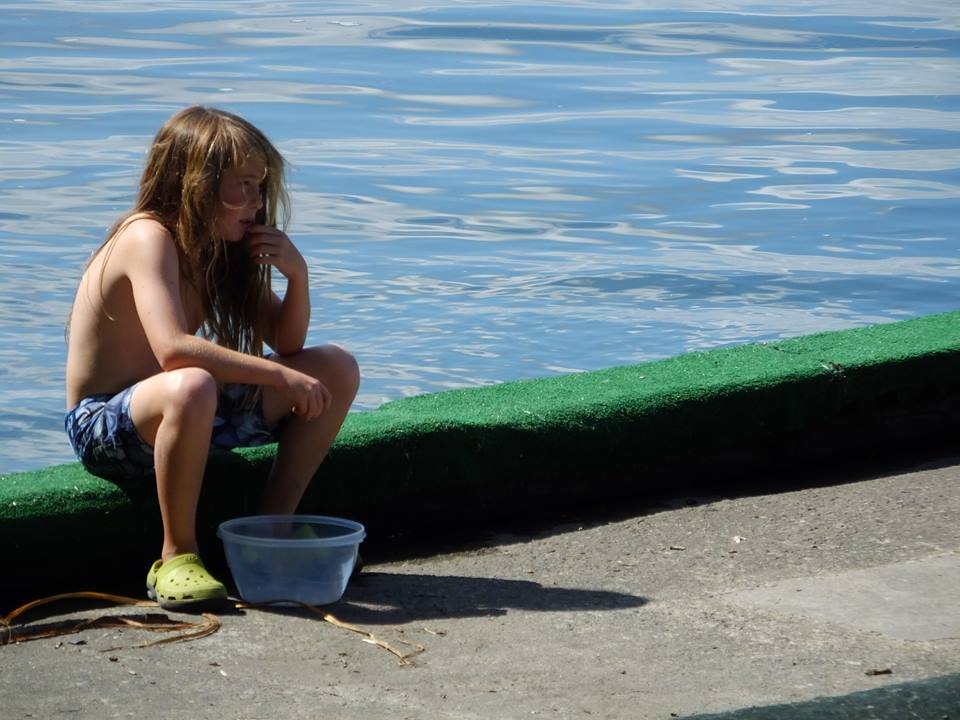
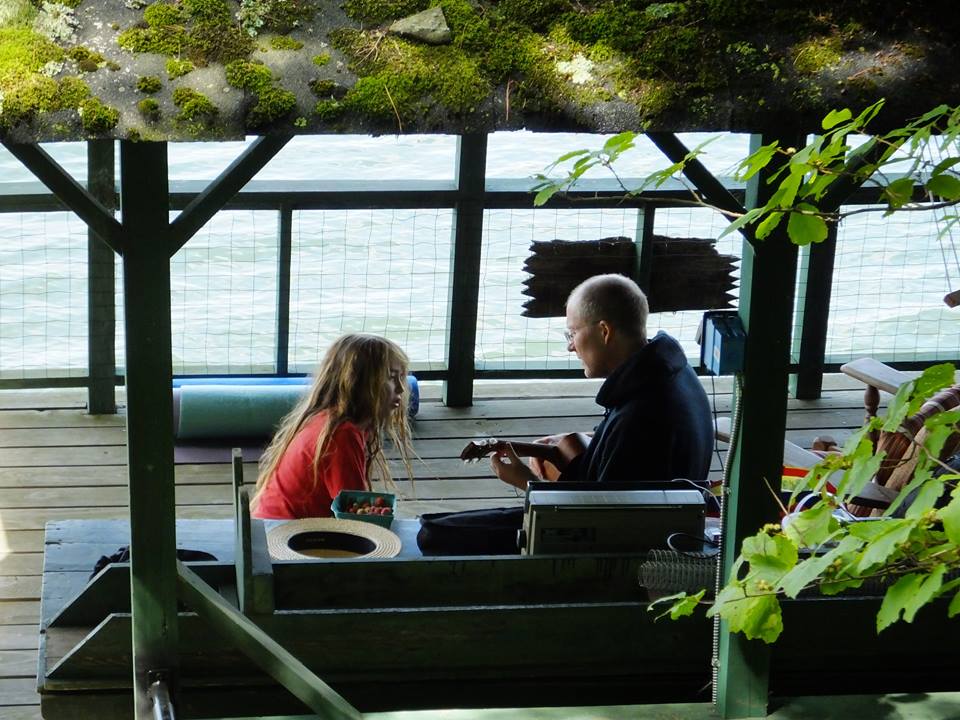
Boy and uncle on boathouse
After I listen to the news on public radio from Syria, from Iraq, from Turkey, from Libya — and from many, many other tragic situations near and far on planet earth — I often wonder why I am bothering to devote hours of my life to an undertaking as utterly self-oriented as a performance of songs I have, for better and for worse, written.
And yet music CAN touch people’s hearts.
Music CAN comfort and inspire.
And music IS an activity which tends to bring people together — sometimes harmoniously!
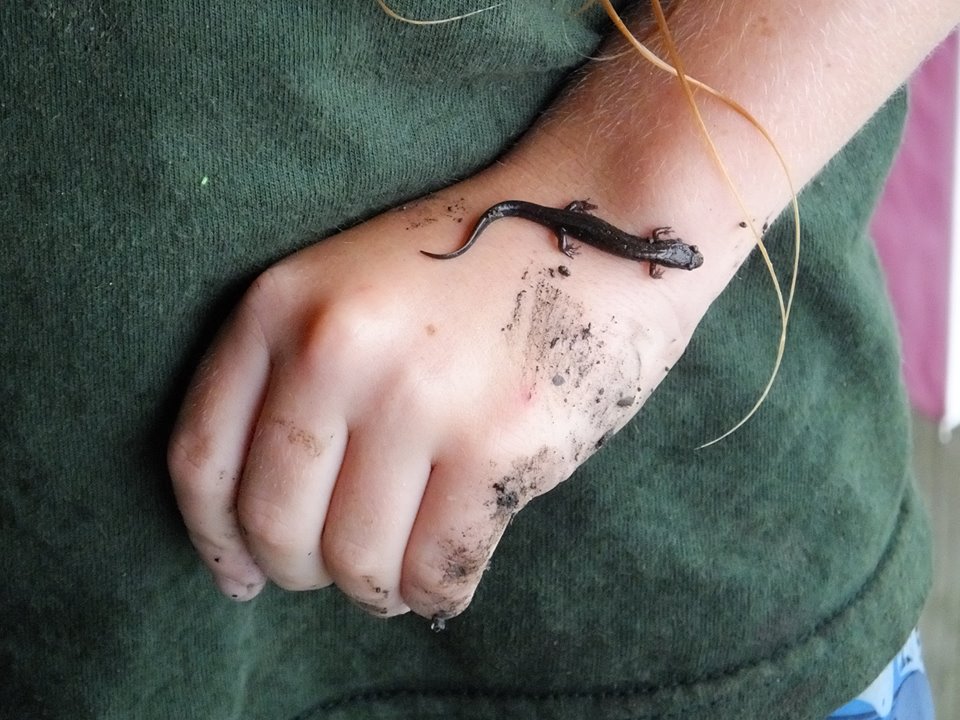
Salamander on boy’s hand
So I count my blessings (another great song…written by Irving Berlin), and send emails to my elected officials, and donate extremely modest amounts of money to hard-working non-profit organizations, and write songs, and snuggle with my sweetheart, and lead my Music Together classes, and ride my bike, and sing!
The photos in this blog post were taken my my sister, Christianne, who blessedly documents our lives together.
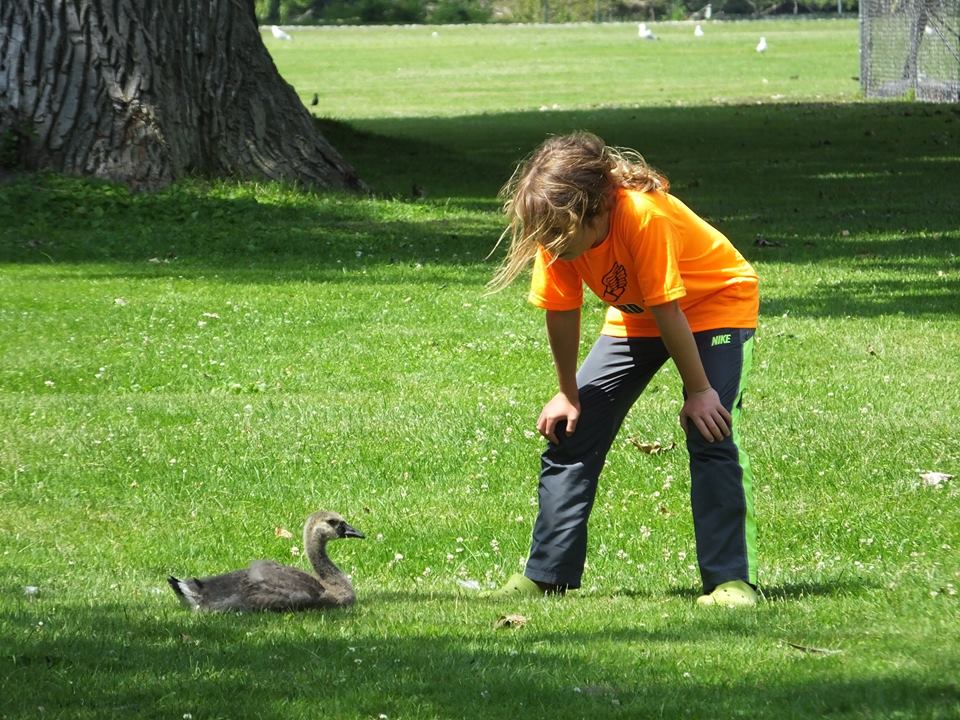
Gosling and boy
These are all from summer 2015 when we gathered at a cottage which is shared by 50+ cousins (although usually not at the same time…) on Cayuga Lake in upstate NYC.
Our great grandfather bought it and then gave it to his six children and their descendents.
I feel my sister’s images complement the lyrics and tone of Susan Werner’s great song.
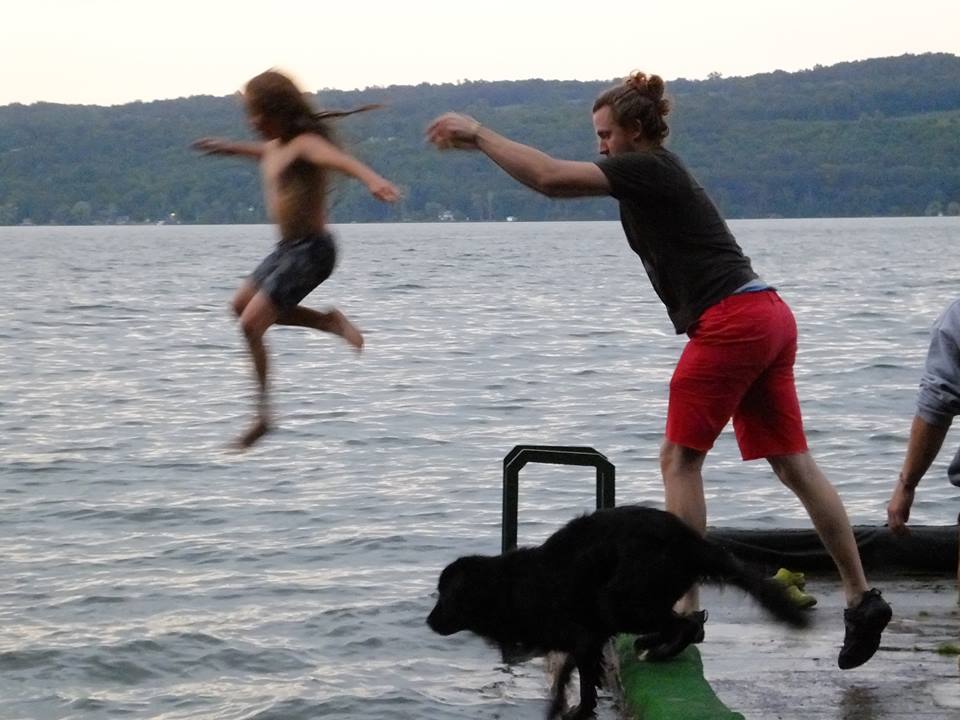
Into the lake!
I almost never remember to take photographs of life as it is happening, but I am very grateful to those who DO take pictures and then share them with the rest of us.
Thank you for reading and listening to another blog post!!!
Doing whatever one wants to do as long as one is not hurting oneself or anyone else.
These are all daily occurrences in my Music Together classes.
They contrast vividly with my work as a child and teenager in NYC — modeling for catalogs, doing TV commercials and voice-overs, working in a dinner theater production of The King and I, and even co-starring in a few made-for-TV movies.
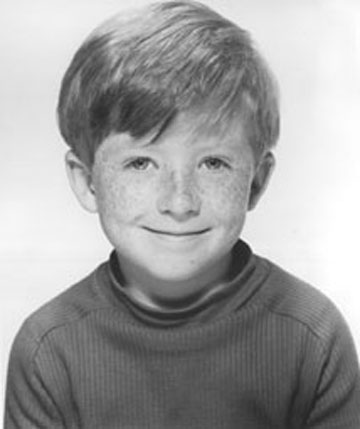
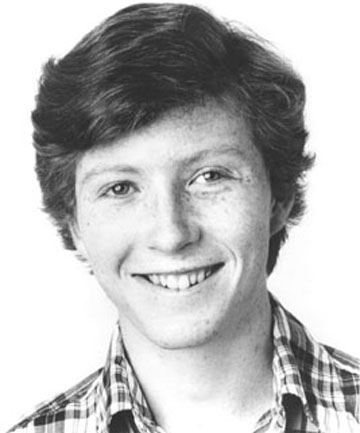
Here is what I looked like as a child.
As one of my childhood role models, Jack Wild, explained in an interview I found on Youtube, children who work in show business are not treated like children.
They are treated like small adults and are expected to behave as well as — and often better than — the grownups on the job.
Here is another shot where I am behaving more like a small adult.
Jack Wild was The Artful Dodger in the movie version of the musical Oliver and also starred in an odd TV show which aired on Saturday mornings called H. R. Pufnstuf.
I realize now (after watching an old episode via Youtube) that it was very loosely inspired by the movie “The Wizard of Oz,” and that it was a pretty horrible show — relying all-too-heavily on a laugh track to seduce us into thinking that what we were watching was actually funny.
But each episode usually provided Jack with an opportunity to sing and dance, which is what I particularly admired.
One song —”I’m a mechanical boy” — had enough resonance to me as a child that I remember it with bittersweet fondness to this day.
You can watch it if you are curious by clicking here.
Jack may have also been aware of the painful ironies of this song…
From Wikipedia, I learned to my sadness that Jack died ten years ago from mouth cancer.
He had apparently been smoking ever since he was 12 years old and drank very heavily starting in his 20s when work in the entertainment industry dried up for him.
He was 53 years old — my current age.
Deep sigh.
There but for the grace of g-d…
My career as a child and teen actor happened before the era of VHS recording devices — so I have very few watchable artifacts from that period of my life.
I have a few head shot photos (which I have sprinkled into this entry), a resume which I think might have been typed using what was then a new technology (an IBM selectric machine owned by good friends), and a VHS copy of one of my last films, Goldenrod, which was made in Canada and was eventually purchasable in VHS format.
Every few years, however, I spend an hour searching on Youtube for possible remnants of my childhood career.
Recently I got lucky!
I found an audio file for a voiceover I made when I was 11 or 12 — promoting Oreo cookies — as well as a Dr. Pepper commercial I made as a teenager in which I sing in the background on a fishing boat.
At least I think it’s me…. I know I made a Dr. Pepper commercial which was filmed on a fishing boat, but I don’t remember much from the shoot except that I was grateful not to feel too nauseous while we did take after take in what must have been the Long Island Sound.
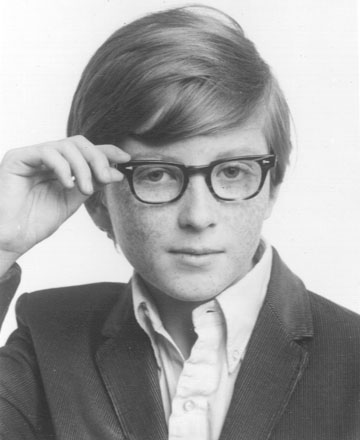
Here’s my teen-era head shot.
You can click on the links below if you are curious…
I am pretty sure I am the teenager wearing a baseball hat who dances behind David Naughton on the THIRD boat (a fishing boat) in the sequence and leaps onto a railing when everyone sings,”Only Dr. Pepper tastes that way.” If you look at the timing bar, I appear about 29 seconds into the clip…
I am the voice saying, “Then you get two crunchy chocolate outsides to eat last!” and also one of the voices singing, “‘Cause there’s not a better middle you can fiddle with” at the end of the spot.
I titled this post “Don’t You Worry ‘Bout A Thing” because I recently found a lovely take from a rehearsal (with Doug Hammer on piano and Mike Callahan on shaker) I did several years ago at Doug’s studio in Lynn when putting together a show called “Will Loves Steve” which featured all songs written by people named Steve or Stephen or Stevie.
Not only am I uplifted and reassured by Stevie’s melody and words, the rhythm instrument that Mike is playing reminds me of the plastic eggs which we use — with great delight — in my Music Together classes.
Right now I am putting together a show of all songs I have written or co-written called “The Beauty All Around.”
And I am discovering that it is a much more intimate and doubt-filled process than a show which features songs written by other people.
So Stevie Wonder’s great song is going to be my mantra for the next six weeks…
Thank you, yet again, for reading and listening to another blog post!!!
1) I can again ride my bike to and from Music Together classes.
2) The mulberry trees in Arlington have been particularly generous with their berries this season, and there are many days that my tongue has been colored purple as a result…
3) My sweetheart and I recently visited family in upstate NY, where we were fed currants and bok choy and eggs — all of which were grown on my sister’s farm.
Yum.
4) And jazz pianist Joe Reid and I continue to perform our hour-long programs of songs written or co-written by Harold Arlen, the Gershwin Brothers, Jule Styne, Hoagy Carmichael and Cole Porter at retirement communities, coffee houses, and libraries around the greater Boston area.
After a recent show, I was speaking with one of the audience members about how — before the arrival of amplified sound in theaters — a song had to be crafted so that it could be sung by a performer and heard way up in the highest balcony seat.
Vowels and consonants and words and notes and melodies and ideas all had to travel from one person’s vocal tract to another person’s ear without the aid of electricity.
As far as I can tell from reading dozens of biographies about songwriters over the past couple of years, there were many factors which allowed this to happen.
a) Theaters were designed with great sensitivity to acoustics.
b) Songs were orchestrated to leave some sonic space for human voices to cut through the overall blend of musical vibrations and be heard.
c) The audience was accustomed to leaning forward and LISTENING carefully — compared with today, when I take earplugs with me in order comfortably to withstand the blast of amplified sound that is the norm in today’s pop music and even in today’s musical theater.
d) The singers — Ethel Merman being one of the most famous examples — knew how to generate potent streams of sound.
e) The songwriters knew how to craft songs with vowels and consonants and rhymes in all the right places while telling a story and advancing the plot.
One of my favorite examples of this craftsmanship is the song “Do I Love You, Do I?” which was written by Cole Porter for his musical DuBarry Was a Lady.
It is extremely fun to sing — especially near the end when the melody of the final “Do I love you, do I?” rises to a big, high note with total ease due to the extremely functional (from a singing point of view) vowel sequence of the two words “do” and “I.”
You can listen to this — and sing along if the spirit moves you — by clicking the song bar at the top of this blog entry. It is a recording I made a while back with the great pianist and songwriter Steve Sweeting when he lived in Brighton, MA.
Steve and I have recently finished recording a nine-sing CD of HIS extremely well-crafted original songs which I will very likely be writing about in future blog posts.
May there be lots of music in your life today and every day!
And thank you, as always, for reading and listening.
Today I sit on our back porch, savoring a gentle breeze and warm, spring-like weather.
Ahhh….
A careful reader might notice that I haven’t posted anything since December.
We had a long, snowy winter here in the Boston area — and at the end of February I managed to fracture the bottom surface of my left humerus (upper arm bone) by tripping over a very enthusiastic 18-month-old student who got behind me (without my realizing it) during one of my Music Together classes.
Six titanium screws later, my left elbow is mostly functional — and a few more months of painful therapy may, in frustratingly small increments, restore full functionality.
We shall see…
One of the blessings of my recent encounter with the world of Western medicine is that I found a great surgeon — the head of orthopedic medicine at Tufts Medical Center! — who was willing to screw the various chunks of my humerus back together again. He is also a terrific listener who makes unwavering eye contact during conversation.
And the anesthesiologists who took care of me during my surgery were also willing to listen to my request that they NOT intubate me. Instead they used an alternative device which didn’t poke through my larynx, bless them.
So I experienced no inadvertent bumps or scratches on my vocal cords while I was under anesthesia.
Now a very patient and sweet-tempered occupational therapist is helping me persist in my quest for a fully functional left elbow.
Through this entire process I have been blessed with music — healing tracks by Libana, Bobby McFerrin, Annie Bethancourt, and Bill Glassco (to name a few) — as well as a very soothing guided meditation by Peggy Huddleston to help prepare for and recover from surgery.
Although my left arm aches 24/7 — especially after I have done my stretching exercises — listening to music, practicing music, learning new songs, performing music, jotting down new musical ideas, and leading my Music Together classes all, thankfully, distract me from the sensations in my arm.
I have included a fun version of the Gershwin Brothers’ song “I Got Rhythm” (originally debuted by a very young Ethel Merman in her star-making performance as part of the Gershwin Brothers’ musical Girl Crazy) at the beginning of this blog post.
I recorded it with Doug Hammer on piano at his studio on the North Shore. You can hear him laughing at the end of the take because he didn’t know I was going to hold a particular note as long as I did in a spontaneous homage to Ms. Merman…
It sums up my outlook during this recovery period, and it certainly fits the mood of today, as birds swoop through our back yard, and bees of all sizes diligently gather pollen from the flowers blooming around town.
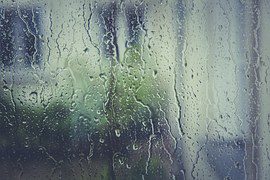
I was riding my bike home in the rain this week and remembered a song written by a New England author and songwriter named Barbara Baig.
“Rain beats at the window as I stare into the night…”
I recorded it a while ago with Doug Hammer playing piano — and, I think, Chris Rathbun on upright bass and Gene Roma on drums — at Doug’s Dreamworld Studios on the North Shore.
That was when I was hosting a performance series in Harvard Square called “Will & Company.”
Each show featured a local songwriter and a local singer about whom I was excited.
I recently learned that one of the songwriters, Ernie Lijoi, has written lyrics for two songs in a musical called It Shoulda Been You which is opening on Broadway at the Brooks Atkinson Theater in April of 2015 starring Tyne Daly and directed by David Hyde Pierce.
Although a lot — a blessed lot — of stuff is going well in my life these days (a devoted life partner, robust Music Together classes, more performances at retirement communities and libraries, basic health, no debt, a functional bike, a wonderful web of family and friends for whom I am very grateful, and the list goes on and on), I also find myself standing from time to time in deep puddles of fear.
And I berate myself for feeling scared — aware that billions of beings on planet earth are not as fortunate as I am.
What do I have to feel scared about?
Yet I am also aware — without reading the paper, listening to the radio, watching the news, or tapping into various social media — that our human population continues to climb, that more and more species of animals and plants are becoming extinct, that our economic models are based on an advertising-created desire to possess more and more things, etc. etc. etc.
Thinking about these global challenges leaves me feeling scared, or sad, or angry — or all of the above.
How do we not become mired in fear?
How do we keep our hearts open?
How do we change our lives to respect and honor and nurture the amazing web of life currently unraveling on planet earth?
It may not always be easy to feel, but it’s always there somewhere — or perhaps everywhere? — waiting to be tapped into.
In the two years since I was laid off from my day job, I have come to understand that music is one of our most accessible — and brilliant — technologies for re-connecting with love.
I experienced another love-filled gig with pianist Joe Reid last Saturday at a retirement community to the south of Boston.
It was the first time we had been there; so I didn’t know what to expect.
I was also feeling a bit concerned that our choice of “Make Someone Happy: The Songs of Jule Styne” — rather than a program of songs by the more familiar Cole Porter or Gershwin Brothers — might have been too risky for a first visit.
But we were warmly welcomed, ushered to a lovely performance space (not too big, not too small — a “just right” Goldilocks fit) with a small grand piano, a good PA system, and an audience of American Popular Songbook aficionados.
The size of the room — and the lighting in the room — made it possible for me to make eye contact with everyone.
Many audience members knew the words to the songs we were performing — and I, inspired by my Music Together classroom experiences, exhorted everyone to hum, tap, snap, or even dance if the spirit moved them.
There is something about the structure of a well-written song that allows — even encourages — one to put one’s heart into the singing of it.
And knowing that a song has a beginning, a middle, and an end somehow makes it safe for me as a singer to experience a wide range of feelings while I am singing it.
I think I have written in previous blog posts about how amazing subtext can be — how simply changing what or whom one is thinking about as one is singing can completely alter one’s interpretation of a particular song.
I have even begun to wonder — as I sing and make eye contact during performances with as many different audience members as are willing to connect in that surprisingly intimate way — whether I start connecting on an unconscious level with some of THEIR subtext, THEIR history, and THEIR associations with a particular song.
Whatever is transpiring energetically, it certainly opens MY heart — and re-connects me to feelings of joy and heart-ache and love and fear and desire and hope and pain.
Afterwards Joe and I listened to the stories that these songs evoked in the residents — tales of huge summer parties near Westport, CT in the 30s and 40s, or of seeingBarbra Streisand in the original production of Funny Girl, or of listening to these songs on the radio with loved ones in the living rooms of their past.
One woman said something like, “We have to have you and Joe back again right away — your singing reached inside and touched my soul.”
This is what I live for.
This is what music can do.
Two strangers can, in a safe and well-boundaried way, touch each other’s souls.
John Lennon knew that.
He wrote the song “Love Is Real” — which I recorded several years ago with Doug Hammer at his Dreamworld Studio. Then I monkeyed with those tracks using Garageband to create the version at the top of this page.
Thirty four years ago John Lennon was killed as he got out of his car and headed into his apartment in NYC.
According to Wikipedia, he had chosen to get out on 72nd Street (rather than the driving into the courtyard of his building) so that he could chat with any fans who might be waiting to say “hi” and ask for an autograph.
In fact, earlier in the day he had autographed a copy of Double Fantasy — the life-affirming album he had recently released with Yoko Ono — for the man who later shot and killed him.
After I heard the horrible news of John’s death, I remember walking along Massachusetts Avenue in Harvard Square, feeling very sad and upset that this could ever have happened.
One loss often awakens previous losses — like a metal chime rippling and echoing through the layers of one’s emotional body and memory.
So, with hindsight, it is very likely that I was also grieving other deaths, other losses, other assassinations — as I grieve tonight…listening to John’s music and reflecting on his inspiring life.
You can click here for a link to a comforting essay I found online which offers perspective about why so many of us continue to be so deeply moved by John’s murder.
I loved John Lennon.
I continue to love his music — as well as the music of all The Beatles.







 amusicalifeonplanetearth