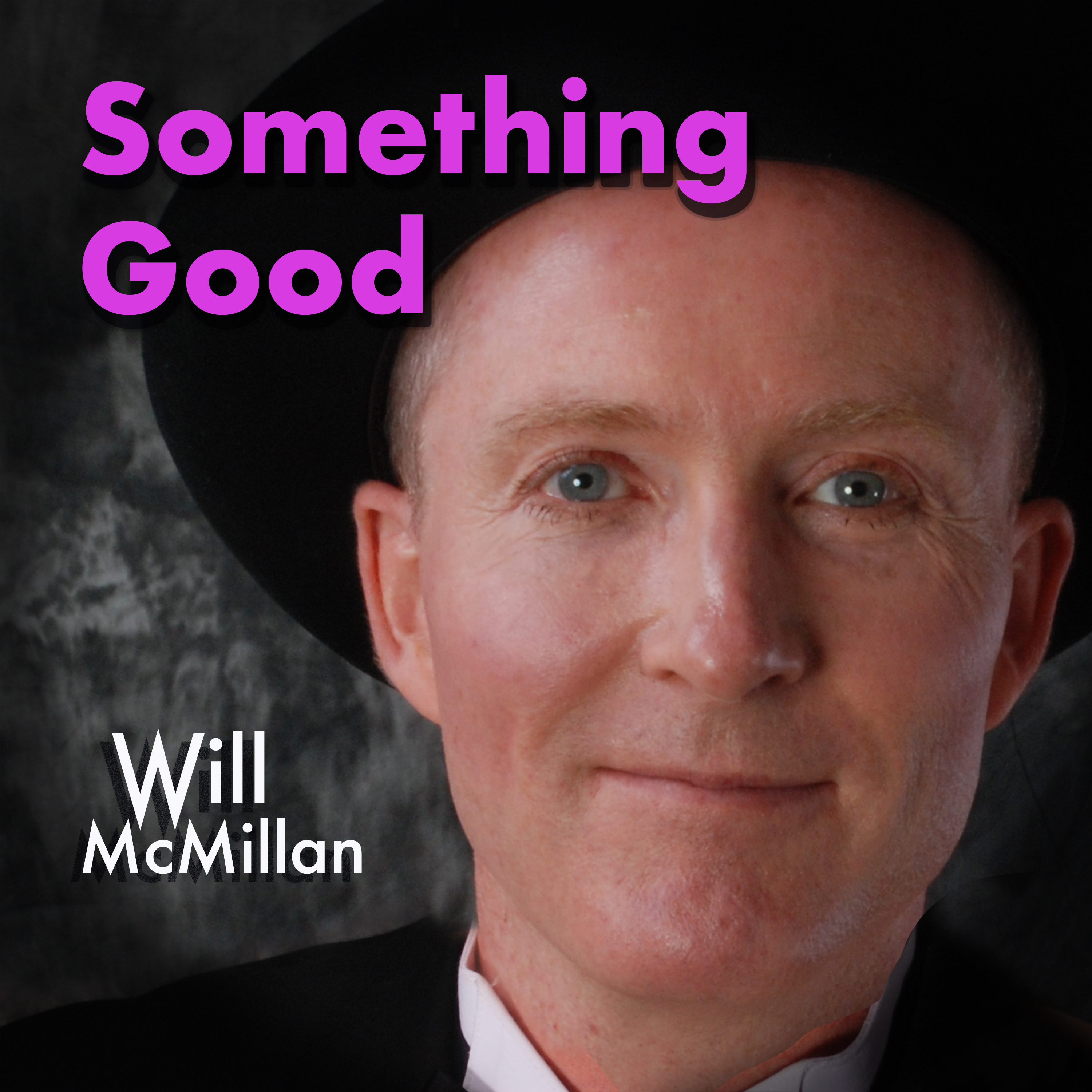
Something Good


Skimming over some of my previous posts, I see that I rarely mention anything about feeling frustrated, unhappy, anxious, or any other “negative” emotional state.

I would like to clearly state that I feel disappointed, scared, envious, disheartened, disgusted, vengeful, upset, discouraged, and cranky on a regular basis.

But I strive — when feeling out of sorts — to remind myself of any number of things in my life that I can be grateful for.

A wonderful life partner.  Health.  Plenty of food.  Lots of family.  Lots of friends.  A functional bicycle.  Employment.  A safe place to live.  Clean water.  No tanks patrolling my neighborhood.  Music.  Electricity.  The children and grown-ups in my Music Together classes. Warm clothing.  Two lap top computers.  Access to the internet.  Great collaborators.  Our local network of public libraries.  The retirement communities which invite me and my collaborators back to perform again and again.

Once one gets started, the list can go on and on and on…

The week before Doug Hammer and I performed Songs About Parents & Children at the Third Life Studio in Somerville, MA, I found out that I had been awarded a grant from the newly-created Bob Jolly Charitable Trust to help pay for rehearsals and marketing outreach.

Bob Jolly, who died in 2013, was a beloved actor in the Boston community for 28 years.
The Bob Jolly Charitable Trust — established by his will — supports local actors, performers, composers, and theater companies with modest yet very meaningful financial support.

I am very grateful for this grant as well as Bob’s vision to nurture Boston’s creative community for years to come.

His generosity is indeed something good!

The song in the player at the beginning of this blog post was created by Richard Rodgers for the movie version of The Sound Of Music.

He wrote both the music and the lyrics because his second longtime lyricist/collaborator, Oscar Hammerstein, II, died before the movie was made.

The knowledge that Mr. Hammerstein was dying from stomach cancer while they were bringing the original Broadway musical to life adds — for me — an extra layer of poignance to songs such as “My Favorite Things,” So Long, Farewell,” “Climb Every Mountain,” “Edelwiess,” and “The Sound Of Music.”

And learning more about Mr. Rodgers challenging relationship with alcohol — as well as with various female cast members in his shows —  adds many more layers of complexity to “Something Good,” which Doug and I performed as our final encore at the end of Songs About Parents & Children.

Deep breath in.

Deep breath out.

Thank you for reading and listening.

So Many Stars…

Image by yavorzhelyazkov from Pixabay

“So Many Stars” is a song I have heard performed by many different singers, and I have always thought to myself, “I need to learn that song.”

This past summer I visited a pianist/songwriter friend, Steve Sweeting, and his family while attending a Music Together training session in Manhattan.

One evening we were brainstorming about possible future collaborations, and I mentioned that I have long wanted to do an evening of songs about stars — both the amazing energetic phenomena that we see at night and the human-created idea of “star” — as in “movie star” or “musical theatre star.”

To get us started, he gave me the sheet music for “So Many Stars,” which I promptly began learning.

Pianist Doug Hammer and I recorded the version I have included at the top of this post  — and then I went camping for two weeks with family on Cape Cod.

Image by Pexels from Pixabay

One of the things I love about getting away from the city is gazing at the sky on a cloudless night.

A couple of times I walked down to the beach after dark and sang “So Many Stars” over and over again while the universe beamed light across unimaginably vast distances to trigger the rhodopsin in my eyeballs — and awaken a sense of wonder in my mind, body, and spirit.

The deceptively simple lyrics of “So Many Stars” were written by the wife-and-husband team of Marilyn and Alan Bergman for a wonderful melody by Sérgio Mendes, a Brazilian pianist and songwriter.

The Bergmans created lyrics for a bunch of great songs including “Nice and Easy” (for Frank Sinatra), “The Way We Were” (for Barbra Streisand), “What Are You Doing The Rest of Your Life?” and “You Must Believe In Spring.”

Sérgio Mendes was a founding member of the successful vocal jazz group Brazil ’66 and left behind a 35-album legacy of music when he died from complications of long-term COVID in 2024 (I updated this blog post in 2026…)

Image by fernando zhiminaicela from Pixabay

There are so many ironies about the lives that we “modern” human beings have created here at the beginning of the 21st century on planet earth.

One of them is how — in the interest of safety and security and advertising — we have erected vast numbers of exterior lights, which means that we are less and less able to experience the truly amazing sight of a starry, starry night — along with the humility and curiosity and mystery that it can evoke in us.

Deep breath in.

Deep breath out.

As someone who has (blessedly) never been mugged, I’d rather have more visible starlit nights and fewer streetlights in my life.

How about you?

Hurrah for rhodopsin, hurrah for music, and hurrah for the vast mysteries of the universe!

Image by wal_172619 from Pixabay

I can get so caught up in the human drama unfolding here on planet earth that I forget about the larger — and potentially un-knowable — universal patterns and cycles unfolding all around us at every moment of the night and day.

Another deep breath in.

And deep breath out.

Thank you to the Bergmans and Mr. Mendez for creating this beautiful song.

Thank you to Steve for giving me the sheet music for “So Many Stars” and to Doug for recording it with me.

Thank you to the generous and gifted photographers at Pixabay.

And thank YOU for reading and listening to yet another one of my blog posts.

PS: You are always welcome to visit my musical website, willsings.com, by clicking here.

Everybody Says Don’t…

Image by laurenta_photography from Pixabay

One of my favorite Stephen Sondheim songs — “Everybody Says Don’t” (on the player embedded above) — is from his first official flop, Anyone Can Whistle, which starred Angela Lansbury, Harry Guardino, and Lee Remick on Broadway in 1964 and ran for nine performances.

Among other topics, the plot explored the classic question of who is saner — the folks in a mental hospital or those who are not.

“Everybody Says Don’t” invites us to consider how we make choices.

Many of us make choices based on what other people say or think.

Sometimes this demonstrates a healthy respect for our shared values as human beings — and helps to keep our societies more, rather than less, civil.

Sometimes it’s a way to avoid saying or doing something important — something which might be utterly, uniquely, and profoundly why we are alive here and now on planet earth.

I might have stayed in my non-musical day job as a PR/development/events professional for another 16 years if I hadn’t been laid off.

The job offered me teamwork, camaraderie, shared purpose, a paycheck, respect from my peers, and daily surprises/challenges.

Will McMillan by Stephen C. Fischer

But it was not tapping very deeply into my musical soul.

Now I am devoted to making music for a living — as a performer, a songwriter, and a Music Together teacher.

The sentiment of “Everybody Says Don’t” reminds me of one of the guiding principles of Music Together — that anything a child chooses to do during class is fine and needs to be respected as part of their learning process/style.

A child’s caregiver may want them to sit still and “play” a drum — or a shaker egg, or a triangle, or a set of wooden sticks — in a particular manner.

But their way of soaking up the music in class may involve moving their bodies around the room, sitting in a corner (seemingly disconnected from everything happening in class), or bouncing up and down in someone’s lap.

As long as the child is not endangering themselves or hurting someone else in class, s/he is free to respond to the music in her/his own fashion — which may change from song to song and class to class.

I sometimes imagine the adult caregivers (moms, dads, nannies, grand mothers, grand fathers, au pairs, uncles, aunts and more) as younger versions of themselves — who may have been told somewhere along the line: “don’t sing so loudly,” or “don’t sing out of tune,” or worst of all, “don’t sing — just move your lips.”

Image by Joe McDonagh from Pixabay

One never knows what musical wounds people may be bringing into our classrooms…

As one teacher remarked at the end of a three day Music Together seminar, “90% of our job is showing up with a compassionate heart.”

I guess that could be true about a lot of our interactions here on planet earth…

Deep breath in.

Deep breath out.

Thank you for reading and listening to this blog post.

I welcome any comments you might be inspired to share below.

What’s It All About?

Last night I attended a party at a home in Medford, MA (a neighboring town just outside Boston).

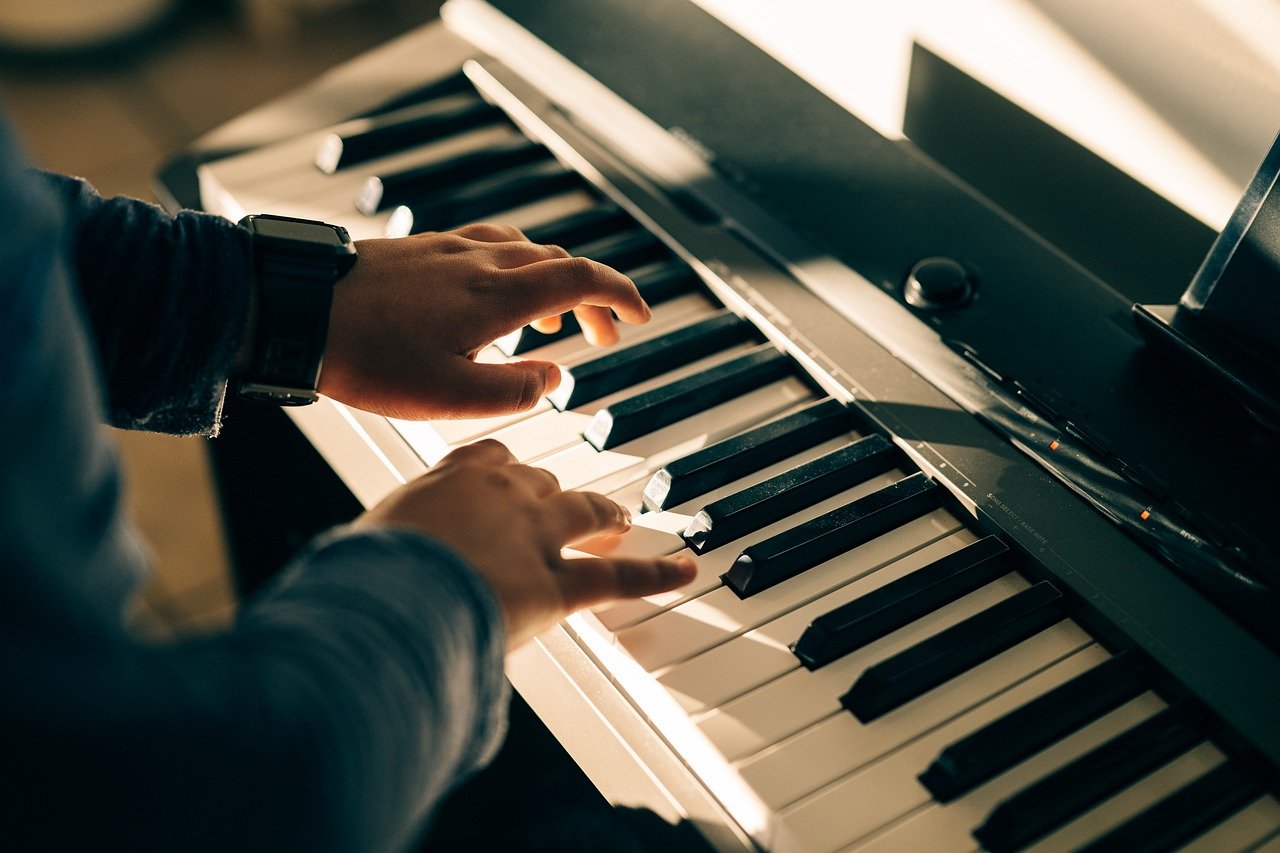
The host had invited a couple of pianists and a bunch of friends who like to sing to celebrate his birthday.

Image by Jackie Matthews from Pixabay

After some delicious food and inspiring conversation — including how the Boston Beer company decided to withdraw its support of the St. Patrick’s Day parade in South Boston — we all moved from the kitchen into the living room.

And then we made music together for three hours.

Sometimes it was one singer accompanied by a pianist.

Sometimes it was the whole room singing together.

Image by yinet gomez from Pixabay

Sometimes one of the pianists sang.

At one point each of the pianists even accompanied the other — who was uncharacteristically standing to sing.

The daily news from our mainstream media brings so many unhappy stories into our homes and into our hearts — planes which mysteriously crash; snipers who fire on civilians; species being wiped out by poachers; wars being waged over natural resources and political power and religious beliefs…

I often wonder what we human beings are doing here on planet earth — and how music fits into the larger equations and patterns unfolding on a daily basis.

Image by Susanne Stöckli from Pixabay

Are we here, as some teachers suggest, so that our souls can experience fear and love?

If that is the case, we are certainly doing a great job with the fear component of this cosmic experiment!

Maybe music is one of the tools we can use to respond to fear.

I know from my own experience that listening to music — and making it with others — can lift my spirits.

And can reconnect me with my deeper feelings.

Image by Gerry from Pixabay

And can bring my energy — for lack of a better word — into harmony with others.

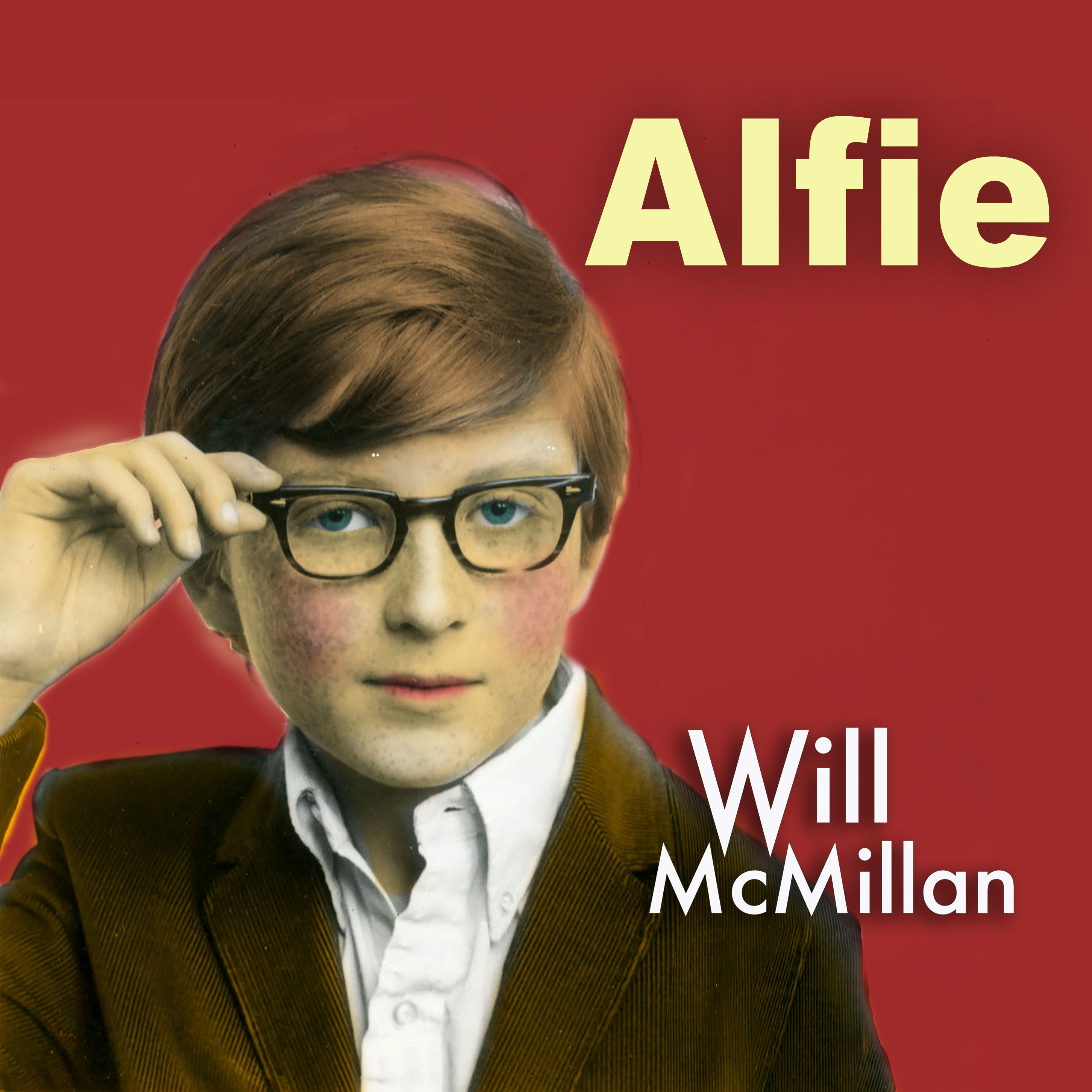
Last night someone at the party sang the great Bacharach/David song “Alfie.”

It reminded me of a recording (embedded at the top of this blog post) which Doug and I made a few years ago at his studio in Lynn.

I am reassured that other human beings, such as Burt Bacharach and Hal David, have pondered similar questions, too.

And I am very, very grateful that my life is now focused on making and sharing music with others.

Thank you for reading — and perhaps listening to — this blog post!

ps: When I wrote this blog post over ten years ago, it included no photos. So in April 2024 I added some from a wonderful photographic resource called Pixabay. THANK YOU to all of the generous photographers and graphic artists at Pixabay!

pps: And when I first recorded this version of “Alfie” with the wonderful pianist Doug Hammer, I knew nothing about digital distribution of music. Now it is available on a bunch of streaming services — and you can click here to stream it.

And So It Goes

Another Valentine’s Day is here.

Lots of snow.

I bought a box of cards at CVS yesterday so that I can hand out child-sized Valentines to the little ones in my Music Together class.

There were cards which featured wrestling action stars and others with garish visual special effects.

There were cards publicizing children’s movies and TV shows.

I showed my final choice — puppies and kittens with accompanying tattoos — to a mom in the card aisle.

She assured me that most parents are OK with temporary tattoos.

We shall see…

I have long admired the song I included at the beginning of this post.

“And So It Goes” is one of Billy Joel’s most beautiful, wise ballads.

I recorded it with Bobbi Carrey — who provided harmony near the end — and Doug Hammer — who played piano and engineered simultaneously — at Doug’s great studio outside Boston.

It is one of the tracks on our CD, If I Loved You.

There are more tracks from that CD in the music player on the right hand column of this blog, including “I’ll Be Here With You,” “What Is This Thing Called Love?” “Dog At The Pound,” and the title track, “If I Loved You.”

I realize — not surprisingly —that almost every song in the right hand column of this blog is about love.

Music has an uncanny power to re-connect us with our hearts.

May you have much music in your life on this — and every — day.

I’m A Baby Monkey

Image by Vantha So

One of the things I love most about teaching Music Together is the concept that each person absorbs and processes music in their own way.

Some children — and some adults, too — like to sit still while they soak up the sights and sounds swirling around them.

Others like to move their bodies — swaying, clapping, tapping their toes, nodding their heads, or even jumping up to dance in the center of the circle.

Still others prefer to wander around the room, seemingly oblivious to the musical activity unfolding all around them.

And yet these same children will often start singing their own versions of the songs as soon as they leave class…

Image by Petr Ganaj from Pixabay

I love the respect for different learning styles that is baked into the Music Together pedagogy.

As long as no one is hurting themselves or distracting the rest of the class, whatever she or he wants to do in class is OK.

At times this can make for a somewhat chaotic classroom experience.

But if the teacher and a majority of the adults are able to keep participating — singing, moving, chanting, drumming, dancing, marching, and so forth — the class flows on.

Image by Dharamveer Singh from Pixabay

The grown ups copy the teacher.

The children copy their accompanying grown up, the teacher, the other grown ups, and the other children.

And I am always looking for movements and ideas from the children and grownups in the class which I can mirror, highlight, and somehow incorporate into the flow of my lesson plan.

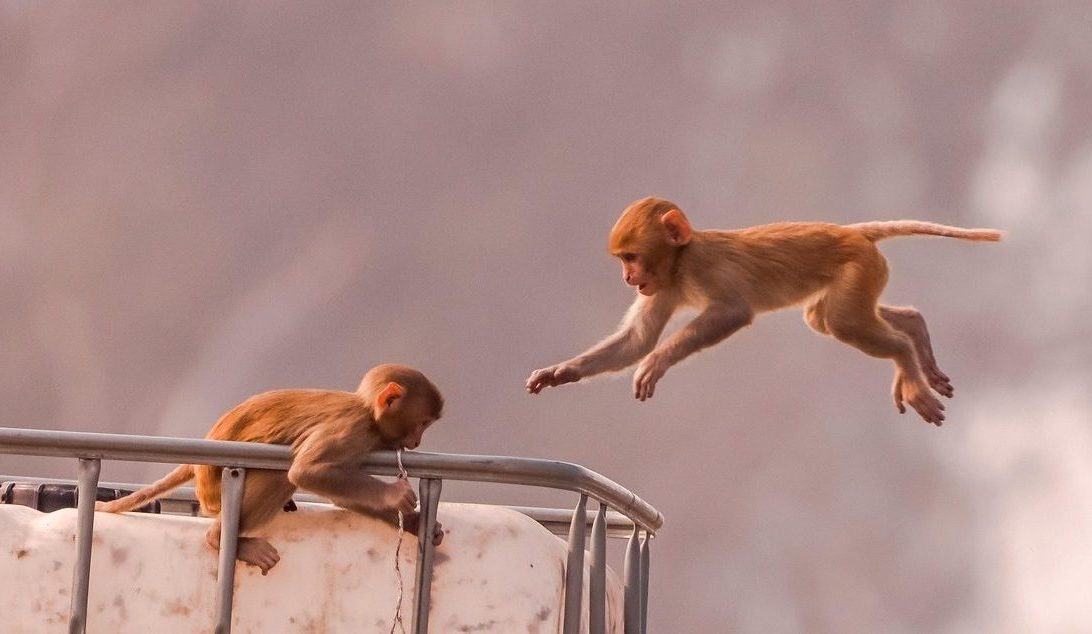
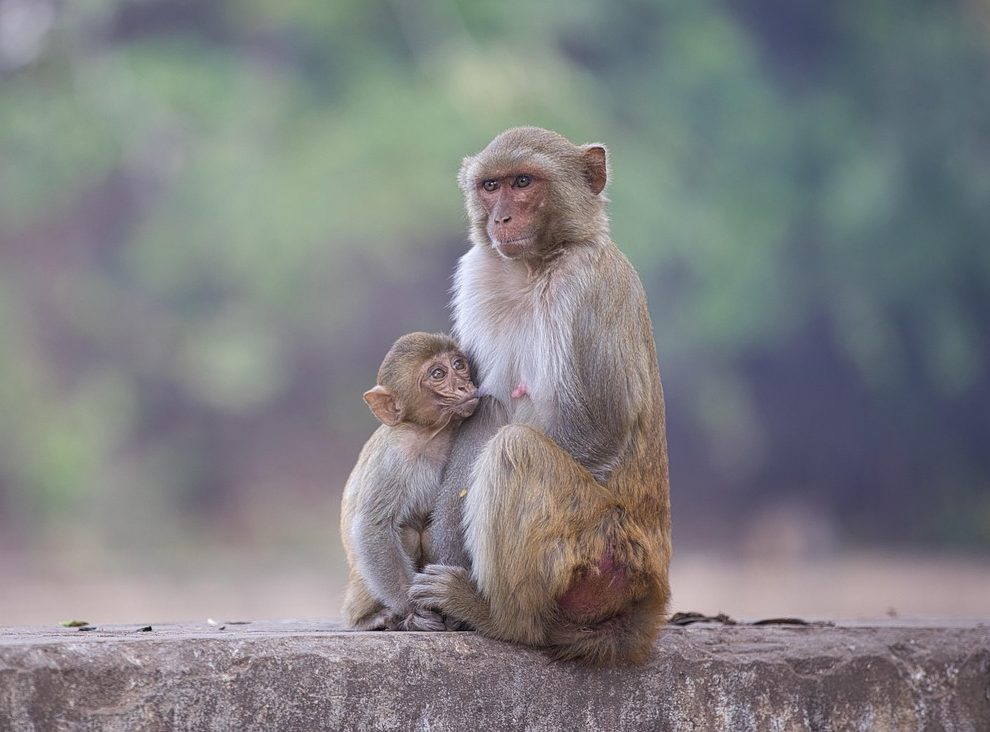
It can become a very rich — and fun — environment of “monkey see, monkey do” feedback loops.

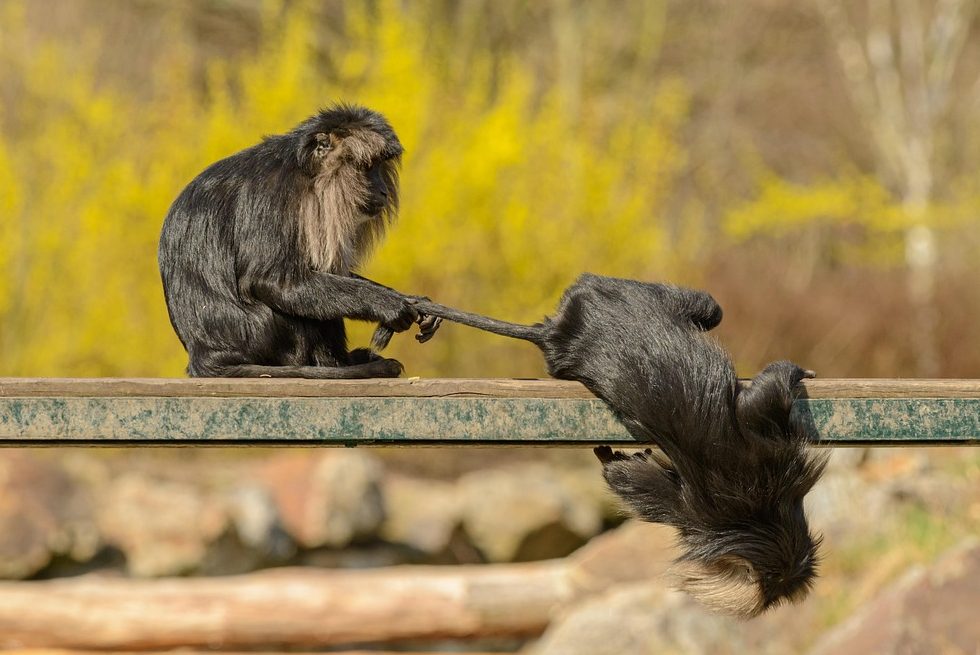
I wrote the song at the top of this page, “I’m A Baby Monkey,” before I became a Music Together teacher.

Image by Erik Karits from Pixabay

Serendipitous foreshadowing?

I have not officially released it to the world…

But many families have enjoyed it over the years via an email copy.

Thank you for reading and listening to this blog post.

Thank you to Apple for creating their laptop computers and their GarageBand program.

Thank you to the terrific photographers at Pixabay.

Image by Myo Min Kyaw from Pixabay

Thank you to the wonderful monkeys in these photos.

And thank you to all of the families who have chosen to make music together with me over the years!

I am very grateful.

Deep breath in.

Deep breath out.