More Weight


Night arrives suddenly these days — the autumnal shock of daylight savings time.

I am also feeling shocked by the outcome of our recent national mid-term elections.

According to US News & World Report, only 36.6 percent of eligible voters showed up to cast our ballots. And only 13 percent of eligible voters under age 30 participated in this last election.

Yowza!

How do we educate and inspire our next generation of adults to do something as simple — yet profound — as vote?

The Center for Voting and Democracy’s web site says that countries such as Australia, Chile and Belgium, where voting is mandatory, experience almost 90% participation, while other countries — including Austria, Sweden, and Italy — have turnout rates near 80%.

In a presidential election year, our voter turnout rate rises to around 60%.

Food for thought and then perhaps some action…

I wrote the song in the player at the top of this post when I was in a rock band — Cue — with four other hard-working musical souls.

It reminds me of autumn — our shorter days and longer nights — as well as the billions of leaves which are letting go and falling to the earth… to decompose and then — we hope, we trust, we pray — give birth to new seedlings in the spring.

One of my bandmates, Alan Najarian, took my a cappella, four-track recording and added a bunch of great music to it — drums and keyboards and church bells and other atmospheric sounds.

I was inspired by the story of 80-year-old Giles Corey, an early emigrant from England who was crushed to death in 1692 as a result of accusations during the Salem witch trials.

He chose not to stand trial, which — according to Douglas Linder’s account on the University of Missouri-Kansas City web site — meant that his farm would be less likely to become the property of the state and his children might inherit it.

However, “the penalty for refusing to stand trial for death was pressing under heavy stones. It was a punishment never before seen in the colony of Massachusetts. On Monday, September 19, Corey was stripped naked, a board placed upon his chest, and then — while his neighbors watched — heavy stones and rocks were piled on the board. Corey pleaded to have more weight added, so that his death might come quickly.”

Deep sigh of sadness…and amazement.

How many of us would be so brave — and strategic — under similar circumstances?

Linder continues, “Corey is often seen as a martyr who gave back fortitude and courage rather than spite…His very public death may well have played (a part) in building public opposition to the witchcraft trials.”

And yet we know that this pattern of accusation and persecution and brutal punishment continues to thrive in human communities all over this planet.

And a damaging spirit of  “us versus them” seems to have hijacked much of our current political process — which certainly may be affecting our voter participation rates here in the US.

Eventually the Salem witch trials wound down.

“A period of atonement began in the colony following the release of the surviving accused witches. Samuel Sewall, one of the judges, issued a public confession of guilt and an apology. Several jurors came forward to say that they were ‘sadly deluded and mistaken” in their judgments.'”

“Governor Phips blamed the entire affair on Chief Justice William Stoughton, who refused to apologize or explain himself. He criticized Phips for interfering just when he was about to ‘clear the land’ of witches. Stoughton became the next governor of Massachusetts.”

“The Salem witches disappeared, but witchhunting in America did not,” concludes Linder.

“Each generation must learn the lessons of history or risk repeating its mistakes. (The Salem witch trials) warn us to think hard about how to best safeguard and improve our system of justice.”

And participatory democracy…

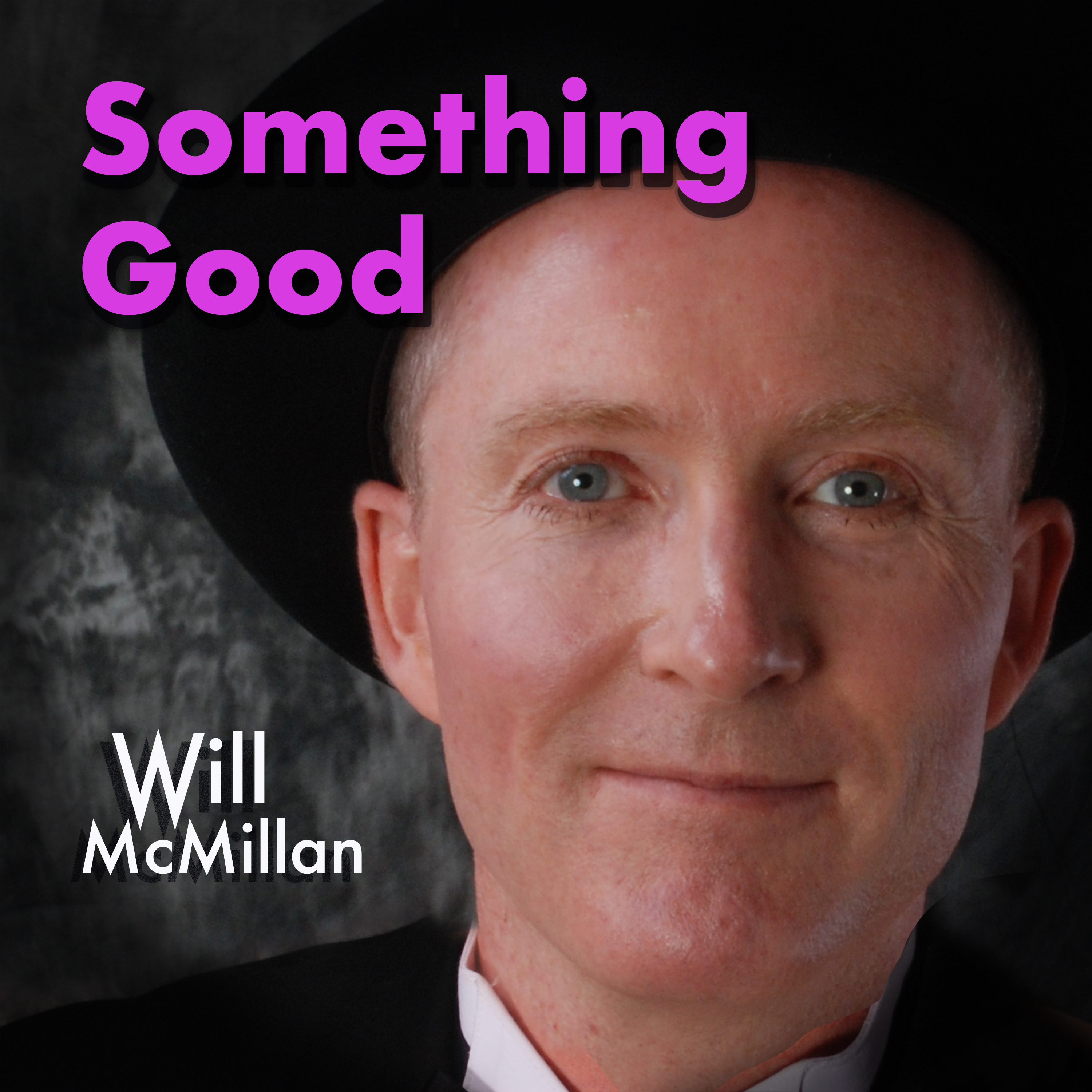
Something Good


Bob Jolly

Skimming over some of my previous posts, I see that I rarely mention anything about feeling frustrated, unhappy, anxious, or any other “negative” emotional state.

I would like to clearly state that I feel disappointed, scared, envious, disheartened, disgusted, vengeful, upset, discouraged, and cranky on a regular basis.

But I strive — when feeling out of sorts — to remind myself of any number of things in my life that I can be grateful for.

A wonderful life partner.  Health.  Plenty of food.  Lots of family.  Lots of friends.  A functional bicycle.  Employment.  A safe place to live.  Clean water.  No tanks patrolling my neighborhood.  Music.  Electricity.  The children and grown-ups in my Music Together classes. Warm clothing.  Two lap top computers.  Access to the internet.  Great collaborators.  Our local network of public libraries.  The retirement communities which invite me and my pianist friends back to perform again and again.

Once one gets started, the list can go on and on and on…

The week before Doug Hammer and I performed Songs About Parents & Children at the Third Life Studio in Somerville, MA, I found out that I had been awarded a grant from the newly-created Bob Jolly Charitable Trust to help pay for rehearsals and marketing outreach.

Bob Jolly, who died in 2013, was a beloved actor in the Boston community for 28 years.

Bob Jolly

The Bob Jolly Charitable Trust — established by his will — supports local actors, performers, composers, and theater companies with modest yet very meaningful financial support.

I am very grateful for this grant as well as Bob’s vision to nurture Boston’s creative community for years to come.

His generosity is indeed something good!

The song in the player at the beginning of this blog post was created by Richard Rodgers for the movie version of The Sound Of Music.

To my ears, many of the songs from The Sound of Music are tinged with a bittersweet quality.

This may be because they remind me of my own childhood, and seeing the movie version of  The Sound Of Music on a huge screen at a theater in Times Square, NYC.

This may also be because I know now that Oscar Hammerstein was dying from stomach cancer while they were working on this — their last — show.

This knowledge makes songs like “My Favorite Things,” So Long, Farewell,” “Climb Every Mountain,” “Edelwiess,” and “The Sound Of Music” seem especially poignant and intimate — a final gift of wisdom to all of us from Oscar as he approached his own death.

Bob Jolly

Richard Rodgers wrote both the music AND the lyrics for couple of songs which were added to the movie version: “I Have Confidence” and “Something Good.”

He wrote both the music and the lyrics because Oscar died before the movie was made.

Learning more about Mr. Rodgers life — including his challenging relationship with Larry Hart, his own (much more covert) alcoholism, his relationships with various female cast members in his shows — many more layers of complexity to “Something Good,” which Doug and I performed as our final encore at the end of Songs About Parents & Children.

Deep breath in.

Deep breath out.

PS: In the years since I published this blog post, I have released “Something Good” to various streaming platforms.

On some it has proven to be surprisingly popular (9375 plays on Pandora, for example) while on others much less so.

I guess this is the result of the mysterious algorithms which affect how much one’s recordings are shared with other potential new listeners…

You can click here for a link to many different streaming platforms if you are curious.

Thank you to Bob Jolly for his generosity — which extends well beyond the boundaries of his life here on planet earth.

Thank you to Richard Rodgers and Oscar Hammerstein, II for the legacy of their songs and shows.

Thank you to Doug Hammer for being such a swell collaborator over several decades.

Thank you to Stephen C. Fischer for his photography and graphic design skills.

And thank YOU for reading and listening to another one of my blog posts.

One more deep breath in.

And deep breath out.

So Many Stars…

Image by yavorzhelyazkov from Pixabay

“So Many Stars” is a song I have heard performed by many different singers, and I have always thought to myself, “I need to learn that song.”

This past summer I visited a pianist/songwriter friend, Steve Sweeting, and his family while attending a Music Together training session in Manhattan.

One evening we were brainstorming about possible future collaborations, and I mentioned that I have long wanted to do an evening of songs about stars — both the amazing energetic phenomena that we see at night and the human-created idea of “star” — as in “movie star” or “musical theatre star.”

To get us started, he gave me the sheet music for “So Many Stars,” which I promptly began learning.

Pianist Doug Hammer and I recorded the version I have included at the top of this post  — and then I went camping for two weeks with family on Cape Cod.

Image by Pexels from Pixabay

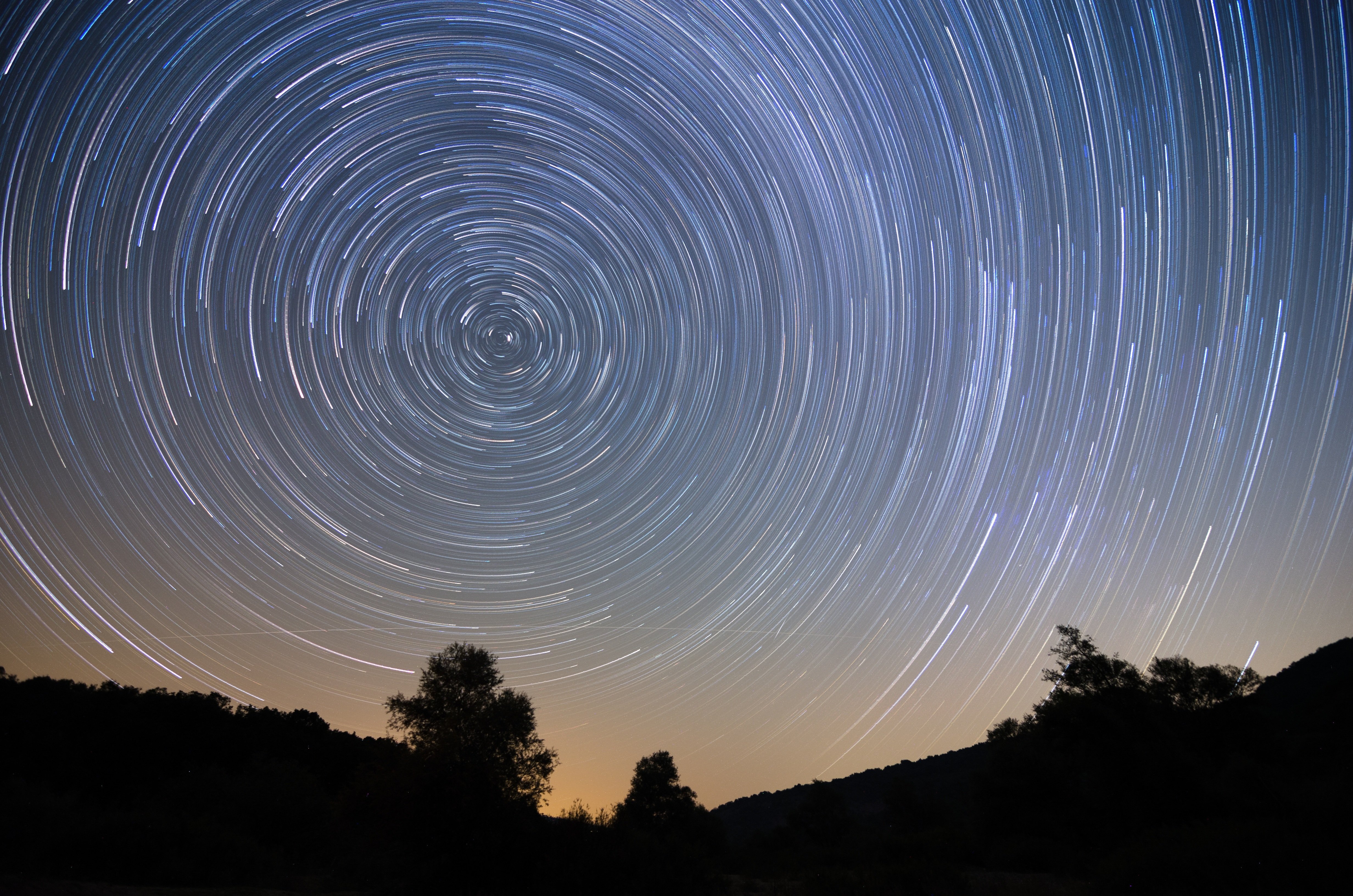
One of the things I love about getting away from the city is gazing at the sky on a cloudless night.

A couple of times I walked down to the beach after dark and sang “So Many Stars” over and over again while the universe beamed light across unimaginably vast distances to trigger the rhodopsin in my eyeballs — and awaken a sense of wonder in my mind, body, and spirit.

The deceptively simple lyrics of “So Many Stars” were written by the wife-and-husband team of Marilyn and Alan Bergman for a wonderful melody by Sérgio Mendes, a Brazilian pianist and songwriter.

The Bergmans created lyrics for a bunch of great songs including “Nice and Easy” (for Frank Sinatra), “The Way We Were” (for Barbra Streisand), “What Are You Doing The Rest of Your Life?” and “You Must Believe In Spring.”

Sérgio Mendes was a founding member of the successful vocal jazz group Brazil ’66 and left behind a 35-album legacy of music when he died from complications of long-term COVID in 2024 (I updated this blog post in 2026…)

Image by fernando zhiminaicela from Pixabay

There are so many ironies about the lives that we “modern” human beings have created here at the beginning of the 21st century on planet earth.

One of them is how — in the interest of safety and security and advertising — we have erected vast numbers of exterior lights, which means that we are less and less able to experience the truly amazing sight of a starry, starry night — along with the humility and curiosity and mystery that it can evoke in us.

Deep breath in.

Deep breath out.

As someone who has (blessedly) never been mugged, I’d rather have more visible starlit nights and fewer streetlights in my life.

How about you?

Hurrah for rhodopsin, hurrah for music, and hurrah for the vast mysteries of the universe!

Image by wal_172619 from Pixabay

I can get so caught up in the human drama unfolding here on planet earth that I forget about the larger — and potentially un-knowable — universal patterns and cycles unfolding all around us at every moment of the night and day.

Another deep breath in.

And deep breath out.

Thank you to the Bergmans and Mr. Mendez for creating this beautiful song.

Thank you to Steve for giving me the sheet music for “So Many Stars” and to Doug for recording it with me.

Thank you to the generous and gifted photographers at Pixabay.

And thank YOU for reading and listening to yet another one of my blog posts.

PS: You are always welcome to visit my musical website, willsings.com, by clicking here.

The Ebb and Flow

Image by günter from Pixabay

Autumn is arriving here in Boston, MA.

Summer is ebbing, and cooler air is flowing into our neighborhood.

In the morning I sit on our back porch, wearing a hoodie until the sun warms everything up.

I listen for sounds from the natural world — today, a blue jay — competing with the sound of cars and buses and trucks and motorcycles nearby.

And I happily remember my time last month camping in North Truro on the Cape and next to Cayuga Lake in upstate New York.

I find camping to be a terrific reminder of many important things.

For example, how little water one needs to wash dishes.

Image by 国明 李 from Pixabay

Or wash one’s hands.

Or take a shower.

The campground has communal cabins with sinks and toilets and showers, but the sinks have taps which automatically shut off after about three seconds — a simple and very effective reminder to use water more mindfully — and the showers are activated by quarters (25 cents for three minutes of hot water).

And in upstate New York I simply jumped — except for the times when my feisty nephew Ryder pushed me — into the lake each morning and then scrubbed with Dr. Bronner’s soap and a washcloth.

We had no radio, no TV, and no internet.

Image by Mickey Estes from Pixabay

We awoke early — due to birds singing their morning calls — and went to bed early, too.

Sometimes we all sang together after dinner — songs written by the Beatles being the most popular…

I wrote new songs for most of each day — happily holed up on the boathouse or in a tent with my ukulele and laptop computer and rhyming dictionary — and then joined other family members for a swim in the late afternoon.

One of the most powerful part of camping for me is being reminded of the ebb and flow of life.

We see it at the beach.

The waves flow in and out at the water’s edge.

Image by marco bubbio from Pixabay

The tide rises and falls, sweeping the ocean shore clean of footprints twice a day — while revealing (and later concealing) sand bars, rocks, shells, crabs, sea weed, drift wood, and tiny jumping sand fleas.

Back at our campground, we see neighboring tent sites fill with new arrivals and then empty out at the end of each week.

What was once a colorful array of tents and campers and cars and coolers and towels and bikes returns to being a community of pine trees, squirrels, golden finches, blueberry bushes and open air.

I find it a very poignant reminder of mortality — my own as well as the mortality of all the people and places and animals and plants I love here on planet earth.

Image by Peggychoucair from Pixabay

This feeling of mortality seeped into a song I wrote, “Under My Umbrella,” which is embedded at the top of the page.

It seems to fit with the days getting shorter as we approach the autumnal equinox.

Deep breath in.

Deep breathe out.

Thanks for reading…and listening.

Everybody Says Don’t…

Image by laurenta_photography from Pixabay

One of my favorite Stephen Sondheim songs — “Everybody Says Don’t” (on the player embedded above) — is from his first official flop, Anyone Can Whistle, which starred Angela Lansbury, Harry Guardino, and Lee Remick on Broadway in 1964 and ran for nine performances.

Among other topics, the plot explored the classic question of who is saner — the folks in a mental hospital or those who are not.

“Everybody Says Don’t” invites us to consider how we make choices.

Many of us make choices based on what other people say or think.

Sometimes this demonstrates a healthy respect for our shared values as human beings — and helps to keep our societies more, rather than less, civil.

Sometimes it’s a way to avoid saying or doing something important — something which might be utterly, uniquely, and profoundly why we are alive here and now on planet earth.

I might have stayed in my non-musical day job as a PR/development/events professional for another 16 years if I hadn’t been laid off.

The job offered me teamwork, camaraderie, shared purpose, a paycheck, respect from my peers, and daily surprises/challenges.

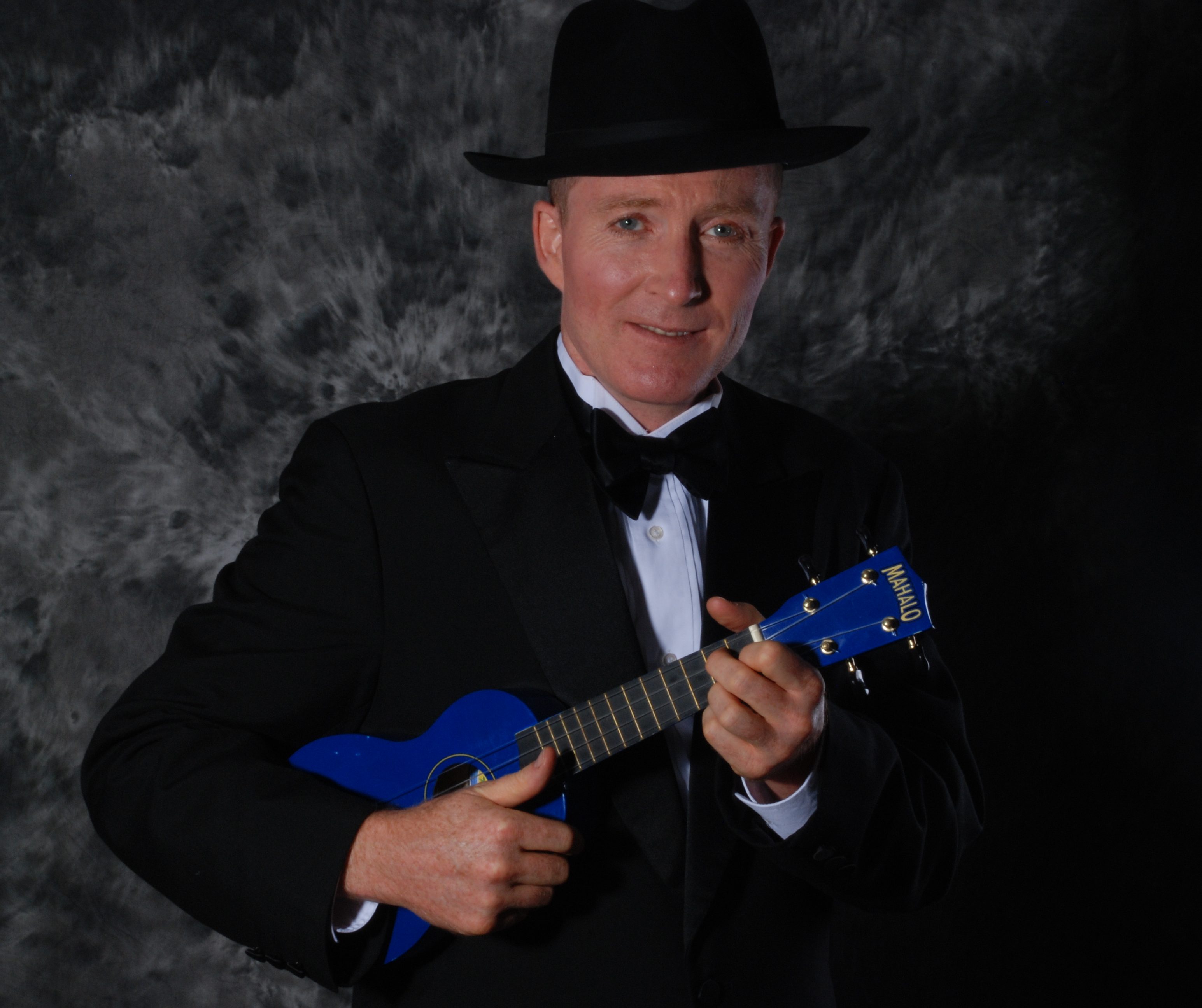
Will McMillan by Stephen C. Fischer

But it was not tapping very deeply into my musical soul.

Now I am devoted to making music for a living — as a performer, a songwriter, and a Music Together teacher.

The sentiment of “Everybody Says Don’t” reminds me of one of the guiding principles of Music Together — that anything a child chooses to do during class is fine and needs to be respected as part of their learning process/style.

A child’s caregiver may want them to sit still and “play” a drum — or a shaker egg, or a triangle, or a set of wooden sticks — in a particular manner.

But their way of soaking up the music in class may involve moving their bodies around the room, sitting in a corner (seemingly disconnected from everything happening in class), or bouncing up and down in someone’s lap.

As long as the child is not endangering themselves or hurting someone else in class, s/he is free to respond to the music in her/his own fashion — which may change from song to song and class to class.

I sometimes imagine the adult caregivers (moms, dads, nannies, grand mothers, grand fathers, au pairs, uncles, aunts and more) as younger versions of themselves — who may have been told somewhere along the line: “don’t sing so loudly,” or “don’t sing out of tune,” or worst of all, “don’t sing — just move your lips.”

Image by Joe McDonagh from Pixabay

One never knows what musical wounds people may be bringing into our classrooms…

As one teacher remarked at the end of a three day Music Together seminar, “90% of our job is showing up with a compassionate heart.”

I guess that could be true about a lot of our interactions here on planet earth…

Deep breath in.

Deep breath out.

Thank you for reading and listening to this blog post.

I welcome any comments you might be inspired to share below.

The Lord Of The Dance

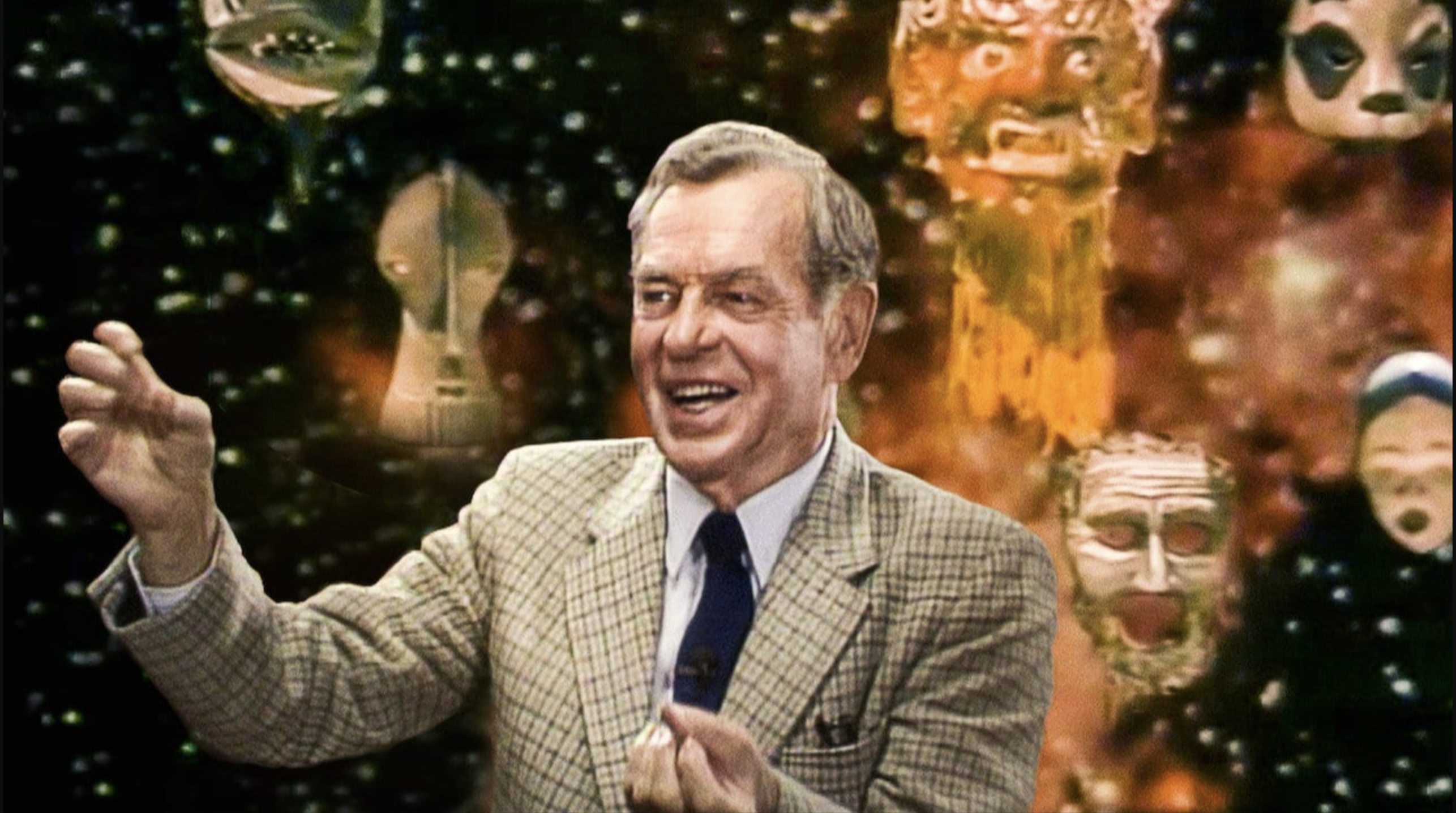
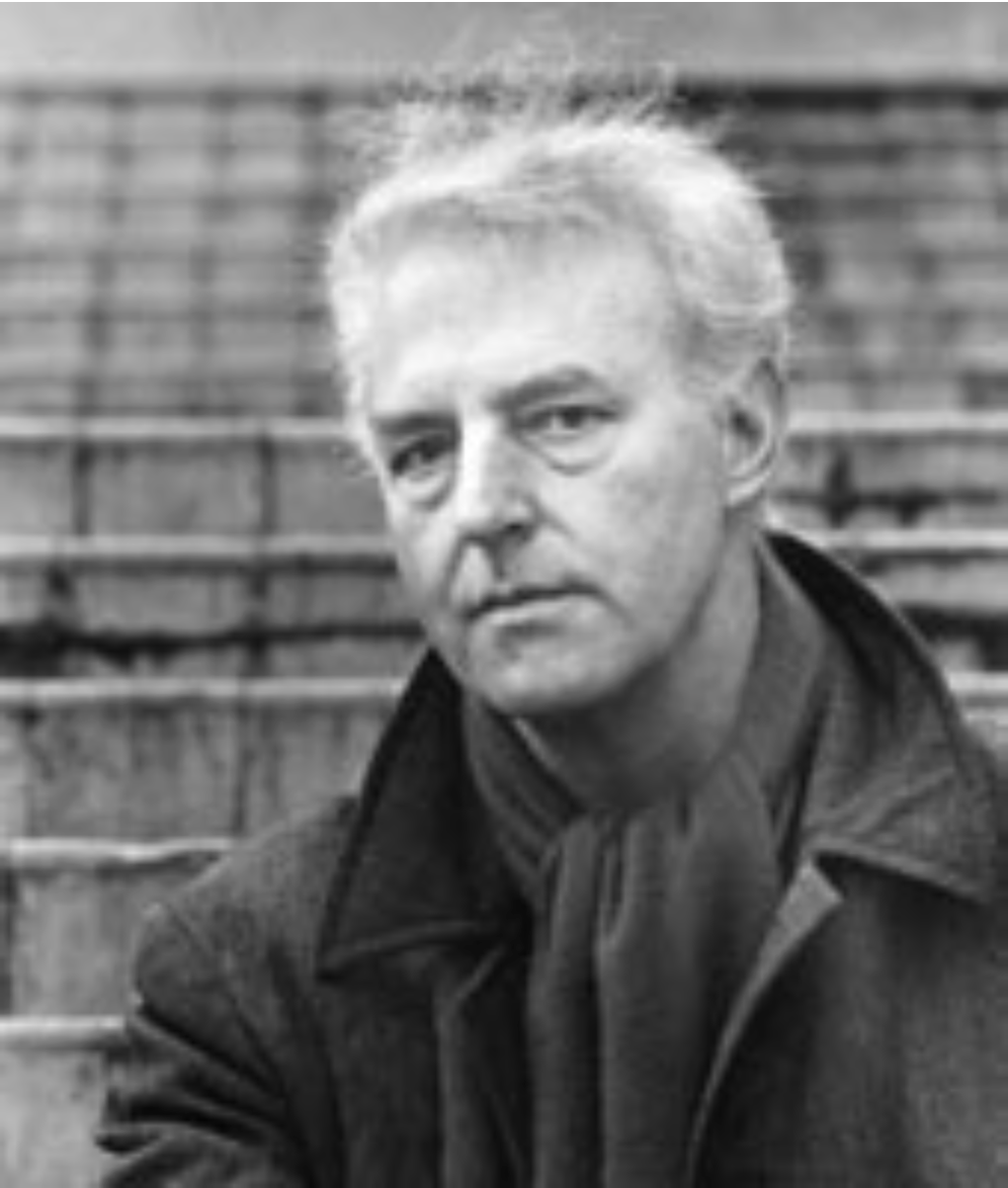
Joseph Campbell

Once upon a time, Bill Moyers interviewed Joseph Campbell for a wonderful series, The Power Of Myth, which aired on PBS.

I remember being very stirred up by many of Mr. Campbell’s observations.

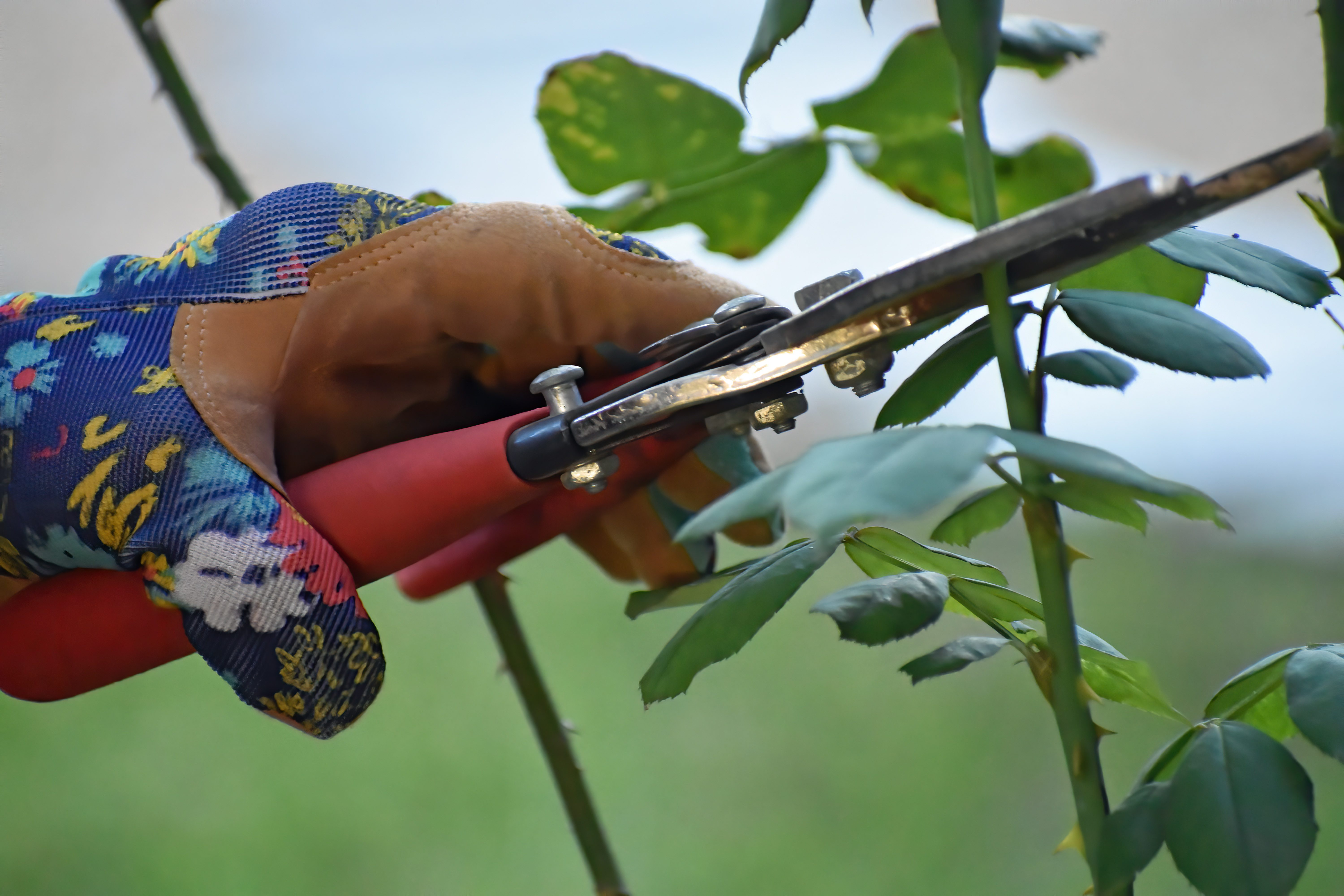
One of them was the idea that plants grow back — sometimes more vibrantly — after being pruned/cut down and how this biological event might relate to the idea of a g-d such as Jesus, who was killed yet rose from the dead.

I think this concept stuck with me because of a song, “The Lord of the Dance,” which I first learned from a friend of my older sister when we were singing in my grandmother’s kitchen.

I had always assumed that “The Lord Of The Dance” was a traditional folk song, but a fellow blogger recently told me that the words were written by an English songwriter, Sydney Carter.

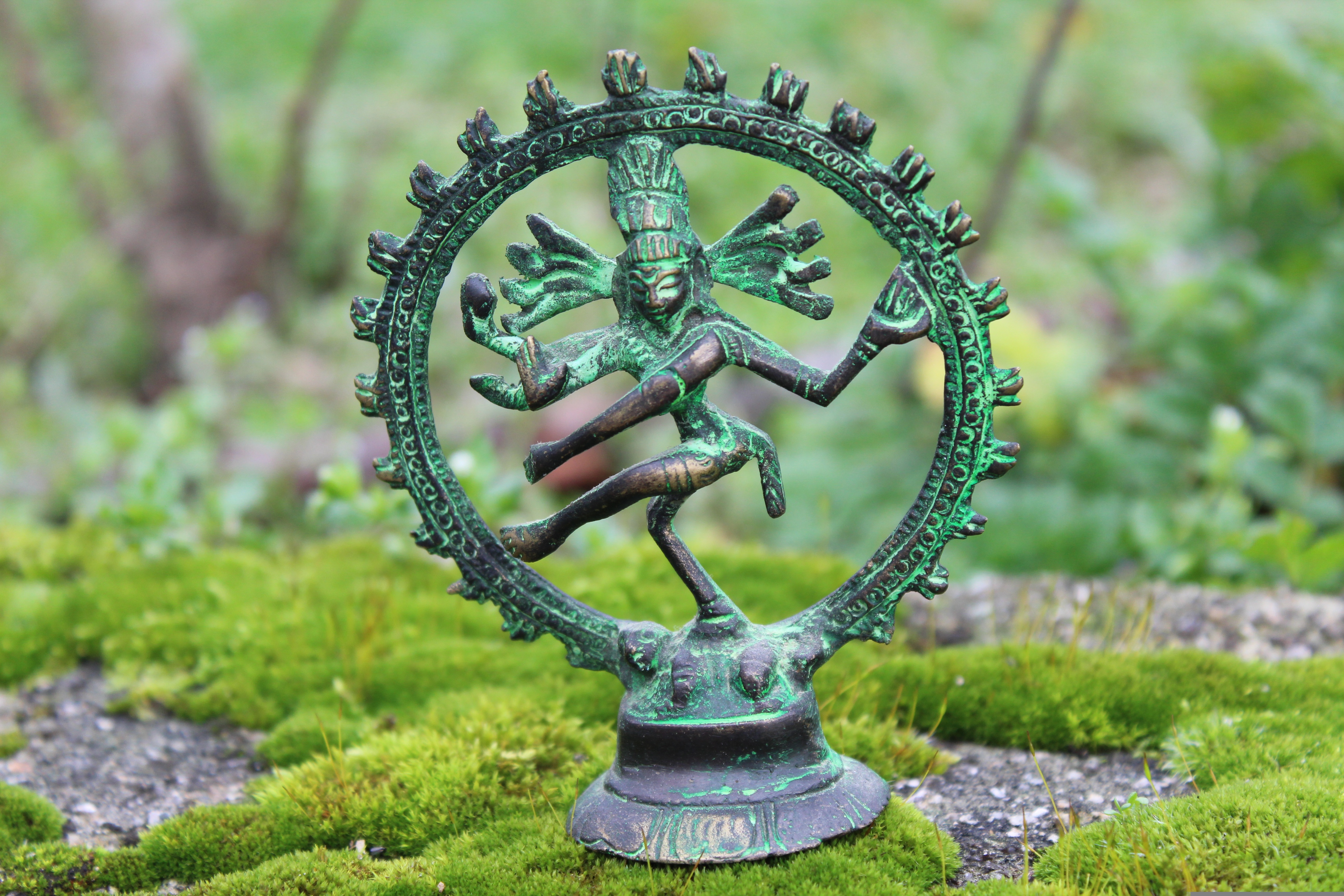
According to Wikipedia, Mr. Carter was inspired partly by Jesus, but also partly by a statue of the Hindu God Shiva as Nataraja which sat on his desk.

Pruning… (Image by Ray_Shrewsberry from Pixabay)

He later stated, “I did not think the churches would like [“The Lord Of The Dance”] at all. I thought many people would find it pretty far flown, probably heretical and anyway dubiously Christian. But in fact people did sing it and, unknown to me, it touched a chord … Anyway, it’s the sort of Christianity I believe in.”

Many years ago I recorded a version of “The Lord Of The Dance + Simple Gifts” with help from Jere Faison (producer), Patty Barkas (back up vocals), Jonathan Keezing (guitar), and Robert M. (bass).

With Easter on the horizon, I thought this might be an appropriate time to share it.

Just click the player at the beginning of this post.

May we all be able to rise up again after we have been knocked down by one of life’s many challenges.

Another deep breath in.

Sydney Carter

And deep breath out.

I will close with more thoughts from Sydney Carter (and you can click here to read a simple obituary if you are curious to learn more about his life…)

“I see Christ as the incarnation of the piper who is calling us. He dances that shape and pattern which is at the heart of our reality. By Christ I mean not only Jesus; in other times and places, other planets, there may be other Lords of the Dance. But Jesus is the one I know of first and best. I sing of the dancing pattern in the life and words of Jesus.

Whether Jesus ever leaped in Galilee to the rhythm of a pipe or drum I do not know. We are told that David danced (and as an act of worship too), so it is not impossible. The fact that many Christians have regarded dancing as a bit ungodly (in a church, at any rate) does not mean that Jesus did.

The Shakers didn’t. This sect flourished in the United States in the nineteenth century, but the first Shakers came from Manchester in England, where they were sometimes called the “Shaking Quakers.”

They hived off to America in 1774, under the leadership of Mother Anne and established celibate communities – men at one end, women at the other; though they met for work and worship.

Image by Fernando Albert from Pixabay

Dancing, for them, was a spiritual activity. They also made furniture of a functional, lyrical simplicity. Even the cloaks and bonnets that the women wore were distinctly stylish, in a sober and forbidding way.

Their hymns were odd, but sometimes of great beauty: from one of these (Simple Gifts) I adapted this melody. Sometimes, for a change I sing the whole song in the present tense. ‘I dance in the morning when the world is begun…’. It’s worth a try.”

One more deep breath in.

And deep breath out.

The Beauty All Around

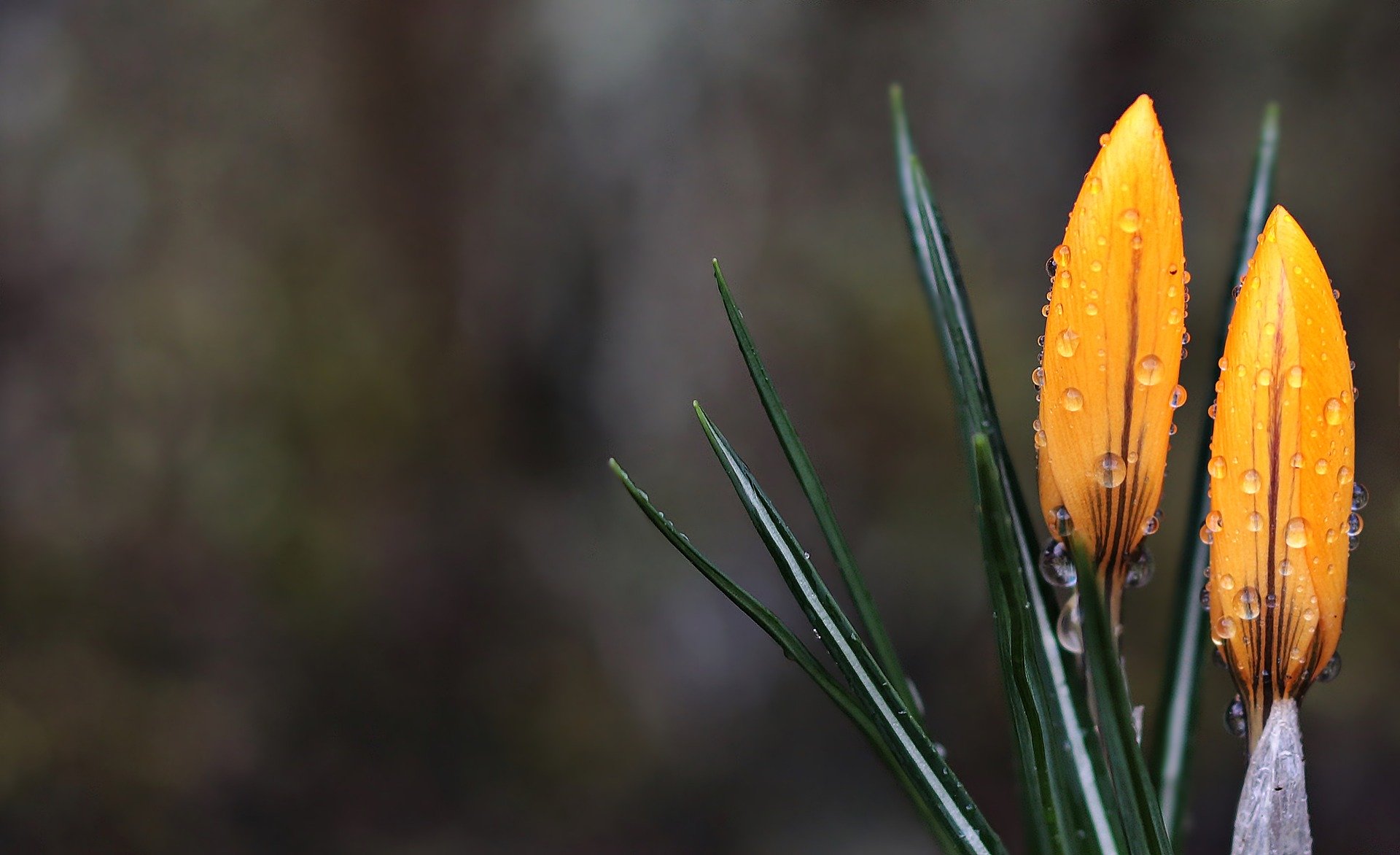
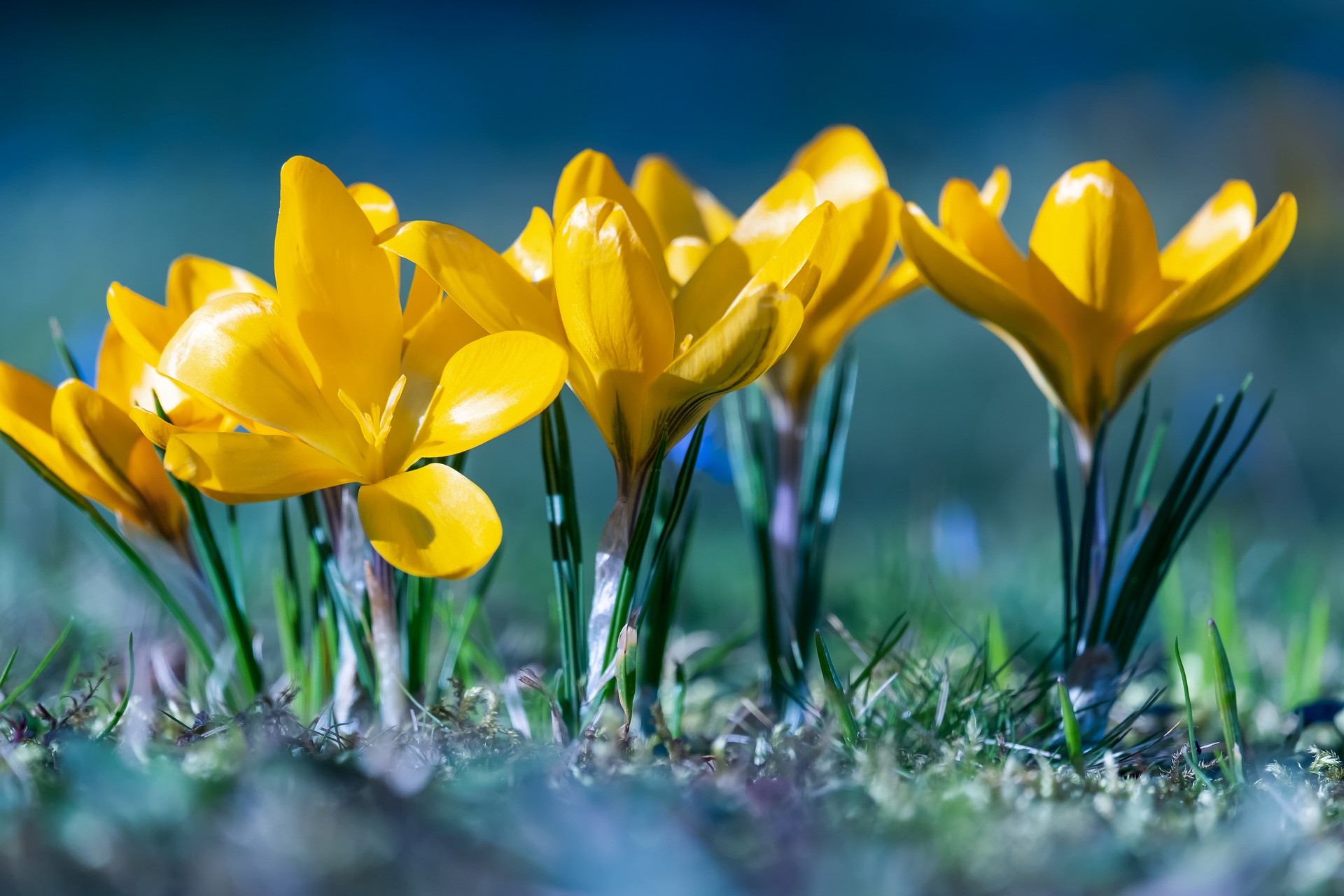
crocus-yellow-closeup

Today I visited one of my favorite urban yards (near the intersection of Dana and Centre streets in Cambridge, MA) as I was biking home from a visit with my beloved acupuncturist.

The people who live there have planted an astonishing number of bulbs under a huge beech tree in front of their home.

Crous-Yellow-Bunch

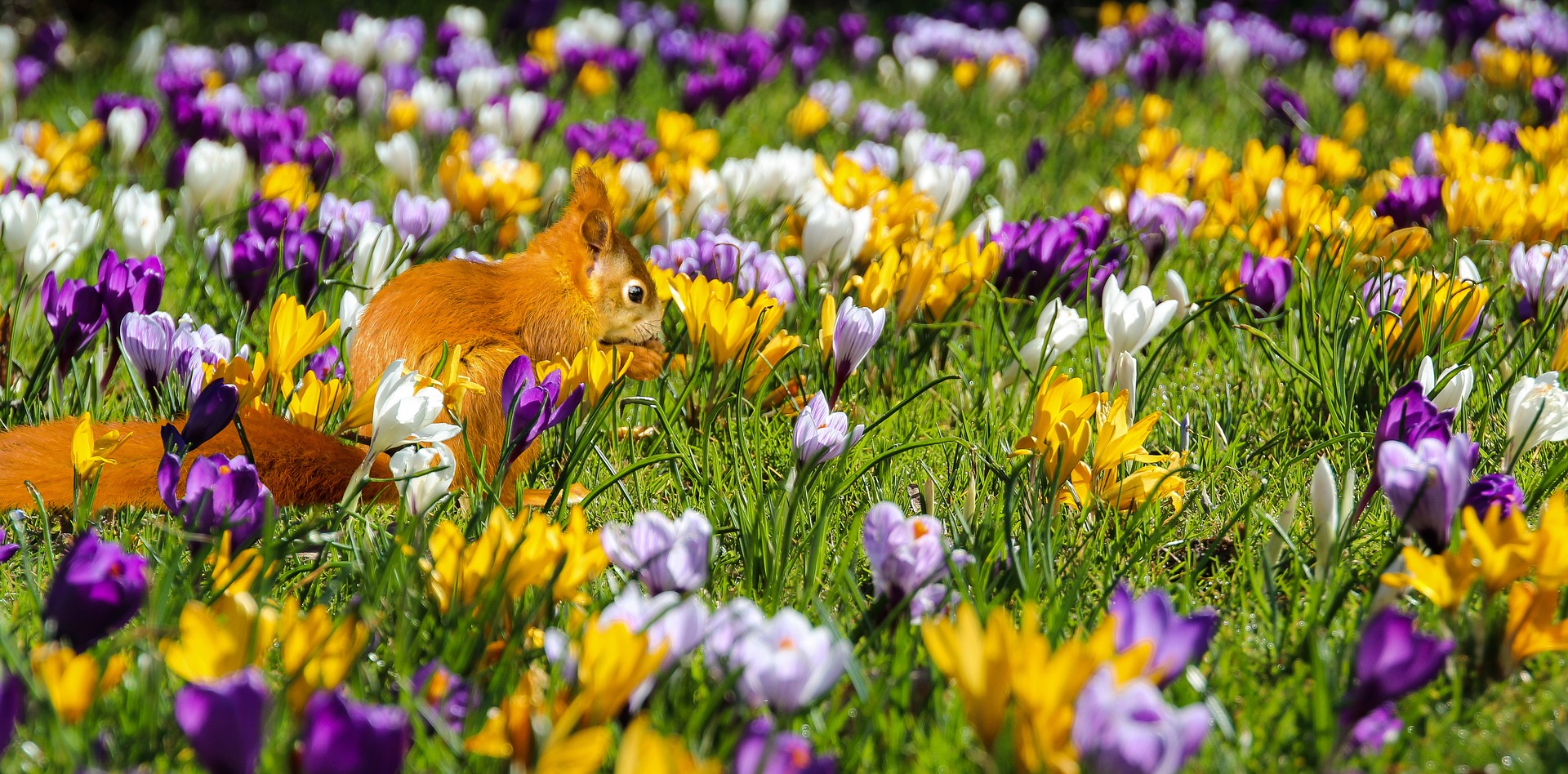
Right now hundreds of snowdrops and crocii are blooming, as well as one tiny Siberian iris.

And even though the temperature was near 32 degrees Fahrenheit, I saw two little bees diligently visiting each crocus flower to gather tiny bits of pollen.

Amazing!

Crocus And Squirrel

The crocii have inspired me to share two different versions of a song I wrote a couple of years ago, “The Beauty All Around.”

Here’s a version I recorded last week with pianist/composer Doug Hammer.


I think this song originally sprang out of an excited realization that some of my favorite pop songs — such as “Viva La Vida” by Coldplay — were based on only four chords.

I am not sure when I came up with this particular four-chord progression — but I remember sitting at a picnic table next to a lake near Worcester, MA, when I started recording it.

It was a warm autumn afternoon, and I was attending one of my favorite congregations of human beings on planet earth, the Massachusetts Men’s Gathering.

Although I was not having the best time at my day job (as the lyrics attest…), I was happy and grateful to be sitting by the water, surrounded by trees and birds and sky and clouds.

Here is my original version, recorded using my trusty Apple laptop running GarageBand plus my small, blue ukulele.


If you are able to take the time to listen to both versions, you will notice how the lyrics have evolved a bit.

ps: If you are ever feeling down in the dumps and have access to the internet, just do a search for “crocus images.” So many colors! So much beauty! What a planet…

I’m A Baby Monkey

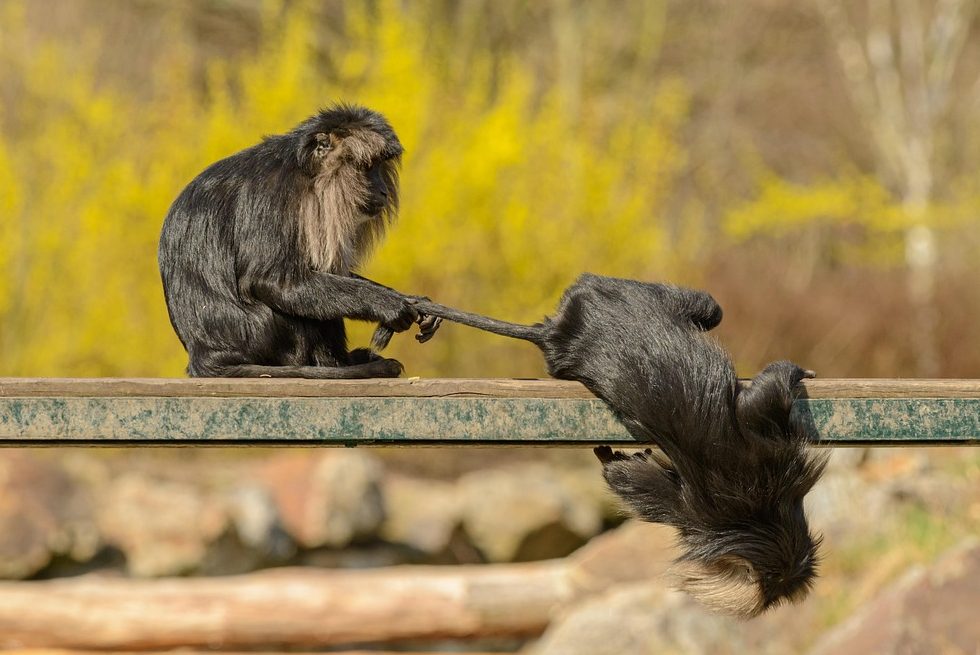
Image by Vantha So

One of the things I love most about teaching Music Together is the concept that each person absorbs and processes music in their own way.

Some children — and some adults, too — like to sit still while they soak up the sights and sounds swirling around them.

Others like to move their bodies — swaying, clapping, tapping their toes, nodding their heads, or even jumping up to dance in the center of the circle.

Still others prefer to wander around the room, seemingly oblivious to the musical activity unfolding all around them.

And yet these same children will often start singing their own versions of the songs as soon as they leave class…

Image by Petr Ganaj from Pixabay

I love the respect for different learning styles that is baked into the Music Together pedagogy.

As long as no one is hurting themselves or distracting the rest of the class, whatever she or he wants to do in class is OK.

At times this can make for a somewhat chaotic classroom experience.

But if the teacher and a majority of the adults are able to keep participating — singing, moving, chanting, drumming, dancing, marching, and so forth — the class flows on.

Image by Dharamveer Singh from Pixabay

The grown ups copy the teacher.

The children copy their accompanying grown up, the teacher, the other grown ups, and the other children.

And I am always looking for movements and ideas from the children and grownups in the class which I can mirror, highlight, and somehow incorporate into the flow of my lesson plan.

It can become a very rich — and fun — environment of “monkey see, monkey do” feedback loops.

I wrote the song at the top of this page, “I’m A Baby Monkey,” before I became a Music Together teacher.

Image by Erik Karits from Pixabay

Serendipitous foreshadowing?

I have not officially released it to the world…

But many families have enjoyed it over the years via an email copy.

Thank you for reading and listening to this blog post.

Thank you to Apple for creating their laptop computers and their GarageBand program.

Thank you to the terrific photographers at Pixabay.

Image by Myo Min Kyaw from Pixabay

Thank you to the wonderful monkeys in these photos.

And thank you to all of the families who have chosen to make music together with me over the years!

I am very grateful.

Deep breath in.

Deep breath out.

Getting In Tune With The Infinite

Image by Joachim Schnürle from Pixabay

I have been been blessed to sing wonderful songs written by other people for many years — as the MP3 player on the right hand sidebar of this page can attest.

And every now and then I have helped to co-write a song.

But it wasn’t until a few years ago, when I bought my first ukulele, that I started writing songs on a regular basis.

The song in the player at the beginning of this blog post is one I recorded using my this ukulele and Apple’s wonderful GarageBand program on my laptop.

I love learning about how other songwriters have created their hits.

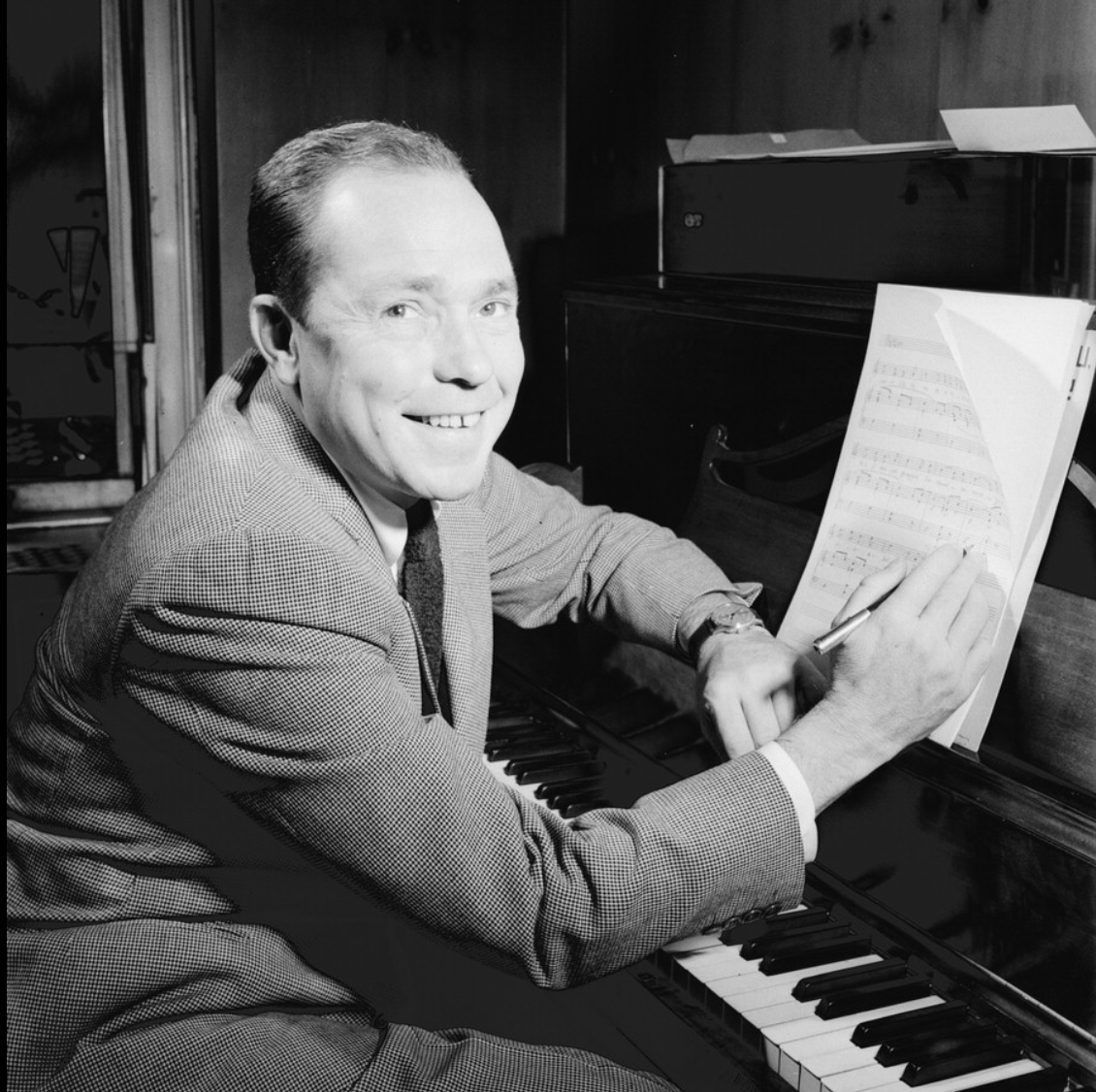
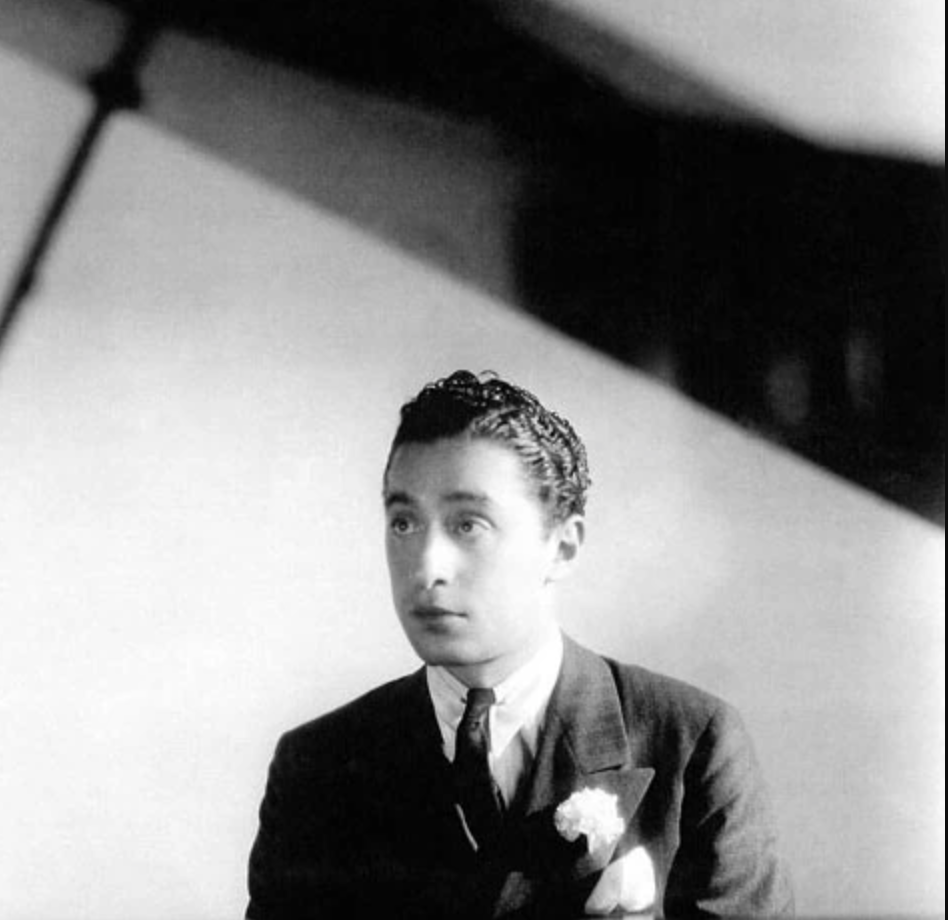
Composer Harry Warren and lyricist Johnny Mercer, for example, co-wrote “Jeepers, Creepers,” “On The Atchison, Topeka and the Santa Fe,” and “You Must Have Been A Beautiful Baby.”

Johnny Mercer in the 1940s

And at some point Warren gave Mercer the nickname ‘Cloud Boy’.

As Warren explained, “A lot of times when I would play a melody for John… particularly if it was after a good lunch… he’d stretch out on a couch and just lie there with his eyes closed and his hands folded across his stomach. He was way up there some place in the clouds. Of course, what came out later was just great.”

When asked by his father about his creative process, Mercer once said, “I simply get to thinking over the song — pondering over it in my mind — and all of a sudden I get in tune with the Infinite.”

Many songwriters have expressed a similar sentiment — that they feel as though they are acting as a conduit or channel for something greater than themselves.

Harold Arlen

The lyricist Ira Gershwin said that the composer Harold Arlen would never “approach the simplest musical requirement or idea without first calling upon ‘the fellow up there’ — jabbing his finger at the ceiling.”

I cannot say that I have experienced this phenomenon yet.

I have, however, noticed that lyrical themes sometimes emerge which surprise me and lead a song in a different direction than I had originally intended.

And I have had the inspiring experience of writing a song which gradually became true.

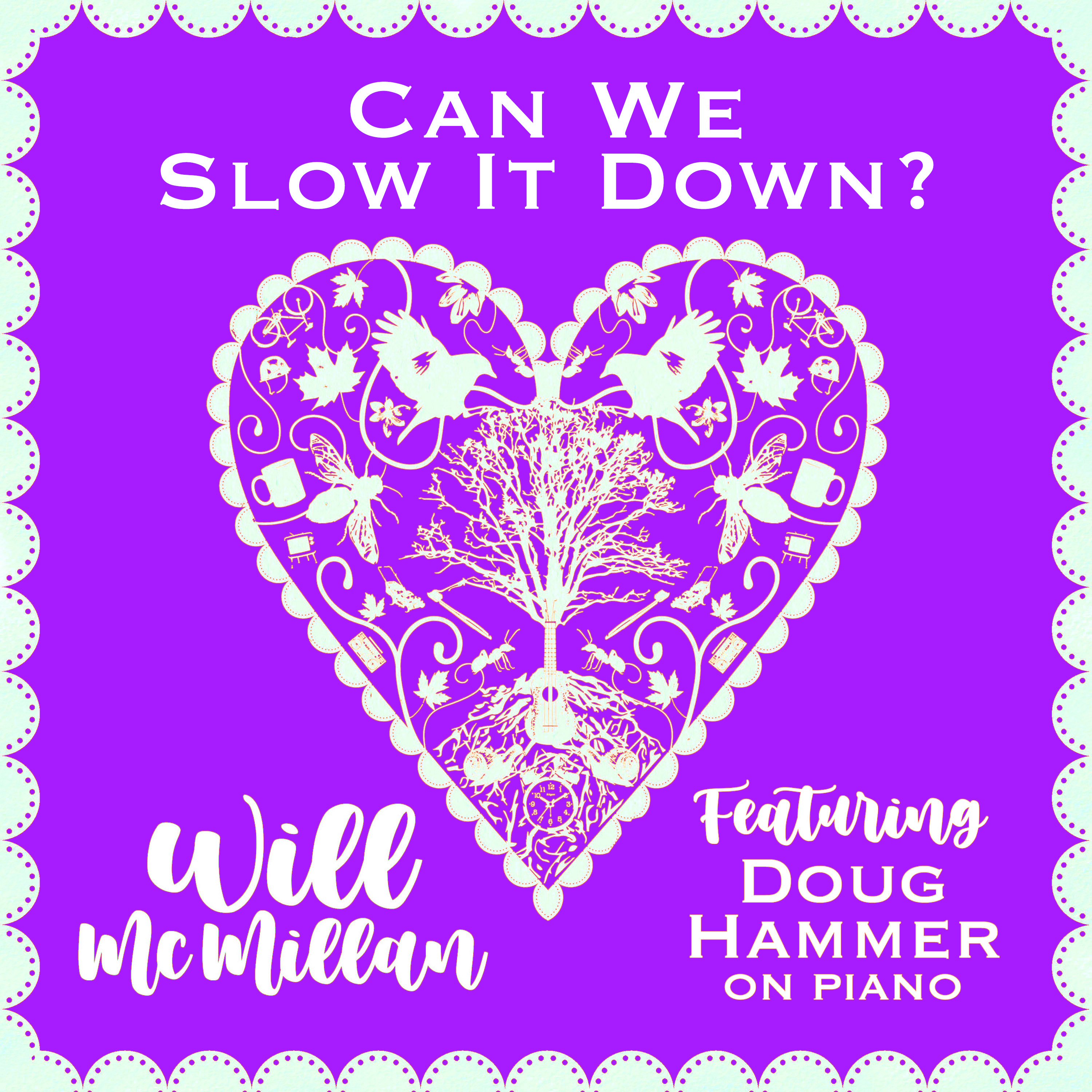
It is called “Can We Slow It Down?” — and I wrote it a couple of years ago when I was working full time at my day job in Harvard Square.

I realized recently when I was practicing it at home that my life has in fact slowed down since I began singing this song.

If you are curious, you can listen to two different versions of “Can We Slow It Down?” — the ukulele + GarageBand version at the top of this page and the piano/vocal version I released with pianist Doug Hammer by clicking here.

I will be singing it plus two other originals as part of a mini-set at a lovely open mic in Lexington — hosted by Nourish Restaurant on Massachusetts Avenue — on Tuesday, November 5, 2013, starting around 7:30 pm.

Perhaps you can join us.