Everything Is Holy Now

Summer lily

I first heard Peter Mayer’s song “Holy Now” on a recording by the delicious trio of Ellen Epstein, Michael Cicone and Cindy Kallet.

It’s what I call a “gets me out of bed in the morning” song.

Inspiring.

Thought-provoking.

The sort of song I love to perform — and aspire to write.

I listened to it over and over again — and then went to Doug Hammer’s recording studio, where we recorded a few takes (the second one of which you can hear in the player at the top of this post…)

Every now and then I remember to bring a camera and take photos while I am traveling. Sometimes I even manage to upload them onto my laptop. And on very rare occasions I find the time to look at some of them.

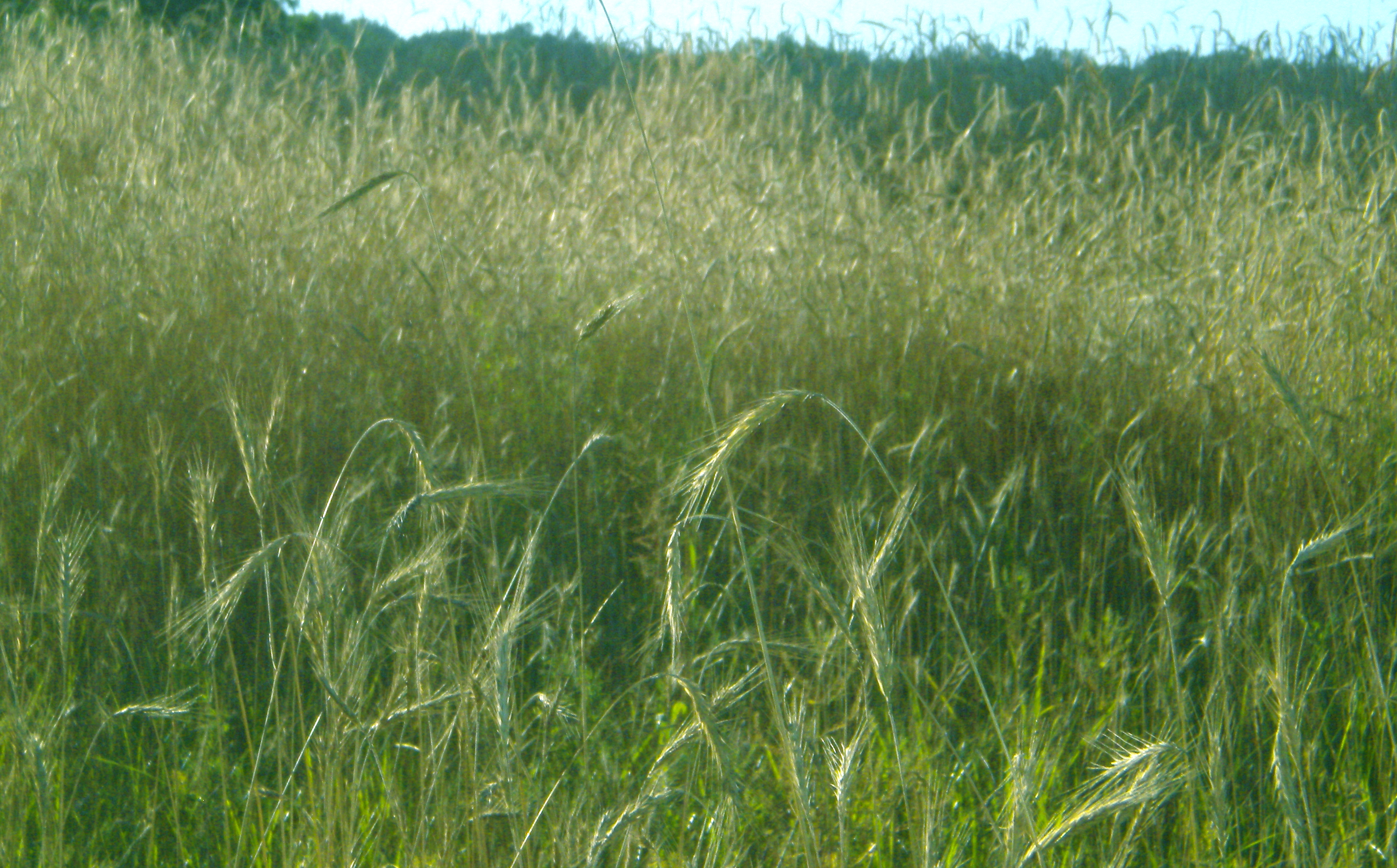
The images in this post are from the summer of 2011 — and feel like they match the sprit of Peter Mayer’s song.

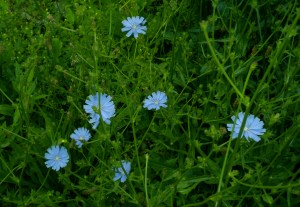
Chicory

Chicory is a wonderful plant which grows all over the place — from farm fields to urban roadways. I love the flowers’ shade of blue, which reminds me of a clear summer sky.

I am also deeply reassured by the way it is able to take root, survive, and even bloom in what appear to be extremely inhospitable locations — with very little soil or access to water.

Hurrah for the resourcefulness of weeds!

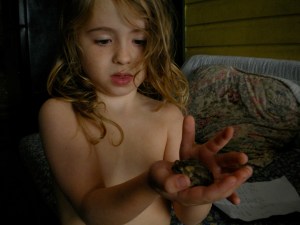
Ryder & Toad

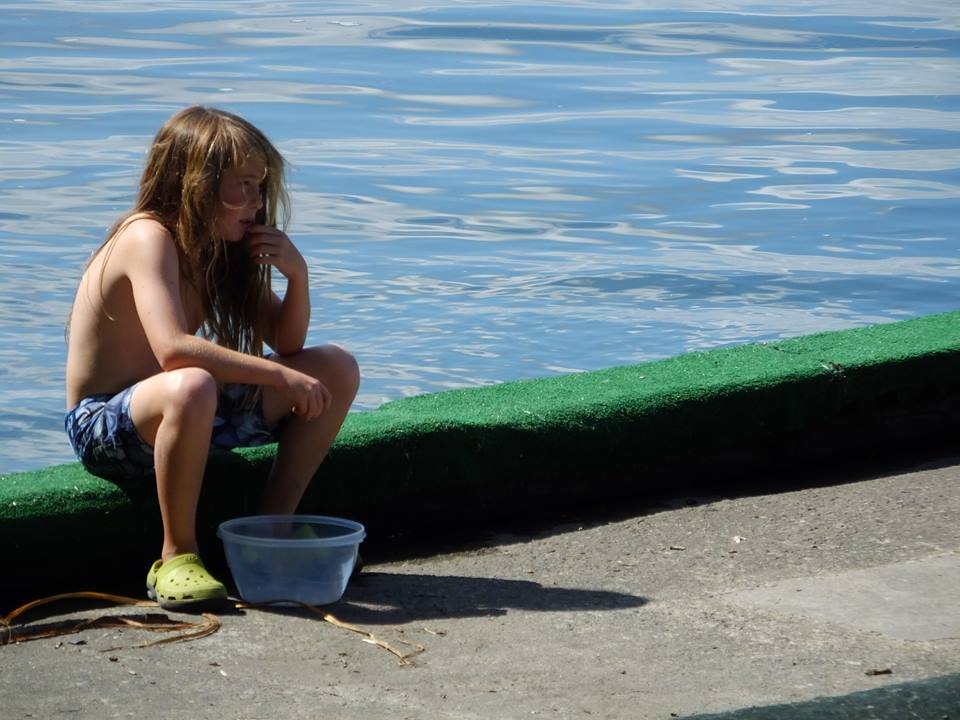
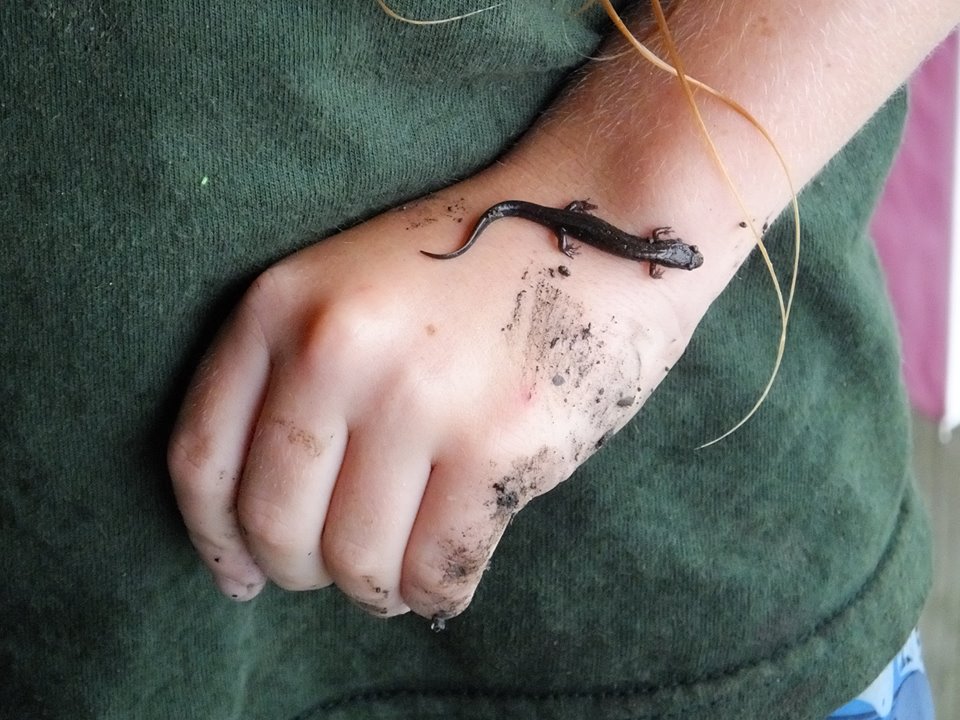
Here is one of my nephews interacting with a toad next to Cayuga Lake in upstate New York. Ryder lives in southern California and will happily sing the entire song “Uptown Funk” (by Mick Ronson featuring Bruno Mars) if you ask him to.

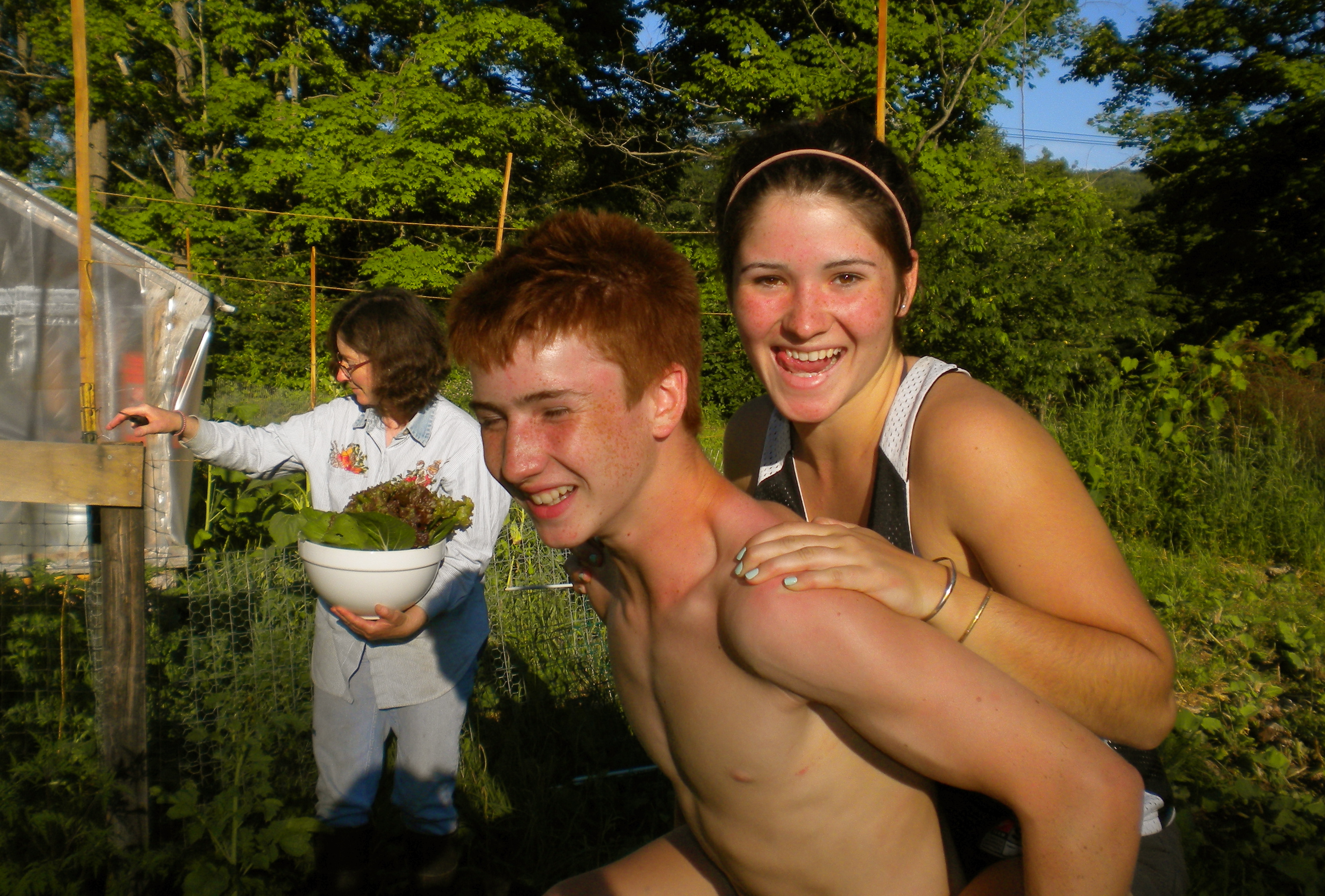
Jasper & Araianna 2011 B

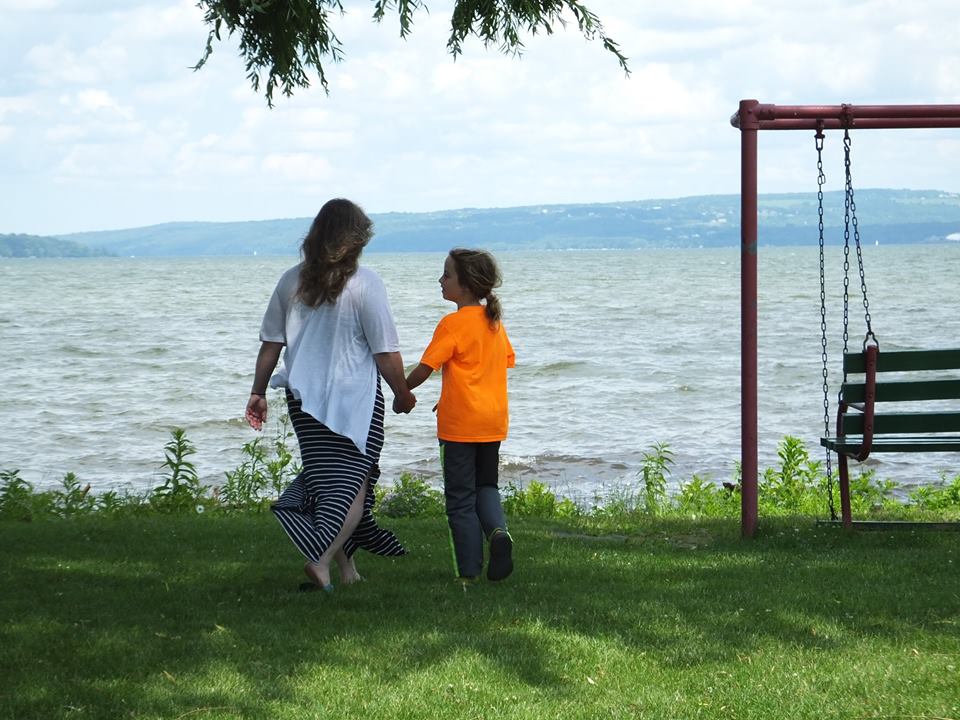
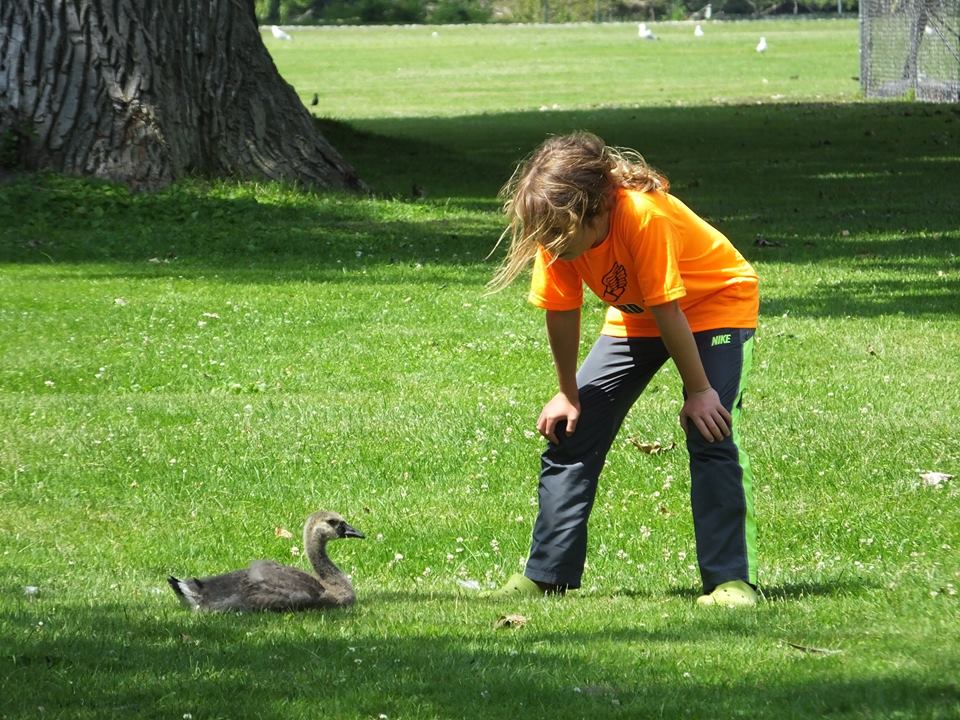
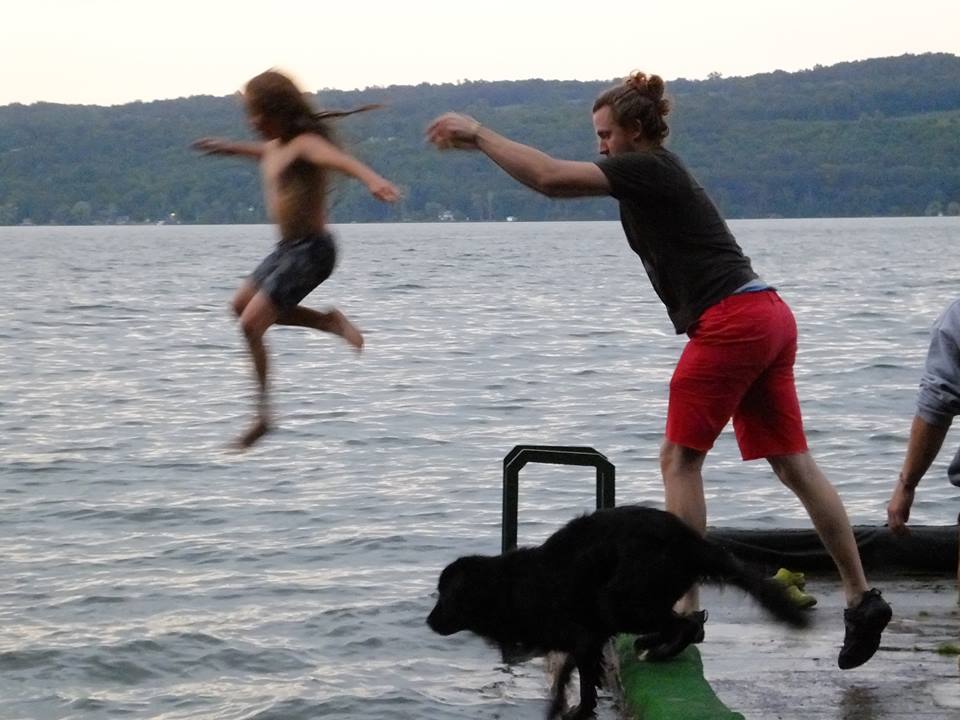
This is my other nephew and my niece with my older sister (their mother) in the background by their garden in upstate New York.

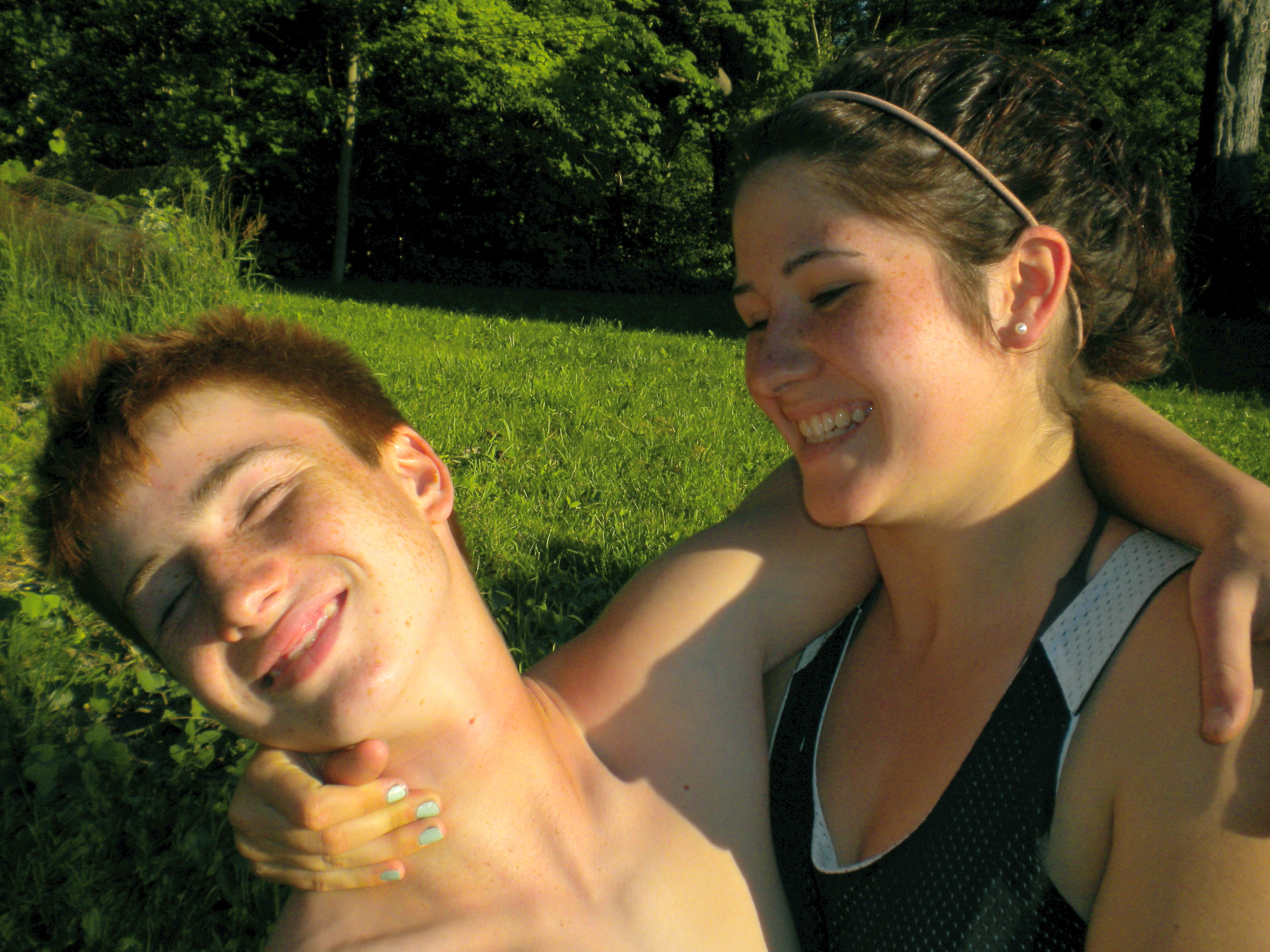
Jasper & Arianna 2011 A

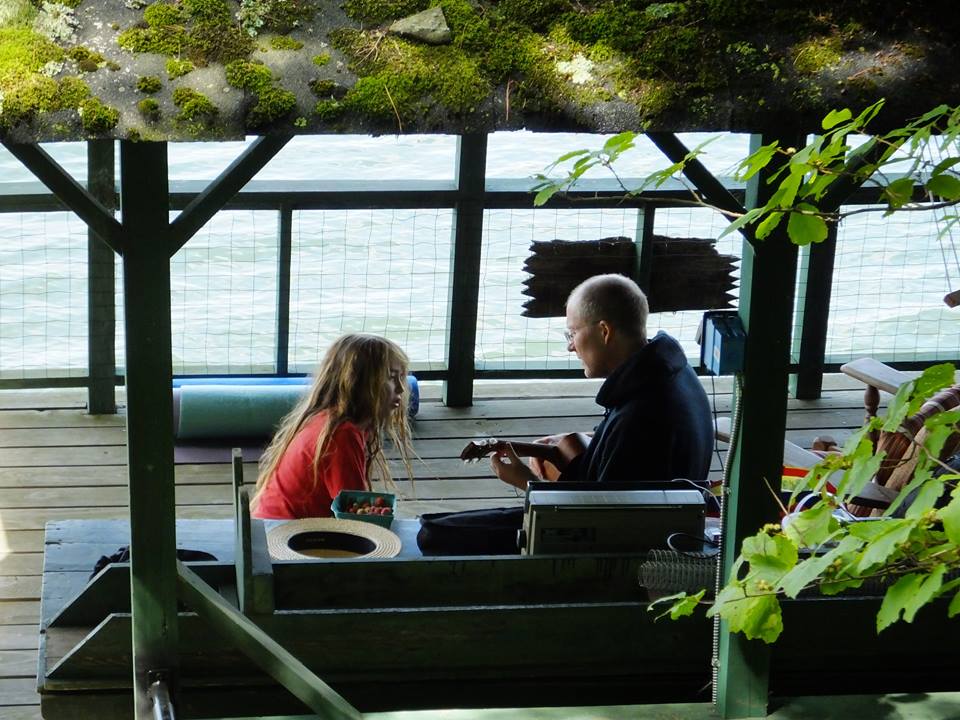
They love each other very much.

Steep Hollow Field

Although originally from Detroit, MI, they have grown up on a farm.

I feel inordinately blessed to be the uncle of three such delightful human beings.

Peaches Lime Rock

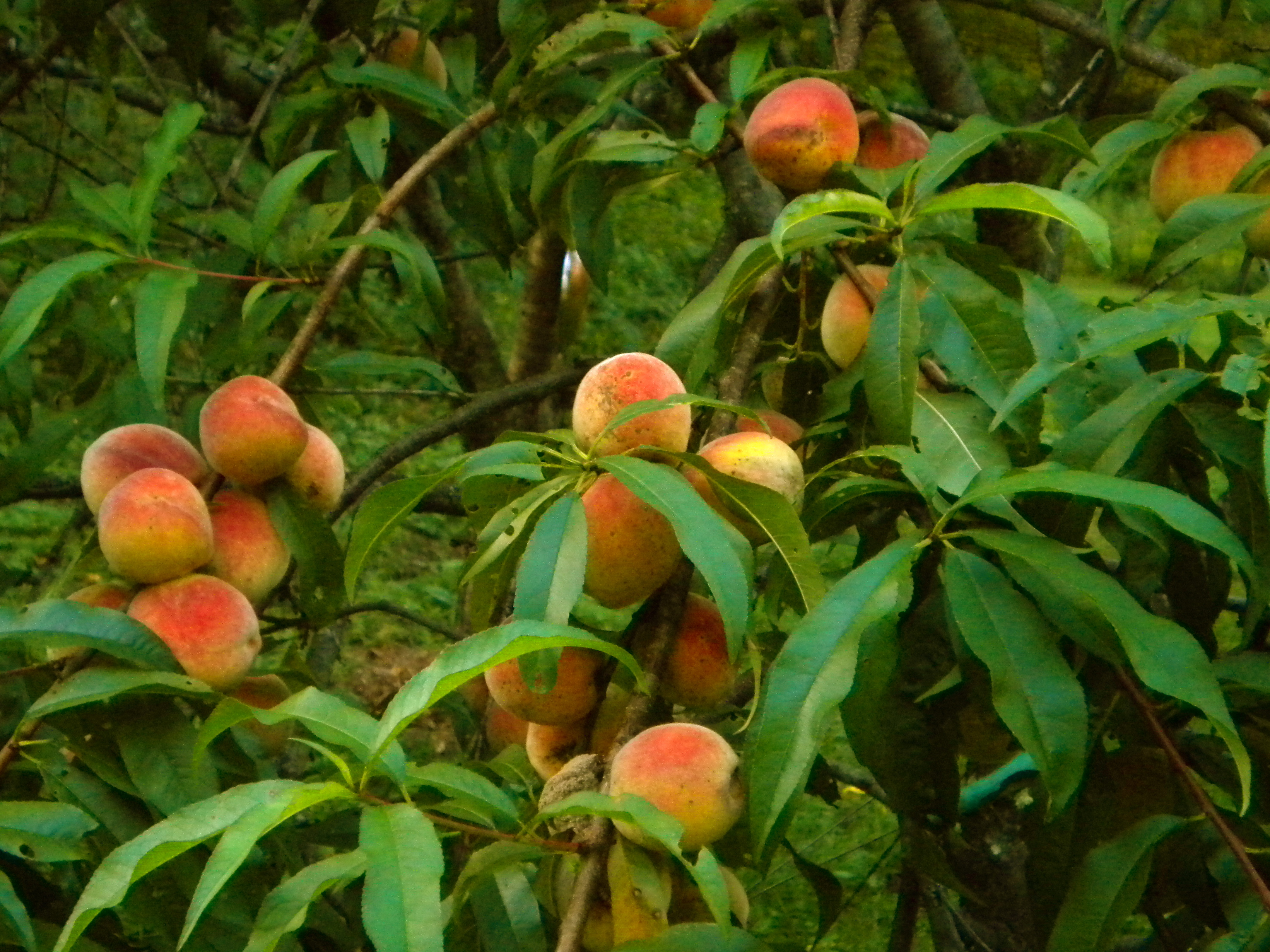
These are peaches growing on a little tree my mother and step father planted in Connecticut. I am astounded at how much fruit even a small tree can create — seemingly out of thin air!

Trees amaze me in so many ways.

I was looking at photos of the thousand year-old redwoods in California recently, trying to imagine what their sense of time might feel like…

I am impressed by how much patience and trust a plant has to have — that it will get enough rain, for example — since it cannot get up and move around the way we animals do.

And how generous they are to feed us with their fruit, their nuts, their berries — although it is hard to know whether they are generous because they want to be or because they have no other option…

Asian Pears Lime Rock

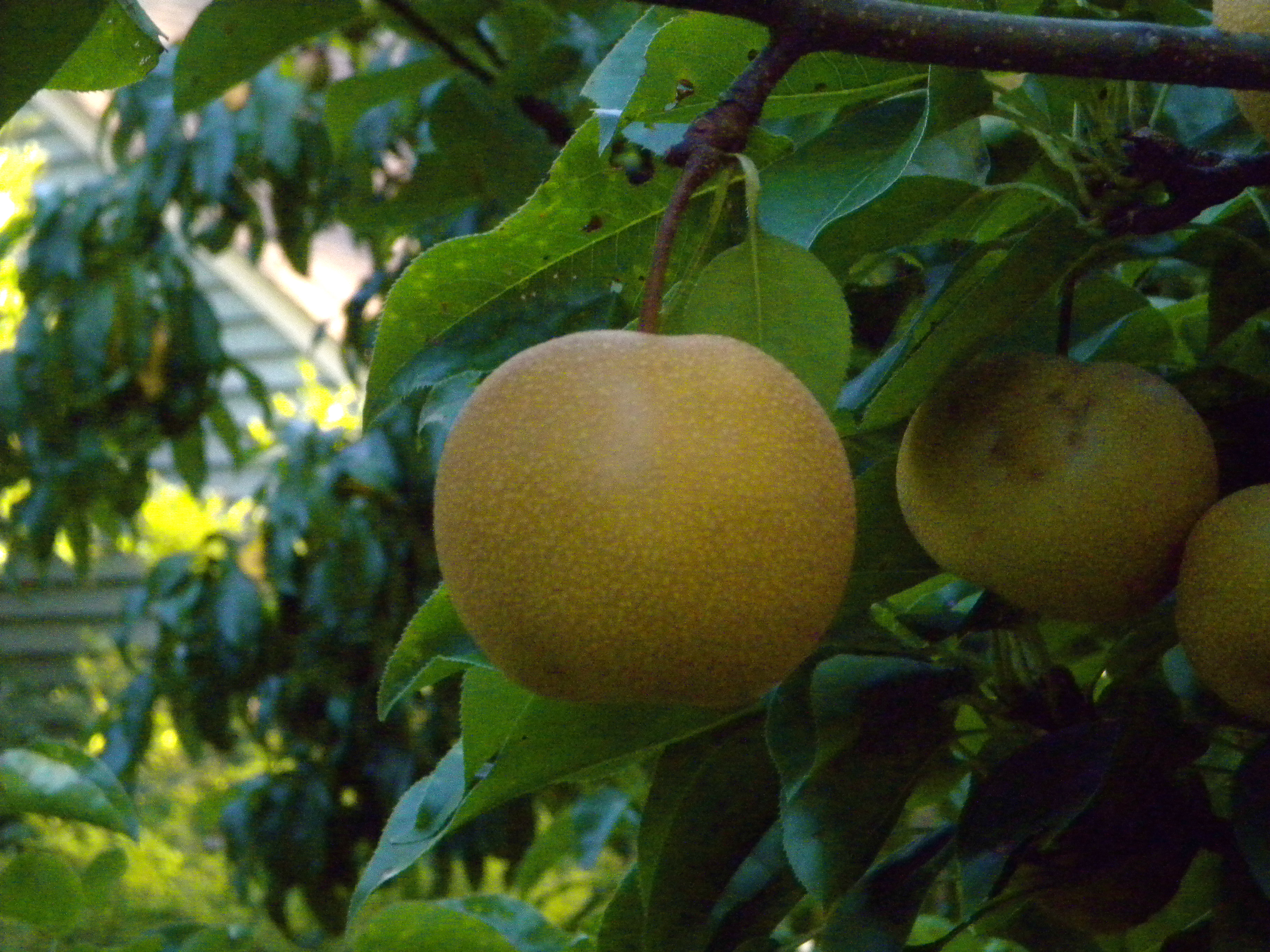
Isn’t this Asian pear beautiful? How does the tree grow it?!

And let’s not forget our invaluable allies — the bees, bats and birds who pollinate different plants and — according to recent statistics I read in an article about bee health — are responsible for the cultivation of a third of the food we humans eat…

What an amazing system: beautiful flowers which delight our human eyes and attract (and perhaps also delight) billions of extremely hard-working and diligent pollinators whose diligent work leads to delicious, nutritious food for so many beings — many of them human — to eat.

And it’s powered by photons traveling through space from a nearby star.

And it’s assisted by water which falls from the sky, is sucked up by the plants’ roots, is incorporated into leaves and flowers and fruits and berries, and eventually evaporates back into the sky — only to begin the cycle again.

What a planet!

As Peter writes in his song, “The challenging thing becomes not to look for miracles — but finding where there isn’t one…”

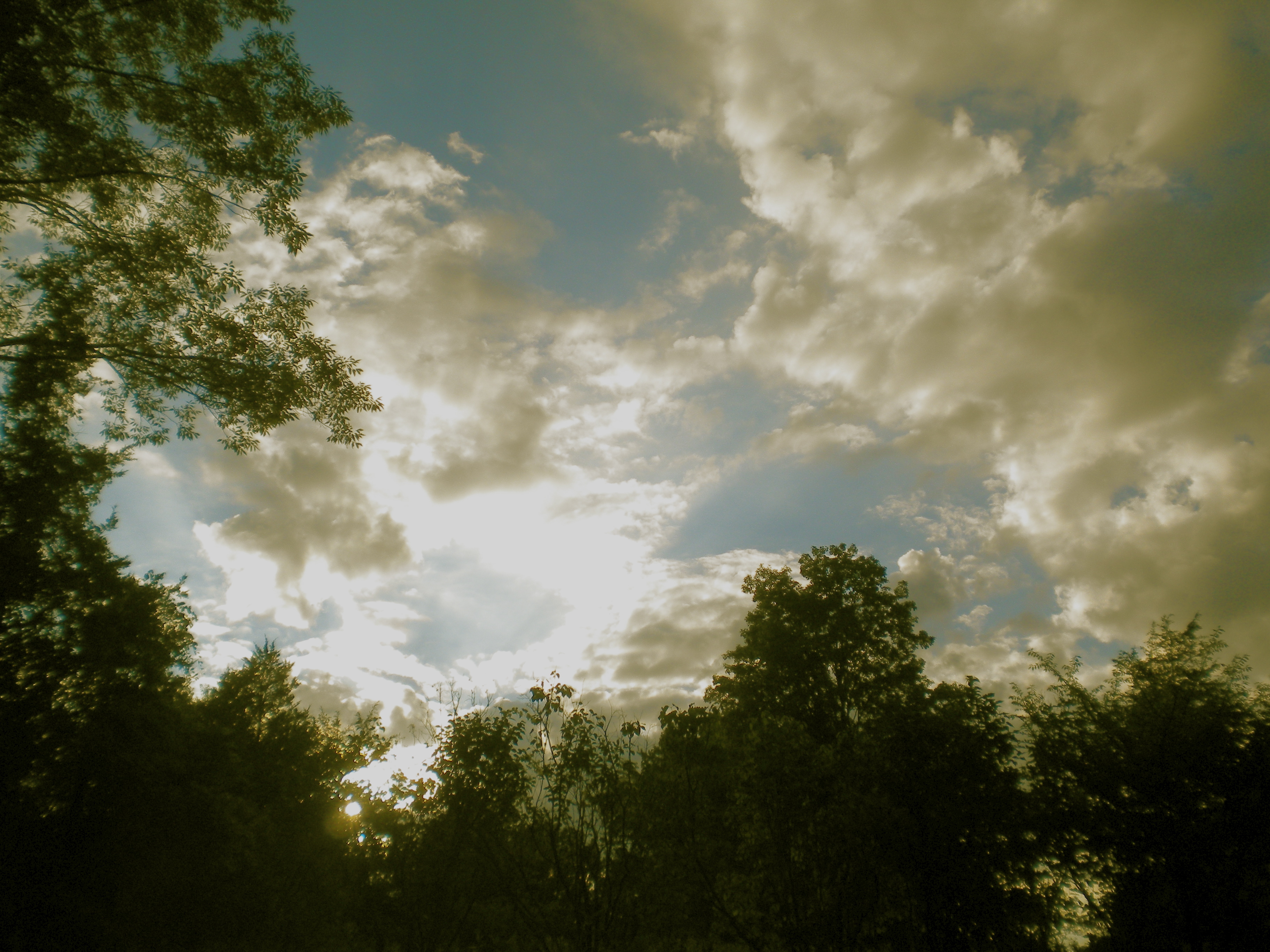
Summer Sky

Thank you for reading and listening to yet another blog post.

Love who (and what) you love…

Love who (and what) you love…

I just returned from thirteen days of heaven on earth a.k.a. camping at North of Highland Campground in North Truro, MA (near the tip of Cape Cod).

One of the things I most love about camping is the lack of interruptions and distractions.

Life is distilled down to basics — and things like TV and America’s Got Talent and Netflix and Orange Is the New Black simply disappear from one’s awareness.

I did not speak with anyone via the telephone.

There was no internet tempting me to visit Facebook or Linked In.

I had no emails reminding me each day about a deeply discouraging array of horrible things happening all over planet earth which I could possibly help by signing a petition and/or donating money.

I listened to no radio.

I read very few magazines (mostly back issues of The New Yorker).

I received no snail mail full of solicitations from environmental defense organizations and prograssive lobbying groups and hard-working political candidates.

Instead I savored the rain and the sun.

And birds.

And wind in the pine trees overhead.

And random sounds of fellow campers in the distance — sometimes the beep of a car with keys left in the ignition, sometimes the cry of a small child having an emotional melt down.

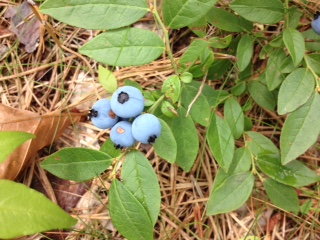
And BLUEBERRIES.

Blueberries1

This year we arrived at the peak of blueberry abundance.

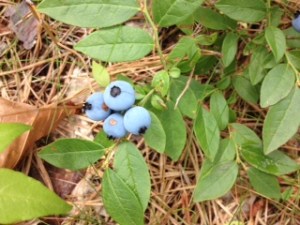
Little scrubby bushes which in past summers might have offered a few berries were now covered with them.

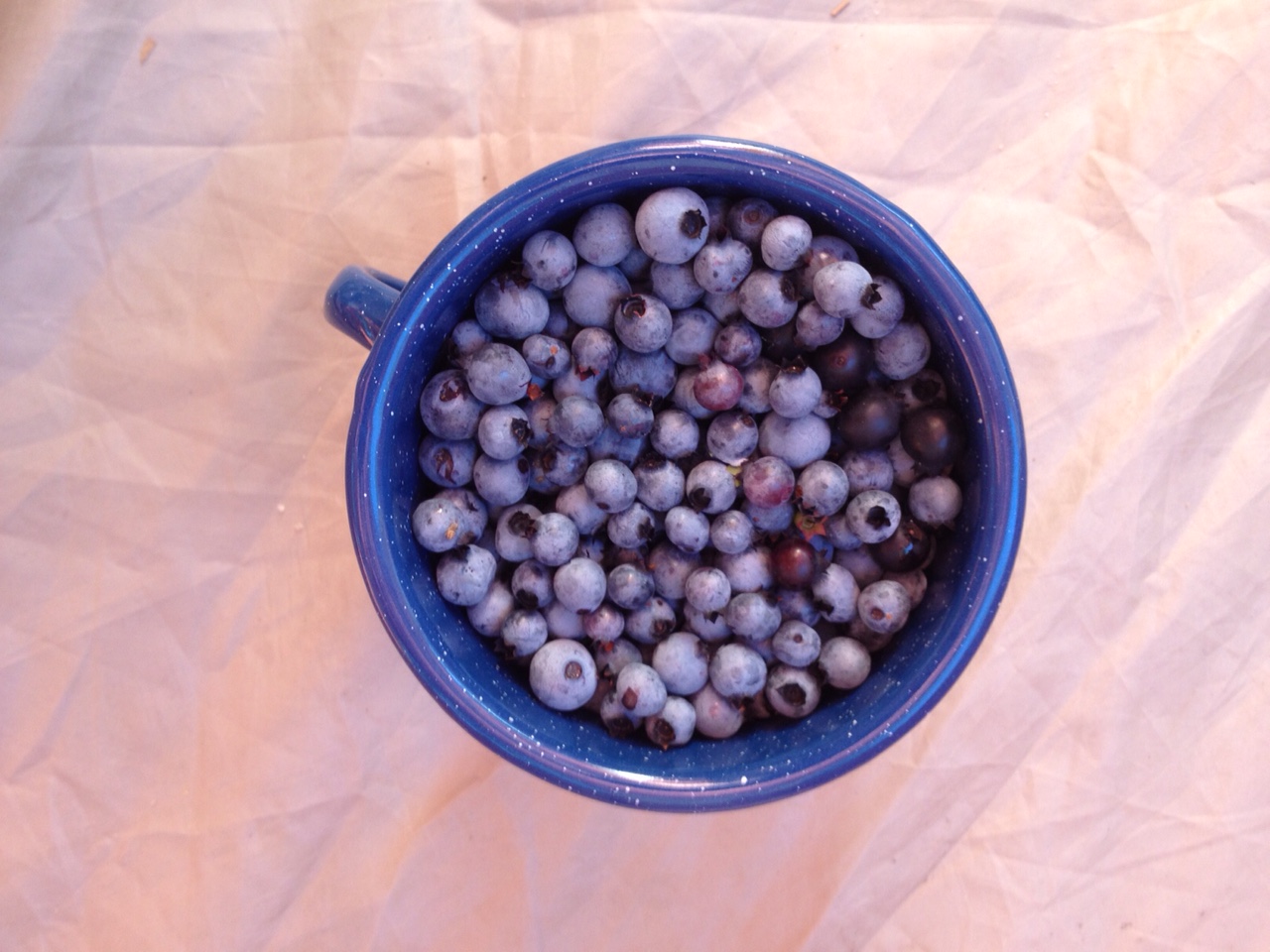
Each morning before the sun became too hot, I picked a mug-full to eat — first with oatmeal and then as an anti-oxidant treat throughout the rest of the day.

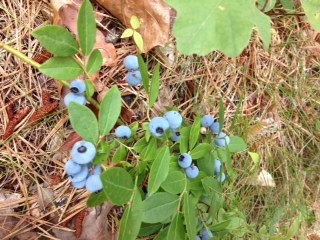
Some bushes had small berries, and others were loaded with whoppers.

On the morning of our departure, I picked one final mug’s worth to bring home to Arlington, and I am eating the last of them as I type this entry.

Yum for summer!

Blueberries2

At first I was concerned that I might be depriving the local wild life of much-needed sustenance.

One morning I watched a small red squirrel pick blueberries, climb up on a small tree stump to eat them, climb down to pick more, climb back up to eat more until she or he apparently had eaten their fill and frisked off into the trees.

But that was the only animal consumption I witnessed.

And I saw many wrinkled, older berries on the ground under the bushes — so plenty of them were ripening and falling to the ground untouched by anyone.

I decided it was OK to revel in this unexpected, beautiful, delicious gift from mother earth.

And there were many berries I did not manage to pick and eat when we left our camp site…

Maybe the two wild turkeys we saw as we were packing up camp would return to savor them?

This morning I was given a link to a slide show that a father had put together to play at the memorial service for his four-year-old son, who had died as a result of complications after an unsuccessful heart transplant operation. 

This radiant little being was a student of a fellow Music Together (MT) teacher, and she had reached out via Facebook to a bunch of MT teachers when he was about to go into surgery so that we might pray for him and his family and his caregivers.

Despite the massive amounts of time Aiden had spent in hospitals during his short, sweet life, he was able to stomp in rain puddles and play at the beach  and attend Music Together classes with his parents.

Apparently he loved singing and dancing — and his parents included several MT songs as part of his slide show and memorial service.

From the slide show I could see how loved he was by his extended family.

And as a result of watching it, I brought an aching awareness of love and loss with me to my Music Together class this morning — and did my best to welcome and celebrate each being who came though the door.

The song at the beginning of this post was written by Lynn Ahrens and Stephen Flaherty for a musical called A Man Of No Importance.

I recorded it with Doug Hammer playing piano and Mike Callahan playing horn several years ago as part of my “Will Loves Steve” show — which featured songs written or co-written by people named Steve or Stephen or Stevie.

For me it captures some of the poignance of being a loving human here on planet earth.

Thank you for reading and listening!

Blueberries from Truro

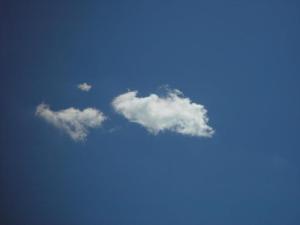
Does July Need A Sky Of Blue?

fluffy-white-cloud-on-deep-blue-sky-725x544

Hurrah for summer on planet earth.

1) I can again ride my bike to and from Music Together classes.

2) The mulberry trees in Arlington have been particularly generous with their berries this season, and there are many days that my tongue has been colored purple as a result…

3) My sweetheart and I recently visited family in upstate NY, where we were fed currants and bok choy and eggs — all of which were grown on my sister’s farm.

Yum.

4) And jazz pianist Joe Reid and I continue to perform our hour-long programs of songs written or co-written by Harold Arlen, the Gershwin Brothers, Jule Styne, Hoagy Carmichael and Cole Porter at retirement communities, coffee houses, and libraries around the greater Boston area.

After a recent show, I was speaking with one of the audience members about how — before the arrival of amplified sound in theaters — a song had to be crafted so that it could be sung by a performer and heard way up in the highest balcony seat.

Vowels and consonants and words and notes and melodies and ideas all had to travel from one person’s vocal tract to another person’s ear without the aid of electricity.

As far as I can tell from reading dozens of biographies about songwriters over the past couple of years, there were many factors which allowed this to happen.

a) Theaters were designed with great sensitivity to acoustics.

b) Songs were orchestrated to leave some sonic space for human voices to cut through the overall blend of musical vibrations and be heard.

c) The audience was accustomed to leaning forward and LISTENING carefully — compared with today, when I take earplugs with me in order comfortably to withstand the blast of amplified sound that is the norm in today’s pop music and even in today’s musical theater.

d) The singers — Ethel Merman being one of the most famous examples — knew how to generate potent streams of sound.

e) The songwriters knew how to craft songs with vowels and consonants and rhymes in all the right places while telling a story and advancing the plot.

One of my favorite examples of this craftsmanship is the song “Do I Love You, Do I?” which was written by Cole Porter for his musical DuBarry Was a Lady.

It is extremely fun to sing — especially near the end when the melody of the final “Do I love you, do I?” rises to a big, high note with total ease due to the extremely functional (from a singing point of view) vowel sequence of the two words “do” and “I.”

You can listen to this — and sing along if the spirit moves you — by clicking the song bar at the top of this blog entry. It is a recording I made a while back with the great pianist and songwriter Steve Sweeting when he lived in Brighton, MA.

Steve and I have recently finished recording a nine-sing CD of HIS extremely well-crafted original songs which I will very likely be writing about in future blog posts.

May there be lots of music in your life today and every day!

And thank you, as always, for reading and listening.

Who Could Ask For Anything More?


Today I sit on our back porch, savoring a gentle breeze and warm, spring-like weather.

Ahhh….

A careful reader might notice that I haven’t posted anything since December.

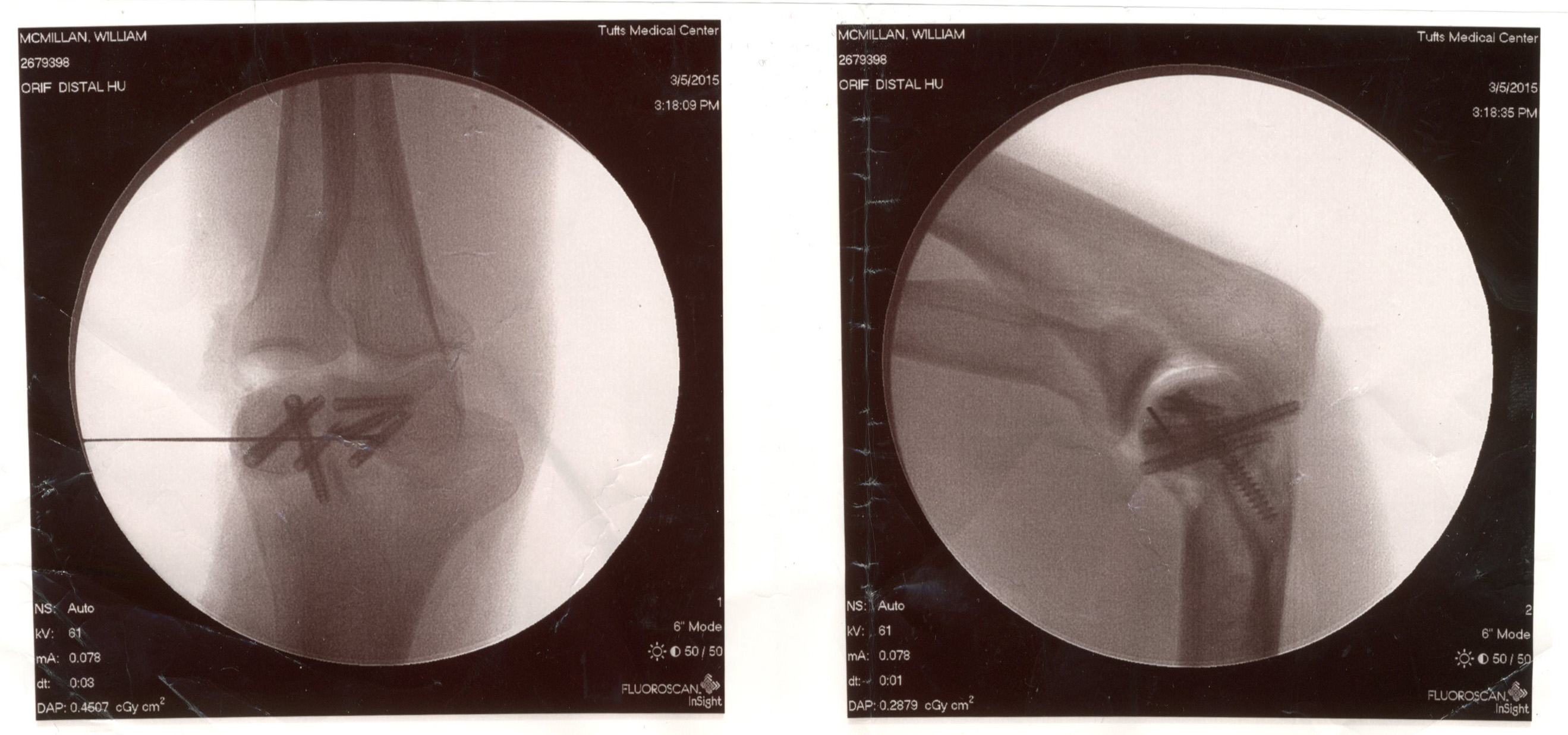
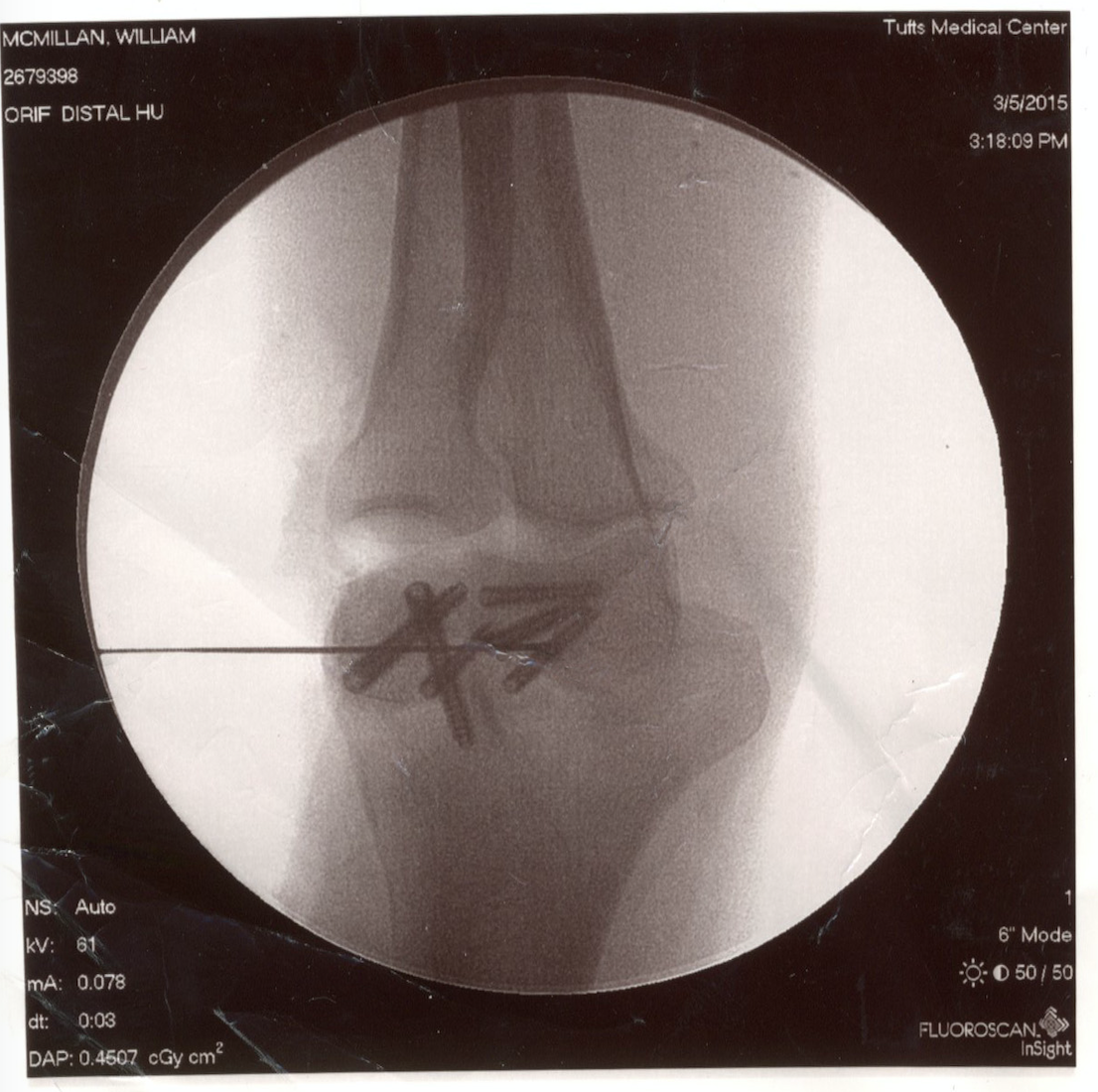
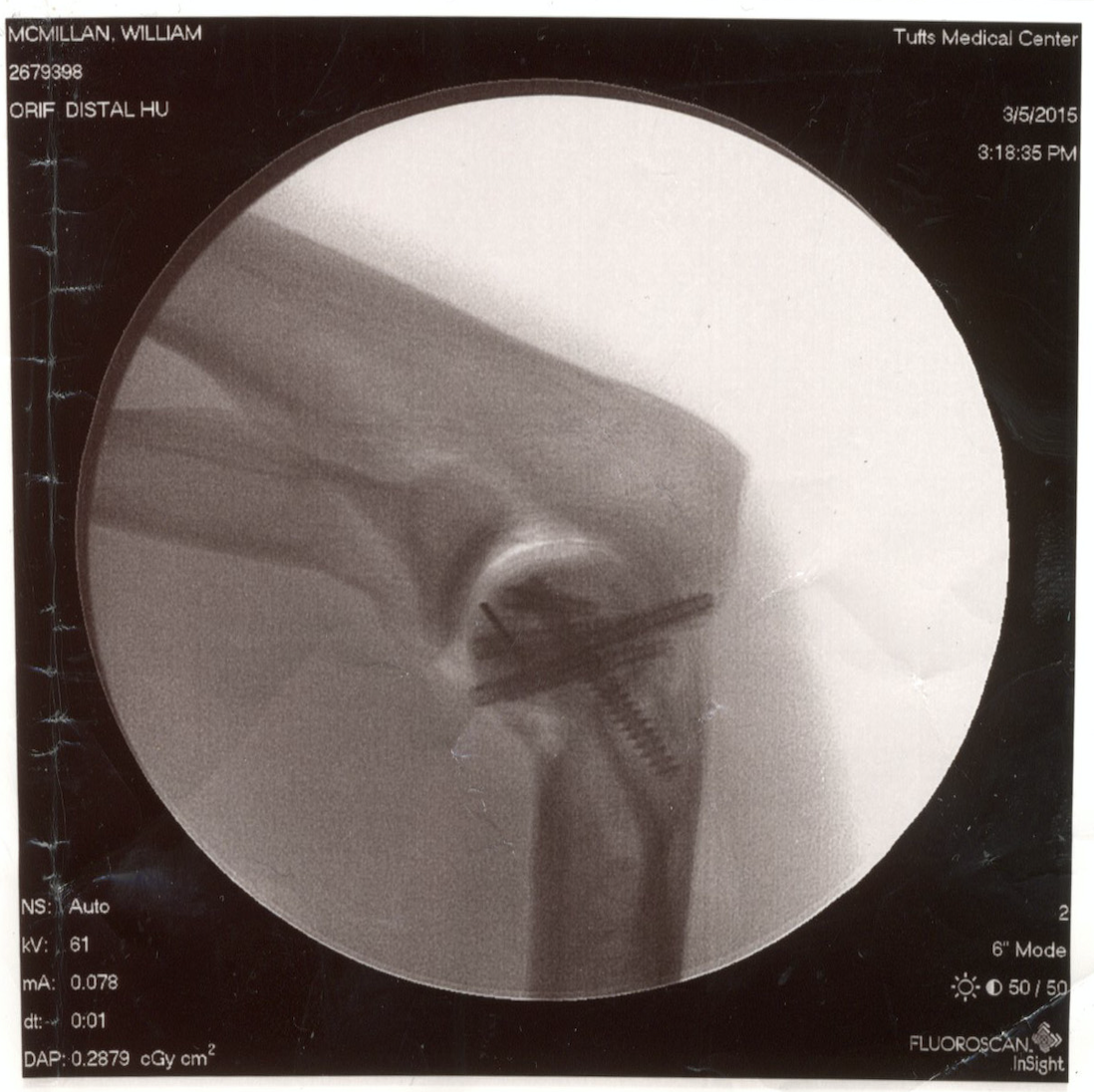
We had a long, snowy winter here in the Boston area — and at the end of February I managed to fracture the bottom surface of my left humerus (upper arm bone) by tripping over a very enthusiastic 18-month-old student who got behind me (without my realizing it) during one of my Music Together classes.

Six titanium screws later, my left elbow is mostly functional — and a few more months of painful therapy may, in frustratingly small increments, restore full functionality.

We shall see…

One of the blessings of my recent encounter with the world of Western medicine is that I found a great surgeon — the head of orthopedic medicine at Tufts Medical Center! — who was willing to screw the various chunks of my humerus back together again. He is also a terrific listener who makes unwavering eye contact during conversation.

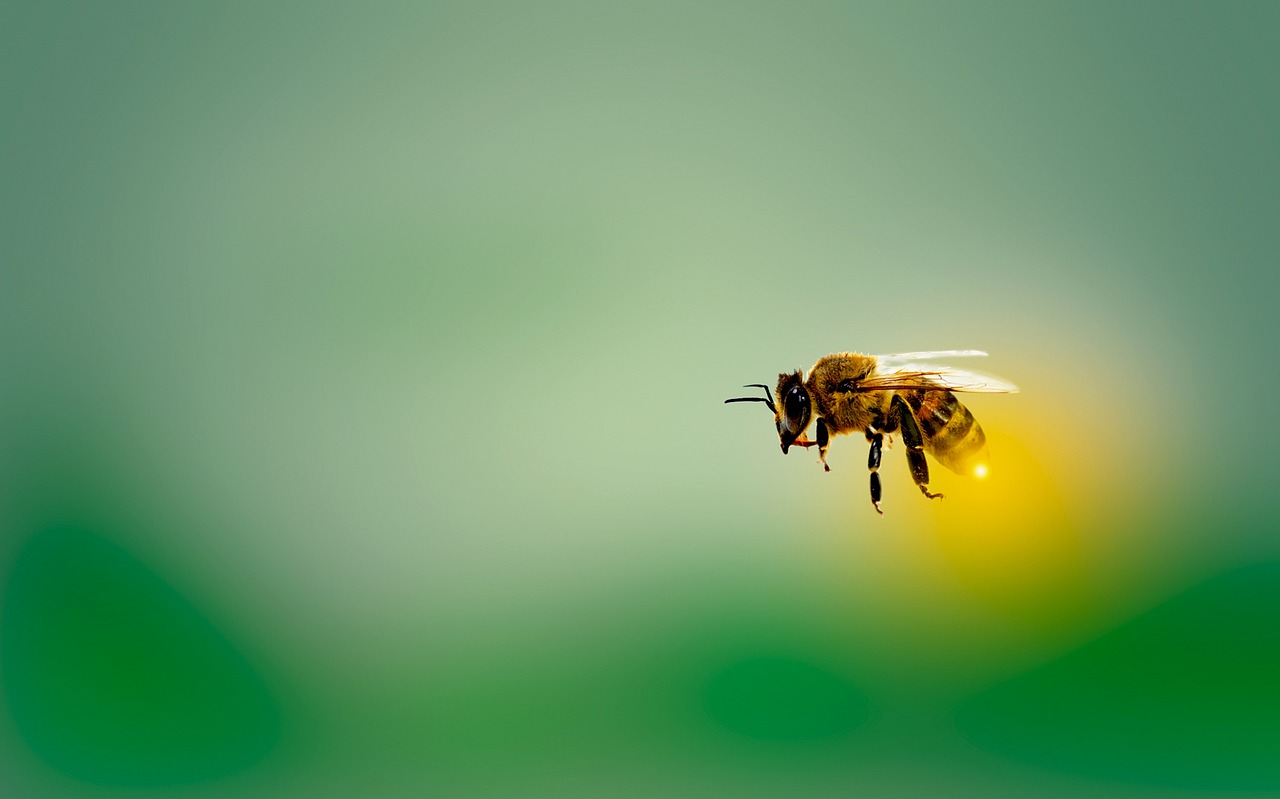
Image by Naturelady from Pixabay

And the anesthesiologists who took care of me during my surgery were also willing to listen to my request that they NOT intubate me. Instead they used an alternative device which didn’t poke through my larynx, bless them.

So I experienced no inadvertent bumps or scratches on my vocal cords while I was under anesthesia.

Now a very patient and sweet-tempered occupational therapist is helping me persist in my quest for a fully functional left elbow.

Through this entire process I have been blessed with music — healing tracks by Libana, Bobby McFerrin, Annie Bethancourt, and Bill Glassco (to name a few) — as well as a very soothing guided meditation by Peggy Huddleston to help prepare for and recover from surgery.

Although my left arm aches 24/7 — especially after I have done my stretching exercises — listening to music, practicing music, learning new songs, performing music, jotting down new musical ideas, and leading my Music Together classes all, thankfully, distract me from the sensations in my arm.

I have included a fun version of the Gershwin Brothers’ song “I Got Rhythm” (originally debuted by a very young Ethel Merman in her star-making performance as part of the Gershwin Brothers’ musical Girl Crazy) at the beginning of this blog post.

I recorded it with Doug Hammer on piano at his studio on the North Shore. You can hear him laughing at the end of the take because he didn’t know I was going to hold a particular note as long as I did in a spontaneous homage to Ms. Merman…

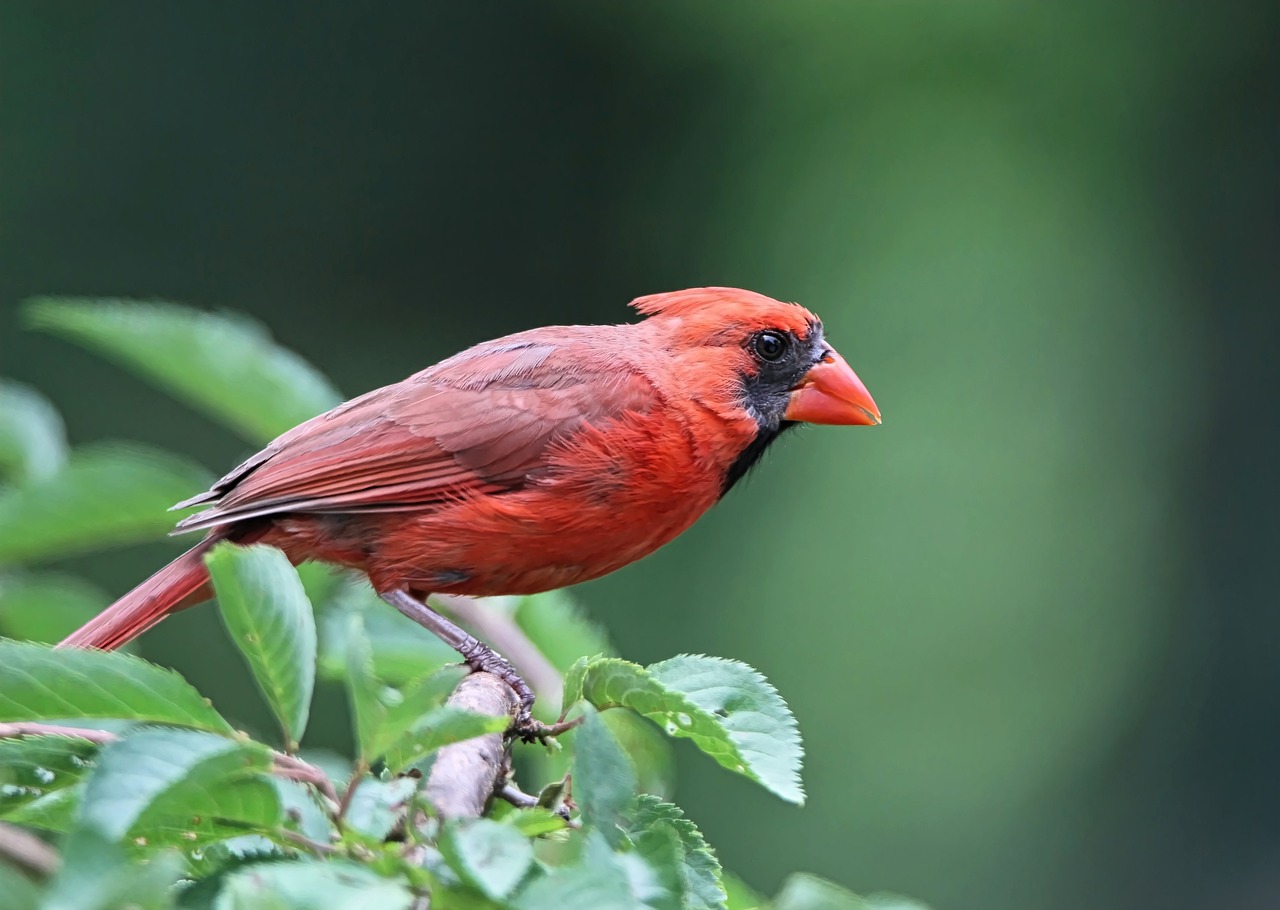
It sums up my outlook during this recovery period, and it certainly fits the mood of today, as birds swoop through our back yard, and bees of all sizes diligently gather pollen from the flowers blooming around town.

Thank you to the photographers at Pixabay.

Thank you to Doug Hammer for his marvelous piano playing AND engineering skills.

Thank you for my excellent medical care.

And thank YOU for reading another one of my blog posts!

Deep breath in.

And deep breath out.

Let Me Be Strong


I was riding my bike home in the rain this week and remembered a song written by a New England author and songwriter named Barbara Baig.

“Rain beats at the window as I stare into the night…”

I recorded it a while ago with Doug Hammer playing piano — and, I think, Chris Rathbun on upright bass and Gene Roma on drums — at Doug’s Dreamworld Studios on the North Shore.

That was when I was hosting a performance series in Harvard Square called “Will & Company.”

Each show featured a local songwriter and a local singer about whom I was excited.

I recently learned that one of the songwriters, Ernie Lijoi, has written lyrics for two songs in a musical called It Shoulda Been You which is opening on Broadway at the Brooks Atkinson Theater in April of 2015 starring Tyne Daly and directed by David Hyde Pierce.

Go, Ernie!

“Let me be strong and moving through fear….”

One of our friends, Peter Watson, has used “Let Me Be Strong” in the Opening the Heart workshops he co-leads.

Although a lot — a blessed lot — of stuff is going well in my life these days (a devoted life partner, robust Music Together classes, more performances at retirement communities and libraries, basic health, no debt, a functional bike, a wonderful web of family and friends for whom I am very grateful, and the list goes on and on), I also find myself standing from time to time in deep puddles of fear.

And I berate myself for feeling scared — aware that billions of beings on planet earth are not as fortunate as I am.

What do I have to feel scared about?

Yet I am also aware — without reading the paper, listening to the radio, watching the news, or tapping into various social media — that our human population continues to climb, that more and more species of animals and plants are becoming extinct, that our economic models are based on an advertising-created desire to possess more and more things, etc. etc. etc.

Thinking about these global challenges leaves me feeling scared, or sad, or angry — or all of the above.

How do we not become mired in fear?

How do we keep our hearts open?

How do we change our lives to respect and honor and nurture the amazing web of life currently unraveling on planet earth?

And how does music fit into any/all of the above?

Love Is Real


Love IS real.

It may not always be easy to feel, but it’s always there somewhere — or perhaps everywhere? — waiting to be tapped into.

In the two years since I was laid off from my day job, I have come to understand that music is one of our most accessible — and brilliant — technologies for re-connecting with love.

I experienced another love-filled gig with pianist Joe Reid last Saturday at a retirement community to the south of Boston.

It was the first time we had been there; so I didn’t know what to expect.

I was also feeling a bit concerned that our choice of “Make Someone Happy: The Songs of Jule Styne” — rather than a program of songs by the more familiar Cole Porter or Gershwin Brothers — might have been too risky for a first visit.

But we were warmly welcomed, ushered to a lovely performance space (not too big, not too small — a “just right” Goldilocks fit) with a small grand piano, a good PA system, and an audience of American Popular Songbook aficionados.

The size of the room — and the lighting in the room — made it possible for me to make eye contact with everyone.

Many audience members knew the words to the songs we were performing — and I, inspired by my Music Together classroom experiences, exhorted everyone to hum, tap, snap, or even dance if the spirit moved them.

There is something about the structure of a well-written song that allows — even encourages — one to put one’s heart into the singing of it.

And knowing that a song has a beginning, a middle, and an end somehow makes it safe for me as a singer to experience a wide range of feelings while I am singing it.

I think I have written in previous blog posts about how amazing subtext can be — how simply changing what or whom one is thinking about as one is singing can completely alter one’s interpretation of a particular song.

I have even begun to wonder — as I sing and make eye contact during performances with as many different audience members as are willing to connect in that surprisingly intimate way — whether I start connecting on an unconscious level with some of THEIR subtext, THEIR history, and THEIR associations with a particular song.

Whatever is transpiring energetically, it certainly opens MY heart — and re-connects me to feelings of joy and heart-ache and love and fear and desire and hope and pain.

Afterwards Joe and I listened to the stories that these songs evoked in the residents — tales of huge summer parties near Westport, CT in the 30s and 40s, or of seeing Barbra Streisand in the original production of Funny Girl, or of listening to these songs on the radio with loved ones in the living rooms of their past.

One woman said something like, “We have to have you and Joe back again right away — your singing reached inside and touched my soul.”

This is what I live for.

This is what music can do.

Two strangers can, in a safe and well-boundaried way, touch each other’s souls.

John Lennon knew that.

He wrote the song “Love Is Real” — which I recorded several years ago with Doug Hammer at his Dreamworld Studio. Then I monkeyed with those tracks using Garageband to create the version at the top of this page.

Thirty four years ago John Lennon was killed as he got out of his car and headed into his apartment in NYC.

According to Wikipedia, he had chosen to get out on 72nd Street (rather than the driving into the courtyard of his building) so that he could chat with any fans who might be waiting to say “hi” and ask for an autograph.

In fact, earlier in the day he had autographed a copy of Double Fantasy — the life-affirming album he had recently released with Yoko Ono — for the man who later shot and killed him.

After I heard the horrible news of John’s death, I remember walking along Massachusetts Avenue in Harvard Square, feeling very sad and upset that this could ever have happened.

One loss often awakens previous losses — like a metal chime rippling and echoing through the layers of one’s emotional body and memory.

So, with hindsight, it is very likely that I was also grieving other deaths, other losses, other assassinations — as I grieve tonight…listening to John’s music and reflecting on his inspiring life.

You can click here for a link to a comforting essay I found online which offers perspective about why so many of us continue to be so deeply moved by John’s murder.

I loved John Lennon.

I continue to love his music — as well as the music of all The Beatles.

And his songs live on.

Love IS real.

The Mystery of Neuronal Connections


After I take a shower in the morning, I like to wipe the water off the tile walls with a squeegee.

I had never done this until I visited my friend Michael Ricca’s family home in Quincy, MA.

Their bathroom was spotless, and I learned that Michael’s dad always cleaned the water from the shower walls with a squeegee.

So now I think about Michael and his parents almost every morning as I stand — naked or wearing a towel — and use my shower squeegee.

Michael’s parents used to invite me and him and Nina Vansuch and Brian Patton over for huge Italian feasts when the four of us were singing together in a musical project called At The Movies.

So I also think about Nina and Brian and the music we made together each morning as I wipe water from the shower walls.

I love how “squeegee” and “Michael Ricca’s dad and mom” and “Michael Ricca” and “Nina Vansuch” and “Brian Patton” and “Quincy, MA” are all neuronally linked in my memory banks.

And somehow the act of wiping down the shower walls brings all of them to the surface of my consciousness.

Brian and Nina and Michael and I performed together for a few years, selling out Scullers Jazz Club on a regular basis and recording a CD, Reel One, which still — ten years later — sounds great.

I have included a couple of selections from Reel One in this blog. And a couple more (“Wives & Lovers/Coming Around Again” and “That’ll Do”) are in the player in the right hand side bar of this page.

I especially love Nina’s vocal performance on “Theme from The Valley Of the Dolls” and the vocal harmonies Brian crafted for us to support her.


I don’t know if At The Movies will ever perform together or record again, but I am very grateful that we have such lovely audio documentation of our time together.

I was talking with a fellow singer about the fascinating power of neuronal associations the other night as we drove home from an open mic in Natick.

Sometimes what transforms someone’s song interpretation from good to great is simply how many neural associations they have woven into their memorization of the lyrics.

A song may remind them of a loved one who once sang it to them, or an intense crush they once had in high school, or a particularly tumultuous (or poignant or peaceful) period in their life.

Or all of the above.

And those images, those memories, those associations somehow bring the song to life when they perform it.

I try to inoculate songs that I am learning with as many different layers of memory associations as I can muster.

Then when I am performing, I can tap into different constellations of memory associations as the spirit moves me.

One night a song about love might evoke a strong image of my nephews and niece.

On another night I might find myself remembering my former voice teachers — or the first person with whom I fell head over heels in love — or my sweetheart of 22 years — or one of my siblings — or the horse our family owned as a pet for over 30 years — or the corgi we had who once raised a litter of abandoned kittens — or the heron who sleeps at night on an abandoned shopping cart in the middle of a stream which runs along a busy road near my house.

Or huge Italian feasts with Michael and Brian and Nina and Michael’s parents at his childhood home in Quincy.

Or squeegeeing my shower tiles.

Or all of the above.

More Weight


Night arrives suddenly these days — the autumnal shock of daylight savings time.

I am also feeling shocked by the outcome of our recent national mid-term elections.

According to US News & World Report, only 36.6 percent of eligible voters showed up to cast our ballots. And only 13 percent of eligible voters under age 30 participated in this last election.

Yowza!

How do we educate and inspire our next generation of adults to do something as simple — yet profound — as vote?

The Center for Voting and Democracy’s web site says that countries such as Australia, Chile and Belgium, where voting is mandatory, experience almost 90% participation, while other countries — including Austria, Sweden, and Italy — have turnout rates near 80%.

In a presidential election year, our voter turnout rate rises to around 60%.

Food for thought and then perhaps some action…

I wrote the song in the player at the top of this post when I was in a rock band — Cue — with four other hard-working musical souls.

It reminds me of autumn — our shorter days and longer nights — as well as the billions of leaves which are letting go and falling to the earth… to decompose and then — we hope, we trust, we pray — give birth to new seedlings in the spring.

One of my bandmates, Alan Najarian, took my a cappella, four-track recording and added a bunch of great music to it — drums and keyboards and church bells and other atmospheric sounds.

I was inspired by the story of 80-year-old Giles Corey, an early emigrant from England who was crushed to death in 1692 as a result of accusations during the Salem witch trials.

He chose not to stand trial, which — according to Douglas Linder’s account on the University of Missouri-Kansas City web site — meant that his farm would be less likely to become the property of the state and his children might inherit it.

However, “the penalty for refusing to stand trial for death was pressing under heavy stones. It was a punishment never before seen in the colony of Massachusetts. On Monday, September 19, Corey was stripped naked, a board placed upon his chest, and then — while his neighbors watched — heavy stones and rocks were piled on the board. Corey pleaded to have more weight added, so that his death might come quickly.”

Deep sigh of sadness…and amazement.

How many of us would be so brave — and strategic — under similar circumstances?

Linder continues, “Corey is often seen as a martyr who gave back fortitude and courage rather than spite…His very public death may well have played (a part) in building public opposition to the witchcraft trials.”

And yet we know that this pattern of accusation and persecution and brutal punishment continues to thrive in human communities all over this planet.

And a damaging spirit of  “us versus them” seems to have hijacked much of our current political process — which certainly may be affecting our voter participation rates here in the US.

Eventually the Salem witch trials wound down.

“A period of atonement began in the colony following the release of the surviving accused witches. Samuel Sewall, one of the judges, issued a public confession of guilt and an apology. Several jurors came forward to say that they were ‘sadly deluded and mistaken” in their judgments.'”

“Governor Phips blamed the entire affair on Chief Justice William Stoughton, who refused to apologize or explain himself. He criticized Phips for interfering just when he was about to ‘clear the land’ of witches. Stoughton became the next governor of Massachusetts.”

“The Salem witches disappeared, but witchhunting in America did not,” concludes Linder.

“Each generation must learn the lessons of history or risk repeating its mistakes. (The Salem witch trials) warn us to think hard about how to best safeguard and improve our system of justice.”

And participatory democracy…

Something Good


Skimming over some of my previous posts, I see that I rarely mention anything about feeling frustrated, unhappy, anxious, or any other “negative” emotional state.

I would like to clearly state that I feel disappointed, scared, envious, disheartened, disgusted, vengeful, upset, discouraged, and cranky on a regular basis.

But I strive — when feeling out of sorts — to remind myself of any number of things in my life that I can be grateful for.

A wonderful life partner.  Health.  Plenty of food.  Lots of family.  Lots of friends.  A functional bicycle.  Employment.  A safe place to live.  Clean water.  No tanks patrolling my neighborhood.  Music.  Electricity.  The children and grown-ups in my Music Together classes. Warm clothing.  Two lap top computers.  Access to the internet.  Great collaborators.  Our local network of public libraries.  The retirement communities which invite me and my collaborators back to perform again and again.

Once one gets started, the list can go on and on and on…

The week before Doug Hammer and I performed Songs About Parents & Children at the Third Life Studio in Somerville, MA, I found out that I had been awarded a grant from the newly-created Bob Jolly Charitable Trust to help pay for rehearsals and marketing outreach.

Bob Jolly, who died in 2013, was a beloved actor in the Boston community for 28 years.

The Bob Jolly Charitable Trust — established by his will — supports local actors, performers, composers, and theater companies with modest yet very meaningful financial support.

I am very grateful for this grant as well as Bob’s vision to nurture Boston’s creative community for years to come.

His generosity is indeed something good!

The song in the player at the beginning of this blog post was created by Richard Rodgers for the movie version of The Sound Of Music.

He wrote both the music and the lyrics because his second longtime lyricist/collaborator, Oscar Hammerstein, II, died before the movie was made.

The knowledge that Mr. Hammerstein was dying from stomach cancer while they were bringing the original Broadway musical to life adds — for me — an extra layer of poignance to songs such as “My Favorite Things,” So Long, Farewell,” “Climb Every Mountain,” “Edelwiess,” and “The Sound Of Music.”

And learning more about Mr. Rodgers challenging relationship with alcohol — as well as with various female cast members in his shows —  adds many more layers of complexity to “Something Good,” which Doug and I performed as our final encore at the end of Songs About Parents & Children.

Deep breath in.

Deep breath out.
Thank you for reading and listening.

What Is This Thing Called Love?

This past Sunday pianist Joe Reid and I performed an hour of songs with music by Harold Arlen at an independent living center in Quincy, MA.

The residents who showed up were very friendly — and a few of them knew the words to almost every song!

Even if they weren’t singing, I could see that everyone was moving some part of their body — fingers, toes, head, torso — in rhythm with the music.

It was a delightful way to spend an hour of my life.

Afterwards one woman — whose eyes had been closed for much of the time — explained that when these songs had been popular, she and her husband had not had a lot of money, but that they HAD been able to listen to music on the radio.

So even though it may have appeared she was dozing off,  she had in fact been remembering that time in her life and imagining that her husband was still sitting next to her.

Deep sigh.

What is this thing called love?

What Is This Thing Called Love?

The previous day pianist Doug Hammer and I had performed a 40 minute chunk of my show, “The Kid Inside,” at a benefit for a new organization called OUT MetroWest.

OUT MetroWest has been providing supportive space for LGBTQ teenagers to meet for many years, and this benefit was a big step to expand their services beyond the Unitarian Universalist church in Wellesley where they began.

I originally created “The Kid Inside”  to perform for the 10th grade class at my high school. It’s a recollection, using stories and songs, of my high school years — including how conflicted and confused I felt about my sexuality.

At one point I tell a story about when — lacking a gay-straight alliance on campus or even any “out” faculty members to whom I might speak — I sneaked from my dorm one night and knocked on the front door of an apartment belonging to one of the young, unmarried male teachers who lived on campus,

When he answered the door, I was unable to say anything and just stood there — feeling stuck and ashamed and humiliated.

I follow this story by singing the Cole Porter song “What Is This Thing Called Love?” — which is in the player at the top of this post with Doug Hammer on piano, Mark Carlson on bass, and Kenny Wenzel on trombone.

I am happy to know that there are now safe spaces at many high schools to talk about the amazing and powerful and at times perplexing topics of sexuality and identity and relationships — as well as organizations like OUT Metro West.

And I am amazed at how songs can re-connect us with people and places from our past.

Love is a mystery.

How music taps into our memories and opens our hearts is a mystery.

Today I embrace those mysteries and remain grateful for all the music in my life on a daily basis.

Thank you for reading…and listening.