One of my favorite parts of camping there is how everyone gains — or regains — a deep appreciation for the preciousness of water.
All of the faucets in the bathrooms shut off after a second or two to encourage us not to waste water while brushing our teeth, washing our hands, or shaving.
And we have to carry water — for drinking and cooking and washing dishes after our meals — in big plastic jugs from centrally located cabins (which have bathrooms, showers, and outdoor spigots) down to our camp sites.
So we become very aware of how much water we use all day long — such as boiling pasta for dinner or rinsing a soapy pot afterwards.
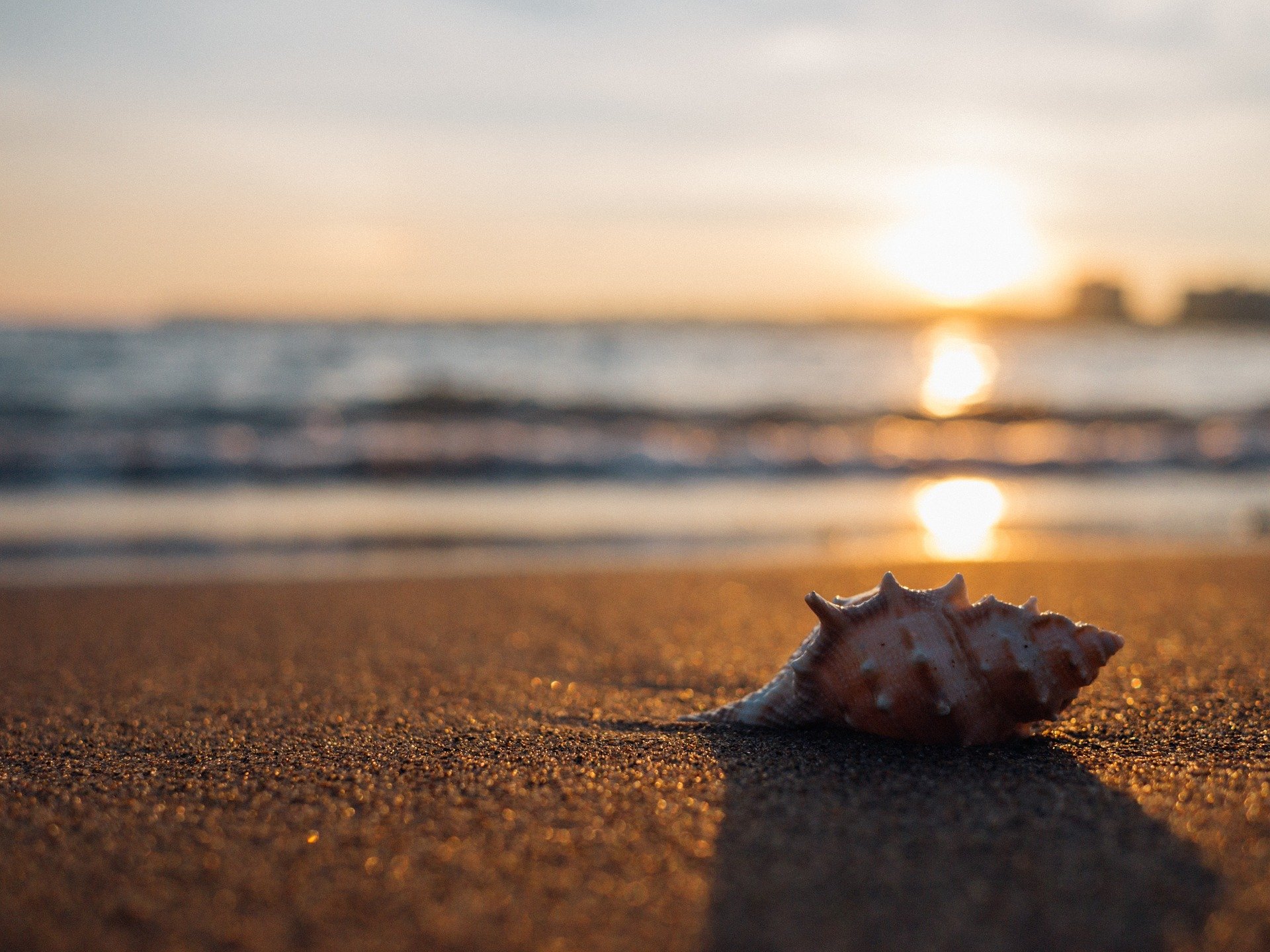
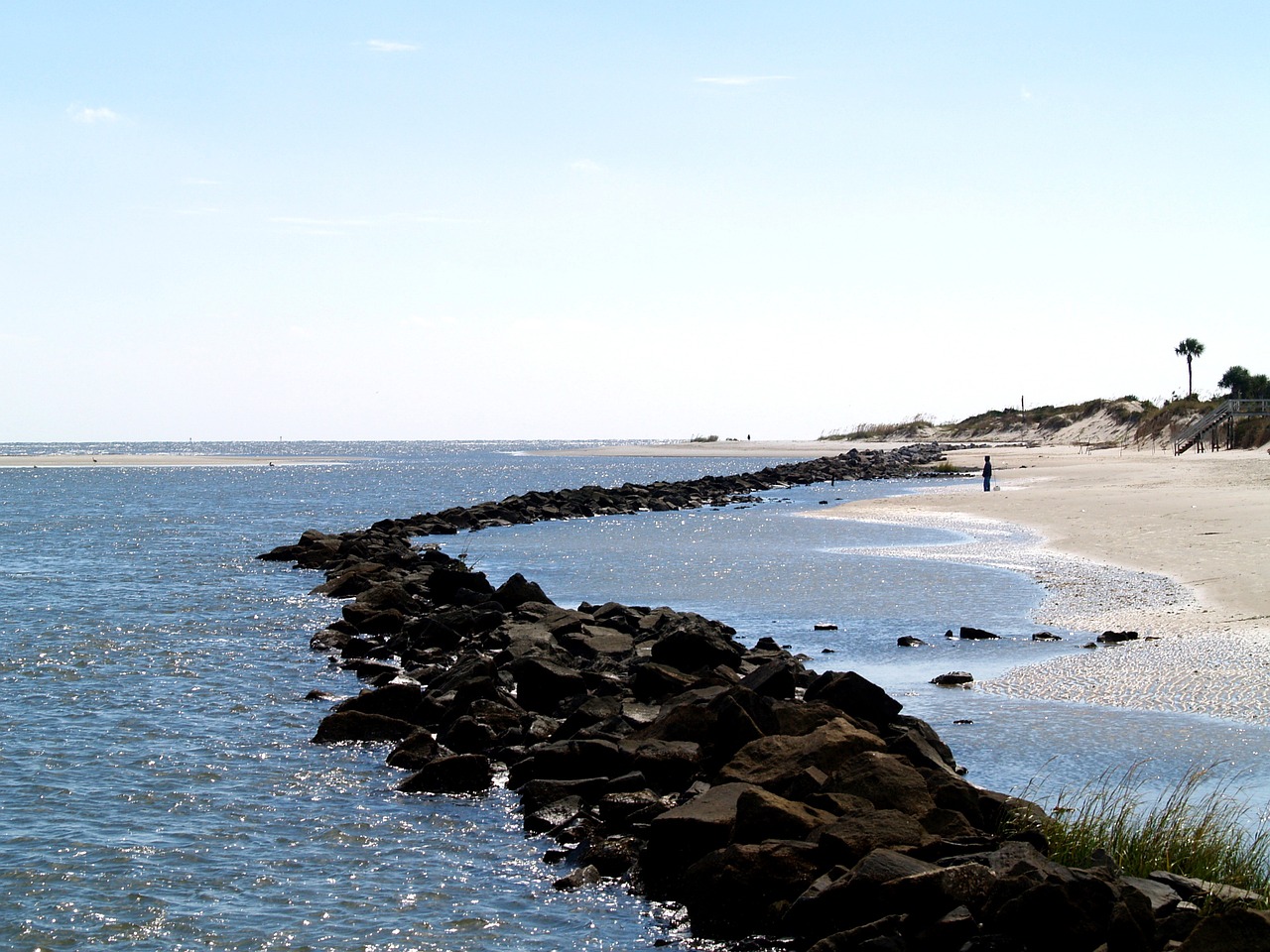
We are a short walk away from the Atlantic ocean, which is another mesmerizing manifestation of water on planet earth.
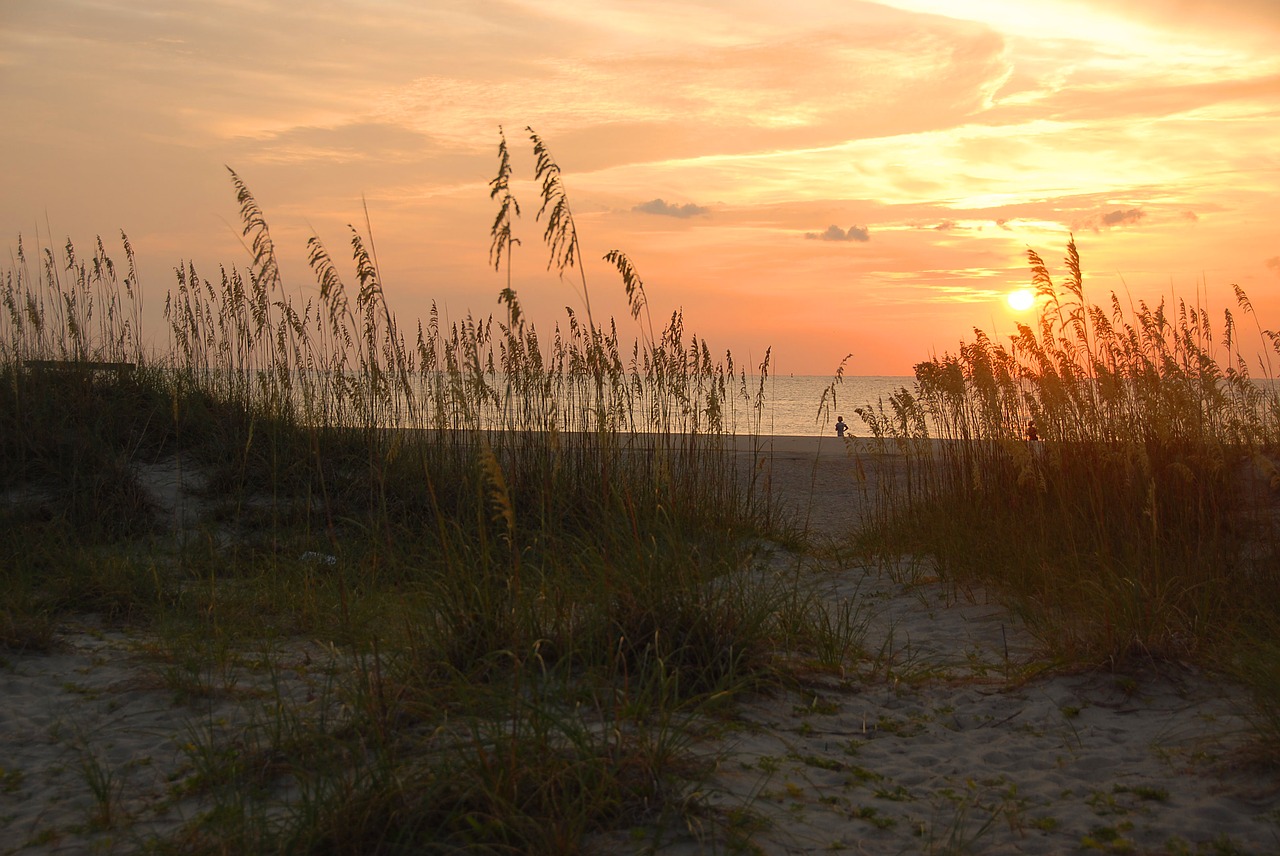
I tend to go to the beach in the late afternoon, when the sun is less powerful and the beach starts to become less crowded with other human beings.
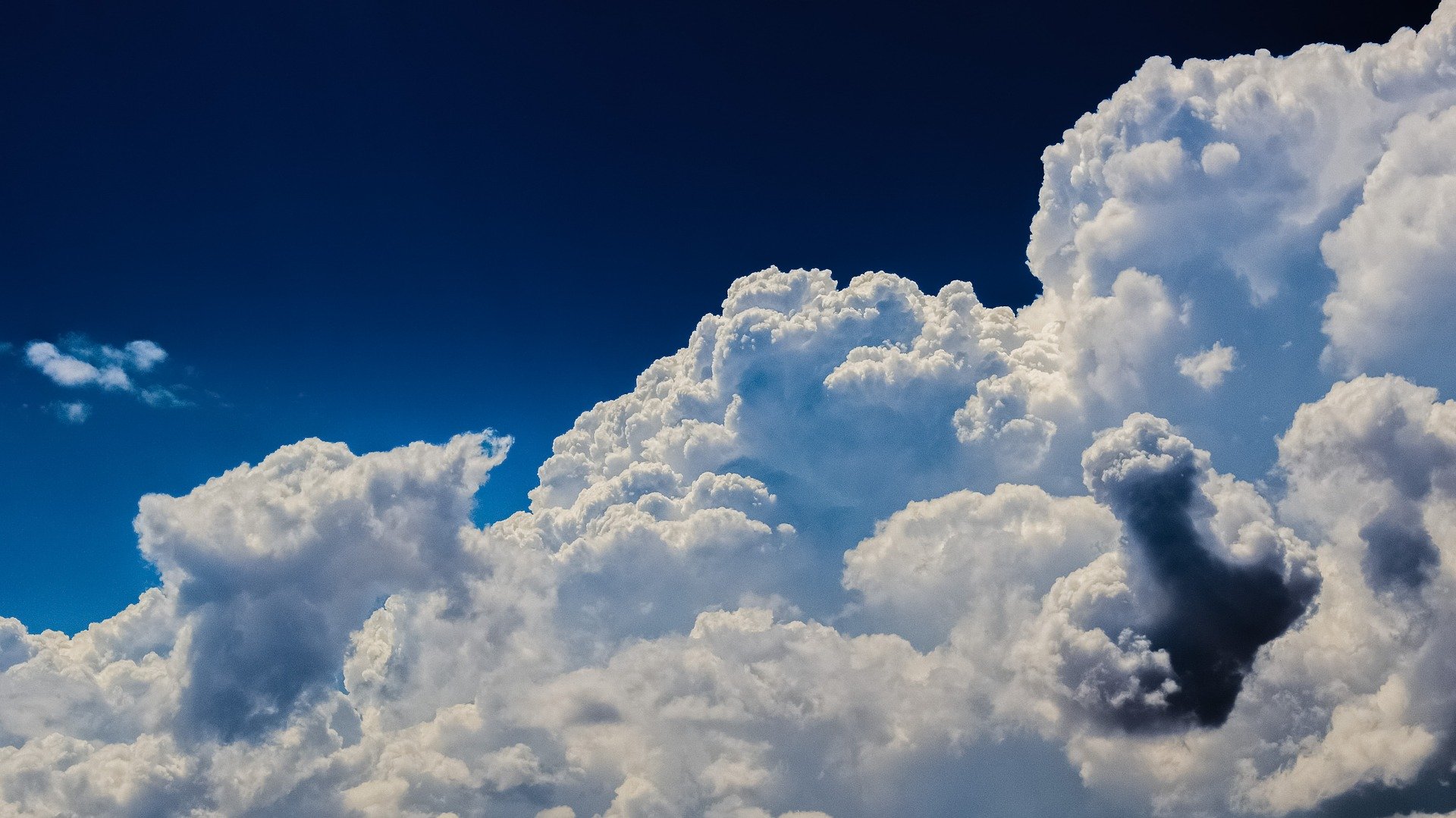
And then there are clouds — another form of water…
How weird and amazing that water molecules are constantly cycling around our planet — from the sky to the earth to plants (and the animals who consume plants) and then back into the sky!
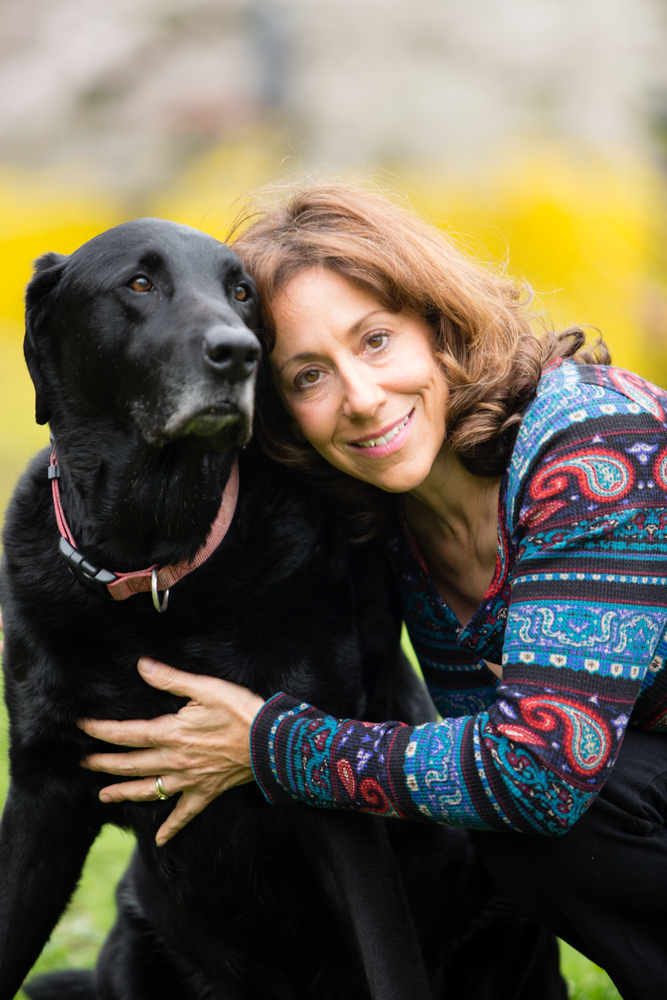
And water is such an important substance in our bodies…
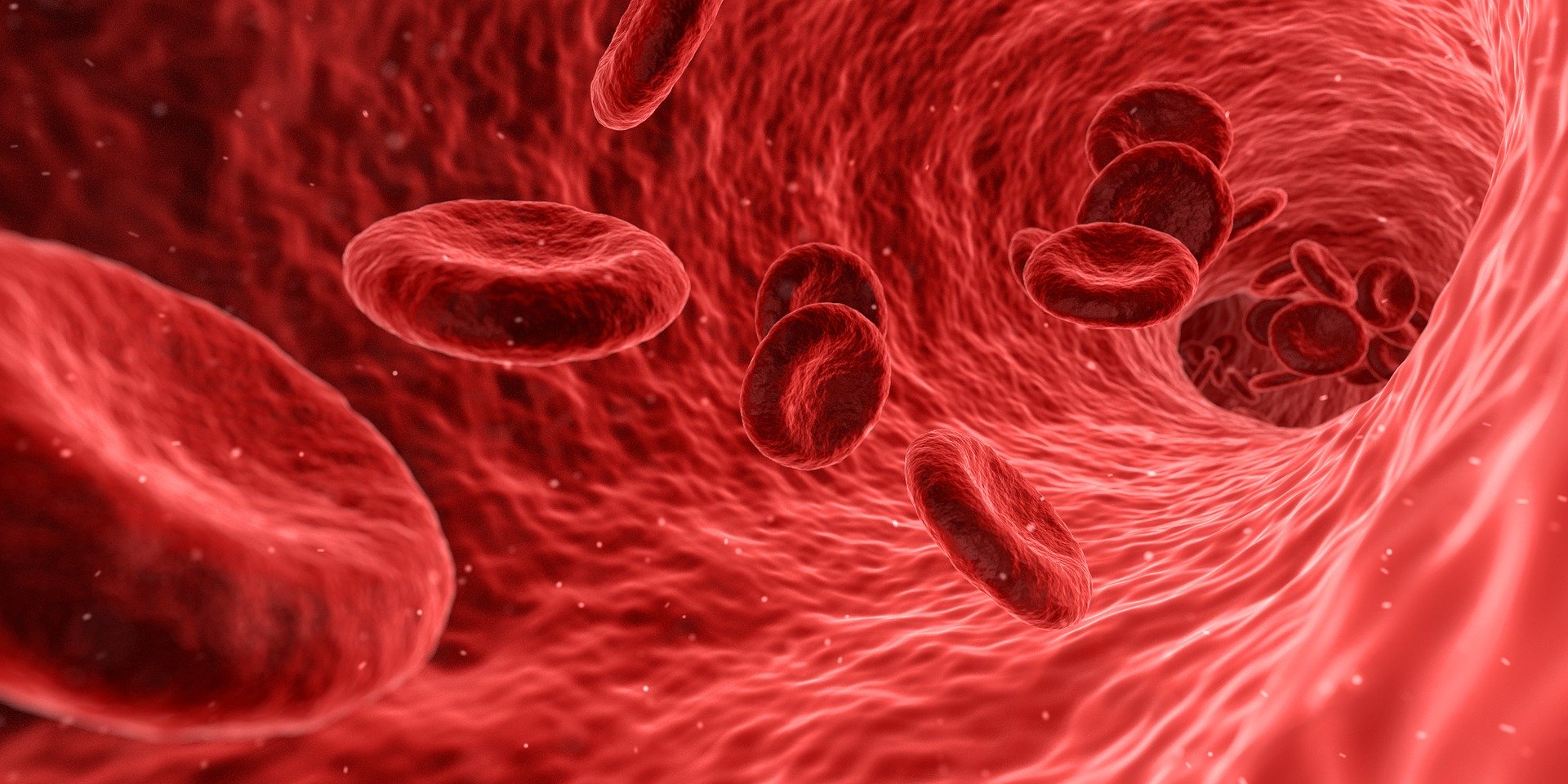
Blood is flowing through my arteries and veins as I sit and type this blog post — and through your arteries and veins as you are reading it…
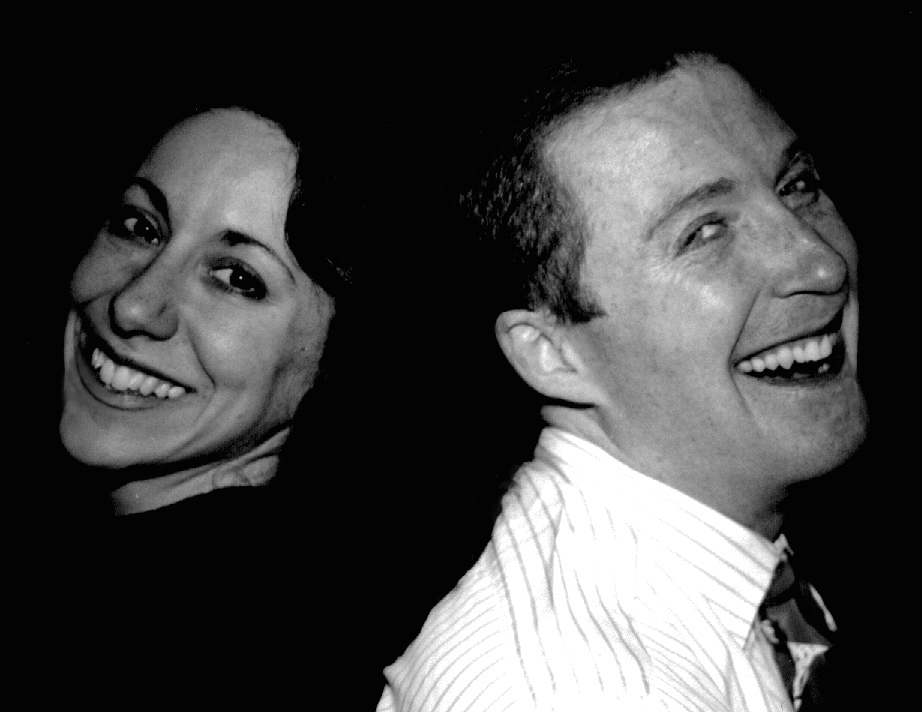
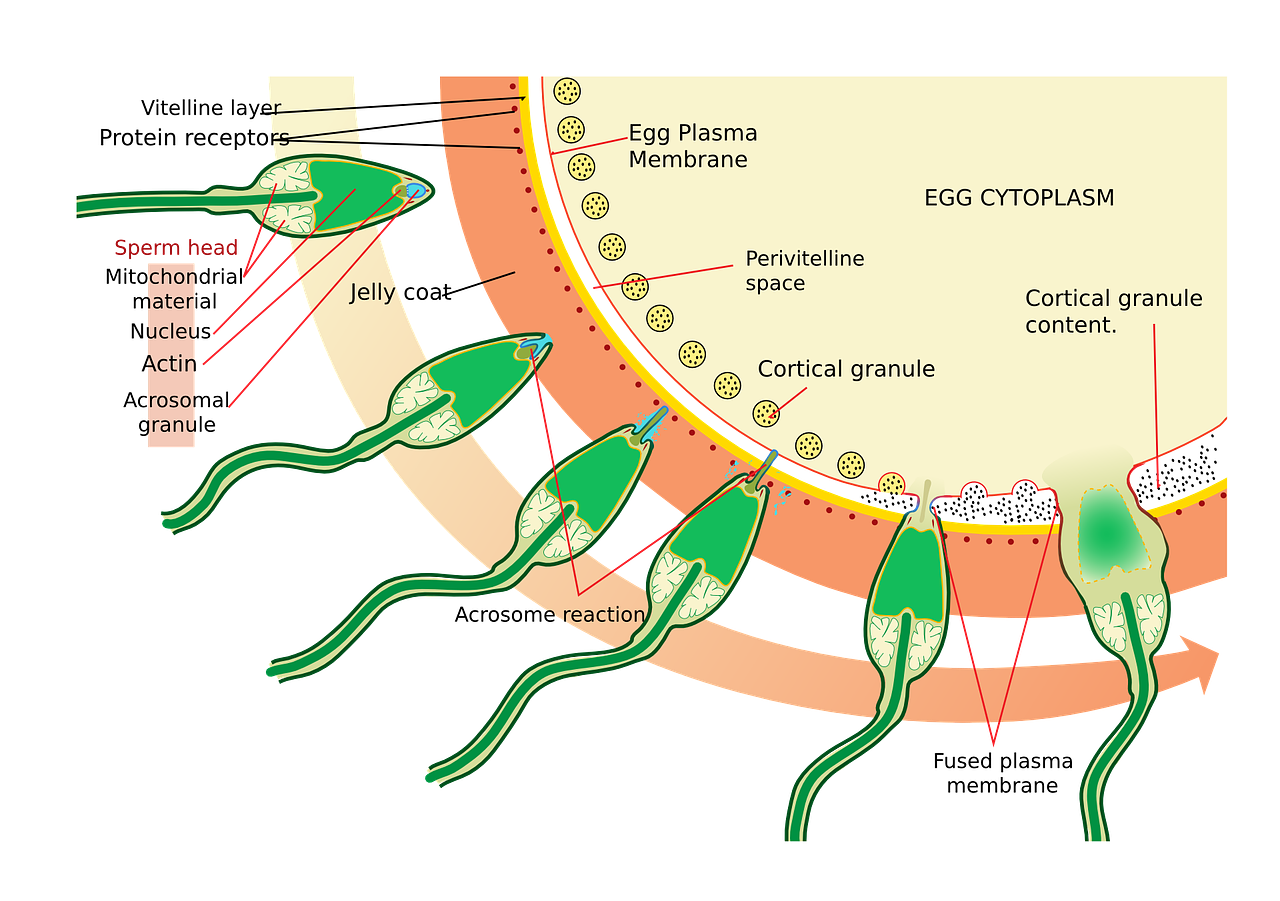
Water is an important component of all sort of secretions which our bodies produce — and which in some cases allow for the reproduction of our species.
‘
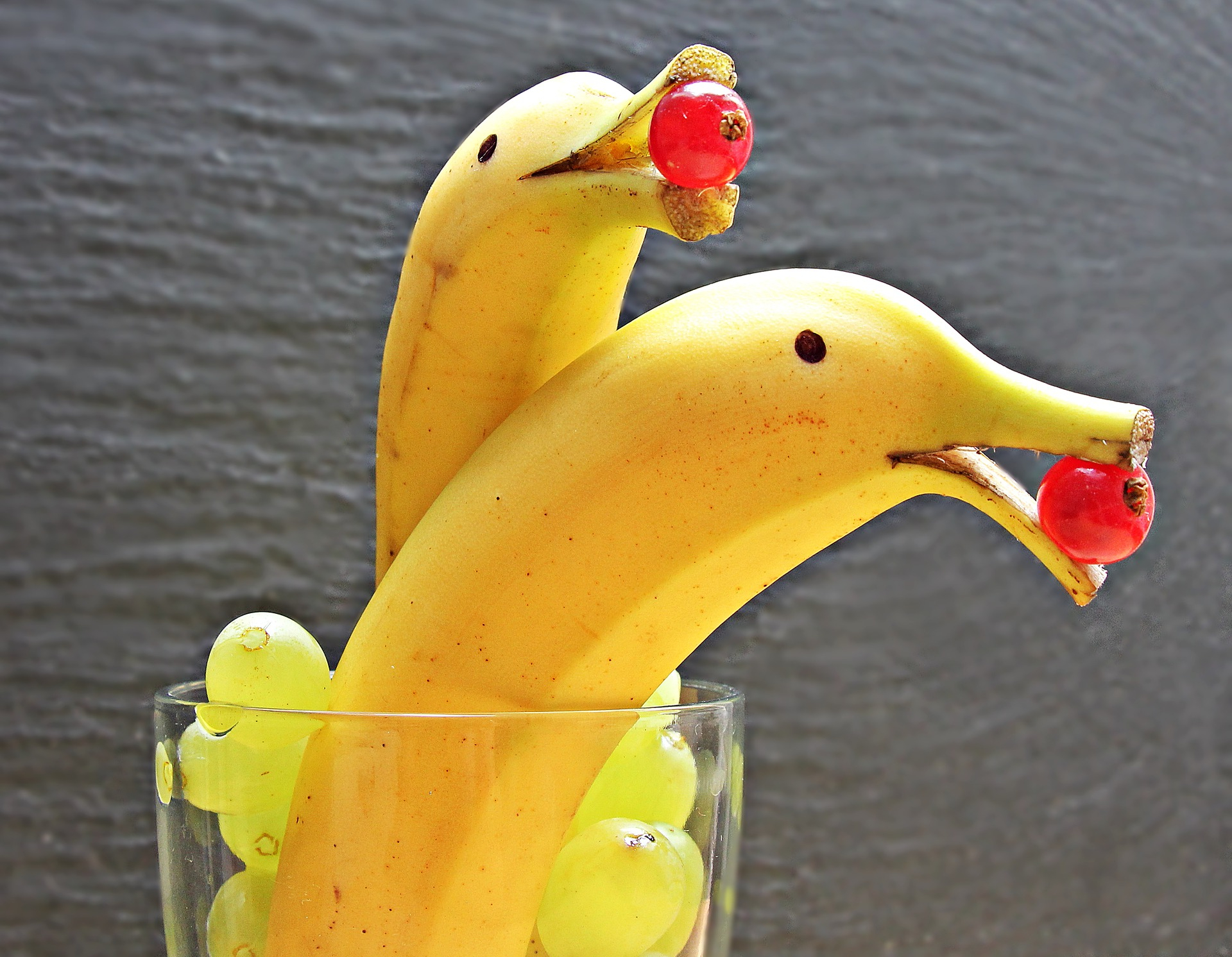
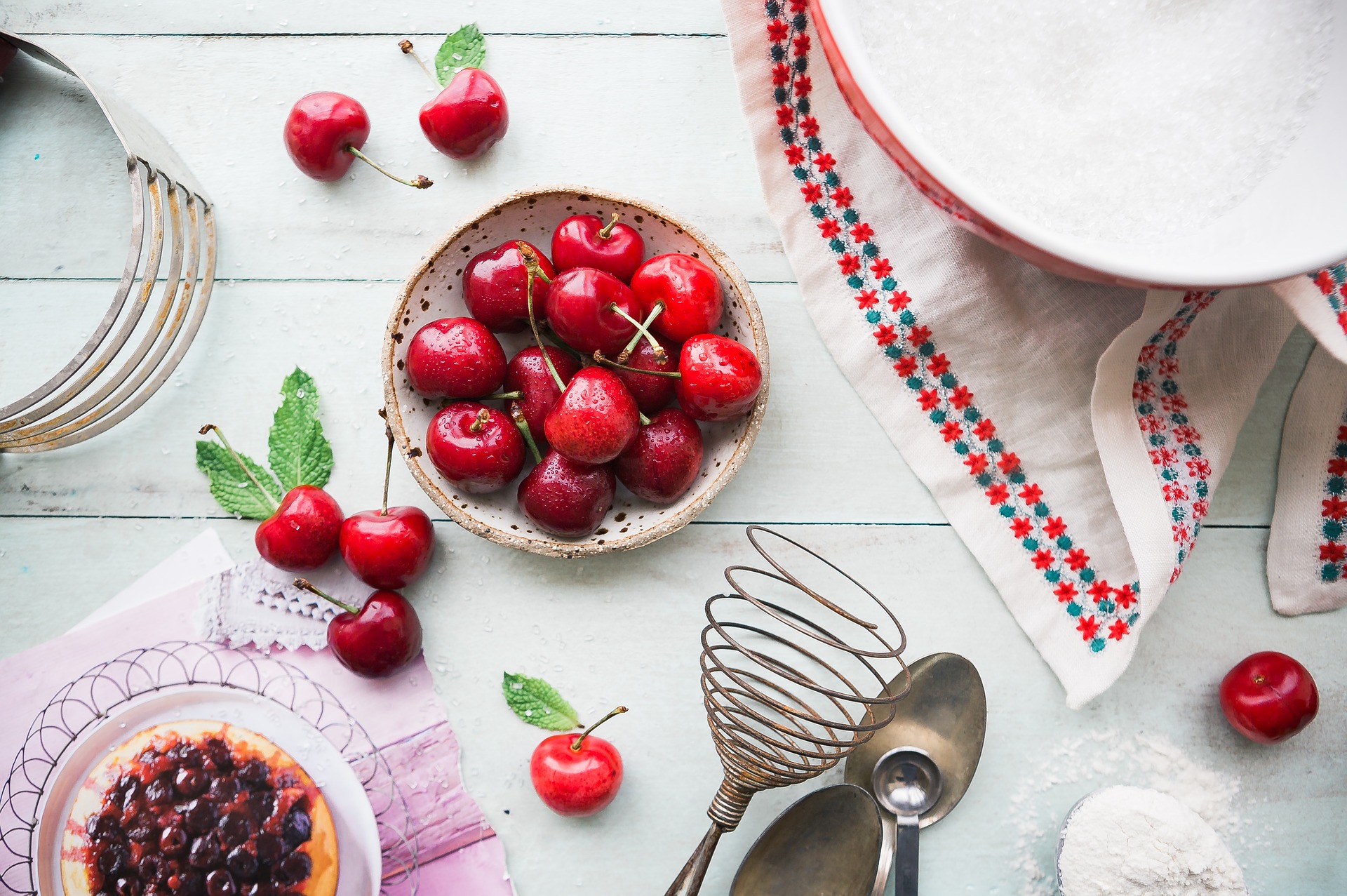
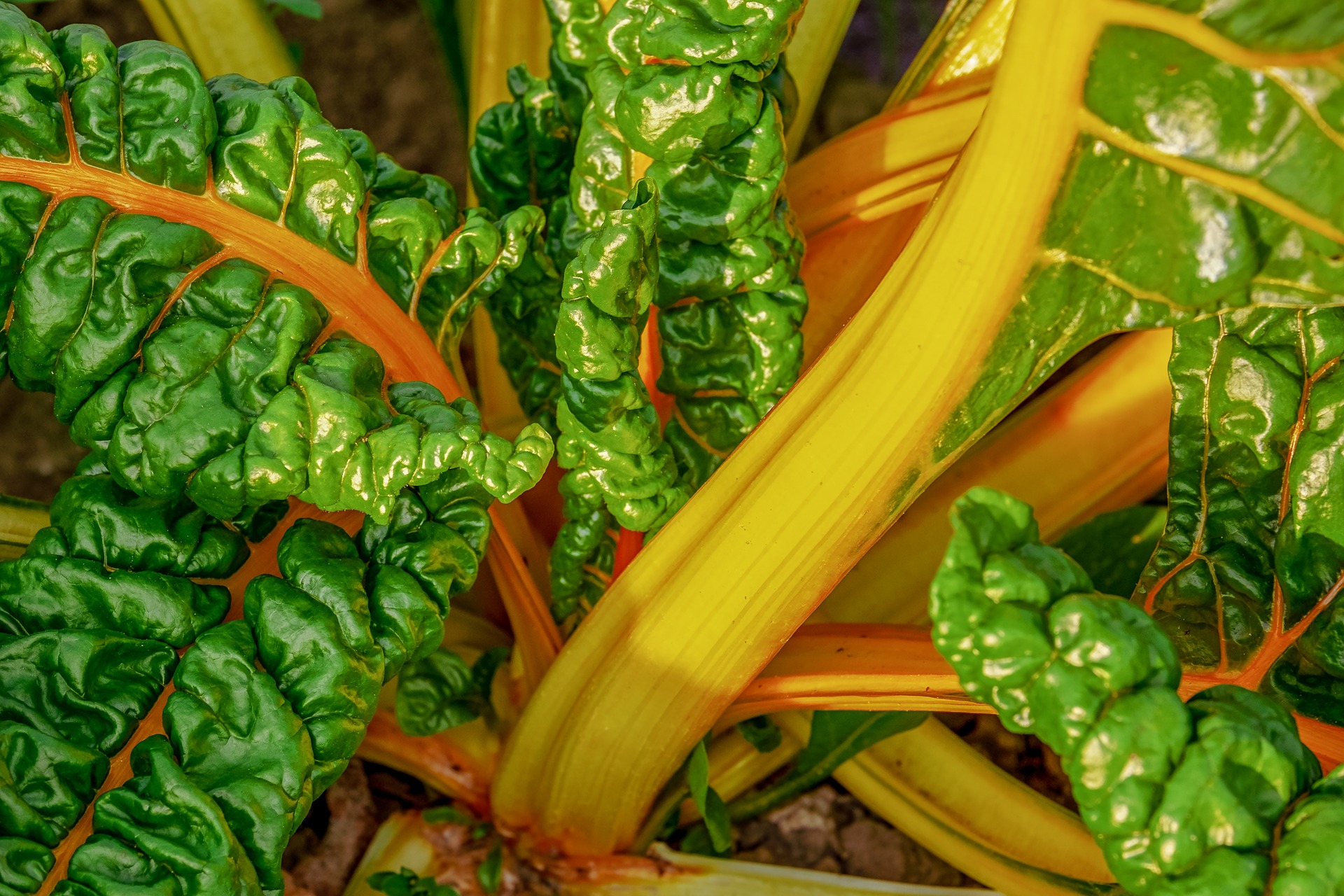
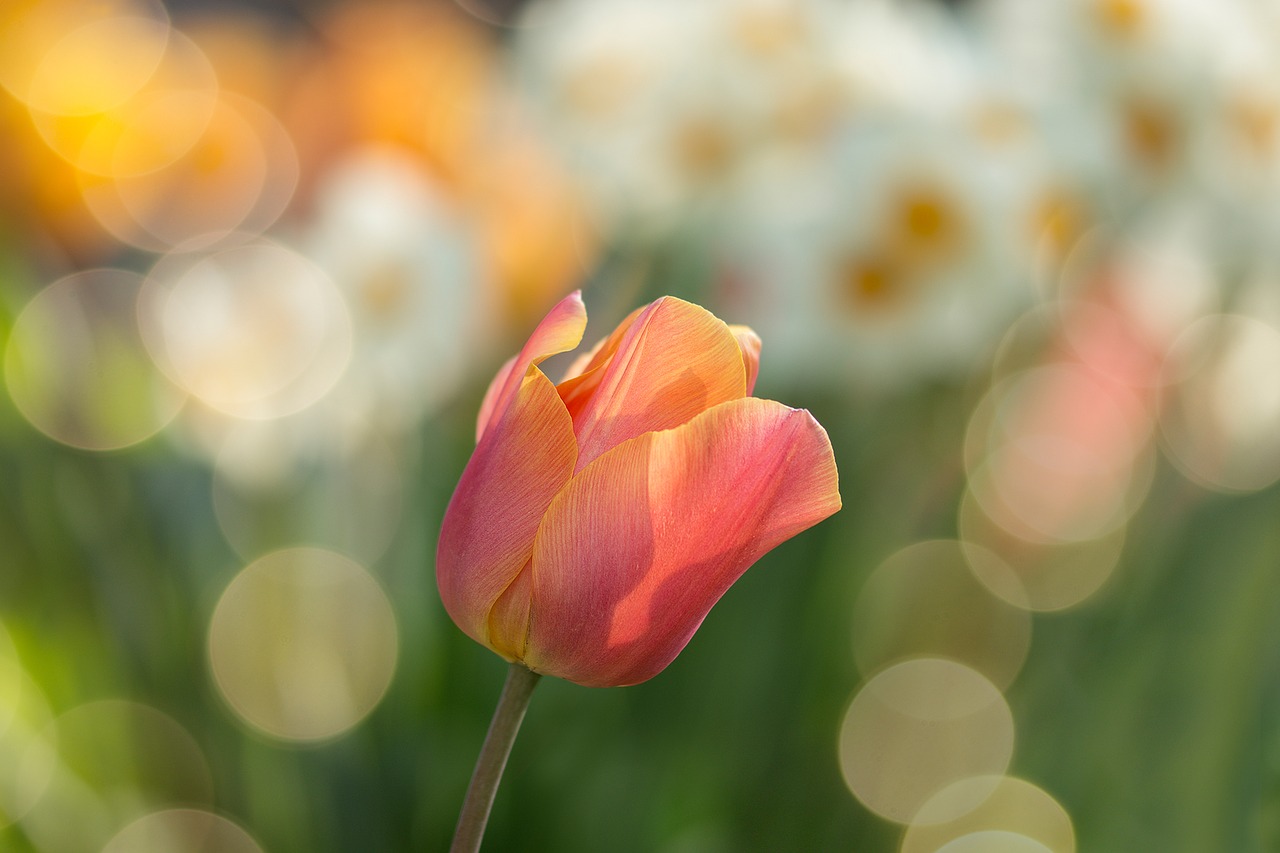
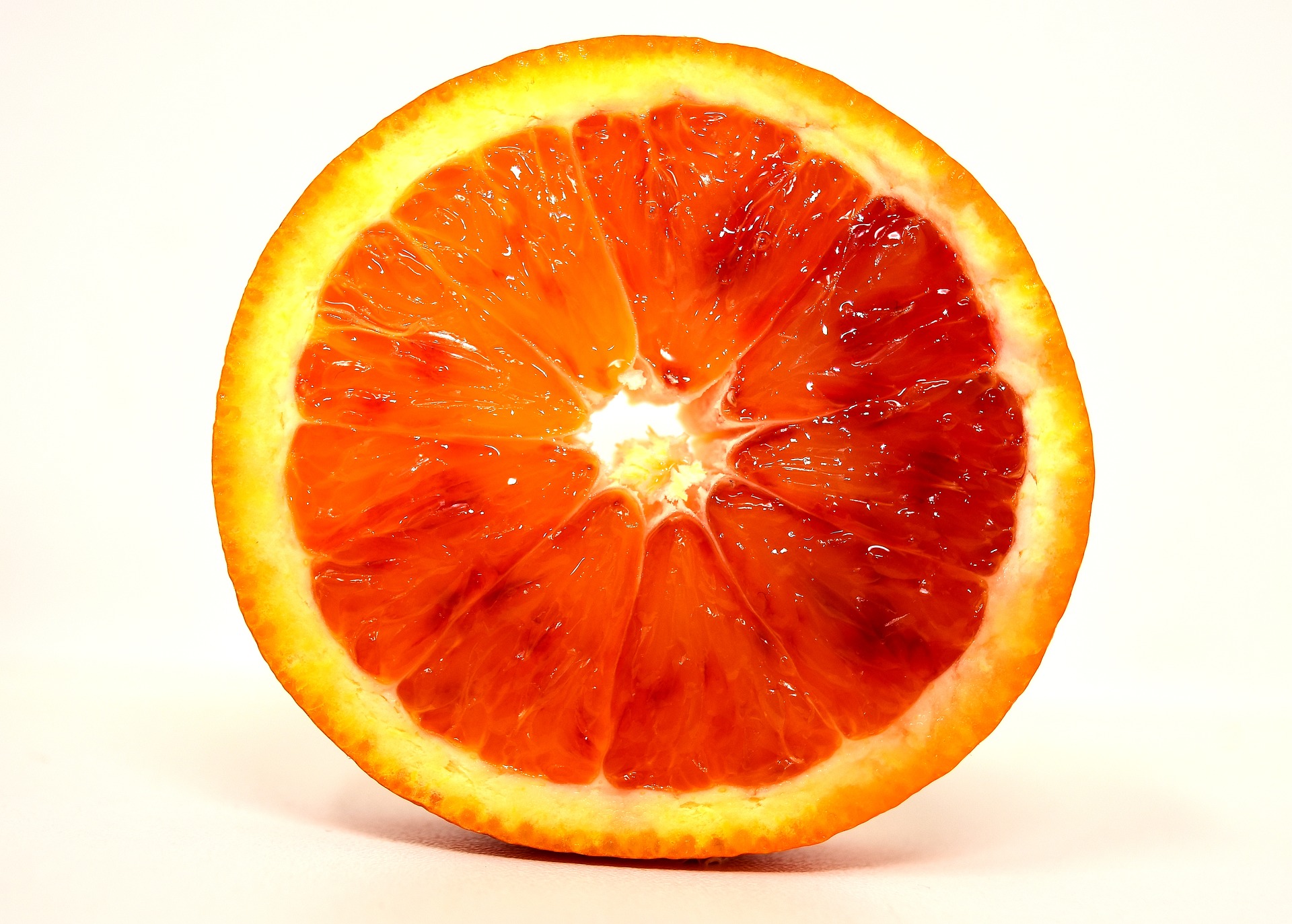
And plants, bless them, create delicious fruits — containing lots of water — as part of their reproductive cycles.
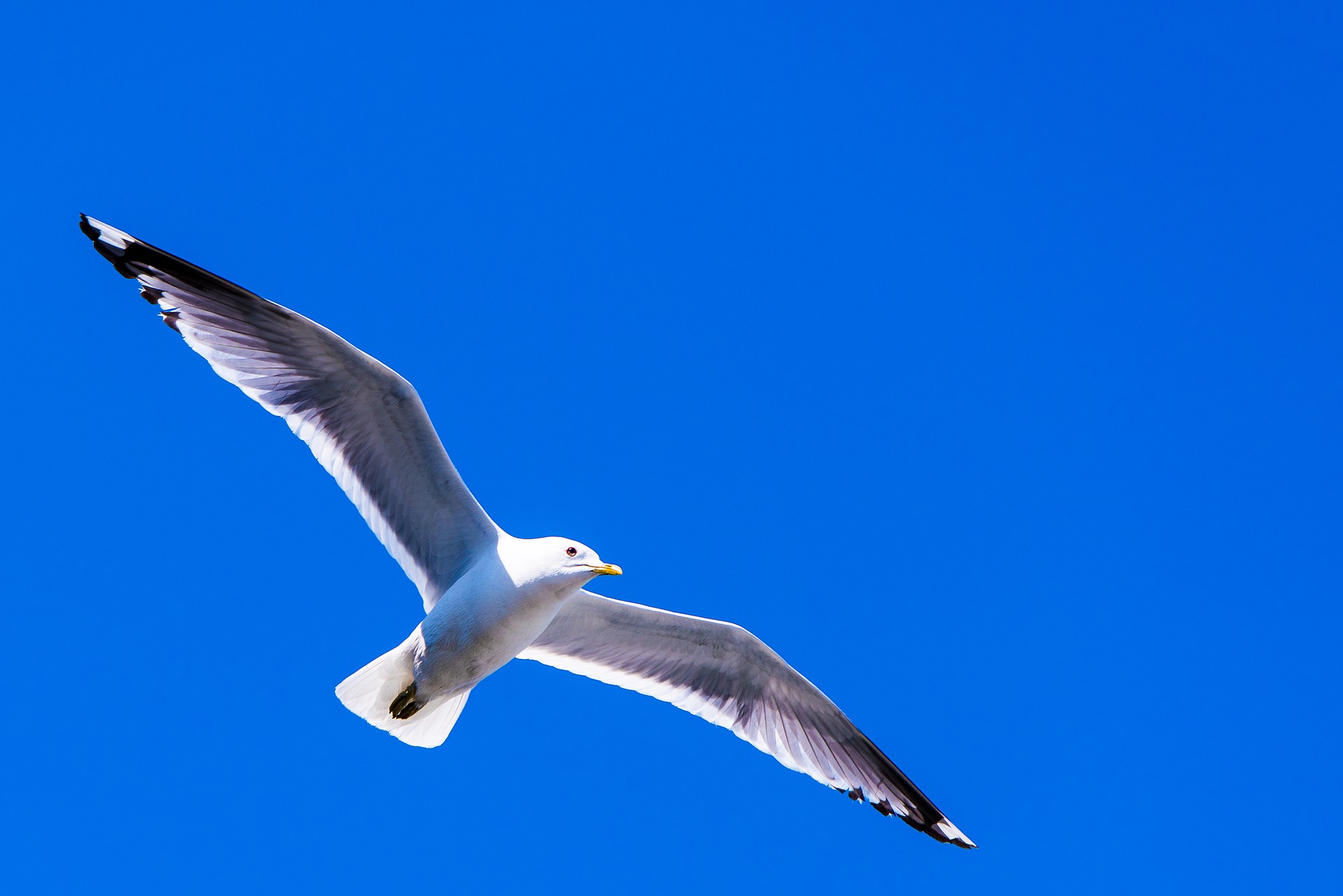
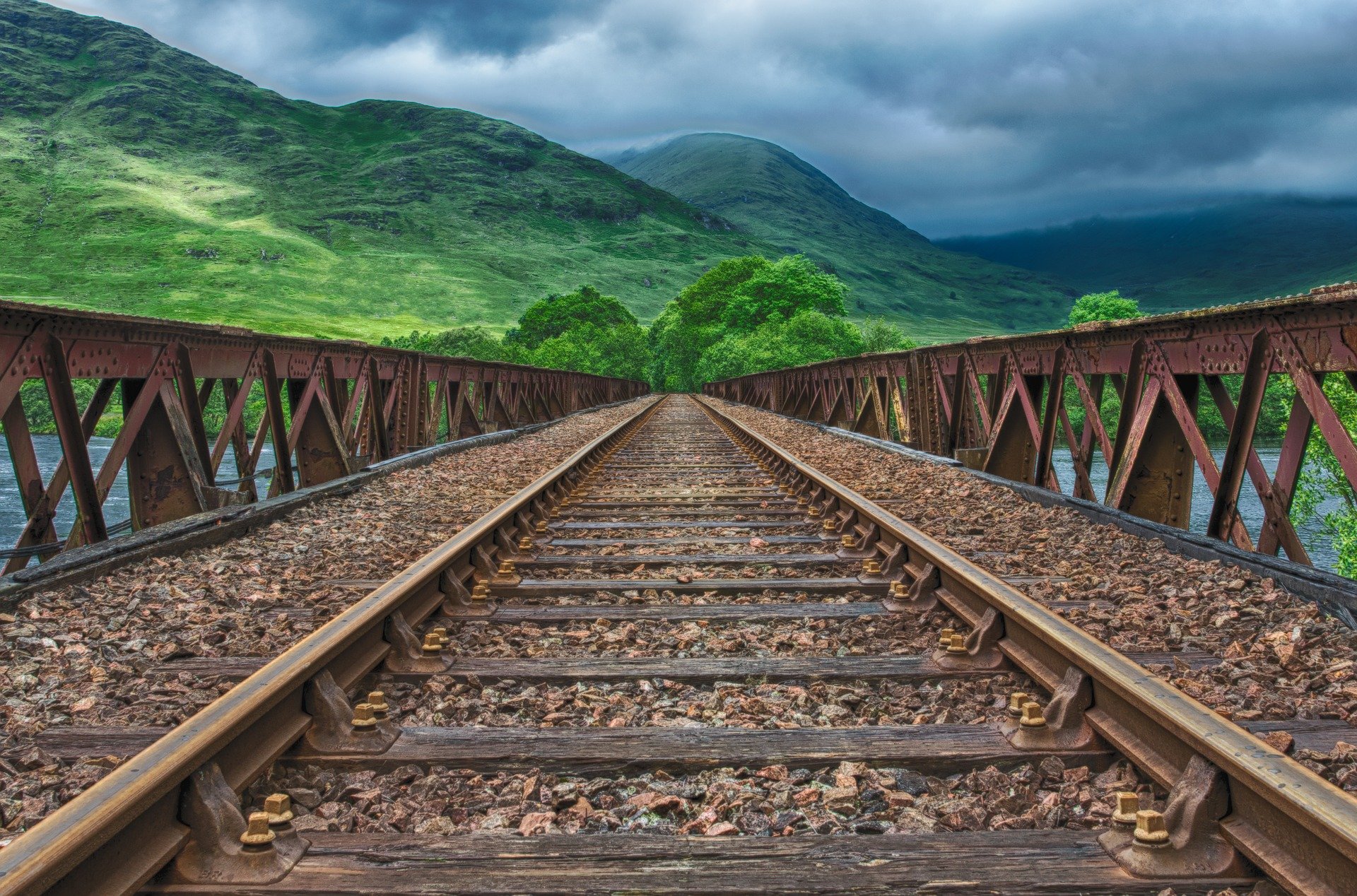
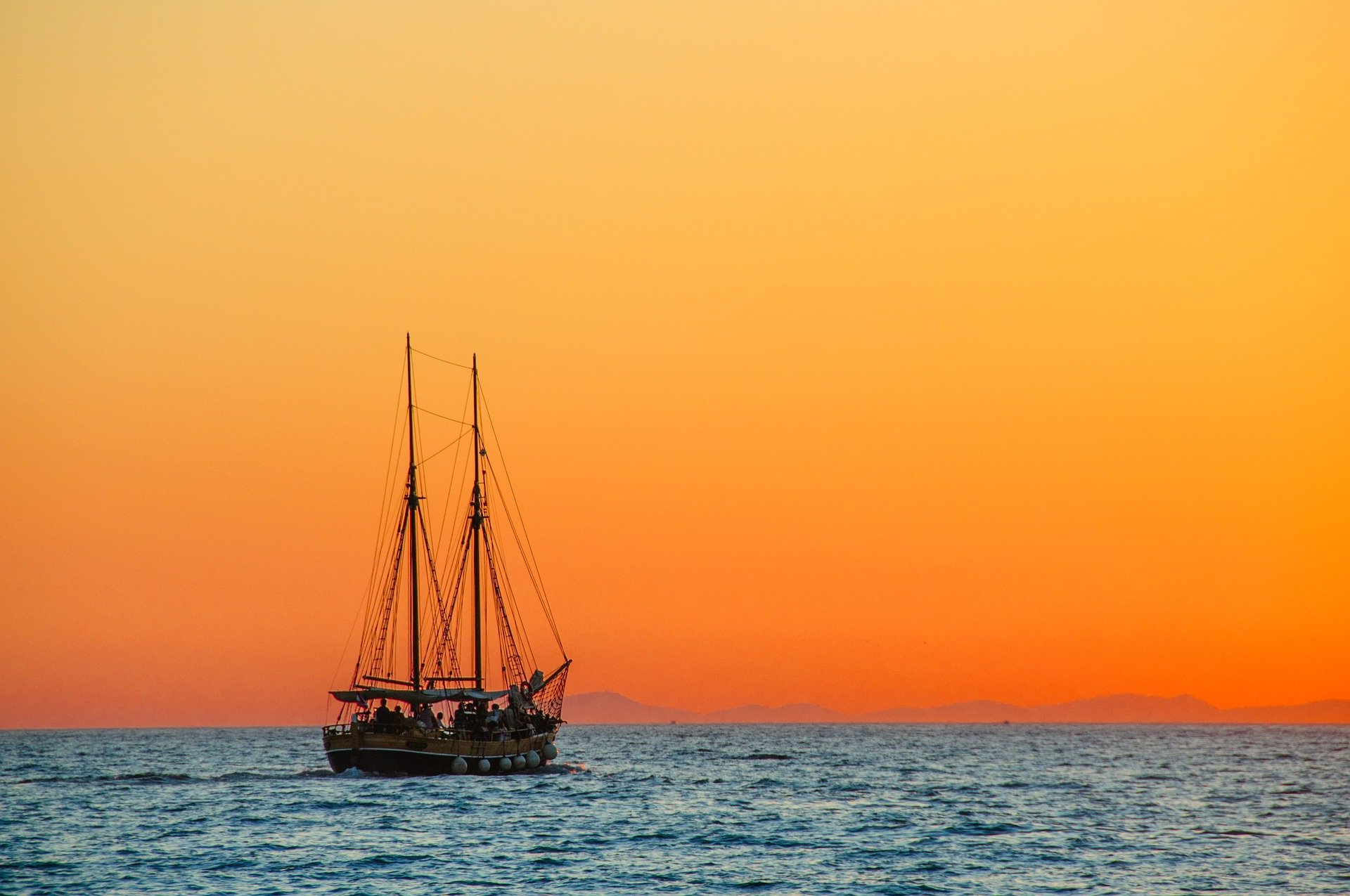
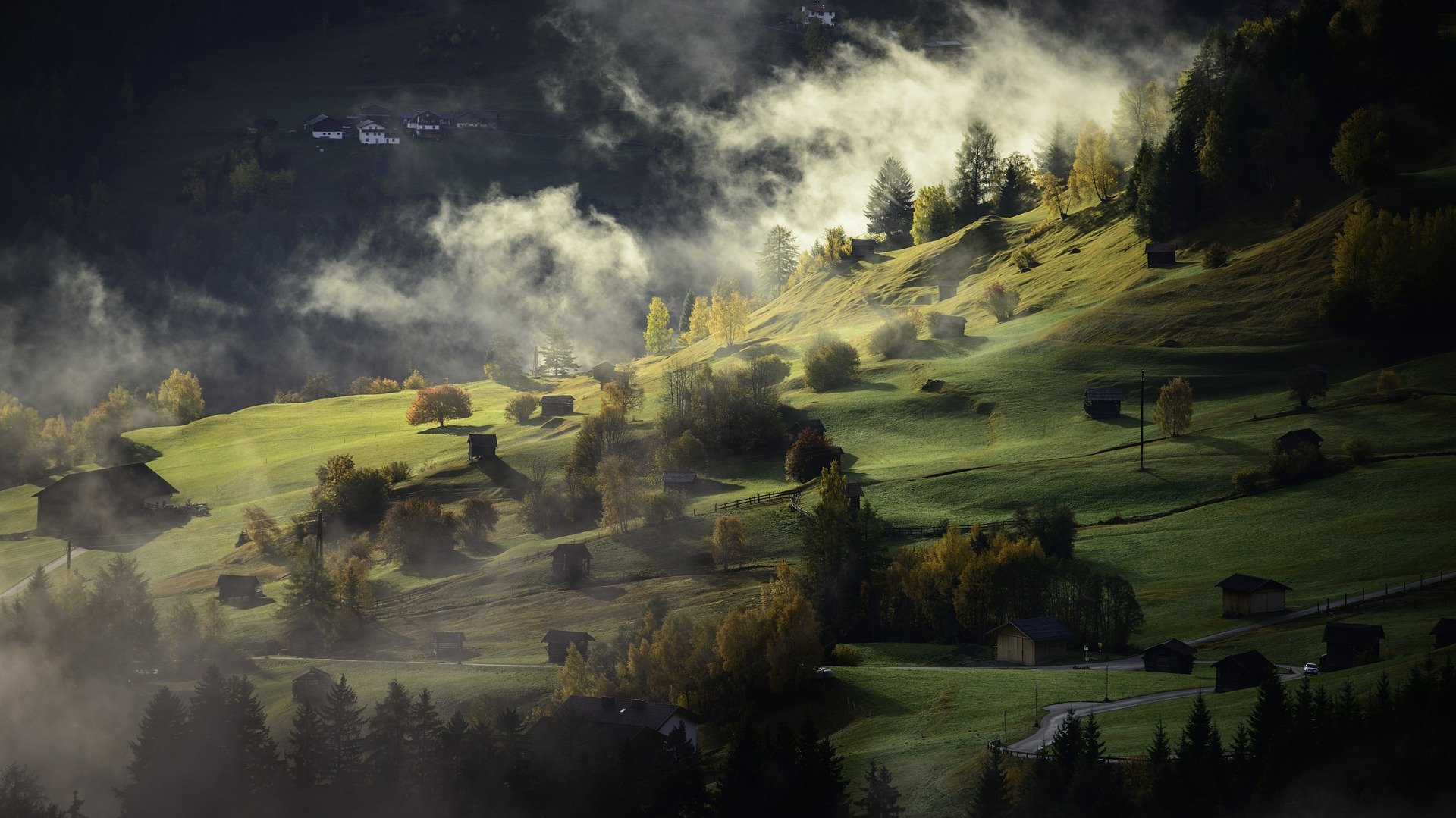
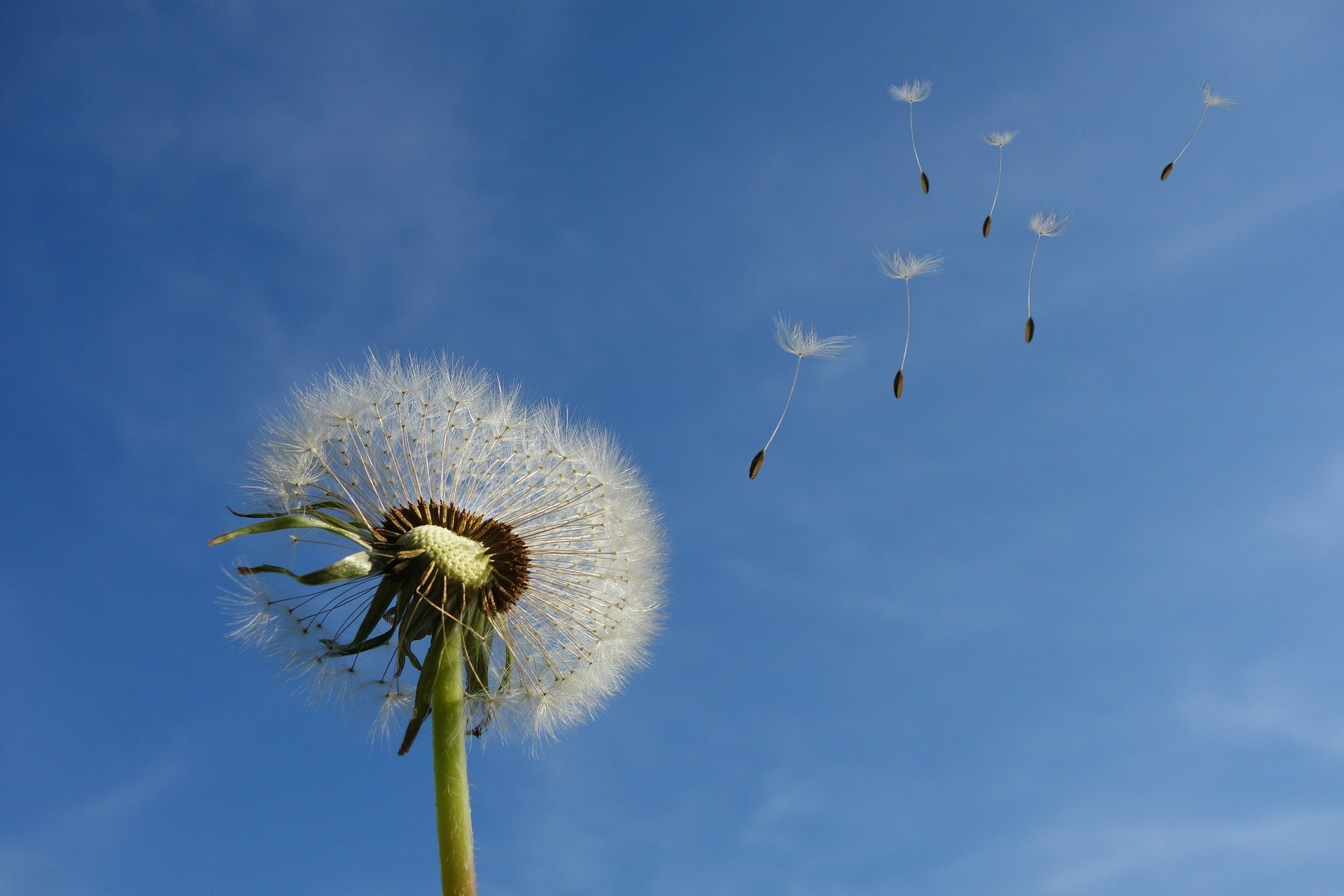
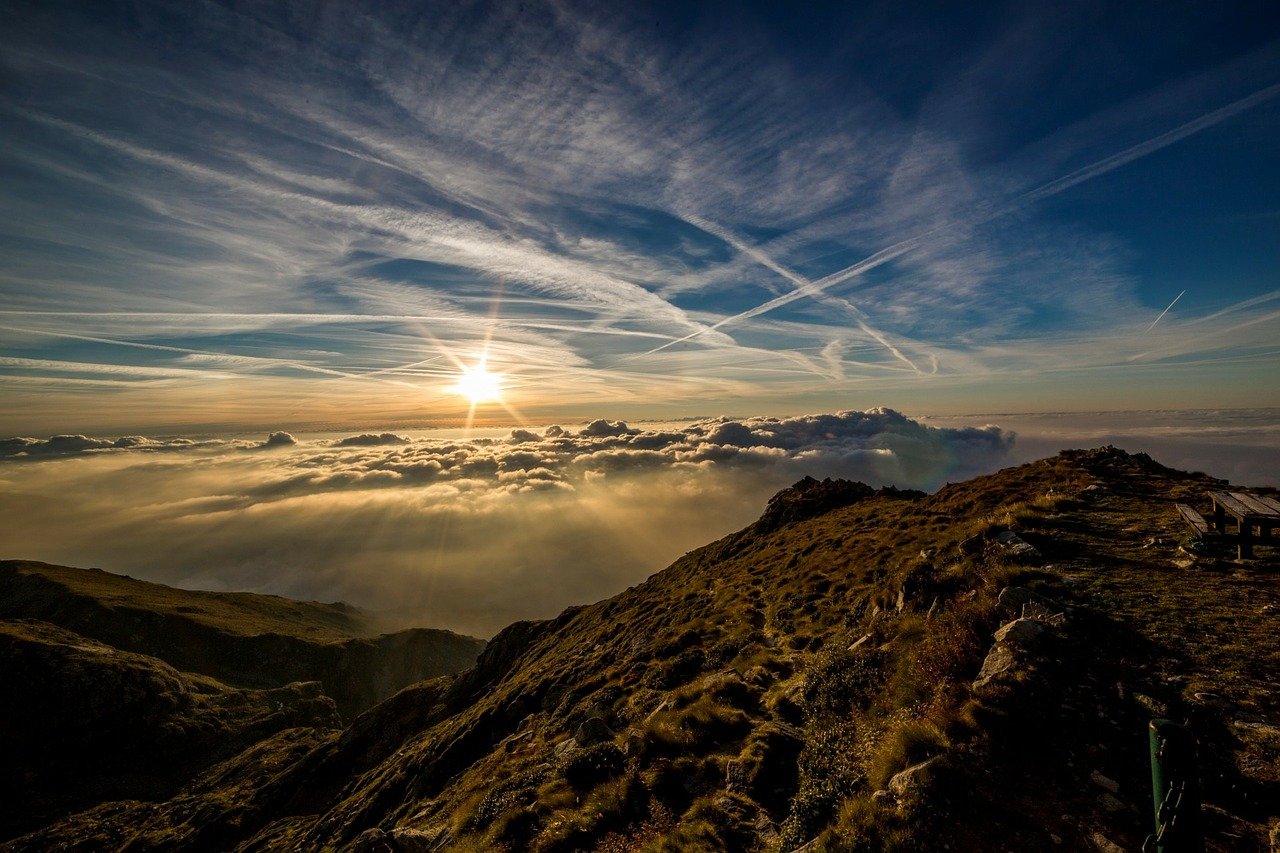
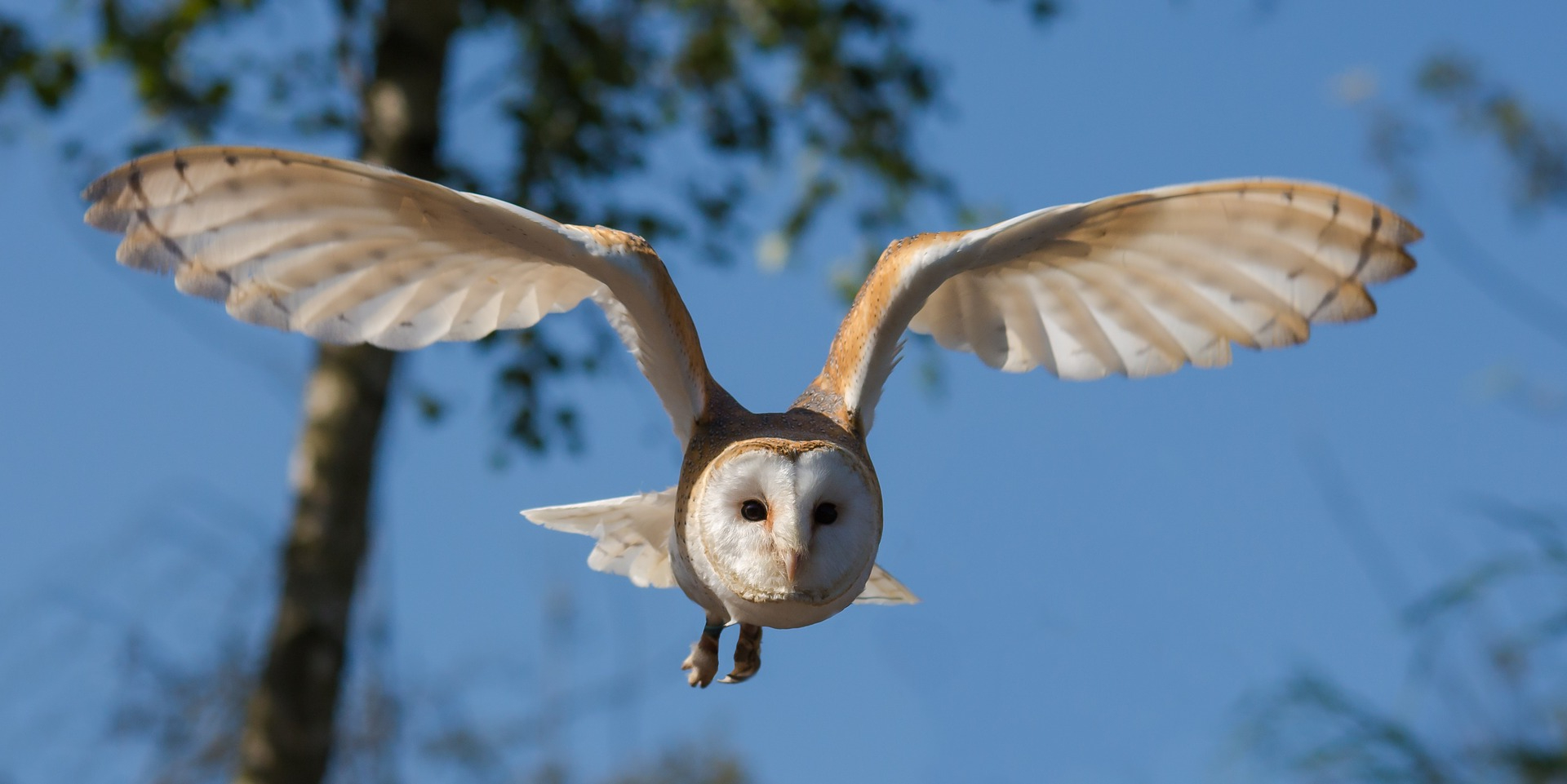
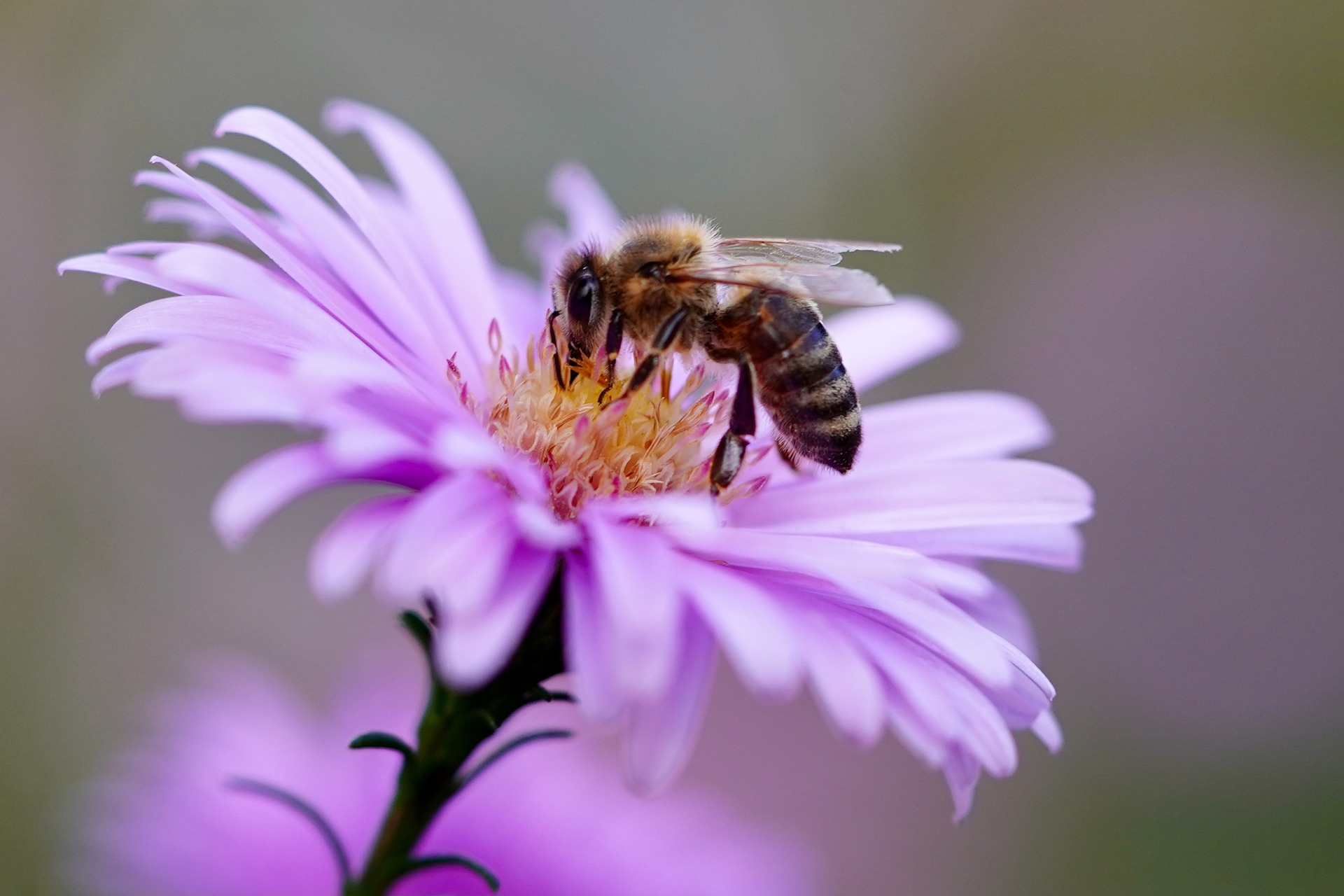
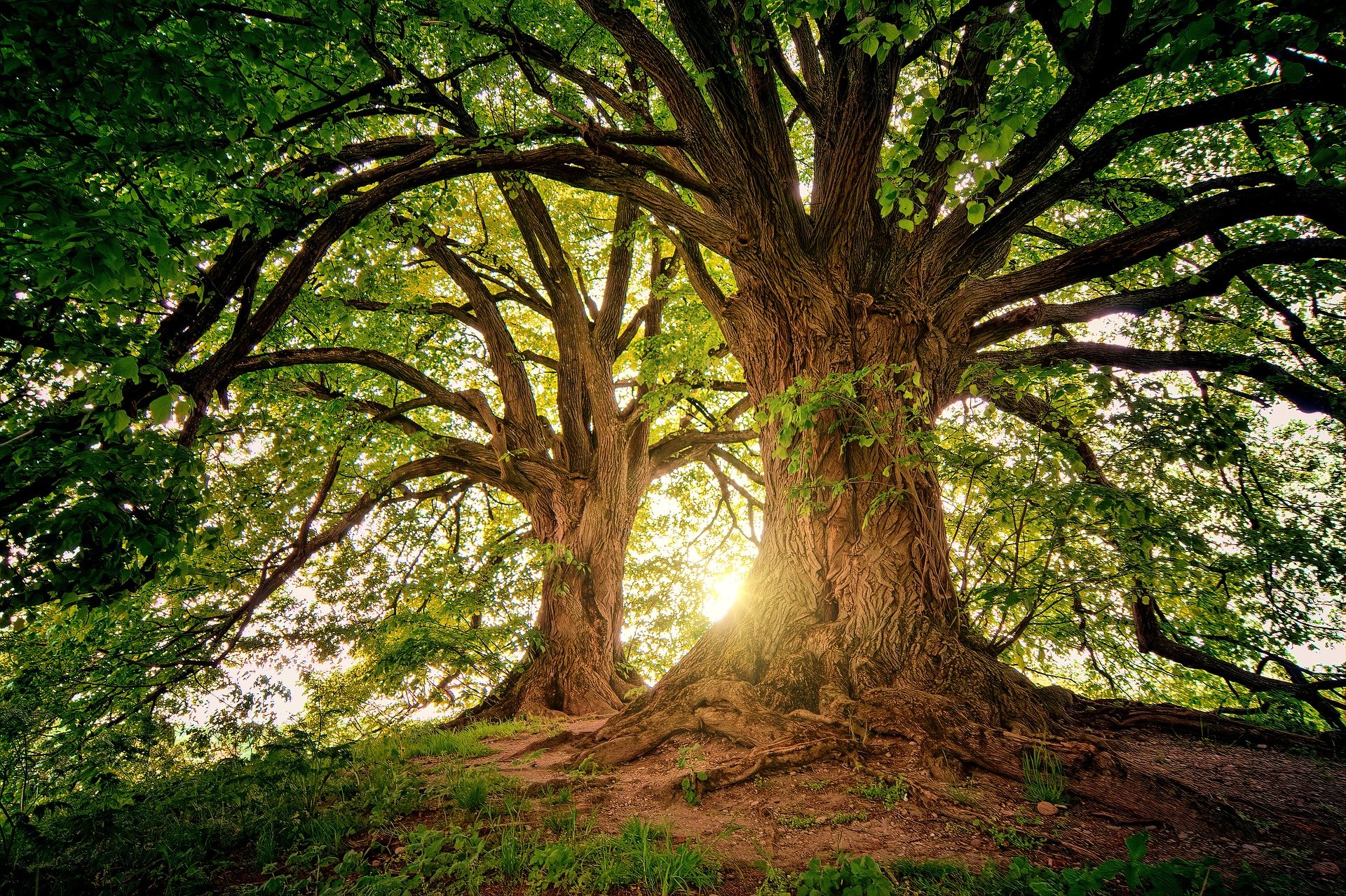
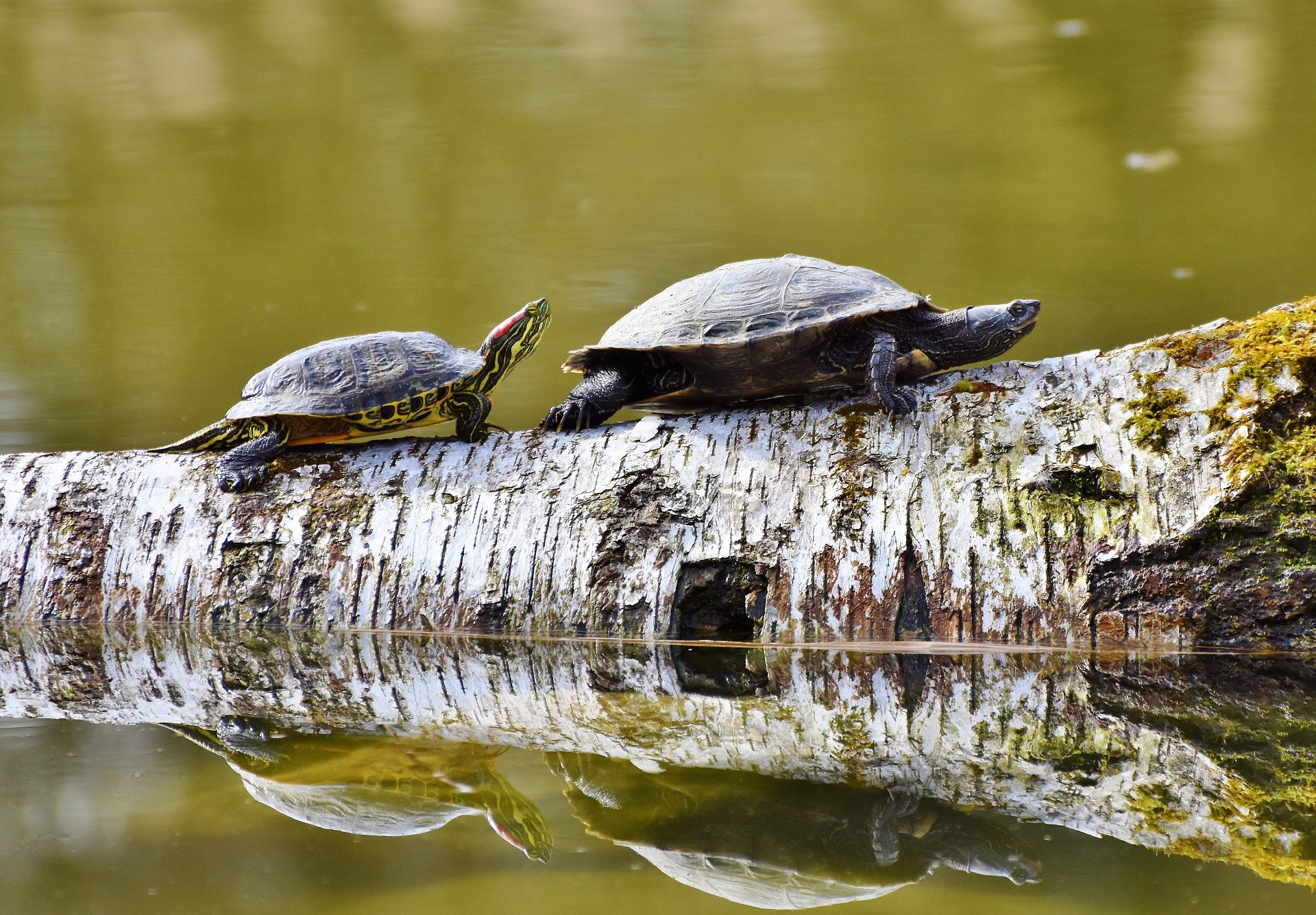
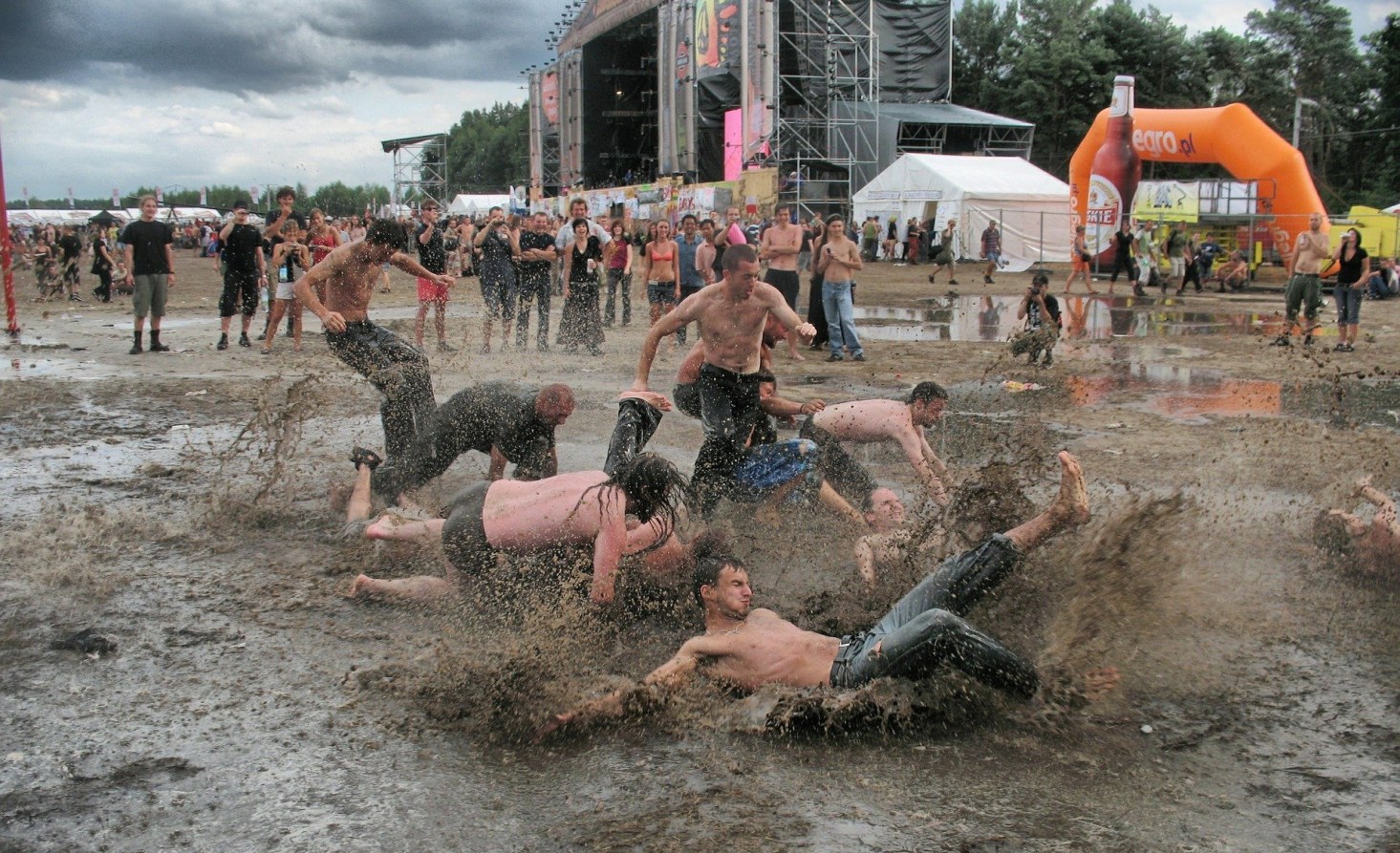
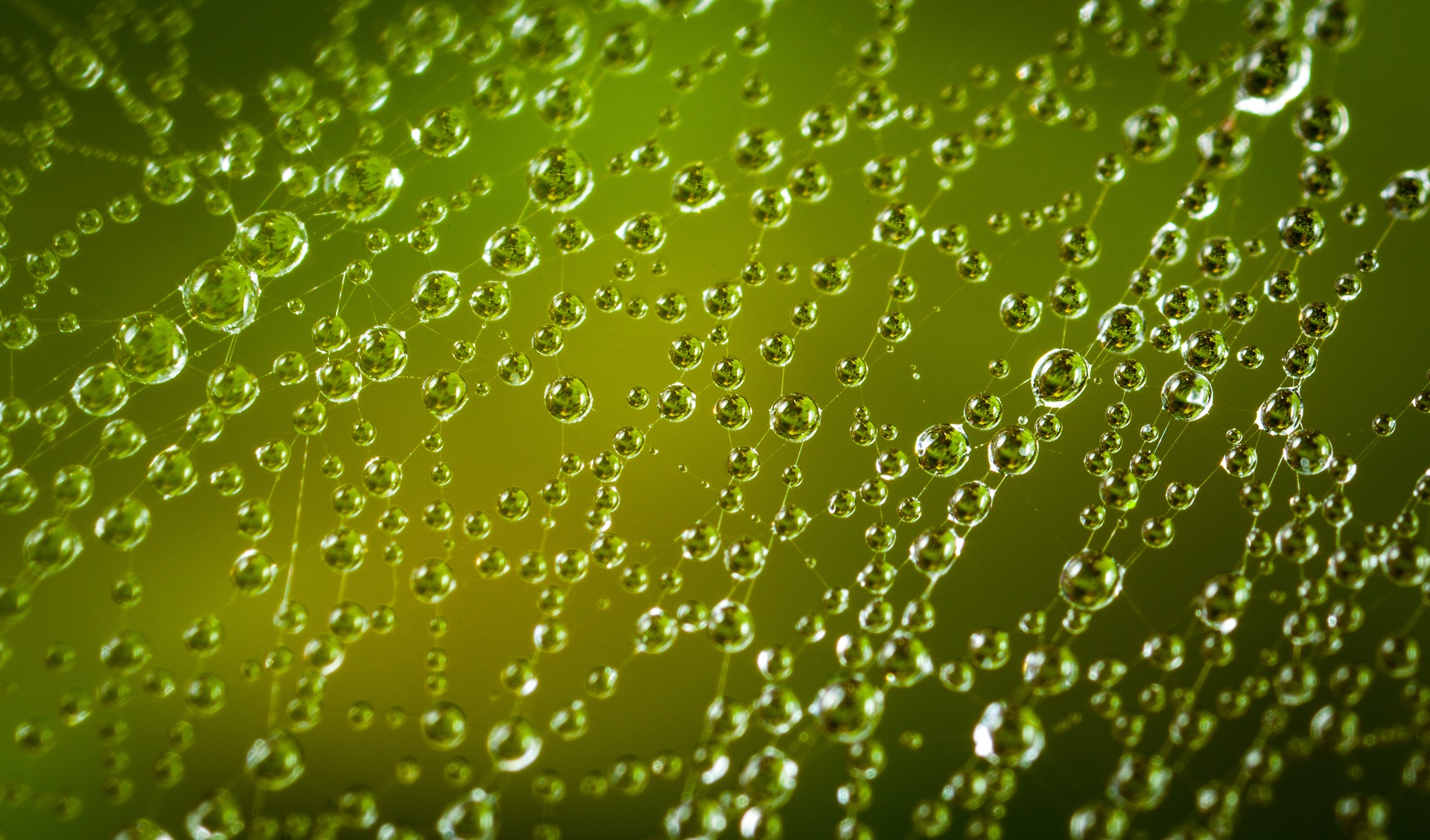
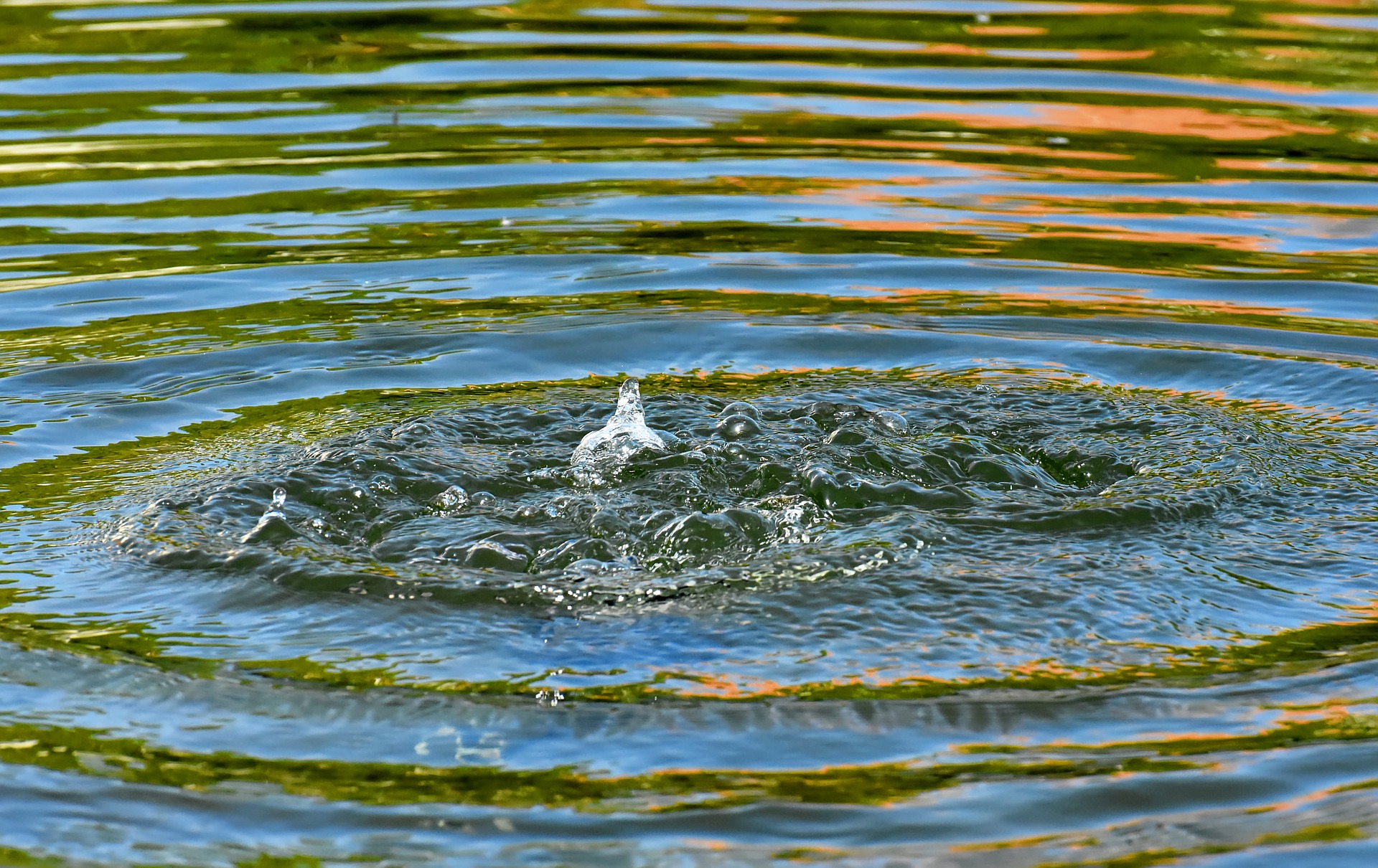
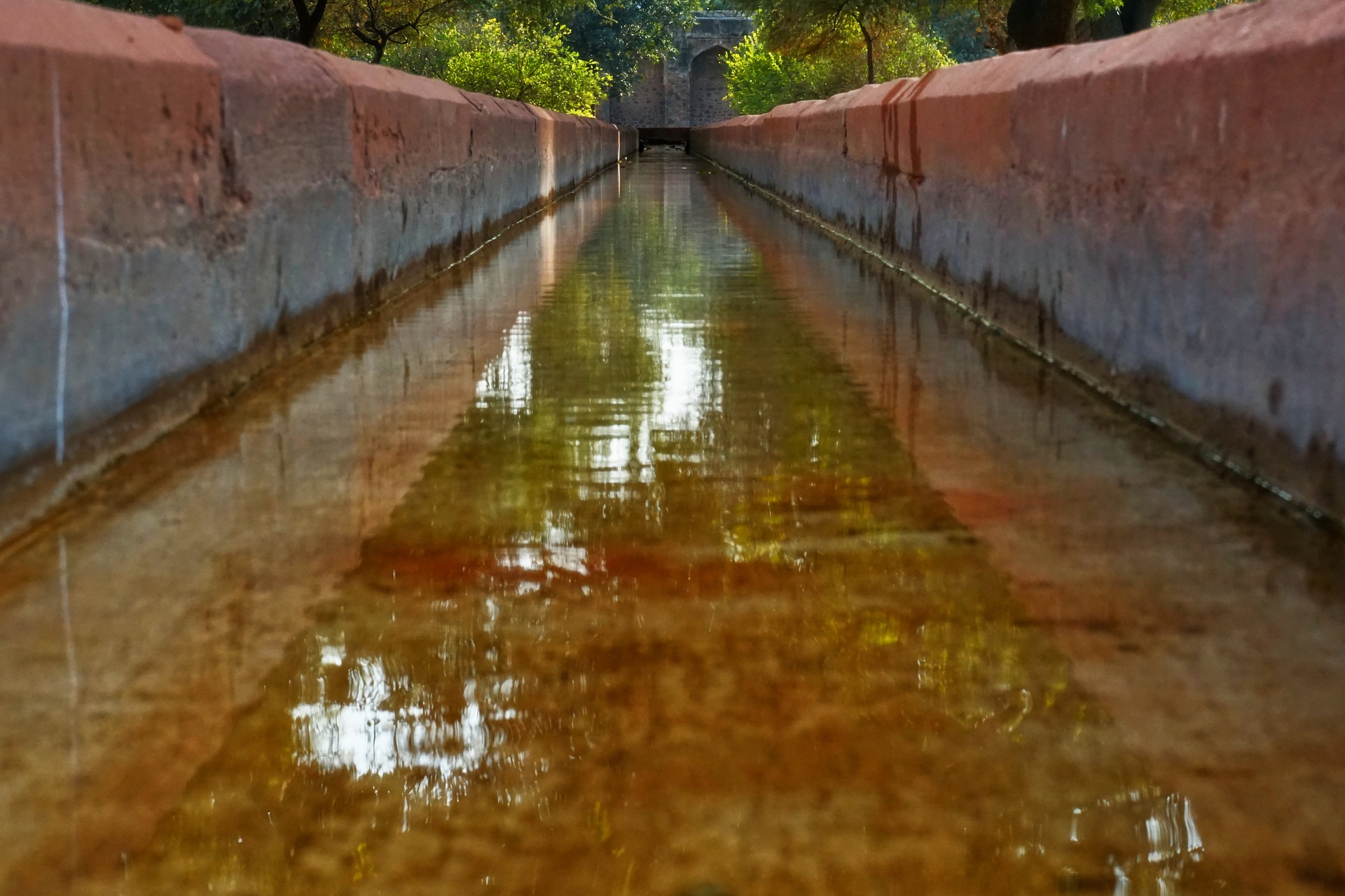
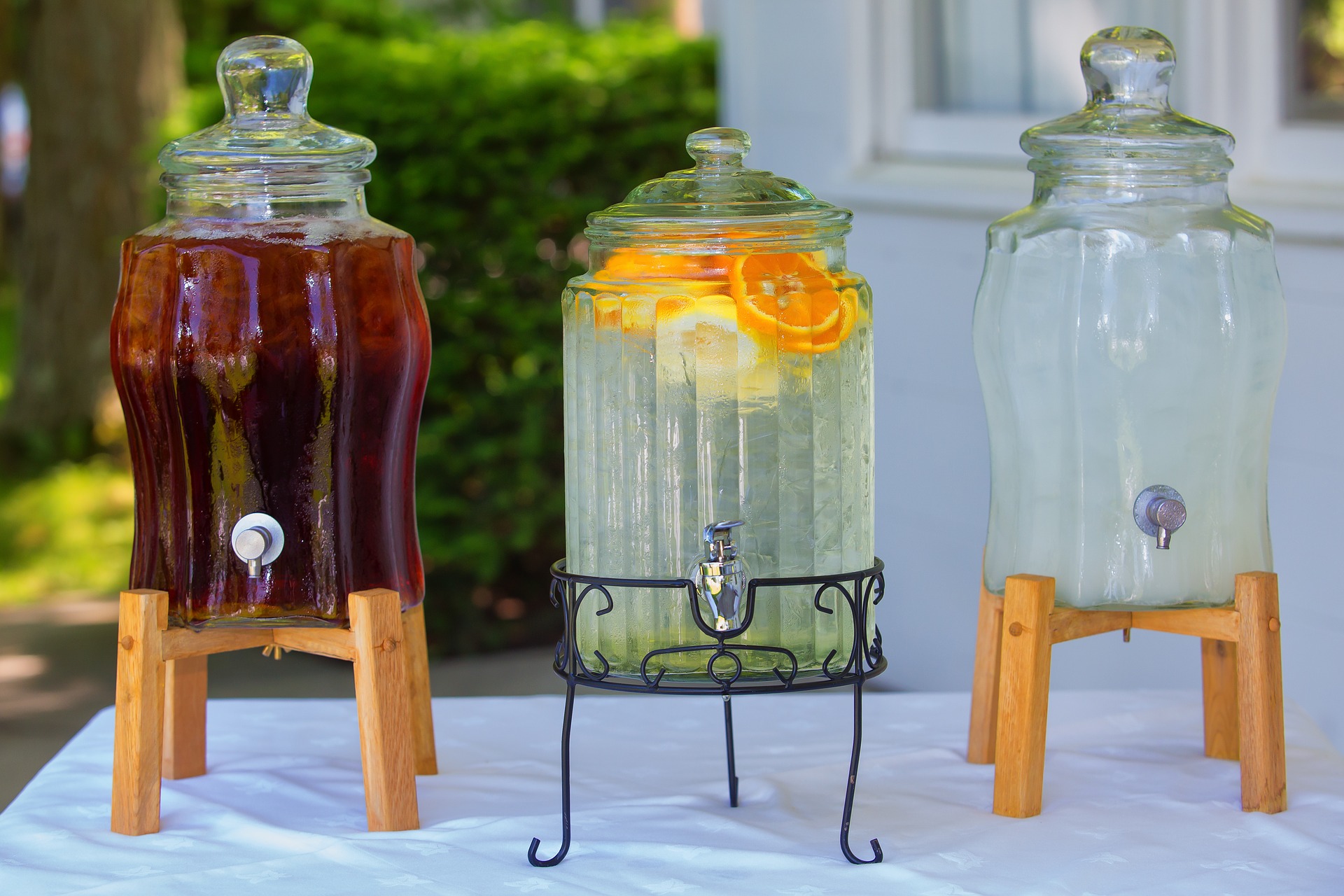
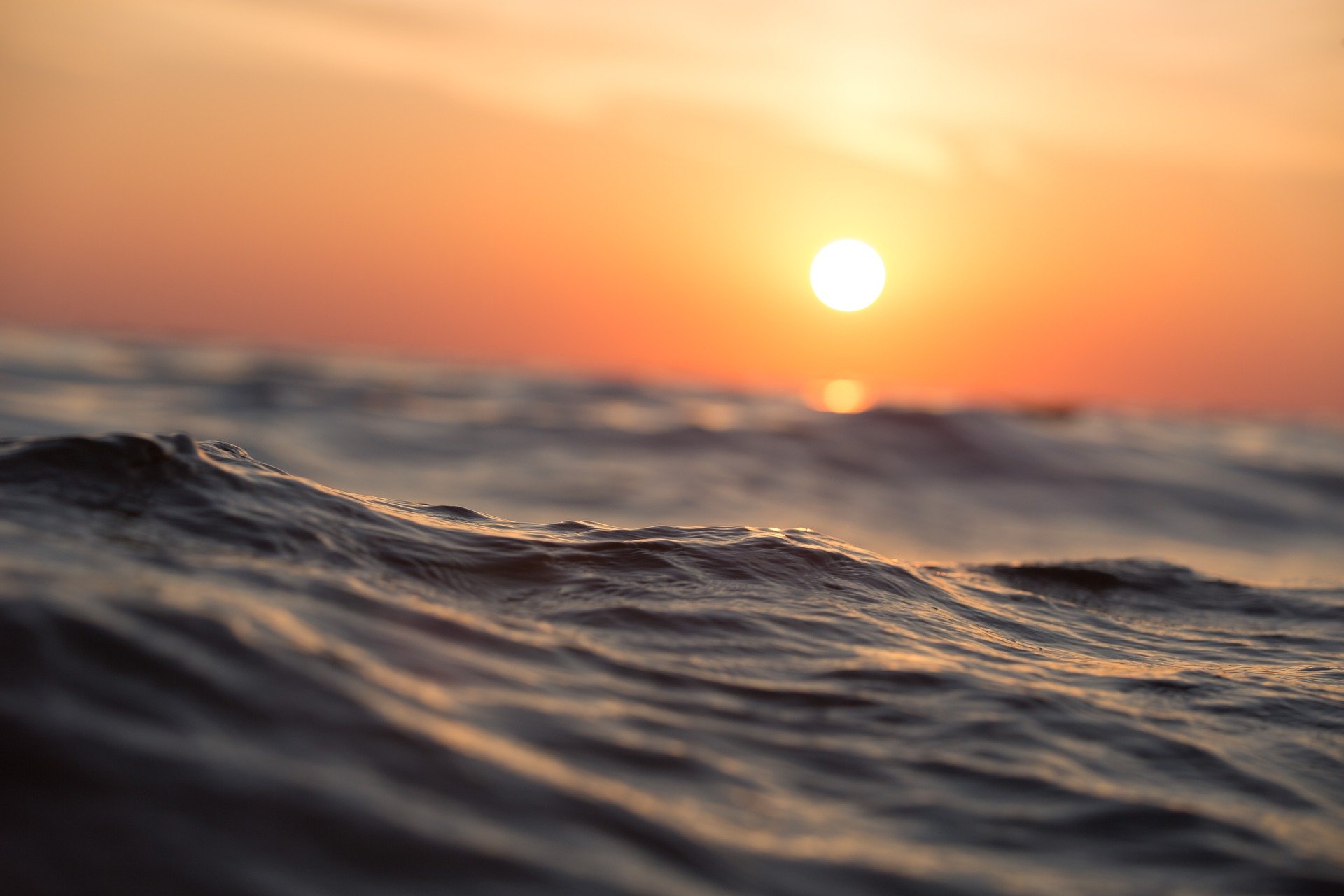
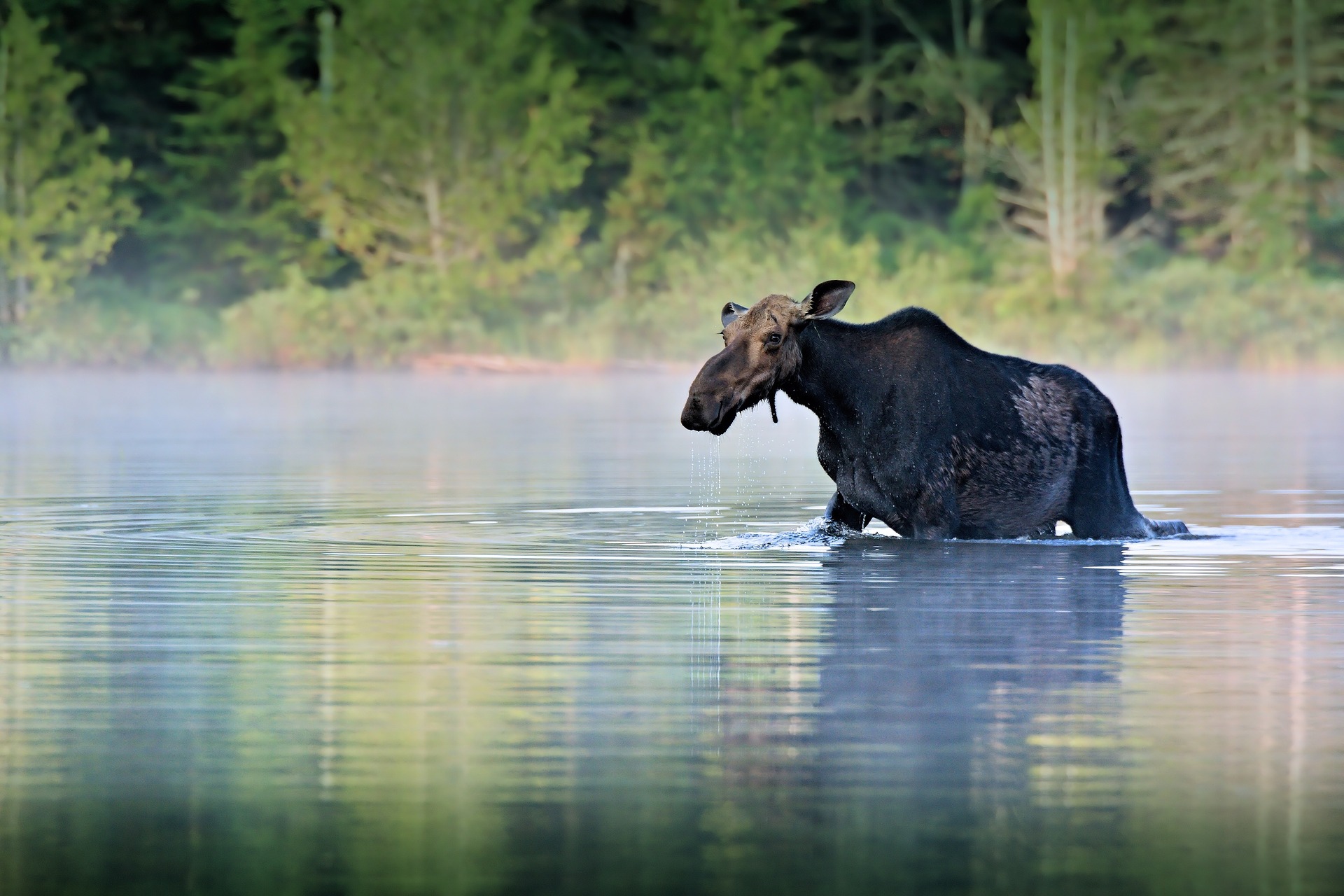
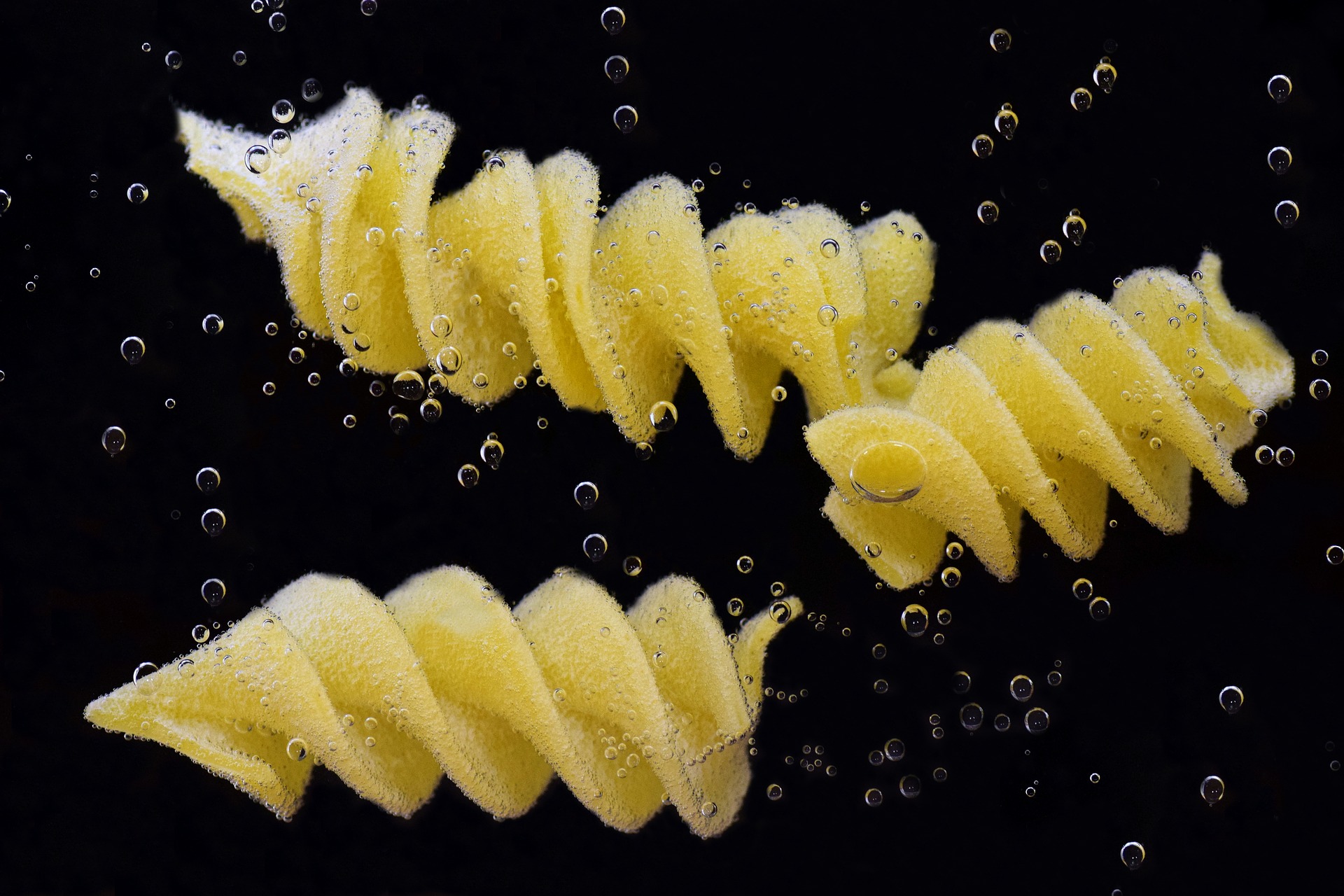
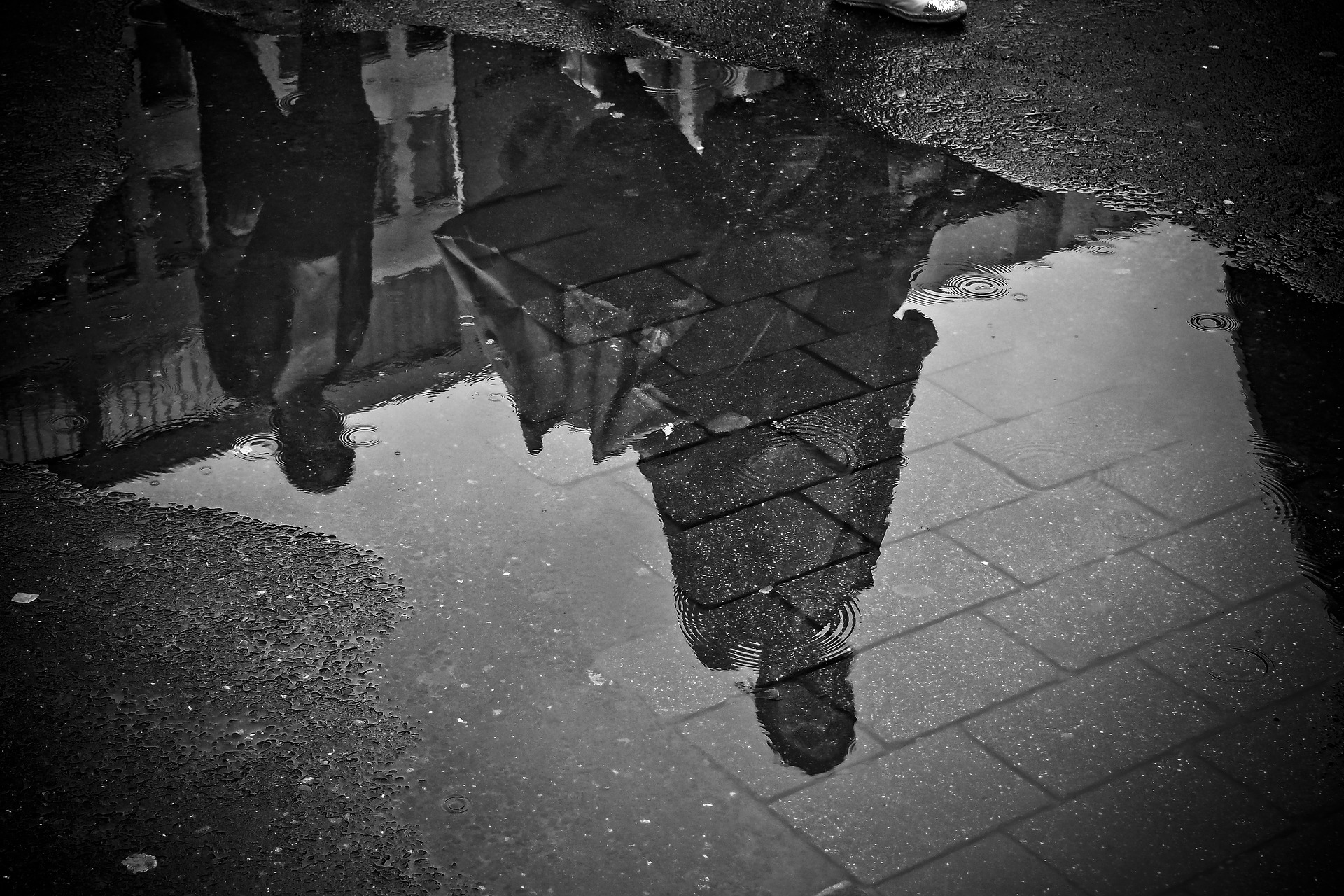
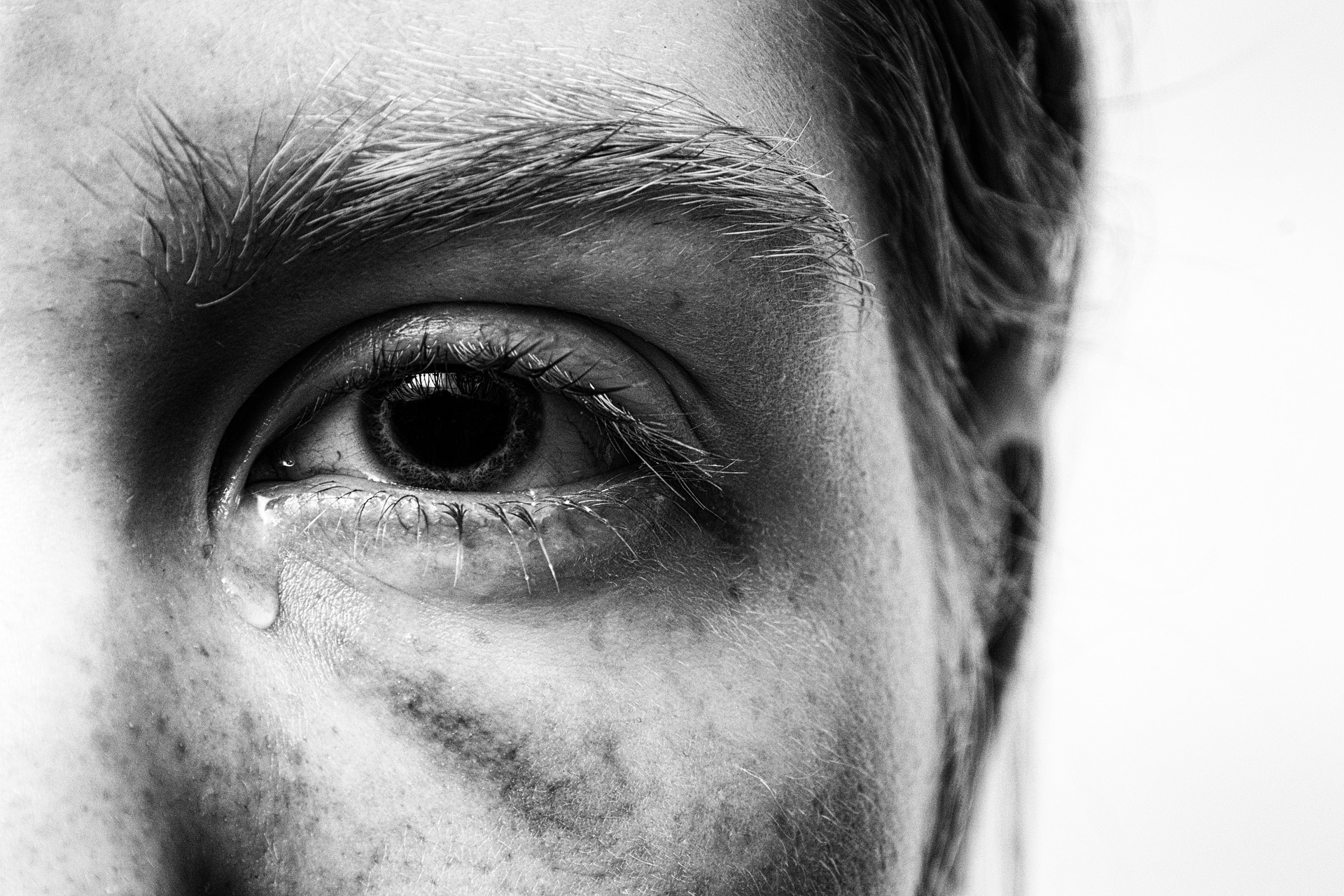
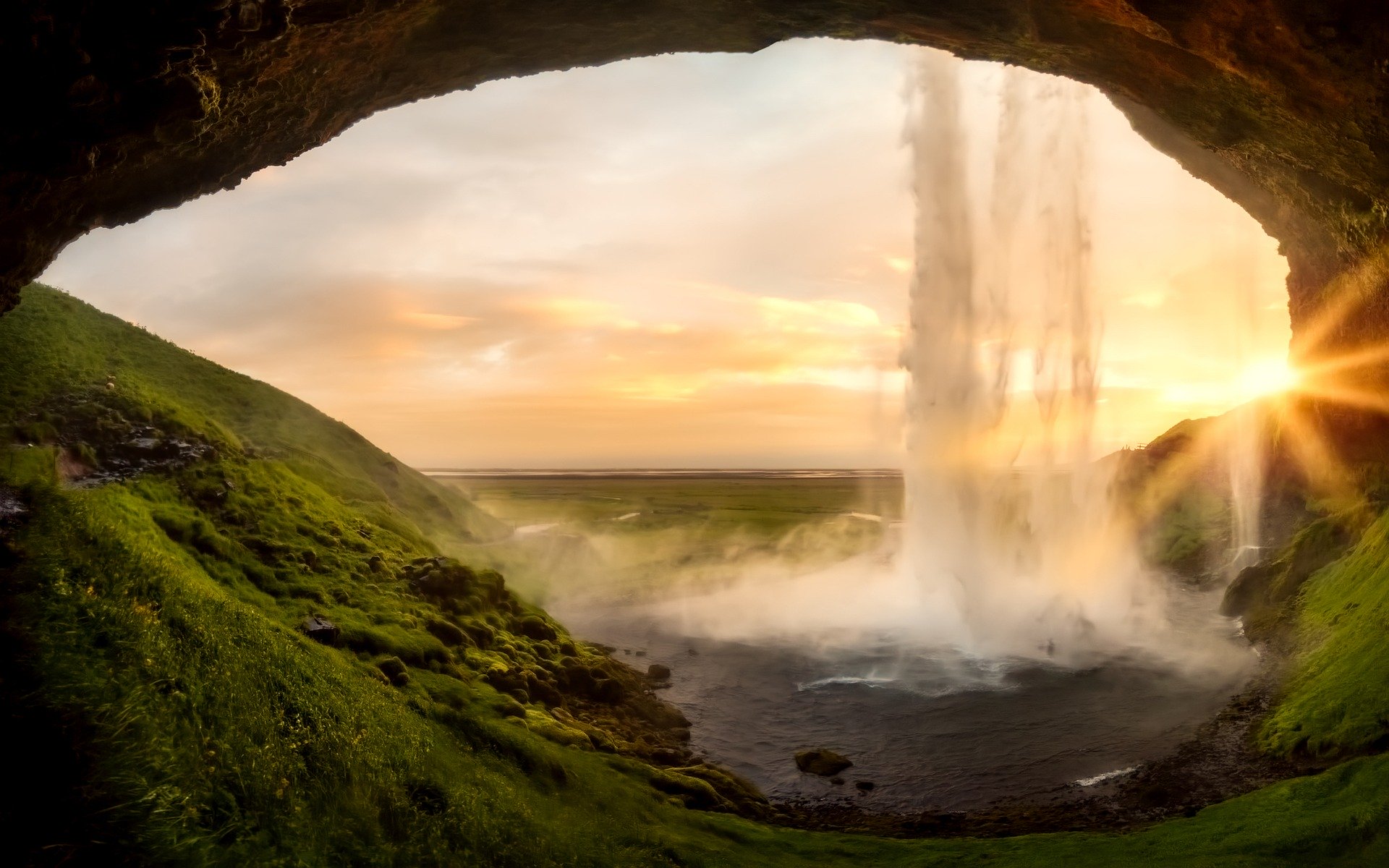
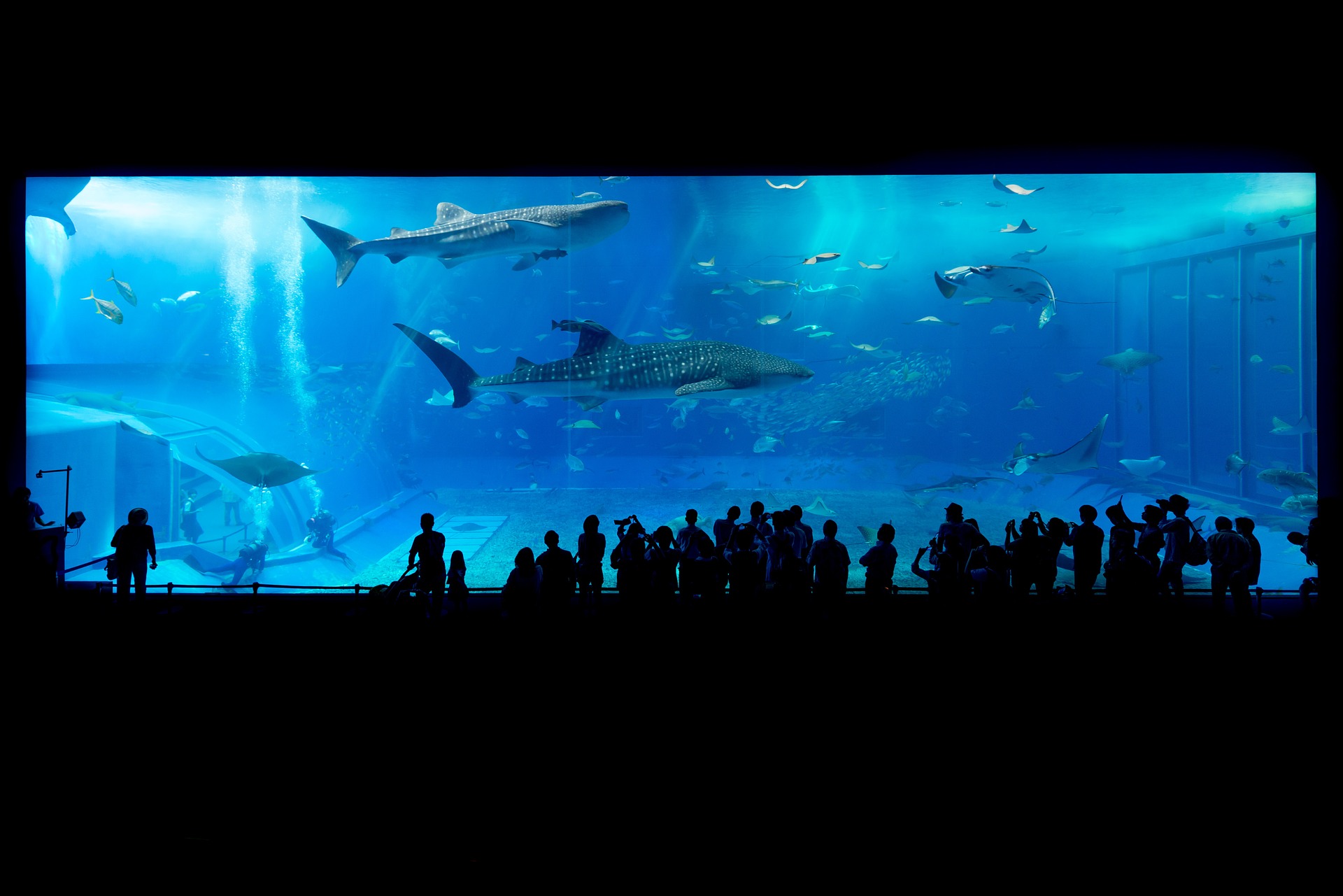
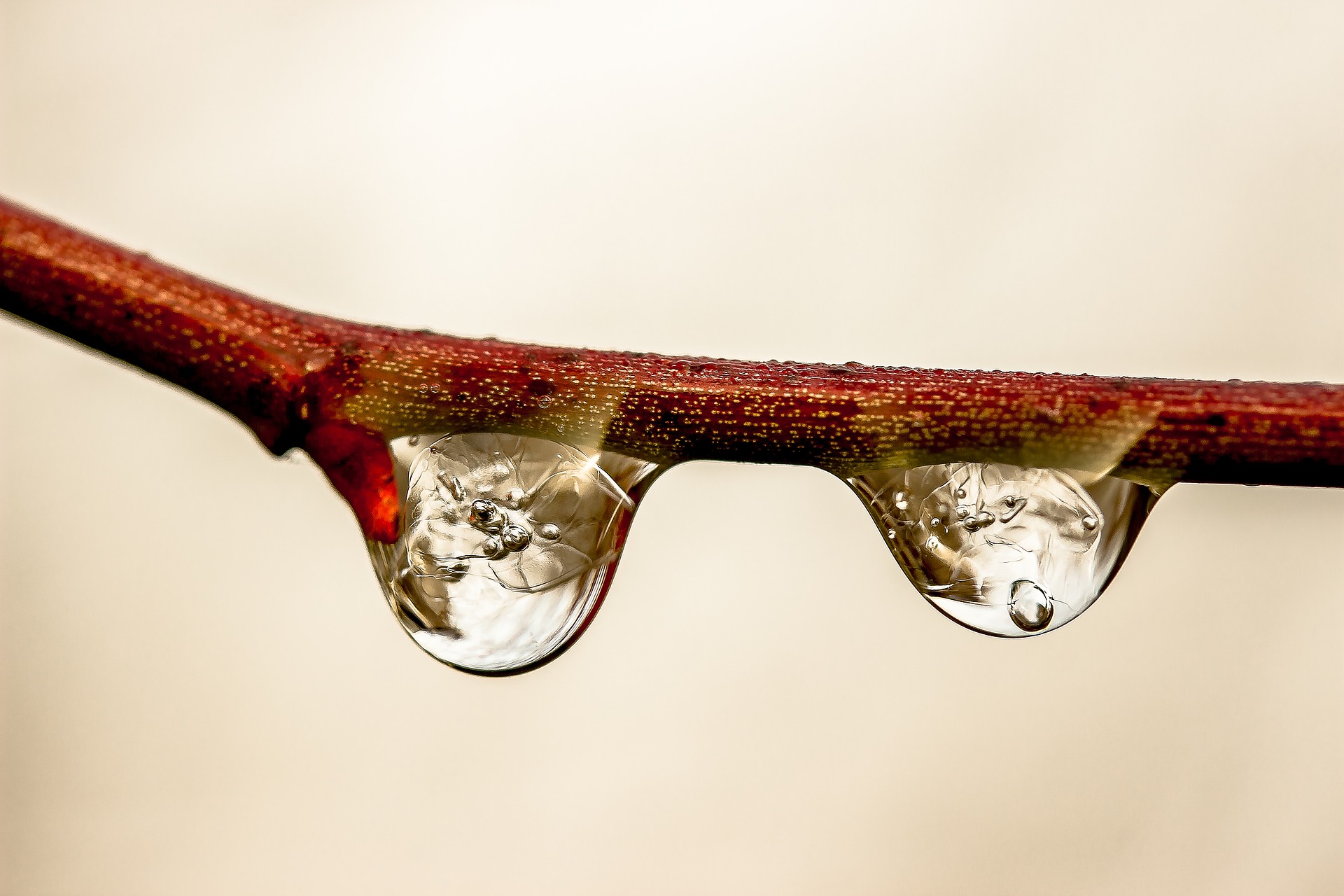
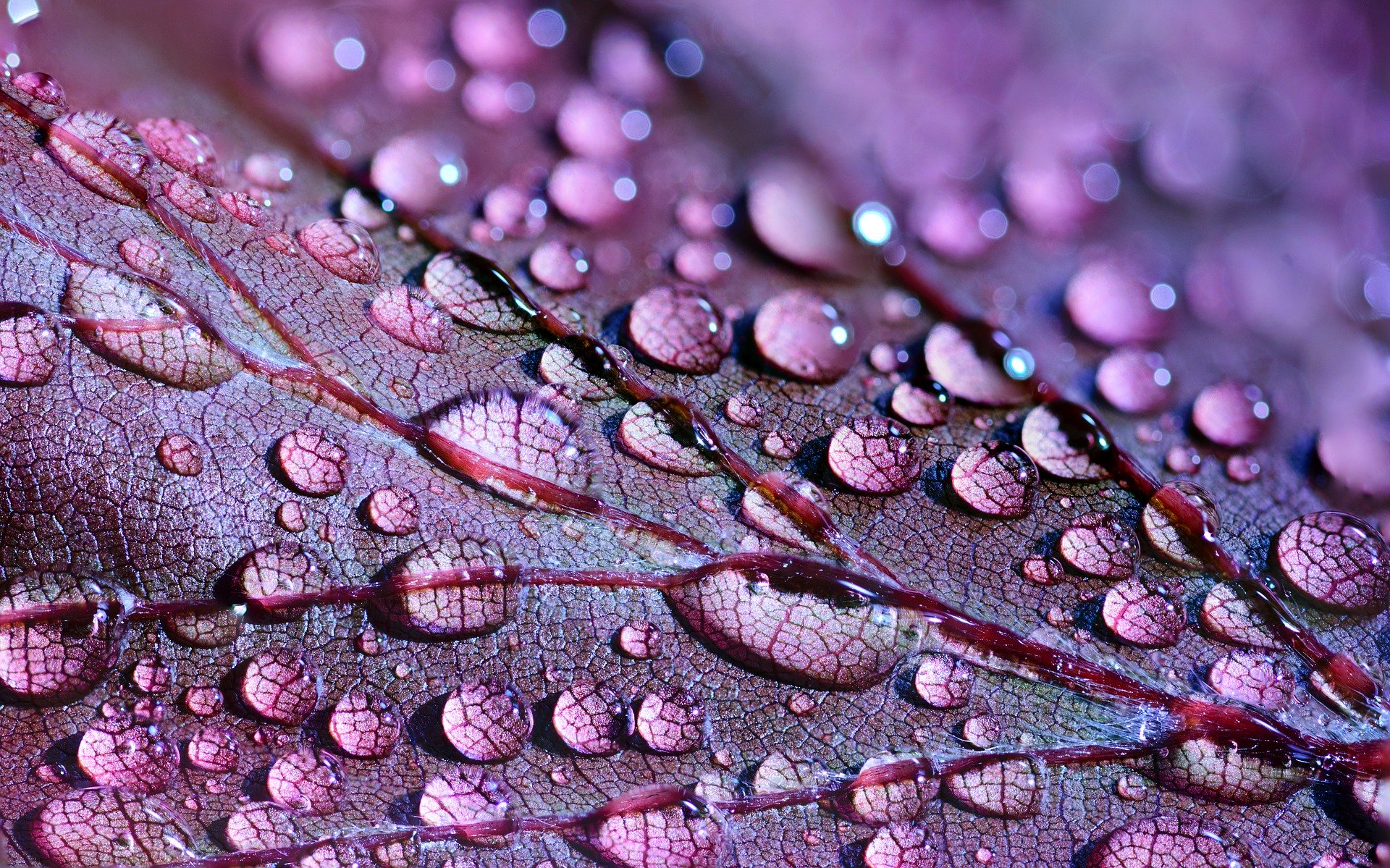
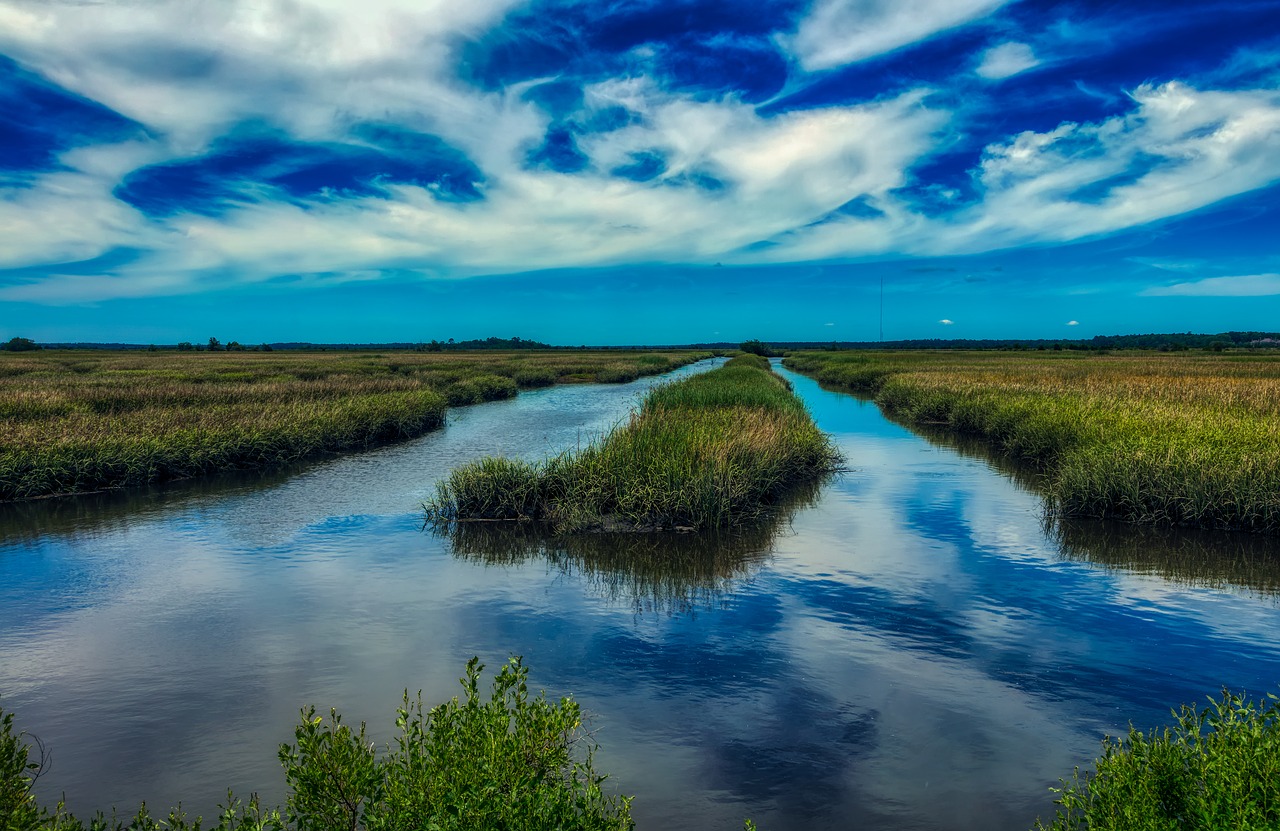
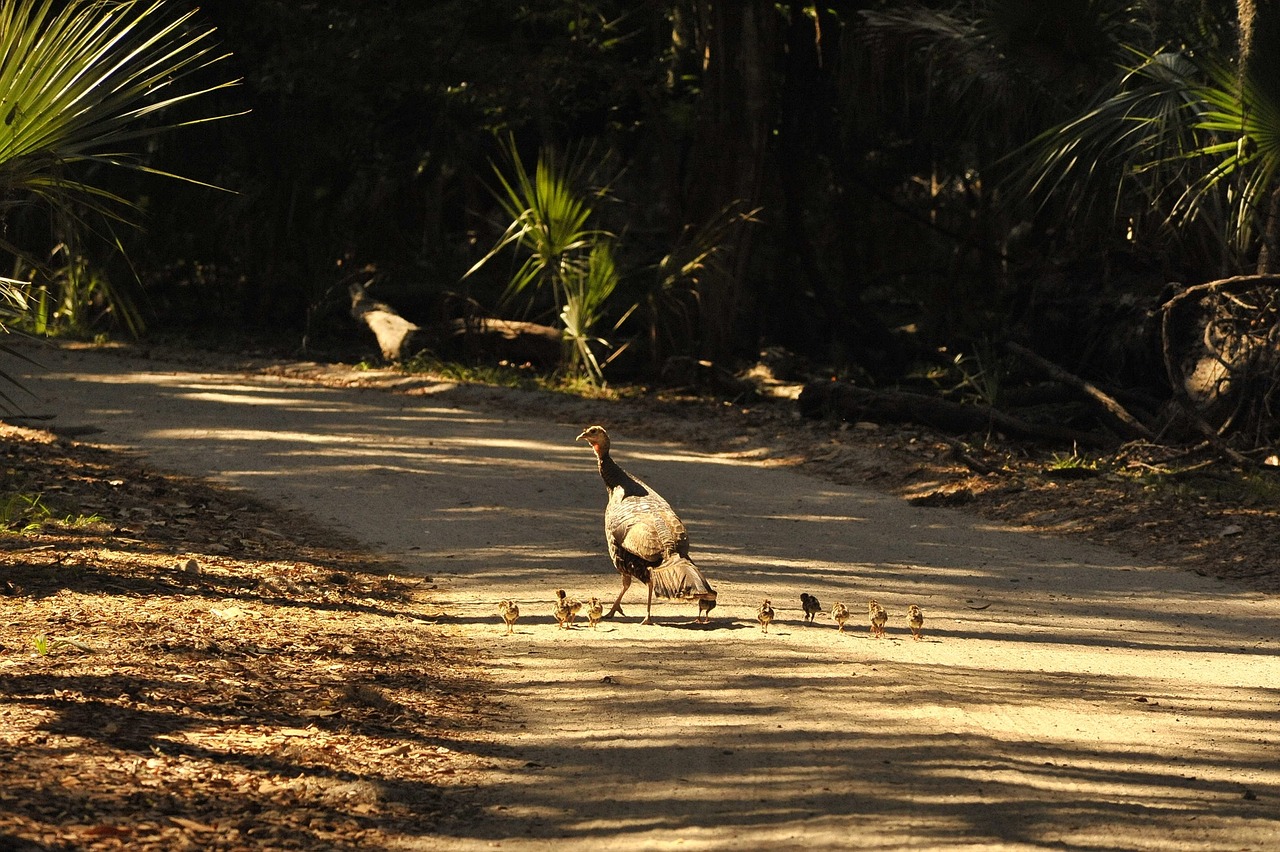
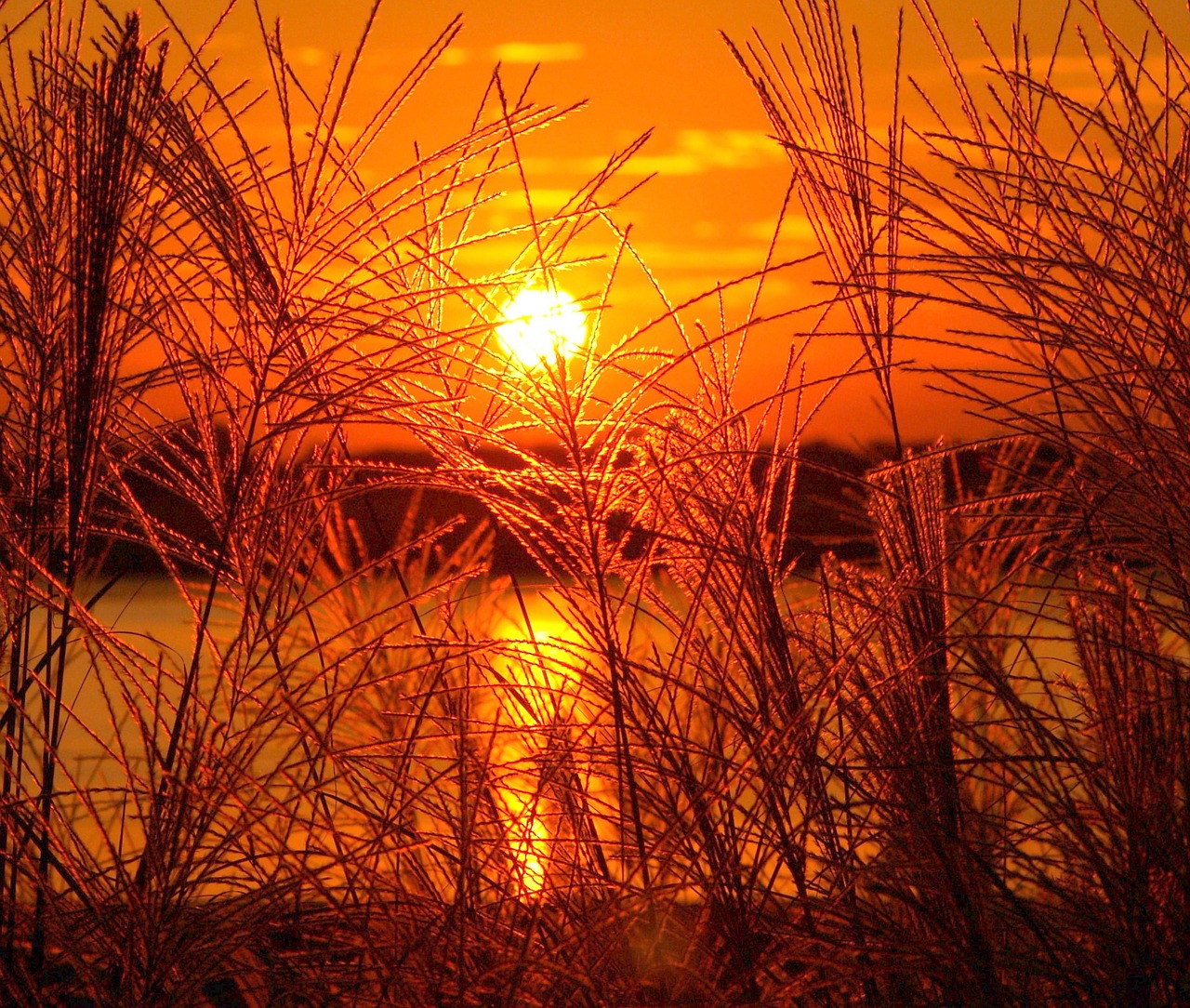
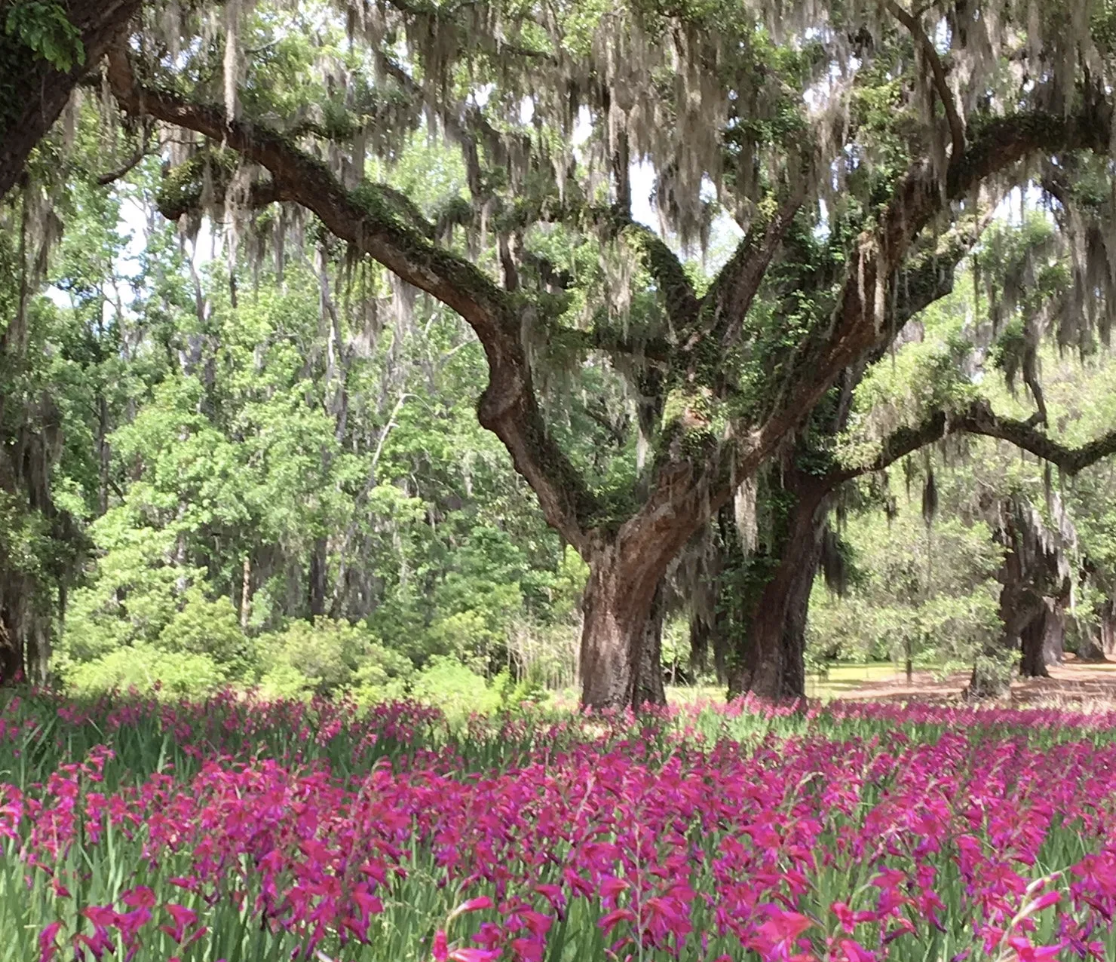
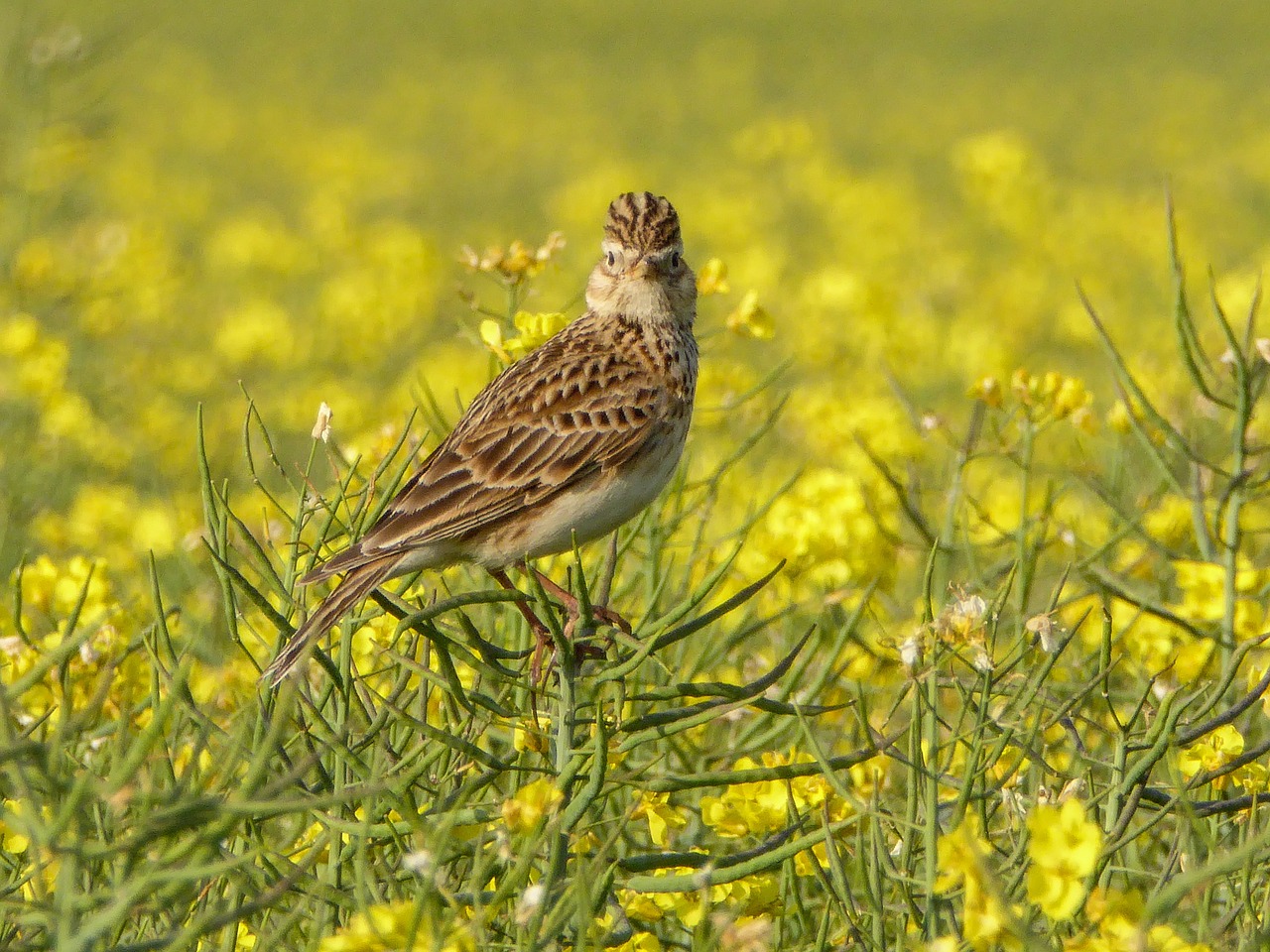
The more I explored Pixabay, the more glorious images related to water I found…
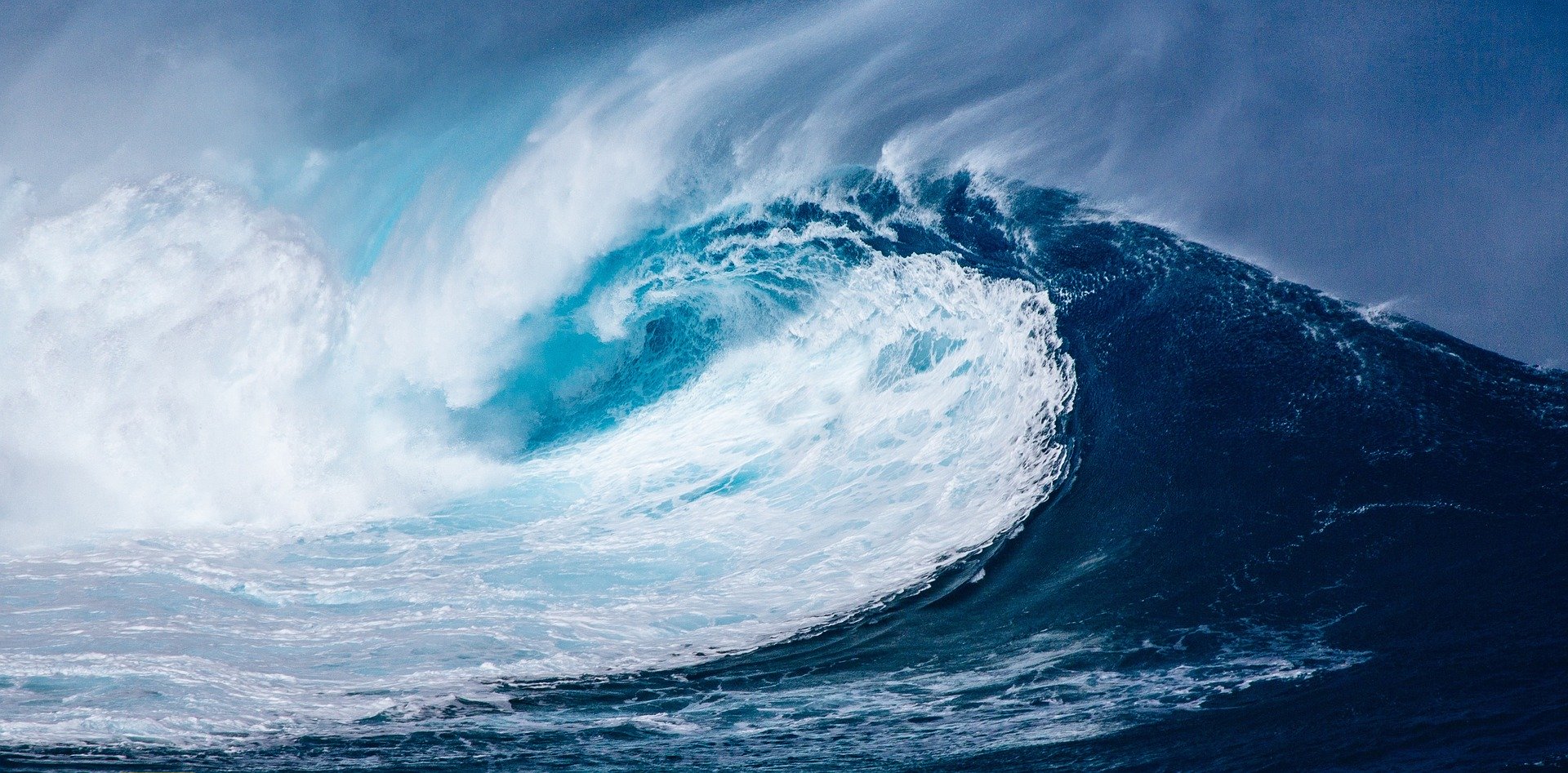
Ocean waves…
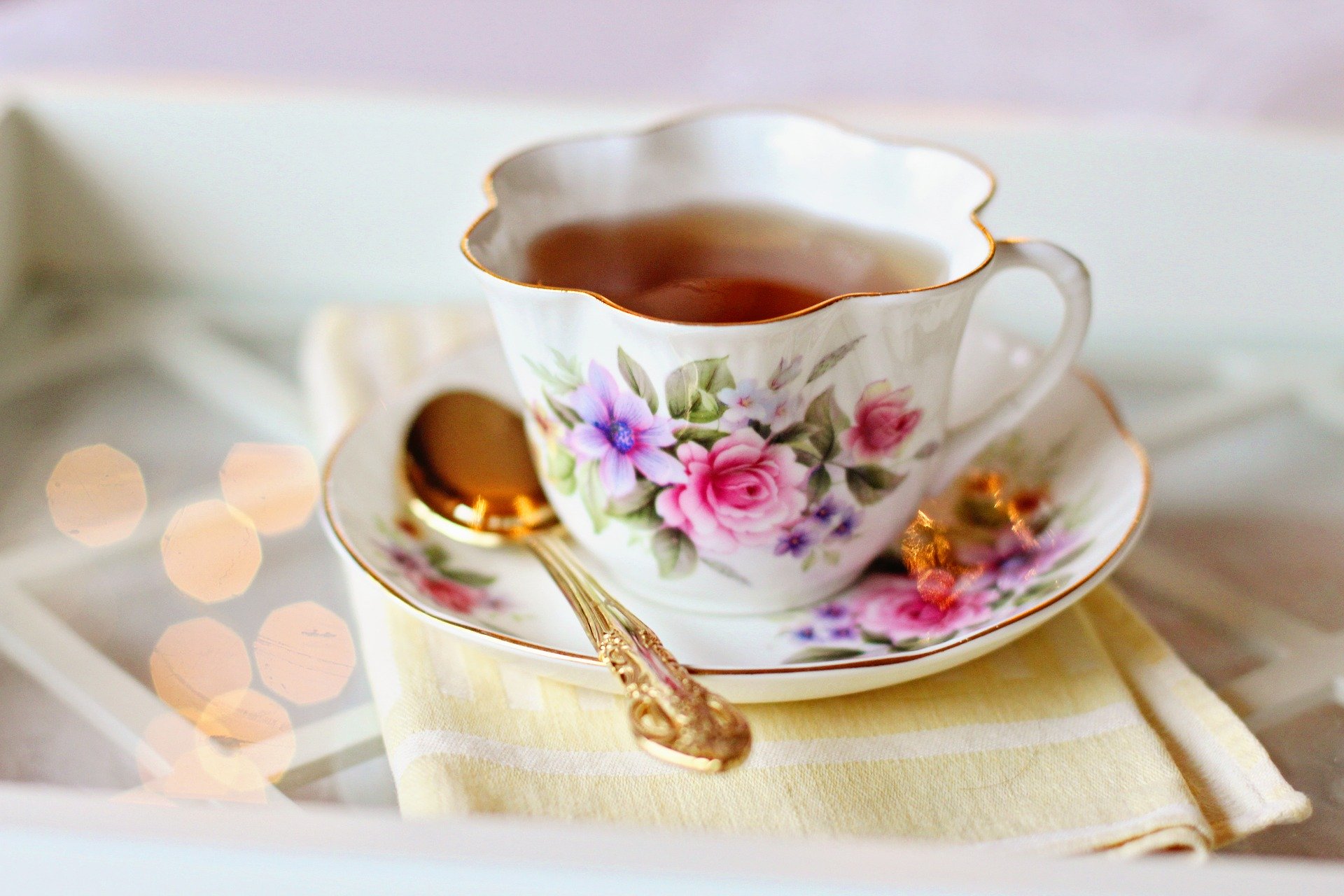
Cups of tea…
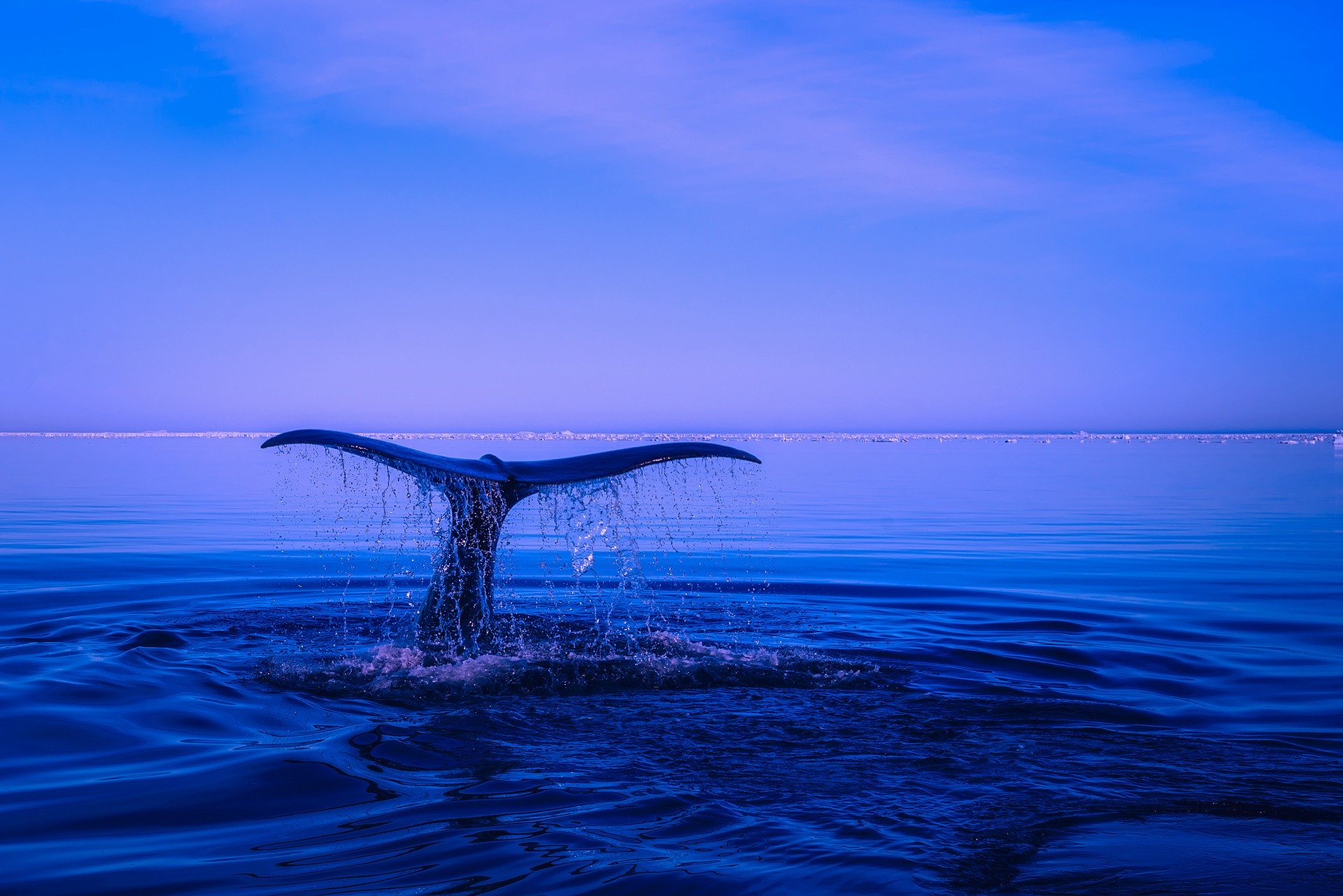
Whales…
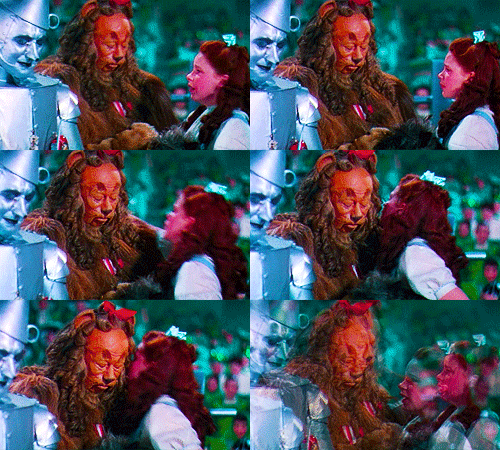
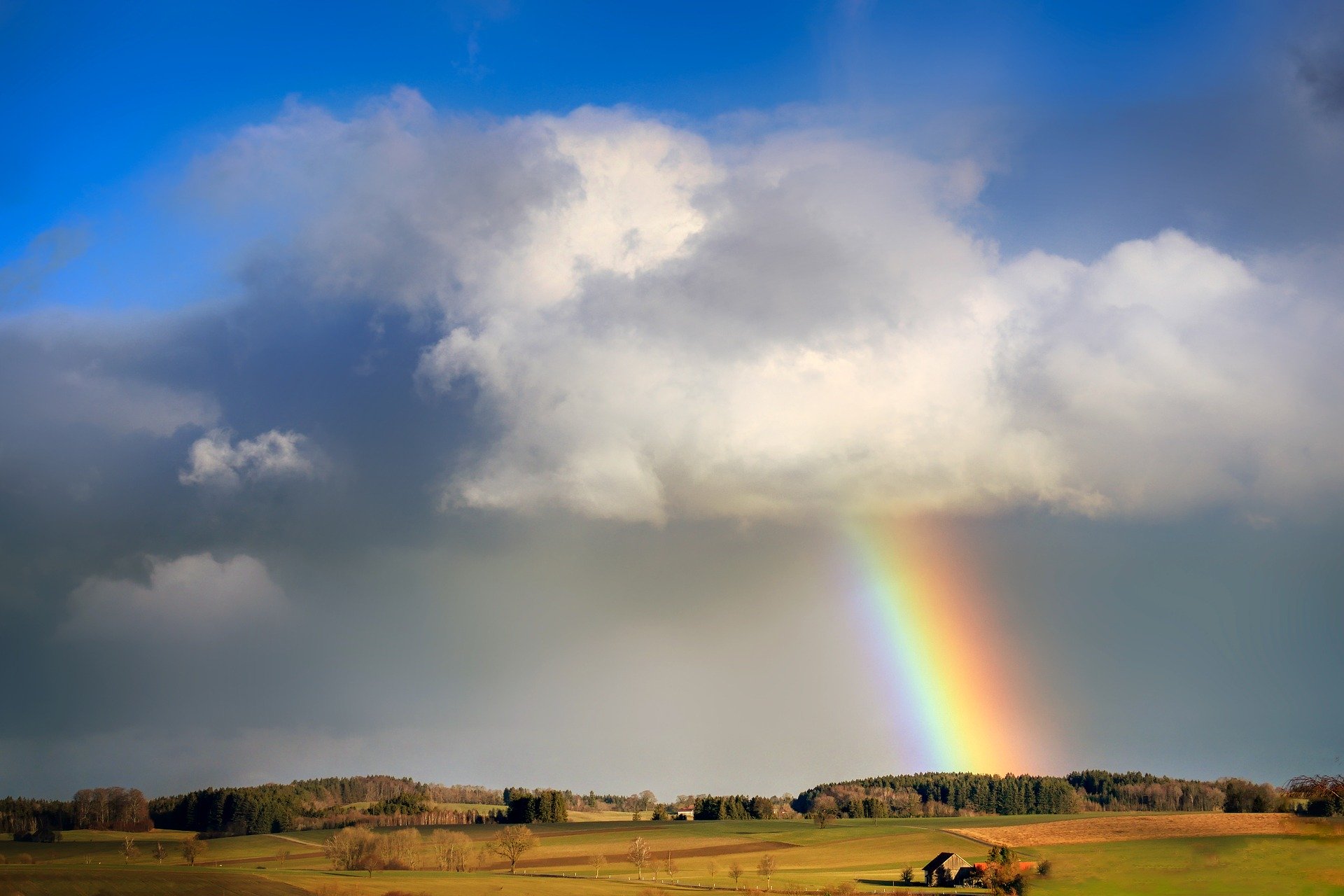
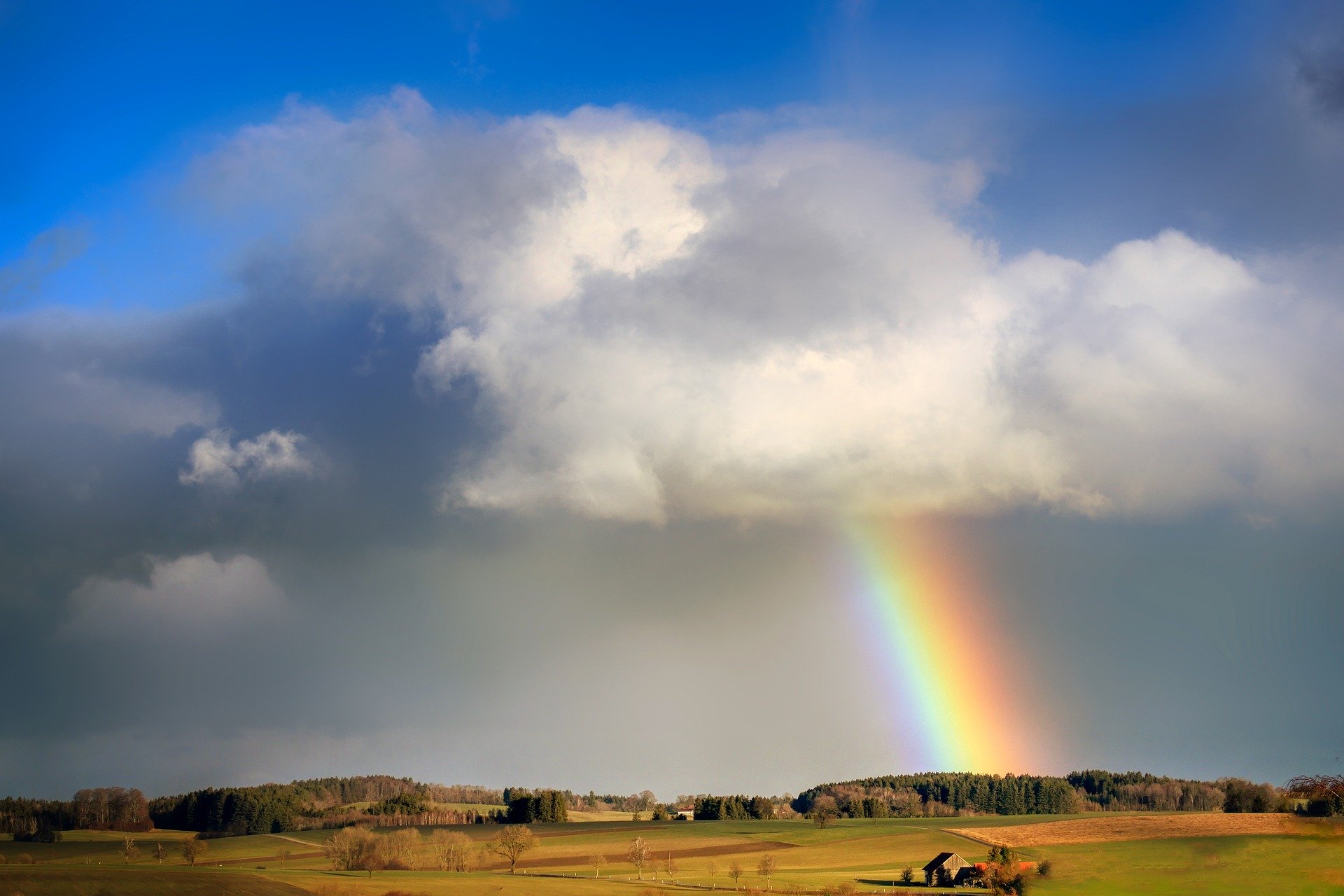
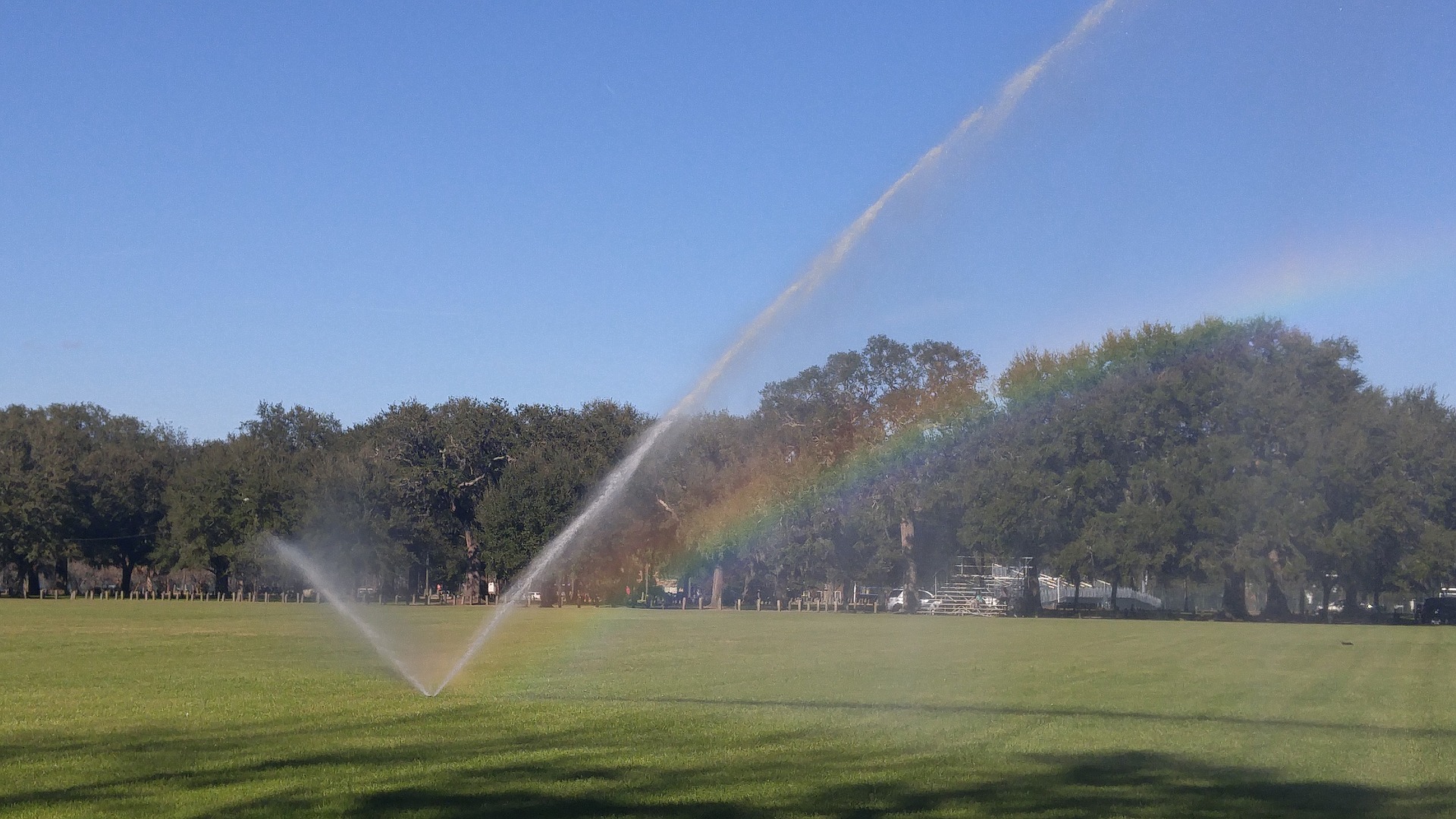
Rainbows…
Rivers…
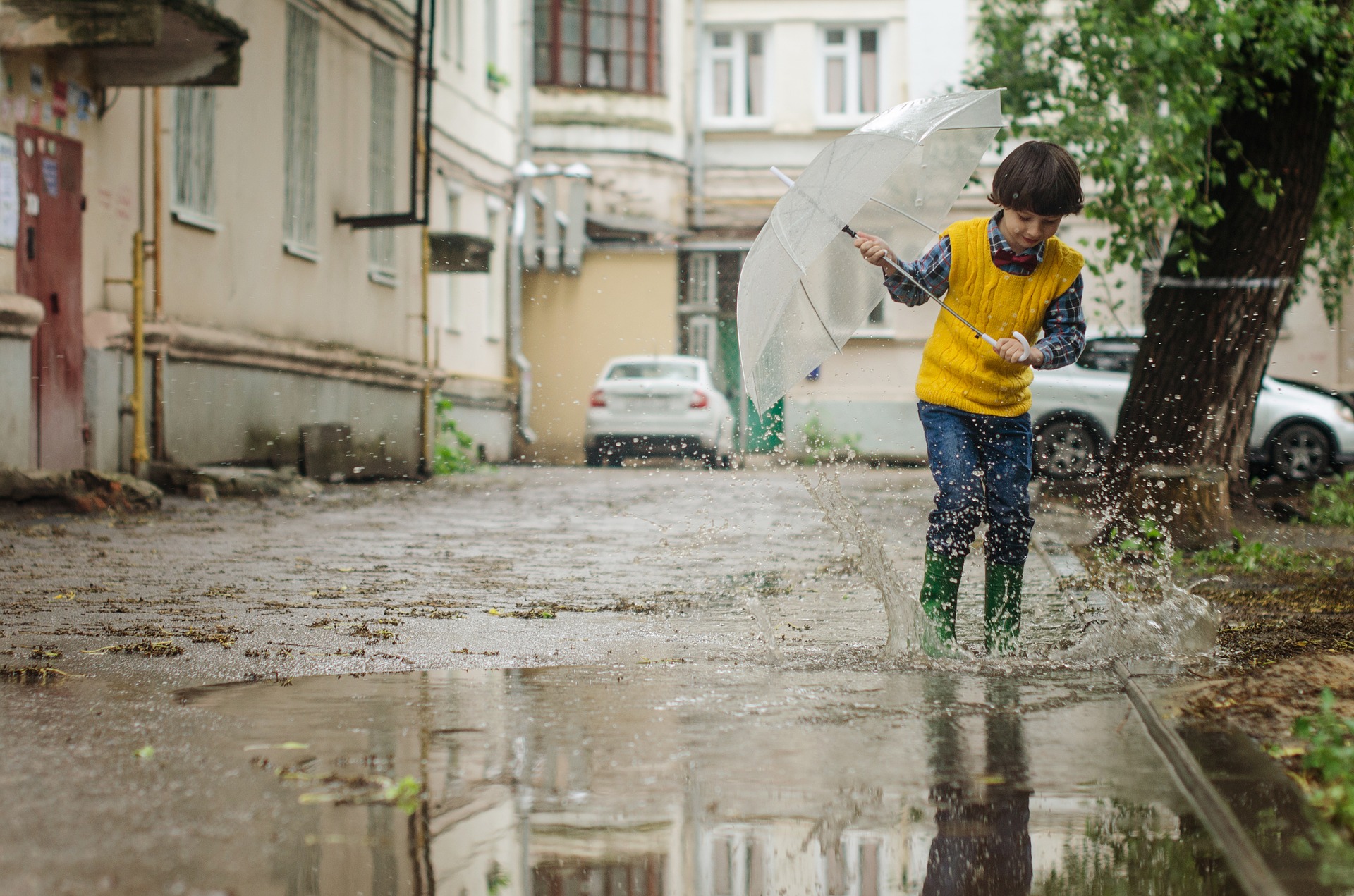
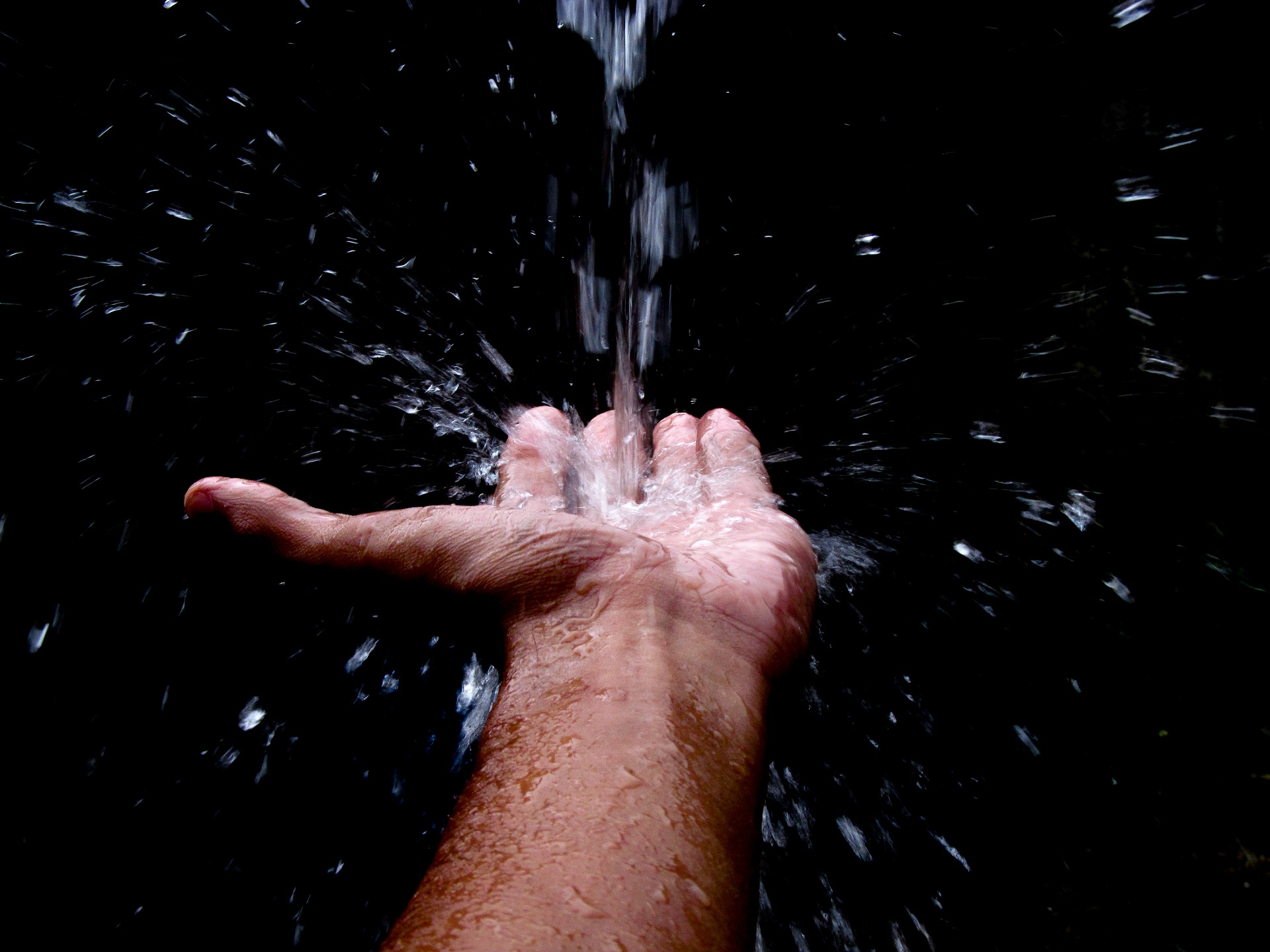
Splashing hands…
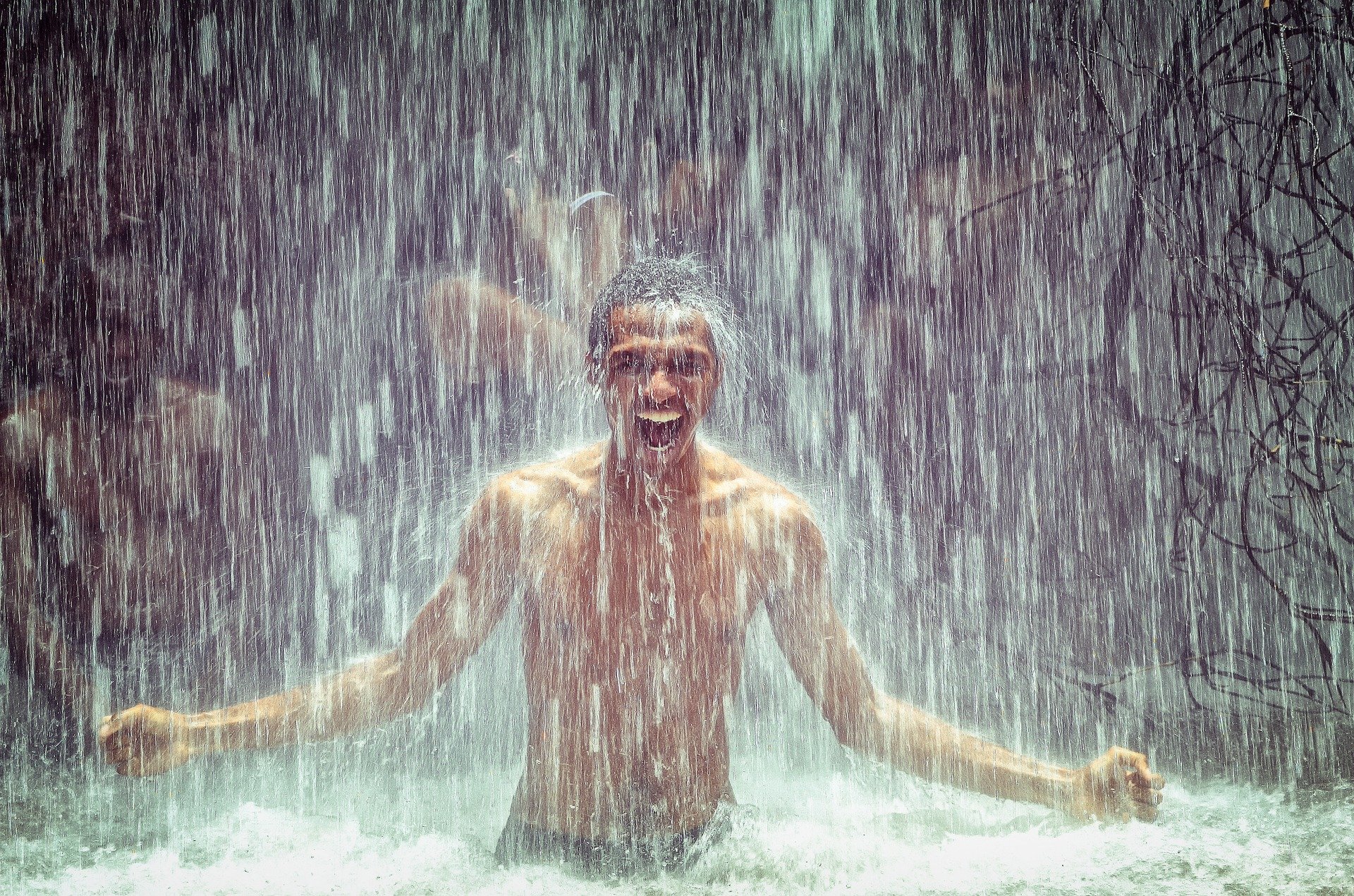
Waterfalls…
Water slides…
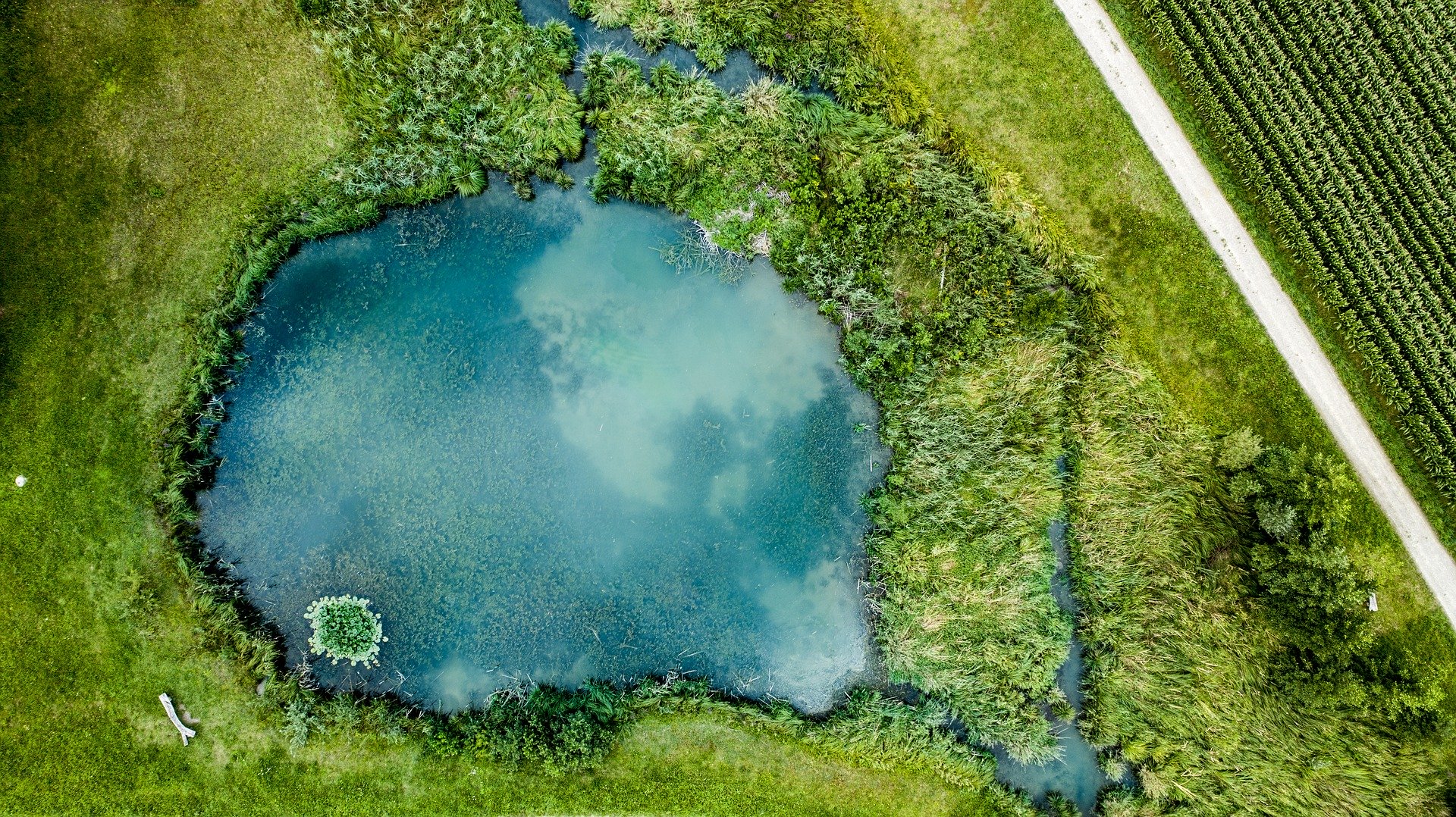
Ponds…
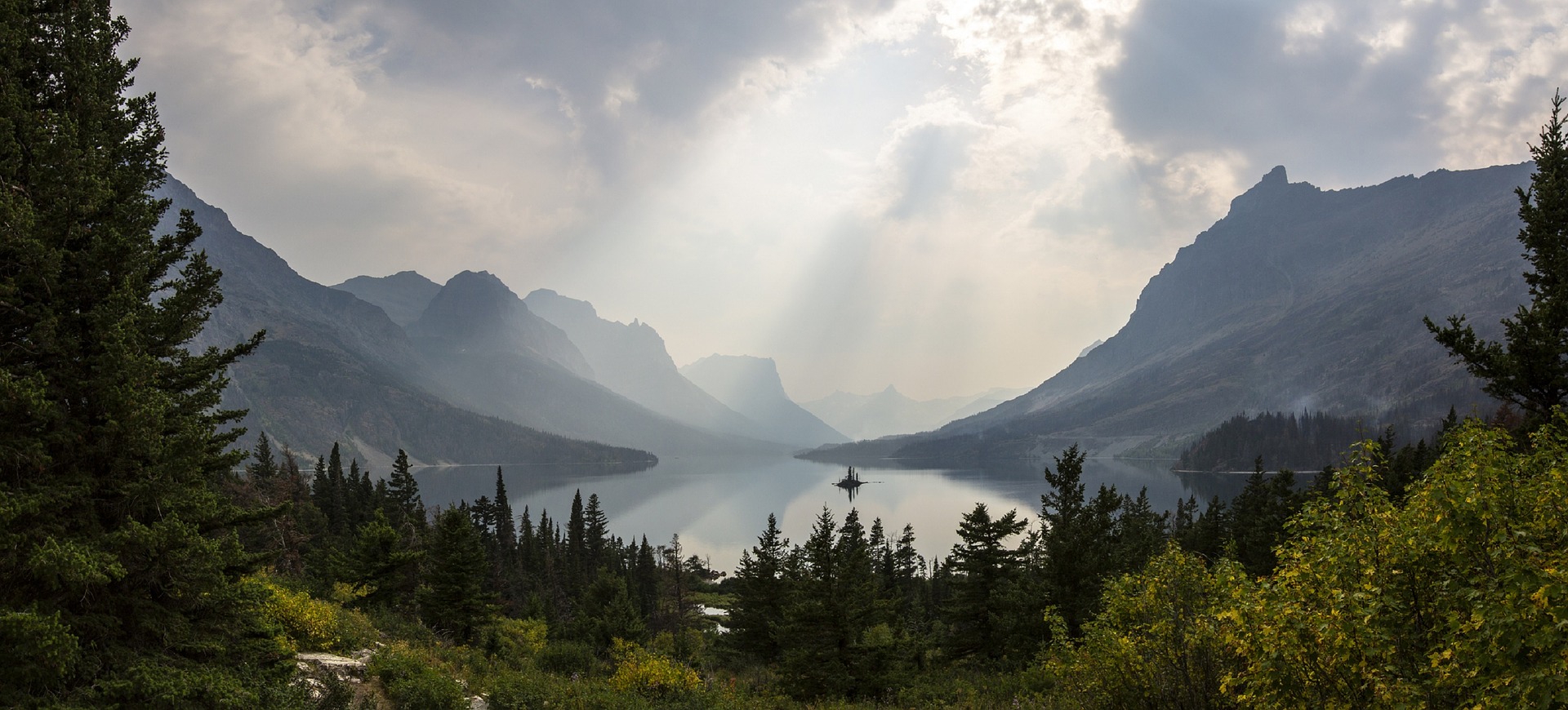
Lakes…
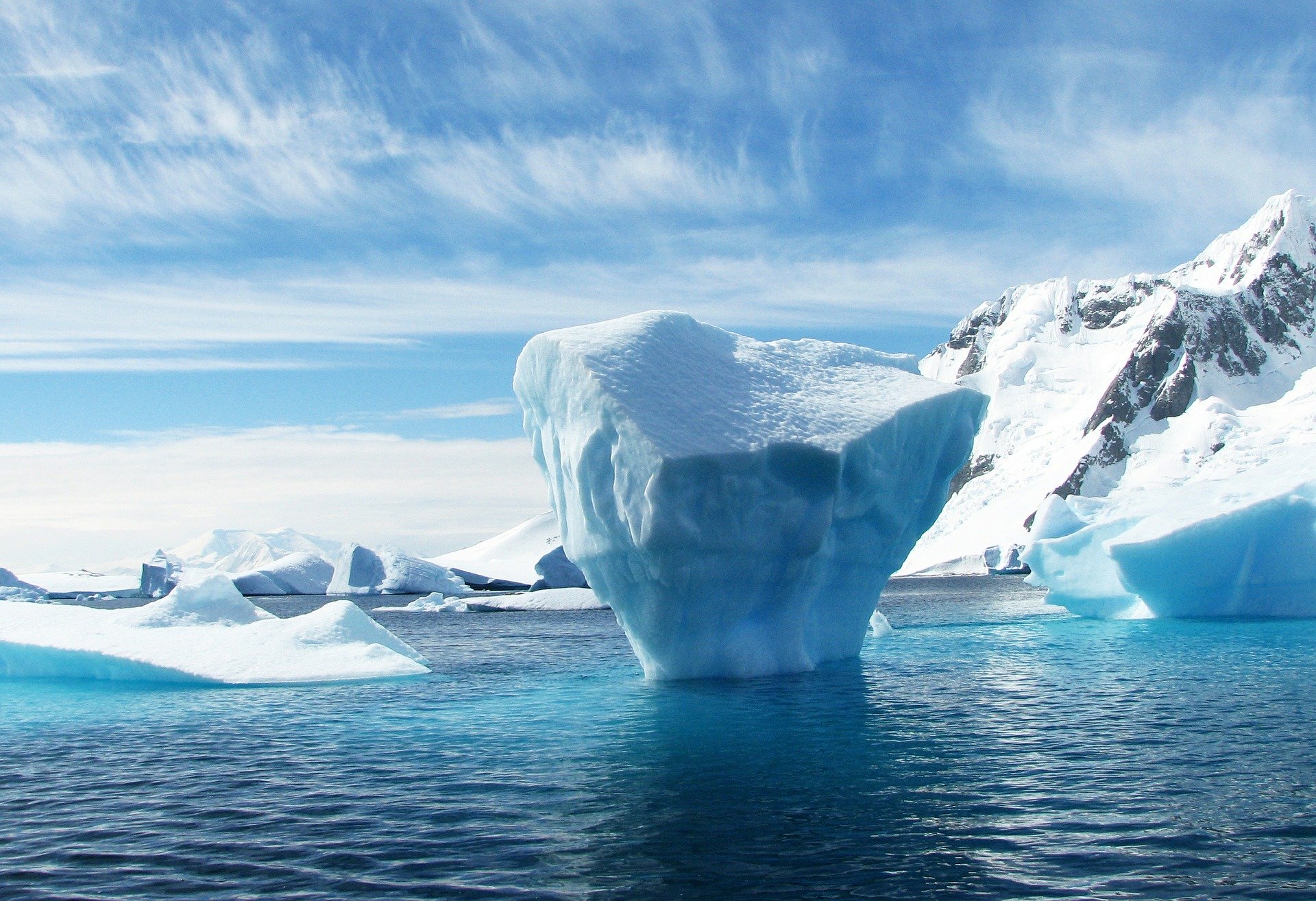
Glaciers…
Rotini…
Thunderstorms…
Reflections…
Tears…
More waterfalls…
Aquariums…
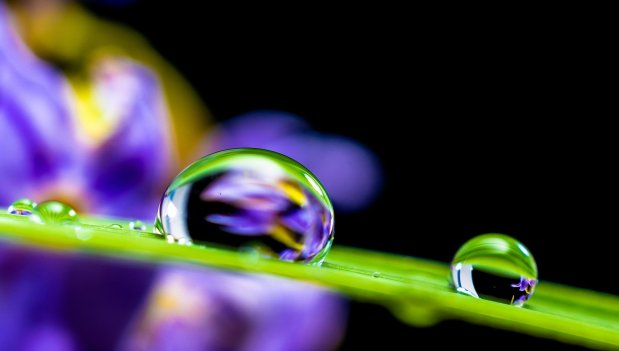
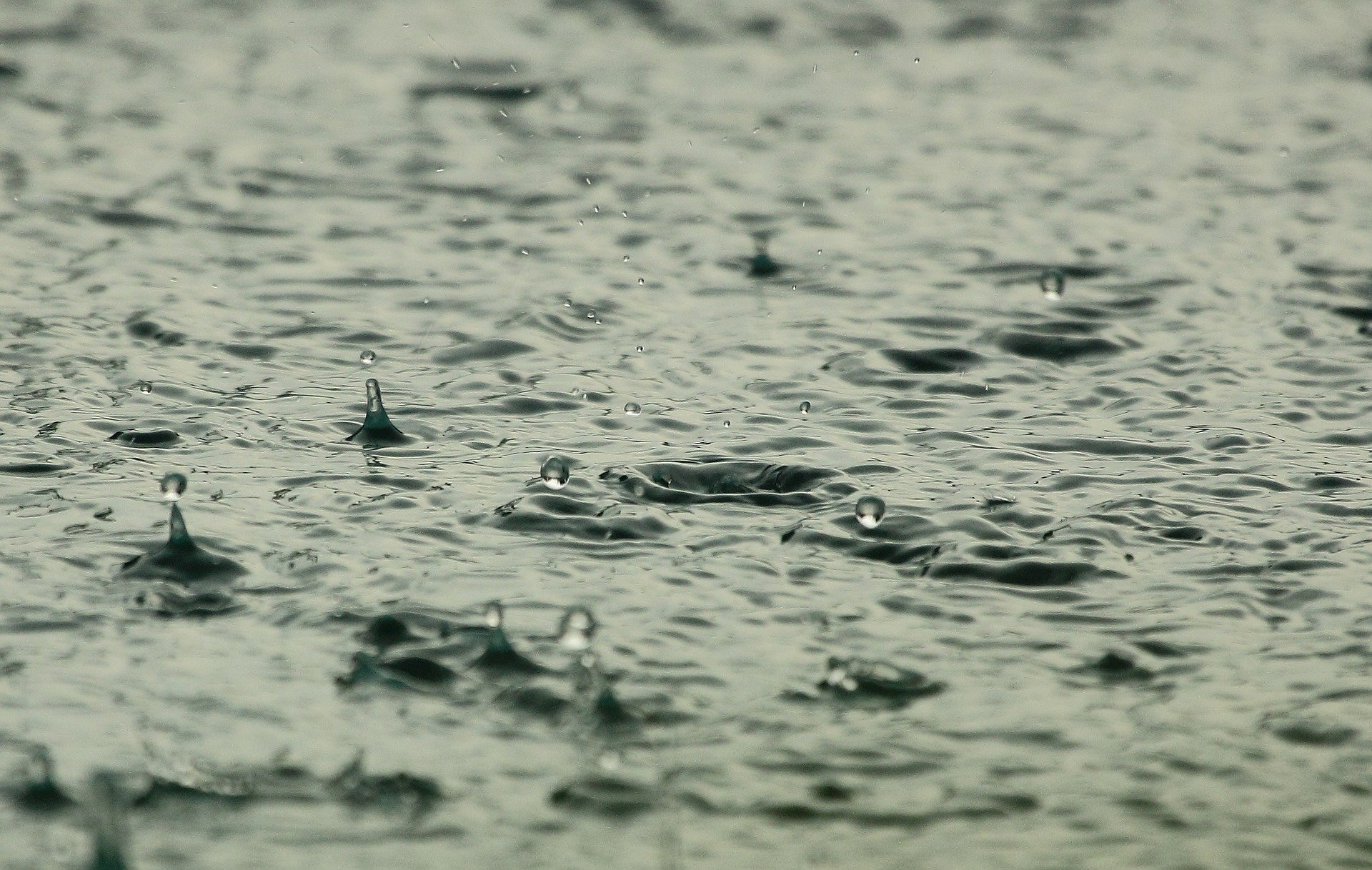
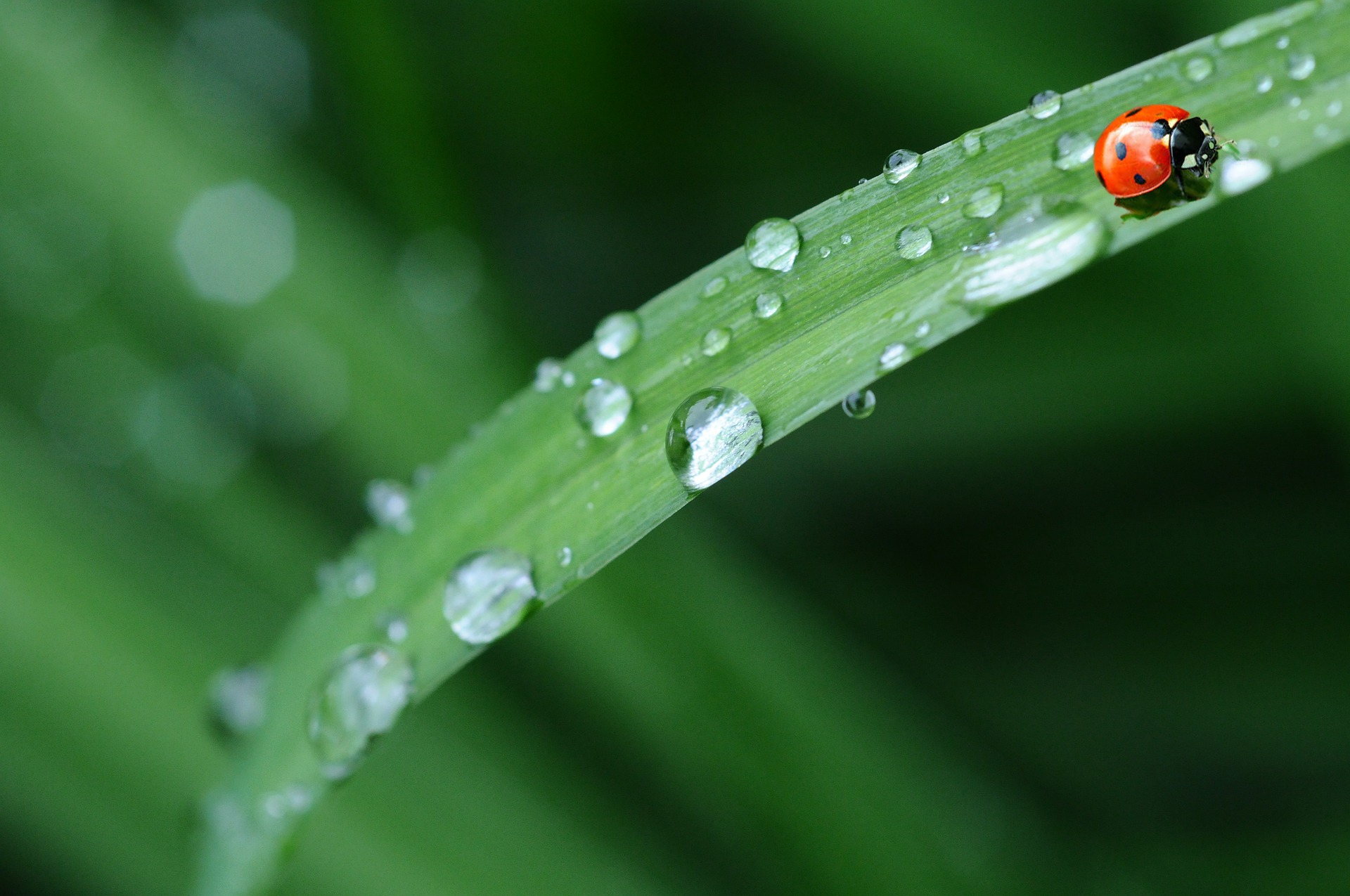
Raindrops…
Leaves…
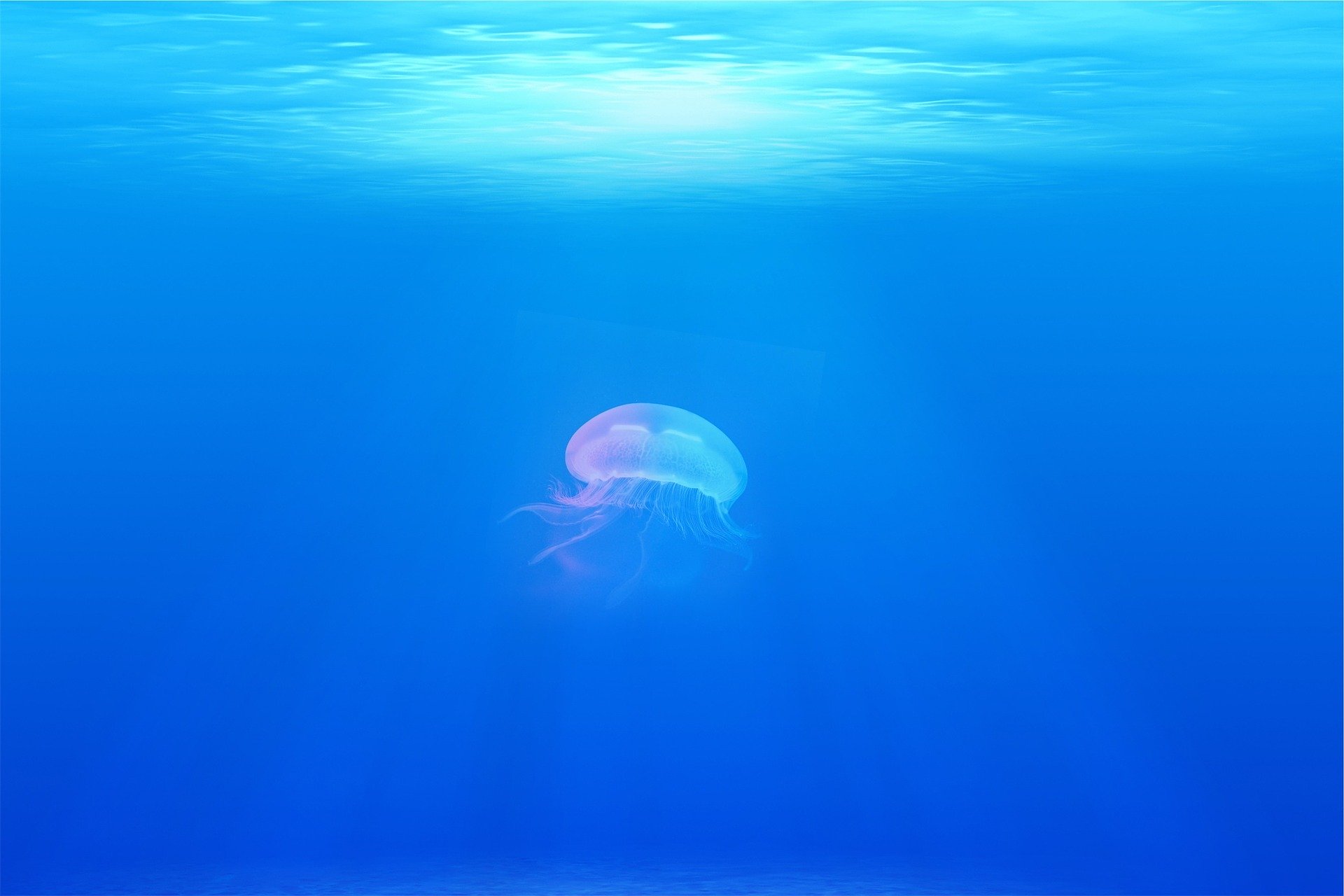
Jelly fish…
More glaciers…
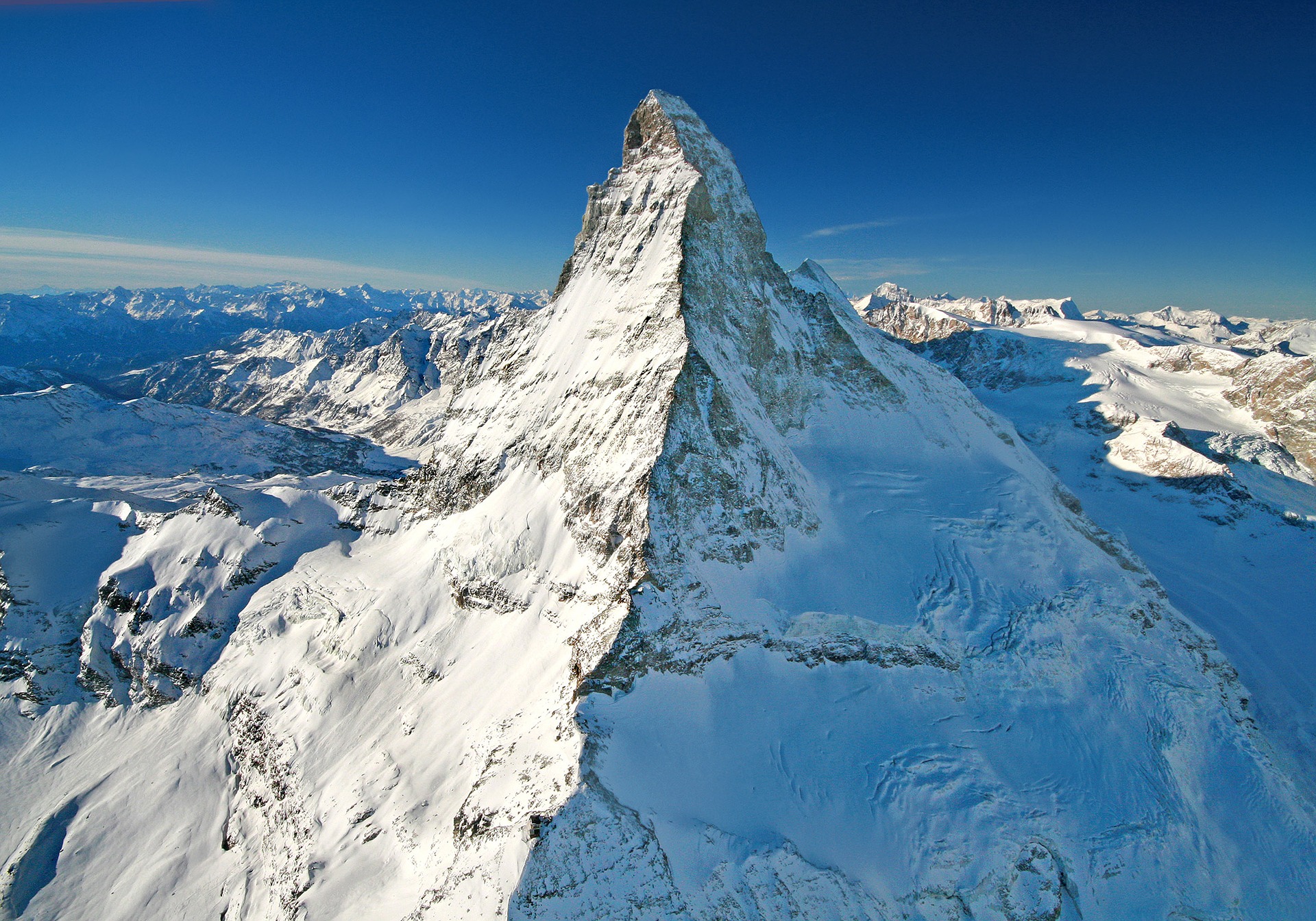
Mountain tops…
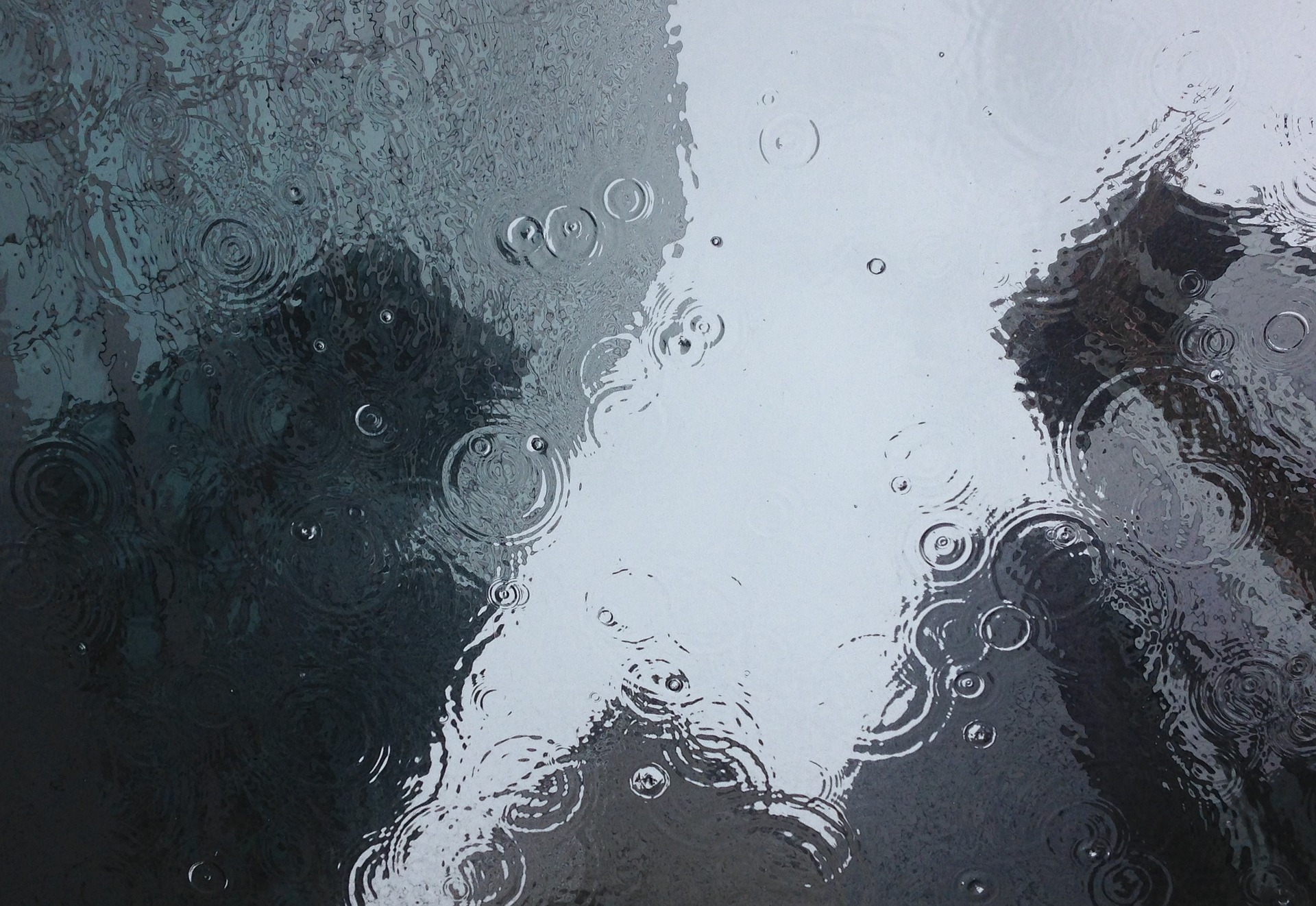
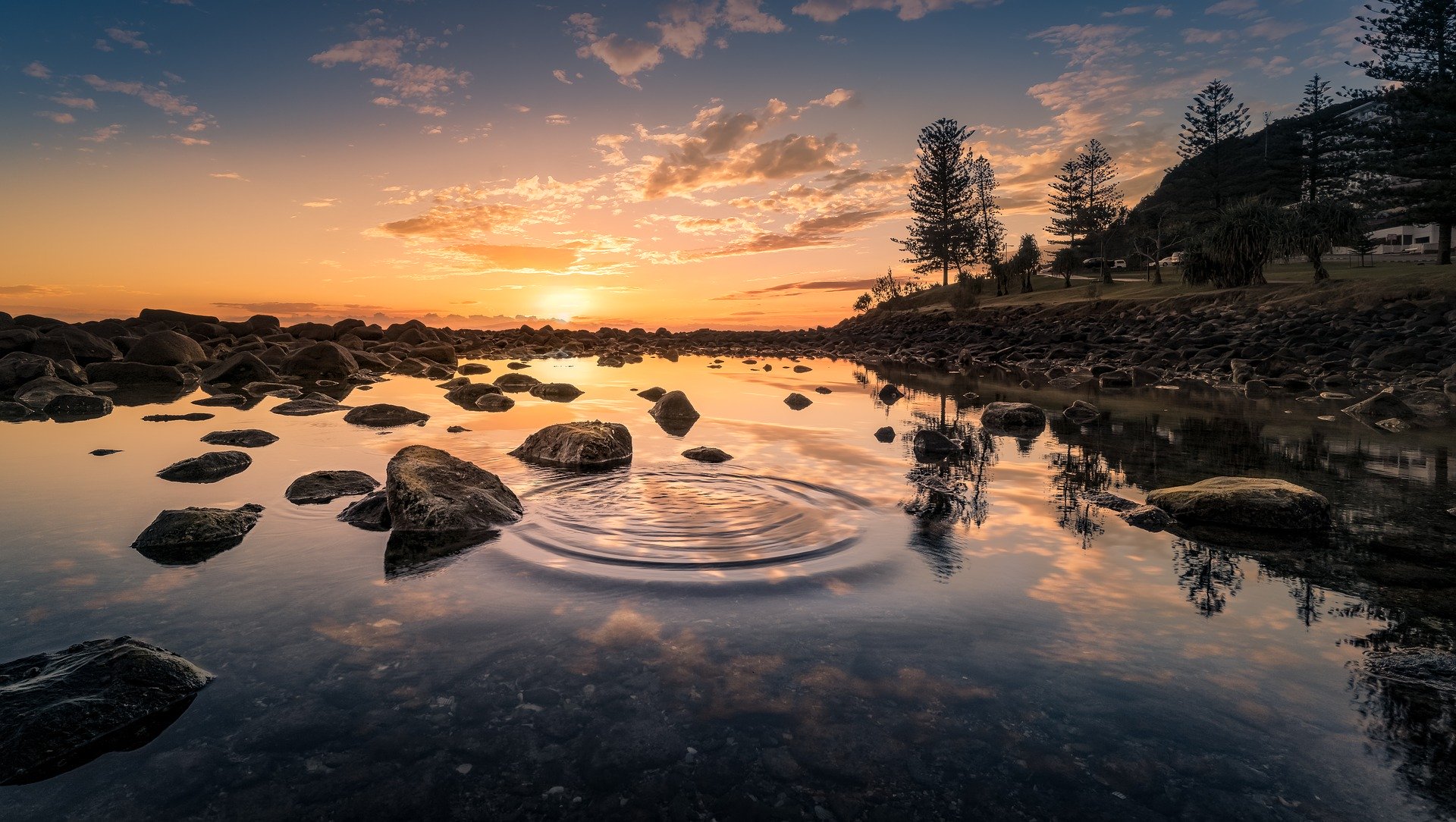
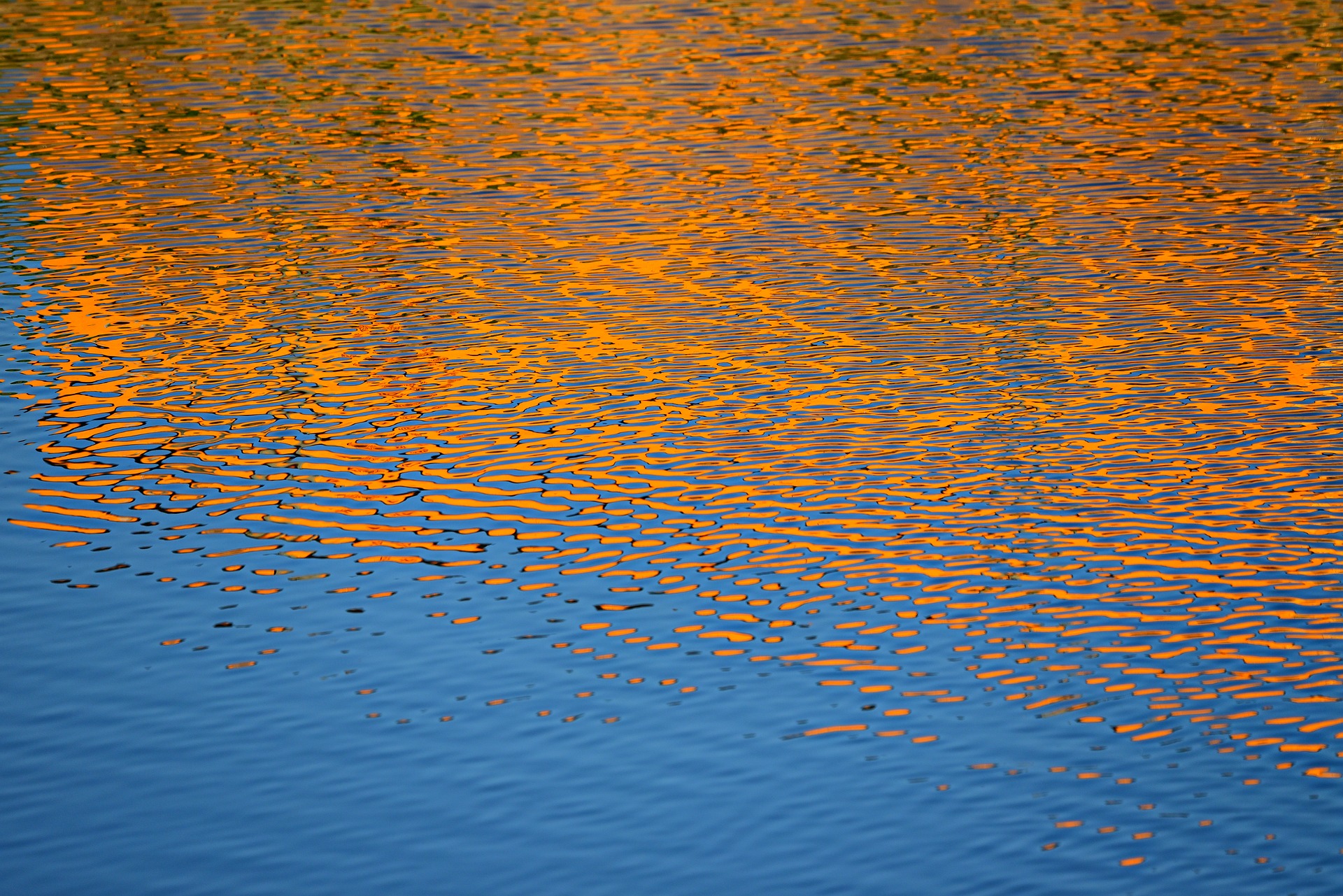
Impressionistic ripples…
Otherworldly reflections…
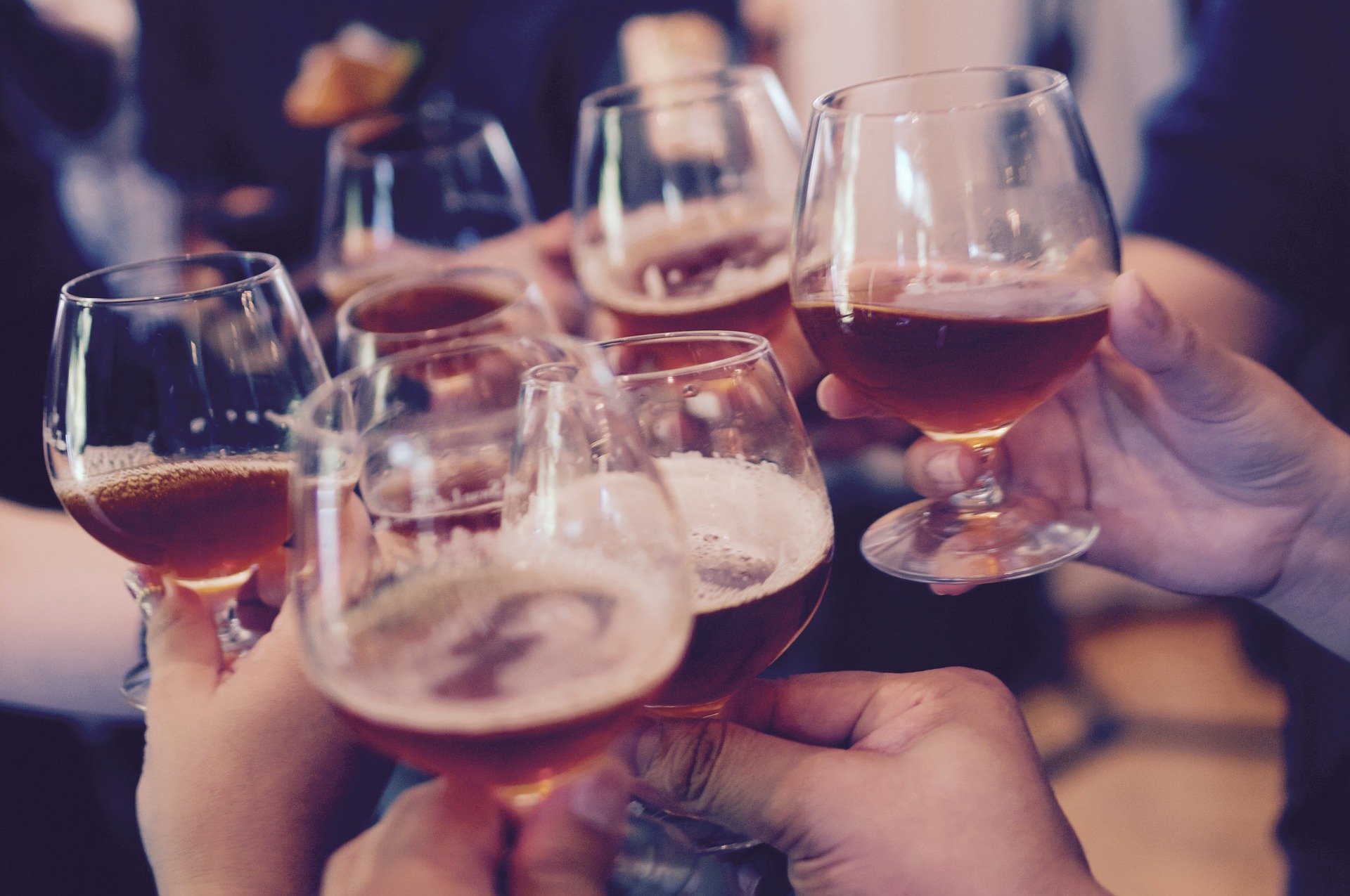
Libations…
Waves…
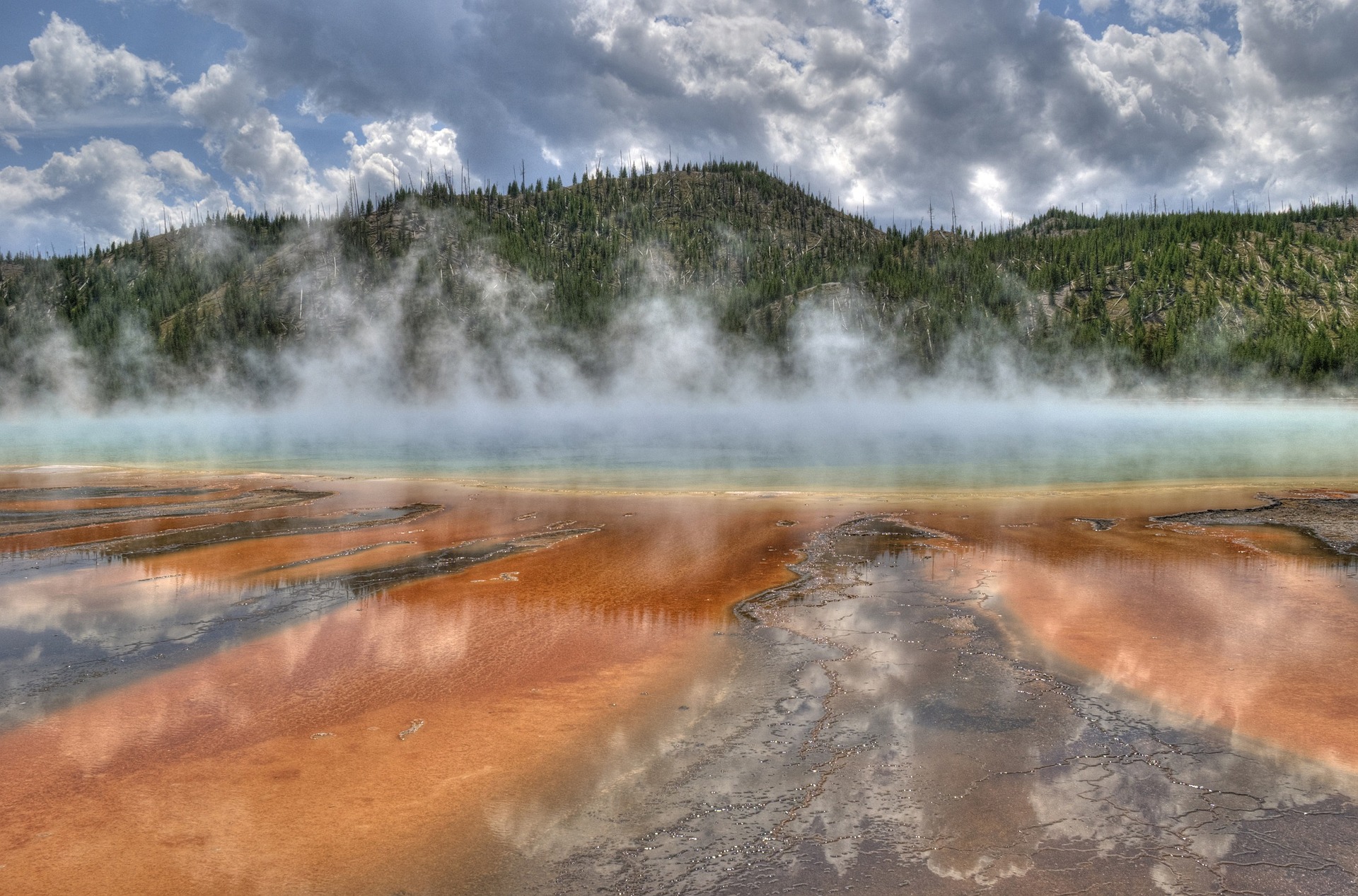
Hot springs…
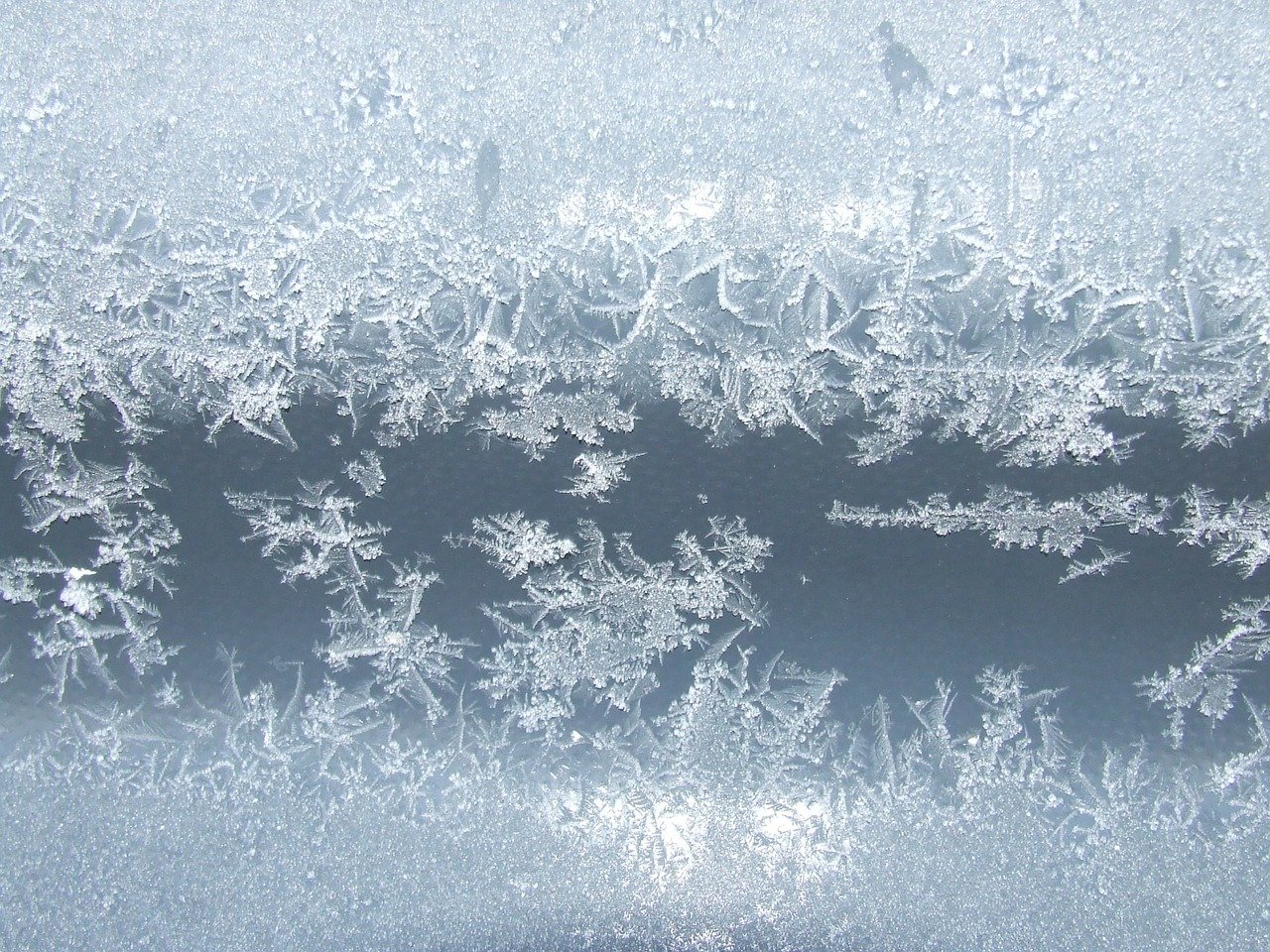
And ice crystals…
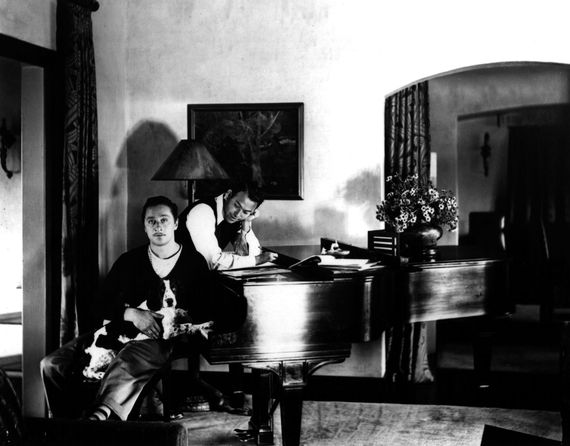
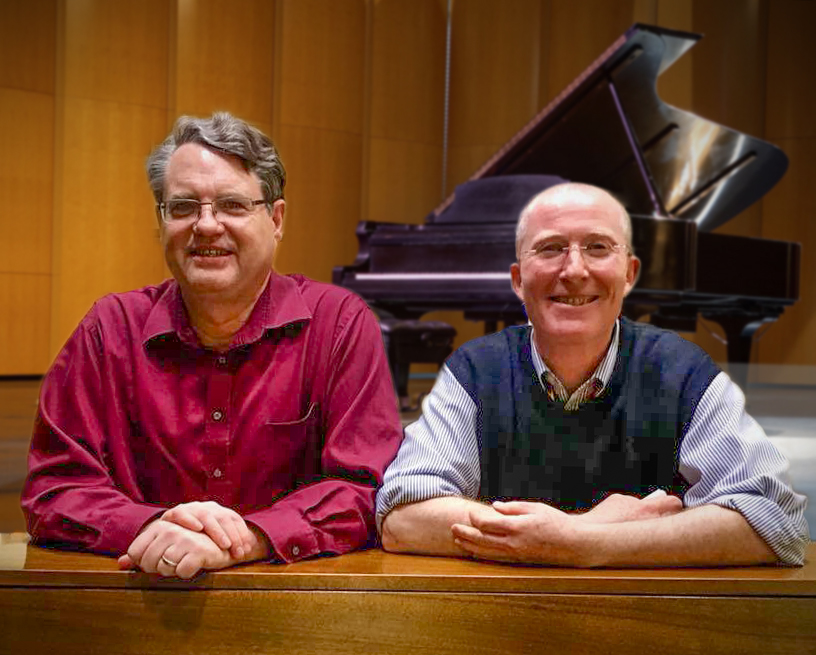
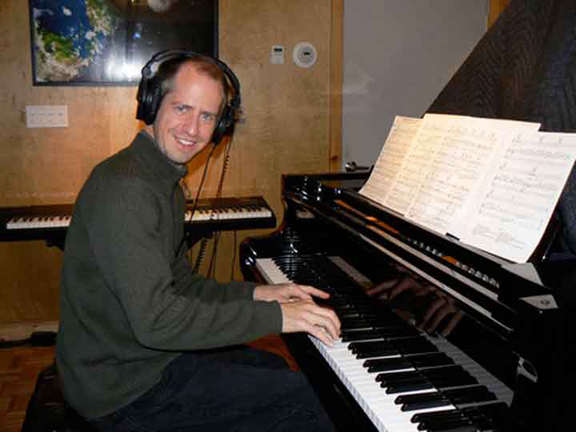
Thank you to Doug Hammer for playing piano and co-producing the version of “Ode To Water” featured at the start of this blog post.
Thank you to the photographers who share their glorious images with Pixabay.
And thank YOU for reading and listening to another one of my blog posts!
As our president speaks on the radio about his recent decision to kill an Iranian general (and others) in Iraq, I thought I might share a post about love and melody and music…
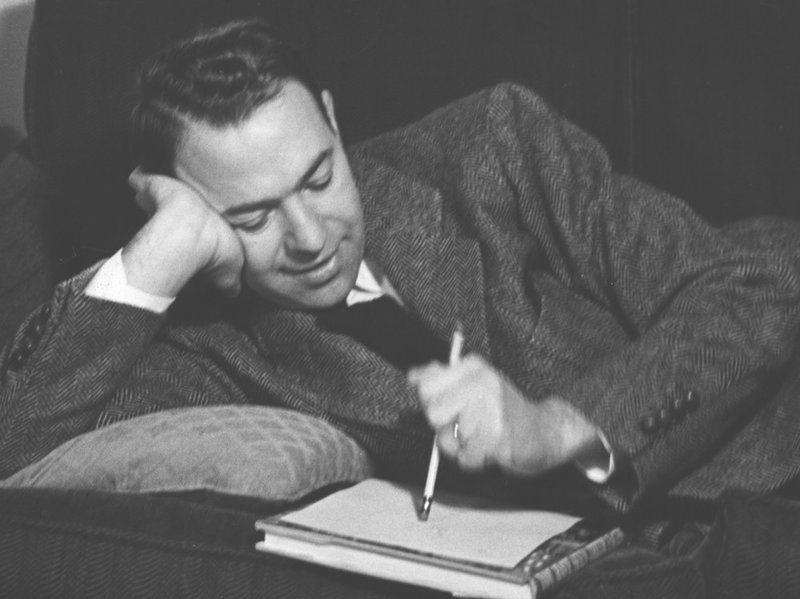
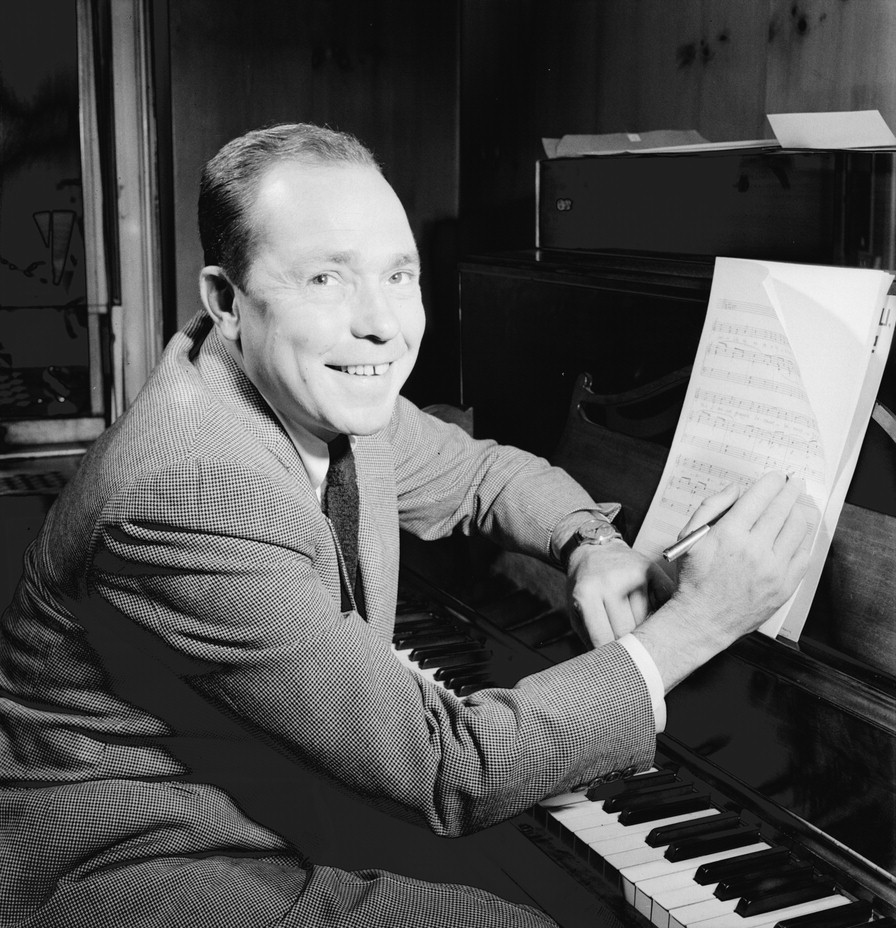
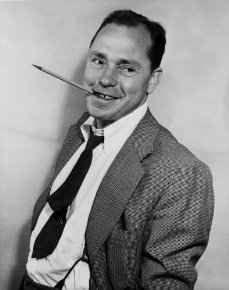
John Herndon Mercer was born on November 18, 1909 in Savannah, Georgia.
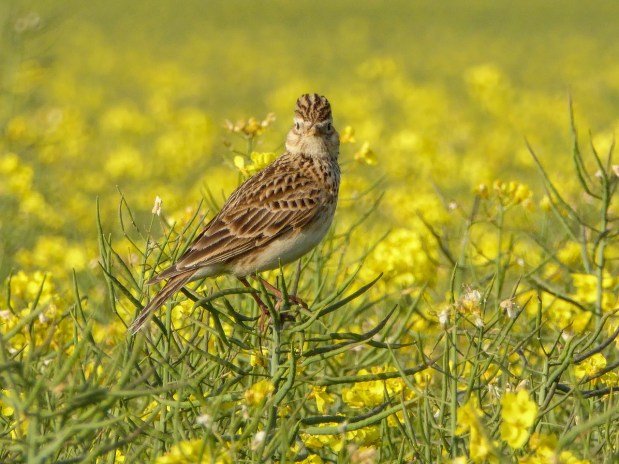
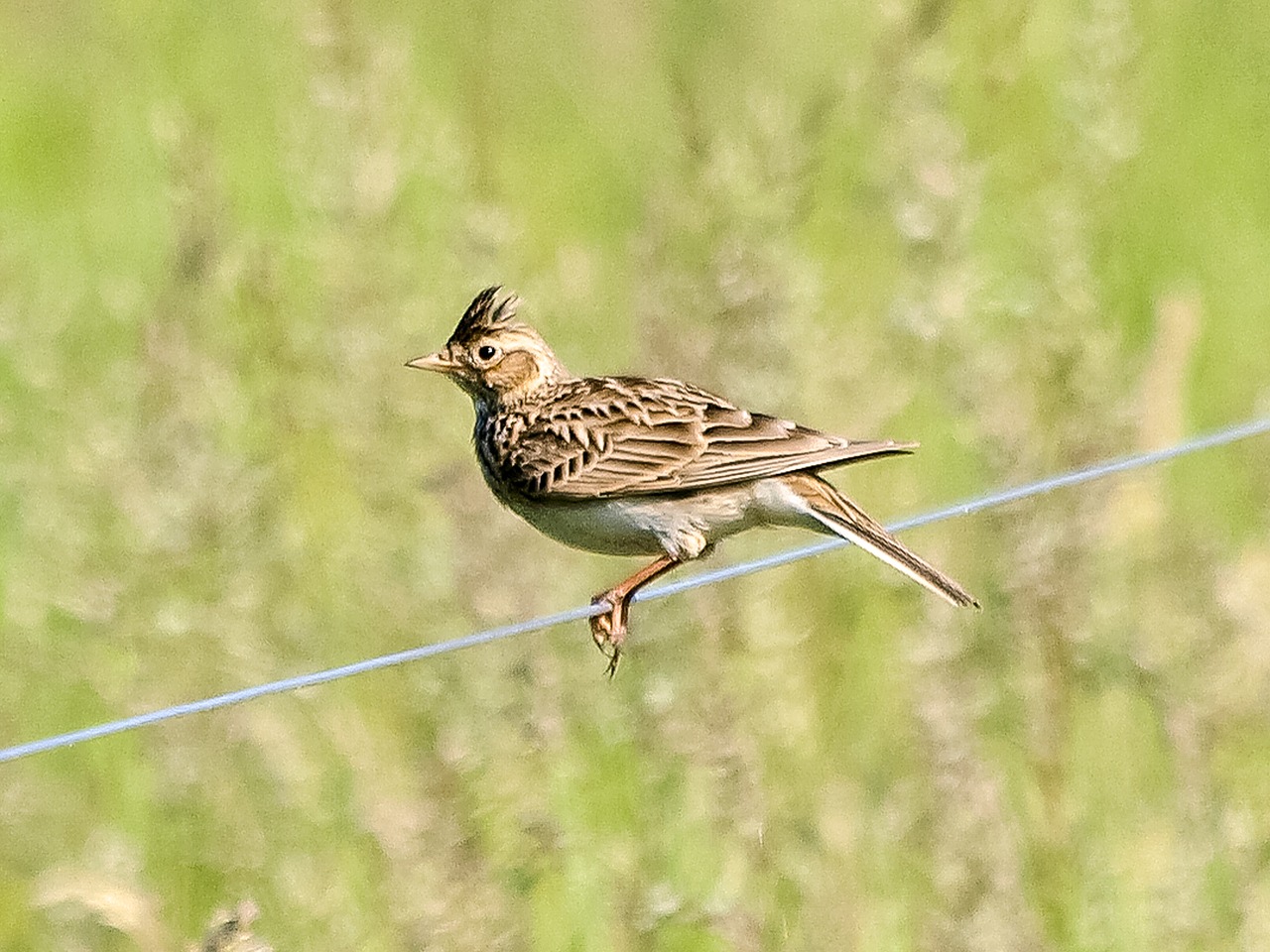
From the 1930s to the 1960s he co-wrote a slew of hit songs including “Jeepers Creepers,” “Hooray For Hollywood,” “You Must Have Been A Beautiful Baby,” “Come Rain or Come Shine,” “One For My Baby (And One More For The Road),” “Anyplace I Hang My Hat Is Home,” “I’m Old Fashioned,” “Moon River,” “On The Atchison, Topeka And The Santa Fe,” “Too Marvelous For Words,” “Accentuate The Positive,” “That Old Black Magic,” “Blues In The Night,” “In The Cool, Cool, Cool Of The Evening,” “Autumn Leaves,” and “Skylark.”
Mercer was nominated for 19 Academy Awards — winning four Oscars for best original song — and had two successful shows on Broadway.
He was also a popular recording artist AND co-founded Capitol Records!
“Skylark” was published in 1941 — when Europe was engulfed in WWII but the USA had not yet entered the fight…
The song had a long creative gestation.
According to Wikipedia, the composer Hoagy Carmichael was inspired to write the melody for what became “Skylark” by an improvisation which his old friend Bix Beiderbecke — a jazz cornet player — had once played.
Bix’s music and too-short life had already inspired a novel called YOUNG MAN WITH A HORN which Hoagy was hoping to adapt into a Broadway show (and which a decade later provided the source material for a movie of the same name starring Kirk Douglas, Lauren Bacall, Doris Day and Hoagy Carmichael…)
Apparently the Broadway production never gelled, and after that Hoagy shared the melody with Johnny in hopes that he might write lyrics for it.
Different books report different versions of how long it took Johnny to write the lyrics for “Skylark.”
Most agree, however, that it was a long period of time — several months to a year — and that Hoagy had kind of forgotten that Johnny was working on lyrics for it (or at least Hoagy had stopped checking in with Johnny to ask him if he had made any progress…)
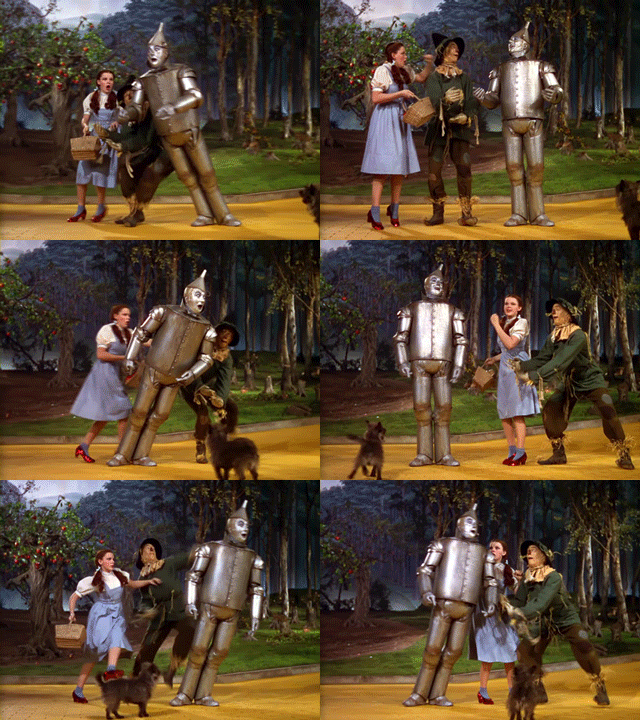
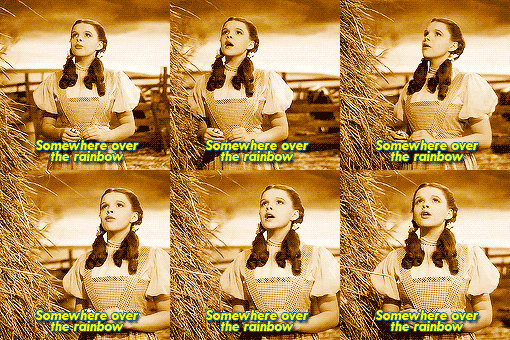
Around this time Johnny had started an on-again, off-again love affair with Judy Garland.
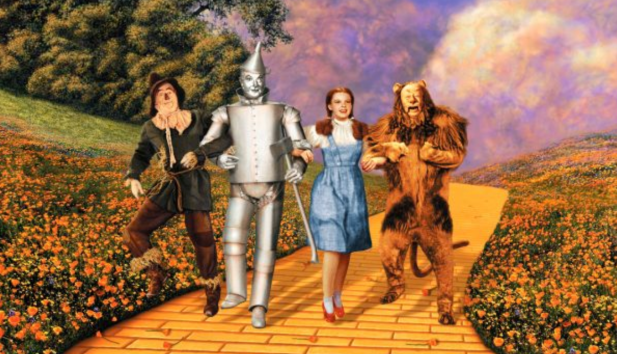
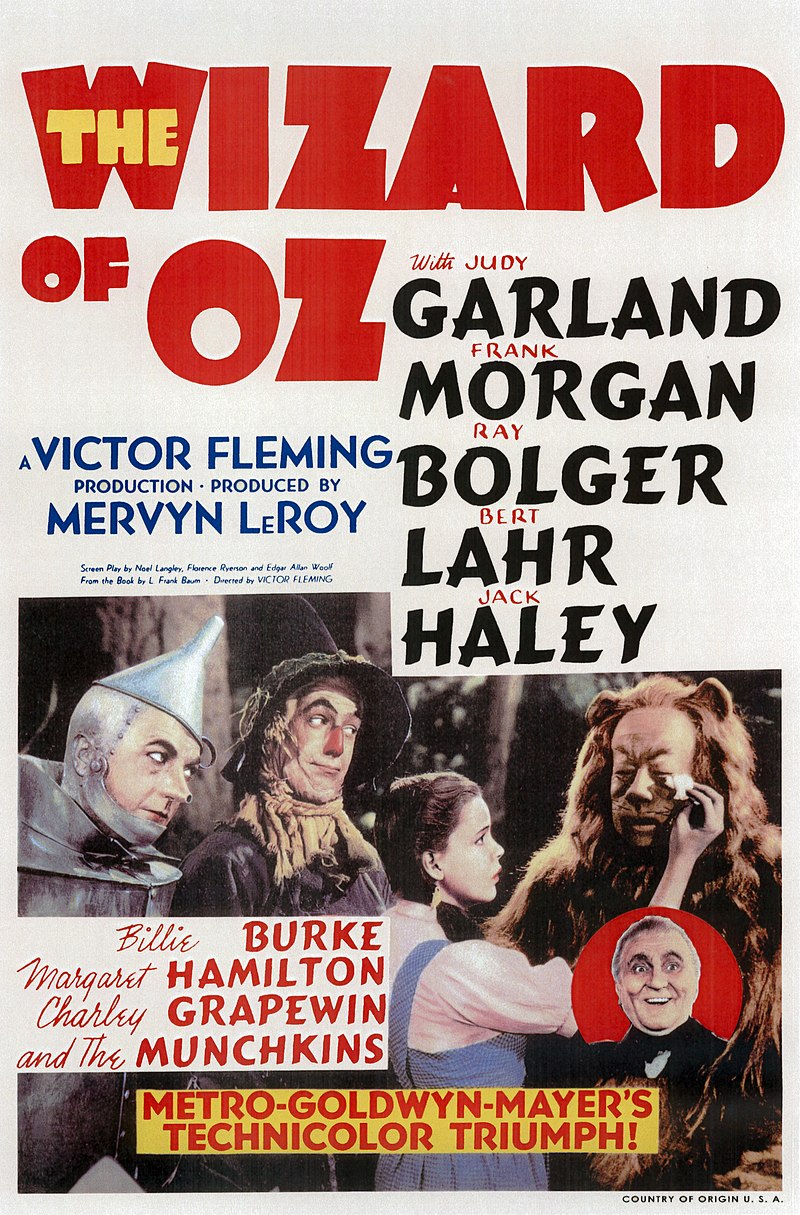
He was 31 years old (and married…and upset because his father had recently died) and she — fresh off her success as Dorothy in THE WIZARD OF OZ — was 19 years old.
Many writers have speculated about which of Mercer’s lyrics were inspired by his love for Judy — and “Skylark” is one of the contenders.
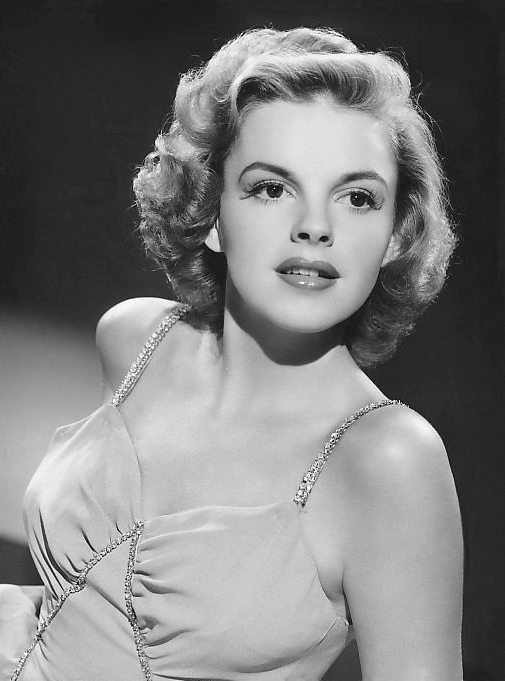
Here is Judy in an MGM publicity photo from 1943 — when she was 21 years old.
Beautiful and funny and gifted and smart and hard-working and … inspirational.
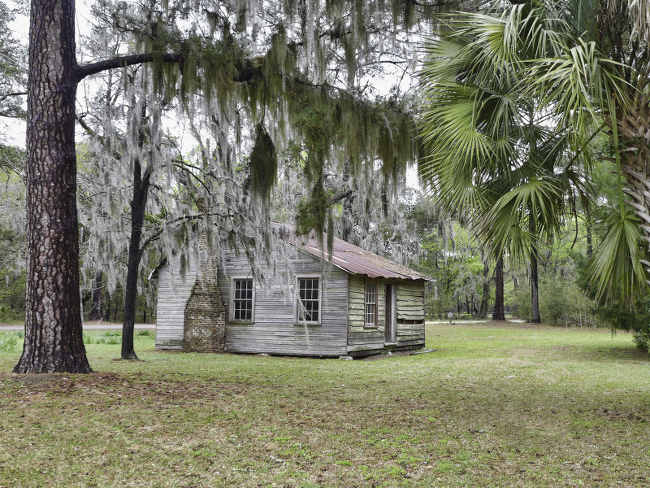
Another thing which inspired Johnny was the natural world.
His family had a summer home outside Savannah on a hill overlooking an estuary — and he spent his summers as a child fishing, swimming, sailing, picking berries, and lying very still.
He wrote in an unpublished autobiography, “The roads were still unpaved, made of crushed oyster shell, and…they wound their way under the trees covered with Spanish moss…”
“It was a sweet indolent background for a boy to grow up in…and as we drove out to our place in the country there (were) vistas of marsh grass and long stretches of salt water.”
“It was 12 miles from Savannah, but it might as well have been 100…”
“Out on (our) starlit veranda, I would lie on a hammock and — lulled by the night sounds, the cricket sounds… my eyelids would grow heavy (and I would fall sleep) — safe in the buzz of grown up talk and laughter (and) the sounds of far-off singing…”
I started reading about Johnny Mercer when fellow singer Bobbi Carrey and pianist Doug Hammer and I put together a program of his songs that we performed at Scullers Jazz Club here in Boston.
We also were fortunate enough to perform this program of songs on Spring Island — one of the multitude of barrier islands which run along the Georgia and Carolina coast.
Spring Island was once one of the largest cotton plantations in the southern United States.
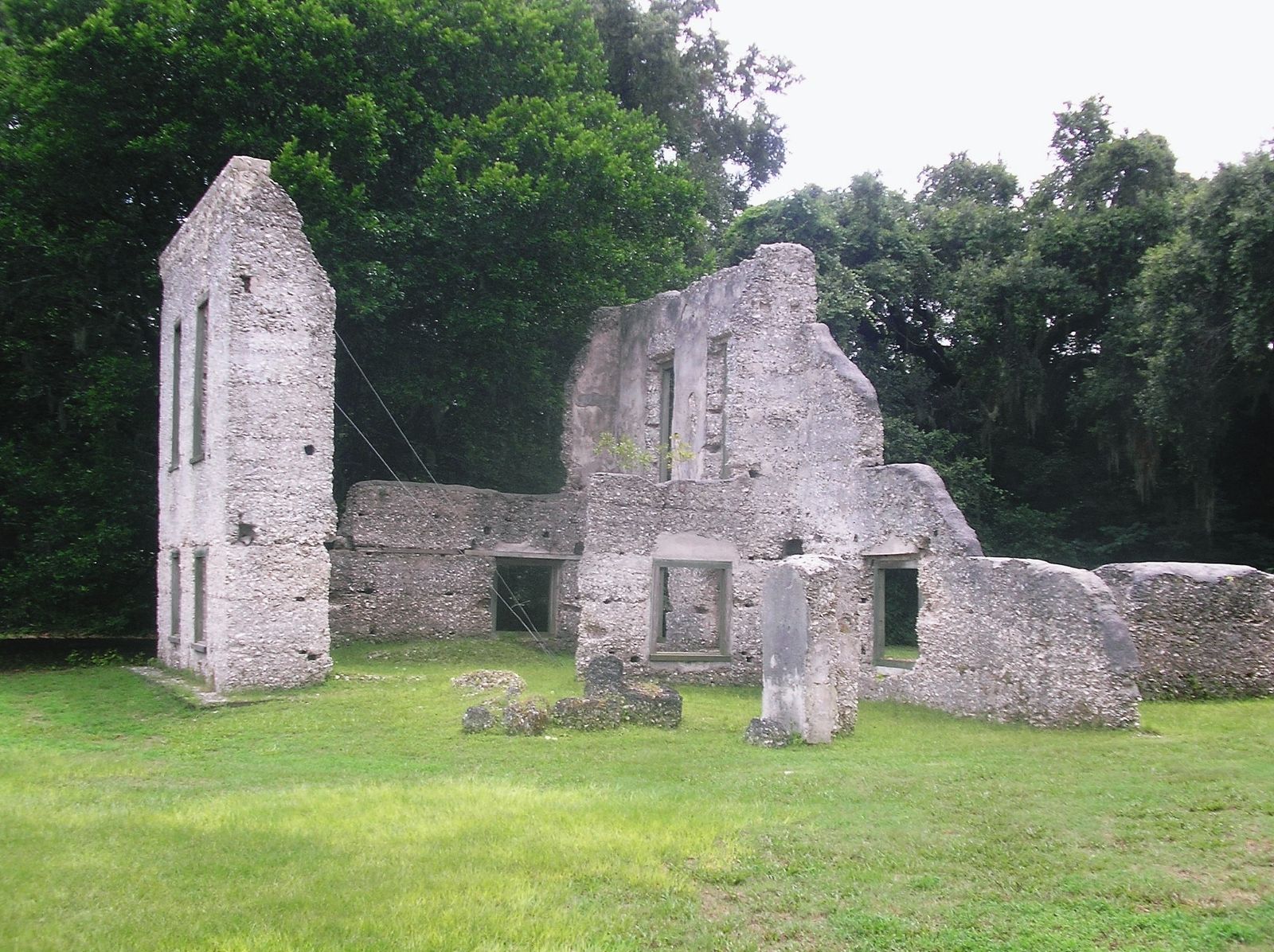
And echoes of plantation life remain on the island…
Spring Island is now half wildlife sanctuary and half retirement community for folks who are very wealthy — some of whom love music enough that they would fly me and Bobbi and Doug down to perform in their lovely club house.
Although he enjoyed living in New York and California, Johnny returned home to Georgia on a regular basis — usually via a long train trip since he did not like to fly.
He savored the slower pace of life in his hometown as well as the beauty all around.
Having traveled to Spring Island, I have a much more vivid sense of Johnny Mercer’s roots…
A song like “Skylark” or “Moon River” makes sense in a different way now that I have seen and smelled and tasted and heard the environment where he grew up.
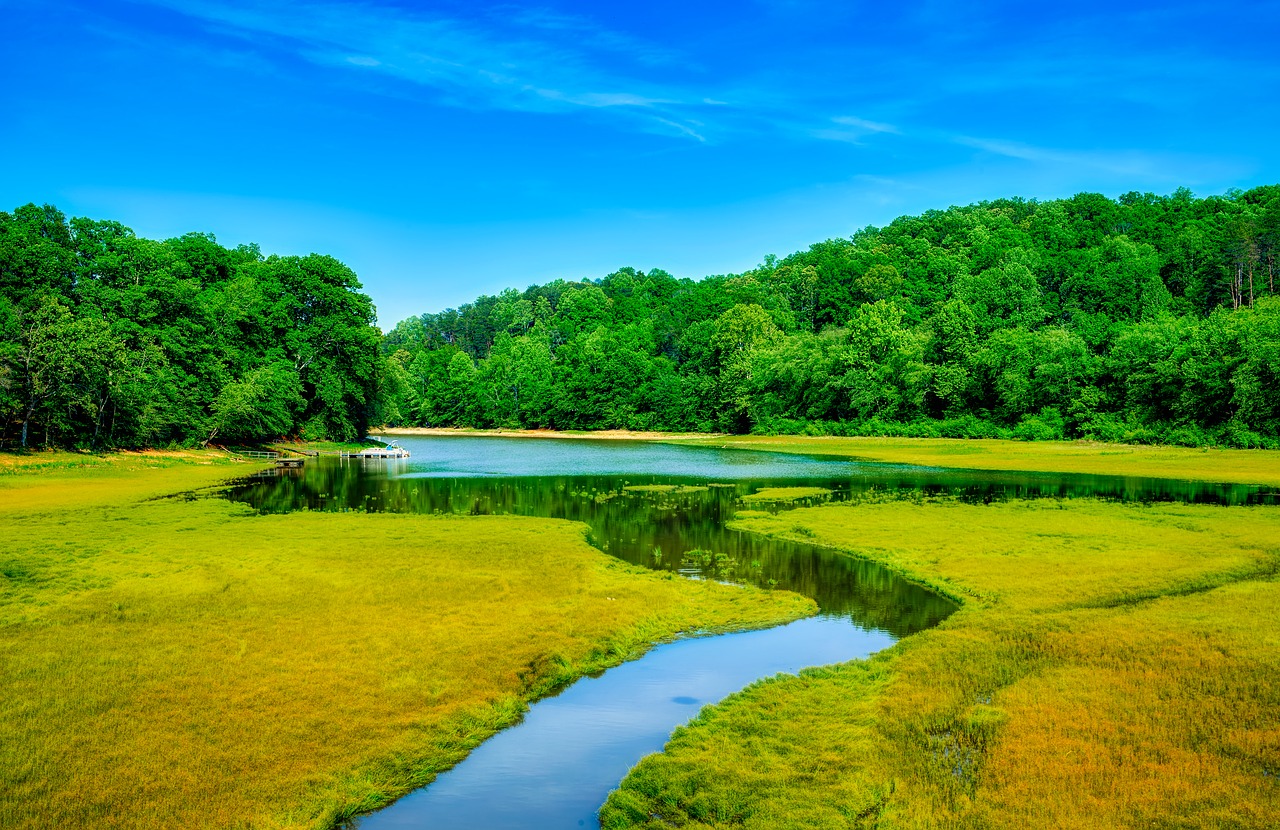
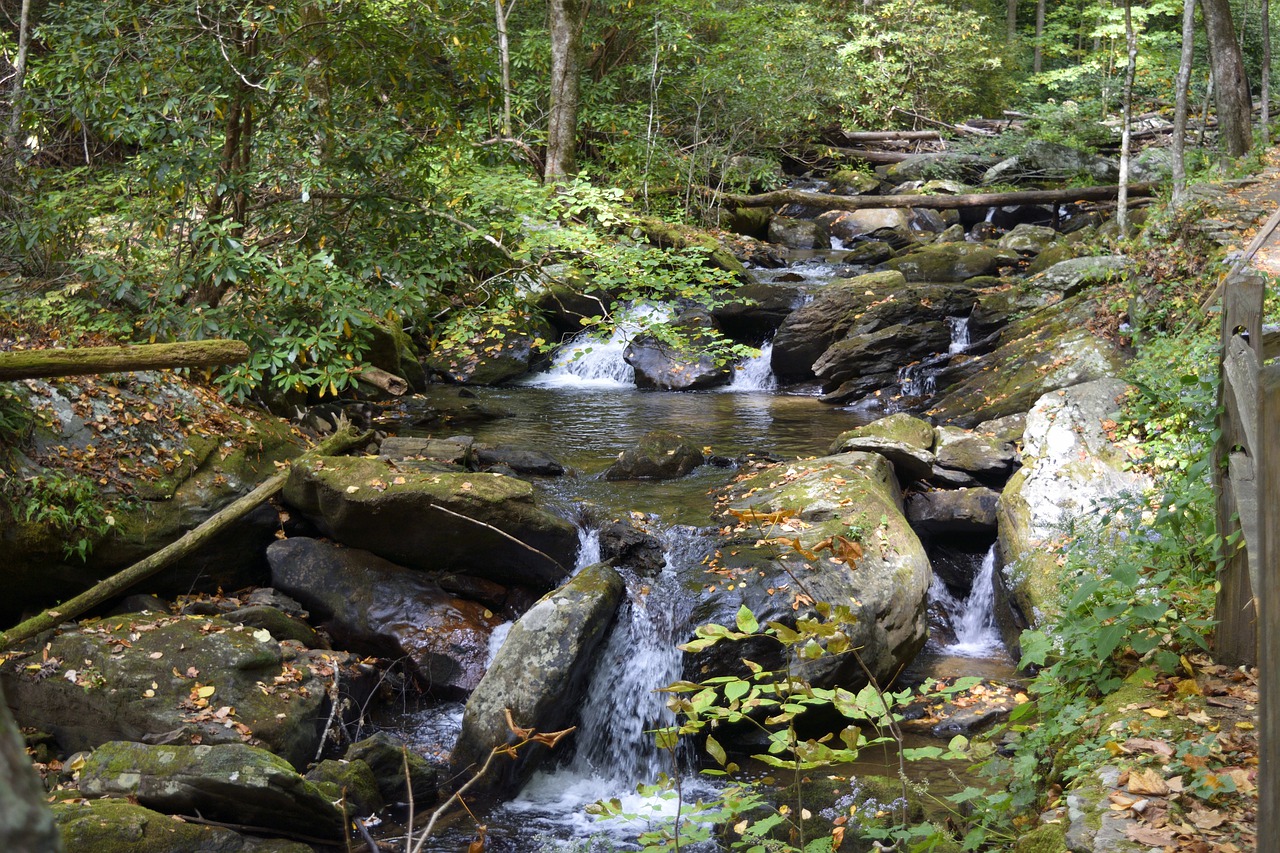
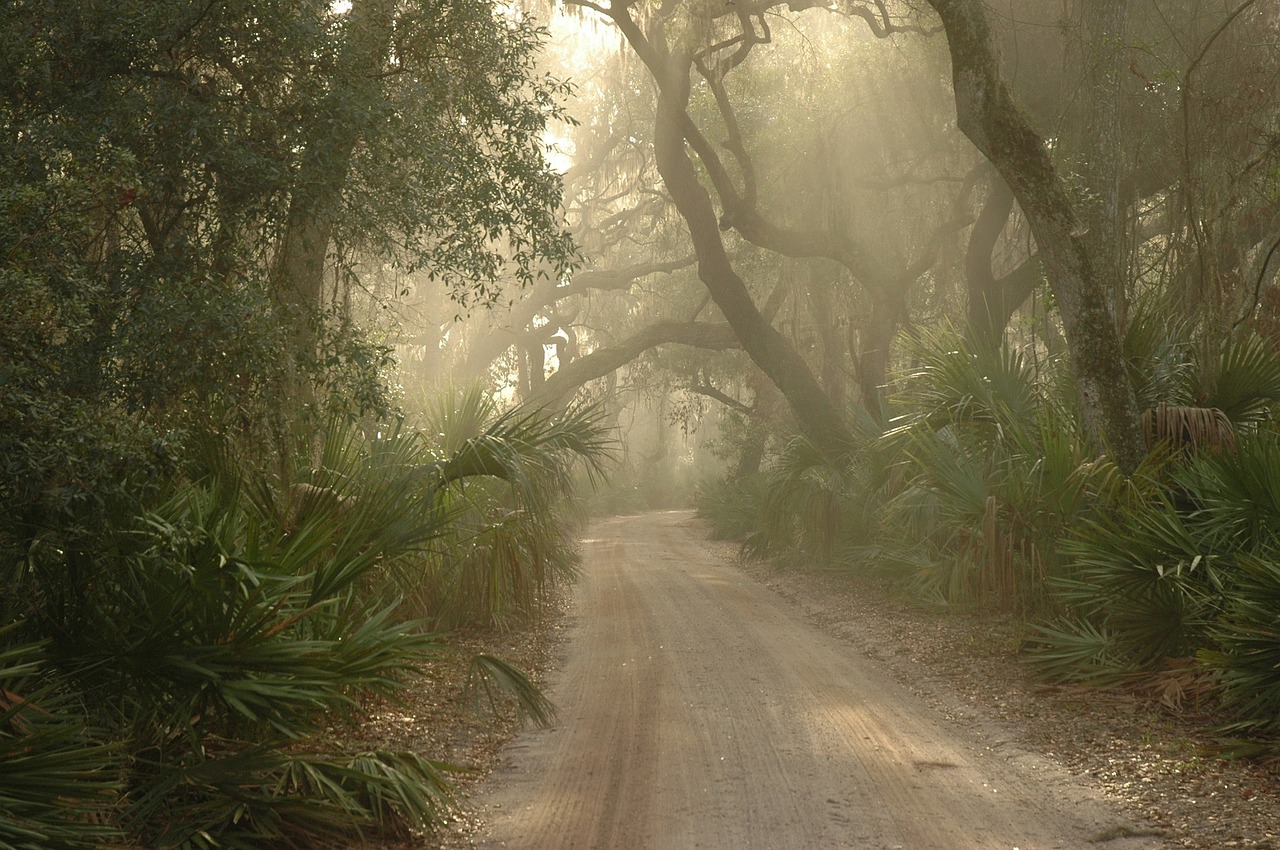
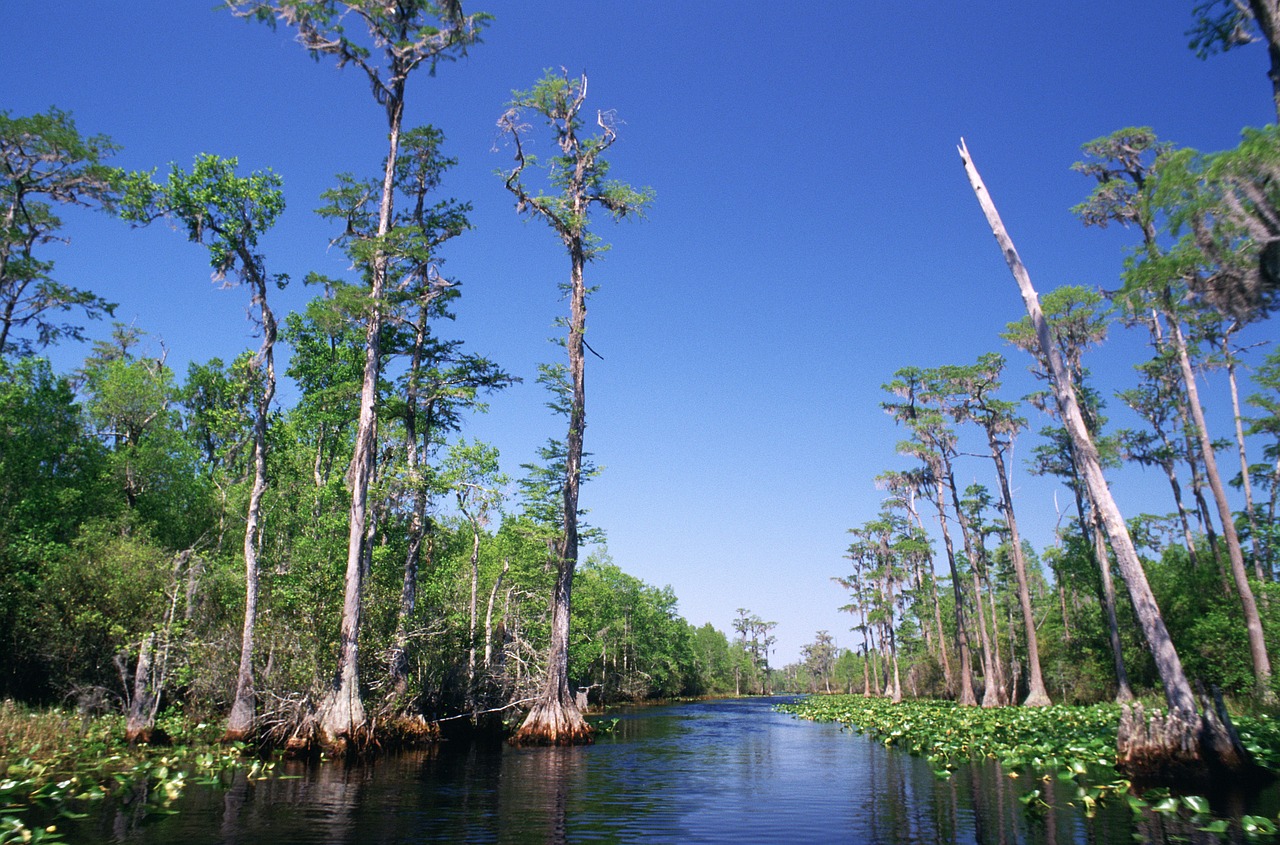
Full of streams…
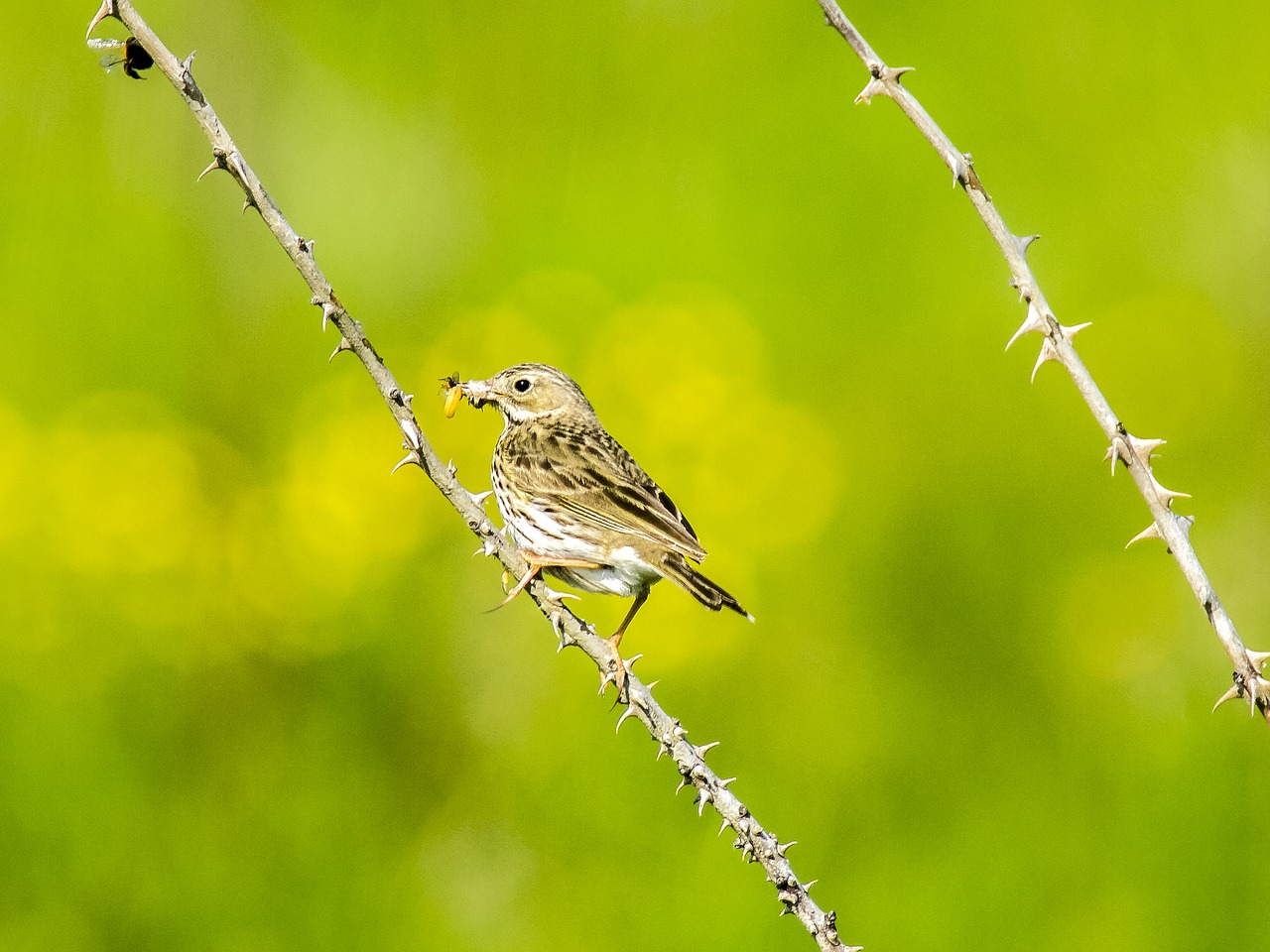
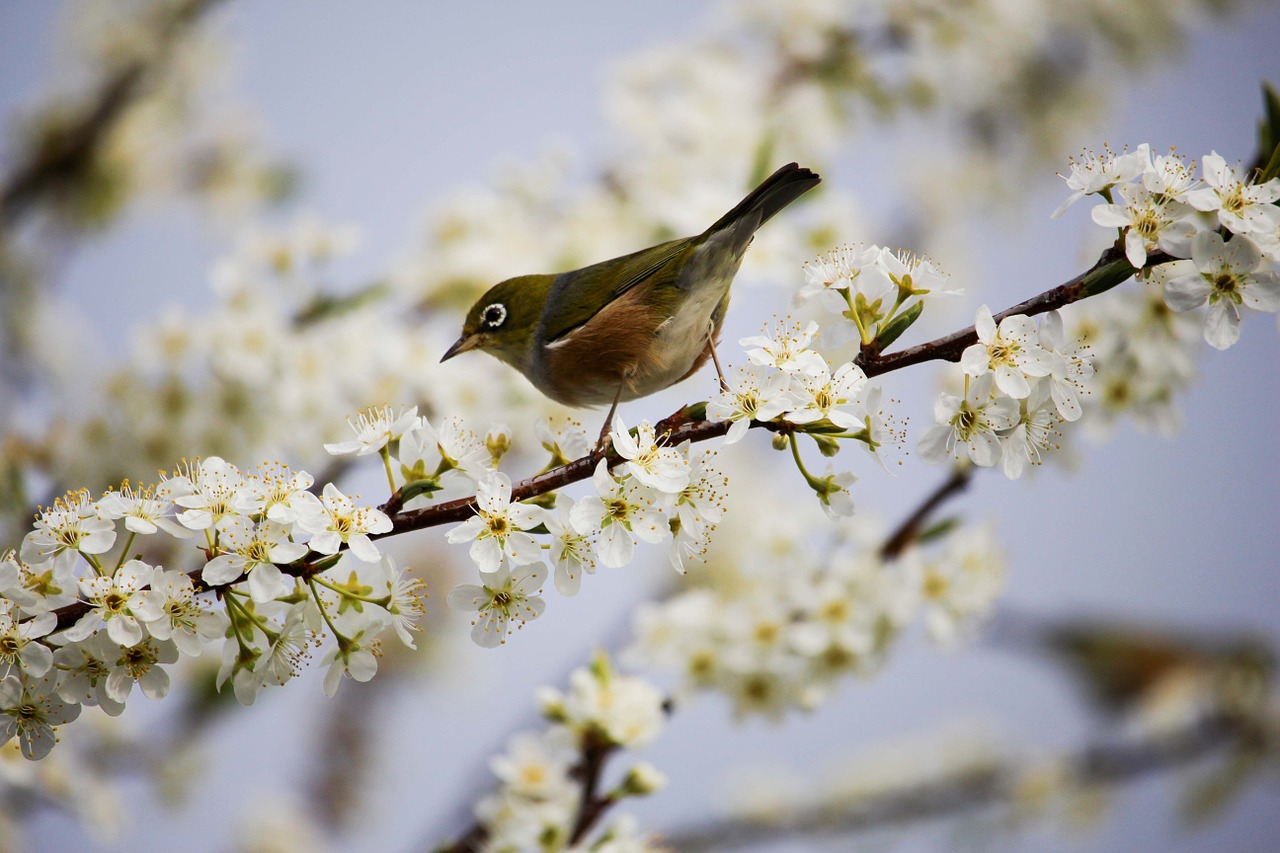
And birds…
And mist…
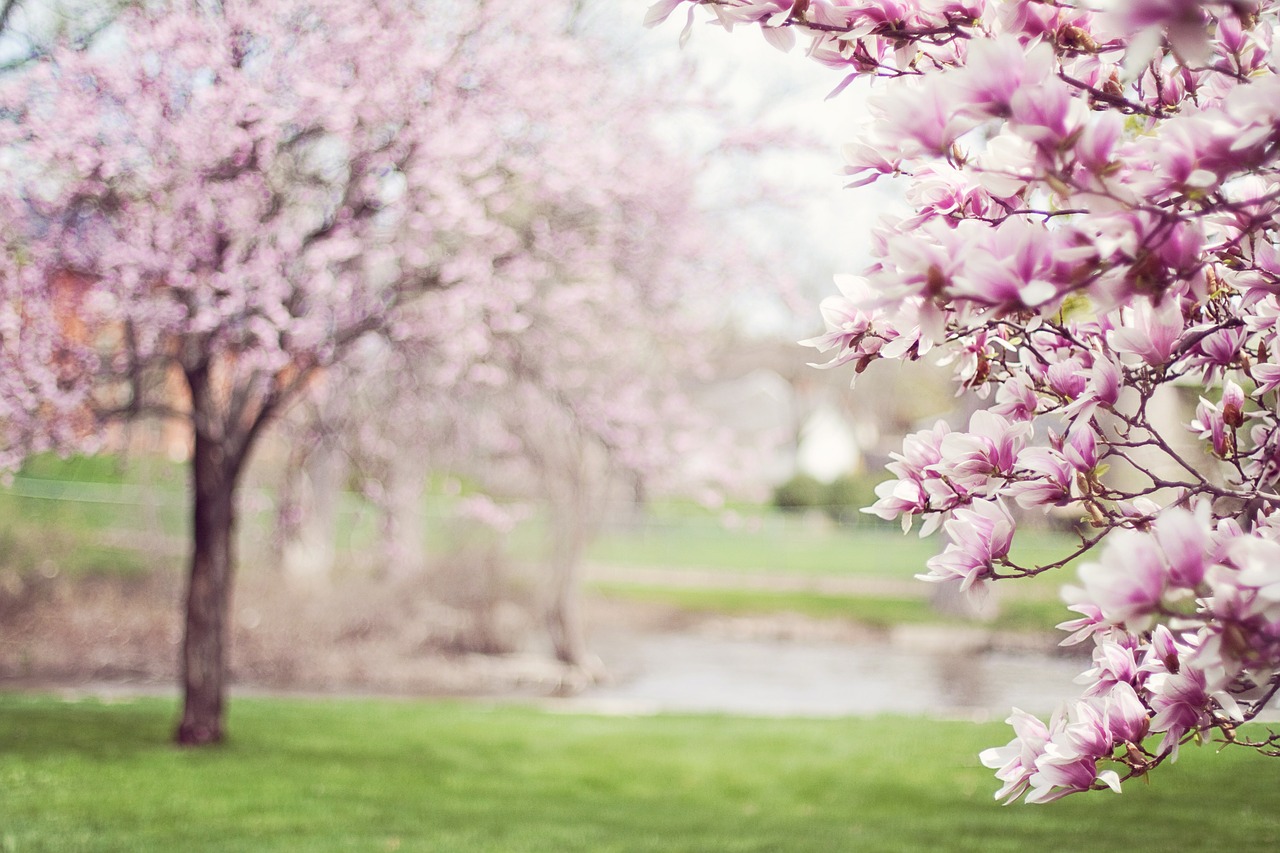
And blossoms…
And swamps…
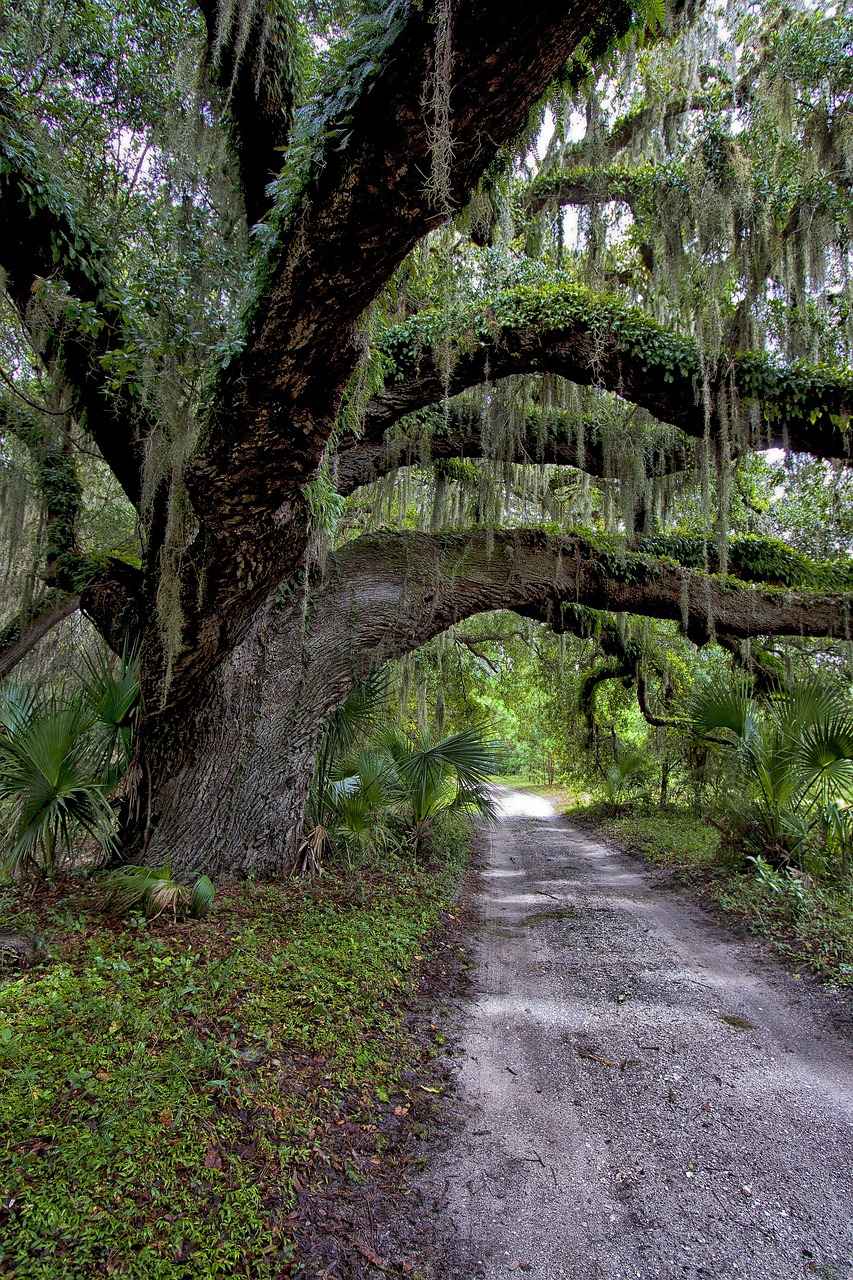
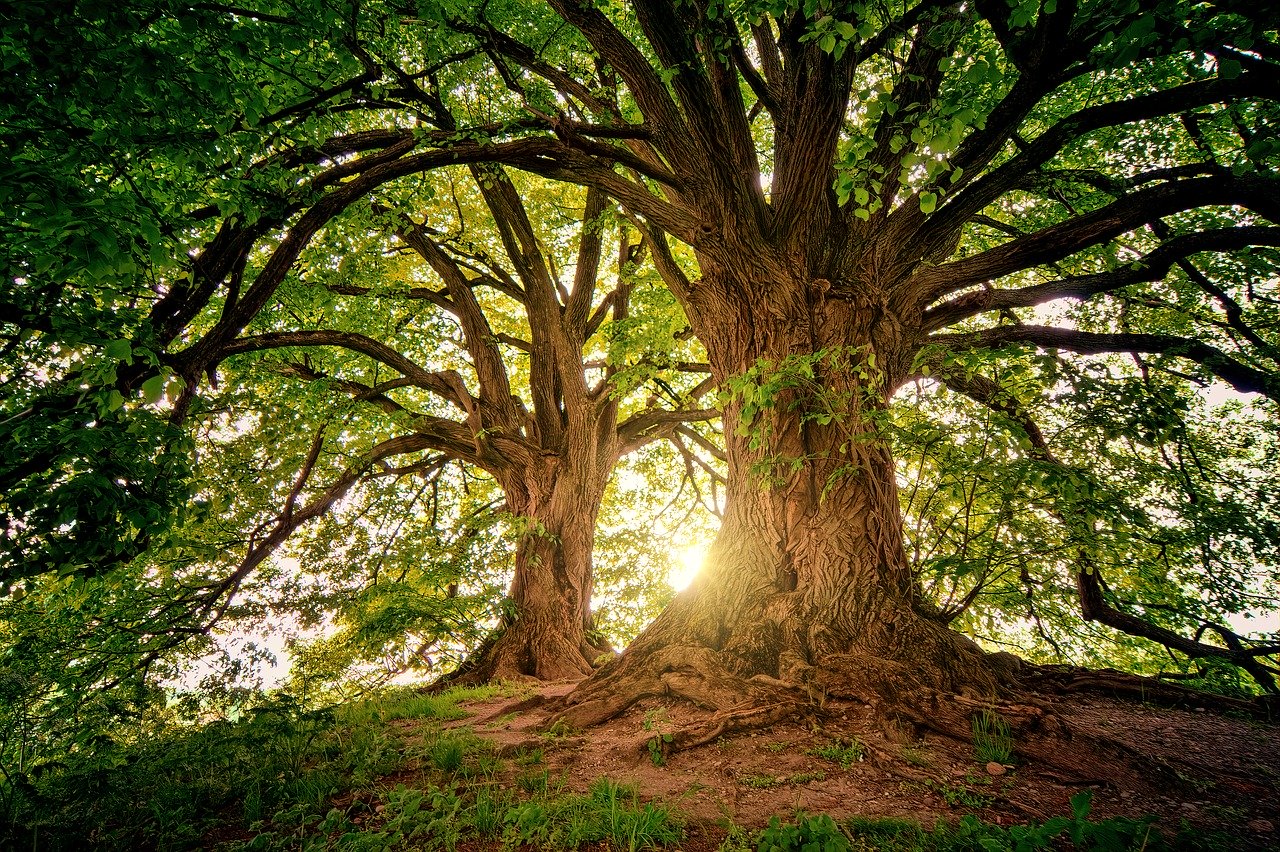
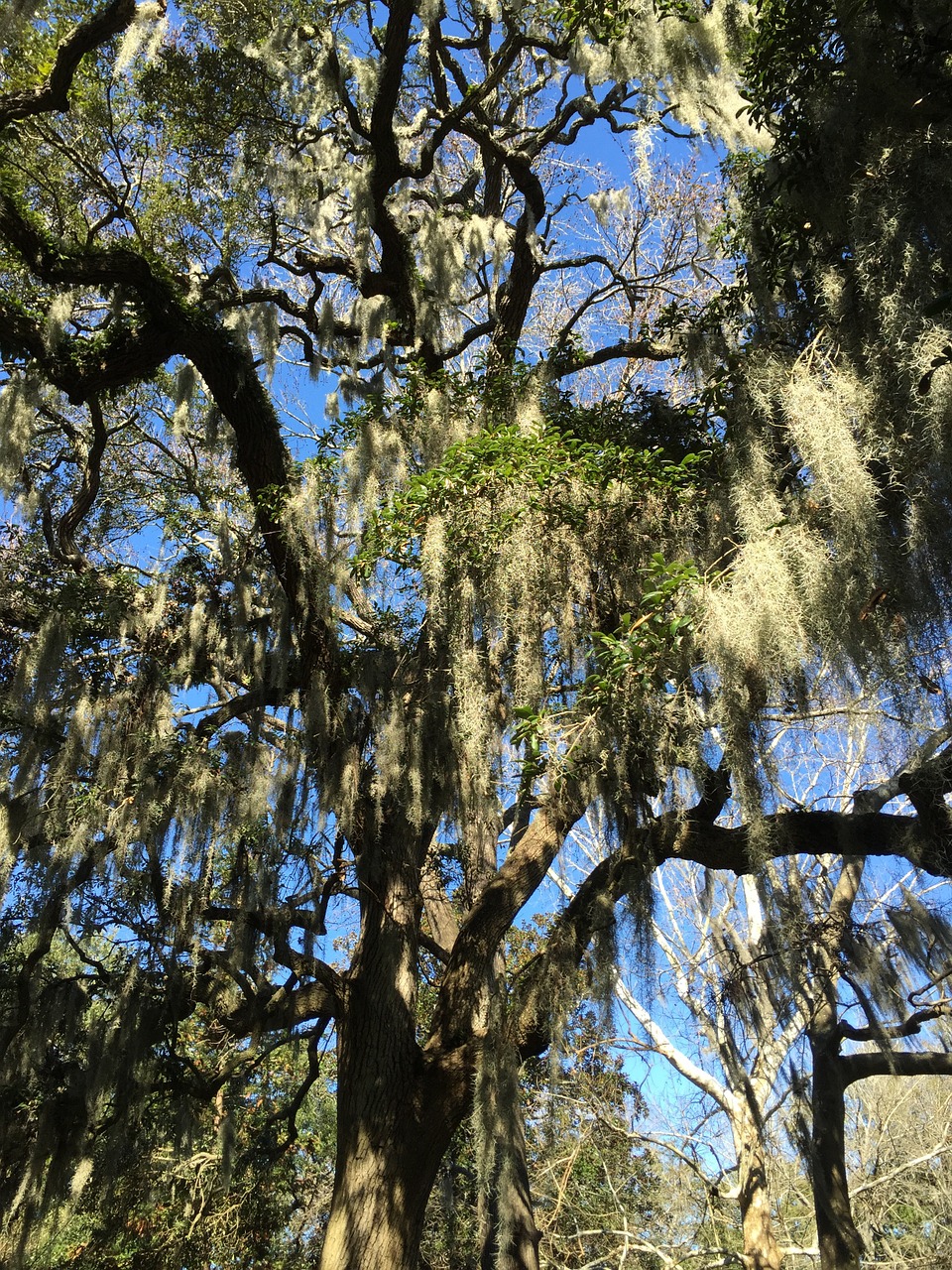
And big old trees…
And ocean…
And flowers…
And light…
And sky…
Thank you to Bix Beiderbecke and Hoagy Carmichael and Johnny Mercer for creating such a lovely song.
And to Doug Hammer for his spectacular piano playing as well as his super-competent engineering skills.
And to Pixabay and Wikimedia Commons for most of the images in this post.
And to YOU for reading and listening to this blog post!
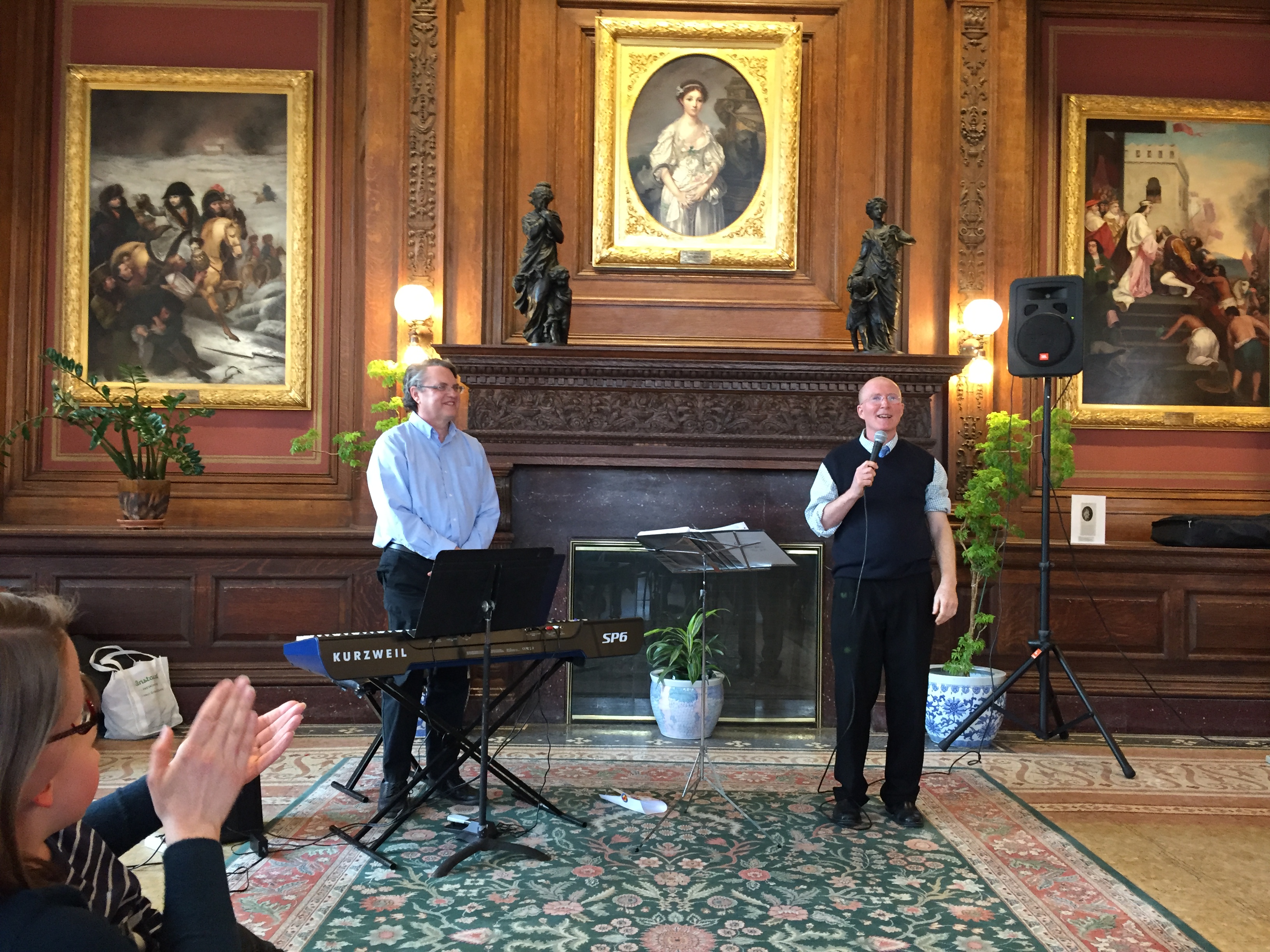
We share them at public libraries, retirement communities, memory cafes, and coffee houses.
Our latest program features songs written for — and/or made famous by — Bing Crosby.
I had known very little about Mr. Crosby before requesting several biographies about him via our local inter-library network (which includes the terrific Robbins library pictured above in a photo by Jinny Sagorin).
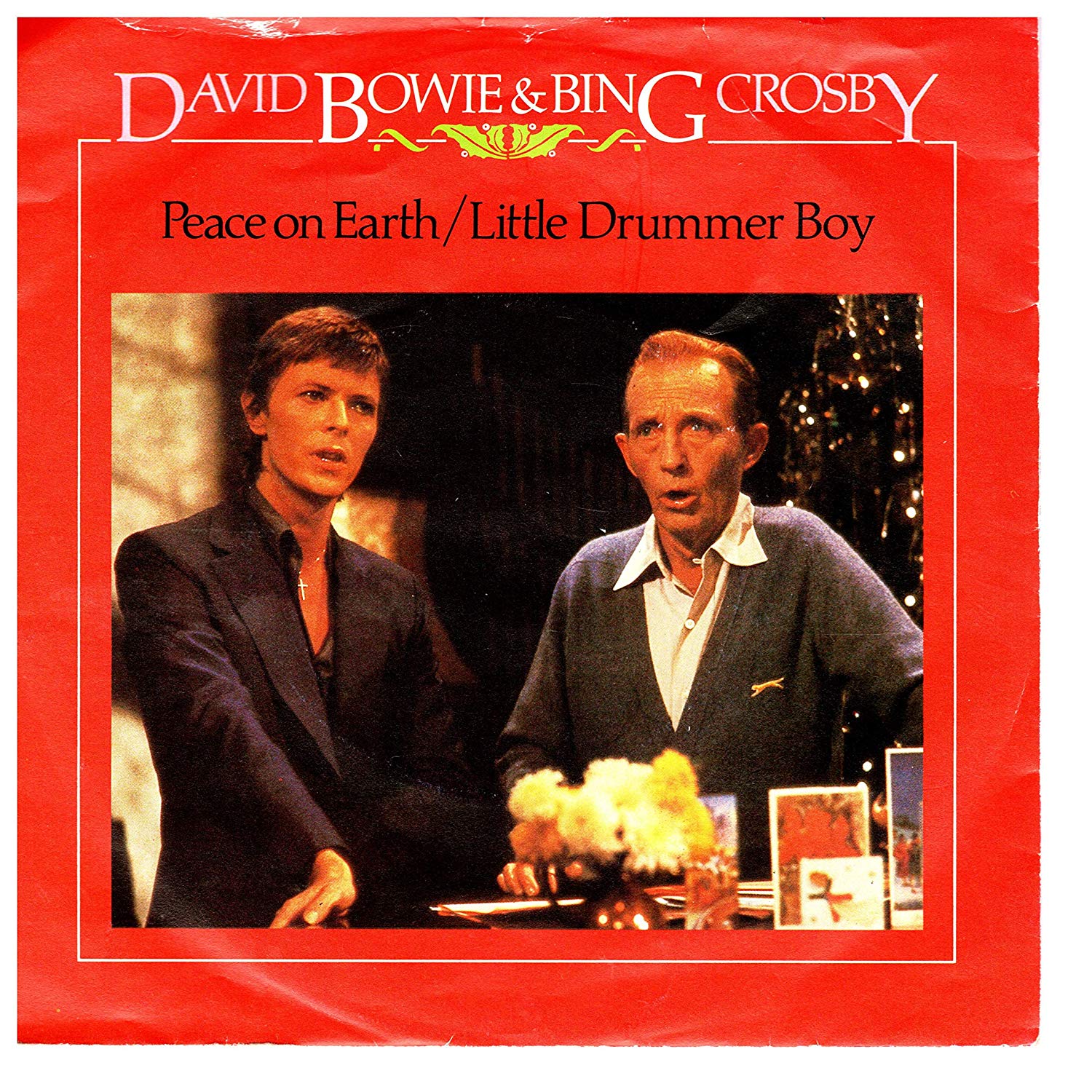
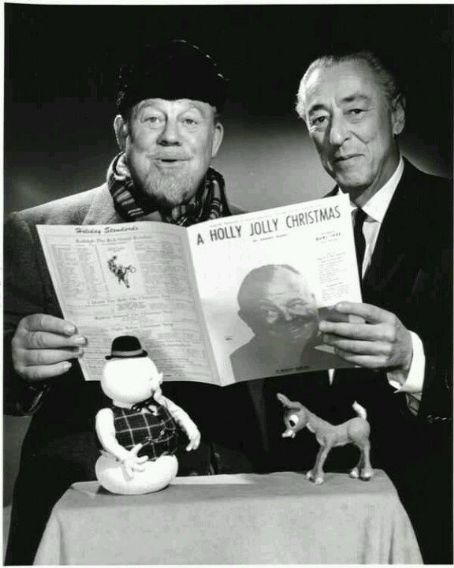
Mostly I remembered him for singing an incongruous but lovely duet with David Bowie on a Christmas TV special.
I also knew that he loved golfing and had sung “White Christmas” — which became one of the highest selling recordings ever made.
And I was aware that at least one of his children had written about how challenging it was to have him as a father.
After reading several books about him, my perspective on Mr. Crosby has become much more complicated and fascinating and human…
To begin with, I hadn’t understood how HUGE a star Bing was.
His weekly radio programs reached millions of listeners for decades.
He was in the top ten of Hollywood box office money-makers for decades.
His recordings regularly topped the charts for decades.
He was definitely one of America’s first “superstars.”
He was also a devoted Catholic, following the spiritual path of his mother (who had requested that Bing’s father convert to Catholicism before they were married).
He sang an extraordinarily wide range of songs — from cowboy to Irish to jazz to pop to show tunes to hymns to Americana.
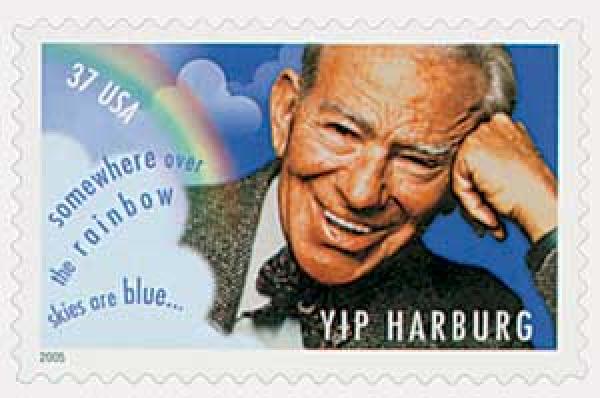
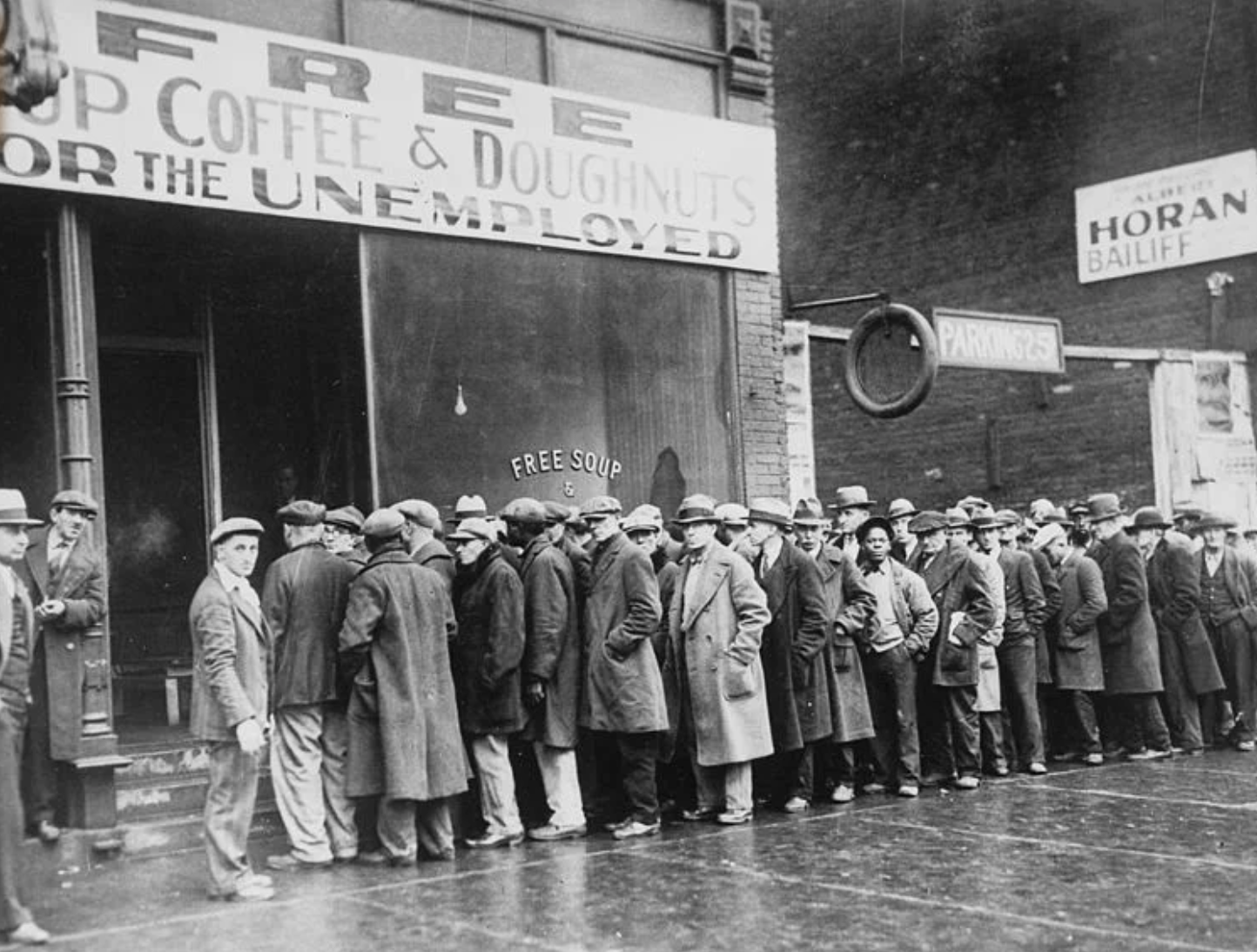
Although a Republican, he had a huge hit during the early years of the Great Depression with Yip Harburg and Jay Gorney’s empathetic lament for the common man, “Brother, Can You Spare A Dime?” — which hit the airwaves right before FDR was elected to his first term as president.
And he was one of the first recording artists to release an album of Christmas holiday songs.
One of the many Christmas songs Bing recorded — “I Heard The Bells On Christmas Day” — has become a new favorite of mine.
Bing recorded it on October 3, 1956, and it soon became a holiday classic.
I recorded it earlier this month with pianist Doug Hammer at his studio in Lynn, MA (and our version is included in the player at the beginning of this blog post).
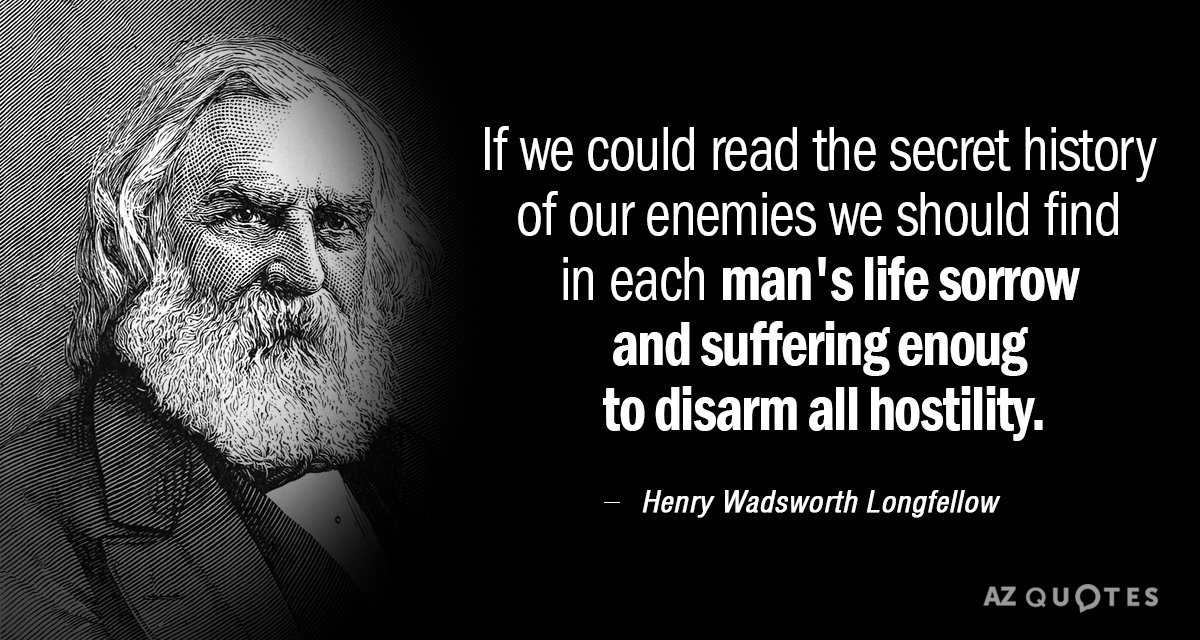
I discovered on Wikipedia that the lyrics were written by Henry Wadsworth Longfellow on Christmas Day, 1863 while the USA was in the middle of our astoundingly horrible and bloody Civil War.
He lived in Cambridge, MA — a couple of miles away from where I now live — and one of his sons had left home to fight in the Union Army.
You can click here to learn more about Longfellow’s poem on Wikipedia if you are curious.
He experienced many deep losses during his lifetime — his first wife died after a miscarriage and his second wife died from burn wounds after her dress accidentally caught on fire — and perhaps as a result, he developed very empathetic heart.
Many different composers have been moved to set this particular poem to music over the years.
In 1956 Johnny Marks — a Jewish songwriter whose creative output also includes “Rudolph The Red-Nosed Reindeer,” “Rockin’ Around The Christmas Tree,” “Run, Rudolph, Run,” “Silver and Gold,” “A Holly, Jolly Christmas,” and all of the other songs from the Rudolph holiday TV show — devised a lovely tune for a few stanzas from Longfellow’s poem.
I’m not sure why this song touches me so deeply…
Perhaps it is an echo of Longfellow’s broken-heartedness and faith reverberating from the depths of America’s civil war to our present moment of cultural unrest…
I am grateful to be reminded of the gentle power of words and music during this season of short days and long nights.
I am grateful to Pixabay and Wikimedia Commons and Stephen Fischer and Jinny Sagorin for the images in this blog post.
And I am grateful to YOU for reading and listening to this blog post.
May we experience more peace and empathy in the new year!
Although my spirits are flagging due to the shorter days and longer nights of autumn in New England, I want to keep a small flame of optimism alight.
So this post is dedicated to the political process unfolding here in these currently-not-very-united United States of America.
I have included a song I co-wrote several years ago called “Let The Day Unfold.”
It started life as a verse/chorus sketch which guitarist/songwriter Scott Kowalik shared with pianist/songwriter Javier Pico.
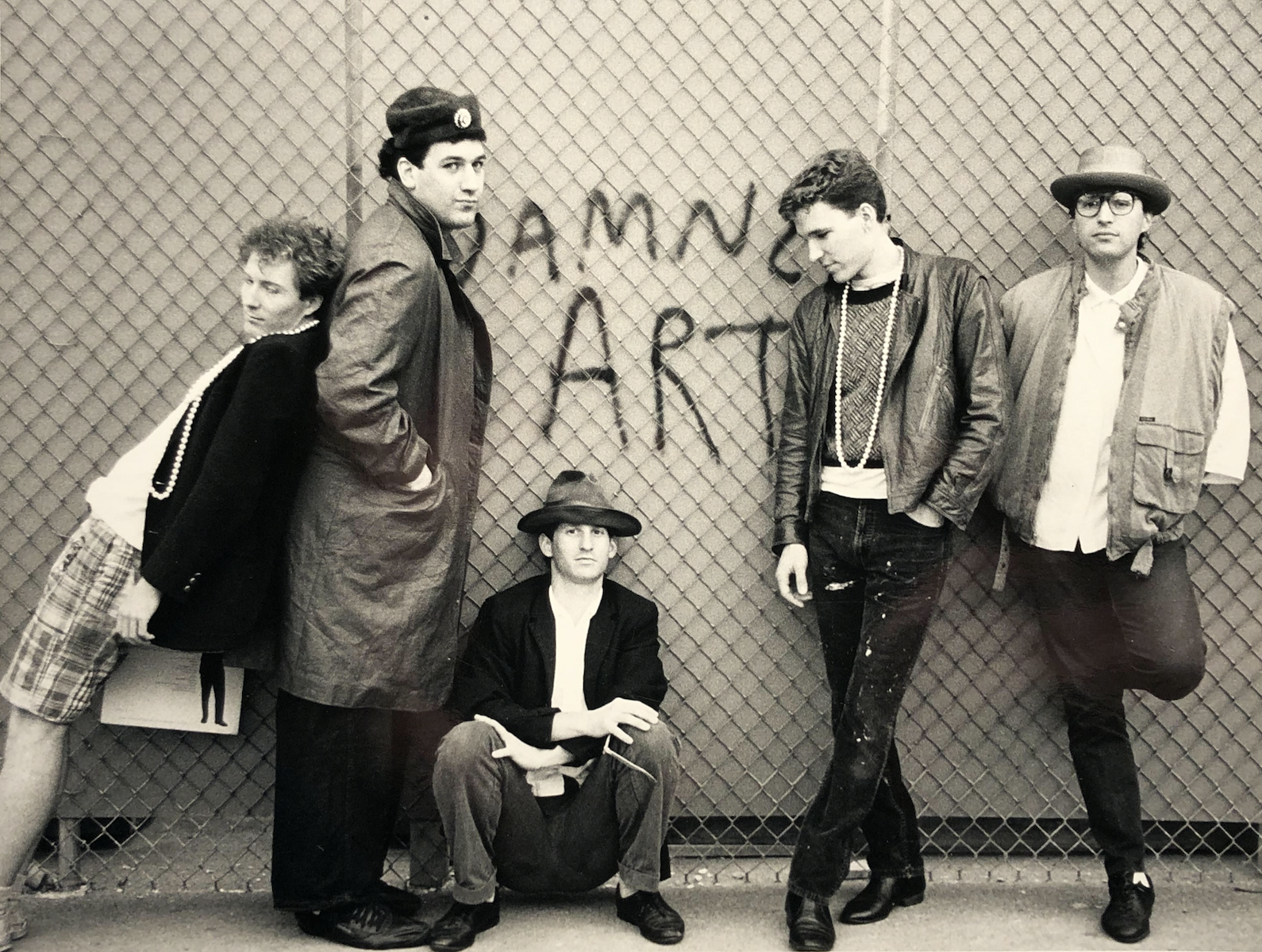
I, Scott, Javier, and two other people — Robert M. Brown and Alan Najarian — collaborated for three years in an original rock band called CUE when we were in our twenties.
Each of us moved on to different undertakings (including lawyer, real estate developer, and non-profit arts administrator) but all of us have kept music in our lives in one way or another.
And our musical paths continue to overlap every now and then — such as when I visited Javier, and he shared with me this song sketch which Scott had shared with him.
If my memory serves me Javier gave me chords + words for the chorus as well as some chords + some lyrics for a verse. I expanded the verse structure and wrote several more verse lyrics. I wish I had a copy of what Javier originally gave to me for comparison with my finished products…
The version at the beginning of this blog post is a GarageBand draft to which a long-time collaborator, Doug Hammer, added some string parts. He also helped me sample a recording of one of Franklin Delano Roosevelt’s most famous speeches which I included during an instrumental break.
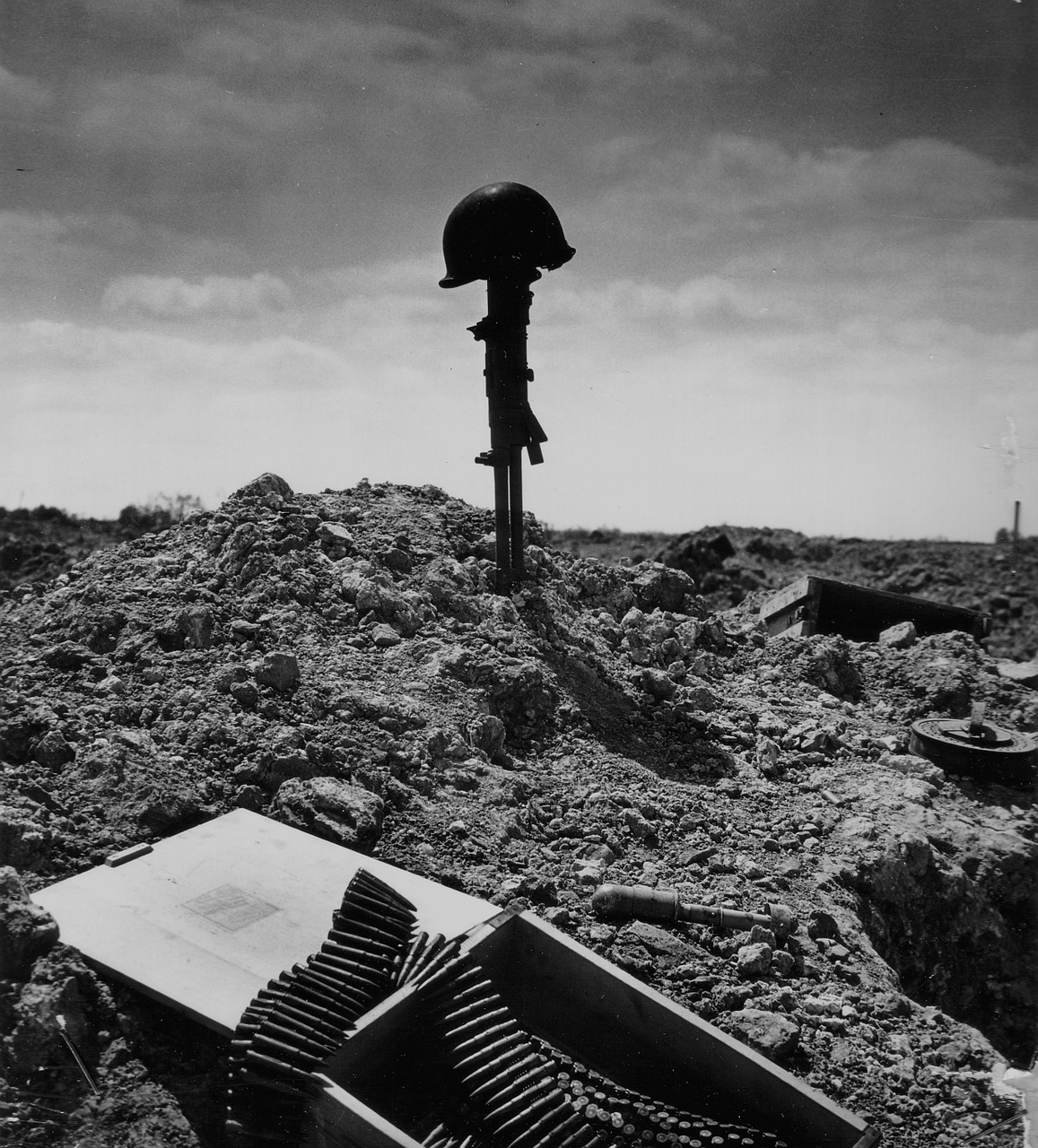
I remain very discouraged that war continues to be such a huge part of life on planet earth.
Our country has been at war off and on for generations.
Many of us — who have not experienced war first-hand — live in a privileged bubble of ignorance and denial.
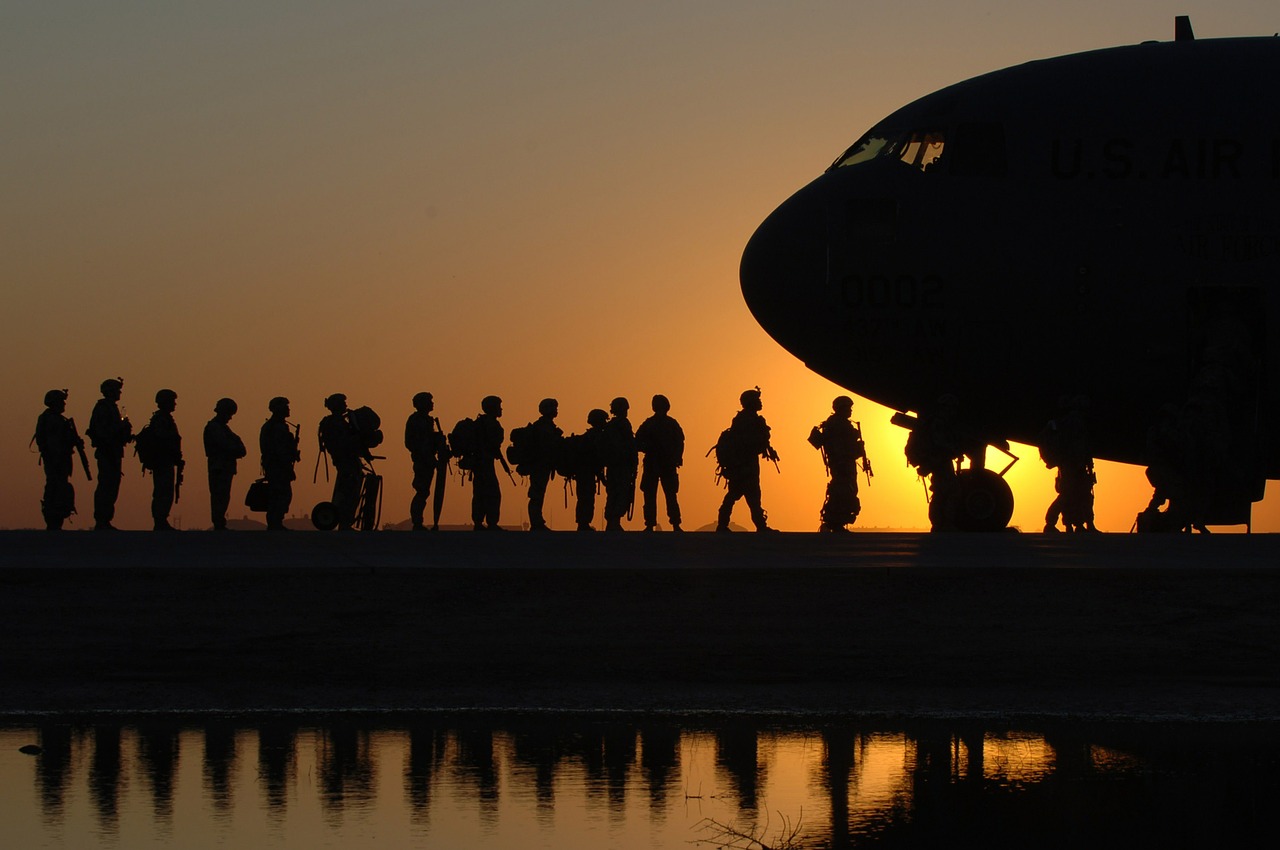
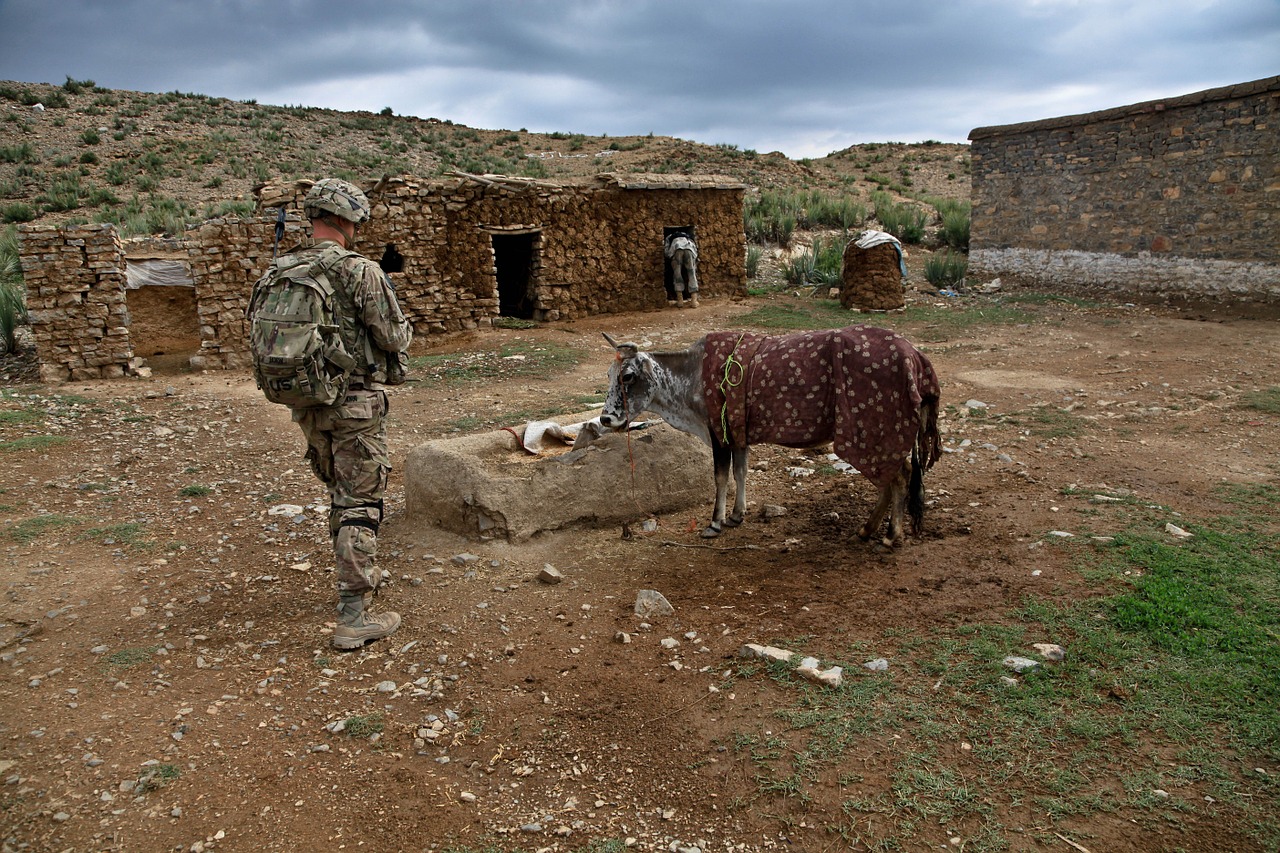
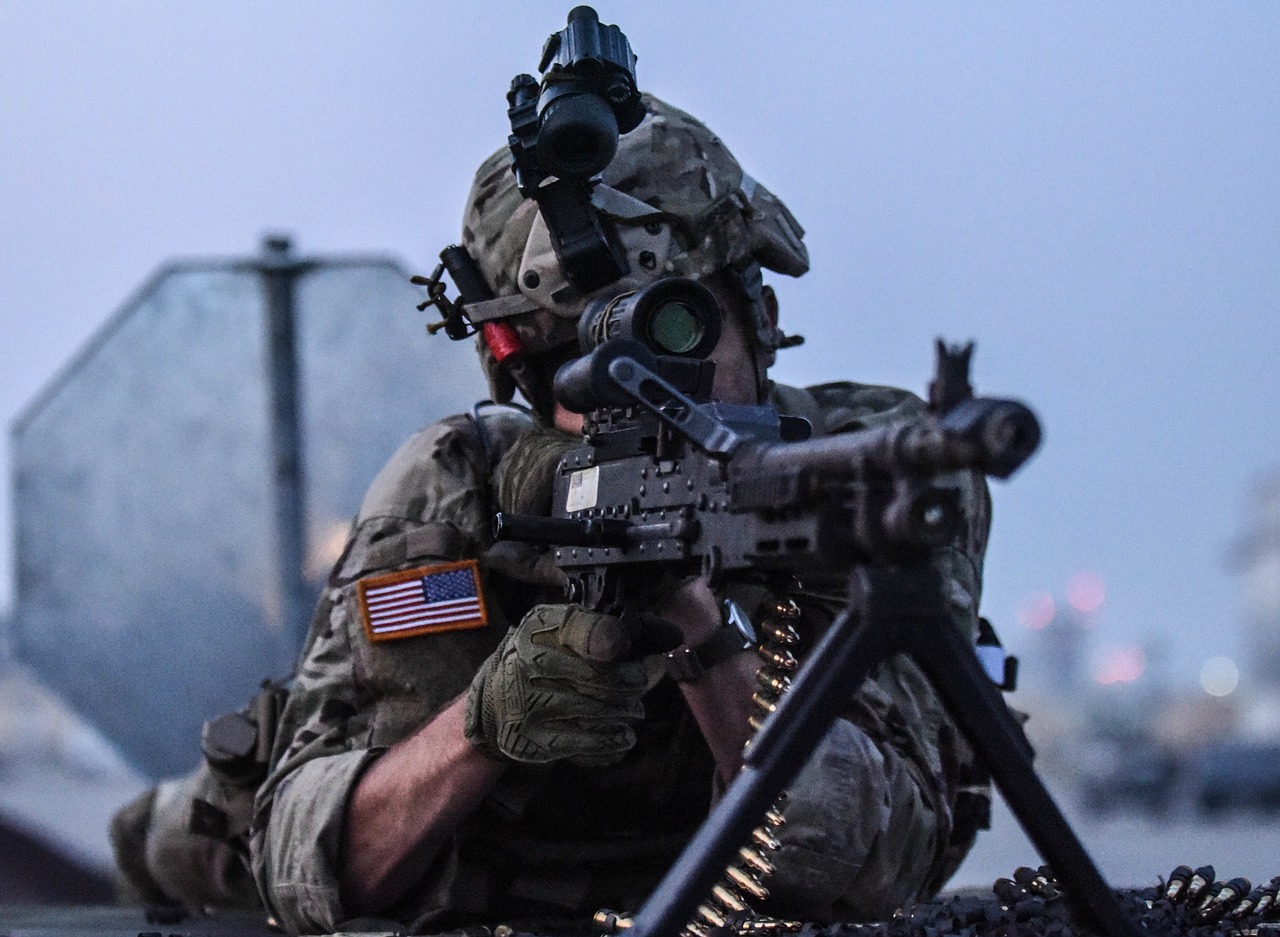
Yet every day brave women and men sign up to defend their country’s values, borders, and culture.
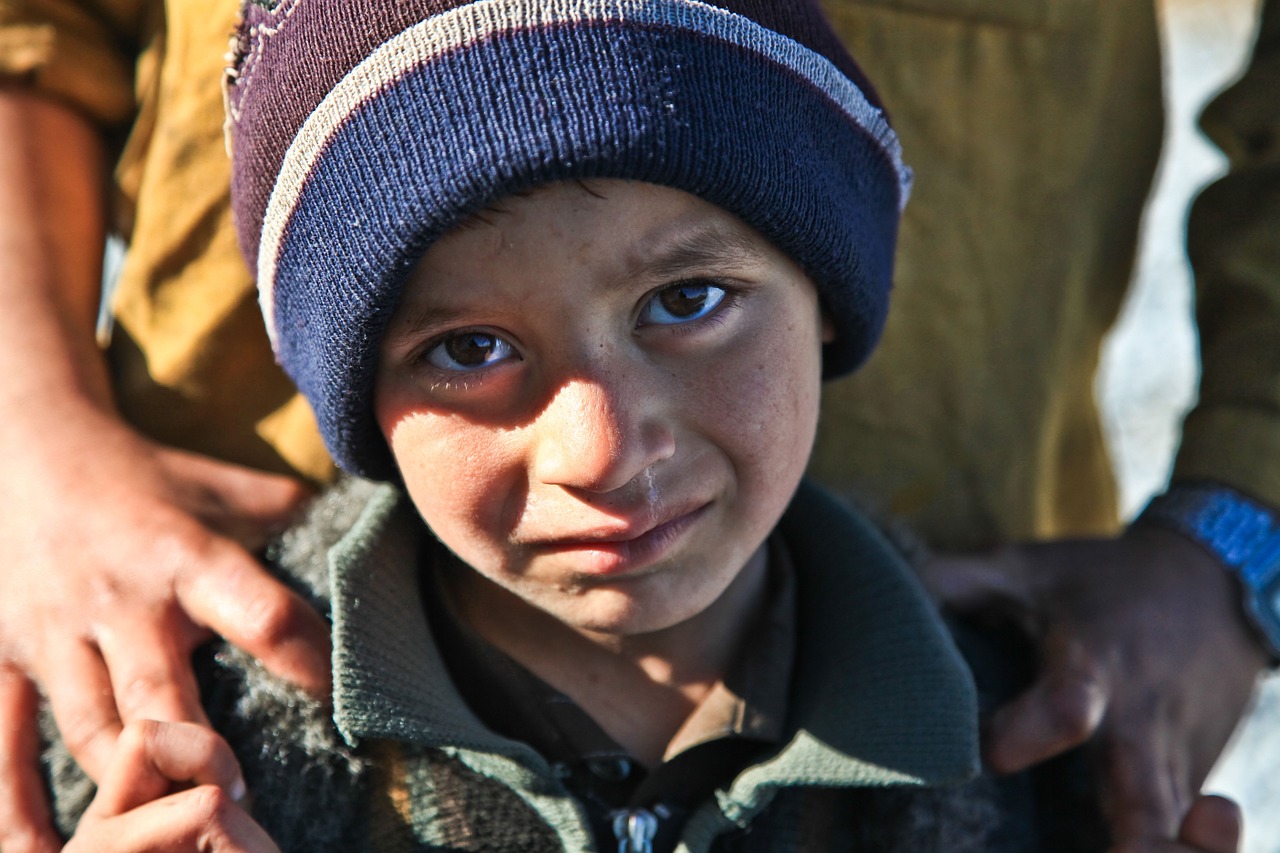
This child, however, did not sign up to be part of an armed conflict…
Who knows what he will choose to do with his life when he grows up…
Deep breath in.
Deep breath out.
And so our wars continue here on planet earth…
I often wonder how making music — which seems very modest and inconsequential compared with the bravery and sacrifice and horror and trauma and chaos of war — fits into the larger equations of life on planet earth.
In an ideal world, music brings people together.
Yet it can also — such as George M. Cohan’s song “Over There” during WWI and again during WWII — inspire people to enlist in order to wage war.
And I have read about soldiers in Afghanistan playing certain songs to lift their spirits and boost their resolve while they are deployed.
I know music lifts my spirits on a daily basis.
But it seems to pale in importance when I reflect upon things like genocide…
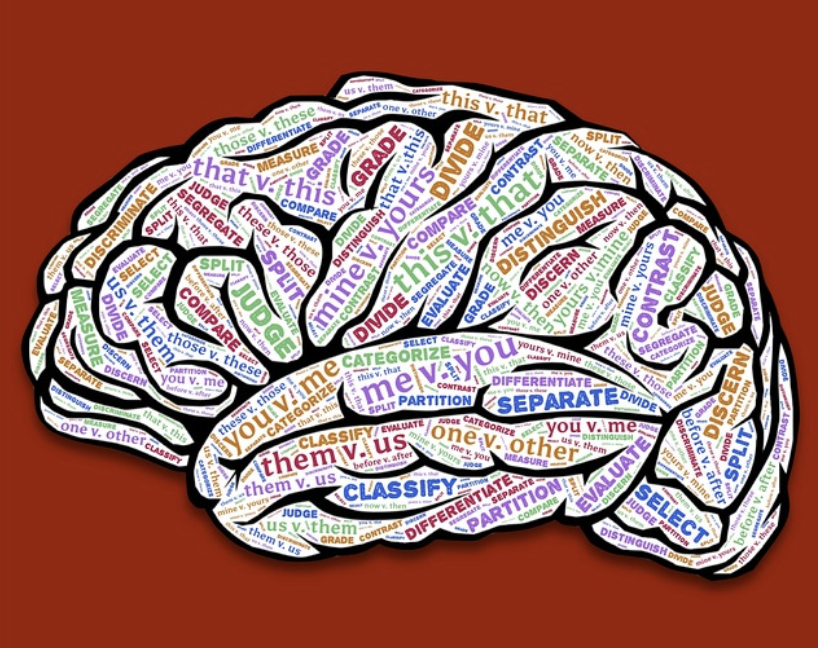
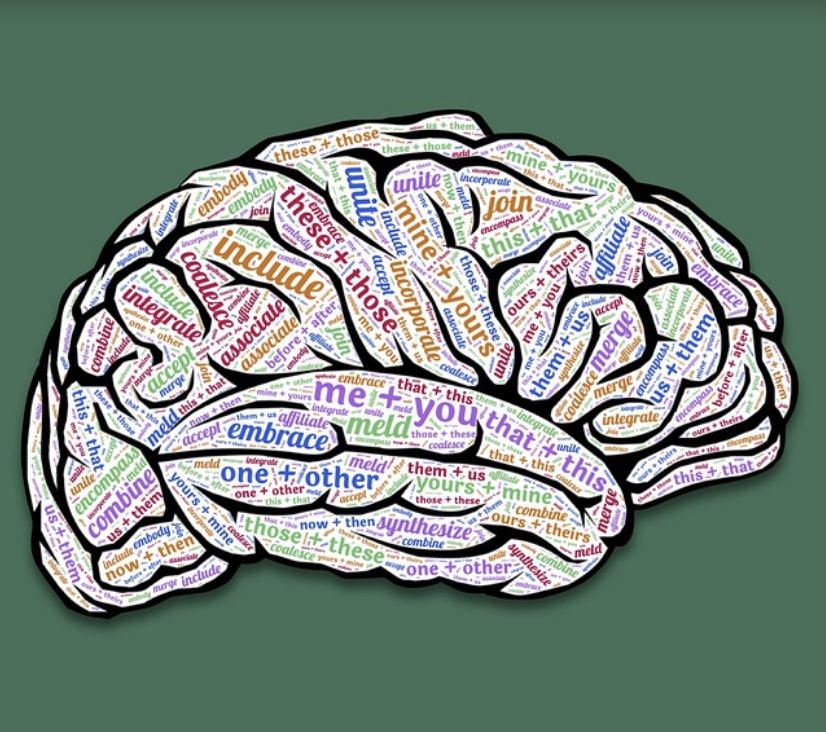
Another thing I often ponder is the difference between “either/or” and “both/and.”
Every day I find myself slipping into an either/or mindset — it’s us or them… I’m completely right and someone else is completely wrong… it’s my way or the highway, etc.
“Either/or” is a mindset which often leads to conflict… or worse.
“Both/and” is a mindset which can lead to listening.
To pausing.
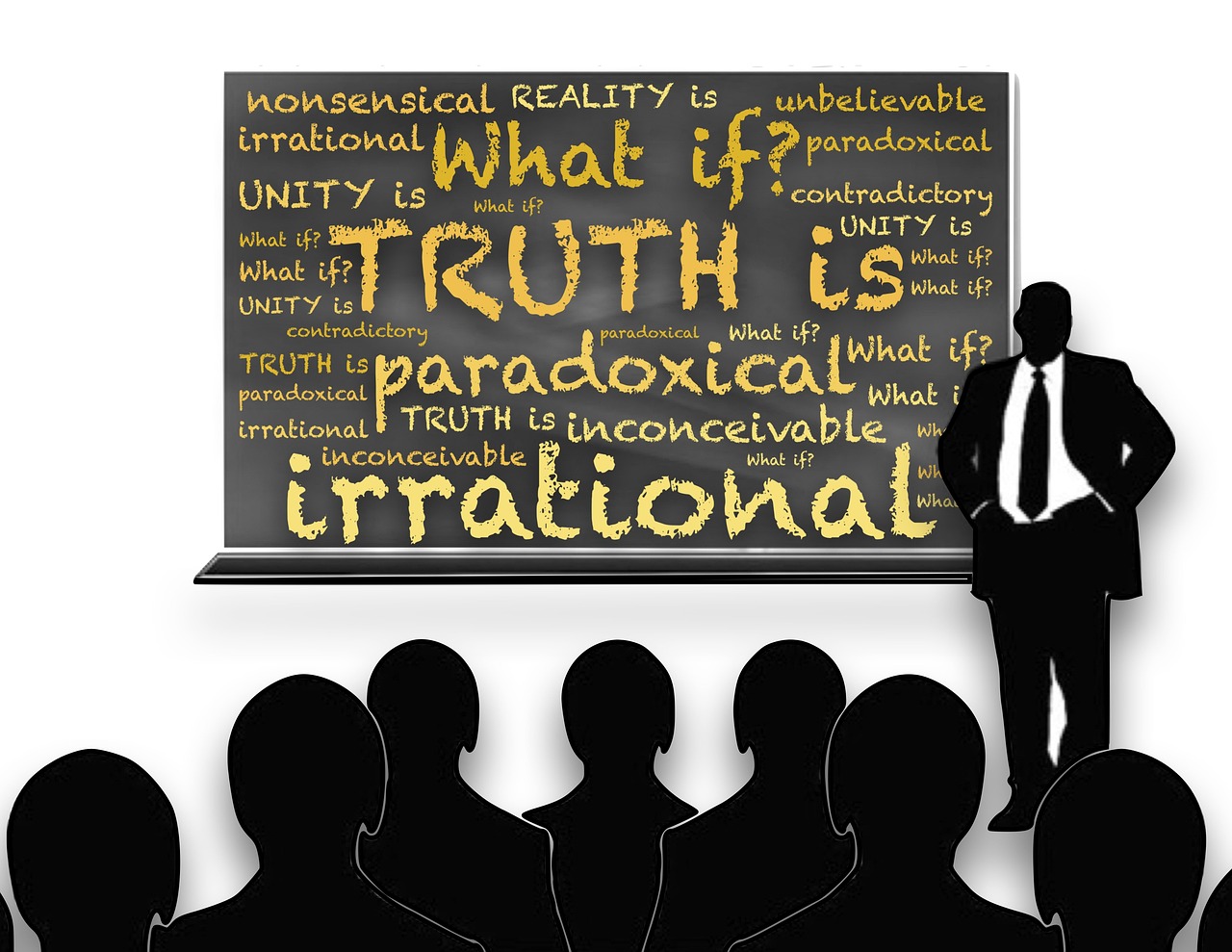
To honoring the paradoxes and contradictions of life.
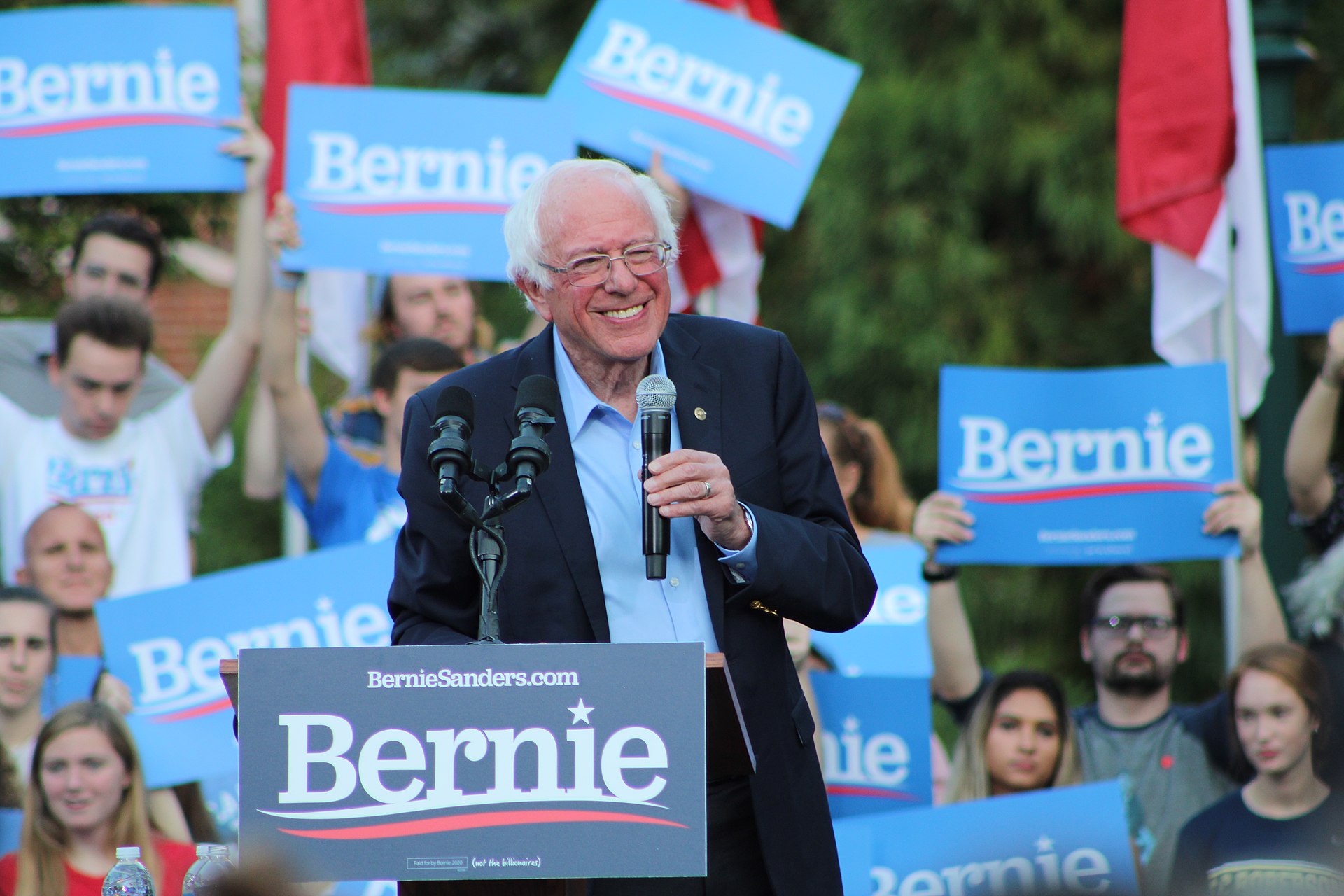
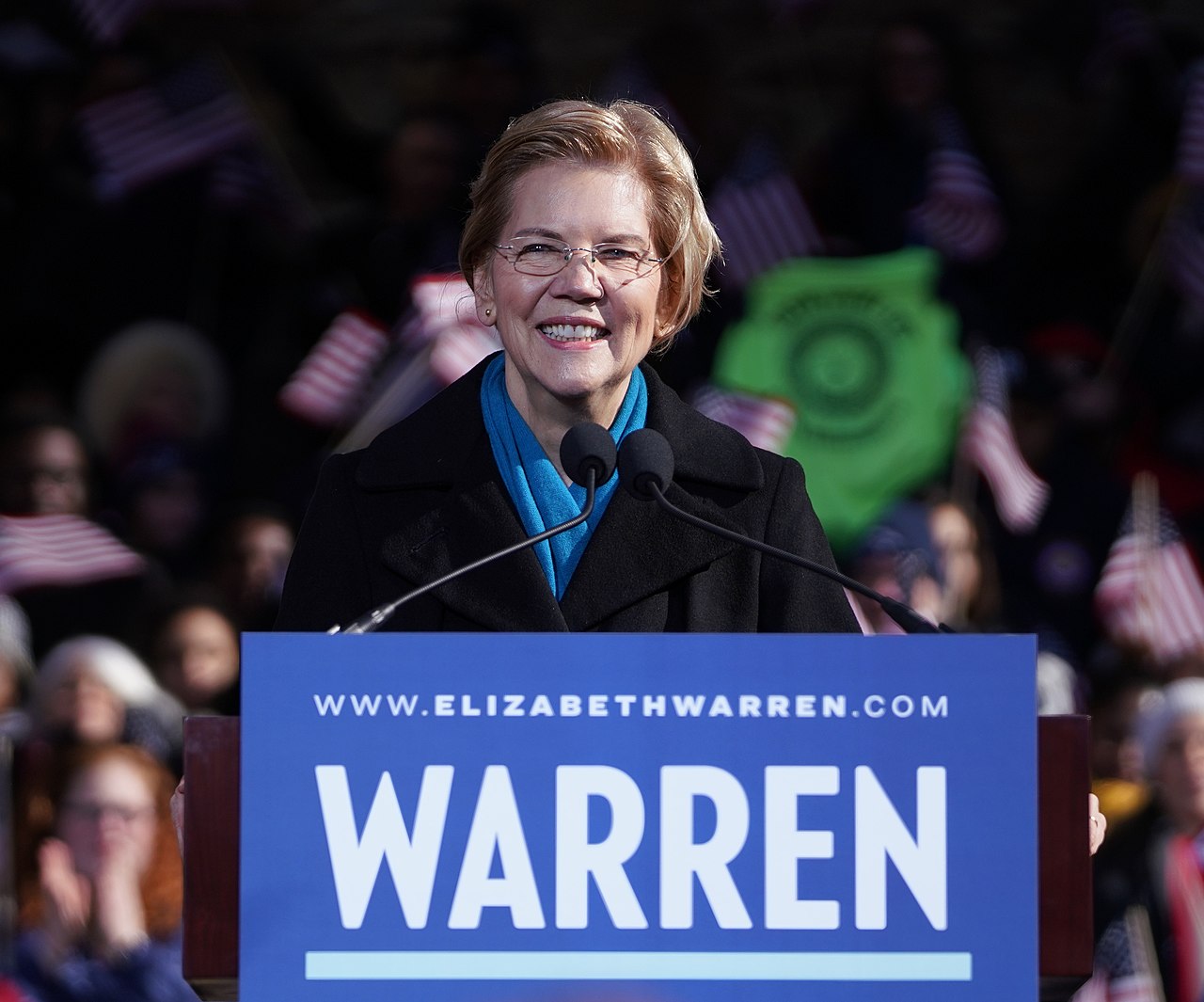
I watched another Democratic presidential debate this week — and attempted to remain open to as many different opinions and perspectives and visions and explanations as I could manage.
I do feel some optimism when I see the range of candidates.
I’ve been giving small amounts of money each month to several of them.
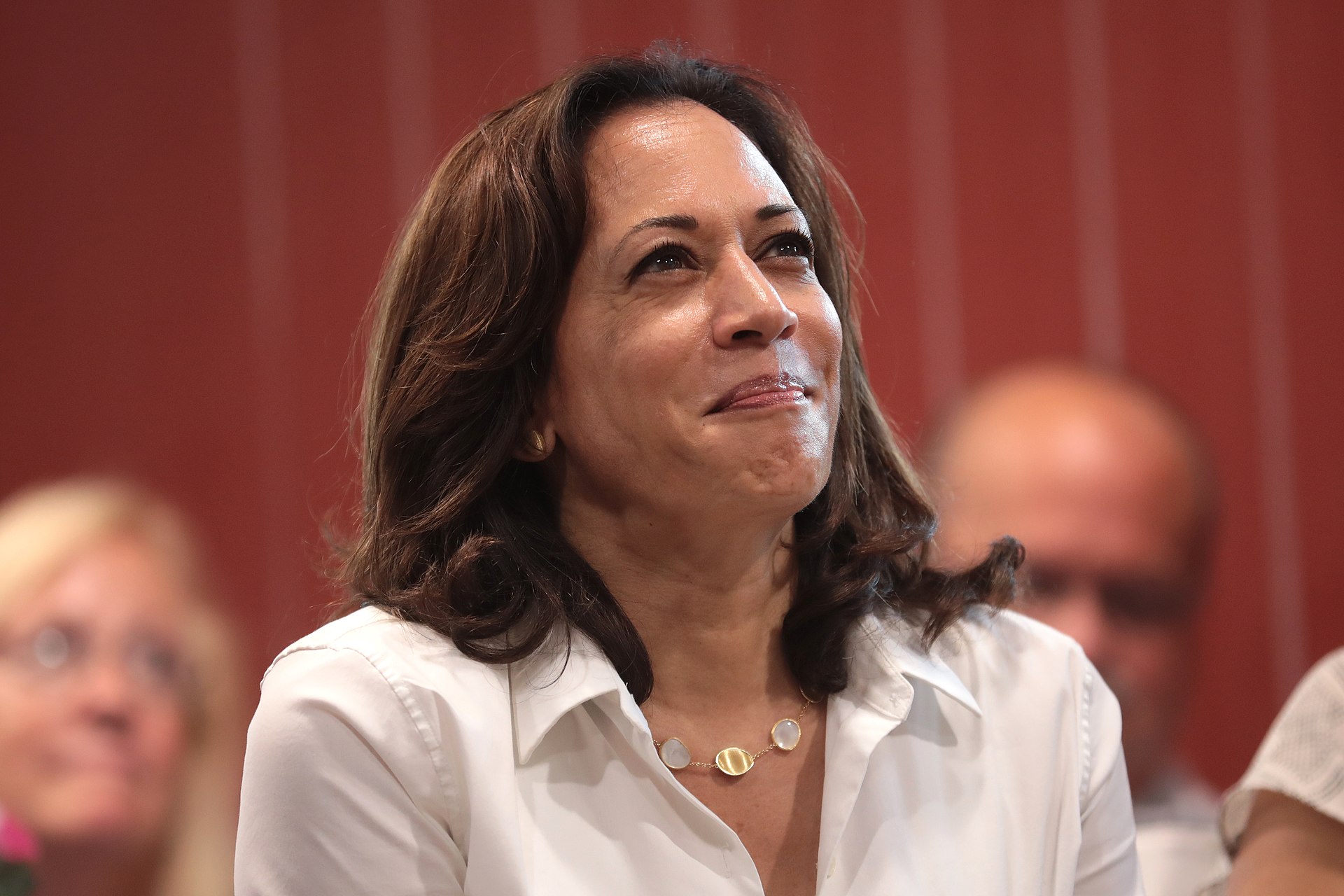
I’m excited that many women are running for president.
And people of color.
With some thought-provoking ideas.
I am also amazed that an un-closeted, married gay man is in the race.
Some candidates are dreaming bigger than others.
And I am grateful for that.
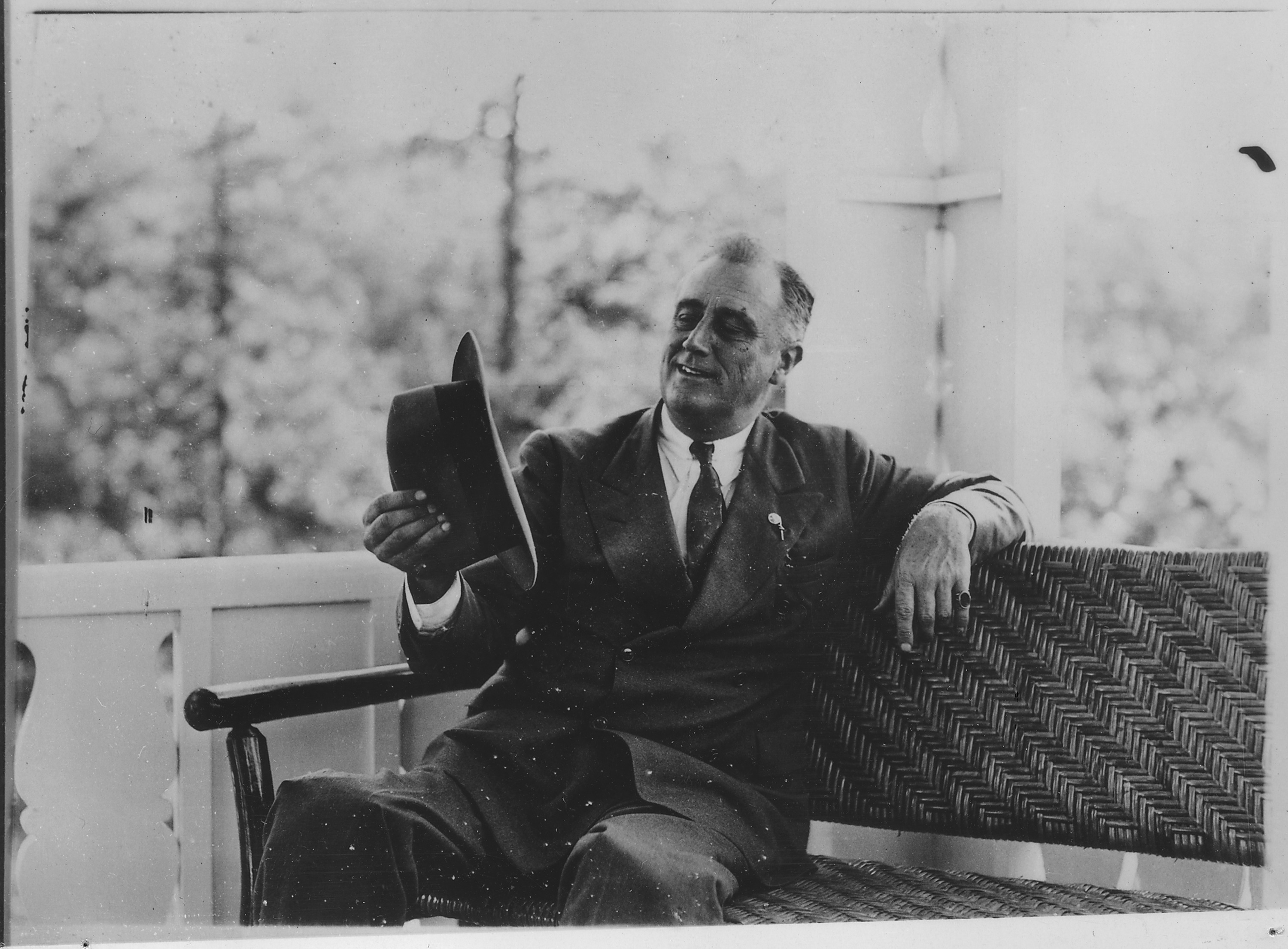
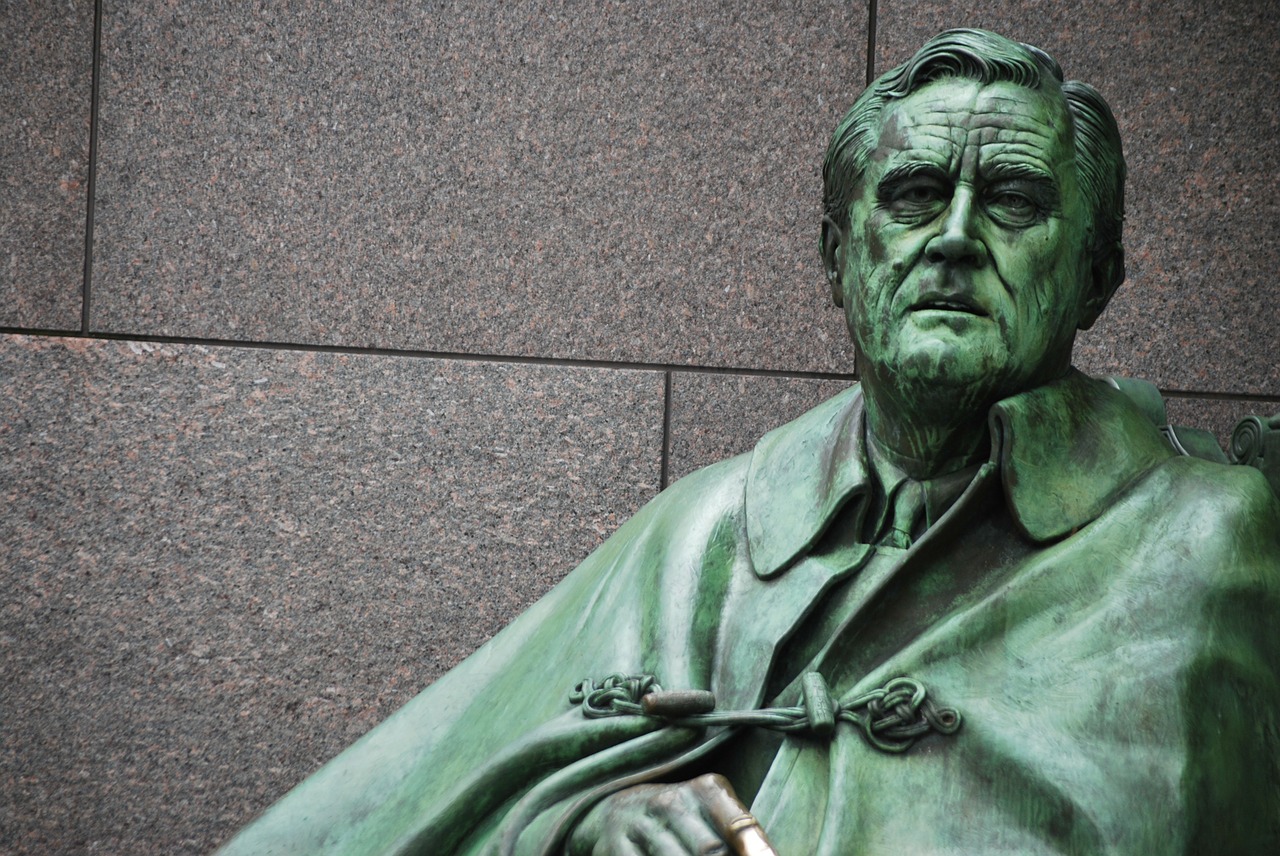
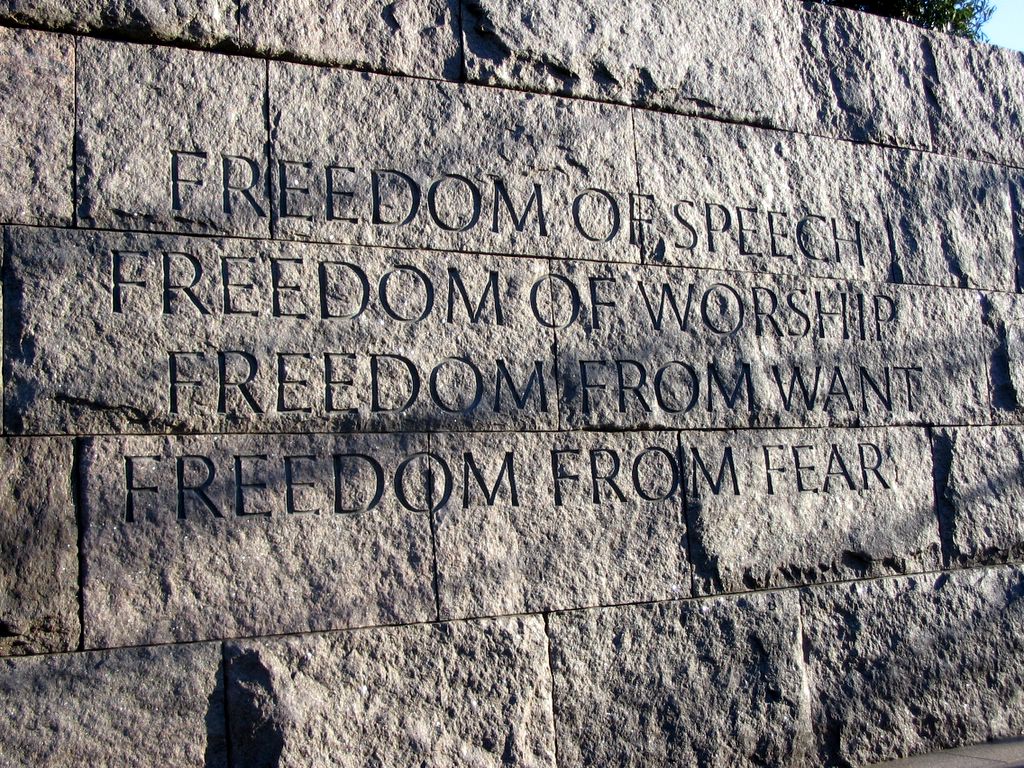
When our country collapsed into a huge economic depression ninety years ago, we elected a president with big dreams.
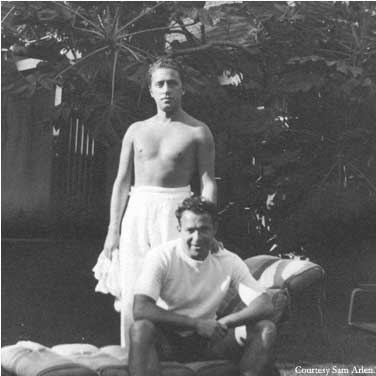
And he managed to convert many of those big dreams into action — despite having significant personal health challenges.
I love that he — a man living with paralysis due to polio (or perhaps undiagnosed Guillain-Barre syndrome – an autoimmune neuropathy) uses the word “paralyzes” in his famous speech about fear.
“Let me assert my firm belief that the only thing we have to fear is fear itself — nameless, unreasoning, unjustified terror which paralyzes needed efforts to convert retreat into advance.”
I find solace and take comfort in the conviction in FDR’s voice — ringing across the decades thanks to the magic of digital zeros and ones.
I also find solace and comfort and inspiration in many of the new voices speaking up here on planet earth.
I also love finding new voices and kindred spirits among my fellow bloggers on WordPress.
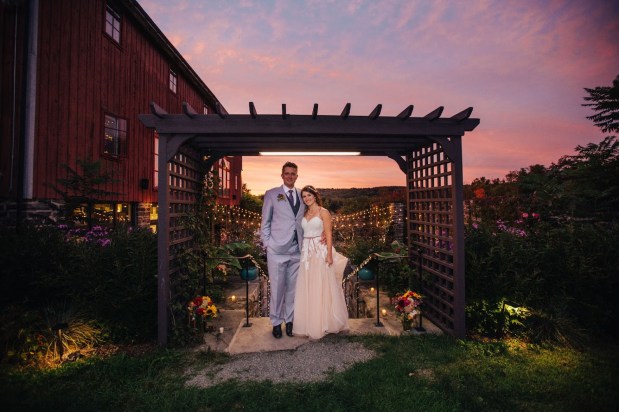
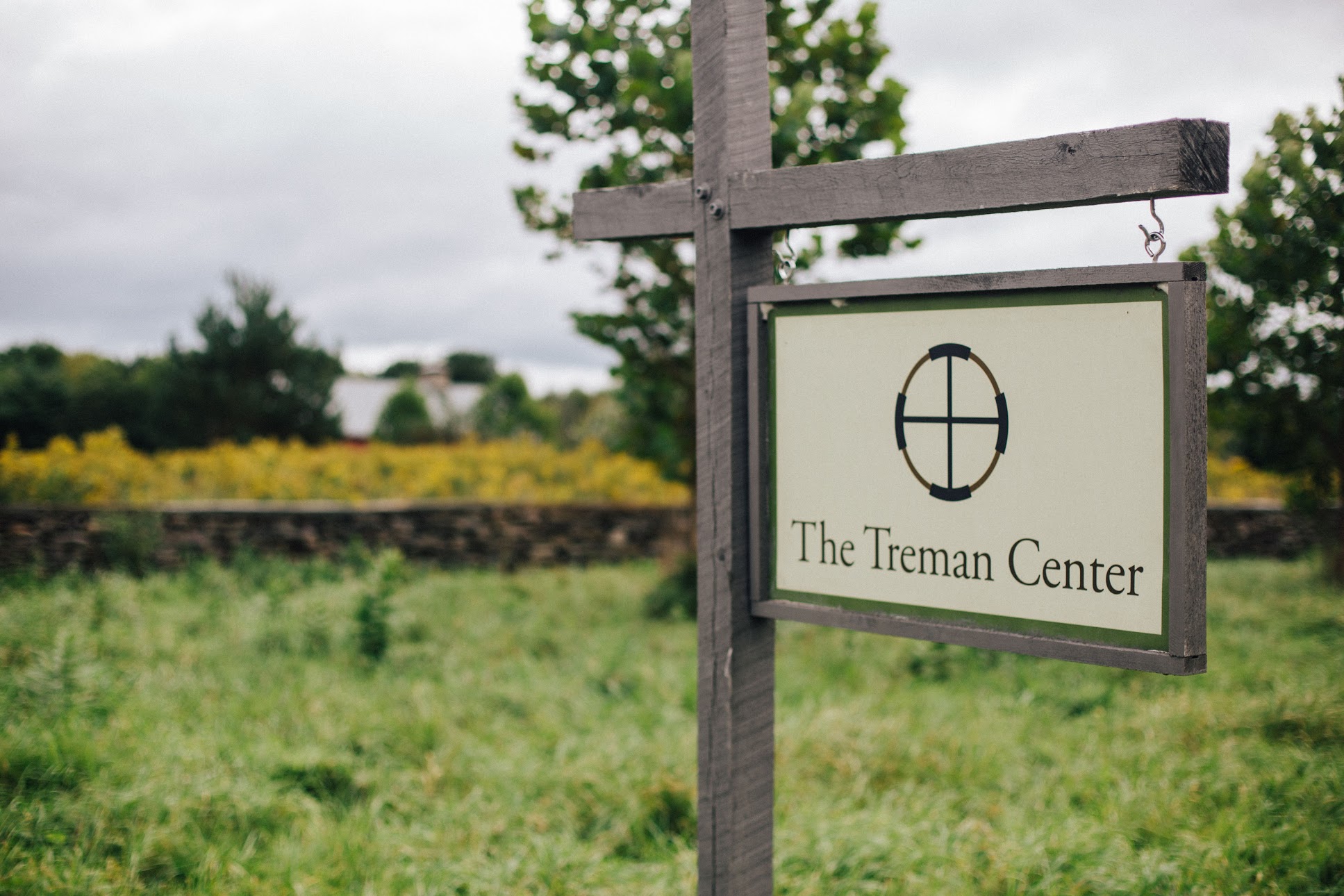
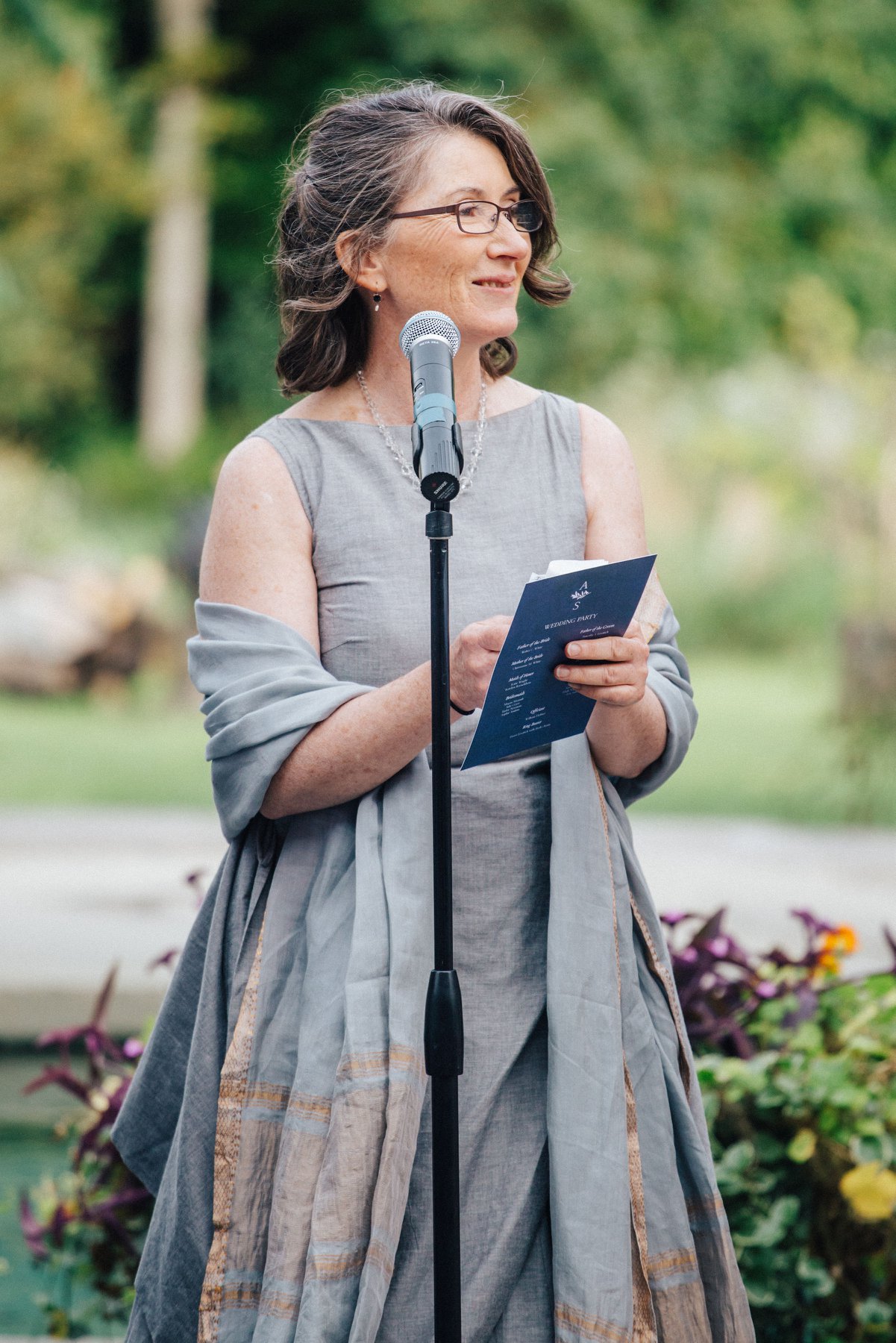
Last fall my niece married her boyfriend at a beautiful place called the Treman Center in upstate NY not far from the farm where she spent most of her childhood and teen years — and where her mother still lives.
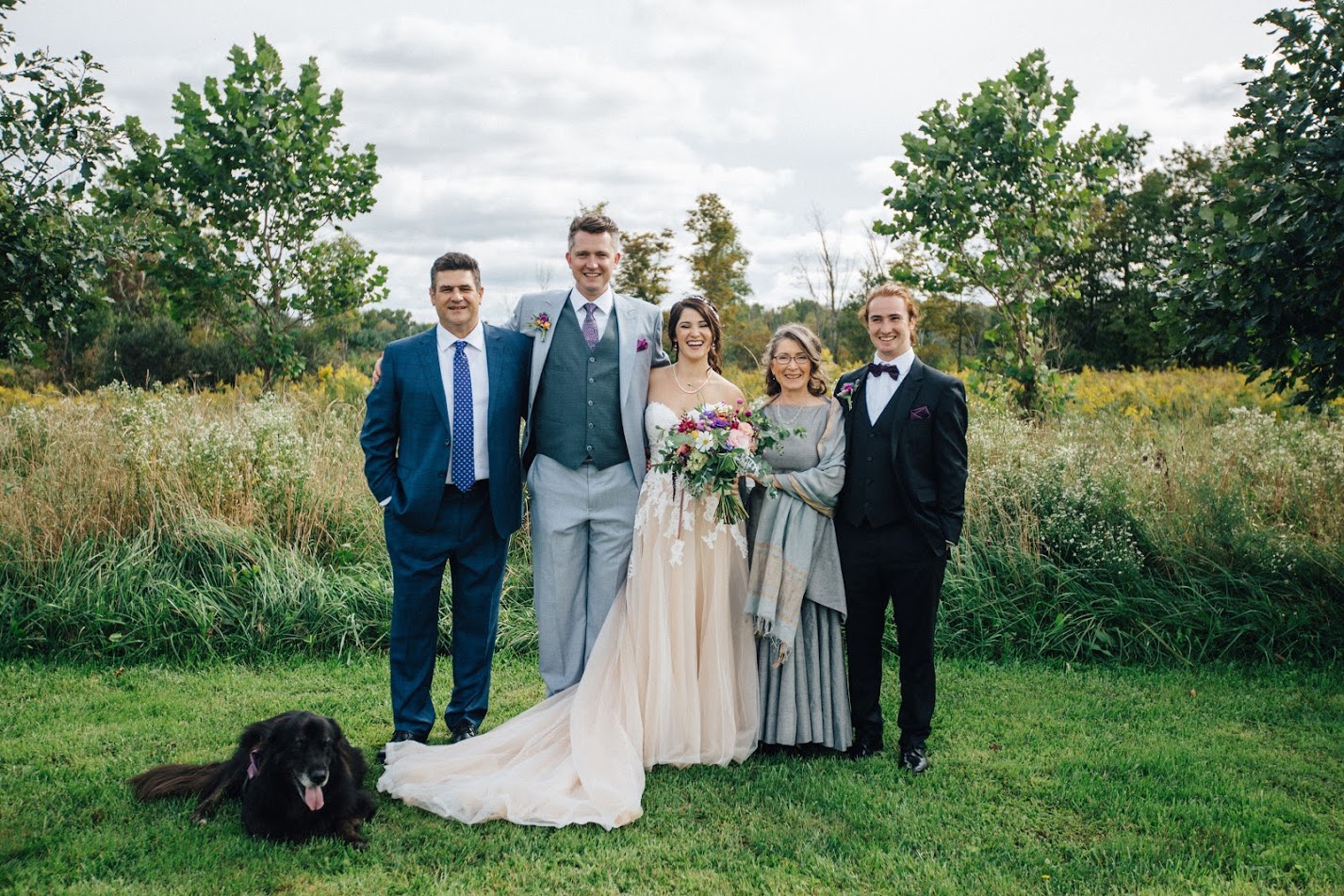
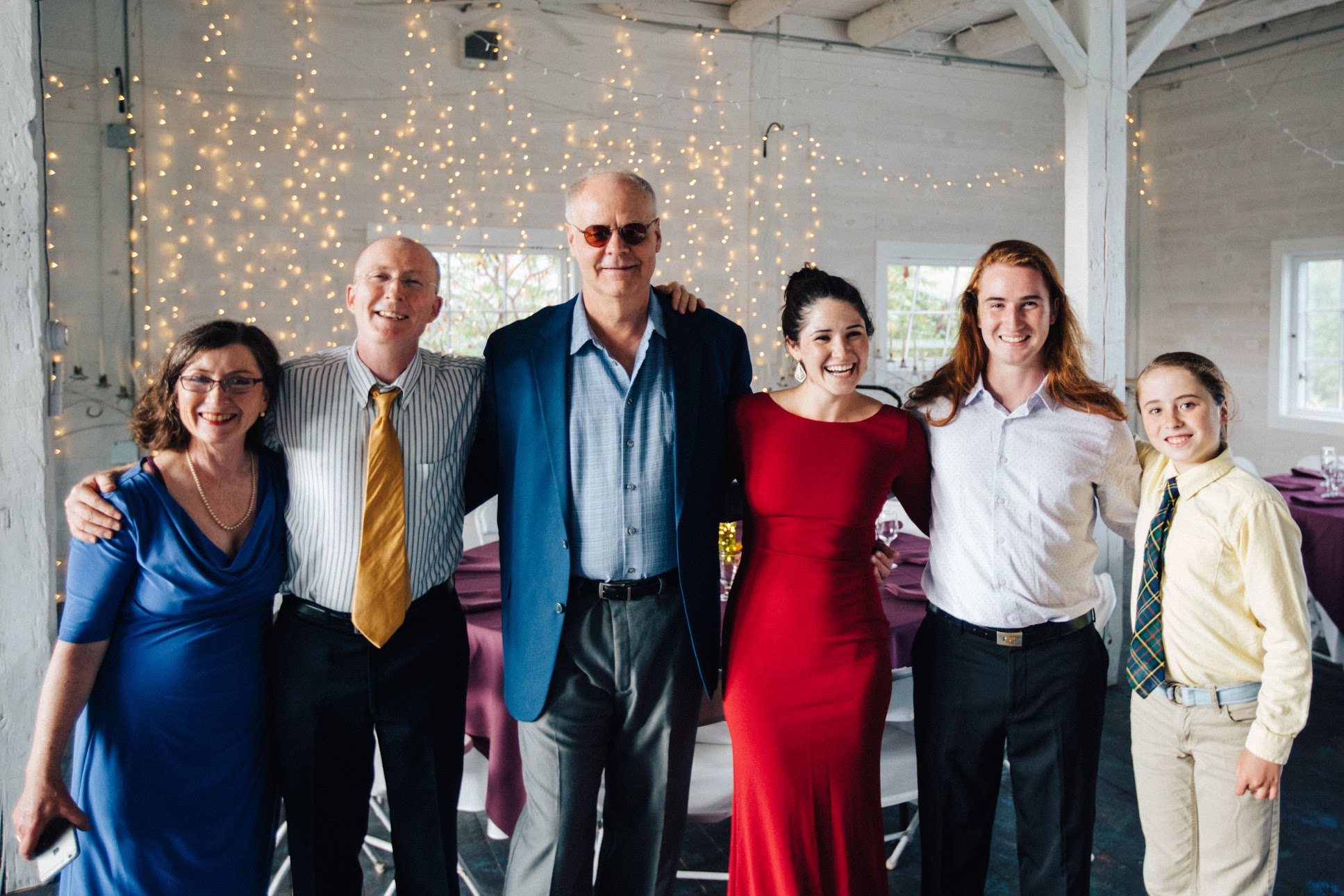
Here she is with her father, husband, mother, brother, and dog.
My niece recently gave me access to a huge cache of their wedding photos, which I plan to feature in two separate blog posts.
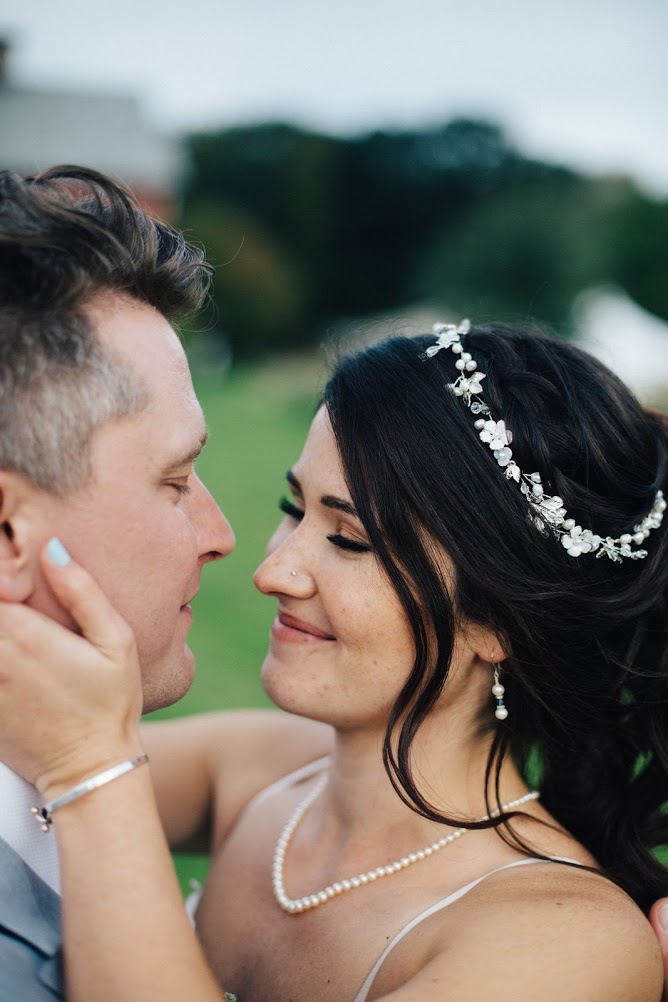
Today’s theme is “The Look Of Love…”
The Treman Center is itself a labor of love by a wife and husband team — full of all kinds of beauty. The husband is a tremendous stone mason. The wife is a terrific host who — among her many gifts — is also an extraordinary makes-things-beautiful person.
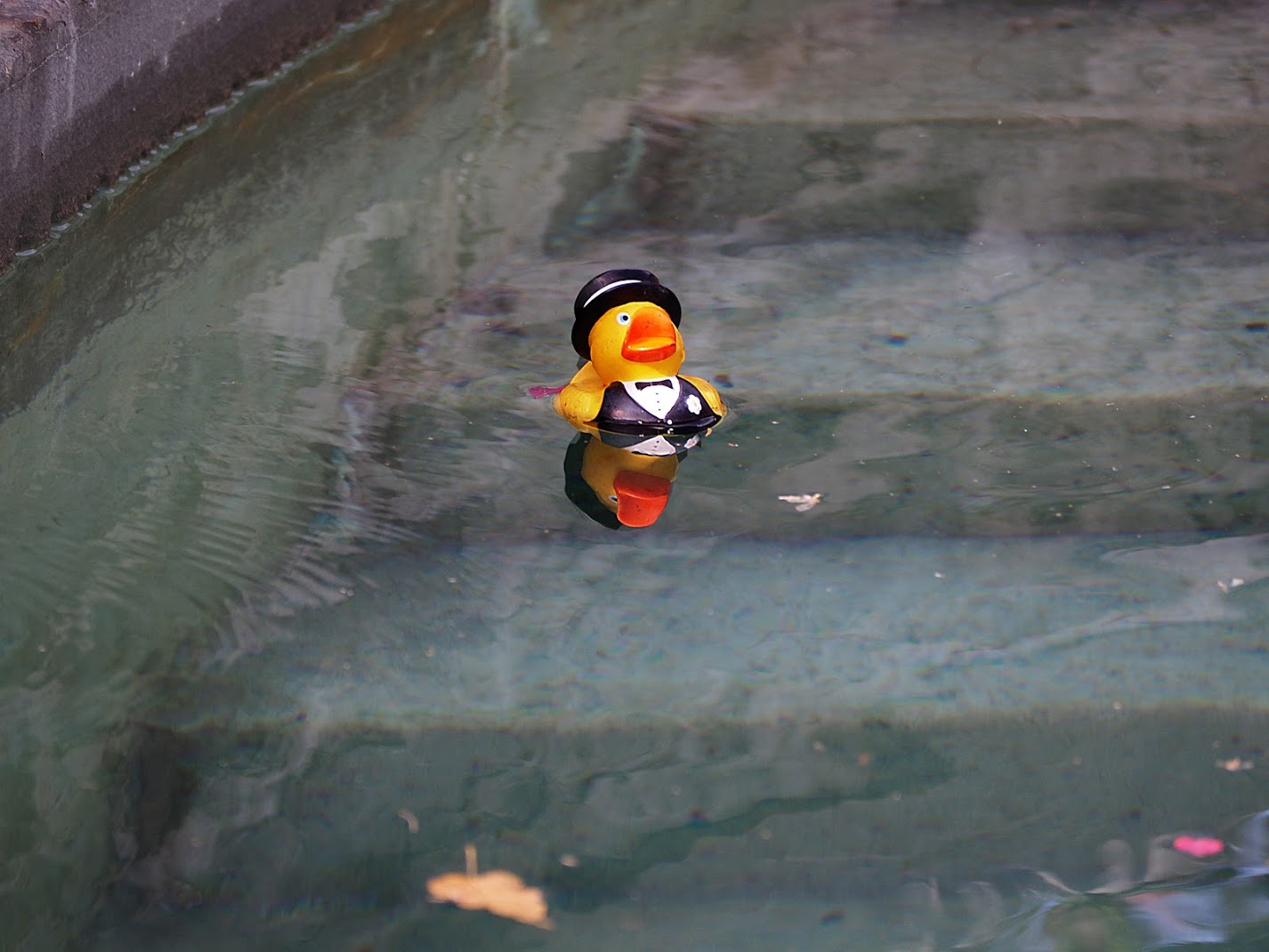
Beauty can be found everywhere at the Treman Center — as well as whimsy, such as this rubber ducky floating in their reflecting pool…
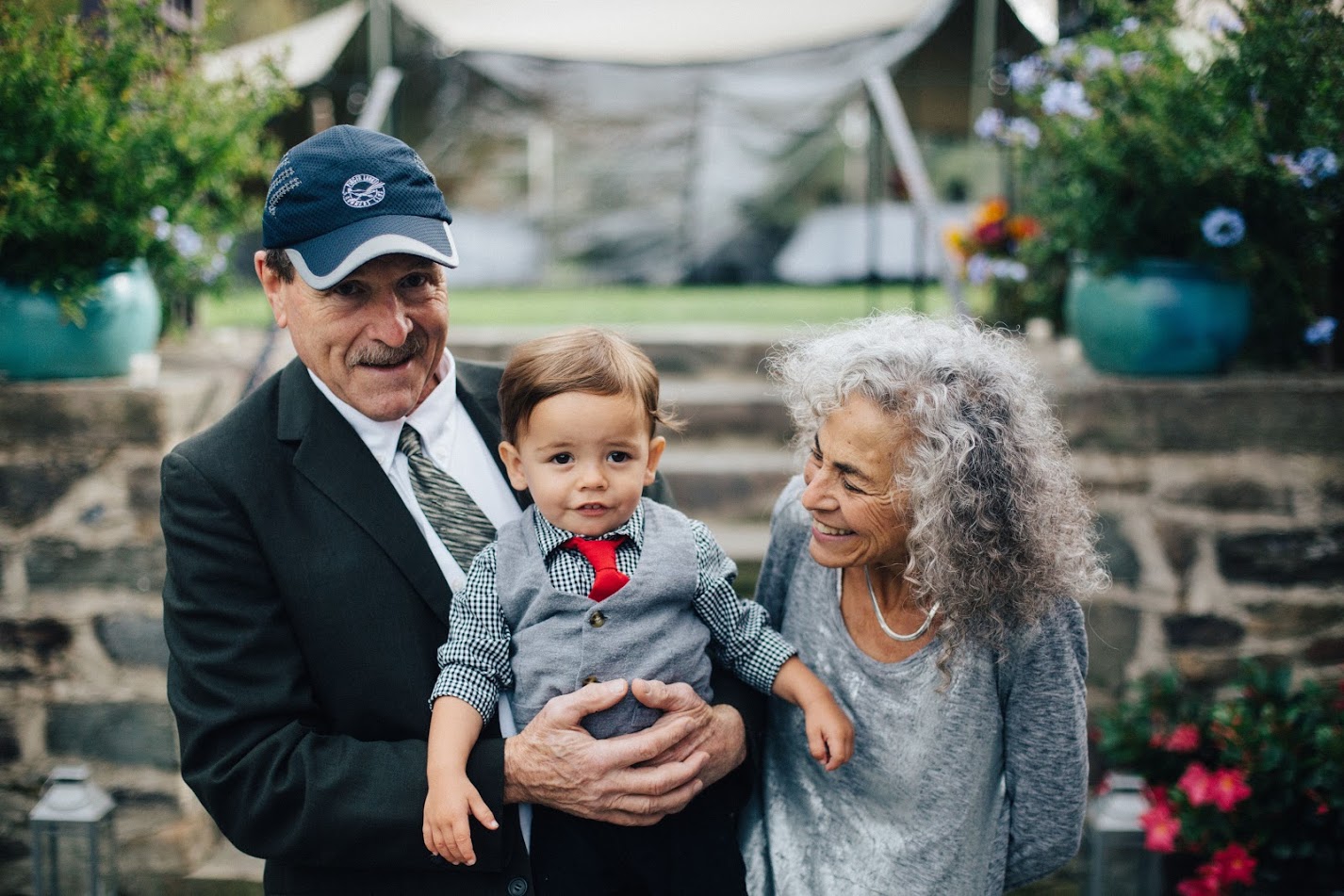
My niece’s husband’s family also lives in the area, and we have loved becoming friends with them over the past six years.
At first I did not understand why my niece and her (then) boyfriend wanted to have a fancy wedding.
But as soon as I arrived at the Treman Center, I got it.
They wanted to create and share a weekend of love and beauty with a small tribe of their nearest and dearest.
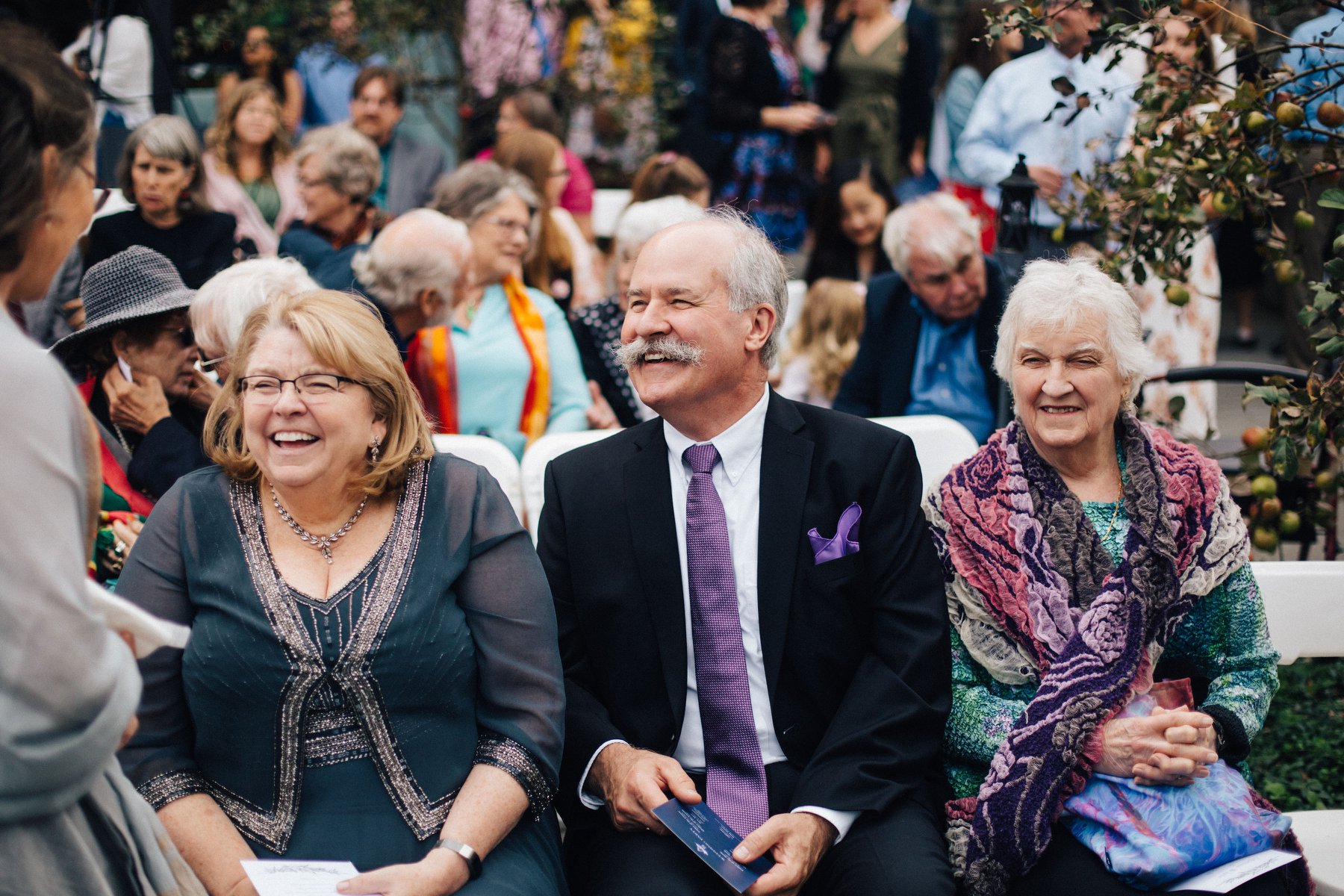
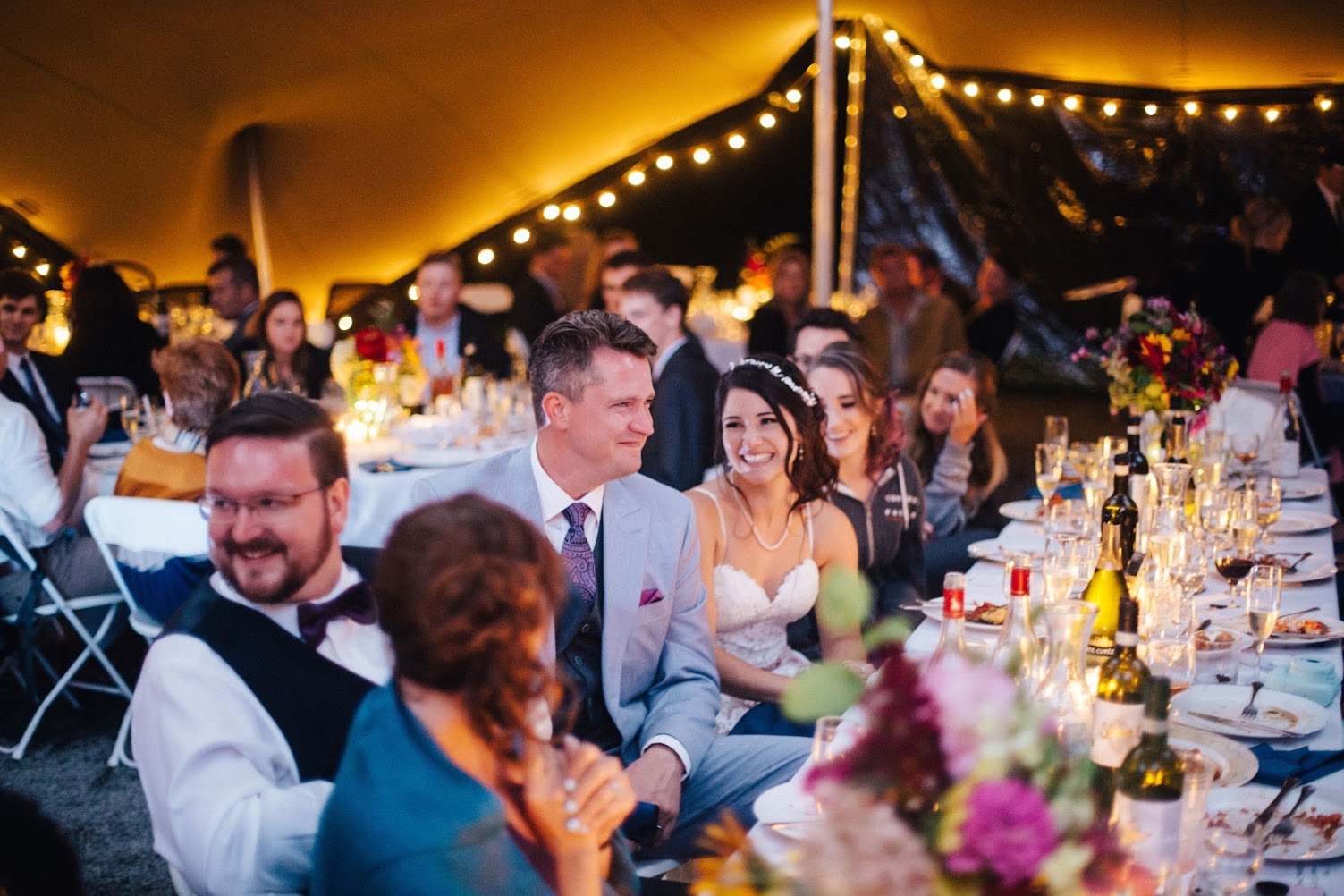
Weddings can be a transformative event not only for the bride and groom, but also for the community of family, friends, and beloved pets whom they invite to surround them, bear witness to their vows, and celebrate with them.
This wedding proved to be a wonderful mix of hands-on work by family and friends + catered deliciousness which wove everyone together in new ways.
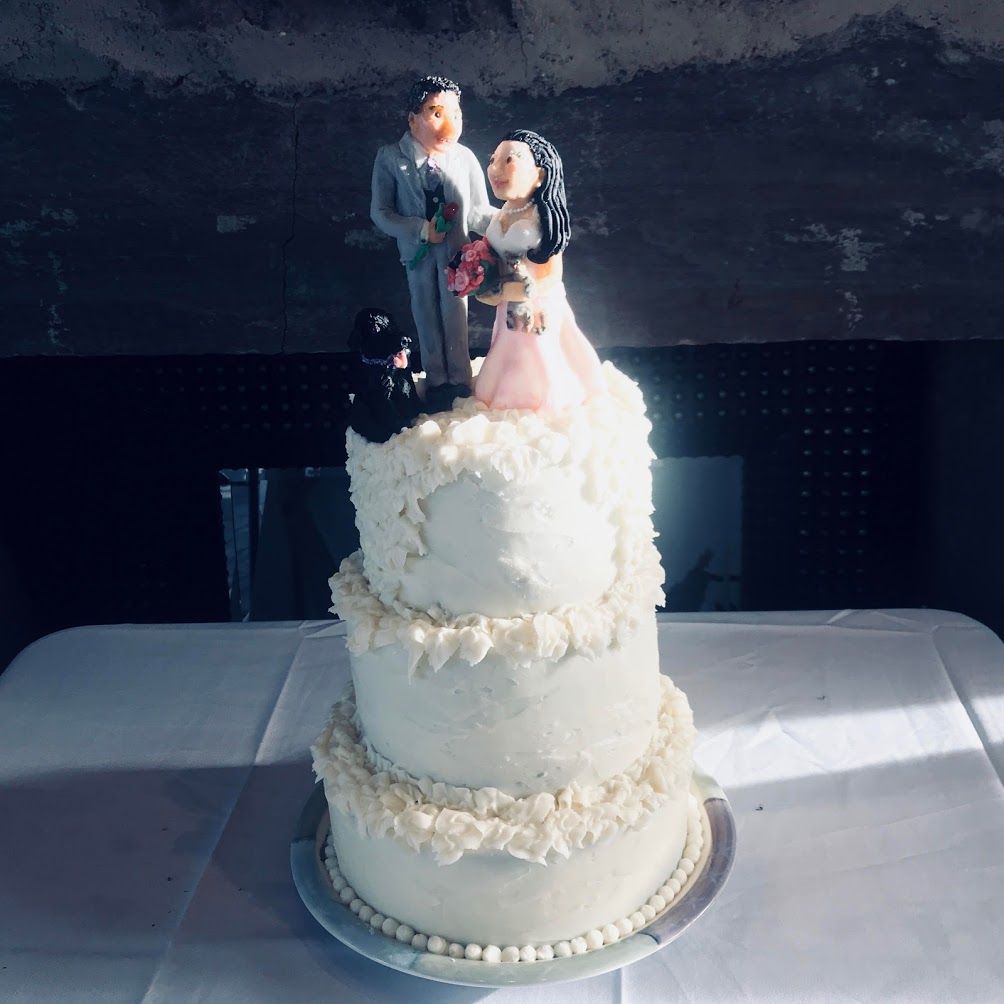
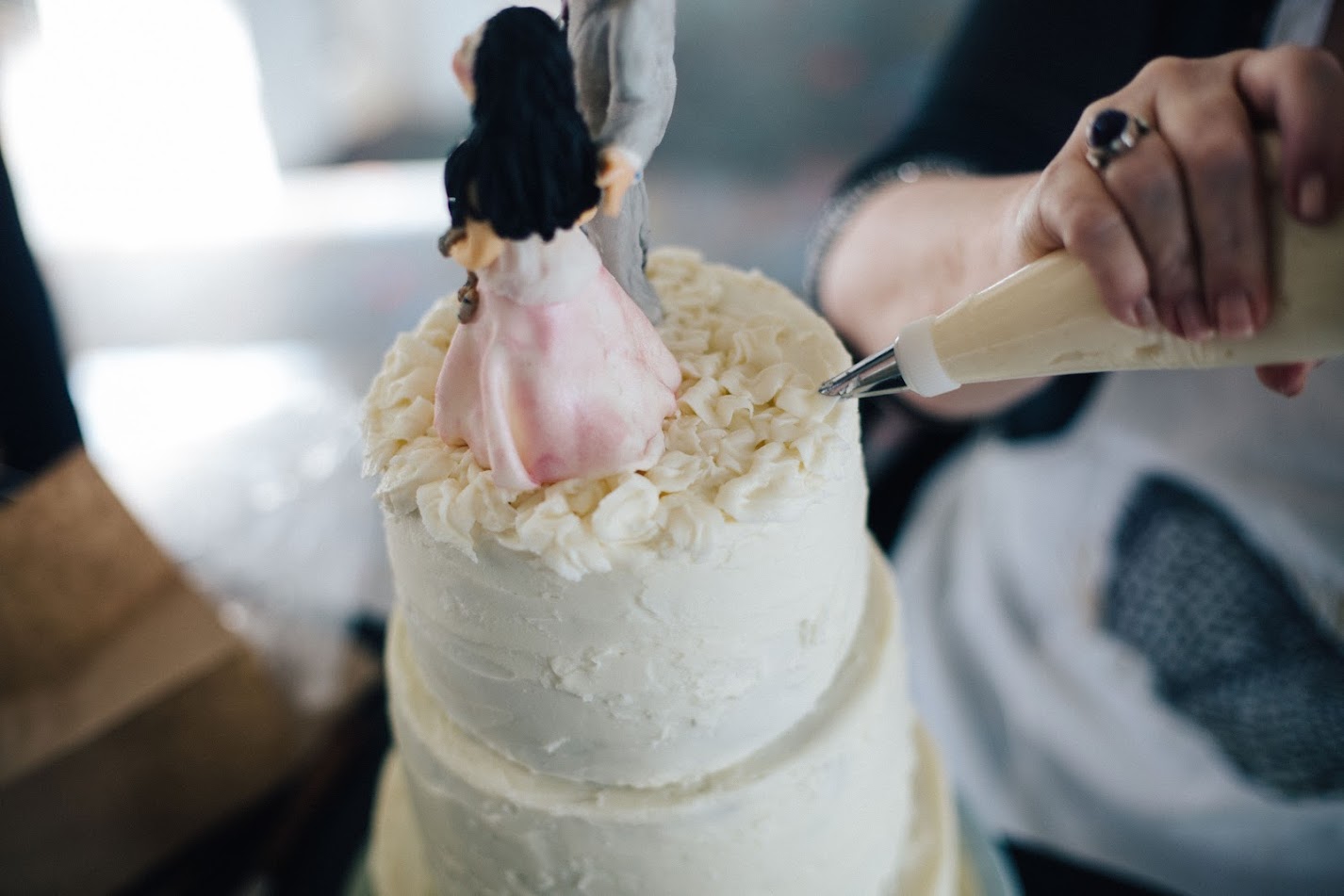
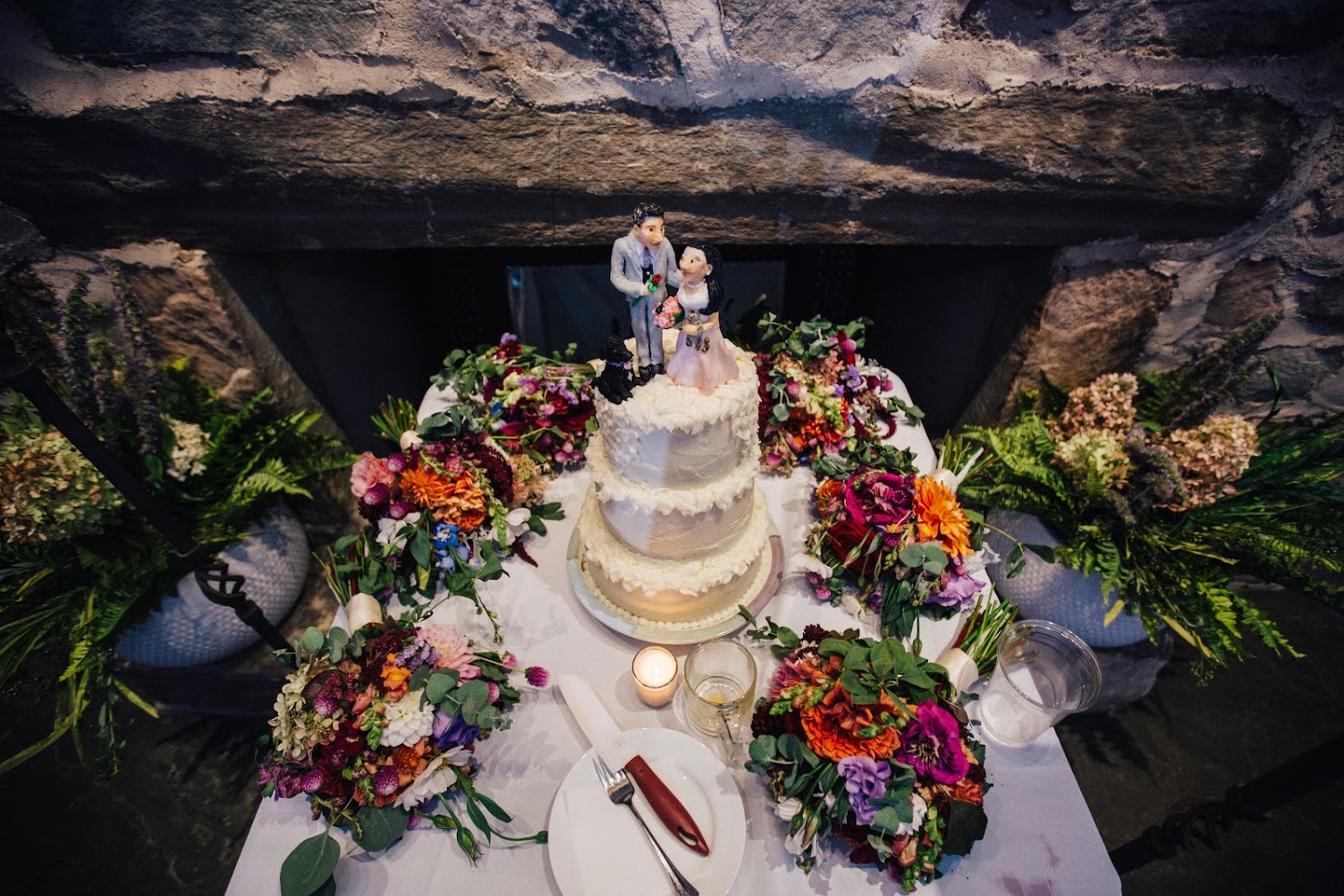
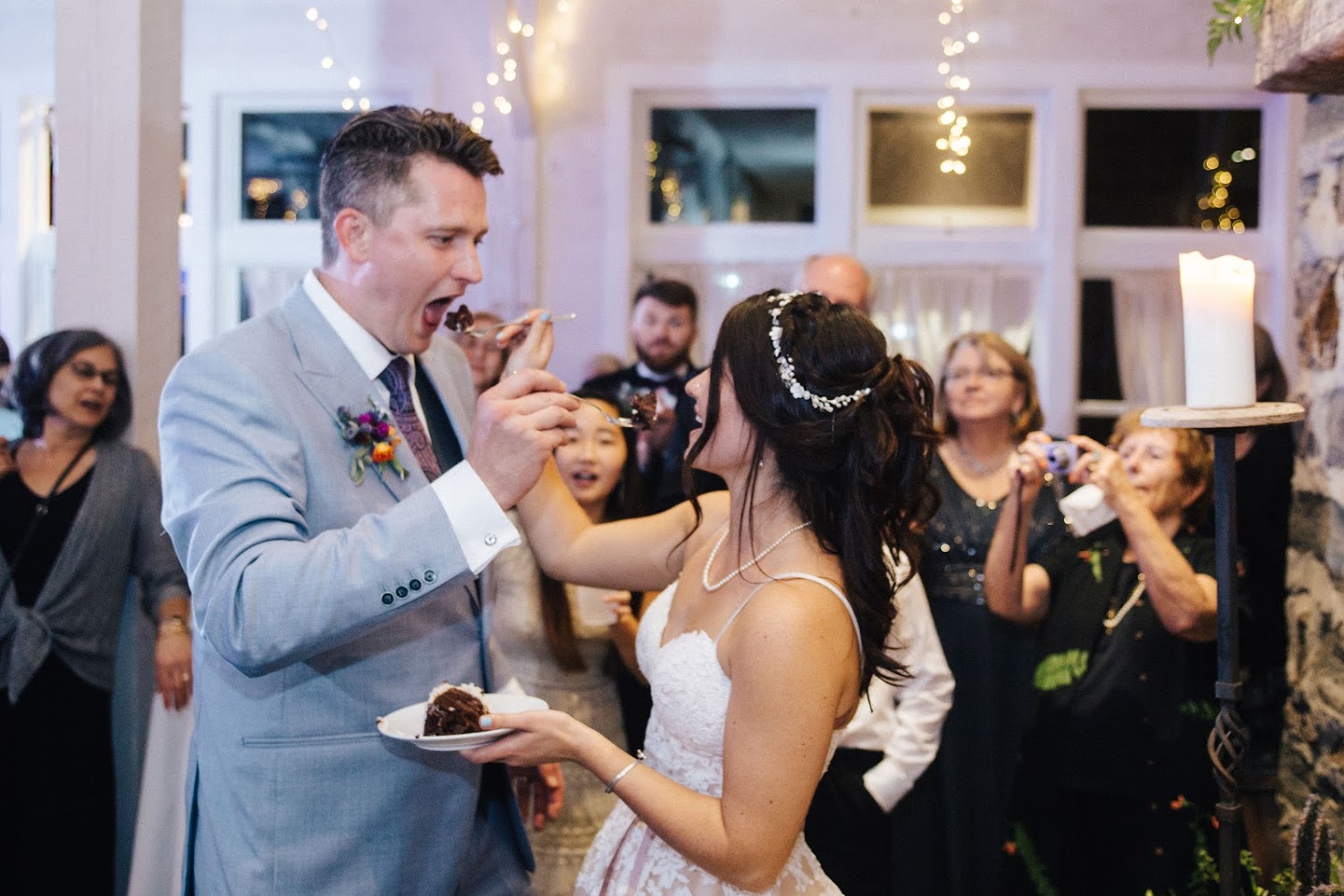
For example, the wedding cake was made by the groom’s mother.
It featured custom-made replicas of the groom and the bride plus their beloved dog.
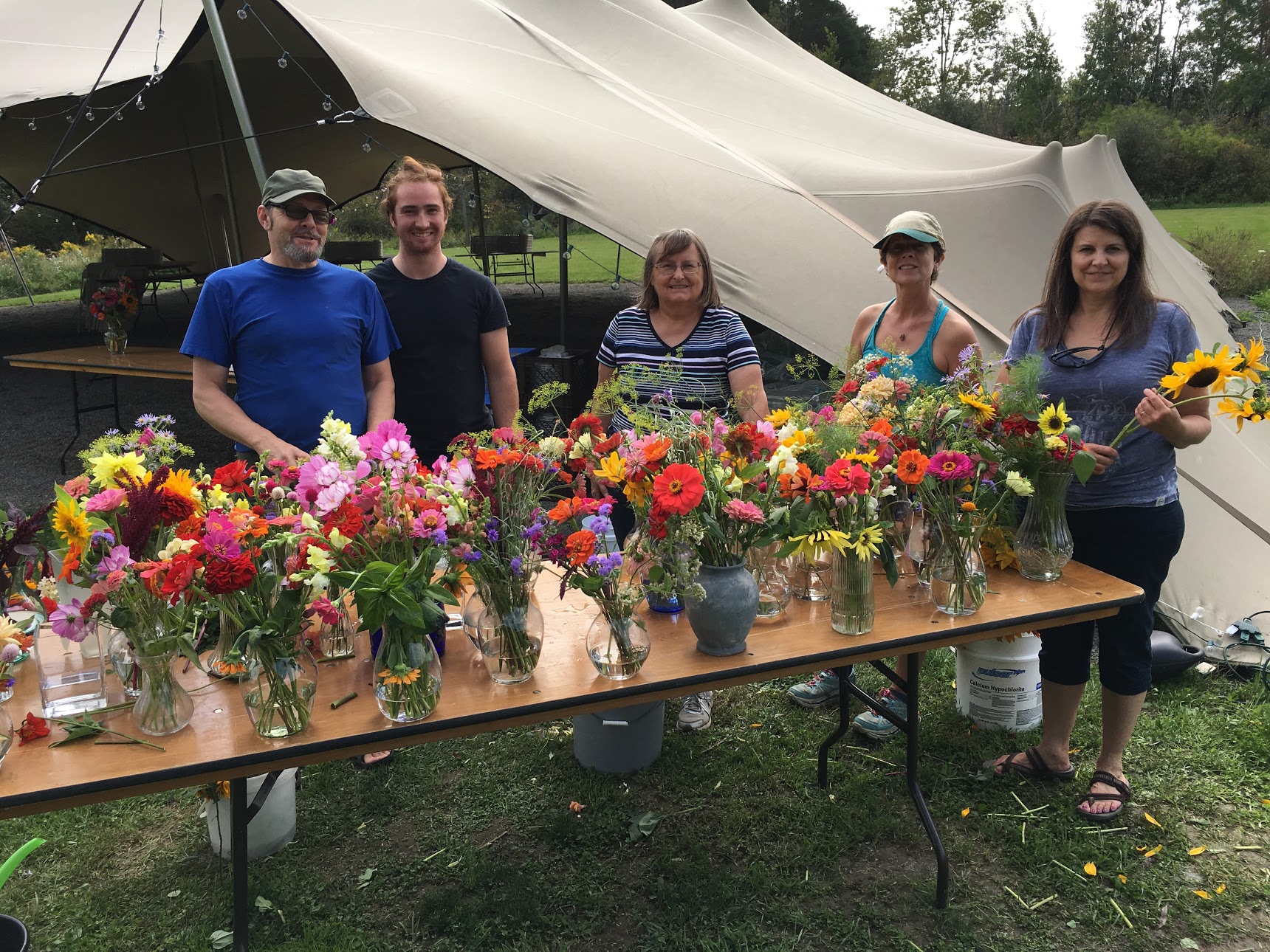
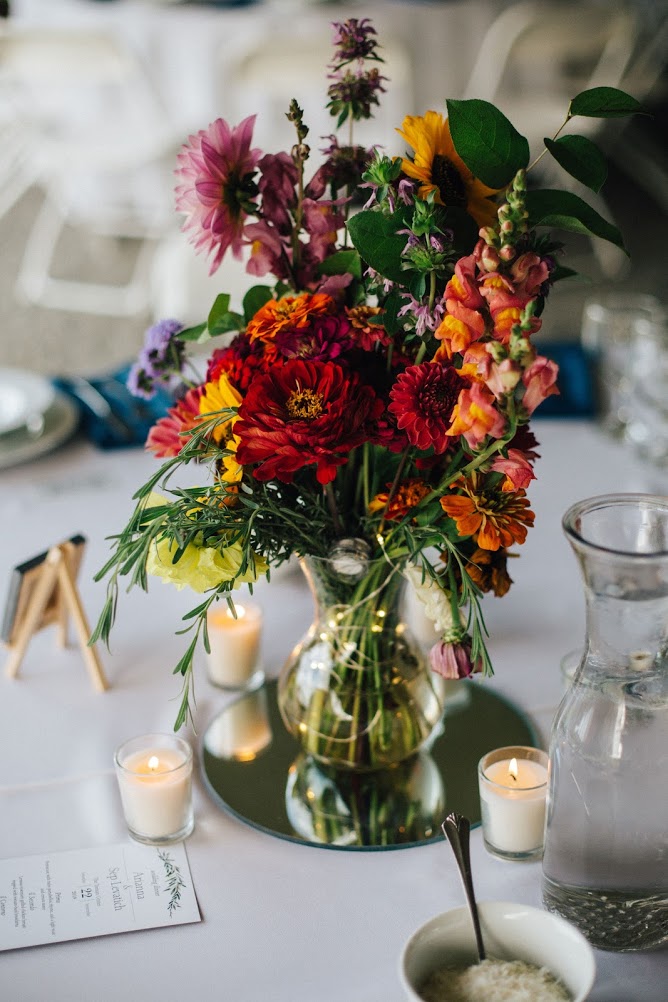
All of the flower arrangements — except for the bouquets and boutonnieres of the bridal party — were grown and harvested and assembled by local family members who spent most of Friday focused on this exquisite undertaking.
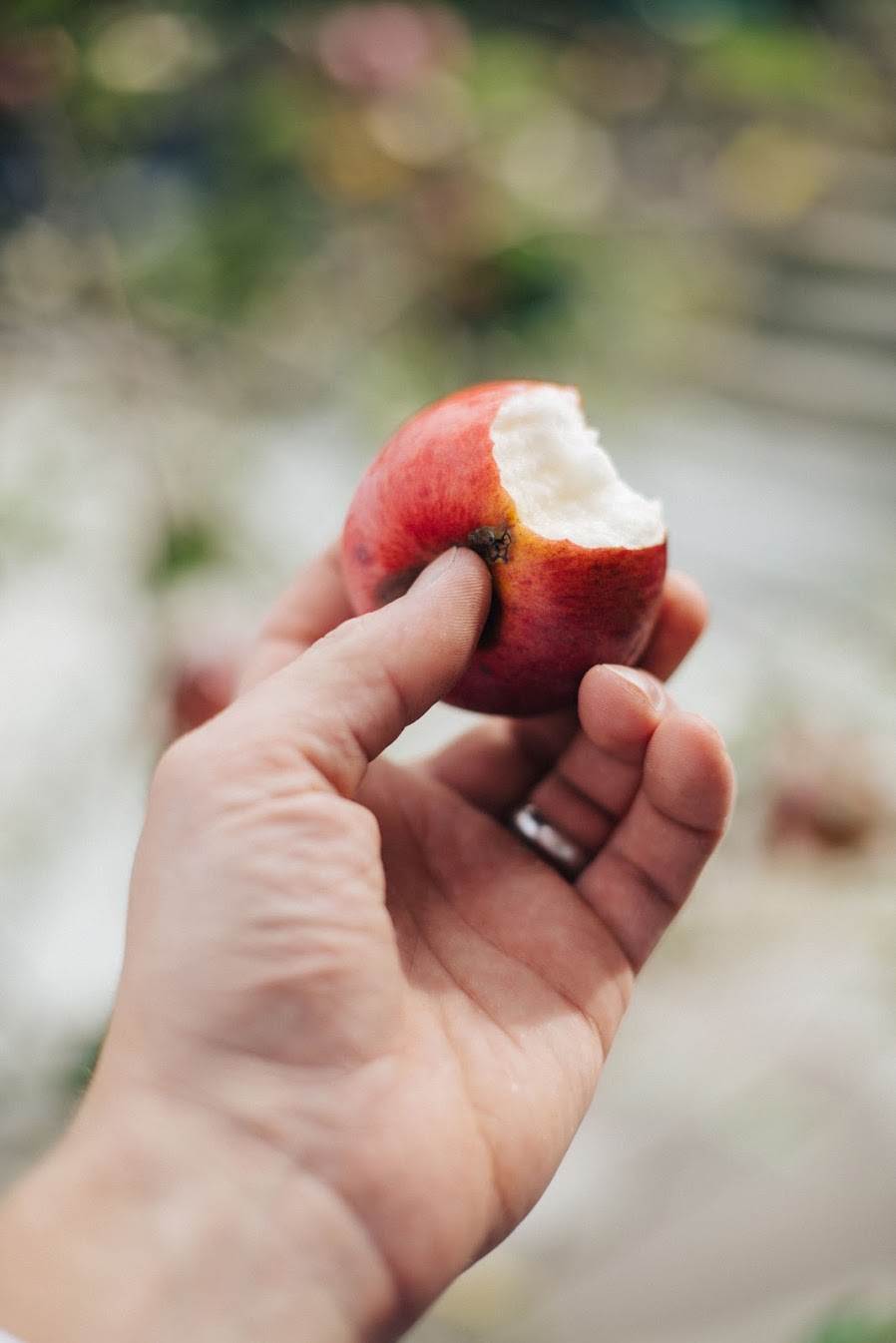
Here is some of their — and mother nature’s — handiwork…
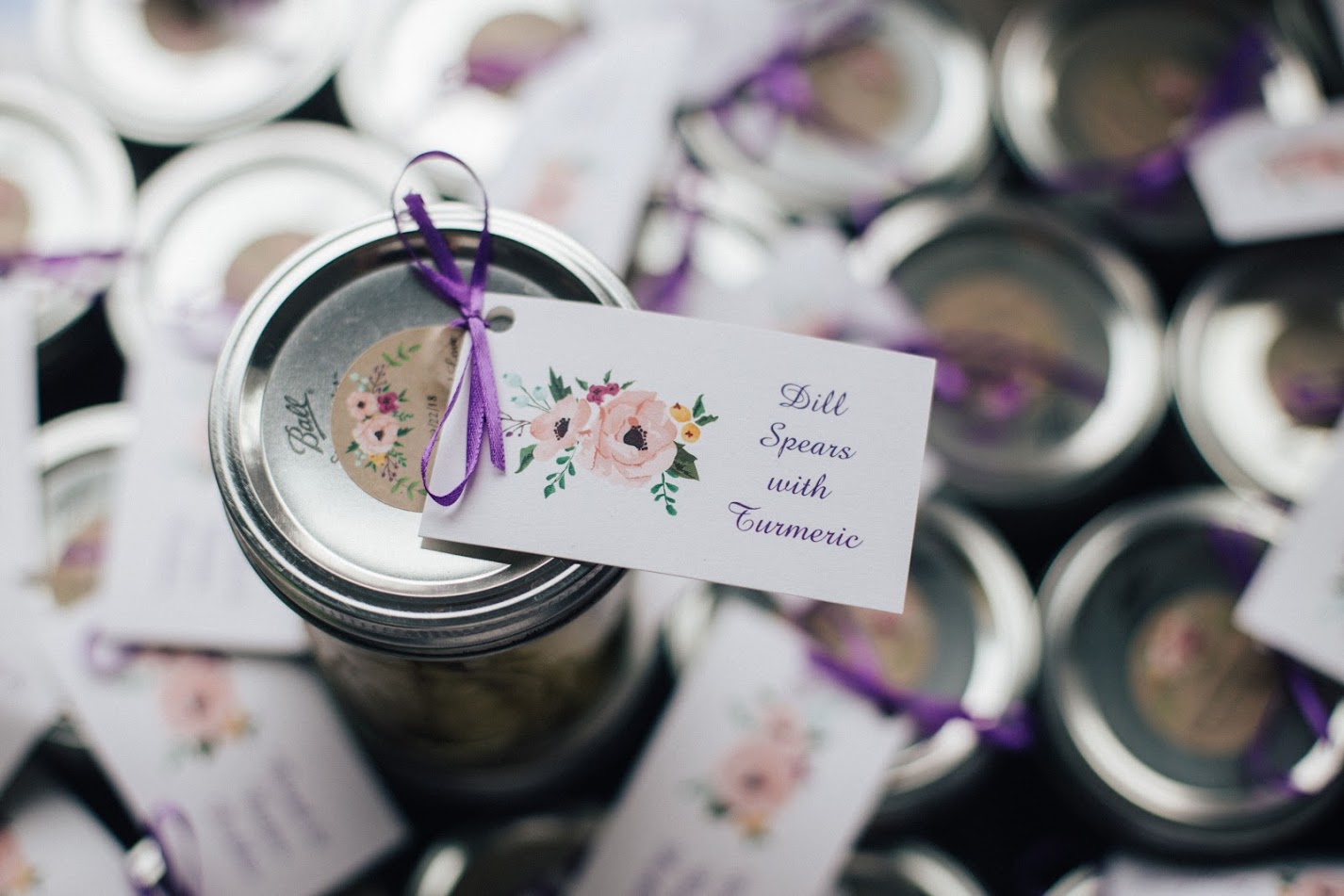
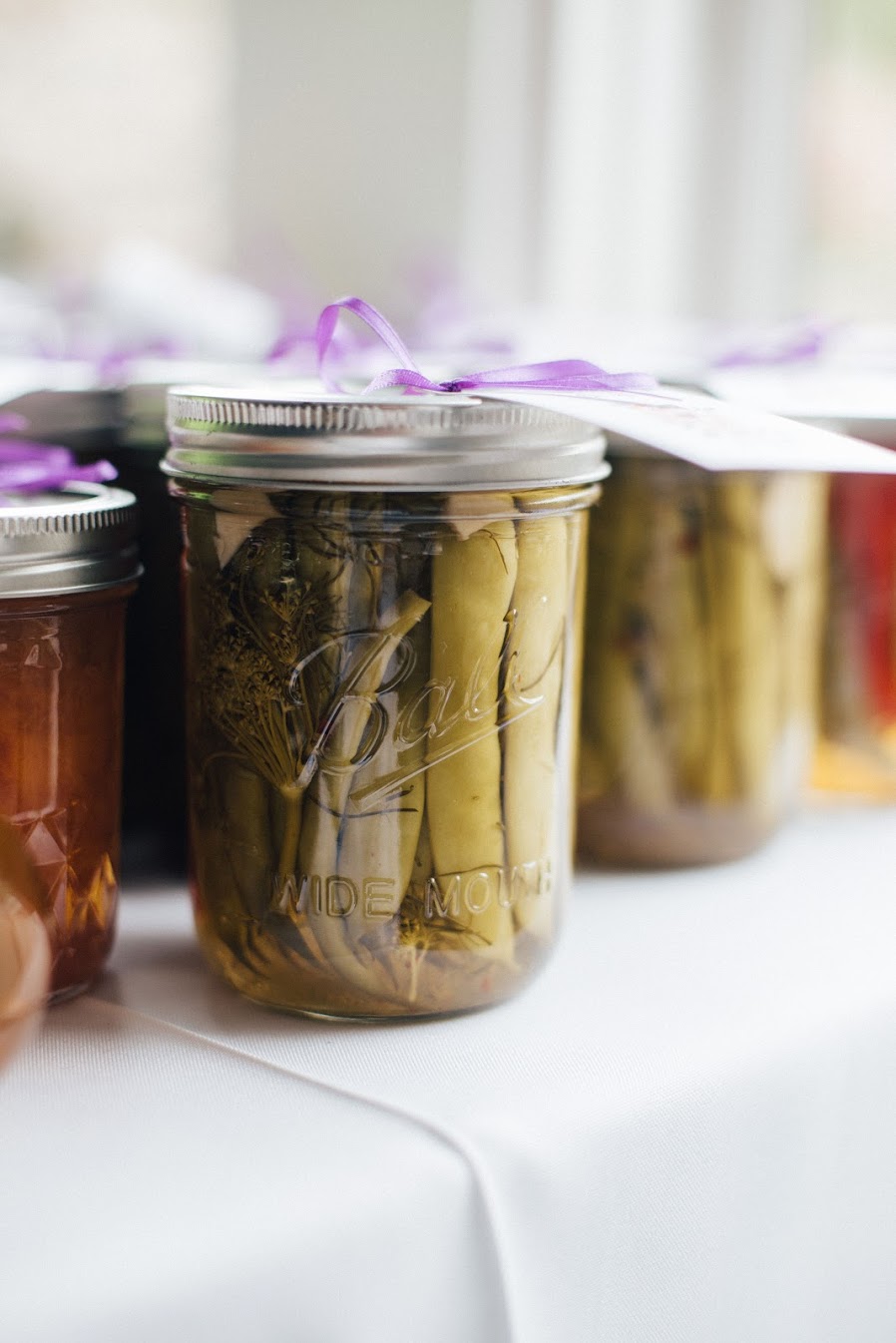
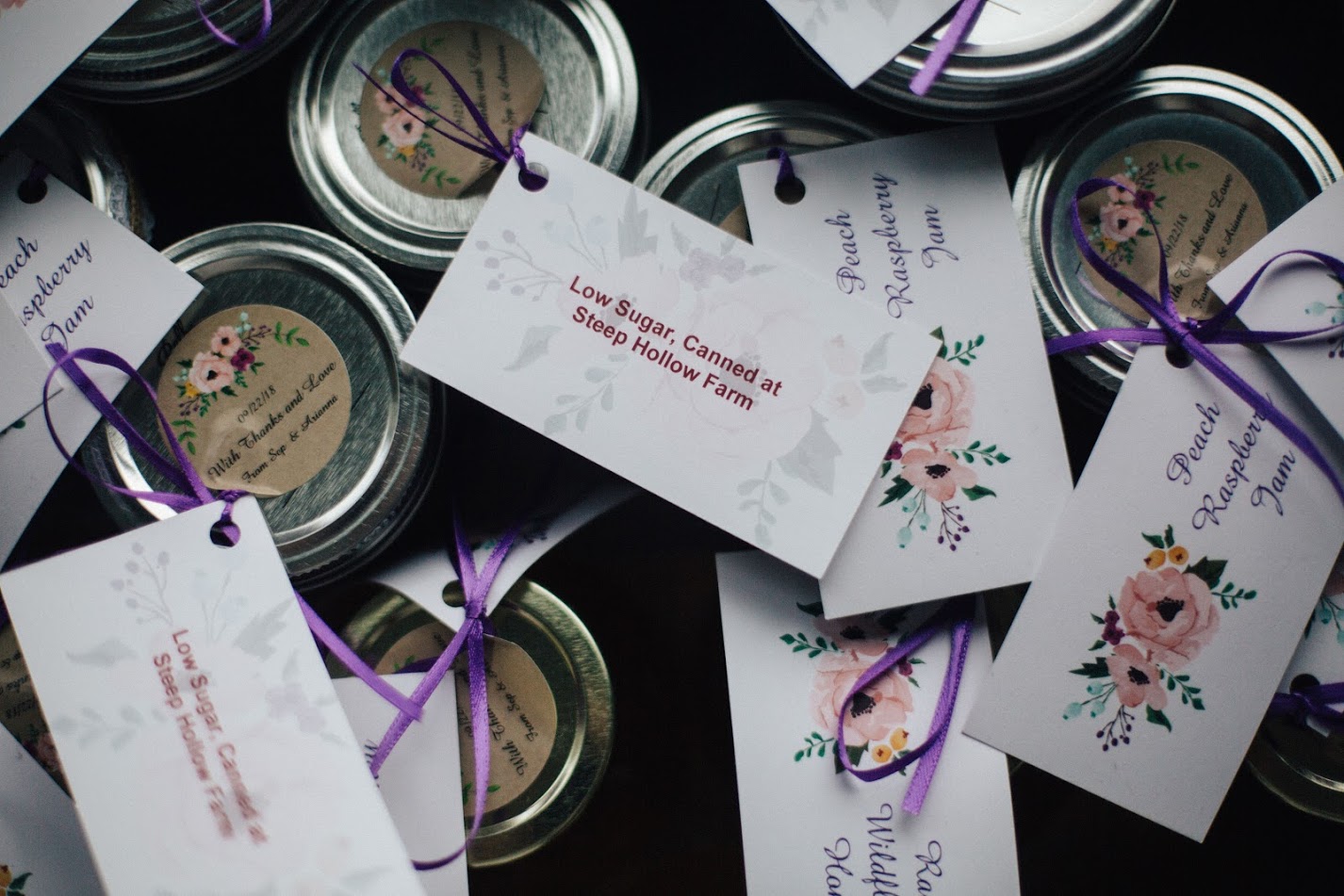
All of the wedding favors for guests were also grown, harvested, and preserved by members of our family.
My other sister (the bride’s aunt) is — among many other things — a terrific chef, and she took leadership of a pre-wedding pickling marathon.
Yum!!!
My sisters also canned a lot of peach-raspberry jam…
And my sisters’ neighbors keep bees; so some guests took home jars of local honey, too.
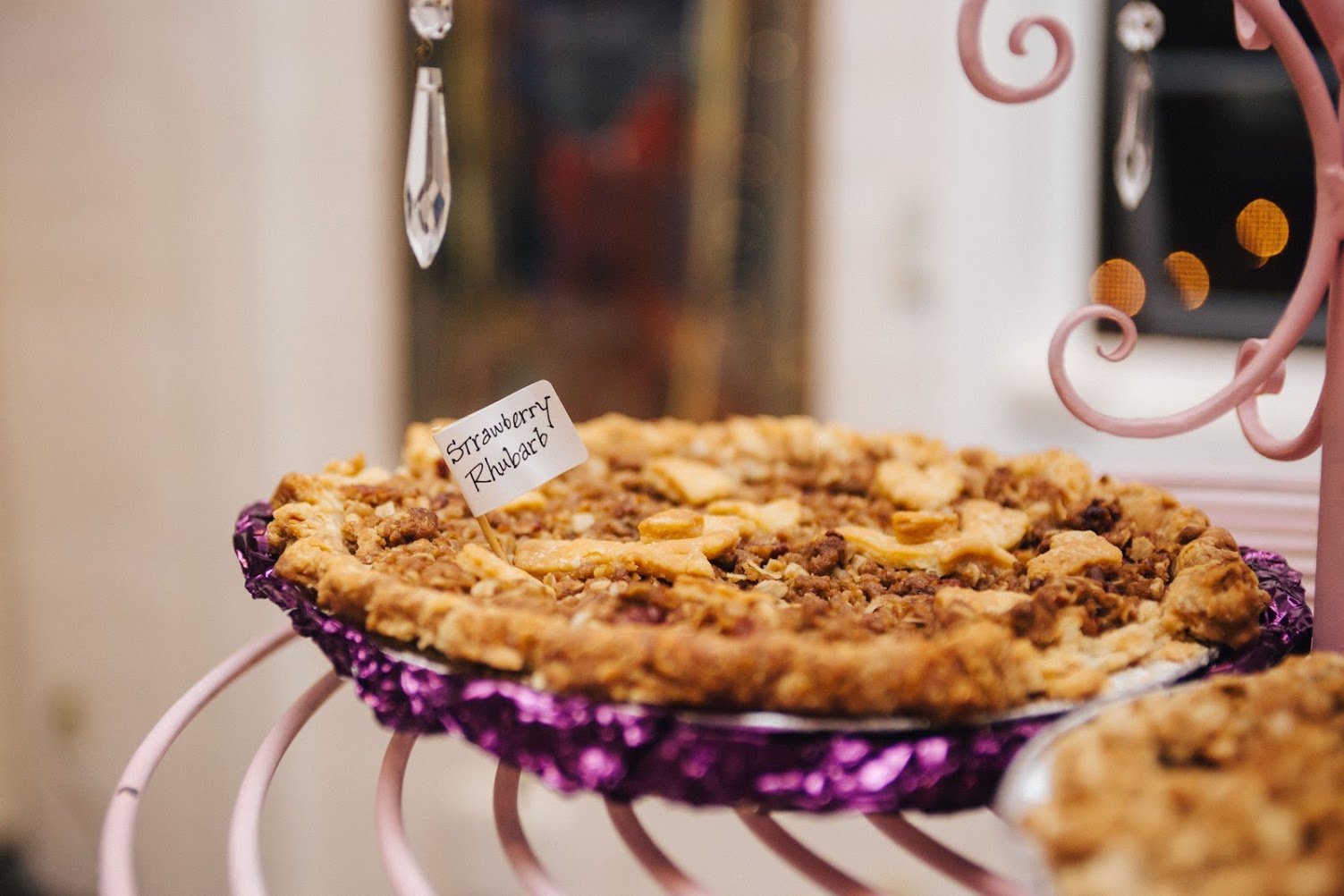
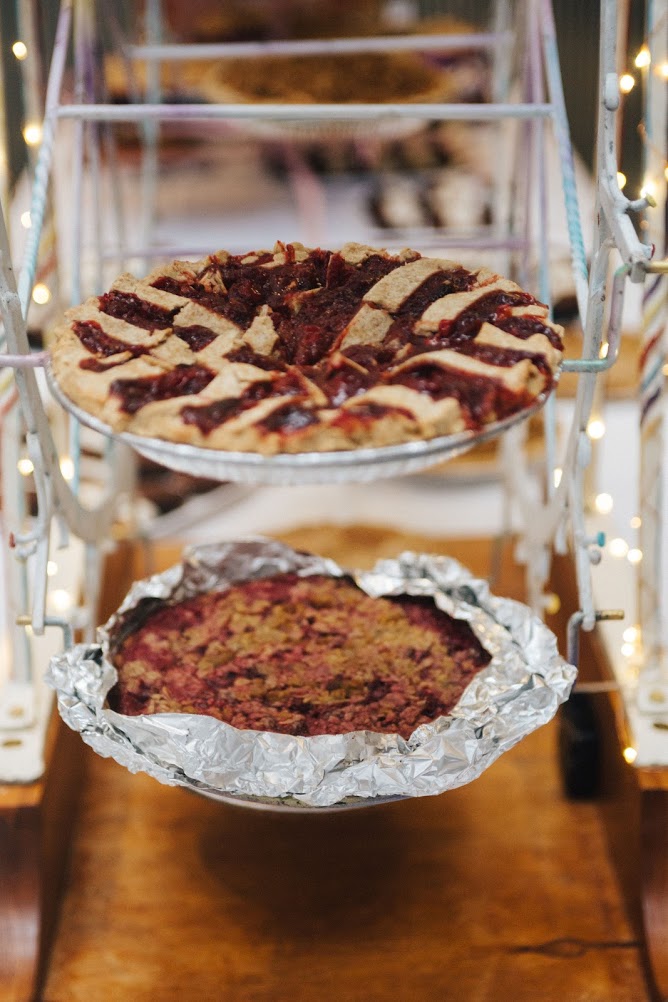
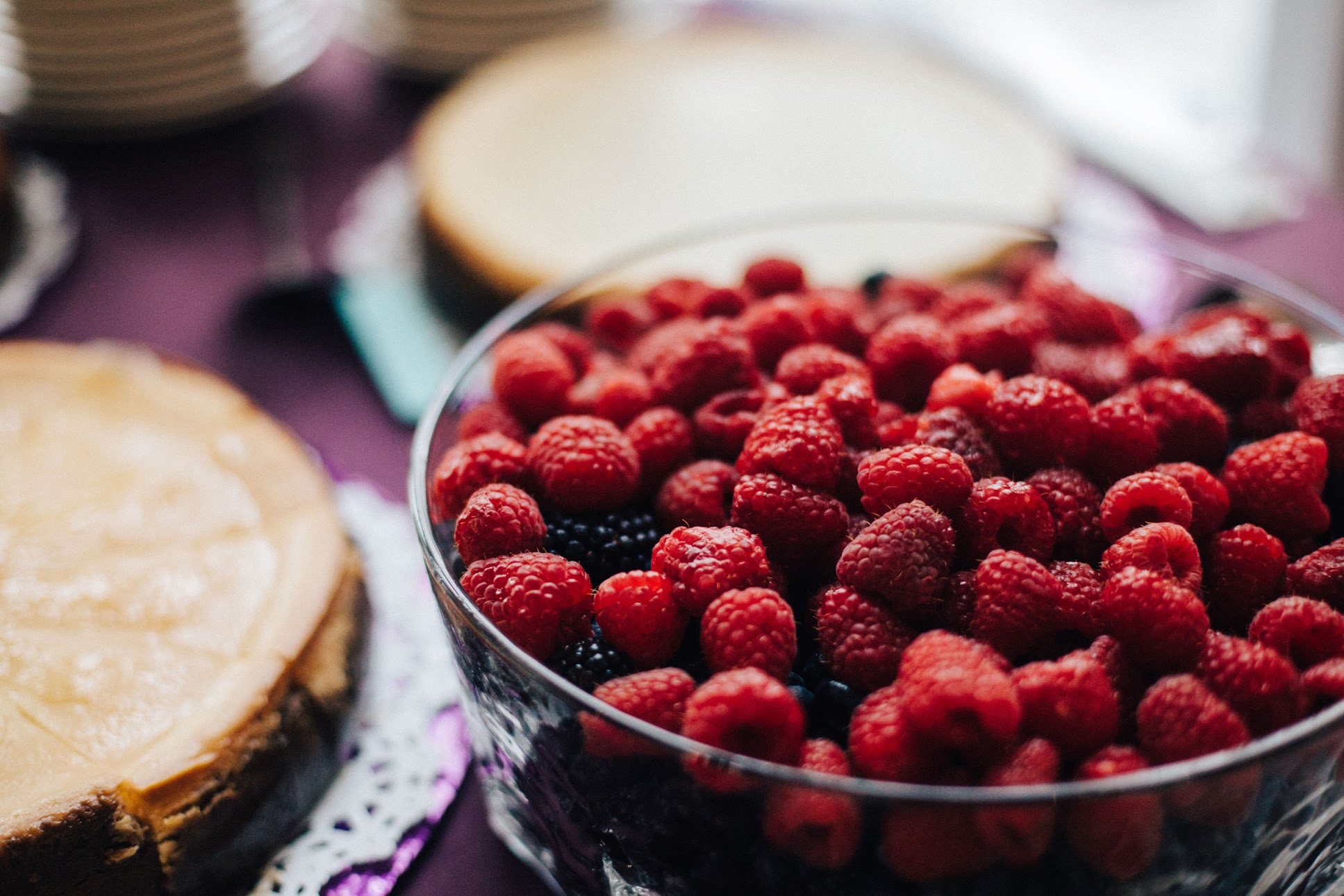
Many friends and family members also pitched in to make pies.
A lot of pies…
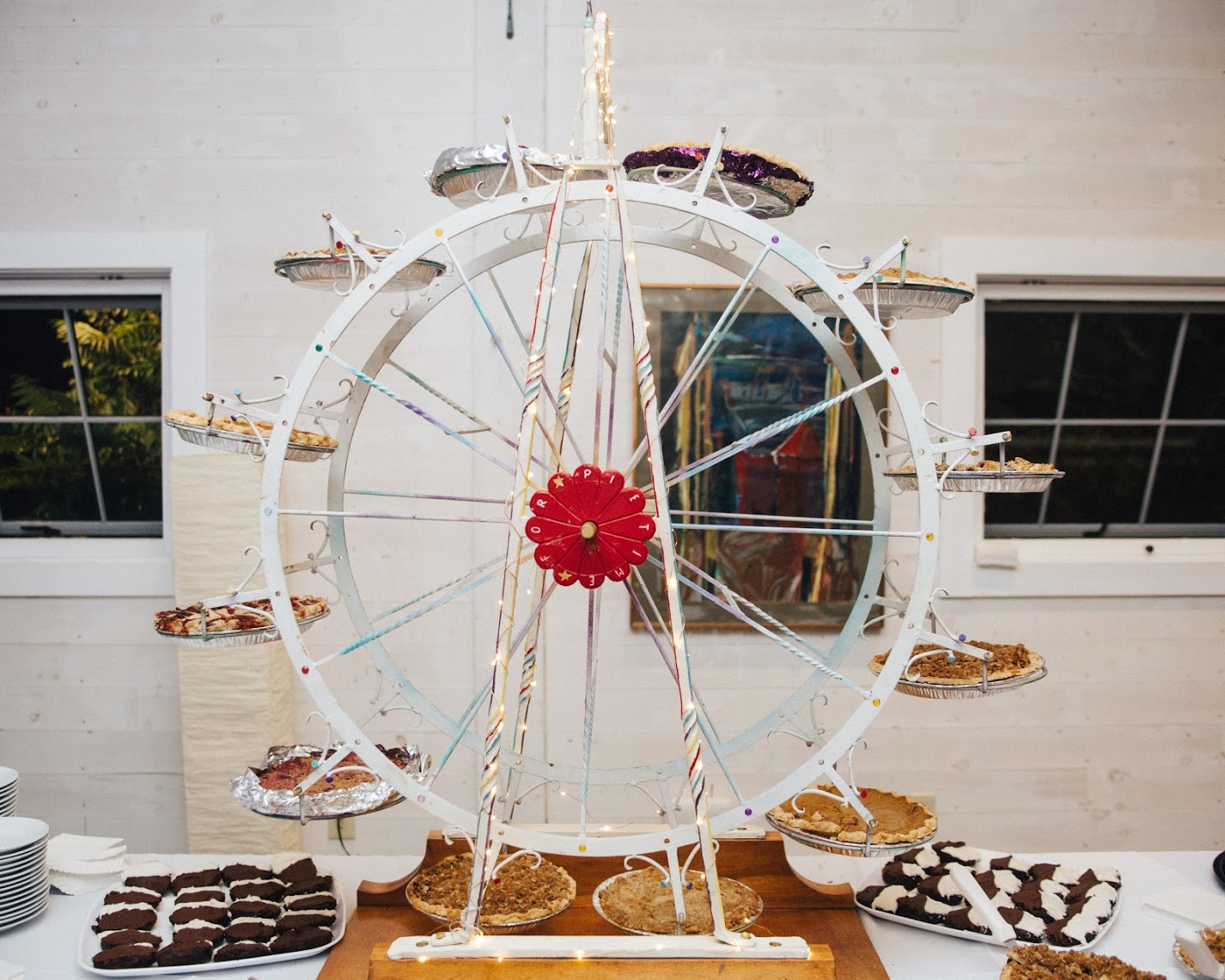
They were served from a Ferris Wheel Of Pie — which was something I had never seen before.
And very delicious.
Friday night was the rehearsal dinner, and somehow the caterers were running late.
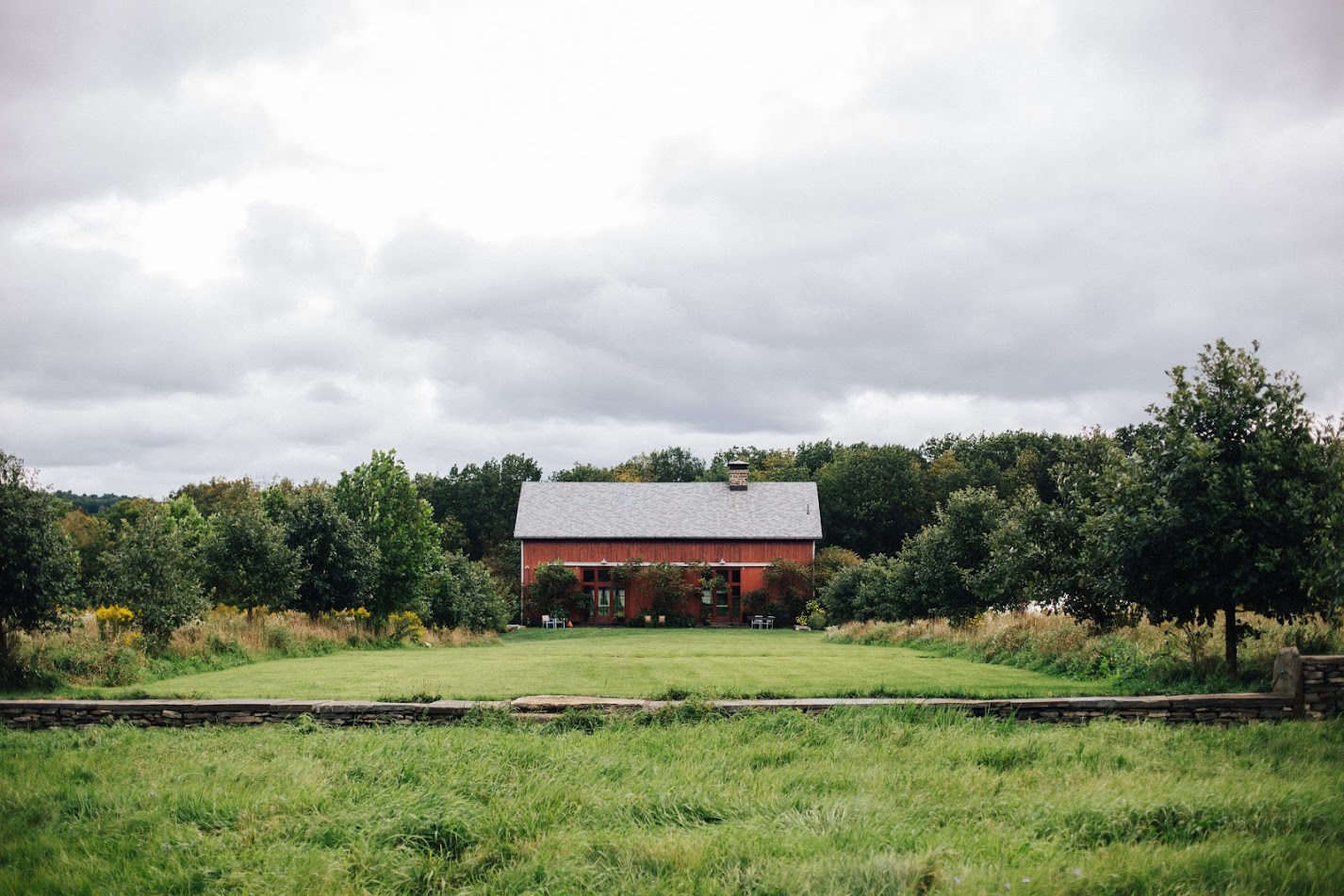
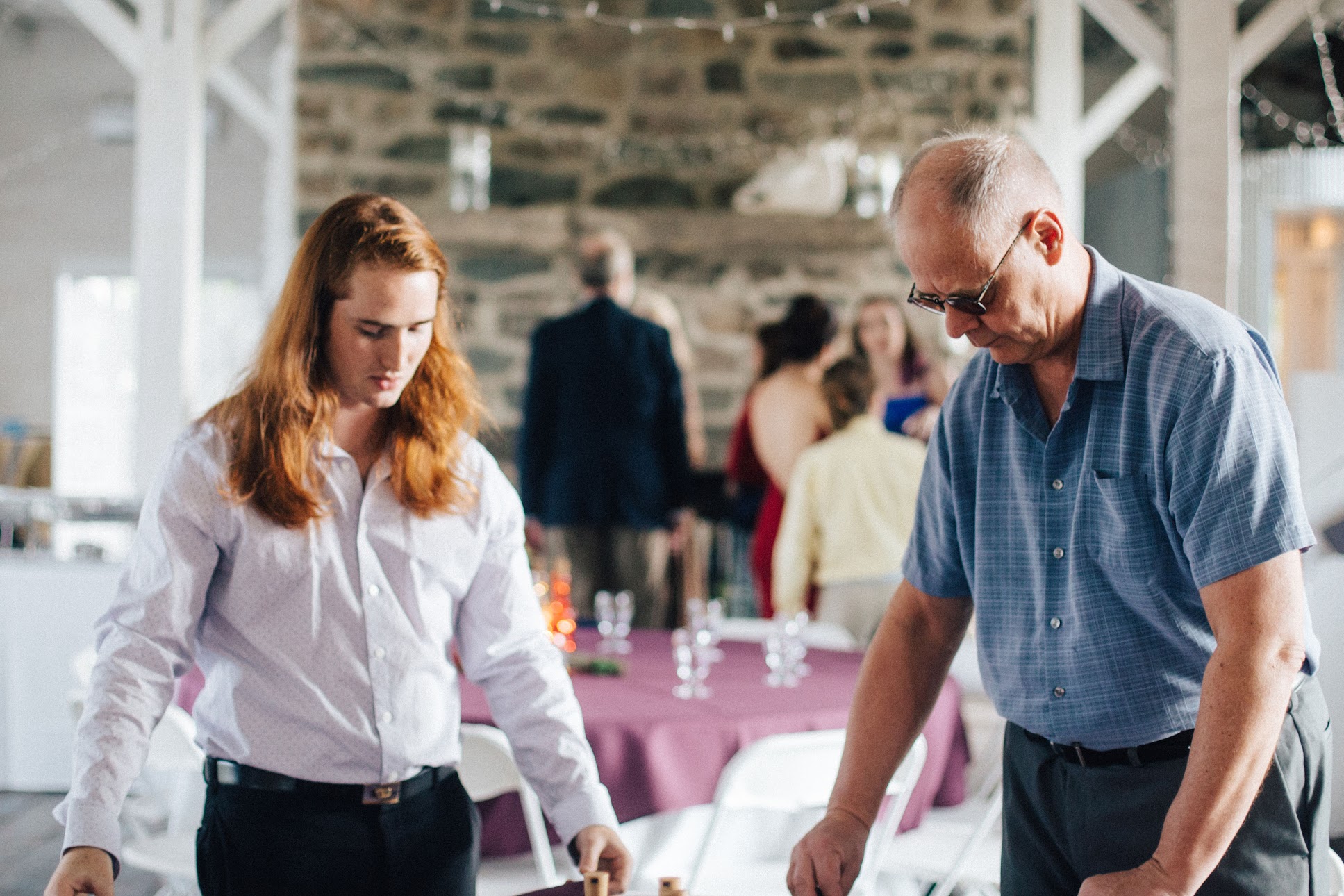
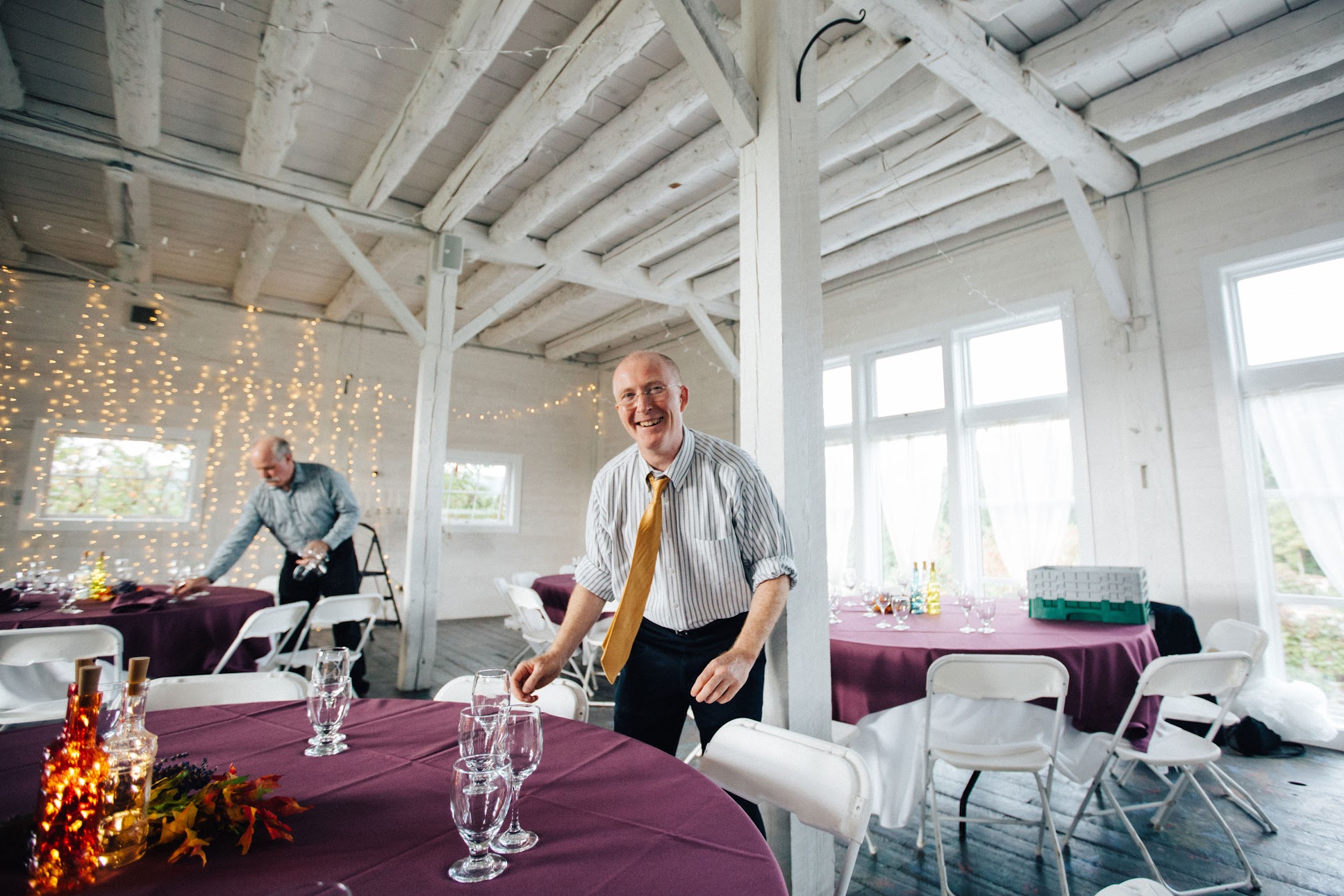
So everyone — except the bride and groom — pitched in to set up tables, plates, glasses, silverware on the second floor of the elegantly converted barn that is the heart of the Treman Center.
Working together like this is one of my favorite ways to spend time with other human beings — and a tried-and-true way to jumpstart a sense of shared purpose and community.
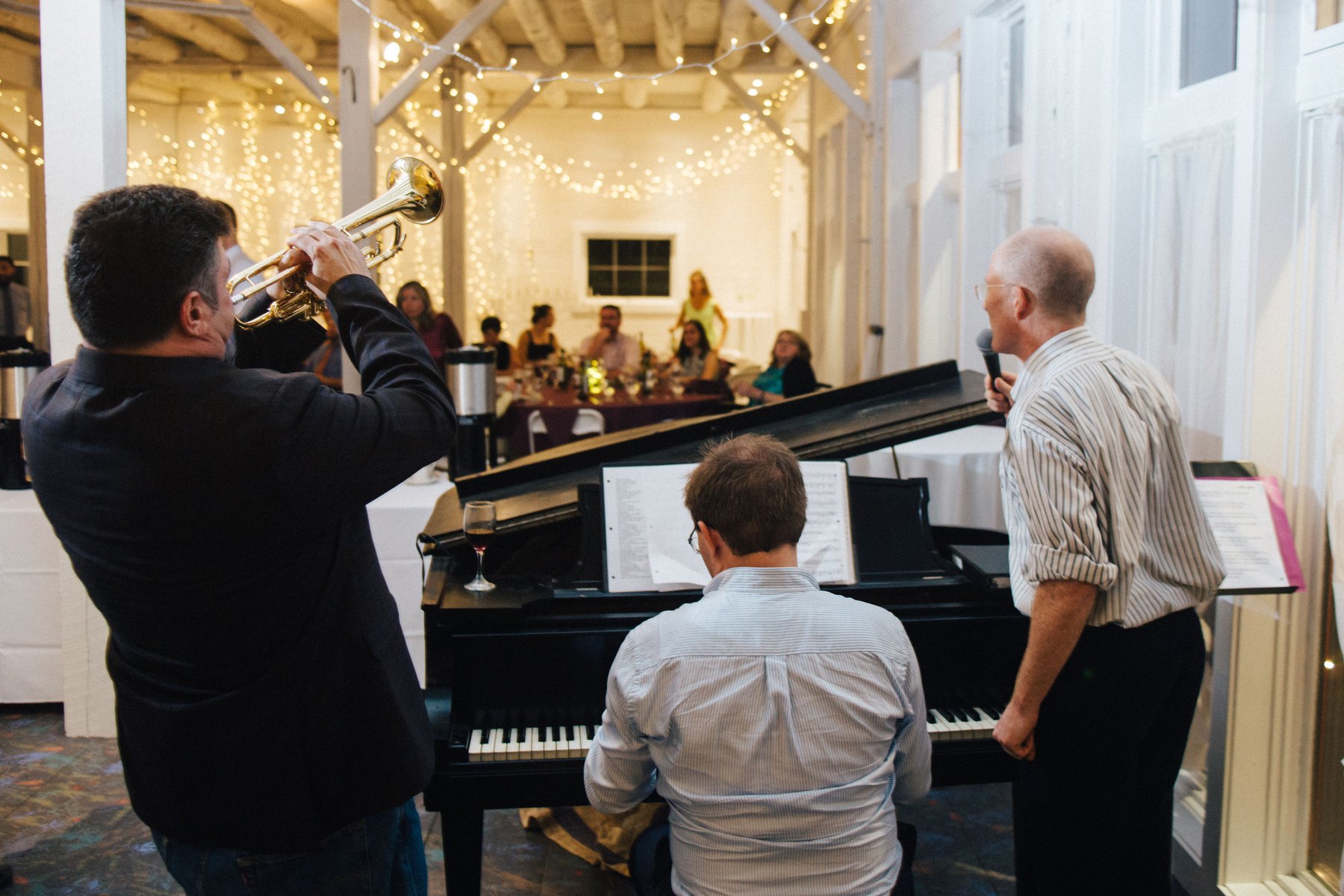
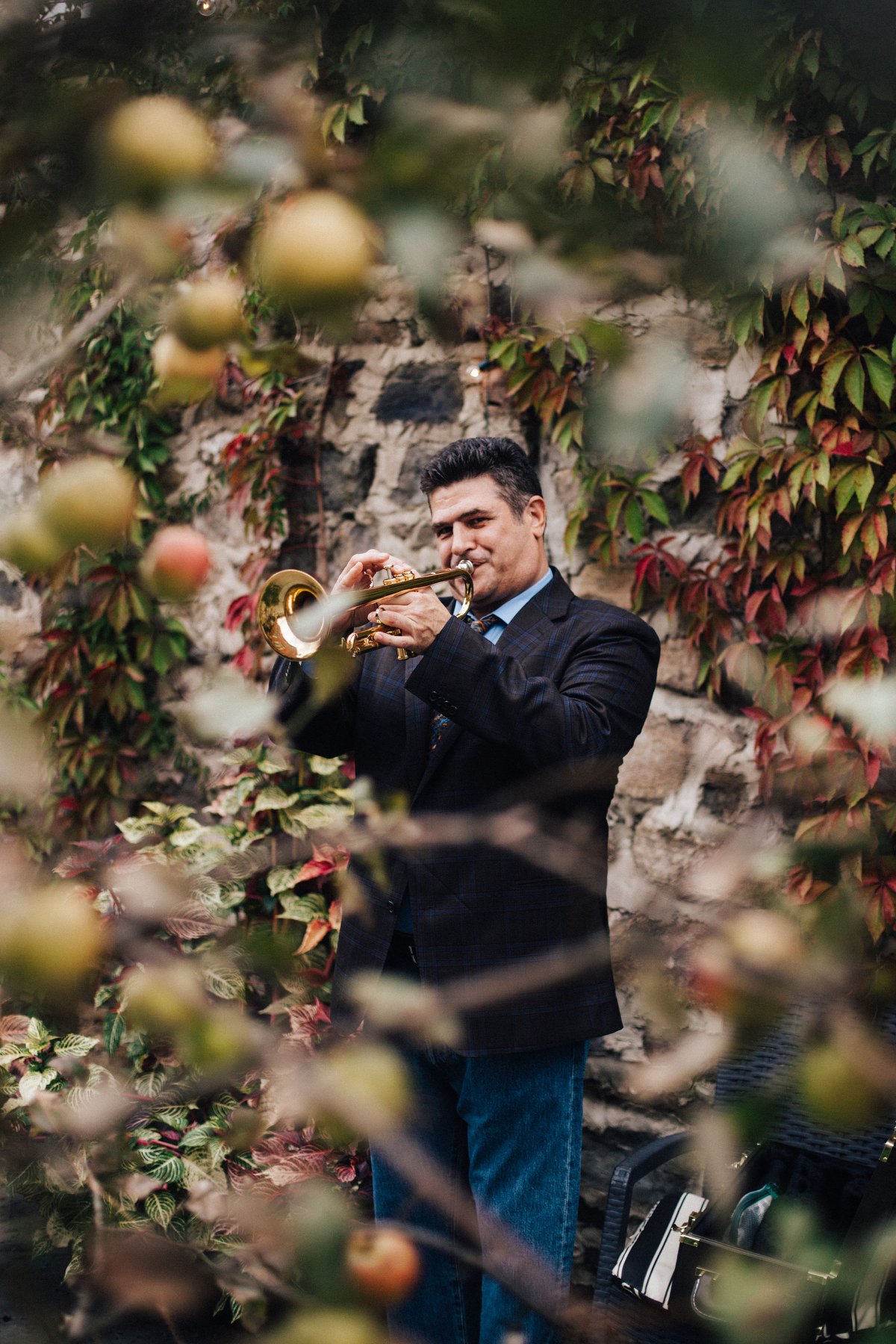
After dinner the father of the bride — who is a professional trumpeter — and I and a dear friend of the bride and groom who happens to be a great pianist (and who had driven all the way from Norfolk, VA, with his fiancee to be part of the celebration) sang jazz standards at a funky old Steinway which graces the Treman Center.
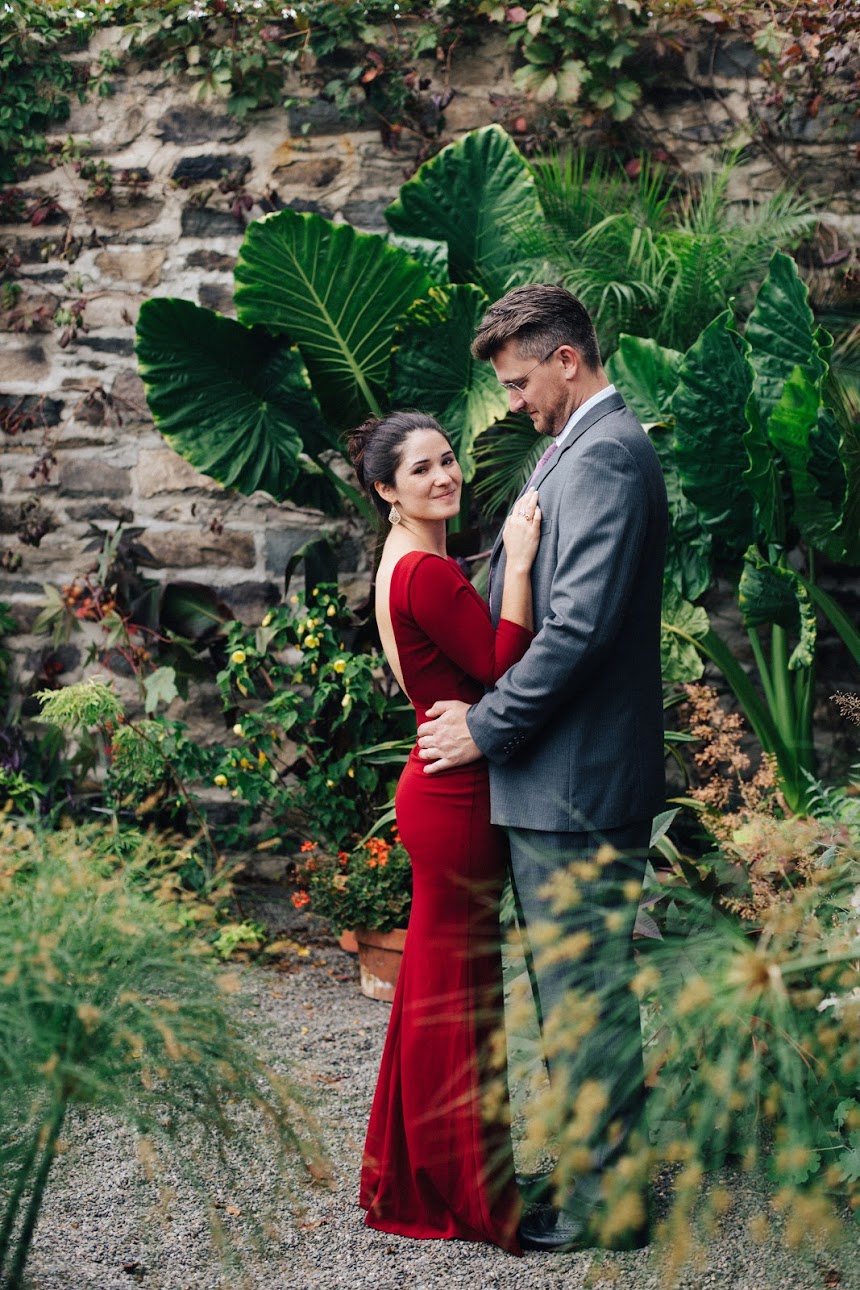
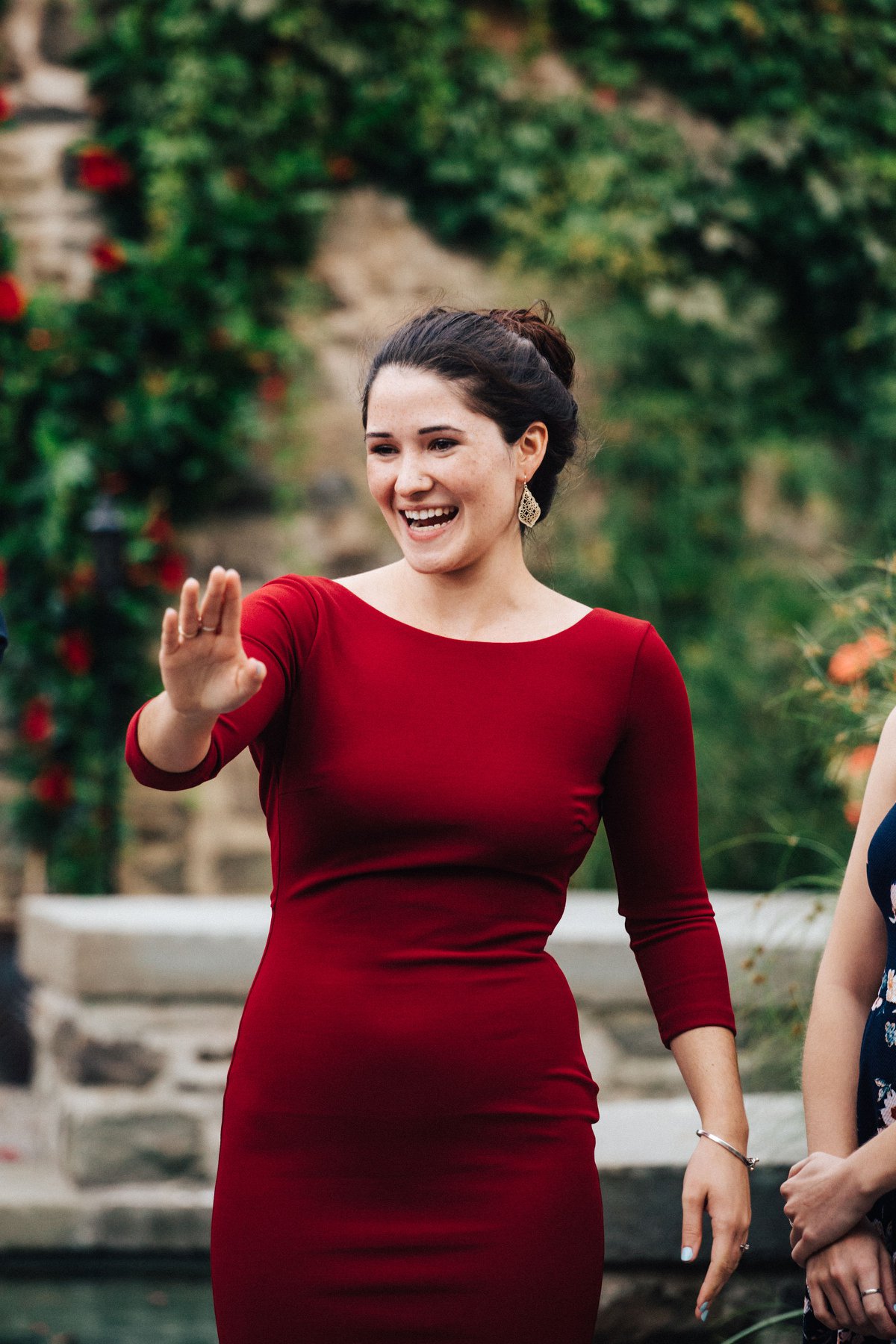
My niece wore a beautiful and very red dress.
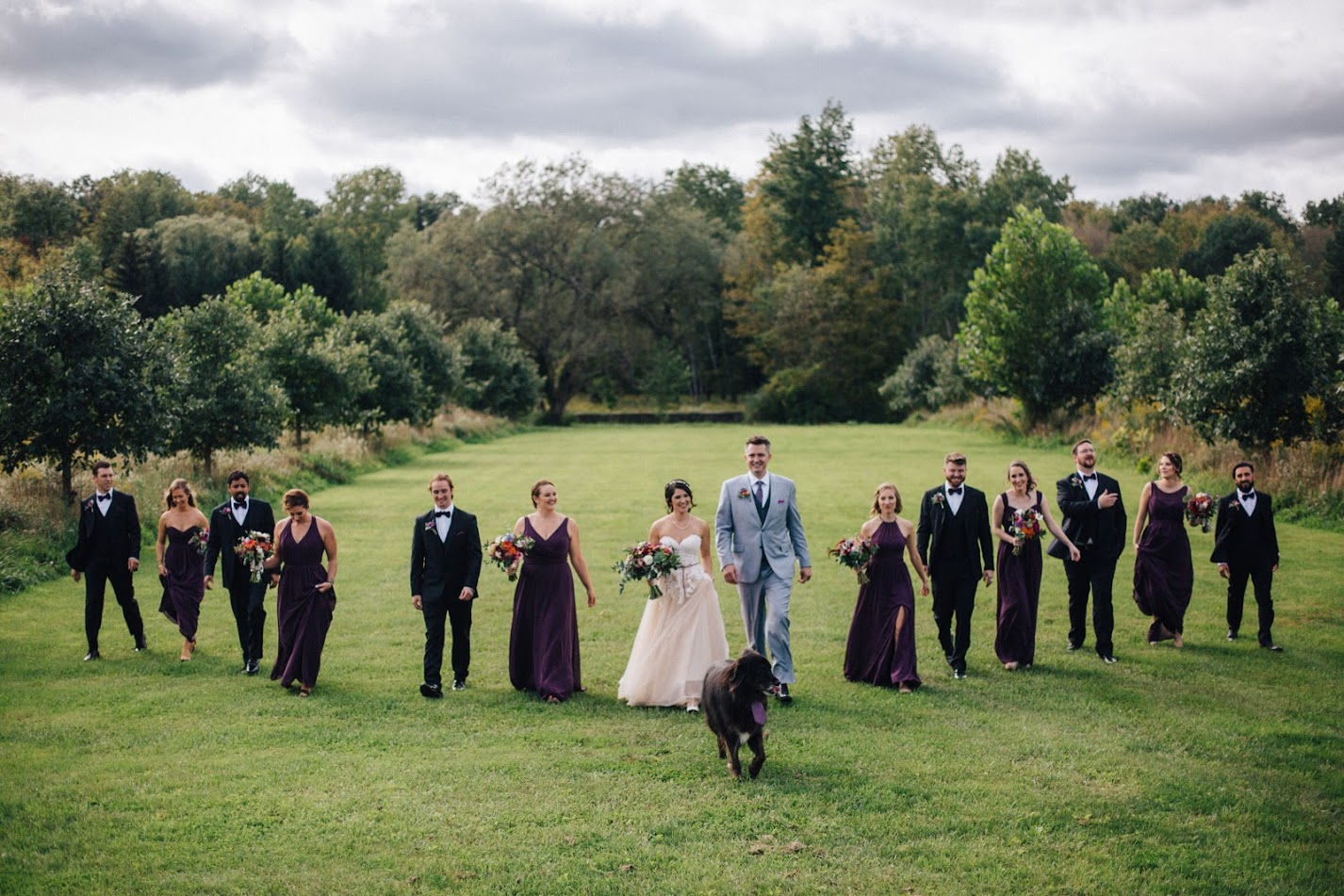
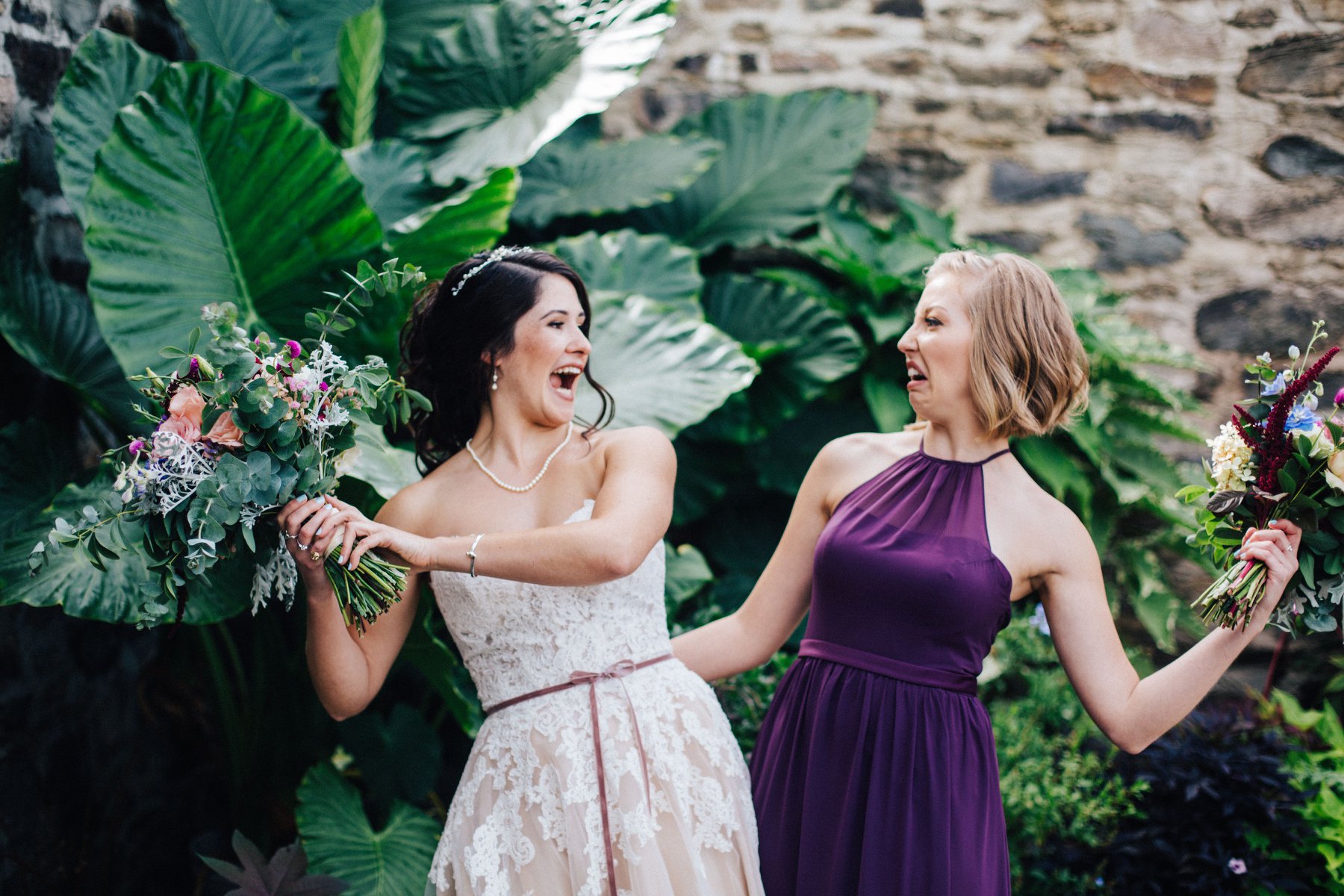
She had a terrific group of friends as bridesmaids, and the spirit throughout the weekend was often quite playful.
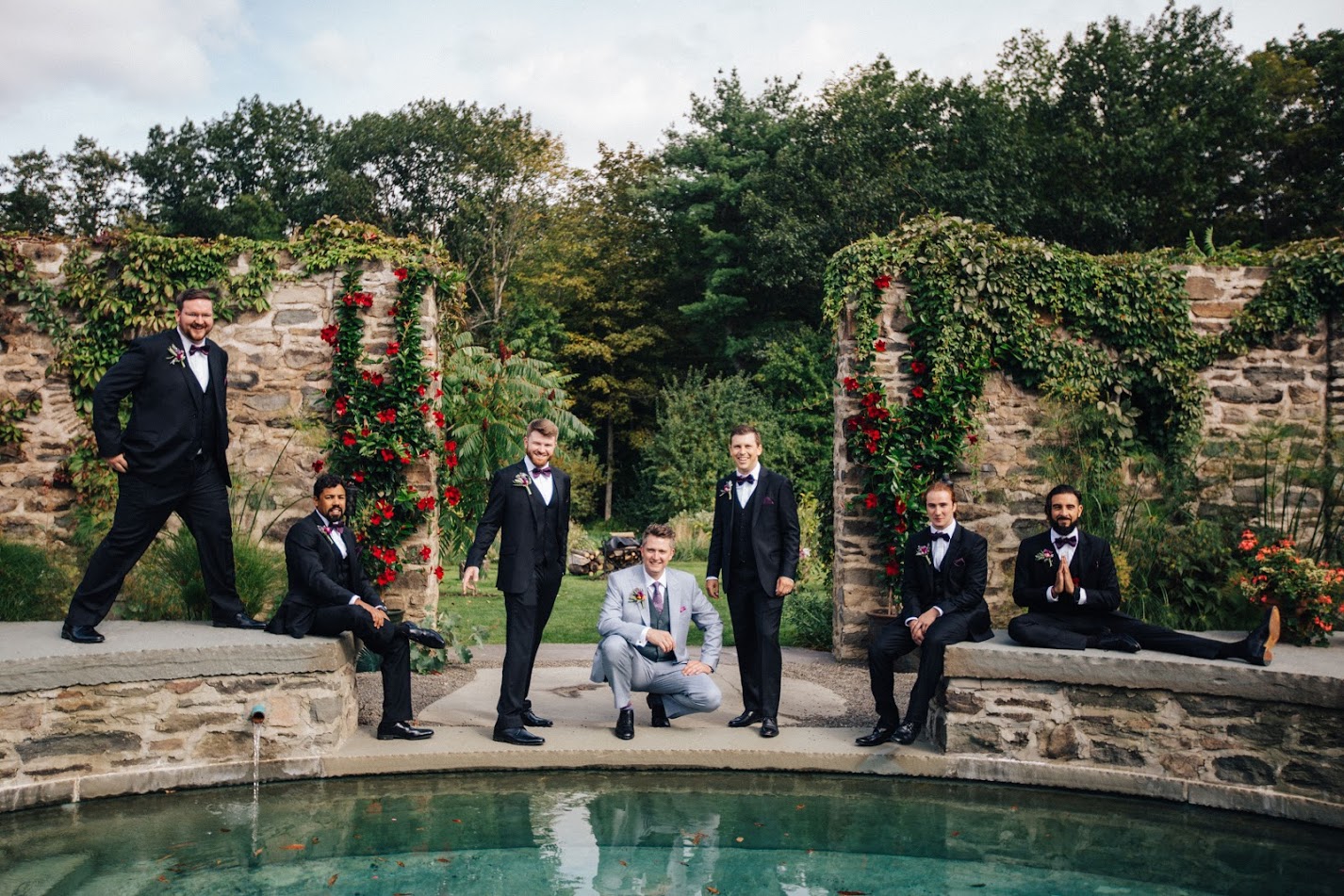
The groomsmen were also full of fun and creativity.
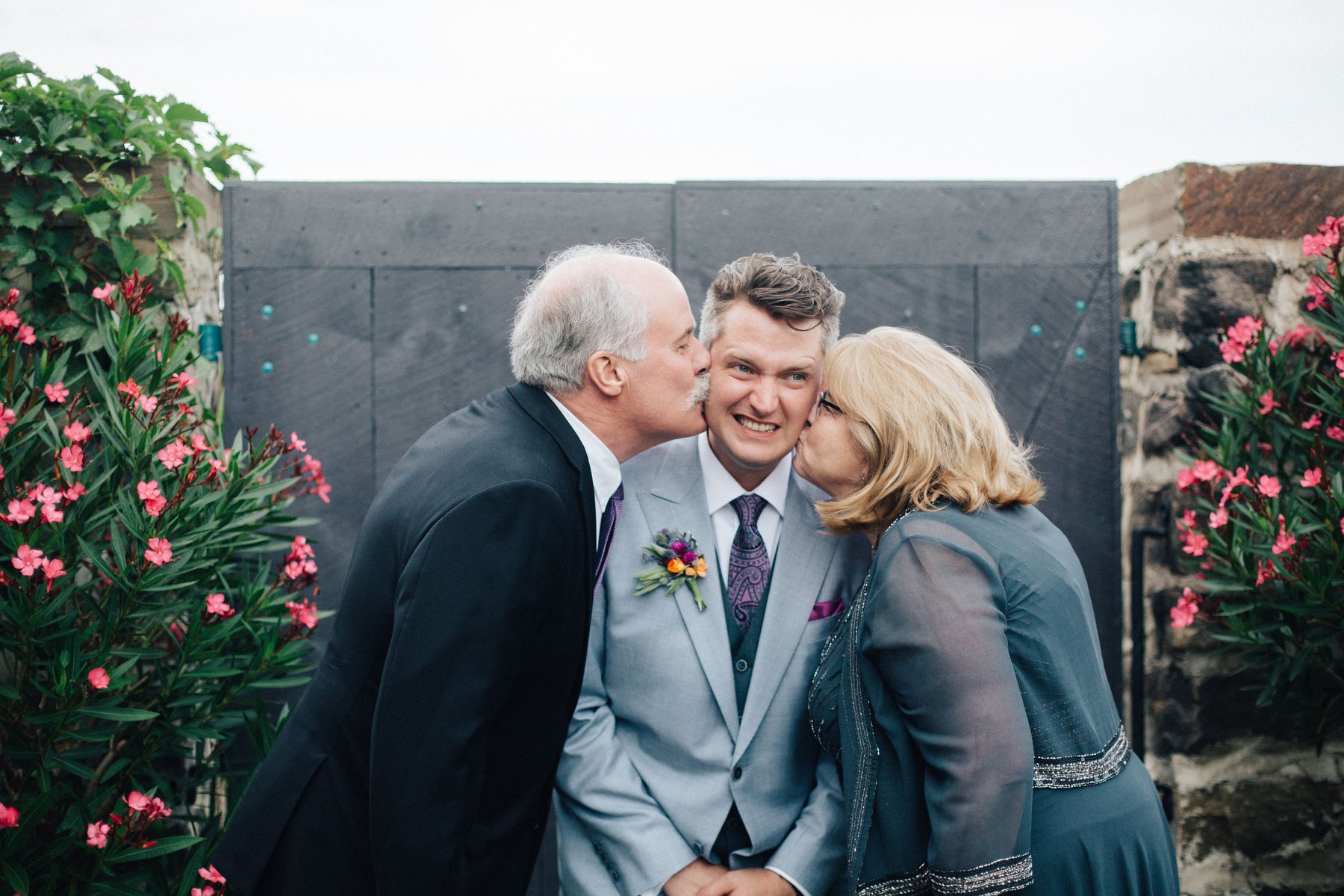
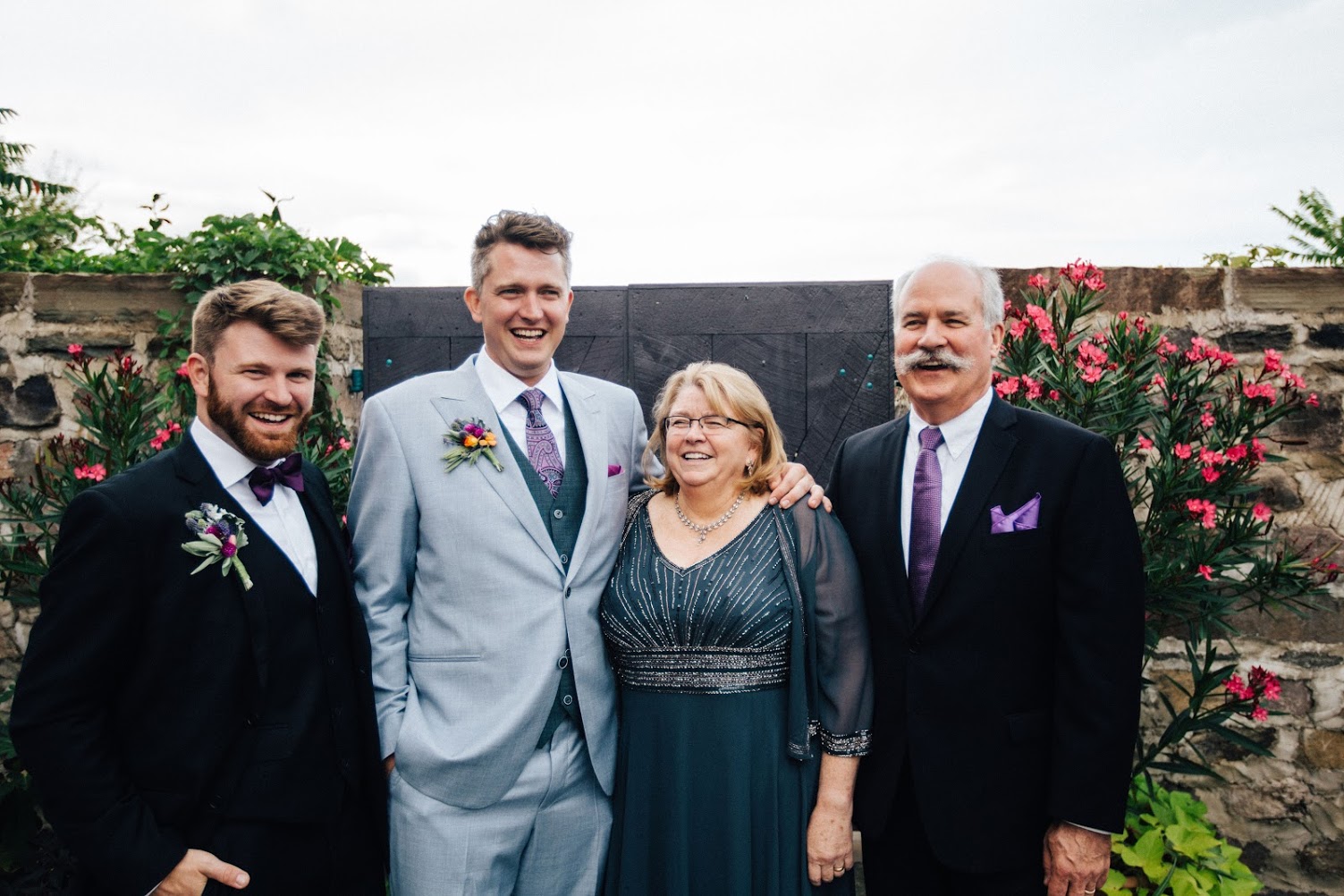
I love this photo of the groom and his parents.
The bride’s quietly extraordinary younger brother (my older nephew) was part of the bridal party, and pitched in to help at every conceivable opportunity.
Their mother is a hardworking farmer and photographer who like many hardworking farmers — and photographers — also has a day job.
Currently she works at Cornell University’s department of Fiber Science and Apparel Design — which meant that she was able to have a gown created for her by an up-and-coming clothing designer.
One of the unexpected pleasures of this wedding was seeing friends and family members whom I usually see in shorts and swim suits — or in the case of my sister, a one-piece jumpsuit which she wears when she takes care of the chickens and sheep and gardens on her farm — wearing somewhat fancier clothing.
Everyone cleaned up very nicely!
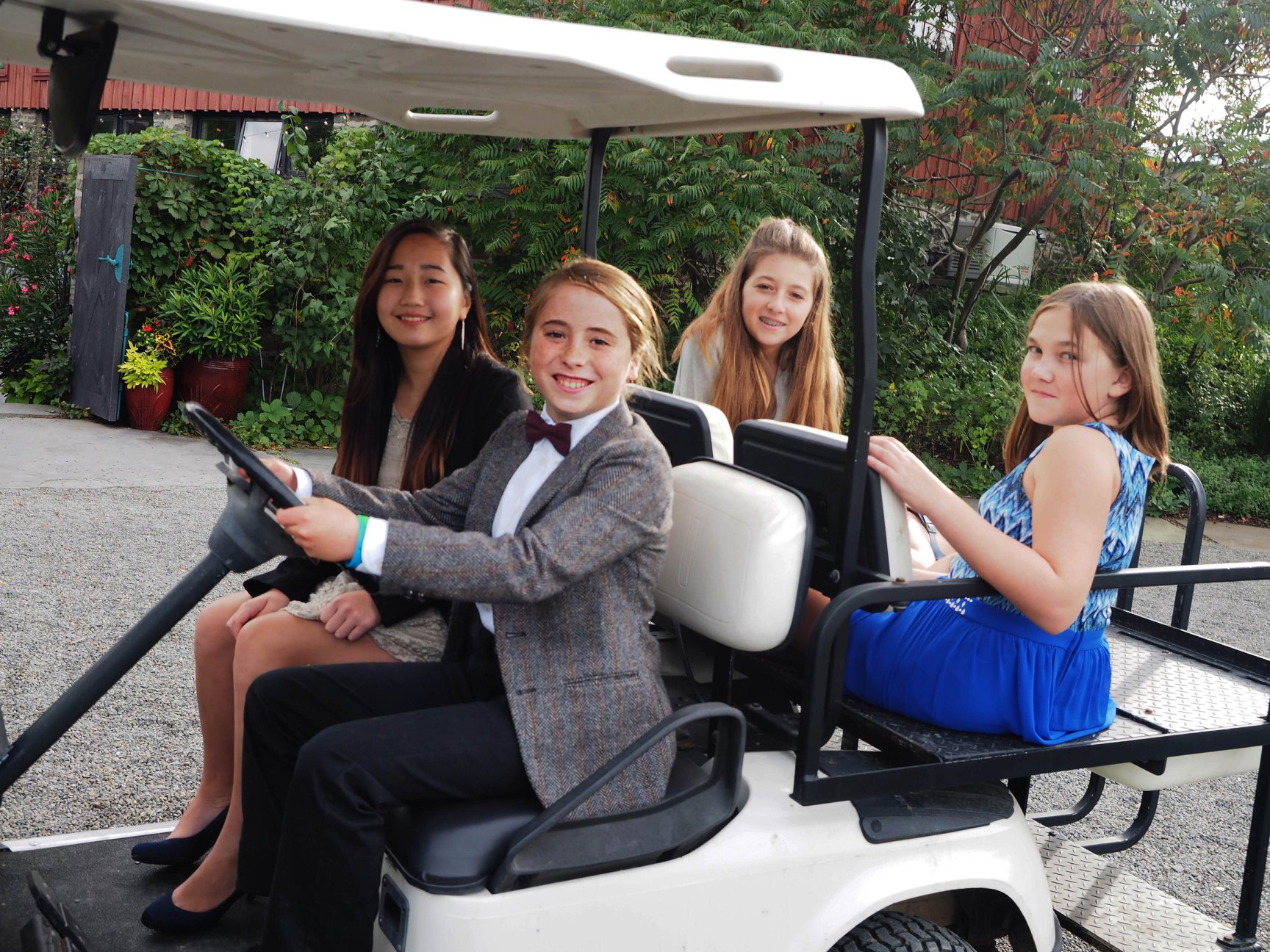
My younger nephew and some of my younger cousins looked very sharp when they were given permission to drive a golf cart around the venue.
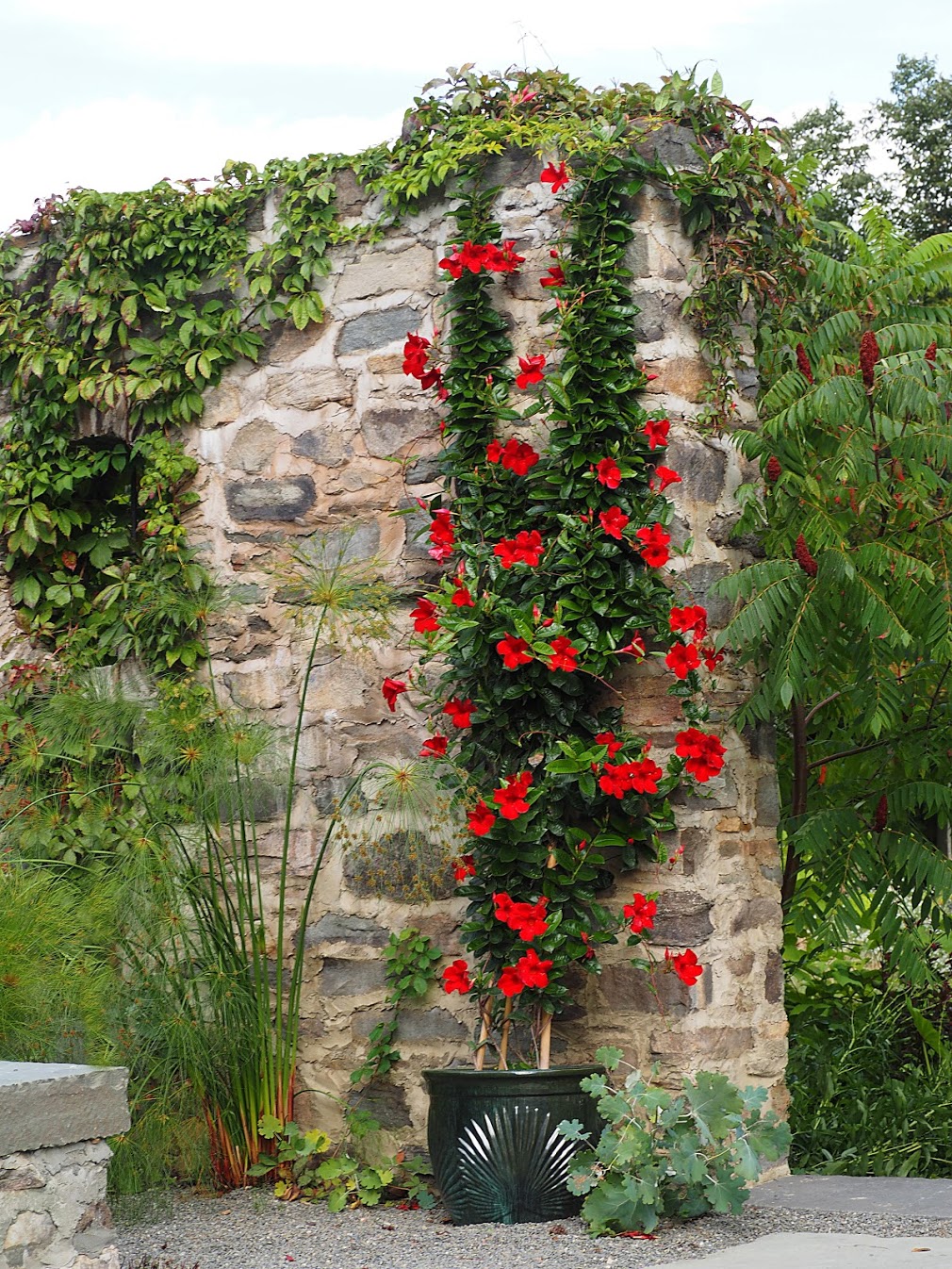
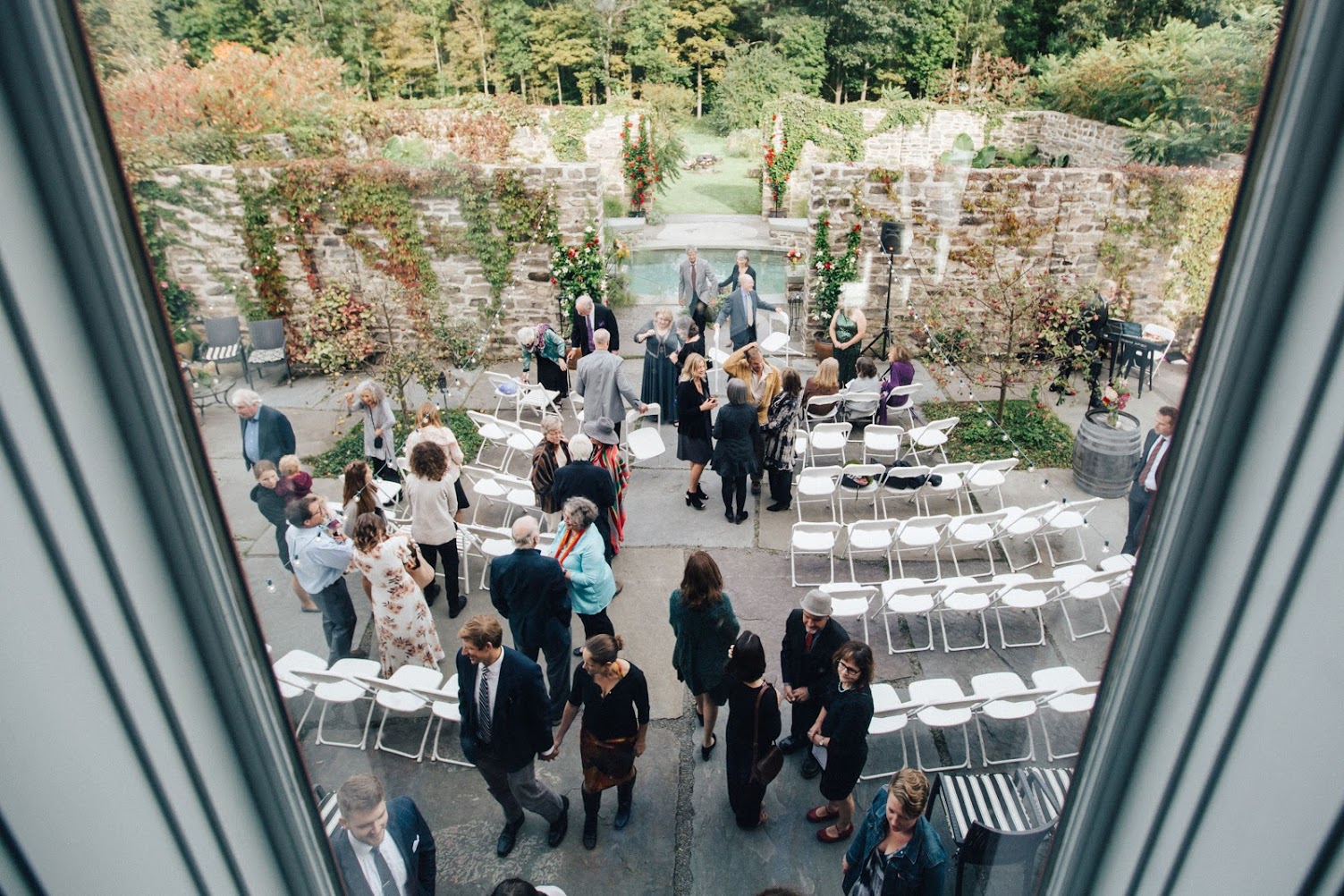
The wedding ceremony was held in a stone courtyard which had all sorts of fruit trees growing in huge planters.
While everyone was assembling on Saturday afternoon before the ceremony began, the pianist friend and I shared more standards while the bride’s father rocked his trumpet.
He has toured with Wynton Marsalis, Maynard Ferguson, and Harry Connick, Jr. among others…
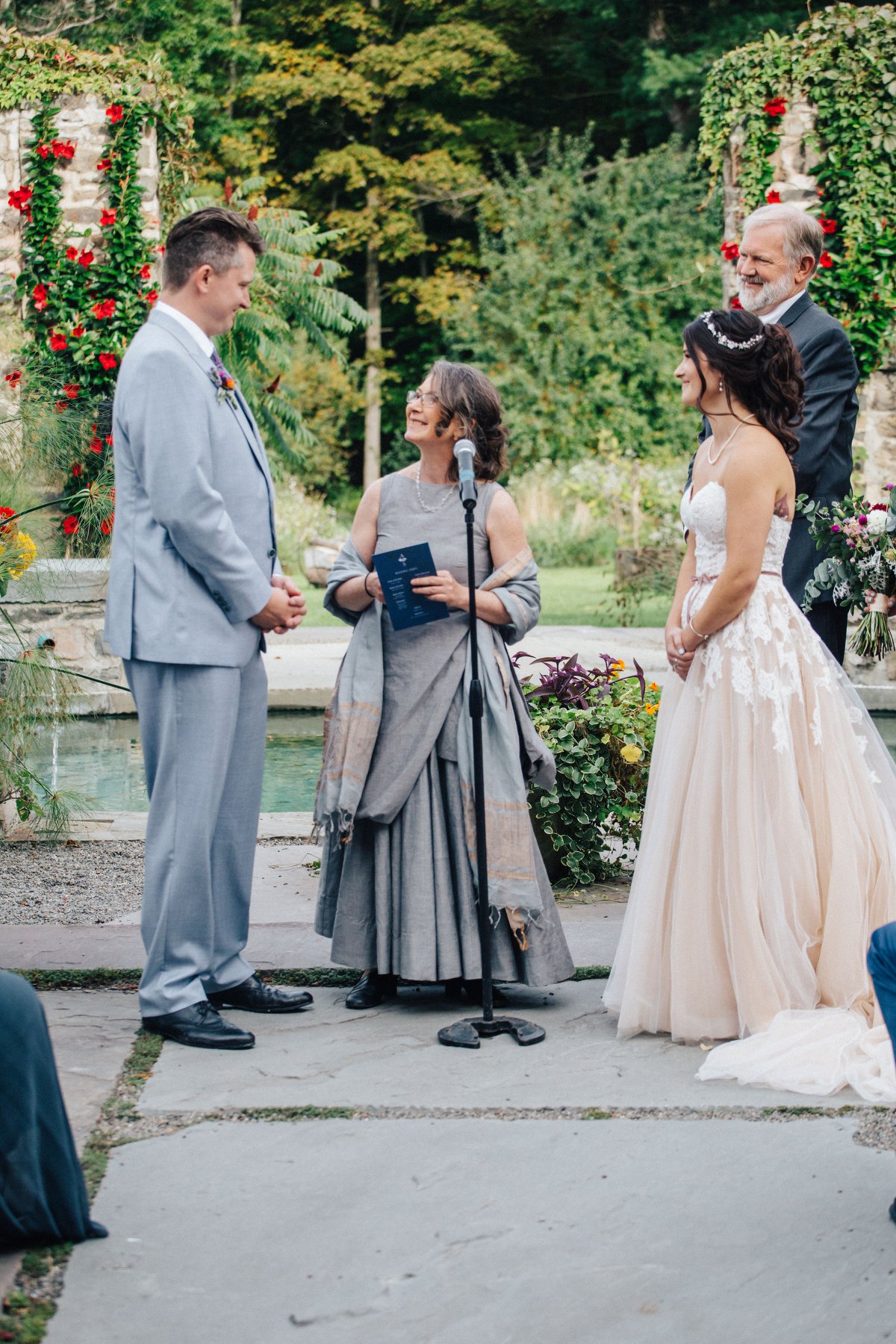
I will share lots of photos from the actual wedding ceremony in my second (future) post.
Here are a few observations:
The groom is very tall.
He has a wonderful family.
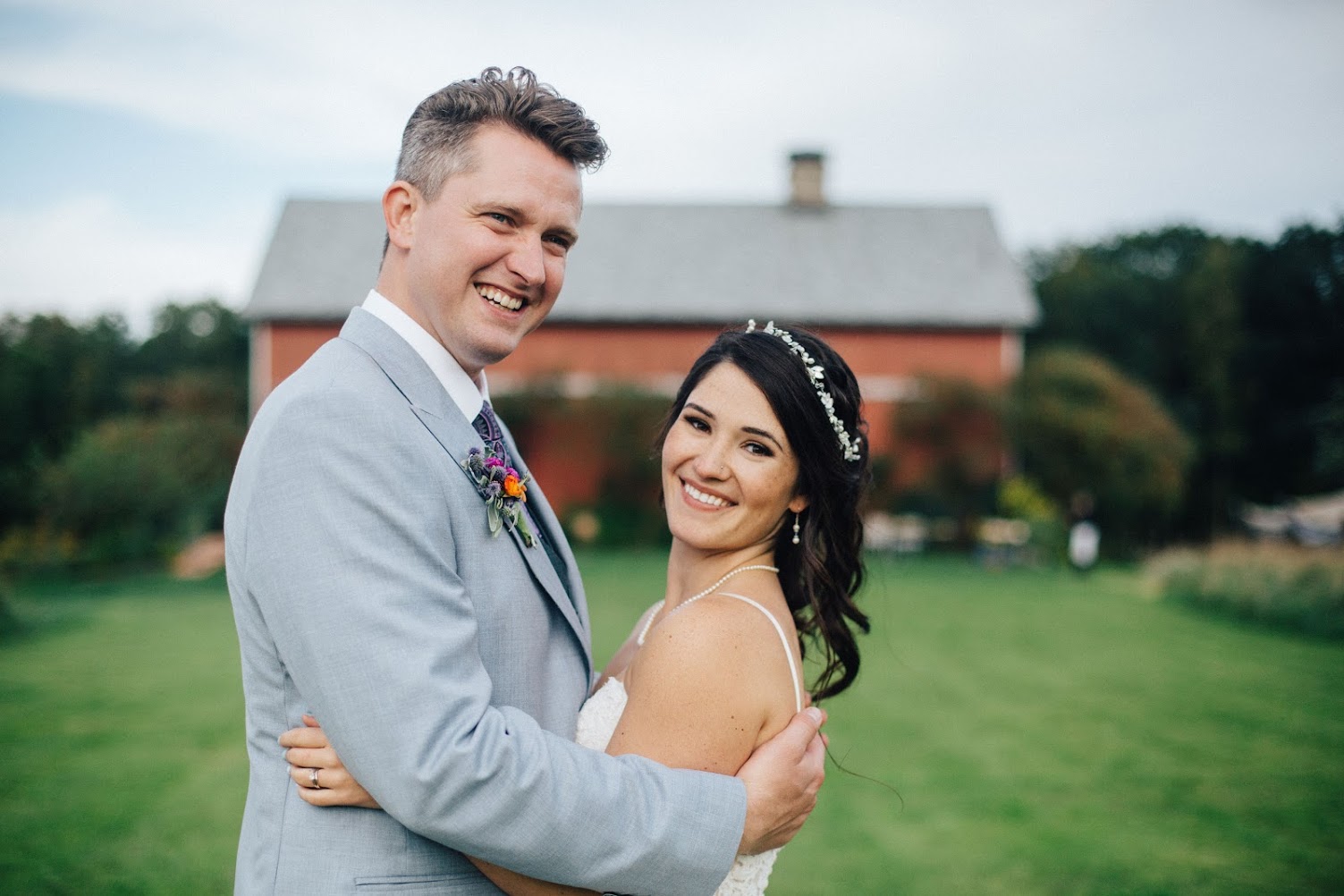
And he and my niece are very fond of each other.
If I am remembering correctly, they originally met when he was an assistant coach for her crew team.
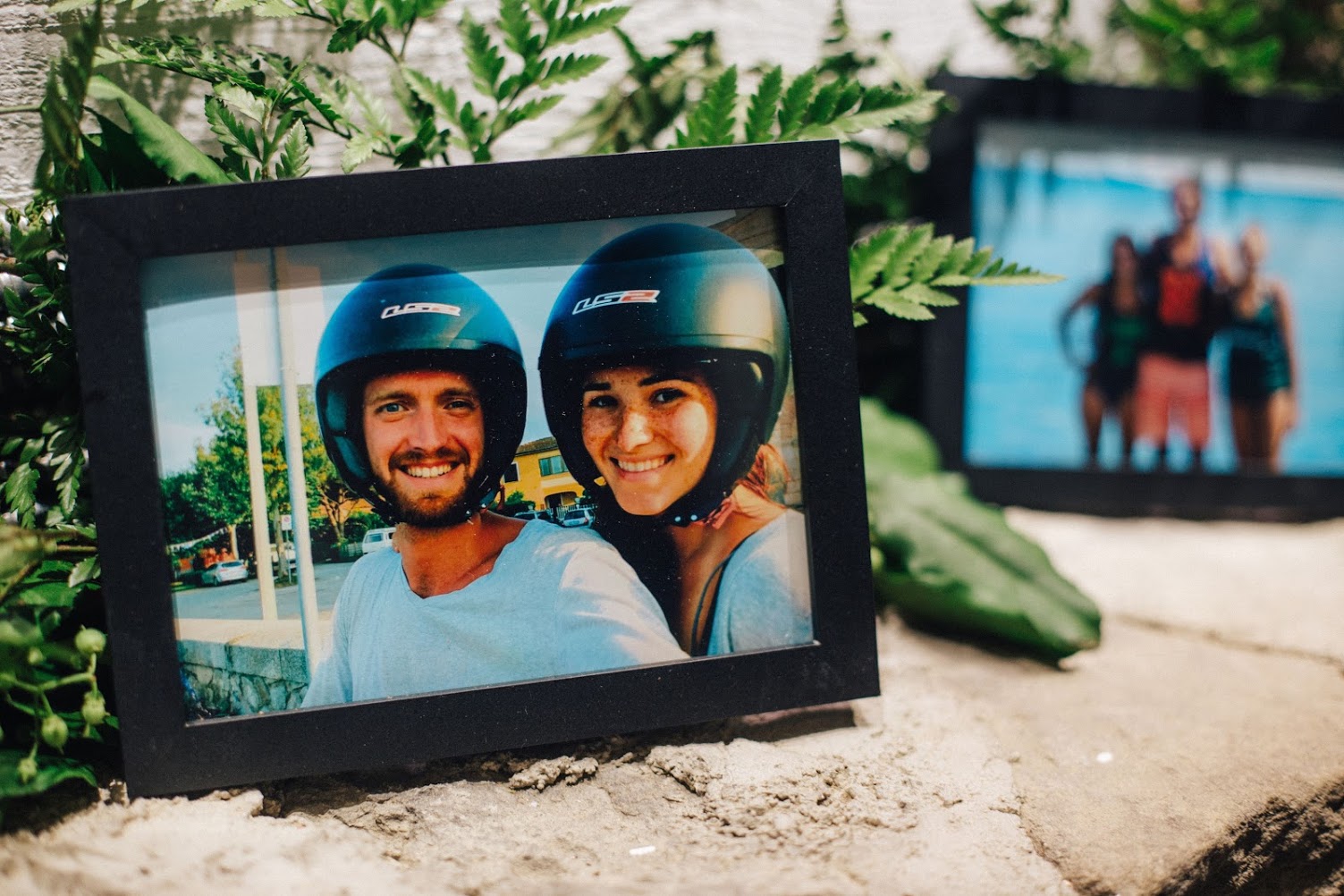
They both went to the same college — although they didn’t overlap as undergraduates because he is a few years older — and their romance began when they both worked on the island of Elba in the Mediterranean one summer.
She was the cook and he was the gardener on the estate of a college professor.
She wrote a wonderful blog which documented many of her adventures on Elba — culinary and otherwise. You can click here to get a taste of her blog if you are curious…
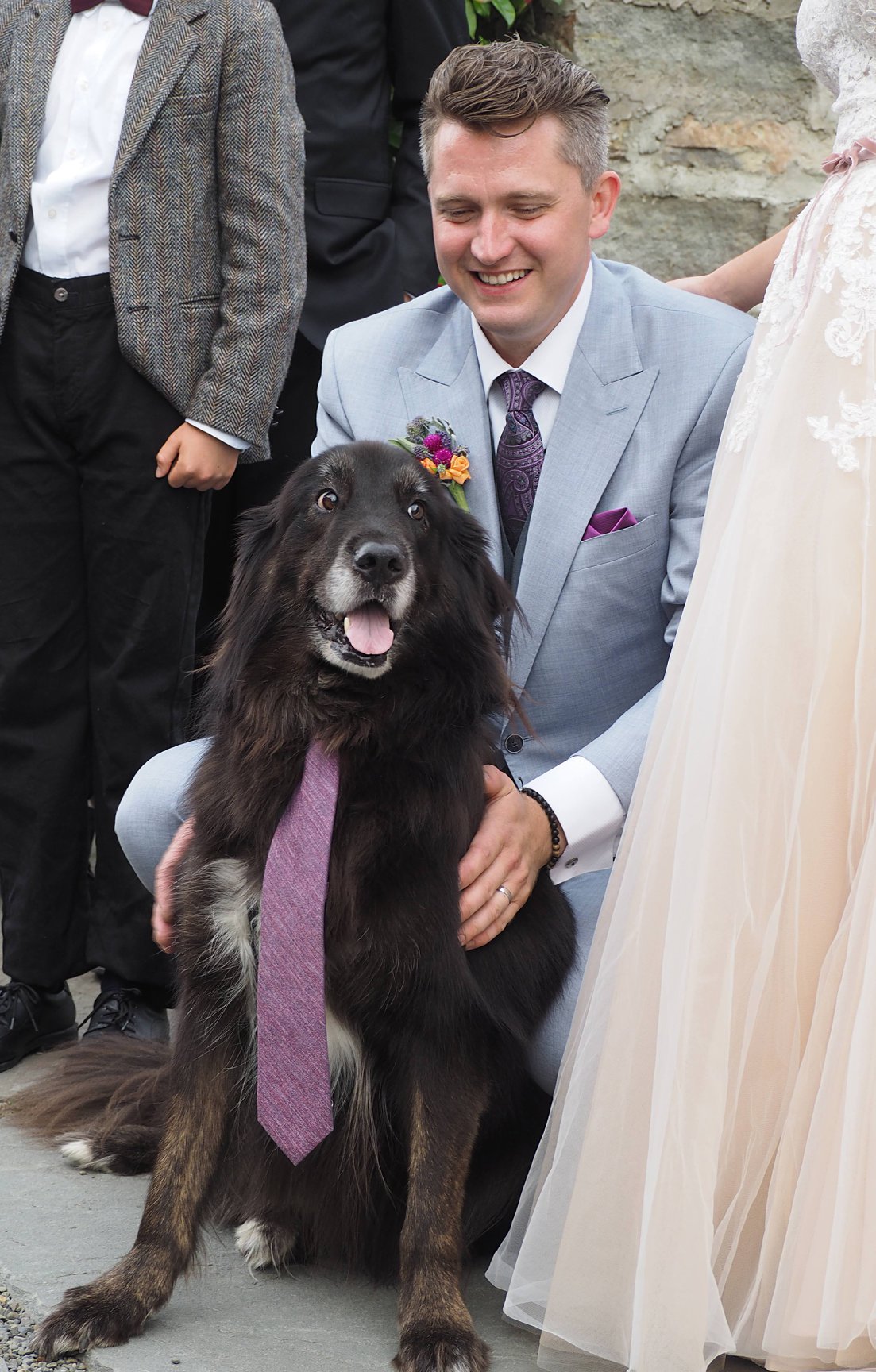
One of the highlights of the ceremony on Saturday was the ring-bearer — their beloved dog companion named Dozer.
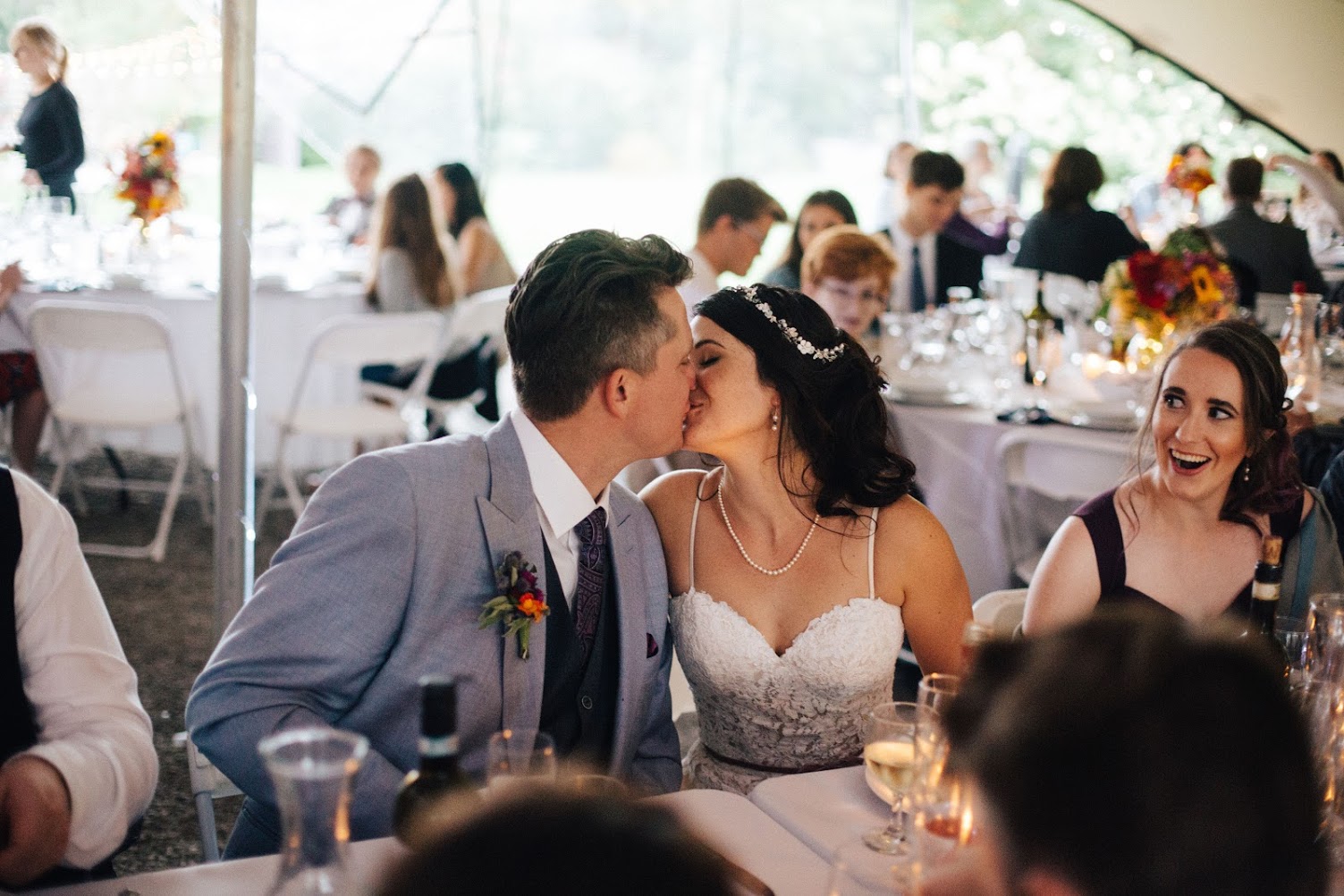
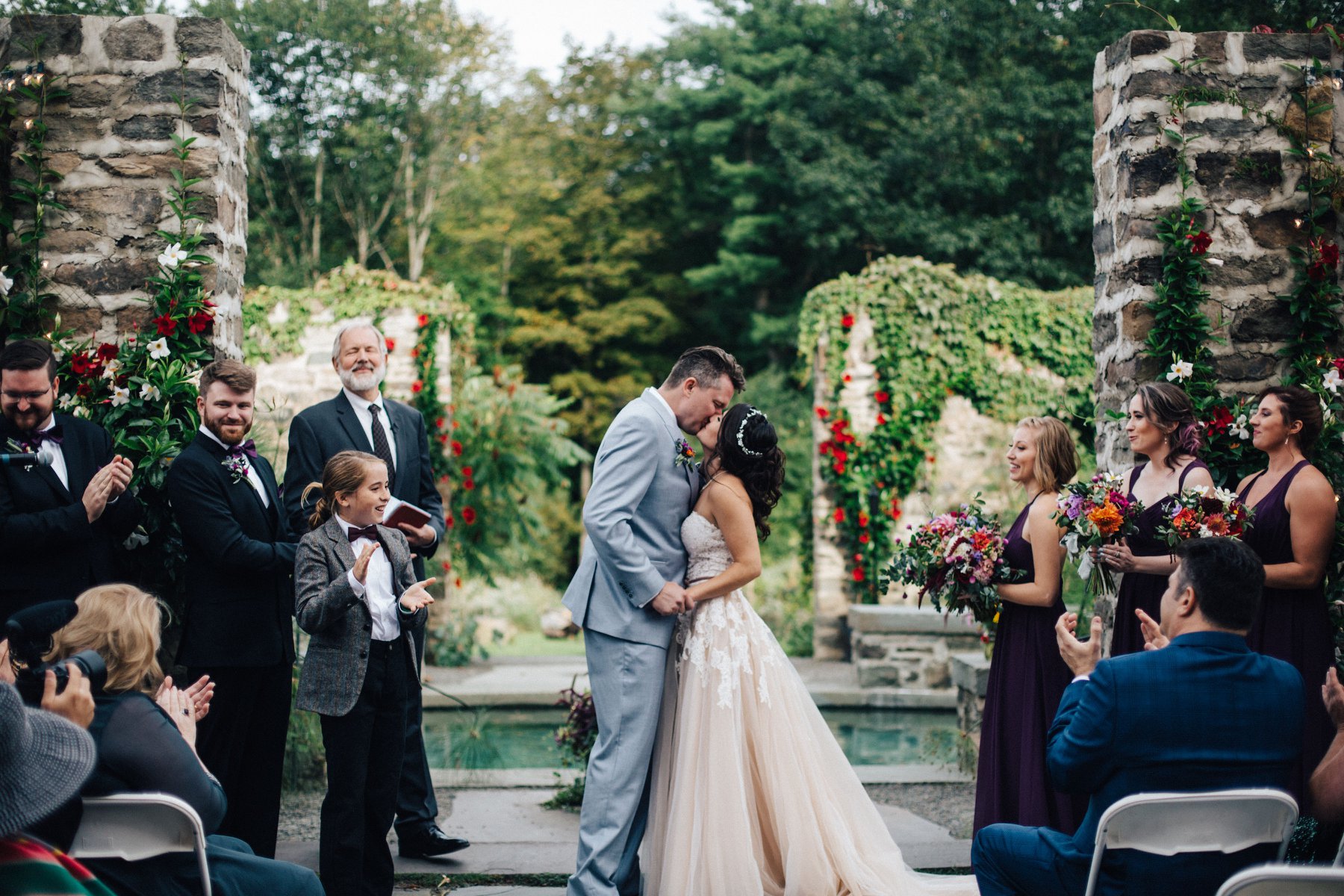
The ceremony was not-too-long and very sweet — culminating, of course, with a lovely kiss.
After this was dinner.
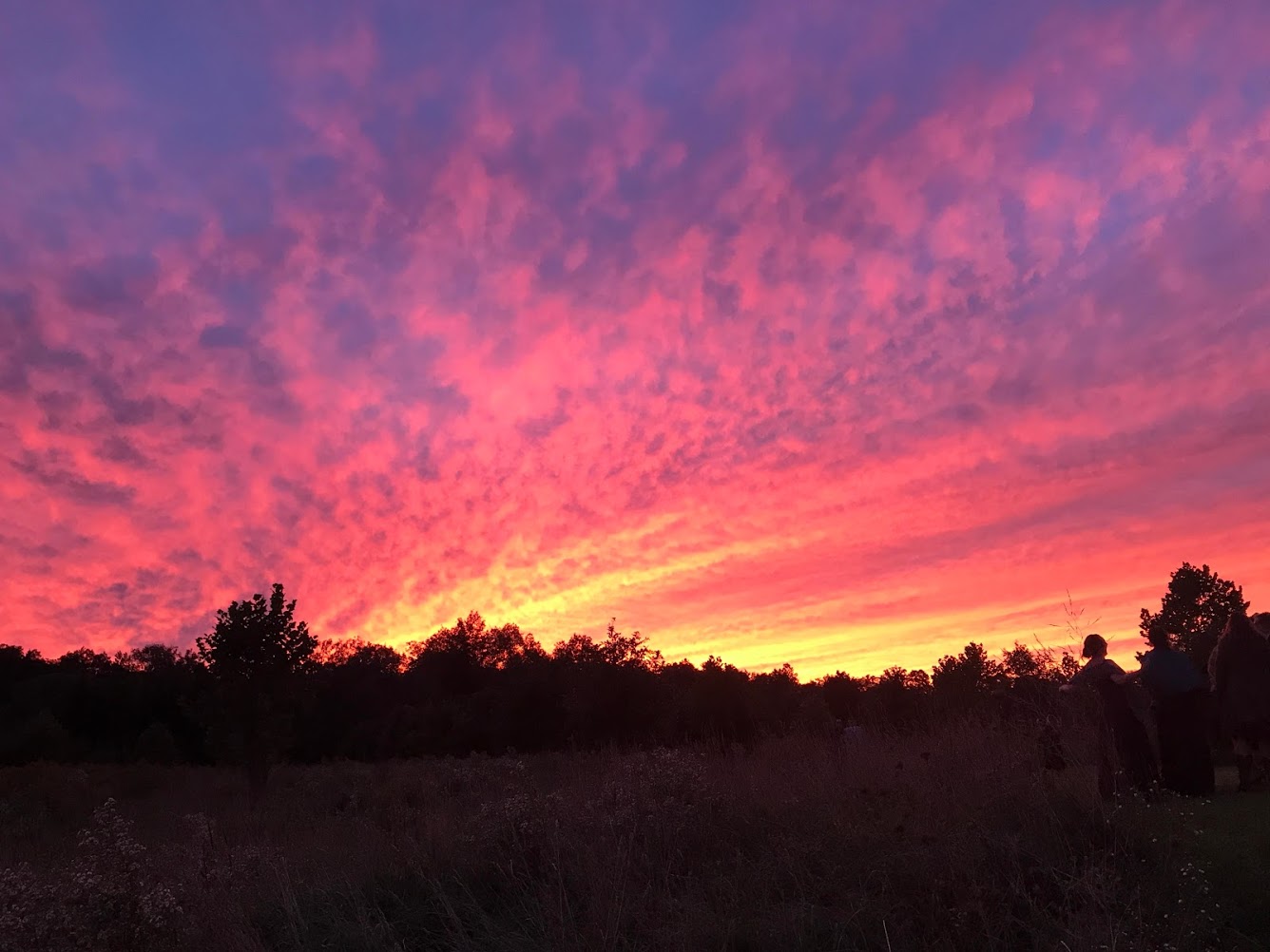
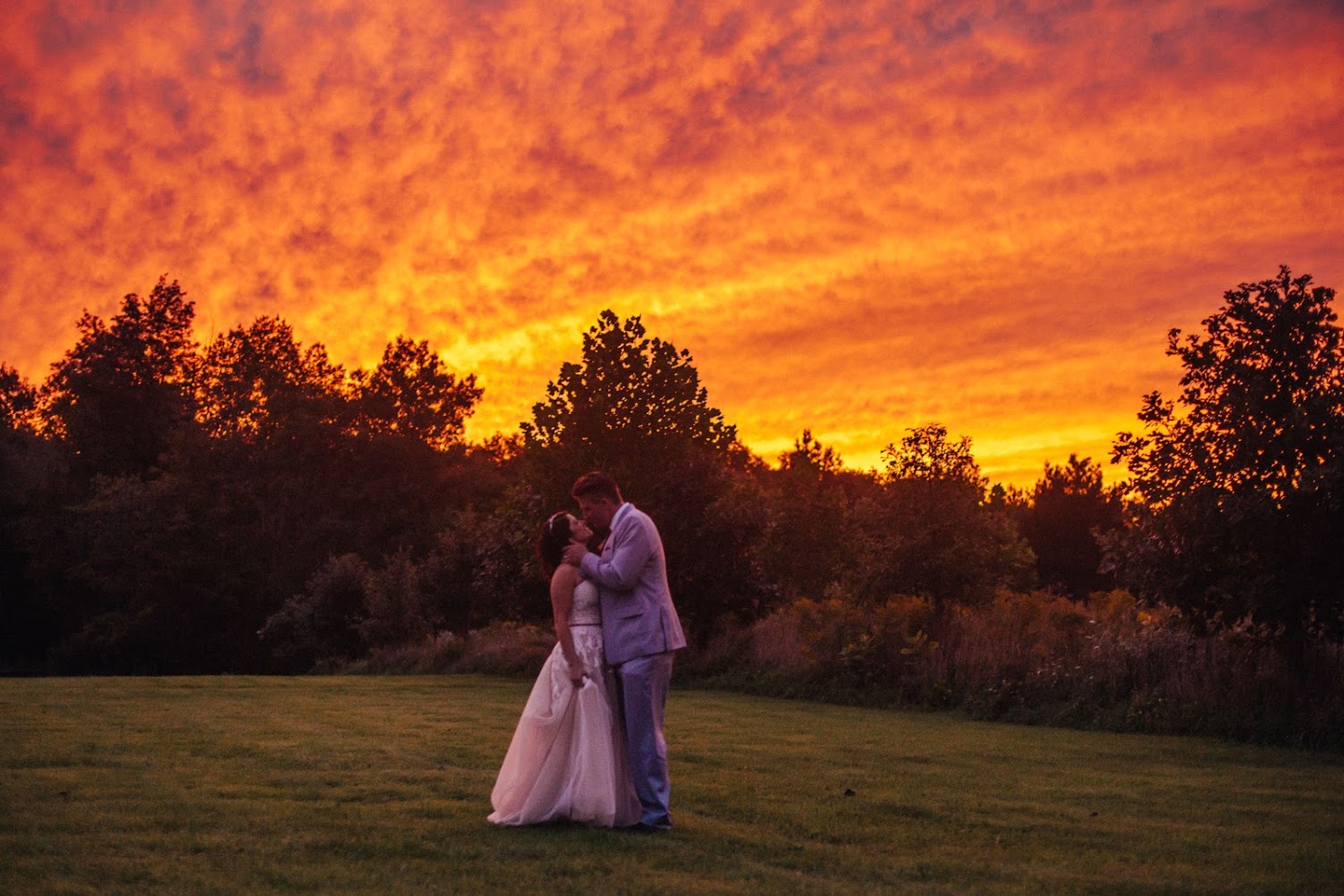
And an extraordinary sunset.
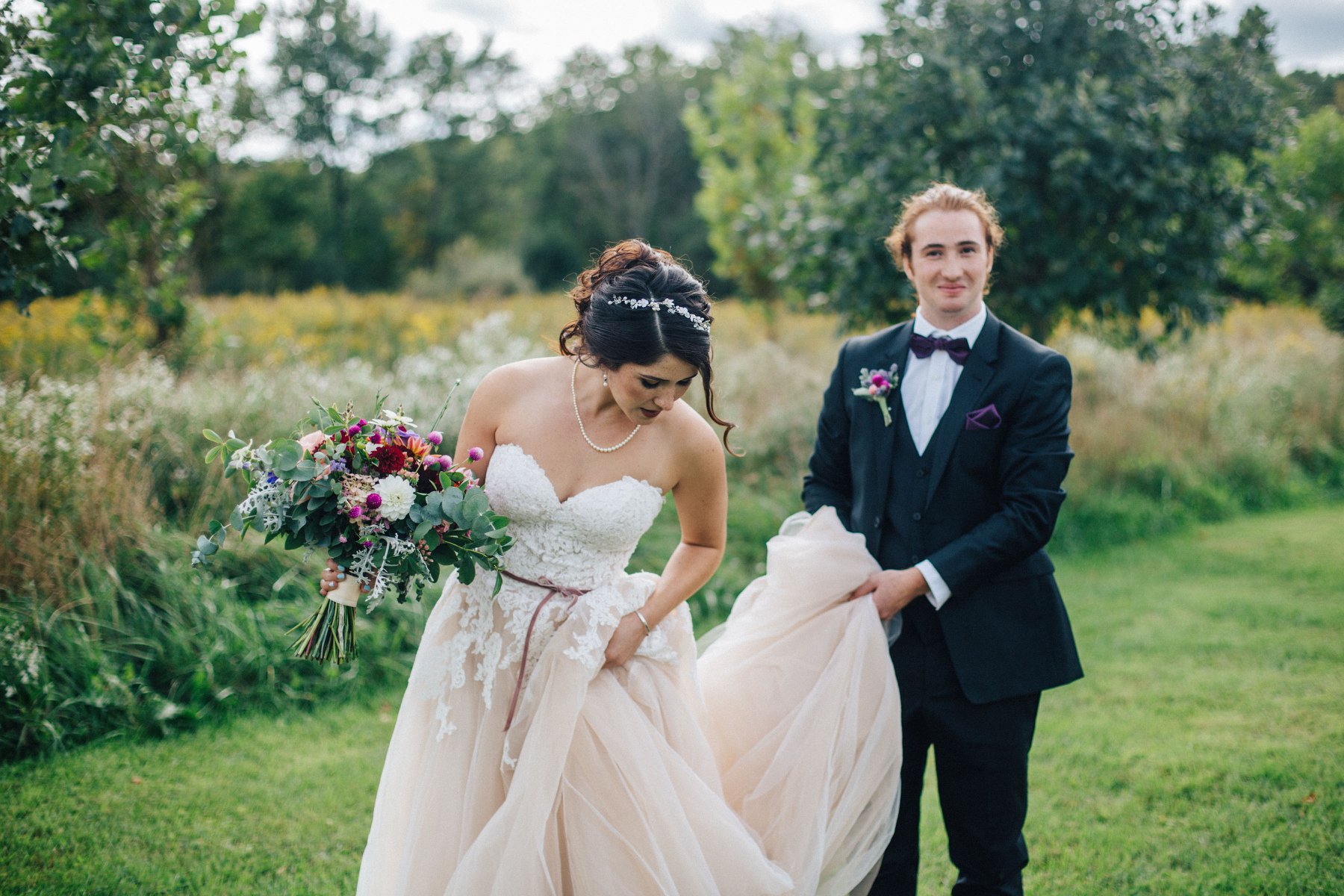
The proactive and very congenial wedding photographers grabbed the bride and groom for a sunset portrait…
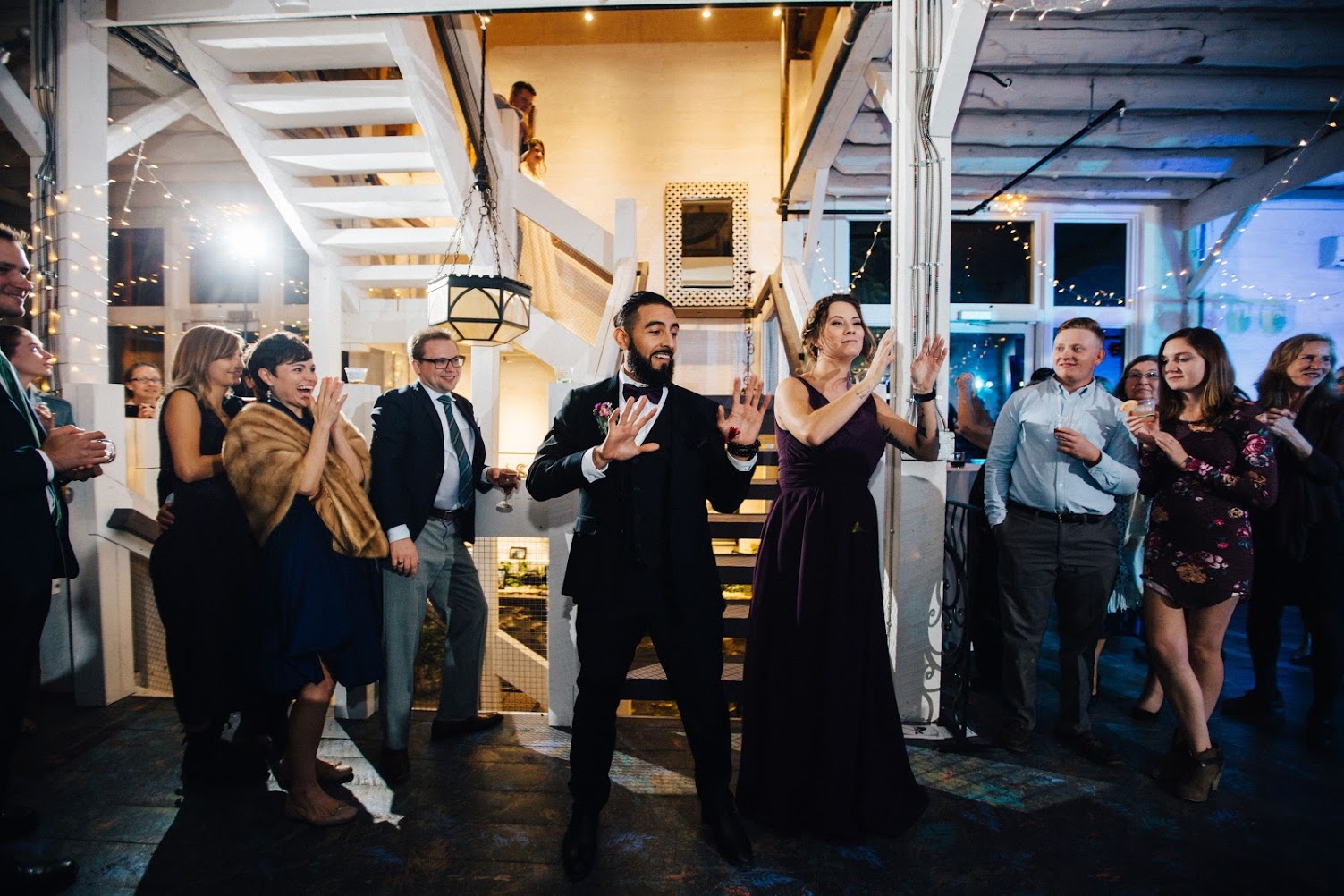
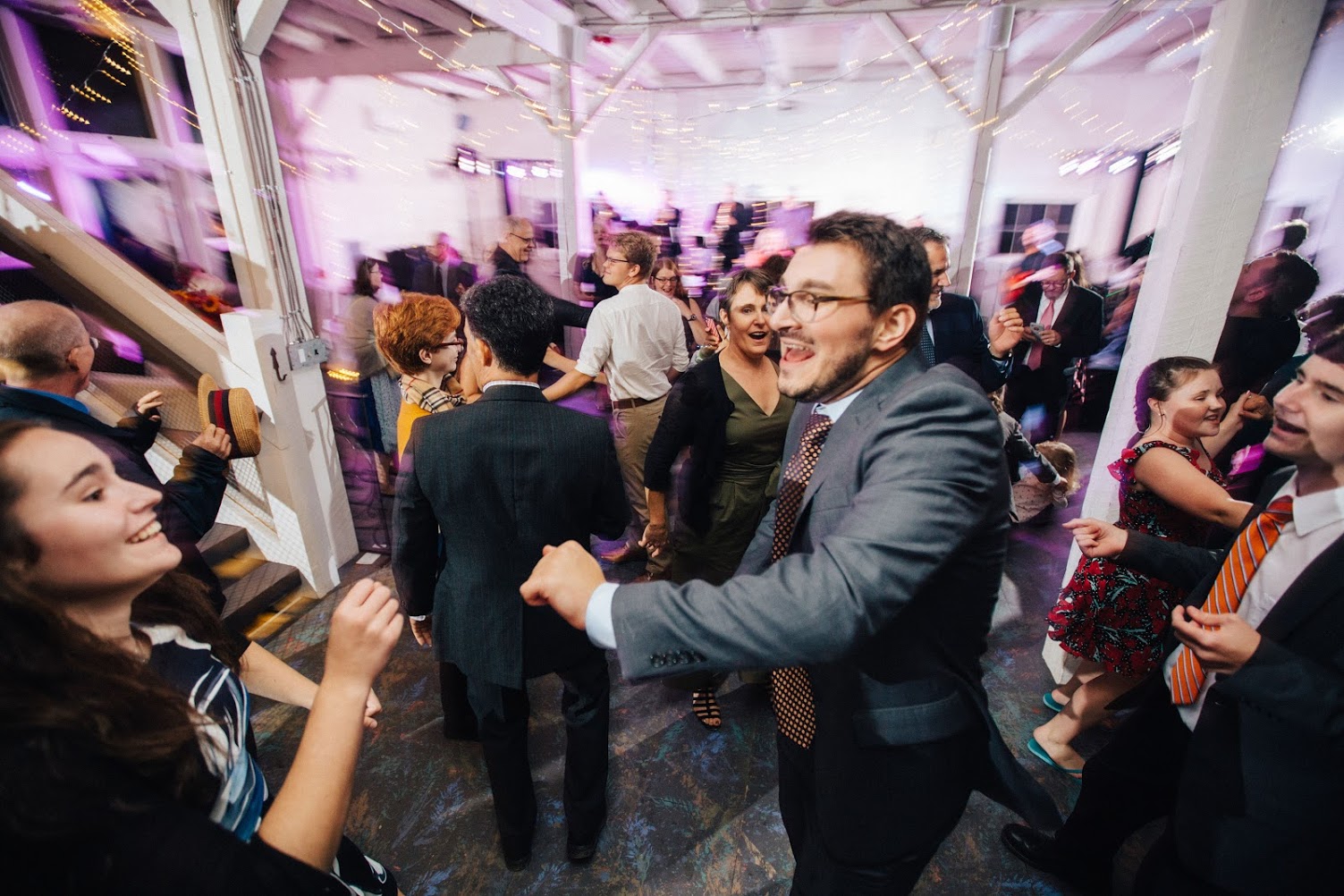
Then we all danced for several hours in varying states of abandon to a great live band.
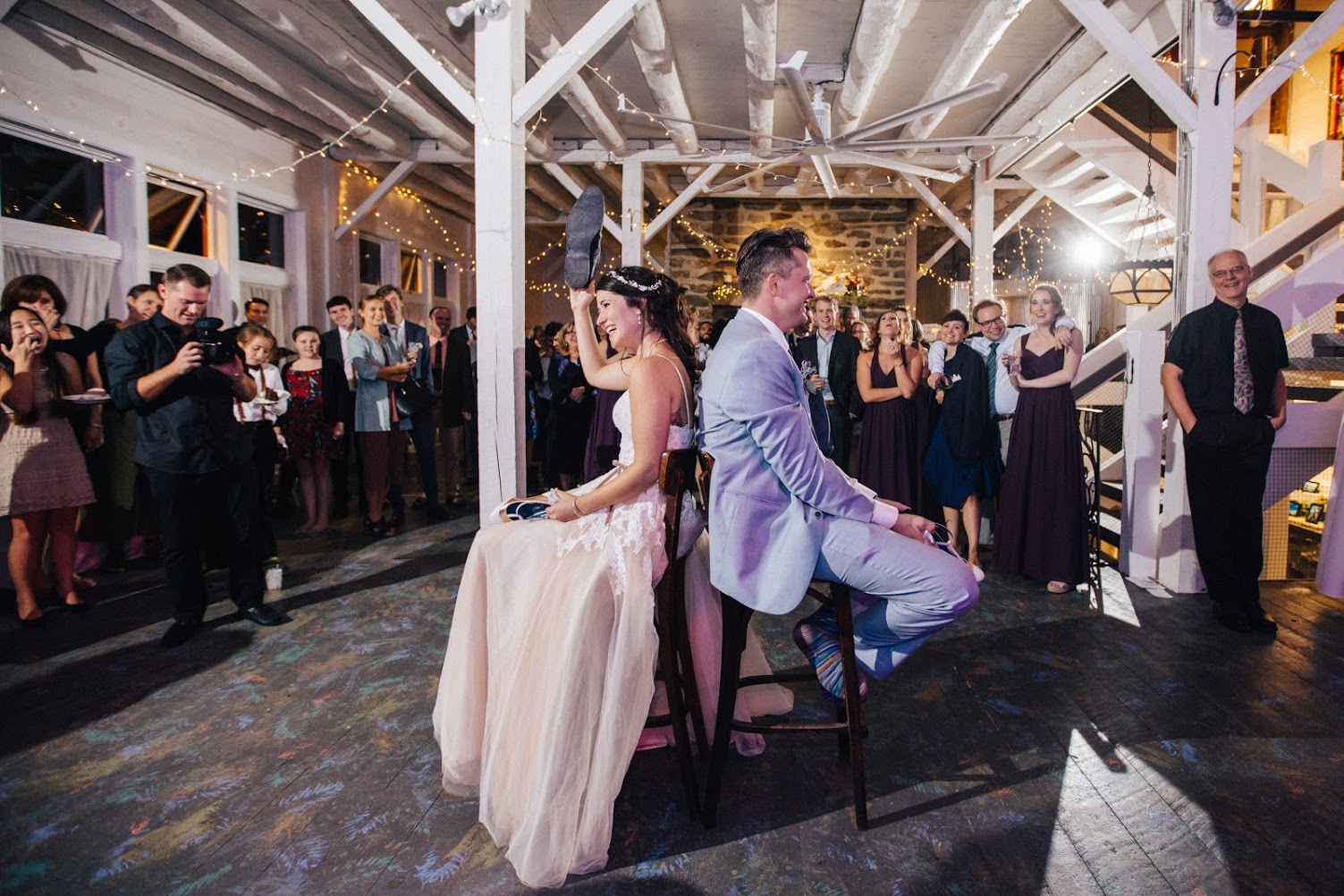
Dancing was interspersed with a few wedding games.
And the cutting of the cake…
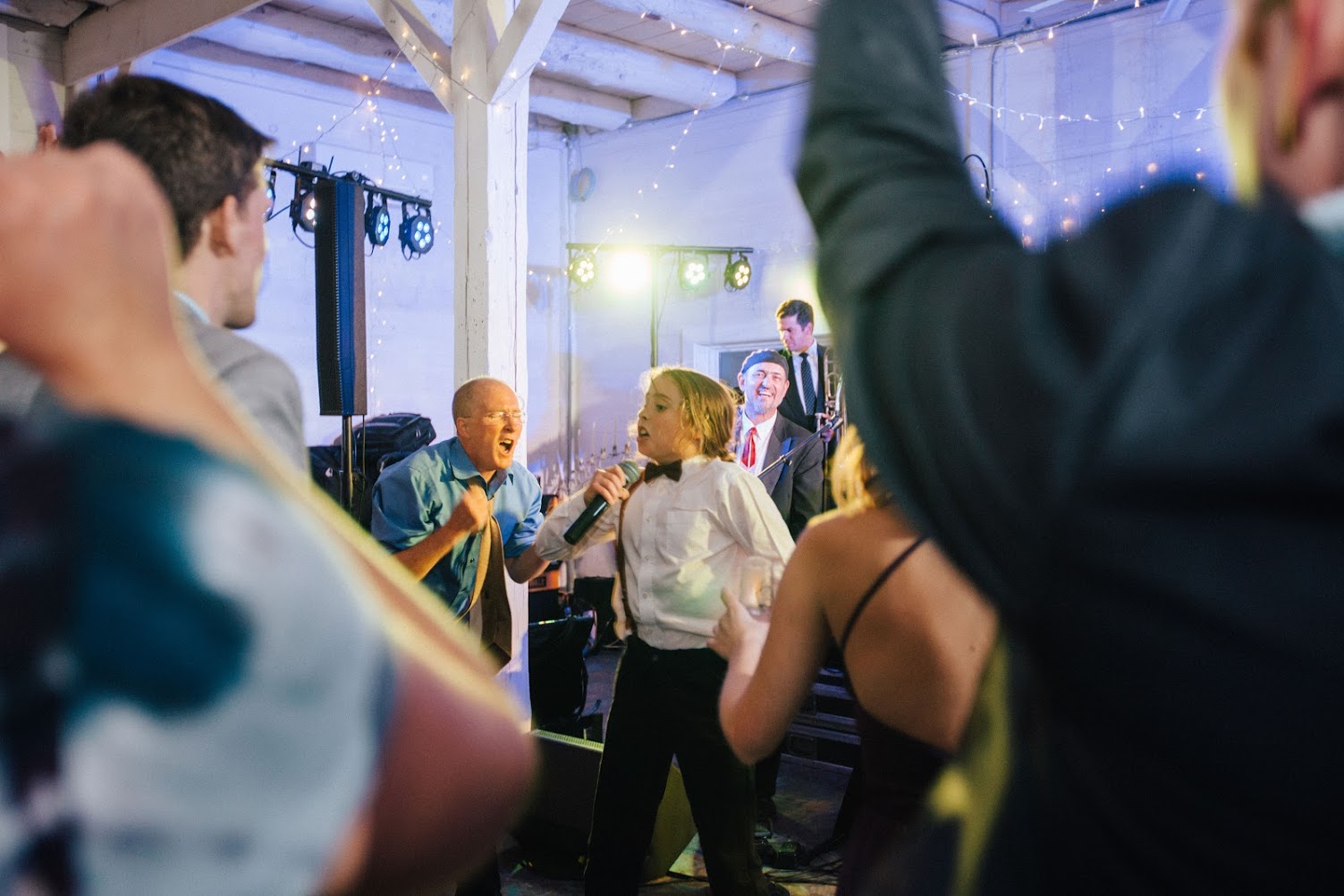
One of the unplanned highlights of the night was when the band started playing the song “Uptown Funk” — which my younger nephew had previously memorized to perform in a talent show at his school.
One of the singers in the band gave my nephew a mic so that he could lead us in what became a Dionysian explosion of energy on the dance floor.
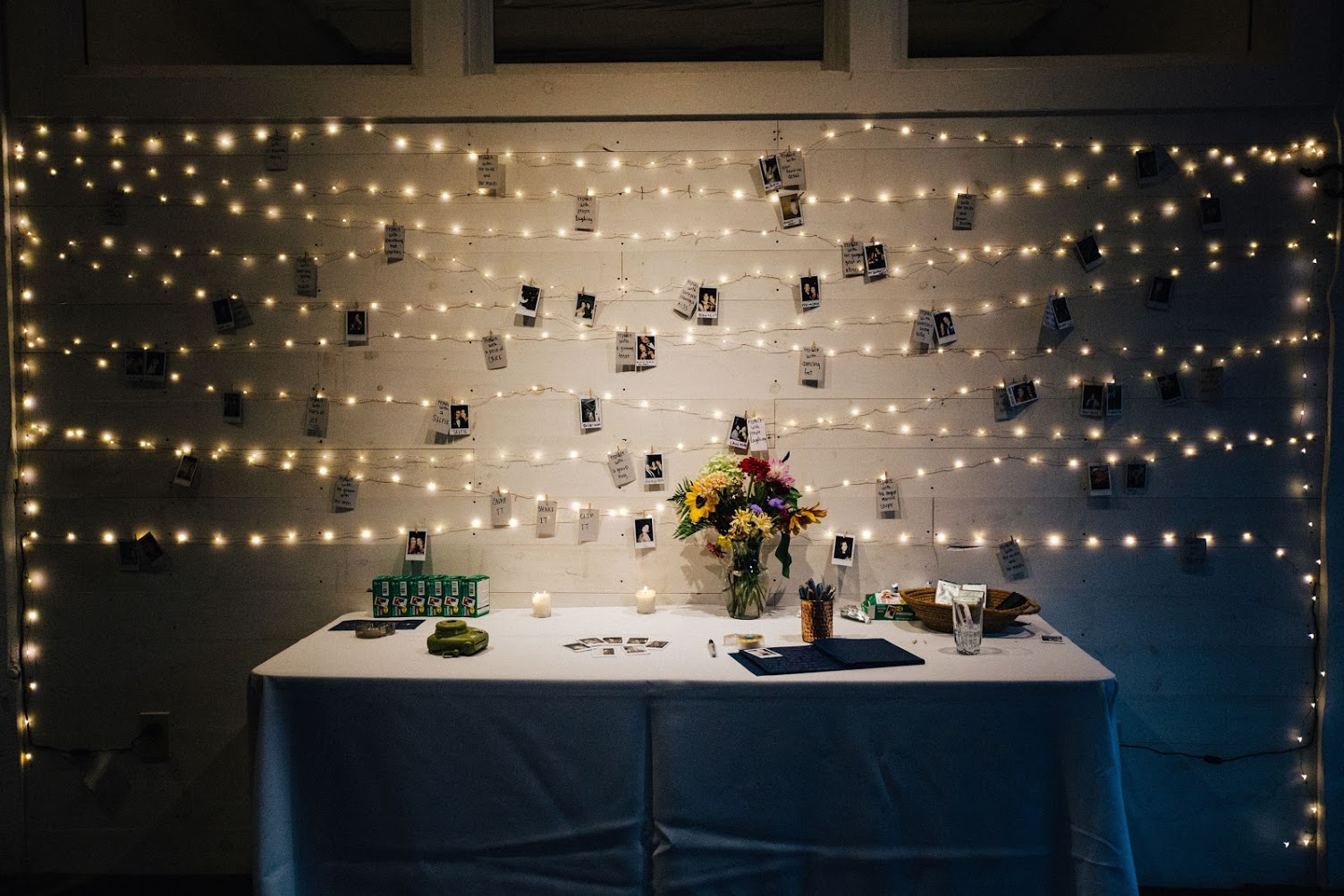
If you got tired of dancing, there was also a wall for Polaroid photos + written thoughts…
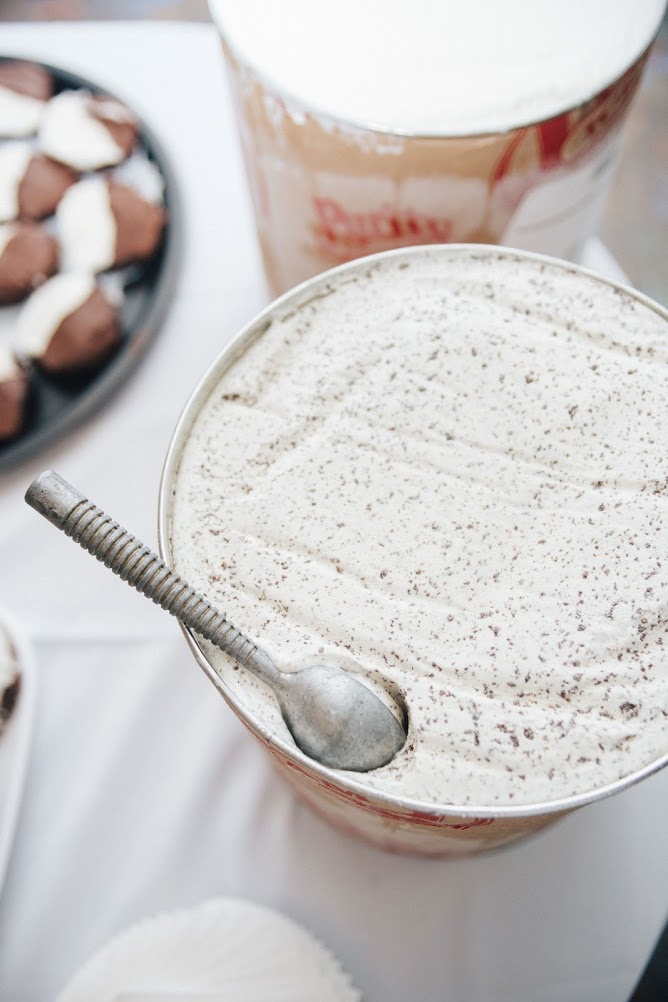
And lots of bittersweet ice cream…
I will devote a future blog post to the wedding ceremony itself — which included its own spontaneous surprise from their beloved ringbearer, Dozer.
Thank you to my niece and nephew-in-law for letting me blog about their wonderful wedding.
Thank you to everyone who pitched in to help make this such a loving and delicious and memorable wedding celebration.
Thank you to Julian Huarte with Couple of Dudes Photography, to Mary Bloom (a longtime family friend and professional photographer), and to everyone else whose photos of the wedding I have included in this blog post.
Thank you to Nina Vansuch, Michael Ricca, and Brian Patton for recording the two-song medley (included at the beginning of this post) with me many years ago. You can click here to hear more of our music at CD Baby.
And thank YOU for reading all the way to the end of this post!
This summer I was able to slow down and take a break from the daily avalanche of news for a couple of weeks.
I was even able to pause and wonder — with some empathy — about how one becomes a person like the current president of the USA.
And then I found myself writing a song called “Humpty Dumpty.”
I reminded myself that our current president was once a newborn baby.
What happened to him?
How did he learn so little about empathy?
How was he treated by his parents and other family members?
What was it like being sent to a military boarding school at age 13?
Lonely?
Painful?
Challenging?
If one didn’t already know how to fight, then I suppose that would be
a place to learn how…
As an adult, his goals seem to have been to make money, become famous,
and acquire power.
And he certainly has succeeded.
He has become the center of attention in many different — and increasingly dangerous — ways.
I deeply and truly hope that the democratic structures which still exist here in the USA are able to withstand the onslaught of his presidency.
His latest decision to withdraw US troops from Syria — which left our Kurdish allies vulnerable to Turkish military forces — seems particularly misguided and heart-breaking.
All I can see is deadly ripples spreading from this decision for days and weeks and years to come…
Deep breath in.
Deep breath out.
An impeachment inquiry has begun in the US House of Representatives.
And last night 12 Democratic presidential candidates participated in a debate about the future of our country — and how our actions ripple around the planet.
Another deep breath in.
And out.
I do believe that folks who commit crimes and who abuse power eventually fall off their proverbial walls…
This is often the result of tremendously courageous whistleblowers and journalists and editors and lawyers and media organizations.
Among other things, he explains how people — often men — with money and power work together to keep each other’s secrets hidden.
You can click here for a link to a review/explanation of the book if you are curious.
Farrow ends the interview by saying how he remains hopeful even though he has born witness to — and experienced himself directly — intense bullying, surveillance, and threats of retribution during the process of researching and writing his book.
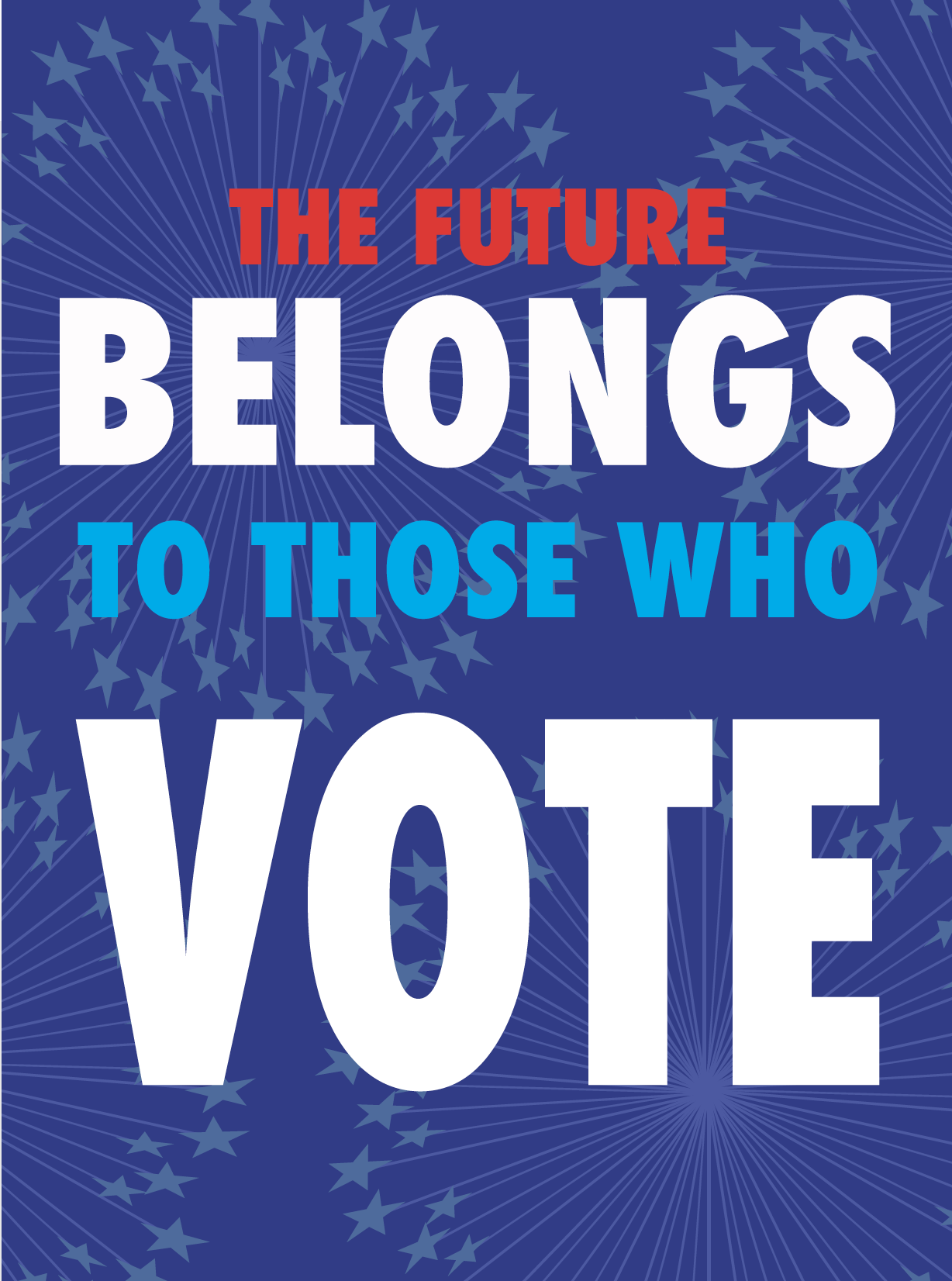
I end this blog post, as I ended my “Humpty Dumpty” song, with a hope that many of us will remain engaged with our country’s political process and vote in the upcoming election cycle.
And I remain grateful to the Pixabay website — where I found all of the images used in this blog post.
And to the folks in my ukulele meetup group who liked this song when I played it for them a couple of weeks ago and asked me to make a recording of it.
And to Apple for their wonderful program GarageBand, which is what I used to record it.
And to you for reading and listening to yet another blog post!
I haven’t written a new blog post for over a year.
And I am amazed to discover — after visiting my stats page — that people have continued to visit my site.
THANK YOU to everyone who nosed around my blog while my creativity was lying fallow for the past thirteen months.
I’m sure exactly how or why I stopped writing new posts.
Partly — because we have created an economy which encourages us to replace and discard things as often as possible — I needed a newer computer, which a friend extraordinarily gave to me at the end of last year!
Partly I lost blogging momentum.
And partly I didn’t feel that I had much to share that would brighten anyone’s day.
But I HAVE continued to write new songs as well as create demos of my songs using Apple’s wonderful GarageBand program.
And I have continued to offer hour-long programs of music at retirement communities, assisted living homes, senior centers, and public libraries accompanied by pianist Joe Reid or pianist Molly Ruggles.
I started writing the song at the top of this blog post sitting on the porch with my dad and younger sister at a shared family cottage in upstate NY in the summer of 2015.
I was inspired to finish working on it by the youth-led climate march earlier this month.
As I have mentioned in previous posts, I had a somewhat unusual childhood.
My mom, siblings, and I spent our summers at my grandmother’s home in Queens, NY (where my mom had grown up) while my dad stayed home in Washington, DC.
A few days each week we’d walk to the end of the block, get on a bus to Flushing, and then ride the #7 train into Manhattan so that we could go on interviews for TV commercials, voice-overs, modeling jobs, plays, and movies.
As I look back, I realize that it was rare for us ever to drive anywhere using a car during these summer months. We just used buses or trains.
Maybe this is why I still like to use public transportation.
When we started out, my older sister was five and I was an infant. Eventually my younger brother and sister were born and joined the process.
This is what I looked like as a small child.
My family became very familiar with the lobbies, elevators, and waiting rooms of many advertising agencies (depicted in the TV series Mad Men) such as Young & Rubicam, Doyle, Dane & Bernbach, and Grey Advertising.
The ratio of interviews to actual jobs was very steep — and in my early years we considered ourselves a success if each one of us managed to film one commercial per summer.
However, the summer before fifth grade I was cast as a standby in a musical which was trying out at the newly-built Kennedy Center.
My parents allowed me to do this partly because we could live at home during the out-of-town preview period (although I would miss the start of fifth grade that fall), partly because most Broadway musicals flop, and partly because it would be exciting to watch Bob Fosse and the rest of his creative team build a new show,
The musical — Pippin — proved to be a hit, and we ended up moving to my grandmother’s house in Queens year round.
This is when my and my siblings’ careers gained a lot of momentum — since we were now able to audition for work year-round.
This is what I looked like as my career gained momentum…
During the next three years I ended up doing many commercials, a couple of made-for-TV movies, another play, and a lot of voice-over work.
Then I entered prep school, and my life as a child performer came to an end.
This is my last professional headshot.
With hindsight — and many years of psychotherapy — I have come to see how odd it was to learn to say “yes” to almost anything we were asked in an interview such as “Do you like to eat peanut butter on bananas?” or “Can you roller skate backwards?” or “Would you be comfortable singing and dancing on a tugboat in the harbor?”
People who said “no” (as one of my siblings did when asked if they liked to eat peanut butter on bananas…) didn’t get hired.
We were supposed to say “yes” and then — if we found out we had gotten a callback visit — we quickly learned how to do whatever we had claimed to be able to do during the initial interview.
Even more sobering is to realize that much of the time I was using my g-d given talents to encourage people to buy stuff that they didn’t need (more clothing, for example) or that was unhealthy to ingest (such as Ring Ding Juniors, Lifesavers, Oreos, and Dr. Pepper) as part of an economy built on our ongoing over-consumption of natural resources.
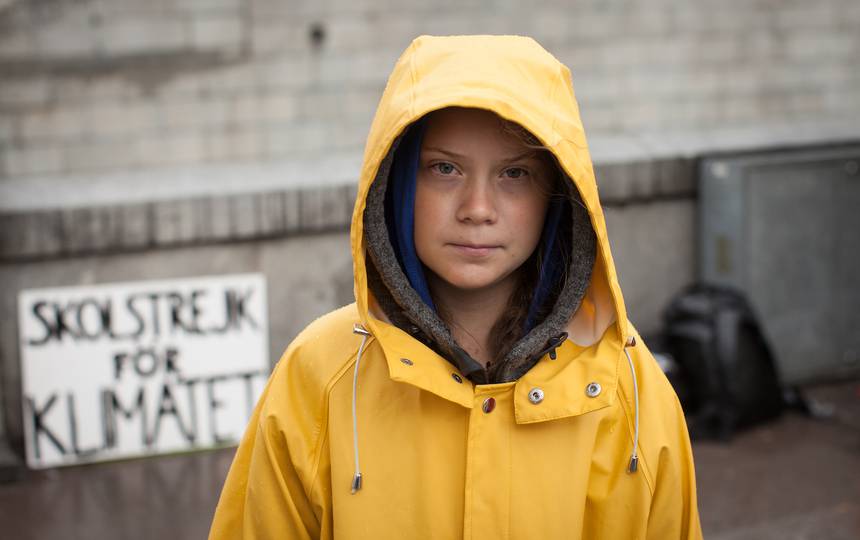
The climate march this week and Greta Thunberg’s speech in Washington, DC a few days before it — in which she explains how necessary it is for all of us human beings to pull the emergency brake NOW on our fossil-fuel-driven lives — gave me a few minutes of much-needed hope.
But I continue to feel deeply discouraged by the stuckness/denial/apathy/fear regarding fossil-fuel consumption and climate change that I see all around me — in the media, in the advertising industry, in my neighborhood, in my friends’ lives.
Almost everyone seems to be continuing to take lots of trips via airplanes and automobiles, continuing to eat lots of meat, continuing to use our air conditioners as much as we want, and continuing to behave as we have been behaving for the past many decades here in these not-so-united states.
And really, why should I expect anything different?
I know from psychotherapy how very difficult it can be to change one’s behavior.
We in the USA have grown up in an era of hopes and dreams and habits and assumptions which are based on using way more than our fair share of fossil fuels.
Of course we can travel anywhere — and as often — as we want.
Of course we can own as large a house as we want.
Of course everyone can own and drive a car, everyone can apply for jobs which require a car to commute, everyone can eat as much as we want in any season of the year — foods which may have traveled thousands of miles before ending up on our plates — and everyone can squander the amazing inheritance of fossil fuels from millions of years of photosynthesis by billions of plants that all of us here on planet earth have inherited.
Deep sigh.
And if you can’t afford to do these things, you can pay for them using one or more credit cards and become ever more deeply in debt.
As you may know from having read previous blog posts, I am blessed to have cobbled together a very modest living during the past six years (after having been laid off from my day job helping run a non-profit in Harvard Square) which depends largely on bicycling and public transportation.
And I live quite happily without a cell phone.
But my sweetheart of 27 years DOES commute to work using a car.
And I gratefully use his cell phone when we drive to see friends and family around New England and New York.
Another deep sigh.
What will it take for us to pull the emergency brake on our selfish, out of balance, unsustainable, fossil-fuel consuming, all-too-human habits?
I think of the anecdotes I have read about conventional farmers who have converted to more sustainable, organic farming practices — but it’s often (very sadly) because they or someone in their family has developed some sort of disease as a result of exposure to toxic pesticides, herbicides, fertilizers, etc.
I wish we human beings could choose to make deep changes in our life habits without having to experience health/climate crises in our personal lives.
But maybe that’s the path we are on…
What do you think?
How have you changed your daily habits in response to climate change?
Where do you find hope in these challenging times?
Thank you, as always, to the folks who share their photos and graphics at Pixabay which is a wonderful resource for imagery.
I recorded the song “That’ll Do” when I was part of a vocal quartet called At The Movies many years ago with fellow singers Nina Vansuch and Michael Ricca plus singer/pianist/arranger Brian Patton.
All the songs we performed were related in some way to the film industry.
If you are curious, you can click here for a link to the CD we made together called Reel One.
“That’ll Do” appeared in a movie called Babe: Pig In The City — which was a sequel to the movie Babe.
Both of them featured extraordinarily well-trained animal actors plus a few human actors who illuminate heart-breaking lessons about ostracism and community, betrayal and faith, love and loss.
“That’ll Do” was written by Randy Newman — who has crafted songs and soundtracks for a bunch of movies including the Pixar Toy Story series.
And it was originally sung by Peter Gabriel — who is also a great songwriter as well as a globally-engaged rock musician.
I love the wisdom of this song.
It feels like an antidote to many of the forces wreaking havoc on our cultural, political, and environmental landscapes these days.
How easy it can be to overlook the gentle power of kindness…
And perseverance!
In an age of instant gratification, how reassuring to be reminded of the value of perseverance.
And steadiness!
And balance…
My mind immediately connects the concepts of steadiness and balance with boats — canoes, kayaks, row boats, and sail boats.
One doesn’t want to tip too far to the right OR to the left — unless one wants to capsize.
And one has to communicate and cooperate with any other beings (human, dog, cat — yes, our family even took our cats sailing with us on occasion) on the vessel, or else everyone aboard runs the risk of capsizing.
Space exploration notwithstanding, for the foreseeable future planet earth is our shared vessel, our shared home, our shared ark.
And some of us (almost all HUMAN beings) are making choices each and every day that are tipping ALL of us closer and closer to some epic/epoch capsizings.
What choices could each of us make differently which might lead us back in the direction of balance?
How might we live more simply?
How might we consume fewer shared resources?
“That’ll Do” reminds me somehow of social justice, too — of folks who are brave enough to show up and engage in non-violent social protests.
I am pretty sure steadiness is a hallmark of non-violent protest.
As is kindness.
I also appreciate that “That’ll Do” doesn’t espouse perfection as a goal.
The next blog post I write, or music class I lead, or song I create doesn’t have to be perfect.
I do not need to be cowed into inactivity by the powerful illusion of perfection.
Finally, “That’ll Do” reminds me of the humble — yet powerful — concepts of “enough” and “gratitude.”
I am grateful for the extraordinary blessings of today — such as the hundreds of people who work to bring food to my table, water to my faucets, power to my electrical devices, and peace to my neighborhood.
What I have right now is more than enough!
I am grateful to Michael Ricca, Nina Vansuch and Brian Patton for the hundreds of hours we spent rehearsing, performing, and eating home-cooked dinners together.
I am grateful to Randy Newman for writing so many terrific songs, and to Peter Gabriel for putting his heart into the original recording of this song, and to the extraordinary cast and crew of the Babe movies.
I am also grateful to Pixabay for most of the images in this blog post.
And I am grateful to you for reading and listening to another blog post.
Let’s show up with a kind and steady heart… and see what happens.
Anyone who has spent time on the outer arm of Cape Cod can be deeply grateful to John F. Kennedy due to the creation on August 7, 1961 of the Cape Cod National Seashore during his short presidency.
Image from Wikipedia
According to Wikipedia — which is where I borrowed this map — it includes over 68 square miles of “ponds, woods and beachfront (in) the Atlantic coastal pine barrens ecoregion.”
It’s also where I and my sweetheart and various family members are fortunate to camp each summer during the last week of July and the first week of August — in North Truro on the Atlantic side of the outer arm (or wrist, really…) of the Cape.
In 2010 the campground where we have stayed for over 25 years — called North of Highland — was protected with a conservation easement thanks to the hard work and generosity of many people and organizations — including JFK’s younger brother, Senator Ted Kennedy.
So hopefully it will remain in operation for generations to come!
For me camping in North Truro is heavenly…
This is a view of our site from a site which some of our family members rent above us.
We are in a bowl which is home to pine trees, grasses, chipmunks, red squirrels, all sorts of birds, lots of ants, a few oak trees, crickets, various fungi, and quite a few blueberry bushes.
There are also visiting dragonflies, bees, mosquitos, horseflies, June bugs — who appear in the evening, attracted by our lights — and on some nights we can hear coyotes howling in the distance.
Although I have never seen a raccoon or opossum or rabbit or turkey or deer at our campsite, on one night someone DID get into our niece’s trash can.
So I am guessing that larger animals are around — just wisely inconspicuous during the day.
I love the way that sunlight dapples the trees and grass — and I love picking a few blueberries each morning.
There weren’t very many this summer, which may be because it has been somewhat dry.
We only experienced rain three times this summer while we were camping — a) on the day we drove down to set up camp, b) once overnight, and c) a substantial storm on the day that we were packing up to return home.
When it rains I imagine how good the moisture must feel on the roots of all of the trees and shrubs and grasses.
Each berry is such a jewel… and hopefully there are plenty more for the folks camping at this site right now as well as for any animals who like to eat them, too.
I spend most of the day in our tent — which is quite spacious — with a ukulele, a little handheld digital recorder, a rhyming dictionary, two lap top computers, and several bags worth of song ideas.
Each morning I stretch and listen to song ideas I’ve accumulated during the previous months — or in some cases years — until something catches my fancy.
Then I focus on that particular idea for the rest of the day — writing lyrics, coming up with chords for a missing bridge, etc.
The song in the player at the beginning of this blog post is one I wrote a few camping sessions ago and later recorded with the pianist Doug Hammer at his studio north of Boston.
This is a view of our (green) screen house — where we cook and eat — and our (orange) tent.If you look past our tents in the upper left corner of this photo, you can glimpse the tent site from which the first photo in this post was taken…
There are many, many things I love about camping.
For example, when we are camping, we become much more aware of our relationship with water — since we are carrying it in big multi-gallon containers down to our campsite for drinking and cooking and cleaning dishes.
Also all of the sinks in the bathrooms at the campground have faucets that automatically shut off after a couple of seconds.
And hot showers cost 25 cents for three minutes of bathing time.
I also love that there are LOTS of stars visible at night.
I went for several long walks along the beach late at night when the sky was clear — and the moon so bright that I didn’t need to use a flashlight to see where I was going.
Being away from street lights and TV screens and radios — while spending hours and hours surrounded by birds and insects and trees and sky — helps me reconnect with what’s important.
Like time with family and friends.
And intact ecosystems.
Before dinner — which is often something delicious cooked by my brother-in-law who bikes to the local fish store on an almost daily basis, bless him — I usually walk down a pine-needle-covered path to the Atlantic ocean and swim.
In recent years the tide and winter storms have created a gully along the beach which ranges in depth from one to five feet depending upon the time of day.
Since there is now a robust population of seals who swim up and down this section of the Atlantic ocean — as well as great white sharks who come to eat them — my family is much happier if I swim laps in the gully rather than in the ocean.
There were a couple of great white shark sightings during our two weeks at the camp ground, and also one day when a bunch of whales cavorted within sight of the beach.
But I did not see them because I was working on new songs in my tent…
Everyday I checked in with a hydrangea plant which grows near the path to the bathrooms and showers.
There was so much happening on this plant — it was a world unto itself!
Every day flowers would unfold new petals.
And bees and wasps and even flies in many different shapes and sizes would gather pollen.
During the course of our time at the campground, several spiders wove webs — which in due time trapped a quite a few meals.
Here is a close up of one of the spiders against a green hydrangea leaf.
Eventually it was time to pack everything up and return home.
This is always a sad and somewhat stressful process for me.
But my sweetheart and family members are very patient, since they know it happens every summer on the last day of our camping adventure.
What doesn’t usually happen, however, is an hours-long rain storm on the day of our departure.
Strangely this lifted my spirits…
I even got to continue working on a new song after our tent was down — with our brown tarpaulin providing protection during a prolonged period of deluge…
Thank you to all of the folks who keep North Of Highland camping area going year after year. I highly recommend it if you are in need of some rejuvenation!
Thank you to Andrew for letting me use his photo looking down towards our camp site, and for making so many delicious meals.
Thank you to Doug Hammer for his wonderful skills as a pianist AND as a recording engineer.
Thank you to the Kennedy family, whose love for — and lobbying on behalf of — Cape Cod has impacted millions of people — and plants and animals — for many, many decades.
Thank you to my sweetheart for all of the beach photos and for letting me use his phone to take photos of the hydrangea and our camp site.
And thank YOU for reading and listening to this blog post.
“Here’s To Life” is a song I recorded with pianist Doug Hammer many years ago
It was written by Phyllis Molinary and Artie Butler and first recorded by Shirley Horn in 1991.
Sometimes people say, “They don’t write songs like they used to.”
I respond that many great songs ARE still being written.
But the era of different pop stars each recording their own version of a particular hit — with different versions of the same song riding up and down the charts simultaneously — are long gone.
So a song like “Here’s To Life” is savored by a few rather than beloved by multitudes.
I had not known anything about Mr. Butler and Ms. Molinary until I started poking around on the internet.
Mr. Butler is a composer, arranger, songwriter, music director, and record producer who has worked on an extraordinary range of songs — including Janis Ian’s “Society’s Child,” Louis Armstrong’s “What A Wonderful World,” and Barry Manilow’s “Copacabana.”
For a more complete list of songs with accompanying stories, you can visit his web site.
He was inspired to write the tune for “Here’s To Life” after watching Johnny Carson interview George Burns on The Tonight Show.
He gave it to a few different lyricists before Phyllis Molinary (about whom I have not been able to learn much of anything…) wrote the set of lyrics which became “Here’s To Life.”
And now we are all blessed with this wise and elegant song…
It reminds me of a birthday party I recently attended for a vibrant eighty-year-old who has lived much of her life in western Massachusetts.
Before dessert was served, many of her friends shared stories about their relationships with her.
In her understated, thoughtful, generous, organized, humorous, and wide-minded — as one woman from South America described her — way, this woman has touched thousands of her fellow human beings in significant ways.
She taught for many decades at her local college, serving as the head of the psychology department (if I am remembering correctly) and also overseeing the college’s counseling center.
She has advised several generations of students, mentored countless faculty members, led the campus teachers’ union, been very active in town politics, and on and on and on…
I know her mainly as a very faithful cousin-in-law.
She always visits during the winter holidays, bringing gifts for everyone and sharing stories about a web of family and friends she has accumulated around the planet.
And she shares her perspectives on what is happening locally — what options her town is exploring to mitigate an underground plume of contamination that the water department has recently discovered, for example, or how a new local restaurant (which she, of course, is eager to support) is faring.
She has a gentle finger on the pulse of her town…
Her birthday party was held at a local retreat center which is run by a very ecologically-minded order of nuns.
As the festivities were winding down, we were invited and encouraged to explore the property.
They have converted a huge carriage house — originally built in the late 1800s by the Crane family, who earned a lot of money making paper (including the paper which is still used to print US currency) — into a function hall.
On the second floor of the carriage house they have created many different areas where guests can make art, meditate, read, pray, explore eco-spirituality, marvel at the miracle of evolution, and rejuvenate their souls.
Outside the carriage house are fruit trees, free-ranging chickens, a labyrinth, a cathedral of very tall pine trees, a huge community garden, and lots of flowers.
I found these great photographs on Pixabay, and I am grateful to all of the photographers who have shared their images there.
I am also grateful to Doug Hammer, for his exquisite piano playing and terrific engineering skills.
And to the birthday woman whose life is an ongoing inspiration for how to move through the world with empathy and wisdom and generosity and balance.
And to the Genesis Spiritual Life and Conference Center for inviting us to roam around their property after her birthday gathering.
And to Art and Phyllis for writing such a lovely song.
And to you for reading and listening to another blog post.
A healthy and happy summer to you — full of berries and flowers and friends and family (unless you are reading this from somewhere in the southern hemisphere, in which case I wish you delicious winter adventures instead…)
May all your storms be weathered, and may all that’s good get better.