Hurrah for Jerome Kern


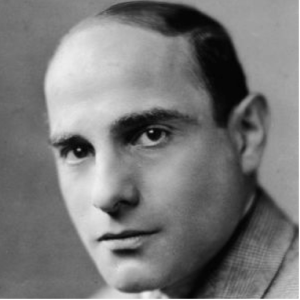
I love Jerome Kern’s melodies.

I love his chord changes.

I am not sure if I would have loved him had I had the opportunity to meet him, but I am very grateful he co-wrote so many wonderful songs.
Kern1

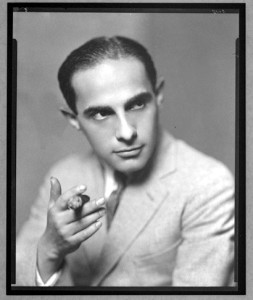
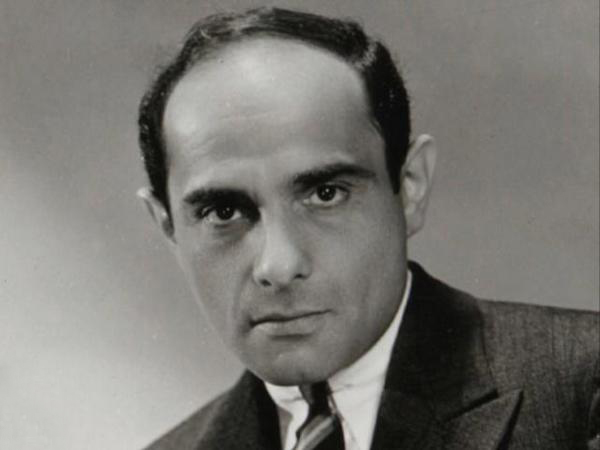
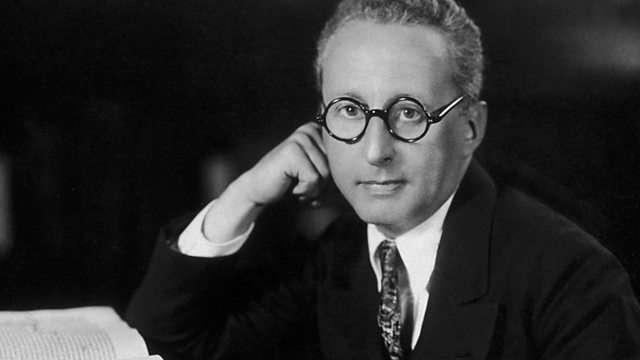
Jerome David Kern was short and a very snappy dresser.

He loved the color green — including wearing bright green, custom-tailored trousers.

He could be quite critical and bossy — and he did not suffer fools gladly.

He was also very funny with friends.

And he knew bird calls well — and was sometimes melodically inspired by them.

Kern was the composer whom George Gershwin and Harold Arlen  — and many other composers of what we now call the Great American Songbook — looked up to and strived to emulate.

He was older than they were, having been born in New York City on January 27, 1885 — the youngest of seven children (four of whom died before the age of six…)

His family moved from apartment to apartment around Manhattan before settling into a house across the river in Newark, New Jersey, which is where Jerry went to high school and where he began writing songs for musical events.

His nickname in high school was “Romie.”

Kern’s first job in the music business was doing accounts payable and accounts receivable for a music publishing company run by the uncle of a friend.

He rose to become a song plugger, eventually earning a shift at Wanamaker’s, which was one of the first — and very grandest — department stores in New York City.

He proved to be a savvy businessman, investing money he received as an inheritance in his early 20s to become a shareholder in the second music publishing company he worked for, TB Harms.

Harms started getting Jerry’s songs interpolated into musical productions.

I learned from reading various Kern biographies that in the early days of musical theater, it was very common for individual songs to be added to a show by another composer.

These interpolated songs could freshen up a show during a long run — and also provided great opportunities for unknown and up-and-coming songwriters.

Harms let him work as a rehearsal pianist for Broadway reviews and shows, which he did on and off for ten years.

Being a rehearsal pianist meant that Kern became well-acquainted with the movers and shakers in the New York theater world — and it also meant he could be on hand to help create a new number if needed.

He also was allowed to accompany singers on short tours, which provided more opportunities to incorporate Harms and/or Kern tunes into their performances as needed.

I was surprised to learn that Kern was very well acquainted with the theater world in London.

Part of the reason Jerry went to London so many times as a young man was to check on TB Harms’ publishing partners in England.

He saw all of the latest shows and schmoozed as many London theater people as possible, pitching his songs for interpolation into London shows as well.

This is when he first met the author, humorist and lyricist P. G. “Plum” Wodehouse, with whom he began collaborating on songs in 1906.

Nine years later — when Wodehouse was living in New York — Kern introduced him to librettist Guy Bolton, who became one of Kern and Wodehouse’s lifelong friends.

Kern and Bolton had worked together on a musical called Nobody Home which was presented at the intimate, 300-seat Princess Theatre. Wodehouse contributed some lyrics to their next Princess musical, Very Good Eddie, and officially joined their creative team for Oh, Boy! — which ran for 463 performances (and according to Wikipedia was one of the first American musicals to have a successful London run).

The three men collaborated upon what became a very successful series of musical comedies — most of them presented at the Princess Theatre — during and after the First World War.

These shows were inspirational to many songwriters and librettists, partly because the songs and dances and script were well integrated to advance the storyline of the show.

And no songs by other writers were arbitrarily interpolated into the plot!

In an interview following the success of Oh, Boy, Kern explained, “It is my opinion that the musical numbers should carry on the action of the play, and should be representative of the personalities of the characters who sing them….Songs must be suited to the action and mood of the play.”

Kern collaborated with a wide variety of lyricists during his long career on Broadway and in Hollywood.

One of my favorite songs, “I’m Old Fashioned” was written with lyricist Johnny Mercer for a 1942 film called You Were Never Lovelier, which paired Fred Astaire with Rita Hayworth.

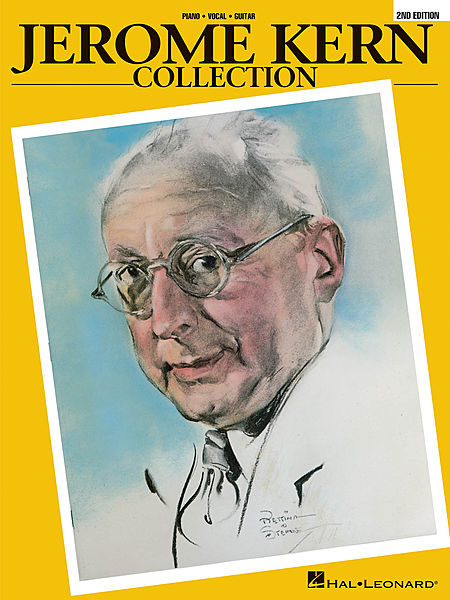
Partly as a result of a dear friend’s uncle giving me a Kern songbook when I left college, I became aware of Kern’s body of work early in my singing life.
KernSongbook

I recorded three Kern songs with jazz pianist and composer Steve Sweeting when Steve lived above an ice cream store in Brighton, MA — “I’m Old Fashioned,” The Way You Look Tonight,” and “Smoke Gets In Your Eyes” — which I have included in this blog post.


Jerome Kern was very successful during the 1910’s and 20’s on Broadway and in London.

In fact one newspaper at the time estimated that he was earning as much as $5000 (which would be the equivalent of $63,000 in 2016) each WEEK from sheet music and ticket sales.

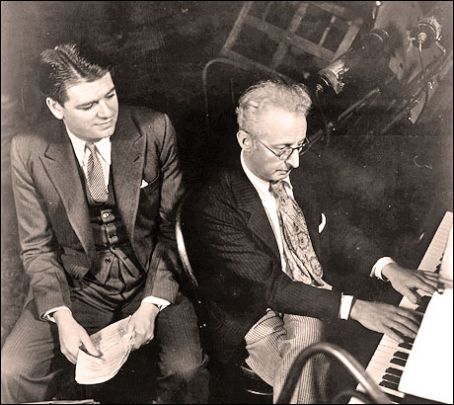
He created what is considered to be his masterwork, Show Boat, in 1927 in collaboration with lyricist/librettist Oscar Hammerstein II and producer Florenz Ziegfeld.

Ziegfeld had made his reputation with huge revues on Broadway filled with beautiful chorus girls, extravagant costumes, and colossal sets.

Thus many people were surprised that he agreed to produce Show Boat — which featured an integrated cast of black and white performers and dove deeply into painful human phenomena including prejudice, gambling and alcoholism (which were not the usual topics for a night’s entertainment on Broadway).

Ziegfeld, in fact, remained very doubtful about the success of Show Boat — postponing the start of production several times.
Hammerstein and Kern

Although this was very frustrating to Jerry and Oscar, it also gave them extra time to fine-tune their songs and script before casting and rehearsals finally began.

Many of Kern’s Broadway musicals were adapted into movies, including Show Boat — which was filmed three different times — and his 1933 hit Roberta, with a book and lyrics by Otto Harbach.

The Broadway cast included many performers who went on to become stars including Fred MacMurray and Bob Hope — and Roberta also introduced the musical gem “Smoke Gets In Your Eyes.”

Along with many other Broadway songwriters, Kern moved with his family to California during the 1930s.

Although the Great Depression was in full swing, the movie industry was making lots of money.

Mr. Kern wrote “The Way You Look Tonight” with another favorite collaborator — lyricist/librettist Dorothy Fields — for the film Swing Time, where it was introduced by Fred Astaire and Ginger Rodgers, who in this movie was cast as a dance instructor.

“The Way You Look Tonight” won Best Song in a Motion Picture in 1936.

Dorothy Fields later remarked, “The first time Jerry played the melody for me I went out and started to cry. The release absolutely killed me. I couldn’t stop, it was so beautiful.”


In addition to being a composer, Kern was also a collector.

He started collecting books when he first visited London in his early 20s, and ten years later had amassed a collection which — when he auctioned it off in 1929 — earned him almost two million dollars (which would be worth more than $27 million dollars in 2016).

He also collected real estate, antique silver and furniture.

The home he built in Bronxville, NY (north of New York City) was decorated with beautiful paintings, Colonial, Jacobean and Italian furniture, rare vases, lamps with Buddha bases, and books which he had bought during his travels to Europe and around the USA.

And whatever he became curious about, he would soon become an expert in.

As a small example of this, when they were living in Bronxville, Kern and his wife Eva took a trip with their neighbors, Mr. and Mrs. Nathan Newman, to Canada to visit an asbestos plant that Mr. Newman owned.

Jerry asked lots of questions and was particularly concerned about the large amounts of asbestos waste.

After they got home, he did some independent research and wrote a 40-page report — detailing several possible uses for the wasted asbestos — which he gave to his neighbor.

After the huge success of Show Boat in 1927, Kern developed the habit of playing “Old Man River” the last thing before he left his house on a trip and the first thing upon arriving back home.

In fact, during his final trip to New York City from California in 1945  — when he was overseeing yet another revival of Show Boat with Hammerstein and beginning work on a new show with lyricist/librettist Dorothy Fields (produced by Hammerstein and Richard Rodgers) about a sharp-shooting phenomenon named Annie Oakley — he was apparently worried because he had forgotten to play this song before he left his home in California.

Much to everyone’s shock — since he was only 60 years old — Jerome Kern collapsed from a stroke while browsing on the east side of Manhattan.

He died a few days later with his wife and Hammerstein at his hospital bedside.

I would like to end this post with something president Harry Truman said upon hearing Kern had died:

“I am among the grateful millions who have played and listened to the music of Jerome Kern. His melodies will live in our voices and warm our hearts for many years to come.”

Thank you, Jerome Kern, for your wonderful songs — and thank YOU for reading and listening to yet another blog post.

Another Good Morning


Once upon a time I co-starred in a movie called Goldenrod which was filmed in and around Calgary, Alberta.


It had a theatrical release in Canada (I think), and was shown in the USA on CBS-TV.


squirrel-green-trees

I was 14 years old.

squirrelvertical

Because of Canadian rules about airing a certain percentage of  shows which have been produced in Canada, it still can be seen from time to time on Canadian TV.

squirrel

One of the producers had a daughter whom I met on the set when she visited from Toronto.

rose-red

Although it seemed unlikely at the time — since I lived in New York and Connecticut while she lived in Canada — Sarah James and I have remained friends ever since.

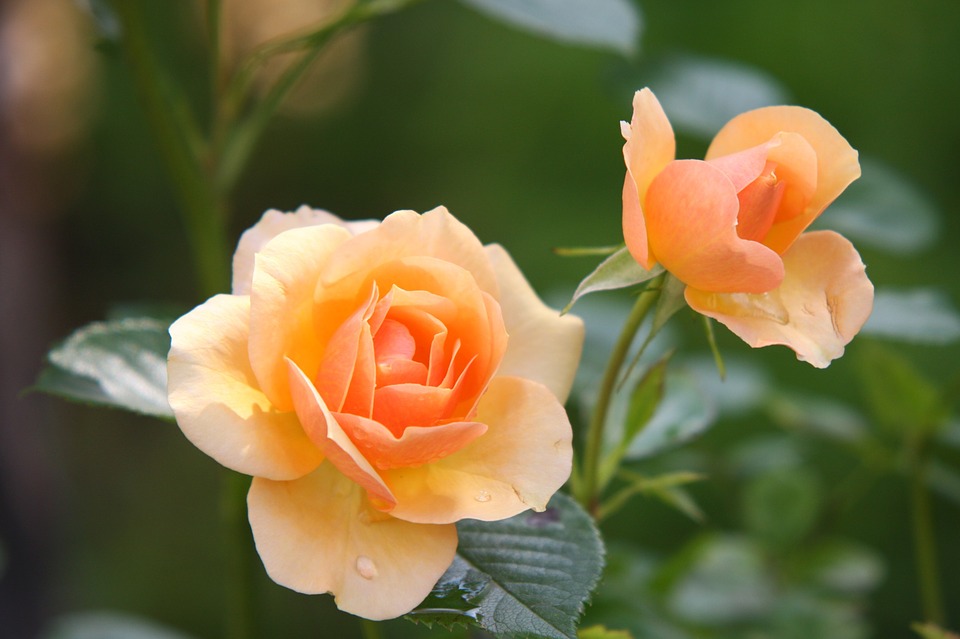
rose-peach

She still lives in Toronto, and like her father (and mother) she works in film and TV production.

Lever

For the past few years she’s been helping to create Canada’s version of the TV show The Amazing Race.

phlox

She and her husband — who among other things is a wonderful musician who has taught himself how to build ukuleles! — and daughter live in a sweet house with a small garden out back which ends at a garage.

snail-on-mug

Above the garage is an office/guest bedroom where I love to sleep and read and write songs when I visit them.

snail-on-hand

I started writing “Another Good Morning” a couple of springs ago.

roses-white

The sun was shining.

snail-stretching

Birds were singing.

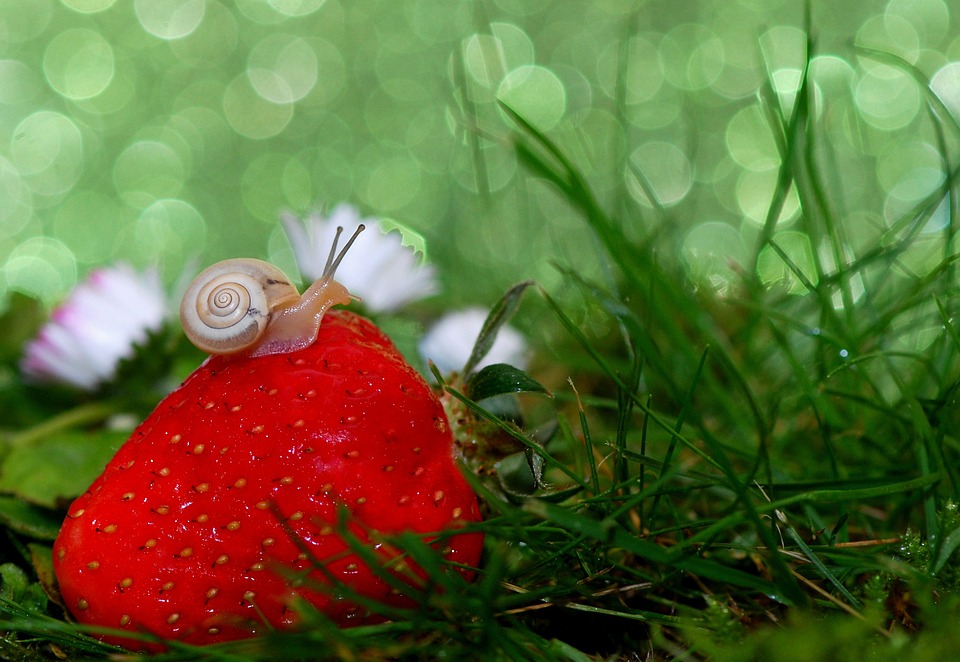
snail-strawberry

And Sarah was making breakfast for all of us.

squirrel-eating

It is what I call a “gets-me-out-of-bed-in-the-morning” song.

water-flowing

I have probably mentioned this type of song before in this blog, because — in the spirit of “teach what you most want to learn” — I end up writing a lot of songs with upbeat messages.

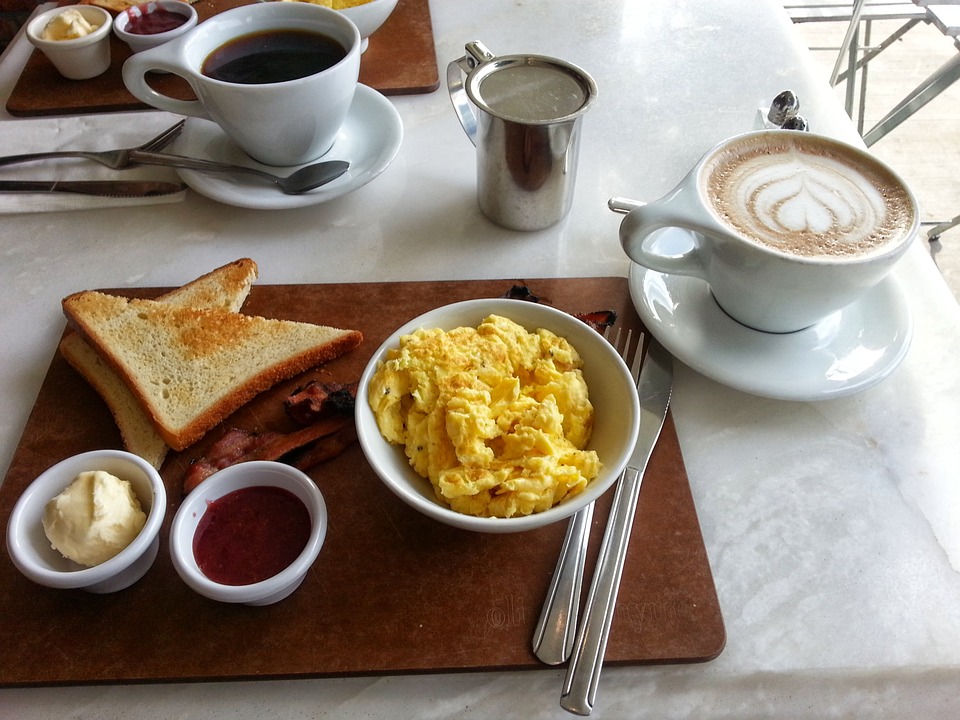
coffee-eggs

Because I need them….to muster a little bit of optimism before I head out into the day.

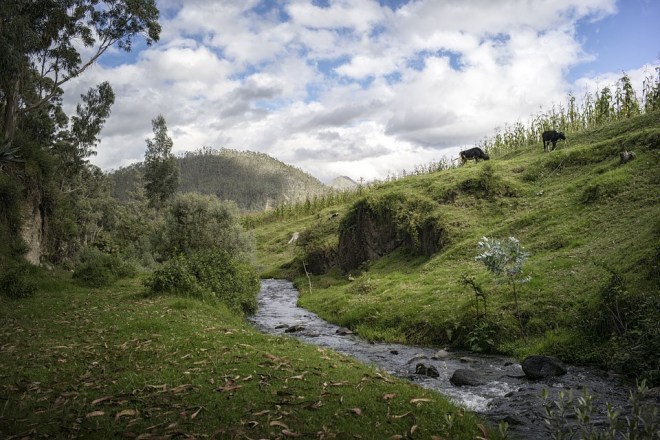
stream-cows

As you have probably already guessed, I continue to love the photo site Pixabay.

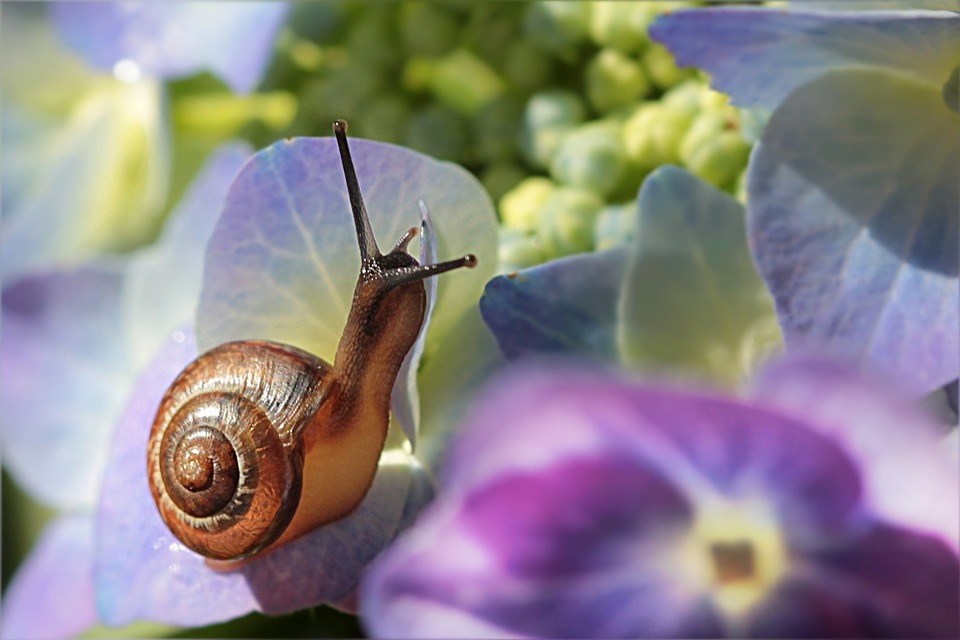
snail-hydrangea

I send a huge thank you to all the folks who have shared their lovely images there!

squirrel2

I do not own a cell phone or carry a camera…

water-drop-high-speed

But I appreciate those who do.

Waterfall-rainbow

THANK YOU for reading and listening.

Go-play

PS: The pianist on this song is the multi-gifted Doug Hammer, and we recorded it at his studio in Lynn, MA earlier this year. It is one of many we will be performing on April 30, 2016 at Third Life Studio in Somerville, MA.

A Beating Heart

A Beating Heart

I recently spent an afternoon at Doug Hammer‘s studio, recording songs by Rodgers & Hart and then working on one of my original compositions, called “A Beating Heart,” which you can play by clicking on the left side of the bar below this paragraph.

A careful reader of this blog might recall that I included a Garageband version of this song in a post on April 9, 2014.

Since then Doug and I have begun creating piano/vocal versions of many of my songs so that we can perform them at places like Third Life Studio in Union Square, Somerville.

We got a lot of positive feedback after our debut performance there in December with guest vocalist Jinny Sagorin — and we’ll be returning at the end of April to reprise that show.

robin-818126_960_720

With so many huge and important things happening on planet earth right now — such as climate change, the loss of biodiversity, our human over-consumption of shared resources, and even the astoundingly unlikely presidential campaign here in the US — I often wonder how my original songs fit into the larger equations of life on planet earth.

Is my desire to share them with a wider audience (“Me, me, me, me! Look at me! Listen to me!”) simply another manifestation of the grossly self-oriented human trend in behavior which is currently tipping our larger ecological feedback loops further out of balance?

To re-center myself, I think of a poster in the bathroom where I get acupuncture which features some of the Dalai Lama’s wisdom:

“Ultimately, the decision to save the environment must come from the human heart. The key point is a call for a genuine sense of universal responsibility that is based on love, compassion and clear awareness.”

bleeding-hearts-55120_960_720
He has also written:

“Today more than ever before, life must be characterized by a sense of universal responsibility, not only nation to nation and human to human, but also human to all other forms of life.”

However, we human beings still tend to think and plan and speak and act with human ‘tunnel vision.’

I often listen to a radio program on Friday afternoons, and last week the host, Ira Flatow, was discussing asteroids and comets. He mentioned one which flattened 770 square miles of forest in Siberia on June 30, 1908 — adding that luckily no one was hurt.

Wikipedia uses similar language in its description of what is called the Tunguska event, saying that it “caused no known casualties.”

I would modify that to read, “no HUMAN casualties.”

770 square miles is roughly the size of the entire greater Boston area.

All sorts of living beings — trees, eagles, ants, berry bushes, wolves, beetles, moose, falcons, reindeer, elk, plants, bears, storks, robins, bees, nightingales, mushrooms, bacteria, etc. — must have been hurt and/or killed.

Why do we human beings so easily ignore or dismiss non-human death and suffering?

How can we be so deeply ignorant of the profound and crucial ways our human lives are interconnected with the lives of innumerable non-human beings here on planet earth?

The most obvious example of this is the fact that we animals breathe out what plants breathe in. And vice versa. It’s an extraordinary bond between plants (trees, shrubs, phytoplankton, algae, grass, etc.) and animals (dolphins, ants, chickens, worms, orangutans, etc.)

dolphins-1069473_960_720

And us.

We human beings are also animals.

We depend upon the health of the plant world for our human health.

Healthy trees and healthy forests and healthy phytoplankton and healthy oceans are not optional.

They are vital to the health of all of us.

I agree with the Dalai Lama that we human beings need to experience and understand on an open-hearted, emotional level that our daily lives ARE deeply connected to the lives of all other beings on planet earth.

And the health of those other beings IS intricately connected with our own health and survival.

This is where I see music playing a part in the larger equations unfolding on planet earth.

I know that music — both making it and listening to it — helps me re-open my heart and get in touch with my feelings.

And I see each week in my Music Together classes how singing and dancing and playing as a group can create a community of joy and humor and respect in 45 minutes which continues to ripple — gently and positively — throughout the week in the lives of the families who attend class.

waves-circles-285359_960_720

So I will take a deep breath (like a whale!) and dive through my ambivalence about self-promotion into a starboard sea full of hope, love, respect, education, playfulness, creativity, compassion, song, and dance.

And occasional blog posts.

Deep breath in.

Deep breath out.

Thank you for reading and listening!

swimming-388910_960_720

I found the lovely photos in this post from a site called Pixabay.

And if you’d like to listen to “A Beating Heart” on a digital music platform such as Spotify, Apple Music or YouTube, you can click here.

You are always welcome to visit my website — where you can find many songs (and learn more about my musical life here on planet earth if you are curious).

You can also find me singing all sorts of songs on SpotifyPandoraApple Music, YouTube and other digital music platforms.


Musings on Larry Hart

Having recently read many biographies about Lorenz “Larry” Hart and about Richard Rodgers, I’ve been wondering how Larry would have told his own story if he hadn’t died at age 48…

Richard Rodgers lived for 36 years after Hart’s heartbreakingly early death, and as a result he had many opportunities to share HIS memories of their often-times challenging creative collaboration.

Larry Hart
Larry Hart

But we have no hindsight from Larry to balance their biographical narrative.

We do, however, have the lyrics he wrote for 26 Broadway shows and several Hollywood movies.

They range from the simple and sincere — “With a Song In My Heart” — to the playfully brutal — “I Wish I Were In Love Again.”

Here’s a version of “I Wish I Were In Love Again” that Bobbi Carrey and I recorded with Doug Hammer at his great studio north of Boston (with extra musical input from Mike Callahan).

 It is tempting to imagine that some clues to his life experiences are encoded into his lyrics.

Vivienne_Sonia_Segal
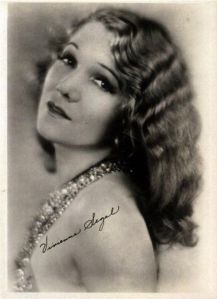
Vivienne Segal

For example, Larry writes at the end of “I Could Write a Book” from one of his later musicals, Pal Joey: “and the world discovers as my book ends how to make two lovers of friends.”

This lyric makes me wonder about his relationship with the actress and singer Vivienne Segal, one of the stars of Pal Joey who was also his friend and to whom he apparently proposed marriage more than once…

She respectfully declined each time — saying that she had had enough of marriage (she was divorced from a first husband).  She was also well aware that Hart was an alcoholic and what we would now describe as a closeted gay man.

Yet Cole Porter, another closeted gay songwriter of the time, had a long, loving, committed marriage to divorcée and millionairess Linda Lee Thomas — while simultaneously carrying on a life-long stream of romantic and sexual liasons with other men.

Porter, like Hart, was also devoted to his mother — although Porter did not share a home with his family for almost his entire life as did Hart.

Lorenz Milton Hart was born on May 2, 1895 and grew up in a boisterous household in Harlem, NY (then a largely Jewish neighborhood) with a father who was well-connected within the Democratic Tammany Hall political establishment.

His father made a living doing a variety of business deals — for example, he was alleged to be an investor in a very popular brothel — and over the years the Hart’s family finances would ebb, when his mother’s jewelry would go to the local pawn shop, and flow, when her jewelry would come out of hock and Larry might be given a $100 bill so that he could take all of  his friends out for a night on the town.

Larry Hart

It was a tight-knit family.

Larry (or Lorry as he was called by his German-Jewish mother) shared a bedroom with his younger brother Teddy until they were both in their forties.

The Harts regularly hosted parties attended by friends, relatives, local politicians, and — as Larry’s fame mounted — an expanding cast of writers, composers, musicians, performers, stars, groupies and hangers-on.

Larry supported his family after his father died — and he was apparently hounded by people to whom his father owed money for many years afterwards.

Hart was acutely aware of his mother’s wish that he would get married like his brother Teddy, who was a performer and who finally got married in 1938.

But none of the women to whom Larry proposed said yes.

Deep sigh.

I am reminded of Hart’s lyric for the song “Glad To Be Unhappy” (which I once recorded with Doug on piano at his studio during a rehearsal).

“Fools rush in… so here I am, very glad to be unhappy. I can’t win… so here I am, more than glad to be unhappy. Unrequited love’s a bore, and I’ve got it pretty bad — but for someone you adore, it’s a pleasure to be sad.”

Hart seems to have buried or hidden much of his sadness behind a playful, generous, talkative, enthusiastic personality — as well as a thick haze of cigar smoke and LOTS of alcohol.

And Larry carried on his family’s tradition of hospitality and generosity — helping his father pay off debts and loans when he was still alive, lavishing gifts on friends, hosting endless parties, and picking up the tab when out on the town.  

Hart

He was also generous with his time and creativity.

His sister-in-law Dorothy Hart claimed, “My brother-in-law wrote more lyrics without getting credit for more friends who were stumped or had songwriters’ block. He was very generous, not only with money, but also with his talents.”

About Larry’s death she says, “He was really, I think, a victim of burnout, and at the age of 48, the theater didn`t offer too much surprise for him, because he had done it all.”

I also wonder what effect the news from Europe during WWII had on his spirit.

Before his death — after Richard Rodgers had begun his new collaboration with their mutual lifelong friend Oscar Hammerstein — Larry had been working on a musical about the underground resistance movement in Paris with a composer who had recently escaped from Germany.

So he must have been very well-informed about recent developments in Germany — from which his parents had emigrated in the late 1800s and to which he had traveled as an adult — and Europe.

How did this excruciating information affect his mood? His spirit? His world view?

One of the last songs he wrote in partnership with Richard Rodgers was a witty tour de force for Vivienne Segal to sing in a 1943 revival — and updated version — of their 1927 hit show A Connecticut Yankee.

VivienneSegal
More Vivienne Segal

It is called “To Keep My Love Alive” and relates how the singer has remained faithful to a long list of husbands (“until death do us part”) by killing each of them in a different way.

One death occurs when the singer pushes her husband off a balcony.

Hart would surely have been aware that Richard Rodgers’ wife’s father had died a few years earlier as a result of a fall from the balcony of their NY penthouse apartment when Rodgers’ father-in-law was being treated for depression.

Might this have been a hidden — and ostensibly humorous — way for him to process some of his feelings about Rodgers having begun a new collaboration with their long-time mutual friend and colleague Oscar Hammerstein, II — the first fruits of which was the musical Oklahoma?

A way to needle Richard and his wife Dorothy under the cloak of music and rhyme?

A way for him to express how he might have felt about Vivienne’s declining to accept his marriage proposals?

Who knows…

I’ve been spending a lot of time with Mr Hart’s life story — and his lyrics — while I put together a program of songs and stories to perform with jazz pianist Joe Reid.

And my freely associative mind can’t help but see — or perhaps more accurately imagine — connections between Hart’s life and his work.

I am wildly grateful that he left such a rich and beautifully-crafted body of work for all of us to savor and sing for many years to come.

Rest in peace, dear Mr. Hart.

Deep breath in.

Deep breath out.

Love who (and what) you love…

Love who (and what) you love…

I just returned from thirteen days of heaven on earth a.k.a. camping at North of Highland Campground in North Truro, MA (near the tip of Cape Cod).

One of the things I most love about camping is the lack of interruptions and distractions.

Life is distilled down to basics — and things like TV and America’s Got Talent and Netflix and Orange Is the New Black simply disappear from one’s awareness.

I did not speak with anyone via the telephone.

There was no internet tempting me to visit Facebook or Linked In.

I had no emails reminding me each day about a deeply discouraging array of horrible things happening all over planet earth which I could possibly help by signing a petition and/or donating money.

I listened to no radio.

I read very few magazines (mostly back issues of The New Yorker).

I received no snail mail full of solicitations from environmental defense organizations and prograssive lobbying groups and hard-working political candidates.

Instead I savored the rain and the sun.

And birds.

And wind in the pine trees overhead.

And random sounds of fellow campers in the distance — sometimes the beep of a car with keys left in the ignition, sometimes the cry of a small child having an emotional melt down.

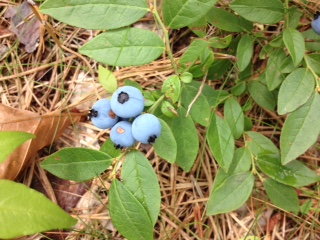
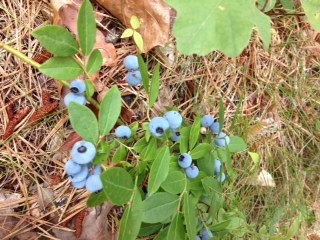
And BLUEBERRIES.

Blueberries1

This year we arrived at the peak of blueberry abundance.

Little scrubby bushes which in past summers might have offered a few berries were now covered with them.

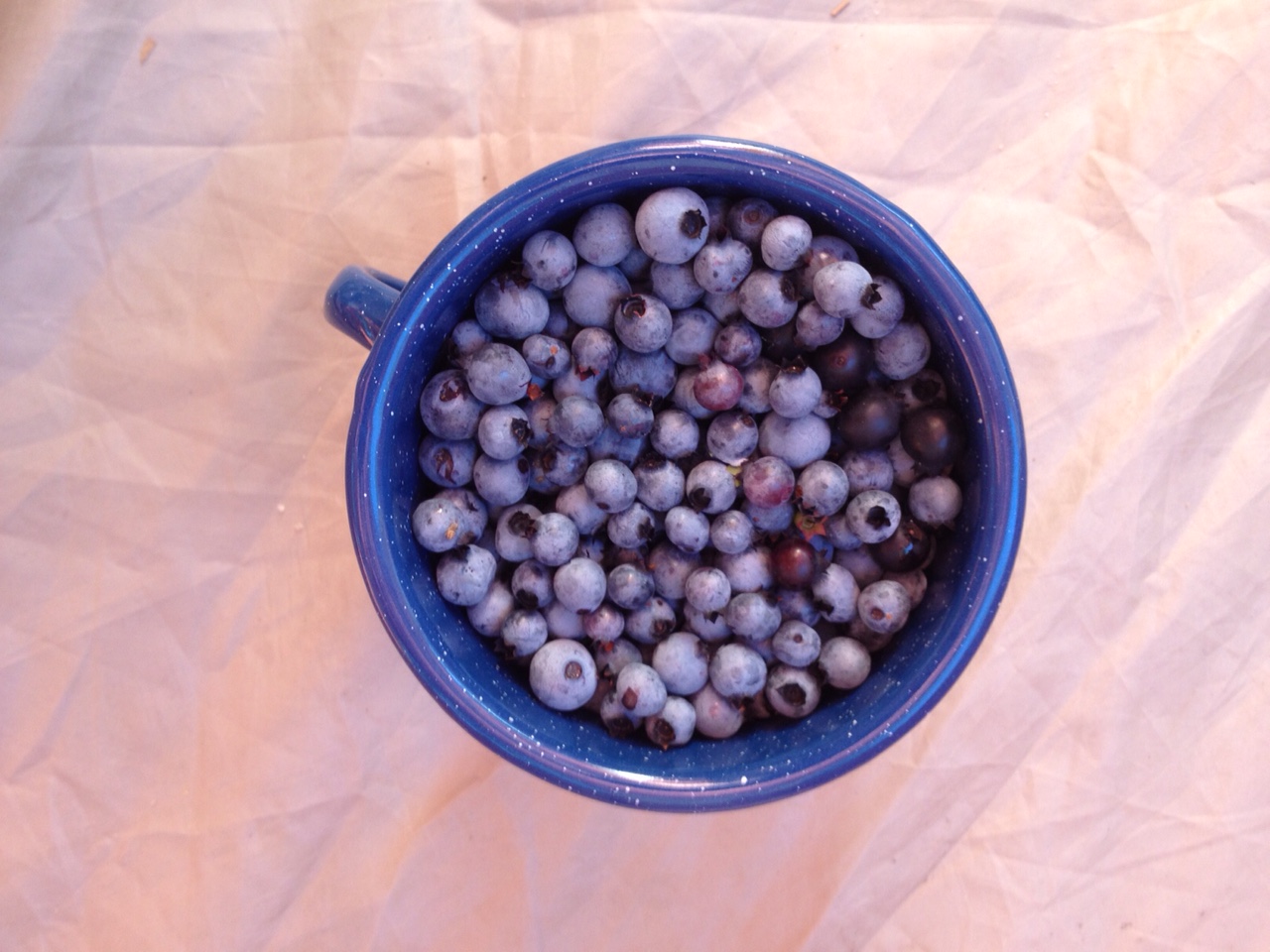
Each morning before the sun became too hot, I picked a mug-full to eat — first with oatmeal and then as an anti-oxidant treat throughout the rest of the day.

Some bushes had small berries, and others were loaded with whoppers.

On the morning of our departure, I picked one final mug’s worth to bring home to Arlington, and I am eating the last of them as I type this entry.

Yum for summer!

Blueberries2

At first I was concerned that I might be depriving the local wild life of much-needed sustenance.

One morning I watched a small red squirrel pick blueberries, climb up on a small tree stump to eat them, climb down to pick more, climb back up to eat more until she or he apparently had eaten their fill and frisked off into the trees.

But that was the only animal consumption I witnessed.

And I saw many wrinkled, older berries on the ground under the bushes — so plenty of them were ripening and falling to the ground untouched by anyone.

I decided it was OK to revel in this unexpected, beautiful, delicious gift from mother earth.

And there were many berries I did not manage to pick and eat when we left our camp site…

Maybe the two wild turkeys we saw as we were packing up camp would return to savor them?

This morning I was given a link to a slide show that a father had put together to play at the memorial service for his four-year-old son, who had died as a result of complications after an unsuccessful heart transplant operation. 

This radiant little being was a student of a fellow Music Together (MT) teacher, and she had reached out via Facebook to a bunch of MT teachers when he was about to go into surgery so that we might pray for him and his family and his caregivers.

Despite the massive amounts of time Aiden had spent in hospitals during his short, sweet life, he was able to stomp in rain puddles and play at the beach  and attend Music Together classes with his parents.

Apparently he loved singing and dancing — and his parents included several MT songs as part of his slide show and memorial service.

From the slide show I could see how loved he was by his extended family.

And as a result of watching it, I brought an aching awareness of love and loss with me to my Music Together class this morning — and did my best to welcome and celebrate each being who came though the door.

The song at the beginning of this post was written by Lynn Ahrens and Stephen Flaherty for a musical called A Man Of No Importance.

I recorded it with Doug Hammer playing piano and Mike Callahan playing horn several years ago as part of my “Will Loves Steve” show — which featured songs written or co-written by people named Steve or Stephen or Stevie.

For me it captures some of the poignance of being a loving human here on planet earth.

Thank you for reading and listening!

Blueberries from Truro

The Mystery of Neuronal Connections


After I take a shower in the morning, I like to wipe the water off the tile walls with a squeegee.

I had never done this until I visited my friend Michael Ricca’s family home in Quincy, MA.

Their bathroom was spotless, and I learned that Michael’s dad always cleaned the water from the shower walls with a squeegee.

So now I think about Michael and his parents almost every morning as I stand — naked or wearing a towel — and use my shower squeegee.

Michael’s parents used to invite me and him and Nina Vansuch and Brian Patton over for huge Italian feasts when the four of us were singing together in a musical project called At The Movies.

So I also think about Nina and Brian and the music we made together each morning as I wipe water from the shower walls.

I love how “squeegee” and “Michael Ricca’s dad and mom” and “Michael Ricca” and “Nina Vansuch” and “Brian Patton” and “Quincy, MA” are all neuronally linked in my memory banks.

And somehow the act of wiping down the shower walls brings all of them to the surface of my consciousness.

Brian and Nina and Michael and I performed together for a few years, selling out Scullers Jazz Club on a regular basis and recording a CD, Reel One, which still — ten years later — sounds great.

I have included a couple of selections from Reel One in this blog. And a couple more (“Wives & Lovers/Coming Around Again” and “That’ll Do”) are in the player in the right hand side bar of this page.

I especially love Nina’s vocal performance on “Theme from The Valley Of the Dolls” and the vocal harmonies Brian crafted for us to support her.


I don’t know if At The Movies will ever perform together or record again, but I am very grateful that we have such lovely audio documentation of our time together.

I was talking with a fellow singer about the fascinating power of neuronal associations the other night as we drove home from an open mic in Natick.

Sometimes what transforms someone’s song interpretation from good to great is simply how many neural associations they have woven into their memorization of the lyrics.

A song may remind them of a loved one who once sang it to them, or an intense crush they once had in high school, or a particularly tumultuous (or poignant or peaceful) period in their life.

Or all of the above.

And those images, those memories, those associations somehow bring the song to life when they perform it.

I try to inoculate songs that I am learning with as many different layers of memory associations as I can muster.

Then when I am performing, I can tap into different constellations of memory associations as the spirit moves me.

One night a song about love might evoke a strong image of my nephews and niece.

On another night I might find myself remembering my former voice teachers — or the first person with whom I fell head over heels in love — or my sweetheart of 22 years — or one of my siblings — or the horse our family owned as a pet for over 30 years — or the corgi we had who once raised a litter of abandoned kittens — or the heron who sleeps at night on an abandoned shopping cart in the middle of a stream which runs along a busy road near my house.

Or huge Italian feasts with Michael and Brian and Nina and Michael’s parents at his childhood home in Quincy.

Or squeegeeing my shower tiles.

Or all of the above.

Something Good


Skimming over some of my previous posts, I see that I rarely mention anything about feeling frustrated, unhappy, anxious, or any other “negative” emotional state.

I would like to clearly state that I feel disappointed, scared, envious, disheartened, disgusted, vengeful, upset, discouraged, and cranky on a regular basis.

But I strive — when feeling out of sorts — to remind myself of any number of things in my life that I can be grateful for.

A wonderful life partner.  Health.  Plenty of food.  Lots of family.  Lots of friends.  A functional bicycle.  Employment.  A safe place to live.  Clean water.  No tanks patrolling my neighborhood.  Music.  Electricity.  The children and grown-ups in my Music Together classes. Warm clothing.  Two lap top computers.  Access to the internet.  Great collaborators.  Our local network of public libraries.  The retirement communities which invite me and my collaborators back to perform again and again.

Once one gets started, the list can go on and on and on…

The week before Doug Hammer and I performed Songs About Parents & Children at the Third Life Studio in Somerville, MA, I found out that I had been awarded a grant from the newly-created Bob Jolly Charitable Trust to help pay for rehearsals and marketing outreach.

Bob Jolly, who died in 2013, was a beloved actor in the Boston community for 28 years.

The Bob Jolly Charitable Trust — established by his will — supports local actors, performers, composers, and theater companies with modest yet very meaningful financial support.

I am very grateful for this grant as well as Bob’s vision to nurture Boston’s creative community for years to come.

His generosity is indeed something good!

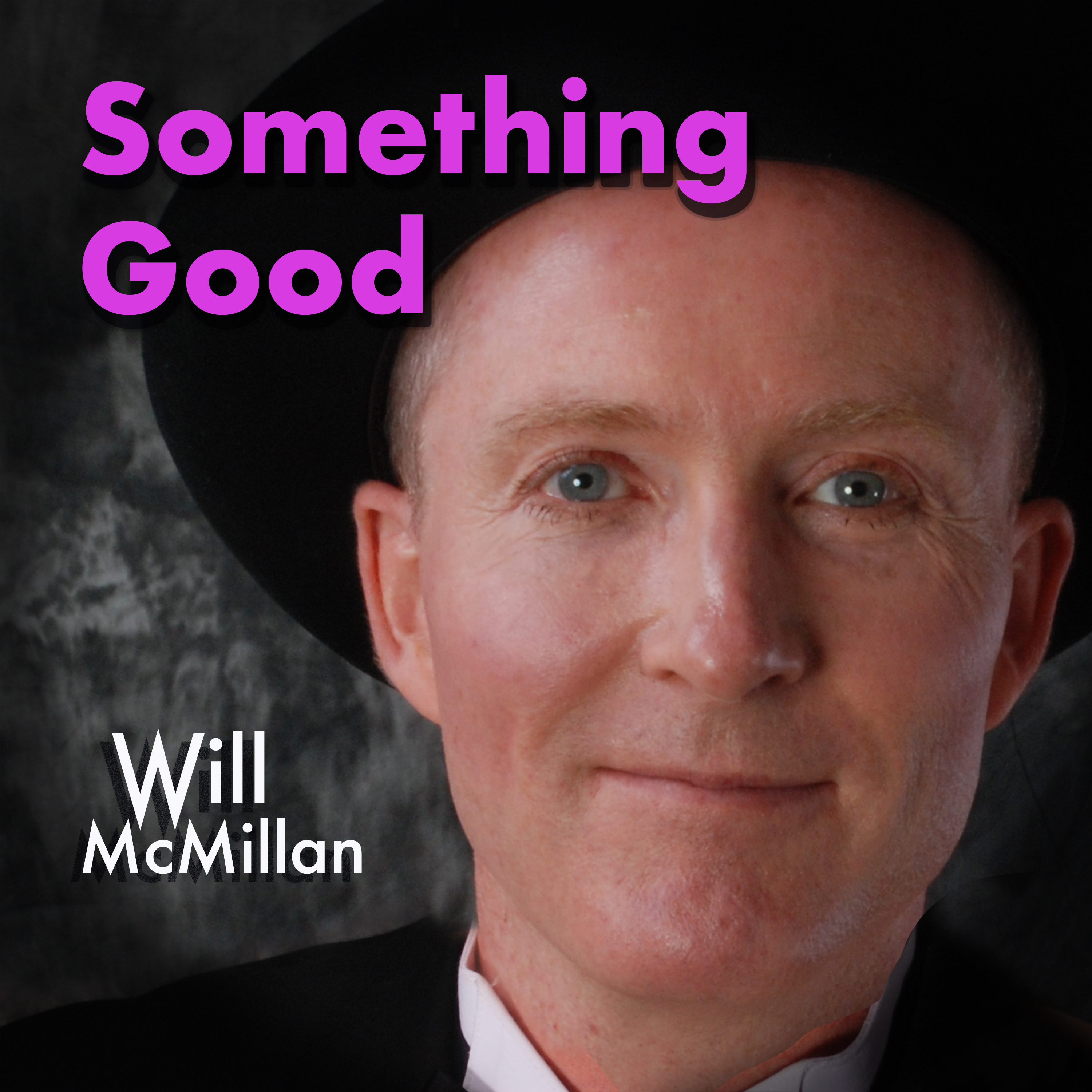
The song in the player at the beginning of this blog post was created by Richard Rodgers for the movie version of The Sound Of Music.

He wrote both the music and the lyrics because his second longtime lyricist/collaborator, Oscar Hammerstein, II, died before the movie was made.

The knowledge that Mr. Hammerstein was dying from stomach cancer while they were bringing the original Broadway musical to life adds — for me — an extra layer of poignance to songs such as “My Favorite Things,” So Long, Farewell,” “Climb Every Mountain,” “Edelwiess,” and “The Sound Of Music.”

And learning more about Mr. Rodgers challenging relationship with alcohol — as well as with various female cast members in his shows —  adds many more layers of complexity to “Something Good,” which Doug and I performed as our final encore at the end of Songs About Parents & Children.

Deep breath in.

Deep breath out.

Thank you for reading and listening.

So Many Stars…

Image by yavorzhelyazkov from Pixabay

“So Many Stars” is a song I have heard performed by many different singers, and I have always thought to myself, “I need to learn that song.”

This past summer I visited a pianist/songwriter friend, Steve Sweeting, and his family while attending a Music Together training session in Manhattan.

One evening we were brainstorming about possible future collaborations, and I mentioned that I have long wanted to do an evening of songs about stars — both the amazing energetic phenomena that we see at night and the human-created idea of “star” — as in “movie star” or “musical theatre star.”

To get us started, he gave me the sheet music for “So Many Stars,” which I promptly began learning.

Pianist Doug Hammer and I recorded the version I have included at the top of this post  — and then I went camping for two weeks with family on Cape Cod.

Image by Pexels from Pixabay

One of the things I love about getting away from the city is gazing at the sky on a cloudless night.

A couple of times I walked down to the beach after dark and sang “So Many Stars” over and over again while the universe beamed light across unimaginably vast distances to trigger the rhodopsin in my eyeballs — and awaken a sense of wonder in my mind, body, and spirit.

The deceptively simple lyrics of “So Many Stars” were written by the wife-and-husband team of Marilyn and Alan Bergman for a wonderful melody by Sérgio Mendes, a Brazilian pianist and songwriter.

The Bergmans created lyrics for a bunch of great songs including “Nice and Easy” (for Frank Sinatra), “The Way We Were” (for Barbra Streisand), “What Are You Doing The Rest of Your Life?” and “You Must Believe In Spring.”

Sérgio Mendes was a founding member of the successful vocal jazz group Brazil ’66 and left behind a 35-album legacy of music when he died from complications of long-term COVID in 2024 (I updated this blog post in 2026…)

Image by fernando zhiminaicela from Pixabay

There are so many ironies about the lives that we “modern” human beings have created here at the beginning of the 21st century on planet earth.

One of them is how — in the interest of safety and security and advertising — we have erected vast numbers of exterior lights, which means that we are less and less able to experience the truly amazing sight of a starry, starry night — along with the humility and curiosity and mystery that it can evoke in us.

Deep breath in.

Deep breath out.

As someone who has (blessedly) never been mugged, I’d rather have more visible starlit nights and fewer streetlights in my life.

How about you?

Hurrah for rhodopsin, hurrah for music, and hurrah for the vast mysteries of the universe!

Image by wal_172619 from Pixabay

I can get so caught up in the human drama unfolding here on planet earth that I forget about the larger — and potentially un-knowable — universal patterns and cycles unfolding all around us at every moment of the night and day.

Another deep breath in.

And deep breath out.

Thank you to the Bergmans and Mr. Mendez for creating this beautiful song.

Thank you to Steve for giving me the sheet music for “So Many Stars” and to Doug for recording it with me.

Thank you to the generous and gifted photographers at Pixabay.

And thank YOU for reading and listening to yet another one of my blog posts.

PS: You are always welcome to visit my musical website, willsings.com, by clicking here.

What’s It All About?

Last night I attended a party at a home in Medford, MA (a neighboring town just outside Boston).

The host had invited a couple of pianists and a bunch of friends who like to sing to celebrate his birthday.

Image by Jackie Matthews from Pixabay

After some delicious food and inspiring conversation — including how the Boston Beer company decided to withdraw its support of the St. Patrick’s Day parade in South Boston — we all moved from the kitchen into the living room.

And then we made music together for three hours.

Sometimes it was one singer accompanied by a pianist.
Sometimes it was the whole room singing together.
Image by yinet gomez from Pixabay

Sometimes one of the pianists sang.

At one point each of the pianists even accompanied the other — who was uncharacteristically standing to sing.

The daily news from our mainstream media brings so many unhappy stories into our homes and into our hearts — planes which mysteriously crash; snipers who fire on civilians; species being wiped out by poachers; wars being waged over natural resources and political power and religious beliefs…

I often wonder what we human beings are doing here on planet earth — and how music fits into the larger equations and patterns unfolding on a daily basis.

Image by Susanne Stöckli from Pixabay

Are we here, as some teachers suggest, so that our souls can experience fear and love?

If that is the case, we are certainly doing a great job with the fear component of this cosmic experiment!

Maybe music is one of the tools we can use to respond to fear.

I know from my own experience that listening to music — and making it with others — can lift my spirits.

And can reconnect me with my deeper feelings.

Image by Gerry from Pixabay

And can bring my energy — for lack of a better word — into harmony with others.

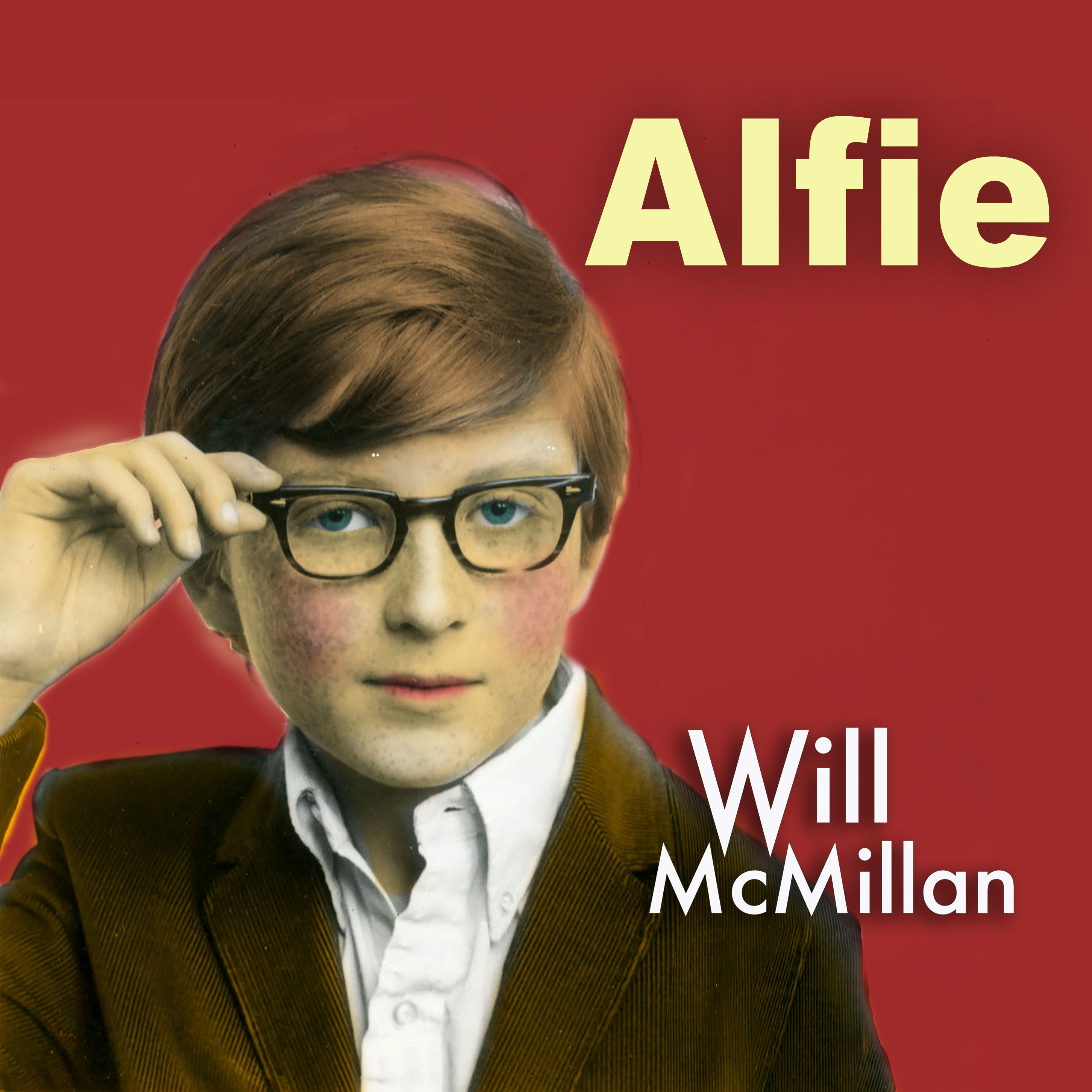
Last night someone at the party sang the great Bacharach/David song “Alfie.”

It reminded me of a recording (embedded at the top of this blog post) which Doug and I made a few years ago at his studio in Lynn.

I am reassured that other human beings, such as Burt Bacharach and Hal David, have pondered similar questions, too.

And I am very, very grateful that my life is now focused on making and sharing music with others.

Thank you for reading — and perhaps listening to — this blog post!

ps: When I wrote this blog post over ten years ago, it included no photos. So in April 2024 I added some from a wonderful photographic resource called Pixabay. THANK YOU to all of the generous photographers and graphic artists at Pixabay!

pps: And when I first recorded this version of “Alfie” with the wonderful pianist Doug Hammer, I knew nothing about digital distribution of music. Now it is available on a bunch of streaming services — and you can click here to stream it.