Magic To Do…

Magic To Do…

I have loved Stephen Schwartz’s music ever since I heard the cast album of Godspell in 1971.

I don’t remember how I came to own it, but I played that record over and over again.

So I was wildly excited and nervous when — at age ten — I auditioned for a new musical being directed by Bob Fosse with songs written by Mr. Schwartz.

I performed Cat Stevens’ song “Father and Son” at the audition. (My aunt had given me and my siblings many of Cat Stevens’ albums, which I also loved.)

I vaguely remember standing on a stage, singing to a few people in a darkened theater.

At one point during the audition — or maybe during a callback? — the pianist played a particular section of “Father and Son” in different keys in order to get a sense of my vocal range.

I gamely sang higher and higher until my voice finally cracked.

I must also have read from some sort of script, but I don’t remember doing any dancing during the audition.

Much to my delight and terror, I ended up being cast as the standby for the role of Theo. I did not attend the first few weeks of rehearsals, but joined the cast midway through the creative process in NYC.
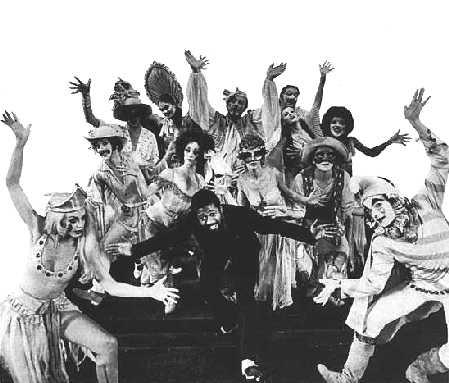
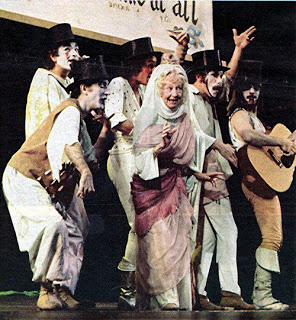
Members of the original Broadway cast of Pippin

I remember that Ben Vereen was very friendly and welcoming, even though he was one of the stars.

Mostly I watched from the sidelines and kept a low profile.

I moved with the cast and crew to the Kennedy Center in Washington, DC, where Pippin previewed.

The Kennedy Center had only recently been built and was enormous. I spent a lot of time exploring the backstage areas — as well as the snack room where I sometimes heated up a slice of pizza using an amazing new (to me at least) technology called the microwave oven.

I also spent a lot of time hanging out unobtrusively in the back of the theater, watching rehearsals and mimicking all of the dance routines to the best of my ability (which grew over time… during my stint in Pippin I studied tap and jazz at the Phil Black dance studios on the corner of Broadway and 50th street).

The role of Theo — Catherine’s son — was never large and grew smaller as the show was tightened up and re-written out of town.

And then, much to my parents’ surprise — since so many Broadway shows close out of town or last only a few weeks once they open in New York — Pippin proved to be a big hit.
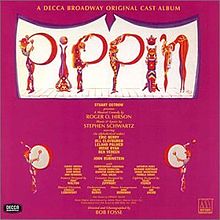
Original Cast Album of Pippin

I and the standby for Irene Ryan had to be backstage for every performance, but I never played the role of Theo on stage.

If I am remembering correctly, the various standbys — me, the standby for Irene Ryan, the standby for John Rubinstein, and the standby for Ben Vereen — along with the understudies for the other main roles would rehearse our parts with the stage manager on matinee days between the afternoon and evening performances.

Ben’s standby was a lovely man named Northern Calloway, whose day job was playing the role of “David” on Sesame Street, which was filmed in a converted theater on the upper west side of Manhattan (which I visited once or twice).

Jill Clayburgh’s understudy was Ann Reinking, who was a member of the chorus and went on to all sorts of success afterwards as a performer and as a choreographer.

A boy named Shane Nickerson played the role of Theo each night.

He and I became friends.

Shane’s sister Denise had played the role of Lolita in an unsuccessful musical version of the Nabokov novel and then was cast as Violet Beauregarde in the original movie of Willy Wonka & The Chocolate Factory.

His family had a Yorkshire terrier named Tiffany, and on matinee days we would sometimes go and eat together at a steakhouse — with Tiffany getting to eat some of the leftovers when we returned to Shane’s dressing room at the Imperial Theatre afterwards.

Other than an ever-present anxiety that I might have to perform the role if Shane were to become ill, I had a lot of fun backstage.

I fetched hot beverages for some of the dancers before the show began at the coffee shop across 46th street (where the stage door was located).

I learned how to play chess with one of the younger stage hands.

I watched endless poker games conducted by dressers, musicians and stage hands at a big table (if I am remembering correctly) behind the orchestra pit while the show was running.

I became friends with one of the hairdressers and helped brush out the different wigs which the chorus members wore during the show.

And I hung out with the wonderful animal handlers, Jack and Mary, who took care of the duck and the sheep who appeared nightly in the show.

Among other duties they had to walk the sheep up and down 46th street and along 8th avenue in order to encourage it to poop before it went on stage.

The sheep liked to eat cigarette butts, which was not conducive to its health; so I would keep an eye out for them when we strolled around the theater district, chatting with surprised passersby.

I remained as a standby in the original cast until I grew too large for the role. (Theo enters in the second being carried on the Leading Player’s shoulders, and this was a very direct way to gauge my growth month by month…)

I was not the first to leave the company — that was probably Jill Clayburgh, who was replaced by Betty Buckley early in the run, and also dear Irene Ryan, who became ill and then passed away in California — but it was a very sad and awkward experience for me.
Irene Ryan and other original cast members of Pippin

Show business can be very confusing regarding matters of the heart.

A cast and crew come together to create a show or a movie — or even just a TV commercial — and everyone strives (at least while on stage or when the cameras are rolling…) to be friendly and part of a team/family while they are attempting to make some magic together.

And then, when the shoot of the movie or the run of the play is over, everyone becomes a free agent again.

And one may never see any of them again!

Were any of those people my friends? Did any of them think about me when I was no longer part of the cast?

I certainly thought about them for years afterwards…

Deep breath in.

Deep breath out.

It is humbling to learn on Wikipedia how the lives of various Pippin cast members unfolded before and after their time on stage at the Imperial Theater in the early 70s.

Some are still involved with show business as performers or choreographers or teachers.

Some are dead.

And composer/lyricist Stephen Schwartz, bless him, has continued to write wonderful songs for Broadway and Hollywood.

I recorded his song “Magic To Do” (the opening number in Pippin) several years ago during rehearsals for a show I put together called Will Loves Steve, which featured songs written by Stephen Schwartz, Stephen Sondheim, Stephen Foster,  Steve Sweeting, Stevie Wonder and Steven Georgiou — a.k.a. Cat Stevens a.k.a. Yousuf Islam.

Doug Hammer played piano — while simultaneously engineering the track — and Mike Callahan played clarinet.

For many years after Pippin I carried within me a sense that success meant starring on Broadway, or in the movies, or on TV.

Now, as an adult who makes a living as a musician in the Boston area, I am glad I did not end up starring on Broadway.

The life of a star — with folks asking to take selfies with them wherever they go in public, and having to repeat the same stories over and over again during media junkets while maintaining their youthfulness and beauty and fitness and marketability year after year — seems less and less appealing.

I am also amazed that anyone is able to perform — as a star or as a member of the chorus — eight shows per week, month after month, repeating the same songs and dances and dialogue and emotions with as much authenticity and enthusiasm as they can muster on any given day.

What a life!

I guess I have learned the same lesson as the title character in Pippin does: that a normal life without a lot of fanfare and razzle dazzle is AOK.

And there is still plenty of humble and unpublicized magic — like what happens in my Music Together classes, or during my performances at retirement communities, libraries and synagogues, or singing along at ukulele meetup groups —  to be done each day if one is so inspired.

Thank you to Doug Hammer and Mike Callahan for their terrific musicianship and camaraderie (as well as Doug’s engineering/mixing/mastering expertise).

Thank you to Stephen Schwartz for writing such splendid songs — decade after decade!

And thank YOU for reading and listening to this blog post.

ps: Since I wrote this blog post six years ago, I have been delighted to re-connect via email and Facebook with a few members of the original cast of Pippin.

I have been very touched to learn that, even though I was just ten years old and a standby for the role of Theo, I have been remembered by some of them.
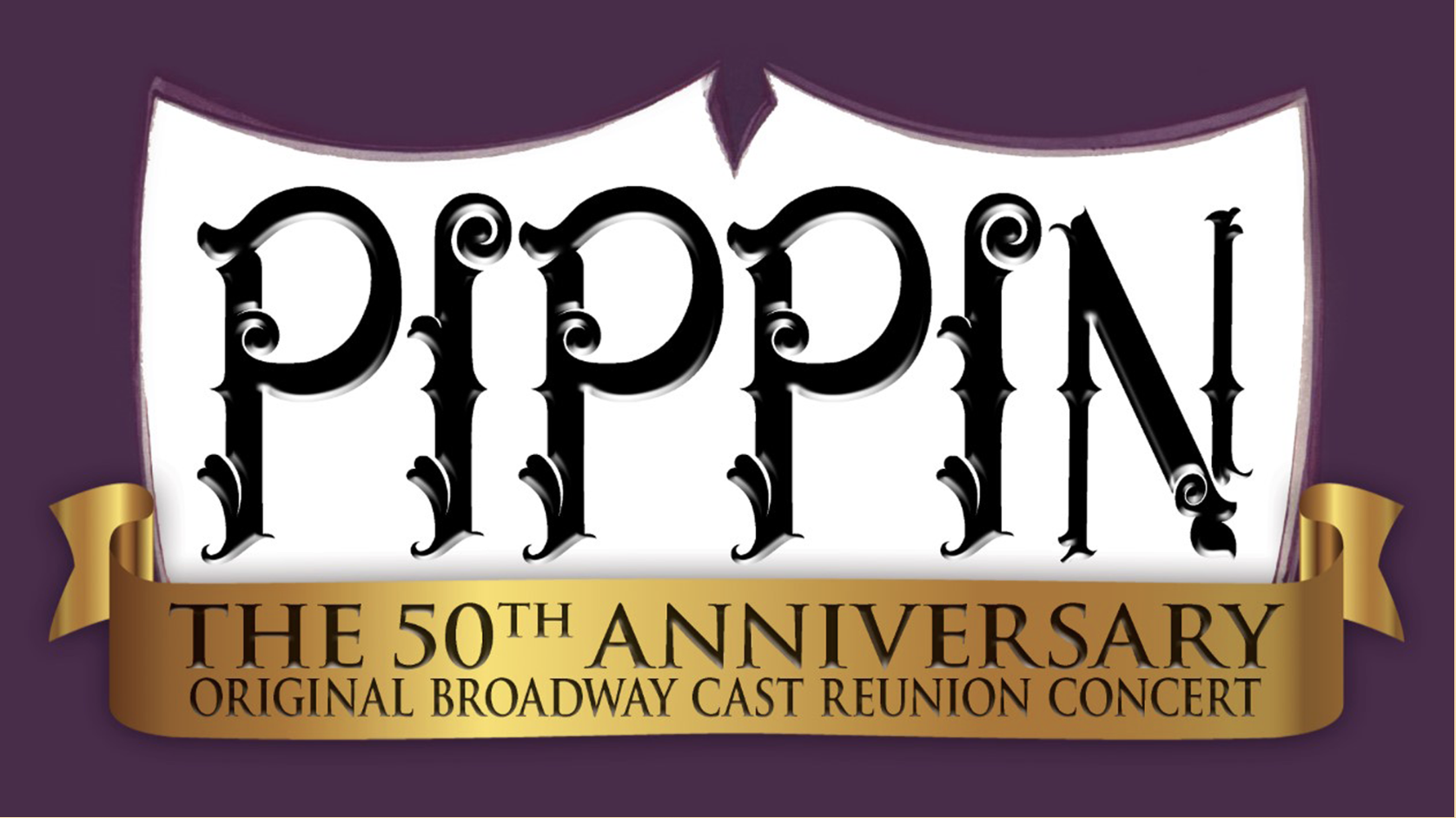
And in honor of the 50th anniversary of Pippin opening on Broadway, the original standby for the role of Pippin, Walter Willison, has organized reunion performances at 54 Below in Manhattan on Monday, February 6, 2023 at 7:00 and 9:30 pm (both of which sold out after only three days!)

If you’d like to listen to my version of “Magic To Do” on a digital musical platform such as Spotify, Apple Music or Tidal, you can click here.

And if you’d like to hear more music, you can find me singing — with Doug Hammer playing his marvelous Schimmel grand piano — on  SpotifyPandoraYouTube and other digital music platforms.
Musings on Larry Hart

Having recently read many biographies about Lorenz “Larry” Hart and about Richard Rodgers, I’ve been wondering how Larry would have told his own story if he hadn’t died at age 48…

Richard Rodgers lived for 36 years after Hart’s heartbreakingly early death, and as a result he had many opportunities to share HIS memories of their often-times challenging creative collaboration.

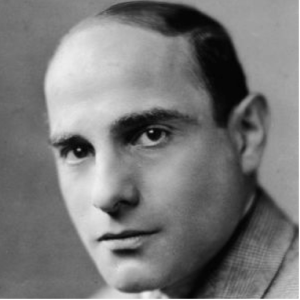
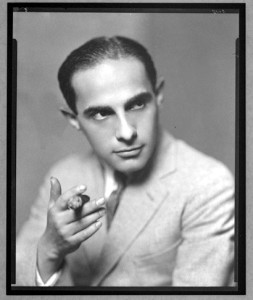
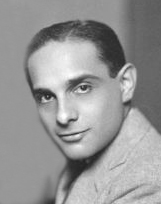
Larry Hart
Larry Hart

But we have no hindsight from Larry to balance their biographical narrative.

We do, however, have the lyrics he wrote for 26 Broadway shows and several Hollywood movies.

They range from the simple and sincere — “With a Song In My Heart” — to the playfully brutal — “I Wish I Were In Love Again.”

Here’s a version of “I Wish I Were In Love Again” that Bobbi Carrey and I recorded with Doug Hammer at his great studio north of Boston (with extra musical input from Mike Callahan).

 It is tempting to imagine that some clues to his life experiences are encoded into his lyrics.

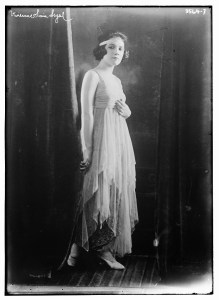
Vivienne_Sonia_Segal
Vivienne Segal

For example, Larry writes at the end of “I Could Write a Book” from one of his later musicals, Pal Joey: “and the world discovers as my book ends how to make two lovers of friends.”

This lyric makes me wonder about his relationship with the actress and singer Vivienne Segal, one of the stars of Pal Joey who was also his friend and to whom he apparently proposed marriage more than once…

She respectfully declined each time — saying that she had had enough of marriage (she was divorced from a first husband).  She was also well aware that Hart was an alcoholic and what we would now describe as a closeted gay man.

Yet Cole Porter, another closeted gay songwriter of the time, had a long, loving, committed marriage to divorcée and millionairess Linda Lee Thomas — while simultaneously carrying on a life-long stream of romantic and sexual liasons with other men.

Porter, like Hart, was also devoted to his mother — although Porter did not share a home with his family for almost his entire life as did Hart.

Lorenz Milton Hart was born on May 2, 1895 and grew up in a boisterous household in Harlem, NY (then a largely Jewish neighborhood) with a father who was well-connected within the Democratic Tammany Hall political establishment.

His father made a living doing a variety of business deals — for example, he was alleged to be an investor in a very popular brothel — and over the years the Hart’s family finances would ebb, when his mother’s jewelry would go to the local pawn shop, and flow, when her jewelry would come out of hock and Larry might be given a $100 bill so that he could take all of  his friends out for a night on the town.

Larry Hart

It was a tight-knit family.

Larry (or Lorry as he was called by his German-Jewish mother) shared a bedroom with his younger brother Teddy until they were both in their forties.

The Harts regularly hosted parties attended by friends, relatives, local politicians, and — as Larry’s fame mounted — an expanding cast of writers, composers, musicians, performers, stars, groupies and hangers-on.

Larry supported his family after his father died — and he was apparently hounded by people to whom his father owed money for many years afterwards.

Hart was acutely aware of his mother’s wish that he would get married like his brother Teddy, who was a performer and who finally got married in 1938.

But none of the women to whom Larry proposed said yes.

Deep sigh.

I am reminded of Hart’s lyric for the song “Glad To Be Unhappy” (which I once recorded with Doug on piano at his studio during a rehearsal).

“Fools rush in… so here I am, very glad to be unhappy. I can’t win… so here I am, more than glad to be unhappy. Unrequited love’s a bore, and I’ve got it pretty bad — but for someone you adore, it’s a pleasure to be sad.”

Hart seems to have buried or hidden much of his sadness behind a playful, generous, talkative, enthusiastic personality — as well as a thick haze of cigar smoke and LOTS of alcohol.

And Larry carried on his family’s tradition of hospitality and generosity — helping his father pay off debts and loans when he was still alive, lavishing gifts on friends, hosting endless parties, and picking up the tab when out on the town.  

Hart

He was also generous with his time and creativity.

His sister-in-law Dorothy Hart claimed, “My brother-in-law wrote more lyrics without getting credit for more friends who were stumped or had songwriters’ block. He was very generous, not only with money, but also with his talents.”

About Larry’s death she says, “He was really, I think, a victim of burnout, and at the age of 48, the theater didn`t offer too much surprise for him, because he had done it all.”

I also wonder what effect the news from Europe during WWII had on his spirit.

Before his death — after Richard Rodgers had begun his new collaboration with their mutual lifelong friend Oscar Hammerstein — Larry had been working on a musical about the underground resistance movement in Paris with a composer who had recently escaped from Germany.

So he must have been very well-informed about recent developments in Germany — from which his parents had emigrated in the late 1800s and to which he had traveled as an adult — and Europe.

How did this excruciating information affect his mood? His spirit? His world view?

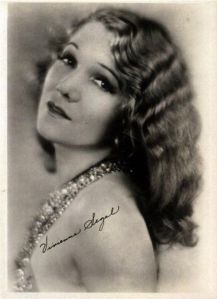
One of the last songs he wrote in partnership with Richard Rodgers was a witty tour de force for Vivienne Segal to sing in a 1943 revival — and updated version — of their 1927 hit show A Connecticut Yankee.

VivienneSegal
More Vivienne Segal

It is called “To Keep My Love Alive” and relates how the singer has remained faithful to a long list of husbands (“until death do us part”) by killing each of them in a different way.

One death occurs when the singer pushes her husband off a balcony.

Hart would surely have been aware that Richard Rodgers’ wife’s father had died a few years earlier as a result of a fall from the balcony of their NY penthouse apartment when Rodgers’ father-in-law was being treated for depression.

Might this have been a hidden — and ostensibly humorous — way for him to process some of his feelings about Rodgers having begun a new collaboration with their long-time mutual friend and colleague Oscar Hammerstein, II — the first fruits of which was the musical Oklahoma?

A way to needle Richard and his wife Dorothy under the cloak of music and rhyme?

A way for him to express how he might have felt about Vivienne’s declining to accept his marriage proposals?

Who knows…

I’ve been spending a lot of time with Mr Hart’s life story — and his lyrics — while I put together a program of songs and stories to perform with jazz pianist Joe Reid.

And my freely associative mind can’t help but see — or perhaps more accurately imagine — connections between Hart’s life and his work.

I am wildly grateful that he left such a rich and beautifully-crafted body of work for all of us to savor and sing for many years to come.

Rest in peace, dear Mr. Hart.

Deep breath in.

Deep breath out.

Don’t You Worry ‘Bout A Thing

Don’t You Worry ‘Bout A Thing

Exuberance.

Joy.

Playfulness.

Improvisation.

Not having to sit still.

Clapping.

Snapping.

Tapping.

Dancing.

Bouncing up and down.

Singing.

Laughing.

Doing whatever one wants to do as long as one is not hurting oneself or anyone else.

These are all daily occurrences in my Music Together classes.

They contrast vividly with my work as a child and teenager in NYC — modeling for catalogs, doing TV commercials and voice-overs, working in a dinner theater production of The King and I, and even co-starring in a few made-for-TV movies.

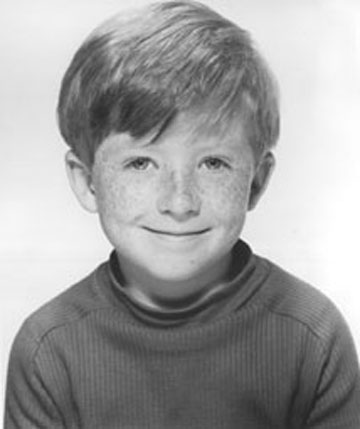
Here is what I looked like as a child.

willb

As one of my childhood role models, Jack Wild, explained in an interview I found on Youtube, children who work in show business are not treated like children.

They are treated like small adults and are expected to behave as well as — and often better than — the grownups on the job.

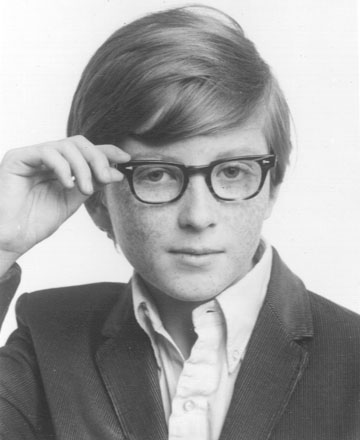
Here is another shot where I am behaving more like a small adult.

willc

Jack Wild was The Artful Dodger in the movie version of the musical Oliver and also starred in an odd TV show which aired on Saturday mornings called H. R. Pufnstuf.

I realize now (after watching an old episode via Youtube) that it was very loosely inspired by the movie “The Wizard of Oz,” and that it was a pretty horrible show — relying all-too-heavily on a laugh track to seduce us into thinking that what we were watching was actually funny.

But each episode usually provided Jack with an opportunity to sing and dance, which is what I particularly admired.

One song —”I’m a mechanical boy” — had enough resonance to me as a child that I remember it with bittersweet fondness to this day.

You can watch it if you are curious by clicking here.

Jack may have also been aware of the painful ironies of this song…

From Wikipedia, I learned to my sadness that Jack died ten years ago from mouth cancer.

He had apparently been smoking ever since he was 12 years old and drank very heavily starting in his 20s when work in the entertainment industry dried up for him.

He was 53 years old — my current age.

Deep sigh.

There but for the grace of g-d…

My career as a child and teen actor happened before the era of VHS recording devices — so I have very few watchable artifacts from that period of my life.

I have a few head shot photos (which I have sprinkled into this entry), a resume which I think might have been typed using what was then a new technology (an IBM selectric machine owned by good friends), and a VHS copy of one of my last films, Goldenrod, which was made in Canada and was eventually purchasable in VHS format.

Every few years, however, I spend an hour searching on Youtube for possible remnants of my childhood career.

Recently I got lucky!

I found an audio file for a voiceover I made when I was 11 or 12 — promoting Oreo cookies —  as well as a Dr. Pepper commercial I made as a teenager in which I sing in the background on a fishing boat.

At least I think it’s me…. I know I made a Dr. Pepper commercial which was filmed on a fishing boat, but I don’t remember much from the shoot except that I was grateful not to feel too nauseous while we did take after take in what must have been the Long Island Sound.

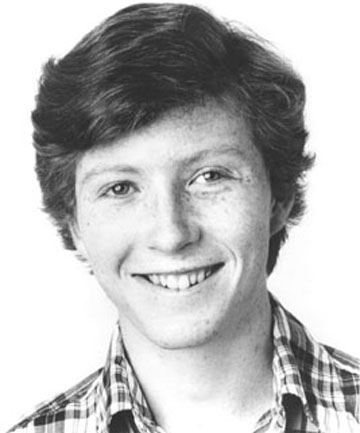
Here’s my teen-era head shot.

willd

You can click on the links below if you are curious…

Dr, Pepper Commercial.

I am pretty sure I am the teenager wearing a baseball hat who dances behind David Naughton on the THIRD boat (a fishing boat) in the sequence and leaps onto a railing when everyone sings,”Only Dr. Pepper tastes that way.” If you look at the timing bar, I appear about 29 seconds into the clip…

Oreo Cookie Commercial.

I am the voice saying, “Then you get two crunchy chocolate outsides to eat last!” and also one of the voices singing, “‘Cause there’s not a better middle you can fiddle with” at the end of the spot.

I titled this post “Don’t You Worry ‘Bout A Thing” because I recently found a lovely take from a rehearsal (with Doug Hammer on piano and Mike Callahan on shaker) I did several years ago at Doug’s studio in Lynn when putting together a show called “Will Loves Steve” which featured all songs written by people named Steve or Stephen or Stevie.

Not only am I uplifted and reassured by Stevie’s melody and words, the rhythm instrument that Mike is playing reminds me of the plastic eggs which we use — with great delight — in my Music Together classes.

Right now I am putting together a show of all songs I have written or co-written called “The Beauty All Around.”

And I am discovering that it is a much more intimate and doubt-filled process than a show which features songs written by other people.

So Stevie Wonder’s great song is going to be my mantra for the next six weeks…

Thank you, yet again, for reading and listening to another blog post!!!

Love who (and what) you love…

Love who (and what) you love…

I just returned from thirteen days of heaven on earth a.k.a. camping at North of Highland Campground in North Truro, MA (near the tip of Cape Cod).

One of the things I most love about camping is the lack of interruptions and distractions.

Life is distilled down to basics — and things like TV and America’s Got Talent and Netflix and Orange Is the New Black simply disappear from one’s awareness.

I did not speak with anyone via the telephone.

There was no internet tempting me to visit Facebook or Linked In.

I had no emails reminding me each day about a deeply discouraging array of horrible things happening all over planet earth which I could possibly help by signing a petition and/or donating money.

I listened to no radio.

I read very few magazines (mostly back issues of The New Yorker).

I received no snail mail full of solicitations from environmental defense organizations and prograssive lobbying groups and hard-working political candidates.

Instead I savored the rain and the sun.

And birds.

And wind in the pine trees overhead.

And random sounds of fellow campers in the distance — sometimes the beep of a car with keys left in the ignition, sometimes the cry of a small child having an emotional melt down.

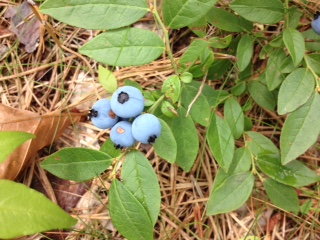
And BLUEBERRIES.

Blueberries1

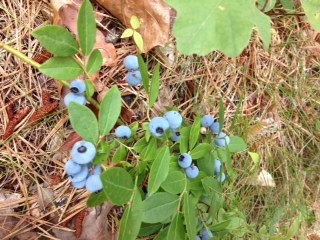
This year we arrived at the peak of blueberry abundance.

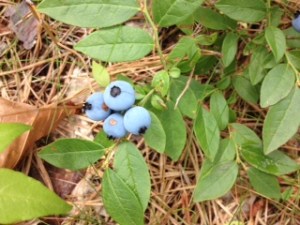
Little scrubby bushes which in past summers might have offered a few berries were now covered with them.

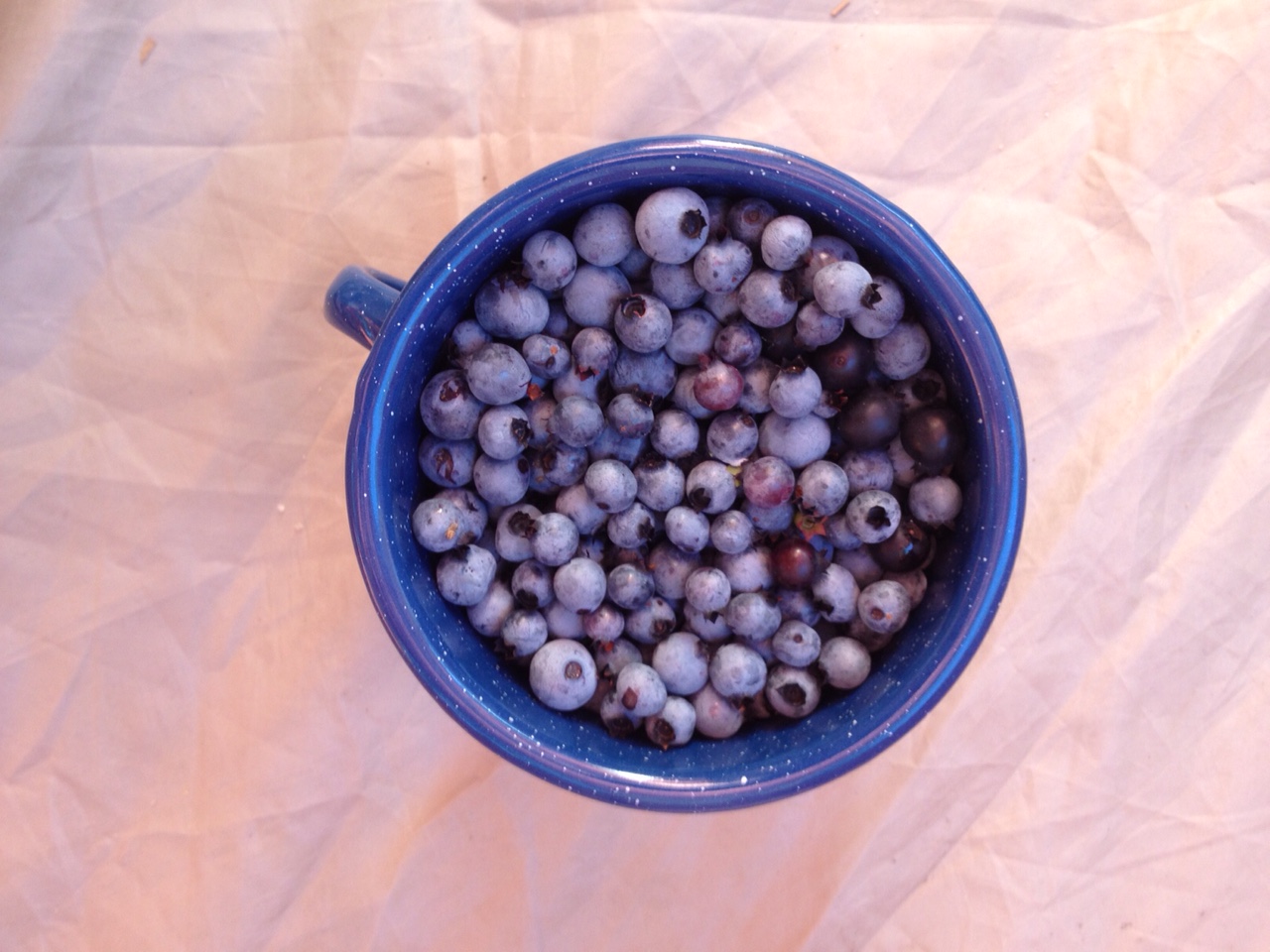
Each morning before the sun became too hot, I picked a mug-full to eat — first with oatmeal and then as an anti-oxidant treat throughout the rest of the day.

Some bushes had small berries, and others were loaded with whoppers.

On the morning of our departure, I picked one final mug’s worth to bring home to Arlington, and I am eating the last of them as I type this entry.

Yum for summer!

Blueberries2

At first I was concerned that I might be depriving the local wild life of much-needed sustenance.

One morning I watched a small red squirrel pick blueberries, climb up on a small tree stump to eat them, climb down to pick more, climb back up to eat more until she or he apparently had eaten their fill and frisked off into the trees.

But that was the only animal consumption I witnessed.

And I saw many wrinkled, older berries on the ground under the bushes — so plenty of them were ripening and falling to the ground untouched by anyone.

I decided it was OK to revel in this unexpected, beautiful, delicious gift from mother earth.

And there were many berries I did not manage to pick and eat when we left our camp site…

Maybe the two wild turkeys we saw as we were packing up camp would return to savor them?

This morning I was given a link to a slide show that a father had put together to play at the memorial service for his four-year-old son, who had died as a result of complications after an unsuccessful heart transplant operation. 

This radiant little being was a student of a fellow Music Together (MT) teacher, and she had reached out via Facebook to a bunch of MT teachers when he was about to go into surgery so that we might pray for him and his family and his caregivers.

Despite the massive amounts of time Aiden had spent in hospitals during his short, sweet life, he was able to stomp in rain puddles and play at the beach  and attend Music Together classes with his parents.

Apparently he loved singing and dancing — and his parents included several MT songs as part of his slide show and memorial service.

From the slide show I could see how loved he was by his extended family.

And as a result of watching it, I brought an aching awareness of love and loss with me to my Music Together class this morning — and did my best to welcome and celebrate each being who came though the door.

The song at the beginning of this post was written by Lynn Ahrens and Stephen Flaherty for a musical called A Man Of No Importance.

I recorded it with Doug Hammer playing piano and Mike Callahan playing horn several years ago as part of my “Will Loves Steve” show — which featured songs written or co-written by people named Steve or Stephen or Stevie.

For me it captures some of the poignance of being a loving human here on planet earth.

Thank you for reading and listening!

Blueberries from Truro

We Never Know Who Is Listening…

Image by Felix Neukirch from Pixabay

One of the truly magical aspects of a musical life on planet earth in the 21st century is how widely one can share one’s songs if one has access to the internet.

After Bobbi Carrey, Doug Hammer and I — with lots of help from Mike Callahan, Jonathan Wyner, and guest musicians — recorded our CD “If I Loved You,” we heard from family, friends AND folks whom we had never met.

One listener included our version of the David Friedman ballad “I’ll Be Here With You” (which you can hear by clicking on the right hand sidebar of this page) on a CD she sent to her fiance who was serving in the US military overseas.

Another fan — who had been given our CD by a friend — tracked us down and told us that she listened to our music each morning while she worked out. When her husband died, she asked us to sing at his memorial service.

Image by Ekaterina from Pixabay

And I recently learned — in a reply to my blog post about music and spontaneity — that a CD of my “Will Loves Steve” show (which features songs written by people named Stephen, Steven, Stevie or Steve) had traveled from Massachusetts to Argentina, where it helped lift the spirits of someone who was feeling very low.

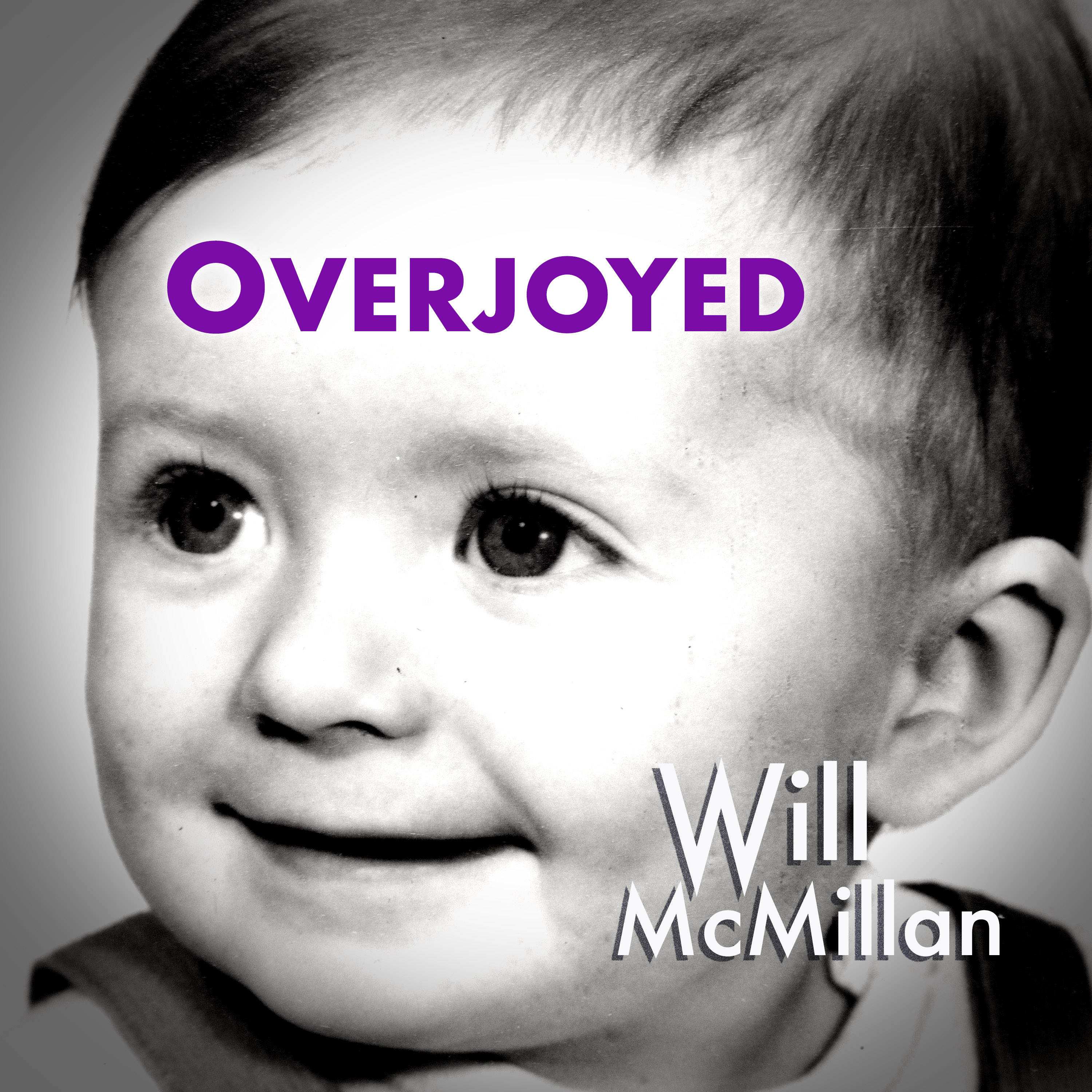
Here’s a selection from that show — “Overjoyed by Stevie Wonder…

The pianist is Doug Hammer, and the horn player is Mike Callahan.

I am curious to see how my musical endeavors may continue to ripple around the planet thanks to the internet.

Deep breath in.

Deep breath out.

Ahh, music!

ps: Since I wrote this blog post almost 12 years ago, I have begun distributing music to various streaming platforms.

You can click here for a streaming link to my version of Overjoyed” in case you might like to add it to a playlist and/or “like” it on Pandora, Spotify, Apple Music, etc.

Thank you for reading, listening and maybe even leaving a comment!

Singing Together

Image by Couleur from Pixabay

I just spent a day rehearsing for a performance in Tiverton, RI.

It’s a new show called “In Perfect Harmony” with fellow singer Bobbi Carrey and pianist/composer Doug Hammer — in which all the songs include at least a partial harmony somewhere.

Because we have been performing together for ten years — and since one of our favorite things to do is sing in harmony — we have a lot of material to choose from.

The show also includes quotations and anecdotes about the process of collaboration — which for us has involved a great arranger, Mike Callahan.

From time to time we send Mike recordings from our rehearsals, along with detailed notes about which harmonic ideas we think show promise and which need help.

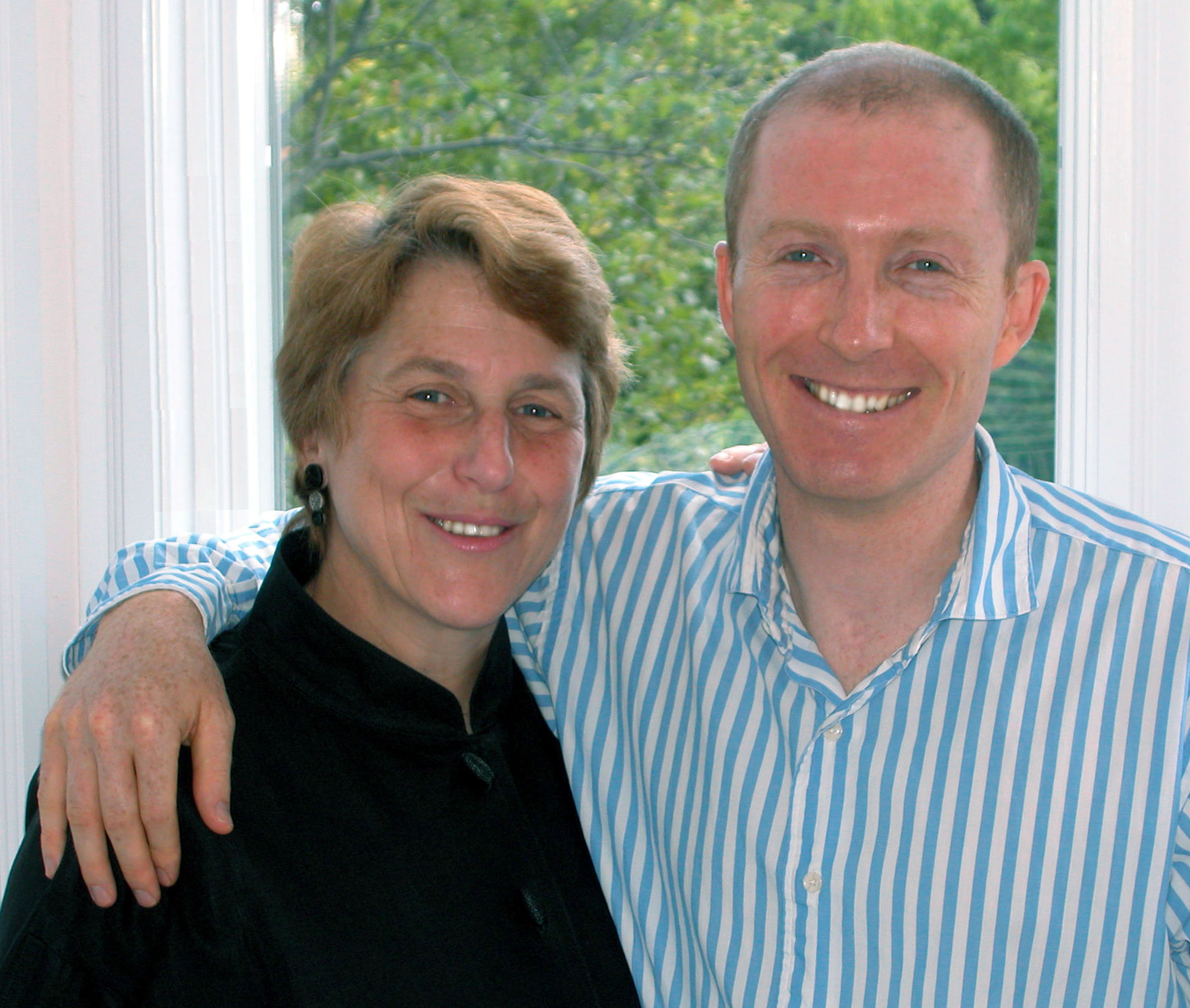
Bobbi and me after a rehearsal

Invariably he sends charts back to us that both improve our ideas AND surprise us with some great new musical impulses.

At the top of this blog post is our version of the Johnny Mercer/Henry Mancini classic “Moon River” if you are curious to hear the fruits of this collaborative process.

Deep breath in.

And deep breath out.

There is something very intimate and satisfying about singing with someone else — whether in unison or harmony.

And since electricity entered — and in many ways took over — our daily lives during the last century, our patterns and habits of singing have certainly evolved…

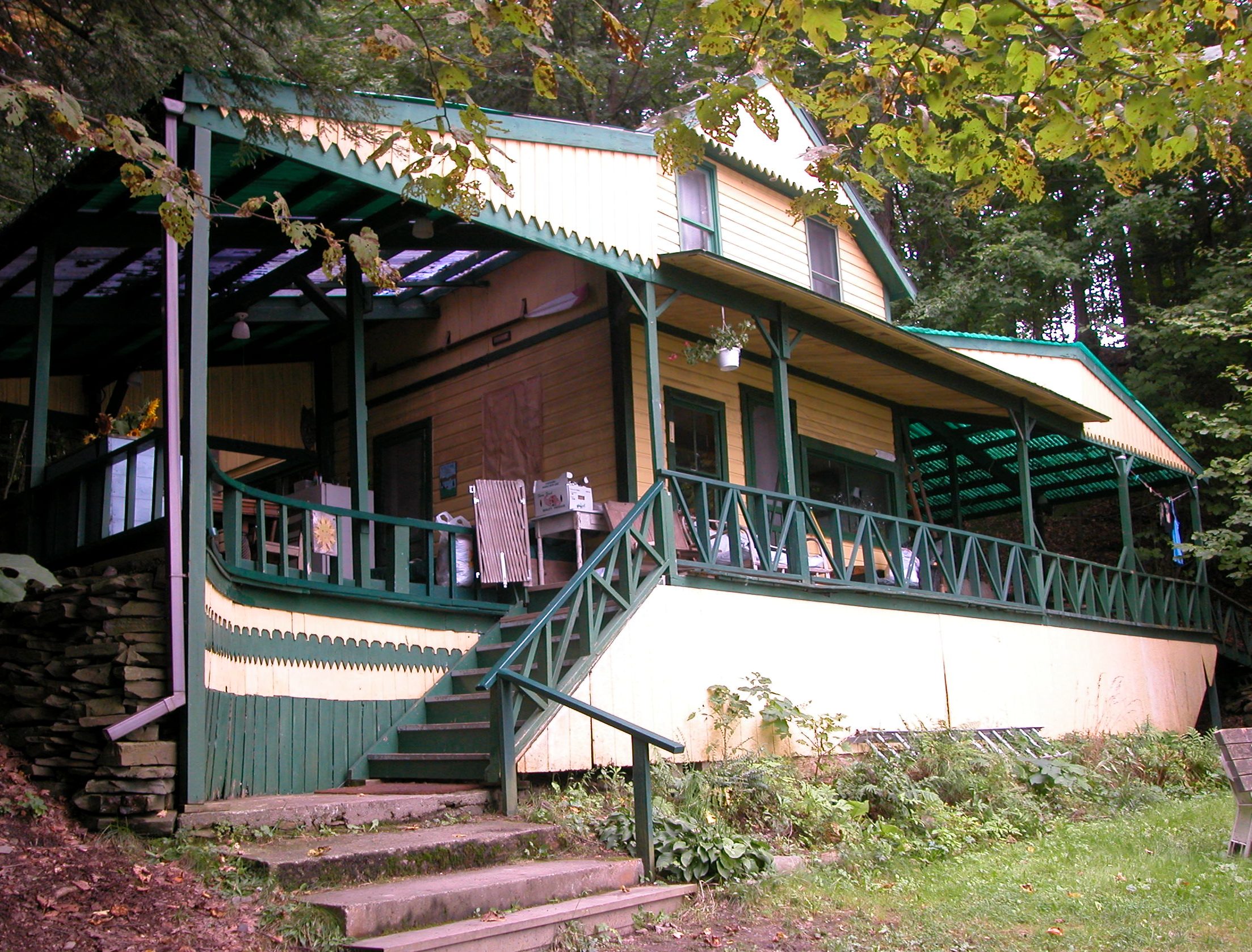
Rice Heritage Cottage

Crooning along with the radio or a CD or a song being streamed on Pandora or Spotify is great — yet it’s very different from singing with another real live human being in the present moment.

I just returned from a week in upstate NY at a wonderful, ramshackle family cottage with no internet access and no TV called the Rice Heritage.

My great grandfather James E. Rice bought this cottage (I think from fellow Cornell professors John Henry Comstock and Anna Botsford Comstock — who was the first woman to become a professor at Cornell University).

James E. Rice was a professor of poultry science at Cornell and had a farm — called the Egg and Apple Farm on Rice Road — just up the hill from this cottage in Trumansburg, NY.

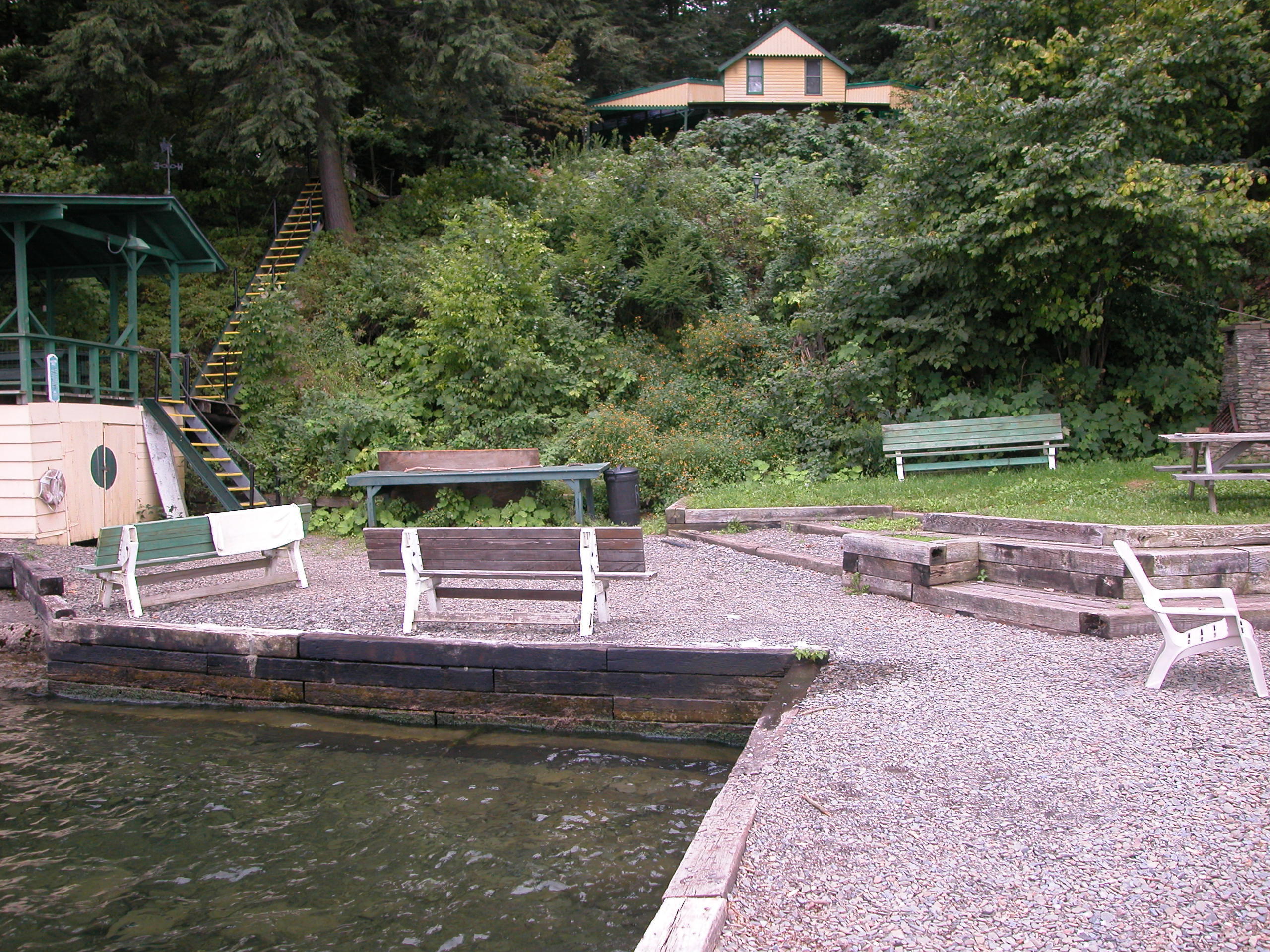
The uphill view from dock to cottage…

He and his wife Elsie Van Buren Rice raised six children — three girls and three boys — almost all of whom ended up owning farms, too, when they grew up and married.

Sadly, however, Elsie died when their youngest daughter was still a teenager.

James ended up leaving the family’s cottage — overlooking Cayuga Lake — to his six children plus their descendants.

And many of his descendants continue to take turns staying there each summer in one- and two-week increments of time.

This summer one of my older cousins told me about songs she had heard as a child from her parents and grandparents — some of which were originally sung by people working outside in gardens and fields as a way (according to my cousin) to pass the time and remain connected with their neighbors.

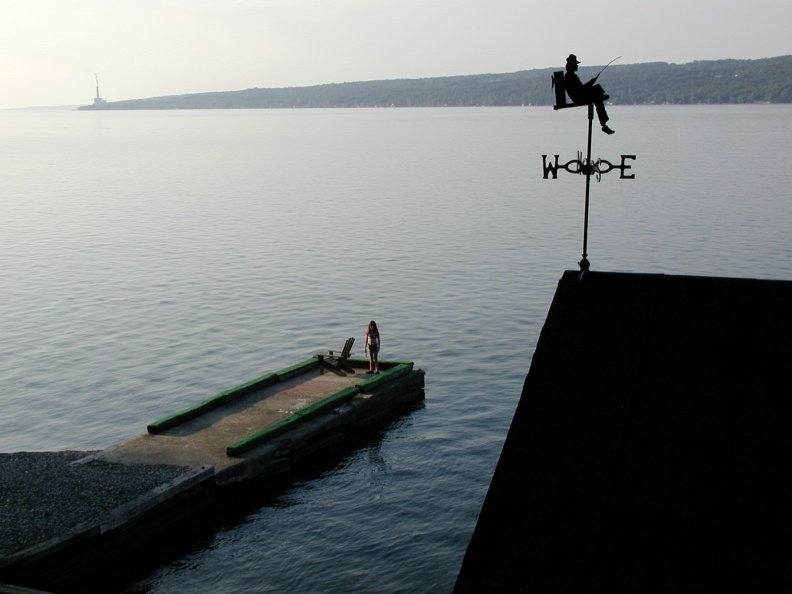
The downhill view of dock and boathouse…

What a different era — and mode — of human connectedness!

Another deep breath in.

And deep breath out.

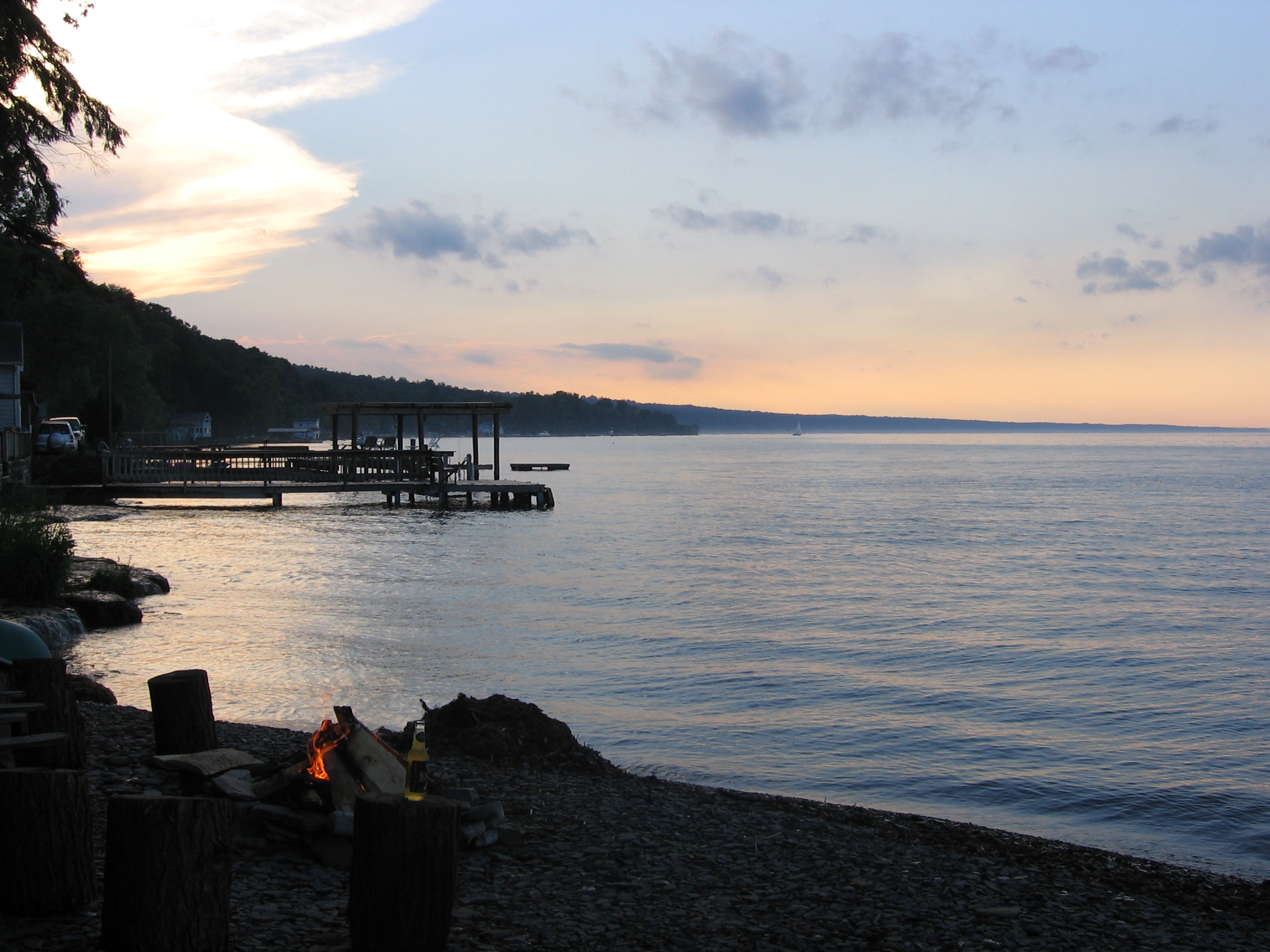
Using my ukulele and the great “Daily Ukulele” songbooks, we sang together most nights on the beach around a camp fire — while the younger members of our family roasted marshmallows and made s’mores for all to eat.

Yum!

I could do this for hours — and in fact on the last night I did play without a break for over three hours.

The beach with campfire at twilight…

Music.

Stars above.

Friends and family all around.

Lake water lapping with low sounds by the shore.

Bliss.

THANK YOU for reading — and listening to — this (recently updated) blog post.

Thank you, too, to Bobbi Carrey, Doug Hammer and Mike Callahan for their musical contributions.

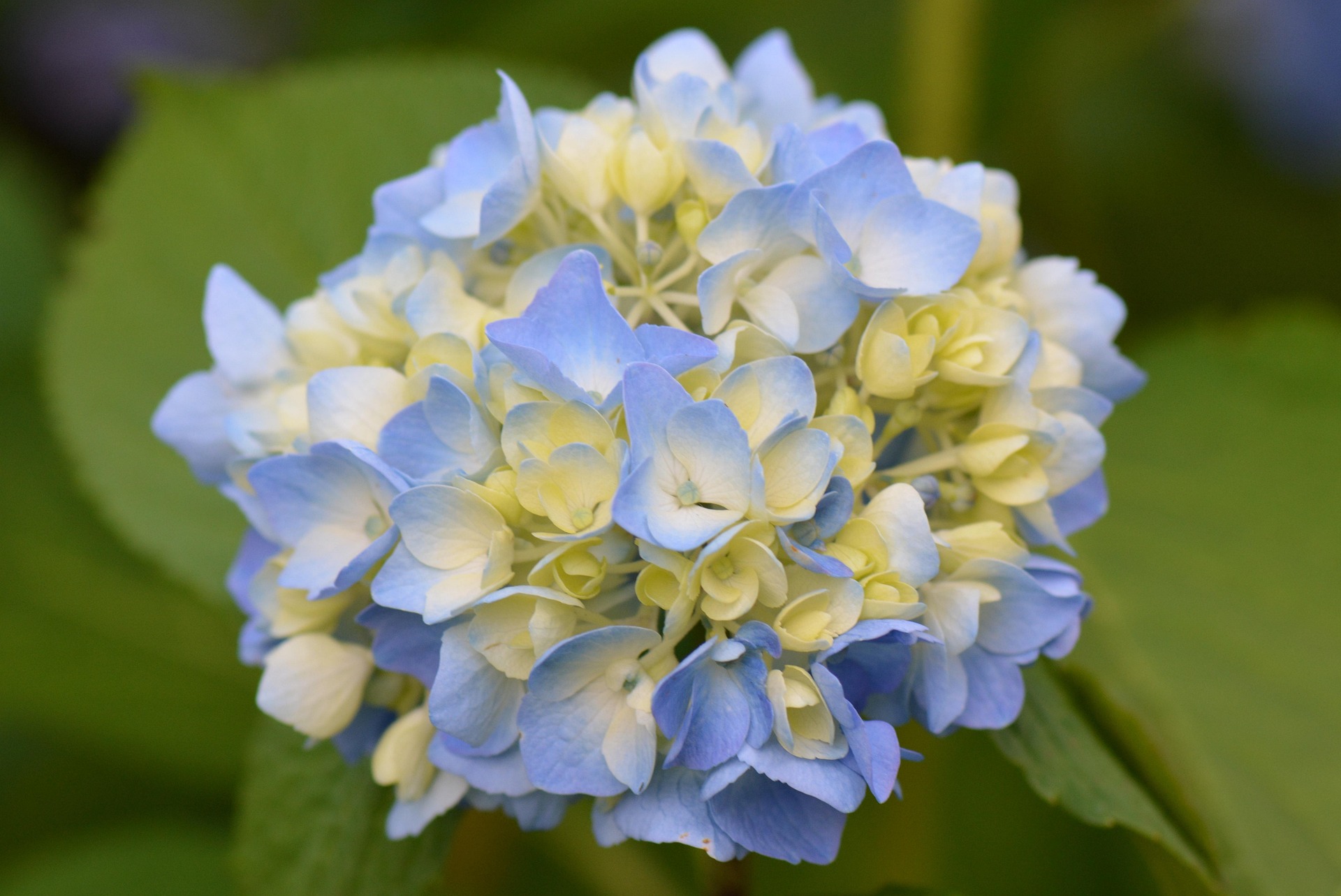
Thank you to Pixabay for the lovely photos of hydrangeas!

Image by Ben Kerckx from Pixabay

Thank you to my great grandfather and great grandmother for their generous foresight in buying this cottage and then leaving it to their descendants.

And thank you to all of my cousins who have pitched in — decade after decade — to keep the Rice Heritage intact and functional for generations to come.

Hurrah for summer!