Grateful

As 2015 comes to a close, I find myself singing John Bucchino’s wise song, “Grateful,” a lot.

I love the entire song from start to finish (and you are welcome to listen to a version I recorded during a rehearsal with Doug Hammer a few years ago by activating the player at the beginning of this post).

I think my favorite lyric may be, “It’s not that I don’t want a lot, or hope for more…or dream of more — but giving thanks for what I’ve got, makes me so much happier than keeping score.”

It is very easy to fall into the trap of “keeping score” and comparing one’s accomplishments to one’s peers, to people on TV, to celebrities, etc. etc. etc.

But that path tends to be a dead end — and a recipe for dissatisfaction, unhappiness, depression and discouragement.

So here is a list of things (in no particular order) for which I am grateful.

Health…and health insurance.

A devoted and supportive life partner.

Dr. Charles Cassidy and his surgical team at Tufts Medical Center, who successfully pieced together the shattered bits of bone in my left elbow using several titanium screws of various sizes at the beginning of March.
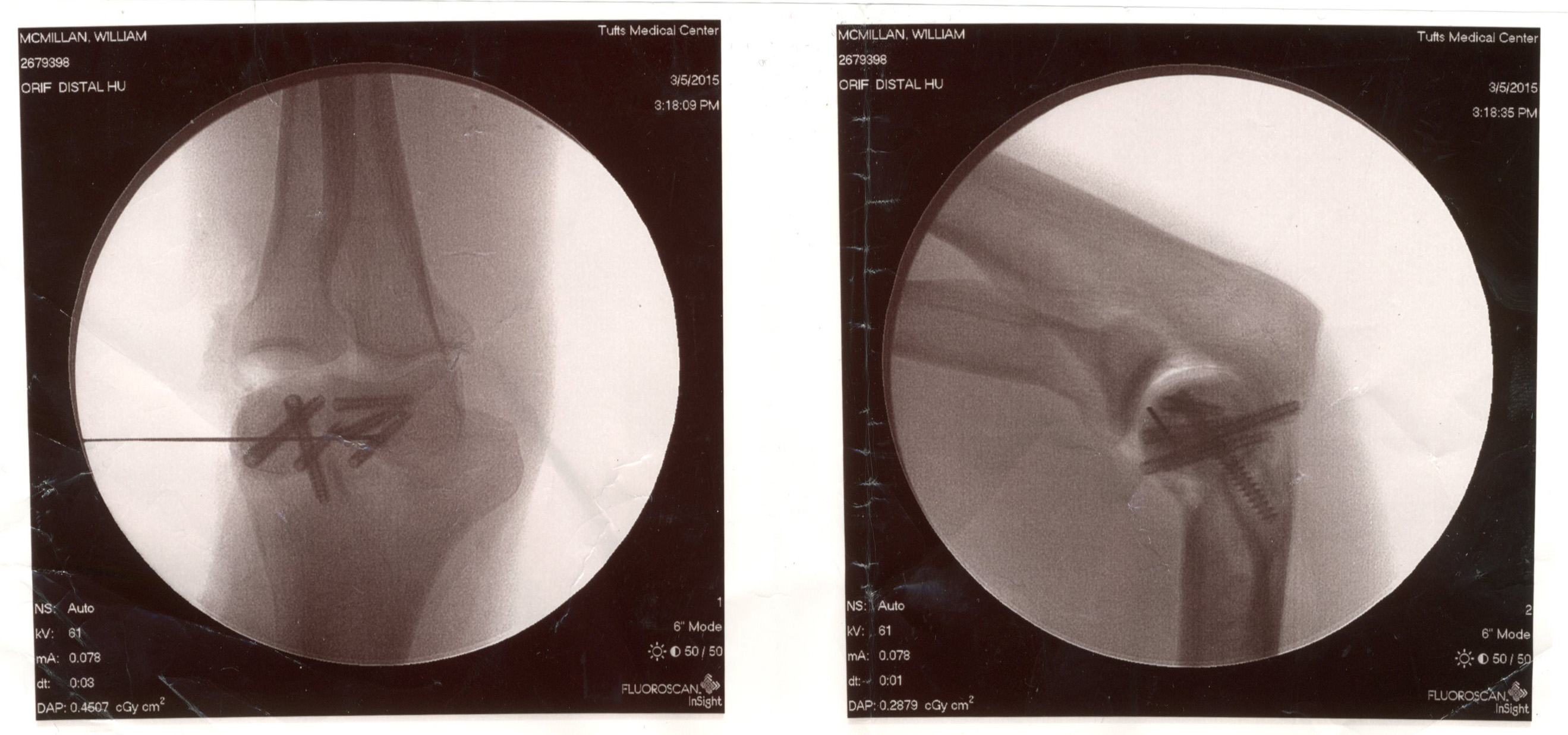
WillXRaysElbow

Opiate drugs — which were a daily blessing during my elbow recovery.

Jazz pianist and composer Steve Sweeting, who invited me to record a CD of his tremendous original songs with him and then did two performances to celebrate “Blame Those Gershwins” in Manhattan and Somerville.

All of the families who have chosen to make Music Together with me in Belmont and Arlington — as well as my MT bosses.

Doug Hammer — for his engineering wizardry at Dreamworld Studio AND astoundingly collaborative spirit at the piano.

Jinny Sagorin for lending her voice and heart and diplomatic feedback to “The Beauty All Around” performance.

Jazz pianist Joe Reid, with whom I put together programs of music about Jule Styne, Hoagy Carmichael, and Jerome Kern — and with whom I also performed programs of music about Harold Arlen, Cole Porter, and the Gershwin brothers at retirement communities, libraries and synagogues around the greater Boston area.

Exceeding my (modest) financial goals for 2015 — thanks in part to two well-paid musical projects at the beginning of the year.

Kyra and Briony and Jill for a heartful musical adventure in honor of an old friend.

Bobbi Carrey, who is embracing new (although not very musical) challenges in Kuala Lumpur.

A grant from the Bob Jolly Charitable Trust to support my work on “The Beauty All Around.”

An ecstatic first performance of “The Beauty All Around” at Third Life Studio in Union Square.

Very supportive friends and family.

Very devoted and enthusiastic fans.

All the folks who have hired me and Joe to bring music to their retirement community, their library, their condo complex, their synagogue, etc.

Visits to Lime Rock, Connecticut; Ithaca, New York; Toronto, Ontario; and the upper west side of Manhattan.

Susan Robbins, who invited me to perform at Third Life Studio and maintains a very sweet Steinway grand piano there!
Photo by Anton Kuskin

All the people (most of whom I will never meet) who planted, cultivated, harvested, sorted, packaged, shipped, unpacked, displayed, sold (and sometimes cooked and served) me the food I ate in 2015.

That our planet orbits a modest star at the perfect distance for life to unfold in astounding cycles of expansion and contraction over the course of millions of years.

North of Highland campground.

The Atlantic ocean.

Cayuga lake and the Rice Heritage cottage.

A wonderful web of cousins.

The Boston Association of Cabaret Artists community.

The Ukulele Union of Boston Meetup groups with a welcoming spirit and humble open mic section (during which I dare to share new songs…)

A new ukulele handmade — and given to me! — by Patrick Collins, a gifted musician, inspired woodworker, and dedicated teacher who lives in Toronto.

Megan Henderson, who has become my newest musical ally.

Rain and sun and dirt which create the conditions for plants to grow and flourish here on planet earth.

My trusty, slightly rusty, bicycle.

Electricity.

My two, increasingly aged, lap top computers which continue to function with grace and reliability.

Apple’s Garageband program.

The freshly paved, extremely smooth — with bike lanes! — stretch of Massachusetts Avenue from the Cambridge border to Arlington Center.

And, of course, music, music and more music — new songs or beloved standards, live or pre-recorded, spontaneous or well-rehearsed, solo or ensemble — it’s all a blessing.

Thank you for reading and listening to yet another blog post.

If I have forgotten to mention you in this list, please accept my heartfelt apologies…

A happy, healthy, and musical new year to you and yours!
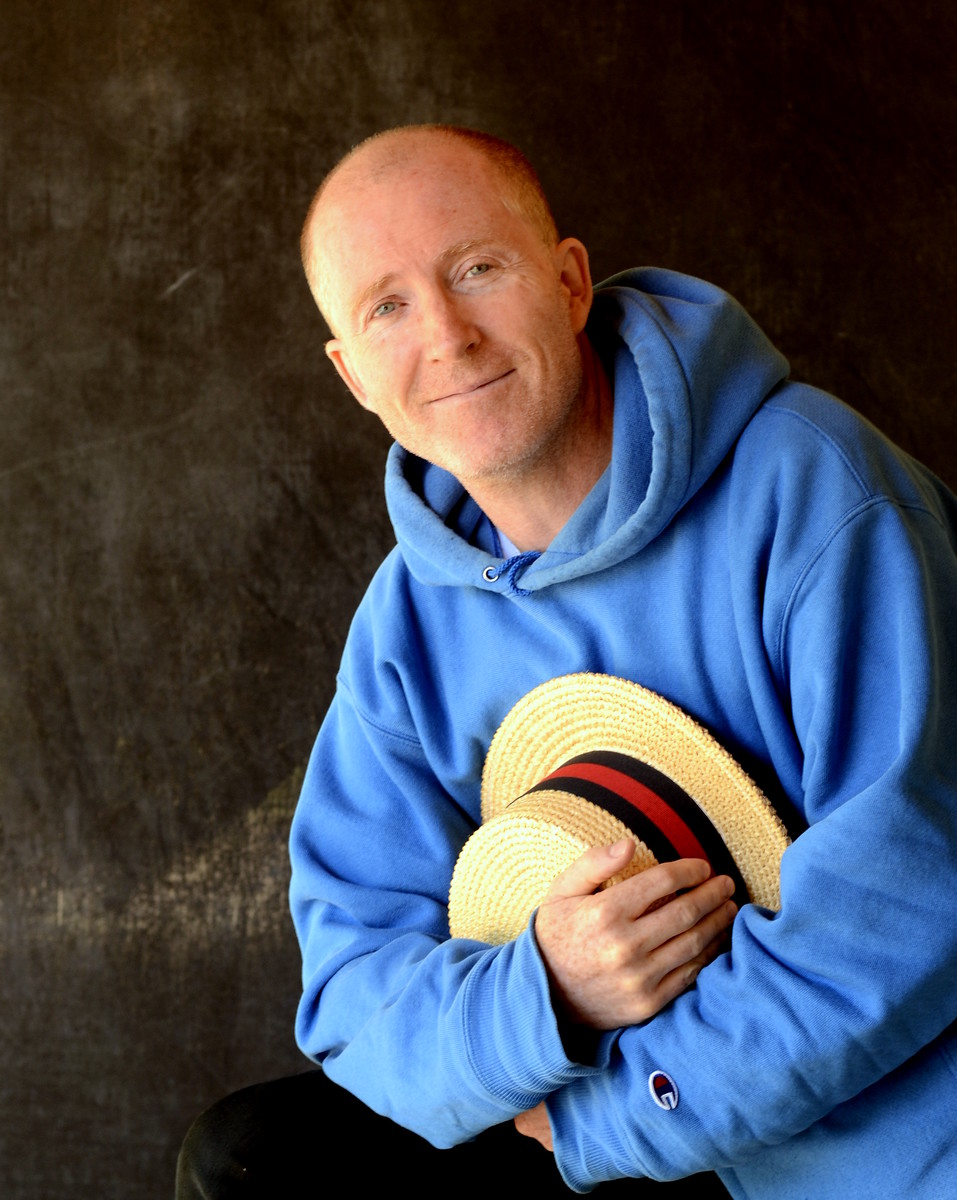
Photo by Joe Turner
Photo by Joe Turner

Does July Need A Sky Of Blue?

fluffy-white-cloud-on-deep-blue-sky-725x544

Hurrah for summer on planet earth.

1) I can again ride my bike to and from Music Together classes.

2) The mulberry trees in Arlington have been particularly generous with their berries this season, and there are many days that my tongue has been colored purple as a result…

3) My sweetheart and I recently visited family in upstate NY, where we were fed currants and bok choy and eggs — all of which were grown on my sister’s farm.

Yum.

4) And jazz pianist Joe Reid and I continue to perform our hour-long programs of songs written or co-written by Harold Arlen, the Gershwin Brothers, Jule Styne, Hoagy Carmichael and Cole Porter at retirement communities, coffee houses, and libraries around the greater Boston area.

After a recent show, I was speaking with one of the audience members about how — before the arrival of amplified sound in theaters — a song had to be crafted so that it could be sung by a performer and heard way up in the highest balcony seat.

Vowels and consonants and words and notes and melodies and ideas all had to travel from one person’s vocal tract to another person’s ear without the aid of electricity.

As far as I can tell from reading dozens of biographies about songwriters over the past couple of years, there were many factors which allowed this to happen.

a) Theaters were designed with great sensitivity to acoustics.

b) Songs were orchestrated to leave some sonic space for human voices to cut through the overall blend of musical vibrations and be heard.

c) The audience was accustomed to leaning forward and LISTENING carefully — compared with today, when I take earplugs with me in order comfortably to withstand the blast of amplified sound that is the norm in today’s pop music and even in today’s musical theater.

d) The singers — Ethel Merman being one of the most famous examples — knew how to generate potent streams of sound.

e) The songwriters knew how to craft songs with vowels and consonants and rhymes in all the right places while telling a story and advancing the plot.

One of my favorite examples of this craftsmanship is the song “Do I Love You, Do I?” which was written by Cole Porter for his musical DuBarry Was a Lady.

It is extremely fun to sing — especially near the end when the melody of the final “Do I love you, do I?” rises to a big, high note with total ease due to the extremely functional (from a singing point of view) vowel sequence of the two words “do” and “I.”

You can listen to this — and sing along if the spirit moves you — by clicking the song bar at the top of this blog entry. It is a recording I made a while back with the great pianist and songwriter Steve Sweeting when he lived in Brighton, MA.

Steve and I have recently finished recording a nine-sing CD of HIS extremely well-crafted original songs which I will very likely be writing about in future blog posts.

May there be lots of music in your life today and every day!

And thank you, as always, for reading and listening.

Love Is Real


Love IS real.

It may not always be easy to feel, but it’s always there somewhere — or perhaps everywhere? — waiting to be tapped into.

In the two years since I was laid off from my day job, I have come to understand that music is one of our most accessible — and brilliant — technologies for re-connecting with love.

I experienced another love-filled gig with pianist Joe Reid last Saturday at a retirement community to the south of Boston.

It was the first time we had been there; so I didn’t know what to expect.

I was also feeling a bit concerned that our choice of “Make Someone Happy: The Songs of Jule Styne” — rather than a program of songs by the more familiar Cole Porter or Gershwin Brothers — might have been too risky for a first visit.

But we were warmly welcomed, ushered to a lovely performance space (not too big, not too small — a “just right” Goldilocks fit) with a small grand piano, a good PA system, and an audience of American Popular Songbook aficionados.

The size of the room — and the lighting in the room — made it possible for me to make eye contact with everyone.

Many audience members knew the words to the songs we were performing — and I, inspired by my Music Together classroom experiences, exhorted everyone to hum, tap, snap, or even dance if the spirit moved them.

There is something about the structure of a well-written song that allows — even encourages — one to put one’s heart into the singing of it.

And knowing that a song has a beginning, a middle, and an end somehow makes it safe for me as a singer to experience a wide range of feelings while I am singing it.

I think I have written in previous blog posts about how amazing subtext can be — how simply changing what or whom one is thinking about as one is singing can completely alter one’s interpretation of a particular song.

I have even begun to wonder — as I sing and make eye contact during performances with as many different audience members as are willing to connect in that surprisingly intimate way — whether I start connecting on an unconscious level with some of THEIR subtext, THEIR history, and THEIR associations with a particular song.

Whatever is transpiring energetically, it certainly opens MY heart — and re-connects me to feelings of joy and heart-ache and love and fear and desire and hope and pain.

Afterwards Joe and I listened to the stories that these songs evoked in the residents — tales of huge summer parties near Westport, CT in the 30s and 40s, or of seeing Barbra Streisand in the original production of Funny Girl, or of listening to these songs on the radio with loved ones in the living rooms of their past.

One woman said something like, “We have to have you and Joe back again right away — your singing reached inside and touched my soul.”

This is what I live for.

This is what music can do.

Two strangers can, in a safe and well-boundaried way, touch each other’s souls.

John Lennon knew that.

He wrote the song “Love Is Real” — which I recorded several years ago with Doug Hammer at his Dreamworld Studio. Then I monkeyed with those tracks using Garageband to create the version at the top of this page.

Thirty four years ago John Lennon was killed as he got out of his car and headed into his apartment in NYC.

According to Wikipedia, he had chosen to get out on 72nd Street (rather than the driving into the courtyard of his building) so that he could chat with any fans who might be waiting to say “hi” and ask for an autograph.

In fact, earlier in the day he had autographed a copy of Double Fantasy — the life-affirming album he had recently released with Yoko Ono — for the man who later shot and killed him.

After I heard the horrible news of John’s death, I remember walking along Massachusetts Avenue in Harvard Square, feeling very sad and upset that this could ever have happened.

One loss often awakens previous losses — like a metal chime rippling and echoing through the layers of one’s emotional body and memory.

So, with hindsight, it is very likely that I was also grieving other deaths, other losses, other assassinations — as I grieve tonight…listening to John’s music and reflecting on his inspiring life.

You can click here for a link to a comforting essay I found online which offers perspective about why so many of us continue to be so deeply moved by John’s murder.

I loved John Lennon.

I continue to love his music — as well as the music of all The Beatles.

And his songs live on.

Love IS real.

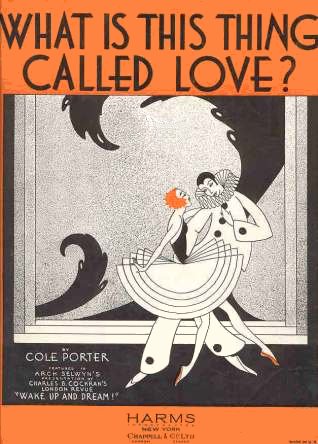
What Is This Thing Called Love?

This past Sunday pianist Joe Reid and I performed an hour of songs with music by Harold Arlen at an independent living center in Quincy, MA.

The residents who showed up were very friendly — and a few of them knew the words to almost every song!

Even if they weren’t singing, I could see that everyone was moving some part of their body — fingers, toes, head, torso — in rhythm with the music.

It was a delightful way to spend an hour of my life.

Afterwards one woman — whose eyes had been closed for much of the time — explained that when these songs had been popular, she and her husband had not had a lot of money, but that they HAD been able to listen to music on the radio.

So even though it may have appeared she was dozing off,  she had in fact been remembering that time in her life and imagining that her husband was still sitting next to her.

Deep sigh.

What is this thing called love?

What Is This Thing Called Love?

The previous day pianist Doug Hammer and I had performed a 40 minute chunk of my show, “The Kid Inside,” at a benefit for a new organization called OUT MetroWest.

OUT MetroWest has been providing supportive space for LGBTQ teenagers to meet for many years, and this benefit was a big step to expand their services beyond the Unitarian Universalist church in Wellesley where they began.

I originally created “The Kid Inside”  to perform for the 10th grade class at my high school. It’s a recollection, using stories and songs, of my high school years — including how conflicted and confused I felt about my sexuality.

At one point I tell a story about when — lacking a gay-straight alliance on campus or even any “out” faculty members to whom I might speak — I sneaked from my dorm one night and knocked on the front door of an apartment belonging to one of the young, unmarried male teachers who lived on campus,

When he answered the door, I was unable to say anything and just stood there — feeling stuck and ashamed and humiliated.

I follow this story by singing the Cole Porter song “What Is This Thing Called Love?” — which is in the player at the top of this post with Doug Hammer on piano, Mark Carlson on bass, and Kenny Wenzel on trombone.

I am happy to know that there are now safe spaces at many high schools to talk about the amazing and powerful and at times perplexing topics of sexuality and identity and relationships — as well as organizations like OUT Metro West.

And I am amazed at how songs can re-connect us with people and places from our past.

Love is a mystery.

How music taps into our memories and opens our hearts is a mystery.

Today I embrace those mysteries and remain grateful for all the music in my life on a daily basis.

Thank you for reading…and listening.

Music and Spontaneity

I am at an open mic run by the Boston Association of Cabaret Artists (BACA) in an elegant UU church in Watertown, MA.

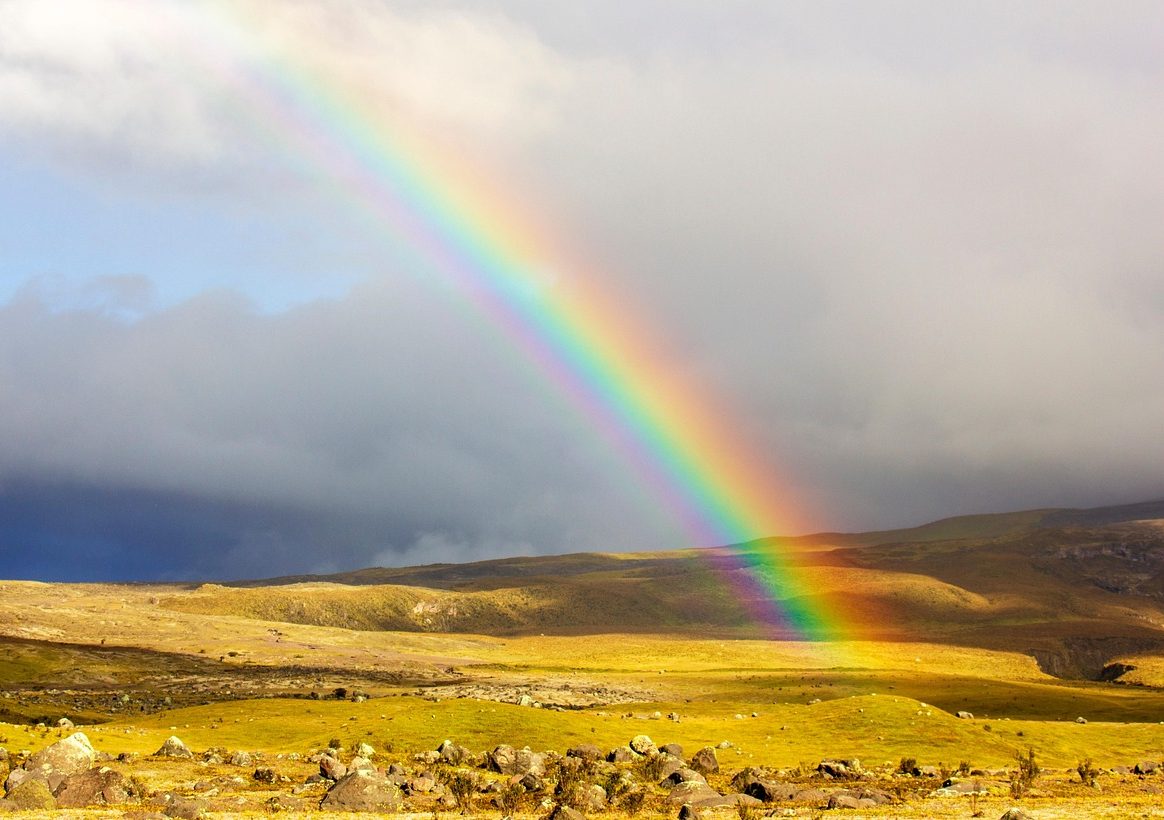
Steve Heck — a wonderful local pro — is playing the grand piano, and I am singing “Over The Rainbow.”

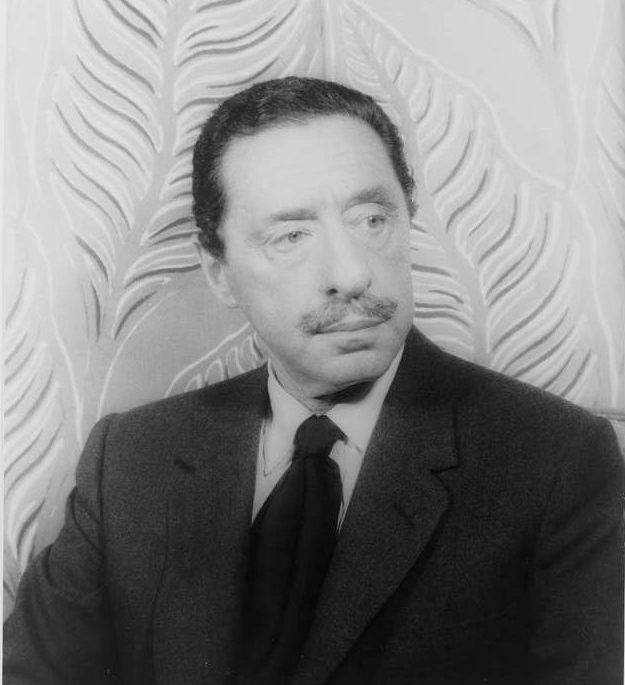
Harold Arlen

It is one of the songs in a new show about Harold Arlen which I have recently begun performing with pianist Joe Reid.

After Steve takes a piano solo, I re-enter at the bridge of the song (“Some day I’ll wish upon a star…”) and then I hear elevator doors opening behind me.

Three women — friends of Steve Heck, I later learn — appear on stage with me.

They did not realize that the elevator would deposit them there.

I turn and — still singing — welcome them so that I can escort them across the stage and down into the audience.

But as I do this, I realize that they probably love music and very likely know the words to “Over The Rainbow;” so I encourage them to stay with me onstage and sing — which they happily do.

One woman in particular catches my attention because she is adding a beautiful harmony in a great big, belting voice.

Image by Ermel Tufiño from Pixabay

We make eye contact as the song builds to a dramatic climax of “Why oh why can’t I?” — each of us singing at the top of our lungs, my microphone completely unnecessary.

The entire series of events lasts less than a minute, and the entire room is happily caught up in the moment.

Afterwards, during a break period, I am asked how I managed to time their arrival so perfectly.

I explain that I had never met them before and that the entire experience was utterly spontaneous — unfolding moment by moment with no guidance other than the lyrics of the song, Steve Heck’s solid accompaniment, and our shared love of music.

Ahh, music!

Ahh, spontaneity!

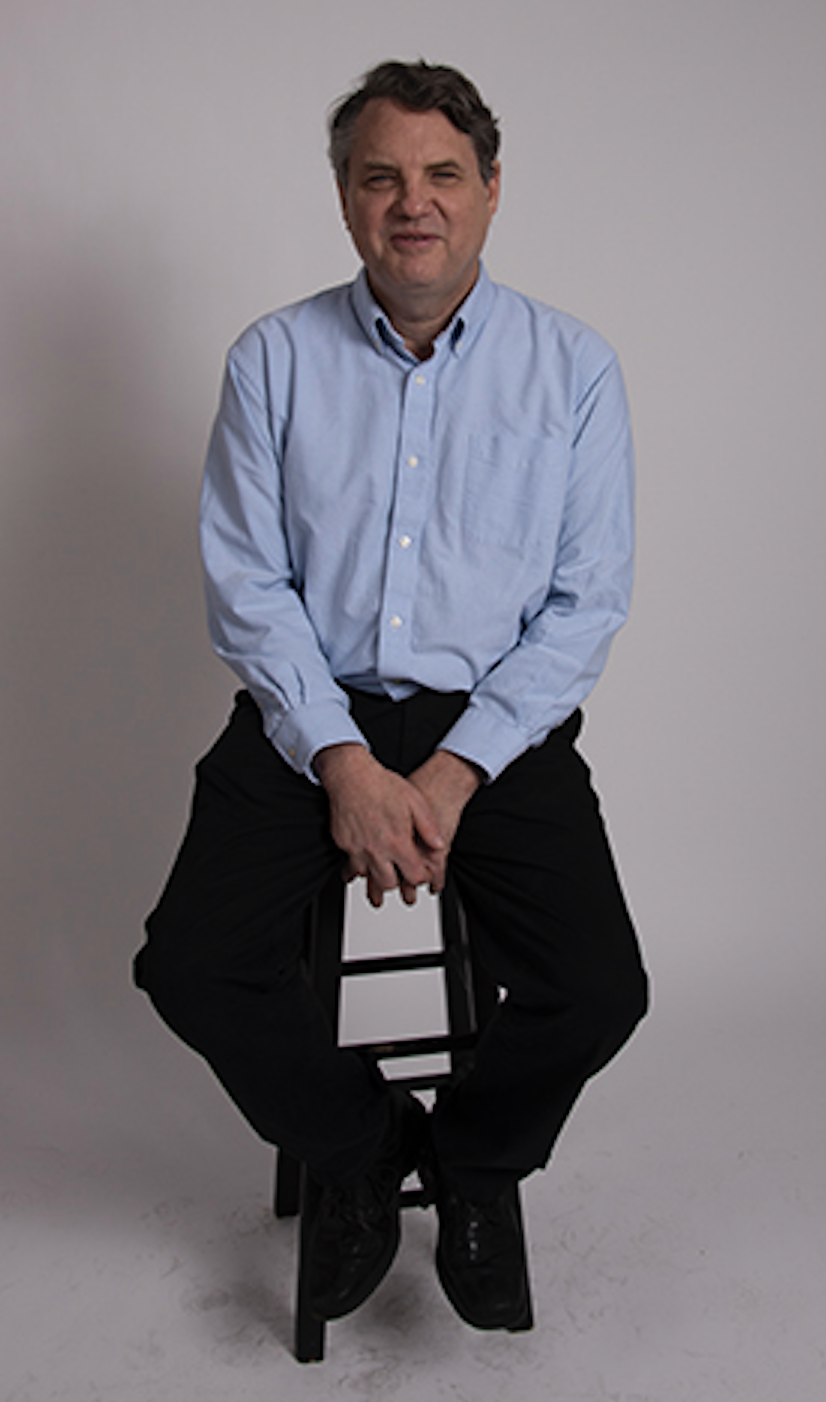
Joe Reid

I have been experiencing a lot of spontaneous musical moments in the past few months.

Joe Reid and I put together our hour-long Harold Arlen program in one rehearsal that lasted about two hours.

He is a jazz pianist who is very comfortable making music in the here and now.

I brought a bunch of Arlen sheet music to his house plus a rough idea of a song run order.

We double-checked the keys for all the songs, played each one through once or twice, and Joe was ready to take it public.

So far we have performed at two retirement communities with very enthusiastic audiences (and we did get together for another hour-long rehearsal between our first and second performances…)

I also spent many additional hours making sure I knew exactly how the song was originally written, reading several books about Arlen I ordered from my local library, recording practice piano tracks with Doug Hammer, memorizing lyrics, and writing the “patter” to lead from one song to the next.

All of this preparation helps me to surrender to the moment when we are performing these wonderful songs.

Me and one of my favorite MT participants of all time!

I have also begun leading Music Together (MT) classes in Arlington and Belmont (a neighboring town where Mitt and Ann Romney used to live).

MT is a very-well-researched and very-well-planned program to introduce small children — along with their caregivers — to the joy and fun of active music-making.

Although participants are encouraged to learn 30 new songs accurately — each one carefully selected to include a wide variety of keys and rhythms — per semester, we teachers are given free rein to be spontaneous and improvisatory during class.

I am sure my training during the past six months to become a MT teacher helped me to go with the flow at the BACA open mic when those three women appeared onstage.

And I have experienced many moments of musical connection with children and caregivers during my first two weeks of MT classes which have given me a similar jolt of delight.

I think this might be what I am supposed to be doing here on planet earth…

The song in the player at the beginning of this blog post is a Harold Arlen/Johnny Mercer classic called “Accentuate the Positive” which I recorded with pianist Doug Hammer during a rehearsal for the “Mostly Mercer” show that singer Bobbi Carrey and I created last year.

Image by Gabriele M. Reinhardt from Pixabay

Thank you to Doug Hammer, Joe Reid and Bobbi Carrey for being important musical collaborators.

Thank you to the generous and skillful photographers at Pixabay.

Thank you to all of the families who have signed up for my Music Together classes.

And thank YOU for reading and listening to another one of my blog posts!

Deep breath in.

And deep breath out.