What Is This Thing Called Love?

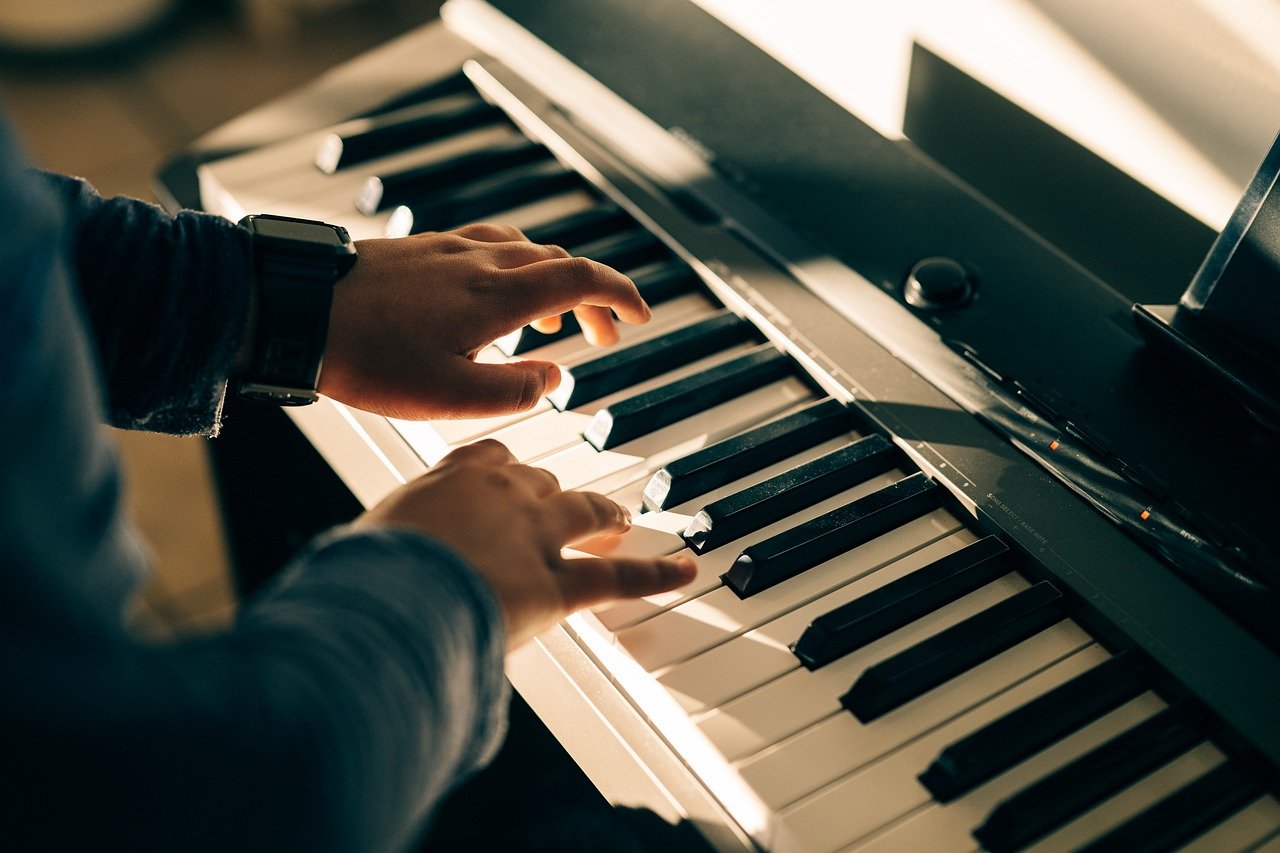
This past Sunday pianist Joe Reid and I performed an hour of songs with music by Harold Arlen at an independent living center in Quincy, MA.

The residents who showed up were very friendly — and a few of them knew the words to almost every song!

Even if they weren’t singing, I could see that everyone was moving some part of their body — fingers, toes, head, torso — in rhythm with the music.

It was a delightful way to spend an hour of my life.

Afterwards one woman — whose eyes had been closed for much of the time — explained that when these songs had been popular, she and her husband had not had a lot of money, but that they HAD been able to listen to music on the radio.

So even though it may have appeared she was dozing off,  she had in fact been remembering that time in her life and imagining that her husband was still sitting next to her.

Deep sigh.

What is this thing called love?
What Is This Thing Called Love?

The previous day pianist Doug Hammer and I had performed a 40 minute chunk of my show, “The Kid Inside,” at a benefit for a new organization called OUT MetroWest.

OUT MetroWest has been providing supportive space for LGBTQ teenagers to meet for many years, and this benefit was a big step to expand their services beyond the Unitarian Universalist church in Wellesley where they began.

I originally created “The Kid Inside”  to perform for the 10th grade class at my high school. It’s a recollection, using stories and songs, of my high school years — including how conflicted and confused I felt about my sexuality.

At one point I tell a story about when — lacking a gay-straight alliance on campus or even any “out” faculty members to whom I might speak — I sneaked from my dorm one night and knocked on the front door of an apartment belonging to one of the young, unmarried male teachers who lived on campus,

When he answered the door, I was unable to say anything and just stood there — feeling stuck and ashamed and humiliated.

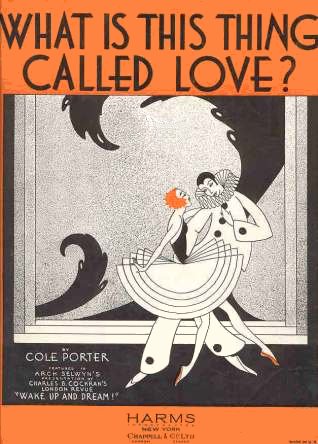
I follow this story by singing the Cole Porter song “What Is This Thing Called Love?” — which is in the player at the top of this post with Doug Hammer on piano, Mark Carlson on bass, and Kenny Wenzel on trombone.

I am happy to know that there are now safe spaces at many high schools to talk about the amazing and powerful and at times perplexing topics of sexuality and identity and relationships — as well as organizations like OUT Metro West.

And I am amazed at how songs can re-connect us with people and places from our past.

Love is a mystery.

How music taps into our memories and opens our hearts is a mystery.

Today I embrace those mysteries and remain grateful for all the music in my life on a daily basis.

Thank you for reading…and listening.

What’s It All About?

Last night I attended a party at a home in Medford, MA (a neighboring town just outside Boston).

The host had invited a couple of pianists and a bunch of friends who like to sing to celebrate his birthday.

Image by Jackie Matthews from Pixabay

After some delicious food and inspiring conversation — including how the Boston Beer company decided to withdraw its support of the St. Patrick’s Day parade in South Boston — we all moved from the kitchen into the living room.

And then we made music together for three hours.

Sometimes it was one singer accompanied by a pianist.

Sometimes it was the whole room singing together.

Image by yinet gomez from Pixabay

Sometimes one of the pianists sang.

At one point each of the pianists even accompanied the other — who was uncharacteristically standing to sing.

The daily news from our mainstream media brings so many unhappy stories into our homes and into our hearts — planes which mysteriously crash; snipers who fire on civilians; species being wiped out by poachers; wars being waged over natural resources and political power and religious beliefs…

I often wonder what we human beings are doing here on planet earth — and how music fits into the larger equations and patterns unfolding on a daily basis.

Image by Susanne Stöckli from Pixabay

Are we here, as some teachers suggest, so that our souls can experience fear and love?

If that is the case, we are certainly doing a great job with the fear component of this cosmic experiment!

Maybe music is one of the tools we can use to respond to fear.

I know from my own experience that listening to music — and making it with others — can lift my spirits.

And can reconnect me with my deeper feelings.

Image by Gerry from Pixabay

And can bring my energy — for lack of a better word — into harmony with others.

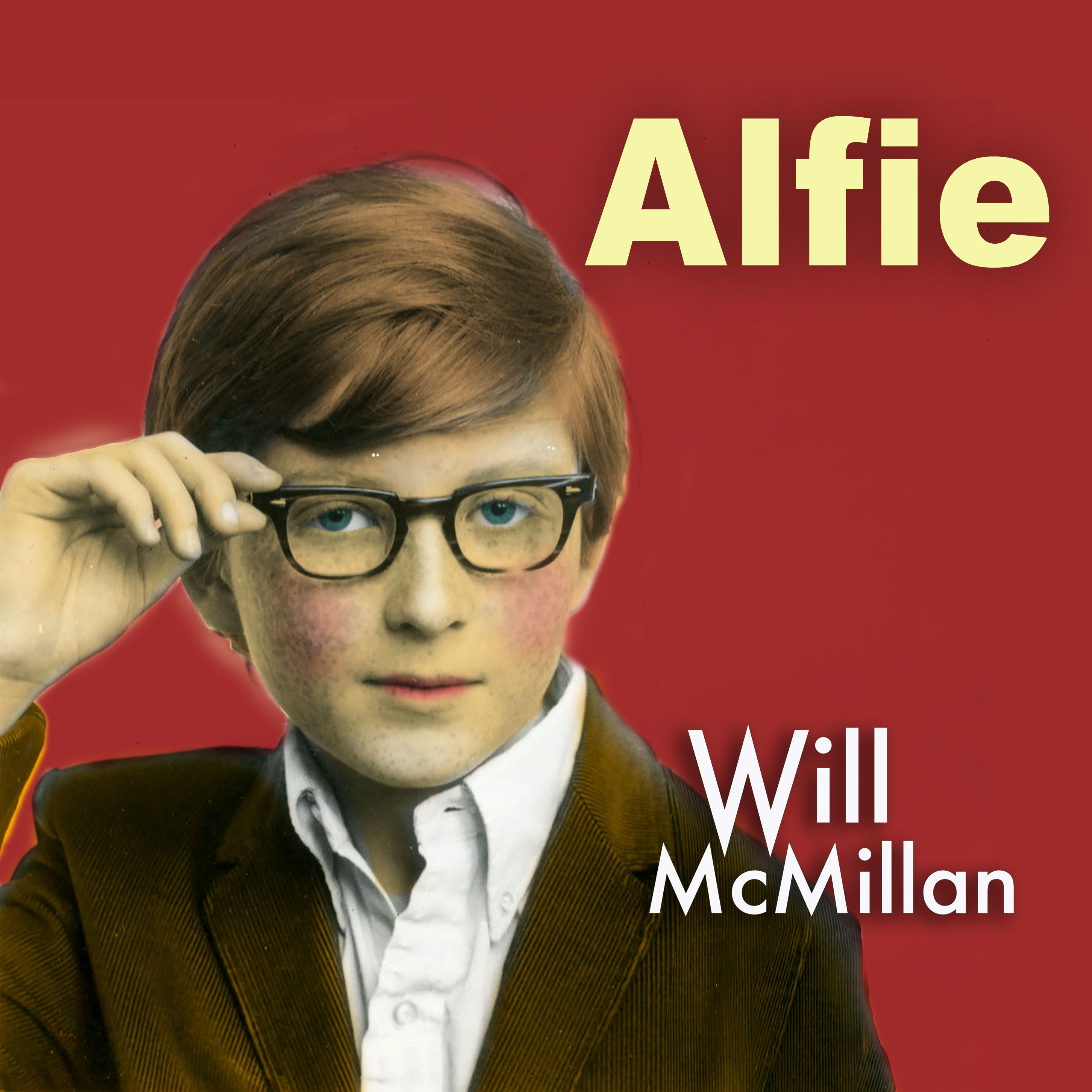
Last night someone at the party sang the great Bacharach/David song “Alfie.”

It reminded me of a recording (embedded at the top of this blog post) which Doug and I made a few years ago at his studio in Lynn.

I am reassured that other human beings, such as Burt Bacharach and Hal David, have pondered similar questions, too.

And I am very, very grateful that my life is now focused on making and sharing music with others.

Thank you for reading — and perhaps listening to — this blog post!

ps: When I wrote this blog post over ten years ago, it included no photos. So in April 2024 I added some from a wonderful photographic resource called Pixabay. THANK YOU to all of the generous photographers and graphic artists at Pixabay!

pps: And when I first recorded this version of “Alfie” with the wonderful pianist Doug Hammer, I knew nothing about digital distribution of music. Now it is available on a bunch of streaming services — and you can click here to stream it.

Synchronized Heartbeats!

Image by Alexa from Pixabay

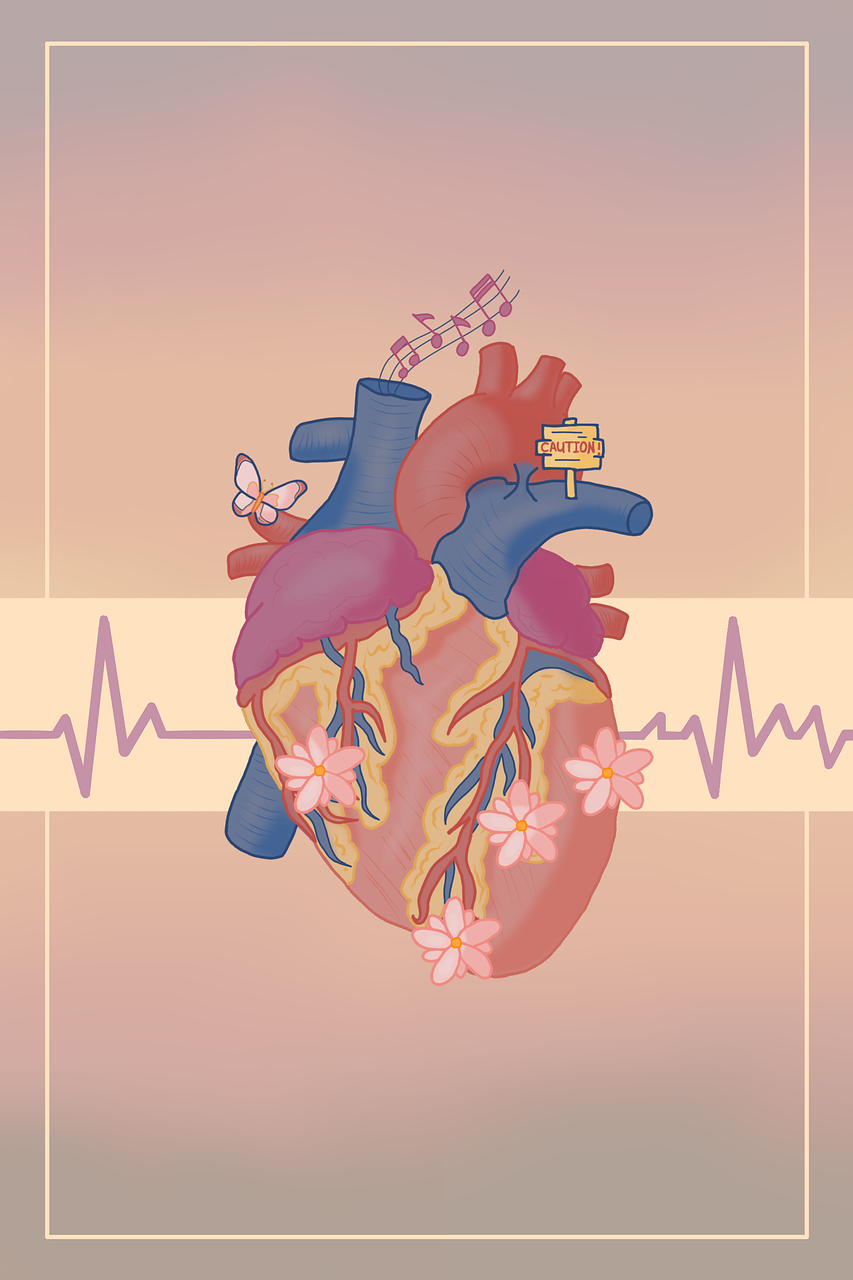
Earlier this year a fellow WordPress blogger directed me to new research from the University of Gothenburg in Sweden.

The study — named ‘Kroppens Partitur’ or ‘The Body’s Musical Score’ — monitored the pulses of fifteen choral singers as they made their way through three different exercises: humming, performing a hymn, and chanting a slow mantra.

The authors of the study reported:

“When you are singing, the heartbeat for the whole group is going up and down simultaneously…It gives you pretty much the same effect as yoga breathing. It helps you relax, and there are indications that it does provide a heart benefit.”

This synchronization is thought to be caused by the breathing patterns which the music inspires in the singers.

When they are singing the same melody, they tend to pause to breathe in the same place, and these breathing patterns then influence their heart rates.

Image by Jo Justino from Pixabay

I love learning about this research, because it corroborates what human beings have experienced for thousands of years — singing with other human beings is a special, healthy and often uplifting experience.

It also reminds me how important it is to include “sing-along” songs as part of a performance.

Who wouldn’t want an opportunity for a room full of people’s hearts to synchronize?

“Blue Moon” by Richard Rodgers and Lorenz Hart is a song which Bobbi Carrey and I included in our In Perfect Harmony show in hopes that people might sing (or hum or whistle) along with us.

I have included a version that we recorded with Doug Hammer on the piano at the very beginning of this blog post.

Image by Massiel from Pixabay

I have long been aware of how intimate singing with another person can be — whether in unison or in harmony — but I didn’t realize that Bobbi and I might actually be synchronizing our heartbeats when we perform together.

Yowza!

Ahh, blessed music…

And the human heart…

Deep breath in.

Deep breathe out.

Getting In Tune With The Infinite

Image by Joachim Schnürle from Pixabay

I have been been blessed to sing wonderful songs written by other people for many years — as the MP3 player on the right hand sidebar of this page can attest.

And every now and then I have helped to co-write a song.

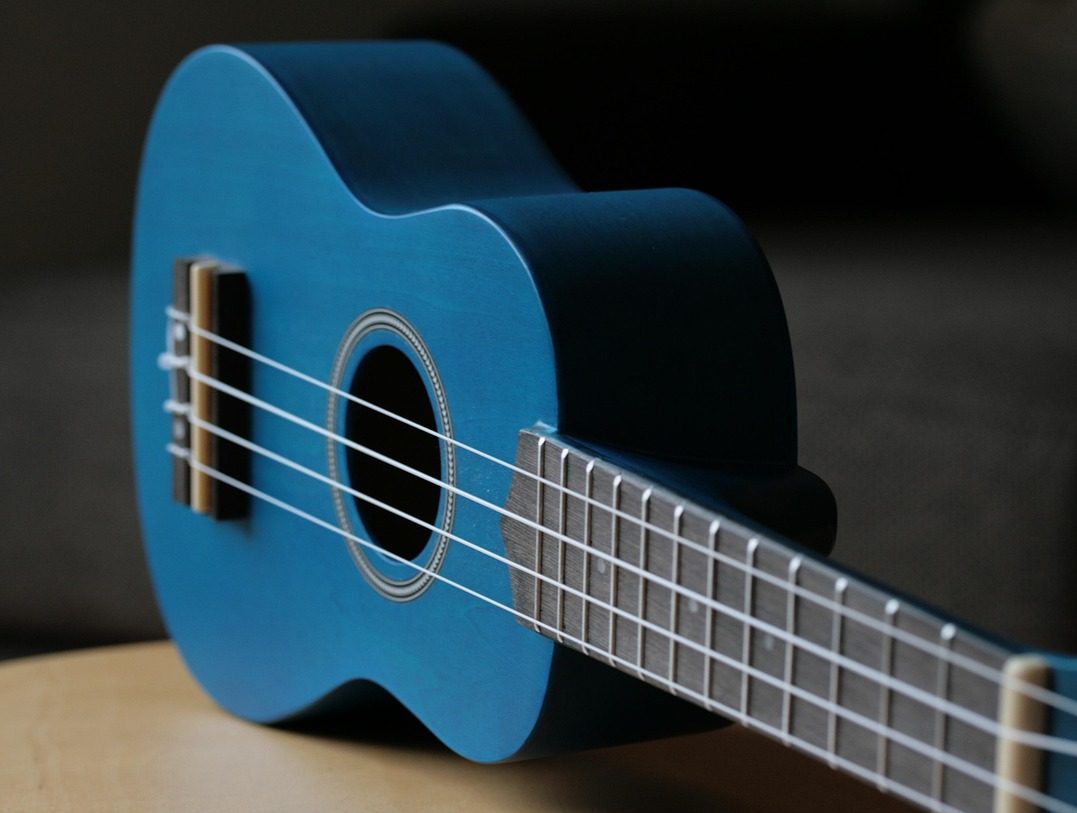
But it wasn’t until a few years ago, when I bought my first ukulele, that I started writing songs on a regular basis.

The song in the player at the beginning of this blog post is one I recorded using my this ukulele and Apple’s wonderful GarageBand program on my laptop.

I love learning about how other songwriters have created their hits.

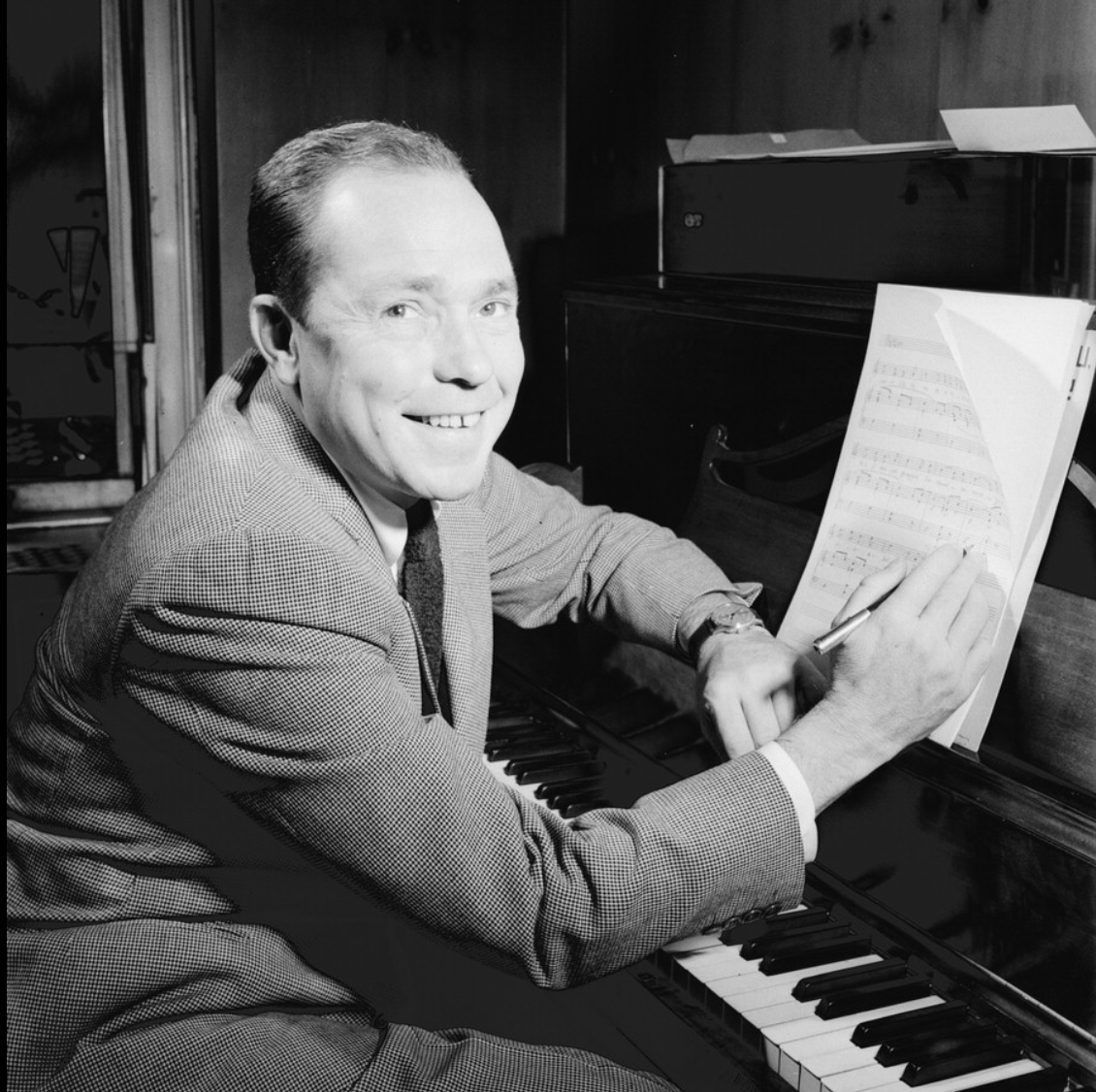
Composer Harry Warren and lyricist Johnny Mercer, for example, co-wrote “Jeepers, Creepers,” “On The Atchison, Topeka and the Santa Fe,” and “You Must Have Been A Beautiful Baby.”

Johnny Mercer in the 1940s

And at some point Warren gave Mercer the nickname ‘Cloud Boy’.

As Warren explained, “A lot of times when I would play a melody for John… particularly if it was after a good lunch… he’d stretch out on a couch and just lie there with his eyes closed and his hands folded across his stomach. He was way up there some place in the clouds. Of course, what came out later was just great.”

When asked by his father about his creative process, Mercer once said, “I simply get to thinking over the song — pondering over it in my mind — and all of a sudden I get in tune with the Infinite.”

Many songwriters have expressed a similar sentiment — that they feel as though they are acting as a conduit or channel for something greater than themselves.

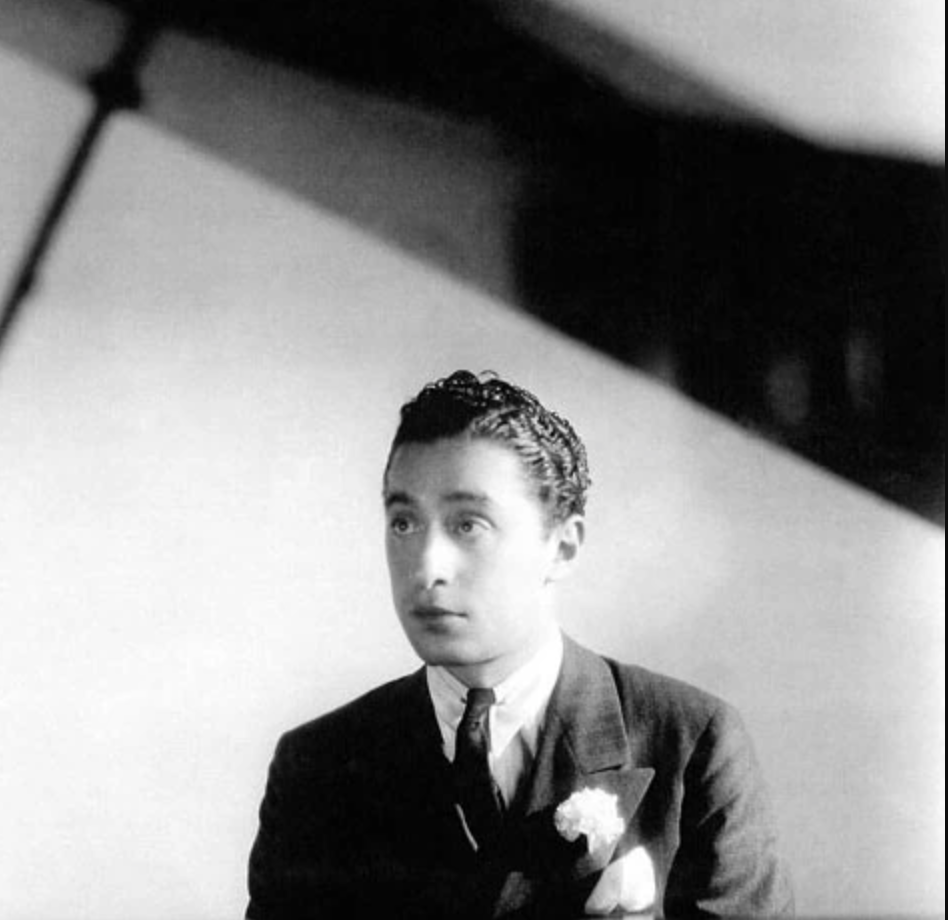
Harold Arlen

The lyricist Ira Gershwin said that the composer Harold Arlen would never “approach the simplest musical requirement or idea without first calling upon ‘the fellow up there’ — jabbing his finger at the ceiling.”

I cannot say that I have experienced this phenomenon yet.

I have, however, noticed that lyrical themes sometimes emerge which surprise me and lead a song in a different direction than I had originally intended.

And I have had the inspiring experience of writing a song which gradually became true.

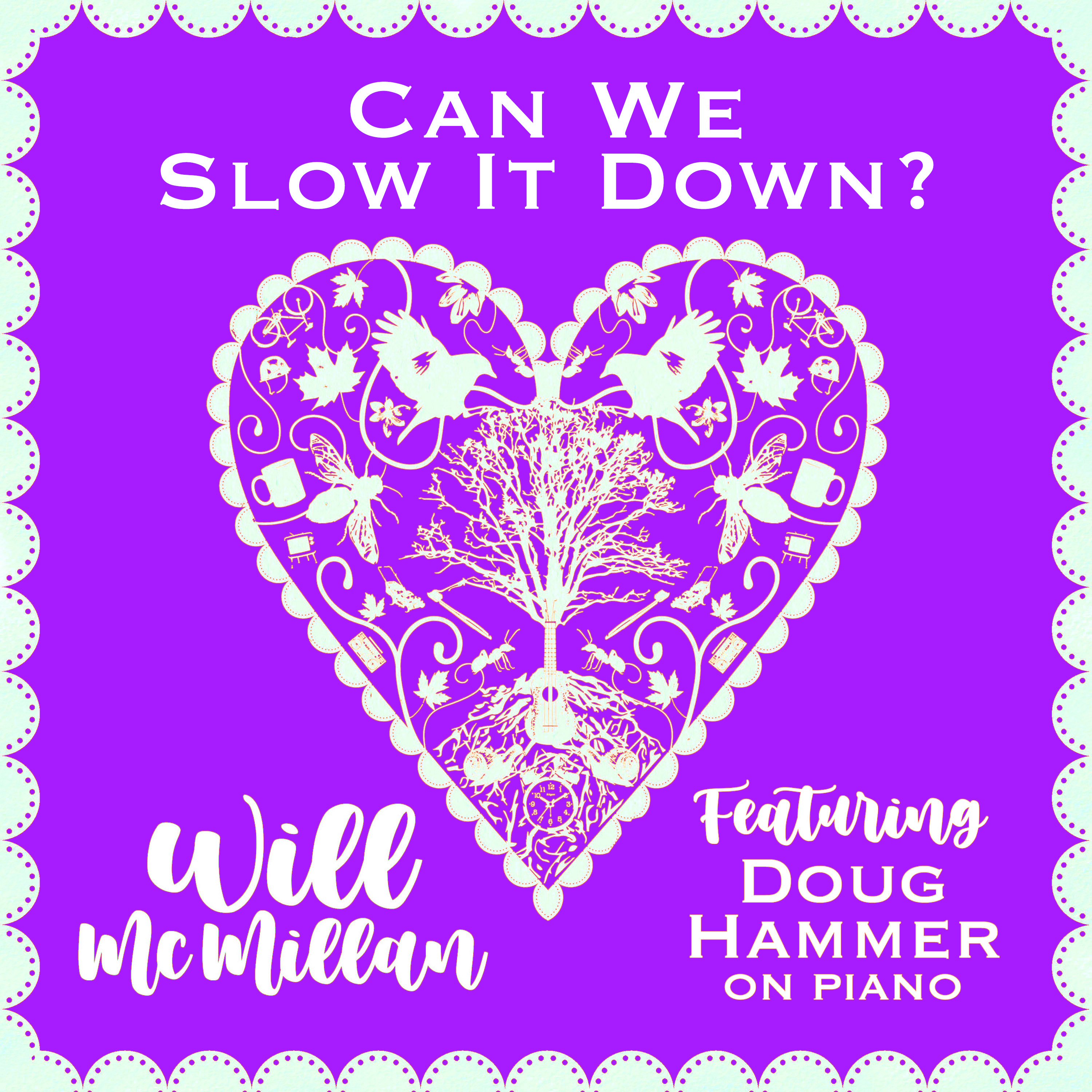
It is called “Can We Slow It Down?” — and I wrote it a couple of years ago when I was working full time at my day job in Harvard Square.

I realized recently when I was practicing it at home that my life has in fact slowed down since I began singing this song.

If you are curious, you can listen to two different versions of “Can We Slow It Down?” — the ukulele + GarageBand version at the top of this page and the piano/vocal version I released with pianist Doug Hammer by clicking here.

I will be singing it plus two other originals as part of a mini-set at a lovely open mic in Lexington — hosted by Nourish Restaurant on Massachusetts Avenue — on Tuesday, November 5, 2013, starting around 7:30 pm.

Perhaps you can join us.

Singing Together

Image by Couleur from Pixabay

I just spent a day rehearsing for a performance in Tiverton, RI.

It’s a new show called “In Perfect Harmony” with fellow singer Bobbi Carrey and pianist/composer Doug Hammer — in which all the songs include at least a partial harmony somewhere.

Because we have been performing together for ten years — and since one of our favorite things to do is sing in harmony — we have a lot of material to choose from.

The show also includes quotations and anecdotes about the process of collaboration — which for us has involved a great arranger, Mike Callahan.

From time to time we send Mike recordings from our rehearsals, along with detailed notes about which harmonic ideas we think show promise and which need help.

Bobbi and me after a rehearsal

Invariably he sends charts back to us that both improve our ideas AND surprise us with some great new musical impulses.

At the top of this blog post is our version of the Johnny Mercer/Henry Mancini classic “Moon River” if you are curious to hear the fruits of this collaborative process.

Deep breath in.

And deep breath out.

There is something very intimate and satisfying about singing with someone else — whether in unison or harmony.

And since electricity entered — and in many ways took over — our daily lives during the last century, our patterns and habits of singing have certainly evolved…

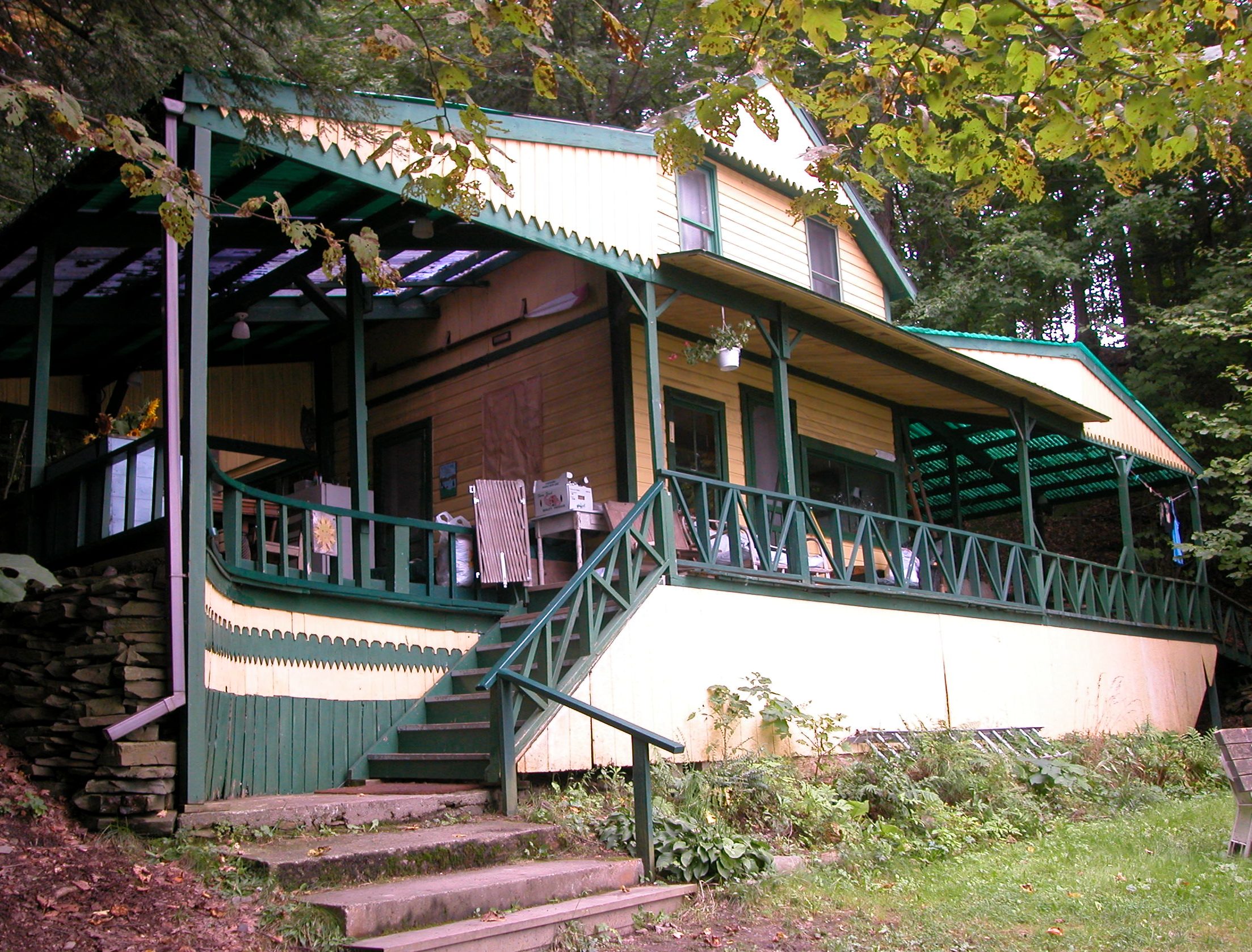
Rice Heritage Cottage

Crooning along with the radio or a CD or a song being streamed on Pandora or Spotify is great — yet it’s very different from singing with another real live human being in the present moment.

I just returned from a week in upstate NY at a wonderful, ramshackle family cottage with no internet access and no TV called the Rice Heritage.

My great grandfather James E. Rice bought this cottage (I think from fellow Cornell professors John Henry Comstock and Anna Botsford Comstock — who was the first woman to become a professor at Cornell University).

James E. Rice was a professor of poultry science at Cornell and had a farm — called the Egg and Apple Farm on Rice Road — just up the hill from this cottage in Trumansburg, NY.

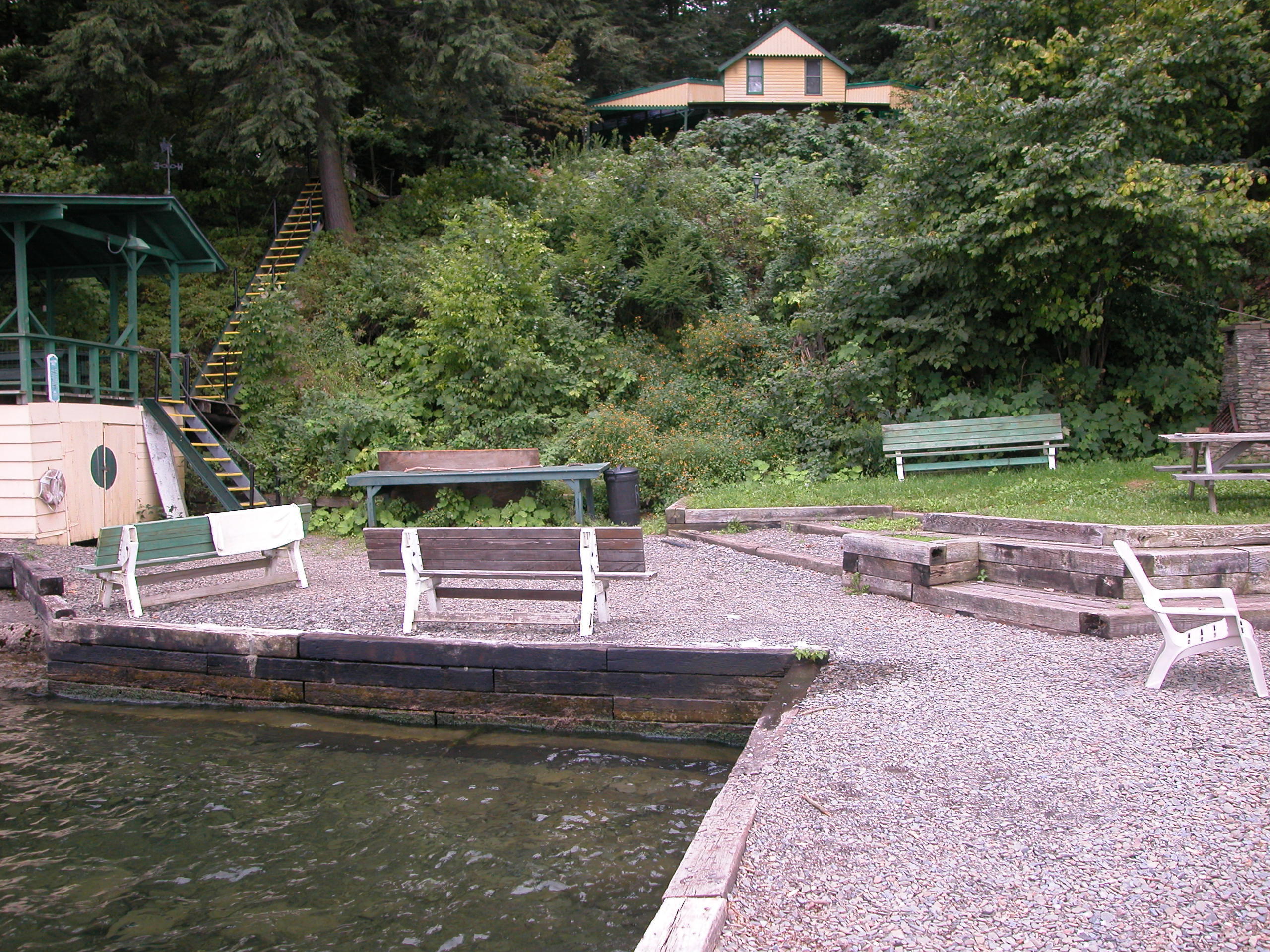
The uphill view from dock to cottage…

He and his wife Elsie Van Buren Rice raised six children — three girls and three boys — almost all of whom ended up owning farms, too, when they grew up and married.

Sadly, however, Elsie died when their youngest daughter was still a teenager.

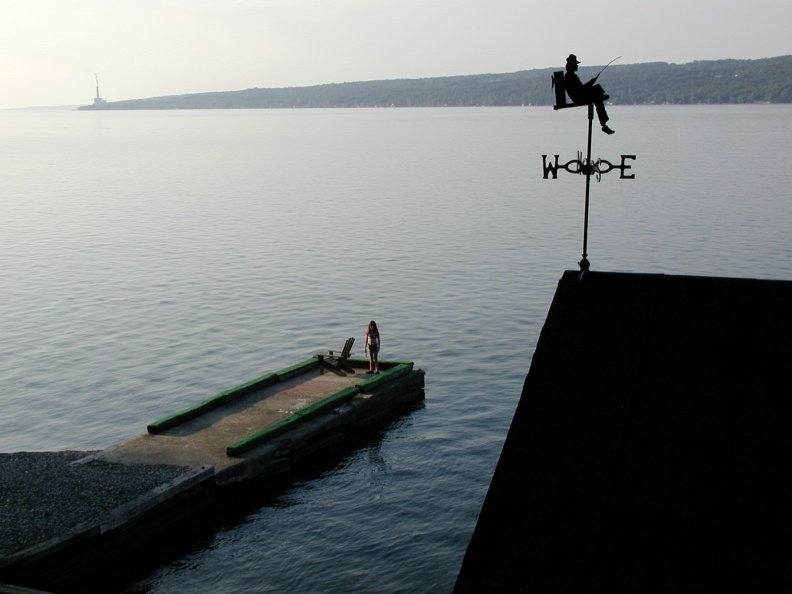
James ended up leaving the family’s cottage — overlooking Cayuga Lake — to his six children plus their descendants.

And many of his descendants continue to take turns staying there each summer in one- and two-week increments of time.

This summer one of my older cousins told me about songs she had heard as a child from her parents and grandparents — some of which were originally sung by people working outside in gardens and fields as a way (according to my cousin) to pass the time and remain connected with their neighbors.

The downhill view of dock and boathouse…

What a different era — and mode — of human connectedness!

Another deep breath in.

And deep breath out.

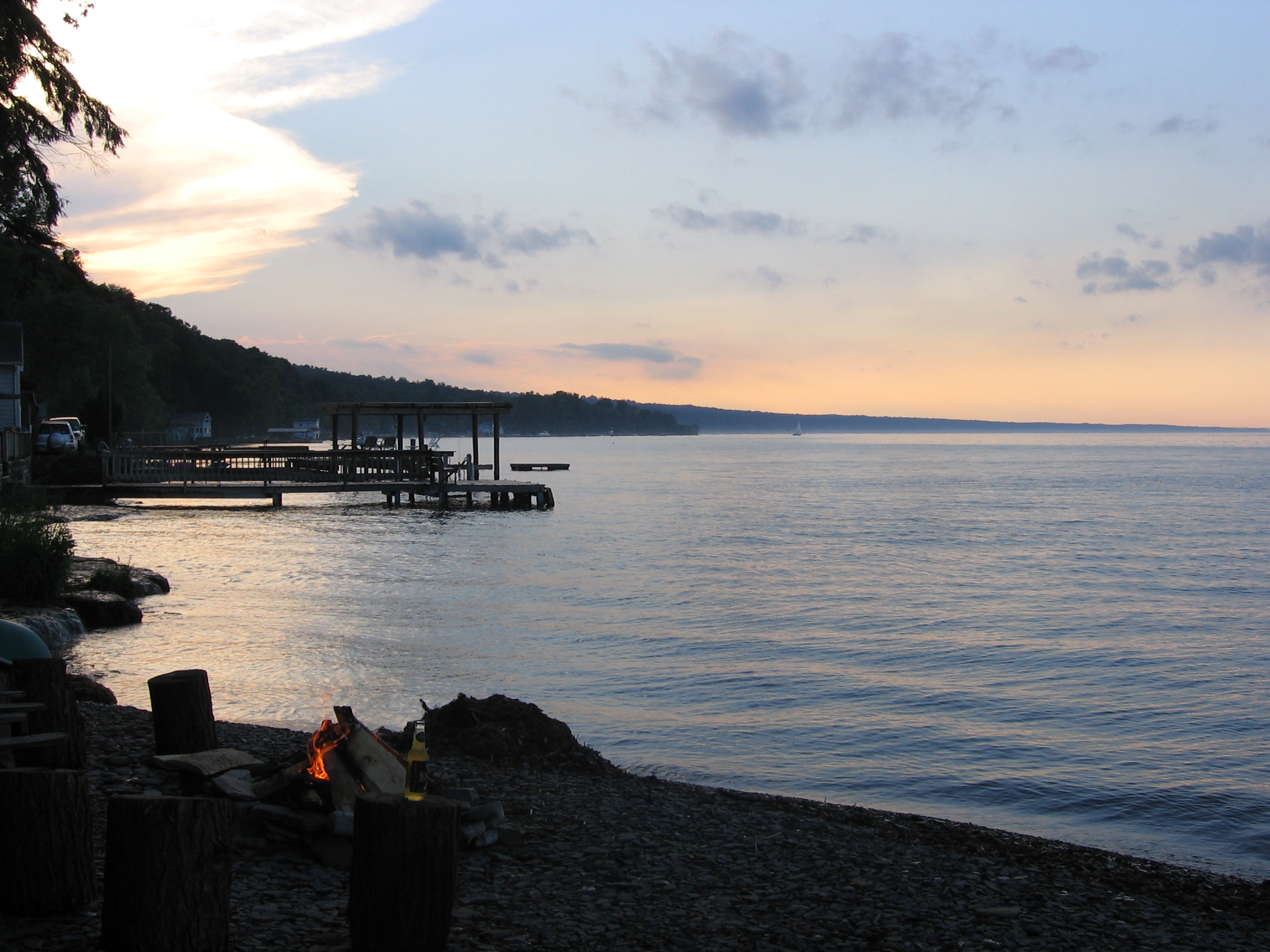
Using my ukulele and the great “Daily Ukulele” songbooks, we sang together most nights on the beach around a camp fire — while the younger members of our family roasted marshmallows and made s’mores for all to eat.

Yum!

I could do this for hours — and in fact on the last night I did play without a break for over three hours.

The beach with campfire at twilight…

Music.

Stars above.

Friends and family all around.

Lake water lapping with low sounds by the shore.

Bliss.

THANK YOU for reading — and listening to — this (recently updated) blog post.

Thank you, too, to Bobbi Carrey, Doug Hammer and Mike Callahan for their musical contributions.

Thank you to Pixabay for the lovely photos of hydrangeas!

Image by Ben Kerckx from Pixabay

Thank you to my great grandfather and great grandmother for their generous foresight in buying this cottage and then leaving it to their descendants.

And thank you to all of my cousins who have pitched in — decade after decade — to keep the Rice Heritage intact and functional for generations to come.

Hurrah for summer!