Love Is Real


Love IS real.

It may not always be easy to feel, but it’s always there somewhere — or perhaps everywhere? — waiting to be tapped into.

In the two years since I was laid off from my day job, I have come to understand that music is one of our most accessible — and brilliant — technologies for re-connecting with love.

I experienced another love-filled gig with pianist Joe Reid last Saturday at a retirement community to the south of Boston.

It was the first time we had been there; so I didn’t know what to expect.

I was also feeling a bit concerned that our choice of “Make Someone Happy: The Songs of Jule Styne” — rather than a program of songs by the more familiar Cole Porter or Gershwin Brothers — might have been too risky for a first visit.

But we were warmly welcomed, ushered to a lovely performance space (not too big, not too small — a “just right” Goldilocks fit) with a small grand piano, a good PA system, and an audience of American Popular Songbook aficionados.

The size of the room — and the lighting in the room — made it possible for me to make eye contact with everyone.

Many audience members knew the words to the songs we were performing — and I, inspired by my Music Together classroom experiences, exhorted everyone to hum, tap, snap, or even dance if the spirit moved them.

There is something about the structure of a well-written song that allows — even encourages — one to put one’s heart into the singing of it.

And knowing that a song has a beginning, a middle, and an end somehow makes it safe for me as a singer to experience a wide range of feelings while I am singing it.

I think I have written in previous blog posts about how amazing subtext can be — how simply changing what or whom one is thinking about as one is singing can completely alter one’s interpretation of a particular song.

I have even begun to wonder — as I sing and make eye contact during performances with as many different audience members as are willing to connect in that surprisingly intimate way — whether I start connecting on an unconscious level with some of THEIR subtext, THEIR history, and THEIR associations with a particular song.

Whatever is transpiring energetically, it certainly opens MY heart — and re-connects me to feelings of joy and heart-ache and love and fear and desire and hope and pain.

Afterwards Joe and I listened to the stories that these songs evoked in the residents — tales of huge summer parties near Westport, CT in the 30s and 40s, or of seeing Barbra Streisand in the original production of Funny Girl, or of listening to these songs on the radio with loved ones in the living rooms of their past.

One woman said something like, “We have to have you and Joe back again right away — your singing reached inside and touched my soul.”

This is what I live for.

This is what music can do.

Two strangers can, in a safe and well-boundaried way, touch each other’s souls.

John Lennon knew that.

He wrote the song “Love Is Real” — which I recorded several years ago with Doug Hammer at his Dreamworld Studio. Then I monkeyed with those tracks using Garageband to create the version at the top of this page.

Thirty four years ago John Lennon was killed as he got out of his car and headed into his apartment in NYC.

According to Wikipedia, he had chosen to get out on 72nd Street (rather than the driving into the courtyard of his building) so that he could chat with any fans who might be waiting to say “hi” and ask for an autograph.

In fact, earlier in the day he had autographed a copy of Double Fantasy — the life-affirming album he had recently released with Yoko Ono — for the man who later shot and killed him.

After I heard the horrible news of John’s death, I remember walking along Massachusetts Avenue in Harvard Square, feeling very sad and upset that this could ever have happened.

One loss often awakens previous losses — like a metal chime rippling and echoing through the layers of one’s emotional body and memory.

So, with hindsight, it is very likely that I was also grieving other deaths, other losses, other assassinations — as I grieve tonight…listening to John’s music and reflecting on his inspiring life.

You can click here for a link to a comforting essay I found online which offers perspective about why so many of us continue to be so deeply moved by John’s murder.

I loved John Lennon.

I continue to love his music — as well as the music of all The Beatles.

And his songs live on.

Love IS real.
What Is This Thing Called Love?

This past Sunday pianist Joe Reid and I performed an hour of songs with music by Harold Arlen at an independent living center in Quincy, MA.

The residents who showed up were very friendly — and a few of them knew the words to almost every song!

Even if they weren’t singing, I could see that everyone was moving some part of their body — fingers, toes, head, torso — in rhythm with the music.

It was a delightful way to spend an hour of my life.

Afterwards one woman — whose eyes had been closed for much of the time — explained that when these songs had been popular, she and her husband had not had a lot of money, but that they HAD been able to listen to music on the radio.

So even though it may have appeared she was dozing off,  she had in fact been remembering that time in her life and imagining that her husband was still sitting next to her.

Deep sigh.

What is this thing called love?

What Is This Thing Called Love?

The previous day pianist Doug Hammer and I had performed a 40 minute chunk of my show, “The Kid Inside,” at a benefit for a new organization called OUT MetroWest.

OUT MetroWest has been providing supportive space for LGBTQ teenagers to meet for many years, and this benefit was a big step to expand their services beyond the Unitarian Universalist church in Wellesley where they began.

I originally created “The Kid Inside”  to perform for the 10th grade class at my high school. It’s a recollection, using stories and songs, of my high school years — including how conflicted and confused I felt about my sexuality.

At one point I tell a story about when — lacking a gay-straight alliance on campus or even any “out” faculty members to whom I might speak — I sneaked from my dorm one night and knocked on the front door of an apartment belonging to one of the young, unmarried male teachers who lived on campus,

When he answered the door, I was unable to say anything and just stood there — feeling stuck and ashamed and humiliated.

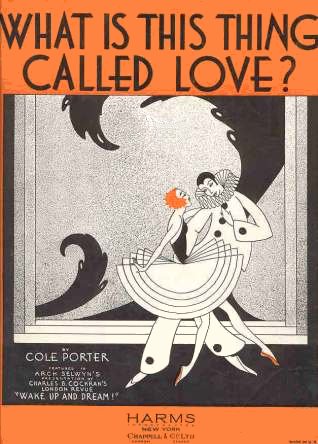
I follow this story by singing the Cole Porter song “What Is This Thing Called Love?” — which is in the player at the top of this post with Doug Hammer on piano, Mark Carlson on bass, and Kenny Wenzel on trombone.

I am happy to know that there are now safe spaces at many high schools to talk about the amazing and powerful and at times perplexing topics of sexuality and identity and relationships — as well as organizations like OUT Metro West.

And I am amazed at how songs can re-connect us with people and places from our past.

Love is a mystery.

How music taps into our memories and opens our hearts is a mystery.

Today I embrace those mysteries and remain grateful for all the music in my life on a daily basis.

Thank you for reading…and listening.

The Ebb and Flow

Image by günter from Pixabay

Autumn is arriving here in Boston, MA.

Summer is ebbing, and cooler air is flowing into our neighborhood.

In the morning I sit on our back porch, wearing a hoodie until the sun warms everything up.

I listen for sounds from the natural world — today, a blue jay — competing with the sound of cars and buses and trucks and motorcycles nearby.

And I happily remember my time last month camping in North Truro on the Cape and next to Cayuga Lake in upstate New York.

I find camping to be a terrific reminder of many important things.

For example, how little water one needs to wash dishes.

Image by 国明 李 from Pixabay

Or wash one’s hands.

Or take a shower.

The campground has communal cabins with sinks and toilets and showers, but the sinks have taps which automatically shut off after about three seconds — a simple and very effective reminder to use water more mindfully — and the showers are activated by quarters (25 cents for three minutes of hot water).

And in upstate New York I simply jumped — except for the times when my feisty nephew Ryder pushed me — into the lake each morning and then scrubbed with Dr. Bronner’s soap and a washcloth.

We had no radio, no TV, and no internet.

Image by Mickey Estes from Pixabay

We awoke early — due to birds singing their morning calls — and went to bed early, too.

Sometimes we all sang together after dinner — songs written by the Beatles being the most popular…

I wrote new songs for most of each day — happily holed up on the boathouse or in a tent with my ukulele and laptop computer and rhyming dictionary — and then joined other family members for a swim in the late afternoon.

One of the most powerful part of camping for me is being reminded of the ebb and flow of life.

We see it at the beach.

The waves flow in and out at the water’s edge.

Image by marco bubbio from Pixabay

The tide rises and falls, sweeping the ocean shore clean of footprints twice a day — while revealing (and later concealing) sand bars, rocks, shells, crabs, sea weed, drift wood, and tiny jumping sand fleas.

Back at our campground, we see neighboring tent sites fill with new arrivals and then empty out at the end of each week.

What was once a colorful array of tents and campers and cars and coolers and towels and bikes returns to being a community of pine trees, squirrels, golden finches, blueberry bushes and open air.

I find it a very poignant reminder of mortality — my own as well as the mortality of all the people and places and animals and plants I love here on planet earth.

Image by Peggychoucair from Pixabay

This feeling of mortality seeped into a song I wrote, “Under My Umbrella,” which is embedded at the top of the page.

It seems to fit with the days getting shorter as we approach the autumnal equinox.

Deep breath in.

Deep breathe out.

Thanks for reading…and listening.

Everybody Says Don’t…

Image by laurenta_photography from Pixabay

One of my favorite Stephen Sondheim songs — “Everybody Says Don’t” (on the player embedded above) — is from his first official flop, Anyone Can Whistle, which starred Angela Lansbury, Harry Guardino, and Lee Remick on Broadway in 1964 and ran for nine performances.

Among other topics, the plot explored the classic question of who is saner — the folks in a mental hospital or those who are not.

“Everybody Says Don’t” invites us to consider how we make choices.

Many of us make choices based on what other people say or think.

Sometimes this demonstrates a healthy respect for our shared values as human beings — and helps to keep our societies more, rather than less, civil.

Sometimes it’s a way to avoid saying or doing something important — something which might be utterly, uniquely, and profoundly why we are alive here and now on planet earth.

I might have stayed in my non-musical day job as a PR/development/events professional for another 16 years if I hadn’t been laid off.

The job offered me teamwork, camaraderie, shared purpose, a paycheck, respect from my peers, and daily surprises/challenges.

Will McMillan by Stephen C. Fischer

But it was not tapping very deeply into my musical soul.

Now I am devoted to making music for a living — as a performer, a songwriter, and a Music Together teacher.

The sentiment of “Everybody Says Don’t” reminds me of one of the guiding principles of Music Together — that anything a child chooses to do during class is fine and needs to be respected as part of their learning process/style.

A child’s caregiver may want them to sit still and “play” a drum — or a shaker egg, or a triangle, or a set of wooden sticks — in a particular manner.

But their way of soaking up the music in class may involve moving their bodies around the room, sitting in a corner (seemingly disconnected from everything happening in class), or bouncing up and down in someone’s lap.

As long as the child is not endangering themselves or hurting someone else in class, s/he is free to respond to the music in her/his own fashion — which may change from song to song and class to class.

I sometimes imagine the adult caregivers (moms, dads, nannies, grand mothers, grand fathers, au pairs, uncles, aunts and more) as younger versions of themselves — who may have been told somewhere along the line: “don’t sing so loudly,” or “don’t sing out of tune,” or worst of all, “don’t sing — just move your lips.”

Image by Joe McDonagh from Pixabay

One never knows what musical wounds people may be bringing into our classrooms…

As one teacher remarked at the end of a three day Music Together seminar, “90% of our job is showing up with a compassionate heart.”

I guess that could be true about a lot of our interactions here on planet earth…

Deep breath in.

Deep breath out.

Thank you for reading and listening to this blog post.

I welcome any comments you might be inspired to share below.

The Lord Of The Dance

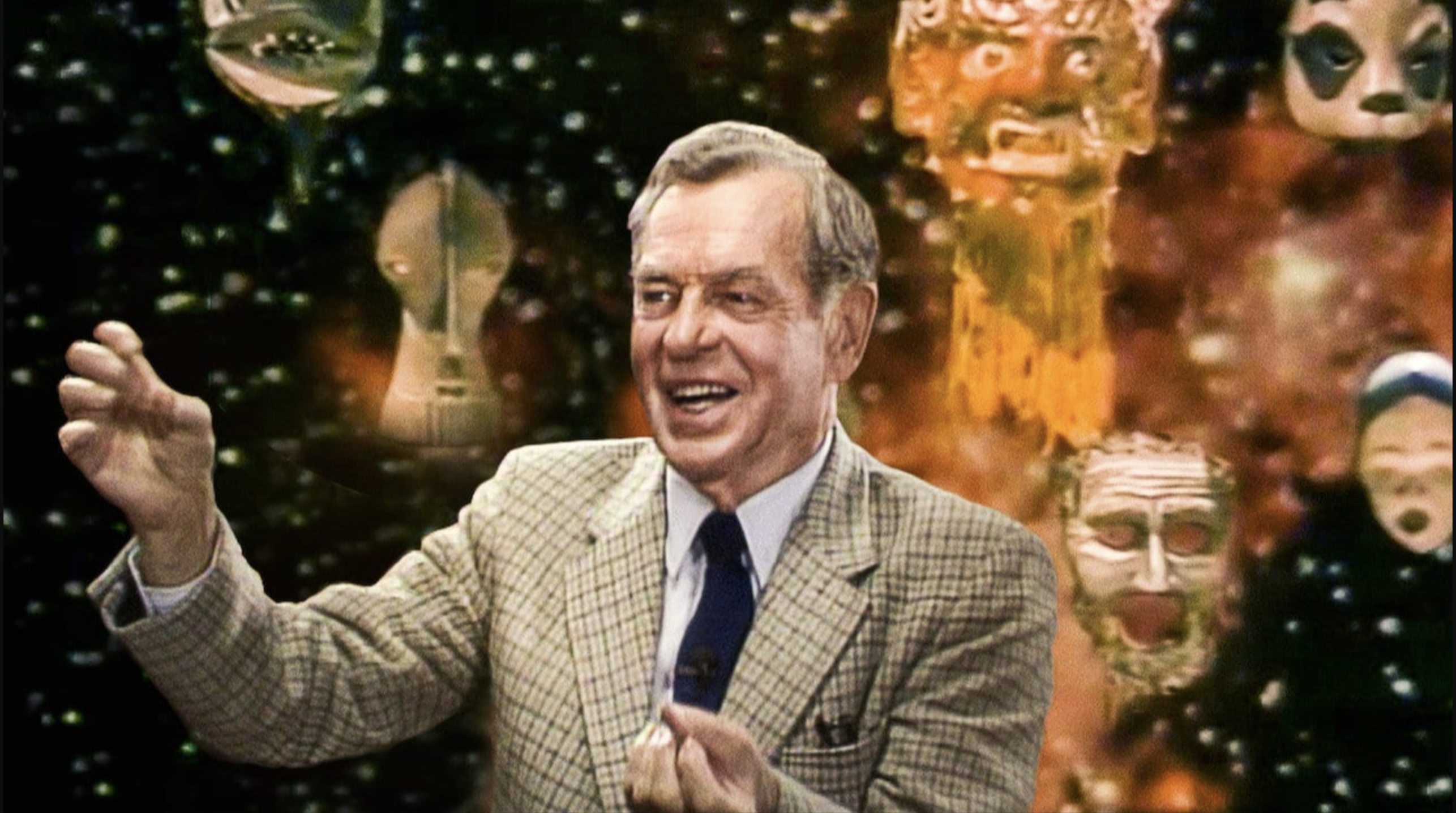
Joseph Campbell

Once upon a time, Bill Moyers interviewed Joseph Campbell for a wonderful series, The Power Of Myth, which aired on PBS.

I remember being very stirred up by many of Mr. Campbell’s observations.

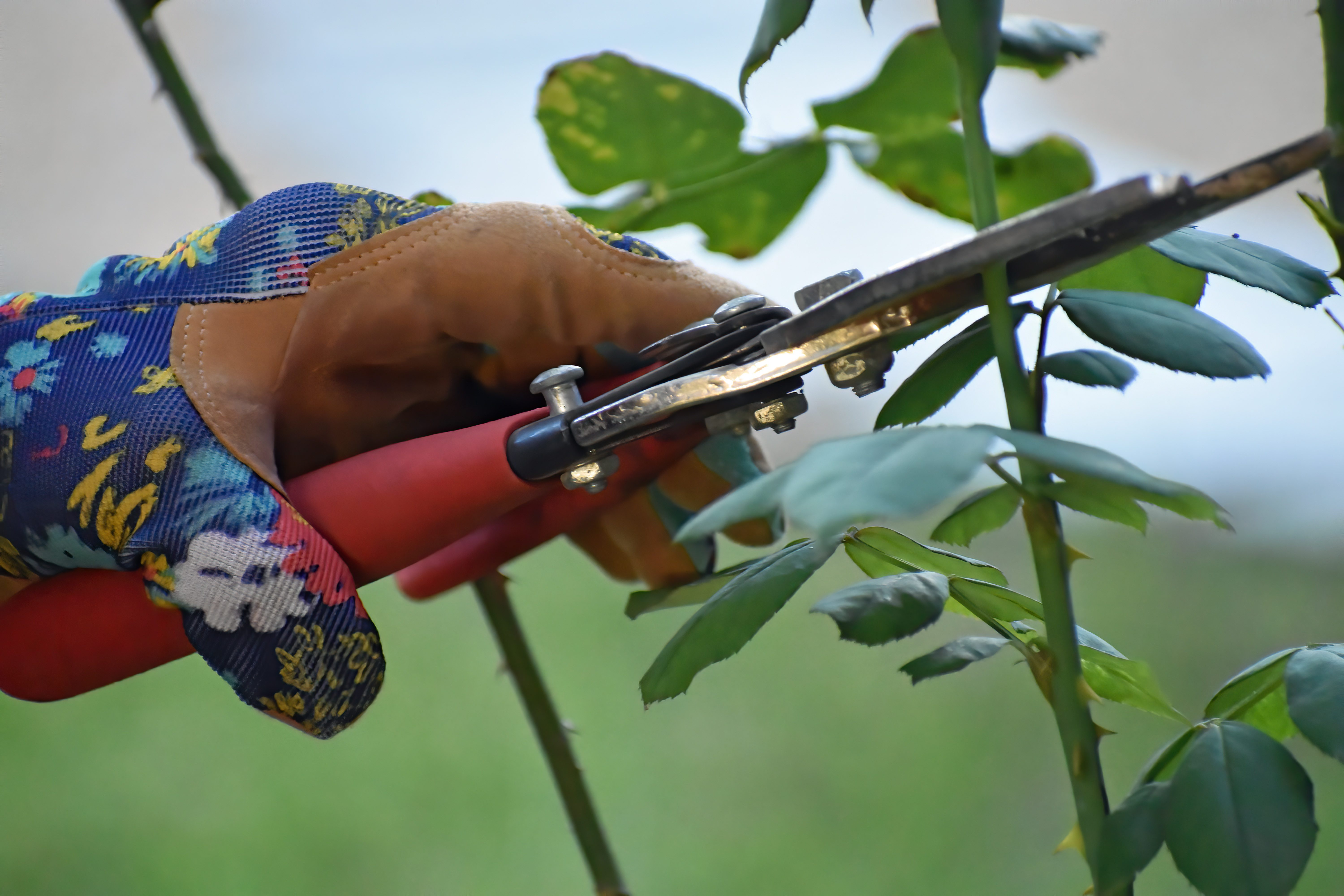
One of them was the idea that plants grow back — sometimes more vibrantly — after being pruned/cut down and how this biological event might relate to the idea of a g-d such as Jesus, who was killed yet rose from the dead.

I think this concept stuck with me because of a song, “The Lord of the Dance,” which I first learned from a friend of my older sister when we were singing in my grandmother’s kitchen.

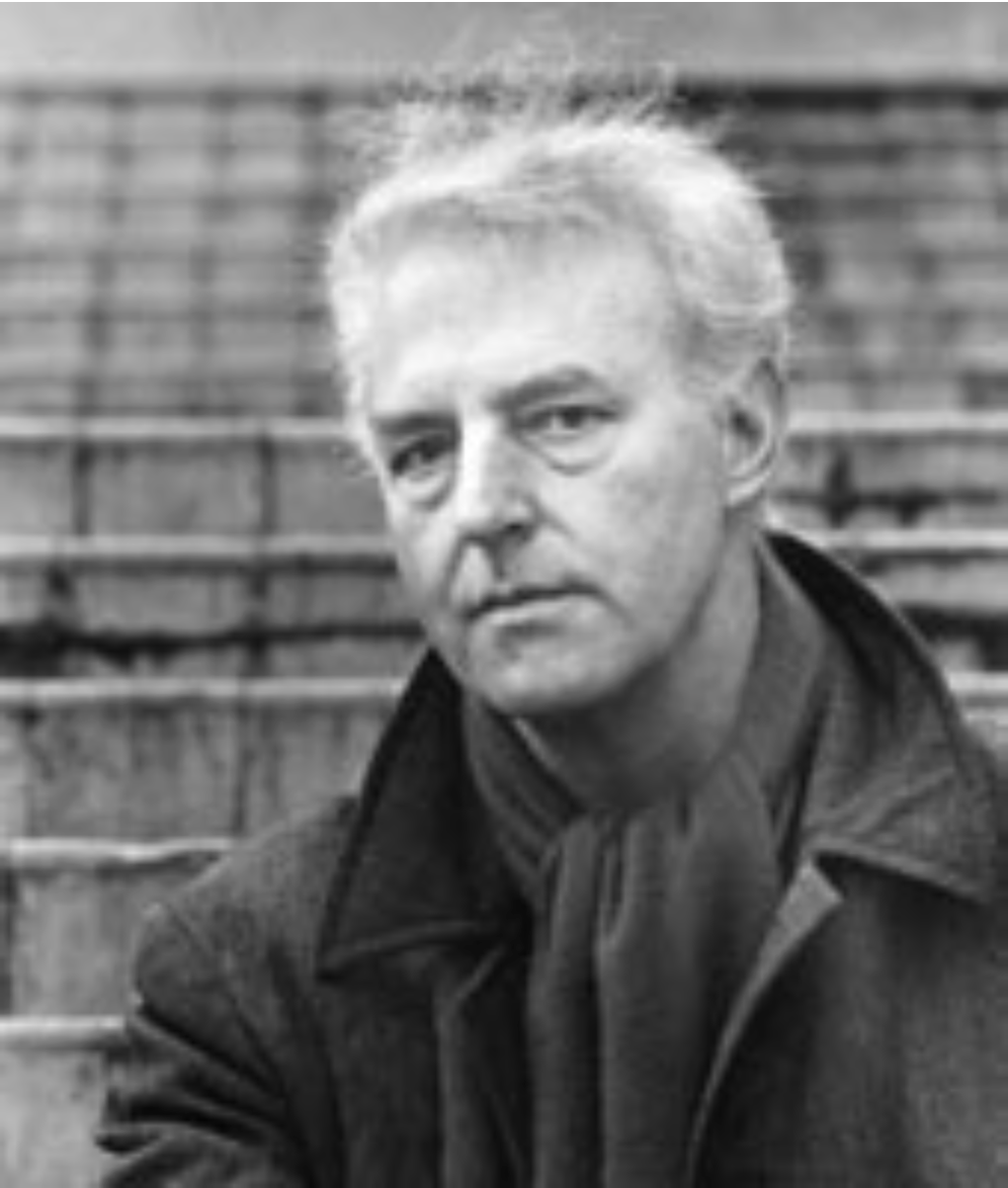
I had always assumed that “The Lord Of The Dance” was a traditional folk song, but a fellow blogger recently told me that the words were written by an English songwriter, Sydney Carter.

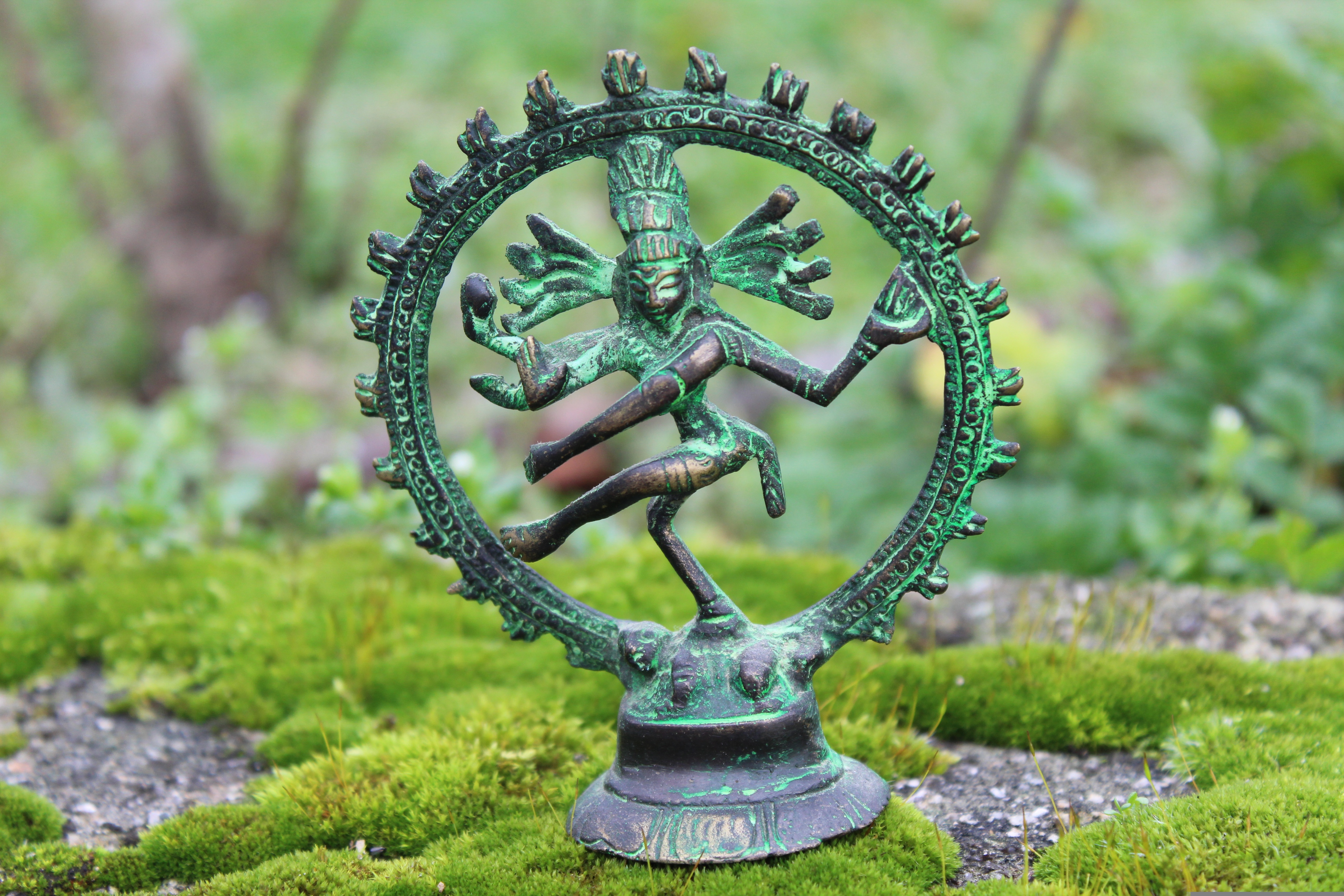
According to Wikipedia, Mr. Carter was inspired partly by Jesus, but also partly by a statue of the Hindu God Shiva as Nataraja which sat on his desk.

Pruning… (Image by Ray_Shrewsberry from Pixabay)

He later stated, “I did not think the churches would like [“The Lord Of The Dance”] at all. I thought many people would find it pretty far flown, probably heretical and anyway dubiously Christian. But in fact people did sing it and, unknown to me, it touched a chord … Anyway, it’s the sort of Christianity I believe in.”

Many years ago I recorded a version of “The Lord Of The Dance + Simple Gifts” with help from Jere Faison (producer), Patty Barkas (back up vocals), Jonathan Keezing (guitar), and Robert M. (bass).

With Easter on the horizon, I thought this might be an appropriate time to share it.

Just click the player at the beginning of this post.

May we all be able to rise up again after we have been knocked down by one of life’s many challenges.

Another deep breath in.

Sydney Carter

And deep breath out.

I will close with more thoughts from Sydney Carter (and you can click here to read a simple obituary if you are curious to learn more about his life…)

“I see Christ as the incarnation of the piper who is calling us. He dances that shape and pattern which is at the heart of our reality. By Christ I mean not only Jesus; in other times and places, other planets, there may be other Lords of the Dance. But Jesus is the one I know of first and best. I sing of the dancing pattern in the life and words of Jesus.

Whether Jesus ever leaped in Galilee to the rhythm of a pipe or drum I do not know. We are told that David danced (and as an act of worship too), so it is not impossible. The fact that many Christians have regarded dancing as a bit ungodly (in a church, at any rate) does not mean that Jesus did.

The Shakers didn’t. This sect flourished in the United States in the nineteenth century, but the first Shakers came from Manchester in England, where they were sometimes called the “Shaking Quakers.”

They hived off to America in 1774, under the leadership of Mother Anne and established celibate communities – men at one end, women at the other; though they met for work and worship.

Image by Fernando Albert from Pixabay

Dancing, for them, was a spiritual activity. They also made furniture of a functional, lyrical simplicity. Even the cloaks and bonnets that the women wore were distinctly stylish, in a sober and forbidding way.

Their hymns were odd, but sometimes of great beauty: from one of these (Simple Gifts) I adapted this melody. Sometimes, for a change I sing the whole song in the present tense. ‘I dance in the morning when the world is begun…’. It’s worth a try.”

One more deep breath in.

And deep breath out.

What’s It All About?

Last night I attended a party at a home in Medford, MA (a neighboring town just outside Boston).

The host had invited a couple of pianists and a bunch of friends who like to sing to celebrate his birthday.

Image by Jackie Matthews from Pixabay

After some delicious food and inspiring conversation — including how the Boston Beer company decided to withdraw its support of the St. Patrick’s Day parade in South Boston — we all moved from the kitchen into the living room.

And then we made music together for three hours.

Sometimes it was one singer accompanied by a pianist.

Sometimes it was the whole room singing together.

Image by yinet gomez from Pixabay

Sometimes one of the pianists sang.

At one point each of the pianists even accompanied the other — who was uncharacteristically standing to sing.

The daily news from our mainstream media brings so many unhappy stories into our homes and into our hearts — planes which mysteriously crash; snipers who fire on civilians; species being wiped out by poachers; wars being waged over natural resources and political power and religious beliefs…

I often wonder what we human beings are doing here on planet earth — and how music fits into the larger equations and patterns unfolding on a daily basis.

Image by Susanne Stöckli from Pixabay

Are we here, as some teachers suggest, so that our souls can experience fear and love?

If that is the case, we are certainly doing a great job with the fear component of this cosmic experiment!

Maybe music is one of the tools we can use to respond to fear.

I know from my own experience that listening to music — and making it with others — can lift my spirits.

And can reconnect me with my deeper feelings.

Image by Gerry from Pixabay

And can bring my energy — for lack of a better word — into harmony with others.

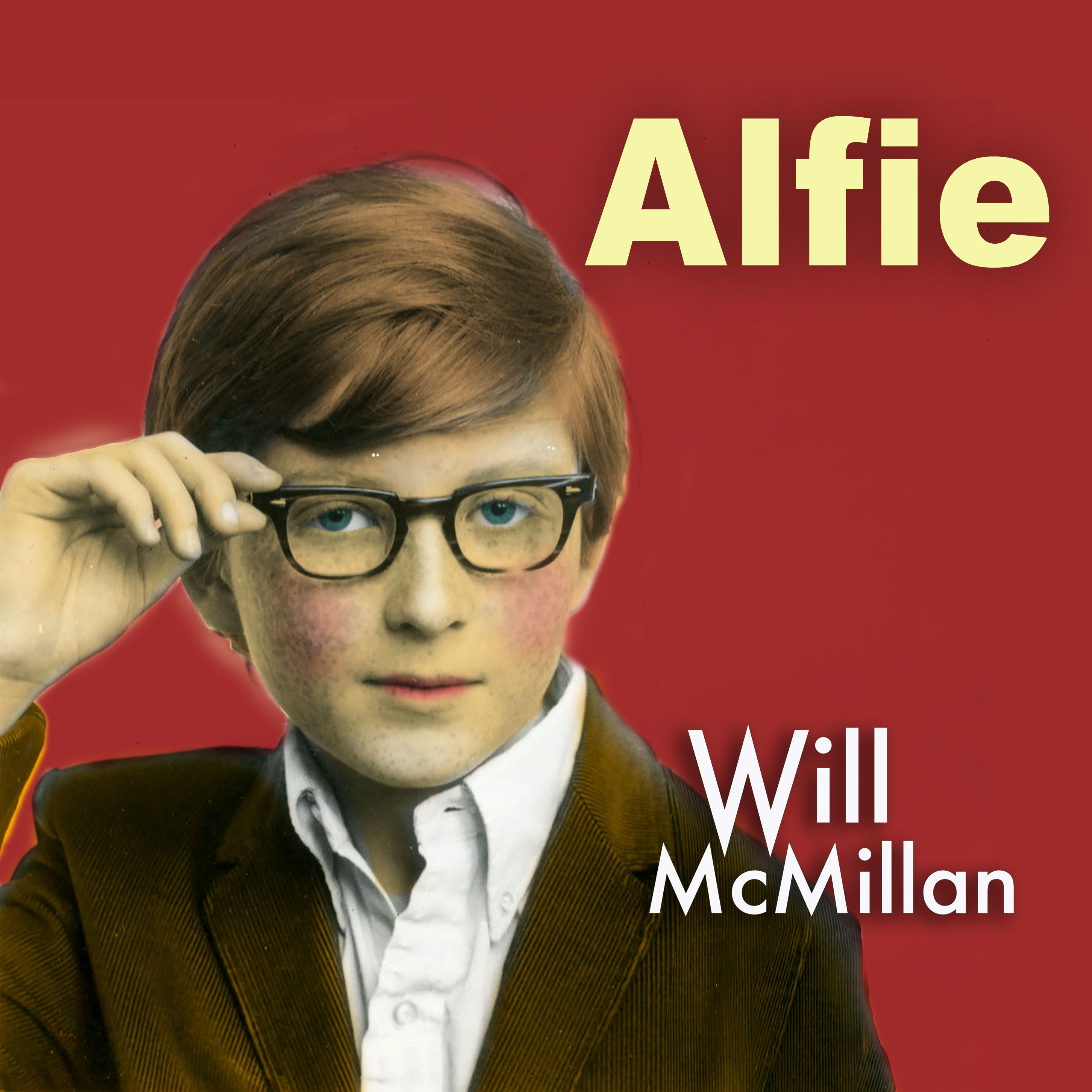
Last night someone at the party sang the great Bacharach/David song “Alfie.”

It reminded me of a recording (embedded at the top of this blog post) which Doug and I made a few years ago at his studio in Lynn.

I am reassured that other human beings, such as Burt Bacharach and Hal David, have pondered similar questions, too.

And I am very, very grateful that my life is now focused on making and sharing music with others.

Thank you for reading — and perhaps listening to — this blog post!

ps: When I wrote this blog post over ten years ago, it included no photos. So in April 2024 I added some from a wonderful photographic resource called Pixabay. THANK YOU to all of the generous photographers and graphic artists at Pixabay!

pps: And when I first recorded this version of “Alfie” with the wonderful pianist Doug Hammer, I knew nothing about digital distribution of music. Now it is available on a bunch of streaming services — and you can click here to stream it.

And So It Goes

Another Valentine’s Day is here.

Lots of snow.

I bought a box of cards at CVS yesterday so that I can hand out child-sized Valentines to the little ones in my Music Together class.

There were cards which featured wrestling action stars and others with garish visual special effects.

There were cards publicizing children’s movies and TV shows.

I showed my final choice — puppies and kittens with accompanying tattoos — to a mom in the card aisle.

She assured me that most parents are OK with temporary tattoos.

We shall see…

I have long admired the song I included at the beginning of this post.

“And So It Goes” is one of Billy Joel’s most beautiful, wise ballads.

I recorded it with Bobbi Carrey — who provided harmony near the end — and Doug Hammer — who played piano and engineered simultaneously — at Doug’s great studio outside Boston.

It is one of the tracks on our CD, If I Loved You.

There are more tracks from that CD in the music player on the right hand column of this blog, including “I’ll Be Here With You,” “What Is This Thing Called Love?” “Dog At The Pound,” and the title track, “If I Loved You.”

I realize — not surprisingly —that almost every song in the right hand column of this blog is about love.

Music has an uncanny power to re-connect us with our hearts.

May you have much music in your life on this — and every — day.