The Ebb and Flow

Image by günter from Pixabay

Autumn is arriving here in Boston, MA.

Summer is ebbing, and cooler air is flowing into our neighborhood.

In the morning I sit on our back porch, wearing a hoodie until the sun warms everything up.

I listen for sounds from the natural world — today, a blue jay — competing with the sound of cars and buses and trucks and motorcycles nearby.

And I happily remember my time last month camping in North Truro on the Cape and next to Cayuga Lake in upstate New York.

I find camping to be a terrific reminder of many important things.

For example, how little water one needs to wash dishes.

Image by 国明 李 from Pixabay

Or wash one’s hands.

Or take a shower.

The campground has communal cabins with sinks and toilets and showers, but the sinks have taps which automatically shut off after about three seconds — a simple and very effective reminder to use water more mindfully — and the showers are activated by quarters (25 cents for three minutes of hot water).

And in upstate New York I simply jumped — except for the times when my feisty nephew Ryder pushed me — into the lake each morning and then scrubbed with Dr. Bronner’s soap and a washcloth.

We had no radio, no TV, and no internet.

Image by Mickey Estes from Pixabay

We awoke early — due to birds singing their morning calls — and went to bed early, too.

Sometimes we all sang together after dinner — songs written by the Beatles being the most popular…

I wrote new songs for most of each day — happily holed up on the boathouse or in a tent with my ukulele and laptop computer and rhyming dictionary — and then joined other family members for a swim in the late afternoon.

One of the most powerful part of camping for me is being reminded of the ebb and flow of life.

We see it at the beach.

The waves flow in and out at the water’s edge.

Image by marco bubbio from Pixabay

The tide rises and falls, sweeping the ocean shore clean of footprints twice a day — while revealing (and later concealing) sand bars, rocks, shells, crabs, sea weed, drift wood, and tiny jumping sand fleas.

Back at our campground, we see neighboring tent sites fill with new arrivals and then empty out at the end of each week.

What was once a colorful array of tents and campers and cars and coolers and towels and bikes returns to being a community of pine trees, squirrels, golden finches, blueberry bushes and open air.

I find it a very poignant reminder of mortality — my own as well as the mortality of all the people and places and animals and plants I love here on planet earth.

Image by Peggychoucair from Pixabay

This feeling of mortality seeped into a song I wrote, “Under My Umbrella,” which is embedded at the top of the page.

It seems to fit with the days getting shorter as we approach the autumnal equinox.

Deep breath in.

Deep breathe out.

Thanks for reading…and listening.
The Beauty All Around

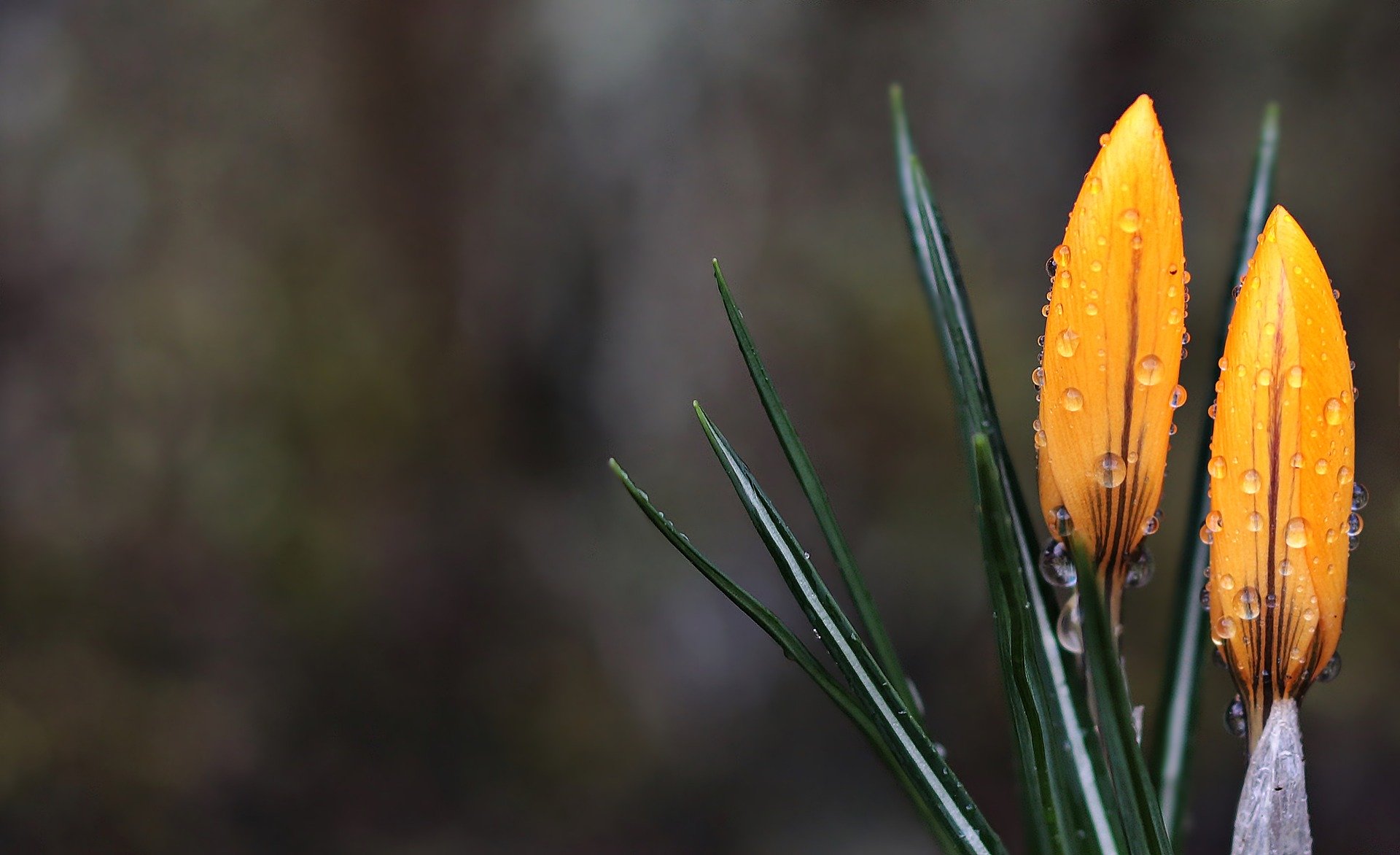
crocus-yellow-closeup

Today I visited one of my favorite urban yards (near the intersection of Dana and Centre streets in Cambridge, MA) as I was biking home from a visit with my beloved acupuncturist.

The people who live there have planted an astonishing number of bulbs under a huge beech tree in front of their home.

Crous-Yellow-Bunch

Right now hundreds of snowdrops and crocii are blooming, as well as one tiny Siberian iris.

And even though the temperature was near 32 degrees Fahrenheit, I saw two little bees diligently visiting each crocus flower to gather tiny bits of pollen.

Amazing!

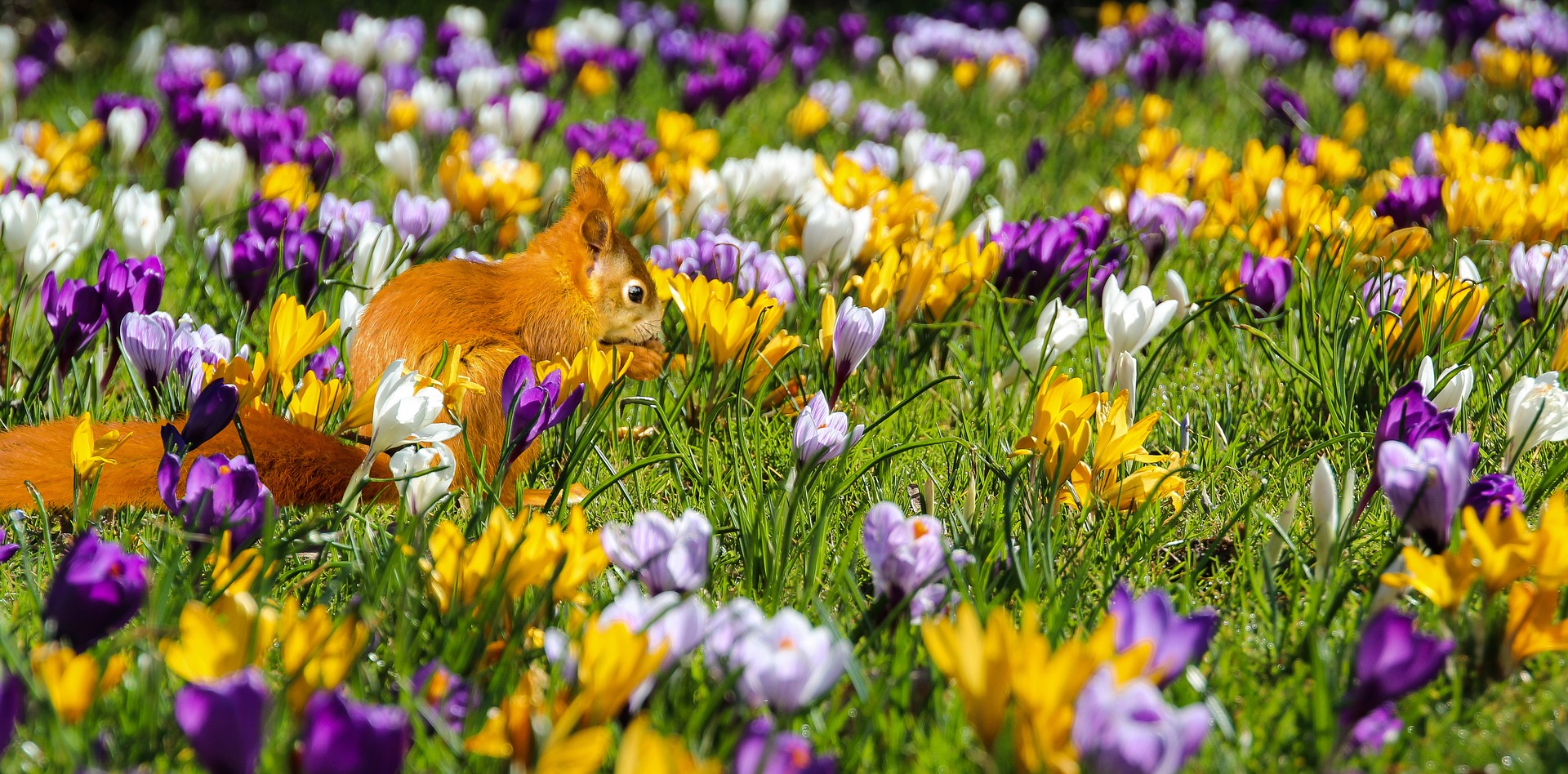
Crocus And Squirrel

The crocii have inspired me to share two different versions of a song I wrote a couple of years ago, “The Beauty All Around.”

Here’s a version I recorded last week with pianist/composer Doug Hammer.


I think this song originally sprang out of an excited realization that some of my favorite pop songs — such as “Viva La Vida” by Coldplay — were based on only four chords.

I am not sure when I came up with this particular four-chord progression — but I remember sitting at a picnic table next to a lake near Worcester, MA, when I started recording it.

It was a warm autumn afternoon, and I was attending one of my favorite congregations of human beings on planet earth, the Massachusetts Men’s Gathering.

Although I was not having the best time at my day job (as the lyrics attest…), I was happy and grateful to be sitting by the water, surrounded by trees and birds and sky and clouds.

Here is my original version, recorded using my trusty Apple laptop running GarageBand plus my small, blue ukulele.


If you are able to take the time to listen to both versions, you will notice how the lyrics have evolved a bit.

ps: If you are ever feeling down in the dumps and have access to the internet, just do a search for “crocus images.” So many colors! So much beauty! What a planet…

Getting In Tune With The Infinite

Image by Joachim Schnürle from Pixabay

I have been been blessed to sing wonderful songs written by other people for many years — as the MP3 player on the right hand sidebar of this page can attest.

And every now and then I have helped to co-write a song.

But it wasn’t until a few years ago, when I bought my first ukulele, that I started writing songs on a regular basis.

The song in the player at the beginning of this blog post is one I recorded using my this ukulele and Apple’s wonderful GarageBand program on my laptop.

I love learning about how other songwriters have created their hits.

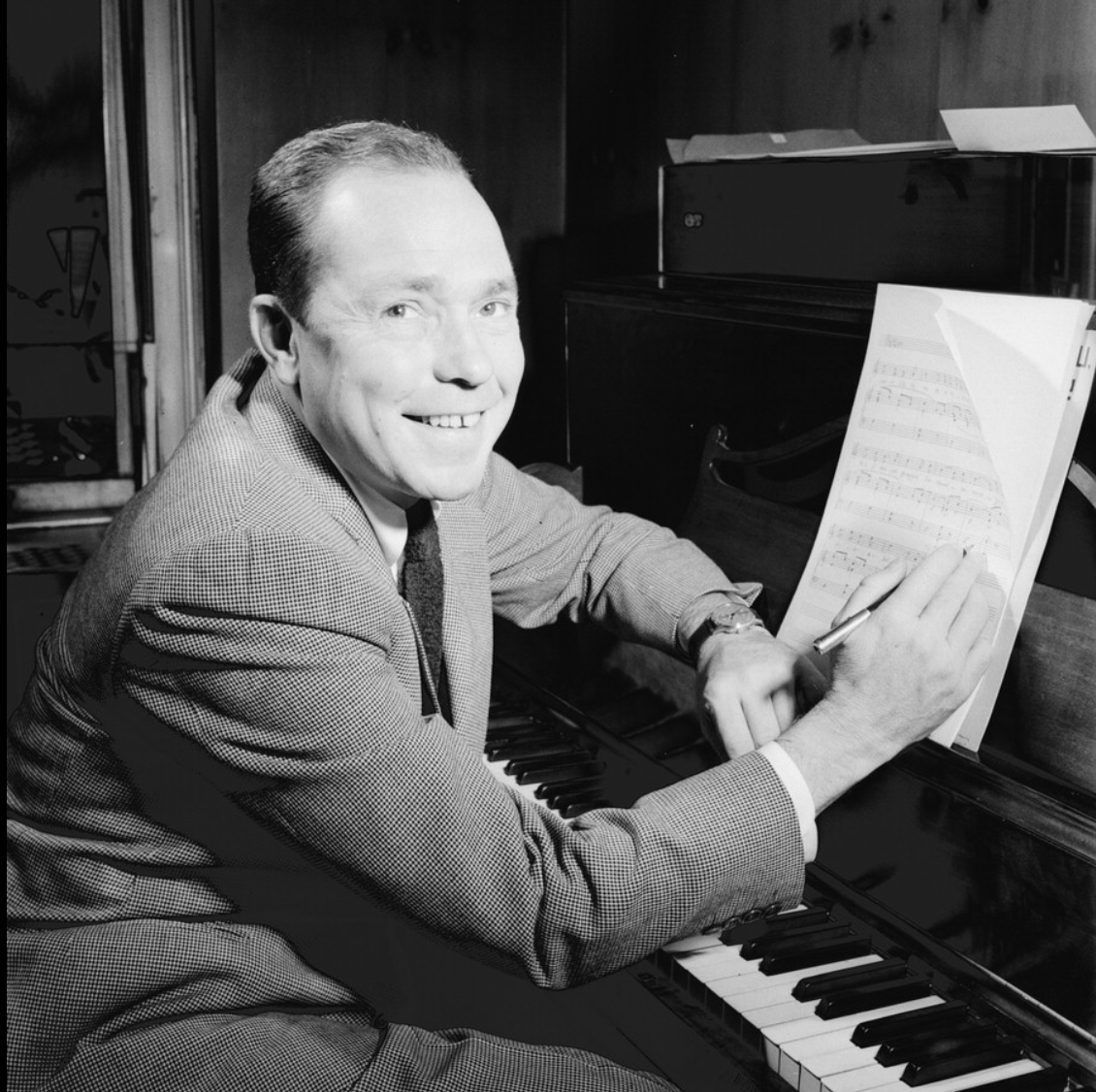
Composer Harry Warren and lyricist Johnny Mercer, for example, co-wrote “Jeepers, Creepers,” “On The Atchison, Topeka and the Santa Fe,” and “You Must Have Been A Beautiful Baby.”

Johnny Mercer in the 1940s

And at some point Warren gave Mercer the nickname ‘Cloud Boy’.

As Warren explained, “A lot of times when I would play a melody for John… particularly if it was after a good lunch… he’d stretch out on a couch and just lie there with his eyes closed and his hands folded across his stomach. He was way up there some place in the clouds. Of course, what came out later was just great.”

When asked by his father about his creative process, Mercer once said, “I simply get to thinking over the song — pondering over it in my mind — and all of a sudden I get in tune with the Infinite.”

Many songwriters have expressed a similar sentiment — that they feel as though they are acting as a conduit or channel for something greater than themselves.

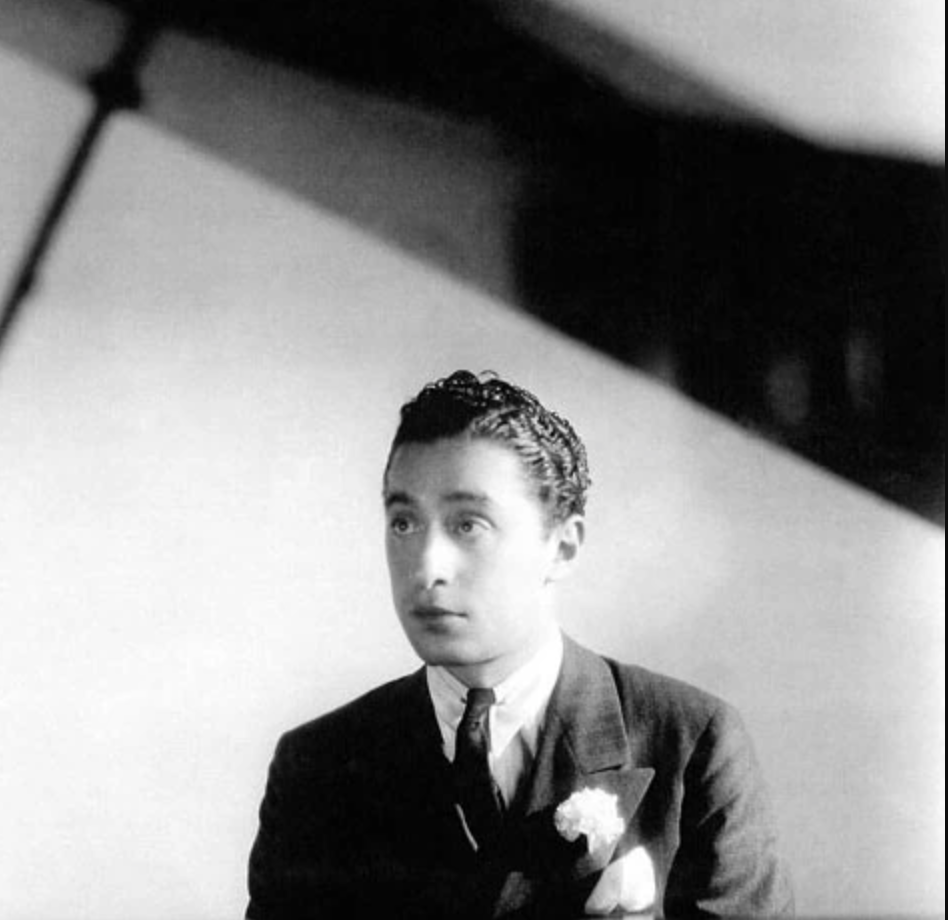
Harold Arlen

The lyricist Ira Gershwin said that the composer Harold Arlen would never “approach the simplest musical requirement or idea without first calling upon ‘the fellow up there’ — jabbing his finger at the ceiling.”

I cannot say that I have experienced this phenomenon yet.

I have, however, noticed that lyrical themes sometimes emerge which surprise me and lead a song in a different direction than I had originally intended.

And I have had the inspiring experience of writing a song which gradually became true.

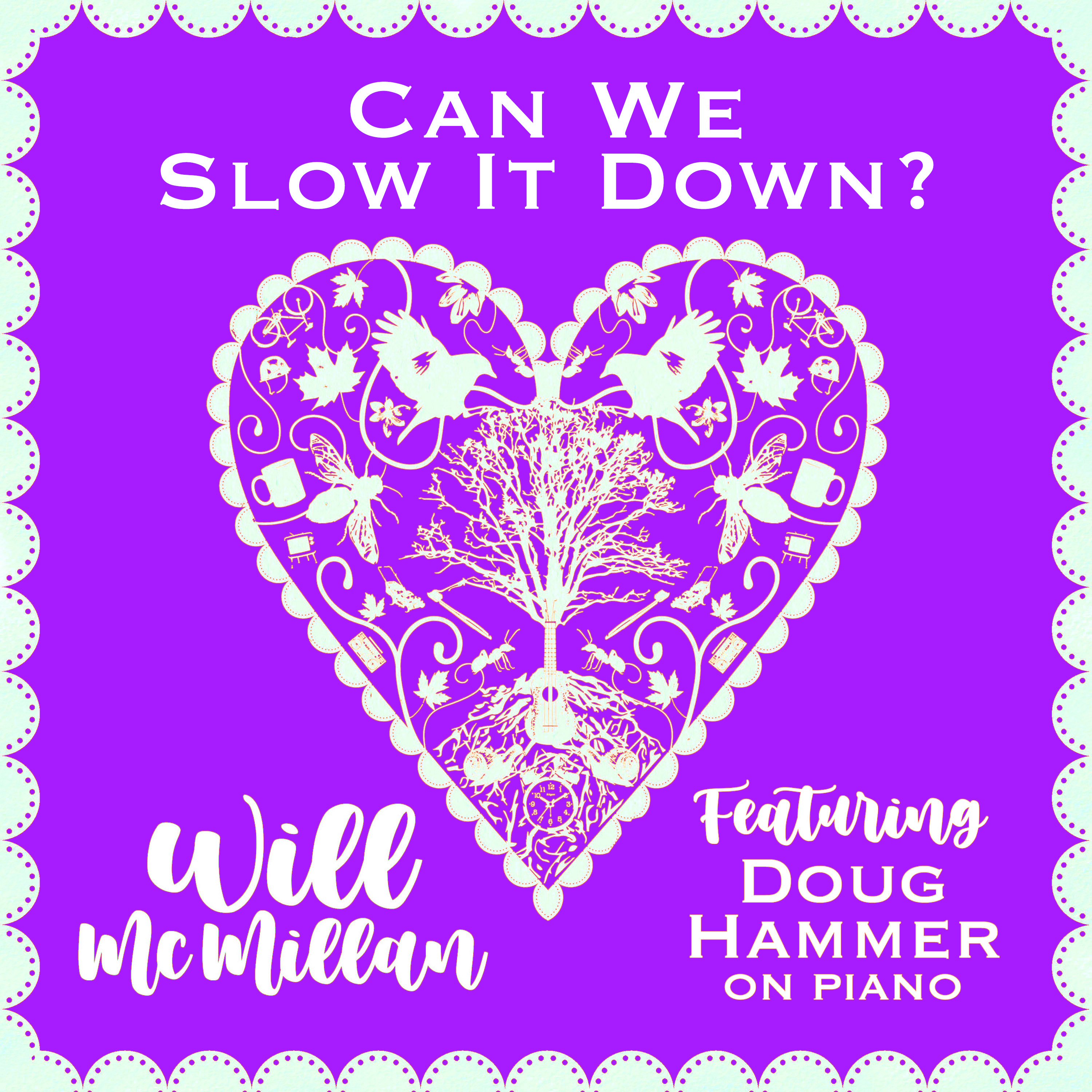
It is called “Can We Slow It Down?” — and I wrote it a couple of years ago when I was working full time at my day job in Harvard Square.

I realized recently when I was practicing it at home that my life has in fact slowed down since I began singing this song.

If you are curious, you can listen to two different versions of “Can We Slow It Down?” — the ukulele + GarageBand version at the top of this page and the piano/vocal version I released with pianist Doug Hammer by clicking here.

I will be singing it plus two other originals as part of a mini-set at a lovely open mic in Lexington — hosted by Nourish Restaurant on Massachusetts Avenue — on Tuesday, November 5, 2013, starting around 7:30 pm.

Perhaps you can join us.

The Magic of the Humble ‘Ukulele

I started playing the ukulele three years ago after attending a class in Harvard Square led by the marvelous Danno Sullivan.

Ukulele enthusiast, teacher and humorist Danno Sullivan
Danno Sullivan

Not only is Danno an inspiring teacher, he also has a terrific sense of humor — sprinkling his classes with droll asides and insights.

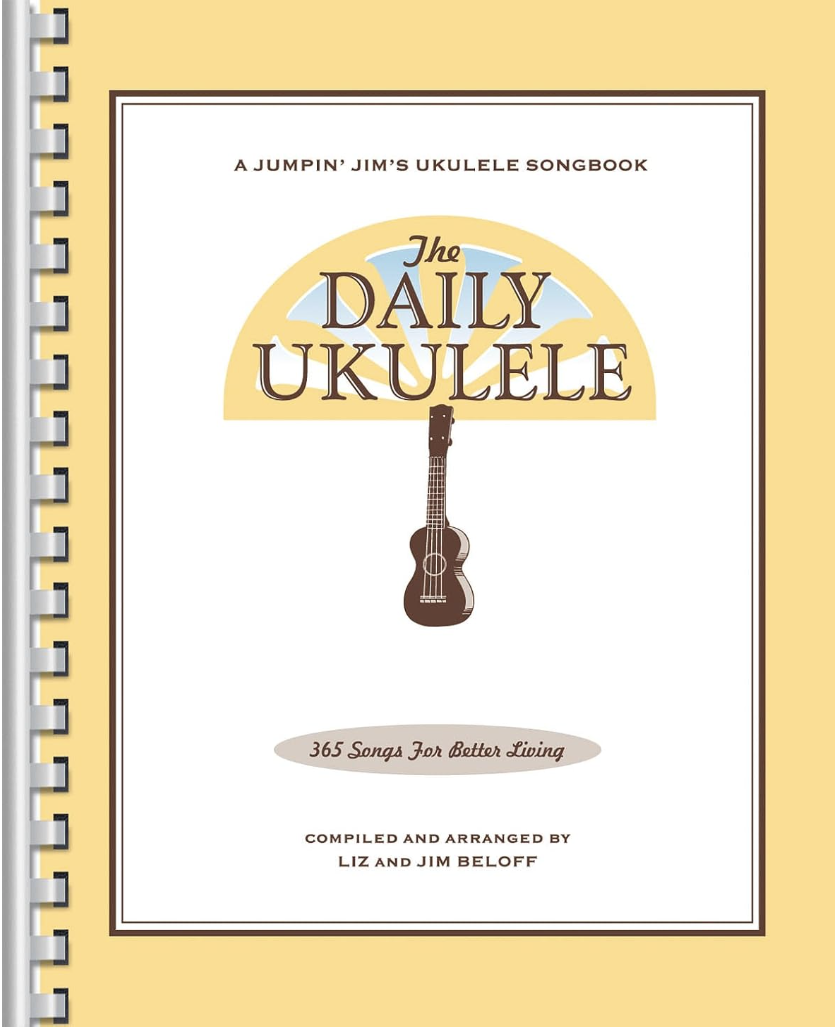
Since then I have been strumming on a regular basis — thanks to Danno’s handouts, the wonderful Daily Ukulele songbook, and the amazing group mind of the internet (where one can find chords and lyrics for almost every song under the sun).

Soon after discovering the chords for Coldplay’s song “Viva La Vida” on line, I realized that many of my favorite pop songs have a surprisingly simple structure — four chords.

And some do fine with just three chords — as in the case of Bobby McFerrin’s “Don’t Worry, Be Happy.”

And thus my life as a budding songwriter took root…

Deep breath in.

Deep breath out.

Cover image of THE DAILY UKULELE songbook

I had written lyrics in the past with a friend, pianist/composer Steve Sweeting (and you can listen to one of the songs we created together called “Stuff” by clicking here if you are curious).

I had also collaborated on a couple of songs with a guitarist friend (again as a lyricist).

And I had co-written a couple of songs with bandmates in a pop/rock band.

But until I picked up a ukulele, my songwriting efforts had been restricted to what I could cobble together using Apple’s blessed GarageBand program — songs consisting of my vocals plus various loops and samples from the GarageBand library.

Now, in the past three years, I have written a bunch of ukulele-based songs.

And in the past month I have attended three singer-songwriter open mics — accompanying myself (solidly but not very gracefully) on the ‘uke.

Another deep breath in.

And deep breath out.

Image by Ulrike Draper from Pixabay 

In addition to helping me write songs, the ukulele has also given me a new way to hang out with my mom, with my dad, and with other friends and family members.

All I have to do is pick up a ‘uke, open up a songbook, and start strumming.

Almost invariably the mood in the room shifts to something lighter and (literally) more harmonious as everyone starts to hum and sing along.

I find this to be somewhat magical and amazing.

And it inspired me to write the song featured at the beginning of this blog post — a version which I recorded with Doug Hammer playing a shaker egg and his Schimmel grand piano — as well as a GarageBand version I recorded by myself using my Apple laptop (which I have included below.

I highly recommend that anyone reading this blog post consider buying a decent (but inexpensive) ukulele.

Then you can check out all sorts of fun, free, instructional videos on YouTube AND start attending a wonderful, welcoming ukulele Meetup gathering near you.

They happen all across the USA — and in many other countries around the world.

And the sound of many ukuleles being strummed together is quite heavenly.

Will McMillan wearing a tuxedo and strumming a blue ukulele
Me and my first ukulele (Photo by Stephen C. Fischer)

I think the largest group of strummers I’ve been part of was at The Cambridge Center For Adult Education in one of their front courtyards.

I helped organize it, and we had at least 40 people strumming and singing together with delightful leadership by the aforementioned Danno Sullivan!

ps: Since I first published this blog post, I’ve released a lot of music on various streaming platforms and have also created a new website which you are welcome to visit by clicking here.

Here are some links to songs I have written using my various ukuleles (I now own four of them) and then recorded with Doug Hammer playing piano — “Ode To Water,” “Can We Slow It Down?” “Heaven Here On Planet Earth,” “Boil A Frog Slowly,” “The World Within,” Asleep At The Karmic Wheel,” Waltzing With COVID-19,” and “Democracy Is Under Attack!” 

Thank you for reading and listening to this blog post!

Image by Pexels from Pixabay

Thank you, too, to Danno Sullivan for his excellent instruction and ongoing inspiration.

Thank you as well to the Cambridge Center for Adult Education for offering ukulele classes with Danno (and to Michael Cicone — then head of educational programming at CCAE — for hiring Danno in the first place).

Thank you to Stephen C. Fischer for his fun — and very patient — photography sessions.

Thank you to Liz and Jim Beloff for their wonderful Daily Ukulele songbooks.

Thank you to Steve Sweeting for helping me get started as a songwriter.

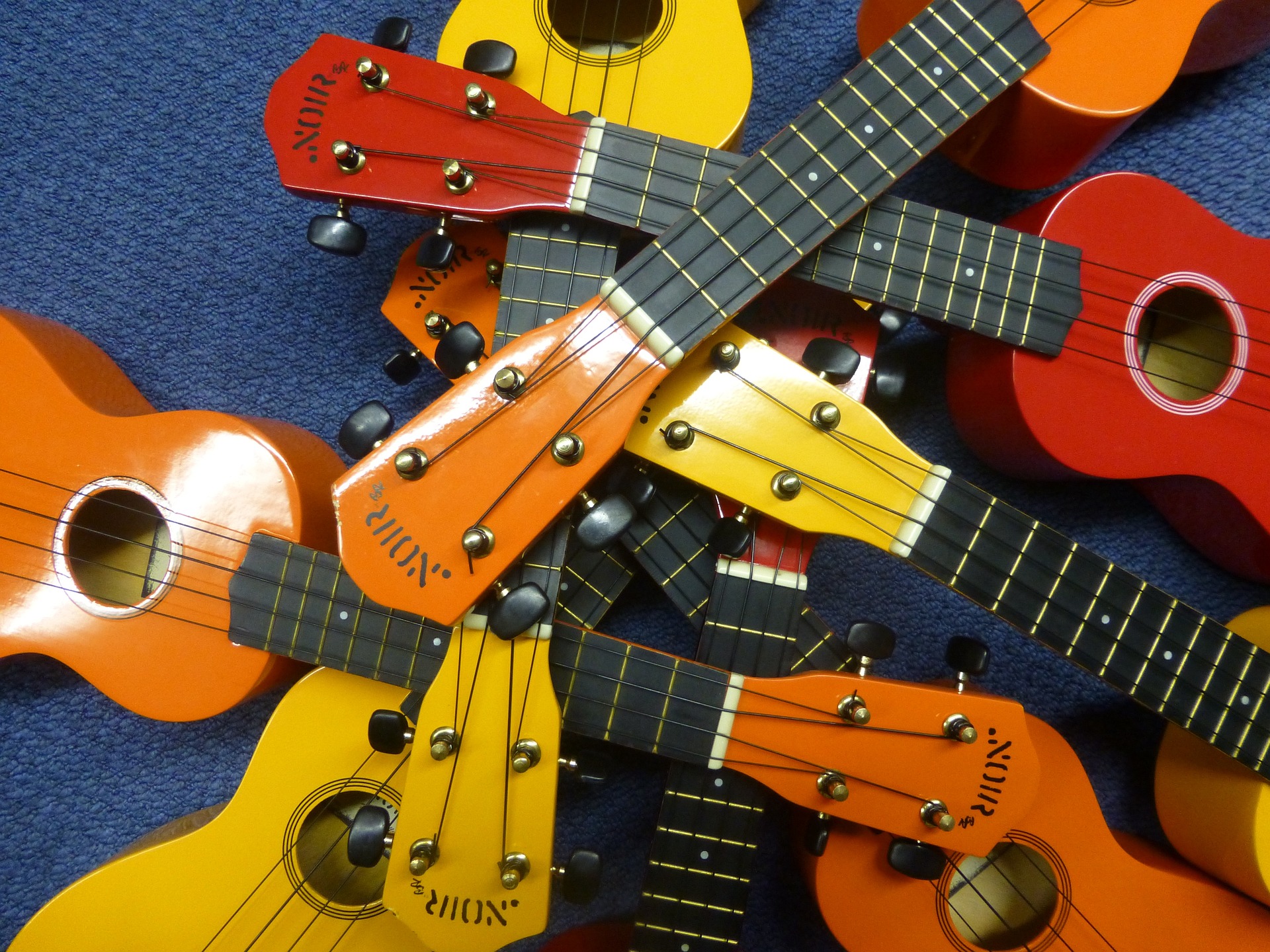
Thank you to the generous photographers at Pixabay for their colorful ukulele photos.

And one final thank you to a few of the goddesses of music — Euterpe, Hathor, and Saraswati.

I welcome any comments — ukulele-related or otherwise — that this blog post may inspire!