Everybody Says Don’t…

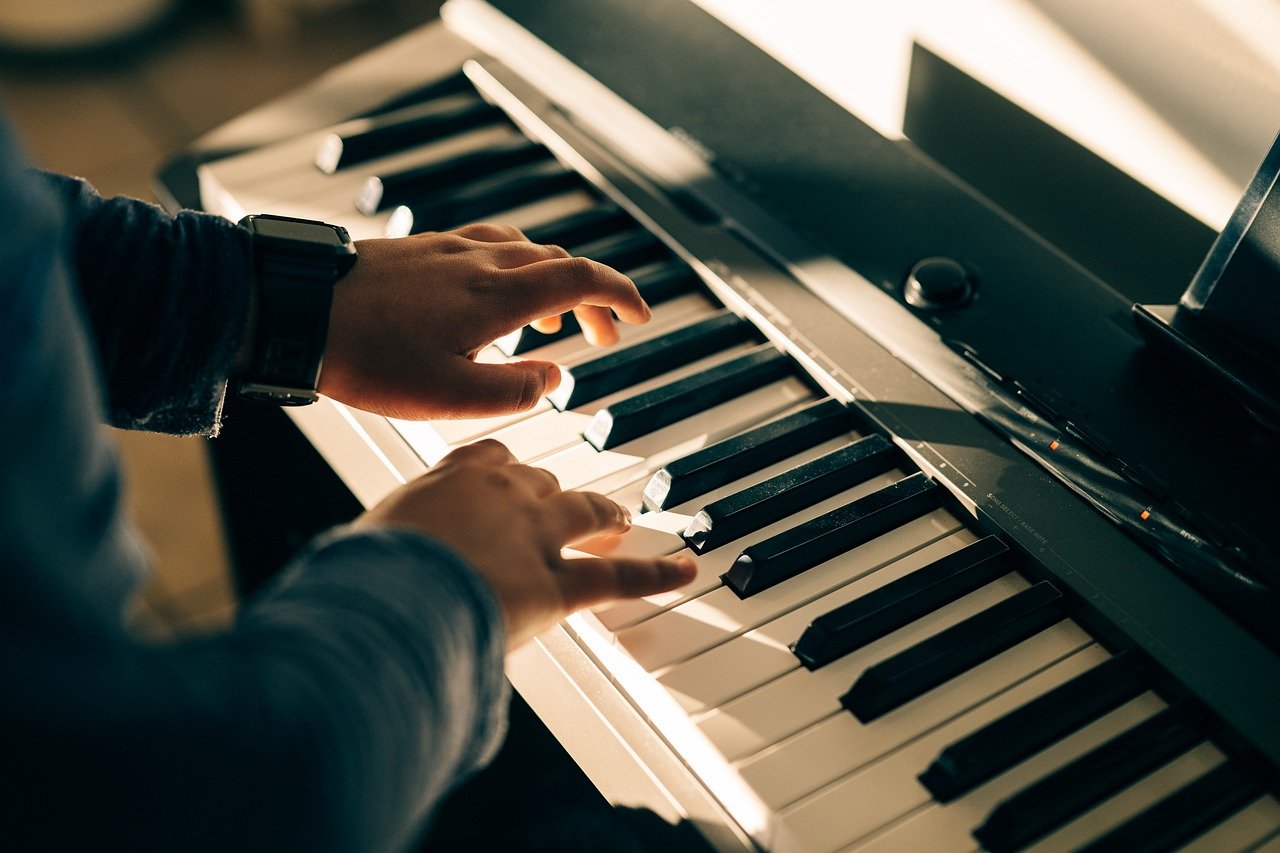
Image by laurenta_photography from Pixabay

One of my favorite Stephen Sondheim songs — “Everybody Says Don’t” (on the player embedded above) — is from his first official flop, Anyone Can Whistle, which starred Angela Lansbury, Harry Guardino, and Lee Remick on Broadway in 1964 and ran for nine performances.

Among other topics, the plot explored the classic question of who is saner — the folks in a mental hospital or those who are not.

“Everybody Says Don’t” invites us to consider how we make choices.

Many of us make choices based on what other people say or think.

Sometimes this demonstrates a healthy respect for our shared values as human beings — and helps to keep our societies more, rather than less, civil.

Sometimes it’s a way to avoid saying or doing something important — something which might be utterly, uniquely, and profoundly why we are alive here and now on planet earth.

I might have stayed in my non-musical day job as a PR/development/events professional for another 16 years if I hadn’t been laid off.

The job offered me teamwork, camaraderie, shared purpose, a paycheck, respect from my peers, and daily surprises/challenges.
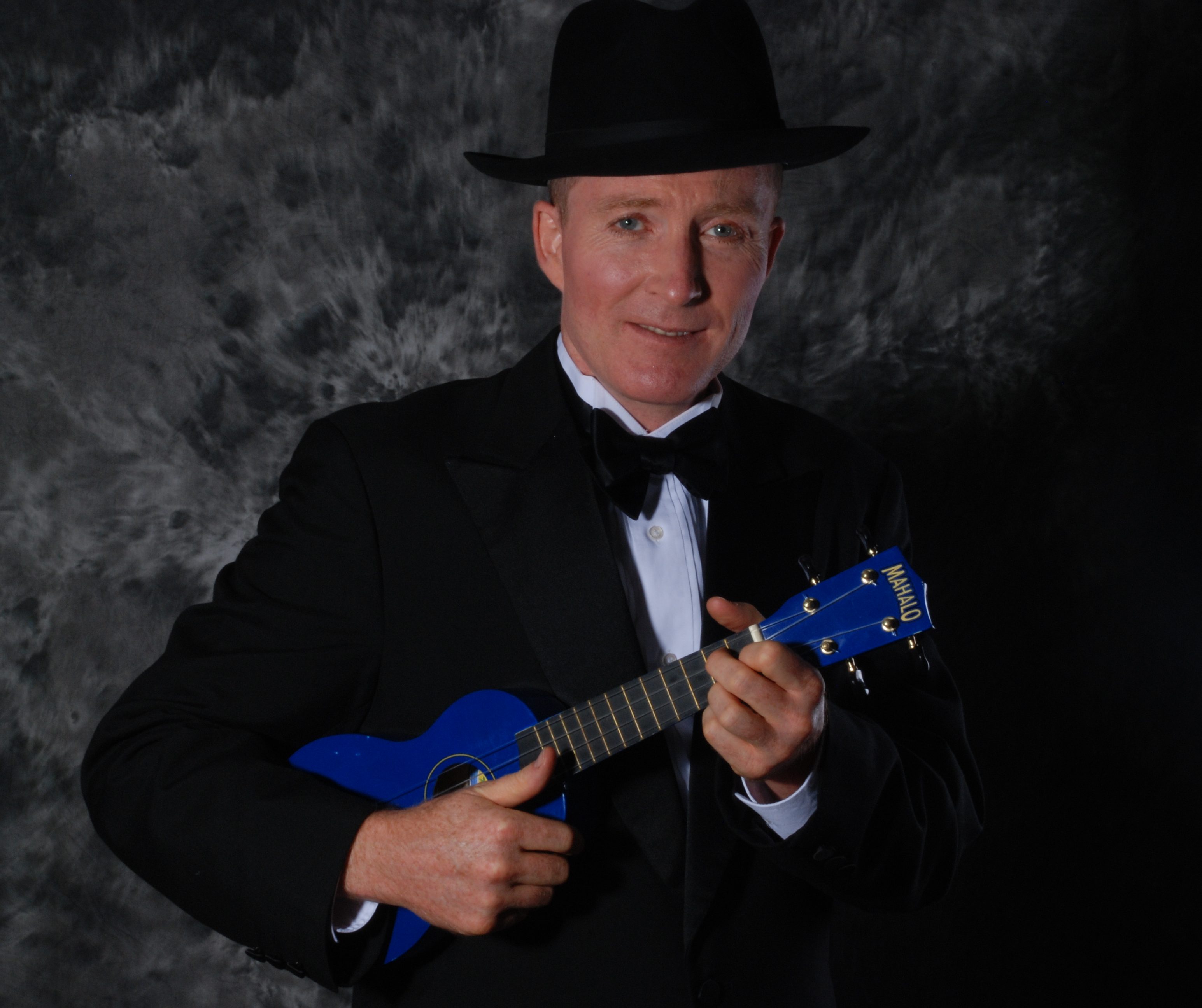
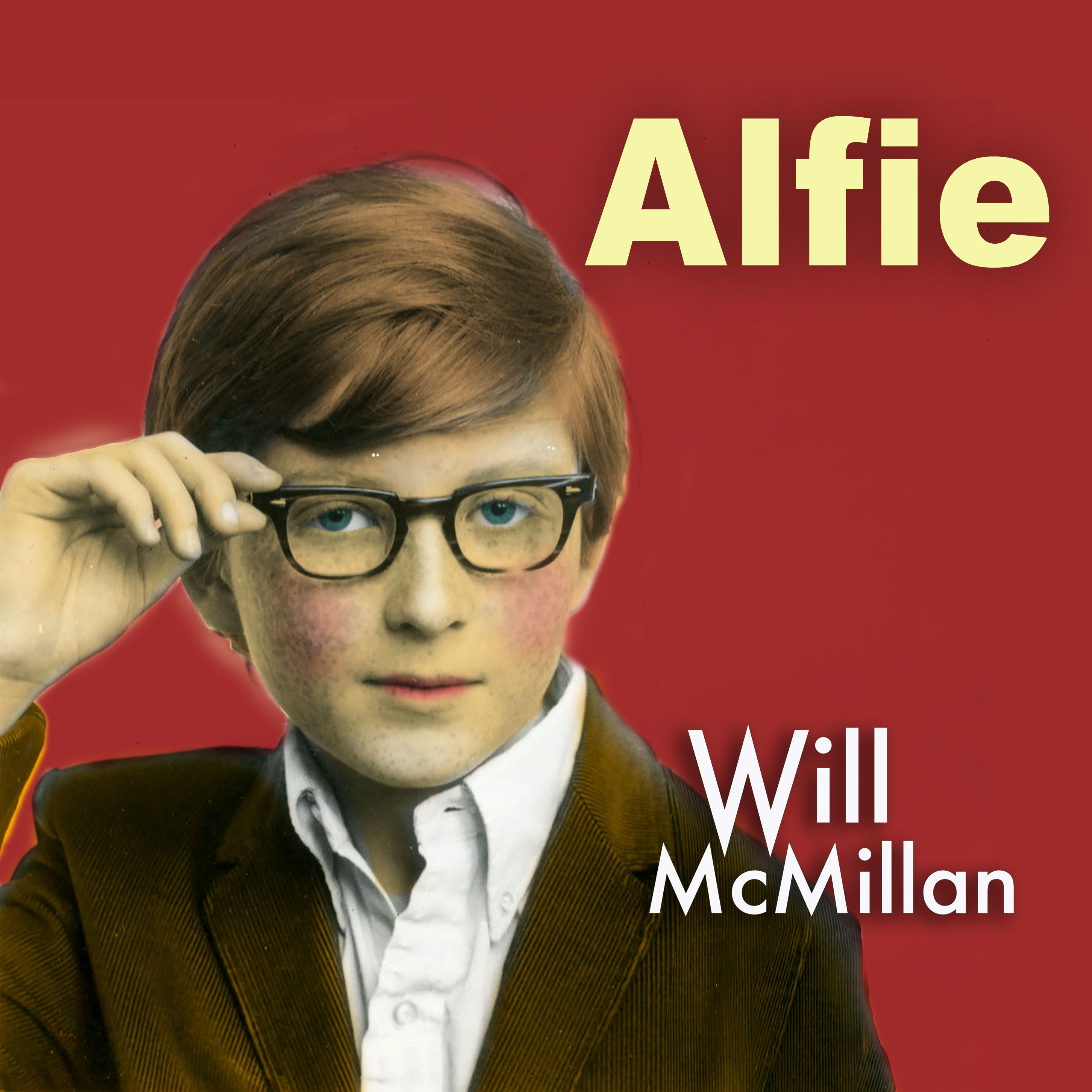
Will McMillan by Stephen C. Fischer

But it was not tapping very deeply into my musical soul.

Now I am devoted to making music for a living — as a performer, a songwriter, and a Music Together teacher.

The sentiment of “Everybody Says Don’t” reminds me of one of the guiding principles of Music Together — that anything a child chooses to do during class is fine and needs to be respected as part of their learning process/style.

A child’s caregiver may want them to sit still and “play” a drum — or a shaker egg, or a triangle, or a set of wooden sticks — in a particular manner.

But their way of soaking up the music in class may involve moving their bodies around the room, sitting in a corner (seemingly disconnected from everything happening in class), or bouncing up and down in someone’s lap.

As long as the child is not endangering themselves or hurting someone else in class, s/he is free to respond to the music in her/his own fashion — which may change from song to song and class to class.

I sometimes imagine the adult caregivers (moms, dads, nannies, grand mothers, grand fathers, au pairs, uncles, aunts and more) as younger versions of themselves — who may have been told somewhere along the line: “don’t sing so loudly,” or “don’t sing out of tune,” or worst of all, “don’t sing — just move your lips.”

Image by Joe McDonagh from Pixabay

One never knows what musical wounds people may be bringing into our classrooms…

As one teacher remarked at the end of a three day Music Together seminar, “90% of our job is showing up with a compassionate heart.”

I guess that could be true about a lot of our interactions here on planet earth…

Deep breath in.

Deep breath out.

Thank you for reading and listening to this blog post.

I welcome any comments you might be inspired to share below.
What’s It All About?

Last night I attended a party at a home in Medford, MA (a neighboring town just outside Boston).

The host had invited a couple of pianists and a bunch of friends who like to sing to celebrate his birthday.

Image by Jackie Matthews from Pixabay

After some delicious food and inspiring conversation — including how the Boston Beer company decided to withdraw its support of the St. Patrick’s Day parade in South Boston — we all moved from the kitchen into the living room.

And then we made music together for three hours.

Sometimes it was one singer accompanied by a pianist.

Sometimes it was the whole room singing together.

Image by yinet gomez from Pixabay

Sometimes one of the pianists sang.

At one point each of the pianists even accompanied the other — who was uncharacteristically standing to sing.

The daily news from our mainstream media brings so many unhappy stories into our homes and into our hearts — planes which mysteriously crash; snipers who fire on civilians; species being wiped out by poachers; wars being waged over natural resources and political power and religious beliefs…

I often wonder what we human beings are doing here on planet earth — and how music fits into the larger equations and patterns unfolding on a daily basis.

Image by Susanne Stöckli from Pixabay

Are we here, as some teachers suggest, so that our souls can experience fear and love?

If that is the case, we are certainly doing a great job with the fear component of this cosmic experiment!

Maybe music is one of the tools we can use to respond to fear.

I know from my own experience that listening to music — and making it with others — can lift my spirits.

And can reconnect me with my deeper feelings.

Image by Gerry from Pixabay

And can bring my energy — for lack of a better word — into harmony with others.

Last night someone at the party sang the great Bacharach/David song “Alfie.”

It reminded me of a recording (embedded at the top of this blog post) which Doug and I made a few years ago at his studio in Lynn.

I am reassured that other human beings, such as Burt Bacharach and Hal David, have pondered similar questions, too.

And I am very, very grateful that my life is now focused on making and sharing music with others.

Thank you for reading — and perhaps listening to — this blog post!

ps: When I wrote this blog post over ten years ago, it included no photos. So in April 2024 I added some from a wonderful photographic resource called Pixabay. THANK YOU to all of the generous photographers and graphic artists at Pixabay!

pps: And when I first recorded this version of “Alfie” with the wonderful pianist Doug Hammer, I knew nothing about digital distribution of music. Now it is available on a bunch of streaming services — and you can click here to stream it.

And So It Goes

Another Valentine’s Day is here.

Lots of snow.

I bought a box of cards at CVS yesterday so that I can hand out child-sized Valentines to the little ones in my Music Together class.

There were cards which featured wrestling action stars and others with garish visual special effects.

There were cards publicizing children’s movies and TV shows.

I showed my final choice — puppies and kittens with accompanying tattoos — to a mom in the card aisle.

She assured me that most parents are OK with temporary tattoos.

We shall see…

I have long admired the song I included at the beginning of this post.

“And So It Goes” is one of Billy Joel’s most beautiful, wise ballads.

I recorded it with Bobbi Carrey — who provided harmony near the end — and Doug Hammer — who played piano and engineered simultaneously — at Doug’s great studio outside Boston.

It is one of the tracks on our CD, If I Loved You.

There are more tracks from that CD in the music player on the right hand column of this blog, including “I’ll Be Here With You,” “What Is This Thing Called Love?” “Dog At The Pound,” and the title track, “If I Loved You.”

I realize — not surprisingly —that almost every song in the right hand column of this blog is about love.

Music has an uncanny power to re-connect us with our hearts.

May you have much music in your life on this — and every — day.

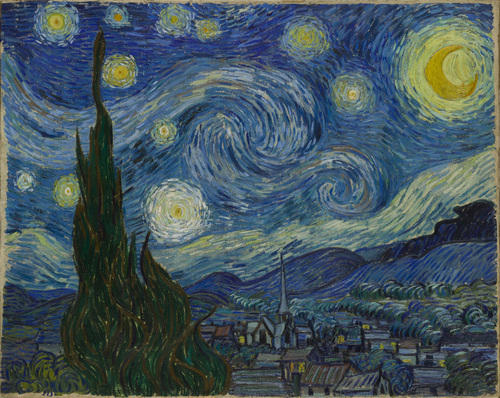
The Starry Night

What is it about Vincent Van Gogh’s painting “The Starry Night” that touches so many of our human hearts?

At the end of December I was wandering through the Museum of Modern Art in New York City when I happened upon his masterpiece.

First I noticed the scrum of people who were jockeying for position in front of it.

Then I noticed the guard who had the extraordinary responsibility of making sure that none of the members of the scrum got close enough to damage the painting.

And then I saw it…The Starry Night.

StarryStarryNight

And tears immediately appeared in my eyes.

Even with a crowd of people taking photos of it, taking photos of themselves in front of it, and tweeting and texting their friends about it, “The Starry Night” was serenely, astoundingly beautiful.

I don’t know if I cried partly because I, too, love to gaze at the night sky — amazed at the beauty of the stars and the vastness of the universe — and Van Gogh captures it so well in this painting?

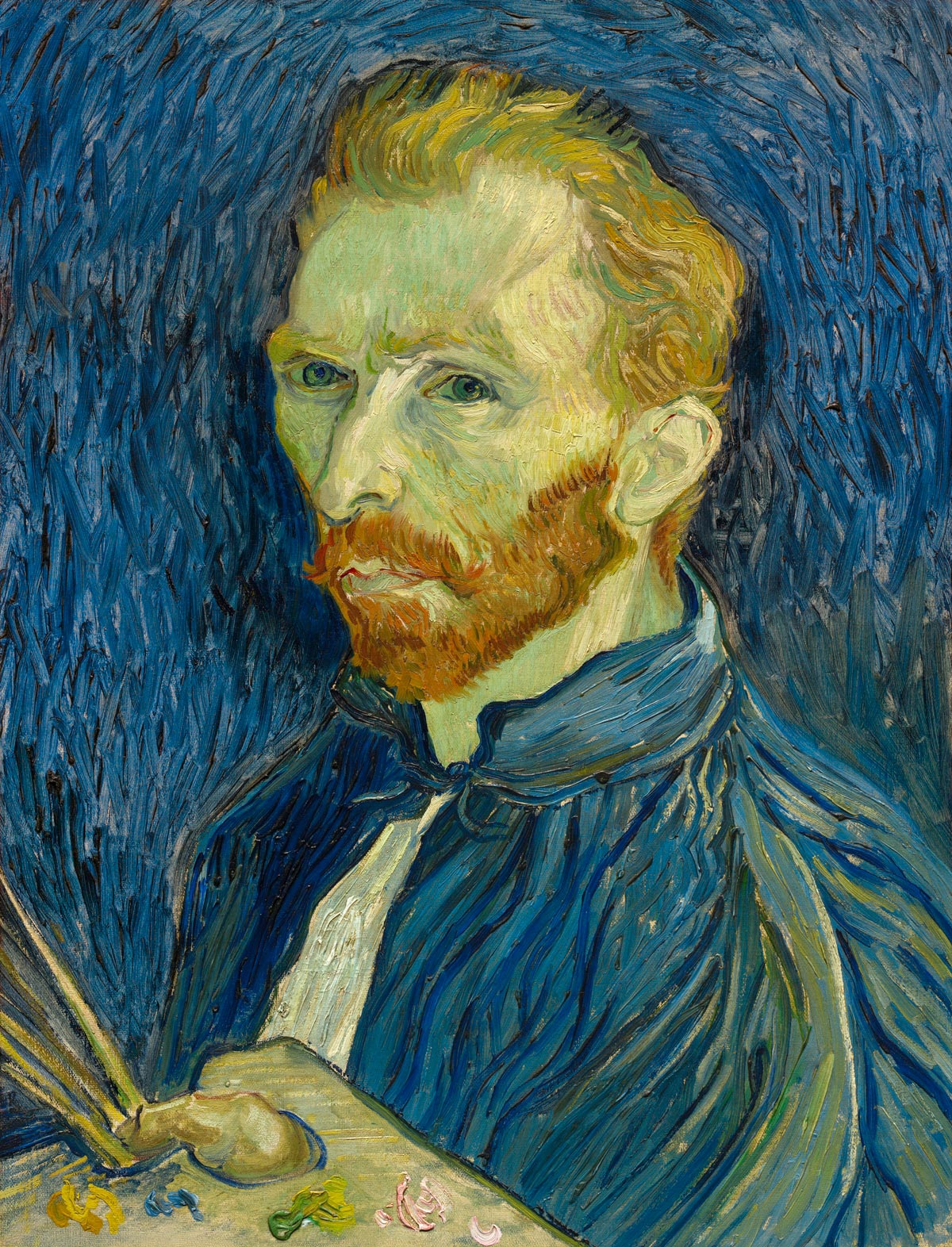
Or if I was reminded of Don McLean’s song “Vincent (Starry, Starry Night),” which speaks so poignantly about how little respect or success Van Gogh earned in his lifetime — as well as his eventual suicide?

The juxtaposition of the clamoring crowd of art-lovers in the 21st century and Van Gogh’s downwardly mobile existence in the 19th century was odd.

Van-Gogh-Self-Portrait

And yet we all still share the same huge questions — about how our finite lives relate to the unimaginably vast realms of space, about what happens to us when our bodies die, about how our wonderful blue-green planet fits into the swirling patterns of the universe, about time…and space…and love…and loss.

Ahh, art.

Ahh, music.

Deep breath in.

Deep breath out.

If you are curious to learn more, here is a link to MOMA’s web page for “The Starry Night.”

Special thanks to pianist Doug Hammer, at whose Dream World studio we recorded the version of “Vincent (Starry, Starry Night)” you can hear by clicking at the top of this blog entry.

We Never Know Who Is Listening…

Image by Felix Neukirch from Pixabay

One of the truly magical aspects of a musical life on planet earth in the 21st century is how widely one can share one’s songs if one has access to the internet.

After Bobbi Carrey, Doug Hammer and I — with lots of help from Mike Callahan, Jonathan Wyner, and guest musicians — recorded our CD “If I Loved You,” we heard from family, friends AND folks whom we had never met.

One listener included our version of the David Friedman ballad “I’ll Be Here With You” (which you can hear by clicking on the right hand sidebar of this page) on a CD she sent to her fiance who was serving in the US military overseas.

Another fan — who had been given our CD by a friend — tracked us down and told us that she listened to our music each morning while she worked out. When her husband died, she asked us to sing at his memorial service.

Image by Ekaterina from Pixabay

And I recently learned — in a reply to my blog post about music and spontaneity — that a CD of my “Will Loves Steve” show (which features songs written by people named Stephen, Steven, Stevie or Steve) had traveled from Massachusetts to Argentina, where it helped lift the spirits of someone who was feeling very low.

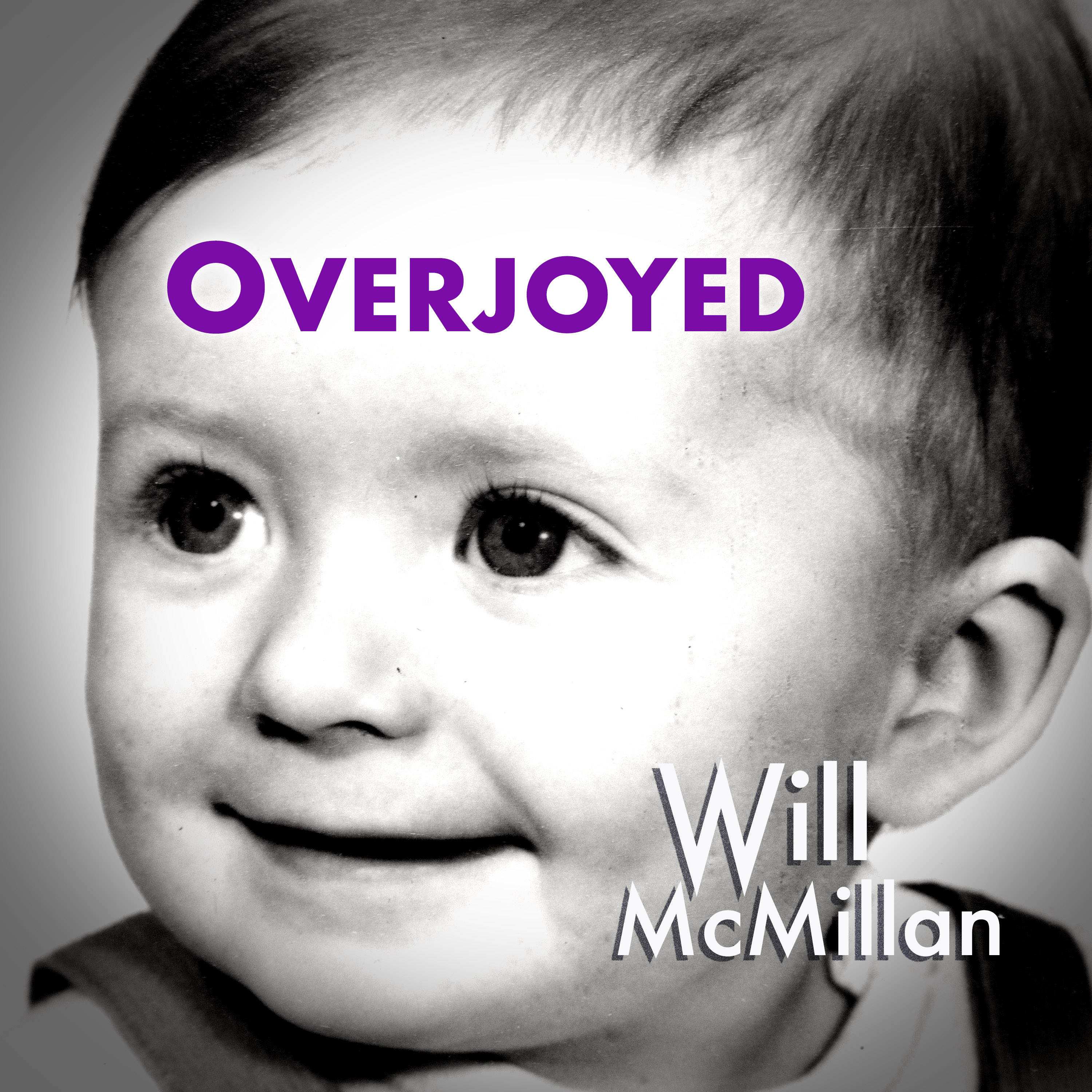
Here’s a selection from that show — “Overjoyed by Stevie Wonder…

The pianist is Doug Hammer, and the horn player is Mike Callahan.

I am curious to see how my musical endeavors may continue to ripple around the planet thanks to the internet.

Deep breath in.

Deep breath out.

Ahh, music!

ps: Since I wrote this blog post almost 12 years ago, I have begun distributing music to various streaming platforms.

You can click here for a streaming link to my version of Overjoyed” in case you might like to add it to a playlist and/or “like” it on Pandora, Spotify, Apple Music, etc.

Thank you for reading, listening and maybe even leaving a comment!

Synchronized Heartbeats!

Image by Alexa from Pixabay

Earlier this year a fellow WordPress blogger directed me to new research from the University of Gothenburg in Sweden.

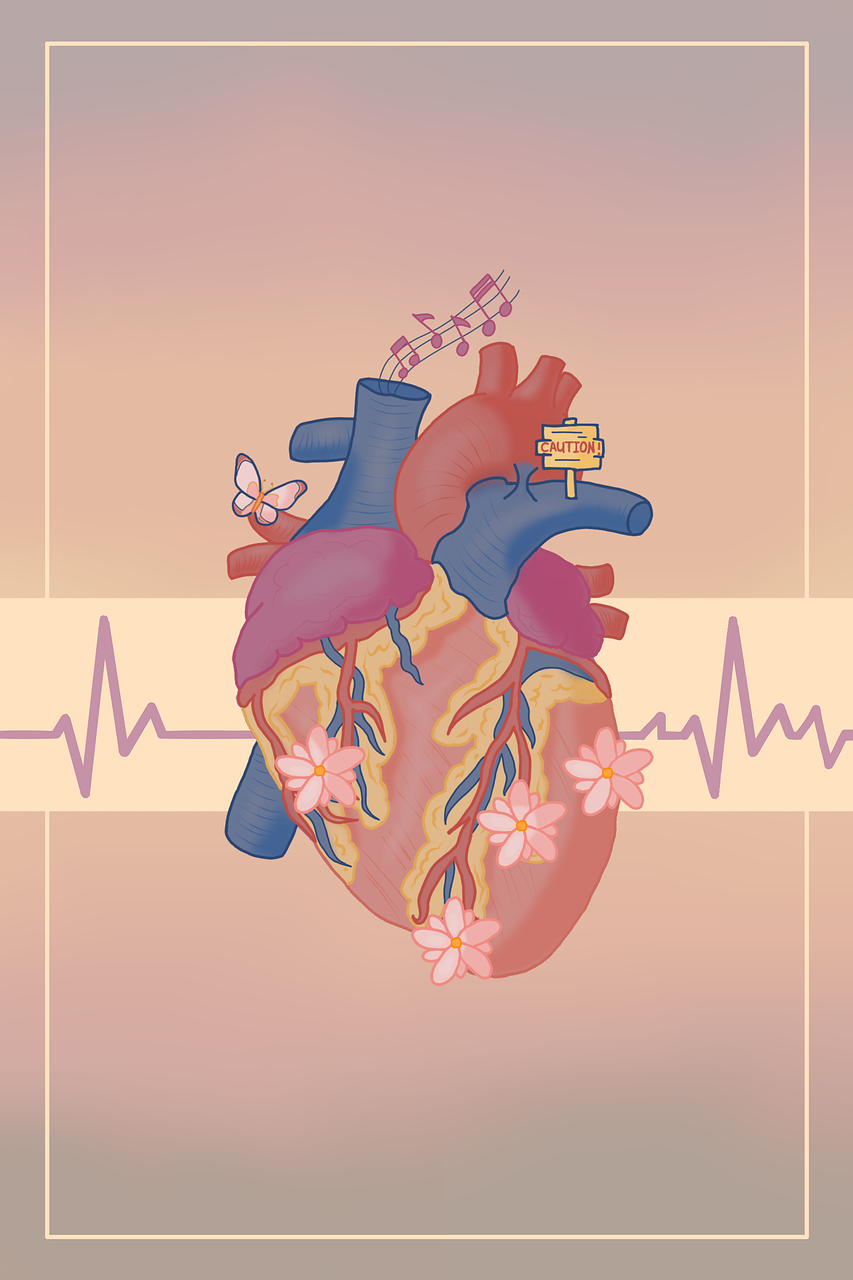
The study — named ‘Kroppens Partitur’ or ‘The Body’s Musical Score’ — monitored the pulses of fifteen choral singers as they made their way through three different exercises: humming, performing a hymn, and chanting a slow mantra.

The authors of the study reported:

“When you are singing, the heartbeat for the whole group is going up and down simultaneously…It gives you pretty much the same effect as yoga breathing. It helps you relax, and there are indications that it does provide a heart benefit.”

This synchronization is thought to be caused by the breathing patterns which the music inspires in the singers.

When they are singing the same melody, they tend to pause to breathe in the same place, and these breathing patterns then influence their heart rates.

Image by Jo Justino from Pixabay

I love learning about this research, because it corroborates what human beings have experienced for thousands of years — singing with other human beings is a special, healthy and often uplifting experience.

It also reminds me how important it is to include “sing-along” songs as part of a performance.

Who wouldn’t want an opportunity for a room full of people’s hearts to synchronize?

“Blue Moon” by Richard Rodgers and Lorenz Hart is a song which Bobbi Carrey and I included in our In Perfect Harmony show in hopes that people might sing (or hum or whistle) along with us.

I have included a version that we recorded with Doug Hammer on the piano at the very beginning of this blog post.

Image by Massiel from Pixabay

I have long been aware of how intimate singing with another person can be — whether in unison or in harmony — but I didn’t realize that Bobbi and I might actually be synchronizing our heartbeats when we perform together.

Yowza!

Ahh, blessed music…

And the human heart…

Deep breath in.

Deep breathe out.